



Every school day generates dozens of moments worth remembering—classroom breakthroughs, athletic achievements, artistic performances, community service projects, and countless small interactions that define the student experience. Yet most schools lack effective ways to capture, organize, and share these daily moments in formats that commemorate institutional history while inspiring current students and attracting prospective families.
This comprehensive guide explores how schools use photo galleries, timeline layouts, and About Us profiles to create "day in the life" showcases that serve multiple purposes simultaneously: preserving institutional memory, celebrating current students and staff, demonstrating program quality to prospective families, and building school pride through visible documentation of daily excellence.
Why “Day in the Life” Content Matters for Schools
Schools that effectively document and display daily activities create valuable assets that serve their communities in ways that extend far beyond simple documentation. These visual narratives become marketing tools, historical archives, culture-building resources, and engagement platforms all at once.
The Power of Visual Storytelling in Education
Written descriptions of school programs and achievements matter, but visual content communicates more immediately and authentically. When prospective families visit school websites or tour campuses, photo galleries showing actual students engaged in real activities provide credible evidence of program quality that marketing copy alone cannot match.
Authenticity Builds Trust
Staged promotional photos have their place, but candid images of students collaborating in science labs, performing in theater productions, competing in athletic events, or simply engaging in daily campus life create authentic representations that families find more trustworthy. These genuine glimpses into school experiences help prospective students envision themselves as community members rather than passive observers of marketing materials.
Emotional Connection Drives Decisions
School choice decisions involve both rational evaluation of academic programs and emotional responses to campus culture and community feel. Photo galleries that show diverse student experiences, enthusiastic faculty engagement, and active campus environments help families develop emotional connections that influence enrollment decisions as much as academic data and test scores.
Preserving Institutional Memory and Legacy
Schools accumulate history with every graduating class, championship season, building renovation, and program innovation. Without systematic documentation, this institutional memory fades as faculty retire, students graduate, and years pass. Digital galleries and timeline displays preserve this history in accessible formats that current students, alumni, and future generations can explore.
Historical Context Strengthens Identity
Students who understand their school’s history develop stronger institutional connections. Seeing timeline displays showing founding moments, learning about notable alumni achievements, and viewing historical photos comparing past and present campus spaces help students recognize themselves as part of continuing legacies rather than isolated cohorts passing through buildings.
Alumni Engagement Through Nostalgia
Historical photo archives serve as powerful alumni engagement tools. Graduates who return to campus or visit school websites enjoy exploring yearbook archives, viewing photos from their student years, and seeing how programs they participated in have evolved. This nostalgic engagement often translates into increased giving, volunteer participation, and ongoing connection to schools. Schools implementing comprehensive historical preservation often benefit from nostalgia marketing strategies that strengthen community bonds.
Marketing to Prospective Students and Families
The enrollment landscape has grown increasingly competitive, with families researching multiple schools before making decisions. Schools that provide rich visual content giving prospective families comprehensive views of daily student experiences gain advantages over competitors offering only basic information.
Virtual Campus Experiences
Many families begin school searches online long before scheduling campus tours. Comprehensive photo galleries essentially function as virtual campus tours, allowing families to explore facilities, preview programs, and assess campus culture from their homes. Schools offering these virtual experiences often see increased tour requests from families who have already developed positive impressions before visiting physically.
Differentiation Through Visual Evidence
Most schools claim to offer excellent programs, dedicated teachers, and active communities. Photo galleries provide evidence supporting these claims by showing actual program activities rather than just describing them. A science program can claim “hands-on learning,” but photo galleries showing students conducting experiments, building robots, or presenting research at competitions provide concrete evidence that distinguishes rhetoric from reality.
Core Components of Effective “Day in the Life” Displays
Comprehensive “day in the life” systems typically combine three complementary content types: photo galleries documenting current activities, timeline layouts preserving institutional history, and About Us profiles introducing key community members.
Photo Gallery Systems for Events and Activities
Photo galleries organized around school events, programs, and daily activities create visual archives documenting the breadth of student experiences throughout school years.
Event-Based Gallery Organization
Many schools organize galleries chronologically around major events including athletic competitions and seasons, performing arts productions, academic competitions and conferences, field trips and service learning projects, school dances and social events, graduation and award ceremonies, spirit weeks and special celebrations, and daily classroom activities and learning moments.
This event-based organization makes content easy to browse while ensuring all major school activities receive documentation. Families searching for specific information—like examples of theater productions or science fair projects—can quickly navigate to relevant galleries without sorting through unorganized photo collections.
Program and Department Galleries
Complementing event-based organization, many schools maintain program-specific galleries displaying academic departments like science, math, humanities, and arts, athletic programs and teams, performing arts including music, theater, and dance, student clubs and organizations, community service and volunteer programs, and special programs like robotics, debate, or career technical education.
Program galleries provide focused resources for families researching specific interests. A family evaluating music programs can explore comprehensive photo galleries showing orchestra performances, jazz band competitions, individual lessons, and music classroom activities—creating detailed program impressions that simple program descriptions cannot match.
Classroom and Academic Life Documentation
Beyond major events and programs, effective galleries document ordinary classroom experiences that comprise most of the student day. Photos showing students engaged in small group discussions, conducting lab experiments, presenting projects, working in library research sessions, receiving individual instruction, and participating in seminar-style classes reveal pedagogical approaches and learning environments that help families assess academic culture and teaching quality.
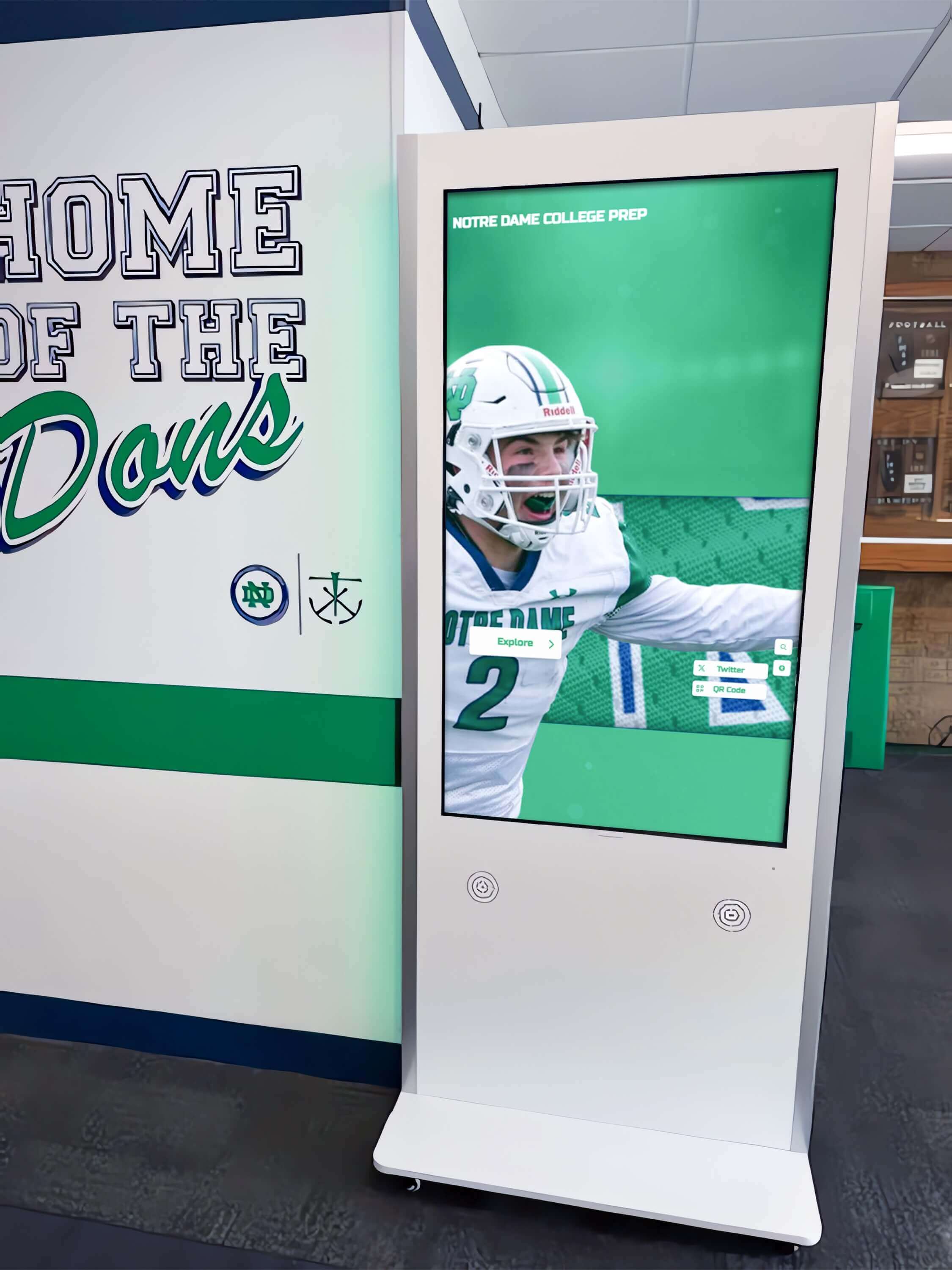
Timeline Layouts for School History
Timeline displays organize institutional history chronologically, showing founding moments through present day while highlighting significant milestones, achievements, and evolution.
Comprehensive Institutional Timelines
Many schools create master timelines documenting their complete histories from founding through current year. These timelines typically include founding date and original mission, major building construction and campus expansions, significant leadership changes and administration, program additions and educational innovations, notable alumni achievements and recognitions, championship seasons and competitive successes, accreditation and recognition milestones, and community impact initiatives and partnerships.
Comprehensive timelines work particularly well for schools with long histories—private schools operating for decades or centuries, public schools serving communities across generations, and institutions that have evolved significantly from original missions. Schools looking to create permanent historical documentation often implement archival preservation systems that protect institutional memory.
Program-Specific Timeline Displays
Rather than documenting entire institutional histories, some schools create focused timelines for specific programs showing evolution and milestones including athletic program timelines showing championship seasons, record performances, and notable athletes, performing arts timelines documenting major productions and competitive achievements, academic program timelines showing curriculum changes and student accomplishments, building and facility timelines showing campus physical evolution, and fundraising and development timelines celebrating major campaigns and donor impact.
These focused timelines work well when schools want to show particular program strengths or document significant program evolution that prospective families considering those areas would find valuable.
Interactive Digital Timeline Capabilities
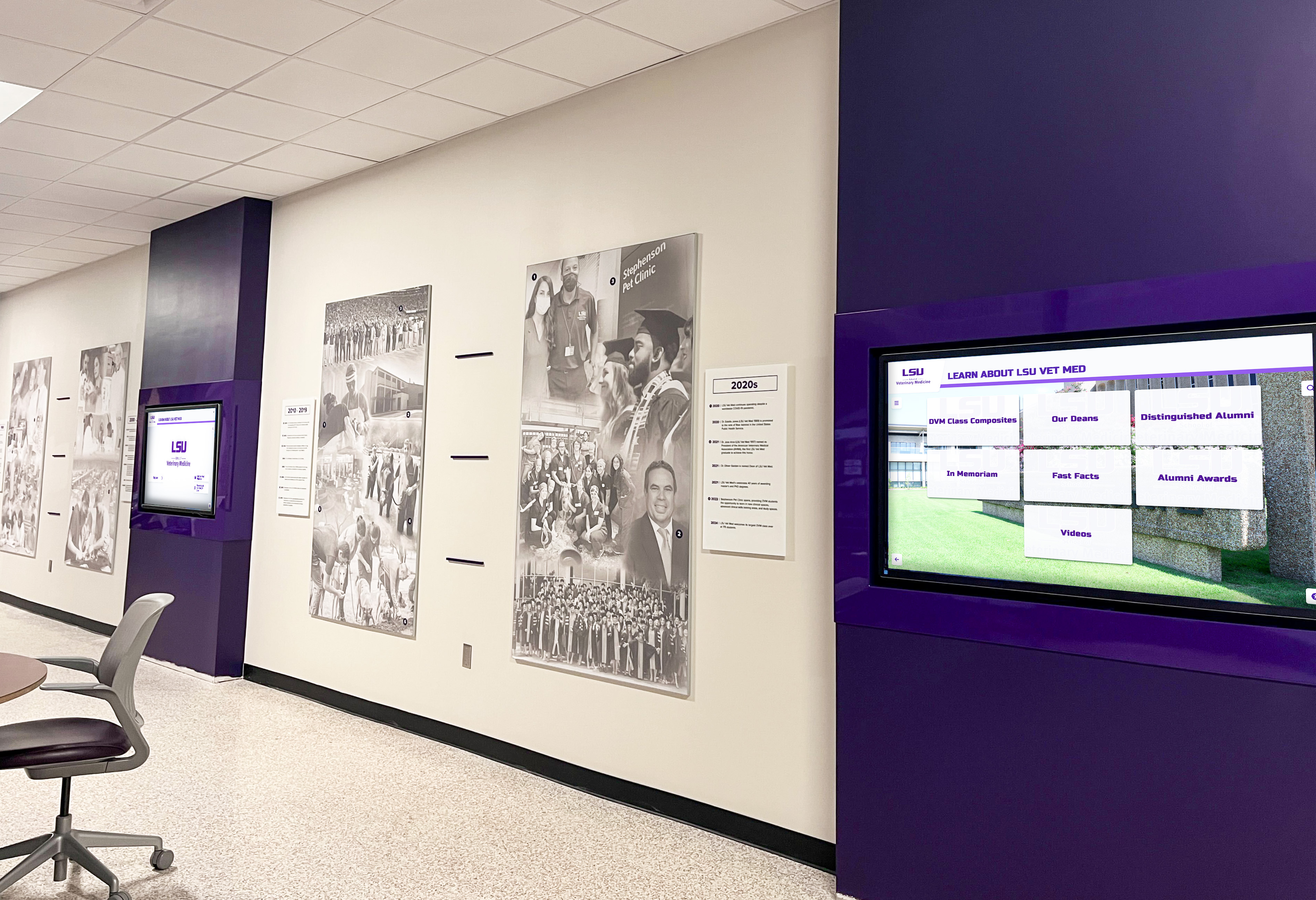
While static timeline displays on walls provide basic chronological organization, digital timeline platforms offer interactive capabilities that improve exploration and engagement. Users can click specific years to view detailed information, explore photo galleries from particular time periods, watch video clips from historical events, read alumni testimonials and stories, and filter timelines by categories like athletics, academics, or buildings.
Digital platforms supporting comprehensive school history displays often serve multiple functions beyond simple timeline presentation, including digital archives that organize thousands of historical documents.
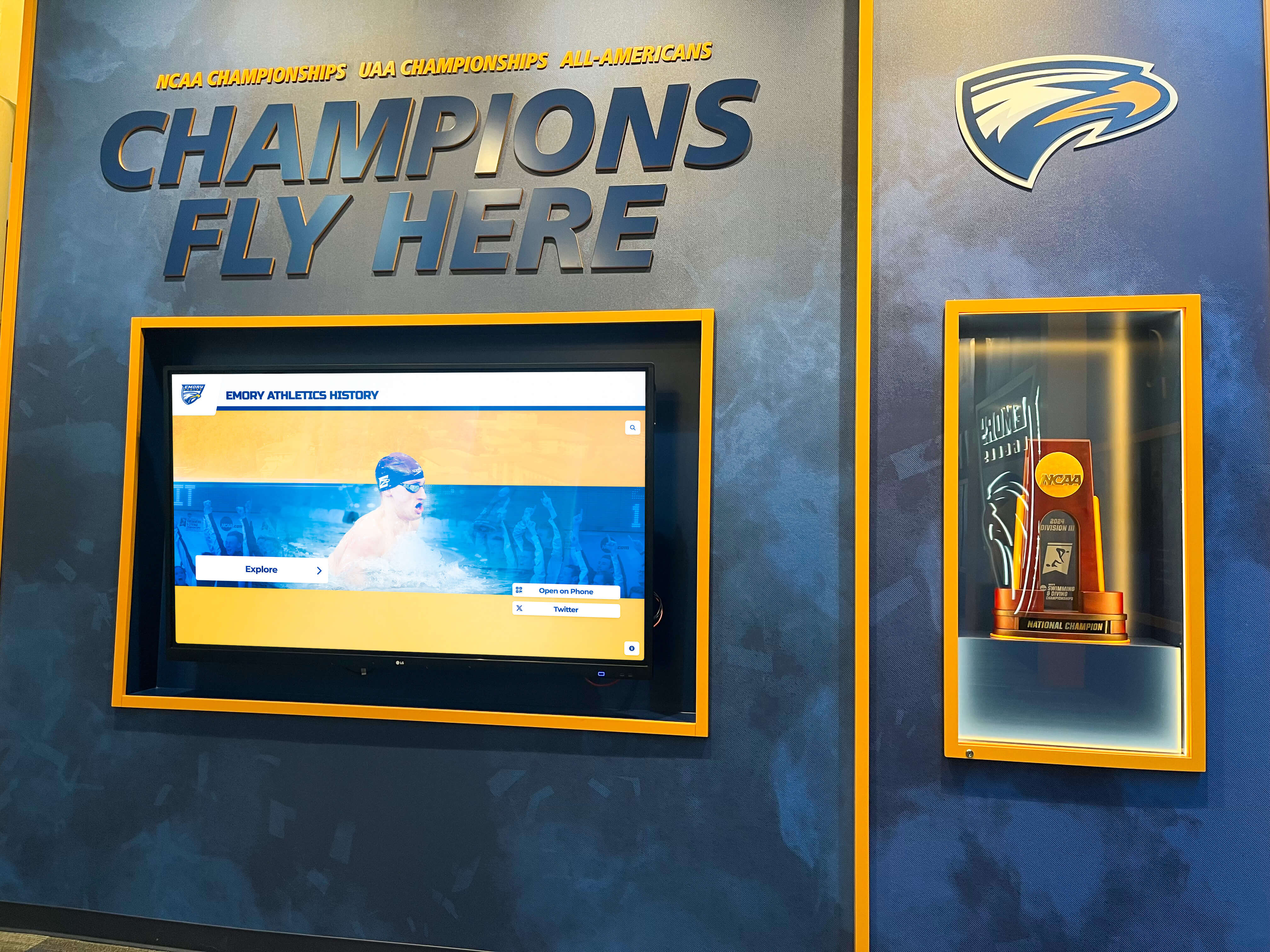
About Us Profiles for Faculty, Staff, and Community
The third component of comprehensive “day in the life” systems involves profiles introducing people who make schools function—teachers, administrators, staff members, coaches, and other key community members.
Faculty and Staff Profiles
Detailed profiles for teachers and staff typically include professional background and credentials, teaching philosophy and approach, years at institution and previous experience, courses or subjects taught, extracurricular activities sponsored or coached, contact information for communication, personal interests and hobbies when appropriate, and photos showing faculty in both formal and classroom settings.
These profiles serve multiple purposes. Prospective families research teacher credentials and experience when evaluating academic quality. Current students and families appreciate having centralized information about faculty members they interact with. And comprehensive faculty profiles demonstrate institutional investment in teaching quality and community building.
Administrative Leadership Profiles
Head of school, principals, deans, and other leadership profiles typically provide more detailed biographical information including educational background and career progression, leadership philosophy and institutional vision, previous administrative experience, major accomplishments and initiatives, and statements about institutional priorities and direction.
Leadership profiles help prospective families understand institutional values and direction while giving current community members insight into administrative thinking and priorities. They also provide transparency about who makes key decisions affecting school operations and culture.
Student Leader and Ambassador Profiles
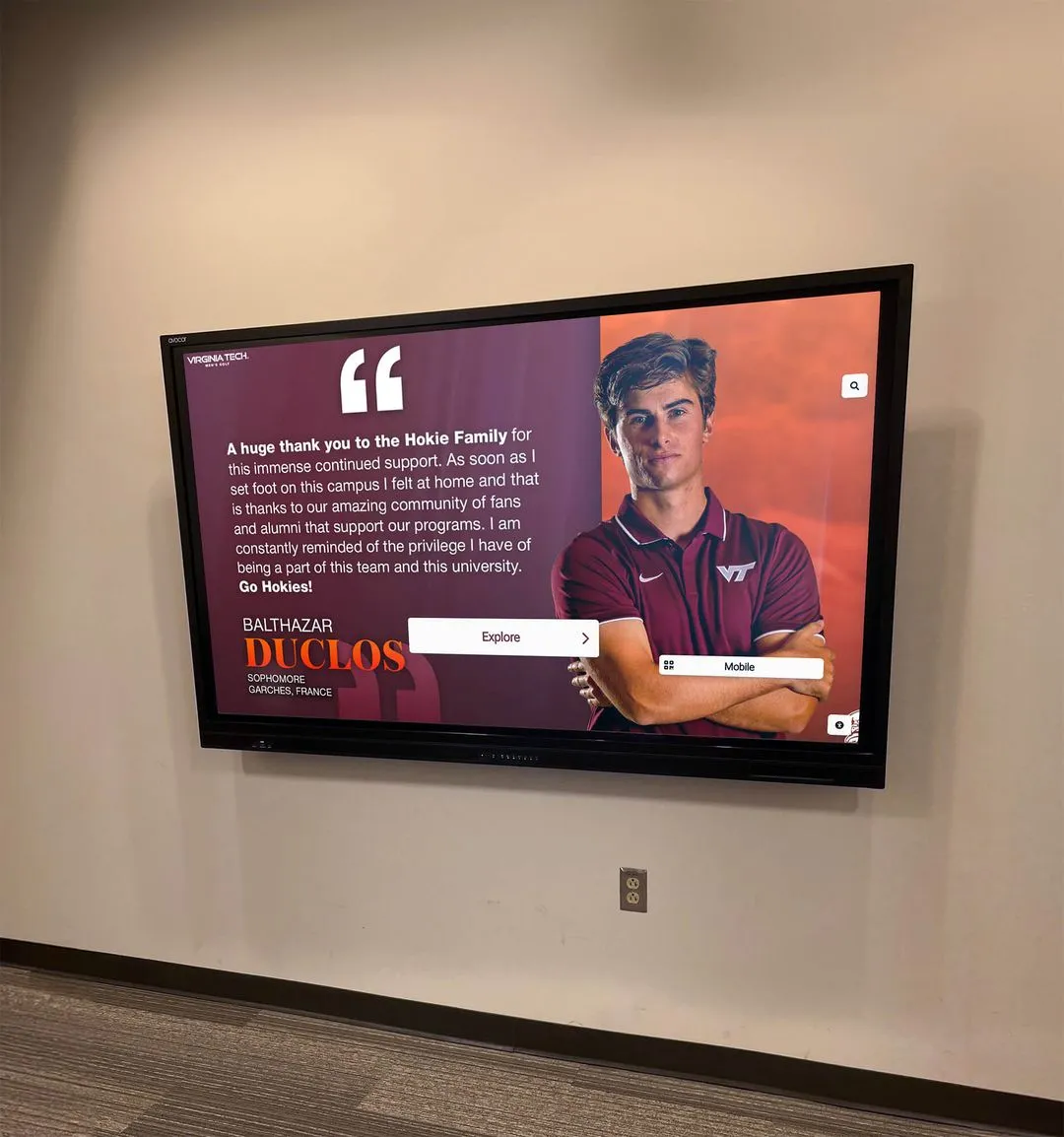
Many schools feature profiles of student leaders including student council officers, club presidents, athletic captains, peer mentors, and admission ambassadors. These student profiles provide peer perspectives on school experiences that prospective students often find more relatable than adult testimonials. Student voices describing what they value about their school, how they have grown through experiences, and what advice they would offer incoming students create authentic marketing content that resonates with families making enrollment decisions.
Implementation Strategies for Digital Recognition Displays
Creating effective “day in the life” content requires both technical platforms for display and organizational systems for content collection, curation, and maintenance.
Choosing Display Platforms and Technologies
Schools implement “day in the life” content through various platform combinations depending on audiences, budgets, and technical capabilities.
Website Integration Approaches
Most schools begin by integrating photo galleries and timeline content into existing websites through dedicated gallery pages organized by event or program, embedded galleries within program description pages, homepage features displaying current events, searchable archives with filtering capabilities, and mobile-responsive designs ensuring accessibility across devices.
Website integration provides broadest reach, serving prospective families researching schools, alumni exploring historical content, current families viewing event photos, and community members staying connected with school activities.
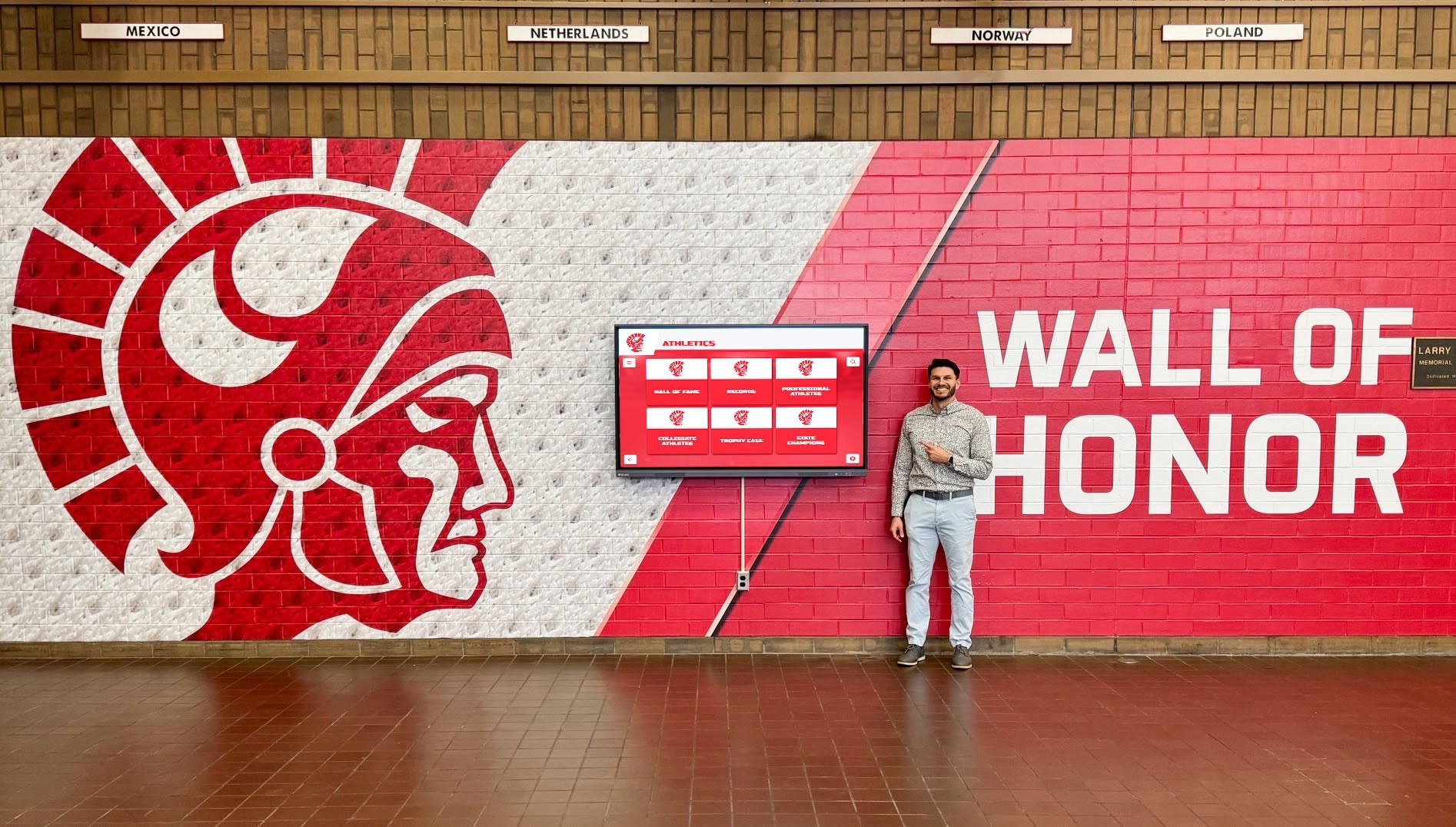
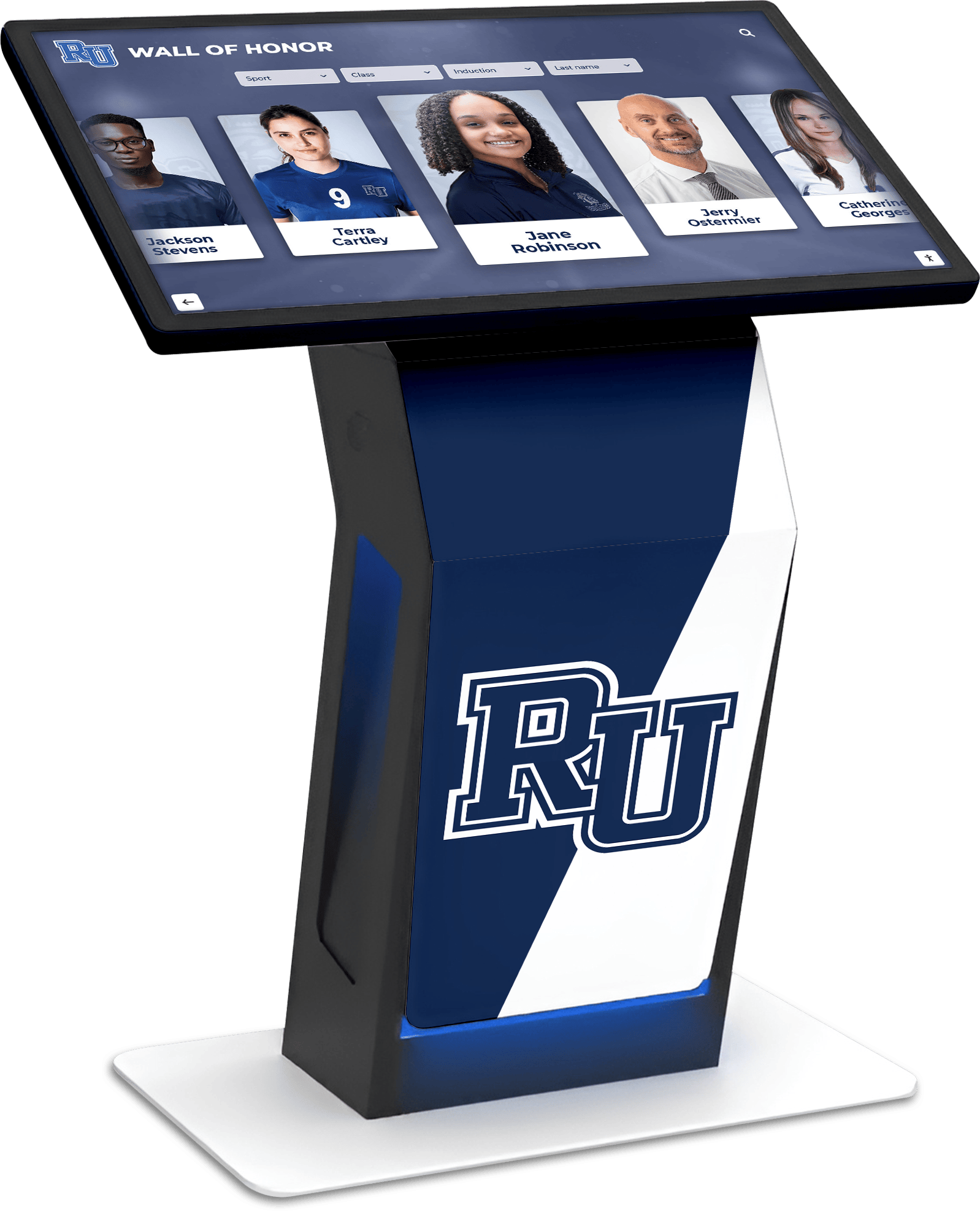
Physical Interactive Touchscreen Displays
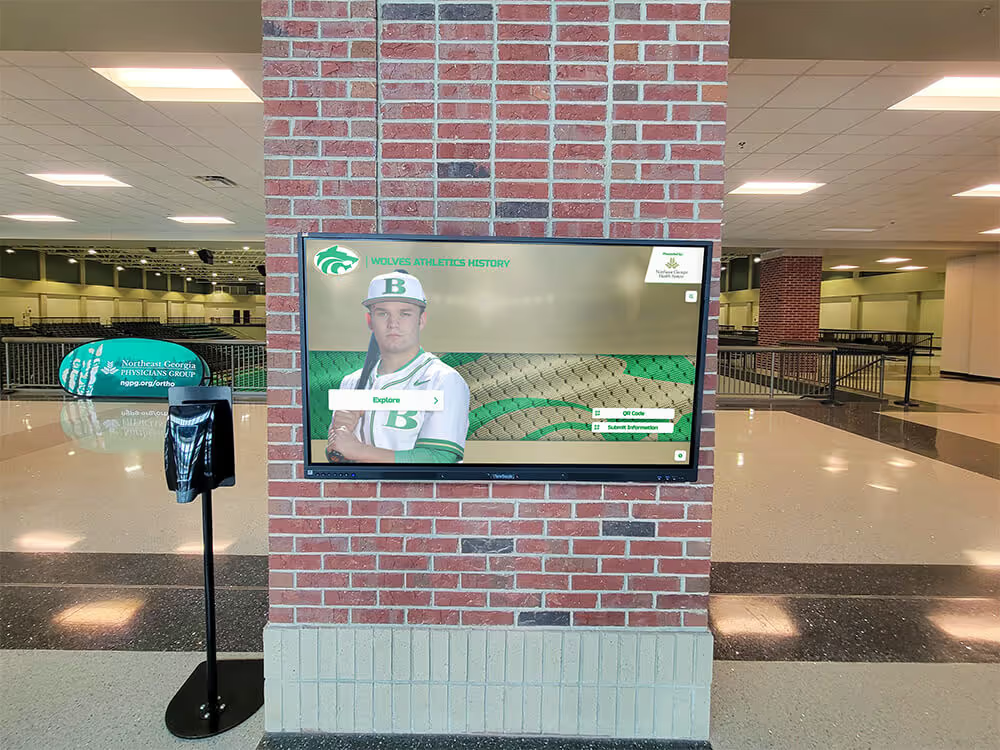
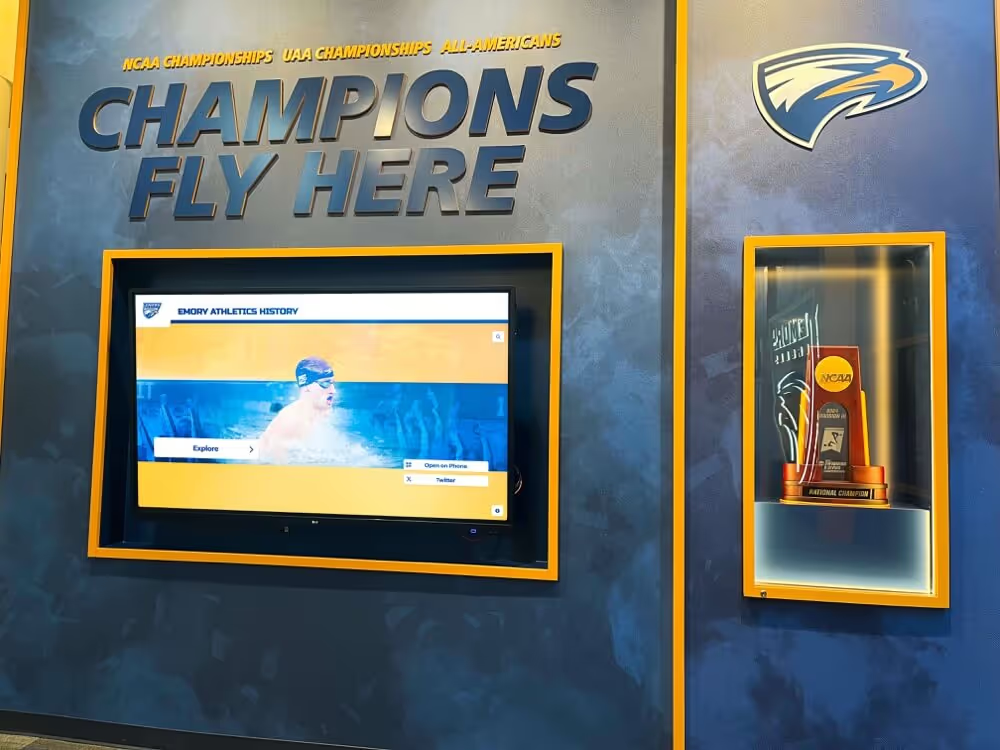
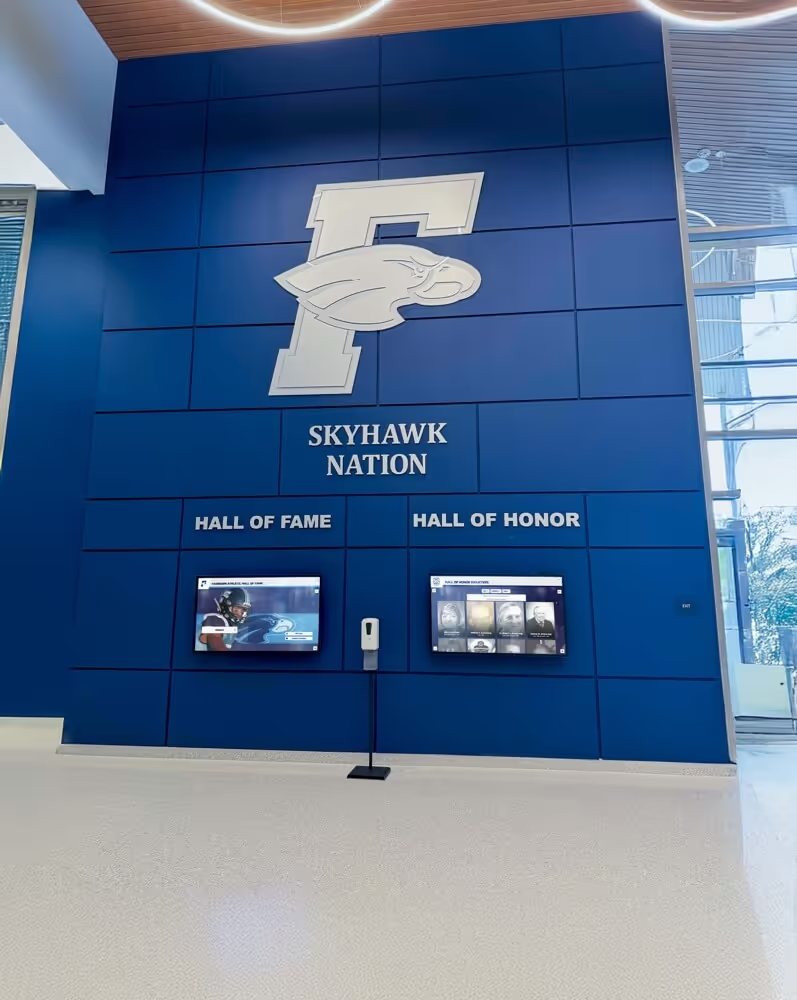
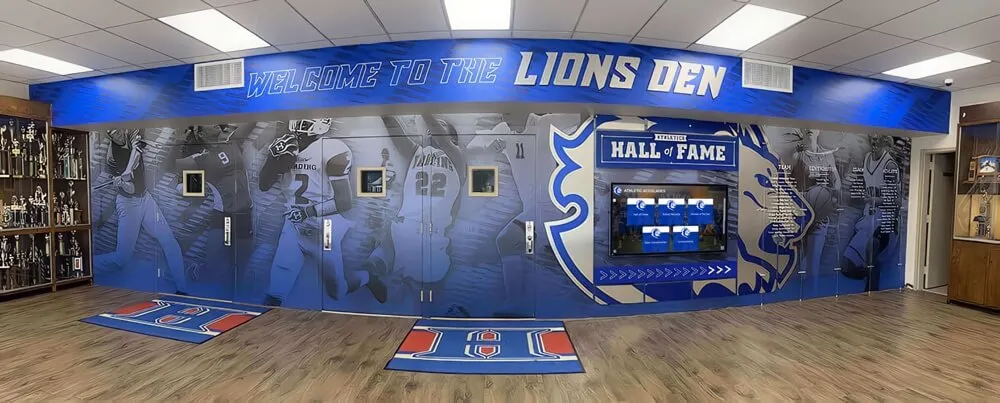
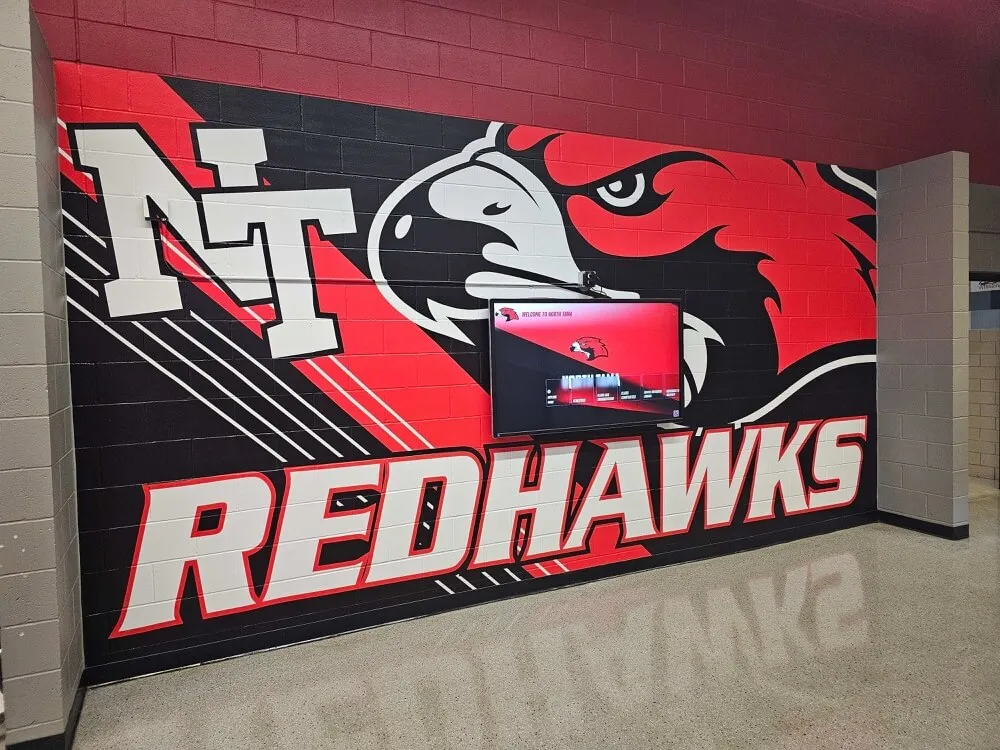
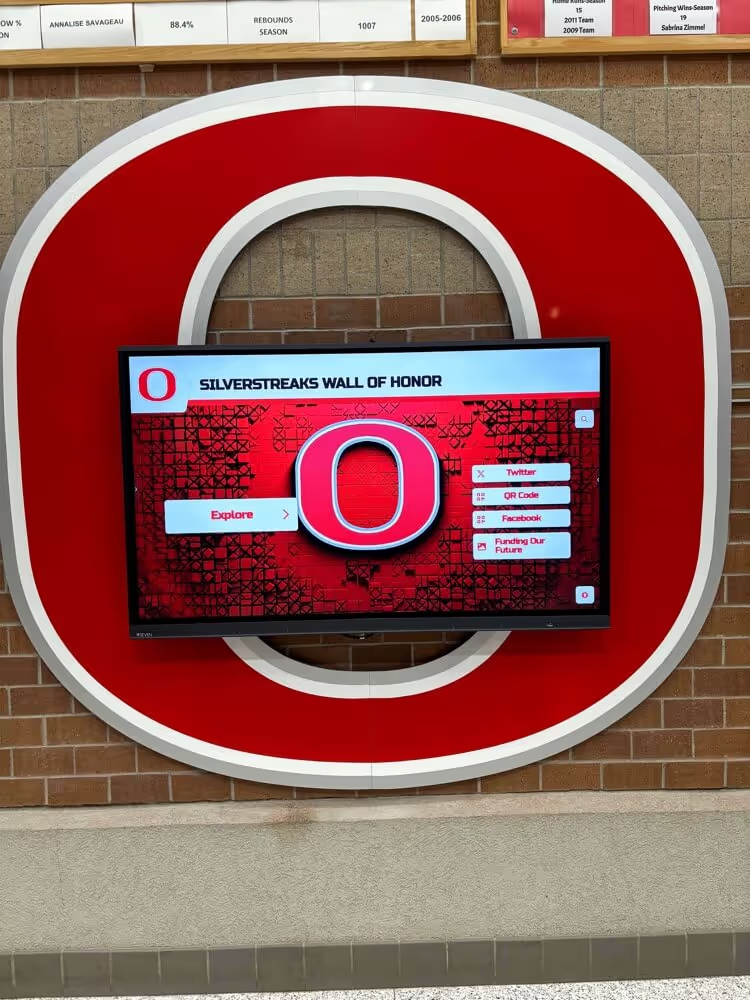
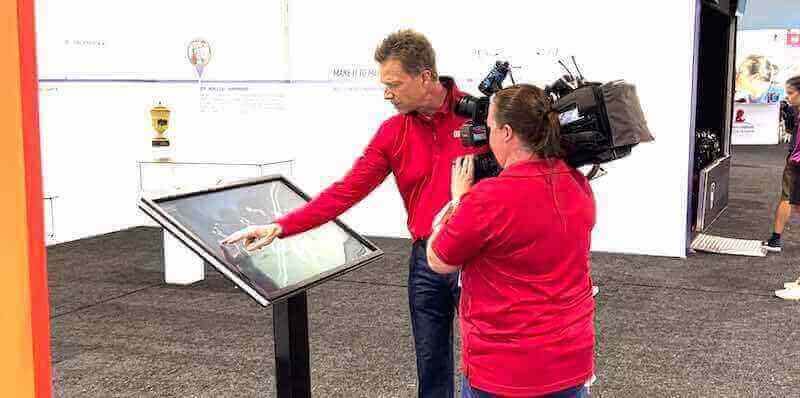
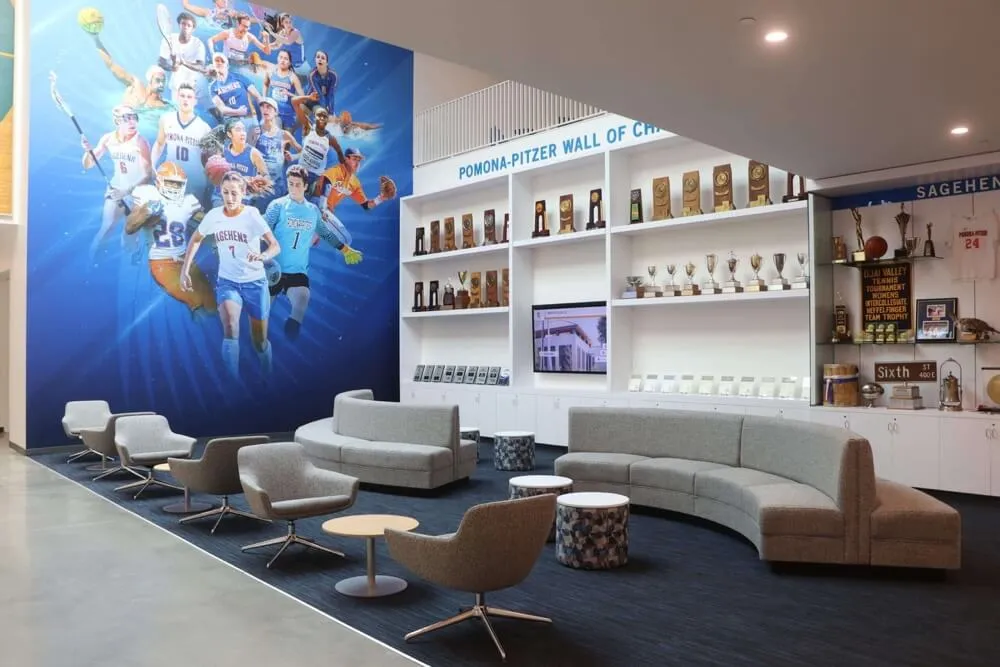
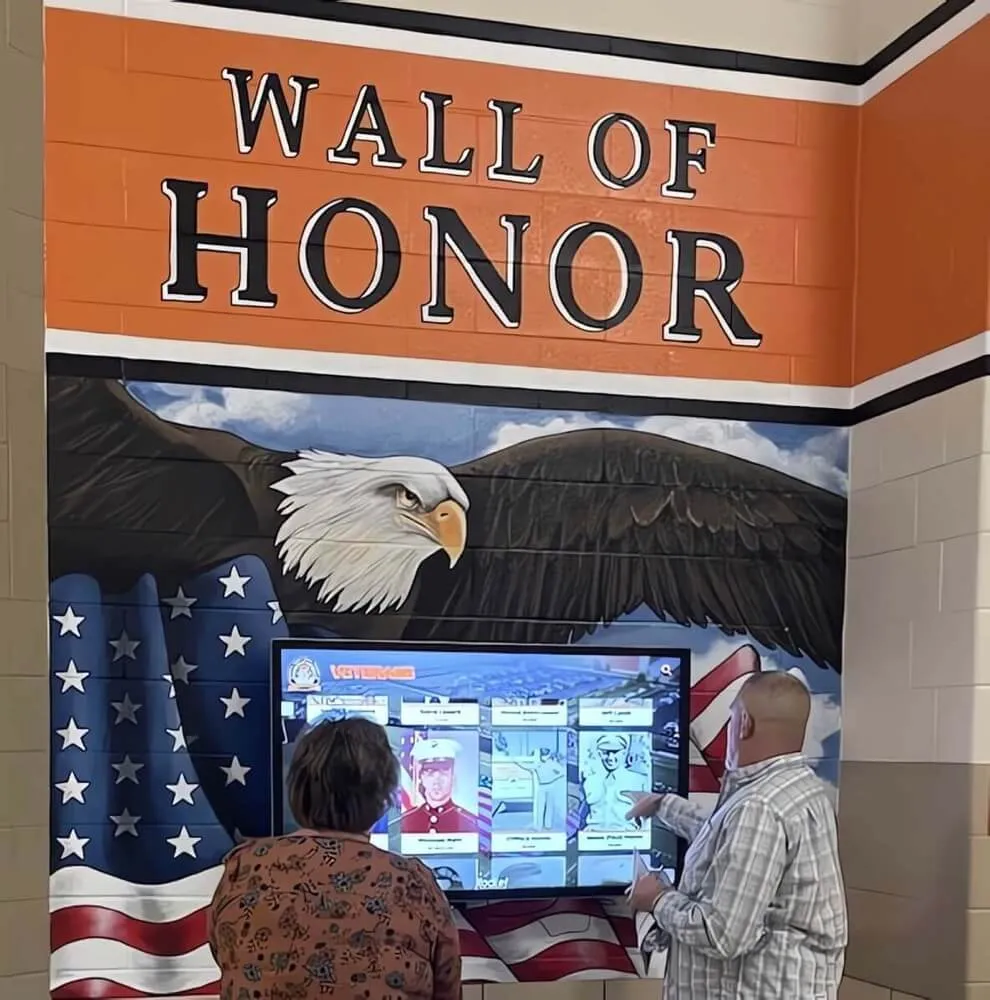
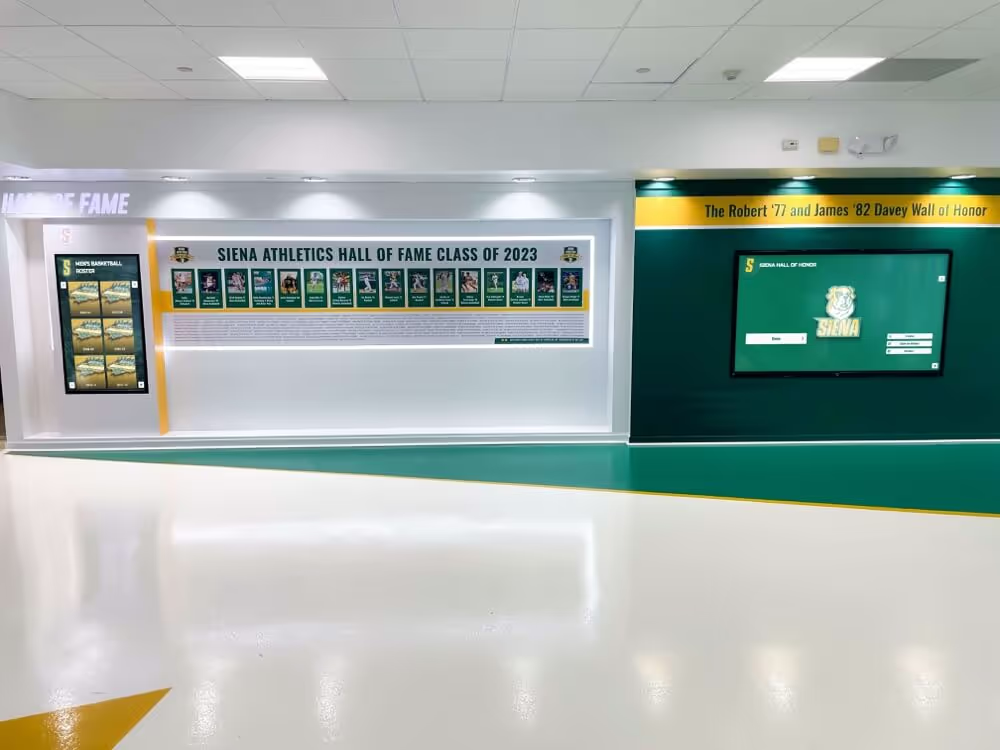
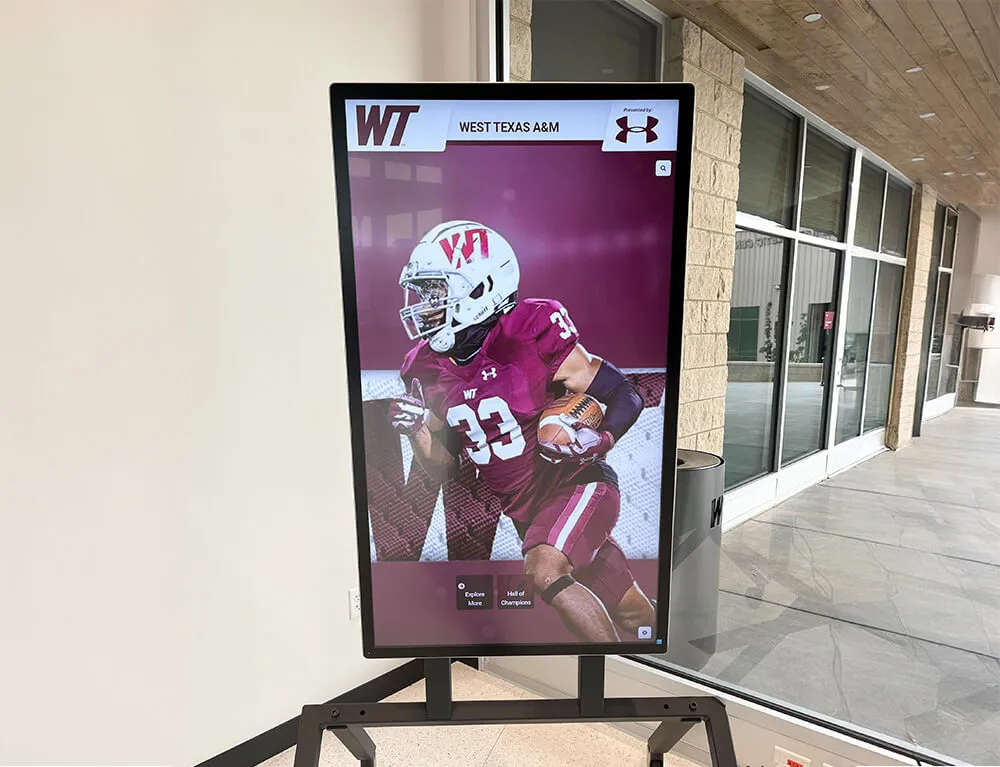
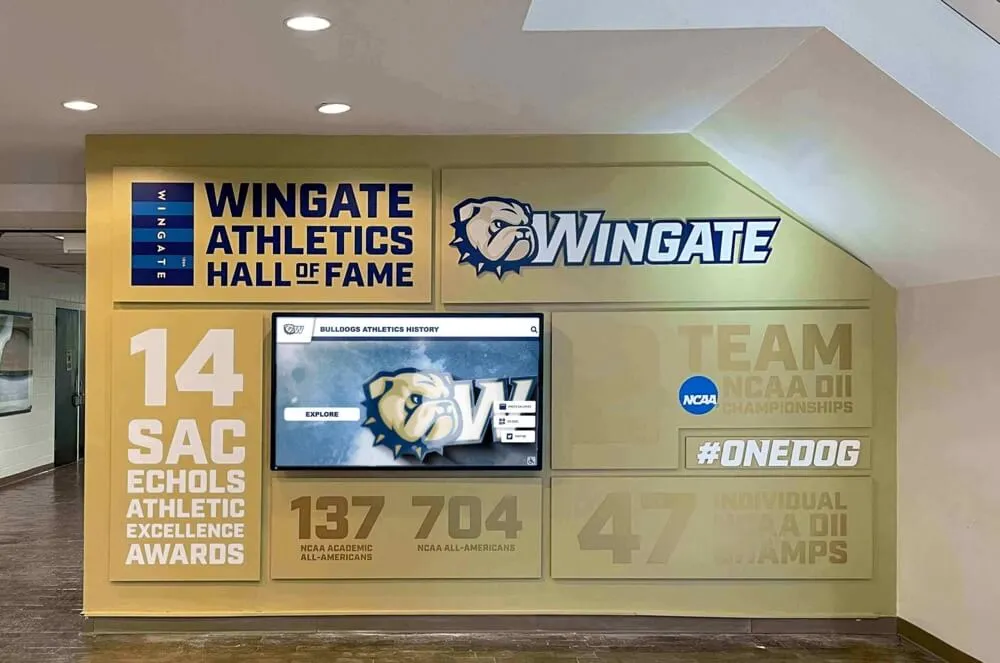
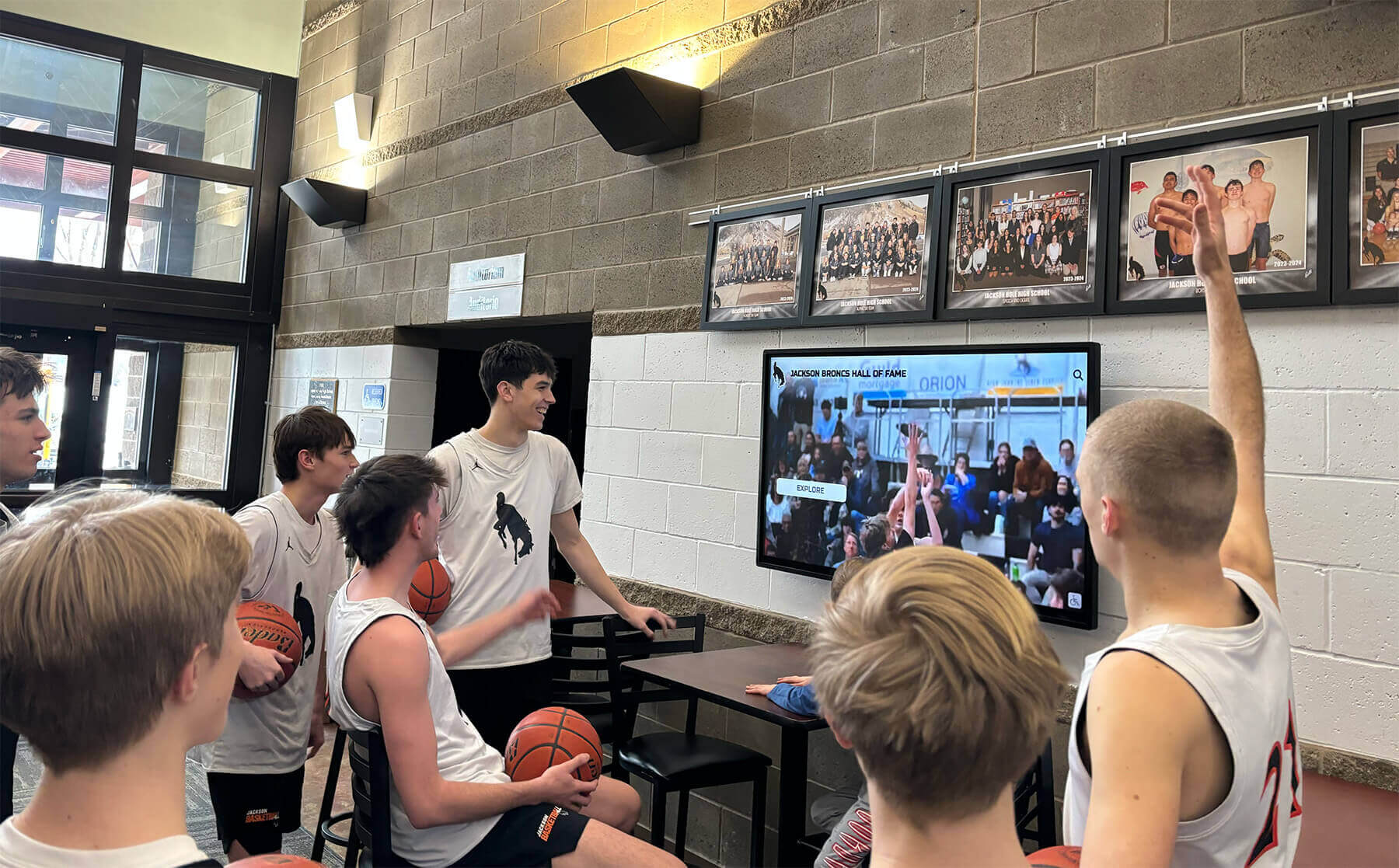
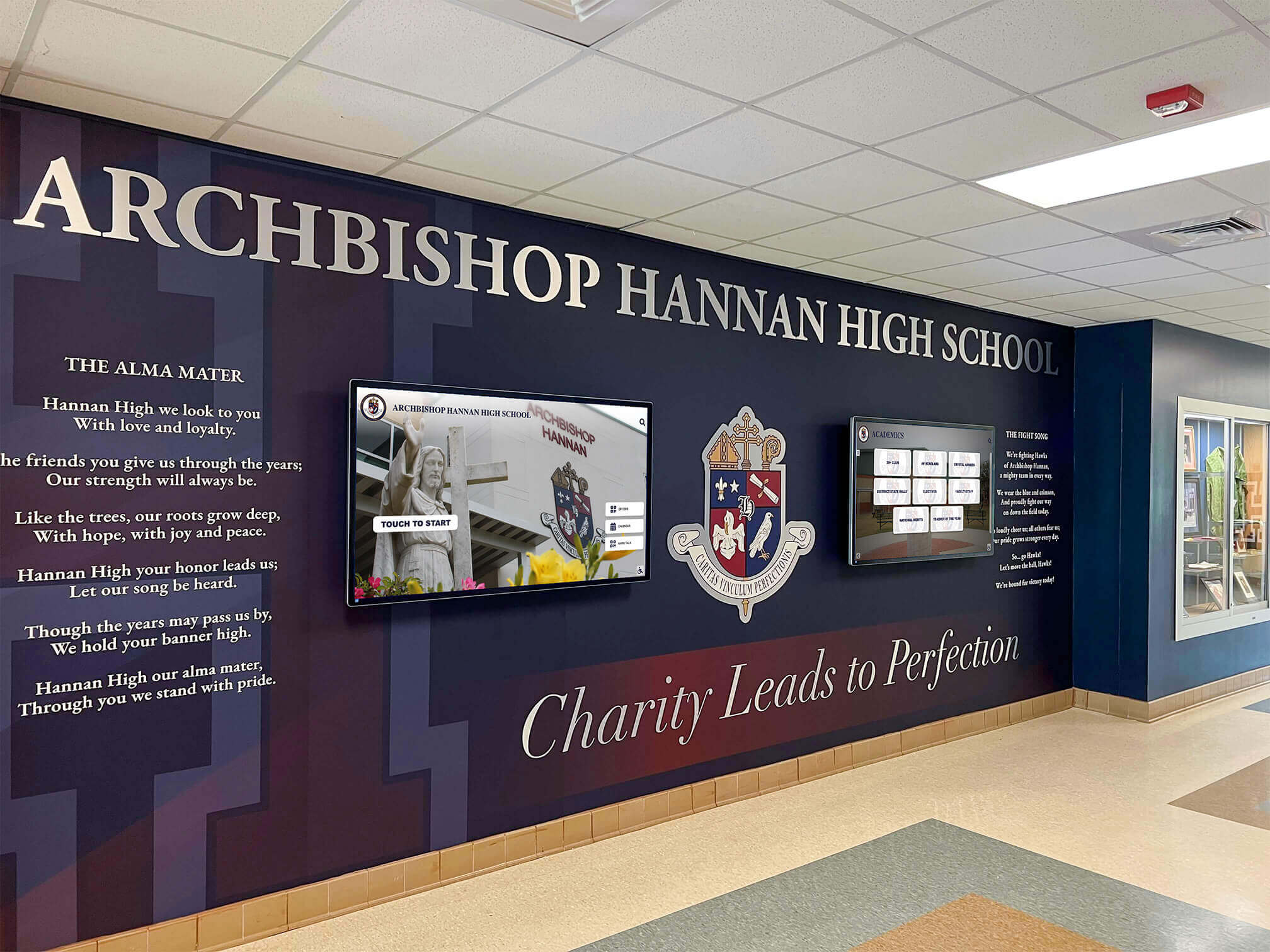
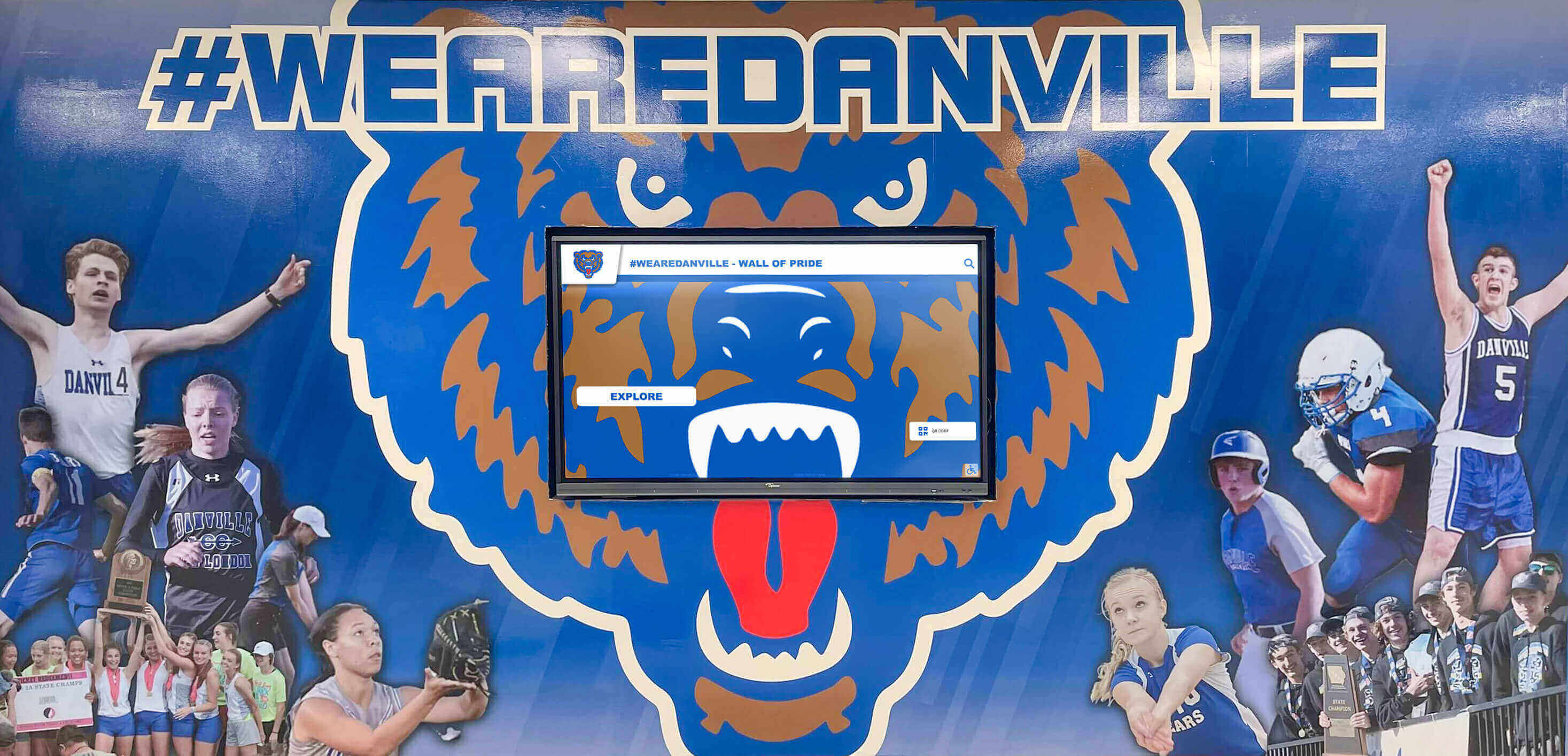
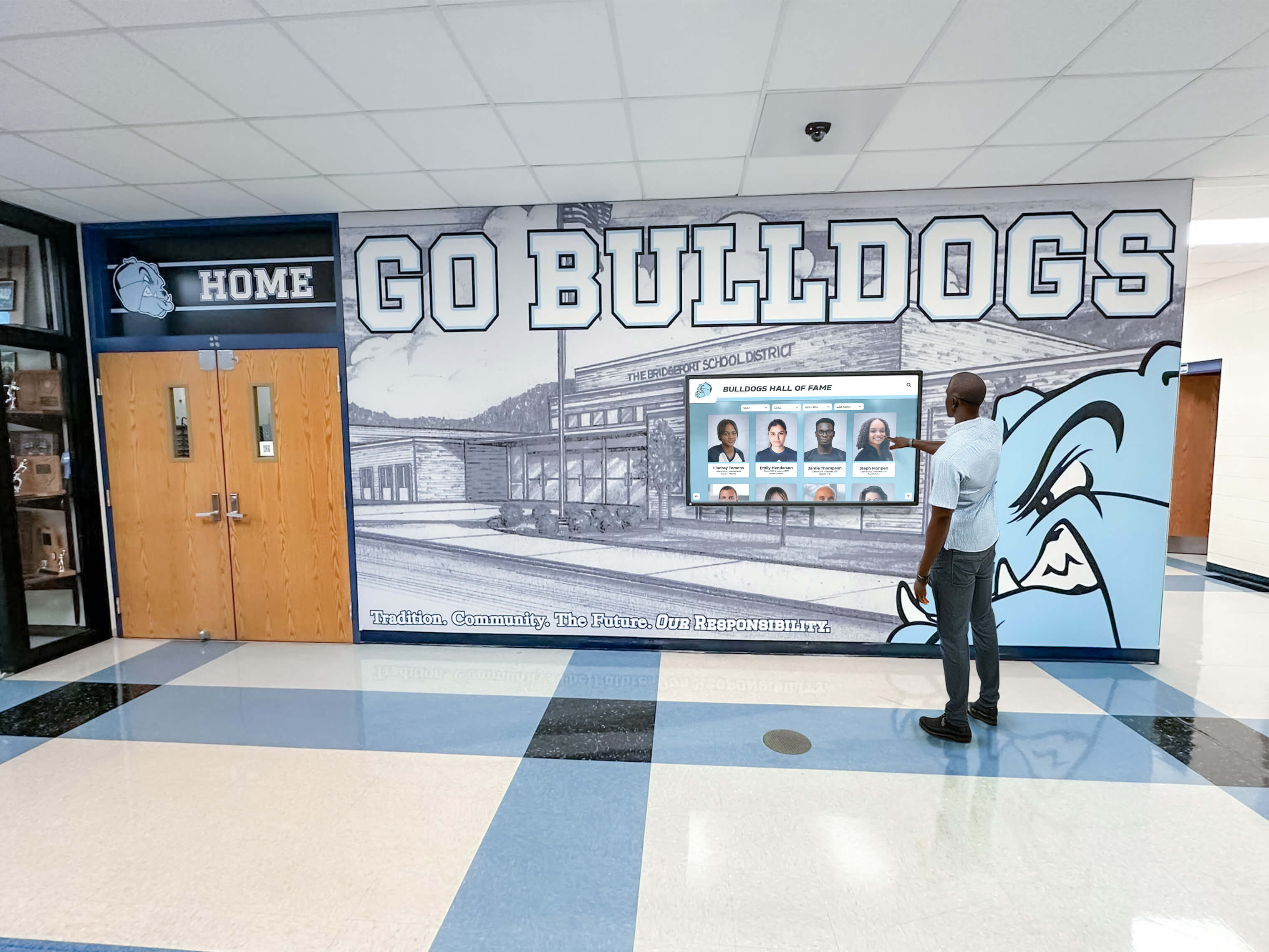
Complementing web presence, many schools install interactive touchscreen displays in high-traffic campus locations including main lobby entrances where all visitors pass, alumni centers and advancement offices, athletic facilities and gymnasiums, library and student centers, and performing arts building lobbies.
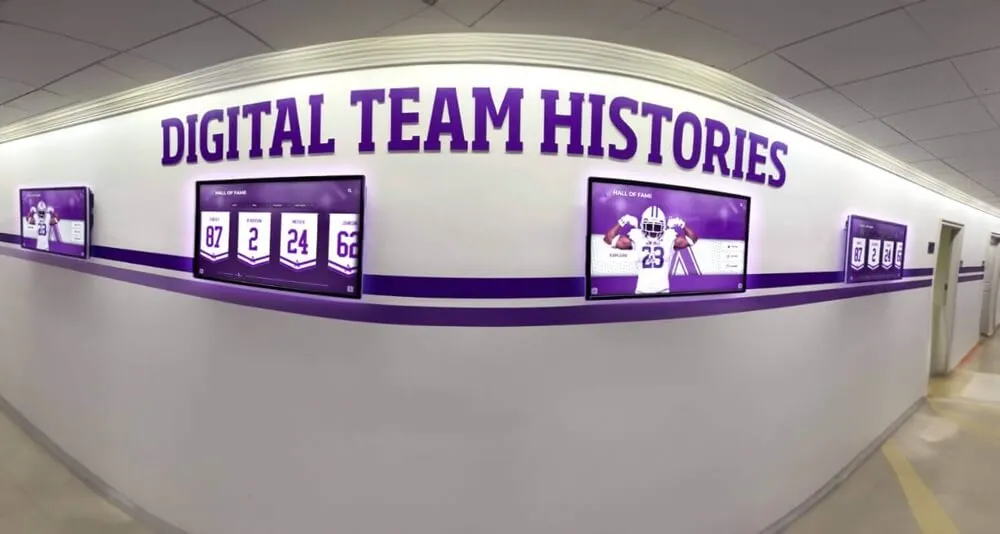
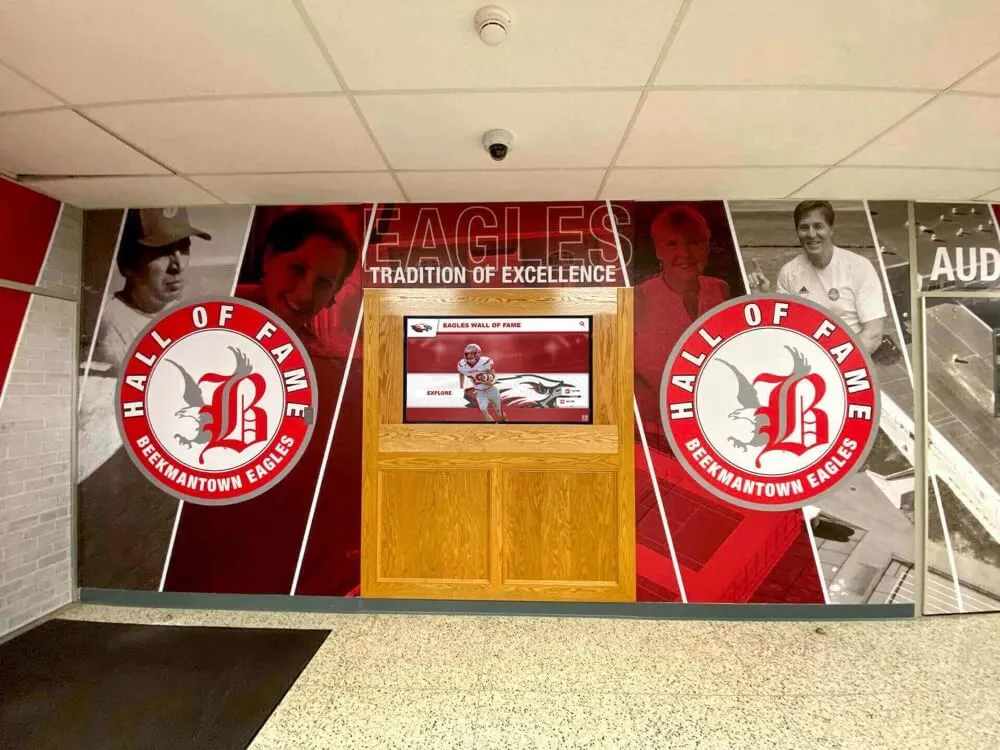
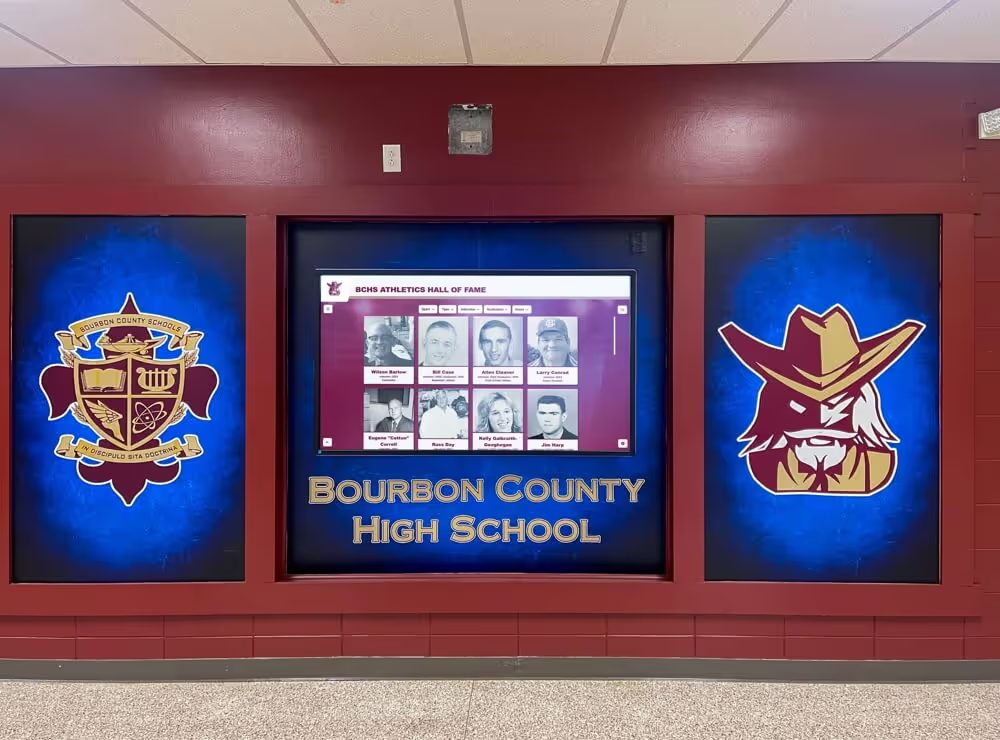
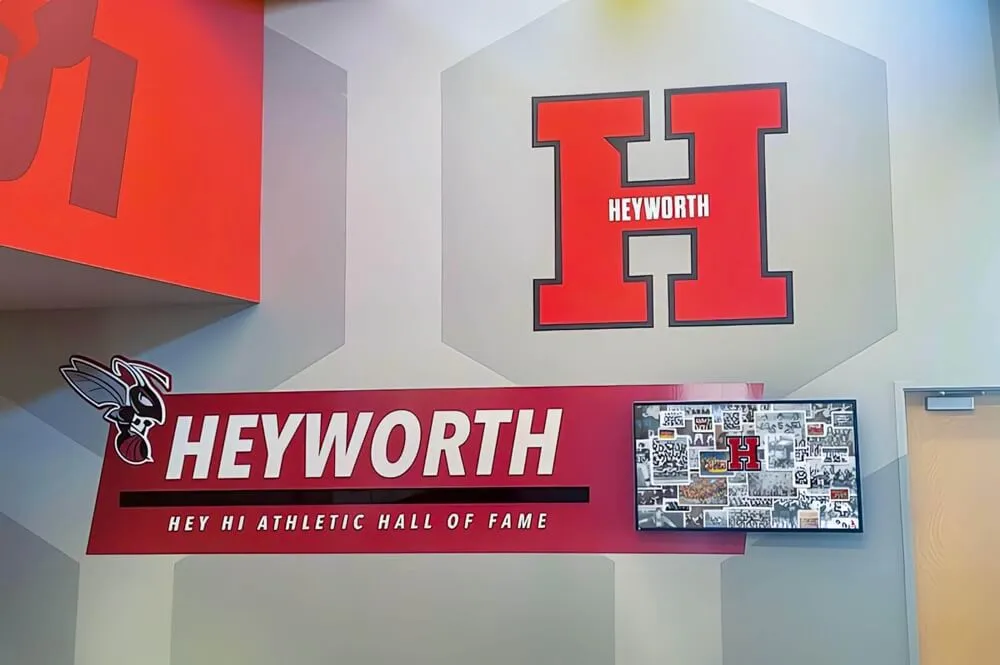
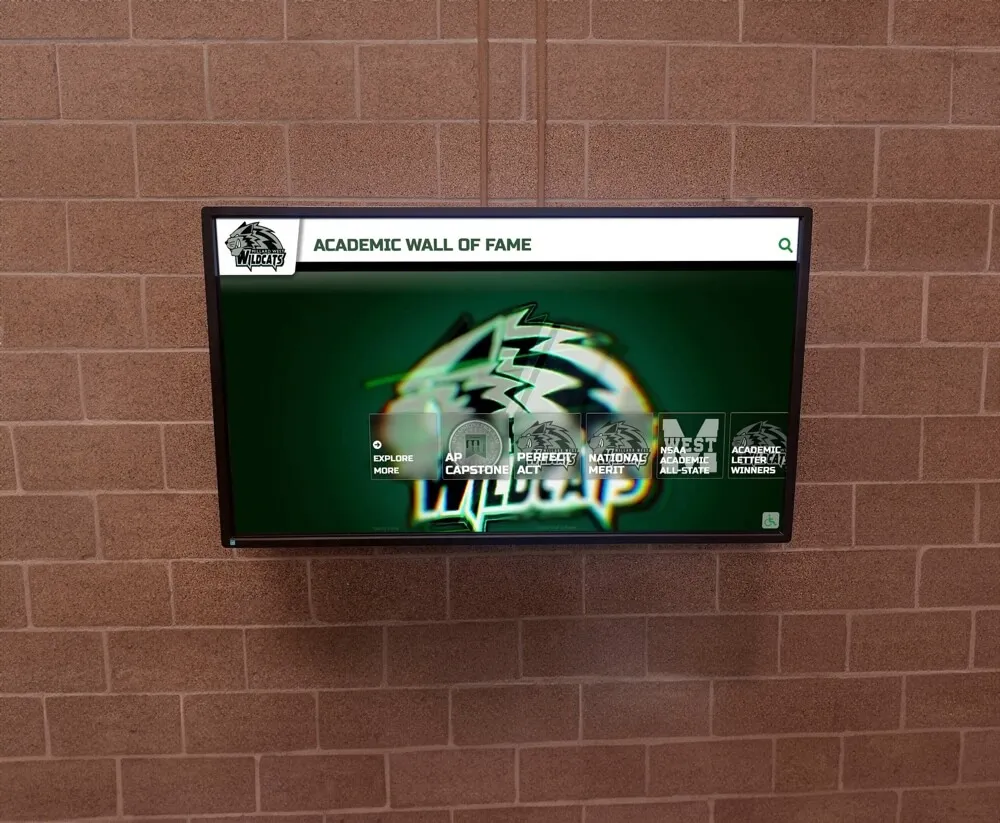
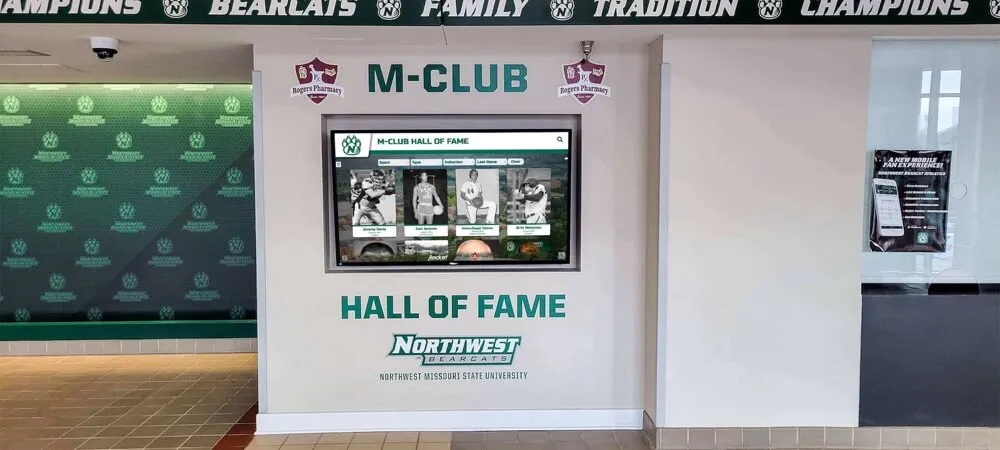
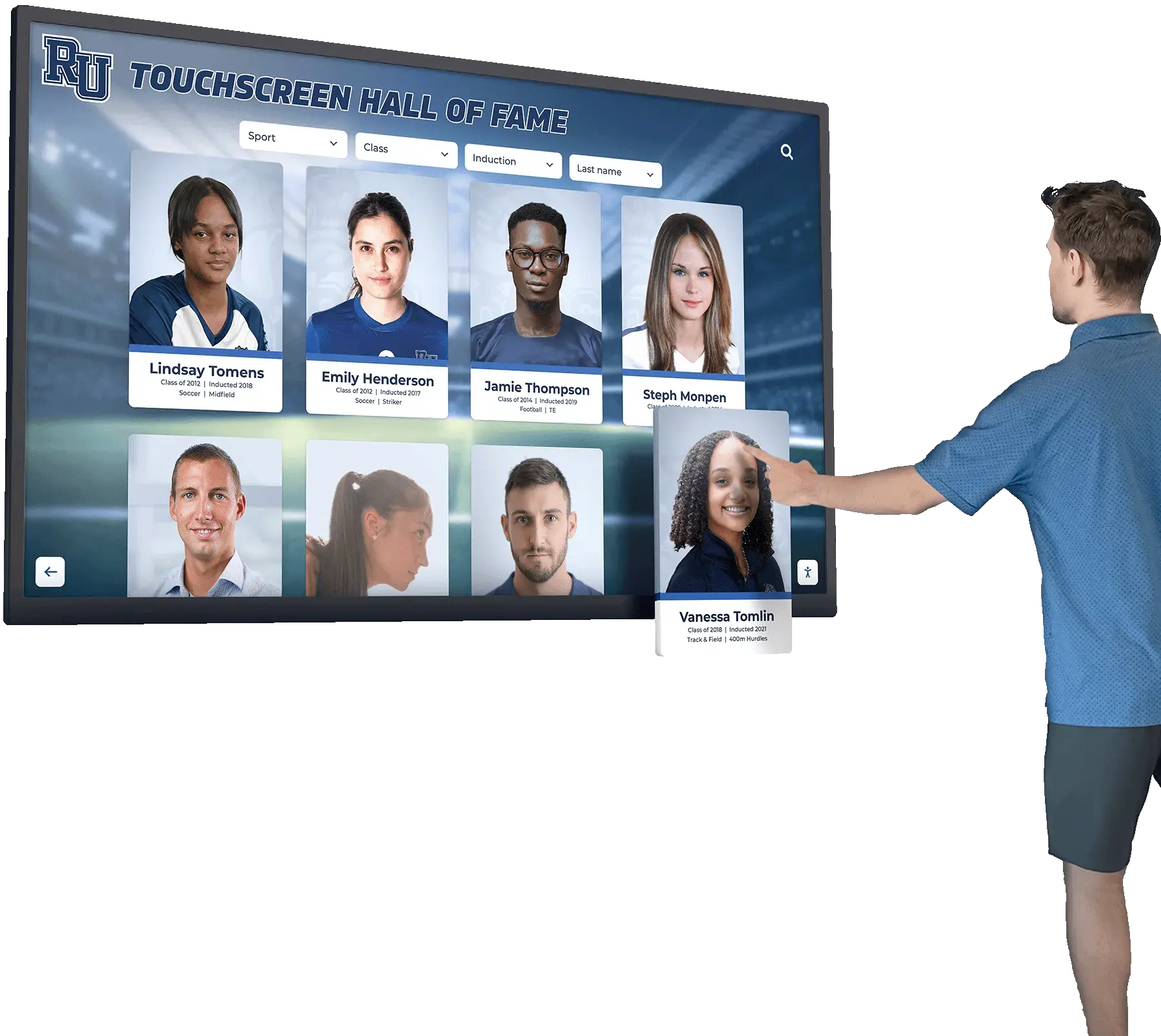
Physical displays serve on-campus audiences—prospective families during tours, current students and staff throughout school days, alumni during return visits, and community members attending events. Solutions like Rocket Alumni Solutions provide purpose-built platforms specifically designed for schools to display photo galleries, timeline layouts, and community profiles through user-friendly touchscreen interfaces that visitors can explore at their own pace.
Social Media Distribution
Schools extend content reach by repurposing gallery photos and timeline content across social media platforms including Instagram posts and stories featuring daily campus moments, Facebook albums organized by event or program, Twitter updates showing current activities, TikTok videos featuring student experiences, and LinkedIn content targeting alumni and professional networks.
Social media distribution multiplies content value by reaching audiences who might not visit school websites while providing shareable content that students, families, and alumni can easily distribute through their own networks.
Hybrid Approaches Maximizing Reach
The most effective implementations combine multiple platforms creating comprehensive systems where content appears across website galleries, physical touchscreen displays, social media channels, printed materials and publications, and mobile applications when available.
This multi-platform approach ensures different audiences can access content through their preferred channels while maximizing return on content creation investment by reusing materials across multiple distribution methods.
Content Collection and Management Workflows
Sustainable “day in the life” systems require efficient workflows for regularly collecting, organizing, and publishing content without creating unsustainable workload burdens.
Designating Photography Responsibilities
Schools approach photography collection through various models including dedicated communications or marketing staff attending major events, teacher and coach participation capturing program-specific activities, student photography clubs or yearbook teams documenting campus life, parent volunteers contributing photos from events they attend, and professional photographers for major occasions like graduations and galas.
Many schools combine multiple approaches—professional photography for major events requiring high-quality images, staff and teacher photography for regular program documentation, and student contributions adding authentic peer perspectives that professional photographers might miss.
Establishing Consent and Privacy Protocols
Photo documentation requires clear policies addressing student privacy and parental consent. Most schools implement protocols including annual photo consent forms allowing parents to specify usage permissions, clear policies about name usage in captions and profiles, procedures for removing photos when families request it, different permission levels for website, social media, and promotional materials, and particular attention to protecting identity of students in sensitive circumstances.
Well-designed consent systems protect student privacy while enabling schools to use content appropriately for legitimate educational and marketing purposes.
Creating Efficient Curation and Publication Processes
Raw event photos require curation before publication. Effective workflows typically include initial selection choosing best images from larger sets, basic editing for cropping, lighting, and color correction, caption writing providing context and identifying subjects appropriately, metadata tagging enabling searchable archives, approval processes ensuring appropriate content, and scheduled publication maintaining regular content freshness.
Schools often assign these tasks to communications staff, yearbook advisors, or student workers under supervision. Purpose-built platforms with simple content management systems reduce technical complexity, enabling staff without specialized design or web development expertise to maintain high-quality galleries efficiently.
Best Practices for Compelling Visual Content
Technical platforms matter, but content quality determines whether “day in the life” displays engage audiences or become ignored background noise.
Photography Standards and Composition
Capturing Authentic Moments
The most compelling school photos show genuine student engagement rather than posed portraits. Look for opportunities to photograph students actively engaged in learning—manipulating lab equipment, debating ideas in discussions, solving problems collaboratively, creating art or writing, performing in productions or competitions, and celebrating achievements with peers.
These authentic activity shots communicate energy, engagement, and learning in ways that staged classroom portraits cannot match.
Ensuring Diverse Representation
Photo galleries should reflect actual student body diversity across multiple dimensions including gender representation, racial and ethnic diversity, age groups and grade levels, academic and extracurricular program variety, learning styles and abilities, and socioeconomic backgrounds when appropriately visible.
Galleries consistently featuring narrow student demographics—only top athletes, only high-achieving students, only particular ethnic groups—alienate families who don’t see themselves represented. Intentional attention to inclusive photography ensures all community members feel valued and visible.
Professional Quality Standards
While candid authenticity matters more than perfect composition, basic photography standards ensure galleries look professional rather than amateurish. Maintain attention to proper lighting avoiding harsh shadows or blown-out windows, sharp focus on primary subjects, uncluttered backgrounds minimizing distractions, thoughtful composition following basic rules of thirds and leading lines, and consistent color processing maintaining unified visual style across galleries.
Schools lacking photography expertise might provide basic training for staff and students responsible for documentation or budget for occasional professional photography of major events requiring higher-quality images.
Writing Compelling Captions and Descriptions
Photos tell stories, but captions provide essential context that improves understanding and engagement.
Effective Caption Elements
Strong captions typically include context explaining what activity or event appears in photos, names identifying students, teachers, or subjects when appropriate and permitted, dates situating photos in time, location information placing photos in campus spaces, and brief descriptions adding details not visually obvious.
For example: “Junior chemistry students conduct titration experiments in the renovated science lab, October 2026. Students designed and executed original research projects exploring acid-base reactions.” This caption provides context, timing, location, and activity explanation helping viewers understand significance beyond what the image alone conveys.
Balancing Information and Privacy
While names and identifying information enhance engagement, privacy considerations require thoughtful approach. Many schools use first names only for minors, obtain specific consent before publishing full names, avoid identifying information for students in sensitive situations, provide options for parents to limit name usage, and establish grade-level or age-based policies about identification.
Finding appropriate balance protects student privacy while providing enough context to make content meaningful for families and community members viewing galleries.
Storytelling Through Gallery Organization
Individual captions matter, but overall gallery organization creates narrative flow. Consider organizing galleries to tell stories—showing event progression from setup through activity to conclusion, documenting process from beginning steps through finished products, or comparing historical and current photos showing evolution over time.
This narrative organization transforms random photo collections into coherent stories that engage viewers more effectively than unstructured image dumps.
Special Considerations for Different Audiences
“Day in the life” content serves multiple distinct audiences, each with different priorities and information needs. Effective implementations address these varied audience needs simultaneously.
Content for Prospective Students and Families
Families researching schools seek specific information helping them evaluate whether institutions match their needs and priorities.
Academic Program Documentation
Prospective families want to see evidence of academic rigor, teaching quality, and learning environments. Photo galleries addressing these interests show students engaged in challenging coursework, small class sizes enabling individual attention, specialized facilities and equipment, students presenting research or projects, collaborative learning activities, and diverse course offerings across subjects.
Complementing visual content, interactive campus storytelling helps prospective families understand educational approaches and values that define school culture.
Student Life and Community Culture
Beyond academics, families assess social environments and community culture. Photo galleries showing diverse extracurricular options, inclusive social environments, student friendships and collaboration, campus events and celebrations, leadership opportunities, and support services communicate community values and social climate as effectively as mission statements.
Facilities and Campus Resources
Facility quality influences school choice decisions, particularly for families comparing multiple options. Photo galleries showcasing athletic facilities and fields, performing arts spaces and theaters, science labs and maker spaces, library and study areas, dining facilities, technology resources, and outdoor learning spaces provide virtual facility tours for families unable to visit campuses in person.
Content for Current Students and Families
Current community members use “day in the life” content for different purposes than prospective families.
Celebrating Student Achievement
For current families, photo galleries function primarily as celebration and documentation. Parents enjoy seeing their students featured in galleries showing athletic competitions, performing arts productions, academic presentations, club activities, and daily classroom engagement.
Many schools supplement public galleries with password-protected content allowing families to access additional photos that might not be appropriate for public marketing but that parents appreciate for personal documentation.
Building School Pride and Connection
Students seeing themselves and friends prominently featured throughout campus galleries develop stronger school identification and pride. This visible recognition communicates that student experiences matter and deserve celebration. Schools often notice increased student engagement and school spirit following implementation of comprehensive display systems that make student accomplishments consistently visible throughout campus spaces.
Maintaining Family Engagement
Regular gallery updates provide content for school communications keeping families informed about campus activities. Many schools link to new galleries in weekly newsletters, share highlights on social media, and feature recent additions on homepage sliders—creating regular touchpoints maintaining family connection to school life even when they cannot attend events in person.
Content for Alumni and Donors
Historical photo galleries and timeline displays serve alumni and donor audiences with particular effectiveness.
Alumni Engagement Through Historical Content
Alumni visiting school websites or campuses often gravitate toward historical photo archives and timeline displays. Seeing yearbook photos from their graduation years, viewing programs they participated in, learning how schools have evolved since their time, and discovering which faculty members remain all create nostalgic engagement that strengthens alumni connections. Schools implementing historical photo preservation often see increased alumni participation and giving.
Demonstrating Institutional Impact for Donors
Donors supporting schools want evidence that their contributions make meaningful differences. Photo galleries and timeline displays showing program growth funded by donations, facility improvements enabled by campaigns, student achievements resulting from program investments, and long-term institutional evolution demonstrate donor impact in tangible visual terms that financial reports alone cannot match.
Many advancement offices incorporate “day in the life” content into fundraising presentations, donor recognition displays, and campaign materials—showing prospective donors the active programs and engaged students their support would benefit.
Measuring Success and Impact
Implementing “day in the life” display systems requires investment in technology, staff time, and ongoing maintenance. Schools benefit from tracking metrics demonstrating value and return on investment.
Quantitative Metrics
Digital Engagement Tracking
For web-based galleries and content, monitor website analytics including page views and unique visitors to gallery pages, time spent viewing galleries indicating engagement depth, social media shares and engagement, referral traffic from external sites, and mobile versus desktop access patterns.
Growing traffic and engagement metrics validate investment in content creation while identifying which content types generate strongest interest.
Physical Display Interaction
For touchscreen displays, many platforms provide analytics tracking user interactions including number of sessions indicating how many visitors use displays, average session duration showing engagement depth, most-viewed content revealing audience interests, time-of-day usage patterns informing placement decisions, and navigation paths showing how users explore content.
These metrics help schools improve content and display placement for maximum impact.
Conversion and Behavioral Outcomes
Beyond consumption metrics, track outcomes including admissions inquiry increases following gallery implementations, campus tour request changes, application numbers and enrollment rates, alumni event attendance, giving participation and donation increases, and social media follower growth.
While many factors influence these outcomes, positive trends following “day in the life” implementations suggest content contributes to institutional goals.
Qualitative Feedback
Numbers tell important stories, but qualitative feedback reveals whether content achieves intended purposes.
Stakeholder Surveys
Regularly gather feedback from prospective families about website and display usefulness, current students about feeling recognized and celebrated, parents about communication value and staying informed, alumni about historical content and engagement, and faculty and staff about workload and implementation challenges.
This feedback identifies both successes worth continuing and pain points requiring adjustment.
Observational Assessment
Watch how different audiences interact with displays and content. During campus tours, notice whether guides reference displays and whether prospective families engage with touchscreens. In hallways, observe whether students pause to view galleries or ignore displays. At alumni events, gauge whether attendees gravitate toward historical content.
These informal observations provide insights that formal metrics might miss about how real users experience and value content.
Addressing Common Implementation Challenges
Even well-planned “day in the life” systems encounter predictable obstacles. Understanding common challenges enables proactive problem-solving.
Managing Content Volume and Overwhelming Options
Schools generate enormous volumes of potential content daily. Without curation, galleries become cluttered and overwhelming rather than engaging.
Strategic Selection Standards
Rather than publishing everything, establish criteria for content selection including photos showing clear student engagement, images representing diverse programs and populations, pictures with good technical quality, content with appropriate releases and consent, and materials supporting institutional priorities and messaging.
Quality curation creates engaging galleries that tell coherent stories rather than exhaustive documentation of every minor occurrence.
Balancing Comprehensive Coverage with Resource Constraints
Schools often want to document everything while facing limited staff time and photography resources. This tension requires realistic scoping of what comprehensive coverage means.
Tiered Coverage Approach
Consider tiered documentation strategies providing extensive coverage of major programs and events, moderate documentation of regular but less prominent activities, and basic coverage of routine daily operations.
This tiered approach ensures major institutional priorities receive appropriate attention while acknowledging that not everything can be documented exhaustively.
Maintaining Long-Term Sustainability
Initial enthusiasm often drives strong content creation during first months following implementation, but sustaining quality content production over years requires sustainable systems rather than depending on exceptional individual effort.
Building Institutional Processes
Create sustainable workflows by integrating documentation into existing responsibilities rather than adding separate tasks, training multiple people preventing single-point dependencies, establishing clear schedules and accountability, using tools and platforms minimizing technical burden, and regularly reviewing and adjusting processes addressing pain points before they cause burnout.
Sustainable systems outlast individual champions and maintain quality through inevitable staff changes and competing priorities.
Advanced Features and Future Possibilities
As schools become comfortable with basic “day in the life” implementations, several advanced features can further improve value and engagement.
Interactive Timeline Navigation
Beyond static chronological displays, interactive timelines allow users to navigate through institutional history by clicking specific years to reveal detailed information, filtering by categories like athletics, academics, or facilities, comparing then-and-now photos showing campus evolution, exploring connections between related events and milestones, and accessing primary source documents, newspapers, and other archival materials.
These interactive capabilities transform passive historical displays into engaging exploratory experiences that encourage deeper investigation of institutional stories.
User-Generated Content Integration
Some schools extend content creation beyond staff by enabling approved user contributions including alumni submitting historical photos and memories, current students sharing photos from approved events, parents contributing photos from activities they attend, and faculty uploading classroom moments they want to preserve.
User-generated content expands documentation capacity while creating engagement opportunities and ownership throughout school communities. Effective implementations include approval workflows ensuring appropriate content quality and messaging while leveraging broader community contributions.
Integration with Other Recognition Systems
“Day in the life” photo galleries often function best as components of broader recognition ecosystems including integration with athletic hall of fame displays, academic achievement recognition systems, performing arts awards and honors, community service documentation, and alumni achievement profiles.
Schools implementing comprehensive displays often benefit from understanding how school history displays integrate with other recognition initiatives.
Unified platforms managing all recognition content create efficiencies while presenting comprehensive institutional stories showing all dimensions of school excellence rather than isolated program celebrations.
Choosing the Right Platform: Rocket Alumni Solutions
Purpose-built platforms specifically designed for schools provide significant advantages over generic photo gallery tools or general-purpose content management systems.
Rocket Alumni Solutions offers comprehensive capabilities specifically addressing school needs including simple content management requiring no technical expertise, unlimited photo storage eliminating capacity constraints, both physical touchscreen displays and web access reaching all audiences, built-in timeline layout tools organizing historical content effectively, profile templates for faculty, staff, and community member features, multi-gallery organization by event, program, or category, mobile-responsive designs ensuring accessibility across devices, comprehensive search and filtering enabling easy content discovery, analytics tracking engagement and usage patterns, and ongoing support from teams understanding school contexts and challenges.
Schools implementing Rocket Alumni Solutions typically report significant time savings compared to managing multiple separate systems, increased engagement from more user-friendly and visually appealing displays, broader content reach through multi-platform distribution, and improved admissions outcomes from stronger web presence and campus displays.
Getting Started with Your “Day in the Life” Display System
For schools ready to implement or enhance photo gallery, timeline, and profile systems, several practical steps move from planning to execution.
Assess Current State and Identify Gaps
Begin with honest evaluation of existing practices. Review current website galleries, physical displays, and historical documentation to identify what exists, what works well, what frustrates users or administrators, which content is missing or underrepresented, which audiences are served well or poorly, and what resources are available for improvements.
This assessment creates baseline understanding and clarifies specific improvements that new systems should provide.
Define Primary Goals and Success Metrics
Articulate what you hope to achieve—whether increasing admissions inquiries, strengthening alumni engagement, building school pride among current students, preserving institutional history, or some combination of priorities.
Clear goals guide decisions about which features matter most, how to organize content, which audiences to prioritize, what metrics to track, and how to allocate limited resources.
Start with Foundation and Expand Incrementally
Rather than attempting comprehensive transformation immediately, consider phased implementation beginning with core capabilities like current event galleries or basic timeline displays, proving value before expanding to additional features, learning from initial experience before scaling broadly, and building staff capability and confidence gradually.
Incremental approaches demonstrate value justifying continued investment while allowing course corrections based on real experience rather than assumptions.
Engage Stakeholders in Planning and Implementation
Involve diverse stakeholders including communications and marketing staff managing content, admissions teams using content for recruitment, advancement offices engaging alumni and donors, IT departments supporting technical infrastructure, students potentially contributing content or feedback, and faculty and staff whose cooperation enables documentation.
Collaborative planning ensures systems reflect diverse needs while building broad ownership supporting long-term sustainability.
Ready to transform how your school shares daily life and preserves institutional history? Explore how Rocket Alumni Solutions helps schools create engaging photo galleries, interactive timeline displays, and comprehensive community profiles that celebrate current achievements while preserving lasting legacies.
Conclusion: Making Every Day Count Through Visual Documentation
Every school day matters—not just graduation ceremonies and championship games, but ordinary classroom moments, small acts of kindness, creative breakthroughs, and countless interactions that collectively define educational experiences and shape student development. Schools that systematically document and display these daily moments create valuable assets serving multiple audiences and purposes simultaneously.
Comprehensive “day in the life” systems combining photo galleries, timeline layouts, and About Us profiles provide prospective families with authentic glimpses of campus life that influence enrollment decisions, offer current students and families regular celebration and documentation of achievements, engage alumni through nostalgic historical content, demonstrate program quality and institutional impact to donors and supporters, and preserve institutional memory for future generations.
The most effective implementations recognize that content quality matters more than technical sophistication—authentic photos showing real student engagement resonate more powerfully than perfectly composed but staged images, thoughtful curation creating coherent stories proves more valuable than exhaustive documentation of everything, and sustainable workflows maintained consistently over years deliver greater value than intensive short-term efforts that burn out quickly.
Purpose-built platforms like Rocket Alumni Solutions enable schools to create sophisticated display systems without requiring extensive technical expertise or unsustainable administrative burden. These specialized tools provide simple content management, unlimited storage capacity, multi-platform distribution, and built-in features addressing specific school needs—enabling even small communications teams to maintain comprehensive systems that would require dedicated staff using generic tools.
Schools investing in “day in the life” documentation systems make strategic decisions to celebrate daily excellence alongside extraordinary achievement, preserve institutional memory as valuable community asset, provide marketing content that builds enrollment and support, and demonstrate to all stakeholders—students, families, alumni, and community members—that every day at school matters and deserves lasting recognition.
The question is not whether your school’s daily moments deserve documentation and celebration—they clearly do. The question is whether you will implement systems ensuring these moments receive the visibility, preservation, and recognition they warrant rather than fading into obscurity when students graduate, teachers retire, and years pass. Your school’s story deserves to be told comprehensively and preserved permanently—and the tools to do so effectively have never been more accessible.