Schools accumulate thousands of digital assets every year—photographs from athletic events and performances, videos of graduation ceremonies and championship games, scanned historical yearbooks, documents preserving institutional milestones, and multimedia content documenting decades of student achievement. Yet most educational institutions struggle to organize, preserve, and make these valuable assets accessible to current students, alumni, and community members. Files scatter across personal devices, hard drives fail and lose irreplaceable content, staff departures result in lost institutional knowledge about where assets exist, and valuable historical materials remain hidden in storage rooms rather than serving educational and community-building purposes.
This organizational challenge represents more than simple inconvenience. When schools cannot efficiently manage their digital assets, they lose opportunities to celebrate achievements, engage alumni, preserve institutional history, support recruitment efforts, and build community connections. Students graduate without seeing comprehensive documentation of their contributions, alumni cannot access memories from their school years, advancement offices lack compelling visual content for fundraising campaigns, and decades of institutional history risk permanent loss as physical materials deteriorate and digital files become inaccessible.
This comprehensive guide explores Digital Asset Management for educational institutions including core system capabilities, specific applications for schools, implementation strategies, selection criteria, and how modern platforms serve complete DAM functions while simultaneously creating public-facing recognition displays that celebrate achievement and strengthen school culture.
Understanding Digital Asset Management: What DAM Systems Do
Before examining specific applications for schools, understanding what Digital Asset Management systems provide helps administrators recognize how these platforms address institutional needs.
Defining Digital Asset Management
Digital Asset Management refers to systematic approaches for storing, organizing, finding, retrieving, and sharing digital files including photographs, videos, documents, graphics, and multimedia content. DAM systems provide centralized repositories where organizations maintain complete libraries of digital materials with metadata, search capabilities, version control, access permissions, and distribution tools that transform scattered files into organized, accessible institutional resources.
Core DAM System Functions
Complete DAM platforms address multiple organizational challenges through combined capabilities. Storage infrastructure provides secure, redundant hosting protecting assets from loss through hardware failure or accidental deletion. Organization systems use metadata, tags, categories, and folder structures enabling logical classification matching how institutions think about their content. Search capabilities allow users to quickly locate specific assets through keyword searches, date ranges, people identification, event association, and other relevant criteria. Access control manages who can view, download, edit, or distribute specific assets based on permissions, privacy requirements, and institutional policies. Version management tracks asset modifications over time, maintaining historical versions while identifying current authoritative files. Distribution tools facilitate sharing assets with appropriate audiences through public galleries, controlled access portals, embed codes, download options, and connection with websites and displays.
DAM vs. Basic File Storage
Organizations sometimes question how DAM systems differ from standard file storage solutions including network drives, cloud storage services, or shared folders. While basic storage provides space for files, DAM systems add substantial organizational and functional layers that transform simple storage into institutional asset libraries.
Standard file storage typically offers folder-based organization limited to nested directory structures, basic filename searches missing comprehensive metadata capabilities, limited preview options requiring file downloads to view content, minimal collaboration features lacking version control or permissions management, and no public-facing display capabilities beyond basic file sharing links. DAM systems provide metadata-rich organization enabling multiple classification approaches simultaneously, advanced search across tags, descriptions, people, dates, events, and custom fields, comprehensive preview capabilities including thumbnails, lightboxes, and embedded viewing, sophisticated permissions management controlling access at granular levels, version tracking maintaining complete edit histories, and public gallery and display options transforming private archives into community-facing resources.
This functional distinction matters substantially for educational institutions managing diverse asset types, serving multiple user groups with different access needs, and seeking to use digital content for community engagement rather than simply storing files for internal reference.
Why Schools Need Specialized DAM Approaches
Educational institutions face unique digital asset management challenges requiring approaches tailored to school contexts rather than generic business solutions.
Unique School DAM Requirements
Schools manage distinctive content types and use cases that general-purpose DAM systems may not address effectively. Educational institutions maintain multi-generational historical materials spanning decades or centuries requiring long-term preservation strategies, student and alumni privacy considerations demanding sophisticated access controls protecting personally identifiable information, seasonal content cycles aligned with academic years creating predictable volume patterns, diverse stakeholder groups including current students, alumni, parents, donors, and community members requiring different access levels, volunteer and non-technical users needing intuitive interfaces accessible without extensive training, and public engagement purposes where content serves community-building and institutional advancement rather than purely internal operations.
Common School Asset Management Challenges
Schools consistently encounter specific problems when managing digital assets without comprehensive DAM systems. Staff transitions result in lost institutional knowledge about where historical content exists and how it was organized. Personal device storage creates single points of failure when individuals leave positions. Inconsistent naming conventions make locating specific files nearly impossible across years. Duplicated content scattered across multiple locations wastes storage and creates version confusion. Limited searchability forces manual browsing through thousands of files to find specific images or videos. Access bottlenecks occur when only one person knows where assets exist or has permission to access them. Privacy compliance becomes difficult when schools cannot track who accessed student images or control distribution of protected content. Historical loss accelerates as physical materials deteriorate and early digital files become inaccessible due to obsolete formats or failed storage media.
Implementing comprehensive DAM systems specifically designed for educational contexts addresses these chronic challenges through purpose-built features, workflows, and interfaces matching how schools create, use, and preserve digital content.
Core Features Schools Require in DAM Systems
Effective DAM platforms for educational institutions must provide specific capabilities addressing school operational needs, content types, and community engagement purposes.
Comprehensive Asset Organization and Metadata
Schools manage assets requiring multiple organizational approaches used simultaneously.
Multi-Dimensional Classification Systems
Educational content benefits from classification along various dimensions that standard folder hierarchies cannot accommodate effectively. Chronological organization by school year, semester, or specific date helps schools track content creation timelines and associate assets with specific cohorts. Event-based organization groups content by type including athletics, performing arts, academics, graduation ceremonies, special events, and daily school life. People-based organization identifies individuals appearing in photos and videos, enabling searches for specific students, staff, or alumni. Department organization categorizes content by creating unit including athletics, fine arts, specific academic departments, administration, and student activities. Content type classification separates photographs, videos, documents, scanned materials, and graphics enabling format-specific searches.
Modern DAM systems accommodate these multiple classification dimensions through metadata tagging rather than forcing single hierarchical structures. A photograph from the 2023 state championship basketball game can simultaneously carry tags identifying the year (2023), event type (athletics - basketball), specific event (state championship), people appearing (individual player names), creating department (athletics), and content type (photograph). This multi-dimensional organization enables users to locate assets through various search approaches matching their specific knowledge and needs.
Customizable Metadata Fields
Schools benefit from DAM systems allowing custom metadata fields matching their specific organizational needs. Standard fields typically include upload date, file type, dimensions, and basic descriptions, but educational institutions require additional custom fields including academic year, graduating class, sport or activity, location on campus, event name, photographer or videographer credit, copyright and usage restrictions, alumni consent status for public display, and historical significance ratings identifying particularly important institutional materials.
These custom fields transform simple file storage into comprehensive institutional archives where every asset carries contextual information supporting discovery, proper usage, privacy compliance, and historical preservation.
Privacy Controls and Access Management
Educational institutions handle sensitive student information requiring sophisticated access control beyond basic password protection.
Granular Permission Systems
Effective school DAM systems implement permissions at multiple levels controlling who can view, download, edit, and distribute specific assets. Role-based access assigns different permission levels to user groups including administrators with full system access, department heads managing specific content areas, staff members accessing relevant content for their functions, and public users viewing approved materials without download permissions. Content-level permissions protect specific assets containing sensitive information, student images requiring parental consent, or historical materials not yet cleared for public release. Time-based access restrictions can make content available to specific groups for limited periods such as granting graduating seniors access to their cohort’s photos for defined windows or providing alumni temporary access to reunion materials.
Privacy Compliance Features
Schools must comply with regulations including FERPA (Family Educational Rights and Privacy Act) governing student information usage. DAM systems supporting educational compliance provide consent tracking linking specific student images to documented parental permission for public display, audit trails recording who accessed, downloaded, or shared specific assets containing student information, automated expiration for sensitive content no longer requiring retention, watermarking and download restrictions preventing unauthorized redistribution of protected materials, and bulk privacy updates enabling rapid changes when consent status changes or students request removal from public-facing content.
Many schools implementing digital archives for educational institutions discover that privacy management represents one of the most valuable DAM capabilities, converting compliance from burdensome manual processes into systematic workflows built into content management systems.
Search and Discovery Capabilities
The value of comprehensive asset libraries depends on users’ ability to quickly locate specific content without manual browsing through thousands of files.
Advanced Search Functions
Schools need search capabilities extending beyond basic filename matching. Effective DAM search includes text searches across all metadata fields including descriptions, tags, names, and custom fields, date range searches finding content from specific years, semesters, or date spans, people searches locating all assets featuring specific individuals, event searches identifying content from particular athletics, performances, or ceremonies, content type filters limiting results to photographs, videos, or documents, and combination searches using multiple criteria simultaneously such as “basketball photos from 2022-2023 featuring John Smith.”
Visual Browsing and Filtering
Sometimes users cannot articulate precise search terms but need to browse content visually while progressively narrowing results. Thumbnail galleries with progressive filtering enable users to start with broad categories like “athletics” then narrow to specific sports, years, and events through successive filter applications. Timeline views organize content chronologically showing preview thumbnails along date ranges. Collection browsing groups related assets curated by administrators into themed sets such as “Championship Teams 2010-2020” or “Performing Arts Highlights.”
These discovery tools ensure that comprehensive asset libraries remain accessible rather than becoming digital storage rooms where content exists but cannot be practically located when needed.
Integration with Public-Facing Displays
The most valuable school DAM systems do not simply store assets for internal reference but actively distribute content to serve community engagement, recognition, and institutional advancement purposes.
Public Gallery Creation
Schools benefit from DAM systems that can automatically generate public-facing galleries from archived content. Online photo galleries organized by year, sport, or event allow students and families to browse and potentially download approved images. Alumni portals provide graduated classes with access to historical content from their school years, strengthening connections between alumni and institutions. Searchable historical archives let community members explore institutional history through photographs, documents, and multimedia content spanning decades.
Digital Display Integration
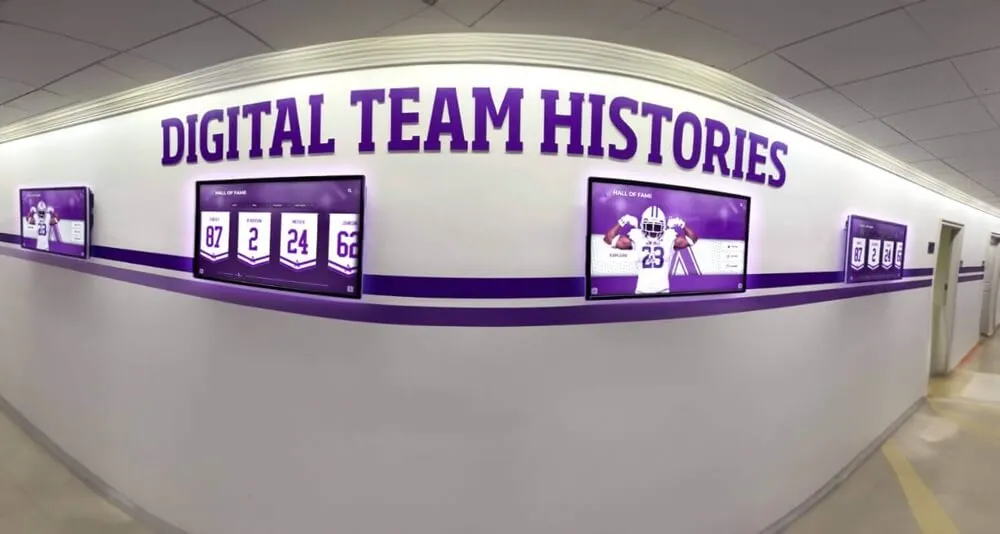
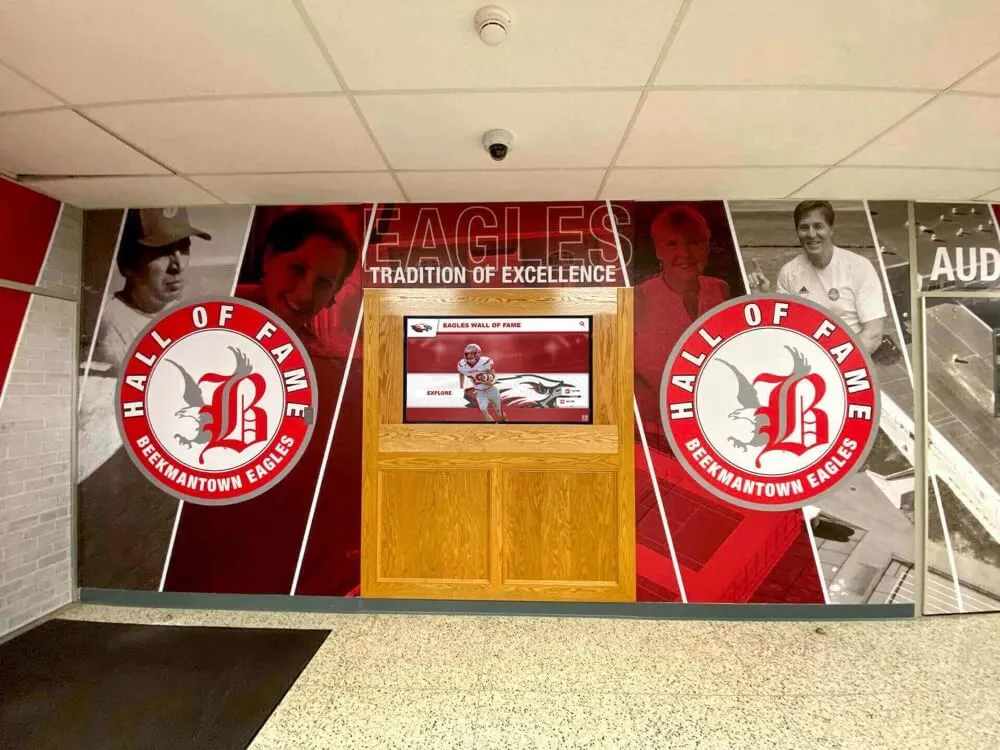
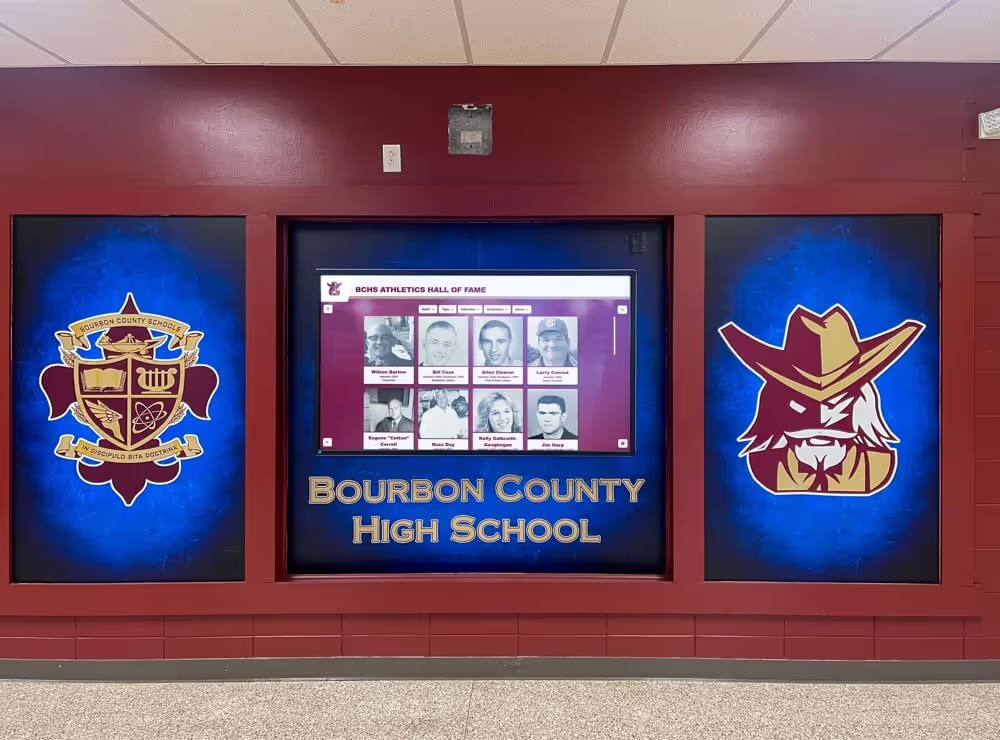
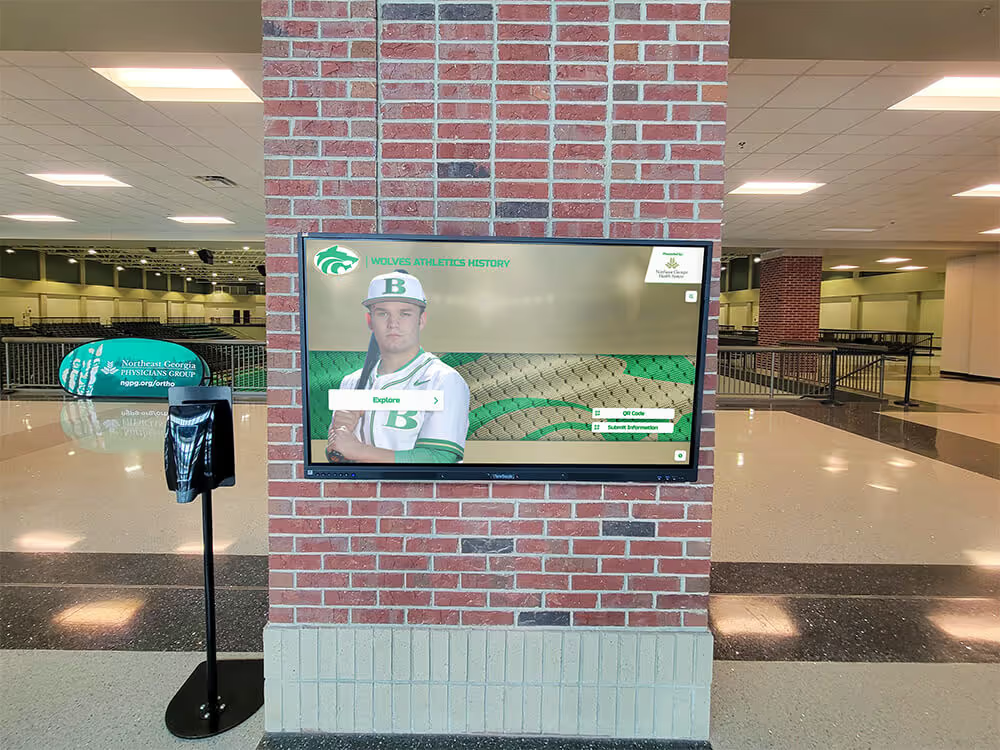
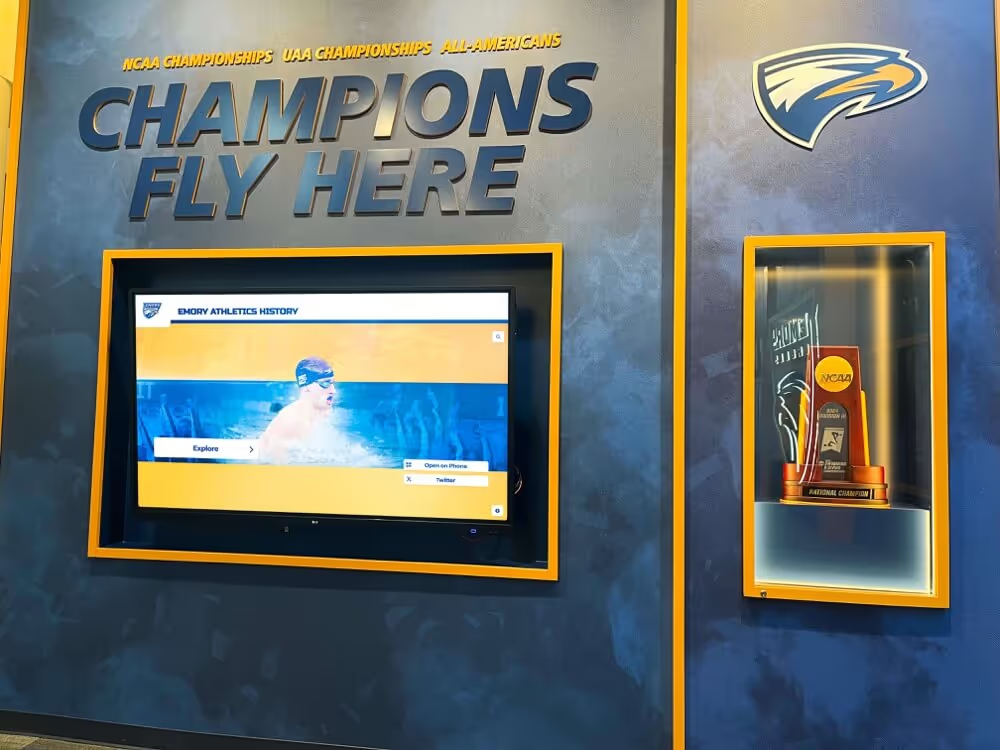
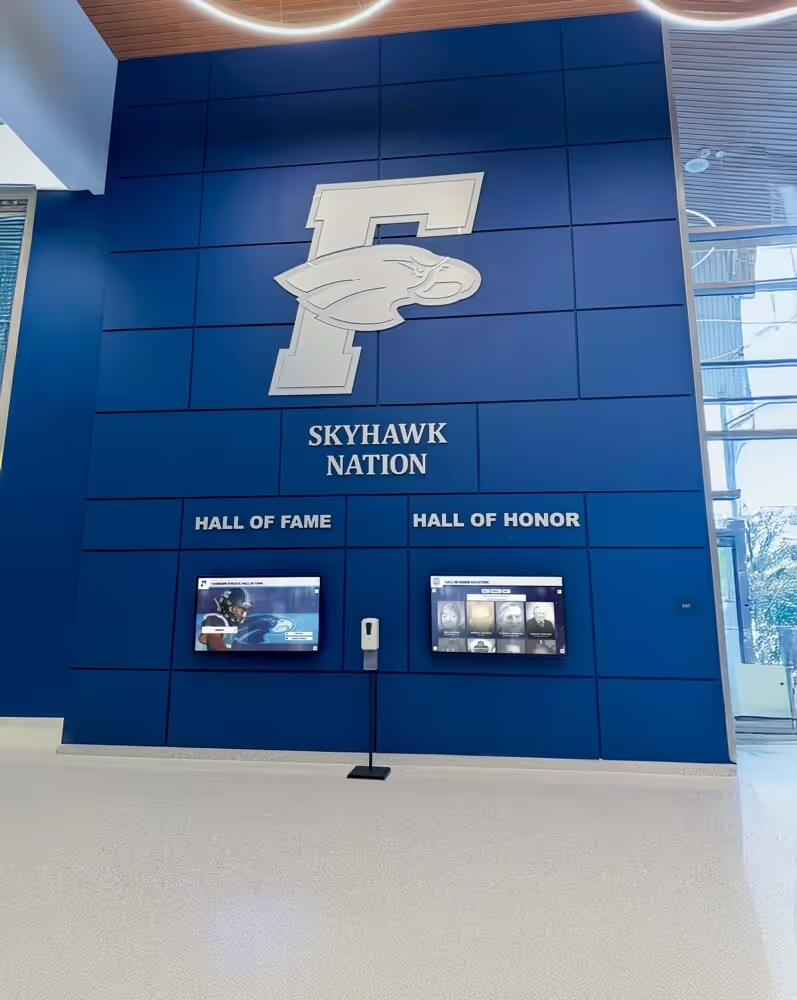
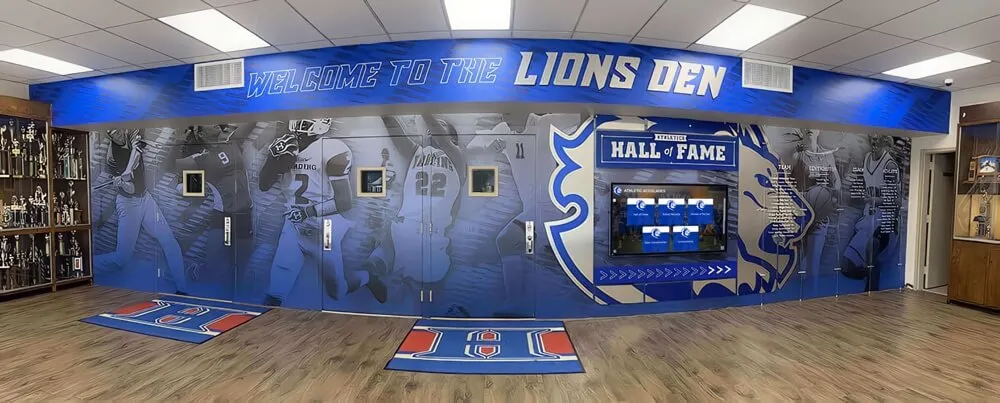
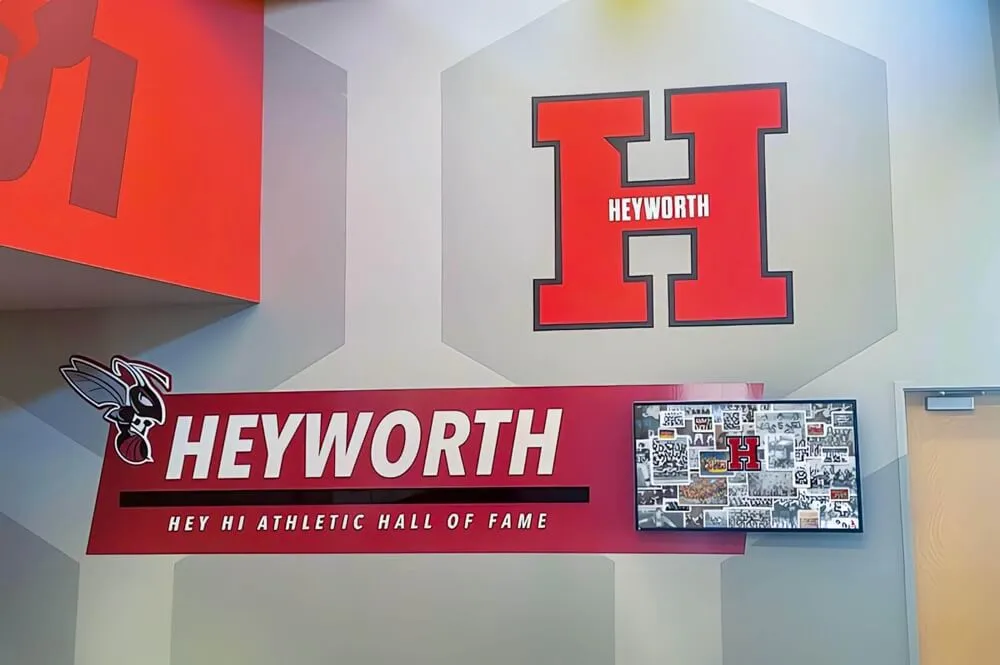
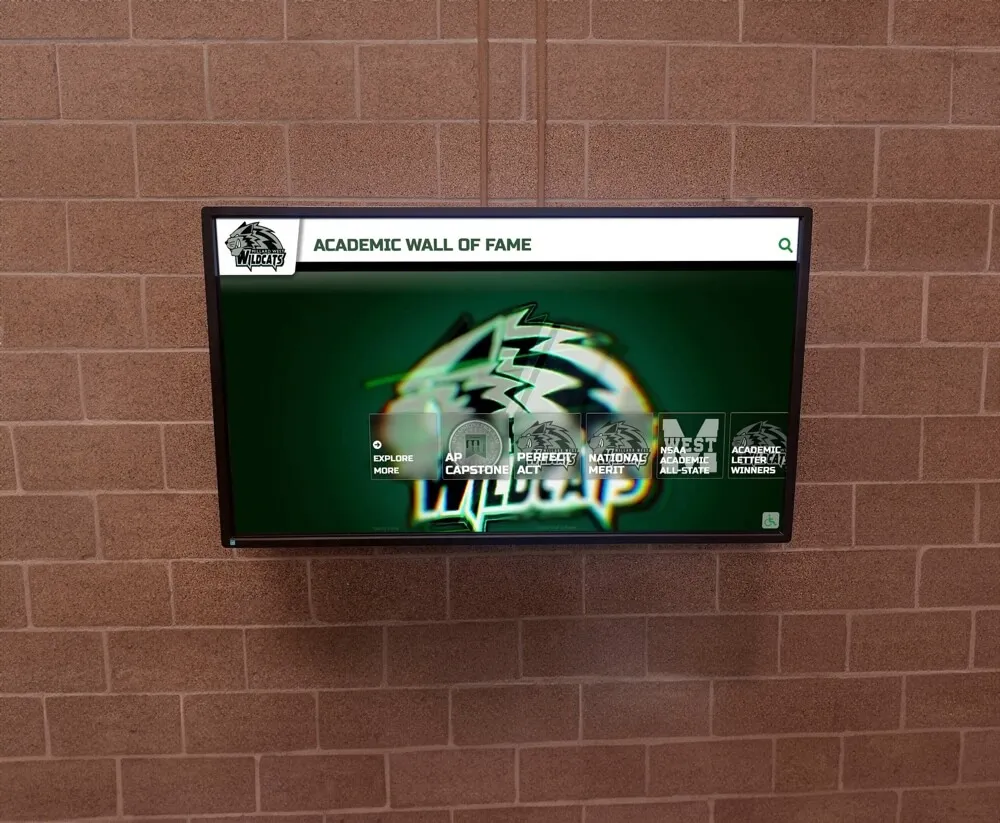
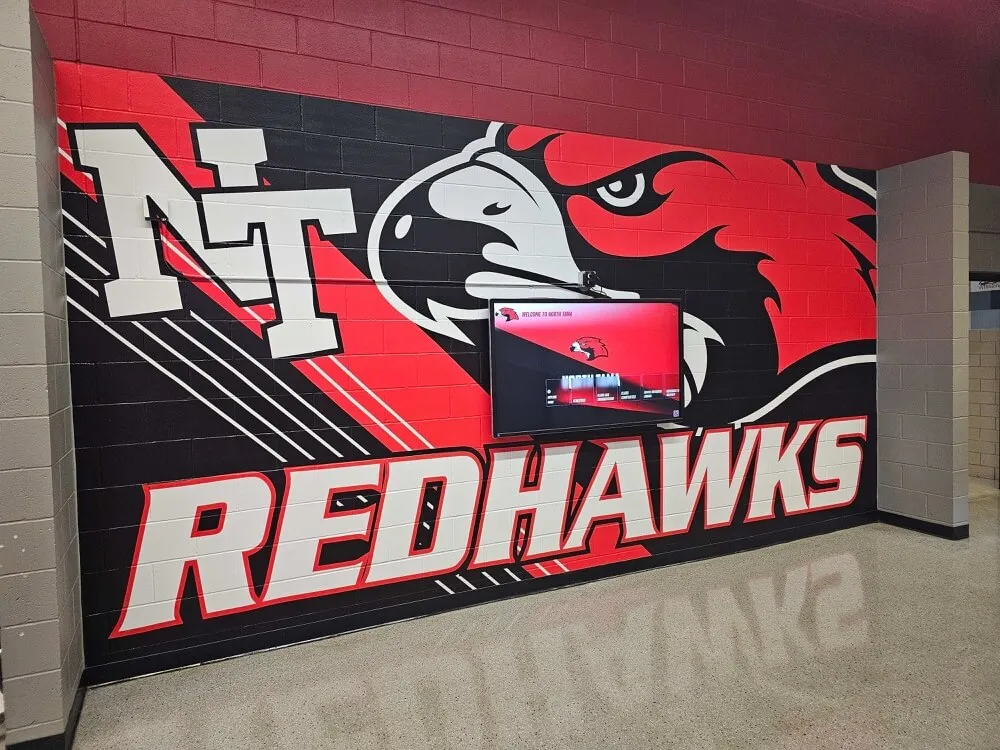
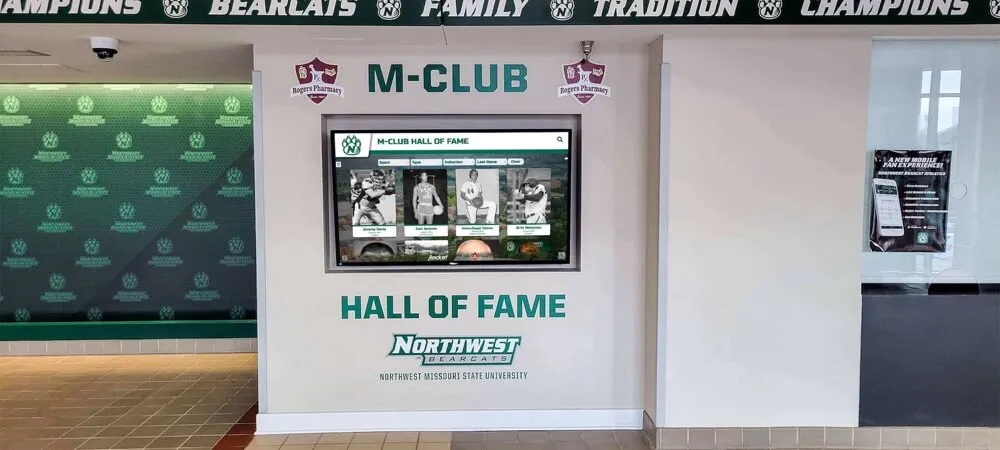
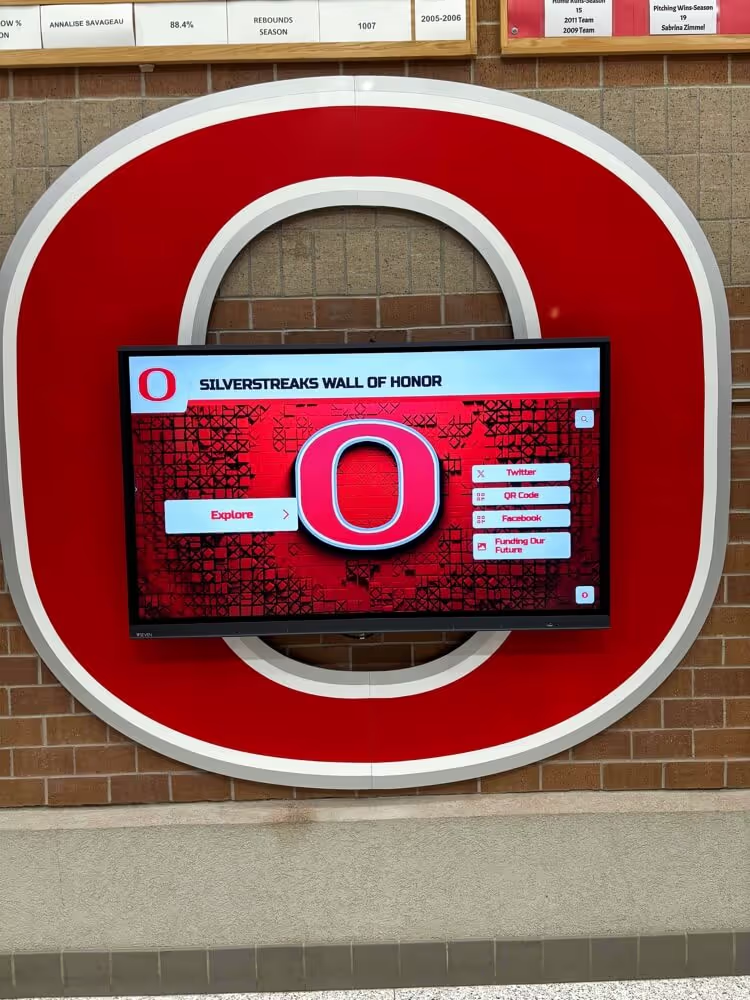
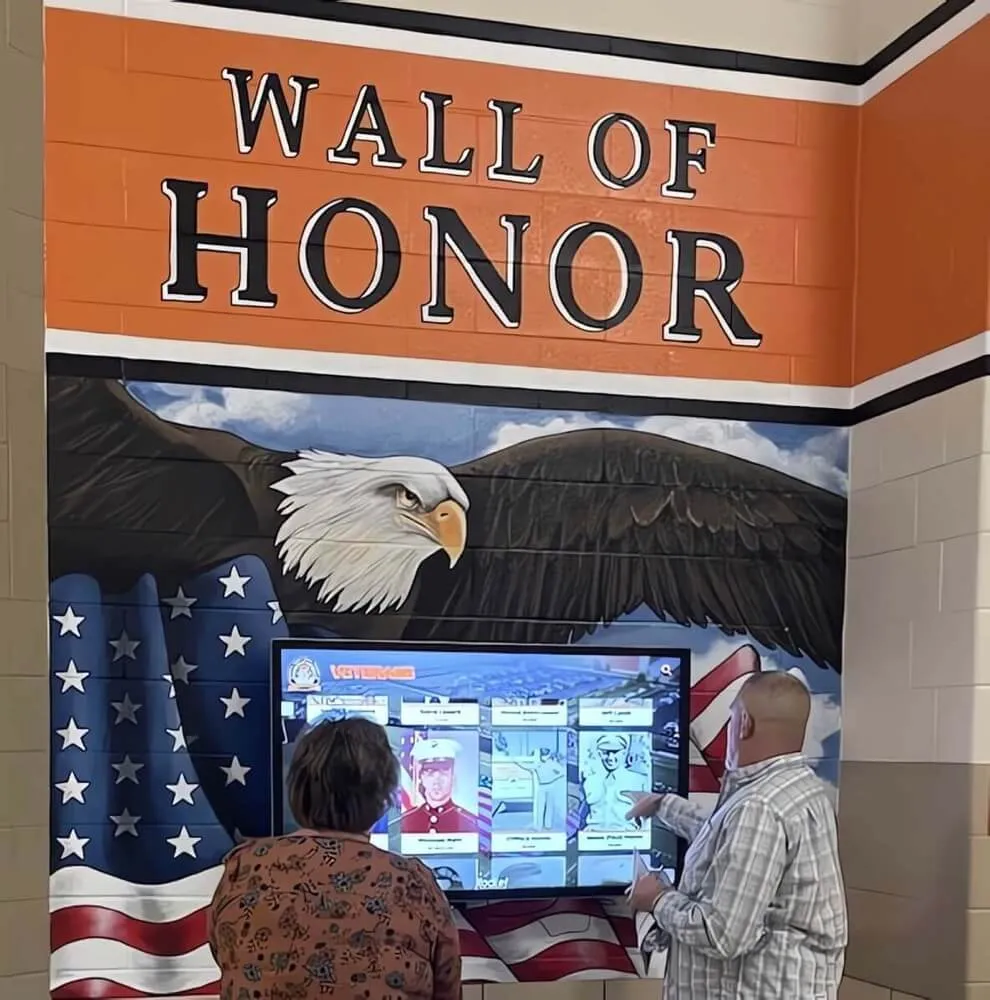
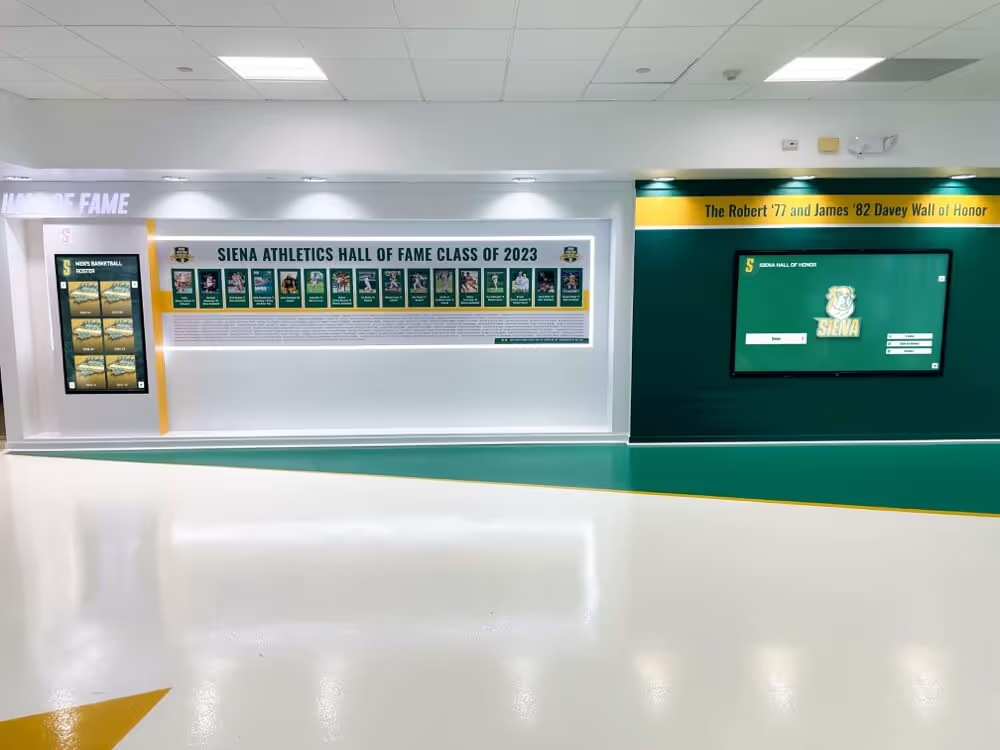
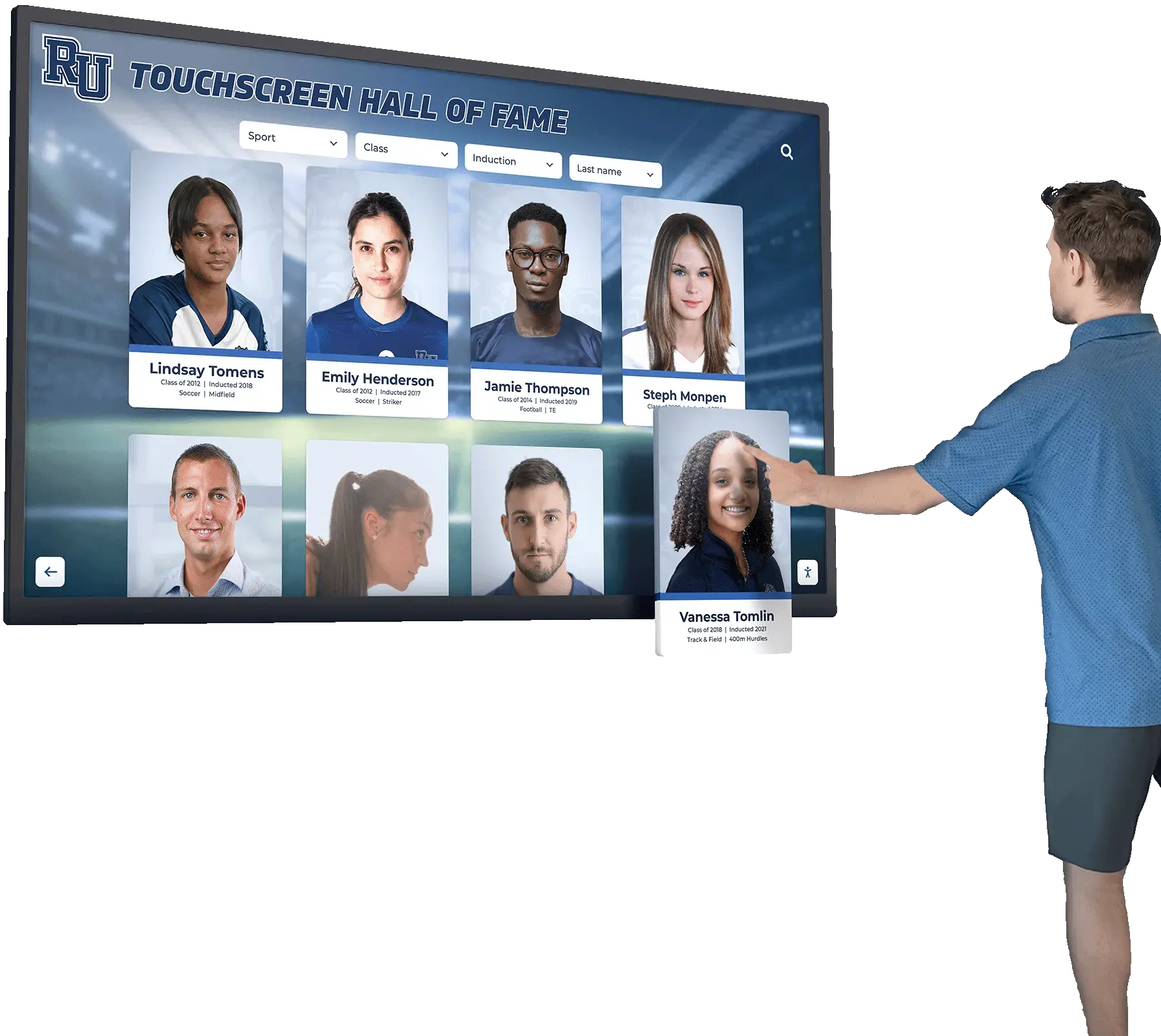
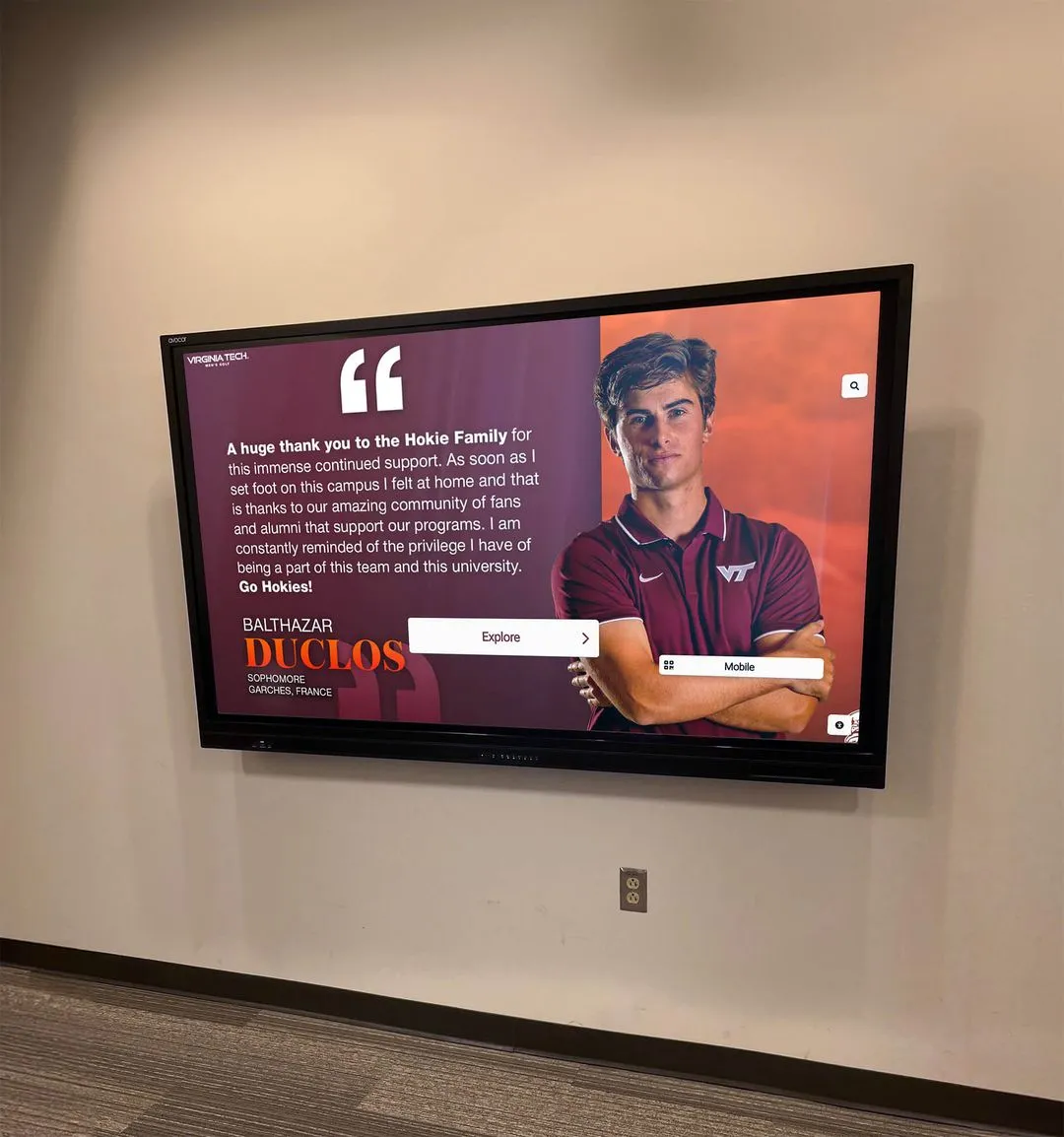
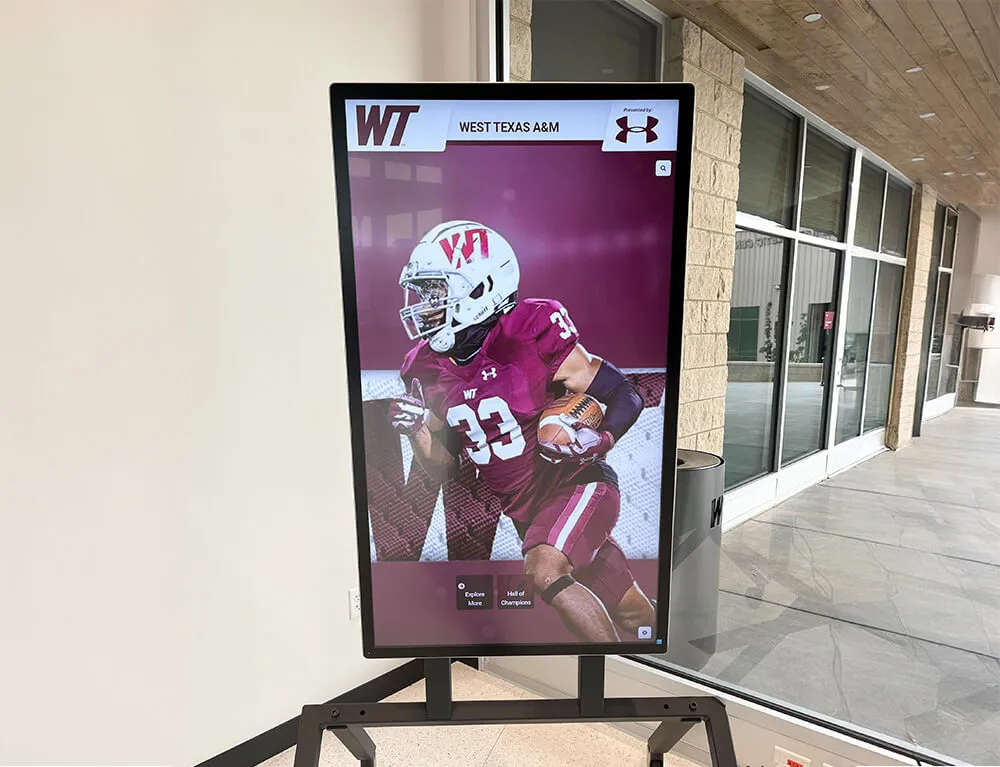
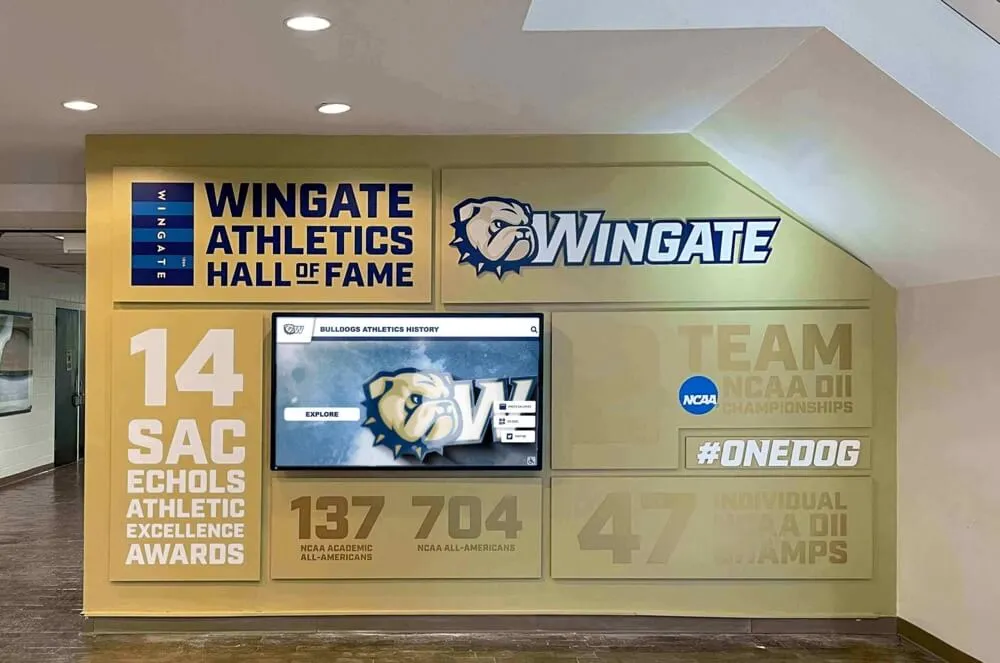
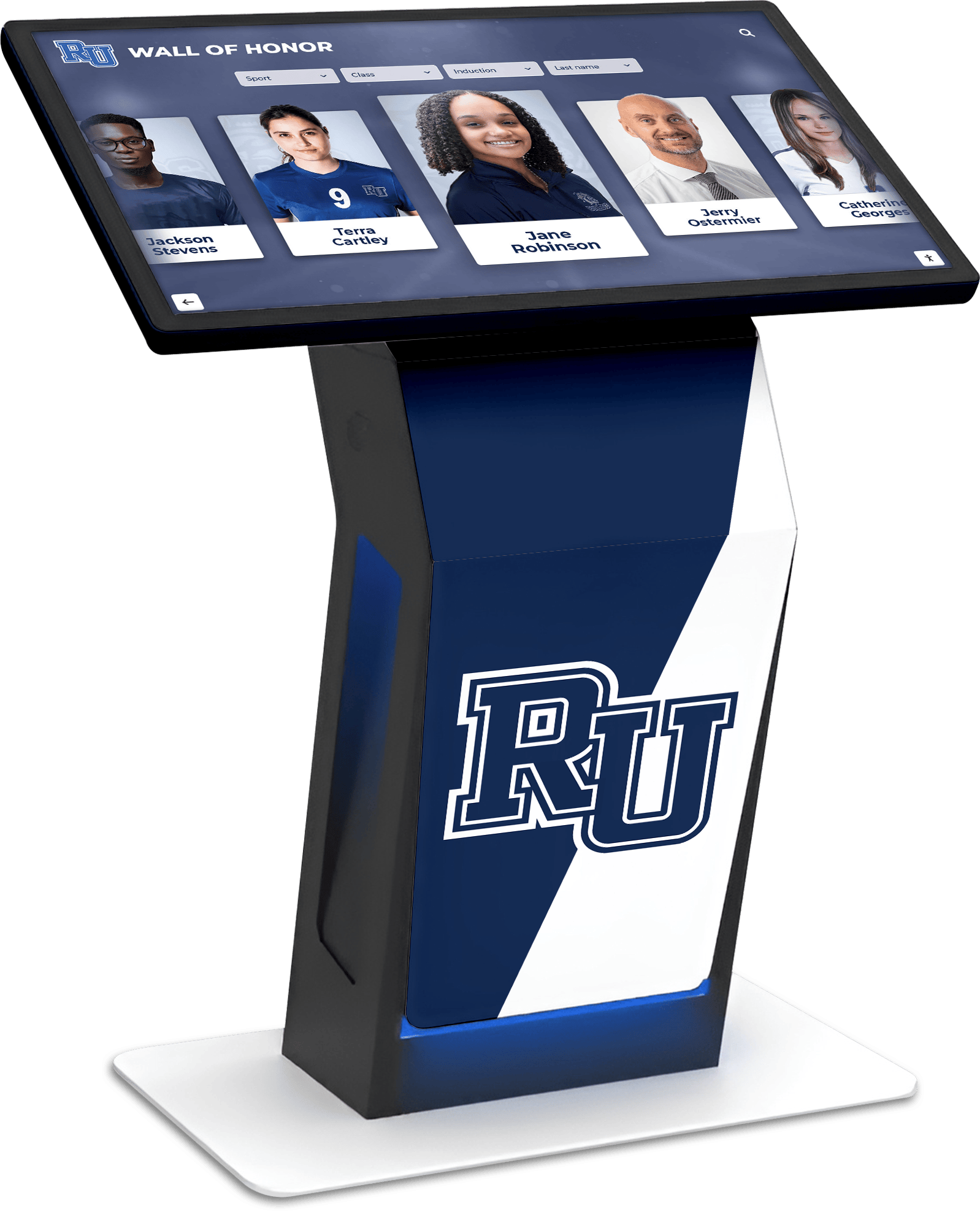
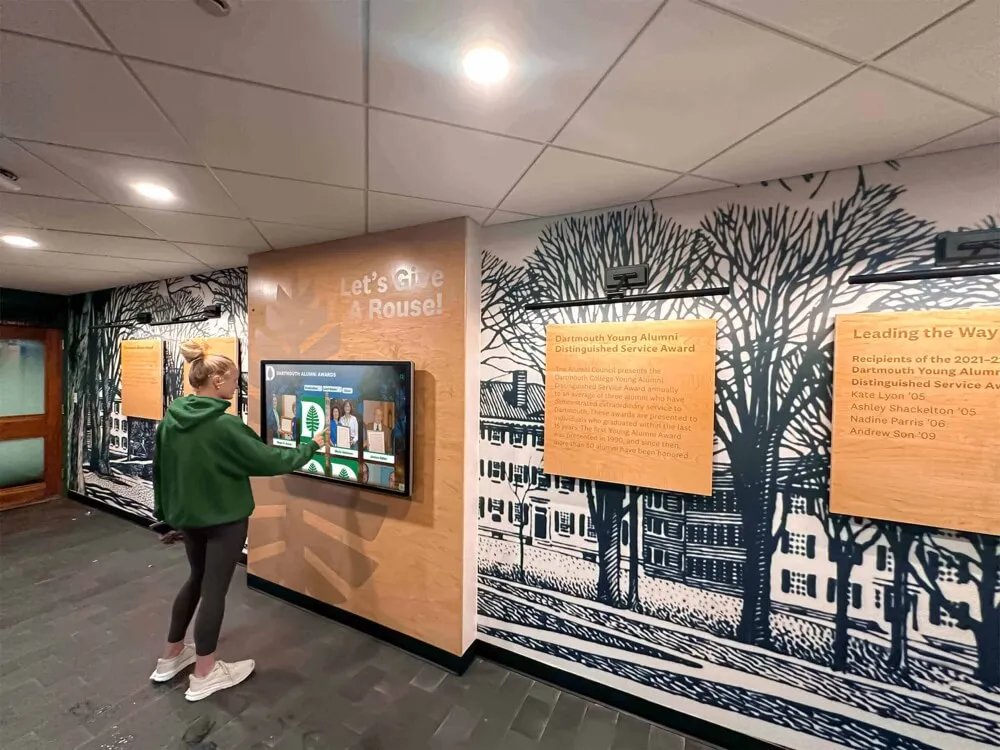
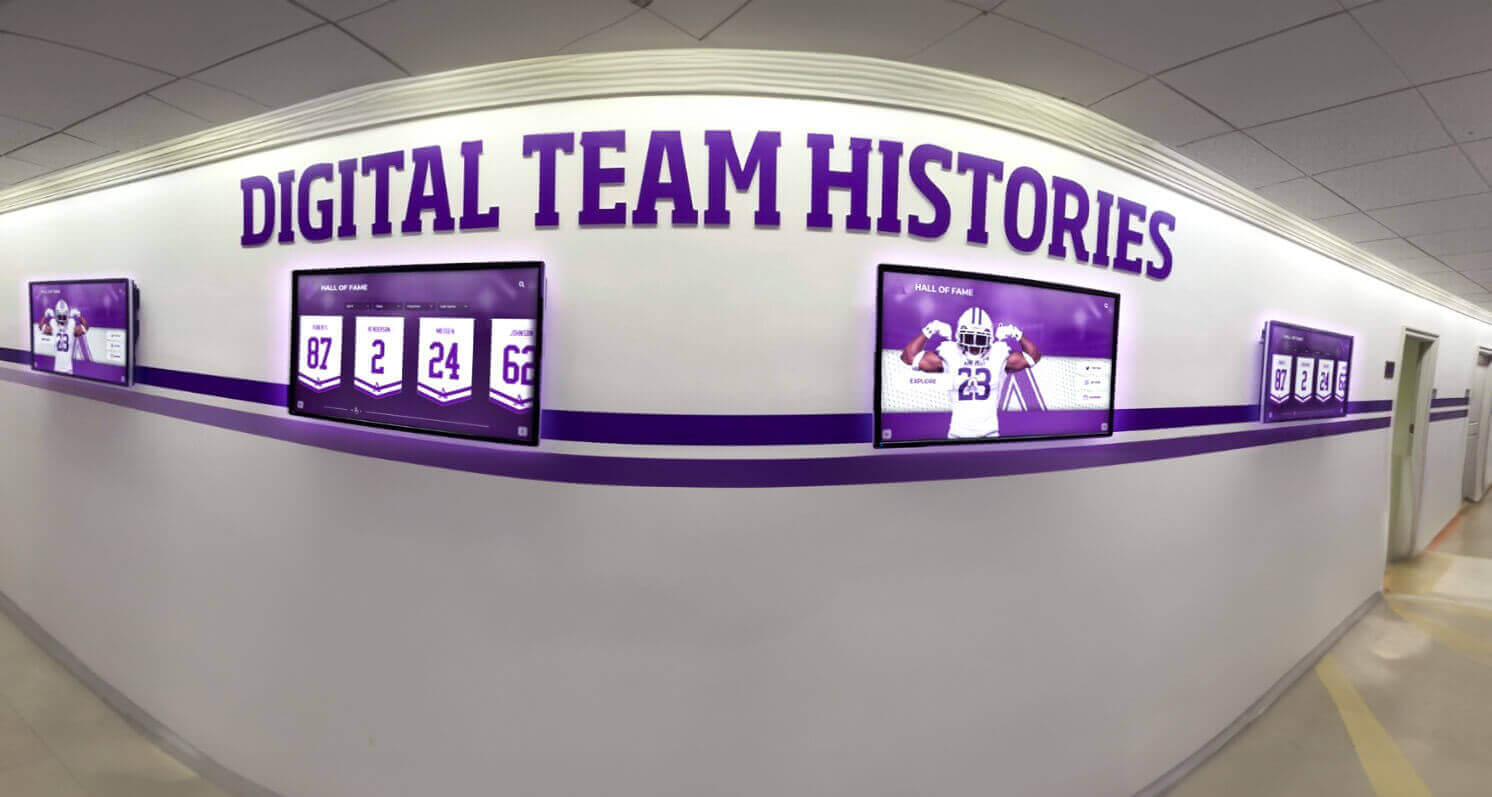
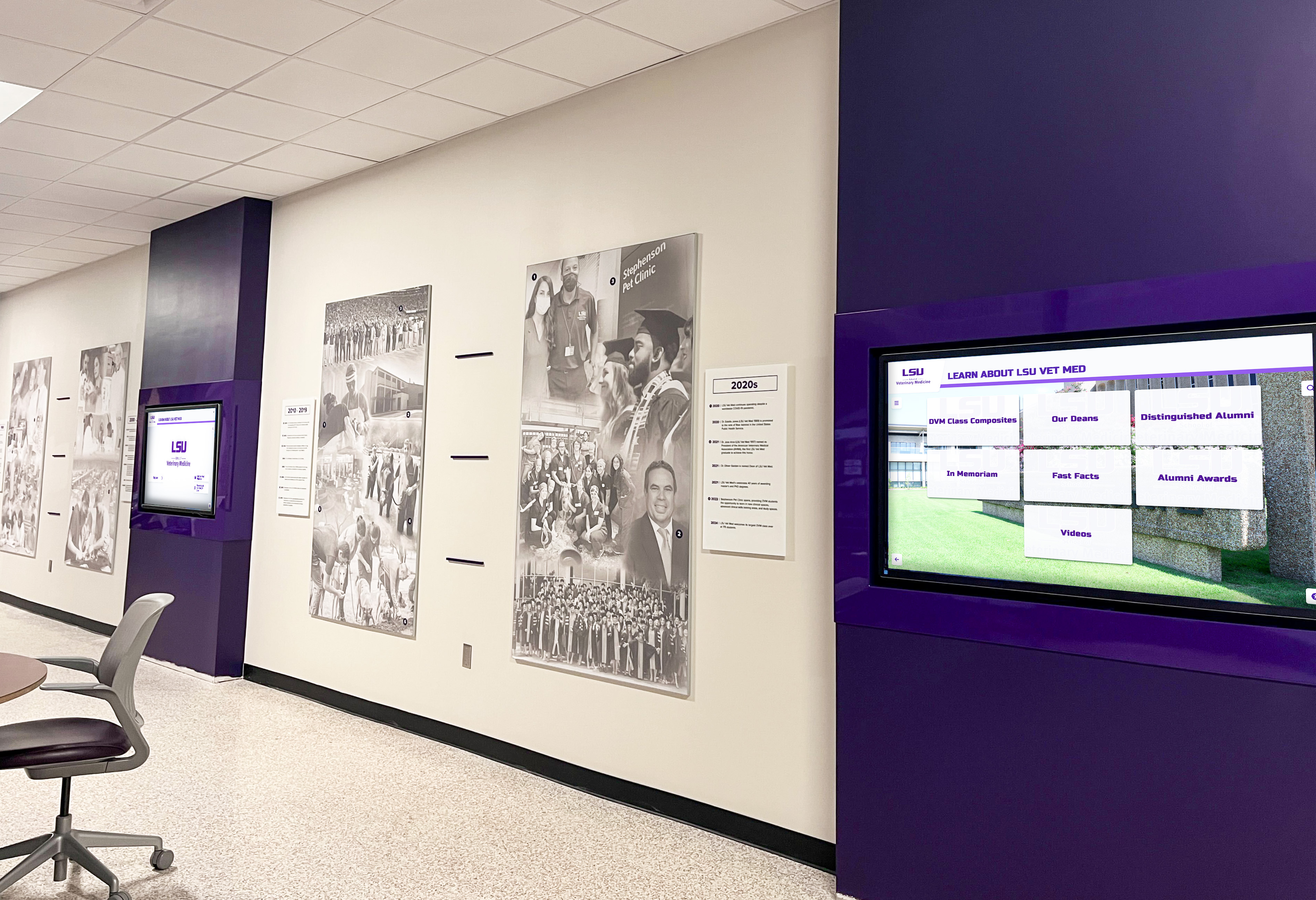
Leading DAM platforms do not merely archive content but actively distribute it to physical displays throughout school facilities. Connection with digital recognition systems enables scheduled content rotation showing current achievements, historical highlights, and archival materials on screens in lobbies, hallways, and common areas. Searchable touchscreen kiosks let visitors browse comprehensive content libraries through interactive interfaces accessing the full DAM repository. Scheduled content updates push new materials to displays immediately upon upload and approval rather than requiring manual display management.

This connection between archival storage and active display represents one of the most powerful DAM capabilities for schools, converting static file repositories into active community engagement platforms that celebrate achievement while preserving institutional history.
Digital Assets Schools Manage Through DAM Systems
Understanding the specific content types educational institutions handle helps clarify DAM system requirements and benefits.
Photography Libraries
Schools generate enormous photograph collections documenting nearly every aspect of educational life.
Athletic Photography
Sports programs create thousands of images annually including game action photos from every sport and competition level, team portraits and formal group photographs, individual athlete headshots for rosters and recognition, championship celebration photos documenting significant victories, senior night and recognition ceremony images, coaching staff and support personnel photos, and facility and venue photographs showing athletic spaces and improvements.
Organized athletic photography serves multiple purposes beyond simple documentation. Current athletes use photos for recruitment profiles and college applications. Alumni revisit images from their competitive years maintaining connections to programs. Advancement offices use compelling athletic imagery in fundraising materials and donor recognition. Recruitment materials highlight program quality and competitive success to prospective students and families.
Performing Arts Documentation
Music, theater, and visual arts programs generate distinct content requiring specialized management. Performance photography from concerts, plays, musicals, and recitals captures artistic achievement. Rehearsal process documentation shows student development and production preparation. Student artwork images create digital portfolios supporting college applications and scholarship opportunities. Individual and group performer portraits acknowledge participants and document program rosters. Awards ceremony and recognition event photos celebrate artistic achievement. Facilities and equipment documentation shows institutional investment in arts programs.
Academic and School Life Photography
Beyond athletics and arts, schools document comprehensive educational experiences through classroom instruction photos showing teaching and learning in action, laboratory and hands-on learning images highlighting experiential education, student project and achievement photos celebrating academic excellence, graduation ceremony and recognition event documentation, student organization and club photos recognizing co-curricular involvement, campus facility and grounds images showing institutional development, administrative and faculty portraits documenting personnel, and special event photography from assemblies, speakers, and community programs.
Comprehensive DAM systems preserve school historical content across all these areas, ensuring that every dimension of educational experience receives documentation and preservation rather than limiting archives to traditionally prominent activities.
Video Content Libraries
Video represents increasingly important content for schools managing multimedia documentation of educational experiences.
Event Recording Archives
Schools record major events including graduation and commencement ceremonies providing families with permanent records of milestone moments, athletic championship games documenting competitive excellence, performing arts productions preserving theatrical and musical performances, academic presentations and symposia showcasing student research and projects, guest speaker presentations and assembly programs, and recognition ceremonies and awards nights celebrating achievement across programs.
These recordings serve immediate distribution needs when families want copies of graduation or performances, but also build historical archives documenting institutional traditions across decades. Video content from 20 or 30 years ago provides compelling historical perspective that photographs alone cannot deliver.
Instructional and Promotional Content
Beyond event documentation, schools create purpose-driven video content including promotional videos for admissions and recruitment, instructional content supporting educational programs, teacher and administrator message videos communicating with school communities, facility tour videos providing virtual access for prospective families, alumni testimonial videos strengthening institutional connections, and fundraising campaign videos supporting advancement initiatives.
Managing these diverse video types requires DAM systems capable of handling large file sizes, providing streaming capabilities rather than requiring downloads, supporting various formats and resolutions, and enabling both public distribution and controlled access depending on content purpose.
Historical Materials and Digitized Archives
Schools increasingly recognize the value of digitizing historical materials, creating preservation-quality digital copies while making content accessible.
Yearbook Digitization
Historical yearbooks represent extraordinarily valuable institutional archives documenting student populations, activities, fashions, and school culture across generations. Schools implementing yearbook digitization programs create searchable digital libraries where alumni can revisit their school years, genealogy researchers can locate family members, and community members can explore institutional history. DAM systems manage digitized yearbooks through page-by-page scans maintaining archival quality, OCR (Optical Character Recognition) making text searchable, metadata identifying years and classes for easy browsing, download options allowing personal copies of relevant pages, and integration with public displays featuring historical content in facility exhibitions.
Document Archives
Schools maintain important documents deserving digital preservation and organization including institutional founding documents and charters, board minutes and policy records documenting governance decisions, building dedications and facility histories, program founding materials and milestone records, correspondence and communications from significant institutional moments, and achievement records including awards, recognitions, and accomplishments.
Digitizing and organizing these materials within DAM systems protects originals from handling damage while improving accessibility. Researchers, anniversary planning committees, and historical projects benefit from searchable digital document archives that would be impractical to access in purely physical formats.
Photograph and Negative Collections
Many schools maintain substantial historical photograph collections including glass plate negatives from earliest photography eras, film negatives and slides from mid-20th century, printed photographs from various sources and donors, scrapbooks and compiled photograph albums, and photograph collections donated by alumni and community members.
Digital preservation projects convert these fragile historical materials into permanent digital formats while DAM systems organize resulting files, connect them to historical context through metadata, and make them accessible to community members who would never handle delicate original materials.
Implementation Strategies for School DAM Systems
Successfully deploying Digital Asset Management requires strategic planning addressing technical requirements, organizational workflows, and change management.
Assessing Current State and Defining Requirements
Before selecting DAM platforms, schools benefit from systematic evaluation of existing assets and organizational needs.
Content Inventory and Assessment
Comprehensive implementation begins with understanding what digital assets currently exist, where they reside, and what condition they’re in. Schools should inventory existing digital content including approximate quantities of photos, videos, and documents, current storage locations across network drives, personal devices, cloud services, and physical media, content organization approaches currently used, content quality including resolution, formats, and technical specifications, existing metadata or documentation about content, and historical materials requiring digitization.
This inventory reveals the scope of content requiring migration into DAM systems while identifying digitization projects needed to incorporate historical physical materials.
User Needs Assessment
Different stakeholders will interact with DAM systems in various ways requiring different capabilities. Schools should identify use cases for administrators managing content and permissions, department heads uploading and organizing materials from their areas, teachers and coaches accessing content for specific purposes, students and families viewing authorized content, alumni accessing historical materials from their eras, advancement staff utilizing content for fundraising and communications, and public visitors exploring institutional history and achievements.
Understanding these diverse needs ensures selected DAM systems provide appropriate interfaces, permissions structures, and functionality serving all user groups rather than optimizing for narrow administrative uses.
Platform Selection Criteria
Choosing appropriate DAM platforms requires evaluating options against specific school needs and contexts.
Essential Technical Capabilities
Schools should establish minimum technical requirements including adequate storage capacity for current content plus projected growth, support for common file formats schools use, mobile access enabling uploads and viewing from phones and tablets, reliable performance supporting simultaneous users during peak activity, scheduled backup and redundancy protecting against data loss, compliance with accessibility standards ensuring usability for diverse users, and connection capabilities linking with existing school systems and platforms.
School-Specific Functionality
Beyond generic DAM features, educational institutions benefit from school-specific capabilities including built-in privacy and consent management, academic year and class-based organization, athletic and activity-specific templates, public display and gallery generation, alumni portal functionality, historical archive and timeline features, and intuitive interfaces accessible to non-technical staff and volunteers.
Schools implementing modern interactive display technology increasingly seek DAM platforms that connect directly with physical recognition displays, enabling archived content to populate touchscreen kiosks and digital signage throughout facilities.

Vendor Evaluation Factors
Platform capabilities matter, but vendor characteristics significantly impact long-term success. Schools should assess vendor experience with educational institutions, customer support quality and availability, training resources and onboarding assistance, pricing models including setup costs and ongoing fees, contract terms and data ownership provisions, migration assistance helping move existing content into new systems, and long-term viability of vendors ensuring sustained platform availability.
Selecting vendors who understand educational contexts and have established track records serving schools reduces implementation risk while ensuring platforms evolve to meet changing educational needs.
Migration and Organization Planning
Successfully moving existing content into new DAM systems requires systematic approaches preventing chaos and lost content.
Phased Migration Approaches
Schools rarely benefit from attempting to migrate all content simultaneously. Phased approaches reduce risk while building organizational competence. Common phasing strategies include starting with current year content before adding historical materials, beginning with high-priority departments or programs then expanding systematically, prioritizing recently created digital content before undertaking historical digitization, or focusing on specific content types like photographs before adding videos and documents.
Each phase provides learning opportunities about organizational structures, metadata approaches, and workflow refinement before expanding to larger content volumes.
Metadata Strategy Development
The organizational value of DAM systems depends on comprehensive metadata enabling effective search and discovery. Schools should establish metadata standards before large-scale migration including required fields that all content must include, optional fields providing additional context when available, controlled vocabularies and tag lists ensuring consistency, naming conventions for people, events, and locations, and data entry protocols specifying who enters metadata and what quality standards apply.
Consistent metadata approaches transform collections of files into organized institutional archives where any authorized user can locate needed content quickly regardless of who originally uploaded files or when content was created.
Training and Adoption Planning
Technology alone does not ensure successful DAM implementation—organizational adoption requires training and change management.
User Training Programs
Different user groups require tailored training addressing their specific DAM interactions. Administrators need comprehensive training covering permission management, organizational structures, metadata standards, user account management, and system configuration. Content creators including coaches, teachers, and staff require training on uploading content, adding appropriate metadata, understanding privacy considerations, and following organizational standards. End users need orientation on searching content, using public galleries, and understanding access limitations.
Ongoing training and documentation ensure that staff transitions don’t result in lost competence managing institutional DAM systems.
Change Management Considerations
Transitioning from scattered file storage to centralized DAM systems requires organizational change beyond technical implementation. Schools should communicate benefits clearly to stakeholders potentially resistant to new workflows, identify champions in each department advocating for adoption, address concerns about increased workload or complexity, demonstrate quick wins showing immediate value, gather feedback and refine approaches based on user experience, and maintain patience recognizing that full adoption occurs over months and years rather than overnight.
Successful DAM implementation represents organizational change as much as technology deployment, requiring attention to human factors alongside technical considerations.
How Rocket Alumni Solutions Functions as a Complete DAM Platform
While many organizations think of Digital Asset Management as purely backend file storage systems, the most valuable DAM platforms for schools combine comprehensive archival capabilities with public-facing recognition displays that actively celebrate achievement while preserving institutional history.
Rocket Alumni Solutions provides complete DAM functionality specifically designed for educational institutions, addressing content organization, preservation, privacy management, and discovery alongside purpose-built features enabling schools to convert archived content into community engagement platforms through connected digital recognition displays.
Comprehensive Content Organization and Storage
The platform provides unlimited cloud storage with automatic backups protecting institutional content from loss while accommodating unlimited growth as schools add content year after year. Multi-dimensional organization allows simultaneous classification by academic year, sport or activity, event type, individuals featured, and custom categories schools define matching their specific organizational needs. Advanced metadata capabilities include standard fields alongside unlimited custom fields enabling schools to capture contextual information supporting comprehensive search and discovery.
Bulk upload tools allow administrators to efficiently migrate existing content libraries rather than requiring tedious file-by-file uploads. Batch organization features can apply metadata based on filename patterns, folder structures, or batch selections, dramatically reducing manual data entry burden during initial migration.
Privacy Management and Access Control
Understanding that schools handle sensitive student information, the platform implements granular permission systems controlling who can view, download, and manage specific content. Role-based access assigns different permission levels to administrators, staff, students, alumni, and public visitors. Content-level privacy settings protect specific assets containing sensitive information or students whose families have not provided consent for public display. Consent tracking links individual students to documented permission status, ensuring that only authorized content appears in public-facing displays. Audit trails record all access and downloads of protected content supporting privacy compliance requirements.
These privacy features convert compliance from burdensome manual processes into systematic workflows built directly into content management, reducing administrator workload while improving protection of student information.
Advanced Search and Discovery
The platform provides comprehensive search capabilities including text searches across all metadata fields, date range filtering, people identification, event association, and content type filtering. Visual browsing interfaces with thumbnail previews enable users to quickly scan large content collections without downloading files. Timeline views organize content chronologically showing institutional development across decades. Collection features allow administrators to curate themed galleries highlighting specific topics, events, or eras for easy visitor access.
Alumni accessing the platform can search for their graduating class, specific sports or activities they participated in, particular events they attended, and even identify photos where they appear through people tagging features. This discoverability transforms passive archives into active engagement tools that alumni regularly visit to reconnect with their school experiences.
Integration of Archival Storage and Public Display
The distinctive capability that positions Rocket Alumni Solutions as a complete DAM system is the direct connection between comprehensive content archives and public-facing touchscreen displays that actively celebrate achievement throughout school facilities. Content uploaded to the DAM system becomes immediately available for display on interactive kiosks in lobbies, hallways, gymnasiums, and common areas.
These physical displays serve as access points to the complete digital archive, enabling students, families, and visitors to browse athletic achievements, performing arts highlights, academic excellence, historical photographs spanning decades, video content from significant events, and digitized yearbooks and documents. The touchscreen interface provides intuitive navigation through the complete content library organized by year, activity, people, or custom categories schools define.
This integration means schools maintain a single content repository that simultaneously preserves institutional history, provides searchable archives for authorized users, and powers public recognition displays celebrating achievement. Rather than managing separate systems for archival storage and recognition displays, schools benefit from unified platforms where content serves multiple purposes simultaneously.
Historical Preservation and Digitization Support
Many schools partner with HallOfFameWall to digitize historical materials including yearbooks, photographs, documents, and physical archives. Digitized content integrates directly into the DAM system with appropriate metadata, making historical materials searchable and accessible alongside contemporary digital content. This creates comprehensive institutional archives spanning from founding through current day rather than fragmenting historical and modern content across different systems.
The platform’s digital tools help institutions preserve and celebrate history by making archival content actively accessible rather than maintaining historical materials in storage rooms where few community members ever encounter them.
Ongoing Content Management and Updates
DAM systems require minimal ongoing maintenance when properly implemented. The platform provides web-based administrative interfaces enabling authorized staff to upload new content, update metadata, adjust privacy settings, create curated collections, and manage user permissions from any internet-connected device without specialized software or technical expertise.
Systematic workflows reduce manual management burden through scheduled content rotation on displays, rule-based organization using metadata, batch editing capabilities for updating multiple items simultaneously, and template-based approaches for recurring content types like team rosters or seasonal events.
Schools report that after initial implementation and migration, ongoing DAM management requires minimal time investment—typically minutes per week for small schools or hours per month for larger institutions with high content volume—while delivering continuous value through preserved archives and active recognition displays.
Conclusion: Transforming School Content from Scattered Files to Institutional Assets
Digital Asset Management represents far more than technology implementation—it fundamentally changes how schools preserve institutional memory, celebrate achievement, engage communities, and use multimedia content created across decades of educational excellence. Schools transitioning from scattered file storage to comprehensive DAM systems report dramatic improvements in content accessibility, operational efficiency, community engagement, and institutional memory preservation.
The most effective DAM platforms for educational institutions provide complete solutions combining secure archival storage, comprehensive organization and search capabilities, privacy management and compliance features, and active content distribution through public-facing recognition displays. This connection ensures that archived content serves continuous community engagement purposes rather than remaining in passive storage rarely accessed after initial creation.
Rocket Alumni Solutions delivers complete Digital Asset Management functionality specifically designed for schools, combining unlimited cloud storage, advanced metadata and search capabilities, granular privacy controls, and direct connection with interactive touchscreen displays that convert archived content into active recognition celebrating student achievement throughout school facilities.
Schools ready to implement comprehensive Digital Asset Management systems that preserve institutional history while actively celebrating achievement through connected recognition displays can explore the complete platform capabilities and request a personalized demonstration showing how modern DAM technology serves educational institutions.