



The senior basketball player proudly wears her letterman jacket through the school hallways, the varsity “V” prominently displayed on navy wool, leather sleeves worn smooth from two seasons of basketball achievements. Chenille patches documenting her athletic journey—district championships, all-conference selections, team captain designation—create a visual story of dedication and excellence. Classmates recognize the jacket’s significance instantly. Parents photograph their daughter wearing this tangible symbol of high school achievement, a keepsake she’ll treasure decades beyond graduation.
This scene repeats across thousands of high schools annually as students earn one of the most coveted forms of athletic recognition: the custom letterman jacket. Unlike trophies stored in display cases or certificates filed away in folders, letterman jackets travel with students daily, serving as both personal accomplishment markers and public representations of school athletic culture.
Yet behind these proud moments lies substantial organizational work. Schools must make dozens of decisions when implementing letterman jacket programs: Which vendors offer quality products at appropriate price points? What design elements reflect school identity while meeting student preferences? How should earning criteria balance inclusivity with maintaining prestige? What personalization options should schools offer, and who covers customization costs? How do traditional recognition approaches like letterman jackets integrate with modern digital platforms showcasing achievements?
This guide addresses these questions comprehensively, providing practical frameworks for schools establishing new letterman jacket programs or refining existing traditions. From initial design decisions through ordering logistics, earning criteria development, and integration with broader recognition systems, discover how schools create letterman jacket programs their students genuinely value and proudly wear.
Understanding Letterman Jacket Tradition and Modern Relevance
Before diving into operational details, understanding the history and contemporary significance of custom letterman jackets helps schools make decisions aligned with tradition while serving current students effectively.
The History of Varsity Letters and Letterman Jackets
The letterman jacket tradition originated at Harvard University in 1865 when the baseball team began awarding large “H” letters to outstanding players. This practice quickly spread to other collegiate programs and eventually filtered down to high schools nationwide by the early 1900s.
Early varsity letters were chenille fabric patches sewn directly onto sweaters students already owned. The standardized “letterman jacket” as we recognize it today—wool body with leather sleeves—emerged in the 1930s as companies began mass-producing athletic apparel. These jackets quickly became status symbols representing athletic achievement, school pride, and the passage from underclassman to respected upperclass athlete.
Throughout the mid-20th century, letterman jackets reached peak cultural prominence. In many communities, earning a varsity letter represented one of the highest honors available to high school students. The jackets appeared prominently in popular media, cementing their association with American high school culture in the collective imagination.
Contemporary Relevance in Modern Schools
Today’s students live in dramatically different social landscapes than their grandparents who wore letterman jackets in the 1950s and 60s. Yet these traditional garments retain surprising relevance when schools implement programs thoughtfully:
Tangible Achievement Recognition: In an increasingly digital world, physical objects carrying significance matter. Students can’t wear their GPA or display their athletic statistics on their shoulders. A letterman jacket provides visible, wearable recognition others immediately understand and respect.
School Identity and Community Building: Students wearing school-branded letterman jackets serve as ambassadors representing their institutions. This visible pride builds community identity and strengthens connections between current students, alumni who wore similar jackets, and future students aspiring toward similar achievements.
Lasting Keepsakes with Emotional Value: Unlike many forms of recognition quickly discarded or forgotten, letterman jackets become treasured keepsakes. Alumni regularly report their high school letterman jackets as among their most valued possessions decades after graduation—even when the jackets no longer fit.
Motivation and Goal-Setting: The aspiration to earn a letterman jacket motivates many students throughout high school careers. Freshmen see upperclassmen wearing jackets and begin working toward similar recognition. This goal-setting function supports athletic commitment and academic achievement when programs include both athletic and academic earning criteria.
However, schools must also acknowledge challenges facing traditional letterman jacket programs. Rising costs exclude some families. Changing fashion preferences mean some students view traditional styling as outdated. Growing recognition of diverse achievement types raises questions about whether purely athletic recognition adequately celebrates the full range of student excellence. The most successful modern programs address these challenges directly while preserving core elements making letterman jackets meaningful.
Designing Custom Letterman Jackets for Your School
The design phase establishes the visual identity and quality standards for your letterman jacket program. These decisions impact student satisfaction, program prestige, and long-term durability.
Core Design Elements and Options
Body and Sleeve Materials:
Traditional letterman jackets feature wool bodies (melton wool provides best quality and durability) combined with leather sleeves (genuine leather offers superior longevity and appearance compared to synthetic alternatives). This combination provides the classic letterman jacket aesthetic students expect.
However, modern alternatives exist for schools seeking different price points or functional characteristics:
- All-wool construction reduces costs while maintaining traditional appearance
- Nylon or polyester bodies significantly lower prices but sacrifice traditional look and feel
- Synthetic leather sleeves cut costs but may show wear more quickly than genuine leather
Most schools find that investing in quality traditional materials pays dividends through durability and student satisfaction. Jackets students actually wear for years justify higher initial investments better than cheaper alternatives quickly relegated to closets.
School Colors and Color Combinations:
Base your primary jacket color on official school colors. Common approaches include:
- Body in primary school color with contrasting sleeves
- Body in neutral color (black, white, gray, navy) with school-colored trim
- Reversible designs offering two color options (premium feature increasing costs substantially)
Consider how colors photograph and appear in various lighting. Very dark combinations (black body with black or dark brown leather) may lack visual interest in photos, while lighter colors may show wear more visibly over time.
Letter Design and Placement:
The varsity letter represents the jacket’s centerpiece. Key decisions include:
Letter Style: Traditional chenille letters (raised, textured fabric) remain most popular and recognizable. Some schools opt for embroidered letters (flatter, potentially more durable) or tackle twill (sewn fabric letters, less expensive than chenille).
Letter Size: Standard letters measure 5-7 inches tall. Larger letters provide more visual impact but may overwhelm smaller-framed students.
Letter Placement: Traditional placement positions letters on the left chest, though some schools center letters or place them on the back for greater visibility.
Letter Content: Most schools use the first letter of their school name or mascot. Schools whose names begin with common letters (S, W, C) might use full mascot names or school initials to create distinctive identity.
Additional Design Elements:
Modern custom letterman jackets often include:
- School name embroidered on back yoke or across shoulders
- Mascot graphics on sleeves or back
- Striped ribbing at collar, cuffs, and waistband in school colors
- Interior lining with school branding or colors
- Specialized pockets or functional features (inside pockets, pen pockets, phone pockets)
Personalization Options for Individual Students
Beyond base jacket design, schools must decide what personalization elements students can add to their custom letterman jackets:
Standard Inclusions (typically included in base price):
- Varsity letter in primary sport or activity
- Graduation year (typically on sleeve)
- Student name (embroidered on front or interior label)
Optional Add-Ons (usually additional costs):
- Additional sport or activity patches for multi-sport athletes
- Chevrons indicating years of participation (one bar per year earned)
- Championship patches commemorating team accomplishments
- All-conference, all-state, or similar honor patches
- Leadership position designations (captain, team president)
- Academic achievement patches (honor roll, National Honor Society)
- School mascot patches
- Specialty sport-specific patches (positions, milestones like 1000-point scorer)
Schools should establish clear policies about:
- Which patches are automatically included versus student-purchased
- Where different patch types should be positioned (maintaining consistent, professional appearance)
- Quality standards for patches (requiring official vendors or approving custom designs)
- Maximum patch quantities preventing overcrowding
- Whether non-school patches (club teams, personal interests) are permitted
The most successful programs provide personalization flexibility while maintaining aesthetic consistency ensuring all jackets clearly represent the school rather than becoming cluttered with unrelated additions.
Establishing Fair and Motivating Earning Criteria
Who receives letterman jackets significantly impacts program prestige, motivational effectiveness, and equity perceptions. Clear, consistently applied criteria prevent disputes while ensuring recognition maintains meaningful value.
Traditional Athletic Earning Standards
Most letterman jacket programs base earning criteria primarily on athletic achievement. Common standards include:
Participation-Based Criteria:
- Completing full season as active varsity team member
- Participating in specified percentage of varsity competitions (commonly 50% or more)
- Maintaining good standing throughout season (attendance, conduct, academic eligibility)
Achievement-Based Additions: Some schools add performance thresholds beyond mere participation:
- Contributing statistically to team success (minutes played, competitions entered)
- Achieving position on depth chart or regular playing time
- Demonstrating specific skill achievements or performance standards
Coaches’ Discretion: Many programs allow head coaches discretionary awards for:
- Athletes who don’t meet strict numerical standards but demonstrate exceptional dedication
- Seniors who contributed significantly across multiple years
- Athletes whose circumstances (injury, late-season call-up) prevent meeting standard criteria
The balance between objective standards and discretionary awards matters significantly. Purely objective criteria ensure fairness and prevent favoritism perceptions but may exclude deserving athletes in unusual circumstances. Complete discretion risks inconsistency and perceived unfairness. Most successful programs establish clear baseline standards with limited coach discretion for exceptional cases.
Multi-Sport Athletes: Schools must decide whether students earn one jacket for first varsity letter with additional sport patches added, or whether each sport warrants separate jacket recognition. Cost typically dictates single jacket with multiple sport designations, though some booster-rich programs fund sport-specific jackets for multi-sport varsity athletes.
Expanding Criteria Beyond Athletics
Growing recognition of diverse achievement types prompts many schools to expand letterman jacket eligibility beyond purely athletic accomplishments:
Academic Achievement Recognition:
- Maintaining specified GPA across multiple years (commonly 3.5+ or honor roll status)
- National Merit recognition or standardized test achievements
- Academic competition success (debate, science olympiad, quiz bowl)
Fine Arts and Performance Activities:
- Theater productions and leading roles
- Music ensemble participation and competition success
- Visual arts awards and exhibitions
Leadership and Service:
- Student government leadership positions
- Significant community service commitments
- Club leadership or founding achievements
Schools implementing expanded criteria typically create distinct letter designs (different colors, alternate letters like “A” for academics or “FA” for fine arts) differentiating achievement types while providing parallel recognition systems. This approach honors diverse excellence while maintaining athletic letter tradition and prestige.
The most inclusive modern programs recognize that students dedicate comparable time and effort to debate competitions, theater productions, and band performances as athletes invest in sports. When schools celebrate this diverse achievement equally through comprehensive recognition systems, they build cultures valuing all forms of student excellence rather than privileging athletics exclusively.
Academic and Conduct Standards
Even purely athletic letterman programs typically include academic and behavioral expectations:
Academic Eligibility:
- Maintaining minimum GPA (commonly 2.0-2.5) throughout earning season
- Meeting state athletic association academic eligibility standards
- Making adequate progress toward graduation requirements
Conduct Expectations:
- Maintaining good standing with no major disciplinary incidents
- Following team rules and expectations
- Demonstrating sportsmanship and representing school positively
- Some schools include attendance standards (school attendance and/or practice attendance)
These standards reinforce that letterman jacket recognition celebrates well-rounded achievement—athletic excellence combined with academic responsibility and proper conduct—rather than purely physical performance divorced from character and citizenship.
Navigating the Ordering Process and Vendor Selection
Once design and earning criteria are established, schools must execute the practical work of ordering custom letterman jackets. Vendor selection and ordering logistics significantly impact cost, quality, and student satisfaction.
Evaluating Letterman Jacket Vendors
Numerous companies manufacture custom letterman jackets. Key evaluation criteria include:
Quality and Materials:
- Material quality (wool weight, leather quality, stitching standards)
- Construction durability (reinforced stress points, quality ribbing, sturdy zippers)
- Sample availability (ordering samples before committing to bulk orders)
- Warranty or guarantee policies addressing defects
Pricing and Cost Structure:
- Base jacket costs without personalization
- Per-item costs for letters, patches, embroidery
- Bulk order discounts or minimum order requirements
- Shipping costs and timelines
- Payment terms (deposits required, payment schedules)
Customization Capabilities:
- Design flexibility matching your school’s specific vision
- Patch and personalization options available
- Quality of embroidery and letter application
- Color matching accuracy to school colors
Service and Support:
- Responsiveness to inquiries and questions
- Assistance with design decisions and mockups
- Measurement support ensuring proper fit
- Reorder capabilities for future years
- Issue resolution reputation when problems arise
Experience with Schools: Vendors regularly serving schools understand:
- Academic year timelines and ordering deadlines
- Working with booster clubs and school purchasing procedures
- Common design preferences and earning criteria structures
- Batch ordering logistics coordinating multiple students simultaneously
Request and check references from similar schools about their experiences with vendors under consideration. Ask specifically about quality consistency, timeline adherence, problem resolution, and whether they’d reorder from the same vendor.
Ordering Logistics and Timeline
Successful letterman jacket programs require careful timeline planning:
Pre-Season Planning (Summer/Early Fall):
- Finalize or confirm earning criteria for upcoming year
- Communicate criteria clearly to students and families
- Establish budget and pricing structure
- Confirm vendor relationship or select new vendor if needed
- Create measurement and ordering process
Season Completion (Varies by Sport):
- Determine which students met earning criteria
- Communicate results and congratulate earners
- Provide measurement instructions and order forms
- Collect completed order forms with personalization details
- Collect payment (if students/families responsible for costs)
Order Submission (1-2 Weeks After Season):
- Compile all individual orders into bulk submission
- Double-check measurements and personalization details
- Submit complete order to vendor
- Confirm receipt and expected delivery timeline
Manufacturing and Delivery (4-8 Weeks Typically):
- Track order progress with vendor
- Plan presentation ceremony or distribution event
- Prepare recognition celebration materials
Distribution and Follow-Up:
- Inspect jackets upon arrival for quality issues
- Organize presentation ceremony honoring earners
- Address any fit issues or quality concerns with vendor
- Document process for future year improvements
Critical Timeline Note: For senior athletes earning letters late in spring seasons, compressed timelines may prevent jacket delivery before graduation. Schools should communicate this possibility upfront and consider:
- Presenting letters and certificates at end-of-year ceremonies with jacket delivery over summer
- Expedited manufacturing options (typically more expensive)
- Adjusting criteria to allow earlier junior-year earning for spring sport athletes
Measuring for Proper Fit
Proper measurements ensure jackets fit correctly without expensive returns or adjustments:
Required Measurements:
- Chest circumference (measured around fullest part)
- Sleeve length (shoulder to wrist with arm slightly bent)
- Body length (base of neck to desired hem point)
- Shoulder width (across shoulder blades)
- Waist circumference (for proper sizing)
- Height and weight (as reference points)
Measurement Best Practices:
- Have students measured by athletic trainers, coaches, or other trained staff rather than self-measuring
- Use cloth measuring tape following vendor-provided instructions
- Measure over similar clothing weight to jacket (sweatshirt, not t-shirt)
- When between sizes, consider sizing up for growing students
- For female students, ensure women’s-cut options available and properly measured
Many vendors provide detailed measurement guides or video tutorials. Some larger vendors offer in-person measurement services or sizing kits schools can borrow ensuring accuracy across all students.
Managing Costs and Funding Letterman Jacket Programs
Custom letterman jackets represent significant expenses. Understanding costs and funding options helps schools create sustainable programs.
Understanding Price Structures
Letterman jacket costs vary significantly based on quality and customization:
Base Jacket Costs:
- Economy options (synthetic materials): $150-250
- Mid-range (wool/leather blend): $250-400
- Premium (high-quality wool/genuine leather): $400-600+
Personalization Add-Ons (per item):
- Chenille varsity letter: $20-40
- Additional sport patches: $8-15 each
- Embroidered name: $10-20
- Graduation year chenille: $15-25
- Championship or achievement patches: $10-20 each
- Embroidered back designs: $30-50+
A fully personalized custom letterman jacket for a multi-sport athlete with multiple achievements might total $500-700, while a basic single-sport jacket might cost $300-400.
Funding Models and Financial Responsibility
Schools adopt various approaches to funding letterman jacket programs:
Full School/Booster Funding:
- Schools or booster clubs cover complete costs for all earners
- Advantages: Ensures equity and accessibility; maximizes participation; demonstrates strong student recognition commitment
- Challenges: High costs for large programs; requires substantial fundraising; may be unsustainable as budgets fluctuate
Partial Subsidy Models:
- Schools cover base jacket costs; students pay for personalization add-ons
- Or schools cover first sport/letter; students pay for additional sports
- Advantages: Balances accessibility with sustainability; ensures all earners receive basic recognition
- Challenges: Still requires school funding; some students may skip optional add-ons due to cost
Student/Family Responsibility:
- Families pay complete jacket costs
- Schools may negotiate bulk discounts reducing per-jacket prices
- Advantages: No school budget impact; sustainable regardless of budget fluctuations
- Challenges: Cost barriers exclude some students; may reduce participation; creates equity concerns
Hybrid Approaches:
- Need-based assistance for families unable to afford costs
- Senior-only funding (school covers senior jackets; underclassmen pay)
- Sport-specific funding (booster clubs for well-funded sports cover jackets)
Scholarship and Assistance: Regardless of primary funding model, schools should establish scholarship mechanisms ensuring cost never prevents earned jacket acquisition. Options include:
- Confidential need-based applications
- Booster club scholarship funds
- Alumni sponsorships
- Anonymous donor funds
- Payment plan options spreading costs over time
Fundraising Strategies for Letterman Jacket Programs
Schools choosing to fund or subsidize letterman jackets implement various fundraising approaches:
Booster Club Support: Athletic booster clubs often prioritize letterman jacket funding as core athletic recognition supporting all sports programs. Booster fundraisers (concessions, sponsorships, events) can designate portions specifically for letterman jackets.
Alumni Contributions: Alumni who valued their own letterman jackets often donate to current programs. Create specific alumni giving campaigns highlighting letterman jacket tradition and inviting contributions supporting current students’ recognition.
Corporate Sponsorships: Local businesses may sponsor letterman jacket programs in exchange for recognition (logos on order forms, acknowledgment at presentation ceremonies, social media recognition).
Special Events: Host fundraising events with proceeds designated for letterman jackets including athletic banquets with ticket proceeds funding jackets, alumni games reuniting former letter winners, raffles or auctions at major athletic events, or spirit merchandise sales.
Endowment or Perpetual Funds: Well-established programs may build endowment funds generating annual interest supporting ongoing letterman jacket costs, creating sustainable funding independent of annual fundraising efforts.
Integrating Letterman Jackets with Comprehensive Recognition Systems
The most effective recognition programs view custom letterman jackets as one component within comprehensive systems celebrating student achievement through multiple channels.
Complementing Physical and Digital Recognition
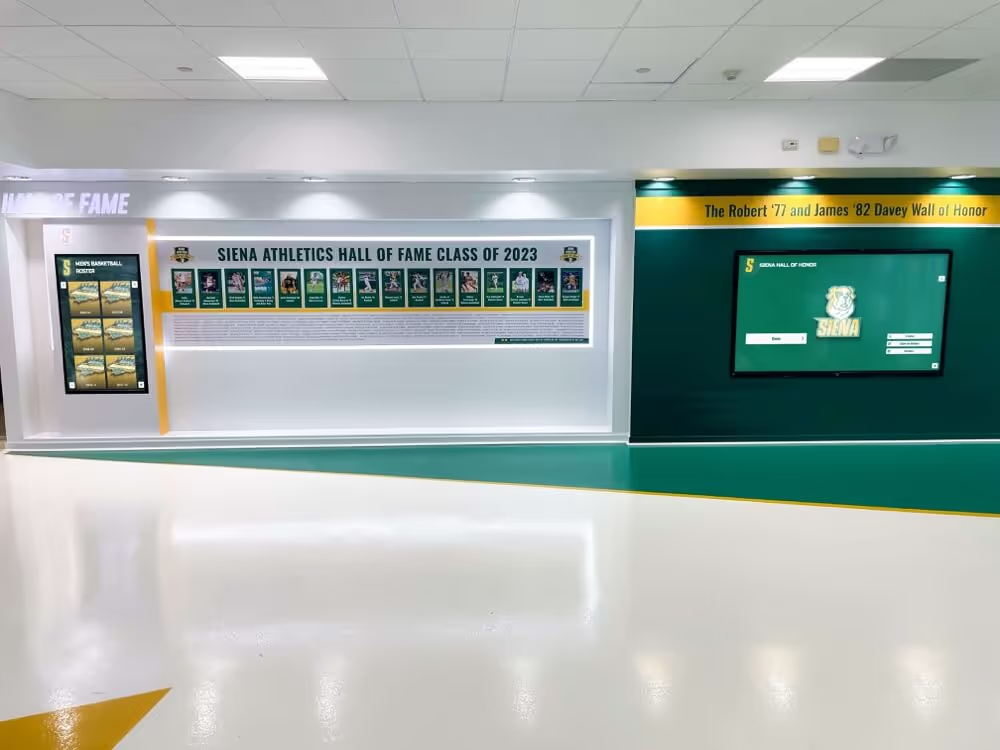
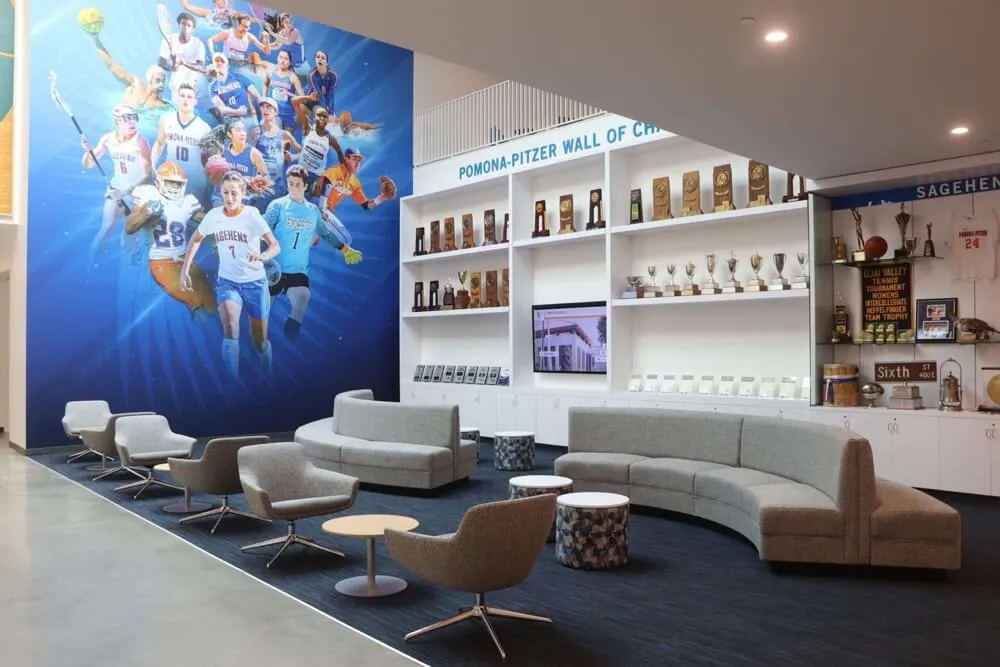
While letterman jackets provide personal, wearable recognition, schools increasingly pair traditional awards with permanent digital displays ensuring achievements receive ongoing visibility beyond what individual students wear:
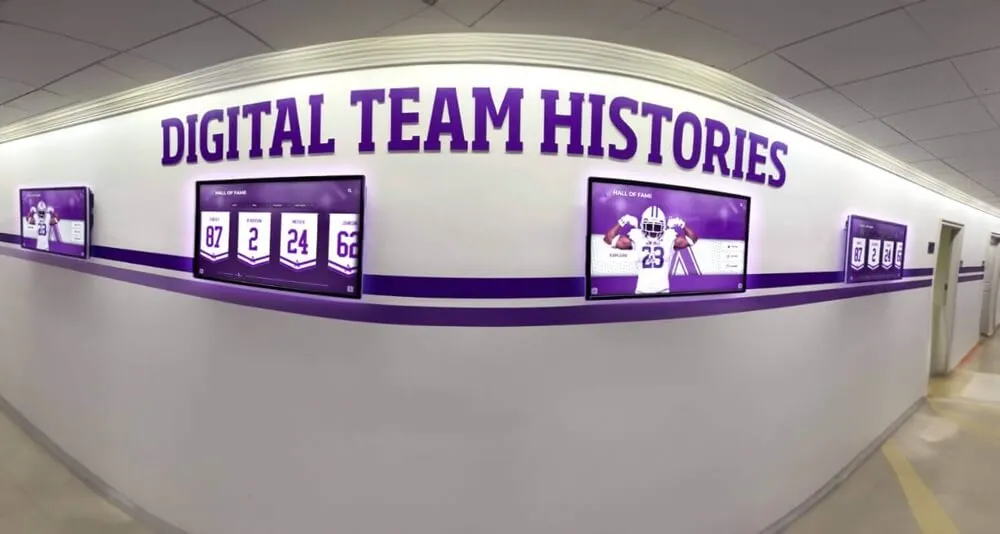
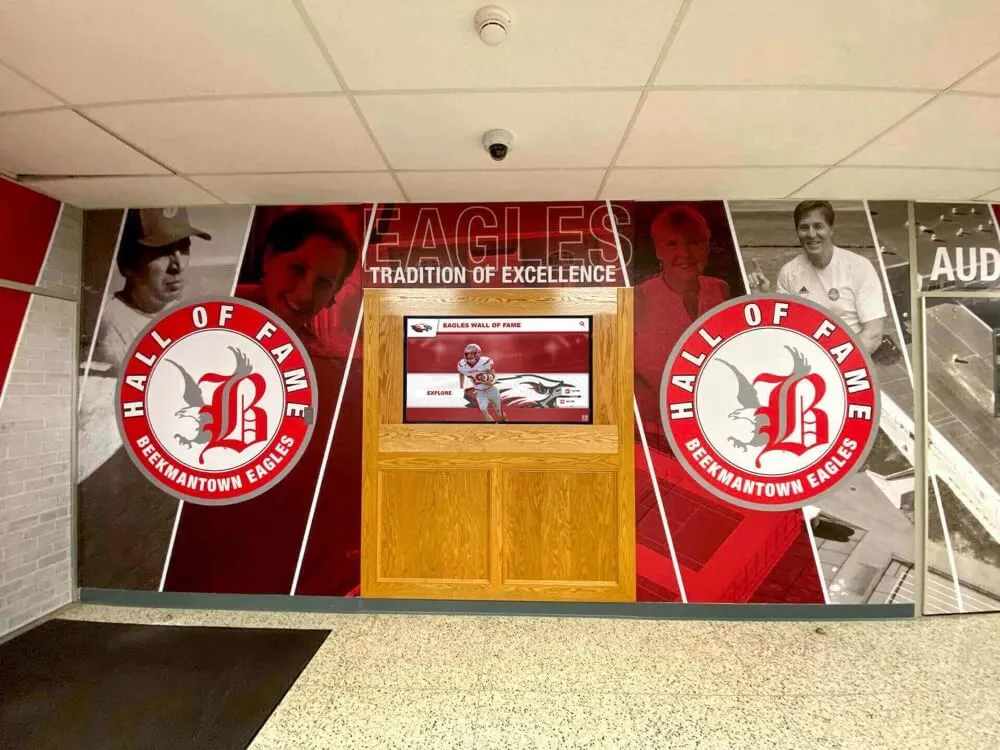
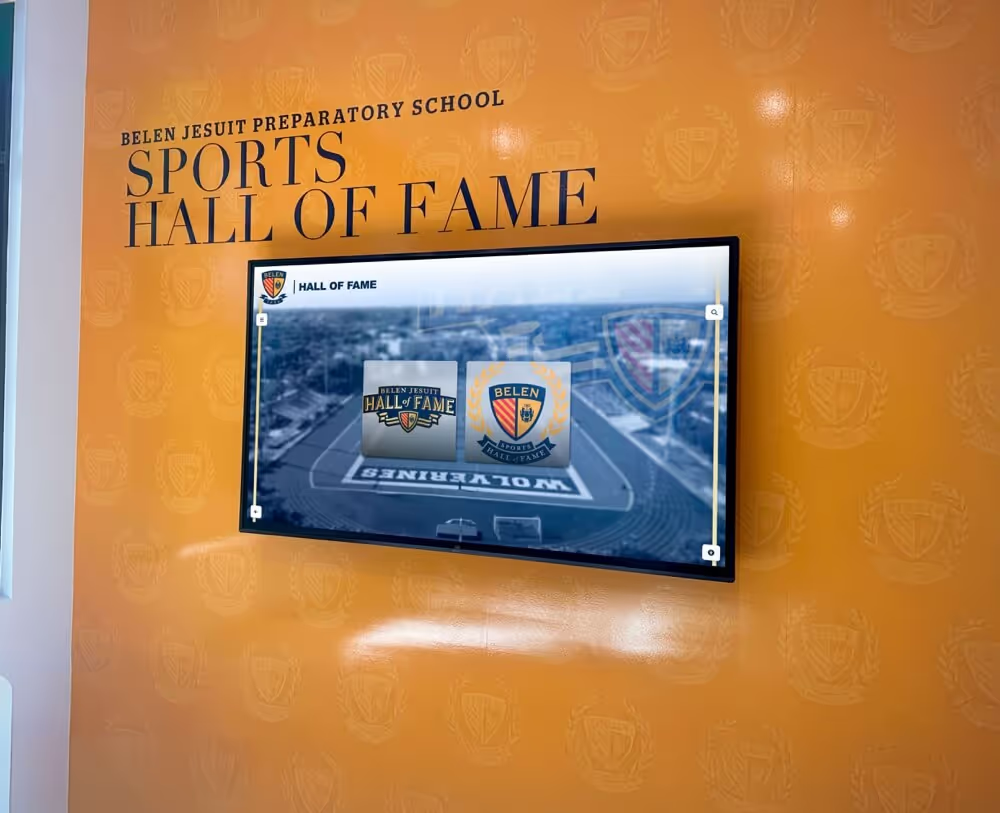
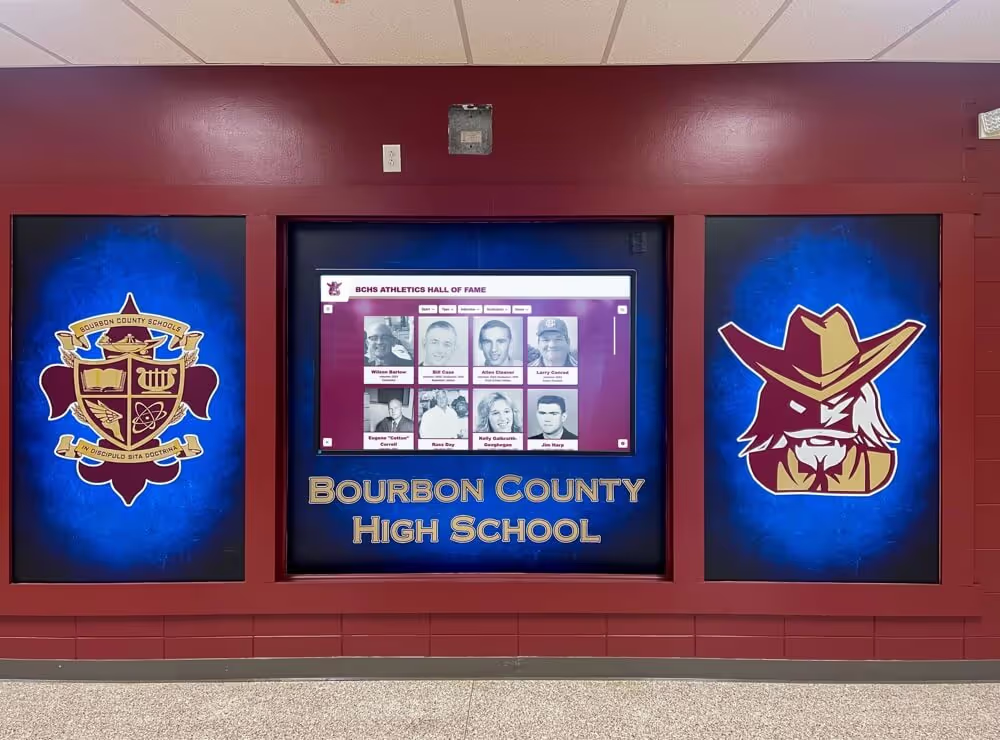
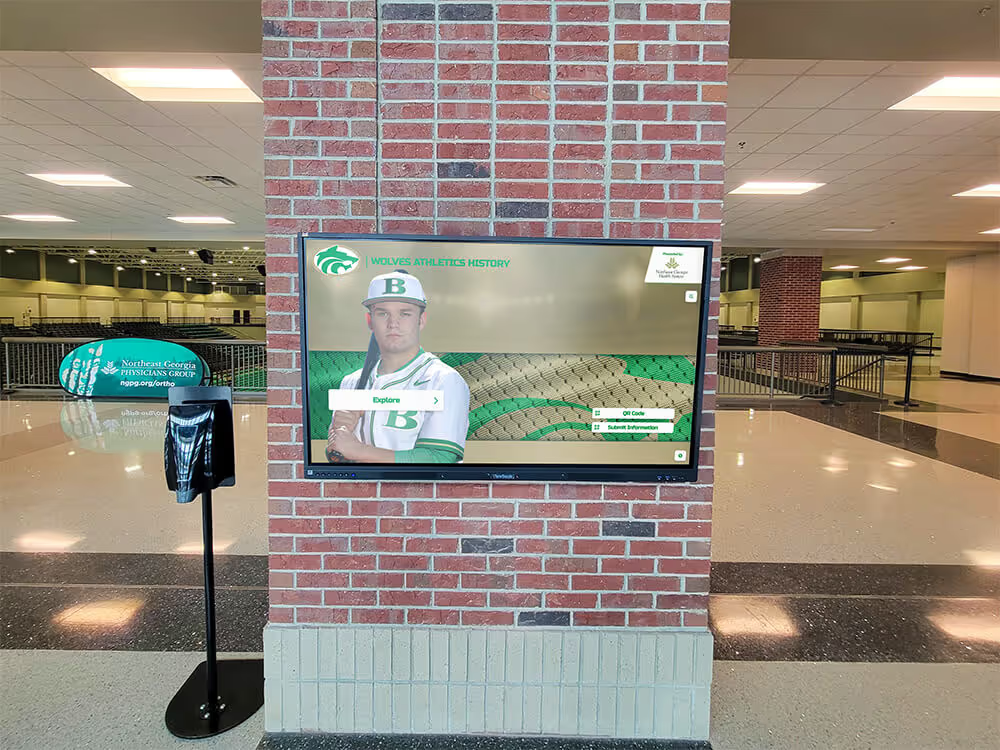
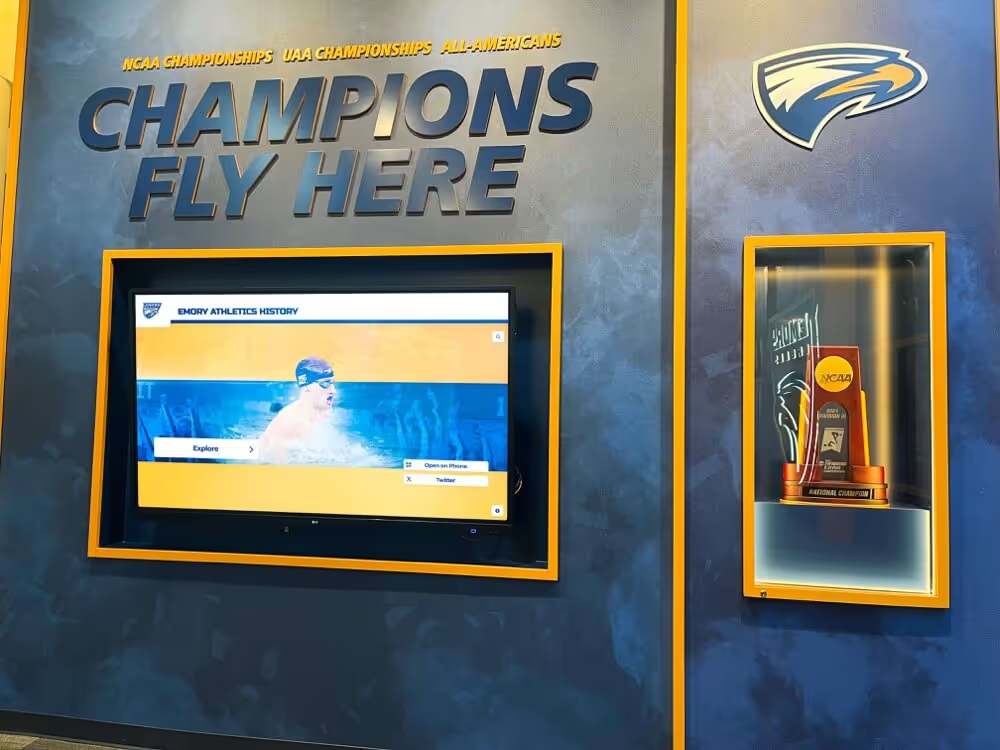
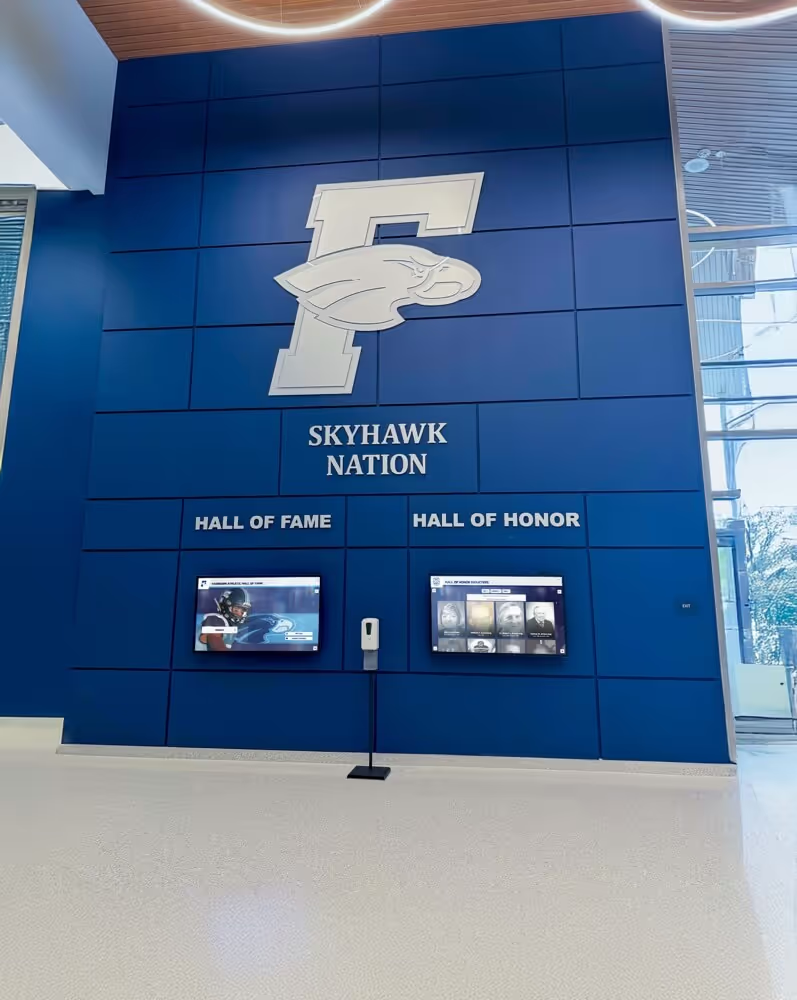
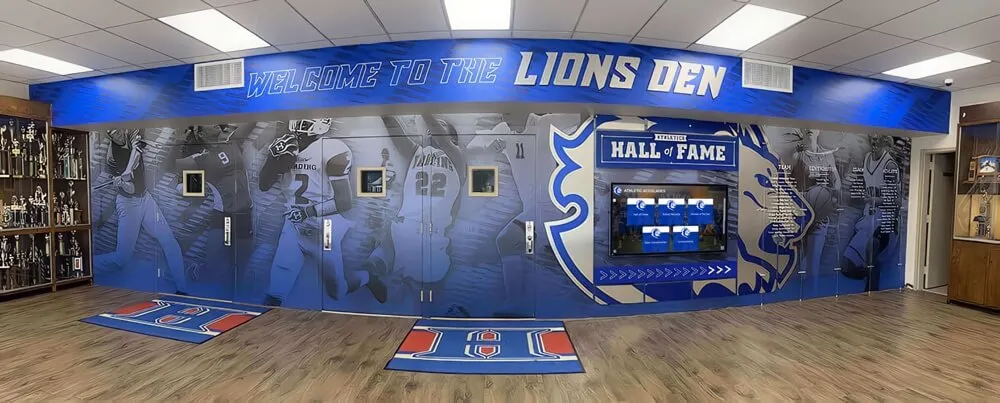
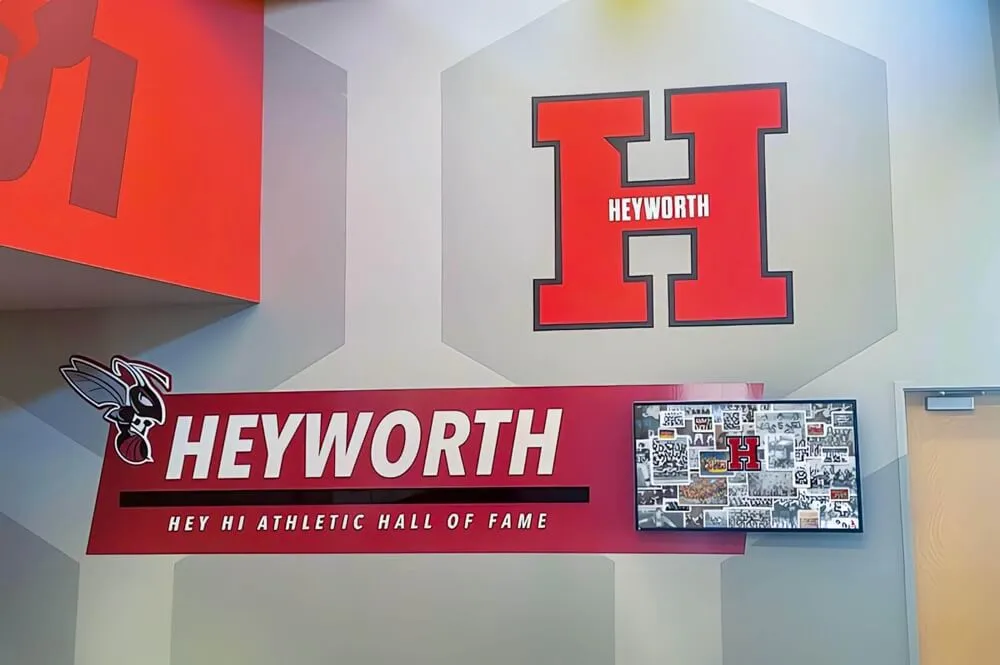
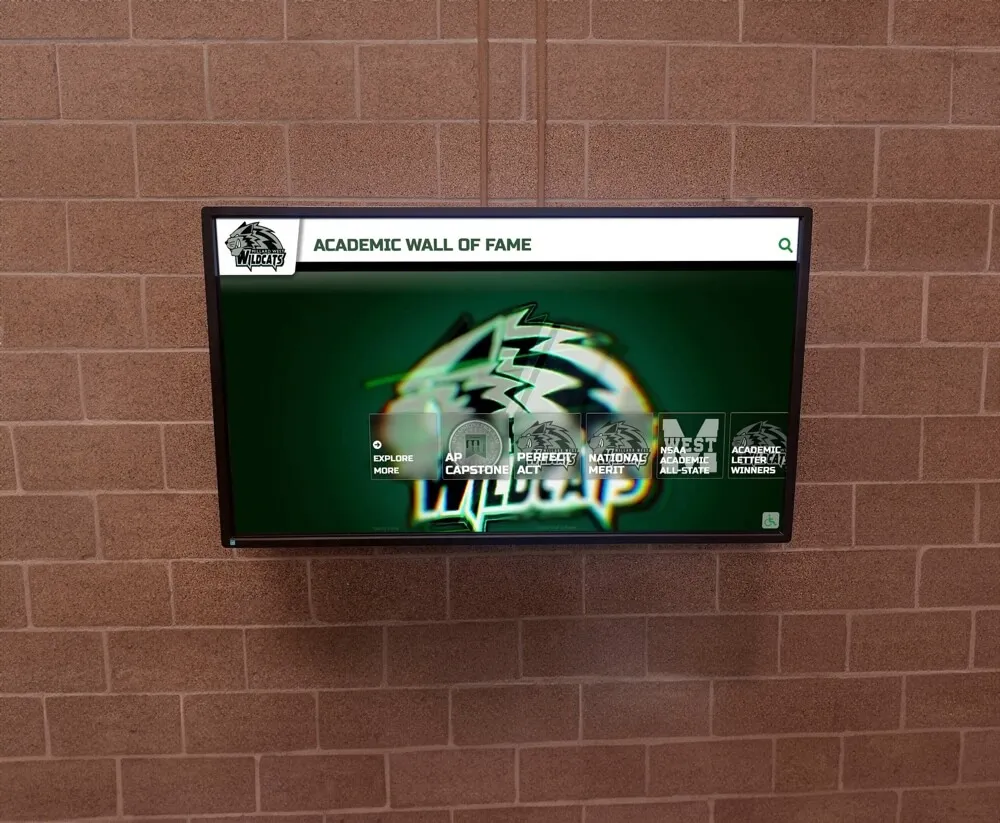
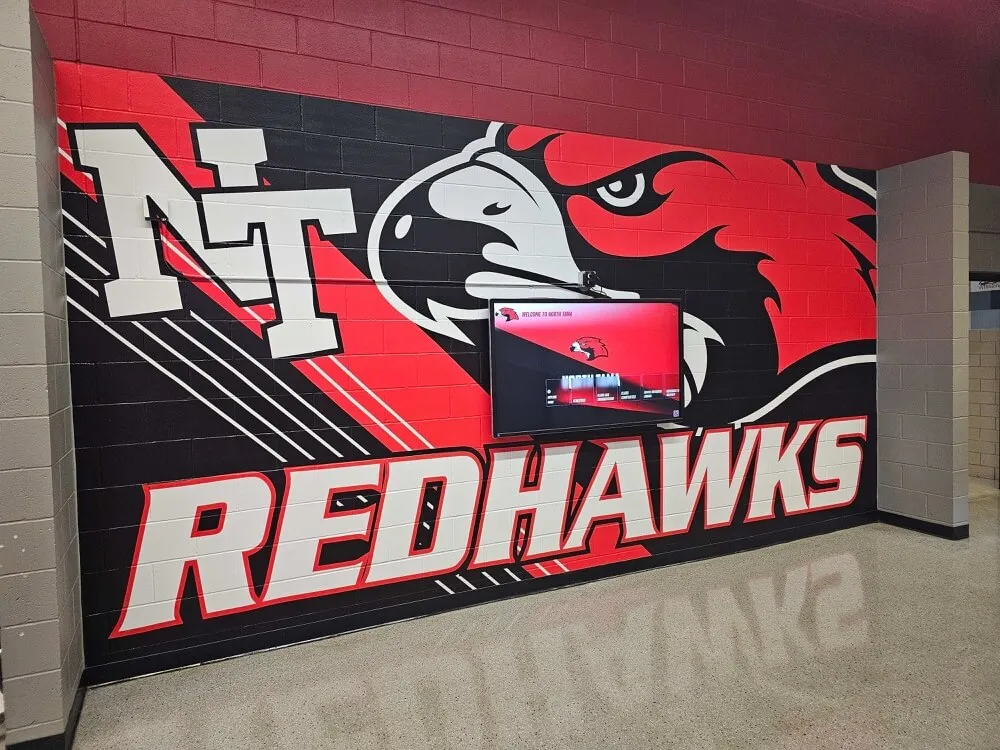
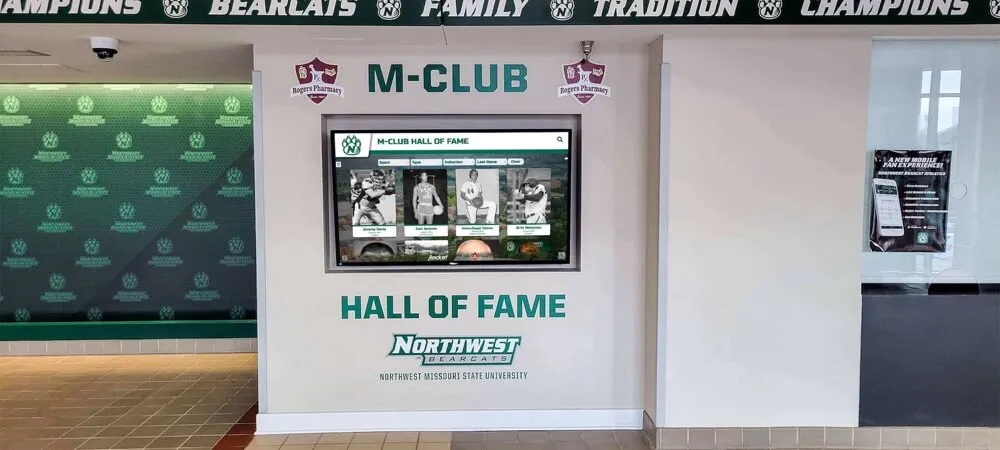
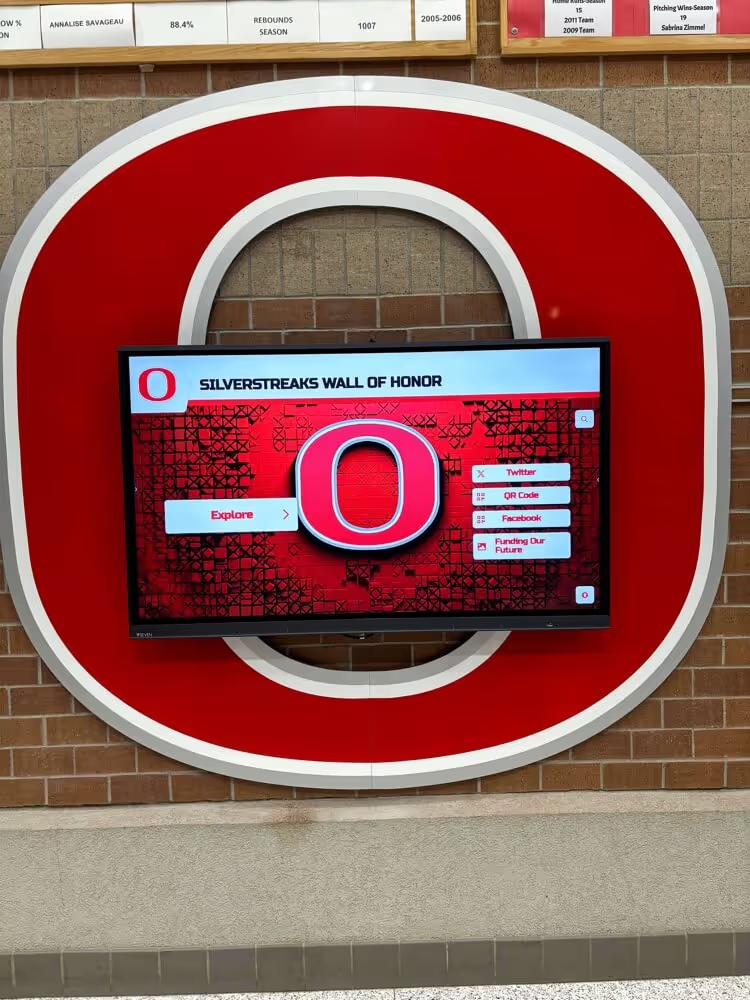
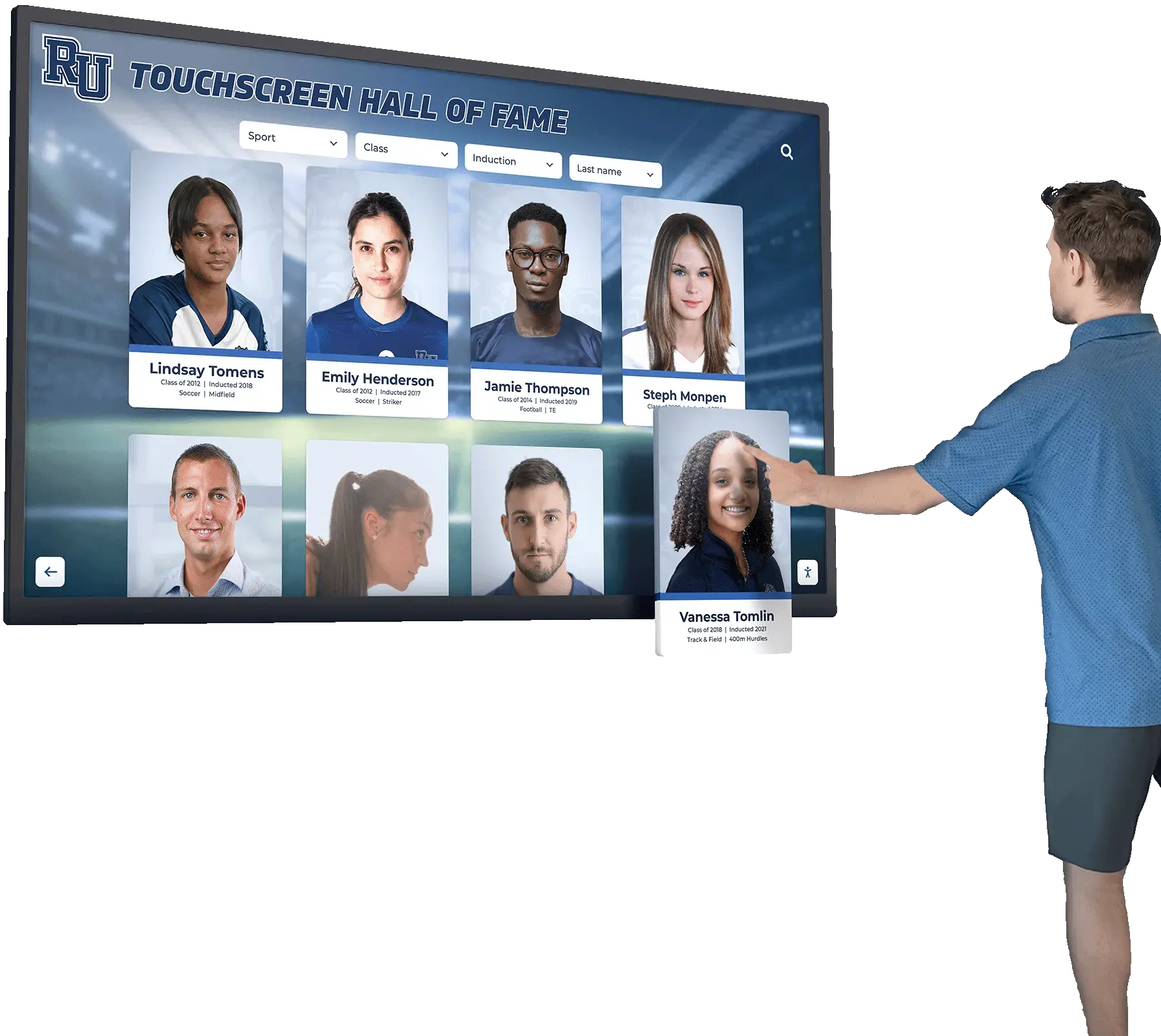
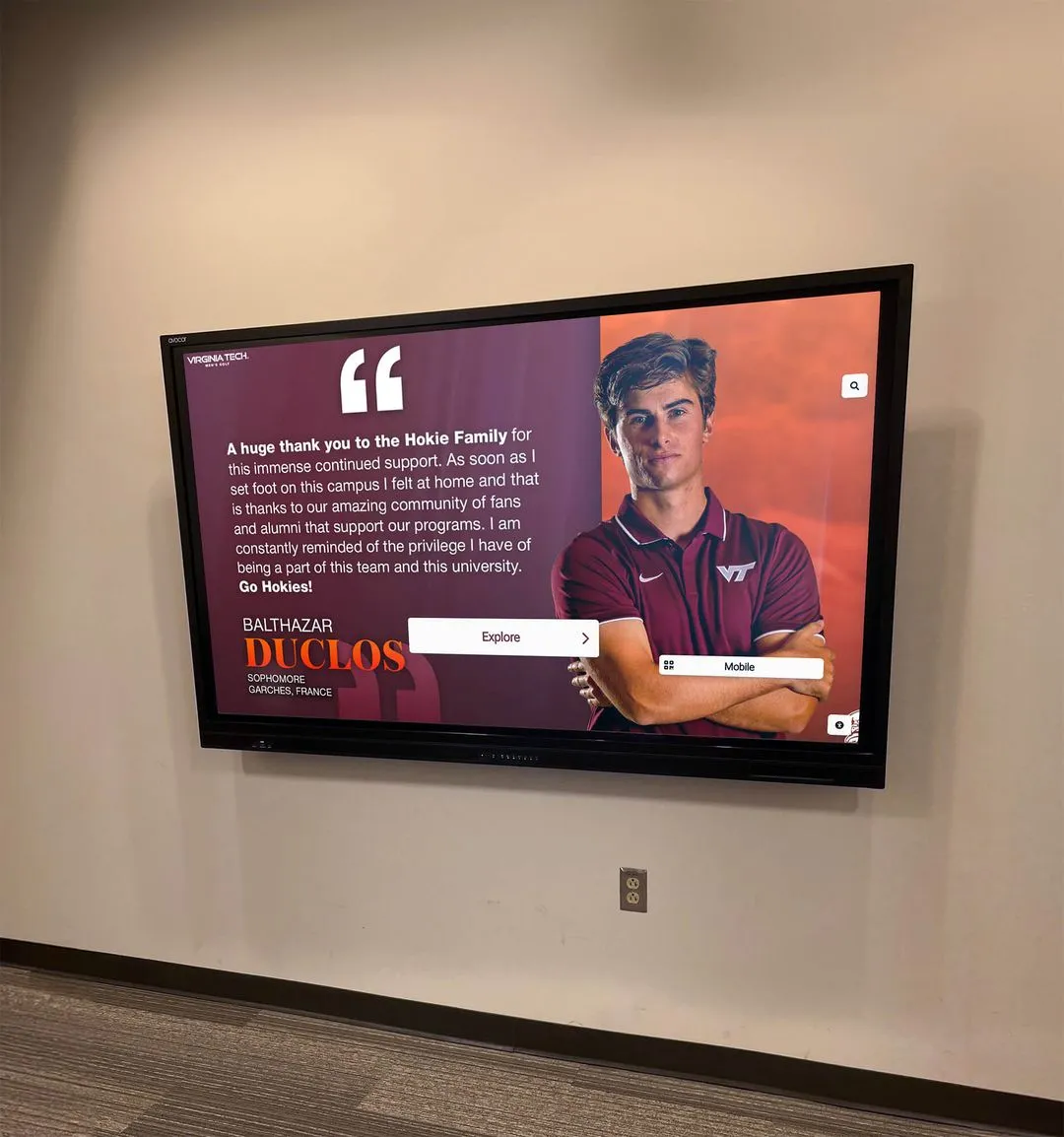
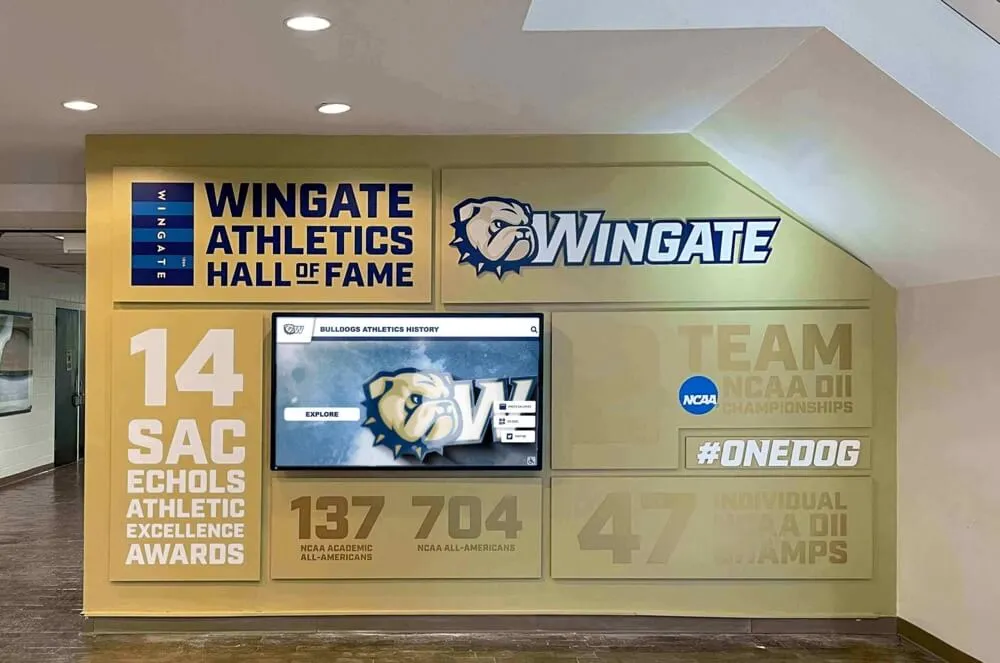
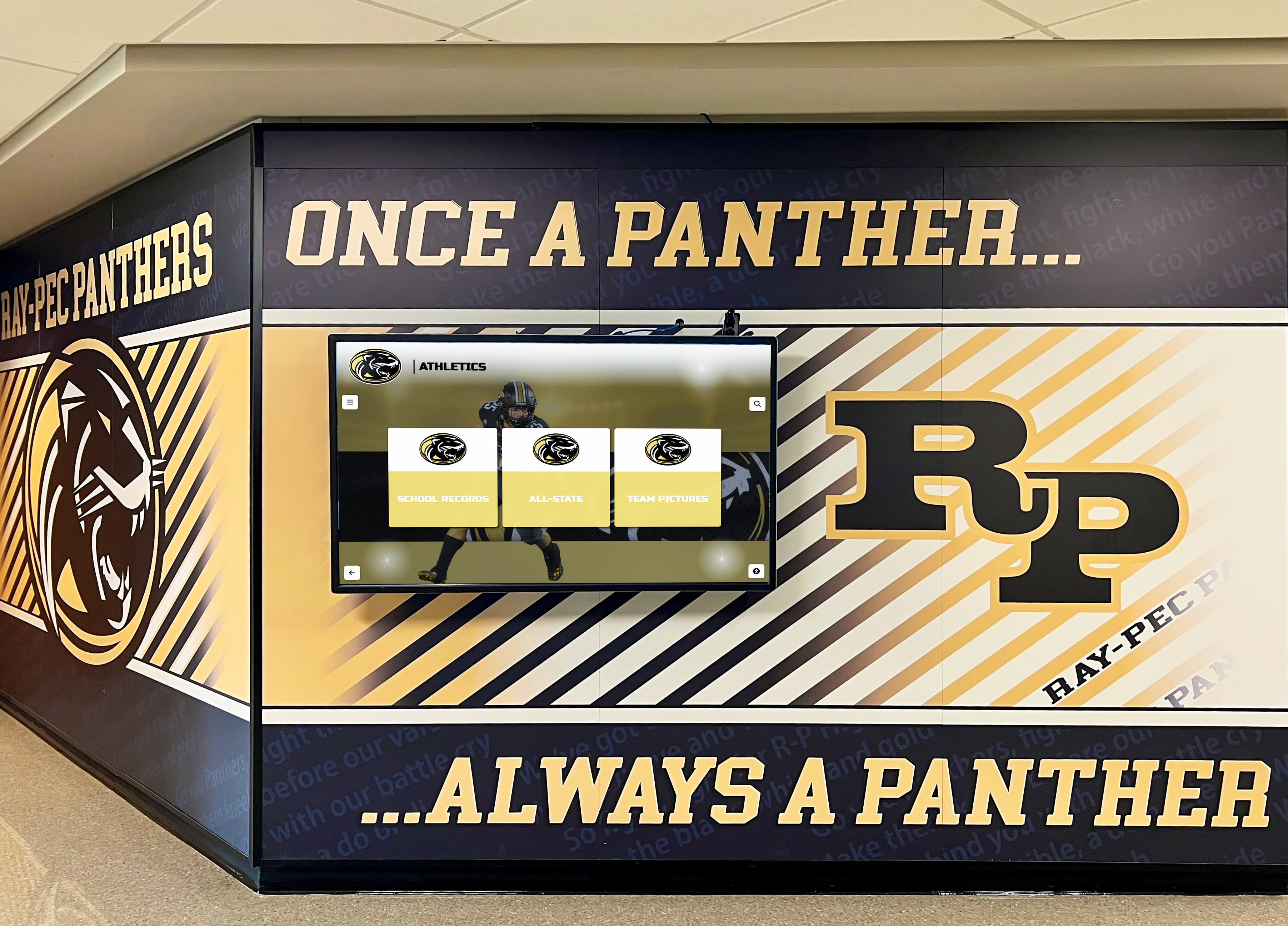
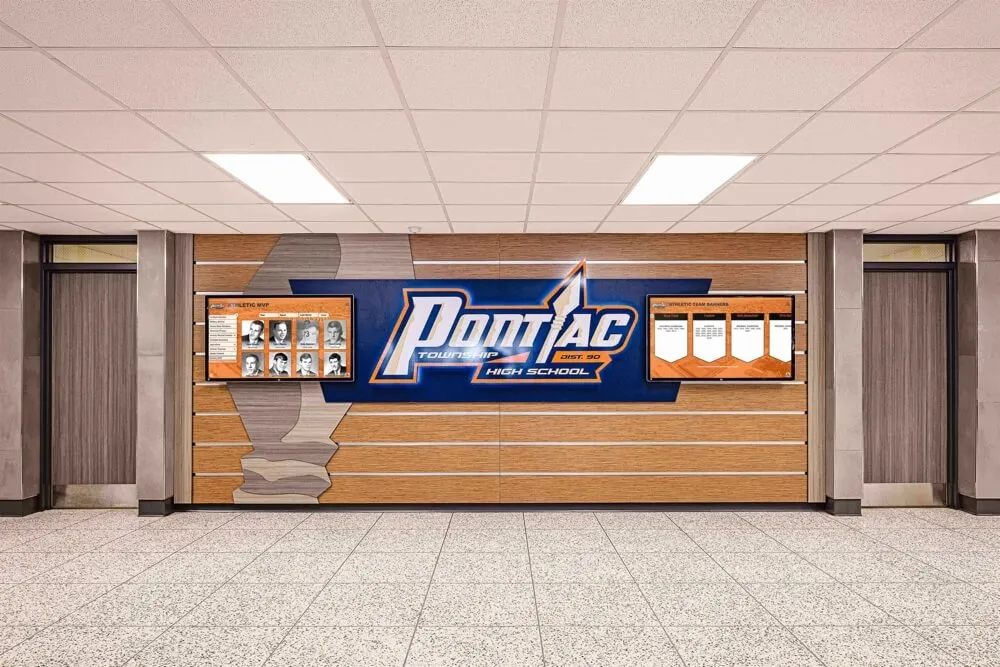
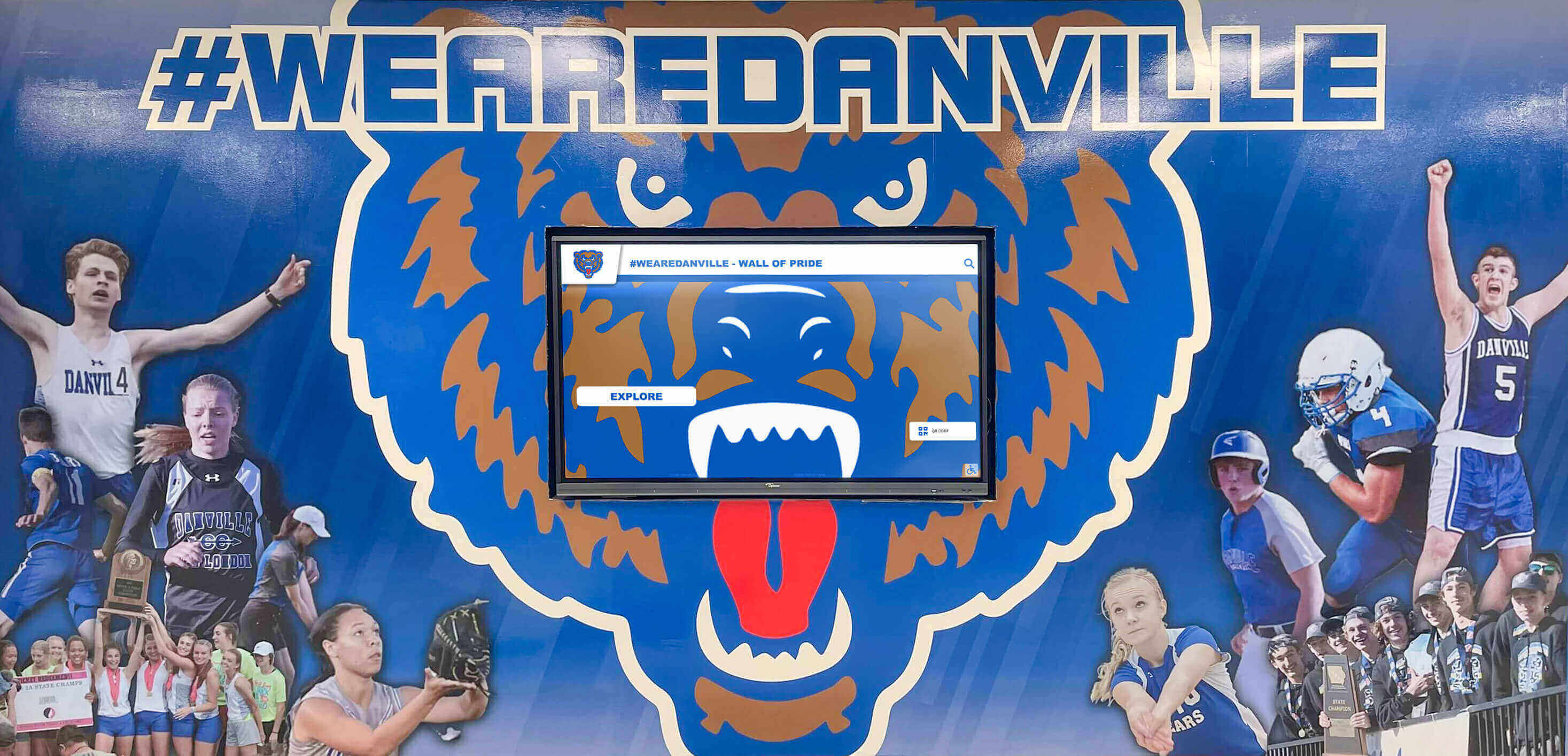
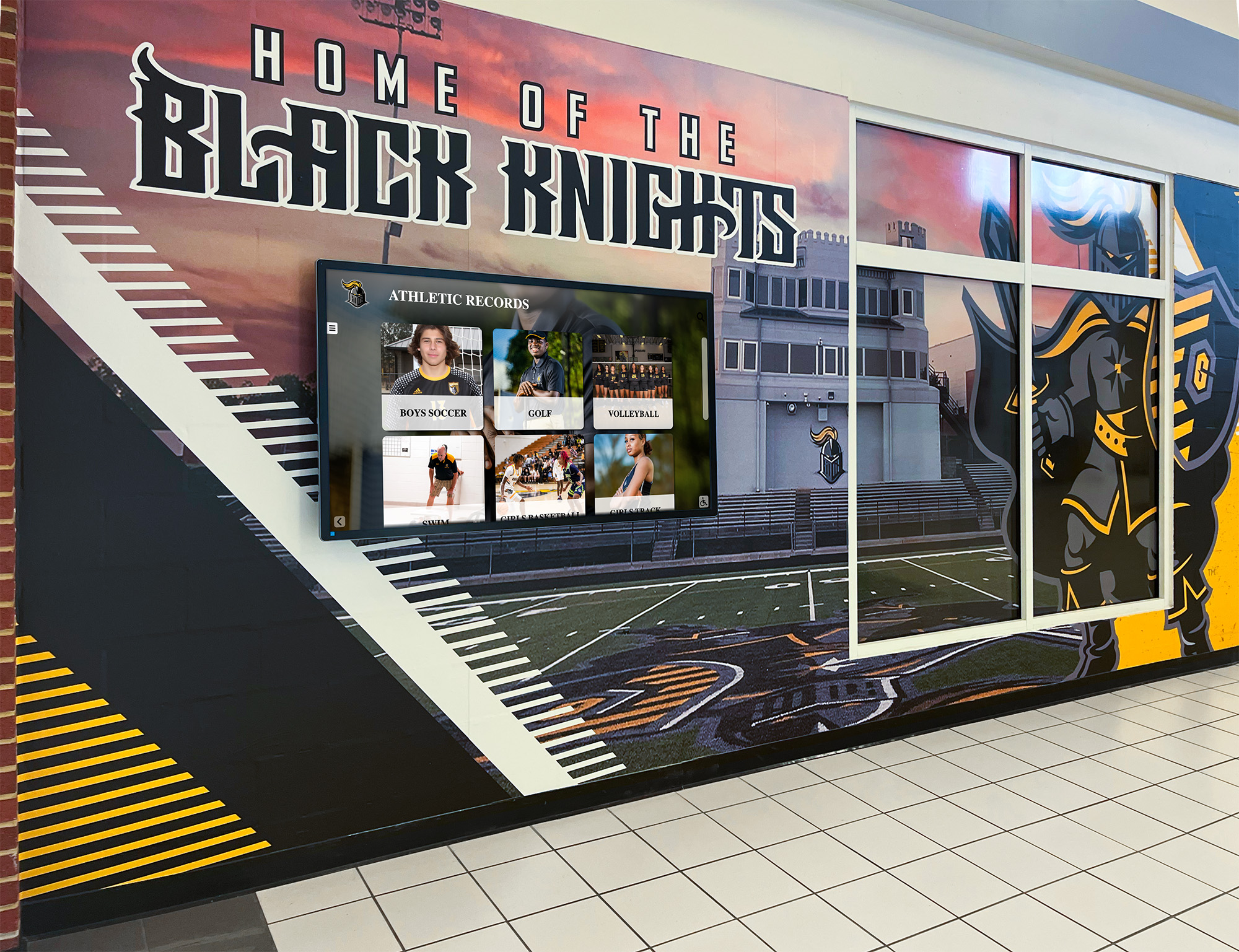
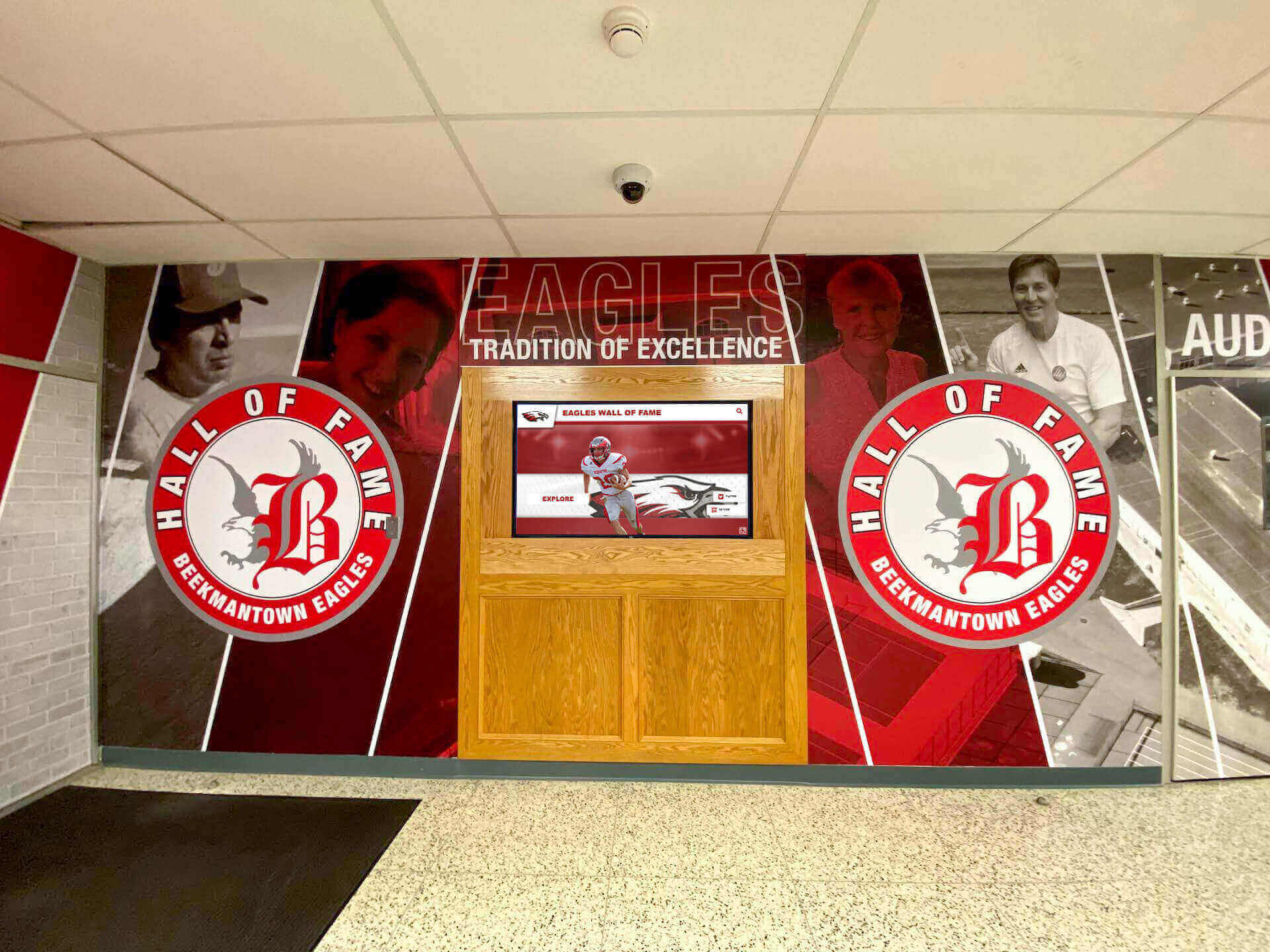
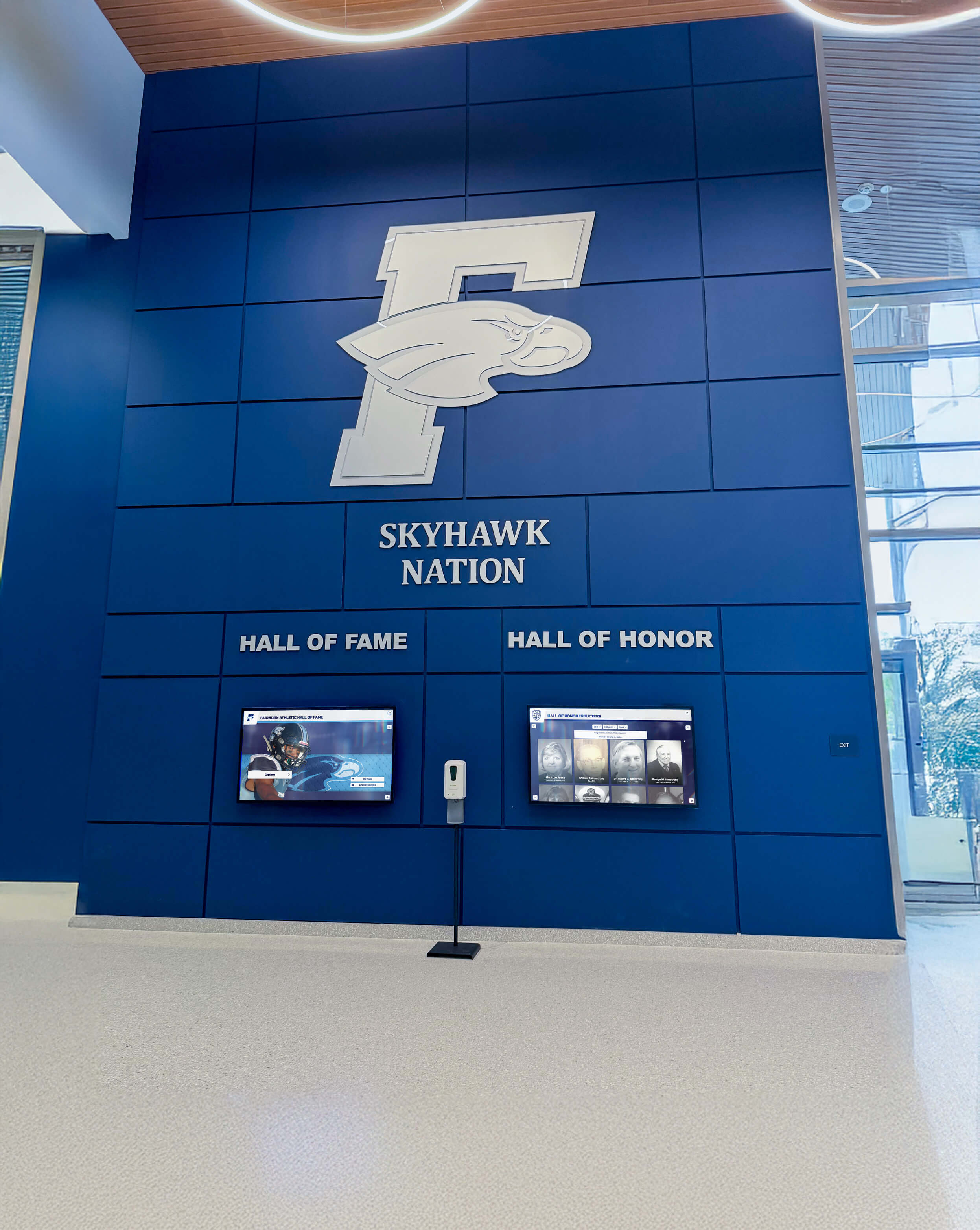
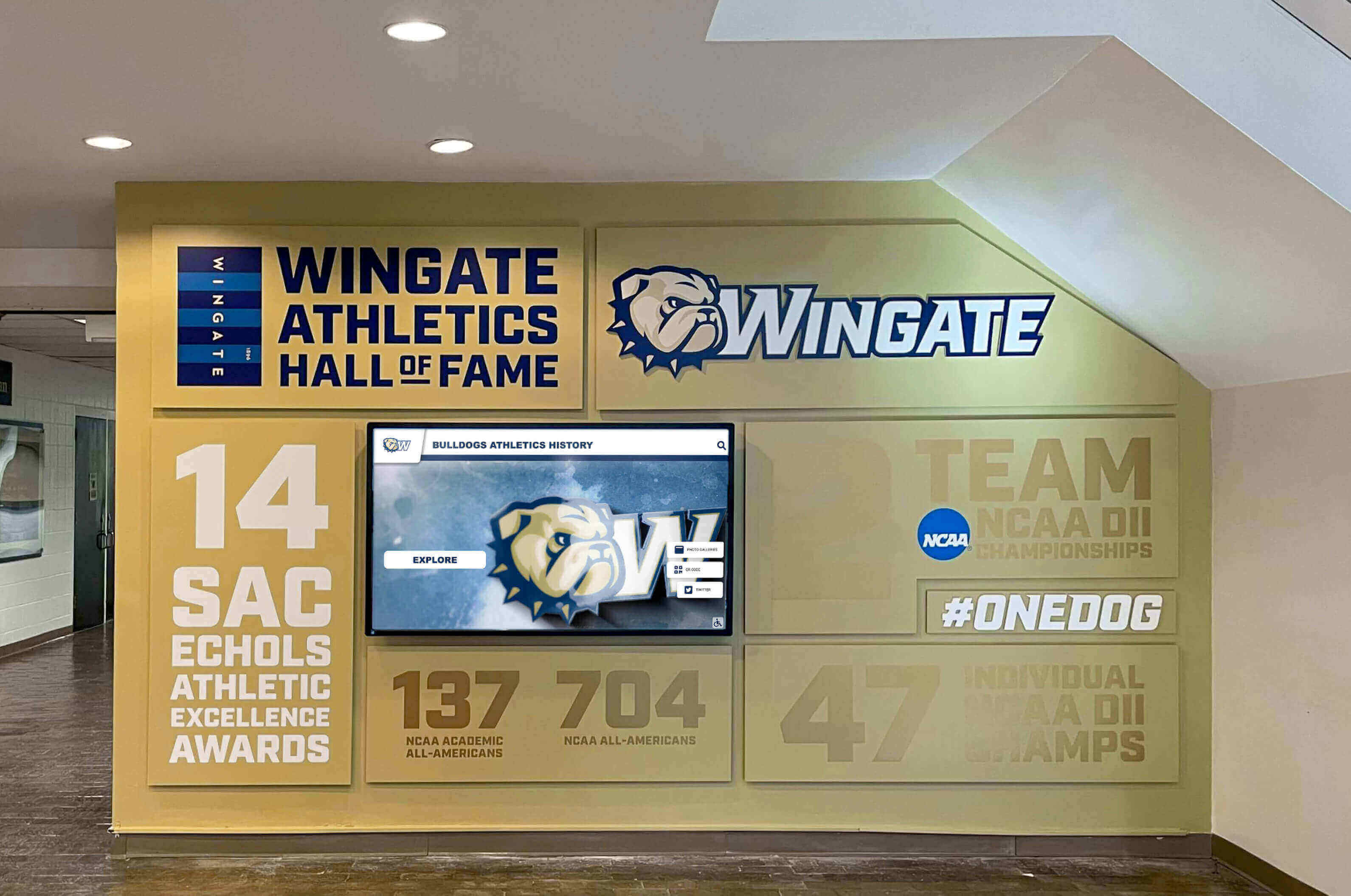
Digital Recognition Platforms: Modern schools implement interactive digital recognition systems showcasing student achievements in school facilities and online. These platforms:
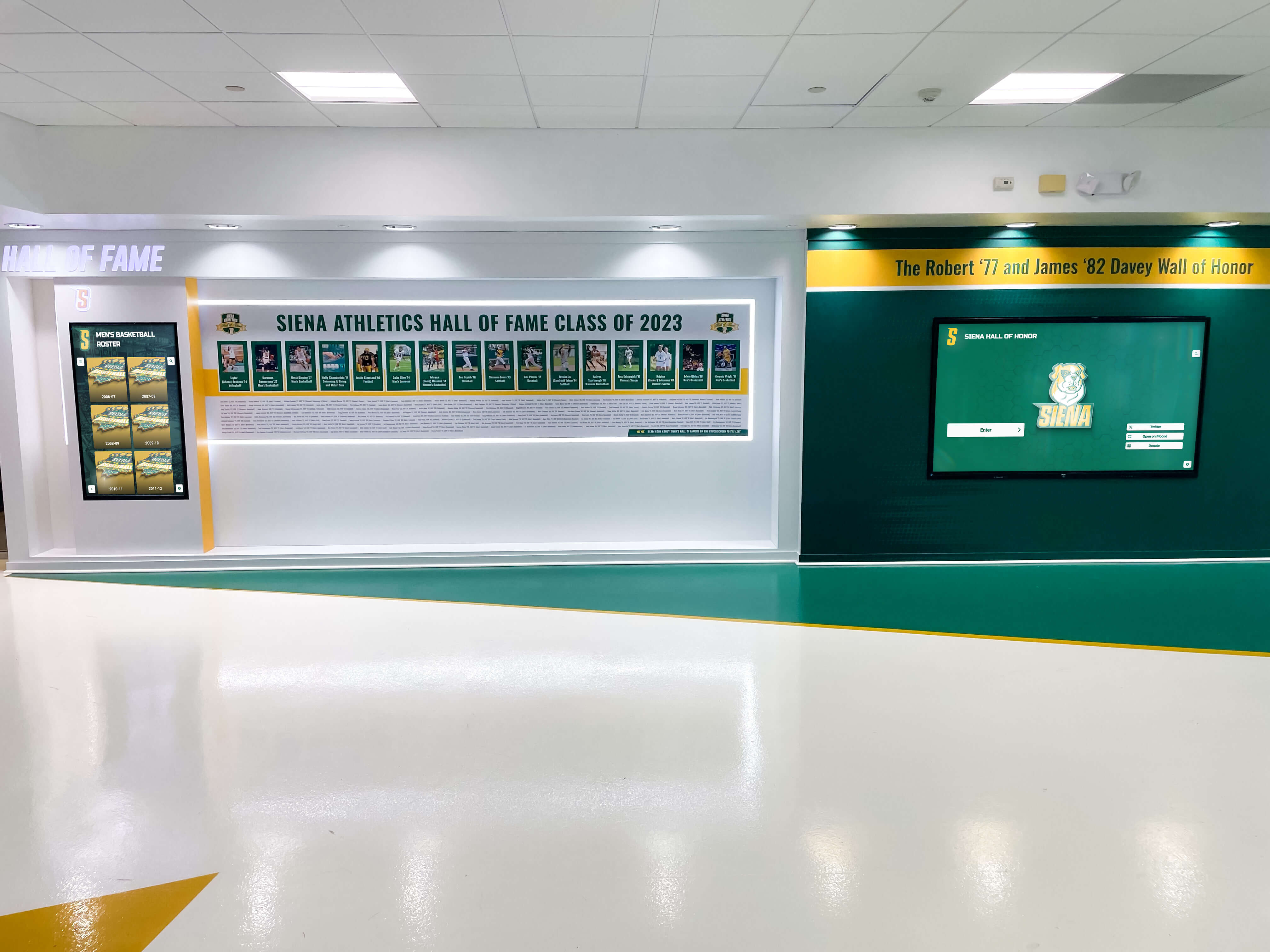
- Document letterman jacket recipients permanently in digital athletic halls of fame
- Provide detailed athlete profiles beyond what physical patches can convey
- Allow searching and filtering by sport, year, achievement type
- Remain accessible long after students graduate and jackets are stored away
- Enable photo galleries showing students wearing earned jackets at presentation ceremonies
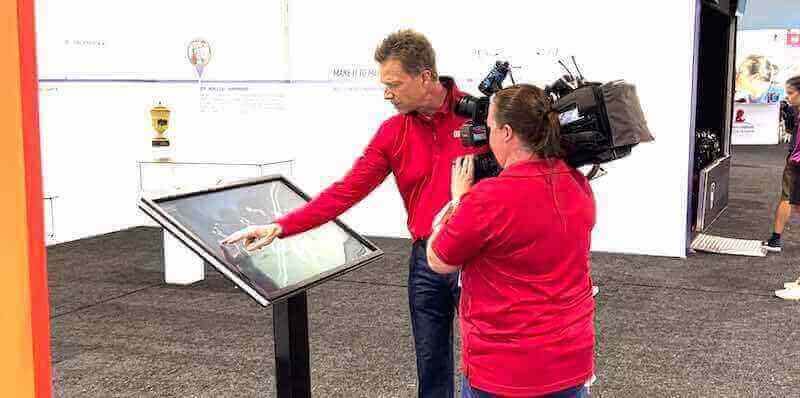
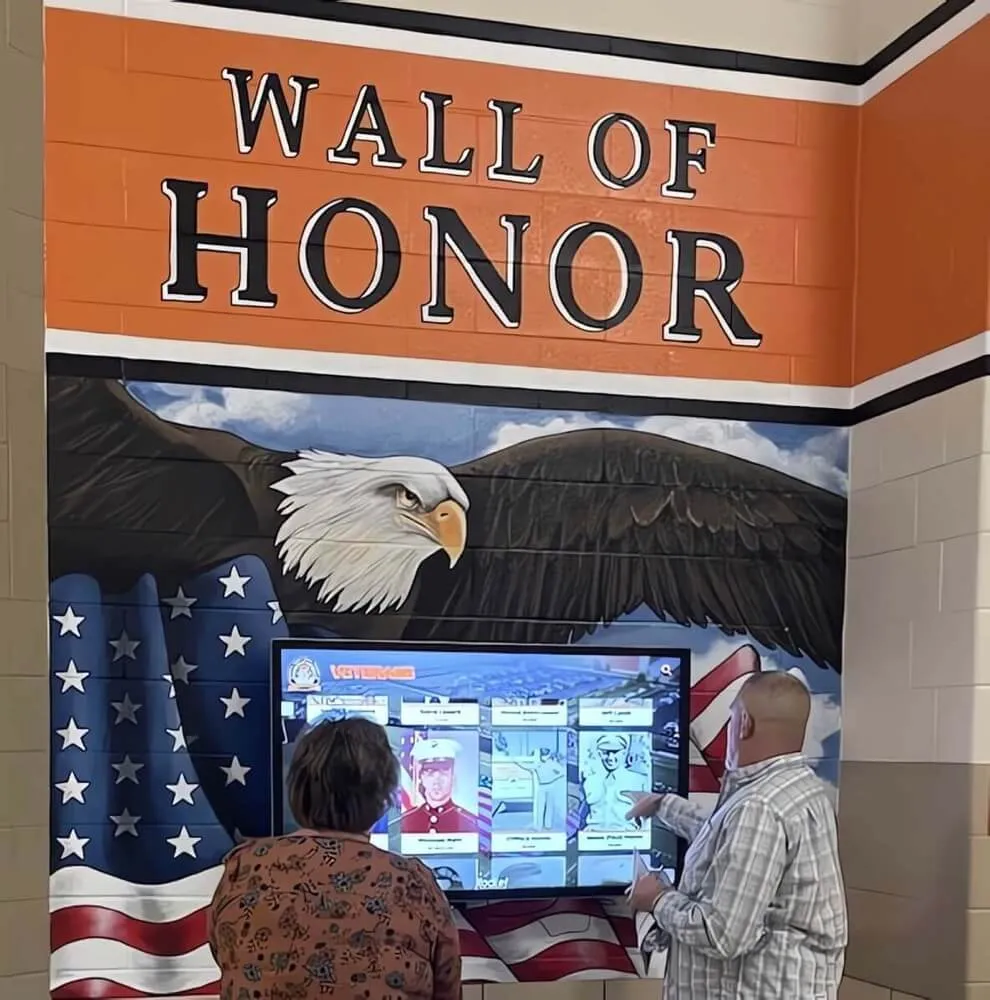
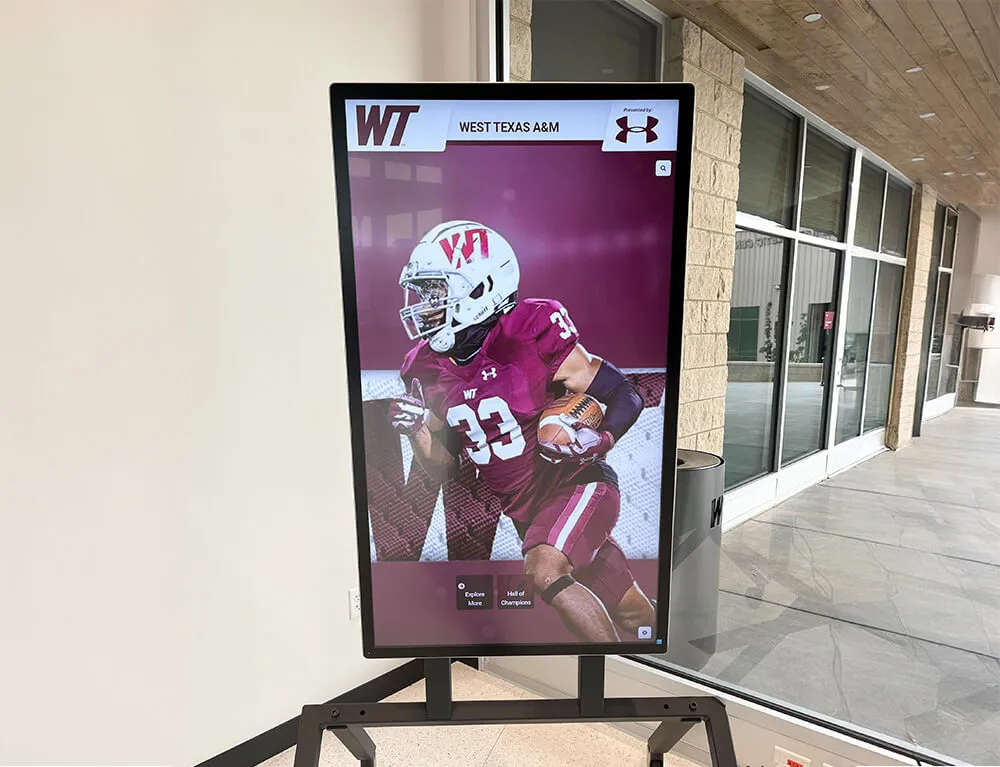
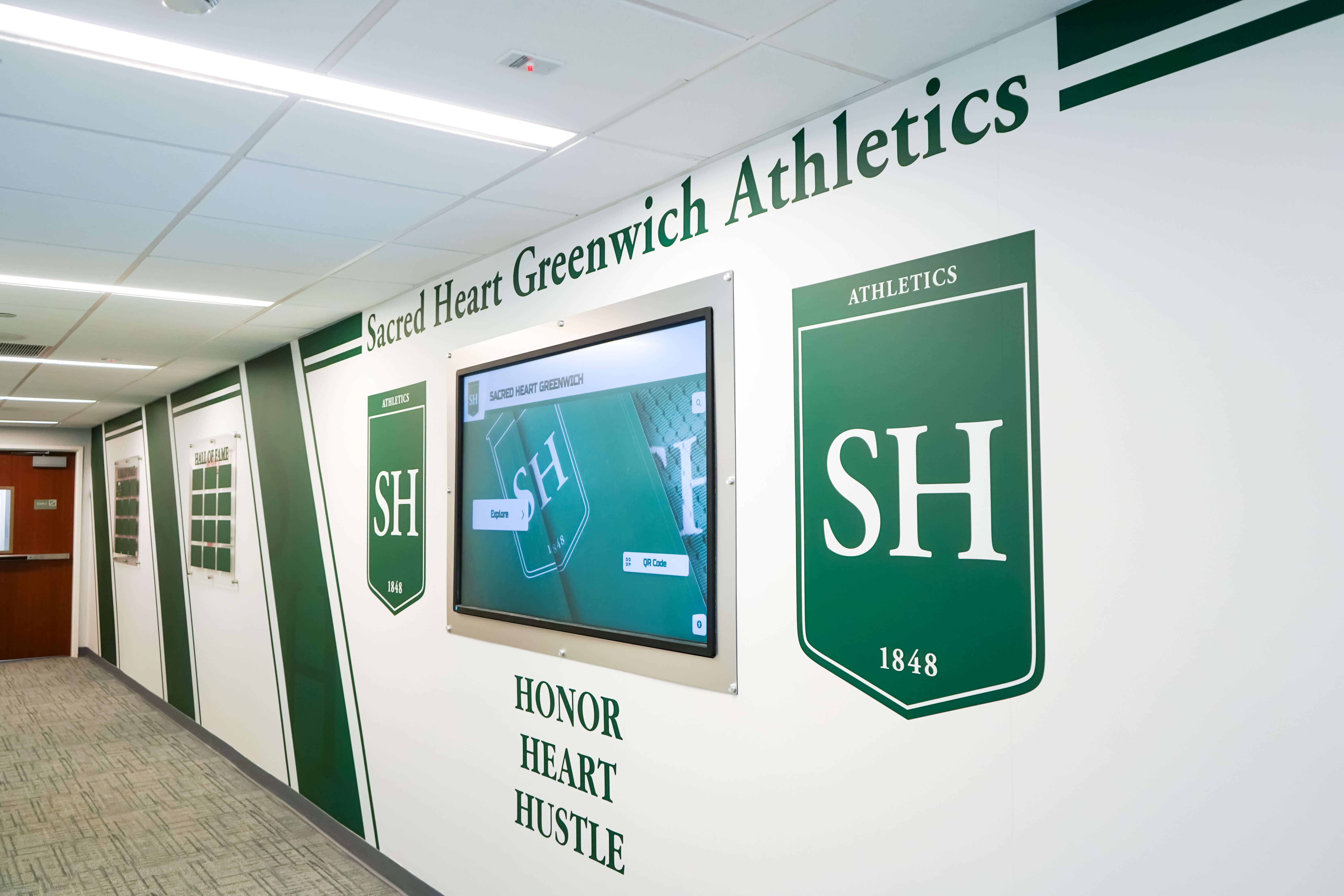
Solutions like Rocket Alumni Solutions provide purpose-built platforms enabling schools to create comprehensive digital halls of fame accessible via interactive touchscreens in prominent facility locations and web platforms accessible anywhere. These systems extend recognition impact far beyond the physical jacket, creating permanent records families can share with extended networks while building comprehensive documentation of school athletic history.
Presentation Ceremonies: Formal presentation events amplify letterman jacket significance through public recognition ceremonies, typically during athletic award banquets, school assemblies, or dedicated letterman ceremony events. Effective ceremonies include:
- Public acknowledgment of each earner with achievement details
- Photo opportunities with coaches, administrators, family
- Connection to historical traditions (alumni letter winners presenting)
- Featured placement in digital recognition displays or social media
- Year-end recognition programs celebrating comprehensive achievements
Social Media Documentation: Create lasting digital records through:
- Individual photos of each earner in their letterman jacket
- Group photos of all current year earners
- Detail shots showing personalization and achievement patches
- Stories highlighting individual athletic journeys leading to jacket earning
- Alumni features showing former letter winners’ jackets decades later
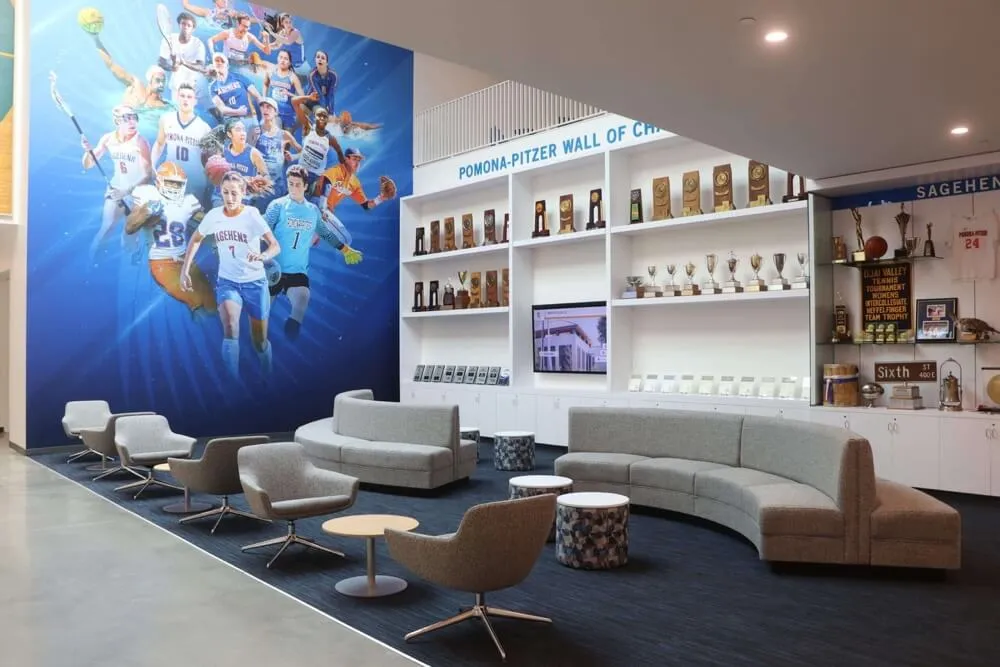
Physical Display Integration: Some schools create physical displays complementing individual jacket ownership:
- Display cases showing historical letterman jackets from different eras
- Photo walls featuring current and historical letter winners
- Trophy case recognition listing annual letterman jacket recipients by sport
- Interactive displays enabling exploration of complete letter winner history
Connecting Traditions Across Generations
Letterman jacket programs create powerful connections spanning generations of students:
Alumni Engagement:
- Invite alumni letter winners to presentation ceremonies sharing their experiences
- Feature historical letterman jackets in displays or special events
- Document changing jacket designs across decades
- Create alumni networks connecting letter winners across generations
Historical Documentation: Comprehensive digital systems enable schools to:
- Maintain complete records of all letter winners throughout program history
- Document design evolution across different eras
- Preserve stories and achievements that physical jackets alone can’t convey
- Enable current students to discover which alumni from their families earned letters
This intergenerational connection strengthens school traditions while helping current students understand they’re part of longer institutional stories extending beyond their immediate experience.
Modern Alternatives and Adaptations
While traditional custom letterman jackets remain popular, schools increasingly offer alternatives addressing cost, style preferences, and practical concerns:
Letterman Jacket Alternatives
Varsity Hoodies or Sweatshirts:
- Significantly less expensive ($50-100 vs $300-600)
- Modern aesthetic appealing to current students
- Easier care and maintenance than wool/leather
- Still provide personalization with letters, names, achievements
Varsity Vests:
- Traditional wool vests with leather or fabric trim
- Moderate cost ($150-250)
- Versatile wear over various clothing
- Maintain classic aesthetic at lower price point
Letter Blankets:
- Large fleece or woven blankets with school colors and letter
- Functional keepsake students use practically
- Lower cost option ($75-150)
- Different recognition format for students not interested in wearables
Letter Rings or Jewelry:
- Class rings or pendants featuring varsity letter
- Subtle recognition students can wear daily
- Complement or replace full jacket programs
- Wide price range based on materials and customization
Hybrid Programs: Some schools offer choice:
- Athletes select from multiple recognition options at equivalent value
- May choose traditional jacket, or alternative recognition plus smaller additional item
- Provides personalization respecting individual preferences
Addressing Changing Student Preferences
Today’s students may view traditional letterman jackets differently than previous generations:
Style and Fashion Concerns: Some students find traditional styling outdated or incompatible with personal style. Options include:
- Modernized designs with contemporary fits and styling
- Color combinations offering more fashion-forward aesthetics
- Slimmer silhouettes versus traditional boxy fits
- Optional design variations within core school standards
Practical Wear Concerns: Heavy wool jackets have limited practicality in warm climates or for students uncomfortable with formal appearance:
- Offer lighter-weight alternatives for warm-weather regions
- Create all-season options students can actually wear comfortably
- Accept that jackets serve symbolic more than purely functional purposes
Inclusive Sizing and Fits: Ensure letterman jacket programs serve all students effectively:
- Women’s-cut options providing proper fit rather than only men’s sizing
- Extended size ranges accommodating all body types
- Proper measurement and fitting support
- Sample jackets students can try before ordering
Common Challenges and Problem-Solving
Understanding typical challenges helps schools address issues proactively:
Challenge: High Costs Excluding Some Students
Solutions:
- Implement robust scholarship programs with confidential application processes
- Partner with community organizations for sponsorship
- Consider phased approach (fund seniors first, expand as funding allows)
- Offer lower-cost alternatives alongside traditional jackets
- Build endowment generating sustainable ongoing funding
Challenge: Earning Criteria Disputes
Solutions:
- Establish crystal-clear criteria before seasons begin
- Apply standards consistently without favoritism or exceptions beyond documented policies
- Create appeal processes for unique circumstances
- Document decisions and rationale when making discretionary awards
- Communicate criteria transparently to students and families
Challenge: Vendor Quality or Delivery Issues
Solutions:
- Order samples before committing to bulk purchases
- Check references thoroughly before selecting vendors
- Build in timeline buffers allowing for delays
- Establish clear quality inspection process upon delivery
- Maintain backup vendor relationships if primary relationships fail
Challenge: Declining Interest Among Students
Solutions:
- Survey students about preferences and design desires
- Modernize designs making jackets more appealing
- Offer alternatives appealing to different preferences
- Strengthen presentation ceremonies making recognition more meaningful
- Integrate with digital systems extending recognition visibility
Challenge: Managing Multi-Sport Athletes’ Jacket Additions
Solutions:
- Establish clear policies about adding sport patches to existing jackets
- Create collection system each season for previously earned jackets needing additions
- Build patch addition costs into sport budgets or booster funding
- Provide clear timelines for submitting jackets for updates
- Consider allowances for students to purchase and apply patches independently following quality standards
Building Recognition Culture Beyond the Jacket
The most successful letterman jacket programs exist within broader cultures systematically recognizing and celebrating student achievement across multiple formats:
Comprehensive Recognition Ecosystems: Schools with strongest recognition cultures implement multiple complementary systems:
- Traditional awards (letterman jackets, trophies, certificates)
- Digital platforms (interactive displays and web-accessible recognition)
- Physical displays (trophy cases, photo walls, achievement boards)
- Ceremony recognition (banquets, assemblies, presentations)
- Social media celebration (posts, features, stories)
- Communication recognition (newsletters, announcements, programs)
When schools implement comprehensive approaches rather than relying solely on single recognition methods, they ensure diverse student achievements receive appropriate celebration while providing multiple touchpoints reinforcing that excellence matters and deserves visibility.
Building Recognition Into School Culture: Strong recognition cultures extend beyond athletics:
- Academic achievement receives comparable visibility and celebration
- Arts and performance accomplishments gain appropriate recognition
- Character and service receive acknowledgment alongside competitive achievement
- Leadership contributions gain visibility and appreciation
This comprehensive approach ensures all students feel valued for their unique contributions while maintaining appropriate recognition of specific achievement types including the athletic excellence letterman jackets traditionally celebrate.
Conclusion: Honoring Tradition While Embracing Modern Recognition
Custom letterman jackets represent enduring traditions connecting current students with generations of athletes who wore similar garments decades earlier. When schools design programs thoughtfully with quality materials reflecting school identity, fair earning criteria balancing prestige with accessibility, sustainable funding ensuring equitable access, and meaningful presentation ceremonies honoring achievement significance, letterman jackets become treasured recognition students value throughout their entire lives.
Yet the most forward-thinking schools recognize that comprehensive student recognition requires multiple complementary approaches. Physical awards like letterman jackets provide personal keepsakes and visible daily recognition. Digital platforms extend achievement visibility, creating permanent records accessible across entire school communities and far beyond graduation. Formal ceremonies provide meaningful acknowledgment moments. Social media documentation enables sharing with extended networks. Physical displays in prominent facility locations ensure ongoing recognition visibility.
Ready to complement your school’s letterman jacket program with permanent digital recognition that extends achievement visibility beyond what individual students wear? Rocket Alumni Solutions provides purpose-built platforms enabling schools to create comprehensive digital halls of fame showcasing athletic achievements, academic excellence, and school history through interactive touchscreen displays in facilities and web-accessible platforms viewable anywhere. From documenting every letterman jacket recipient throughout program history to creating rich multimedia athlete profiles celebrating achievements beyond what patches can convey, digital recognition systems ensure your recognition culture reflects the comprehensive excellence your students achieve.
Your student athletes dedicate countless hours to developing skills, building character, and pursuing excellence that earns varsity letters. Comprehensive recognition—combining meaningful physical awards like custom letterman jackets with permanent digital documentation and ongoing celebration—ensures those achievements receive the visibility, honor, and lasting preservation they genuinely deserve. Schools that build strong recognition cultures create environments where excellence flourishes, students feel genuinely valued, and traditions strengthen connections across generations of proud letter winners.