



Career and Technical Education (CTE) programs serve nearly every public high school student in America, with 98% of school districts offering CTE courses that prepare students for in-demand careers while earning industry-recognized credentials. Yet despite serving millions of students and generating billions in economic value, CTE programs often struggle to communicate their impact effectively to students, families, and communities who still harbor outdated perceptions of vocational education.
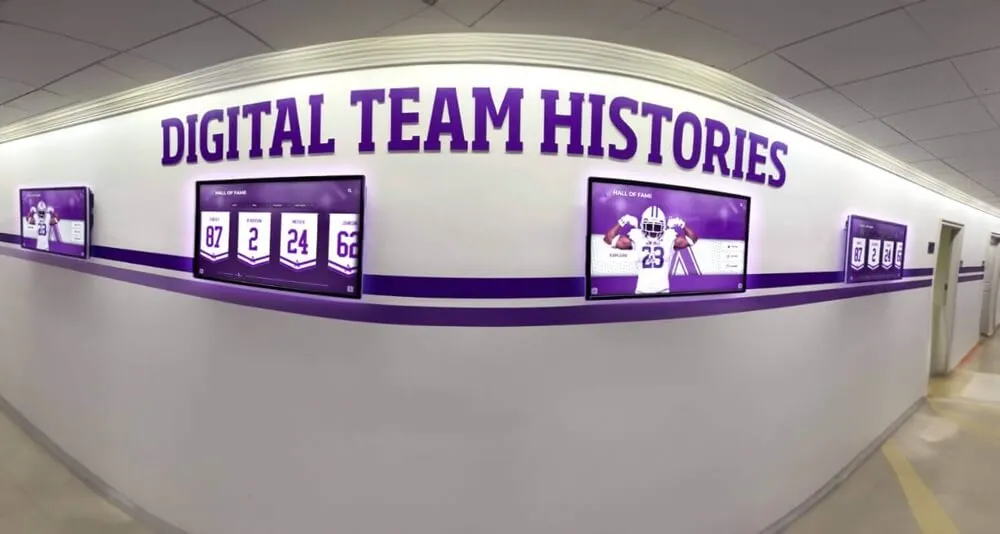
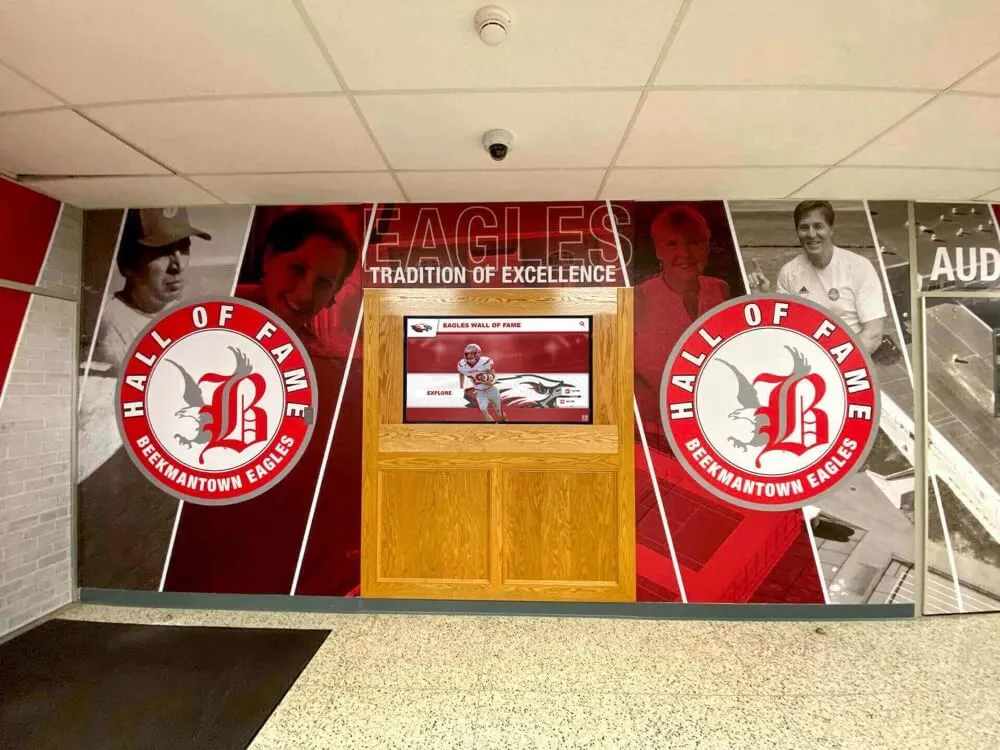
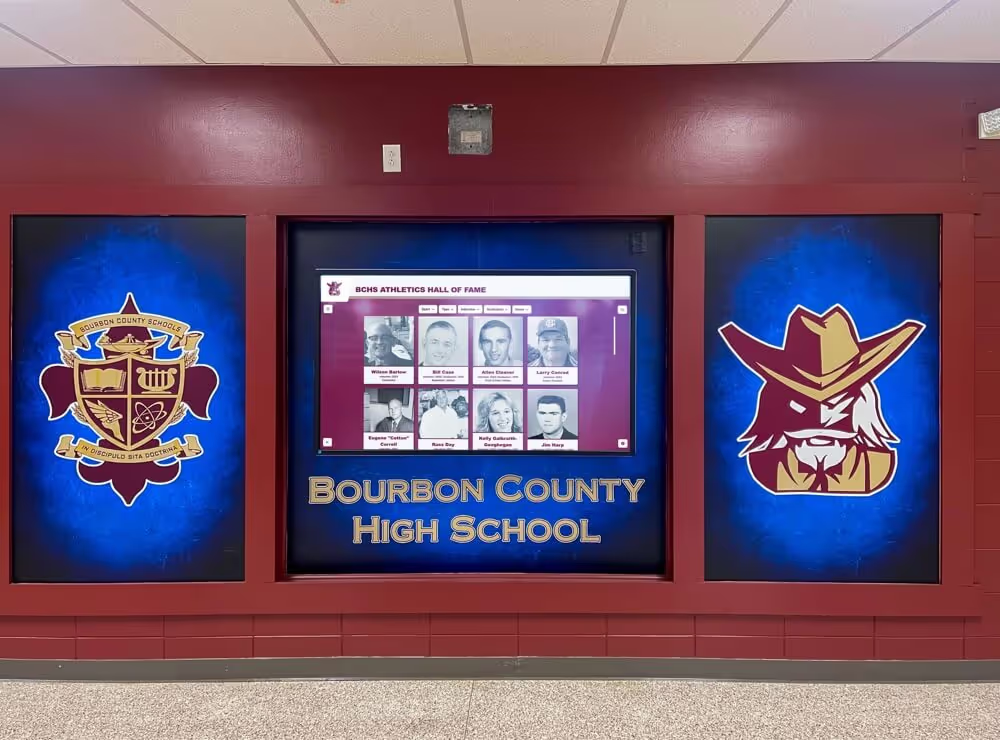
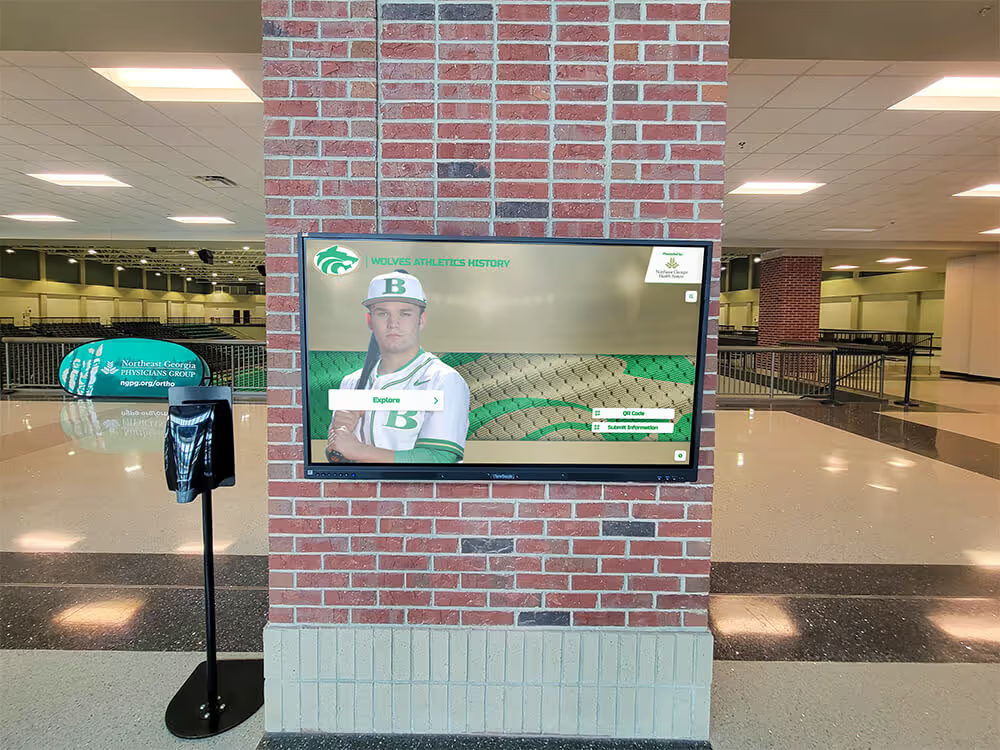
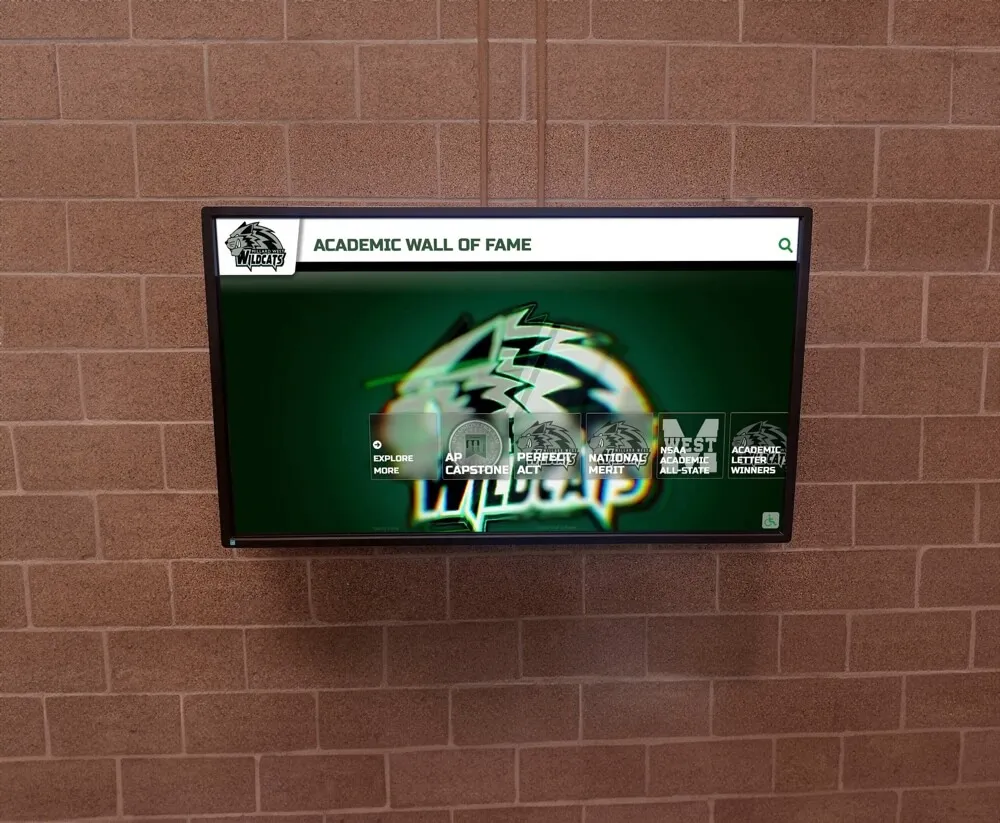
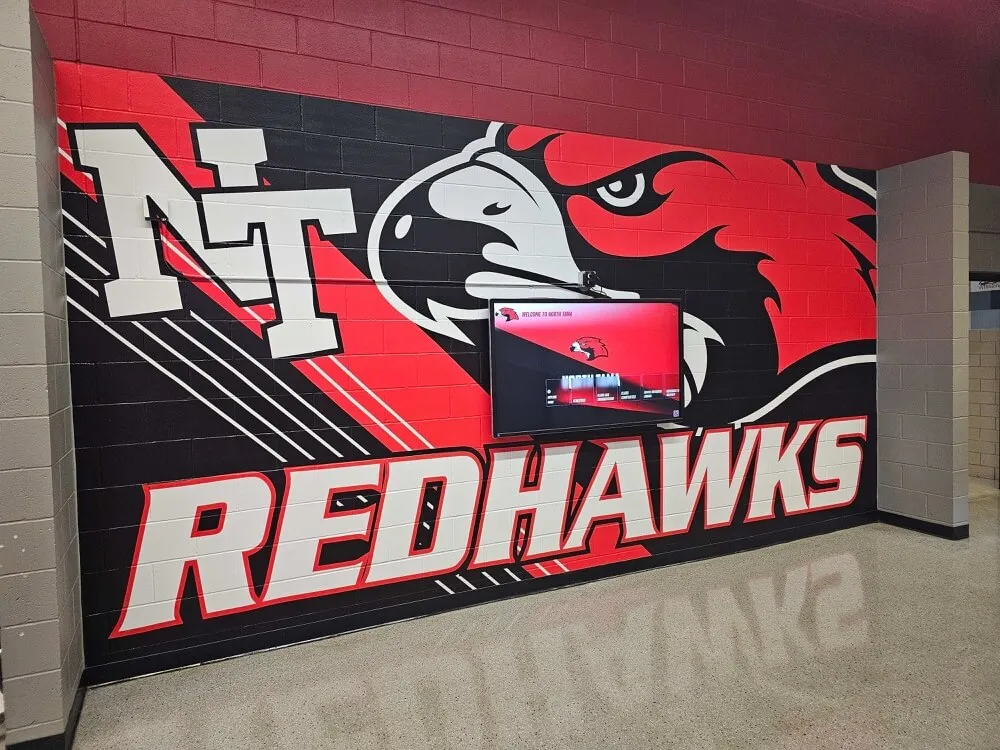
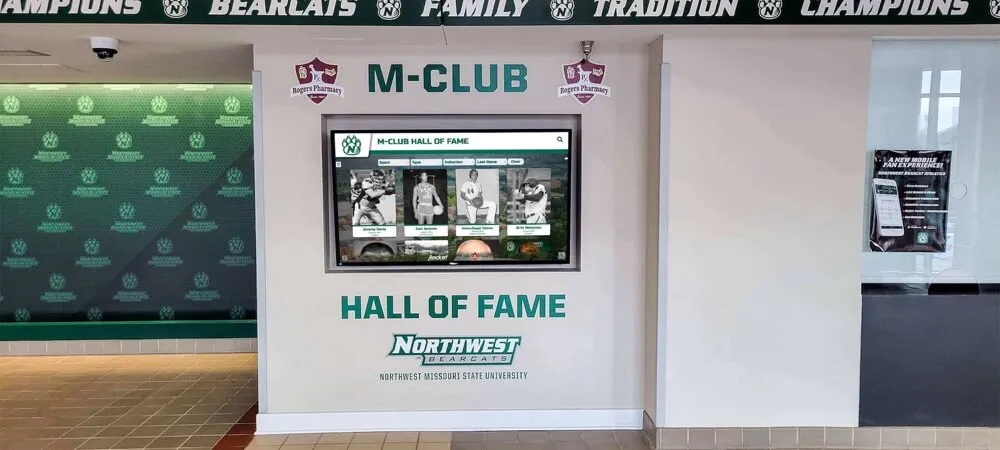
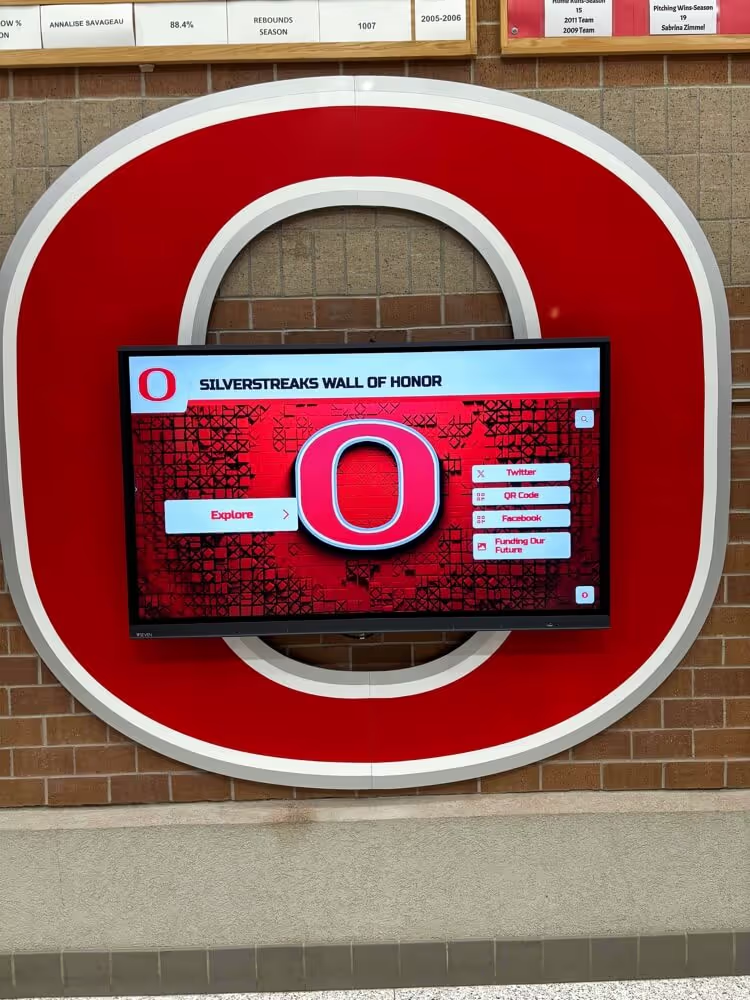
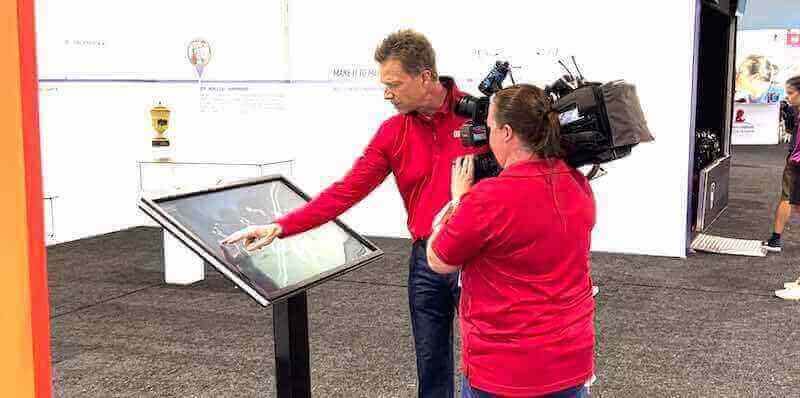
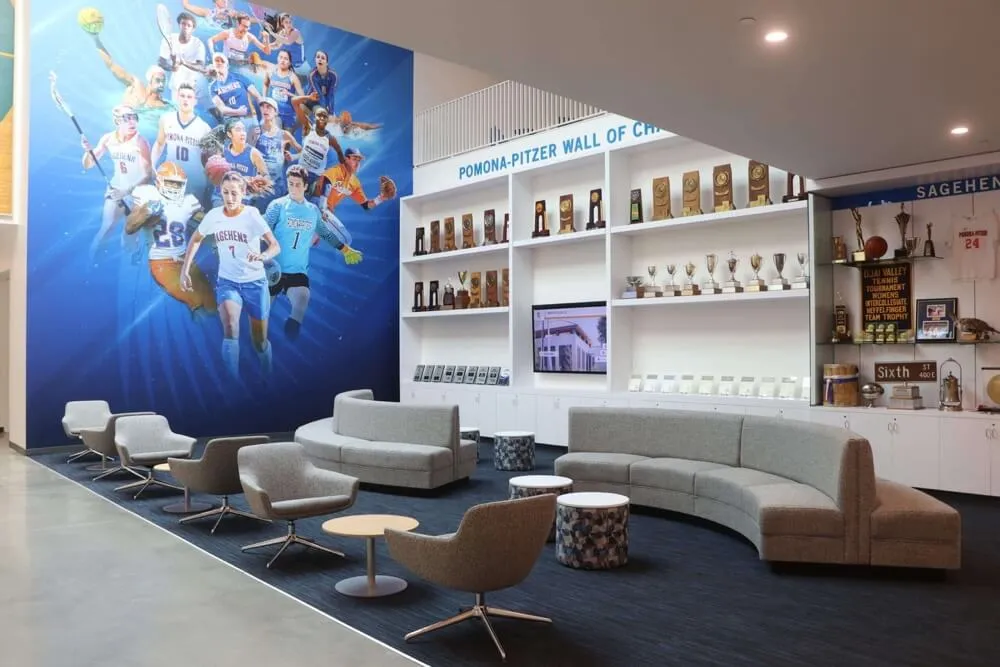
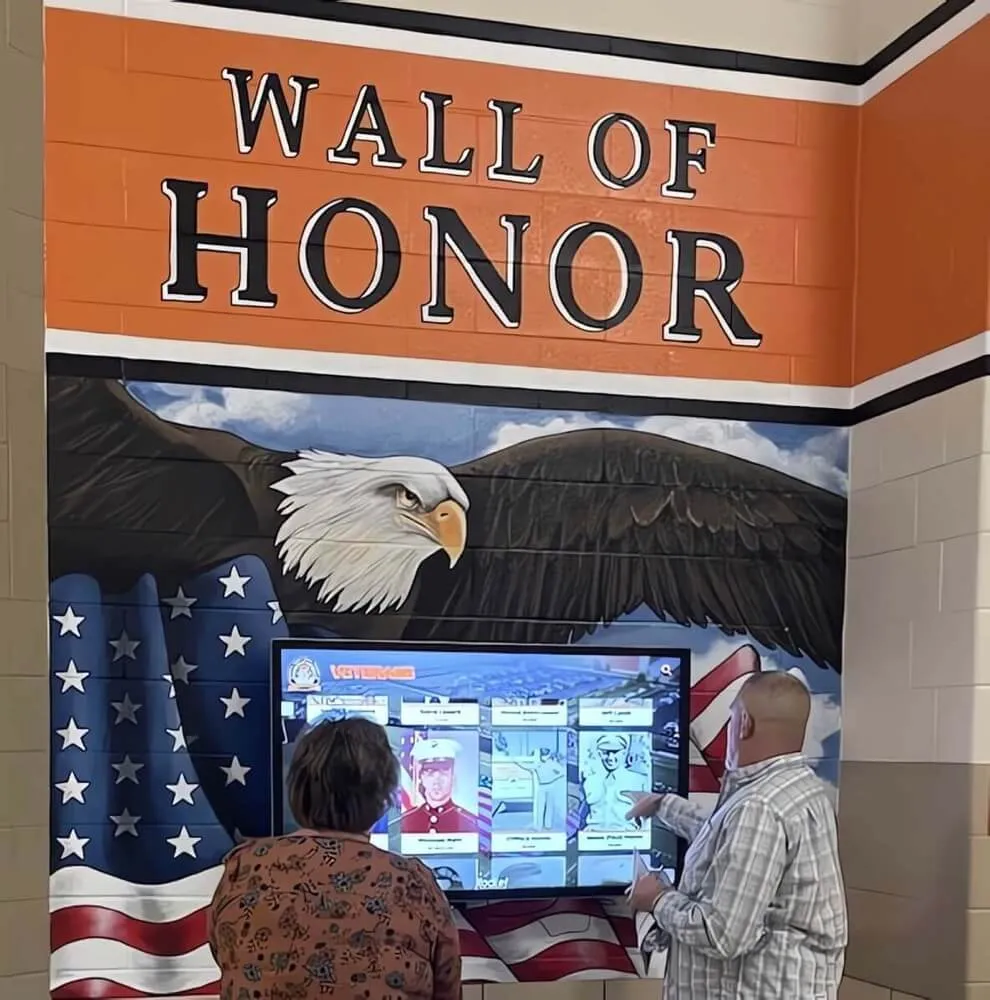
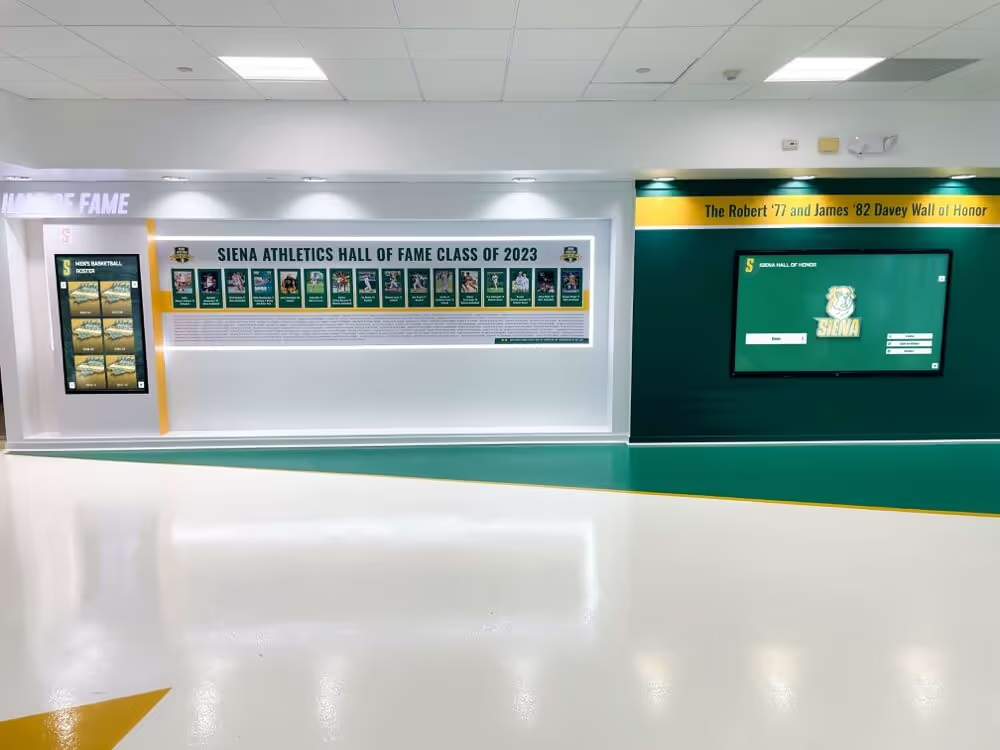
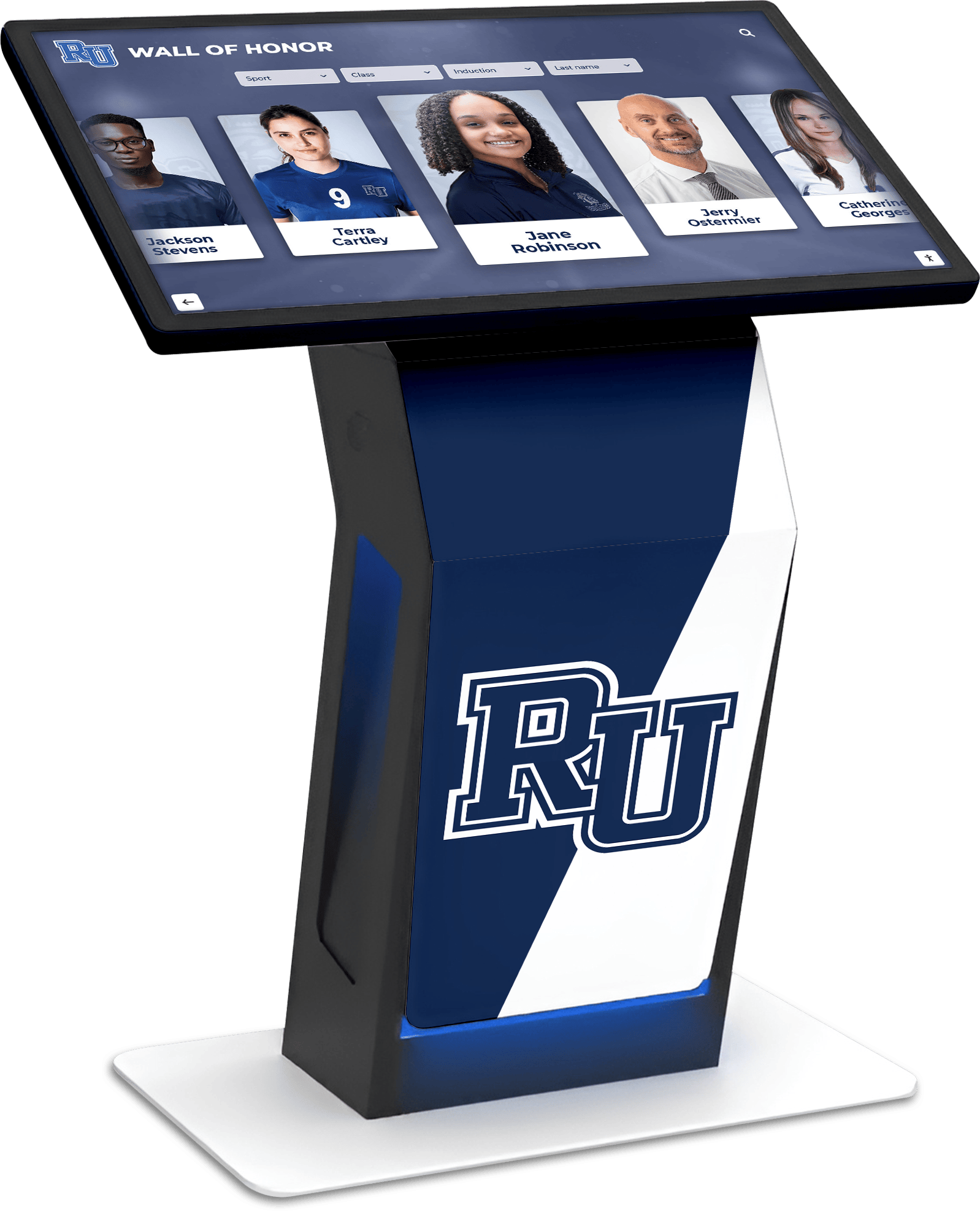
Digital touchscreen displays specifically designed for CTE programs transform how schools showcase career and technical education excellence. These interactive systems highlight student achievements in trade skills and technical fields, display earned industry certifications and credentials, showcase career pathway options across all 16 CTE clusters, feature graduate success stories and career placements, and demonstrate program value to stakeholders and funding decision-makers. Rather than relying on static bulletin boards that limit what can be displayed, modern CTE programs leverage dynamic digital platforms that tell compelling stories about student success and career readiness.
This comprehensive guide explores how career and technical education programs effectively implement digital touchscreen displays to celebrate student achievement, communicate program value, engage prospective students, and build community support for hands-on career preparation that transforms lives and strengthens local economies.
Understanding Career and Technical Education in Modern Schools
Career and Technical Education has evolved dramatically from its vocational education origins, now representing a sophisticated educational pathway that prepares students for both immediate career success and continued postsecondary education in high-demand fields.
The Evolution of CTE Programs
Modern CTE extends far beyond the shop classes and home economics courses that characterized mid-20th century vocational education. Today’s programs integrate rigorous academic content with hands-on technical training, preparing students for careers that often require both technical expertise and critical thinking, problem-solving, and communication skills.
Contemporary CTE Characteristics
Current career and technical education programs reflect several key features distinguishing them from traditional vocational training:
- Academic Integration: CTE courses incorporate mathematics, science, English language arts, and social studies standards, ensuring students develop comprehensive knowledge rather than isolated technical skills
- Industry Partnerships: Programs work directly with employers, industry associations, and workforce development boards to align curriculum with actual workplace requirements and emerging career trends
- Credential Attainment: Students earn industry-recognized certifications, licenses, and credentials that hold immediate value in labor markets, not just diplomas
- Postsecondary Preparation: CTE pathways prepare students equally for entering the workforce immediately or continuing with community college, university, or specialized training programs
- Technology Integration: Modern CTE incorporates cutting-edge technology reflecting actual workplace tools, from computer-aided design software to advanced manufacturing equipment
This evolution positions CTE as a legitimate educational pathway producing graduates who are both career-ready and college-ready, challenging outdated assumptions that vocational education serves only students not bound for higher education.
The 16 CTE Career Clusters
The Association for Career and Technical Education organizes CTE programs into 16 broad career clusters, each encompassing multiple specific career pathways:
- Agriculture, Food & Natural Resources: Agricultural production, horticulture, veterinary science, environmental science, food science
- Architecture & Construction: Architectural design, construction management, carpentry, electrical systems, plumbing, HVAC
- Arts, Audio/Video Technology & Communications: Graphic design, broadcasting, journalism, performing arts, multimedia production
- Business Management & Administration: Business operations, management, entrepreneurship, accounting, human resources
- Education & Training: Teaching, training and development, library sciences, education administration
- Finance: Banking, insurance, accounting, financial planning, securities and investments
- Government & Public Administration: Government operations, national security, foreign service, public management
- Health Science: Nursing, medical technology, dental care, emergency medical services, health informatics, therapeutic services
- Hospitality & Tourism: Restaurant management, lodging management, travel services, recreation and amusement
- Human Services: Counseling, mental health services, consumer services, early childhood development, family services
- Information Technology: Network systems, programming and software development, cybersecurity, web development, database administration
- Law, Public Safety, Corrections & Security: Law enforcement, legal services, corrections, fire science, security services
- Manufacturing: Production, quality assurance, maintenance and logistics, health and safety, manufacturing engineering
- Marketing: Marketing communications, merchandising, marketing research, professional sales, marketing management
- Science, Technology, Engineering & Mathematics: Engineering, science research, mathematics, engineering technology
- Transportation, Distribution & Logistics: Logistics planning, warehouse management, transportation operations, transportation systems, motor vehicle services
This comprehensive framework ensures CTE programs address virtually every significant career sector, offering students diverse pathways aligned with their interests, aptitudes, and regional economic opportunities.

CTE Student Demographics and Participation
Understanding who participates in CTE helps contextualize the importance of effective program recognition and communication.
Participation Rates
According to the National Center for Education Statistics, CTE programs serve remarkably broad student populations:
- Nearly all public school districts (98%) offer CTE programs to high school students
- The majority of high school students take at least one CTE course during their secondary education
- Approximately three-fourths of school districts offer CTE courses earning dual credit from both high schools and postsecondary institutions
- CTE concentrators—students completing multiple courses within a single career pathway—represent a significant portion of high school graduates
Student Outcomes and Success Rates
Data demonstrates that CTE students achieve strong outcomes across multiple measures:
- CTE concentrators graduate high school at rates equal to or higher than overall student populations
- Students completing CTE programs earn industry credentials that provide immediate workforce entry opportunities
- Many CTE graduates pursue postsecondary education, with technical training and applied bachelor’s degrees being common pathways
- Employment rates and starting wages for CTE program completers often exceed those of graduates without career-focused preparation
These strong outcomes make showcasing CTE success essential for maintaining program support and encouraging student participation.
The Communication Challenge Facing CTE Programs
Despite serving large student populations and producing excellent outcomes, CTE programs frequently struggle to communicate their value effectively, facing persistent perception challenges that undermine support and participation.
Outdated Perceptions of Vocational Education
Many families, counselors, and community members retain outdated mental models of vocational education that don’t reflect contemporary CTE realities.
Common Misconceptions
Career and technical education continues battling several persistent myths:
“CTE is for students who can’t handle regular academics”
This deeply harmful misconception positions CTE as a lesser educational track for struggling students rather than a rigorous pathway combining academic and technical preparation. In reality, many CTE programs require strong performance in mathematics, science, and technical reading—with honors and Advanced Placement students frequently participating in CTE alongside college preparatory coursework.
“Vocational training doesn’t lead to good careers or decent wages”
The assumption that trade and technical careers offer limited earning potential ignores labor market realities. Many skilled trades and technical careers offer middle-class wages, strong benefits, and career advancement opportunities that meet or exceed those available to many bachelor’s degree holders—particularly when considering the debt avoided by entering the workforce without student loans.
“CTE closes doors to college”
The false dichotomy between career preparation and college readiness assumes students must choose one path or the other. Modern CTE programs explicitly prepare students for postsecondary continuation through dual enrollment, articulation agreements, and curriculum designed around both workplace competencies and college admission requirements.
“Technology and automation will eliminate skilled trades”
While automation affects all career sectors, skilled trades and technical careers often resist automation precisely because they require adaptability, problem-solving, and hands-on skill that machines cannot easily replicate. Healthcare, construction, and technical services careers show sustained growth despite technological advancement.
These misconceptions persist partly because CTE programs lack effective communication platforms that would counter outdated assumptions with compelling evidence of contemporary program quality and graduate success.
Limited Visibility of CTE Achievements
Traditional school recognition systems prioritize academic and athletic achievement while providing limited visibility for career and technical accomplishments that equally deserve celebration.
Recognition Gaps
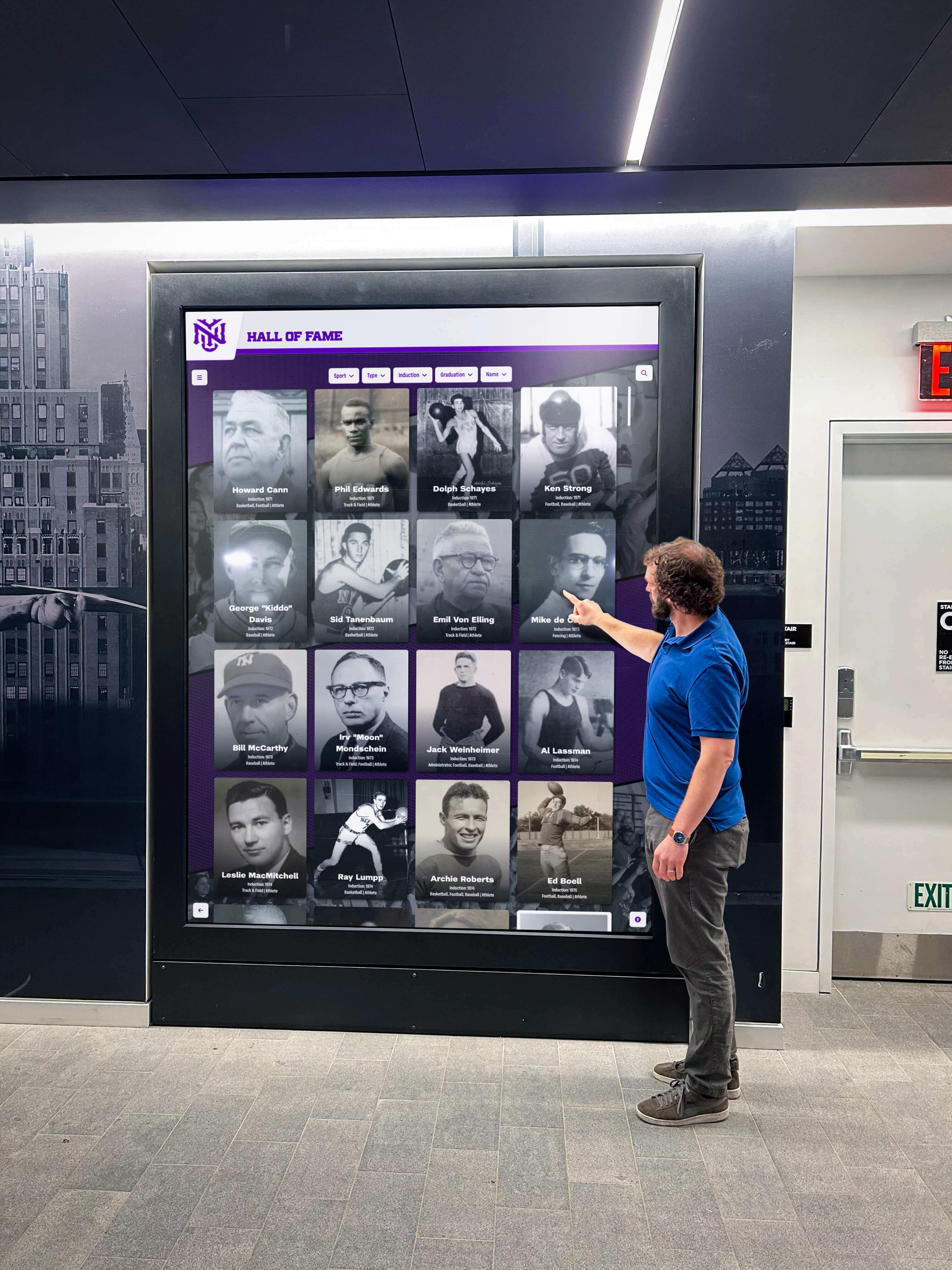
Students earning industry certifications, winning technical competitions, securing career placements, and mastering complex trade skills often receive less public acknowledgment than their peers earning academic honors or athletic awards. This recognition gap sends implicit messages about institutional values that discourage CTE participation and diminish program prestige.
Several factors contribute to this visibility problem:
- Limited Display Space: Traditional trophy cases and bulletin boards can accommodate only limited content, forcing schools to prioritize traditional academics and athletics
- Static Recognition Methods: Paper certificates and physical plaques become outdated quickly and cannot tell dynamic stories about career pathways and graduate success
- Complex Achievement Types: Unlike GPA or athletic statistics, CTE achievements span diverse credential types, competition formats, and career outcomes that resist simple display
- Decentralized Programs: CTE students often attend career centers or participate in work-based learning away from main school buildings, reducing visibility to the broader school community
Competition for Students and Resources
CTE programs compete with traditional academic pathways and extracurricular activities for student participation, staff resources, facility space, and budget allocations—making effective communication of program value essential for sustainability.
Enrollment Challenges
When students and families don’t understand CTE opportunities or perceive career and technical education as inferior to traditional academics, programs struggle to attract diverse, high-achieving participants. Low enrollment can trigger budget cuts, reduced course offerings, and eventual program elimination—creating a negative spiral where declining visibility accelerates decline.
Funding Justification
Career and technical education requires substantial investments in specialized equipment, industry partnerships, certification exam fees, and instructor professional development. Administrators, school boards, and communities making budget decisions need clear evidence of program impact, student outcomes, and career placement success to justify continued investment—particularly during resource constraints when programs compete for limited funding.
Community and Business Engagement
Strong CTE programs depend on partnerships with local businesses, industry associations, and workforce development organizations that provide internships, mentorships, equipment donations, and career placement support. These partnerships require ongoing communication demonstrating program quality and student readiness that builds business confidence in program graduates.
Without effective platforms for showcasing achievements and communicating impact, CTE programs struggle to maintain the visibility, enrollment, and support required for long-term success.
Digital Touchscreen Displays as CTE Communication Solutions
Purpose-built digital touchscreen systems specifically address the communication challenges facing career and technical education programs, providing dynamic platforms that showcase achievements, explain career pathways, and demonstrate program value to diverse stakeholders.
Comprehensive CTE Achievement Recognition
Digital displays accommodate the full range of career and technical education achievements that traditional recognition systems cannot effectively showcase.
Industry Certification and Credential Display
One of CTE’s most valuable outcomes—students earning industry-recognized certifications and credentials—receives prominent recognition through digital systems that can:
- Showcase every certification earned by students across all program areas, from welding certifications to nursing assistant licenses to IT security credentials
- Explain what each credential represents, including the skills validated and career opportunities each certification enables
- Track certification trends over time, demonstrating program growth and evolving industry alignment
- Highlight students earning multiple credentials within single career pathways or across complementary areas
- Connect certifications to specific instructors, courses, and program partners that enabled student success
This comprehensive certification recognition validates student achievement while demonstrating program effectiveness to administrators, families, and community partners evaluating CTE impact. Schools can also learn from approaches used in academic recognition programs that celebrate diverse student accomplishments.
Technical Competition Recognition
CTE students compete in numerous competitions testing career-specific skills—from SkillsUSA championships to FFA (Future Farmers of America) contests to robotics competitions to culinary arts showcases. Digital displays provide space to recognize:
- Individual and team competition placements at local, regional, state, and national levels
- Specific skills demonstrated in technical competitions, helping audiences understand what achievements represent
- Photos and videos from competition events showing students applying learned skills
- Historical tracking of program competition success, building traditions of excellence that motivate current students
- Recognition of coaches, mentors, and industry partners supporting competition preparation
Work-Based Learning and Career Placement
Student success in internships, apprenticeships, and post-graduation career placement represents CTE’s ultimate validation, yet these achievements typically receive minimal public recognition. Digital systems enable programs to showcase:
- Students securing competitive internships and apprenticeships with regional employers
- Job placement rates and starting positions for program graduates entering the workforce
- Graduate career progression showing alumni advancing in their chosen technical fields
- Employer testimonials about program graduate preparedness and performance
- Continuing education pathways including community college programs, technical schools, and applied bachelor’s degrees pursued by graduates
This career outcome visibility demonstrates program effectiveness while inspiring current students to pursue similar pathways.
Career Pathway Exploration and Recruitment
Beyond celebrating achievement, CTE touchscreen displays serve as interactive career exploration tools helping students discover program options aligned with their interests and goals.
Interactive Career Cluster Information
Digital displays can present comprehensive information about available CTE pathways:
- Detailed descriptions of each career cluster offered at the school or regional career center
- Specific career pathways within each cluster, explaining the progression from entry-level to advanced courses
- Career outcomes associated with each pathway, including typical job titles, salary ranges, and employment outlook
- Course sequences showing exactly which classes students take to complete each pathway
- Prerequisite requirements, application processes, and selection criteria for competitive programs
Student Profile Stories
Prospective CTE students benefit from seeing themselves reflected in current students and recent graduates who pursued similar pathways. Digital displays effectively present:
- Video interviews with current students discussing why they chose specific CTE pathways and what they’re learning
- Graduate profiles showing diverse career trajectories from immediate workforce entry to continued postsecondary education
- Day-in-the-life features demonstrating what students actually do in various CTE programs
- Background information showing students from diverse academic starting points succeeding in technical fields
- Connection points between students’ personal interests and specific career pathways
These authentic student stories combat misconceptions more effectively than administrative descriptions, helping prospective students envision themselves succeeding in career and technical education. Strategies from college commitment day displays can be adapted for showcasing career decisions.
Virtual Program Tours
For students considering CTE participation, virtual tours provide previews of program environments:
- Photo galleries showing specialized labs, equipment, and facilities unique to each career cluster
- 360-degree virtual tours of career center spaces and program-specific classrooms
- Equipment showcases explaining the professional-grade tools and technology students learn to operate
- Facility videos demonstrating actual student work and hands-on learning activities
- Connections to industry partners including businesses where students complete internships
Community and Stakeholder Engagement
Digital CTE displays extend beyond serving current students to communicate program value to broader audiences including families, administrators, school board members, business partners, and community members whose support sustains programs.
Data-Driven Program Impact Demonstration
Administrators and funding decision-makers need quantified evidence of CTE program effectiveness. Digital displays can present:
- Student enrollment trends demonstrating program demand and growth
- Completion rates showing the percentage of students finishing chosen career pathways
- Industry certification passage rates documenting student mastery of technical competencies
- Graduate placement statistics including employment rates, continuing education enrollment, and starting wages
- Return on investment analyses comparing program costs to student earning potential and community economic impact
Business Partnership Recognition
CTE programs depend on business and industry partners who provide essential support. Digital displays strengthen these partnerships by:
- Prominently recognizing business partners contributing internships, equipment, mentorship, or financial support
- Showcasing how business contributions directly support student success through specific examples
- Highlighting students benefiting from partnership opportunities, demonstrating ROI for business investments
- Creating visibility that attracts additional business partners seeing their competitors recognized
- Facilitating ongoing communication about program needs and partnership opportunities
For comprehensive approaches to recognizing supporters, explore strategies for donor recognition and engagement.
Family and Community Education
Families and community members often lack understanding of modern CTE, creating barriers to program support. Digital displays provide educational content:
- Explanations of how contemporary CTE differs from outdated vocational education models
- Information about career outlook and earning potential in technical fields
- Clarification of how CTE preparation complements rather than conflicts with college plans
- Success stories demonstrating diverse students thriving in career and technical programs
- Clear communication about program availability, application processes, and participation requirements
Implementing Digital Touchscreen Systems for CTE Programs
Successful deployment of CTE-focused digital displays requires thoughtful planning addressing technical requirements, content strategy, and integration with existing program structures.
Selecting Appropriate Display Technology
CTE programs can choose from several technology approaches depending on program size, budget, and strategic priorities.
Standalone Interactive Kiosks
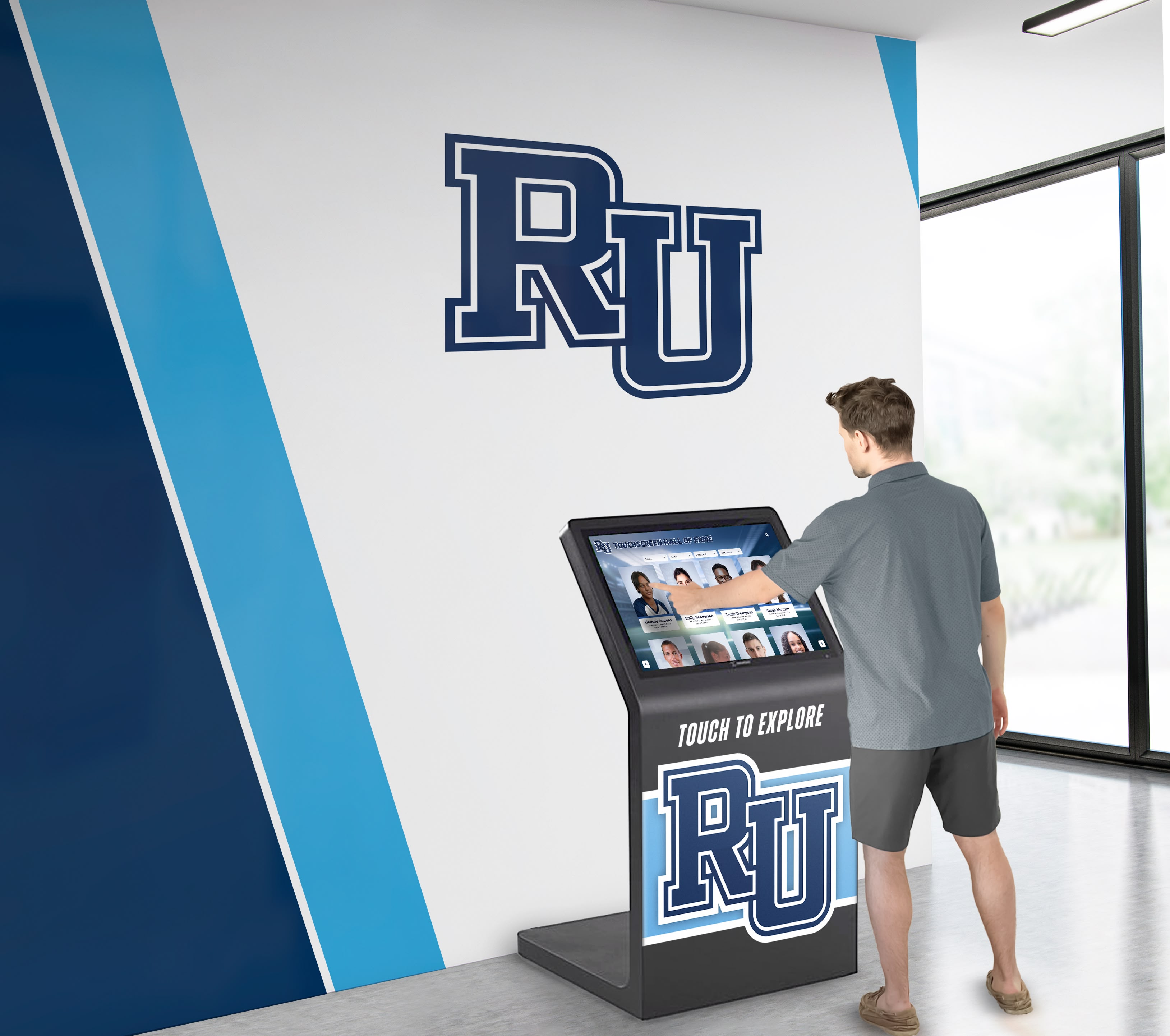
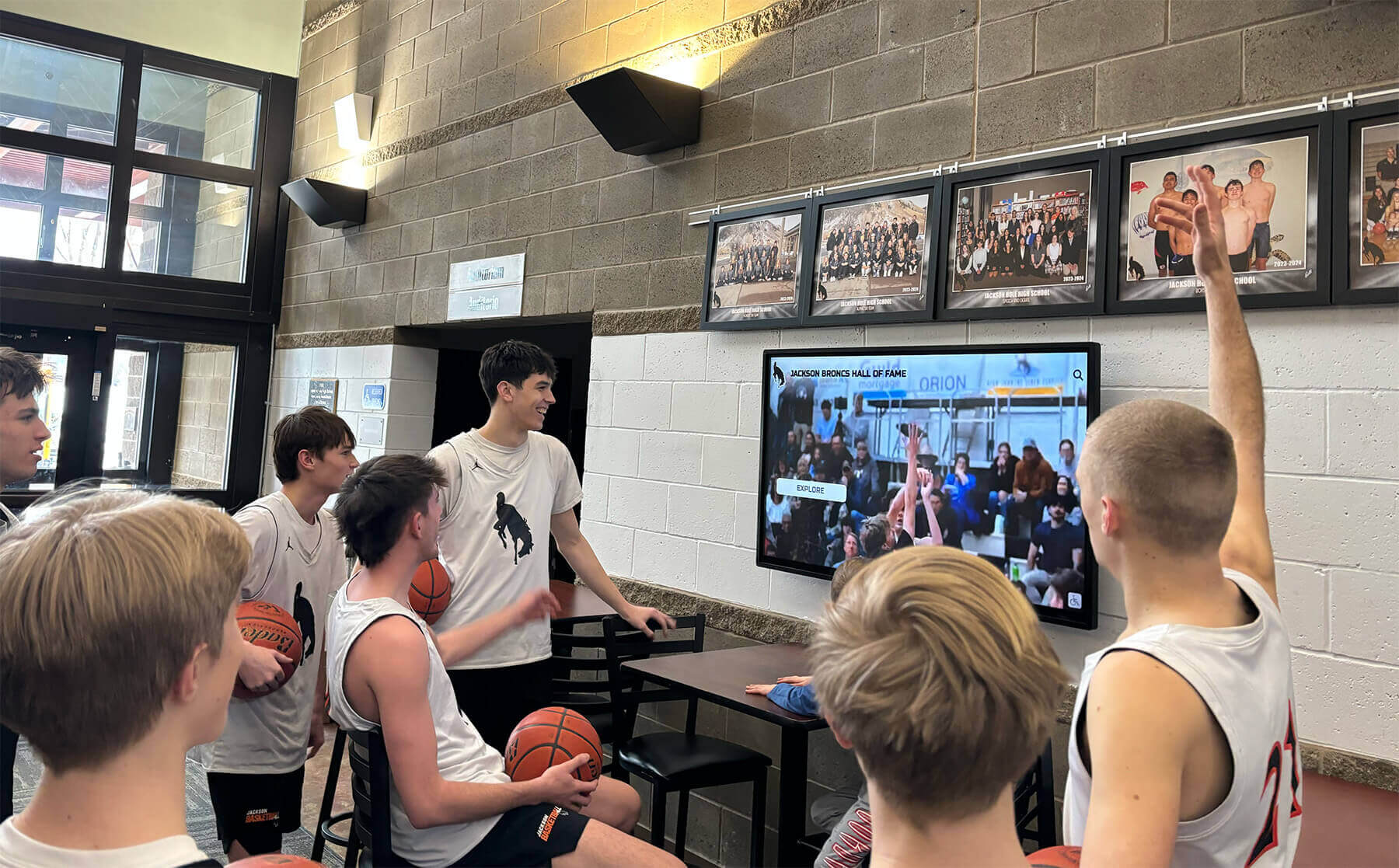
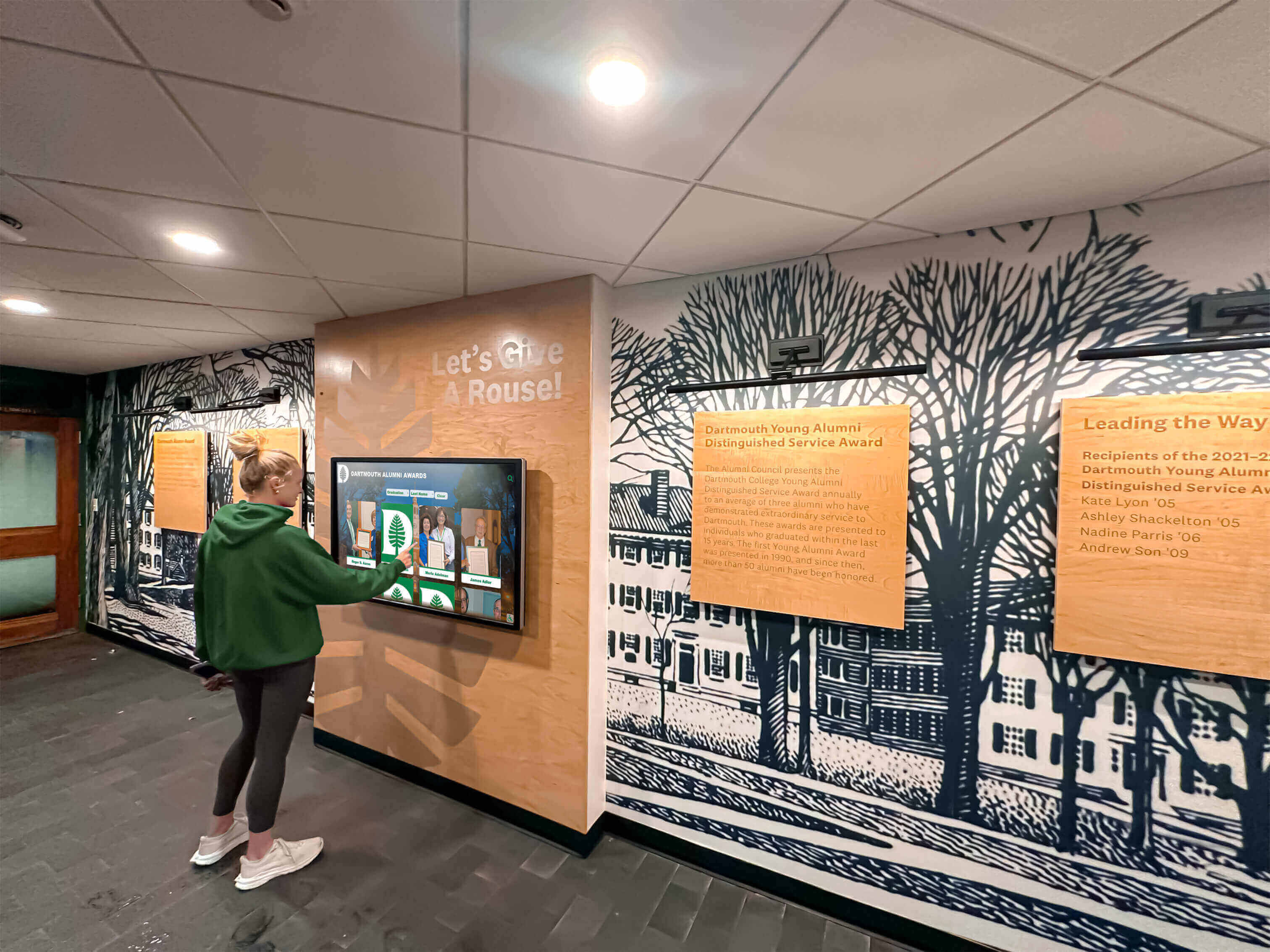
Dedicated touchscreen kiosks positioned in high-traffic areas provide prominent CTE program visibility:
- Specification Considerations: Commercial-grade touchscreens ranging from 32 to 55 inches, durable enclosures suitable for school environments, intuitive touch interfaces requiring no instruction
- Ideal Locations: Main school lobbies where all students pass, career center entrances, guidance counseling areas where students explore pathways, cafeterias and common areas during student free time
- Content Focus: Comprehensive career pathway information, current student and graduate profiles, real-time achievement recognition, application information and deadlines
Standalone kiosks make sense for schools with substantial CTE enrollment where programs deserve dedicated visibility rather than competing for space on general-purpose displays.
Integrated Digital Signage Networks
Schools with existing digital signage networks can dedicate screens or regular content slots to CTE programming:
- Hybrid Approach: General school communications on some screens with dedicated CTE content on others, or rotating CTE segments within broader content schedules
- Advantages: Lower incremental cost leveraging existing infrastructure, consistent visual design across all school communications, centralized content management through established systems
- Considerations: Ensures CTE receives sufficient screen time and prominence rather than being overshadowed by other content, maintains specialized CTE content different from general announcements
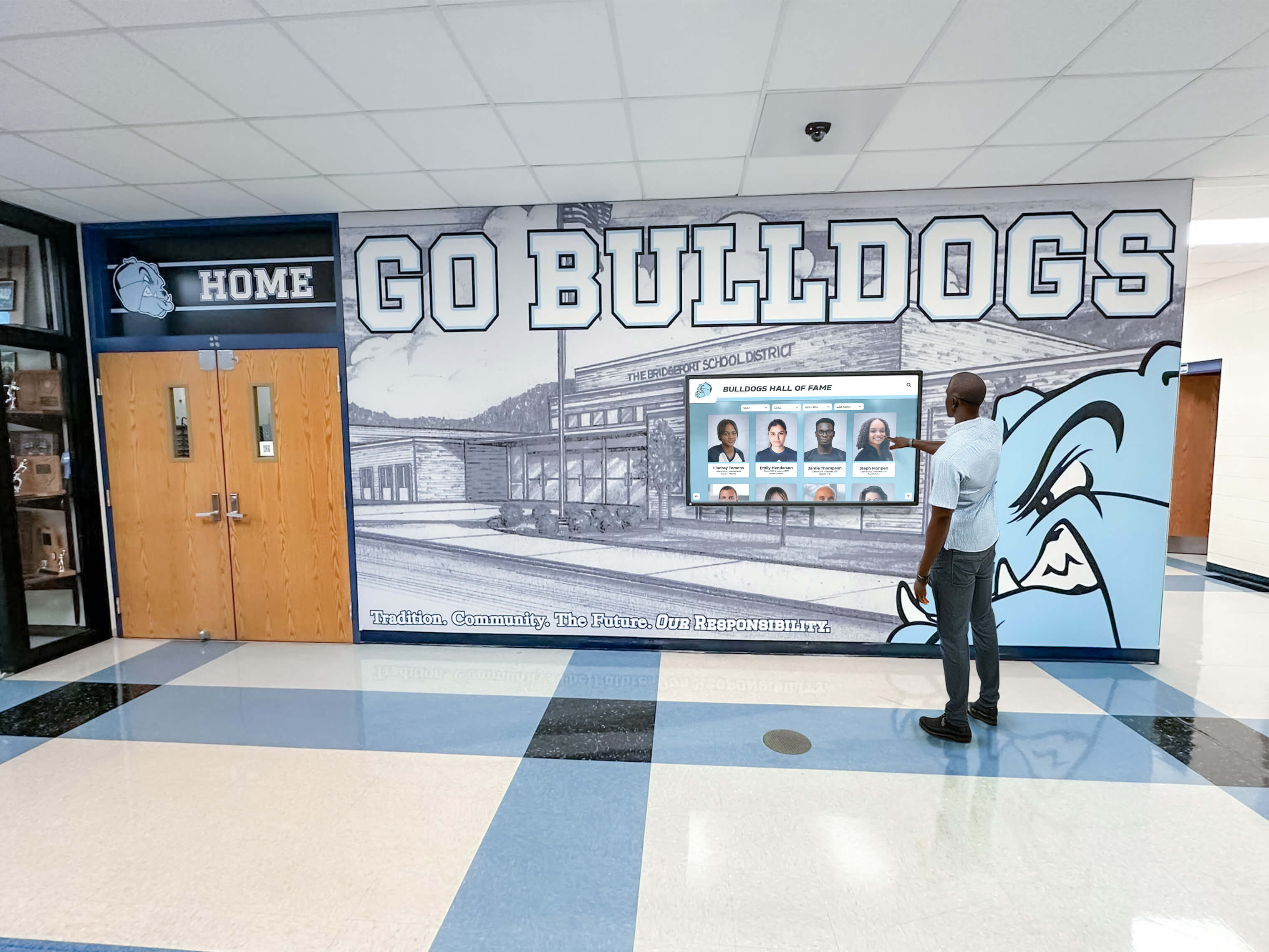
Large-Format Display Walls
Career centers and CTE-focused facilities may implement large-format video wall installations:
- Visual Impact: Multiple screens tiled together creating dramatic displays that command attention and convey program importance
- Content Capacity: Simultaneous display of multiple career pathways, achievement categories, or video content showcasing different program areas
- Facility Integration: Permanent architectural elements integrated into career center design rather than additions to existing spaces
- Investment Level: Higher initial costs justified by serving dedicated CTE facilities with large student populations
The right technology approach depends on program scale, facility configurations, budget realities, and strategic communication priorities.
Content Strategy and Management
Effective CTE digital displays require ongoing content creation, curation, and management—making sustainable workflows essential for long-term success.
Content Categories and Organization
Successful CTE displays typically include several content categories that together tell comprehensive program stories:
Achievement Recognition
- Individual student spotlight profiles celebrating specific accomplishments
- Certification and credential announcements as students earn new qualifications
- Competition results from technical competitions and career-focused contests
- Program milestones like enrollment anniversaries or facility improvements
- Graduate success stories and career placement announcements
Career Pathway Information
- Detailed descriptions of available career clusters and specific pathways
- Course sequences showing progression from introductory to advanced classes
- Career outcome information including job titles, wages, and employment outlook
- Industry partner spotlights featuring businesses offering internships and hiring graduates
- Application information for competitive programs with selective admission
Program Promotion
- Upcoming events including open houses, information sessions, and application deadlines
- Student recruitment videos inviting exploration of specific career pathways
- Faculty and instructor profiles highlighting professional experience and industry credentials
- Facility and equipment showcases demonstrating program resources and capabilities
- Testimonials from current students, graduates, parents, and employer partners
Industry and Workforce Context
- Labor market information about regional workforce needs and career opportunities
- Industry trend features explaining emerging technologies and career evolution
- Skills spotlight content connecting specific program learning to workplace applications
- Continuing education pathways showing options for postsecondary career advancement
- Professional association information including student organization participation opportunities
Content Creation Workflows
Sustainable implementation requires efficient processes for generating, reviewing, and publishing content:
Distributed Content Contribution Rather than relying on single administrators to create all content, effective systems distribute responsibility:
- Individual CTE instructors submit student achievements, program updates, and career pathway information for their specific programs
- Guidance counselors contribute career exploration content and postsecondary planning information
- Student organization leaders provide competition results and chapter activity updates
- Administrative coordinators compile certification and placement data for regular reporting
- Marketing or communications staff ensure consistent quality and design standards across all content
Content Templates and Standards Pre-designed templates reduce creation burden while maintaining visual consistency:
- Student spotlight templates with standardized fields for photos, achievements, quotes, and program information
- Career pathway templates presenting consistent information architecture across all programs
- Achievement announcement templates for certifications, competitions, and placement news
- Event promotion templates for open houses, information sessions, and application deadlines
Review and Approval Processes Before publication, content should flow through quality checks:
- Instructor review ensuring technical accuracy of program descriptions and career information
- Administrative review confirming achievement recognition aligns with school policies
- Student and family permission verification for photos, names, and personal information
- Copy editing for grammar, spelling, and clarity
- Final approval from designated administrators authorizing publication
Publishing Schedules Regular content updates maintain display freshness and audience engagement:
- Weekly updates during active school years adding new achievements and timely information
- Monthly feature rotations highlighting different career pathways or program areas
- Seasonal campaign content aligned with recruitment, application, and enrollment cycles
- Real-time updates for major achievements like competition championships or significant facility improvements
Integration with Existing School Systems
CTE digital displays work best when integrated with broader school technology infrastructure and information systems.
Student Information System Connections
Modern digital display platforms can connect with student information systems to automate data flow:
- Automatic population of student names, photos, and basic demographic information
- Integration with course enrollment data showing which students participate in specific CTE pathways
- Connection to grade and assessment systems tracking student progress through career pathway course sequences
- Links to credential databases documenting industry certifications and licenses earned by students
Website and Social Media Integration
Content created for physical touchscreen displays can extend to digital channels:
- Automatic publishing of recognition content to school websites and CTE program pages
- Social media post generation from display content, extending reach to families and community members
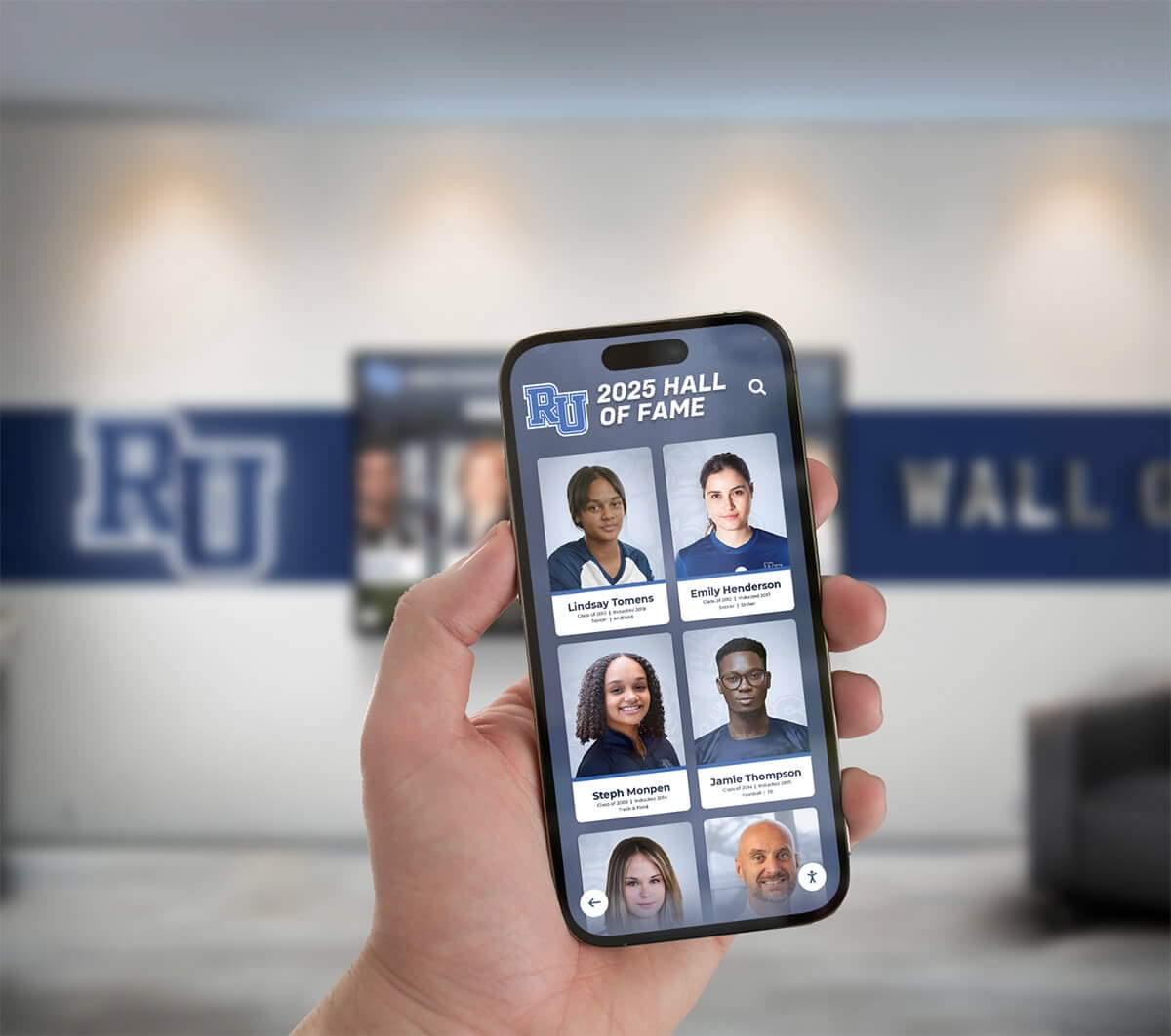
- Mobile app integration allowing students and families to explore career pathway information on personal devices
- Alumni network connections showcasing graduate career success to prospective students
For more on web-based recognition approaches, see guidance about online recognition experiences.
Career Planning Platform Connections
Many schools use specialized career exploration platforms like Naviance or SchooLinks. Digital CTE displays can complement these systems:
- Featuring highlighted career pathways aligned with students’ expressed interests in planning platforms
- Showcasing students who successfully completed pathways related to careers under exploration
- Directing interested students to planning platforms for detailed course planning and postsecondary preparation
- Providing physical touchpoint in school buildings that drives engagement with digital planning tools
Measuring CTE Digital Display Impact
Like any significant initiative, CTE touchscreen display implementations warrant evaluation demonstrating impact and justifying continued investment.
Student Engagement Metrics
Digital display systems with analytics capabilities can track how students actually interact with content:
Interaction Data
- Number of unique users engaging with displays over time periods
- Session duration indicating how long visitors explore content
- Most-viewed content categories revealing which information attracts greatest interest
- Search queries showing what students actively seek
- Peak usage times identifying when students most engage with displays
Enrollment Impact Track whether display implementation correlates with program participation changes:
- Overall CTE enrollment trends before and after display deployment
- Enrollment patterns in specific career pathways featured prominently on displays
- Application rates for competitive programs following recruitment campaigns
- First-choice pathway requests indicating whether students apply to programs they learned about through displays
Perception and Awareness Shifts
Survey data can reveal whether displays affect how stakeholders perceive CTE programs:
Student Surveys
- Awareness levels regarding available CTE pathways and application processes
- Understanding of how CTE preparation connects to career outcomes and postsecondary options
- Attitudes toward career and technical education compared to traditional academic pathways
- Interest in exploring CTE participation for themselves or recommending to peers
Family Surveys
- Understanding of contemporary CTE program quality and rigor
- Awareness of industry certification opportunities and credential value
- Perception of career outcomes available through technical career pathways
- Comfort with supporting children’s CTE participation
Staff Feedback
- Counselor reports about student inquiries regarding CTE programs
- Teacher observations about display impact on school culture and CTE visibility
- Administrator assessment of displays’ role in communicating program value to stakeholders
- CTE instructor perspectives on student recruitment and program promotion effectiveness
Program Support and Resource Outcomes
Ultimately, displays should strengthen the support and resources available to CTE programs:
Business Partnership Growth
- Number of new business partners providing internships, equipment, or mentorship
- Expansion of existing partnerships following enhanced recognition and visibility
- Employer reports about displays influencing their engagement decisions
- Industry association connections initiated through display contact information
Funding and Resource Allocation
- Budget allocation trends for CTE programs following display implementation
- Facility improvement investments in career and technical education spaces
- Equipment purchases and technology upgrades supporting program quality
- Staff additions including new instructors or expanded program offerings
Community Support
- Attendance at CTE events like open houses and showcases
- School board and community feedback about CTE program quality and value
- Media coverage of CTE achievements and graduate success
- Referendum and levy support for career center construction or program expansion
Best Practices for CTE Touchscreen Display Excellence
Schools implementing successful CTE digital displays typically follow several proven practices that maximize impact while maintaining sustainable operations.
Start With Strategic Goals
Before selecting technology or creating content, clarify exactly what the CTE display should accomplish:
- Primary Objectives: Is the main goal recruiting more students, changing community perceptions, recognizing current participants, or demonstrating program value to administrators?
- Target Audiences: Who are the priority viewers—prospective CTE students, families, counselors, administrators, business partners, or broader community?
- Success Measures: What specific changes would indicate the display is working—enrollment increases, perception shifts, partnership growth, or enhanced recognition?
Clear strategic direction ensures displays serve program needs rather than becoming technology implementations searching for purpose after installation.
Tell Complete Student Stories
The most compelling CTE displays move beyond listing achievements to telling complete narratives about student journeys:
- Background Context: Share where students started—their initial interests, academic backgrounds, and what drew them to specific career pathways
- Learning Journey: Describe what students learned, challenges they overcame, and how they developed competencies
- Achievement Specifics: Explain exactly what accomplishments represent—what skills certifications validate, what technical competition placements indicate
- Future Plans: Connect current achievements to students’ post-graduation plans whether immediate career entry or continued education
- Personal Voice: Include student quotes, video testimonials, and first-person narratives rather than only third-person descriptions
These complete stories help viewers understand CTE pathways as viable, valuable options rather than abstract programs they don’t understand.
Balance Achievement Recognition With Opportunity Information
While celebrating current student success motivates participants and demonstrates program quality, equally important is helping prospective students understand how they can pursue similar pathways:
- Clear Next Steps: Always pair achievement recognition with information about how students can explore similar opportunities
- Application Processes: Make pathway entry requirements, application procedures, and deadlines prominent and easily understood
- Contact Information: Provide specific contacts for students wanting to learn more about programs that interest them
- Open Invitations: Frame content to welcome exploration rather than implying programs serve only select students
This balance ensures displays both celebrate current participants and recruit future cohorts essential for program sustainability. Similar approaches are used in senior college decision displays that showcase choices while inspiring underclassmen.
Keep Content Current and Dynamic
Outdated content undermines display effectiveness and suggests CTE programs lack vitality:
- Regular Update Schedules: Establish reliable rhythms for content updates—weekly during school years, monthly during summers
- Timely Achievement Recognition: Publish new certifications, competition results, and career placements within days rather than months
- Seasonal Campaign Focus: Align content with recruitment cycles, application deadlines, and school calendar events
- Variety and Rotation: Ensure all career pathways receive regular feature opportunities rather than only highlighting certain programs
- Archive Access: Maintain searchable archives of past recognition so achievement remains accessible even as new content rotates to featured positions
Integrate Displays Into Broader CTE Communications
Digital touchscreens work best as components of comprehensive communication strategies rather than isolated initiatives:
- Social Media Coordination: Share display content through school social channels extending reach to families at home
- Website Integration: Mirror display content on CTE program web pages ensuring accessibility beyond school buildings
- Print Materials: Incorporate display screenshots and content in program brochures, recruitment materials, and annual reports
- Event Connections: Feature display content during open houses, parent nights, and information sessions reinforcing messages across touchpoints
- Guidance Counselor Resources: Provide counselors with display content summaries supporting pathway discussions with individual students
Advanced CTE Display Features and Future Trends
As technology evolves, increasingly sophisticated capabilities enhance how CTE programs communicate through digital displays.
Integration With Career Exploration Platforms
Emerging systems connect physical touchscreen displays with comprehensive career planning tools:
- Seamless Transitions: Students exploring careers on physical displays can send pathway information to their personal accounts on platforms like Naviance
- Personalized Recommendations: Displays can suggest CTE pathways aligned with career interests students expressed in planning platforms
- Progress Tracking: Displays show individual students their progress toward completing chosen career pathways
- Course Registration Integration: Direct links from pathway information to course registration systems simplifying enrollment processes
Virtual Reality Career Experiences
Some advanced CTE displays incorporate virtual reality previews of career environments:
- Immersive Workplace Tours: VR headsets connected to displays providing 360-degree workplace environment experiences
- Skill Simulation: Virtual practice of career-specific skills like welding, healthcare procedures, or equipment operation
- Day-in-the-Life Experiences: VR narratives following professionals through typical workdays in various technical careers
- Training Previews: Virtual introductions to program-specific training demonstrating what students will learn
Artificial Intelligence and Personalization
AI capabilities enable increasingly personalized interactions with CTE displays:
- Conversational Interfaces: Natural language chatbots answering student questions about career pathways and application processes
- Recommendation Engines: AI suggesting pathways based on student interests, academic strengths, and career preferences
- Adaptive Content: Displays adjusting content based on which grade level or demographic group is interacting
- Predictive Analytics: Systems identifying students likely to benefit from specific pathways based on academic patterns and expressed interests
Extended Reality and Augmented Displays
Augmented reality features overlay digital information on physical environments:
- Equipment Overlays: Pointing smartphones at career center equipment displays detailed information about specifications and learning applications
- Pathway Mapping: AR applications overlaying course sequence information on school maps showing where classes occur
- Graduate Networks: AR features showing which program alumni work at local businesses when pointing phones at workplace buildings
- Interactive Facility Tours: AR-enhanced campus tours highlighting CTE-specific facilities and resources
Rocket Alumni Solutions for CTE Programs
While generic digital signage can display announcements, purpose-built platforms like Rocket Alumni Solutions provide specialized capabilities designed specifically for celebrating student achievement and showcasing educational programs.
Comprehensive Student Profile System
Rocket Alumni Solutions enables CTE programs to create rich profiles for every recognized student:
- Detailed achievement descriptions with context about what accomplishments represent
- Multiple photos showing students engaged in hands-on learning and technical activities
- Industry certification documentation including credential types and validation dates
- Competition participation and placement recognition across multiple event types
- Career placement information documenting job offers, internships, and continuing education enrollment
- Pathway completion tracking showing progress through career cluster course sequences
Intuitive Career Pathway Exploration
Students and families exploring CTE options can navigate through multiple discovery pathways:
- Career cluster browsing examining all 16 nationally-recognized areas
- Individual program pages detailing available pathways at specific schools
- Course sequence displays showing exactly which classes comprise each pathway
- Outcome information connecting programs to specific careers and credential opportunities
- Instructor profiles highlighting professional experience and industry connections
- Success story connections showing graduates who completed each pathway
Perfect for High-Traffic School Locations
Strategic placement transforms underutilized spaces into engagement hubs:
- Main entrance lobbies welcoming all students with visible CTE celebration
- Career center entrances serving students already engaged with technical programs
- Guidance areas where students explore postsecondary plans and career options
- Cafeterias and commons offering engagement during lunch and free periods
Analytics and Impact Measurement
Understanding interaction patterns helps programs optimize content and demonstrate value:
- Session duration and interaction depth tracking engagement quality
- Most-viewed pathways revealing which careers attract greatest interest
- Search queries showing what information students actively seek
- Peak usage times informing content strategy and update schedules
For schools implementing comprehensive CTE recognition, solutions like Rocket Alumni Solutions provide the specialized features that generic digital signage cannot match—purpose-built for celebrating student success while helping prospective students discover rewarding career pathways.
Conclusion: Elevating CTE Through Strategic Recognition
Career and Technical Education transforms countless student lives annually, preparing young people for rewarding careers that sustain families, strengthen communities, and drive economic prosperity. Yet despite these profound impacts, CTE programs too often remain undervalued and misunderstood by families, communities, and even educational institutions housing them—victims of outdated perceptions and inadequate communication platforms.
Digital touchscreen displays specifically designed for CTE programs provide the visibility and communication tools that career and technical education has long deserved. These systems elevate technical achievement to equal standing with academic honors, showcase the sophisticated career pathways that contemporary CTE offers, demonstrate program value through compelling success stories and outcome data, attract diverse, high-achieving students to technical fields, and build the community support and business partnerships essential for program sustainability.
Keys to Successful CTE Display Implementation:
- Begin with clear strategic goals defining exactly what displays should accomplish
- Tell complete student stories that make CTE pathways real and accessible to prospective participants
- Balance achievement recognition with opportunity information helping students pursue similar paths
- Maintain current, dynamic content reflecting program vitality and ongoing student success
- Integrate displays with comprehensive communication strategies spanning digital, print, and event channels
- Measure impact through enrollment trends, perception shifts, and stakeholder engagement changes
The schools and career centers that will thrive in preparing the next generation for technical careers are those that effectively communicate program value—celebrating student achievement, showcasing career opportunities, and demonstrating educational quality that justifies continued support and investment.
Career and Technical Education represents one of American education’s most successful innovations, producing graduates who enter the workforce with valuable skills, reasonable debt burdens, and clear career trajectories. Digital touchscreen displays ensure this success story receives the visibility it deserves, inspiring more students to discover rewarding technical careers while building the community support that sustains excellent programs for generations to come.
As workforce needs continue evolving and traditional higher education costs escalate, CTE pathways will only grow more important for individual students and national prosperity. The programs that communicate their value most effectively—through dynamic digital displays and comprehensive recognition systems—will attract the best students, secure the strongest resources, and deliver the greatest impact on the young people they serve.
Frequently Asked Questions About CTE Program Digital Displays
What types of achievements should CTE displays recognize?
Comprehensive CTE displays should recognize diverse achievement types including industry certifications and credentials earned, technical competition placements at all levels, work-based learning participation and internship completion, career placement and job offers after graduation, continuing education enrollment in related postsecondary programs, leadership in career and technical student organizations, community service applying technical skills, and program completion milestones. This diversity ensures displays celebrate the full range of ways students demonstrate technical competence and career readiness.
How can smaller schools with limited CTE programs justify display investments?
Even schools with limited CTE offerings benefit from displays that celebrate technical achievement, change community perceptions about career education, help students discover available pathways, demonstrate program value to administrators and school boards, and attract business partners providing internships and equipment. Start with affordable tablet-based systems or dedicate sections of existing digital signage to CTE content, then expand as enrollment and support grow. The visibility displays provide often helps programs grow by attracting students who didn’t know opportunities existed.
Should CTE displays focus only on top achievers or recognize broader participation?
The most effective displays balance recognition of exceptional achievement with celebration of broader student participation and growth. Highlight competition champions and students earning multiple advanced certifications while also recognizing students newly entering pathways, making significant skill progress, or overcoming challenges to complete programs. This inclusive approach demonstrates that CTE serves diverse students rather than only elite technical performers, encouraging broader participation.
How do you keep CTE display content current without overwhelming staff?
Establish distributed content creation where individual CTE instructors submit achievements and updates for their specific programs, reducing burden on any single person. Use content templates that standardize information gathering and presentation, simplifying creation. Implement reasonable update schedules like weekly additions during school years rather than daily changes. Connect displays with student information systems to automate basic data like enrollment and completion. The initial content library requires significant work, but ongoing maintenance becomes manageable with efficient workflows and distributed responsibility.
What’s the best physical location for CTE touchscreen displays?
Ideal locations balance high traffic with audience fit. Main school entrance lobbies serve all students including prospective CTE participants who need exposure to program options. Career center entrances serve students already engaged with technical programs and their families attending events. Guidance counseling areas reach students actively planning career pathways. For schools with multiple locations, place displays where students naturally gather and have time to interact rather than only in circulation spaces where they’re rushing between classes. Consider mobile tablets for recruitment events and program showcases.
How do CTE displays integrate with existing career exploration platforms like Naviance?
CTE displays complement rather than replace dedicated career planning platforms. Displays provide public recognition and general program information while planning platforms offer personalized pathway guidance and course planning. Effective integration includes featuring display content showing successful students who used planning platforms to discover pathways, directing display visitors to planning platforms for detailed personal career exploration, using planning platform interest inventory results to personalize display recommendations, and ensuring consistent career pathway information across both systems. Displays drive awareness while planning platforms enable detailed individual guidance.
Should CTE displays include graduate career information and outcomes?
Yes, graduate outcomes represent CTE’s ultimate validation and powerfully demonstrate program value. Include job placement information showing where graduates work and in what roles, starting wage ranges and career advancement examples, continuing education pathways pursued by graduates, employer testimonials about graduate preparedness, and alumni career progression over time. Balance celebrating success with protecting graduate privacy—feature willing alumni and aggregate outcome data rather than sharing sensitive personal information without consent. Many programs find graduates enthusiastically participate when they understand how sharing their success inspires current students.
How much do professional CTE touchscreen displays typically cost?
Investment levels vary significantly based on hardware specifications, software capabilities, and implementation scope. Basic tablet-based systems with card readers cost approximately $500-1,500 per location. Dedicated interactive kiosks with commercial-grade touchscreens range from $3,000-8,000 depending on size and features. Large-format video wall installations can exceed $15,000-30,000 for multi-screen configurations. Software platforms typically charge $50-300 monthly for content management and hosting. Consider total cost of ownership including initial hardware, ongoing software fees, content creation time, and maintenance. Most CTE programs find display investments return value through increased enrollment, enhanced funding support, and strengthened business partnerships within 1-3 years.