



High school athletic programs nationwide face mounting pressure to prepare student-athletes for increasingly competitive collegiate environments while operating within constrained budgets and limited resources. Athletic directors and coaches recognize that the gap between high school and college athletics continues to widen, with college programs demanding higher levels of physical preparation, mental toughness, tactical sophistication, and professional approach than previous generations experienced.
Creating a collegiate-style experience at the high school level addresses multiple strategic objectives simultaneously: better preparing athletes for the demands they will face at the next level, attracting and retaining top athletic talent within your program, building program prestige and competitive advantage, enhancing athlete motivation and commitment through professional environments, and strengthening college recruiting relationships by demonstrating serious athlete development focus.
This comprehensive guide examines how high school athletic programs can create collegiate-level experiences that benefit all student-athletes regardless of their post-high school plans, exploring facility enhancements, training and conditioning approaches, recognition and culture-building strategies, technology integration, and sustainable implementation frameworks that respect budget realities while delivering meaningful impact.
Understanding the Collegiate Athletic Experience
Before replicating collegiate elements at the high school level, athletic directors must understand what distinguishes college programs from typical high school environments and which elements translate effectively to secondary education contexts.
Core Elements of College Athletic Programs
Collegiate athletic programs operate with fundamentally different resources, structures, and priorities than high school programs, creating distinct experiences for student-athletes.
Professional Facility Standards and Amenities
College athletic facilities reflect substantial institutional investment in athlete development and recruitment. Division I programs particularly invest millions in weight training facilities with specialized equipment and dedicated strength coaches, sports medicine centers providing comprehensive athletic training and rehabilitation, dedicated team rooms and meeting spaces for video study and game planning, and nutrition centers supporting optimal athlete fueling and recovery strategies.
While high schools cannot match these financial investments, understanding the functional purposes these facilities serve enables creative solutions delivering similar benefits within budget constraints. The goal is not replicating expensive facilities but rather providing functional spaces supporting serious athlete development.
Structured Year-Round Development Programs
College athletes engage in systematic development throughout the year, not just during competitive seasons. This structure includes periodized strength and conditioning programs targeting specific physical development phases, skill development sessions maintaining and advancing technical proficiency during off-seasons, film study and tactical education deepening understanding of game strategy, and recovery protocols optimizing adaptation and injury prevention.
High school programs face regulatory constraints limiting formal practice and contact time, but thoughtful program design creates similar systematic development experiences within allowable parameters.
Performance Tracking and Data-Driven Approaches
Modern college programs extensively utilize performance data informing training decisions and athlete development. This data focus includes detailed strength and conditioning metrics tracking progress and identifying improvement areas, video analysis quantifying technical execution and tactical decision-making, sports science monitoring managing training loads and recovery status, and performance benchmarks establishing objective standards for position groups and individual athletes.
Technology makes similar data collection increasingly accessible to high school programs, enabling evidence-based approaches previously available only at college levels.
Professional Culture and Accountability Standards
Collegiate programs establish clear expectations for athlete professionalism, accountability, and commitment. This culture manifests through punctuality and attendance expectations for all team activities, academic performance standards maintaining eligibility and supporting degree progress, leadership development programs preparing athletes for team captain roles, and community engagement responsibilities connecting programs to broader institutional missions.
These cultural elements require no financial investment but substantial intentional leadership from coaching staffs willing to establish and consistently enforce elevated standards.
Benefits for High School Athletes
Creating collegiate-style experiences delivers meaningful benefits for student-athletes regardless of whether they ultimately compete in college.
Enhanced College Readiness for Advancing Athletes
The small percentage of high school athletes advancing to college competition benefit dramatically from preparation experiences. Athletes entering college having already experienced systematic strength training, organized film study, professional facility norms, and accountability standards face less dramatic transitions and integrate more quickly into college programs. This preparation advantage often separates athletes who successfully earn playing time early in college careers from those who struggle adjusting to new demands.
Improved Athletic Development for All Participants
Collegiate-style development approaches benefit every athlete in programs, not only those with college aspirations. Structured training improves physical capacity regardless of future competition plans, systematic skill development accelerates technical mastery for athletes at all levels, and data-driven feedback helps athletes understand their improvement trajectory and identify specific areas requiring attention.
These enhanced development experiences create better athletes and more positive participation experiences that strengthen program retention and satisfaction.
Increased Motivation and Program Pride
Professional program environments elevate athlete motivation and commitment. When programs demonstrate serious investment in athlete development through quality facilities, systematic training, and thoughtful recognition, athletes respond with increased effort, stronger attendance and participation, enhanced program loyalty and culture, and greater pride in program affiliation.
This motivational effect strengthens program culture while creating competitive advantages in recruiting and retention.
Life Skills and Professional Development
The accountability, work ethic, and professionalism collegiate-style programs emphasize translate directly to future success in college, careers, and life. Athletes develop time management capabilities balancing demanding schedules, work ethic approaching challenging tasks systematically, accountability taking ownership of commitments and performance, and leadership skills guiding and supporting teammates.
These transferable skills represent lasting value extending far beyond athletic participation.
Facility Enhancements Creating Collegiate Atmosphere
Physical environments significantly influence how athletes perceive and experience programs. Strategic facility enhancements create collegiate atmosphere without requiring complete renovations or unsustainable financial investments.
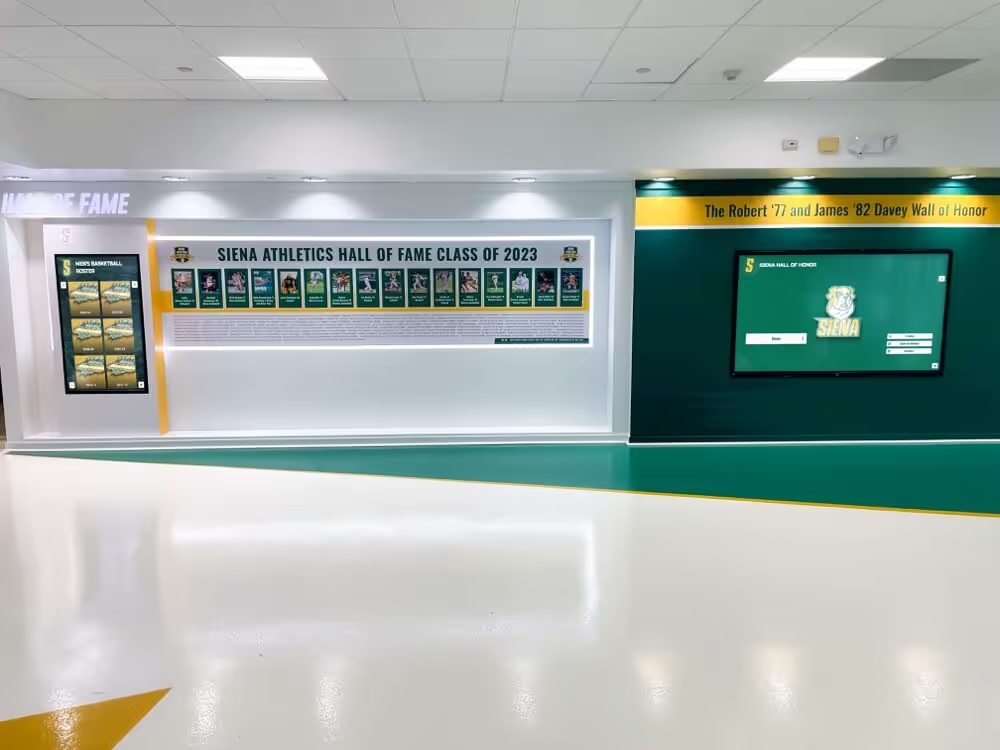
Athletic Recognition Displays and Program History Showcases
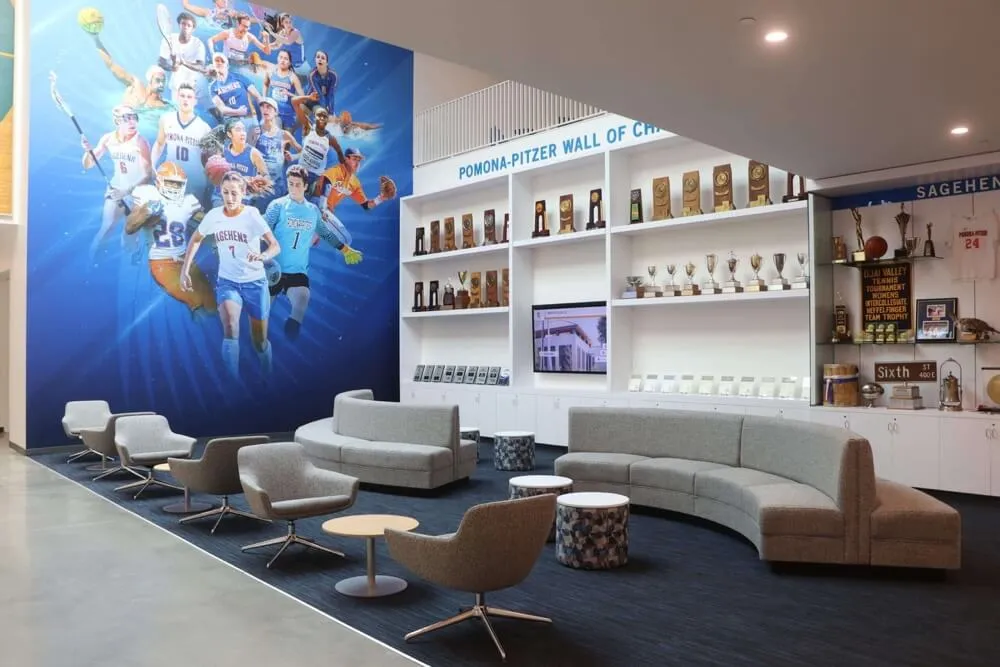
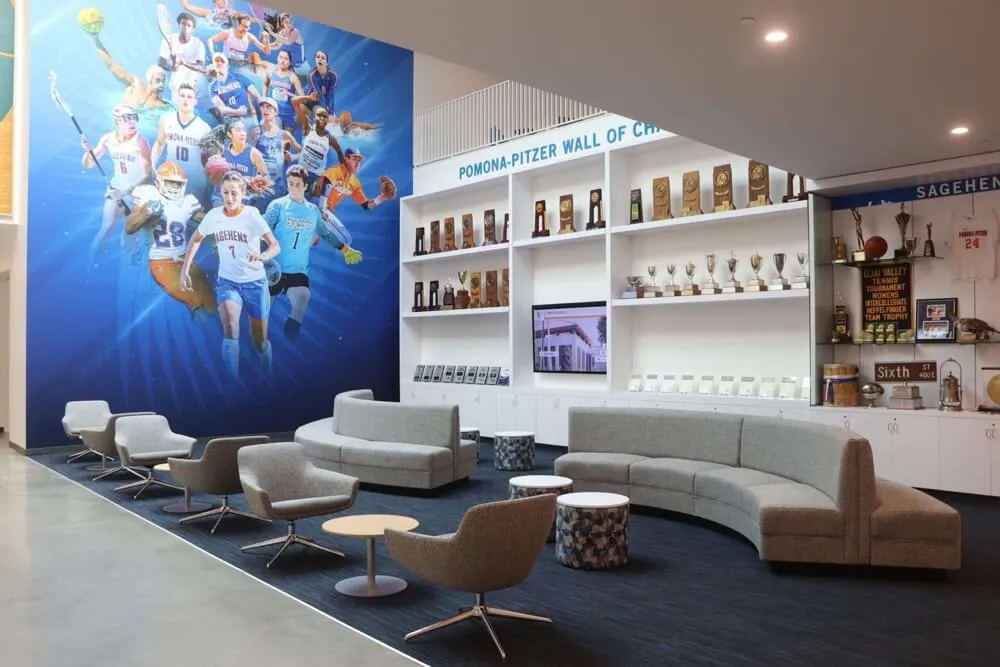
College athletic facilities prominently feature program history, achievements, and individual athlete recognition, creating visible celebrations of excellence that inspire current athletes while honoring past contributors.
Digital Recognition Systems
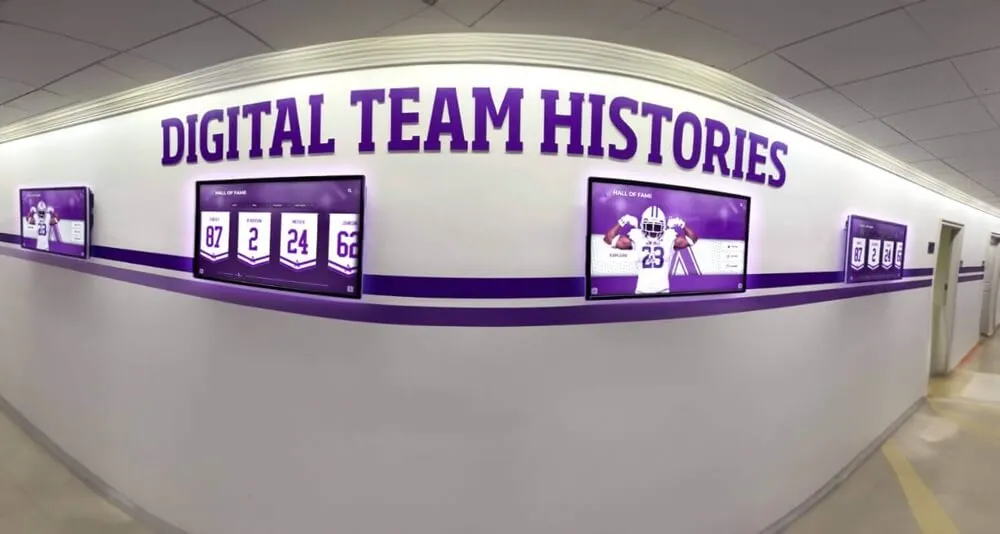
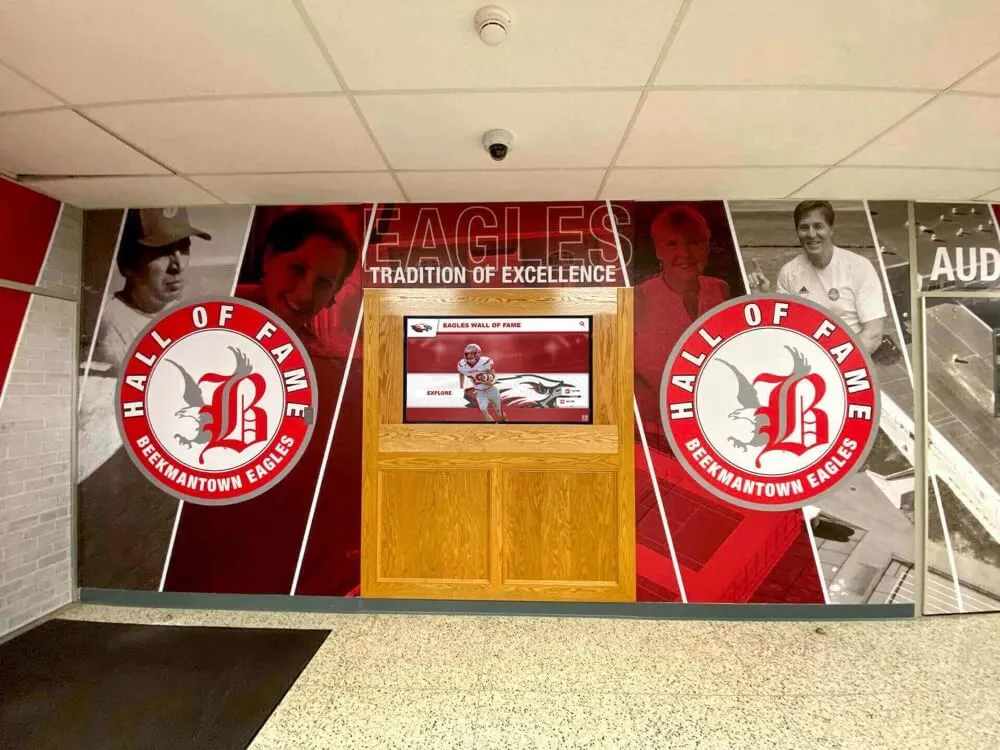
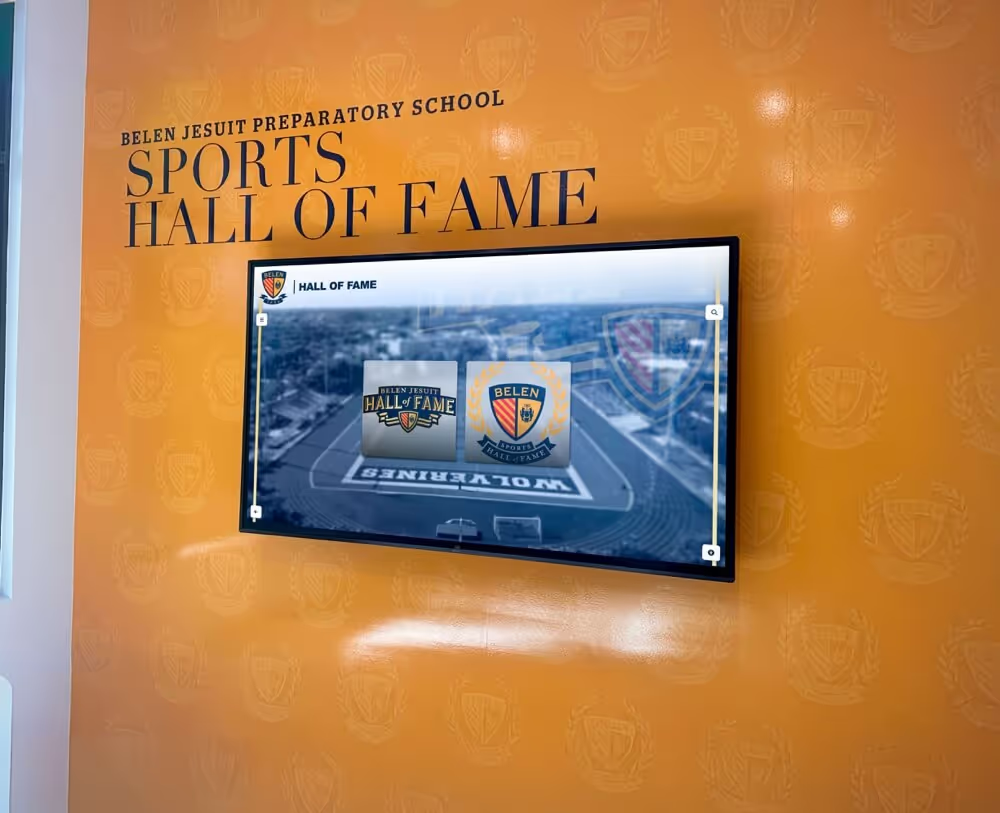
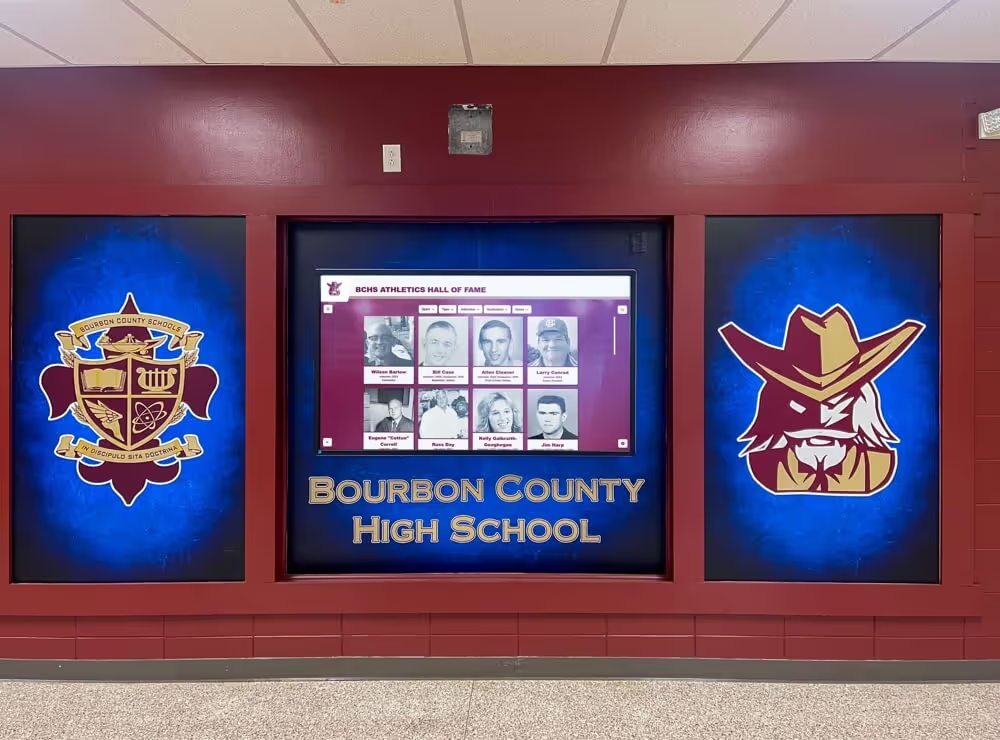
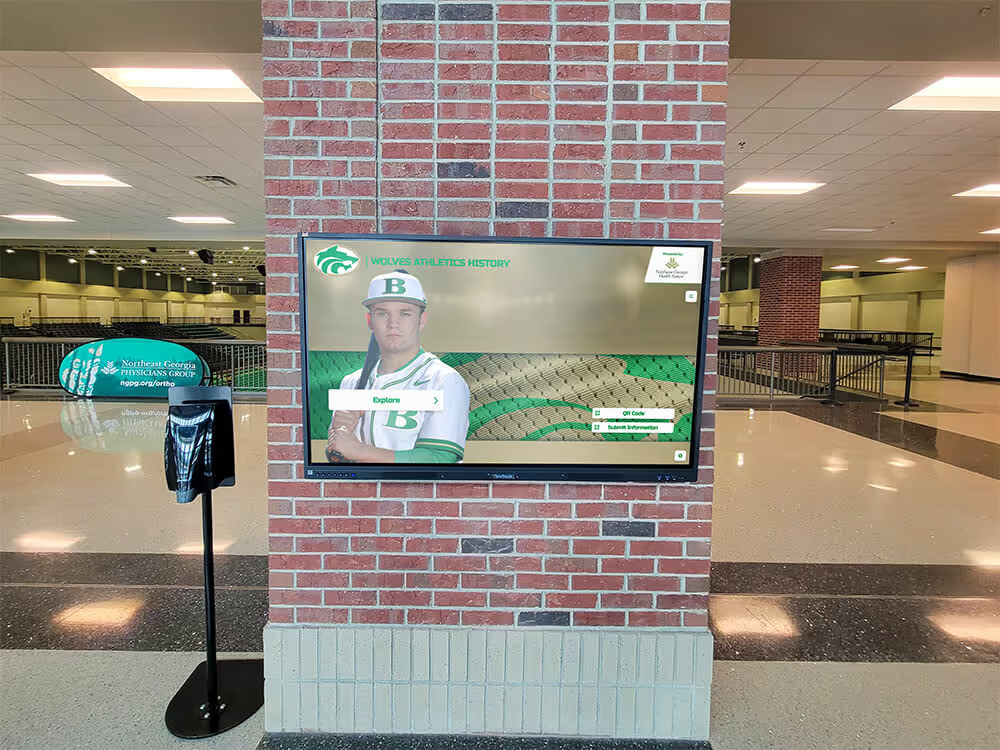
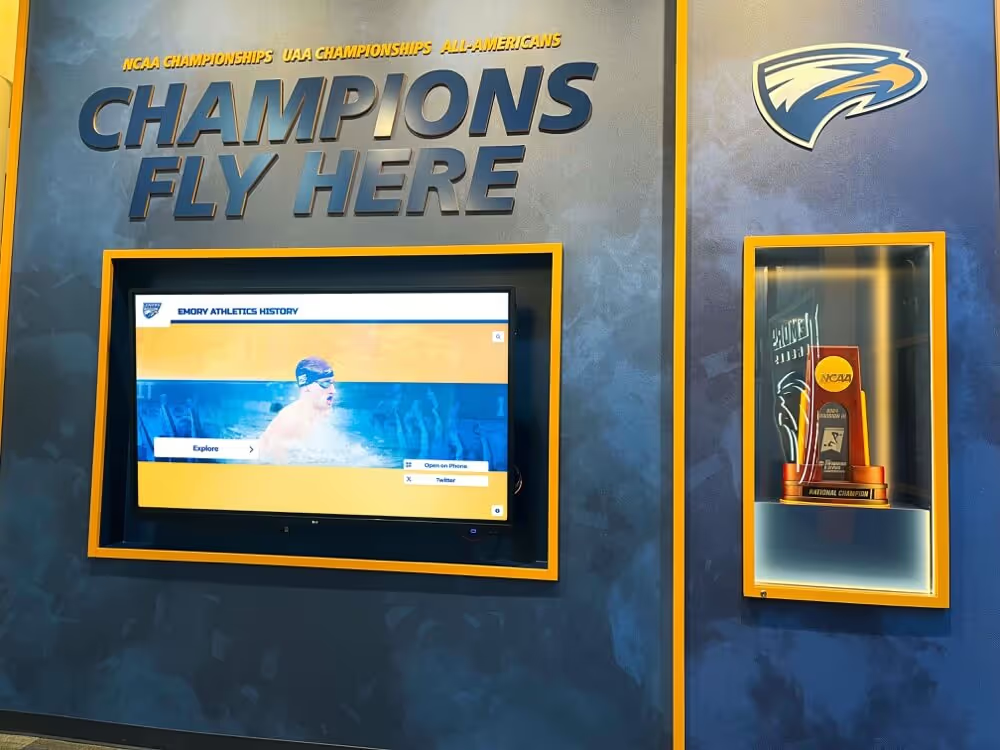
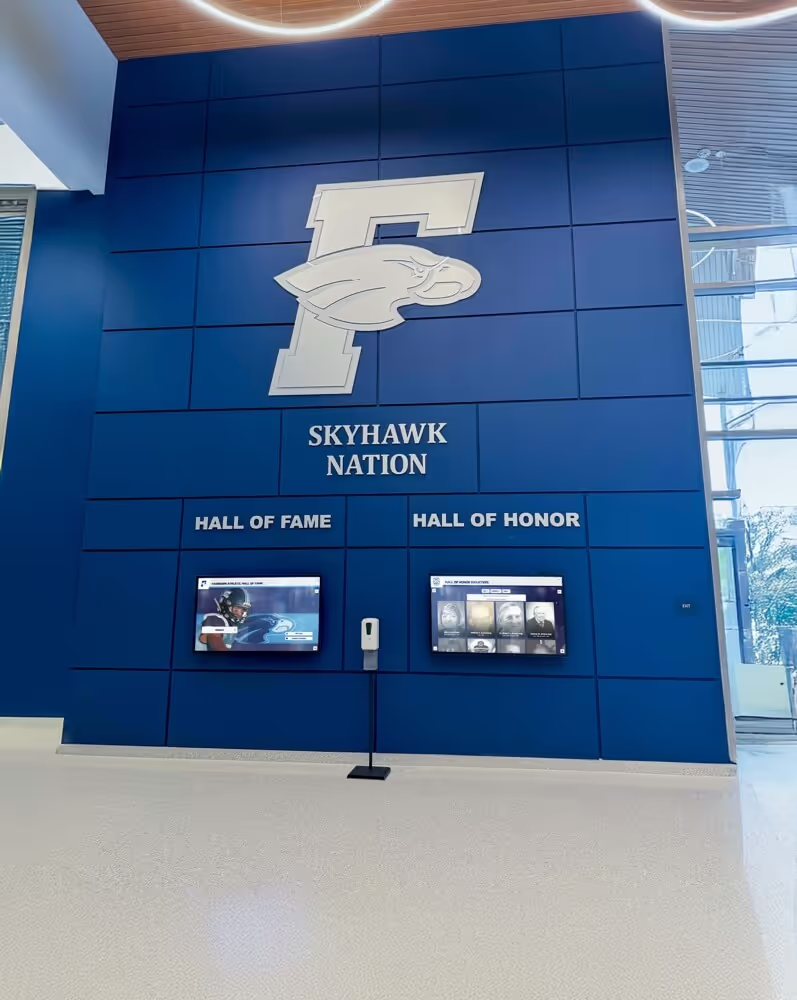
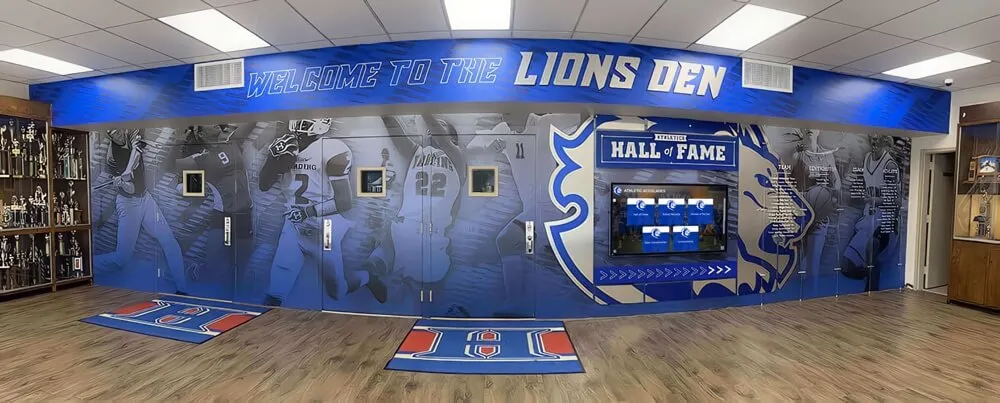
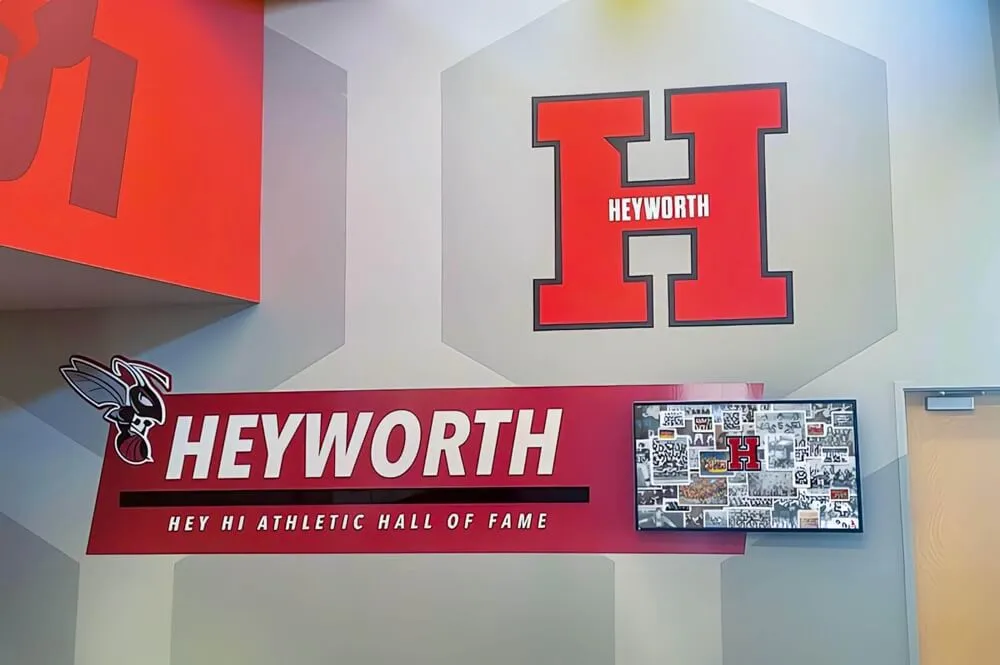
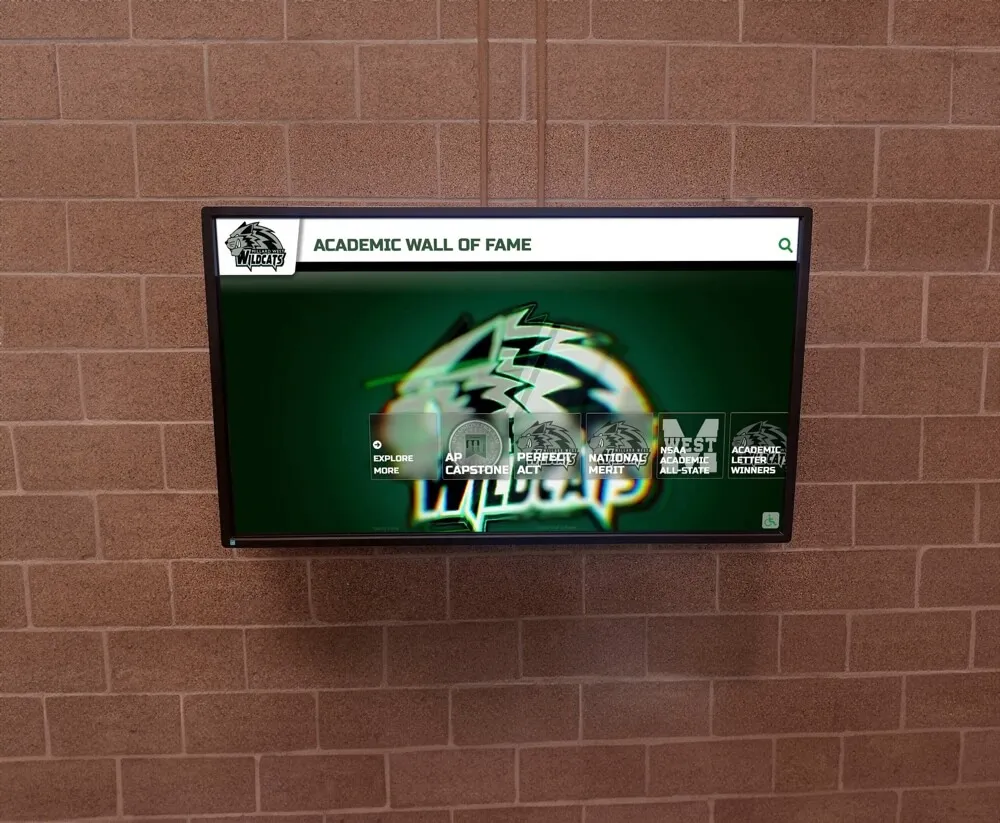
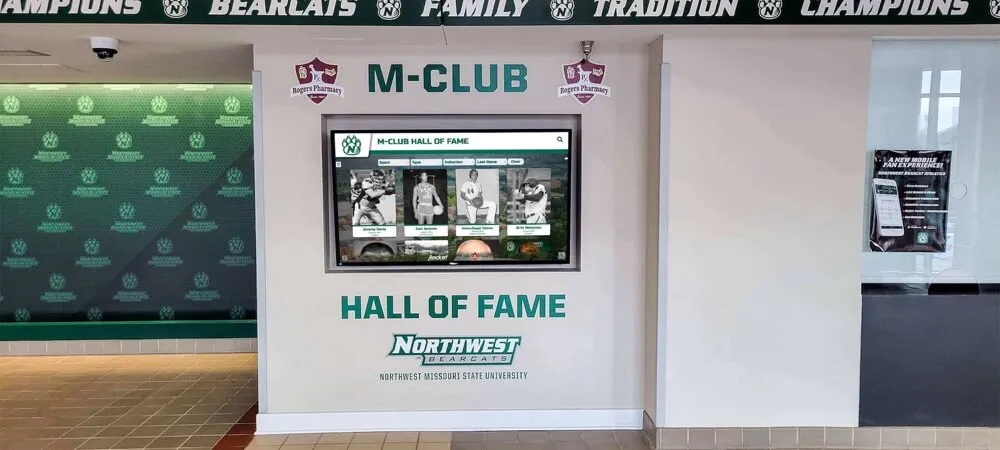
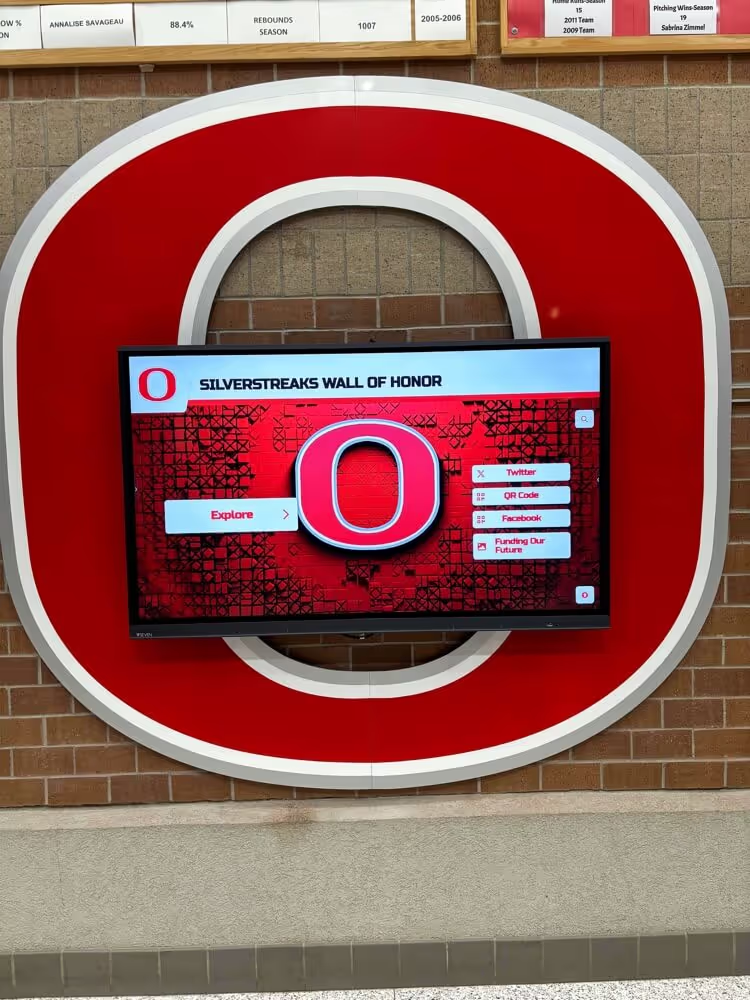
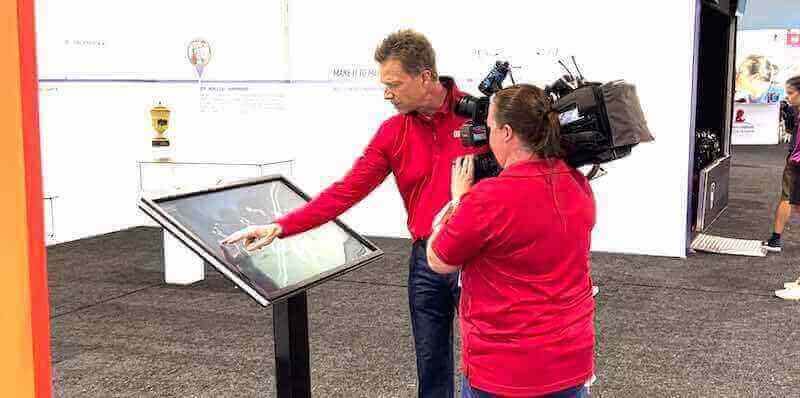
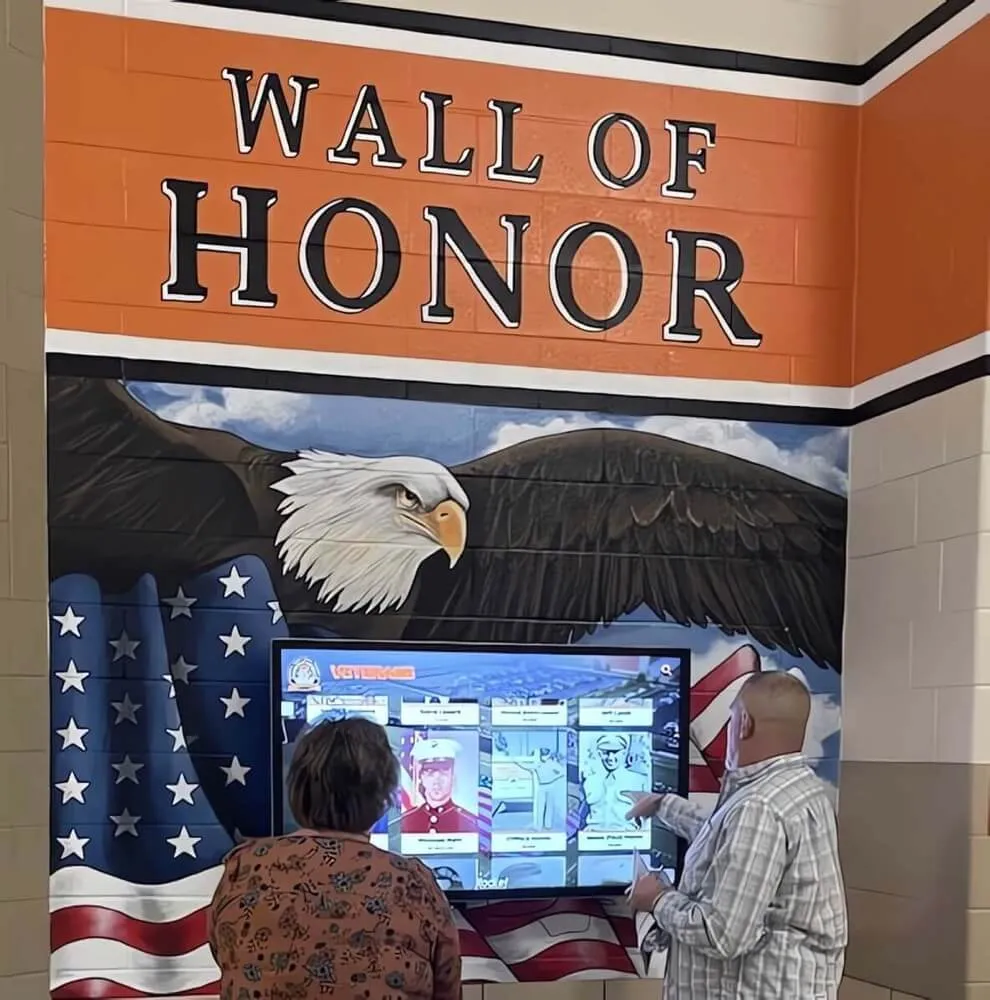
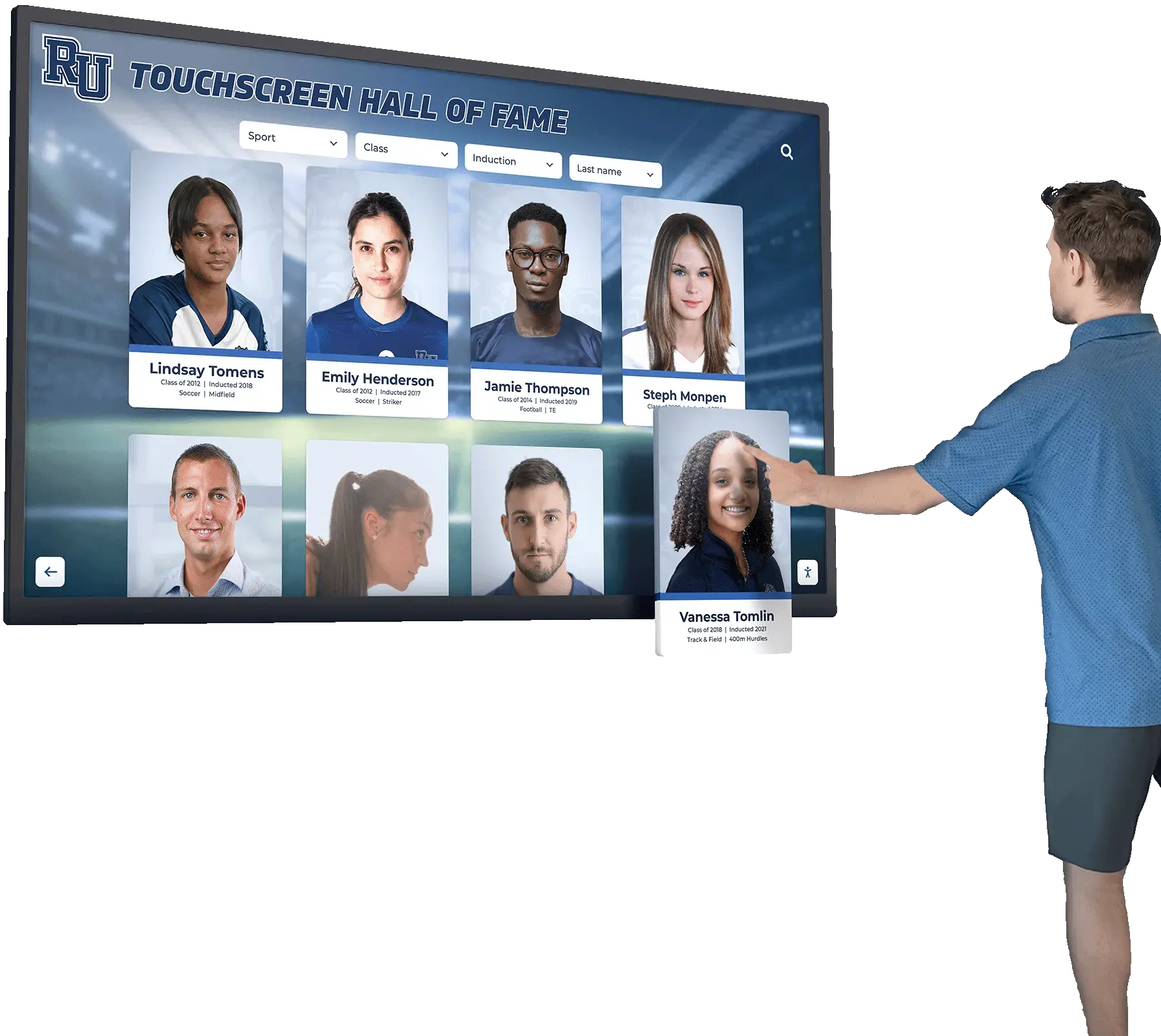
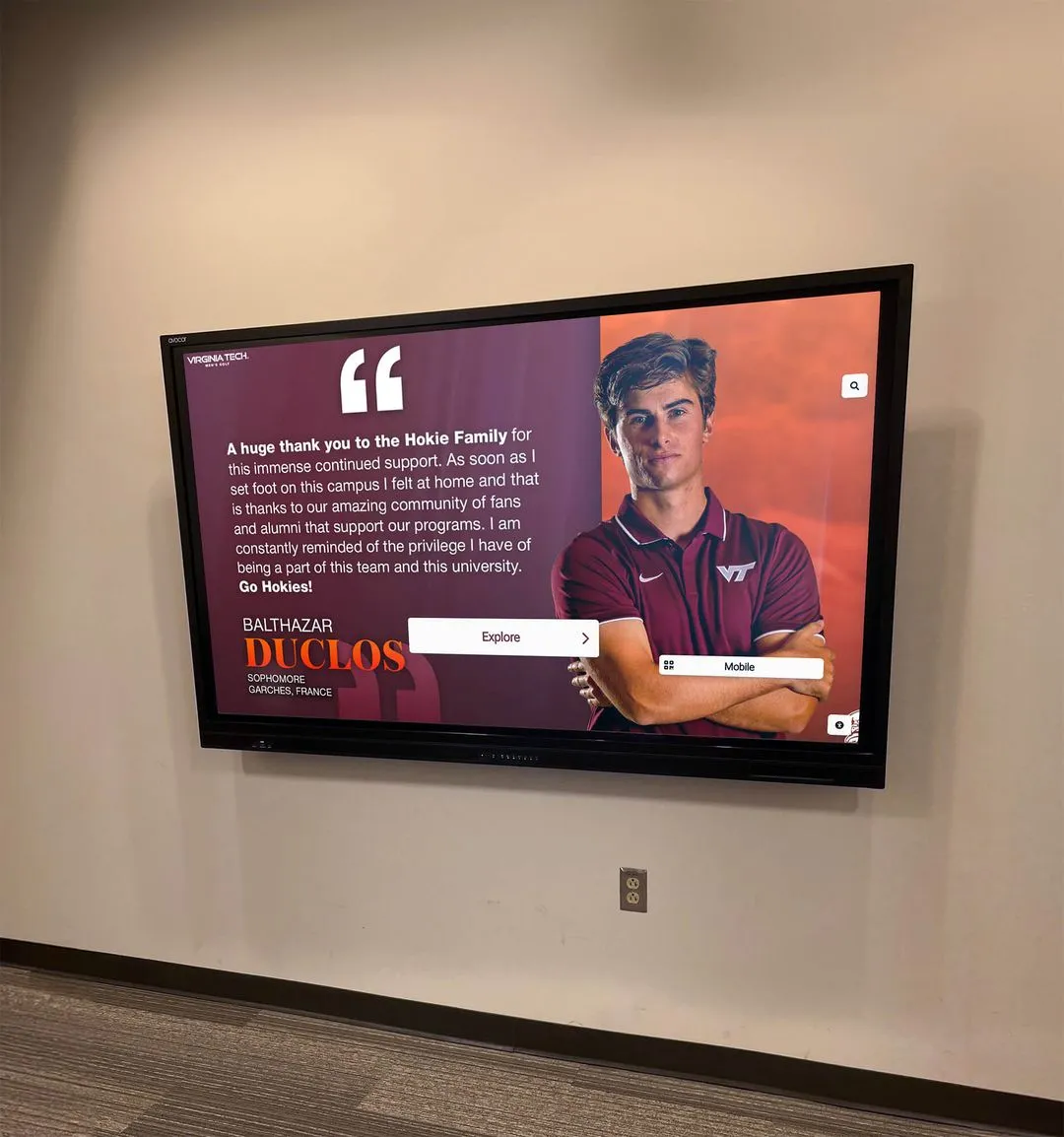
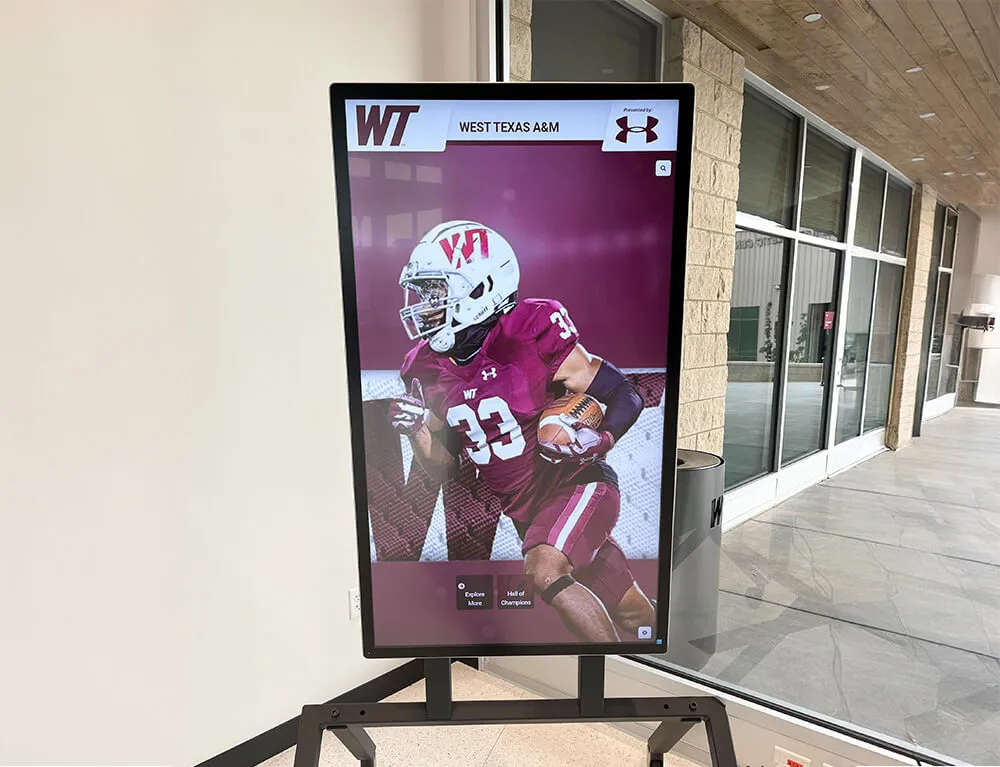
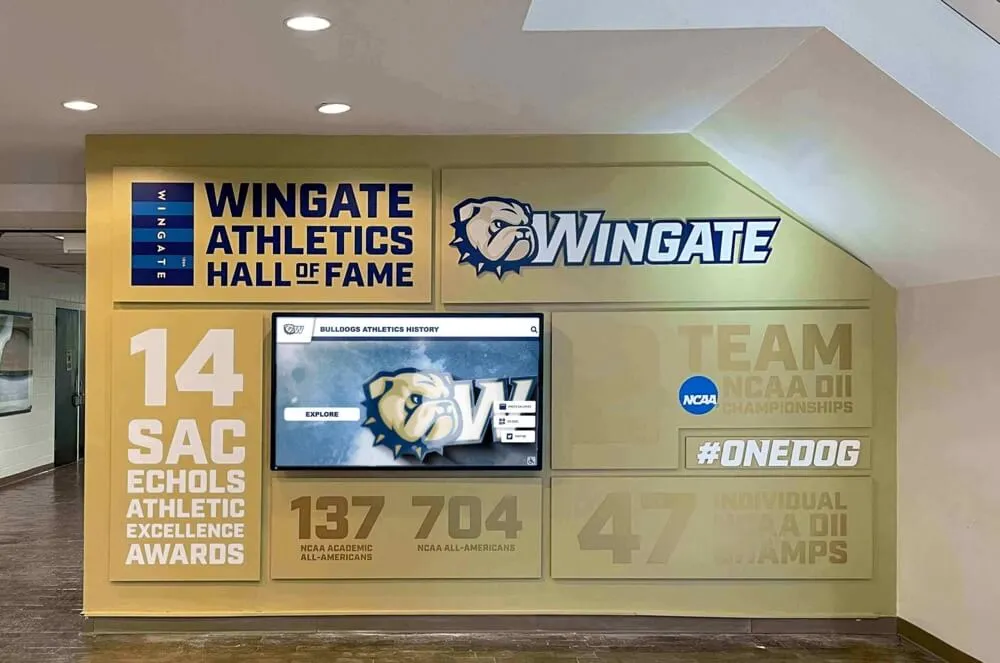
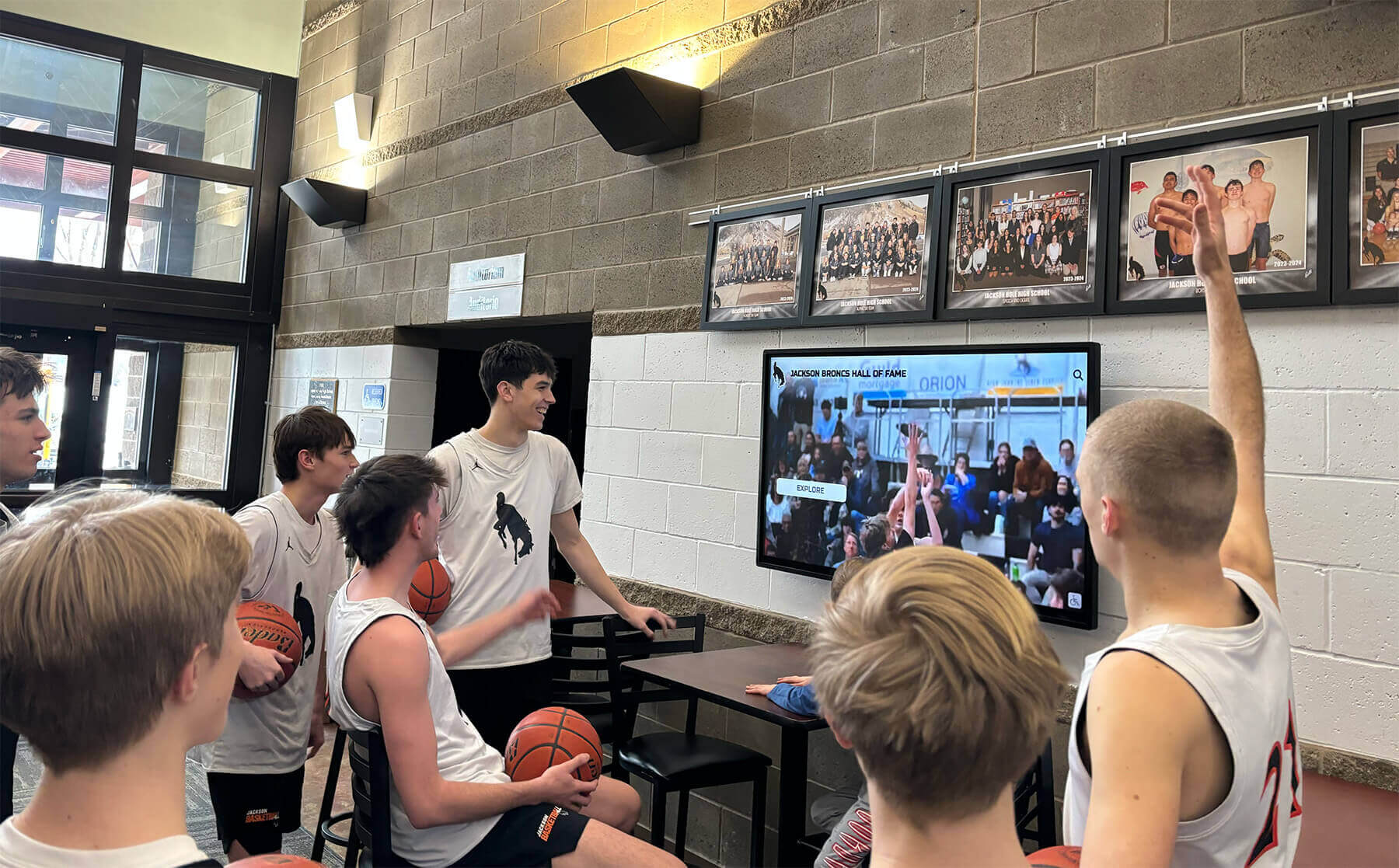
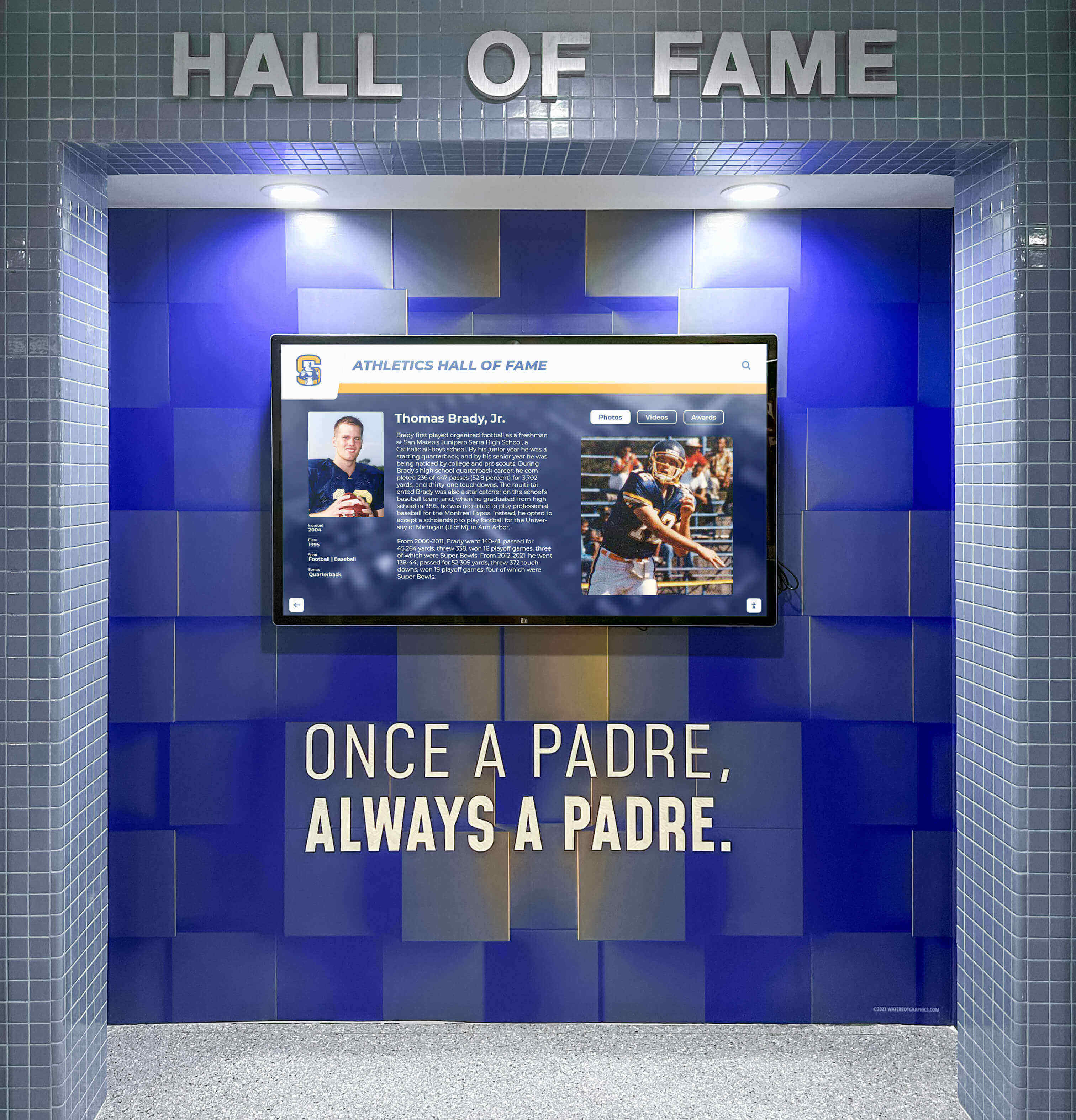
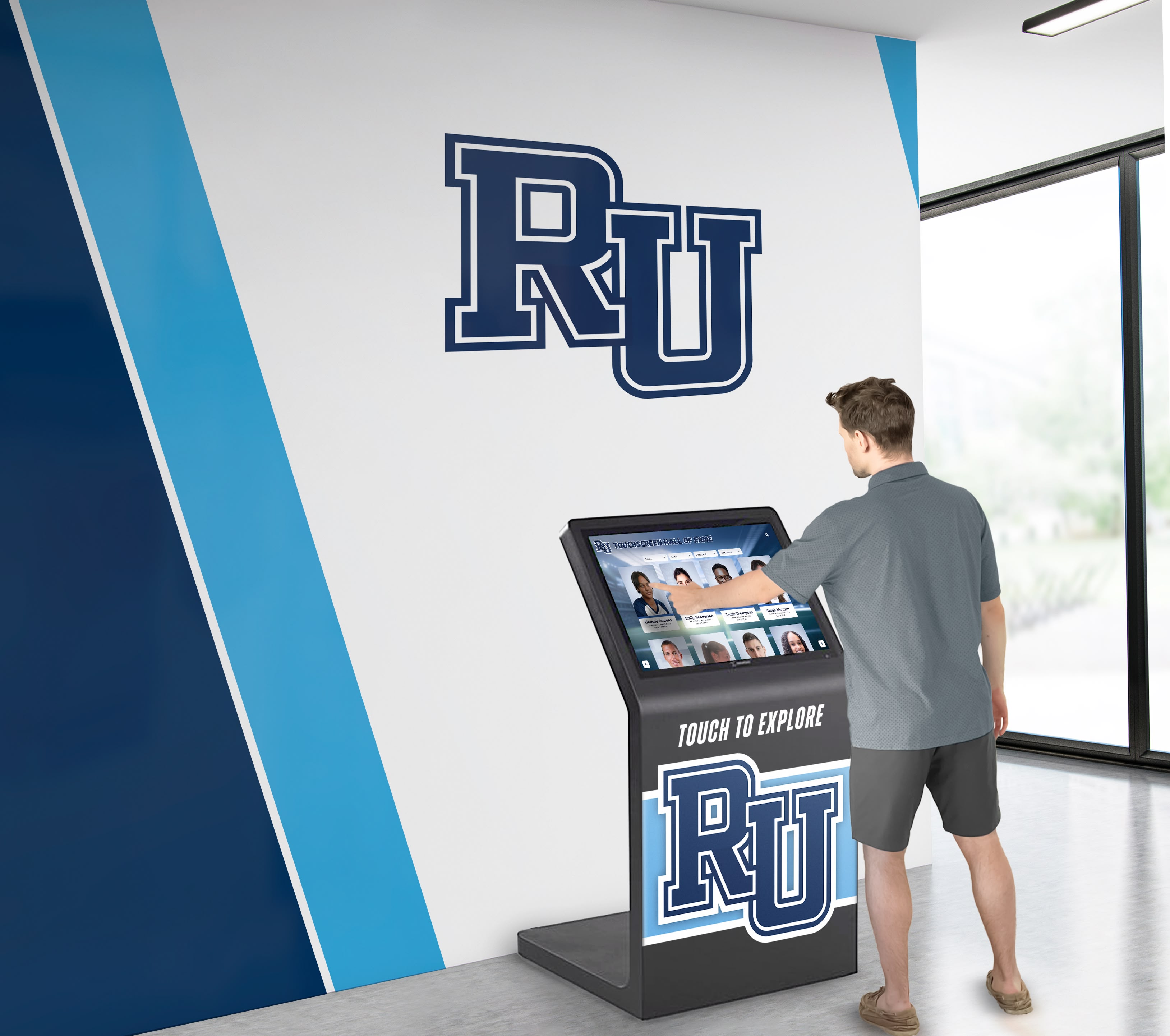
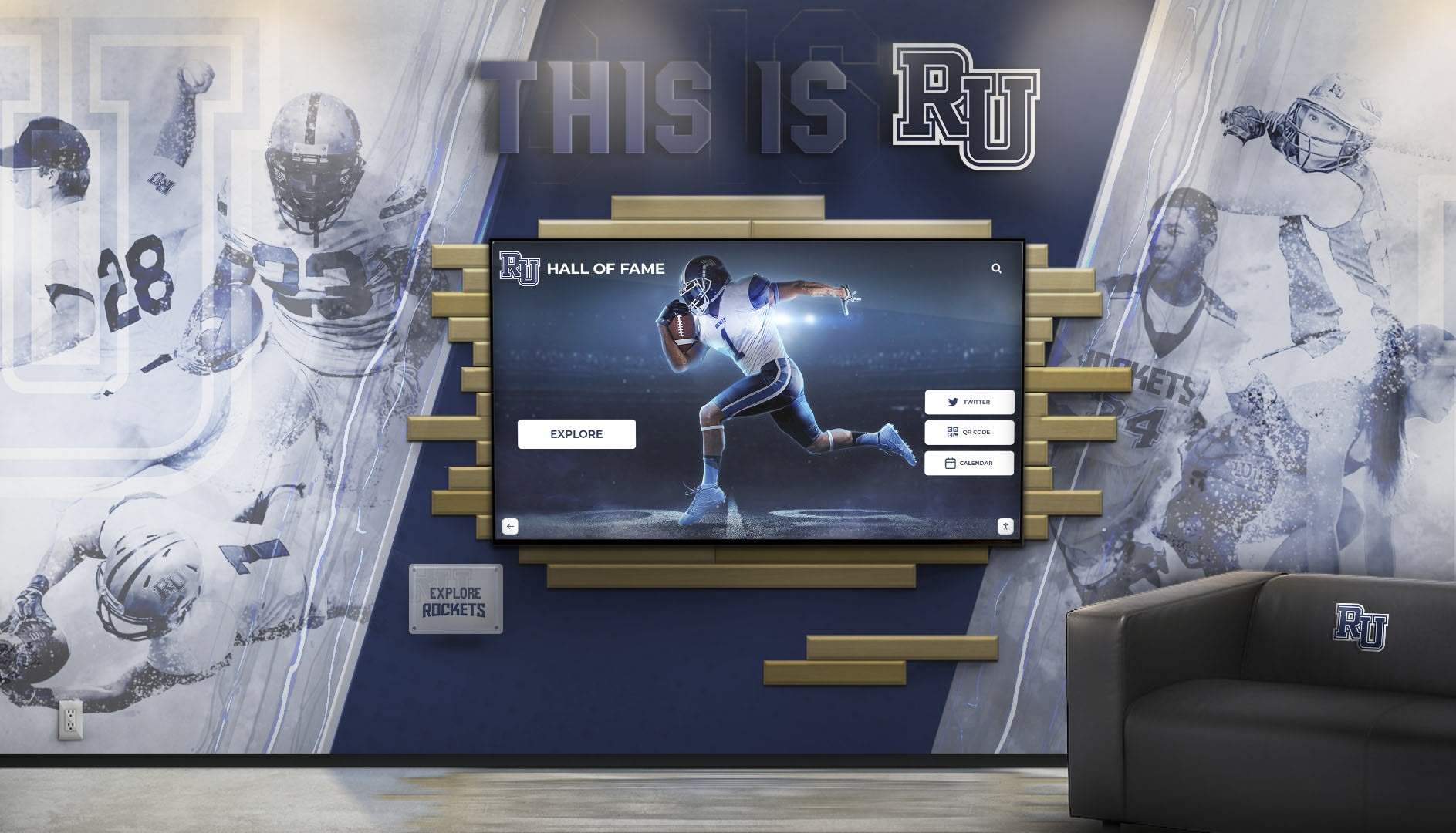
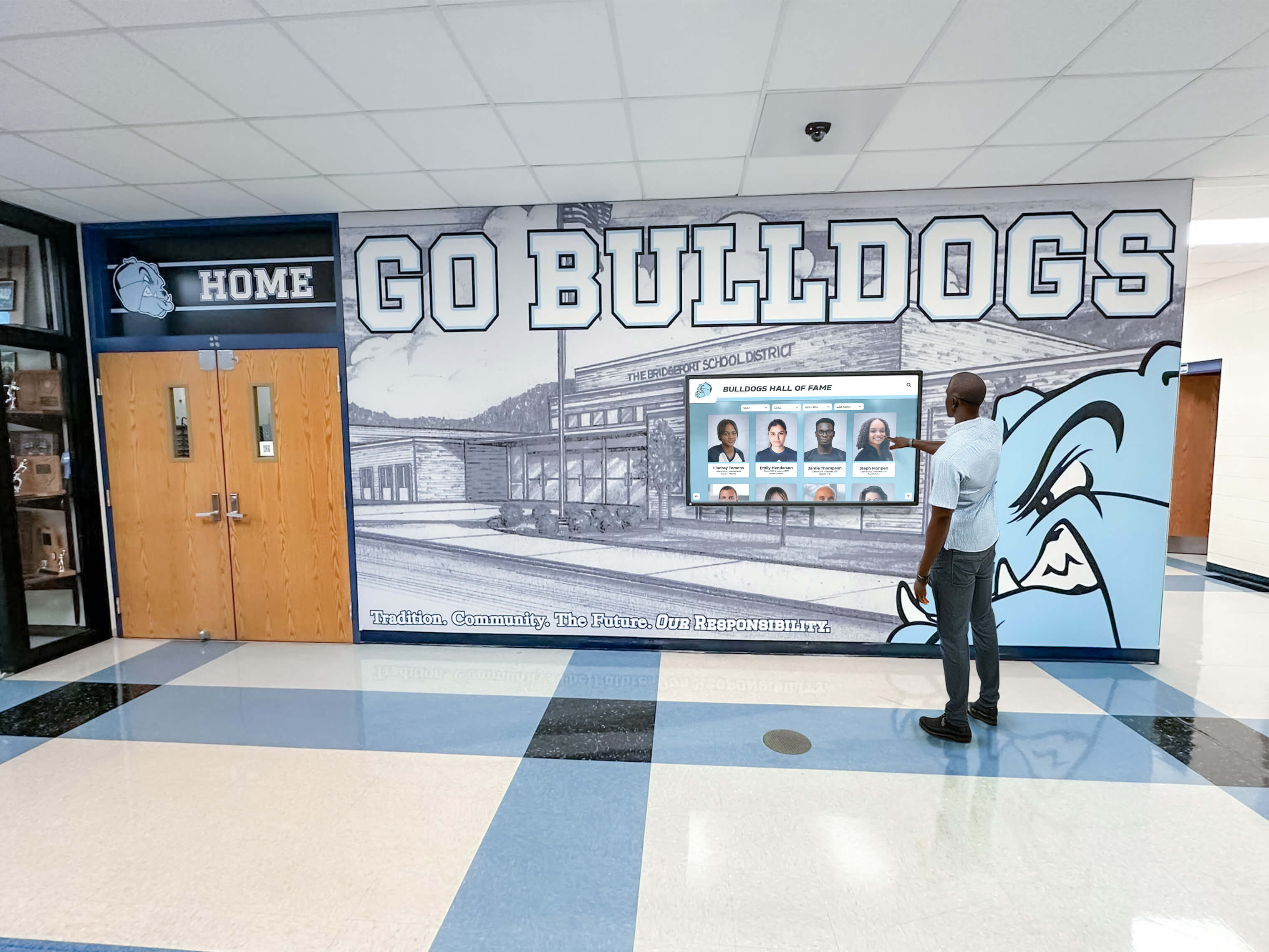
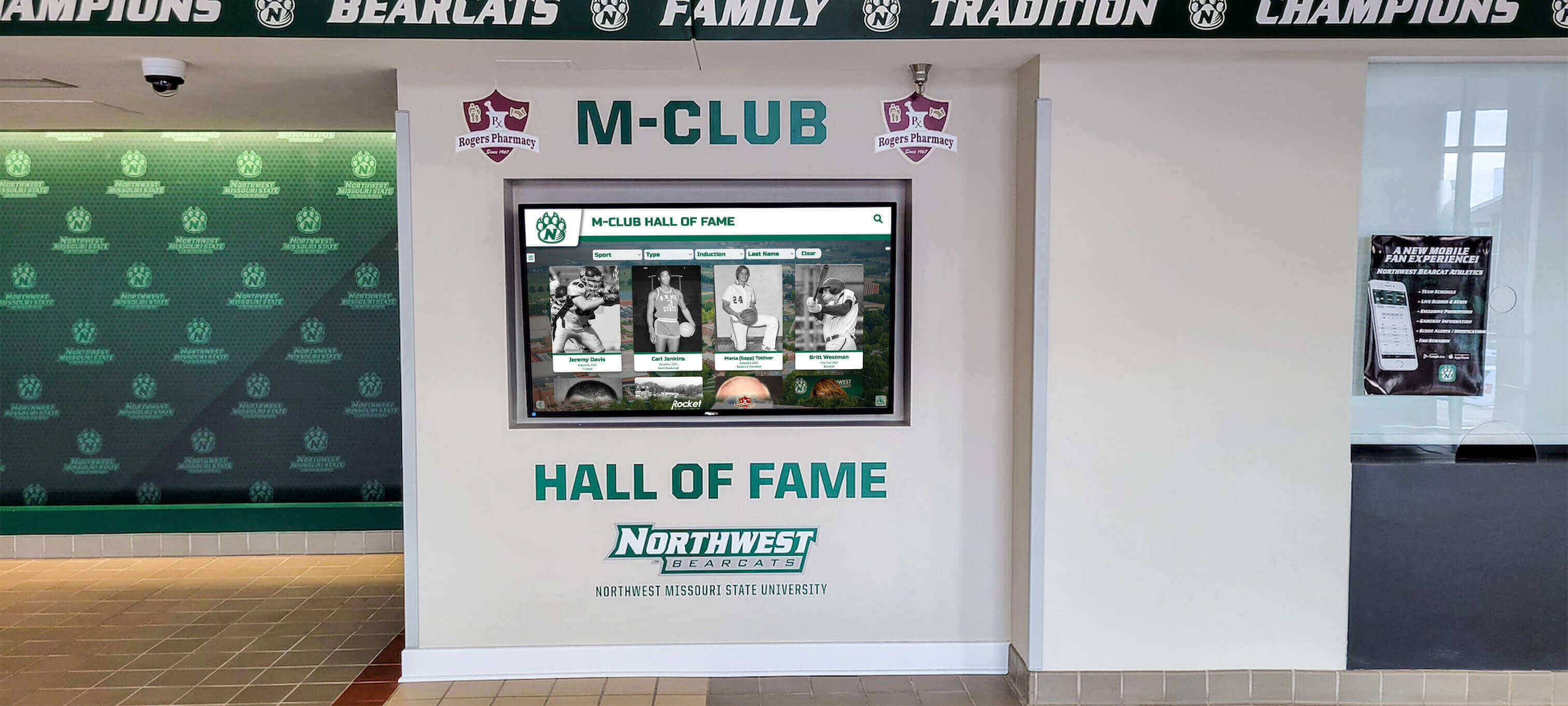
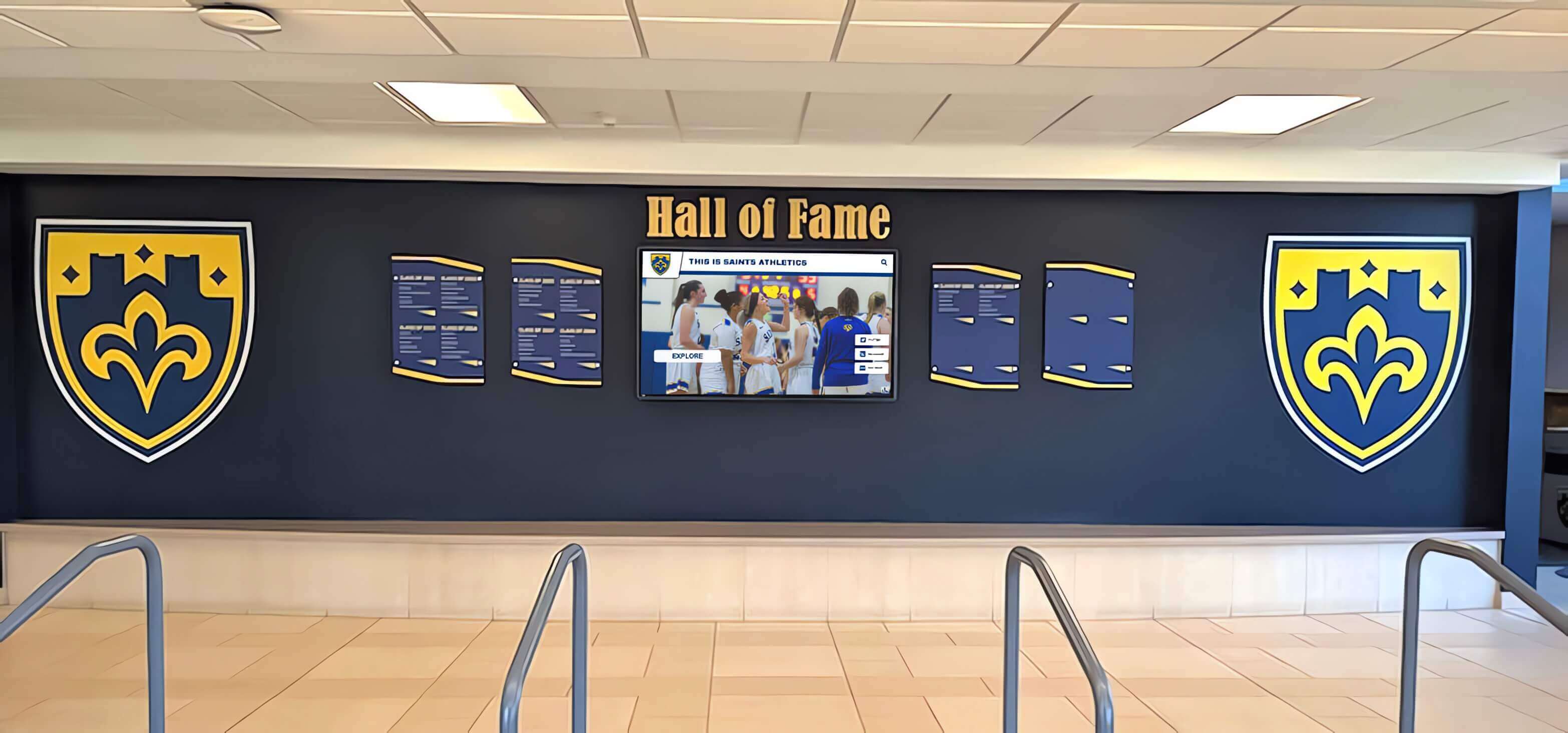
Modern recognition technology enables high schools to create sophisticated displays previously requiring expensive physical installations. Interactive touchscreen displays deployed in athletic facility lobbies, locker room areas, or main gymnasium entrances provide unlimited capacity for athlete recognition without physical space constraints, easy content updates allowing regular additions of new achievements and current season information, multimedia profiles incorporating photos, videos, statistics, and biographical information, and search functionality enabling athletes and visitors to explore program history interactively.
Digital recognition addresses common high school challenges around limited wall space, outdated physical displays, and administrative burden of maintaining static installations. Cloud-based management systems allow coaches and athletic directors to update recognition content in minutes from any device, ensuring displays remain current and relevant throughout seasons.
Strategic Display Placement
Location matters significantly for recognition display impact. Optimal placements include main gymnasium entrance areas where all athletes, families, and visitors naturally pass, weight room locations where athletes train and can draw inspiration from predecessors’ achievements, team locker rooms reinforcing program standards and tradition, and athletic office areas visible to recruits and visiting families touring facilities.
Multiple display locations create comprehensive recognition ecosystems ensuring athletes encounter program history and excellence celebrations regularly throughout normal facility use.
Content Strategy for Maximum Impact
Effective recognition content balances several priorities. Include current season highlights keeping displays relevant and celebrating present athletes, historical program achievements demonstrating sustained excellence across generations, individual athlete profiles honoring contributors and creating role models, college placement information showing pathways successful athletes have taken, and team culture elements reinforcing program values and expectations.
Programs can learn from state championship display approaches that effectively showcase competitive excellence while building program pride and tradition.
Dedicated Team Spaces and Meeting Rooms
College teams benefit from dedicated spaces for meetings, film study, and team building separate from general student populations. High schools can create similar spaces within existing facilities through thoughtful space repurposing and modest investment.
Film Study and Tactical Education Spaces
Systematic video analysis distinguishes college programs from many high school operations. Creating dedicated film study capability requires television or projector display systems for video review, seating arrangements supporting team viewing sessions, whiteboard or writing surfaces for diagramming plays and strategies, and technology enabling video playback, pause, and review functionality.
Many schools repurpose unused classrooms, convert storage areas, or designate library spaces for athletic use during specific times, creating functional film study environments without facility expansion.
Team Meeting and Leadership Development Areas
Beyond film study, teams need spaces for team meetings, leadership discussions, and culture building. These spaces provide settings for pre-game preparations and tactical reminders, leadership council meetings addressing team issues and planning initiatives, guest speaker presentations from college coaches or former athletes, and social bonding activities strengthening team cohesion.
Even modest spaces like corner areas in gymnasiums, sectioned locker room zones, or borrowed classrooms serve these purposes when thoughtfully designated and consistently utilized.

Visual Program Branding and Identity
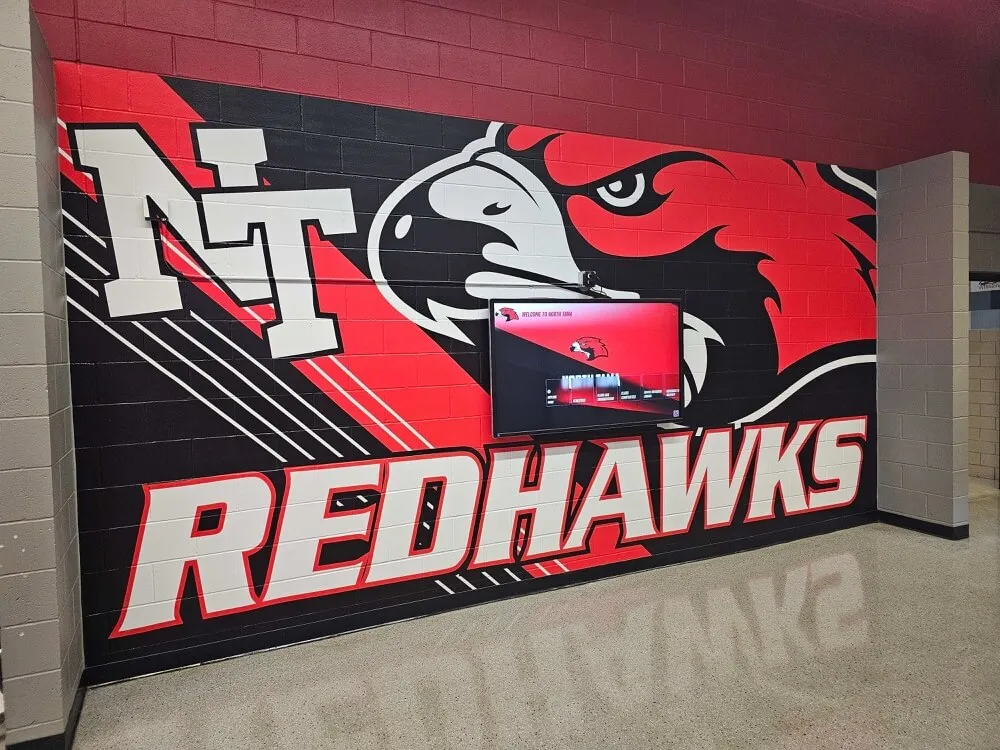
College facilities prominently feature team colors, logos, motivational messaging, and program identity elements creating distinctive athletic environments. High schools can implement similar branding through wall murals featuring team mascots and colors, motivational quotes from successful program alumni or coaches, team values and culture statements visible in training areas, and season goals and achievements displayed prominently.
Professional appearance matters. Well-designed, professionally installed branding creates different impact than homemade signs and temporary decorations, signaling serious program commitment to athletes and visitors.
Training and Performance Spaces
The quality and organization of training spaces directly impacts athlete development outcomes and program perceptions.
Weight Room Organization and Atmosphere
College weight rooms reflect systematic organization and professional atmosphere supporting focused training. High schools can create similar environments through equipment organization providing clear training zones for different lift types, posted workout plans and progression protocols guiding athlete training, performance record boards celebrating strength achievements and motivating improvement, and music and atmosphere management creating focused training energy.
Clean, well-maintained, systematically organized weight rooms communicate program standards and expectations more effectively than expensive equipment in cluttered, disorganized spaces.
Recovery and Sports Medicine Areas
College programs provide comprehensive athletic training facilities supporting injury prevention and recovery. High schools with athletic training staff can enhance these spaces by designating specific treatment and rehabilitation zones separate from general student health services, displaying injury prevention education materials and proper technique reminders, providing ice bath or recovery equipment appropriate to budget and space, and creating privacy for athlete treatment and rehabilitation.
When athletes see programs investing in their health and wellbeing through dedicated sports medicine attention, it reinforces perception of serious, college-level program commitment.
Implementing Collegiate-Style Training and Development
Facility enhancements create the environment, but systematic training and development programs deliver the functional benefits preparing athletes for next-level competition.
Structured Strength and Conditioning Programs
Systematic physical development distinguishes collegiate programs from recreational high school athletics. Implementing structured strength and conditioning requires neither expensive equipment nor full-time strength coaches, but rather thoughtful programming and consistent execution.
Periodized Training Plans
College strength programs utilize periodization—systematic variation of training variables across seasons and years—optimizing physical adaptations. High school programs can implement similar approaches through off-season phases emphasizing foundational strength and movement quality, pre-season periods transitioning to power and speed development, in-season maintenance programs sustaining physical qualities during competition, and post-season recovery and regeneration phases preventing burnout.
Written annual training plans provide structure and progression that random workout approaches cannot match, creating systematic development over multiple years rather than disconnected seasonal efforts.
Performance Testing and Benchmarking
Objective performance assessment drives collegiate training decisions. High schools can implement regular testing protocols through standardized strength assessments measuring fundamental movement patterns and strength levels, speed and agility testing quantifying athletic qualities specific to sports, flexibility and mobility screening identifying injury risk factors and movement limitations, and body composition tracking monitoring physical development over time.
Testing data serves multiple purposes: individualizing training prescriptions, motivating athletes through objective progress documentation, identifying athletes requiring additional attention or modified programs, and establishing team standards creating accountability for physical preparation.
Position-Specific Training Approaches
College programs recognize that different positions require different physical qualities. Offensive and defensive linemen need maximal strength emphasis, skill position players prioritize speed and agility development, quarterbacks and pitchers require specific arm care and throwing mechanics work, and endurance athletes focus on aerobic capacity and lactate threshold development.
High school programs implementing position-specific training demonstrate sophistication that athletes recognize as college-level preparation rather than generic fitness work.
Systematic Skill Development and Tactical Education
Physical preparation alone does not create collegiate readiness. Systematic skill development and tactical understanding separate college-prepared athletes from those relying solely on physical advantages that diminish against better competition.
Year-Round Skill Maintenance and Development
College athletes maintain and advance sport skills throughout the year, not just during competitive seasons. High schools can create similar continuity through voluntary off-season skill sessions for interested athletes within state association rules, skill development challenges athletes complete independently with periodic assessments, small group instruction during open gym or facility times, and youth camp coaching opportunities allowing high school athletes to teach and reinforce fundamentals.
Consistent skill work prevents the regression many athletes experience during extended off-seasons, maintaining readiness when competitive seasons begin.
Film Study and Tactical Understanding
Cerebral game understanding distinguishes college athletes from those relying primarily on athleticism. Implementing systematic film study includes self-scout sessions where athletes analyze their own performance identifying technical errors and decision-making improvements, opponent scouting preparing athletes for specific competitive challenges, situational awareness training recognizing game situations and appropriate responses, and play recognition drills accelerating athletes’ ability to diagnose plays quickly.
Technology makes film study increasingly accessible. Hudl and similar platforms enable coaches to break down film, create playlists for specific players or positions, and assign video homework athletes complete on personal devices.
Individual Development Plans and Goal Setting
College programs establish individualized development priorities for each athlete. High schools can implement similar approaches through pre-season individual meetings establishing specific skill, physical, and tactical development goals, regular check-ins assessing progress toward goals and adjusting plans, end-of-season evaluations providing comprehensive performance feedback, and off-season planning identifying specific work required for continued advancement.
This individualized attention communicates that programs see athletes as individuals with unique development needs rather than interchangeable roster spots, increasing athlete investment and motivation.
Mental Skills and Leadership Development
Collegiate programs increasingly emphasize mental preparation and leadership development alongside physical and technical training. High schools can integrate similar approaches providing competitive advantages while developing transferable life skills.
Mental Skills Training and Sports Psychology
Mental preparation separates good athletes from great competitors. Programs can integrate mental training through visualization and imagery training developing mental rehearsal capabilities, pre-performance routine development creating consistent competition preparation, focus and concentration training managing distractions and maintaining present-moment attention, and confidence building addressing negative self-talk and performance anxiety.
Many programs bring in sports psychology consultants for periodic sessions or utilize online resources and apps athletes can access independently, making mental skills training accessible without requiring dedicated staff.
Leadership Development Programs
College teams rely on player leadership maintaining culture and accountability. High schools can systematically develop leaders through captain selection processes emphasizing leadership qualities not just athletic ability, leadership council structures involving broader athlete populations in program decisions, peer mentoring systems connecting experienced athletes with younger teammates, and community service initiatives developing servant leadership perspectives.
Programs that produce consistent leaders create self-sustaining cultures less dependent on coaching staff for motivation and accountability enforcement.
Building College-Level Program Culture and Standards
Culture represents the invisible infrastructure supporting sustained program excellence. Collegiate-style culture requires no budget but significant intentional leadership consistently applied over time.
Establishing Clear Expectations and Accountability Systems
College programs succeed through clear standards and consistent accountability. High schools can implement similar cultural frameworks.
Written Team Standards and Expectations
Verbal expectations lack the clarity and permanence of documented standards. Effective programs create written documentation addressing attendance and punctuality requirements for all team activities, academic performance standards maintaining eligibility and team membership, behavior expectations in school, community, and social media contexts, training and off-season participation expectations, and leadership responsibilities for different role groups.
Athletes and parents sign acknowledgment forms ensuring understanding and agreement, creating clear accountability frameworks when issues arise.
Tiered Accountability Systems
College programs implement progressive discipline addressing standard violations. High schools can utilize similar approaches with verbal warnings for first minor infractions, additional conditioning or reduced playing time for repeated issues, suspension from competition for serious violations, and permanent removal from teams for major or repeated serious violations.
Consistency matters more than severity. Programs consistently enforcing modest consequences develop stronger cultures than those threatening severe punishment but inconsistently applying standards.
Leadership Through Athlete Voice and Ownership
While coaches establish standards, athlete ownership strengthens cultural commitment. Strategies empowering athlete voice include captains councils addressing team issues and making recommendations to coaching staffs, season goals established collaboratively rather than imposed by coaches alone, peer accountability systems where athletes hold teammates to standards, and team rules where athletes define specific expectations within coach-established frameworks.
Athlete investment increases dramatically when they participate in creating rather than simply receiving program standards and expectations.
Recognition and Celebration Systems
Collegiate programs systematically recognize achievement, creating motivation and reinforcing desired behaviors and outcomes. High schools can implement similar recognition approaches.
Multi-Tiered Recognition Programs
Comprehensive recognition acknowledges various achievement types. Programs should recognize competitive achievements celebrating team and individual success, effort and improvement honoring athletes demonstrating strong work ethic regardless of outcome, academic excellence acknowledging classroom performance, character and citizenship celebrating athletes exemplifying program values, and milestone achievements recognizing personal bests and significant accomplishments.
Athletic recognition programs that honor diverse achievements create more inclusive cultures where different athlete types find recognition pathways.
Public and Private Recognition Balance
Different athletes respond to different recognition types. Effective programs balance public celebration through social media highlights, team announcements, and facility displays, formal award presentations at season-ending banquets or ceremonies, and private acknowledgment via individual coach conversations, handwritten notes, or small group recognition.
This multi-modal approach ensures all athletes receive meaningful acknowledgment regardless of their personal preferences or comfort with public attention.
Integration with College Recruiting
Recognition systems can support college recruiting efforts for athletes pursuing next-level opportunities. Programs should create highlight reels and statistical summaries facilitating college coach evaluation, maintain updated athlete profiles with academic and athletic information supporting recruiting, document achievements and awards strengthening recruiting communications, and facilitate college coach contact coordinating visits and evaluation opportunities within rules.
When programs actively support college aspirations, it reinforces commitment to serious athlete development attracting families seeking college preparation environments.
Technology Integration Enhancing Collegiate Experience
Technology transforms how athletes train, learn, and engage with programs. Strategic technology adoption creates collegiate-level experiences within realistic high school budgets.
Performance Analysis and Video Technology
Video technology revolutionizes athlete development by providing objective performance feedback impossible through verbal coaching alone.
Game and Practice Film Systems
Systematic video capture and analysis includes recording competitions and important practice sessions, organizing footage by game, opponent, player, and play type, creating individual player playlists showing specific skills or situations, and facilitating video homework assignments athletes complete independently.
Platforms like Hudl provide comprehensive video management specifically designed for high school and college programs, including integrated statistics, easy sharing with college coaches, and mobile accessibility enabling athletes to study film anywhere.
Individual Skill Analysis and Technique Refinement
Beyond game film, video supports technical development through slow-motion analysis revealing mechanical details invisible at full speed, side-by-side comparisons showing athlete progression over time or comparing to model technique, and annotation and drawing tools highlighting specific technical points and corrections.
Athletes seeing objective video evidence of technical issues prove far more receptive to coaching corrections than those hearing verbal descriptions alone.
Strength and Conditioning Technology
Digital tools modernize strength training through workout tracking apps recording sets, reps, and weights creating objective progression records, video demonstration libraries showing proper exercise technique, performance leaderboards motivating athletes through friendly competition, and communication platforms enabling remote program delivery during off-seasons or school closures.
These technologies create accountability and motivation while reducing administrative burden on coaching staffs managing large athlete populations.
Communication and Program Management Platforms
Effective communication infrastructure supports program operations and athlete engagement.
Team Communication Systems
Centralized communication platforms replace scattered texts, emails, and verbal announcements through schedule and calendar integration consolidating all team activities and commitments, document sharing distributing playbooks, training plans, and informational materials, group messaging enabling efficient whole-team and position group communication, and parent integration keeping families informed about schedules and program updates.
Platforms like TeamSnap, TeamBuildr, or Google Classroom provide functionality specific to athletic program needs.
Digital Playbooks and Learning Management
Paper playbooks quickly become outdated and lost. Digital alternatives provide searchable playbook access from mobile devices enabling study anywhere, embedded video showing plays executed correctly, quiz and testing capabilities verifying athlete comprehension, and easy updates ensuring athletes always have current information.
Digital learning management creates professional approach to tactical education reflecting collegiate sophistication.
Creating College Recruiting Connections
Programs successfully preparing athletes for college naturally develop relationships with college coaches, creating recruiting pathways benefiting future athletes.
Building Relationships with College Programs
Systematic relationship building with college programs creates pipelines supporting athlete advancement.
Hosting College Coach Visits and Clinics
Inviting college coaches to visit programs benefits athletes through direct exposure to college coaches observing training and competition, coaching clinics where college staffs share expertise with high school athletes, relationship building enabling easier future communication when athletes pursue college opportunities, and program credibility enhancement through association with respected college programs.
Many college coaches welcome high school clinic opportunities, receiving community exposure and recruiting access justifying their time investment.
Attending College Camps and Showcases
Programs can facilitate college exposure by organizing group attendance at college camps where athletes receive evaluation and exposure, researching and recommending showcase events appropriate for athletes’ skill levels and college aspirations, connecting athletes with college coaches at schools matching academic and athletic profiles, and providing financial assistance or fundraising supporting participation costs for interested athletes.
When programs actively facilitate college opportunities rather than leaving athletes to navigate recruiting independently, it signals serious commitment to athlete development.
Maintaining Communication with College Coaching Staffs
Athletic directors and coaches should proactively communicate with college programs through regular updates about athletes performing at levels meriting college attention, honest evaluations helping college coaches assess whether athletes fit their programs, facilitation of film exchange and evaluation materials, and follow-up communication tracking graduated athletes’ college experiences.
College coaches value honest communication from high school coaches they trust, creating relationships benefiting future athletes from programs.
Preparing Athletes for College Recruiting Process
Many athletes and families lack understanding of college recruiting realities. Programs can provide guidance helping athletes navigate this complex process.
Recruiting Education Programs
Systematic recruiting education should address NCAA eligibility requirements and academic standards for different division levels, realistic assessment of athletic ability and appropriate college level targeting, timeline and process differences across sports and division levels, communication skills and etiquette for contacting college coaches, and academic transcript and test score requirements for various institutions.
Junior year recruiting information sessions for athletes and families prevent missed opportunities and unrealistic expectations derailing successful college placement.
Supporting Materials Development
Programs can assist athletes developing recruiting materials including athlete resumes documenting athletic achievements, academic credentials, and extracurricular involvement, highlight video creation showcasing athletic ability effectively, transcript review ensuring eligibility requirement understanding, and letters of recommendation from coaches supporting college applications.
This support demonstrates program investment in athletes’ futures beyond high school competition.
Sustainable Implementation Within Budget Constraints
Creating collegiate experiences requires strategic thinking more than unlimited budgets. Programs must prioritize investments delivering maximum impact within realistic financial limitations.
Phased Implementation Strategies
Rather than attempting comprehensive transformation simultaneously, successful programs implement changes incrementally.
Phase 1: Culture and Expectations
Begin with zero-cost cultural improvements establishing clear standards and expectations, implementing accountability systems, developing athlete leadership structures, and creating recognition programs through existing channels.
Cultural foundation enables successful implementation of subsequent program enhancements by ensuring athletes approach new opportunities with appropriate seriousness and commitment.
Phase 2: Training Program Systematization
Next, formalize training and development approaches through written strength and conditioning programs with clear periodization, systematic skill development plans spanning full years, regular performance testing protocols establishing benchmarks, and individual development planning for each athlete.
These improvements require time and thoughtful planning more than financial investment, making them accessible implementation priorities.
Phase 3: Technology and Facility Enhancements
After establishing cultural foundations and systematic training, invest in technology and facilities beginning with video analysis systems providing immediate athlete development value, team communication platforms improving program operations, digital recognition displays creating visible program enhancement, and strategic facility upgrades addressing highest-priority needs.
This phased approach spreads costs over multiple years while demonstrating improvement trajectory building stakeholder support for continued investment.
Creative Funding and Resource Development
Limited institutional budgets need not prevent program enhancement when athletic departments pursue alternative funding sources.
Booster Club and Parent Organization Support
Athletic booster organizations often enthusiastically fund enhancement projects when presented with clear proposals demonstrating athlete benefit. Successful fundraising includes specific project proposals with concrete goals and budgets, recognition opportunities for major donors supporting enhancements, transparent communication about how funds directly benefit athletes, and regular updates showing completed improvements and thanking supporters.
Programs should explore booster club fundraising strategies that effectively engage supporters in program improvement initiatives.
Corporate Partnerships and Sponsorships
Local businesses often support high school athletics through facility naming rights providing recurring revenue, equipment sponsorships defraying specific purchase costs, technology partnerships where businesses provide platforms or services, and in-kind donations like construction services or materials.
Successful corporate partnerships emphasize mutual benefit, providing businesses with community visibility and positive association justifying their investment.
Grant Funding and Foundation Support
Numerous foundations support athletic program development through national programs supporting specific sports or athlete development areas, state and regional initiatives addressing local priorities, corporate foundations operated by sporting goods or equipment manufacturers, and community foundations supporting youth development and education.
Grant applications require time investment but often generate substantial funding for programs demonstrating clear plans and measurable outcomes.
Measuring Success and Program Impact
Implementing collegiate-style programs justifies investment only when delivering measurable benefits. Programs should establish assessment frameworks tracking impact across multiple dimensions.
Athlete Development Outcomes
Primary program purpose centers on athlete development. Key metrics include strength and conditioning improvements measured through standardized testing protocols, skill development progression tracked through assessment rubrics and video analysis, college placement rates documenting athletes advancing to collegiate competition, and all-conference and all-state selections indicating competitive success.
Tracking these metrics over multiple years demonstrates program effectiveness supporting continued investment and enhancement.
Program Culture Indicators
Cultural improvements prove harder to quantify but remain essential program outcomes. Assessment approaches include athlete retention rates measuring whether athletes continue participation across seasons, team GPA and academic performance demonstrating commitment beyond athletics, behavioral incident reduction indicating improved discipline and accountability, and athlete and parent satisfaction measured through periodic surveys.
Strong culture manifests through athletes consistently meeting expectations, treating each other and opponents respectfully, and representing programs positively in communities.
Competitive Success and Program Visibility
While not the sole measure of program quality, competitive results matter to stakeholders. Track conference championships and tournament advancement indicating competitive improvement, strength of schedule demonstrating willingness to challenge program against quality opponents, and community engagement reflected through attendance, media coverage, and program visibility.
Successful programs balance competitive achievement with broader development goals, avoiding single-minded focus on winning at expense of athlete wellbeing and comprehensive development.
Long-Term Alumni Outcomes
Ultimate program success appears in alumni experiences beyond high school. Programs should track college athletic participation and success among graduates, career and life success suggesting strong character and skill development, alumni engagement with current programs indicating positive participation experiences, and community contributions demonstrating development of responsible citizens.
These long-term outcomes validate that collegiate-style approaches develop not just better athletes but more prepared, capable young adults ready for future challenges.
Conclusion: Investing in Athlete Development Through Collegiate Experiences
Creating collegiate-level experiences for high school athletes represents strategic investment in athlete development, program culture, and competitive excellence. While resource differences prevent perfect replication of college program environments, thoughtful high school programs can capture essential elements preparing athletes for next-level competition while benefiting all participants regardless of post-high school plans.
The most successful implementations share common characteristics regardless of specific approaches or budget levels. They establish clear cultural expectations creating professional program environments, implement systematic training and development programs spanning full years, utilize technology enhancing athlete learning and engagement, create visible recognition celebrating achievement and building program pride, develop college recruiting connections supporting athletes pursuing advancement opportunities, and measure outcomes demonstrating program effectiveness and justifying continued investment.
These enhancements need not require massive budgets or facility renovations. Many impactful improvements demand primarily thoughtful leadership, systematic planning, and consistent execution over time. Cultural transformation costs nothing but commitment. Structured training programs require expertise and planning more than expensive equipment. Technology adoption involves modest subscriptions rather than capital expenditures. Even facility enhancements like digital recognition displays provide dramatic visual impact and functional capability at price points accessible to programs willing to prioritize athlete development investments.
As high school athletics continue evolving and college programs raise competitive standards, the gap between levels widens for programs clinging to traditional approaches. Forward-thinking athletic departments recognizing this reality and proactively creating collegiate-level experiences position their athletes, programs, and communities for continued success in increasingly competitive environments. The athletes experiencing these enhanced programs today become the college competitors, coaches, and community leaders of tomorrow—making these investments in collegiate-style development some of the most impactful athletic departments can make.
For programs ready to elevate their athlete experience and development environments, modern solutions specifically designed for high school athletics make implementation more accessible than ever. Purpose-built platforms enable programs to deliver recognition, communication, and engagement experiences previously requiring substantial technical expertise or capital investment, democratizing access to tools supporting serious athlete development at the high school level.
Frequently Asked Questions About Creating Collegiate Athletic Experiences
What aspects of college programs are most important to replicate at high schools?
Focus first on culture and accountability standards requiring no budget but creating professional environments where athletes take training seriously. Next, prioritize systematic year-round development programs providing structured training and skill work rather than random seasonal efforts. Finally, invest in recognition systems and facility enhancements creating visible collegiate atmosphere. Physical facilities matter less than systematic programming and professional culture—many successful programs operate in modest facilities but create excellent development experiences through thoughtful coaching and program structure.
How can small schools with limited budgets create collegiate experiences?
Budget constraints need not prevent collegiate-style programs. Begin with zero-cost cultural improvements establishing clear expectations and accountability systems. Implement structured training programs using existing equipment and facilities more systematically. Utilize free or low-cost technology platforms for video analysis and communication. Pursue creative funding through booster clubs, corporate partnerships, and grant opportunities. Many impactful enhancements require commitment and expertise more than money—small schools with dedicated coaching staffs consistently match larger competitors through superior program structure and athlete development despite facility and budget differences.
Do collegiate-style programs benefit athletes not pursuing college athletics?
Absolutely. The systematic training, mental skills development, leadership opportunities, and accountability standards collegiate programs emphasize benefit all athletes regardless of future athletic plans. These experiences develop work ethic, discipline, goal-setting capabilities, and resilience that transfer directly to academic, professional, and personal contexts throughout life. Additionally, 93% of high school athletes never compete in college, meaning programs exclusively serving college-bound athletes would ignore the vast majority of participants. The best programs create experiences that prepare the small percentage advancing athletically while providing valuable developmental opportunities for all participants.
How do you balance collegiate preparation with maintaining age-appropriate programs?
Creating collegiate experiences means implementing systematic development approaches and professional standards while respecting that high school athletes remain adolescents with different physical, emotional, and developmental needs than college students. Maintain appropriate training volume and intensity respecting developing bodies and injury risk, balance athletic commitments with academic priorities and family time, ensure fun and enjoyment remain program elements alongside serious development, and provide appropriate supervision and structure reflecting adolescent developmental needs. Collegiate-style programs establish higher standards and more systematic approaches but remain fundamentally different than college programs in recognizing participants’ developmental stages and broader educational priorities.
What role should parents play in collegiate-style high school programs?
Parents remain important stakeholders providing logistical support, encouragement, and advocacy for athletes while respecting coaching decisions and program authority. Programs should establish clear communication with families regarding expectations, schedules, and athlete progress, create appropriate involvement opportunities through booster support and volunteer roles, maintain professional boundaries preventing parent interference with coaching decisions, and educate families about college recruiting realities and appropriate processes. The most successful programs cultivate strong parent partnerships while maintaining clear boundaries preserving coaching authority and preventing problematic parent involvement that undermines program culture and athlete development.
How important are facility upgrades compared to coaching and programming improvements?
Coaching quality and program structure matter far more than facility quality. The best coaches create excellent development experiences in modest facilities through systematic training, strong culture, and thoughtful programming. However, facilities impact recruiting, athlete motivation, and program perception. The optimal approach addresses coaching and programming first, ensuring strong developmental experiences regardless of facility limitations, then strategically invests in facility enhancements delivering maximum motivational and functional impact within budget constraints. Priority improvements include digital recognition systems celebrating achievement and building pride, video technology enabling systematic performance analysis, organized training spaces maximizing functionality of existing facilities, and professional branding creating collegiate atmosphere at modest cost. Avoid major facility investments without first ensuring coaching expertise and program structure justify those environments.
How quickly should programs expect to see results from collegiate-style improvements?
Cultural improvements often generate relatively quick impact—within single seasons, programs implementing clear standards and systematic training see improved athlete commitment and work ethic. Competitive and developmental outcomes require longer timelines—typically 2-3 years before systematic improvements fully manifest in performance results, particularly when changes affect younger athletes who develop over multiple years within enhanced programs. The most patient programs maintaining consistent approaches over 4-5 years see dramatic transformation as entire cohorts of athletes experience enhanced development throughout high school careers. Avoid expecting immediate dramatic results, but anticipate steady improvement over time as enhanced approaches compound across multiple seasons and athlete generations.
Ready to create a collegiate-level experience that prepares your athletes for next-level competition while building program pride and tradition? Modern recognition and engagement platforms designed specifically for high school athletics simplify implementation of digital displays, systematic recognition, and professional facility environments without requiring technical expertise or unsustainable investment. Explore Rocket Alumni Solutions to discover how purpose-built platforms help athletic programs create the experiences today’s athletes expect and deserve.