



The gymnasium buzzes with anticipation as cameras flash, family members clutch commemorative programs, and a simple table draped in college colors becomes the centerpiece of dreams realized. College signing day represents the culmination of years of dedication, sacrifice, and athletic excellence—the moment when student athletes formalize commitments to compete at the collegiate level. For schools, organizing these ceremonies involves balancing celebration with logistics, creating memorable experiences that honor achievements while managing details ranging from media coordination to backdrop design.
Athletic directors and coaches increasingly recognize that signing day ceremonies serve purposes beyond mere formalities. These events strengthen school culture by showcasing pathways from high school athletics to college competition, provide recruitment advantages by demonstrating program success to prospective athletes and families, create marketing opportunities through social media content and community engagement, and offer permanent recognition moments families treasure throughout athletes’ lives. Planning effective signing day ceremonies requires systematic approaches addressing setup, recognition elements, documentation, and long-term celebration.
What You’ll Learn About Planning College Signing Day Ceremonies
This comprehensive guide covers:
- Ceremony formats and timing for individual and group signing day events
- Setup essentials including signing tables, backdrops, and display elements
- Recognition components from speeches to commemorative gifts
- Photography and media coordination ensuring professional documentation
- Family involvement strategies creating inclusive celebration experiences
- Digital recognition solutions extending celebration beyond single ceremonies
- Common planning challenges and proven solutions from successful programs
Understanding College Signing Day
College signing day ceremonies celebrate student athletes who have committed to compete in NCAA Division I, II, III, NAIA, or NJCAA collegiate athletic programs. While National Signing Day dates vary by sport, individual schools host ceremonies whenever athletes sign National Letters of Intent or commitment paperwork.
The Significance
Signing day represents multiple milestones simultaneously:
- Athletic Achievement: Recognition of talent and dedication reaching collegiate competition levels
- Academic Success: Acknowledgment of maintaining eligibility requirements and admission standards
- Family Culmination: Celebration of the support systems enabling athletic development
- School Pride: Demonstration of program quality producing college-level athletes
- Peer Inspiration: Visible pathway motivating younger athletes pursuing similar goals
The ceremony formalizes what athletes often committed to months earlier through verbal pledges, providing public celebration and official documentation of college choices.
National Signing Day Periods
The NCAA designates specific signing periods when athletes can sign National Letters of Intent:
Football (FBS/FCS)
- Early Signing Period: December (first Wednesday through Friday)
- Regular Signing Period: First Wednesday in February through April
Basketball
- Early Signing Period: November (second Wednesday for one week)
- Regular Signing Period: April through May
Other Sports
- Early Signing Period: November (second Wednesday through Friday)
- Regular Signing Period: February through August
Individual school ceremonies may coincide with these national dates or occur independently when athletes finalize commitments.
Planning Your Signing Day Ceremony: Timeline and Coordination
Successful signing day ceremonies require 4-6 weeks of planning to coordinate all elements effectively.
Initial Planning Phase (4-6 Weeks Before)
Identify Signing Athletes
Begin by confirming which athletes will participate:
- Verify Commitment Status: Ensure athletes have confirmed commitments and signing dates
- Confirm Participation: Some athletes prefer private signings—respect individual preferences
- Determine Timing: Coordinate whether to host individual ceremonies or group events
- Set Date and Time: Schedule considering school calendars, family availability, and media coordination
Most schools prefer daytime ceremonies during school hours, allowing peer attendance and easier media coordination, though some programs schedule evening events for maximum family participation.
Establish Your Ceremony Format
Signing day ceremonies typically follow one of three formats:
Individual Ceremonies: Each athlete receives dedicated event on their preferred signing date. Advantages include personalized attention, flexible scheduling, and sport-specific focus. Challenges involve multiple setup efforts and potentially smaller audiences.
Group Ceremonies by Sport: All athletes from one sport (football, basketball) sign together. Creates team atmosphere and larger audience while maintaining sport-specific traditions.
All-Sports Signing Day: Multiple sports combined into single celebration. Maximizes audience, reduces setup requirements, and creates school-wide excitement. May reduce individual recognition time.
Choose formats matching your school culture, athlete preferences, and resource availability.
Setup and Logistics Planning (3-4 Weeks Before)
Venue Selection
Common signing day locations include:
- School Library or Media Center: Professional atmosphere with natural lighting
- Gymnasium: Accommodates large audiences and provides flexible setup space
- Athletic Facilities: Training rooms or field houses connecting ceremony to athletic spaces
- Cafeteria or Commons: Central location accessible to student body
- Outdoor Venues: Football fields or stadium settings (weather-dependent)
Consider audience capacity, accessibility, lighting for photography, backdrop placement options, electrical access for media, and parking for families and media personnel.
Signing Table Setup
The signing table serves as the ceremony focal point. Essential elements include:
- Table Covering: Cloth or covering in school colors or athlete’s chosen college colors
- Signing Documents: National Letter of Intent, institutional commitment forms, or ceremonial paperwork
- College Display Items: Pennants, flags, hats, or apparel representing the chosen institution
- Name Placards: Professional displays identifying the athlete and college
- Multiple Pens: Have extras available (one often becomes a keepsake)
- Flowers or Decorations: Centerpieces or arrangements adding visual appeal
Some programs create elaborate displays with college logos, sport-specific equipment (footballs, basketballs, jerseys), and photo collages chronicling athletic journeys.
Backdrop and Visual Elements
Professional-looking backdrops enhance ceremony aesthetics and photography:
- School Branding: Banners, logos, or murals featuring school identity
- College Representation: Flags or signage representing the athlete’s chosen school
- Achievement Highlights: Display boards showing career statistics or accomplishments
- Sponsor Recognition: If applicable, acknowledgment of boosters or supporters
- Step-and-Repeat Banners: Professional photo backdrops with repeating logos
Ensure backdrops don’t create visual clutter in photos while providing appropriate branding and context.
Communication and Invitations (2-3 Weeks Before)
Family Coordination
Connect with athletes’ families to:
- Confirm attendance and headcount for seating arrangements
- Collect guest names for programs or announcements
- Discuss family participation (speeches, presentations)
- Coordinate college coach attendance if applicable
- Clarify photography and video preferences
- Request biographical information for announcements
Provide families clear expectations about ceremony length, format, and their roles.
Media Outreach
Generate coverage by contacting:
- Local Newspapers: Sports reporters covering high school athletics
- Community Publications: Neighborhood papers and newsletters
- Local Television: Sports segments on news programs
- Radio Stations: High school sports coverage programming
- College Media: Sports information directors at the college athlete is joining
Provide press releases including athlete name and sport, chosen college and commitment details, career highlights and statistics, quotes from athlete and coaches, and ceremony date, time, and location.
Strong media coverage amplifies celebration while providing families with professional documentation and building your program’s recruitment profile.
Ceremony Elements: Creating Memorable Recognition
The ceremony itself should balance formality with authentic celebration, creating meaningful experiences without excessive length.
Standard Ceremony Structure
Most signing day events follow this flow:
1. Welcome and Opening Remarks (5 minutes) Athletic director or principal welcomes attendees, explains ceremony significance, and provides context for the achievement.
2. Athlete Introduction (3-5 minutes per athlete) Detailed recognition including:
- Biographical background and athletic journey
- Career statistics and achievements
- Leadership qualities and character highlights
- Academic accomplishments
- College choice and future plans
3. Coach Remarks (3-5 minutes) Current coach shares reflections on the athlete’s development, contributions to the program, and expectations for collegiate success.
4. College Coach or Representative (Optional, 3-5 minutes) If college coaches attend, they may speak about recruiting the athlete and expectations for their collegiate career.
5. Family Recognition (2-3 minutes) Acknowledgment of family support and sacrifice enabling athletic development.
6. Athlete Remarks (3-5 minutes) The athlete thanks supporters, reflects on their journey, and discusses college choice.
7. Signing Moment The formal signing of commitment documents with photo opportunities.
8. Gift Presentation Commemorative items presented to the athlete.
9. Closing and Reception Informal gathering allowing photos, congratulations, and celebration.
Total ceremony length typically ranges from 30-45 minutes for individual athletes, with proportional extensions for multiple signers.
Recognition and Gift Ideas
Commemorative Gifts
Consider presenting:
- Framed Jerseys: High school jersey professionally framed with nameplate
- Photo Collages: Career highlights arranged in decorative frames
- Personalized Plaques: Engraved recognition of commitment
- Memory Books: Scrapbooks compiled by teammates or managers
- Video Tributes: Highlight reels or compilation videos
- Signed Team Items: Footballs, basketballs, or equipment signed by teammates
- Custom Apparel: Letterman jackets or special recognition gear
Budget considerations typically range from $50-$300 per athlete depending on gift selection and program resources.
Special Touches
Enhance ceremonies with:
- Balloon Displays: In school or college colors
- Flower Arrangements: Bouquets for athletes or parents
- Confetti Poppers: Celebratory moments during signing
- Championship Rings or Jewelry: If budget allows
- Personalized Programs: Printed materials for attendees detailing athlete accomplishments
Athletic departments increasingly invest in digital recognition displays that permanently showcase college commitments alongside other achievements.
Photography and Media Documentation
Professional documentation preserves signing day memories while providing content for marketing and recruitment.
Photography Essentials
Required Photo Categories
Ensure photographers capture:
- Signing Moment: The actual act of signing documents from multiple angles
- Family Photos: Athlete with parents, siblings, and extended family
- Coaching Staff Photos: With current coaches and athletic director
- Peer Recognition: Teammates celebrating or supporting
- Detail Shots: Signing table setup, college apparel, decorations
- Candid Moments: Authentic emotions and interactions
- Group Photos: If multiple athletes, ensemble shots
- Individual Portraits: Professional headshots in school or college gear

Photography Logistics
- Hire Professionals: If budget allows, professional photographers provide superior quality
- Designate School Staff: Yearbook advisors or media teachers can coordinate
- Utilize Parents: Invite family photographers while ensuring official documentation
- Multiple Angles: Position photographers at different locations avoiding interference
- Lighting Considerations: Test venue lighting beforehand, supplement if necessary
- Shot List Distribution: Provide photographers with required photo checklist
Share photos promptly with families, media contacts, and social media channels while respecting any privacy preferences.
Video and Social Media Content
Video Elements
Consider filming:
- Full Ceremony Recording: Complete documentation for archives and family
- Highlight Reels: 2-3 minute edited versions for social media
- Athlete Interviews: Pre or post-ceremony conversations
- Behind-the-Scenes Content: Setup, preparation, and candid moments
- Family Reaction Clips: Emotional moments with loved ones
Social Media Strategy
Maximize signing day visibility through:
- Announcement Posts: Official graphics announcing commitments
- Live Coverage: Real-time updates during ceremonies
- Photo Galleries: Albums showcasing multiple ceremony angles
- Video Clips: Short segments of speeches or signing moments
- Athlete Takeovers: Allow athletes to share their perspective
- Hashtag Campaigns: Create unique tags tracking signing day content
Tag college programs in posts, increasing visibility and engagement while celebrating the partnership.
Understanding National Signing Day traditions helps contextualize individual school ceremonies within broader athletic culture.
Family Involvement and Community Engagement
Signing day ceremonies should honor the support systems enabling athletic success.
Parent and Family Participation
Meaningful Involvement Opportunities
Engage families through:
- Escort Roles: Parents accompanying athletes to signing table
- Speaking Opportunities: Brief remarks about the journey
- Recognition Moments: Public acknowledgment of their support
- Photo Participation: Prominent placement in ceremony photos
- Program Contributions: Family providing biographical content or photos
- Reception Hosting: Families helping with post-ceremony gatherings
Some programs present flowers or gifts to parents during ceremonies, acknowledging their investment in their child’s athletic development.
Managing Family Dynamics
Navigate complex situations sensitively:
- Divorced Parents: Coordinate seating and photo participation respectfully
- Blended Families: Ensure all significant family members feel included
- Guardian Situations: Recognize appropriate caregivers
- Large Families: Accommodate extended family within space constraints
- Travel Challenges: Consider virtual participation options for distant relatives
Clear advance communication about ceremony format prevents awkward moments and ensures appropriate recognition for all involved.
Community and Peer Involvement
Student Body Participation
Maximize school-wide engagement by:
- School-Day Scheduling: Allowing student attendance
- Assembly Format: Incorporating ceremonies into school gatherings
- Peer Seating Sections: Designated areas for teammates and classmates
- Underclassmen Involvement: Younger athletes supporting and learning
- Team Representation: Current teammates participating in recognition
Schools hosting ceremonies during school hours report significantly higher attendance and energy compared to after-school events.
Booster Club and Alumni Engagement
Leverage support networks through:
- Booster Club Attendance: Supporters celebrating program success
- Alumni Recognition: Former athletes attending and inspiring current students
- Financial Support: Boosters funding ceremony costs or gifts
- Setup Assistance: Volunteers helping with logistics
- Reception Hosting: Providing refreshments or post-ceremony gatherings
Strong community involvement transforms individual achievements into shared program pride.
Similar planning approaches apply to athletic hall of fame ceremonies, creating cohesive recognition culture.
Extending Recognition Beyond Ceremony Day
While signing day provides important immediate celebration, comprehensive programs extend recognition through permanent displays and ongoing acknowledgment.
Permanent Recognition Solutions
Physical Displays
Traditional approaches include:
- Wall Plaques: Engraved plates listing college-bound athletes by year
- Photo Boards: Framed displays featuring signing day photos
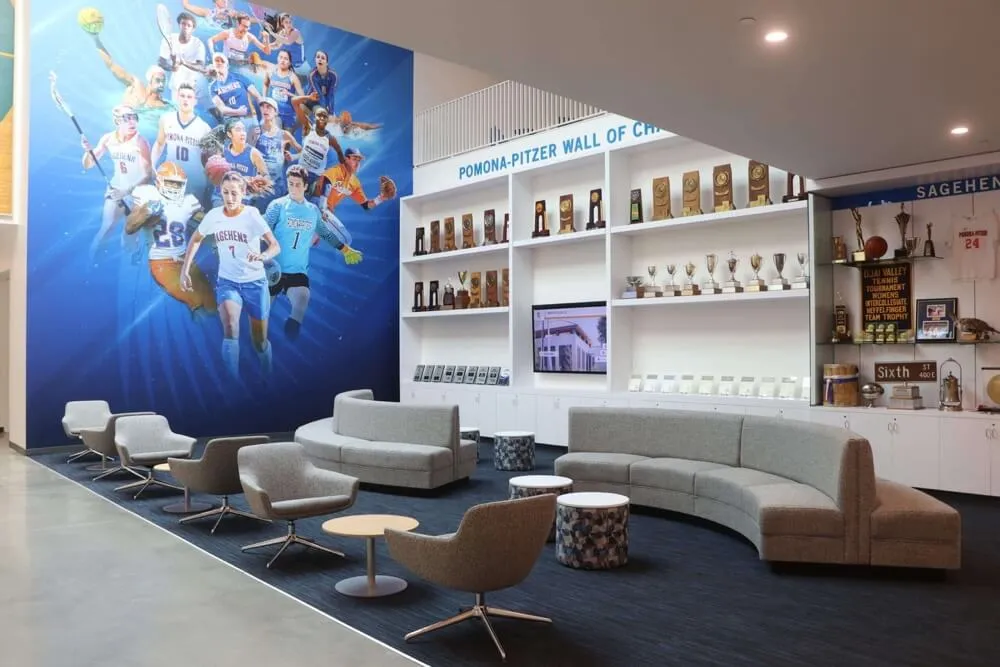
- Championship Walls: Sections dedicated to collegiate athletes
- Trophy Cases: Adding college commitment documentation
- Hallway Banners: Temporary or permanent signage celebrating commitments
Space limitations often constrain physical displays, forcing schools to rotate recognition or limit scope.
Digital Recognition Platforms
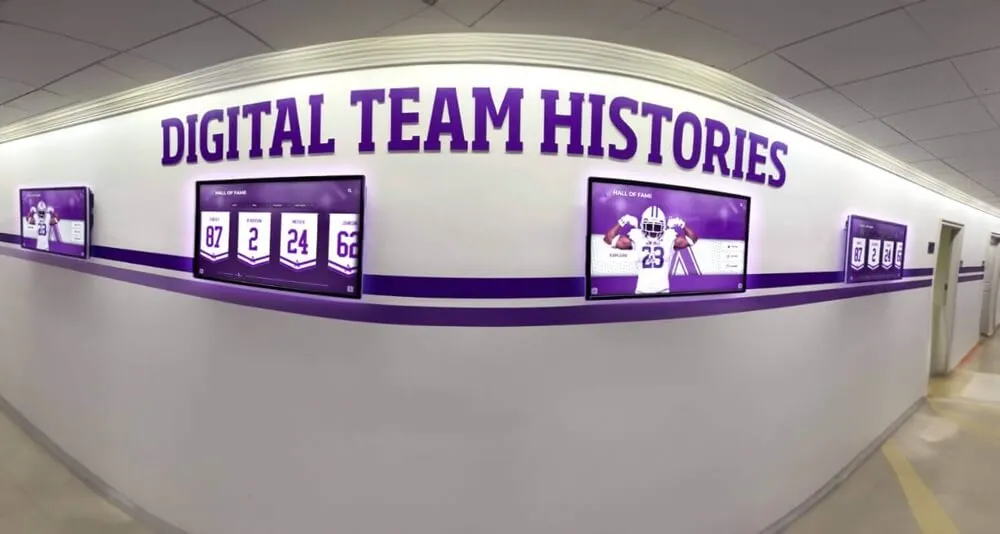
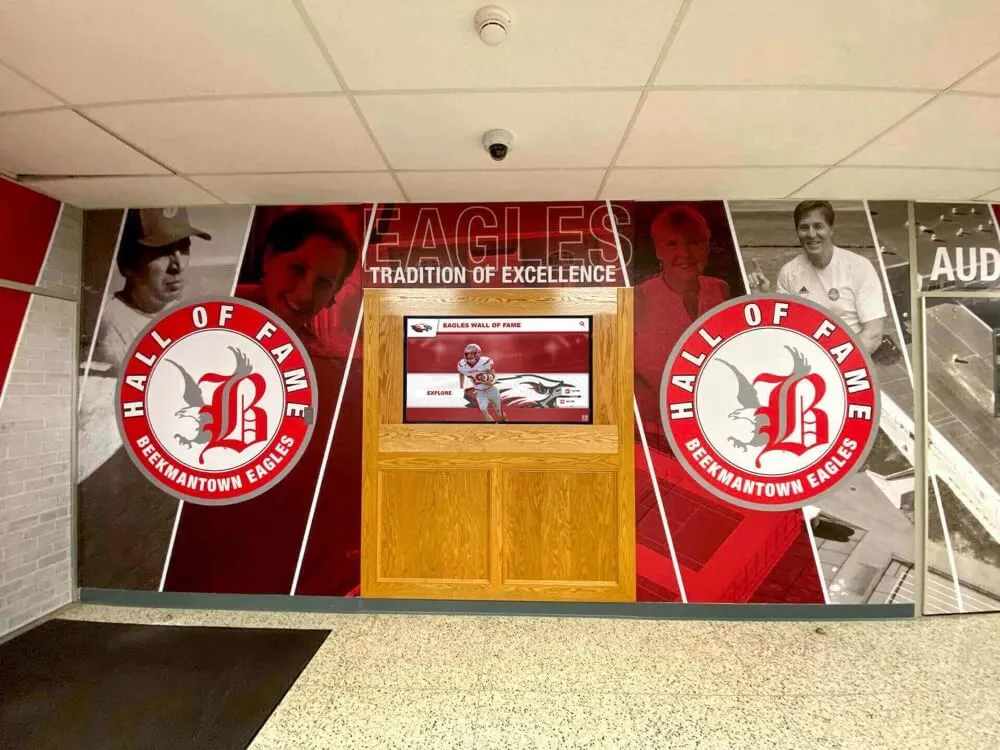
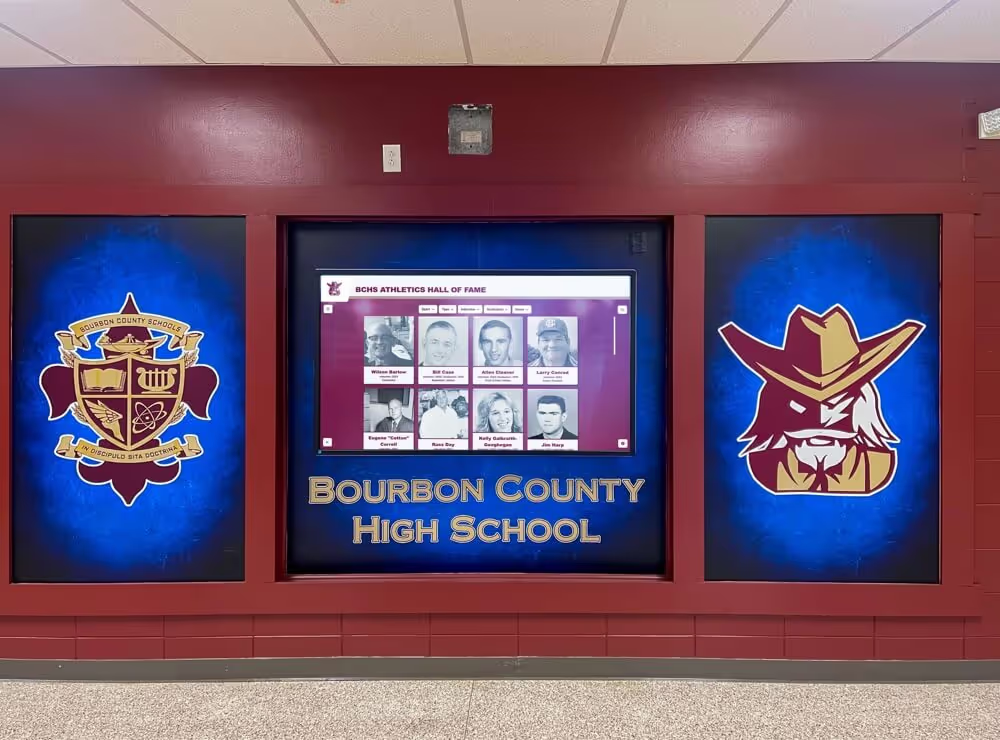
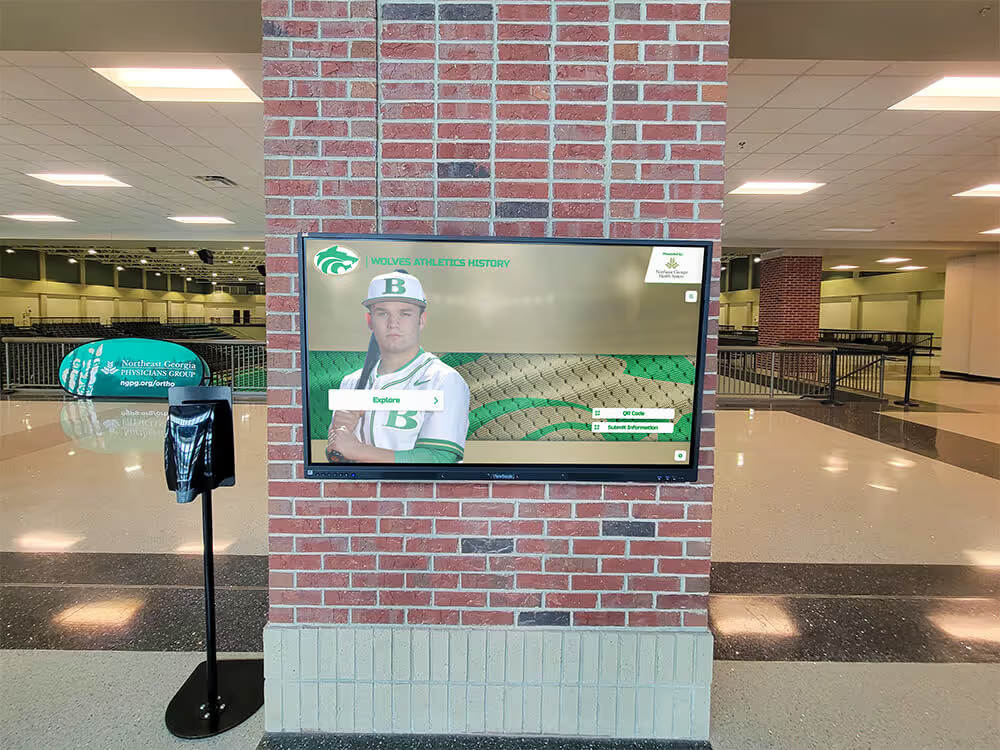
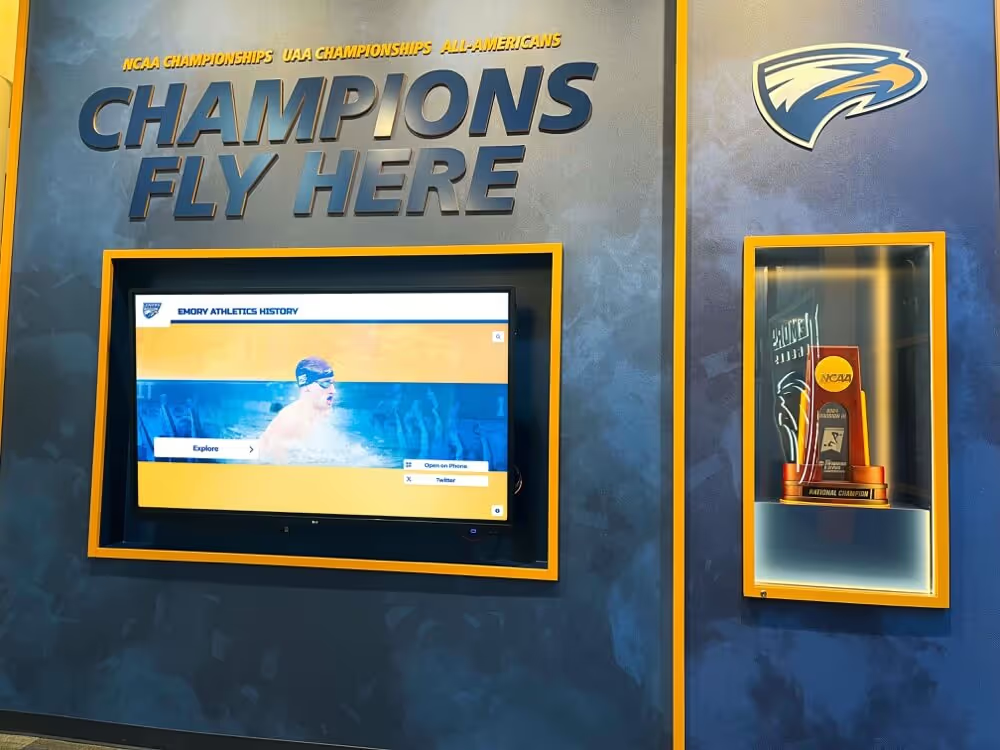
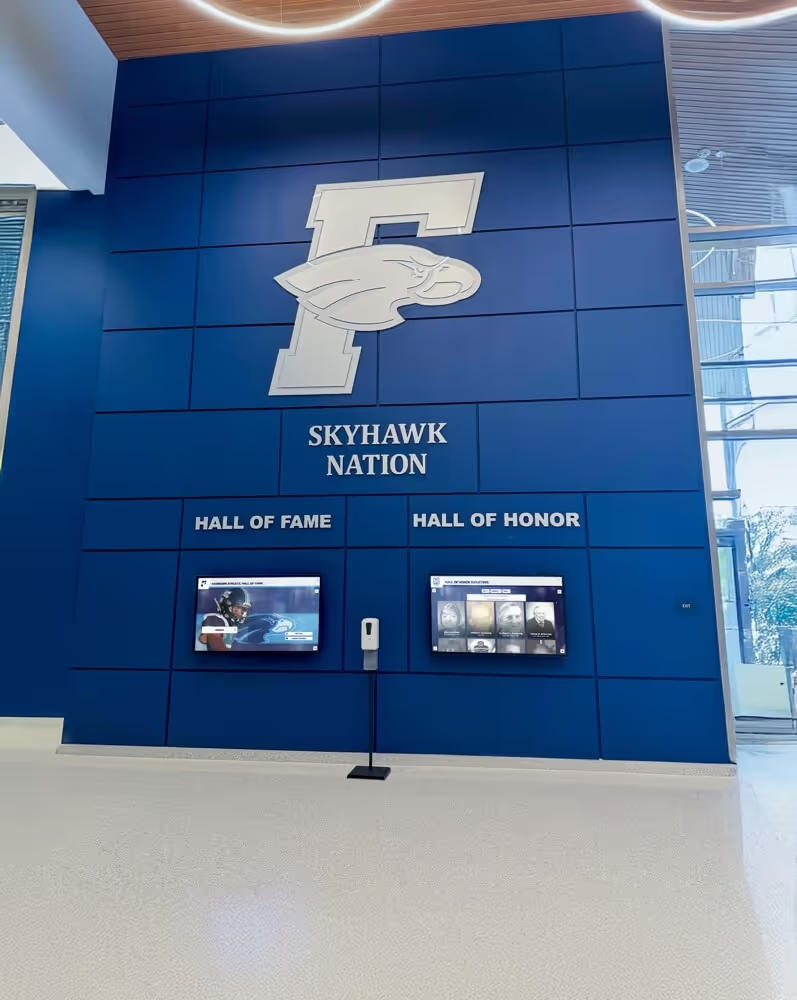
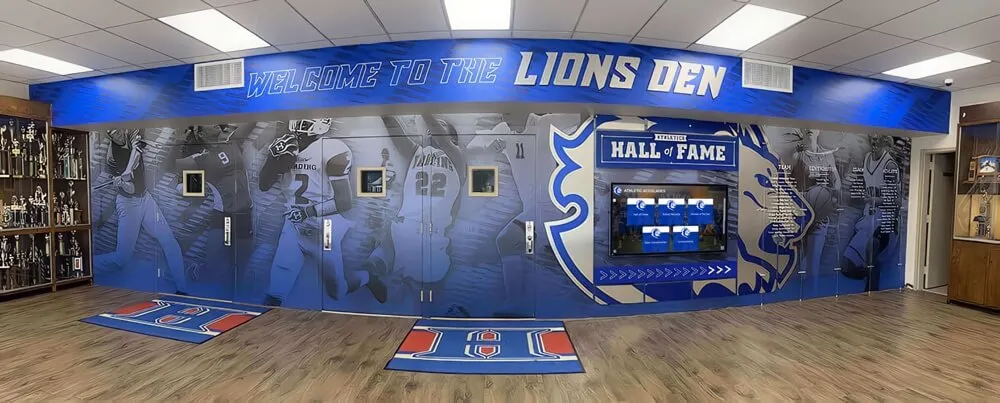
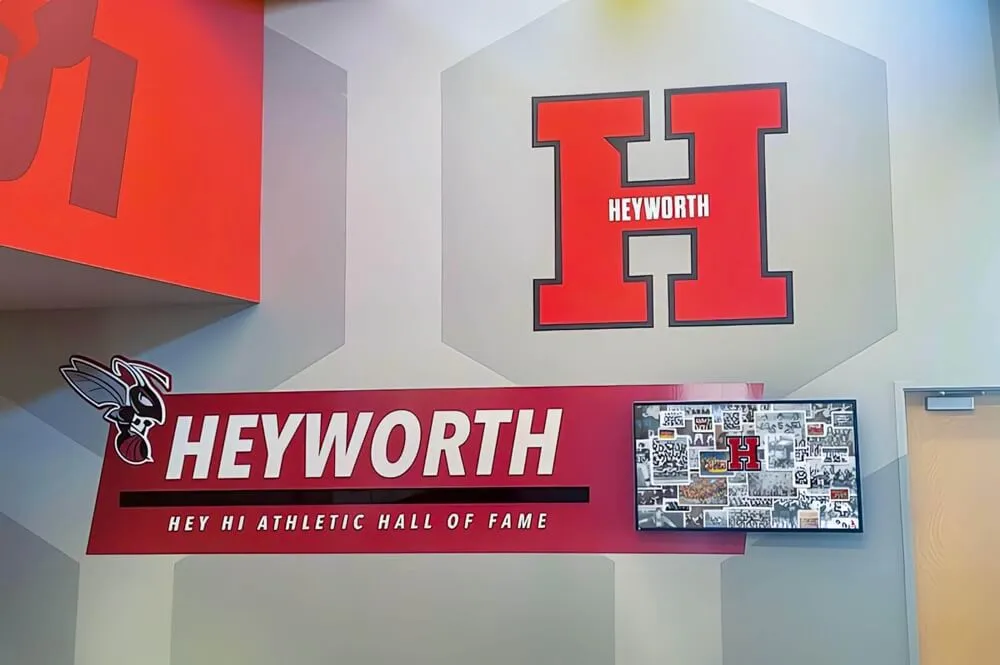
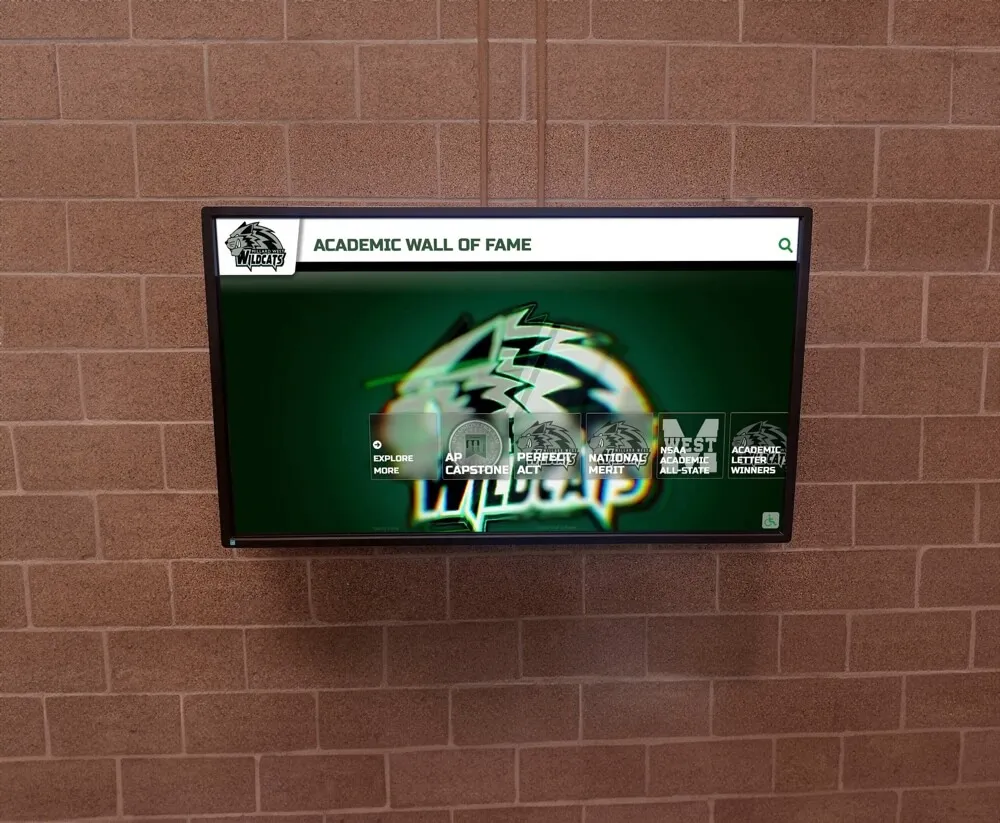
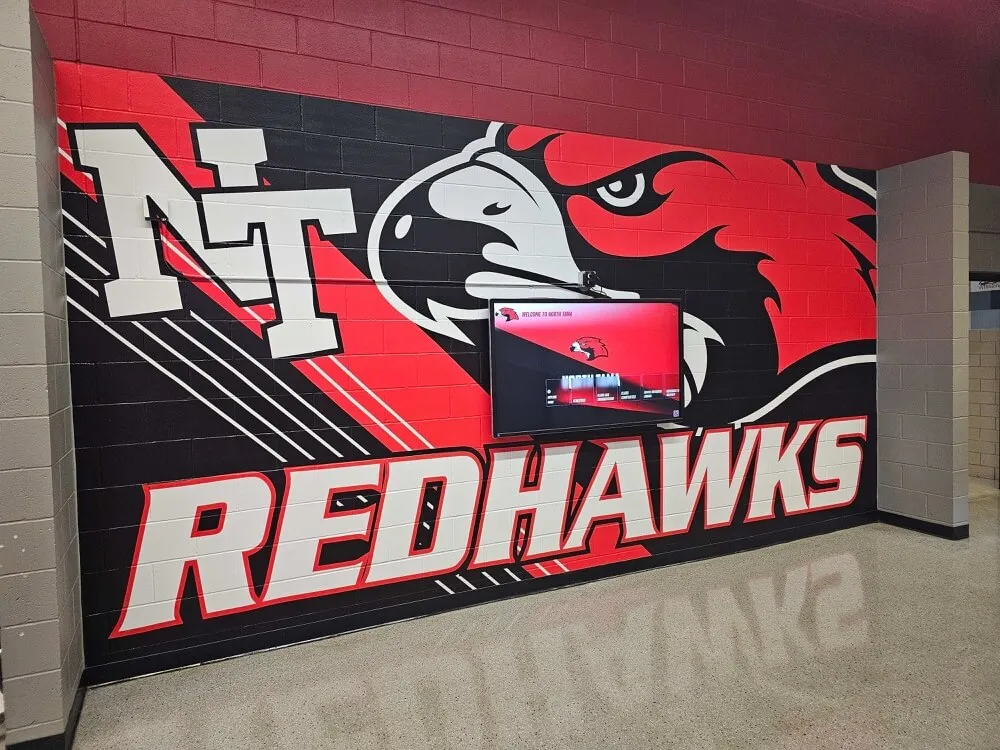
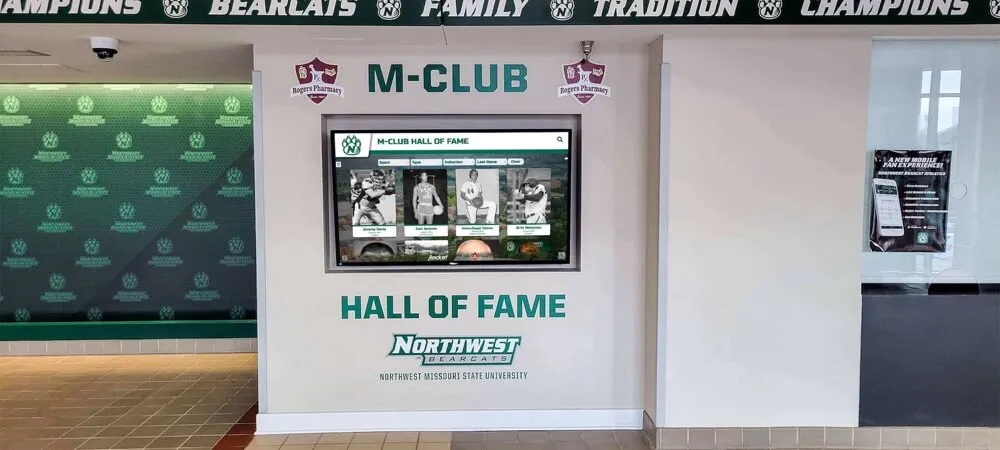
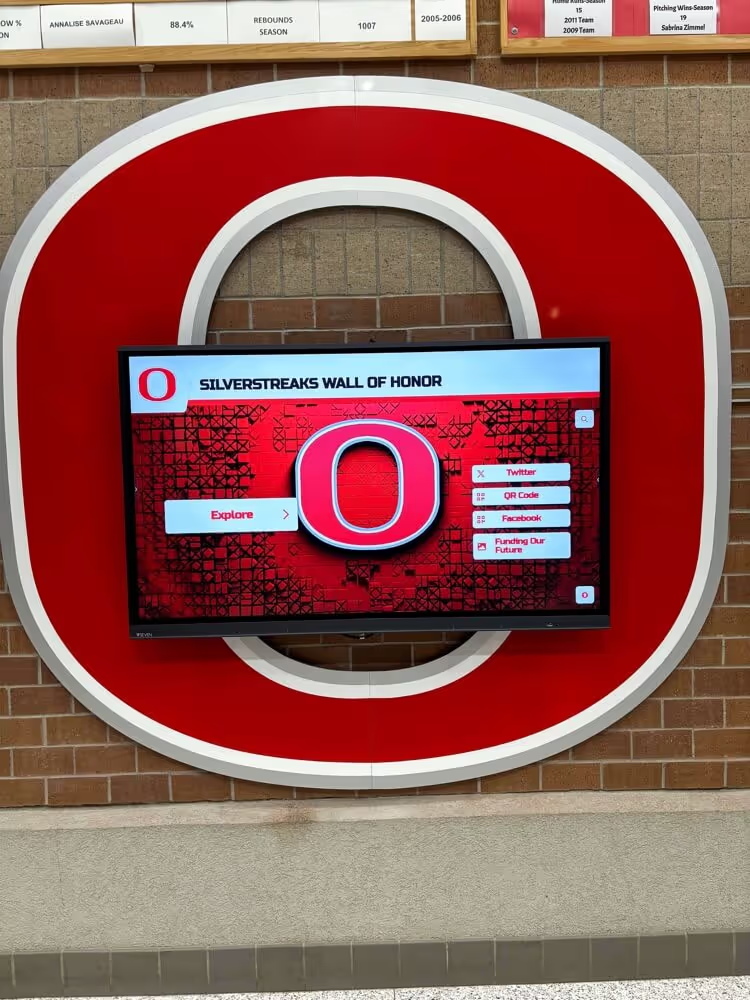
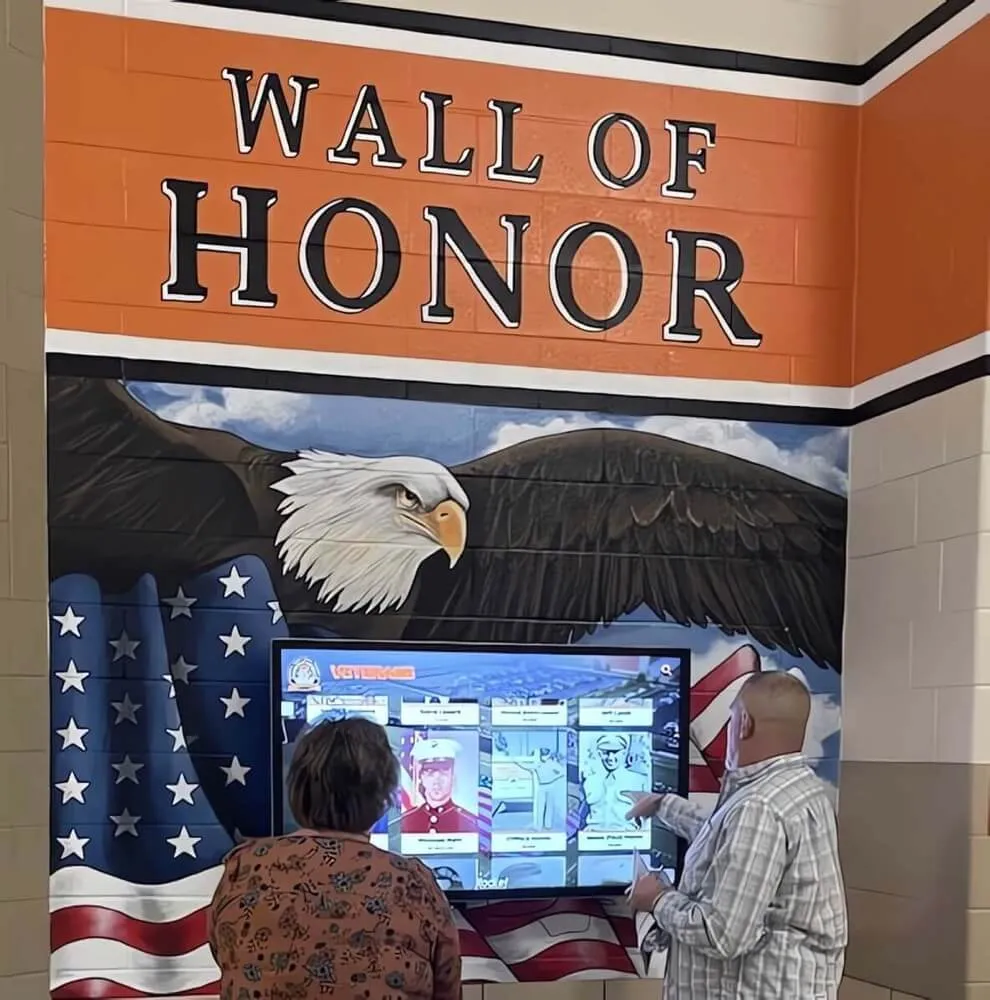
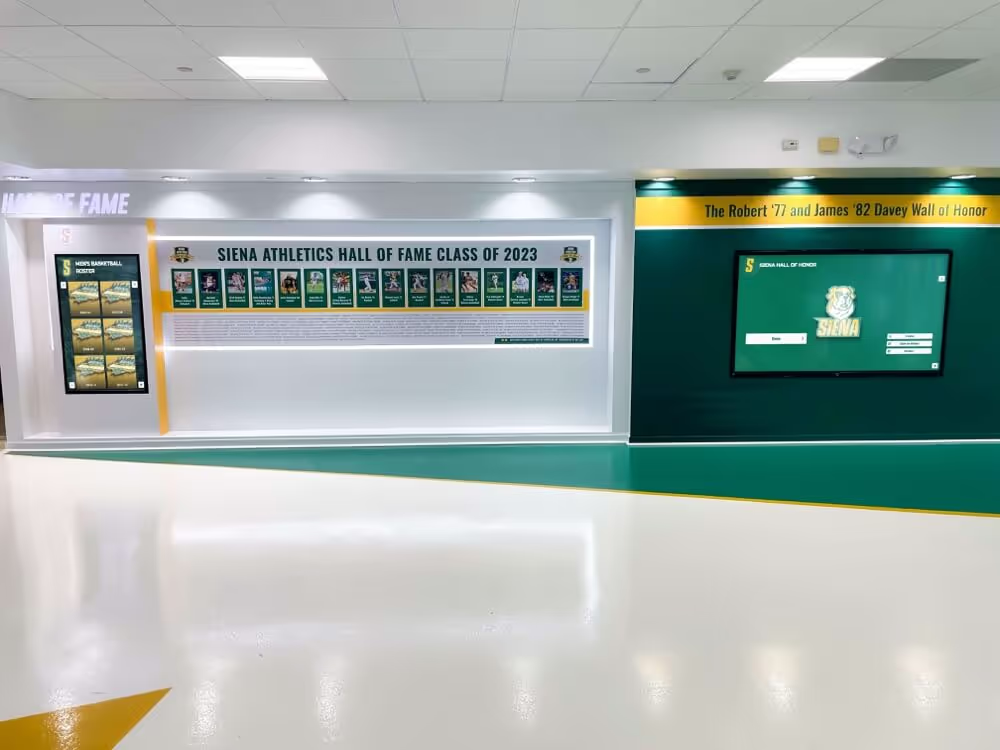
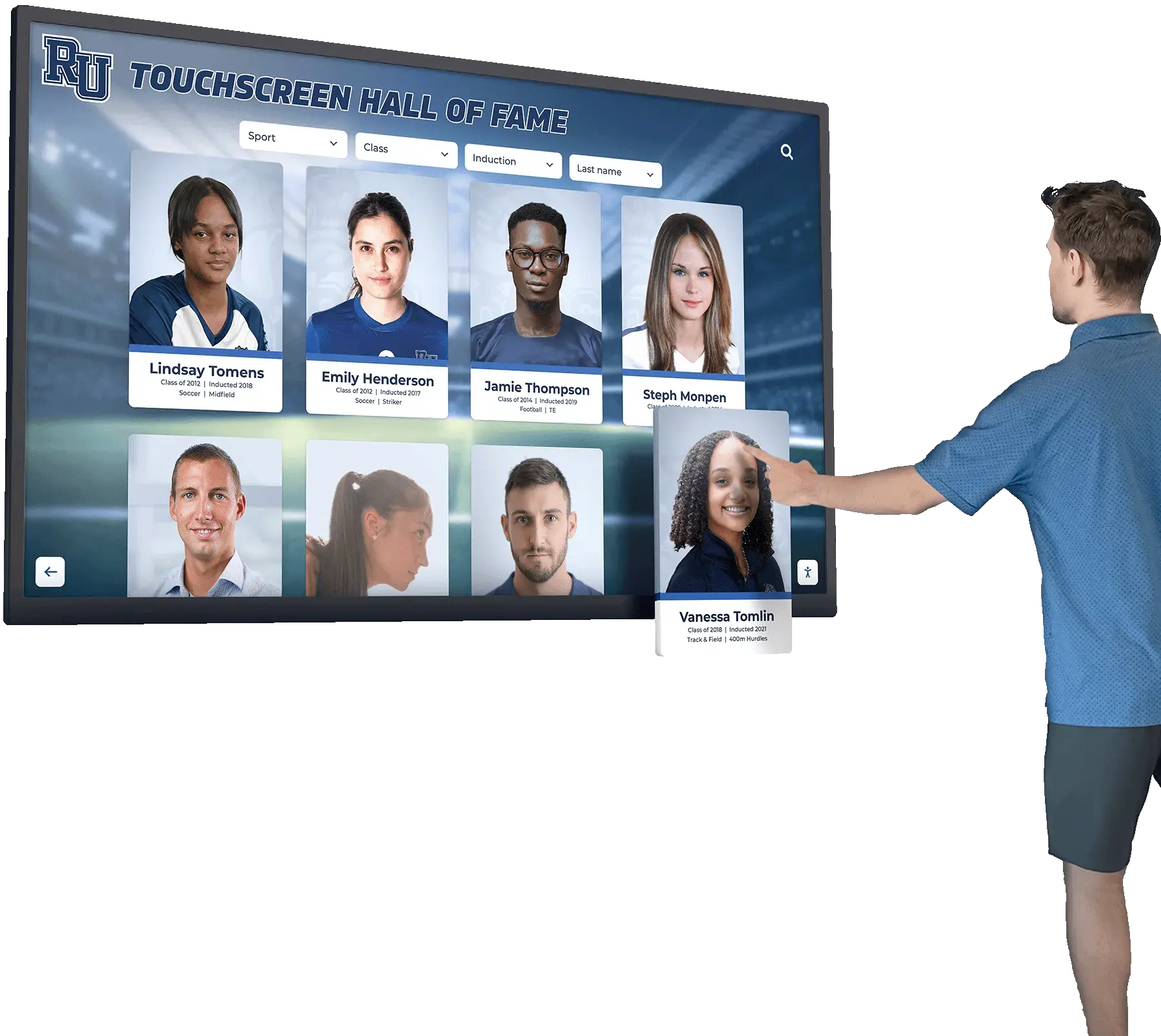
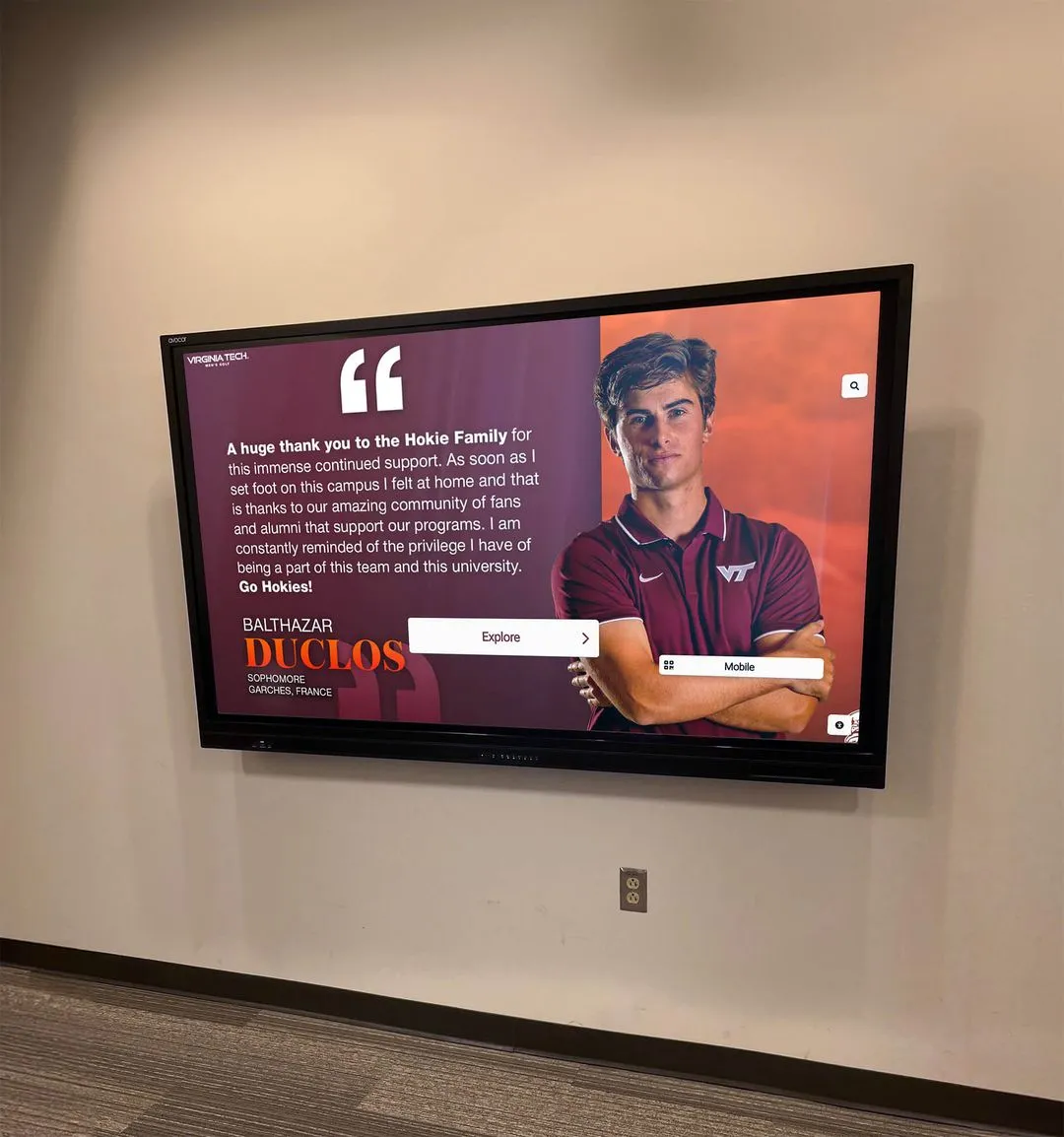
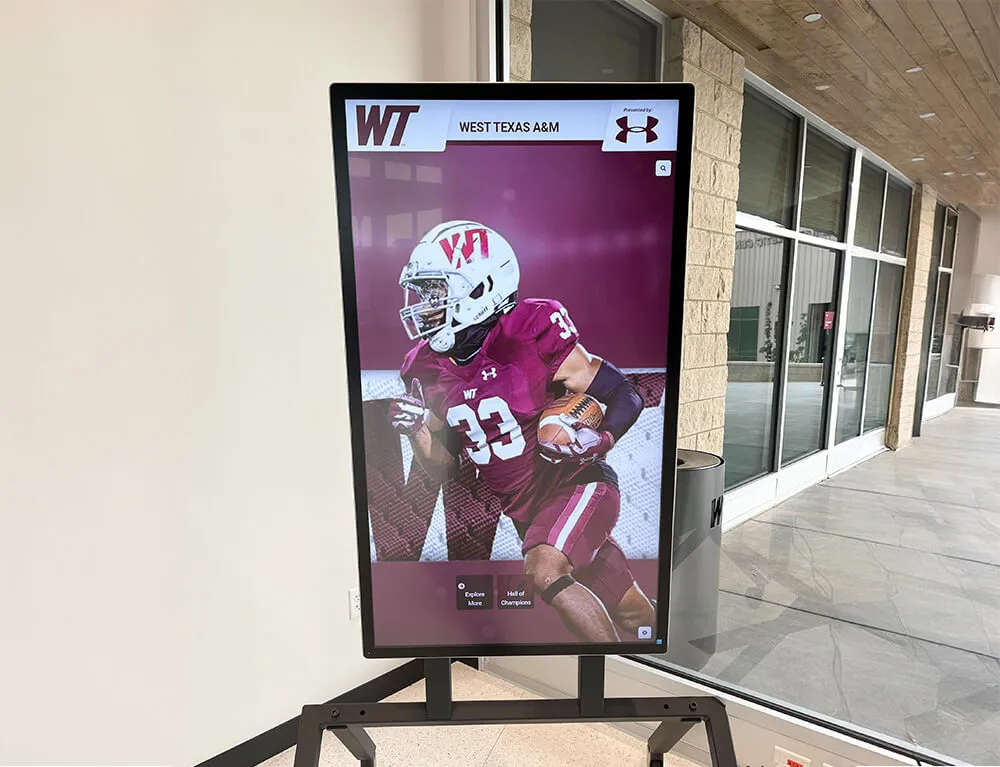
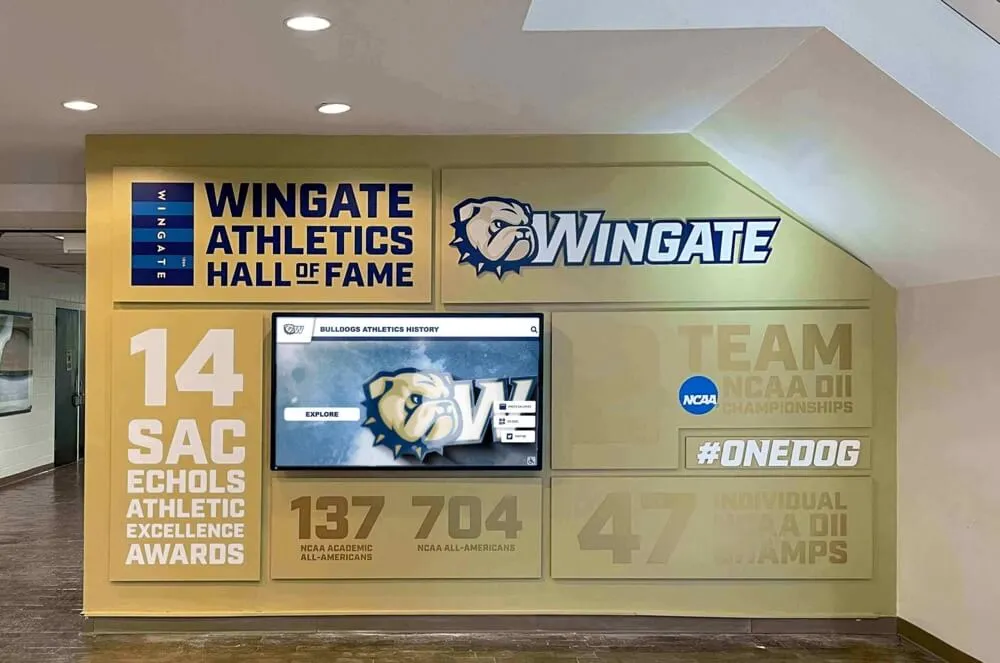
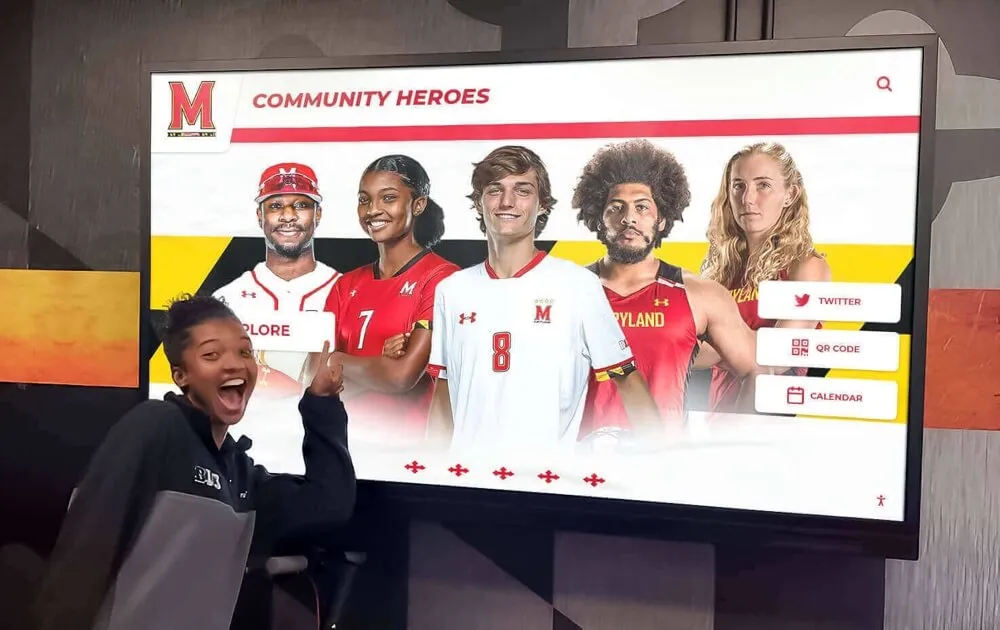
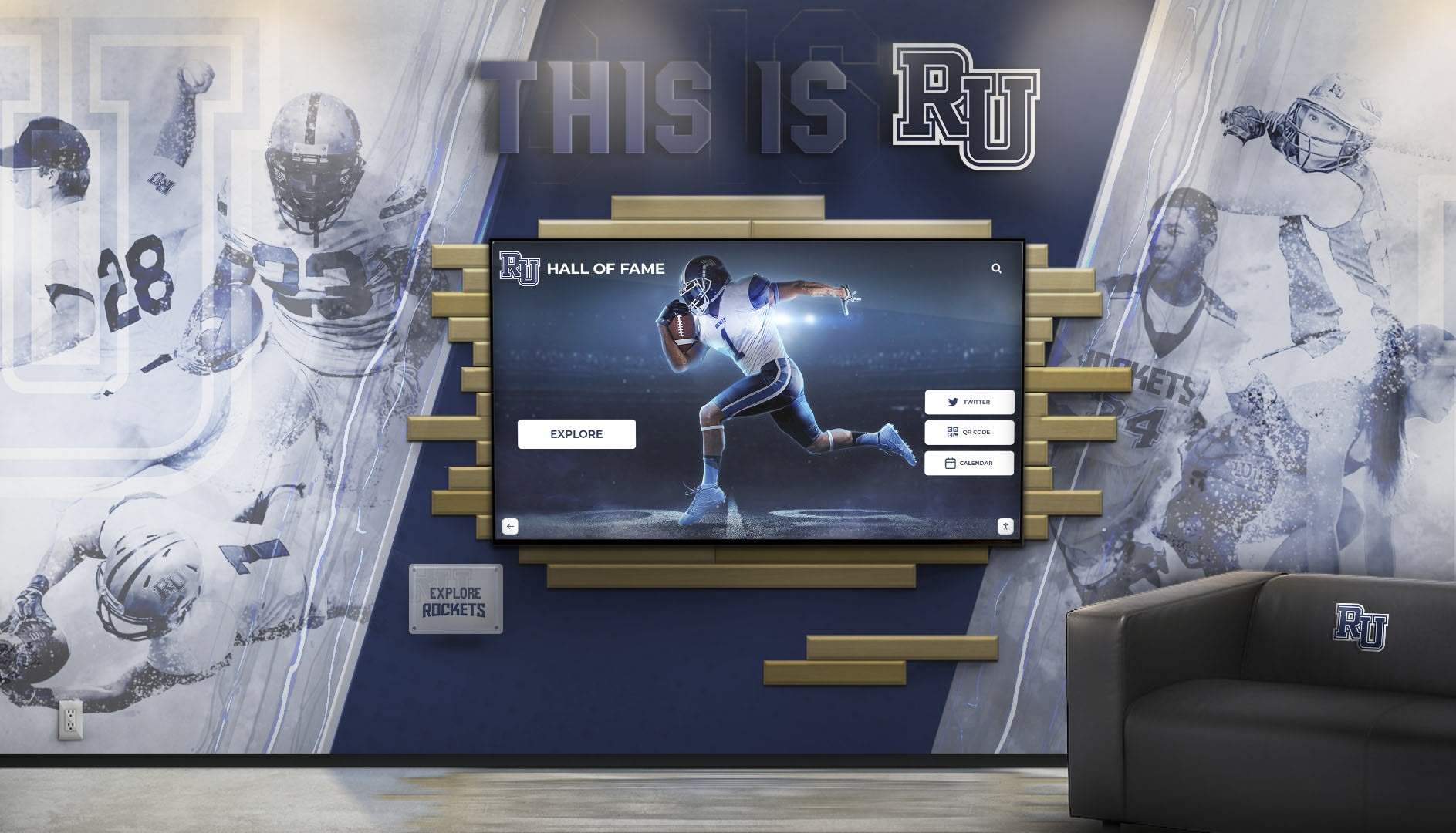
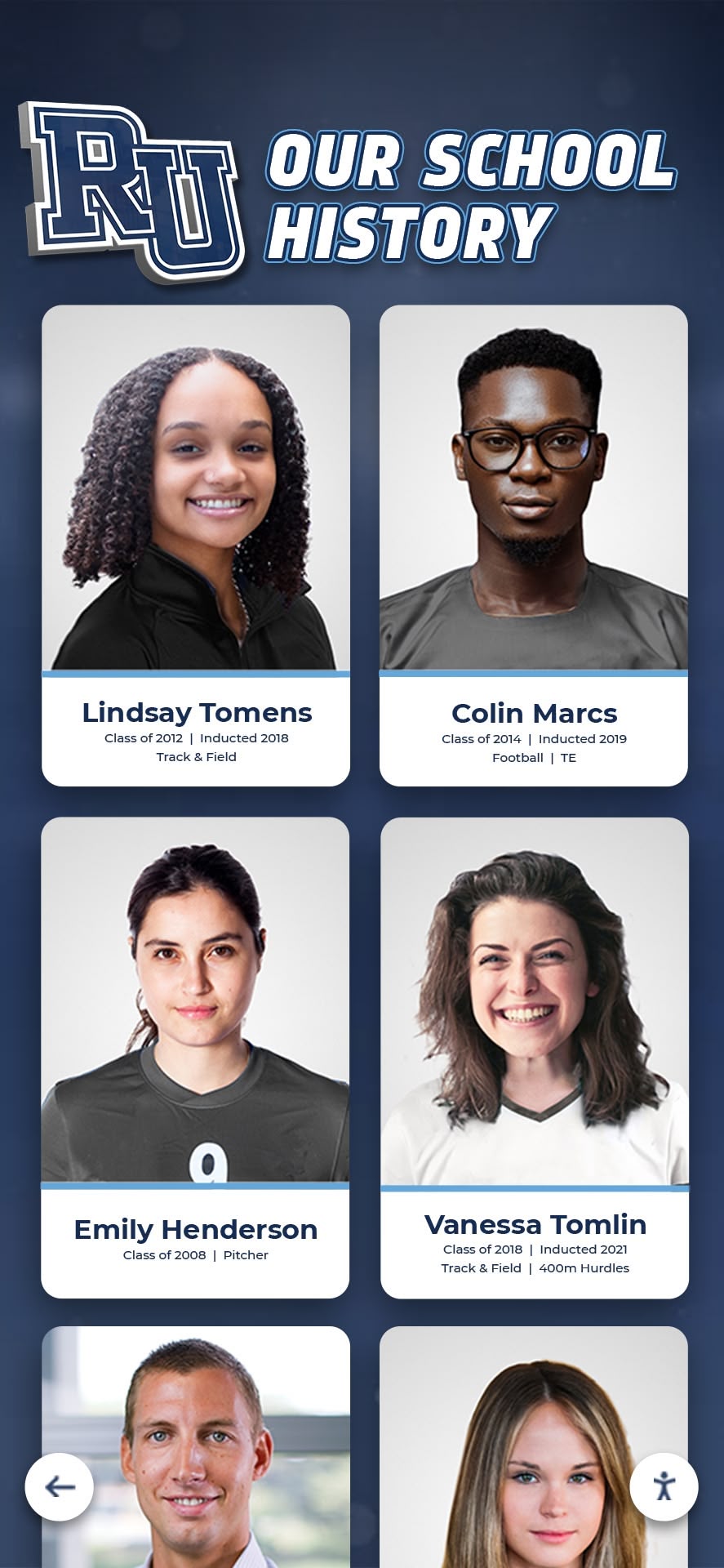
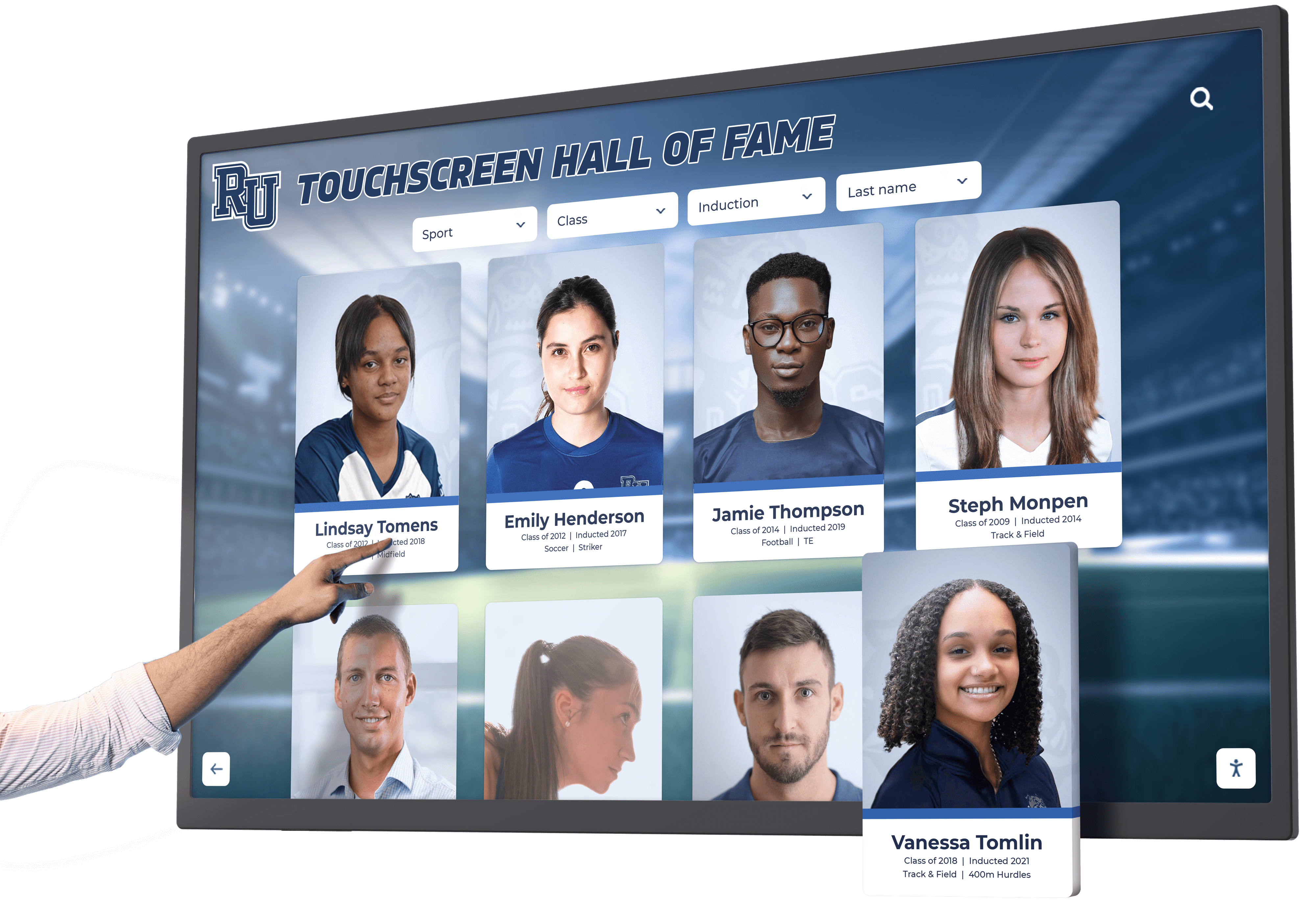
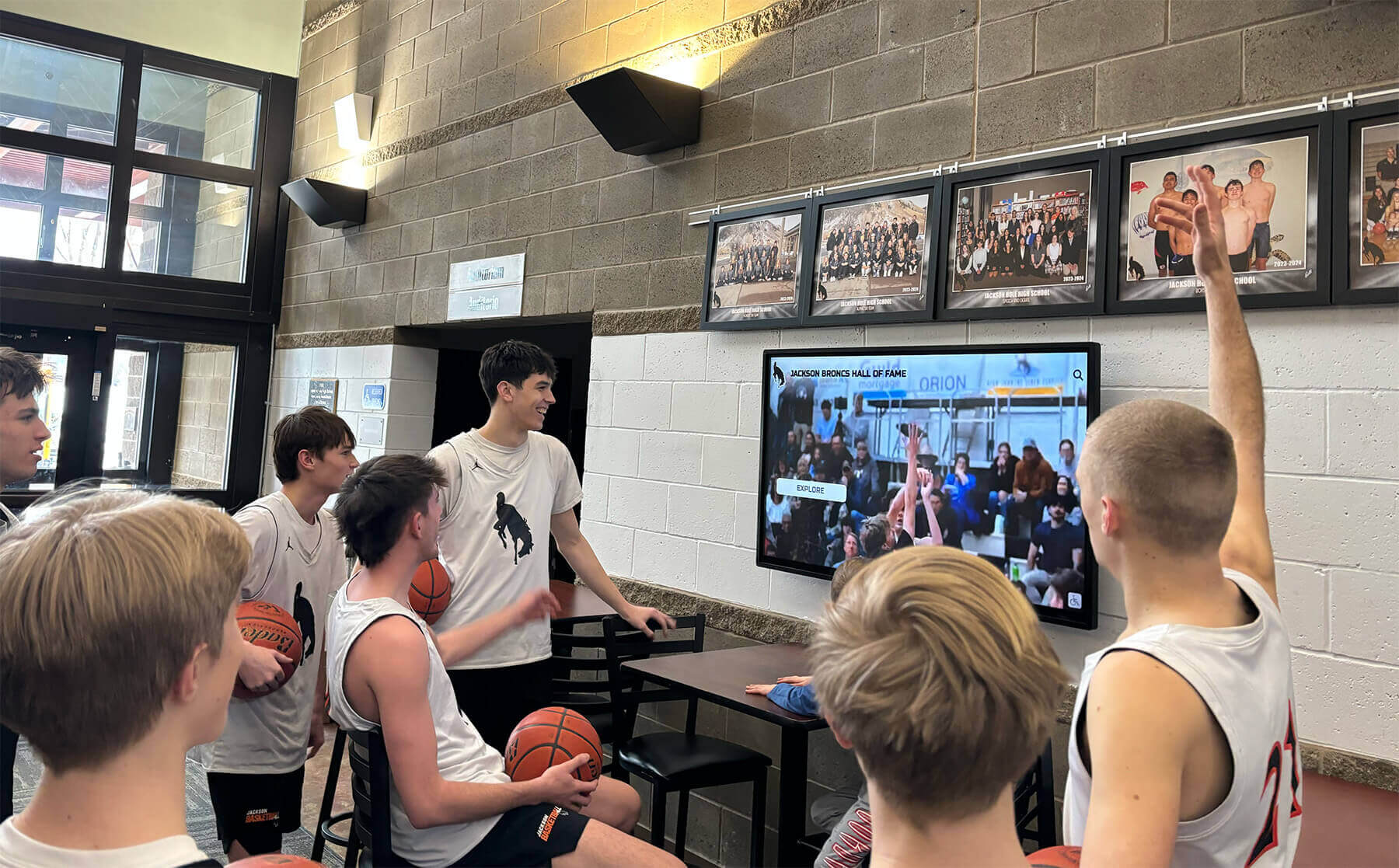
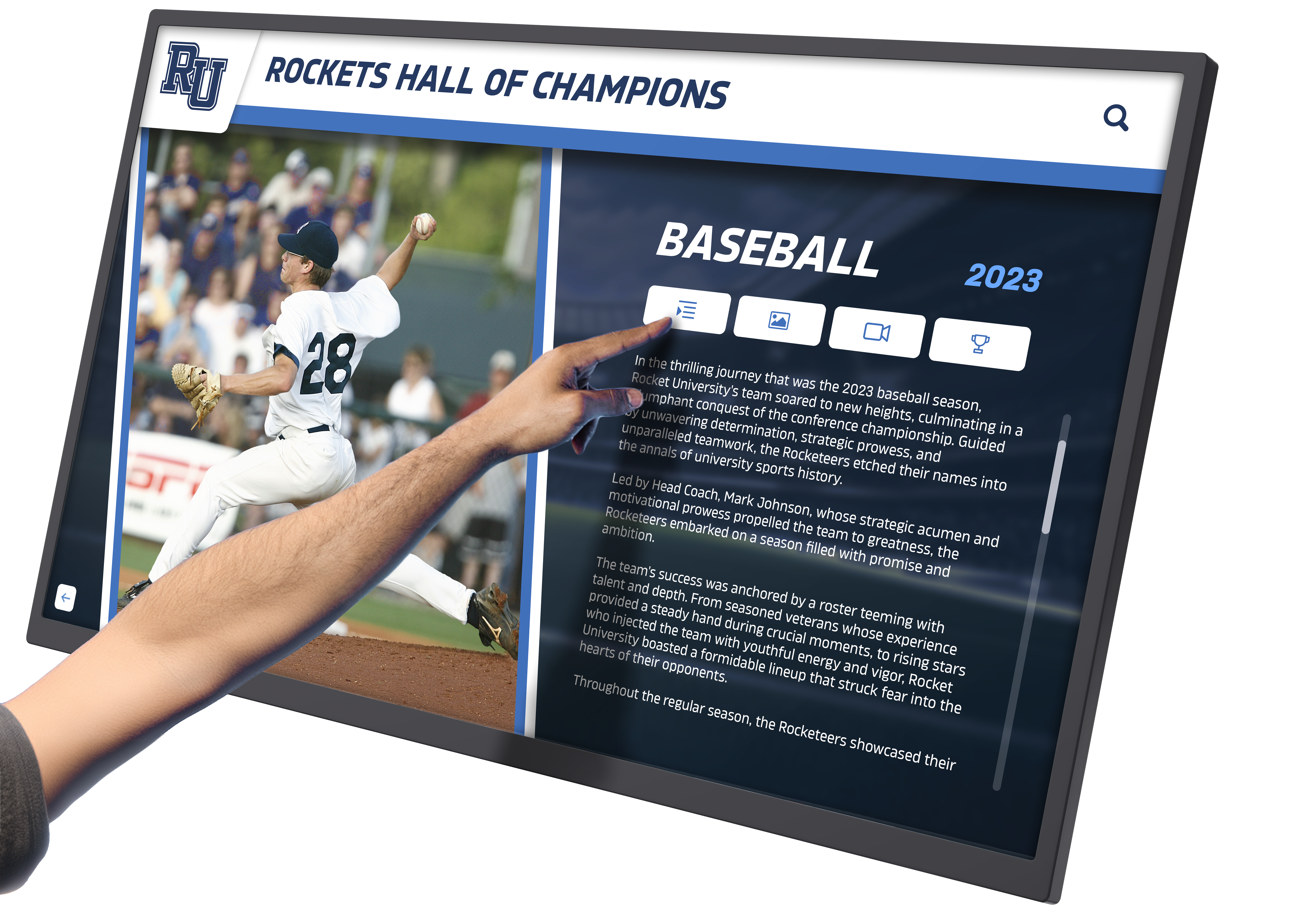
Modern schools increasingly implement interactive digital displays providing unlimited recognition capacity. Solutions like Rocket Alumni Solutions allow athletic programs to:
- Document every college commitment across all sports and years
- Include signing day photos, ceremony videos, and athlete biographies
- Update profiles as athletes achieve collegiate success
- Provide searchable databases allowing visitors to explore commitments by year, sport, or college
- Integrate college commitments with broader athletic achievement recognition
- Create permanent digital archives accessible beyond physical installations
Digital platforms eliminate the space constraints limiting traditional recognition while providing richer content than static plaques allow.
Social Media Archives
Maintain ongoing recognition through:
- Dedicated Highlight Sections: Instagram or Facebook albums preserving all signing day content
- Anniversary Posts: Annual throwbacks celebrating past commitments
- College Career Updates: Sharing collegiate achievements of program alumni
- Where Are They Now Features: Following graduates through college and beyond
Schools implementing interactive digital displays report increased engagement from current athletes, families, and alumni compared to static recognition.
Post-Signing Day Follow-Up
Immediate Actions
Within one week after ceremonies:
- Thank You Communications: Messages to all participants, volunteers, and attendees
- Photo Distribution: Sharing professional photos with families
- Media Follow-Up: Sending coverage links to families and college programs
- Social Media Compilation: Creating comprehensive ceremony recaps
- Documentation: Archiving all materials in permanent school records
Ongoing Connection
Maintain relationships with college-bound athletes through:
- Progress Tracking: Following their collegiate careers
- Return Visits: Inviting graduates back to inspire current athletes
- Career Updates: Documenting professional or graduate achievements
- Mentorship Programs: Connecting college athletes with current high school players
- Alumni Events: Including collegiate athletes in program gatherings
Recognition extending beyond signing day demonstrates genuine investment in athletes as individuals rather than merely celebrating their accomplishments while enrolled.
Common Planning Challenges and Solutions
Even thoroughly planned ceremonies encounter obstacles. Proactive preparation addresses typical complications.
Challenge: Scheduling Conflicts
The Issue: National Signing Day periods often coincide with school breaks, testing periods, or multiple sports simultaneously reaching commitment points.
Solutions:
- Schedule ceremonies independent of national signing dates when necessary
- Host multiple smaller ceremonies rather than forcing incompatible timing
- Utilize flexible formats (individual vs. group) based on athlete preferences
- Plan well in advance to avoid conflicts with other major school events
- Consider evening or weekend ceremonies if school-day timing proves impossible
- Offer virtual attendance options for families unable to attend in person
Challenge: Media Management
The Issue: Multiple media outlets, parent photographers, and social media creators can create chaos and interfere with ceremony flow.
Solutions:
- Designate a media coordinator managing all photography and video
- Create specific media zones preventing interference with ceremony
- Establish shot lists ensuring all outlets capture essential moments
- Schedule post-ceremony media availability for additional interviews
- Provide media kits with athlete information reducing intrusive questions
- Balance access with ceremony integrity—protect intimate moments from excessive coverage
Challenge: Budget Constraints
The Issue: Schools with limited athletic budgets struggle to fund elaborate ceremonies, gifts, and professional services.
Solutions:
- Prioritize meaningful elements over expensive productions
- Leverage booster clubs for ceremony funding
- Utilize school resources (yearbook photographers, media students)
- Create DIY decorations and backdrops using volunteers
- Focus on authentic celebration rather than costly productions
- Pool resources for group ceremonies rather than individual events
- Seek local business sponsorships for specific elements (photography, printing, refreshments)
Programs implementing digital signage for athletic recognition often find long-term cost savings compared to continuously updating physical displays.
Challenge: Managing Expectations
The Issue: Families sometimes have unrealistic expectations about ceremony length, media coverage, or recognition elements.
Solutions:
- Communicate ceremony format clearly in advance
- Provide timeline estimates and structure previews
- Explain resource constraints honestly
- Show examples from previous ceremonies
- Address special requests individually before ceremony day
- Manage college coach attendance expectations (most cannot attend due to recruiting responsibilities)
- Clarify what school provides versus family responsibilities
Challenge: Emotional Management
The Issue: Signing ceremonies generate intense emotions—pride, joy, relief, anxiety about future transitions—that can become overwhelming.
Solutions:
- Prepare athletes and families for emotional responses
- Build appropriate pauses into ceremony flow
- Keep tissues readily available
- Allow authentic emotional moments without excessive dwelling
- Balance celebration with managing ceremony pace
- Coach speakers about appropriate length and focus
- Create reception time for unstructured emotional processing
Creating Multi-Sport Signing Day Traditions
Schools with athletes across multiple sports face decisions about ceremony structure and frequency.
Coordinated Signing Day Events
Fall Sports Ceremony (November/December) Celebrate football, soccer, volleyball, cross country, and other fall sport commitments together. Timing aligns with early signing periods and creates momentum entering winter.
Winter Sports Ceremony (February/March) Recognize basketball, wrestling, swimming, hockey, and winter sport commitments. Schedule after regular seasons conclude.
Spring Sports Ceremony (April/May) Honor baseball, softball, lacrosse, track, tennis, and spring sport athletes. Often coordinates with end-of-year recognition events.
Seasonal groupings create anticipated annual traditions while distributing recognition across the school year.
All-Sports Recognition Events
Some programs host comprehensive ceremonies including all college-bound athletes regardless of sport:
Advantages:
- Single large celebration maximizing audience and energy
- Demonstrates school-wide athletic excellence
- Reduces planning burden to one major event
- Creates tradition students anticipate across sports
- Stronger media attention with multiple athletes featured
Challenges:
- Less individual recognition time per athlete
- Difficult scheduling accommodating all sports’ timelines
- May diminish sport-specific traditions
- Longer ceremonies testing audience attention
Choose approaches reflecting your school’s size, athletic program structure, and cultural preferences.
Programs celebrating diverse achievements might also incorporate student of the month recognition alongside athletic commitments.
Technology and Innovation in Signing Day Celebrations
Modern technology transforms how schools celebrate and preserve signing day achievements.
Live Streaming and Virtual Attendance
Broadcasting Options
Enable remote viewing through:
- YouTube Live: Free, accessible platform with archival capability
- Facebook Live: Leverages existing social media presence
- School Websites: Embedded streaming maintaining institutional control
- Zoom or Video Conferencing: Allowing interactive participation from distant relatives
- Conference Call Audio: Simple alternative for families without video access
Virtual attendance particularly benefits families with travel constraints, deployed military parents, or relatives in different states or countries.
Digital Backdrops and Visual Elements
Modern Display Technology
Schools with advanced facilities incorporate:
- LED Video Boards: Dynamic backgrounds displaying athlete photos, statistics, and college logos
- Digital Presentations: Slideshow content synchronized with ceremony moments
- Social Media Walls: Live feeds showing real-time posts and reactions
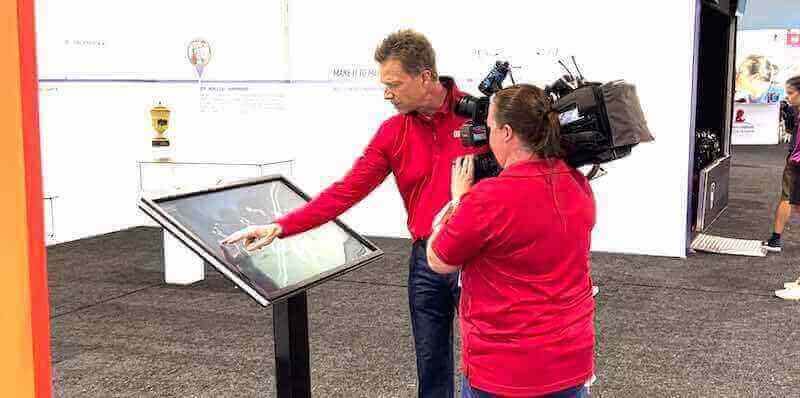
- Interactive Elements: Touchscreen displays allowing attendees to explore athlete information
These technologies create contemporary aesthetics appealing to current students while enhancing documentation quality.
Recognition Platform Integration
Comprehensive digital recognition systems allow schools to:
- Maintain searchable databases of all college commitments
- Create dedicated college commitment sections within broader athletic recognition
- Update athlete profiles as they progress through college
- Showcase signing day photos alongside other career achievements
- Provide comparison data showing commitment trends across years
- Generate reports on collegiate placement for program marketing
Schools implementing comprehensive digital solutions often choose platforms like Rocket Alumni Solutions specifically designed for educational institutions, offering user-friendly content management, mobile accessibility, unlimited athlete profiles, and integration with existing school systems.
Athletic programs can also highlight commitments through digital trophy case displays in lobbies and athletic facilities.
Best Practices from Successful Signing Day Programs
Schools with highly regarded signing day traditions share common approaches distinguishing their celebrations.
Start Planning Early Begin coordination 4-6 weeks before target dates, ensuring adequate time for communication, media outreach, and logistics arrangement. Last-minute planning compromises ceremony quality and creates unnecessary stress.
Personalize Recognition Generic acknowledgment lacks impact. Invest time learning specific achievements, character qualities, and meaningful moments making each athlete’s recognition unique and heartfelt.
Balance Ceremony and Celebration Signing day requires appropriate formality while remaining joyful. Overly scripted events feel stiff; completely informal recognition lacks gravitas. Find balance reflecting your program culture and athlete preferences.
Document Comprehensively Professional photography and videography create treasured family memories and valuable program marketing content. Don’t compromise on documentation quality.
Honor the Journey, Not Just the Destination Recognize the years of development, setbacks overcome, and growth experienced—not merely the college commitment. Athletes remember ceremonies acknowledging their complete journeys.
Involve Multiple Voices Perspectives from coaches, athletic directors, teammates, and family create richer recognition than single speakers. Multiple voices demonstrate community investment in the athlete’s success.
Create Accessible Archives Ensure signing day content remains accessible for years through digital platforms, social media archives, and permanent displays. Recognition’s value extends far beyond ceremony day.
Celebrate All Commitments Equally Division I, II, III, NAIA, and NJCAA commitments all represent remarkable achievements. Avoid hierarchy implying some colleges matter more than others.
Build Traditions Unique to Your Program Rather than copying other schools’ ceremonies, develop signature elements reflecting your community’s character and values.
Follow Up Post-Ceremony Thank all participants, share photos promptly, maintain connections with athletes, and document for future planning. Strong follow-up distinguishes professional programs from those merely checking boxes.
Schools might also consider how coach appreciation traditions complement athlete recognition throughout the year.
Conclusion: Creating Celebrations That Last
College signing day ceremonies represent far more than administrative formalities or photo opportunities. These celebrations acknowledge the extraordinary dedication required to compete athletically at collegiate levels, validate the sacrifices families make supporting young athletes’ dreams, demonstrate program success attracting college recruiters’ attention, inspire younger athletes pursuing similar pathways, and strengthen community bonds through shared pride in local achievement.
Schools investing in meaningful signing day celebrations—through thoughtful planning, authentic recognition, professional documentation, and permanent digital preservation—demonstrate commitment to student-athletes as individuals rather than merely competitive assets. These investments pay dividends through strengthened program cultures, enhanced recruitment advantages, and increased community engagement.
As you plan your signing day ceremonies, remember that authenticity matters more than elaborate productions. The most memorable celebrations combine appropriate ceremony with genuine appreciation, creating moments that resonate throughout athletes’ lives as they reflect on the support systems that helped them achieve collegiate competition opportunities.
Whether you’re organizing your first signing day ceremony or refining established traditions, systematic planning addressing logistics, recognition, documentation, and long-term celebration ensures your student-athletes receive the meaningful acknowledgment they’ve earned through years of dedication.
Ready to Celebrate and Preserve Your Signing Day Traditions?
While signing day ceremonies provide important single-event celebration, consider how your program can permanently honor college commitments alongside other athletic achievements. Modern digital recognition displays allow you to document every college-bound athlete across years with comprehensive profiles, signing day photos, ceremony videos, and collegiate career updates that create lasting legacy documentation.
Discover how Rocket Alumni Solutions helps schools create comprehensive athletic recognition programs that celebrate college commitments, preserve program history, and inspire future generations of student-athletes pursuing their own collegiate dreams.