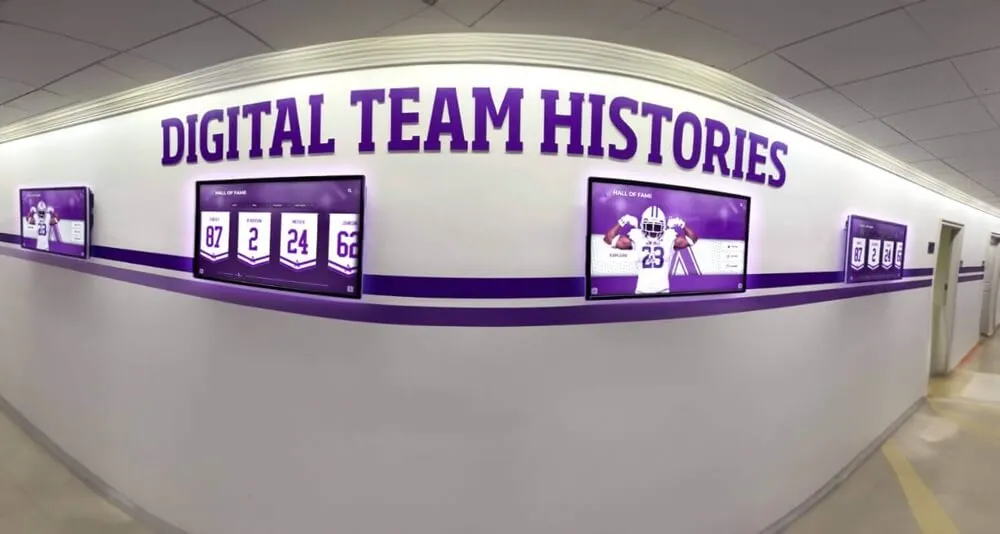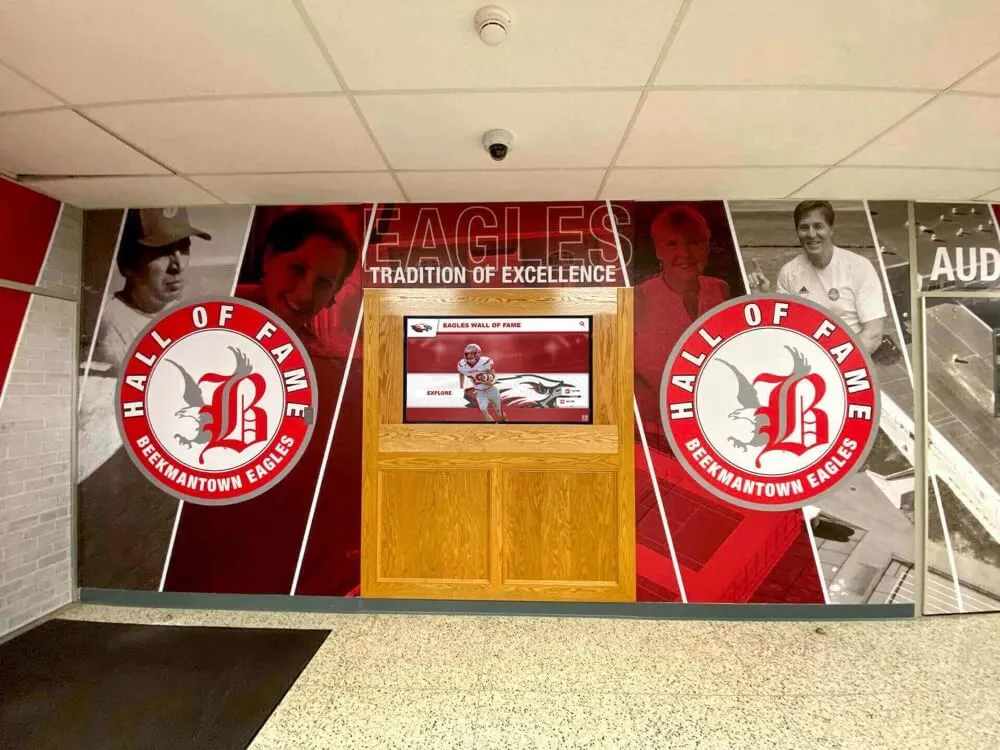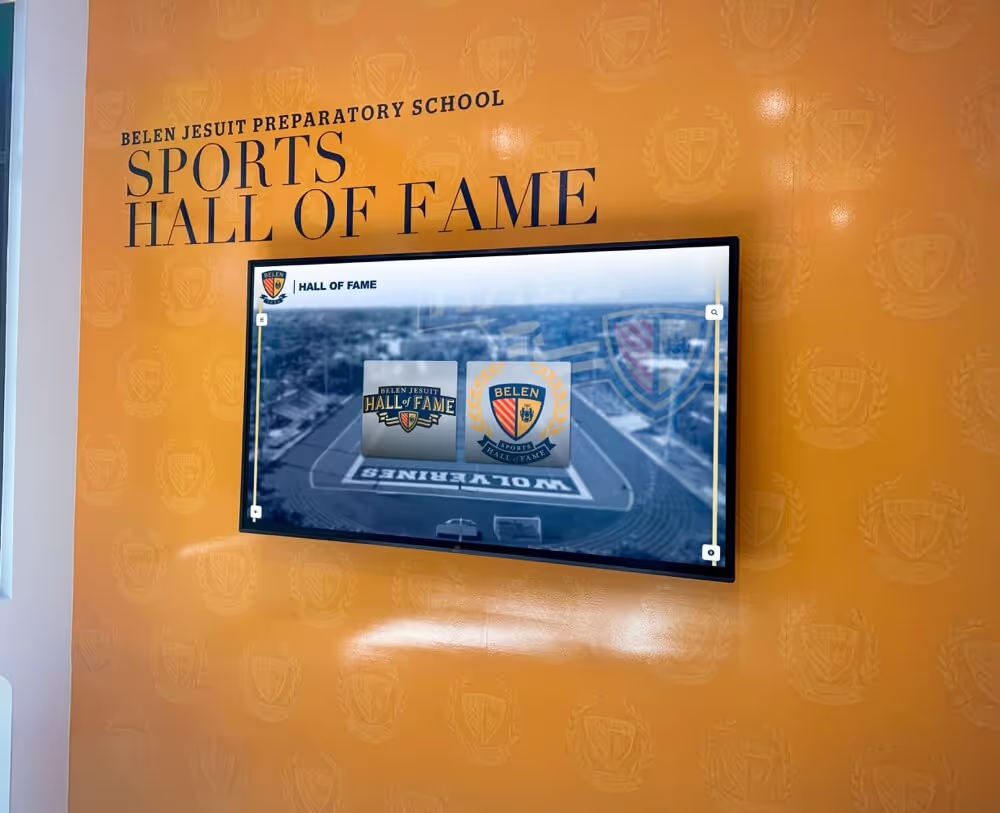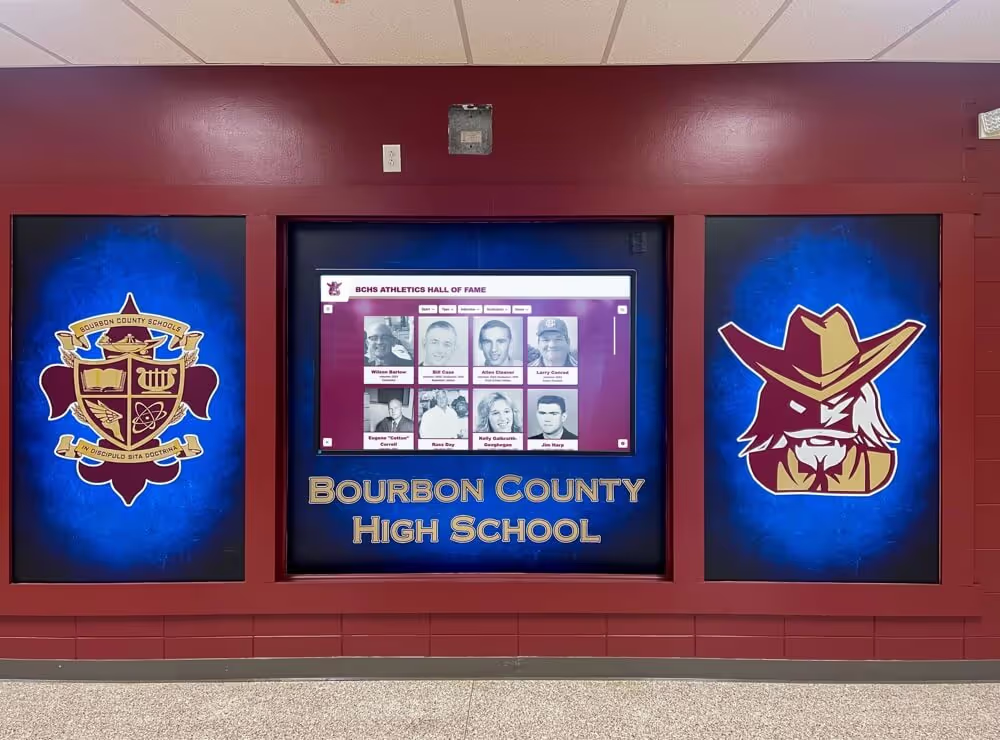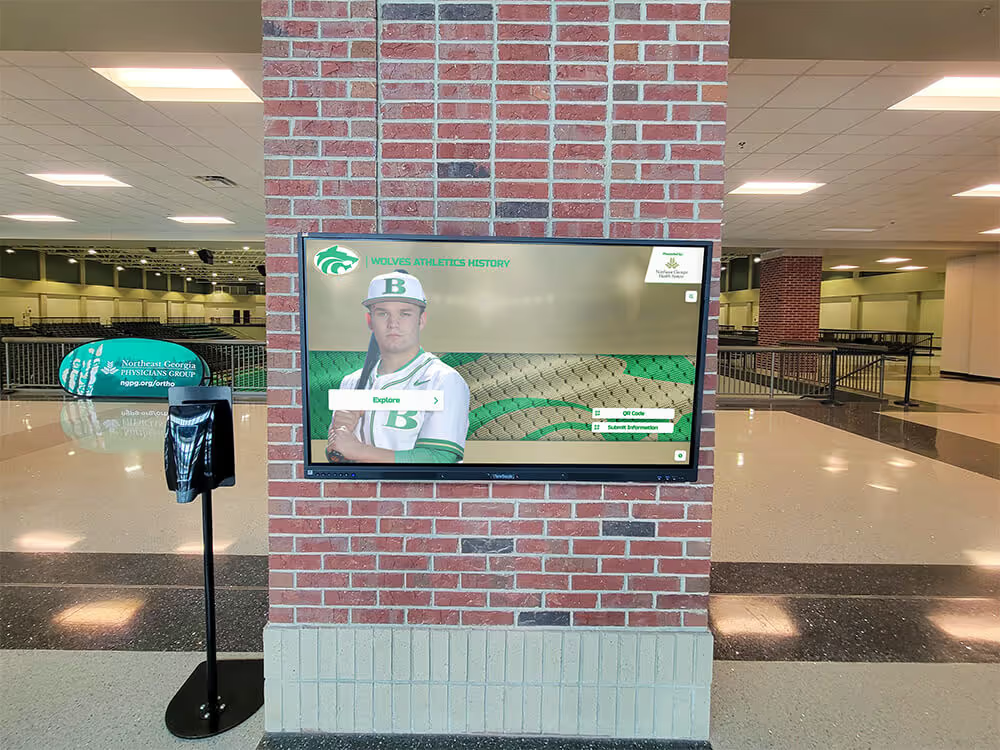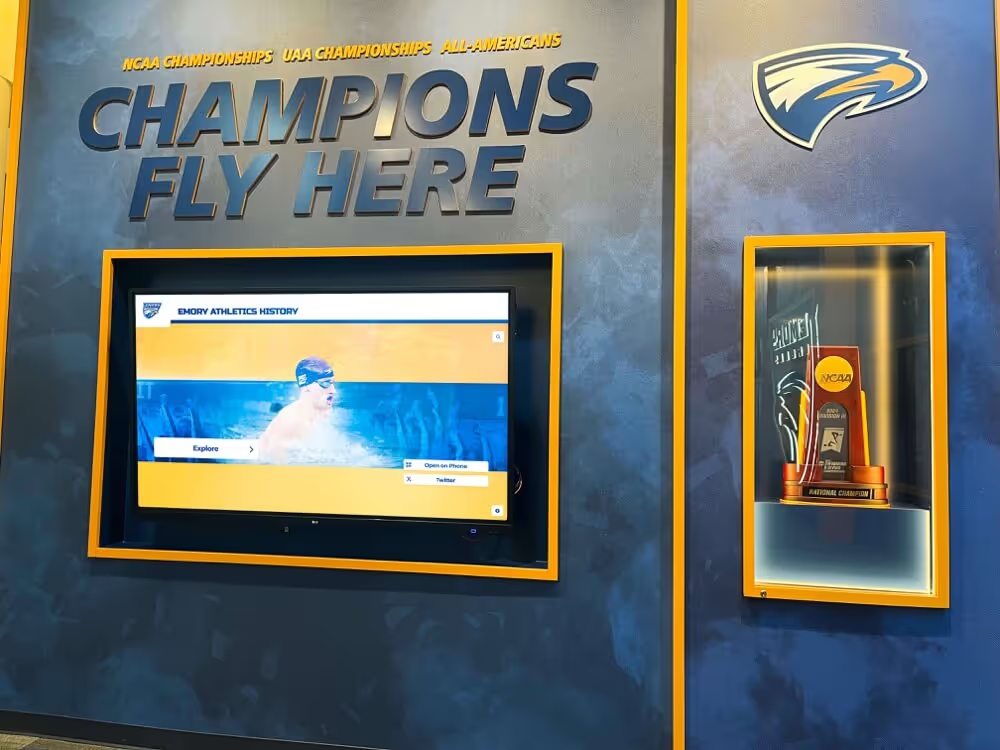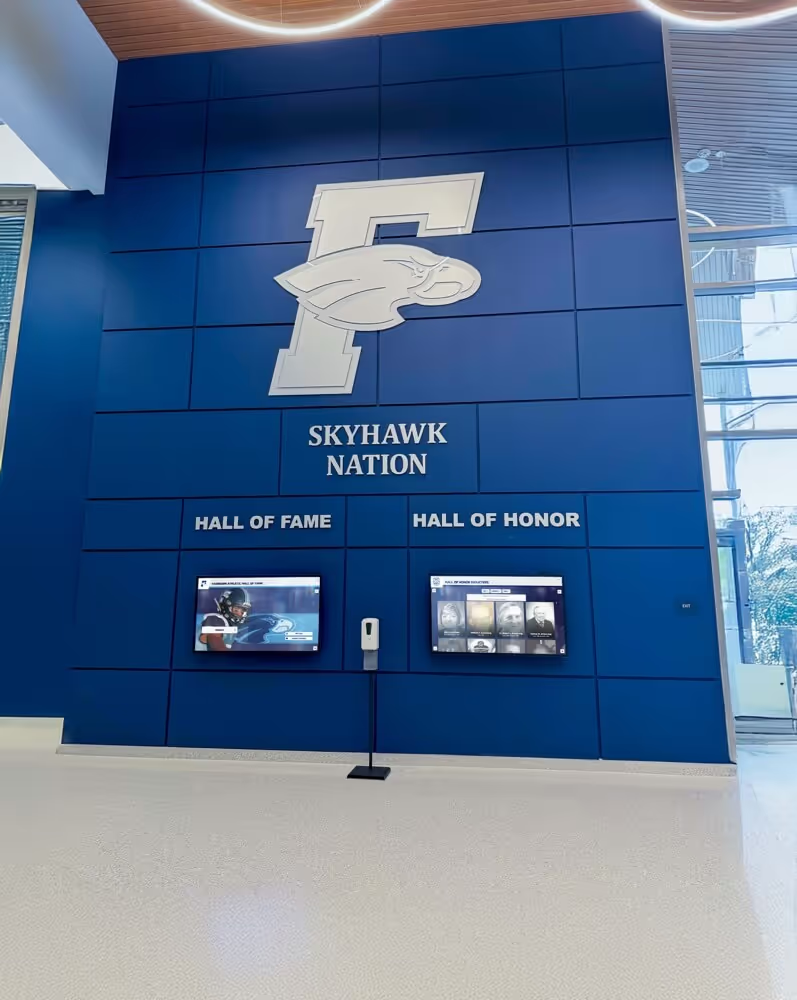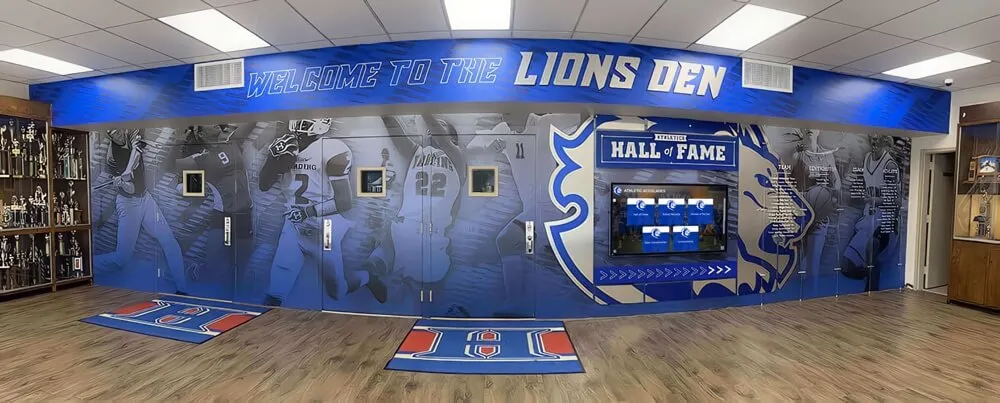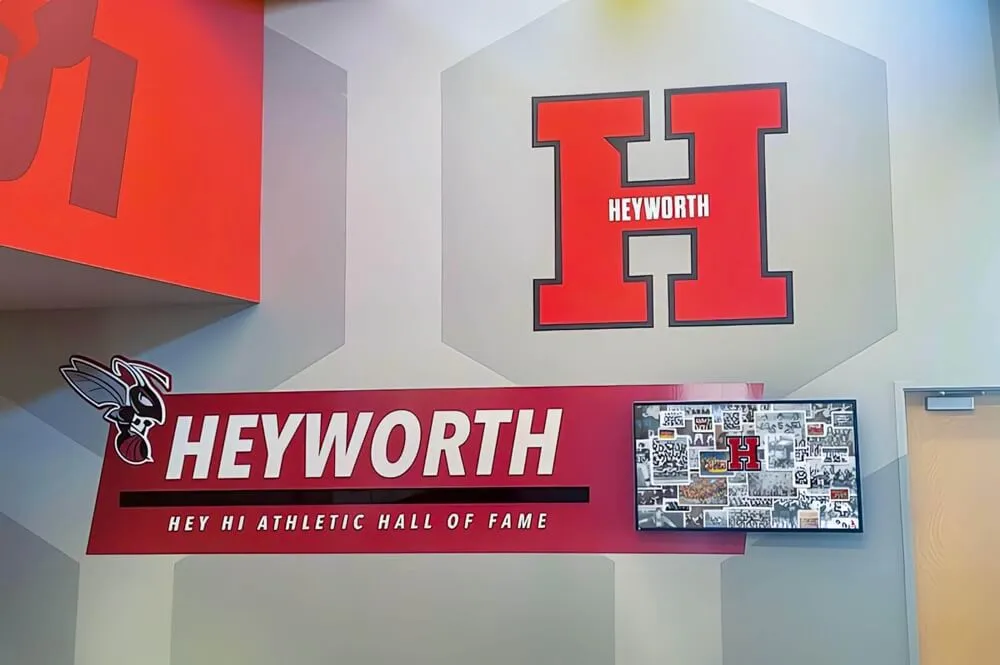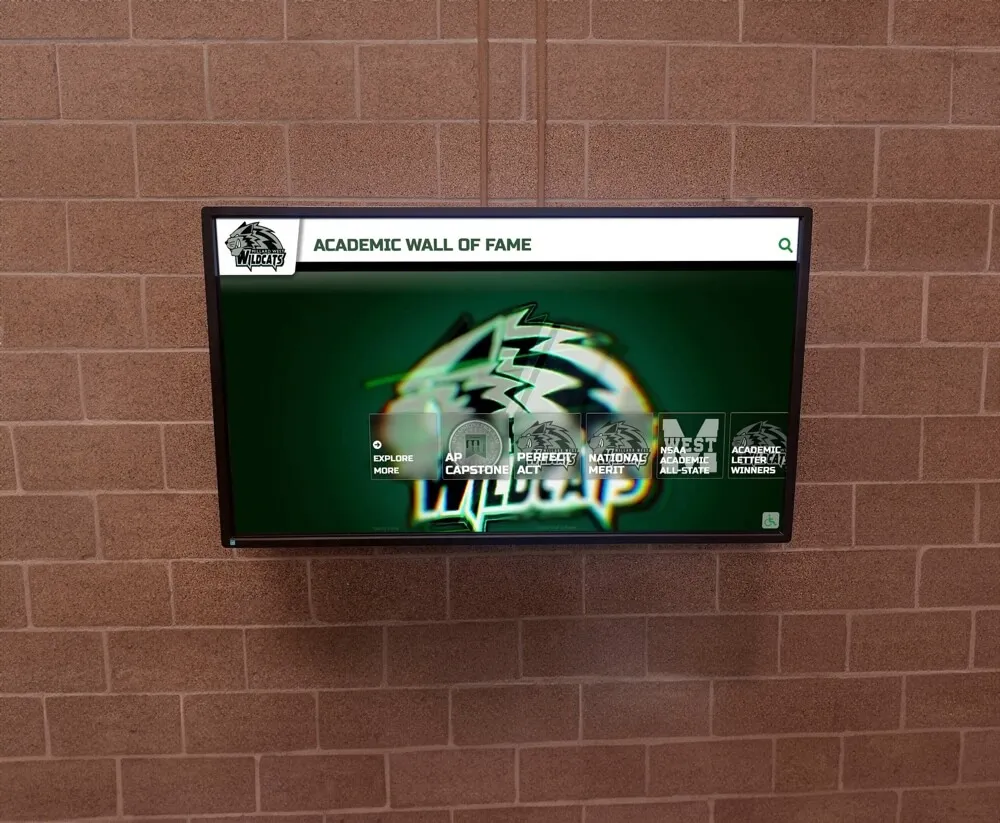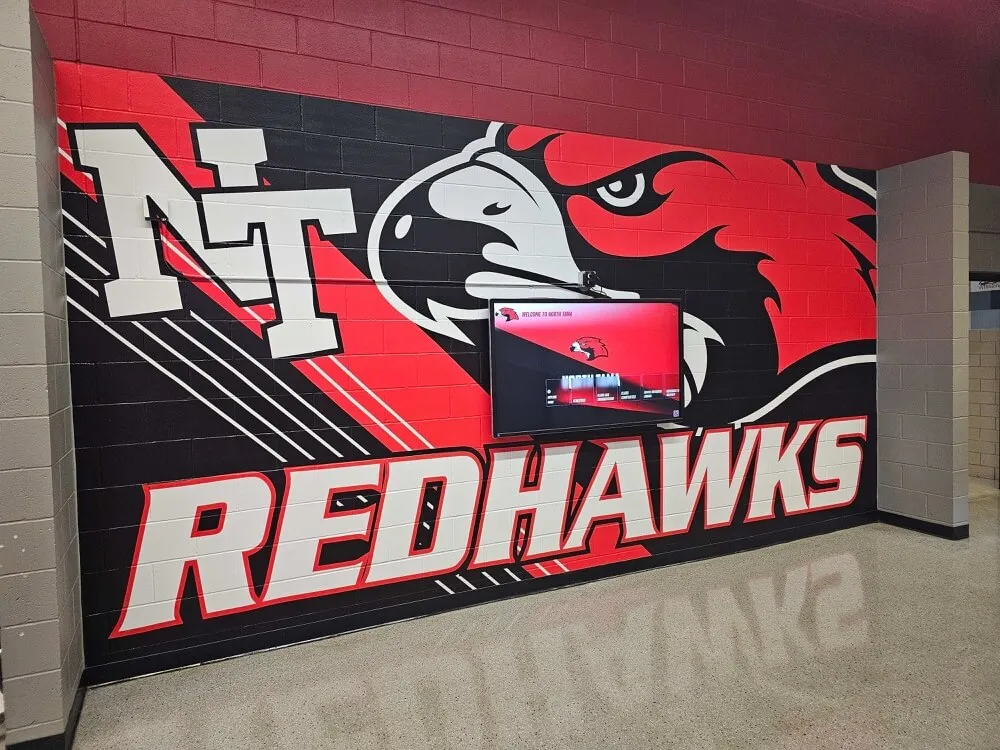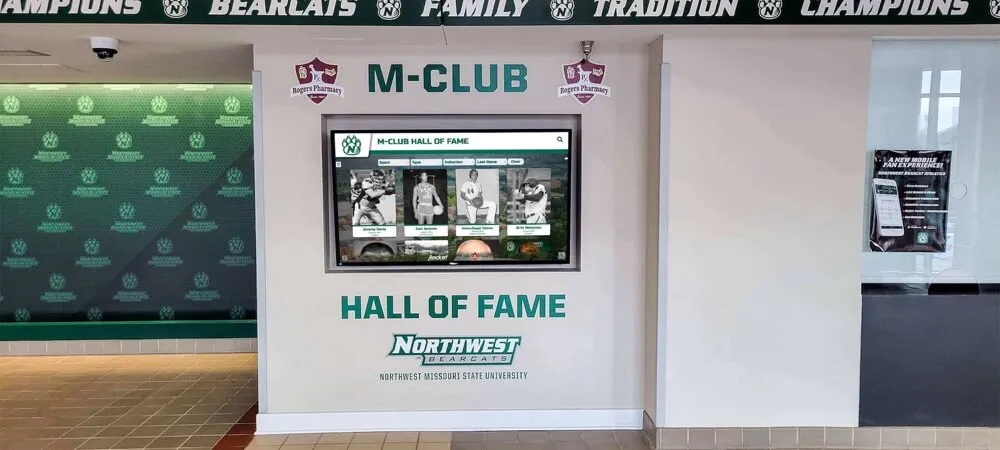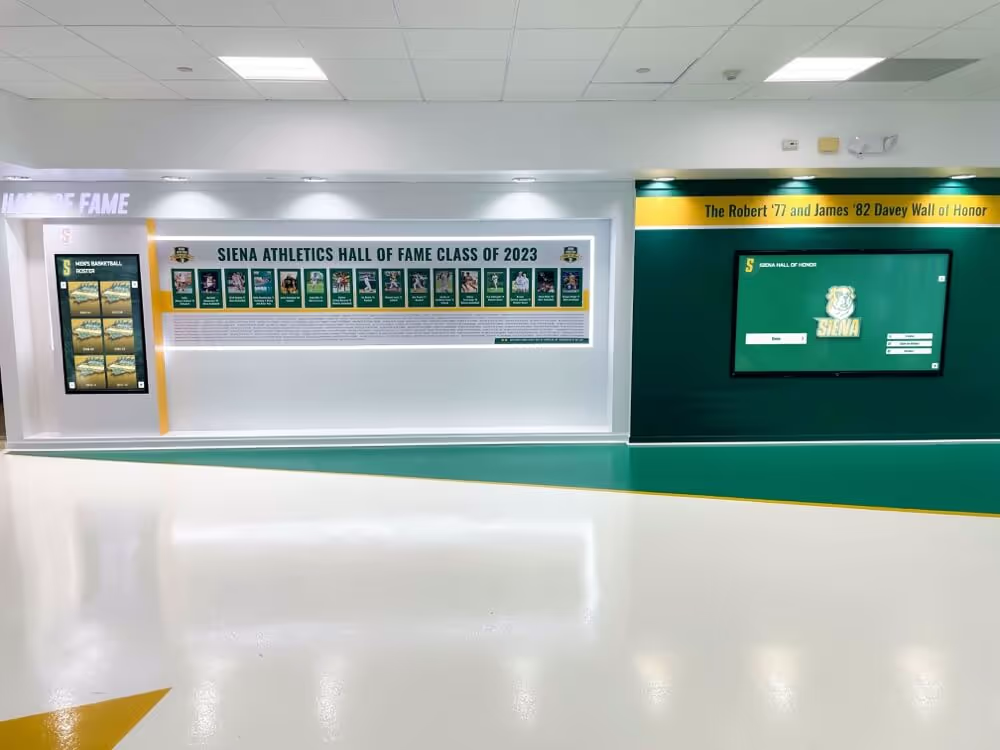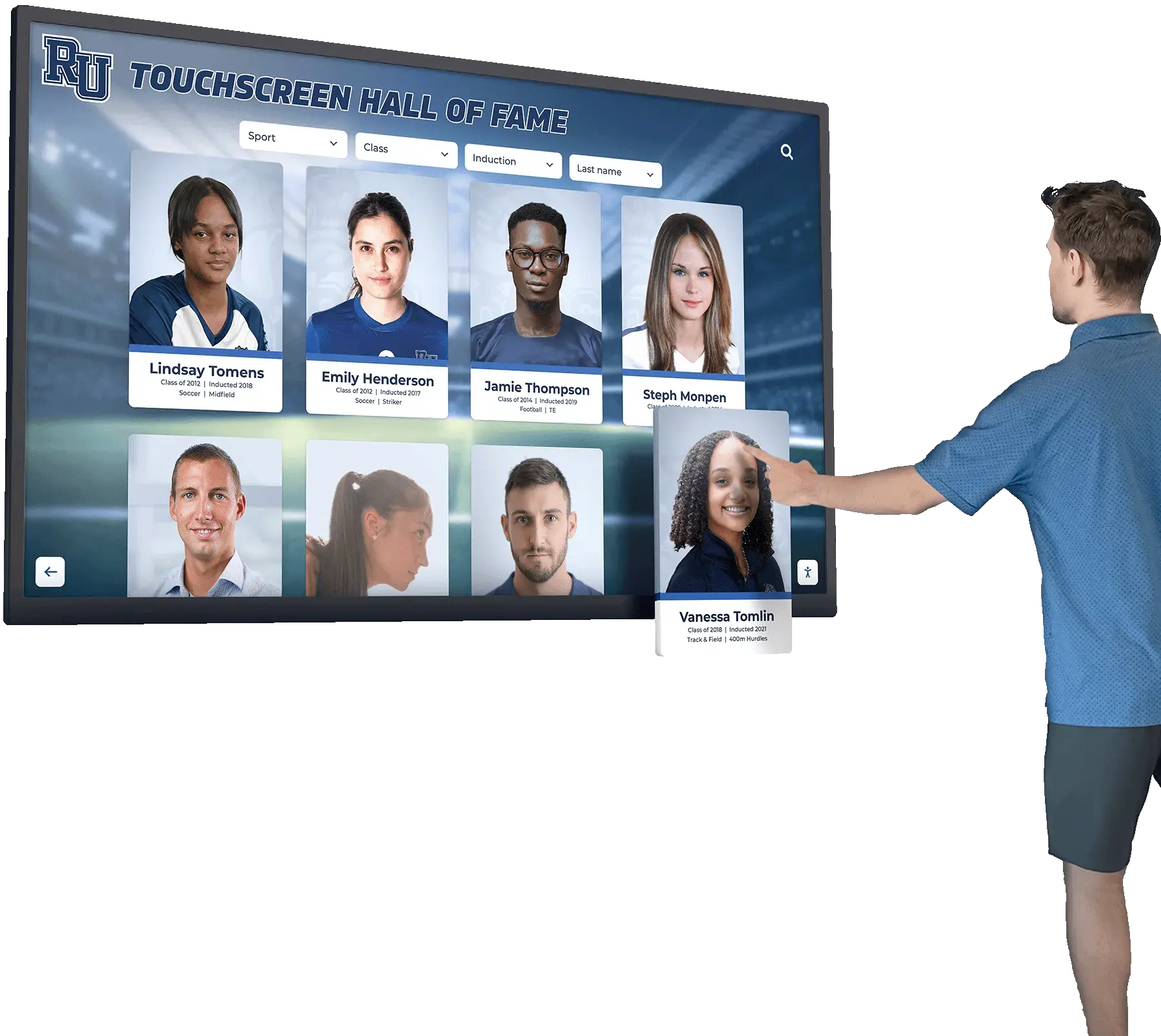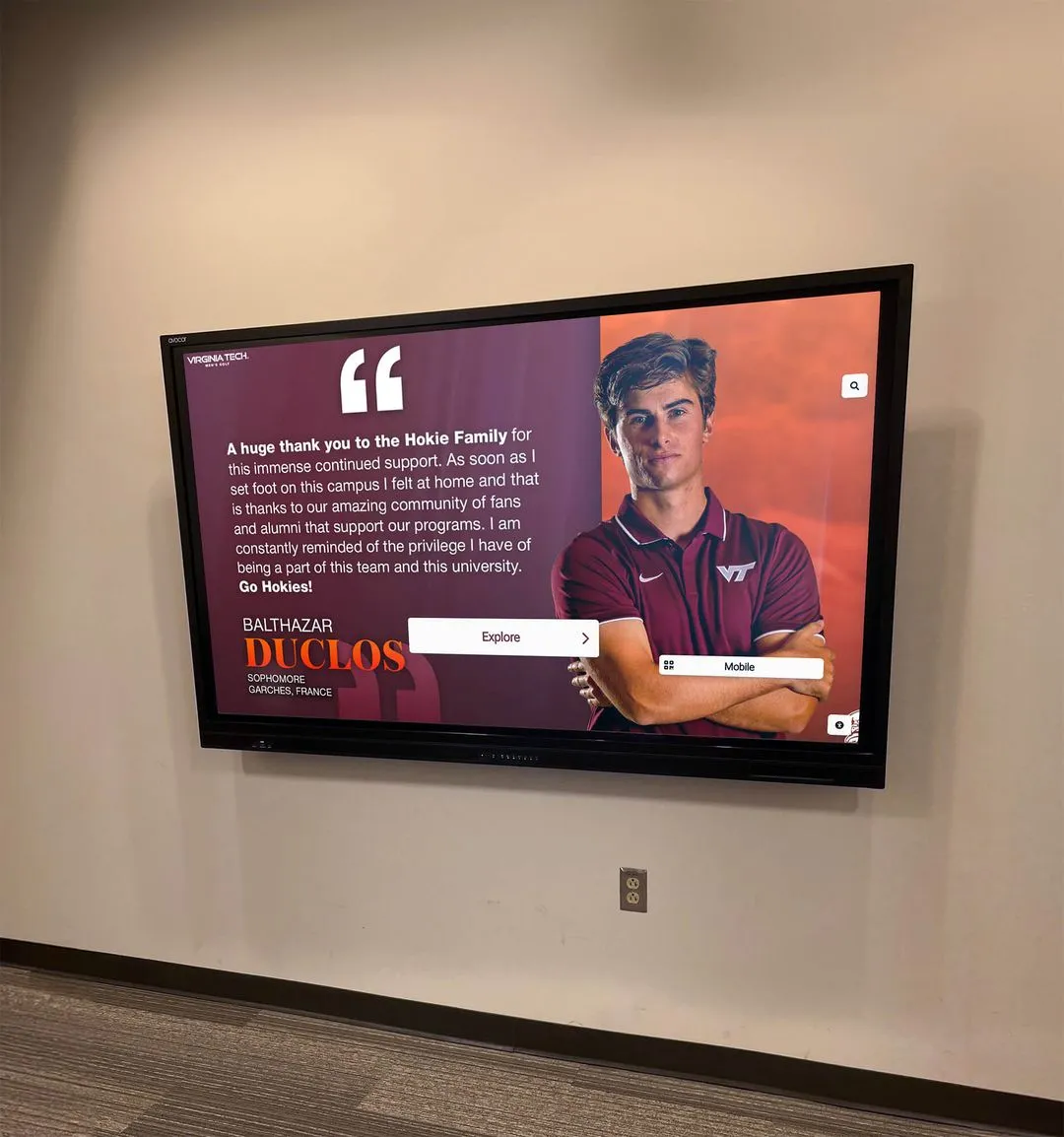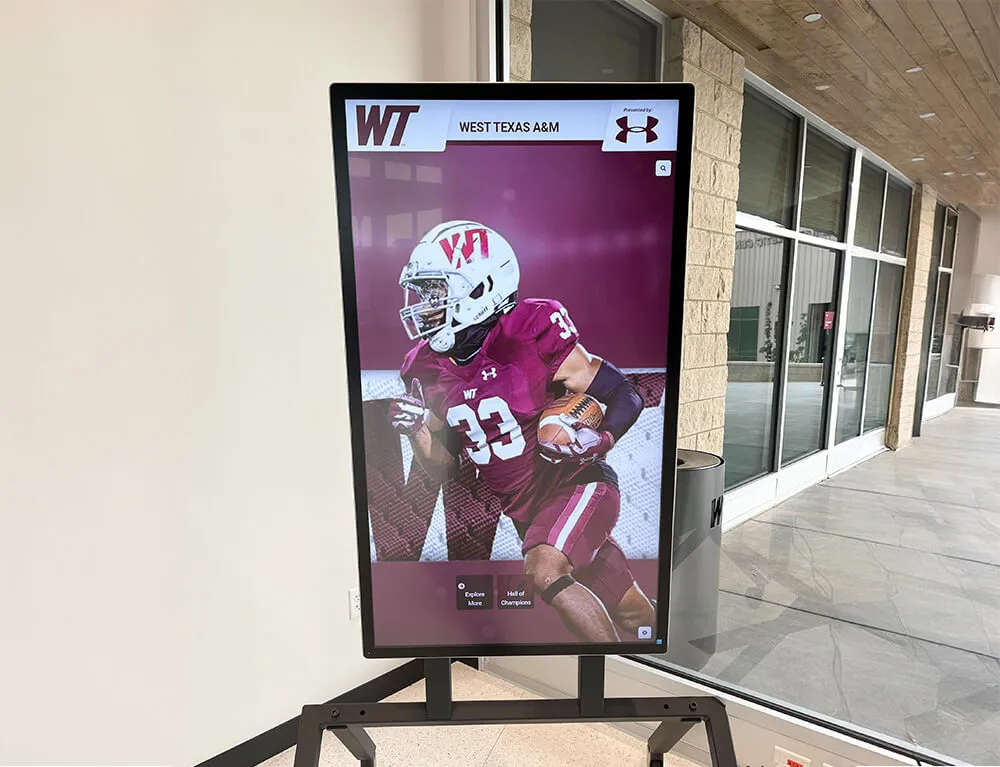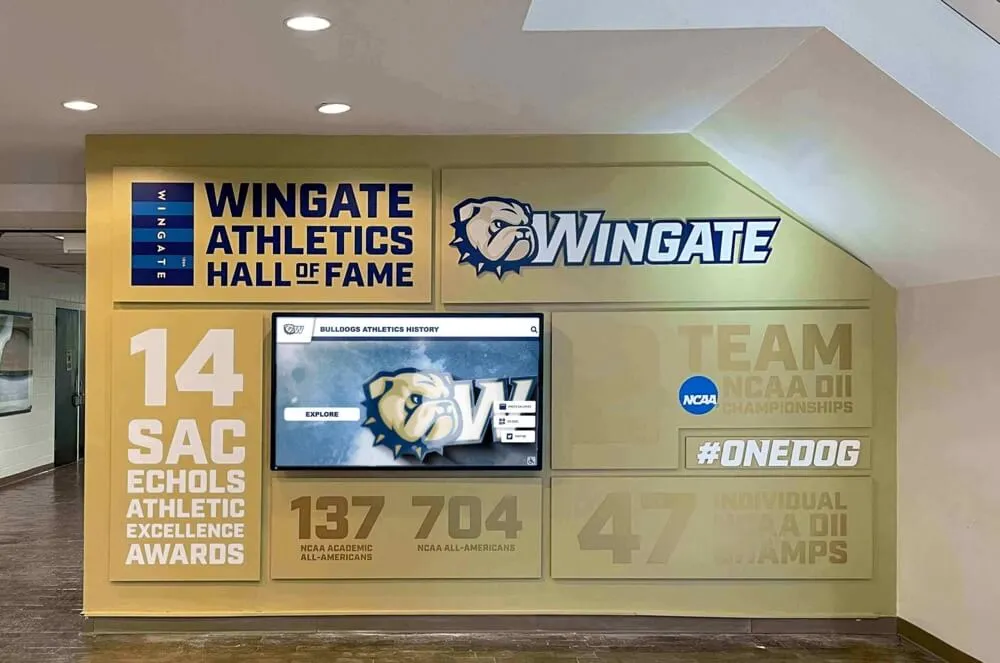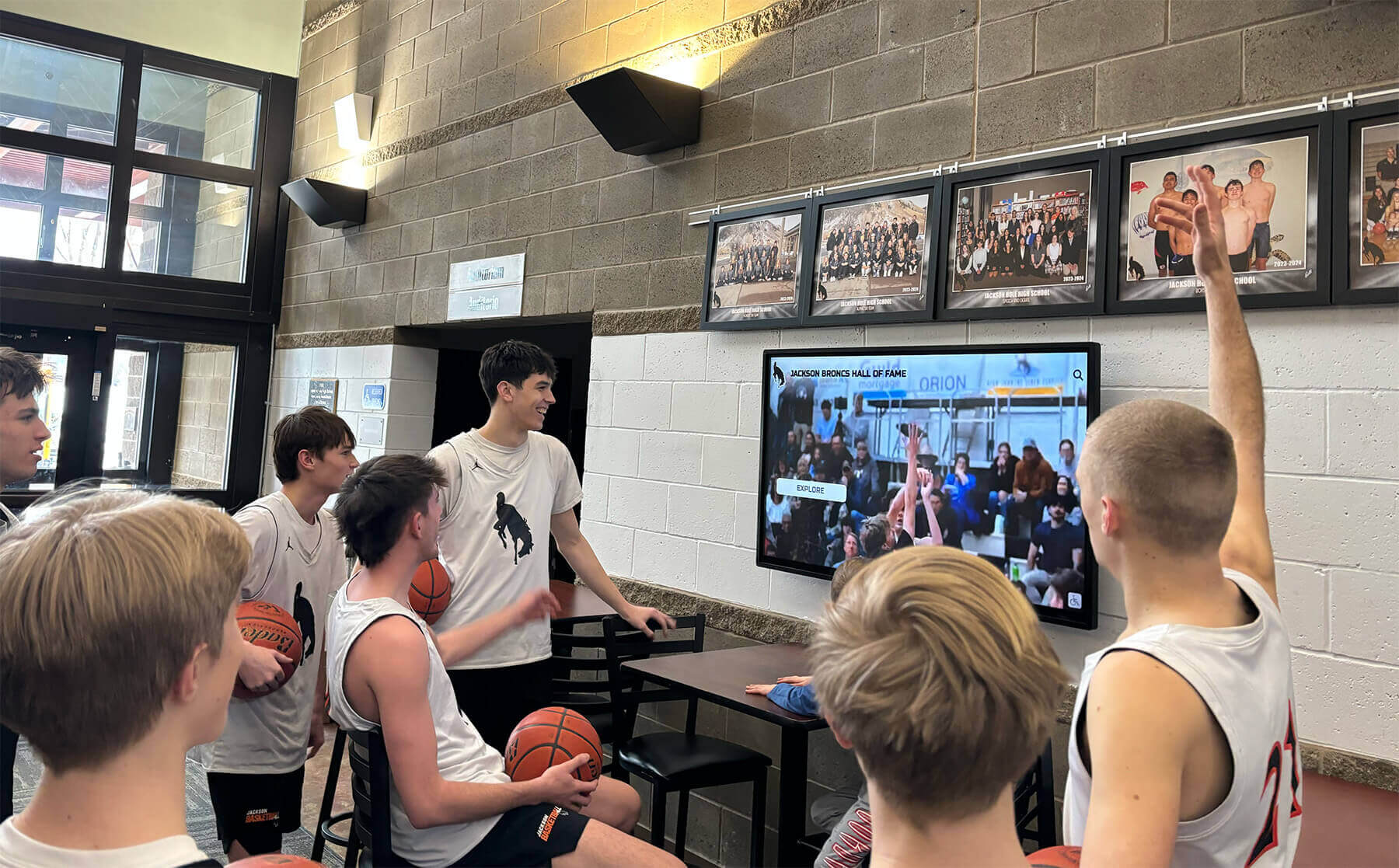




Intramural sports programs form the heartbeat of campus life at Power 4 universities, engaging thousands of students annually in recreational competition that builds community, promotes wellness, and creates lasting memories. Yet despite their massive participation numbers and significant impact on student experience, intramural programs often struggle for visibility, face funding challenges, and lack effective platforms for celebrating achievements, communicating schedules, and engaging participants beyond game day.
This comprehensive guide explores how digital recognition displays transform intramural sports programs at major universities—from showcasing championship teams and individual achievements to housing essential program information like sign-up deadlines and tryout schedules. We'll examine how solutions like Rocket Alumni Solutions provide the perfect platform for Power 4 colleges to elevate intramural sports visibility while creating innovative fundraising opportunities through integrated donation portals that strengthen programs for future generations.
The Intramural Sports Challenge at Power 4 Universities
Power 4 universities—institutions competing in the Big Ten, SEC, ACC, and Big 12 conferences—operate massive recreational sports programs serving student populations that commonly exceed 30,000 undergraduates. These intramural systems coordinate hundreds of teams, manage thousands of participants, and facilitate competition across dozens of sports throughout academic years.
The Scale of University Intramural Programs
The numbers behind major university intramural programs reveal their substantial campus presence and logistical complexity.
Participation Statistics
According to the National Intramural-Recreational Sports Association (NIRSA), large public universities typically see 50-70% of undergraduate students participate in intramural sports at least once during their college careers. At a university with 35,000 undergraduates, this translates to 17,500-24,500 student-athletes engaging with recreational sports programs—far exceeding the few hundred students competing in NCAA varsity athletics.
The University of Michigan’s recreational sports program, for instance, serves more than 20,000 participants annually across intramural sports, club sports, and fitness programs. The University of Texas at Austin reports similar engagement, with intramural sports alone drawing more than 12,000 unique participants each year across 30+ different sports.
Program Diversity and Complexity
Modern university intramural programs extend far beyond traditional sports like basketball, softball, and flag football. Comprehensive programs at major institutions typically offer traditional team sports including basketball, volleyball, soccer, softball, flag football, and ultimate frisbee, alongside individual and dual sports such as tennis, racquetball, table tennis, badminton, and swimming.
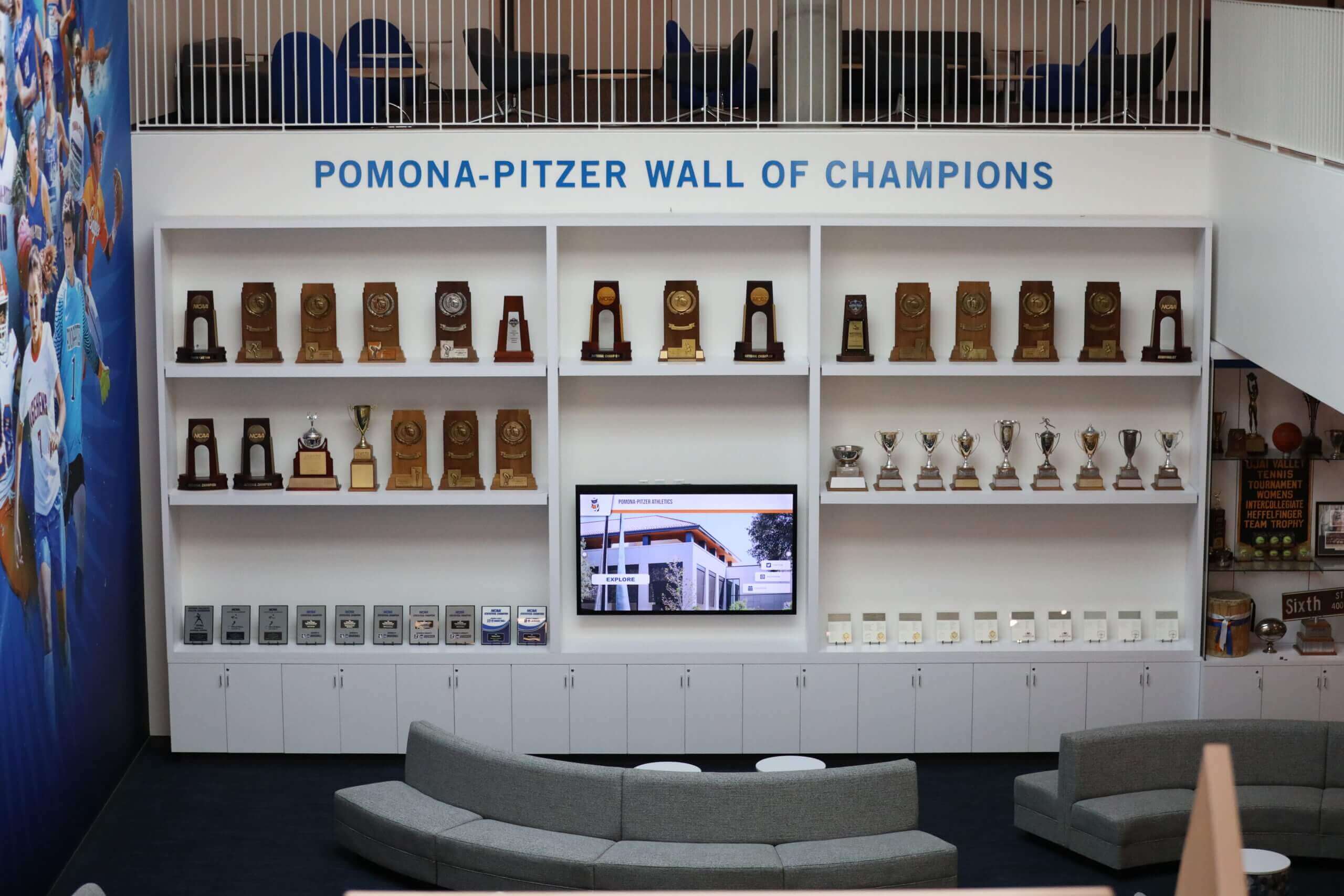
Increasingly popular offerings include esports tournaments with competitive gaming leagues, outdoor recreation adventures including rock climbing competitions and trail races, fitness challenges tracking steps, miles, or workout participation, special events like 3-on-3 basketball tournaments or cornhole championships, and niche sports such as spikeball, dodgeball, broomball, or quidditch that attract dedicated communities.
This diversity creates rich opportunities for recognition but also complex logistical challenges in tracking achievements, communicating schedules, and maintaining visibility across dozens of simultaneous leagues and tournaments.
Recognition Gaps in Recreational Sports
Despite massive participation and significant campus impact, intramural sports programs typically receive far less recognition infrastructure compared to varsity athletics.
Visibility Disparity
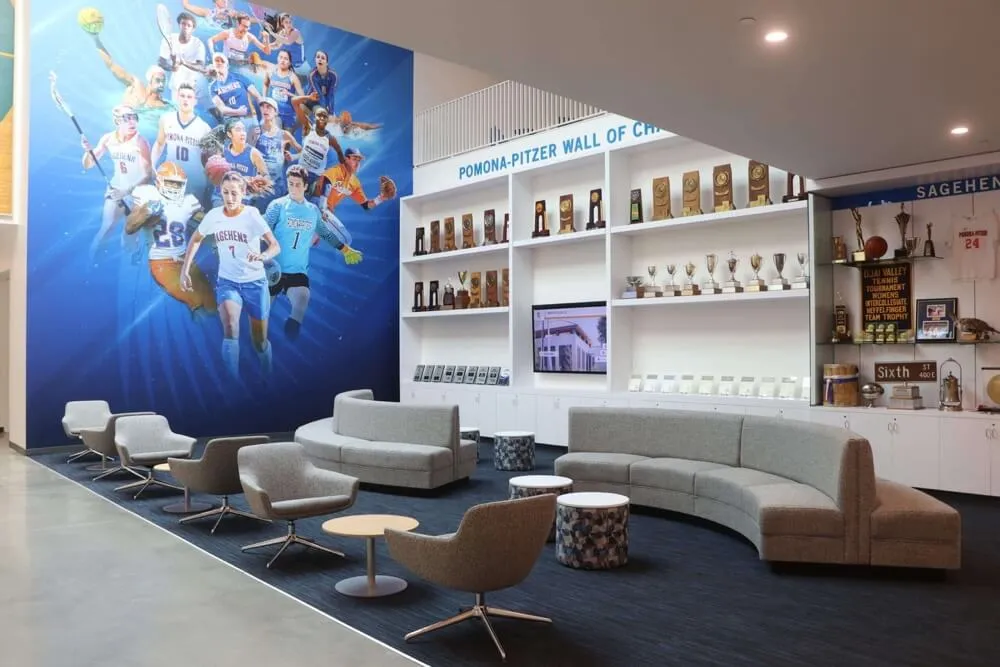
Walk through any Power 4 university’s athletic facilities and you’ll encounter impressive recognition for varsity athletes—halls of fame with championship trophies, digital displays highlighting All-Americans, historical timelines documenting conference titles, and prominent athlete profiles celebrating individual excellence. These installations occupy prime locations in stadiums, arenas, and athletic complexes, signaling institutional pride in competitive achievement.
Intramural programs rarely receive similar treatment. Championship teams might receive t-shirts or have their names listed in recreation center newsletters, but permanent recognition remains uncommon. This visibility gap sends an unintended message: that recreational achievement, despite engaging exponentially more students, matters less than elite varsity competition.
Communication Challenges
Intramural sports programs generate constant information flows that students need to access easily—registration deadlines for upcoming leagues, tryout schedules for competitive divisions, game schedules and field assignments, playoff brackets and tournament results, rule updates and policy changes, facility closures and weather cancellations, special event announcements like charity tournaments, and championship results with final standings.
Traditional communication methods face significant limitations. Email announcements get buried in overflowing student inboxes. Website information requires students to actively seek it out rather than encountering it naturally. Social media posts disappear quickly in fast-moving feeds. Printed posters in recreation centers reach only students already engaged with facilities.
These communication challenges result in missed registration deadlines, confusion about schedules, and reduced participation from students who remain unaware of opportunities perfectly suited to their interests and availability.

Funding Constraints
University recreation departments typically operate on tight budgets, funded through student fees and minimal institutional allocations. Unlike varsity athletics with television contracts, ticket sales, and major donor contributions, intramural programs often struggle to fund equipment replacement, facility improvements, and program expansion.
Traditional fundraising approaches face obstacles. Intramural alumni rarely maintain organized networks that varsity programs leverage for giving. Parents typically don’t attend intramural competitions, eliminating another common donor base. The dispersed nature of intramural participation—with thousands of individual students rather than cohesive teams—makes targeted fundraising communications challenging.
These funding constraints limit program quality, restrict offerings, and prevent investments in recognition infrastructure that would elevate intramural sports visibility on campus.
The Rocket Alumni Solutions Advantage for Intramural Sports
Digital recognition displays specifically designed for educational institutions address every major challenge facing university intramural programs while creating new opportunities for engagement, communication, and fundraising that traditional approaches cannot match.
Comprehensive Recognition Platform
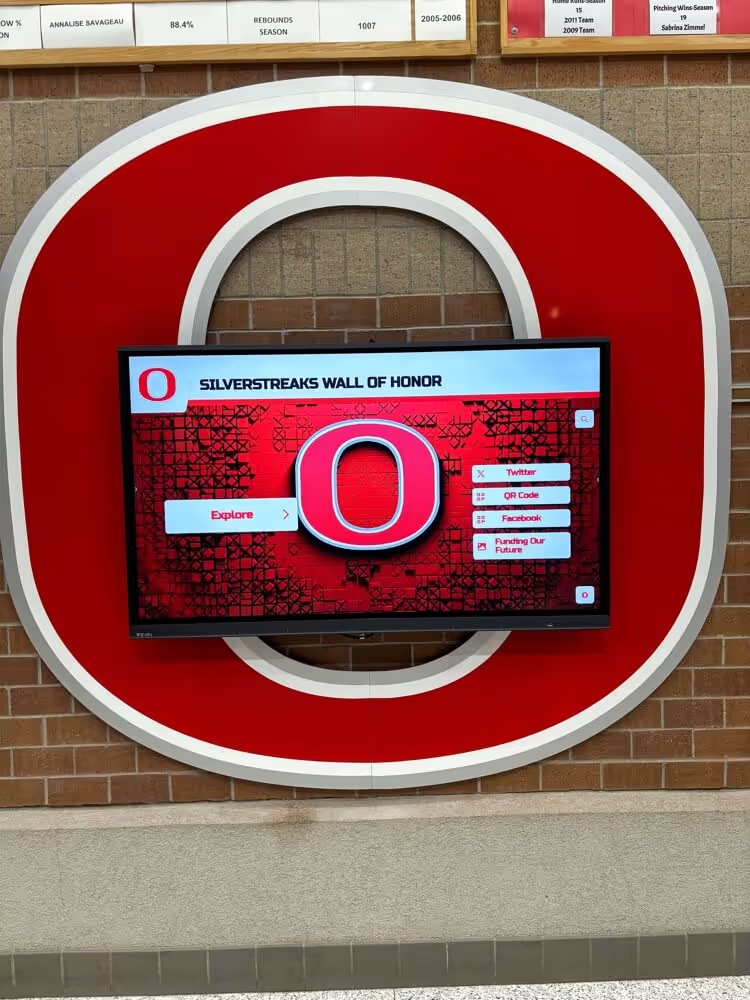
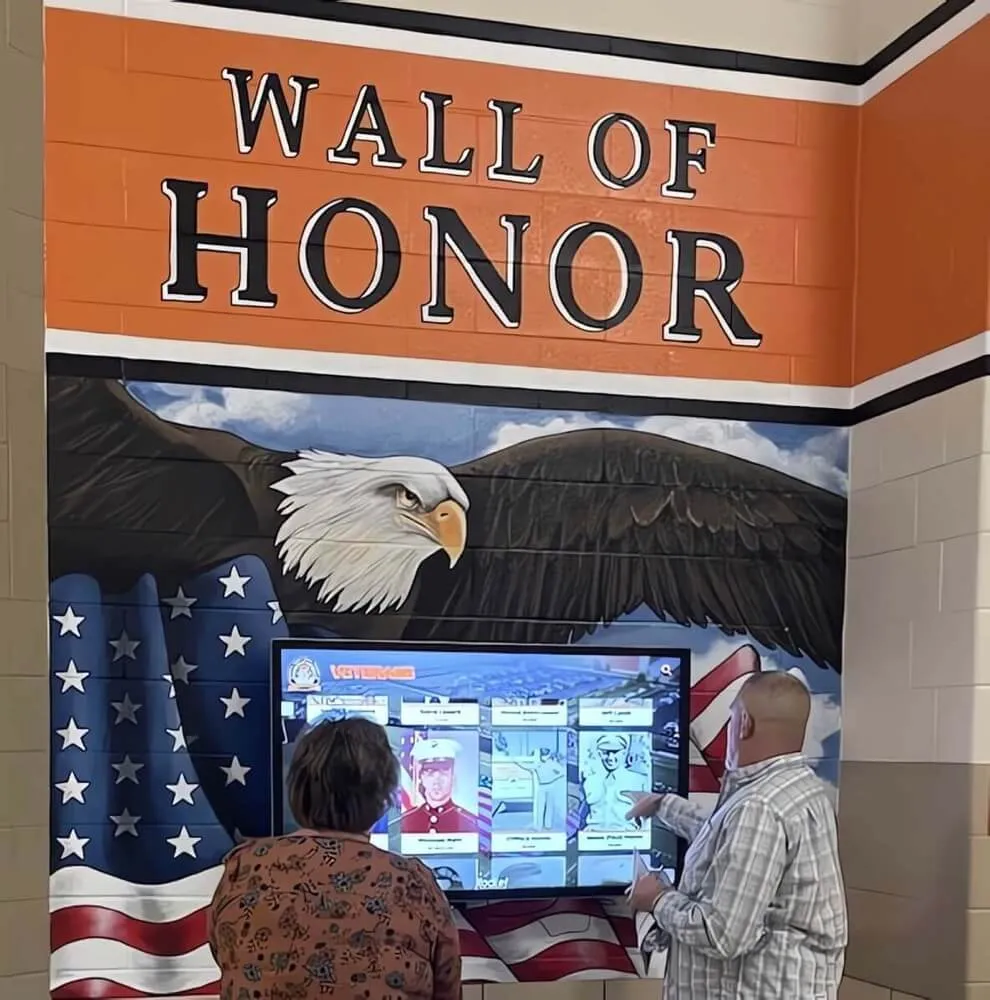
Interactive digital displays transform intramural sports recognition from sporadic acknowledgment into permanent, engaging celebration that honors thousands of participants across decades of competition.
Unlimited Recognition Capacity
Traditional recognition methods—plaques, trophies, printed lists—face inherent space limitations. After several years, physical displays fill up, forcing difficult decisions about what to remove or expensive renovations to expand capacity.
Digital recognition eliminates capacity constraints entirely. A single touchscreen display occupying minimal wall space can showcase unlimited content—hundreds of championship teams, thousands of individual participants, and decades of program history. Whether recognizing 10 teams or 10,000 participants, the display footprint remains constant while accommodating indefinite growth.
This unlimited capacity allows intramural programs to recognize broadly rather than selectively. Every championship team receives permanent acknowledgment. Every participant can access their complete intramural history. Every significant moment gets preserved, creating comprehensive archives celebrating the full scope of recreational sports achievement.
Rich Multimedia Storytelling
Championship recognition shouldn’t be limited to team names on lists. Digital platforms enable rich multimedia profiles that tell complete stories and create emotional connections.
Championship team profiles can include team photos capturing championship moments, game action shots showing competition highlights, video clips of championship-winning plays or celebrations, player rosters with individual recognition, season statistics and notable achievements, and championship bracket journeys showing the path to victory.
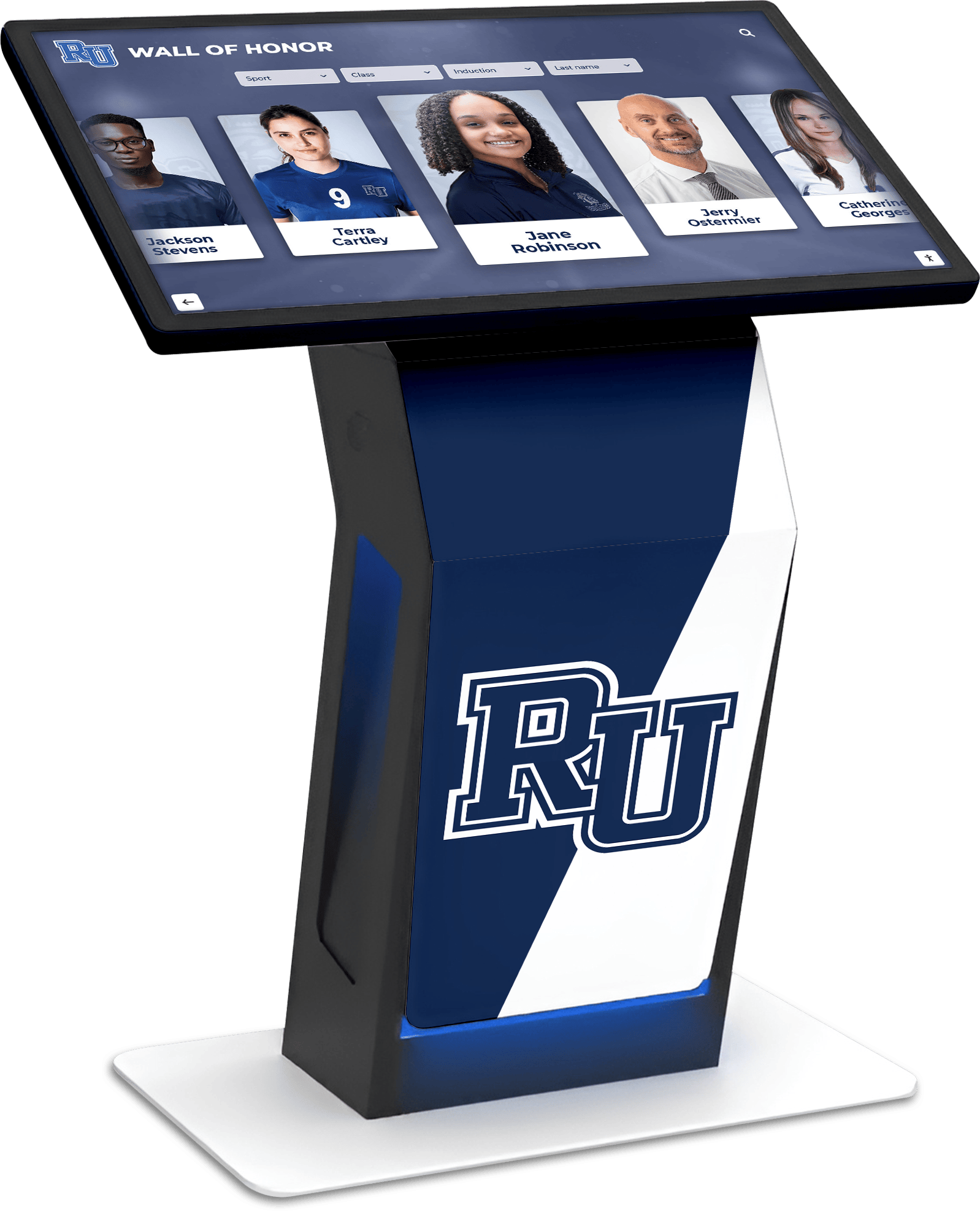
Individual participant profiles can showcase personal intramural histories spanning multiple years and sports, achievement summaries including championships and awards, photos from various teams and seasons, statistics highlighting notable performances, and personal reflections about memorable intramural experiences.
This rich content transforms recognition from simple documentation into engaging storytelling that resonates emotionally with participants, inspires current students, and preserves institutional memory.
Easy Content Management
Concern about technical complexity and ongoing maintenance burden often deters institutions from implementing digital systems. Modern platforms address these concerns through intuitive content management designed specifically for busy campus recreation staff.
Cloud-based management systems allow updates from any internet-connected device—no need to physically access displays or understand complex technical systems. Adding new championship teams requires uploading photos and entering basic information into simple forms. Updating existing content involves straightforward editing interfaces requiring no technical expertise.
Content publishing happens instantly. Upload championship photos Sunday night after tournament finals, and they appear on displays Monday morning when students arrive at recreation centers—creating timely recognition that capitalizes on fresh excitement while acknowledging achievement promptly.
This ease of management ensures recognition remains current and comprehensive rather than becoming outdated displays that staff lack capacity to maintain.
Integrated Information Hub
Beyond recognition, digital displays serve as dynamic information hubs consolidating all essential intramural program communications in high-visibility, high-traffic campus locations.
Centralized Schedule and Registration Information
Students can access complete program information through intuitive interfaces designed for quick exploration during recreation center visits.
Current league schedules show game times, locations, and field assignments, playoff brackets and tournament schedules, rainout notifications and rescheduling updates, and referee assignments and contact information. Upcoming registration periods display sport offerings with detailed descriptions, registration deadlines and fee information, team formation options and free agent sign-ups, competitive level explanations helping students choose appropriate divisions, and prerequisite information for specialized activities.
Tryout and evaluation details provide dates, times, and locations for competitive league assessments, evaluation criteria and selection processes, coach contact information for questions, and preparation recommendations helping students succeed.
This centralized information eliminates the need for students to check multiple websites, scan numerous emails, or make phone calls to access essential program details. Information becomes accessible precisely when students are already thinking about intramural participation—while visiting recreation facilities.
Dynamic Content Rotation
Digital displays automatically rotate through different content types based on programmed schedules and priorities, ensuring all important information receives visibility without overwhelming viewers with excessive simultaneous information.
Content rotation might cycle through current championship recognition highlighting recent winners, today’s game schedules showing competitions happening now, upcoming registration deadlines for sports entering enrollment periods, featured participant stories profiling passionate intramural athletes, historical throwback content celebrating past championship moments, and special event promotions advertising unique tournaments or competitions.

Smart scheduling ensures time-sensitive information receives prominence when most relevant. Registration information appears frequently during enrollment periods. Game day schedules dominate during peak competition times. Championship recognition increases immediately following tournament finals.
This dynamic approach keeps displays fresh and relevant while ensuring students encounter appropriate information matched to current program cycles and their likely needs at any given time.
Mobile Integration and Extended Access
While physical displays serve recreation center visitors, web-based platforms extend access to students anywhere, anytime—whether in dorm rooms researching registration options, at student unions checking today’s game schedule, or years after graduation reminiscing about intramural achievements.
Mobile-responsive interfaces ensure seamless experiences across smartphones, tablets, and computers. QR codes on physical displays link directly to extended online content, allowing students to transition effortlessly from quick physical browsing to detailed exploration on personal devices.
Social media integration enables one-touch sharing of achievements, allowing students to post championship photos to Instagram, share team profiles on Facebook, or update LinkedIn profiles with recreational leadership experience. This organic sharing exponentially extends program visibility while facilitating connections among former teammates who’ve lost touch after graduation.
Innovative Fundraising Through Donation Portals
Perhaps the most transformative capability of digital recognition systems lies in their potential to generate sustainable funding for intramural programs through integrated donation portals that make giving accessible, meaningful, and directly connected to program impact.
Seamless Integration of Giving Options
Traditional fundraising requires separate campaigns with limited connection to program visibility. Digital recognition displays integrate giving opportunities directly into high-engagement recognition experiences, presenting donation options precisely when students and alumni are most emotionally connected to intramural programs.
Donation calls-to-action can appear integrated into championship team profiles inviting contributions to sustain program excellence, positioned alongside registration information with prompts to support program accessibility through scholarships, featured during special throwback content about historical championships with appeals to preserve program legacy, and highlighted during special campaigns tied to specific needs like new equipment or facility improvements.
QR codes provide instant access to donation pages, allowing anyone inspired by recognition content to contribute immediately via smartphone—capitalizing on emotional connection before it fades and eliminating friction that causes delayed intentions to never materialize.
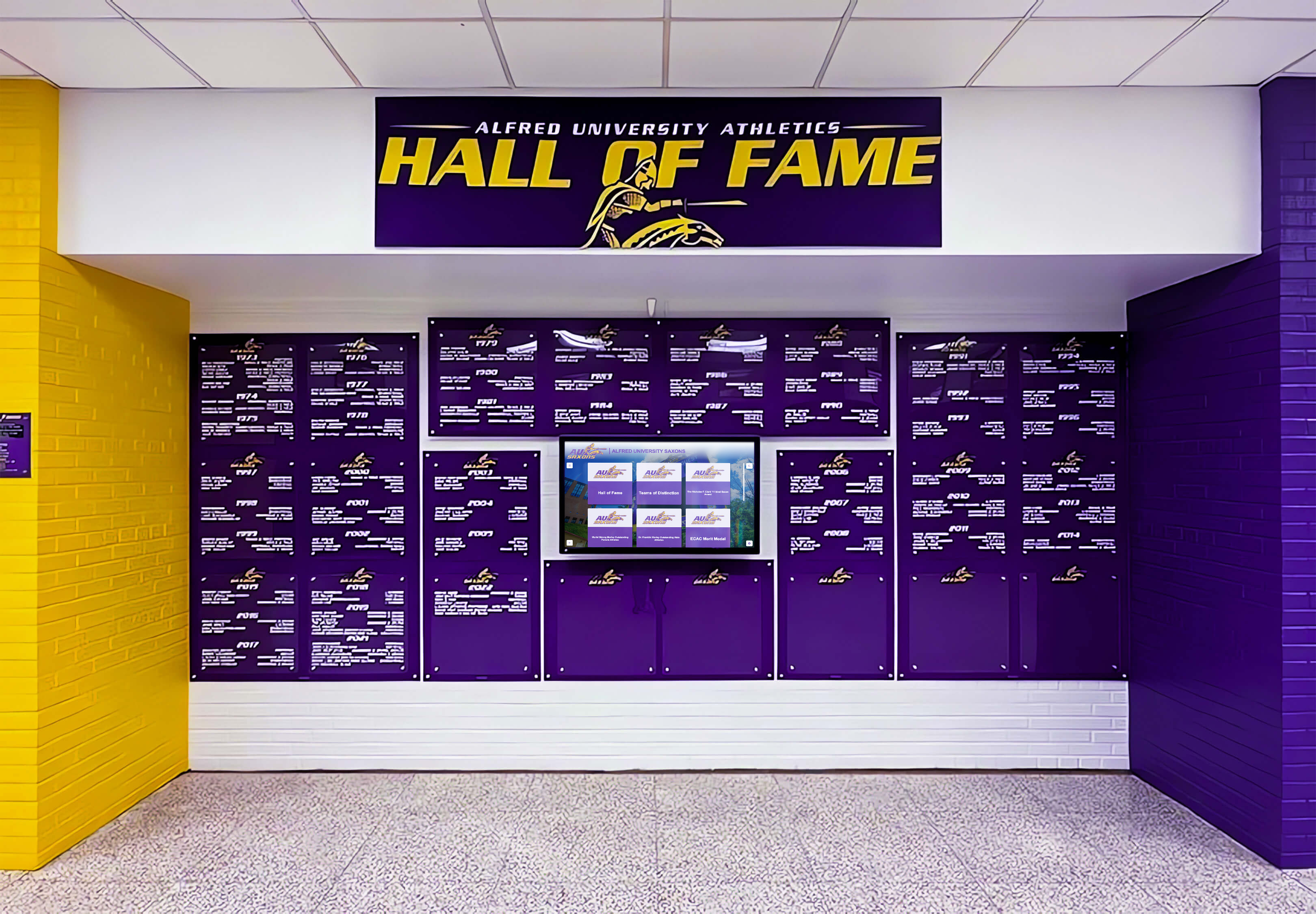
Targeted Fundraising Campaigns
Digital platforms enable sophisticated campaign targeting impossible with traditional approaches, allowing recreation departments to customize appeals based on specific audiences and needs.
Alumni Engagement Campaigns
Former intramural participants represent a largely untapped donor base with emotional connections to recreational sports but limited engagement with typical university giving campaigns focused on academics or varsity athletics. Digital displays create opportunities to reconnect alumni with their intramural experiences and invite support for programs that profoundly impacted their college years.
Alumni campaigns might feature throwback recognition highlighting championship teams from specific graduation years, personal appeals from former participants who benefited from programs now supporting, stories about how intramural experiences influenced careers or personal development, and specific giving opportunities allowing alumni to sponsor current teams, fund named leagues, or contribute to facility improvements.
Many alumni who never donate to general university funds will contribute to intramural programs where they have specific positive memories, especially when giving opportunities are presented alongside recognition reminding them of those experiences.
Parent Involvement Initiatives
While parents rarely attend intramural games, digital recognition creates opportunities to share student experiences with families through photos and achievement documentation that parents can access remotely. When parents see their students’ intramural achievements celebrated prominently, they develop stronger connections to recreational programs and may be more inclined to support them financially.
Parent-focused campaigns might share photos of students’ championship moments that families can view online, present giving options that enhance their own students’ current intramural experiences, highlight safety, facility, and programming improvements that giving enables, and provide recognition opportunities like named sponsorships allowing families to leave lasting legacies.
Student Micro-Giving Programs
Small-dollar giving campaigns targeting current students can generate meaningful funding while building philanthropic habits that continue after graduation. Digital displays make micro-giving convenient and visible, allowing students to contribute $5, $10, or $25 amounts that collectively fund significant improvements.
Student micro-giving campaigns might challenge competitive leagues to see which can generate most participation in giving campaigns, match corporate or major donor contributions that multiply student giving impact, tie giving to specific visible outcomes like new equipment or championship shirts, and publicly recognize student donors alongside athletic achievements, demonstrating that giving matters regardless of amount.
Corporate and Local Business Sponsorships
Digital displays provide valuable visibility for corporate sponsors and local businesses, creating advertising value that supports sponsor cultivation and recognition. Unlike varsity athletics where sponsor visibility comes through stadium signage and media coverage, intramural programs traditionally offered limited sponsor recognition opportunities.
Digital recognition displays change this equation by featuring sponsor logos alongside funded content, rotating sponsor advertisements during content displays, linking to sponsor websites through touchscreen interfaces, and tracking engagement analytics demonstrating impression volume and interaction depth—providing sponsors with concrete ROI data.
Intramural sponsorships appeal particularly to businesses targeting college demographics, local companies wanting community connection, alumni-owned businesses seeking alma mater involvement, and corporations with employee wellness initiatives seeing intramural support as aligned with health and recreation values.
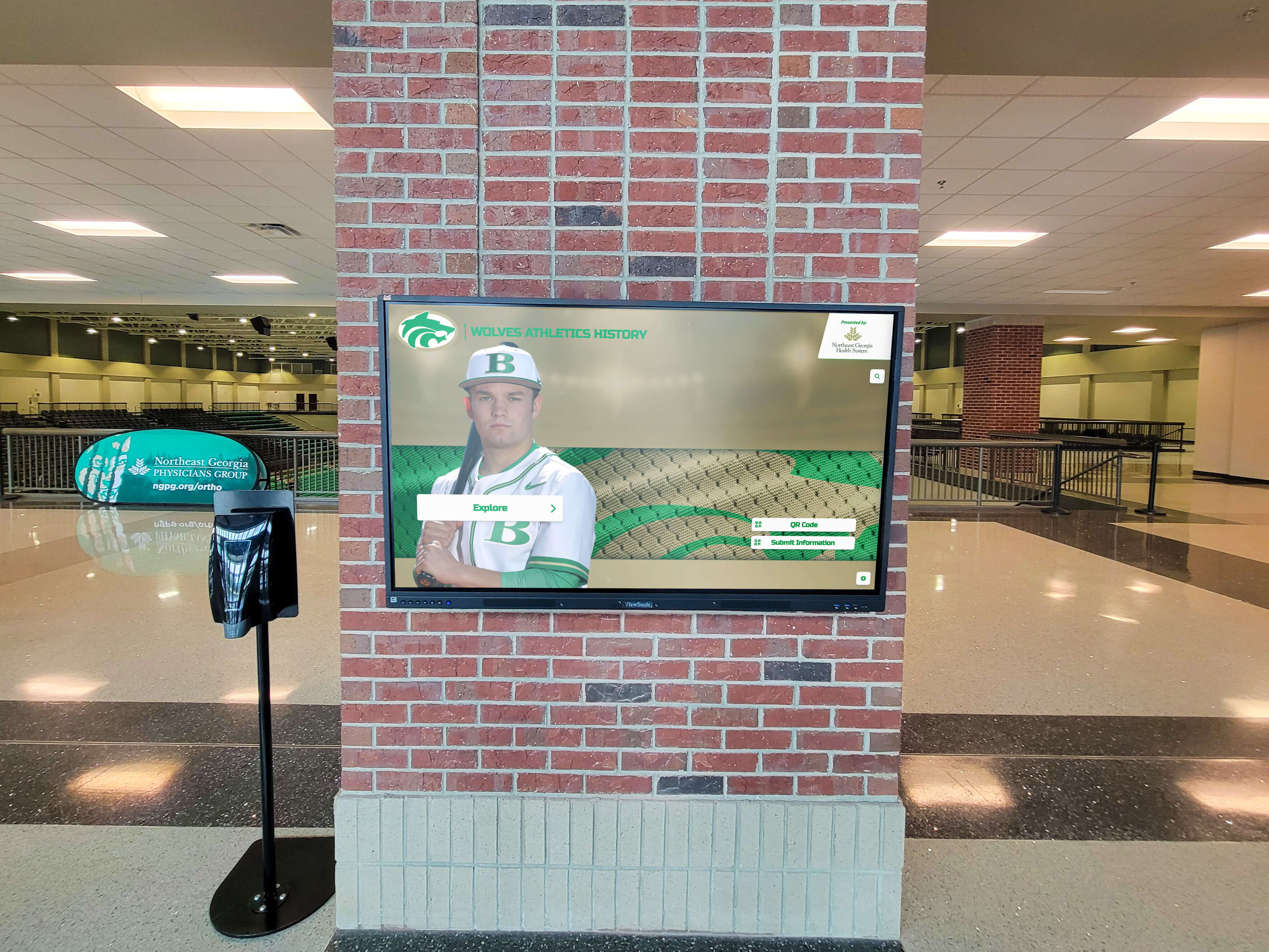
Impact Transparency and Donor Recognition
Effective fundraising requires demonstrating how contributions directly improve programs and appropriately recognizing donors for their generosity.
Digital platforms excel at impact transparency through regular content updates showing improvements funded by donations, participant testimonials explaining how giving enhanced their experiences, visual before-and-after documentation of facility upgrades, and statistical reporting on program growth, participant numbers, or expanded offerings enabled by philanthropic support.
Donor recognition tiers can provide various acknowledgment levels from public recognition on digital displays for major contributors, named sponsorship opportunities for leagues, tournaments, or facility spaces, special donor profiles highlighting their intramural connections and motivations for giving, and impact reports showing cumulative effects of their long-term support.
This transparency and recognition creates positive reinforcement cycles where recognized donors inspire additional giving while feeling personally invested in continued program success.
Strategic Display Placement Across Campus
Digital recognition displays maximize impact through strategic placement in high-traffic locations where they reach diverse audiences including current participants, prospective students, university visitors, and broader campus communities.
Recreation Center Installations
Primary placement within campus recreation facilities ensures displays reach core audiences most directly connected to intramural programs.
Main Lobby Locations
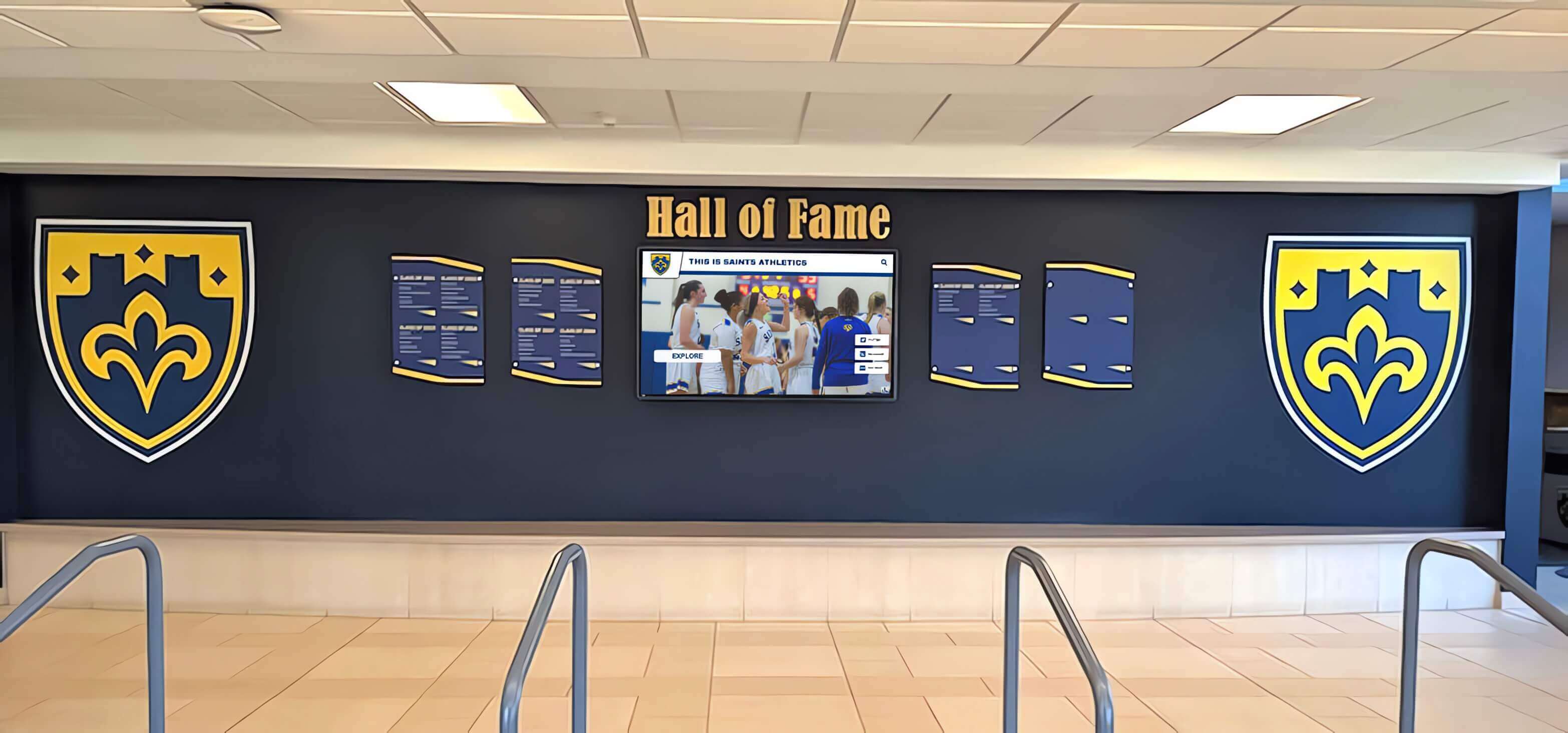
Recreation center lobbies serve as natural gathering spaces where students linger before activities, wait for friends, or take breaks between workouts. Large-format displays in these locations command attention, invite exploration, and create focal points celebrating intramural achievement.
Lobby displays benefit from high daily traffic as students access various recreational facilities, extended dwell time as people wait in social spaces, visibility from multiple angles in open architectural layouts, and association with activity and energy that characterizes recreation environments.
These installations elevate intramural sports to prominence equal with other campus programs, signaling that recreational achievement matters and deserves celebration.
Courts and Fields Viewing Areas
Displays positioned adjacent to active courts or visible from playing fields serve dual purposes—entertaining spectators during competitions while inspiring participants with visible recognition of past championships.
Viewing area displays create engagement during games when friends and teammates gather to watch competitions, generate aspiration during competitions as players see potential for their own recognition, and provide natural breaks between games for exploring team histories and individual achievements.
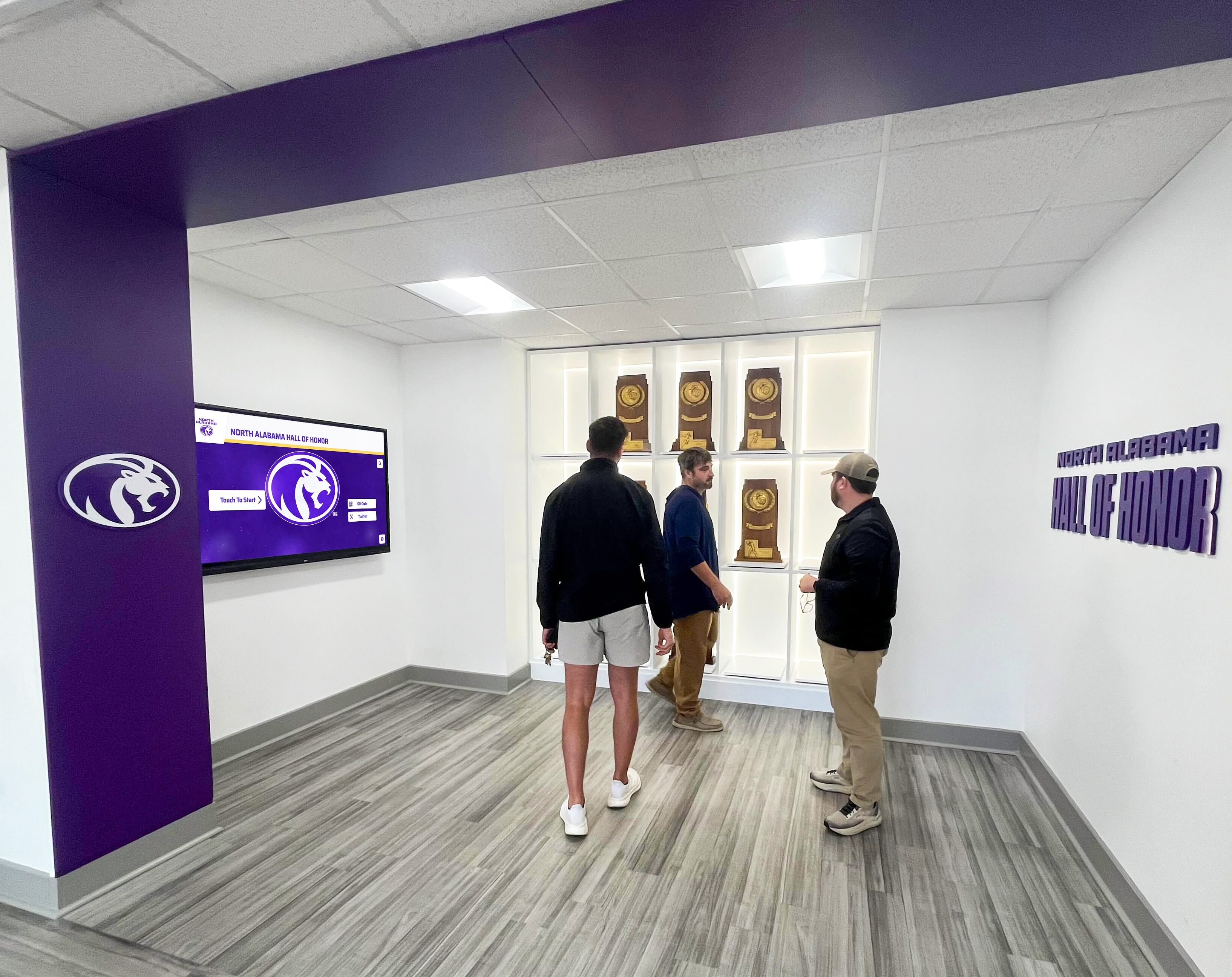
Check-In and Administrative Areas
Front desk areas where students check in for facilities, register for leagues, or ask questions about programs provide ideal locations for information-focused content emphasizing schedules, registration deadlines, and program details alongside recognition elements.
Administrative area displays benefit from guaranteed visibility as students complete required check-in processes, staff proximity enabling displays to supplement in-person questions and consultations, and decision-making context where information about registration and participation is immediately actionable.
Broader Campus Installations
Extending recognition beyond recreation facilities increases program visibility among wider campus populations including students who don’t regularly use recreation centers but might be inspired to participate through visible achievement celebration.
Student Union and Commons Areas
Student unions serve as campus social hubs where diverse populations gather, eat, study, and socialize. Digital displays in these high-traffic areas expose intramural programs to students who may be unaware of recreational opportunities while demonstrating that intramural sports form significant parts of campus culture.
Union placements reach students during relaxed social times receptive to discovering new activities, expose intramural programs to first-year students still exploring campus involvement, and create conversation starters as friends discuss teams, leagues, or achievements they encounter on displays.
Residence Hall Common Areas
First-year residence halls house students most likely to form new social connections through intramural participation. Displays in dormitory lobbies and common spaces place intramural information where students live, eat, and socialize daily, maximizing exposure precisely when students are establishing their college involvement patterns.
Residence hall displays particularly benefit from reach during prime social hours when students congregate in common spaces, proximity to friend groups forming teams and making participation decisions together, visibility during the critical first weeks when new students seek social connections, and ongoing presence reminding students about registration deadlines and opportunities.
Academic Building Installations
Strategic placements in academic facilities frequented by specific student populations enable targeted outreach. For instance, displays near engineering facilities might highlight intramural opportunities appealing to technical students, while installations near arts buildings could emphasize creative recreational offerings.
Academic building displays reach students during daily routines outside recreational contexts, provide welcome breaks from academic focus through engaging content, demonstrate institutional commitment to holistic student experience beyond coursework, and create natural connections between academic identities and recreational participation.
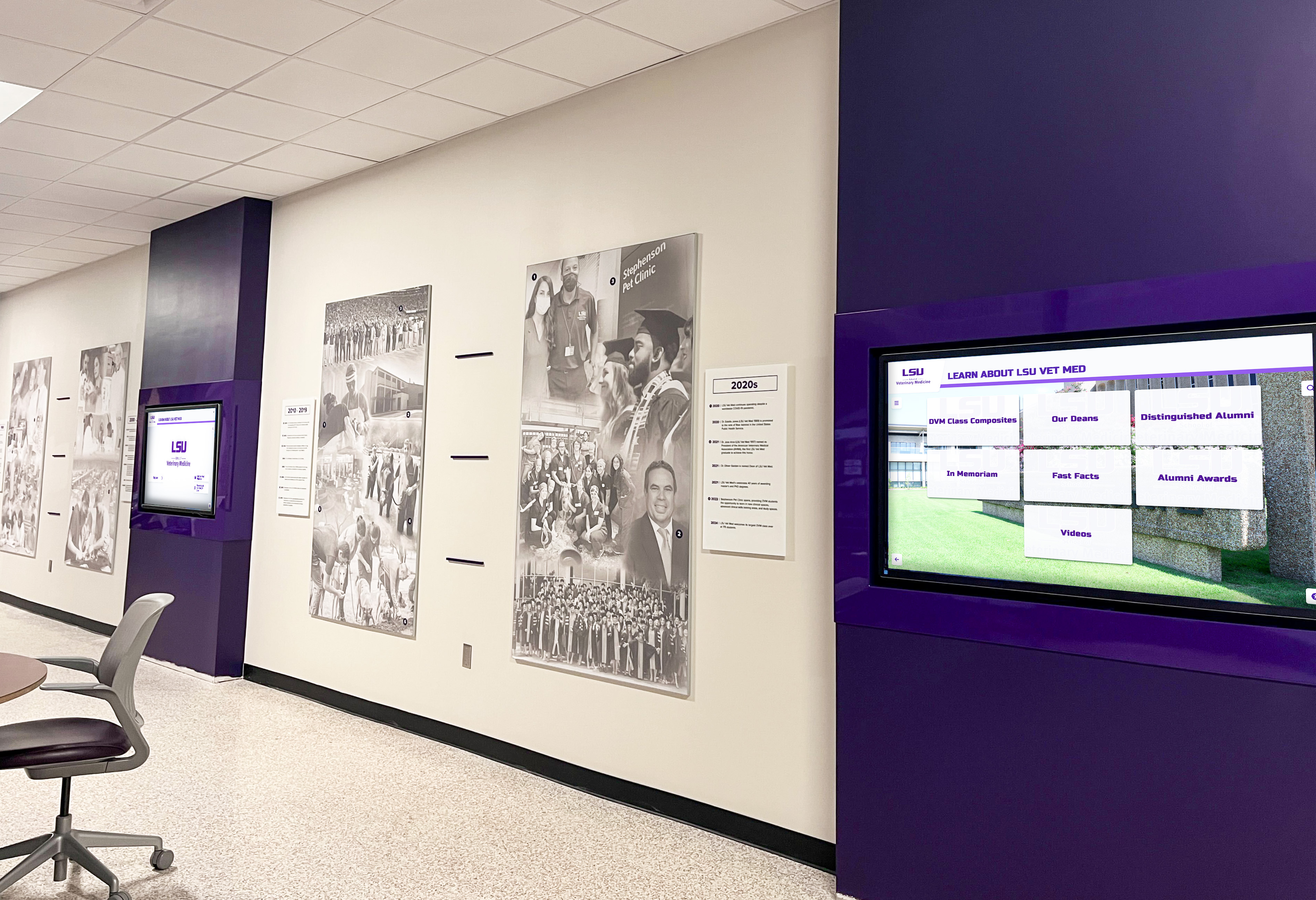
Athletic Facility Integration
Surprisingly, varsity athletic facilities provide strategic locations for intramural recognition, creating connections between elite competitive sports and broad recreational participation while demonstrating comprehensive institutional commitment to athletics at all levels.
Stadium and Arena Concourses
Displays in varsity athletic venues expose massive audiences to intramural programs during high-attendance events like football games and basketball competitions. Game day attendees include prospective students touring campuses, alumni returning for competitions, parents visiting for family weekends, and community members with limited campus exposure.
Athletic facility displays leverage enormous event attendance to promote intramural participation, demonstrate that universities value recreational sports alongside varsity competition, showcase breadth of athletic opportunities beyond elite teams, and create pipeline connections where intramural participation sometimes leads to club sport or even varsity involvement.
Implementing Digital Recognition for Intramural Programs
Successful implementation requires systematic planning addressing technical requirements, content development, program launch, and ongoing management.
System Selection and Technical Requirements
Hardware Considerations
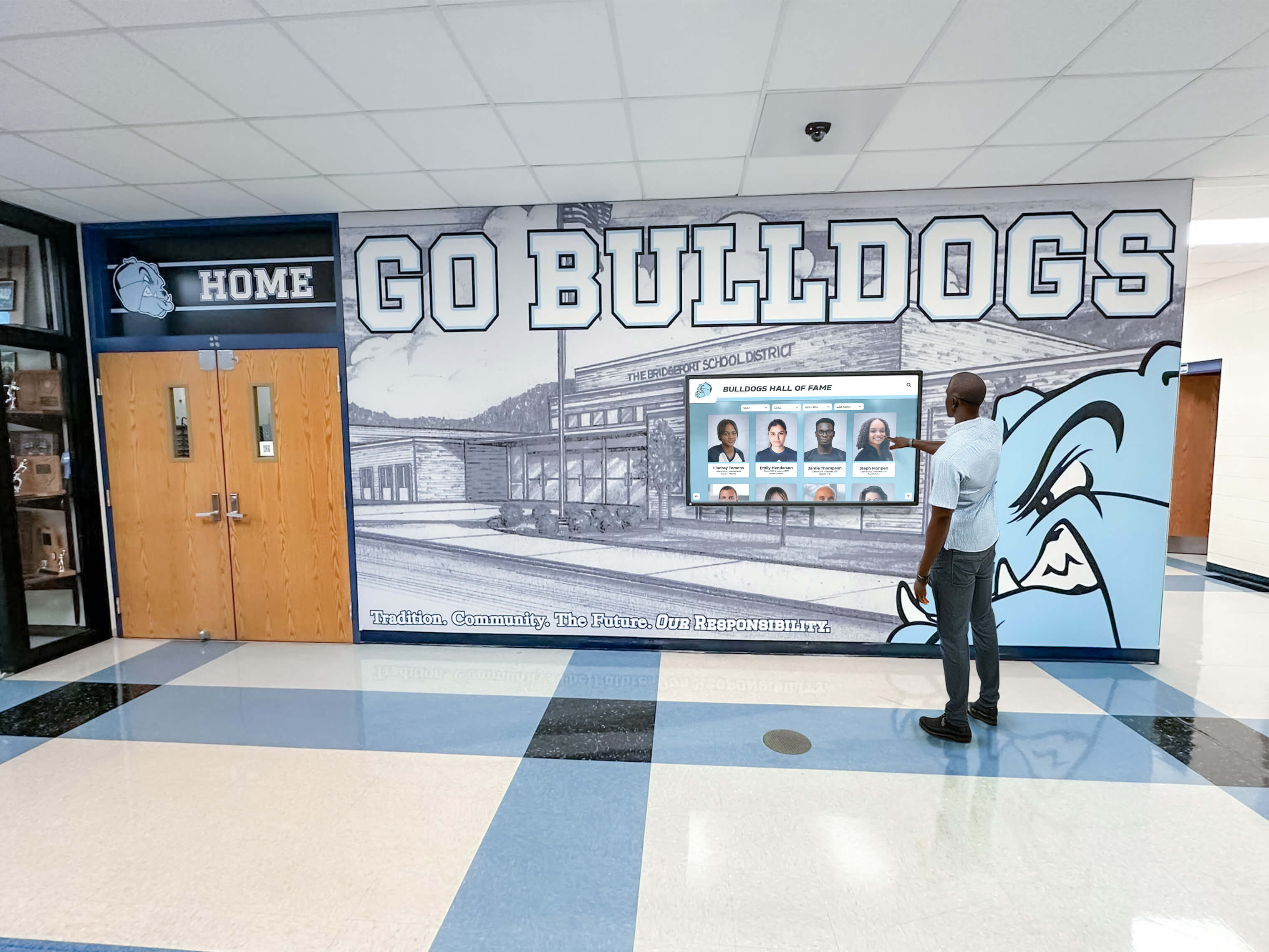
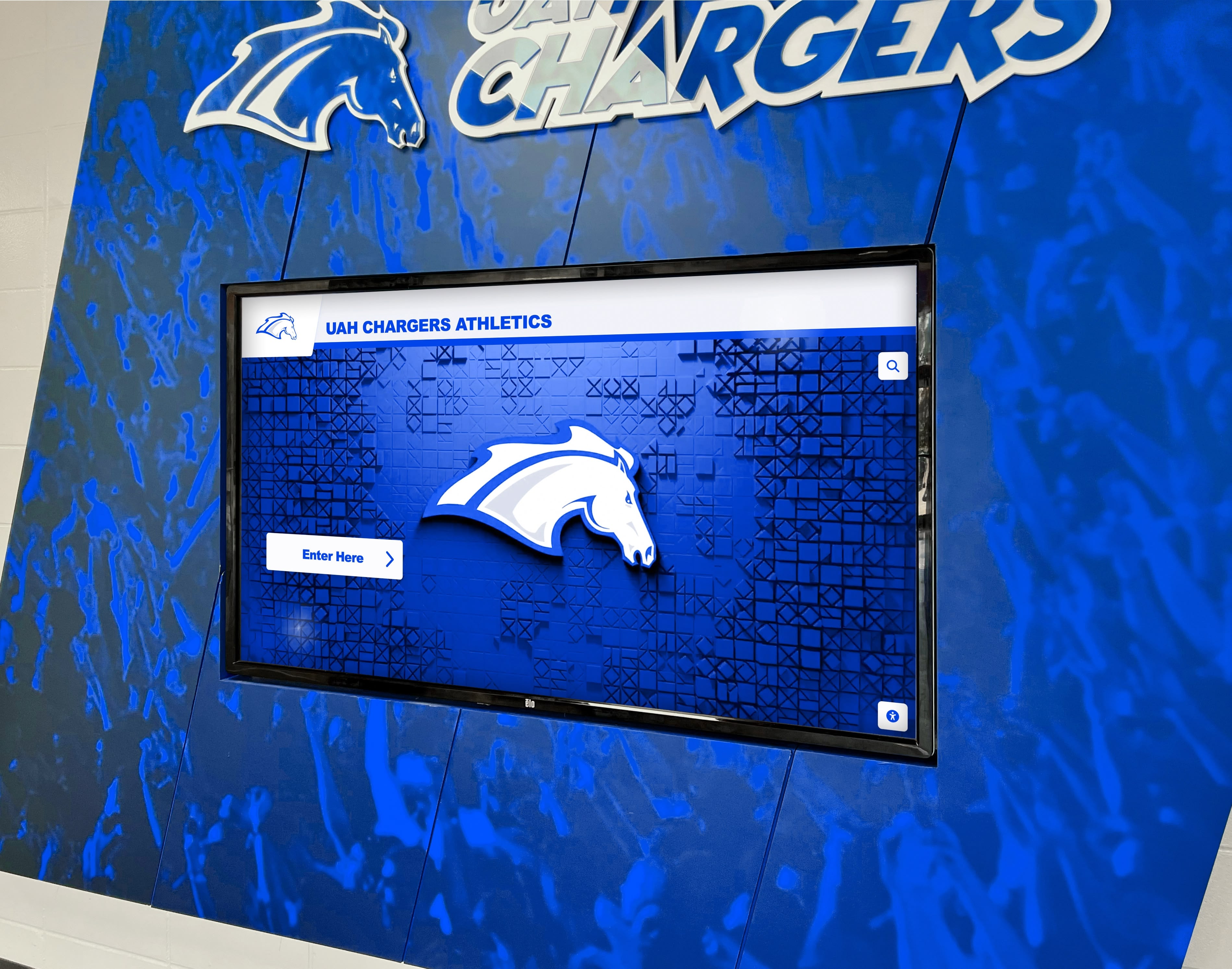
Commercial-grade displays designed for continuous operation in public spaces typically range from 50" to 86" diagonal depending on viewing distances and space constraints. Larger installations might utilize video wall configurations combining multiple displays for dramatic visual impact.
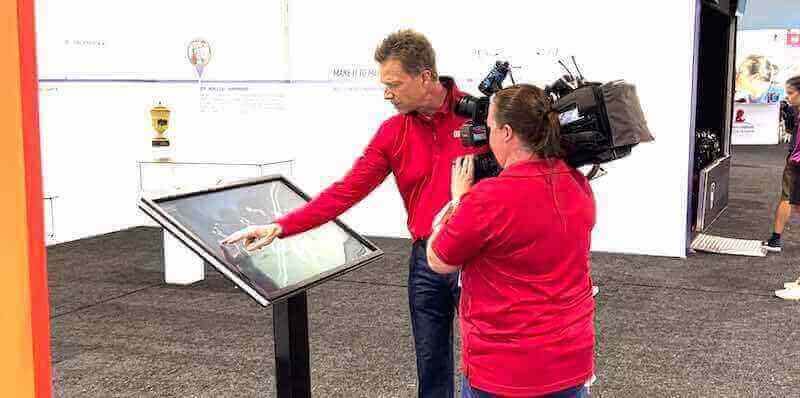
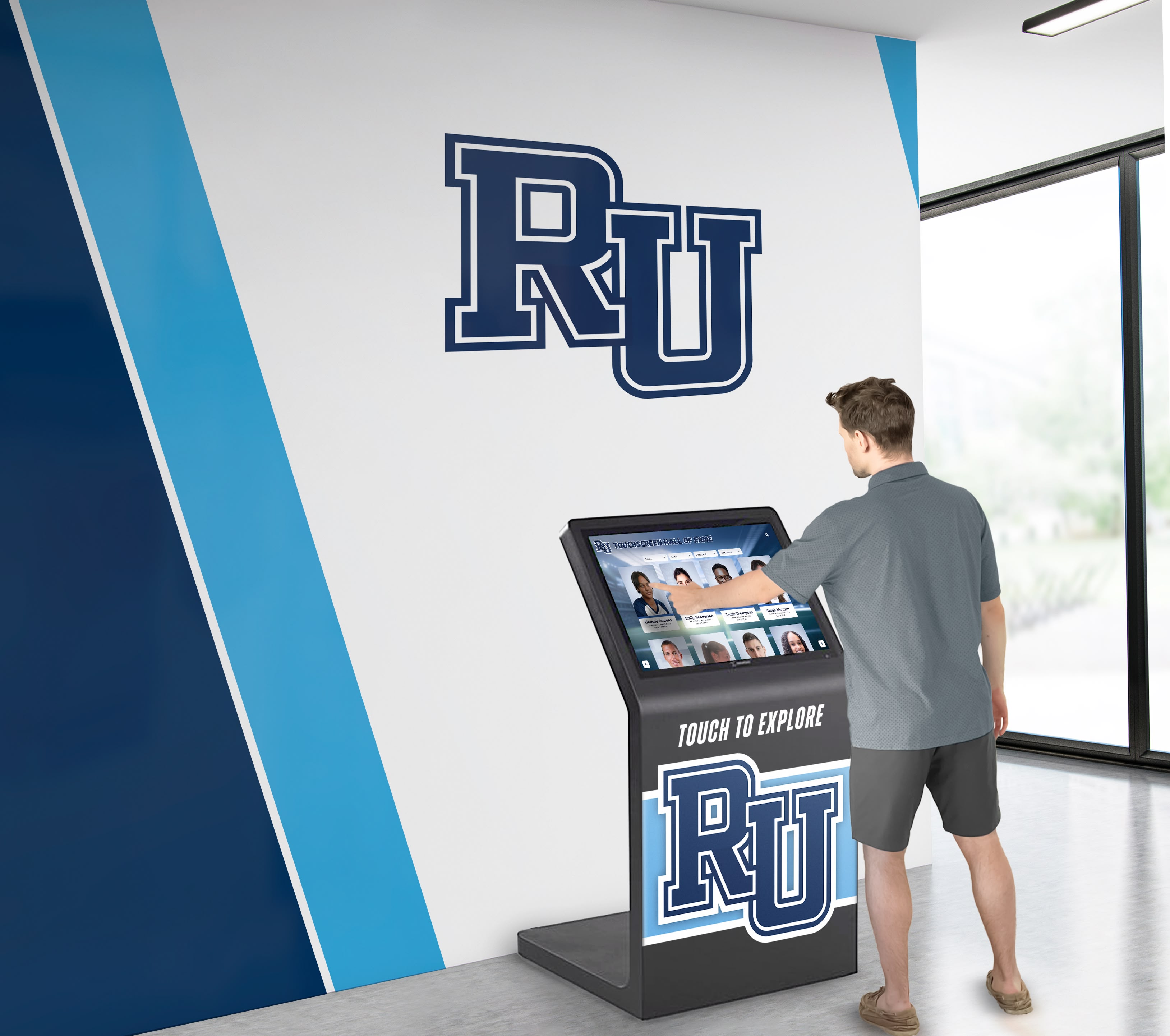
Touchscreen capabilities enable interactive exploration of content, though some installations use non-touch displays with companion tablets or kiosks for interaction. The choice depends on display placement, expected user behavior, and budget constraints.
Mounting and installation require professional services ensuring secure attachment, proper electrical service, network connectivity, and ADA-compliant positioning when applicable. Consider protective solutions for displays in high-activity areas where equipment or participants might contact screens.
Software Platform Selection
Purpose-built platforms like Rocket Alumni Solutions offer significant advantages over generic digital signage software through specialized features for recognition including profile management for teams and individuals, media galleries supporting photos, videos, and documents, search and filtering capabilities enabling content discovery, social sharing integration extending reach beyond physical displays, and content scheduling for automated rotation and timely information presentation.
Cloud-based management eliminates on-site servers and complex technical infrastructure while enabling updates from any internet-connected device. Subscription pricing models spread costs over time while including ongoing support, updates, and hosting.
Network and Connectivity
Reliable network connectivity ensures displays remain current with real-time schedule updates, timely recognition additions, and synchronized content across multiple installations. Most installations utilize institutional WiFi or wired ethernet connections to campus networks.
Consider bandwidth requirements for video content, especially if multiple displays access cloud-hosted media simultaneously. Work with IT departments to ensure proper network configuration, security protocols, and ongoing technical support.
Content Development and Launch Planning
Initial Content Creation
Begin by identifying historical content worth preserving and featuring including championship teams from recent years (typically 3-5 years of history), notable individual achievements and program milestones, historical photos documenting program evolution, and significant moments worth commemorating.
Develop content standards ensuring consistency across all profiles through photography guidelines specifying resolution, format, and style, writing templates for team and individual descriptions, video guidelines for length, format, and content approach, and review processes confirming accuracy before publication.
Understanding how to showcase student achievement provides frameworks applicable to recreational sports recognition, ensuring content celebrates accomplishments effectively while inspiring continued participation.
Phased Launch Approach
Rather than attempting comprehensive content from launch, consider phased implementation that builds momentum over time.
Phase 1: Core Recognition and Current Information Launch with current season championships, active league schedules and registration information, and essential program details. This immediate functionality provides value from day one while content library grows incrementally.
Phase 2: Historical Archive Development Systematically add historical content working backward through previous years, expanding recognition depth while demonstrating commitment to preserving complete program history.
Phase 3: Enhanced Features Introduce advanced capabilities like video interviews with championship teams, detailed participant profiles for frequent competitors, integration with fundraising campaigns, and expanded historical content including program evolution narratives.
This phased approach makes implementation manageable while allowing assessment and refinement between phases based on user response and technical performance.
Promotion and User Education
Digital displays succeed only when people know they exist and understand how to use them. Comprehensive launch promotion should include announcement campaigns through recreation department emails, social media promotion with display photos and usage instructions, tabling events at displays demonstrating features and encouraging exploration, integration into intramural captain meetings where team leaders learn about recognition opportunities, and press releases to campus media highlighting the new recognition platform.
Create simple user guides with QR codes near displays, offering quick tutorials for navigation and search. Host open houses or demo sessions inviting students to explore displays while recreation staff answer questions and gather feedback.
Ongoing Content Management
Regular Update Schedules
Establish consistent rhythms for content updates ensuring displays remain current without requiring unsustainable staff time.
Championship recognition should be added within 1-2 days of tournament finals, capitalizing on fresh excitement and timely acknowledgment. League schedules receive weekly updates reflecting playoff progression and schedule changes. Registration information requires updates 2-3 weeks before enrollment periods, providing ample advance notice. Special event promotion begins 3-4 weeks before tournaments or unique competitions.
Assign clear responsibilities for updates—whether single staff members, divided by sport category, or shared across recreation team depending on department size and structure. Document update procedures ensuring consistency across staff changes or personnel turnover.
Quality Control and Accuracy
Implement verification processes catching errors before publication through spell-checking all text content, confirming team rosters and spelling of participant names, verifying dates, times, and locations for schedules and events, and testing links to external content or registration pages.
Establish feedback mechanisms allowing students to report errors or suggest corrections, with clear processes for reviewing and implementing updates. Regular content audits—perhaps quarterly—ensure information remains accurate as circumstances change.
Analytics and Optimization
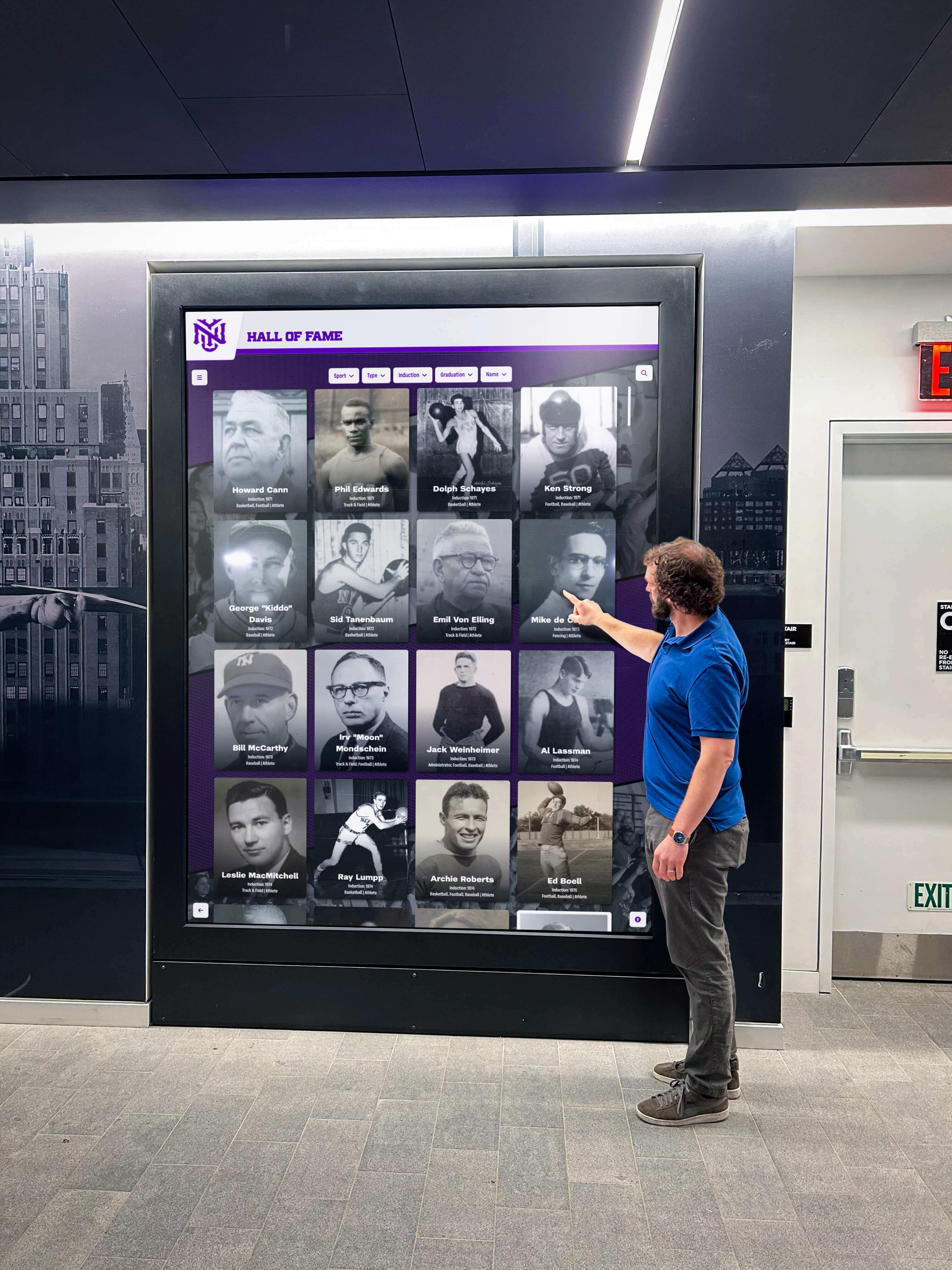
Leverage analytics data to understand usage patterns and optimize content strategy. Review most-viewed profiles identifying popular content themes to emphasize, search patterns revealing what information users seek most frequently, session duration and interaction depth indicating engagement levels, and peak usage times informing content scheduling and update timing.
Use these insights to refine content approaches, emphasizing formats and topics that resonate most while reconsidering elements that generate minimal engagement. Analytics transform content decisions from guesswork into evidence-based strategy.
Measuring Impact and Demonstrating Value
Comprehensive digital recognition systems generate measurable outcomes demonstrating program impact and justifying continued investment.
Participation and Engagement Metrics
Direct Display Interactions
Analytics platforms track daily interactions with displays, unique users based on session patterns, average session duration indicating engagement depth, pages viewed per session showing exploration breadth, and return user rates revealing ongoing engagement versus one-time curiosity.
Compare these metrics against facility traffic to understand what percentage of recreation center visitors engage with displays. Track trends over time identifying whether usage grows, remains stable, or declines—informing ongoing content and promotion strategies.
Extended Digital Reach
Web-based platforms provide additional metrics beyond physical display interactions including website visits to online recognition platforms, social media shares extending content reach, mobile app downloads if companion applications exist, and email sign-ups for program updates or newsletters.
Map geographic distribution of online visitors identifying whether access extends beyond campus to alumni, parents, and broader communities. Track referral sources understanding how people discover online platforms.
Program Participation Trends
Ultimate success lies in whether enhanced visibility and information access translate into increased program participation. Track registration numbers across sports and competitive levels, new participant enrollments particularly among first-year students, participant retention across multiple seasons, special event attendance for tournaments and unique competitions, and participant survey responses about information sources influencing registration decisions.
Compare participation trends before and after display implementation, accounting for other variables like facility improvements or program expansions that might also affect numbers.
Fundraising Performance
Donation Analytics
For integrated donation portals, track contribution volume through number of donations and total dollars raised, donation sources including student, alumni, parent, and corporate giving, average donation size across contributor categories, return donor rates showing sustained giving patterns, and conversion rates from display exposure to completed donations.
Analyze which content types or campaigns generate strongest donation response. Test different calls-to-action, giving levels, and impact messaging to optimize fundraising effectiveness over time.
Donor Acquisition and Retention
Digital platforms excel at cultivating first-time donors who later develop sustained giving patterns. Track new donor acquisition attributable to display campaigns, first-year retention showing donors who contribute again in subsequent years, donor progression where initial small gifts grow over time, and engagement patterns revealing how donors interact with recognition content beyond their initial contributions.
Compare these patterns against traditional fundraising channels to demonstrate digital platform effectiveness for both donor acquisition and long-term relationship building.
Qualitative Impact Assessment
Beyond quantitative metrics, qualitative feedback reveals how displays affect campus culture and participant experience.
Student Feedback and Testimonials
Conduct periodic surveys or focus groups with intramural participants exploring questions like how displays influence their awareness of intramural opportunities, whether recognition motivates their continued participation, if displays help them discover new sports or leagues to try, how information accessibility affects registration decisions, and whether they’ve shared content with friends, family, or social networks.
Collect testimonials from championship team members about how recognition affected their intramural experience. Use these narratives in future fundraising appeals and program promotion.
Stakeholder Observations
Gather perspectives from diverse stakeholders including recreation center staff observing visitor behavior around displays, university advancement professionals assessing alumni engagement, student affairs administrators evaluating campus climate impacts, and prospective student tour guides discussing displays during campus visits.
These varied perspectives provide comprehensive understanding of display impact beyond direct user metrics, revealing effects on institutional reputation, campus culture, and community perception.
Case Study Considerations for Power 4 Implementation
While specific case studies remain confidential, examination of common patterns among large university implementations reveals best practices and typical outcomes.
Typical Implementation Scenarios
Large Research Universities (30,000+ students)
Major research universities typically implement multiple displays across recreation facilities, student unions, and academic buildings. These comprehensive networks serve diverse student populations, accommodate dozens of simultaneous league seasons, and integrate with complex organizational structures spanning recreation departments, student affairs divisions, and university advancement.
Common challenges include coordinating across multiple administrative units with different priorities and budgets, managing enormous content volumes with hundreds of annual championship teams, serving diverse student populations with varying recreational interests and participation patterns, and integrating with existing campus technology infrastructure and digital communication strategies.
Successful implementations address these challenges through centralized management systems providing unified control across distributed displays, phased rollout testing systems at smaller scale before campus-wide expansion, cross-departmental steering committees ensuring broad stakeholder input, and dedicated staff positions focused specifically on content management and ongoing optimization.
Mid-Size Universities (15,000-30,000 students)
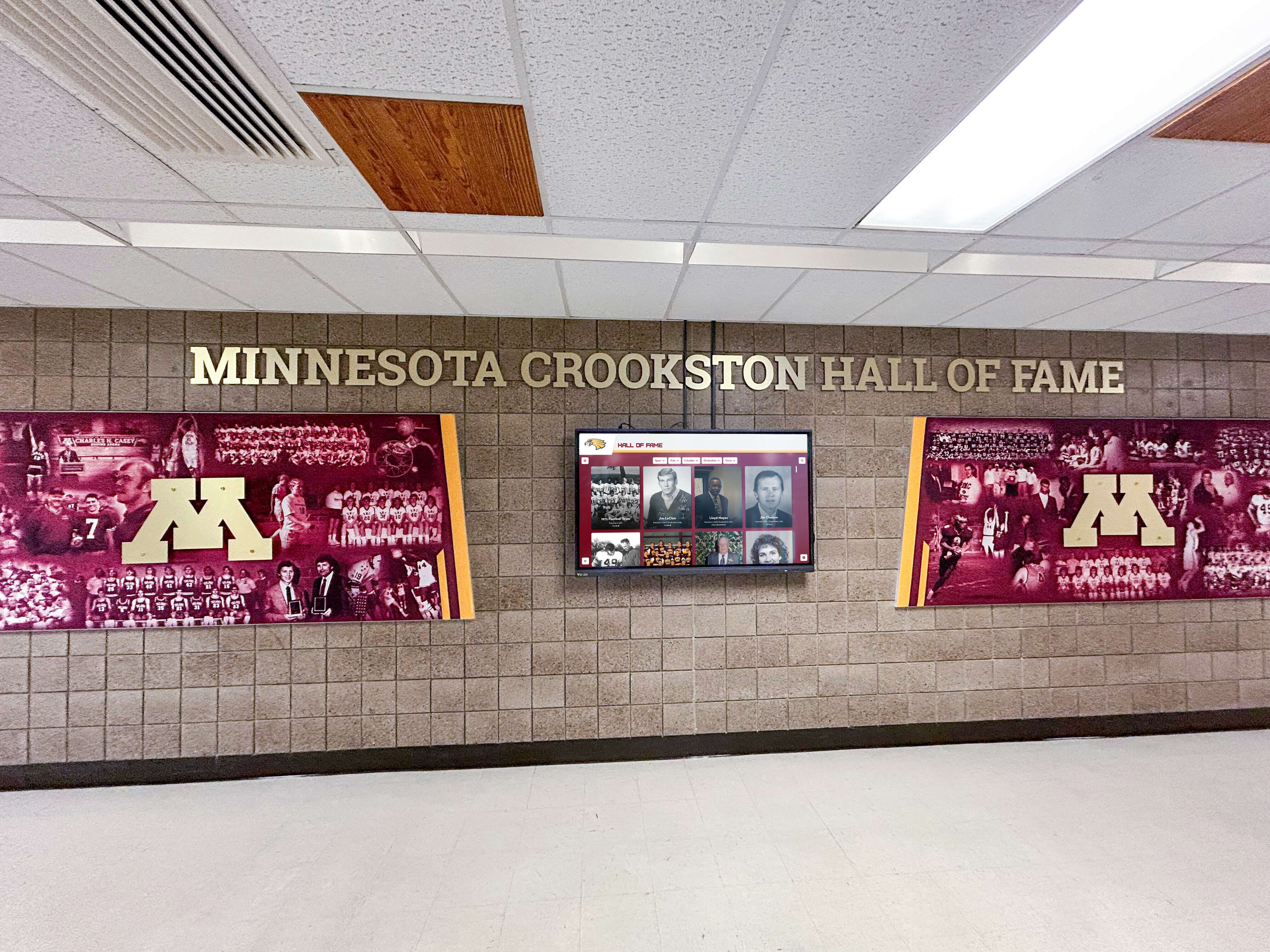
Mid-size institutions often implement focused installations emphasizing quality over quantity, with strategic placements in recreation center lobbies and one or two additional campus locations generating substantial impact while remaining manageable for smaller recreation staff teams.
These implementations balance comprehensive recognition with realistic content management capacity, typically serving 100-200 intramural teams annually across 15-25 sports. Funding often combines recreation department budgets with student government allocations or alumni giving campaigns positioning displays as lasting improvements to student experience.
Specialized Athletic Universities
Some universities with particularly strong intramural traditions—often institutions with limited varsity athletic programs or strong recreational identity—make intramural recognition centerpieces of campus athletic culture.
These institutions might implement premium installations with large-format displays, extensive video content, and sophisticated interactive features demonstrating that recreational sports matter as much as any campus program. Funding sometimes includes major naming opportunities attracting significant donor support from alumni whose most meaningful college experiences centered on intramural participation.
Success Factors Across Implementations
Regardless of institutional size or specific circumstances, successful implementations share common characteristics worth emulating.
Executive Leadership Support
Visible backing from recreation directors, student affairs leadership, or other senior administrators signals that digital recognition represents strategic priorities deserving adequate resources, staff time, and ongoing support. This executive sponsorship proves critical during inevitable implementation challenges or competing resource demands.
Student Involvement in Planning
Including current students—particularly intramural participants and student recreation staff—in planning and content decisions ensures displays meet actual user needs rather than administrator assumptions about what matters. Student advisors provide invaluable perspectives on desired features, compelling content, and effective promotion strategies.
Cross-Functional Collaboration
Successful implementations involve coordinated efforts across recreation departments providing content expertise and program knowledge, IT services ensuring proper technical infrastructure and ongoing system support, university communications lending promotional assistance and brand alignment, advancement professionals integrating fundraising capabilities, and student government sometimes providing funding or promotional support.
This collaboration distributes workload while ensuring displays serve multiple institutional priorities simultaneously.
Commitment to Ongoing Excellence
Digital displays succeed through sustained commitment beyond initial implementation excitement. Establishing clear ongoing responsibilities, allocating adequate time for content management, regularly reviewing analytics and user feedback, continuously updating and refreshing content, and protecting staff capacity from competing demands all determine whether displays remain vibrant platforms or become outdated installations that users learn to ignore.
Overcoming Common Implementation Obstacles
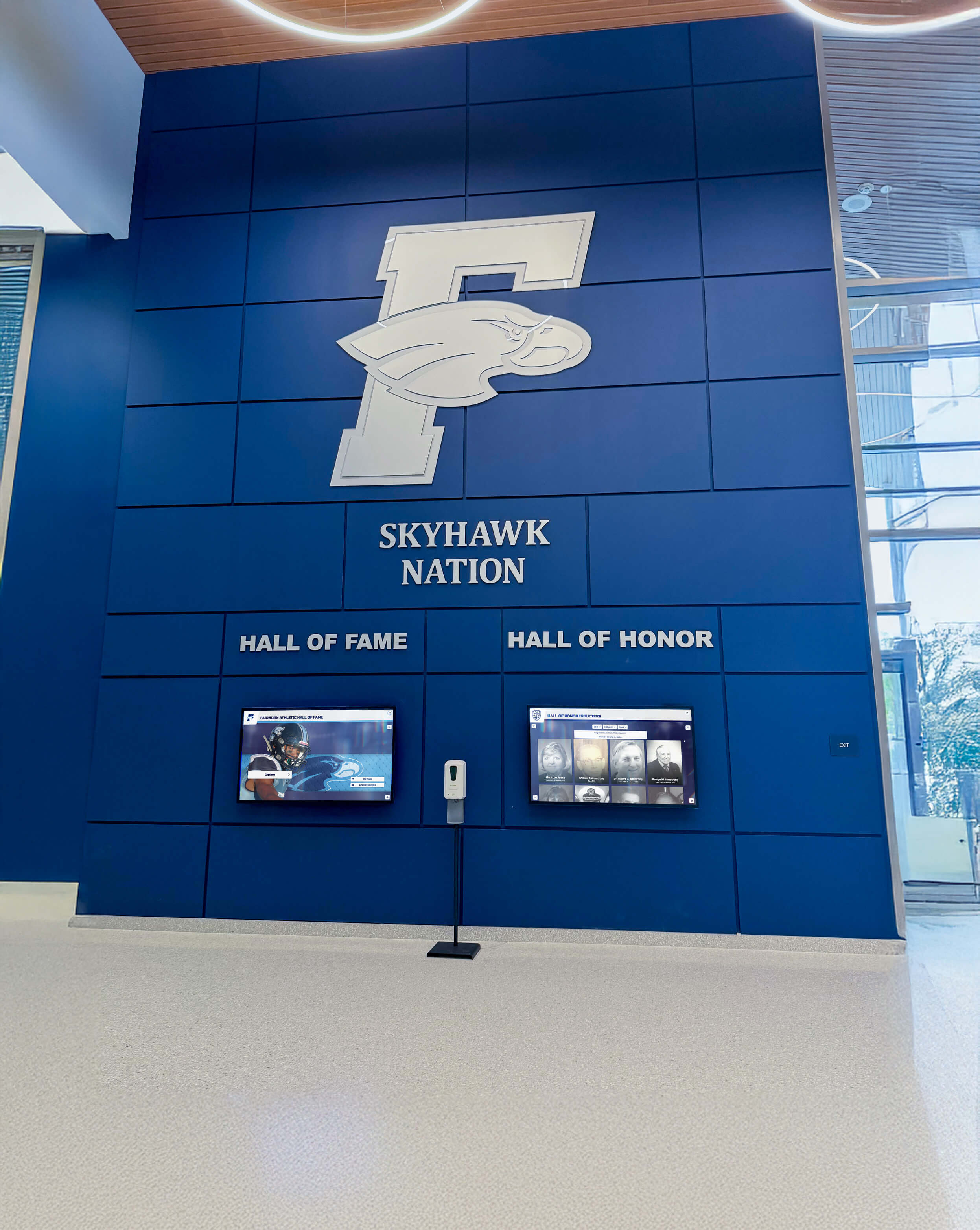
Even well-planned implementations encounter predictable challenges. Being prepared for common obstacles accelerates problem-solving and maintains momentum.
Budget Constraints
Initial Investment Concerns
Digital recognition systems require meaningful upfront investments typically ranging from $15,000-$50,000 depending on hardware scale, software sophistication, and installation complexity. This initial cost sometimes creates hesitation, particularly in departments with limited discretionary budgets.
Addressing Cost Concerns
Frame investments through long-term cost-effectiveness rather than initial expense. Compare digital system longevity (typically 7-10 years before major upgrades needed) against ongoing costs of traditional recognition methods. Highlight that digital displays eliminate per-inductee costs for plaques, provide unlimited recognition capacity avoiding future expansion expenses, and reduce printing costs for schedules, posters, and program information.
Explore phased funding approaches starting with single display in recreation center lobby, demonstrating value before expanding to additional locations. Consider creative funding sources including student government allocations for student experience improvements, alumni giving campaigns framing recognition displays as lasting legacies, corporate sponsorships providing revenue through integrated advertising, recreation department reserve funds accumulated for strategic investments, and university advancement partnerships when displays include fundraising capabilities.
Some institutions fund displays through intramural registration fee increases—typically $1-3 per participant—generating substantial revenue from broad user bases while directly connecting those benefiting from improved recognition to its funding.
Content Development Capacity
Time and Resource Limitations
Recreation staff typically face overwhelming responsibilities managing day-to-day operations, coordinating leagues, supervising facilities, and addressing constant participant needs. Adding content management for digital displays can feel like impossible burden without additional resources.
Sustainable Content Approaches
Implement strategies making content management efficient and sustainable through standardized templates reducing custom content creation for each profile, batch processing where staff dedicate specific times to uploading multiple championship teams simultaneously rather than individual additions, student employee involvement leveraging work-study staff or intern programs for photography, data entry, and content development, automated content where possible using direct data feeds from league management systems for schedules and standings, and reasonable quality standards avoiding perfectionism that prevents timely updates.
Many successful implementations assign content management to graduate assistants, work-study students, or dedicated interns who develop expertise while completing manageable workloads. This approach builds institutional knowledge, creates leadership development opportunities for students, and prevents unsustainable burdens on full-time professional staff.

Technical Integration Challenges
System Compatibility
Universities operate complex technology ecosystems with existing league management software, registration systems, website platforms, and digital communications infrastructure. Ensuring new recognition displays integrate smoothly sometimes presents technical challenges.
Integration Solutions
Work closely with university IT departments from initial planning through implementation, ensuring technical requirements align with institutional standards and infrastructure capabilities. Most modern platforms offer flexible integration options including API connections to existing systems, data import/export capabilities in standard formats, single sign-on integration with university authentication systems, and responsive web platforms working across existing campus network infrastructure.
Prioritize vendors with demonstrated higher education experience who understand institutional technical environments and common integration scenarios. Request reference calls with similar institutions to understand their integration experiences and lessons learned.
Future Directions for Intramural Digital Recognition
Digital recognition continues evolving rapidly as technology advances and user expectations change. Forward-thinking institutions are already exploring next-generation capabilities that will likely become standard in coming years.
Mobile-First Experiences
Current students expect seamless mobile experiences for all digital interactions. Future recognition platforms will emphasize mobile-native interfaces designed specifically for smartphone screens, progressive web apps providing app-like experiences without requiring downloads, location-based content highlighting nearby displays or relevant facilities, and mobile-optimized video content designed for mobile consumption patterns.
These mobile experiences extend recognition access beyond physical displays, allowing students to explore achievements, check schedules, and access information whenever and wherever convenient.
Enhanced Social Integration
As social media platforms evolve, recognition systems will offer deeper integration including automated social media posting when teams achieve championships, collaborative content creation allowing participants to upload their own photos and videos, tagging capabilities connecting profiles across platforms, and viral sharing mechanics encouraging organic content distribution through student networks.
These social capabilities transform recognition from institutional communication into student-generated content that spreads organically through peer networks.
Advanced Fundraising Capabilities

Donation portals will become more sophisticated through personalized giving suggestions based on user profiles and interaction patterns, micro-transaction capabilities allowing extremely small donations, blockchain integration providing transparent fund tracking, and gamification elements making giving engaging and social. Solutions like digital recognition platforms with integrated giving demonstrate how recognition and fundraising naturally complement each other when thoughtfully integrated.
These advanced capabilities increase donation accessibility while making giving feel meaningful regardless of contribution size.
Data Analytics and Predictive Insights
Sophisticated analytics will provide actionable insights including participation prediction identifying students likely to drop out, allowing proactive outreach, engagement scoring revealing which content types drive deepest interaction, optimization recommendations suggesting content and scheduling improvements based on usage patterns, and ROI demonstration clearly connecting recognition investments to participation growth and fundraising outcomes.
These analytics transform displays from passive recognition into strategic platforms actively supporting program goals through data-driven decision making.
Getting Started: Implementing Digital Recognition at Your Institution
For recreation departments ready to elevate intramural sports visibility, improve program communications, and create innovative fundraising opportunities, systematic planning ensures successful implementation.
Assessment and Planning
Current State Evaluation
Begin by honestly assessing existing intramural recognition and communications including what recognition currently exists and whether it’s adequate, how program information currently reaches students and whether it’s effective, what challenges participants and staff identify with current approaches, and what budget currently exists for recognition and communications infrastructure.
This assessment creates baseline understanding and helps identify specific improvements digital solutions should provide.
Stakeholder Input
Gather perspectives from diverse constituents including current intramural participants through surveys or focus groups, recreation center staff managing day-to-day operations, university advancement professionals potentially supporting fundraising integration, student government representatives who might provide funding, and campus IT professionals who will support technical implementation.
This broad input ensures solutions address real needs rather than perceived priorities while building support across constituencies who must collaborate for successful implementation.
Goals and Success Metrics
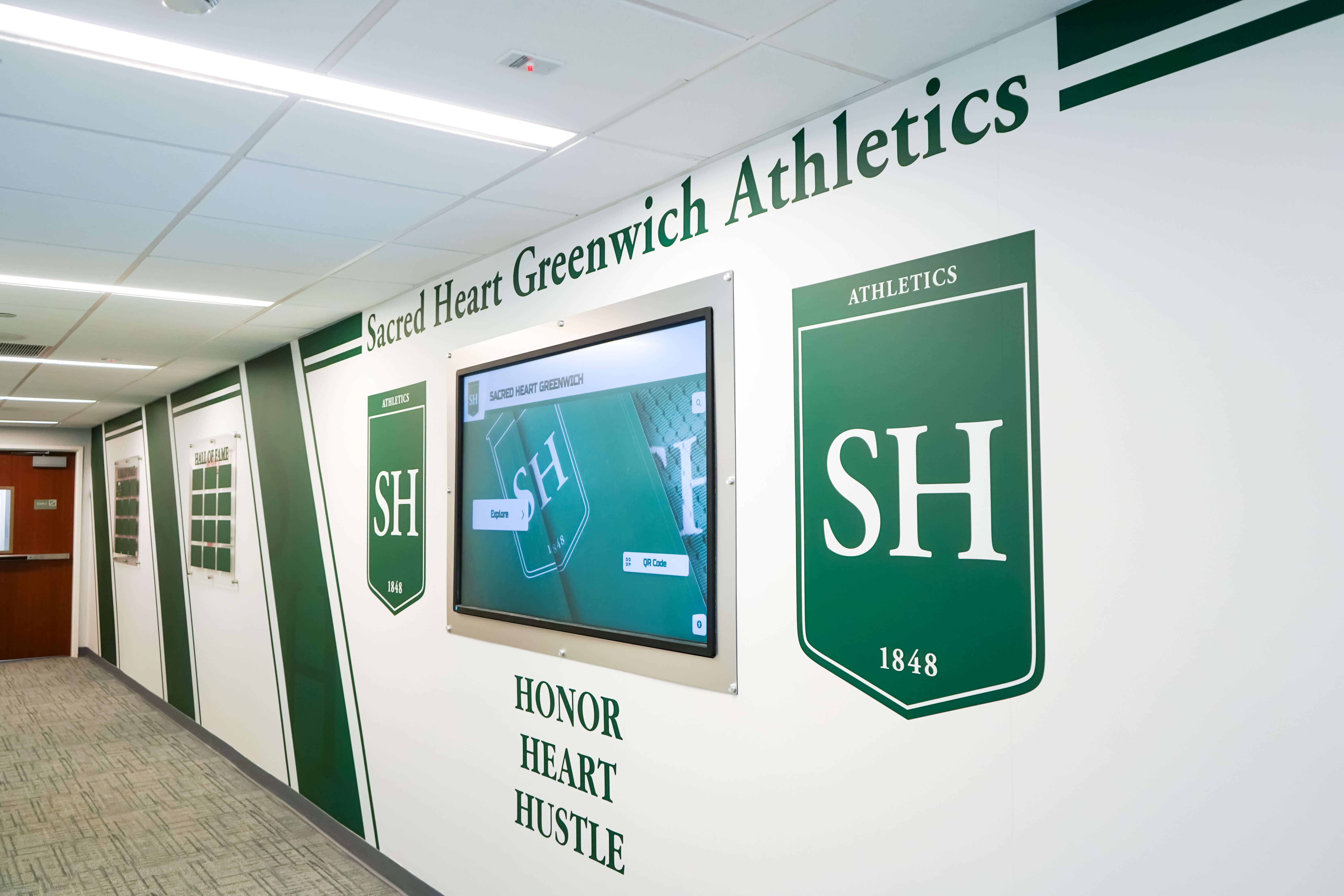
Define specific objectives for digital recognition implementation such as increased intramural participation rates, improved awareness of registration deadlines and program offerings, enhanced campus visibility for recreational sports, specified fundraising revenue targets, and participant satisfaction improvements measured through surveys.
Establish baseline data for these metrics before implementation, allowing meaningful assessment of impact over time.
Solution Selection
Vendor Evaluation
Research platforms designed specifically for educational recognition rather than generic digital signage software. Purpose-built solutions like Rocket Alumni Solutions understand institutional contexts, include features tailored to recognition and engagement, offer content management designed for non-technical staff, and provide ongoing support from teams familiar with higher education challenges and priorities.
Evaluate vendors based on feature alignment with identified needs, ease of use for content management, integration capabilities with existing systems, total cost of ownership including implementation and ongoing fees, track record with similar institutions, and quality of ongoing support and training.
Request demonstrations showing actual systems rather than sales presentations. If possible, visit existing installations at similar institutions to see displays in action and speak with recreation staff about their experiences.
Pilot Approaches
Consider starting with single display installation in recreation center lobby, demonstrating value before expanding investment. Successful pilots provide concrete evidence for additional funding requests while allowing staff to develop content management expertise before managing multiple locations.
Pilot periods typically run 6-12 months, providing sufficient time to assess impact through multiple intramural seasons while gathering comprehensive user feedback.
Implementation and Launch
Timeline Planning
Typical implementations span 3-6 months from vendor selection through launch including vendor contracting and hardware ordering (3-6 weeks), display installation and technical setup (2-4 weeks), initial content development (4-8 weeks, often overlapping with installation), staff training on content management (1-2 weeks), and promotional campaign development (2-3 weeks before launch).
Plan launches to coincide with natural program milestones like academic year beginnings, major intramural tournament periods, or campus events with high visibility. Avoid launches during quiet periods when limited campus presence reduces initial exposure and adoption.
Comprehensive Launch
Successful launches combine multiple promotional tactics ensuring all relevant audiences learn about new recognition platforms through recreation department email campaigns to all intramural participants, social media blitzes across university and recreation accounts, tabling at displays for first weeks with staff demonstrating features, integration into intramural captain meetings and staff trainings, campus media outreach generating news coverage, and signage throughout recreation facilities directing people to displays.
Create simple “Quick Start” guides helping users navigate displays efficiently. Post QR codes linking to video tutorials demonstrating search and exploration features.
Ongoing Success
Content Excellence
Maintain display relevance through consistent content updates, high-quality photos and videos, compelling narratives rather than dry facts, and timely information matched to current program cycles. Displays succeed or fail based on content quality and currency—invest adequate resources ensuring ongoing excellence.
Continuous Improvement
Regularly review analytics, solicit user feedback, experiment with new content formats, and refine approaches based on evidence of what resonates most. Digital platforms allow rapid iteration and testing impossible with static installations—leverage this flexibility for continuous optimization.
Community Building
Use recognition platforms as foundations for broader community building including alumni networks connecting former participants, mentorship programs linking successful alumni with current students, giving circles organized around intramural support, and social events bringing together intramural communities across generations.
Recognition becomes starting point for relationships that extend far beyond simple acknowledgment, creating lasting connections that strengthen institutions for decades.
Conclusion: Transforming Intramural Sports Through Digital Recognition
Intramural sports programs represent some of universities’ most successful initiatives—engaging massive student populations, building community across diverse backgrounds, promoting wellness and active lifestyles, creating leadership development opportunities, and generating memories that last lifetimes. Yet despite their enormous impact, intramural programs often remain invisible beyond immediate participants, lacking recognition infrastructure, communication platforms, and fundraising capabilities that other university programs leverage routinely.
Digital recognition displays transform this reality by providing unlimited capacity to celebrate every championship team and dedicated participant, creating engaging information hubs consolidating schedules, registration details, and program updates in high-visibility locations, enabling innovative fundraising through integrated donation portals that make giving accessible and meaningful, preserving program history for future generations while inspiring current students through visible achievement examples, and demonstrating institutional commitment to recreational sports excellence alongside other valued programs.
Solutions like Rocket Alumni Solutions provide comprehensive platforms specifically designed for intramural sports recognition, combining intuitive content management with powerful engagement features and sophisticated fundraising integration. These purpose-built systems understand that intramural programs serve unique institutional roles requiring specialized capabilities rather than generic digital signage approaches.
For Power 4 universities and other institutions with substantial intramural programs, digital recognition represents strategic investments that strengthen student experience, build lifelong connections, generate philanthropic support, and celebrate the thousands of students who make recreational sports central to campus culture. The question isn’t whether to implement digital recognition, but rather how quickly institutions can capitalize on opportunities to elevate programs that already succeed while creating infrastructure supporting their continued growth and excellence.
Intramural sports deserve recognition commensurate with their impact. Digital displays finally make comprehensive celebration possible—transforming recreational athletics from overlooked activities into visibly valued programs that strengthen universities for generations.
Frequently Asked Questions
How much does digital recognition display implementation typically cost for university intramural programs?
Comprehensive digital recognition system costs vary based on display quantity, hardware specifications, software platform selection, and installation complexity. Single display implementations in recreation center lobbies typically range from $15,000-$30,000 including commercial-grade touchscreen hardware, purpose-built software platform subscription, professional installation, network integration, and initial content development support. Multi-location campus-wide implementations might range from $50,000-$150,000 depending on scope. These investments provide 7-10 years of service with unlimited recognition capacity, contrasting with traditional plaque systems that cost $3,000-$5,000 annually for ongoing additions while offering limited capacity. Many institutions fund implementations through student recreation fee increases, alumni giving campaigns, corporate sponsorships, or recreation department strategic investment reserves.
What staff time commitment does ongoing content management require?
Well-designed systems minimize ongoing staff burden through intuitive cloud-based interfaces requiring no technical expertise. After initial setup and staff training, typical maintenance involves 2-4 hours weekly during peak intramural seasons for uploading championship photos, updating league schedules, posting registration information, and promoting special events. Off-season maintenance drops to 1-2 hours weekly for historical content development and system optimization. Many institutions leverage student employees or graduate assistants for content management, developing their professional skills while preventing unsustainable burdens on full-time recreation staff. Content standards emphasizing timeliness over perfection ensure displays remain current without requiring excessive time for each update.
Can digital recognition displays actually generate significant fundraising revenue for intramural programs?
Integrated donation portals have proven effective for intramural fundraising, though results vary based on implementation approach and alumni engagement. Institutions report donation conversion rates of 2-5% among users who interact with displays—meaning 2-5% make contributions during or shortly after viewing recognition content. For displays averaging 100-200 interactions daily, this generates 2-10 donations daily from display exposure alone, not including broader web platform access. Average donation sizes typically range from $25-$100 for student and young alumni donors, $100-$500 for established alumni, and $500-$5,000+ for major donors and corporate sponsors. Annualized, comprehensive systems often generate $15,000-$75,000 for mid-size programs, with larger universities sometimes exceeding $100,000 annually. Success requires thoughtful integration of calls-to-action, transparent impact communication, and appropriate donor recognition—not simply adding generic donation links to displays.
How do digital displays improve intramural participation rates?
While displays alone don’t cause participation increases, they contribute to comprehensive marketing and engagement strategies that collectively boost registration. Institutions report 5-15% participation growth following display implementation, attributed to improved awareness of program offerings among students previously unaware of intramural breadth, increased registration deadline visibility reducing missed opportunities, enhanced program legitimacy through prominent recognition signaling that intramural sports matter institutionally, peer inspiration as students see friends celebrated and want similar recognition, and improved information accessibility making registration easier and less confusing. Displays work best as components of broader strategies including strong campus partnerships, effective social media presence, welcoming program cultures, and high-quality recreational experiences that participants enthusiastically share with friends.
What makes purpose-built platforms like Rocket Alumni Solutions better than generic digital signage software for intramural recognition?
Generic digital signage platforms excel at displaying announcements, advertisements, and basic information but lack specialized features essential for effective recognition. Purpose-built platforms like Rocket Alumni Solutions provide profile management systems organizing individual and team achievements, search and filtering capabilities enabling content discovery by name, year, sport, or achievement type, multimedia galleries supporting photos, videos, and documents with appropriate organization, social sharing integration extending recognition beyond physical displays, donation portal integration connecting recognition to fundraising seamlessly, responsive web platforms providing access beyond physical displays, and analytics tracking engagement patterns and optimization opportunities. Additionally, purpose-built vendors understand educational contexts, provide relevant ongoing support, and continuously develop features addressing real institutional needs rather than generic commercial applications. While sometimes more expensive initially, specialized platforms deliver dramatically better outcomes for recognition goals while remaining manageable for non-technical recreation staff.
How can smaller universities or colleges with limited budgets implement digital recognition for intramural programs?
Budget constraints require creative approaches prioritizing core value while scaling ambitions to available resources. Start with single display in recreation center lobby focusing investment where impact is greatest, choose mid-range commercial displays (50"-65") rather than premium large-format installations, select cost-effective mounting solutions using standard wall mounts rather than custom installations, leverage student employees for content development reducing professional staff time requirements, and consider annual software subscriptions rather than perpetual licenses spreading costs over time. Some smaller institutions begin with web-based platforms without physical displays, building online recognition that still provides value while accumulating funding for future display hardware. Others partner with student government, alumni associations, or local businesses for shared funding. Several vendors offer educational pricing or scaled packages designed specifically for smaller institutions, making sophisticated recognition more accessible than premium commercial pricing suggests. The key is starting with manageable scope that delivers real value rather than delaying indefinitely waiting for ideal circumstances or perfect solutions.