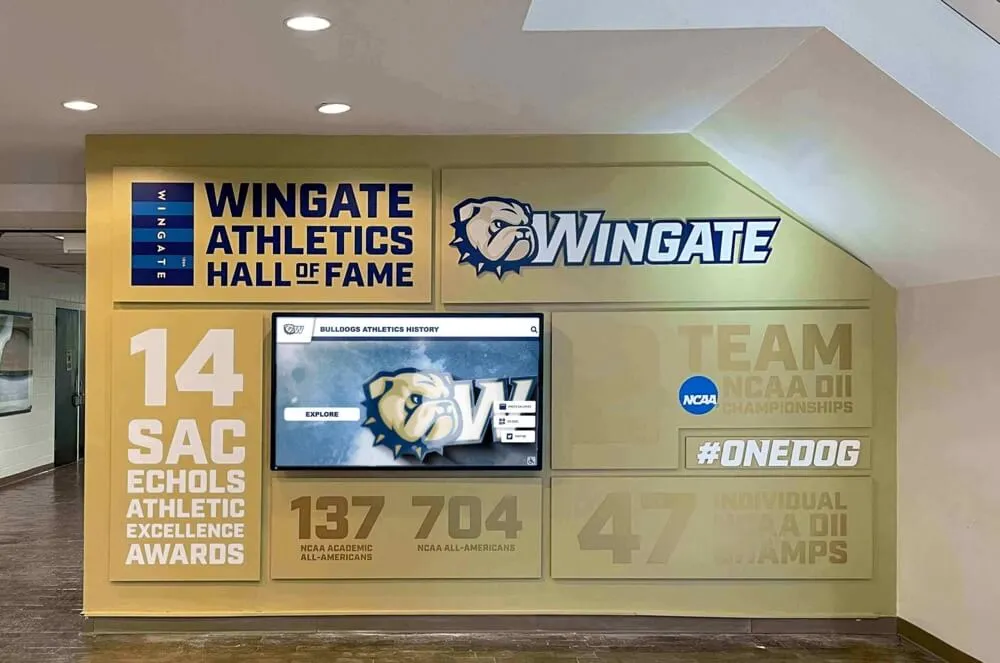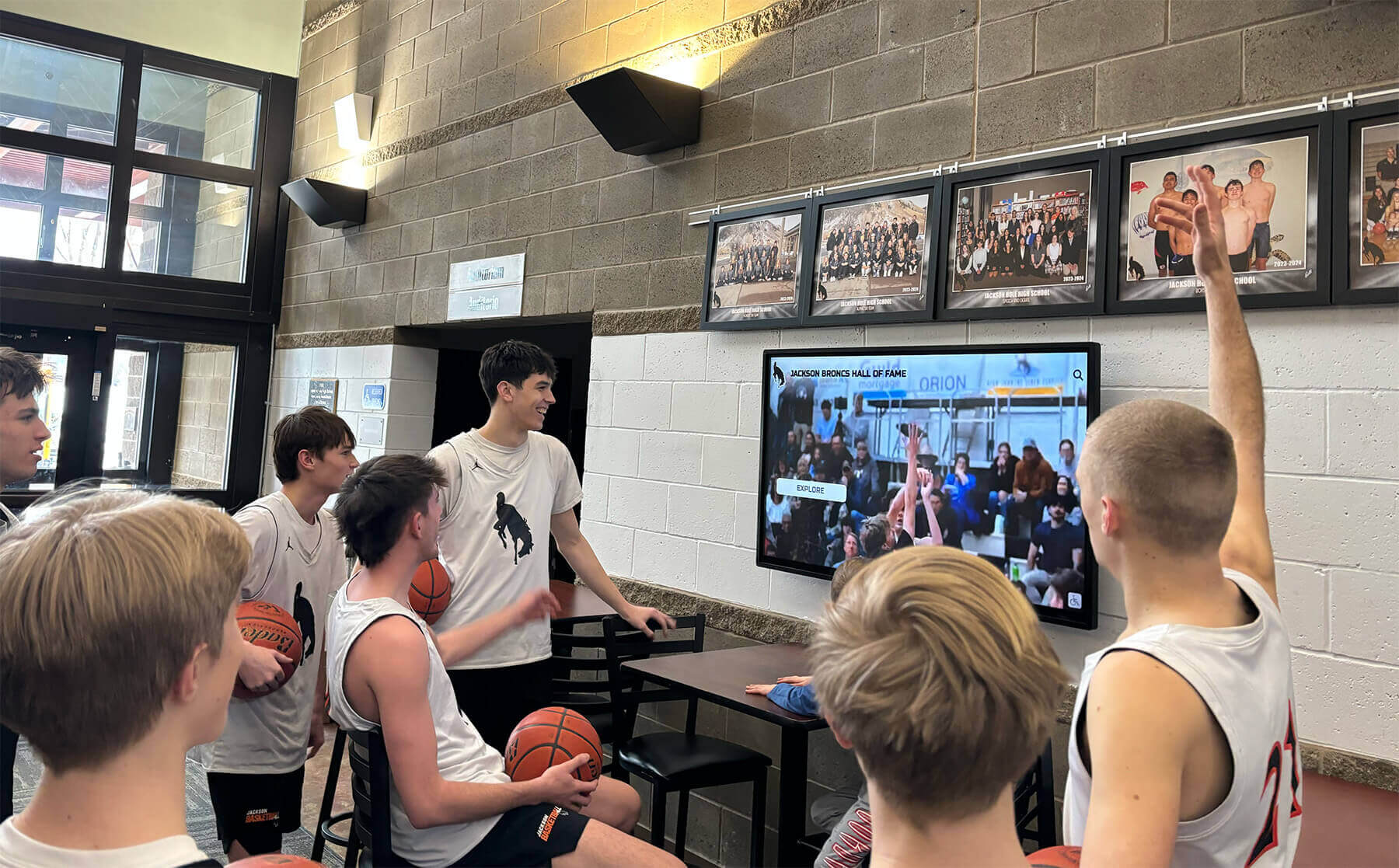




College commitment day represents one of the most significant milestones in a student-athlete's high school career. The moment when years of early morning practices, weekend tournaments, and dedicated training culminates in the opportunity to compete at the collegiate level deserves authentic celebration that honors both individual achievement and the support system that made it possible.
This comprehensive guide explores how high schools, club programs, and athletic organizations celebrate college commitment day through meaningful ceremonies, creative recognition displays, and traditions that inspire younger athletes while honoring seniors' achievements. Whether you're planning your first signing day event or enhancing existing traditions, you'll discover practical strategies for creating celebrations that student-athletes remember for a lifetime.
College commitment day ceremonies have evolved from simple announcements to elaborate celebrations reflecting the significant investment student-athletes and their families make in pursuing collegiate athletics. These moments represent more than just college decisions—they validate years of sacrifice, celebrate family support, honor coaching relationships, recognize academic achievement alongside athletic success, and demonstrate to younger athletes the possibilities available through dedication.
Yet many schools struggle to celebrate commitments in ways that feel both meaningful and manageable. Athletic directors juggle competing demands, coaches want to honor athletes appropriately without excessive fanfare, administrators seek celebrations reflecting institutional values, and families desire recognition acknowledging their student-athlete’s unique journey. The most effective commitment day celebrations balance these perspectives while creating traditions that build program culture across generations.
This guide addresses every dimension of college commitment day planning—from intimate signing ceremonies to comprehensive recognition programs that document these achievements permanently within school athletic facilities.
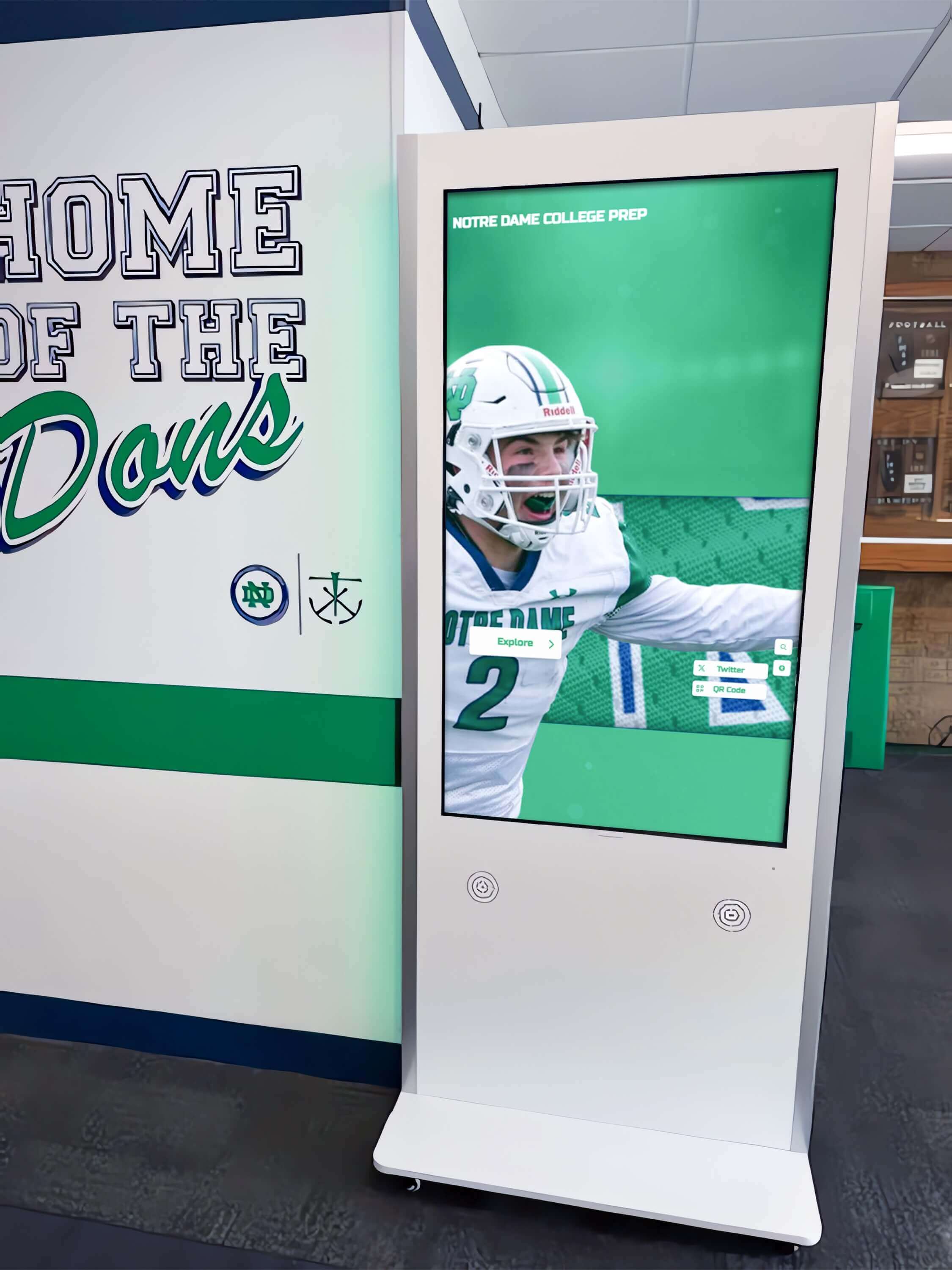
Understanding College Commitment Day and National Signing Day
College commitment day and national signing day represent distinct but related milestones in the recruiting journey, each deserving appropriate recognition.
The Difference Between Verbal Commitments and Signing Day
Student-athletes often announce college commitments months or even years before officially signing National Letters of Intent, creating multiple potential celebration moments.
Verbal Commitment Announcements: These non-binding declarations represent student-athletes’ intentions to attend particular colleges. Verbal commitments typically occur when coaches extend scholarship offers and athletes accept, sometimes as early as sophomore or junior year. While not legally binding until signing, verbal commitments represent significant decisions warranting recognition. Many schools celebrate verbal commitments through social media announcements, small ceremonies with coaches and family, recognition during athletic events, and updates to commitment tracking displays.
The timing of verbal commitments varies dramatically by sport. Football and basketball athletes often commit during junior year, while other sports may see commitments throughout senior year. Schools should remain flexible in recognition approaches accommodating different sports’ recruiting timelines.
Official Signing Day: National Signing Day represents when student-athletes formally sign binding National Letters of Intent committing them to specific institutions. The NCAA recognizes official signing periods varying by sport—early signing periods in November for football and basketball, traditional February signing day for football, spring signing periods for other sports, and rolling signing opportunities throughout the year depending on division and sport.
Official signing days carry greater formality since they represent legally binding commitments with financial aid implications. Many schools host formal signing ceremonies on these dates, creating opportunities for public celebration of finalized decisions.
Sport-Specific Signing Traditions
Different sports have established unique signing day traditions reflecting their distinct cultures and recruiting calendars.
Football Signing Day: Football’s February signing day historically represented the most prominent recruiting celebration, though early December signing periods now capture many top prospects. Football signing days often feature large group ceremonies recognizing all football commits simultaneously, live television or streaming coverage for high-profile recruits, table displays with college hats or jerseys for athletes to don after signing, family participation with parents often seated prominently, and extensive media coverage from local newspapers and television stations.
The pageantry around football signings reflects the sport’s prominence in many communities. Schools should consider whether elaborate productions serve athletes well or create uncomfortable pressure, tailoring celebrations to community culture and athlete preferences.
Basketball Signing Celebrations: Basketball follows similar early and regular signing period structures to football. Basketball ceremonies might include recognition at home games preceding signing dates, intimate gatherings in school gyms where athletes competed, presentation of signed balls or jerseys commemorating the moment, and highlighting both men’s and women’s basketball signees equally when celebrating.
Basketball’s smaller roster sizes compared to football create opportunities for more individualized recognition during ceremonies.
Olympic Sport Recognition: Swimming, soccer, lacrosse, track and field, volleyball, and other Olympic sports follow different recruiting calendars requiring adapted recognition approaches. These sports benefit from combined signing day events celebrating multiple sports simultaneously, creating momentum and attendance larger than individual sport ceremonies, sport-specific displays highlighting the diversity of collegiate opportunities, and equal recognition regardless of sport profile or scholarship amounts.
Schools should consciously combat hierarchies that privilege revenue sports over Olympic sports in recognition quality and ceremony prominence. Every student-athlete signing at the collegiate level achieved something exceptional deserving authentic celebration.
Understanding approaches to creating collegiate experiences for high school athletes helps schools develop recognition traditions that prepare students for the next competitive level.

Planning Memorable Signing Day Ceremonies
Effective signing day ceremonies honor student-athletes meaningfully while managing logistical complexity and creating inclusive celebrations.
Determining Ceremony Format and Scope
Schools adopt various ceremony approaches depending on institutional size, athletic program breadth, and community culture.
Individual Sport Ceremonies: Some schools host separate signing events for each sport, typically scheduled around that sport’s official signing period. Individual sport ceremonies create intimate atmospheres focused entirely on specific athletes and programs, enable sport-specific traditions and coach recognition, accommodate varying signing dates across sports without combining celebrations months apart, and provide flexibility in scheduling when fewer athletes participate.
This approach works particularly well for sports with multiple signees and strong booster support enabling dedicated events. However, individual ceremonies require more total planning effort and may receive lower attendance for less prominent sports.
Multi-Sport Combined Events: Many schools consolidate all signings into one or several comprehensive ceremonies recognizing athletes across sports simultaneously. Combined events build larger audiences creating greater excitement, demonstrate institutional commitment to all sports equally, reduce overall planning burden by consolidating efforts, and enable families and students to celebrate together across programs.
Considerations include ensuring adequate time recognizing each athlete individually, preventing ceremonies from becoming overly long, and avoiding dates that conflict with multiple sports’ seasons or signing periods.
Academic Year Approach: Some schools hold quarterly or semester signing ceremonies, recognizing athletes whenever they commit rather than waiting for sport-specific signing days. This flexible approach celebrates commitments promptly maintaining excitement, accommodates the reality that verbal commitments occur year-round, prevents athletes who commit early from waiting months for recognition, and creates multiple celebration moments throughout the school year.
The trade-off involves hosting more frequent smaller events rather than singular prominent occasions.
Essential Ceremony Elements and Program Flow
Regardless of format, effective signing ceremonies incorporate specific elements honoring athletes while engaging audiences.
Welcome and Context Setting: Athletic directors or principals should open ceremonies by contextualizing the achievement—noting the small percentage of high school athletes competing collegiately, acknowledging the dedication required, and thanking families and coaches. This framing ensures audiences appreciate the significance of what they’re witnessing.
Individual Athlete Recognition: The ceremony core involves recognizing each signing athlete individually. Effective recognition includes athlete introduction with sport and college destination, brief biography highlighting athletic and academic achievements, remarks from head coaches about the athlete’s contributions and character, opportunities for athletes to address the audience if comfortable, and formal presentation of signed letters of intent or certificates.
Recognition should balance providing adequate attention to each athlete with maintaining reasonable ceremony length. Three to five minutes per athlete typically allows meaningful acknowledgment without excessive duration.
Visual and Multimedia Elements: Contemporary ceremonies incorporate visual storytelling through highlight video montages of athletes in competition, photo slideshows documenting athletic journeys from youth sports through high school, digital displays showing college logos and athlete information, and live social media integration with ceremony hashtags and real-time posting.
These elements create dynamic experiences that engage both in-person and virtual audiences while providing shareable content athletes treasure.
Family Participation: Families invest tremendously in student-athletes’ development and deserve inclusion in celebrations. Consider inviting parents to sit with athletes during recognition, providing opportunities for family members to speak briefly, presenting flowers or small gifts to parents acknowledging their support, and including family in signing table photos.
This inclusion honors the reality that athletic achievement represents family commitment, not just individual accomplishment.
Photographs and Signing Moments: The iconic image of student-athletes sitting at signing tables requires thoughtful staging. Provide designated signing tables with college colors or decorations, professional or volunteer photographers capturing signing moments, opportunities for family photos after formal signings, and time for athletes to hold signed letters or wear college apparel for photos.
These images become treasured keepsakes and shareable social media content celebrating achievements publicly.
Comprehensive athletic recognition programs provide frameworks ensuring signing day celebrations integrate with broader institutional recognition strategies.
Creative Recognition Beyond the Ceremony
While signing ceremonies provide formal celebration, comprehensive recognition extends beyond single events to honor commitments permanently within school communities.
Social Media Recognition Strategies
Contemporary commitment celebrations leverage digital platforms extending recognition reach far beyond ceremony attendees.
Announcement Graphics and Templates: Schools should develop professional visual templates for commitment announcements including athlete photos in uniform, college logos and school colors, key statistics or achievements, and congratulatory messaging from athletic departments. Consistent branding across announcements creates cohesive recognition while allowing sport-specific customization.
Many schools create “commitment graphics” immediately when athletes announce verbally, then “signing day graphics” when letters of intent are finalized, providing two recognition moments through different visual approaches.
Video Announcement Content: Short announcement videos prove particularly shareable and engaging. Consider athlete interviews discussing their decisions and college excitement, highlight reels showing athletic performance, messages from high school coaches congratulating athletes, reactions from teammates celebrating commitments, and thank-you messages to families, coaches, and supporters.
Videos ranging from 60 to 90 seconds perform well on social media while providing substantial content athletes and families treasure.
Strategic Platform Use: Different social platforms serve distinct purposes in commitment recognition. Instagram provides visual storytelling through posts and stories perfect for announcement graphics and celebration photos. Twitter enables real-time updates during signing ceremonies with live-tweeting and ceremony hashtags. Facebook reaches parent and community audiences with longer-form posts and event pages. TikTok engages student populations through creative announcement videos and celebration moments.
Athletic departments should maintain consistent presence across platforms their communities use while avoiding overextension across too many channels.
Engagement and Amplification: Maximize recognition impact by encouraging athletes to share official announcements from their personal accounts, creating ceremony hashtags for attendees to use when posting photos, tagging college programs in announcements to facilitate their sharing, and featuring commitment announcements prominently on school athletic websites and newsletters.
This coordinated approach transforms single announcements into extended celebrations engaging broad audiences.
Physical Recognition Displays and Tradition
Traditional physical recognition provides permanence and daily visibility within school buildings that digital content cannot replicate.
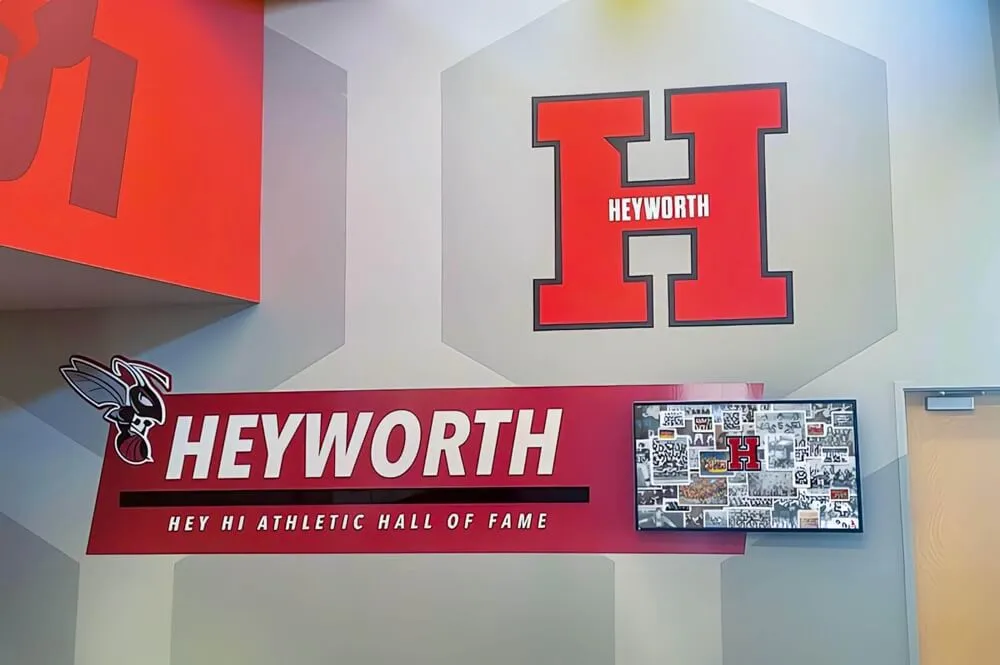
Commitment Walls and Signing Boards: Many schools maintain dedicated displays tracking college commitments. Traditional approaches include bulletin boards with athlete photos and college destinations, wall-mounted plaques listing all college commits by year, display cases featuring signed items and college recruiting materials, and hallway banners announcing recent commitments.
These displays serve multiple purposes simultaneously—honoring current commits, inspiring younger athletes by demonstrating possibilities, and engaging prospective families during school visits who see evidence of strong college placement.
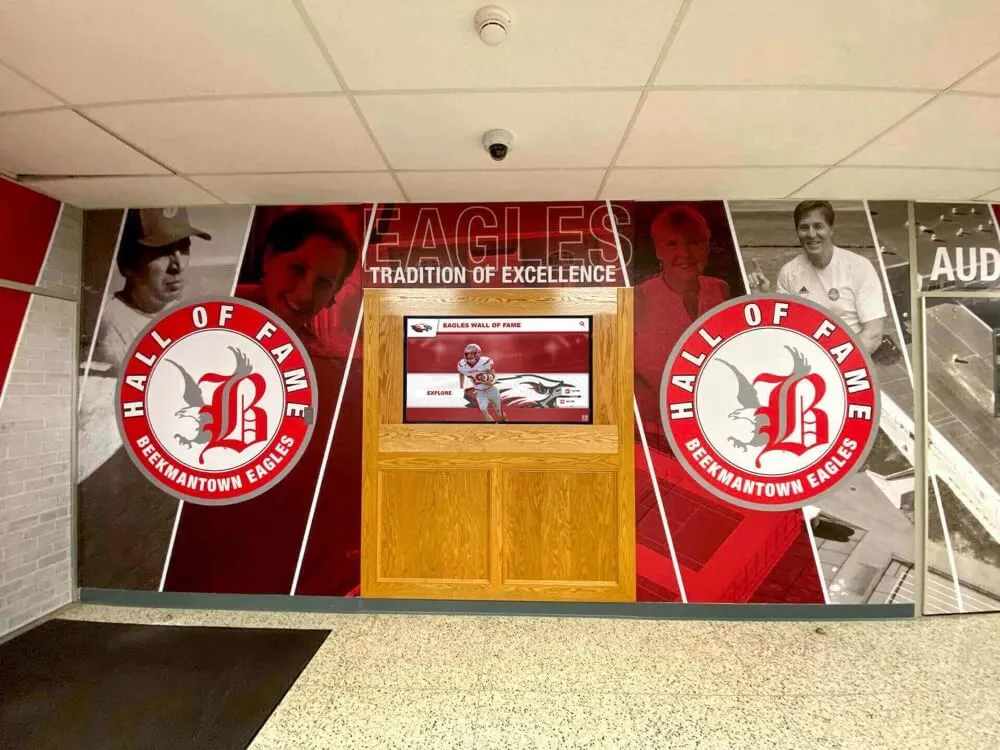
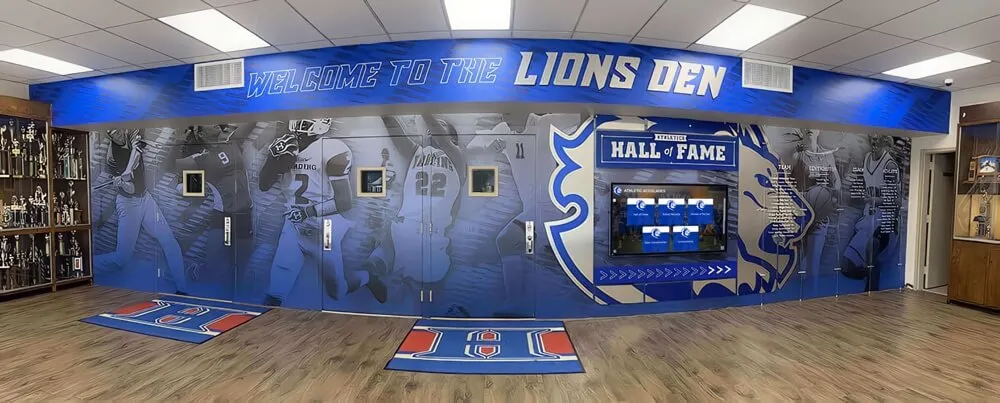
Athletic Facility Integration: Commitment recognition integrated within gyms, field houses, and locker rooms where athletes train daily maximizes impact. Consider entry banners listing all-time college commits, locker room displays celebrating recent signings, weight room motivation walls featuring college athletes, and common area recognition visible to all athletes regardless of sport.
This integrated presence makes college aspirations feel attainable while honoring those who achieved them.
Legacy and Historical Documentation: Schools with long histories of producing college athletes should maintain comprehensive historical records. Traditional documentation includes binders or albums with commitment letters and athlete profiles, wall displays tracking decades of college placements, statistical tracking of commits by sport, college, and decade, and highlighted recognition of athletes achieving professional or Olympic success.
This historical perspective demonstrates sustained program excellence while connecting current athletes to institutional tradition.
Gifts and Commemorative Items: Many schools present tangible items to signing athletes creating lasting mementos. Popular options include framed signing day photographs, personalized plaques or trophies, school apparel or equipment bags, and engraved items like watches or jewelry.
These gifts provide physical remembrances athletes keep throughout college and beyond, maintaining connection to high school programs.
Insights from national college signing day showcase approaches offer additional creative recognition ideas adaptable to various school sizes and budgets.
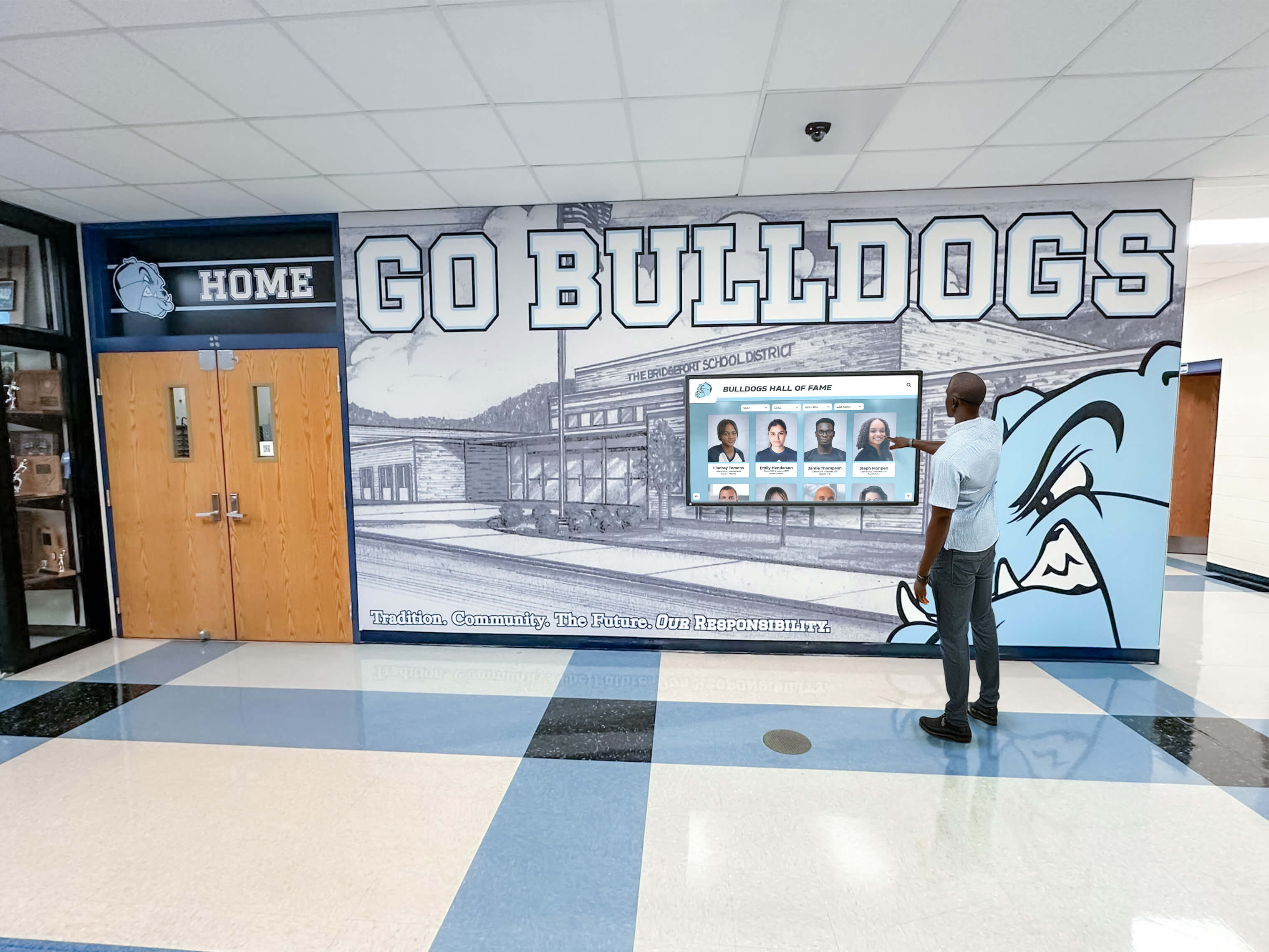
Digital Recognition Solutions for College Commitments
Modern recognition technology enables schools to honor college commitments comprehensively while creating dynamic displays that engage current and future students.
Interactive Digital Commitment Displays
Purpose-built digital recognition systems transform how schools celebrate and preserve college commitment achievements.
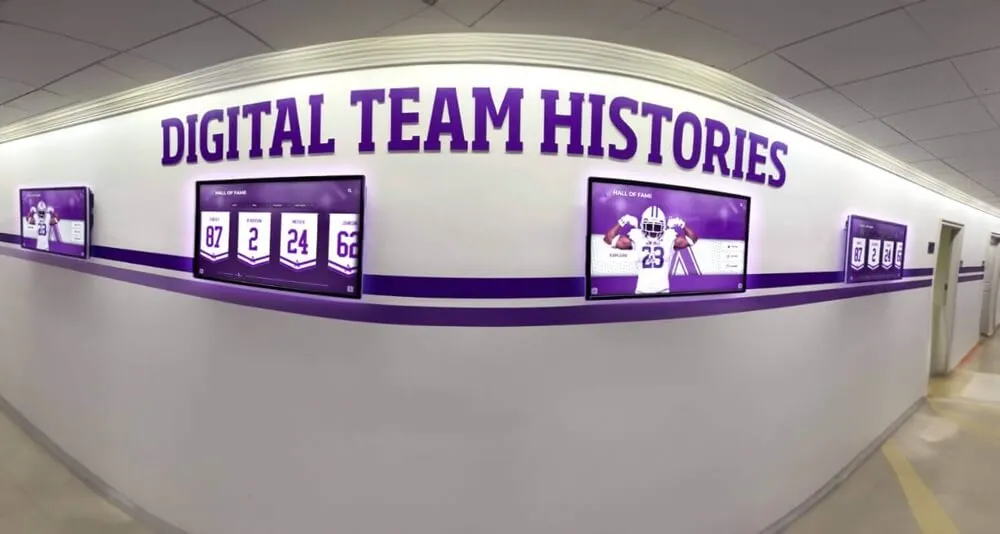
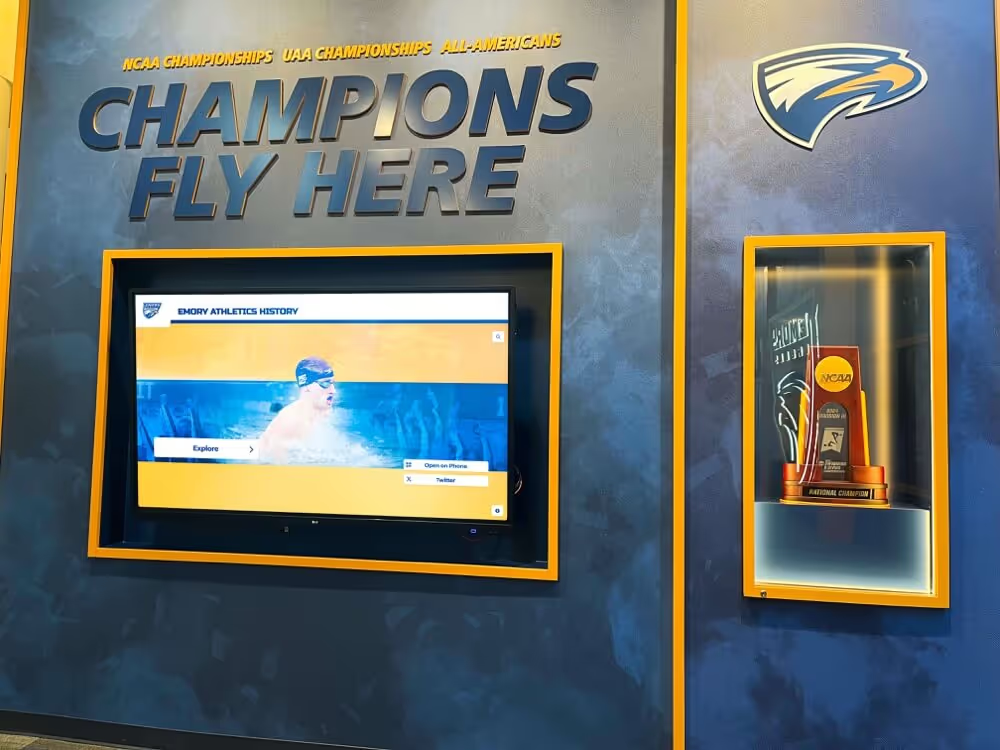
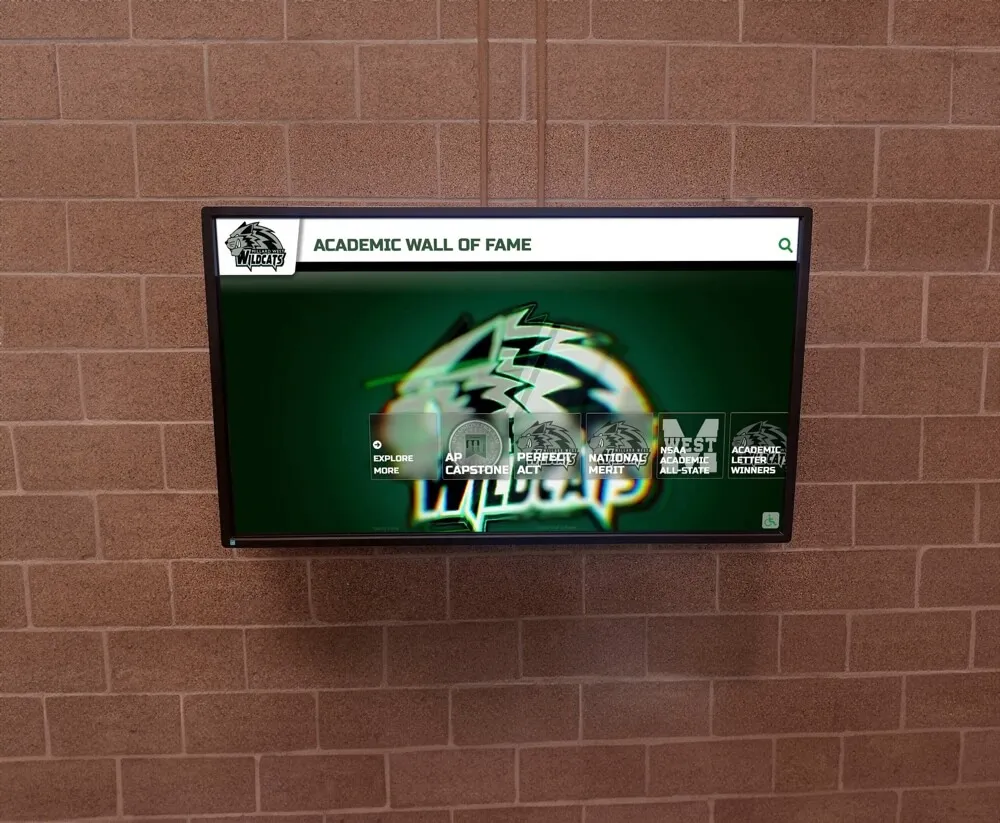
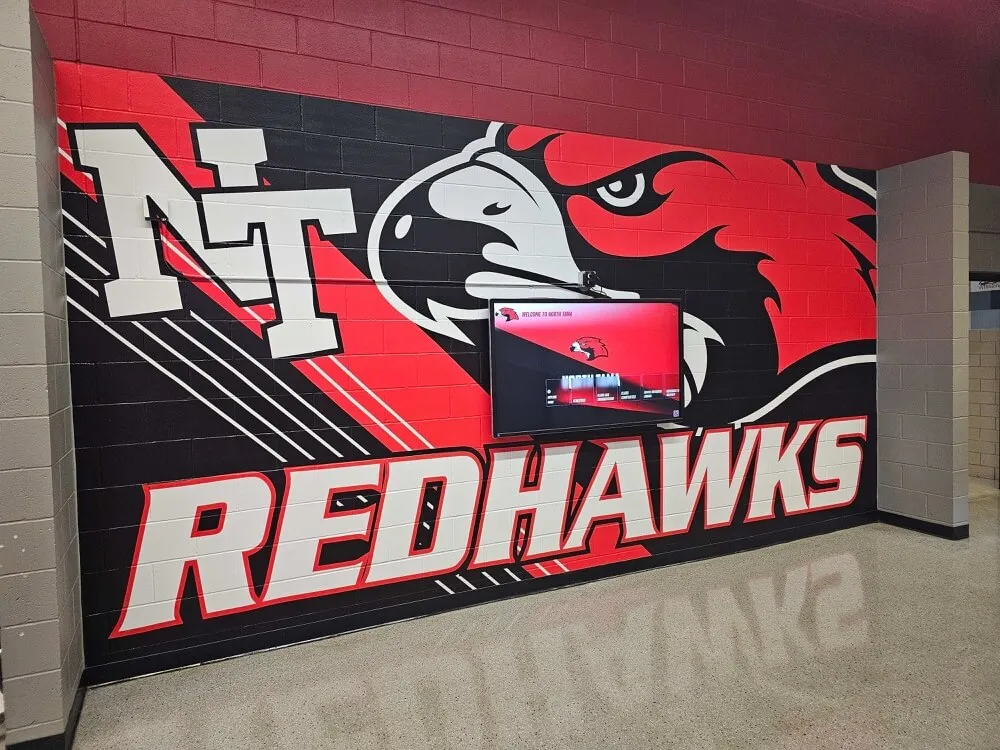
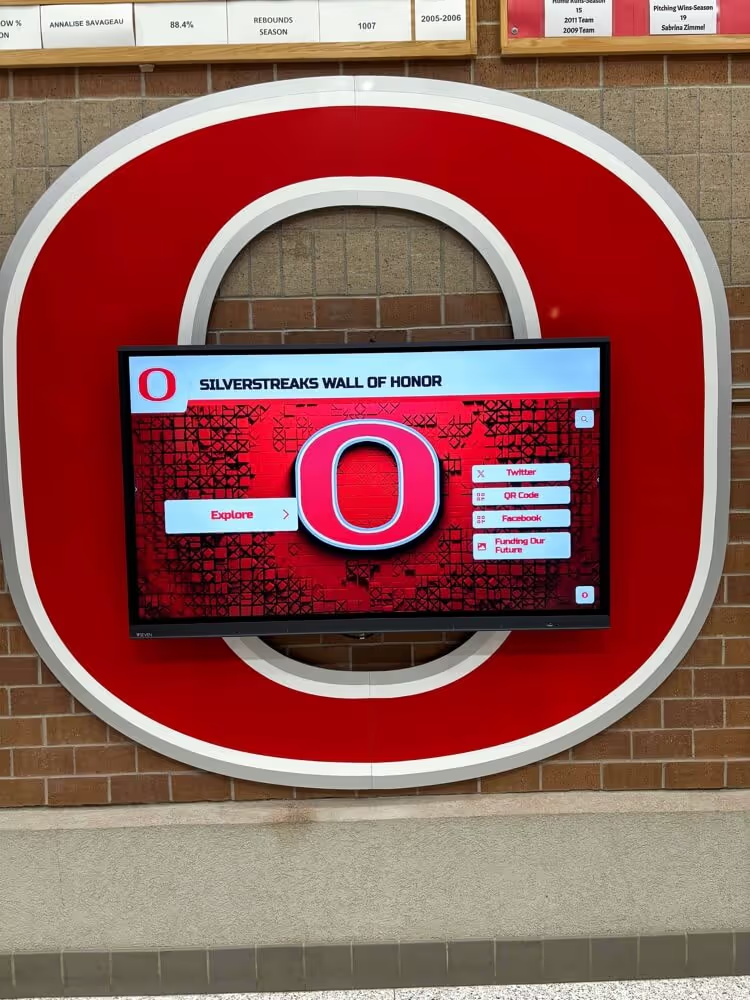
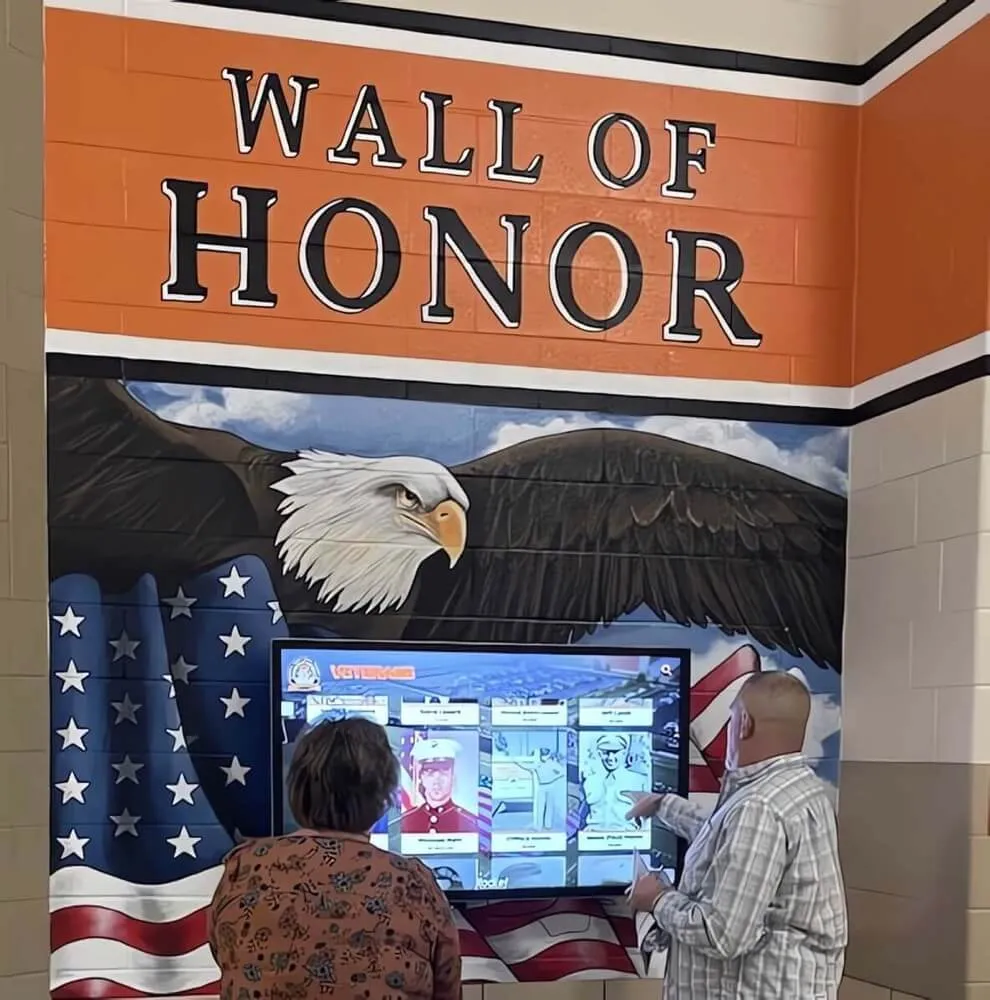
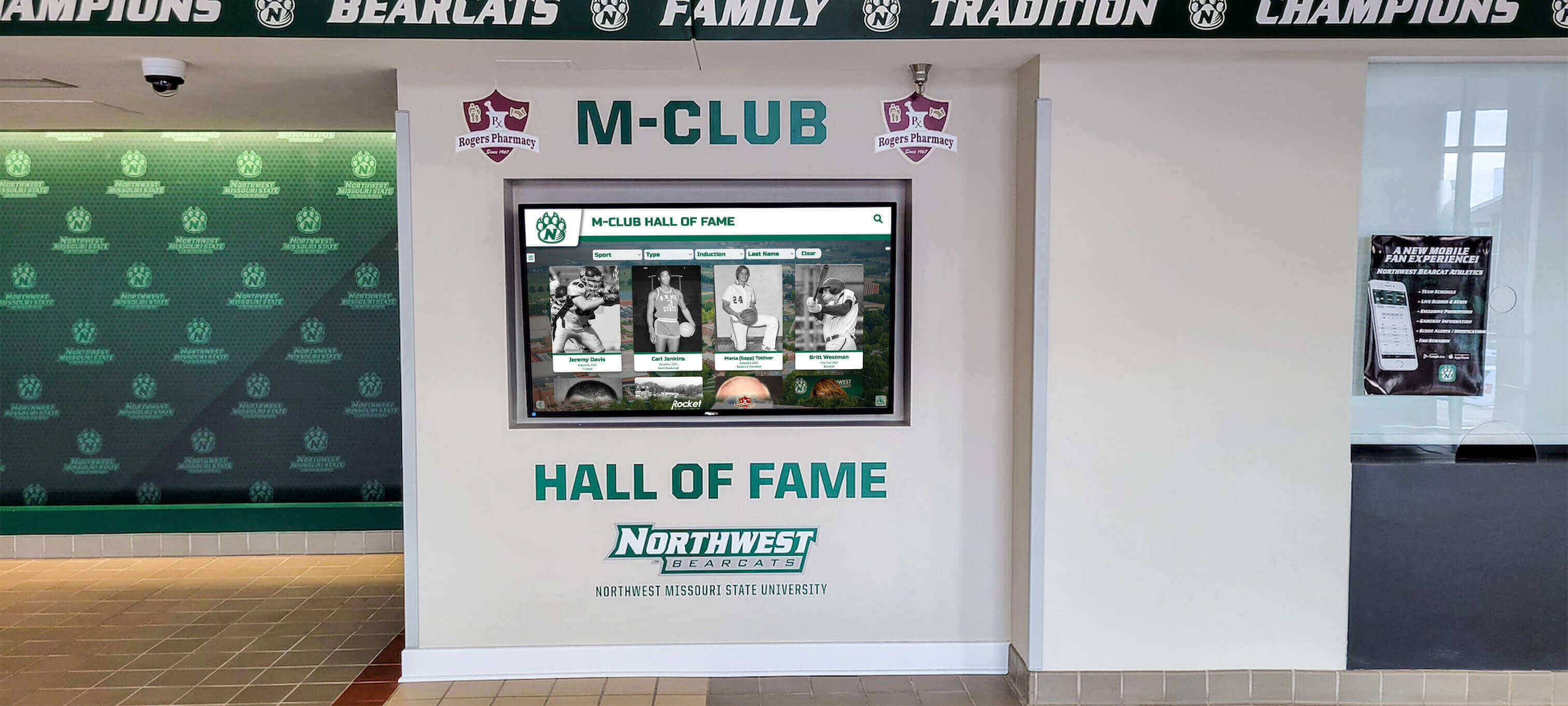
Dynamic Commitment Tracking: Digital displays enable real-time commitment tracking throughout recruiting seasons. Schools can immediately add newly committed athletes to displays without physical modifications, update commitment information as decisions finalize, showcase commitment timelines tracking when athletes announced throughout the year, and feature rotating highlights ensuring all commits receive prominent display time.
This flexibility proves particularly valuable as commitment announcements occur year-round across different sports and recruiting timelines. Digital systems adapt instantly while physical displays require continual updating.
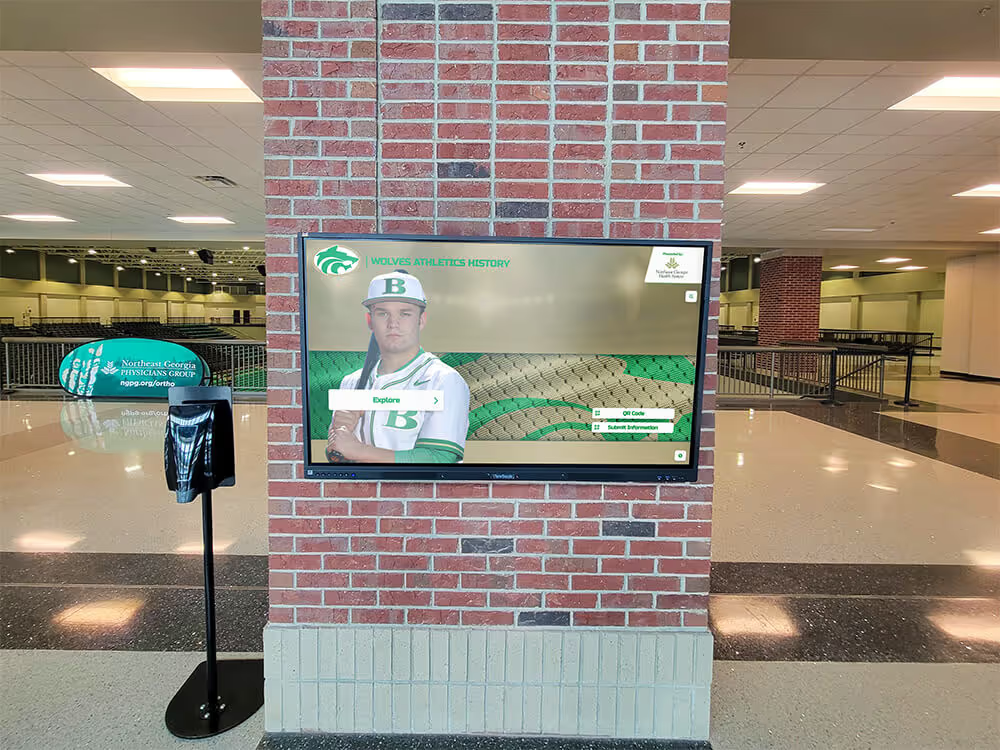
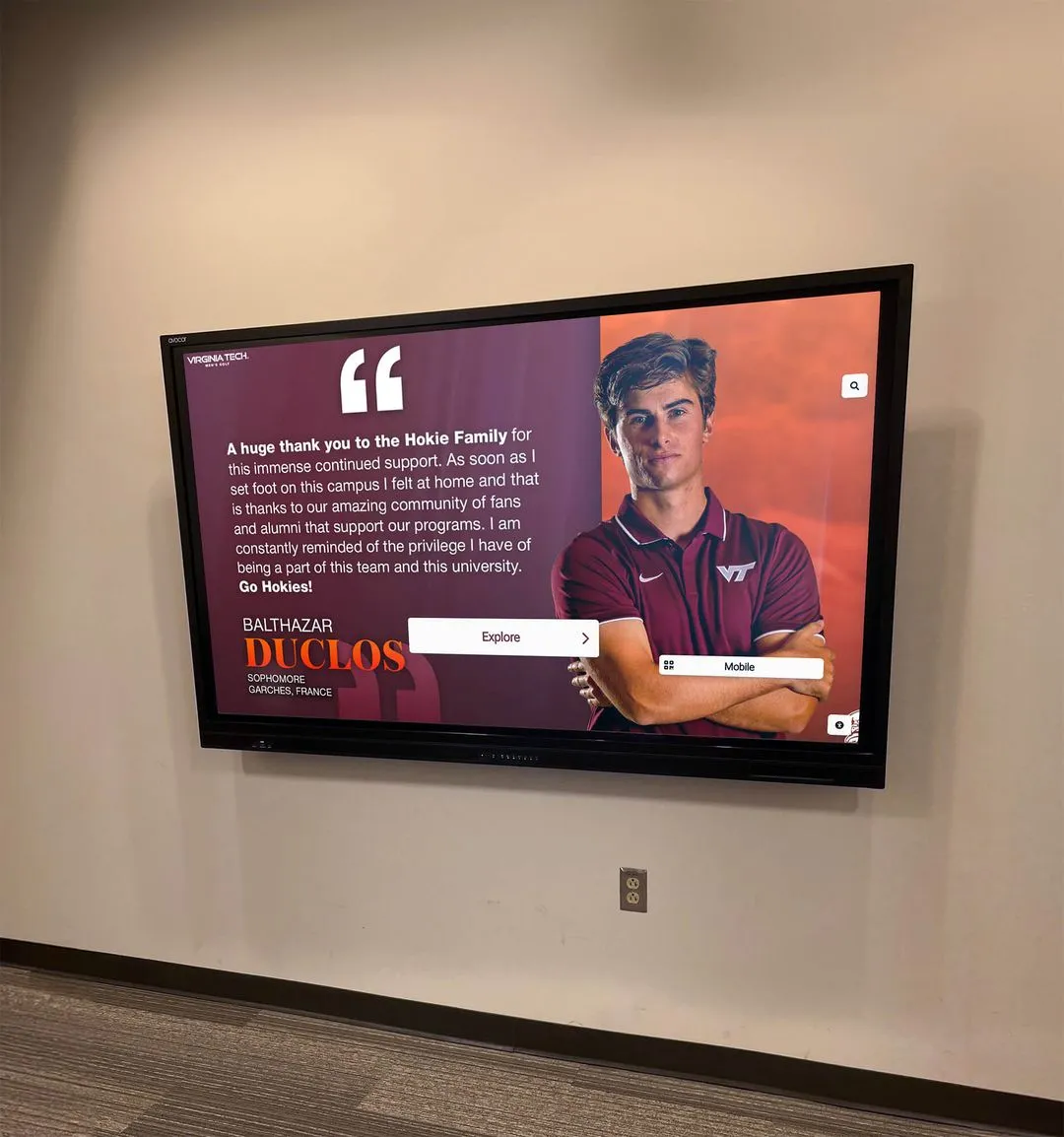
Rich Athlete Profiles: Digital platforms enable comprehensive athlete storytelling impossible with traditional plaques or bulletin boards. Profile capabilities include photo galleries documenting athletic journeys from youth through high school, career statistics and achievement highlights, academic honors and accomplishments, video highlights from competition, personal statements about college choices and future goals, and acknowledgments of coaches, family members, and supporters who contributed to success.
These detailed profiles honor the complete student-athlete rather than reducing recognition to names and college logos alone.
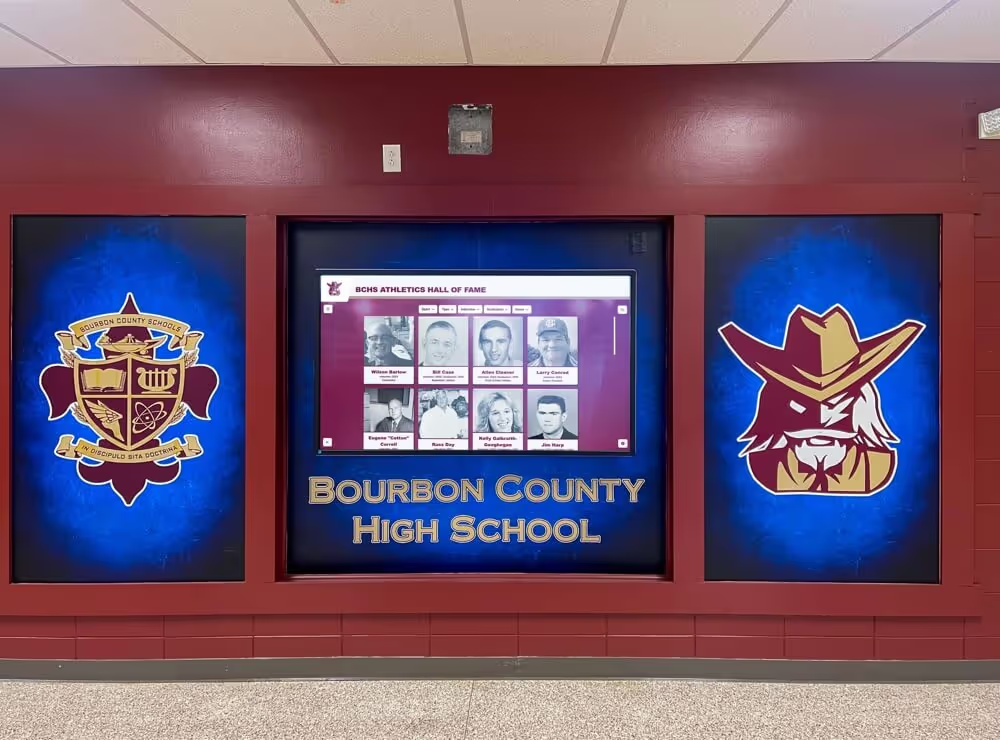
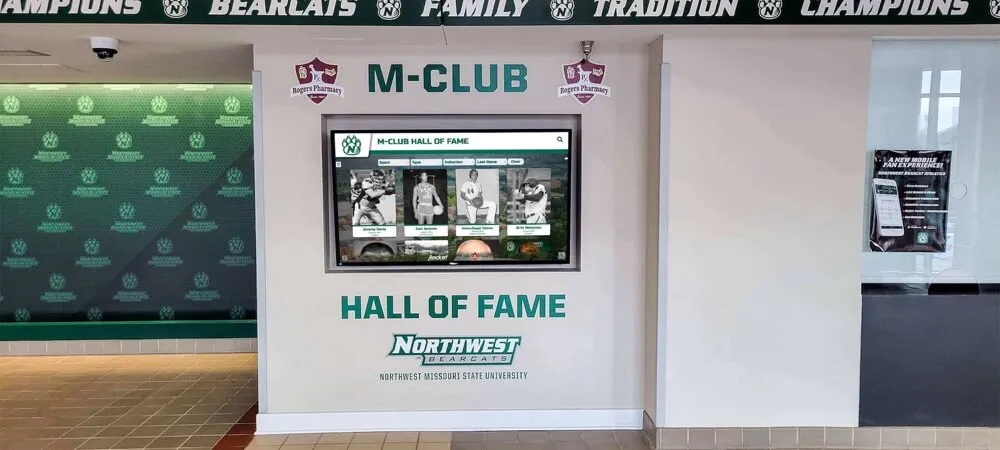
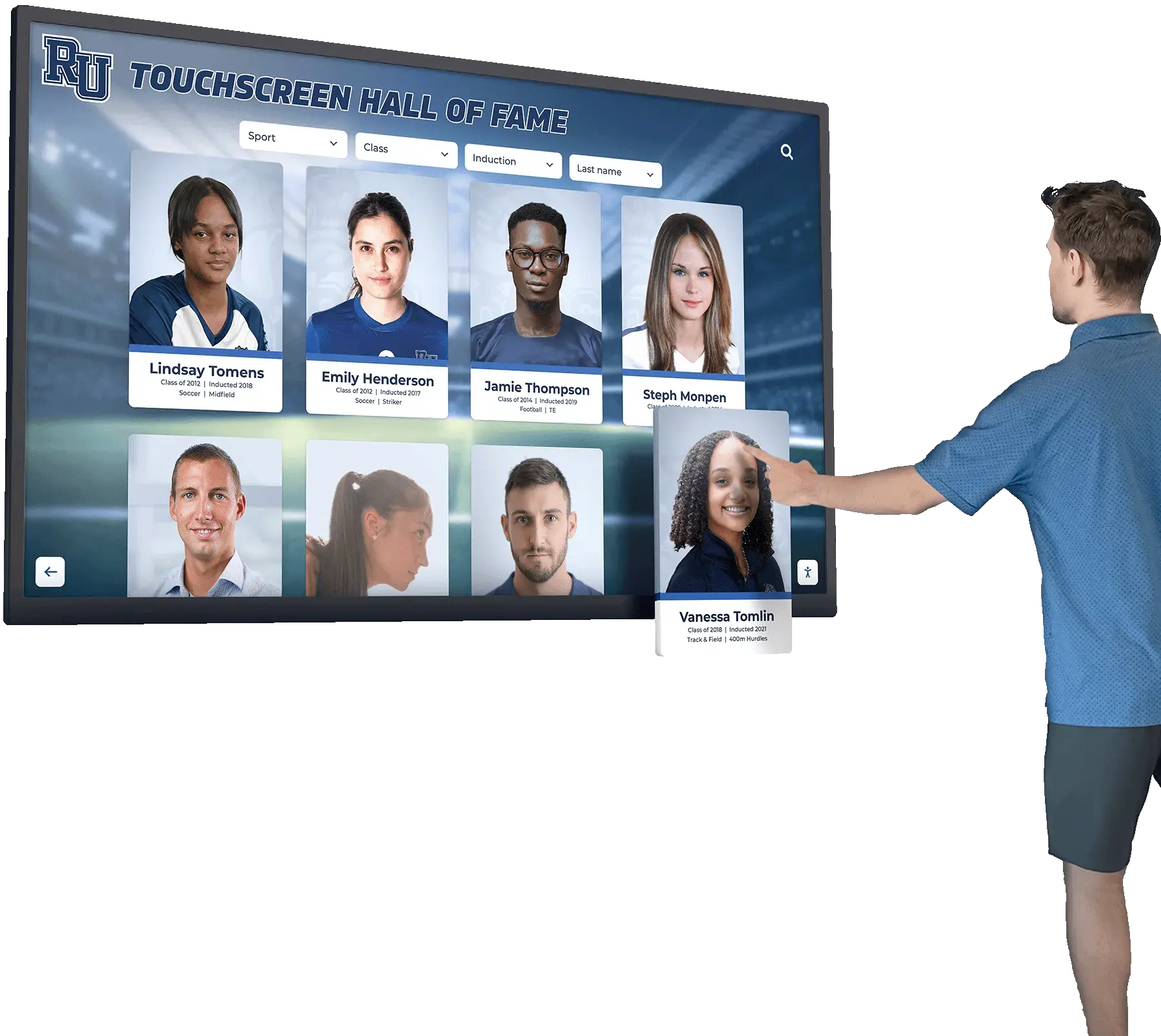
Searchable and Filterable Databases: Digital systems transform commitment recognition from passive viewing to active exploration. Visitors can search for specific athletes or graduation years, filter commitments by sport, college, or athletic division, track commitment trends analyzing which colleges recruit from the school, and explore connections discovering teammates who attended the same universities.
This interactivity engages visitors meaningfully while providing valuable information to younger athletes researching college possibilities.
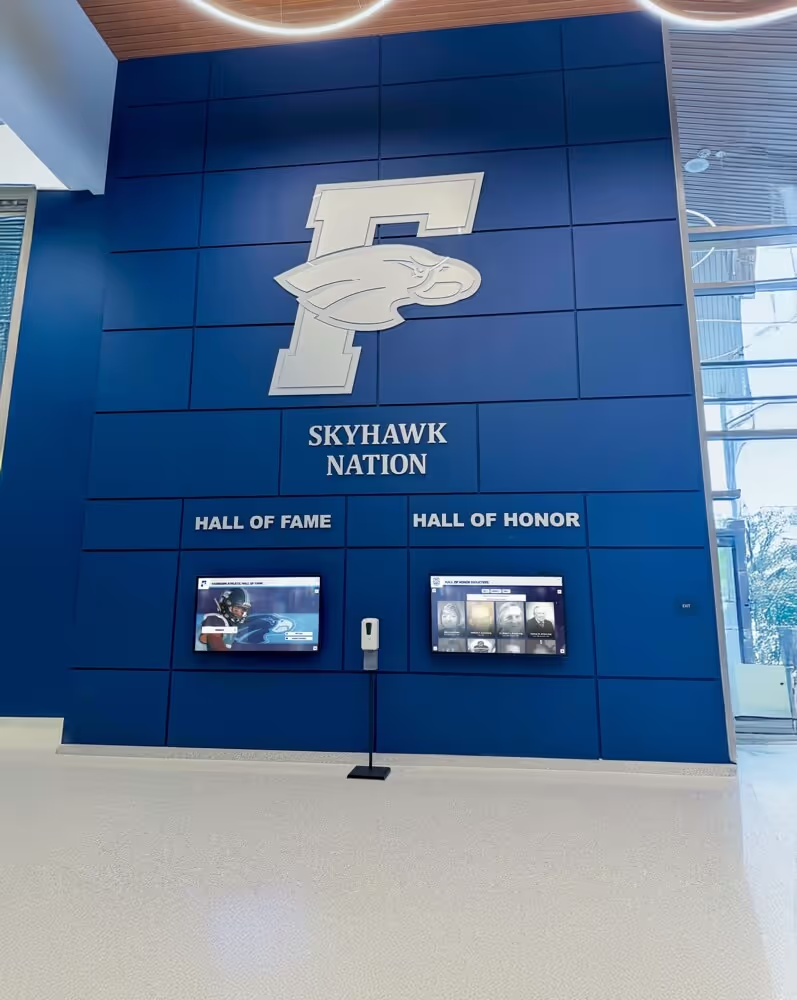
Integration with Broader Recognition: The most sophisticated implementations integrate commitment recognition with comprehensive athletic recognition systems. Combined platforms showcase college commits alongside other achievement categories, maintain athletic hall of fame inductees many of whom were college athletes, track athletic records and championships providing context for commits’ high school achievements, and document team histories showing how commits contributed to program success.
This integration demonstrates that college commitments represent one achievement dimension within comprehensive athletic excellence.
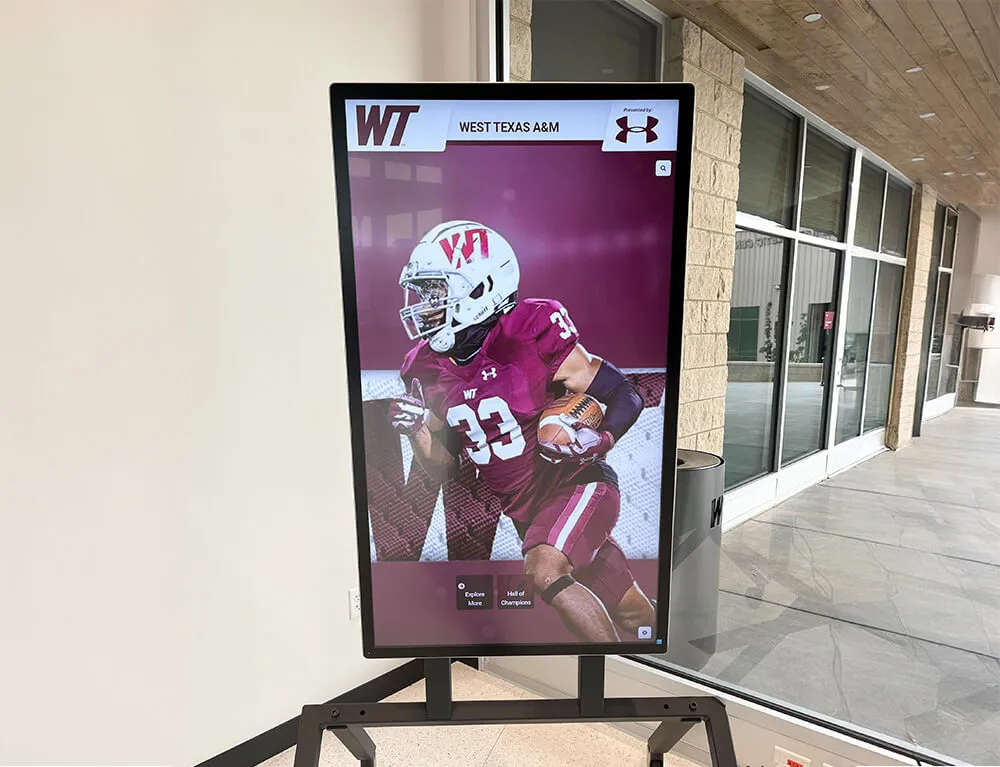
Solutions like Rocket Alumni Solutions specifically address schools’ needs for celebrating college commitments through touchscreen displays combining commitment tracking, athlete profiles, and historical documentation in systems designed for athletic facility deployment.
Web-Based Commitment Recognition
Digital recognition extends beyond physical displays through web-based platforms accessible anywhere.
Dedicated Commitment Web Pages: Many schools maintain web pages specifically documenting college commitments. Effective pages include current year commits organized by sport, historical archives documenting past commits, college destination lists showing placement patterns, and success stories featuring updates from current college athletes.
These pages serve prospective families researching schools, college coaches evaluating recruiting pipelines, media covering local recruiting, and alumni maintaining connection to programs.
Social Media Integration: Web-based recognition should integrate seamlessly with social media strategies. Consider embedding social media feeds showing commitment announcements, shareable content enabling easy posting to personal accounts, ceremony livestreaming through website embedding, and photo galleries from signing events accessible for downloading and sharing.
This integration creates comprehensive digital ecosystems where recognition lives across multiple platforms reaching diverse audiences.
Alumni Update Mechanisms: The most valuable commitment recognition maintains connection beyond signing day. Web platforms can enable committed athletes to submit updates from college, showcase current college athletes’ achievements and highlights, track professional or Olympic success of former commits, and maintain athlete profiles as living documents updated throughout careers.
This ongoing connection transforms static historical records into dynamic engagement tools maintaining relationships with alumni athletes.
Balancing Digital and Traditional Recognition
The most effective approaches strategically combine digital capabilities with traditional physical elements each excels at providing.
Complementary Implementation: Rather than replacing physical recognition entirely, digital displays complement and enhance traditional elements. Consider physical signing day displays in main office or counseling areas visible to all students daily, digital interactive systems in athletic facilities where athletes gather and train, QR codes on physical plaques linking to detailed digital profiles and video content, and coordinated design ensuring visual consistency between physical and digital recognition.
This layered approach honors tradition while leveraging technology’s capabilities.
Audience-Specific Design: Different stakeholder groups engage with recognition differently. Alumni and older community members often value traditional physical permanence, while current students expect digital interactivity and social shareability. Parents appreciate comprehensive documentation of their children’s achievements accessible remotely. College coaches researching recruits benefit from searchable databases with statistics and video.
Comprehensive recognition serves all audiences through thoughtfully designed multi-platform approaches.
Exploring digital recognition displays for student achievements provides insights applicable beyond athletics to comprehensive student celebration.
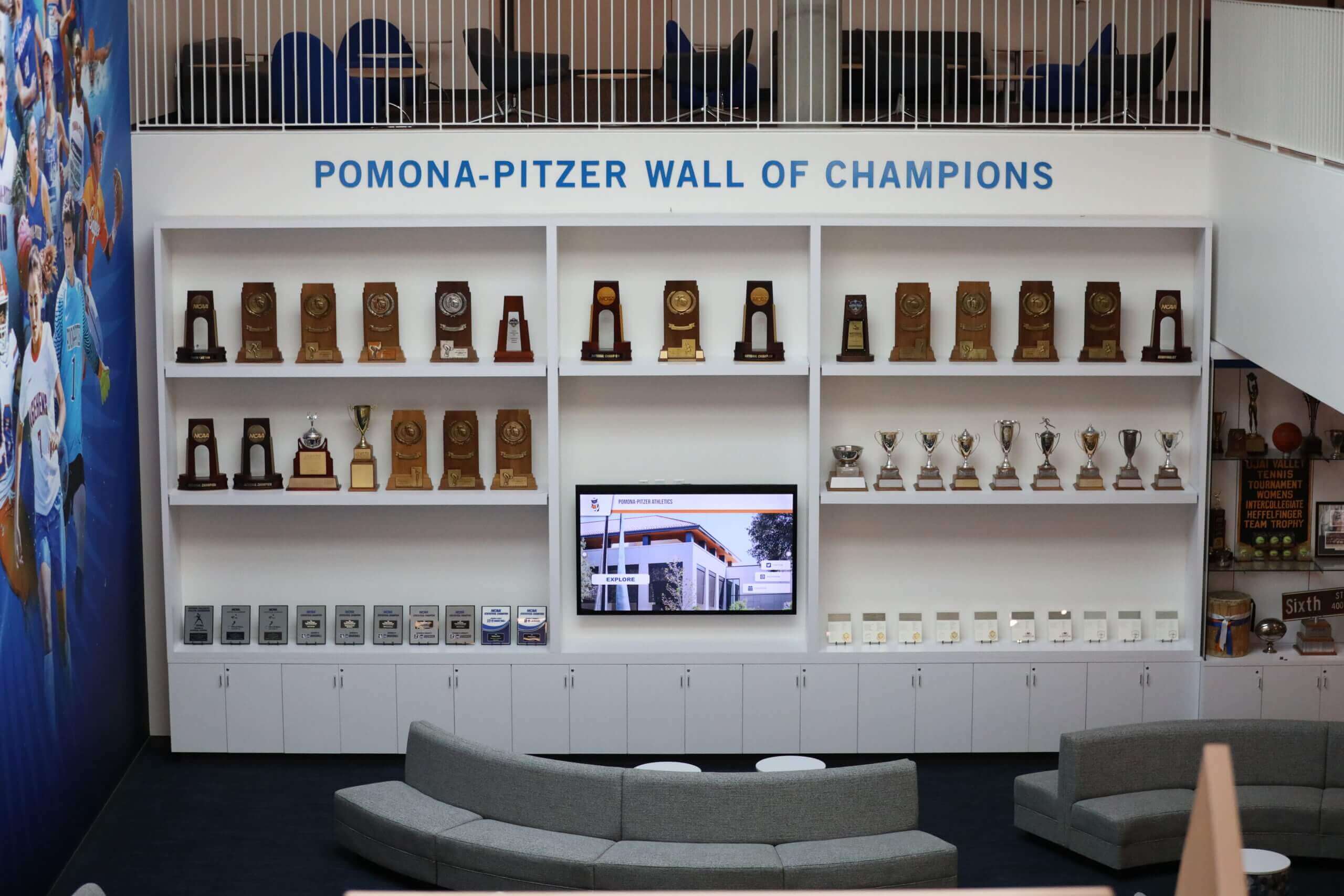
Involving the School Community in Commitment Celebrations
Effective commitment recognition engages entire school communities rather than limiting celebrations to athletes and immediate families.
Creating Student Body Connection and Inspiration
College commitments provide powerful opportunities inspiring younger students and building school culture.
Assembly or Event Recognition: Schools can recognize commits during school-wide assemblies or pep rallies, creating moments where entire student bodies celebrate athletic achievements. Consider brief announcements during regular assemblies, special signing day assemblies when multiple athletes commit simultaneously, recognition at athletic events or competitions, and inclusion in academic honors assemblies demonstrating that athletic and academic excellence receive equal celebration.
Public recognition validates athletes’ achievements while demonstrating to all students the possibilities available through dedication.
Mentorship and Connection Opportunities: Recently committed athletes can inspire younger students through formal mentorship programs pairing college commits with underclassmen in their sports, classroom visits where commits discuss their journeys and college preparation, athletic team meetings where commits share recruiting experiences and advice, and social media takeovers where commits document signing day experiences and college transitions.
These connections make college athletics feel accessible while building relationships across graduating classes.
Display Placement Strategy: Strategic placement ensures commitment recognition reaches maximum audiences. High-traffic locations include main building entrances where all students, staff, and visitors pass daily, athletic facility lobbies where teams gather and competitions occur, common areas like cafeterias or student centers, and counseling or college advising areas where students research postsecondary options.
Prominent placement communicates institutional pride in students’ achievements while inspiring others to pursue similar excellence.
Engaging Families and Support Networks
Families invest tremendously in student-athletes’ development and deserve meaningful inclusion in celebrations.
Parent and Family Ceremony Roles: Beyond attending ceremonies, families can participate more actively through speaking briefly about their athlete’s journey and their pride, presenting items to athletes during recognition moments, participating in signing table photos as central rather than background figures, and receiving recognition acknowledging the support required for athletic success.
This inclusion honors the reality that college commitments represent family achievements as much as individual accomplishments.
Extended Family and Supporter Recognition: Athletes’ support networks extend beyond immediate family to include club coaches who developed fundamental skills, youth league organizations where athletic journeys began, trainers and strength coaches who supported physical development, academic tutors who maintained eligibility, and community members who supported athletic pursuits financially or emotionally.
Consider ways to acknowledge these broader networks through invitation to ceremonies, recognition in programs or announcements, social media acknowledgment, and opportunities to contribute to athletes’ profiles sharing their perspectives on athletes’ journeys.
Documentation and Memory Preservation: Families treasure documentation from commitment celebrations. Schools should provide professional photography or videography when possible, ceremony programs listing all honorees and program details, digital access to photos and videos for downloading and sharing, and opportunities to purchase commemorative items or professional prints.
These tangible memories extend celebration beyond the moment while providing families with lasting documentation of significant milestones.
Faculty and Staff Involvement
Teachers, counselors, and staff members contribute significantly to student-athletes’ success and benefit from inclusion in celebrations.
Academic Achievement Recognition: College commitments represent academic achievement as much as athletic success. Consider recognizing athletes’ GPAs and academic honors during ceremonies, acknowledging teachers who supported academic eligibility, highlighting college academic majors and career aspirations, and celebrating academic scholarships alongside or exceeding athletic recognition.
This balanced approach reinforces that student comes before athlete in the student-athlete designation.
Counselor and Academic Advisor Roles: School counselors and college advisors guide the application and admissions processes. Providing them roles in ceremonies, acknowledging their recruitment guidance and support, and involving them in commitment announcements demonstrates appreciation for their contributions.
Administrative Support and Presence: Principals, superintendents, and school board members attending ceremonies demonstrates institutional commitment to athletics and recognition of student achievement. Their presence validates the significance of commitments while providing opportunities for school leaders to congratulate athletes directly.
Understanding comprehensive approaches to academic recognition programs helps schools balance athletic and academic celebration ensuring student-athletes receive holistic recognition.

Managing Commitment Recognition Challenges
Schools encounter predictable challenges when celebrating college commitments that thoughtful planning can address effectively.
Equity and Inclusion Considerations
Recognition systems should celebrate all athletes fairly regardless of sport prominence or scholarship size.
Scholarship vs. Non-Scholarship Athletes: Not all college athletes receive athletic scholarships, yet all deserve recognition for achieving collegiate competition. Schools should celebrate walk-on opportunities recognizing the exceptional achievement of competing without scholarship, acknowledge academic scholarships that may exceed athletic awards in value, and avoid creating hierarchies where only full-scholarship athletes receive prominent recognition.
The achievement lies in competing collegiately, not scholarship dollar amounts.
Division I, II, III, and NAIA Parity: Athletic divisions reflect different competitive and scholarship models, all valuable. Recognition should treat NCAA Division I, II, and III commitments equally, celebrate NAIA and junior college opportunities authentically, and avoid language or ceremony elements suggesting certain divisions matter more than others.
Every college athlete achieved something exceptional regardless of competitive level.
Revenue vs. Olympic Sport Balance: Schools must consciously ensure that football and basketball commits don’t receive disproportionate recognition compared to Olympic sport athletes. Strategies include equal ceremony time regardless of sport profile, equivalent display space and prominence for all sports, consistent social media treatment and announcement quality, and combined ceremonies mixing sports preventing separate “major” and “minor” sport events.
Gender Equity: Title IX principles extend to recognition practices. Schools should provide equal recognition quality and prominence for women’s and men’s sports, ensure female athletes receive equivalent ceremony time and display space, and celebrate women’s sports commitments with enthusiasm matching men’s sports.
Compliance with high school athletics equity standards helps schools avoid inadvertent recognition disparities.
Timeline and Announcement Coordination
The extended nature of college recruiting creates coordination challenges.
Early vs. Regular Signing Periods: Sports offering early signing periods complicate recognition planning. Schools must decide whether to hold separate ceremonies for early and regular signing periods, combine all signings into single events potentially months after some athletes signed, or adopt flexible approaches recognizing athletes whenever they commit.
Each approach involves trade-offs between timely recognition and consolidated celebrations.
Verbal Commitment Recognition: Since verbal commitments can occur years before official signings, schools should establish clear policies about recognition timing. Consider acknowledging verbal commitments through social media and displays immediately, reserving formal ceremonies for official signing days, or hosting informal celebrations for verbal commits with formal recognition at signing.
Clarity prevents confusion about which milestones warrant which recognition levels.
Late Signings and Changes: Athletes sometimes commit very late in recruiting processes or change commitments. Recognition systems require flexibility accommodating athletes signing after ceremonies concluded, updating displays when athletes switch colleges before enrolling, and handling decommitments sensitively when athletes change plans.
Digital displays adapt more easily to these changes than physical installations requiring updates.
Budget and Resource Management
Comprehensive commitment recognition requires resources many schools struggle to allocate.
Cost-Effective Recognition Approaches: Schools with limited budgets can create meaningful celebrations through volunteer-run ceremonies rather than professional event planning, simple yet dignified displays using quality printed materials, student journalism or media classes documenting ceremonies creating experiential learning opportunities, and alumni or booster support defraying costs through donations or sponsorships.
Authentic celebration matters more than elaborate production values.
Sustainable Annual Processes: Recognition systems must prove sustainable year after year. Consider creating templates and processes documented for repeatability, building recognition into existing athletics budgets as ongoing line items, training multiple staff members preventing dependency on single individuals, and designing displays and systems enabling easy updates without extensive effort.
Programs requiring heroic effort from single individuals inevitably deteriorate when those people leave or burn out.
Technology Investment Justification: Digital recognition systems require upfront investment that budget-constrained schools struggle to justify. Build business cases by demonstrating long-term cost savings compared to annual physical display updates, engagement metrics showing how students interact with digital recognition, recruiting advantages when prospective families see professional recognition, and advancement opportunities as impressive displays facilitate donor engagement.
Solutions offering subscription models rather than large capital investments make advanced recognition accessible to more schools.
Examining athletic director decision-making for tight budgets provides frameworks for resource allocation decisions including recognition investments.
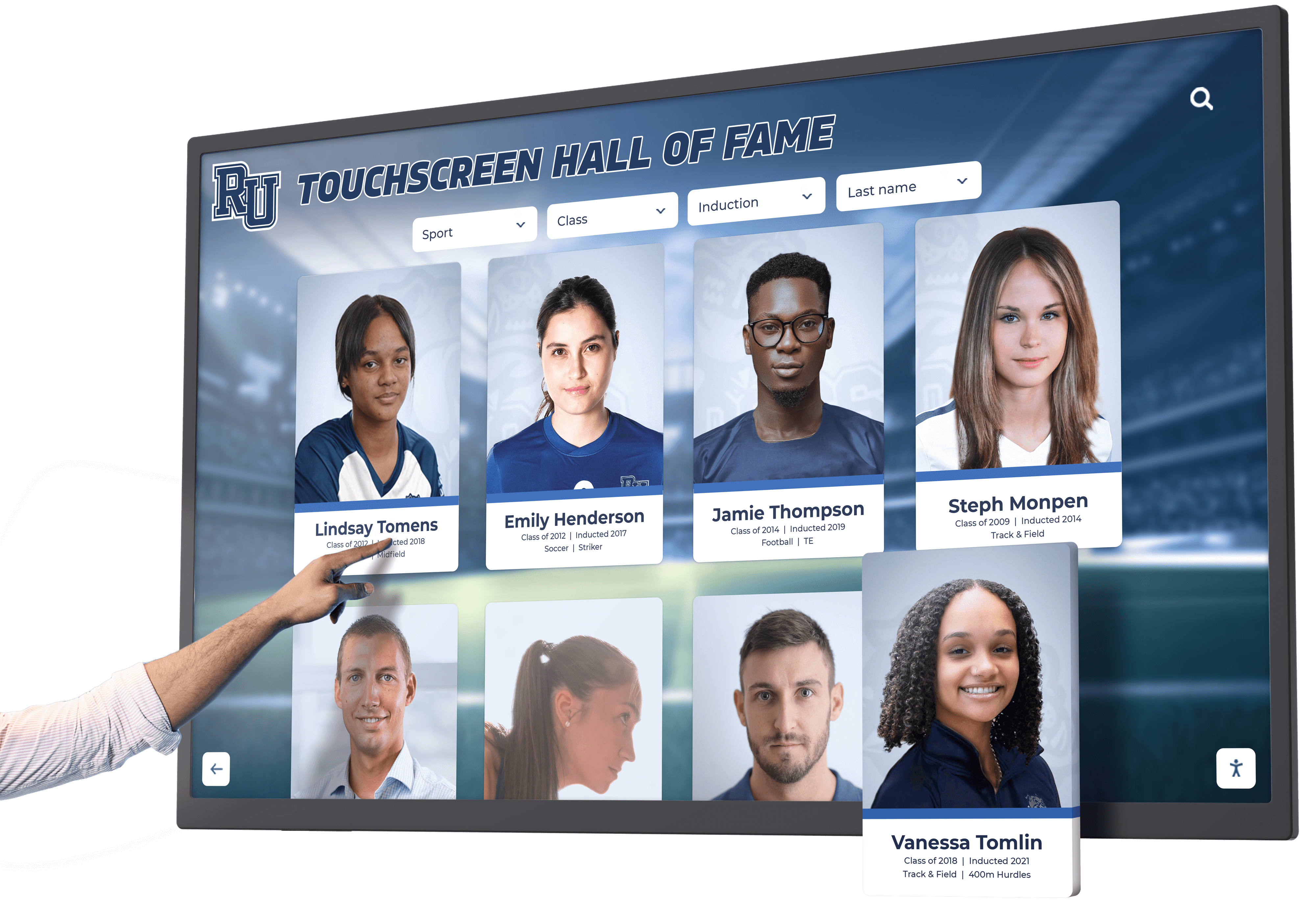
Building Traditions and Long-Term Recognition Culture
The most impactful commitment recognition creates traditions that strengthen program culture across generations.
Establishing Signature Celebration Elements
Consistent tradition-building elements make commitment celebrations distinctive and memorable.
Unique Ceremony Traditions: Schools can develop signature traditions that become anticipated annual events. Examples include special items athletes receive only at commitment ceremonies, specific songs or music associated with celebrations, involvement of previous college commits returning to celebrate current athletes, and distinctive visual elements like signing tables, backdrops, or decorations that appear annually.
These traditions create continuity and anticipation while distinguishing your celebrations from generic approaches.
Historical Connection and Legacy: Connect current commits to institutional history through displays showing all-time college commits creating historical perspective, recognition of particularly notable alumni athletes who achieved professional or Olympic success, statistical tracking showing commitment trends across decades, and stories connecting current commits to previous athletes who attended the same colleges.
This historical grounding demonstrates that current athletes join distinguished traditions rather than creating isolated moments.
Post-Commitment Engagement: Celebration shouldn’t end at signing day. Maintain connection through updates from committed athletes during college careers, opportunities for college athletes to return and speak with current students, tracking of college statistics and achievements, and celebration of notable college accomplishments like conference championships or all-conference recognition.
Ongoing engagement demonstrates sustained interest in athletes’ success beyond their value to high school programs.
Integrating Commitments Into Broader Recognition
College commitments represent one achievement category within comprehensive recognition programs.
Hall of Fame and Historical Archives: Many committed athletes later achieve hall of fame induction. Recognition systems should connect commitments to broader athletic history through hall of fame profiles noting where inductees attended college, commitment displays adjacent to hall of fame recognition, and historical documentation showing pathways from commitment through college to distinguished alumni status.
This integration shows the progression from high school excellence through college competition to lasting legacy.
Academic and Leadership Recognition: Student-athletes excel beyond athletics. Comprehensive recognition acknowledges athletic commitments alongside academic achievements and college acceptances, leadership roles in student government or service organizations, arts, music, or other talent areas, and character awards and community service recognition.
Holistic celebration honors complete students rather than athletes alone.
Multi-Generational Family Recognition: Some families produce multiple college athletes across generations. Special recognition for families with multiple college commits, siblings attending the same universities, and parents who were college athletes themselves creates rich legacy narratives celebrating family athletic traditions.
Resources on showcasing athletic achievement awards digitally provide frameworks for comprehensive recognition integrating multiple achievement dimensions.
Measuring Recognition Program Impact
Effective recognition programs demonstrate value through measurable outcomes.
Athlete and Family Satisfaction: Survey committed athletes and families about ceremony experience and meaningfulness, recognition adequacy compared to expectations, and suggestions for improvements. High satisfaction indicates effective recognition while feedback identifies enhancement opportunities.
Younger Athlete Inspiration: Assess whether recognition inspires younger students through surveys asking underclassmen if commitment celebrations motivate them, participation trends in athletic programs, and feedback from coaches about whether recognition influences team culture and aspirations.
Community Engagement: Track ceremony attendance trends over years, social media engagement with commitment announcements, media coverage of commitments and ceremonies, and prospective family feedback about recognition during recruiting visits.
Growing engagement indicates increasing recognition value and impact.
College Placement Trends: While recognition doesn’t create college opportunities directly, strong recognition cultures often correlate with increased college placement as athletes understand possibilities, commit to development required, receive college coach visibility, and benefit from school reputation for producing college athletes.
Tracking placement trends provides long-term perspective on recognition program value.
Leveraging Commitment Recognition for School Advancement
Beyond celebrating individual athletes, strategic commitment recognition serves broader institutional objectives.
Recruiting and Enrollment Benefits
Impressive commitment recognition attracts prospective student-athletes and families.
Facility Tour Integration: Commitment displays prominently featured during campus tours demonstrate program quality to prospective families. Athletic directors should ensure tour routes pass commitment recognition, highlighting recent commits and college destinations during presentations, using displays to illustrate college placement success and recruiting pipelines, and positioning recognition in areas where prospective families spend time.
Professional, comprehensive recognition creates competitive advantages over schools with minimal or outdated displays.
Prospective Athlete Messaging: Commitment recognition communicates powerful messages to recruits about program commitment to athletes, track record of college placement demonstrating coaching quality, diversity of college destinations showing varied opportunities, and institutional pride in athletic achievement evidenced through investment in recognition.
These impressions influence families evaluating multiple program options.
Social Proof and Reputation: Schools with distinguished college placement histories leverage recognition for reputation building through social media content highlighting commitment traditions and success stories, media outreach publicizing notable commitments and signing day events, alumni networks where college athletes become program ambassadors, and community visibility as local media covers commitment celebrations.
This reputation compounds over time as schools become known as college athlete pipelines.
Alumni Engagement and Fundraising Opportunities
College athlete alumni represent highly engaged populations supporting programs.
Alumni Network Development: Tracking college commits creates alumni athlete databases for ongoing engagement through networking events connecting former teammates and college athletes, mentorship programs pairing current athletes with college athlete alumni, communication strategies keeping alumni informed about program developments, and involvement opportunities inviting alumni to ceremonies and events.
These relationships strengthen institutional connections while providing athletes with lifelong networks.
Fundraising and Donor Recognition: College placement success creates fundraising opportunities. Athletic booster organizations can tie fundraising to commitment celebrations, sponsoring signing day events or recognition displays, establishing scholarships or awards for committed athletes, and funding facility improvements enhancing athlete experiences.
Donors appreciate tangible connections between contributions and student success.
Legacy and Tradition Building: Comprehensive commitment tracking across decades documents institutional athletic excellence, provides historical perspective during milestone celebrations and anniversaries, demonstrates program sustainability and quality across coaching changes, and creates pride among alumni seeing themselves as part of distinguished traditions.
This long-term perspective strengthens institutional identity and alumni loyalty.
Strategies for donor recognition in school settings apply to athletic booster recognition while honoring their support for athlete development and recognition programs.
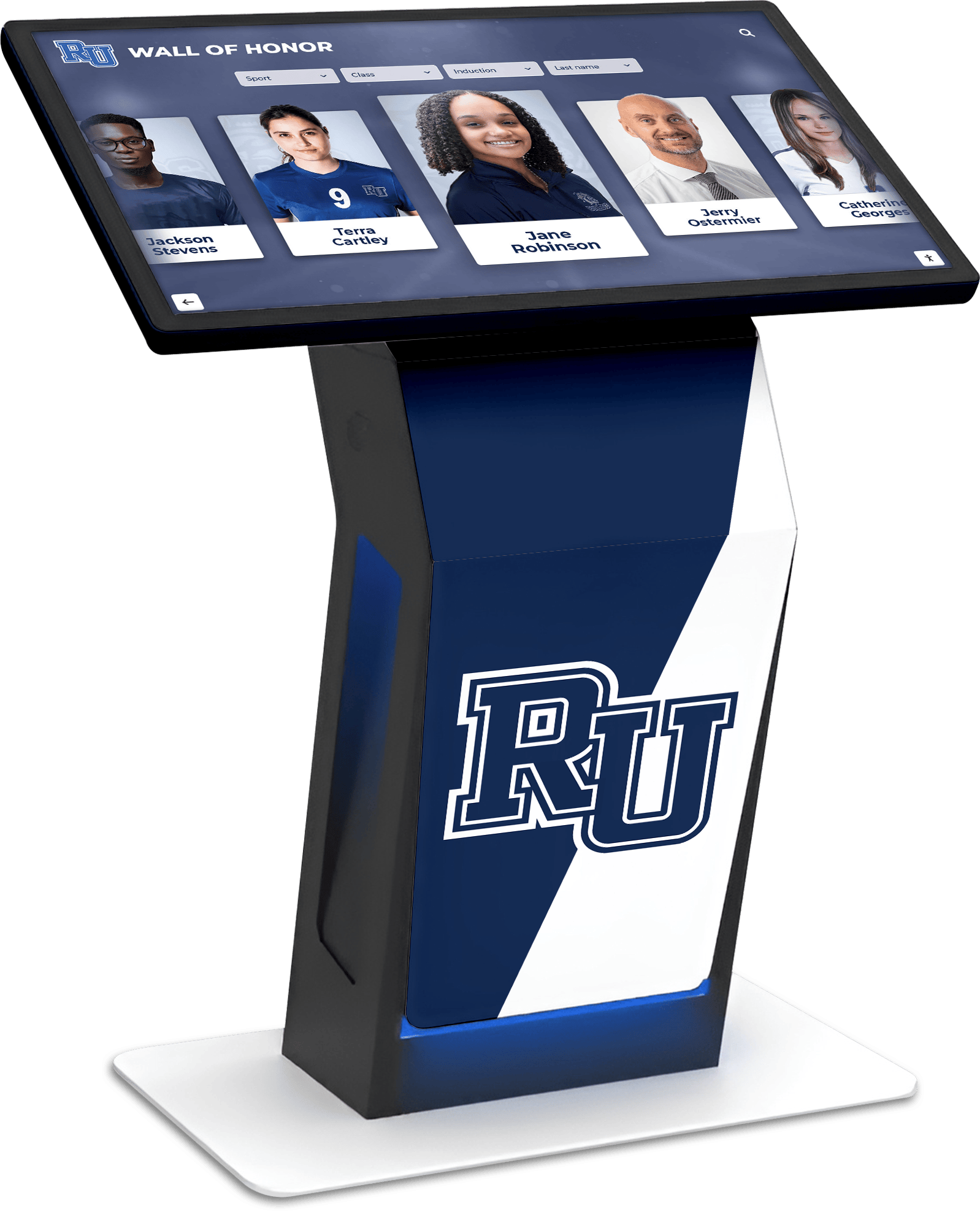
Future Trends in Commitment Recognition
College commitment celebrations continue evolving as technology advances and institutional priorities shift.
Emerging Recognition Technologies
Contemporary platforms increasingly incorporate advanced capabilities enhancing engagement.
Virtual and Hybrid Ceremonies: The COVID-19 pandemic accelerated virtual event adoption that continues benefiting commitment recognition. Hybrid ceremonies combining in-person and livestreamed elements enable participation from distant family members and supporters, expanded audiences as college coaches and distant alumni watch remotely, permanent video documentation automatically created through streaming, and accessibility for those unable to attend physically.
Many schools will maintain virtual components even as in-person events fully resume.
Augmented Reality Integration: Some schools experiment with augmented reality enhancing physical displays. Visitors scanning QR codes near commitment boards access rich multimedia content about athletes, view highlight videos and extended profiles, and explore interactive timelines showing recruitment journeys.
This blended approach combines physical display permanence with digital storytelling depth.
Personalized Recognition Experiences: Advanced digital platforms enable personalized content tailored to visitors. Systems might highlight commits from visitors’ graduation classes, emphasize specific sports matching visitor interests, or recommend related content based on browsing patterns.
Personalization increases engagement by making large recognition databases feel personally relevant.
Evolving Recognition Priorities
Contemporary values influence what schools emphasize in commitment celebrations.
Holistic Student-Athlete Recognition: Schools increasingly expand recognition beyond pure athletic achievement to celebrate academic excellence and college major aspirations, community service and leadership contributions, character development and personal growth, and post-graduate goals beyond athletics.
This holistic approach honors complete student-athletes rather than athletic abilities alone.
Diversity and Inclusion Emphasis: Contemporary recognition consciously celebrates diverse athletes across all sports equitably, women’s athletics prominently and enthusiastically, athletes from all backgrounds without bias, and varied college destinations from D1 through D3 and NAIA.
Inclusive recognition reflects institutional values while ensuring all athletes experience authentic celebration.
Mental Health and Wellbeing Focus: Some schools incorporate mental health messaging into commitment recognition, acknowledging pressures athletes face during recruiting, emphasizing that college decisions should prioritize wellbeing and fit over prestige, celebrating athletes choosing colleges supporting personal development, and normalizing varied college paths rather than creating single “success” definition.
This balanced approach supports healthier athlete experiences during stressful recruiting processes.
Creating Your School’s Commitment Recognition Program
For schools ready to establish or enhance college commitment recognition, systematic planning creates sustainable programs delivering lasting value.
Assessment and Goal Setting
Begin with honest evaluation of current practices and clear articulation of desired improvements.
Current State Analysis: Document existing commitment recognition through current ceremony formats and attendance, physical displays and their condition and prominence, social media practices and engagement, and stakeholder satisfaction with existing recognition.
This baseline clarifies specific problems new recognition programs should address.
Stakeholder Input: Gather perspectives from current committed athletes and their families, coaches across all sports programs, athletic administrators and staff, younger athletes and their parents, and school leadership and counselors.
Understanding diverse priorities helps design recognition satisfying multiple constituencies.
Institutional Objective Alignment: Clarify how commitment recognition supports broader goals including student development and achievement celebration, alumni engagement and network building, recruiting and enrollment strategies, school culture and pride, and community relations and reputation.
Explicit connections between recognition and strategic objectives help secure necessary resources and support.
Implementation Planning
Systematic implementation addresses timeline, budget, content development, and stakeholder communication.
Short-Term Quick Wins: Build momentum through immediate improvements requiring minimal resources like enhanced social media announcement templates and practices, updated commitment tracking displays in prominent locations, improved ceremony programs and flow, and family engagement enhancements.
These quick improvements demonstrate commitment while planning longer-term investments.
Long-Term Vision and Investment: Develop comprehensive plans for sustainable recognition including digital recognition system implementation, ceremony tradition development and formalization, historical research documenting past commits, and integration with broader athletic recognition programs.
Phased implementation spreads costs while enabling learning and adjustment.
Resource Allocation: Identify funding through operating budgets incorporating recognition as ongoing line items, capital campaigns or facility improvement funds, athletic booster donations and sponsorships, and volunteer support reducing professional service costs.
Adequate resources prove essential—underfunded programs struggle regardless of design quality.
Measuring Success and Continuous Improvement
Effective recognition programs demonstrate value and improve continuously.
Success Metrics: Track quantitative indicators like ceremony attendance trends, social media engagement with announcements, athlete and family satisfaction surveys, and college placement rates and trends over time.
Growing metrics indicate increasing program value and impact.
Regular Review and Adjustment: Schedule annual reviews assessing what worked well and what requires improvement, gathering stakeholder feedback systematically, identifying emerging best practices from other schools, and making incremental improvements year over year.
Commitment to continuous improvement ensures recognition remains relevant and impactful.
Celebrating Milestones: Recognize recognition program milestones including significant anniversary celebrations, achieving college placement goals, and facility improvement completions incorporating recognition.
These meta-celebrations build momentum and demonstrate sustained institutional commitment.
Conclusion: Honoring Achievement While Inspiring Future Generations
College commitment day represents a defining milestone deserving celebration that honors years of dedication while inspiring younger athletes to pursue similar excellence. The most effective recognition programs balance individual athlete celebration with community engagement, authenticity with professionalism, tradition with innovation, and current achievement with historical context.
Whether your school hosts elaborate multi-sport signing ceremonies or intimate individual celebrations, maintains cutting-edge digital recognition displays or traditional commitment boards, the substance lies not in production sophistication but in authentic appreciation for students’ remarkable achievements. Reaching the collegiate level requires exceptional dedication, sacrifice, and ability. Recognition programs that genuinely honor this accomplishment while inspiring future generations serve schools’ most fundamental mission—celebrating student achievement and fostering environments where excellence becomes possible.
As you plan your commitment recognition programs, remember that student-athletes and families remember not elaborate productions but authentic celebration acknowledging their journeys. Simple ceremonies conducted with genuine pride and appreciation create memories lasting far longer than expensive productions lacking heart. Start with authentic celebration, build sustainable traditions reflecting institutional values, and enhance systematically as resources permit.
The student-athletes committing to compete collegiately achieved something exceptional that deserves recognition matching their dedication. Thoughtful planning ensures your commitment day celebrations honor these achievements appropriately while creating traditions that strengthen athletic culture for generations to come.
Ready to transform how your school celebrates college commitments? Discover how modern recognition solutions can help you create comprehensive commitment tracking and celebration programs that honor student-athletes while inspiring future generations to pursue collegiate athletics.