



For student-athletes and their families, the decision to commit to a college athletics program represents the culmination of years of dedication, training, and sacrifice. It marks a significant milestone where athletic achievement meets academic opportunity, transforming high school success into collegiate possibility. Schools that celebrate these moments meaningfully demonstrate their commitment to student-athletes while building program culture and inspiring younger students pursuing similar dreams.
Yet many schools struggle to honor college commitments appropriately. Some treat signing days as routine administrative events rather than celebratory milestones. Others create elaborate ceremonies for high-profile athletes while overlooking those competing in less visible sports. Still others lack systematic approaches to recognition, leaving commemoration decisions to individual coaches with inconsistent results across programs and years.
Thoughtful college commitment day recognition serves multiple institutional objectives simultaneously: honoring student-athletes who brought distinction to school programs, demonstrating the school’s role in preparing students for collegiate success, inspiring younger athletes by showcasing achievable advancement pathways, strengthening relationships with college coaches and programs that provide recruiting opportunities, and building school pride through visible celebration of athletic and academic achievement.
This comprehensive guide explores how schools create meaningful college commitment day celebrations that honor student-athletes authentically while strengthening athletic program culture for years to come.
Understanding College Commitment Day and National Signing Day
Before planning recognition strategies, schools must understand the recruiting calendar and commitment timelines governing different sports and divisions.
Key Dates in the College Recruiting Process
The college athletic recruiting calendar varies significantly across sports and NCAA divisions, creating multiple commitment and signing windows throughout the academic year.
National Signing Day for Football
Football receives the most visibility during National Signing Day—the first Wednesday in February, when high school seniors can officially sign National Letters of Intent to play Division I or Division II football. This date generates significant media coverage as top recruits announce decisions and programs celebrate incoming classes. However, many football recruits now commit during the Early Signing Period in December, making February’s National Signing Day less significant than historically.
Early Signing Period
The Early Signing Period in December (typically mid-December for most sports) enables committed athletes to sign Letters of Intent before traditional February and April signing dates. Many student-athletes now sign during this window, making December nearly as significant as traditional spring signing days for recognition purposes.
Sport-Specific Signing Periods
Beyond football, different sports maintain distinct signing calendars. Basketball has signing periods in November and April. Soccer, field hockey, and other sports follow varied schedules. Division III schools and programs not offering athletic scholarships don’t participate in formal signing periods, with students making non-binding verbal commitments before confirming enrollment through regular admissions processes.
Schools must track these varying timelines to ensure timely recognition regardless of when commitment decisions occur or which division level students choose.
Different Types of Athletic Commitments
Not all college athletic commitments follow identical processes, and schools should understand distinctions when planning recognition approaches.
Division I and II Letter of Intent Signing
Student-athletes receiving athletic scholarships to compete at Division I or Division II institutions sign binding National Letters of Intent during designated signing periods. These formal commitments obligate students to attend specific institutions while securing athletic scholarship funding. Signing ceremonies typically occur on or shortly after official signing dates when athletes complete paperwork.
Division III and Non-Scholarship Commitments
Division III schools cannot offer athletic scholarships, so commitments remain non-binding verbal agreements until students complete standard admissions processes and confirm enrollment. However, these commitments prove equally meaningful for student-athletes and deserve comparable recognition despite lacking formal signing documents. Schools should celebrate Division III commitments with similar prominence as scholarship signings, acknowledging that choice represents genuine athletic and academic achievement regardless of financial aid structure.
Early Decision and Early Action Commitments
Many student-athletes combine athletic recruiting with Early Decision or Early Action admissions timelines. These commitments typically occur in November or December before traditional signing periods. Schools should recognize these early commitments promptly rather than waiting for formal signing dates that may come months later or not at all for Division III-bound athletes.
Preferred Walk-On Agreements
Some student-athletes commit to college programs as preferred walk-ons—earning roster spots without athletic scholarships. While these commitments may appear less prestigious than scholarship offers, they represent significant achievements for athletes demonstrating determination to compete collegiately. Schools should include preferred walk-ons in commitment recognition, honoring persistence and dedication rather than distinguishing recognition based solely on scholarship status.
Creating Meaningful Commitment Day Ceremonies
Formal signing day events provide opportunities to celebrate student-athletes publicly while engaging families, teammates, and school communities.
Planning Individual Signing Ceremonies
Many schools organize individual ceremonies when student-athletes officially sign Letters of Intent or announce college commitments.
Ceremony Format and Scheduling
Traditional signing ceremonies gather student-athletes, families, teammates, coaches, and administrators in school locations like gymnasiums, libraries, or athletic facilities. The student-athlete typically sits at a table displaying college gear—hats, jerseys, pennants—creating visual recognition of the institution they’ll attend. After remarks from school administrators, coaches, and sometimes the athletes themselves, the formal signing occurs with family members and coaches present. Schools typically photograph these moments extensively for documentation and promotional purposes.
Timing matters significantly—scheduling ceremonies during school hours enables classmate attendance and participation, demonstrating institutional support while creating inspirational moments for younger students. Morning assemblies or special events during lunch periods maximize student witness to these milestone celebrations. However, after-school or evening timing may better accommodate working parents and family members traveling from distances to participate.
Creating Appropriate Atmosphere and Recognition
The ceremony atmosphere should match the significance of the commitment. Simple table setup with school and college colors creates visual impact without excessive expense. School spirit elements like mascot appearances, pep band performances, or cheerleader participation add energy and celebration appropriate to athletic achievement. Video presentations highlighting the student-athlete’s high school career—clips of key performances, statistics, accomplishments, and testimonials from coaches and teammates—provide context demonstrating why college programs recruited them.
Remarks should celebrate the student-athlete’s achievements and character while acknowledging family support, coach mentorship, teammate contributions, and the work ethic that created collegiate opportunity. These speeches honor the individual while reinforcing program values and inspiring younger athletes witnessing ceremonies.
Including Family and Supporters
College commitments represent family achievements as much as individual accomplishments. Parents invested countless hours in transportation, financial support, emotional encouragement, and sacrifice enabling athletic development. Ceremonies should prominently include families through speaking opportunities allowing parents to share reflections, seating arrangements positioning families centrally rather than as observers, and recognition of siblings and supporters who contributed to the athlete’s journey.
Some schools present gifts to families—framed photos, commemorative plaques, or school merchandise—thanking them for partnership in developing student-athletes who brought honor to school programs.
Organizing Group Signing Day Events
When multiple student-athletes commit during the same period, group ceremonies efficiently honor all while creating collaborative celebration.
Multi-Athlete Ceremony Structure
Group signing day events typically gather all committing student-athletes, their families, teammates, and school community in large venues like gymnasiums or auditoriums. Each athlete receives individual recognition through brief introductions, achievement summaries, and formal signing moments, but consolidated format enables attendance by broader audiences than individual ceremonies permit. Schools often arrange signing tables displaying each athlete’s chosen college colors and gear, creating visual representation of the diverse institutions students will attend.
The ceremony typically progresses systematically—often organized by sport—with each student-athlete receiving focused attention while maintaining event momentum through concise recognition preventing excessive length that loses audience attention.
Balancing Equitable Recognition Across Sports
Group events risk perceived hierarchy favoring high-profile sports like football and basketball over athletes competing in less visible programs. Schools must consciously ensure equitable recognition regardless of sport popularity or media attention. Simple strategies include alphabetical recognition by athlete name rather than sport prominence, equivalent speaking time for all athletes regardless of program profile, equal promotional emphasis in marketing materials and social media, and consistent recognition quality across all commitments rather than elaborate celebration for some students while providing perfunctory acknowledgment for others.
This equitable approach demonstrates that schools value all student-athletes equally, honoring dedication and achievement rather than sport visibility or entertainment appeal.
Creating Interactive and Engaging Experiences
Beyond formal ceremony elements, schools can create engaging experiences keeping audiences invested throughout events. Photo opportunities with teammates, coaches, and school mascots provide memorable keepsakes and social media content. Video montages featuring highlights from all committing athletes create comprehensive celebration showcasing program breadth. Social media integration encouraging live posting with event hashtags extends recognition reach beyond physical attendees, enabling alumni, extended families, and community members to participate virtually.
Some schools transform signing days into broader celebrations including food, school spirit activities, pep rally elements, and opportunities for younger athletes to meet and congratulate seniors, creating inspirational moments encouraging commitment to athletic excellence.
Developing Permanent Recognition Displays
Beyond ceremonies that occur once, permanent displays create lasting recognition reminding communities of student-athletes’ achievements for years following graduation.
Traditional Physical Recognition Elements
Many schools maintain physical displays documenting college-bound athletes and the institutions they’ll attend.
College Commitment Boards and Photo Walls
Dedicated bulletin boards or wall spaces featuring photos of committing student-athletes alongside their college choices create visible recognition in high-traffic areas. Schools typically display professional photos—often in uniform or during competition—paired with college logos and basic information including student name, sport, and destination institution. These displays demonstrate program success to prospective students, families evaluating schools, and community members while creating pride among current students and athletes.
Physical displays work best in prominent locations like main entrances, athletic facility lobbies, hallways connecting to gymnasiums, or commons areas where students congregate daily. Strategic placement ensures maximum visibility rather than relegating recognition to isolated locations only deliberately seeking visitors encounter.
Updated annually as new classes commit, these displays create visual progression showing how programs consistently prepare student-athletes for collegiate competition.
Banners and Pennant Programs
Some schools hang banners recognizing college-bound athletes in gymnasiums, field houses, or athletic facility common areas. Similar to championship banners, commitment recognition banners provide highly visible celebration of student advancement to collegiate athletics. These might include individual athlete banners with photos and college choices or comprehensive class banners listing all athletes from specific graduation years alongside destination institutions.
Pennants from colleges recruiting school athletes create distinctive displays demonstrating program reach and the diversity of institutions recognizing the school’s athletic talent. As collections grow over years, pennant displays visually document the expanding network of collegiate programs offering opportunities to school athletes.
Traditional Plaques and Trophy Case Additions
Some schools include college commitment recognition in trophy cases or on walls displaying program achievements. Small plaques noting student-athletes who advanced to collegiate competition create permanent documentation of this aspect of program success alongside championships, records, and other honors. While space constraints limit how comprehensively schools can recognize all college-bound athletes through traditional plaques, selective recognition of exceptional cases—Division I scholarship recipients, multiple-sport college athletes, or those attending particularly prestigious institutions—proves manageable within typical trophy case capacities.
Digital Recognition Solutions
Digital technology enables comprehensive college commitment recognition without physical space limitations while adding engagement capabilities impossible with static displays.
Interactive Touchscreen Recognition Systems
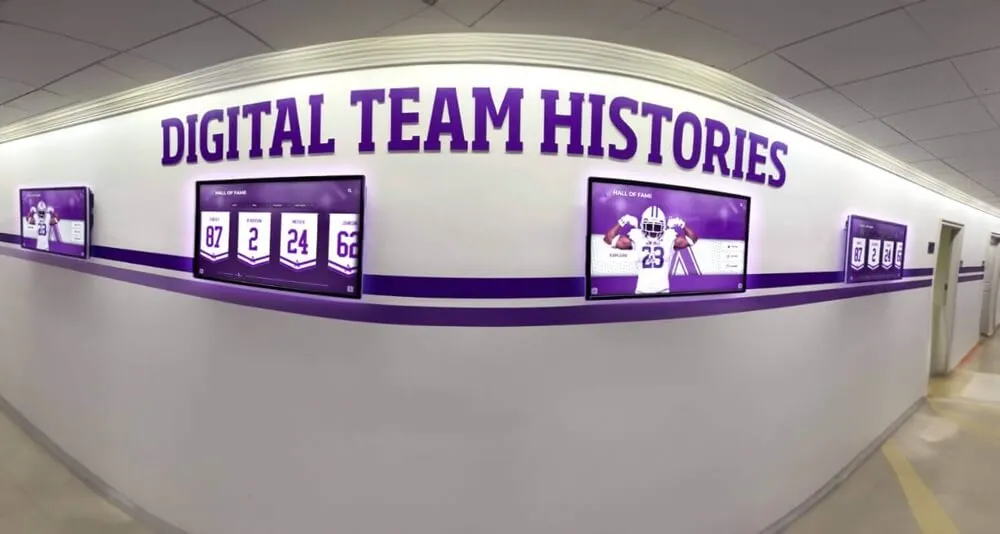
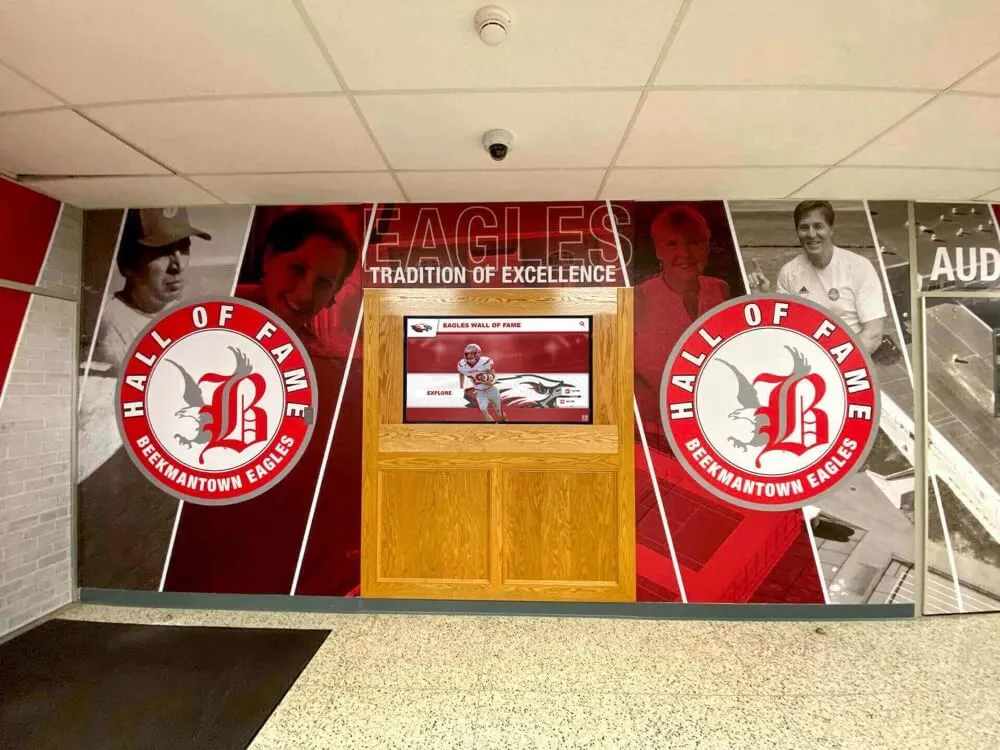
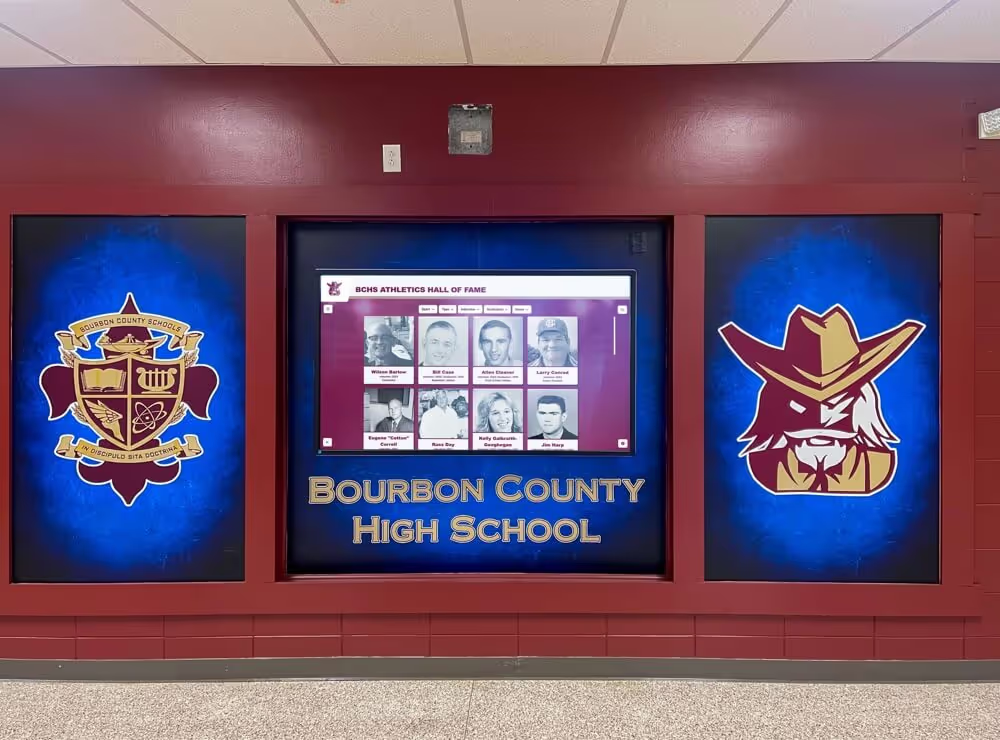
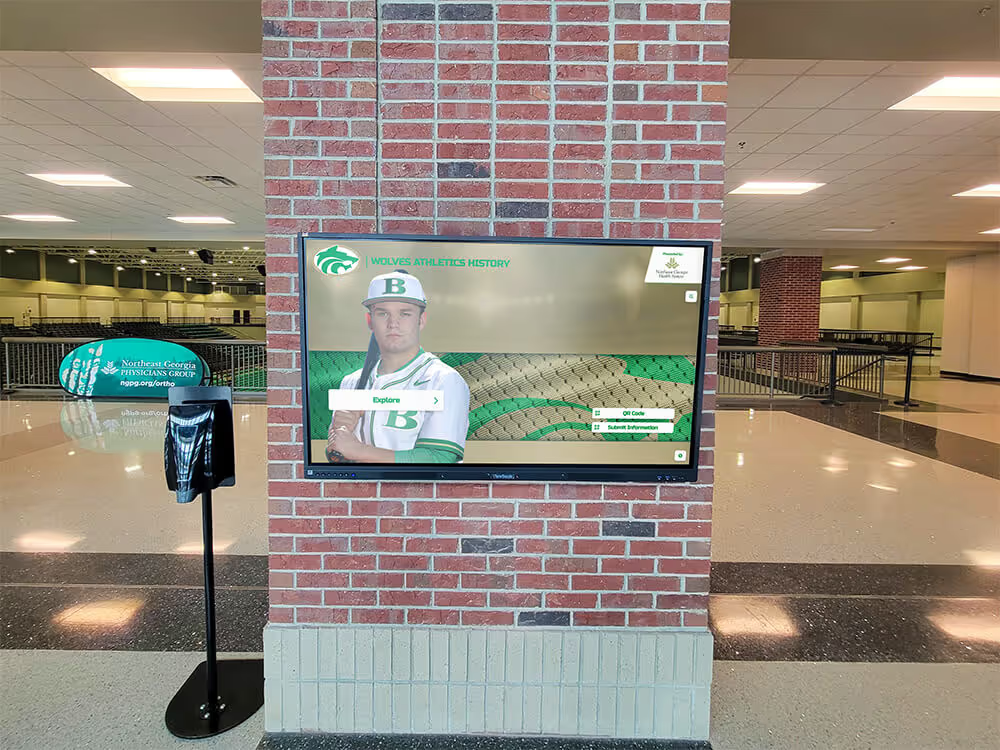
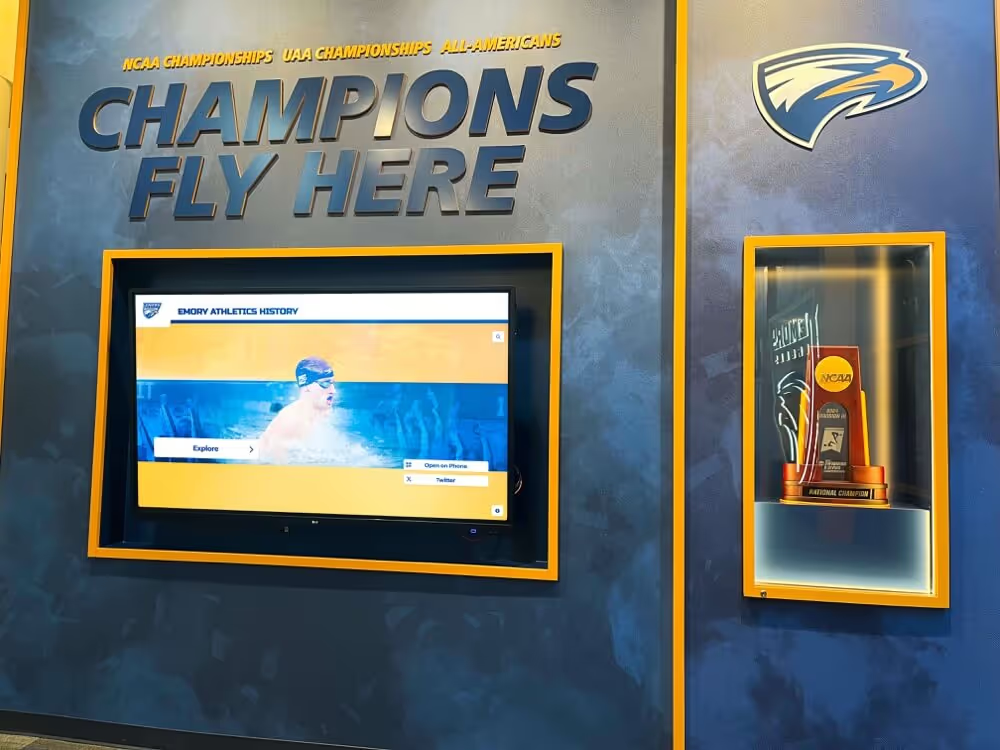
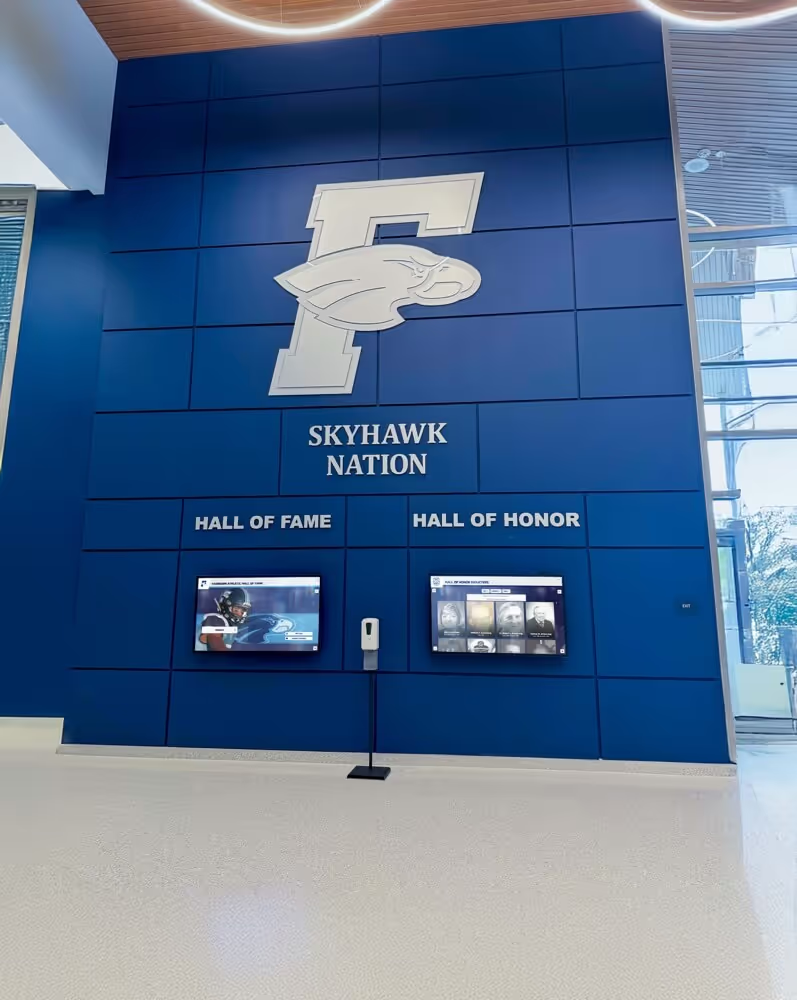
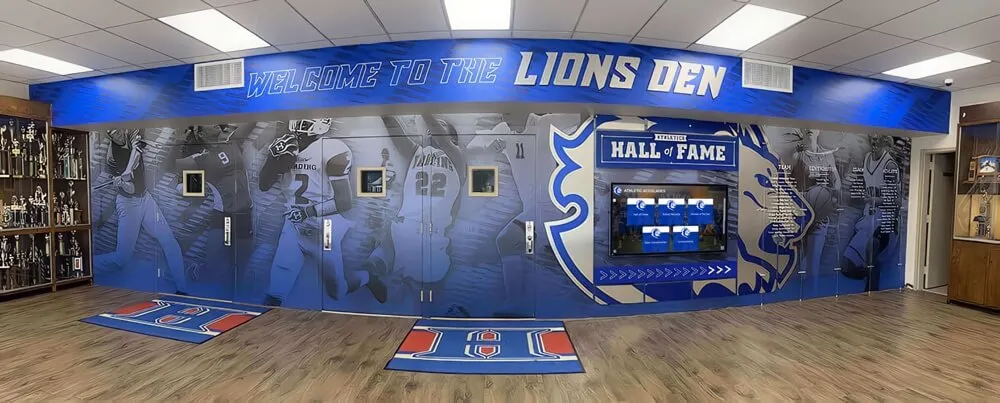
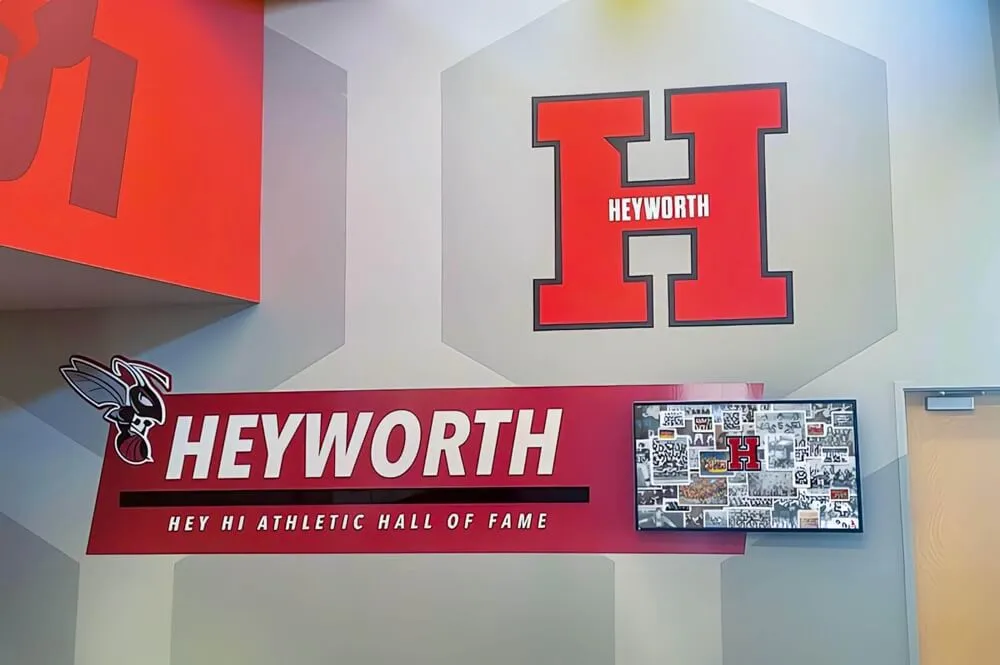
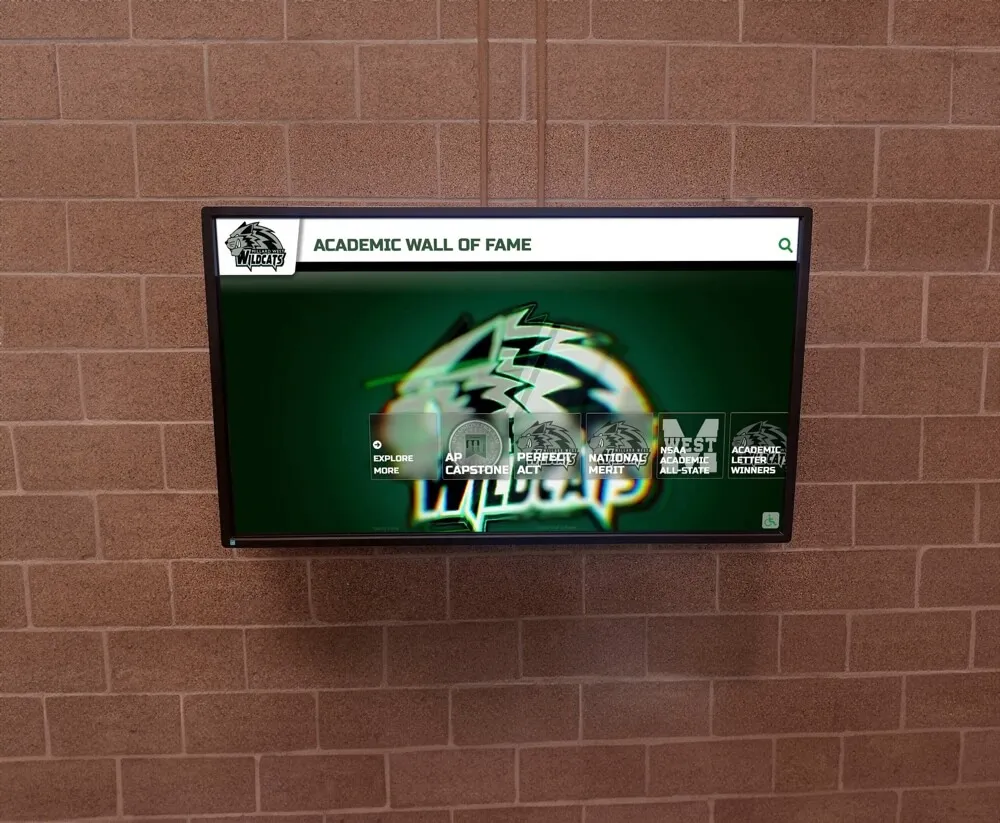
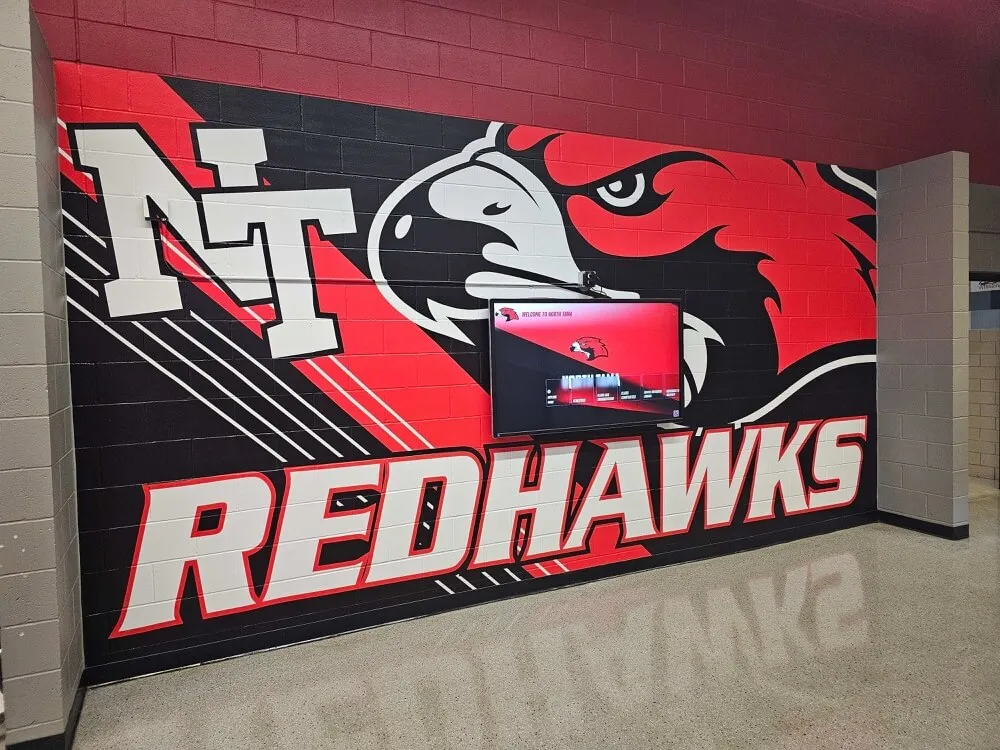
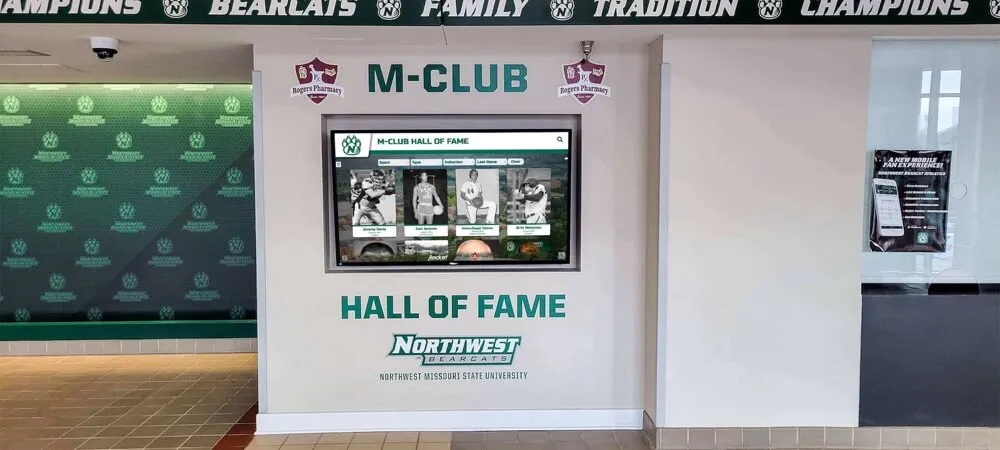
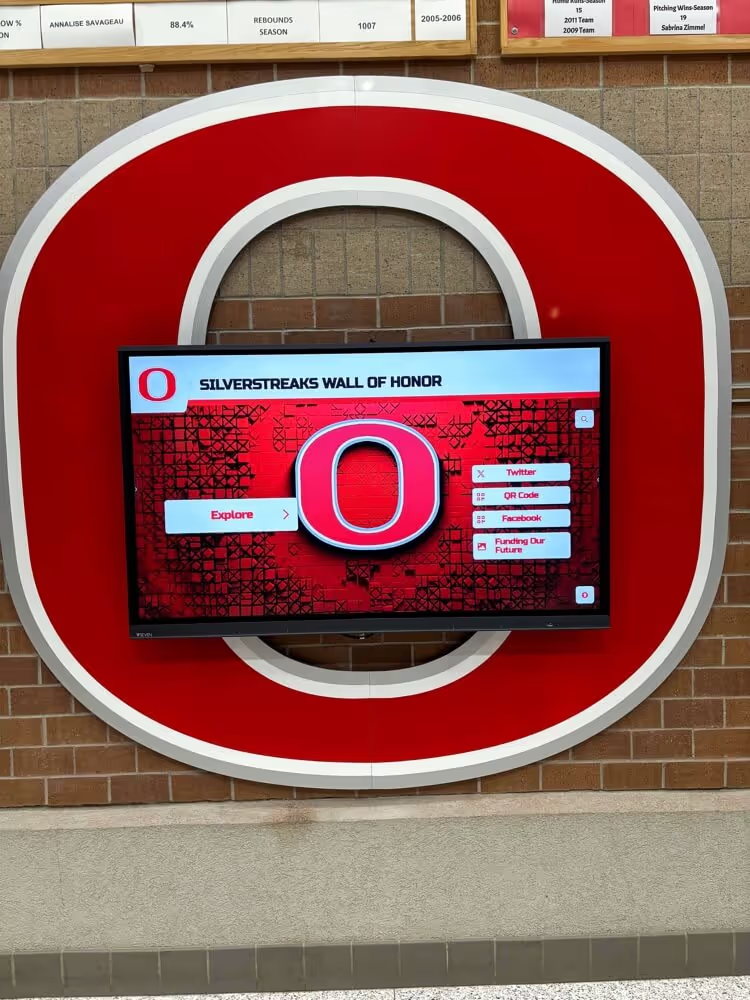
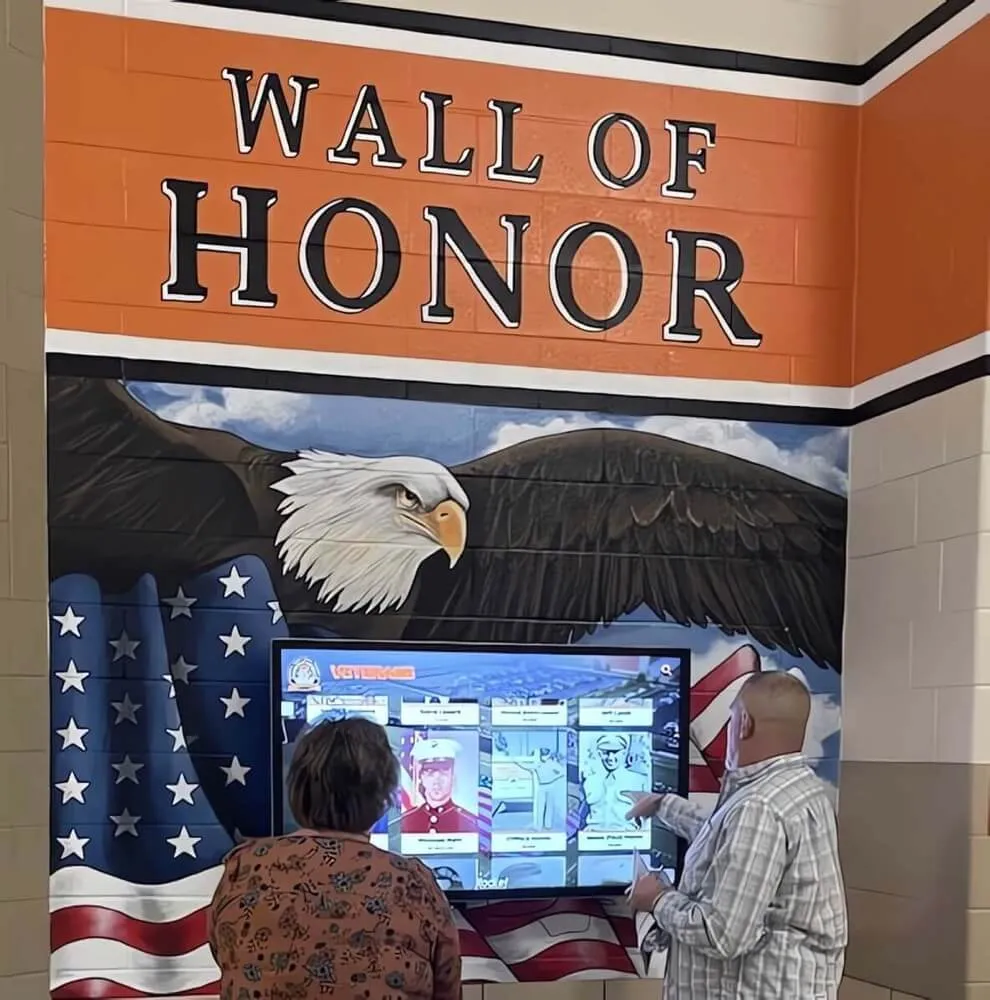
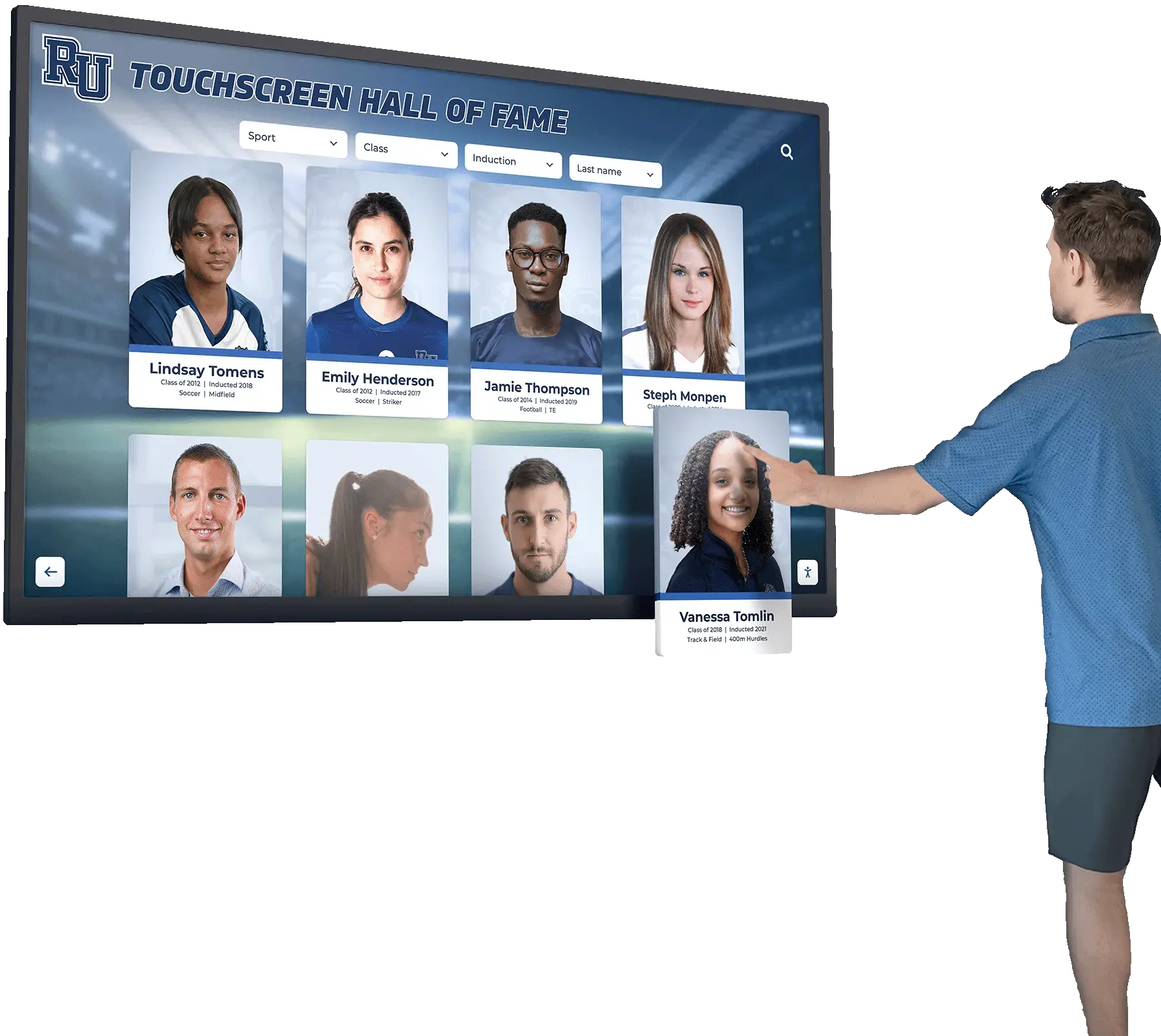
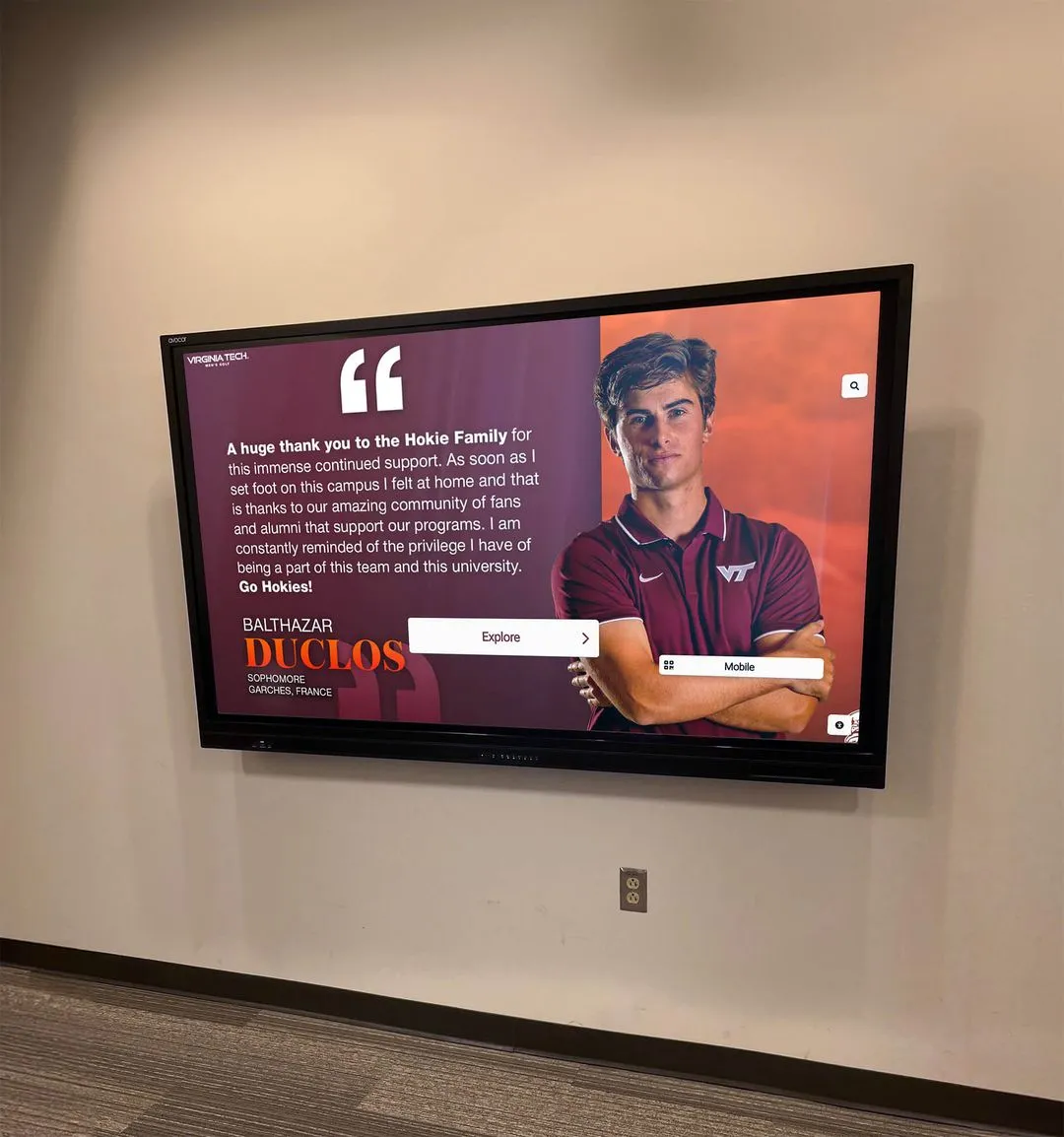
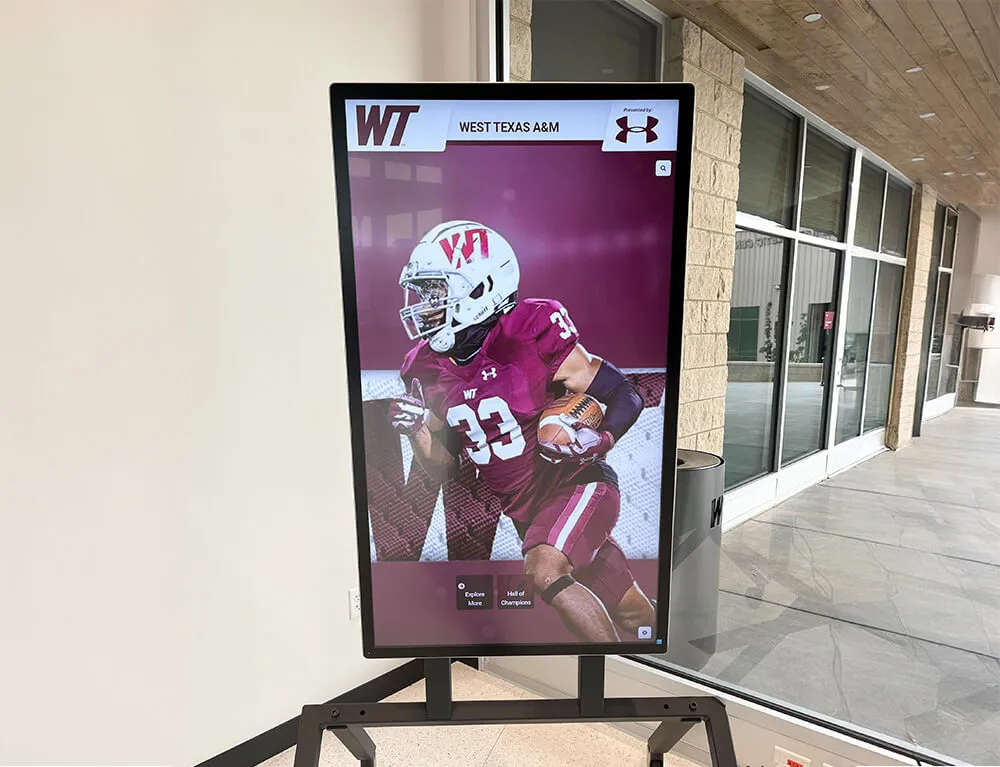
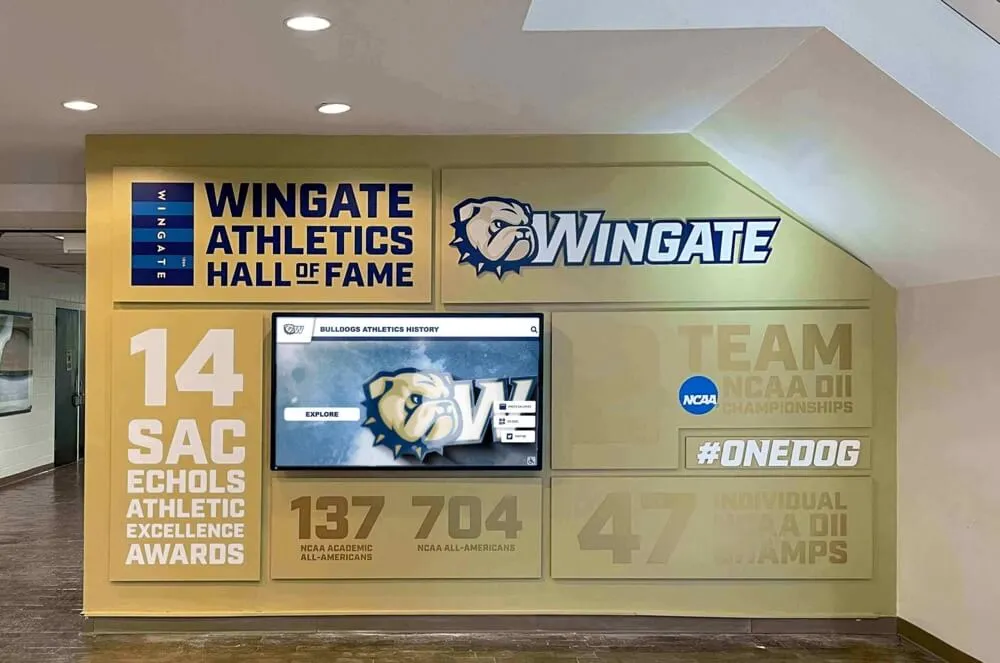
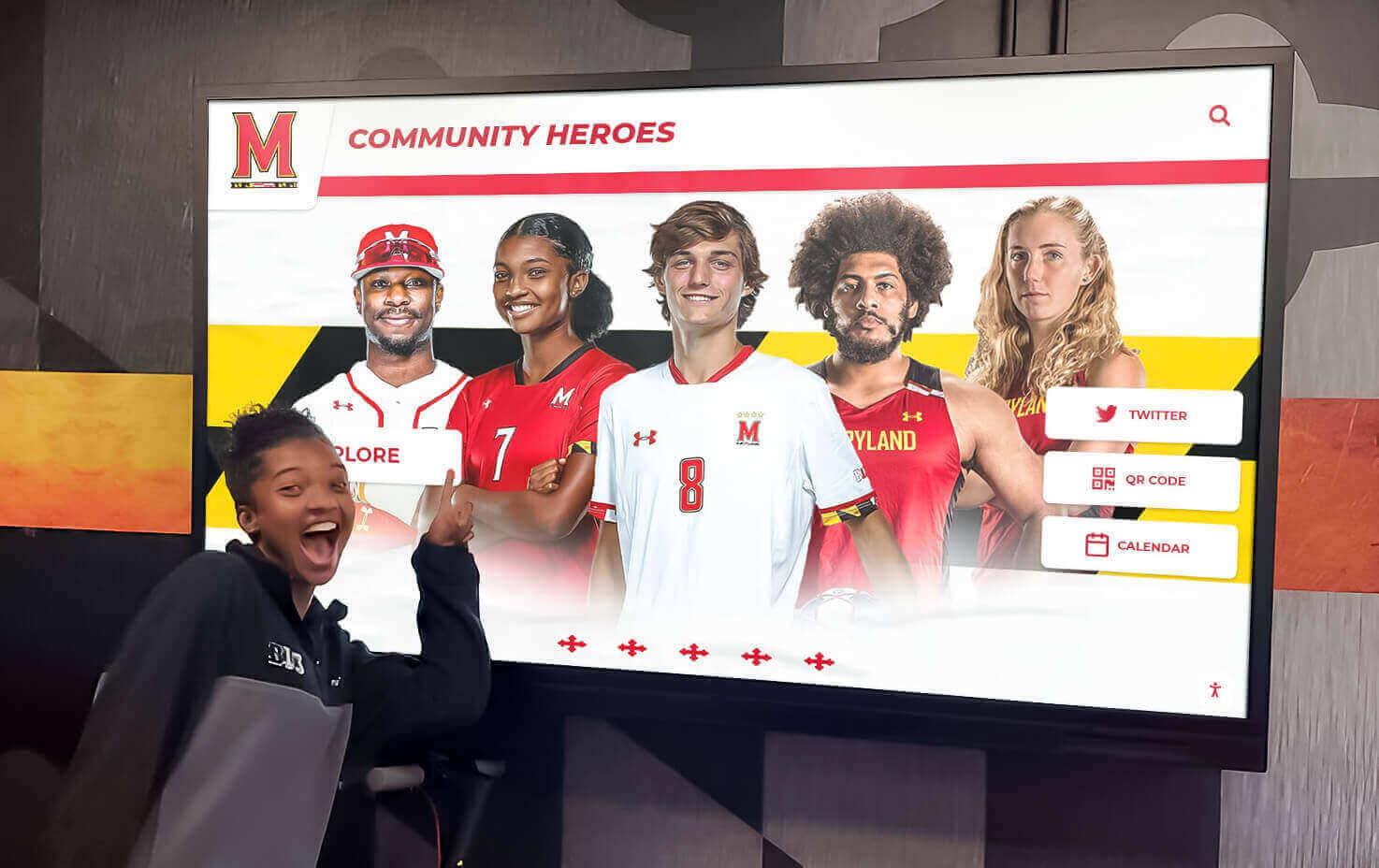
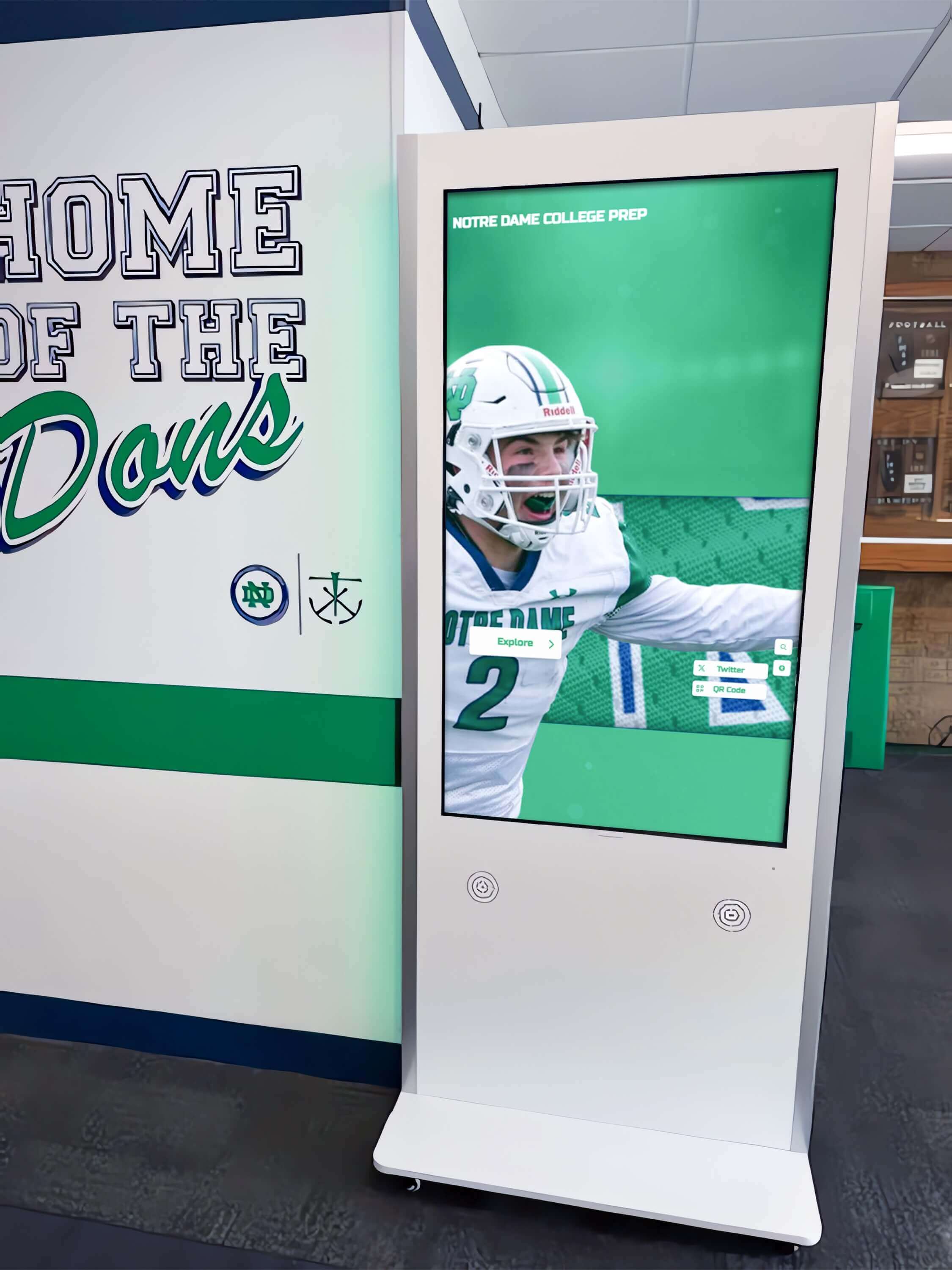
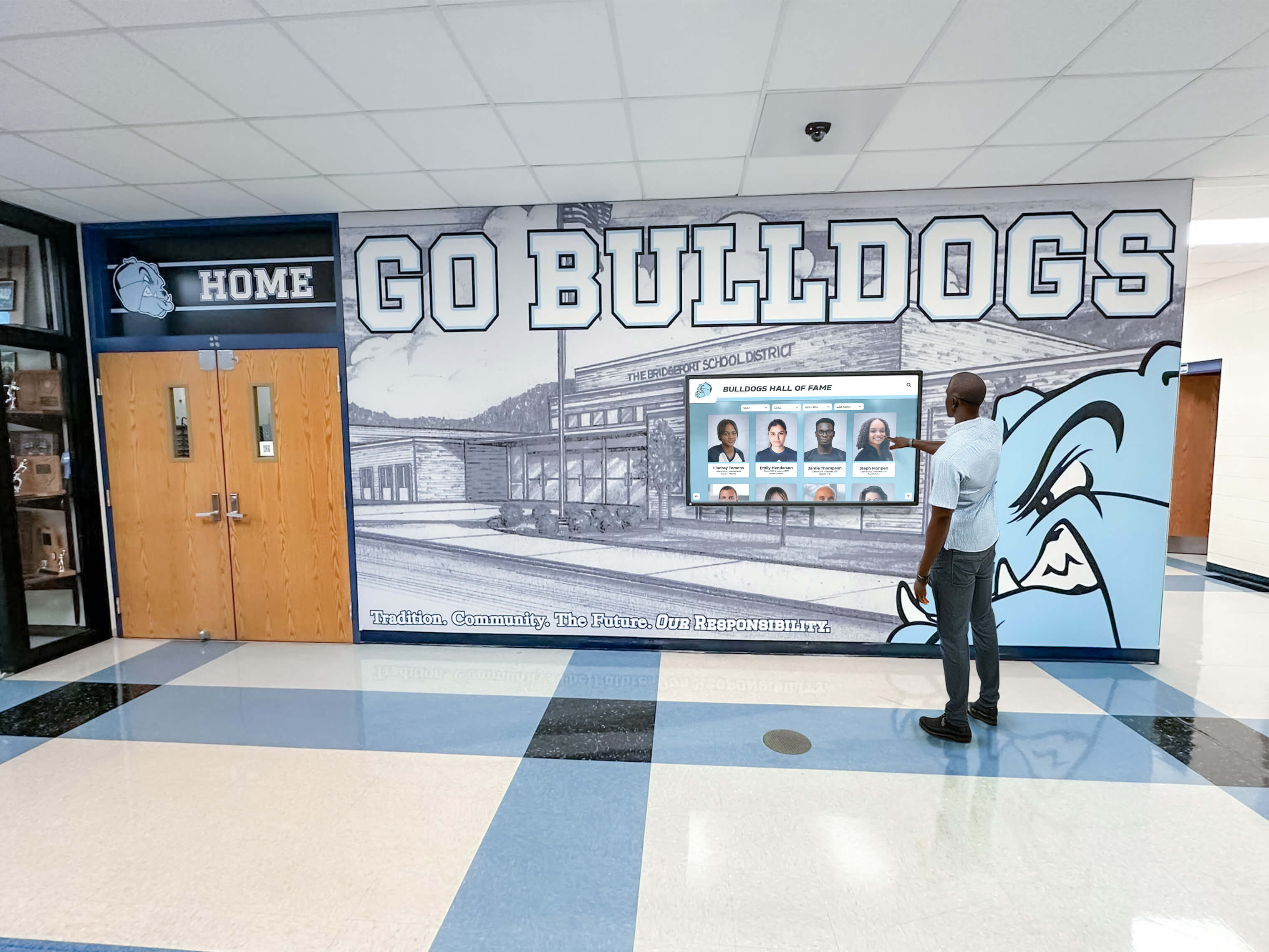
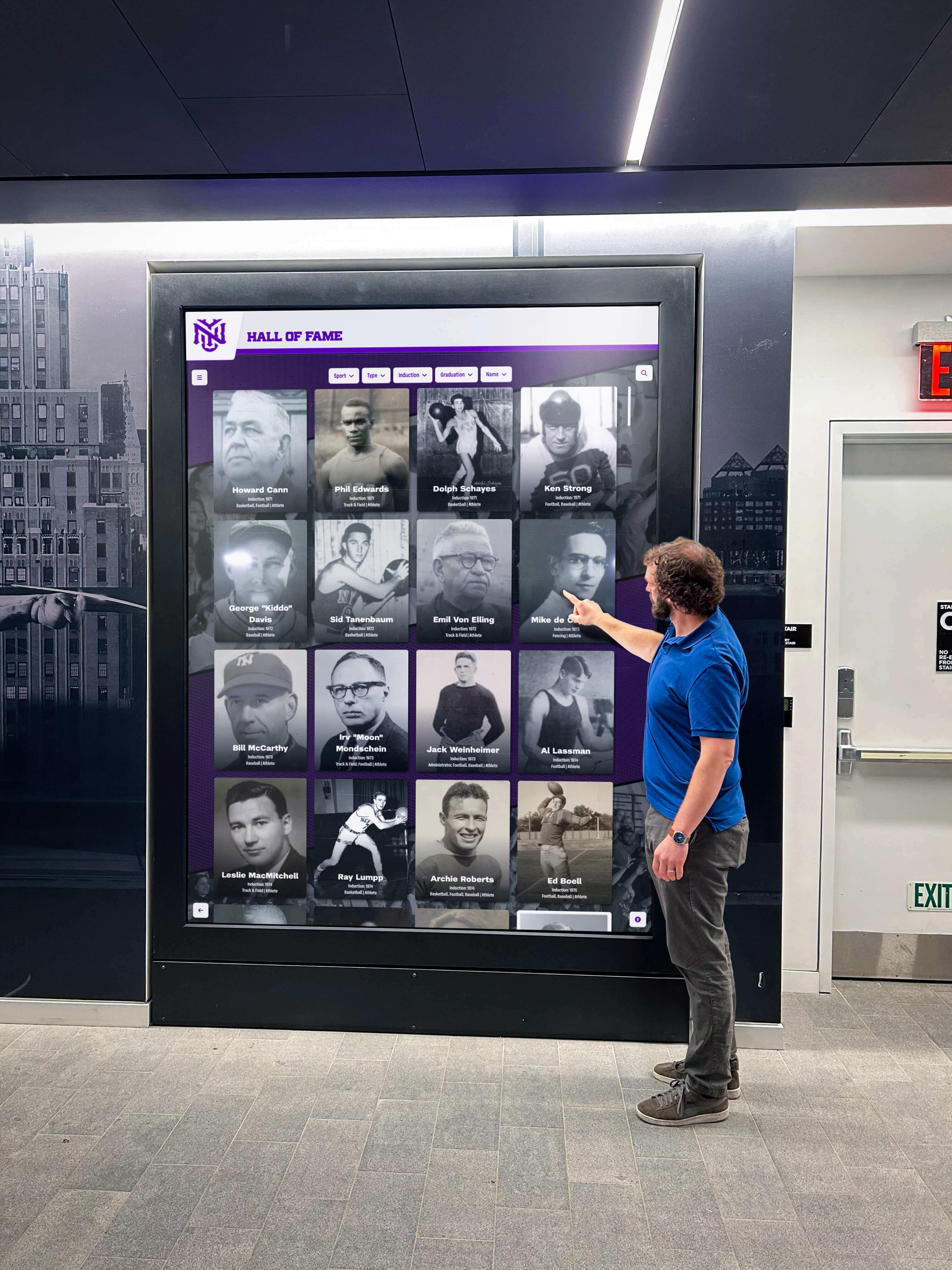
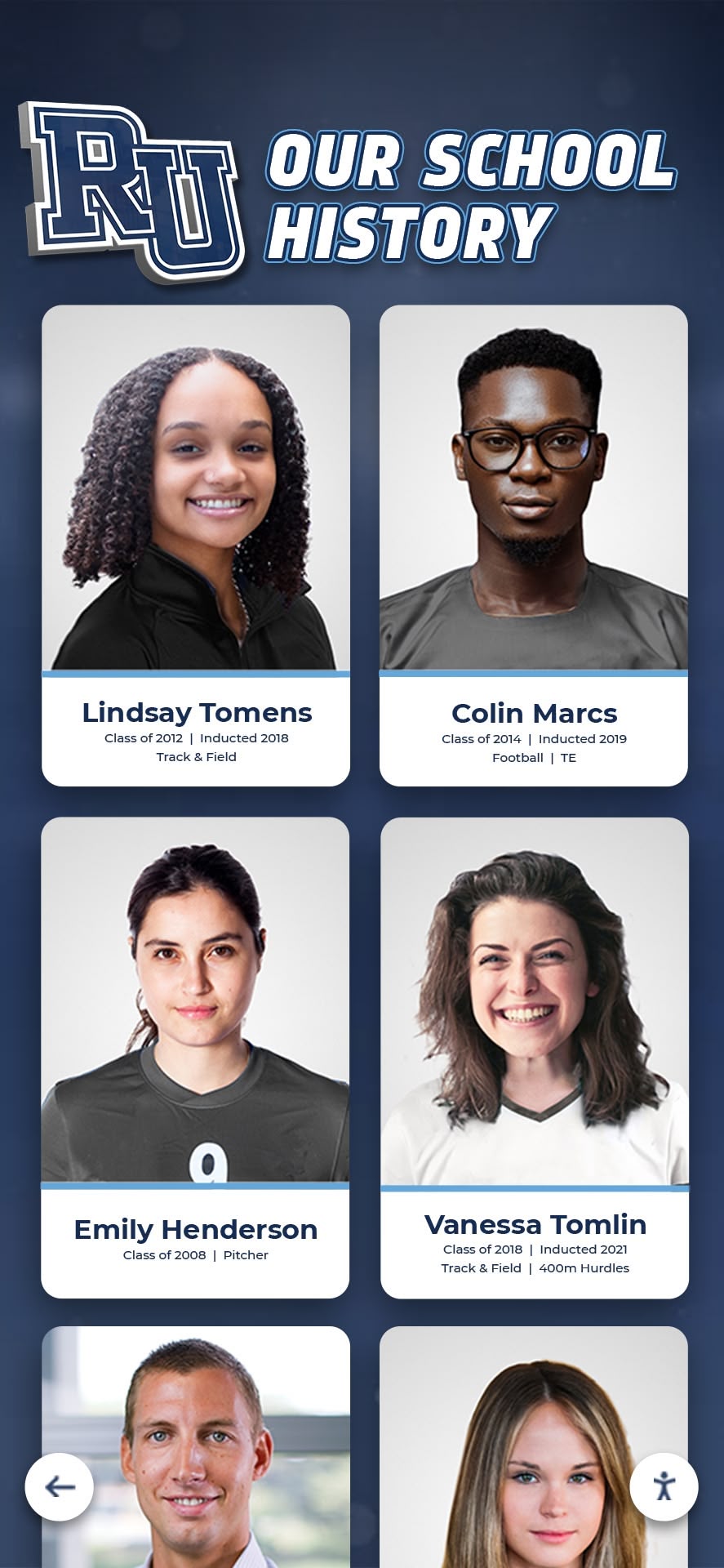
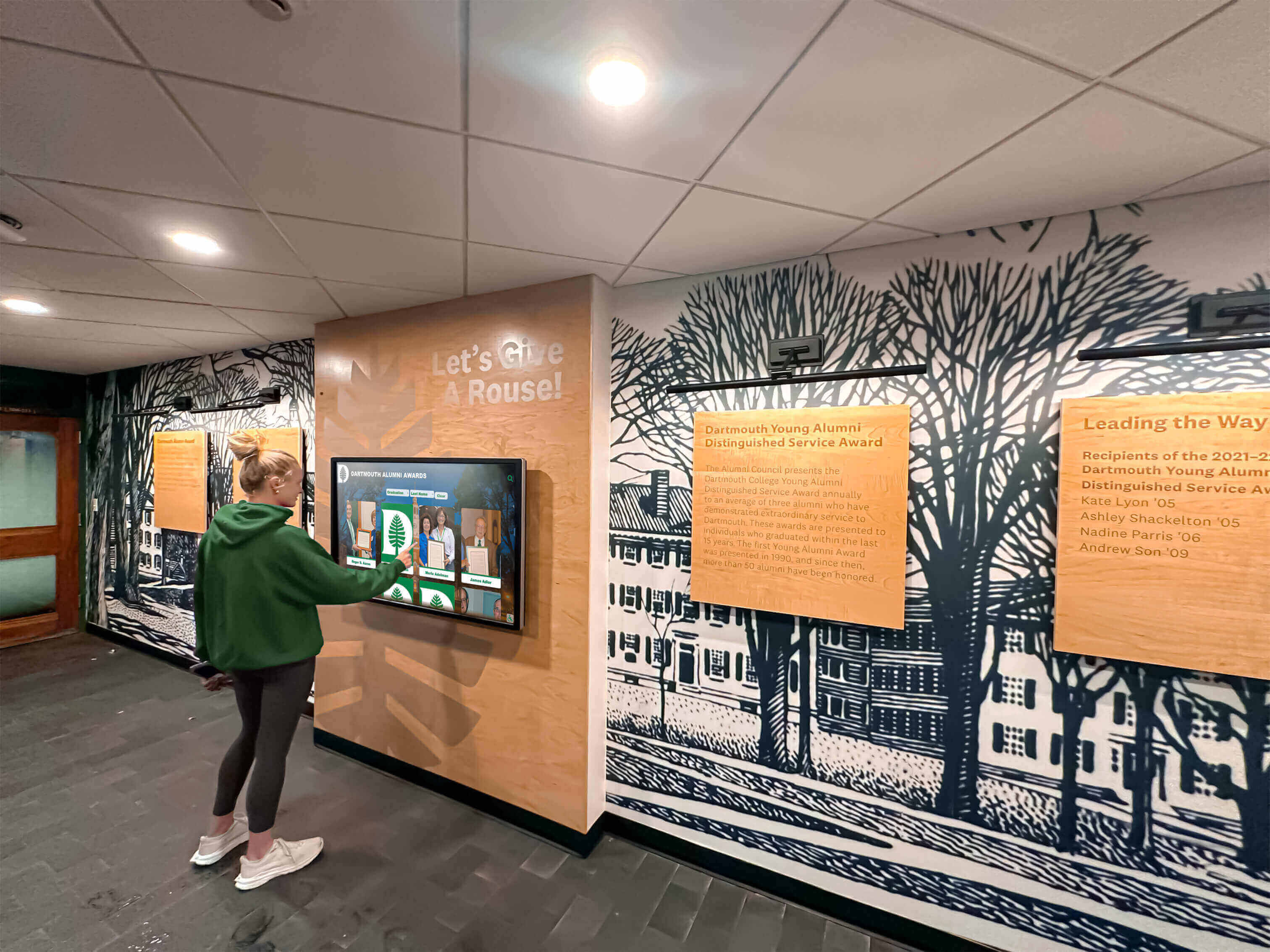
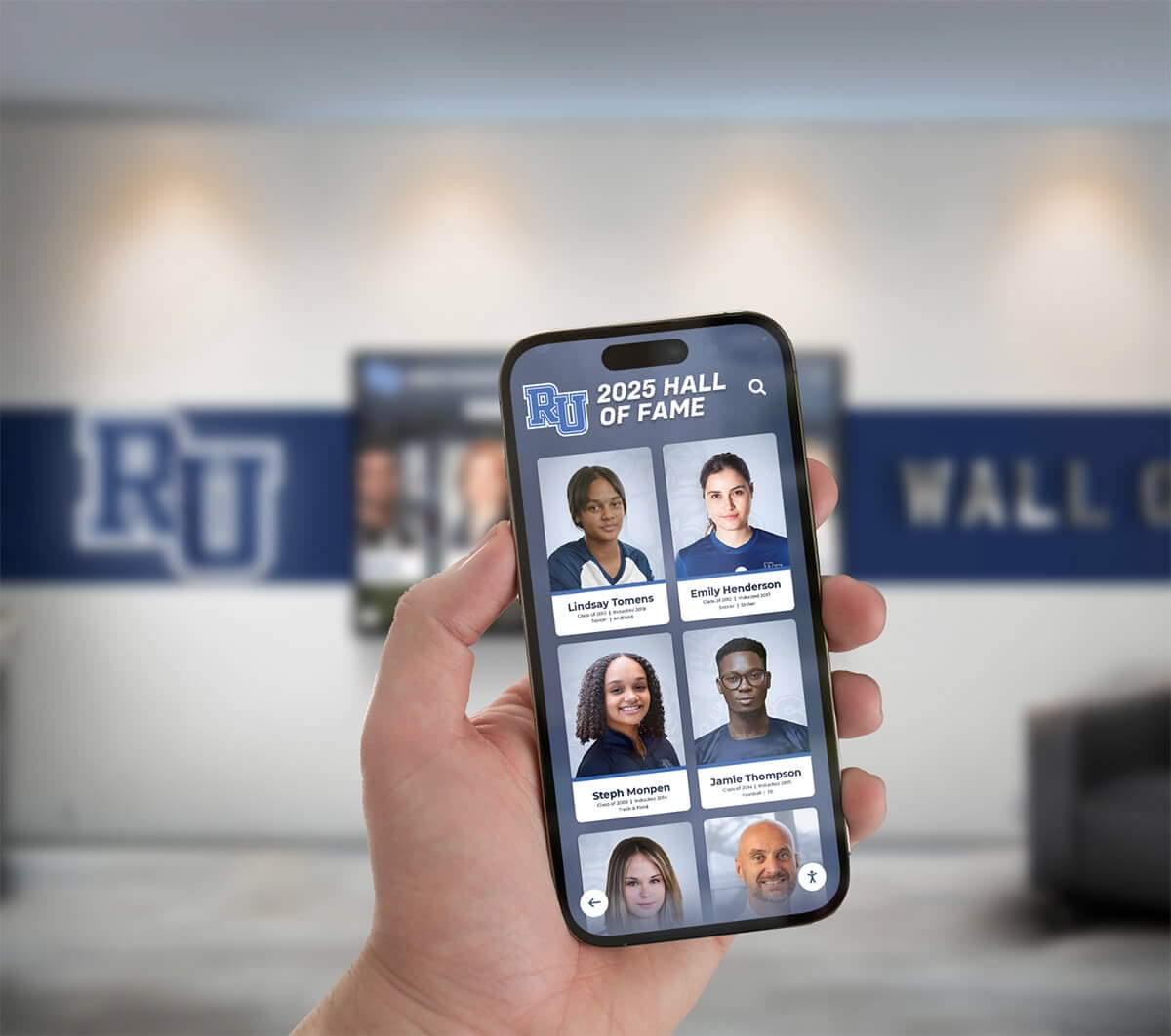
Purpose-built interactive displays deployed in athletic facilities transform college commitment recognition from static photo boards to engaging digital experiences. These platforms enable unlimited athlete profiles without space constraints—whether recognizing 10 college-bound seniors annually or 50, display footprint remains constant. Each profile includes comprehensive information traditional displays cannot accommodate: professional photos showing athletes during competition and achievements, detailed biographical information including statistics, honors, and accomplishments, college destination with institutional information and program details, career highlights and achievement narratives explaining what made them recruitable, and coach testimonials describing character and contributions beyond statistics.
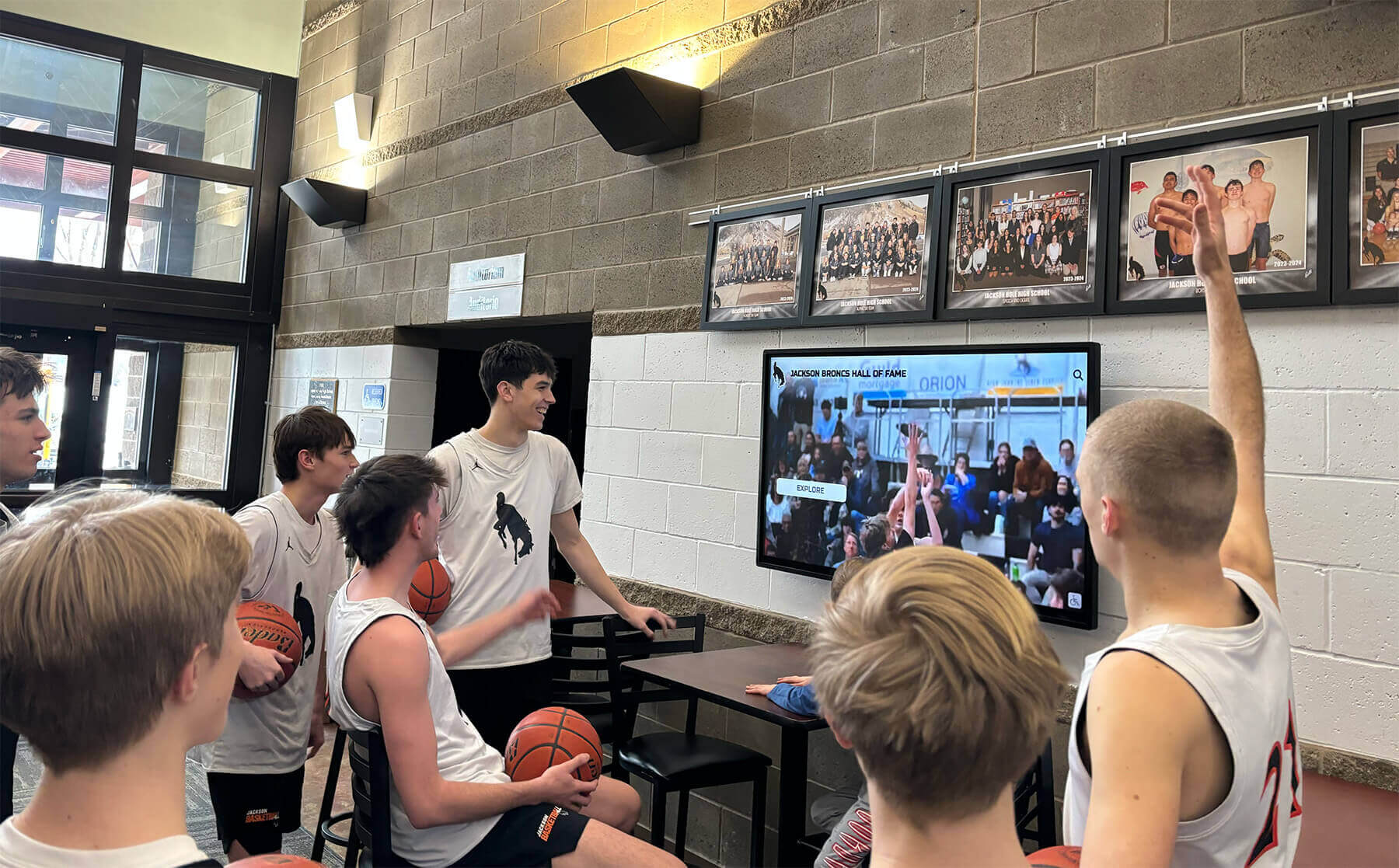
Interactive exploration allows visitors to browse commitments by graduation year, sport, or college destination, search for specific athletes, and discover profiles through intuitive touchscreen interfaces. This engagement proves particularly valuable for younger athletes exploring where program graduates compete collegiately, helping them understand potential advancement pathways available through strong high school performance.
Solutions like Rocket Alumni Solutions provide purpose-built platforms designed specifically for school athletic recognition needs, combining intuitive touchscreen interfaces with content management systems enabling non-technical athletic administrators to maintain displays independently without ongoing IT support requirements.
Web-Based College Commitment Tracking
Online platforms extend college commitment recognition beyond physical campus boundaries through web-accessible databases. These systems enable alumni to explore where graduates compete collegiately, provide college coaches recruiting opportunities to assess program quality and track athlete placement, and create social sharing capabilities enabling athletes to share their commitments across personal networks. Web platforms complement physical displays rather than replacing them—together they create comprehensive recognition ecosystems serving multiple audiences simultaneously.
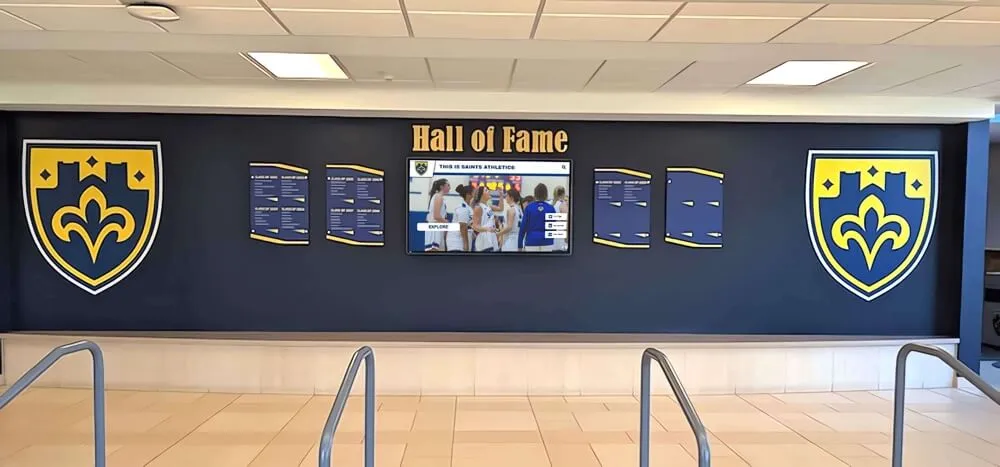
Many schools integrate college commitment tracking with broader athletic hall of fame systems, documenting athlete advancement to college as one dimension of comprehensive program history and achievement preservation.
Social Media Recognition Campaigns
Digital recognition extends through school athletic social media channels celebrating commitments as they occur. Immediate social media posts when athletes announce decisions create timely recognition reaching broad audiences including current students, alumni, community supporters, and prospective families evaluating programs. Posts typically include athlete photos, college logos, brief achievement summaries, and congratulatory messaging from coaches and administrators.
Creating dedicated hashtags for college commitment celebration (#SchoolNameCommitted, #GoCollegeName, etc.) enables tracking recognition across platforms while encouraging athletes, families, and supporters to share content expanding reach beyond official school accounts. Video announcements where athletes explain why they chose specific colleges or what factors influenced decisions provide compelling content generating engagement beyond static graphics.
Consistent social media recognition throughout commitment seasons demonstrates sustained attention to all athletes regardless of timing differences across sports and divisions, ensuring equivalent celebration for November commits and those signing in April or May.
Integrating Academic Achievement Recognition
The most effective college commitment celebrations honor the complete student-athlete, acknowledging that athletic ability alone didn’t earn collegiate opportunities—academic achievement and character proved equally essential.
Emphasizing Academic Excellence Alongside Athletic Achievement
College recruitment evaluates academic qualifications alongside athletic skills, with eligibility requirements and scholarship offers depending heavily on GPA, test scores, and academic preparation.
Highlighting Academic Accomplishments in Recognition
Commitment recognition should include academic dimensions—GPA, class rank, honor roll status, AP courses completed, intended college majors, and academic honors received. This comprehensive approach demonstrates that schools develop complete student-athletes prepared for collegiate academic rigor alongside athletic competition.
Including academic information serves multiple purposes: it reinforces institutional values emphasizing education rather than solely athletic excellence, it provides realistic portrayal helping younger athletes understand collegiate recruitment requirements beyond athletic skill, and it honors the significant work student-athletes invested in maintaining strong academics while dedicating extensive time to athletic training and competition.
Celebrating Academic Scholarships and Merit Awards
Many student-athletes receive both athletic scholarships and academic merit awards from colleges recruiting them. Schools should prominently recognize academic achievements that contributed to collegiate opportunities, celebrating National Merit status, academic scholarship awards from colleges, honors program acceptance, and special academic recognitions. This celebration demonstrates that athletic ability combined with academic excellence creates most compelling college applications and scholarship opportunities.
Some schools create distinctive recognition for student-athletes earning significant academic honors alongside athletic scholarships—noting those named valedictorians or salutatorians while committing to college athletics, highlighting those accepted to particularly academically prestigious institutions, and celebrating those receiving full academic merit scholarships in addition to athletic opportunities.
Including Non-Scholarship Academic Admits to Athletic Programs
Division III-bound student-athletes and those attending Division I or II programs as non-scholarship participants deserve recognition equivalent to scholarship recipients, honoring achievement and commitment regardless of financial aid structure.
Recognizing Division III Commitments
Division III schools cannot offer athletic scholarships, so student-athletes commit based on academic fit, program quality, and athletic opportunity without scholarship incentives. These commitments represent genuine achievement—rigorous academic standards, competitive athletic recruiting, and commitment to four years of college competition. Schools should celebrate Division III commitments with identical prominence as Division I scholarship signings, reinforcing that success means finding optimal personal fit rather than maximizing scholarship dollars or institutional prestige.
Emphasizing academic excellence proves particularly important for Division III recognition since these institutions typically maintain higher academic standards than many Division I and II programs. Celebrating the academic achievement that earned admission alongside athletic recruitment reinforces complete student-athlete development.
Honoring Preferred Walk-On Commitments
Student-athletes earning preferred walk-on positions—guaranteed roster spots without initial scholarships—demonstrate determination and persistence worthy of recognition. Some eventually earn scholarships after proving themselves, making walk-on opportunities legitimate pathways to full athletic participation. Schools celebrating walk-on commitments honor dedication and work ethic while demonstrating that multiple pathways to collegiate athletics exist beyond immediate scholarship offers.
Creating Year-Round Commitment Engagement
Effective commitment recognition extends beyond single ceremonies, creating sustained engagement that strengthens program culture and alumni connections.
Building Commitment Anticipation and Excitement
Schools can generate excitement throughout recruiting processes leading to final commitment announcements.
Tracking Recruiting Progress
Some programs maintain “recruiting boards” updating school communities on athletes receiving college interest and unofficial visits. While respecting privacy and NCAA regulations, schools can create anticipation around impending commitments through social media posts about official visits, coach meetings, and recruitment milestones. This ongoing narrative builds toward commitment announcements as culminating celebrations rather than isolated events.
Younger athletes benefit from understanding recruiting progression—when coaches typically begin contact, how official visits work, what factors influence college choices, and realistic timelines for commitment decisions. Transparent recruiting education helps athletes and families navigate processes more effectively while managing expectations appropriately.
Countdown and Announcement Strategies
When athletes plan commitment announcements, schools can coordinate timing to maximize impact and celebration. Some athletes create suspense through social media countdowns or surprise reveals during school events. Schools might schedule announcement assemblies creating shared celebratory moments for entire student bodies. Media coverage—inviting local newspapers and sports reporters to signing ceremonies—extends recognition reach throughout broader communities.
Strategic timing considerations include avoiding conflicts with other major school events that would divide attention, coordinating with college coaches who typically prefer simultaneous announcements promoting their programs, and selecting moments when maximum audiences can participate live or through social media rather than times when communities are distracted by competing priorities.
Maintaining Connections with College-Bound Athletes
Recognition shouldn’t end once athletes leave for college—sustained connections benefit athletes, high school programs, and future recruiting relationships.
Creating Alumni Athlete Networks
Schools maintaining contact with college athletes benefit from several connections. Alumni athletes provide mentorship to current high school teammates navigating similar recruitment processes, offering authentic insights about college athletic experiences. They create networking opportunities connecting with college coaches potentially recruiting future classes from the high school program. And they serve as promotional examples demonstrating program success in preparing athletes for collegiate competition, attracting prospective families evaluating athletic programs.
Digital platforms and social media enable efficient communication maintaining these connections without excessive administrative burden. Simple quarterly emails updating alumni athletes on high school program news and requesting updates about college experiences create sustained engagement requiring minimal time investment.
Celebrating College Athletic Achievements
When former students achieve collegiate athletic success—all-conference recognition, championship participation, record performances—schools should celebrate these accomplishments prominently. Social media posts congratulating alumni athletes, updates to digital recognition displays adding collegiate achievements to high school profiles, and featuring alumni successes in athletic program communications all demonstrate sustained institutional pride in graduates while inspiring current athletes.
This recognition strengthens relationships with alumni athletes likely to contribute to programs through mentorship, recruiting assistance, or eventual financial support. It also provides tangible evidence for current families and recruits that the program successfully prepares athletes for collegiate success rather than treating college placement as endpoint disconnecting from athletes once they graduate.
Addressing Equity and Inclusion in Commitment Recognition
Schools must ensure recognition practices honor all student-athletes equitably regardless of sport, division level, gender, or demographic factors.
Ensuring Gender Equity in Recognition
Federal Title IX requirements and basic fairness demand equitable recognition for female and male athletes committing to college programs.
Equivalent Recognition Quality and Prominence
Female athletes committing to college programs deserve recognition identical in quality, visibility, and celebration to male counterparts. This equity requires equivalent ceremony formats and timing for female and male signings, comparable promotional emphasis through social media and school communications, equal physical display space and digital recognition, and similar media coverage and community engagement efforts.
Schools should audit recognition practices examining whether female athletes receive treatment matching male athletes or whether subtle differences undermine equity. Common inequities include scheduling female signing ceremonies during less visible times with smaller audiences, providing less elaborate physical recognition displays for female commitments, generating less social media content celebrating female athletes, and investing less effort in media outreach for female athletes. Conscious attention to these potential disparities ensures genuine equity rather than technical compliance masking substantive inequity.
Celebrating Diverse Sports Equitably
Beyond gender equity, schools must ensure athletes competing in less visible sports receive recognition equivalent to those in high-profile programs. A soccer player committing to a Division I program deserves celebration matching a football player signing with comparable institution. A swimmer earning Division III roster spot merits recognition equivalent to a basketball player joining similar-level program.
Creating equitable recognition requires conscious effort since community attention naturally gravitates toward football, basketball, and other popular sports. Schools demonstrate institutional values through recognition choices—celebrating all athletic achievement equally regardless of sport visibility communicates that the school values student-athlete dedication and accomplishment rather than entertainment appeal or ticket revenue potential.
Recognizing Diverse Pathways to Collegiate Athletics
Not all college athletic recruitment follows identical patterns, and schools should honor diverse routes students take toward collegiate competition.
Celebrating Non-Traditional Recruitment Paths
Some student-athletes commit to junior colleges before transferring to four-year institutions. Others attend prep schools for post-graduate athletic years before college enrollment. Some pursue military service academy appointments combining athletic competition with military careers. Each pathway represents achievement worthy of recognition rather than treating these choices as lesser alternatives to traditional four-year college recruitment.
Recognition practices should accommodate varied timelines and circumstances rather than assuming all athletes follow identical recruitment patterns. Flexible ceremony scheduling, recognition display updates throughout academic years rather than fixed annual windows, and celebration language acknowledging diverse pathways all demonstrate inclusive recognition honoring achievement regardless of specific route toward collegiate athletics.
Supporting All Athletes Through Recruitment Processes
Schools serve student-athletes most effectively when support extends beyond elite prospects likely to receive Division I scholarships. All athletes exploring collegiate options benefit from guidance about recruitment processes, realistic assessment of competitive level and potential opportunities, academic preparation ensuring college readiness, and encouragement regardless of collegiate athletic prospects. When schools provide comprehensive support rather than focusing exclusively on elite prospects, commitment recognition genuinely celebrates achievement rather than reinforcing hierarchies favoring naturally gifted athletes over those maximizing potential through extraordinary effort.
Leveraging Commitment Recognition for Program Development
Beyond honoring individual athletes, strategic recognition serves broader program development objectives.
Strengthening Recruiting and Program Reputation
How schools celebrate commitments influences program perception among prospective athletes and families evaluating whether to participate.
Demonstrating College Placement Success
Visible recognition of college-bound athletes provides compelling evidence of program quality for prospective families. When parents and young athletes see comprehensive documentation of athletes advancing to college programs, it demonstrates that the school successfully prepares student-athletes for recruitment rather than treating college placement as rare exception requiring extraordinary circumstances.
Strategic promotion of college placement data—percentages of athletes competing collegiately, diversity of institutions offering opportunities, scholarship amounts earned, academic qualifications of college-bound athletes—creates credible marketing content distinguishing programs from competitors. This data-driven approach proves more persuasive than generic claims about program excellence unsupported by documented outcomes.
Creating Aspirational Examples for Younger Athletes
When underclassmen witness senior teammates committing to college programs, it creates tangible demonstration that collegiate athletics represents achievable rather than unattainable goal. Particularly powerful are examples of athletes who weren’t obvious elite prospects as freshmen but developed through dedication into college recruits. These narratives demonstrate that extraordinary work ethic can overcome initial talent gaps, inspiring younger athletes to commit fully to development rather than assuming only naturally gifted teammates warrant serious training investment.
Including diverse recognition approaches alongside college commitments—celebrating work ethic, improvement, leadership, and character in addition to performance statistics—reinforces that colleges recruit complete student-athletes rather than simply athletic talent measured through statistics.
Building Relationships with College Programs
Strategic college commitment recognition strengthens relationships with collegiate programs offering opportunities to school athletes.
Engaging College Coaches in Recognition Events
Inviting college coaches to attend signing ceremonies when feasible creates relationship-building opportunities benefiting future recruitment. College coaches appreciate schools celebrating their programs and the athletes joining their rosters. When coaches participate in ceremonies—offering brief remarks, presenting school gear, or meeting current underclassmen potentially recruitable in future years—it personalizes relationships between high school and college programs potentially generating sustained recruiting pipelines.
Even when in-person attendance proves impractical, video messages from college coaches congratulating athletes and expressing excitement about their arrival creates meaningful content for ceremonies while demonstrating relationships between programs.
Promoting College Programs Recruiting School Athletes
Schools can strategically promote collegiate programs offering opportunities to athletes through social media content highlighting destination institutions, features explaining what attracted athletes to specific colleges, and information about college programs educating younger athletes about potential future opportunities. This positive promotion of college partners strengthens relationships while providing valuable content for college athletic marketing that may incline coaches toward continued recruitment from the high school program.
These mutually beneficial relationships recognize that high school and college programs share interests in successful athlete transitions, creating natural partnerships when schools invest in strategic relationship management.
Measuring Recognition Program Success
Schools should assess whether commitment recognition achieves intended objectives through systematic evaluation.
Quantitative Success Indicators
Measurable metrics reveal whether recognition efforts deliver meaningful results.
Participation and Attendance Metrics
Signing ceremony attendance by students, families, and community members indicates engagement levels and recognition visibility. Schools should track trends over time—growing attendance suggests increasing program cultural importance, while declining participation may indicate needed adjustments to format, timing, or promotion. Similarly, digital recognition platform analytics document how frequently students and community members explore college commitment content, revealing whether displays attract sustained attention or get ignored.
College Placement Rates and Trends
The ultimate metric measures how many athletes successfully advance to college athletics. Schools should systematically track percentages of athletes competing collegiately across sports, division levels of colleges recruiting athletes, academic qualifications of college-bound athletes, and scholarship amounts earned. Comparing these metrics to prior years and peer institutions provides context for assessing program success.
Growing college placement rates over time suggest improving program quality and reputation, while stagnant or declining numbers may indicate needed program development investments or recognition strategy adjustments.
Alumni Engagement and Connection
Recognition effectiveness supporting alumni engagement appears in response rates to communications with college athletes, participation in mentorship and program support activities, social media engagement with recognition content, and attendance at events when athletes return to campus. Strong engagement indicates recognition created sustained connections benefiting programs long-term rather than representing momentary celebrations quickly forgotten.
Qualitative Impact Assessment
Beyond quantitative metrics, stakeholder perspectives reveal whether recognition delivers meaningful value.
Student-Athlete and Family Feedback
Athletes and families can articulate whether recognition felt meaningful and appropriate. Schools should gather feedback about ceremony experiences and recognition quality, perceived fairness ensuring equitable treatment across sports and athletes, impact on school pride and program culture, and suggestions for improving recognition approaches. This qualitative input identifies specific strengths to preserve and weaknesses requiring attention.
Current Student Perspectives
Younger athletes and general student population provide insight into whether commitment recognition inspires and engages broader school communities. Questions might address whether they feel inspired by seeing teammates commit to colleges, understand college athletic pathways more clearly through witnessing recruitment processes, and feel pride in program success when athletes advance to collegiate competition. These perspectives reveal whether recognition achieves aspirational objectives beyond honoring individual athletes.
Administrative and Coaching Assessment
Athletic directors and coaches should evaluate whether recognition practices achieve intended goals, require sustainable administrative effort, generate positive community response, and support broader program development and recruitment objectives. Regular assessment prevents programs from continuing recognition approaches primarily through inertia rather than demonstrated value, enabling strategic adjustments when needed.
Implementing Your College Commitment Recognition Program
Schools ready to establish or enhance commitment recognition should approach implementation systematically.
Starting with Clear Objectives
Begin by clarifying exactly what commitment recognition should accomplish for your institution.
Defining Primary Goals
Different schools emphasize different recognition objectives. Some primarily honor individual student-athletes, viewing ceremonies as culminating celebrations of high school athletic careers. Others emphasize program marketing and recruitment, treating commitment recognition as promotional tools attracting prospective athletes. Still others focus on alumni engagement, using recognition to maintain connections with graduates potentially supporting programs in future.
Most effective recognition serves multiple objectives simultaneously, but clarifying priorities helps when resource constraints or practical considerations require difficult choices about recognition approaches. Explicit articulation of objectives enables assessment determining whether recognition delivers intended results.
Assessing Current Recognition Practices
Document existing commitment recognition including current ceremony formats and timing, physical displays and documentation systems, social media practices and promotional efforts, equity across sports and athlete populations, and stakeholder satisfaction with current approaches. This baseline assessment clarifies specific improvements needed rather than assuming wholesale changes prove necessary when targeted adjustments might suffice.
Identifying Resource Constraints and Opportunities
Realistic assessment of available resources shapes recognition possibilities. Consider staff time available for ceremony planning and management, budget for physical displays or digital recognition systems, facility space for ceremonies and permanent recognition displays, and technical capabilities for digital platforms or multimedia recognition. Understanding constraints prevents selecting approaches requiring resources you cannot sustain while identifying creative solutions maximizing available capabilities.
Phased Implementation Strategy
Rather than attempting comprehensive transformation immediately, systematic phased approaches reduce risk while demonstrating value justifying continued investment.
Phase 1: Enhance Core Recognition (Months 1-4)
Initial efforts might focus on strengthening existing recognition through improved ceremony formats celebrating athletes more meaningfully, enhanced social media promotion creating broader visibility, basic physical displays documenting college commitments in high-traffic locations, and establishing systematic tracking of college placement data. These foundational improvements require minimal investment while demonstrating commitment to enhanced recognition.
Phase 2: Expand Recognition Reach (Months 5-8)
After establishing core recognition, expand through development of permanent display systems—physical or digital—maintaining sustained visibility, creation of web-based recognition extending beyond campus boundaries, implementation of alumni networking initiatives maintaining connections with college athletes, and enhanced media relations generating broader community awareness. This expansion builds on initial success while demonstrating additional value justifying continued resource investment.
Phase 3: Optimize and Sustain (Ongoing)
Long-term success requires continuous improvement through regular assessment gathering stakeholder feedback, process refinement based on lessons learned and changing needs, technology updates maintaining current capabilities as platforms evolve, and ongoing commitment to equitable recognition across all sports and athletes. Successful recognition functions as ongoing program rather than one-time project, requiring sustained attention beyond initial implementation.
Selecting Recognition Technology Partners
Schools implementing digital recognition should carefully evaluate potential partners and platforms.
Evaluating Digital Recognition Solutions
When considering digital recognition systems, assess platform capabilities supporting specific recognition needs, ease of content management enabling non-technical staff to maintain displays independently, total cost including initial investment and ongoing operational expenses, support and training quality ensuring successful implementation, and proven experience working with schools managing similar recognition needs.
Purpose-built solutions like Rocket Alumni Solutions offer comprehensive recognition platforms specifically designed for school athletic needs, combining intuitive interfaces with powerful content management systems. These specialized platforms typically prove more effective than generic digital signage solutions lacking features supporting rich biographical content, searchable databases, and interactive exploration capabilities that make recognition engaging rather than passive.
Implementation Support and Training
Successful digital recognition depends equally on technology quality and implementation support. Schools should ensure vendors provide comprehensive training enabling staff to manage platforms independently, ongoing technical support addressing issues quickly, regular platform updates introducing improvements and maintaining security, and implementation assistance ensuring displays integrate seamlessly with existing facilities and networks.
Conclusion: Creating Recognition That Honors Student-Athletes and Strengthens Programs
College commitment day represents significant milestone in student-athletes’ lives—the moment years of dedication, training, and sacrifice translate into collegiate opportunity combining athletic competition with higher education. Schools celebrating these moments meaningfully honor student-athletes authentically while building program culture, strengthening recruitment, and inspiring younger students pursuing similar pathways.
Effective commitment recognition serves multiple constituencies simultaneously. It celebrates individual athletes providing formal acknowledgment of achievement they’ll remember throughout their lives. It honors families recognizing the support and sacrifice enabling athletic development. It inspires younger athletes demonstrating achievable pathways from high school to college athletics. It strengthens program reputation providing evidence of college placement success that attracts prospective families. And it builds school pride creating shared celebration of institutional achievement in preparing students for collegiate success.
The most successful recognition programs share common characteristics regardless of school size or resources. They honor all student-athletes equitably rather than creating hierarchies favoring high-profile sports or scholarship recipients. They balance immediate celebration through ceremonies and events with sustained recognition through permanent displays and ongoing engagement. They integrate academic achievement alongside athletic accomplishment, honoring complete student-athletes rather than reducing recognition to athletic dimensions alone. And they create authentic celebrations matching institutional values and resources rather than attempting unsustainable approaches that cannot persist beyond initial enthusiasm.
Contemporary recognition technologies enable schools to celebrate college commitments more comprehensively than traditional approaches permitted. Digital platforms eliminate space constraints limiting how many athletes schools can recognize permanently. Interactive experiences engage visitors actively rather than passive glancing at static displays. Web accessibility extends recognition beyond campus boundaries to alumni, extended families, and community members unable to attend physical ceremonies. Social media amplifies celebration reaching audiences traditional recognition never touched.
Yet technology merely enables recognition—the substance lies in authentic celebration of student-athlete achievement and institutional values commitment recognition expresses. Whether your school maintains simple traditional approaches or implements sophisticated digital systems, the principles remain constant: honor achievement authentically, implement sustainable processes within realistic resource constraints, engage stakeholders meaningfully throughout recognition experiences, and create celebration matching your institution’s unique character and values.
The student-athletes who invested themselves in your athletic programs while maintaining academic excellence deserve recognition celebrating their remarkable achievements. Families who supported their journeys through countless sacrifices merit acknowledgment of their contributions. And younger athletes pursuing similar dreams need inspirational examples demonstrating possibilities available through dedication and excellence. Thoughtful college commitment recognition delivers all these outcomes while strengthening programs for future generations of student-athletes who will follow pathways today’s graduates pioneered.
Ready to transform how your school celebrates college commitments? Discover how Rocket Alumni Solutions enables comprehensive digital recognition combining intuitive technology with proven best practices, making it easier than ever to honor student-athletes authentically while building program culture that inspires excellence for years to come.