Every coaching decision you make—whether selecting starting lineups, responding to poor sportsmanship, balancing playing time, or addressing conflict—reflects underlying beliefs about athletics, education, and human development. Coaches without clearly defined philosophies make inconsistent decisions that confuse athletes, undermine trust, and create cultural instability. Those who have thoughtfully developed their philosophies operate with clarity and consistency that athletes recognize and respect, even when disagreeing with specific decisions.
Your coaching philosophy represents far more than a mission statement printed in program handbooks. It functions as your decision-making framework during pressure situations when quick judgments are required, your communication foundation when explaining choices to skeptical athletes or concerned parents, your cultural blueprint defining team identity and behavioral expectations, and your professional identity distinguishing your program from countless others competing for athletes, resources, and recognition.
The most effective coaching philosophies balance competing priorities—individual development and team success, competitive excellence and educational values, tradition and innovation, discipline and creativity. Rather than choosing sides in false dichotomies, powerful philosophies integrate seemingly opposing values into coherent approaches that honor complexity while maintaining clarity about core principles.

Understanding What Coaching Philosophy Really Means
Before developing your philosophy, understanding what it encompasses and how it functions in practice ensures you create something genuinely useful rather than empty platitudes athletes dismiss as “coach-speak.”
The Core Components of Coaching Philosophy
A comprehensive coaching philosophy addresses multiple interconnected dimensions that together shape your complete approach to coaching student athletes:
Athletic Development Beliefs: Your philosophy should articulate how you understand skill acquisition and athletic improvement—whether you prioritize early specialization or multi-sport participation, emphasize repetition-based mastery or creative problem-solving, focus on individual skill development or tactical understanding, and balance current performance with long-term athlete development.
Educational Philosophy: Since coaching student athletes differs fundamentally from coaching professionals, your philosophy must address education’s role in athletics. Consider whether sports serve primarily as vehicles for teaching life lessons or as competitive pursuits valuable in themselves, how you balance academic and athletic commitments when they conflict, what educational outcomes you prioritize beyond sport-specific skills, and how you view your role as educator versus entertainer.
Competitive Approach: Your philosophy shapes how you approach competition itself—whether you emphasize winning as the primary measure of success or view it as one outcome among many important factors, how you balance short-term competitive results against long-term program development, when you’re willing to sacrifice immediate success for athlete growth, and how you define success in ways extending beyond win-loss records.
Character Development Priorities: Most coaches claim to prioritize character development, but your philosophy should specify which character traits you emphasize and how you intentionally cultivate them. Consider qualities like resilience, teamwork, discipline, leadership, integrity, work ethic, humility, and competitiveness—then prioritize which matter most in your program and how you’ll systematically develop them through intentional coaching approaches.
Relationship Philosophy: Your beliefs about coach-athlete relationships profoundly influence program culture. Your philosophy should address whether you operate primarily as authority figure, mentor, teacher, or some combination thereof, how you balance emotional distance and personal connection with athletes, your approach to player input and collaborative decision-making, and how you handle the inevitable tensions between friendship and accountability.
How Philosophy Differs from Strategy and Tactics
Many coaches confuse philosophy with strategy, but they function at fundamentally different levels:
Philosophy represents your core beliefs about why you coach, what truly matters, and which values guide all decisions. It remains relatively stable across seasons, teams, and contexts. Your philosophy answers questions like “What is my ultimate purpose as a coach?” and “What do I want athletes to carry with them after they finish playing for me?”
Strategy represents your competitive approach to achieving success within your sport—whether you prioritize up-tempo or controlled pace, aggressive or conservative play-calling, depth rotation or shortened benches. Strategy flows from philosophy but adapts based on personnel, opponents, and contexts.
Tactics represent specific techniques, plays, and schemes you employ during competition. They change frequently based on immediate circumstances while remaining aligned with broader strategic and philosophical frameworks.
Effective coaches maintain clear distinctions between these levels, allowing tactical and strategic flexibility while maintaining philosophical consistency that provides stable cultural foundations even when competitive approaches evolve.
Developing Your Coaching Philosophy: A Step-by-Step Framework
Creating an authentic, meaningful coaching philosophy requires honest self-reflection, serious consideration of your values and priorities, and willingness to articulate beliefs that genuinely inform your coaching rather than simply sound impressive.
Step 1: Reflect on Your Formative Experiences
Your coaching philosophy inevitably reflects influences from your own athletic experiences, mentors who shaped your development, and pivotal moments that revealed what you value most in sports. Understanding these influences helps you consciously choose which to embrace and which to reject rather than unconsciously replicating patterns from your past.
Questions for Reflection: Who were the most influential coaches in your athletic career, and what specific approaches made them impactful? What were the most meaningful moments in your athletic experience, and what made them significant? When did you feel most connected to teams, and what created that sense of belonging? Which coaching approaches frustrated or disappointed you as an athlete, and how will you do differently? What did sports teach you beyond athletic skills, and how can you intentionally create similar learning for your athletes?
Moving Beyond Replication: Many coaches unconsciously replicate their own coaches’ approaches without questioning whether those methods align with their actual values or serve their current athletes effectively. Strong philosophy development requires critically examining inherited approaches, keeping what genuinely works while discarding what doesn’t, and innovating where traditional methods fall short.
Step 2: Clarify Your Core Values
Effective philosophies center on 3-5 core values that truly matter to you personally—not generic values everyone claims but specific principles you’re willing to sacrifice wins to uphold.
Identifying Authentic Values: Rather than selecting values that sound good, identify what you genuinely prioritize by examining past decisions where you chose one value over another. When have you sacrificed competitive advantage to maintain ethical standards? When have you prioritized player development over immediate results? Your actual values reveal themselves through difficult choices more than comfortable declarations.
Common Core Values in Coaching: While your specific values should be personal and authentic, common foundational values many coaches build philosophies around include effort and work ethic, integrity and sportsmanship, team-first mentality and selflessness, resilience and mental toughness, continuous improvement and growth mindset, competitive excellence, and joy in competition and community.
Making Values Specific: Instead of generic values like “respect,” specify what respect means in your program—respecting officials even when disagreeing with calls, respecting opponents by competing at maximum intensity, respecting teammates through reliable preparation and effort, or respecting the game through commitment to fundamental excellence.

Step 3: Define Your Purpose and Ultimate Goals
Beyond winning games, effective coaches pursue larger purposes that give their work meaning and inspire sustained commitment through inevitable challenges.
Purpose Beyond Wins: What difference do you want to make in athletes’ lives beyond sport performance? Consider purposes like preparing athletes for life beyond sports, using athletics as vehicle for developing character and resilience, building lifelong love of competition and physical activity, creating community and belonging for athletes who might otherwise feel disconnected, developing leadership capacity athletes carry into other life domains, or teaching lessons about teamwork, discipline, and perseverance that transfer to all future endeavors.
Measuring Success Beyond Scoreboards: Your philosophy should articulate how you define program success when win-loss records don’t tell the complete story. Consider measures like athlete retention and multi-year participation rates, academic achievement and graduation rates among athletes, former athletes who return to express gratitude for program impact, leadership development reflected in captains, team culture, and peer support, community reputation and parental support for program approach, and comprehensive recognition of diverse achievements beyond championship trophies.
Step 4: Articulate Your Approach to Common Coaching Dilemmas
Abstract values become concrete philosophy when you specify how they guide responses to common dilemmas every coach faces. Your philosophy should provide clear direction for situations like:
Playing Time Distribution: How do you balance meritocracy and participation, particularly when winning games conflicts with developing bench players? Does everyone deserve playing time regardless of ability, or should playing time be earned through performance? How do you handle seniors who have contributed for years but aren’t among your best current players?
Discipline and Accountability: How do you respond when talented athletes violate team rules or behavioral expectations? Are there situations where you’d suspend a star player before a championship game? How do you balance second chances with accountability? What behaviors are non-negotiable versus situations warranting individual consideration?
Competitive Pressure and Development: When competitive pressure to win conflicts with athlete development goals, which takes priority? Will you sacrifice games early in seasons to develop younger players? Are you willing to endure losing records while building program culture and skills for future success?
Parent Involvement and Communication: How much input do you accept from parents regarding playing time, strategy, and team management? What communication do you provide proactively versus reactively? Where do you draw boundaries between appropriate advocacy and interference?
Athlete Input and Leadership: How much voice do athletes have in team decisions? Do captains influence strategy and personnel decisions, or do they primarily manage teammate relationships and culture? How do you balance authoritative decision-making with collaborative leadership?

Communicating Your Philosophy Effectively
A brilliant philosophy provides little value if athletes, parents, and administrators don’t understand it. Effective communication requires articulating your philosophy clearly, demonstrating it consistently through actions, and reinforcing it through multiple channels and formats.
Articulating Philosophy to Different Audiences
Different stakeholders need different presentations of your philosophy based on their relationships to your program and what they need to understand:
For Athletes: Present your philosophy early in preseasons through clear, specific statements avoiding educational jargon. Connect abstract values to concrete behaviors and expectations they’ll experience daily. Rather than saying “we value teamwork,” specify “teamwork in our program means celebrating teammates’ success as enthusiastically as your own, accepting role changes when team needs shift, and making the extra pass even when you have decent shots.” Athletes understand philosophy best through specific behavioral examples rather than abstract principles.
For Parents: Many coaching-parent conflicts stem from misaligned expectations about program priorities and decision-making frameworks. Clearly communicating your philosophy prevents conflicts by establishing what parents should expect regarding playing time philosophy, competitive priorities, communication approaches, and athlete development timelines. Consider including your philosophy in program handbooks, discussing it at preseason meetings, and referencing it when explaining decisions parents might question.
For Administrators: Administrators need to understand your philosophy to provide appropriate support, defend your approach when community members raise concerns, and evaluate your performance using criteria aligned with your actual priorities rather than solely win-loss records. Help administrators understand how your philosophy serves institutional educational missions while building competitive programs.
Demonstrating Philosophy Through Visible Actions
Athletes learn your actual philosophy more through observed actions than stated words. Consistency between articulated values and visible decisions builds credibility and trust, while contradictions—saying you value development while only playing seniors, claiming character matters while overlooking stars’ misconduct—destroy credibility faster than any other coaching mistake.
Aligning Recognition with Values: One powerful way to demonstrate your philosophy involves what you recognize and celebrate publicly. If you claim effort matters more than outcomes, do your basketball awards celebrate most improved players as prominently as statistical leaders? If you emphasize team-first mentality, do you recognize selfless contributors as visibly as headline scorers?
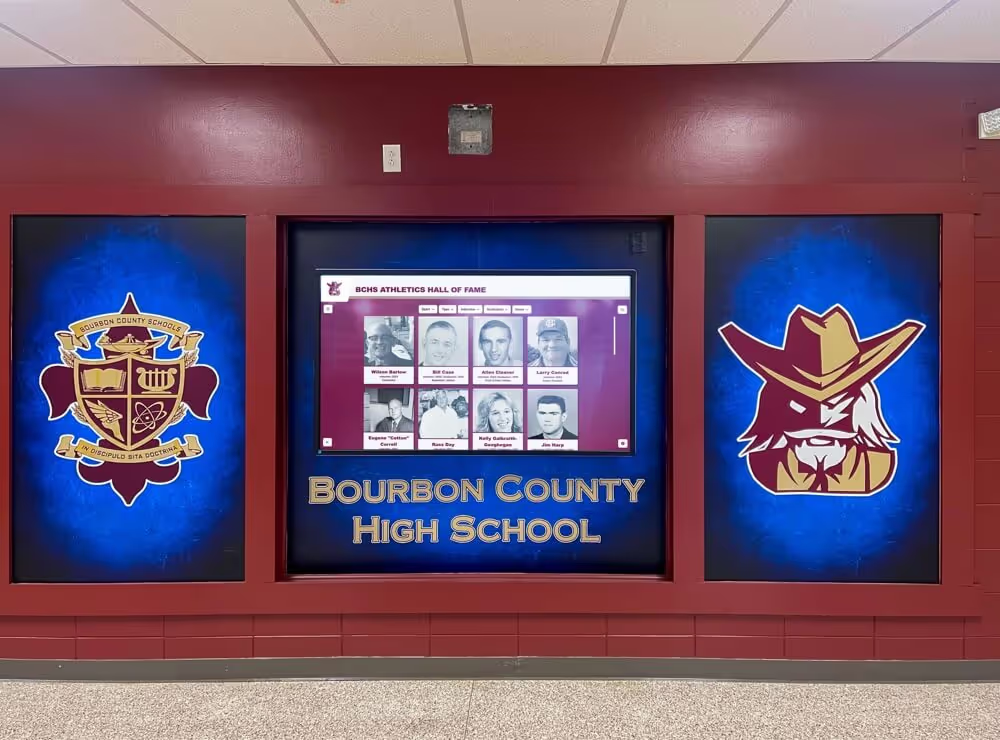
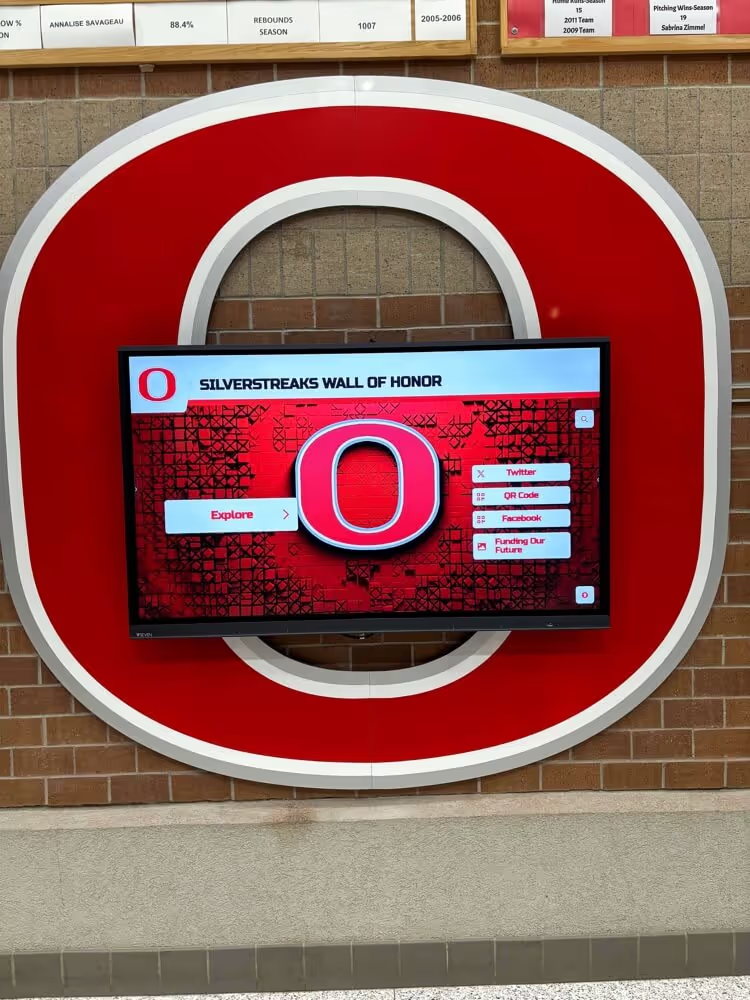
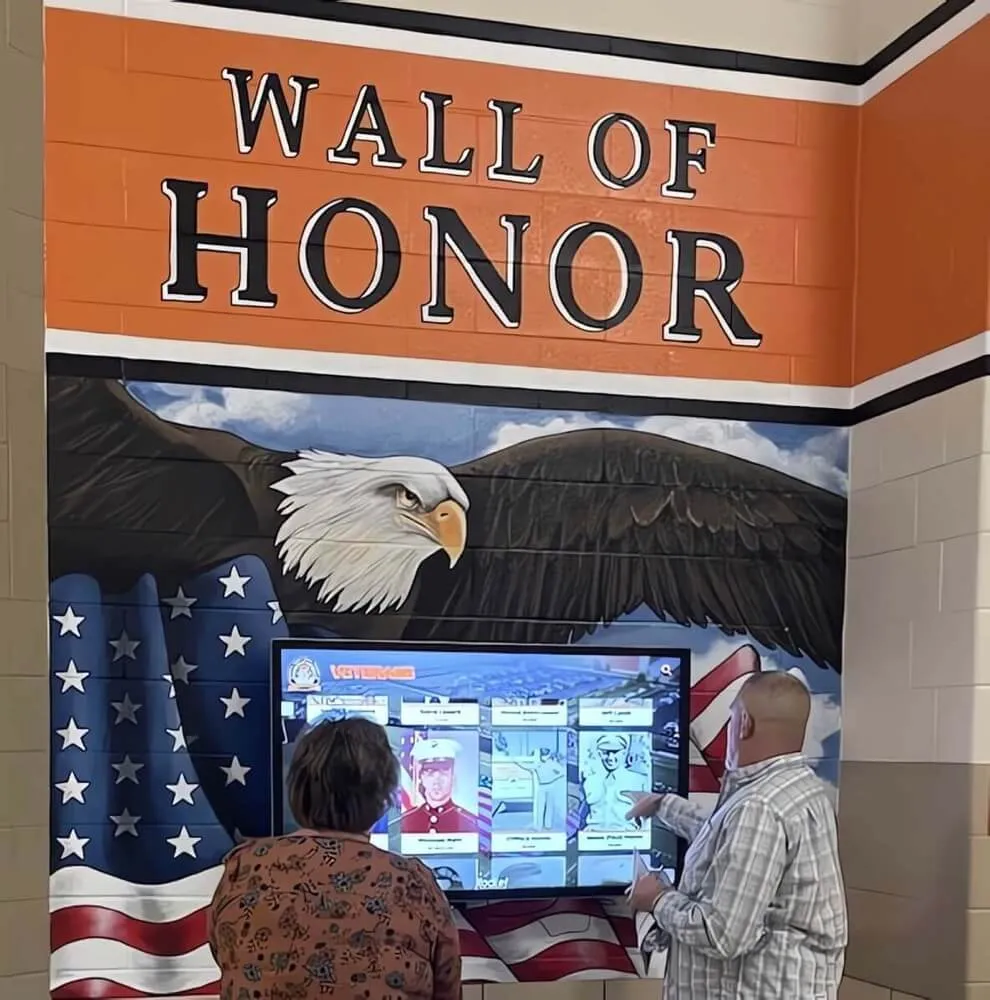
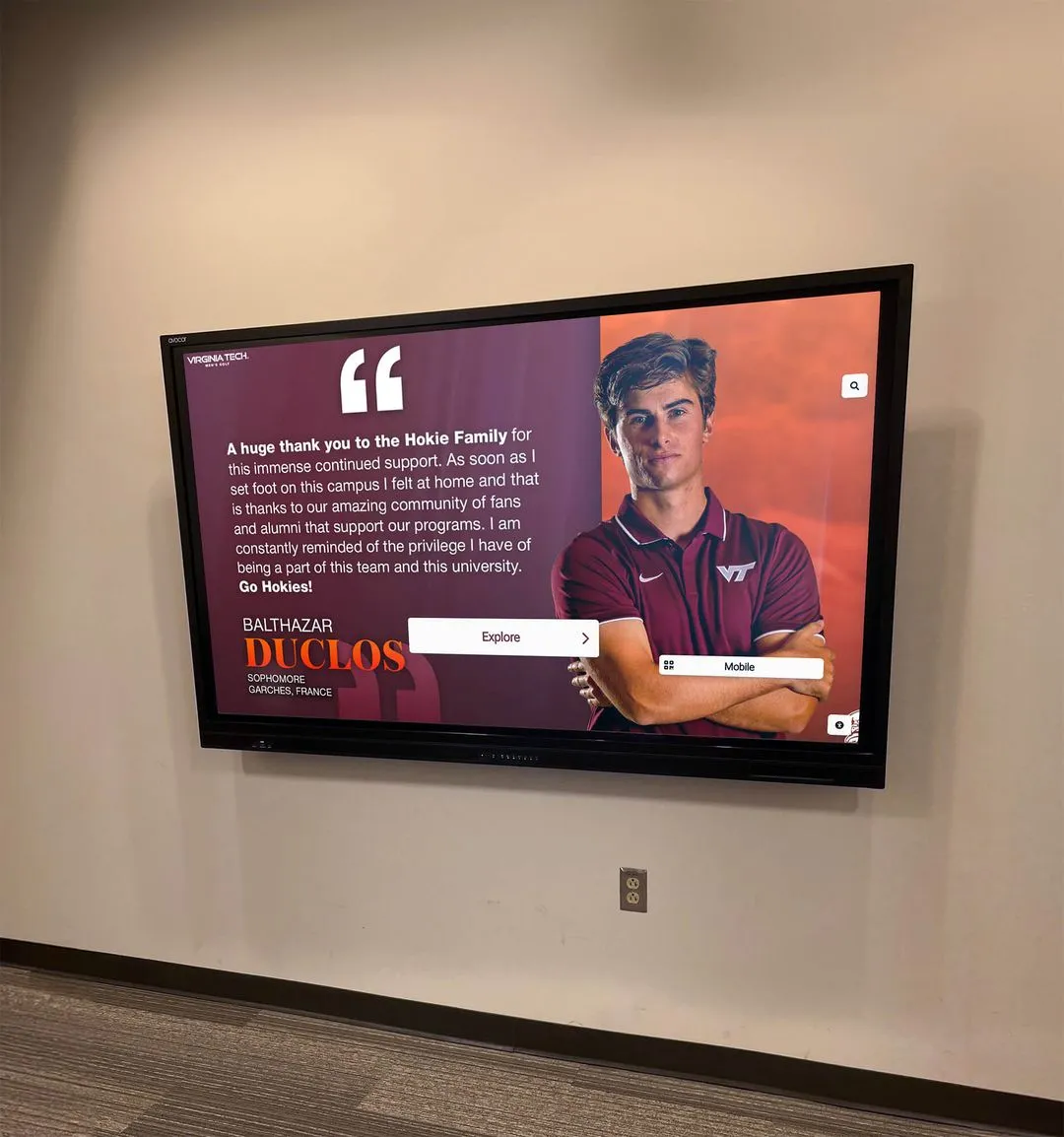
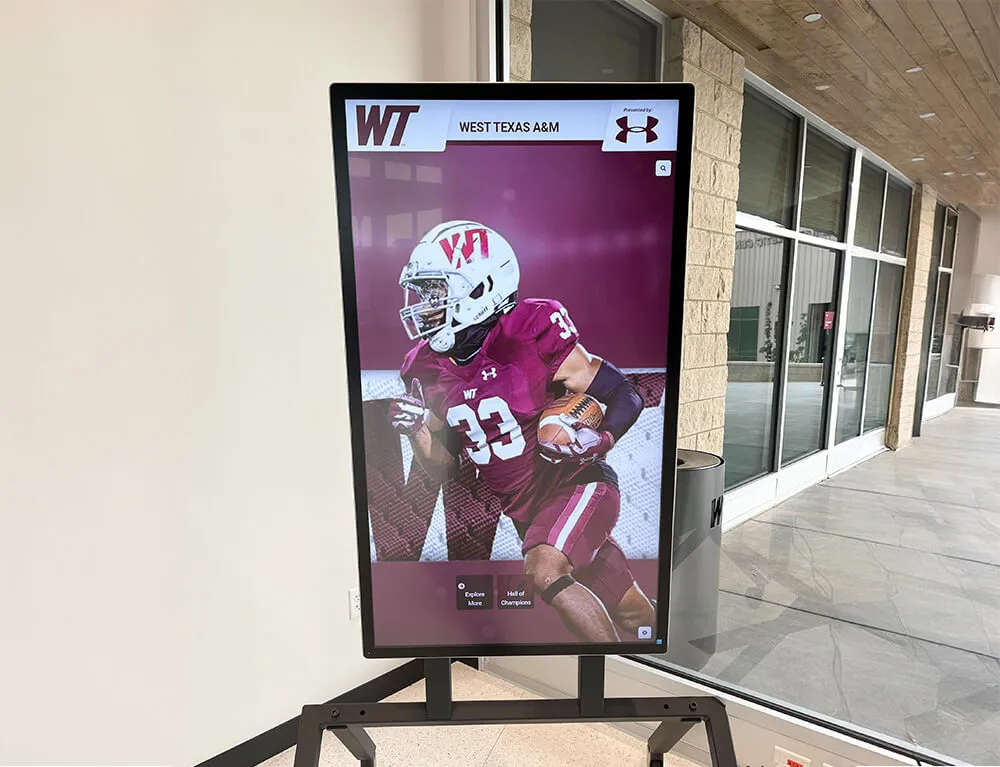
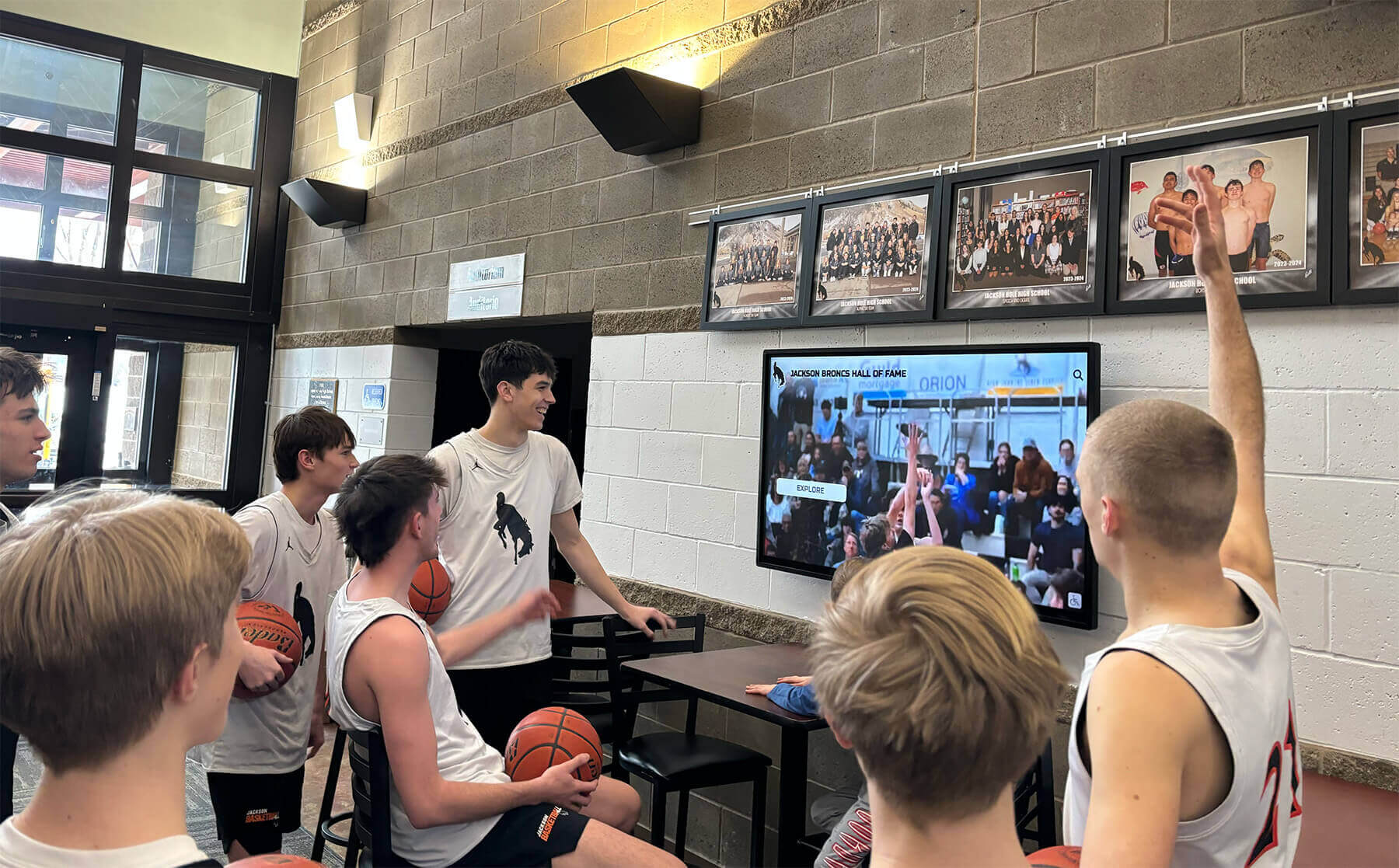
Modern digital recognition displays allow coaches to showcase diverse achievement types aligned with their philosophical priorities—highlighting not just championships and records but also leadership development, academic excellence, community service, and character awards that communicate program values as powerfully as any mission statement.
Decision-Making Transparency: When making difficult decisions, explaining the philosophical framework guiding your choice helps athletes understand your reasoning even when disappointed by outcomes. Rather than simply announcing playing time decisions or discipline consequences, explaining how specific values led to particular conclusions demonstrates that your philosophy actually guides decisions rather than serving as empty rhetoric.
Creating Tangible Philosophy Statements
While your complete philosophy requires nuanced explanation, creating concise statements helps stakeholders remember and reference your core approach. Effective formats include:
Mission Statements: One or two sentences capturing your fundamental purpose. Example: “Our program develops resilient, disciplined athletes who compete with maximum intensity while maintaining unwavering integrity, preparing them to pursue excellence in all future endeavors.”
Core Values Lists: Three to five values with brief explanations of what each means in your program context. Display these prominently in facilities where athletes see them daily, include them in uniforms or warm-up gear, reference them when recognizing athletes who exemplify them, and invoke them when explaining decisions.
Philosophy Frameworks: Some coaches develop frameworks organizing their philosophy into memorable structures—pyramid models showing how foundational values support higher-level goals, acronyms spelling meaningful words with each letter representing core principles, or sequential frameworks showing progression from individual development through team culture to competitive success.

Implementing Your Philosophy: Turning Beliefs Into Daily Practice
Philosophy matters only when it consistently informs actual coaching decisions, practice structures, and program operations. Implementation requires intentional alignment between stated values and daily actions across all program dimensions.
Structuring Practices Around Philosophy
Your practice planning, organization, and management should reflect philosophical priorities through deliberate structural choices:
Time Allocation Reflecting Priorities: If you claim to prioritize defensive intensity, does practice time allocation match this claim or do you spend 80% of time on offensive schemes? If athlete development matters more than immediate winning, do you structure drills allowing all athletes meaningful skill development or only prepare starters? Your practice time budget reveals actual priorities more honestly than any stated philosophy.
Drill Design Supporting Values: Beyond what you practice, how you structure activities can reinforce philosophical values. If you emphasize teamwork and communication, do drills require athletes to talk and coordinate? If resilience and mental toughness matter, do you include challenging scenarios requiring persistence through difficulty? If competitive excellence drives your program, do practice competitions replicate game pressure and intensity?
Practice Culture and Environment: The daily practice environment communicates philosophy powerfully through coach behavior, language, and energy. If you value joy in competition, does practice include appropriate fun alongside serious work? If you claim mistakes are learning opportunities, do you respond to errors with teaching or criticism? Athletes absorb philosophy through thousands of small interactions more than occasional speeches.
Building Program Traditions Aligned with Philosophy
Traditions and rituals represent philosophy made tangible, creating shared experiences that unite teams across generations while reinforcing core values.
Recognition Traditions: The achievements you celebrate through established traditions communicate what your program truly values. Consider establishing traditions like senior night celebrations honoring commitment and loyalty, most improved awards recognizing growth over raw talent, team awards for selfless contribution, sportsmanship recognition, or community service acknowledgment.
Pre-Game and Post-Game Rituals: Consistent rituals before and after competitions create psychological preparation, team bonding, and philosophical reinforcement. These might include team circles with captains sharing focus points aligned with values, acknowledgment of opponents reflecting respect, post-game analysis emphasizing process over outcomes, or recognition moments highlighting individuals who exemplified program values.
Milestone Celebrations: How you celebrate achievements—team victories, individual accomplishments, academic success, leadership development—reveals what you genuinely value. Programs creating permanent recognition through digital athletic displays showcase diverse achievement types demonstrate that multiple contribution forms deserve lasting celebration, not just championship trophies.
Recruiting and Team Building Through Philosophy
Your philosophy should guide how you recruit, select, and build teams rather than simply accepting whoever shows interest or possesses the most talent.
Values-Based Recruiting: When possible, recruit athletes who align with your philosophical priorities rather than solely chasing talent. Athletes who share your values regarding work ethic, team-first mentality, and competitive approach create cultural consistency, while those attracted only by winning potential may create friction if your philosophy balances other priorities against pure competitive success.
Team Selection Aligned with Philosophy: If your philosophy emphasizes certain qualities—leadership, coachability, mental toughness, selflessness—your team selection process should evaluate these characteristics alongside athletic ability. Make explicit the trade-offs you’re willing to make, such as selecting slightly less talented athletes who exemplify core values over superior athletes who undermine team culture.
Captain and Leader Selection: Captain selection represents one of the most visible demonstrations of your philosophy. The qualities you prioritize when selecting leaders—vocal motivation versus leading by example, statistical production versus selfless contribution, popularity versus respect—reveal what you actually value regardless of stated philosophy.
Common Coaching Philosophy Approaches and Frameworks
While every coach’s philosophy should be personally authentic, examining common philosophical approaches provides frameworks for organizing your own thinking and language for articulating your beliefs.
Athlete-Centered Development Philosophy
This approach prioritizes individual athlete growth and long-term development over immediate competitive success, viewing athletics primarily as educational vehicle for developing well-rounded individuals rather than solely as competitive enterprise.
Core Beliefs: Sports participation benefits athletes most when it teaches transferable life skills, develops character and resilience, builds confidence and self-efficacy, creates positive youth development environments, and establishes lifelong love of physical activity and competition. Winning matters as one form of feedback but not as the ultimate measure of program success.
Practical Implications: Coaches operating from this philosophy typically implement balanced playing time ensuring developmental opportunities for all participants, multi-position development allowing athletes to explore various roles, age-appropriate competition and training avoiding premature specialization, emphasis on mastery and improvement over comparison to others, and prioritization of psychological safety and positive coach-athlete relationships.
Recognition Alignment: Programs built on athlete-centered philosophies typically celebrate diverse achievements including improvement awards, effort recognition, character awards, academic honors, and community contribution alongside competitive success.
Performance-Centered Excellence Philosophy
This approach emphasizes competitive excellence and championship pursuit as primary program goals, believing that demanding high standards and maximum commitment serves athletes’ best interests by teaching lessons about excellence, dedication, and achievement that apply throughout life.
Core Beliefs: Athletes benefit most from programs demanding their best effort, maintaining high performance standards, emphasizing meritocracy and accountability, and creating competitive environments preparing them for demanding adult environments. Success requires sacrifice, and learning to pursue excellence with discipline and focus represents the most valuable lesson athletics can teach.
Practical Implications: These programs typically emphasize merit-based playing time with best athletes playing most, selective team formation through competitive tryouts, intensive training and practice demands, strategic decision-making prioritizing competitive advantage, and clear accountability for performance expectations and behavioral standards.
Balancing Competition and Development: Even performance-centered philosophies must address athlete development and educational responsibilities when coaching student athletes rather than professionals. The key distinction lies in believing competitive excellence and rigorous standards serve educational purposes rather than contradicting them.
Character-First Philosophy
This approach views athletics primarily as vehicle for developing integrity, leadership, resilience, work ethic, and other character qualities that define successful adults regardless of future athletic participation.
Core Beliefs: Character development represents the ultimate measure of coaching success because it impacts athletes throughout entire lives while athletic performance matters primarily during youth and early adulthood. Coaches should explicitly teach and model desired character traits, create situations testing and developing character, recognize character as prominently as athletic achievement, and prioritize character even when it costs competitive success.
Practical Implications: Programs built on character-first philosophies establish clear behavioral and ethical expectations, enforce consequences consistently regardless of athletic ability, recognize character explicitly through awards and acknowledgment, discuss character development explicitly rather than assuming it happens automatically, and create service and leadership opportunities beyond pure athletics.
Avoiding False Dichotomies: Strong character-first programs don’t view competitive excellence and character as opposing values but rather believe genuine excellence requires character and integrity, competitive pressure reveals and tests character, and athletes learn more from demanding environments than from easy success.
Tradition and Legacy Philosophy
Some coaches build philosophies around maintaining and extending program traditions, connecting current athletes to historical excellence and institutional identity while building legacies they’ll proudly return to celebrate.
Core Beliefs: Program identity and tradition create powerful motivational frameworks and community connections that transcend individual seasons. Current athletes serve as stewards of reputations built by previous generations and have responsibilities to honor, maintain, and extend program excellence for future athletes. Historical awareness creates pride, motivation, and accountability that isolated seasonal goals cannot provide.
Practical Implications: These programs emphasize learning program history and honoring past athletes, maintaining consistency in core program approaches across coaching generations, celebrating alumni achievements and connections, displaying historical achievements prominently in facilities, and recruiting with emphasis on becoming part of something larger than individual experience.
Modern Recognition of Tradition: Digital recognition systems allow programs to showcase extensive historical achievements while keeping them current and accessible. Rather than static plaques listing past champions, interactive displays can present comprehensive program histories including athlete profiles, season summaries, championship moments, and record progressions connecting past excellence to current pursuits.
Evolving Your Philosophy Over Time
Coaching philosophies should remain stable enough to provide cultural consistency yet flexible enough to incorporate new learning, adapt to changing contexts, and respond to experiences that reveal needed adjustments.
When to Adjust Philosophy
Certain situations warrant reconsidering philosophical elements that may no longer serve athletes or programs effectively:
Persistent Conflicts Between Philosophy and Outcomes: If your stated philosophy consistently produces outcomes you find troubling—athlete burnout, excessive stress, declining participation, or compromised educational priorities—honest evaluation may reveal misalignment between stated values and actual impact. Philosophy should guide actions that produce results consistent with your ultimate purposes.
Significant Context Changes: Philosophies developed for one context may require adjustment when situations change dramatically—moving from recreational to competitive environments, coaching different age groups, changing institutional contexts, or working with different athlete populations with distinct needs and goals.
New Knowledge and Understanding: Research in coaching education, athlete development, and sport psychology continues revealing more effective approaches. Thoughtful coaches incorporate new evidence-based practices when they improve outcomes, adjusting philosophical frameworks to accommodate improved understanding while maintaining core values.
Honest Self-Assessment: Regular reflection on whether your actions align with stated philosophy and whether stated philosophy aligns with authentic values sometimes reveals drift requiring realignment. Are you still coaching according to principles you articulated years ago, or have your actual practices evolved while stated philosophy remained static?
Maintaining Core Values While Adapting Approaches
The key to healthy philosophical evolution involves distinguishing stable core values from adaptive strategies and methods:
Core Values Should Remain Relatively Stable: The fundamental principles defining what you believe about athletics, education, and human development should remain consistent across contexts. If integrity, athlete development, and competitive excellence represent your core values, those shouldn’t change simply because you move to different programs or face challenging seasons.
Methods and Strategies Can Evolve: How you pursue core values should adapt based on evidence, experience, and context. You might maintain consistent values around athlete development while completely revising practice structures based on new research about skill acquisition. The underlying value remains constant while methods evolve toward more effective implementation.
Communication Should Reflect Evolution: When you adjust significant philosophical elements, communicate changes transparently rather than quietly shifting approaches. Explaining why you’ve reconsidered previous positions demonstrates intellectual honesty and growth mindset, modeling for athletes that adapting beliefs based on evidence represents strength rather than weakness.
Bringing Your Philosophy to Life: Recognition and Culture
Your coaching philosophy ultimately lives not in documents but in daily program culture—the environment athletes experience, values they absorb, and traditions they remember long after playing careers end. Strategic recognition represents one of the most powerful tools for translating abstract philosophy into tangible culture.
Aligning Recognition Systems with Philosophical Values
What you celebrate publicly demonstrates what you genuinely value more powerfully than any stated philosophy. Comprehensive recognition systems should acknowledge all achievement types your philosophy prioritizes:
If you emphasize character development, establish prominent recognition for leadership, sportsmanship, and integrity alongside competitive awards. If athlete development matters as much as winning, celebrate improvement and growth as visibly as championships. If team-first mentality defines your culture, recognize selfless contributors as prominently as statistical leaders.
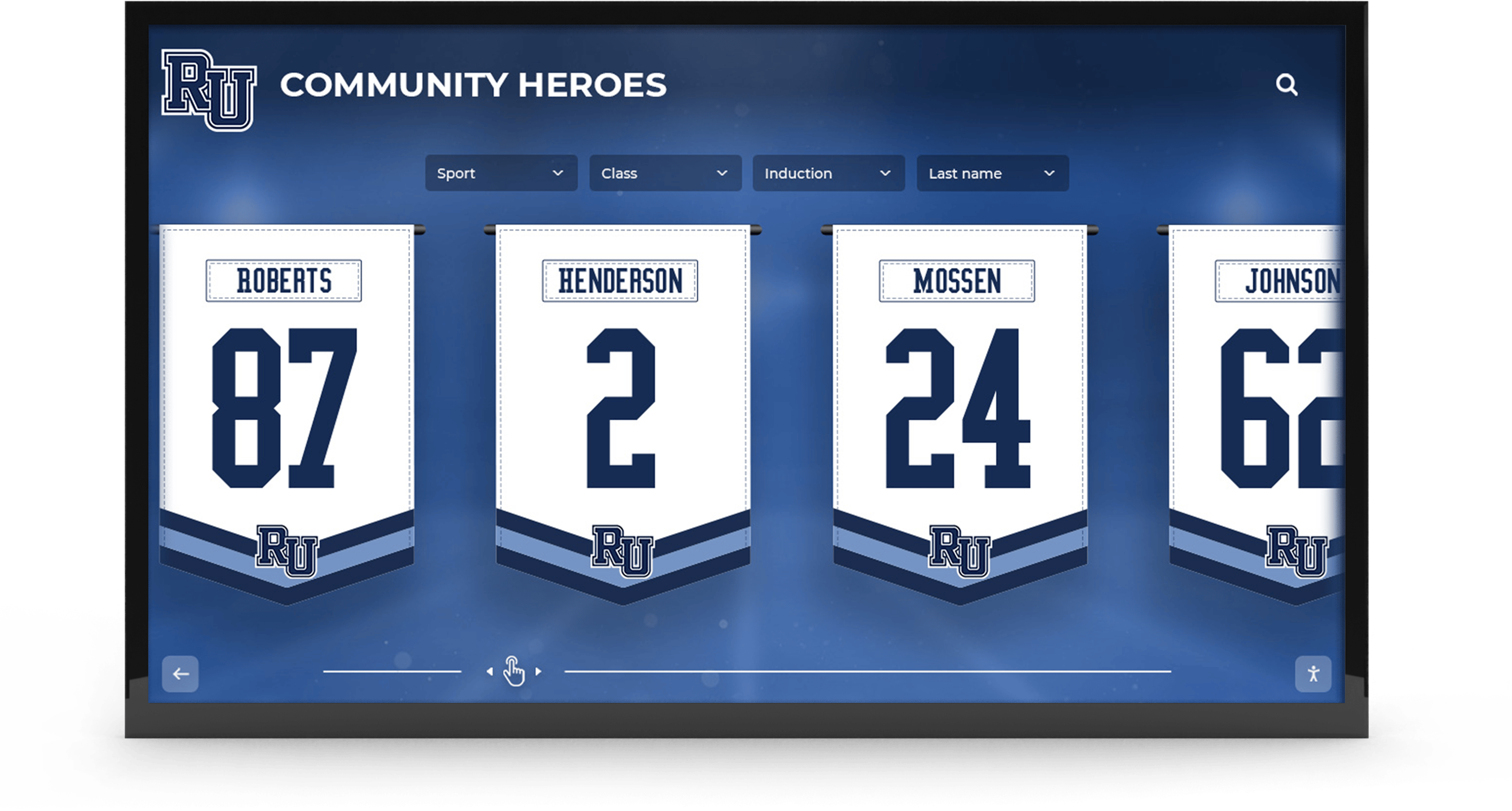
Modern recognition technology enables programs to showcase philosophical priorities through sophisticated digital displays that can present diverse achievement categories, tell complete athlete stories beyond statistics, highlight character awards and leadership development, feature team accomplishments alongside individual honors, and connect current teams to program history and traditions.
Creating Lasting Legacy Through Recognition
While championships and records fade from memory without documentation, comprehensive recognition systems preserve program philosophy and culture across generations. Thoughtfully designed displays become teaching tools showing current athletes what your program has consistently valued across decades—not just winning, but how teams won and what they stood for in the process.
Digital recognition platforms from companies like Rocket Alumni Solutions allow athletic programs to create interactive displays showcasing complete program histories including championship teams, individual award winners, records and milestones, coaching philosophy and program values, and athlete profiles celebrating diverse contributions. These systems transform static trophy cases into dynamic storytelling platforms that communicate philosophy, inspire current athletes, and create tangible connections between present teams and historical excellence.
Using Recognition Moments as Teaching Opportunities
Recognition events—awards ceremonies, banquets, senior nights, championship celebrations—provide powerful opportunities to reinforce philosophical messages when coaches use them intentionally rather than simply distributing hardware.
When presenting awards, explain specifically how recipients exemplified program values rather than simply announcing names. When celebrating championships, emphasize the character, teamwork, and preparation that enabled success rather than only the victory itself. When honoring seniors, acknowledge their full contributions including leadership, character development, and cultural impact rather than solely athletic statistics. These recognition moments become philosophical lessons demonstrating concretely what your program genuinely values and celebrates.
Conclusion: Your Philosophy as Coaching Foundation
Your coaching philosophy represents far more than professional paperwork or administrative requirement—it serves as the foundation supporting everything you do as a coach. Well-developed philosophy provides clarity during difficult decisions, consistency that builds athlete trust, communication framework explaining your approach to skeptical stakeholders, and professional identity distinguishing your program from all others.
The most effective philosophies reflect authentic personal values rather than borrowed platitudes, address concrete coaching dilemmas with specific guidance, balance competing priorities thoughtfully rather than choosing sides in false dichotomies, and inform daily actions through visible consistency between stated values and actual decisions.
Developing your coaching philosophy requires honest self-reflection about what you genuinely value, serious consideration of your ultimate purposes beyond winning games, willingness to make difficult trade-offs when values conflict, and commitment to align your actions with stated principles even when inconvenient. But coaches who invest in this development create programs with clear identity, strong culture, and lasting impact on athletes that extends far beyond playing fields and long past final whistles.
Your philosophy shapes not just what your teams accomplish but who your athletes become—and that legacy matters far more than any championship trophy.