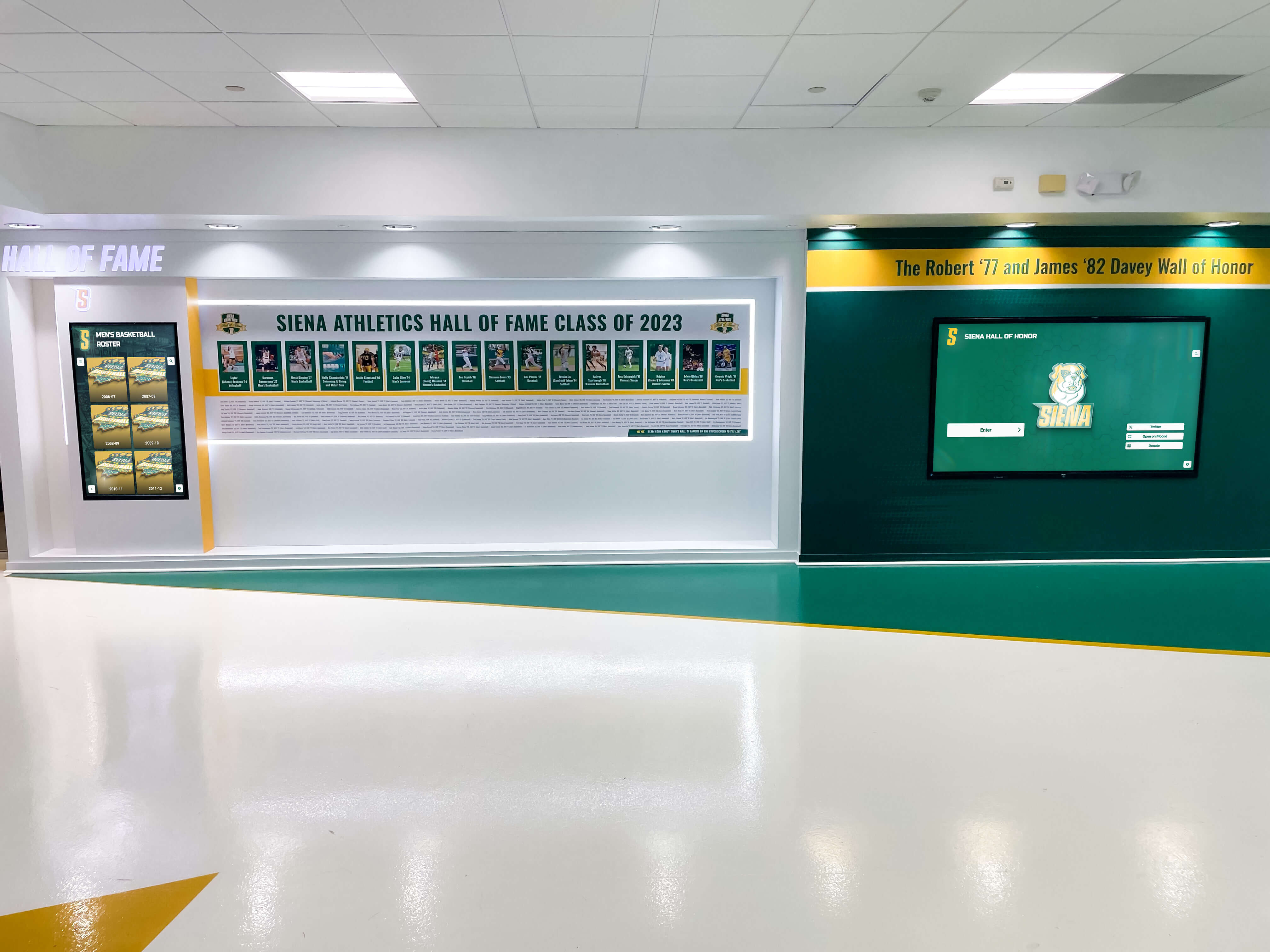
A coach appreciation plaque ordered without a complete information checklist almost always comes back wrong—the wrong years, a missing sport, a title no one can verify after the fact. Athletic directors who have been through one rushed plaque fabrication cycle know the feeling: the plaque arrives, something is off, and the vendor needs two more weeks. Meanwhile, the coach’s retirement dinner is in four days.
A coach appreciation plaque is a permanent institutional record, not just a gift. Before a school submits a fabrication order or even drafts plaque wording, recognition committees should gather a structured set of data—career years, titles, sport affiliations, notable achievements, and a biography—that will serve the physical plaque and any future digital recognition profile. This guide provides a field-by-field checklist, ready-to-adapt wording examples by recognition type, and a digital profile blueprint so schools build once and reuse across every recognition format they currently have or may add later.
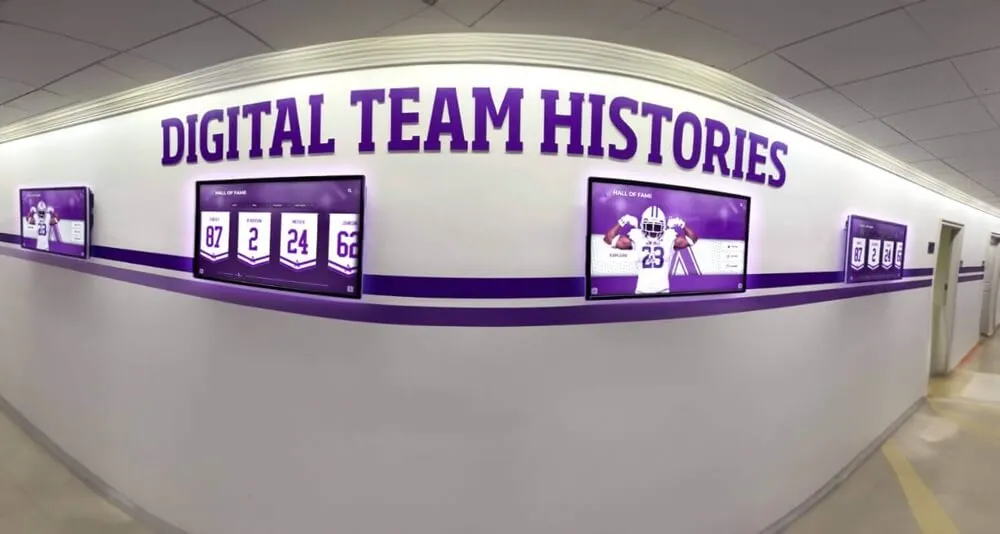
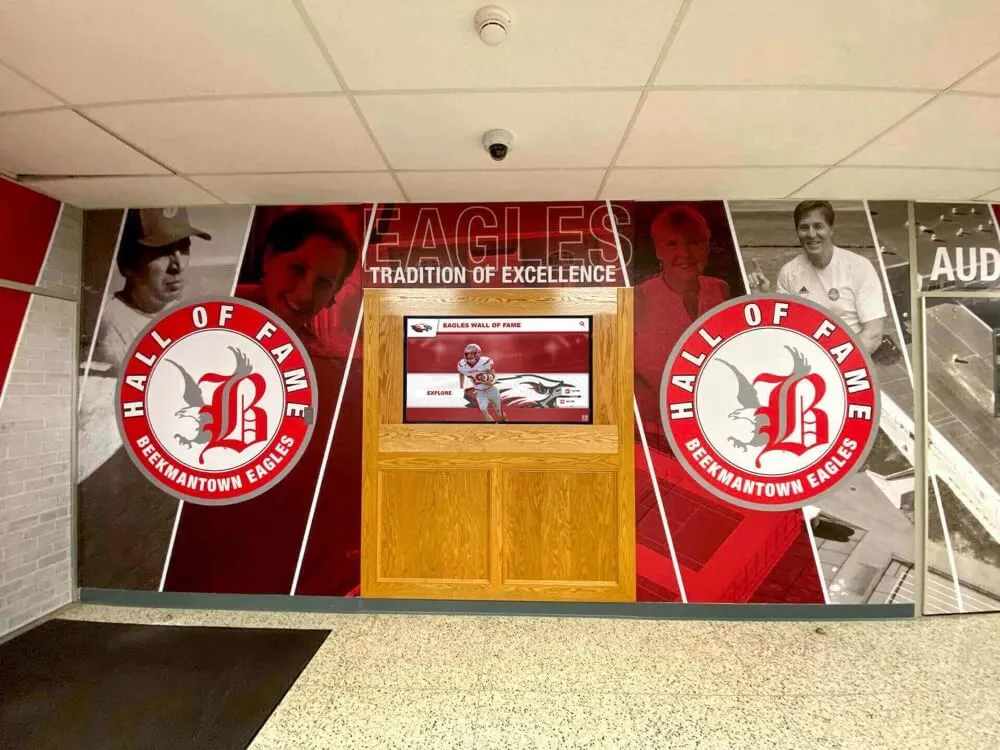
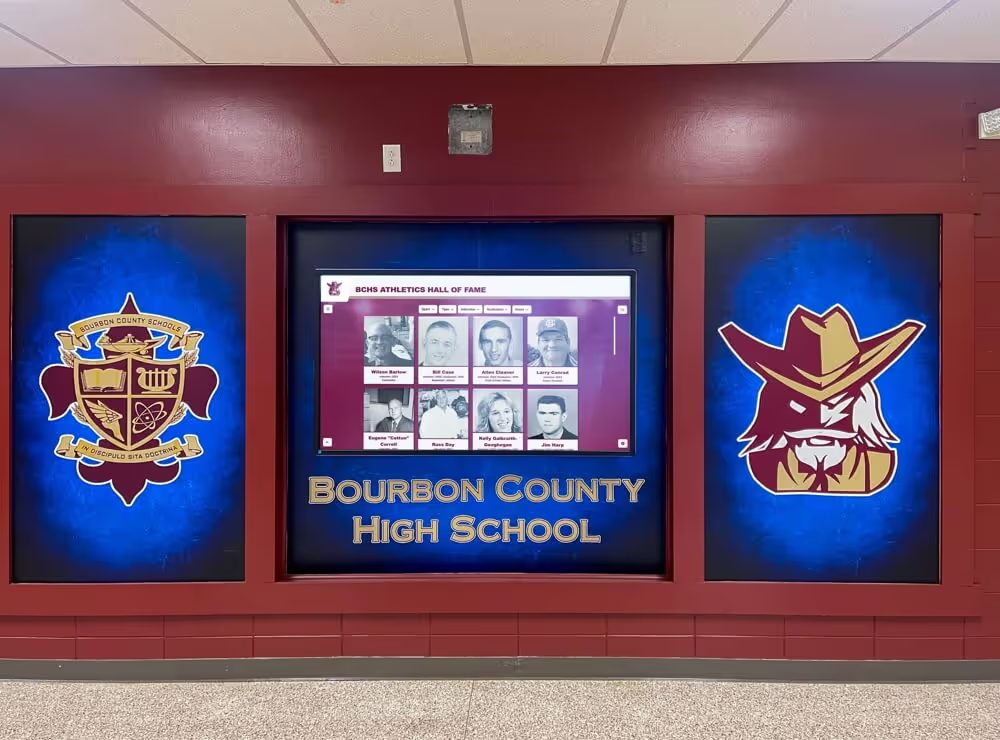
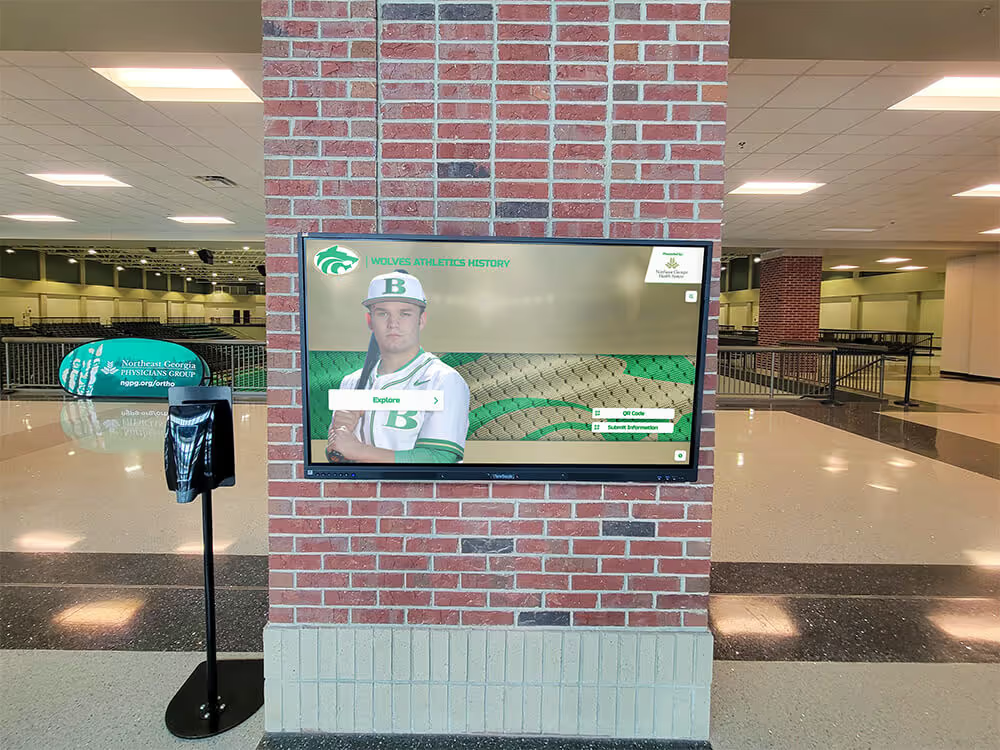
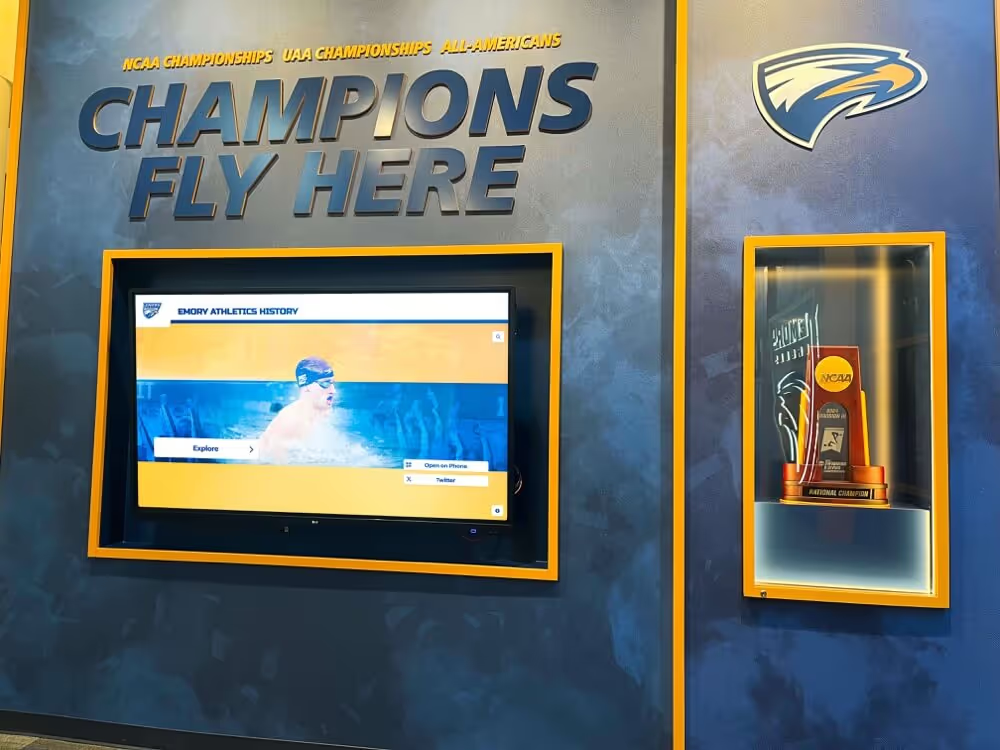
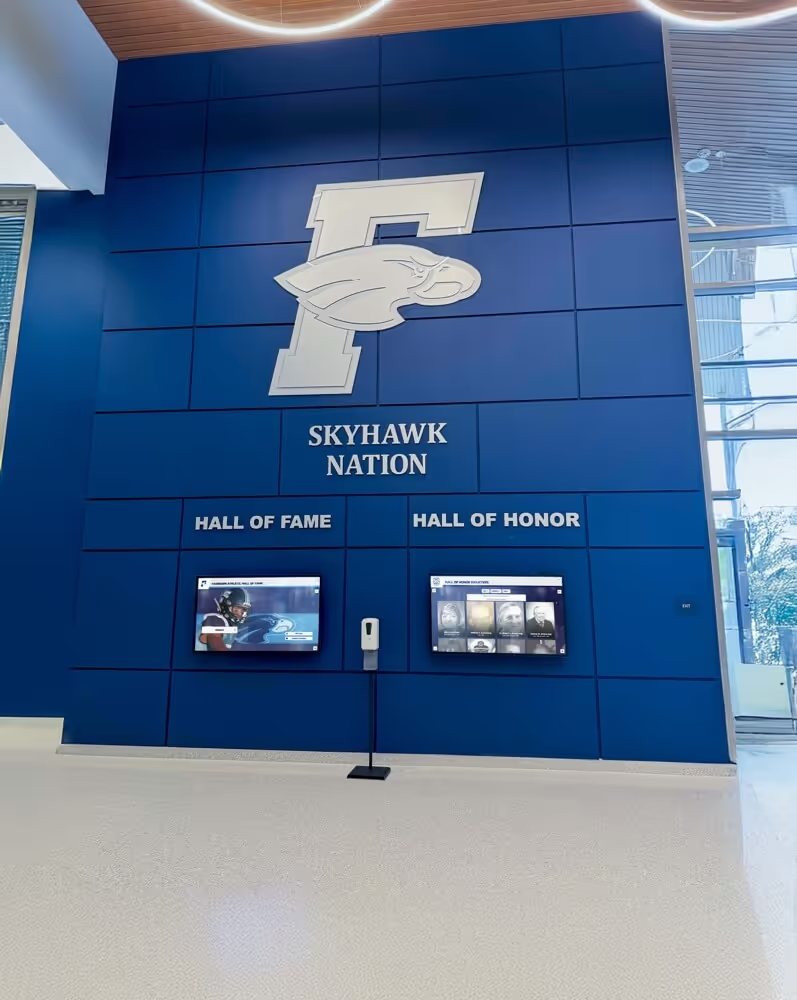
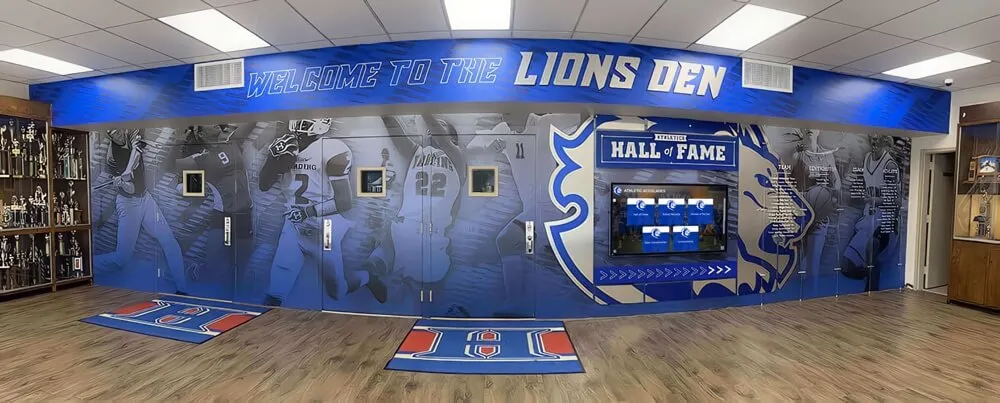
The same data gathered for a physical plaque becomes the foundation for a digital inductee profile, a wall of honor slide, an award ceremony program, and a hall of fame website entry. Schools that treat the plaque preparation process as a structured data-collection exercise—rather than a last-minute wording task—save significant time across every downstream recognition format.

Why the Pre-Plaque Information Checklist Matters
Most plaque errors trace back to the same root cause: the committee relied on memory, informal records, or a single person’s recollection instead of a verified data collection process. A coach who spent 22 years at the school and won three conference championships deserves a plaque that reflects the actual record, not an approximation assembled the week before the ceremony.
Beyond accuracy, a pre-plaque checklist protects the school from three common problems:
Vendor revision cycles. Fabricators charge for corrections after proof approval. Submitting complete, verified content the first time eliminates most revision fees and compresses the production timeline.
Institutional inconsistency. When each plaque on a recognition wall was produced with different fields and formatting, the wall reads as a collection of unrelated objects rather than a coherent program. A shared checklist enforces consistent structure across every plaque, every year.
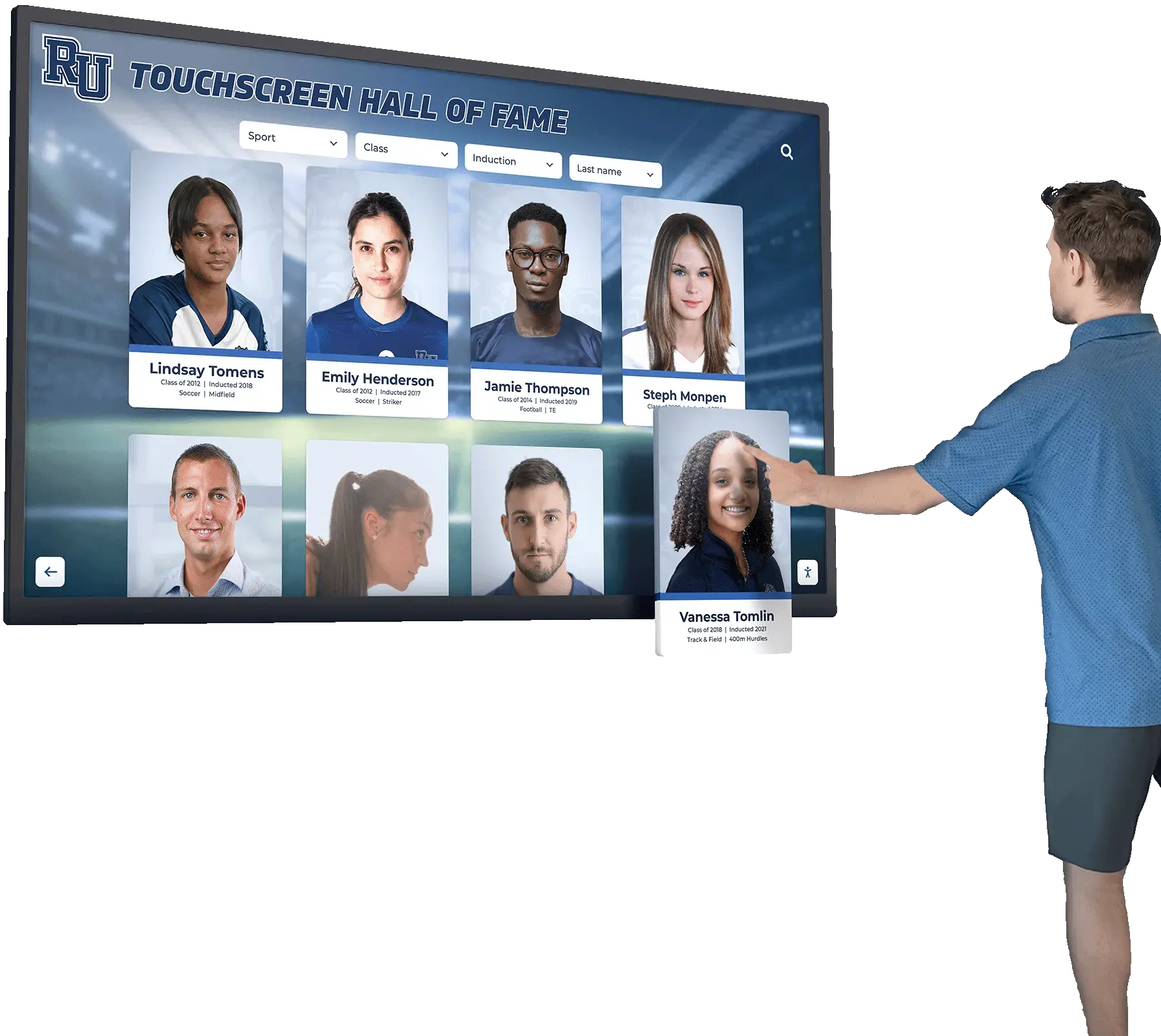
Digital orphan records. Schools that later add a digital hall of fame or touchscreen display discover that physical plaques often omit the content digital profiles require—photos, extended biographies, career statistics broken out by season. Collecting that data at the time of plaque creation prevents having to track down coaches or families years later to fill the gaps.
For schools that are also planning hall of fame displays or digital recognition systems, reviewing hall of fame plaques and what schools should include in digital inductee profiles before finalizing any plaque template is a useful parallel step.
The Core Fields Every Coach Appreciation Plaque Should Include
The table below reflects the baseline fields that belong on virtually every coach appreciation plaque, regardless of sport, school level, or induction context. Optional fields are marked; all others should be treated as required.
| Field | Format Guidance | Example |
|---|---|---|
| Full Name | Legal first and last name; include a preferred name in quotes if the coach was widely known by a nickname | Robert "Coach Mac" McAllister |
| Title | Official coaching title at the time of recognition; spell out abbreviations | Head Varsity Football Coach |
| Sport(s) Coached | List each sport separately; use the school's official sport names | Football; Track & Field |
| Years of Service | Start year through end year; use a dash, not a slash | 1998–2023 |
| Total Seasons | Calculate and verify; accounts for sabbaticals, leaves, or split tenures | 24 seasons |
| Win-Loss Record (optional) | Verify from official athletic records; state overall record or within specific divisions | Overall: 187–94 |
| Championships / Titles | List each title with year and level (conference, district, state, national) | 3× Conference Champions (2005, 2011, 2019) |
| Recognition Type | Clarify whether this is a retirement tribute, hall of fame induction, service award, or other designation | Hall of Fame Inductee — Class of 2026 |
| Induction / Dedication Year | Four-digit year; include full date on the back of the plaque if space is limited on the face | 2026 |
| Institution Name | Official school name as it appears in legal documents | Westbrook High School |
| Brief Achievement Statement | One or two sentences capturing the coaching legacy; this is the copy that appears on the plaque face | See wording examples below |
| Photo (optional but strongly recommended) | High-resolution headshot or action photo; minimum 300 DPI for print | Provided as a separate file to the vendor |
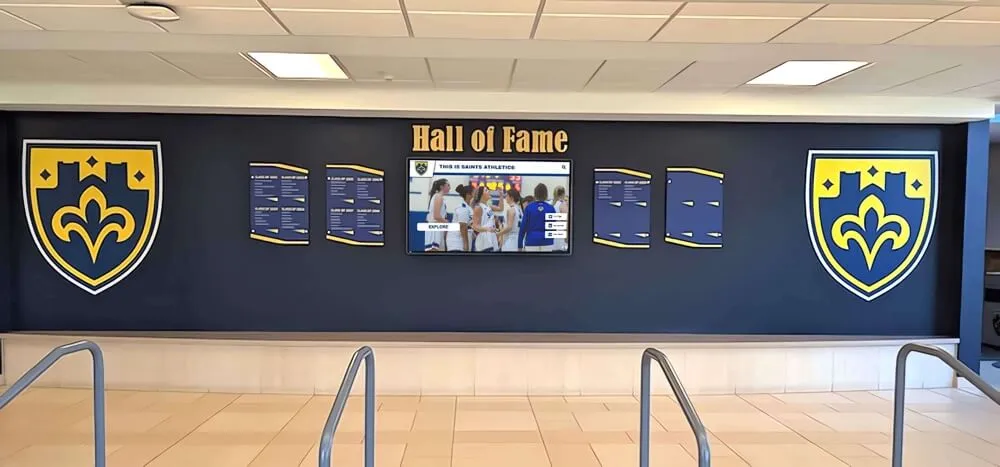
Wording Examples for Coach Appreciation Plaques
Plaque wording functions differently from a biography or a speech. Space is constrained—most standard plaques allow 40 to 80 words on the face—so every sentence must carry weight. The examples below are designed to be adapted, not copied verbatim. Replace the bracketed variables with verified institutional data.
Retirement Tribute Plaque
[Full Name] [Head/Assistant] [Sport] Coach — [Start Year]–[End Year]
[School Name] honors [Coach’s last name] for [X] seasons of dedicated service, [W-L record if included,] and [X] championship titles. A mentor whose impact extended beyond every final score, [he/she/they] shaped generations of student-athletes and built a program defined by character, discipline, and excellence.
Presented by [School Name] Athletic Department — [Year]
Hall of Fame Induction Plaque
[Full Name] | Inducted [Year] [Sport(s)] Coach — [Years of Service]
In [X] seasons at [School Name], [Coach’s last name] compiled a record of [W-L] and guided teams to [specific titles or accomplishments]. Known for [defining coaching attribute], [he/she/they] mentored athletes who went on to [post-program achievement—collegiate play, professional careers, coaching careers, etc.]. [Coach’s last name]’s legacy endures in every program tradition [he/she/they] established.
Service Award Plaque (Active Coach)
[Full Name] [Title] — [School Name]
In recognition of [X] years of distinguished service and an unwavering commitment to the development of student-athletes. [Coach’s last name] exemplifies the highest standards of coaching excellence, sportsmanship, and community leadership.
Presented by [Presenting Organization] — [Year]
Coach of the Year Award Plaque
[Full Name] | [Year] Coach of the Year [Sport] — [School Name / Conference Name]
Selected by [selection body] for demonstrated excellence in athlete development, competitive achievement, and program leadership during the [Year]–[Year] season.
Keep wording factual and verifiable. Avoid superlatives that cannot be supported by the record (“greatest coach in school history”) unless there is documented institutional consensus behind the claim.
Information to Collect Beyond the Plaque Fields
Physical plaques have space constraints that force schools to compress a coaching career into two or three sentences. But the underlying data is far richer—and schools should collect it in full before the fabrication order goes out, because that data powers every other recognition format.
The following extended fields don’t fit on a plaque face but belong in the school’s recognition file for each honoree:
Career statistics by season. Year-by-year win-loss records, playoff appearances, and ranking data. This level of detail is essential for a digital profile, a hall of fame website, or a commemorative program—and nearly impossible to reconstruct accurately five years after a coach retires.
Awards and external honors. Conference Coach of the Year designations, state coaching association honors, national recognition. Verify dates and issuing organizations.
Former athletes who went on to coach. Coaches who developed future coaches have an institutional legacy that extends across generations. This narrative belongs in the extended profile even when it can’t fit on the plaque.
Alumni athletes who played collegiately or professionally. The number of athletes a coach sent to the next level is one of the most verifiable measures of player development impact.
Head coaching lineage. If a coach served as an assistant before becoming a head coach at the same institution, capture both chapters. The combined tenure often tells a richer story than the head coaching years alone.
Biography paragraph. A 150-to-250-word narrative drafted while the coach is accessible or recently retired. This paragraph becomes the anchor content for digital profiles, ceremony programs, and long-form recognition. Don’t wait—details fade, and the people who remember them move on.
Photo archive. Collect both professional headshots and candid action photos spanning the coaching career. Digital recognition systems and award ceremonies benefit from multiple images showing the coach at different career stages.
For schools evaluating what to gather during a formal nomination or application process, the framework in hall of fame applications and what schools should collect before reviewing nominees provides a useful parallel checklist.
Digital Profile Checklist: Mapping Plaque Data to Richer Recognition
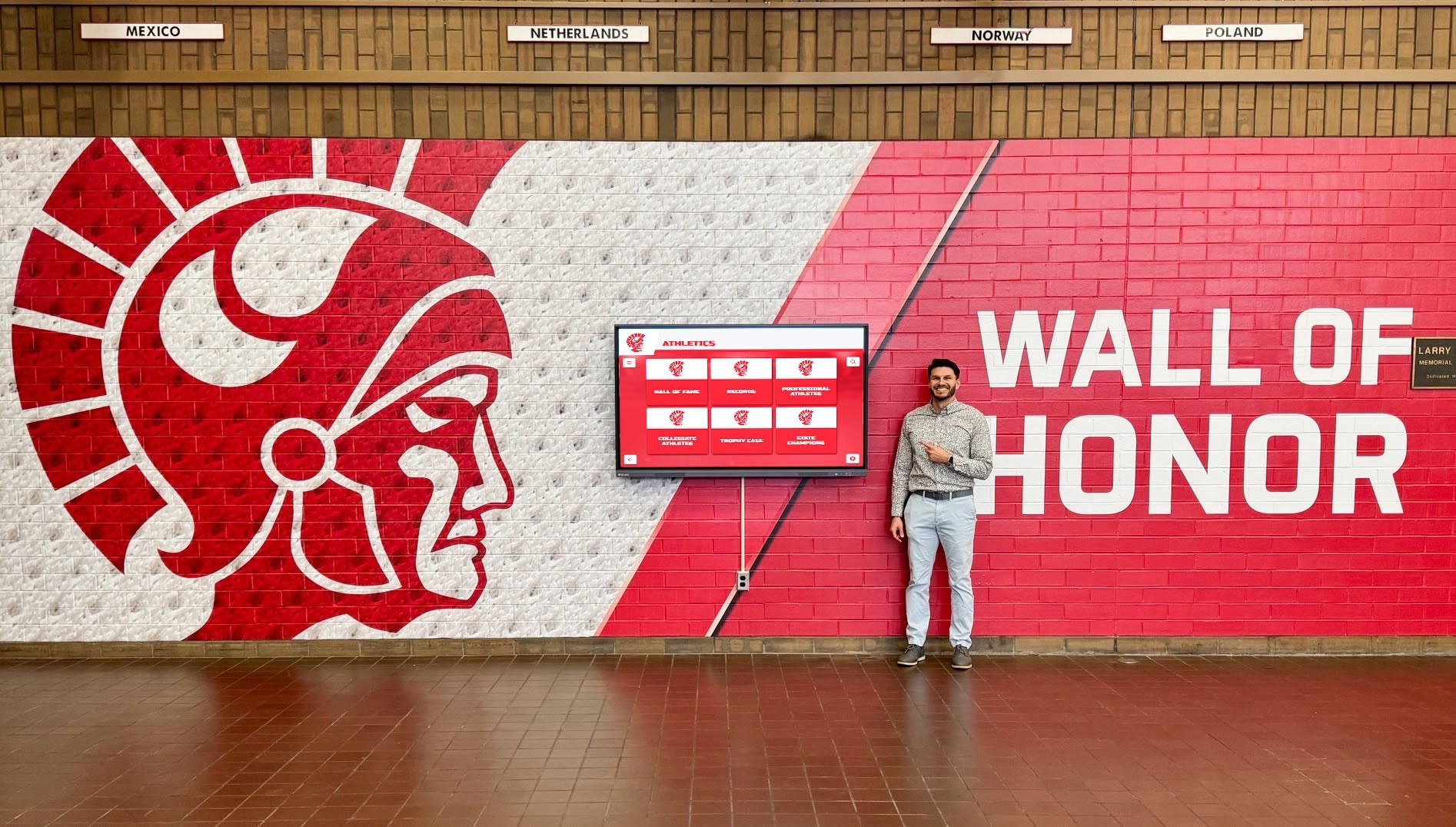
A physical plaque is a summary; a digital profile is the full record. Schools planning any kind of digital display, touchscreen hall of fame, or online recognition directory should map their plaque fields to the extended digital profile structure before finalization. The table below shows how each plaque field expands in a digital format.
| Plaque Field | Digital Profile Expansion |
|---|---|
| Full Name + Title | Searchable name record with title history across all roles held |
| Sport(s) Coached | Filterable sport tag(s) enabling visitors to browse by program |
| Years of Service | Interactive timeline of career milestones, season-by-season records |
| Championships / Titles | Linked records showing team rosters, season records, and relevant photos |
| Brief Achievement Statement | Full biography with multiple paragraphs, pull quotes, and coaching philosophy |
| Single headshot photo | Photo gallery with candid, action, and ceremony images across career |
| Induction year | Induction class page linking all honorees inducted in the same year |
| Recognition type | Category filter (e.g., Coach, Athlete, Contributor, Team) for browsable directory |
Schools adding digital recognition alongside physical plaques often find the transition easier when they treat the digital profile as the “source of truth” and print the plaque from that structured data rather than the other way around. The digital platform becomes the living record; the plaque becomes a permanent summary pointing visitors to the fuller story.
For guidance on how to structure the broader digital space where these profiles live, alumni portal websites and what schools should include covers the architecture of online recognition environments in detail.
When a Coach Appreciation Plaque Becomes a Hall of Fame Tribute
Not every coach appreciation plaque is a hall of fame induction—but schools should decide which category applies before wording is drafted, because the framing shifts meaningfully.
A service or retirement tribute recognizes years contributed and expresses gratitude. It is appropriate for any coach completing a career, regardless of win-loss record or title count. The tone is warm and reflective. These plaques often hang in a dedicated “coaches recognition” section separate from the hall of fame proper.
A hall of fame induction plaque signals that the coach met defined criteria for sustained excellence and has been formally elevated to the institution’s highest recognition tier. The tone is more formal and the criteria-based language is explicit—“inducted for” rather than “honored for.” These plaques carry different institutional weight, and schools should protect that distinction by maintaining clear eligibility standards.
A milestone achievement plaque marks a specific record: a 100th career victory, a 25th year of service, a first state championship. These are event-specific and time-stamped rather than retrospective.
Establishing which category a plaque belongs to before the fabrication order goes out prevents the awkward situation where a retirement tribute plaque inadvertently reads like a hall of fame induction—or vice versa—because the wording was drafted without a framework.
Programs that have structured hall of fame criteria and a formal review process are better positioned to make this distinction cleanly. When coaches are being recognized as part of a broader athletic celebration or award ceremony, the award ceremony slideshow planning guide covers how to sequence and present each recognition type effectively.
Common Mistakes Schools Make Before Ordering a Coach Appreciation Plaque
Starting with the wording instead of the data. Wording can be drafted in 30 minutes once accurate data is in hand. Starting with the wording and then trying to fit real data into it later typically produces inaccurate plaques.
Pulling records from memory. Win-loss records, championship years, and tenure dates should be verified against official athletic department records, state athletic association archives, or contemporaneous newspaper records—not reconstructed from committee members’ recollections.
Neglecting to confirm spelling and preferred name with the honoree. Middle initials, preferred names, and maiden names should be confirmed directly with the coach or immediate family before any proof is approved.
Using generic achievement language. Phrases like “dedicated service” and “positive impact” appear on thousands of plaques and communicate nothing specific. The achievement statement should name what the coach actually accomplished—championships won, years served, programs built—in concrete terms.
Ordering without a photo. Many vendors can produce plaques without photos, but plaques with photos are significantly more powerful as recognition artifacts. Collecting a photo at the time of data gathering is far easier than tracking one down later.
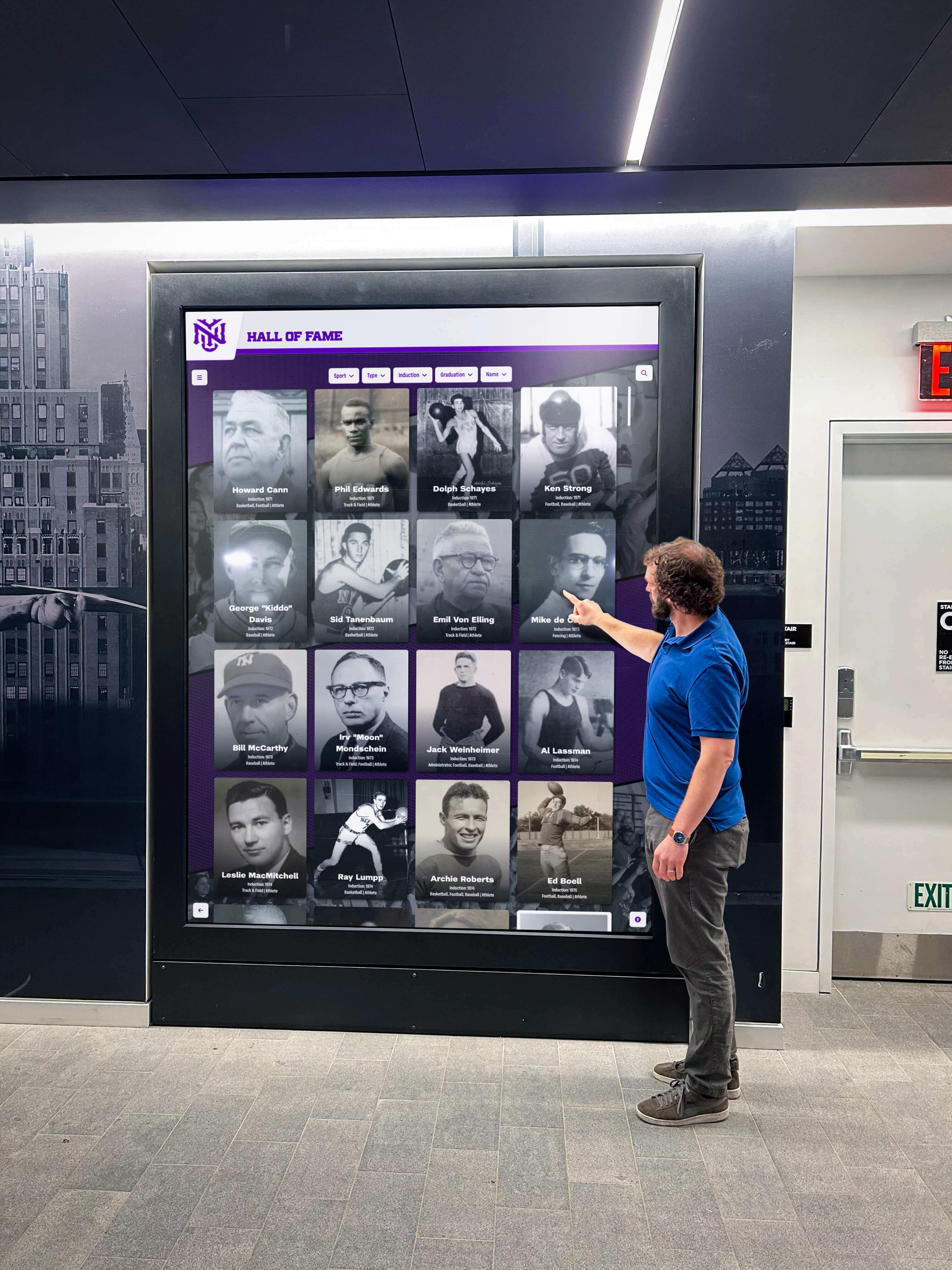
Failing to plan for the display context. A plaque for a standalone wall of honor hangs differently and reads differently than a plaque for a trophy case, a fieldhouse lobby, or a glass-front display case. Review trophy case considerations for schools before finalizing dimensions and mounting requirements.
Connecting the Plaque to the Broader Coach Recognition Ecosystem
A coach appreciation plaque is most powerful when it exists within a broader recognition ecosystem rather than as an isolated gesture. Schools with the most effective coaching recognition programs treat the plaque as one element in a coordinated system that includes:
The ceremony or event. The presentation moment—whether a retirement dinner, an athletic banquet, or a formal hall of fame induction—is when the plaque gains its emotional weight. Thoughtful ceremony preparation, including a written tribute and a prepared speaker, amplifies the recognition the physical plaque represents. Resources for preparing a tribute speech are available at coach appreciation speech examples and tips.
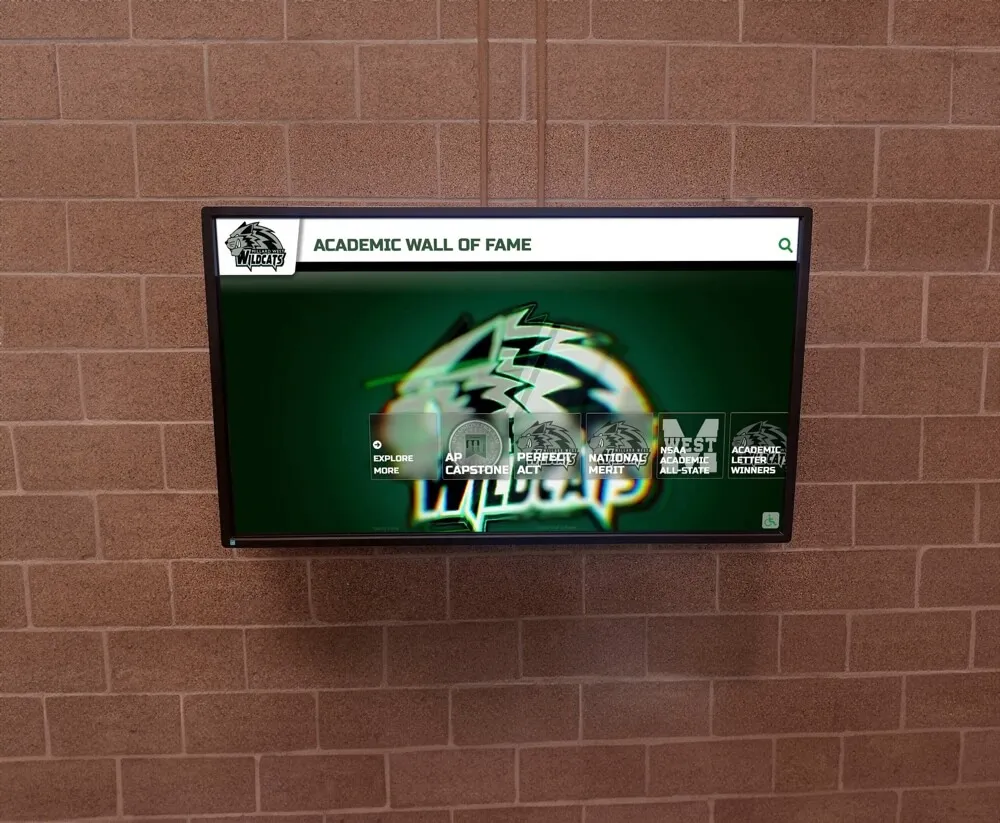
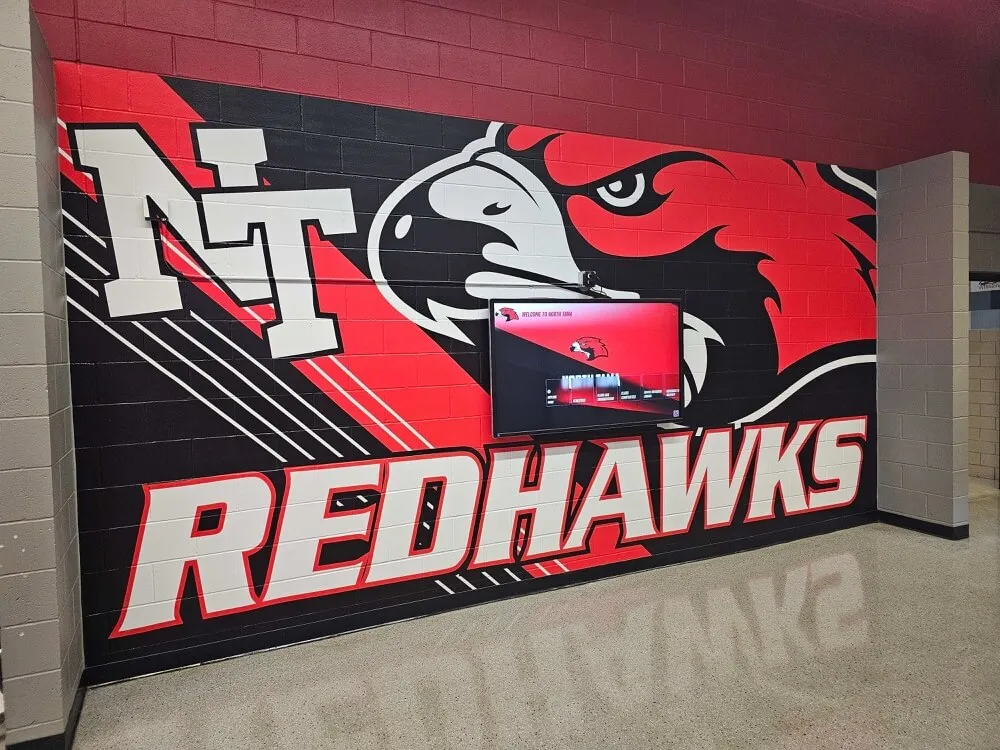
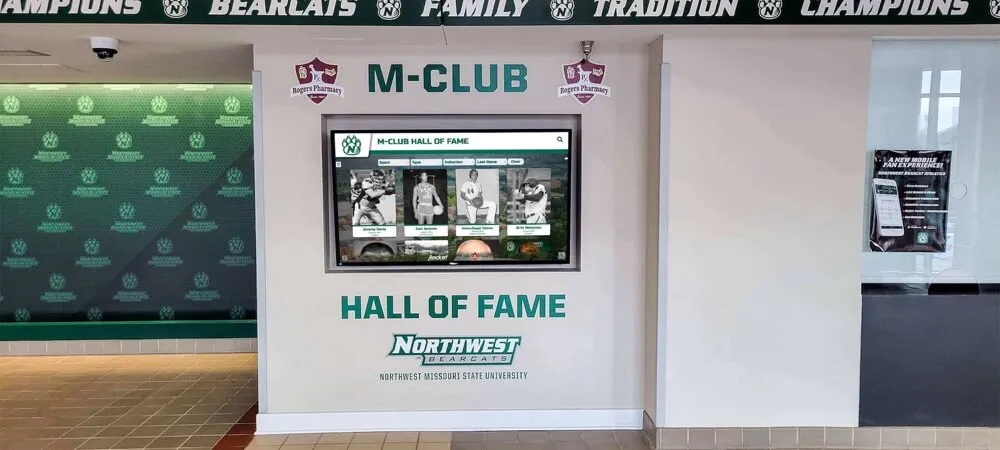
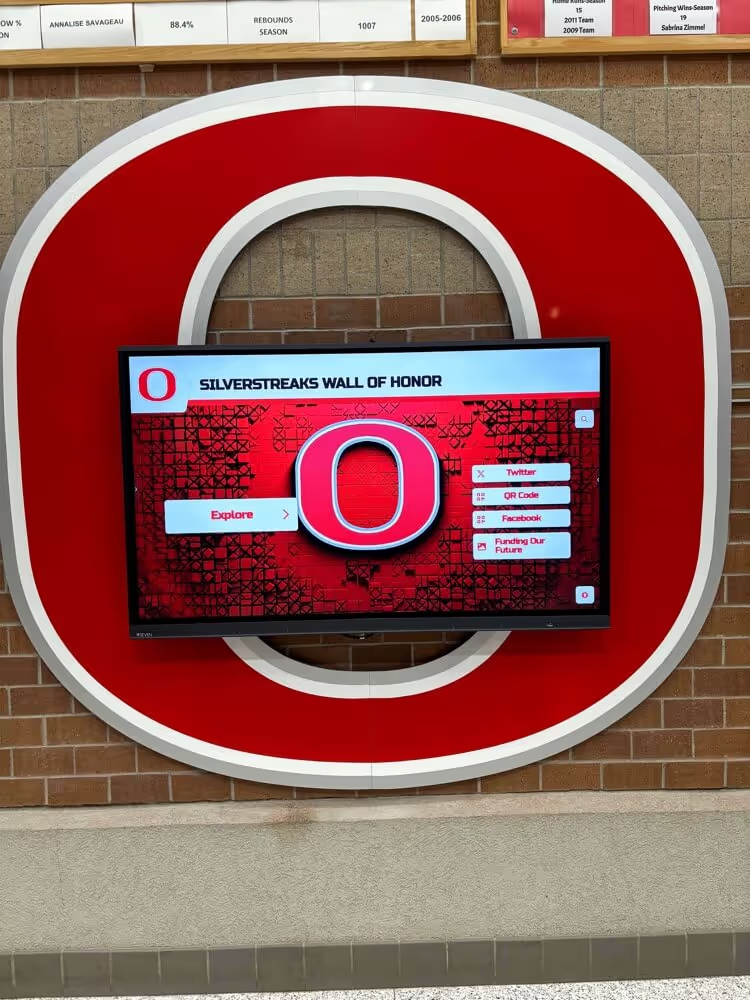
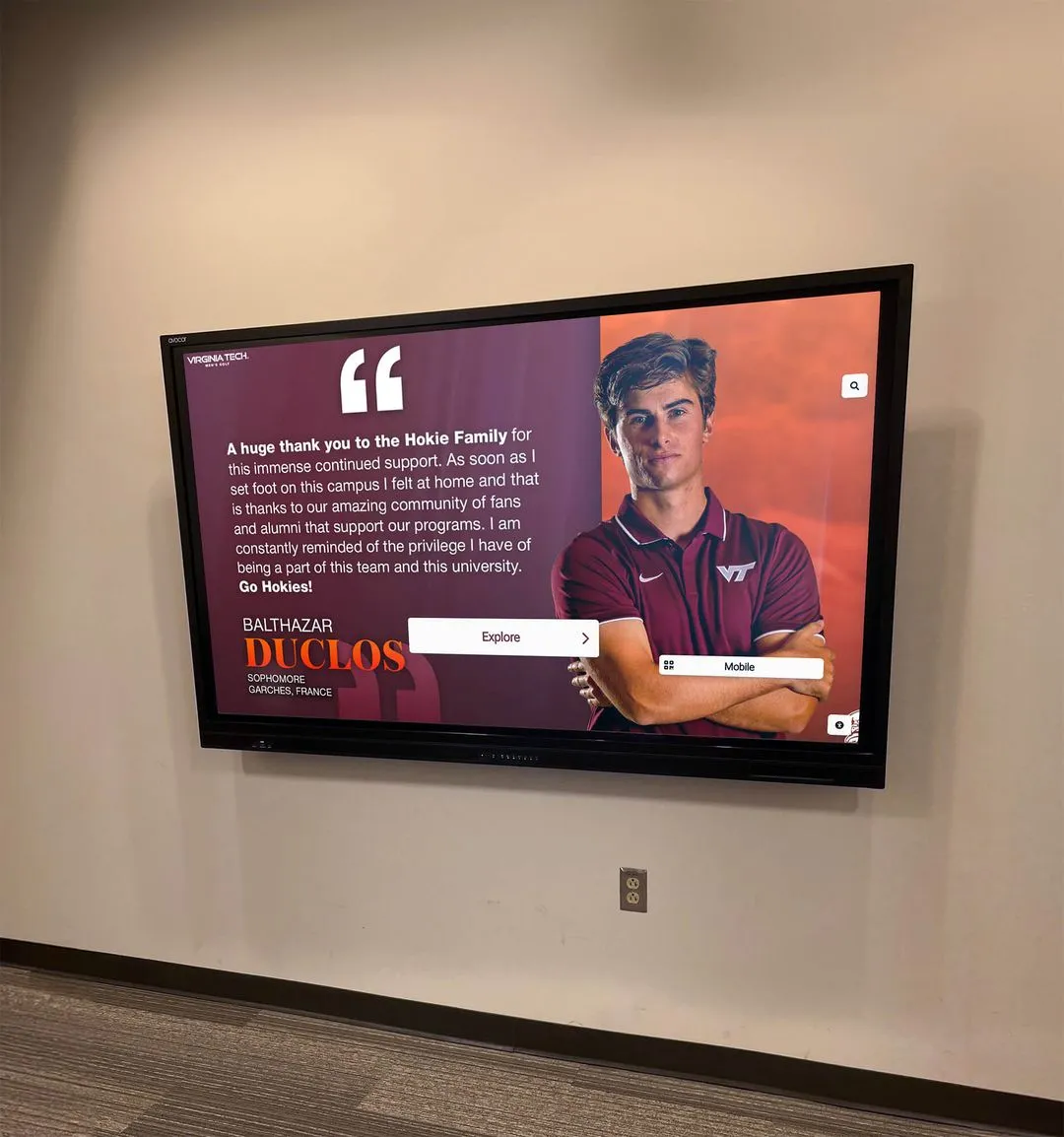
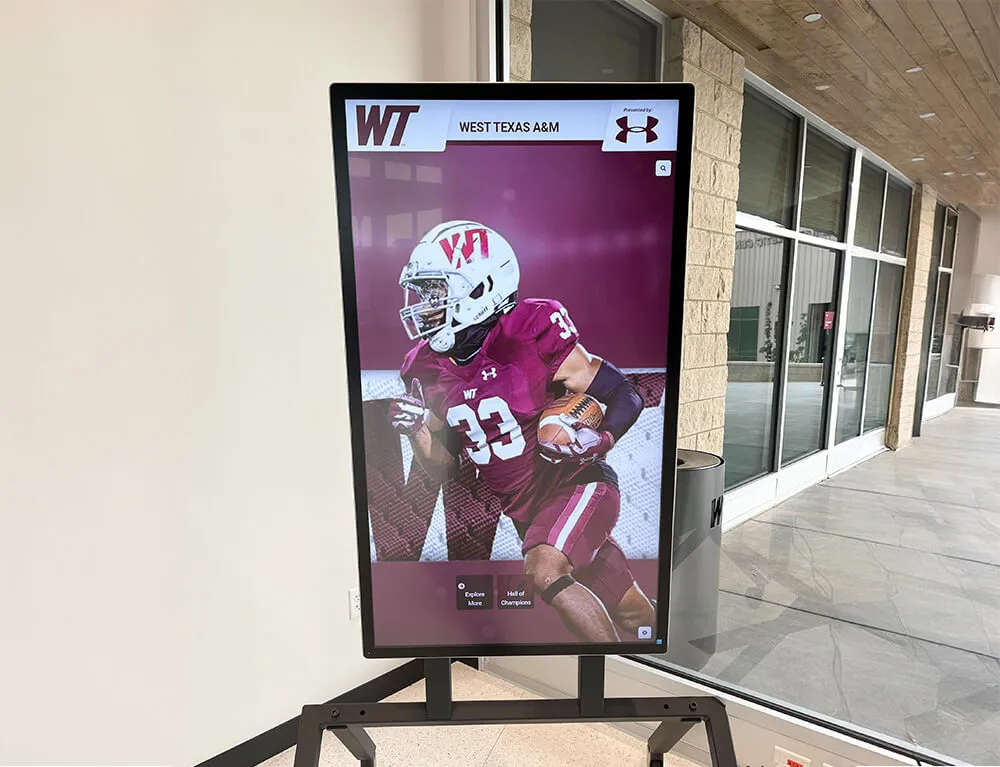
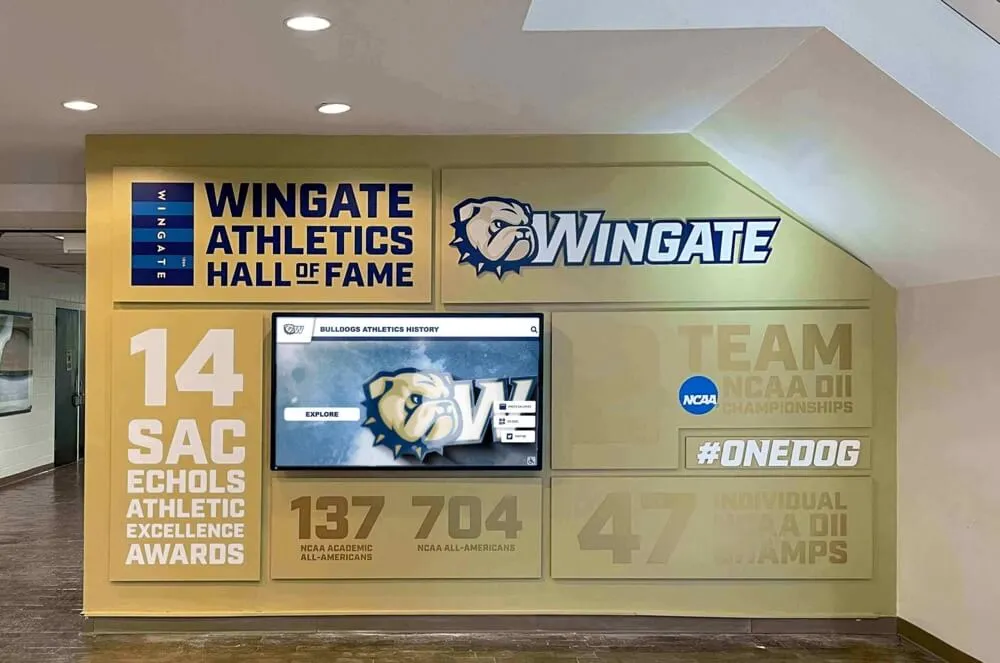
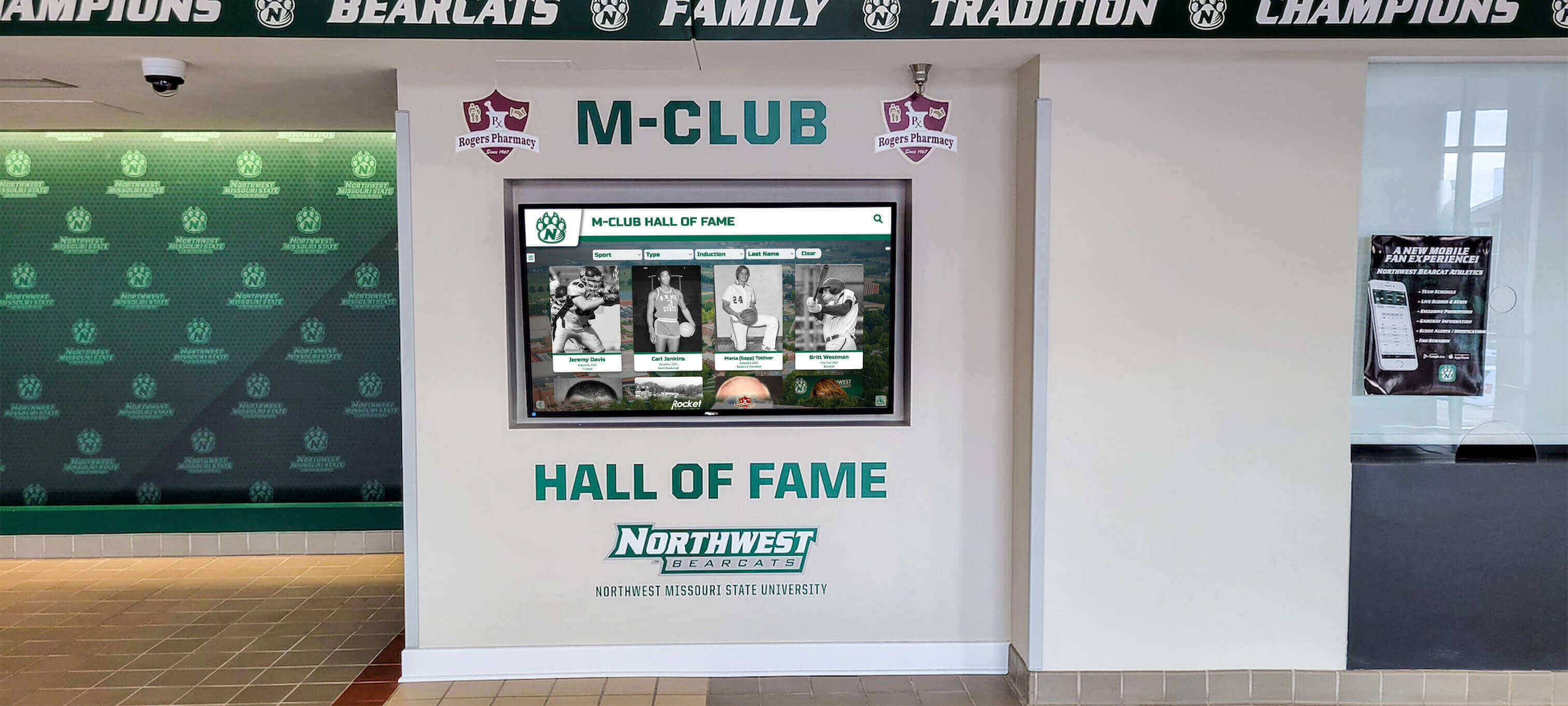
Ongoing digital presence. After the ceremony, the recognition should remain accessible. Digital profiles on a hall of fame website or touchscreen display ensure that a coach’s legacy remains visible to current students and future alumni rather than becoming invisible once the physical plaque blends into the wall.
Annual recognition rhythms. Schools that build recognition into their annual calendars—rather than treating it as an occasional special project—develop more consistent programs. Guidance on how schools structure recurring coach appreciation activities is covered in detail at coach appreciation day how schools honor athletic leaders and how schools honor the leaders behind the team.
End-of-season and milestone gifts. For active coaches not yet at the retirement or hall of fame stage, recurring end-of-season recognition keeps appreciation present throughout the career rather than concentrating it at the end. Ideas for meaningful ongoing recognition appear in the end-of-season coach gifts guide.
What Athletic Directors Should Brief Vendors On Before Fabrication
Once data is gathered and wording is approved, the pre-fabrication briefing with a vendor should cover the following:
Display location and context. Indoor versus outdoor, ambient light levels, mounting surface material, and surrounding display elements. These factors affect material choice (wood, metal, acrylic, composite), finish, and UV coating requirements.
Size and layout constraints. If the plaque joins an existing wall, it must match the dimensions, border style, and mounting hardware of existing plaques. Mixing plaque dimensions mid-wall looks unintentional.
Photo specifications. Confirm whether the vendor handles photo etching, laser engraving, or a mounted print. Each method has different minimum resolution requirements and file format preferences.
Approval process and revision policy. Request a digital proof before production begins. Clarify how many revisions are included, what constitutes a billable revision, and what the policy is if a vendor error is discovered after production.
Timeline. Standard turnaround at most plaque fabricators runs four to six weeks. Rush orders are available but cost more. Build recognition event dates backward from this timeline to set a realistic content submission deadline.
File delivery format. Most vendors want content as a Word or PDF document with photos submitted as separate high-resolution image files. Avoid embedding photos in Word documents, which degrades resolution.
Frequently Asked Questions
What is the most important field to include on a coach appreciation plaque?
The years of service and sport designation are the two fields most frequently omitted or estimated incorrectly. These are the fields that date a coaching career and connect it to the institution’s history. Verify both from official records before any proof is approved.
Should a coach appreciation plaque include a win-loss record?
For retirement tributes and service awards, win-loss records are optional and sometimes inadvisable—particularly if the record is modest. For hall of fame inductions, including the verified record is standard because it provides objective evidence of sustained competitive achievement. When in doubt, include titles and championships rather than raw win-loss data, as those numbers capture the most significant outcomes without over-indexing on any single season.
How long should the achievement statement on a plaque be?
For a standard 9" x 12" plaque, the achievement statement runs 40 to 70 words. For a larger format plaque (12" x 15" or larger), 80 to 120 words fits comfortably alongside a photo. Anything longer should be moved to a separate program insert, ceremony handout, or digital profile rather than compressed onto the plaque face.
Can the same data used for the plaque populate a digital hall of fame?
Yes—and this is the primary efficiency argument for treating the pre-plaque data collection as a structured process. Platform providers like Rocket Alumni Solutions accept the same structured fields—name, title, sport, years, achievements, biography, photo—that the plaque requires. Schools that collect data in a consistent format once can populate both the physical plaque and a digital profile without redundant data entry.
What should schools do when historical coaching records are incomplete?
Acknowledge the gap explicitly rather than estimating. A plaque that reads “approximately 1997–2014” or “career record unavailable” is more accurate than one that prints fabricated numbers. For schools with significant historical record gaps, local newspaper archives, state athletic association records, and yearbooks are the most reliable secondary sources.
How should schools approach thank-you messaging alongside the plaque presentation?
The plaque carries the formal institutional record; the ceremony carries the emotional acknowledgment. Preparing coaches and family members with a heartfelt written message alongside the physical plaque creates a more complete tribute. Resources for crafting those messages are available at thank you coach heartfelt messages and appreciation ideas.
Building a Recognition Program That Scales
A single coach appreciation plaque, done well, establishes a template that serves every subsequent induction, retirement, or milestone recognition for years to come. Athletic directors who invest time in the data collection and wording framework the first time through create institutional infrastructure—not just a one-time gesture.
That infrastructure compounds. A consistent field structure means each new plaque joins the wall with visual and informational coherence. A complete data file for each honoree means digital recognition can be added at any point without rebuilding the record from scratch. A documented wording framework means future recognition committees have clear guidance rather than starting from a blank page.
Schools ready to build recognition programs that operate at that level—where physical plaques, digital profiles, touchscreen displays, and online archives all draw from the same structured data—can explore purpose-built platforms designed for exactly this workflow at Rocket Alumni Solutions. The platform is designed to accept the same structured coach data covered in this guide and surface it across every recognition format the school currently uses or plans to add.