



Coaches dedicate countless hours to developing athletes, building team culture, and shaping young lives far beyond the playing field. They arrive early for practice, stay late analyzing game film, sacrifice weekends for tournaments, and invest emotional energy celebrating victories and processing defeats alongside their teams. Yet when teams and parents want to express appreciation for this commitment, finding gifts that genuinely honor the depth and significance of coaching contributions often proves challenging.
Generic gifts—another coffee mug, a standard gift card, or a mass-produced plaque—fail to reflect the profound impact coaches have on athletes’ development and the countless hours they invest in program success. The best coach appreciation gifts demonstrate genuine understanding of what coaches do, acknowledge their specific contributions, and create lasting recognition that honors their dedication authentically.
Why Coach Appreciation Matters: Meaningful recognition strengthens the relationship between coaches, athletes, families, and programs. Thoughtful appreciation demonstrates that communities genuinely value coaching contributions rather than taking dedication for granted. It supports coach retention by showing that commitment is noticed and valued. And it models gratitude for student-athletes, teaching them to recognize and appreciate those who invest in their development. The gifts themselves matter less than the genuine appreciation they represent—but selecting thoughtful recognition demonstrates care matching coaches' investment in athletes.
This comprehensive guide explores meaningful approaches to coach appreciation gifts across categories and contexts. Whether you’re a team parent organizing end-of-season recognition, an athletic director planning coach appreciation events, or an athlete wanting to thank a coach who shaped your journey, you’ll discover thoughtful gift ideas and recognition approaches that honor coaching dedication appropriately.

Understanding What Coaches Actually Value
Before exploring specific gift ideas, it’s essential to understand what makes coach recognition meaningful from coaches’ own perspectives.
Genuine Appreciation Over Material Value
Most coaches entered the profession driven by passion for their sport and commitment to developing young people, not for financial rewards or material benefits. What coaches typically value most includes sincere recognition that their work matters and makes a difference, acknowledgment from athletes showing that coaching investment had real impact, evidence that families and communities notice and appreciate their commitment, and lasting recognition that honors their contributions beyond a single season.
Expensive gifts don’t automatically convey deeper appreciation than thoughtful modest ones. A heartfelt letter from an athlete describing how coaching shaped their character and trajectory often means more than elaborate presents. The key is demonstrating genuine awareness of coaches’ specific contributions and authentic gratitude for their investment.
Recognition of Specific Impact
Generic praise—“Thanks for being a great coach”—feels less meaningful than specific acknowledgment of particular contributions. Coaches deeply appreciate recognition that identifies tangible growth they helped facilitate in individual athletes, acknowledges the team culture they intentionally built, notes specific challenges they navigated successfully, recognizes sacrifices they made for the program, and highlights the values and life lessons they emphasized beyond athletic skills.
When planning appreciation, take time to identify specific ways coaches impacted athletes and the program. This specificity transforms generic “thank you” gestures into meaningful recognition demonstrating real understanding of coaching contributions.
Balance of Individual and Collective Recognition
While individual gifts from single athletes or families carry significance, collective recognition from entire teams often resonates more deeply because it demonstrates that the whole community values coaching contributions, provides affirmation that overall team culture and relationships were meaningful, creates lasting recognition honoring accumulated impact across all athletes, and acknowledges that coaching success emerges through positive relationships with full teams rather than individual athletes alone.
Team-organized appreciation, even if relatively modest in individual cost per person, typically feels more meaningful than expensive gifts from single families precisely because collective recognition reflects broader impact.
Lasting Recognition vs. Consumable Gifts
Coaches accumulate many consumable gifts across seasons—gift cards, food items, apparel that eventually wears out. While these have value, many coaches particularly appreciate recognition that endures including physical items displaying lasting acknowledgment, permanent institutional recognition honoring career achievements, documented evidence of impact they can reference when motivation wanes, and tributes creating records their families treasure long-term.
This preference for lasting recognition doesn’t mean consumable gifts lack value, but suggests that including elements creating permanent records enhances appreciation meaningfulness particularly for significant coaching relationships or career milestones.
Personalized and Meaningful Gift Ideas
The most appreciated gifts demonstrate knowledge of individual coaches while honoring their specific contributions.
Custom Engraved Items
Personalized engraved gifts create lasting keepsakes that commemorate specific seasons, achievements, or relationships. Effective personalized items include engraved watches or jewelry featuring team names, seasons, and personal messages, custom plaques highlighting specific achievements or memorable seasons, personalized coaching clipboards or whistles used during actual coaching, engraved picture frames displaying team photos from meaningful seasons, and custom equipment bags embroidered with names and accomplishments.
The engraving or personalization transforms generic items into specific mementos connected to particular coaching experiences. Include specific details like seasons, team records, championship years, or meaningful quotes rather than generic “Coach” labels.
Memory Books and Scrapbooks
Compiled memory books created by teams provide deeply personal recognition capturing specific relationships and seasons. Effective memory books include individual pages from each team member with personal messages and favorite memories, photos from practices, games, and team bonding throughout seasons, documentation of season highlights with game notes and statistics, letters from parents describing how coaches impacted their children, and reflections on specific lessons or values coaches emphasized.
Creating quality memory books requires coordination and effort, but the result provides tangible documentation of coaching impact that coaches treasure permanently. Many coaches report that revisiting these books years later reminds them why they coach during challenging seasons.
Framed Team Jerseys or Equipment
Sports memorabilia specifically connected to meaningful teams or seasons creates powerful recognition. Memorable memorabilia gifts include team-signed jerseys framed with season details and achievements, game-used equipment signed by athletes with personal messages, shadow boxes displaying medals, patches, or other season mementos, championship ball or equipment commemorating tournament victories, and roster plaques listing all athletes from significant seasons.
These items work particularly well for retiring coaches or marking major program milestones because they create museum-quality displays honoring specific coaching achievements permanently.
Custom Artwork and Portraits
Original artwork celebrating coaching careers or specific teams provides unique recognition impossible to purchase generically. Meaningful artistic recognition includes custom illustrations depicting coaches with their teams, commissioned paintings of significant game moments or celebrations, photo collages artistically arranged with season highlights, custom typography featuring meaningful coaching quotes or philosophies, and caricatures or cartoon-style artwork celebrating coaching personalities.
Local artists or online custom art services can create these pieces from photographs and descriptions. The uniqueness and effort involved in commissioning original artwork communicates significant appreciation.
Experience Gifts Aligned with Coach Interests
Rather than physical items, experience gifts provide memorable opportunities coaches might not otherwise pursue. Thoughtful experience gifts include tickets to professional sporting events in coaches’ favorite sports, coaching clinic or conference registrations for professional development, sports equipment or gear for coaches’ own athletic interests, gift certificates for restaurants or entertainment with families, and contributions to charitable causes coaches support passionately.
Experience gifts work best when carefully matched to individual coaches’ actual interests rather than generic assumptions about what coaches might enjoy. This requires knowing coaches personally beyond their coaching roles.
Team-Organized Group Gifts
Collective gifts from entire teams often create the most meaningful recognition while distributing costs across families.
High-Quality Coach Gear and Apparel
While coaches receive team apparel regularly, premium items purchased specifically as appreciation gifts feel different from standard issue gear. Valued apparel gifts include high-end coaching jackets or quarter-zips with embroidered personalization, premium athletic wear from quality brands coaches might not purchase personally, custom team apparel designed specifically for coaches with special details, cold-weather gear or accessories for outdoor coaching in challenging conditions, and professional coaching attire appropriate for office or dressy occasions.
Quality matters significantly—premium brands and materials communicate that the gift represents genuine appreciation rather than leftover team apparel. Personalization elevating items beyond standard team gear adds meaningful distinction.
Professional Development Opportunities
Supporting coaches’ professional growth demonstrates investment in their development matching their investment in athletes. Valuable professional development gifts include conference or clinic registration fees with travel expenses, memberships to coaching associations or professional organizations, subscriptions to coaching education platforms or resources, books or courses focused on coaching philosophy or skill development, and technology or software supporting coaching effectiveness.
These gifts acknowledge that coaches continuously work to improve their craft and demonstrate appreciation for their commitment to excellence beyond current season demands.
Team Recognition Plaques or Awards
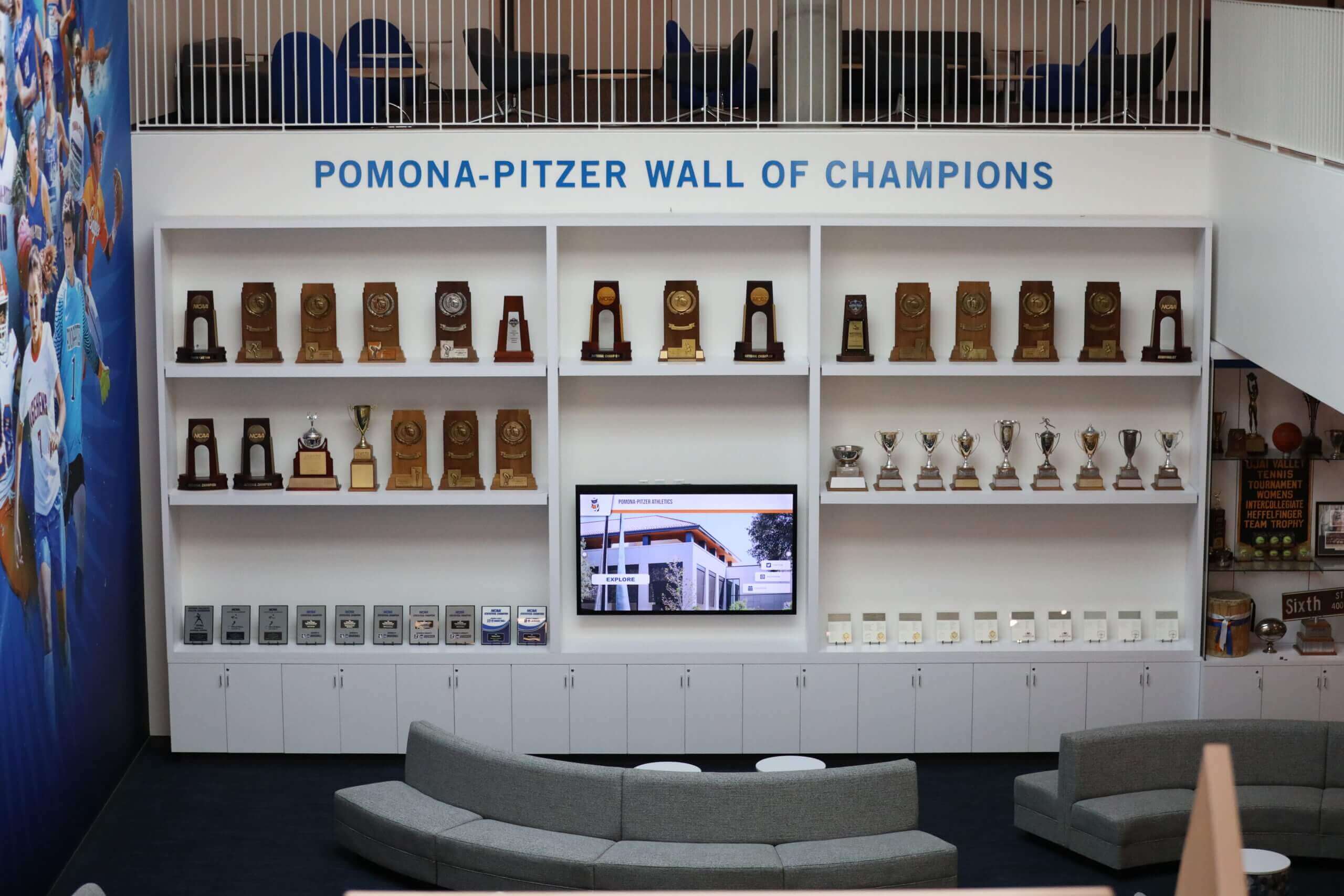
Formal recognition items acknowledging specific achievements create lasting documentation of coaching success. Meaningful recognition plaques include championship or tournament victory commemoration with season details, milestone achievement recognition for career wins or years of service, team accomplishment plaques signed by all athletes, custom trophies or awards designed specifically for coaches, and recognition certificates framed professionally with team photos.
These items work particularly well for season-ending recognition ceremonies where presentation adds meaningful moment beyond the physical item itself.
Charitable Donations in Coaches’ Names
For coaches who prefer contributions benefiting others over personal gifts, charitable donations honor their values while creating meaningful recognition. Thoughtful charitable recognition includes donations to causes coaches support personally or professionally, contributions to program booster funds supporting future athletes, scholarships established in coaches’ names supporting student-athletes, equipment donations to under-resourced programs coaches care about, and youth sports access programs serving underserved communities.
Present these donations with formal certificates or recognition documenting the contribution made in coaches’ honor, creating tangible acknowledgment even when the gift directly benefits others.
Video Tributes and Compilations
Modern technology enables creating powerful video tributes capturing collective appreciation. Effective video tributes include messages from each team member expressing personal gratitude, parent testimonials describing coaching impact on their children, compilation of season highlights with emotional significance, messages from alumni reflecting on long-term coaching impact, and contributions from fellow coaches or administrators acknowledging excellence.
These videos become treasured keepsakes coaches revisit when they need reminders of why their work matters. They also create shareable content coaches can show families or include in coaching portfolios.
Lasting Recognition Beyond Individual Gifts
The most enduring appreciation often comes through permanent recognition honoring coaching contributions beyond single seasons.
Formal Athletic Hall of Fame Induction
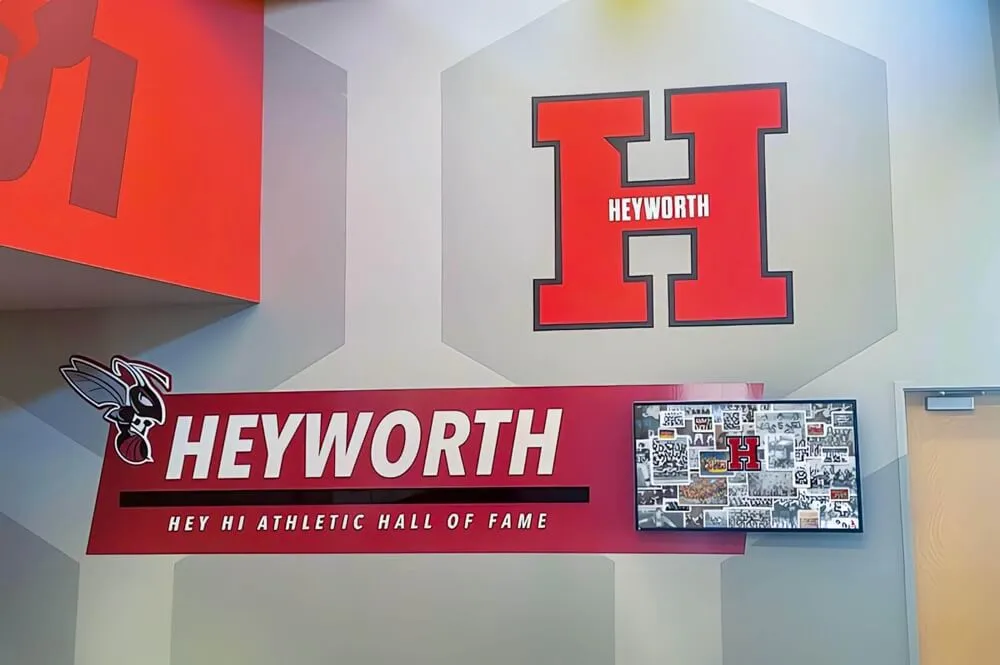
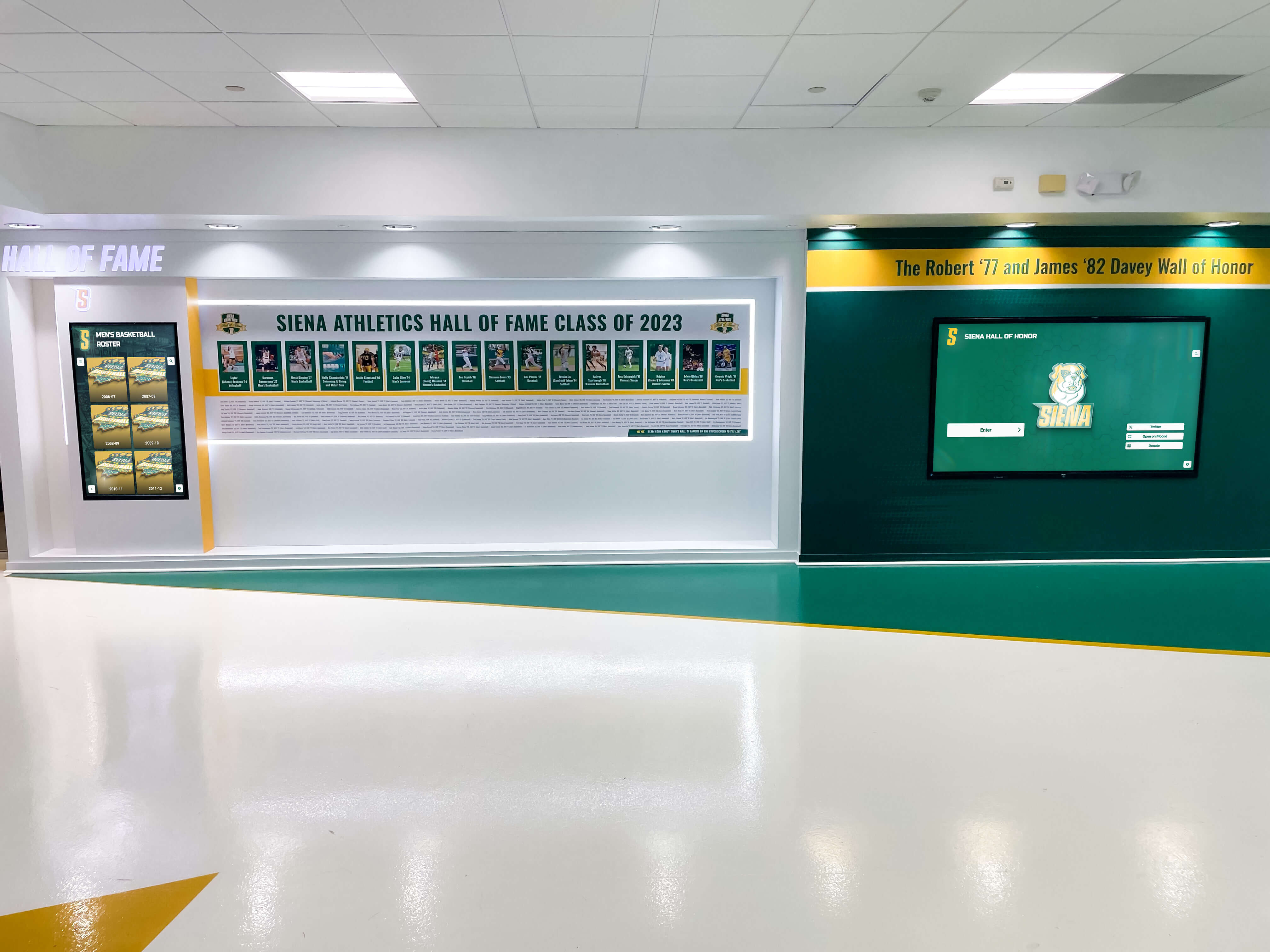
Many schools and athletic programs maintain halls of fame recognizing distinguished coaching careers. Hall of fame induction represents the highest honor organizations can bestow, acknowledging career achievements including championship victories, coaching tenure and longevity, athlete development and post-program success, program building and cultural impact, and contributions to athletics beyond individual team coaching.
Schools should establish clear athletic hall of fame criteria ensuring consistent recognition standards while honoring coaching excellence appropriately. Formal induction ceremonies create memorable recognition moments while permanent displays ensure lasting visibility.
Permanent Recognition Displays
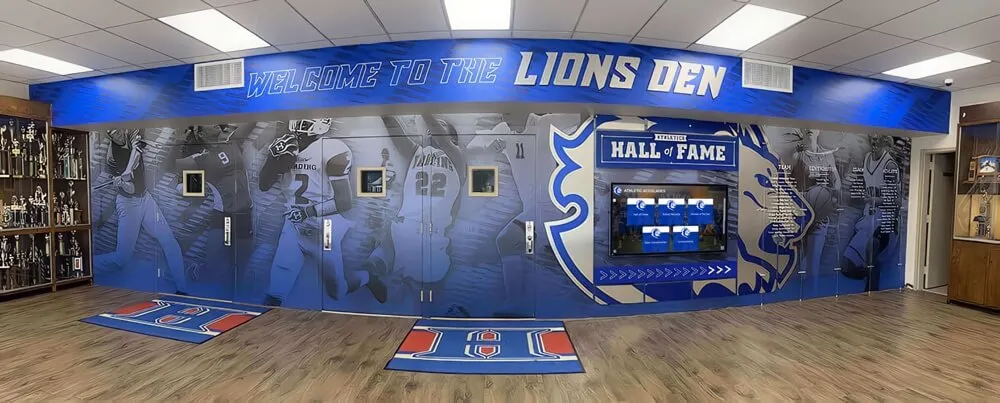
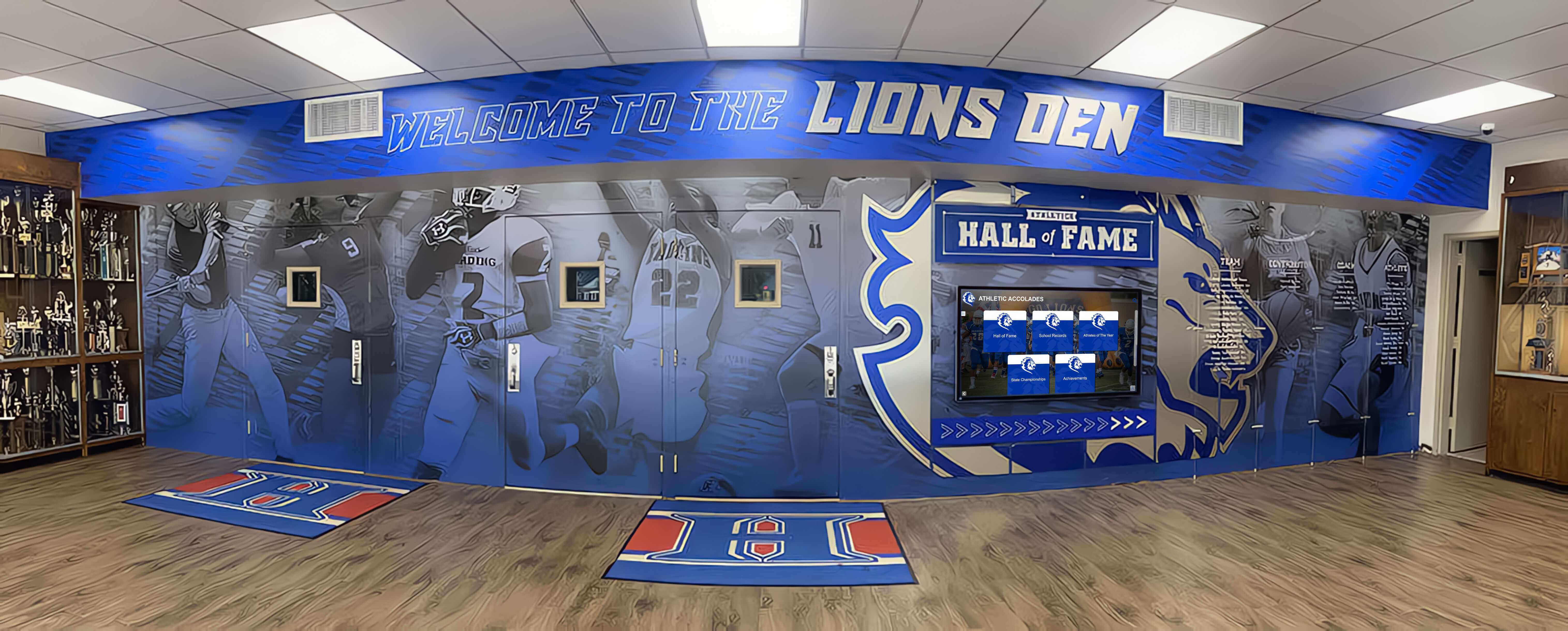
Beyond hall of fame induction, schools can create permanent displays specifically honoring coaching contributions. Effective permanent recognition includes dedicated coaches’ recognition walls with photos and achievement summaries, plaques in gymnasiums or fieldhouses acknowledging coaching milestones, named facilities or spaces honoring long-serving coaches, retired jersey or number recognition for distinguished coaches, and historical displays documenting program evolution under various coaches.
These permanent installations ensure that coaching legacies remain visible to future generations of athletes who benefit from foundations previous coaches established.
Digital Recognition Platforms
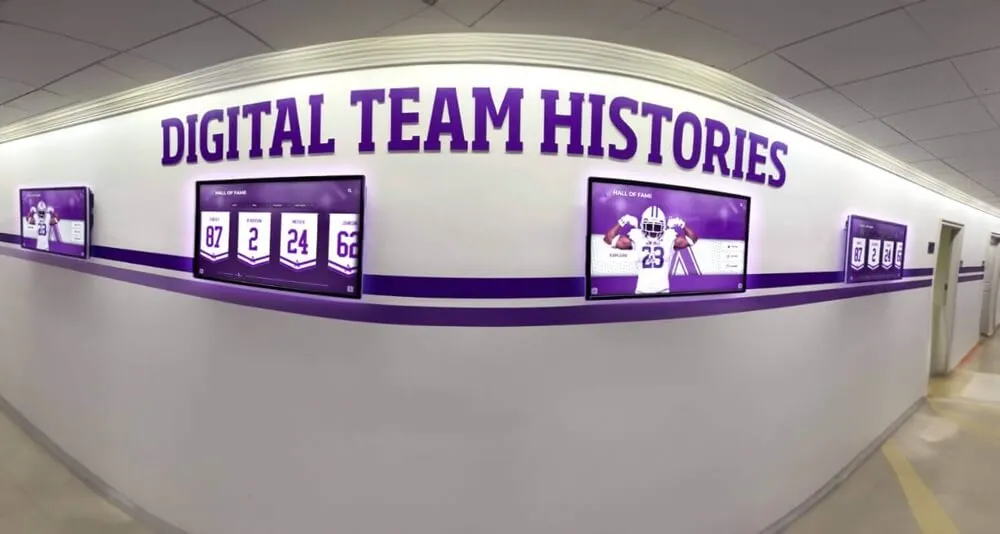
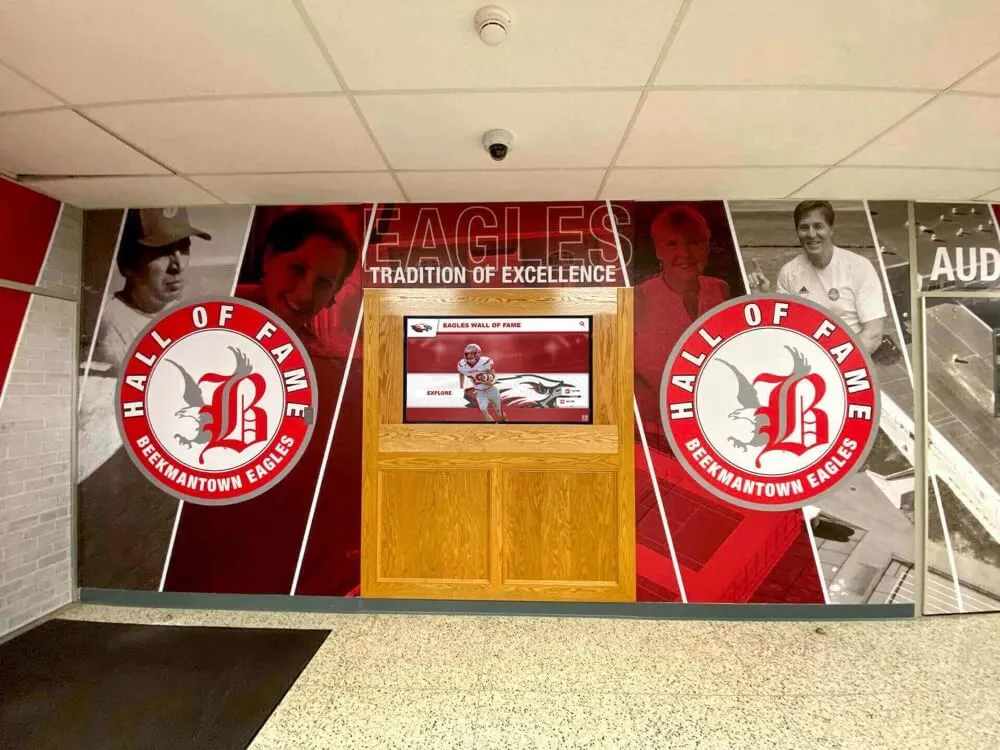
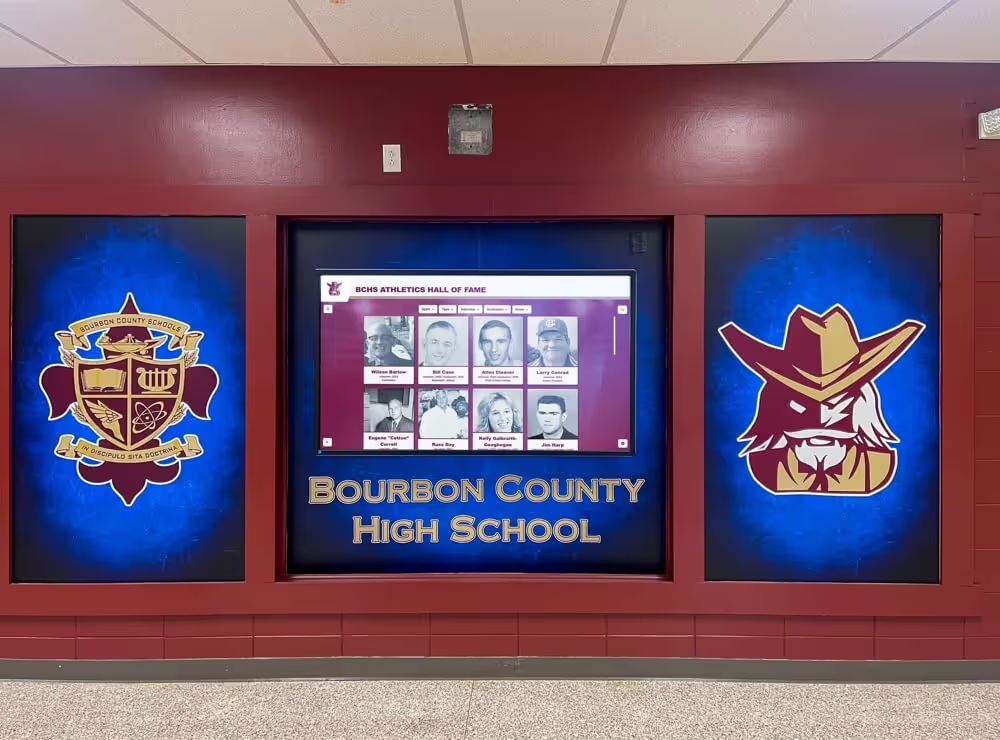
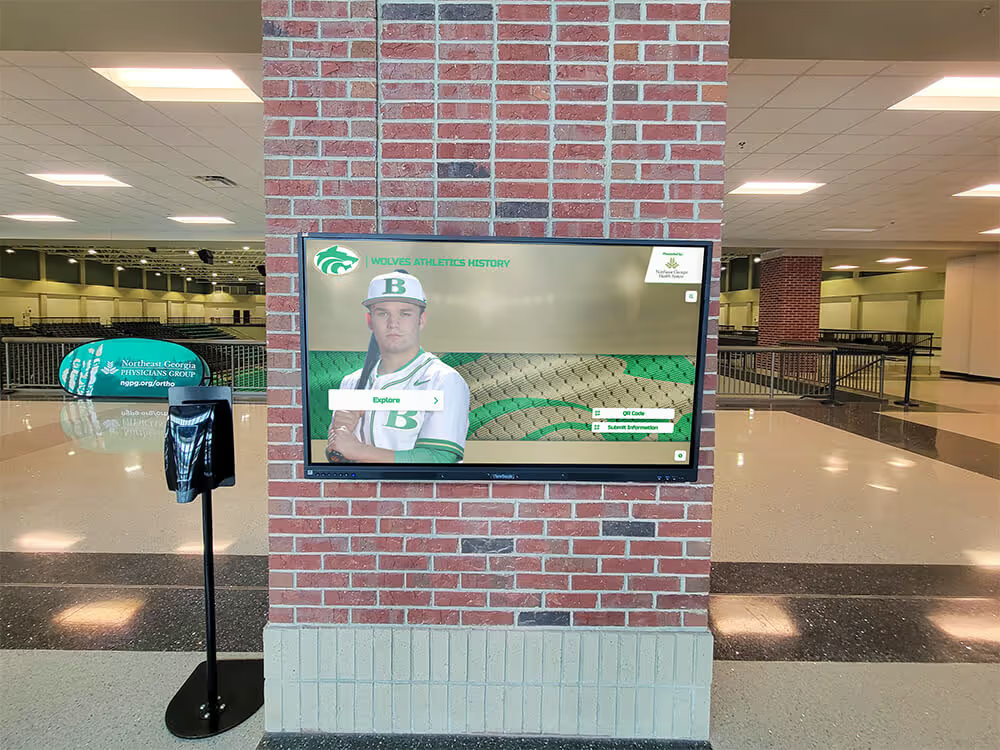
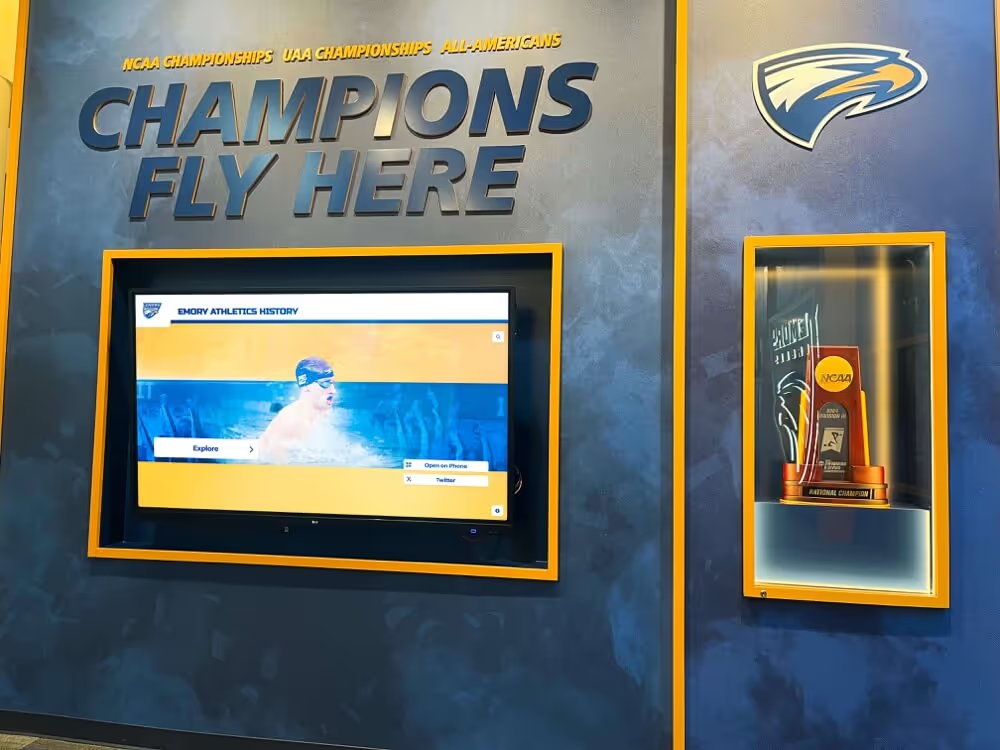
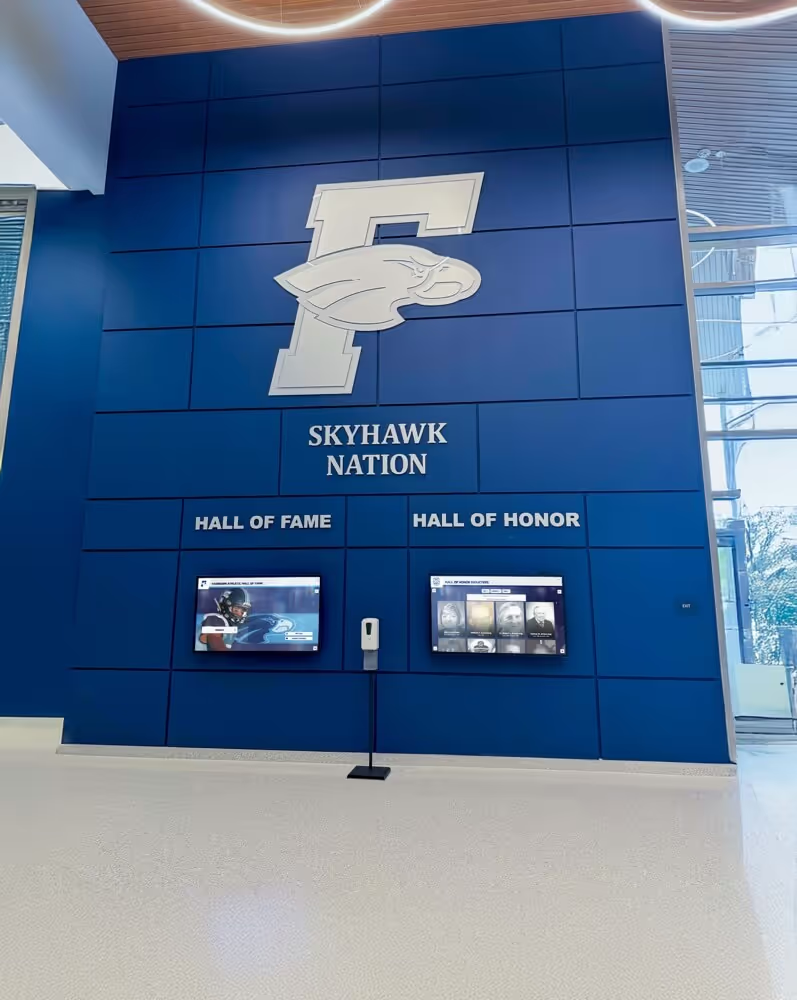
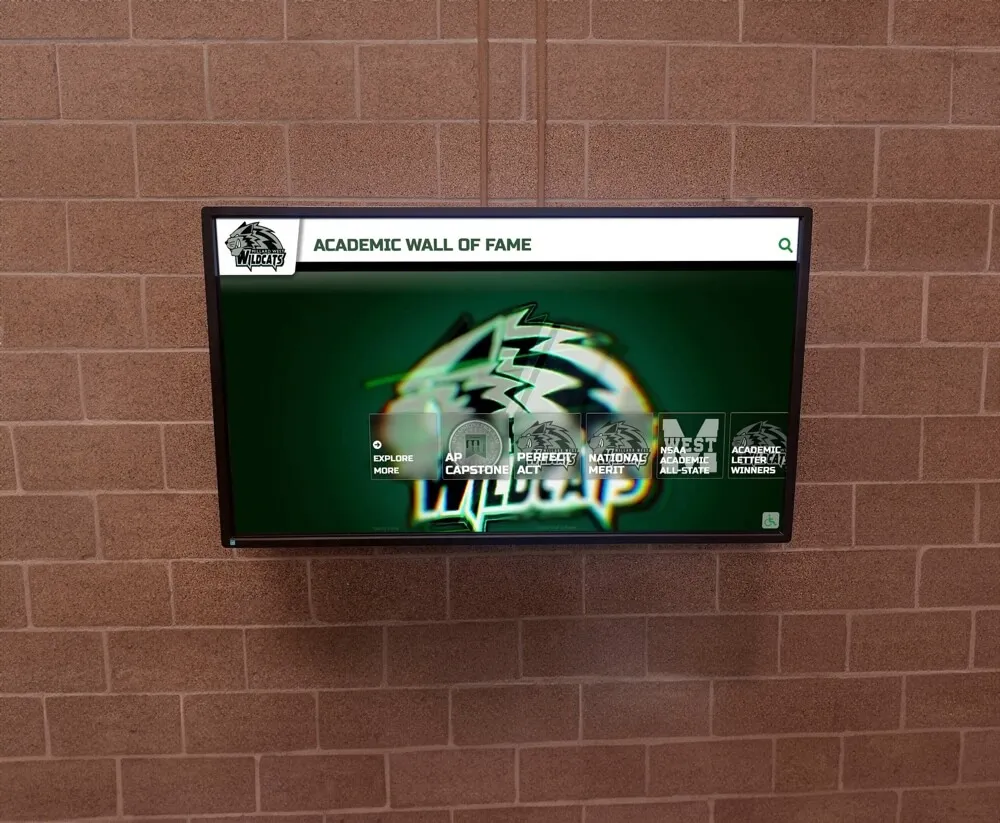
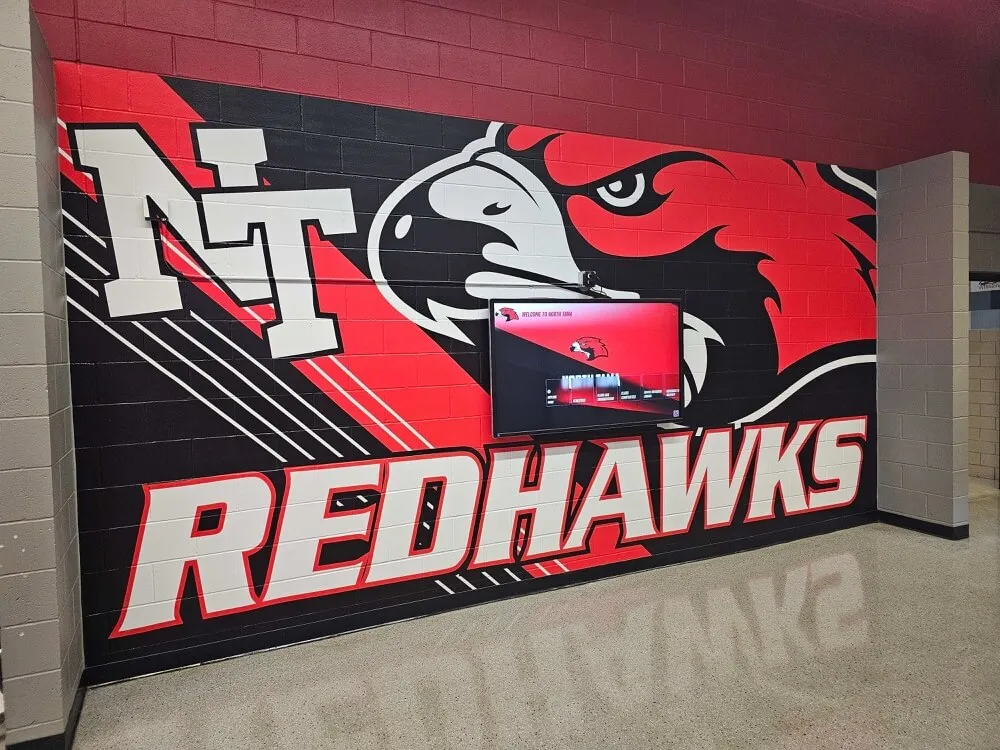
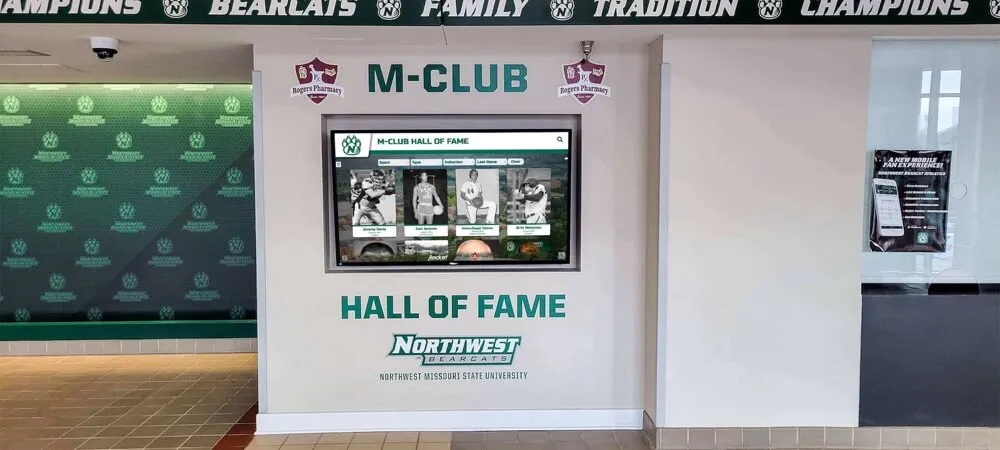
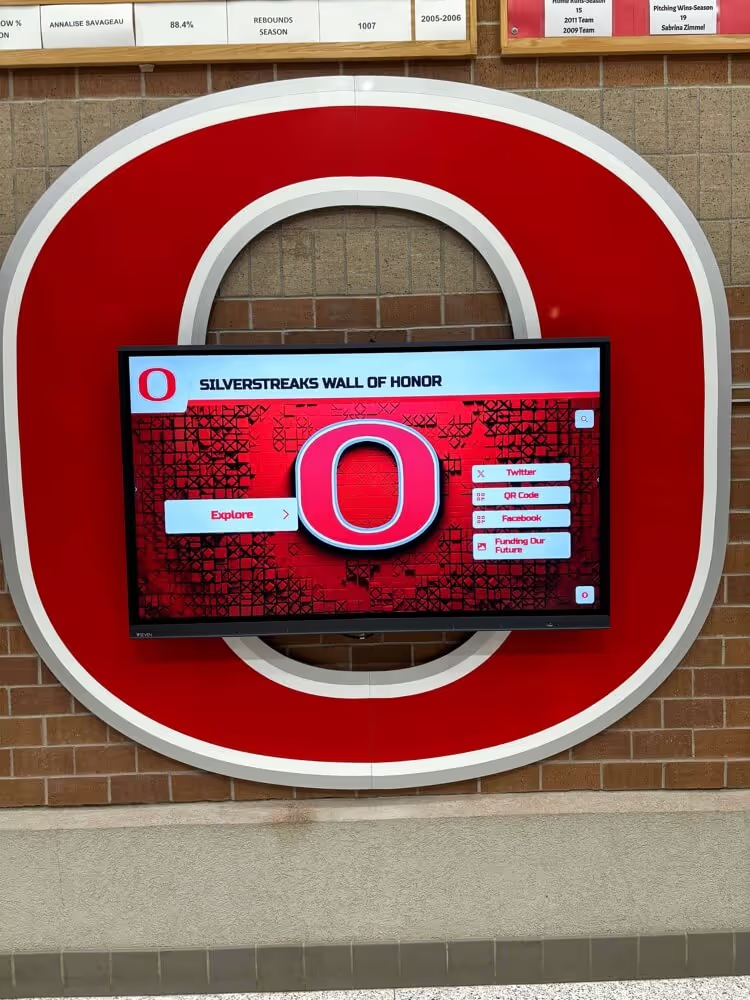
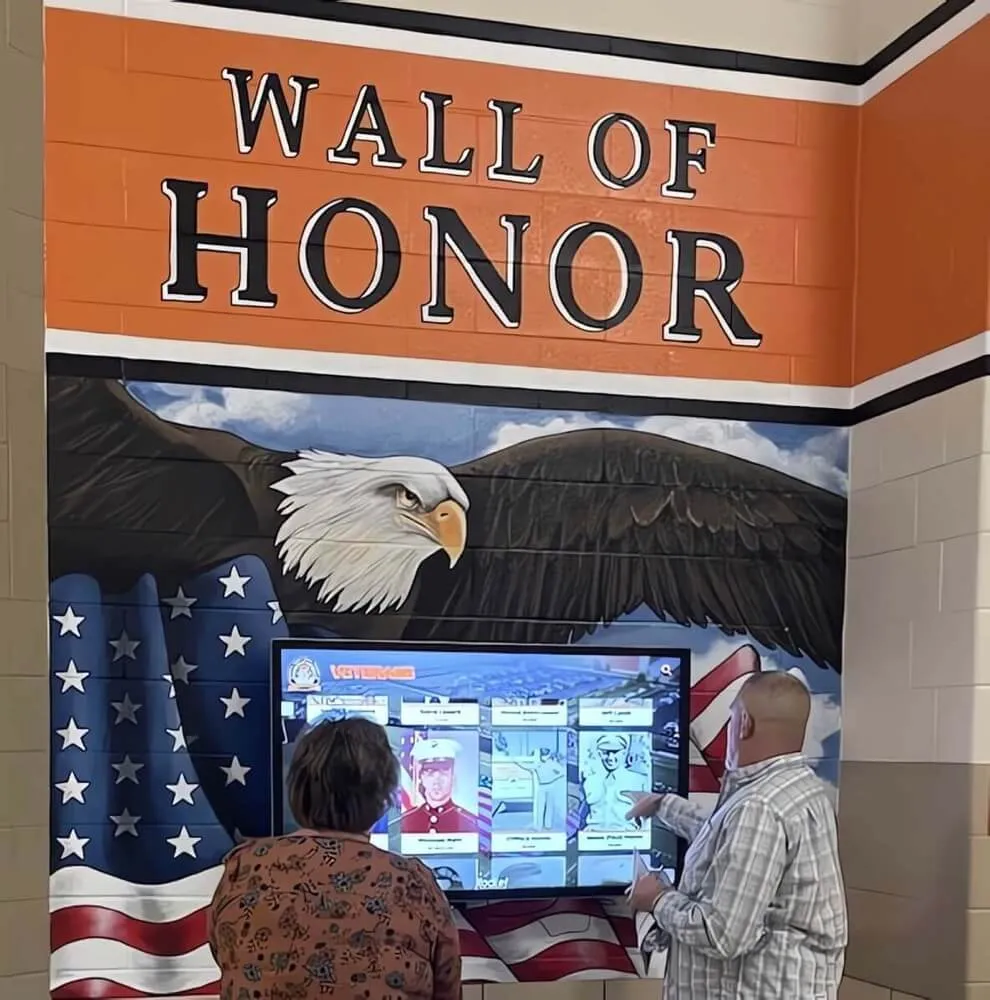
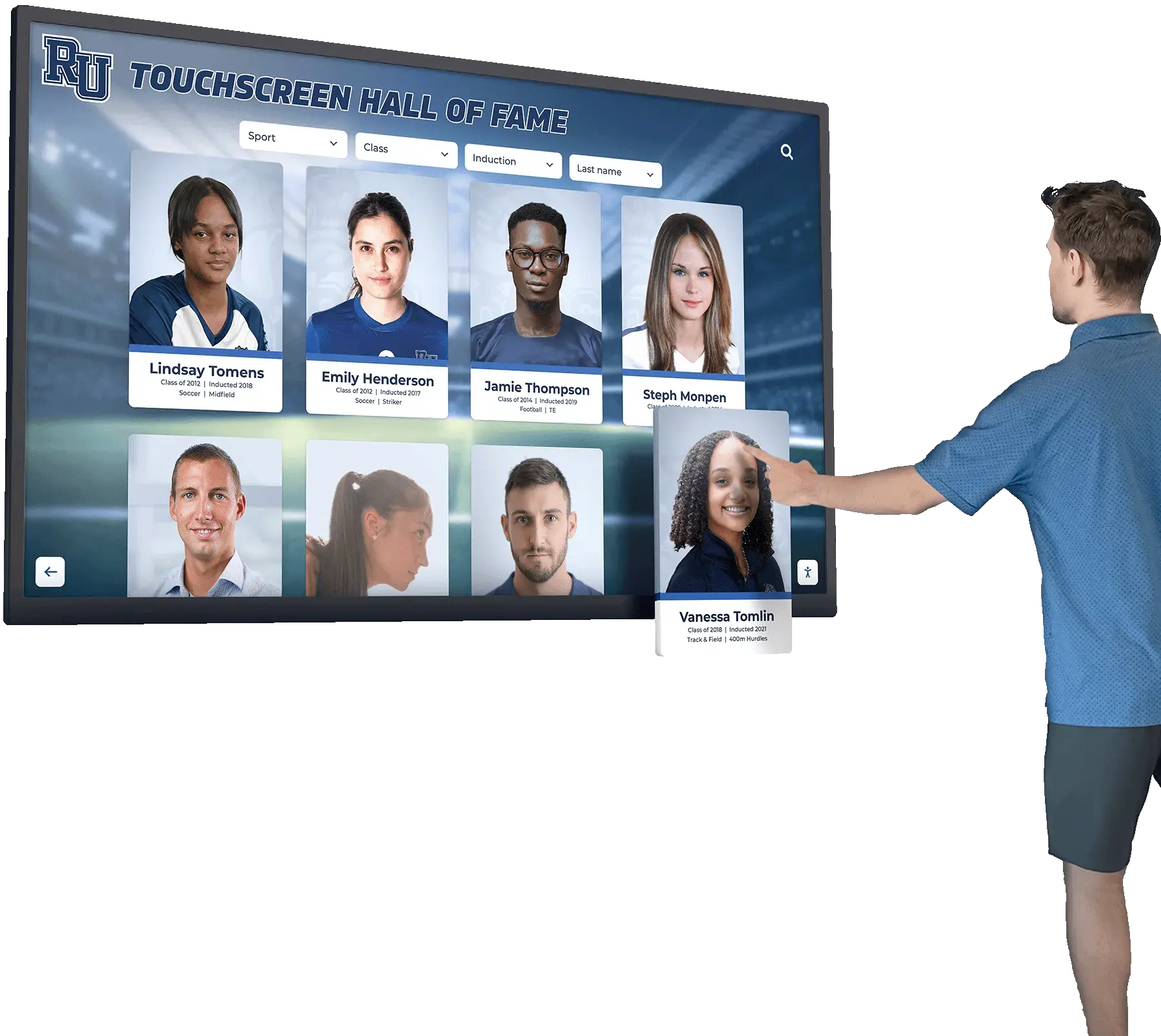
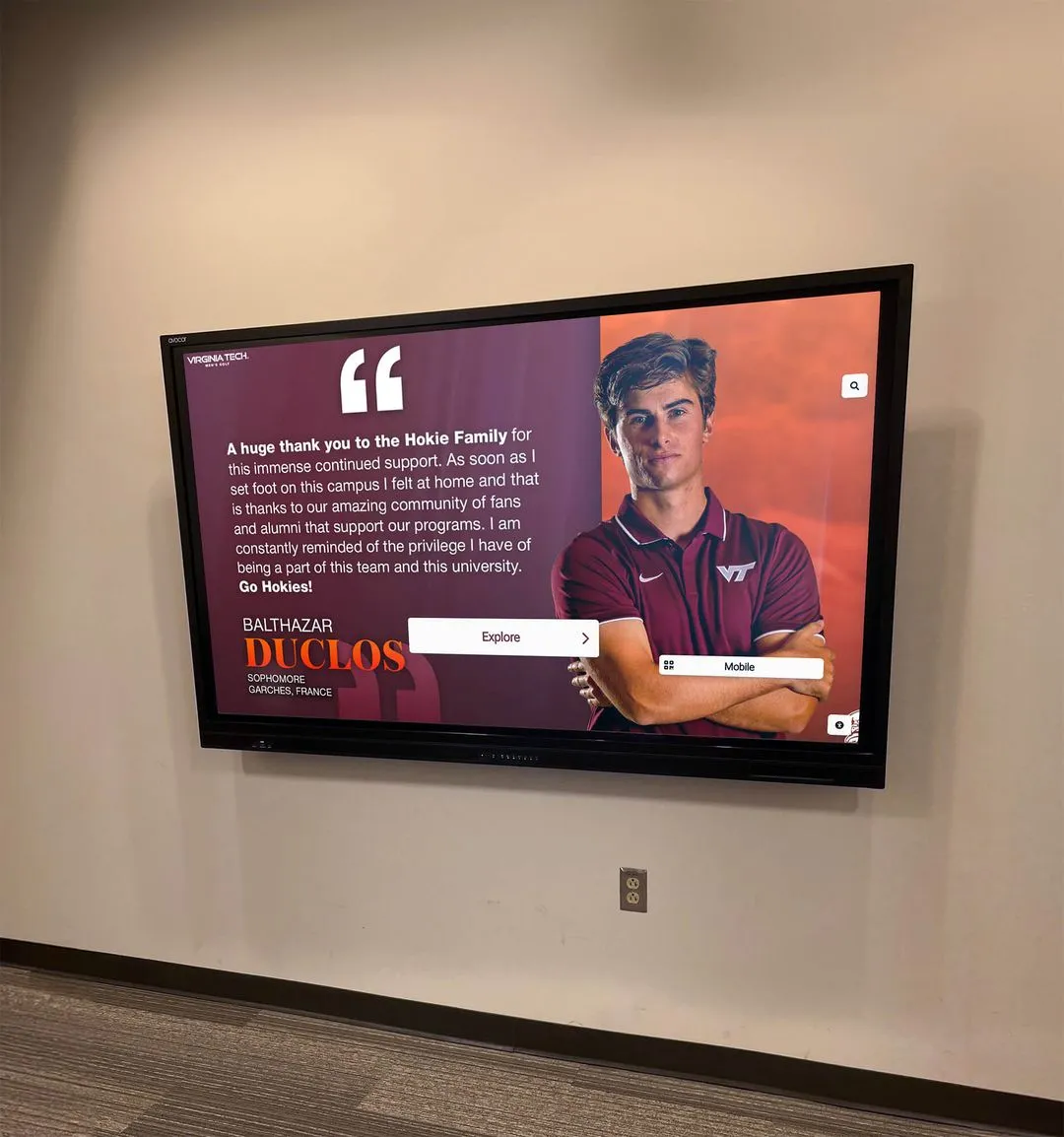
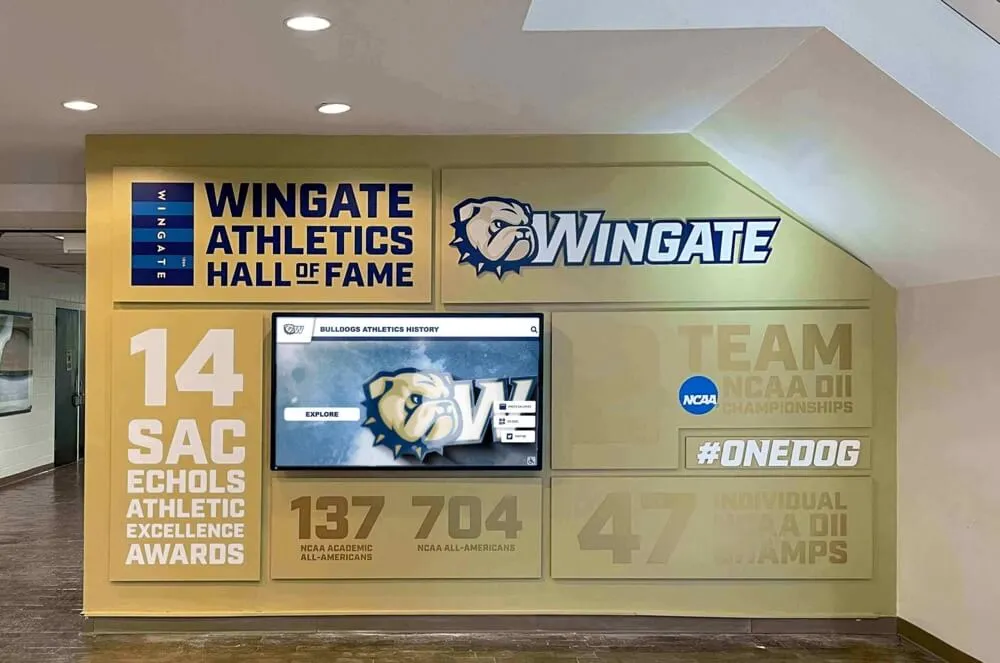
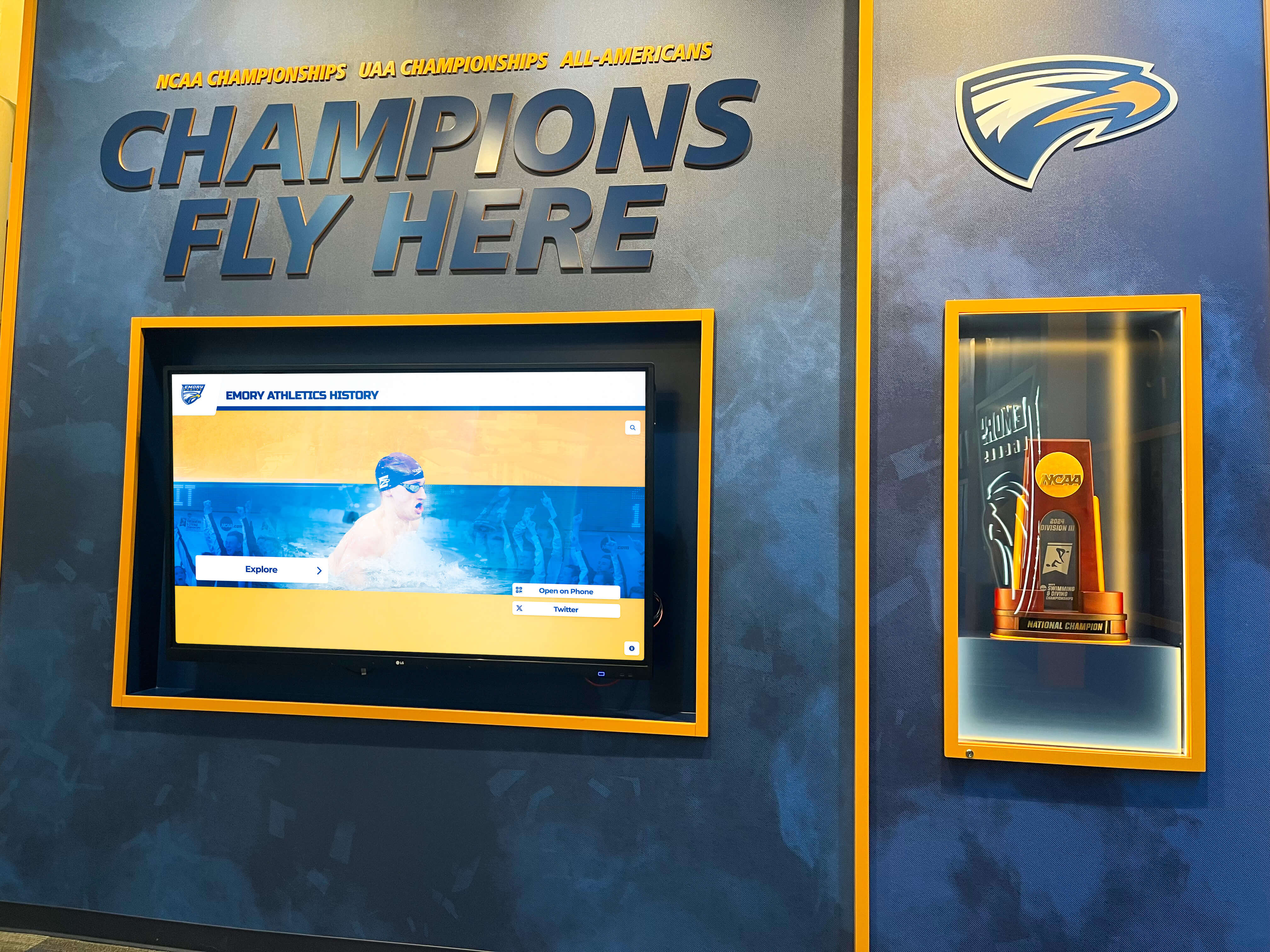
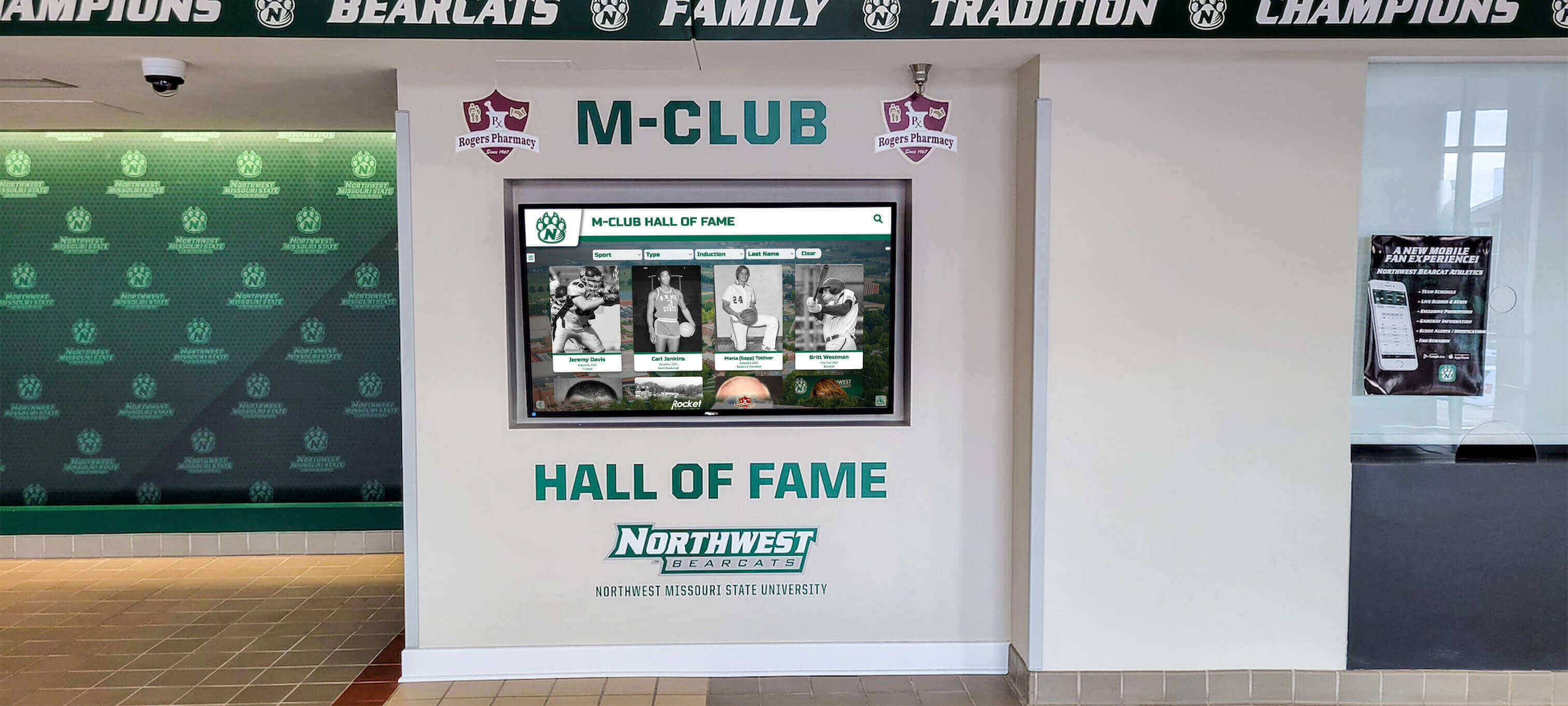
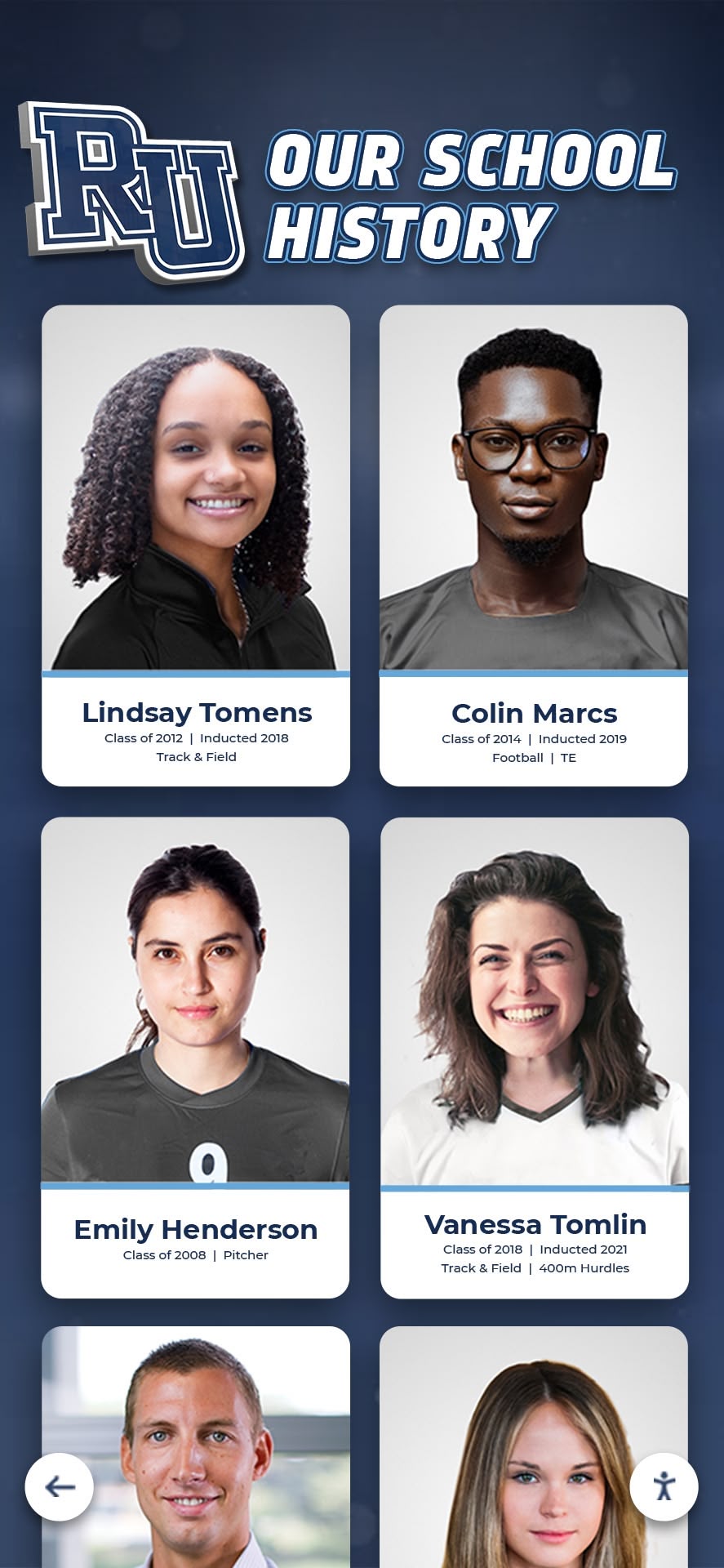
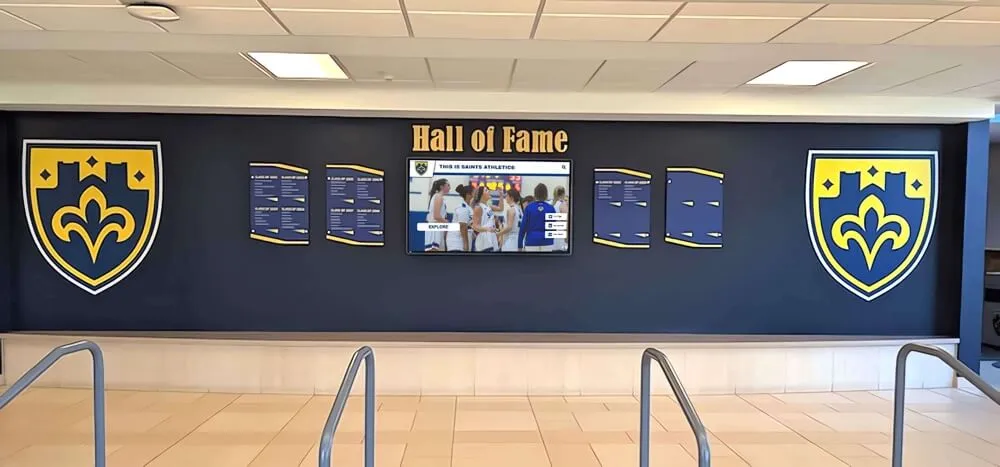
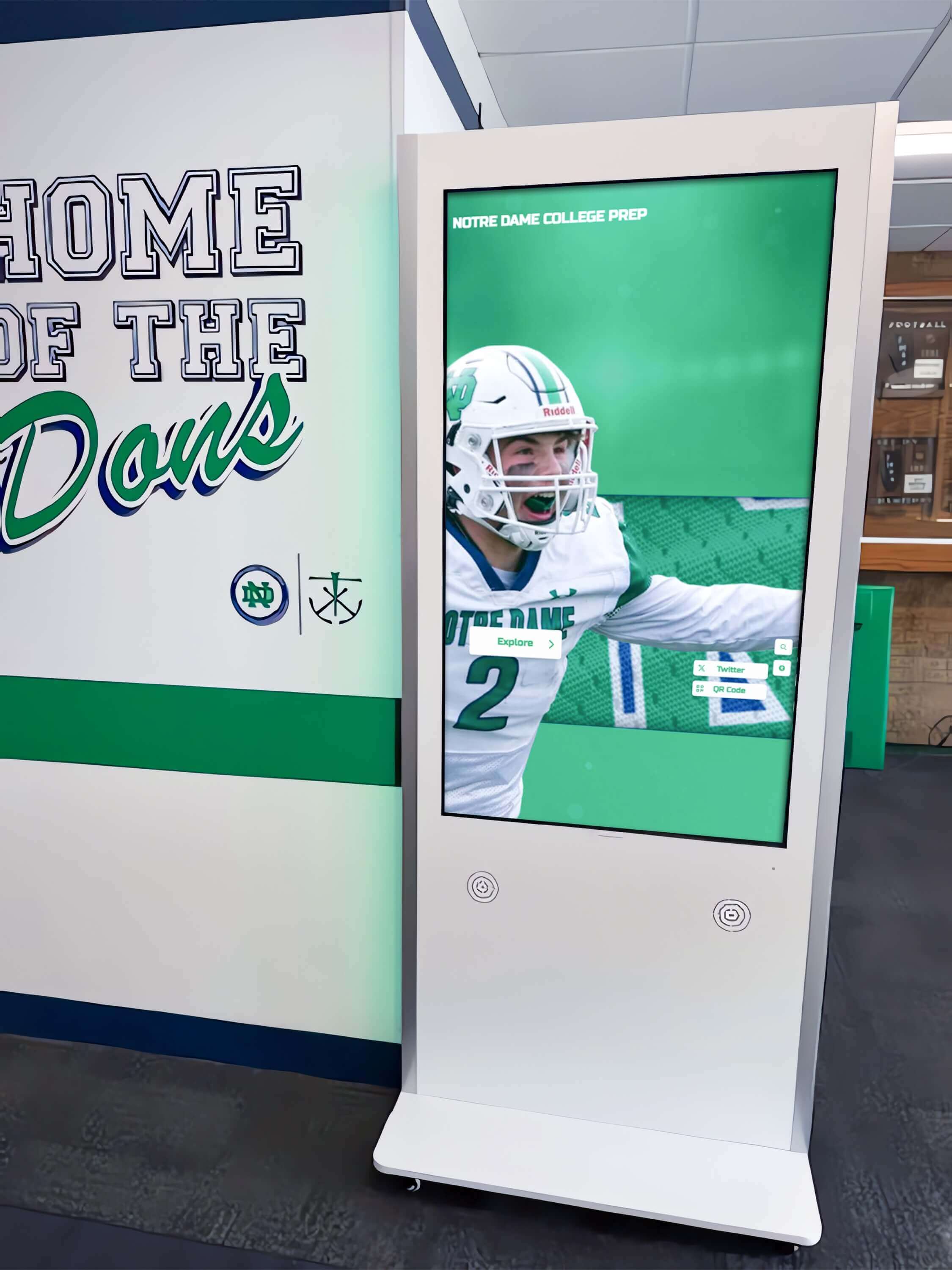
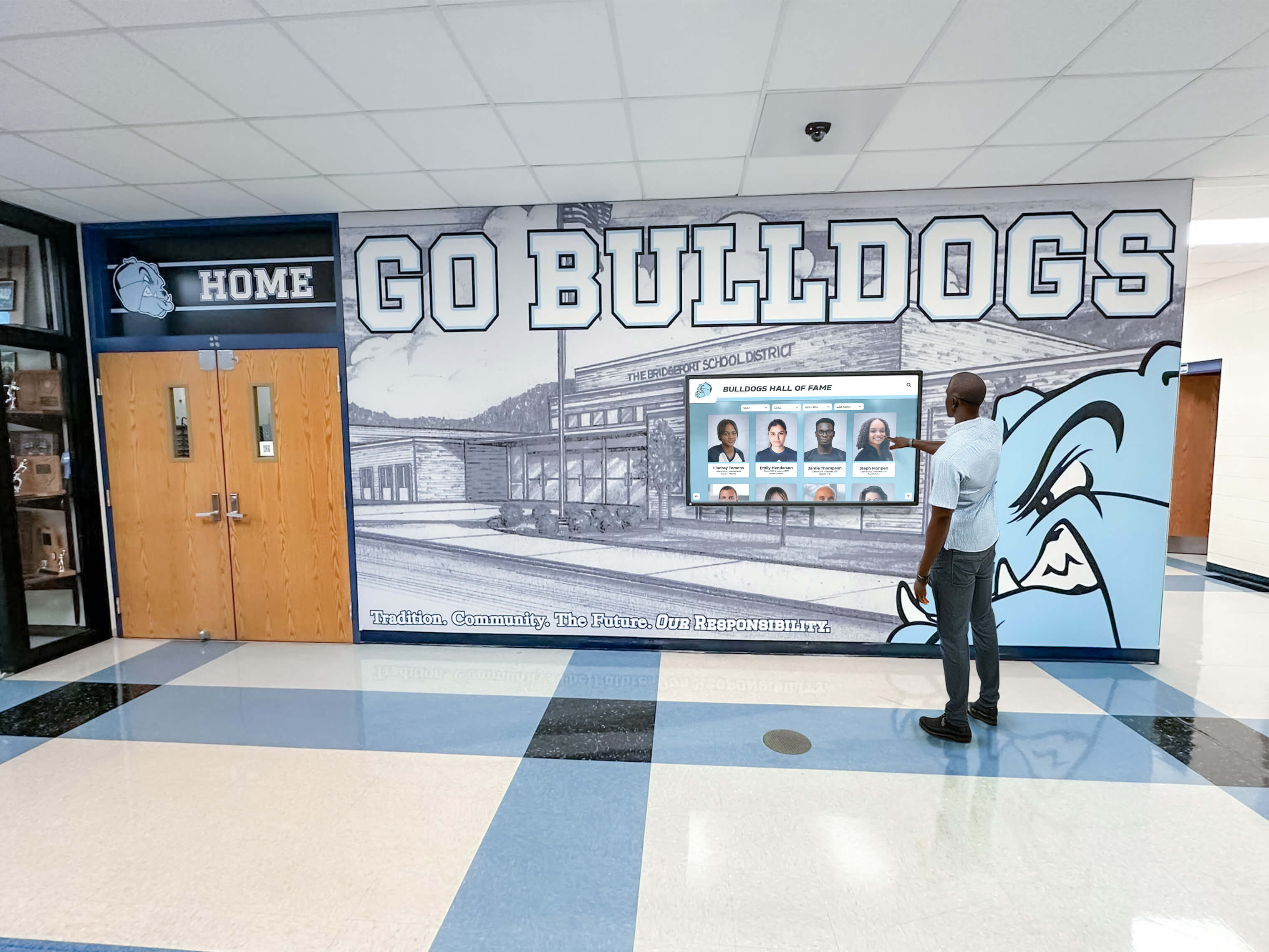
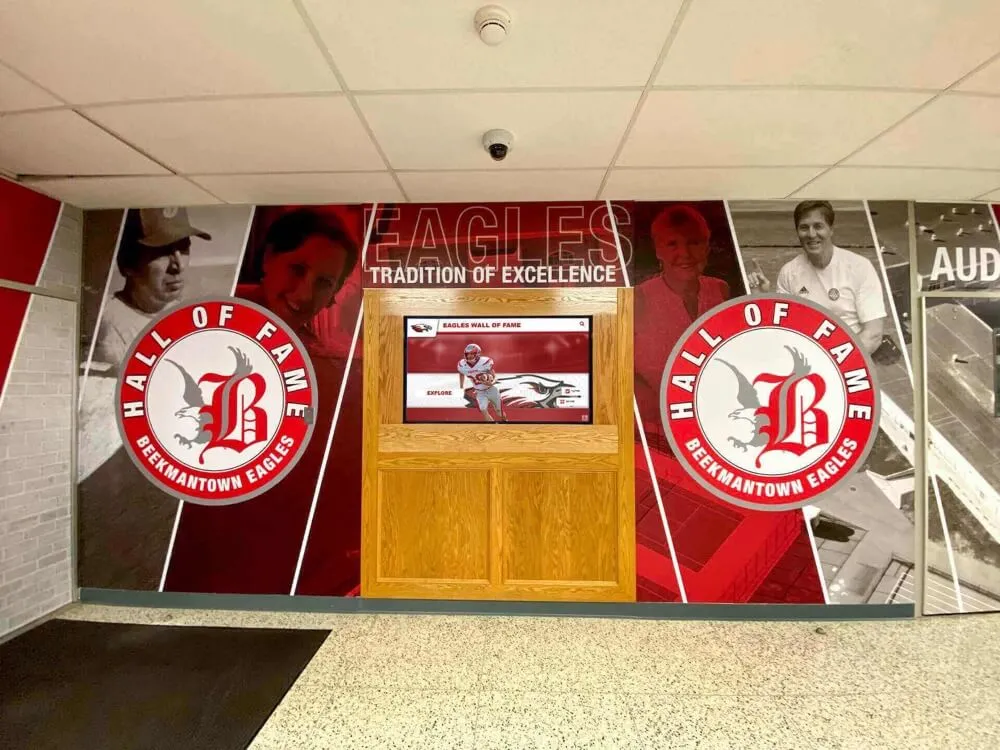
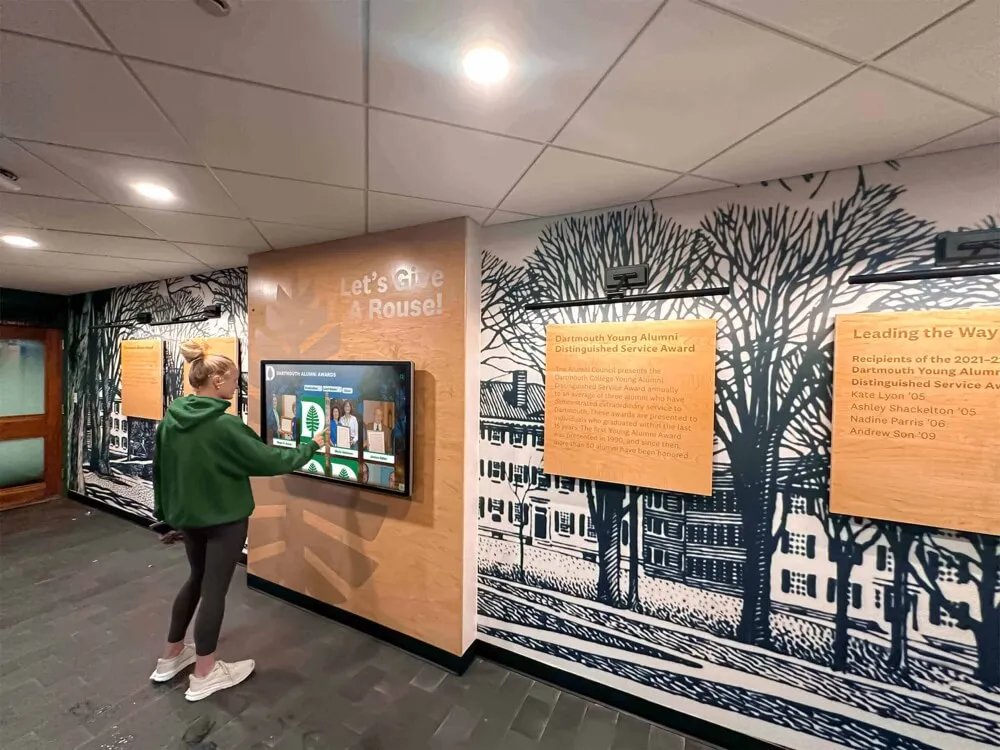
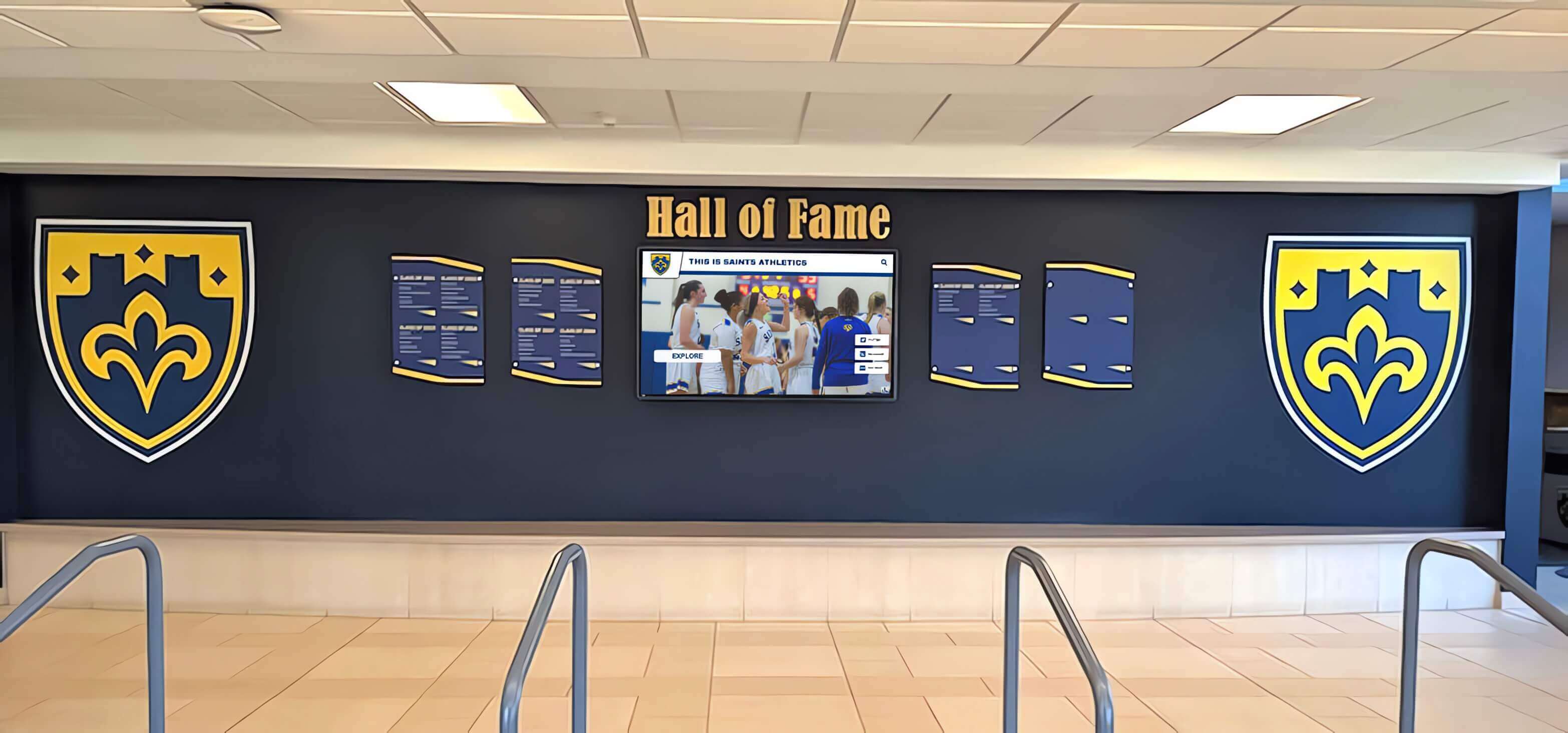
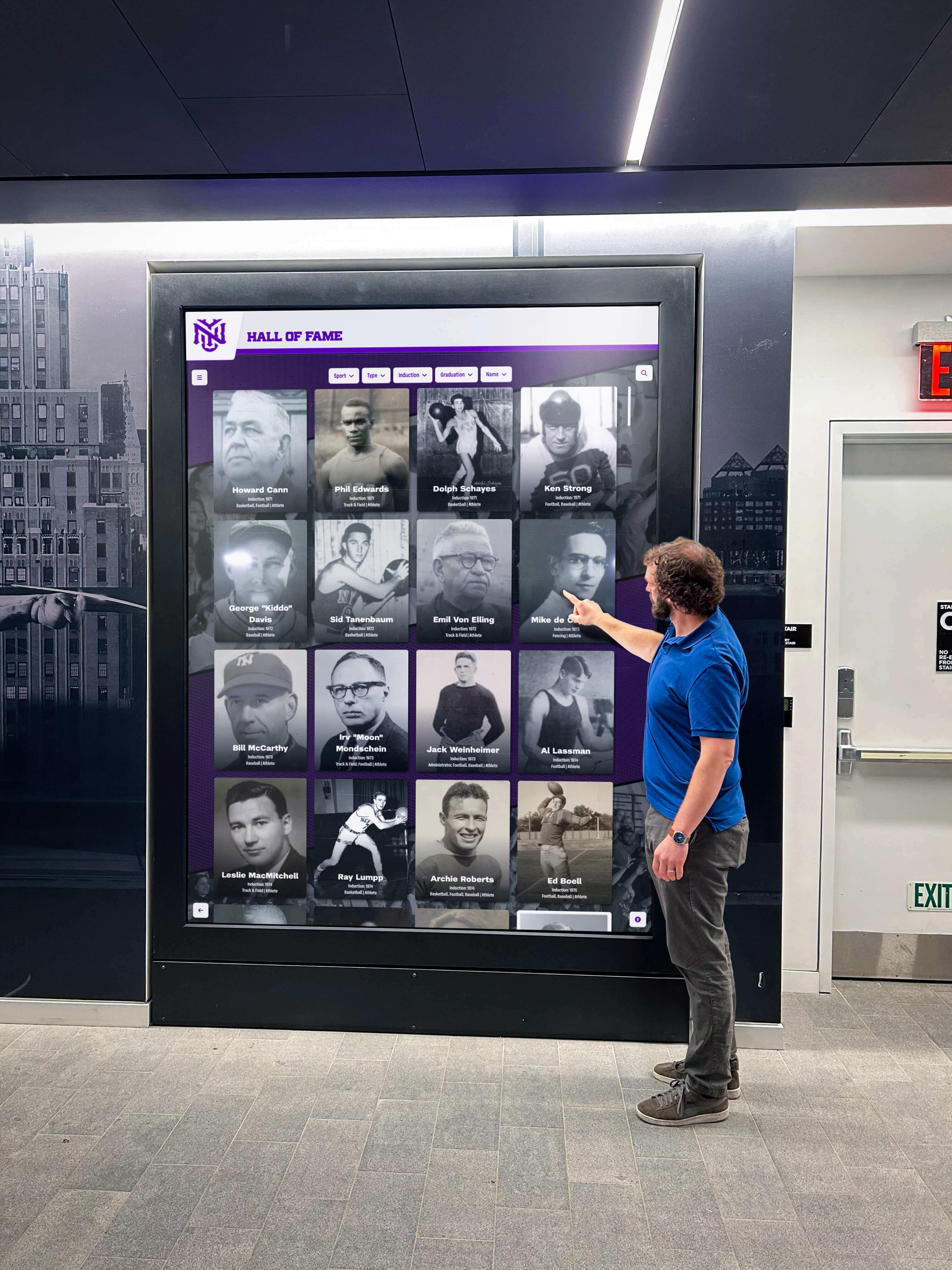
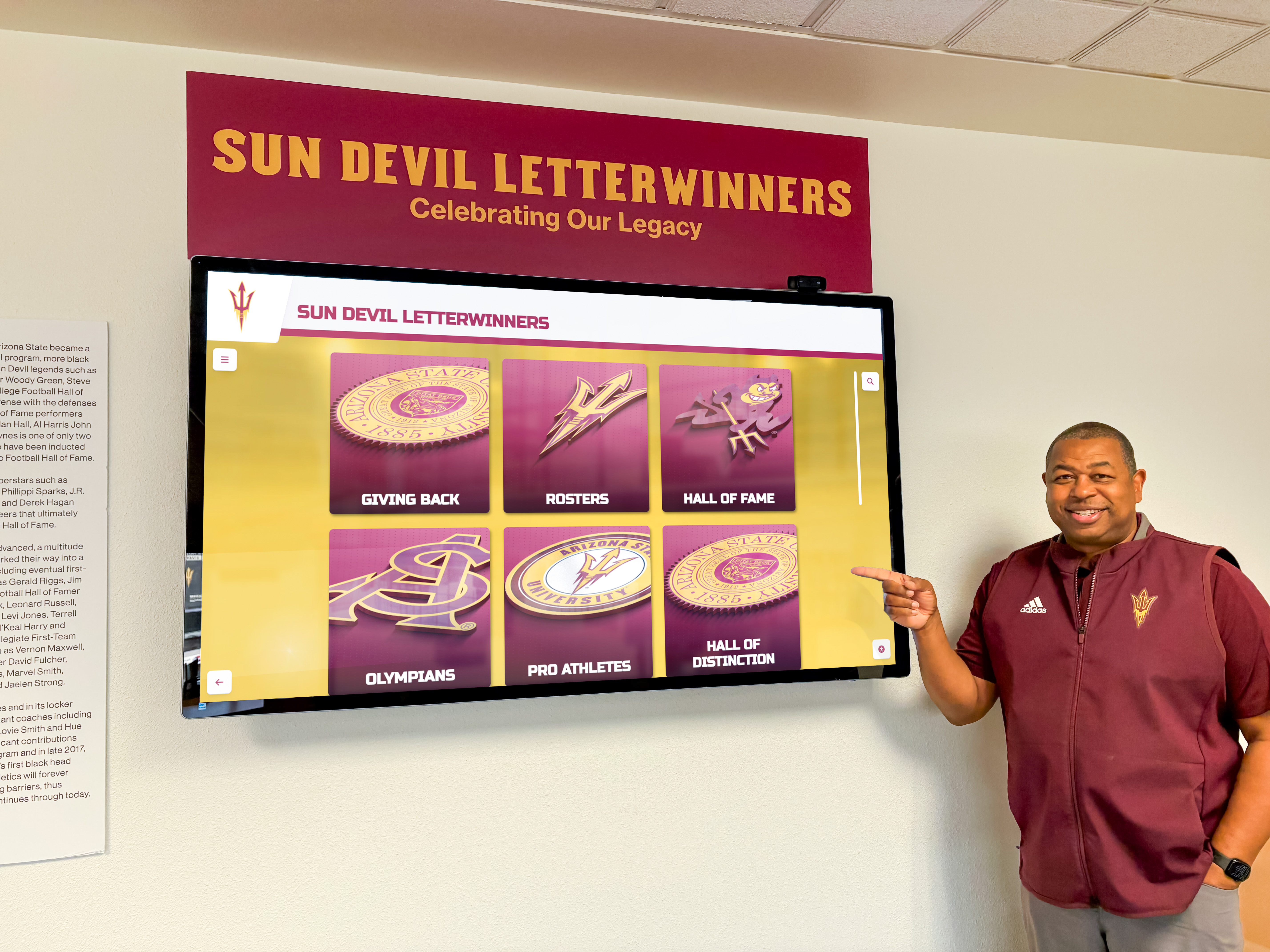
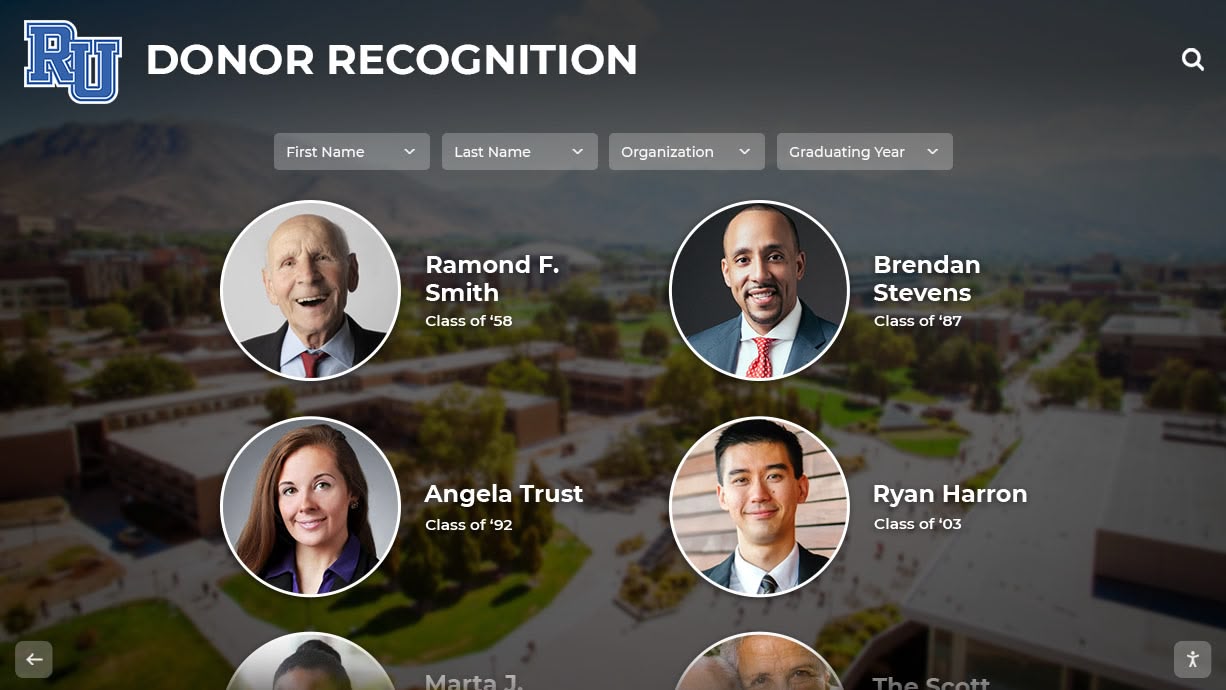
Contemporary recognition technology enables comprehensive, engaging coaching acknowledgment that traditional physical displays cannot match. Digital recognition solutions like Rocket Alumni Solutions allow schools to create searchable coaching profiles with career statistics and achievements, display photos and videos documenting coaching careers, update recognition continuously as coaches achieve new milestones, enable interactive exploration where visitors can discover coaching histories, and maintain complete coaching records without physical space constraints.
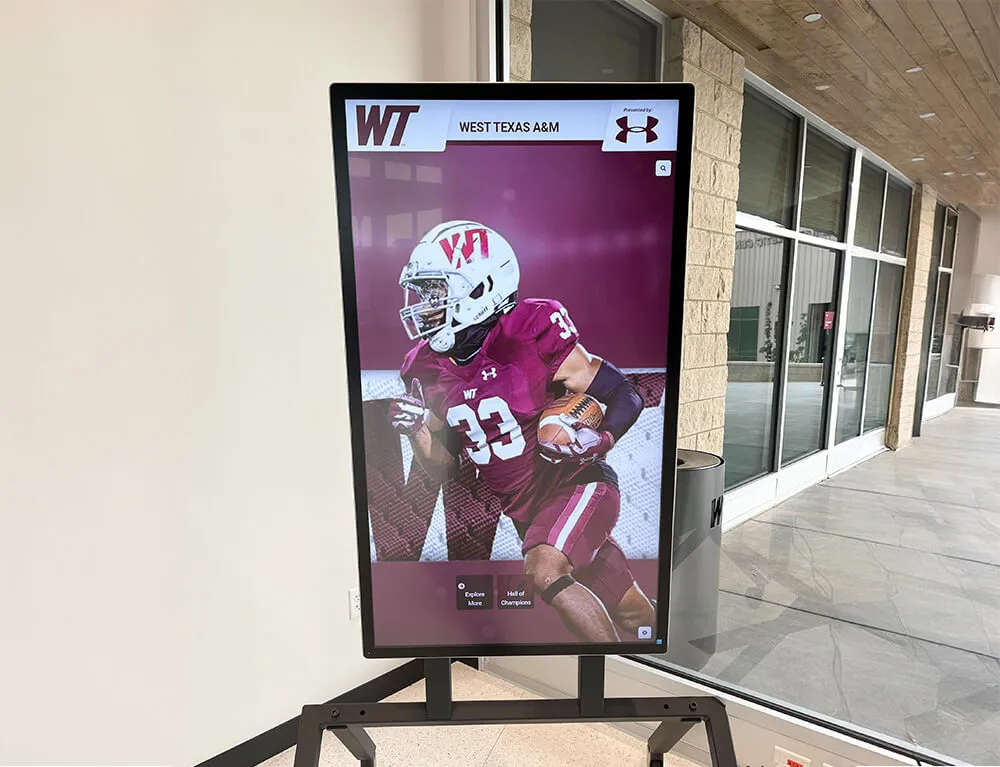
These platforms serve dual purposes—providing immediate appreciation for current coaches while creating permanent institutional records preserving coaching legacies. Interactive displays positioned in athletic facilities ensure regular visibility while enabling depth impossible through traditional plaques alone.
Named Awards and Scholarships
Establishing awards or scholarships in coaches’ names creates enduring recognition honoring their values while benefiting future athletes. Meaningful named recognition includes annual awards presented to athletes embodying values coaches emphasized, scholarships supporting student-athletes facing financial barriers coaches advocated for, leadership awards recognizing athlete contributions to team culture coaches prioritized, and achievement awards in specific categories coaches specialized in developing.
These perpetual recognitions ensure coaches’ impact extends far beyond their active coaching tenures by institutionalizing the values and priorities they championed.
Coach Appreciation Events and Banquets
Formal recognition events create memorable acknowledgment moments while bringing communities together to celebrate coaching contributions. Effective appreciation events include dedicated coach appreciation nights during regular season games, season-ending athletic banquets featuring coach recognition, retirement celebrations honoring coaches concluding careers, milestone recognition events for significant anniversaries, and community gatherings where broader populations can express appreciation.
These events work best when they include multiple recognition elements—formal presentations, video tributes, athlete testimonials, and tangible gifts—creating comprehensive acknowledgment that honors coaching significance appropriately.
Coach Appreciation by Context and Timing
Different coaching relationships and circumstances call for adapted appreciation approaches.
End-of-Season Team Recognition
Season conclusions provide natural opportunities for teams to collectively thank coaches for their dedication. End-of-season appreciation typically includes team-organized gifts selected collaboratively by families, recognition during final team gatherings or banquets, photo books or memory items commemorating the specific season, and personalized thank-you cards from each athlete and family.
Coordinate end-of-season recognition through team parents or boosters ensuring consistent contributions and unified presentation rather than fragmented individual efforts that can feel unequal or incomplete.
Coach Appreciation Week Recognition
Many athletic organizations designate specific weeks for coach appreciation, creating natural timing for coordinated recognition. Coach appreciation week activities include daily recognition gestures throughout the week from athletes, social media campaigns highlighting coaching contributions, small group gifts from teams or grades, school-wide acknowledgment through announcements or displays, and culminating events or presentations at week’s end.
These structured timeframes provide frameworks for organizing appreciation while ensuring coaches feel consistently valued rather than occasionally acknowledged.
Milestone and Career Recognition
Significant career milestones warrant special recognition beyond routine seasonal appreciation. Milestone recognitions include career victory celebrations for significant win totals, years-of-service recognition for coaching longevity, retirement celebrations honoring complete coaching careers, championship victory acknowledgment for tournament or league titles, and program milestone recognition when coaches achieve historic firsts.
These major recognitions typically involve broader communities beyond immediate teams, formal ceremonies or events, permanent recognition elements, and more substantial gifts reflecting significance.
Individual Athlete Appreciation
While team recognition carries special weight, individual athletes often want to personally thank coaches who shaped their development. Meaningful individual appreciation includes heartfelt handwritten letters describing specific coaching impact, small personal gifts reflecting individual relationships, offers to help with future program needs or mentoring younger athletes, maintaining connections beyond team participation, and public acknowledgment through social media or other platforms.
Individual appreciation works best when it acknowledges specific ways coaches impacted personal growth beyond generic thanks for coaching.
Administrative and Institutional Recognition
School administrators and athletic directors should ensure coaching excellence receives formal institutional acknowledgment beyond team-level appreciation. Administrative recognition includes formal evaluations noting exceptional coaching, public acknowledgment during school-wide events or communications, professional development support and resources, competitive compensation reflecting coaching value, and nomination for regional or state coaching awards.
Institutional recognition communicates that organizations value coaching contributions strategically rather than viewing coaching as supplementary to other educational priorities.
Budget-Conscious Meaningful Appreciation
Genuine appreciation doesn’t require elaborate budgets when approached thoughtfully.
High-Impact Low-Cost Ideas
Many deeply meaningful recognition approaches cost little while demonstrating significant care. Budget-friendly meaningful gifts include handwritten letters from each athlete with specific memories and gratitude, homemade food items reflecting family recipes or traditions, photo collages created from season pictures using basic materials, video compilations using smartphone recordings edited through free apps, and donated service hours helping with program needs or coaches’ personal projects.
The effort and thought invested often matters more than financial expenditure, particularly when recognition demonstrates genuine understanding of coaching impact.
Coordinated Team Contributions
Pooling modest contributions from all families enables group gifts beyond individual budgets while distributing costs. Effective team coordination includes designating team parents or volunteers to organize collections, establishing suggested contribution amounts ensuring accessibility for all families, purchasing higher-quality items through collective budgets, and ensuring equal credit to all families regardless of contribution variations.
Clear communication about contribution expectations and gift plans prevents awkward disparities while ensuring all families can participate in appreciation regardless of financial circumstances.
Non-Material Recognition Approaches
Some of the most meaningful appreciation costs nothing while demonstrating profound gratitude. Valuable non-material recognition includes social media campaigns highlighting coaching contributions with athlete testimonials, nominating coaches for district or state coaching awards, organizing recognition during school events with formal presentations, facilitating athlete tributes during practices or games, and documenting coaching philosophies or histories for program archives.
These recognition approaches require time and coordination rather than financial resources, making them accessible regardless of budget constraints while creating lasting impact.
Cultural Considerations and Inclusive Recognition
Thoughtful appreciation acknowledges diverse coaching contexts and backgrounds.
Respecting Different Coaching Roles
Various coaching positions within programs warrant adapted recognition acknowledging different contributions. Recognition should distinguish between head coaches leading overall programs and strategy, assistant coaches supporting specific areas or athlete groups, volunteer coaches contributing without compensation, specialized coaches like trainers or conditioning staff, and coaching administrators supporting program operations.
Each role contributes differently, and recognition should acknowledge specific responsibilities rather than applying one-size-fits-all approaches that may undervalue certain contributions.
Acknowledging Coaching Diversity
Athletic programs increasingly include coaches from diverse backgrounds whose recognition should reflect varied perspectives and contexts. Culturally responsive appreciation includes recognition that respects cultural differences in how appreciation is expressed, acknowledges unique challenges coaches from underrepresented backgrounds may navigate, highlights specific contributions diverse coaches make to athlete development, and ensures equitable recognition across demographic groups.
Consult with coaches about appreciation preferences rather than assuming uniform approaches suit everyone regardless of background or context.
Balancing Public and Private Recognition
Coaches vary in their comfort with public acknowledgment, and effective appreciation respects these preferences. Consider whether individual coaches prefer public ceremonies and presentations or more private acknowledgment, enjoy social media recognition or prefer discretion, appreciate surprise recognition or want advance notice, and are comfortable with emotional presentations or prefer low-key appreciation.
When uncertain, asking coaches about their preferences demonstrates respect while ensuring recognition feels comfortable rather than creating unwanted attention.
Avoiding Common Coach Appreciation Mistakes
Even well-intentioned recognition can miss the mark without careful consideration.
Generic or Impersonal Gifts
Mass-produced items without personalization or specific connection to coaches rarely feel meaningful. Avoid gifts that feel like afterthoughts with no personal relevance, generic items coaches likely already own in abundance, recognition that could apply to any coach in any sport, and last-minute selections without thought or planning.
The cure is investing time understanding individual coaches and selecting recognition demonstrating genuine knowledge of their contributions and personalities.
Inappropriate or Embarrassing Recognition
Certain recognition approaches can feel uncomfortable regardless of good intentions. Problematic recognition includes gifts with inappropriate themes or humor, overly personal items crossing professional boundaries, recognition highlighting controversial moments or decisions, and public attention creating unwanted embarrassment.
When uncertain whether recognition might create discomfort, err toward more conservative approaches or consult other adults who know coaches well.
Unequal Recognition Creating Division
In programs with multiple coaches, disparate recognition can create uncomfortable dynamics. Prevent issues through comparable recognition quality across all coaching roles, proportional acknowledgment of different responsibility levels, transparent processes ensuring fair treatment, and collective celebrations honoring coaching staffs together.
Recognition intended to honor one coach shouldn’t inadvertently devalue others’ contributions through obvious disparity.
Transactional or Obligatory Approaches
Appreciation that feels mechanical or obligatory rather than genuine loses impact. Avoid treating recognition as boxes to check rather than heartfelt gratitude, identical approaches year after year without fresh thought, delegation creating distance between athletes and recognition, and formulaic recognition missing specific acknowledgment of actual contributions.
The solution is engaging athletes directly in expressing genuine gratitude rather than adults organizing perfunctory recognition divorced from actual relationships between coaches and teams.
Organizing Team Appreciation Efforts
Coordinating collective recognition requires planning and clear communication.
Designating Coordination Leadership
Successful team appreciation typically requires designated organizers managing logistics. Effective coordination includes appointing team parents or booster members as appreciation leads, establishing small committees distributing responsibilities, setting clear timelines ensuring adequate planning time, and communicating plans and expectations to all families.
Clear leadership prevents confusion while ensuring recognition gets organized rather than remaining good intentions never executed.
Collecting Contributions and Input
Gathering family input ensures recognition reflects collective desires while enabling contribution participation. Effective contribution processes include surveying families about gift preferences and budget comfort, establishing suggested contribution amounts with flexibility, providing multiple payment options for convenience, and setting clear deadlines allowing adequate purchasing and planning time.
Make contributing easy and accessible while respecting that family circumstances vary significantly.
Maintaining Communication and Updates
Throughout planning, regular updates keep families informed and engaged. Essential communications include initial planning announcements with timeline expectations, contribution requests with clear instructions, progress updates showing planning advancement, final details about presentation plans and timing, and follow-up information with photos or details after presentations.
Transparent communication prevents confusion while building anticipation for recognition events.
Presentation Planning and Execution
Thoughtful presentation creates meaningful recognition moments beyond simply handing gifts to coaches. Effective presentations include scheduling presentations during appropriate events or gatherings, preparing brief remarks or tributes from athletes, coordinating photo opportunities documenting recognition, creating comfortable non-rushed environments for appreciation, and ensuring all involved parties attend presentations.
The presentation moment often matters as much as the gifts themselves in creating memorable acknowledgment that honors coaches appropriately.
Long-Term Coaching Legacy Recognition
Beyond immediate appreciation, thoughtful organizations ensure coaching contributions are preserved and honored permanently.
Documenting Coaching Histories
Systematic documentation preserves coaching legacies for future generations. Valuable documentation includes comprehensive coaching biographies and career summaries, statistical records and achievement documentation, photos from throughout coaching careers, video interviews capturing coaching philosophies and reflections, and written histories documenting program evolution under various coaches.
This documentation serves dual purposes—honoring current coaches while creating historical archives ensuring their contributions aren’t forgotten as time passes.
Creating Coaching Heritage Displays
Physical and digital displays make coaching legacies visible to current community members. Effective heritage displays include historical timelines showing coaching progression through programs, photo galleries featuring coaches from all eras, achievement boards documenting championships and milestones, coaching philosophy displays explaining program values, and interactive elements enabling deep exploration of coaching histories.
Schools implementing comprehensive recognition programs find that visible coaching recognition strengthens program culture while inspiring current coaches through connection to institutional heritage.
Maintaining Coach Alumni Networks
Retired and former coaches remain valuable program resources when organizations maintain ongoing connections. Effective alumni networks include regular communications keeping former coaches engaged with programs, invitations to current events and milestone celebrations, opportunities to mentor current coaches or share expertise, documentation projects capturing institutional knowledge before it’s lost, and formal reunions bringing coaching cohorts together periodically.
These networks honor former coaches by demonstrating their continued value while leveraging accumulated expertise benefiting current programs.
The Role of Technology in Modern Coach Recognition
Digital tools enhance appreciation possibilities while creating lasting recognition platforms.
Digital Recognition Platforms and Displays
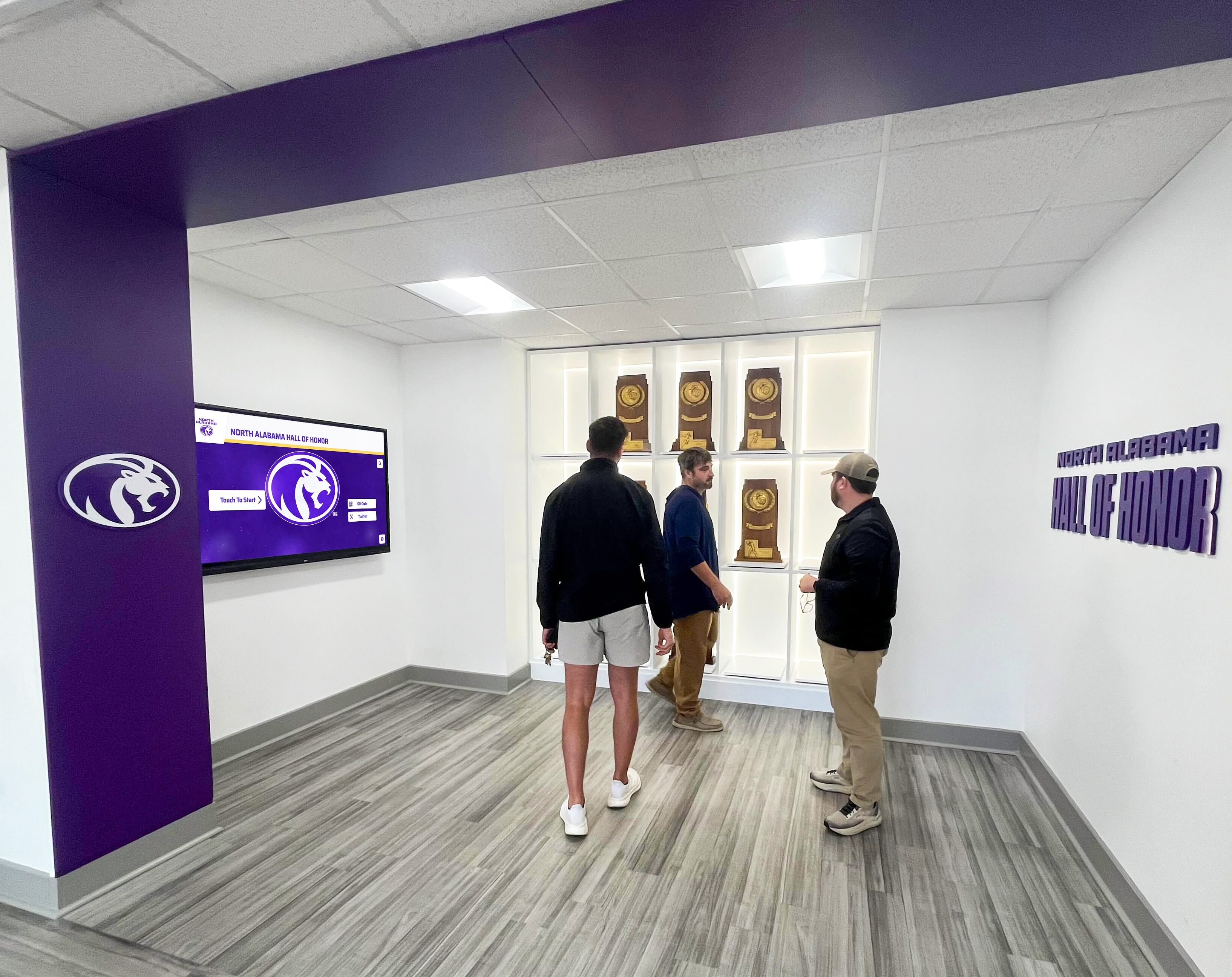
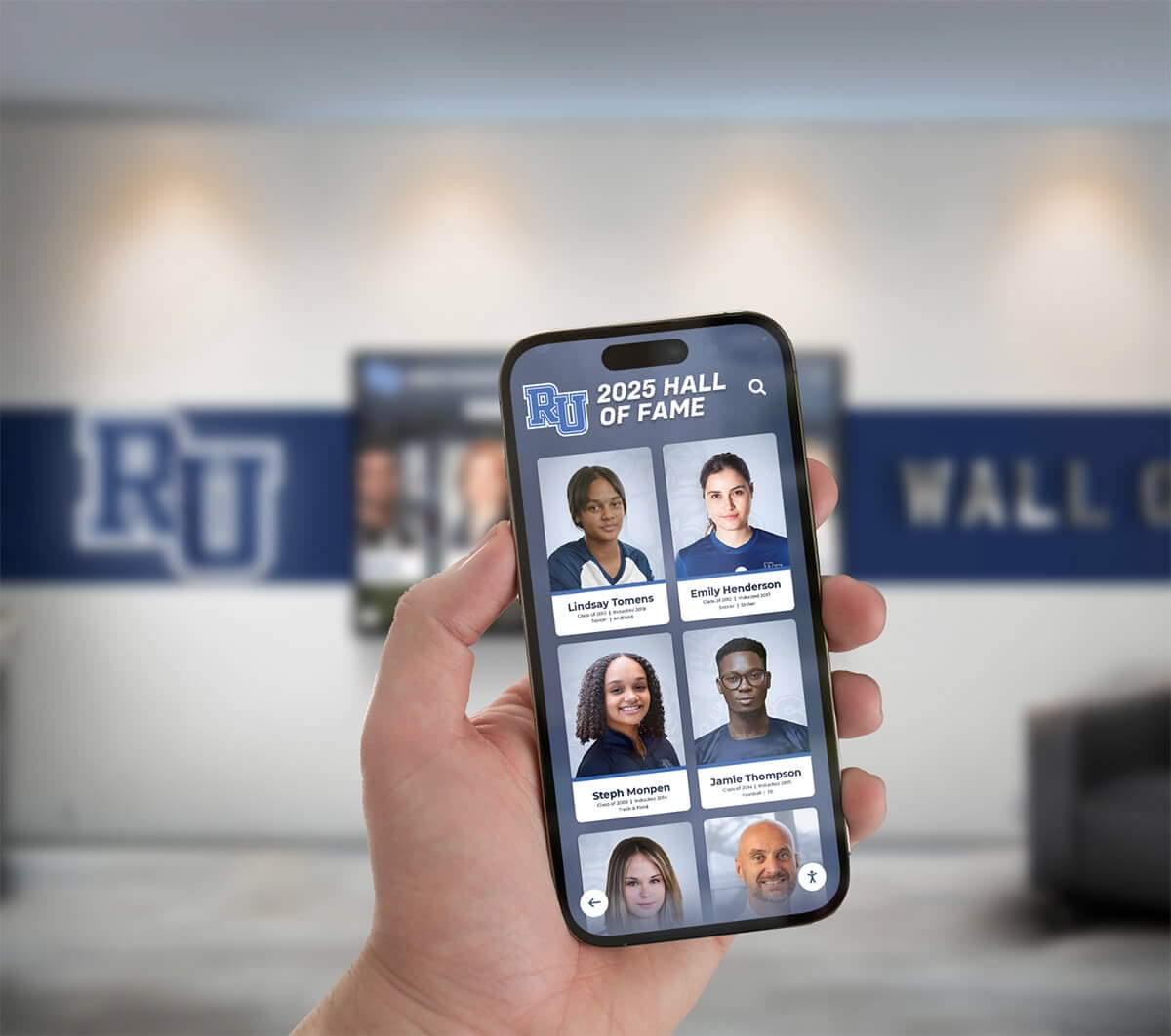
Modern technology enables coaching recognition extending far beyond traditional plaques. Digital recognition solutions allow comprehensive coaching profiles with unlimited detail, searchable databases enabling easy exploration of coaching histories, multimedia integration incorporating photos and videos, regular updates adding new achievements and milestones, and permanent visibility in high-traffic athletic facility locations.
Solutions like Rocket Alumni Solutions specifically serve athletic recognition needs through sport-specific templates, coaching achievement tracking, team roster management, and intuitive interfaces enabling easy content updates without technical expertise. These platforms transform coaching recognition from static plaques to dynamic, engaging displays that honor contributions comprehensively.
Social Media Recognition Campaigns
Digital platforms enable broad recognition reaching far beyond immediate program communities. Effective social media appreciation includes dedicated posts highlighting coaching contributions and milestones, athlete testimonial campaigns featuring #CoachAppreciation or similar hashtags, photo and video compilations celebrating seasons or careers, tagging coaches in recognition ensuring they see appreciation directly, and coordinated posting creating sustained visibility rather than single moments.
Social recognition extends beyond immediate communities while creating shareable content coaches can preserve and reference.
Video Creation and Compilation Tools
Accessible video editing technology enables teams to create professional-quality video tributes. Useful video tools include smartphone apps enabling quick editing and compilation, screen recording for incorporating game footage or highlights, free online platforms for collaborative video creation, and simple editing software for adding music, text, and effects.
Even basic video tributes create powerful recognition when they include heartfelt messages and authentic reflections on coaching impact.
Special Considerations for Different Coaching Levels
Recognition approaches should adapt to varied coaching contexts.
Youth and Recreational League Coaches
Volunteer coaches in youth programs often receive minimal appreciation despite significant time commitments. Appropriate youth coach recognition includes modest gifts reflecting limited program budgets, emphasis on athlete participation in appreciation planning, recognition during season-ending team parties, and acknowledgment that coaching represents voluntary service.
Keep expectations realistic while ensuring volunteer coaches feel genuinely valued for their contributions to children’s development.
Middle and High School Coaches
Secondary school coaches often balance teaching responsibilities with coaching demands. Secondary coach appreciation should include coordination with school administrators and athletic directors, recognition honoring both athletic and educational contributions, gifts appropriate to professional educational settings, and acknowledgment during school-wide events beyond team contexts.
Many high school coaches particularly value institutional recognition from administrators demonstrating that schools genuinely value coaching contributions to overall student development.
Club and Travel Team Coaches
Private club coaches maintain different relationships with families than scholastic programs. Club coach recognition considerations include acknowledgment that many club coaches earn income through coaching, gifts reflecting professional service relationships, end-of-season recognition during final tournaments or events, and team appreciation separate from regular fee payments.
Balance appreciation for coaching quality with recognition that club coaching represents professional work rather than volunteer service.
College and University Coaches
Collegiate coaches operate in professional contexts requiring adapted recognition. College coach appreciation includes understanding that athletic department structures typically handle formal recognition, athlete-initiated appreciation as primary focus for team gifts, gifts appropriate to professional coaching careers, and acknowledgment during formal team events or banquets.
College athletes should coordinate recognition ensuring it aligns with program norms and departmental expectations.
The Psychology of Meaningful Recognition
Understanding what makes appreciation feel genuine enhances recognition effectiveness.
Specificity Creates Meaning
Generic praise feels less sincere than recognition identifying specific contributions. Meaningful appreciation names particular moments or achievements that mattered, describes specific ways coaches impacted individual development, acknowledges distinct challenges coaches successfully navigated, and recognizes unique coaching strengths and approaches.
Take time identifying specific coaching contributions rather than relying on generic appreciation language that could apply to anyone.
Timing Matters for Impact
Recognition feels more meaningful when delivered at moments with emotional significance. Strategic timing includes end-of-season acknowledgment while memories remain fresh, milestone moment recognition coinciding with significant achievements, surprise appreciation creating unexpected delight, and sustained recognition demonstrating ongoing rather than occasional gratitude.
Avoid delaying appreciation until memories fade or emotional connection to seasons diminishes.
The Power of Peer Recognition
Acknowledgment from fellow coaches often carries special weight because peers understand coaching challenges intimately, bring professional credibility to recognition, provide validation from those who share similar experiences, and create community among coaching colleagues.
Facilitate peer recognition opportunities alongside athlete and family appreciation for comprehensive acknowledgment.
Balancing Public and Private Elements
Effective recognition often combines public acknowledgment with private personal elements. The optimal balance includes public recognition honoring achievements before communities, private messages enabling vulnerable personal expression, group elements celebrating collective relationships, and individual touches acknowledging unique contributions.
This multifaceted approach ensures coaches receive both community acknowledgment and personal connection.
Frequently Asked Questions About Coach Appreciation Gifts
How much should we spend on coach appreciation gifts?
No universal “right” amount exists because appropriate budgets vary dramatically based on context, program size, family financial circumstances, coaching level and responsibilities, and local norms and expectations. Youth recreational league teams might collect $10-20 per family for modest group gifts totaling $150-300, while high school teams with larger rosters and longer seasons might gather $25-50 per family for gifts in the $500-1000 range. Remember that meaningful appreciation depends more on thoughtfulness than dollar amounts—heartfelt recognition matters more than expensive items. When organizing team gifts, survey families about comfortable contribution ranges and select gifts fitting collective budgets rather than imposing amounts that create participation barriers.
When is the best time to give coaches appreciation gifts?
The most common and appropriate timing is end-of-season recognition during final practices, team gatherings, or award banquets when seasons conclude and teams naturally celebrate accomplishments together. However, other meaningful timing includes Coach Appreciation Week designated by athletic organizations, milestone moments like significant victories or career achievements, holidays when general gift-giving is culturally common, and retirement or departure recognition when coaches leave programs. Avoid recognition that feels transactional—gifts immediately after disputes, for example, or obvious attempts to influence coaching decisions. The most meaningful timing aligns with natural seasons or achievement moments rather than feeling forced or strategic.
Should gifts be different for head coaches versus assistant coaches?
While head coaches typically carry ultimate program responsibility, recognition should honor all coaching contributions proportionally without creating obvious disparities that undervalue assistant coaches. Common approaches include comparable quality gifts with variations in scale or personalization reflecting different roles, collective staff gifts presented to entire coaching teams, and role-specific gifts acknowledging distinct responsibilities. Avoid dramatic disparities that suggest only head coaches merit genuine appreciation while assistants receive token acknowledgment. Many teams give similar gifts to all coaches, perhaps with special additional recognition for head coaches marking their leadership without diminishing assistant contributions.
What should we avoid when selecting coach appreciation gifts?
Several gift categories typically fall flat or create problems despite good intentions. Avoid gifts that feel inappropriate including anything with suggestive themes or humor, alcohol unless certain about coaches’ preferences and appropriate contexts, overly personal items crossing professional boundaries, and gifts referencing controversial coaching decisions or moments. Also avoid problematic generic gifts including yet another “World’s Best Coach” mug, generic gift cards showing minimal thought or effort, items coaches already own in abundance, and last-minute selections obviously lacking genuine consideration. Finally, avoid recognition that creates issues like public attention coaches find embarrassing, gifts dramatically unequal across coaching staff, expensive items creating implied obligations, and recognition that feels transactional rather than genuinely appreciative.
How can we make budget-friendly appreciation feel meaningful?
The most impactful appreciation comes from genuine gratitude thoughtfully expressed, not elaborate budgets. Create meaningful recognition on any budget through heartfelt letters where each athlete writes personal notes describing specific coaching impact, photo gifts using free printing services or digital frames with season memory compilations, homemade items reflecting family traditions or special recipes, video tributes created using smartphone recordings and free editing apps, and service contributions where families donate time helping with program needs. Emphasize specificity over generality by mentioning particular moments, lessons, or impacts rather than generic praise. Include entire teams in recognition ensuring collective acknowledgment rather than individual family efforts. The care and thought demonstrated through specific recognition matters far more than financial investment.
Should we coordinate with other parents or give individual family gifts?
Team-coordinated group gifts typically feel more meaningful and create better experience for everyone involved. Collective gifts demonstrate broader team appreciation rather than individual family connections, enable higher-quality gifts through pooled resources beyond individual budgets, prevent awkward comparisons between family gifts, and simplify logistics through designated coordination rather than separate efforts. However, individual families sometimes want to provide personal gifts acknowledging unique relationships or specific coaching impact on their children. When combining approaches, coordinate significant group gifts from full teams with understanding that some families may provide small additional personal items. Communicate clearly about group plans preventing redundant efforts while leaving space for personal touches families feel moved to include.
How should college athletes handle coach appreciation differently than youth athletes?
College athletic contexts differ significantly from youth sports requiring adapted approaches. College considerations include recognizing that athletic departments typically handle formal coach recognition while team gifts represent personal athlete appreciation, understanding that coaching represents professional careers rather than volunteer service, keeping gifts modest and appropriate to student budgets, coordinating with team leadership and compliance offices ensuring gifts meet institutional rules, and focusing on personal meaningful recognition rather than expensive items. Many college teams provide modest personal gifts like framed team photos with signatures or contributed funds toward causes coaches support. Heartfelt letters from athletes describing developmental impact often mean more than elaborate presents. Coordinate through team captains or leadership councils ensuring appropriate approaches aligned with program cultures.
What are good coach appreciation gifts for coaches who say they don’t want anything?
Many coaches genuinely resist receiving gifts, feeling uncomfortable with recognition or believing athlete development is reward enough. For reluctant coaches, focus on recognition approaches beyond material gifts including charitable donations to causes coaches support passionately, contributions to program equipment or resources benefiting future athletes, scholarship funds established in coaches’ names, thank you letters and testimonials without accompanying gifts, and recognition events celebrating coaching contributions without emphasizing physical presents. These approaches honor coaching values and preferences while providing meaningful acknowledgment. Sometimes the most respectful appreciation honors coaches’ stated wishes while finding ways to express gratitude through means they find comfortable rather than imposing recognition that creates discomfort.
Conclusion: Honoring Those Who Shape Athletes and Programs
Coaches dedicate countless hours and immeasurable energy to developing athletes, building teams, and shaping young lives in ways extending far beyond competitive success. The relationships formed, lessons taught, and values modeled during practices, games, and team gatherings create impacts lasting decades after final whistles blow. This profound contribution deserves recognition matching its significance—appreciation that honors specific coaching impacts rather than offering generic acknowledgment, demonstrates genuine understanding of what coaches actually do, creates lasting documentation of coaching legacies, and reflects the care coaches invest in athletes and programs.
The most meaningful coach appreciation gifts share common characteristics regardless of budget or context. They acknowledge specific contributions rather than offering generic praise. They involve collective team recognition rather than fragmented individual efforts. They create lasting records honoring coaching impact beyond single seasons. And they come from genuine gratitude rather than obligation, demonstrating authentic appreciation for dedication that shapes athletes’ development and program excellence.
Contemporary recognition technologies enhance traditional appreciation approaches by enabling comprehensive coaching recognition impossible through physical plaques alone. Digital platforms preserve complete coaching histories accessible to future generations. Interactive displays positioned in athletic facilities ensure ongoing visibility honoring coaching legacies permanently. Multimedia capabilities incorporate photos, videos, and detailed narratives bringing coaching contributions to life. And flexible platforms evolve continuously, adding new achievements and milestones ensuring recognition remains current rather than frozen at single moments.
Yet technology merely enables recognition—substance lies in the genuine appreciation expressed and the specific coaching contributions honored. Whether your team organizes modest end-of-season recognition or your school implements comprehensive coaching legacy programs, success lies in authentically acknowledging how coaches shape athletes’ lives, strengthen team culture, and build programs serving communities across generations. The coaches who invest themselves in your athletes deserve recognition matching their dedication—thoughtful appreciation ensures they receive that honor throughout their coaching journeys and beyond.
Ready to create lasting recognition that honors coaching excellence throughout your program? Discover how Rocket Alumni Solutions combines intuitive technology with proven recognition best practices, making it easier than ever to celebrate coaching contributions permanently while strengthening connections between coaches, athletes, and the entire athletic community.