



Coaches shape more than athletic performance—they build character, teach resilience, mentor young people through challenges, and create lasting impacts that extend far beyond wins and losses. Yet amid the focus on student-athlete recognition, championship celebrations, and game-day excitement, the coaches who invest countless hours, personal resources, and emotional energy often receive acknowledgment only when teams win titles or reach career milestones.
Coach Appreciation Day provides a dedicated opportunity to honor these influential leaders who arrive early for morning practices, stay late reviewing game film, counsel struggling athletes, celebrate team successes, and serve as mentors long after final whistles blow. This comprehensive guide explores meaningful ways to recognize coaches—from simple gestures of gratitude to permanent recognition displays that honor coaching excellence for generations.
Exceptional coaches remember the names of senior athletes’ siblings, notice when a sophomore seems troubled, adjust practice plans when the team needs encouragement rather than drills, and send text messages to college recruiters on behalf of athletes whose talent deserves wider recognition. These daily acts of dedication often go unnoticed amid the visible spectacle of competition.
Recognition matters not because coaches seek praise, but because thoughtful appreciation reinforces that their work holds value beyond win-loss records. A coach who feels genuinely valued by the school community, athletic department, and families they serve maintains the energy and commitment necessary to sustain excellence across seasons and decades.
This guide examines coach appreciation across multiple dimensions: understanding National Coaches Day and when to celebrate coaches, simple gestures teams and parents can implement immediately, school-wide recognition programs that honor coaching systematically, permanent recognition displays celebrating coaching legacies, and strategies for creating year-round coaching cultures where excellence receives consistent acknowledgment rather than isolated appreciation.
When is Coach Appreciation Day?
Understanding the calendar for coach recognition helps schools, teams, and families plan meaningful appreciation efforts that align with national initiatives while considering local contexts.
National Coaches Day
National Coaches Day occurs annually on October 6th, designated specifically to honor coaches across all sports and levels—from youth recreation leagues through professional athletics. This date provides a natural focal point for coach recognition, falling strategically in the midst of fall sports seasons when coaching is highly visible through football, soccer, volleyball, cross country, and other autumn competitions.
The designation emerged from recognition that coaches receive insufficient acknowledgment for their profound influence on athletes’ development. While Teacher Appreciation Week celebrates educators broadly and various professions maintain dedicated recognition days, coaches historically lacked a comparable national moment focused specifically on their unique contributions.
Schools planning Coach Appreciation Day activities typically organize events during the week surrounding October 6th, ensuring recognition doesn’t fall awkwardly mid-week or conflict with major competitions. Some schools designate the first full week of October as “Coach Appreciation Week,” extending single-day recognition into sustained celebration that allows multiple teams and coaching staff to receive acknowledgment.
Beyond a Single Day: Year-Round Coach Recognition
While National Coaches Day provides important focus, limiting coach appreciation to a single October date misses opportunities for recognition throughout athletic calendars. Effective appreciation programs incorporate multiple recognition touchpoints aligned with natural athletic rhythms and coaching milestones.
Season-End Recognition
As each sports season concludes, teams traditionally hold banquets, awards ceremonies, or celebrations recognizing student-athletes. These gatherings provide perfect opportunities for formal coach appreciation. Athletes sharing specific stories about coaching impact, parent committees presenting gifts expressing gratitude, and program documentation highlighting season achievements and coaching contributions create meaningful recognition tied to fresh memories and emotional connections forged during the season.
Career Milestones
Coaches reaching significant career achievements deserve special recognition beyond annual appreciation days. Milestone celebrations might honor 100th career victory, reaching coaching tenure benchmarks (5, 10, 15, 20, 25+ years), qualifying teams for state championships or national tournaments, coaching former athletes who return as professional or collegiate players, and earning conference, regional, or state coaching awards.
These milestone recognitions feel particularly meaningful because they acknowledge sustained excellence and long-term commitment rather than single-season success. Similar to how teacher appreciation programs celebrate educator longevity, coaching milestones deserve comparable acknowledgment.
Championship Celebrations
Teams winning championships naturally celebrate their achievements through assemblies, parades, banquets, and recognition events. While student-athletes rightfully occupy the spotlight, championship celebrations should explicitly acknowledge coaching excellence that made success possible. Rather than treating coaches as ceremony facilitators managing logistics, intentional recognition positions them as leaders whose vision, preparation, and guidance enabled championship performance.

Simple Coach Appreciation Ideas Anyone Can Implement
Meaningful coach appreciation doesn’t require elaborate planning or substantial budgets. Simple, heartfelt gestures often resonate more powerfully than expensive gifts or complex events.
Personalized Thank-You Notes
The most impactful appreciation often comes through specific, personal acknowledgment of coaching influence. Handwritten notes from athletes, parents, or fellow coaches describing particular moments when coaching made a difference create lasting mementos coaches treasure long after seasons end.
Effective Thank-You Note Elements:
- Specific examples rather than generic praise: “Thank you for staying after practice to help me perfect my free throw form when I was struggling” resonates far more than “Thanks for being a great coach”
- Description of personal growth: “Your belief in me helped me develop confidence I didn’t know I had”
- Recognition beyond wins: “The way you checked in after my grandmother passed meant everything to my family”
- Future impact acknowledgment: “The discipline and work ethic you taught will serve me throughout my life”
Coaches frequently cite specific athlete notes as career highlights they’ve preserved for decades—tangible evidence their work created meaningful impact beyond statistics and standings.
Team-Led Appreciation Efforts
Student-athletes initiating coach appreciation demonstrates genuine respect and gratitude that feels particularly meaningful because it originates from those whose lives coaches most directly influence.
Student-Led Ideas:
- Surprise recognition events: Athletes coordinate with athletic directors to organize surprise appreciation gatherings during team meetings or practices
- Video compilations: Teams create video montages featuring individual athlete messages, favorite coaching quotes, or highlights from the season with appreciation captions
- Locker room decorations: Athletes transform coaching offices with appreciation posters, photos from the season, and personal messages
- Social media campaigns: Teams coordinate posts using hashtags like #ThankACoach or team-specific appreciation tags, publicly celebrating their coaches
- Favorite traditions: Athletes research and recreate coaches’ favorite post-game meals, playlists, or other personal touches showing they notice the details coaches appreciate
These athlete-led initiatives feel authentic precisely because they require students to invest thought, time, and creativity rather than adults orchestrating appreciation on their behalf.
Parent and Booster Recognition
Families whose children benefit from excellent coaching often wish to express gratitude but feel uncertain about appropriate approaches. Organized parent committees can coordinate collective appreciation that avoids putting pressure on individual families while ensuring coaches feel valued by the broader community.
Family-Organized Appreciation:
- Group gifts: Parent committees pool resources for meaningful gifts coaches will genuinely appreciate—quality items related to their sport, gift cards to favorite restaurants, or contributions to equipment funds
- Appreciation meals: Families coordinate post-practice meals, providing coaches dinner during long days that extend from classes through evening practices
- Public acknowledgment: Parent committees submit letters to local media, school boards, or community organizations highlighting coaching excellence and program impacts
- Season-end celebrations: Organizing and funding team banquets, ensuring coaches receive formal recognition alongside student-athletes
- Facility improvements: Booster clubs funding equipment upgrades, facility enhancements, or program resources coaches need but budgets can’t accommodate
The key is ensuring appreciation comes from collective parent groups rather than individual families, which can create uncomfortable dynamics around favoritism or expectation.
Coaching Staff Recognition
Head coaches typically receive most public acknowledgment, but assistant coaches, volunteer coaches, and support staff contribute significantly to program success while receiving minimal recognition. Comprehensive appreciation includes everyone who invests in athlete development.
Ensuring Inclusive Recognition:
- Explicitly name all coaching staff during appreciation events rather than generic “coaching staff” references
- Recognize specific contributions of each coach: “Coach Smith’s defensive schemes,” “Coach Johnson’s recruiting efforts,” “Coach Williams’ equipment management”
- Include graduate assistants, student coaches, and volunteer support who often work without compensation
- Acknowledge long-term assistant coaches who provide program continuity across head coach transitions
- Celebrate coaching staffs collectively for collaborative achievements rather than crediting only head coaches
Many assistant coaches spend decades serving programs without ever receiving individual recognition. Intentional appreciation acknowledging their specific contributions validates their essential role in athletic success.
School-Wide Coach Appreciation Programs
While individual teams can implement simple appreciation gestures, school-wide programs create systematic recognition ensuring all coaches across all sports receive consistent acknowledgment.
Athletic Department Recognition Initiatives
Athletic directors position themselves uniquely to establish comprehensive coaching recognition programs that honor excellence across all sports equitably.
Comprehensive Program Elements:
Monthly Coach Spotlights: Athletic departments feature different coaches each month through website profiles, social media features, morning announcements, and hallway displays. Rotating spotlights ensure all coaches receive recognition throughout school years rather than only during their sport’s season.
Coach of the Year Awards: Formal awards recognizing coaching excellence across different categories—varsity, junior varsity, head coach, assistant coach, specific sport divisions—create structured opportunities to celebrate exceptional coaching. Selection criteria based on athlete development, sportsmanship emphasis, program building, and community engagement honor coaching beyond win-loss records.
Milestone Recognition Protocols: Athletic departments establish systems automatically flagging coaching milestones, ensuring celebrations don’t depend on coaches self-promoting achievements. Documented protocols ensure consistency as athletic directors transition and institutional memory evolves.
Professional Development Support: Demonstrating appreciation for coaching excellence includes investing in coaches’ professional growth through funding conference attendance, providing stipends for advanced certifications, supporting coaching association memberships, and creating time for professional development during school calendars.
These systematic approaches transform coaching recognition from sporadic gestures into embedded cultural elements demonstrating that the school values coaching as a profession deserving ongoing investment and acknowledgment.

Administrative Leadership in Coach Recognition
Principals, superintendents, and school boards play crucial roles in shaping school cultures where coaching excellence receives appropriate recognition and support.
Leadership Actions Demonstrating Coach Value:
Visible Participation: Administrators attending practices (not just games), visiting coach offices to express appreciation personally, and publicly acknowledging coaching contributions at school board meetings and faculty gatherings signal that coaching matters to school leadership.
Resource Advocacy: School leaders advocating for competitive coaching compensation, adequate program budgets, quality facilities, and necessary equipment demonstrate through actions—not just words—that they value coaching contributions.
Professional Respect: Including coaches in relevant school decision-making, respecting coaching schedules when planning school events, and defending coaches against unreasonable criticism show genuine regard for coaching as a professional endeavor.
Public Recognition: Administrators highlighting coaching excellence in community presentations, newsletters, and media interviews position coaches as school assets deserving community respect.
When school leadership demonstrates genuine coaching appreciation through both recognition and substantive support, the broader school community follows suit, creating cultures where coaching receives the regard it deserves.
Community Engagement in Coach Recognition
Extending coach appreciation beyond school walls into broader community recognition demonstrates that coaching impact reaches beyond immediate student-athletes to influence entire communities.
Community-Based Recognition:
- Local media features: Sports writers profiling coaches, highlighting program impacts, and celebrating milestone achievements provide public recognition extending coach visibility
- Service organization acknowledgments: Rotary Clubs, Lions Clubs, Chambers of Commerce, and similar groups recognizing coaches at community events
- Business partnerships: Local businesses sponsoring coach appreciation events, donating to recognition efforts, or providing services supporting athletic programs
- Municipal recognition: City councils issuing proclamations recognizing coaching contributions during National Coaches Day or milestone achievements
- Alumni engagement: Former athletes returning to honor coaches who influenced their lives and careers
This community-level recognition validates coaching importance to community health, youth development, and civic pride, positioning coaches as community leaders rather than just school employees. Much like school recognition programs celebrate various forms of excellence, coaching deserves comparable public acknowledgment.
Permanent Recognition: Honoring Coaching Legacies
Beyond annual appreciation days and season-end recognition, permanent displays honoring coaching excellence create lasting tributes that celebrate coaches’ enduring impacts across generations of student-athletes.
Coaching Halls of Fame
Many schools establish halls of fame specifically recognizing coaching excellence alongside athlete achievements. These permanent installations honor coaches whose careers demonstrated sustained excellence, program building, athlete development, and contributions extending beyond their own teams to shape entire athletic departments.
Hall of Fame Selection Criteria:
Effective coaching halls of fame establish clear, documented criteria ensuring recognition reflects genuine excellence rather than popularity or recency bias. Common criteria include:
- Minimum tenure requirements: Often 10-15 years coaching at the institution
- Sustained success: Multiple championship appearances, consistent competitive performance, or demonstrated program growth
- Athlete development: Evidence of developing student-athletes who succeeded athletically, academically, and personally
- Sportsmanship and integrity: Coaching in ways that honored competition, respected officials, and developed character
- Mentorship: Coaching future coaches, contributing to professional coaching development
- Program contributions: Building programs, establishing traditions, or creating foundations for sustained success
Clear criteria help ensure hall of fame induction maintains credibility and significance rather than becoming routine or political exercise that diminishes the honor.
Digital Recognition Displays for Coaches
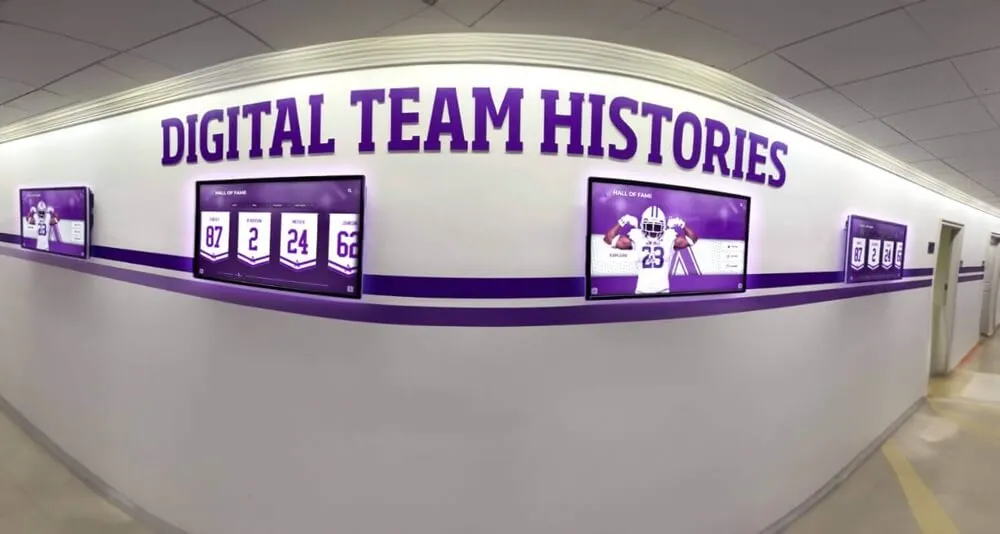
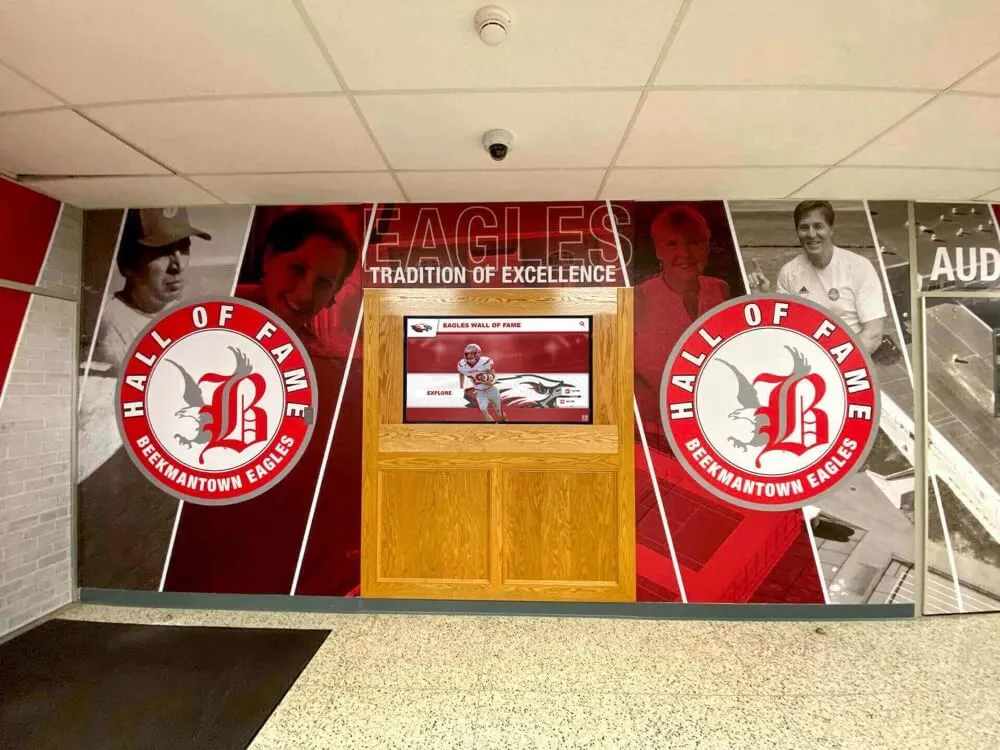
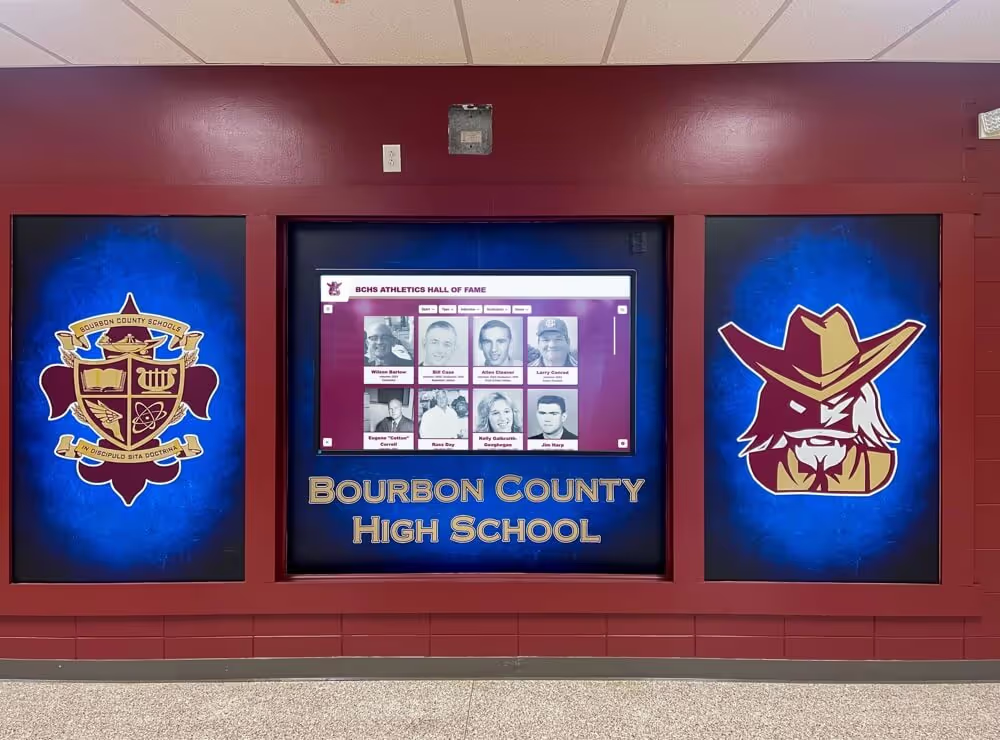
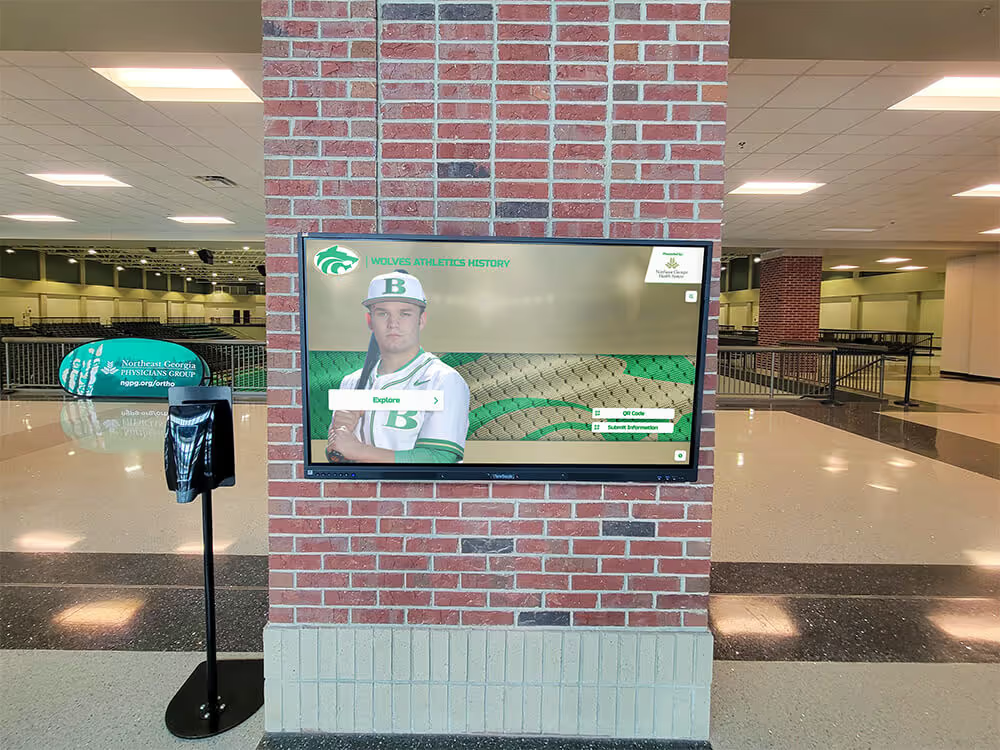
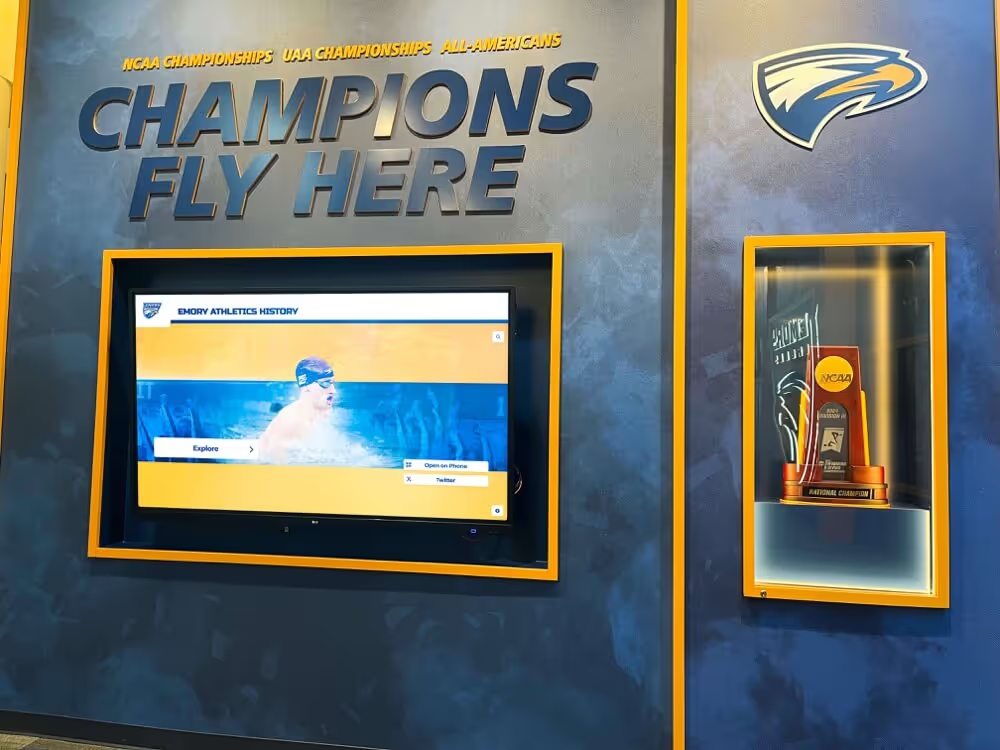
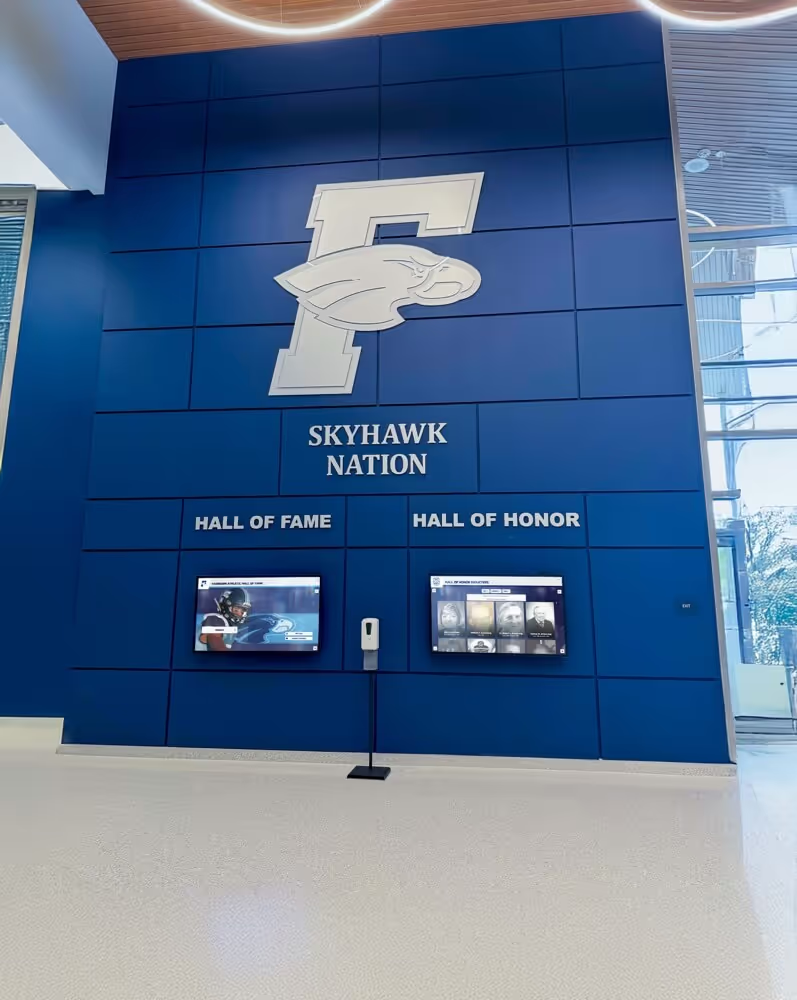
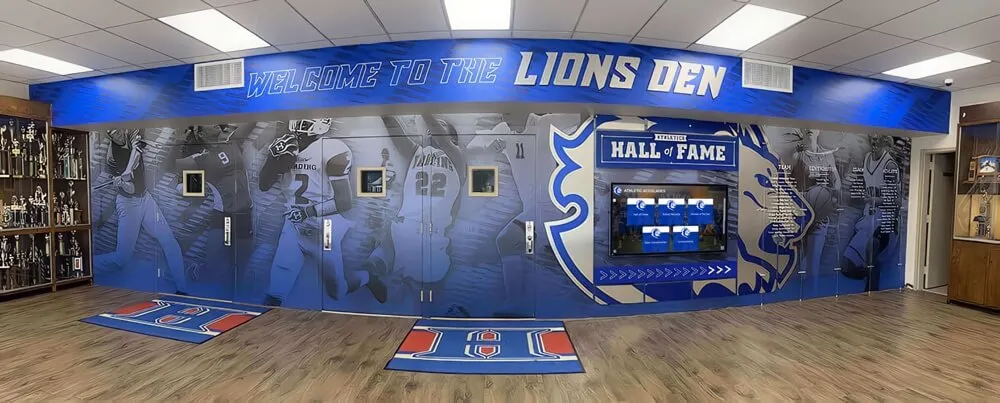
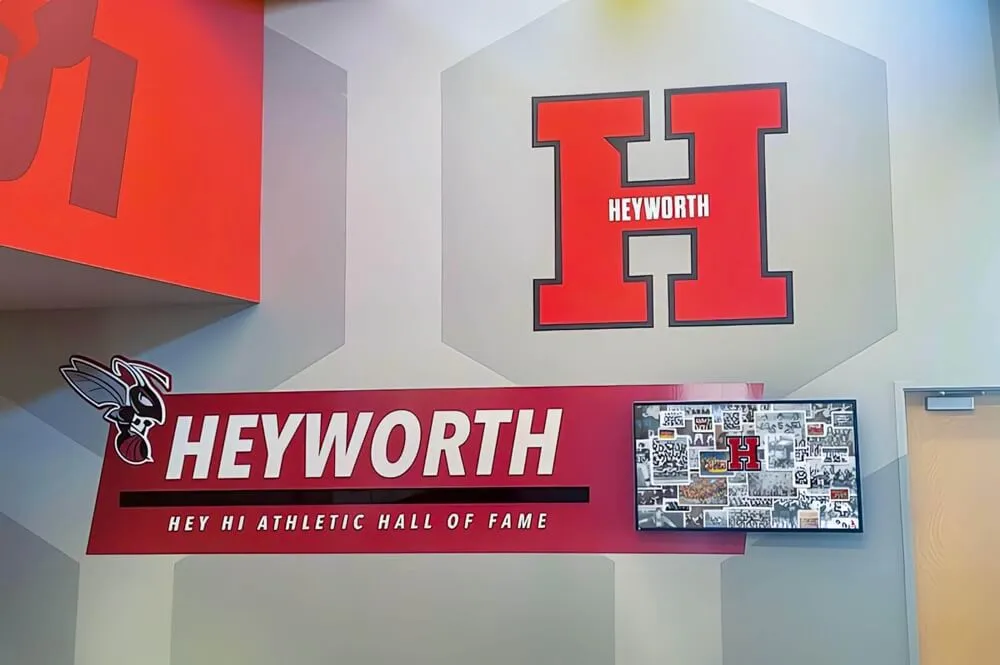
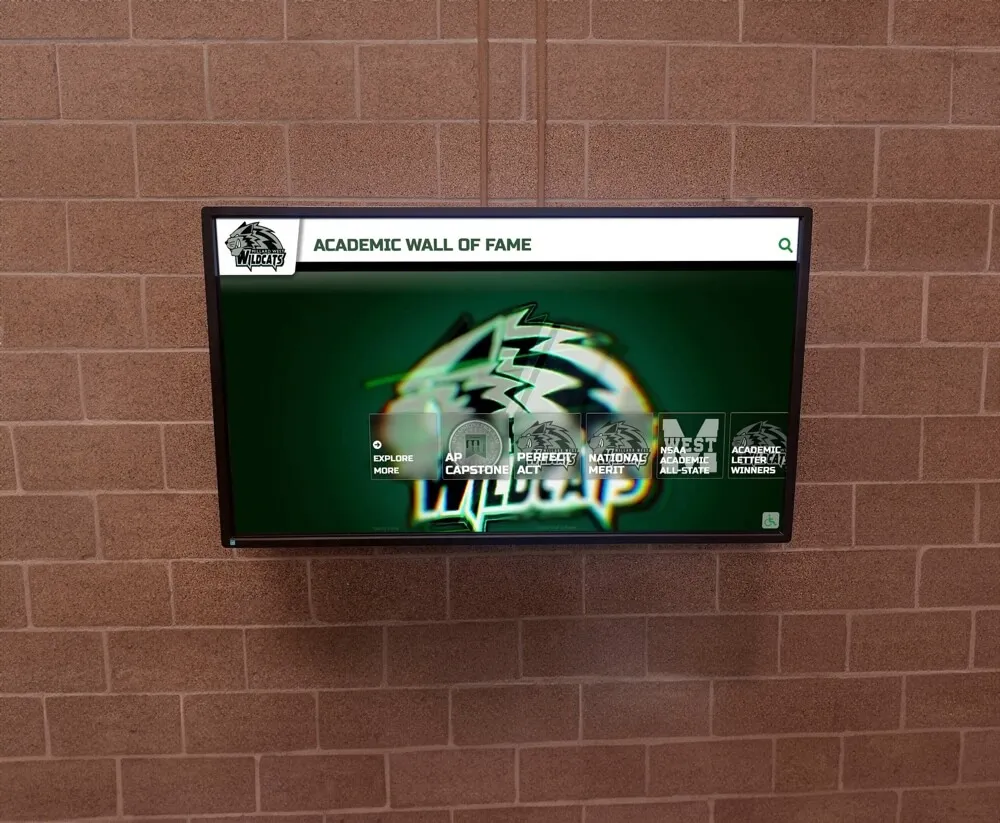
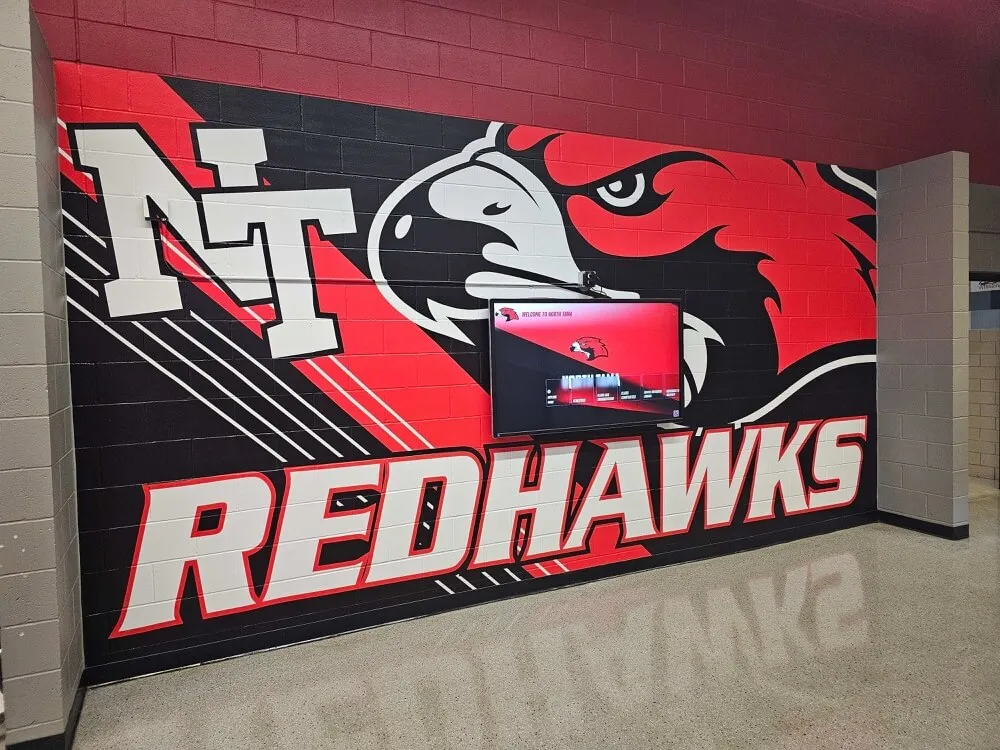
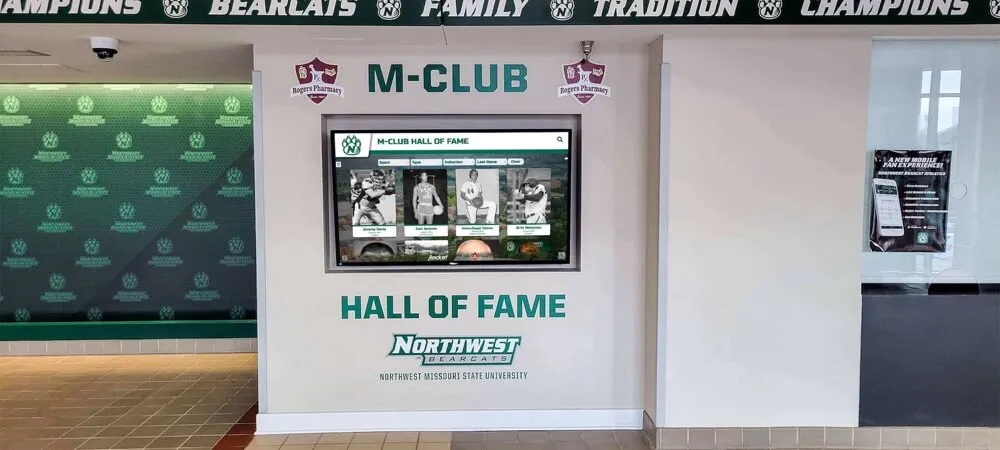
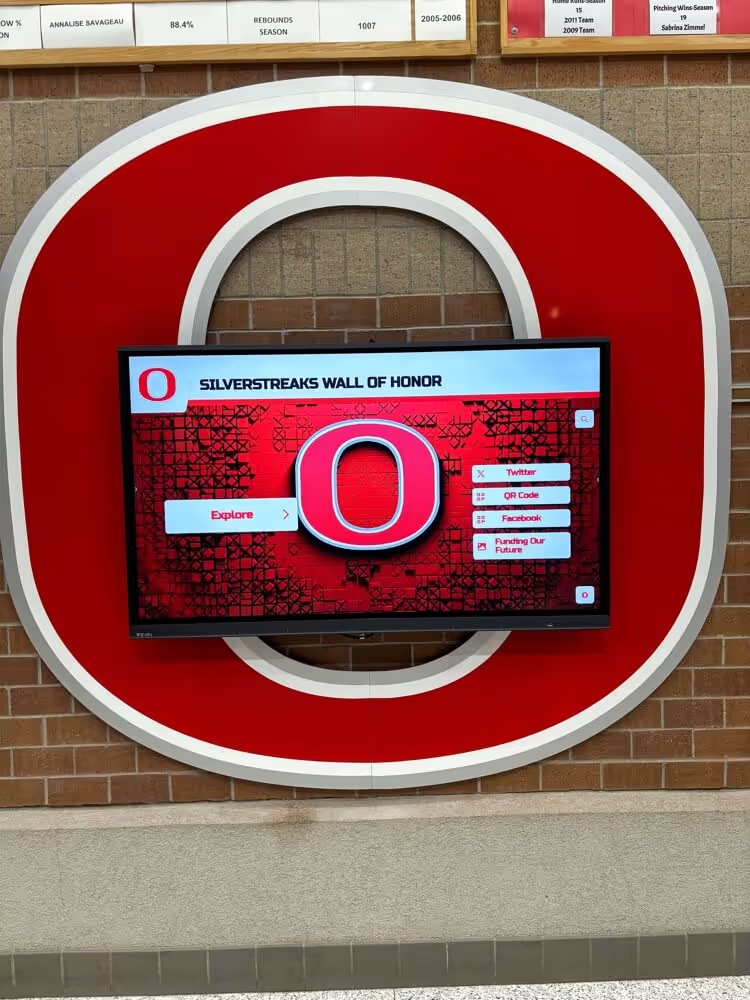
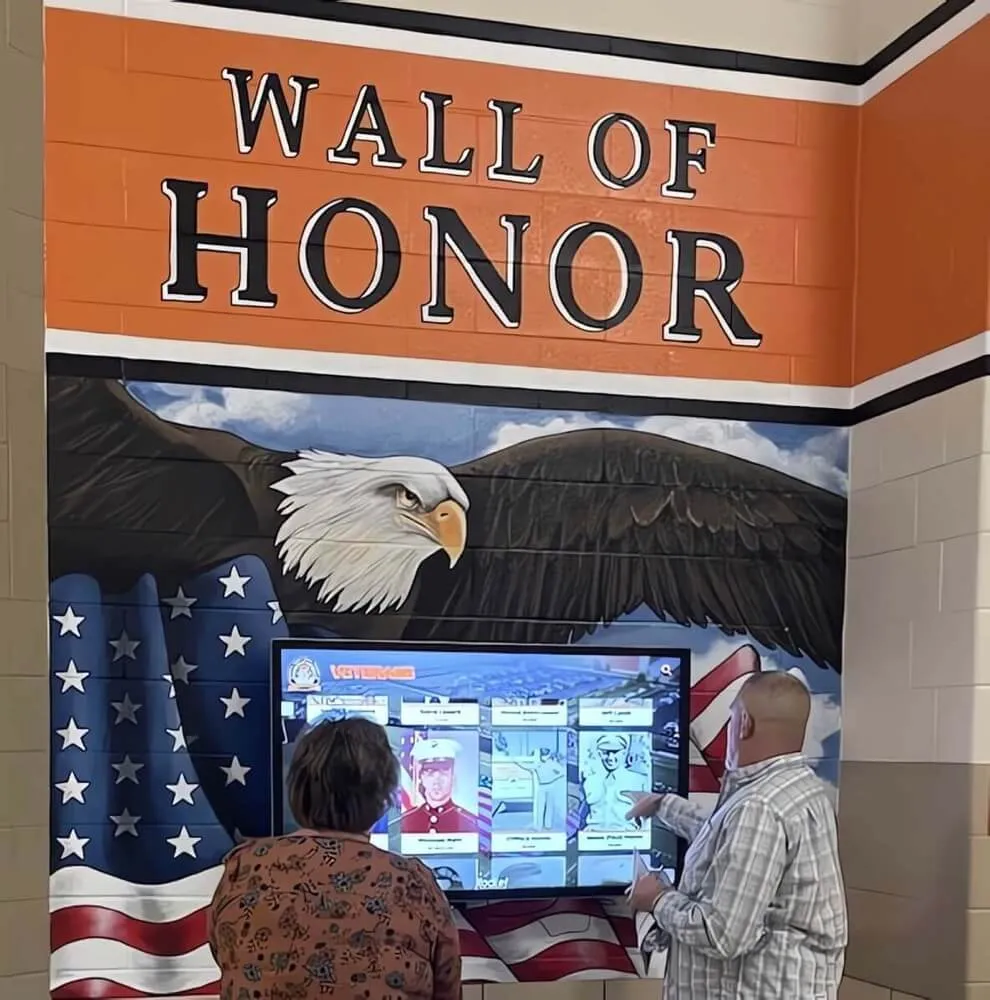
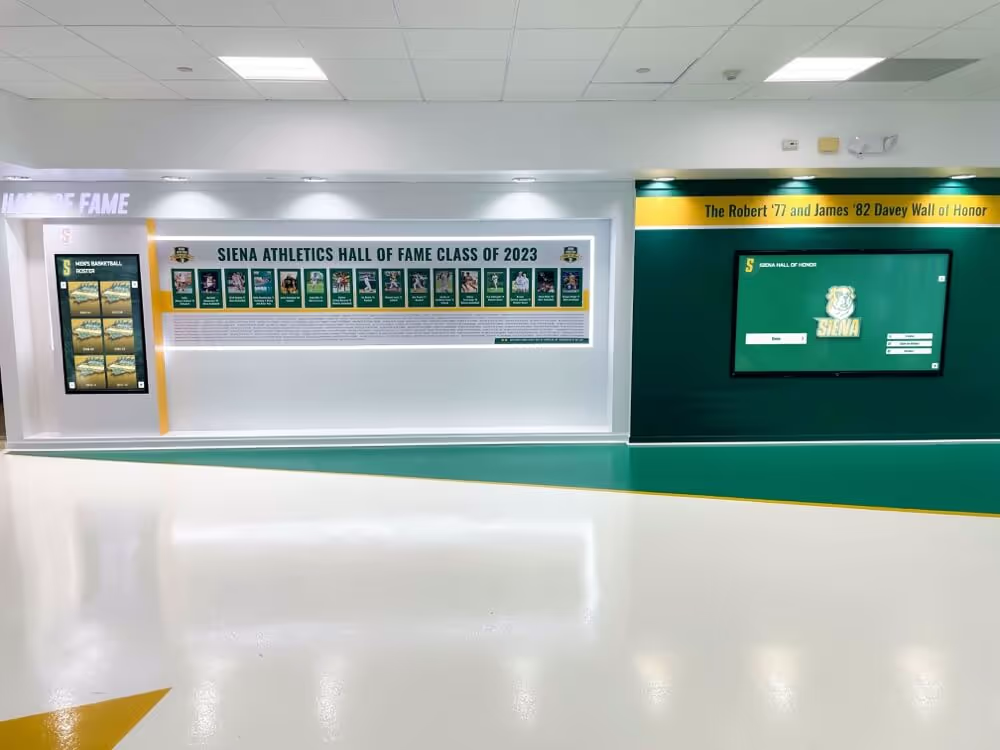
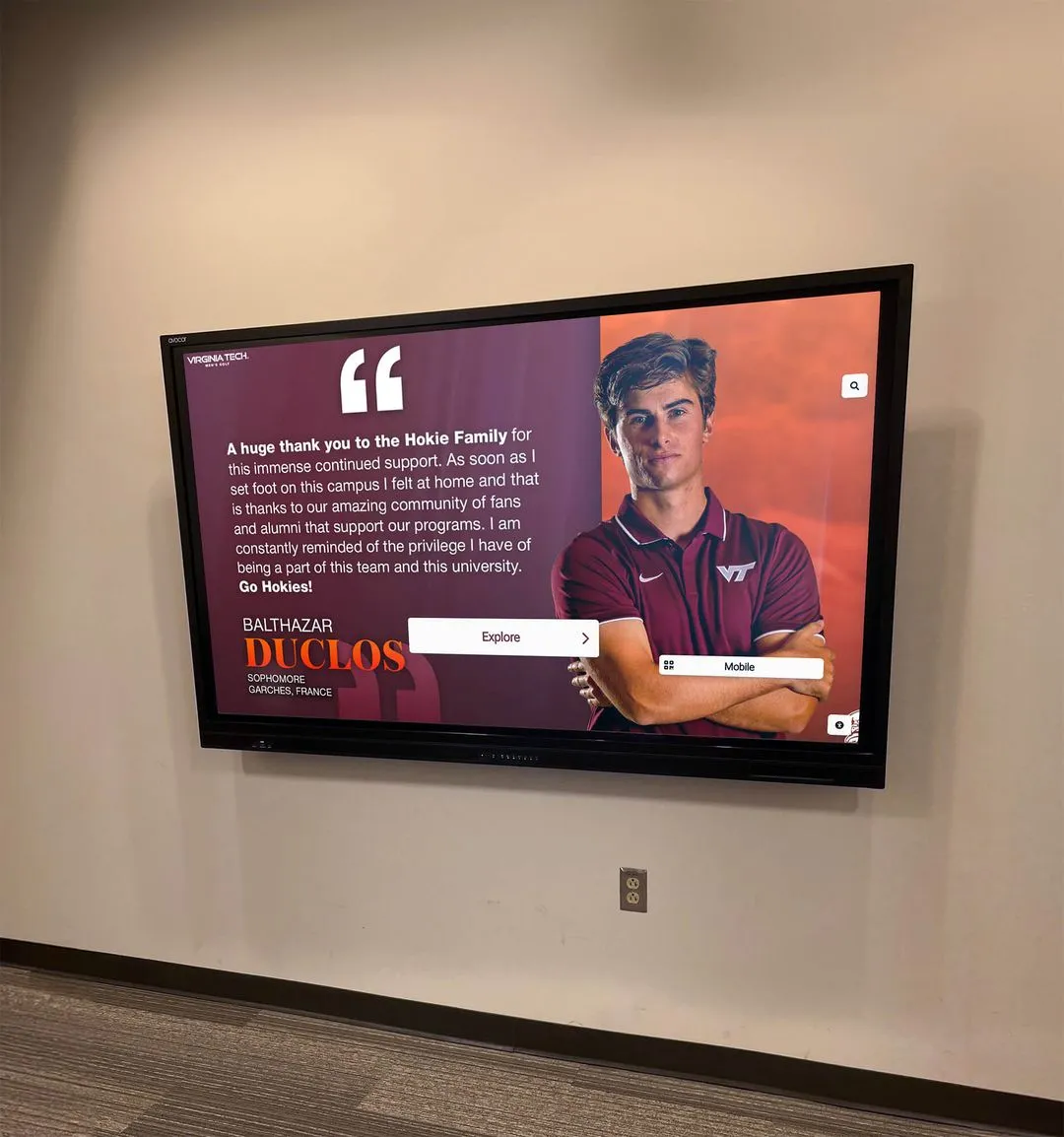
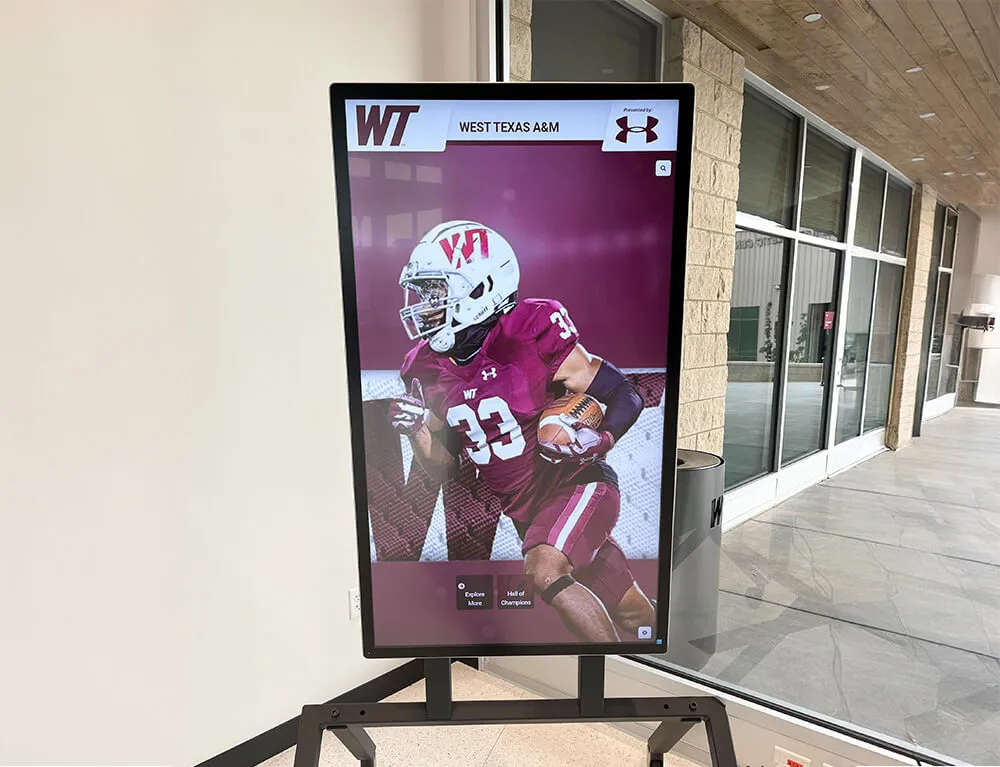
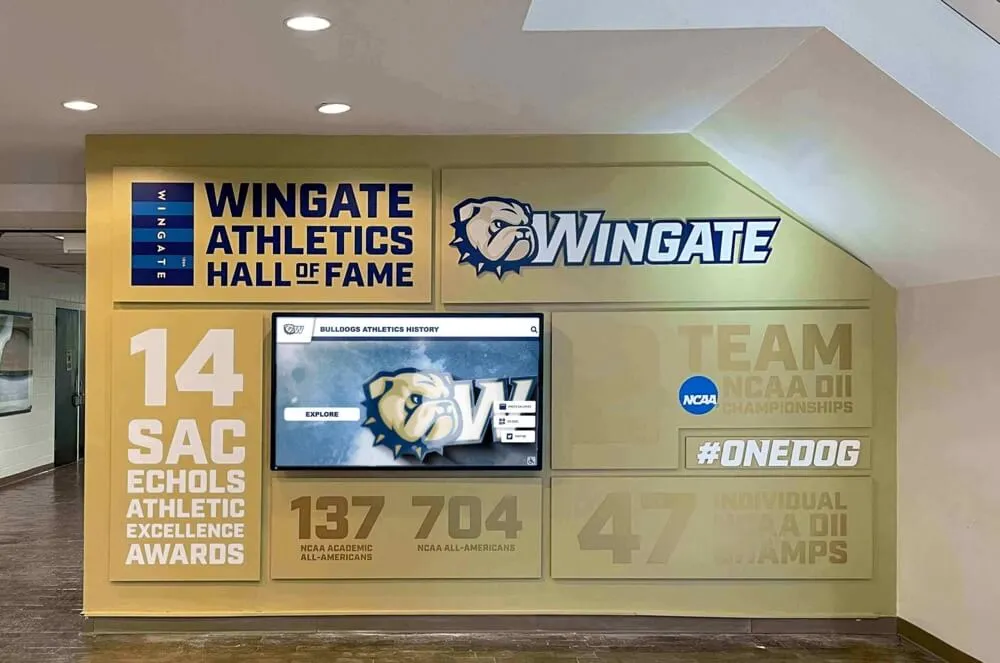
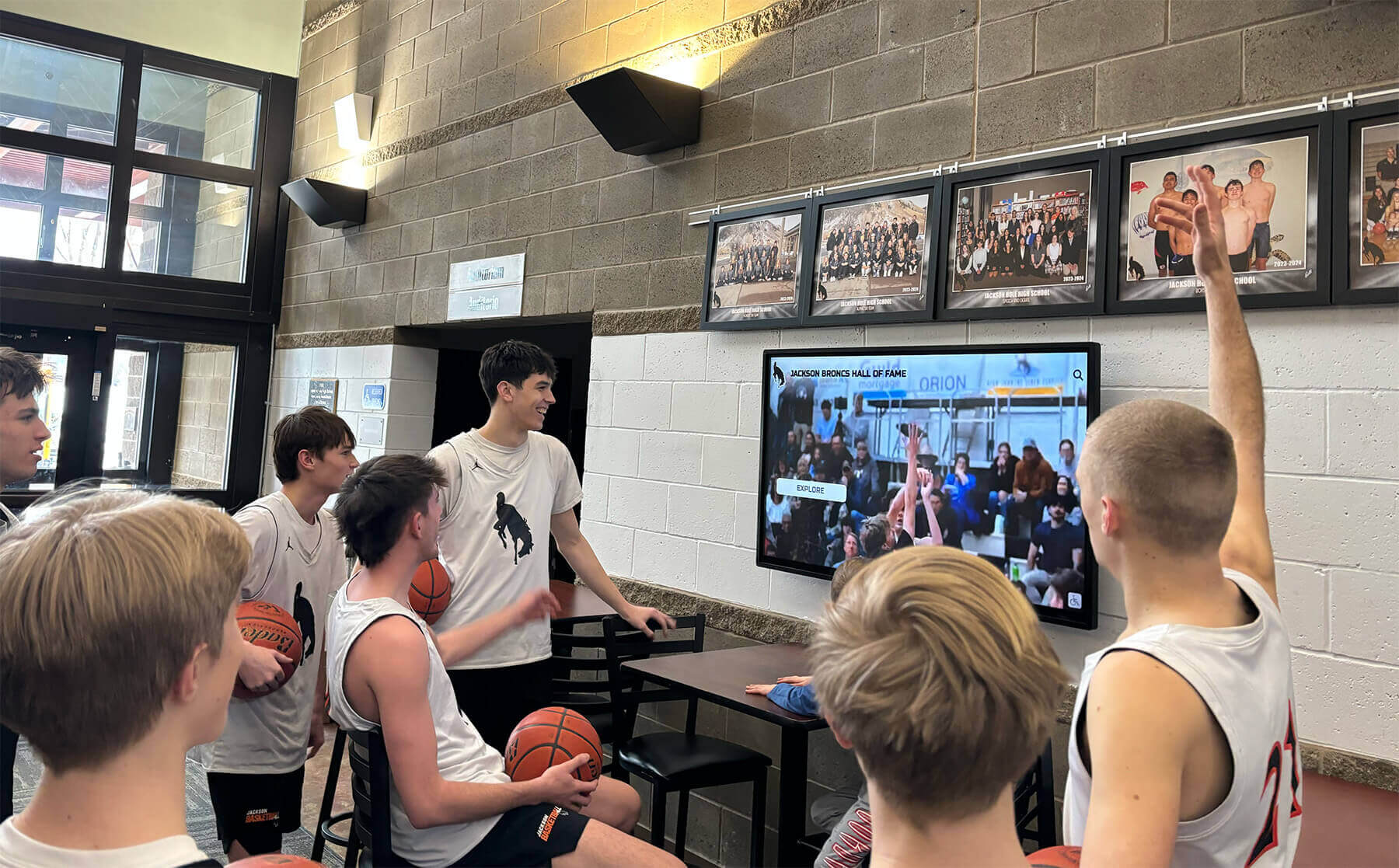
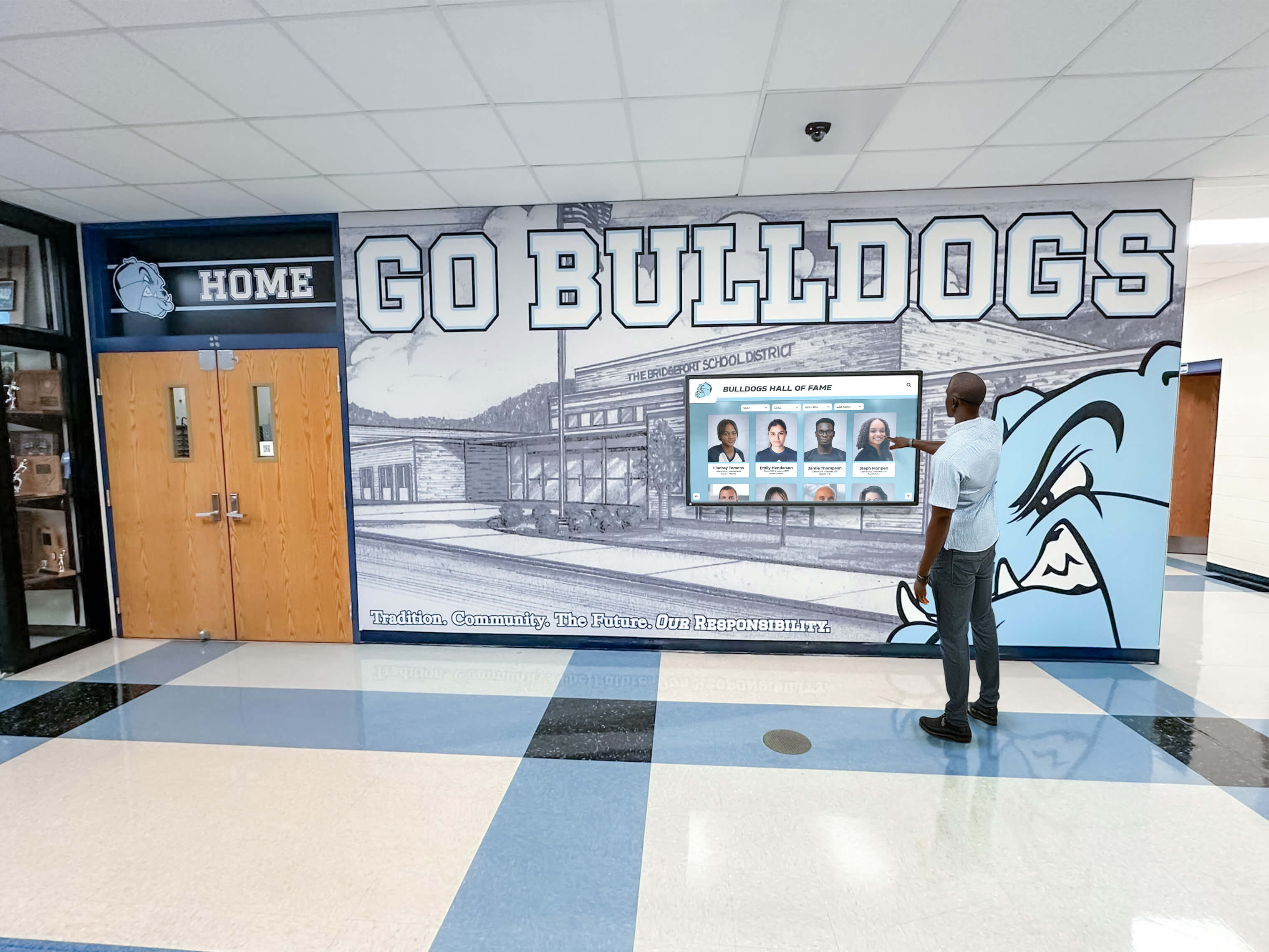
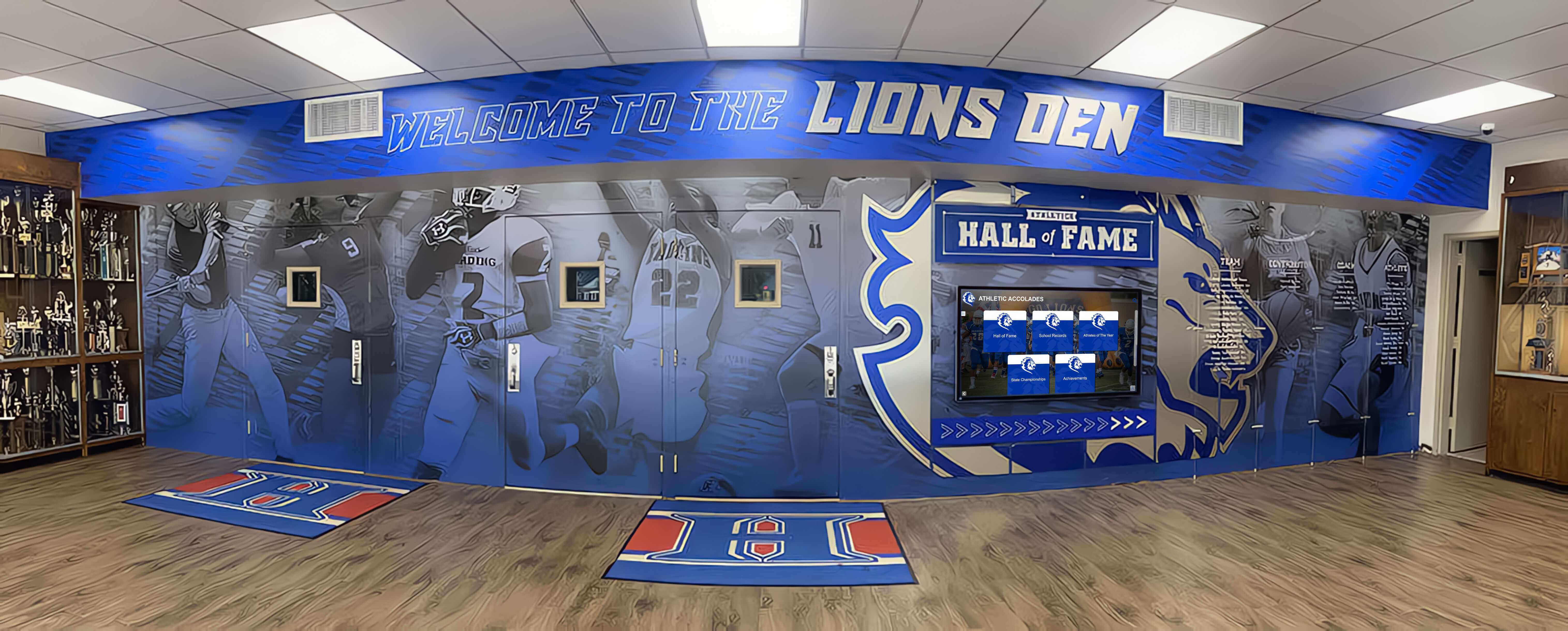
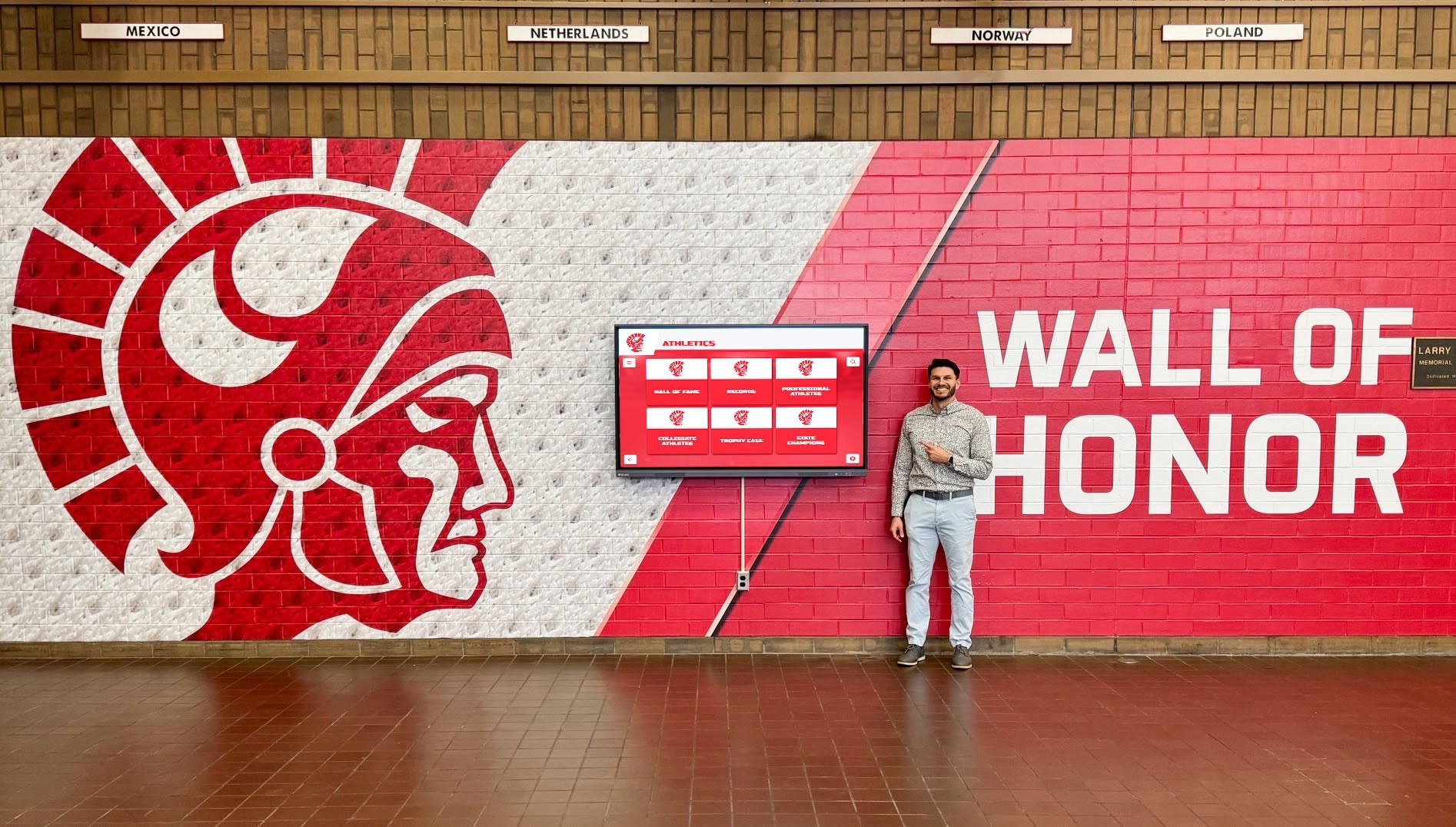
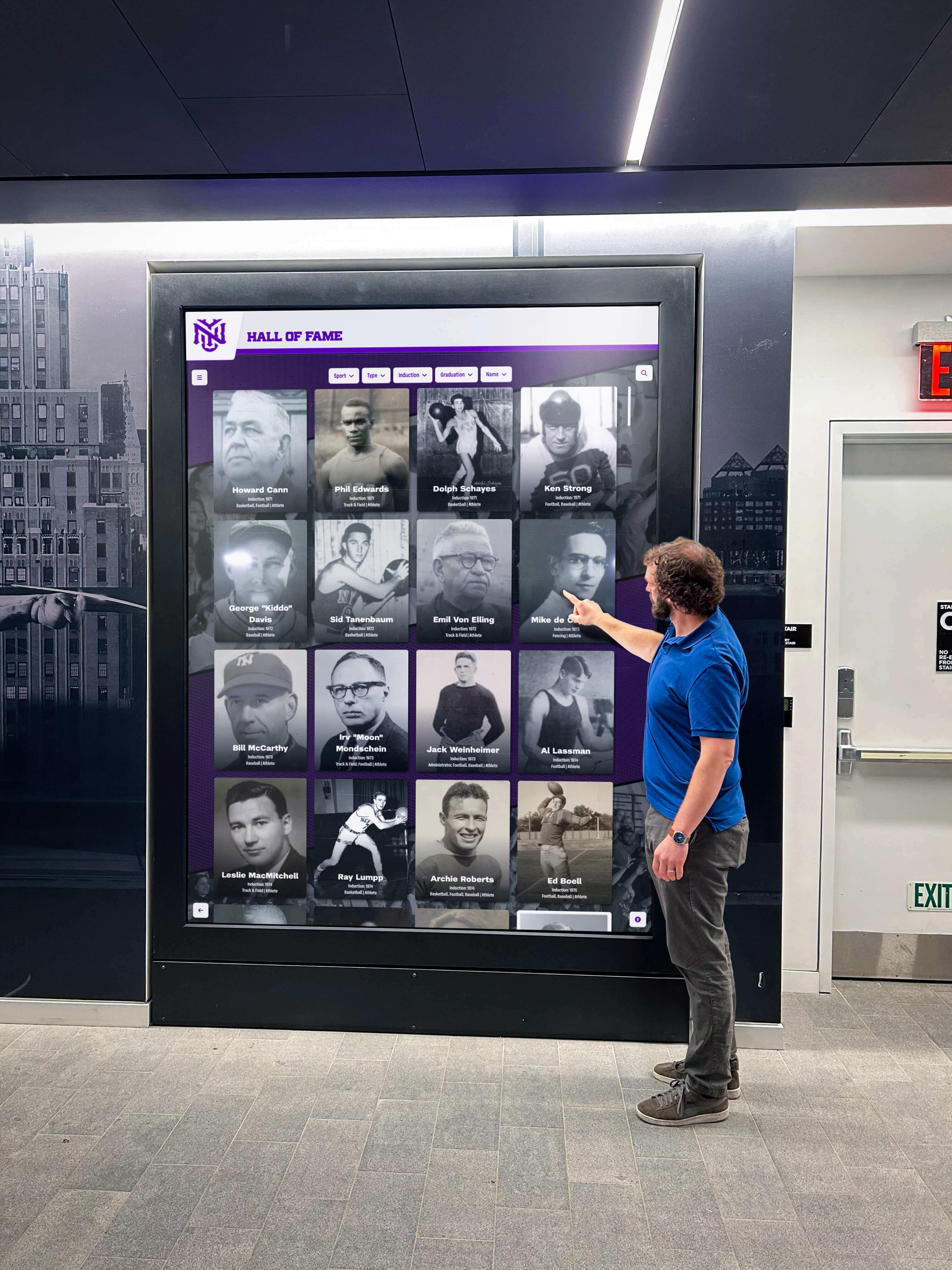
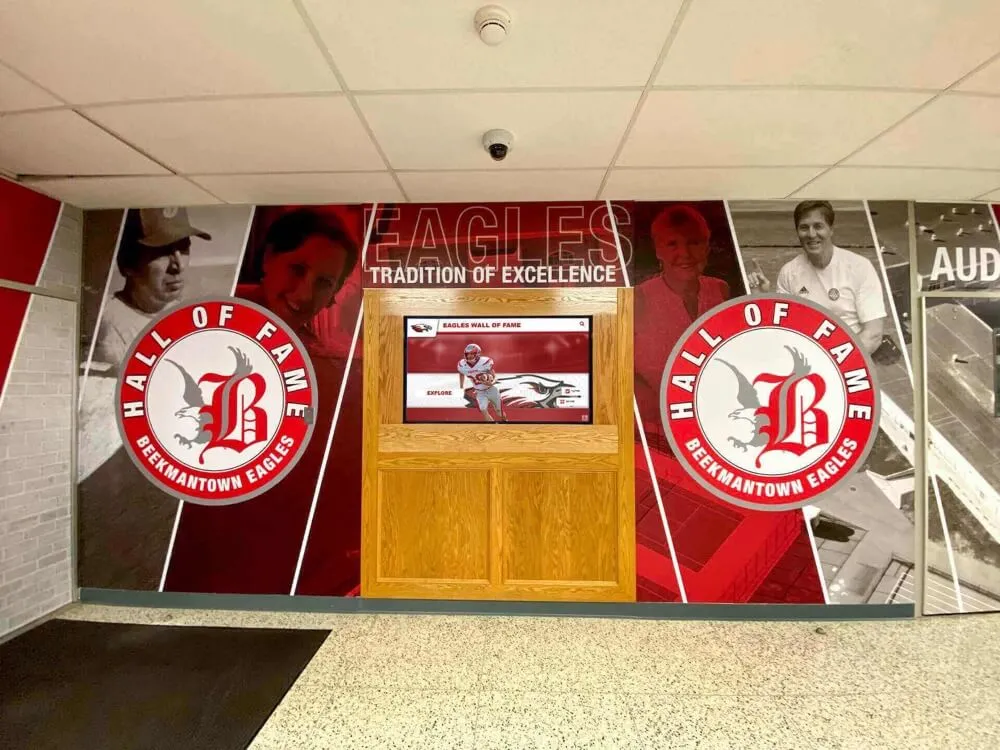
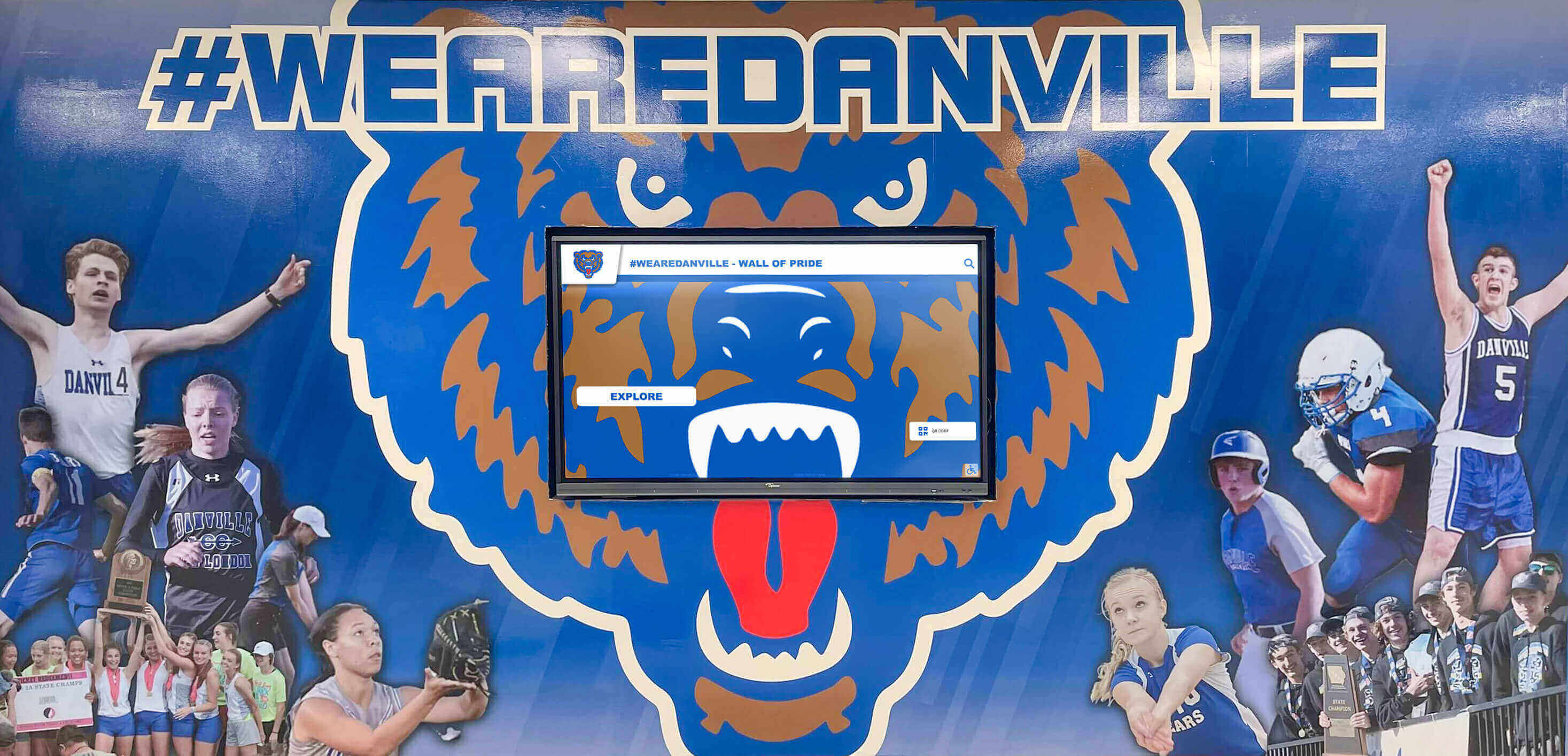
Modern recognition increasingly leverages digital technology creating dynamic displays that honor coaches more comprehensively than traditional static plaques allow. Interactive touchscreen displays installed in athletic facilities, school lobbies, or fieldhouses provide platforms for rich coaching profiles impossible with conventional recognition.
Digital Display Advantages for Coach Recognition:
Comprehensive Coach Profiles: Digital platforms showcase coaches through professional photos and candid images from practices and games, career statistics and championship achievements, video interviews where coaches discuss their philosophy and approach, athlete testimonials describing specific coaching impacts, timeline of career progression and milestone achievements, and connections to the broader athletic program and school community.
Easy Updates and Additions: Adding newly hired coaches, updating career statistics, or recognizing new achievements happens through simple content management systems requiring minutes rather than ordering plaques or engraving services requiring weeks. This ease ensures recognition remains current and relevant.
Unlimited Capacity: Unlike physical plaques limited by wall space, digital systems accommodate every coach who’s ever served the program without space constraints forcing difficult decisions about who appears on limited displays.
Interactive Exploration: Students, families, and community members can search for specific coaches, browse by sport or era, explore championship seasons, or discover connections between current programs and coaching legacies that built them.
Multimedia Storytelling: Digital recognition integrates game footage, championship celebrations, practice moments, and coach interviews creating engaging narratives that bring coaching stories to life far beyond what names and dates communicate.
Schools implementing digital coaching recognition often discover unexpected benefits—alumni returning for reunions and immediately seeking out former coaches’ profiles, current athletes exploring coaching histories and feeling connected to program traditions, prospective families touring schools and gaining confidence in coaching quality, and community members engaging with athletic program histories they never previously accessed.
Solutions like Rocket Alumni Solutions provide purpose-built platforms designed specifically for comprehensive coaching and athletic recognition, offering intuitive content management that enables athletic directors without technical backgrounds to create professional recognition displays, pre-designed templates appropriate for athletic environments, integration of multiple recognition types (coaches, athletes, championships, milestones) in cohesive systems, and cloud-based accessibility extending recognition beyond physical displays to web platforms prospective athletes and distant alumni can explore.
Named Facilities and Spaces
Schools sometimes honor legendary coaches by naming facilities, fields, courts, or spaces after them—permanent tributes recognizing transformative coaching impacts that shaped institutions and communities.
Facility Naming Considerations:
Naming facilities after coaches represents significant honor requiring thoughtful consideration. Most schools establish policies addressing:
- Qualification thresholds: Typically reserved for truly exceptional careers demonstrating decades of service, multiple championships, and transformative program impacts
- Timing considerations: Some schools wait until coaches retire or pass away; others honor active coaches at career milestones
- Community input: Involving alumni, current athletes, parents, and broader school community in naming decisions
- Formal ceremonies: Dedicating named facilities through events celebrating coaching legacies and educating current students about honorees’ contributions
- Permanent markers: Installing plaques, displays, or other elements explaining why the facility bears a particular coach’s name
Named facilities serve educational purposes beyond honoring individual coaches, teaching current and future students about institutional history, demonstrating that excellence receives lasting recognition, and reminding communities that success requires dedication, integrity, and sustained commitment.
Memorial Recognition for Coaches
When beloved coaches pass away, appropriate memorial recognition honors their legacies while providing school communities meaningful ways to process grief and celebrate lives that touched so many.
Memorial Recognition Approaches:
- Scholarship funds: Establishing scholarships in coaches’ names supporting student-athletes in their sport, with selection criteria reflecting values the coach embodied
- Memorial displays: Creating dedicated spaces featuring photos, memorabilia, and narratives celebrating coaches’ careers and impacts
- Annual memorial events: Hosting tournaments, competitions, or gatherings honoring coaches’ memories annually
- Uniform or facility tributes: Adding memorial patches, retiring numbers, or installing permanent plaques in facilities
- Endowed coaching positions: Naming coaching positions after deceased coaches, ensuring their names remain connected to programs they built
These memorial approaches transform grief into lasting legacy, ensuring coaches who profoundly influenced athletes and communities remain present in institutional memory and continue inspiring future generations. Programs honoring deceased educators and coaches create meaningful tributes celebrating their lasting contributions.
Creating Year-Round Coaching Appreciation Cultures
The most meaningful coach recognition occurs consistently throughout years rather than concentrating on single appreciation days or isolated gestures.
Daily Appreciation Practices
Small, consistent acknowledgments accumulate into cultures where coaches feel genuinely valued as professionals making essential contributions.
Daily Recognition Strategies:
- Administrative check-ins: Athletic directors or principals dropping by coach offices to ask about needs, acknowledge recent successes, or simply connect personally
- Public acknowledgment: Morning announcements, social media posts, or email communications regularly highlighting coaching contributions, upcoming competitions, or recent team achievements
- Athlete-led gratitude: Establishing team norms where athletes thank coaches at practice conclusions, fostering appreciation as routine practice
- Peer recognition: Creating systems enabling coaches to acknowledge colleagues’ excellence, collaboration, or support
- Resource responsiveness: Athletic departments responding promptly to coaching requests for equipment, scheduling accommodations, or program support
These daily gestures communicate ongoing value rather than relegating appreciation to designated calendar dates.
Systematic Recognition Programs
Formal structures ensure coaching excellence receives consistent acknowledgment throughout careers rather than sporadic recognition dependent on individual initiative or relationship.
Structured Coaching Recognition:
- Service milestone celebrations: Automatic recognition at 5, 10, 15, 20, 25+ year coaching intervals with formal acknowledgment, gifts, and public celebration
- Professional development support: Annual funding allocations for every coach to attend conferences, pursue certifications, or engage in professional learning
- Annual coaching excellence awards: Formal recognition programs celebrating different coaching dimensions—athlete development, sportsmanship, program innovation, mentorship
- Retirement celebrations: Comprehensive career retrospectives honoring coaches’ complete contributions rather than cursory acknowledgment at final games
- Coaching wall of honor: Physical or digital displays celebrating all coaches serving the institution, maintaining visible presence for current and former coaching staff
These systematic approaches demonstrate that coaching excellence receives institutional recognition independent of personality relationships or visibility politics that sometimes influence informal appreciation patterns.
Leadership Practices Supporting Coaches
Athletic directors and school administrators create coaching appreciation cultures through daily practices demonstrating genuine respect for coaches as professionals.
Administrative Support Demonstrating Appreciation:
- Reasonable expectations: Setting realistic win-loss expectations understanding that development, sportsmanship, and athlete welfare matter as much as championships
- Schedule protection: Minimizing conflicts between practices, competitions, and school obligations; respecting coaches’ time constraints
- Resource advocacy: Fighting for adequate coaching compensation, program budgets, facility quality, and equipment needs
- Professional autonomy: Trusting coaches’ expertise regarding practice design, player development, and program decisions
- Defensive support: Supporting coaches when facing unreasonable parent complaints or community criticism
- Inclusion in decisions: Involving coaches in relevant athletic department and school decisions affecting their programs
- Workload acknowledgment: Recognizing coaching extends far beyond visible games and practices into recruitment, strategy, administration, and countless unseen hours
Administrators who demonstrate appreciation through substantive support—not just occasional praise—create environments where coaches feel genuinely valued, directly impacting retention, job satisfaction, and program quality.
Balancing Recognition with Appropriate Boundaries
While coach appreciation represents important cultural priority, appropriate boundaries ensure recognition serves positive purposes without creating uncomfortable dynamics or unrealistic expectations.
Maintaining Professional Relationships
Recognition should honor coaching excellence while maintaining appropriate professional boundaries between coaches, athletes, and families.
Recognition Boundaries:
- Equity and fairness: Ensuring recognition doesn’t favor certain coaches while overlooking others based on sport visibility, winning records, or personal relationships
- No expectation of reciprocation: Appreciation should feel like genuine gratitude rather than creating obligations for coaches to respond with special treatment
- Age-appropriate appreciation: Student-athlete recognition should remain appropriate for coach-athlete professional relationships rather than suggesting inappropriate familiarity
- Budget consciousness: Family-led recognition should avoid expensive gifts creating pressure on families with limited resources or suggesting that appreciation requires significant expenditure
Clear guidelines help ensure recognition maintains professionalism while genuinely honoring coaching contributions.
Avoiding Over-Emphasis on Winning
The most meaningful coach appreciation celebrates coaching excellence across multiple dimensions rather than exclusively honoring championship-winning coaches.
Recognizing Diverse Coaching Excellence:
- Athlete development: Coaches who develop athletes’ skills, confidence, and love of sport deserve recognition regardless of win-loss records
- Character building: Coaching emphasizing integrity, sportsmanship, resilience, and life skills beyond athletic performance
- Program building: Coaches establishing programs, creating traditions, or laying foundations for future success
- Inclusive cultures: Coaching creating teams where all athletes feel valued and develop, not just standout performers
- Academic support: Coaches prioritizing athletes’ academic success and college preparation
- Personal mentorship: Coaching extending beyond sport to support athletes facing personal challenges
Recognition honoring these dimensions communicates that coaching excellence transcends winning, encouraging coaches to maintain balanced priorities and sustainable approaches to their work. Similar to comprehensive athletic recognition programs, coaching appreciation should celebrate diverse contributions and values.
Budget-Friendly Coach Appreciation Ideas
Meaningful coaching recognition doesn’t require large budgets. Creativity, thoughtfulness, and genuine effort matter far more than financial expenditure.
Zero-Cost Recognition Ideas
Heartfelt Personal Letters: Individual handwritten notes from athletes, parents, or colleagues describing specific coaching impacts cost nothing but time—and often mean more than expensive gifts. Coaches frequently preserve these notes throughout careers as tangible evidence their work created meaningful impact.
Public Acknowledgment: Social media posts, website features, morning announcements, local media outreach, and school board recognition require only effort, not budget. Public validation of coaching excellence honors coaches while demonstrating to communities that schools value athletic leadership.
Time Donations: Volunteers covering practice supervision, organizing equipment, managing administrative tasks, or handling other responsibilities gives coaches precious time without financial cost. Many coaches treasure time far more than material gifts.
Student Performances: Student-created videos, presentations, performances, or art celebrating their coaches showcase athlete creativity while honoring coaching influence meaningfully.
Recognition Events: School assemblies, athletic department gatherings, or team meetings specifically dedicated to coaching appreciation create memorable moments without requiring significant financial resources.
Low-Budget High-Impact Ideas
Even modest budgets enable meaningful appreciation when allocated thoughtfully.
$50-$100 Budget:
- Bulk snack and beverage purchases creating coach appreciation stations in athletic offices
- Materials for student-created appreciation gifts: frames, printing services, art supplies
- Flowers or plants for coach offices
- Professional printing of appreciation certificates or recognition posters
- Coffee and breakfast treats delivered to coaches during early morning practice weeks
$100-$500 Budget:
- Group gift cards from all team families to restaurants, sporting goods stores, or general retailers
- Professional photography documenting coaching and creating images coaches can use personally
- Team equipment or program donations coaches have requested but budgets couldn’t accommodate
- Catered meals for coaching staffs during long tournament weekends or season peaks
- Professional development resources: books, online course enrollment, or coaching association memberships
$500-$1,000 Budget:
- Conference registration and travel expenses for professional development
- Quality program equipment upgrades benefiting coaches’ daily work
- Technology supporting coaching: tablets, software subscriptions, video analysis tools
- Team apparel or coaching gear with professional embroidery and quality construction
- Recognition plaques, trophies, or awards of sufficient quality to become meaningful keepsakes
The key is ensuring appreciation feels genuine and personal rather than perfunctory, regardless of budget constraints.
Coach Appreciation Ideas by Sport and Context
Different sports and coaching contexts suggest specific appreciation approaches that feel particularly relevant and meaningful.
Fall Sports Recognition (Football, Soccer, Volleyball, Cross Country)
Fall sports coaches often start summer preparations long before school years begin, establishing seasons of extraordinary time commitment as they balance coaching with teaching responsibilities.
Fall Sport-Specific Appreciation:
- Pre-season acknowledgment: Recognizing coaching preparation during summer months before students and families typically consider athletic activities
- Homecoming tributes: Using homecoming festivities to honor coaching staffs publicly during high-visibility school events
- Senior night expansions: Including coaching recognition during senior athlete celebrations
- Playoff support: Providing meals, arranging transportation, or handling logistics during playoff runs to reduce coaching burden
Winter Sports Recognition (Basketball, Wrestling, Swimming, Hockey)
Winter coaches navigate compressed seasons with frequent competitions and challenging weather logistics while managing program visibility that varies dramatically by sport.
Winter Sport-Specific Appreciation:
- Tournament support: Parent committees managing food, lodging, and logistics during multi-day tournaments
- Senior night traditions: Recognizing coaches alongside senior athletes at final home competitions
- Championship acknowledgment: Celebrating coaching excellence during conference and state tournament runs
- Less-visible sport attention: Ensuring coaches of sports with smaller followings (wrestling, swimming) receive equal recognition to high-profile programs (basketball)
Spring Sports Recognition (Baseball, Softball, Track, Tennis, Lacrosse)
Spring coaches often face extended seasons carrying through year-end academic pressures and building toward summer club seasons or all-star competitions.
Spring Sport-Specific Appreciation:
- Season-end banquets: Comprehensive celebrations honoring coaching as seasons conclude
- Senior transitions: Recognizing coaching support helping senior athletes transition to college programs
- Summer program acknowledgment: Appreciating coaches who continue supporting athletes through summer club seasons or showcase events
- Year-end retrospectives: Using spring season conclusions to celebrate full-year athletic achievements across all sports

Planning Your Coach Appreciation Day Celebration
For schools and programs planning comprehensive Coach Appreciation Day events, strategic planning ensures recognition feels meaningful and manages logistics effectively.
Timeline for Planning
6-8 Weeks Before:
- Form planning committee including athletic department, parent representatives, student-athlete leaders
- Establish budget and identify funding sources (athletic department allocation, booster club support, family contributions)
- Determine event format: school assembly, evening recognition event, athletic department ceremony, or distributed activities throughout the week
- Create recognition selection criteria if honoring specific coaches with awards or special acknowledgment
3-4 Weeks Before:
- Finalize event details: date, time, location, program structure
- Coordinate with school calendar to ensure no conflicts with major academic events or other athletic competitions
- Design invitations and communications for coaches, families, community members
- Order or create recognition items: plaques, certificates, gifts, appreciation materials
- Begin gathering content: coach photos, career highlights, athlete testimonials, video footage
1-2 Weeks Before:
- Send invitations and communications building awareness and anticipation
- Finalize program participants: student speakers, parent representatives, athletic director remarks, special guests
- Prepare recognition presentations: video compilations, speeches, awards, certificates
- Arrange logistics: venue setup, audio-visual equipment, decorations, refreshments
- Coordinate media coverage through local news, school communications, social media
Day Of:
- Arrive early for setup and logistics confirmation
- Conduct brief rehearsal with participants ensuring smooth program flow
- Welcome coaches, families, athletes, community members
- Execute program celebrating coaching excellence
- Capture photos and video documenting the celebration for future use and coach keepsakes
Follow-Up:
- Share photos, videos, and highlights through school communications and social media
- Send thank-you notes to everyone who contributed to event planning or execution
- Document successful approaches and lessons learned for future planning
- Ensure coaches receive copies of all recognition materials, photos, videos as personal mementos
Event Format Ideas
Schools can structure Coach Appreciation Day celebrations in numerous formats depending on audience, budget, and cultural fit.
School Assembly Format:
- All students, faculty, staff attend
- Athletic director introduces coaching recognition
- Student-athletes from various sports share coaching impact stories
- School administration presents formal recognition to all coaches
- Video or slideshow highlighting coaching excellence across all sports
- Opportunity for school community to applaud and celebrate coaches collectively
Evening Recognition Event:
- Invitations extended to coaches, families, athletes, alumni, community members
- More formal program with structured presentations and recognition
- Often includes dinner or refreshments
- Multiple speakers sharing coaching appreciation from different perspectives
- Time for informal mingling and conversation after formal program
Athletic Department Ceremony:
- Intimate gathering focused on athletic department community
- All coaches, athletes, athletic staff attend
- Less formal than school assembly but more structured than practice gathering
- Opportunity for peer recognition where coaches honor colleagues
- Integration of fun elements: coaching trivia, throwback photos, inside jokes
Week-Long Distributed Recognition:
- Different appreciation activities each day of Coach Appreciation Week
- Monday: Social media tributes featuring coach profiles
- Tuesday: Student thank-you note delivery to all coaches
- Wednesday: Coach appreciation breakfast before school
- Thursday: Classroom visits where coaches receive recognition during classes they teach
- Friday: Culminating event bringing all appreciation efforts together
The right format depends on school culture, athletic department size, available resources, and coach preferences regarding public recognition versus more intimate appreciation.
Frequently Asked Questions About Coach Appreciation
When is National Coaches Day celebrated?
National Coaches Day occurs annually on October 6th, designated specifically to honor coaches across all sports and competitive levels. This date falls strategically during fall sports seasons when coaching is highly visible through football, soccer, volleyball, cross country, and other autumn competitions. However, schools often extend recognition throughout the first full week of October, creating “Coach Appreciation Week” to allow more comprehensive celebration and ensure recognition doesn’t occur mid-week in potentially inconvenient timing.
What are meaningful ways to thank a coach?
The most meaningful coach appreciation combines specific personal acknowledgment with practical support. Effective approaches include handwritten notes describing specific coaching moments that made differences in athletes’ lives, public recognition through social media, school communications, or community media highlighting coaching excellence, time gifts through volunteer assistance with administrative tasks or practice logistics, group gifts from team families providing meaningful items coaches will use and appreciate, and advocacy support ensuring coaches receive appropriate resources, compensation, and institutional backing. Generic “thanks for coaching” messages feel less meaningful than specific stories about coaching impacts on individual athletes’ development, confidence, or character.
How much should parents spend on coach gifts?
Coach appreciation should never create financial pressure on families or suggest that gratitude requires expensive gifts. When parent groups coordinate collective gifts, modest per-family contributions ($10-20) pooled across team families create meaningful group gifts without burdening anyone financially. Individual families should feel comfortable with zero-cost appreciation through handwritten notes, public recognition, or time volunteering to support the team. Coaches value genuine gratitude and specific acknowledgment of their impact far more than gift monetary value. If families choose individual gifts, $25-50 gift cards to restaurants, coffee shops, or sporting goods stores provide practical appreciation without excessive expenditure.
Should coaches be included in hall of fame displays?
Absolutely. Coaching halls of fame recognizing coaching excellence alongside athlete achievement provide critical recognition for coaches whose careers demonstrated sustained excellence, program building, athlete development, and contributions extending beyond their own teams. Many schools establish separate coaching hall of fame categories or dedicate sections of broader athletic halls of fame specifically to coaching recognition. Clear selection criteria typically include minimum tenure (often 10-15 years), sustained competitive success, athlete development evidence, sportsmanship and integrity, mentorship of future coaches, and program contributions that created foundations for sustained success. Coaching hall of fame recognition celebrates leaders who shaped athletic programs and influenced generations of student-athletes.
How can small schools with limited budgets honor coaches effectively?
Budget constraints don’t prevent meaningful coach appreciation—creativity and thoughtfulness matter far more than financial expenditure. Small schools can implement zero-cost recognition through public acknowledgment at school board meetings, social media features, and morning announcements; heartfelt handwritten letters from athletes and families describing specific coaching impacts; student-created videos, presentations, or art celebrating coaches; recognition events during school assemblies or athletic gatherings; and volunteer time supporting coaches through administrative help, practice coverage, or logistics assistance. Local businesses often donate gift cards, meals, or services for coach appreciation when approached by schools. Community service organizations (Rotary, Lions Club, Chamber of Commerce) frequently honor coaches through existing recognition programs at no cost to schools. The key is demonstrating genuine appreciation through consistent acknowledgment rather than expensive gestures.
What should be included in a coaching recognition display?
Comprehensive coaching recognition displays should celebrate coaches as complete professionals rather than reducing them to win-loss records. Effective displays include professional photos showing coaches in their element during practices and competitions, career statistics and achievement highlights spanning their entire tenure, specific championship seasons and tournament runs with context about team development, athlete testimonials describing coaching impacts on their development and lives, coaching philosophy or favorite quotes revealing their approach and values, career timeline showing progression and milestone achievements, video content featuring coaches discussing their approach or memorable moments, and connections to current programs demonstrating coaching legacies’ ongoing influence. Digital recognition platforms accommodate this rich multimedia content far better than traditional static plaques limited to names and dates.
How often should coaches be recognized throughout the year?
While National Coaches Day in October and season-end recognition provide natural focal points, the most meaningful appreciation occurs consistently throughout the year. Effective recognition rhythms include monthly coach spotlights featuring different coaches across various sports, season-end banquets for each sport honoring coaching staffs as seasons conclude, milestone celebrations when coaches reach career victories or tenure achievements, championship recognition explicitly acknowledging coaching excellence enabling team success, daily appreciation practices through administrative check-ins and public acknowledgment, and systematic programs recognizing service milestones (5, 10, 15, 20, 25+ years). Consistent year-round recognition creates cultures where coaches feel genuinely valued as professionals rather than experiencing isolated appreciation gestures that feel disconnected from daily realities.
Creating Lasting Coaching Recognition Cultures
Coach Appreciation Day provides valuable opportunities to concentrate recognition and celebration, yet the most meaningful appreciation emerges from consistent cultures where coaches feel genuinely respected, supported, and valued throughout their careers.
Exceptional coaches transform athletic programs, shape student-athletes’ character and confidence, build traditions that strengthen school cultures, mentor young people through challenges extending beyond athletics, and create lasting impacts rippling through communities long after athletes graduate and move forward with their lives. This profound influence deserves recognition matching its significance.
Whether implementing simple appreciation gestures, organizing comprehensive Coach Appreciation Day events, establishing systematic recognition programs, or creating permanent displays celebrating coaching legacies, your efforts communicate essential messages: that coaching matters deeply to student-athlete development and school culture, that excellence deserves acknowledgment and celebration, and that the dedication coaches demonstrate daily doesn’t go unnoticed or unappreciated by the students, families, and communities benefiting from their service.
Solutions like Rocket Alumni Solutions provide accessible platforms enabling schools to create professional coaching recognition displays that honor excellence permanently rather than temporarily. Purpose-built recognition systems ensure that the coaches who invest themselves in building programs and developing young people receive the lasting acknowledgment their contributions deserve—visible reminders to current and future students that coaching excellence creates enduring impact worthy of permanent celebration.
As you plan coach appreciation for 2026 and beyond, remember that authenticity matters more than expense, specificity resonates more than generic praise, and consistency means more than isolated celebrations. Coaches don’t need elaborate gestures; they need genuine recognition that their work matters, their influence extends beyond wins and losses, and their dedication to developing young people deserves the gratitude and respect of everyone touched by their service.