Walk into the right CAP squadron meeting and the drill team is already on the floor. Rifles snap through the air with mechanical precision. Footfalls land as one. Forty minutes into practice, the team runs a sequence they’ve performed six hundred times, and something clicks — the exhale of a flight that just found its synchrony. That’s the Civil Air Patrol drill team.
Drill competition is one of the most demanding and underrecognized competitive traditions in American youth programs. It asks cadets to develop fine motor precision, memory for complex sequences, collective timing, and the kind of sustained focus that only comes from real accountability to teammates. A drill team that finishes in the top tier of a CAP wing competition has earned something that deserves recognition beyond a handshake and a ribbon.
For schools and squadrons looking to honor their drill teams appropriately — and to make that recognition visible, lasting, and inspiring to future cadets — this guide covers the full landscape: how CAP drill competitions are structured, what awards are available, and how to build display systems that do justice to what precision drilling achieves.

What Civil Air Patrol Drill Teams Do
Civil Air Patrol is the official auxiliary of the United States Air Force, and its Cadet Program serves over 24,000 cadets in units across all fifty states. Within the Cadet Program, the drill and ceremonies tradition holds a central place — it is one of the most visible expressions of cadet discipline, unit cohesion, and program excellence.
CAP drill teams train in two primary categories that reflect the broader military drill competition landscape:
Regulation Drill follows Air Force drill and ceremonies manual standards precisely. Teams execute a standardized sequence of commands — marching formations, facing movements, and column movements — with judges evaluating precision, uniformity, alignment, and command execution. Regulation drill rewards mastery of fundamentals. There is no room for creativity — only increasingly exacting execution of movements every other team also performs, which means the competition is won or lost entirely on precision.
Exhibition Drill — often called “X-Drill” — allows teams to develop original routines combining regulation-based movements with creative sequences, synchronized weapon work, and choreographed maneuvers set to music or performed in silence. Exhibition drill is simultaneously athletic performance and military ceremony. Teams spend entire seasons developing and refining routines that express their unit’s identity and demonstrate physical capabilities that pure regulation drill cannot showcase.
Both categories test qualities that translate directly to the character development goals at the heart of the Civil Air Patrol mission. Cadets who excel at drill are cadets who pay attention to detail, subordinate personal preference to collective performance, and hold themselves accountable to standards that require consistent effort over long periods.
Understanding JROTC rank structures and how cadet programs are organized provides useful context for how drill team leadership fits within a cadet unit’s hierarchy — drill team commanders are typically among a squadron’s most experienced and recognized cadets.
How CAP Drill Competitions Are Structured
Civil Air Patrol drill competitions operate through a tiered structure that creates escalating levels of achievement, from local squadron events through wing-level championships and national competitions.
Squadron and Group Events
Most cadets encounter drill competition first at local squadron or group-level events. These competitions serve developmental purposes: they give teams experience competing under formal judging, identify areas for improvement before higher-stakes meets, and create recognition moments for cadets who are still developing fundamental skills. A cadet who places individually at a group-level drill meet is achieving something worth acknowledging even if the competition never reaches wing level.
Wing Competitions
Wing-level drill competitions are the most significant regularly structured competitive events in the CAP drill calendar. Each wing — roughly corresponding to a state or multi-state region — organizes its own competition structure, and the format, schedule, and categories vary by wing. Some wings hold annual drill meets as standalone events; others incorporate drill competition into larger encampment programs or wing conferences.
Placing at a wing drill competition is meaningful achievement. A drill team that wins the armed regulation category or captures the overall wing drill title has beaten every other CAP team in its state or region in head-to-head judged competition. That result belongs on a permanent recognition display, not just in an awards ceremony program that gets thrown away.
National and Invitational Events
Beyond wing competition, CAP drill teams can pursue recognition at national invitationals and the national-level events organized through the National Cadet Special Activities program. Some of the most competitive CAP drill teams in the country participate in open invitationals that include JROTC teams from Army, Navy, Marine Corps, and Air Force programs alongside CAP units. Competing successfully in these cross-service events demonstrates excellence against a much broader competitive field.
Schools with ROTC programs that understand the full picture of how to recognize and showcase cadet achievement know that national invitational placements deserve the same institutional recognition given to athletic state tournament qualifiers — the competitive rigor is comparable.
Individual Cadet Drill Awards
Beyond team competition, individual cadets earn recognition for drill achievement through several pathways that deserves acknowledgment in squadron and school recognition programs.
Drill Performance Awards
Most CAP wings recognize outstanding individual performance at drill competitions through awards given to cadets who demonstrate exceptional technique, command presence, or overall performance as an individual during team events. These recognitions — sometimes called “best driller” designations or excellence citations — identify cadets who elevate their team’s performance through personal mastery.
Individual performance awards are particularly worth preserving in permanent recognition systems because they identify the cadets who set the standard for their peers — the kind of visible modeling that shapes how future cadets understand what excellence looks like in the program.
The Mitchell Award and Spaatz Award: The Achievement Context
While not drill-specific, the Civil Air Patrol achievement award structure creates important context for drill recognition. The Billy Mitchell Award — the highest achievement a cadet can earn — requires demonstrating proficiency across all areas of the cadet program, including drill and ceremonies. Cadets who earn the Mitchell Award have met a comprehensive standard that includes documented drill competency.
The General Carl A. Spaatz Award, the highest recognition in the Cadet Program requiring substantial demonstrated excellence, represents years of sustained achievement that almost always includes significant drill experience and leadership. Spaatz Award recipients belong in any CAP hall of fame or recognition wall, and their paths to that achievement invariably ran through drill competition floors.
Cadet of the Year Designations
Many squadrons and wings designate Cadet of the Year at squadron, group, and wing levels. Drill team leadership and competition success frequently factor prominently in these selections. A cadet who served as drill team commander and led the team to a wing championship has demonstrated the kind of leadership and excellence these designations are designed to honor.
Academic achievement recognition programs offer useful frameworks for thinking about how to structure individual recognition criteria — both systems work best when they combine objective performance thresholds with leadership and contribution factors rather than relying on either dimension alone.
Team Recognition: What Championship Drill Teams Have Earned
A championship Civil Air Patrol drill team is a collective achievement that involves every member who put in the hours — and the recognition structure should reflect that collective investment.
Championship Records
Wing drill championships and other significant competitive placements create a factual record of program excellence that belongs in permanent display. Unlike individual awards where recognition decisions require judgment, competition results are objective: the team placed first, or second, or among the top three units in the region. That record, maintained consistently across years, tells a story about a squadron’s sustained commitment to excellence.
Preserving school and program archives digitally is essential for drill programs because physical records — trophies, certificates, paper rosters — deteriorate, get stored in closets, and eventually disappear from institutional memory. A digital archive that documents every championship placement, lists team rosters, and preserves photos creates a permanent record that future cadets can actually access and learn from.
Team Photos for Display Walls
Championship drill team photos are among the most powerful recognition artifacts available to any cadet program. A group photo of a winning team — in service dress, at attention, with the wing championship trophy — communicates multiple things simultaneously: these cadets achieved something significant, they achieved it together, and the program produced that achievement.
Team photos work at multiple scales in recognition systems. In a dedicated squadron display, they provide historical continuity — visitors can see how the drill team evolved across years, noting the cadets who appeared in multiple championship photos and the commands they held. In a school hallway display shared with other activities, they establish that CAP drill competition belongs in the same visual vocabulary as athletic championship photos.
Recognition programs built around best practices for culture development consistently identify visible team photos as among the highest-impact recognition elements — they create social proof of achievement that is immediately legible to new members and outsiders alike.
Building a CAP Drill Team Hall of Fame
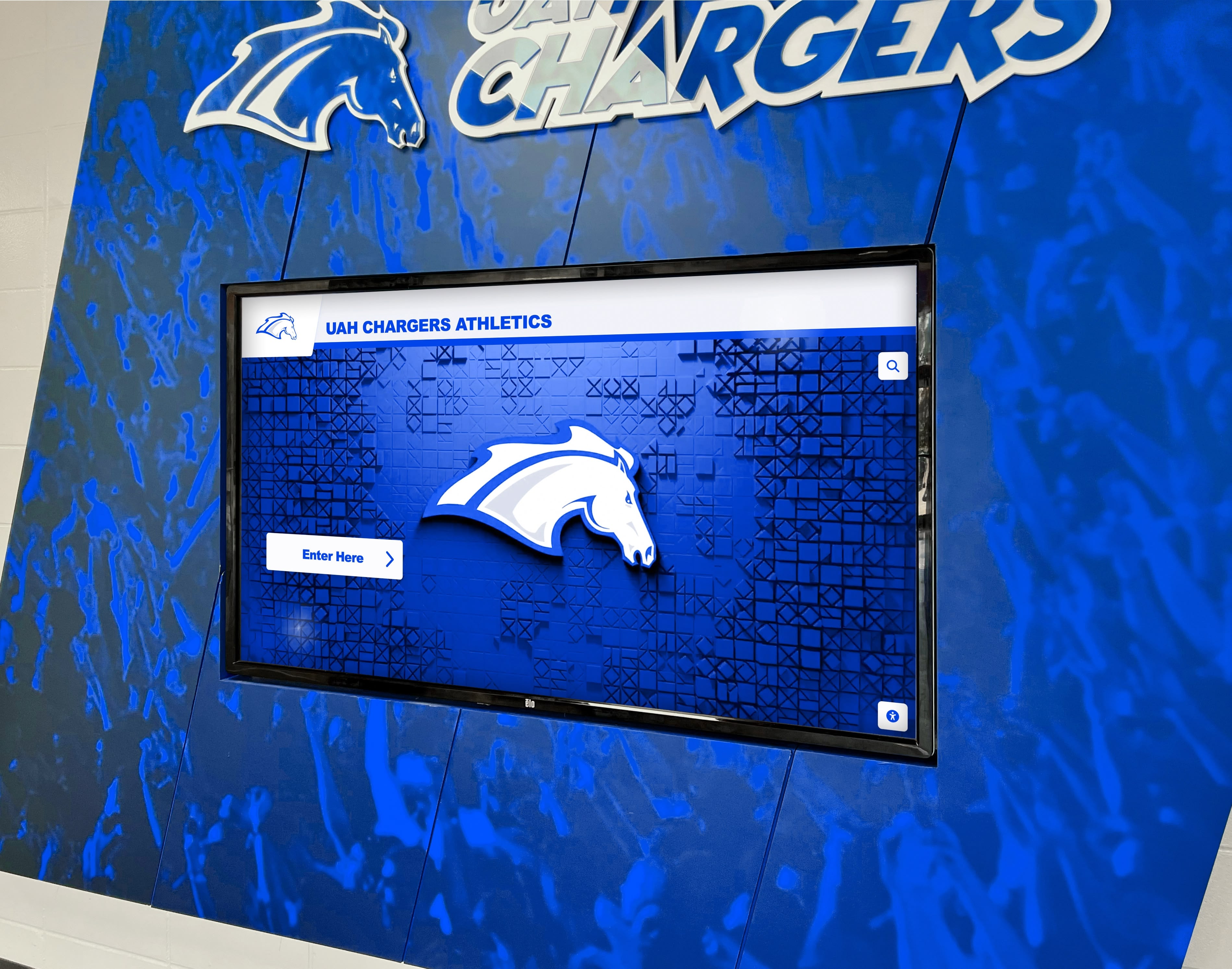
A dedicated drill team hall of fame — whether as part of a broader squadron or school recognition program or as a standalone display — creates lasting institutional memory that compounds in value with every passing year.
Defining the Recognition Criteria
Effective CAP recognition programs establish clear, consistent criteria that connect to the program’s actual achievement structure rather than relying on subjective assessments. For drill team recognition, defensible criteria typically include:
Competition placement thresholds — wing championship finishes (first through third place), national invitational placements, and cross-service competition results that demonstrate excellence against a broader competitive field.
Individual drill designations — “best driller” recognitions from wing-level competitions, drill team commander positions held during championship seasons, and other formally documented individual distinctions.
Milestone achievements — first wing championship in squadron history, consecutive title wins, multi-year consecutive appearances at national events, or other achievement milestones that mark program development.
Integration with overall cadet achievement — Mitchell Award recipients and Spaatz Award earners who were also significant drill team contributors merit recognition that acknowledges both streams of achievement.
Clear criteria serve the program in two ways: they give current cadets a visible target to pursue, and they ensure the recognition wall tells a coherent story rather than a list of names selected by whoever happened to be in charge at any given moment.
For comparison, academic decathlon team recognition programs use similar frameworks — identifying both team championship thresholds and individual achievement markers to create recognition systems that honor collective and individual contributions fairly.
Gathering Historical Records
Most squadrons with multi-decade histories have a significant gap between the achievements their cadets have actually earned and the records their current display systems document. Competition results go unrecorded. Roster lists never make it into archives. Photos sit in personal collections rather than squadron files.
Before building a display system, audit what’s available: contact former senior members and commanders, search wing-level records, review old encampment programs and competition guides, and solicit photos from former cadets and their families. The most historically complete display systems were built through intentional outreach to people who hold institutional memory that has never been formally recorded.
This archival work is worth doing before selecting display technology, because the format of the content you have — photos, text rosters, video clips from competition performances — should inform the display system you choose.
Choosing a Display Format
Physical displays — framed photos, engraved plaques, trophy cases — create tangible presence that digital systems cannot fully replicate. A physical award case with the wing championship trophy, team photo, and cadet roster for a significant season carries weight that a screen does not. For recognition that deserves to feel permanent, physical elements have a role.
The limitation of purely physical displays is their fixed capacity. A squadron with thirty years of drill competition history, dozens of championship seasons, and hundreds of recognized cadets cannot tell its full story through a trophy case and a wall of framed photos. The space runs out, content from earlier eras gets stored away or discarded, and the institutional memory that should accumulate instead erodes.
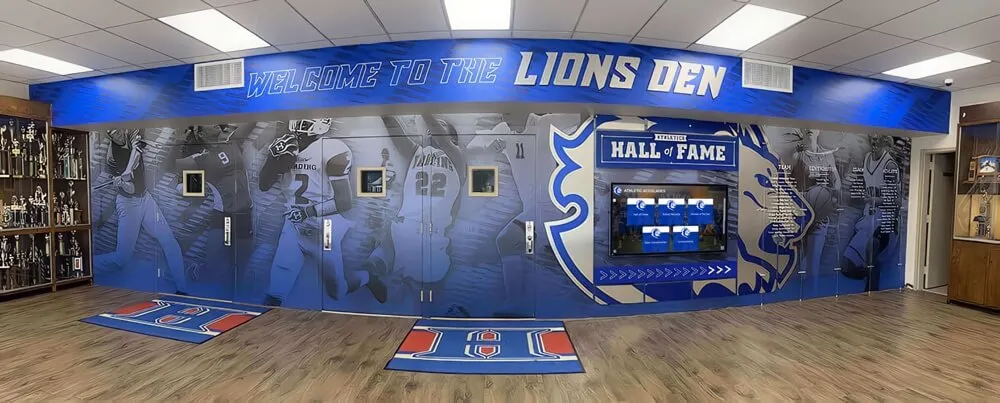
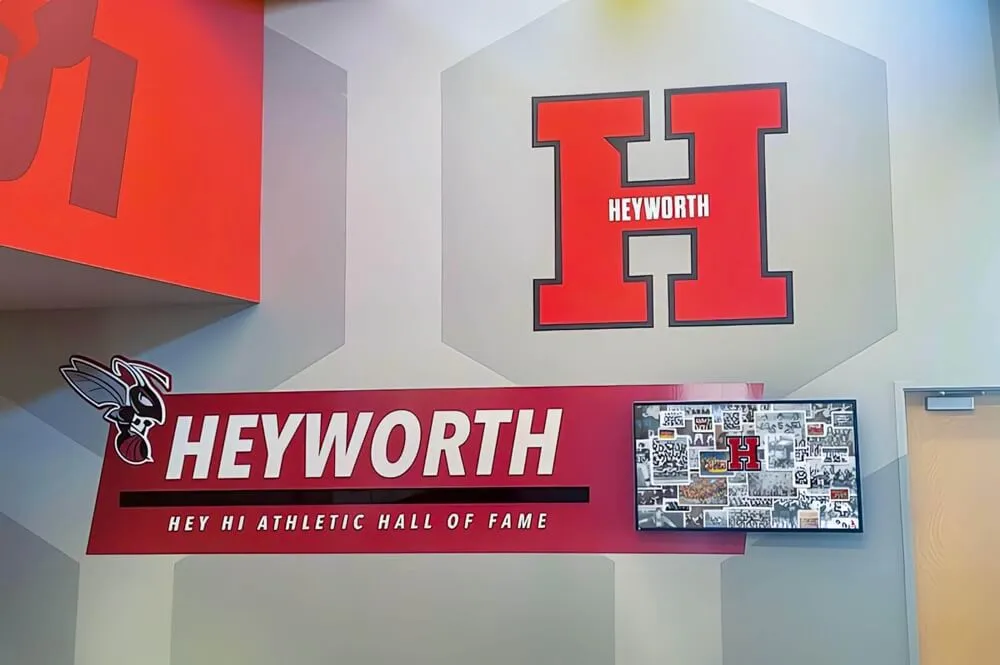
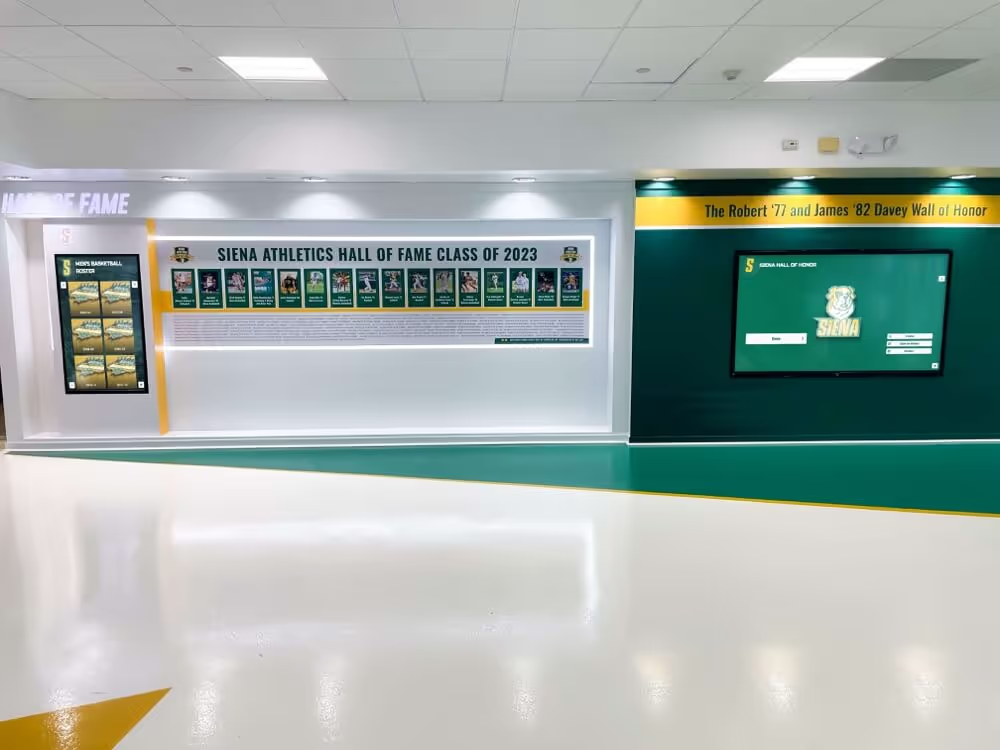
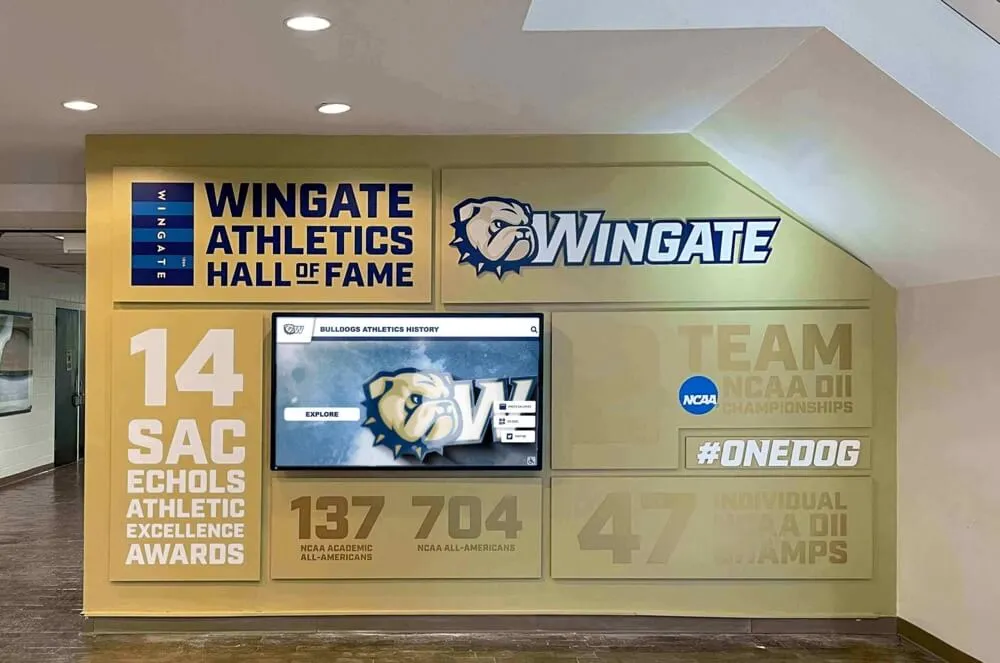
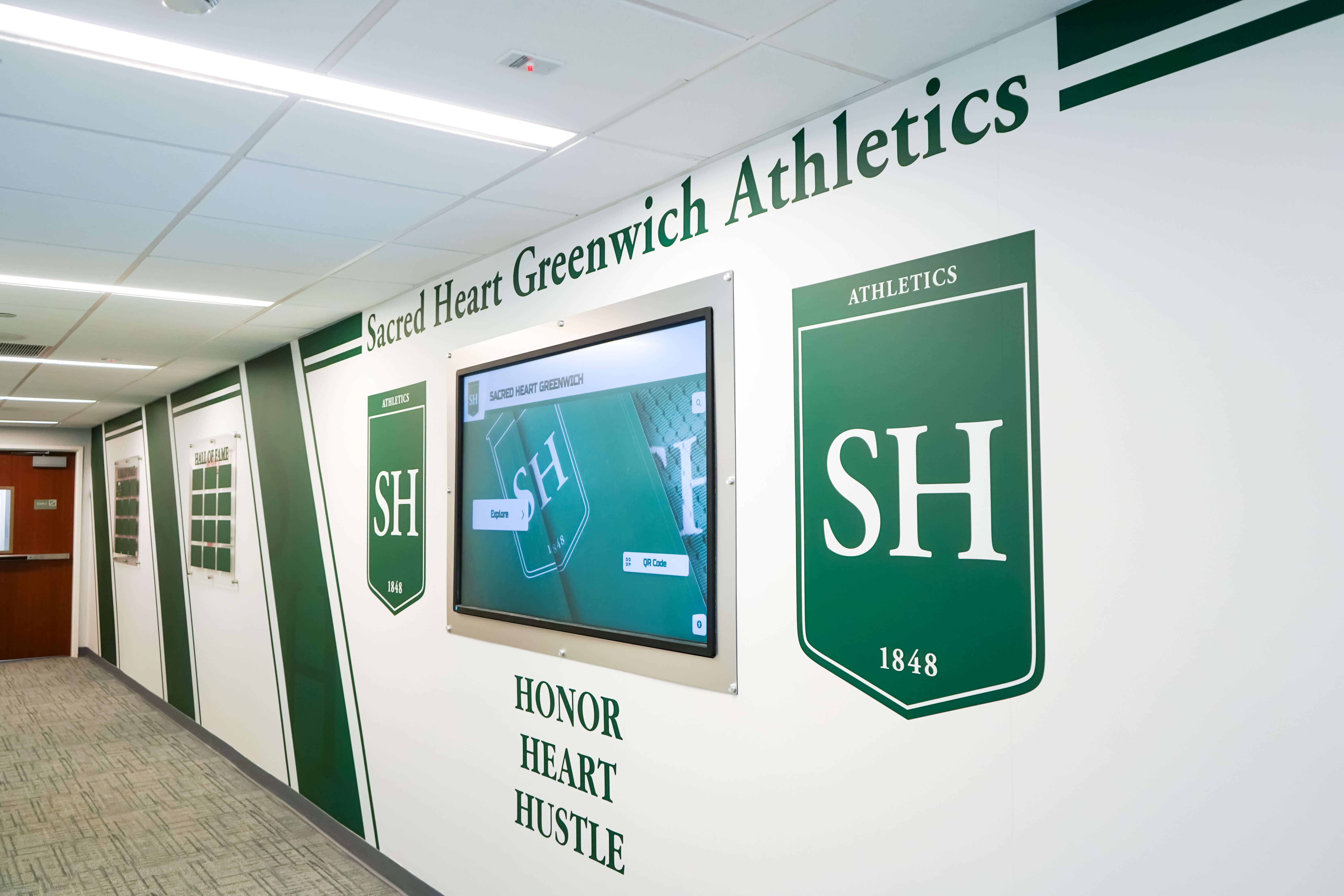
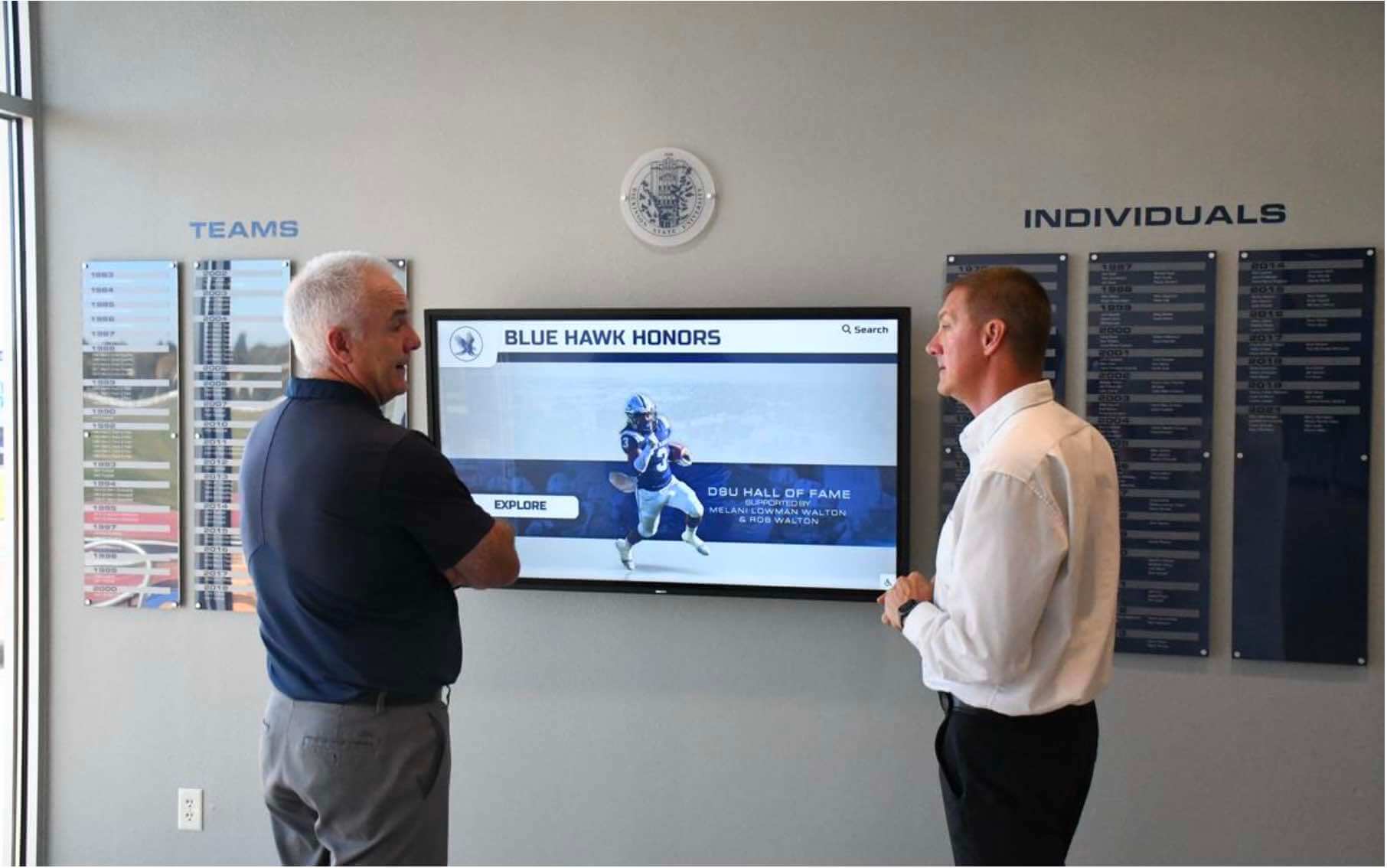
All-state plaque and digital display approaches that combine physical anchor elements with digital content offer a model that works well for cadet programs: a physical plaque or shield wall establishes the permanence and visual weight of the recognition, while an interactive digital component holds the depth of content — roster lists, competition records, career profiles — that physical space cannot accommodate.
Digital Recognition for CAP Drill Programs
Digital recognition systems designed for scholastic programs offer CAP drill teams several capabilities that traditional displays cannot match.
Scalable Content Depth
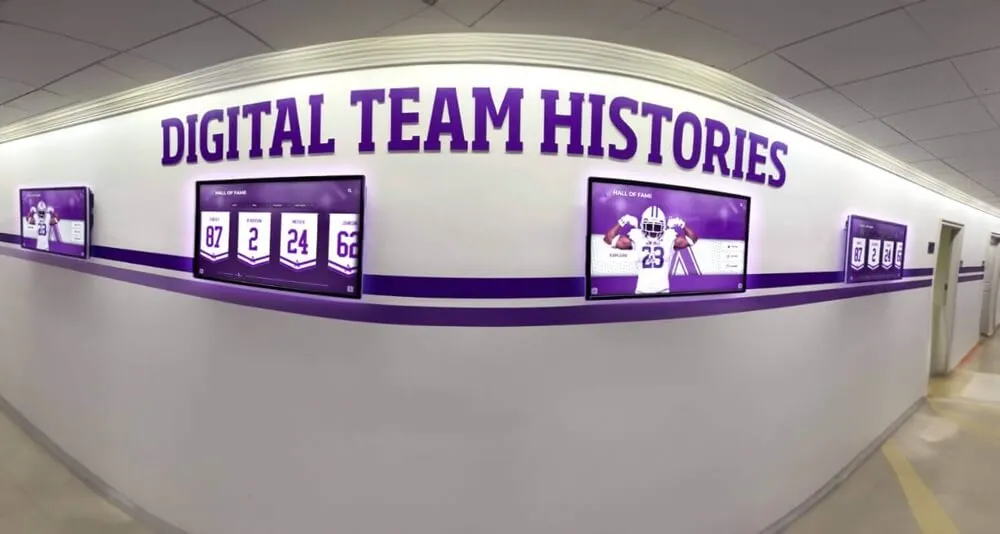
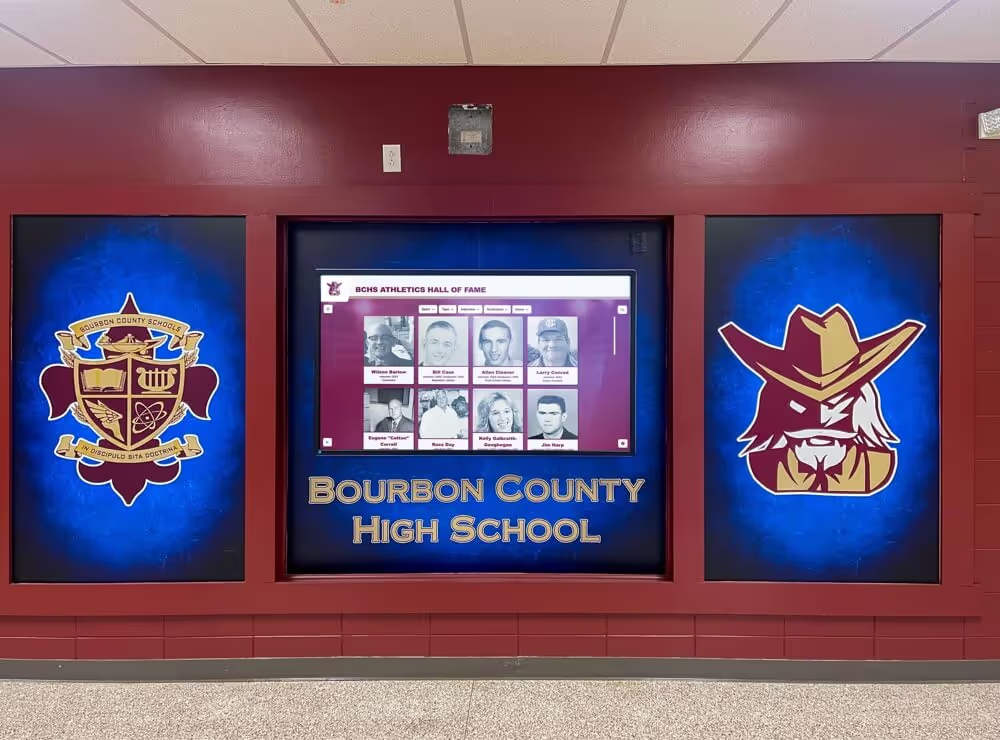
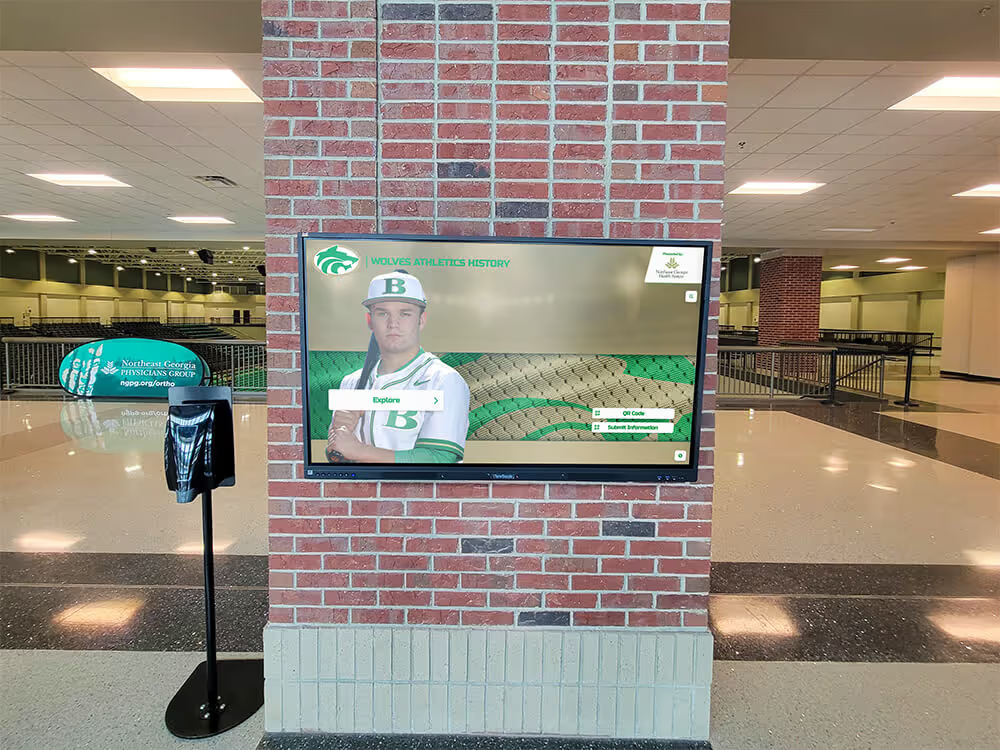
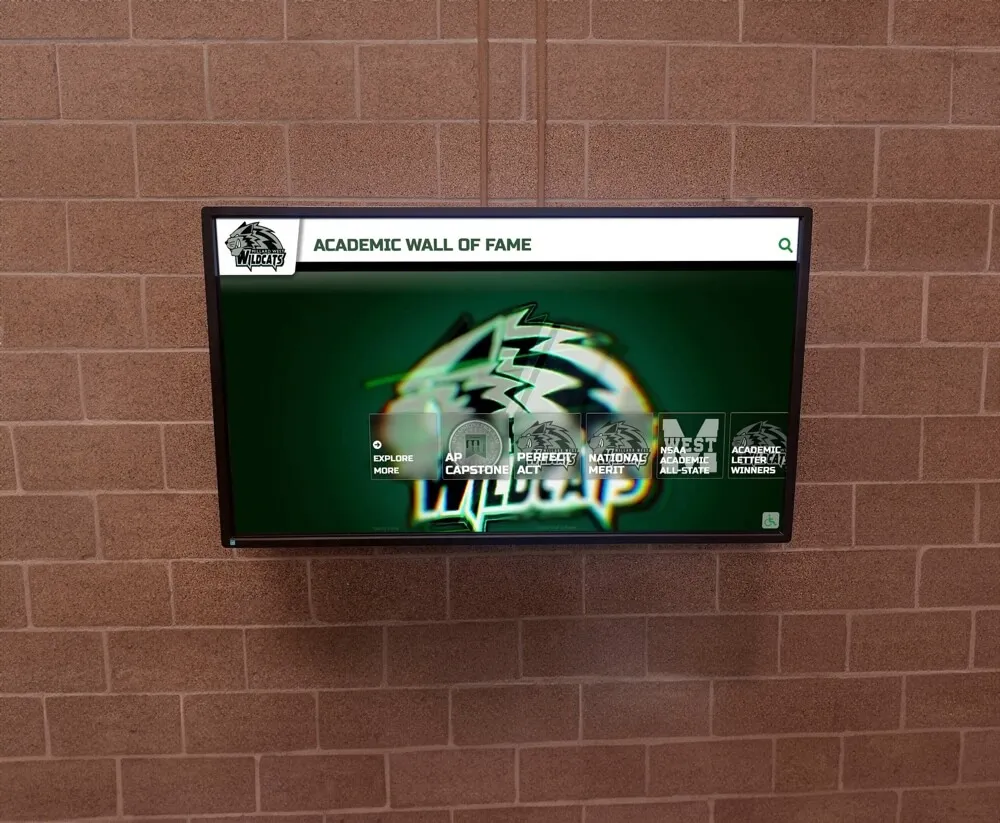
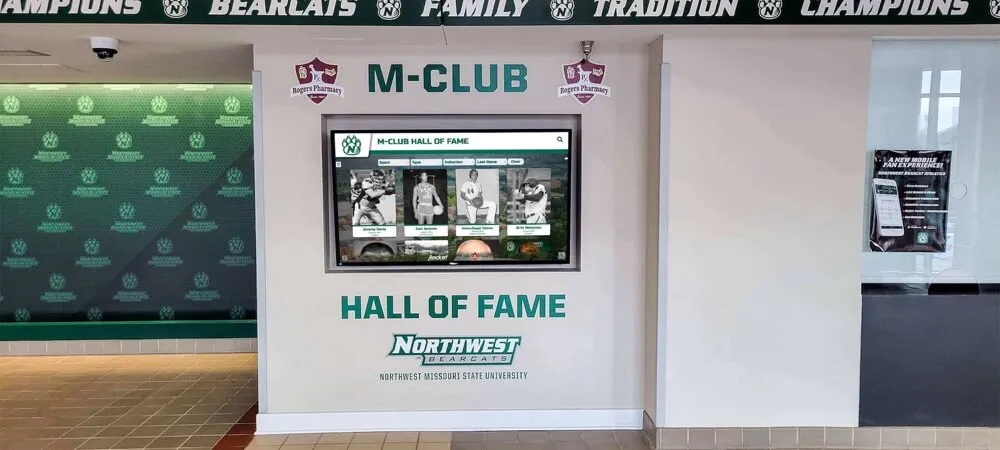
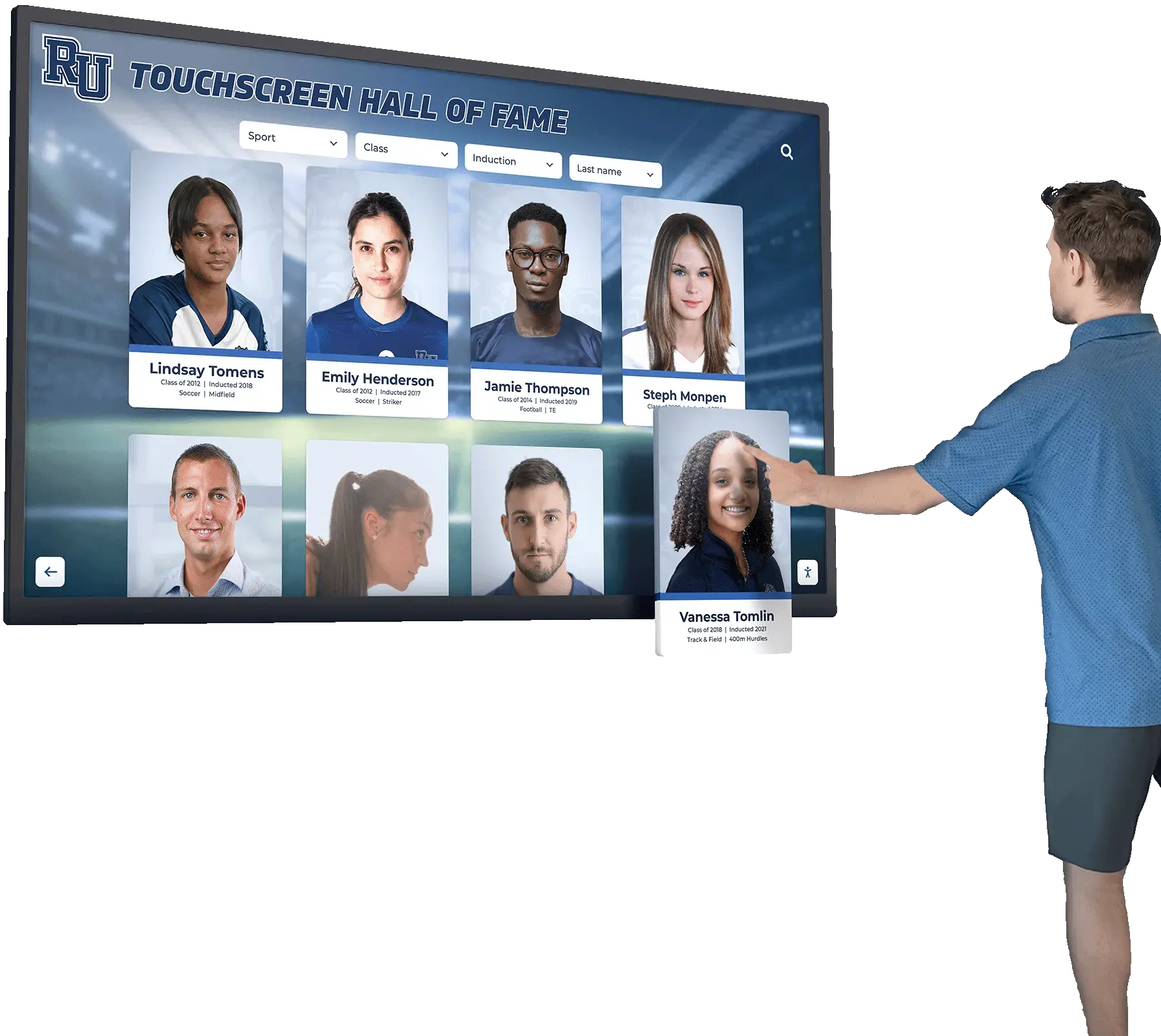
An interactive touchscreen display can hold complete roster records for every championship team in program history, profile pages for every individually recognized cadet, and competition records that include category placements, drill meet names, locations, and years. This depth is simply unavailable through physical displays, and it transforms the recognition system from a static honors board into a navigable archive of program achievement.
For CAP programs that participate in multiple competition categories — armed regulation, unarmed regulation, and exhibition in a single meet — a digital system can document each category separately rather than forcing all achievement into a single “first place overall” summary that strips out the nuance of what was actually accomplished.
Multimedia Documentation
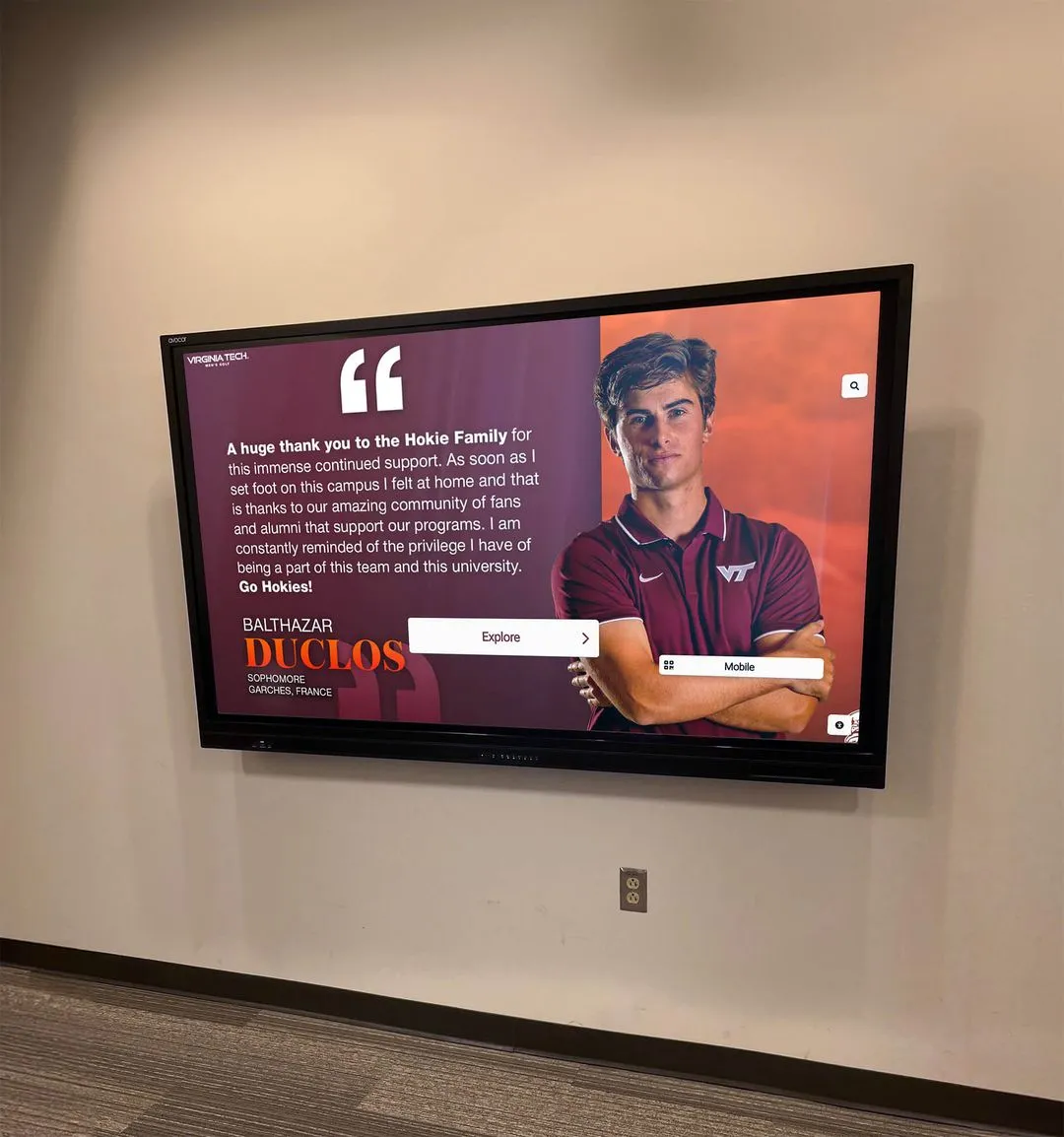
Drill team achievement is inherently visual and kinesthetic. A description of a first-place exhibition drill performance cannot convey what that performance actually looked and felt like. Video clips from competition performances, integrated into a digital recognition profile, create a record that captures achievement in its actual form — not a proxy description of it.
Photo galleries documenting team practices, pre-competition preparation, and competition day moments add the human dimension to achievement records that pure statistics and roster lists cannot provide.
Searchability and Alumni Engagement
A digital recognition system makes it possible for former cadets, parents, and community members to search by year, by cadet name, or by competition result and find specific records quickly. This searchability transforms the archive from an internal resource into a community tool that strengthens alumni connection to the program.
Student-of-the-month boards and digital recognition displays at the classroom and building level demonstrate the same principle at smaller scale: when recognition is visible and searchable, it gets noticed by people who would never seek it out deliberately — and that broader visibility amplifies its motivational effect.
Connections to School-Wide Recognition
For CAP programs hosted at schools with broader athletic and academic recognition infrastructure, integrating drill team achievement into the school’s existing display systems makes program achievement visible to students and faculty who have limited direct exposure to the CAP program.
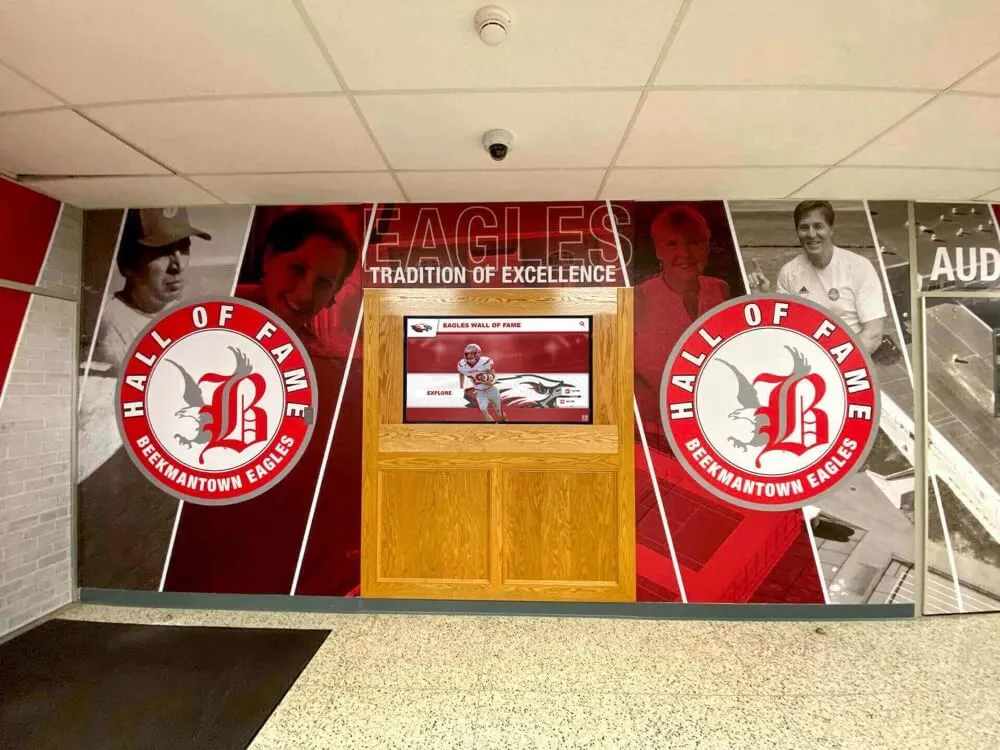
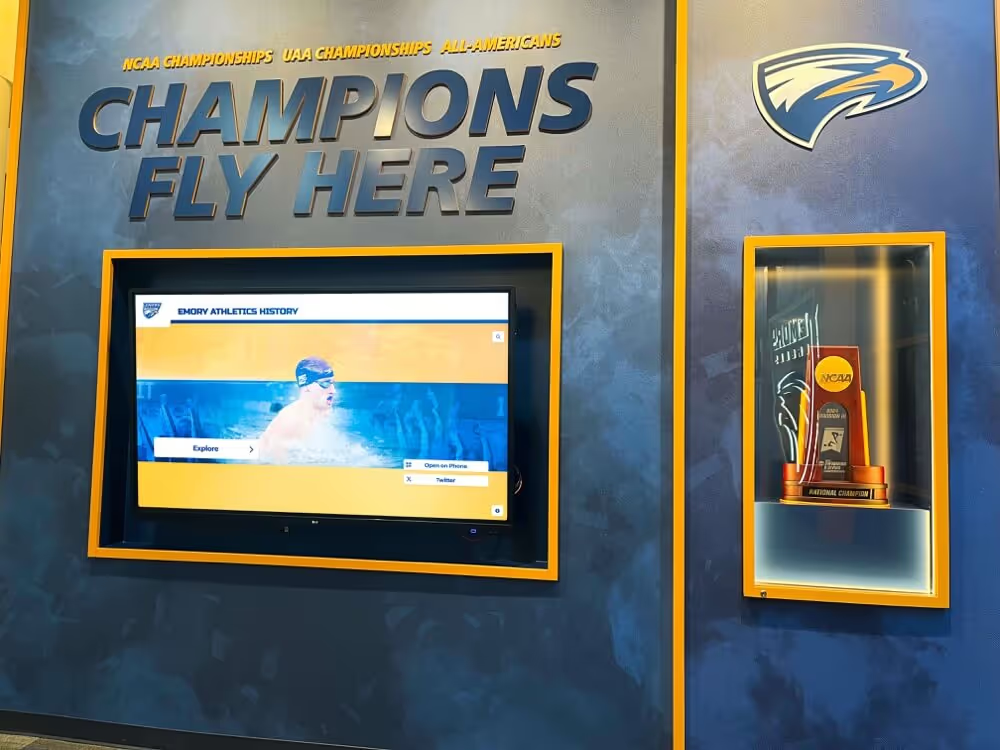
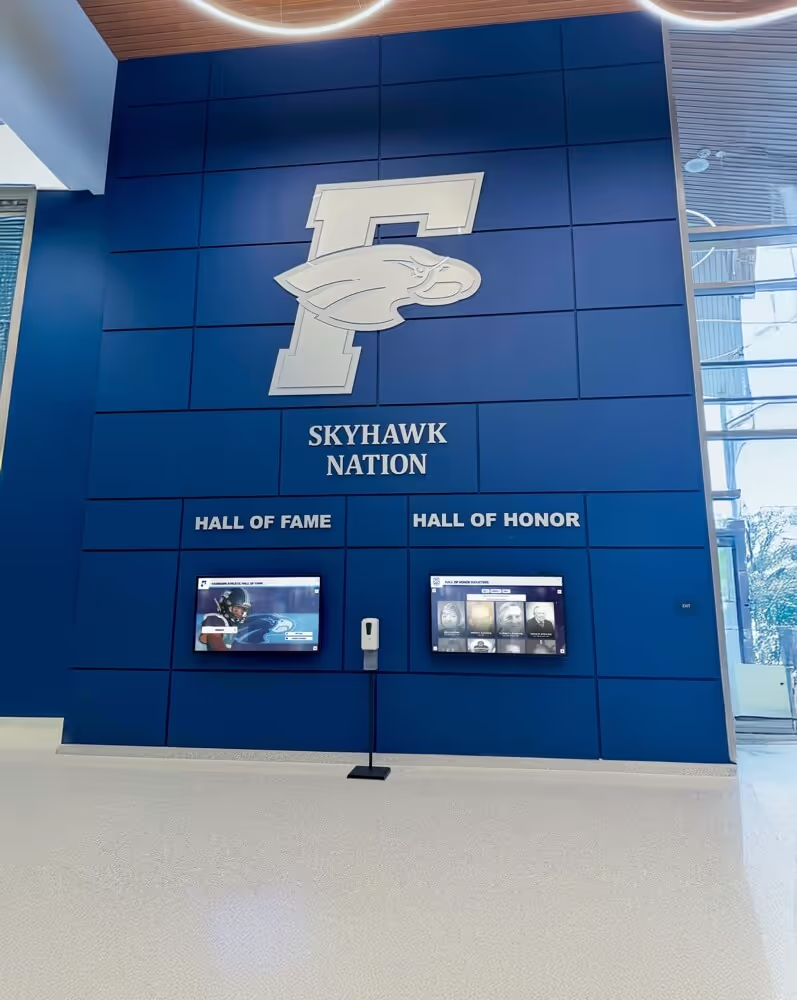
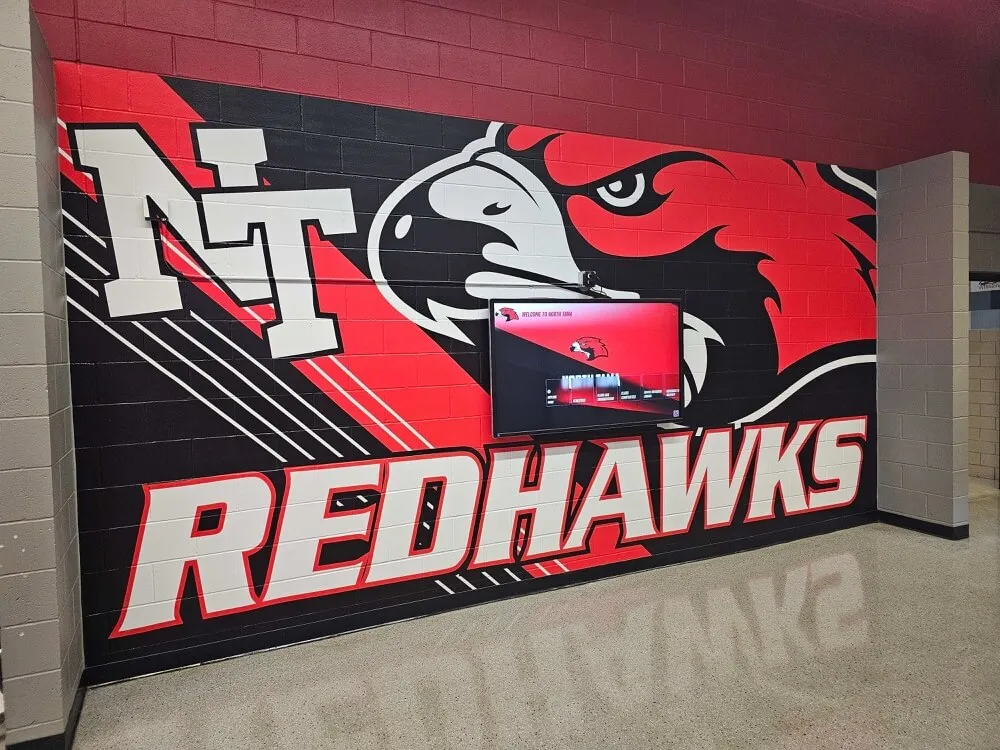
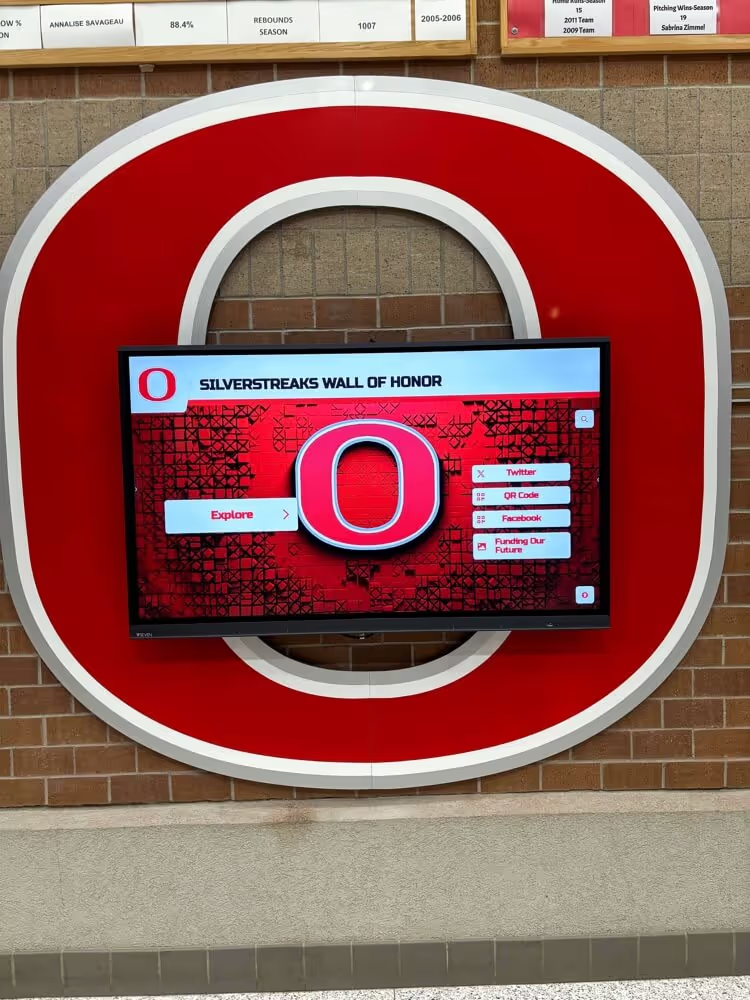
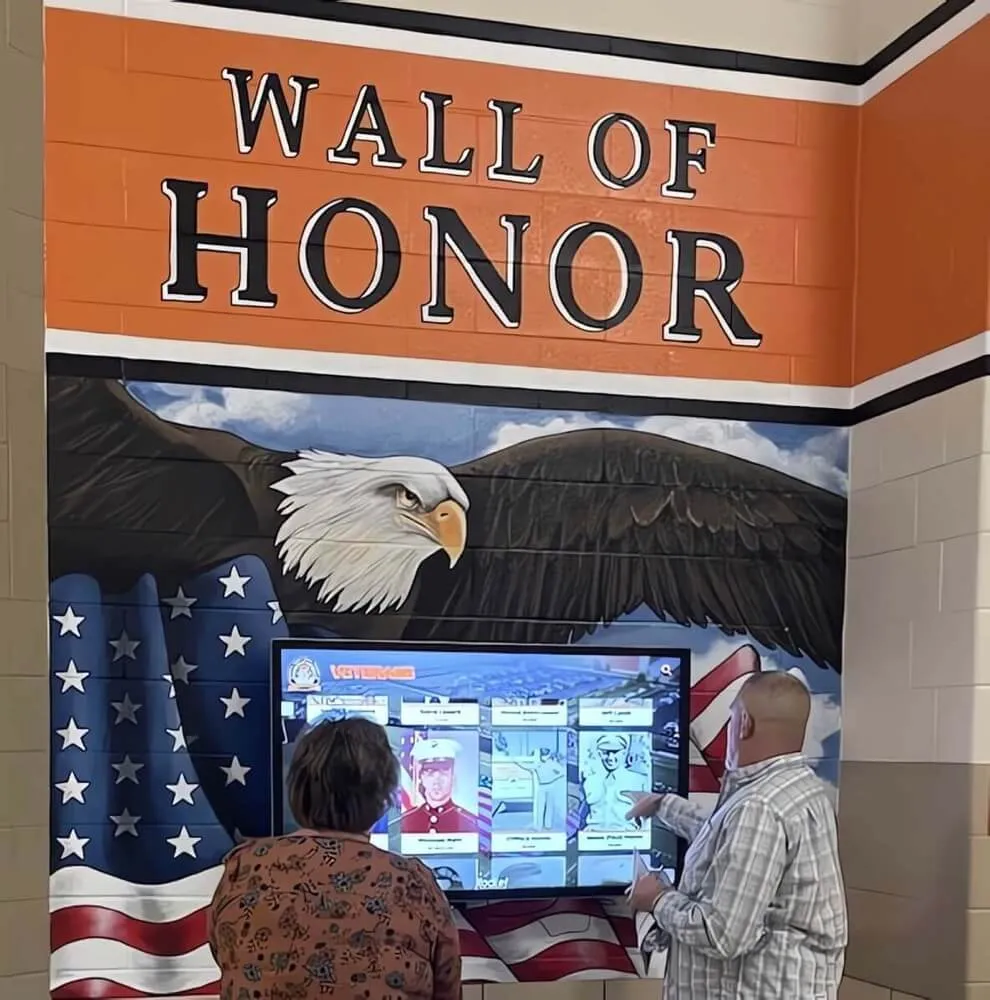
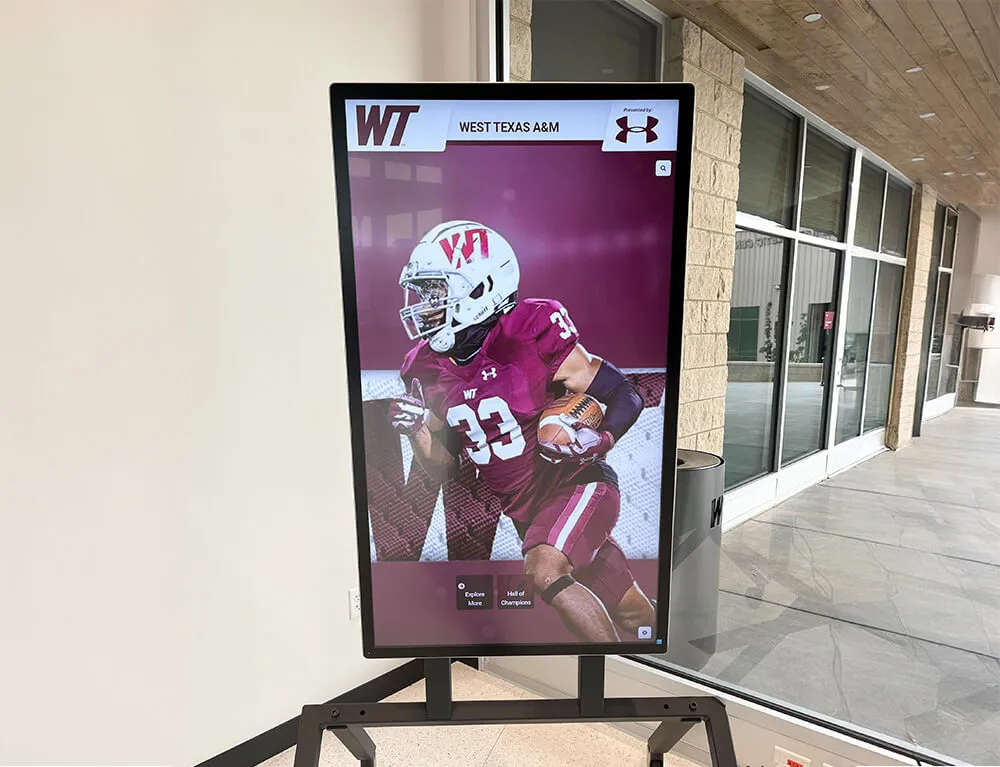
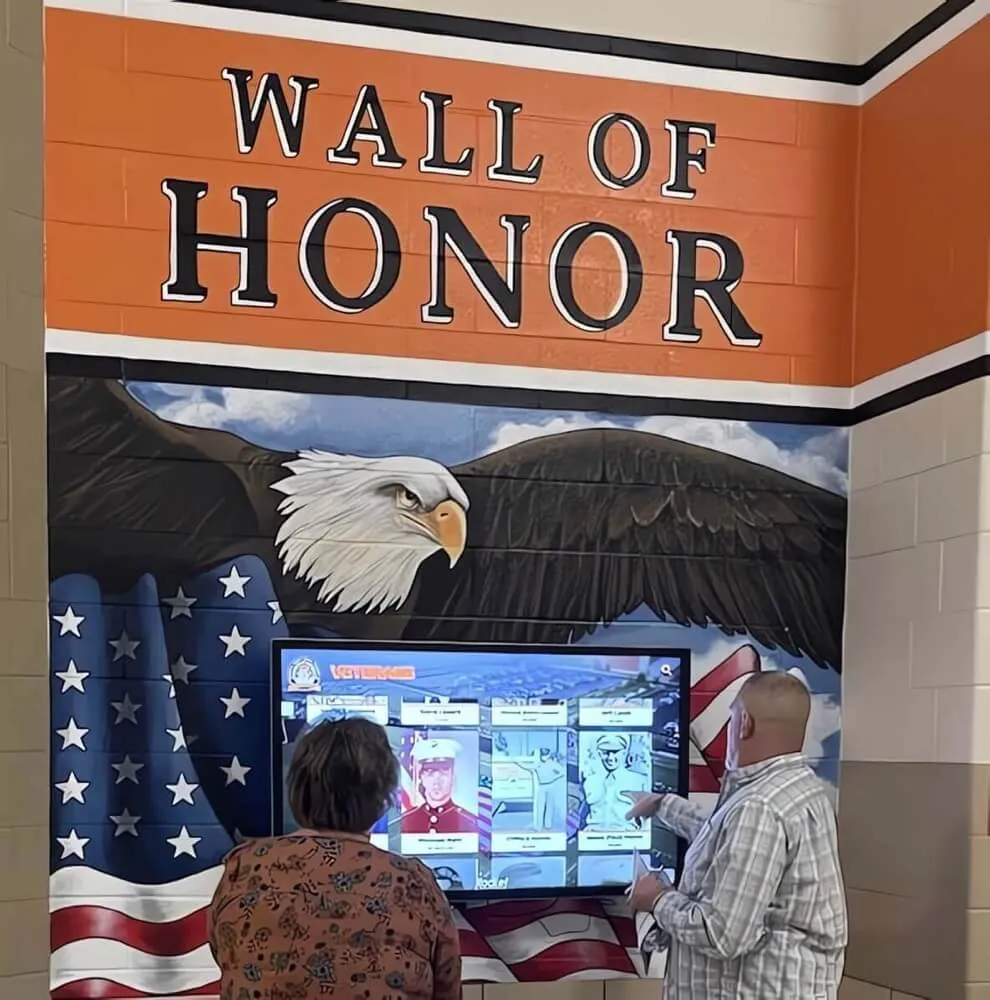
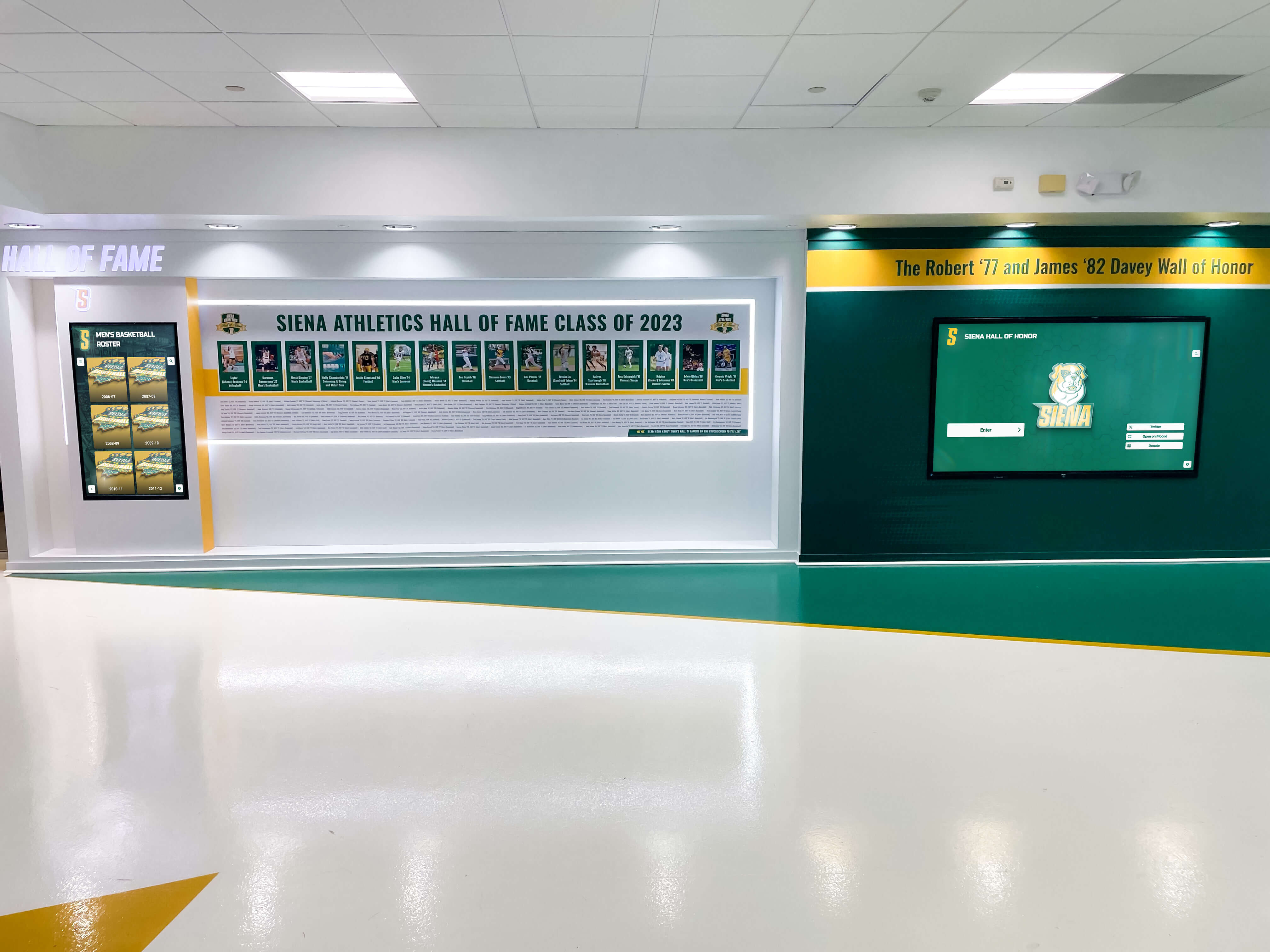
Schools that have invested in interactive kiosk displays for student recognition can include a CAP section within their existing systems, placing drill team championships alongside athletic state qualifiers and academic award winners in a unified recognition interface. This integration communicates institutional recognition of CAP achievement in the clearest possible way — by treating it with the same seriousness as every other form of student excellence the school honors.
Recognition Ceremony: Making the Moment Real
Display systems preserve achievement across time. Ceremonies make achievement real in the moment it is earned. Both are necessary, and they work together most effectively when designed to reinforce each other.
Annual Recognition Events
CAP squadrons that hold annual recognition events give cadets and their families a dedicated moment to celebrate what the year produced. For drill teams, this means more than announcing competition results — it means presenting team photos, introducing individuals who earned specific recognition, and publicly naming the achievement within the context of program history.
When a cadet receives recognition at an annual ceremony and simultaneously sees their name added to a permanent display, the recognition lands with full weight. The ceremony creates the emotional moment; the display creates the permanence.
Debate team and academic team recognition ideas illustrate how non-athletic competitive programs build recognition ceremonies that carry genuine institutional weight — the same principles apply directly to drill team programs where the competitive achievement is at least as significant as what debate or academic decathlon teams produce.
Connecting Ceremony to Display
The most effective recognition programs tie ceremony directly to the permanent display. Inducting a championship team into the hall of fame at the annual event — placing the team photo and roster on the display in front of the cadets being recognized — transforms abstract recognition into a concrete, witnessed moment.
Schools and programs that have thought carefully about most improved award categories and recognition criteria understand that the act of recognition matters as much as the permanent record it creates — a ceremony that simply announces an award misses the opportunity that ceremony provides to create a memory that cadets carry for decades.
Including Families
Cadet achievement in drill competition involves family investment that rarely appears in the official record. Parents drove to early morning practices, transported cadets to competitions, and maintained the home routines that made consistent training possible. Recognition ceremonies that include families — and that make specific mention of family support in the context of the achievement — honor that investment explicitly.
Practical Steps for Building CAP Drill Team Recognition
For squadrons and schools starting from limited recognition infrastructure, the process of building a lasting system can be approached in phases.
Phase 1: Audit and document. Identify what competition records, photos, individual award documentation, and roster information the squadron currently holds. Reach out to former drill team commanders, senior members, and parents to identify materials that exist outside official files. This audit phase frequently reveals that more achievement has been produced than the current display systems acknowledge.
Phase 2: Define criteria for permanent recognition. Using wing competition structure and national program standards as your framework, establish which achievements merit permanent hall-of-fame recognition versus which deserve periodic acknowledgment through other channels. Write these criteria down, share them with current cadets, and commit to applying them consistently going forward.
Phase 3: Retroactively document significant historical achievements. Before focusing entirely on future recognition, identify the drill team achievements in the squadron’s history that deserve permanent recognition but have never received it. Championship seasons, distinguished individual cadets, and milestone accomplishments that were never documented in a display system deserve retroactive recognition as part of building a complete historical record.
Phase 4: Choose a display format that scales. Whether physical, digital, or combined, select a system that can accommodate new recognition additions annually without requiring a complete redesign. Scalability matters because the most valuable recognition systems are those that grow more impressive over decades — a display that runs out of space or requires replacement every five years fails to deliver the compounding value that hall-of-fame recognition is designed to provide.
Phase 5: Build ceremony around the display. Design your annual recognition events to connect directly to the permanent display system, so that each year’s ceremony adds to the record that visitors will encounter in the facility for years to come.
How Rocket Alumni Solutions Supports CAP Program Recognition
Schools and squadrons building permanent recognition programs for Civil Air Patrol drill teams need display systems that can handle the depth and diversity of cadet achievement — not generic signage platforms adapted from corporate digital displays.
Rocket Alumni Solutions builds interactive recognition platforms designed specifically for scholastic programs. These systems can hold complete drill team rosters for every competitive season, individual cadet profiles with ribbon and award documentation, competition records organized by year and category, photo galleries from practices and competition events, and video content from exhibition drill performances. The platforms scale without space constraints across decades of program history and update without requiring physical alterations to the display.
For schools where CAP programs share recognition infrastructure with athletic and academic programs, Rocket’s systems integrate cadet achievement alongside other forms of student excellence in a unified interface — communicating institutional recognition clearly to every student and visitor who interacts with the display.
Conclusion
A Civil Air Patrol drill team that earns a wing championship has accomplished something that deserves lasting recognition. The precision, discipline, collective timing, and sustained effort that championship drill requires are exactly the qualities that character-development programs exist to cultivate — and exactly the qualities that deserve permanent, visible institutional acknowledgment.
The recognition gap most CAP programs face is not a shortage of achievement. It is a shortage of systems designed to capture, preserve, and display what their cadets produce. Championship photos in a filing cabinet, competition certificates on a shelf, individual awards presented once and then stored — these are recognition failures, not recognition programs.
Building a drill team hall of fame, connecting ceremony to permanent display, integrating CAP achievement into school-wide recognition infrastructure, and investing in display systems that scale across decades of program history — these are the moves that transform recognition from an afterthought into a program asset that recruits future cadets, retains current ones, and creates the institutional pride that sustains excellence across generations.
The cadet who spent two years learning an exhibition rifle routine deserves to see their name on a wall that will still be there when they bring their own children back to visit. Build the system that makes that possible.
Ready to build recognition infrastructure that honors your Civil Air Patrol drill team for years to come? Rocket Alumni Solutions provides interactive digital halls of fame designed for scholastic programs — built to capture the full depth of cadet achievement and display it with the permanence and accessibility it deserves.