When a school or community team wins a championship, the victory belongs not just to the players and coaches but to an entire community that supported them throughout the season. A well-planned championship parade transforms athletic achievement into shared celebration, creating lasting memories while strengthening community bonds and institutional pride.
Yet many schools and organizations struggle with parade planning, unsure where to begin with permits, routes, safety considerations, and logistics that make the difference between chaotic scrambles and triumphant celebrations. Some rush planning, creating preventable problems that diminish what should be joyful occasions. Others overplan to the point of stifling spontaneity, producing stiff events that feel more obligatory than celebratory.
Effective championship parades balance thorough preparation with celebratory energy. They honor athletes and coaches authentically while engaging communities in shared pride. They create photo-worthy moments that generate media coverage and social media buzz extending celebration beyond those physically present. And they establish traditions that future teams aspire to earn through similar championship success.
Why Championship Parades Matter: Victory parades serve purposes beyond immediate celebration. They provide visible proof that the community values and supports athletic achievement, creating emotional connection between teams and supporters. They inspire younger athletes witnessing championship recognition and imagining themselves in similar positions. They generate positive media coverage and community goodwill that benefits schools and organizations long after seasons end. And they create permanent memories and documentation—photos, videos, news coverage—that become part of institutional history and digital hall of fame displays for years to come.
This comprehensive guide walks through everything you need to know about planning championship parades that honor achievement appropriately while creating safe, memorable community celebrations.
Understanding Championship Parade Fundamentals
Before diving into logistics and planning details, successful parade organizers must clarify what they want celebrations to accomplish and who should be involved.
Defining Your Parade’s Primary Purpose
Different communities emphasize different objectives when hosting championship parades, and these priorities shape planning decisions throughout the process.
Honoring the Championship Team
The most obvious purpose centers on recognizing the athletes and coaches whose achievement earned the championship. Team-focused parades emphasize prominent positioning of players and coaches enabling visibility throughout the route, adequate time and space for athletes to interact with supporters along the route, photo opportunities capturing team members with championship hardware, and recognition that feels genuine and celebratory rather than perfunctory or rushed.
When honoring the team represents the primary goal, planning decisions prioritize player experience—ensuring they can see supporters, feel community appreciation, and create memories they’ll treasure for decades.
Building Community Pride and Unity
Many championship parades serve broader community-building objectives beyond recognizing specific teams. Community-focused celebrations emphasize widespread participation from residents regardless of direct team connection, family-friendly atmosphere welcoming all ages and demographics, visible demonstration of community values like hard work, dedication, and excellence, and shared experience creating collective memories that strengthen social bonds.
Schools pursuing community-building objectives design parades accessible to maximum participants, choosing routes through areas with high visibility and community significance rather than exclusively near athletic facilities.
Inspiring Future Athletes and Students
For educational institutions, championship parades provide powerful inspiration for younger students who witness the celebration and imagine themselves earning similar recognition. Inspiration-focused parades include youth sports teams and junior program participants in the parade procession, positioning along routes enabling clear visibility for student spectators, pre-parade or post-parade opportunities for young athletes to meet championship team members, and messaging emphasizing the dedication and work that created championship success.
The visibility young athletes gain from championship parades directly influences their motivation and commitment, making these events recruitment and retention tools for youth and school athletic programs.
Generating Positive Media Coverage
Some organizations emphasize media and promotional objectives, using championship parades to generate coverage that benefits institutional reputation and visibility. Media-focused parades feature photo-worthy moments and visual elements that attract media coverage, strategic timing maximizing media attendance and coverage, spokesperson preparation ensuring effective interviews and messaging, and social media integration amplifying reach beyond physical attendees.
Professional sports teams naturally prioritize media coverage, but schools and community organizations also benefit from positive publicity that championship parades generate when planned with media objectives in mind.
Determining Appropriate Scale and Format
Championship parades range from intimate school-centered celebrations to elaborate citywide events, and choosing appropriate scale prevents both underwhelming recognition and overambitious planning creating execution problems.
Small-Scale School and Campus Parades
Many schools organize focused celebrations within campus boundaries or immediate surrounding neighborhoods. These scaled parades typically feature parade routes circling campus or through adjacent residential streets, participation primarily from students, staff, families, and immediate neighbors, duration of 30-60 minutes from start to conclusion, and modest logistics requiring limited municipal coordination and permits.
Small-scale parades work particularly well for schools in areas without suitable main thoroughfares, championships in sports with more modest followings, or situations with limited planning time between championship victories and desired celebration dates.
Medium-Scale Community Parades
Mid-sized celebrations engage broader communities while remaining manageable for volunteer organizations. Medium parades feature routes through downtown areas or main commercial streets, participation from community members beyond direct school connections, coordination with local government for street closures and traffic management, and duration of 1-2 hours including pre-parade gathering and post-parade ceremonies.
This scale suits most high school championships, particularly in communities where school athletics serve as significant sources of civic pride and identity.
Large-Scale Citywide Celebrations
Major championships—state titles in highly competitive classifications, national championships, or professional team victories—sometimes warrant elaborate citywide parades. Large parades include routes through major city thoroughfares with high visibility, participation measured in thousands or tens of thousands of spectators, extensive coordination with municipal services including police, public works, and emergency services, and professional-level production including stages, sound systems, and media platforms.
Planning citywide parades requires months of preparation and substantial budgets, making them appropriate only for truly exceptional championship achievements with broad community significance.
Championship Parade Planning Timeline
Successful parades require adequate planning time, though schedules compress when championships occur close to desired celebration dates.
Immediate Post-Championship (Within 48 Hours)
The hours immediately following championship victories determine whether parades can happen on optimal timelines.
Initial Decision and Approval
First, determine whether to hold a parade and secure necessary approvals from school administrators, municipal officials, or organizational leadership. This rapid decision-making includes assessing community interest and likely participation, confirming team and coach availability and willingness, identifying preliminary date and time options, and securing provisional approval from key decision-makers.
Early decisions enable longer planning timelines, while delayed decisions force compressed schedules that complicate logistics.
Forming a Planning Committee
Assemble a core group responsible for coordinating parade elements. Effective committees typically include athletic director or program leadership providing team liaison, school administrator or organizational leader with decision authority, facilities or operations staff managing logistics, communications or marketing staff handling promotion and media, and community or parent representatives ensuring broader stakeholder input.
Clear leadership designation prevents coordination problems and ensures accountability for specific planning elements.
Setting Initial Parameters
Establish basic parameters guiding detailed planning including proposed date and time based on team and community availability, preliminary route concepts identifying potential parade paths, budget estimates and funding source identification, and initial safety and risk considerations.
These preliminary decisions create frameworks enabling detailed planning without requiring exhaustive research before moving forward.
2-4 Weeks Before: Planning and Coordination
With basic parameters established, mid-timeline focus shifts to detailed logistics and stakeholder coordination.
Permits and Municipal Approvals
Secure all required permits and municipal approvals for street closures, public gatherings, and parade activities. This process typically includes parade permit applications specifying routes, dates, and expected participation, street closure requests coordinating with public works and traffic departments, law enforcement coordination for traffic control and security, and insurance certificates or liability documentation.
Municipal approval processes vary significantly across jurisdictions—some small towns process parade permits within days while large cities require weeks of advance notice and extensive documentation. Research local requirements immediately to avoid timeline problems.
Route Planning and Safety Coordination
Finalize parade routes balancing visibility, safety, and logistical feasibility. Effective route planning considers adequate width accommodating parade participants and spectator space, minimal intersection complexity reducing traffic control challenges, accessibility for participants with mobility limitations, emergency vehicle access throughout the route, and spectator amenities like parking, restrooms, and viewing areas.
Walk the proposed route identifying potential problems before finalizing plans, and coordinate with law enforcement and emergency services to address safety concerns.
Participant and Vehicle Coordination
Determine who and what will be included in the parade procession. Typical parade participants include championship team members in vehicles or on floats, coaching staff and support personnel, school administrators and organizational leadership, youth teams or feeder programs, marching bands or pep bands, cheerleaders and spirit squads, community supporters and sponsors, and emergency vehicles providing both security and visual interest.
Early participant confirmation enables appropriate route planning accounting for procession size and composition.
Communication and Promotion
Develop communication strategies ensuring target audiences know about parade details. Promotional efforts typically include school or organizational announcements to students, families, and members, social media promotion across multiple platforms, media relations generating news coverage, community signage and posters in high-visibility locations, and direct outreach to specific stakeholder groups like youth sports organizations.
Effective promotion balances generating strong participation with managing expectations about parade scale and format.
1-2 Weeks Before: Detailed Execution Planning
As parade dates approach, attention shifts to specific operational details ensuring smooth execution.
Finalizing Logistics and Assignments
Create detailed operational plans specifying exactly how parade elements will be executed including procession order determining parade sequence, volunteer assignments ensuring adequate staffing for all functions, equipment and supply procurement, timeline and schedule for parade day including setup and breakdown, and contingency plans for weather or unexpected complications.
Written operational plans distributed to all participants and volunteers prevent confusion and ensure coordinated execution.
Media and Documentation Planning
Coordinate media coverage and documentation capturing the celebration including media credentials and access for reporters and photographers, designated photo opportunities along the route or at conclusion, social media team assignments for live coverage and posting, professional photography or videography services if budget allows, and content collection enabling post-parade wall of fame displays and recognition materials.
Championship parades create content that schools and organizations use for years in recruitment materials, recognition displays, and institutional histories—making thorough documentation important beyond immediate coverage.
Team and Participant Preparation
Ensure all parade participants understand expectations and logistics through participant meetings reviewing parade format, routes, and timing, dress code or attire specifications creating cohesive appearance, safety briefings especially for participants on vehicles or floats, media training for athletes and coaches likely to receive interview requests, and special recognition planning for specific individuals like senior athletes or retiring coaches.
Prepared participants contribute to smooth execution and professional appearance.
Parade Day: Execution and Real-Time Management
Even with thorough planning, parade day requires active coordination and real-time problem-solving.
Setup and Pre-Parade Preparation
Arrive early to manage setup and address last-minute issues including route setup with barricades or traffic control equipment, participant assembly coordinating arrival and positioning, sound system and announcement equipment testing, volunteer and staff positioning at assigned locations, and final safety and security sweep before parade begins.
Built-in buffer time prevents delayed starts that frustrate participants and spectators.
Parade Execution and Coordination
Manage the parade actively as it progresses including communication systems enabling coordination among parade marshals and volunteers, pace management ensuring appropriate spacing and timing, safety monitoring throughout the route, spectator management particularly at crowded viewing areas, and problem response addressing unexpected issues quickly.
Designated parade marshals or coordinators positioned throughout the route enable quick identification and response to problems.
Post-Parade Activities and Closure
Many parades conclude with additional celebration activities including post-parade ceremonies or rallies at conclusion points, photo opportunities with championship trophies and team members, meet-and-greet sessions particularly for youth participants, and efficient breakdown and cleanup returning venues to normal conditions.
Plan post-parade activities carefully to maintain positive energy while preventing exhaustion or anticlimactic endings.

Key Elements of Successful Championship Parades
Several specific considerations separate memorable parades from forgettable or problematic events.
Route Selection and Design
Parade routes fundamentally shape participant and spectator experiences, making thoughtful selection crucial.
Balancing Distance and Duration
Route length should create meaningful celebration without exhausting participants or losing spectator interest. Most effective routes run 0.5 to 2 miles depending on participant transportation methods and expected spectator distribution. Shorter routes work well for parades where participants walk or for compressed timelines. Longer routes suit vehicle-based parades or situations with spectator demand across multiple areas.
Consider that parade participants experience routes differently than spectators—what feels brief for riders on floats may feel long for walkers, particularly in hot weather or challenging conditions.
Maximizing Visibility and Spectator Access
Routes should enable maximum community participation by passing through high-visibility, accessible areas. Ideal routes include sections through downtown or commercial areas with natural gathering spaces, past schools or community facilities with institutional significance, through residential neighborhoods enabling family participation, and areas with adequate parking and transit access for spectators traveling from distances.
Routes exclusively through isolated areas or locations with limited spectator access miss opportunities for community engagement and celebration.
Ensuring Safety and Accessibility
Safety considerations must guide route planning, particularly for parades including young participants or vehicle processions. Safe routes feature adequate width preventing crowding and enabling emergency access, minimal traffic complexity reducing accident risk, appropriate pavement conditions accommodating wheelchairs and participants with mobility challenges, and clear sight lines enabling supervision and security throughout.
Consult local law enforcement and emergency services when evaluating route safety, incorporating their expertise into final decisions.
Team Recognition and Athlete Experience
Championship parades celebrate specific achievements, so planning must prioritize appropriate recognition for the athletes and coaches who earned celebration.
Prominent Positioning and Visibility
Athletes should be positioned prominently throughout parades enabling spectators to see and celebrate them. Effective positioning strategies include open vehicles or flat-bed trailers providing elevation and visibility, championship trophies or banners visible throughout the procession, name recognition through jerseys, signage, or announcements, and spacing preventing athletes from being obscured by other parade elements.
The worst parade experiences occur when honorees are barely visible, diminishing the recognition that justified the celebration.
Opportunities for Interaction
Allow athletes to engage with supporters rather than simply passing by. Interactive elements might include parade pace slow enough for conversation and acknowledgment, designated stops or slow zones in high-density spectator areas, post-parade meet-and-greet opportunities, and controlled distribution of autographs or photos.
Personal interaction creates memorable moments for both athletes and community members, strengthening bonds between teams and supporters.
Inclusive Recognition Across Team Members
Ensure all team members receive appropriate recognition regardless of playing time or visibility. Championship teams succeed through collective effort, and parades should celebrate every contributor including reserve players who supported from bench roles, managers and support staff, injured athletes who contributed before setbacks, and coaching staff at all levels.
Inclusive recognition reinforces team culture while avoiding awkward hierarchies that distinguish starters from others.
Community Engagement and Participation
Beyond recognizing championship teams, successful parades engage broader communities in shared celebration.
Accessible Viewing Opportunities
Create viewing experiences accommodating diverse community members including accessible locations for individuals with disabilities, family-friendly areas with amenities like restrooms and concessions, clearly communicated timing enabling planning and attendance, and distribution across the route preventing overcrowding in specific locations.
When only small areas offer adequate viewing, much of the potential community engagement value is lost.
Opportunities for Active Participation
Beyond passive spectating, consider ways for community members to participate actively including youth team members marching in procession, community sponsor recognition through banners or vehicles, interactive elements like confetti distribution or celebration props, and social media integration encouraging real-time posting and sharing.
Active participation creates stronger emotional connection than passive observation, deepening celebration impact.
Multi-Generational Appeal
Design parades appealing to all age groups from young children through seniors including entertainment elements engaging different demographics, appropriate duration preventing young child exhaustion, accessible viewing for older community members with mobility limitations, and meaningful connections to community history and tradition.
Parades that engage entire communities across generations create broader institutional value than those appealing primarily to narrow demographic segments.
Extending Championship Recognition Beyond Parade Day
While parades create immediate celebration, thoughtful organizations extend recognition through permanent displays and ongoing acknowledgment.
Permanent Championship Recognition Displays
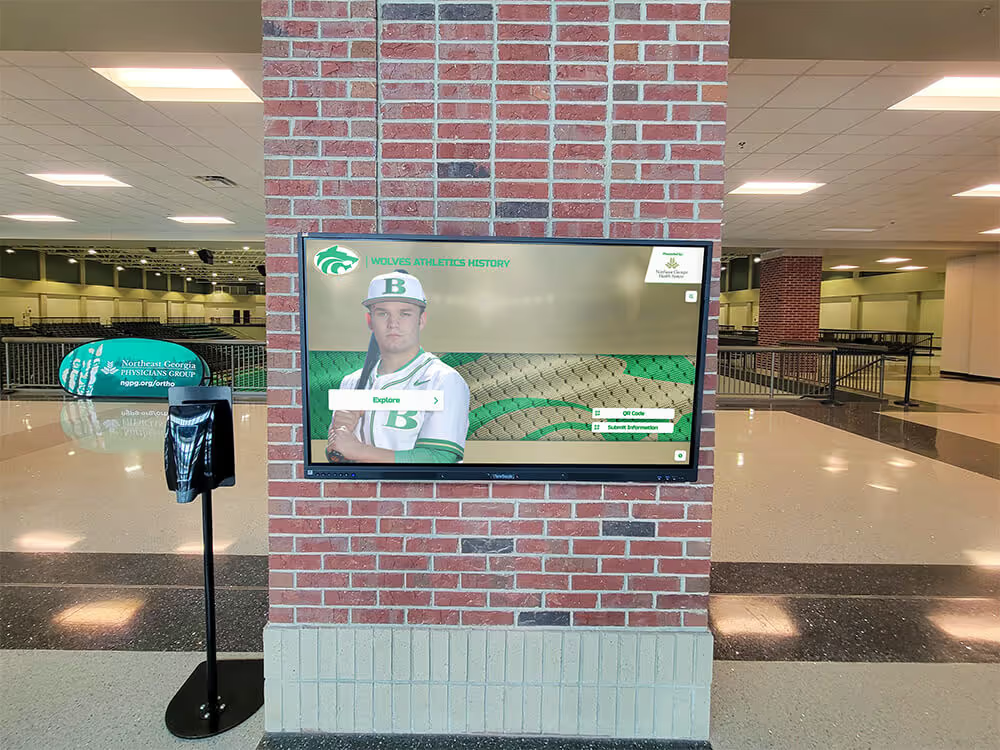
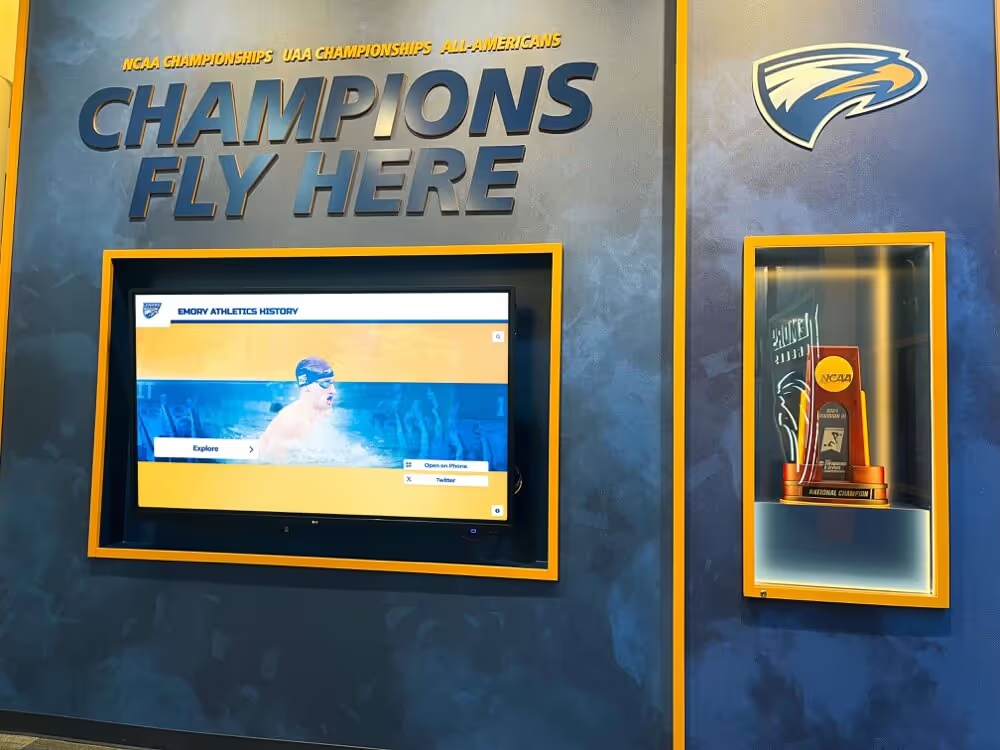
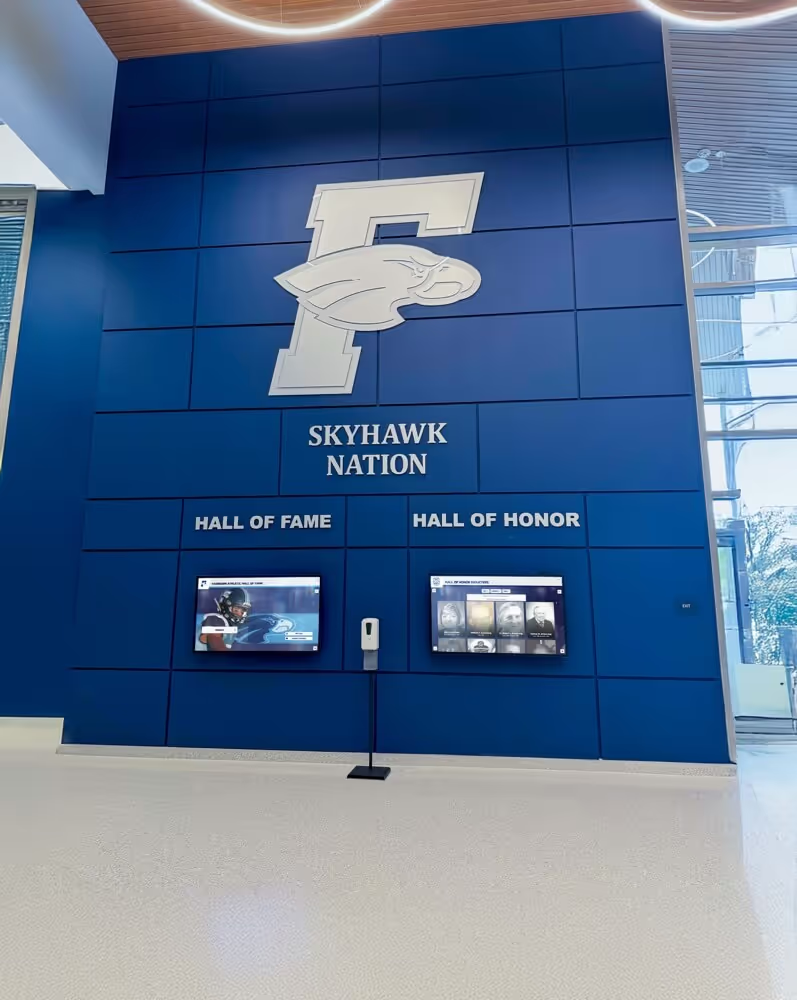
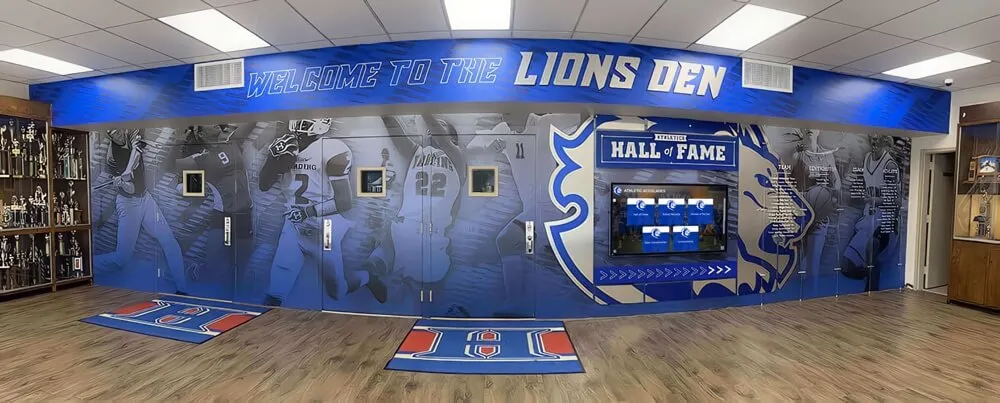
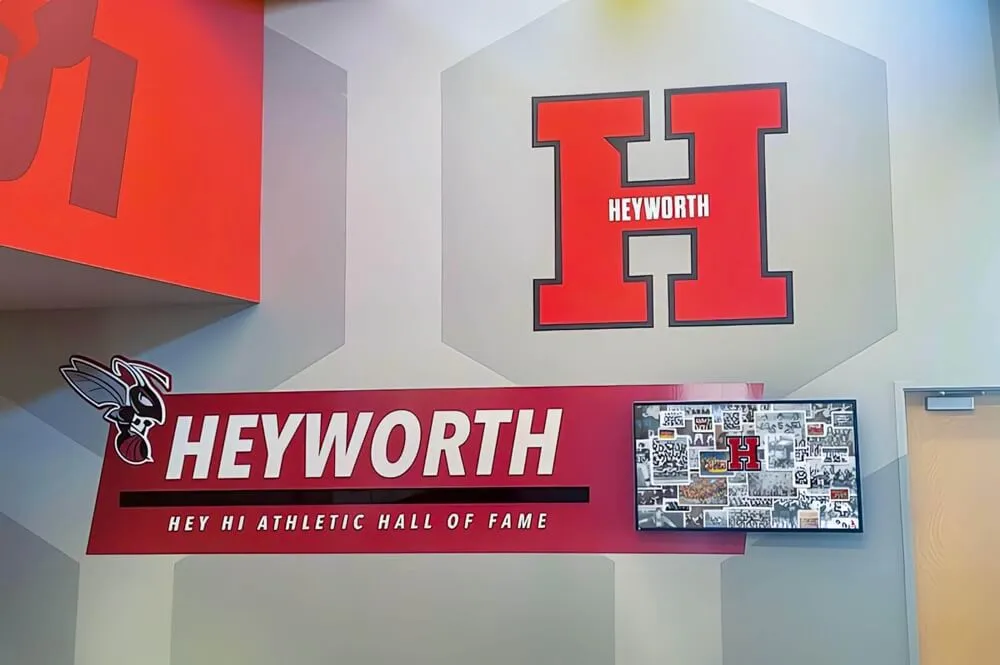
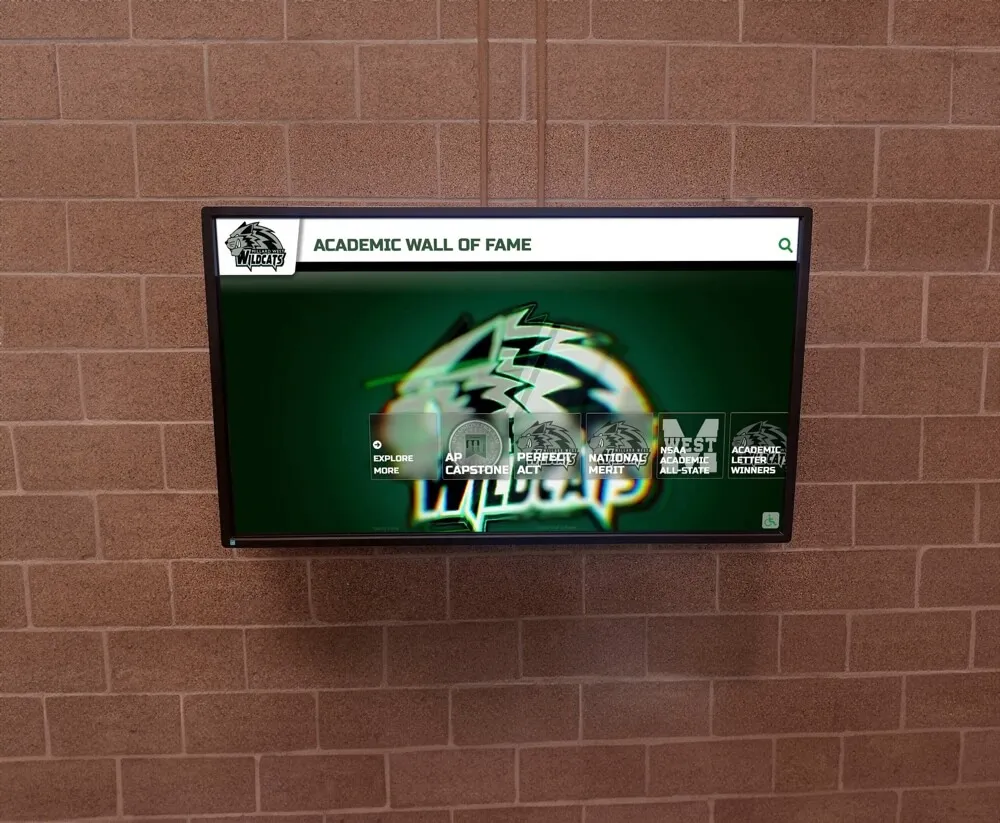
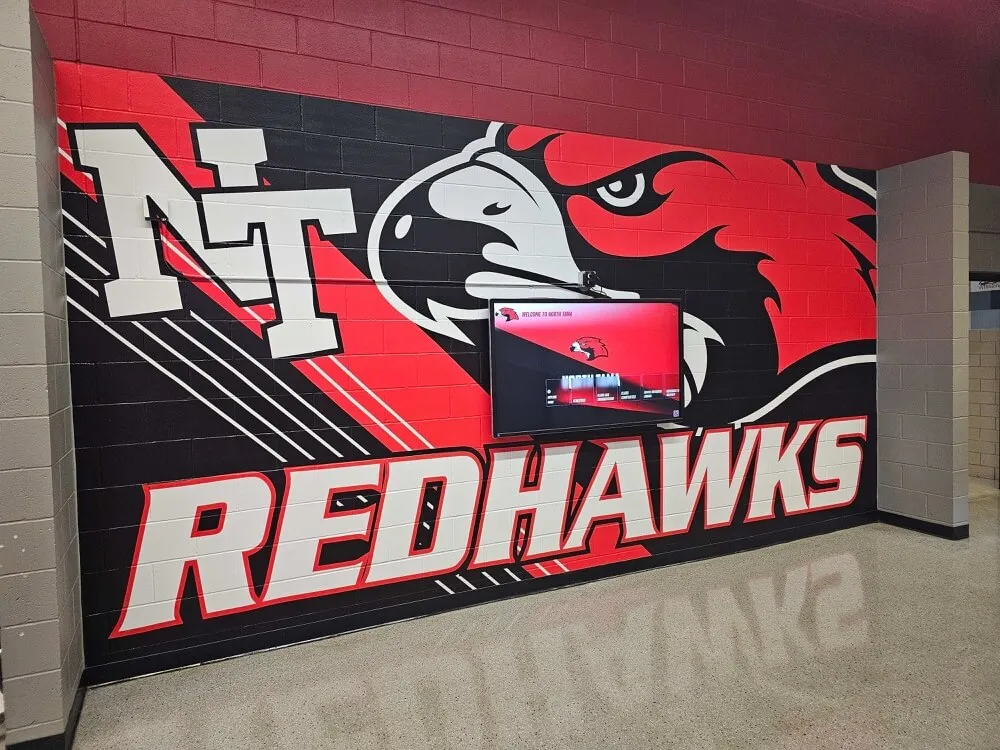
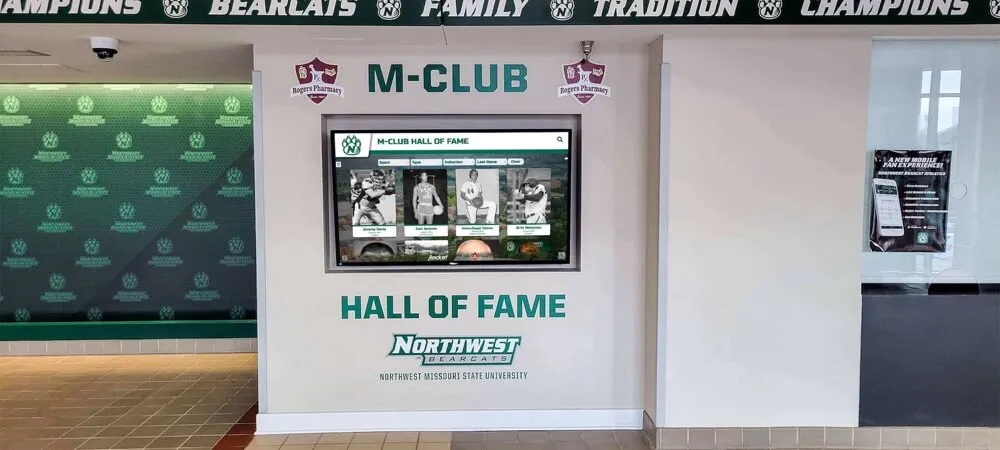
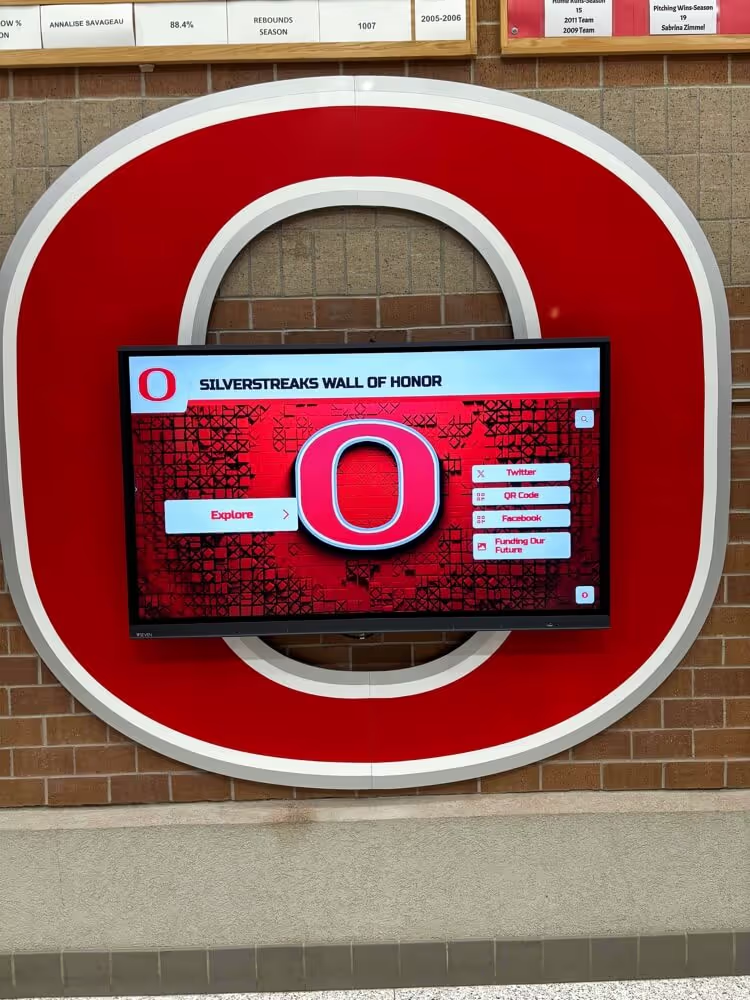
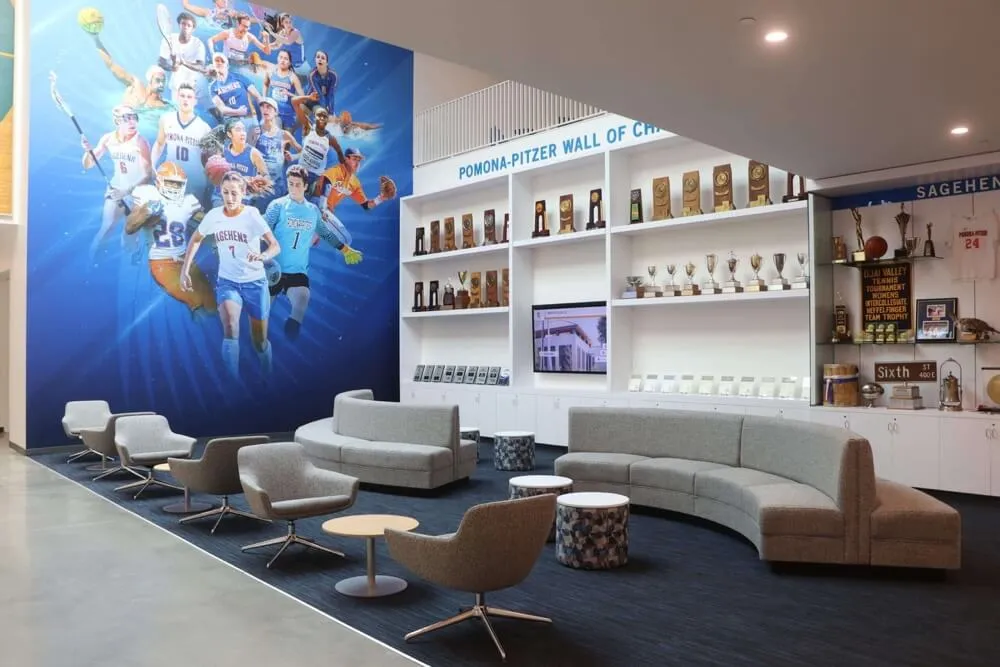
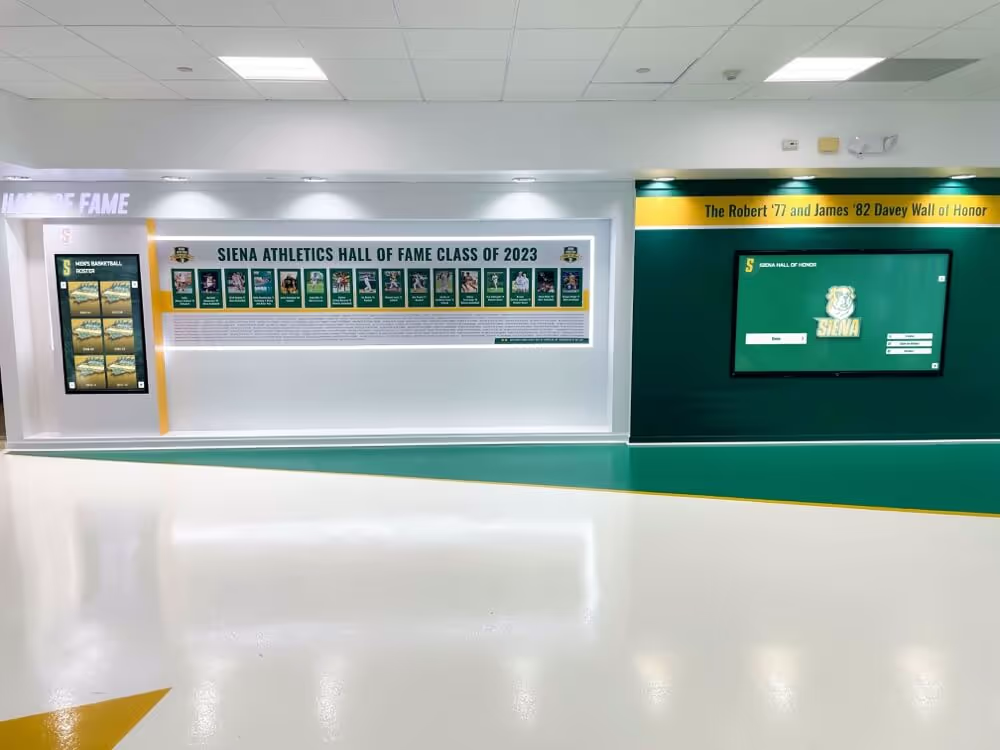
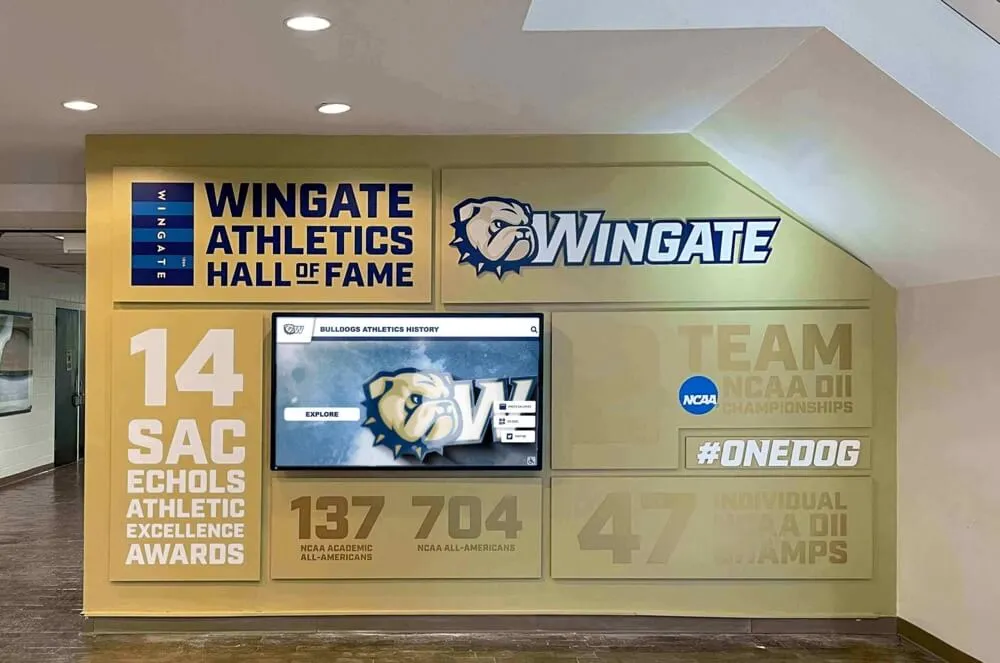
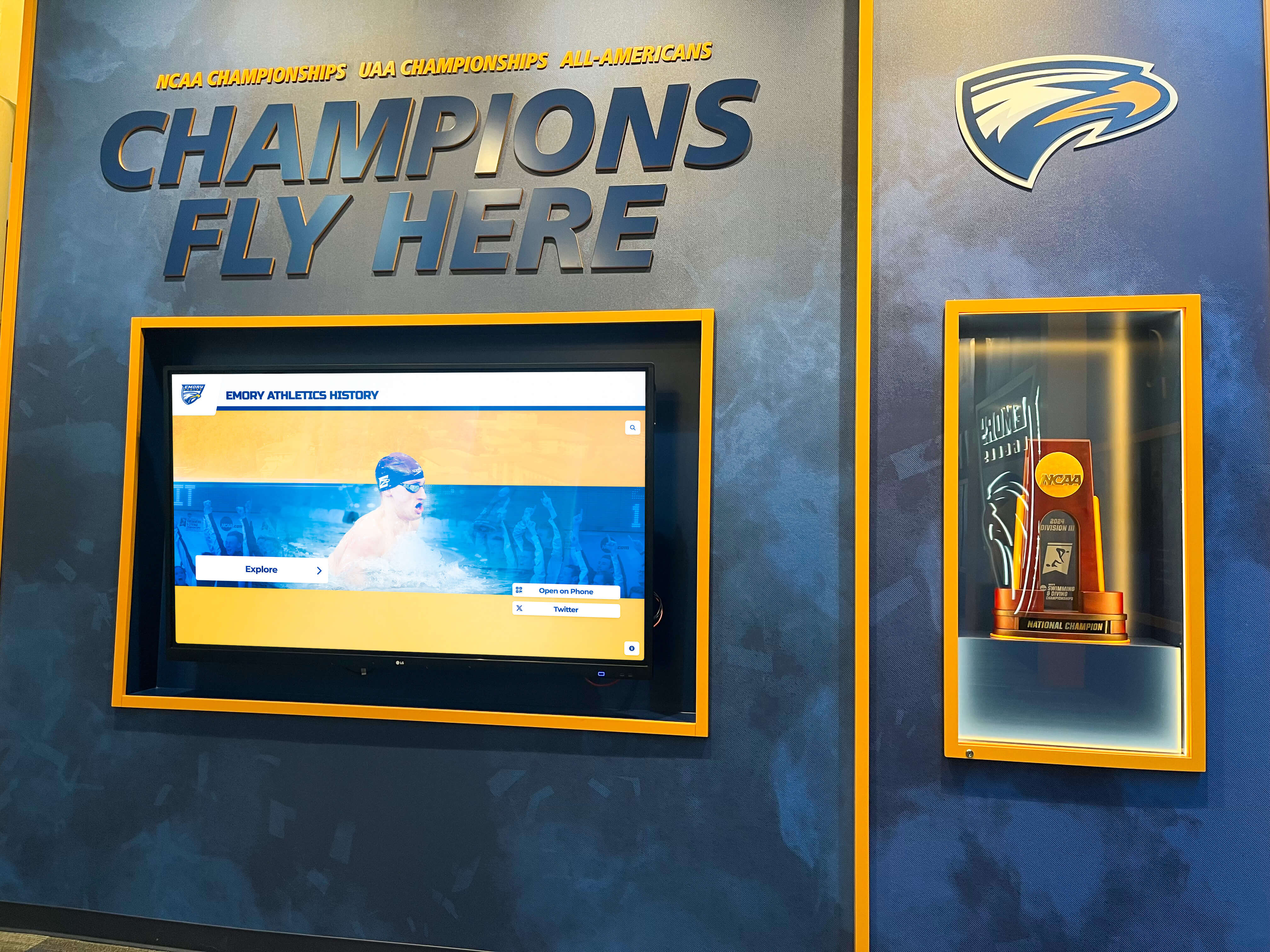
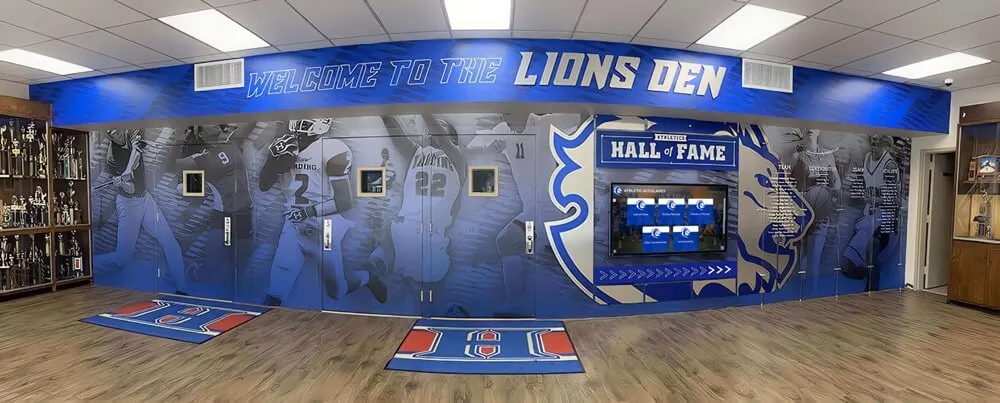
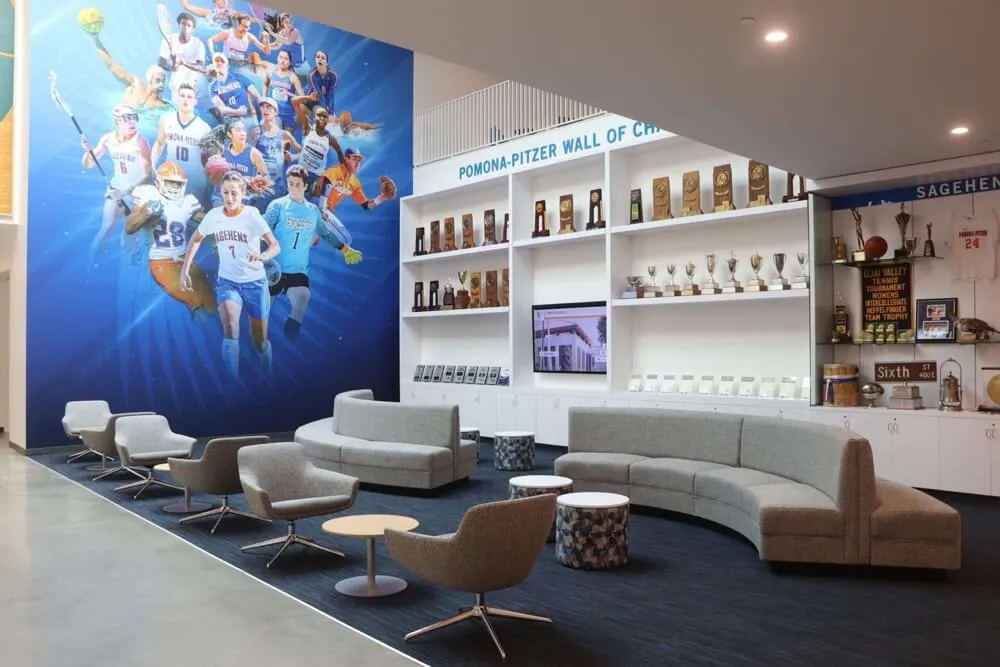
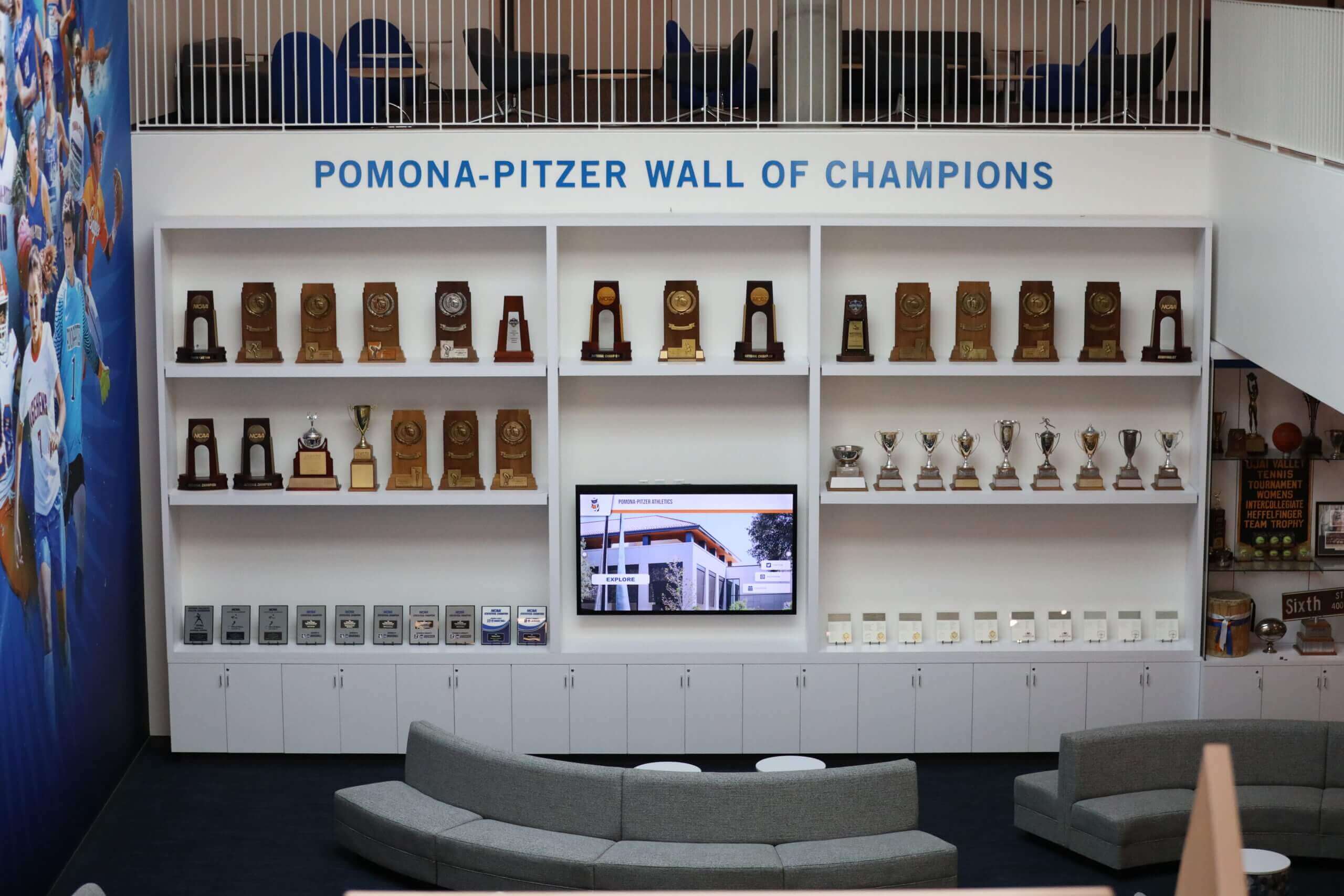
Championship achievements deserve commemoration that lasts far beyond parade day. Many schools and organizations create lasting recognition through traditional trophy cases displaying championship hardware and team photos, championship banners in gymnasiums or athletic facilities, dedicated wall space in high-visibility areas celebrating historic achievements, and modern digital displays enabling rich multimedia recognition.
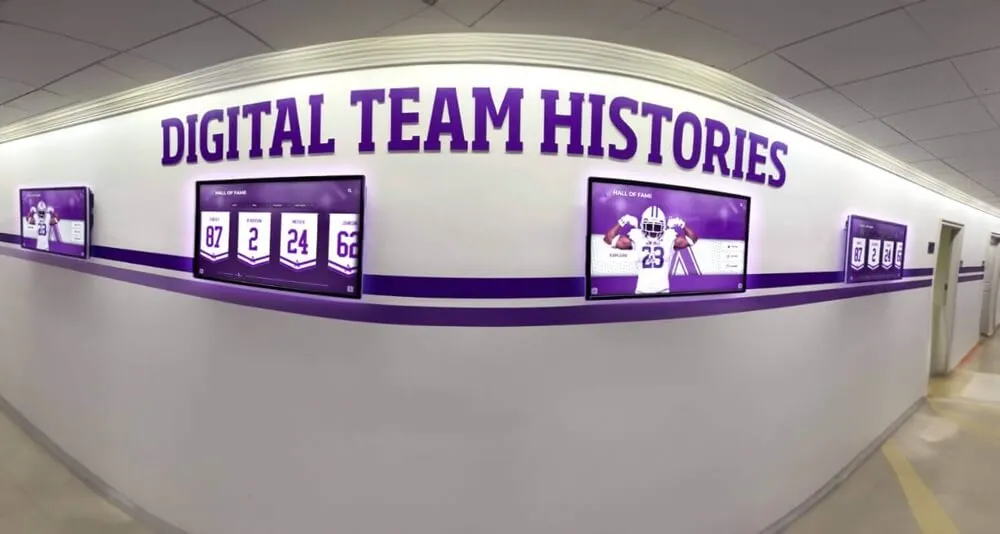
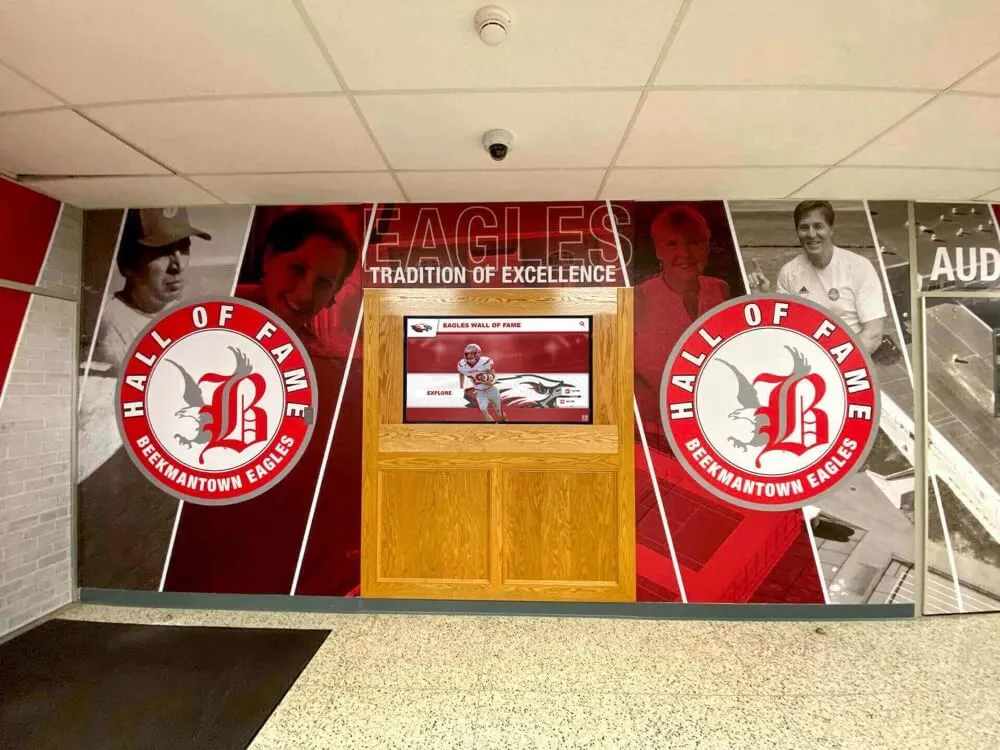
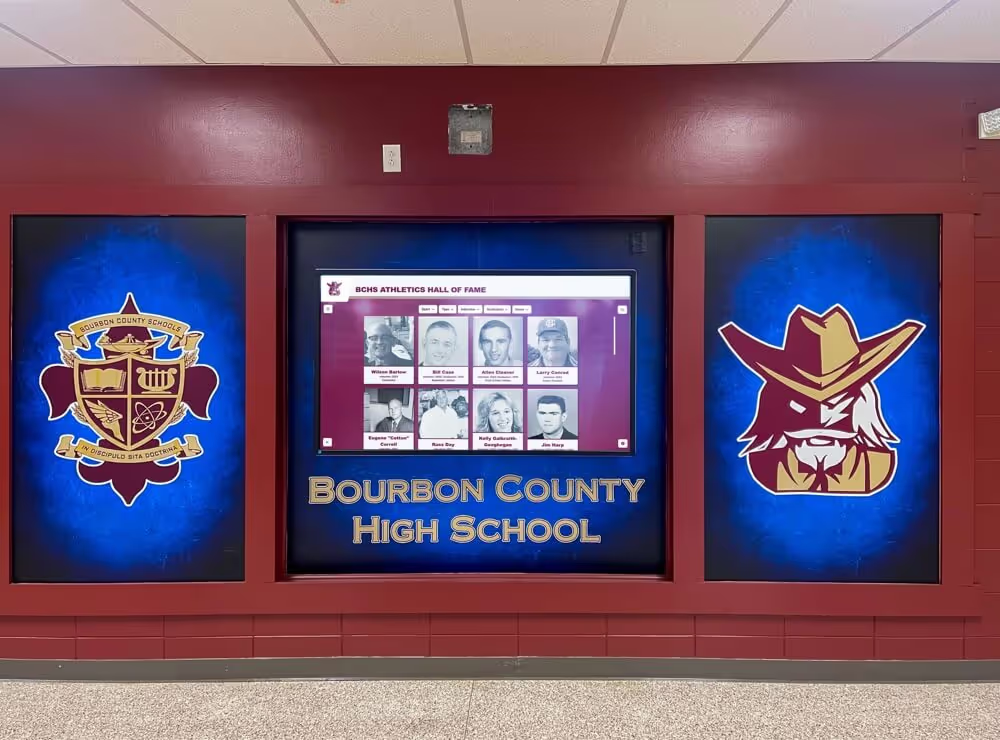
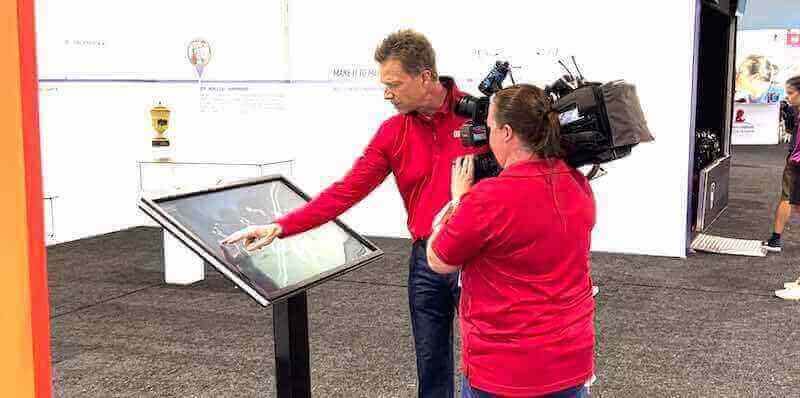
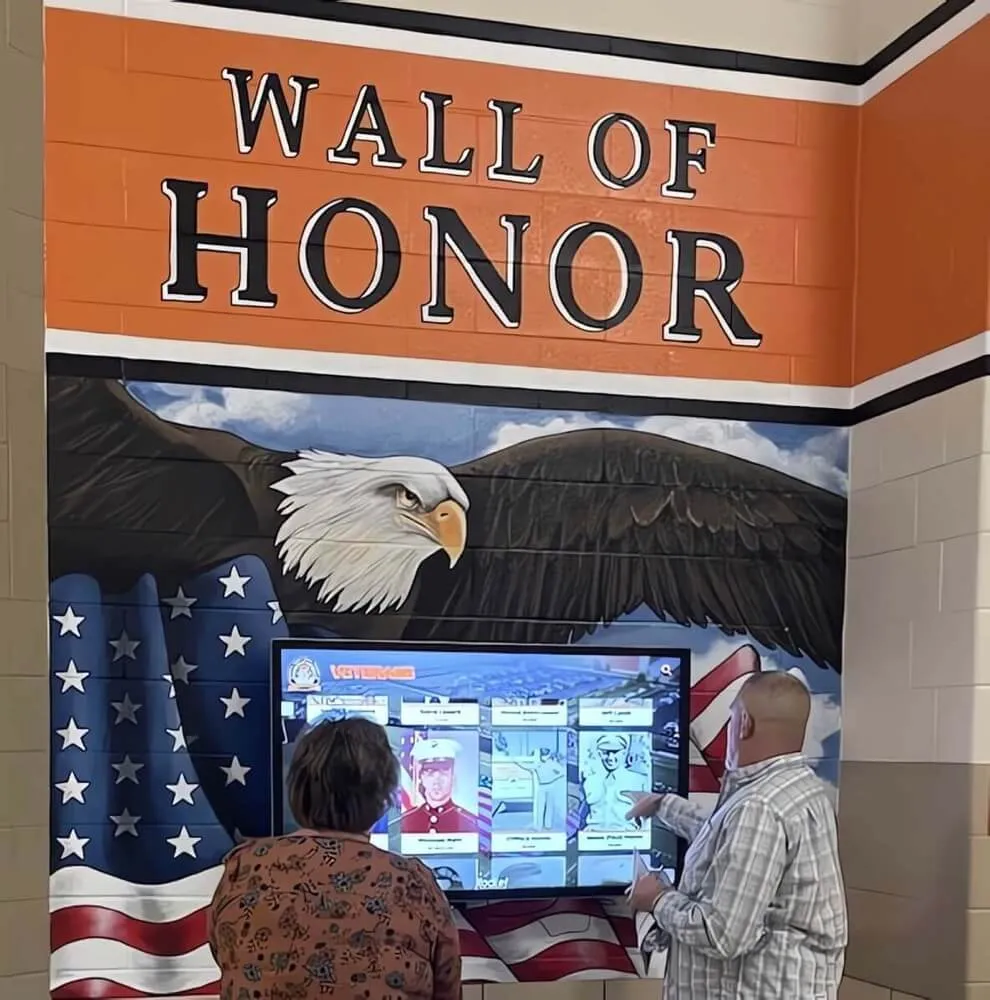
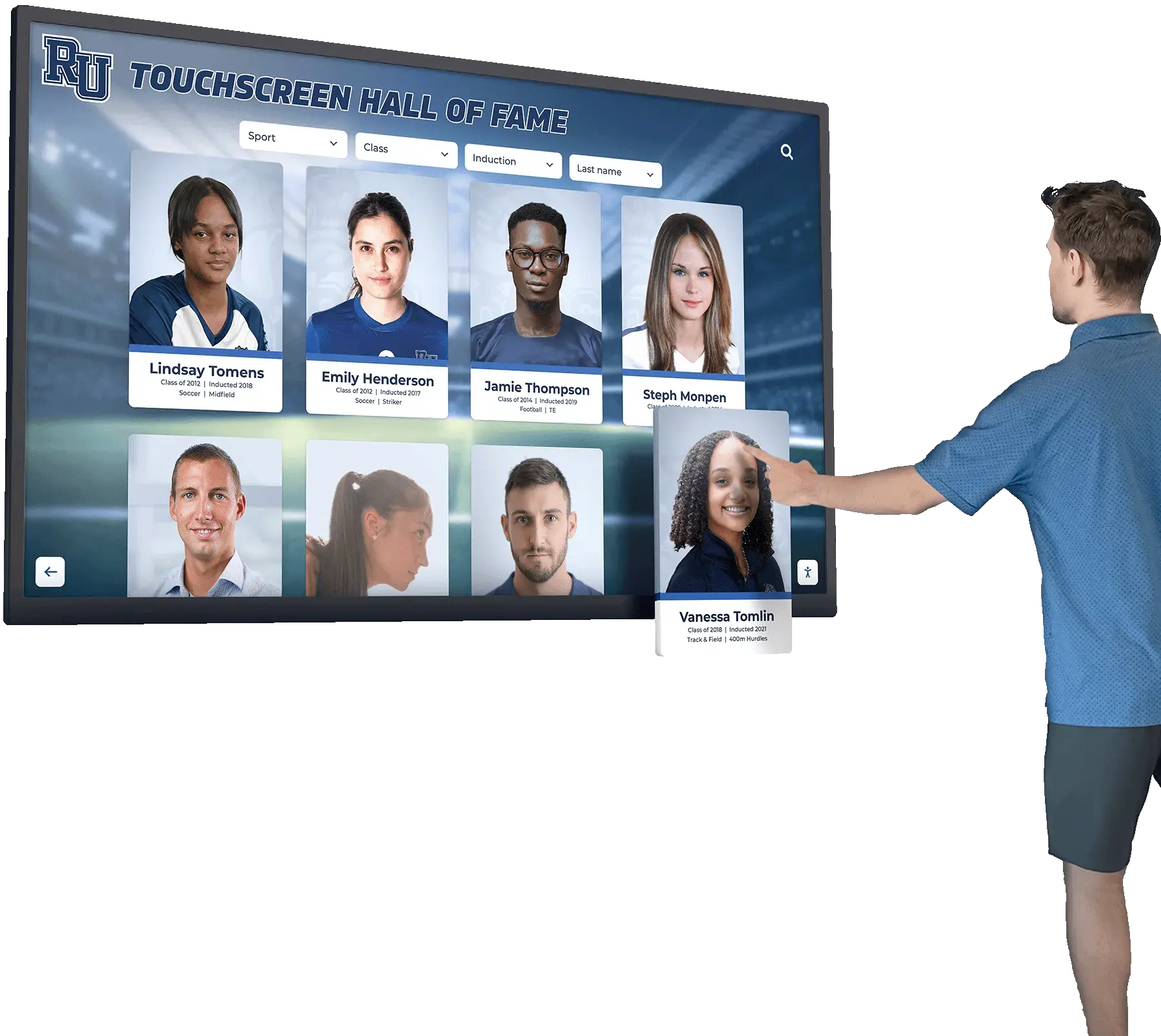
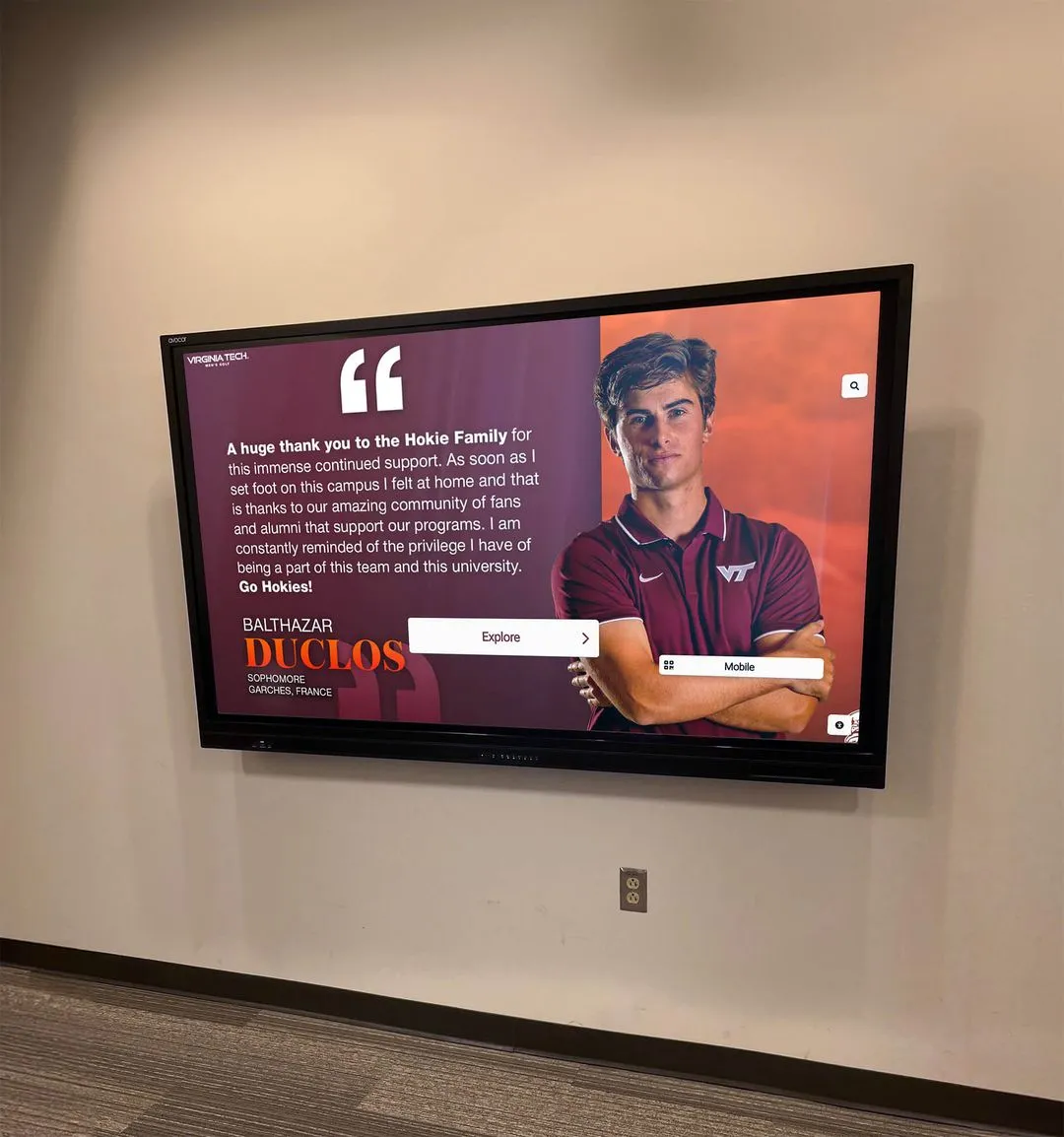
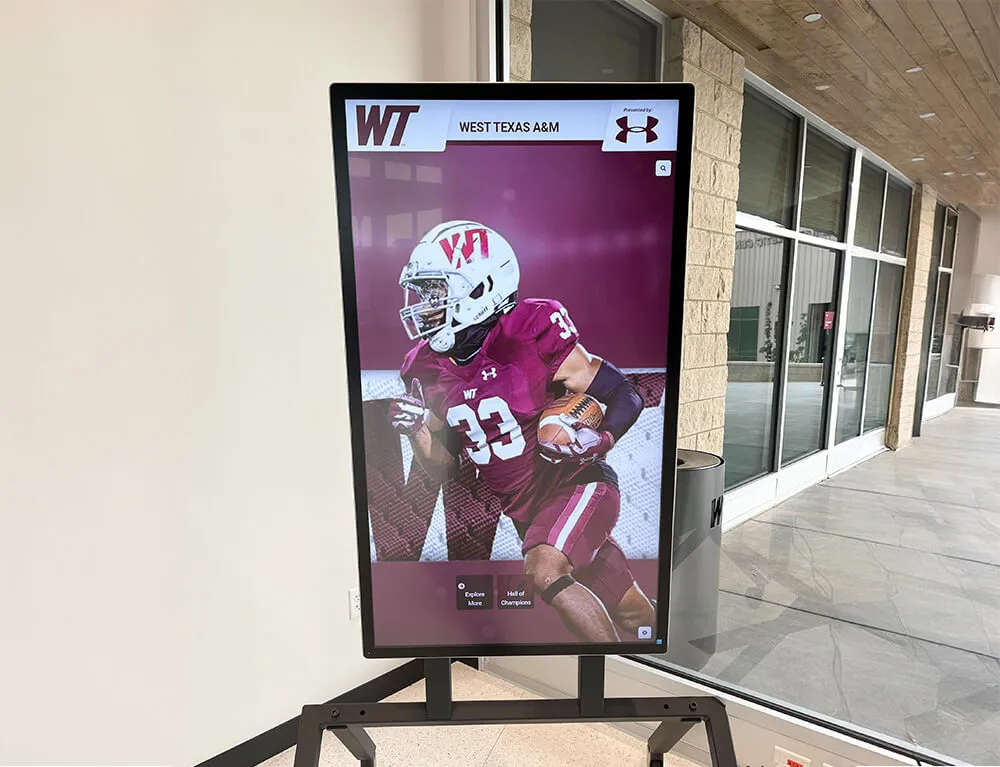
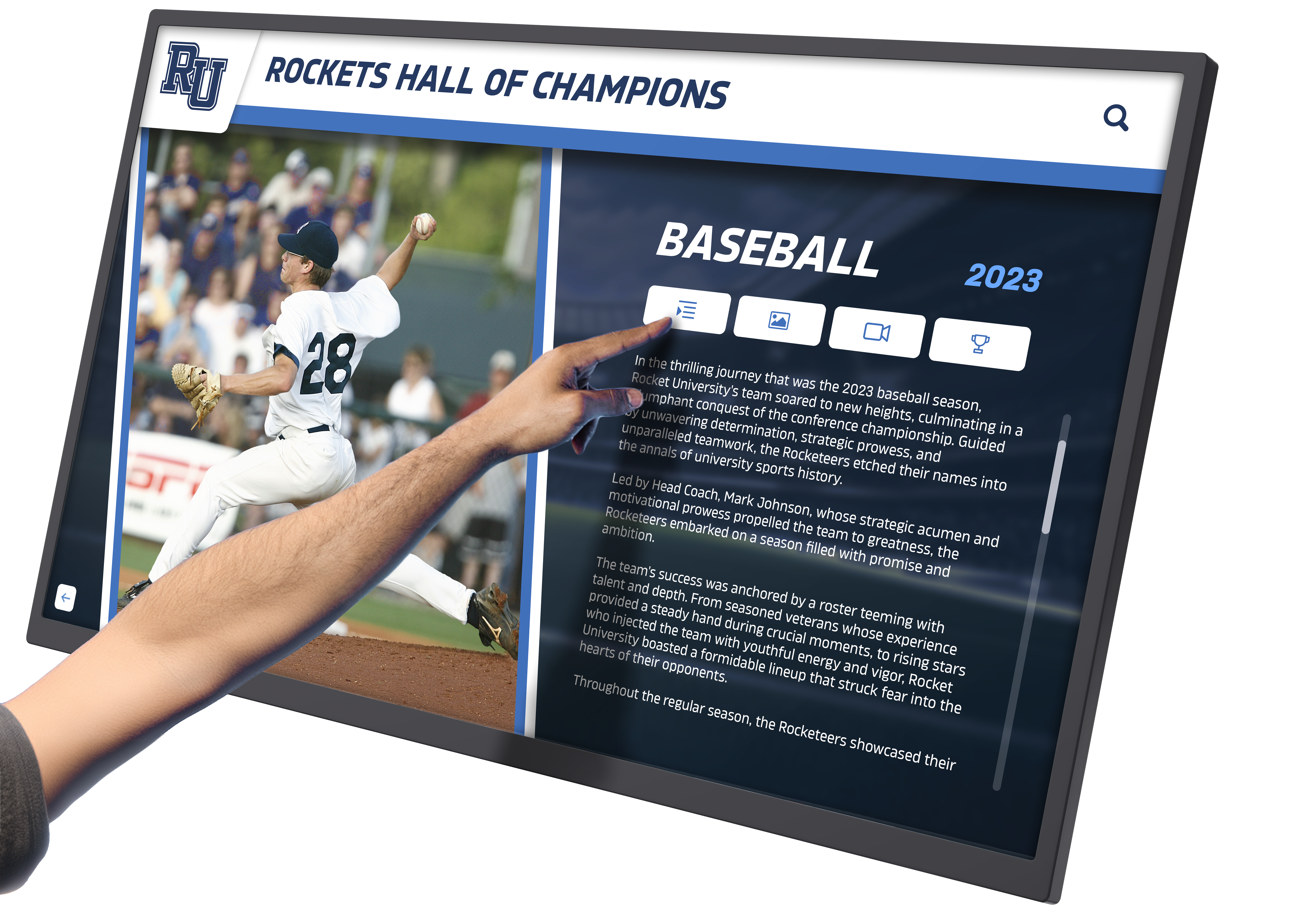
Interactive touchscreen displays enable schools to showcase championship teams through photos, videos, statistics, and roster information that static displays cannot accommodate. These digital recognition solutions allow championship coverage from parades—videos, photos, media coverage—to become permanent institutional records accessed by future students, athletes, and visitors.
Unlike printed materials that deteriorate or physical displays with limited space, digital platforms accommodate unlimited championship documentation while enabling easy updates as new teams earn similar recognition.
Social Media and Digital Documentation
Championship parades generate substantial photo and video content that organizations can leverage long after events conclude. Effective digital documentation strategies include professional photography and videography capturing key moments, designated social media coverage during events, compilation videos editing parade footage into shareable highlights, photo galleries enabling community members to access and share images, and integration into digital hall of fame platforms preserving content permanently.
This content serves multiple purposes beyond immediate celebration including recruitment materials showcasing program success and school spirit, fundraising and development appeals demonstrating athletic program value, community relations building goodwill and institutional reputation, and historical documentation preserving achievements for future generations.
Integration with Broader Recognition Programs
Championship parades work best as elements within comprehensive recognition programs rather than isolated events. Schools with strong recognition cultures typically integrate parade celebrations with year-end award ceremonies recognizing individual achievements, alumni engagement initiatives connecting current success to program history, athletic hall of fame inductions honoring historic achievement, and ongoing communication celebrating current teams throughout seasons.
This integrated approach ensures championship recognition feels part of institutional culture rather than reactive responses to specific victories.

Common Championship Parade Challenges and Solutions
Even well-planned parades encounter challenges that organizers should anticipate and prepare to address.
Weather and Environmental Concerns
Outdoor parades face weather unpredictability that can complicate or derail plans.
Rain and Inclement Weather
Develop contingency plans for rain or severe weather including shortened routes or modified formats that accommodate weather protection, postponement or cancellation criteria and communication protocols, covered alternatives for key elements like post-parade ceremonies, and weather-appropriate equipment and attire for participants.
Many parade organizers adopt “rain or shine” policies, continuing with modified formats except in dangerous conditions, preventing weather from entirely canceling recognition.
Heat and Sun Exposure
Summer or warm-weather parades require special considerations including hydration stations for participants, particularly athletes in uniforms, sun protection and shade planning for stationary waiting periods, shortened routes or timing adjustments preventing heat-related illness, and emergency medical planning for heat-related complications.
Heat-related emergencies are preventable through adequate planning and participant preparation.
Logistical and Operational Issues
Coordination challenges arise even with thorough planning.
Timing and Scheduling Conflicts
Championship timing doesn’t always align with ideal parade scheduling. Common conflicts include championships occurring during exam periods when student participation is limited, competing with other community events that divide attention, occurring on holidays or weekends complicating municipal coordination, and insufficient planning time between championship and desired parade date.
Flexibility in parade timing and format enables celebrations even when ideal scheduling isn’t possible. Better to hold slightly delayed or modified parades than skip recognition entirely because perfect timing isn’t available.
Budget and Resource Constraints
Not all organizations can fund elaborate parade productions. Budget-conscious approaches include volunteer staffing minimizing paid personnel costs, simple procession formats eliminating expensive float construction, donated equipment and supplies from community sponsors, combined events integrating parades with existing scheduled activities, and focused routes requiring minimal street closure and traffic control expenses.
Meaningful championship recognition doesn’t require extensive budgets when planning emphasizes authentic celebration over elaborate production.
Participant Coordination and Communication
Coordinating diverse participants often proves challenging. Solutions include clear, repeated communication through multiple channels, designated liaisons for different participant groups, detailed assembly instructions and timelines, real-time communication systems on parade day, and buffer time accommodating delays and confusion.
Many parade problems trace to inadequate communication—invest time ensuring all participants understand expectations, timing, and logistics.
Safety and Liability Considerations
Responsible parade planning prioritizes participant and spectator safety.
Crowd Management and Security
Large gatherings require active safety management including adequate law enforcement presence for security and traffic control, clearly marked spectator areas and traffic restricted zones, emergency access throughout routes, medical personnel and equipment positioned strategically, and security screening if threat levels warrant such measures.
Consult local law enforcement about appropriate security measures given expected attendance and local context.
Vehicle and Float Safety
Parades including vehicles must ensure safe operation including experienced, licensed drivers for all parade vehicles, slow speed limits throughout routes, secure mounting for participants riding on vehicles or floats, fall protection for elevated positions, and inspection of all vehicles before parade begins.
Vehicle-related accidents during parades can produce serious injuries—prioritize safe vehicle operation even when it reduces visual spectacle.
Emergency Response Planning
Prepare for emergencies that may occur during parades including medical emergencies from heat, falls, or pre-existing conditions, severe weather requiring evacuation or shelter, security incidents or threats requiring law enforcement response, and accidents or injuries requiring immediate medical care.
Designated emergency coordinators, clear communication protocols, and pre-positioned medical resources enable quick response minimizing harm.
Making Championship Parades Part of Institutional Tradition
The most successful championship parades become institutional traditions that future teams aspire to earn.
Establishing Consistent Formats and Standards
Create parade traditions with consistent elements that become recognizable parts of organizational culture including traditional routes that community members associate with championship celebrations, signature elements like specific vehicles, music, or activities, consistent timing patterns making parades predictable and anticipated, and documented procedures enabling future organizers to build on past success.
Consistency creates tradition while allowing flexibility for specific championship contexts.
Documenting and Preserving Parade History
Treat championship parades as historically significant events worth preserving including archiving photos and videos from each parade, maintaining records of championship teams honored through parades, displaying parade documentation in digital archives alongside other institutional history, and incorporating parade history into new student and athlete orientation.
Well-documented parade history reinforces tradition while providing operational guidance for future planning.
Connecting Past and Present Championships
Link current championship celebrations to program history including recognition of previous championship teams during parades, participation of championship alumni in current celebrations, displays or materials referencing program championship history, and storytelling connecting current success to institutional legacy.
This historical connection deepens celebration meaning while inspiring current athletes through awareness of those who came before.
Creating Lasting Impact Through Championship Celebrations
Championship parades represent more than single-day celebrations—they create memories, strengthen communities, and establish institutional culture that persists for generations.
When schools and community organizations invest in thoughtful parade planning, they demonstrate that athletic achievement matters and that excellence deserves recognition. They create shared experiences bringing diverse community members together in celebration. They inspire young athletes who witness the recognition championship teams receive and commit themselves to similar dedication and success.
Most importantly, they transform individual athletic victories into collective community achievements, celebrating not just the players and coaches but the families, supporters, schools, and communities that made championship success possible. Championship parades, planned and executed well, honor achievement in ways that participants and spectators remember for decades.
For schools and organizations ready to celebrate championship success appropriately, modern recognition solutions extend parade day celebration into permanent institutional recognition. Rocket Alumni Solutions provides digital display platforms that enable schools to showcase championship teams through photos, videos, and comprehensive documentation that static trophy cases cannot accommodate, ensuring that today’s championship parades become tomorrow’s institutional history accessible to future generations of students and athletes.