



As of 2026, 50% of churchgoers are now digital givers, with 80% of all church donations made using debit or credit cards rather than cash or checks. This fundamental shift in giving preferences presents Catholic parishes with both challenges and opportunities—parishioners want to give generously, but the traditional collection basket no longer aligns with how most people manage their finances in daily life.
Catholic Church digital donation touchscreens represent a practical solution that bridges sacred tradition with modern convenience. These purpose-built giving kiosks enable parishes to serve cashless congregants through intuitive touchscreen interfaces that accept credit cards, debit cards, and contactless payments like Apple Pay—all while maintaining the reverent atmosphere appropriate for worship spaces. Rather than replacing the spiritual dimension of giving, these tools remove barriers that prevent willing donors from contributing conveniently during Mass or parish events.
This comprehensive guide explores evidence-based strategies for implementing digital donation touchscreens in Catholic parishes, from understanding the shift toward cashless giving to selecting appropriate technology solutions, designing implementation that respects liturgical traditions, and maximizing both financial impact and spiritual formation around Christian stewardship.
Understanding the Shift Toward Digital Giving in Catholic Churches
The movement away from cash and check donations reflects broader societal changes in payment preferences that profoundly impact how Catholic parishes receive financial support from their communities. Understanding these trends helps parish leadership make informed decisions about adopting digital giving technologies.
The Decline of Cash Giving in Modern Society
Cash usage has declined dramatically across all sectors of American life over the past decade. According to research from payment processors and financial institutions, cash now represents less than 20% of consumer transactions in most categories, with the COVID-19 pandemic accelerating this trend significantly as contactless payments became preferred for health safety reasons.
Demographic Patterns in Cash Usage
Different generations demonstrate vastly different relationships with cash:
- Millennials and Gen Z: These younger generations rarely carry cash, with many reporting they go weeks or months without handling physical currency. Digital wallets, credit cards, and banking apps dominate their financial lives.
- Gen X: This middle generation has transitioned substantially toward digital payments while retaining some cash usage for small transactions.
- Baby Boomers: While historically more likely to carry cash, even this generation has substantially increased digital payment adoption, particularly through debit cards.
- Silent Generation: The oldest churchgoers remain most likely to prefer cash and checks, though even here digital banking adoption grows steadily.
For Catholic parishes, this demographic reality creates challenges. As younger families become the core of parish life and older generations diminish through natural attrition, parishes relying exclusively on cash and check donations face declining revenue even when congregational commitment remains strong. The problem isn’t generosity—it’s accessibility.
The “Good Intentions, Empty Pockets” Phenomenon
Parish leaders frequently hear variations of the same story: “I wanted to give at Mass, but I didn’t have my checkbook,” or “I never carry cash anymore.” These statements reflect genuine intentions thwarted by practical barriers rather than lack of commitment. When giving methods don’t align with daily financial habits, contributions simply don’t happen—not because of diminished faith, but because of friction in the giving process.
Statistical Evidence for Digital Church Giving
Research from church giving platforms and religious organizations provides compelling data about the impact of digital giving options on overall parish revenue.
Donation Increase From Digital Options
According to data from multiple church giving platforms, parishes that implement comprehensive digital giving options—including online giving, mobile apps, and physical kiosks—experience an average 32% increase in overall donations. This substantial improvement stems from several factors working together:
- Frequency Increases: Digital givers contribute more often because the friction of finding cash or writing checks is removed. They can give weekly even when not physically attending Mass.
- Amount Increases: Credit and debit card donations average 28-35% higher than cash donations, likely because givers aren’t limited to whatever bills happen to be in their wallets.
- Impulse Giving: During special appeals, mission collections, or second collections for specific causes, digital options capture contributions from parishioners who would otherwise skip these opportunities.
- Recurring Giving: Digital platforms enable automatic recurring donations that provide consistent, predictable revenue regardless of attendance patterns.
Recurring Giving Impact
Particularly significant is the impact of recurring giving arrangements. According to church giving research, recurring donors comprise only 22-37% of most churches’ donor bases but account for 40-50% of total donations. These committed givers provide stable, predictable revenue that helps parishes plan budgets more effectively and weather seasonal attendance fluctuations.
Digital giving platforms make recurring donations simple through one-time setup processes that automatically process donations weekly, monthly, or according to whatever schedule the parishioner prefers—eliminating the need to remember to bring contributions to each Mass while ensuring consistent support.
Catholic Teaching on Stewardship and Technology
Catholic theology provides rich teaching on stewardship that supports thoughtful adoption of digital giving technologies when implemented in ways that enhance rather than diminish the spiritual dimension of Christian generosity.
Biblical Foundations of Giving
Scripture consistently presents giving as spiritual discipline and joyful response to God’s generosity rather than burdensome obligation. The Catechism teaches that sharing material possessions represents one of the corporal works of mercy, recognizing that faithful stewardship includes both spiritual and material dimensions.
Key biblical principles relevant to digital giving include:
- 2 Corinthians 9:7: “Each must do as already determined, without sadness or compulsion, for God loves a cheerful giver.” Technology that removes barriers to giving enables this joyful generosity.
- Malachi 3:10: “Bring the whole tithe into the storehouse.” Digital giving enables parishioners to fulfill their commitment to support the Church’s mission regardless of attendance.
- Luke 21:1-4: The widow’s mite demonstrates that the spiritual value of giving relates to sacrifice and intention rather than absolute amounts—principles equally valid whether contributions arrive through collection baskets or digital touchscreens.
Vatican Perspectives on Technology in Church Life
The Vatican has consistently emphasized that the Church should engage modern communication technologies as tools for evangelization and community building. Pope Francis frequently discusses the importance of meeting people where they are, which in contemporary context includes digital spaces and cashless transaction preferences.
The key theological principle is that technology should serve human dignity and spiritual formation rather than displacing them. Digital giving kiosks align with this principle when they remove practical barriers to generous stewardship while maintaining reverence and spiritual intentionality in the giving process.
Benefits of Digital Donation Touchscreens for Catholic Parishes
Purpose-built digital giving kiosks deliver measurable advantages across multiple parish priorities, creating compounding value that extends beyond simple transaction processing to support broader stewardship and community engagement goals.
Serving Cashless Parishioners Effectively
The most immediate benefit addresses the practical reality that modern Catholics increasingly don’t carry cash or checkbooks to Mass.
Meeting Parishioners Where They Are
Digital touchscreens positioned in church vestibules, gathering spaces, or parish halls enable parishioners who arrive without cash to contribute conveniently using the payment methods they carry daily—credit cards, debit cards, or smartphones with digital wallets. This accessibility removes one of the primary barriers to consistent giving among younger families and working professionals whose financial lives operate almost entirely through digital transactions.
Rather than creating guilt or frustration when parishioners realize they have nothing to place in the collection basket, kiosks provide a solution that respects both the liturgical tradition of offering and the contemporary reality of cashless daily life.
Supporting Visitors and Occasional Attendees
Parish visitors, attendees at special events like weddings or funerals, and Catholics who attend Mass occasionally face even greater barriers to contributing when only cash options exist. Digital kiosks specifically serve these populations by enabling contributions without requiring advance planning or special payment methods, potentially capturing revenue that would otherwise be lost entirely.
Increasing Overall Parish Revenue
Beyond accessibility, digital giving kiosks demonstrably increase total parish contributions through multiple mechanisms working simultaneously.
Higher Average Donation Amounts
Research consistently shows that digital donations average 28-35% higher than cash donations. Several factors contribute to this increase:
- No Cash Limitations: Digital givers aren’t constrained by whatever bills happen to be in their wallets. Someone intending to give $50 but carrying only $30 cash will give $30—but with a kiosk can give their intended amount.
- Psychological Factors: Credit card transactions feel less immediate than handing over physical cash, potentially reducing psychological barriers to larger contributions.
- Rounding Up Behavior: Digital interfaces often suggest giving amounts that parishioners select rather than counting out specific bills, leading to round-number contributions that often exceed cash donations.
Enabling Special Campaign Success
During capital campaigns, annual appeals, or fundraising for specific parish projects, digital kiosks dramatically improve response rates. Parishioners can designate contributions to specific funds or campaigns through touchscreen selections, making it clear exactly where their donations will be used—building confidence and encouraging participation.
The ability to display campaign progress, acknowledge major donors, or share testimonials through the same touchscreen platform creates engagement opportunities that static donation boxes cannot match. For guidance on comprehensive donor recognition, explore strategies for donor recognition wall digital transformation.
Building Recurring Giving Programs
The most significant long-term financial impact comes from enabling and encouraging recurring giving arrangements that provide stable, predictable parish revenue.
One-Time Setup, Ongoing Support
Digital platforms connected to giving kiosks enable parishioners to establish recurring donations during a single interaction—scanning a QR code, entering information at a kiosk, or using a mobile app. Once established, these recurring gifts continue indefinitely without requiring additional action, ensuring consistent support regardless of attendance patterns.
For parishioners with irregular schedules, health challenges, or seasonal travel patterns, recurring giving eliminates concerns about missing contributions during absences. They maintain their commitment to parish support while accommodating life’s practical realities.
The Mathematics of Retention
Small improvements in donor retention create enormous compounding effects across giving lifecycles. Consider two parishes with identical 200 active donors giving $1,000 annually. Parish A (cash only) retains 50% of donors year-over-year—a typical rate for churches without digital giving. Parish B (comprehensive digital giving) retains 70% annually through enhanced convenience and recurring giving—a 20 percentage point improvement within reach of effective digital giving programs.
After five years:
- Parish A has 25 active donors contributing $25,000 annually
- Parish B has 134 active donors contributing $134,000 annually
This 536% difference in annual revenue stems entirely from improved retention through convenience and recurring giving—demonstrating how digital giving kiosks pay for themselves many times over through sustained donor relationships.
Demonstrating Financial Transparency and Good Stewardship
Modern Catholics increasingly expect organizational transparency about how their contributions are used, particularly in the wake of financial scandals that have affected Church credibility.
Designated Giving Options
Digital kiosks enable parishioners to designate contributions to specific purposes—operating fund, building maintenance, religious education, social outreach, or special campaigns—providing confidence that donations align with their priorities. This transparency builds trust while enabling better parish budget planning as leadership can track which ministry areas attract strongest financial support.
Reporting and Accountability
Digital giving systems automatically generate detailed financial reports showing exactly where donations come from and how much each fund receives. This data supports both internal financial management and external transparency when parishes share financial summaries with congregations—demonstrating responsible stewardship that encourages continued generosity.
Types of Digital Donation Touchscreen Solutions for Catholic Churches
Catholic parishes can choose from several digital giving technology approaches, each with distinct advantages depending on parish size, budget, existing technology infrastructure, and pastoral priorities.
Dedicated Giving Kiosk Systems
Purpose-built donation kiosks represent the most comprehensive physical solution for in-church digital giving.
Hardware Configuration
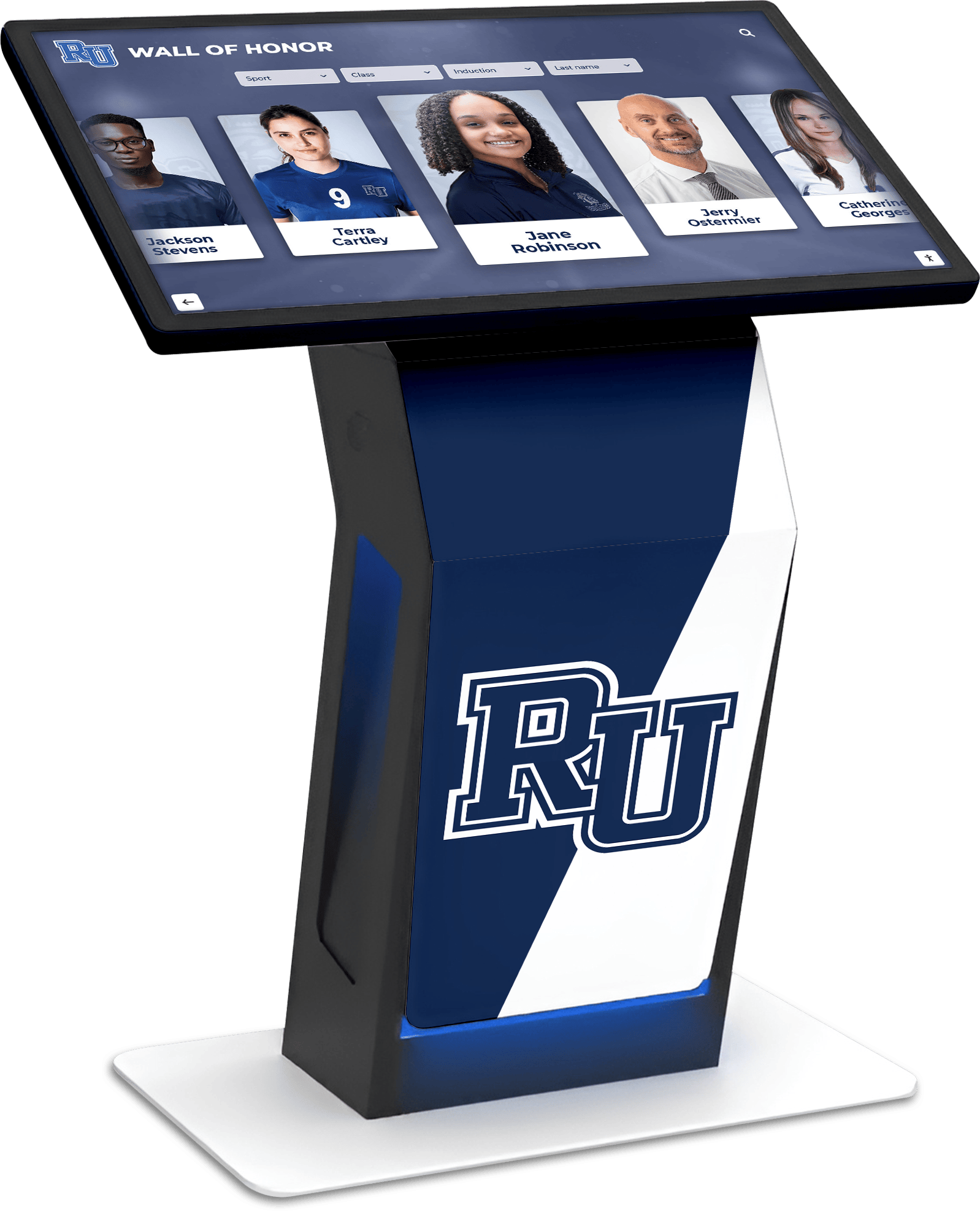
Professional giving kiosks typically consist of:
- Touchscreen Display: Commercial-grade touchscreens ranging from 15.6 inches for compact installations to 32 inches for prominent lobby locations
- Integrated Card Reader: EMV-compliant readers accepting chip cards, magnetic stripe cards, and contactless payments (Apple Pay, Google Pay, tap-to-pay credit cards)
- Receipt Printer: Optional thermal printers providing transaction confirmations for donors
- Enclosure: Secure housings protecting equipment while providing appropriate aesthetic for worship spaces
- Mounting Options: Floor-standing pedestals for lobby placement or wall-mounted configurations for vestibule installations
Software Capabilities
Professional kiosk software provides features specifically designed for religious organizations:
- Customizable Donation Screens: Parish branding, imagery appropriate for Catholic worship spaces, and intuitive interfaces guiding donors through contribution processes
- Fund Designation: Clear options enabling donors to specify exactly where contributions should be directed
- Recurring Giving Enrollment: On-screen prompts inviting donors to establish automatic recurring donations for sustained support
- Donor Data Collection: Optional fields gathering contact information enabling follow-up communication and annual giving statements
- Multi-Language Support: Interface options in multiple languages serving diverse parish communities
Leading providers of church-specific kiosk solutions include platforms like ParishSOFT, Donorbox Live™ Kiosk, Tithe.ly, and SecureGive, all offering solutions specifically designed for Catholic parishes and other religious organizations.
Tablet-Based Portable Solutions
For parishes with limited budgets or preferring more flexible deployment, tablet-based systems offer cost-effective alternatives to dedicated kiosks.
Configuration and Setup
Tablet-based giving systems consist of:
- iPad or Android Tablet: Consumer tablets loaded with church giving apps
- Card Reader Attachment: Compact card readers connecting via Bluetooth or device ports (Square, Stripe, or church-specific readers)
- Protective Stand or Mount: Tablet holders providing stability and security
- Internet Connection: WiFi or cellular data enabling transaction processing
Advantages of Tablet Systems
Tablet-based approaches offer several benefits:
- Lower Initial Investment: Entry-level systems start around $500-1,000 compared to $3,000-7,000 for dedicated kiosks
- Portability: Tablets can move between locations—sanctuary narthex on Sundays, parish hall during events, religious education spaces during registration
- Quick Deployment: Setup requires minimal technical expertise, enabling rapid implementation
- Familiarity: Many parishioners already use tablets, reducing intimidation about new technology
Limitations to Consider
However, tablet systems also present challenges:
- Durability Concerns: Consumer tablets aren’t designed for continuous public use and may require more frequent replacement
- Security Vulnerabilities: Tablets are easier to steal or damage than secured kiosk installations
- Limited Functionality: Smaller screens and simplified interfaces may not support advanced features like comprehensive fund designation or donor recognition displays
- Less Professional Appearance: Tablet setups may appear less permanent or polished than dedicated kiosks, potentially affecting donor confidence
For smaller parishes, mission churches, or initial pilot programs, tablet systems provide excellent entry points into digital giving that can be upgraded to dedicated kiosks as budgets allow and success is demonstrated.
Integrated Recognition and Donation Display Systems
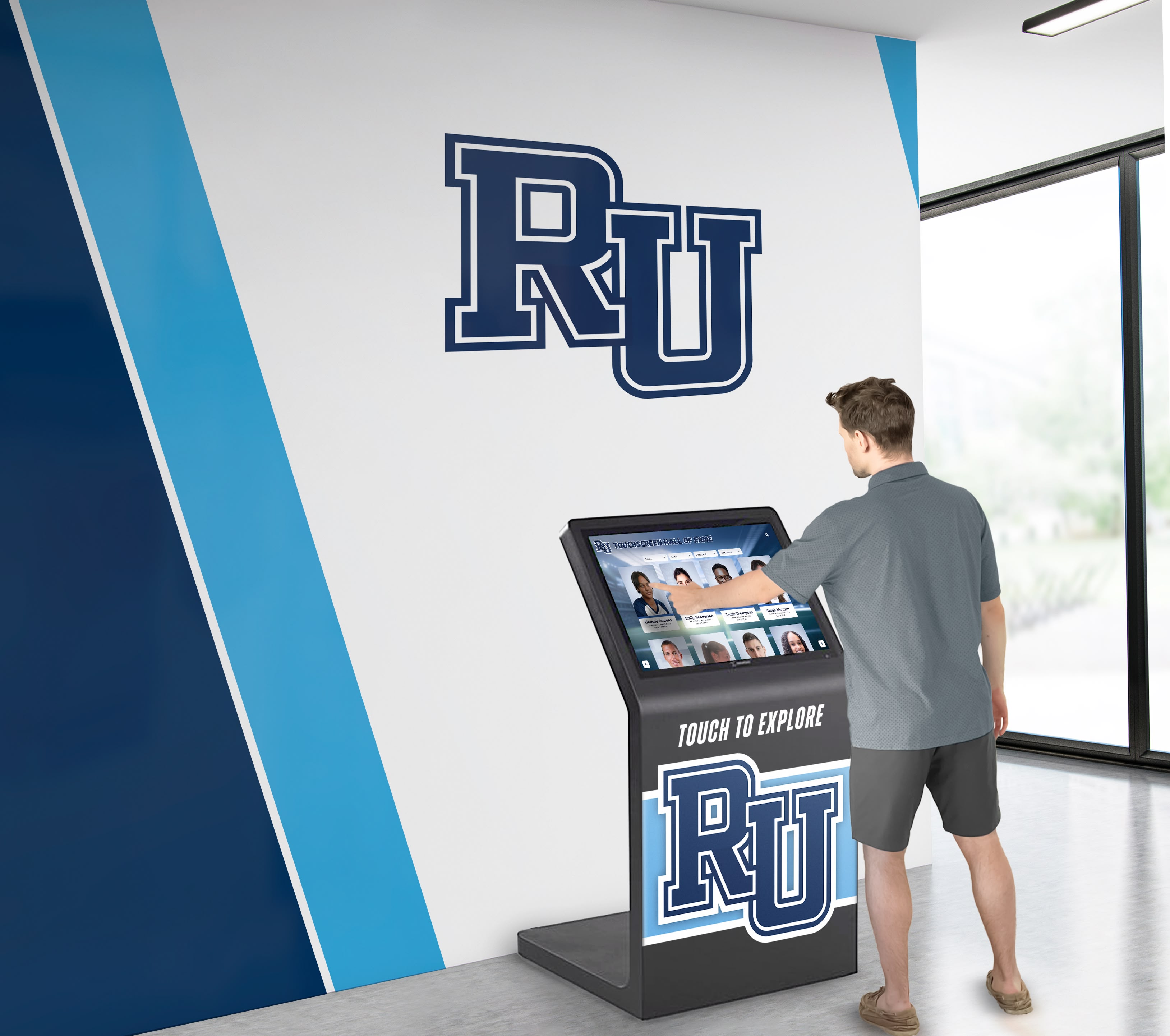
The most sophisticated approach combines digital giving capabilities with interactive donor recognition and parish communication features in comprehensive touchscreen systems.
Dual-Purpose Technology
Rather than standalone donation processing, integrated systems serve multiple parish communication and engagement needs through single installations:
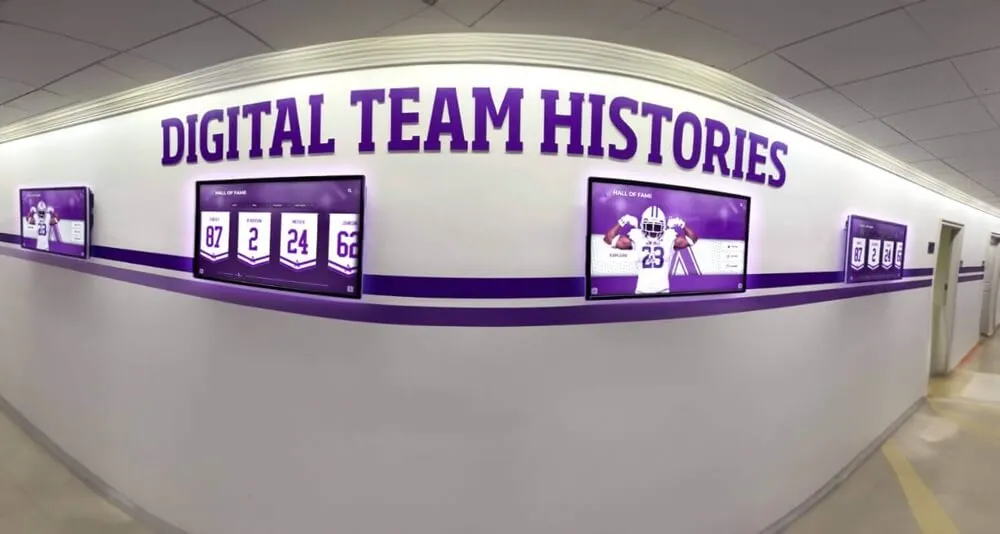
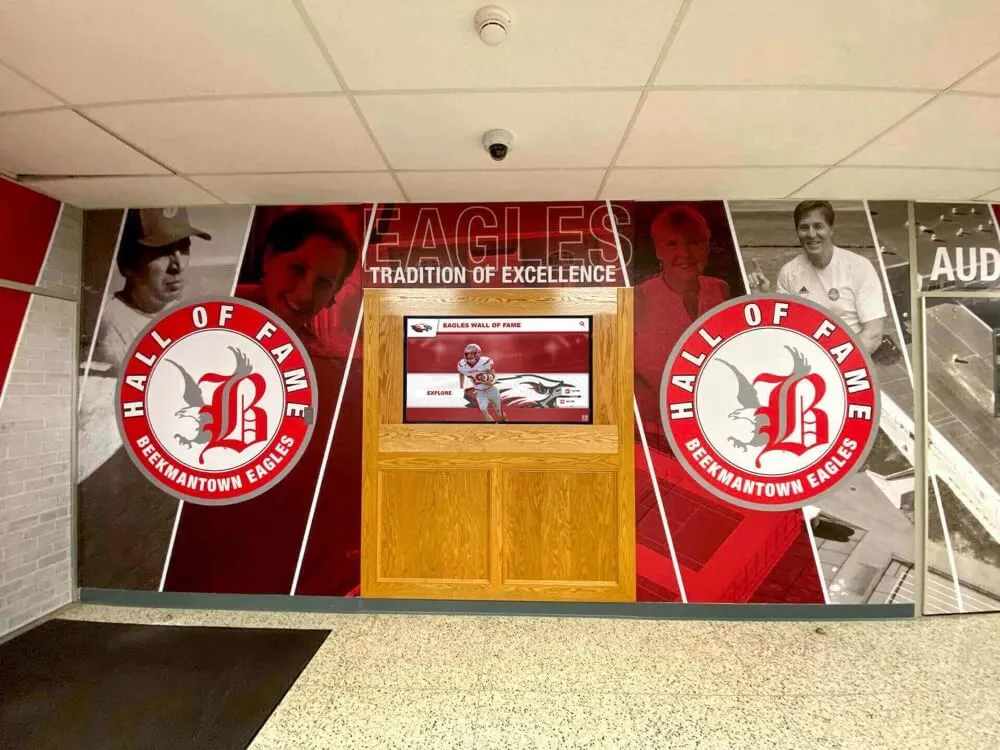
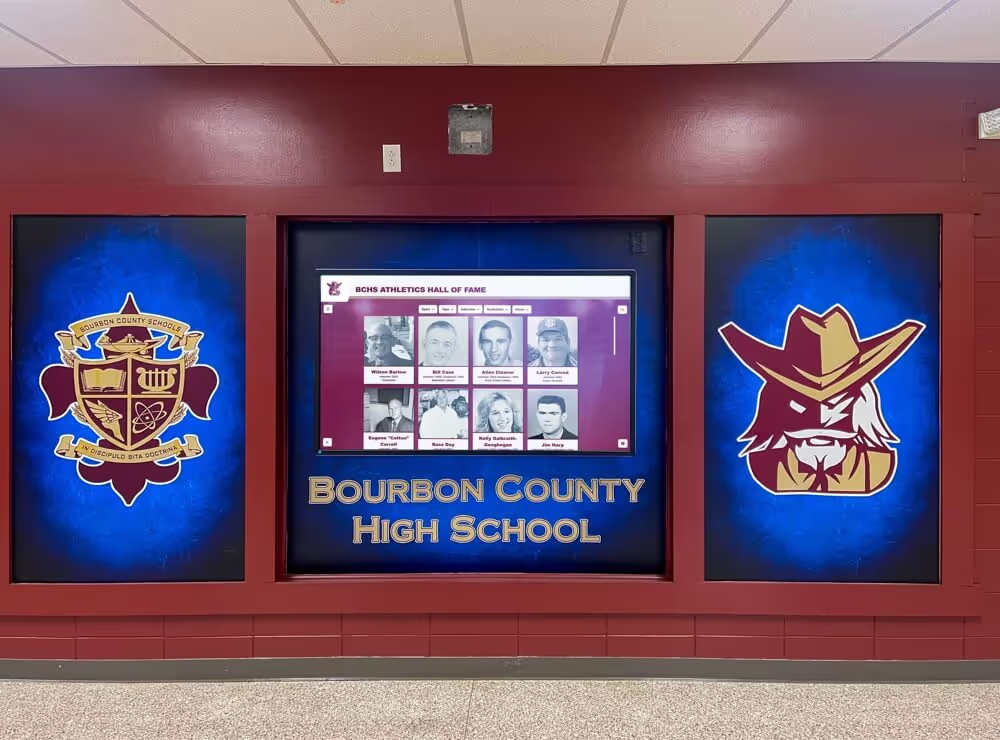
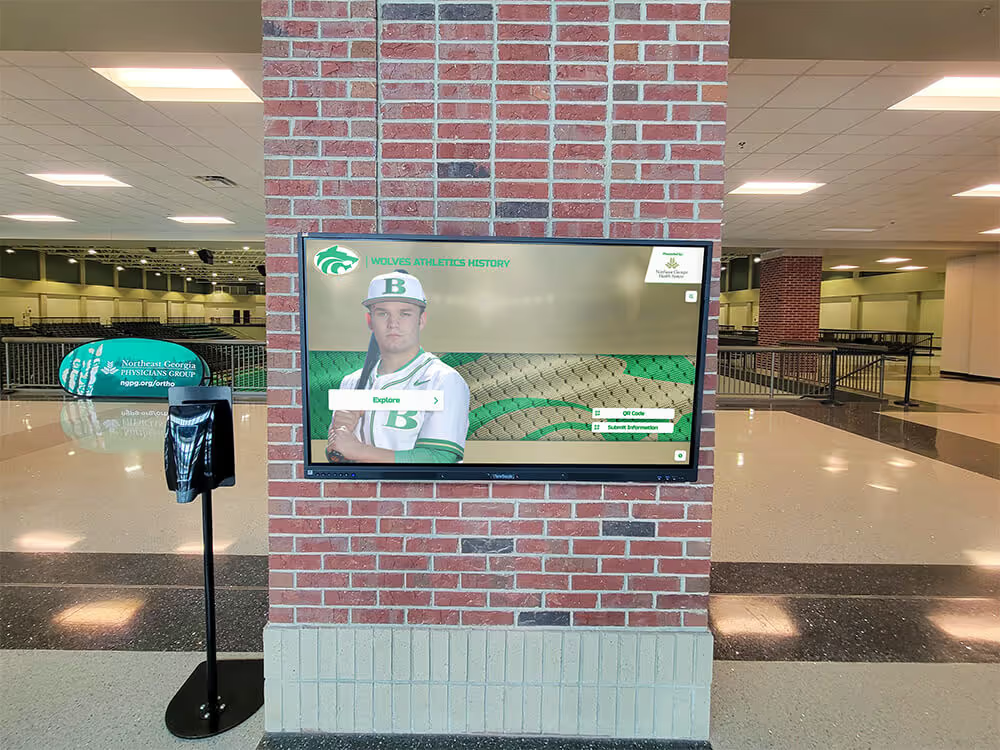
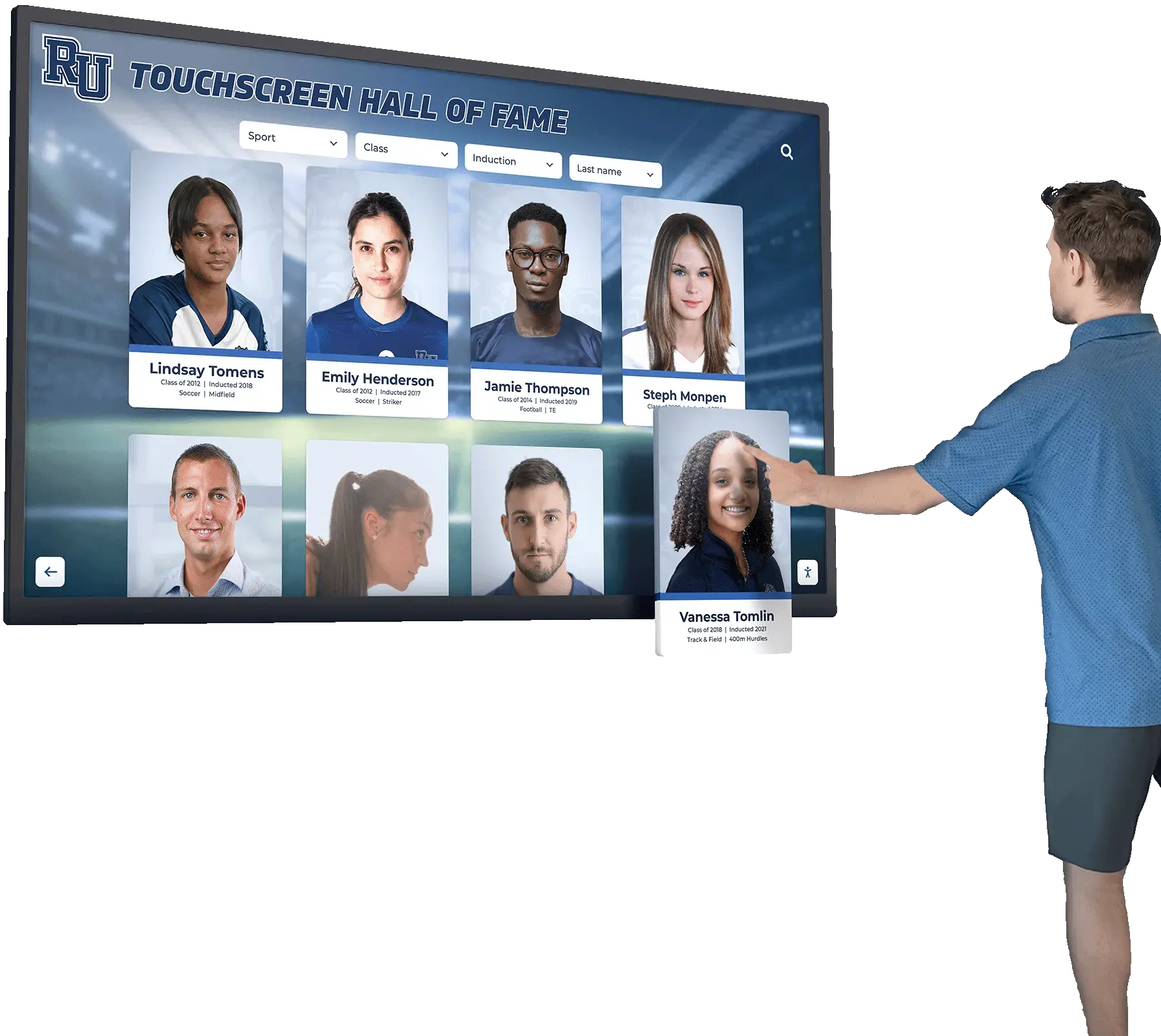
- Donor Recognition Displays: Acknowledge generous supporters through searchable databases, photo galleries, and recognition tiers similar to interactive church information displays
- Ministry Information: Share details about parish programs, religious education opportunities, and community outreach initiatives
- Event Calendars: Display Mass schedules, confession times, parish events, and diocesan activities
- Bulletin Board Content: Communicate announcements, prayer intentions, and community news
- Donation Processing: Integrated giving capabilities enabling contributions while parishioners explore other content
Value Proposition of Integration
Comprehensive systems provide several advantages over single-purpose donation kiosks:
- Increased Engagement Time: Parishioners who approach displays to explore ministry information, search for names in recognition databases, or review event calendars naturally encounter donation prompts—increasing contribution likelihood through extended interaction
- Better Space Utilization: Single installations serving multiple purposes justify prominent lobby or gathering space placement that might not be warranted for donation-only kiosks
- Enhanced Stewardship Communication: The ability to connect donation prompts directly to program information showing exactly how contributions support specific ministries demonstrates impact more effectively than isolated giving interfaces
- Improved Return on Investment: Hardware costs are distributed across multiple parish functions rather than exclusively supporting donation processing
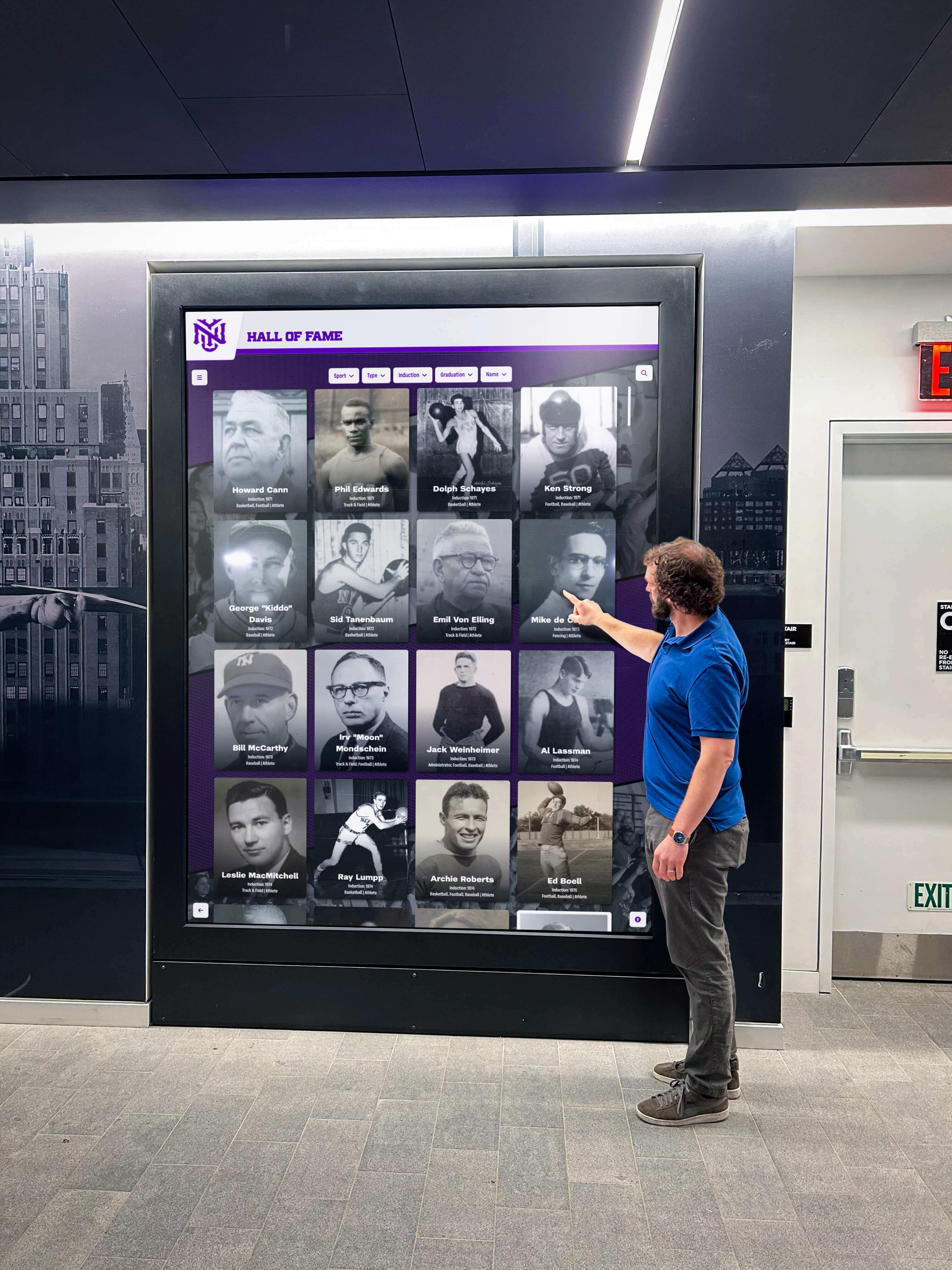
Solutions like Rocket Alumni Solutions provide purpose-built platforms combining recognition, communication, and giving capabilities specifically designed for schools, parishes, and nonprofit organizations—creating engagement experiences that serve both community building and fundraising objectives simultaneously.
QR Code and Mobile-First Approaches
An increasingly popular supplement to physical kiosks leverages parishioners’ own smartphones as giving interfaces.
Implementation Model
Mobile-first giving systems work by:
- QR Code Display: Prominent QR codes posted at church entrances, in pews, on parish bulletins, and in printed materials
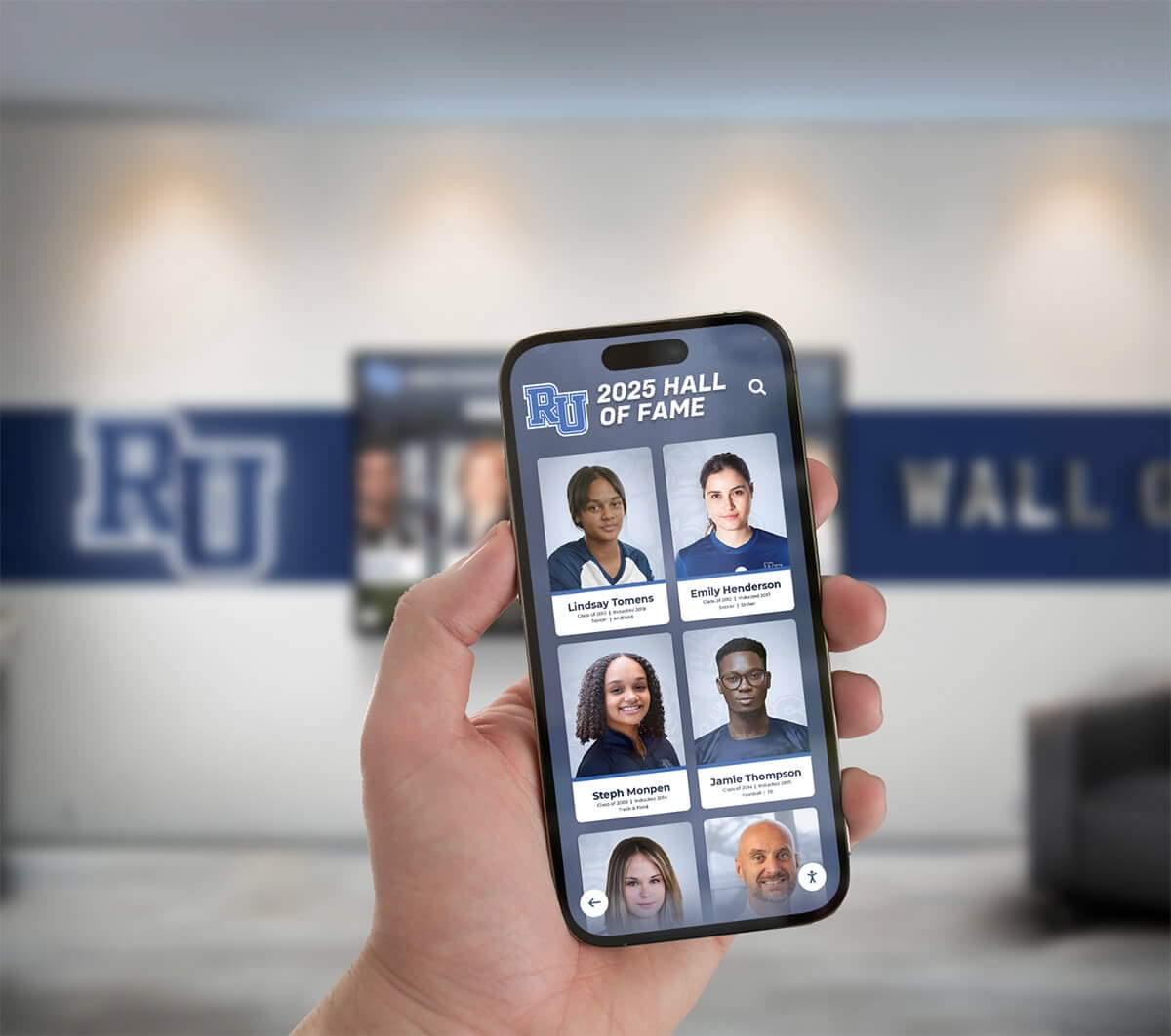
- Mobile Website or App: Optimized giving interfaces accessed by scanning QR codes with smartphone cameras
- Contactless Payment Processing: Secure transaction processing using stored credit cards, Apple Pay, Google Pay, or bank account information
- Confirmation and Receipt: Immediate email or text confirmations providing tax documentation
Advantages of Mobile Approaches
Smartphone-based giving offers distinct benefits:
- Minimal Hardware Investment: QR code posters cost virtually nothing to produce and display
- Universal Accessibility: Parishioners can give from anywhere—during Mass, after returning home, or while traveling
- Reduced Maintenance: No physical equipment to maintain, update, or secure
- Familiar Interface: Most Catholics already use smartphones for banking and payments, reducing learning curves
Complementary Rather Than Exclusive
While mobile giving provides important access, it works best as supplement to rather than replacement for physical touchscreen kiosks. On-site kiosks serve parishioners who prefer not to use personal devices during worship, visitors without QR code scanning familiarity, and older adults who may find smartphones intimidating—ensuring comprehensive accessibility across the entire community.
Implementation Planning for Catholic Parish Digital Giving
Successful deployment of digital donation touchscreens requires thoughtful planning that addresses both practical considerations and pastoral dimensions of introducing new technology into sacred spaces.
Building Parish Consensus and Support
Technology changes in worship spaces can generate strong reactions, making consensus-building essential before implementation.
Engaging Parish Leadership
Begin by securing support from key stakeholders:
- Pastor and Associate Priests: Pastoral leadership must understand and endorse digital giving theologically and practically before implementation
- Finance Council: Parish financial leaders need to review projected costs, expected return on investment, and integration with existing financial management systems
- Parish Council: Lay leadership should participate in decisions affecting parish life and resource allocation
- Staff: Those managing day-to-day implementation—business managers, administrative staff, and volunteers—must understand systems and support deployment
Addressing Common Concerns
Anticipate and respond to predictable objections:
“Digital giving feels impersonal and diminishes the spiritual meaning of offering”
Response: The spiritual value of giving resides in the heart of the giver, not the payment method. Digital tools remove barriers enabling generous hearts to express commitment more easily and consistently. The liturgical tradition of offering can be maintained through gestures like bringing forward donation confirmations during offertory processions.
“This technology will alienate our older parishioners who give faithfully with cash and checks”
Response: Digital giving supplements rather than replaces traditional methods. Collection baskets remain available for those preferring cash and checks while ensuring younger families and cashless parishioners can also contribute conveniently. For comprehensive approaches to recognition serving all generations, explore guidance about celebrating multi-generational families.
“The technology seems too expensive for our parish budget”
Response: Calculate total cost of ownership including staff time currently spent managing donations, bank fees for check processing, and revenue lost when willing donors lack convenient giving options. Most parishes find digital giving systems pay for themselves within 12-24 months through increased donations while reducing administrative burden.
Educational Campaign
Once leadership support is secured, educate the broader congregation through:
- Pulpit Announcements: Brief explanations from priests during Mass emphasizing how digital giving serves modern parishioners while maintaining stewardship values
- Bulletin Articles: Written explanations providing details about technology, instructions for use, and responses to frequently asked questions
- Video Demonstrations: Short videos showing exactly how to use kiosks, accessible via parish website and social media
- Launch Weekend Events: Dedicated information sessions following Sunday Masses where parishioners can try kiosks with assistance from volunteers
Selecting Appropriate Technology Solutions
Choosing the right platform requires evaluating multiple factors specific to each parish’s circumstances.
Assessment Criteria
Consider these factors when evaluating giving kiosk providers:
Parish Size and Giving Volume
- Small parishes (under 200 families): Tablet-based systems or single compact kiosk
- Medium parishes (200-800 families): One or two dedicated kiosks plus mobile/online giving
- Large parishes (800+ families): Multiple kiosk locations plus comprehensive mobile, online, and recurring giving platforms
Budget Constraints
- Initial hardware investment ($500-7,000 depending on solution)
- Monthly platform fees ($50-300 for transaction processing and software access)
- Transaction fees (typically 2-3% plus $0.30 per transaction)
- Maintenance and support costs
Technical Capacity
- Does parish staff include technically proficient members who can manage systems?
- Will vendor provide setup, training, and ongoing technical support?
- How complex are administration interfaces for managing donations and generating reports?
Integration Requirements
- Compatibility with existing parish management software (ParishSOFT, Ministry Brands, etc.)
- Ability to export data for accounting systems like QuickBooks
- Integration with diocesan financial reporting requirements
Catholic-Specific Features
- Customization options for Catholic imagery, saint references, and liturgical language
- Support for designated giving to typical Catholic ministries (religious education, youth ministry, social outreach)
- Diocese-approved security and compliance features
Vendor Reputation and Support
- Experience specifically serving Catholic parishes and dioceses
- Quality of customer support and technical assistance
- Availability of training resources and documentation
- References from similar parishes using the platform
Leading platforms serving Catholic churches include ParishSOFT (designed specifically for Catholic parishes), Donorbox (serving diverse religious organizations), Tithe.ly (popular among various denominations), and comprehensive solutions like Rocket Alumni Solutions that combine giving with recognition and communication features.
Strategic Placement and Installation
Kiosk location significantly impacts both usage rates and the overall parish experience.
High-Traffic Location Selection
Position giving touchscreens where parishioners naturally gather and have time to interact:
Church Vestibule or Narthex
- Primary location where parishioners enter and exit
- Natural stopping point before and after Mass
- Highly visible to all attendees
- Appropriate for giving as part of worship experience
Parish Hall or Gathering Space
- Community areas where parishioners socialize after Mass
- Comfortable environments for extended interaction
- Suitable for kiosks combining donation with ministry information and recognition features
Parish Office Reception Area
- Accessible during weekday office hours
- Convenient for those conducting parish business
- Serves parishioners who cannot attend weekend Masses
Special Event Locations
- Portable tablets deployed during parish festivals, fundraising dinners, or special programs
- Captures giving during high-engagement events when generosity often peaks
Installation Best Practices
Ensure professional installation addressing both functionality and aesthetics:
- Secure Mounting: Floor-standing kiosks should be stabilized to prevent tipping; wall-mounted units require proper anchoring
- Power and Network Access: Reliable electrical connections and strong WiFi signals or hardwired internet
- Lighting Considerations: Adequate lighting for screen visibility without glare or reflection issues
- Aesthetic Integration: Colors, materials, and finishes complementing existing church architecture and décor
- Clear Signage: Prominent but tasteful signs explaining kiosk purpose and providing basic instructions
- Accessibility Compliance: Installation heights and interface designs accommodating parishioners with mobility limitations or visual impairments
Staff Training and Launch Preparation
Successful launches require thorough preparation ensuring staff and volunteers can support parishioners during initial adoption.
Administrator Training
Parish staff responsible for managing digital giving systems need comprehensive training covering:
- Platform Administration: How to access backend systems, generate reports, and extract donation data
- Financial Reconciliation: Procedures for matching digital donations with bank deposits and accounting records
- Donor Communications: Using platform features to send acknowledgment emails and annual giving statements
- Troubleshooting: Resolving common technical issues and knowing when to contact vendor support
- Content Updates: Modifying fund options, campaign designations, and display content as parish needs evolve
Volunteer Ambassador Program
Recruit and train volunteer “kiosk ambassadors” who can assist parishioners during initial weeks:
- Hands-On Demonstrations: Walking parishioners through complete donation processes step-by-step
- Question Answering: Addressing concerns about security, privacy, and how digital giving works
- Encouragement: Providing friendly, non-judgmental assistance helping users succeed with new technology
- Feedback Collection: Gathering observations about what works well and what causes confusion, enabling rapid improvements
Deploy ambassadors at all Mass times during launch weekends and following weeks until usage becomes routine and parishioners gain confidence.
Stewardship Formation and Digital Giving Integration
Technology implementation should support rather than replace spiritual formation around Christian stewardship and generous giving as discipleship practice.
Maintaining the Spiritual Dimension of Giving
Digital transactions can feel purely functional if parishes don’t intentionally preserve the spiritual meaning of financial offerings.
Liturgical Connection
Maintain connections between digital giving and liturgical worship:
- Offertory Procession Participation: Invite parishioners who donated digitally to bring forward symbolic gifts during offertory processions—homemade bread, flowers, or printed donation confirmations—enabling physical participation even when contributions occur electronically
- Blessing of Kiosks: During implementation, formally bless digital giving installations during Mass, consecrating them as tools serving parish mission and enabling faithful stewardship
- Homiletic Integration: Periodically reference digital giving in homilies about stewardship, demonstrating that all giving methods equally express generous discipleship regardless of payment form
Stewardship Education
Use digital giving implementation as opportunity for broader stewardship formation:
- Stewardship of Treasure: Teach Catholic principles about financial giving as response to God’s generosity rather than membership dues or transactional payments
- Proportional Giving: Encourage biblical tithing or proportional giving based on income rather than arbitrary amounts—digital systems can facilitate percentage-based recurring donations aligned with these principles
- First Fruits Philosophy: Promote giving as first priority rather than afterthought by establishing automatic recurring donations that occur before discretionary spending
For comprehensive stewardship program design, explore resources about recognition solutions that honor generosity while forming giving cultures.
Recognizing and Honoring Digital Donors
Public recognition, when appropriate and welcomed by donors, reinforces giving culture while honoring generous parishioners.
Digital Donor Recognition Displays
Parishes implementing comprehensive touchscreen systems can integrate donor recognition features:
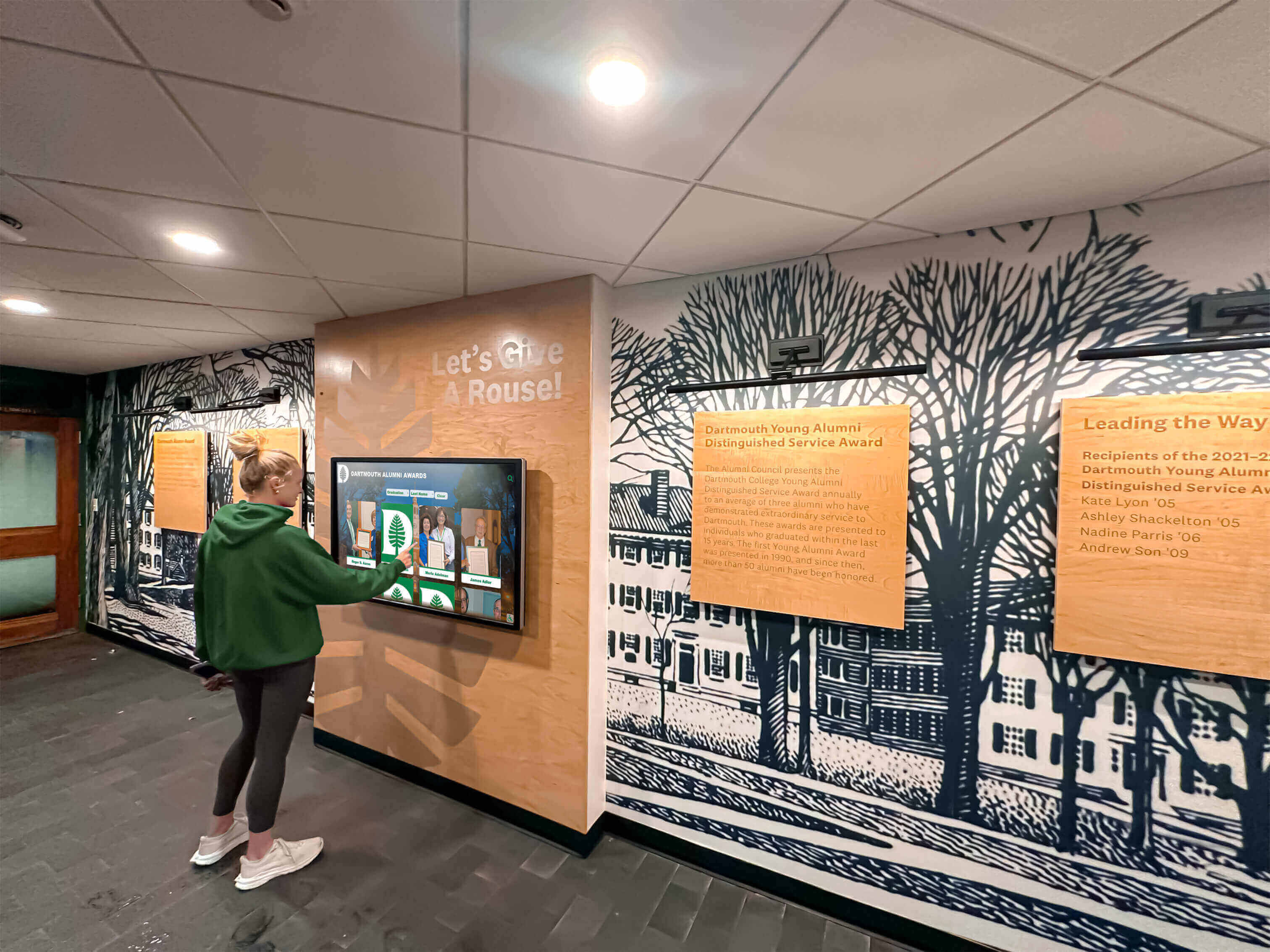
- Honor Roll Listings: Searchable databases acknowledging donors by giving level without disclosing specific amounts
- Legacy Society Recognition: Special recognition for planned giving commitments and transformational gifts
- Capital Campaign Donor Walls: Interactive displays celebrating supporters of specific building projects or major initiatives
- Anonymous Options: Respectful accommodation for donors preferring privacy while still contributing to recognized campaigns
This approach mirrors strategies used for donor recognition walls that celebrate achievement while maintaining appropriate privacy.
Annual Stewardship Celebrations
Formal recognition events honoring committed stewards and major donors:
- Annual Stewardship Dinner: Gatherings celebrating top donors and recognizing sustained giving commitments
- Ministry Fair Recognition: Public acknowledgment during parish events of donors supporting specific programs
- Prayer Intentions: Liturgical prayers of thanksgiving for generous parishioners who sustain parish mission through faithful giving
Balance appropriate recognition with Catholic teaching about humility and avoiding ostentation—focus on celebrating community generosity that advances Church mission rather than elevating individual status.
Measuring Stewardship Success Beyond Revenue
While financial metrics matter, comprehensive assessment includes spiritual and community dimensions.
Participation Rates
Track the percentage of registered parishioners who contribute financially in any form:
- Active Donor Percentage: Proportion of parish families giving at least once annually
- Weekly Giving Participation: Percentage contributing weekly or through recurring donations
- Campaign Participation: Involvement rates during special appeals and capital campaigns
Giving Consistency
Monitor patterns indicating sustained commitment versus sporadic contributions:
- Recurring Donor Growth: Increases in automatic recurring giving enrollment
- Multi-Year Retention: Percentage of donors who continue giving year after year
- Giving Frequency: How often typical donors contribute throughout the year
Qualitative Indicators
Assess non-financial dimensions of stewardship culture:
- Parishioner Understanding: Survey responses showing comprehension of stewardship theology
- Volunteer Participation: Correlation between financial giving and time/talent volunteering
- Ministry Engagement: Connection between donors and active participation in parish programs
Security, Privacy, and Financial Compliance
Digital giving systems must meet rigorous standards protecting both donor privacy and parish financial integrity.
Payment Security and PCI Compliance
Processing credit card transactions requires adherence to Payment Card Industry Data Security Standards (PCI DSS).
PCI Compliance Requirements
Parishes accepting digital payments must ensure their giving platforms maintain PCI compliance through:
- Secure Payment Processing: Transactions encrypted during transmission and processing
- Tokenization: Credit card numbers converted to tokens that can’t be reverse-engineered if intercepted
- No Card Storage: Card numbers never stored locally on parish systems or kiosk hardware
- Regular Security Audits: Vendors maintain compliance through annual assessments and vulnerability testing
Reputable church giving platforms like ParishSOFT, Donorbox, and other established providers handle PCI compliance requirements, shielding parishes from technical complexity while ensuring donors’ financial information remains secure.
Donor Confidence
Display clear security assurances helping parishioners feel confident using digital giving:
- Trust Badges: Visa, Mastercard, and security certification logos visible on kiosk screens
- Privacy Statements: Clear explanations of how donor data is protected and used
- Secure Connection Indicators: Visual confirmation of encrypted connections during transactions
Donor Privacy and Data Management
Catholic social teaching’s emphasis on human dignity extends to respecting donor privacy and managing personal information responsibly.
Data Collection Practices
Implement transparent, minimal data collection:
- Required Information Only: Collect only data necessary for transaction processing, tax receipts, and donor communication
- Clear Consent: Explicit permission before using donor information for marketing or non-essential communication
- Opt-Out Options: Easy mechanisms for donors to limit how their information is used
Data Security
Protect donor information through appropriate safeguards:
- Access Controls: Limit staff access to donor data based on legitimate need
- Secure Storage: Use encrypted databases and secure cloud platforms meeting industry standards
- Regular Backups: Maintain redundant copies protecting against data loss
- Breach Response Plans: Established procedures for responding to any security incidents
GDPR and Privacy Regulations
While GDPR primarily applies to European Union residents, its principles inform best practices for all organizations:
- Right to Access: Donors can request copies of all information parishes hold about them
- Right to Correction: Donors can request inaccurate information be corrected
- Right to Erasure: In appropriate circumstances, donors can request their information be deleted
Annual Giving Statements and Tax Compliance
Digital giving systems should facilitate rather than complicate parishes’ obligations to provide annual contribution statements for tax purposes.
IRS Requirements for Charitable Contributions
To claim tax deductions, donors need documentation showing:
- Organization Information: Parish name, address, and tax ID number
- Donation Amounts: Total contributions for the calendar year
- Dates: When donations were made
- Substantiation: Statement that no goods or services were provided in exchange for donations (or descriptions of any benefits received)
Automated Statement Generation
Quality digital giving platforms automatically generate annual statements:
- Year-End Processing: Comprehensive reports compiling all donations by donor for calendar years
- Electronic Delivery: Email distribution reducing printing and postage costs
- Donor Portals: Self-service access allowing donors to retrieve statements anytime
- Reconciliation Tools: Features helping parishes verify accuracy before distribution
Handling Combined Giving
Parishes often receive both digital and traditional donations from the same parishioners. Ensure systems can:
- Consolidate Multiple Sources: Combine digital, check, and cash donations into unified annual statements
- Track Designated Giving: Show donors exactly how much went to operating funds versus specific campaigns or ministries
- Multi-Year History: Provide donors access to previous years’ giving records
Advanced Features and Future Trends in Church Digital Giving
As digital giving technology matures, increasingly sophisticated features create new opportunities for enhancing parish stewardship and community engagement.
Artificial Intelligence and Personalization
Emerging AI capabilities enable more personalized giving experiences while respecting privacy.
Smart Giving Recommendations
AI-powered platforms can suggest appropriate donation amounts based on:
- Previous Giving History: Recommending amounts consistent with past contributions
- Seasonal Patterns: Recognizing holidays or special occasions when donors historically give more generously
- Campaign Alignment: Suggesting specific funds matching donors’ previous ministry interests
Automated Stewardship Communication
AI can personalize donor communications:
- Thank You Messages: Customized acknowledgments referencing specific campaigns or ministries donors supported
- Impact Reports: Personalized updates showing how contributions affected programs donors care about most
- Renewal Prompts: Gentle reminders when recurring gifts approach expiration or when donors haven’t contributed recently
Cryptocurrency and Alternative Payment Methods
As financial technology evolves, parishes may accommodate emerging payment preferences.
Cryptocurrency Donations
Some parishes now accept digital currencies like Bitcoin and Ethereum:
- Potential Tax Benefits: Cryptocurrency donations may offer tax advantages for donors with appreciated assets
- Younger Donor Appeal: Crypto acceptance signals technological sophistication attractive to younger generations
- Technical Complexity: Requires specialized platforms and careful financial management to convert volatile assets to stable currency
Digital Wallet Integration
Continued expansion of Apple Pay, Google Pay, Venmo, PayPal, and similar platforms:
- One-Click Giving: Streamlined transactions requiring minimal information entry
- Social Giving Features: Integration with peer-to-peer payment platforms younger donors use daily
- Enhanced Convenience: Leveraging payment methods people already use regularly

Integration with Parish Management Ecosystems
Comprehensive digital platforms increasingly integrate giving with broader parish administration.
Unified Parish Systems
Next-generation church management platforms combine:
- Giving and Donations: Digital contributions across all channels
- Membership Management: Registration, sacramental records, and family information
- Ministry Coordination: Volunteer scheduling, program registration, and event management
- Communication Tools: Email, text messaging, and social media integration
- Financial Accounting: Comprehensive revenue and expense tracking
This integration eliminates duplicate data entry while providing comprehensive views of parish community engagement—showing not just who gives financially, but how they participate in broader parish life.
Analytics and Insights
Advanced platforms provide sophisticated analytics helping parishes understand their communities:
- Giving Trends: Identify patterns in donation timing, amounts, and fund preferences
- Donor Segmentation: Group donors by engagement level, giving capacity, and ministry interests
- Predictive Modeling: Forecast future giving based on historical patterns
- Retention Indicators: Early warning when active donors show signs of disengagement
These insights enable more strategic stewardship approaches, proactive donor relationship management, and data-informed decision making about parish programs and resource allocation.
Case Considerations: Different Parish Contexts
Optimal digital giving strategies vary significantly based on parish size, demographics, and community characteristics.
Small Rural Parishes
Rural Catholic communities face unique challenges requiring adapted approaches.
Technology Limitations
Rural parishes often encounter:
- Limited Internet Connectivity: Unreliable or slow internet affecting real-time transaction processing
- Lower Tech Familiarity: Older, more traditional congregations potentially less comfortable with digital tools
- Budget Constraints: Smaller giving bases making technology investment more challenging
Appropriate Solutions
Effective approaches for rural parishes:
- Hybrid Systems: Maintain robust traditional giving options while adding one modest kiosk or tablet system
- Mobile-First Implementation: QR codes and smartphone giving requiring minimal infrastructure investment
- Partnership with Dioceses: Leverage diocesan technology services for shared platforms reducing per-parish costs
- Gradual Introduction: Slower implementation timelines allowing communities to adapt comfortably
Large Urban and Suburban Parishes
Urban and suburban Catholic churches serve diverse, often transient populations with different needs.
Community Characteristics
Urban/suburban parishes typically include:
- Higher Digital Adoption: Younger, more tech-savvy populations expecting modern conveniences
- Transient Attendance: More visitors, occasional attendees, and parishioners attending irregularly
- Economic Diversity: Wide income ranges from struggling families to wealthy professionals
- Multi-Cultural Communities: Immigrant populations speaking multiple languages
Comprehensive Solutions
Large parishes benefit from extensive digital giving ecosystems:
- Multiple Kiosk Locations: Installations at various church entrances and gathering spaces
- Multi-Language Support: Interfaces in English, Spanish, and other languages serving diverse communities
- Sophisticated Fund Designation: Many specific ministries and programs donors can support
- Integration with Recognition: Comprehensive donor walls and recognition programs appropriate for larger giving bases
For guidance on designing recognition systems for diverse communities, explore approaches for school recognition programs that celebrate varied achievement.
University and Campus Parishes
Catholic campus ministries serve unique populations with distinct characteristics.
Student Demographics
Campus parishes predominantly serve:
- Tech-Native Young Adults: Students expecting seamless digital experiences
- Limited Cash Flow: Smaller donation amounts but potentially high participation rates
- Temporary Residence: Transient populations remaining only 2-4 years
- Social Network Emphasis: Strong peer influence and social media integration
Student-Focused Features
Campus ministry digital giving should include:
- Micro-Donation Options: Acceptance of small contributions ($1-10) matching student budgets
- Social Sharing: Integration with Instagram, TikTok, and platforms students use
- Peer Challenge Campaigns: Gamified giving during special events or mission trips
- Simplified Interfaces: Extremely intuitive systems requiring minimal instruction
Campus ministries also benefit from educational components teaching stewardship principles to young adults forming lifelong giving habits.
Addressing Common Concerns and Misconceptions
Parishes implementing digital giving frequently encounter similar questions and objections requiring thoughtful responses.
“Isn’t Digital Giving Just Making It Too Easy to Avoid True Sacrifice?”
The Concern: Some worry that the convenience of digital giving diminishes the spiritual discipline of sacrificial giving when donors can contribute without thinking.
The Response: True sacrifice resides in the heart, not the payment method. A parishioner establishing recurring monthly giving equal to 10% of income demonstrates profound commitment regardless of whether contributions arrive via automatic deduction or weekly cash placement in collection baskets. Digital tools can actually enable greater sacrifice by making consistent, proportional giving achievable for families whose weekly attendance varies due to work schedules, health issues, or family obligations. The spiritual dimension comes from the intentional decision to give generously—technology simply facilitates executing that commitment.
“What About Security? How Can We Trust Digital Systems With Parishioners’ Financial Information?”
The Concern: Fear of data breaches, identity theft, or financial fraud makes some leaders hesitant to implement digital giving.
The Response: Professional church giving platforms maintain security standards far exceeding what parishes could implement independently. These systems use bank-level encryption, PCI compliance, tokenization, and security protocols protecting millions of transactions daily. The security risk comes not from using digital platforms but from handling paper checks and cash—which can be stolen, forged, or embezzled with far greater ease than properly secured digital transactions. Reputable vendors carry cyber insurance and maintain security certifications demonstrating their systems meet rigorous industry standards. Parish staff never see or handle actual credit card numbers, significantly reducing both fraud risk and parish liability.
“Will This Drive Away Our Older Parishioners Who Prefer Traditional Giving?”
The Concern: Worry that technology implementation will alienate faithful older donors who have supported parishes for decades through cash and check donations.
The Response: Digital giving supplements rather than replaces traditional methods. Collection baskets, check acceptance, and cash donation options remain fully available. Implementation is about addition, not subtraction—ensuring both younger cashless parishioners and traditional donors can contribute conveniently using their preferred methods. Many parishes discover that older parishioners appreciate digital options once they understand how these tools help their children and grandchildren remain engaged in parish life. When framed as serving the next generation while preserving options for everyone, digital giving becomes inclusive rather than divisive.
“The Transaction Fees Seem High—Aren’t We Losing Too Much to Processing Costs?”
The Concern: Standard credit card processing fees of 2-3% plus per-transaction charges appear to reduce net donations significantly.
The Response: Compare transaction fees not to zero-cost ideals but to actual alternatives. Processing paper checks involves bank fees ($0.10-0.50 per check), staff time for recording and depositing (typically 20-40 hours annually), and accounting reconciliation efforts. Cash handling requires counters, security procedures, and bank deposits consuming staff time. When factoring in all costs, the difference between digital and traditional giving costs is typically 1-2% of revenue—easily offset by the 25-35% donation increases parishes consistently experience after implementing digital options. The question isn’t whether processing fees exist, but whether the net result increases or decreases total parish revenue after accounting for all factors. For nearly all parishes, the answer is substantial revenue increases that far exceed transaction costs.
Conclusion: Serving Modern Parishioners While Honoring Sacred Tradition
Catholic Church digital donation touchscreens represent practical tools that bridge contemporary financial habits with timeless Christian stewardship principles. Rather than compromising the spiritual dimension of generous giving, these technologies remove barriers that prevent willing donors from expressing their commitment conveniently and consistently—enabling the generous impulses that already exist in faithful Catholic hearts.
The data demonstrates substantial impact: parishes implementing comprehensive digital giving experience average donation increases of 32%, dramatic improvements in recurring giving enrollment, and enhanced ability to serve younger generations whose daily financial lives operate almost entirely through digital transactions. Beyond immediate revenue improvements, digital systems reduce administrative burden, improve financial transparency, and enable sophisticated stewardship programs that strengthen parish communities.
Keys to Successful Implementation:
- Begin with consensus-building among leadership, clearly addressing theological and practical concerns
- Select technology solutions appropriate for your parish’s size, demographics, and budget
- Maintain traditional giving options while adding digital alternatives, ensuring inclusive accessibility
- Frame implementation within broader stewardship formation emphasizing spiritual dimensions of generosity
- Monitor both financial and participation metrics, continuously improving based on community feedback
- Integrate digital giving with comprehensive communication and recognition strategies
The most successful parishes recognize that digital giving represents one component of holistic stewardship cultures where generous financial support flows naturally from active faith and engaged community participation. Technology facilitates rather than replaces the relationships, formation, and spiritual commitment that motivate Christian generosity—creating tools that serve mission advancement while respecting the sacred context in which they function.
As fewer Catholics carry cash and as younger generations assume leadership in parish life, digital giving solutions transition from optional enhancements to essential infrastructure enabling sustainable ministry. The question facing Catholic parishes is not whether to adopt digital giving technologies, but how to implement them thoughtfully in ways that serve contemporary parishioners while maintaining reverence, spiritual formation, and connection to liturgical tradition.
Ready to explore how digital donation touchscreens can serve your parish community? Solutions like Rocket Alumni Solutions provide comprehensive platforms combining giving capabilities with donor recognition and community engagement features—creating integrated systems that honor generous supporters while enabling the sustained financial support that advances Catholic mission and ministry excellence for generations to come.
Modern Catholics want to give generously in support of parishes that formed their faith, married them, baptized their children, and walk with them through life’s joys and sorrows. Digital giving tools simply ensure that their generous intentions translate into the consistent financial support that enables parishes to maintain vibrant ministry, serve those in need, and proclaim the Gospel effectively in communities throughout the world.