



Capital campaigns represent one of the most significant fundraising undertakings that schools, universities, and nonprofit organizations will ever launch. These intensive, time-bound initiatives aim to raise substantial funds for specific major projects—new facilities, building renovations, endowment establishment, program expansion, or other transformational investments requiring funding beyond annual operating budgets. For development officers, school administrators, and nonprofit leaders, understanding what capital campaigns involve and how to execute them successfully makes the difference between transformational organizational advancement and disappointing shortfalls that damage donor confidence.
Unlike annual fundraising drives that support ongoing operations, capital campaigns pursue defined monetary goals within specific timeframes, typically spanning 3-7 years from planning through completion. These campaigns fundamentally differ from regular development activities in their scale, intensity, focus on major gifts, leadership structure, donor recognition prominence, and organizational commitment required. A successful capital campaign transforms institutions physically through new buildings or renovations, financially through endowment establishment, and relationally by deepening donor engagement and expanding philanthropic participation across the community.
Effective capital campaigns require meticulous planning, strong volunteer leadership, compelling case statements articulating campaign necessity, sophisticated major gift cultivation, strategic donor recognition, and sustained organizational focus across multiple years. This guide helps development professionals and institutional leaders navigate campaign complexity while avoiding common pitfalls that derail fundraising initiatives.
Understanding Capital Campaigns: Definition and Purpose
Before diving into campaign planning specifics, clarifying what capital campaigns are and when they’re appropriate ensures realistic expectations and proper organizational preparation.
What is a Capital Campaign?
A capital campaign is an intensive fundraising effort conducted over a defined period to raise significant funds for specific major projects or initiatives that exceed an organization’s regular operating budget capacity.
Core Defining Characteristics:
Capital campaigns share several distinguishing features that separate them from ongoing annual fundraising. They pursue specific, defined goals with precise dollar targets rather than open-ended fundraising. Campaign funds support particular projects or purposes identified in advance—a new athletic facility, science building renovation, scholarship endowment establishment, program expansion, or similar major undertakings requiring substantial investment.
These campaigns operate within defined timeframes, typically 3-7 years from planning through completion, creating urgency and focus unlike perpetual annual giving programs. Capital campaigns concentrate heavily on major gifts from relatively small numbers of donors, with 80-90% of total funds typically coming from top 10-20% of donors. This major gift emphasis requires sophisticated cultivation strategies quite different from broad-based annual fund approaches.

Capital campaigns involve much broader institutional engagement than routine development activities. Board members, senior leadership, volunteers, and campaign committees invest substantial time in donor cultivation, solicitation, and stewardship. Successful campaigns become organizational priorities commanding significant attention and resources beyond development office capacity alone.
Common Capital Campaign Purposes:
Schools and nonprofits launch capital campaigns for various transformational purposes. Facility projects represent the most common capital campaign driver—constructing new buildings, major renovations of existing facilities, athletic complex improvements, or infrastructure upgrades requiring multi-million dollar investments beyond operating budget capacity.
Endowment building provides another frequent capital campaign focus. Organizations seek to establish or substantially increase endowments supporting scholarships, faculty positions, program operations, or general institutional sustainability. Endowment campaigns create perpetual funding streams generating annual income supporting designated purposes indefinitely.
Program expansion drives some capital campaigns when organizations need funding to launch new academic programs, expand existing services, develop new initiatives, or achieve strategic plan objectives requiring investment beyond current resources. Comprehensive campaigns combine multiple purposes—facility projects, endowment building, program expansion, and unrestricted institutional support within single coordinated fundraising initiatives.
When to Launch a Capital Campaign
Not every fundraising need warrants capital campaign launch. Understanding when capital campaigns make sense versus when other development strategies prove more appropriate prevents premature campaigns that fail due to inadequate preparation or unrealistic expectations.
Organizational Readiness Indicators:
Successful capital campaigns require substantial organizational capacity. Consider capital campaign readiness carefully before committing to these intensive undertakings.
Strong annual giving programs typically must precede capital campaign success. Organizations should demonstrate consistent annual fundraising achievement with growing donor bases, increasing participation rates, and reliable revenue streams before attempting capital campaigns. Annual giving performance provides essential indicators of donor cultivation capacity, board engagement level, and development infrastructure quality necessary for successful major gift campaigns.
Board commitment and leadership prove absolutely critical. Capital campaigns fail without deeply engaged boards willing to make personally significant gifts and to actively cultivate major donor prospects. Before launching campaigns, assess whether board members will make stretch gifts at leadership levels and whether they will personally solicit other donors. Campaigns led primarily by development staff without active board participation rarely achieve goals.

Identified major donor prospects in sufficient numbers and capacity represent essential preconditions. Organizations need realistic paths to campaign goals through confirmed major gift prospects. Before launching campaigns, conduct prospect research identifying whether adequate donor capacity exists within reach to achieve proposed targets. Campaigns launched without sufficient identified prospects capable of leadership gifts inevitably struggle.
Development infrastructure must support intensive campaign operations including adequate staff capacity, donor database systems enabling sophisticated tracking, gift processing capabilities handling complex pledges and recognition requirements, and communications systems supporting coordinated campaign messaging across multiple channels.
Strategic Timing Considerations:
Beyond readiness assessment, strategic timing affects campaign outcomes. Launch capital campaigns when compelling cases for support exist with clear organizational needs that resonate with donor priorities. Donors must understand why funding is necessary now and why they should prioritize your campaign over competing philanthropic opportunities.
Economic conditions influence campaign timing though successful campaigns occur across various economic environments. Strong economies create confidence encouraging major commitments while economic uncertainty causes donor hesitation. However, compelling institutional needs and strong donor relationships often overcome economic concerns. Avoid using economic conditions as excuses for indefinite delay while recognizing timing considerations.
Avoid campaign launch during major organizational transitions whenever possible. New presidents, superintendents, or executive directors typically need time establishing credibility and relationships before effectively leading capital campaigns. Unless exceptional circumstances warrant immediate campaign launch, allow new leaders settling-in periods before undertaking intensive fundraising initiatives.
Consider competitive environment and donor fatigue. If multiple organizations within your community recently completed or are currently conducting capital campaigns, evaluate whether donor fatigue limits realistic goal achievement. While compelling cases overcome competitive concerns, understand the landscape before launching campaigns.
Conducting Feasibility Studies and Campaign Planning
Proper capital campaign foundation requires systematic planning and objective assessment of campaign viability before public launch.
The Role and Importance of Feasibility Studies
Feasibility studies provide objective third-party assessment of campaign viability by gathering stakeholder perspectives on proposed goals, campaign readiness, and potential support levels.
What Feasibility Studies Assess:
Professional feasibility studies typically examine several critical dimensions. They evaluate whether proposed campaign goals appear realistic based on donor capacity and inclination within the organization’s constituency. Consultants conduct confidential interviews with major donor prospects, board members, and key stakeholders gathering honest perspectives about campaign viability that internal staff might not obtain.
Studies assess case for support strength by testing whether proposed campaign purposes resonate with donors and whether articulated needs create compelling urgency. Consultants explore which campaign priorities generate greatest enthusiasm and which elements feel less compelling, helping organizations refine campaign focus.
Leadership capacity evaluation determines whether sufficient volunteer and board engagement exists to provide campaign leadership. Studies identify potential campaign chairs, volunteer committee members, and major gift solicitors while revealing leadership gaps requiring attention before campaign launch.
Organizational readiness assessment examines development infrastructure, staff capacity, board engagement levels, and internal systems determining whether organizations can execute intensive campaigns successfully. Studies identify readiness gaps needing resolution before proceeding with campaigns.
Benefits Beyond Go/No-Go Decisions:
While feasibility studies provide recommendations about whether to proceed with capital campaigns, they deliver value beyond simple yes/no judgments. Studies identify potential campaign leaders and volunteer prospects through stakeholder interviews. Many campaign chairs emerge from feasibility study participants who demonstrate enthusiasm and leadership capacity during interview processes.
Feasibility studies cultivate donor interest by engaging prospects in planning conversations before formal solicitation. Interview participants feel invested in campaign success because they contributed to planning, often translating into earlier and larger commitments when campaigns launch publicly.
Studies refine campaign goals and priorities by revealing which elements generate strongest support and which components feel less compelling. Organizations frequently adjust campaign scopes, priorities, or even total goals based on feasibility study findings, creating more realistic and donor-aligned initiatives.
Finally, feasibility studies provide political cover for difficult decisions. When studies recommend goal reductions, campaign delays, or infrastructure improvements before proceeding, consultants deliver messages that board members or institutional leaders might struggle conveying internally without appearing uncommitted or pessimistic.
Establishing Realistic Campaign Goals
Capital campaign goal-setting requires balancing institutional needs, donor capacity, and campaign ambition in ways that challenge organizations without creating unrealistic expectations leading to public failure.
The Gift Range Chart Methodology:
Professional campaign planning relies heavily on gift range charts (sometimes called gift pyramids or gift tables) that model required giving patterns to achieve campaign goals.
Gift range charts work from the principle that capital campaigns succeed through relatively few very large gifts, moderate numbers of mid-level major gifts, and broader bases of smaller contributions. Typical capital campaign gift distributions follow patterns where the largest single gift equals roughly 10-15% of total goal, the top 10 gifts combine to approximately 40-50% of total goal, and the top 100 gifts account for 80-90% of total goal.
For example, a $10 million capital campaign might require: one leadership gift of $1.5 million, 2-3 gifts at $500,000-$750,000, 5-7 gifts at $250,000-$400,000, 10-15 gifts at $100,000-$200,000, 25-40 gifts at $25,000-$75,000, and hundreds of gifts under $25,000. The largest gift alone represents 15% of the total goal, while the top dozen gifts combine to exceed half the campaign target.
Creating gift range charts before launching campaigns helps assess goal realism. Organizations must identify sufficient prospects at each gift level to achieve required totals. Professional practice suggests identifying 3-5 qualified prospects for each required gift at upper campaign levels, recognizing that not all prospects will ultimately contribute at solicited levels.
Stretching Without Breaking:
Effective capital campaign goals balance ambition with achievability. Goals must stretch organizations and donor communities, creating genuine challenge requiring significant effort and leadership. Campaigns with easily achievable goals fail to generate urgency or maximize donor potential. However, wildly unrealistic goals based on wishful thinking rather than prospect capacity assessment create public failure damaging donor confidence and organizational credibility.

Conservative professional practice suggests that organizations should identify realistic gift potential totaling 125-150% of proposed campaign goals before launching publicly. This cushion accounts for inevitable attrition—some prospects will decline, others will contribute less than anticipated, and unexpected circumstances will affect some major donors’ capacity. The cushion also accommodates campaign stretching that motivates rather than deflates.
Some organizations announce minimum campaign goals with aspirational targets exceeding base numbers. For example, announcing a $15 million campaign with $20 million aspirational goal provides flexibility allowing success declaration at $15 million while motivating continued effort toward higher targets. However, this approach requires careful communication preventing perceptions that minimum goals represent insufficient ambition.
Campaign Timeline and Phase Planning
Capital campaigns unfold through distinct phases, each serving specific purposes in building momentum toward goal achievement.
Typical Capital Campaign Phases:
Professional capital campaign practice divides initiatives into several standard phases, though specific terminology and timelines vary.
The planning and feasibility phase typically lasts 6-12 months before campaigns launch publicly. This period includes feasibility studies, leadership recruitment, case development, campaign material creation, and internal preparation ensuring readiness before solicitation begins.
The quiet phase (also called silent phase or leadership phase) represents the campaign’s most critical period, typically lasting 12-24 months. During quiet phases, organizations solicit lead gifts from board members, top donor prospects, and organizational leadership before public campaign launch. Professional practice suggests securing 50-70% of total campaign goals during quiet phases before announcing campaigns publicly. This frontloading ensures momentum, demonstrates campaign viability, and provides psychological boost encouraging public participation once campaigns become visible.
The public phase launches after quiet phase gift commitments reach predetermined thresholds (typically 50-70% of goals). Public phases typically last 12-36 months and involve broader constituent engagement through communications, events, broad-based solicitation, and community awareness building. During public phases, organizations pursue remaining major gifts while also encouraging wider participation from mid-level and grassroots donors.
The victory phase or campaign close occurs during final 6-12 months as campaigns approach goals. Organizations intensify solicitation efforts for outstanding prospects, conduct closing events, implement final pushes toward goal achievement, and begin transitioning toward campaign conclusion and celebration.
Post-campaign stewardship and recognition extend beyond official campaign conclusion and involve fulfilling pledge commitments, implementing donor recognition, dedicating facilities or programs, and stewarding relationships ensuring donors remain engaged beyond campaign completion. Many campaigns take 2-3 years beyond official close dates for all pledges to complete payment.
Phase Discipline and Avoiding Premature Launch:
One of the most common capital campaign mistakes involves premature public launch before adequate quiet phase progress. Organizations sometimes announce campaigns publicly after securing only 20-30% of goals, either due to external pressure, impatience, or misunderstanding of professional practice.
Premature public announcements create multiple problems. They expose campaigns to failure risk if momentum doesn’t materialize quickly after announcement. They potentially leave largest gifts unsecured when early announcements prompt wealthy prospects to delay commitments assuming campaigns will succeed regardless of their participation. They create perception that campaigns lack top-level support when announced totals reveal insufficient leadership gift participation.
Maintain phase discipline by resisting pressure to announce campaigns before quiet phases achieve appropriate benchmarks. While community anticipation and external enthusiasm seem positive, experienced development professionals understand that patient quiet phase cultivation produces better results than rushed public announcements motivated by impatience rather than strategic timing.
Building Campaign Leadership and Volunteer Structure
Capital campaigns require extensive volunteer leadership providing credibility, donor access, and solicitation capacity beyond staff capability alone.
Recruiting the Campaign Chair
The campaign chair serves as the public face and primary volunteer leader, making this the single most important campaign recruitment decision.
Characteristics of Effective Campaign Chairs:
Successful campaign chairs combine several critical characteristics. They possess demonstrated philanthropic leadership through their own significant giving to the organization, establishing credibility when asking others to contribute. Campaign chairs must make personally meaningful leadership gifts before accepting chair roles—chairs cannot effectively solicit others without demonstrating personal commitment at stretch levels.

Extensive networks and community connections enable campaign chairs to open doors with major prospects. Ideal chairs maintain relationships with wealth-holders, community leaders, foundation officers, and potential corporate sponsors who might not be accessible through development staff alone. Campaign chairs leverage their social capital and business relationships for campaign benefit.
Time availability and campaign commitment separate effective chairs from poor choices. Capital campaigns require substantial volunteer time investment over multiple years. Campaign chairs must participate in solicitation meetings, attend campaign events, provide strategic guidance, and maintain visible leadership throughout campaign duration. Busy executives or professionals unable to dedicate adequate time make ineffective chairs regardless of other qualifications.
Personal passion for campaign purposes and organizational mission drives effective chairs beyond obligatory service. The best campaign chairs genuinely care about institution and campaign objectives, bringing authentic enthusiasm that inspires others rather than dutiful involvement that feels like burden.
Recruitment Strategy:
Campaign chair recruitment requires careful cultivation and often extends across many months. Begin identifying potential chairs early in planning processes, even before feasibility studies if possible. Consider multiple candidates simultaneously since first choices may decline due to timing, capacity, or other commitments.
Cultivation for chair recruitment involves one-on-one conversations with institutional leaders (presidents, superintendents, executive directors), facility tours showcasing campaign needs and impact, involvement in campaign planning providing ownership and investment, and careful solicitation for the chair role emphasizing honor, importance, and impact. Never approach chair recruitment casually—treat it as the major gift cultivation it represents, recognizing that accepting campaign chair roles constitutes major philanthropic commitments through time, treasure, and relationship investment.
Organizing Campaign Committees and Volunteer Structure
Beyond campaign chairs, successful campaigns require organized volunteer structures distributing responsibilities while engaging multiple stakeholders.
Essential Campaign Committee Roles:
Professional capital campaigns typically organize several functional committees, though specific structures vary by organizational size and campaign scope.
Executive or steering committees typically include campaign chairs, institutional leadership, development staff, and key volunteer leaders providing strategic oversight and high-level decision-making. These groups meet regularly (often monthly during active campaign phases) to monitor progress, address challenges, and guide overall campaign strategy.
Major gifts committees focus specifically on lead gift cultivation and solicitation. Members typically represent the organization’s most philanthropically engaged and well-connected constituents. Major gifts committees identify and prioritize prospects, plan cultivation strategies, participate directly in solicitation meetings, and provide peer-to-peer engagement with wealthy prospects who respond more effectively to volunteer peers than to staff solicitation.
Campaign recognition committees or naming opportunities committees guide donor recognition strategy and decision-making. For campaigns involving significant donor recognition elements like donor recognition walls, these committees establish recognition level standards, approve naming opportunities, and ensure recognition appropriately honors donors while maintaining institutional dignity.
Special events committees organize campaign-related events including campaign announcement events, milestone celebrations, facility dedications, and donor appreciation functions. These committees relieve development staff of event logistics while engaging volunteers who enjoy events planning but may be less comfortable with direct solicitation.

Corporate and foundation relations committees focus specifically on institutional giving sources requiring specialized approaches different from individual major donors. Members with corporate connections, foundation board relationships, or grant writing expertise provide strategic value in these specialized cultivation areas.
Matching Volunteers to Appropriate Roles:
Not all volunteers suit all campaign roles. Effective campaign organization strategically matches volunteers to responsibilities aligned with their strengths, interests, and comfort levels.
Some volunteers excel at making direct solicitation asks and feel comfortable in peer-to-peer major gift meetings. Deploy these individuals in major gifts committee roles where solicitation skills provide maximum value. Other volunteers strongly support organizations but feel uncomfortable asking directly for money. Engage these supporters in recognition committees, special events roles, or prospect identification where they contribute meaningfully without requiring direct solicitation.
Provide appropriate training and support for all volunteer roles. Even experienced fundraisers benefit from campaign-specific training covering case for support, campaign materials, solicitation strategies, and recognition programs. Never assume volunteers instinctively know how to solicit effectively—invest in volunteer preparation preventing awkward situations that damage prospect relationships.
Developing Compelling Cases for Support
Capital campaigns succeed or fail based primarily on case for support strength—the articulated rationale explaining why the campaign matters and why donors should contribute.
Core Elements of Effective Cases for Support
Cases for support communicate campaign necessity, impact, and urgency in ways that move donors from awareness to action.
The Institutional Need Narrative:
Effective cases begin with clear articulation of institutional needs driving campaigns. Don’t assume prospective donors understand organizational challenges or growth imperatives—spell out explicitly what problems exist, what limitations constrain impact, and how current circumstances prevent optimal performance.
For facility campaigns, cases must convey current space inadequacy, how facilities limit programs or services, safety or compliance issues requiring address, enrollment growth exceeding capacity, or competitive disadvantages created by outdated facilities. Specific details and quantification strengthen need narratives. Rather than vague “our facilities are old,” specify “our science laboratories were last renovated in 1982 and lack modern equipment, ventilation, or technology infrastructure that current curriculum requires.”
For endowment campaigns, cases explain how limited endowment constrains scholarships, programs, or institutional sustainability. Quantify the gap—“we can currently fund only 40% of students demonstrating financial need” or “our endowment generates only $500,000 annually when peer institutions our size average $3 million endowment income supporting programs and positions.”
The Impact Vision:
Beyond articulating problems, compelling cases paint vivid pictures of transformation that campaign success enables. Help donors visualize exactly what their support creates and who benefits.
For facility campaigns, describe specifically how new or renovated spaces will function. Don’t just mention “a new science building”—describe the state-of-the-art laboratories where students will conduct advanced research, the collaboration spaces promoting interdisciplinary learning, the public lecture hall hosting community events, and the technology infrastructure enabling innovative teaching methods impossible in current facilities.
For program campaigns, articulate specific outcomes that increased funding enables. Explain how many additional students will receive scholarships, what new programs will launch, how many faculty positions will be endowed, or what expanded services will become available. Quantification makes impact tangible rather than abstract.
Connect impact to broader mission fulfillment. Help donors understand how campaign success advances core institutional purposes and values. Schools should connect campaigns to educational excellence, access, and student development. Nonprofits should link campaigns to mission delivery, community impact, and population served. Mission connection transforms campaigns from institutional ambition into community service that donors feel proud supporting.
The Urgency Element:
Compelling cases communicate not just what campaigns will accomplish but why now matters. Donors delay action without clear urgency creating immediate commitment necessity.
Urgency comes from various sources. Competitive pressures create urgency when peer institutions are advancing and falling behind threatens institutional standing. Growth demands generate urgency when enrollment increases or service demand outpaces current capacity. Time-sensitive opportunities create urgency when matched funding or lead gifts require action within specific windows. Deteriorating conditions create urgency when delayed facility repairs become more expensive or dangerous, or when programs cannot continue without immediate funding.
Be authentic with urgency—manufactured deadlines lacking genuine rationale feel manipulative and damage credibility. However, legitimate urgency exists in most capital campaign contexts and should be clearly communicated to prevent indefinite donor delay that leaves campaigns languishing.
Campaign Materials and Communication Tools
Professional campaigns require coordinated materials communicating cases for support consistently across various donor touchpoints.
The Case Statement Document:
The formal case statement serves as campaigns’ primary communications piece. This comprehensive document (typically 12-24 pages) articulates full campaign rationale, goals, impact, campaign structure, recognition opportunities, and ways to participate.
Effective case statements balance information density with visual appeal and readability. Incorporate compelling photography showing facilities, students, programs, or community impact. Include architectural renderings for facility projects, showing donors what their support will create. Use infographics, charts, and visual elements breaking up text-heavy sections.
Structure case statements logically, typically beginning with mission context and institutional overview, articulating the need or challenge requiring address, presenting the campaign solution with specific goals and purposes, describing campaign impact and transformation expected, explaining campaign leadership and endorsement, outlining giving opportunities and recognition levels, and concluding with participation encouragement and next-step calls to action.
Digital and Video Campaign Materials:
Contemporary capital campaigns extend beyond printed case statements to include robust digital communication infrastructure. Campaign websites provide accessible information repositories where prospects can learn about campaigns, review recognition opportunities, access pledge forms, and submit questions. Websites should feature compelling imagery, video content, frequently updated progress indicators building momentum, testimonial content from campaign leaders and early donors, and clear pathways for learning more or making commitments.
Video content brings campaigns to life in ways that printed materials cannot achieve. Effective campaign videos feature institutional leaders articulating campaign vision, students or beneficiaries describing how campaign success will impact them, facility tours showing current limitations and rendered future spaces, donor testimonials explaining why supporters contribute, and emotional storytelling connecting campaigns to broader mission and community impact.
Keep videos concise (2-4 minutes for primary campaign videos, 60-90 seconds for social media content) while maintaining high production quality. Poor-quality video damages credibility, suggesting amateurism inappropriate for multi-million dollar campaigns. Invest appropriately in professional video production that reflects campaign significance.

Major Gift Solicitation Strategies
Capital campaigns succeed or fail based on major gift success, making sophisticated cultivation and solicitation practices essential.
The Moves Management Framework
Professional development practice organizes major gift cultivation through systematic “moves management” processes tracking prospects through identification, qualification, cultivation, solicitation, and stewardship stages.
Identification and Qualification:
Successful major gift fundraising begins with identifying prospects possessing both financial capacity and inclination to support your organization at leadership levels. Capacity assessment examines whether prospects can make gifts at required levels regardless of whether they will. Inclination assessment determines whether prospects feel sufficiently connected and motivated to actually contribute when asked.
Prospect research provides systematic capacity assessment through wealth screening services, public records analysis, and relationship mapping. Modern fundraising technology enables screening entire constituent databases identifying high-capacity individuals who may not be obviously wealthy through casual observation. However, capacity alone doesn’t predict giving—inclination determines actual philanthropic behavior.
Inclination indicators include previous giving history and patterns, volunteer service and engagement level, event attendance and participation, stated interests and values alignment with campaign purposes, life circumstances suggesting philanthropic readiness (recent liquidity events, retirement transitions, legacy planning), and relationship depth with institutional leaders or volunteer solicitors who can make effective asks.
Qualify prospects by assigning preliminary gift ranges based on capacity and inclination assessment. Rating systems vary but typically categorize prospects into ranges ($1 million+, $500,000-$999,999, $250,000-$499,999, etc.) enabling portfolio assignment and solicitation strategy development.
Cultivation Strategy and Relationship Building:
The cultivation phase develops prospect relationships, education, and emotional connection before solicitation. Rushed solicitation without adequate cultivation typically yields disappointing results or premature refusals that close doors permanently.
Cultivation activities might include facility tours showing campaign needs and planned improvements, meetings with institutional leaders building relationships and confidence, involvement in planning processes creating ownership and investment, special recognition or engagement opportunities demonstrating appreciation, sharing of impact stories connecting prospects emotionally to mission, and strategic events bringing prospects into community of support. One of the most effective cultivation tools involves demonstrating how other donors are recognized, helping prospects visualize how their contributions will be honored.
Cultivation requires patience and relationship focus rather than transactional urgency. Major gift prospects respond to authentic relationship building and mission connection, not aggressive solicitation tactics. Plan multiple cultivation touches over extended periods (often 6-18 months for top prospects) before making formal solicitation asks.
The Solicitation Meeting:
When cultivation positions prospects appropriately, formal solicitation meetings should feel natural rather than pressured. Effective solicitation meetings follow structured approaches while remaining authentic and conversational.

Plan solicitation carefully including optimal meeting locations (often prospect homes or offices where they feel comfortable), appropriate solicitation team composition (typically pairs including volunteer peer and development staff), specific ask amount and purpose determined in advance, supporting materials to leave with prospects, and time allocation allowing conversation rather than rushed pitches.
During solicitation meetings, begin with relationship warmth and mission connection rather than immediately requesting money. Review campaign case and specific purposes being discussed. Make direct, specific asks for particular amounts designated for particular purposes rather than vague “please consider supporting” requests. After asking, pause and allow prospects time to respond without filling silence nervously.
Listen actively to prospect responses, questions, and concerns. Many solicitations don’t conclude with immediate commitments—prospects often request additional information, want to discuss with spouses or advisors, or need time considering decisions. Respect these reasonable needs while establishing clear follow-up plans preventing indefinite delay.
Solicitation Sequence and Timing
Strategic campaign solicitation follows deliberate sequencing that builds momentum and positions remaining prospects optimally.
Board and Leadership Solicitation First:
Successful campaigns begin with 100% board giving before soliciting external prospects. Board members must demonstrate leadership through personally significant contributions before expecting others to contribute. Organizations cannot credibly approach external major donors when their own boards haven’t fully participated.
Board solicitation should occur early in quiet phases, ideally within first 2-3 months of campaign launch. Use peer-to-peer solicitation where board members ask each other rather than having development staff solicit board. Board giving should include mix of outright gifts and pledges, with pledge terms typically 3-5 years matching campaign timeframes.
After board giving reaches 100% participation, solicit institutional leadership including presidents, superintendents, executive directors, senior administrators, principals, and other organizational leaders. Leadership participation demonstrates institutional commitment and provides powerful talking points when soliciting external prospects.
Lead Gift Solicitation Strategy:
After securing board and leadership participation, focus intensely on lead gift prospects capable of largest contributions. The quiet phase succeeds or fails based primarily on lead gift success.
Identify 5-10 prospects capable of gifts representing top tier of your gift range chart. These individuals or couples may represent 30-50% of your total campaign goal. Focus extraordinary cultivation and solicitation attention on this critical cohort. Assign your most skilled volunteer solicitors and development staff to lead gift cultivation. Involve institutional presidents or executive directors directly in lead gift relationship building and solicitation.
Don’t rush lead gift solicitation—invest time necessary for proper cultivation even when pressure exists to show campaign progress. A $2 million commitment secured after 12 months of patient cultivation exceeds ten $50,000 gifts solicited prematurely and limiting ultimate giving potential.
Public Phase Solicitation Expansion:
Once campaigns achieve quiet phase benchmarks and announce publicly, broaden solicitation to include mid-level major donors, broader alumni or constituent bases, corporate and foundation prospects, and community members who don’t have deep institutional relationships but may support compelling projects.
Public phase solicitation can proceed more rapidly than quiet phase cultivation since campaign momentum, peer participation, and public awareness reduce individual cultivation requirements. However, maintain solicitation quality and personalization rather than resorting to purely mass appeals that treat major gift prospects like annual fund donors.
Donor Recognition Planning and Implementation
Capital campaigns create exceptional opportunities for meaningful donor recognition that honors philanthropy while inspiring additional giving.
Developing Donor Recognition Level Structure
Strategic recognition planning establishes clear, equitable giving level structure that appropriately honors all contributors while emphasizing leadership giving importance.
Tiered Recognition Levels:
Professional capital campaign practice organizes donor recognition into distinct levels with specific giving thresholds and recognition benefits at each tier. Recognition structures vary by campaign size, but typical frameworks might include:
Leadership Circle ($1 million+): Highest tier honoring transformational gifts, often including major naming opportunities for buildings, facilities, or programs. Recognition might include permanent building names, dedicated plaques or spaces, priority placement on donor walls, and special events honoring top donors.
Benefactor Level ($500,000-$999,999): Second tier typically including significant room or program naming opportunities, prominent recognition on donor walls, and major gift stewardship benefits.

Patron Level ($250,000-$499,999): Major gift level often including smaller space naming opportunities (offices, classrooms, labs), prominent donor wall recognition, and inclusion in special recognition programming.
Supporter Level ($100,000-$249,999): Significant gift level meriting substantial recognition through donor wall inclusion, printed campaign materials listing, and recognition events.
Friend Level ($25,000-$99,999): Important participation level receiving recognition through donor walls, campaign publications, and appreciation events.
Contributor Level (Under $25,000): Base recognition acknowledging all campaign participants regardless of gift size, typically through comprehensive donor listings in publications or online platforms.
Establish clear written policies defining recognition benefits at each level, whether gifts can be combined from multiple donors, how pledge payment timing affects recognition, and how memorial or tribute gifts are handled. Clear policies prevent inconsistent treatment that creates donor dissatisfaction.
Physical and Digital Donor Recognition Approaches
Contemporary capital campaigns increasingly employ both traditional and digital donor recognition approaches, creating comprehensive recognition programs that honor donors through multiple touchpoints.
Traditional Donor Recognition Walls and Plaques:
Physical donor recognition maintains powerful psychological impact through tangible permanence. Traditional approaches include engraved donor walls listing campaign contributors at various levels, bronze or brass plaques acknowledging major gifts and naming opportunities, cornerstone or dedication plaques commemorating facility completions, and donor recognition displays in prominent campus or facility locations.
Physical recognition should employ high-quality materials and professional design appropriate for campaign scale and institutional image. Poor-quality recognition that appears cheap or temporary insults donors who made significant commitments expecting appropriate honoring.
However, traditional physical recognition faces inherent limitations including finite capacity as donor populations grow, inflexibility when donor information changes (name corrections, pledge payment updates), and static presentation providing minimal information beyond donor names and gift levels.
Interactive Digital Donor Recognition Displays:
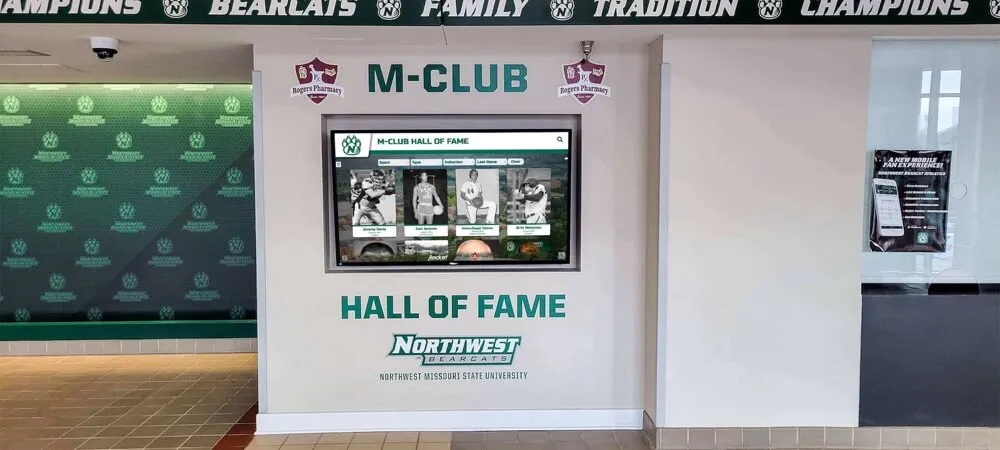
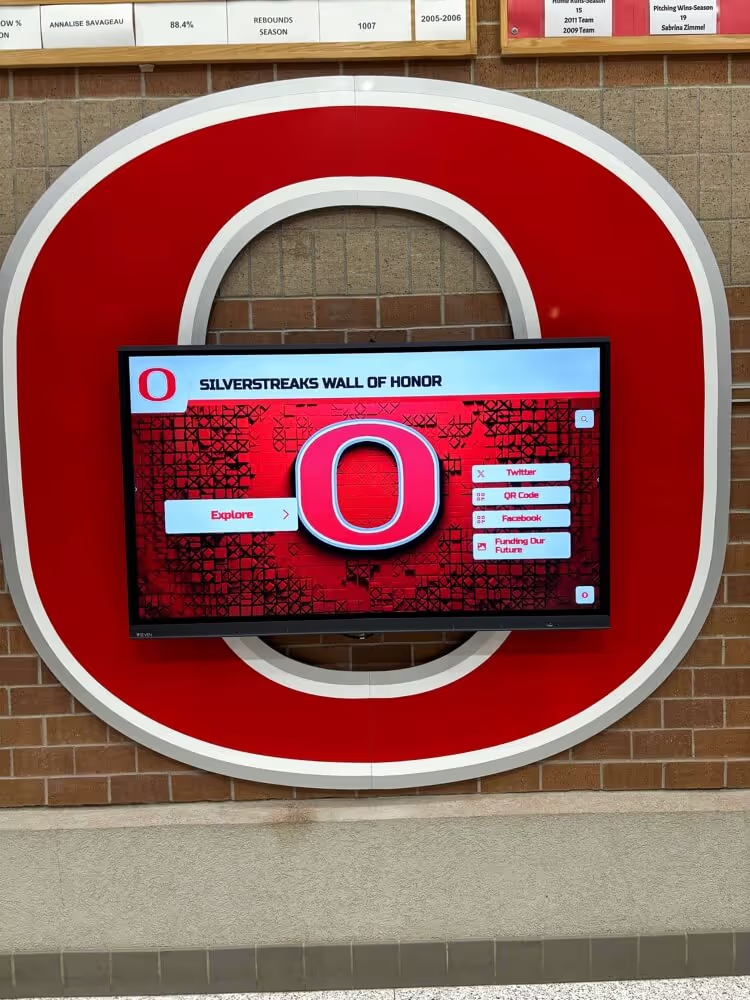
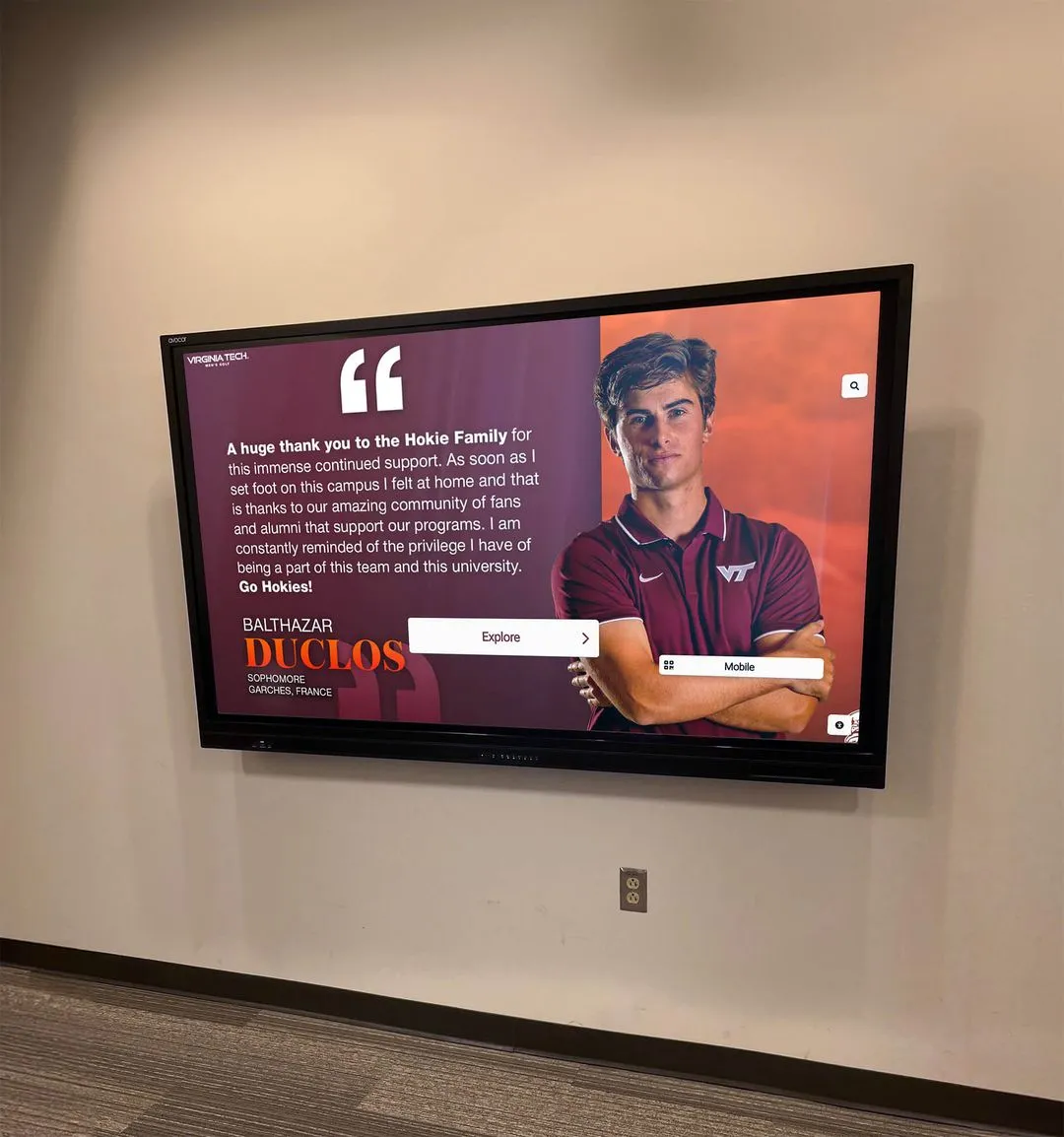
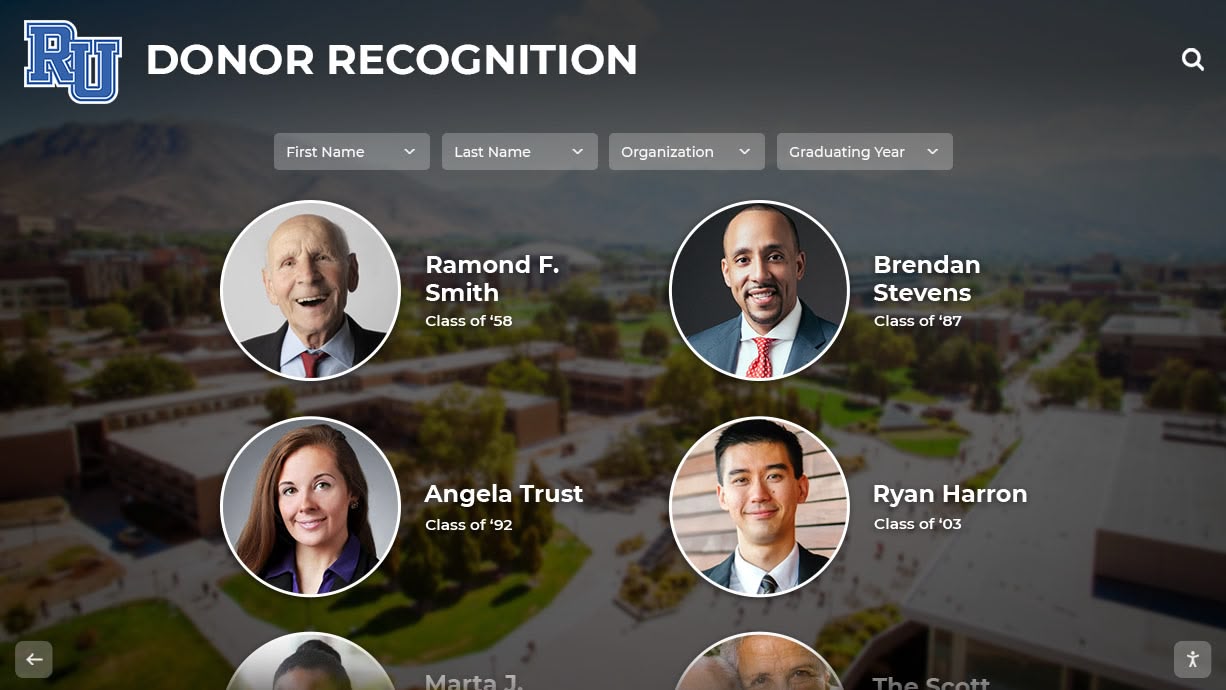
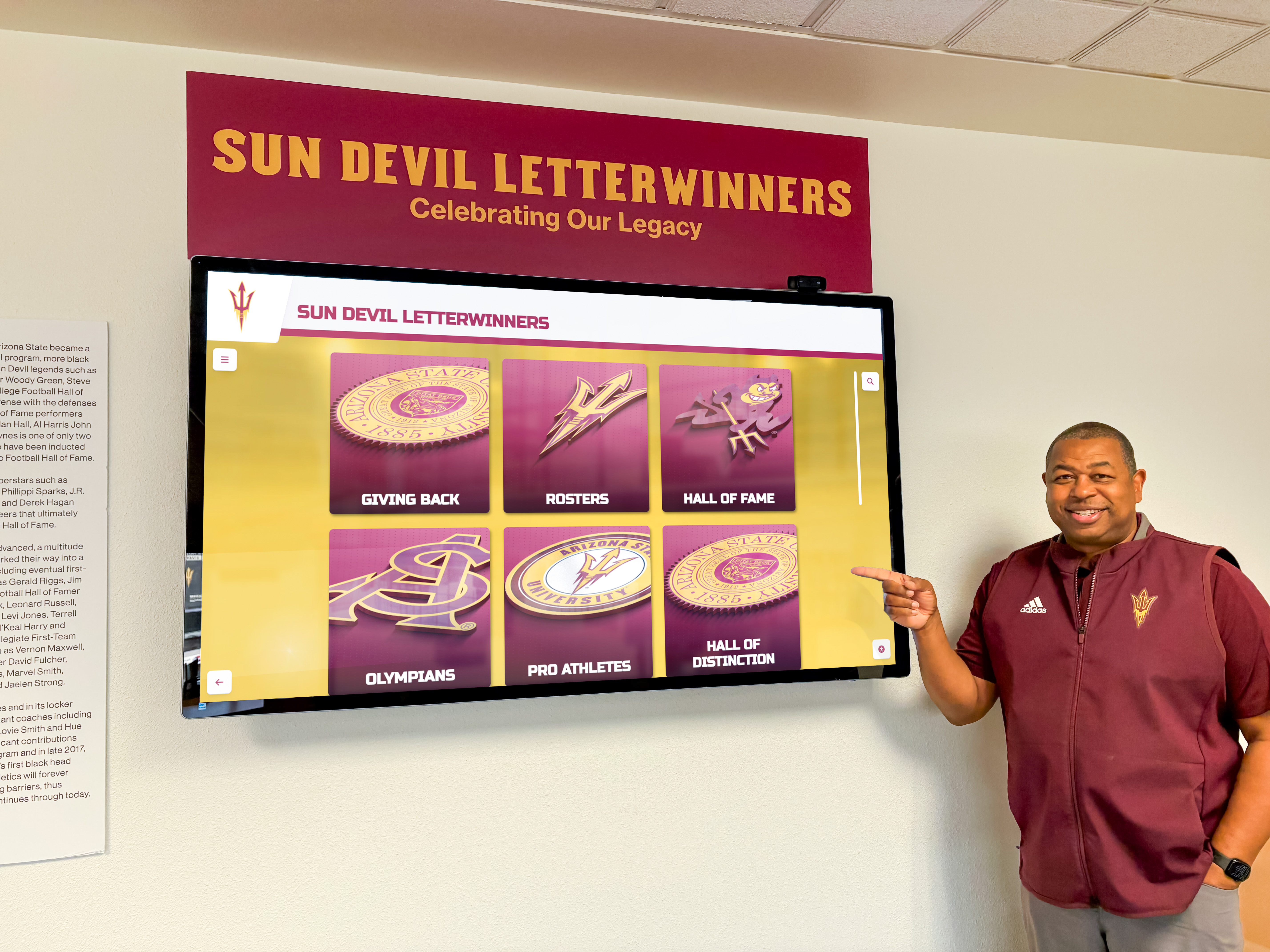
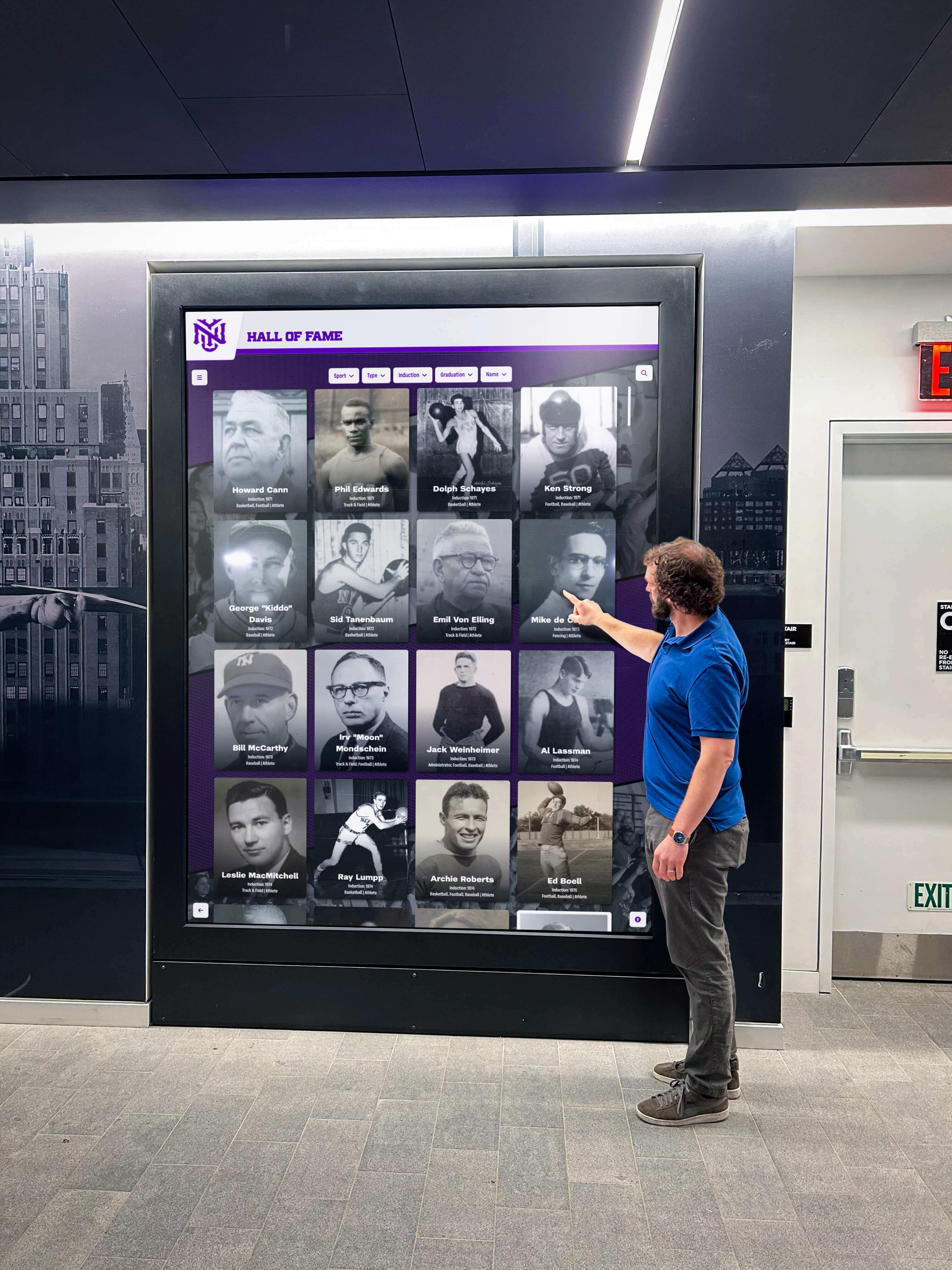
Contemporary donor recognition increasingly incorporates interactive digital displays overcoming traditional recognition limitations while providing engaging donor experiences. Solutions like Rocket Alumni Solutions enable schools and nonprofits to create comprehensive donor recognition programs featuring unlimited capacity accommodating growing donor populations without space constraints, dynamic updates enabling real-time recognition as gifts are received, rich multimedia profiles including donor photos, stories, and video testimonials, searchable databases allowing visitors to find specific donors easily, and impact storytelling connecting donor generosity to tangible outcomes.

Digital donor recognition particularly benefits campaigns with hundreds or thousands of contributors where traditional plaques become prohibitively expensive and space-consuming. A single touchscreen display can recognize unlimited donors with rich profiles impossible through static plaques, while also serving additional recognition purposes beyond capital campaign donors.
Hybrid Recognition Approaches:
Many successful capital campaigns employ hybrid recognition strategies combining traditional permanence with digital storytelling capabilities. For example, campaigns might feature traditional cornerstone plaques and major naming recognition for top gift levels, accompanied by interactive digital displays recognizing broader donor populations with rich profiles and stories, online donor recognition websites providing accessible recognition for remote constituencies, and printed campaign completion publications documenting donor participation.
Hybrid approaches respect diverse donor preferences—some contributors particularly value traditional permanent plaques while others appreciate digital innovation—while maximizing recognition impact and flexibility.
Stewardship and Ongoing Donor Engagement
Capital campaign completion doesn’t end donor relationships—systematic stewardship maintains engagement ensuring donors remain connected long after campaigns conclude.
Fulfilling Campaign Commitments:
Campaign stewardship begins with impeccable fulfillment of all commitments made to donors. Complete facility projects on time and budget, implement donor recognition as promised without delays or errors, apply restricted gifts according to donor intent without reallocation, and provide regular campaign progress updates throughout construction or implementation phases.
Nothing damages donor confidence more severely than unfulfilled commitments. Donors who pledged major gifts for specific buildings, programs, or purposes expect organizations to deliver exactly what was promised. Delays, budget overruns requiring scope reductions, or fund reallocation without donor permission create justified anger and permanently damage relationships.
Recognition Events and Dedications:
Campaign completion creates natural stewardship opportunities through facility dedication events, program launch celebrations, donor appreciation receptions, and formal recognition events honoring campaign participants. These gatherings provide closure for campaign phases while celebrating collective accomplishment.
Dedication events should meaningfully honor major donors including speaking opportunities for leadership gift donors, formal recognition and appreciation from institutional leaders, facility tours showcasing completed projects donors funded, and personal acknowledgment of all attendees’ campaign participation. Invest appropriately in quality events reflecting campaign significance and donor respect rather than rushed gatherings feeling obligatory.

Impact Reporting and Outcome Communication:
Effective stewardship includes systematic communication about campaign impact and outcomes. Donors want to know that their investments produced promised results. Share stories about students benefiting from scholarship endowments donors funded, research breakthroughs occurring in laboratories donors supported, program successes enabled by campaign funding, and facility utilization demonstrating donor-funded spaces serving intended purposes.
Annual impact reports, personalized donor communications, facility signage incorporating QR codes linking to impact stories, and digital recognition displays featuring outcome stories all communicate ongoing appreciation while demonstrating stewardship accountability.
Common Capital Campaign Challenges and Solutions
Even well-planned campaigns encounter obstacles requiring strategic problem-solving and adaptive management.
Campaign Momentum and Pacing Issues
Many campaigns experience momentum challenges, particularly during middle phases after initial excitement fades but before final pushes toward goal completion.
The Mid-Campaign Plateau:
Capital campaigns frequently plateau after securing lead gifts during quiet phases but before achieving sufficient progress to generate public momentum. Organizations may secure 50-60% of goals relatively quickly, then struggle building toward goal completion as remaining prospects require longer cultivation or prove less capable than initially assessed.
Address mid-campaign plateaus through strategic volunteer engagement refreshment, prospect pipeline analysis identifying gaps requiring attention, cultivation intensification for critical remaining prospects, intermediate milestone celebrations maintaining team morale and momentum, and realistic timeline adjustment when necessary rather than maintaining fictional schedules creating appearance of failure.
Leadership Fatigue and Volunteer Burnout:
Multi-year campaigns strain volunteer capacity. Campaign chairs, committee members, and board leaders who invested intensively during early phases sometimes experience burnout affecting engagement levels and solicitation effectiveness.
Prevent volunteer fatigue by establishing realistic meeting schedules rather than excessive committee frequency, distributing workload across multiple volunteers rather than over-relying on few individuals, celebrating progress milestones acknowledging volunteer contributions, and recruiting additional volunteers during latter campaign phases bringing fresh energy and perspectives.
Navigating Economic Uncertainty and External Shocks
Capital campaigns spanning multiple years inevitably encounter economic volatility, institutional crises, or external events affecting donor capacity and campaign momentum.
Economic Downturn Response:
Economic recessions, market corrections, or financial crises impact donor confidence and capacity. Major gift prospects may genuinely experience reduced wealth or psychological reluctance to commit during uncertain periods.
When economic conditions deteriorate during campaigns, maintain consistent campaign activities and cultivation rather than suspending operations. While solicitation timing might adjust for specific prospects facing particular difficulties, wholesale campaign suspension usually proves counterproductive. Many donors maintain giving capacity even during economic downturns, and mission-committed supporters often continue philanthropic priorities despite market volatility.

Emphasize campaign urgency and mission importance. Help donors understand that institutional needs don’t disappear during economic difficulty—in many cases, needs intensify. Provide flexible giving options including extended pledge payment schedules, appreciated securities as contribution methods providing tax advantages, and planned giving vehicles enabling support without immediate cash outlays.
Institutional Crisis Management:
Schools and nonprofits occasionally experience crises during capital campaigns—leadership transitions, public scandals, enrollment declines, financial difficulties, or mission conflicts that affect donor confidence and campaign viability.
Respond to institutional crises affecting campaigns through transparent communication with major donors and campaign leadership, honest assessment of whether campaign continuation makes sense given circumstances, willingness to pause campaigns when appropriate rather than proceeding inappropriately during crisis periods, and focused effort on restoring donor confidence before resuming intensive solicitation.
Some crises warrant campaign suspension until situations resolve while others can be managed without interrupting campaign progress. Make these decisions thoughtfully based on severity and direct campaign relevance rather than reflexively continuing or suspending.
Post-Campaign Transition and Sustained Fundraising
Capital campaign completion creates both celebration opportunity and transition challenges as organizations shift from intensive campaign mode to sustainable ongoing development.
Transitioning from Campaign to Annual Giving
One of capital campaigns’ most significant risks involves neglecting annual giving programs during intensive campaign focus, requiring deliberate rebuilding after campaign conclusion.
Maintaining Annual Giving During Campaigns:
Successful organizations maintain annual giving programs throughout capital campaigns rather than suspending annual appeals. While some donor solicitation conflict requires management—major campaign prospects typically shouldn’t receive simultaneous annual fund solicitation—broad annual giving programs can continue serving non-campaign constituencies.
Communicate clearly about different giving opportunities. Help donors understand that capital campaign gifts support specific facility or program initiatives while annual giving sustains ongoing operations, scholarships, and programmatic excellence. Many donors are capable of supporting both campaign and annual giving when purposes are clearly differentiated.
For organizations that significantly reduced annual giving emphasis during intensive campaign phases, plan deliberate reengagement including communications explaining annual giving importance, solicitation resumption for donors who received only campaign appeals during campaign years, and rebuilding of annual giving volunteer structures that may have atrophied during campaign focus.
Leveraging Campaign Success for Ongoing Development:
Successful capital campaigns create momentum and donor engagement that organizations should leverage for sustained fundraising growth. Campaign participants demonstrated philanthropic capacity and institutional commitment that positions them for ongoing major gift cultivation beyond campaign purposes.

Transition campaign donors into ongoing development pipelines through continued stewardship maintaining relationships, identification of post-campaign major gift prospects from campaign participant pool, cultivation for future planned giving from donors who made significant campaign commitments, and engagement in ongoing institutional life beyond campaign participation.
Organizations that successfully transition from capital campaigns to sustained development often experience permanently elevated fundraising capacity because campaigns developed infrastructure, volunteer leadership, and donor relationships extending beyond specific campaign purposes.
Planning Future Campaigns
Successful capital campaigns often lead to future campaign launches after several years. Organizations should approach future campaign planning strategically rather than immediately launching successive campaigns without adequate recovery periods.
Appropriate Campaign Spacing:
Professional practice suggests 5-10 year intervals between major capital campaigns allowing sufficient recovery time for donor capacity rebuilding, campaign fatigue dissipation, volunteer leadership refreshment, and new institutional needs development warranting future campaign launch.
Organizations sometimes face pressure launching successive campaigns too quickly, particularly if previous campaigns succeeded easily or if significant unfunded needs remain after campaign completion. However, premature successive campaigns typically struggle because donor capacity hasn’t recovered from previous giving, volunteer leaders feel fatigued from recent campaign service, and case urgency diminishes when organizations appear to be perpetually campaigning.
Maintain regular major gift fundraising between campaigns without formal capital campaign infrastructure. Organizations need ongoing major gift capacity regardless of campaign timing, and successful development programs cultivate major donors continuously rather than only during intensive campaign periods.
Measuring Campaign Success Beyond Dollar Goals
While achieving monetary goals represents primary campaign objectives, comprehensive success assessment includes broader dimensions affecting long-term institutional advancement capacity.
Quantitative Success Metrics
Beyond total dollars raised, several quantitative metrics provide insights into campaign quality and impact.
Gift Distribution and Participation Rates:
Analyze campaign gift distributions examining whether actual giving patterns matched gift range chart projections, assessing lead gift success rates and average gift sizes at each level, and evaluating whether sufficient gift diversity existed or whether campaigns relied too heavily on few donors creating sustainability concerns.
Examine donor participation rates measuring what percentage of solicited constituencies contributed. While capital campaigns emphasize major gifts over broad participation, healthy campaigns demonstrate participation across multiple donor segments rather than narrow giving bases.
New Donor Acquisition and Relationship Development:
Count new donors acquired through campaign activities who had no previous giving history. Capital campaigns that significantly expand donor bases create lasting value beyond specific campaign purposes by developing constituencies for future cultivation.
Assess relationship development with lapsed donors who re-engaged through campaigns. Many campaigns successfully cultivate individuals who previously supported organizations but had discontinued giving prior to campaign launches.

Pledge Fulfillment Rates:
Monitor pledge payment completion rates during post-campaign periods. Most campaign pledges span 3-5 years, and successful campaigns maintain 90%+ pledge fulfillment rates. Lower fulfillment suggests overly aggressive solicitation that secured nominal commitments donors couldn’t ultimately honor, or inadequate pledge reminder and stewardship systems.
Qualitative Success Dimensions
Campaign success extends beyond quantitative fundraising metrics to include organizational capacity building and relationship strengthening.
Infrastructure and Capacity Development:
Successful campaigns permanently improve development infrastructure including enhanced prospect research capabilities and systems, improved donor database and tracking processes, expanded volunteer leadership pools, strengthened board engagement in fundraising, and professional development for advancement staff gaining campaign experience.
Organizations that emerge from campaigns with significantly strengthened development capacity achieved success beyond specific dollar totals because improved infrastructure enables sustained fundraising excellence for years following campaign completion.
Institutional Visibility and Community Engagement:
Capital campaigns raise institutional profiles beyond donor constituencies. Successful campaigns generate media attention, community awareness, and public recognition that benefits organizations through enrollment impact for schools, service demand increases for nonprofits, volunteer recruitment, and general reputation enhancement.
Assess campaign communication success through media coverage volume and quality, community awareness changes measured through surveys or anecdotal feedback, and institutional positioning relative to peer organizations competing for attention and support.
Donor Satisfaction and Continued Engagement:
Perhaps most important long-term success indicators involve donor satisfaction and ongoing engagement following campaign completion. Survey major donors gathering feedback about campaign processes, communication quality, stewardship experiences, and satisfaction with recognition and acknowledgment.
Track post-campaign donor retention and continued giving. Donors who remain engaged and continue supporting organizations after campaign completion represent campaign success in creating sustained relationships rather than transactional one-time gifts.
Capital Campaign Best Practices Summary
Successful capital campaigns share common characteristics and practices that separate transformational fundraising successes from disappointing underperformance.
Essential Success Factors:
The most successful capital campaigns demonstrate several consistent elements. They feature thoroughly researched, realistic goals based on actual donor capacity rather than wishful aspirations disconnected from prospect reality. They maintain disciplined campaign phase progression, particularly avoiding premature public launch before quiet phase achievement of 50-70% goal completion through secured lead gifts.
Successful campaigns feature compelling, urgent cases for support articulating clear institutional needs and impact vision that emotionally engage donors beyond transactional appeals. They secure universal board participation with personally significant leadership gifts before soliciting external prospects. They recruit strong volunteer leadership, particularly effective campaign chairs who bring credibility, connections, capacity, and commitment to campaign success.
Professional campaigns invest appropriately in campaign materials and communications providing sophisticated case presentation through print, digital, and video content. They implement comprehensive donor recognition programs honoring all contributors through both traditional and contemporary approaches, increasingly incorporating digital recognition platforms that overcome physical recognition limitations.
Finally, successful campaigns maintain meticulous stewardship fulfilling all commitments, providing regular impact communication, and transitioning campaign relationships into ongoing institutional engagement rather than treating donors transactionally during campaign phases then disappearing after gift completion.

Common Pitfalls to Avoid:
Just as successful campaigns share common practices, struggling campaigns typically display predictable mistakes. Avoid launching campaigns without adequate planning, feasibility assessment, and leadership recruitment. Organizations that rush into campaigns without proper preparation almost always underperform or fail publicly, damaging donor confidence and institutional credibility.
Don’t announce campaigns publicly before securing adequate quiet phase lead gifts. The 50-70% quiet phase threshold exists for sound strategic reasons, and premature public launch regularly produces disappointing results and momentum loss.
Avoid overly ambitious goals disconnected from realistic donor capacity assessment. While goals should stretch organizations, wildly unrealistic targets based on need rather than capacity create public failure when goals prove unachievable. Better to exceed modest goals than fall short of unrealistic aspirations.
Don’t neglect board giving or treat board participation as optional. Universal board participation at personally significant levels provides essential foundation without which external solicitation lacks credibility. Organizations cannot ask external donors for major commitments when their own governing boards haven’t fully participated.
Finally, avoid treating capital campaigns as transactional fundraising drives rather than relationship-building opportunities. The most valuable campaign outcome isn’t specific dollar totals but rather deepened donor relationships and expanded institutional support extending decades beyond campaign completion.
Conclusion: Planning Campaigns That Transform Institutions
Capital campaigns represent extraordinary opportunities for schools, universities, and nonprofit organizations to achieve transformational advancement impossible through annual operating budgets or incremental fundraising. These intensive initiatives enable facility construction or renovation, endowment establishment, program expansion, and organizational evolution that fundamentally strengthens institutions while deepening community engagement and philanthropic support.
However, capital campaign success requires much more than announcing goals and asking for money. Effective campaigns demand meticulous planning assessing organizational readiness and goal realism, compelling case development articulating urgent needs and impact vision, systematic major gift cultivation building relationships before solicitation, disciplined phase progression avoiding premature public launch, strong volunteer leadership providing credibility and solicitation capacity, comprehensive donor recognition honoring contributions appropriately, and sustained stewardship maintaining relationships beyond campaign completion.
Organizations approaching capital campaign planning should invest time in thorough preparation rather than rushing into premature launches that risk public failure. Conduct feasibility studies gathering objective stakeholder perspectives about campaign viability. Develop realistic gift range charts ensuring adequate prospect capacity exists to achieve proposed goals. Recruit volunteer leadership, particularly effective campaign chairs, before launching intensive solicitation. Secure universal board participation at leadership gift levels demonstrating institutional commitment before approaching external prospects.
Throughout campaign execution, maintain disciplined focus on major gift cultivation and solicitation. Capital campaigns succeed or fail primarily based on lead gift achievement during quiet phases. Invest extraordinary attention in top prospect relationships, recognizing that relatively few very large gifts determine overall campaign success. Don’t allow pressure for visible progress to compromise patient cultivation that positions major prospects optimally for solicitation.
Plan comprehensive donor recognition that appropriately honors all contributors while emphasizing leadership giving importance. Contemporary campaigns increasingly incorporate digital recognition platforms alongside traditional approaches, creating flexible, unlimited-capacity recognition programs that evolve as campaigns progress. Solutions like Rocket Alumni Solutions enable schools and nonprofits to implement sophisticated donor recognition that inspires giving while honoring philanthropic commitment through interactive displays featuring donor stories, campaign impact documentation, and engaging recognition experiences impossible through static plaques alone.
Finally, recognize that capital campaign success extends beyond specific dollar achievement to include permanent development capacity enhancement, relationship deepening across donor constituencies, institutional visibility increase, and philanthropic culture strengthening that benefits organizations long after campaigns conclude. The most successful campaigns leave lasting legacies not only through funded facilities or programs but through transformed advancement capabilities enabling sustained fundraising excellence supporting institutional missions for generations.
Capital campaigns demand significant organizational investment and carry meaningful risks when executed poorly. But for institutions with proper readiness, realistic goals, compelling cases, strong leadership, and professional execution, capital campaigns deliver transformational advancement that changes institutional trajectories while engaging communities in shared visions that inspire extraordinary philanthropic commitment. With thoughtful planning and disciplined implementation, your capital campaign can join the ranks of initiatives that fundamentally strengthen institutions while honoring donors who make transformational impact possible.
Frequently Asked Questions
What is a capital campaign and how does it differ from annual giving?
A capital campaign is an intensive, time-bound fundraising initiative (typically lasting 3-7 years) designed to raise substantial funds for specific major projects such as facility construction, building renovations, endowment establishment, or program expansion. Capital campaigns differ fundamentally from annual giving in several ways. They focus on specific defined goals and purposes rather than general operating support, concentrate heavily on major gifts from relatively few wealthy donors rather than broad-based participation, operate within defined timeframes creating urgency, require extensive volunteer leadership and board engagement, and involve much larger gift amounts with multi-year pledge commitments. Annual giving programs run perpetually supporting ongoing operations, while capital campaigns are finite initiatives addressing specific extraordinary needs beyond regular operating capacity. Most organizations maintain both annual giving and occasional capital campaigns serving complementary but distinct purposes within comprehensive development strategies.
How long does a typical capital campaign take from planning through completion?
Capital campaigns typically span 3-7 years from initial planning through campaign completion and final pledge payments. The planning and feasibility phase usually requires 6-12 months for conducting feasibility studies, recruiting campaign leadership, developing campaign materials, and preparing for launch. The quiet phase (also called silent or leadership phase) typically lasts 12-24 months during which organizations solicit lead gifts from board members and top prospects before public announcement. Most campaigns secure 50-70% of total goals during quiet phases before launching publicly. The public phase usually runs 12-36 months involving broader constituent engagement, additional major gift solicitation, and general campaign awareness building. Even after official campaign conclusion, pledge payment completion often requires additional 2-3 years as donors fulfill multi-year commitments. Smaller campaigns for modest goals may compress these timelines while very large comprehensive university campaigns sometimes extend across 7-10 years. The key is maintaining realistic timelines based on goal size, prospect pool depth, and organizational capacity rather than artificially rushing campaigns through insufficient phases that compromise fundraising results.
What percentage of our goal should we raise before announcing the campaign publicly?
Professional capital campaign practice recommends securing 50-70% of total campaign goals during the quiet phase before making public campaign announcements. This substantial quiet phase threshold ensures that campaigns launch publicly with strong momentum, demonstrated viability, and confidence-inspiring early success. Announcing campaigns prematurely before adequate lead gift commitments creates several problems. It exposes campaigns to visible failure risk if momentum doesn’t materialize quickly. It potentially allows largest prospects to delay commitments assuming campaigns will succeed regardless of their participation. It suggests insufficient top-level support when announced totals reveal that board and leadership haven’t fully participated. The specific threshold within the 50-70% range depends on factors including overall campaign size, donor base characteristics, and risk tolerance. Larger campaigns sometimes announce at lower percentages (50-60%) while smaller campaigns often secure higher percentages (60-70%) before going public. The fundamental principle remains consistent: secure sufficient lead gift commitments during quiet phases to ensure public launch confidence and momentum rather than announcing prematurely due to impatience or external pressure that compromises strategic campaign positioning.
How much should board members be expected to give to a capital campaign?
Board members should make personally significant leadership gifts representing their largest philanthropic capacity relative to their individual financial circumstances. Capital campaign board giving isn’t about specific dollar amounts uniform across all board members—it’s about proportional sacrifice and leadership demonstration. A board member with substantial wealth might appropriately contribute $1 million or more, while a board member with more modest means might stretch to $10,000-$25,000, with both gifts representing comparable personal commitment and sacrifice relative to capacity. The essential requirement is 100% board participation at leadership levels before soliciting external prospects. Organizations cannot credibly ask external donors for major commitments when their own governing boards haven’t fully participated. Board members who cannot or will not contribute at personally meaningful levels appropriate to campaign scale probably shouldn’t serve during capital campaign periods. When recruiting board members, clearly communicate fundraising expectations including both personal giving and solicitation participation. Board giving typically occurs very early in quiet phases, often within first 2-3 months of campaign launch, providing foundation for all subsequent external solicitation and serving as powerful talking point when approaching major prospects.
What are naming opportunities and how should they be priced?
Naming opportunities represent significant donor recognition benefits where major gifts receive permanent acknowledgment through naming of buildings, facilities, rooms, programs, or positions after donors or honorees they designate. Naming opportunities create powerful incentive for major gifts while providing lasting recognition honoring transformational philanthropy. Common naming opportunities include building names for lead gifts often representing 30-50% of total building costs, wing or floor names for substantial gifts representing 15-25% of designated area costs, room names (classrooms, laboratories, offices, lounges) for major gifts typically $50,000-$500,000 depending on room significance and institutional scale, program names for endowed programs or initiatives, and endowed position names for faculty chairs or administrative roles. Naming opportunity pricing should reflect actual project costs, institutional prestige and donor demand, comparable pricing at peer institutions, and donor capacity within your constituency. Establish clear written naming opportunity policies addressing naming duration (permanent versus time-limited), naming approval processes ensuring appropriate institutional alignment, recognition implementation including physical signage and donor wall listing, and circumstances potentially warranting naming removal if named individuals subsequently engage in conduct contradicting institutional values. Present naming opportunities strategically to qualified major gift prospects during cultivation, using naming potential as solicitation incentive without making all recognition purely transactional.
How do we handle donor recognition for a capital campaign?
Comprehensive capital campaign donor recognition programs honor contributors through multiple approaches creating meaningful acknowledgment while inspiring additional giving. Develop tiered recognition level structures establishing clear giving thresholds and associated recognition benefits at each level. Common recognition elements include naming opportunities for leadership gifts providing permanent building, room, or program names; donor recognition walls or displays listing campaign participants organized by giving levels; campaign publications documenting donor participation; special recognition events honoring major donors; personalized acknowledgment from institutional leadership; and ongoing stewardship communication demonstrating impact of donor investments. Contemporary campaigns increasingly incorporate digital donor recognition platforms alongside traditional bronze plaques and engraved walls. Interactive displays enable unlimited donor capacity without physical space constraints, dynamic updates as gifts are received, rich multimedia donor profiles including photos and stories, searchable databases enabling easy donor location, and impact storytelling connecting giving to tangible outcomes. When planning donor recognition, establish clear policies addressing recognition level thresholds, whether multiple donors can combine for recognition, how pledge payment timing affects recognition implementation, memorial and tribute gift handling, and naming opportunity approval processes. Invest appropriately in high-quality recognition materials and implementation reflecting campaign significance and donor respect. Finally, fulfill all recognition commitments impeccably and promptly—nothing damages donor confidence more than unfulfilled recognition promises or extended delays implementing committed acknowledgment.
Should we use campaign counsel or can we conduct a capital campaign ourselves?
The decision whether to engage professional campaign counsel depends on organizational experience, development staff capacity, campaign complexity, and budget availability. Organizations benefit most from professional counsel when conducting first capital campaigns without internal experience, pursuing particularly ambitious goals requiring sophisticated strategies, lacking adequate development staff to manage intensive campaign operations alongside ongoing responsibilities, needing objective feasibility assessment from third-party perspectives, or seeking credibility and confidence that professional counsel provides to volunteer leaders and major prospects. Professional counsel typically provides feasibility study conduct, campaign planning and strategy development, volunteer training and support, campaign materials development, ongoing strategic guidance throughout campaign phases, and accountability ensuring disciplined phase progression and best practice adherence. Counsel costs vary but typically represent 5-10% of campaign goals for comprehensive services or fixed fees for specific defined services. Organizations can successfully conduct campaigns without external counsel when they possess experienced development leadership familiar with capital campaign practices, adequate staff capacity to manage intensive campaign operations, strong volunteer leadership committed to campaign success, realistic goals appropriate to organizational capacity and experience, and access to professional development resources through networks or educational programs providing best practice guidance. Many organizations employ hybrid approaches using limited counsel for specific needs like feasibility studies or planning phases while managing ongoing operations internally. Whatever approach you choose, ensure adequate support exists for campaign success—capital campaigns are too significant and visible to risk on inadequate preparation or capacity.