School booster organizations face unique fundraising challenges. Unlike professional nonprofit organizations with development staff and sophisticated donor management systems, most booster groups operate with volunteer leadership working limited hours around full-time jobs and family commitments. They need fundraising ideas that generate meaningful revenue without requiring excessive volunteer time, appeal to increasingly busy families who receive countless fundraising requests, maintain compliance with school district policies and tax regulations, and build community engagement that extends beyond simple financial transactions.
The most successful booster fundraising programs recognize that sustainable revenue requires more than isolated events. Schools that consistently meet funding goals implement diversified fundraising portfolios combining multiple revenue streams, stewardship systems that recognize and retain donors across multiple years, volunteer recruitment strategies ensuring adequate event support, and communication approaches keeping communities informed about how funds directly benefit students. This strategic approach transforms fundraising from desperate annual scrambles into systematic programs that build predictable revenue and deeper community connections.
Modern booster fundraising also increasingly incorporates technology and digital solutions that previous generations couldn’t access. Online giving platforms, social media promotion, digital donor recognition, and virtual event components expand fundraising reach while reducing logistical burdens. Schools implementing these tools alongside traditional approaches typically outperform organizations relying exclusively on conventional methods.

Traditional Fundraiser Events Reimagined for Modern Success
Classic fundraising events remain effective when updated to address contemporary donor preferences and logistical realities. Rather than abandoning proven formats, successful booster groups refine traditional approaches with modern enhancements.
Community Social Events with Strategic Revenue Components
Events that bring communities together while incorporating revenue generation create dual value—building school spirit and raising funds simultaneously. These fundraisers work particularly well because attendees perceive they’re receiving entertainment value rather than simply being asked for donations.
School Carnival or Field Day: Multi-activity events featuring games, food vendors, raffles, and entertainment create family-friendly environments that attract broad participation. Revenue comes from entry fees or ticket systems for individual activities, food and beverage sales, raffle ticket purchases, and sponsorship opportunities for local businesses. Successful carnivals incorporate volunteer committees managing specific areas—games, food, setup, cleanup—distributing workload across multiple families rather than overwhelming small leadership groups.
Themed Dinner and Auction Events: Evening events combining meals with silent or live auctions generate substantial revenue from ticket sales and auction items while creating social occasions that community members genuinely enjoy. Themes might connect to school traditions, seasonal celebrations, or popular culture. The key to auction success lies in procurement—securing donated items, experiences, and services that appeal to your specific community. Popular auction items often include vacation packages donated by local travel agents, restaurant gift certificates and dining experiences, sports memorabilia and tickets to professional events, and service packages from local businesses.
Athletic Tournament Fundraisers: Sports tournaments—golf outings, 3-on-3 basketball, pickle ball competitions, or soccer tournaments—attract participants willing to pay entry fees while creating sponsorship opportunities for businesses wanting community visibility. These events work particularly well for athletic booster clubs because they naturally align with program missions while providing tournament experience for student athletes who might volunteer as scorekeepers, referees, or event staff.
Community Fun Runs and Walk-a-Thons: Endurance fundraising events generate revenue through participant registration fees, pledge-based donations where participants collect commitments from family and friends, corporate team participation and sponsorship packages, and race-day activities including vendor booths and concessions. Modern fun runs often incorporate timing chips and online registration systems that reduce volunteer workload while creating professional experiences that attract broader participation.
Product Sales Fundraisers with Improved Models
Traditional product sales—cookie dough, wrapping paper, magazines—face increased resistance from families experiencing fundraiser fatigue. However, product fundraisers remain viable when offering items people actually want to purchase rather than feeling obligated to support.
School Spirit Merchandise: Custom apparel and accessories featuring school logos, mascots, and team names appeal to natural school pride while providing items families would purchase regardless of fundraising needs. Successful programs establish online stores where community members order directly, eliminating inventory management and cash handling challenges. Many vendors now offer print-on-demand models where schools earn commissions without upfront costs or unsold inventory risk.
Seasonal and Holiday Product Sales: Strategic timing around holidays and special occasions increases sales potential. Examples include poinsettias or wreaths before winter holidays, flowers for Mother’s Day, or plants for spring gardening season. Local nurseries often partner with schools on these fundraisers, handling logistics while schools earn percentage profits on sales.
Discount Card Programs: Custom discount cards featuring participating local businesses provide ongoing value to purchasers throughout entire years rather than single-use products. Cards might include percentages off at local restaurants, retailers, and service providers who agree to participate in exchange for marketing exposure to school communities. These programs work best in communities with strong local business districts and when booster groups invest time securing meaningful discounts that genuinely save cardholders more than purchase prices.
Digital and Online Fundraising Strategies
Technology enables fundraising approaches that would have been impossible for previous booster generations. Digital strategies often require less volunteer time than traditional events while reaching broader donor pools including alumni and community members who no longer attend school events regularly.
Crowdfunding and Online Donation Platforms
Online giving platforms allow booster groups to accept donations anytime from anywhere, dramatically expanding fundraising windows beyond limited event dates. Successful online fundraising campaigns require strategic planning around specific funding goals, compelling storytelling explaining exactly how funds will be used, visual elements including photos and videos showing programs in action, and social media promotion leveraging networks of parents, alumni, and community supporters.
Project-Based Crowdfunding: Rather than general donation requests, campaigns focused on specific projects—new uniforms, weight room equipment, competition travel costs, or facility improvements—resonate more strongly with donors who want to see tangible results from their contributions. Specific funding goals create urgency and allow donors to visualize exactly what their contributions purchase.
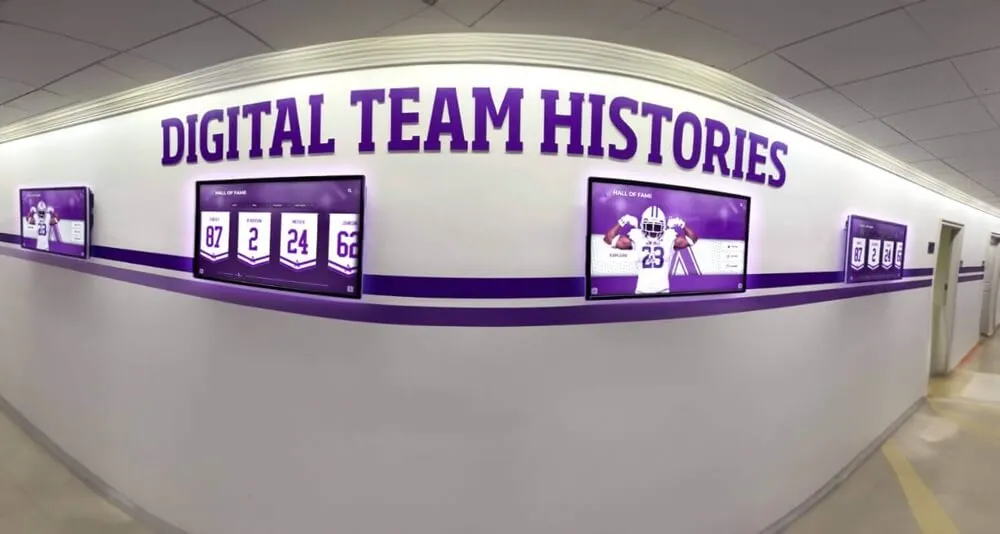
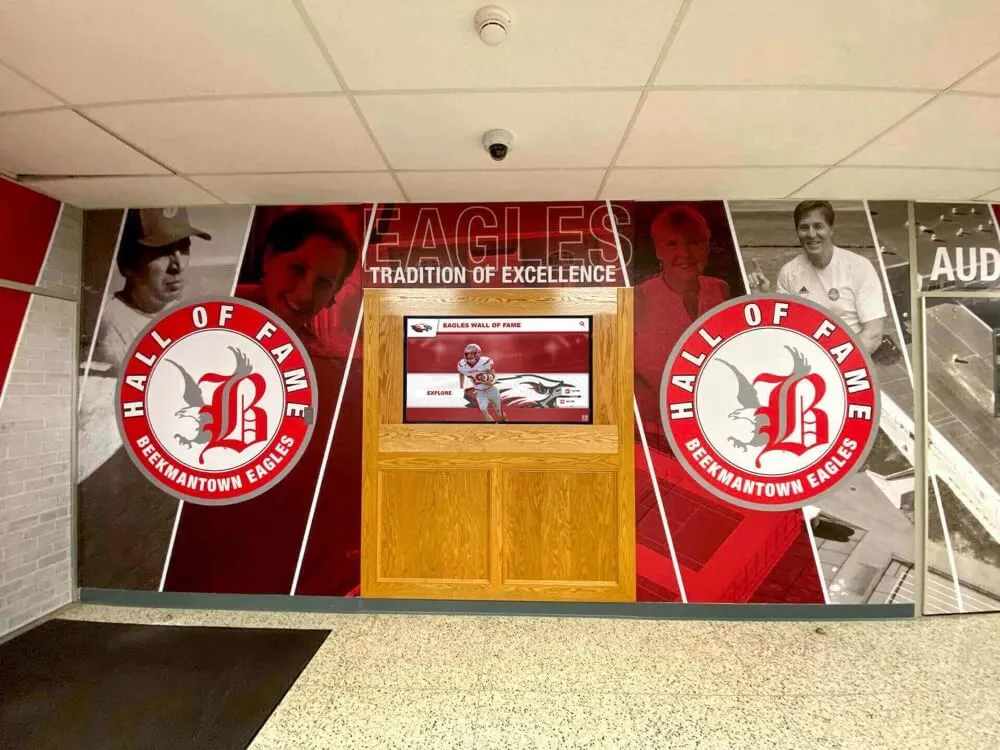
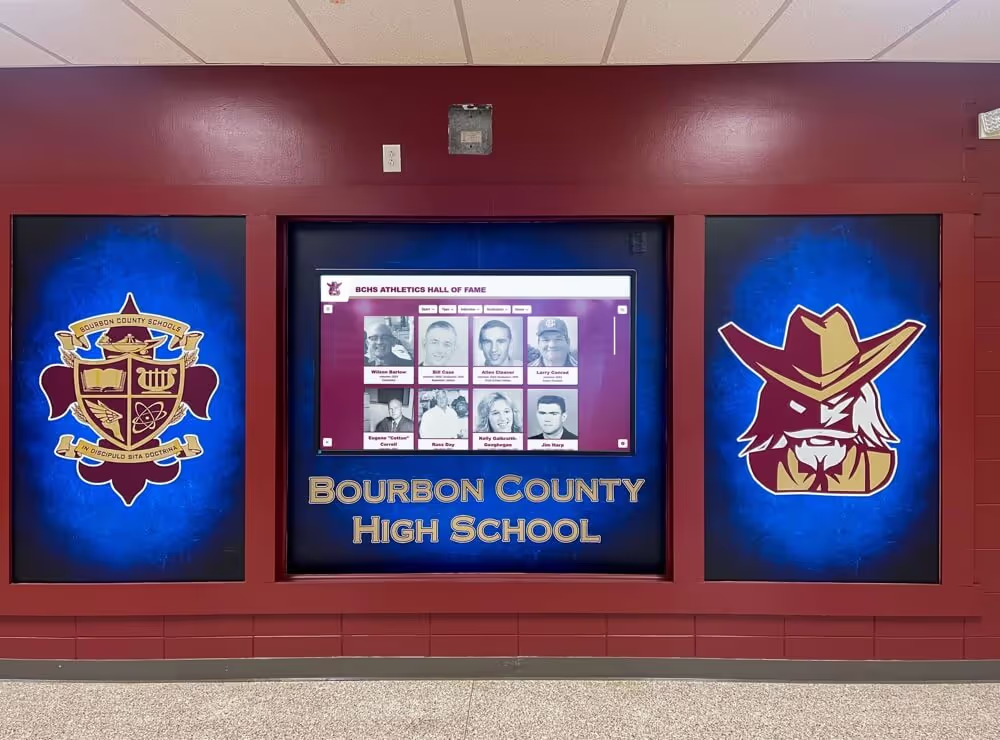
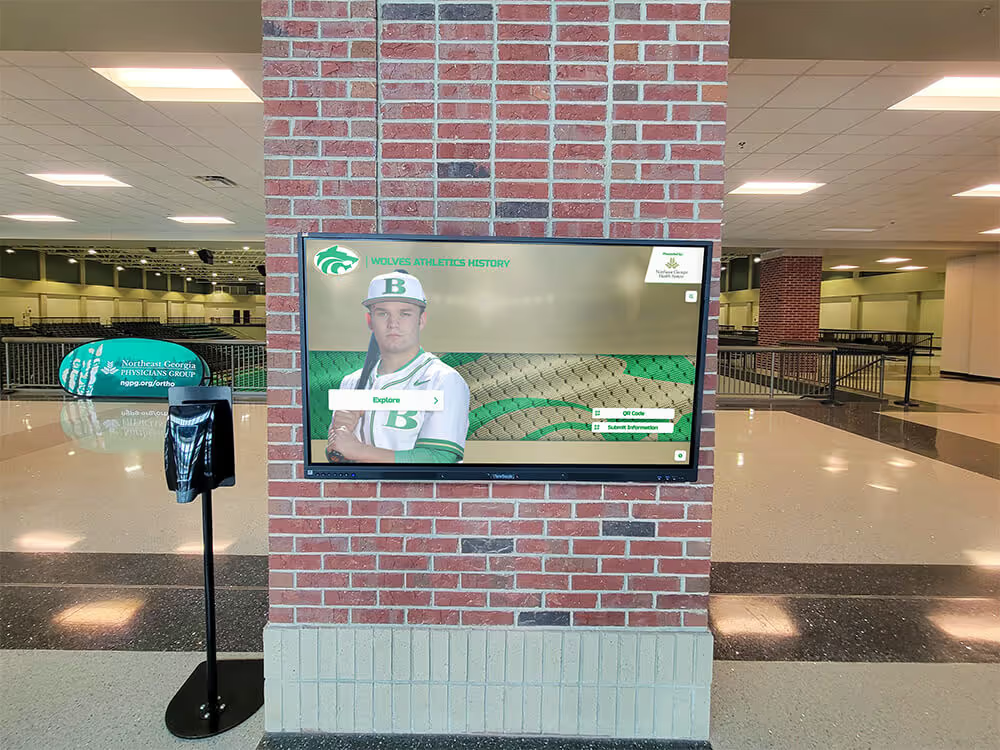
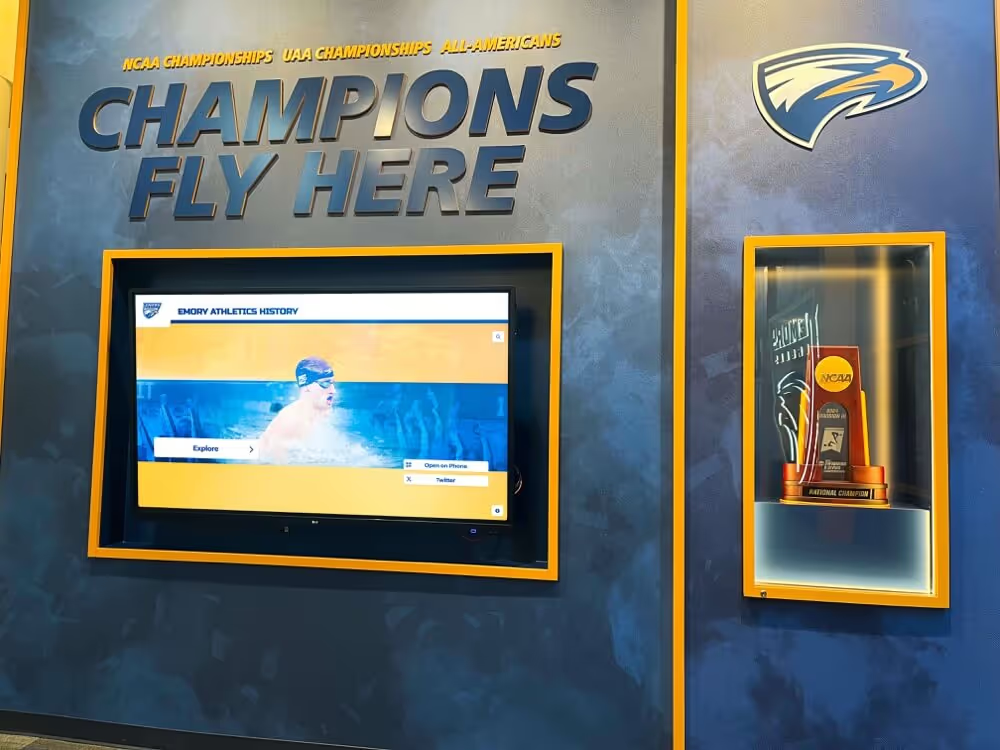
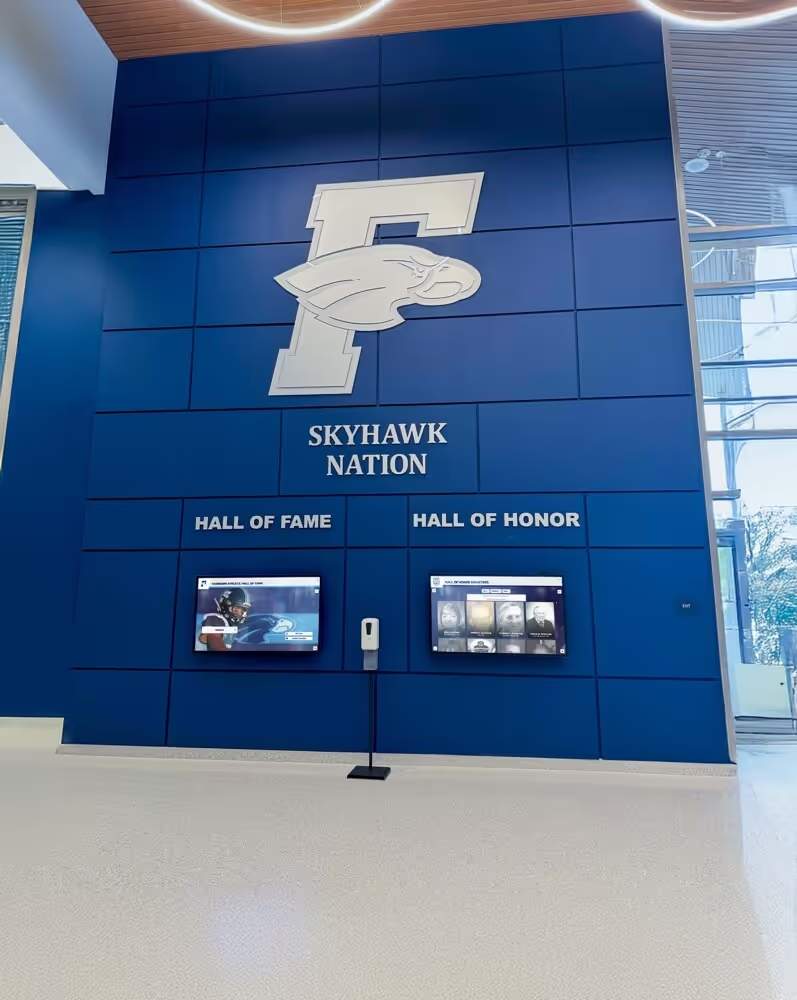
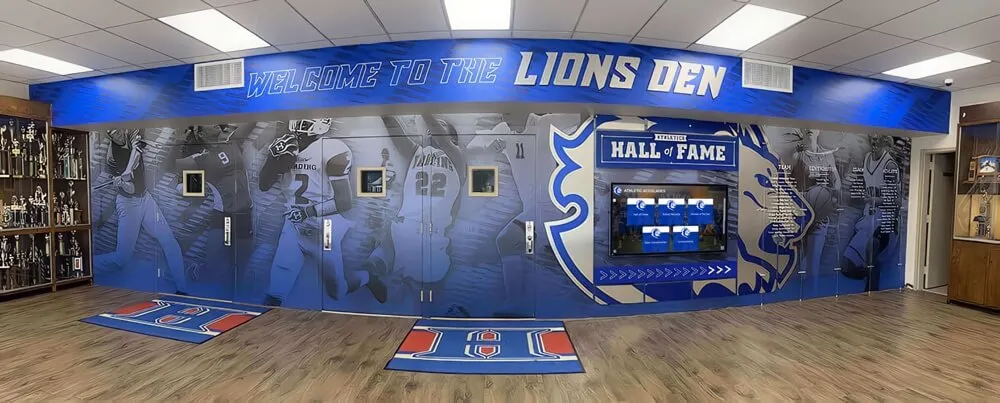
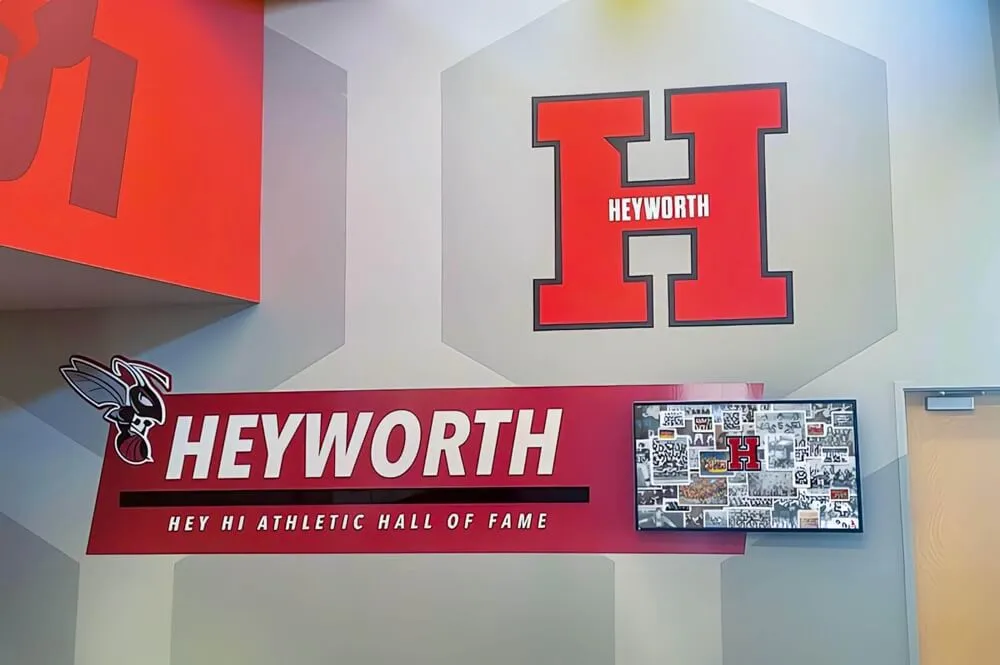
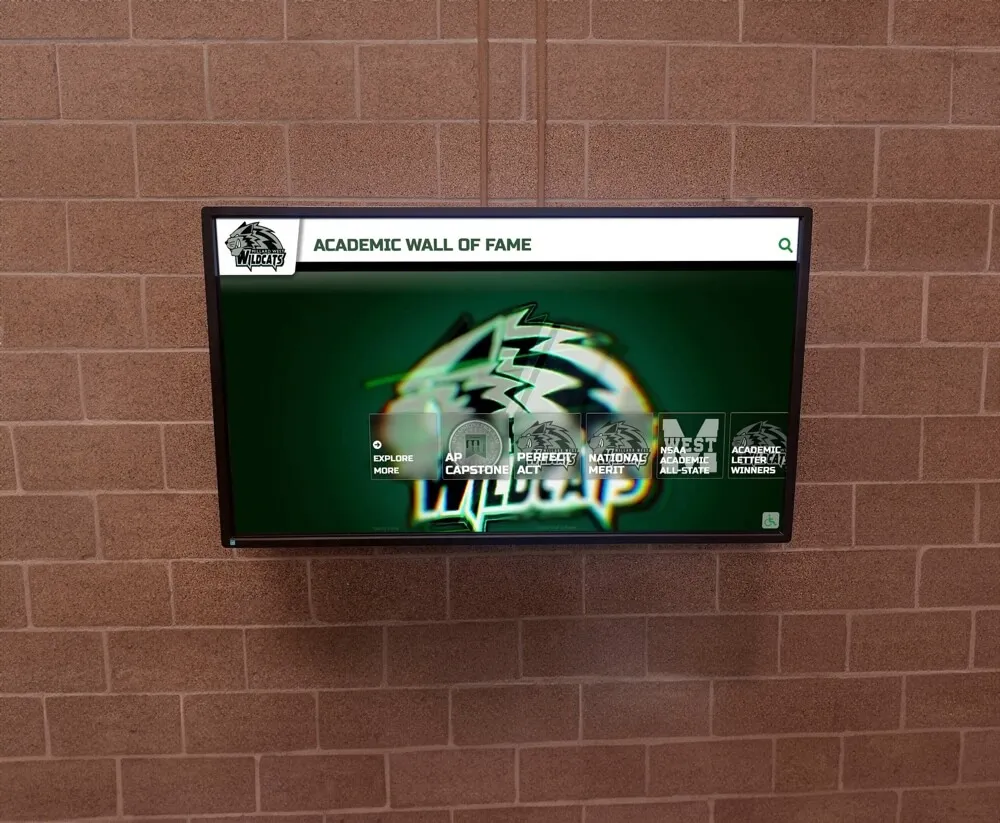
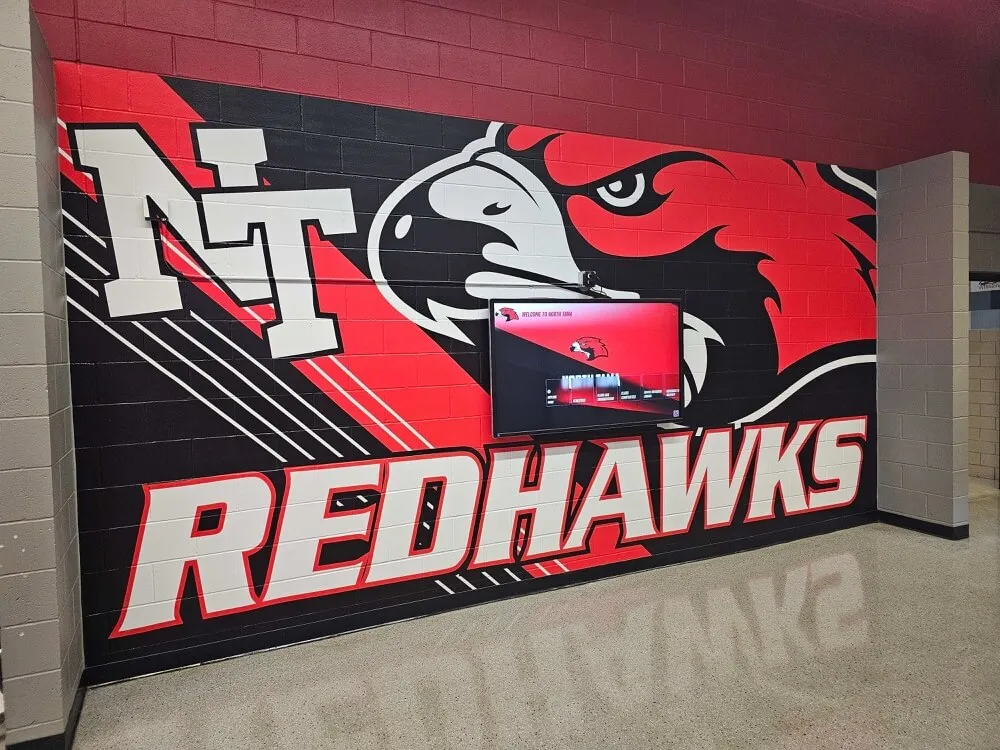
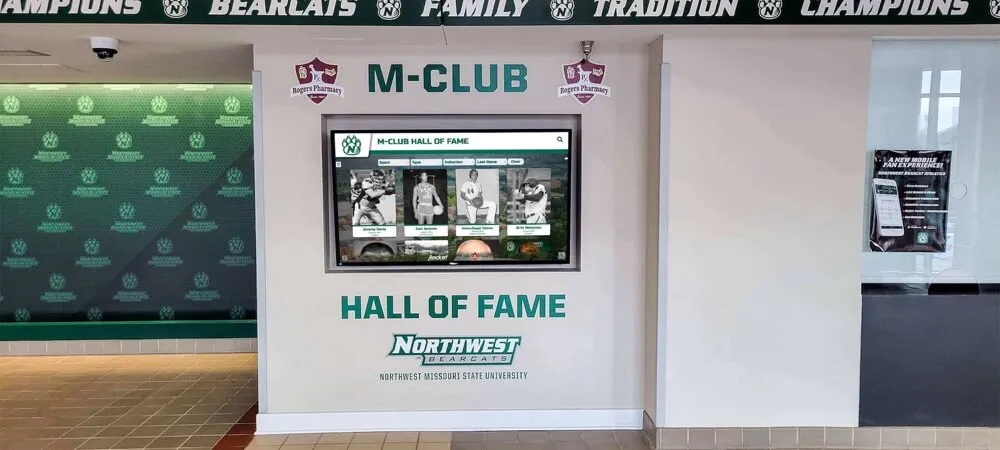
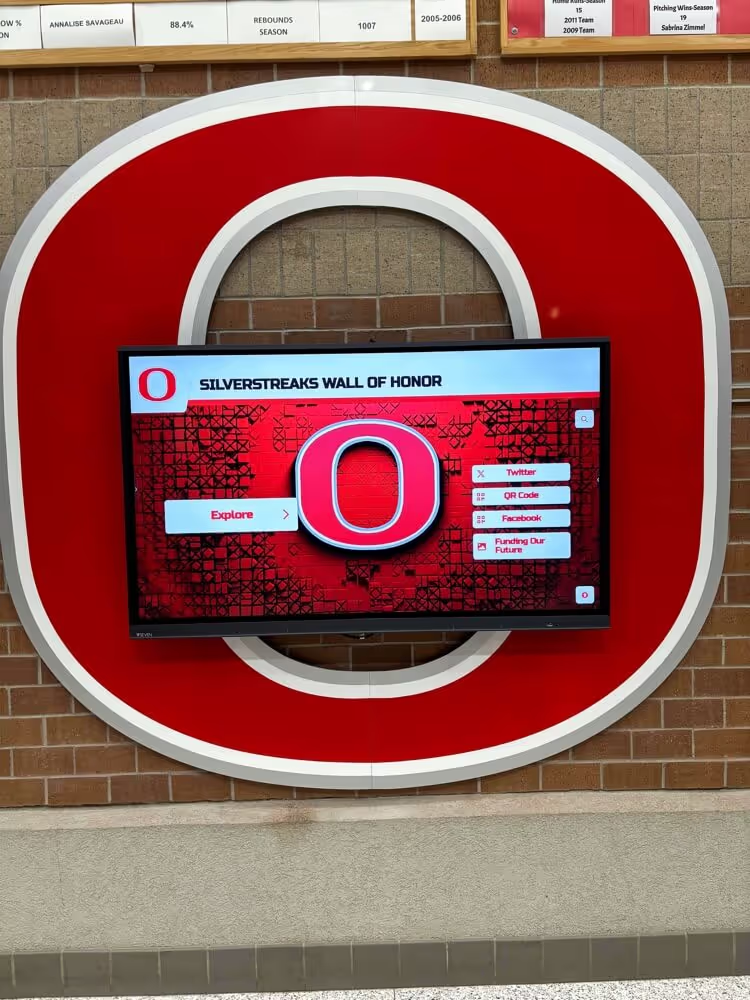
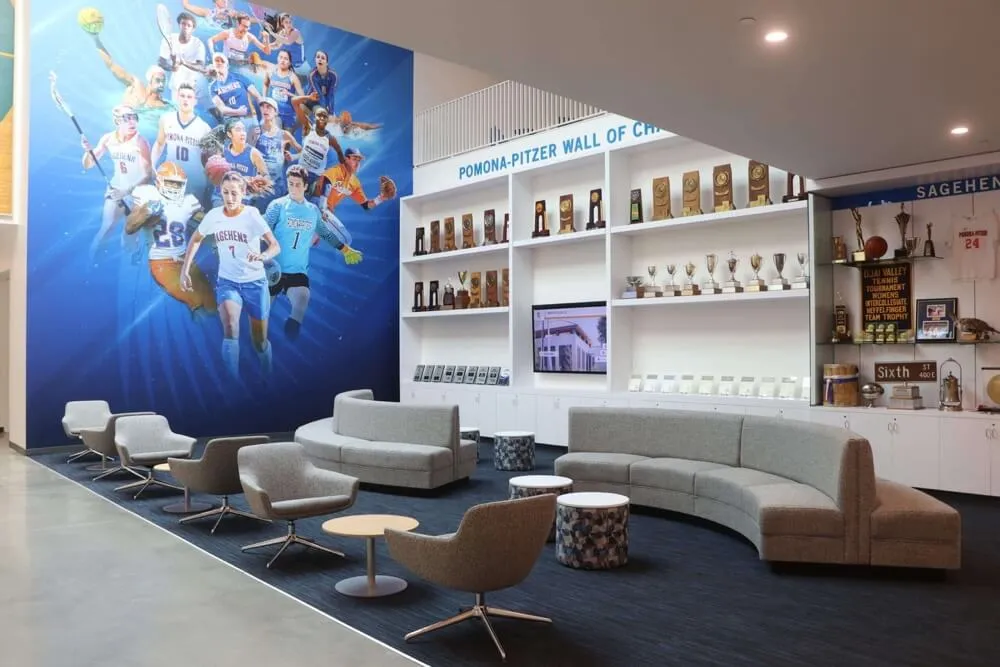
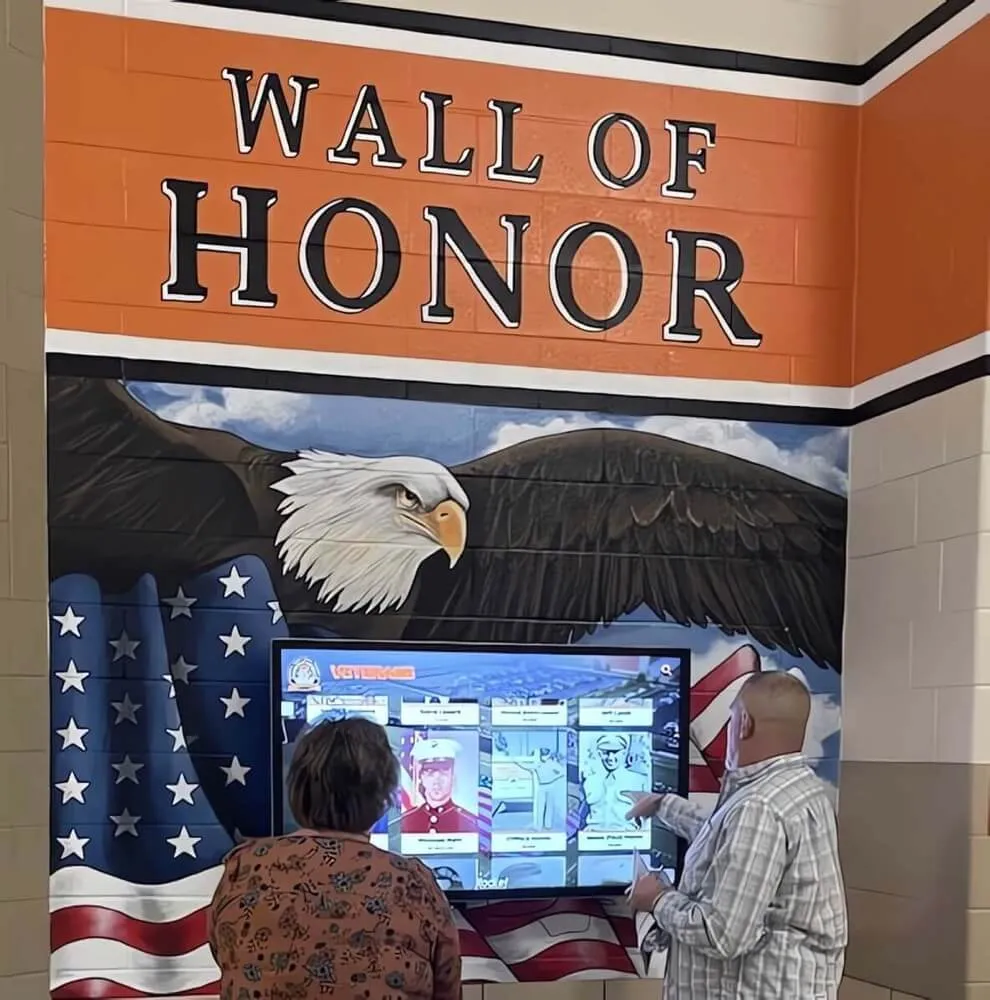
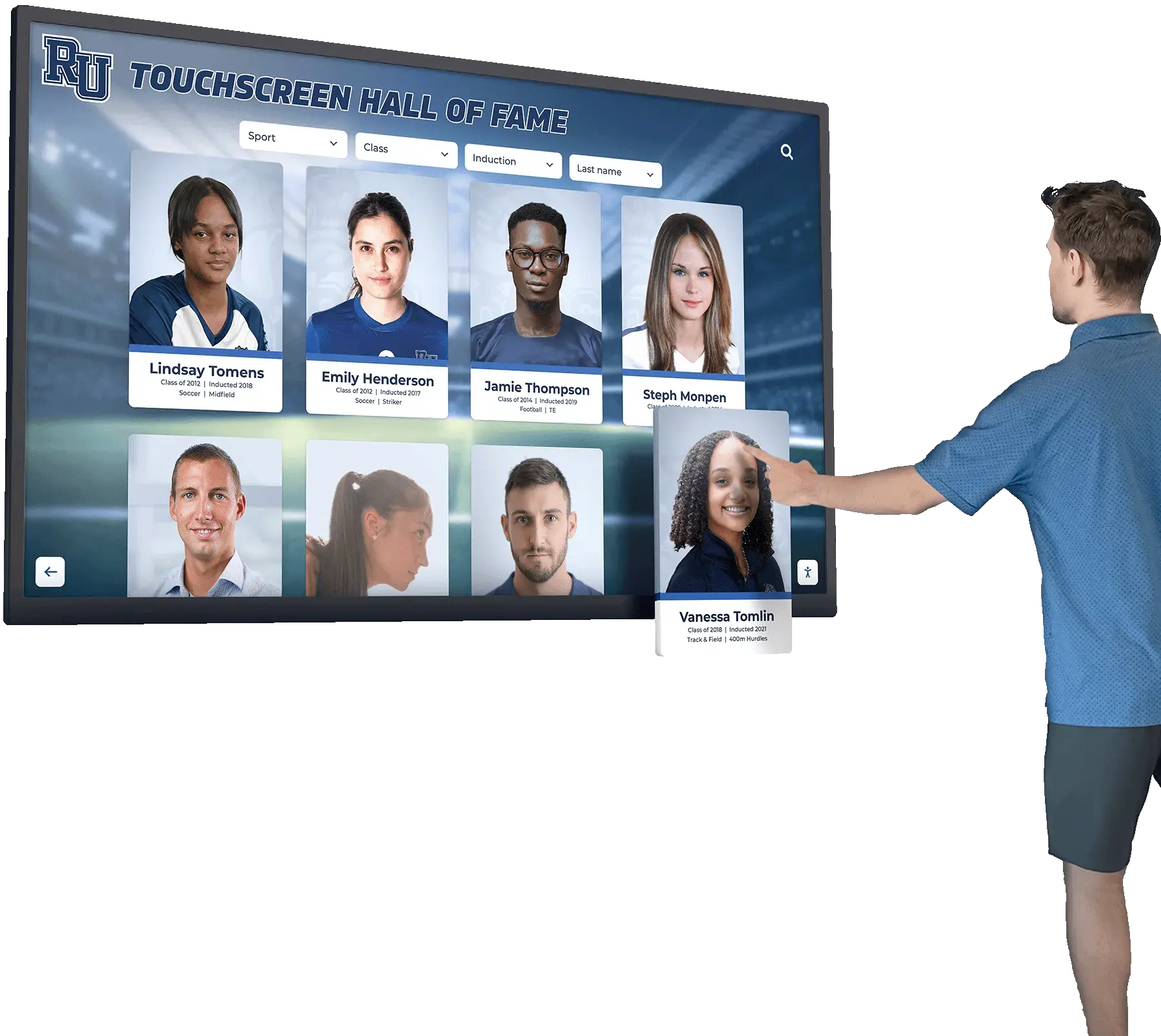
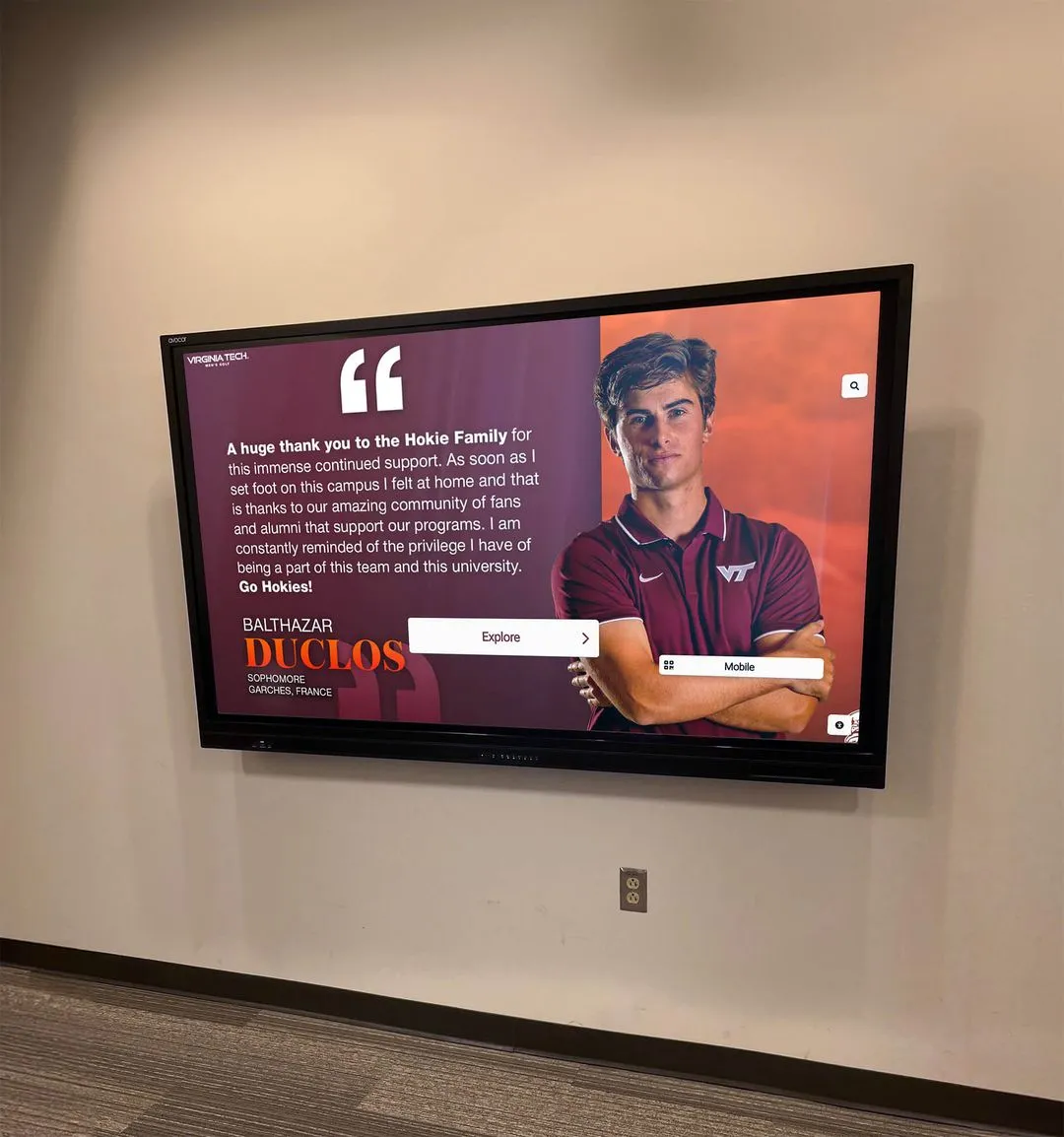
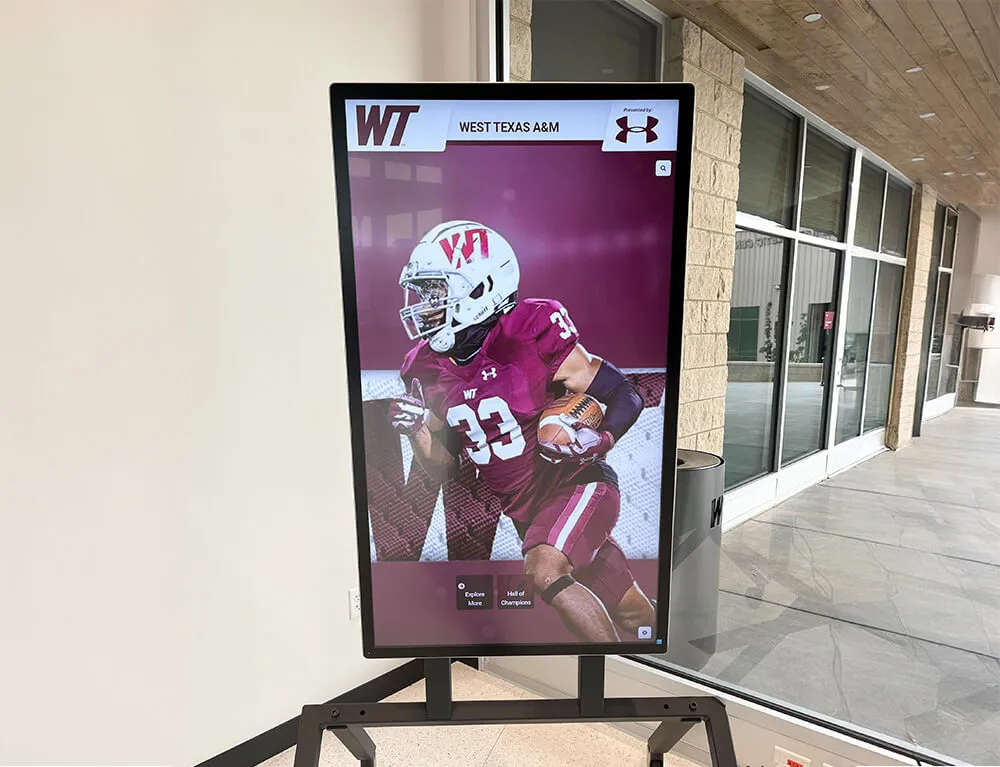
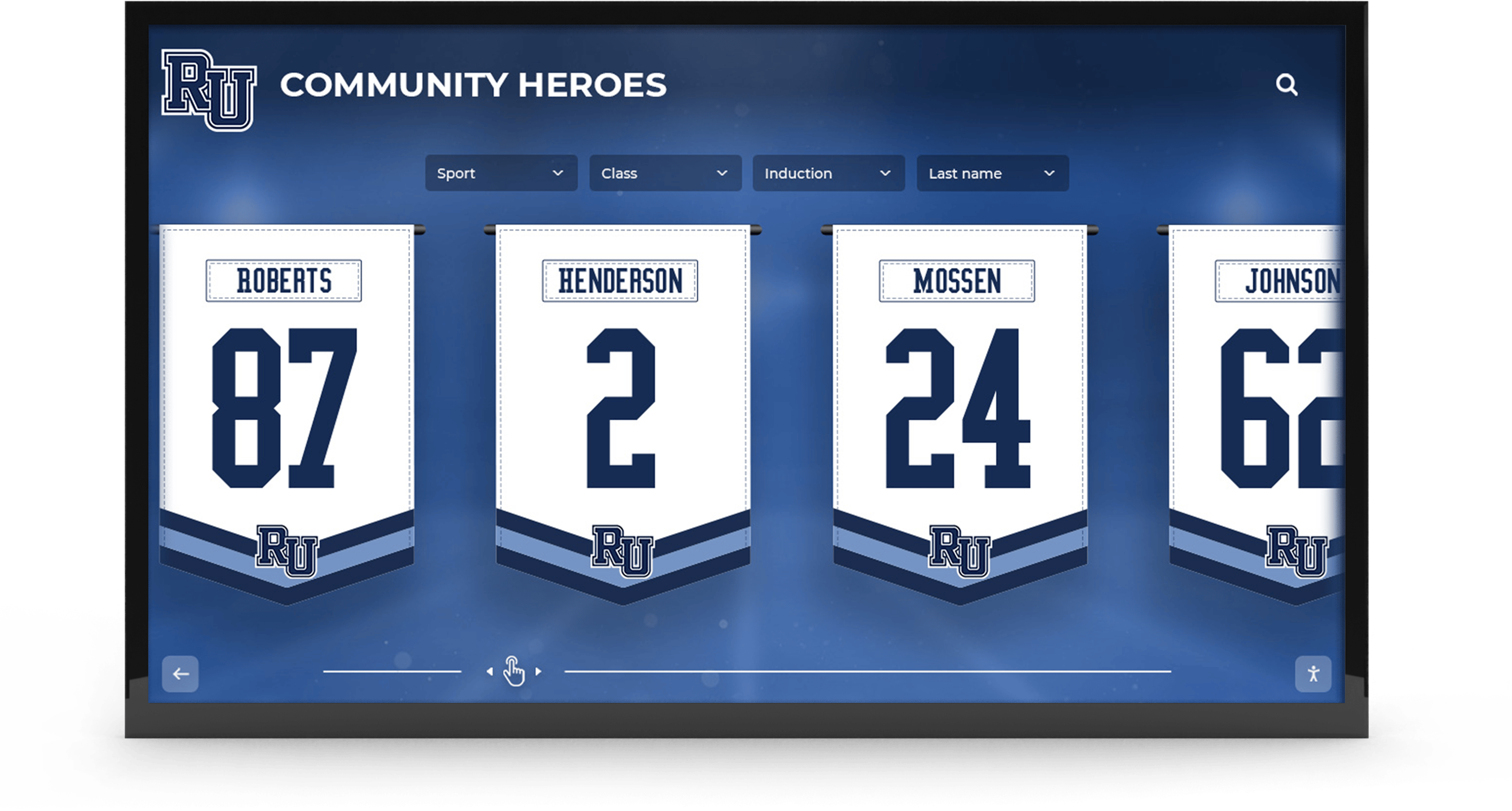

Donor Recognition Integration: Online campaigns become more effective when coupled with recognition systems acknowledging contributions. While traditional fundraising might list donor names on programs or posters, modern approaches can incorporate digital donor recognition displays that prominently showcase supporters in high-traffic school areas. This visible appreciation often motivates continued giving while inspiring others to contribute when they see community members recognized for their support.
Recurring Donation Programs: Monthly giving programs create predictable revenue streams while reducing annual fundraising pressure. Even modest monthly commitments—$10, $25, or $50—add up to substantial annual support. Online platforms can automate recurring charges while sending donors regular updates about program achievements their sustained giving makes possible.
Social Media Fundraising Campaigns
Social platforms provide free marketing channels reaching extended communities when used strategically. Effective social fundraising campaigns might include giving day challenges where schools compete against rivals to raise most funds within specific timeframes, peer-to-peer fundraising where students and parents create individual fundraising pages and compete for prizes based on funds raised, matching gift challenges where major donors agree to match all contributions up to certain amounts within specific windows, and viral challenge campaigns similar to popular social media trends but adapted for fundraising purposes.
Engagement-Based Giving: Some innovative campaigns tie donation requests to social media engagement metrics—donating specific amounts for every like, share, or comment a post receives. While these require careful budget planning and contribution limits, they leverage social platforms’ viral potential while creating fun competitive dynamics around fundraising.
Virtual Events and Hybrid Fundraisers
Technology enables event formats that reduce logistical burdens while maintaining engagement and revenue potential. Virtual auction platforms allow bidding from anywhere rather than requiring physical attendance, online trivia nights or game show events create entertainment value without venue costs, virtual athletic challenges where participants complete activities on their own time but contribute to collective team goals, and hybrid formats combining limited in-person components with virtual participation options.
Sponsorship and Partnership Fundraising Models
Corporate and business sponsorships provide substantial revenue potential while creating mutually beneficial relationships between schools and local business communities. Unlike product sales or event fundraisers requiring broad participation, sponsorship programs can generate significant funds through relationships with relatively few major contributors.
Tiered Sponsorship Programs
Professional sponsorship programs offer multiple contribution levels with corresponding benefits, making participation accessible to businesses of various sizes while providing premium recognition to major contributors. Common tier structures might include presenting sponsors at highest levels receiving prominent logo placement, naming rights for specific programs or facilities, recognition at all major events, and featured placement on digital displays; gold-level sponsors receiving significant but secondary recognition across multiple platforms; silver sponsors acknowledged through program listings and website recognition; and bronze or supporting sponsors listed among program supporters.
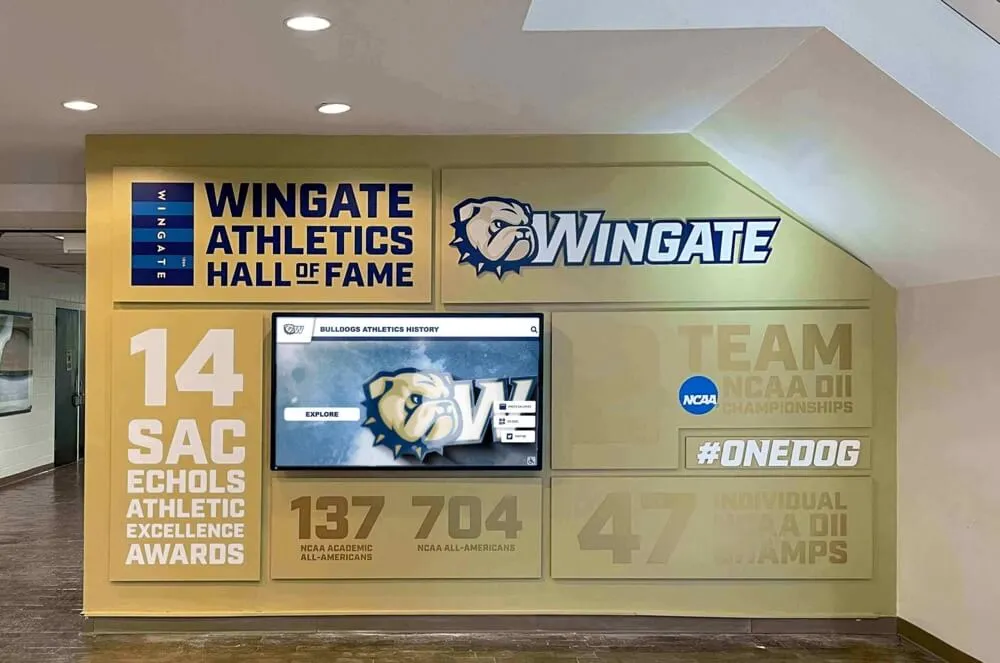
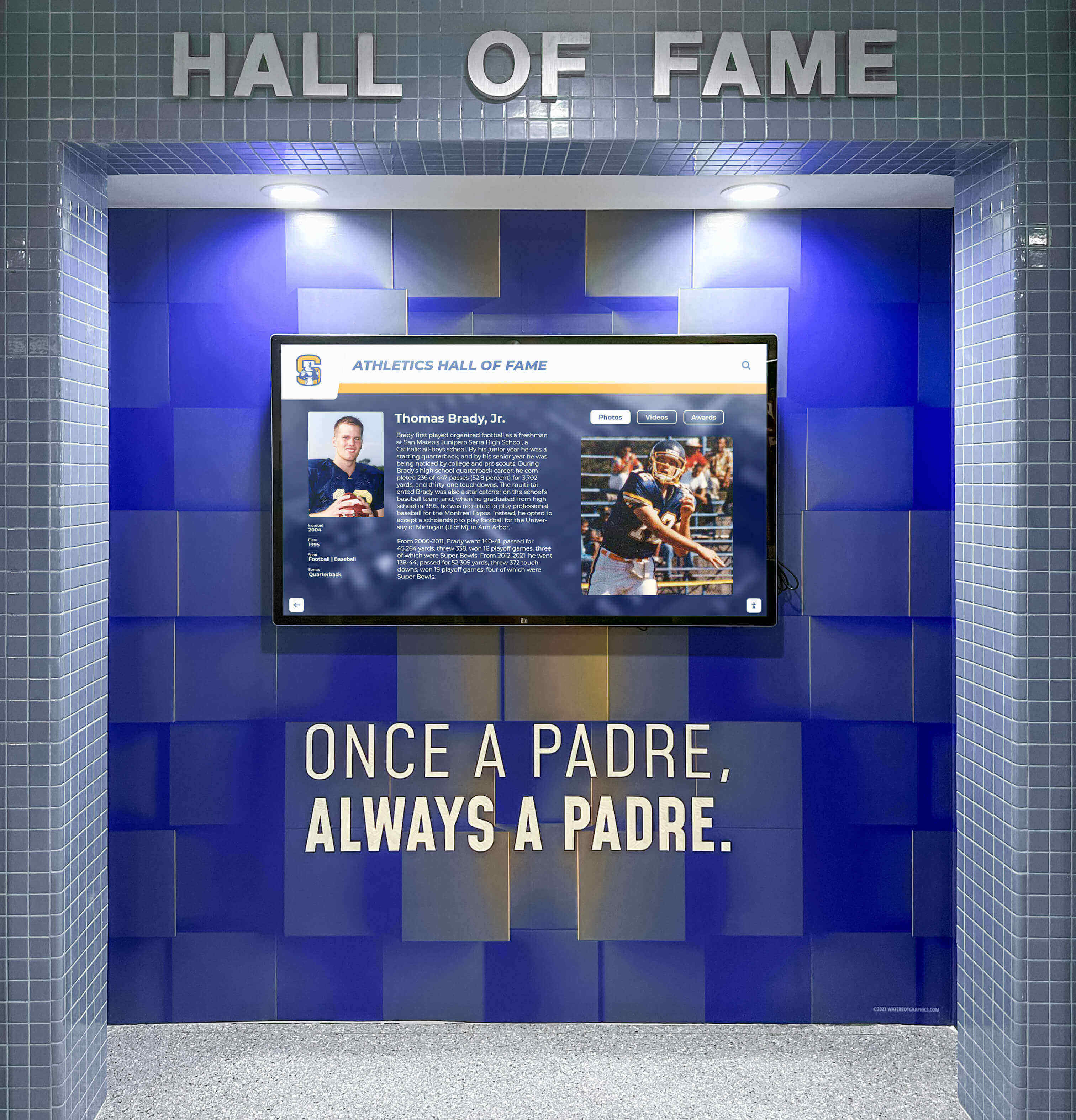
Recognition That Motivates Continued Support: Sponsorship value extends beyond simple logo placement. Businesses seek meaningful community engagement and visibility. Interactive touchscreen displays installed in school lobbies or athletic facilities can showcase sponsor contributions prominently while allowing community members to explore sponsor information through engaging digital interfaces. This modern recognition approach often resonates more strongly with businesses than traditional static signage.
Facility and Equipment Naming Rights
Schools with planned facility improvements or major equipment purchases can offer naming rights to major donors or sponsors. A renovated weight room, new scoreboard, practice facility, or team locker room might bear a sponsor’s name in exchange for significant financial commitment. These arrangements work best when formalized through clear written agreements specifying recognition duration, signage specifications, and renewal terms.
Program-Specific Business Partnerships
Rather than general sponsorships, some businesses prefer supporting specific programs aligning with their brand values or customer demographics. A local sports medicine clinic might sponsor athletic training programs, a bookstore might support academic teams, or a restaurant might partner with hospitality or culinary programs. These targeted partnerships often prove easier to secure than general sponsorships because businesses see clear alignment between their brands and specific school programs.
Business-School Collaborative Events: Partnerships might include businesses hosting percentage nights where portions of sales during specific timeframes are donated to booster programs, business-sponsored community events where schools provide volunteers and businesses provide venues and supplies, or collaborative promotional campaigns where businesses gain marketing exposure through school networks while supporting booster fundraising goals.
Legacy Giving and Capital Campaign Approaches
While most booster fundraising focuses on annual operating support, some organizations develop sophisticated programs cultivating major gifts for significant projects or endowment building. These approaches require more strategic planning and longer timeframes but can transform program financial sustainability.
Brick, Tile, and Paver Programs
Memorial brick or paver programs allow families to purchase inscribed bricks installed in walkways, courtyards, or facility entrances. These generate revenue while creating permanent legacies that families value for commemorating graduations, athletic achievements, or honoring family members. Successful programs clearly communicate where pavers will be installed, provide design guidelines ensuring appropriate messaging, establish clear pricing that generates meaningful profit margins, and create installation timelines managing expectations around when purchases will be visible.
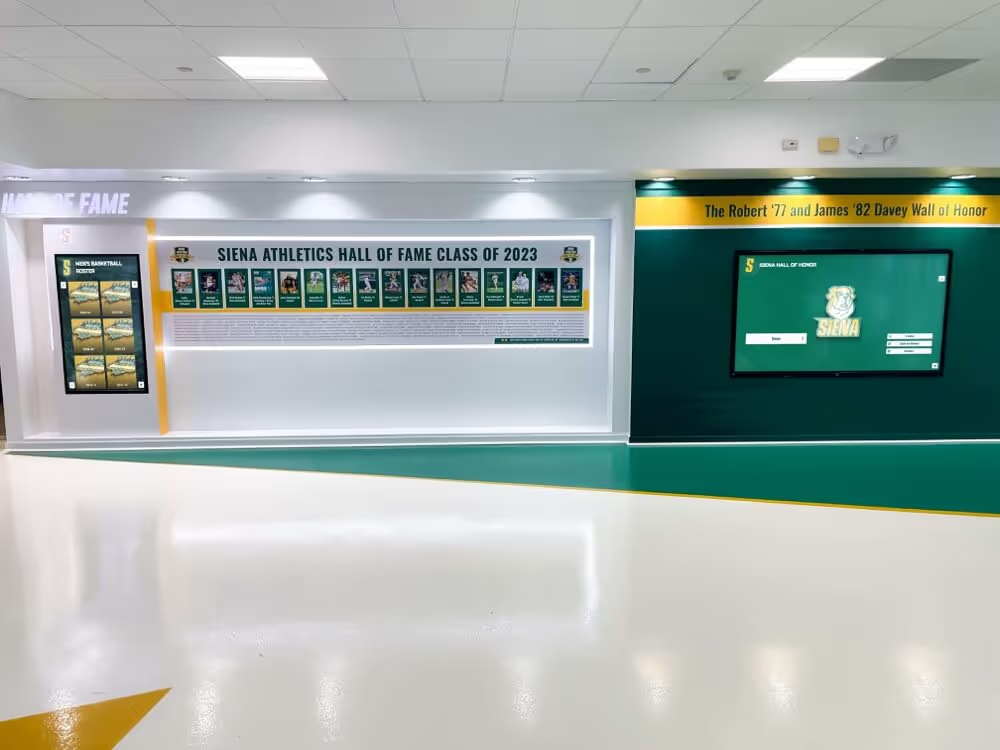
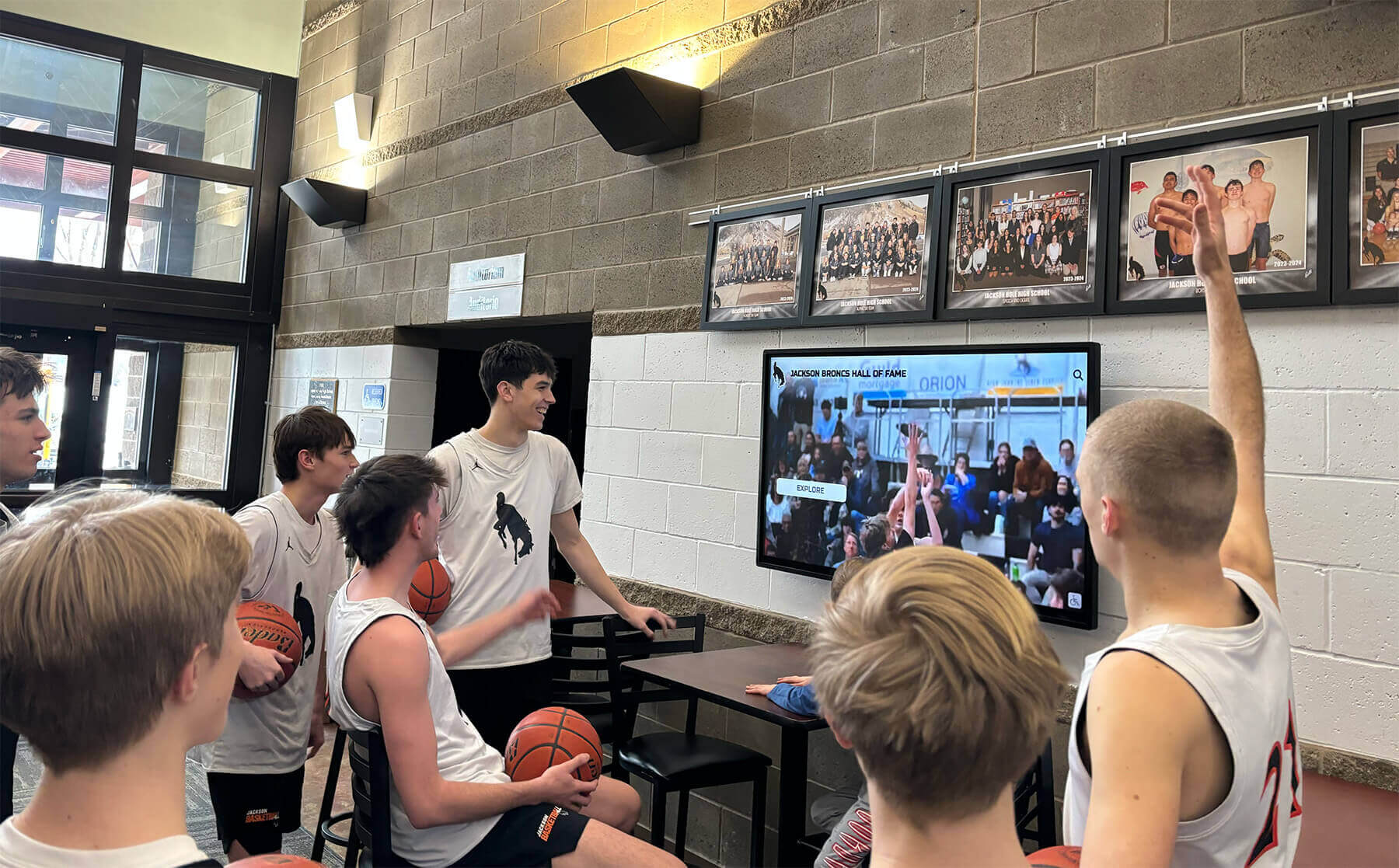
Digital Alternatives to Physical Memorials: While brick programs create tangible recognition, modern digital recognition solutions offer complementary approaches. Digital displays can showcase donor recognition in prominent interior locations protected from weather while allowing updates, expansions, and rich multimedia content that static bricks cannot provide. Some schools combine both approaches—physical exterior elements plus interior digital displays creating comprehensive recognition systems.
Capital Campaigns for Major Projects
Large-scale fundraising campaigns targeting specific major projects—new facilities, significant renovations, or substantial equipment purchases—require strategic planning including clearly defined funding goals with detailed budget breakdowns, campaign timelines spanning multiple years rather than single events, leadership gift strategies securing major commitments before public campaign launches, and recognition plans ensuring appropriate acknowledgment for various contribution levels.
Campaign Communication Strategies: Successful capital campaigns maintain community engagement through regular progress updates, visual representations of campaign progress toward goals, specific impact stories showing how funds benefit students, and celebration milestones recognizing achievement of interim targets. This ongoing communication sustains momentum and encourages continued giving throughout extended campaign periods.
Endowment and Planned Giving Programs
Sophisticated booster organizations establish endowment funds generating ongoing revenue through investment returns rather than depleting principal. While building meaningful endowments requires sustained effort and major gifts, even modest beginning endowments create frameworks for planned giving including memorial gifts in honor of deceased community members, estate planning contributions where alumni include school programs in wills, and legacy society programs recognizing donors who make planned gift commitments.
Building Donor Stewardship and Retention Systems
The most effective fundraising strategy is retaining existing donors rather than constantly seeking new contributors. Donor stewardship—the systematic process of acknowledging, engaging, and maintaining relationships with supporters—dramatically improves fundraising efficiency and sustainability.
Timely and Meaningful Acknowledgment
Every contribution deserves prompt acknowledgment. Basic stewardship practices include thank you communications sent within days of receiving donations, specific references to how contributions will be used rather than generic appreciation, personalization addressing donors by name and acknowledging contribution history, and compliance with tax receipt requirements for donations above specified thresholds.
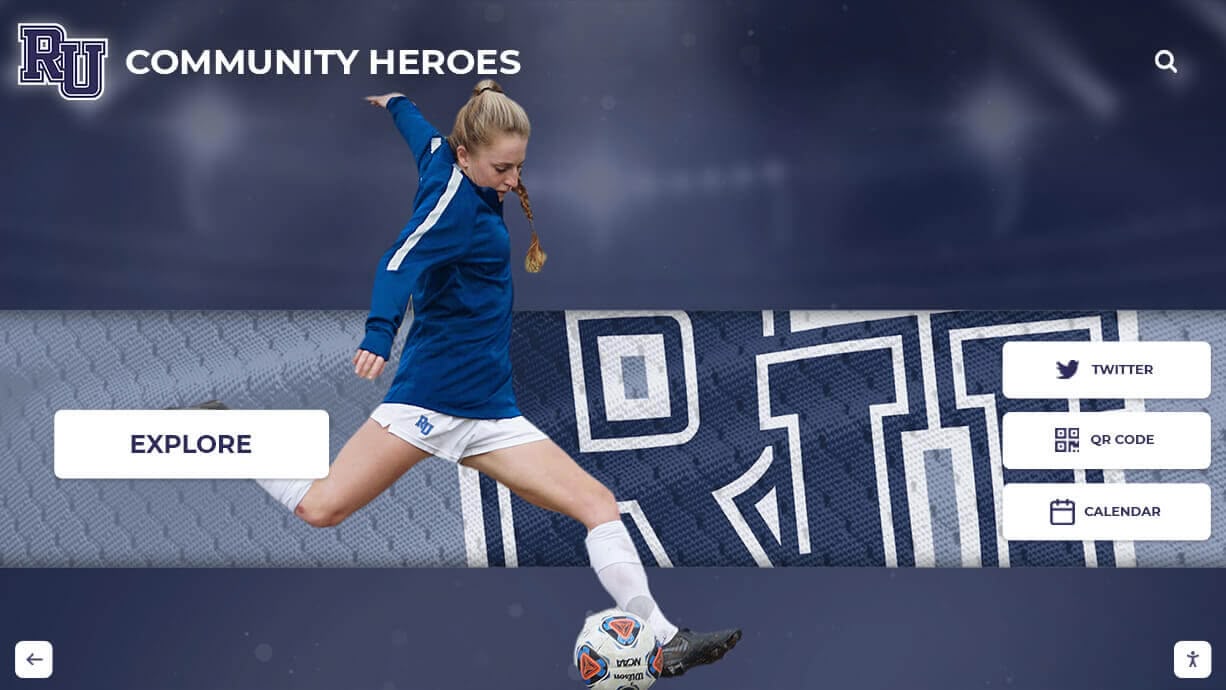
Public Recognition That Inspires Giving: Beyond private acknowledgment, public recognition serves dual purposes—showing appreciation to existing donors while inspiring others to contribute. Recognition approaches might include donor listings in programs and on websites organized by contribution level, recognition events honoring major contributors, digital displays in prominent school locations showcasing supporter names and contribution impacts, and personalized recognition for milestone gifts or long-term sustained giving.
Impact Reporting and Transparency
Donors want to know their contributions make differences. Regular impact reporting might include specific examples of how funds supported student experiences—tournament travel, new equipment, facility improvements—financial summaries showing how much was raised and spent in various categories, student testimonials describing how booster support enhanced their experiences, and visual documentation including photos and videos showing programs that donor support makes possible.
Creating Donor Progression Pathways
Fundraising programs should view donor relationships as journeys rather than isolated transactions. Donor development strategies create pathways encouraging increased engagement over time including entry-level giving opportunities allowing first-time donors to contribute modestly, mid-level donor cultivation encouraging annual giving increases through demonstrated impact, major donor identification and personalized relationship building with highest-capacity supporters, and volunteer recruitment converting financial supporters into active program participants who often become strongest advocates and most generous contributors.
Measuring Fundraising Success and Continuous Improvement
Effective booster organizations track fundraising performance systematically, using data to refine strategies and improve results over time. Key metrics worth monitoring include total funds raised compared to goals and previous years, cost-benefit ratios showing fundraising efficiency by calculating net revenue after expenses, donor retention rates measuring percentage of previous donors who give again, average gift sizes and trends over time, and volunteer participation rates in fundraising activities.
Learning from Each Fundraising Initiative: After every fundraiser, leadership should conduct brief evaluations considering what worked well and should be repeated or expanded, what challenges emerged and how they might be addressed in future iterations, whether volunteer workload was sustainable or overwhelming, and whether results justified time and resource investments. This continuous improvement mindset helps organizations gradually optimize their fundraising approaches rather than repeating ineffective strategies.
Conclusion: Building Sustainable Booster Fundraising Programs
The most successful booster fundraiser ideas for schools share common characteristics—they provide value to participants beyond simply soliciting donations, leverage technology to expand reach while reducing volunteer burdens, incorporate recognition systems that acknowledge and inspire giving, and fit within strategic fundraising portfolios rather than serving as isolated events. Schools that view fundraising as ongoing programs rather than desperate annual scrambles typically generate more sustainable revenue while building stronger community connections.
Modern fundraising increasingly incorporates digital solutions that complement traditional approaches. Interactive recognition displays, online giving platforms, social media promotion, and virtual event components expand what’s possible for volunteer-led booster organizations. When these tools are combined with proven traditional strategies—compelling events, valuable products, and business partnerships—schools create diversified fundraising programs capable of weathering changing economic conditions and donor preferences.
The foundation of all successful fundraising remains authentic relationship building. Technology and sophisticated strategies matter, but communities ultimately support schools because they believe in the mission of developing young people and want to contribute to student success. Booster organizations that keep this mission central while implementing effective fundraising strategies create sustainable support systems that benefit students for generations.
Ready to create a comprehensive donor recognition system that transforms one-time contributors into sustained program supporters? Rocket Alumni Solutions provides interactive touchscreen displays and digital recognition solutions that showcase booster club donors, athletic achievements, and school history in engaging formats that inspire continued community support. Our customizable platforms help schools build the visible appreciation systems that convert fundraising efforts into lasting relationships with supporters who fuel student success year after year.