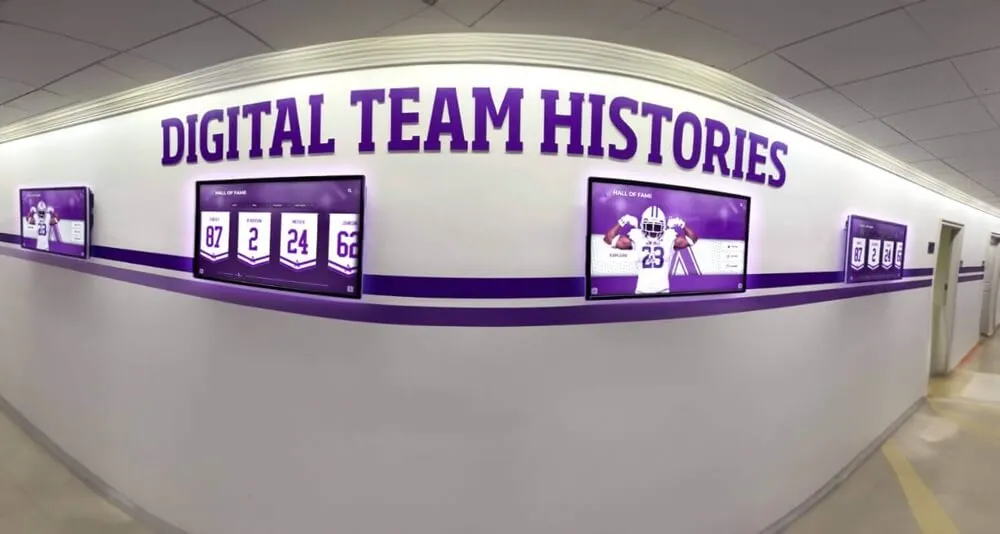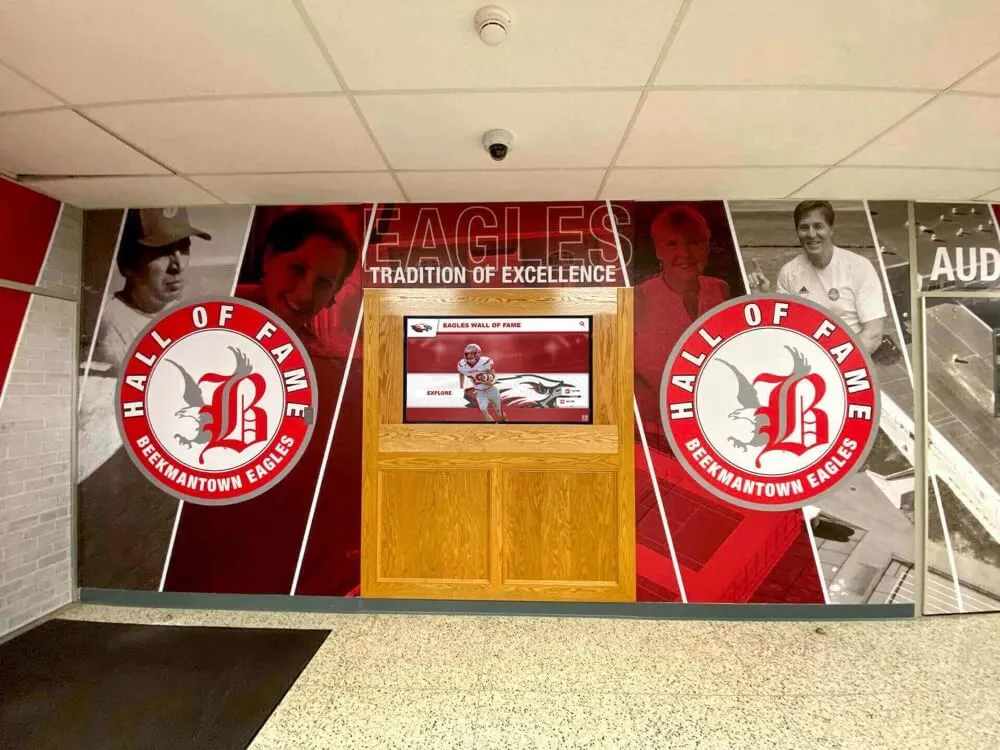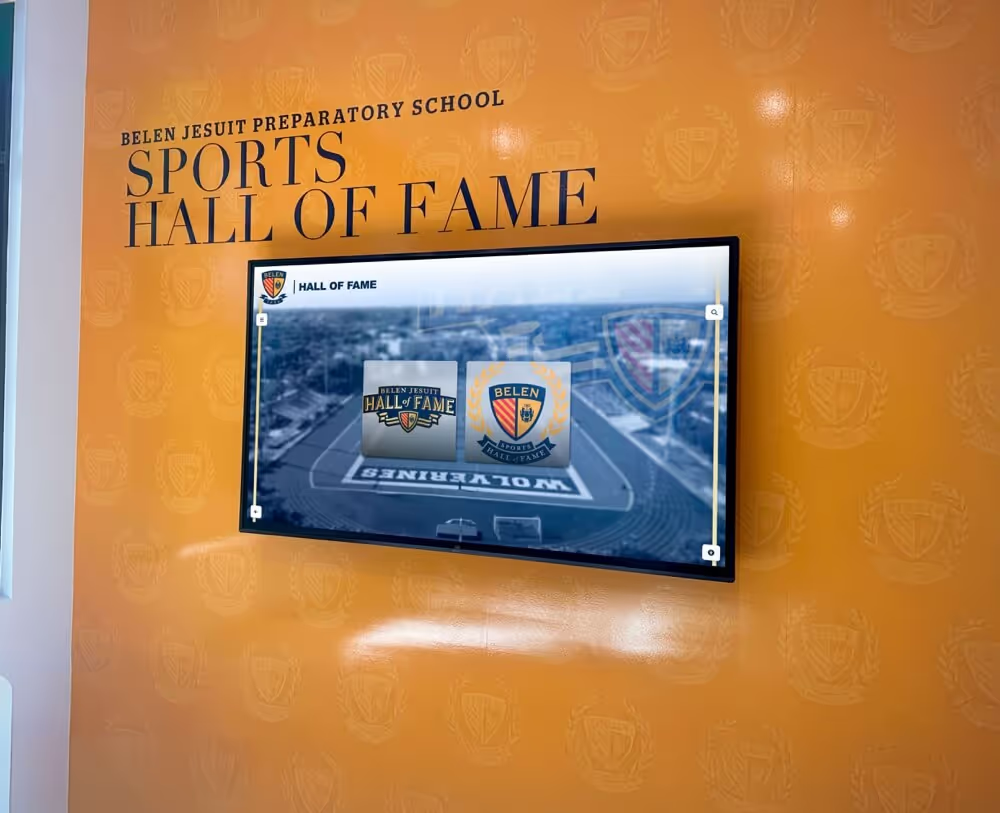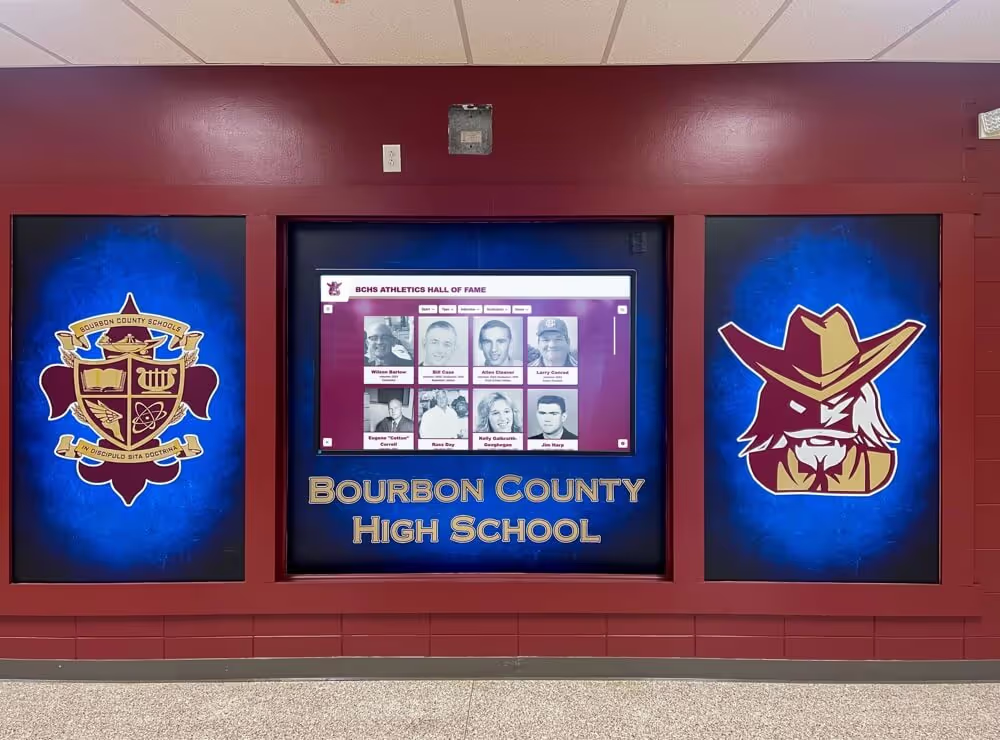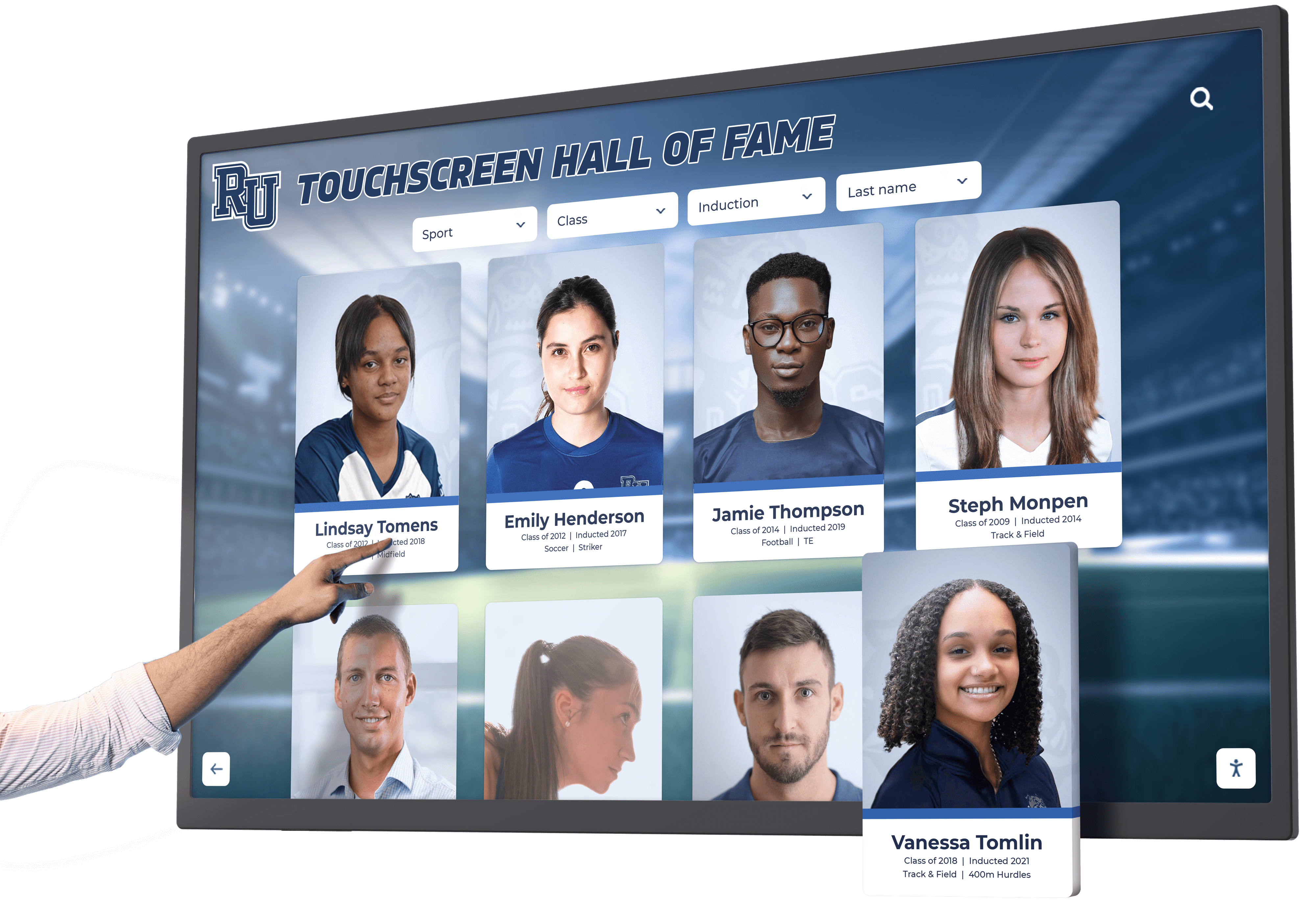




Athletic achievement awards represent countless hours of dedication, training, and competitive excellence. From all-state honors and conference championships to individual records and team accomplishments, these awards validate the hard work student-athletes invest in their sports. Yet many schools struggle to showcase these achievements effectively, relying on outdated trophy cases and static plaques that fail to capture the full story behind each award or inspire the next generation of athletes.
Modern digital recognition systems transform how schools celebrate athletic excellence. This comprehensive guide explores the best ways to showcase athletic achievement awards digitally in 2026—from interactive touchscreen displays and multimedia storytelling to searchable databases and mobile-accessible platforms. Whether you're an athletic director, coach, or school administrator, these strategies will help you honor athlete accomplishments while building program culture around sustained excellence.
Why Digital Display Methods Excel Over Traditional Recognition
Athletic departments have traditionally displayed awards through physical trophy cases, banner displays, and commemorative plaques. While these methods hold nostalgic value, they suffer from fundamental limitations that prevent effective recognition in contemporary educational environments.
The Limitations of Physical Trophy Cases
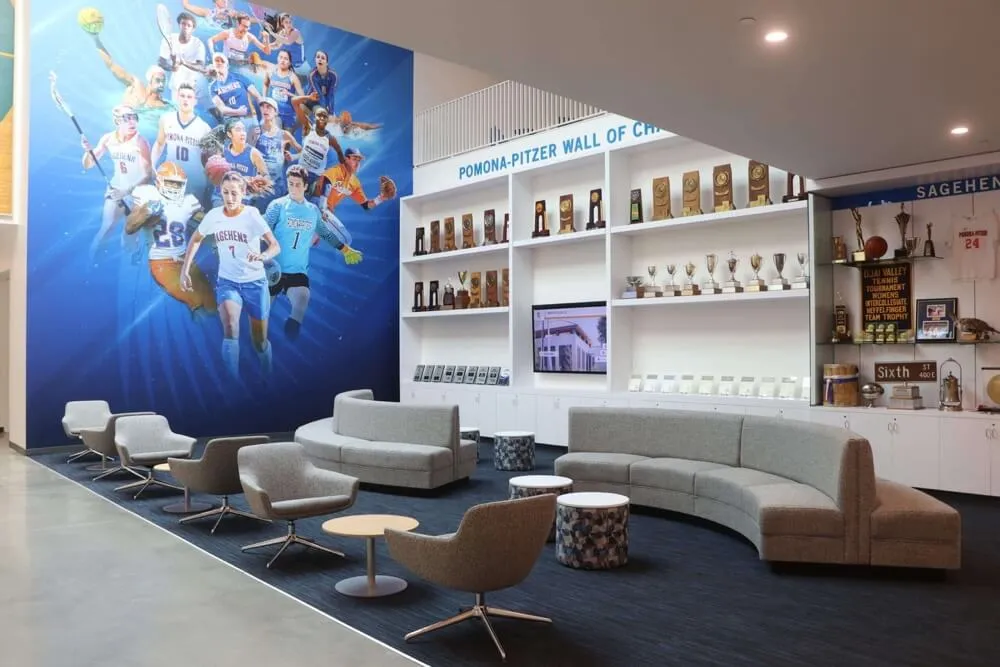
Traditional trophy cases face severe space constraints that force difficult choices about which achievements to display. As athletic programs accumulate decades of awards, cases become overcrowded and individual accomplishments lose visibility. Many significant achievements remain hidden in storage simply because no physical space exists to honor them properly.
Physical displays also lack context and storytelling capability. A trophy or plaque communicates basic information—an award name, date, and perhaps a brief inscription—but cannot convey the complete narrative behind the achievement. Viewers see objects without understanding the dedication, obstacles overcome, or impact these accomplishments had on athletes and programs.
Maintenance presents ongoing challenges as well. Trophy cases require regular cleaning, lighting upkeep, and periodic reorganization. Awards deteriorate over time, engravings fade, and physical materials show age. Updating displays involves material costs and installation labor that many programs struggle to sustain consistently.
Perhaps most significantly, physical trophy cases offer no discovery or engagement mechanisms. Students walk past without pausing to explore achievements, missing opportunities for inspiration. Athletes seeking role models or attempting to understand pathways to excellence cannot easily research program history or find relevant examples.

Advantages of Digital Recognition Systems
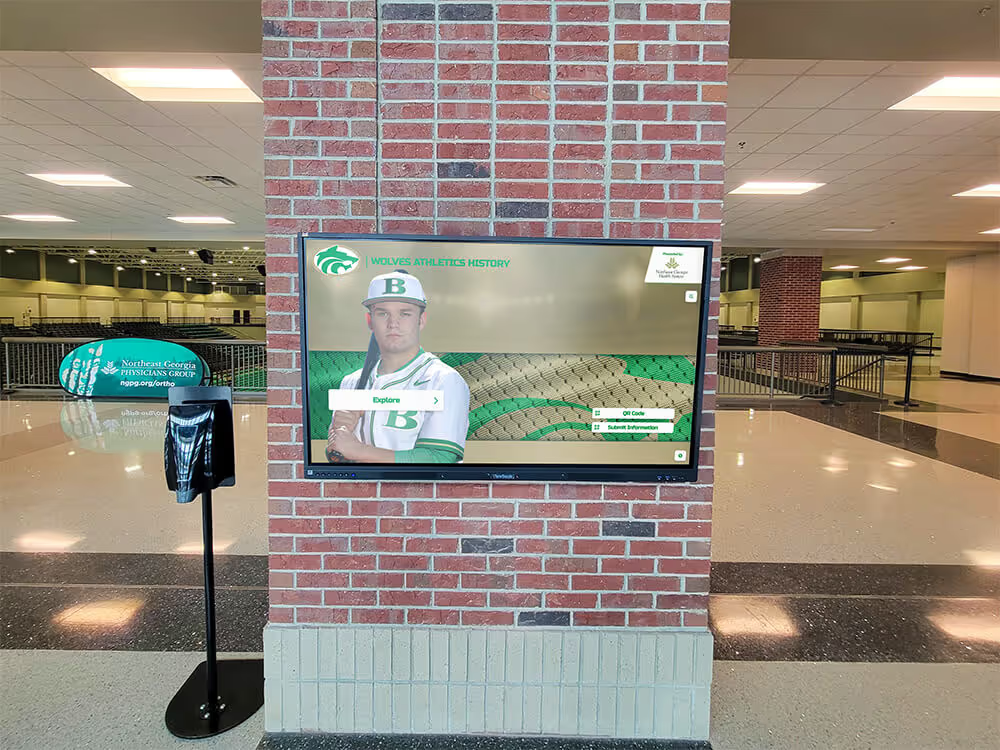
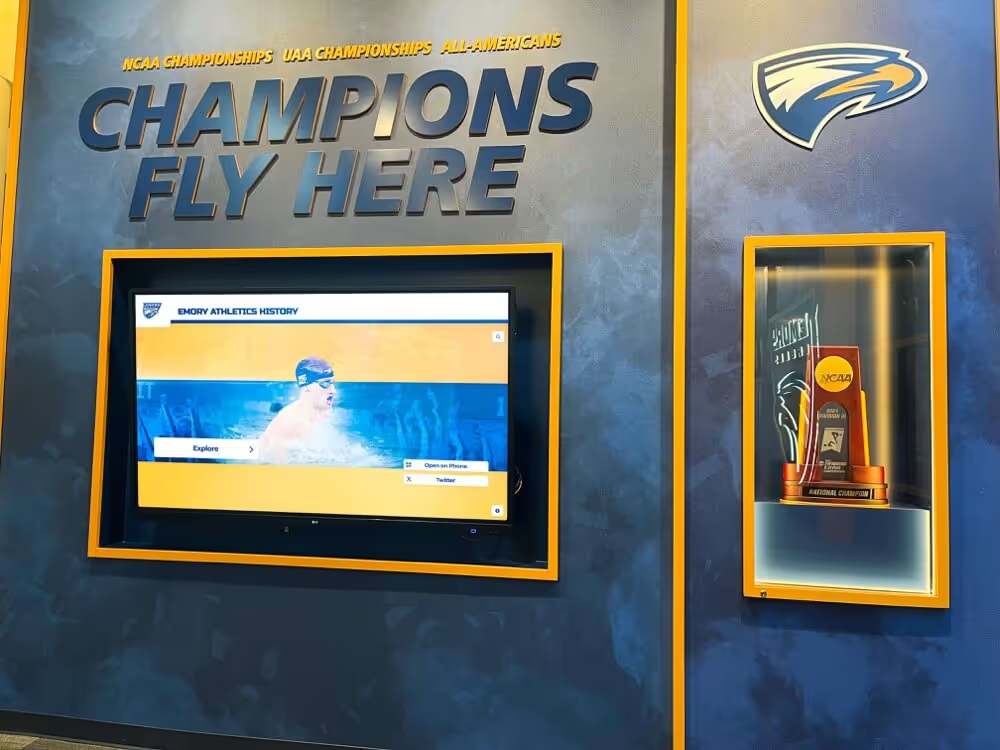
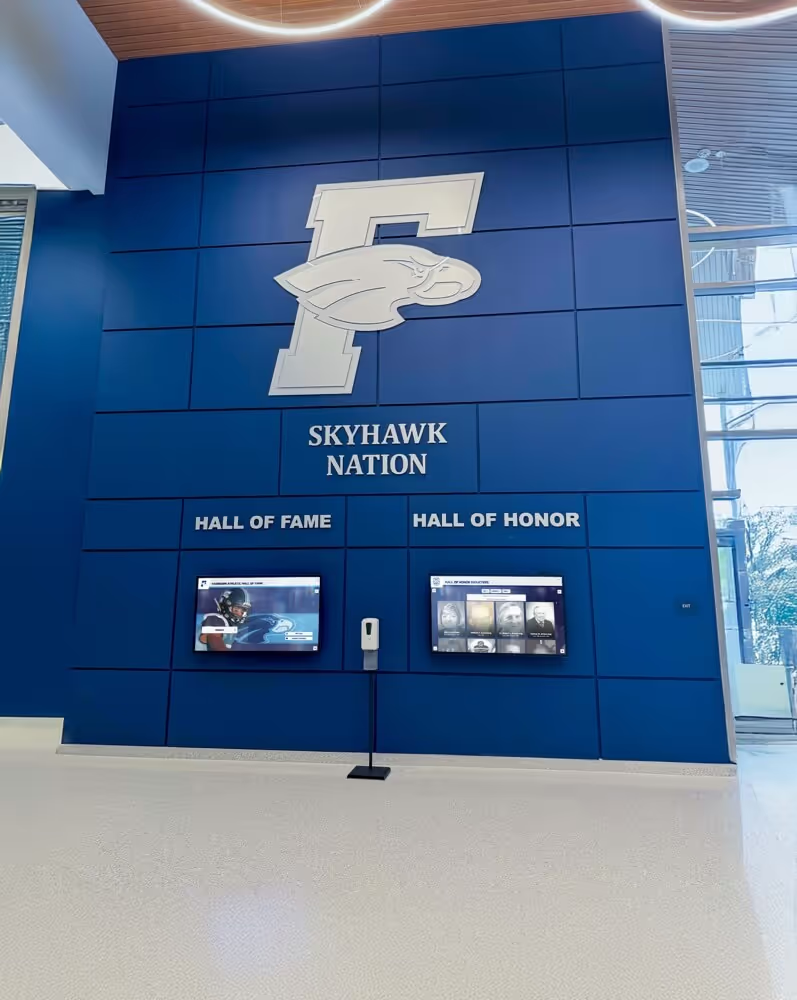
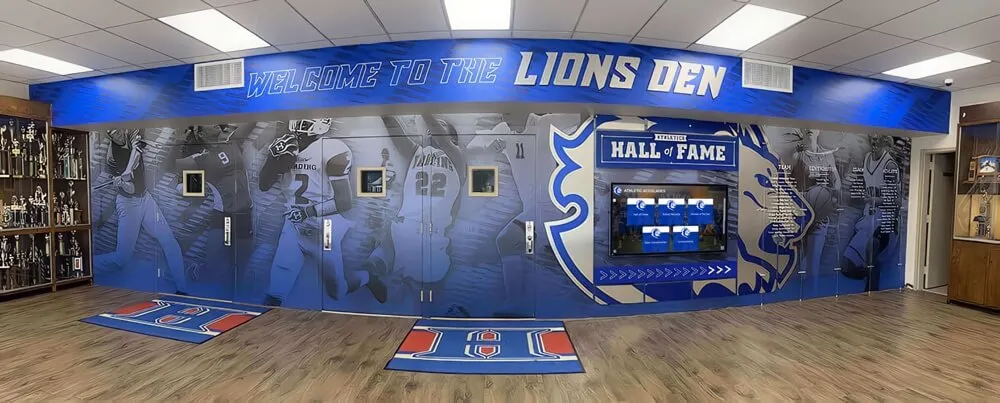
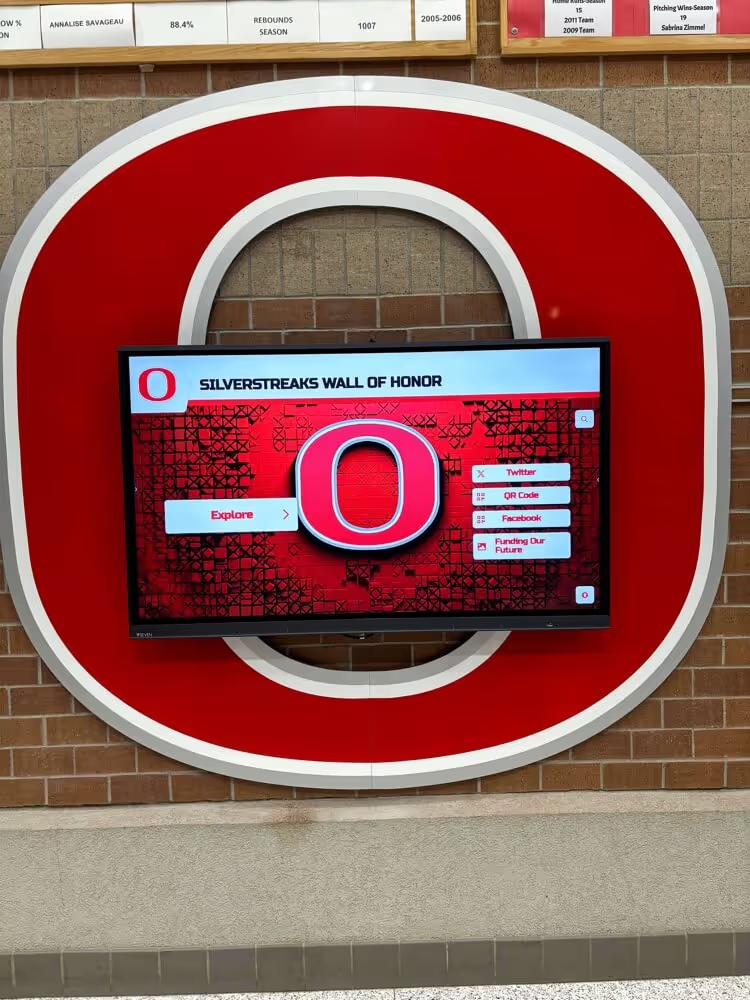
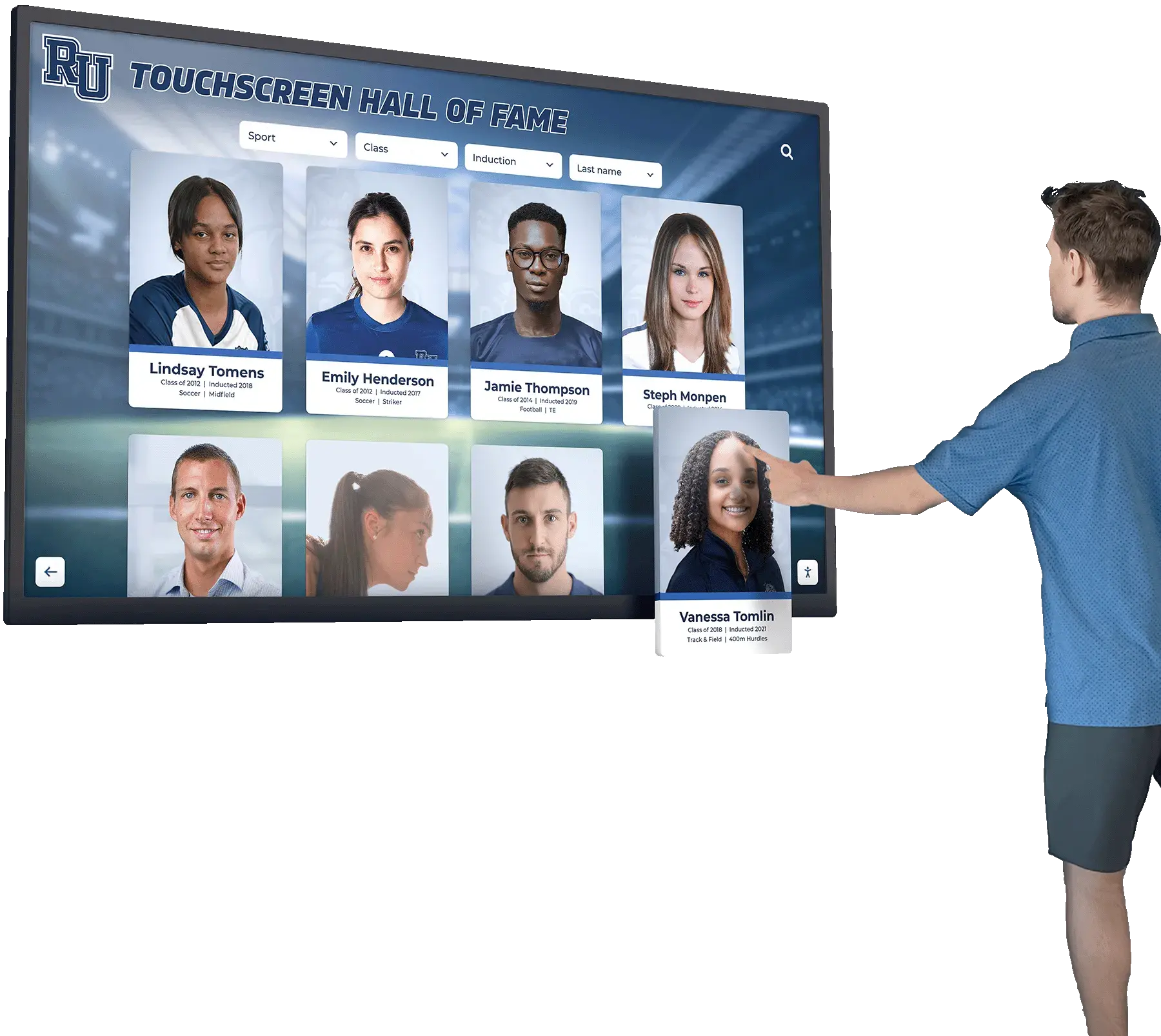
Digital platforms address every limitation of physical displays while introducing capabilities that fundamentally transform athletic recognition. These systems combine commercial-grade touchscreen hardware with specialized software designed specifically for celebrating achievement.
Unlimited Recognition Capacity: Digital systems eliminate space constraints entirely. Programs can honor every significant achievement from their history—all-state selections, championship teams, individual records, conference honors, and special awards—without competing for limited trophy case space. Each achievement receives comprehensive profile space impossible with physical displays.
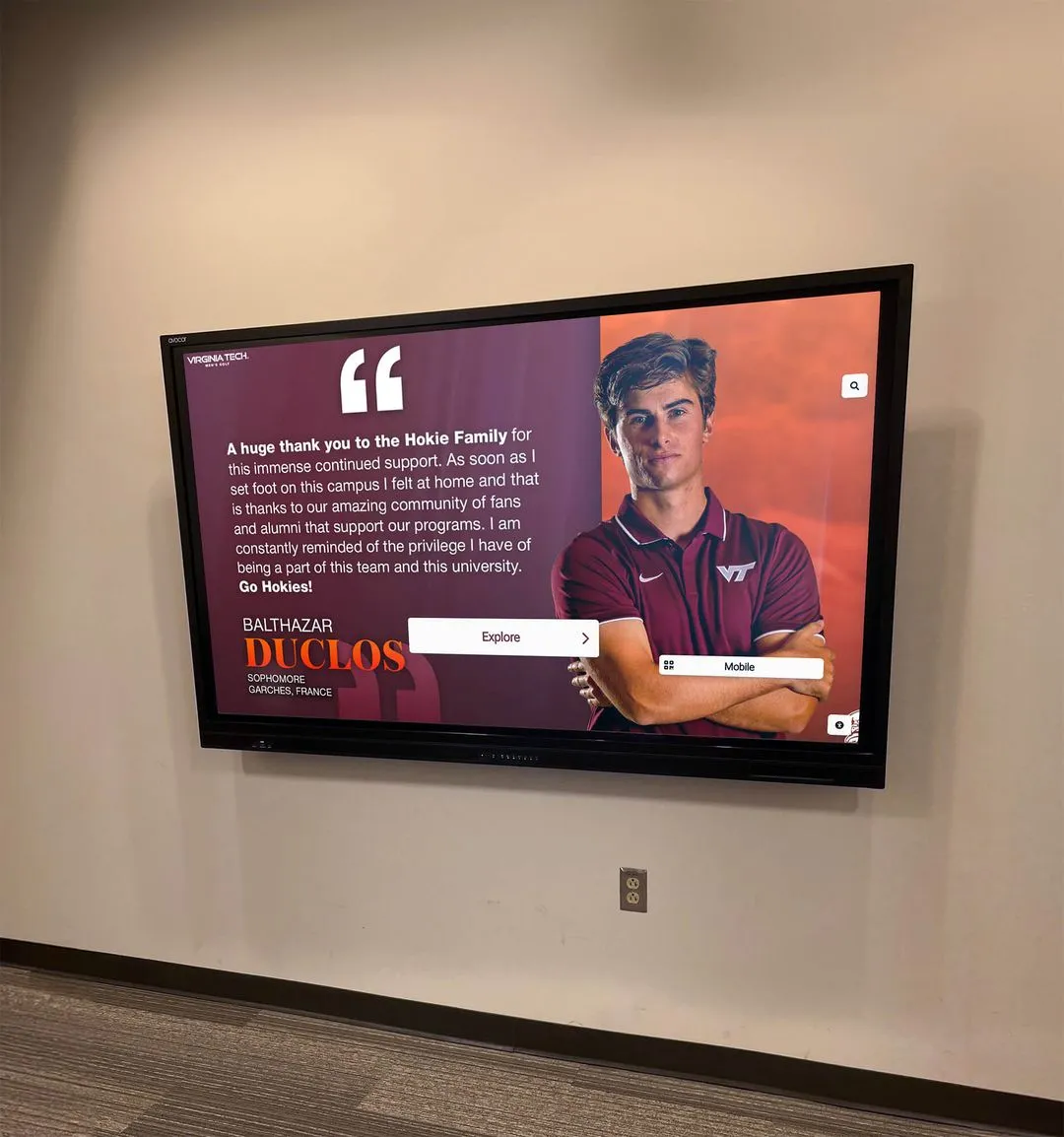
Rich Multimedia Storytelling: Digital platforms enable multimedia presentations that bring achievements to life. Recognition profiles can include high-quality photography from competitions, video highlights showing standout performances, complete career statistics and accomplishments, athlete and coach quotes providing context, and follow-up content about college careers and beyond. This depth creates emotional connections that static trophies cannot match.
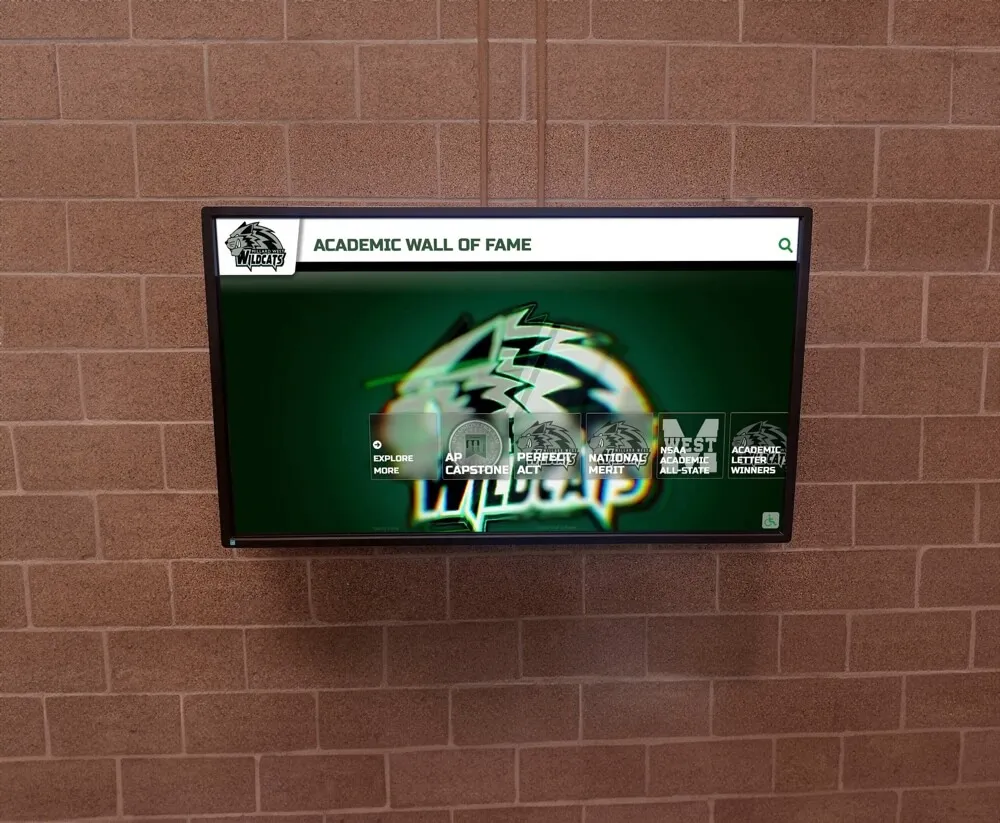
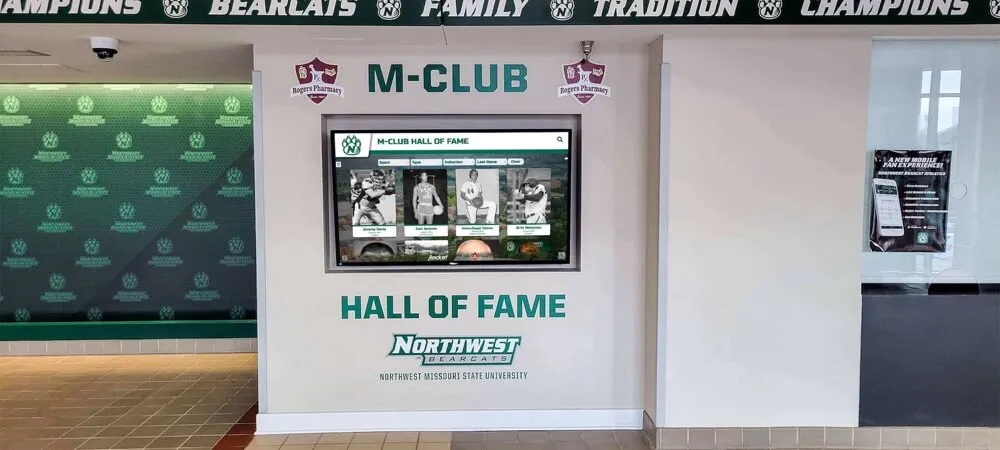
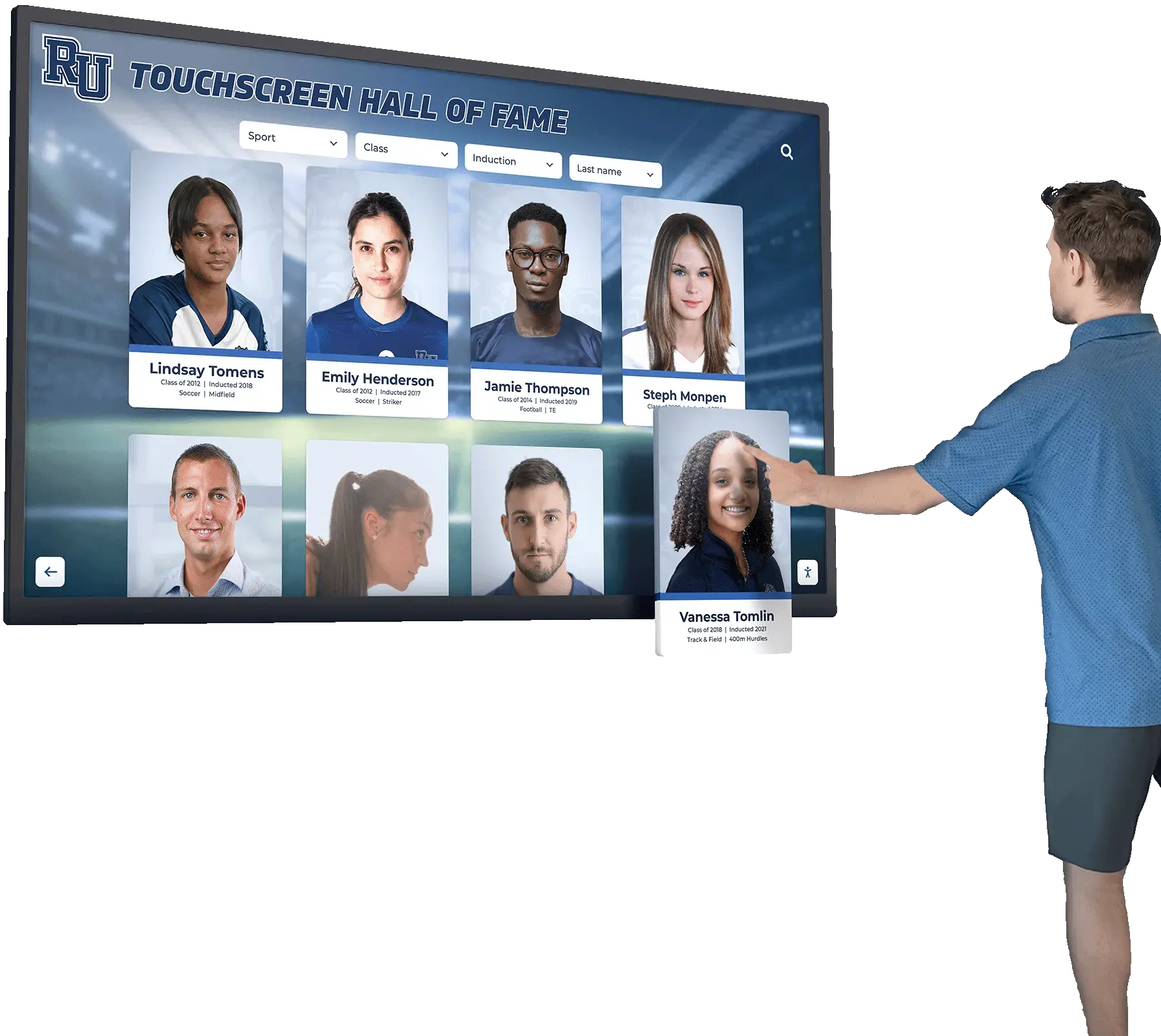
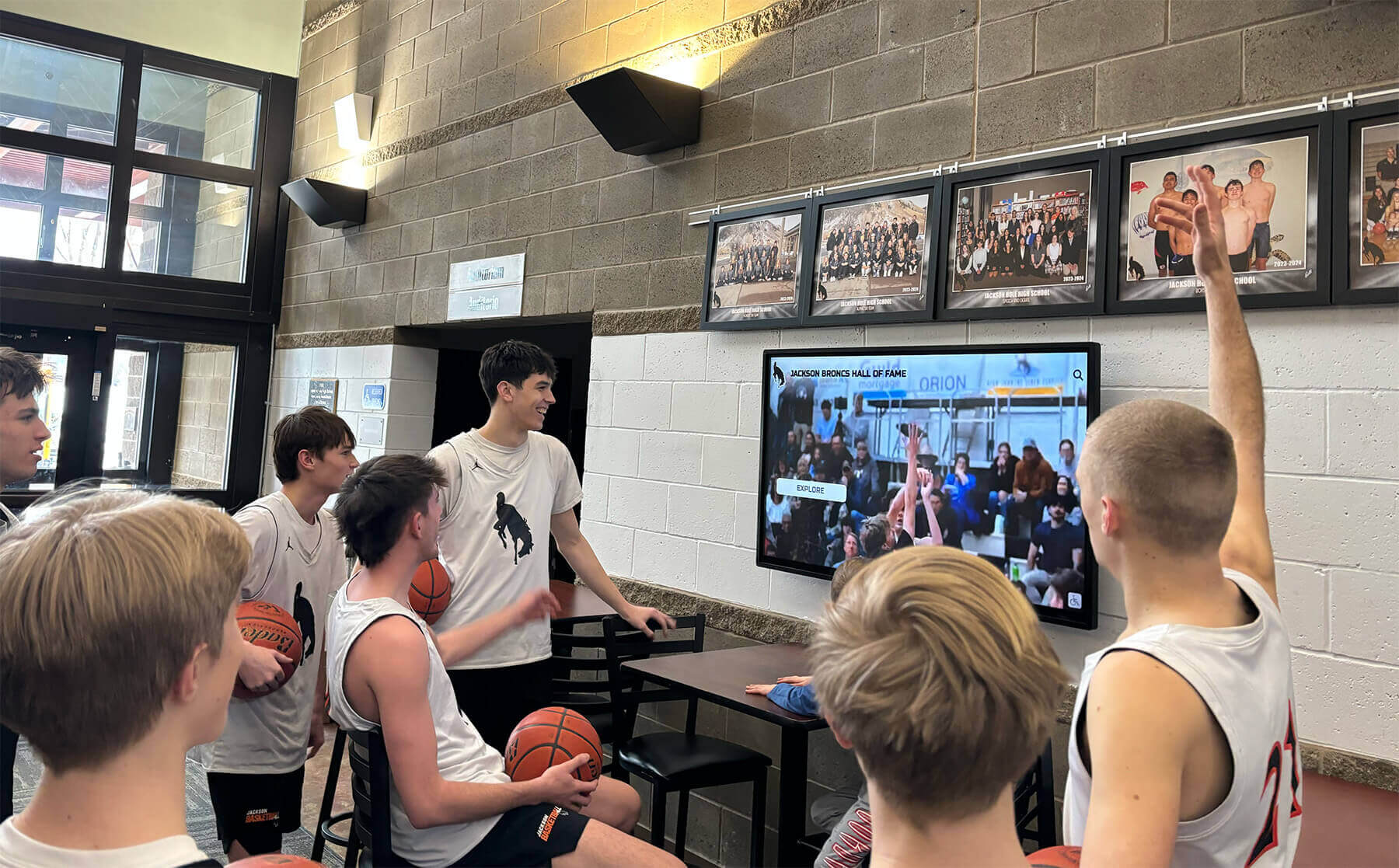
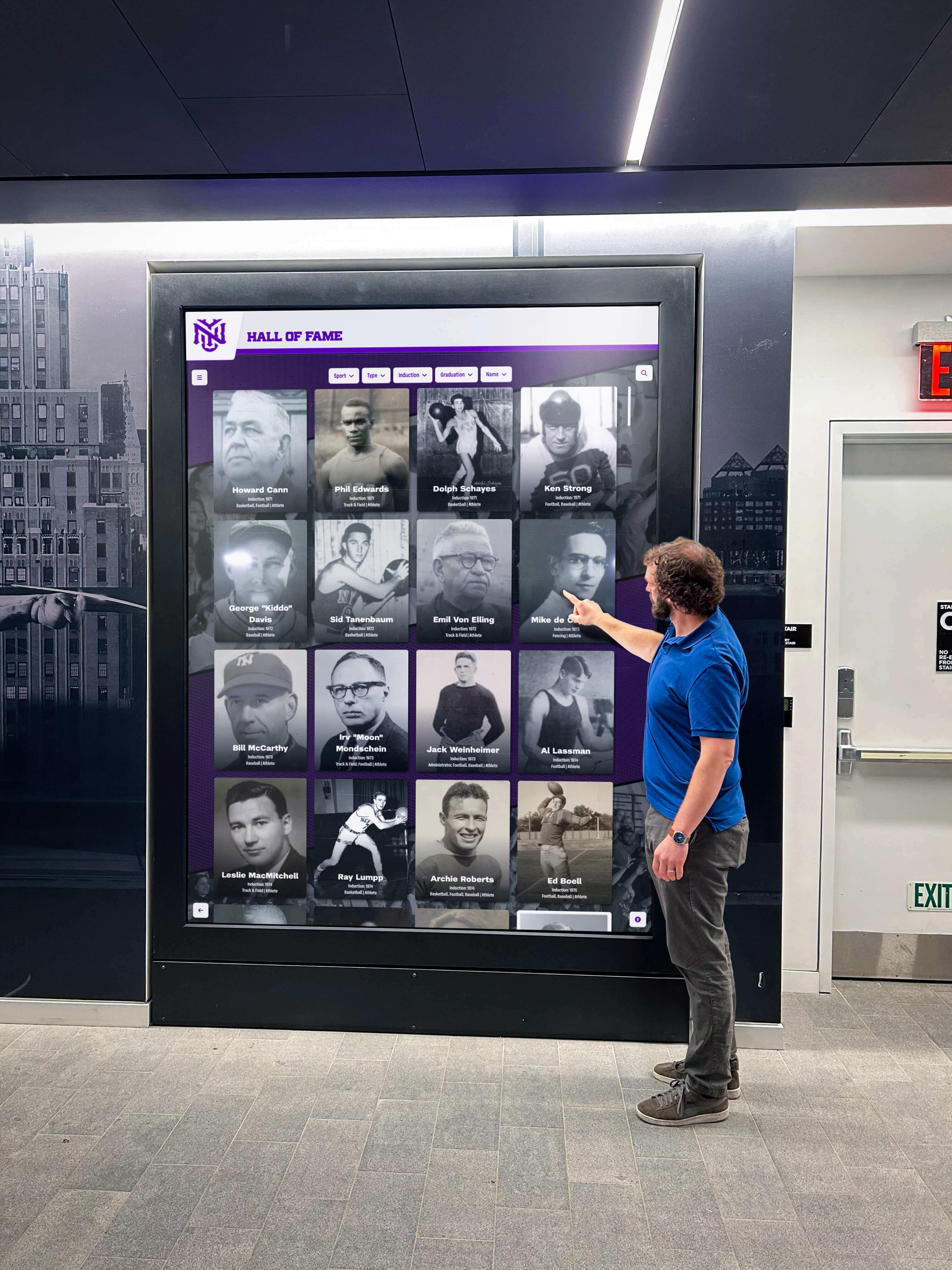
Searchable Discovery and Exploration: Interactive interfaces enable active exploration rather than passive viewing. Students can search for achievements by sport, year, award type, or athlete name. They can filter records to find role models in their specific positions or activities. Comparison features allow examination of how program excellence has evolved across decades. This interactivity dramatically increases engagement time and information retention.
Instant Updates and Real-Time Recognition: When athletes earn awards, digital displays can feature new recognition immediately—no waiting weeks for engraving or months for physical installation. This timeliness increases recognition impact by honoring achievement while community attention remains high. Modern content management systems allow athletic staff to publish updates within minutes using simple web interfaces.
Accessibility Beyond Campus: Digital recognition extends beyond physical display locations through web-based versions accessible from anywhere. Alumni can show families their awards from any location. College recruiters can research program achievement history before campus visits. Prospective families can explore athletic excellence during decision-making. This accessibility multiplies recognition impact exponentially.
Interactive Touchscreen Displays: The Gold Standard
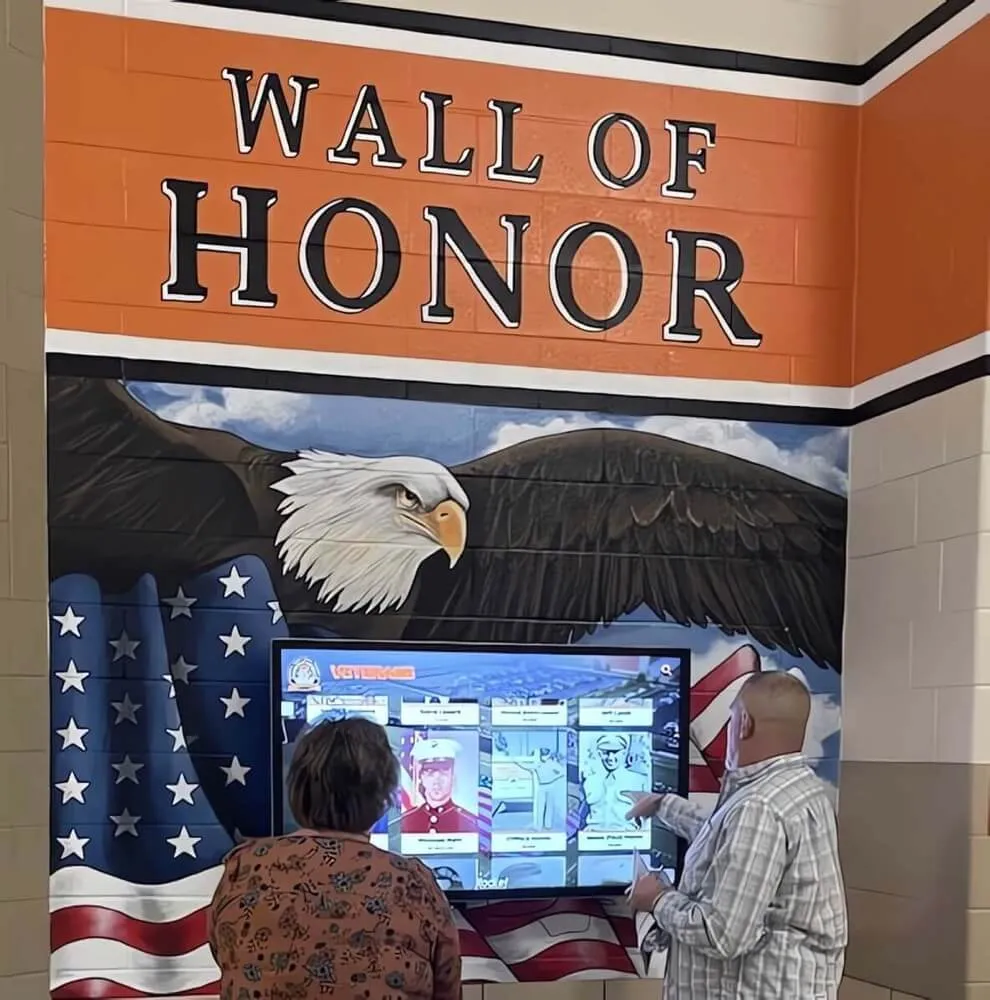
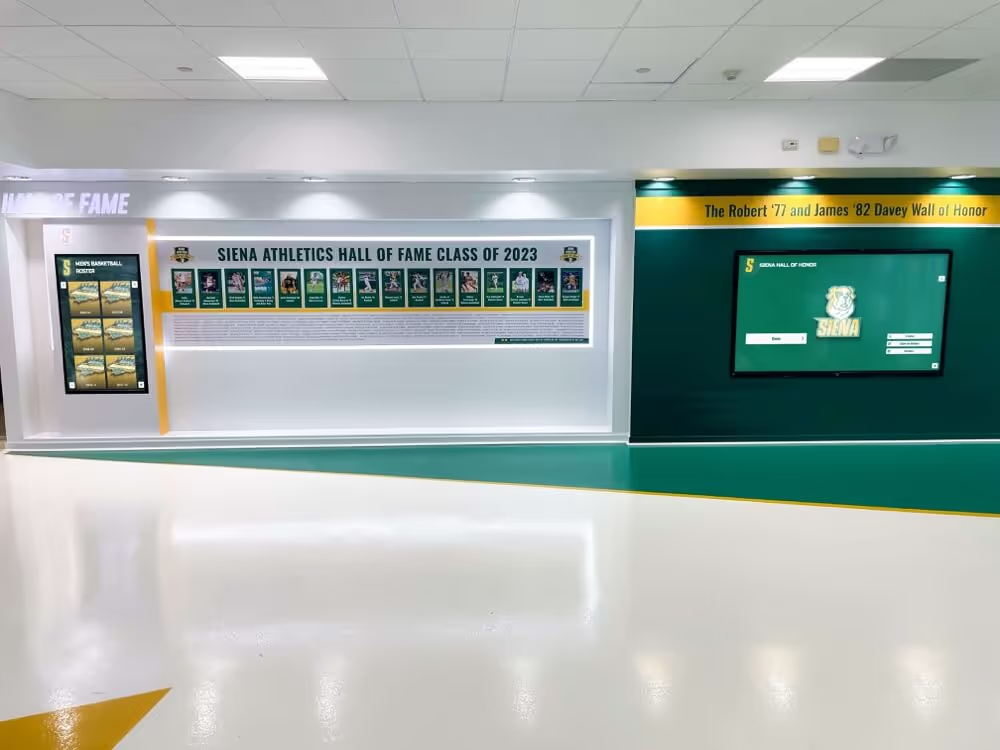
Interactive touchscreen displays represent the most comprehensive and engaging method for presenting athletic achievement awards digitally. These purpose-built systems combine hardware, software, and content management capabilities into complete recognition solutions.
Touchscreen Hardware Considerations
Selecting appropriate hardware ensures displays deliver excellent user experiences while withstanding continuous operation in high-traffic athletic facilities.
Commercial-Grade Durability: Choose displays rated for 16-24 hour daily operation rather than consumer televisions adapted for recognition purposes. Commercial screens feature industrial components designed for continuous use, enhanced cooling systems preventing overheating, reinforced glass protecting against impacts, and warranties appropriate for institutional installations. While commercial displays cost more initially, their longevity and reliability deliver better value over typical 7-10 year lifespans.
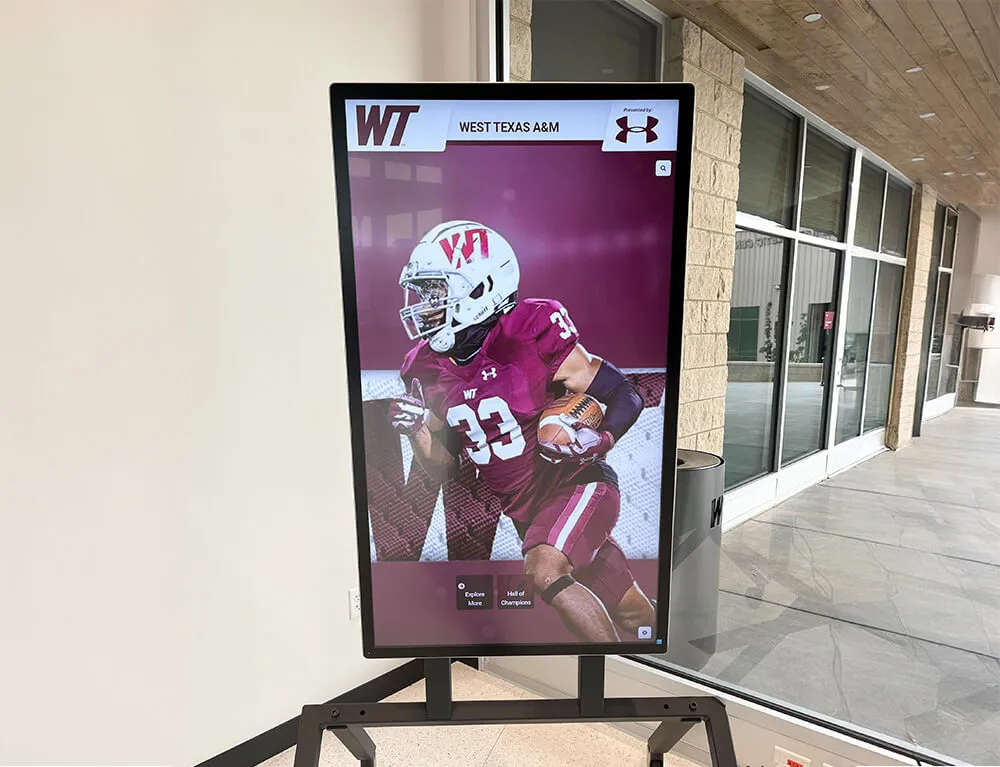
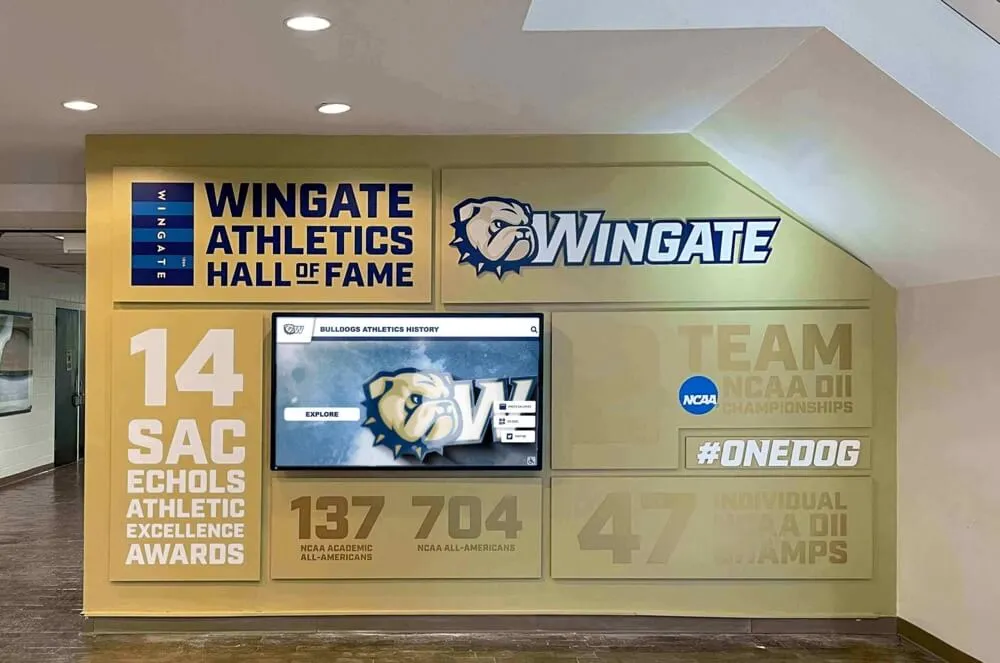
Screen Size and Placement: Display size should match viewing distances and installation locations. Lobby installations where viewers stand 6-10 feet away typically require 55-75 inch screens for comfortable interaction. Gymnasium hallways with longer viewing distances might warrant 75-86 inch displays. Wall-mounted installations work well in most locations, while freestanding kiosks offer flexibility for spaces where wall mounting isn’t feasible. Consider sightlines ensuring displays remain visible from multiple angles and don’t obstruct traffic flow.
Touch Technology Selection: Modern touchscreens use capacitive or infrared touch technologies, each with distinct characteristics. Capacitive screens respond to light touches similar to smartphones, offering excellent responsiveness and supporting multi-touch gestures. Infrared technology detects touch without requiring pressure, functioning reliably even when users wear gloves—useful in athletic facilities where teams might interact with displays during practice. Both technologies deliver excellent experiences when properly implemented.
Software Platform Capabilities

The software platform determines how effectively displays present achievements and how easily staff can maintain content over time. Specialized recognition platforms deliver superior experiences compared to generic digital signage adapted for this purpose.
Intuitive Content Management: Effective platforms provide content management systems requiring no technical expertise. Athletic directors, coaches, or administrative staff should easily add new awards, upload photos and videos, and update existing profiles using web-based interfaces similar to social media platforms. Template systems maintain professional presentation automatically without requiring design skills. Cloud-based access enables updates from any internet-connected device—office computers, tablets, or smartphones.
Flexible Recognition Templates: Purpose-built platforms include templates designed specifically for athletic awards including individual achievement profiles, team championship recognition, record board presentations, all-star and honor team displays, and multimedia career retrospectives. These templates ensure consistent presentation while accommodating diverse award types and achievement categories common in athletic programs.
Powerful Search and Filtering: Sophisticated database functionality enables visitors to discover achievements through multiple pathways. Search by athlete name, graduation year, sport and position, award type and level, or achievement date. Advanced filtering allows combinations—for example, “all basketball all-state athletes from 2015-2020” or “championship teams in girls sports.” This discovery capability helps students find relevant role models and understand program tradition.
Analytics and Engagement Tracking: Professional platforms provide analytics showing how visitors engage with recognition content. Track daily and monthly interaction counts, average session duration indicating engagement depth, most-viewed achievement profiles, popular search queries, and peak usage times. These insights demonstrate recognition value to stakeholders while informing content development priorities.
Solutions like digital hall of fame platforms integrate all these capabilities into turnkey systems specifically designed for school athletic programs, eliminating customization work required by general-purpose alternatives.
Digital Record Boards and Statistical Displays
Beyond comprehensive achievement profiles, specialized digital record boards showcase statistical excellence and competitive records that define program legacies.
Sport-Specific Record Board Systems
Digital record boards modernize traditional printed records displayed in gymnasiums and athletic facilities, presenting comprehensive statistical histories with engaging visuals and easy updates.
Individual Record Categories: Present complete records across relevant statistical categories for each sport. Basketball records might include career points, single-game scoring, assists, rebounds, and three-pointers made. Track and field displays feature event records with times, distances, and marks. Swimming programs showcase pool records by event and class year. Football boards present passing yards, rushing statistics, defensive achievements, and special teams accomplishments. Comprehensive record coverage ensures all types of excellence receive recognition.
Team Records and Achievements: Beyond individual statistics, highlight team accomplishments including best season records, longest winning streaks, championship seasons and playoff runs, conference titles and tournament victories, and team statistical records like most points scored in a season. Team recognition reinforces how individual excellence contributes to collective success.
Historical Progression and Context: Show how records have evolved over program history. Timeline presentations demonstrate performance improvement across decades. Comparison features allow viewers to see how current athletes measure against historical standards. Anniversary recognition highlights milestone moments when significant records were set. This historical context helps audiences appreciate the difficulty of achieving records and understand program development.
Real-Time Season Updates: During active seasons, digital boards can display current statistical leaders and updated rankings as performances occur. This currency maintains relevance and engagement throughout competitive seasons, encouraging repeated visits as students track statistics and leaders. Automated integration with scoring systems can streamline updates, though manual entry remains straightforward using modern content management interfaces.
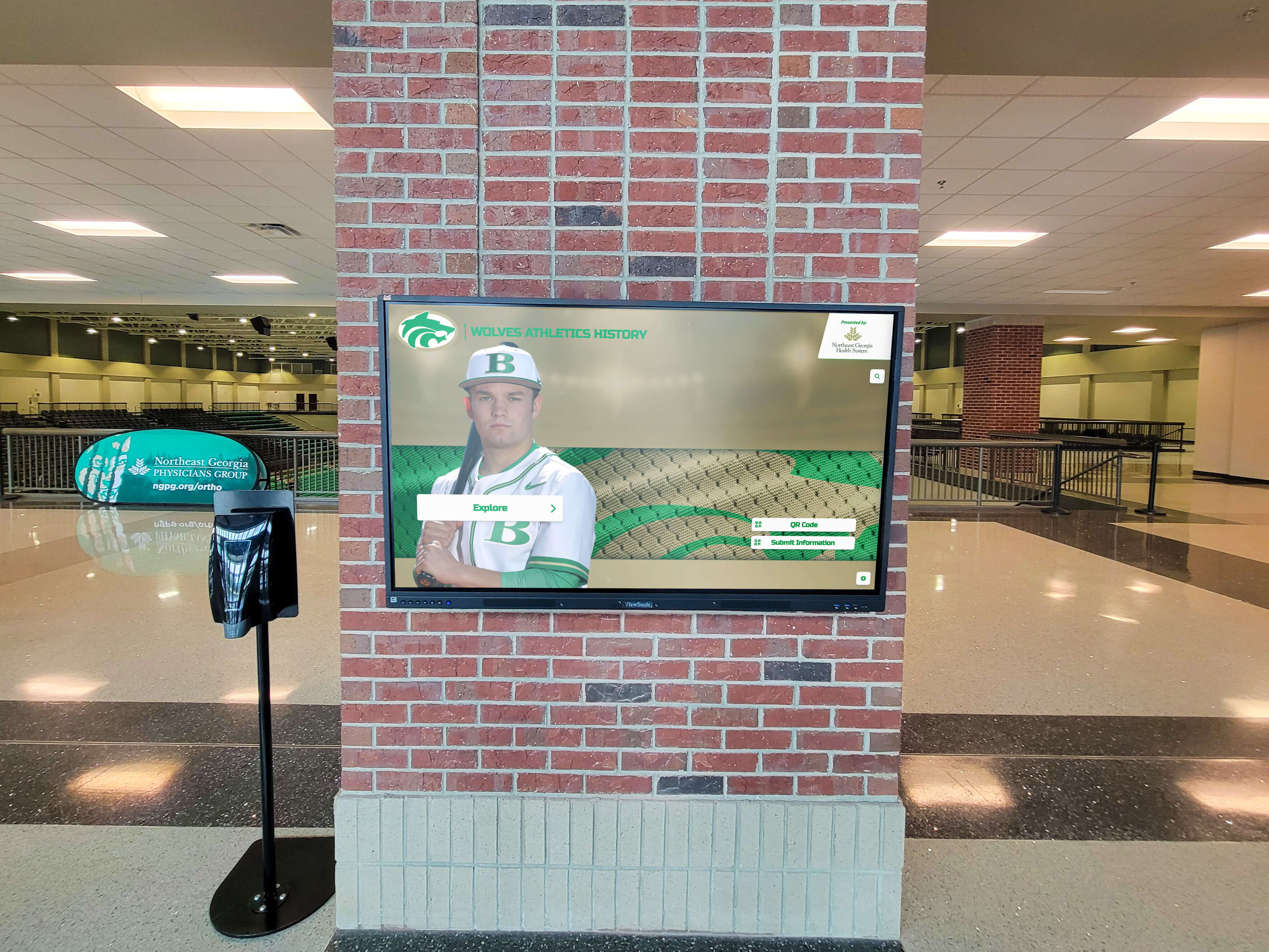
Programs seeking comprehensive digital record board solutions can implement systems spanning multiple sports with centralized management while maintaining sport-specific presentation.
Championship and Tournament Recognition
Celebrating team championships and tournament success creates powerful recognition that builds program pride and tradition.
Championship Season Highlights: Comprehensive championship recognition includes season records and statistics, playoff and tournament results with scores, roster listings with player photos and positions, coaching staff recognition, key moments and turning points in championship runs, and championship game or match highlights through photos and video. This thorough documentation preserves championship memories and provides inspiring examples for current teams.
Tournament Bracket Displays: Visual bracket presentations showing tournament progression engage audiences and create dramatic narratives. Display state championship bracket displays featuring your program’s tournament runs, highlighting each round with scores, opponent information, and game details. Interactive brackets allow viewers to explore complete tournament fields and understand the competitive path to championships.
Conference and League Championships: Beyond state tournaments, recognize conference championships, league titles, and divisional excellence. Many programs win conference honors more frequently than state championships, and these achievements deserve celebration as significant accomplishments demonstrating sustained competitive excellence within peer groups.
Multimedia Video Walls and Highlight Systems
Video content creates emotional engagement and visceral impact that static images cannot match. Multimedia video walls showcase athletic excellence through dynamic moving images.
Highlight Reel Presentations
Professionally edited highlight videos present the most memorable moments from athletic achievements in compelling formats.
Individual Athlete Highlights: Compile career highlight reels for significant achievement earners—all-state athletes, record holders, and major award winners. Include standout plays and performances, championship game contributions, record-setting moments, and career progression showing development from freshman through senior years. These personalized highlights honor individual athletes while demonstrating the development pathways that lead to excellence.
Team Championship Highlights: Create comprehensive videos documenting championship seasons featuring regular season highlights, playoff and tournament progression, championship game footage, team celebrations and award ceremonies, and coach and athlete reflections. Championship videos become treasured program artifacts that alumni revisit and current athletes watch for inspiration.
Season Recap Videos: Annual season recap videos provide recognition even in non-championship years, highlighting top performances, individual achievements and awards, team development and improvement, memorable games and competitive moments, and senior recognition and reflections. These videos ensure every season receives documentation and acknowledgment.
Automated Video Compilation: Modern video platforms can automatically compile footage based on tags, athletes, or events. As athletic departments digitize increasing amounts of game footage, automated compilation reduces the labor required to create highlight content. Manual editing still produces superior results for signature achievements, but automated systems can generate comprehensive content libraries efficiently.
Display Hardware for Video Content
Effective video presentation requires appropriate display technology and installation planning.
High-Resolution Video Walls: Multi-screen video walls create dramatic visual impact in large athletic facility lobbies and gathering spaces. LED video wall technology offers seamless presentation across multiple panels without visible bezels, brightness capable of functioning in well-lit environments, and flexibility for custom sizes and configurations. While LED walls represent significant investment, their impact makes them increasingly popular in premier athletic facilities.
Large-Format Displays: Single large-format displays provide simpler and more affordable alternatives to video walls. Commercial displays now reach 98 inches with excellent image quality and reasonable costs. Multiple separate displays positioned strategically throughout facilities can showcase different sports or rotating content reaching diverse audiences.
Outdoor-Rated Displays: For stadiums, tennis facilities, and other outdoor athletics venues, weatherproof displays enable recognition in competitive environments. Outdoor displays feature high brightness overcoming sunlight glare, sealed enclosures protecting against moisture and temperature extremes, and ruggedized construction withstanding outdoor conditions. Outdoor recognition brings awards and accomplishments directly to competitive spaces where athletes train and compete.
Mobile-Responsive Web Platforms
Extending recognition beyond physical displays through mobile-accessible web platforms multiplies impact and reach dramatically.
Online Hall of Fame Websites
Dedicated web platforms make athletic achievement awards accessible to unlimited audiences from any location.
Comprehensive Achievement Databases: Web-based halls of fame present complete achievement histories with all information from physical displays plus additional content. Include searchable athlete profiles, championship team rosters and histories, records across all sports and categories, photo galleries from competitions and ceremonies, and video content including highlights and interviews. Unlimited digital storage eliminates the prioritization decisions required by physical space constraints.
Mobile-Optimized Presentation: Ensure web platforms deliver excellent experiences on smartphones and tablets, not just desktop computers. Mobile-responsive design adapts layouts automatically to different screen sizes. Touch-friendly interfaces make navigation intuitive on mobile devices. Fast loading times accommodate varying network speeds. With most users accessing web content primarily through mobile devices, mobile optimization isn’t optional—it’s essential for effective reach.
Social Media Integration: Enable easy sharing of achievements through social media platforms. Athletes should be able to share their awards and profiles through Instagram, Twitter, Facebook, and other platforms with single clicks. Automatic social media graphics maintain visual quality when achievements are shared. Social sharing multiplies recognition reach far beyond those who visit displays or websites directly.
Alumni Engagement Features: Web platforms facilitate ongoing alumni connections beyond initial recognition. Alumni can update profiles with college career information, professional accomplishments, and personal milestones. Comment and reflection features allow alumni to share memories and advice. Connection features enable networking between alumni from similar sports, eras, or interests. These engagement tools transform static recognition into dynamic community platforms.
Comprehensive alumni recognition programs integrate web platforms with physical displays, creating cohesive systems accessible through multiple channels.
QR Code Integration
QR codes bridge physical and digital recognition, allowing viewers at displays to instantly access comprehensive online content.
Display-to-Mobile Connections: Place QR codes on or near physical displays enabling smartphone access to web-based content. Viewers can scan codes to access complete athlete profiles, watch extended video highlights, explore related achievements and records, or share content through social media. This hybrid approach combines the visibility of physical displays with the depth and accessibility of digital platforms.
Award and Trophy Enhancement: Attach QR codes to physical trophies, plaques, and awards displayed in cases. Scanning codes provides context about the award, athlete achievements earning the recognition, historical information about award significance, and media including photos and videos. This enhancement breathes new life into traditional physical awards by connecting them to rich digital storytelling.
Printed Program Integration: Include QR codes in athletic program guides, team rosters, and event materials. Game day programs can feature codes linking to athlete profiles, season statistics, and historical team information. This integration educates spectators while building appreciation for program excellence and tradition.
Creating Compelling Content for Digital Recognition
The effectiveness of digital recognition systems depends fundamentally on content quality. Technical platforms provide delivery mechanisms, but compelling content creates engagement and impact.
Professional Photography Standards
High-quality photography elevates recognition from adequate to exceptional, creating visual appeal that draws attention and honors achievements appropriately.
Action Photography: Capture athletes in competition demonstrating their skills, abilities, and competitive intensity. Action shots convey athletic excellence viscerally in ways that formal portraits cannot. Work with photographers who understand your sports and can anticipate decisive moments. Invest in equipment capable of freezing fast action—blurred images undermine rather than enhance recognition.
Ceremony and Celebration Photography: Document award ceremonies, championship celebrations, and recognition moments. These images capture emotion and pride alongside athletic achievement, creating human connections with audiences. Ceremony photography also provides time-stamped visual records of when achievements occurred and who participated in recognition.
Portrait Photography: Supplement action shots with quality portrait photography showing athletes in uniform with pride in their accomplishments. Consistent portrait backgrounds and lighting maintain professional presentation across achievement profiles. While less dynamic than action photography, portraits provide clear athlete identification and formal recognition documentation.
Historical Photo Digitization: Scan and restore historical photographs documenting program history. Many significant achievements from past decades exist only in printed yearbooks, newspaper clippings, or personal collections. Systematic digitization efforts preserve this history while making it accessible for digital recognition. Work with alumni associations and community members who may possess valuable historical materials.

Writing Achievement Narratives
Effective recognition combines statistics and facts with narrative context that tells complete achievement stories.
Biographical Context: Provide background helping audiences understand each athlete and their journey. Include information about when they joined the program, positions they played and how these evolved, obstacles overcome and challenges faced, and what made their approach or development distinctive. This context transforms recognition from mere acknowledgment into inspiration demonstrating that excellence develops through specific pathways current athletes can follow.
Achievement Descriptions: Document accomplishments thoroughly with specific details. Instead of “All-State Selection,” explain “First Team All-State, leading the conference with 24.3 points per game while shooting 48% from three-point range and earning Player of the Year honors.” Specific details make achievements concrete and impressive while helping younger athletes understand performance levels required for similar recognition.
Coach and Teammate Perspectives: Include quotes from coaches and teammates providing external perspectives on athletes and achievements. Coaches can discuss work ethic, leadership, and character alongside statistics. Teammate reflections add personal dimension showing how excellence impacted others. These perspectives demonstrate that significant achievements involve broader communities beyond individual athletes.
Impact and Legacy Statements: Explain how achievements influenced programs, teams, and future athletes. Did records inspire next generations to pursue similar excellence? Did championships establish new competitive standards? Did individual achievements attract talented recruits or change community perceptions? Impact statements connect individual recognition to broader program development and tradition.
Video Content Production
Video content requires different production approaches and storytelling techniques than photography and text.
Interview Best Practices: When interviewing athletes, coaches, or alumni for recognition videos, use quality audio equipment ensuring clear sound, consistent lighting creating professional appearance, and simple backgrounds avoiding distractions. Prepare questions in advance but allow conversations to flow naturally. Ask follow-up questions pursuing interesting responses. Edit interviews into concise segments highlighting the most compelling content—full raw interviews rarely make effective recognition videos.
Highlight Editing Principles: Select the most impressive and representative moments rather than including everything chronologically. Use music sparingly and ensure it doesn’t overpower narration or natural sound. Include brief text overlays identifying athletes, providing context, or highlighting statistics. Keep videos concise—even career retrospectives typically work best at 3-5 minutes. Attention spans are short, and concise videos receive more complete viewing than lengthy compilations.
Consistent Visual Branding: Maintain consistent video intros, graphics, and branding across recognition content. Consistent presentation creates professional impression and reinforces program identity. Template-based video creation tools can streamline production while ensuring brand consistency, though custom editing still produces superior results for signature content.
Programs developing comprehensive digital wall of fame content strategies benefit from establishing sustainable production workflows before implementation rather than attempting to create all content reactively.
Implementation Planning and Considerations
Successfully implementing digital recognition systems requires thoughtful planning addressing technical, organizational, and budgetary considerations.
Budget Development and Funding
Understanding comprehensive costs ensures realistic planning and appropriate funding identification.
Initial Investment Components: Digital recognition implementation typically involves display hardware costs ($3,000-$15,000 per screen depending on size and features), software platform licensing ($2,000-$8,000 initial setup), professional installation including mounting, power, and network connectivity ($1,500-$5,000), and initial content development support ($2,000-$10,000). Total initial investment commonly ranges from $10,000-$35,000 depending on scope and customization. Multiple display locations increase hardware and installation costs but share software platform and content development expenses.
Ongoing Operational Costs: Annual costs for maintaining recognition systems include software licensing and support ($1,500-$3,500 annually), technical maintenance and updates ($500-$1,500), content creation and updates (variable, from minimal for in-house work to $2,000+ for professional services), and electricity and network connectivity (typically minimal, under $200 annually). Budget for ongoing costs ensures recognition remains current and effective rather than becoming outdated after impressive launches.
Funding Sources: Explore diverse funding opportunities including athletic department budgets (often the primary source), booster club contributions and fundraising, alumni donations for recognition programs, corporate sponsorships from local businesses, grant programs supporting educational technology, and capital campaigns for athletic facility improvements. Many programs successfully fund recognition through combinations rather than single sources. Naming opportunities for displays or recognition programs can attract major donors seeking visible association with athletic excellence.
Location and Installation Planning
Strategic placement ensures maximum visibility and usage while addressing technical requirements.
High-Traffic Location Selection: Install displays where athletes, students, families, and visitors naturally congregate. Athletic facility entrances and lobbies guarantee exposure for athletes and families attending practices and competitions. Main school entrances reach broader student populations and visiting families during tours. Gymnasium hallways and commons areas provide extended viewing during school days. Consider multiple locations featuring different content—sport-specific recognition near relevant facilities, comprehensive achievements in main lobbies, and current season highlights in high-visibility areas.
Technical Infrastructure Requirements: Ensure selected locations provide adequate electrical power for displays, reliable network connectivity for content updates and remote management, and appropriate wall construction or floor space for mounting or kiosk installation. Work closely with facilities and IT departments during site evaluation. Address infrastructure limitations before installation rather than discovering problems during hardware deployment.
ADA Compliance and Accessibility: Position displays at heights and angles ensuring wheelchair users and individuals of varying heights can interact comfortably. Touchscreen interfaces should accommodate users with different mobility capabilities. Ensure adequate clear space around displays for wheelchairs and assistive devices. Consider ADA accessibility requirements from initial planning rather than attempting retrofits after installation.
Sustainable Content Management Workflows
Recognition effectiveness depends on content remaining current through sustainable maintenance processes.
Staff Responsibility Assignment: Designate specific staff members responsible for recognition updates with clear role definitions. Athletic directors might oversee overall program direction, sport coaches provide achievement information and media for their teams, and technology coordinators handle technical platform management. Written responsibilities prevent confusion and ensure accountability. Integrate recognition updates into existing job descriptions rather than relying on volunteer efforts that fade over time.
Content Collection Systems: Establish systematic processes gathering achievement information and media immediately upon occurrence. Create simple submission forms for coaches providing athlete details, statistics, and accomplishments. Assign student media programs or specific staff responsibility for capturing photos and videos during competitions and ceremonies. Implement verification procedures ensuring accuracy before publication—factual errors undermine recognition credibility. Make submission and verification processes efficient rather than burdensome.
Update Schedules: Establish regular cadences for recognition updates. Add new achievements immediately upon occurrence while community attention remains high. Conduct quarterly reviews updating existing profiles with new information about college careers or professional accomplishments. Schedule annual comprehensive reviews verifying all content remains accurate and current. Plan seasonal feature content highlighting specific achievements, recognizing anniversaries, or examining historical program development. Regular updates keep displays fresh and give repeat visitors new content to discover.
Measuring Recognition Impact and Effectiveness
Effective recognition programs assess impact through quantitative and qualitative measures demonstrating value and informing continuous improvement.
Quantitative Engagement Metrics
Digital platforms provide detailed analytics impossible with physical trophy cases, enabling data-driven recognition optimization.
Usage and Interaction Statistics: Track daily and monthly interaction counts showing recognition engagement levels, average session duration indicating depth rather than casual glancing, most-viewed achievement profiles revealing which content resonates strongest, popular search queries demonstrating how visitors explore recognition, peak usage times informing optimal update scheduling, and return visitor percentage showing sustained interest versus one-time viewing. Growing engagement over time validates recognition investment and identifies opportunities for content enhancement.
Web Platform Analytics: Monitor website traffic to online recognition platforms including page views and unique visitors, traffic sources showing how audiences discover recognition, geographic distribution revealing local versus broader reach, device breakdown showing desktop versus mobile access patterns, and conversion rates for calls-to-action like alumni updates or donation requests. Web analytics demonstrate recognition reach far beyond physical display locations.
Social Media Engagement: Track how recognition content performs when shared through social media including shares and post reach, engagement through likes, comments, and reactions, click-through rates to web platforms, and follower growth attributed to recognition content. Social metrics reveal whether recognition generates authentic engagement or merely receives polite acknowledgment.
Qualitative Impact Assessment
Numerical metrics provide important data, but qualitative feedback reveals recognition impact on attitudes, behavior, and program culture.
Athlete and Student Feedback: Systematically gather input from those recognition targets. Survey current athletes about awareness of achievement recognition and whether displays influenced their goals and motivation. Ask award recipients whether recognition felt meaningful and appropriately honored their accomplishments. Conduct focus groups with underclassmen exploring how they perceive achievements and whether recognition makes excellence seem attainable. This direct feedback identifies strengths to amplify and gaps requiring attention.
Family and Alumni Responses: Monitor how families and alumni respond to recognition. Track alumni engagement with profile updates and content contribution opportunities. Observe family attendance at athletic events following recognition implementation. Note social media sentiment in posts where families share athlete recognition. Alumni and family satisfaction indicates whether recognition creates lasting positive impact beyond school years.
Recruiting and Admissions Impact: Assess whether improved recognition affects athletic recruiting and general admissions. Survey prospective athletes and families about recognition awareness during campus visits and influence on commitment decisions. Monitor whether recruitment class quality improves following implementation, suggesting enhanced program appeal. Track general admissions yield rates for families citing athletic program quality as decision factors. Recognition effectiveness ultimately manifests through program development and institutional benefits.
Future Trends in Digital Athletic Recognition
Understanding emerging trends helps programs make forward-thinking investments remaining relevant as technology and expectations evolve.
Artificial Intelligence and Personalization
AI capabilities will increasingly enable personalized recognition experiences tailored to individual users and interests.
Recommendation Systems: AI-powered recommendation engines might suggest specific achievements based on users’ viewing patterns and interests. Athletes could receive recommendations for role models from their sports and positions. Families might see achievements from graduation years matching their student-athletes. Personalized recommendations increase engagement by surfacing the most relevant content for each visitor.
Natural Language Search: Conversational interfaces allowing natural language queries like “show me all female athletes who earned all-state honors in track” will make recognition more accessible. Rather than navigating complex filter menus, users could simply describe what they want to discover. Natural language processing makes databases more intuitive and welcoming for all users.
Automated Content Enhancement: AI tools will increasingly assist with content development through automated photo tagging and organization, video highlight compilation identifying key moments, statistical analysis and comparison, and narrative generation creating achievement descriptions. Human oversight will remain important, but AI assistance can make comprehensive content development more feasible for time-constrained athletic departments.
Enhanced Interactivity and Immersion
Next-generation recognition will feature increasingly sophisticated interactive capabilities creating memorable experiences.
Augmented Reality Integration: Mobile apps might overlay historical achievement content onto current athletic facilities through augmented reality. Point smartphones at gymnasiums to see championship banners and achievement displays from different eras. View fields or courts overlaid with statistical visualizations and historical moments. AR technology makes history tangible and engaging in powerful ways.
Virtual Reality Experiences: VR might eventually enable “attending” past championship games or experiencing athletic facilities as they appeared during different eras. While VR adoption for recognition remains limited currently, costs continue declining and capabilities expanding. Forward-thinking programs should consider how VR might eventually enhance historical preservation and engagement.
Gamification Elements: Interactive challenges and discovery games could encourage exploration of achievement databases. Scavenger hunts finding specific achievements, trivia games testing knowledge of program history, and achievement unlocking systems rewarding extensive exploration make recognition fun and memorable. Gamification particularly resonates with younger audiences who grew up with video games and interactive digital experiences.
Social and Community Features
Future recognition systems will facilitate greater social connection and community content contribution.
Alumni Networking Integration: Recognition platforms might evolve into networking tools connecting alumni through shared sports, eras, or interests. Athletes could seek mentorship from alumni in similar positions or sports. Alumni could organize reunions or gatherings through integrated communication tools. Recognition becomes the foundation for ongoing community rather than static historical documentation.
Crowdsourced Content Contribution: Community members might contribute photos, videos, and memories enriching official recognition with personal perspectives. Alumni could add their own game footage and media. Teammates could share stories about each other. Parents might contribute behind-the-scenes moments. Crowdsourcing creates richer, more comprehensive recognition while building community engagement.
Real-Time Game Integration: Advanced systems may eventually integrate with live game statistics and video feeds. Recognition displays might show current games alongside historical achievements, creating connections between present and past. Real-time statistical tracking could compare current performances against records as games progress. This integration makes recognition dynamic and immediately relevant rather than purely historical.
Conclusion: Transforming Athletic Achievement Recognition
Athletic achievement awards represent years of dedication, countless hours of practice, and exceptional performance under competitive pressure. Athletes who earn these honors deserve recognition matching the magnitude of their accomplishments—comprehensive celebration that preserves their legacy, honors their achievement, and inspires future athletes to pursue similar excellence.
Digital recognition systems transform how schools and athletic programs showcase achievements. By combining unlimited capacity with rich multimedia storytelling, intuitive interactivity, and accessibility extending beyond physical locations, these platforms create lasting value: honoring individual accomplishments with depth impossible through traditional trophy cases, inspiring current athletes by making excellence visible and aspirational, demonstrating program quality to prospective athletes and families, strengthening alumni connections through ongoing recognition, and preserving institutional history for future generations.
The transition from traditional trophy cases and static plaques to comprehensive digital recognition represents more than technological upgrade—it reflects evolved understanding of how effective recognition honors achievement while building program culture around sustained excellence. Every award featured in digital displays becomes part of an ongoing story about dedication, performance, and achievement that motivates current students, attracts talented recruits, and strengthens institutional culture around athletic excellence.
Programs ready to modernize athletic achievement recognition should begin planning today. Document current achievements and research historical award recipients. Establish processes for capturing future achievements systematically. Evaluate technology platforms selecting solutions designed specifically for athletic recognition needs. Engage stakeholders building broad support for recognition investment. And commit to sustainable workflows ensuring recognition remains current and relevant for decades to come.
Digital recognition platforms provide proven solutions honoring athletic excellence while building program culture where achievement flourishes. Your student-athletes earned their awards through years of dedication—they deserve recognition that matches their commitment and inspires the next generation to pursue similar excellence.
Ready to transform how your athletic program showcases achievement awards? Book a demo to explore how modern digital recognition systems honor your student-athletes while building lasting program tradition.