



Basketball holds a unique place in American sports culture. Born in Springfield, Massachusetts in 1891 when Dr. James Naismith hung a peach basket on a gymnasium wall, the sport has grown into a global phenomenon celebrated from NBA arenas to small-town high school gymnasiums. Throughout this journey, basketball halls of fame have emerged at every level—national, state, regional, and local—each serving to honor exceptional achievement, preserve basketball heritage, and inspire future generations of players.
This comprehensive guide explores basketball halls of fame across America, examining the iconic national institution in Springfield, surveying state and regional basketball halls honoring local legends, providing practical guidance for schools and organizations creating their own basketball recognition programs, and showcasing modern digital solutions transforming how basketball excellence is celebrated and preserved. Whether you’re a basketball enthusiast, athletic administrator, or community leader, this guide offers actionable insights for understanding and implementing effective basketball recognition.
The Naismith Memorial Basketball Hall of Fame: Basketball’s Premier Institution
The Naismith Memorial Basketball Hall of Fame stands as basketball’s most prestigious recognition institution, honoring the sport’s greatest contributors from all competitive levels and eras. Located appropriately in Springfield, Massachusetts—the birthplace of basketball—the Hall opened in 1959 and has since become a pilgrimage site for basketball enthusiasts worldwide.
History and Significance
Dr. James Naismith invented basketball in December 1891 at the International YMCA Training School (now Springfield College) in Springfield, Massachusetts. Tasked with creating an indoor game to keep athletes conditioned during harsh New England winters, Naismith devised 13 basic rules and nailed a peach basket to the gymnasium balcony at a height of 10 feet—a dimension that remains standard today.
The Naismith Memorial Basketball Hall of Fame was established in 1959 to honor those who have made exceptional contributions to the sport Naismith created. The first induction class included 17 individuals, among them Dr. Naismith himself (posthumously), along with pioneering players, coaches, and contributors who shaped basketball’s early development.
The current facility, which opened in 2002, features over 40,000 square feet of basketball history across three floors. The distinctive architecture, highlighted by a 15-story titanium sphere, has become an iconic landmark visible from Interstate 91. Inside, interactive exhibits allow visitors to test their basketball skills, explore basketball history through multimedia displays, and learn about more than 450 enshrinees who represent basketball excellence across all levels of competition.
The 2026 Class: Recent Inductees
The Class of 2026, announced in early 2026, exemplifies the Hall’s commitment to recognizing excellence across all basketball domains. NBA legends Carmelo Anthony and Dwight Howard headline the class, representing careers of sustained excellence at the highest level of professional basketball. Anthony, a 10-time NBA All-Star and three-time Olympic gold medalist, ranks among the top scorers in NBA history. Howard, an eight-time All-Star and three-time Defensive Player of the Year, dominated as one of the premier centers of his era.
The WNBA is represented by three transformational figures: Sue Bird, Maya Moore, and Sylvia Fowles. Bird’s five Olympic gold medals, four WNBA championships, and 13 All-Star selections established her as one of basketball’s greatest point guards regardless of gender. Moore’s sustained excellence, including four WNBA championships and two Olympic golds before stepping away from basketball to pursue criminal justice reform, demonstrated impact beyond the court. Fowles’ combination of scoring, rebounding, and defensive prowess earned her two WNBA championships and multiple Defensive Player of the Year awards.
Coach Billy Donovan, who led the University of Florida to back-to-back NCAA championships in 2006 and 2007, joins the class alongside the 2008 U.S. Olympic men’s basketball team—the “Redeem Team” that reclaimed Olympic gold after disappointing performances in 2004. This team induction recognizes collective achievement and includes superstars like LeBron James, Kobe Bryant, Dwyane Wade, and Carmelo Anthony playing under coach Mike Krzyzewski.
Selection Process and Criteria
Enshrinement in the Naismith Memorial Basketball Hall of Fame requires meeting rigorous standards. The North American Committee screens eligible candidates annually. Players become eligible five years after retirement, while coaches and referees must be either retired for five years or have completed 25 years of service.
Selection requires 18 of 24 affirmative votes from the Honors Committee, a deliberately high threshold ensuring only truly exceptional contributors receive recognition. The process considers achievements across multiple basketball levels—professional, collegiate, international, and even high school contributions—recognizing that basketball excellence manifests in many contexts beyond just professional leagues.
This comprehensive approach differentiates the Naismith Memorial Hall from sport-specific professional halls of fame. A high school or college coach who never competed professionally but profoundly influenced the sport through player development, innovative strategies, or sustained program excellence can receive recognition alongside NBA superstars. This inclusive philosophy honors basketball itself rather than any single competitive level.
State Basketball Halls of Fame: Celebrating Regional Excellence
While the Naismith Memorial Basketball Hall of Fame celebrates basketball’s national and international elite, state basketball halls of fame serve crucial roles honoring regional legends who profoundly impacted their communities. These state-level institutions recognize high school stars, college players from state universities, coaches who built legendary programs, and contributors who advanced basketball within specific geographic regions.
Survey of Prominent State Basketball Halls
Several states maintain well-established basketball halls of fame that preserve and celebrate their unique basketball heritage:
Indiana Basketball Hall of Fame Perhaps no state claims basketball tradition as deeply woven into its cultural identity as Indiana. The Indiana Basketball Hall of Fame, located in New Castle, memorializes those who “wrote the history of the Hoosier Hardwood.” Indiana’s basketball passion, immortalized in the film “Hoosiers,” centers on small-town high school basketball where entire communities rally behind local teams. The Indiana Hall recognizes high school legends, college stars from Indiana universities, NBA players with Indiana roots, and coaches who built championship programs across the state.
Indiana’s basketball culture produced legendary players like Larry Bird, who grew up in French Lick and starred at Indiana State before his Hall of Fame NBA career. John Wooden, perhaps basketball’s greatest coach, played high school basketball in Martinsville, Indiana before his legendary coaching career at UCLA. The Indiana Basketball Hall of Fame preserves these stories alongside thousands of less nationally-known figures who nonetheless achieved exceptional basketball success within Indiana’s basketball-obsessed communities.
Ohio Basketball Hall of Fame The Ohio Basketball Hall of Fame, founded in 2005, recognizes the remarkable achievements of both male and female athletes across high school, college, and professional basketball—along with phenomenal coaches and individuals who’ve impacted the game. Located in southwestern Ohio, the Hall celebrates Ohio’s rich basketball tradition spanning from Cleveland to Cincinnati and everywhere between.
Ohio has produced exceptional basketball talent including LeBron James from Akron, Stephen Curry from Akron (born in nearby Akron, raised in Charlotte), and numerous other NBA stars. The Ohio Hall recognizes not only those who achieved national fame but also high school legends who captivated communities, college players who elevated Ohio universities, and coaches who built winning traditions across the state’s competitive high school basketball landscape.
Maine Basketball Hall of Fame Even in states where basketball competes with other regional sports, basketball halls of fame preserve important heritage. The Maine Basketball Hall of Fame honors high school players and coaches from across the state, recognizing that basketball excellence deserves celebration regardless of whether Maine produces NBA stars at the rate of larger states. State halls like Maine’s acknowledge that impact is measured within communities—the high school player who scored 2,000 points while leading their team to state championships deserves recognition for excellence achieved within their competitive context.
Other State Halls Additional state basketball halls operate across America, each reflecting unique regional basketball cultures. The Louisiana Basketball Hall of Fame celebrates the state’s distinctive up-tempo playing style and prolific scoring traditions. The New England Basketball Hall of Fame honors the region where Naismith invented the sport. State halls in Pennsylvania, Illinois, Kentucky, North Carolina, and other basketball-rich states preserve regional heritage while honoring local legends who shaped basketball in their communities.
The Role of State Halls in Preserving Basketball Heritage
State basketball halls of fame serve several critical functions that complement rather than compete with national recognition:
Recognizing Regional Legends Most exceptional basketball contributors never achieve the national prominence required for Naismith Memorial consideration, yet their local impact proves profound. The high school coach who won 600 games over four decades while sending dozens of players to college programs. The dominant post player who led their state university to conference championships in the 1970s. The referee who worked hundreds of high school and college games with integrity and excellence. State halls ensure these contributors receive appropriate recognition even without national profiles.
Preserving Local Basketball History State halls document basketball evolution within specific regions, preserving stories that might otherwise fade as generations pass. They maintain records of championship teams, legendary rivalries, breakthrough achievements, and pioneering contributors who advanced basketball in their states. This documentation creates historical resources for researchers, journalists, and future generations seeking to understand their state’s basketball heritage.

Strengthening Regional Basketball Communities State halls of fame create gathering points for basketball communities. Annual induction ceremonies bring together coaches, former players, fans, and basketball enthusiasts to celebrate the sport and reconnect with basketball networks. These events strengthen the sense that participants across high schools, colleges, and communities throughout a state belong to a larger basketball family united by shared passion and regional pride.
Inspiring Current Players State recognition provides aspirational models for young players. Seeing inductees from nearby towns or familiar high schools makes excellence feel attainable. A player in rural Indiana can visit the Indiana Basketball Hall of Fame and discover that someone from a similar small town achieved basketball greatness. This geographic and cultural proximity creates more immediate inspiration than distant NBA stars might provide to some young athletes.
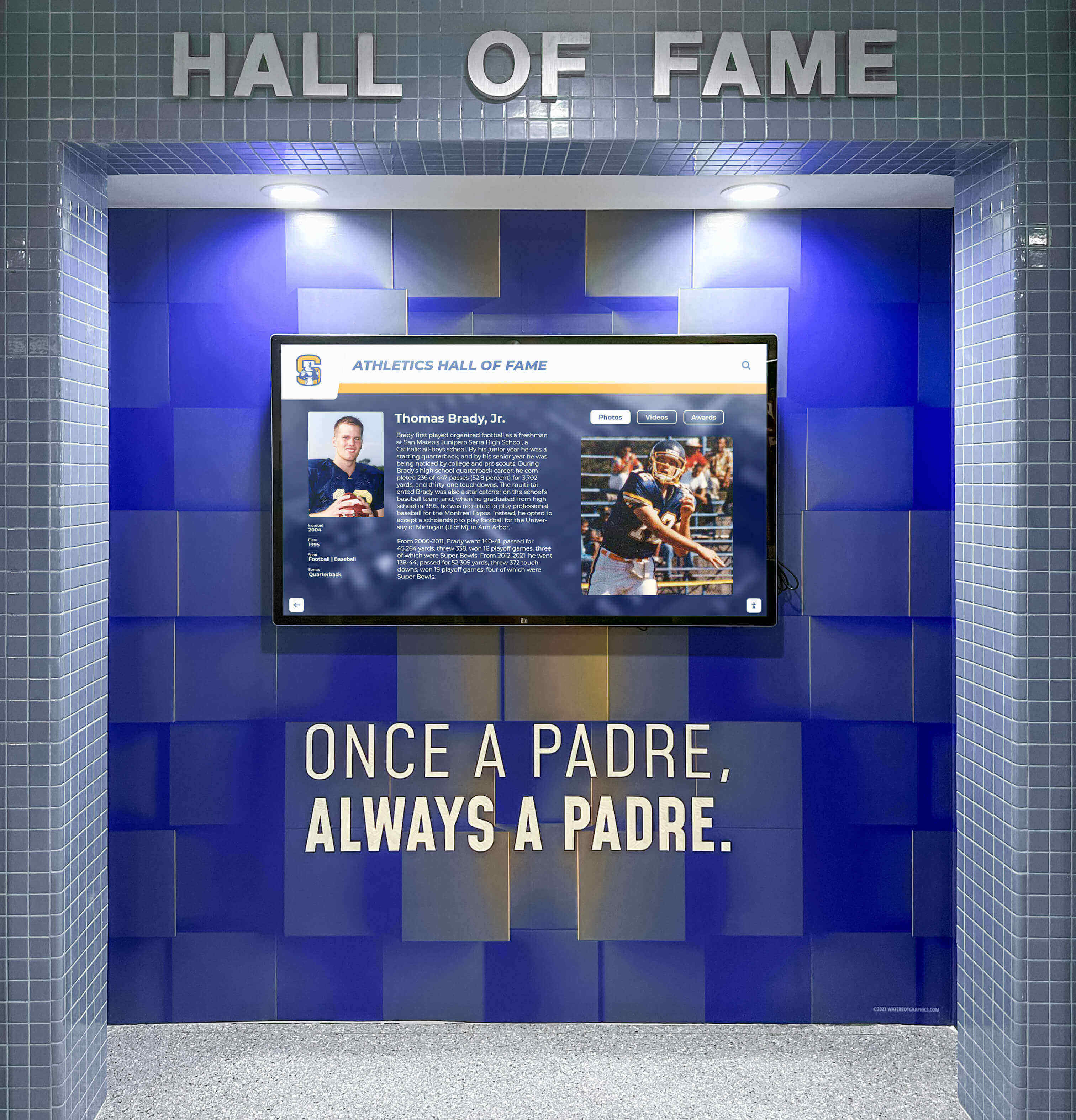
For schools and organizations considering basketball recognition programs, state halls of fame demonstrate proven models for celebrating achievement at appropriate scale. The principles they employ—clear selection criteria, comprehensive documentation, ceremonial recognition, and permanent displays—translate effectively to institutional programs honoring local basketball excellence. Solutions like Rocket Alumni Solutions provide digital platforms that enable schools to create recognition programs embodying these principles while overcoming space and resource constraints.
Creating Basketball Recognition Programs for Schools and Organizations
While national and state halls of fame honor basketball’s elite, schools and organizations at all levels can create meaningful basketball recognition programs celebrating achievement within their communities. Whether you’re an athletic director at a high school, an administrator at a small college, or a community organization leader, implementing effective basketball recognition is achievable with proper planning and execution.
Defining Program Scope and Selection Criteria
The foundation of any credible basketball hall of fame or recognition program is clear, transparent selection criteria that stakeholders understand and respect. Without documented standards, programs risk perceptions of favoritism or inconsistency that undermine recognition value.
Achievement-Based Criteria Most basketball recognition programs center on measurable athletic achievement. Common criteria for player recognition include:
- Career scoring milestones (1,000 points for high school, 1,500+ for college)
- All-Conference, All-State, All-American, or professional selections
- Contribution to championship teams (conference, state, regional, or national)
- Statistical records (points, rebounds, assists, blocked shots, steals)
- Advancement to higher competitive levels (college scholarships, professional contracts)
Coaching recognition typically emphasizes career wins and winning percentage thresholds, championships won at various competitive levels, longevity and sustained program building, and player development success measured by athletes’ advancement.
Character and Citizenship Considerations Beyond athletic achievement, most programs incorporate character dimensions recognizing that halls of fame should honor individuals who embody institutional values:
- Sportsmanship and ethical conduct during competition
- Leadership influence on teammates and programs
- Academic achievement balancing athletic commitments
- Community service and civic engagement
- Positive representation of institutions and programs
These character components acknowledge that athletic ability alone, absent positive character, shouldn’t necessarily warrant recognition. Most programs establish that serious violations of ethical standards (academic fraud, criminal convictions, banned substance violations) disqualify candidates regardless of athletic achievement.
Eligibility Requirements Timing and connection standards prevent premature recognition while ensuring appropriate institutional affiliation:
- Waiting periods after graduation or retirement (typically 3-10 years depending on level)
- Minimum years of participation or service to the program
- Connection to specific institutions, schools, or geographic regions
- Availability of adequate documentation verifying claimed achievements
Waiting periods serve multiple purposes—allowing candidates to demonstrate sustained positive character after athletic careers end, ensuring achievements stand the test of time rather than reflecting temporary enthusiasm, and creating selection cycles that maintain honor prestige through selectivity rather than recognizing everyone immediately upon graduation.
Establishing Selection Processes and Governance
Beyond criteria, programs need fair processes for evaluating candidates and making recognition decisions:
Selection Committee Composition Effective committees include diverse perspectives:
- Athletic administrators providing institutional perspective and program knowledge
- Former athletes and coaches understanding achievement context and competitive standards
- Media members or historians familiar with program heritage and comparative achievements
- Community representatives ensuring broader stakeholder input beyond athletics insiders
Committee diversity guards against groupthink while incorporating varied perspectives on candidate merits. Size typically ranges from 7-15 members—large enough for diverse representation but small enough to facilitate productive discussion and decision-making.
Nomination and Evaluation Procedures Systematic processes ensure all potential candidates receive consideration:
- Open nomination periods when anyone can submit candidate names
- Committee review of all nominations against established criteria
- Candidate research and documentation verification
- Committee deliberation on candidate merits
- Voting procedures (typically requiring supermajority support like 2/3 approval)
- Public announcement of selections
Transparency about these processes builds stakeholder confidence that recognition decisions reflect merit rather than politics or favoritism. Many programs publish anonymized selection statistics (total nominations received, number advanced to voting, selection percentage) demonstrating the honor’s selectivity and prestige.
Budget-Conscious Implementation Strategies
High schools and smaller institutions often face resource constraints when creating basketball recognition programs. Several strategies enable meaningful recognition within limited budgets:
Phased Implementation Rather than attempting comprehensive historical recognition immediately, consider staged approaches:
- Phase 1: Recognize most recent era (past 10-20 years) and legendary historical figures
- Phase 2: Expand systematically to additional historical periods
- Phase 3: Add multimedia enhancements and interactive features
This staged development demonstrates value before seeking additional investment while maintaining quality standards for each implemented phase.
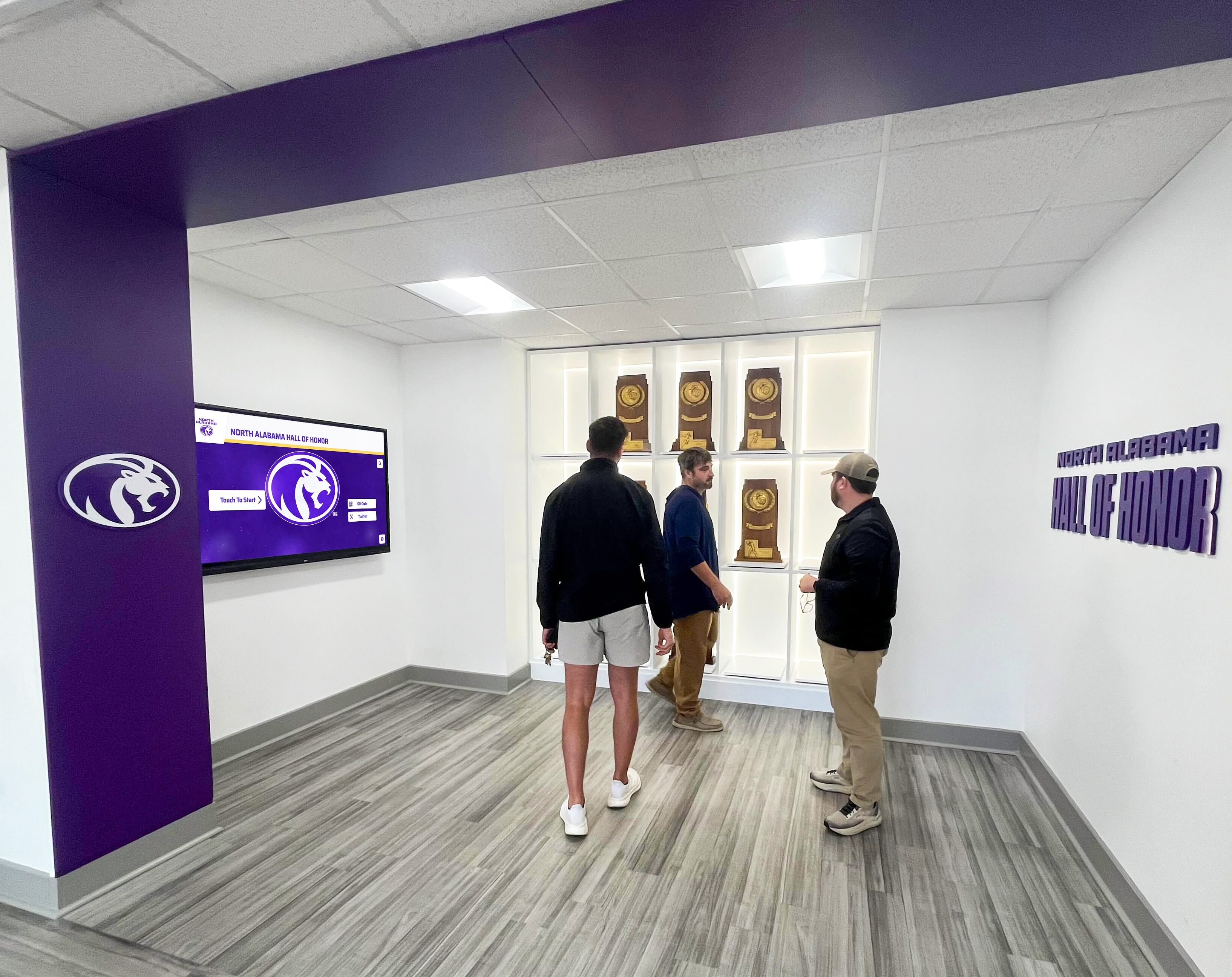
Leveraging Digital Solutions Modern digital recognition platforms overcome many traditional constraints that made comprehensive basketball halls of fame prohibitively expensive:
- Unlimited recognition capacity without physical space constraints
- Instant updates through cloud-based content management
- Rich multimedia content including photos, videos, and statistics
- Interactive search and filtering capabilities
- Cost-competitive with traditional displays over 5-10 year periods
Digital hall of fame systems now start around $8,000-$15,000 for complete solutions including commercial-grade touchscreen hardware, specialized software platforms, professional installation, and initial content development—comparable to traditional trophy case installations but with dramatically superior capabilities.
Alternative Funding Sources Beyond athletic department budgets, explore:
- Booster club fundraising campaigns positioning the hall of fame as a giving opportunity
- Alumni donations from former players appreciating recognition programs
- Corporate sponsorships from local businesses supporting athletics
- Memorial gifts honoring deceased community members through recognition components
- Capital campaign integration when facility renovations create natural funding opportunities
Framing recognition as a permanent, visible program improvement that benefits current athletes while honoring past achievement resonates with supporters seeking meaningful contribution opportunities.
Traditional vs. Digital Recognition Displays
Schools and organizations must decide between traditional physical displays, modern digital systems, or hybrid approaches combining both elements:
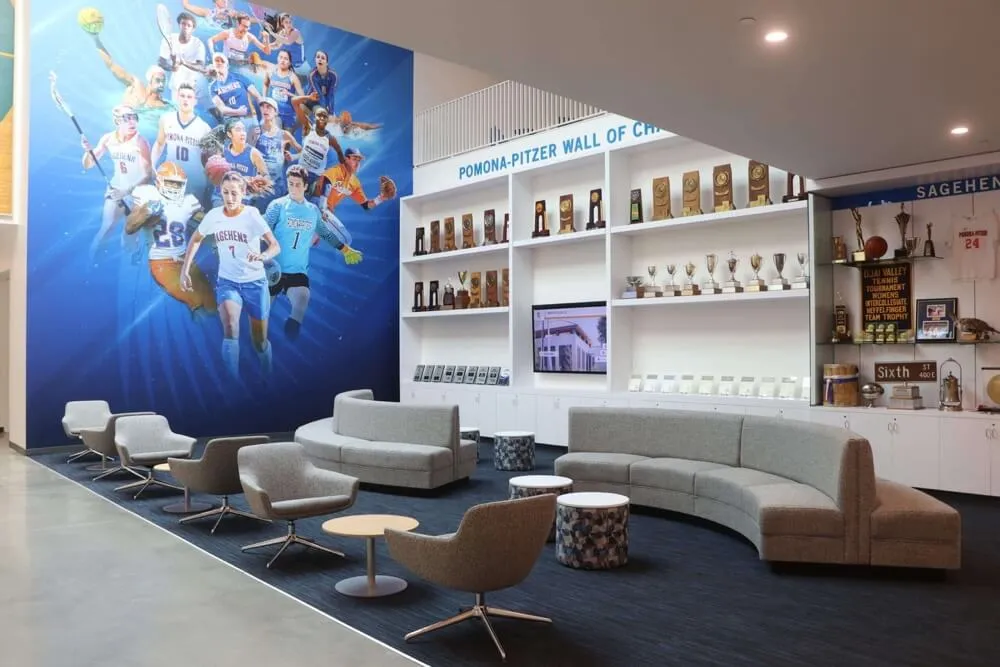
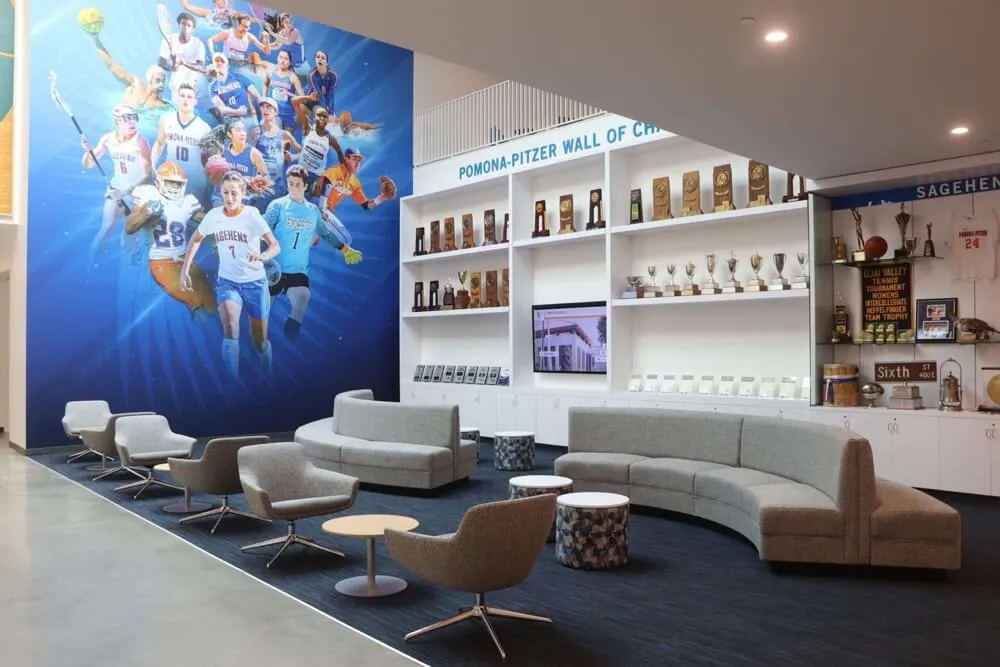
Traditional Physical Displays Wall-mounted plaques, retired jersey displays, and trophy cases have served basketball programs for generations. They provide tangible, always-visible recognition requiring no technology, convey permanence through substantial materials, and create impressive visual statements in athletic facilities.
However, physical displays face significant limitations: space constraints eventually limit capacity as programs accumulate decades of honorees, updates require expensive fabrication and installation, static formats provide minimal information beyond names and basic achievements, and physical displays exist only in single locations limiting accessibility.
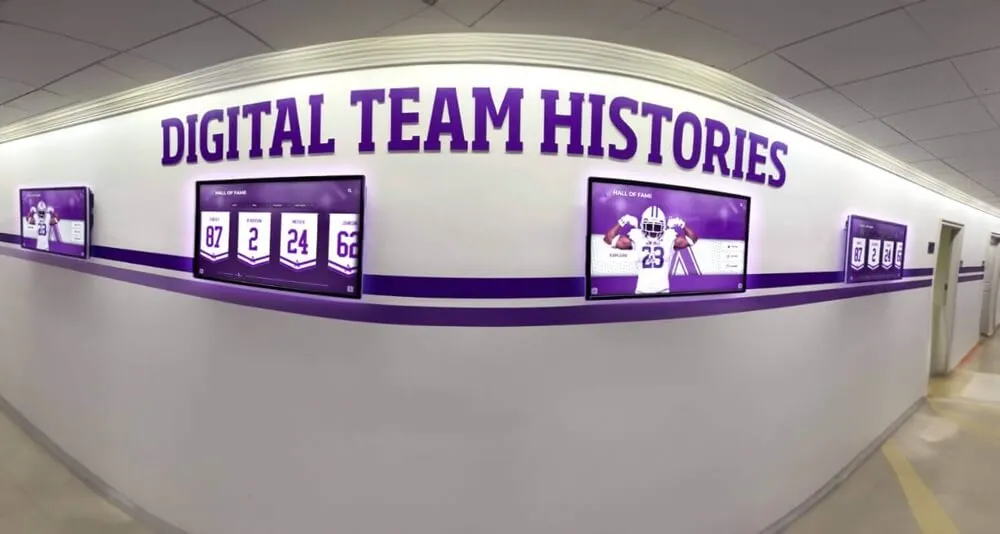
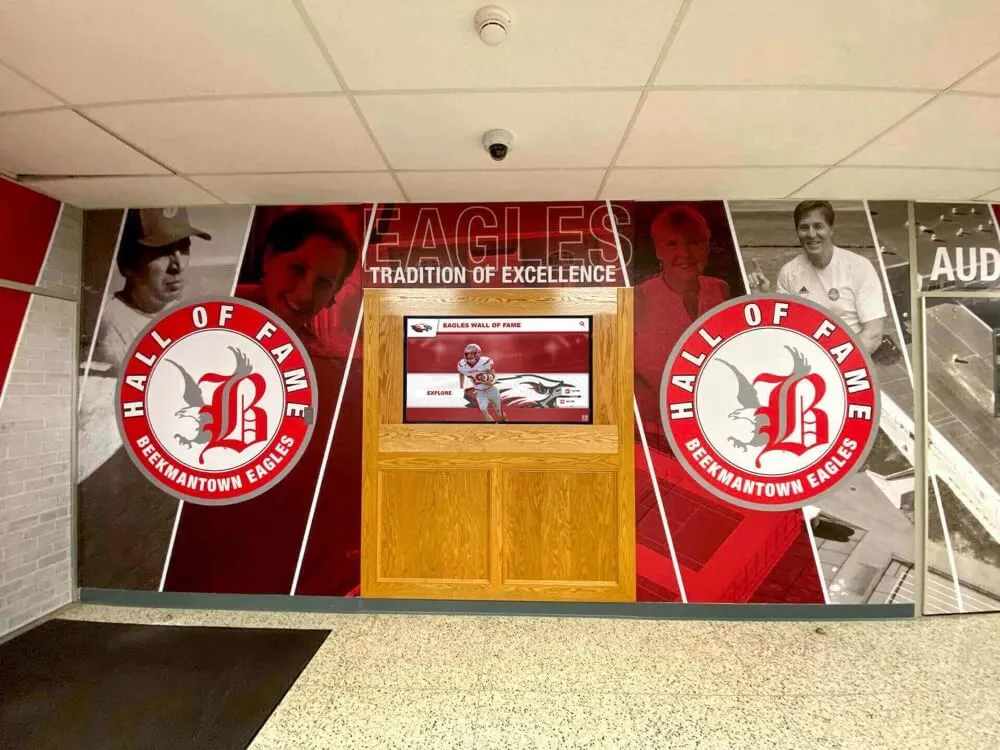
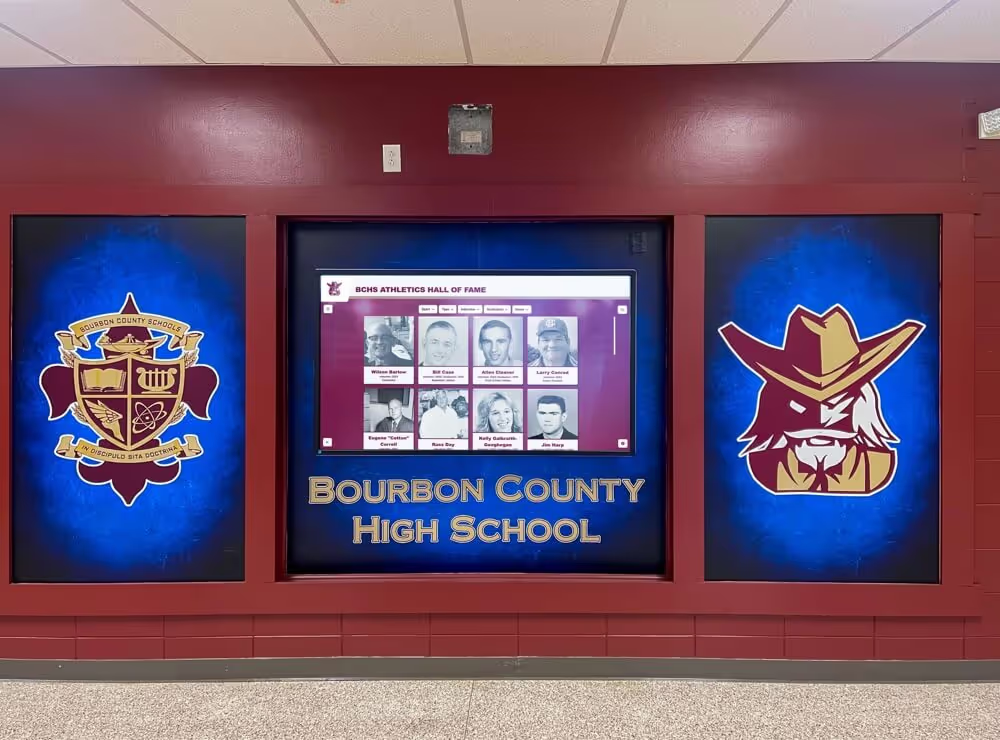
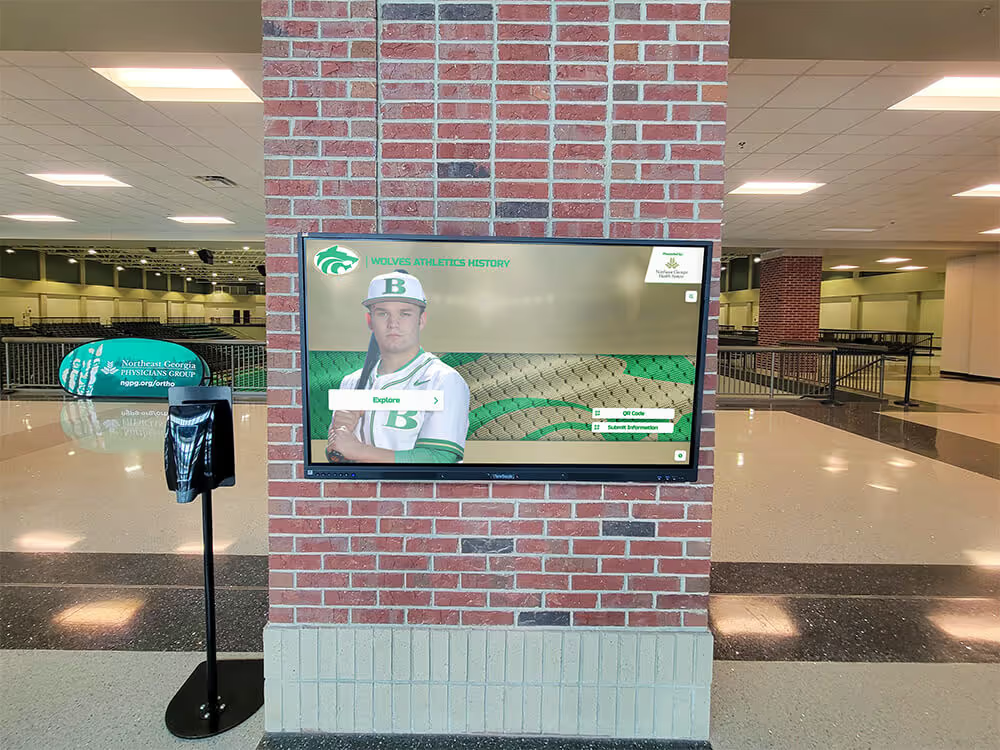
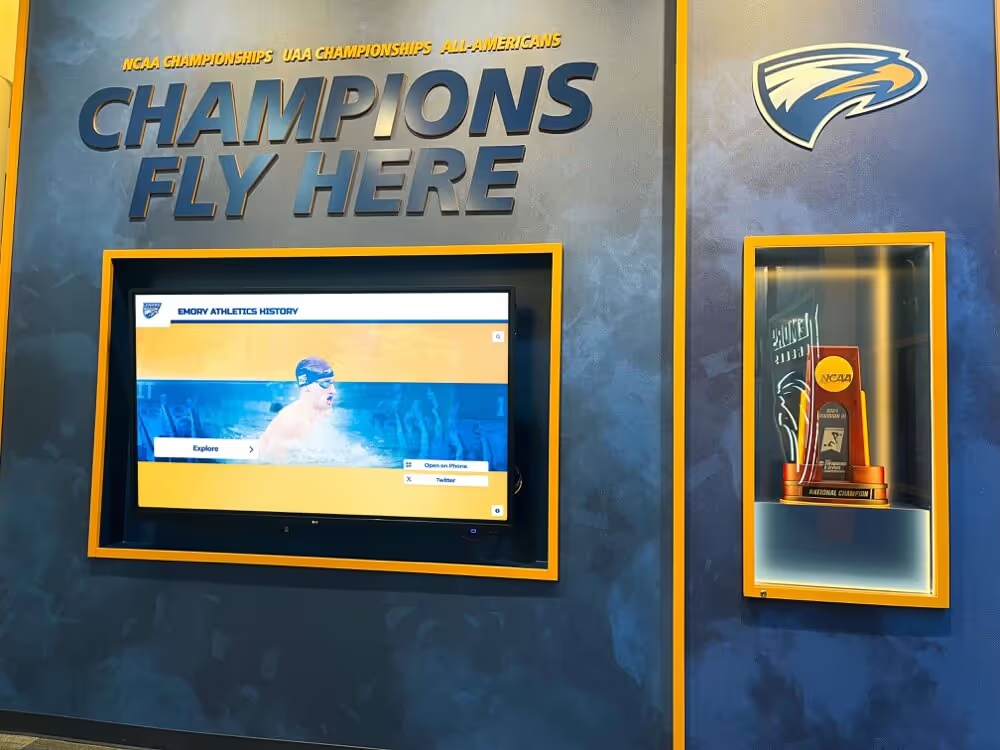
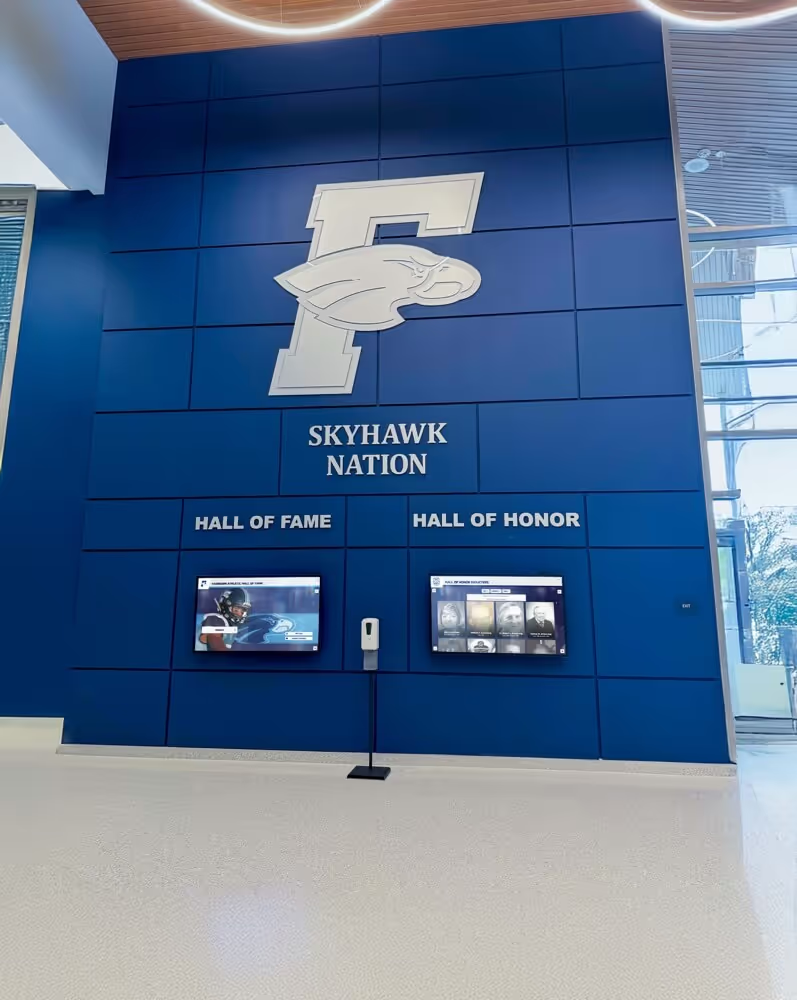
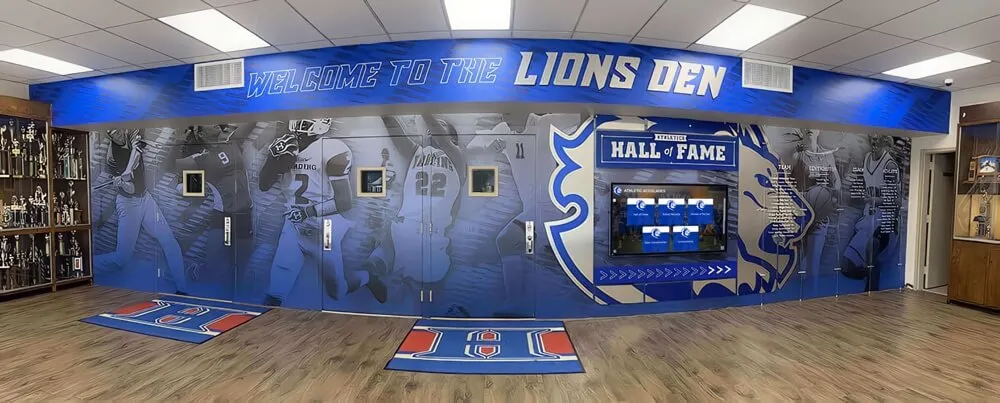
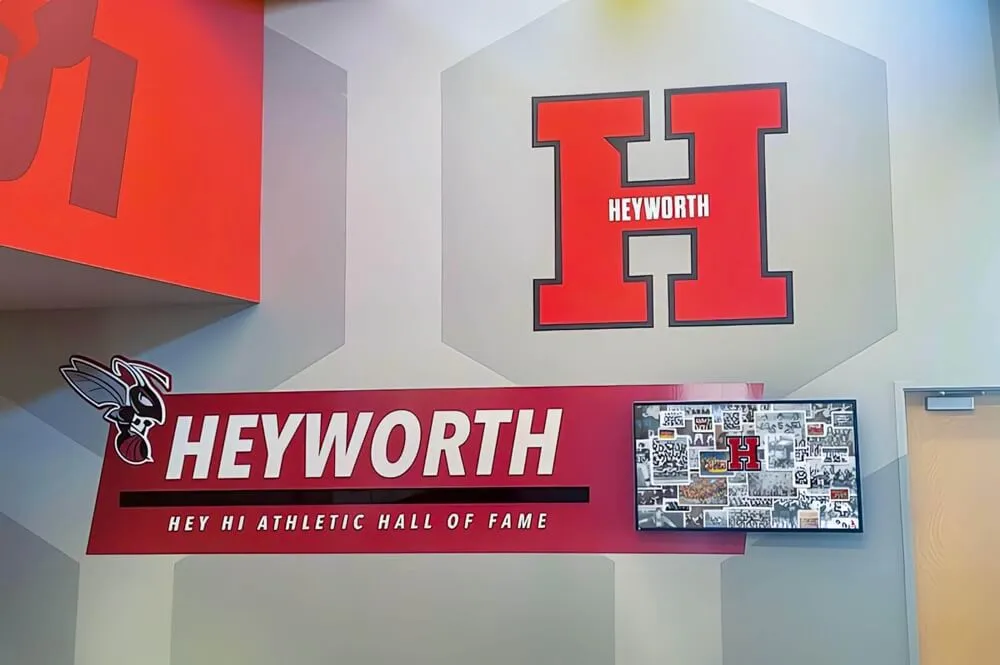
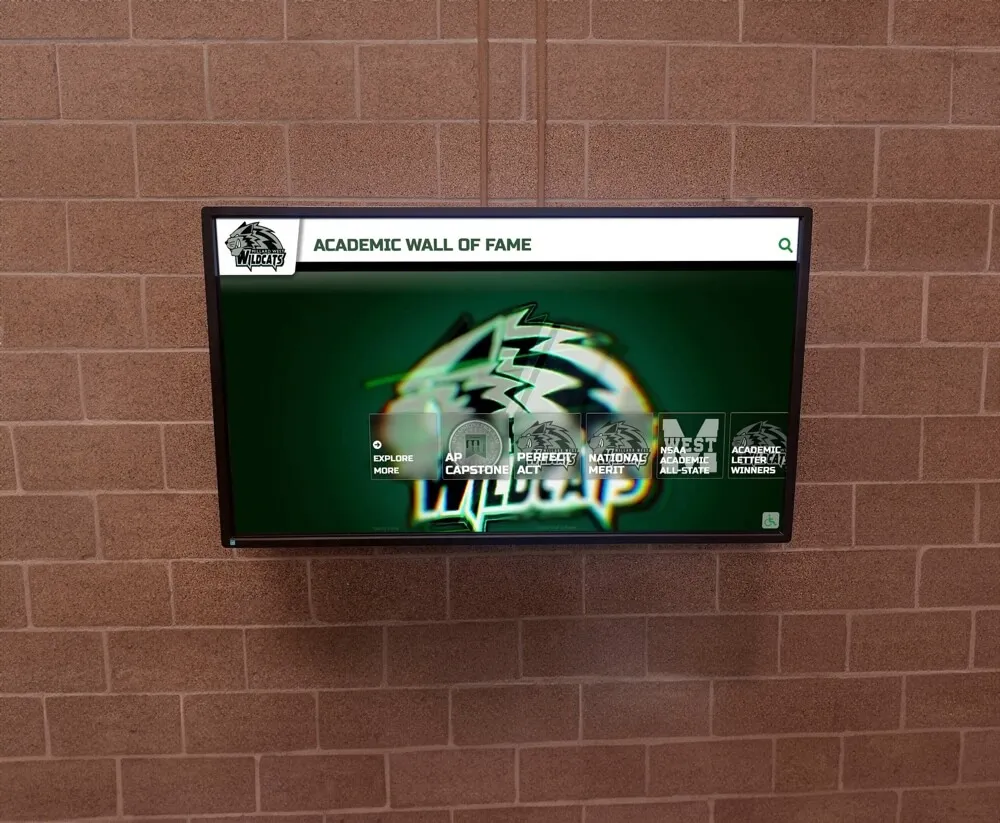
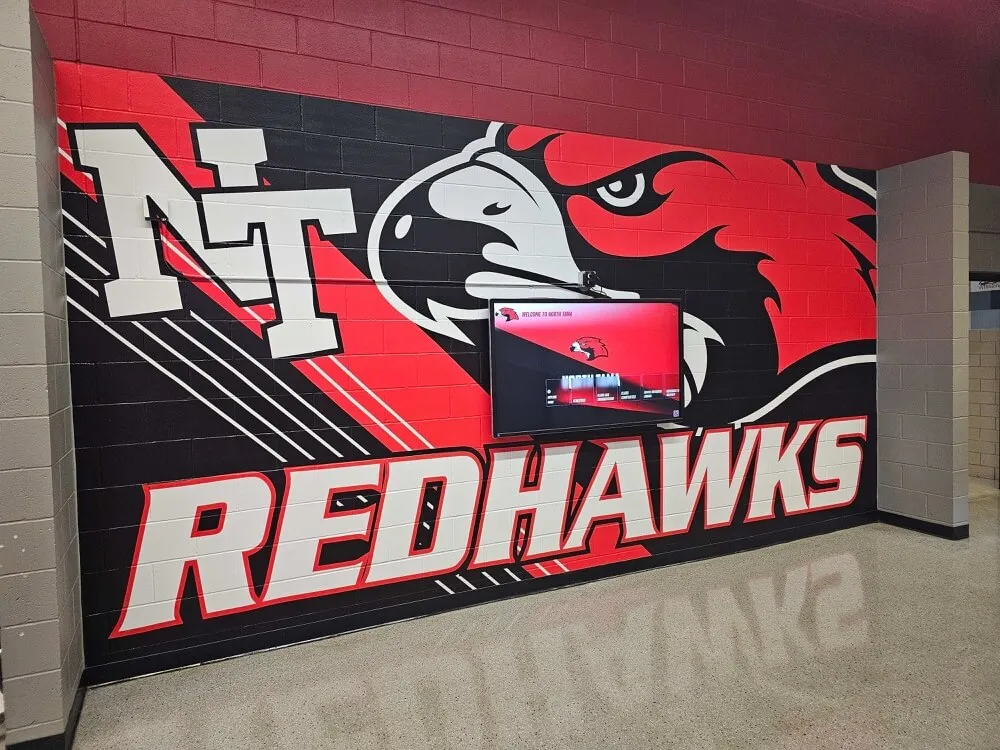
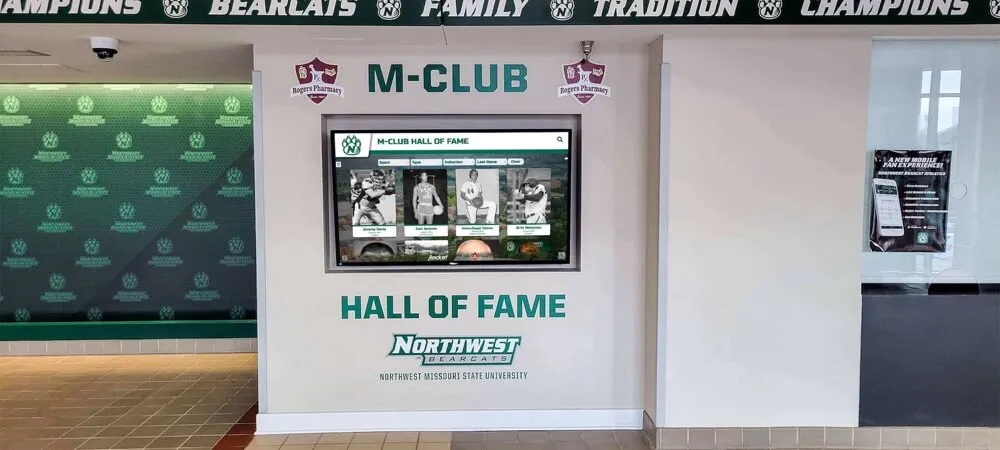
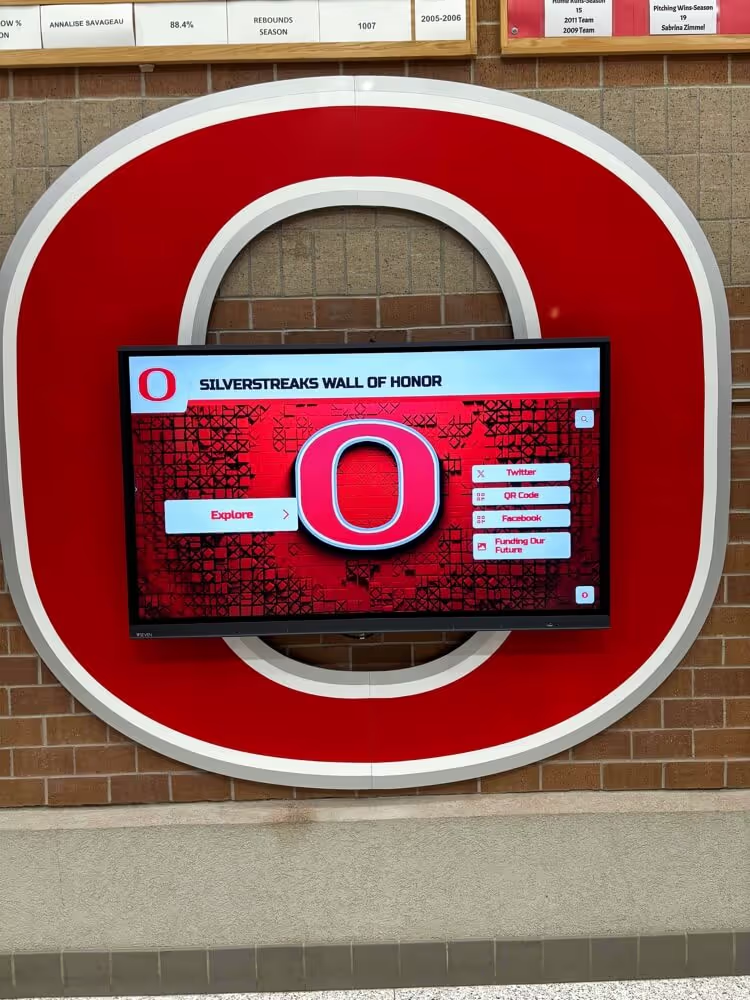
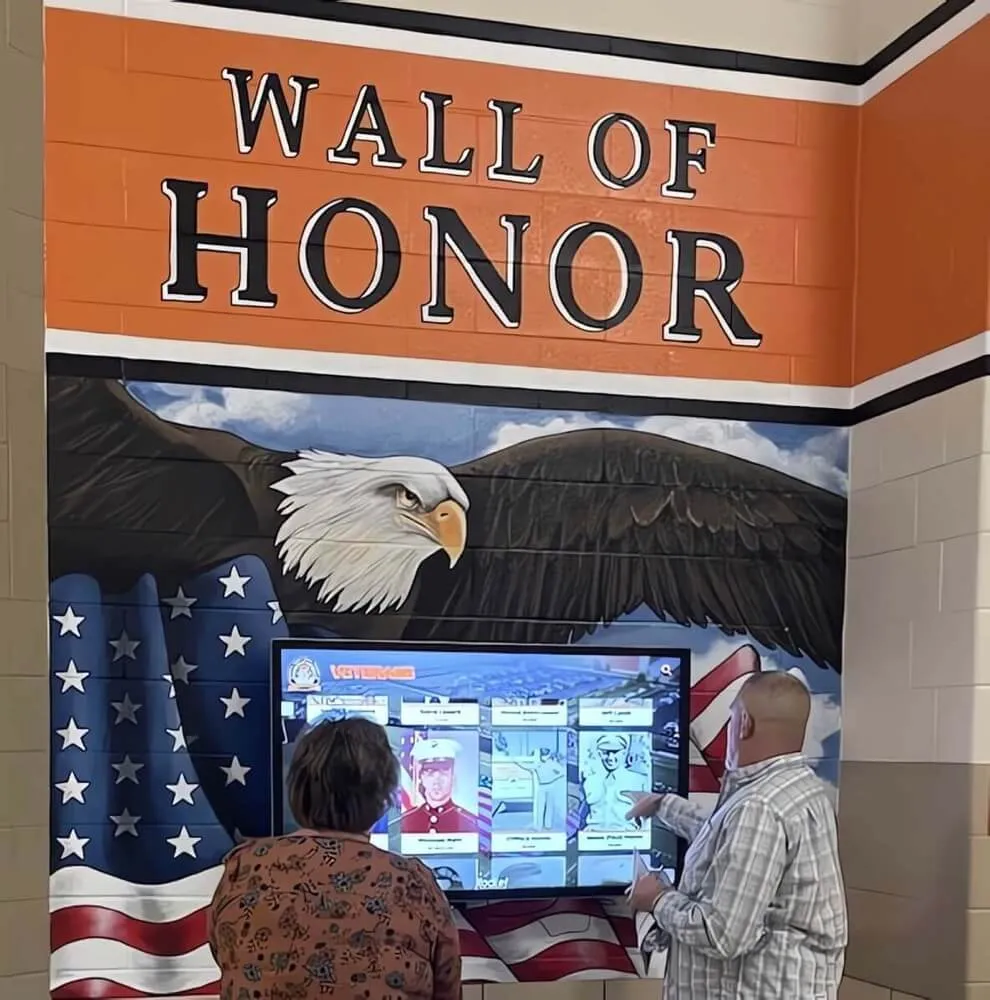
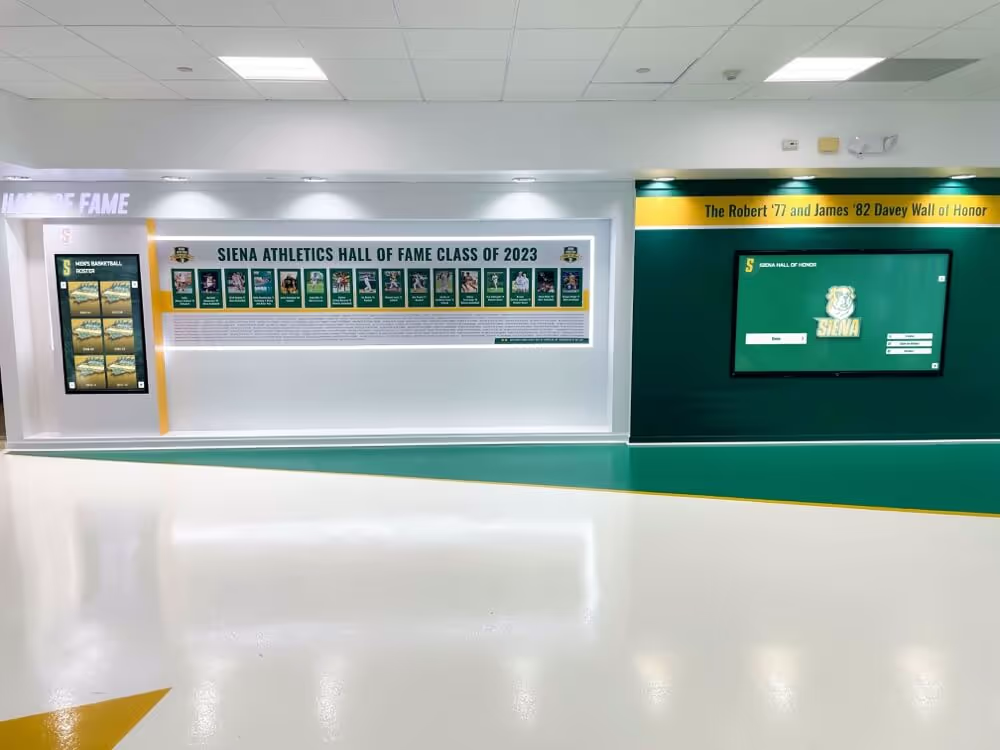
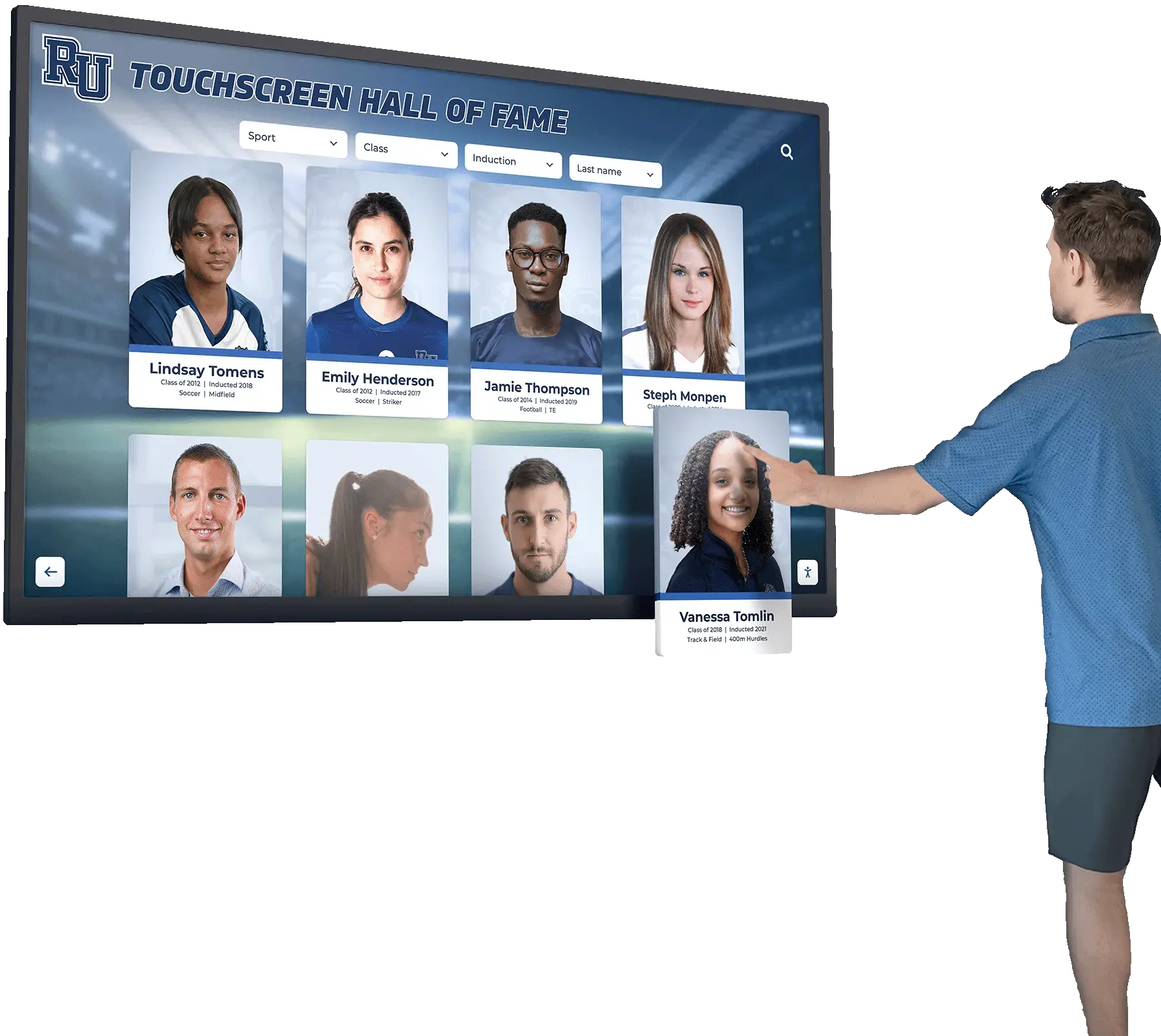
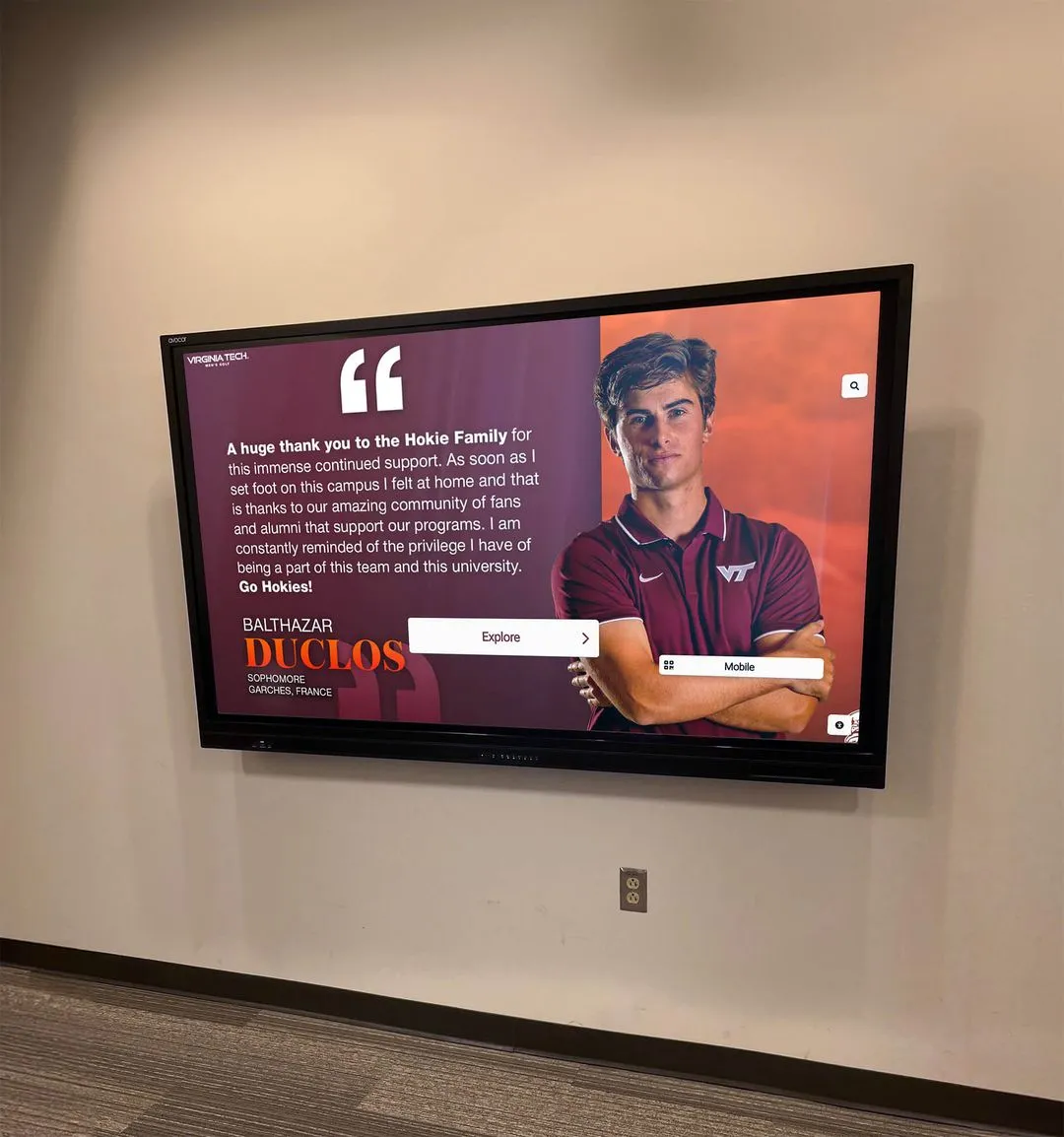
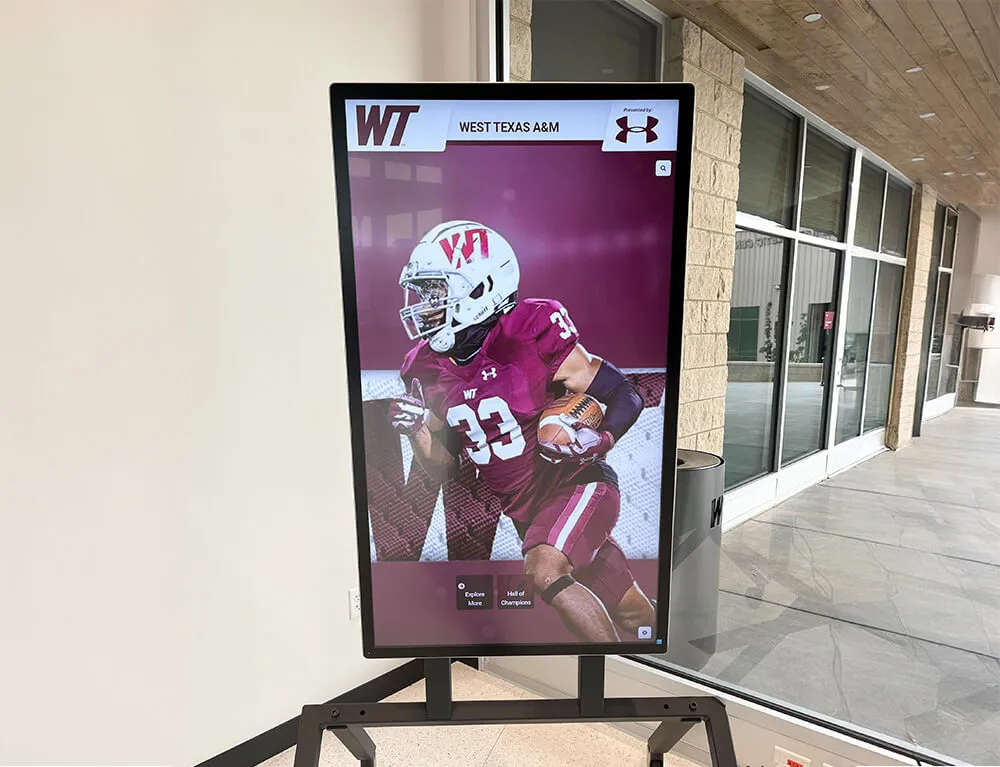
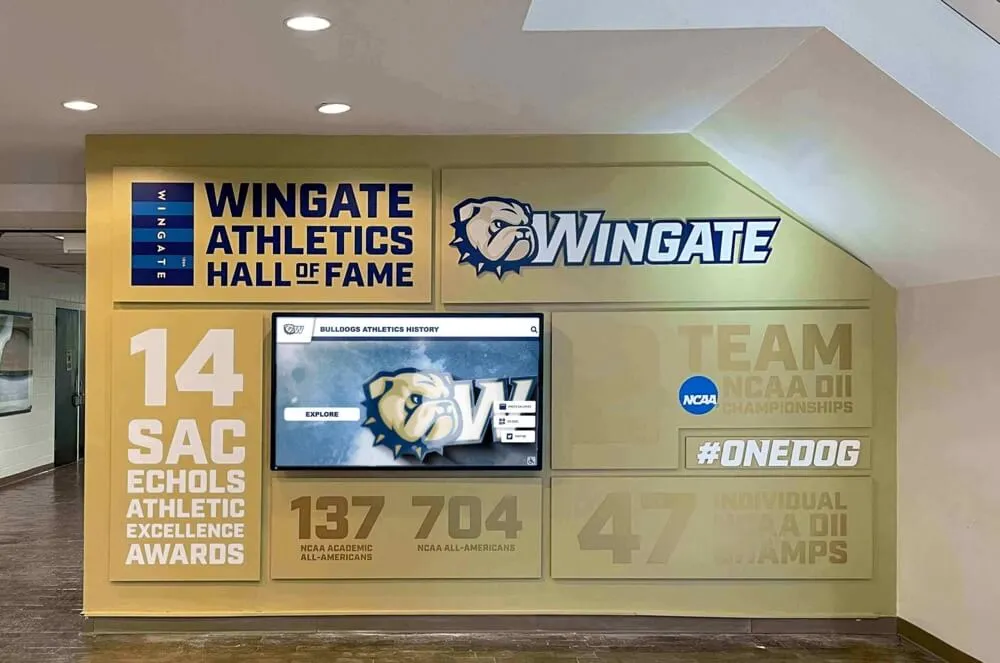
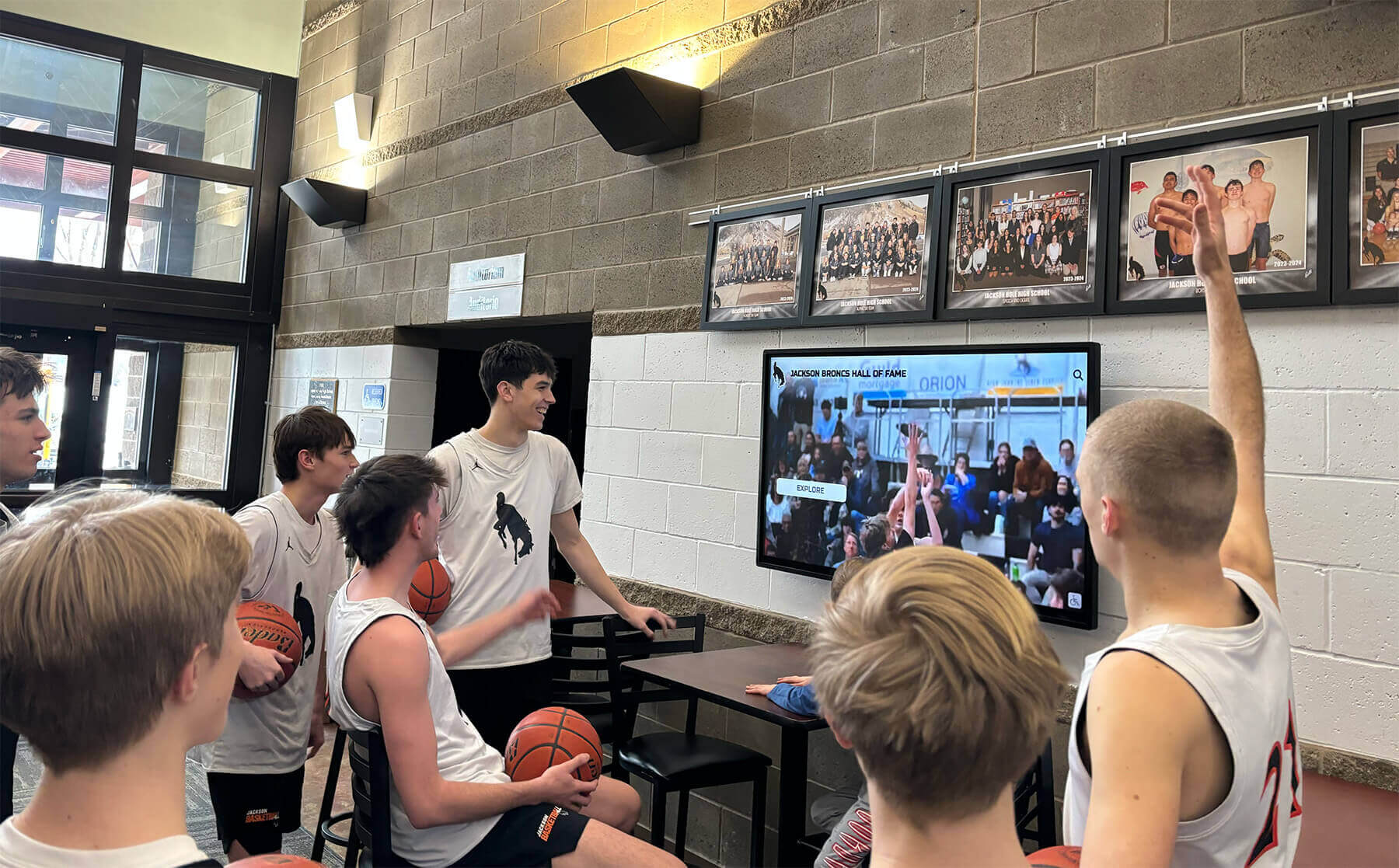
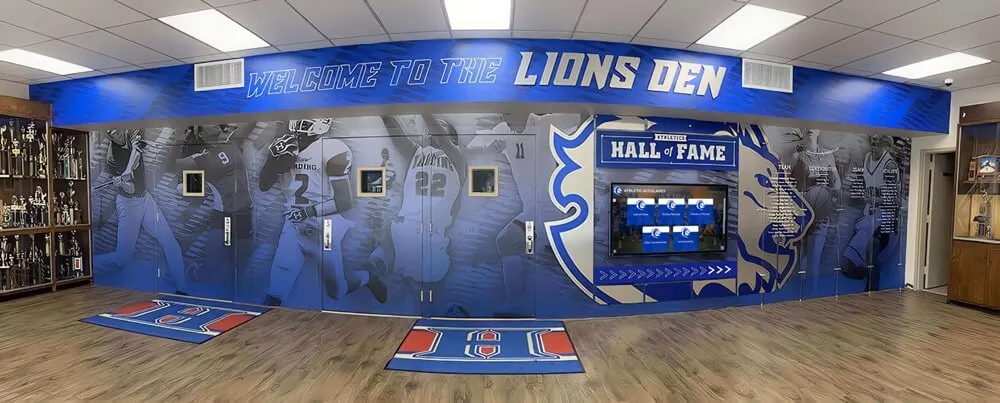
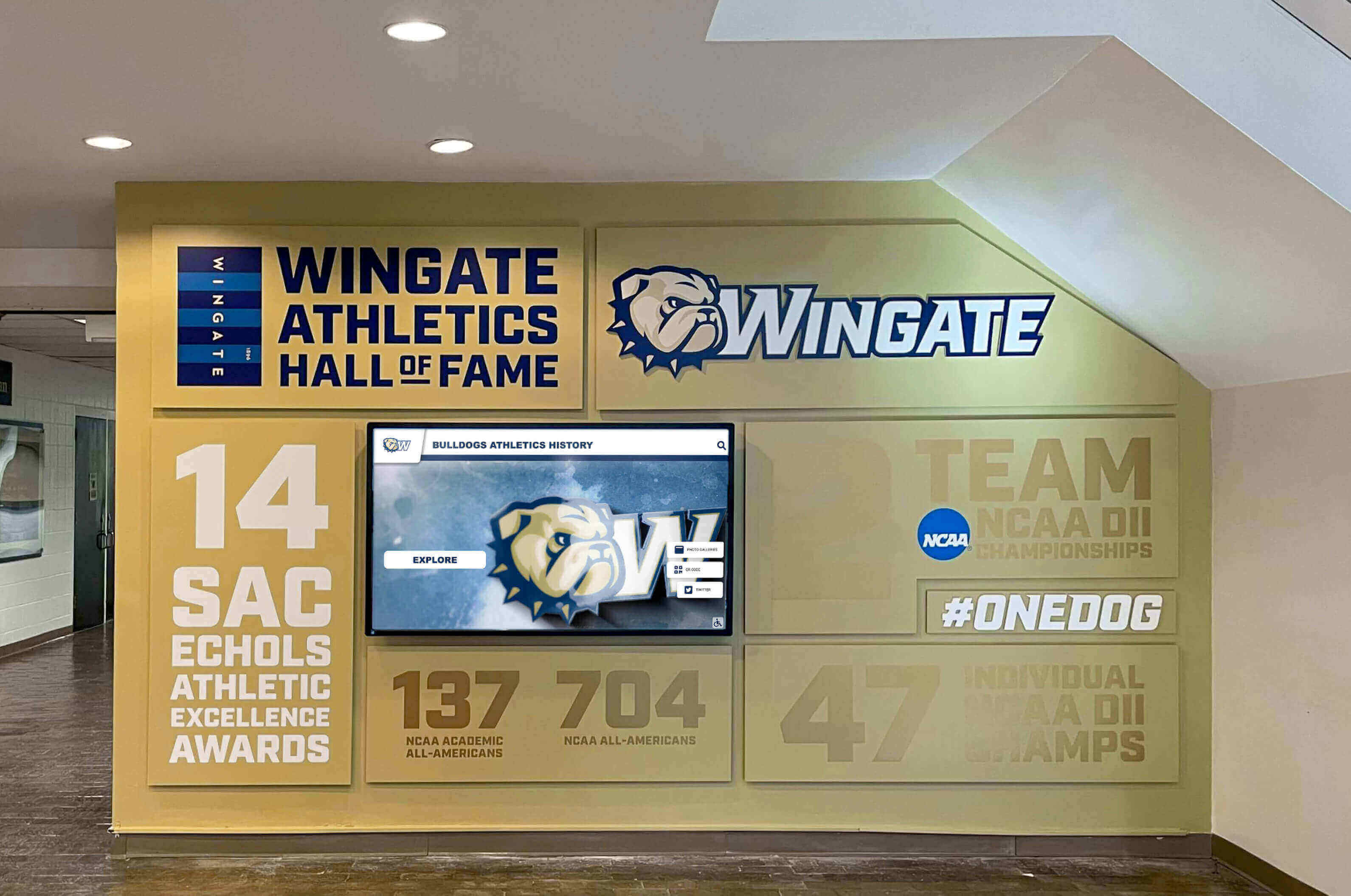
Digital Recognition Systems Interactive touchscreen displays overcome traditional limitations while creating enhanced engagement. Modern systems provide unlimited capacity accommodating thousands of profiles, instant cloud-based updates enabling timely recognition, rich multimedia content with photos and videos, searchable databases for quick discovery, and web-based access extending recognition beyond single physical locations.
Digital platforms prove particularly valuable for basketball programs with extensive histories. Every 1,000-point scorer from the 1960s through today receives comprehensive recognition rather than only those whose plaques fit available wall space. This inclusivity strengthens alumni engagement across broader constituencies while preserving complete program heritage.
Cost analysis over typical 10-15 year horizons often reveals digital systems achieve cost parity with traditional approaches when accounting for ongoing physical update expenses, yet deliver dramatically superior capabilities. Monthly software costs of $100-$300 typically prove less than schools spend annually updating traditional physical displays with new plaques and modifications.

Hybrid Approaches Many programs successfully combine elements:
- Showcase a few most significant physical trophies in traditional cases
- Use digital displays for comprehensive recognition of all honorees
- Maintain select retired jerseys as visible physical tributes
- Provide interactive exploration through touchscreens
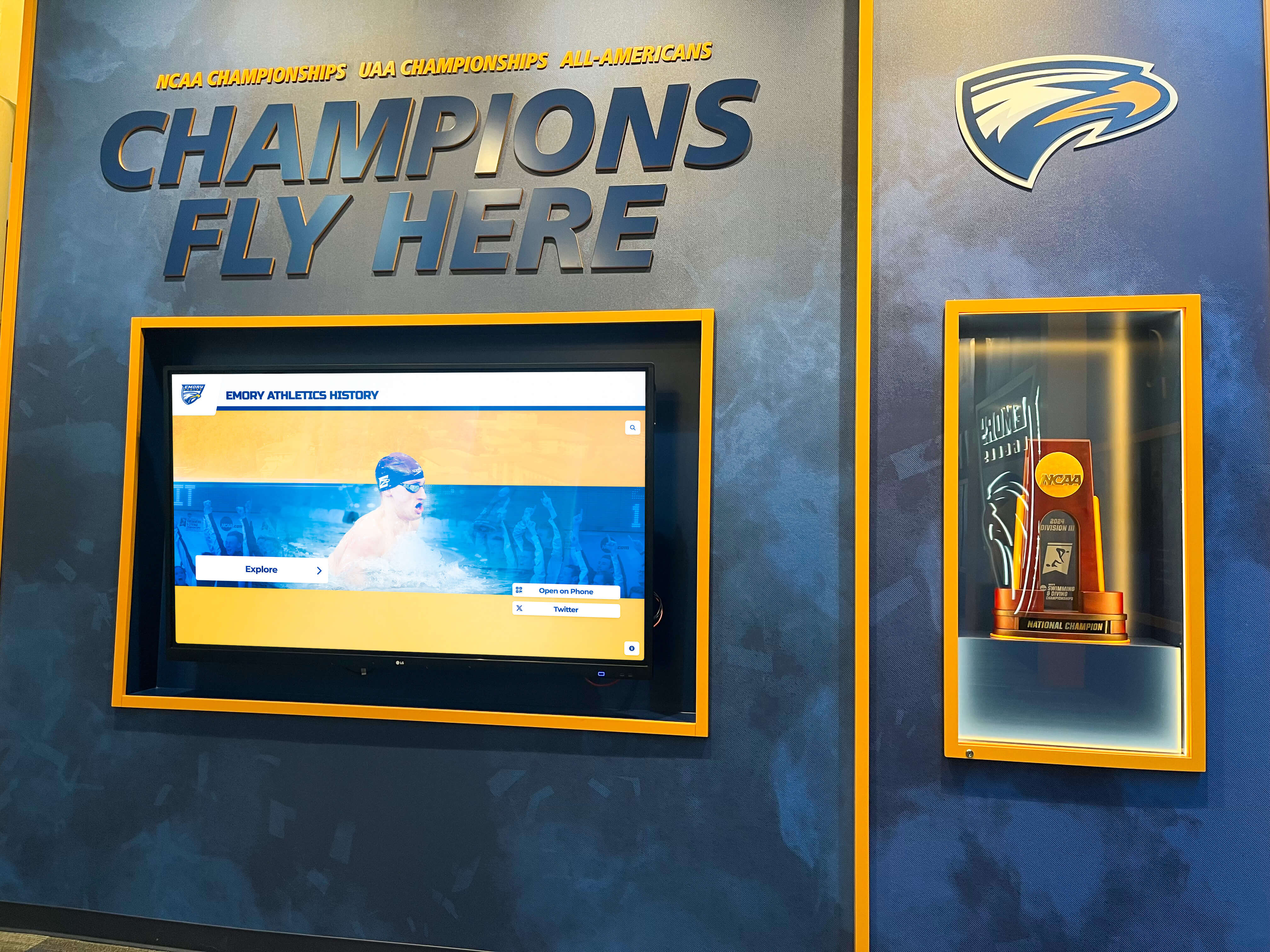
This combination preserves ceremonial and tactile aspects of physical recognition while solving capacity limitations through digital platforms. For detailed guidance on this approach, see our comprehensive article on professional digital hall of fame implementations.
The Impact of Digital Technology on Basketball Recognition
Digital innovation has transformed possibilities for basketball halls of fame, enabling comprehensive recognition previously available only to well-funded institutions while creating engaging experiences that resonate with contemporary audiences.
Unlimited Capacity and Comprehensive Documentation
The most fundamental advantage digital systems provide is eliminating physical space as a limiting constraint. Traditional trophy cases hold perhaps 50-100 individual recognition plaques before walls fill completely. At that point, schools face impossible choices about which achievements warrant limited space.
Digital platforms accommodate unlimited honorees—thousands of individual profiles if program history warrants. This capacity transformation changes recognition philosophy fundamentally. Instead of selecting only the elite few whose plaques fit available space, programs can comprehensively document all significant achievement across entire basketball histories.
For basketball programs spanning decades, this means every 1,000-point scorer, every all-conference player, every championship team member, and every significant contributor receives professional recognition. Rather than feeling disappointed that their achievements didn’t “make” the hall of fame due to space constraints, former players discover comprehensive documentation of their basketball accomplishments preserved permanently and accessibly.
Multimedia Storytelling and Emotional Engagement
Physical plaques communicate limited information—typically names, years, and brief achievement descriptions. Digital recognition expands these narratives dramatically through multimedia formats creating emotional connections:
Photography: High-resolution galleries showcase action shots from games, team photos, trophy presentations, and candid moments from basketball careers. Visual content creates immediate engagement while triggering memories and emotional responses impossible through text alone.
Video Content: Game highlights, championship moments, post-game interviews, and documentary-style retrospectives bring achievements to life. Watching video of a game-winning shot while hearing the player describe preparation and emotions creates experiential understanding that written descriptions cannot match.
Detailed Narratives: Digital platforms accommodate comprehensive written content providing achievement context, sharing personal stories, explaining significance, and documenting impact. Rather than 2-3 sentences constrained by physical plaque dimensions, digital profiles can include hundreds or thousands of words when appropriate.
Statistical Integration: Complete career statistics, season-by-season breakdowns, and comparative analysis help audiences understand achievement magnitude. Seeing that a player’s 1,847 career points rank 3rd all-time provides meaningful context that simple listing of totals cannot convey.
This multimedia richness transforms recognition from simple documentation into compelling storytelling that engages visitors and creates lasting impressions. Digital storytelling approaches for athletic programs have proven particularly effective at increasing engagement duration and strengthening emotional connections.
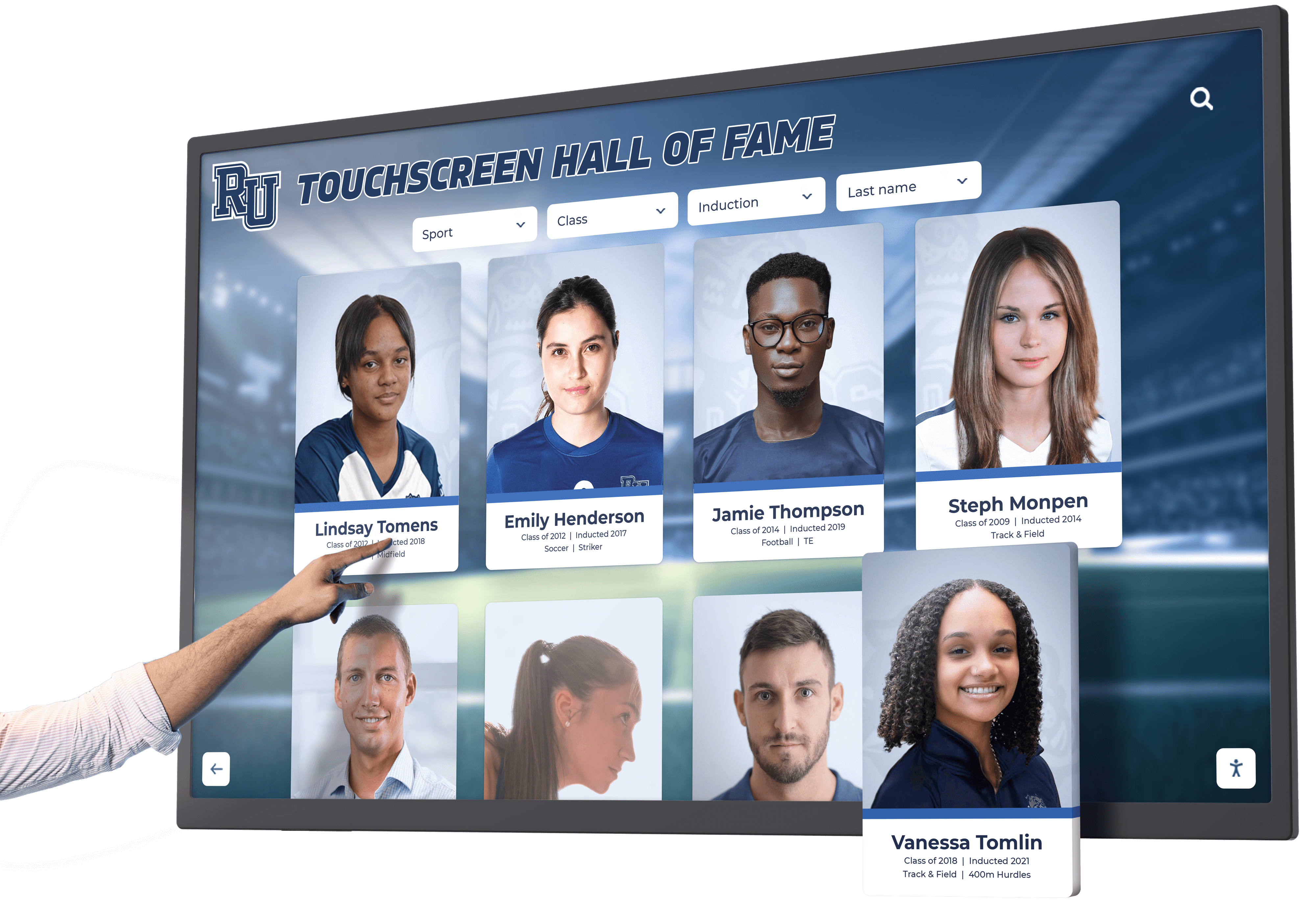
Interactive Exploration and Personalized Discovery
Traditional displays offer passive viewing—visitors scan plaques briefly while passing. Interactive digital recognition creates active exploration that holds attention and enables personalized discovery:
Search Functionality: Visitors can search by name to locate specific individuals, filter by decade to understand program evolution over time, narrow by achievement type like championship teams or scoring leaders, and explore by position to find point guards, centers, or forwards.
Connected Content: Hyperlinked relationships connect teammates, coaches, and related achievements. Viewing a championship team profile leads to individual player profiles, which connect to coach profiles, which link to other championship teams—creating exploration paths that extend engagement well beyond initial search intent.
Customized Pathways: Each visitor experiences content matching their interests rather than identical presentations for everyone. Alumni search for their own profiles and former teammates. Recruits explore position-specific excellence and development pathways. Parents locate their children’s achievements across multiple seasons. This personalization creates relevance driving deeper engagement.
Analytics from digital platforms consistently show average interaction times of 5-10 minutes compared to 30-60 seconds for glancing at traditional trophy cases—an order of magnitude increase directly attributable to interactive capabilities that invite exploration rather than passive viewing.
Remote Accessibility and Extended Reach
Physical displays exist in single locations accessible only during facility hours. Digital recognition extends access dramatically:
Web-Based Platforms: Companion websites enable alumni worldwide to explore basketball hall of fame content from computers or mobile devices anytime. This remote accessibility maintains connections for graduates who relocated distant from campuses, allowing regular engagement with program heritage regardless of geographic location.
Social Sharing: Digital content facilitates social media distribution extending recognition visibility beyond institutional audiences. Alumni can share their profiles via Facebook, text links to teammates, or post achievement highlights—organic distribution that traditional displays cannot generate.
Recruiting Applications: Coaches can share links to specific profiles during remote recruiting communications, demonstrating program tradition to prospects nationwide. This extends recognition’s recruiting value beyond facility tours to homes anywhere.
Online hall of fame platforms create 24/7 accessibility that transforms recognition from location-dependent physical displays into always-available digital resources serving diverse stakeholders across all locations and time zones.
Data Analytics Informing Continuous Improvement
Digital systems generate valuable usage data revealing how visitors engage with basketball recognition:
Quantitative Metrics: Track total interactions and unique visitors, average session duration indicating engagement depth, most-viewed profiles revealing audience interests, search query patterns showing what visitors seek, navigation paths demonstrating content exploration patterns, and peak usage times informing staffing and promotional planning.
Strategic Insights: Analytics inform content development priorities—which eras deserve enhanced documentation, what multimedia formats create strongest engagement, which navigation features prove most valuable. Programs optimize recognition experiences based on actual visitor behavior rather than assumptions.
ROI Documentation: Engagement data provides concrete evidence of recognition value for stakeholders. Demonstrating thousands of annual interactions, substantial engagement duration, and positive usage trends helps justify continued investment while proving community interest in basketball heritage.

Best Practices for Basketball Hall of Fame Success
Learning from established basketball recognition programs helps institutions implement effective systems while avoiding common pitfalls that undermine program credibility and sustainability.
Start with Clear Vision and Achievable Scope
The most frequent mistake institutions make when creating basketball halls of fame involves attempting overly ambitious initial implementation exceeding available resources. Programs launch incomplete, with obvious gaps that diminish credibility, or never reach completion, wasting initial investments without delivering promised recognition.
Successful programs begin with clear, realistic vision matching institutional capacity:
Define Recognition Boundaries: Will the program honor only basketball or multiple sports? Only players or also coaches, contributors, and teams? Only the exceptional elite or broader achievement tiers? Only modern era or comprehensive history? These scope decisions fundamentally determine resource requirements and implementation complexity.
Assess Available Resources: Honestly evaluate budgets for initial development and ongoing maintenance, staff time for content development and program administration, technical capabilities for managing digital platforms or fabricating physical displays, and stakeholder support ensuring sustained engagement beyond initial enthusiasm.
Establish Phased Timeline: Consider staged implementation that launches with manageable initial scope and expands systematically. Phase 1 might recognize recent era and legendary historical figures. Phase 2 adds comprehensive coverage of additional eras. Phase 3 enhances multimedia content and interactive features. This approach demonstrates value early while maintaining quality standards before expanding.
Starting focused and expanding proves more successful than launching ambitiously incomplete programs. Better to properly honor 30 individuals initially with plans for expansion than inadequately recognize 150 immediately with obvious deficiencies that undermine credibility.
Maintain Consistent Selection Standards
Hall of fame credibility depends on consistent application of selection criteria across all candidates regardless of era, popularity, or external pressure. Once programs establish achievement standards, maintaining them preserves recognition meaning and value.
Pressure to make exceptions inevitably arises. Beloved community figures whose playing careers were modest. Influential donors hoping recognition follows contributions. Contemporary athletes whose achievements seem impressive until evaluated against historical standards. Strong selection committees guided by documented criteria resist these pressures while explaining decisions transparently.
Developing robust selection criteria and applying them consistently ensures fairness while simplifying difficult decisions. When standards are clear and documented, committees evaluate candidates objectively rather than navigating subjective debates risking perceptions of favoritism.
Some programs create tiered recognition systems—elite hall of fame for exceptional achievement meeting rigorous standards, broader athletic recognition for significant contributions, and comprehensive letter winner listings for all participants. This structure enables inclusive acknowledgment while reserving highest honors for those meeting selective criteria.
Create Ceremonial Experiences That Honor Inductees
The induction ceremony represents the apex of basketball recognition experience. Well-planned ceremonies create memorable moments for honorees, families, and basketball communities while generating excitement that strengthens program engagement.
Successful ceremonies balance formality appropriate to honor significance with warmth creating genuine emotional connection:
Ceremony Elements: Dignified recognition of each inductee with biographical highlights, emotional video tributes showcasing career highlights and personal stories, speeches from inductees sharing gratitude and reflections, testimonials from coaches or teammates providing context and perspective, presentation of commemorative plaques or rings inductees keep permanently, and photo opportunities with program leaders and fellow honorees.
Timing and Setting: Many programs conduct inductions during homecoming weekends maximizing alumni attendance, at halftime of marquee games ensuring large audiences, or during dedicated hall of fame banquets creating focused experiences. Each approach offers advantages depending on program goals and community preferences.
Family Inclusion: Creating family-friendly ceremonies encourages attendance by spouses, children, and parents who supported athletic careers. Provide reserved seating for inductee families, opportunities for family participation in recognition moments, commemorative programs families keep permanently, and reception opportunities for socializing following formal ceremonies.
Extended Visibility: Beyond immediate attendees, extend ceremony reach through live-streaming for remote viewing, social media coverage with real-time updates, press releases to local media outlets, and highlight compilations shared through digital channels. This multiplies recognition visibility while creating archival records preserving ceremonial moments.
For schools exploring how to structure impactful athletic recognition events, resources on planning effective athletic recognition ceremonies provide additional detailed guidance.
Ensure Ongoing Maintenance and Regular Updates
Recognition programs lose impact when they become static or outdated. Successful programs establish sustainable rhythms for keeping content current and relevant:
Regular Induction Cycles: Annual or biennial selection processes create predictable rhythms for adding new honorees. Regular scheduling helps committees establish workflows, enables supporters to plan attendance at ceremonies during predictable timeframes, and maintains program visibility through recurring recognition events generating periodic publicity.
Content Enhancement: Beyond adding new inductees, periodically enhance existing profiles by collecting additional photographs or video footage, updating information with post-graduation achievements, creating anniversary features highlighting historic moments, and developing thematic content collections around specific topics.
Technology Maintenance: For digital systems, ensure hardware remains functional and contemporary (commercial displays typically last 7-10 years), software platforms receive updates maintaining security and adding features, and user interface designs periodically refresh matching evolving aesthetic standards and user expectations.
Responsibility Assignment: Clearly designate who manages hall of fame operations—specific staff positions, dedicated committees, or contracted service providers. Successful programs identify responsible parties rather than assuming someone will naturally assume maintenance duties, preventing program deterioration through neglect.
Conclusion: Celebrating Basketball Excellence at Every Level
Basketball halls of fame, from the prestigious Naismith Memorial Basketball Hall of Fame in Springfield to state halls recognizing regional legends to school programs honoring local achievers, serve essential functions preserving basketball heritage while inspiring future generations. They document extraordinary achievement ensuring accomplishments remain visible decades after final buzzers sound, provide aspirational models for young players demonstrating pathways to basketball excellence, strengthen community connections around shared basketball passion and institutional pride, and honor individuals who dedicated themselves to basketball excellence and positive representation of their communities.
Whether you’re exploring the Naismith Memorial’s exhibits celebrating basketball’s greatest legends, researching state basketball halls of fame honoring regional contributors, or planning to create a basketball recognition program for your school or organization, the principles of effective recognition remain consistent. Establish clear, fair selection criteria applied consistently across all candidates. Create comprehensive content that tells compelling stories beyond basic statistics. Maintain accessibility through prominent placement and intuitive organization. Provide regular updates keeping recognition current and relevant. Integrate recognition with broader athletic and institutional programming to maximize impact.
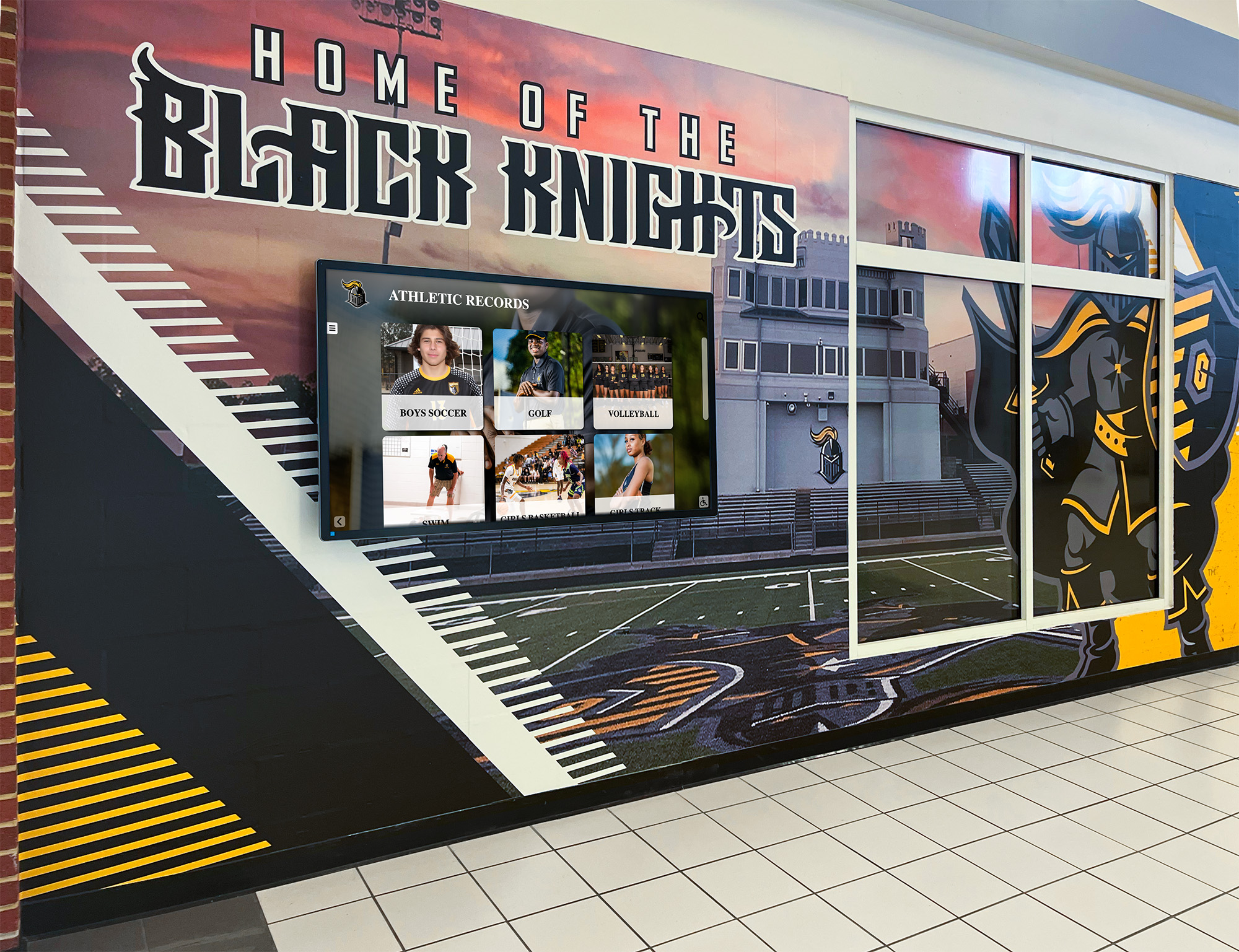
The evolution from space-constrained trophy cases to unlimited-capacity digital platforms has fundamentally transformed recognition possibilities for schools and organizations at all levels. Institutions no longer face impossible choices about which achievements fit limited wall space. Modern recognition solutions enable comprehensive documentation of entire basketball program histories while creating engaging multimedia experiences that resonate with contemporary audiences accustomed to interactive, digital content.
For schools, colleges, and organizations seeking to honor basketball excellence, modern recognition technology provides practical approaches that serve communities for generations. From celebrating 1,000-point scoring achievements to recognizing championship teams to honoring exceptional coaching careers, comprehensive recognition systems deliver lasting value that justifies investment while strengthening programs and institutions.
Ready to explore options for your basketball hall of fame or recognition program? Whether starting from scratch or enhancing existing recognition with modern capabilities, solutions like Rocket Alumni Solutions provide specialized platforms specifically designed for basketball and athletic recognition. These purpose-built systems address unique needs of basketball programs through features including statistical integration, team roster displays, championship season documentation, and sports-specific categorization—enabling schools and organizations to create professional recognition experiences that celebrate basketball excellence and inspire future champions who will add their own chapters to your program’s legacy.