



Basketball teams achieve success through countless contributions extending far beyond scoring statistics. While leading scorers and rebounders certainly merit recognition, championship teams also depend on defensive stoppers who shut down opponents’ best players, unselfish passers who create scoring opportunities for teammates, vocal leaders who maintain team energy through adversity, and dedicated practice players who elevate everyone’s performance despite limited playing time.
Comprehensive award systems acknowledging these diverse contributions accomplish multiple crucial objectives: they validate players whose contributions don’t appear prominently in box scores but prove essential to team success, strengthen team culture by celebrating values and behaviors programs want to promote, increase player motivation throughout seasons when athletes understand that various achievement types receive recognition, and create inclusive ceremonies where every player receives meaningful acknowledgment rather than watching only top scorers celebrated.
The basketball awards you select communicate program values and priorities as powerfully as any speech or practice drill. Teams emphasizing hustle awards alongside scoring titles signal that maximum effort matters regardless of natural talent. Programs recognizing sportsmanship and leadership alongside statistical achievement demonstrate that character development equals athletic performance in importance. And organizations implementing creative, team-specific awards rather than identical generic categories year after year show thoughtfulness that resonates with players who feel genuinely seen rather than processed through obligatory recognition rituals.

Traditional Statistical Basketball Awards
Statistical awards recognize quantifiable on-court performance, providing objective recognition for athletic achievement that players, families, and the broader community readily understand and value.
Leading Scorer Award
The most traditional basketball award recognizes the player who scored the most total points or maintained the highest points-per-game average throughout the season. This award requires minimal explanation and provides clear recognition for offensive production.
Selection Criteria: Total season points or points-per-game average, with specific qualification minimums (games played or minutes logged) preventing outliers from small sample sizes skewing results.
Presentation Enhancement: Include season scoring breakdown showing home versus away performance, scoring by quarter to identify clutch performers, and comparison with program historical scoring leaders to contextualize achievement.
Rebound Leader Recognition
Rebounding awards celebrate players who dominated the boards on both offensive and defensive ends—a critical but often undervalued skill that directly correlates with team success. Studies consistently show that teams winning the rebounding battle win approximately 70% of games.
Category Variations: Consider separate offensive and defensive rebounding awards, total rebounds recognition, or rebounds-per-game categories accounting for playing time differences. Some programs also recognize specific offensive rebound achievements given the difficulty and high value of second-chance opportunities.
Assist Leader Award
The assist leader award recognizes the team’s primary facilitator—typically point guards but occasionally forwards who orchestrate offense from different positions. This award celebrates unselfish play and court vision that creates easier scoring opportunities for teammates.
Enhanced Recognition: Contextualize assist totals with assist-to-turnover ratios demonstrating not just passing volume but also decision-making quality. Top facilitators typically maintain ratios of 2:1 or better, with elite playmakers reaching 3:1 or higher.
Steal and Deflection Recognition
Steal leaders demonstrate defensive anticipation, quick hands, and the ability to disrupt opponent offensive flow while creating transition opportunities. Deflection statistics—when tracked—provide even more comprehensive recognition of defensive activity since many deflections force turnovers without officially crediting steals.
Tracking Considerations: Many teams now track deflections alongside steals since research shows deflections strongly correlate with team defensive success. Players generating multiple deflections per game disrupt offensive rhythm even when steals don’t result, meriting recognition beyond traditional box score statistics.
Blocked Shot Leader
Shot blocking awards recognize defensive presence, timing, and the intimidation factor that rim protectors provide. Great shot blockers affect far more shots than they actually block, as opponents alter attempts or avoid paint attacks entirely when rim protection looms.
Recognition Enhancement: Combine blocked shots with altered shot data when available. Track opponent field goal percentage when specific defenders guard them versus team averages, providing more comprehensive defensive impact measurement beyond blocks alone.
Three-Point Shooting Excellence
Three-point shooting has revolutionized basketball at all levels. Recognizing perimeter shooting excellence acknowledges skill development and practice dedication while celebrating players who stretch defenses and create spacing for teammates.
Category Options: Consider both volume (most three-pointers made) and efficiency (highest three-point percentage with minimum attempt qualifications). Some programs create separate awards recognizing each approach, validating both high-volume shooters and efficient specialists.
Free Throw Accuracy Award
Free throw shooting represents the most controllable skill in basketball—purely individual execution unaffected by defensive pressure or game chaos. Excellence at the line reflects practice dedication and composure under pressure.
Qualification Standards: Set minimum attempt thresholds preventing players with tiny sample sizes from winning awards. Common qualifications require 50-100 free throw attempts depending on season length and competition level.
Field Goal Percentage Leader
Field goal percentage awards recognize efficient scorers who take high-percentage shots, finish effectively, and avoid forcing difficult attempts. This award often goes to post players and cutters who score primarily in the paint, though efficient perimeter players occasionally win this category.
Context Considerations: Contextualize field goal percentages by shot location. A guard shooting 45% while taking primarily perimeter jumpers demonstrates greater efficiency than a center shooting 50% with all attempts within five feet of the basket.
Character and Culture Basketball Awards
Character awards recognize intangible qualities that don’t appear in box scores but prove equally essential to team success and program culture. These sport end-of-year awards communicate program values powerfully and provide recognition for players whose contributions exceed statistical measurement.
Most Valuable Player (MVP)
The MVP award recognizes the single most important player to team success—combining statistical production, leadership, consistency, and overall impact. This represents the most prestigious team award, requiring careful consideration balancing multiple factors.
Selection Approaches: Consider coach selection, team voting, or combined approaches weighted between coaching staff assessment and peer recognition. Each method offers advantages—coach selection ensures consideration of practice performance and intangibles, while team voting validates peer respect and leadership recognition.
Leadership Award
Leadership awards celebrate players who inspire teammates, maintain positive energy through adversity, hold teammates accountable, and exemplify program values on and off the court. Leadership extends beyond captains—many teams include multiple vocal and lead-by-example leaders meriting recognition.
Selection Enhancement: Have teammates anonymously vote for most respected leaders, providing authentic peer validation rather than adult assumptions about who led effectively. Consider recognizing both vocal leadership (communication, energy, motivation) and leadership by example (work ethic, consistency, professionalism).
Hustle Award
The hustle award recognizes relentless effort—diving for loose balls, taking charges, sprinting in transition, and competing on every possession regardless of score or fatigue. This award validates maximum effort and competitive spirit that inspire teammates and energize crowds.
Objective Tracking: Track specific hustle statistics when possible: charges taken, loose balls recovered, deflections, floor dives, and contested shots. Quantifying hustle provides objective support for recognition while teaching players that effort is measurable and valued.
Defensive Player of the Year
Defensive excellence often receives insufficient recognition despite determining championship outcomes as much as offensive firepower. Defensive player awards celebrate the commitment, intelligence, and toughness required for elite defense.
Evaluation Criteria: Consider opponent scoring when guarded, defensive rebounding, steals and deflections, defensive communication, charges taken, and coach evaluation of defensive assignments executed. The best defensive players often guard opponents’ top scorers, making direct statistical comparison with teammates difficult without contextual analysis.
Most Improved Player
Most improved awards recognize dramatic skill development and transformation over the season. These awards provide powerful motivation by demonstrating that dedication and practice produce measurable results, encouraging similar commitment from returning players.
Assessment Approach: Compare early and late season statistics, evaluate skill testing results from beginning versus end of season, and consider subjective coach assessments of practice performance evolution. Most improved awards frequently mean more to recipients than any other recognition since they validate personal growth journeys.
Best Teammate Award
The best teammate award celebrates selflessness, encouragement, positive attitude, and the daily behaviors that make teams function effectively. These players prioritize team success over personal statistics, celebrate teammates’ achievements genuinely, and maintain positivity regardless of personal playing time or circumstances.
Selection Method: Anonymous teammate voting typically provides most authentic identification of best teammates. Players recognize and appreciate these qualities more accurately than coaches, who may not witness all locker room and bench interactions where teammate quality most visibly manifests.
Sportsmanship Award
Sportsmanship awards recognize players who compete intensely while respecting opponents, officials, and game integrity. These athletes demonstrate that maximum competitive effort and class are entirely compatible rather than opposing qualities.
Evaluation Factors: Technical and flagrant foul history (or absence thereof), referee feedback about respectful interactions, opponent coach recognition of classy competitors, and coach observation of response to adversity and controversial calls.
Team Captain Recognition
Team captains occupy unique leadership roles serving as bridges between coaching staff and roster, representing team in various contexts, and modeling program standards. Captain recognition validates this responsibility and leadership commitment.
Beyond Title to Achievement: Rather than merely acknowledging the captain title players already received, captain awards can recognize specific captain contributions—leadership development over the season, successful team advocacy, or exceptional fulfillment of captain responsibilities.
Creative and Fun Basketball Awards
Creative awards add personality and humor to ceremonies while still recognizing genuine contributions. When implemented appropriately—avoiding mean-spirited jokes or trivializing achievements—these categories create memorable moments that players genuinely enjoy.
Sixth Player Award
Basketball’s sixth player award recognizes the first substitute—typically the team’s best non-starter who provides critical production and energy when entering games. This award validates players in demanding roles requiring preparation and readiness without starting status.
Significance: Great sixth players often score more points and play more minutes than some starters, accepting reserve roles for team benefit. Recognition acknowledges this sacrifice and flexibility that championship teams require.
Iron Player Award
The iron player award celebrates durability, availability, and consistency—recognizing players who appeared in every game, missed minimal practice, and maintained reliable production despite the physical demands of long seasons.
Selection Criteria: Perfect or near-perfect attendance at games and practices, total minutes played, and consistent performance without extended slumps or injury absences. This award validates the discipline and self-care required for sustained availability.
Lockdown Defender
The lockdown defender award recognizes the player assigned to guard opponents’ best scorers, shutting down first-team all-conference players, limiting high-profile scorers, and accepting defensive challenges game after game.
Performance Metrics: Opponent scoring when guarded versus season averages, coach game plan trust demonstrated through defensive assignments, and matchup outcomes against premier opponents. Many lockdown defenders sacrifice personal statistics to focus exclusively on defensive intensity.
Heart and Soul Award
This award recognizes players who embody program identity and culture—whose passion, energy, and commitment inspire teammates and represent team character to broader communities. These players may not lead any statistical category but prove indispensable to team chemistry.
Recognition Approach: Team voting combined with coach recognition of players who elevate practice intensity, maintain positive energy through adversity, and exemplify program values consistently rather than selectively.
Best Newcomer
Best newcomer awards recognize the first-year player who made the strongest immediate impact—whether freshman, transfer, or late-addition players. This award acknowledges successful transitions and contributions despite limited program familiarity.
Category Variations: Some programs separate freshman and transfer newcomers into distinct categories since these players face different adjustment challenges. Others combine all new players regardless of class year.
Energy and Enthusiasm Award
Energy players lift team morale, celebrate teammates’ success demonstratively, bring intensity to practices, and maintain positivity regardless of circumstances. Their enthusiasm proves contagious, elevating team culture and inspiring maximum effort from teammates.
Identification: These players are instantly recognizable—vocal bench supporters, first to congratulate teammates after great plays, practice energy providers, and visible emotional leaders during timeouts and breaks.
Best Passer
While assist leader awards recognize volume statistics, best passer awards can celebrate passing creativity, execution difficulty, and the aesthetic beauty of exceptional passes. Great passers make teammates better through perfect timing, deception, and court vision.
Distinction from Assists: This award recognizes passing skill quality beyond mere volume—no-look passes, threading-the-needle deliveries, full-court outlets, and passes creating easy baskets even when assist credits go elsewhere due to dribbles or secondary passes.
Clutch Performer
Clutch awards recognize players who elevate performance in critical moments—late-game situations, close contests, playoff games, and high-pressure circumstances. These players welcome game-deciding opportunities rather than avoiding pressure.
Measurement Approaches: Track fourth quarter and overtime scoring, game-winning shot attempts, performance in games decided by single possessions, and postseason statistical comparison with regular season performance. Include free throw percentage in final two minutes and close games.
Unsung Hero Award
Every successful team includes players whose contributions prove essential despite receiving minimal public recognition. These basketball awards for youth and high school players validate critical behind-the-scenes contributions.
Selection Criteria: Practice players who elevate starters’ preparation by simulating opponents effectively, role players who accept limited playing time without complaint, supportive bench players who maintain team energy, and players who fulfill unglamorous but essential roles without recognition seeking.
Best Screener
Great screening separates good offenses from great offenses, creating open shots and driving lanes through selfless physical contact that assists statistics don’t capture. This award recognizes players who embrace contact and execute fundamentals that elevate teammates.
Most Versatile Player
Versatility awards recognize players who contribute across multiple statistical categories, play multiple positions, accept varied roles, and provide lineup flexibility that coaching staffs value enormously.
Statistical Identification: Look for players ranking in top five across three or more statistical categories, players who started games at multiple positions, and players who successfully adjusted roles based on opponent matchups and strategic needs.
Specialized Recognition Categories
Beyond traditional and creative awards, specialized categories can recognize specific achievements unique to your team’s season, memorable moments, or program-specific values.
Breakout Performance Recognition
Recognize the single most outstanding individual game performance of the season—a 40-point explosion, triple-double achievement, or defensive masterpiece that elevated team success in critical moments.
Best Shooter Off the Catch
Separate catch-and-shoot specialists from shot creators by recognizing efficiency on assisted baskets. These players space floors, relocate constantly, and finish efficiently when teammates create open looks.
Court Vision Award
Beyond assist totals, recognize players who consistently make correct passes—hitting open teammates, avoiding turnovers, and demonstrating basketball IQ through passing decisions that advance team offense even when assists don’t result.
Plus-Minus Leader
Plus-minus statistics track scoring differential when specific players are on court—providing holistic impact measurement beyond individual box score statistics. Players with consistently positive plus-minus ratings contribute to winning basketball regardless of personal statistical profiles.
Practice Player of the Year
Practice players who elevate team preparation daily despite limited game minutes deserve recognition. Their work ethic, scout team performance, and competitive practices make everyone better while displaying remarkable selflessness.
Academic Excellence Award
Scholar-athlete recognition celebrates players who excel academically while managing athletic demands. This award reinforces that athletic achievement and academic success complement rather than compete with each other.
Qualification Standards: Set minimum GPA requirements (3.5 or higher), recognize highest team GPA, or acknowledge academic all-conference selections and honor roll achievement.
Community Service Leadership
Recognize players who contribute significantly to community service initiatives, represent programs positively in schools and communities, and demonstrate citizenship extending beyond athletic performance.
Modern Recognition: Digital Displays and Permanent Celebration
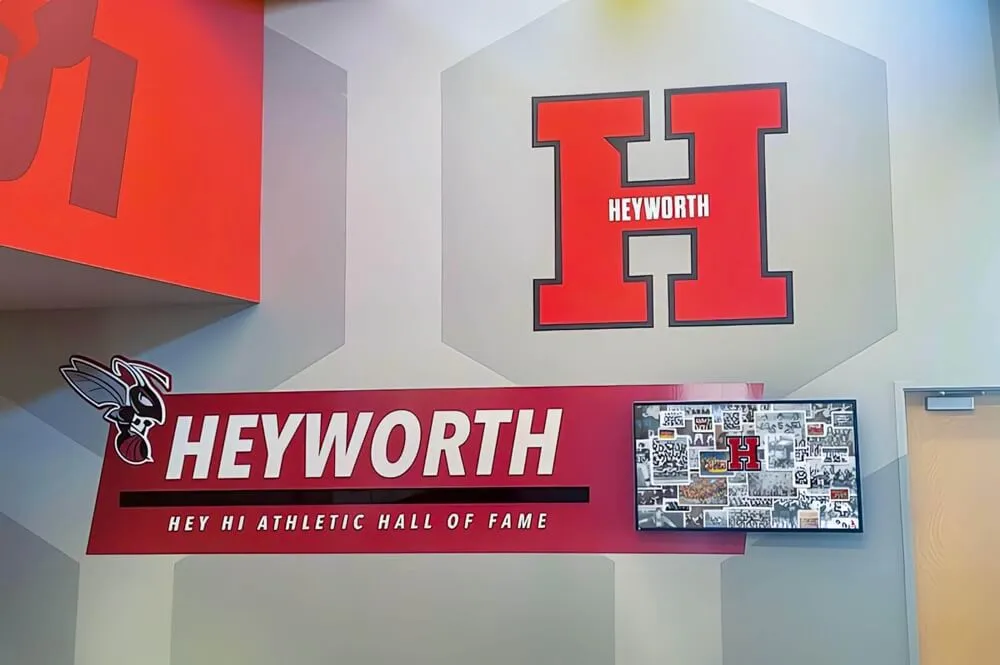
While trophies and certificates provide tangible recognition, modern programs increasingly implement comprehensive digital recognition systems that celebrate achievements year-round rather than solely during awards ceremonies.
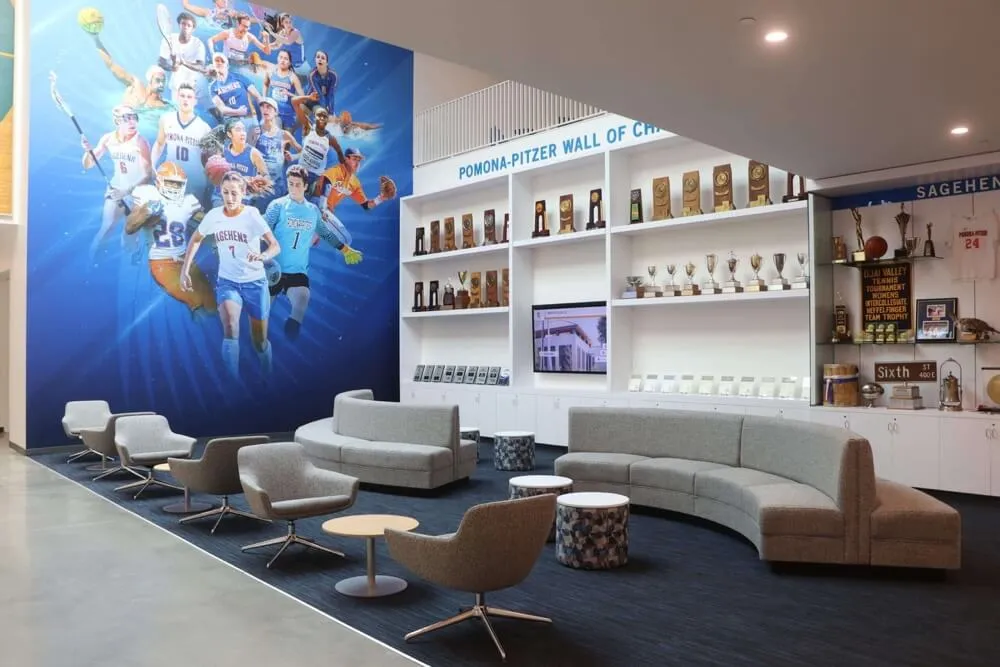
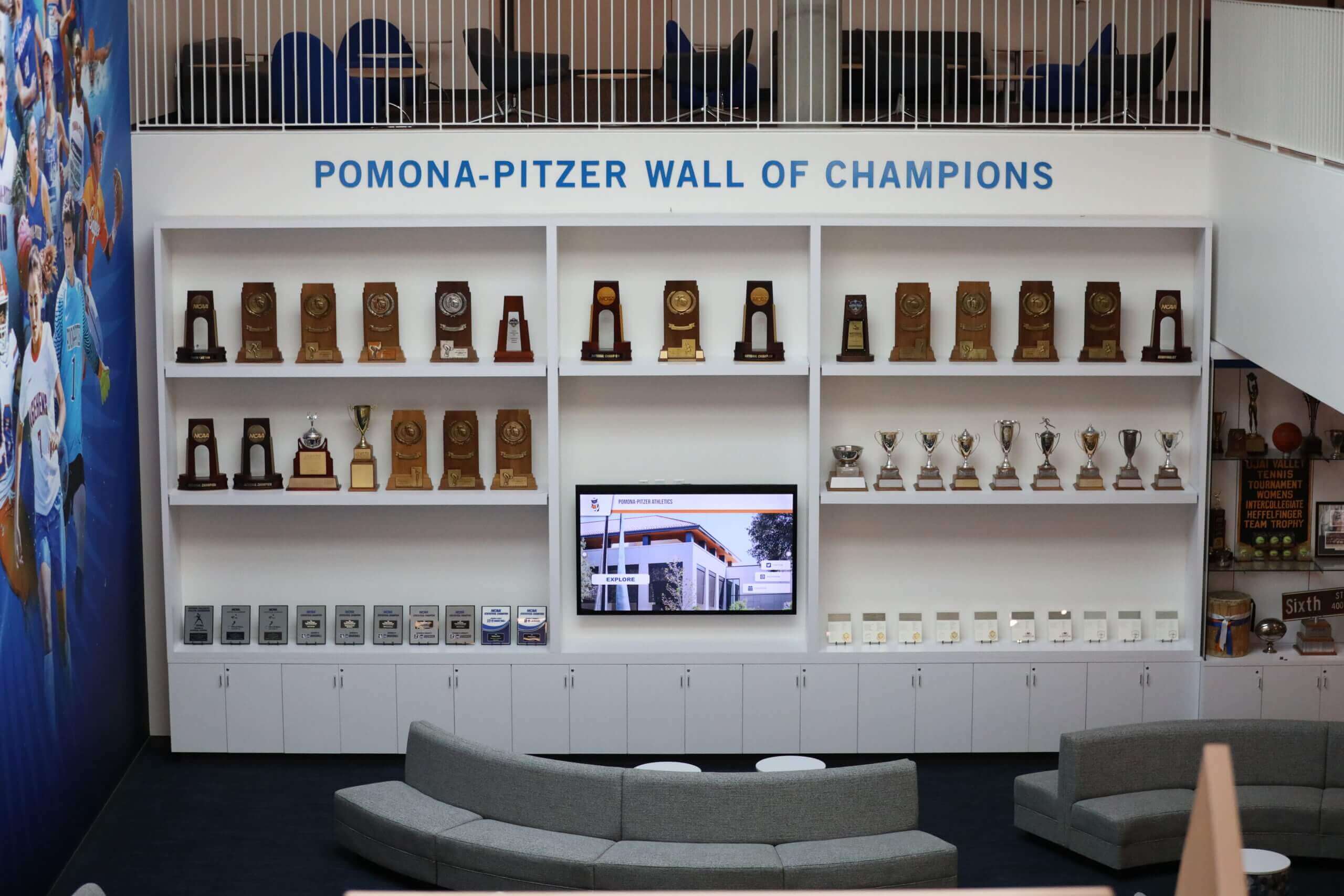
Traditional physical trophy cases face significant limitations—limited space constraining how many achievements can be displayed, static presentations that rarely engage viewers, inability to update information without physical modification, and vulnerability to damage, theft, or deterioration over time. These constraints mean that many worthy achievements never receive lasting recognition simply because physical space doesn’t exist to display additional trophies or plaques.
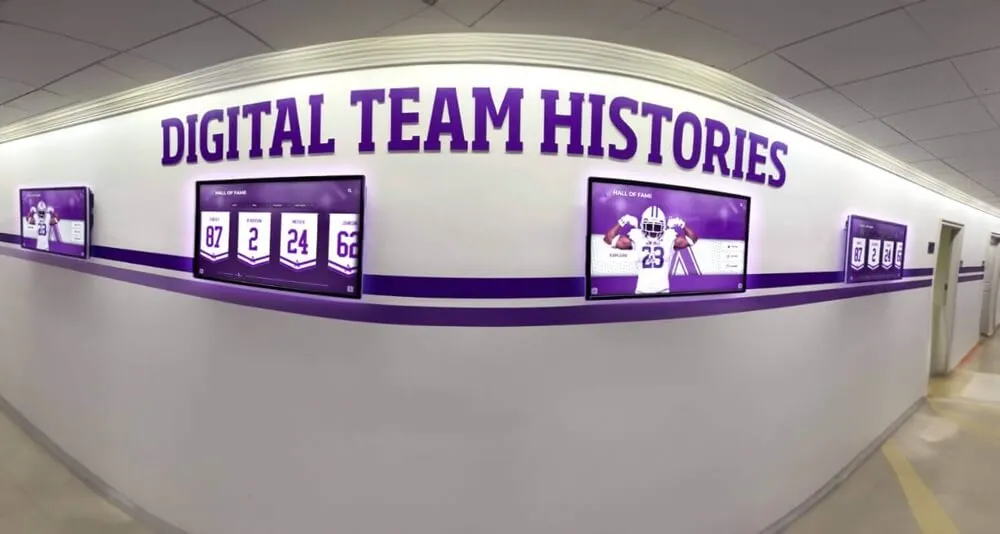
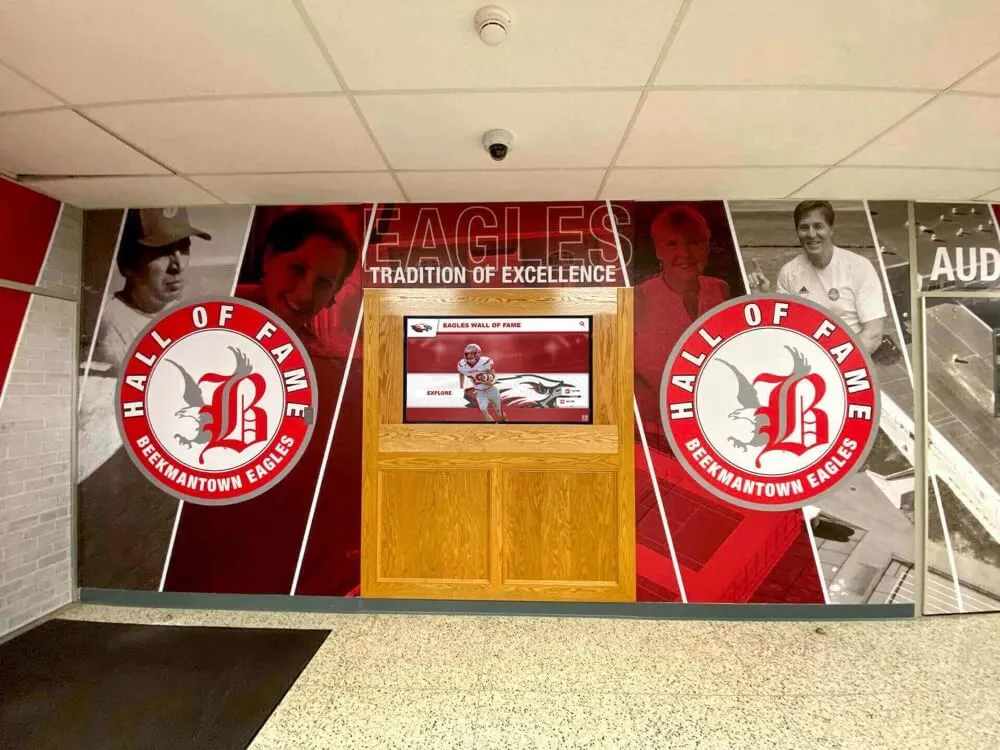
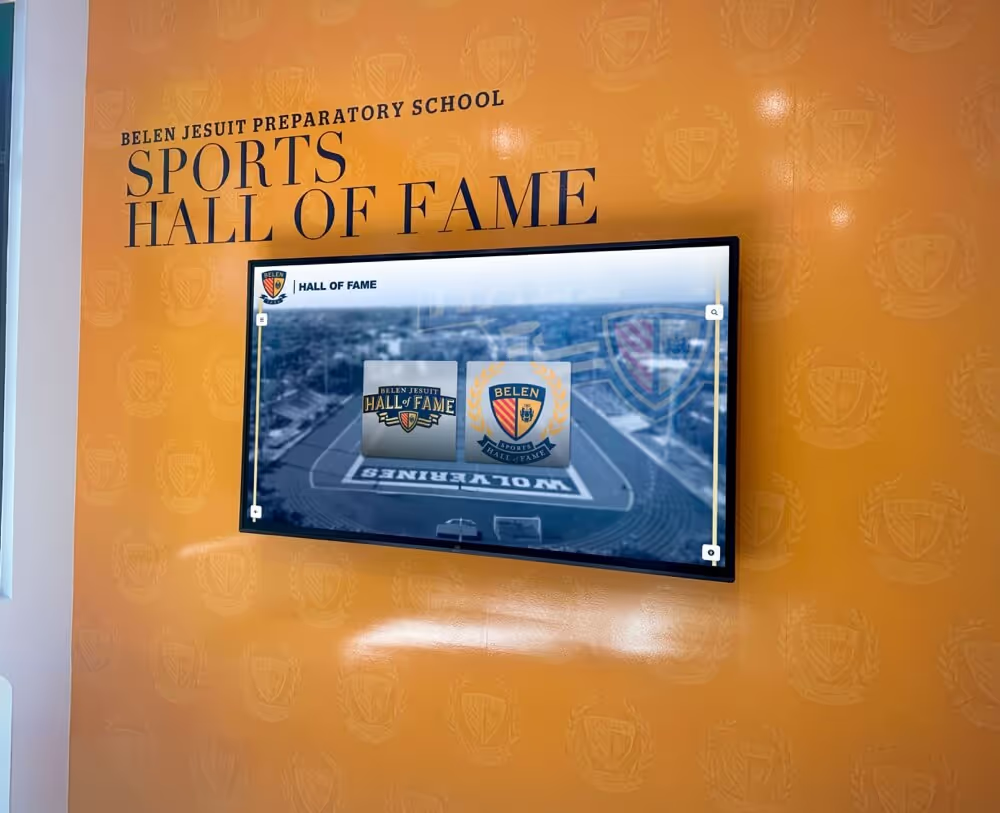
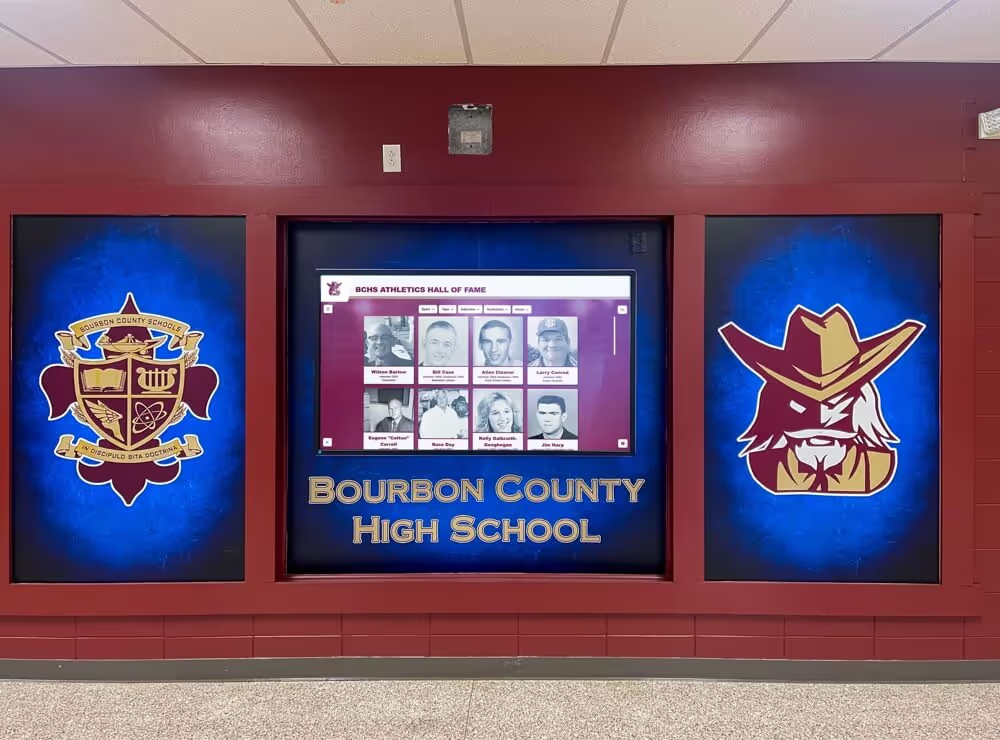
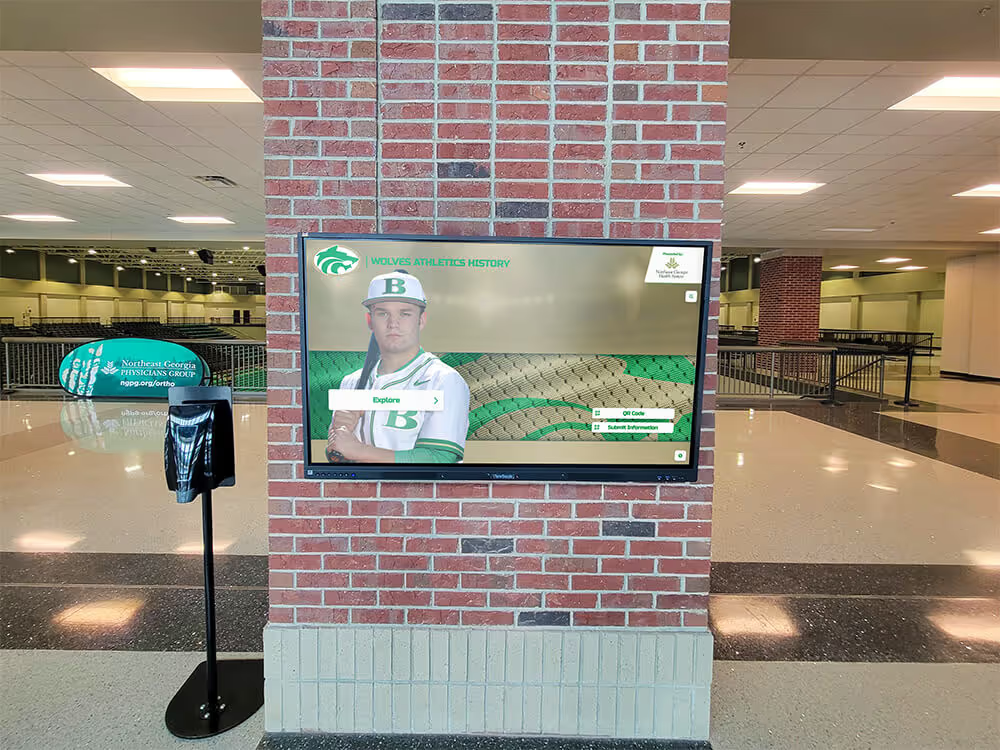
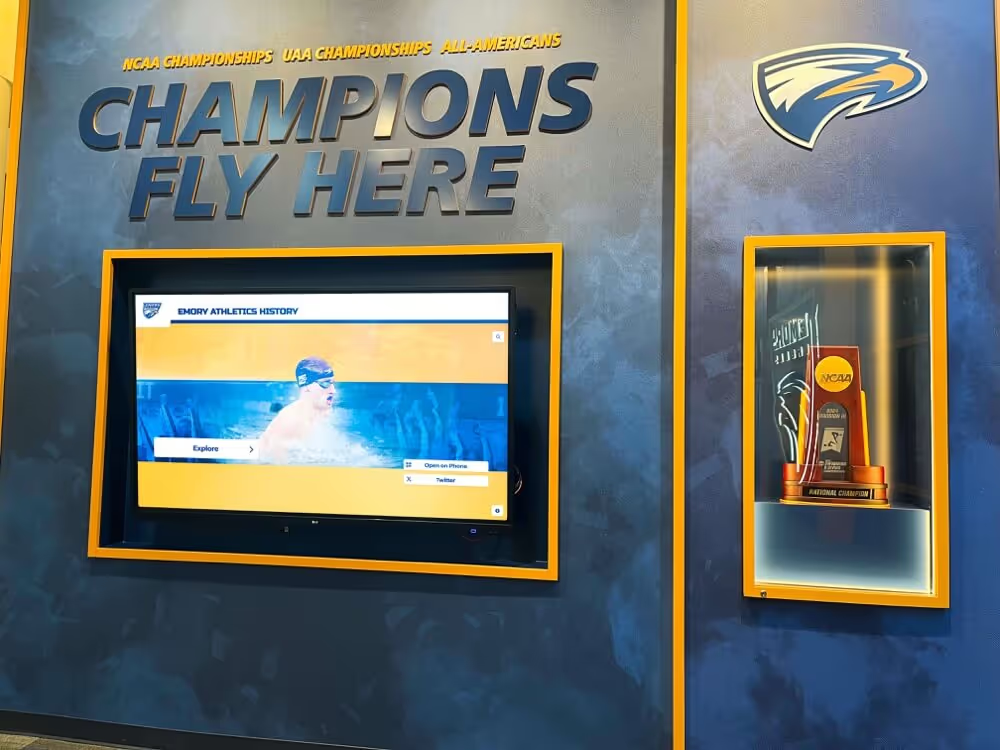
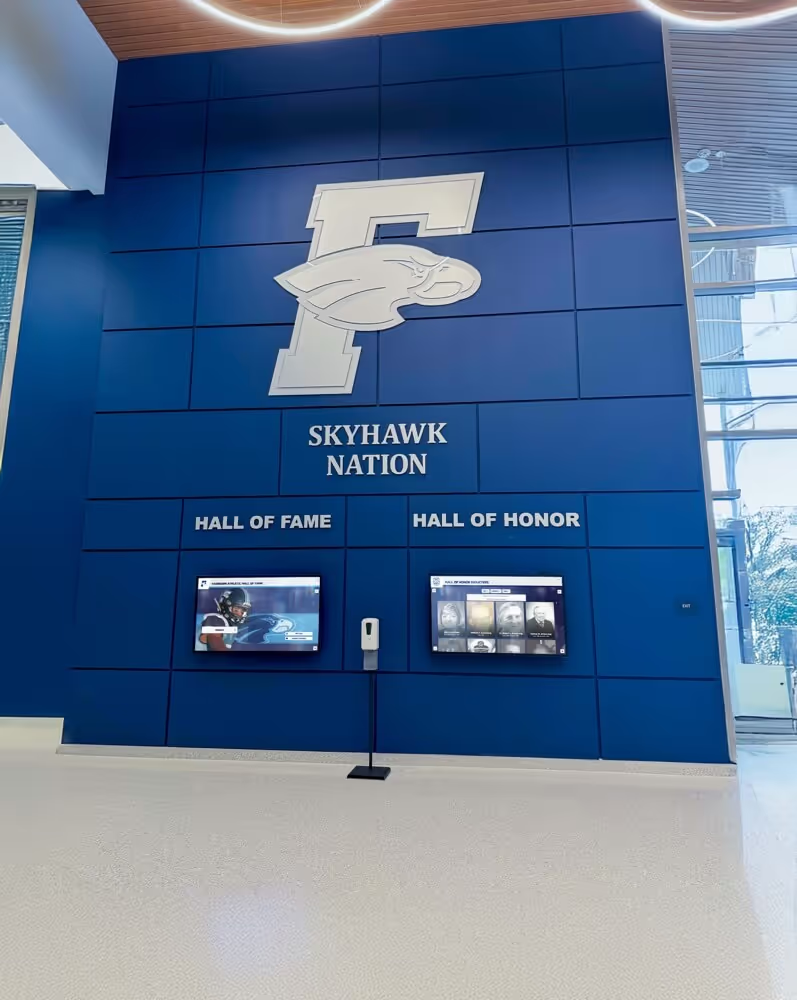
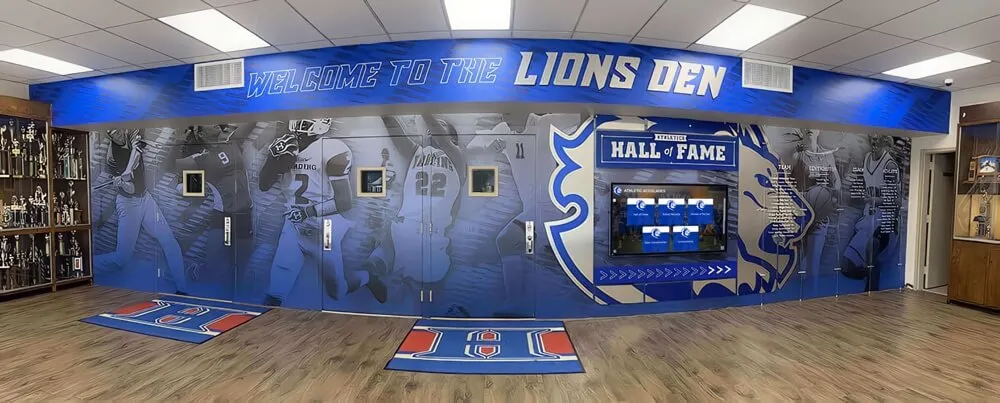
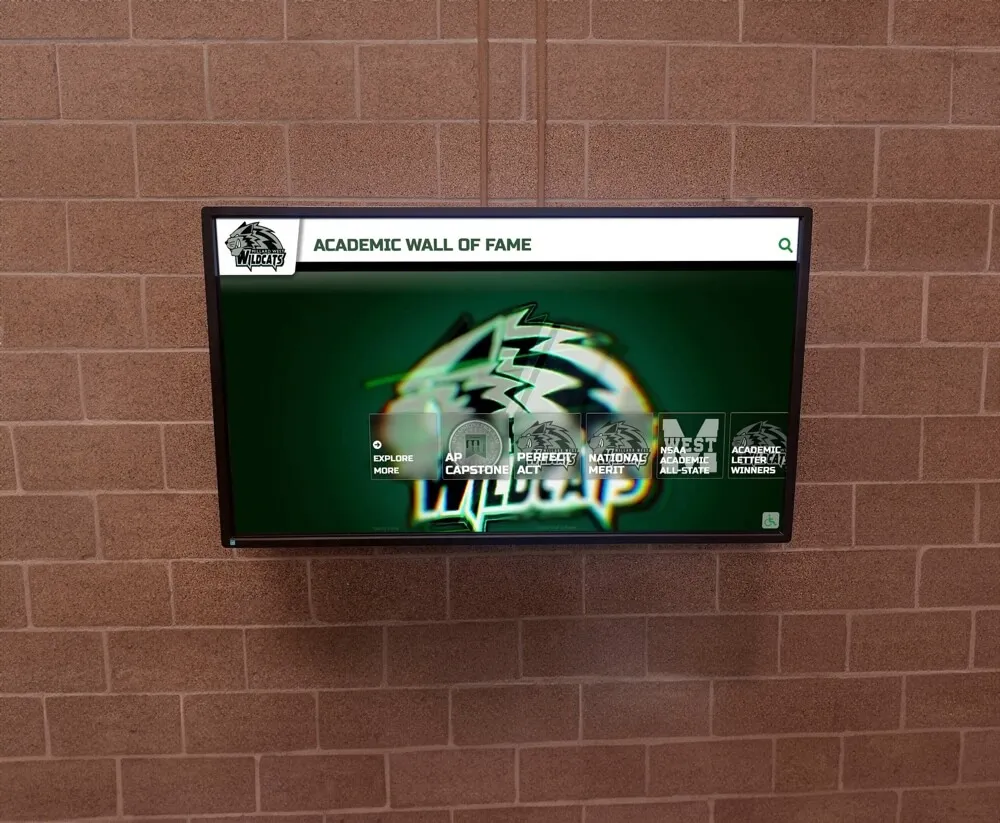
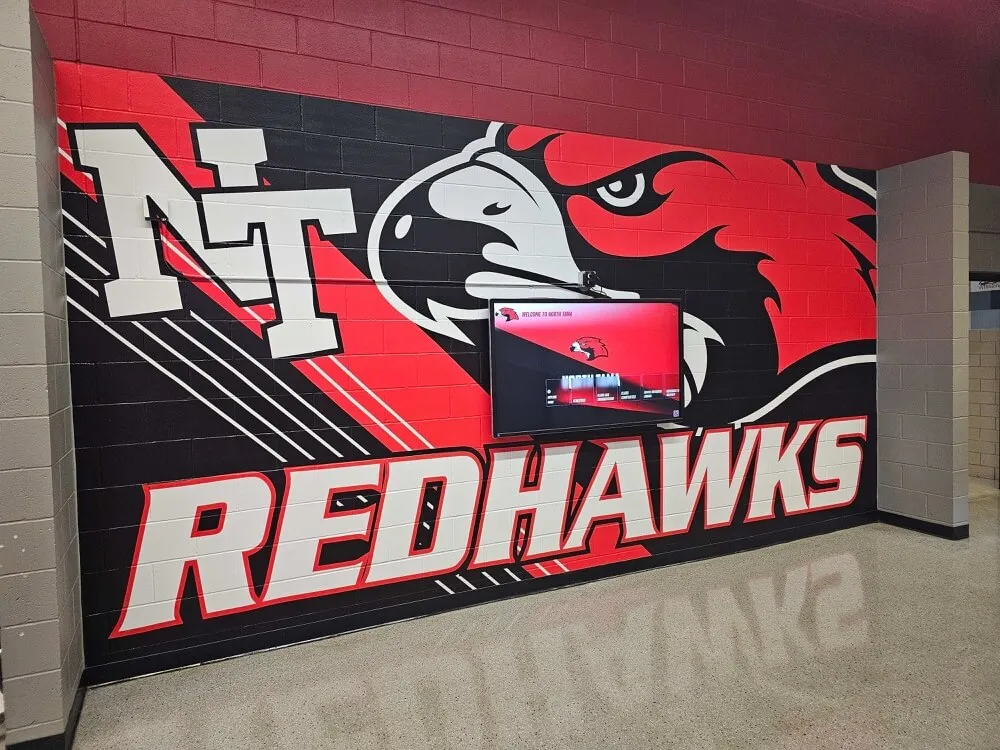
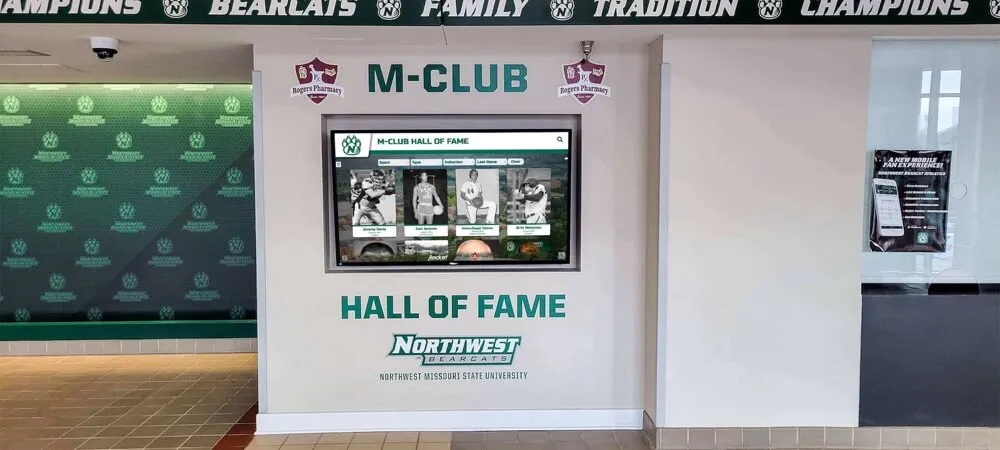
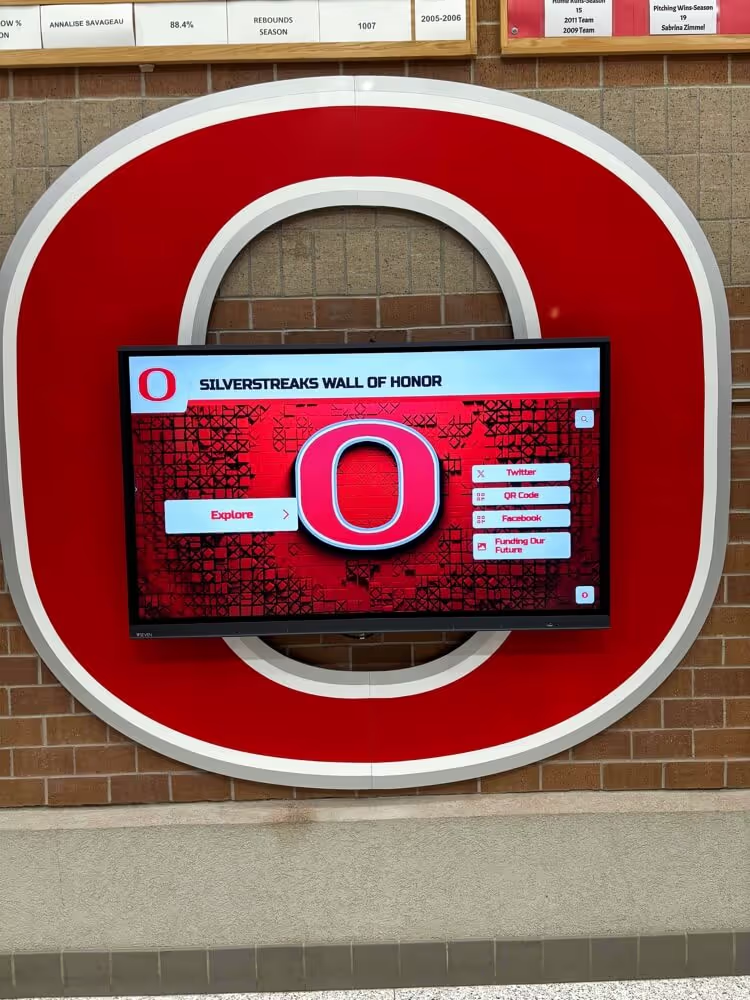
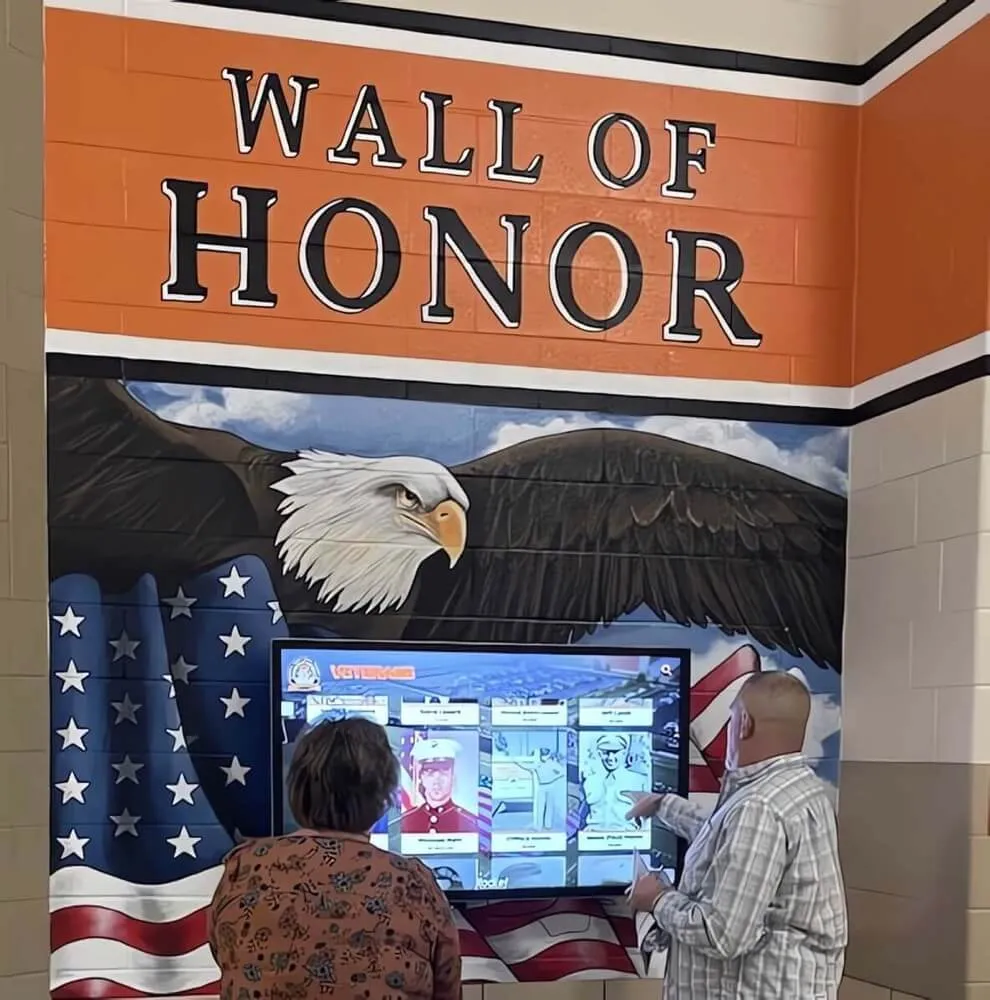
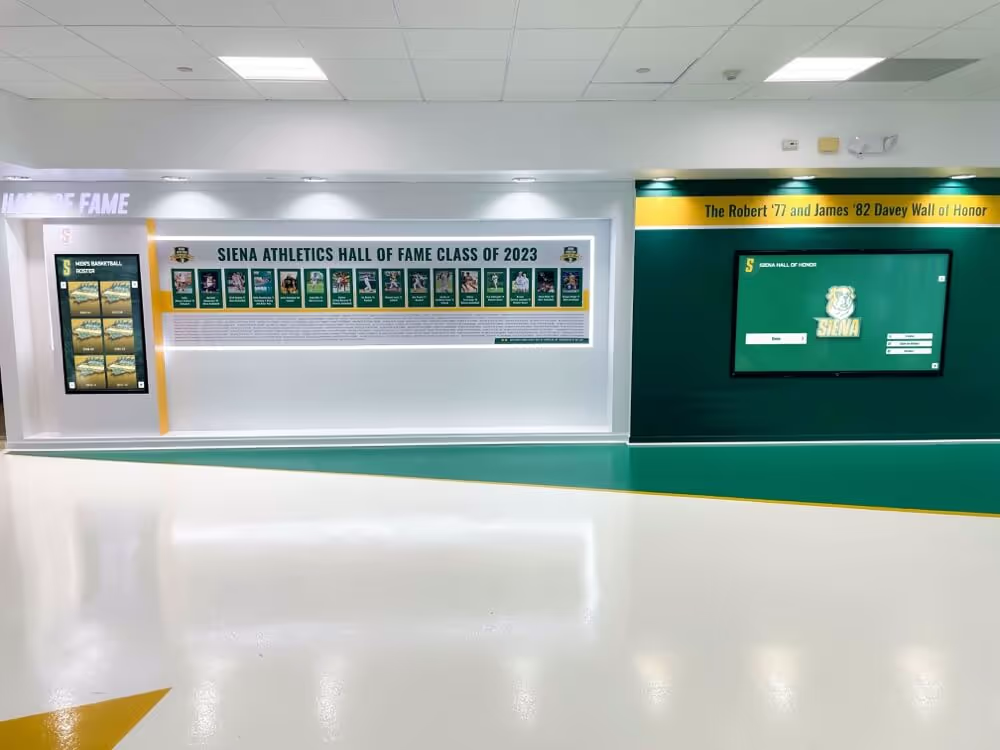
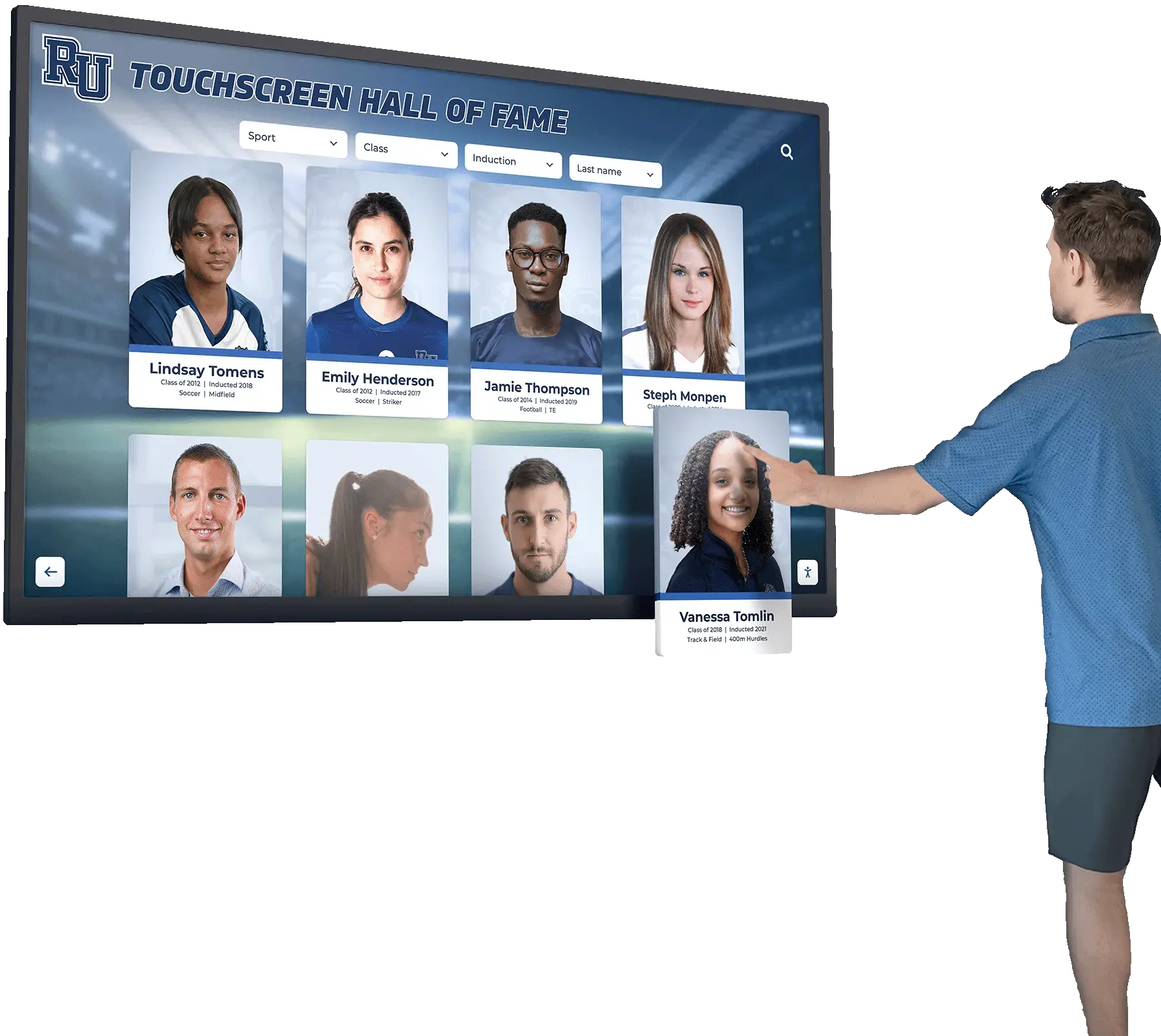
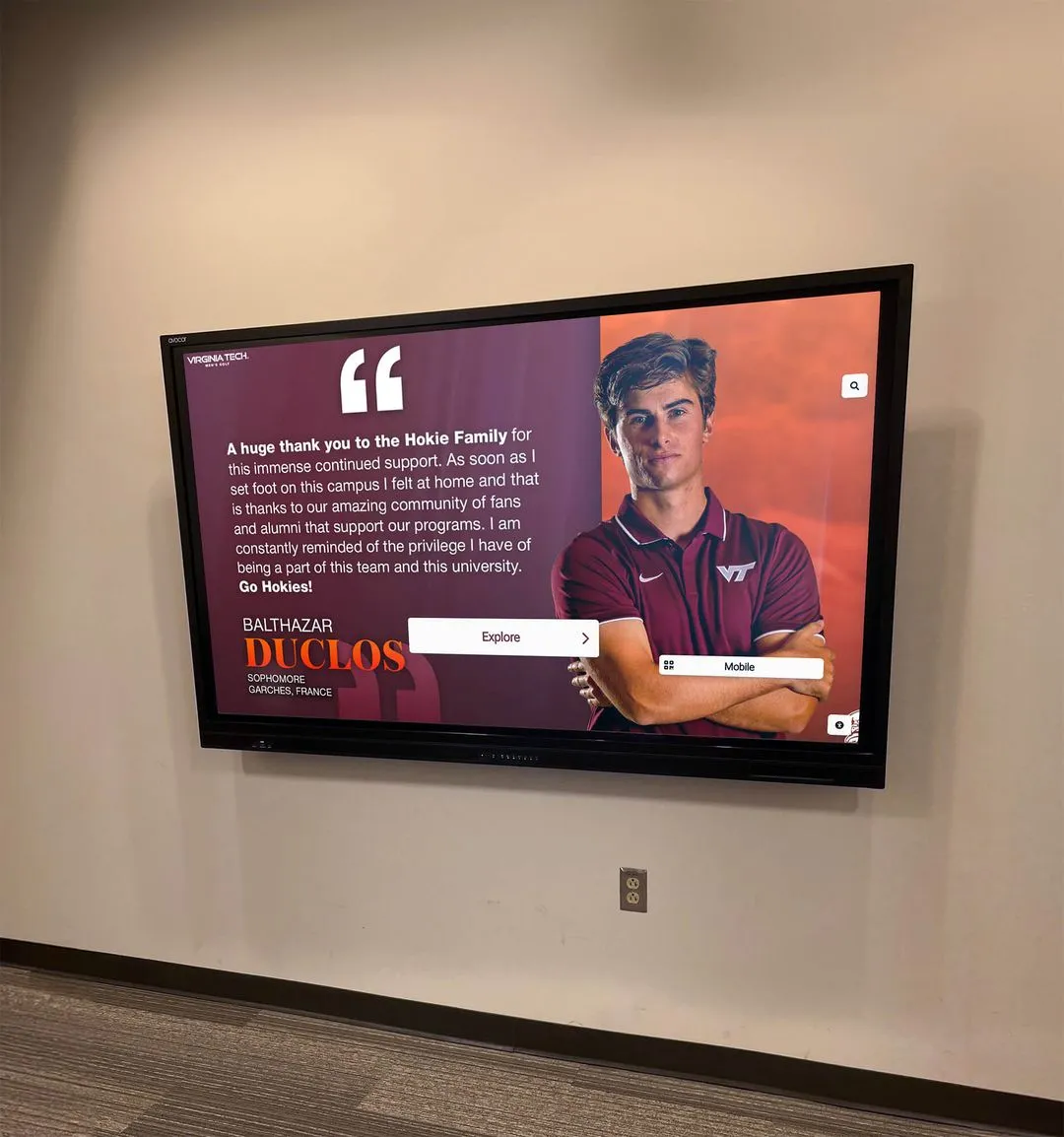
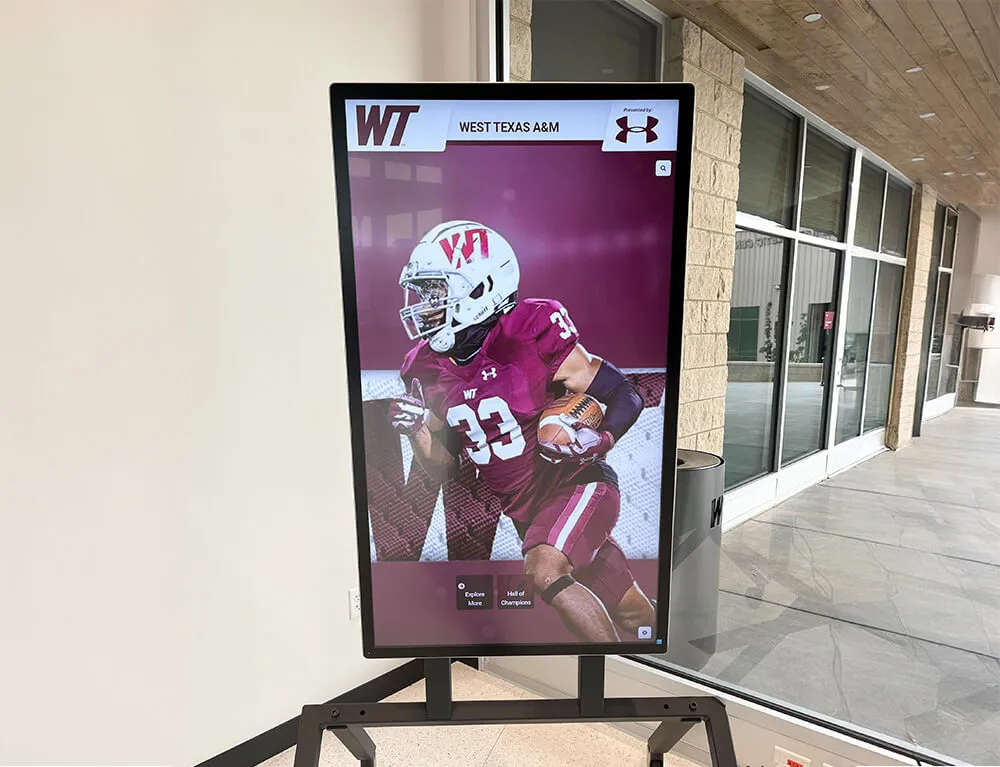
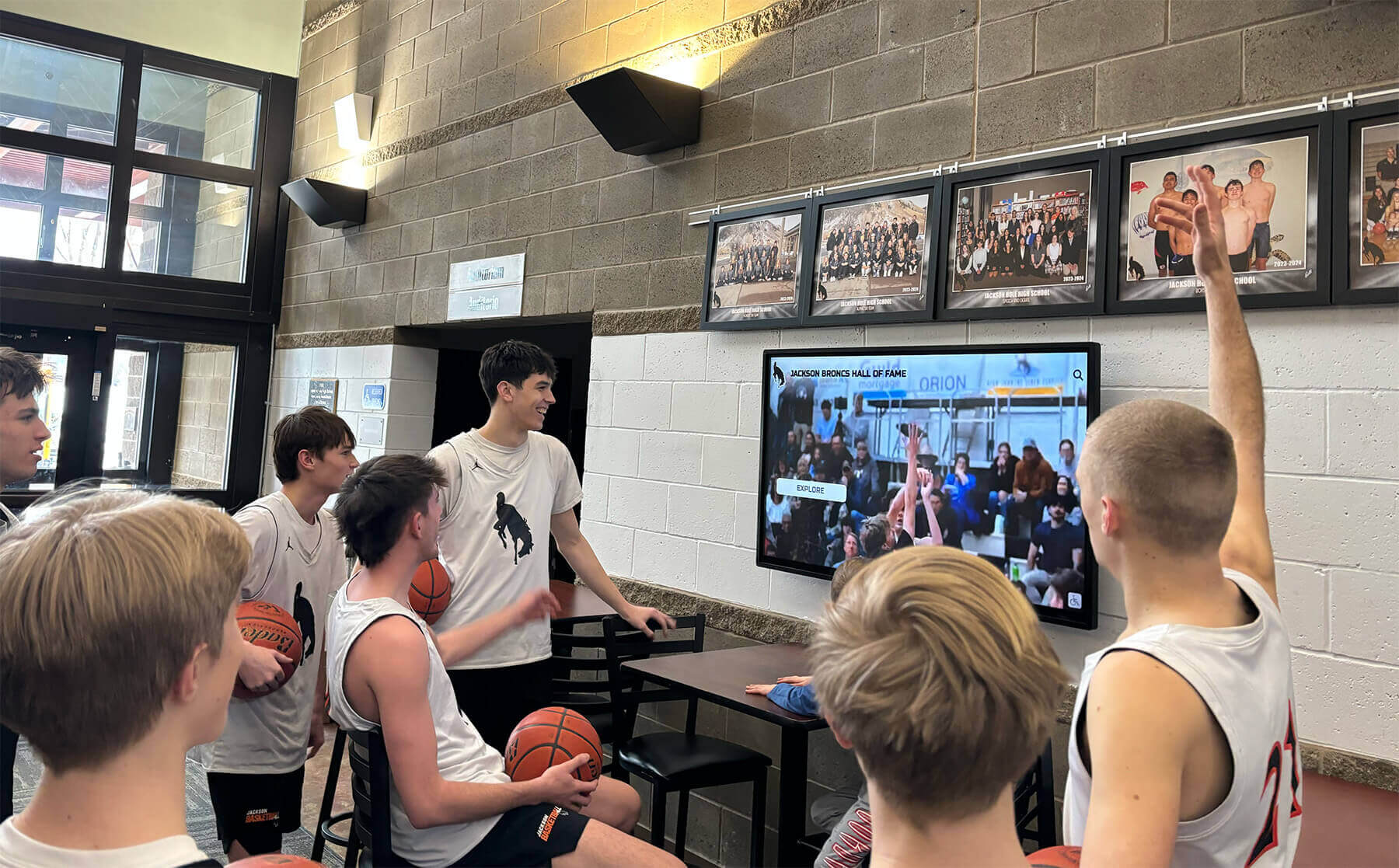

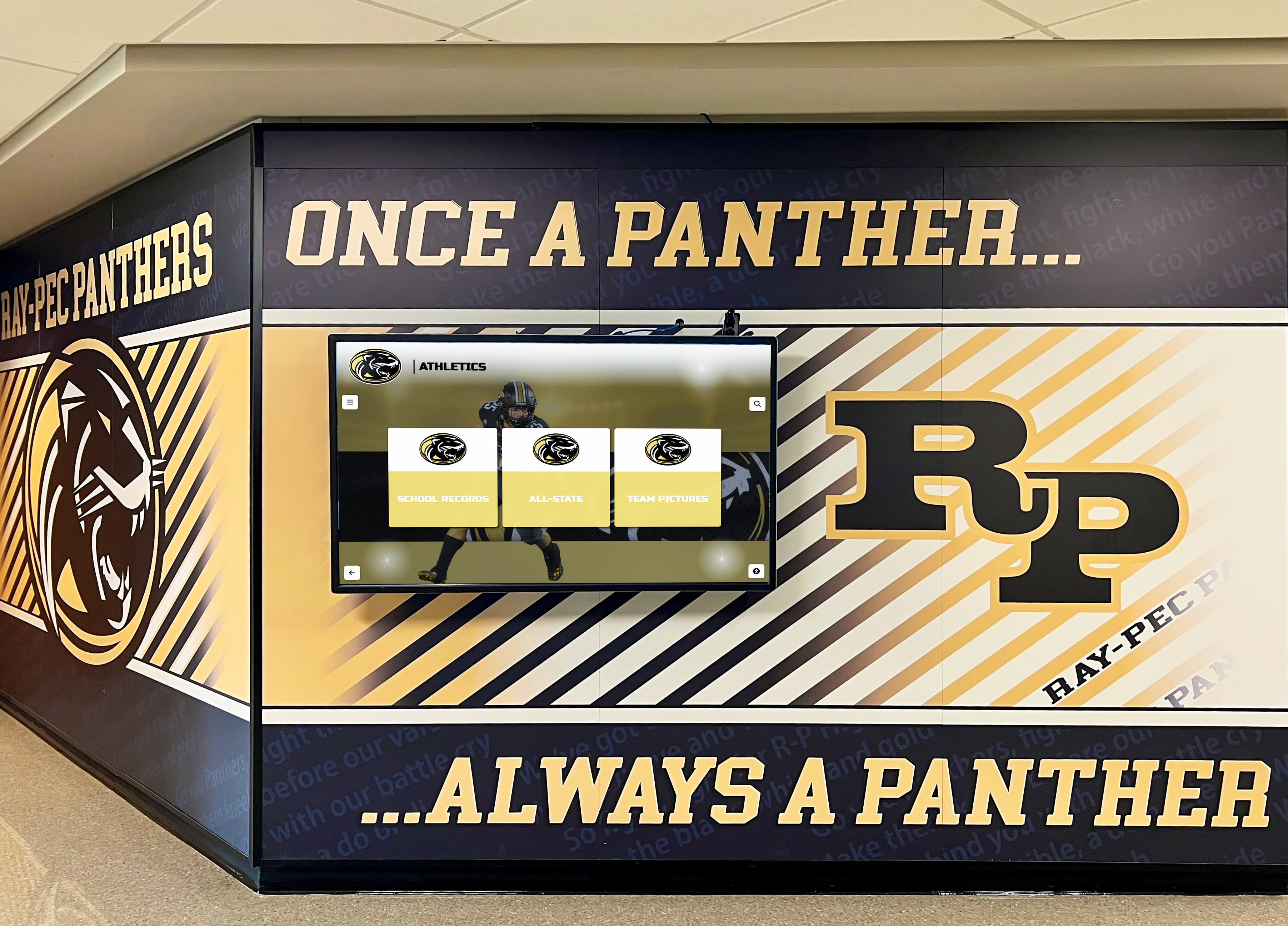
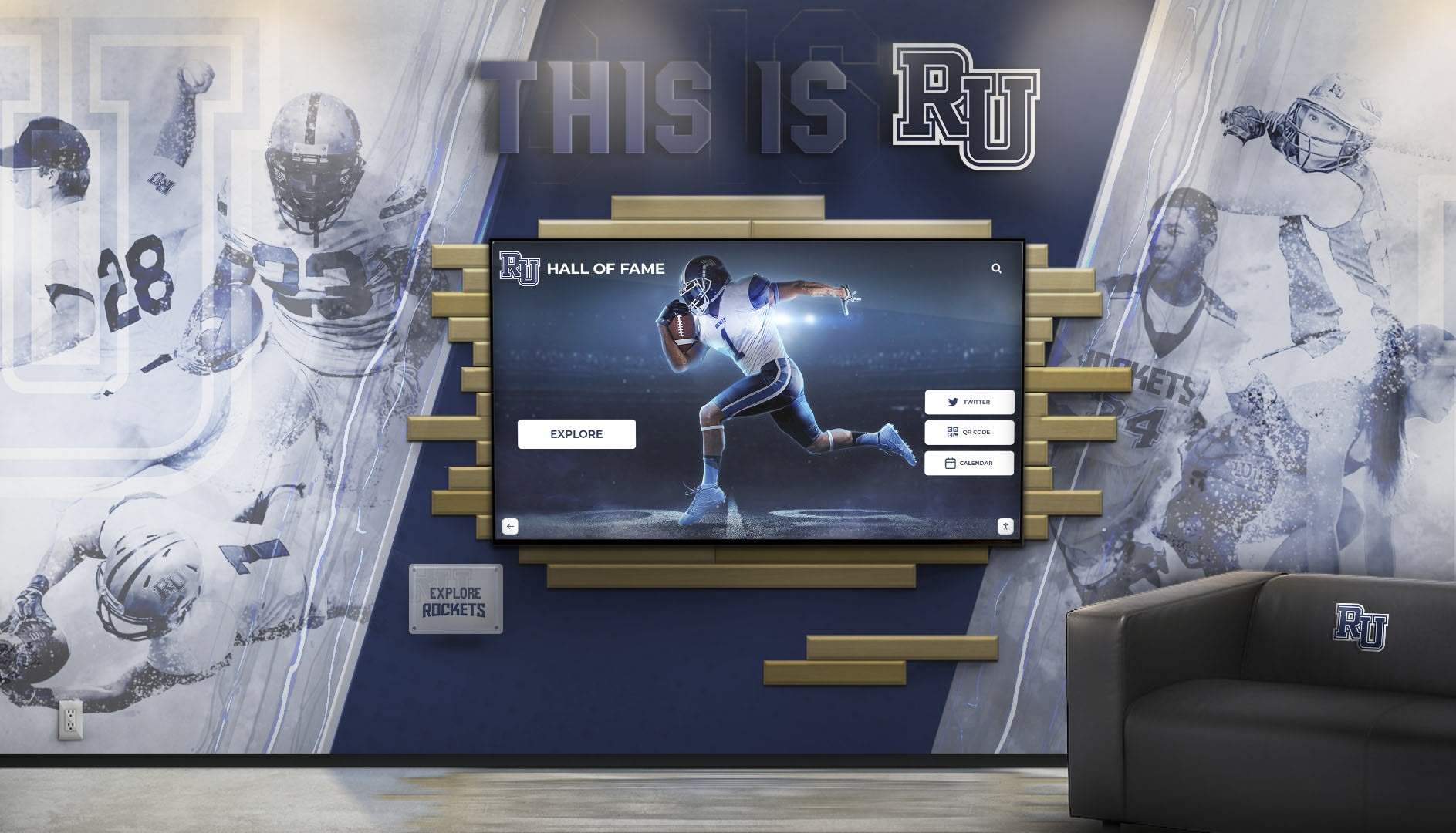
Digital recognition displays solve these challenges while providing enhanced engagement and accessibility. Modern touchscreen systems allow unlimited capacity for recognizing achievements across multiple sports and years, interactive exploration enabling visitors to search specific players or seasons, multimedia integration including photos, videos, and detailed statistics, year-round visibility placing achievements prominently in gymnasiums and lobbies, and instant updates adding new achievements without physical construction or installation.
Solutions like Rocket Alumni Solutions provide comprehensive platforms for celebrating basketball achievements within broader athletic recognition systems. These interactive displays can showcase individual award winners, document program history and traditions, display statistical leaders and record progression, celebrate championship teams with photos and rosters, and connect current players with program legacy—creating continuous inspiration rather than annual ceremony acknowledgment that fades quickly from daily awareness.
Digital recognition also enhances community engagement and program promotion. Families and visitors exploring displays during games, open houses, and tours discover program excellence and tradition, recruits visiting facilities encounter impressive athletic achievement documentation, and alumni reconnecting with programs easily locate their own accomplishments and teammates from years past. This ongoing engagement strengthens program identity and community pride far more effectively than physical trophies gathering dust in locked cases.
Implementing Your Basketball Awards Program
Creating effective awards programs requires thoughtful planning beyond simply selecting categories. Consider these implementation strategies that separate memorable ceremonies from obligatory formalities.
Diversify Selection Methods
Combine different selection approaches rather than relying exclusively on coach decisions or team voting. Statistical awards utilize objective criteria, peer voting recognizes qualities teammates value most authentically, coach selection ensures practice performance and intangibles receive consideration, and captains’ committees provide leadership development opportunities while distributing selection responsibilities.
Create Clear Criteria and Transparency
Establish and communicate clear award criteria before seasons begin, helping players understand what behaviors and achievements receive recognition. This transparency allows athletes to pursue specific awards aligned with their roles and strengths while ensuring selection processes appear fair rather than arbitrary.
Balance Inclusivity with Significance
Effective programs ensure every player receives meaningful recognition while maintaining prestigious awards requiring exceptional achievement. Consider tiered recognition systems where everyone receives some acknowledgment (participation, improvement, specific skill recognition) while elite awards (MVP, leading scorer, defensive player of year) require outstanding performance.
Connect Awards to Program Values
Use award categories to reinforce program culture and values. Teams prioritizing defense implement multiple defensive awards, programs emphasizing team concepts create numerous teamwork and character recognitions, and organizations valuing academic achievement prominently celebrate scholar-athlete accomplishments.
Document and Display Award History
Maintain permanent records of award winners across seasons, creating program history that current and future players aspire to join. Display past winners prominently in facilities, connecting present athletes with program legacy and tradition.
Make Ceremonies Meaningful
Invest appropriate time and energy into ceremony planning, avoiding rushed formalities feeling obligatory rather than celebratory. Include specific achievement descriptions rather than merely reading names, invite families ensuring honorees celebrate with loved ones, incorporate multimedia presentations showing season highlights, and create lasting mementos through programs, certificates, or trophies that recipients treasure.
Consider Budget-Friendly Recognition
Meaningful recognition doesn’t require expensive trophies or elaborate ceremonies. Creative programs implement recognition through athletic recognition displays including lobby banners, hallway photo boards, social media celebration campaigns, and digital displays that provide lasting visibility at lower costs than traditional trophies.
Programs operating with limited budgets can still create powerful recognition through thoughtful certificates with specific achievement descriptions, team celebration events emphasizing recognition over expensive elements, jersey or equipment rewards providing functional value alongside recognition, and digital certificates or graphics that recipients share proudly on social media while costing virtually nothing to produce.
Celebrating Achievement and Building Culture
Basketball awards represent far more than end-of-season obligations—they’re powerful tools for shaping team culture, motivating excellence, validating diverse contributions, and creating memorable experiences that athletes carry throughout their lives.
The specific awards your program implements communicate values as clearly as any mission statement. Teams recognizing hustle, sportsmanship, and leadership alongside scoring demonstrate that character matters equally with statistics. Programs celebrating role players and practice contributors alongside stars show that every team member’s work receives genuine appreciation. And organizations implementing creative, thoughtful awards rather than generic categories year after year signal that players are seen as individuals rather than interchangeable parts.
Well-designed recognition systems also strengthen team chemistry by acknowledging that championship basketball requires countless contributions beyond leading scorers. Defensive specialists, facilitating point guards, rebounding forwards, bench energy providers, and practice players all prove essential to success. Comprehensive awards ensuring each receives genuine acknowledgment create inclusive cultures where every player feels valued—dramatically strengthening team cohesion, reducing jealousy and resentment, and building collective commitment to team success over individual statistics.
Beyond immediate team impact, meaningful recognition creates lasting memories that influence players throughout their lives. Decades after playing careers end, former athletes vividly remember awards ceremonies, specific recognitions received, and feelings of validation when coaches and teammates acknowledged their contributions. These memories shape self-concept, reinforce values learned through sport, and maintain connections to programs and teammates long after graduation.
When you invest thought and care into recognition—selecting awards celebrating diverse achievements, implementing fair and transparent selection processes, creating meaningful ceremonies rather than rushed formalities, and documenting achievements through lasting displays—you create experiences that transcend basketball itself, teaching young athletes that their efforts matter, their contributions are seen, and their development is valued beyond wins and losses.
Elevate Your Basketball Recognition Program
Ready to transform how your program celebrates basketball achievement? Rocket Alumni Solutions provides comprehensive digital recognition platforms that showcase award winners, program history, statistical leaders, and championship teams through interactive displays that engage communities year-round. Discover how modern recognition technology can help your basketball program celebrate achievements more meaningfully while building lasting traditions that inspire current and future players.