Every championship team features at least one outfielder who tracks down drives in the gap that should be doubles, fires laser throws cutting down runners at third, and makes the routine play look effortless through superior positioning and reads. These elite defenders aren’t born—they’re built through systematic practice addressing the unique challenges outfielders face: reading balls off the bat across varying trajectories and spins, covering enormous territory efficiently, transitioning quickly from catch to throw, and delivering accurate strikes to bases 200+ feet away.
Most practice plans devote disproportionate time to infield work and hitting while treating outfield defense as an afterthought—fifteen minutes of lazy fly ball shagging before batting practice. This approach creates defensive liabilities in critical positions covering the most territory and making the longest, most difficult throws. Programs that dedicate focused practice time to outfield-specific skills develop defensive depth that wins close games, prevents big innings, and creates competitive advantages opponents can’t match through hitting alone.
The drills detailed below address the three skill categories defining elite outfield play: reading balls accurately off the bat, taking efficient routes that maximize range, and throwing with accuracy and velocity that keeps runners honest. Each drill includes specific coaching points highlighting technique details that separate effective execution from wasted repetitions, common mistakes to watch for and correct immediately, and progression variations allowing you to scale difficulty as athletes develop.
Understanding Outfield Defense Fundamentals
Before diving into specific drills, understanding the core principles governing effective outfield play ensures your practice addresses root skills rather than just going through motions of catching fly balls and making throws.
The Three Pillars of Outfield Excellence
Elite outfield defense builds on three interconnected skill categories, each requiring dedicated practice with progressively challenging drills:
Reading and Tracking: The moment the bat contacts the ball, outfielders must instantly process visual information—ball trajectory, spin, initial direction—and translate that input into movement decisions. Good reads create head starts measuring several steps, the difference between routine catches and spectacular diving plays. Poor reads waste steps running the wrong direction before correcting, turning catchable balls into extra-base hits.
Reading ability develops through hundreds of repetitions tracking diverse ball types—line drives, fly balls, slicing curves, hooks caused by topspin. Youth players need extensive practice simply tracking balls vertically, while advanced players refine reads on balls with lateral movement, backspin creating carry, and topspin causing rapid descent.
Route Efficiency and Range: After reading the ball’s trajectory, outfielders must select optimal routes that arrive at the catch point with momentum toward throwing targets rather than drifting away from them. Efficient routes feature explosive first steps in correct directions, proper angles approaching balls rather than running directly underneath them, and controlled deceleration allowing clean catches without excessive momentum carrying them past optimal throwing positions.
Range—the territory an outfielder can effectively cover—increases more through improved reads and route efficiency than pure speed. A moderately fast player with excellent reads and routes covers more ground than a burner who hesitates on initial reads or takes circuitous paths.
Throwing Accuracy and Strength: Outfield throwing demands differ fundamentally from infield throwing due to distance—150 to 250+ feet depending on position and target base. These distances expose mechanical inefficiencies that don’t matter on 60-foot infield throws, require different arm action emphasizing longer, looser arm path generating carry, and demand efficient footwork creating momentum toward targets rather than dissipating energy through poor positioning.
Arm strength matters, but throwing effectiveness depends equally on efficient mechanics, quick transitions from catch to release, and accuracy that allows infielders to apply tags without reaching or adjusting to off-line throws.
Position-Specific Considerations
While all outfielders need competency across reads, routes, and throws, each position emphasizes different skills based on typical responsibilities:
Left Fielders: Often see more slicing line drives from right-handed pull hitters, make shorter but frequent throws to third base requiring quick releases, handle balls down the left field line with awkward angles to infield, and back up third base on throws from the right side.
Center Fielders: Cover the most territory requiring superior speed and reads, coordinate gap responsibilities with corner outfielders requiring communication skills, handle the most diverse range of ball types due to central position, and make the longest throws (home plate from center field warning track), requiring the strongest arms.
Right Fielders: Make the most critical throws (home plate and third base) requiring both accuracy and strength, field more balls from left-handed pull hitters creating unique spin characteristics, handle sun fields during many game times depending on field orientation, and back up first base on infield grounders.
Understanding position-specific demands allows you to tailor drill emphasis—spending extra time on right fielders’ throwing mechanics and accuracy, focusing center fielders on range and communication, and working left fielders on quick-release throws to third.
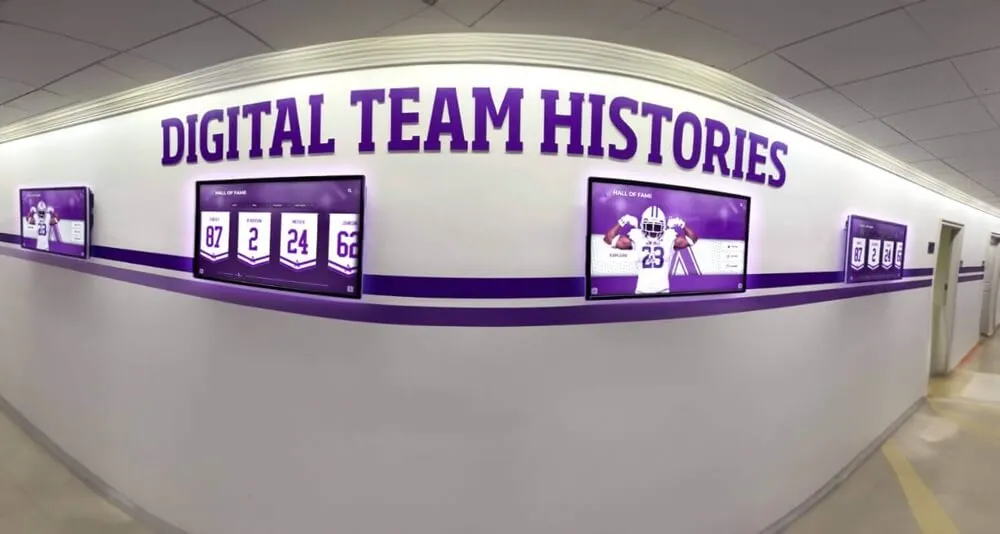
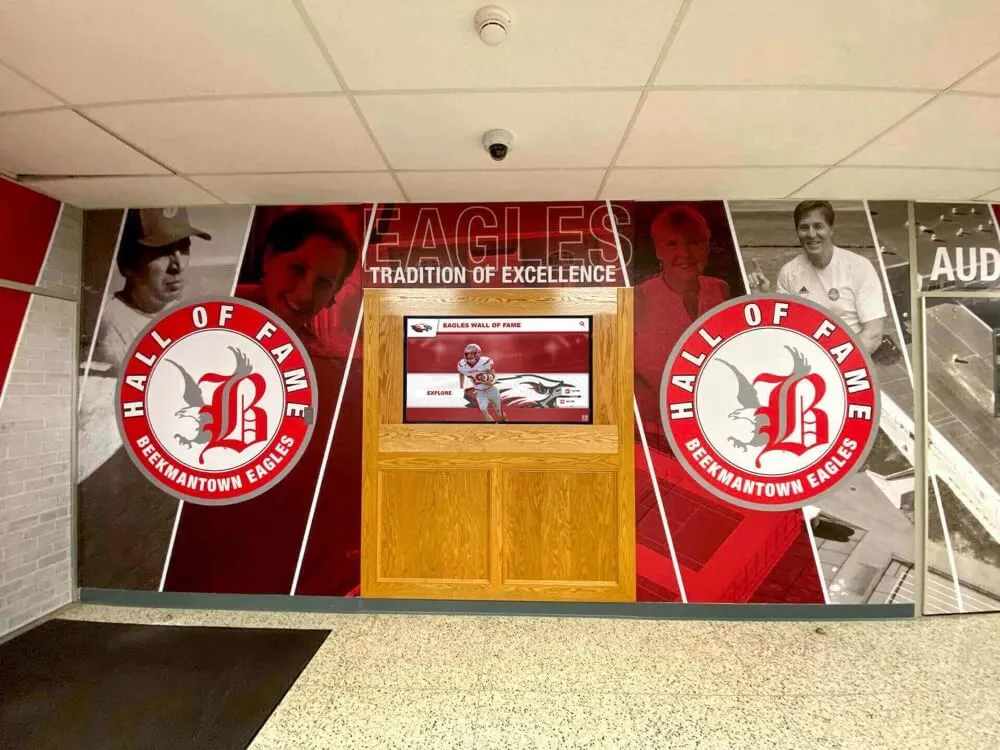
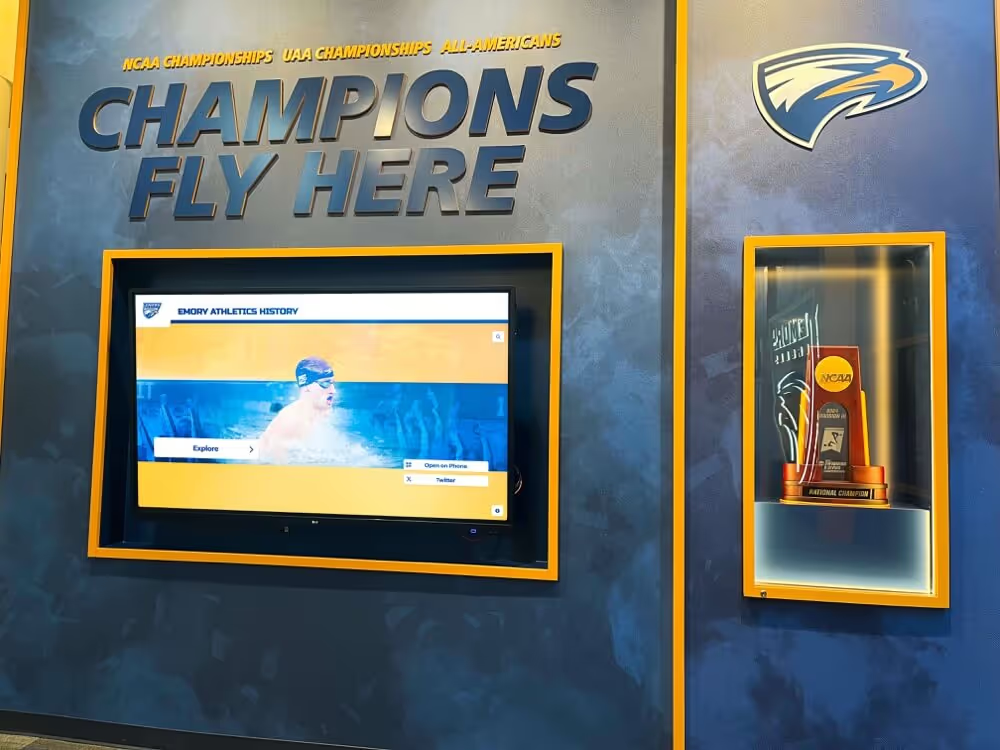
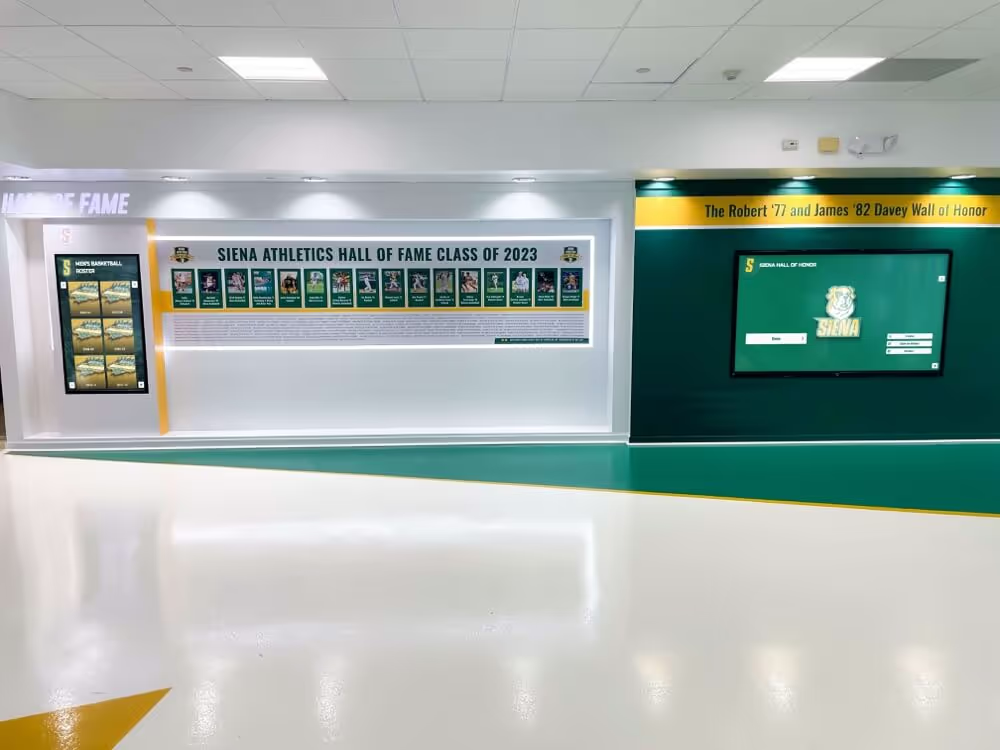
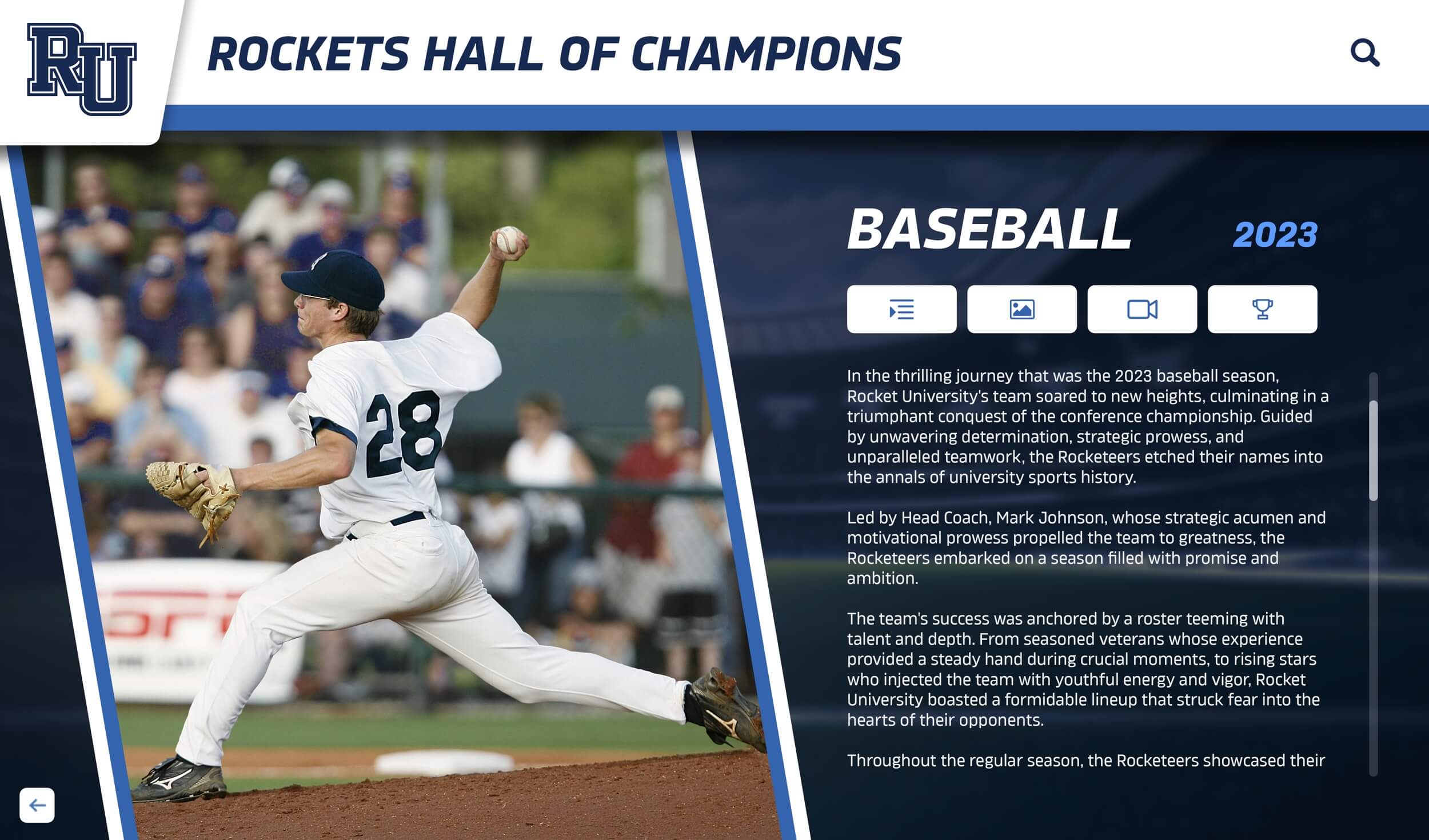
Many successful baseball programs celebrate defensive excellence alongside offensive statistics through comprehensive recognition displays that honor Gold Glove-caliber defenders whose contributions extend far beyond batting averages.
Reads and Tracking Drills
Accurate reads provide the foundation for all other outfield skills. Players with elite tracking ability gain critical first-step advantages, make difficult catches look routine, and rarely get fooled by unusual spin or trajectory variations.
Drill 1: Progressive Fly Ball Reads
Purpose: Develop fundamental fly ball tracking skills through controlled progressions from easy to challenging reads.
Setup: Position outfielders at normal depth (200-250 feet). Coach or fungo hitter stands at home plate with bucket of balls.
Execution: Begin with high, straight fly balls hit directly at players, allowing them to practice tracking vertically without lateral movement. Progress to balls requiring 3-5 steps forward or back, maintaining straight-ahead trajectories. Advance to balls requiring diagonal movements—forward-left, forward-right, back-left, back-right. Finish with challenging balls featuring significant lateral movement requiring athletes to run hard angles.
Coaching Points: Watch athletes’ initial reads during the first half-second after contact. Their first step should move them toward the eventual catch point, not straight back or forward as default reactions. Athletes who consistently take false steps (moving the wrong direction before correcting) need more repetitions at easier levels before progressing.
Emphasize tracking the ball continuously from bat to glove rather than looking away to find running lanes or check positioning. Athletes should trust their initial reads and commit to routes without second-guessing mid-pursuit.
Common Mistakes: Taking false steps backward on all fly balls regardless of actual trajectory, watching the hitter’s swing rather than the ball off the bat, stopping their movement to look up and retrack balls mid-route, running directly backward instead of turning and sprinting on deep balls.
Equipment: Baseballs, fungo bat or hitting setup, gloves.
Recommended Volume: 15-20 repetitions per player (5 straight vertical, 5 forward/back, 5 diagonal, 5 lateral), 2-3 times per week during season.
Drill 2: Line Drive Recognition
Purpose: Develop instant recognition differentiating line drives from fly balls, requiring different route approaches and urgency levels.
Setup: Same positioning as Drill 1.
Execution: Mix line drives with fly balls in random sequence, forcing outfielders to quickly identify ball type and adjust approaches accordingly. Line drives require more aggressive forward routes since they don’t have hang time allowing adjustment, while fly balls permit more measured approaches with time to settle under balls.
Hit line drives at varying heights—knee-high sinkers that may require sliding catches, waist-high liners they can catch in stride, and chest-high lasers demanding quick glove positioning. Include both straight-ahead and angled line drives.
Coaching Points: Line drives demand immediate forward movement since delayed reads turn potential catches into balls bouncing past fielders for extra bases. Athletes should recognize liners by their initial trajectory (flatter than fly balls) and sound off the bat (sharper crack versus the hollow sound of high fly balls).
Athletes often struggle with balls hit directly at them that appear to stay at the same height—these create optical illusions making it difficult to judge whether balls are rising, falling, or coming straight in. Teach players to watch the ball’s seams rotating to better judge true trajectory when visual reference points aren’t obvious.
Common Mistakes: Treating all balls the same regardless of trajectory, waiting too long before committing to forward routes on liners, taking tentative steps instead of aggressive forward momentum, misjudging balls hit directly at them.
Equipment: Baseballs, fungo bat, gloves.
Recommended Volume: 12-15 repetitions per player, 2 times per week.
Drill 3: Sun Ball Training
Purpose: Build confidence and technique for handling fly balls in direct sunlight, eliminating fear and hesitation that create errors.
Setup: Schedule drill during times when sun is low in sky (early morning or late afternoon). Position outfielders facing the sun at the angles they’ll encounter during games based on your field’s orientation.
Execution: Hit high fly balls directly into the sun, forcing athletes to use proper technique for tracking sun balls. Start with moderate-height flies allowing easier tracking, progress to higher, more difficult balls as confidence builds.
Coaching Points: Teach proper sunglasses technique—flip them down early while tracking the ball’s initial trajectory, don’t wait until the last moment when you’ve already lost the ball. Athletes without sunglasses should use their glove to shield their eyes while tracking, holding the glove above and slightly in front of their face to create shade while maintaining visibility.
The critical moment is the final 10-15 feet of descent when the ball emerges from the sun’s glare. Athletes must relocate the ball quickly and adjust positioning for the catch. Some players find it helpful to use their throwing hand to shield their eyes during this critical window while positioning their glove for the catch.
Common Mistakes: Refusing to look at the ball due to sun discomfort, flipping sunglasses too late after already losing visual contact, not using glove as sun shield effectively, giving up on balls instead of fighting through difficulty.
Equipment: Baseballs, fungo bat, gloves, sunglasses (flip-ups or regular).
Recommended Volume: 8-10 repetitions per player, 1-2 times per week when conditions permit.
Progression: Once basic sun ball tracking improves, add complexity by incorporating running catches in the sun, communication drills between outfielders on sun balls in gaps, and simulated game situations requiring throws after sun ball catches.
Drill 4: Two-Ball Tracking
Purpose: Develop advanced tracking skills and concentration by requiring outfielders to track and catch two balls in rapid succession.
Setup: Two coaches with fungos positioned 30 feet apart. Outfielder at normal depth facing both coaches.
Execution: First coach hits fly ball to outfielder. Immediately after the first ball leaves the bat, second coach hits another fly ball to a different location. Outfielder must catch the first ball, quickly locate the second, and make that catch as well. Vary the timing—sometimes hitting the second ball while the first is still in flight, sometimes waiting until after the first catch.
Coaching Points: This drill forces athletes to develop peripheral awareness and quick visual transitions between targets. After catching the first ball, they must immediately look to find the second rather than admiring their catch or slowly transitioning attention.
The drill simulates game situations where outfielders must quickly refocus after making catches—like balls hit during rundowns or rapid-fire situations in batting practice where they need to track multiple balls.
Common Mistakes: Focusing so intently on the first ball that they lose awareness of the second, celebrating first catches instead of immediately locating the second ball, poor positioning after first catch that makes reaching second ball impossible.
Equipment: 2 fungos, 2 coaches, baseballs, gloves.
Recommended Volume: 6-8 repetitions per player, 1 time per week.
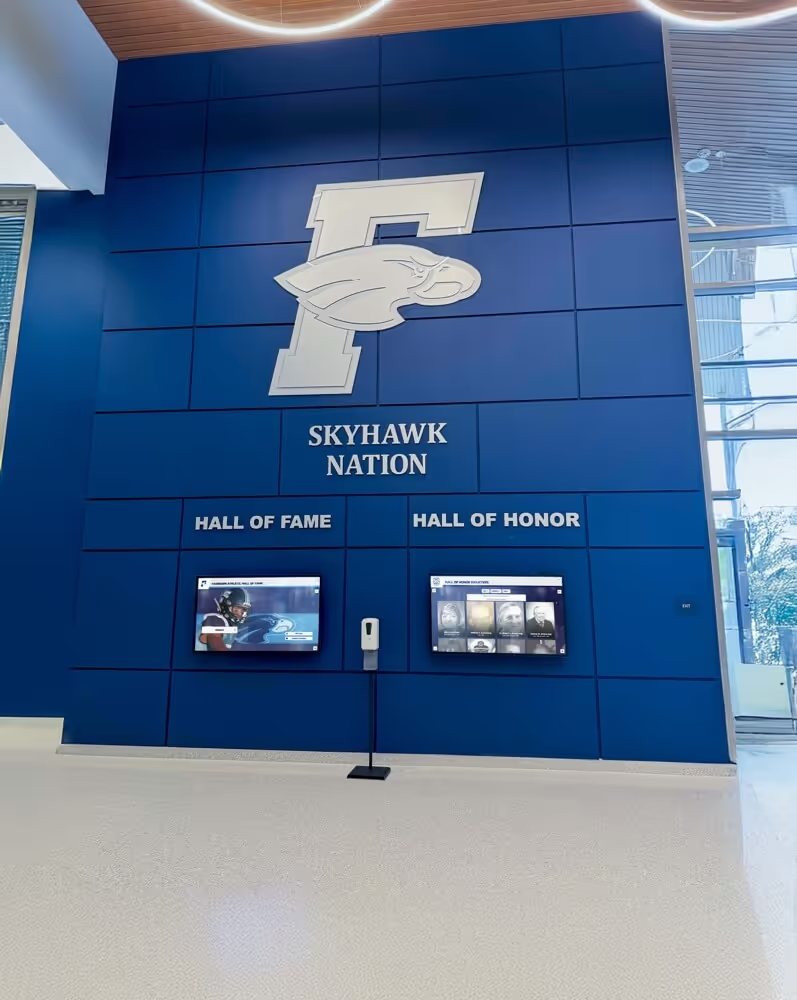
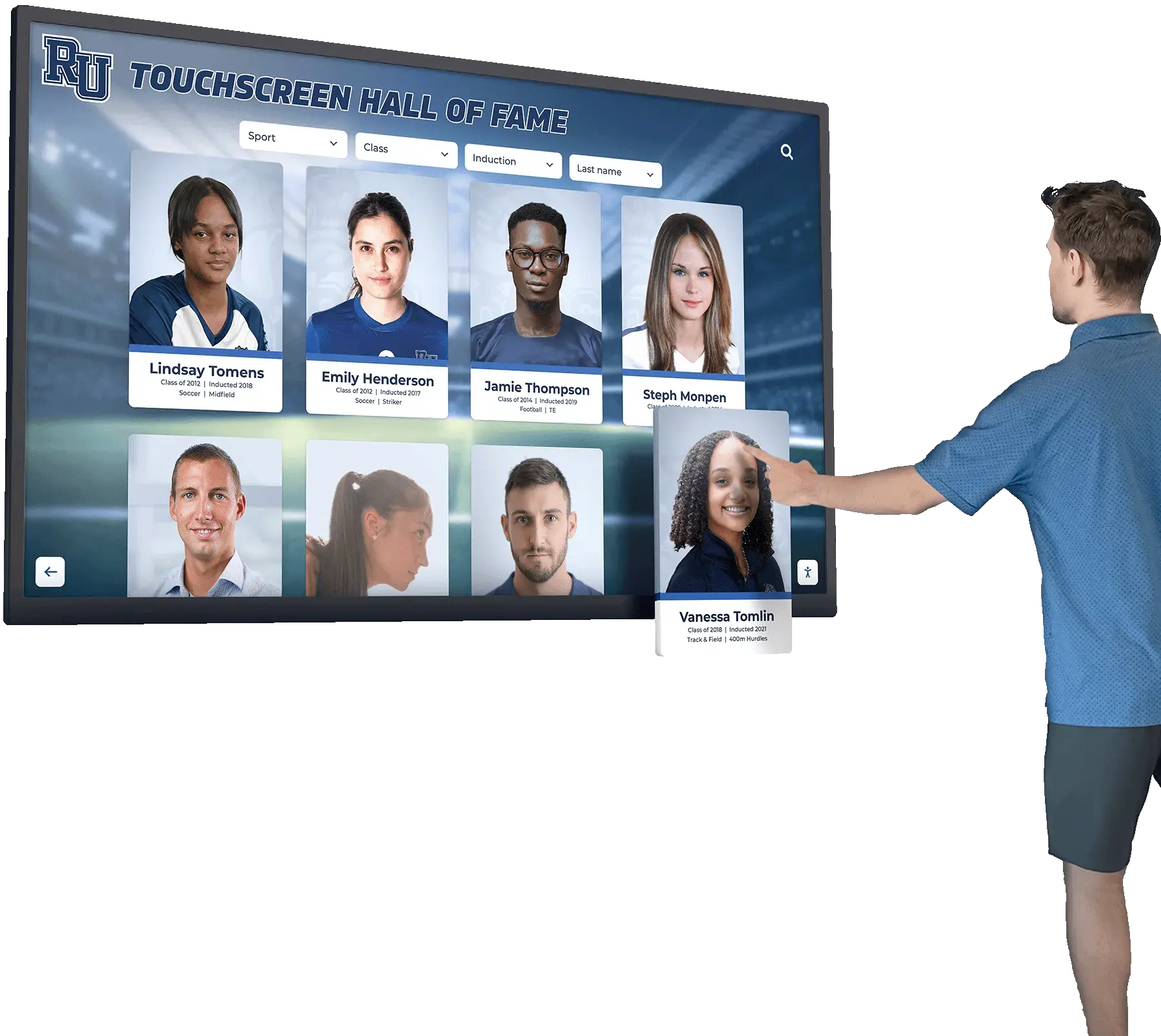
Programs that develop elite defensive outfielders often showcase these achievements through digital recognition displays celebrating Gold Glove seasons, defensive metrics, and game-saving catches that define championship cultures.
Route Efficiency and Range Drills
Accurate reads mean nothing if outfielders take inefficient routes that waste their initial advantages. These drills develop the footwork, angles, and decision-making that maximize range and create optimal positioning for throws.
Drill 5: Drop Step and Turn Technique
Purpose: Master the fundamental technique for pursuing deep fly balls over the shoulder, the most challenging defensive play in baseball.
Setup: Outfielders at normal depth. Coach with fungo at home plate.
Execution: Hit balls over outfielders’ heads to their left and right, requiring them to execute proper drop-step technique. The drop step involves opening the hips toward the ball’s direction (dropping the foot on the ball’s side backward), turning shoulders perpendicular to the infield, and sprinting toward the landing spot while tracking the ball over the shoulder.
Alternate balls over left and right shoulders, varying depths to require different sprint distances. Include some balls that require athletes to run nearly to the warning track.

Coaching Points: The most critical element is the first move—athletes must immediately drop the correct foot and open their hips toward the ball rather than taking a step or two backward before turning. That initial hesitation costs several feet of range on every deep ball.
Athletes should turn and sprint at full speed while tracking the ball over their shoulder, not slow down to look up. Many young players instinctively slow their running to make looking easier, but this defeats the purpose. Teach them to trust their reads and maintain sprint speed while glancing over the appropriate shoulder to track.
The catch should happen while running toward the warning track when possible, not standing still waiting for the ball. Momentum toward the catch point helps on borderline plays.
Common Mistakes: Drifting backward instead of dropping and turning, dropping the wrong foot and having to correct, slowing down excessively to track the ball, turning the wrong direction (toward the infield instead of the outfield).
Equipment: Baseballs, fungo bat, gloves.
Recommended Volume: 10-12 repetitions per player (5-6 each shoulder), 2-3 times per week.
Drill 6: Crossover and Lateral Pursuit
Purpose: Develop efficient crossover steps and lateral movement patterns for balls requiring side-to-side range.
Setup: Outfielders positioned in normal spots. Coach with fungo at home plate.
Execution: Hit balls to outfielders’ left and right requiring lateral movement of 10-30 feet. Athletes should use crossover steps (crossing the far foot over the near foot) for balls requiring more than 3-4 steps, while using shuffle steps for balls needing only 1-2 steps of adjustment.
Include balls at varying depths—some requiring lateral movement while coming forward, others while going backward, and some at the same depth as starting position.
Coaching Points: Crossover steps are faster than shuffle steps for covering significant ground laterally, but many young players resist crossing over because it feels awkward initially. Emphasize that after the first crossover, they’re simply sprinting at an angle, which should feel natural.
The key to crossover footwork is turning the hips and shoulders toward the running direction rather than trying to run sideways. Athletes should turn their body to run toward the catch point at an angle, not shuffle sideways facing the infield.
On balls in the gap, outfielders should take routes that allow them to catch the ball while running toward the infield when possible, creating favorable momentum for throws. Catches made while running away from the infield or straight laterally make throwing more difficult.
Common Mistakes: Using shuffle steps on balls requiring crossovers, not turning hips and shoulders toward the running direction, taking round routes instead of direct angles, arriving at catch points off-balance or with momentum carrying them away from throwing targets.
Equipment: Baseballs, fungo bat, gloves.
Recommended Volume: 12-15 repetitions per player, 2-3 times per week.
Drill 7: Gap Responsibility and Communication
Purpose: Develop communication and territorial understanding between outfielders sharing gap responsibilities.
Setup: Two outfielders positioned in adjacent positions (left-center or center-right), about 30-40 feet apart. Coach with fungo at home plate.
Execution: Hit balls into the gaps between outfielders at varying depths and angles. Athletes must communicate loudly and clearly, calling “Mine!” or “Take it!” while the other responds “Yours!” to avoid collisions and confirm who’s making the catch.
Include balls clearly one player’s responsibility, balls clearly the other’s, and borderline balls where either could make the catch, requiring quick decisions and decisive calls.
Coaching Points: Communication must be loud, early, and definitive. Weak calls like “I got it” said at conversational volume won’t prevent collisions. Teach athletes to yell “MINE!” or “BALL!” at maximum volume the moment they commit to catching it.
The player calling for the ball owns it completely—the other player must peel off and avoid the catch area even if they think they could make the play better. Indecisive situations where both players drift toward the ball without committing create dangerous collisions and dropped balls.
On borderline balls, center fielders should generally get priority due to their superior angle coming toward the infield, but local program preferences may establish different priorities. Whatever system you use, be consistent so athletes know the expectations.
Common Mistakes: Calling too late when players are already about to collide, making soft calls other players can’t hear, both players calling for the ball simultaneously without clear priority, neither player calling and both pulling off assuming the other will catch it.
Equipment: Baseballs, fungo bat, gloves.
Recommended Volume: 10-12 repetitions per pair, 2 times per week.
Safety Note: Always use communication drills in practice before allowing outfielders to share gap responsibilities in games. Outfield collisions cause serious injuries that are entirely preventable through proper communication training.
Drill 8: First Step Quickness
Purpose: Develop explosive first steps in correct directions based on instant reads.
Setup: Outfielders in ready position at normal depth. Coach with fungo at home plate.
Execution: Hit balls requiring movement in all eight directions—forward, back, left, right, and the four diagonals. Emphasize the first two steps, ensuring athletes explode toward the ball rather than taking slow, tentative movements.
Keep repetitions short and intense, focusing on maximum effort and correct direction. This drill emphasizes the read and initial reaction more than the catch itself.
Coaching Points: The ready position matters enormously for first-step quickness. Athletes should maintain athletic stance with knees slightly bent, weight on balls of feet, and hands ready to move. Locked-knee, upright stances delay reactions.
The first step should be a directional step toward the ball, not a gathering step backward or to the side before moving toward the ball. Every false step or gather step costs distance and time.
Watch for athletes who consistently take the same first step regardless of ball direction—some players instinctively step back on every ball, while others always step forward. This indicates they’re reacting before processing the read. They need to slow down mentally to read first, then react.
Common Mistakes: Taking gathering or false steps, maintaining poor ready position, reacting before processing reads, lacking urgency and explosiveness in initial movements.
Equipment: Baseballs, fungo bat, gloves.
Recommended Volume: 15-20 repetitions per player (hitting all eight directions with varied depths), 2-3 times per week.
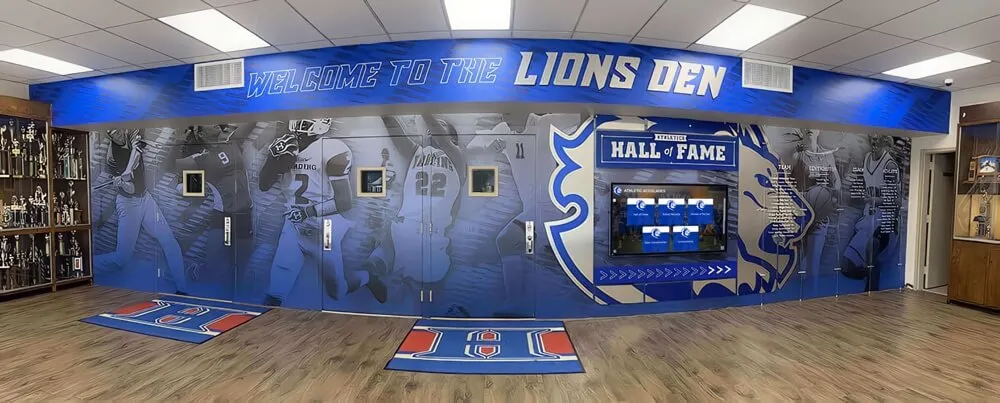
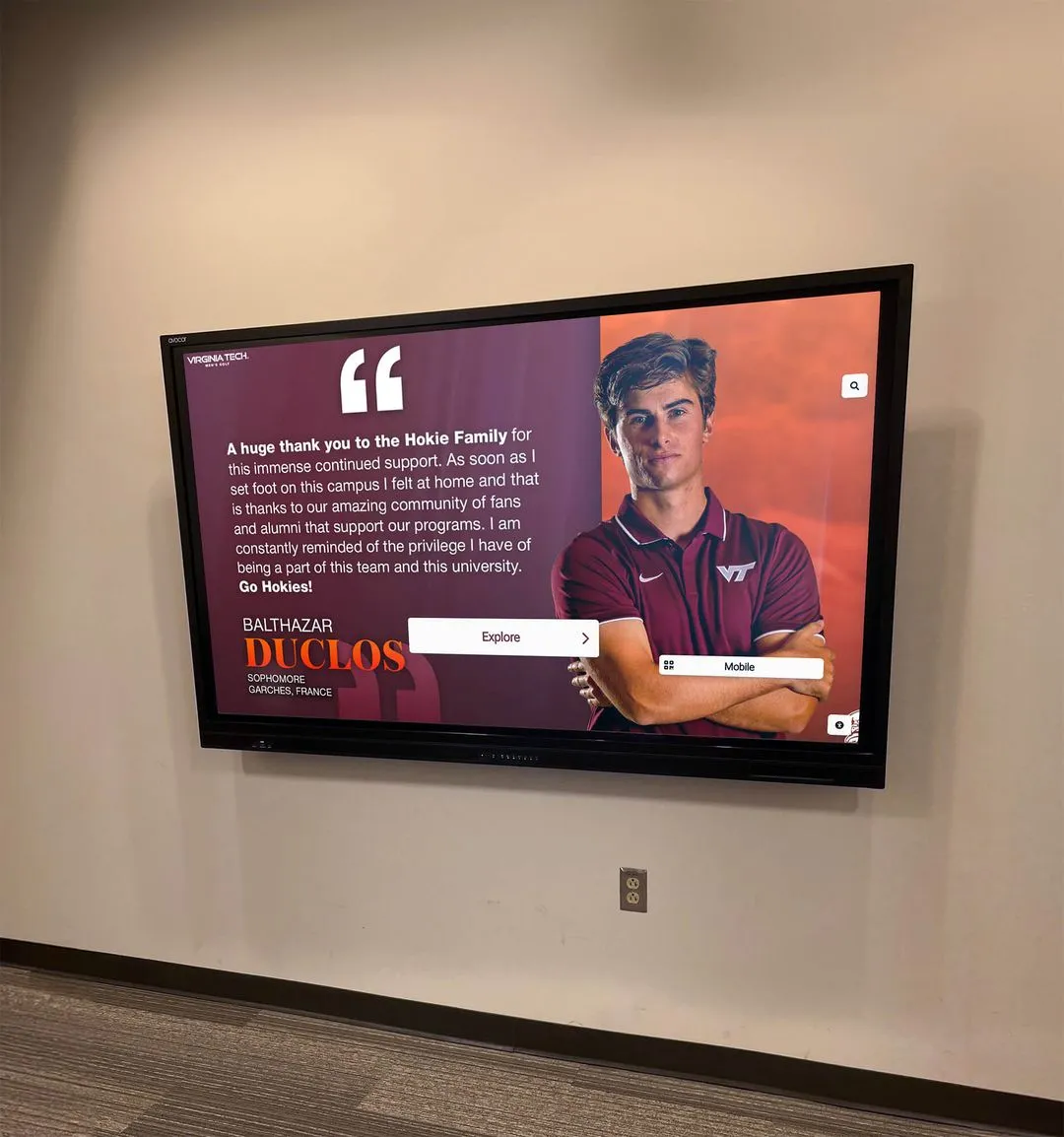
Many programs celebrate defensive range and first-step quickness through athletic recognition programs that highlight defensive metrics, Gold Glove achievements, and the game-changing plays that define elite defenders.
Throwing Accuracy and Arm Strength Drills
Outfield throws separate good defenders from great ones. These drills develop the arm strength, accuracy, and quick-release skills that keep runners from taking extra bases and create critical outs at key moments.
Drill 9: Crow Hop and Throwing Mechanics
Purpose: Master proper crow hop footwork and throwing mechanics that generate maximum velocity and accuracy.
Setup: Outfielders spread across outfield at normal depth. Targets (coaches or other players with gloves) positioned at bases or home plate.
Execution: Outfielders field ground balls and execute proper crow hop technique: field the ball while moving toward the target, take a small hop landing on the throwing-side foot, drive the back foot forward and toward the target while beginning throwing motion, release the ball with momentum driving toward the target.
Start with stationary ground balls allowing focus on footwork, progress to balls requiring lateral movement before throwing, finish with balls requiring full routes before catches and throws.

Coaching Points: The crow hop should be quick and efficient, not elaborate and time-consuming. Many young players perform exaggerated crow hops with unnecessary steps that delay release and allow runners to advance. Two quick steps—gather and drive—should suffice.
The gather step (landing on throwing-side foot) should point directly toward the target, not at an angle. Improper foot alignment sends throws off-line even with perfect arm mechanics.
The back foot drive forward generates power that doesn’t come purely from arm strength. Athletes with plus arms who don’t use their lower body effectively throw with less velocity than athletes with average arms and excellent mechanics.
Common Mistakes: Taking too many steps before releasing, poor foot alignment toward targets, throwing from stationary positions without momentum, dropping the back elbow or pushing the ball instead of throwing over the top, inconsistent release points.
Equipment: Baseballs, gloves, bases or targets.
Recommended Volume: 15-20 repetitions per player, 3-4 times per week.
Arm Care Note: Monitor throwing volume carefully. Outfield throws cover greater distances and require more effort than infield throws, creating higher arm stress. Build volume progressively and provide adequate rest between high-intensity throwing sessions.
Drill 10: Target Accuracy and Cut Relay
Purpose: Develop accuracy hitting cut-off men and relay targets, the most frequent throws outfielders make in games.
Setup: Position outfielders at game depth. Place cut-off men (infielders or extra players) at realistic positions—typically 150-180 feet from outfielders, aligned between outfielders and target bases.
Execution: Outfielders field balls and throw to cut-off men positioned at appropriate spots for throws to third, home, and second base. Cut-off men should provide clear targets by positioning themselves with arms raised showing gloves. Outfielders must deliver chest-high, accurate throws that cut-off men can handle cleanly.
Vary the scenarios—balls requiring throws to different bases, situations where cut-off men let throws through versus cutting them, and time-pressure situations requiring quick releases.
Coaching Points: Chest-high throws are ideal because they allow cut-off men to easily let them through to bases if runners aren’t advancing, while also enabling clean catches and quick pivots if cuts are necessary. Low throws force cut-off men to make difficult short-hops or dig balls from dirt. High throws sail over their heads.
Outfielders should aim small—picking specific spots like the cut-off man’s chest rather than generally throwing “to the cut-off man.” Precise aim points improve accuracy.
Communication between outfielders and cut-off men is critical. Cut-off men should call “Cut!” if they’re taking the ball or “Let it go!” if it should go through to the base.
Common Mistakes: Throwing too high or low for cut-off men to handle, aiming at bases instead of cut-off men when cuts are appropriate, releasing balls too slowly allowing runners extra bases, poor communication between outfielders and cuts.
Equipment: Baseballs, gloves, cones or bases marking target positions.
Recommended Volume: 12-15 repetitions per player, 2-3 times per week.
Drill 11: Quick Release Training
Purpose: Reduce time from catch to release, critical for throwing out runners attempting to advance.
Setup: Outfielders at normal depth with timers available. Targets at bases.
Execution: Field ground balls and fly balls at varying angles, focusing on immediate transfer from glove to throwing hand and quick release. Time the interval from ball contact with glove to release, aiming to reduce this window through efficient mechanics and practice.
Include situations requiring catches while running toward targets (allowing quick release) and catches while running laterally or away (requiring adjustment).
Coaching Points: The fastest releases come from efficient glove-to-hand transfers. Athletes should catch the ball and immediately transfer to throwing hand while executing crow hop steps, not catch, then transfer, then crow hop as separate sequential actions.
Hand positioning in the glove matters—the throwing hand should be behind the glove ready to receive the ball immediately upon catch, not hanging at the player’s side requiring extra time to bring it to the glove for transfer.
Players with quick releases don’t rush the actual throw in ways that sacrifice accuracy. The release is quick because the preparatory steps (catch, transfer, footwork) are efficient, not because they throw off-balance or without proper mechanics.
Common Mistakes: Slow transfers from glove to hand, poor hand positioning requiring extra movement before throwing, rushing the throw itself and sacrificing accuracy, catching balls with momentum away from targets making quick releases impossible.
Equipment: Baseballs, gloves, targets, stopwatches or timers.
Recommended Volume: 10-12 repetitions per player, 2 times per week.
Competition Element: Create friendly competitions timing releases, with players trying to beat their personal records or competing against teammates. Competitive pressure simulates game urgency while making the drill engaging.
Drill 12: Long Toss for Arm Strength
Purpose: Build arm strength and throwing endurance through progressive distance throwing.
Setup: Two lines of players facing each other at 60 feet apart initially, open field space allowing extension to 250+ feet.
Execution: Begin playing catch at 60 feet with easy, relaxed throws emphasizing proper mechanics. Gradually increase distance by 20-30 feet every 5-10 throws, eventually reaching maximum distance where players can still make throws with proper mechanics (typically 200-300 feet depending on age and strength).
Hold max distance for several throws, then gradually work back to shorter distances. Finish with easier throws at 60-90 feet to cool down arms.
Coaching Points: Long toss builds arm strength only when athletes maintain proper throwing mechanics across all distances. Players who sacrifice mechanics to throw farther—dropping arm slots, pushing balls instead of throwing them, using all-arm motion without lower body drive—create bad habits and injury risk rather than building strength.
The goal is maximum distance with proper mechanics, not maximum distance at any cost. If an athlete’s mechanics break down at 180 feet, they should work at 160-170 feet until their strength and mechanics improve enough to extend further.
Some programs use long toss as year-round arm care and conditioning, while others primarily employ it during pre-season and early season. Determine what fits your program’s needs and athlete development timelines.

Common Mistakes: Sacrificing mechanics for distance, not building distance progressively (jumping from 60 to 250 feet too quickly), throwing max effort at all distances rather than scaling effort appropriately, insufficient warm-up before extending to longer distances.
Equipment: Baseballs, gloves, open field space with distance markings.
Recommended Volume: 2-3 long toss sessions per week during season, more frequent in off-season, 15-20 minutes per session including warm-up and cool-down.
Arm Care Integration: Combine long toss with comprehensive arm care programs including proper warm-up routines, post-throwing arm care, adequate rest between throwing sessions, and strength training supporting throwing mechanics.
Programs developing elite outfield arms often celebrate throwing achievements—outfield assists, players cutting down runners at key moments, and throwing velocity milestones—through comprehensive recognition systems that honor defensive excellence alongside offensive statistics.
Creating Effective Practice Plans
Individual drills develop specific skills, but effective practice planning integrates them into coherent sessions that maximize development while maintaining engagement and managing fatigue.
Sample 45-Minute Outfield Practice Session
Warm-up (10 minutes): Dynamic stretching routine emphasizing shoulders, hips, and legs. Light catch play at 60 feet. Gradual extension to 90-120 feet. Arm circles and band work for shoulder activation.
Reads and Tracking (15 minutes): Progressive Fly Ball Reads (Drill 1) - 12 reps per player hitting various trajectories. Line Drive Recognition (Drill 2) - 8 reps per player mixing liners and fly balls. Focus on initial reads and first-step quickness.
Route Work (12 minutes): Drop Step and Turn (Drill 5) - 8 reps per player, 4 each shoulder. First Step Quickness (Drill 8) - 10 reps emphasizing explosive starts in correct directions.
Throwing (8 minutes): Crow Hop Mechanics (Drill 9) - 10 reps per player to various bases. Target Accuracy (Drill 10) - 6 reps hitting cut-off men in different situations.
Cool Down: Light throwing at 60 feet. Static stretching. Arm care routine.
This structure addresses all three skill categories while maintaining appropriate volume that builds skills without creating excessive fatigue or arm stress.
Weekly Practice Distribution
Rather than trying to cover every drill in every practice, distribute drills across weekly practice sessions creating focused emphasis areas:
Monday: Reads and tracking emphasis following weekend games. Fresh legs and minds absorb technical read work well. Lower throwing volume to manage weekly arm stress.
Tuesday: Route efficiency work requiring maximum effort and explosiveness. Athletes recovered from weekend games can work at high intensity.
Wednesday: Throwing mechanics and accuracy work. Mid-week timing allows adequate recovery from weekend games while providing distance from next competition.
Thursday: Light practice reviewing game situations and communication. Pre-game practice keeps skills sharp without creating fatigue.
Friday: Game day - no additional practice beyond pre-game routine.
This distribution manages workload appropriately while ensuring all skill categories receive adequate attention across weekly cycles.
Progression Through the Season
Practice emphasis should evolve as seasons progress:
Pre-Season: Heavy emphasis on fundamental mechanics—proper reads, efficient routes, throwing mechanics. Higher volume with more repetitions building muscle memory and conditioning.
Early Season: Continued skill development with increasing integration of game situations and competitive drills. Begin tracking metrics like catch rates, throwing accuracy, and first-step quickness.
Mid-Season: Maintenance of fundamentals with increased focus on game-situation rehearsal and individual weak-area improvement. Reduced overall volume to manage fatigue.
Late Season/Playoffs: Primarily game-situation work and rhythm maintenance. Minimal new teaching—rely on skills developed earlier in season.
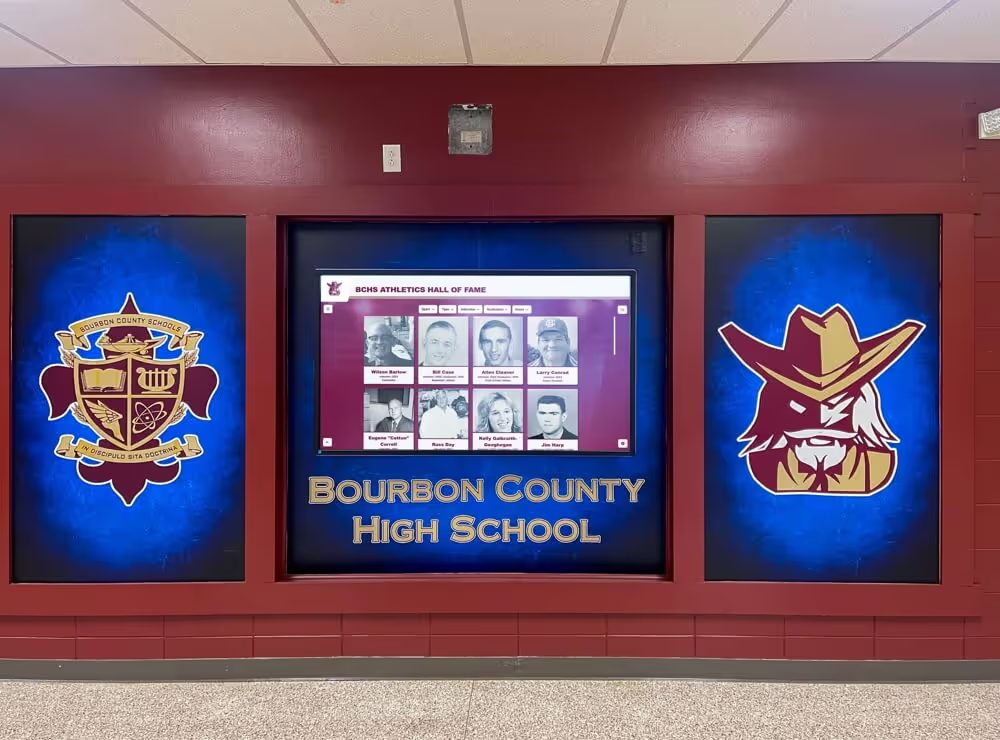
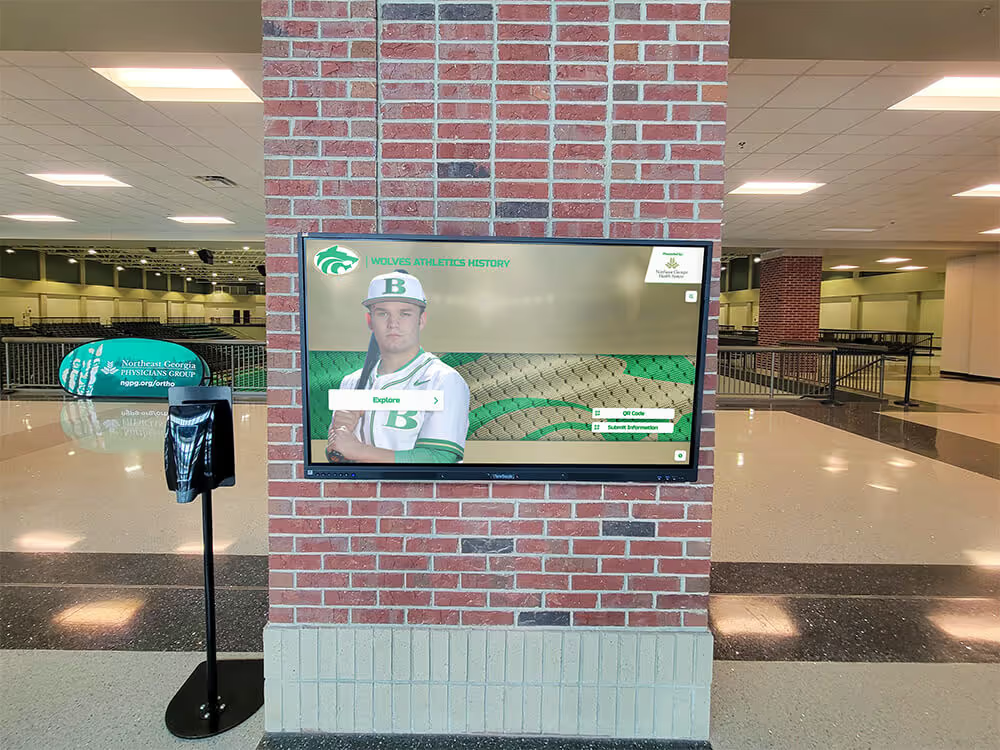
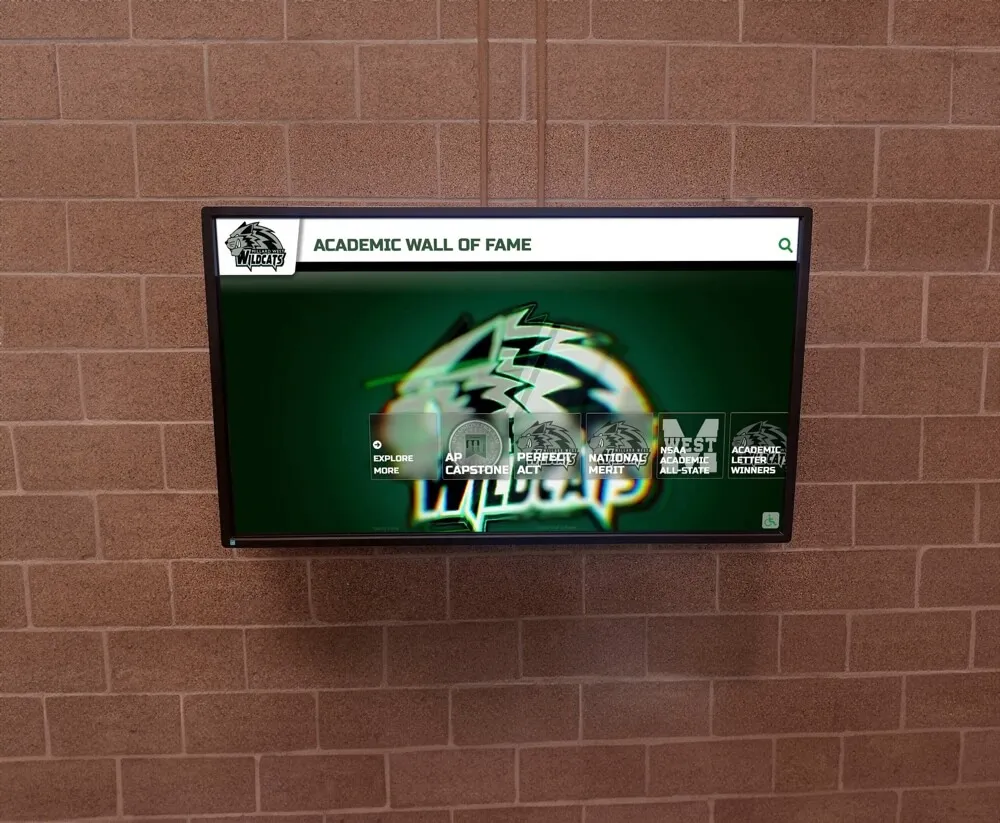
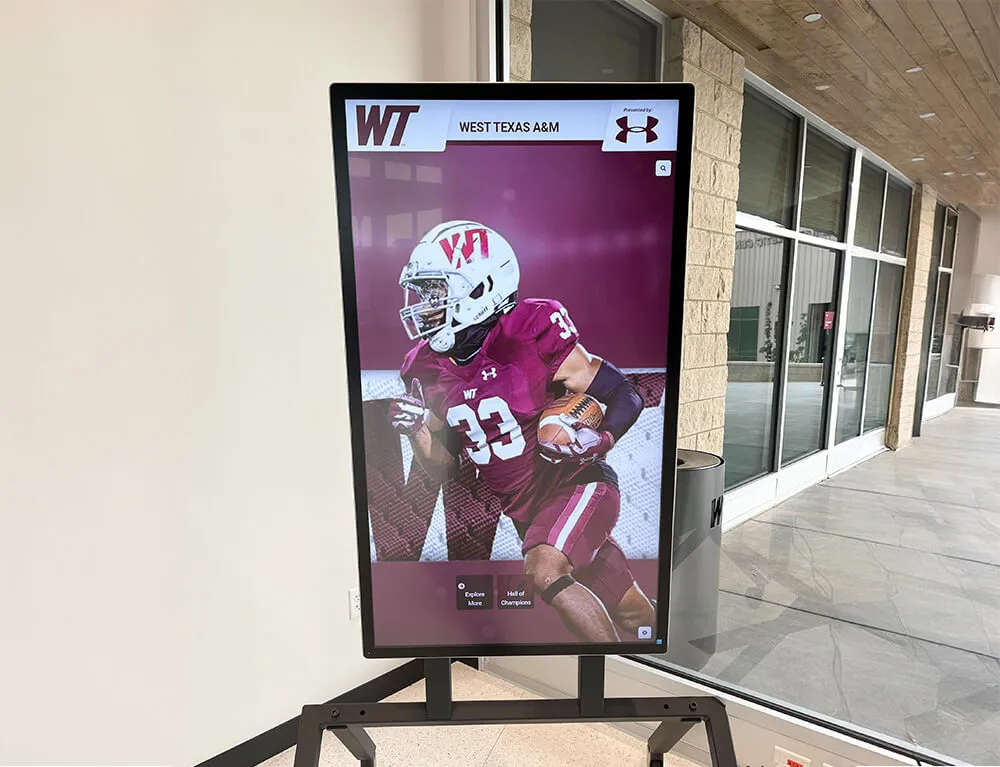
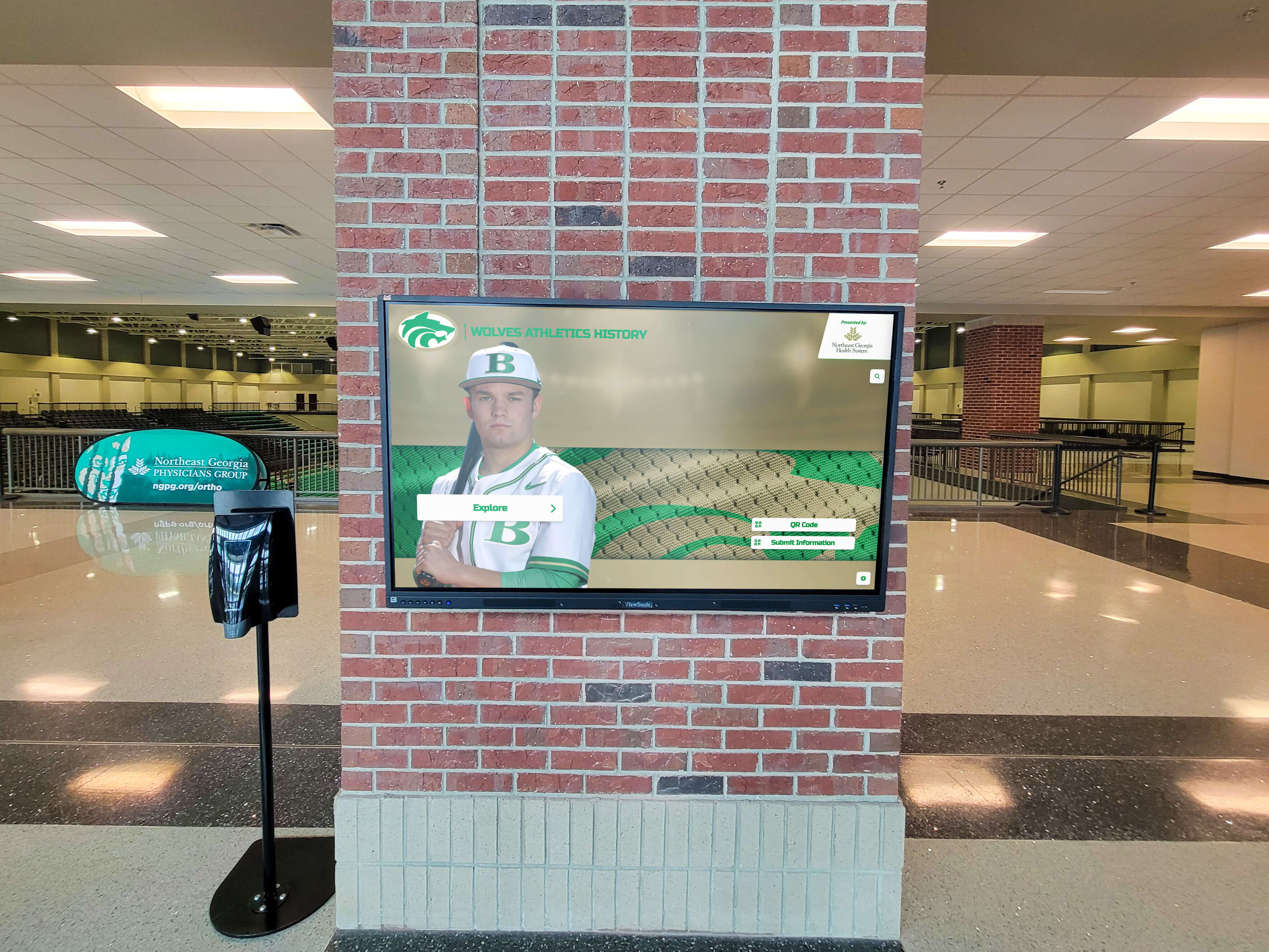
Programs serious about developing elite outfield defense often showcase these achievements through modern recognition systems. Rocket Alumni Solutions provides schools and athletic programs with digital recognition displays that celebrate defensive excellence—Gold Glove awards, outfield assist leaders, game-saving catches, and championship-caliber defense—through interactive touchscreens that honor complete athletic achievement beyond just offensive statistics.

Measuring Progress and Setting Standards
Systematic skill development requires objective measurement allowing you to track improvement, identify athletes needing additional work, and set program standards defining expected competency levels.
Trackable Outfield Metrics
Catch Rate in Practice: Track percentage of catchable balls athletes successfully field during drill work. Set position-specific targets—center fielders should maintain higher catch rates on difficult balls due to their typically superior range and ability.
First-Step Direction Accuracy: During read drills, track percentage of repetitions where athletes’ first step moves them toward the eventual catch point versus false steps in wrong directions. Target 85%+ first-step accuracy for varsity-level players.
Throwing Velocity and Accuracy: Use radar guns to track throwing velocity from outfield positions to bases. Measure accuracy by charting throws as chest-high strikes, catchable but off-target, or requiring cuts/adjustments. Elite high school right fielders typically throw 80+ mph, center fielders 75-80 mph, left fielders 70-78 mph.
Release Time: Measure time from ball contact with glove to release. Elite outfielders achieve sub-1.0 second releases on routine plays, under 1.5 seconds on plays requiring adjustments.
Range Testing: Set up standardized tests hitting balls to specific locations in gaps. Track which athletes can reach which balls, establishing range baselines for each player. Retest periodically to measure improvement.
Individual Development Plans
Use measurement data to create individual development plans targeting each athlete’s specific weaknesses:
Athletes with poor read accuracy need additional repetitions with Drills 1-3. Those with range limitations despite good reads need route efficiency work through Drills 5-8. Players with adequate catching skills but weak arms require focused throwing development via Drills 9-12.
Individual plans prevent one-size-fits-all practice that wastes advanced players’ time reviewing basics while leaving struggling athletes without adequate support in their problem areas.
Setting Program Standards
Establish minimum competency standards for position groups:
Freshman/JV Standards: 75% catch rate on routine fly balls, accurate throws to cut-off men from typical positions, basic communication and gap coverage, consistent effort and coachability.
Varsity Standards: 90%+ catch rate on routine plays, ability to make occasional spectacular catches on difficult balls, accurate throws hitting cut-off men chest-high 80%+ of the time, position-appropriate arm strength (varies by position), excellent communication and gap coverage, consistent game-situation decision making.
Elite/College-Ready Standards: 95%+ catch rate on routine balls with regular spectacular plays on difficult balls, first-step accuracy above 90%, sub-1.0 second releases, throws consistently chest-high to targets, arm strength in top ranges for position, leadership and communication excellence.
These standards give athletes clear targets for development while helping coaching staffs make objective position assignment and playing time decisions.
Conclusion: Building Championship-Caliber Outfield Defense
Elite outfield defense doesn’t happen by accident—it develops through systematic, focused practice addressing the unique skill demands of tracking fly balls across varying trajectories, covering enormous territory efficiently, and delivering accurate throws across distances that expose every mechanical flaw. Programs that dedicate focused practice time to outfield-specific drills rather than treating outfield work as an afterthought develop defensive weapons that prevent runs, create momentum-shifting outs, and give their teams critical advantages opponents can’t match through hitting alone.
The twelve drills detailed in this guide address the three skill pillars defining elite outfield play: reads and tracking ability that create head-start advantages on every ball, route efficiency and range that transform difficult plays into routine outs, and throwing accuracy and arm strength that keep runners honest and create critical outs at key moments. Each drill builds specific competencies through progressive repetitions that, accumulated across weeks and seasons, transform average defenders into game-changing playmakers.
Effective implementation requires more than simply running drills—it demands systematic practice planning that distributes volume appropriately across weekly cycles, manages arm stress through intelligent throwing schedules, progresses from fundamental mechanics through game-situation complexity, and measures improvement objectively through tracked metrics establishing clear development targets. Coaches who invest in this systematic approach develop defensive depth that wins championships while creating cultures celebrating defensive excellence as prominently as offensive achievement.
The outfielders whose achievements deserve lasting recognition—those appearing on Gold Glove lists, defensive metrics leaderboards, and championship team rosters—succeeded not through natural talent alone but through thousands of purposeful repetitions building the reads, routes, and throwing ability that define elite defense. Whether you’re coaching youth players learning basic fly ball tracking or developing high school athletes into college-ready defenders, consistent implementation of these drills creates the defensive foundation upon which championship programs build.
Start with the fundamentals—master progressive fly ball reads, develop efficient route patterns, and build throwing mechanics that generate both accuracy and velocity. Progress systematically through increasing complexity, competition, and game-situation integration. Measure improvement objectively, celebrate defensive excellence prominently, and maintain consistent focus across entire seasons rather than treating outfield work as practice filler between hitting and infield drills.
Your outfielders cover more territory, make longer throws, and create more momentum-shifting plays than any other defensive position group. Invest practice time matching their importance to team success, and watch defensive excellence become the competitive advantage that defines your program’s championship identity.