Wrestling programs generate remarkable stories of dedication—athletes who transform themselves through discipline, coaches who build championship traditions, and teams that define school athletic identity. Yet recognizing these achievements comprehensively remains challenging when limited by trophy case space, static plaques, and costly physical displays that quickly become outdated.
Awards touchscreen displays transform wrestling program recognition by eliminating space constraints, enabling rich multimedia storytelling, and creating engaging interactive experiences. This comprehensive guide explores how wrestling programs use touchscreen technology to showcase Hall of Fame honorees, All-State and All-American wrestlers, weekly recognition programs, schedules, and announcements through dynamic digital platforms that strengthen program culture and inspire current and future wrestlers.
Wrestling programs face unique recognition challenges. Traditional approaches—mounted plaques honoring state champions, framed photographs of All-State wrestlers, trophy cases displaying individual and team achievements—impose severe limitations. Physical space in wrestling rooms and gymnasiums restricts how many athletes can be recognized. Updating displays requires significant time and expense. Static recognition cannot convey the dynamic nature of wrestling achievement—the determination behind comeback wins, the technique mastery demonstrating years of development, the weight class progressions showing athletic evolution.
Athletic directors and wrestling coaches increasingly recognize that comprehensive recognition systems serve multiple program objectives simultaneously. Digital awards touchscreens enable unlimited recognition capacity without physical space constraints, engaging multimedia storytelling that brings achievements to life, real-time content updates maintaining current information, interactive exploration allowing wrestlers and families to discover program history, and professional presentation demonstrating program excellence to recruits and visitors.
This guide helps wrestling programs understand awards touchscreen technology, evaluate implementation options, and deploy recognition systems that celebrate program achievements while building the culture and tradition essential to sustained wrestling excellence.
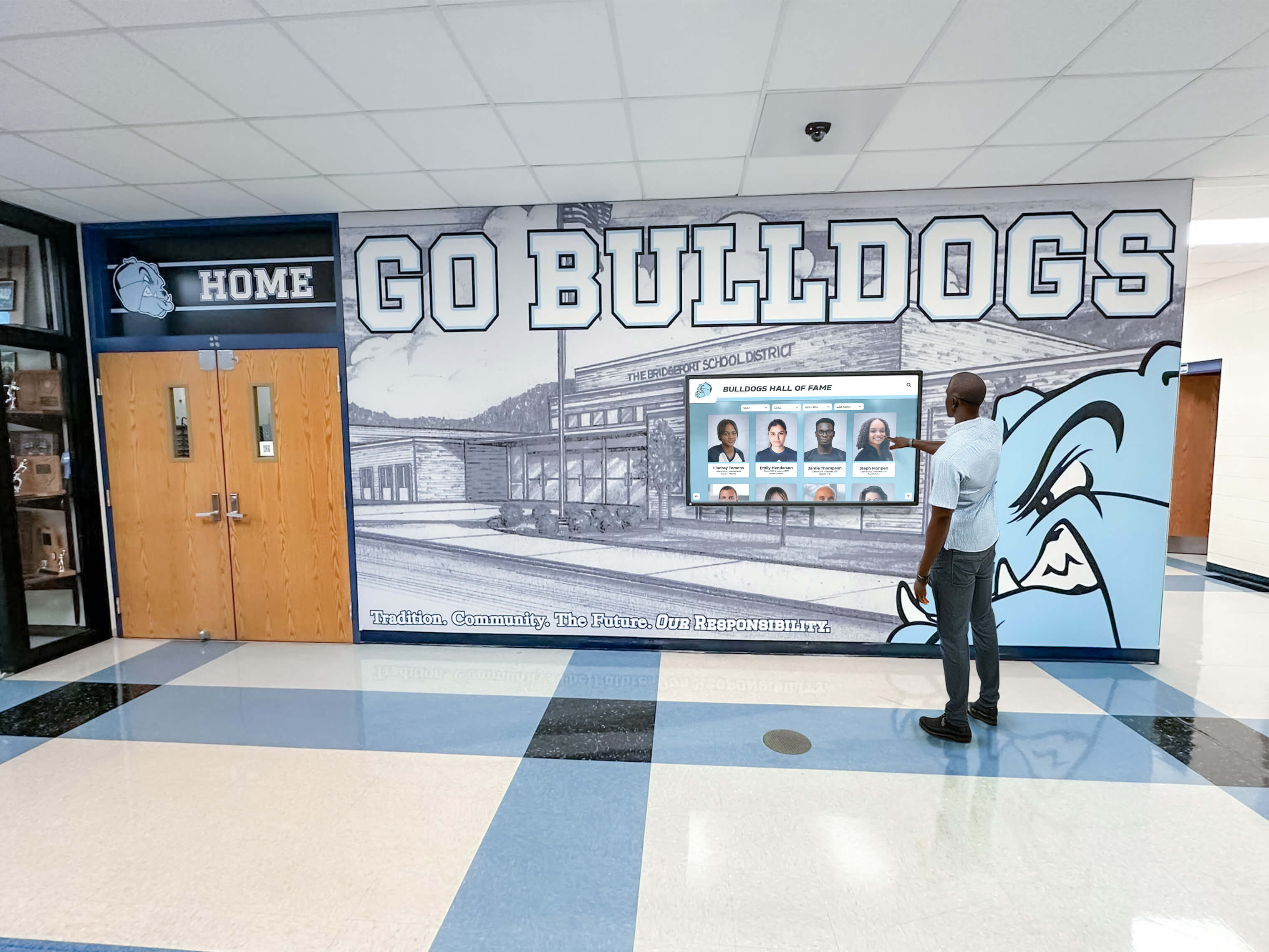
Understanding Awards Touchscreen Technology for Wrestling Programs
Before exploring specific wrestling applications, programs should understand the fundamental technology enabling digital recognition displays.
What Are Awards Touchscreen Displays
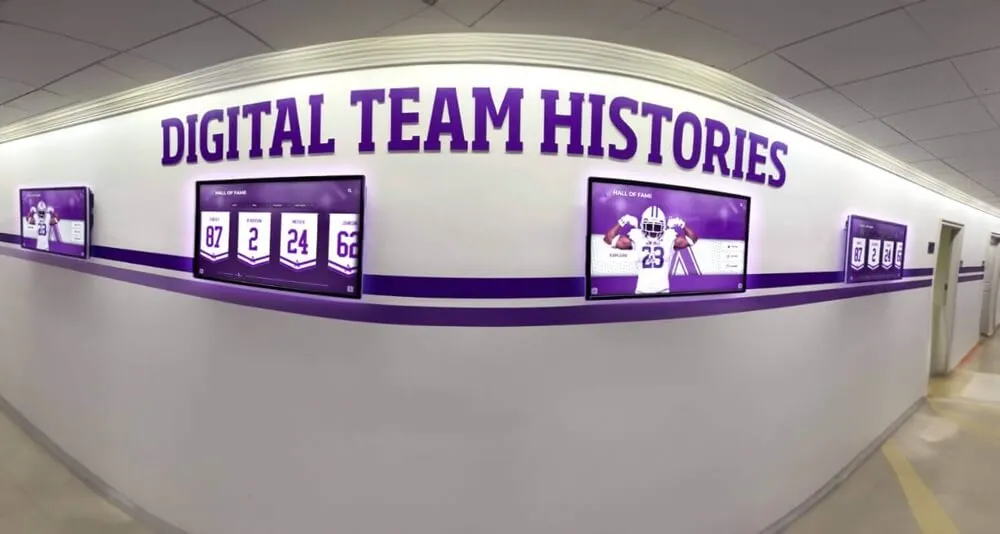
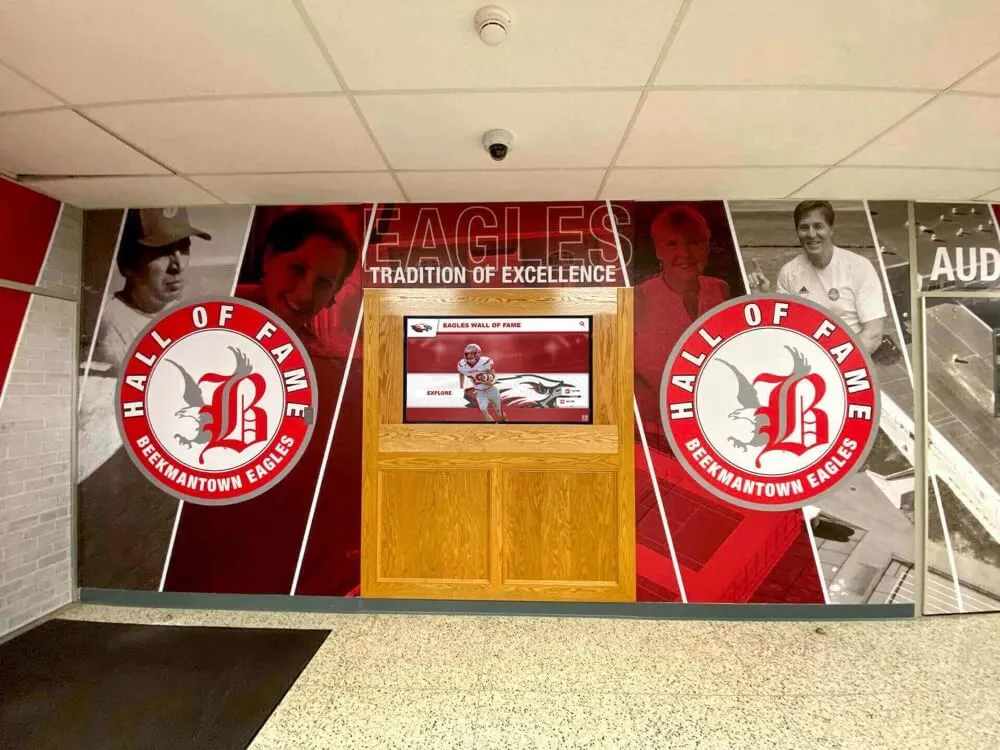
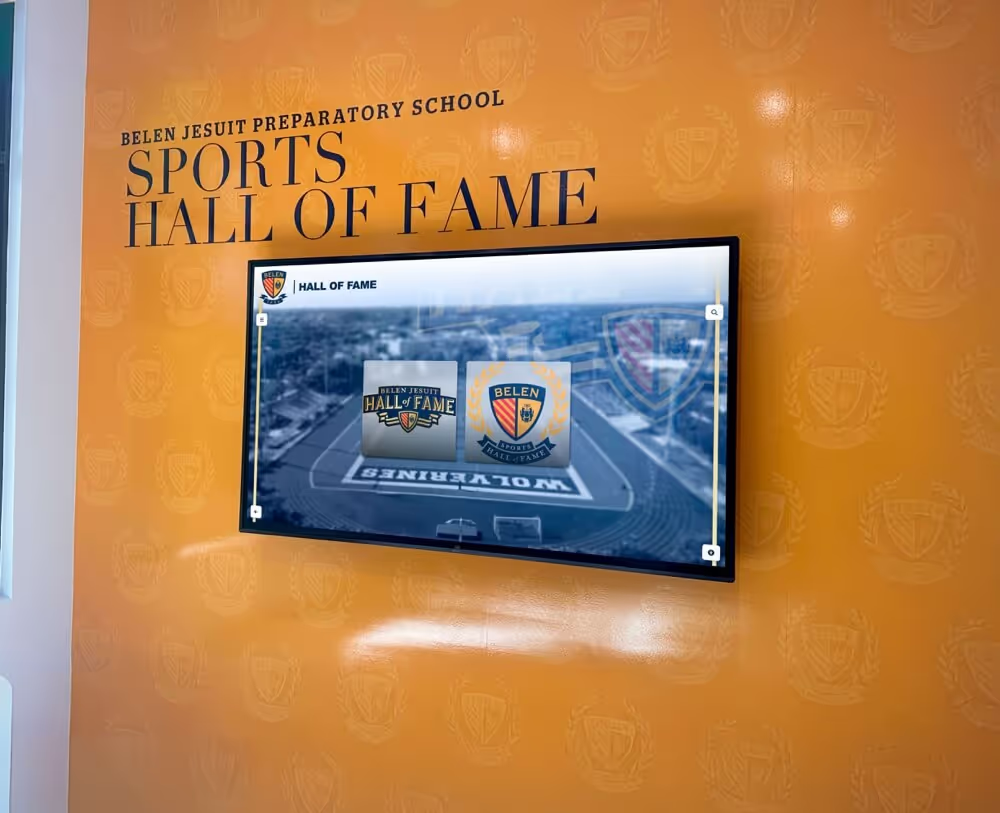
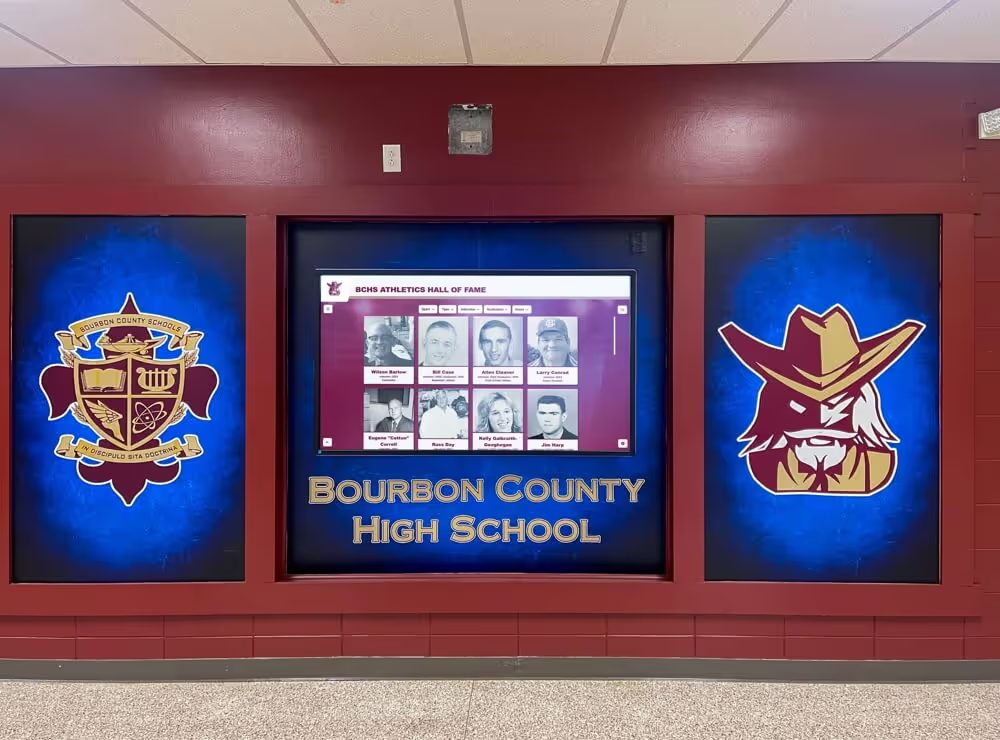
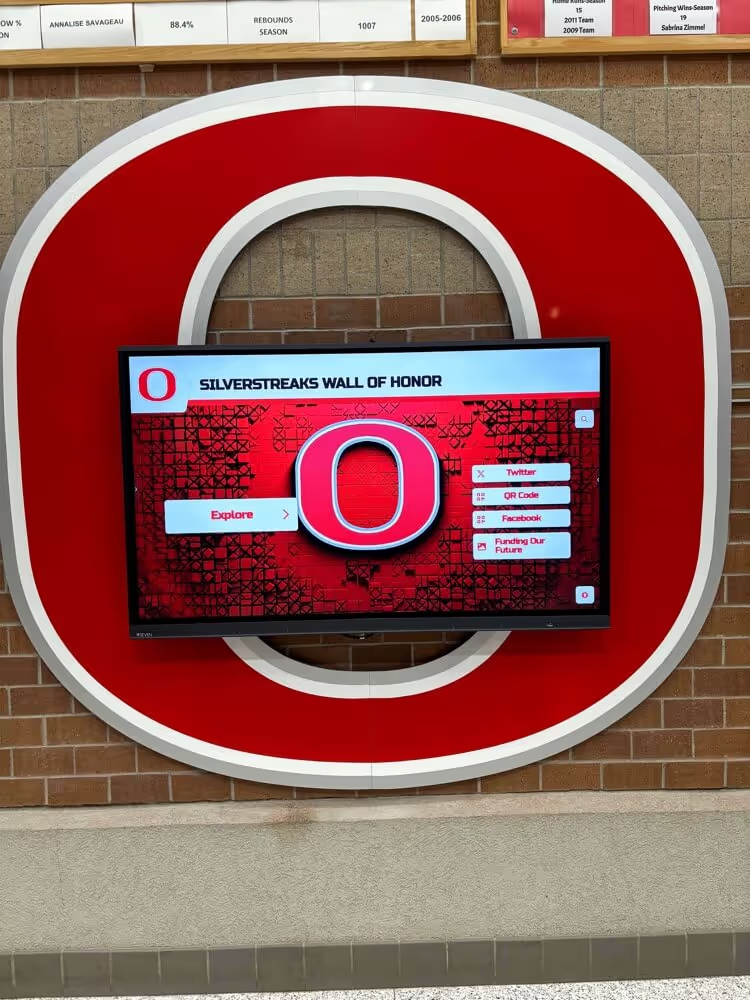
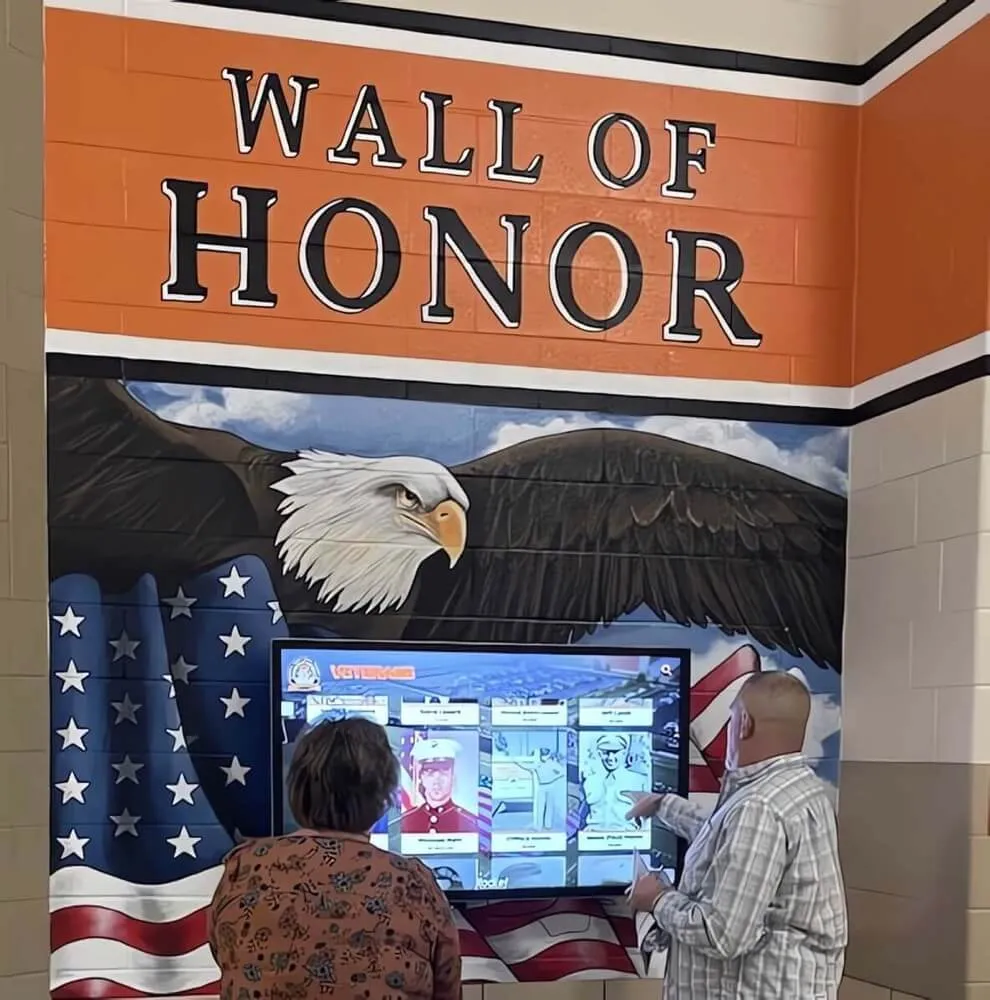
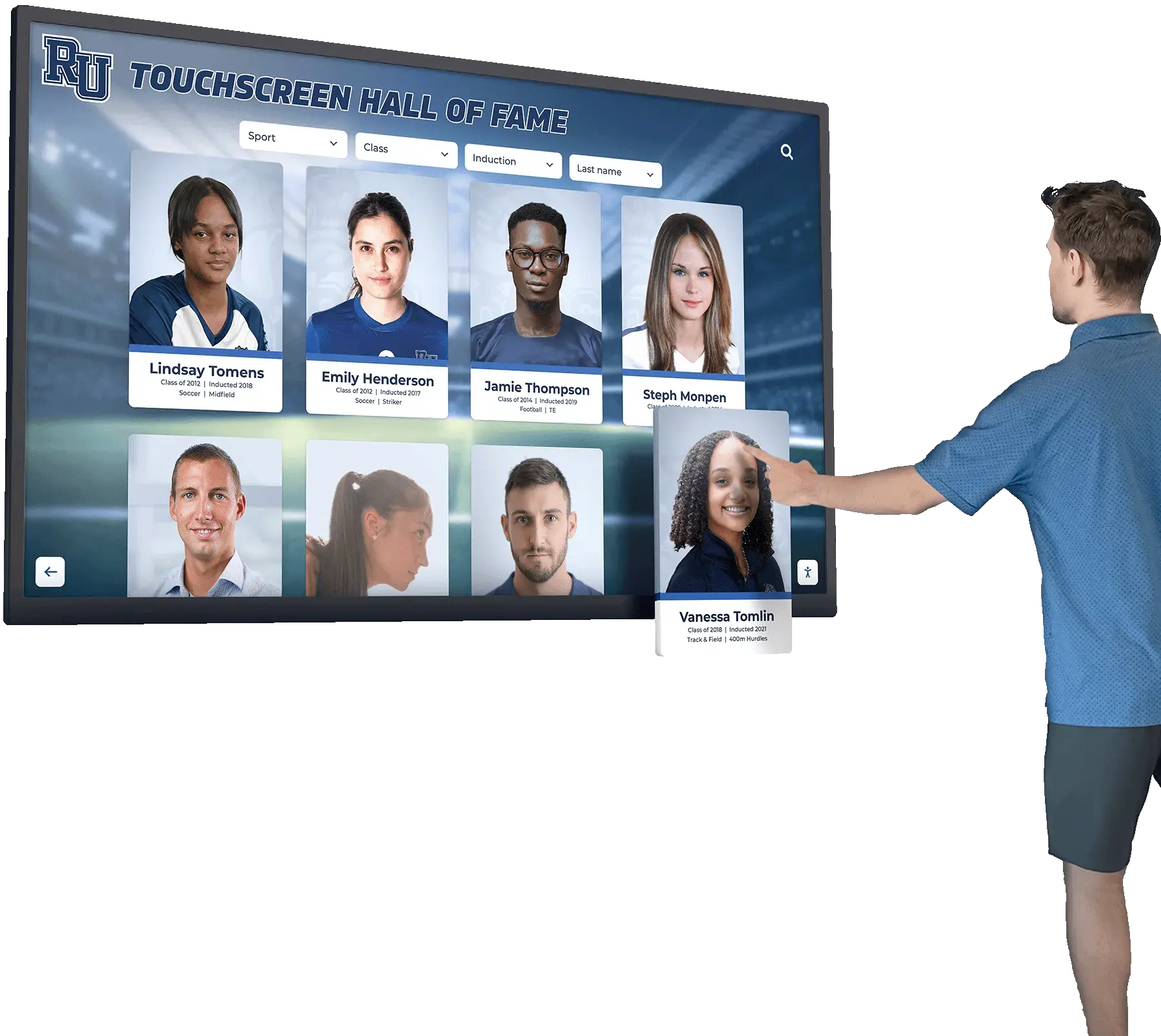
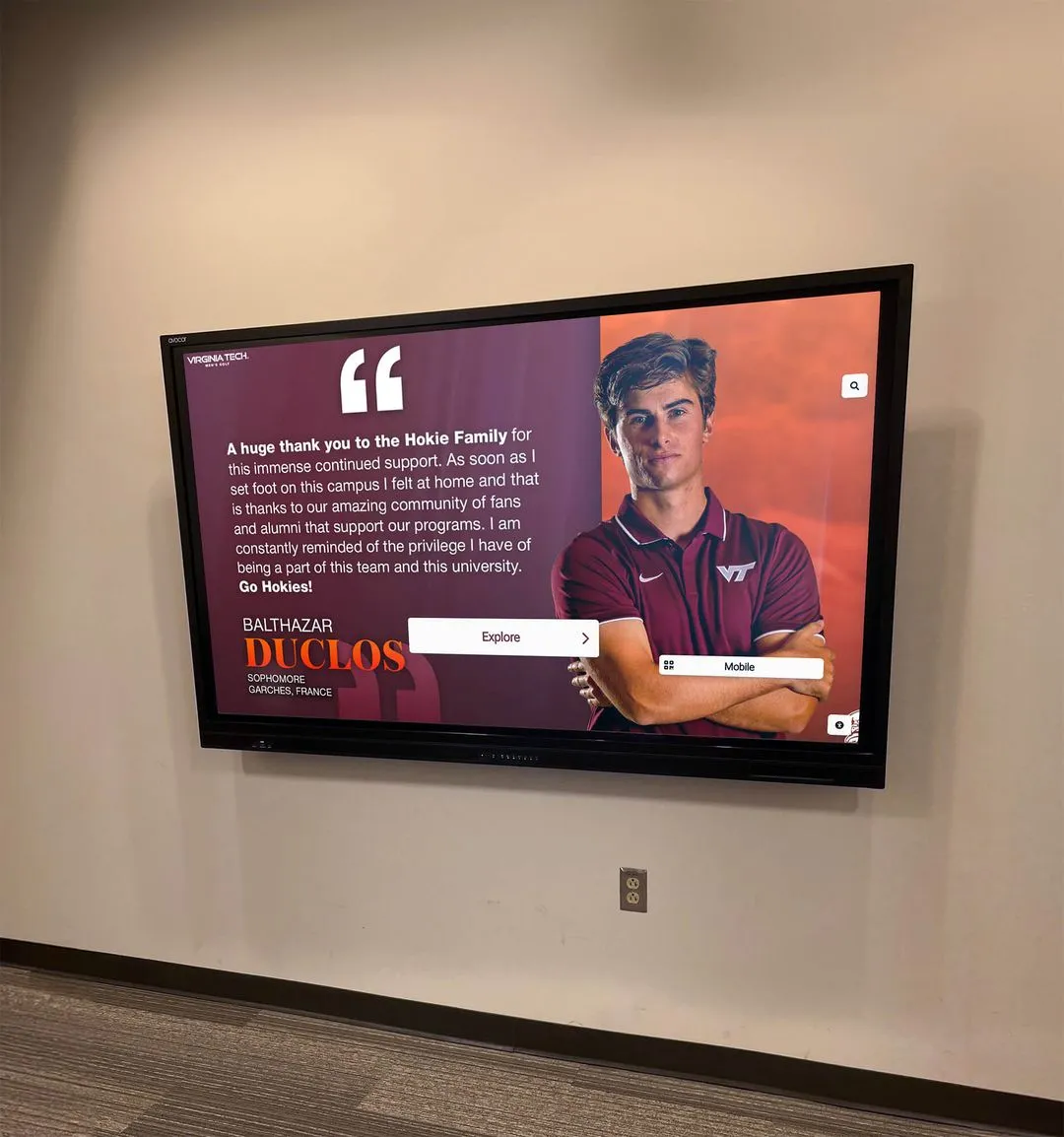
Awards touchscreen displays are interactive digital recognition systems combining commercial-grade touchscreen hardware with specialized content management software. Unlike passive digital signage showing automated slideshows, touchscreen displays enable active visitor engagement—wrestlers tapping to explore achievements, searching for specific athletes or years, viewing match videos, and discovering program history through intuitive navigation.
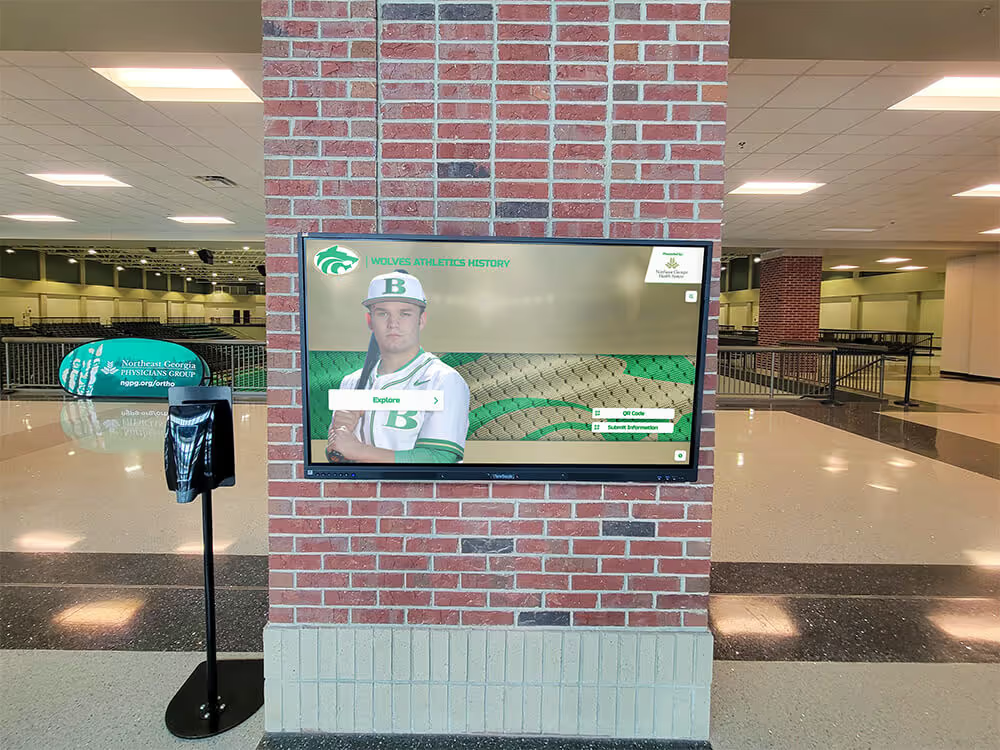
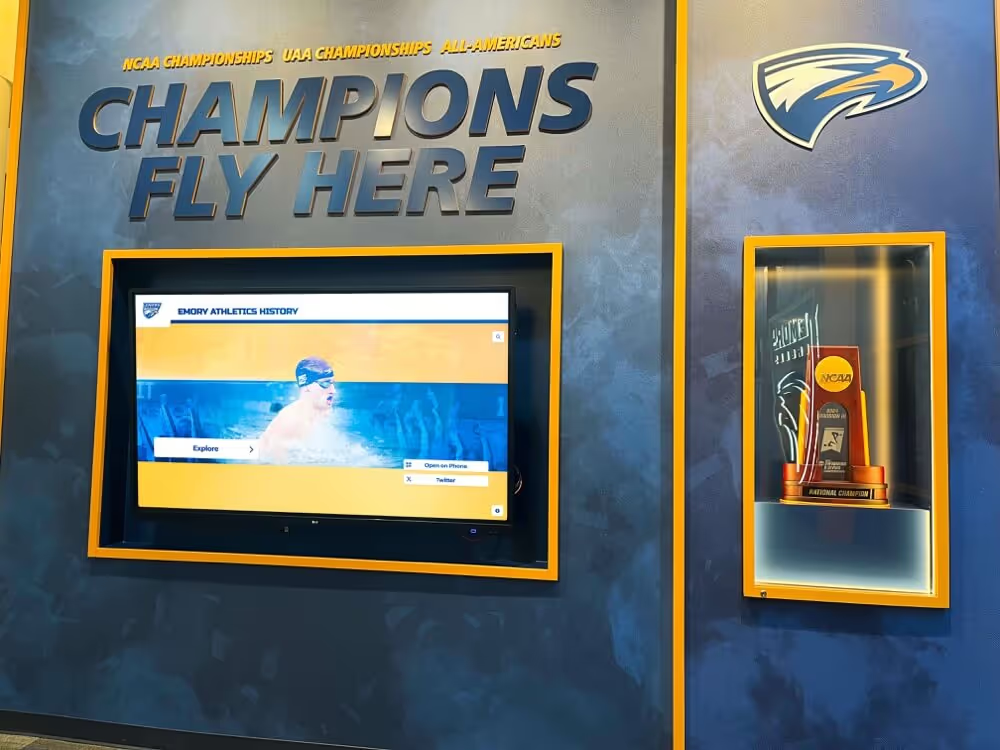
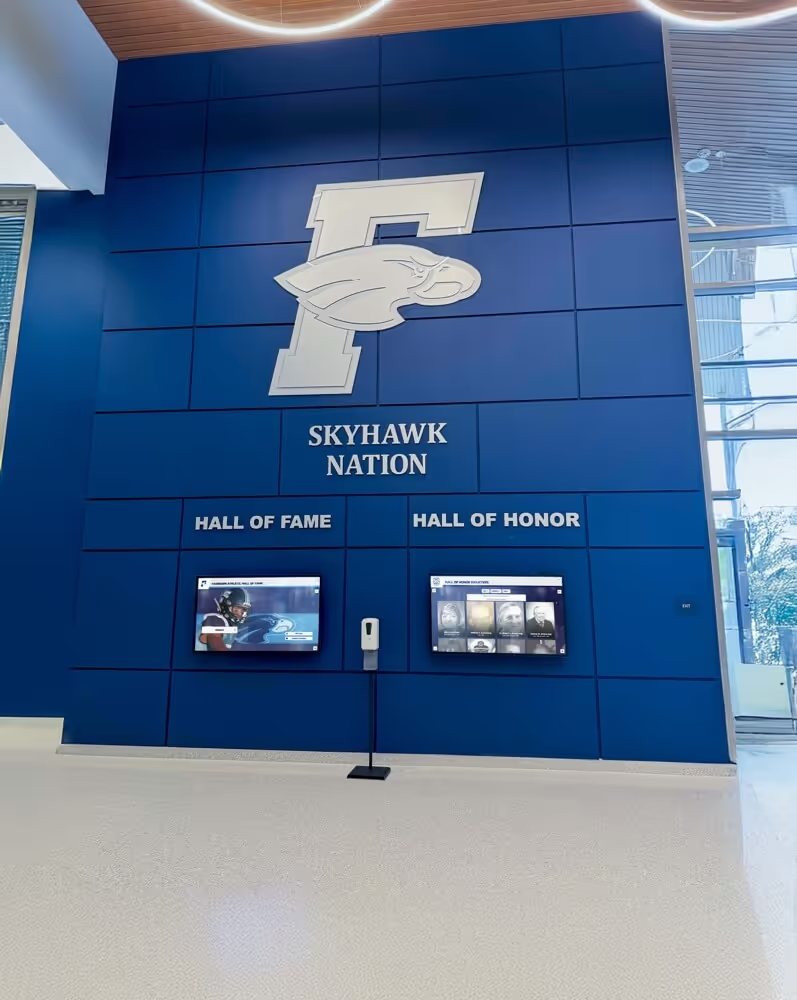
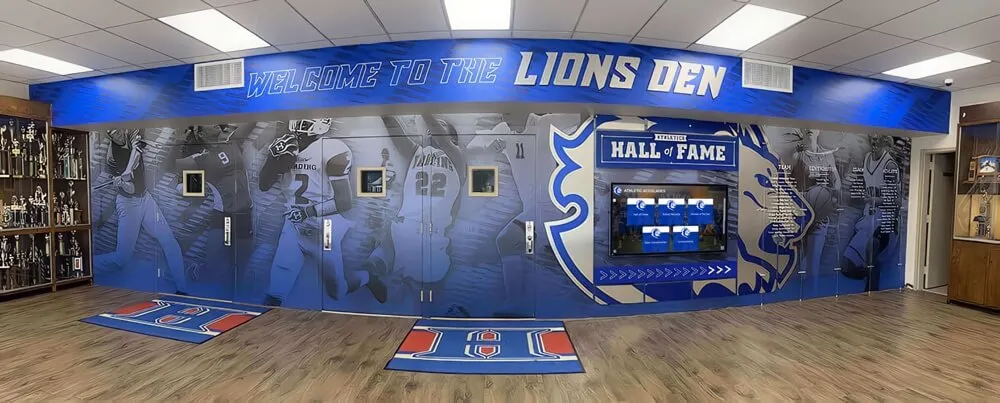
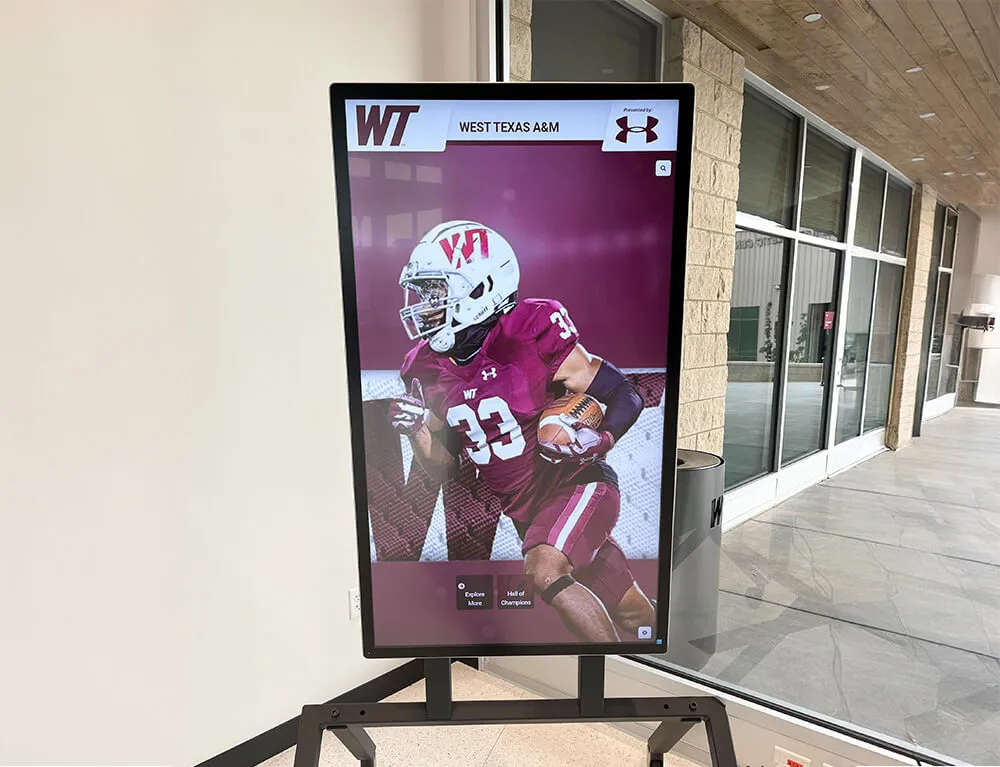
Hardware Components: Modern awards touchscreen systems include commercial touchscreen monitors (24"-86" depending on installation location and viewing distances), dedicated computers (typically small form-factor PCs like Intel NUCs or Mac minis) running the display software, network connectivity enabling remote content management and updates, and mounting solutions (wall mounts, floor stands, or custom kiosk enclosures) appropriate for wrestling facility environments.
Software Platform: Purpose-built recognition software manages content presentation and interactive experiences. Quality platforms provide intuitive content management dashboards enabling coaches or athletic administrators to add athletes, upload photos and videos, organize content by sport, season, or achievement category, and update information remotely without technical expertise. The software runs continuously on the dedicated computer, displaying full-screen interactive content to touchscreen visitors.
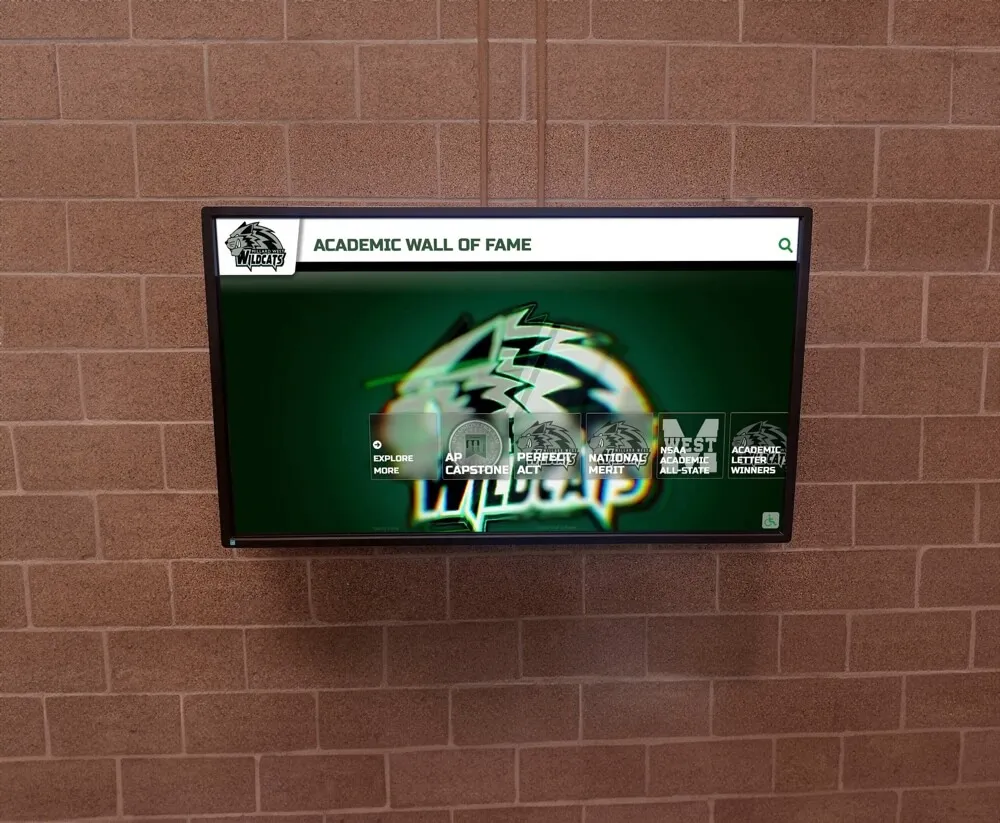

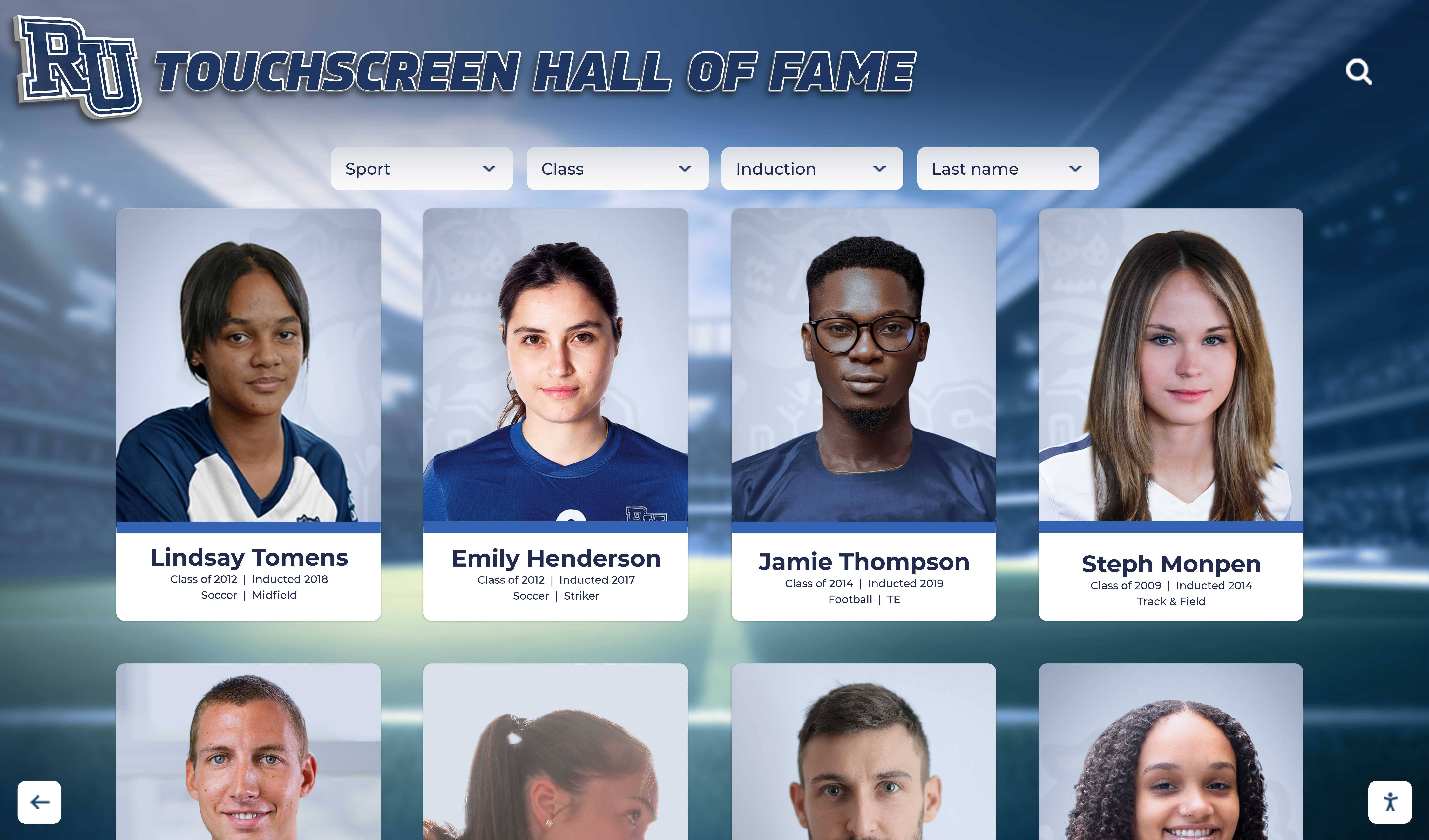
Interactive Experience: Visitors encounter professional interfaces showcasing wrestling program achievements. Touch interactions enable browsing wrestler profiles organized by graduation year, weight class, or achievement category, searching for specific athletes by name, viewing career statistics and accomplishment summaries, watching match highlight videos and tournament performances, and exploring coaching history and team achievements across decades.
Touchscreen Technology Options
Wrestling programs can choose from several touchscreen technologies, each with distinct characteristics affecting user experience, durability, and cost.
Capacitive Touchscreens: Capacitive technology—identical to smartphone and tablet screens—detects touch through electrical field disruption when conductive objects (fingers) contact the screen surface. These displays provide the most responsive, accurate touch detection with excellent multi-touch support for gestures like pinch-to-zoom. Capacitive screens offer superior image quality with high brightness and contrast, work reliably in various lighting conditions, and resist accidental activation from non-conductive objects. However, they cost more than alternative technologies and require direct finger contact, not working with gloves or styluses unless specifically designed to do so.
For wrestling facilities where visitors will interact with bare hands in clean environments, capacitive touchscreens deliver premium experiences justifying higher investment.
Infrared Touchscreens: Infrared technology uses a frame of LED emitters and sensors surrounding the display perimeter. When fingers break the infrared beams, the system triangulates touch position. Infrared screens work with any object—fingers, gloves, styluses—making them versatile for various conditions. They accommodate larger display sizes economically compared to capacitive alternatives and provide good durability for high-traffic environments. However, they detect touches slightly above the screen surface rather than at glass level, require periodic cleaning of the infrared frame to maintain accuracy, and may experience reduced accuracy in direct sunlight or environments with significant infrared interference.
Wrestling programs deploying large-format displays in gymnasiums often choose infrared technology balancing performance and cost-effectiveness.
Optical Touchscreens: Optical systems use cameras in display corners to track finger position through image processing. These displays scale to very large sizes and provide good durability, but they require proper lighting conditions for reliable operation and may experience reduced accuracy in very bright or very dark environments.
Optical technology suits specific large-format applications but represents the least common choice for wrestling program recognition displays.
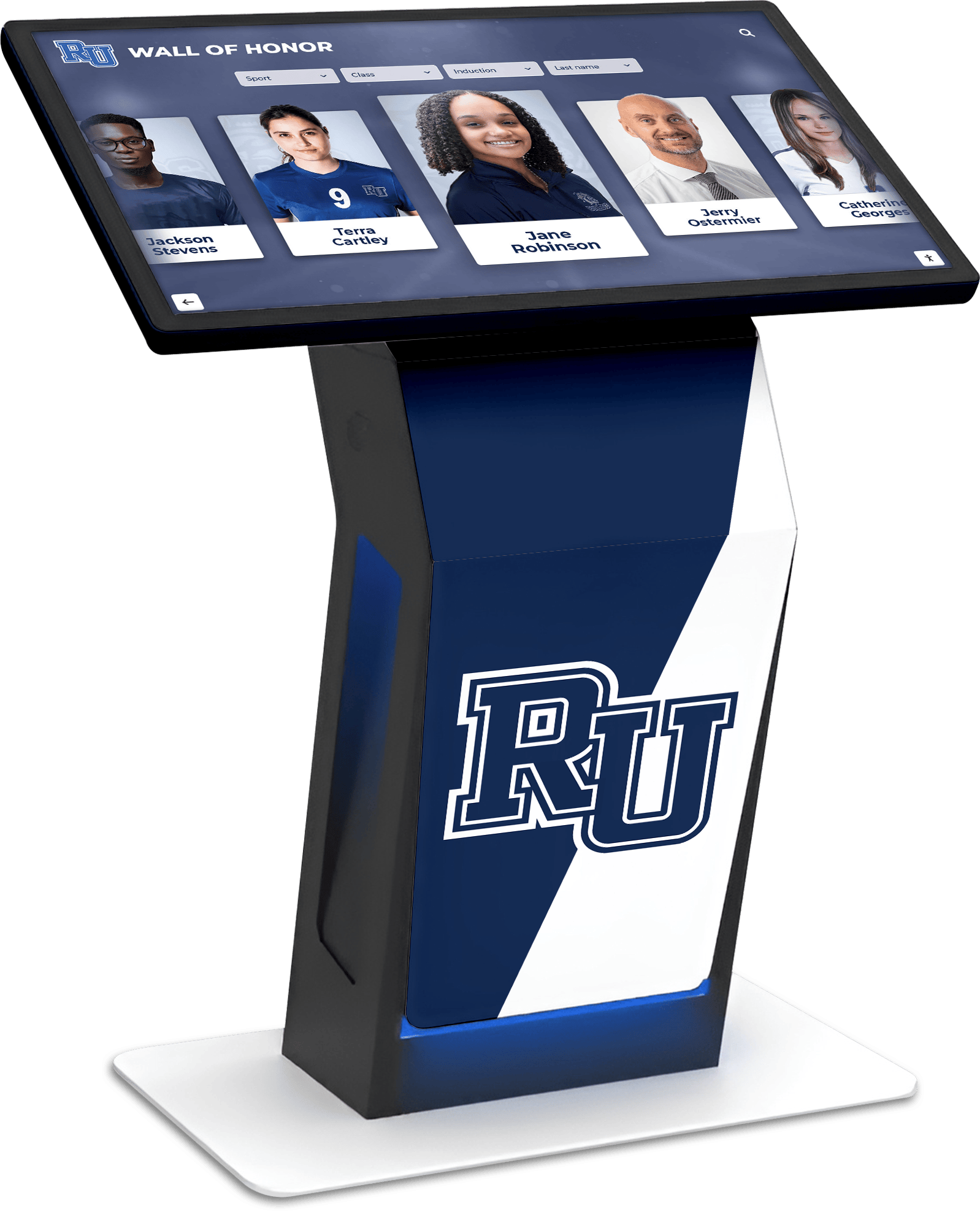
Display Size and Placement Considerations
Selecting appropriate display sizes and installation locations significantly impacts wrestling program recognition effectiveness.
Display Size Guidelines: Display size should match viewing distances and available installation locations. For wrestling room or hallway installations where viewers stand 2-4 feet away, 32"-43" displays provide adequate visibility for individual or small group viewing. Main gymnasium or lobby installations where viewers may stand 4-8 feet away, 50"-65" displays ensure content remains visible from typical viewing distances. Large gymnasium or arena installations serving as focal points visible from 10+ feet, 75"-86" displays create impressive impact while maintaining readability.
Larger displays cost significantly more than smaller options but deliver proportionally greater visibility and impact. Programs should balance budget constraints against the importance of visibility in chosen installation locations.
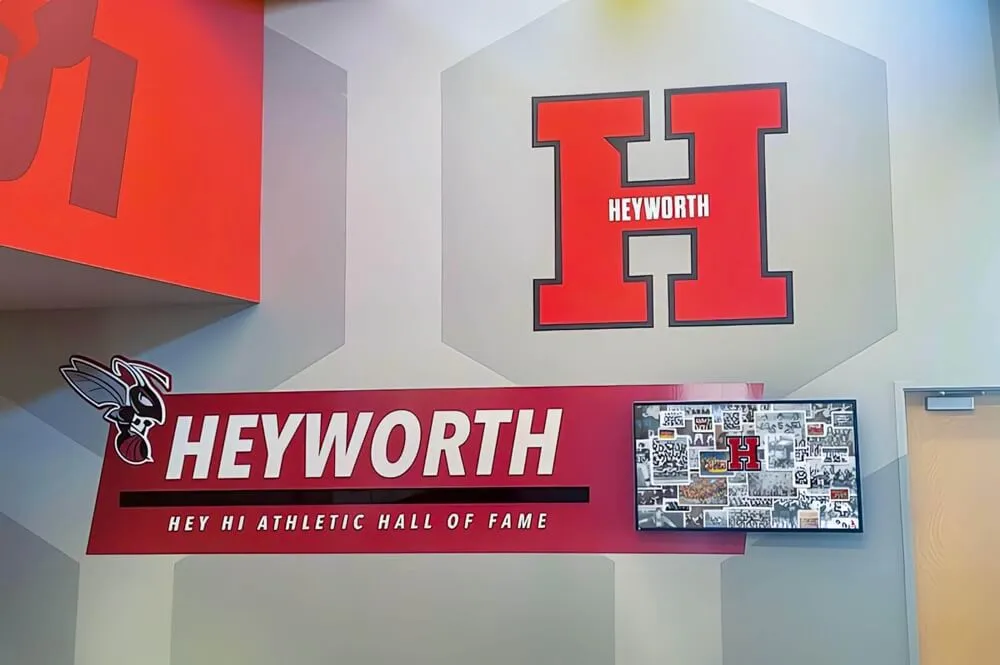
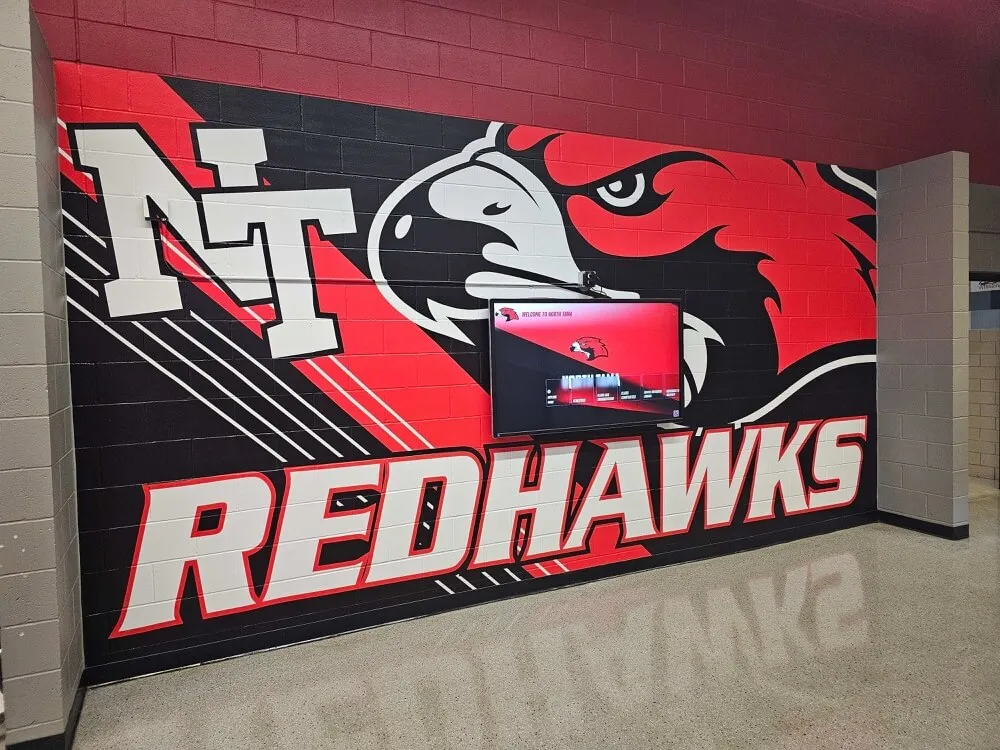
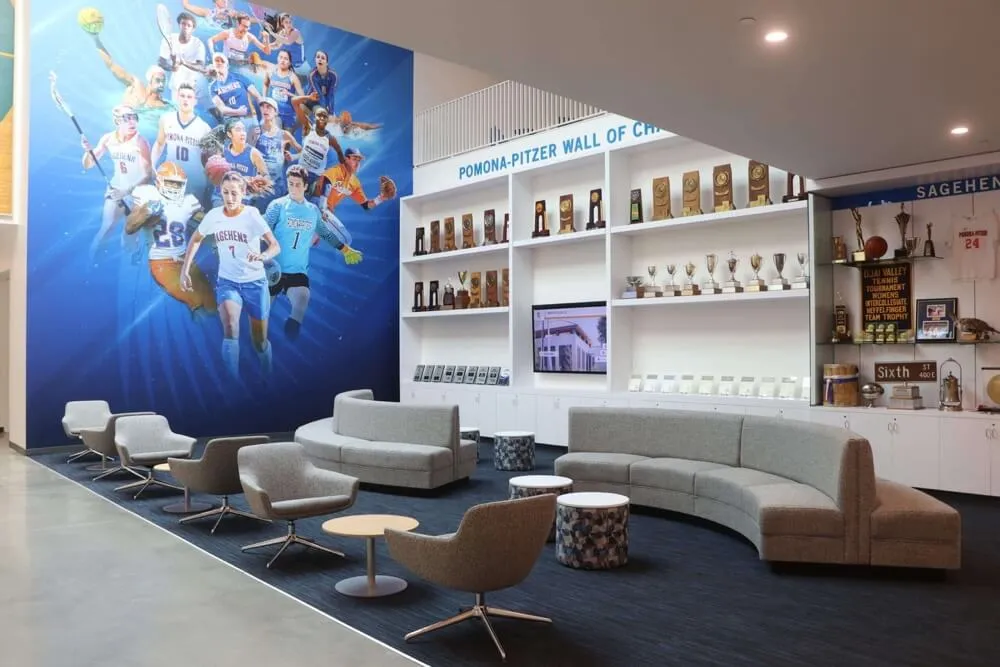
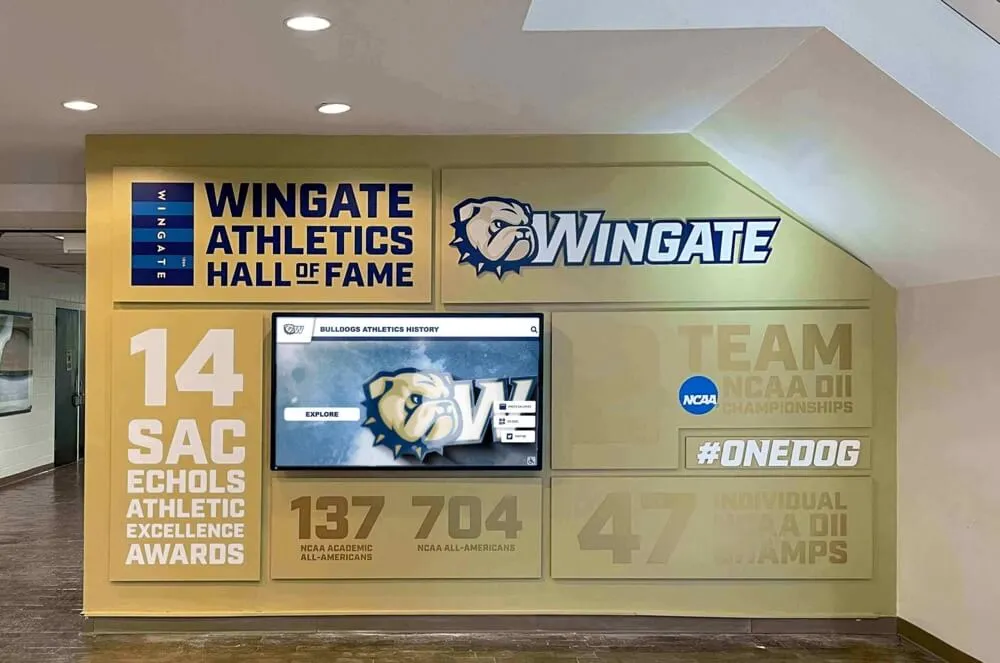
Installation Location Strategy: Strategic placement maximizes wrestler and visitor engagement with recognition content. Wrestling room installations create daily visibility for current wrestlers, building program culture through constant exposure to achievement history. Main gymnasium lobbies capture visitor attention during competitions and events when families, opponents, and scouts are present. Athletic department hallways or common areas provide visibility across the entire athletic program, not just wrestling team members. School main entrances or common areas extend recognition visibility to the entire student body, faculty, and visitors.
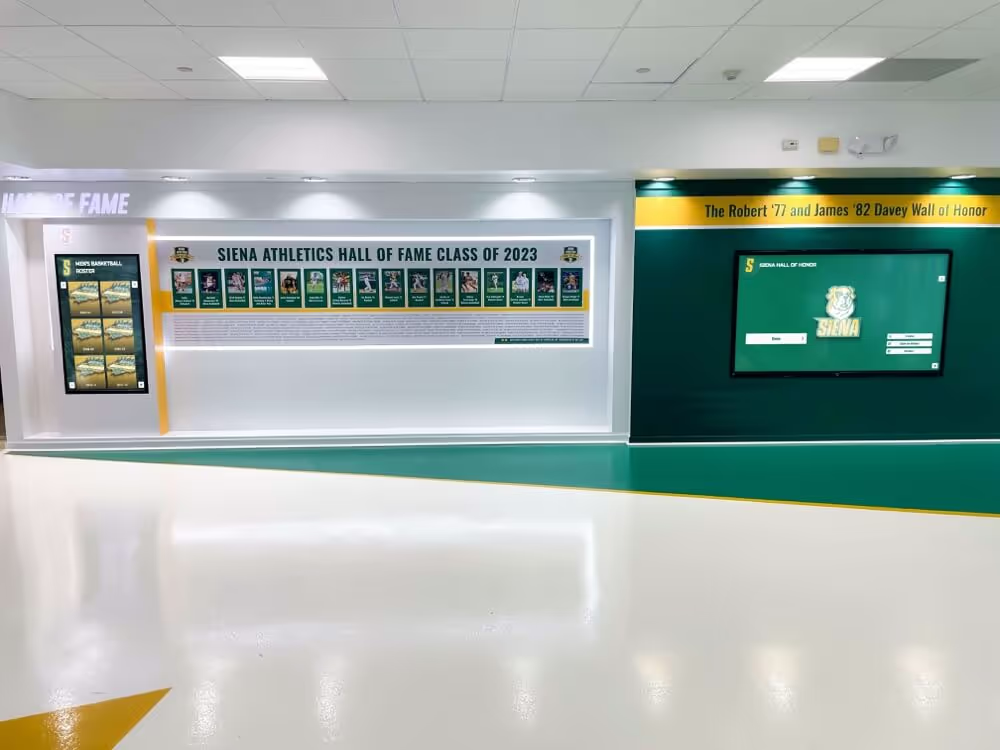
Many wrestling programs implement multiple displays in different locations—perhaps a large display in the main gymnasium lobby showcasing Hall of Fame and championship teams, with a smaller display in the wrestling room highlighting current season achievements and weekly recognition.
Environmental Considerations: Wrestling facilities present unique environmental factors affecting touchscreen installations. Wrestling rooms experience elevated humidity and temperature during practice sessions, requiring displays rated for commercial continuous operation with proper ventilation. Gymnasium environments may have bright ambient lighting requiring high-brightness displays (400-500 nit) for adequate visibility. Physical protection considerations matter in active athletic spaces—recessed wall mounting or protective enclosures prevent accidental damage during practices or events.
Programs should discuss environmental factors with display vendors to ensure hardware selections match installation conditions.
Wrestling Program Recognition Applications
Understanding specific ways wrestling programs use awards touchscreen displays helps evaluate whether this technology addresses program needs and goals.
Hall of Fame Recognition
Wrestling Hall of Fame displays represent the most common awards touchscreen application, enabling comprehensive recognition of outstanding wrestlers, coaches, and contributors.
Unlimited Recognition Capacity: Traditional Hall of Fame plaques mounted on walls eventually exhaust available space, forcing difficult decisions about which achievements warrant recognition. Awards touchscreen displays eliminate space constraints entirely—programs can induct as many individuals annually as meet established criteria without concern for physical display limitations. Comprehensive recognition honoring all deserving wrestlers, regardless of era, without space-constrained selections, builds program culture celebrating the full breadth of wrestling excellence rather than only the most prominent few individuals.
Rich Achievement Profiles: Digital platforms enable detailed wrestler profiles impossible with physical plaques. Comprehensive profiles include biographical information (years wrestling, weight classes, graduation year), career statistics and achievement summaries, championship titles and tournament placements, college and post-high-school wrestling accomplishments, career highlight photos from various seasons, match video clips showcasing signature techniques or memorable victories, personal reflections on wrestling experience and program impact, and current career information maintaining connections with alumni wrestlers.
These rich profiles transform recognition from basic name and achievement listings into compelling stories demonstrating the work, dedication, and personal growth behind wrestling excellence.
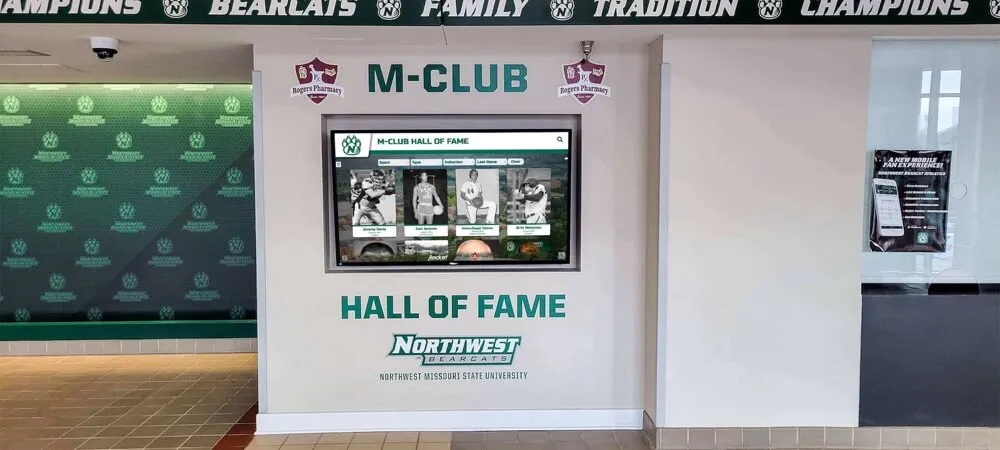
Searchable Historical Archives: Interactive touchscreen interfaces enable intuitive exploration of Hall of Fame content through multiple pathways. Visitors can browse inductees chronologically by graduation year, filter by achievement category (state champions, All-Americans, coaching excellence), search by name to find specific wrestlers, or explore by weight class to see historical achievement progression. This multi-dimensional access ensures visitors discover relevant content matching their interests and connections to the program.
Programs implementing wrestling awards and recognition systems benefit from touchscreen technology that makes historical achievement visible and accessible rather than buried in storage boxes or limited to small physical displays.
All-State and All-American Wrestler Recognition
Wrestling programs generate significant All-State and All-American honors worthy of prominent recognition celebrating individual excellence within the broader program context.
Automatic Updates for Current Achievements: All-State and All-American selections occur annually, requiring recognition systems that accommodate new honorees efficiently. Traditional plaque walls require physical fabrication and installation for each new selection—expensive and time-consuming processes that often delay recognition by months. Awards touchscreen displays enable immediate updates through simple content management interfaces. Athletic administrators or coaches log into cloud-based dashboards, add new wrestler profiles with photos and achievement details, and updated content appears on displays within minutes.
This immediate recognition matters psychologically—current wrestlers receive timely acknowledgment rather than delayed recognition that reduces impact and perceived importance.
Historical Progression Visualization: Digital displays enable visualization of All-State and All-American achievement patterns across program history. Programs can showcase total counts demonstrating program excellence, trend analyses showing achievement progression over decades, weight class distributions revealing program strengths, and year-by-year breakdowns contextualizing current season achievements within historical patterns.
These visualizations help current wrestlers and program supporters understand where recent achievements fit within broader program tradition—building pride while providing aspiration targets for future seasons.
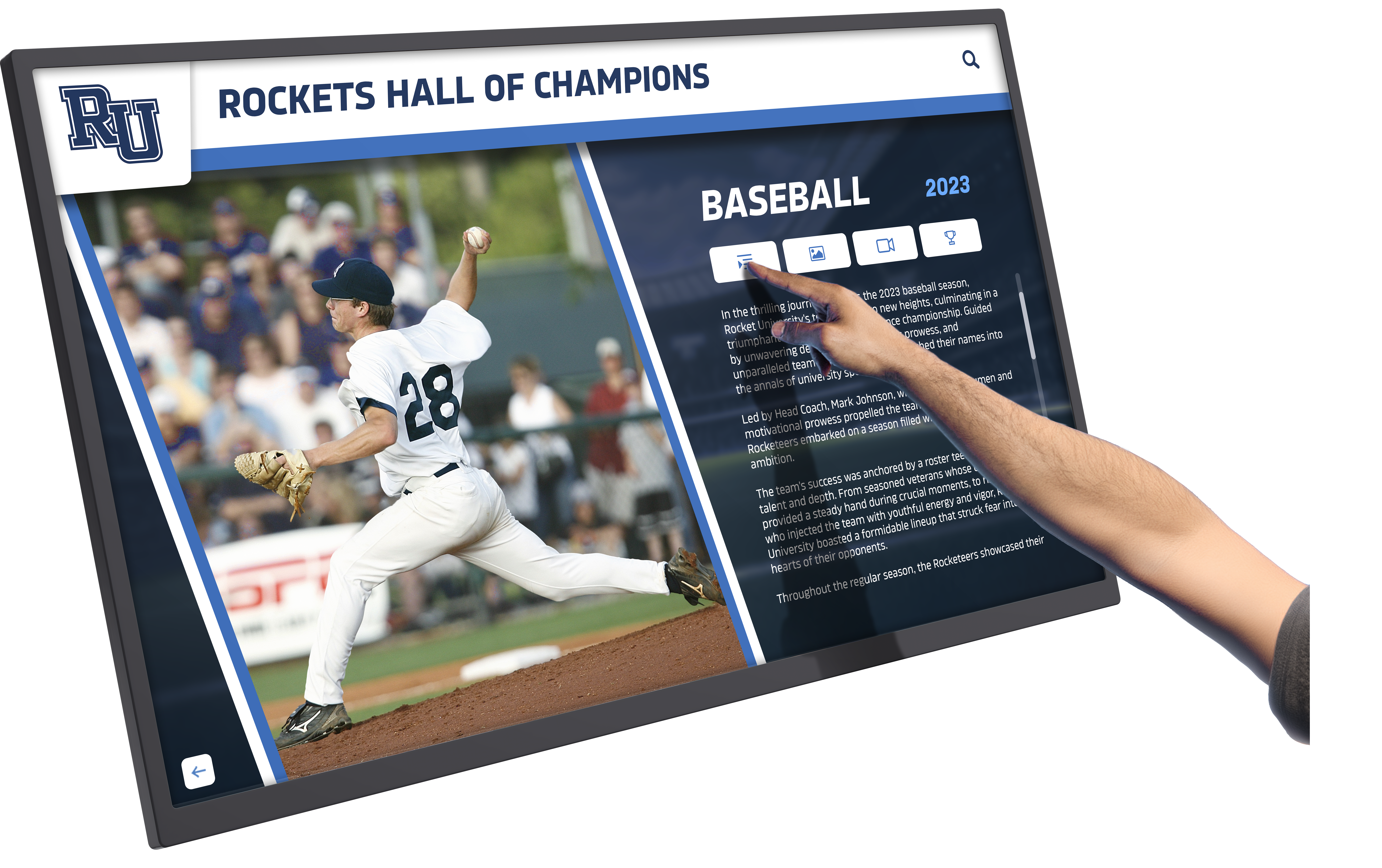
Integration with Championship Recognition: All-State and All-American honors often connect to state championship participation and team success. Awards touchscreen displays integrate individual and team recognition seamlessly—individual wrestler profiles link to championship team rosters, team championship pages highlight individual All-State honorees, and tournament bracket reconstructions show progression of All-State wrestlers through competition.
This integrated approach demonstrates how individual excellence contributes to team success while recognizing both dimensions of wrestling achievement appropriately.
Comprehensive approaches to All-State athletic recognition translate directly to wrestling-specific applications where state tournament success defines program quality and individual wrestler excellence.
Wrestler of the Week Recognition Programs
Weekly recognition programs celebrate outstanding performances throughout wrestling seasons, maintaining engagement beyond championship-focused acknowledgment.
Rotating Featured Recognition: Awards touchscreen displays can prominently feature current “Wrestler of the Week” honorees on home screens with automatic rotation highlighting recent selections. Featured displays include current week’s honoree with detailed performance summary, previous week’s selections maintaining visibility, season-to-date archive enabling exploration of all weekly honorees, and statistical summaries showing weekly honor distribution across weight classes and seasons.
This prominent featured placement ensures weekly recognition receives visibility proportional to its importance in program culture.
Performance-Based Selection Criteria: Weekly recognition programs require clear, objective criteria guiding selection. Digital platforms document and display these criteria, creating transparency and fairness. Common wrestling-specific criteria include match performance (pins, major decisions, technical falls), tournament success and placement advancement, head-to-head victories over ranked opponents, weight class progression and competitive improvements, and statistical achievements (career win milestones, season performance targets).
Displaying selection criteria alongside honorees demonstrates that recognition reflects genuine achievement rather than arbitrary favoritism, maintaining program integrity and wrestler buy-in.
Multimedia Performance Highlights: Beyond simple name and achievement listings, touchscreen displays enable rich multimedia celebrating weekly honorees. Programs can include match video highlights showcasing recognized performances, photo galleries from tournament weekends, statistics breakdowns contextualizing achievements, coach quotes explaining selection rationale, and peer teammate acknowledgments building team culture.
This multimedia approach transforms weekly recognition from administrative acknowledgment into meaningful celebration that wrestlers value and families share proudly through social media.
Programs implementing weekly top performer recognition systems across athletic programs find that wrestling applications particularly benefit from digital platforms enabling rapid weekly updates without physical display modification.
Schedule and Match Information Displays
Beyond historical recognition, awards touchscreen displays serve functional purposes providing current season information to wrestlers, families, and visitors.
Interactive Season Schedule: Digital displays present wrestling schedules through interactive interfaces superior to static printed posters. Comprehensive schedule displays include complete dual meet and tournament calendars, opponent information and historical head-to-head records, facility locations with maps and directions, start times and event details, and live result updates as matches conclude.
Touchscreen interactivity enables visitors to tap individual events for detailed information, filter schedules by event type (home meets, tournaments, championships), view past results alongside upcoming events, and access event-specific information (parking, admission prices, livestream links).
Live Tournament Brackets: During state tournaments and major competitions, awards touchscreen displays can present live bracket updates keeping wrestlers, coaches, and families informed about competition progression. Real-time bracket displays show current match results and advancement, upcoming match assignments and mat locations, wrestler profiles for competitors throughout brackets, and statistical projections for potential matchups.
This live information functionality transforms recognition displays into functional program resources serving daily operational needs alongside historical celebration.
Weight Class and Lineup Information: Touchscreen displays provide convenient access to current season lineups, weight class assignments, and roster information. Displays can showcase current lineup by weight class with wrestler profiles, depth charts showing competition at each weight, weight class progression throughout season, and historical weight class achievement records providing context for current lineup.
This current roster information helps visitors understand the current team while connecting present wrestlers to program history through integrated recognition content.
Announcements and Program Information
Awards touchscreen displays serve communication functions keeping wrestlers, families, and program supporters informed about program news and activities.
Practice Schedule and Facility Information: Wrestling programs manage complex practice schedules, facility access, and operational details that require clear communication. Touchscreen displays provide centralized information including practice schedules and time adjustments, facility usage and room availability, equipment checkout procedures and policies, technique clinic schedules and special training sessions, and off-season conditioning programs and expectations.
This operational information ensures current wrestlers and families access essential program details without relying solely on email distribution or verbal communication.
Booster Club and Fundraising Updates: Wrestling programs depend on booster support for funding travel, equipment, and program enhancements. Awards touchscreen displays provide prominent platforms for booster communication including fundraising campaign progress and goals, upcoming booster events and meetings, volunteer opportunity announcements, sponsorship recognition acknowledging business supporters, and donation impact demonstrations showing how contributions enhance program quality.
Visible booster recognition through touchscreen displays demonstrates appreciation while encouraging continued support from wrestling families and alumni.
Recruiting and College Placement Information: High school wrestling programs help wrestlers navigate college recruitment processes. Touchscreen displays can provide resources including college placement history showing where program alumni wrestled, recruiting timeline information and key dates, NCAA and NAIA wrestling program directories, scholarship information and academic requirements, and success stories from recent alumni competing collegiately.
This recruiting resource demonstrates program commitment to wrestler development beyond high school while providing families with valuable information supporting their athletes’ advancement.
Benefits of Awards Touchscreen Displays for Wrestling Programs
Understanding specific advantages helps wrestling programs evaluate whether awards touchscreen investments deliver sufficient value to justify costs and implementation efforts.
Unlimited Recognition Capacity Without Space Constraints
Wrestling programs with long traditions accumulate decades of achievement deserving recognition. Traditional physical displays force painful decisions about which accomplishments warrant limited space.
Comprehensive Historical Recognition: Awards touchscreen displays eliminate capacity constraints entirely. Programs can recognize every state champion throughout history, every All-State wrestler regardless of era, every All-American honoree without selection limitations, every coaching staff member who contributed to program success, and every significant team achievement without prioritization forced by physical space.
This comprehensive approach ensures wrestling programs honor the full breadth of achievement rather than only the most prominent individuals or teams. Wrestlers who contributed significantly but didn’t achieve top-tier honors receive appropriate recognition alongside champions, building inclusive program culture that values diverse contributions.
Growing Recognition Without Physical Renovation: Traditional displays require facility modifications, wall space allocation, and physical construction to expand recognition capacity. Adding 50 new plaques to a wall display requires significant carpentry, electrical work, and fabrication costs. Awards touchscreen displays accommodate unlimited growth through simple content additions to cloud-based platforms—no construction, no facility modification, no incremental physical costs.
This scalability proves particularly valuable for programs experiencing achievement growth. As wrestling programs build momentum and generate increased state tournament qualifications, All-State honors, and championships, recognition systems must scale proportionally. Digital platforms scale effortlessly while physical displays create cascading facility limitations.
Rich Multimedia Storytelling Capabilities
Wrestling excellence involves far more than tournament results—the technique development, mental toughness, weight management discipline, and personal transformation that define the sport. Traditional plaques reduce these rich stories to names and basic achievements.
Match Video Integration: Awards touchscreen displays enable integration of match video bringing wrestling achievements to life. Programs can showcase state championship finals victories, signature technique execution demonstrations, comeback victories demonstrating mental toughness, tournament progression showing advancement through brackets, and senior night or career highlight compilations.
Video content creates emotional engagement impossible with static recognition. Current wrestlers see themselves in historical achievement videos, building connections to program tradition. Families relive proud moments years after graduation. Visitors gain authentic understanding of wrestling excellence beyond simple result listings.
Photo Galleries and Visual Documentation: Wrestling programs generate tremendous photographic documentation—pre-match introductions, dual meet action, tournament competition, team celebrations, coaching moments, and season-ending banquets. Awards touchscreen displays provide platforms showcasing these visual stories through curated photo galleries organized by season or event, weight class progression photos showing wrestler development, team photos maintaining roster documentation, facility and program evolution documentation, and action photography celebrating wrestling’s athletic intensity.
Visual storytelling makes recognition visceral and emotionally resonant rather than purely informational.
Statistical Depth and Context: Digital platforms accommodate comprehensive statistical documentation impossible with physical displays. Wrestler profiles can include complete career statistics (wins-losses, pins, major decisions), tournament placement histories across all competitions, weight class progression throughout careers, head-to-head records against key opponents, season-by-season progression demonstrating development, and comparative statistics showing achievement within historical program context.
This statistical depth appeals to wrestling’s data-oriented culture while providing objective achievement documentation supporting recognition decisions.
Understanding how digital recognition displays showcase athletic achievements provides insights applicable specifically to wrestling program contexts where technical skill, statistical achievement, and competitive performance intertwine.
Instant Updates and Real-Time Information
Wrestling seasons generate continuous achievement requiring timely recognition. Traditional physical displays create recognition delays undermining impact and perceived importance.
Immediate Achievement Recognition: Weekly “Wrestler of the Week” honors, tournament victories, qualification achievements, and All-State selections deserve immediate acknowledgment reinforcing their importance. Awards touchscreen displays enable same-day or next-day recognition updates—coaches or athletic administrators log into content management platforms, add new achievements with relevant details and photos, and updated content appears on displays immediately.
This timeliness demonstrates that achievements matter and warrant prompt celebration rather than delayed acknowledgment suggesting lower priority.
Tournament and Schedule Updates: Wrestling schedules change frequently—weather postponements, opponent cancellations, facility changes, tournament time adjustments. Traditional printed schedules become outdated quickly, creating confusion for families and wrestlers. Awards touchscreen displays provide centralized schedule information updated instantly as changes occur. A tournament time change announced Wednesday morning appears on touchscreen displays immediately rather than requiring physical poster reprinting and distribution.
Seasonal Content Rotation: Wrestling programs have distinct seasonal rhythms—pre-season conditioning, dual meet season, tournament season, state championships, off-season development. Awards touchscreen displays enable content rotation matching these seasonal patterns. During regular season, displays might emphasize weekly recognition, current lineups, and upcoming dual meets. During tournament season, content shifts to bracket displays, qualification tracking, and championship history. Off-season content focuses on historical recognition, recruiting information, and program tradition.
This seasonal relevance ensures touchscreen content remains engaging and useful rather than static and ignored.
Interactive Engagement and Discovery
Passive recognition displays—mounted plaques, framed photos—allow only visual observation. Awards touchscreen displays enable active exploration creating deeper engagement and connection to program history.
Self-Directed Exploration: Visitors control their touchscreen experiences, exploring content matching personal interests and connections. Alumni wrestlers search for their own profiles and teammates from their eras. Current wrestlers explore achievement pathways and program records they might pursue. Parents discover historical context for their children’s wrestling careers. Visiting team wrestlers and coaches research opponent program history and tradition.
This self-directed exploration creates personal relevance and engagement impossible with passive displays presenting fixed content to all viewers.
Search and Filter Functionality: Wrestling programs accumulate decades of achievers—potentially hundreds or thousands of individual wrestlers deserving recognition. Awards touchscreen interfaces provide search and filter tools enabling intuitive content discovery. Visitors can search by wrestler name to find specific individuals, filter by graduation year to explore particular eras, filter by weight class to see historical achievement patterns, filter by achievement category (state champions, All-Americans, Hall of Fame), and browse alphabetically for general exploration.
These discovery tools make comprehensive recognition databases accessible and navigable rather than overwhelming.
Connected Content and Relationship Navigation: Digital platforms enable relationship connections impossible with isolated physical plaques. Individual wrestler profiles link to teammates from their seasons, championship team rosters connect to individual wrestler profiles, coaches connect to wrestlers they mentored, and weight class pages link to all wrestlers who competed in those categories.
This connected architecture reveals program story networks—the coaching trees, teammate relationships, era-defining squads, and multigenerational family traditions that form wrestling program culture.
Program Culture and Tradition Building
Recognition systems influence how current wrestlers understand their place within program history and tradition.
Daily Visibility Creating Cultural Norms: Awards touchscreen displays installed in wrestling rooms or main gymnasiums create daily visual presence for current wrestlers. Unlike trophy cases in remote hallways or plaques in forgotten corners, prominent touchscreen placement ensures recognition remains part of daily program experience. Wrestlers see achievement history every practice, gradually internalizing that wrestling excellence defines program identity and culture. This daily exposure builds aspiration—current wrestlers want to join the recognized achievers, working harder to earn inclusion in program tradition.
Inspiration Through Relatable Achievement Stories: Generic motivational posters provide abstract inspiration. Awards touchscreen displays provide concrete, program-specific achievement stories demonstrating what’s possible within the specific program context. Current wrestlers see that athletes from their school, training in their wrestling room, coached by their program, achieved state championships, All-American honors, and college wrestling success. This proximity makes achievement feel attainable rather than distant—if previous wrestlers from this program succeeded, current wrestlers can too through similar dedication and effort.
Connection to Wrestling Alumni Community: Awards touchscreen displays maintain visible connections between current wrestlers and program alumni. Current wrestlers see names and faces of alumni who built program tradition. Alumni visiting for matches or program events see their achievements still honored and visible. This connection strengthens alumni engagement with programs while giving current wrestlers sense of participating in something larger than single seasons—they’re part of ongoing wrestling tradition spanning generations.
Effective approaches to building strong athletic program culture translate directly to wrestling-specific applications where tradition and program identity strongly influence wrestler development and team success.
Recruiting Impact and Competitive Advantage
High school wrestling programs compete for talented wrestlers, particularly in areas with multiple program options. Awards touchscreen displays provide recruiting advantages demonstrating program quality and commitment to wrestler recognition.
Impressive First Impressions: When recruited wrestlers and families visit programs during junior high or early high school years, facility quality and program presentation influence school selection decisions. Modern awards touchscreen displays demonstrate program investment in wrestling, commitment to recognizing achievement comprehensively, technological sophistication and forward-thinking leadership, and respect for program tradition and history.
These first impressions differentiate programs—facilities with impressive recognition displays signal quality and wrestler-centered culture compared to programs with minimal or outdated recognition.
Demonstrated Pathway to Achievement: Recruited wrestlers want evidence that programs can develop talent and facilitate success. Awards touchscreen displays provide concrete documentation of developmental pathways—wrestlers who entered programs at various skill levels, progressed through competitive high school careers, achieved state tournament qualifications or championships, and advanced to college wrestling opportunities.
This achievement documentation helps recruited families understand program track records and success patterns rather than relying solely on current coaches’ verbal claims.
Visibility to College Scouts: College wrestling coaches attending high school tournaments and dual meets notice facility quality and program presentation. Awards touchscreen displays showcasing program history, current roster achievements, and college placement success create positive impressions that may influence college coaches’ perceptions of program quality and wrestler development. While achievement matters most, professional presentation enhances program reputation in competitive recruiting markets.
Implementation Considerations for Wrestling Programs
Understanding practical implementation factors helps wrestling programs plan successful awards touchscreen deployments that deliver anticipated benefits while avoiding common pitfalls.
Hardware Selection and Sizing
Choosing appropriate hardware significantly impacts user experience, reliability, and long-term satisfaction.
Commercial vs. Consumer Displays: Wrestling programs should invest in commercial-grade touchscreen displays rated for continuous operation rather than consumer TVs with touchscreen overlays. Commercial displays include industrial components designed for 16-24 hour daily operation, temperature management handling enclosed installations, commercial warranties covering intensive use, and durable touchscreen surfaces resisting heavy public interaction.
Consumer displays fail prematurely under continuous operation demands, creating frustration and unexpected replacement costs. While commercial displays cost more initially, they deliver reliability and longevity justifying higher investment.
Display Size Selection: Wrestling programs should select display sizes based on installation locations and typical viewing distances. Wrestling room installations where wrestlers gather closely around displays (2-4 feet viewing distance), 32"-43" displays provide adequate visibility without overwhelming smaller spaces. Main gymnasium lobbies where families view during competitions (4-8 feet viewing distance), 50"-65" displays ensure readability from typical standing distances. Large gymnasium walls or arena lobbies serving as centerpiece installations (10+ feet viewing distance), 75"-86" displays create impact and maintain visibility from greater distances.
Budget constraints may push programs toward smaller displays, but undersized displays in large spaces fail to achieve desired impact and visibility. Programs should balance size against available budget rather than installing inadequate displays that don’t serve intended purposes effectively.
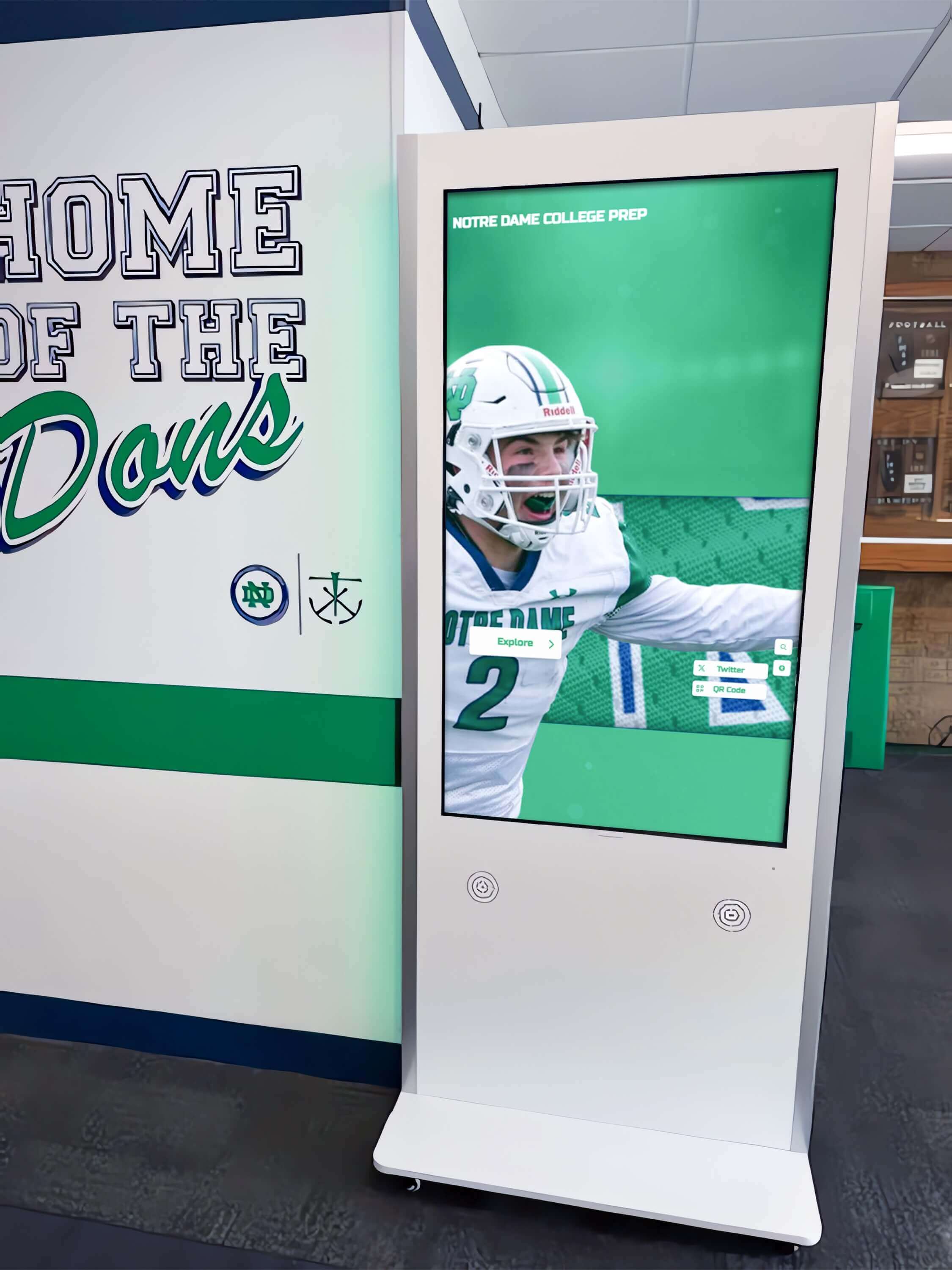
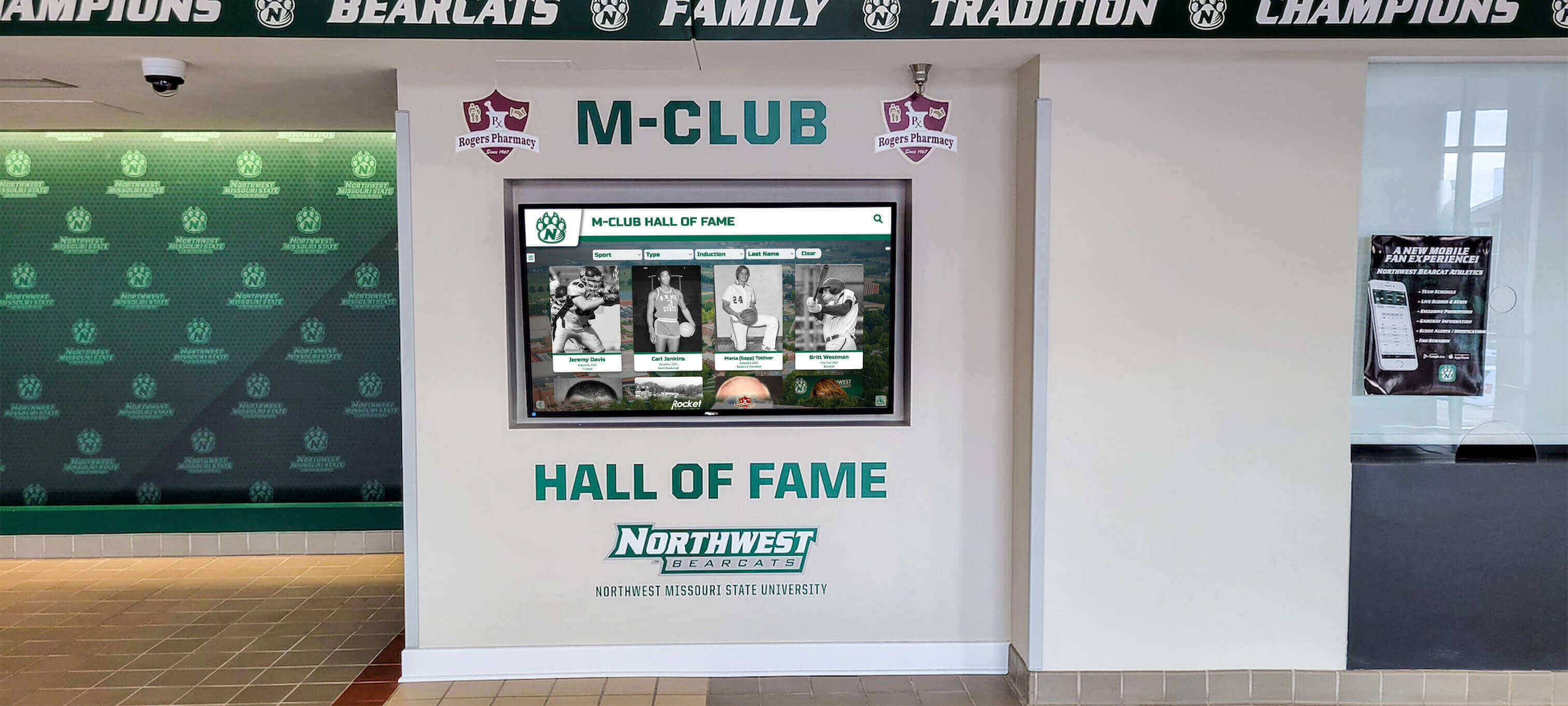
Mounting and Installation: Awards touchscreen displays require secure mounting protecting expensive equipment while enabling comfortable viewing and interaction. Wall mounting provides clean installation aesthetics and space efficiency. Floor stands or kiosks work for locations without suitable wall space. Recessed installations set displays into walls creating flush, professional appearances. Protective enclosures shield displays in active environments prone to physical contact.
Wrestling facilities with active practice spaces benefit from recessed or protected installations preventing accidental damage during practices or competitions.
Software Platform Evaluation
Hardware matters, but software platforms determine content management ease, feature availability, and long-term viability.
Purpose-Built Recognition Platforms: Wrestling programs benefit from software platforms designed specifically for athletic recognition rather than generic digital signage solutions. Purpose-built platforms include recognition-specific templates designed for athlete profiles, achievement organization tools for managing categories and eras, intuitive content management dashboards non-technical coaches can use, and athletic-focused features like statistics tracking, team roster management, and season organization.
Generic digital signage platforms require extensive customization to create recognition-appropriate experiences, often exceeding wrestling program technical capabilities and budgets.
Content Management Accessibility: Wrestling coaches and athletic administrators manage programs without dedicated IT staff or web development expertise. Awards touchscreen platforms must provide simple, intuitive content management enabling non-technical users to add new wrestlers and achievements, upload photos and videos, organize content by season or category, and update schedules and announcements.
Platforms requiring technical expertise for routine updates create administrative burdens that lead to outdated content and abandoned systems.
Cloud-Based vs. Local Software: Cloud-based platforms host content on provider servers with displays retrieving content via internet connections. This architecture enables remote updates from any internet-connected device, automatic software updates and feature additions, centralized management of multiple displays, and provider-managed backup and data protection.
Local software installed on display computers requires physical access for updates, manual software updates and maintenance, and program-managed backup procedures. While cloud-based platforms require ongoing subscription fees, the management convenience typically justifies costs for wrestling programs without dedicated IT resources.
Integration and Compatibility: Wrestling programs use various platforms for statistics, scheduling, and communication. Awards touchscreen software should integrate with MaxPreps or other statistics platforms for automatic data import, Google Calendar or school scheduling systems for schedule synchronization, and existing team management platforms for roster information.
Integration reduces duplicate data entry while ensuring touchscreen content remains current and accurate.
Content Development and Organization
Implementing hardware and software represents only the foundation—meaningful recognition requires substantial content development.
Historical Content Collection: Wrestling programs with long traditions face significant challenges collecting historical information, photos, and achievements. Effective historical content development includes systematic yearbook review documenting wrestlers and achievements from past decades, outreach to wrestling alumni requesting photos and memorabilia, consultation with retired coaches and longtime athletic administrators, local newspaper archive research for match coverage and tournament results, and engagement with booster organizations potentially maintaining informal program records.
Rather than delaying implementation until historical content is complete, programs should launch with well-documented recent achievements before systematically working backward through earlier eras as time permits.
Photo and Video Collection Workflows: Awards touchscreen displays depend on visual content bringing achievements to life. Wrestling programs should establish systematic content collection including designated photographers at dual meets and tournaments, video recording of matches and key moments, collection of individual wrestler photos suitable for profiles, documentation of program events (banquets, senior nights, team activities), and digital archiving of historical physical photos through scanning.
Consistent content collection ensures touchscreen displays feature rich multimedia rather than text-heavy profiles with minimal visual interest.
Content Organization Frameworks: Large recognition databases require thoughtful organization enabling intuitive navigation. Common organizational frameworks include chronological organization by graduation year or decade, achievement category organization (Hall of Fame, state champions, All-State, All-American), weight class organization enabling comparison across eras, coaching era organization showing program evolution under different leadership, and team vs. individual achievement separation.
Many programs implement multiple organizational approaches, allowing visitors to explore content through pathways matching their interests and connections to the program.
Research on effective athletic recognition implementation provides frameworks applicable specifically to wrestling programs establishing comprehensive digital recognition systems.
Budgeting and Funding
Awards touchscreen displays require significant investment—wrestling programs should understand costs and explore funding approaches.
Typical Investment Ranges: Wrestling program awards touchscreen implementations typically cost $5,000-$15,000 for small single-display installations with basic commercial touchscreen (32"-43"), dedicated computer hardware, basic mounting, and first-year software subscription. Mid-range installations ($15,000-$30,000) include larger commercial touchscreen (50"-65"), enhanced computer hardware, professional installation and mounting, custom enclosure or kiosk if needed, and comprehensive software platform. Premium installations ($30,000-$50,000+) include large-format display (75"-86"), multiple display locations, extensive historical content development, custom design and integration, and ongoing content management support.
These ranges provide general guidance—actual costs vary based on specific hardware selections, facility installation requirements, content development needs, and software platform choices.
Funding Sources: Wrestling programs fund awards touchscreen displays through various mechanisms including athletic booster fundraising campaigns, alumni-specific fundraising tied to recognition benefits, facility improvement budgets or athletic department allocations, naming opportunities and sponsorships, and phased implementation spreading costs across multiple budget years.
Many programs find that alumni wrestlers respond enthusiastically to fundraising supporting recognition of their achievements and program tradition. Recognition-specific fundraising campaigns often generate strong response from wrestling families who value visible celebration of wrestlers’ dedication.
Return on Investment Considerations: Awards touchscreen investments deliver tangible and intangible returns including eliminated physical plaque fabrication and installation costs (typically $100-$300 per individual plaque), reduced staff time updating recognition displays, enhanced program culture contributing to wrestler retention and development, recruiting advantages attracting quality wrestlers to programs, alumni engagement strengthening fundraising and program support, and facility quality improvements benefiting entire athletic programs.
Many wrestling programs find that awards touchscreen displays pay for themselves within 3-5 years through eliminated physical display costs alone, while providing far superior recognition capacity and user experience.
Best Practices for Wrestling Program Awards Touchscreen Success
Implementing hardware and software represents necessary but insufficient conditions for success. Following best practices ensures awards touchscreen displays deliver anticipated benefits.
Launch with Inaugural Content Rather Than Waiting for Completion
Wrestling programs often delay implementation believing they must complete comprehensive historical research before launching recognition systems. This perfectionism creates paralysis preventing programs from ever implementing improved recognition.
Phased Content Development: Successful programs launch with well-documented recent achievements—perhaps wrestlers from the last 5-10 years with readily available information—before systematically working backward through history. This phased approach delivers immediate value and visibility while avoiding the endless historical research that prevents implementation. Initial launch creates momentum and demonstrates value to stakeholders, funding for ongoing content development becomes easier to justify once displays are visible and used, and systematic historical addition occurs over months or years rather than delaying launch indefinitely.
Programs can acknowledge that historical content remains in development, inviting alumni to contribute photos and information expanding historical recognition. This collaborative approach engages alumni while building comprehensive databases over time.
Designate Clear Content Management Responsibility
Awards touchscreen displays fail when no one owns content management responsibility. Recognition systems require ongoing attention keeping information current, accurate, and engaging.
Content Manager Designation: Wrestling programs should clearly assign content management responsibility to specific individuals—typically head wrestling coach for wrestling-specific content (wrestler achievements, weekly recognition, schedule updates), athletic director or department administrator for cross-sport coordination and policy consistency, or designated booster volunteer for historical content development and ongoing maintenance.
Clear responsibility assignment ensures someone monitors content currency and updates recognition as achievements occur rather than relying on distributed responsibility that results in no one actually managing the system.
Time Allocation and Training: Content management requires dedicated time and appropriate training. Programs should provide content managers with training on software platform usage and best practices, dedicated time for regular content updates (weekly during season, monthly off-season), and technical support resources for troubleshooting or advanced questions.
Without allocated time and training, even designated content managers struggle to maintain current, engaging recognition content.
Integrate Touchscreen Displays into Program Culture
Awards touchscreen displays deliver maximum value when integrated into daily program operations and culture rather than treated as passive displays.
Active Program Incorporation: Successful wrestling programs actively incorporate touchscreen displays into program activities including references during team meetings and practice sessions (“you’re working toward joining these wrestlers on our recognition display”), featured honoree announcements during practice or via team communication, team activities exploring historical content and program tradition, and family event programming highlighting touchscreen features and encouraging exploration.
Active incorporation ensures current wrestlers view touchscreen recognition as meaningful program element rather than background decoration they ignore.
Social Media and Communication Integration: Awards touchscreen content can extend beyond physical displays through program social media and communication. Programs can share screenshots of newly added wrestler profiles, create video tours of recognition content for families and supporters, feature “throwback” posts highlighting historical wrestling achievements, and use touchscreen content as conversation starters engaging alumni online.
This integrated approach amplifies recognition visibility beyond individuals physically encountering displays in facilities.
Update Content Regularly and Maintain Relevance
Stale, outdated content undermines awards touchscreen value. Recognition systems require regular updates maintaining currency and engagement.
Update Schedule Discipline: Wrestling programs should establish regular update rhythms including weekly updates during season (weekly recognition, schedule changes, results), monthly updates off-season (historical additions, program announcements, summer camp information), and seasonal major updates (pre-season previews, post-season championship celebration, annual award recognition).
Consistent update rhythms ensure touchscreen content remains fresh and relevant rather than becoming static and ignored. Scheduled updates also create accountability for content managers, preventing the gradual content neglect that occurs without regular attention.
Content Refresh and Rotation: Even historical content benefits from periodic refresh and rotation. Programs can rotate featured content highlighting different eras or achievements, add newly discovered historical photos or information, incorporate anniversary commemorations of significant achievements, and retire outdated announcements or event information maintaining clean, current interface.
Regular refresh ensures touchscreen displays remain engaging even for frequent viewers who might otherwise become blind to static content.
Measure Engagement and Demonstrate Value
Wrestling programs invest significant resources implementing awards touchscreen displays. Measuring engagement and demonstrating value helps justify ongoing investment and expansion.
Analytics and Usage Tracking: Quality touchscreen software platforms provide analytics revealing actual usage including total visitor interactions and session duration, most-viewed content identifying popular wrestlers or achievements, search terms revealing what visitors seek, and peak usage times showing when displays receive most attention.
This quantitative data demonstrates whether displays successfully engage target audiences or require content or placement adjustments to increase effectiveness.
Stakeholder Feedback Collection: Beyond analytics, qualitative feedback reveals how wrestlers, families, and alumni perceive recognition value. Programs should regularly gather feedback through informal conversations during program events, periodic surveys of current wrestlers and families, alumni outreach requesting input on historical content and recognition, and observation of how visitors interact with displays.
Stakeholder perspectives reveal whether awards touchscreen displays deliver meaningful recognition value or represent impressive technology that doesn’t actually resonate with intended audiences.
Value Demonstration for Continued Support: Programs should regularly communicate recognition system value to stakeholders supporting programs including athletic directors and school administrators, booster organizations funding programs, wrestling families investing time and resources, and alumni maintaining connections and support.
Regular value communication might include analytics summaries showing engagement levels, testimonials from wrestlers and families about recognition impact, examples of recruiting advantages from touchscreen impressions, and documentation of time and cost savings versus traditional recognition methods.
Demonstrated value maintains support for ongoing system maintenance and potential expansion to additional display locations.
Selecting Awards Touchscreen Solutions for Wrestling Programs
Wrestling programs face numerous vendor and platform choices. Understanding evaluation criteria helps programs select solutions matching their specific needs, capabilities, and budgets.
Purpose-Built vs. Generic Digital Signage
Wrestling programs can choose between athletic recognition platforms designed specifically for awards and achievement display versus generic digital signage platforms adapted for recognition purposes.
Purpose-Built Recognition Advantages: Platforms like Rocket Alumni Solutions designed specifically for athletic recognition provide wrestling-focused templates and organization, intuitive content management for non-technical coaches, athletic-specific features (statistics, rosters, achievement categories), proven recognition best practices built into software design, and vendor expertise specifically in athletic recognition contexts.
Purpose-built platforms reduce implementation complexity and time to value—wrestling programs don’t need to design recognition experiences from scratch or customize generic signage software for specialized recognition purposes.
Generic Digital Signage Considerations: Generic platforms provide ultimate flexibility and customization potential but require significantly more technical expertise and design work to create effective recognition experiences. Unless wrestling programs have dedicated technical resources and specific requirements demanding custom solutions, purpose-built recognition platforms typically deliver better results with less effort and lower total cost.
Cloud-Based vs. Local Management
Software architecture affects ongoing management convenience and administrative burden.
Cloud-Based Benefits for Wrestling Programs: Cloud-hosted platforms where content resides on provider servers provide substantial advantages for wrestling programs including remote content management from any internet-connected device, automatic software updates and feature additions, centralized management if implementing multiple displays, professional data backup and disaster recovery, and reduced on-site IT requirements.
Wrestling coaches managing programs during busy seasons appreciate cloud platforms enabling content updates from home or mobile devices rather than requiring physical presence at display computers.
Local Software Trade-Offs: Locally-installed software on display computers provides complete control and independence from internet connectivity but requires physical computer access for content updates, manual software update management, program-managed backup procedures, and potentially higher technical expertise requirements.
For most wrestling programs, cloud-based platforms’ management convenience outweighs local software control benefits, particularly given typical athletic administrator technical comfort levels.
Vendor Support and Longevity Considerations
Awards touchscreen displays represent long-term investments—vendor stability and support quality significantly impact long-term success.
Vendor Evaluation Criteria: Wrestling programs should evaluate potential vendors considering company longevity and financial stability (avoiding startups likely to disappear), customer base size and retention rates (existing satisfied customers), athletic institution references providing feedback, support responsiveness and quality (technical assistance when needed), and product roadmap and ongoing development commitment.
Vendors demonstrating commitment to athletic recognition specifically, strong existing customer bases, and responsive support create confidence in long-term platform viability.
Support and Training Availability: Even intuitive platforms occasionally require assistance. Quality vendors provide comprehensive onboarding training for content managers, responsive technical support through multiple channels (phone, email, chat), detailed documentation and video tutorials, and regular webinars or office hours for customer success.
Strong support ensures wrestling programs can resolve issues quickly rather than struggling with abandoned systems when questions arise.
Solutions like Rocket Alumni Solutions provide purpose-built platforms specifically serving athletic recognition needs for schools and programs. The focus on athletic applications, intuitive content management, and ongoing support makes such specialized platforms particularly appropriate for wrestling programs implementing awards touchscreen displays.
Conclusion: Transforming Wrestling Program Recognition Through Touchscreen Technology
Wrestling programs deserve recognition systems matching the dedication, discipline, and achievement their sport generates. Traditional approaches—limited physical displays, static plaques, outdated trophy cases—fail to honor wrestling excellence comprehensively or engage current wrestlers meaningfully with program history and tradition.
Awards touchscreen displays transform wrestling program recognition by eliminating space constraints that force selective recognition, enabling rich multimedia storytelling bringing achievements to life, providing instant updates maintaining currency and relevance, creating interactive experiences engaging wrestlers and families actively, and building program culture through visible celebration of tradition and excellence.
Whether showcasing Wrestling Hall of Fame honorees, recognizing All-State and All-American achievements, celebrating weekly top performers, displaying current schedules and brackets, or communicating program announcements, awards touchscreen technology provides wrestling-specific solutions addressing the unique needs and culture of wrestling programs.
Successful implementation requires thoughtful planning including appropriate hardware selection based on installation locations and viewing distances, purpose-built software platforms designed for athletic recognition, systematic content development balancing recent and historical achievements, clear administrative responsibility for ongoing content management, and integration into daily program operations and culture.
The investment—typically $5,000-$30,000 depending on scope and scale—delivers substantial returns through eliminated physical display fabrication costs, enhanced program culture strengthening wrestler development, recruiting advantages demonstrating program quality and tradition, alumni engagement supporting fundraising and program advocacy, and facility improvements benefiting entire athletic departments.
Wrestling programs considering awards touchscreen implementation should begin with clear articulation of recognition goals and priorities, evaluation of available installation locations and environmental factors, assessment of existing content and historical documentation, budget planning and funding source identification, and vendor research comparing platform capabilities and vendor support quality.
Rather than waiting for perfect conditions or complete historical documentation, programs should implement in phases—launching with well-documented recent content before systematically expanding historical recognition over time. This phased approach delivers immediate value while building comprehensive recognition databases that serve programs for decades.
The wrestlers who dedicate themselves to your program—enduring demanding practices, managing weight, competing through adversity, representing your school and community—deserve recognition matching their commitment. Modern awards touchscreen technology enables wrestling programs to honor these achievements comprehensively, professionally, and meaningfully, strengthening the culture and tradition that define wrestling excellence.
Frequently Asked Questions
What’s the typical cost for a wrestling program awards touchscreen display?
Wrestling program awards touchscreen implementations typically range from $5,000-$30,000 depending on display size, installation complexity, software platform selection, and content development needs. Basic installations with 32"-43" commercial touchscreens, standard mounting, and introductory software platforms start around $5,000-$8,000. Mid-range installations with 50"-65" displays, professional installation, and comprehensive recognition software typically cost $15,000-$25,000. Premium large-format displays (75"+) with custom enclosures and extensive historical content development can exceed $30,000. Wrestling programs should budget based on specific display locations, desired recognition scope, and available funding sources. Many programs fund implementations through booster campaigns or alumni fundraising specifically supporting recognition investments.
Can we update wrestling awards touchscreen content ourselves, or do we need technical expertise?
Purpose-built athletic recognition platforms like Rocket Alumni Solutions provide intuitive content management dashboards enabling coaches and athletic administrators without technical backgrounds to update content easily. Common updates—adding new Wrestler of the Week honorees, uploading wrestler photos, updating schedules, posting announcements—typically require only basic computer skills and web browser access. Cloud-based platforms enable updates from any internet-connected device without physical access to display computers. Training provided during implementation teaches content management basics, while ongoing vendor support assists with questions. Generic digital signage platforms may require more technical expertise, making purpose-built recognition software preferable for programs without dedicated IT resources. Wrestling programs should evaluate software ease-of-use during vendor selection, requesting demonstrations of content management workflows to ensure platforms match staff technical comfort levels.
How much historical wrestling program content do we need before implementing awards touchscreen displays?
Wrestling programs should launch awards touchscreen displays with whatever well-documented content they currently have rather than delaying implementation until comprehensive historical research is complete. Launching with 5-10 years of recent wrestler achievements provides sufficient content demonstrating system value while historical content development continues. This phased approach enables immediate program benefits and visibility justifying ongoing historical research investment. Many programs invite alumni to contribute photos and information after launch, collaboratively building historical databases over months or years. The key is starting rather than waiting for perfection—recognition systems deliver value from day one while historical content expands systematically. Programs can acknowledge on displays that historical content remains in development, setting expectations while demonstrating commitment to comprehensive recognition over time.
What display size works best for wrestling room or gymnasium installations?
Display size should match installation location and typical viewing distances. Wrestling room installations where athletes gather 2-4 feet from displays work well with 32"-43" touchscreens providing adequate visibility without overwhelming smaller spaces. Main gymnasium lobby installations where families view from 4-8 feet during competitions benefit from 50"-65" displays ensuring readability from typical standing distances. Large gymnasium walls or arena lobbies serving as centerpiece installations visible from 10+ feet require 75"-86" displays creating impact and maintaining visibility from greater distances. Undersized displays in large spaces fail to achieve desired visibility and impact, while oversized displays in small spaces overwhelm spaces and waste budget. Wrestling programs should consider primary viewing distances and typical number of simultaneous viewers when selecting display sizes. Larger displays cost significantly more but deliver proportionally greater visibility—balance budget constraints against importance of visibility in chosen locations.
How do awards touchscreen displays help wrestling program recruiting?
Awards touchscreen displays provide several recruiting advantages for wrestling programs. First, modern touchscreen technology demonstrates program investment in wrestlers and commitment to recognition, creating positive first impressions with recruited athletes and families during facility visits. Second, comprehensive historical recognition provides objective evidence of program success patterns—achievement progressions showing developmental pathways, college placement documentation demonstrating wrestler advancement opportunities, and championship success histories establishing program competitive quality. Third, visible recognition of program alumni maintains connections and demonstrates long-term institutional appreciation extending beyond high school careers. Fourth, professional facility presentation with modern recognition technology differentiates programs from competitors with outdated or minimal recognition. While achievement records matter most in recruiting, professional recognition systems enhance program reputation and appeal, particularly in competitive recruiting markets where multiple programs compete for talented wrestlers. College scouts attending competitions also notice facility quality, potentially influencing their perceptions of program quality and wrestler development.
Can awards touchscreen displays show live tournament brackets and real-time results?
Yes, awards touchscreen platforms can display live tournament brackets and real-time results during wrestling competitions. This functionality transforms recognition displays into functional program resources serving operational needs beyond historical achievement celebration. During state tournaments or major competitions, displays can present updated brackets showing match results and advancement, upcoming match assignments and mat locations, wrestler profiles for competitors throughout brackets, and seeding and statistical information. Implementation requires integration between touchscreen software and tournament management platforms (like TrackWrestling) or manual updates through content management dashboards as results occur. Live bracket functionality proves particularly valuable in gymnasium lobbies during home tournaments where wrestlers, coaches, and families appreciate centralized information access without relying solely on printed brackets or verbal announcements. Some programs maintain dual-purpose displays showing historical recognition content during normal periods while switching to live tournament information during competitions, maximizing display utility throughout wrestling seasons.
What happens if our awards touchscreen display hardware fails or requires replacement?
Commercial-grade touchscreen displays typically include 3-5 year commercial warranties covering hardware failures during normal operation. If displays fail within warranty periods, manufacturers provide repair or replacement services. Beyond warranty periods, display replacement becomes program responsibility. However, content management through cloud-based software platforms means recognition content remains safely stored on vendor servers regardless of local hardware status. If displays require replacement—due to failure, damage, or technology upgrades—new hardware can be installed and pointed to existing cloud content without losing historical recognition information or requiring content recreation. This architecture protects wrestling programs’ content investments from hardware obsolescence or failure. When evaluating vendors, wrestling programs should understand warranty coverage, post-warranty support options, hardware replacement costs, and whether content platforms remain accessible regardless of hardware status. Purpose-built recognition vendors often maintain long-term relationships with customers, supporting hardware refreshes and technology upgrades as displays age while preserving content continuity.
Can we use awards touchscreen displays for sports beyond wrestling?
Absolutely. Most wrestling programs implementing awards touchscreen displays use comprehensive athletic recognition platforms serving entire athletic departments rather than wrestling exclusively. Content management systems organize recognition by sport, enabling athletic departments to showcase achievements across all programs—football, basketball, volleyball, track and field, wrestling, and other sports. This multi-sport approach provides several advantages including shared investment across athletic department budgets, consistent recognition standards across all programs, centralized content management by athletic administrators, and comprehensive facility improvements benefiting multiple teams. Wrestling programs often spearhead touchscreen implementation due to strong program culture and booster support, with recognition expanding to include other sports over time. Some installations feature multiple displays—perhaps a large lobby display showing all-sport content with a wrestling-specific display in the wrestling room focusing exclusively on wrestling achievements. Multi-sport capability maximizes return on recognition investments while building cohesive athletic department culture celebrating diverse achievements across varied programs.
Ready to transform how your wrestling program celebrates excellence and builds tradition? Explore the platform specifically designed to help wrestling programs showcase Hall of Fame honorees, recognize All-State and All-American wrestlers, celebrate weekly top performers, display schedules and announcements, and build the program culture that defines wrestling excellence for generations.