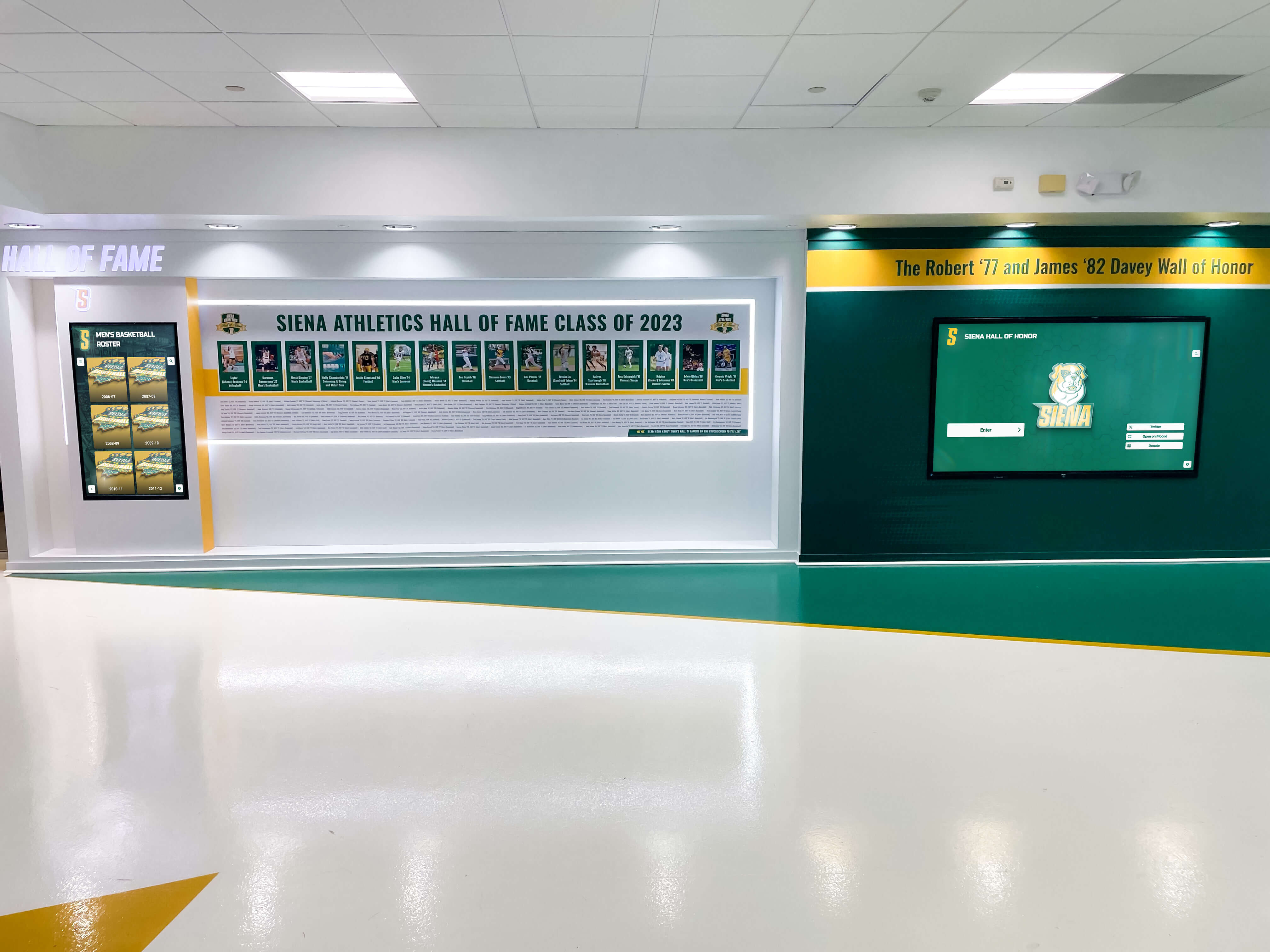




Every year, schools, athletic departments, and organizations face the challenge of hosting award ceremonies that genuinely honor achievement rather than feeling like obligatory rituals attendees endure. The difference between forgettable ceremonies and truly memorable recognition events lies not in extravagant budgets but in thoughtful planning that places honorees and their accomplishments at the center of every decision.
Well-executed award ceremonies create moments that honored individuals remember for decades. They strengthen organizational culture by visibly celebrating the values and achievements institutions want to promote. They inspire audiences—particularly younger members witnessing peers and role models recognized—to pursue similar excellence. And they provide tangible evidence that organizations genuinely value achievement, not just abstractly but through concrete celebration requiring substantial time, effort, and resources.
The Impact of Effective Award Ceremonies: Recognition events significantly influence organizational culture and stakeholder engagement. Well-designed ceremonies strengthen the connection between honorees and institutions, create inspiring moments for audiences witnessing achievement celebrated, establish public records of excellence that enhance institutional reputation, and provide natural opportunities for media coverage and community engagement. Poor ceremonies—rushed, impersonal, or disorganized—can actually diminish achievement rather than amplifying it, making planning quality essential rather than optional.
This comprehensive guide explores everything you need to know about planning effective award ceremonies in 2026. From understanding core principles that make recognition meaningful through detailed execution strategies covering venue selection, program design, technology integration, and post-ceremony follow-up, you’ll discover practical approaches that help your organization create recognition events worthy of the achievements they celebrate.
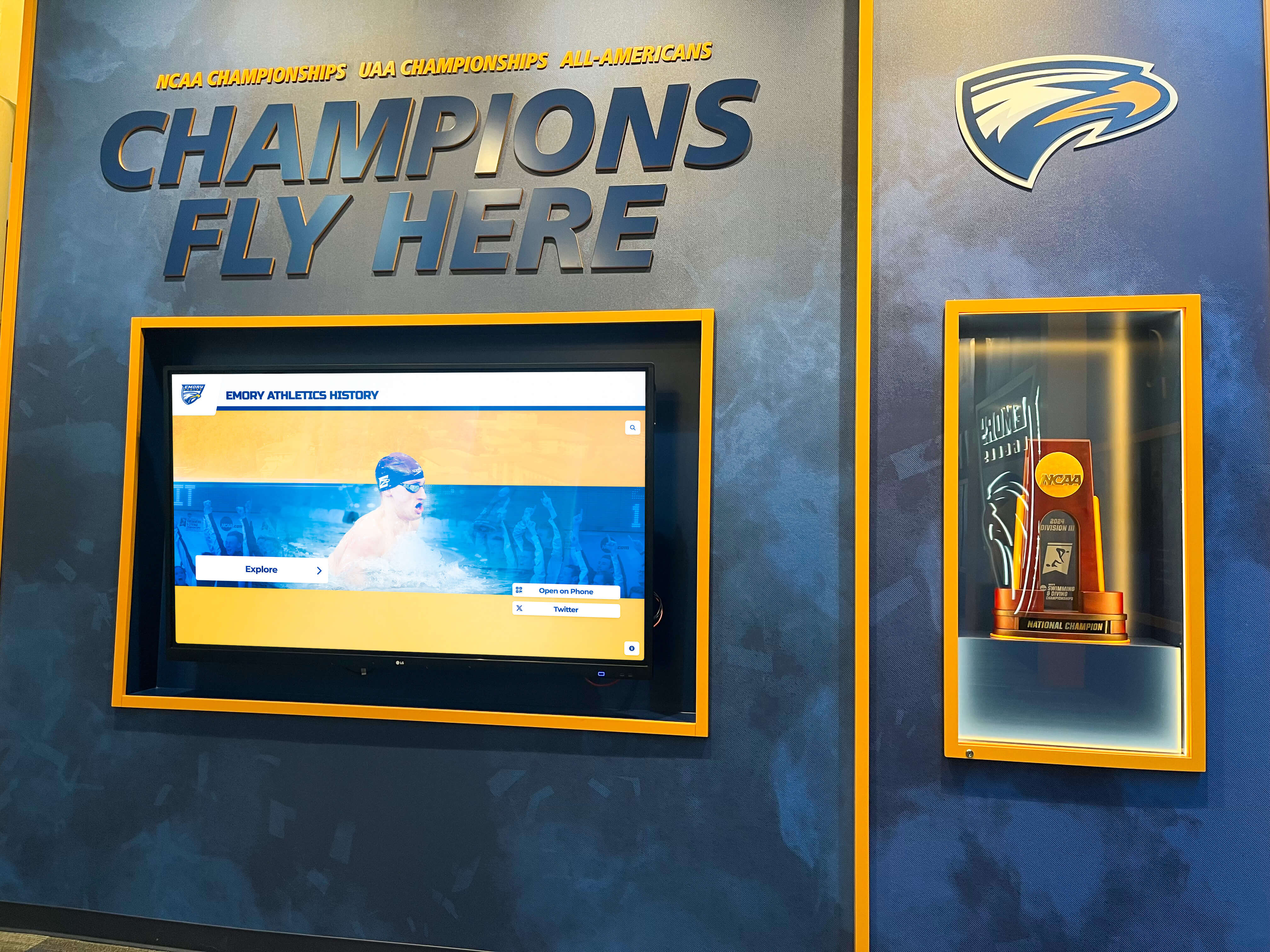
Understanding Award Ceremony Fundamentals
Before diving into logistics and execution details, successful ceremony planners must clarify what they want recognition events to accomplish and for whom.
Defining Your Ceremony’s Primary Purpose
Different organizations emphasize different objectives when hosting award ceremonies, and these priorities fundamentally shape every planning decision that follows.
Honoring Individual Achievement
Some ceremonies focus primarily on celebrating specific honorees, ensuring each recognized individual receives meaningful acknowledgment appropriate to their accomplishments. These honoree-focused events emphasize adequate time for each recipient’s recognition ensuring no one feels rushed, comprehensive achievement descriptions providing context about what each person accomplished, personal touches demonstrating genuine knowledge of honorees rather than generic praise, and intimate scales allowing authentic connection between presenters, honorees, and audiences.
When honoring individuals represents the primary goal, planners resist the temptation to recognize too many people in single events. Better to hold multiple smaller ceremonies than dilute recognition by cramming dozens of honorees into programs where each receives only cursory acknowledgment.
Building Organizational Culture and Pride
Culture-focused ceremonies use recognition to strengthen organizational identity and values while inspiring broader populations beyond honorees themselves. These events emphasize visible demonstration of institutional values through carefully selected recognition criteria, inspiring younger members by showcasing achievable pathways to excellence, creating emotional moments that strengthen community bonds, and public celebration that enhances organizational reputation within broader communities.
Schools pursuing this objective might design academic recognition programs that celebrate diverse achievement types, ensuring multiple student populations see themselves represented in recognized accomplishments.
Strengthening Stakeholder Engagement
Development-oriented ceremonies support advancement goals by deepening emotional connections between stakeholders and organizations while demonstrating organizational quality to prospective supporters. These engagement-focused events include strategic invitation lists ensuring key stakeholders attend, recognition of donors and supporters alongside primary honorees, professional production quality reflecting institutional excellence, and media coverage amplifying reach beyond physical attendees.
Organizations pursuing engagement objectives carefully consider who attends ceremonies, often limiting public attendance to ensure capacity for specifically invited stakeholders whose relationship-building justifies exclusive events.
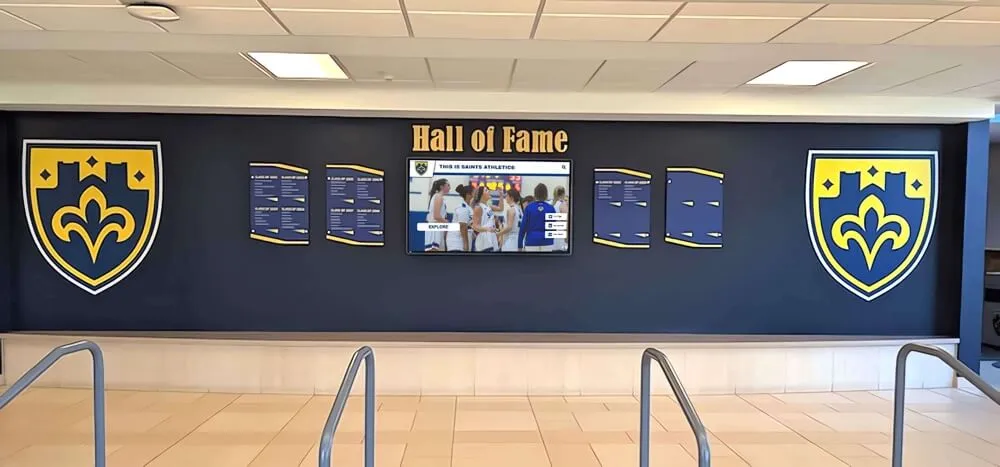
Creating Recruitment and Marketing Opportunities
For schools and competitive organizations, ceremonies can serve recruitment goals by demonstrating program quality to prospective members and families. Recruitment-oriented events feature impressive venues and professional production demonstrating organizational resources, diverse honorees representing various pathways showing opportunities for different student or member types, current participant involvement showcasing community and culture, and prospective attendee accommodation ensuring those evaluating the organization can attend.
Many schools strategically schedule major recognition ceremonies during recruiting seasons when prospective students and families are actively evaluating options, maximizing recruitment impact.
Most effective ceremonies serve multiple objectives simultaneously, but clarifying priorities helps when planning trade-offs require choosing between competing goals.
Key Success Factors for Award Ceremonies
Several fundamental considerations shape whether recognition events deliver meaningful long-term value or feel like forgettable obligations everyone dutifully attends.
Authentic Recognition That Feels Genuine
The single most important ceremony element is authenticity—honorees and audiences must feel that recognition is genuine rather than perfunctory. Authentic ceremonies demonstrate real knowledge of honorees through specific achievement details rather than generic praise, include personal stories illustrating why honorees matter beyond bare accomplishments, feature presenters who actually know honorees rather than reading unfamiliar names, and allocate sufficient time for meaningful recognition rather than rushing through lists.
When honorees feel authentically valued and audiences believe recognition is deserved and sincere, ceremonies create powerful emotional impact. When events feel formulaic or rushed, even elaborate productions fail to generate meaningful connection.
Appropriate Scale and Duration
Ceremony length significantly impacts audience engagement and recognition quality. Too brief and recognition feels insufficient; too long and attention wanes, actually diminishing later honorees’ recognition as exhausted audiences disengage. Effective ceremonies balance comprehensive recognition with realistic attention spans through strategic honoree grouping combining similar awards to maintain pace, varied program elements preventing monotony through alternating formats, and ruthless time management ensuring published schedules are honored.
Most successful ceremonies run 60-90 minutes for major events recognizing numerous honorees, or 30-45 minutes for smaller focused recognitions. Programs exceeding two hours risk losing audiences regardless of content quality.
Professional Execution Reflecting Achievement Significance
Production quality communicates how much organizations value both honorees and achievement itself. Professional ceremonies demonstrate respect through well-designed printed programs providing comprehensive information, quality audio ensuring all attendees hear clearly, appropriate lighting creating atmosphere and visibility, smooth transitions between program elements avoiding awkward gaps, and polished presentations from all speakers and presenters.
Schools don’t need Hollywood production budgets, but attention to execution details separates ceremonies that honor achievement appropriately from those that accidentally communicate that recognition isn’t important enough to execute well.

Memorable Moments Creating Lasting Impact
The most effective ceremonies create specific moments that attendees remember years later—emotional peaks that transcend individual award presentations. Memorable moments might include inspirational keynote speakers connecting recognition to broader meaning, honoree testimonials sharing personal achievement stories and the journeys behind success, surprise recognitions or special tributes no one expected, multimedia presentations bringing achievements to life through video and images, or symbolic traditions unique to your organization creating distinctive experiences.
These peak moments transform ceremonies from administrative obligations into genuinely meaningful events that strengthen lasting connection between honorees and organizations.
Award Ceremony Planning Timeline
Successful ceremonies require substantial planning time. Rushing preparation produces suboptimal events that fail to honor achievement appropriately while creating unnecessary stress for planning teams.
3-4 Months Before: Foundation and Framework
Initial planning phases establish fundamental elements that guide all subsequent decisions.
Selection and Confirmation of Honorees
Begin by finalizing who will be recognized and confirming their availability and willingness to be honored. This process includes completing nomination review and selection processes for competitive awards, contacting selected honorees to confirm attendance, gathering biographical information and achievement details for program materials, requesting photos and additional content for multimedia presentations, and identifying any special needs or considerations affecting participation.
Early honoree confirmation enables planning around specific individuals rather than hypothetical recipients, ensuring programs feature appropriate content and accommodate any special circumstances.
Date Selection and Venue Booking
Secure your ceremony date and location well in advance to prevent scheduling conflicts and ensure availability. Consider organizational calendar conflicts avoiding competition with other major events, honoree availability ensuring key recipients can attend, seasonal timing affecting both attendance and venue comfort, and venue availability since popular locations book months ahead.
Priority venue selection prevents being forced into suboptimal spaces due to late booking, while thoughtful date selection maximizes attendance from both honorees and desired audience members.
Budget Development and Approval
Establish realistic budgets covering all ceremony elements and secure necessary funding. Typical budget categories include venue rental and setup fees, audio/visual equipment and technical support, printed programs and certificates, photography and videography services, catering and reception costs, and honoree gifts or awards. Comprehensive budgeting prevents mid-planning surprises that either force compromise on important elements or create funding crises requiring emergency fundraising.
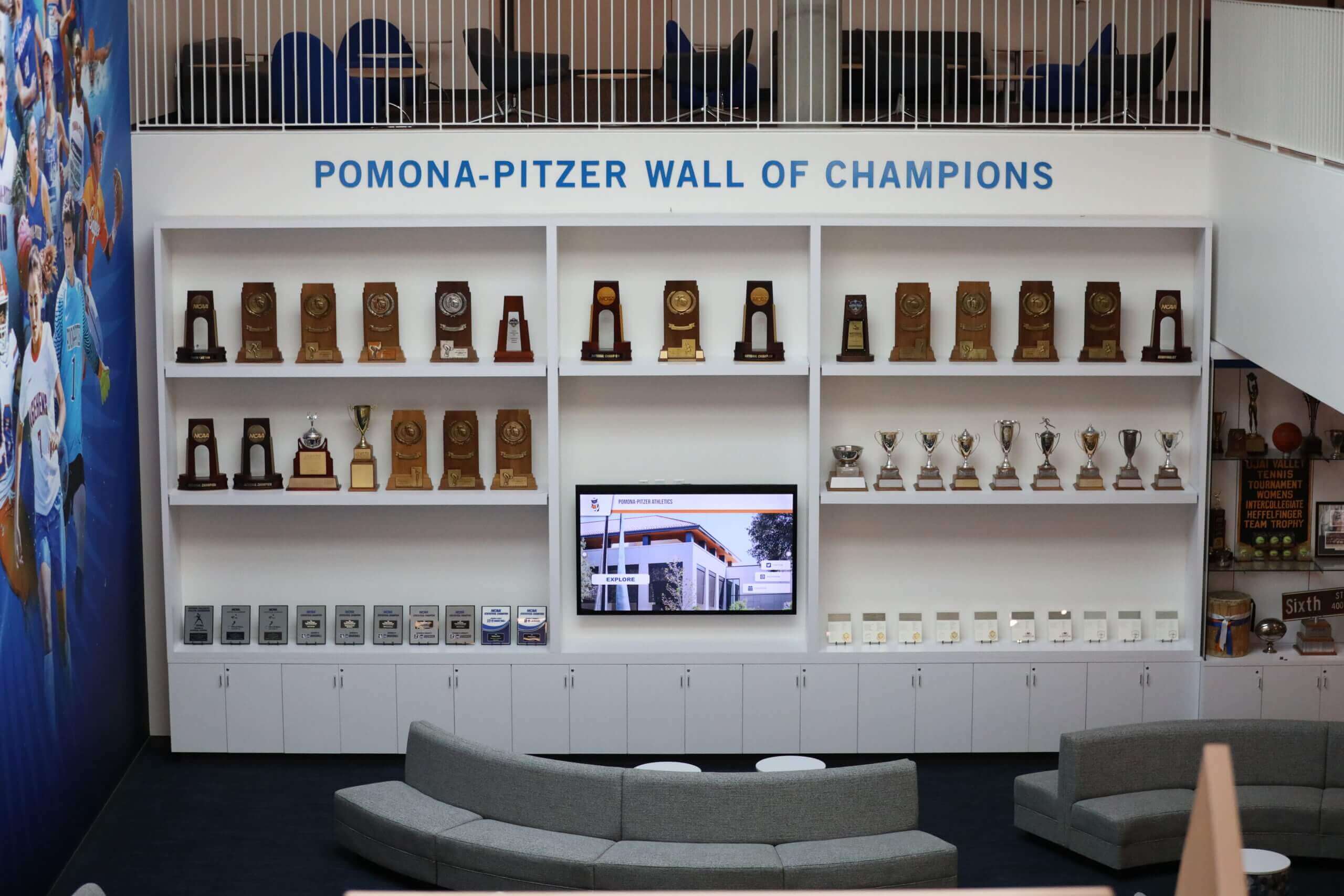
2-3 Months Before: Program Design and Communication
Mid-timeline focus shifts to designing specific program elements and beginning stakeholder communication.
Program Structure Development
Design the ceremony flow and specific program elements determining overall experience. Effective program structures typically include welcome and opening remarks establishing tone and purpose, presentation of awards organized logically by category or significance, honoree remarks or acceptance speeches allowing recognized voices, keynote or featured speaker providing inspiration and broader context, and closing remarks synthesizing themes and expressing gratitude.
Create detailed run-of-show documents specifying exactly what happens when, who speaks, transitions between elements, and technical cues. This documentation ensures smooth execution and allows all participants to understand their roles clearly.
Invitation Design and Distribution
Develop and distribute invitations to all desired attendees ensuring maximum attendance. Invitation strategies include formal printed invitations for major ceremonies creating tangible keepsakes, digital invitations for broader reach and easy RSVP management, tiered invitation timing with early invitations to VIPs and key stakeholders, and clear RSVP systems tracking attendance for catering and seating arrangements.
Early invitation distribution (6-8 weeks before events) accommodates busy schedules while demonstrating ceremony importance through advance notice.
Content Creation and Multimedia Development
Begin creating all content required for ceremony presentations including detailed honoree biographies for verbal presentation and printed programs, photo collection and curation for visual presentations, video production if incorporating multimedia elements, and script development for all speakers ensuring consistent quality. Quality content creation requires substantial time particularly when gathering information from multiple sources, so beginning well in advance prevents rushed production that compromises quality.
4-6 Weeks Before: Logistics and Coordination
As ceremony dates approach, attention shifts to operational details ensuring smooth execution.
Technical Planning and Rehearsal
Coordinate all technical elements that enable ceremony execution including audio system testing ensuring clear sound throughout venues, presentation technology setup and testing confirming all multimedia works properly, lighting design creating appropriate atmosphere and visibility, and technical rehearsal identifying and resolving issues before events.
Many ceremony failures result from inadequate technical preparation producing audio problems, failed presentations, or other preventable disasters. Thorough technical planning and rehearsal time invested in advance prevents these embarrassing failures.
Participant Coordination and Practice
Ensure all ceremony participants understand their roles and feel prepared including speaker preparation and practice for presenters who aren’t professional speakers, honoree coordination regarding logistics, timing, and any remarks they’ll deliver, student or member involvement if incorporating current participants, and volunteer briefing if using volunteers for greeting, ushering, or other support functions.
Individual rehearsal for all speakers prevents stumbling delivery that undermines ceremony professionalism while helping nervous participants feel confident.
Printed Materials and Award Production
Finalize and produce all physical materials required for ceremonies including professionally designed and printed programs, certificates and awards for each honoree, signage and directional materials for large or complex venues, and place cards if using assigned seating. These materials require production time, so finalization several weeks in advance prevents last-minute rushes that compromise quality or create shortages.
1-2 Weeks Before: Final Preparation
Final weeks involve confirming all details and addressing any remaining gaps.
Final Confirmations and Logistics
Verify all arrangements and confirm details including venue final walk-through confirming setup plans, catering final headcount and menu confirmation, honoree attendance reconfirmation ensuring no last-minute absences, vendor coordination with photographers, AV technicians, and other service providers, and contingency planning for potential problems like technology failures or absent participants.
These final confirmations catch and correct problems before ceremonies rather than discovering issues when it’s too late for effective solutions.
Ceremony Rehearsal
Conduct complete ceremony rehearsals ideally in actual venues to identify timing, transition, or logistical issues. Full rehearsals should include all speakers and key participants practicing their roles, technical run-through of all multimedia and presentation elements, timing confirmation ensuring program fits realistic duration, and contingency practice for handling common problems.
Rehearsals feel like time-consuming overhead but consistently separate smooth professional ceremonies from awkward events plagued by preventable mistakes.
Communication and Reminder Distribution
Send final communications to all participants and attendees including detailed information about parking, arrival time, dress code, and other logistics, program overview so attendees know what to expect, any materials attendees should bring, and contact information for day-of questions or issues.
Clear communication prevents confusion that disrupts ceremonies or creates unnecessary stress for attendees navigating unfamiliar situations.
Designing Engaging Award Ceremony Programs
Ceremony structure and content design significantly impacts whether events feel meaningful and engaging versus tedious obligations everyone endures.
Creating Compelling Program Flow
Strategic program design maintains audience engagement while ensuring appropriate recognition for all honorees.
Opening Elements That Set Appropriate Tone
Ceremonies begin establishing atmosphere and expectations that shape everything following. Effective openings accomplish several purposes through welcome remarks explaining ceremony purpose and acknowledging attendees, recognition of special guests and dignitaries demonstrating appreciation for their presence, inspirational framing connecting recognition to organizational values and broader meaning, and logistical information about program flow and any interactive elements.
Opening remarks should be brief (5-7 minutes maximum) while establishing the ceremony’s importance and creating positive anticipation for recognition that follows.
Strategic Award Organization and Pacing
The sequence and grouping of award presentations significantly affects program flow and perceived fairness. Effective organization strategies include grouping similar awards maintaining thematic coherence, building momentum toward highest honors creating appropriate climax, varying presentation formats preventing monotony, and ensuring no honoree group feels relegated to less important positions.
Many ceremonies begin with broader group recognitions (honor roll, participation awards) before moving to individual distinctions, though alternative structures starting with highest honors can work when groups of equal importance follow. The key is intentional sequencing rather than arbitrary or alphabetical ordering.
Incorporating Honoree Voice and Stories
Awards mean more when audiences understand not just what honorees accomplished but who they are and the journeys behind achievements. Strategies for incorporating honoree perspective include brief acceptance remarks from individual honorees, video profiles for major awards showing honorees in their elements, presenter anecdotes from people who actually know honorees, and displayed quotes or written reflections for group awards where individual remarks prove impractical.
Even simple additions like displaying photos showing honorees engaged in the activities earning recognition creates more personal connection than merely announcing names.
Balancing Recognition Comprehensiveness with Engagement
Thorough recognition ensuring all honorees receive appropriate acknowledgment must balance against audience engagement capacity. When recognizing large numbers, effective approaches include group recognition for broader categories with individual naming, selective detailed presentations for highest individual honors, multimedia displays showing all honorees even if not all are individually presented, and efficient transitions preventing dead time that allows engagement to drop.
The goal is honoring everyone appropriately while maintaining program flow that sustains attention throughout ceremonies.
Incorporating Meaningful Ceremony Elements
Beyond basic award presentation, thoughtful additional elements enhance ceremony impact and memorability.
Keynote or Featured Speakers
Compelling speakers provide inspiration and broader context beyond specific awards. Effective keynote speakers might be distinguished alumni or former members who exemplify long-term achievement, industry leaders or experts connecting recognition to future opportunities, inspirational figures sharing relevant personal journeys, or organizational leaders articulating values and vision.
The best speakers connect their messages specifically to honorees and ceremony themes rather than delivering generic motivational talks unrelated to the recognition context. Brief focused remarks (10-15 minutes) work better than extended speeches that feel disconnected from core ceremony purpose.
Multimedia Presentations and Video Elements
Video content brings achievements to life in ways verbal description alone cannot accomplish. Effective multimedia includes retrospective highlight videos showing honorees’ accomplishments, interview clips featuring honorees reflecting on their journeys, documentary-style profiles providing comprehensive achievement context, or montages celebrating overall organizational success the ceremony’s theme represents.
Quality video production requires significant lead time and often benefits from professional videography, but even simple photo slideshows with appropriate music create more engaging presentations than static recognition alone.
Interactive or Participatory Elements
When appropriate to ceremony tone and audience, interactive elements increase engagement and create distinctive experiences. Interactive possibilities include audience recognition opportunities allowing attendees to acknowledge honorees, social media integration encouraging live sharing and commentary, Q&A sessions with featured honorees for smaller intimate ceremonies, or symbolic traditions unique to your organization like candle lighting, signing ceremonies, or group pledges.
These participatory elements work best when they feel organic to ceremony purpose rather than forced additions pursued simply for novelty.
Cultural and Traditional Elements
Ceremonies gain depth and meaning when they incorporate authentic organizational traditions and cultural elements. Traditional components might include historical acknowledgment connecting current honorees to organizational heritage, symbolic objects or regalia specific to your organization, ceremonial procedures following established protocols, or musical performances of organizational songs or meaningful pieces.
These traditional elements create continuity across years and strengthen sense that recognition connects individuals to something larger than themselves.
Selecting and Configuring Ceremony Venues
Venue selection significantly impacts both practical execution and atmospheric tone ceremonies establish.
Venue Selection Criteria
Several factors should guide venue decisions beyond simple availability and cost.
Capacity and Layout Considerations
Venues must accommodate all attendees comfortably while supporting required ceremony elements. Key capacity factors include adequate seating for expected attendance with some cushion for variations, stage or presentation areas visible from all seating locations, appropriate acoustics enabling clear audio throughout spaces, climate control maintaining comfortable temperature regardless of season, and accessibility ensuring all attendees including those with disabilities can participate fully.
Venues too small create uncomfortable crowding and may require turning away desired attendees, while excessively large spaces feel empty and reduce intimacy unless attendance is genuinely substantial.
Technical Capabilities and Infrastructure
Modern ceremonies typically require significant technical support. Essential technical capabilities include quality sound systems with appropriate speaker placement, projection or large displays for visual presentations, adequate electrical capacity and outlet placement for all equipment, reliable internet connectivity if streaming or using cloud-based content, and appropriate lighting control creating atmosphere while ensuring visibility.
Venues lacking adequate built-in infrastructure may require expensive equipment rental and technical support significantly increasing budgets while introducing potential failure points.
Atmosphere and Aesthetic Alignment
Venue character should complement ceremony tone and organizational identity. Consider architectural style and design aesthetic matching organizational character, prestige level appropriate to achievement significance being recognized, location prestige and convenience for attendees, and symbolic meaning of specific venues within organizational contexts.
The same ceremony held in a utilitarian cafeteria versus an elegant auditorium versus an outdoor garden creates dramatically different experiences and communicates different messages about recognition importance.
Practical and Logistical Factors
Beyond atmosphere, practical considerations significantly impact execution. Important logistics include parking availability and accessibility for expected attendance, load-in and setup access for equipment and materials, catering facilities or permissions if including food service, green room or preparation spaces for speakers and honorees, and date availability during your required timeframe.
Venues failing to accommodate practical requirements either become impossible to use or require expensive workarounds that strain budgets.
Creating Effective Venue Setup
Once venues are selected, strategic setup enhances both functionality and atmosphere.
Seating Arrangements and Audience Flow
Seating configuration affects both sightlines and ceremony feel. Common arrangements include theater-style rows maximizing capacity for large attendance, banquet rounds for ceremonies including meals or significant social interaction, reserved sections for honorees, family members, and VIP guests, and accessible seating throughout venues not relegated to corners or backs.
Clear signage and volunteer ushers help attendees find appropriate seating efficiently, preventing bottlenecks and confusion that delay program starts.
Stage and Presentation Area Design
Presentation areas require careful design ensuring visibility and professional appearance. Effective stage design includes adequate space for all presenters, podiums, and award display without crowding, professional backdrop whether organizational logos, elegant drapery, or environmental elements, appropriate podium placement and microphone setup for speakers, easy entrance and exit paths for honorees receiving awards without awkward crossing, and incorporation of any special elements like video displays or symbolic objects.
Even simple black drapery and professional signage dramatically improves presentation area appearance compared to bare stages or cluttered backgrounds.
Technical Equipment Placement and Operation
Strategic equipment positioning ensures technical elements enhance rather than distract from ceremonies. Position projection screens or displays where all attendees have clear sightlines, locate speaker systems throughout venues for even sound coverage, minimize visible cables and equipment using strategic placement and cable management, and designate concealed technical operation areas preventing visible technicians from distracting audiences.
Technical rehearsal time specifically addressing sightlines and audio coverage from various seating areas identifies and resolves problems before attendees arrive.
Decorative Elements and Atmosphere Creation
Thoughtful decoration enhances atmosphere without overwhelming core ceremony purpose. Appropriate decorative elements include floral arrangements adding elegance without blocking sightlines, lighting design creating mood through color temperature and intensity, organizational banners and branding reinforcing identity, recognition displays showing honoree photos or achievements, and subtle thematic elements supporting ceremony themes without feeling costume-like.
Decoration should enhance the ceremony environment rather than demanding attention, keeping focus on honorees and the recognition they’re receiving.
Leveraging Technology for Enhanced Ceremonies
Contemporary technology enables ceremony experiences impossible with traditional approaches while extending recognition reach beyond physical attendees.
Presentation and Display Technology
Modern ceremonies typically incorporate significant digital presentation elements enhancing communication and engagement.
Multimedia Presentation Systems
Large displays or projection systems create visual focus while sharing content impossible to communicate verbally alone. Effective multimedia presentations include honoree photo slideshows providing visual recognition of each recipient, achievement highlight videos bringing accomplishments to life, live graphics displaying award names and categories as they’re presented, organizational history montages connecting current recognition to institutional heritage, and sponsor or donor recognition when applicable to funding sources.
Quality presentation systems require adequate brightness for venue lighting conditions, sufficient size for rear seating visibility, and reliable operation through testing and backup equipment availability.
Interactive Digital Recognition Displays
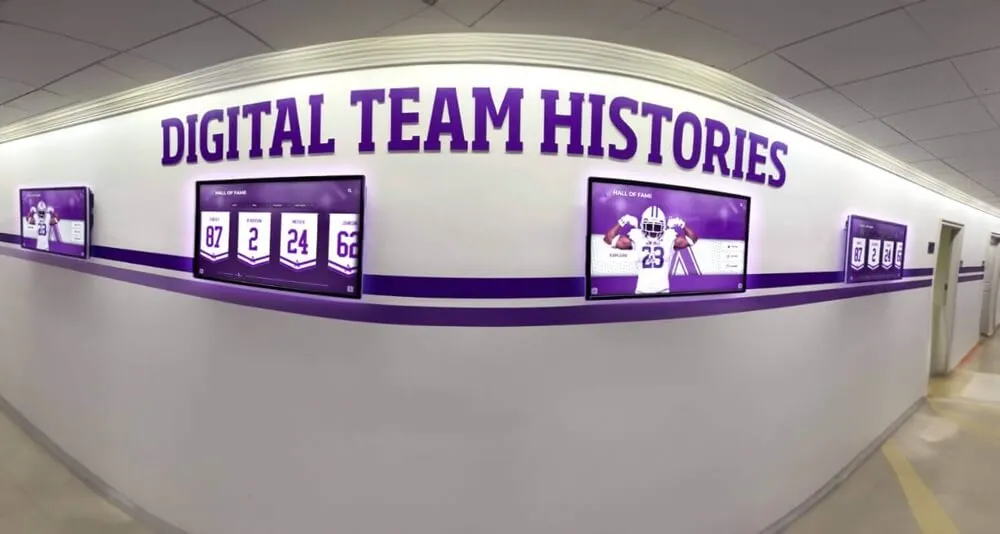
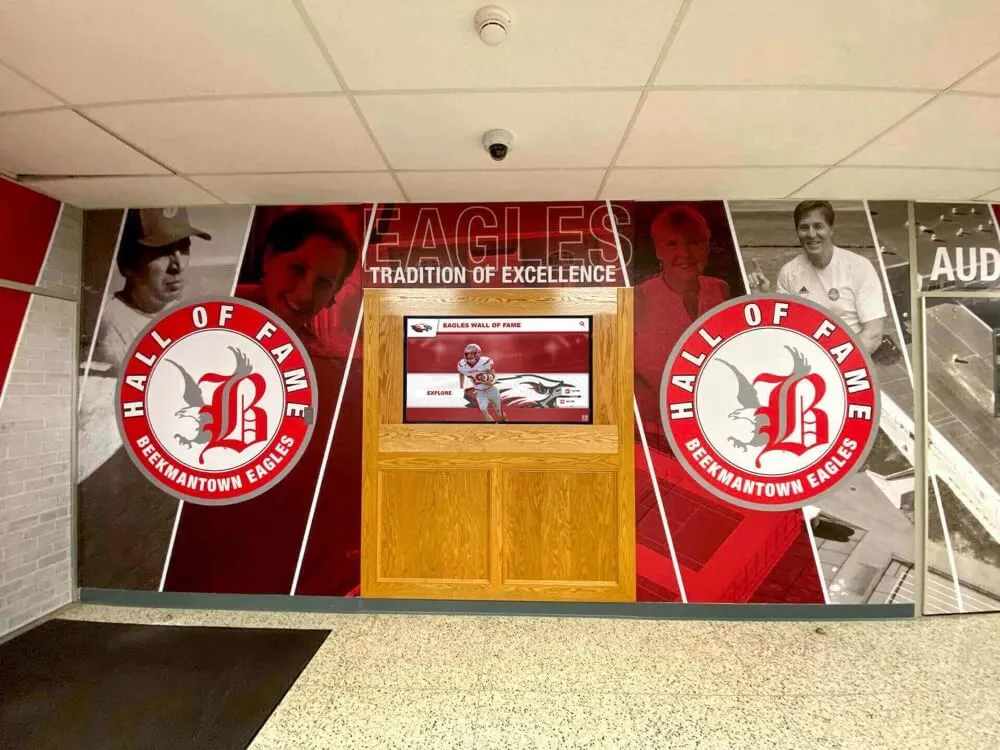
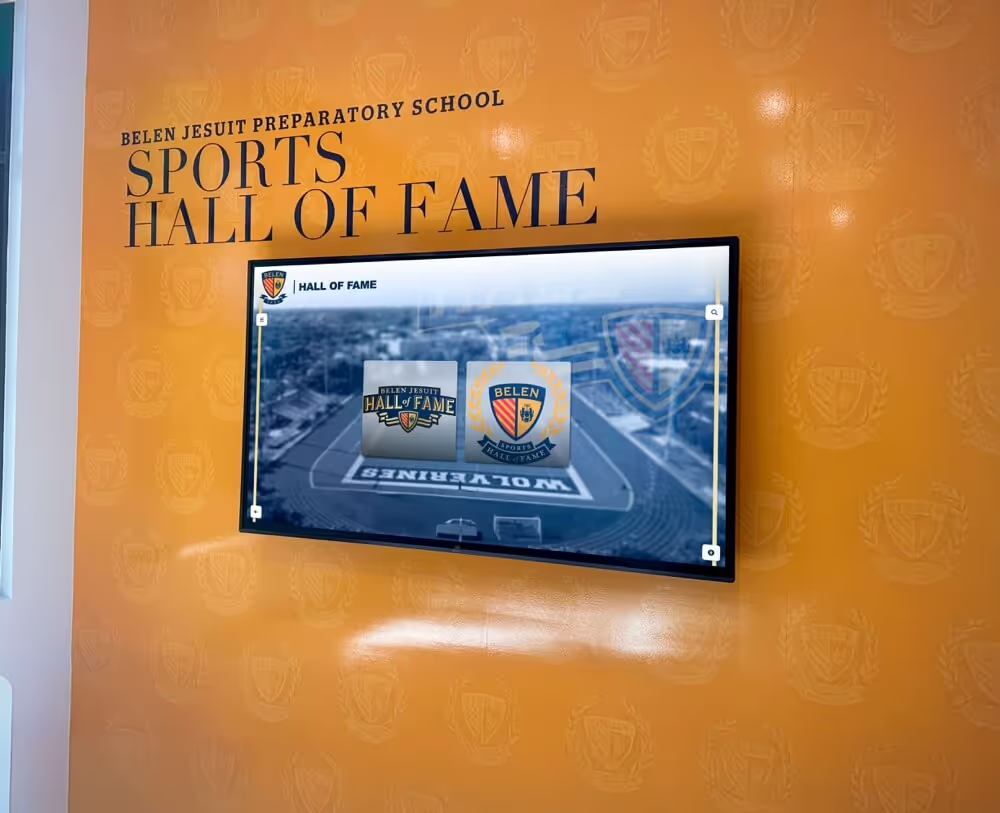
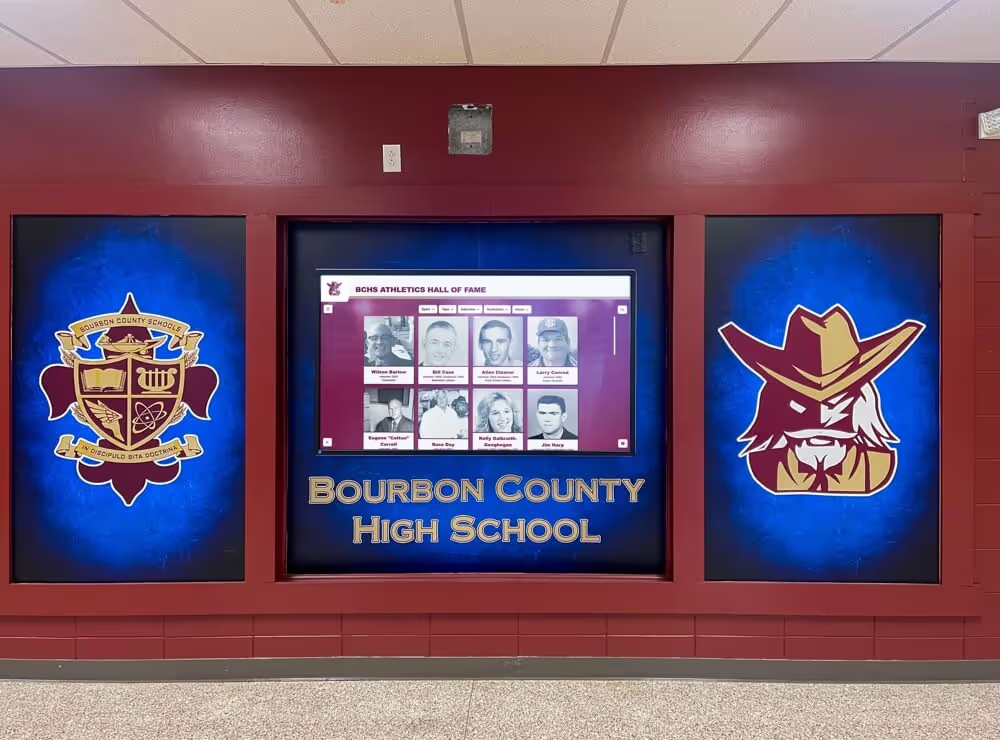
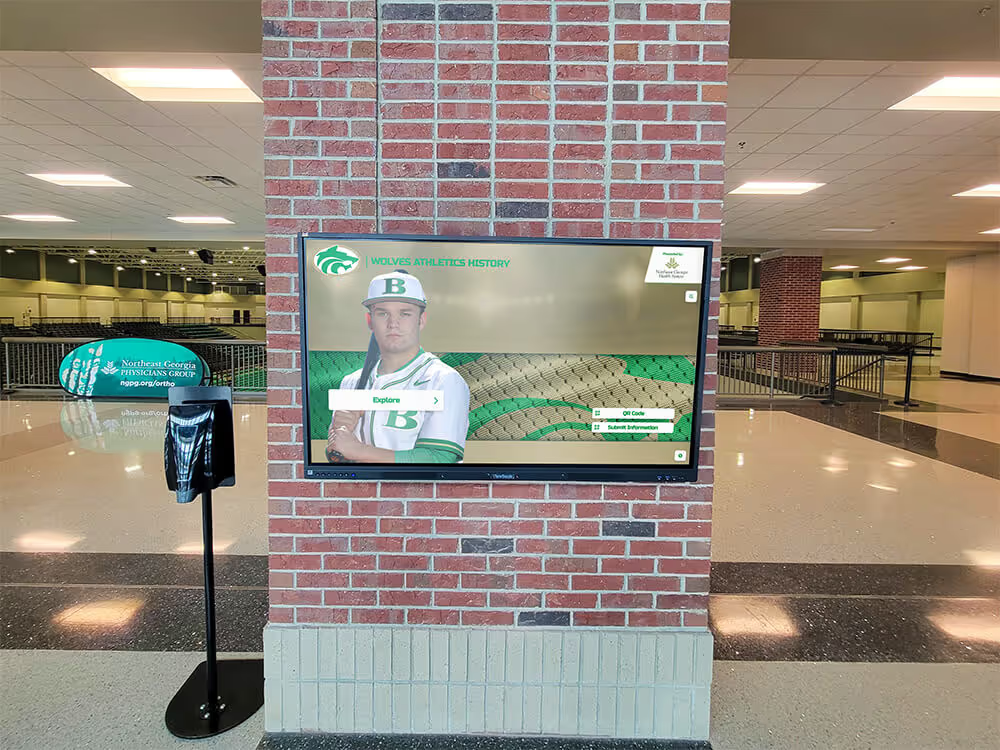
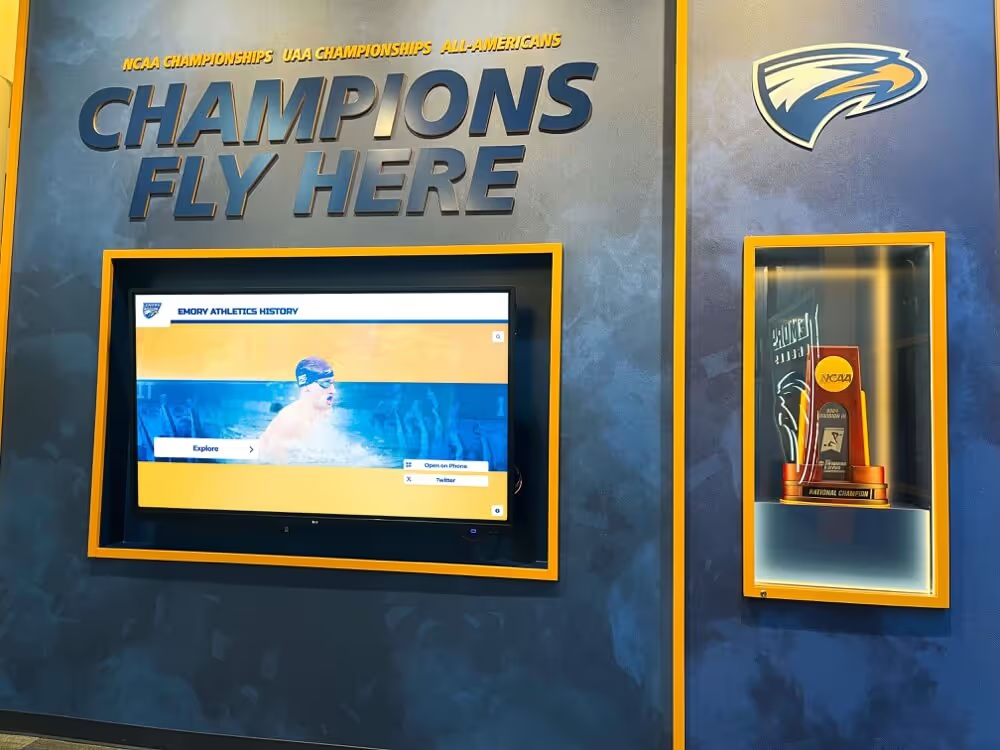
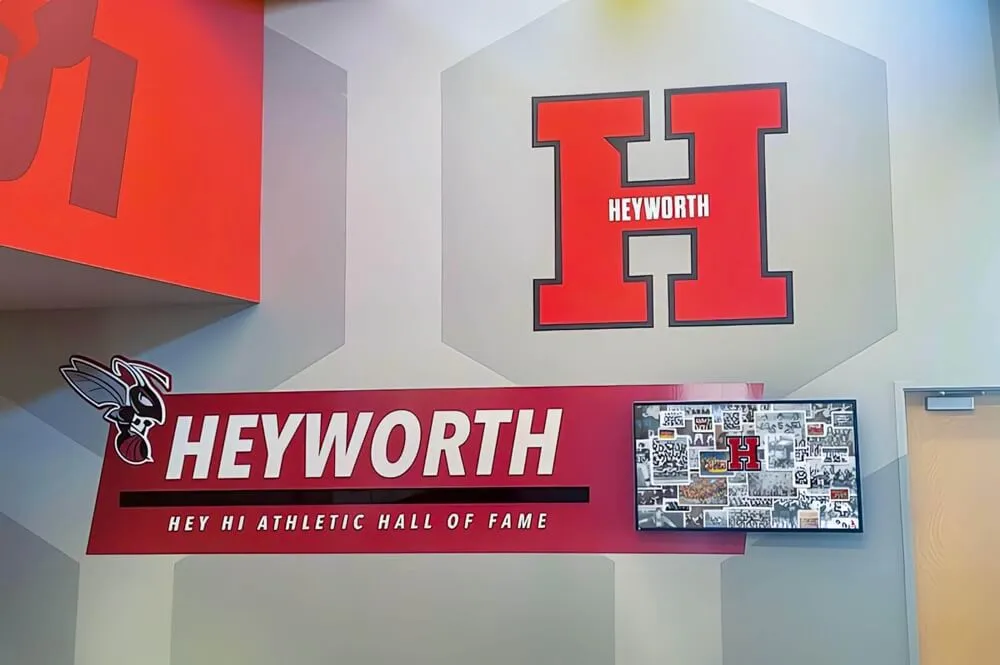
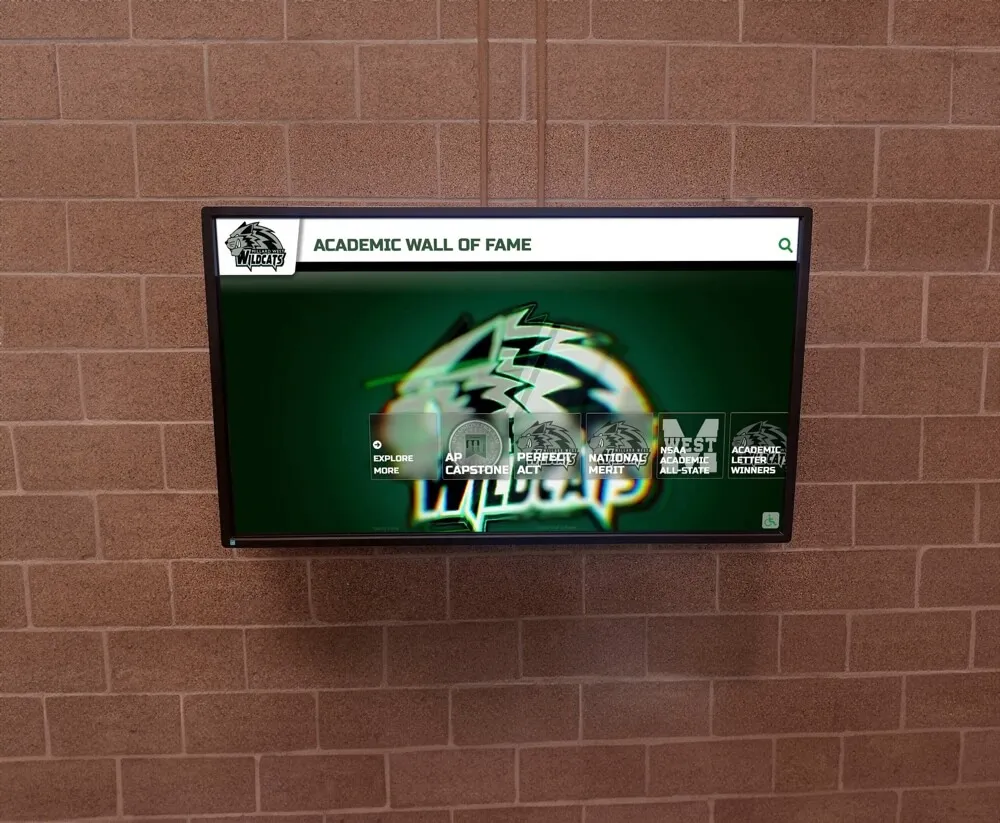
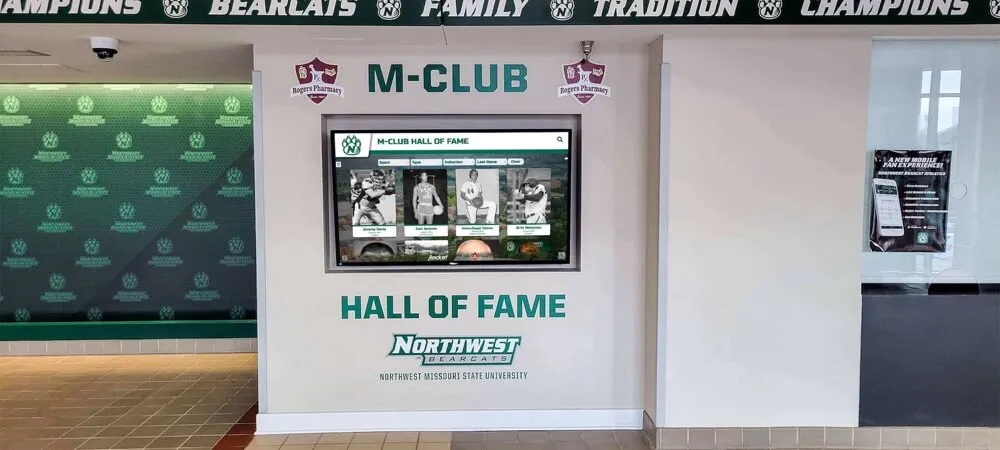
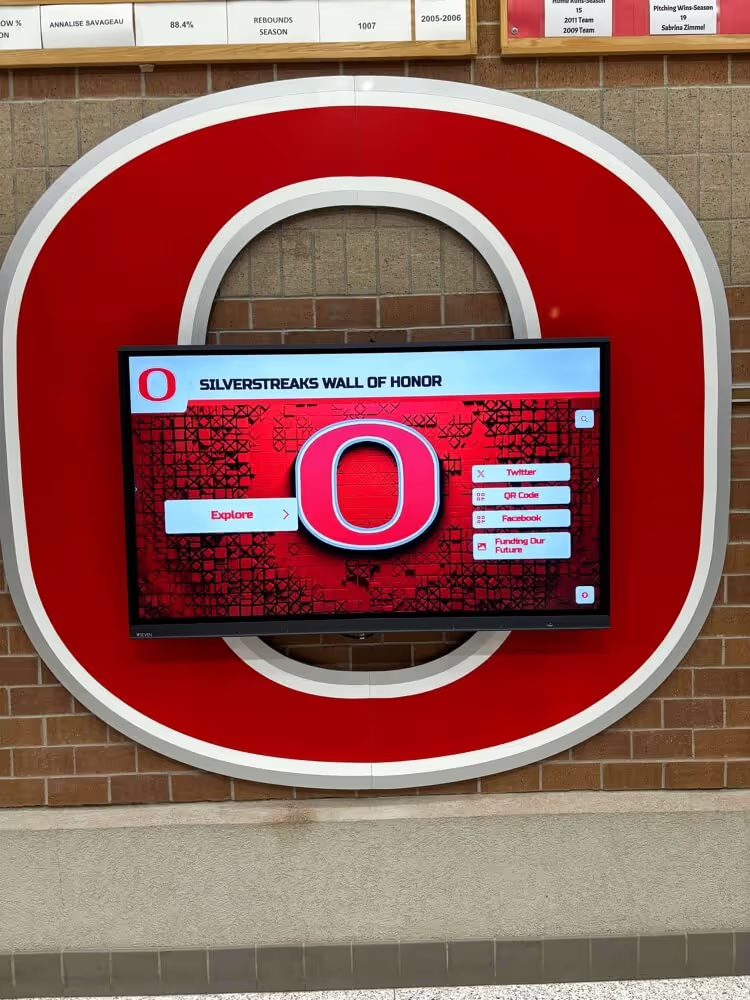
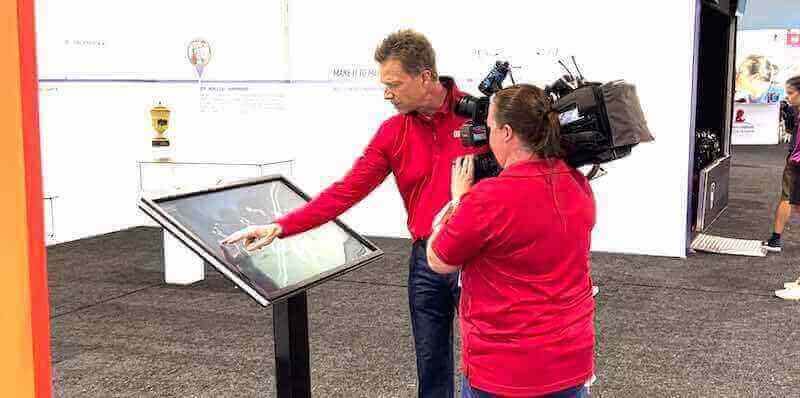
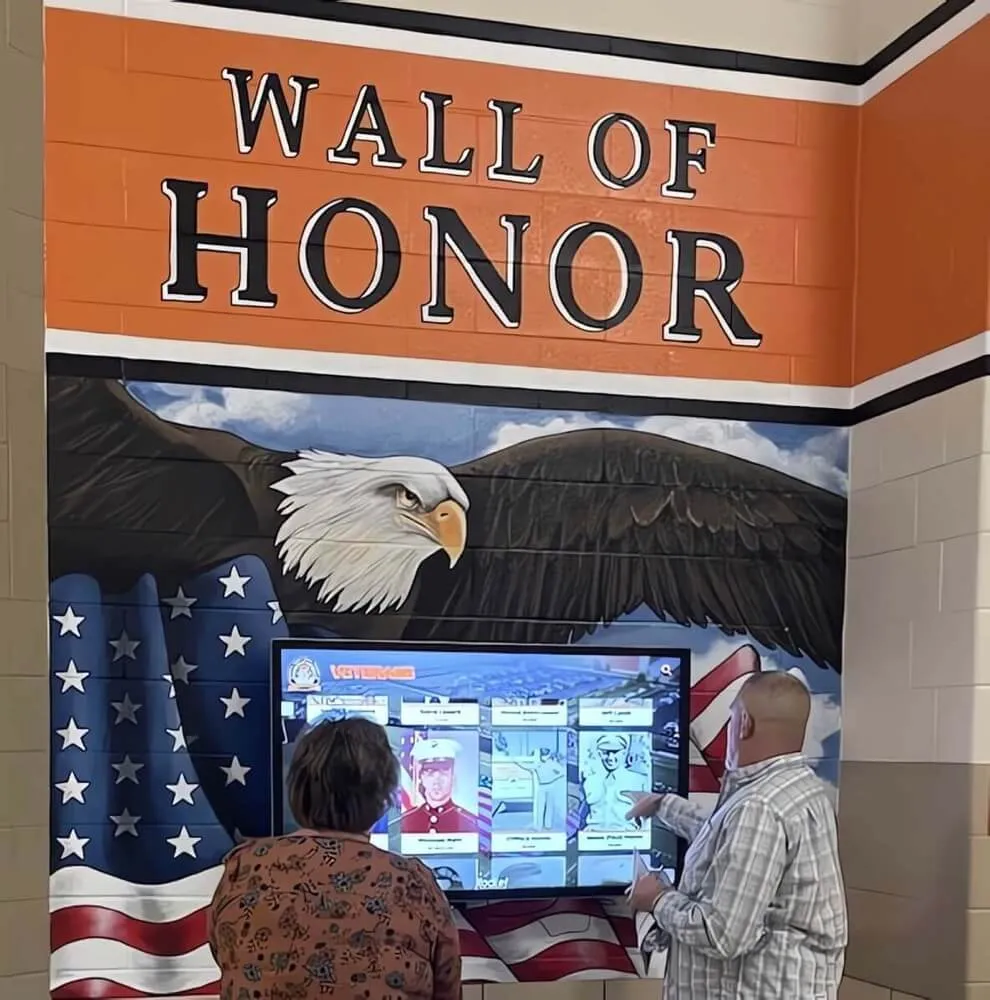
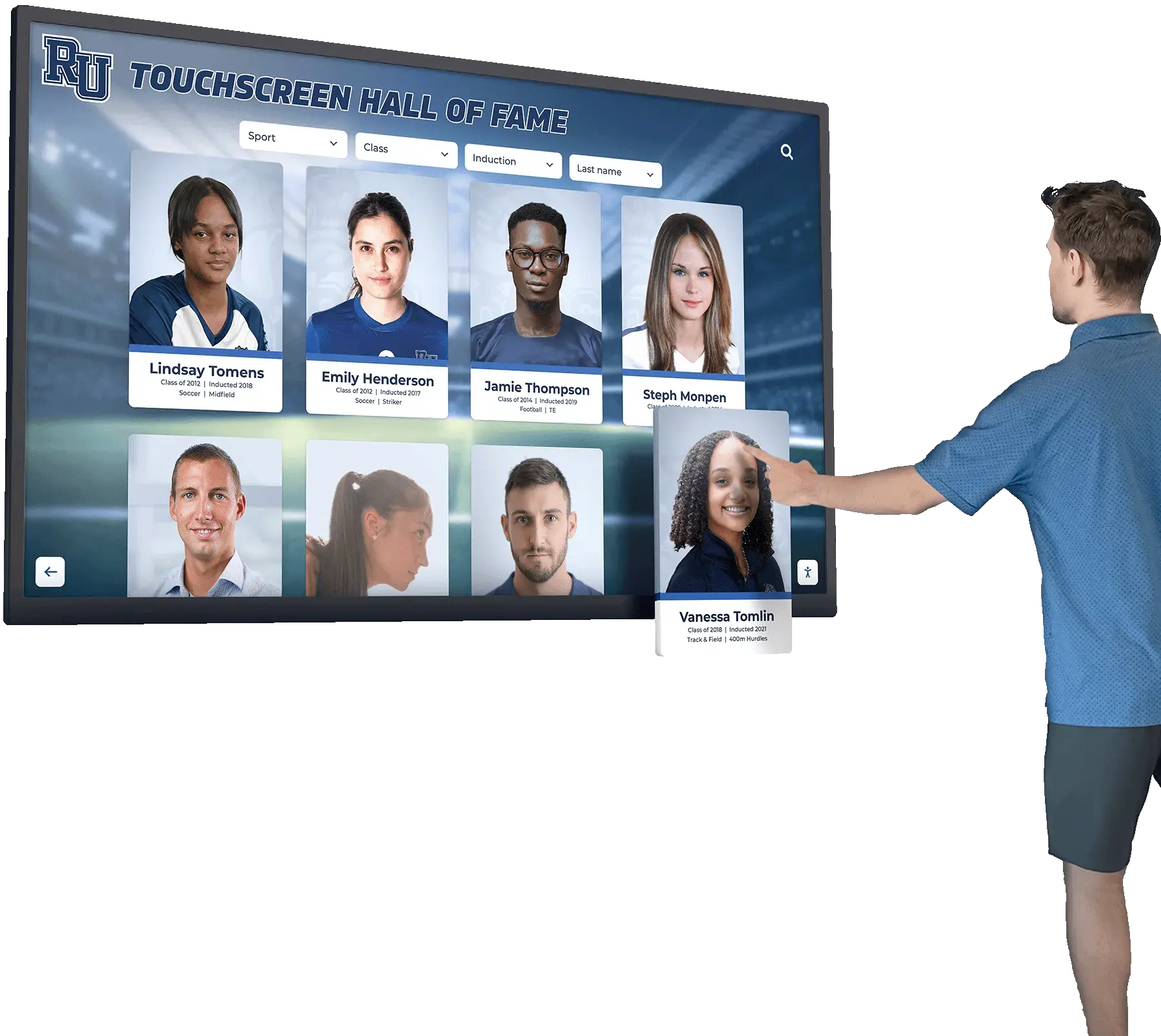
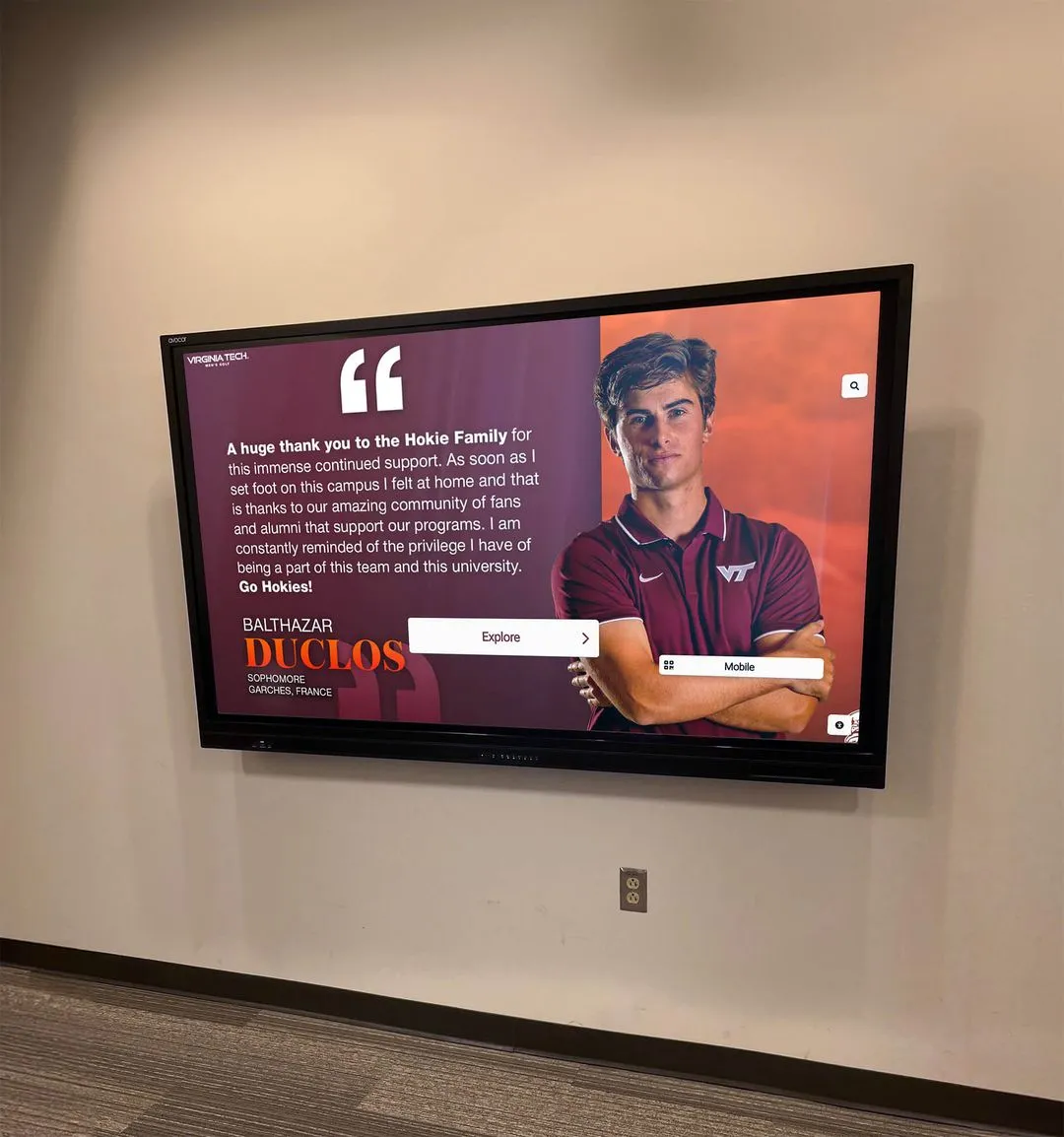
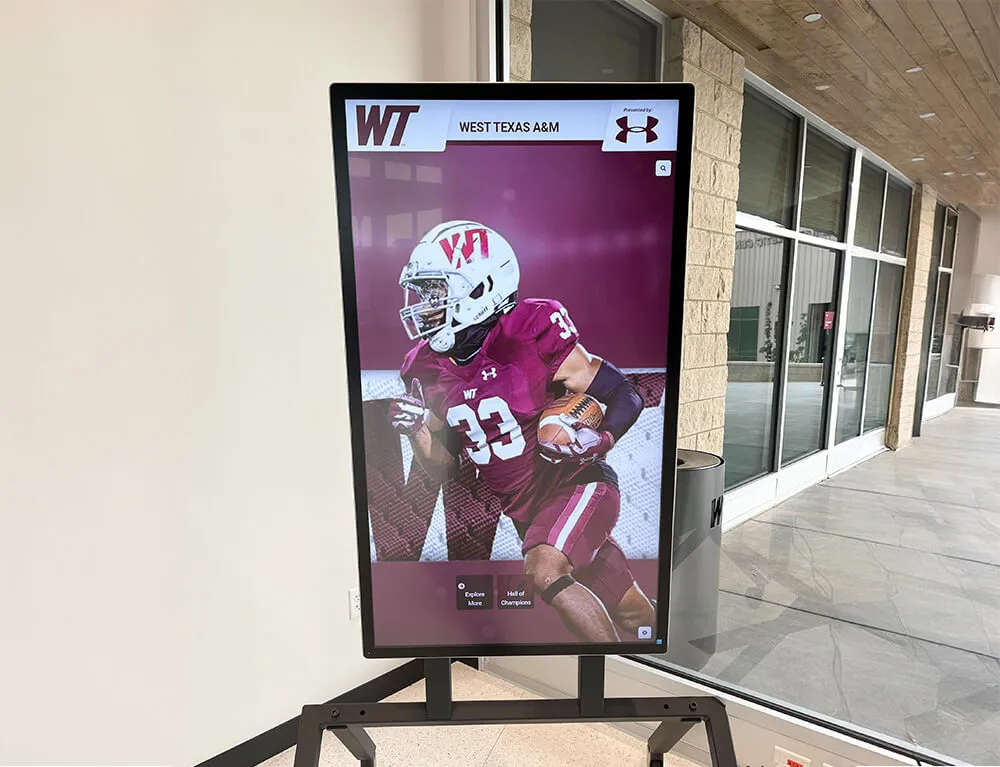
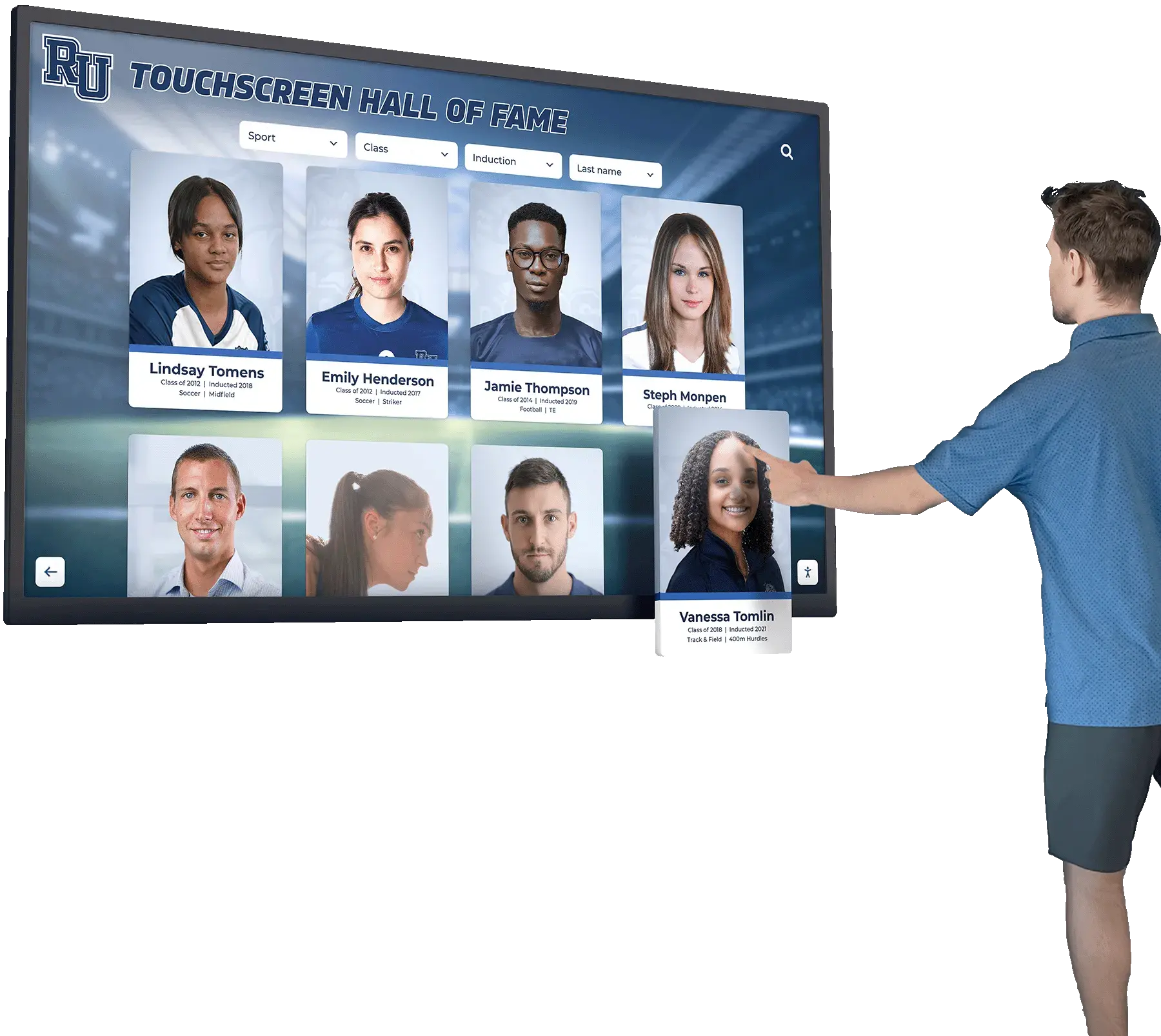
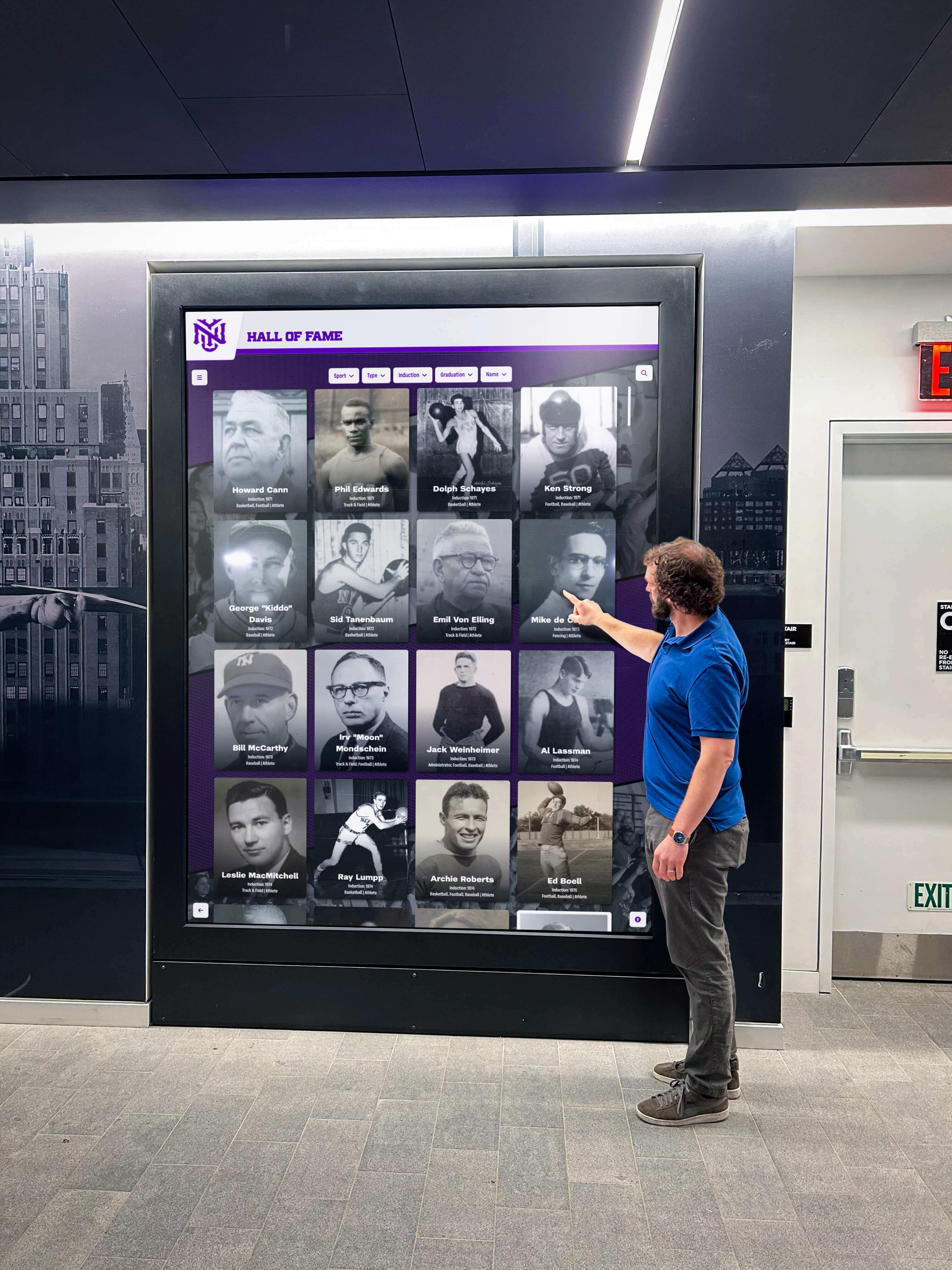
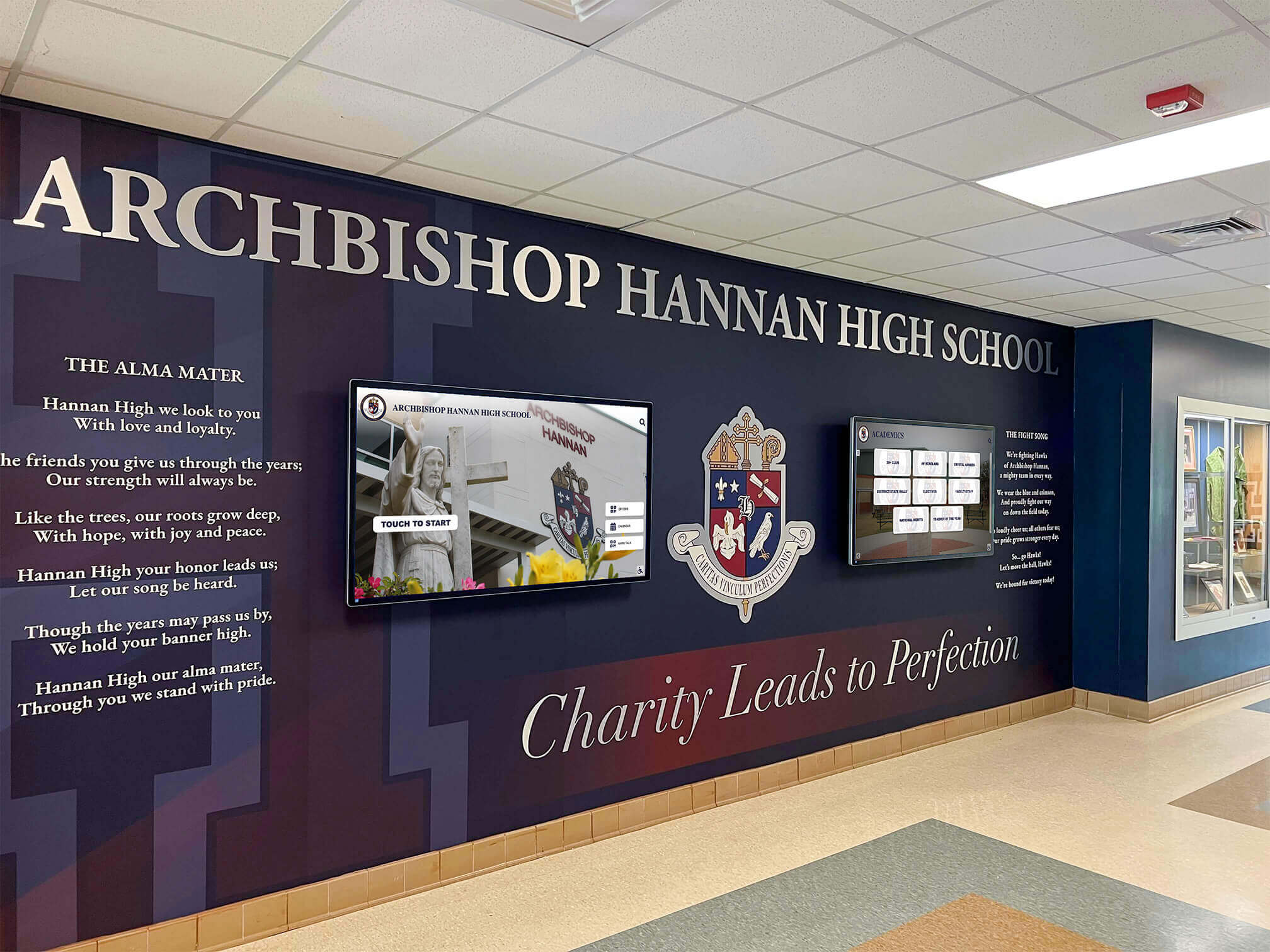
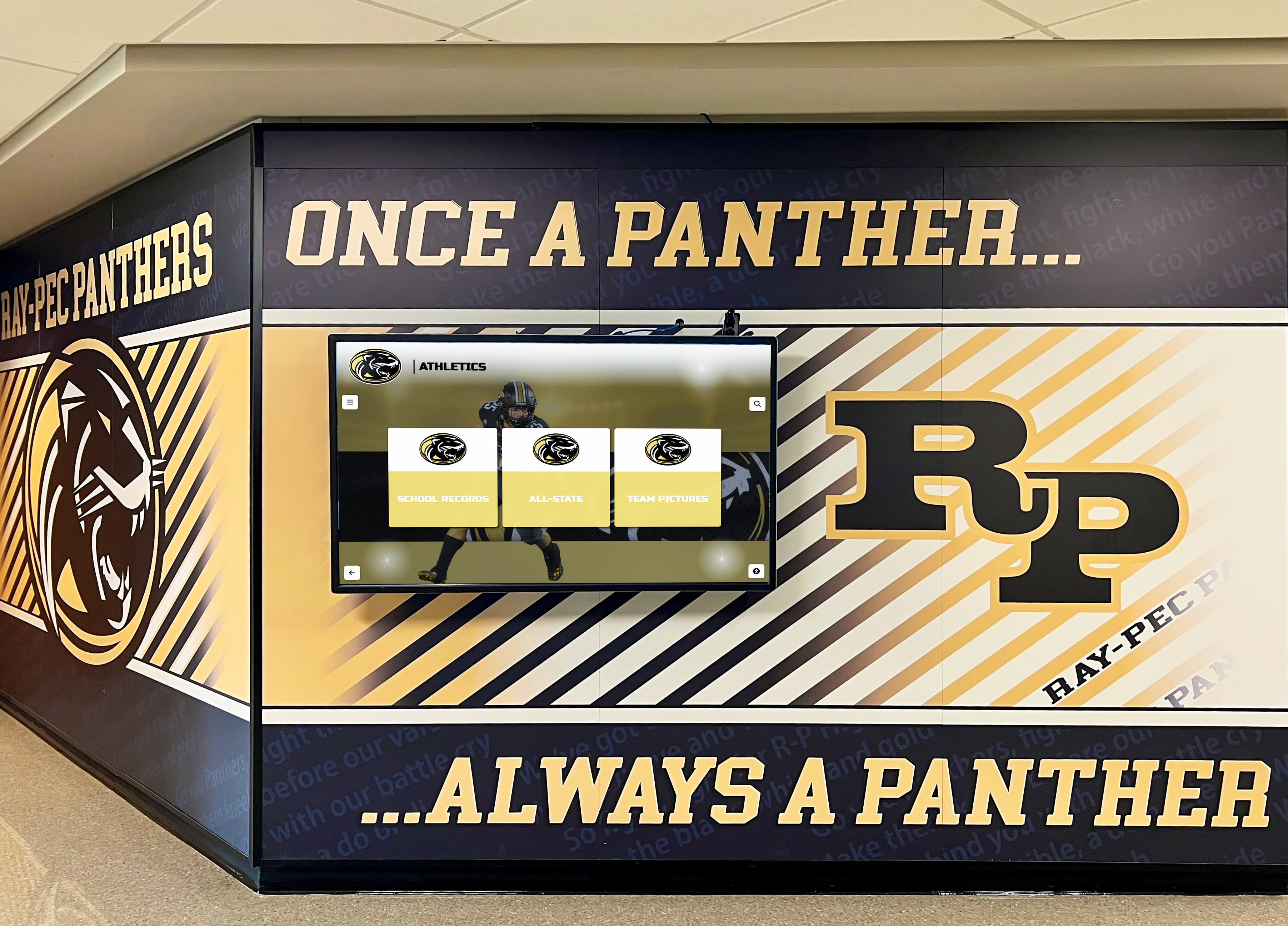
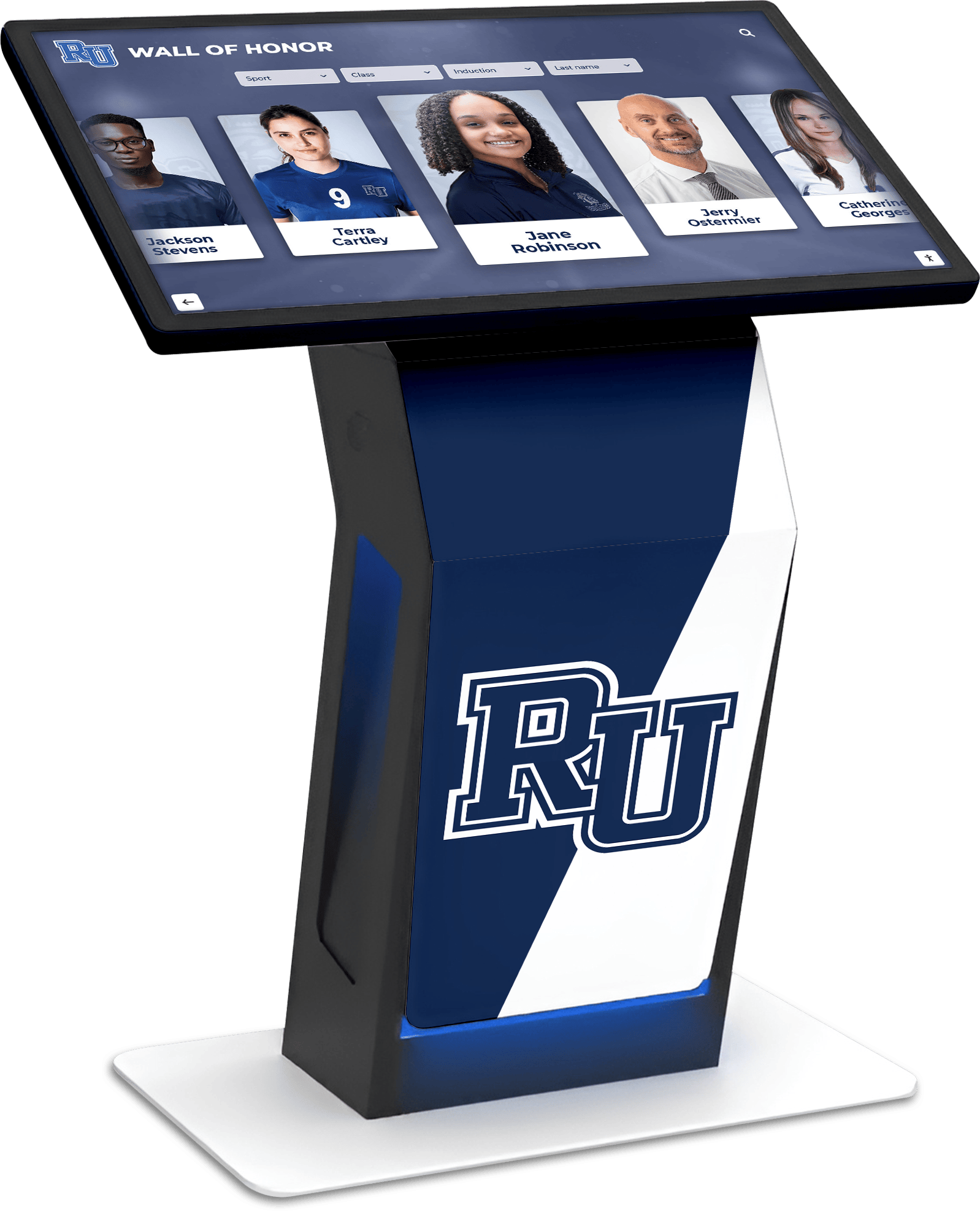
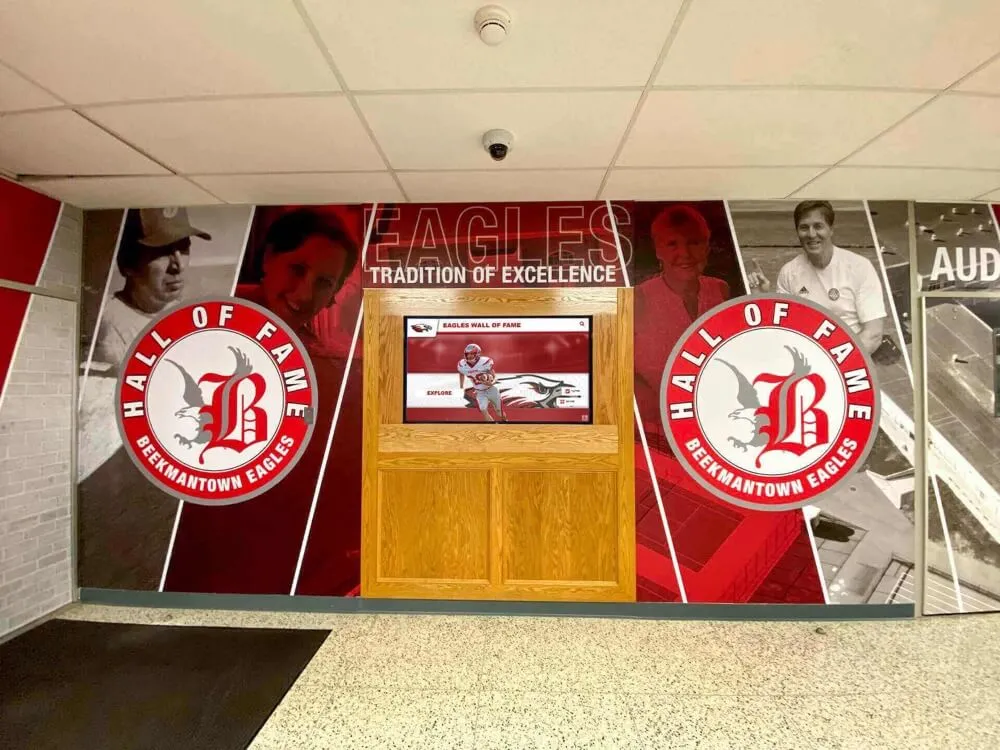
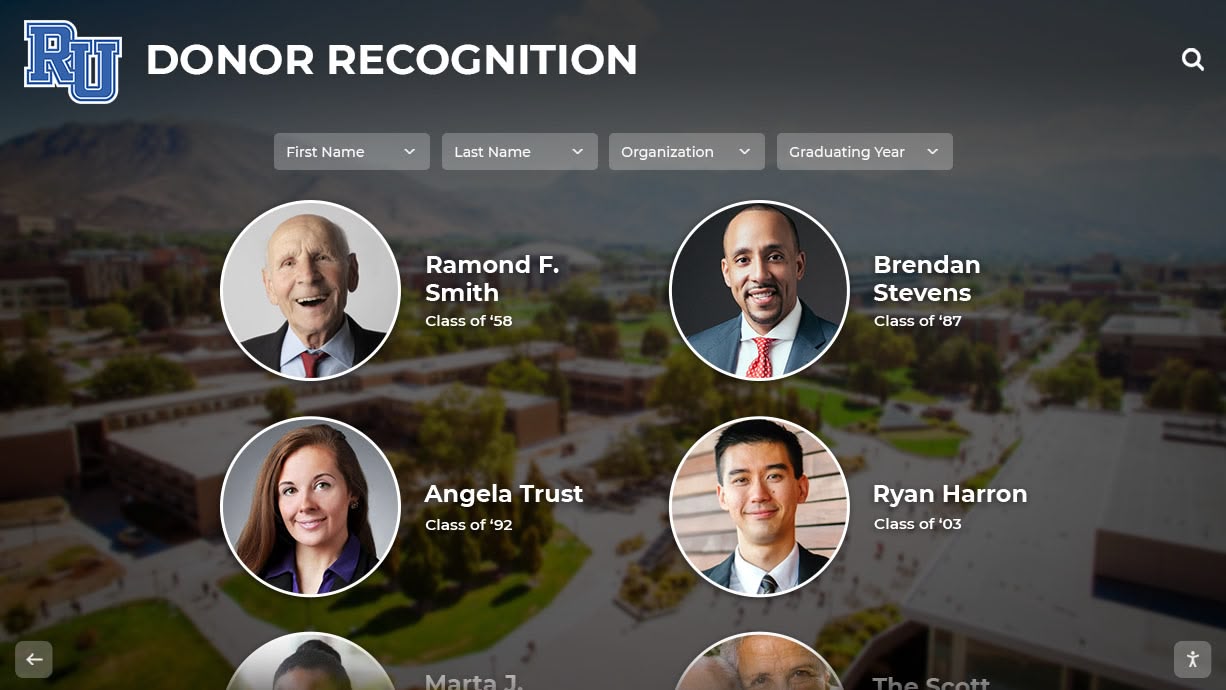
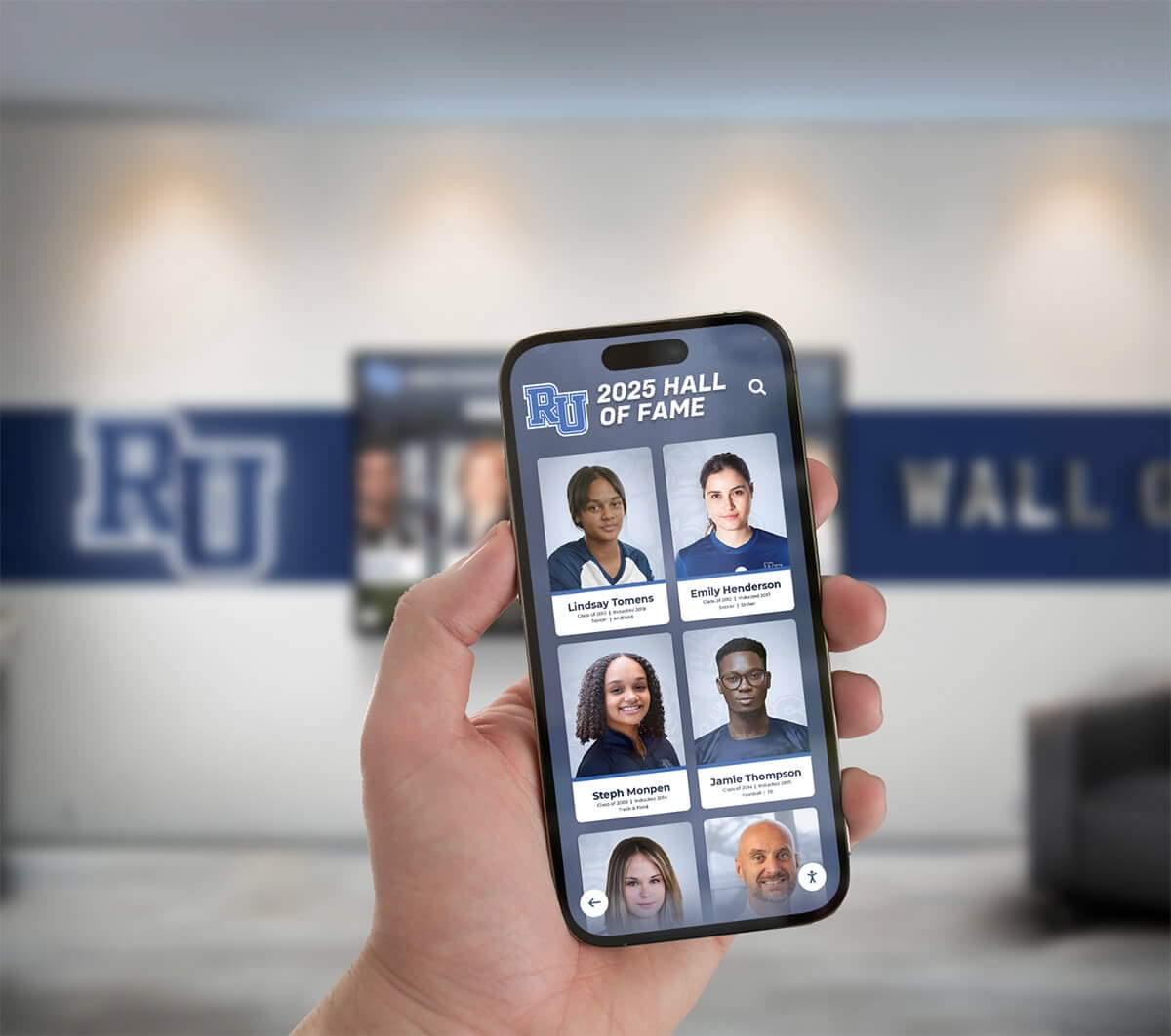
For larger recognition programs or ceremonies with reception components, interactive displays allow attendees to explore comprehensive honoree information impossible to cover in limited program time. Solutions like Rocket Alumni Solutions enable attendees to browse all honoree profiles with detailed biographies and achievement descriptions, search for specific individuals or categories of interest, view photos and videos providing rich multimedia context, and discover connections between related honorees or achievements.
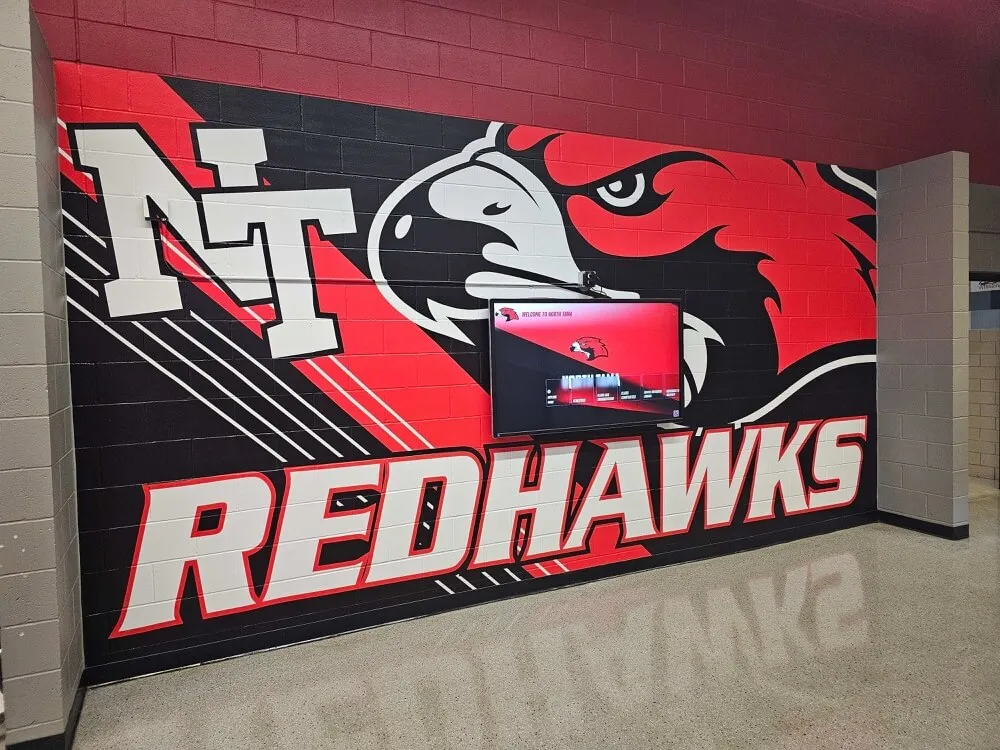
These displays serve dual purposes—enhancing ceremony day experiences while creating permanent recognition extending far beyond single events. Schools implementing digital recognition displays find they become gathering points where community members regularly engage with achievement celebration long after ceremonies end.
Social Media Integration and Live Streaming
Technology extends ceremony reach to stakeholders unable to attend physically while enabling attendees to share recognition within their networks. Effective digital extension strategies include live streaming ceremonies for remote viewing by families, distant alumni, or broader communities, designated event hashtags aggregating social media sharing and conversation, real-time photo sharing from official ceremony photographers, recorded video publication following events for permanent access, and social media graphics highlighting individual honorees for organization-managed sharing.
This extended digital reach amplifies ceremony impact exponentially beyond physical attendance while creating permanent records preserving recognition.
Presentation Management and Teleprompter Systems
Professional presentation management tools ensure smooth delivery and consistent quality. Useful technical support includes teleprompter systems enabling speakers to maintain eye contact while following prepared remarks, presentation control systems allowing seamless transitions between media elements, backup systems providing redundancy preventing technical failures from disrupting ceremonies, and display confidence monitors allowing speakers to see upcoming content invisible to audiences.
While small informal ceremonies may not warrant this professional infrastructure, significant organizational recognition events benefit dramatically from production quality these systems enable.
Registration and Attendance Management Technology
Digital tools streamline ceremony logistics while providing valuable data about attendance and engagement.
Online Registration and RSVP Systems
Digital registration platforms simplify attendance management while improving accuracy. Effective registration systems allow easy RSVP submission with guest count specification, meal selection for ceremonies including catering, accessibility need notification ensuring appropriate accommodation, automatic confirmation communication providing details and reminders, and attendance reporting enabling accurate planning for seating, catering, and materials.
Purpose-built event management platforms like Eventbrite, RSVPify, or organizational constituent relationship management systems typically include these capabilities while integrating with existing stakeholder databases.
Check-In and Credentialing Systems
For larger ceremonies or events requiring access control, digital check-in systems improve efficiency while gathering engagement data. Benefits include rapid check-in using QR codes or name lookup reducing arrival bottlenecks, automatic name badge or credential printing eliminating pre-event printing and alphabetical searches, attendance tracking documenting who actually attended versus registered, and networking facilitation for events including social elements connecting attendees with shared interests.
These systems particularly benefit annual ceremonies where attendance trends and honoree participation patterns inform future planning.
Post-Ceremony Technology Applications
Technology extends ceremony value beyond single events through ongoing recognition and content repurposing.
Video Editing and Highlights Production
Professional video production creates enduring records and promotional content. Valuable video outputs include complete ceremony recordings for honorees and absent stakeholders, edited highlight videos showcasing key moments and overall ceremony tone, individual honoree segment editing allowing personalized sharing, promotional video content for recruiting and advancement purposes, and archival documentation preserving institutional history.
Quality video production requires professional videography during events and skilled editing afterwards, but creates valuable assets serving multiple purposes long after ceremonies conclude.
Recognition Content Archiving and Access
Ceremony content should remain accessible as enduring recognition rather than disappearing after events end. Effective archiving approaches include dedicated web pages with comprehensive ceremony information and photos, integration with existing digital recognition platforms adding ceremony honorees to searchable databases, social media album publication making content broadly accessible, and cloud-based storage ensuring content preservation even as website platforms change.
This permanent accessibility ensures recognition extends far beyond ceremony moments themselves while creating searchable archives valuable for historical research and institutional memory.

Creating Inclusive and Accessible Ceremonies
Thoughtful planning ensures all stakeholders can participate fully regardless of abilities, backgrounds, or circumstances.
Physical Accessibility Considerations
Legal requirements and ethical obligations demand ceremonies accommodate all attendees.
Venue Accessibility Requirements
Essential accessibility features include wheelchair-accessible entrances and pathways throughout facilities, accessible seating distributed throughout venues not isolated to specific sections, accessible restrooms with appropriate fixtures and space, parking designated and located near accessible entrances, and ramps or elevators eliminating stairs as only access paths.
Federal law requires accessibility compliance, but beyond legal minimums, accessible design demonstrates that organizations genuinely welcome all community members.
Communication Access and Assistive Technology
Accessibility extends beyond physical access to ensuring all attendees can fully engage with ceremony content. Communication accommodations include assistive listening systems for attendees with hearing impairments, sign language interpretation when requested or expected based on attendee needs, captioning for video content benefiting both hearing-impaired attendees and non-native speakers, and large-print programs for attendees with vision impairments.
Advanced notice requests for accommodations enable appropriate preparation while demonstrating organizational commitment to inclusion.
Cultural Competence and Representation
Inclusive ceremonies acknowledge diverse backgrounds and ensure all community members feel welcomed and represented.
Diverse Honoree Recognition
Recognition programs should celebrate achievements across demographic groups avoiding patterns that suggest only certain populations warrant acknowledgment. Proactive inclusion requires analyzing honoree demographics identifying underrepresentation patterns, targeted nomination outreach to communities historically overlooked, diverse selection committee composition bringing varied perspectives, and explicit criteria valuing diverse achievement types beyond narrow definitions.
Visible diversity in recognized achievements communicates that excellence comes in many forms and all community members can achieve recognition.
Multicultural Ceremony Elements
Thoughtful cultural incorporation enriches ceremonies while demonstrating respect for diverse traditions. Appropriate multicultural elements include multilingual programs or interpretation when communities include significant non-English speakers, cultural performances or music reflecting community diversity, inclusive invocations or opening remarks respecting varied belief systems, and recognition of cultural heritage months or observances when timing aligns.
These elements must feel authentic to communities rather than performative tokenism, requiring genuine understanding of and respect for represented cultures.
Economic and Social Accessibility
Financial and social barriers can prevent participation from worthy honorees and families who should be included.
Eliminating Financial Participation Barriers
Recognition should never require financial capacity. Ensure accessibility through free admission without ticketing requirements creating participation barriers, complimentary guest accommodations allowing honorees to bring family without cost, professional photography provided to all honorees avoiding situations where only some can afford documentation, and fee-free participation for honorees avoiding any cost association with receiving recognition.
When ceremonies include fundraising components or donor acknowledgment, these elements should feel separate from core honoree recognition rather than creating tiered experiences based on financial capacity.
Scheduling and Format Accommodations
Ceremony timing and format significantly affect who can participate. Inclusive scheduling considers multiple ceremony times or dates accommodating varying schedule constraints, weekend or evening scheduling for ceremonies primarily serving working families, virtual attendance options for geographically distant or homebound honorees, and reasonable duration respecting attendees with limited endurance or dependent care responsibilities.
Flexibility communicates that organizations value all honorees enough to structure recognition around their needs rather than requiring honorees to adjust to organizational convenience.
Honoring Different Achievement Types
Various recognition contexts require adapted approaches while maintaining core ceremony quality principles.
Academic Achievement Ceremonies
Schools hosting academic awards ceremonies recognize diverse academic accomplishments across student populations.
Comprehensive Academic Recognition Programs
Effective academic ceremonies acknowledge various achievement dimensions including absolute academic performance through honor roll and high achievement recognition, subject-specific excellence celebrating strength areas even for students with mixed overall performance, academic growth and improvement honoring progress regardless of starting point, and character and citizenship recognizing qualities essential to educational success beyond pure academics.
This multifaceted approach ensures students with different strengths and starting points all see realistic pathways to recognition rather than systems that acknowledge only naturally high-performing students.
Balancing Breadth and Depth
Schools often struggle with honoring numerous students while providing meaningful individual recognition. Effective approaches include tiered recognition with detailed presentation for highest individual honors and group acknowledgment for broader categories, multimedia displays showing all honorees even when individual verbal recognition proves impractical, printed programs with comprehensive honoree lists and achievement descriptions supplementing verbal presentation, and reception formats allowing informal celebration alongside formal ceremony when volume requires abbreviated presentations.
The goal is honoring everyone appropriately while maintaining program flow sustaining attention throughout ceremonies.
Athletic Awards and Recognition
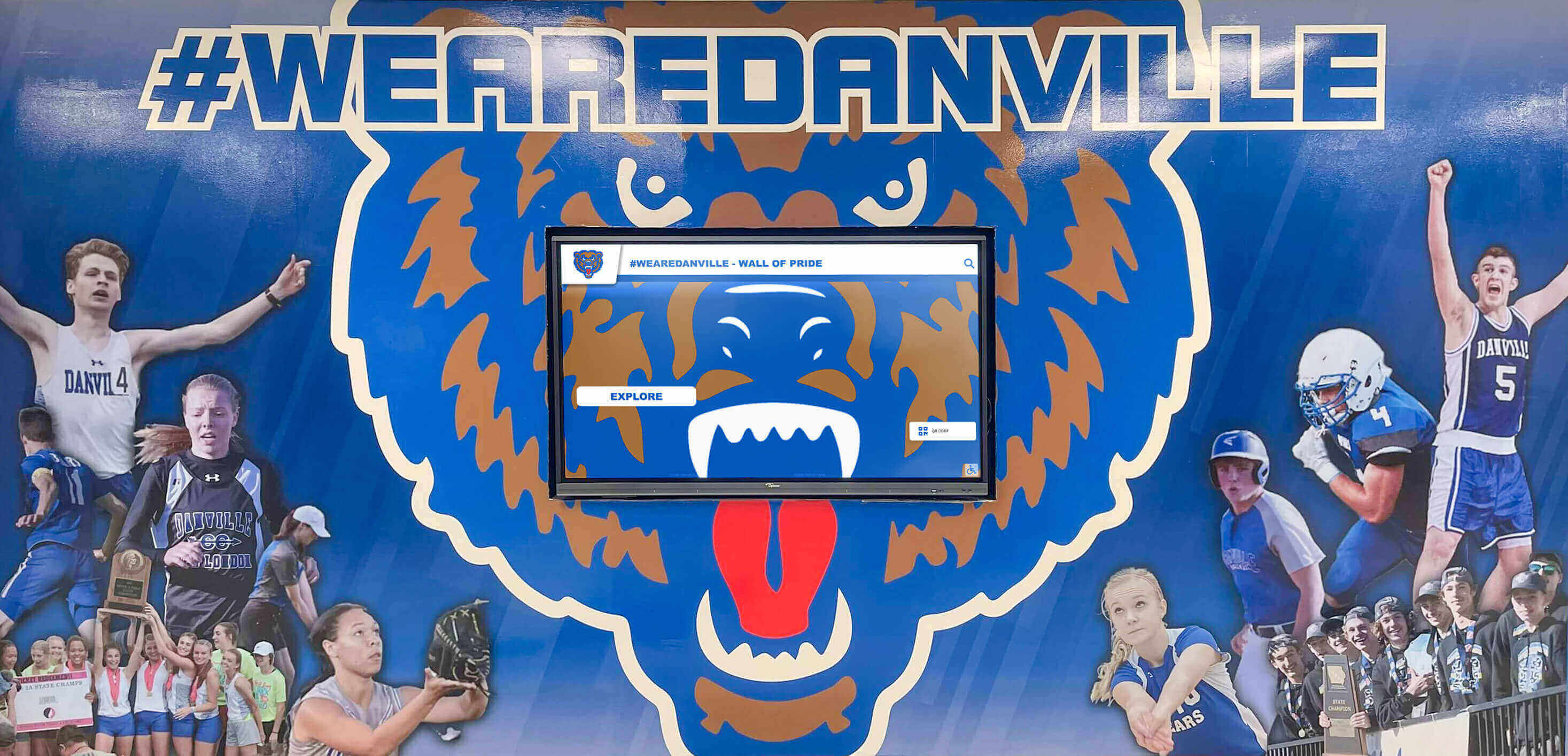
Athletic recognition celebrates individual and team achievement while building sports program culture. Athletic ceremonies commonly recognize individual achievement awards acknowledging statistical excellence and outstanding performance, team awards celebrating collective accomplishment and championship success, most valuable player and leadership recognition highlighting exceptional contribution, improvement and dedication awards honoring growth and commitment regardless of playing time, and sportsmanship and character recognition emphasizing values beyond competitive success.
Effective athletic ceremonies balance individual recognition with team celebration, acknowledging that both individual excellence and collaborative success matter. Many schools organize sports banquets combining formal recognition with team social celebration creating memorable season conclusions.
Distinguished Alumni and Hall of Fame Inductions
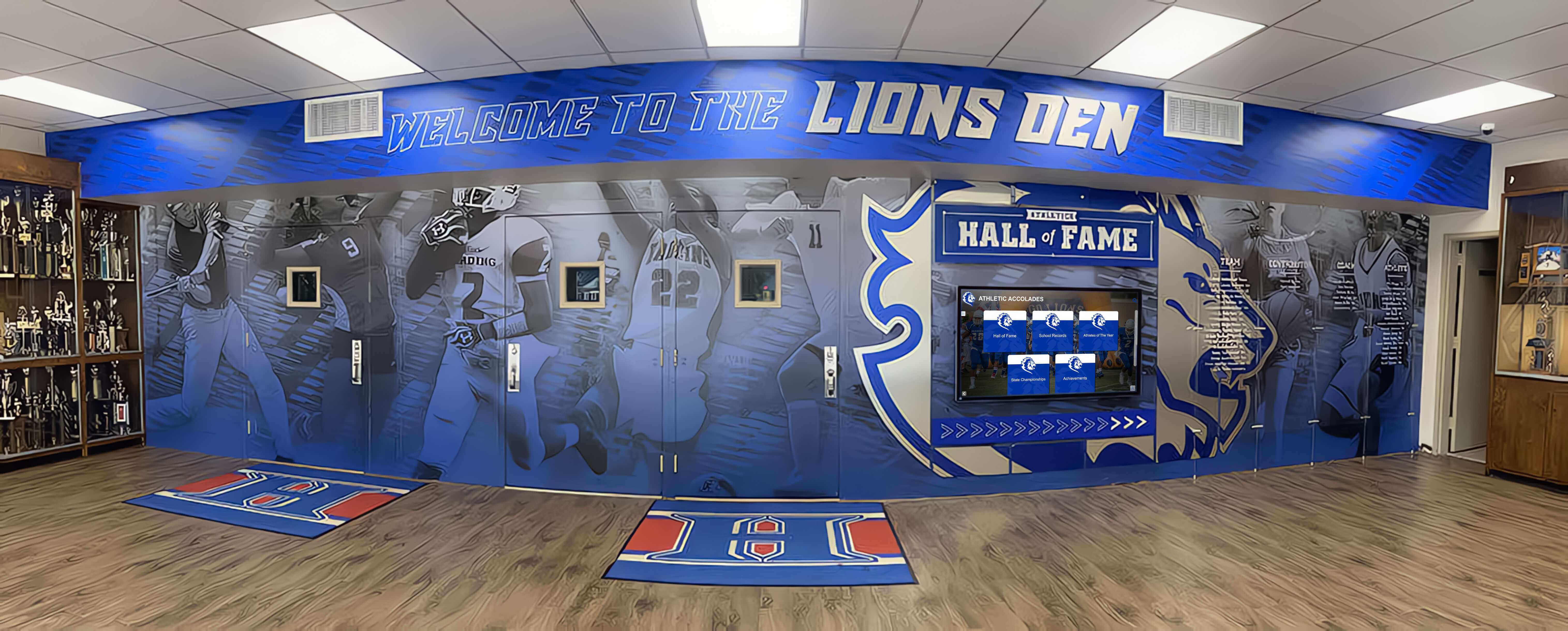
Organizations recognizing distinguished alumni or inducting hall of fame members create particularly significant ceremonies honoring lifetime achievement. Distinguished recognition ceremonies typically include comprehensive biographical presentations providing context about honorees’ accomplishments and character, personal testimonials from colleagues, students, or family members adding intimate perspective, honoree remarks reflecting on their journeys and institutional impact, and permanent recognition elements like plaques, trophies, or digital displays creating lasting acknowledgment.
These prestigious recognitions warrant particularly thoughtful ceremony design since they represent organizations’ highest honors. Many institutions combine annual hall of fame ceremonies with major institutional events like homecoming, maximizing attendance while creating natural connection between current community members and distinguished alumni.
Staff and Employee Recognition
Organizations honoring staff excellence require approaches acknowledging professional achievement while maintaining appropriate workplace tone. Employee recognition ceremonies might acknowledge years of service milestones celebrating tenure and loyalty, performance excellence awards recognizing outstanding contribution, leadership recognition honoring those who elevate colleagues and organizational culture, innovation and initiative awards celebrating creative problem-solving and improvements, and retirement celebrations honoring career contributions as individuals transition.
Professional context requires somewhat different tone than student or athletic recognition, typically emphasizing dignified celebration over enthusiastic cheerleading while still creating meaningful acknowledgment that honored individuals genuinely appreciate.
Post-Ceremony Follow-Up and Impact Extension
Ceremony work doesn’t end when final attendees depart. Strategic follow-up extends recognition impact while strengthening relationships with honored individuals.
Immediate Post-Ceremony Actions
Several time-sensitive actions maximize ceremony value in days immediately following events.
Thank You Communications
Prompt gratitude communications strengthen relationships while demonstrating professionalism. Essential thank-you outreach includes honoree appreciation acknowledging their participation and contribution to ceremony success, speaker and presenter gratitude recognizing contributed time and effort, volunteer acknowledgment validating crucial support roles, venue and vendor appreciation maintaining relationships for future events, and attendee thanks for joining celebration and supporting honorees.
Personalized communications feel more meaningful than generic templates, though templates ensure consistent outreach when personalizing individual messages for hundreds of attendees proves impractical.
Content Publication and Sharing
Timely content sharing extends ceremony reach to broader audiences while providing tangible records for honorees. Priority publications include social media photo albums showing ceremony highlights, press release distribution to local media outlets, website updates with ceremony recap and honoree information, video publication of recorded ceremony or edited highlights, and internal communications through newsletters and announcements.
Quick publication capitalizes on immediate interest while content remains timely and relevant rather than delaying months until momentum dissipates.
Honoree Recognition Materials Distribution
Physical recognition materials should reach honorees promptly following ceremonies. Distribute items including professional photographs from ceremony events, certificates or awards if not provided during ceremonies, program copies as keepsakes, video recordings or access links for ceremony viewing, and any commemorative materials created specifically for honorees.
These tangible materials create lasting reminders of recognition while demonstrating organizational care through thoughtful follow-through beyond ceremony moments.
Ongoing Recognition Integration
The most effective ceremonies feed into sustained recognition systems rather than existing as isolated annual events.
Permanent Recognition Display Integration
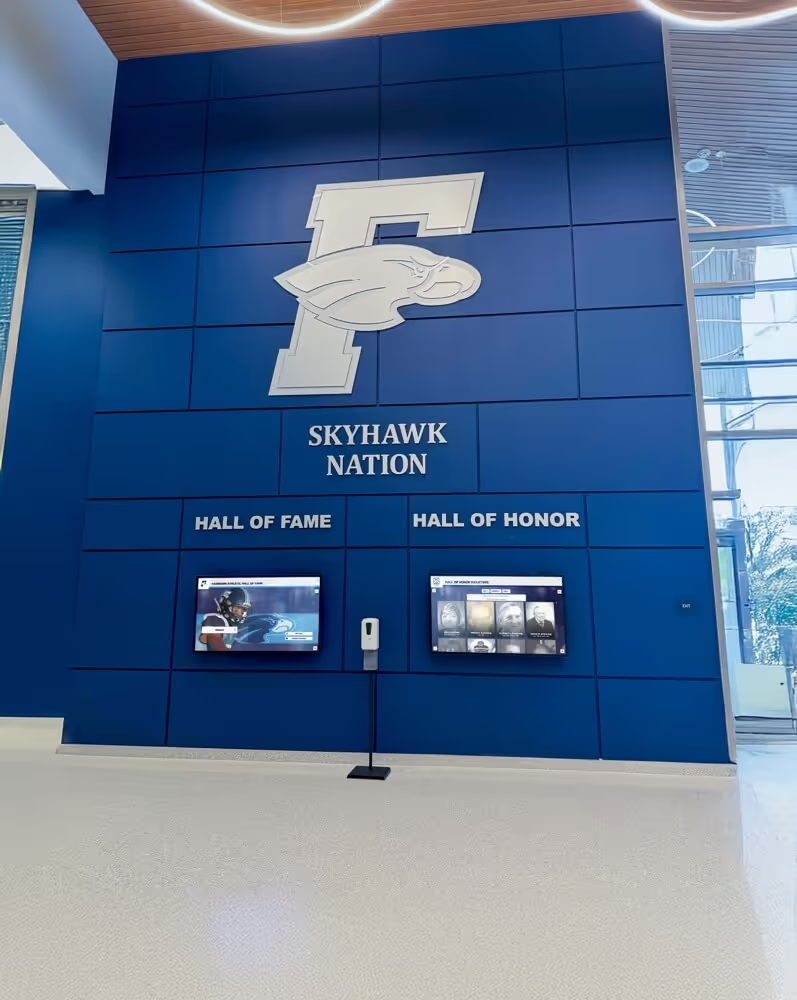
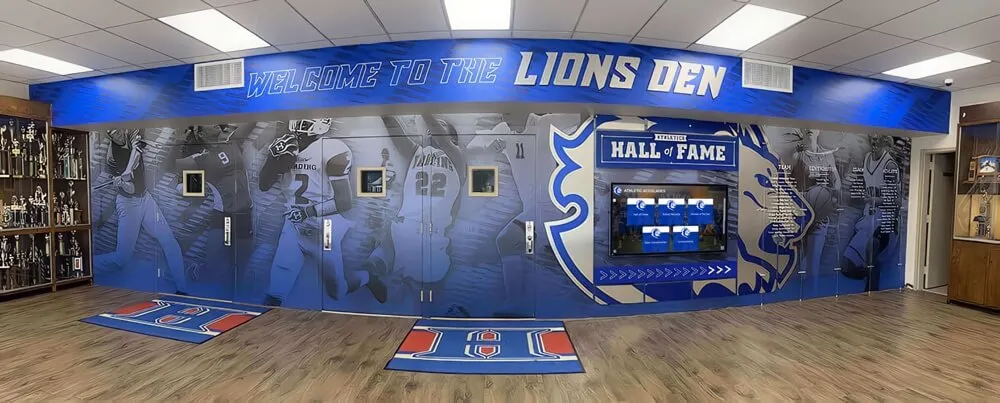
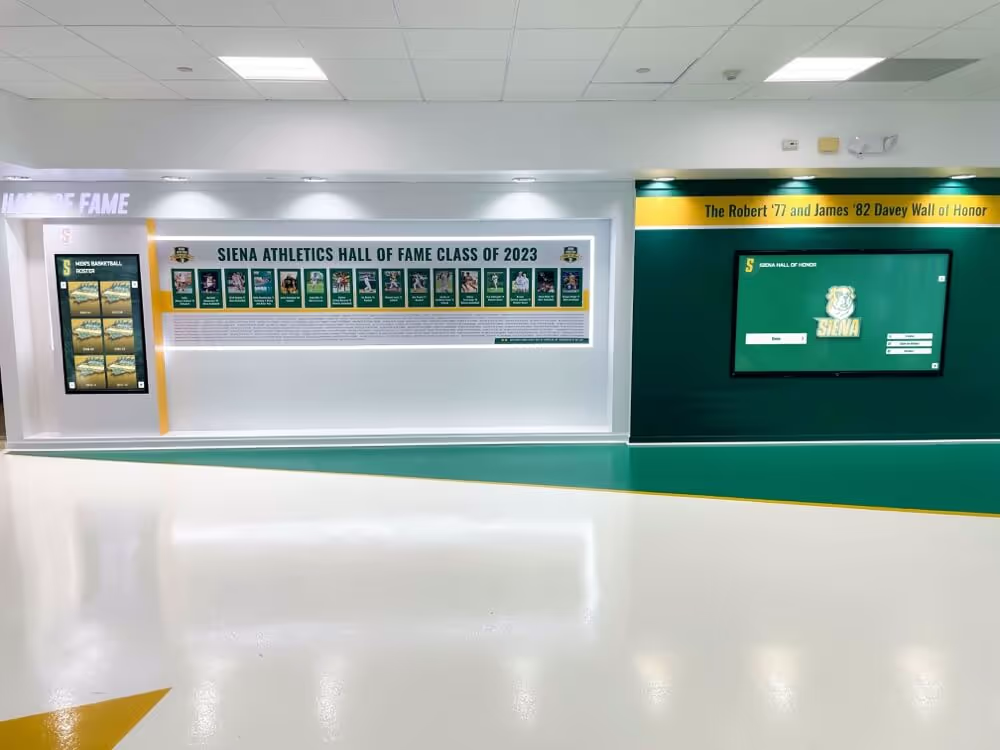
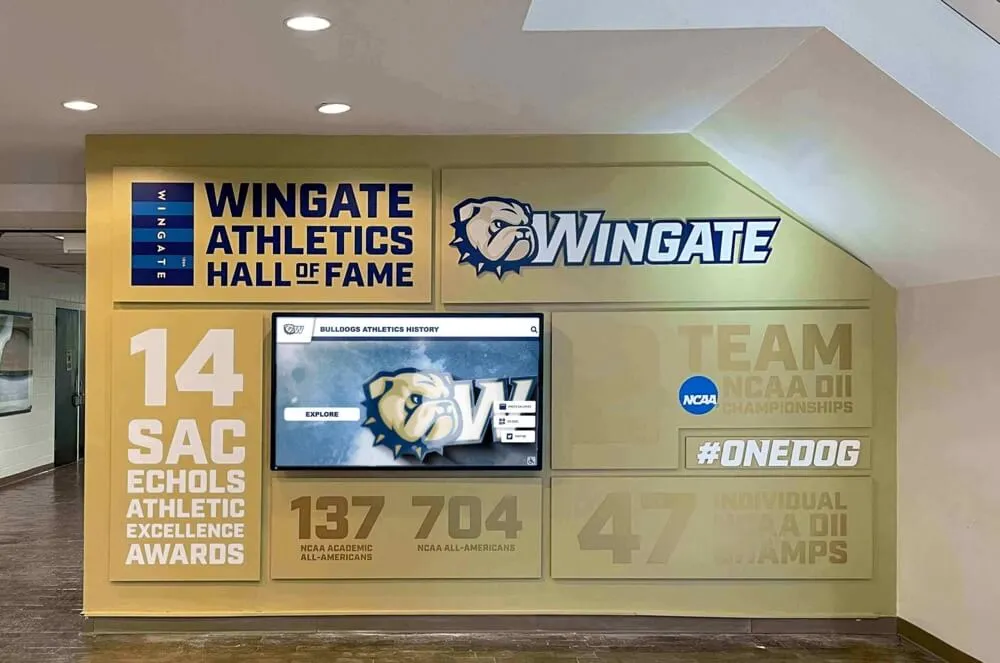
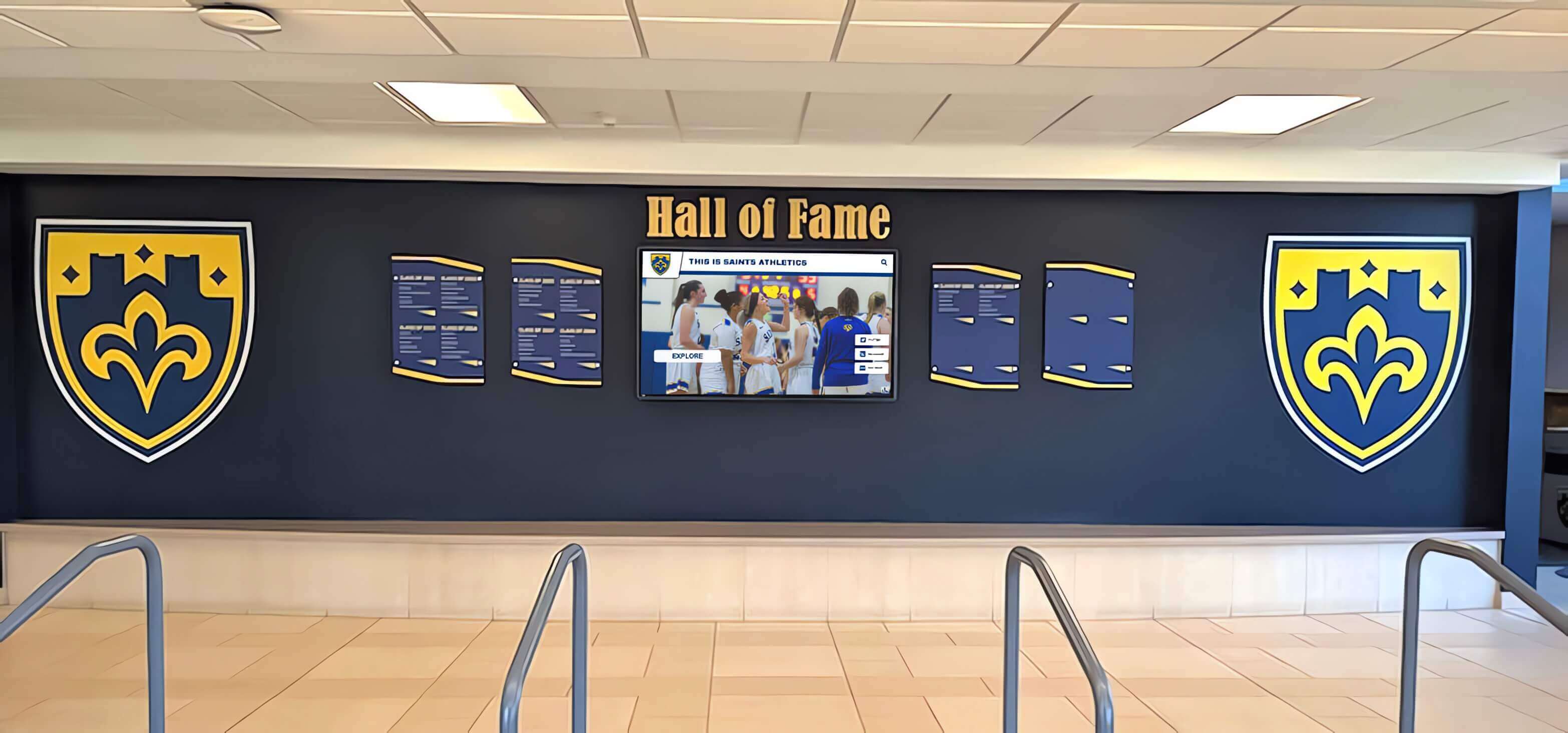
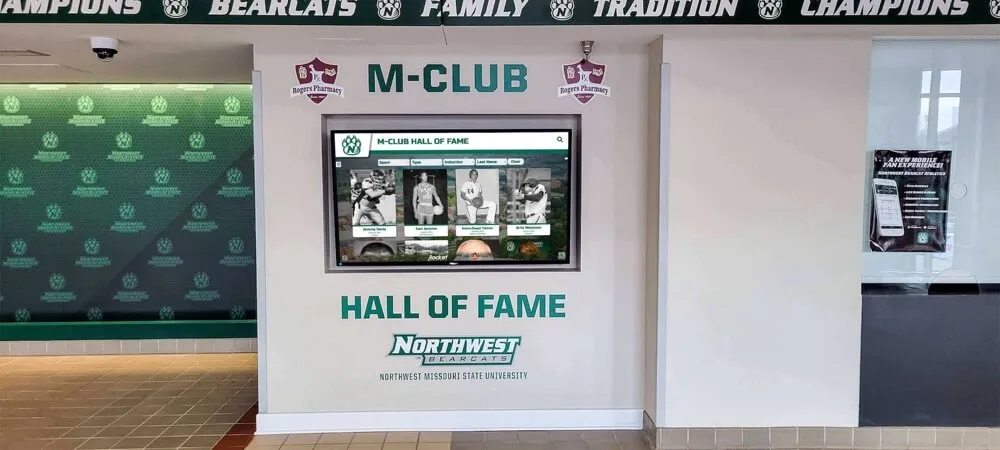
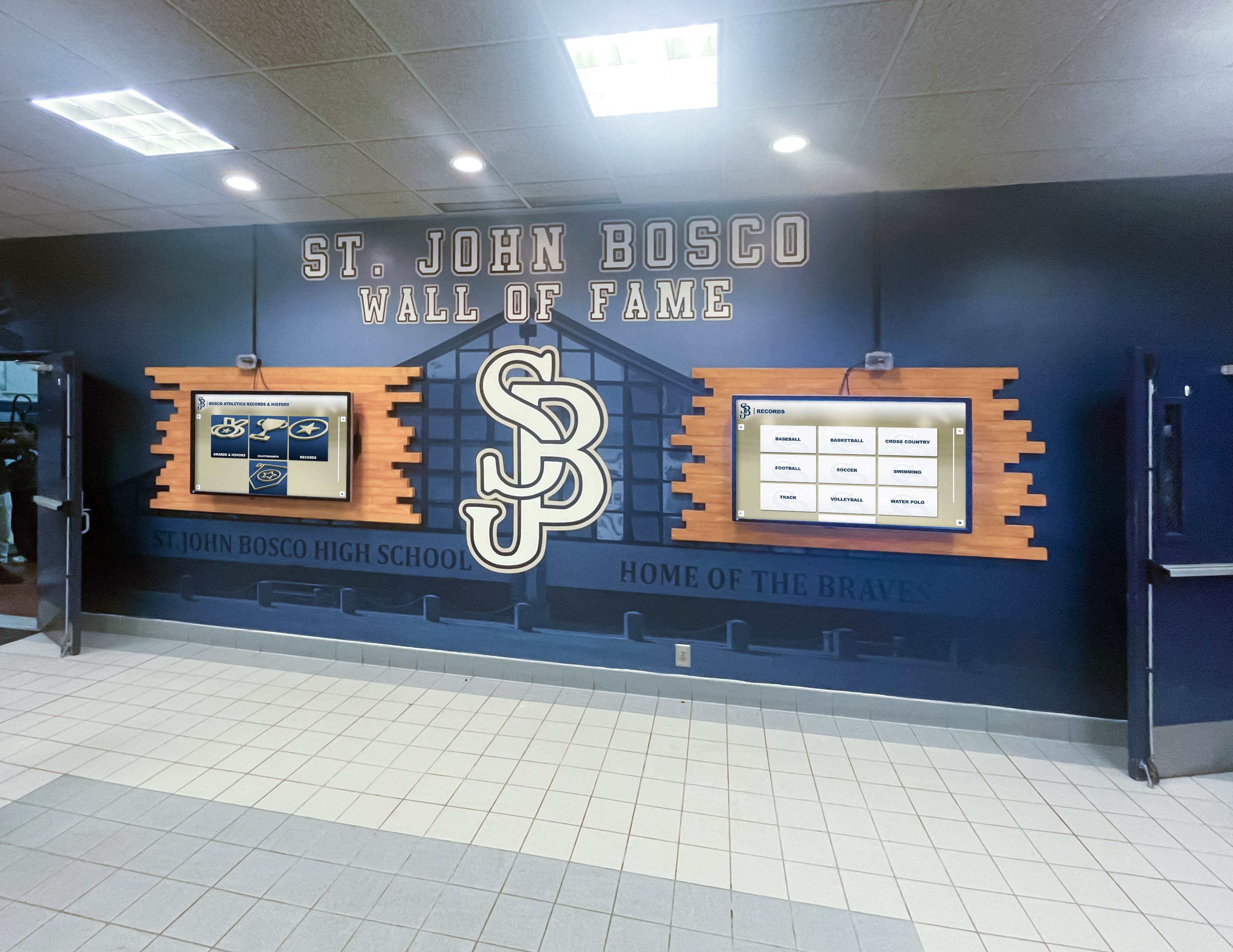
Ceremony honorees should receive ongoing visibility through permanent recognition systems. Integration approaches include adding honorees to digital hall of fame displays allowing continuous exploration, updating physical recognition walls with new plaques or nameplates, incorporating honorees into institutional publications and marketing materials, and creating searchable online databases preserving comprehensive honoree information.
Modern digital recognition solutions like Rocket Alumni Solutions seamlessly integrate ceremony honorees into permanent interactive displays positioned in high-traffic institutional locations, ensuring recognition extends far beyond single ceremonies while requiring minimal ongoing administrative effort.
Annual Recognition Calendar Development
Rather than treating ceremonies as isolated events, effective organizations develop comprehensive annual recognition calendars. These calendars typically include timing for all recognition activities throughout years, nomination and selection process schedules, ceremony planning milestone deadlines, content development and production windows, and post-ceremony follow-up responsibilities and timing.
Systematic calendars prevent crisis planning while ensuring adequate preparation time for quality ceremonies honoring achievement appropriately.
Assessment and Continuous Improvement
Thoughtful evaluation ensures recognition programs improve over time rather than repeating ineffective approaches.
Stakeholder Feedback Collection
Systematic feedback gathering provides evidence for program refinement. Valuable feedback sources include honoree surveys about ceremony experience and recognition meaningfulness, attendee feedback regarding program quality and engagement, planning committee debriefs identifying challenges and improvement opportunities, and comparative analysis across multiple years identifying patterns and trends.
Anonymous surveys often yield more honest feedback than signed responses, particularly regarding sensitive ceremony elements or potential improvements.
Metric Tracking and Trend Analysis
Quantifiable metrics complement qualitative feedback providing objective assessment. Useful metrics include attendance rates and trends over time, social media engagement and content reach, volunteer participation and recruitment success, budget efficiency and cost per honoree, and post-ceremony honoree engagement with institutions.
Regular metric review prevents programs from continuing through inertia rather than demonstrated value while identifying specific elements warranting resource investment or elimination.
Best Practice Documentation
Successful ceremonies generate organizational knowledge that should be preserved for future planning teams. Effective documentation includes detailed planning timeline templates, vendor recommendations and cautions based on experience, budget templates with actual cost records, program format examples and run-of-show documents, and lessons learned documentation capturing both successes and challenges.
This institutional memory prevents future teams from rediscovering solutions to problems already solved while enabling continuous refinement rather than starting from scratch each cycle.
Common Ceremony Challenges and Solutions
Even well-planned ceremonies encounter predictable obstacles. Preparation for common challenges enables effective navigation when problems arise.
Managing Long Programs and Attention Spans
The Challenge
Comprehensive recognition often requires acknowledging numerous honorees, leading to extended programs that exhaust audiences and diminish later honorees’ recognition as attention wanes.
Effective Solutions
Rather than choosing between thorough recognition and manageable duration, implement strategies maintaining engagement throughout longer programs including strategic breaks dividing extended programs into distinct segments with brief intermissions, varied presentation formats alternating between individual presentations, group recognition, multimedia elements, and speaker remarks, pacing adjustments accelerating through less critical elements while allocating adequate time for highest honors, and multimedia displays enabling abbreviated verbal recognition supplemented by comprehensive visual information attendees explore during receptions.
Some organizations split recognition across multiple smaller ceremonies focused on specific categories rather than attempting comprehensive annual events acknowledging all achievement types simultaneously.
Handling Honoree Absences and Last-Minute Changes
The Challenge
Despite confirmation, honorees occasionally cannot attend ceremonies due to illness, emergencies, or schedule changes, creating awkward gaps and requiring program adjustments.
Effective Solutions
Minimize disruption through advance contingency planning including flexible program structure allowing omission or reordering without obvious disruption, designated proxy acceptance when honorees can provide representatives, video acceptance speeches recorded in advance for anticipated absences, in-absentia recognition still acknowledging absent honorees during ceremonies, and backup content filling time gaps if abbreviated programs prove too brief.
Communication with attendees about absence reasons prevents confusion while maintaining appropriate focus on present honorees rather than dwelling on absences.
Balancing Ceremony Formality with Authenticity
The Challenge
Formal ceremonies risk feeling stiff and impersonal, while casual approaches may not convey appropriate significance for substantial achievements.
Effective Solutions
Optimal balance combines formal structure with authentic personal elements through professional framework providing dignified structure and smooth flow, personal storytelling and specific details making honorees feel individually known, appropriate humor relieving tension without becoming irreverent, emotional authenticity allowing genuine feeling rather than stilted artificial tone, and honoree voice incorporation ensuring recognized individuals aren’t passive recipients.
The goal is ceremonies that feel professionally executed yet authentically meaningful rather than either chaotic or mechanically formal.
Technical Failures and Backup Planning
The Challenge
Technology enables enhanced ceremonies but also introduces potential failure points from audio problems, video playback failures, or connectivity issues.
Effective Solutions
Proactive planning minimizes disruption from technical problems through comprehensive technical rehearsal identifying and resolving issues before ceremonies, backup equipment including spare microphones, projectors, and laptops, offline content storage preventing dependency on internet connectivity, flexible program structure allowing omission of failed elements without catastrophe, and experienced technical operators who can troubleshoot problems quickly.
Even with perfect preparation, occasional technical problems occur. What distinguishes professional ceremonies is graceful problem handling rather than flustered panic that amplifies minor issues into major disruptions.
Conclusion: Creating Recognition Events Worth Remembering
Award ceremonies represent significant organizational investments requiring substantial planning time, financial resources, and staff effort. When executed thoughtfully, they deliver remarkable value compounding across years and decades—honoring achievement appropriately, inspiring audiences witnessing excellence celebrated, strengthening organizational culture, and creating memorable moments that honored individuals treasure throughout their lives.
The most effective award ceremonies share common characteristics regardless of organizational size, achievement type, or available resources. They honor achievements authentically through genuine recognition demonstrating actual knowledge of honorees rather than generic praise. They maintain appropriate scale balancing comprehensive recognition with realistic program duration and audience engagement capacity. They execute professionally through attention to technical, logistical, and presentation details reflecting achievement significance. They create memorable moments transcending individual award presentations through compelling storytelling, emotional authenticity, and distinctive traditions. And they extend beyond single events through permanent recognition systems and sustained stakeholder relationships.
Contemporary recognition technologies enable ceremony experiences and ongoing recognition impossible with traditional approaches. Interactive digital displays allow attendees to explore comprehensive honoree information during receptions while providing permanent recognition visible year-round. Live streaming and video recording extend ceremony reach to remote audiences while creating enduring records. Social media integration amplifies recognition across networks far beyond physical attendance. Purpose-built platforms designed specifically for educational and organizational recognition make sophisticated digital programs accessible even for institutions with limited technical resources.
Yet technology merely enables recognition—the substance lies in the achievements honored and the genuine appreciation ceremonies express. Whether your organization hosts its first formal recognition event or enhances long-standing traditions, success lies in implementing systems that authentically celebrate achievement, remain manageable within realistic resource constraints, engage all stakeholders meaningfully throughout planning and execution, and create recognition experiences serving your organization’s unique needs and values.
The individuals who invested themselves in your organization deserve recognition matching their dedication and achievements. Thoughtful ceremony planning guided by clear objectives, realistic assessment of capabilities and constraints, and genuine commitment to honoring excellence ensures your recognition events deliver that honor for generations to come.
Ready to extend your ceremony recognition beyond single events into year-round celebration? Discover how Rocket Alumni Solutions combines intuitive technology with proven best practices, making it easier than ever to create comprehensive recognition programs that honor ceremony honorees continuously while strengthening connections between all members of your institutional community.