A retired championship jersey stored in a trophy case corridor, a box of 1980s game programs stacked in a storage room, a leather-bound coaches ledger donated by a family after a season-ending ceremony — all of these objects share one invisible threat that most school athletic departments never think about until damage is already done: insect and rodent activity. Pests do not discriminate between a display case in the lobby and an unmarked banker’s box on a shelf. Clothes moths attack wool letter sweaters whether they sit on a mannequin behind glass or lie folded in a cardboard archive box. Silverfish consume the emulsion layer on photographs regardless of whether the photograph is framed for display or sleeved in a storage file. A structured athletic memorabilia pest management checklist gives schools a repeatable process for inspecting, isolating, monitoring, cleaning, documenting, and safely returning athletic artifacts to displays and archives — before damage becomes permanent.
What this athletic memorabilia pest management checklist covers:
This checklist addresses six interconnected stages of pest prevention and response for school athletic collections:
- Incoming inspection — examining new donations and returning loan items before they enter the main collection
- Routine monitoring — scheduled visual checks of displays, storage rooms, and trophy cases
- Environmental control — humidity, temperature, and light targets that reduce pest habitat conditions
- Isolation and quarantine — procedures for separating suspected or confirmed pest-affected items
- Cleaning and treatment — practical steps for pest-affected objects that do not require specialist intervention
- Documentation and safe return — condition recording, movement logs, and criteria for returning cleared items to displays and archives
Pest management policies and applicable regulations vary by jurisdiction and institution type. This guide reflects broadly accepted collections care principles; it does not constitute legal, conservation, or pest-control licensing advice. For significant infestations or high-value artifacts, consulting a professional conservator or licensed pest management provider is appropriate.
Why Pest Management Is a Recognition Collections Issue, Not Just a Facilities Issue
Most school pest control contracts address food-service areas, classrooms, and restrooms. Trophy corridors, storage rooms holding athletic archives, and display cases in gymnasium lobbies often fall outside the regular service scope — not because facilities teams are indifferent, but because those spaces are not flagged as high-risk in standard school pest management plans.
Athletic recognition collections are, in fact, among the highest-risk spaces for collection-damaging pest activity in a school building. The reasons follow directly from what those collections contain.
Organic materials attract specific insects. Wool and natural-fiber textiles — letter sweaters, early varsity jerseys, cotton uniform pieces — are primary targets for clothes moths (Tineola bisselliella) and carpet beetles (Anthrenus and Attagenus species). These insects do not eat synthetic fibers, but a jersey made of blended materials provides both a food source and cover. Paper-based materials — game programs, statistical records, newspaper clippings, archival photographs — attract silverfish (Lepisma saccharina) and booklice (Psocoptera species), which consume starch-based adhesives, paper sizing, and photographic emulsions.
Storage conditions commonly found in schools favor pest activity. Cardboard boxes, inconsistent temperature, elevated humidity during seasonal transitions, and limited light exposure — all common in athletic storage rooms — create favorable environments for insect breeding and rodent nesting. A recognition collection stored in a standard school storage room without climate monitoring is a collection at ongoing risk.
Damage from pest activity is irreversible. Unlike water or handling damage, where professional conservation can sometimes stabilize or partially restore an object, active insect feeding creates physical losses — holes in textiles, missing paper fibers, surface consumption of photographs — that no treatment restores. Pest management is inherently a prevention discipline; response after damage begins is always secondary to inspection that catches activity before significant damage occurs.

Stage 1 — Incoming Inspection Checklist
Every item that enters the athletic collection — whether a donated artifact from a family, a loan return from an alumni event, or a newly acquired award prepared for display — should pass through an incoming inspection before contacting existing collection materials. This single procedural step prevents the most common vector for pest introduction: an infested item placed directly into storage or display alongside clean collection materials.
Checklist: Incoming Inspection
- Receive new donations in a dedicated receiving area separated from storage rooms and display cases. A table in a utility room, a corner of the athletic office, or any space not directly connected to the main collection is sufficient.
- Examine the exterior of the item and its packaging. Look for live insects, shed insect skins (frass), insect egg cases (often small, white, and translucent), rodent droppings, rodent gnaw marks, and webbing. Examine the underside and corners of packaging where insects congregate.
- Open packaging outside the main collection space. Do not open donation boxes or return-shipment packaging inside the storage room.
- Inspect textile items under magnification if available. A 10x hand loupe reveals clothes moth eggs and early larval feeding damage not visible to the naked eye. Focus on seams, collar areas, and folded sections where eggs are typically laid.
- Inspect paper materials for silverfish evidence. Silverfish feeding damage appears as irregular surface channels — a scraping or grazing pattern — along paper edges and surfaces. Check the spine area of bound programs and the edges of stacked documents.
- Photograph the item in its incoming condition. Condition photographs taken at arrival serve as both a pest-management record and a baseline condition document for the collection file.
- Place the item in a sealed clear polyethylene bag if any pest evidence is observed. Label the bag with the item name, date, and reason for isolation. Move to quarantine (Stage 4).
- Place clean items in isolation storage for a minimum of two weeks before incorporating into the main collection. Isolation storage should be physically separate from the main collection — a different room or a sealed container — and should contain monitoring traps (see Stage 2). This precautionary holding period allows time for any undetected eggs to hatch and become visible.
Common Pest Indicators by Artifact Type
| Artifact Type | Pest Indicators to Look For |
|---|---|
| Wool jerseys, letter sweaters, uniforms | Irregular holes; silky webbing or cases along seams; small caterpillar-like larvae; shed skins |
| Leather (ball covers, glove leather, belt straps) | Surface grazing; tunneling at edges; rodent gnaw marks; dried pellet droppings nearby |
| Paper programs, records, photographs | Irregular surface channels; missing paper at edges; yellow staining; white powdery frass |
| Cardboard boxes, packing materials | Rodent gnawing at corners; nesting material (shredded paper, fabric fibers); droppings inside |
| Wooden trophy bases, plaques | Circular exit holes (powderpost beetles); fine sawdust-like frass on or below the object |
| Metal trophies, plaques (bare metal) | No direct pest damage, but check stored alongside for secondary evidence |
| Framed photographs | Webbing at frame corners; silverfish frass along the backing board edge |
Stage 2 — Routine Monitoring Checklist
Incoming inspection addresses the introduction vector. Routine monitoring addresses ongoing activity within the collection space itself — displays, storage rooms, trophy case interiors, and archival filing areas. Monitoring catches early-stage activity before it becomes a collection-damaging event.
Monitoring Frequency
| Space Type | Minimum Inspection Frequency |
|---|---|
| Open display areas (lobby cases, corridor displays) | Monthly visual check; traps checked quarterly |
| Enclosed trophy cases | Monthly visual check of interior visible surfaces; traps checked quarterly |
| Active storage rooms (items in current use) | Monthly visual check and trap check |
| Long-term archive storage (low-activity rooms) | Quarterly visual check and trap check; full condition check annually |
| Isolation/quarantine space | Check every 48–72 hours during active quarantine |
Checklist: Routine Monitoring
- Place sticky insect monitoring traps in each storage room and inside enclosed trophy cases. Commercial blunder traps (non-toxic adhesive traps with no lure) catch crawling insects without introducing chemicals near collection materials. Place traps along the floor perimeter of storage rooms and in the bottom interior corners of trophy cases. Label each trap with the date placed and its location.
- Record trap contents at each inspection. A simple log — date, trap location, insects found, count, species if identifiable — creates a baseline record that reveals trends over time. A trap that catches one silverfish per quarter is a different risk profile than one that catches twelve.
- Inspect the floor perimeter of storage rooms during each visit. Look for insect frass (fine granular material, often dark or light depending on species), rodent droppings, insect skins, or evidence of feeding on cardboard storage containers.
- Check textile items on display for evidence of surface feeding. During quarterly checks, examine displayed jerseys, letter sweaters, and uniform pieces for new holes or fraying consistent with insect feeding. Compare against condition photographs in the collection file.
- Inspect trophy case interiors for insect activity. Examine the base and interior corners of display cases. Dust accumulation in trophy cases, especially around the base of trophies or at the junction of display fabric and the case floor, can harbor insect populations.
- Confirm that display case seals are intact. Trophy cases with broken gaskets, cracked glass, or open gaps at hinges provide pest entry points. Note any seal failures in the inspection log and report to facilities for repair.
- Record findings and sign the monitoring log. An unsigned log with no date is not a useful document. Assign a specific staff member to each monitoring round and require a dated signature.

Stage 3 — Environmental Control Checklist
Pests do not thrive uniformly across all environmental conditions. Temperature, relative humidity, and light exposure all affect pest population dynamics, and controlling these variables is the most sustainable long-term pest management approach for a collections space. Schools operating without dedicated climate-control infrastructure can still achieve meaningful risk reduction by targeting the most significant variables within their physical constraints.
Environmental Targets for Athletic Collections Storage
| Parameter | Target Range | Risk Zone |
|---|---|---|
| Relative humidity (RH) | 40–55% | Below 30% (brittle paper and textiles) or above 65% (mold, booklice, silverfish activity) |
| Temperature | 60–70°F (15–21°C) | Sustained above 75°F increases insect development rate; sustained below 50°F year-round reduces but does not eliminate risk |
| Light exposure (paper and textiles) | Minimal; no direct sunlight | UV light accelerates photographic and textile degradation; sustained illumination supports insect activity cycles |
Checklist: Environmental Control
- Place calibrated hygrometers (humidity monitors) in each storage room. Inexpensive digital hygrometers with temperature readout are sufficient. Read and log values at each monitoring visit. Replace batteries on schedule — a dead hygrometer provides no data.
- Identify and address sources of elevated humidity. Storage rooms adjacent to exterior walls, below roof lines, near plumbing, or in basement-level spaces are prone to seasonal humidity spikes. If routine readings show RH above 60% for extended periods, consult facilities about dehumidifier placement or HVAC adjustment.
- Do not store athletic archives in spaces that experience significant seasonal temperature swings. Garages, attic spaces, and uninsulated storage rooms often cycle through conditions that promote insect activity and accelerate material degradation. If the school’s physical plant does not offer a stable interior space, a discussion with administration about alternative storage options is warranted.
- Block direct sunlight from storage room and trophy case windows. UV-filtering film on windows is inexpensive and effective. For trophy cases with glass fronts in sunlit corridors, UV-filtering acrylic glazing is an option during case renovation or replacement.
- Maintain cleanliness in storage rooms. Food and food waste are primary attractants for rodents and many insects. Prohibit food and beverage in storage rooms. Sweep and vacuum storage rooms during each monitoring visit, removing dust and debris that can harbor insect populations.
- Do not store athletic collection materials in cardboard boxes on the floor. Cardboard against a concrete or tile floor absorbs ground moisture and provides both harboring space and food material for insects and rodents. Use shelving that keeps storage containers at least six inches above the floor.
Stage 4 — Isolation and Quarantine Checklist
When incoming inspection or routine monitoring identifies pest activity — or reasonable suspicion of activity — the affected item or items must be isolated from the general collection before any further handling or treatment. Isolation prevents spread and creates a controlled environment for assessment.
Checklist: Isolation and Quarantine
- Move the suspected item to a physically separate space immediately. Do not place an isolated item in an adjoining cabinet, on a different shelf in the same room, or in the same display case as uninspected materials. Separation means a different room or a fully sealed container.
- Place the item in a sealed polyethylene bag before moving it. Sealing prevents any insects or eggs from dislodging and spreading during transport within the building.
- Photograph the item’s current condition before treatment. Document all visible pest evidence — feeding damage, insect evidence, webbing — with clear photographs. These become part of the collection record.
- Notify the relevant administrator and log the isolation event. A written log entry — date, item, reason for isolation, who made the determination — creates the documentation trail.
- Check the surrounding area for additional activity. If an item in storage shows pest activity, inspect adjacent items, the shelf surfaces, and the surrounding area. One affected item is often an indicator of broader activity nearby.
- Do not attempt freezing treatment without verifying item suitability. Freezing (placing sealed items in a standard freezer at 0°F / -18°C for a minimum of 72 hours, then slowly warming) is a widely cited non-chemical treatment for insect-affected textiles and paper. However, freezing is not appropriate for all materials — composites, items with adhesives, metal-fiber textiles, or items with multiple material types may be damaged by freeze-thaw cycles. Consult a conservator before using freezing on items of significant age or composite construction.
- Keep isolated items in quarantine until no further pest activity is observed over a complete monitoring cycle. Releasing an item from quarantine prematurely risks re-introducing an active infestation.
Schools that archive athletic materials connected to significant recognition events — state tournament appearances, multi-decade coaching careers, milestone team records — face real collection risk when pest activity affects those objects. Well-documented athletic events, like those connected to postseason championship archives, generate paper and textile materials that accumulate over decades. A pest management checklist protects those materials so they remain available for display and digital incorporation long after the events themselves. For context on the kinds of programs and records schools archive from significant athletic events, the Illinois high school football playoffs archive illustrates the depth and variety of materials those events produce.
Stage 5 — Cleaning and Treatment Checklist
Pest management treatment of collection artifacts should be conservative. The goal at this stage is to remove active pest evidence, stabilize the object, and prevent further infestation — not to restore appearance. Cosmetic restoration of pest damage is a conservation function that requires specialist expertise.
Checklist: Cleaning and Treatment
- Use only soft brushes and a HEPA-filter vacuum for removing surface debris from artifacts. A 1-inch soft-bristle brush and a micro-attachment vacuum (with fine mesh screen between the vacuum and the artifact to prevent accidental suction of fragile pieces) remove insect frass, shed skins, and egg cases from textile and paper surfaces without chemical application.
- Do not apply any cleaning solution, spray, or chemical treatment to artifacts without conservator guidance. Pesticide sprays and household cleaning products damage photographic emulsions, textile dyes, metal finishes, and adhesives. Even products labeled “safe for delicate materials” are formulated for household use, not for artifacts with photographic or textile components.
- Clean the storage area before returning any treated item. Vacuum shelves, check and replace monitoring traps, and inspect adjacent items before re-introducing treated materials.
- For display cases, clean interior surfaces with a dry microfiber cloth. Do not spray any cleaning product inside a trophy case while artifacts are present. Remove all artifacts before applying any interior surface cleaner.
- Consult a licensed pest management professional for active infestations in the building fabric. If monitoring reveals that insects are entering the storage room or trophy case from the building itself — through wall penetrations, floor gaps, window frames, or HVAC ducts — that is a building-level problem requiring a licensed pest management response, not a collections-level cleaning.
- Coordinate with the school’s facilities department before any pesticide application in or near collection spaces. Some pesticide application methods — fumigation, broad-spectrum surface sprays — are incompatible with collection storage and may cause material damage. Collection staff should review and approve any pesticide approach used in spaces housing athletic artifacts.
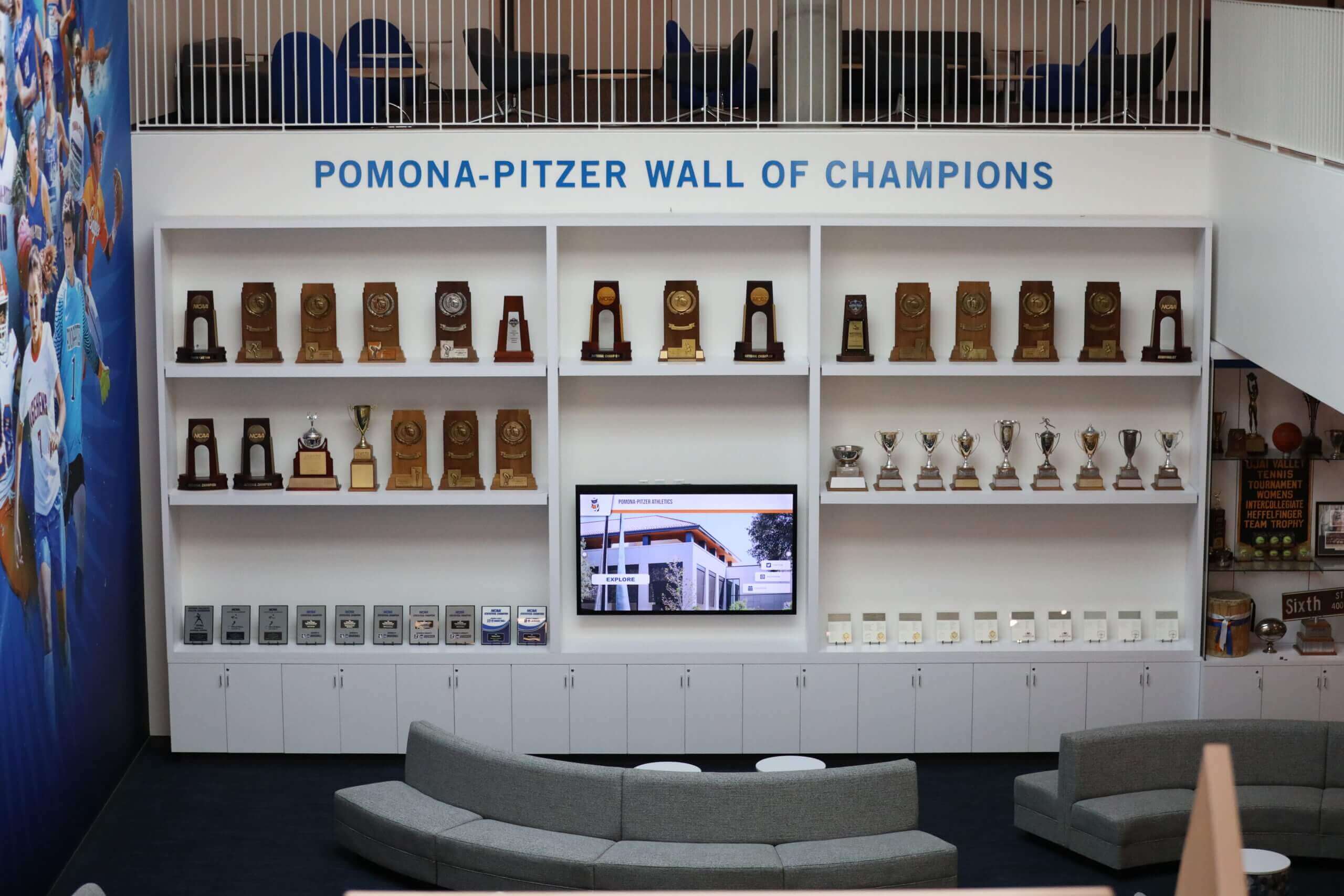
For trophy cases and display environments that combine physical artifacts with digital recognition displays, proper cleaning protocols protect both the artifacts and the display hardware. When evaluating how digital elements integrate with enclosed display environments, the digital wall mount display guide for nonprofits addresses display housing and enclosure considerations relevant to schools with recognition installations.
Stage 6 — Documentation and Safe Return Checklist
The final stage of each pest management cycle — whether a routine monitoring round or a post-treatment clearance — is documentation and the structured return of items to displays and archives. Documentation is what makes a pest management program a program rather than a series of ad-hoc responses; it creates the institutional memory that protects the collection across staff transitions and budget cycles.
Checklist: Documentation
- Maintain a pest management log for each storage room and display space. The log records: date of inspection, who conducted it, trap contents and locations, any pest evidence observed, items isolated, and actions taken. Keep physical or digital copies in a location accessible to the athletic director, facilities manager, and designated archives staff.
- Update each affected item’s collection record after any pest management event. If an item was isolated, treated, or shows new condition changes attributable to pest activity, update the collection documentation to reflect current condition. This record serves as evidence for insurance purposes and as a baseline for future inspections.
- Photograph all pest damage before any treatment and all post-treatment condition for the collection file. A before-and-after photographic record is the most useful evidence for conservation consultation, insurance claims, and institutional reporting.
- Schedule the next inspection date before closing each monitoring visit. A log entry without a follow-up date on the calendar is not a program; it is a completed task with no successor. Assign the next inspection to a specific staff member with a calendar entry.
Checklist: Criteria for Safe Return to Display
An item cleared from isolation and ready for return to a trophy case, display case, or archival storage should meet all of the following before return:
- No live insects, eggs, frass, or webbing observed on the item or in its immediate storage area during the most recent inspection cycle
- Item condition documented with current photographs in the collection file
- The storage or display space where the item will return has been cleaned and inspected
- Monitoring traps in the destination space are current and recorded
- The return movement is logged in the collection location record with the date and staff member completing the return
Return Procedure for Trophy Cases and Display Cases
- Remove the item from isolation only after all clearance criteria above are confirmed in writing.
- Inspect the display case interior before opening — check monitoring trap contents and examine case corners.
- Clean the display case interior with a dry microfiber cloth before placing the item.
- Handle the item with appropriate gloves (powder-free nitrile for metals and photographs; clean white cotton for textiles).
- Position the item in its designated display location, confirming it does not contact adjacent objects.
- Close and confirm that the case seal is intact.
- Update the collection location record with the return date.
- Photograph the item in its display position as a post-return condition record.
Pest-by-Pest Reference for Athletic Collections
| Pest | Primary Targets in Athletic Collections | Evidence | Prevention Emphasis |
|---|---|---|---|
| Clothes moths | Wool jerseys, letter sweaters, cotton uniforms, natural-fiber items | Irregular holes; silky cases or webbing; small pale larvae; shed skins at seams | Isolation of incoming textiles; cold storage for long-term textile archives; airtight containers |
| Carpet beetles | Wool, leather, feathers, natural-fiber bindings | Irregular surface feeding; shed skins; small oval larvae | Regular vacuuming of storage area floors; monitoring traps near baseboards |
| Silverfish | Paper programs, photographs, cardboard, starch-based adhesives | Surface grazing and channeling on paper edges; yellow staining; irregular paper loss | Humidity control below 55% RH; sealed archival containers; reduce paper-on-floor storage |
| Booklice (psocids) | Paper, adhesives, mold-adjacent materials in humid conditions | Minute pale insects visible on paper surfaces; appear following humidity spikes | Humidity control is primary prevention; clean mold growth promptly |
| Powderpost beetles | Wooden trophy bases, hardwood display furniture, wooden plaques | Circular exit holes 1–3mm diameter; fine powdery frass around or below the wood | Inspect all wooden items on arrival; do not introduce untreated or unseasoned wood items |
| Rodents (mice, rats) | Cardboard, paper, textiles for nesting material; leather and adhesive for food | Droppings; gnaw marks on cardboard corners; shredded material nests; musky odor | Seal floor-level gaps in storage rooms; do not store on floor; food-free storage areas |
Connecting Pest Management to Digital Recognition and Display Programs
A well-maintained physical collection is the foundation of a strong digital recognition program. The chain of connection is direct: artifacts preserved through consistent pest management, handling protocols, and environmental control produce high-quality originals for scanning and digitization. High-quality digitized records — photographs, jerseys, trophies documented with accurate condition records — produce richer, more accurate content for digital displays, searchable inductee databases, and online recognition archives.
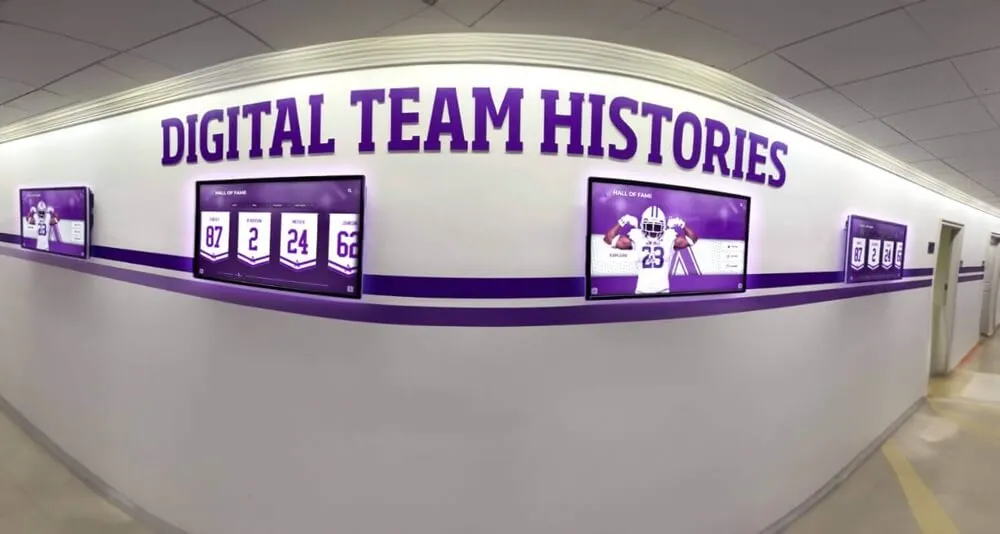
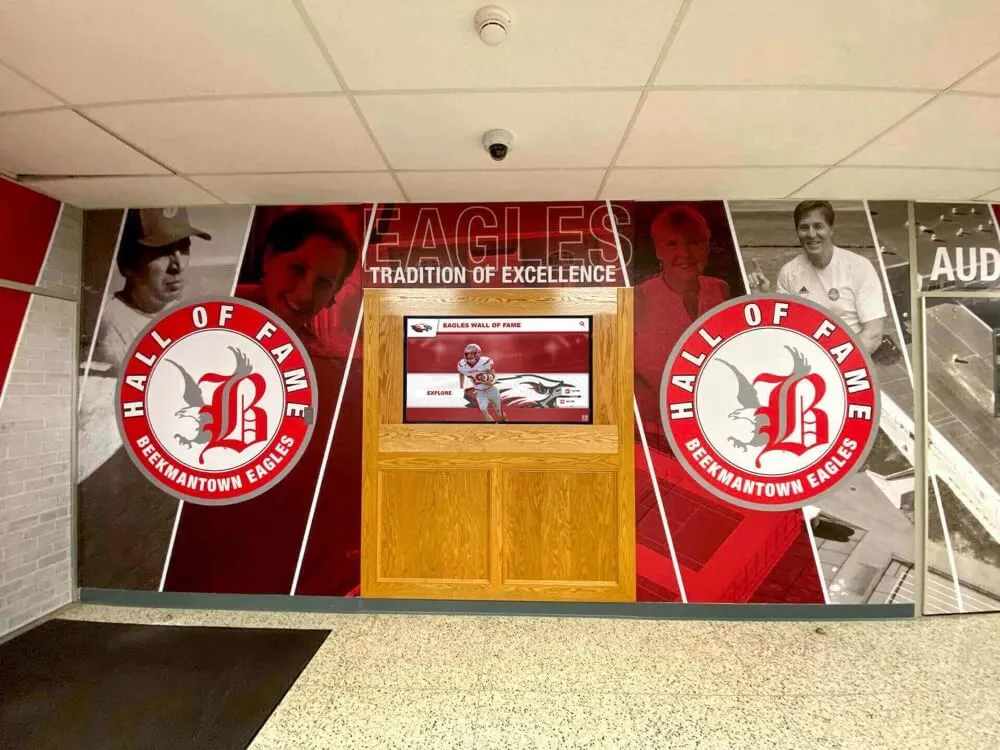
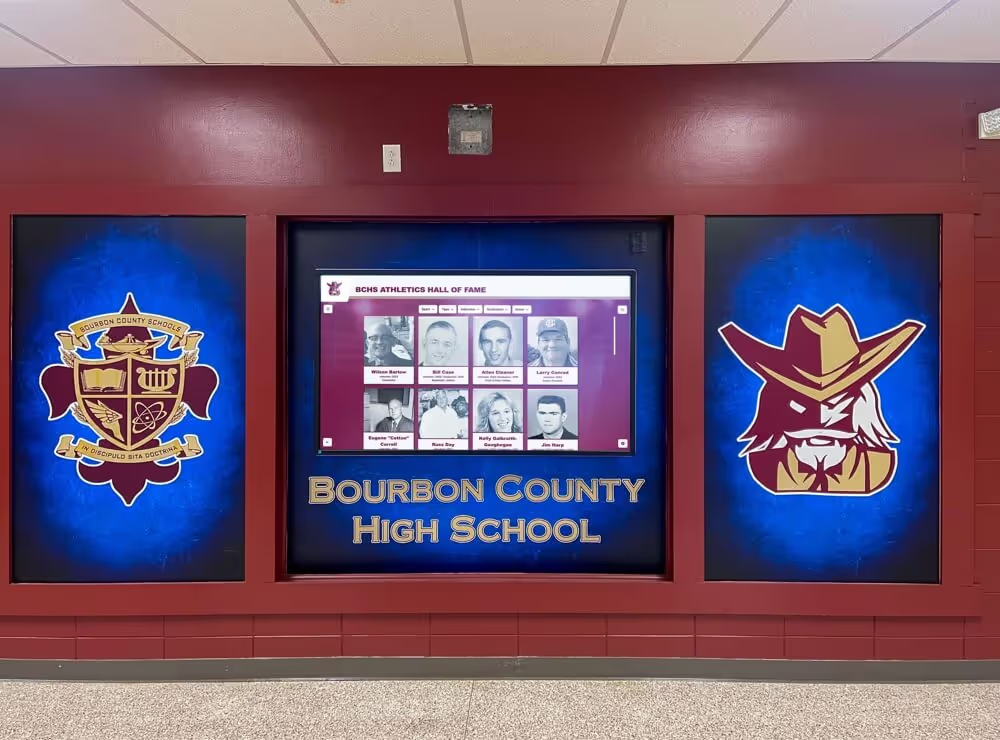
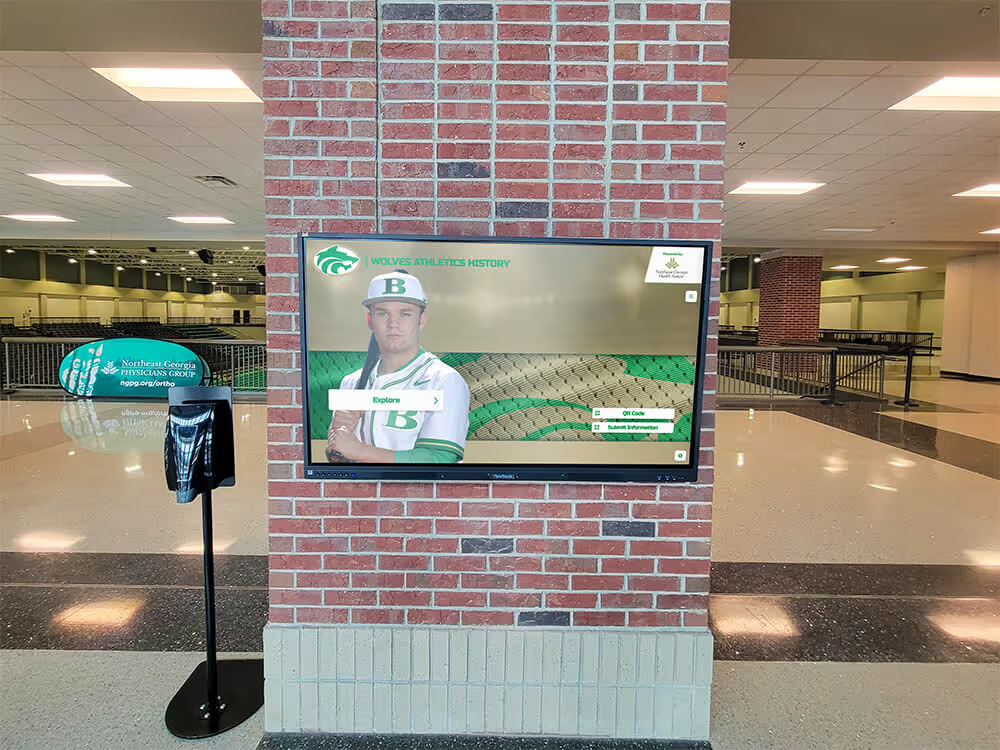
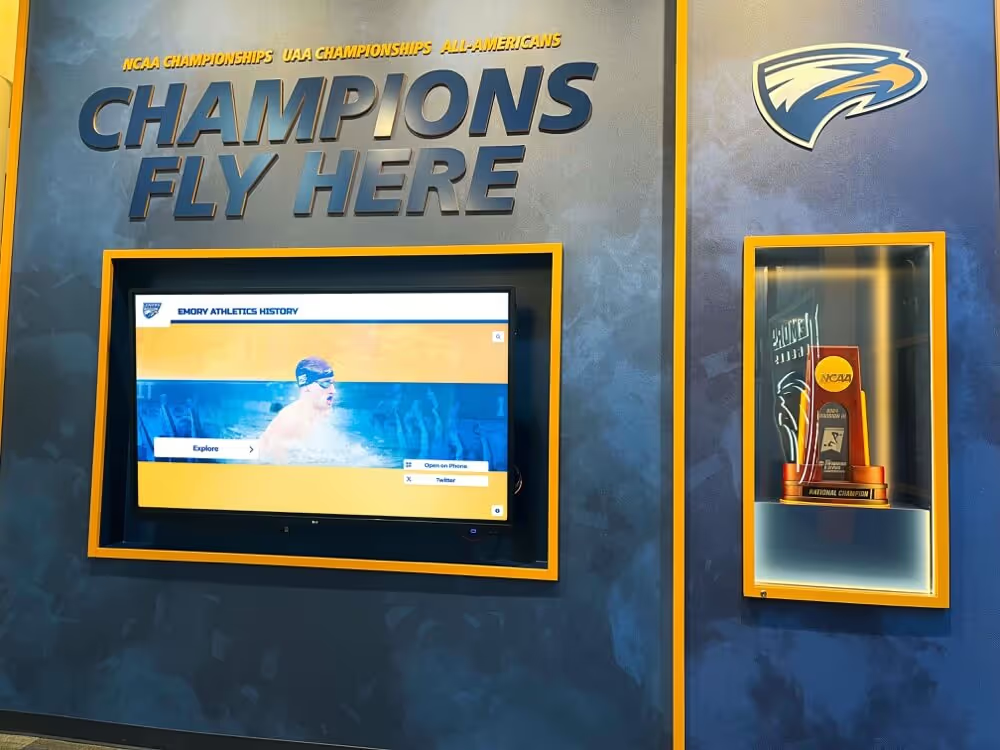
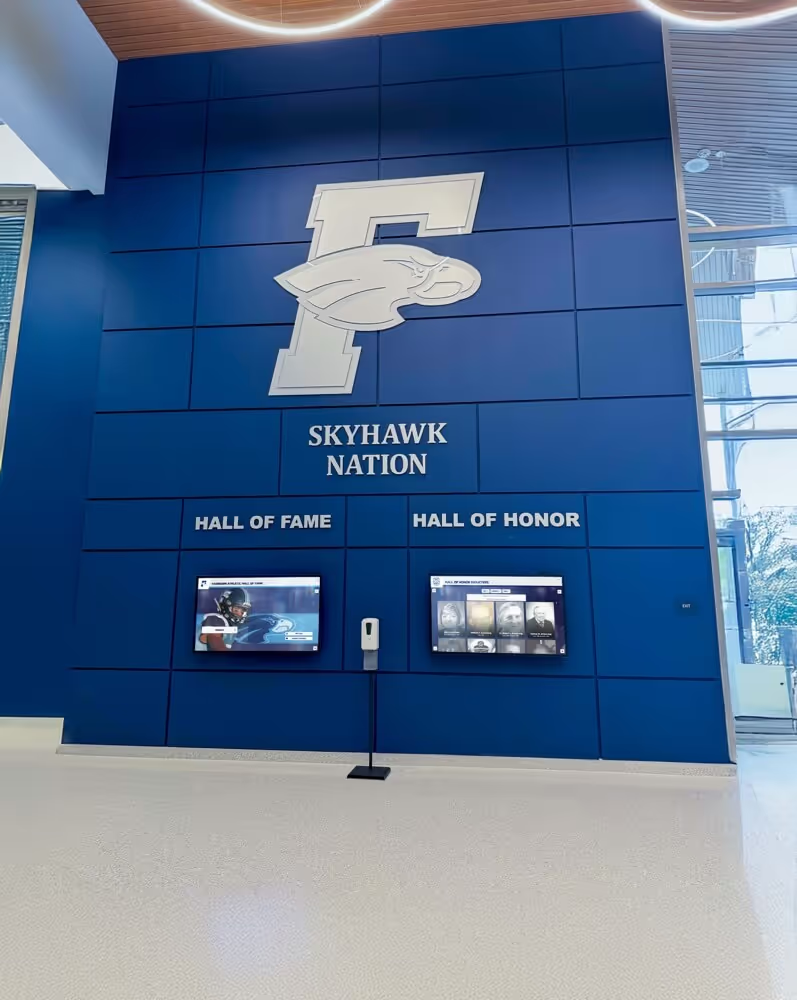
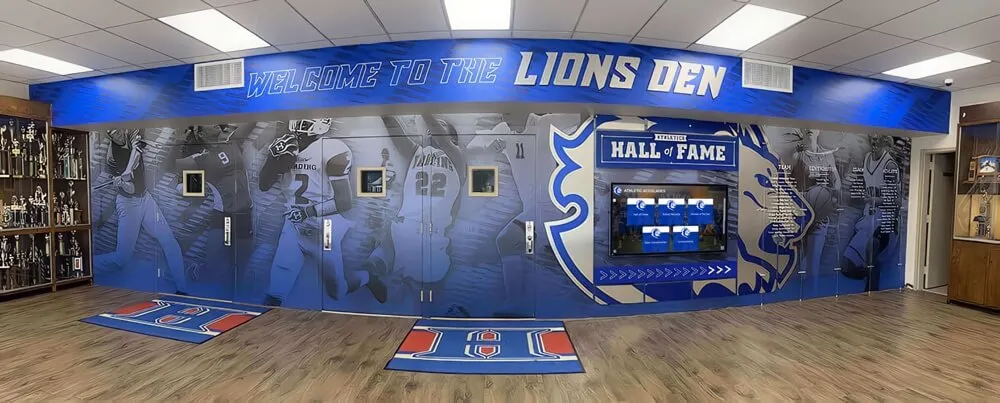
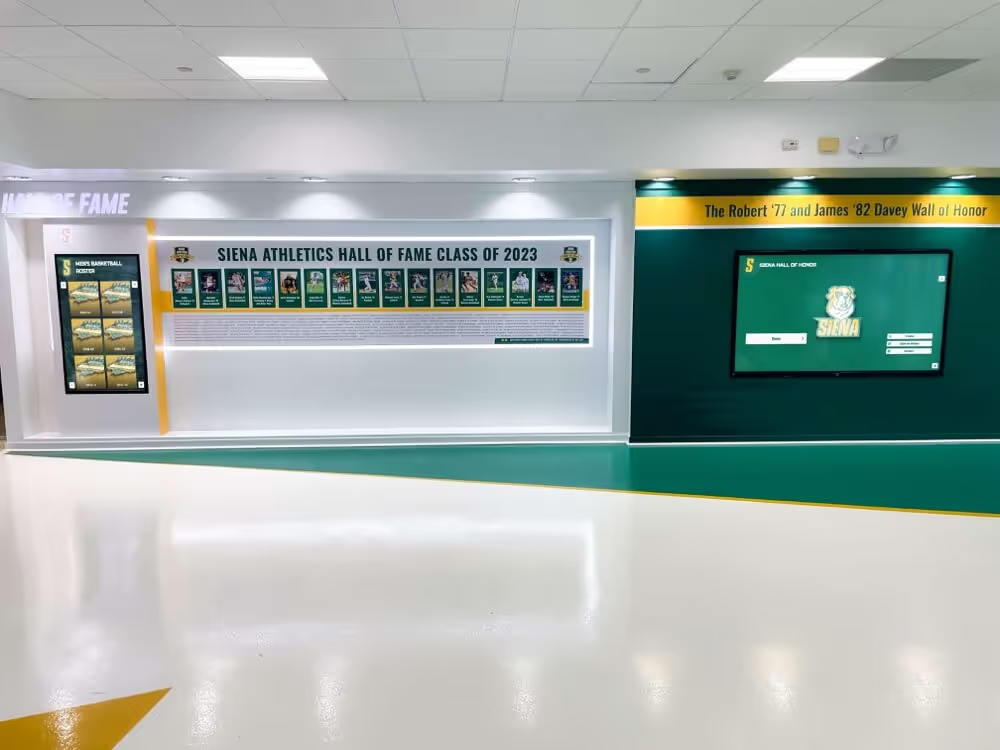
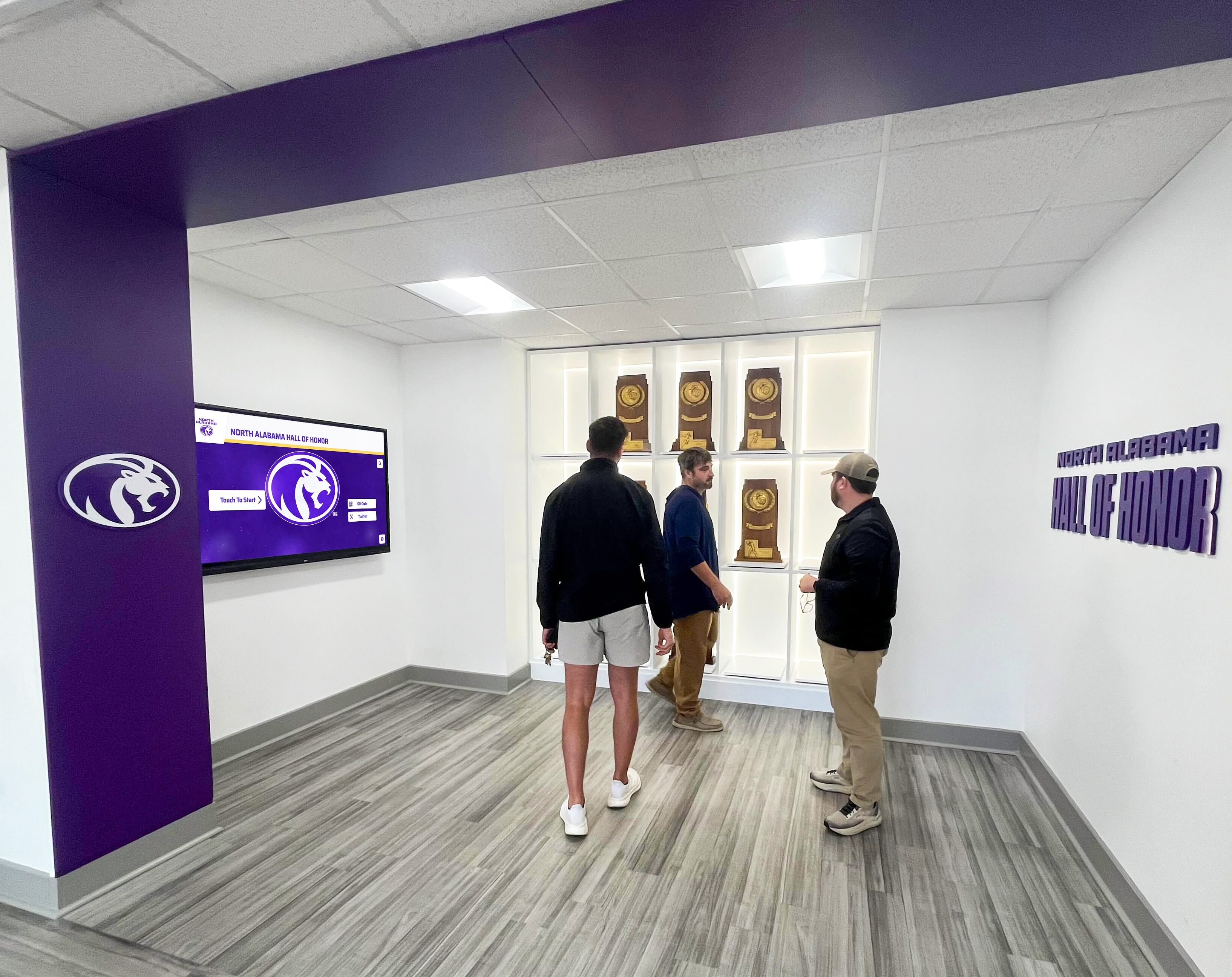
Schools that build systematic collections care practices — pest management, handling guidelines, documentation standards — also build the institutional foundation for digital recognition programs that go beyond basic award listings. Display environments that integrate physical trophy cases with digital recognition systems, like those used in updated athletic hall of fame corridors, depend on the quality of the underlying collection records to function well.
For trophy cases and recognition displays transitioning to seasonal award rotations, the football team awards and end-of-season recognition ideas guide addresses how schools manage trophy-case transitions — a moment that also requires pest inspection as items move in and out of display. Similarly, the memorial flag display cases guide covers enclosed display environments that present comparable pest-inspection considerations to athletic trophy cases.
Donor and sponsor recognition panels — which often include framed photographs, commemorative plaques, and printed heritage materials — benefit from the same pest management procedures as athletic award displays. Schools that incorporate donor recognition into their athletic spaces bring those materials into the same pest-management scope as trophies and jerseys. Season-end athletic recognition programs that produce championship documentation regularly add new materials to school archives, making each recognition cycle an opportunity to review and document the collection’s condition.

For schools evaluating recognition display systems that integrate physical and digital components, interactive digital recognition displays for schools increasingly complement physical trophy cases rather than replacing them — making the condition of the physical collection relevant to the quality of the digital record it generates. When schools archive athletic materials connected to historical seasons and milestone records, those archives become source material for the digital hall of fame content that tells the program’s full story.
See How Schools Connect Physical Archives to Digital Recognition
Rocket Alumni Solutions builds interactive digital halls of fame that bring archival photographs, inductee profiles, and athletic history together in one searchable display. Schools use Rocket-powered platforms to make decades of recognition work visible and engaging for current students, alumni, and visitors — building on the same physical collections that pest management checklists protect.
Schedule a Free DemoFrequently Asked Questions
What is an athletic memorabilia pest management checklist?
An athletic memorabilia pest management checklist is a structured set of procedures for inspecting, monitoring, isolating, treating, documenting, and returning athletic artifacts — trophies, jerseys, photographs, programs, plaques — to safe storage and display environments. It gives school staff a repeatable process for catching and responding to pest activity before it causes irreversible damage to recognition collections.
Which pests most commonly damage school athletic collections?
Clothes moths and carpet beetles are the primary threats to textile items like wool jerseys and letter sweaters. Silverfish and booklice target paper-based materials including game programs, statistical records, and archival photographs. Powderpost beetles attack wooden trophy bases and wooden display furniture. Rodents use cardboard and textile materials as nesting material and can cause physical destruction to both. Each pest type leaves different evidence and responds to different prevention measures.
How often should schools inspect trophy cases for pest activity?
Open display areas and enclosed trophy cases should receive a monthly visual inspection and a quarterly trap check as a minimum baseline. Storage rooms holding active archival materials follow the same schedule. Long-term archive storage with limited activity requires a quarterly visual check and an annual full-collection condition review. Any space where pest activity has been previously detected should be inspected at every opportunity until two full monitoring cycles show no further evidence.
Is freezing a safe treatment for pest-affected athletic jerseys?
Freezing — placing sealed items in a standard freezer at 0°F / -18°C for a minimum of 72 hours, then warming slowly at room temperature — is a widely used non-chemical treatment for insect activity in textiles and paper. However, it is not appropriate for all objects. Composite items, items with metal components, items with adhesives, and any object of unknown construction should be evaluated by a conservator before freezing treatment. Consult a professional before freezing any artifact of significant age or fragility.
Should the school’s general pest control contract cover athletic storage rooms?
Schools should explicitly confirm with their pest control provider whether athletic storage rooms, trophy case corridors, and archival storage areas are included in the routine service scope. Many school pest control contracts focus on food-service and general-occupancy areas and do not automatically include recognition spaces. A brief conversation with the provider to confirm coverage and document which spaces are included is a practical step. Note that any pesticide treatment in collection storage areas should be reviewed by archives staff to confirm compatibility with collection materials before application.
What documentation should accompany each pest management inspection?
Each inspection should produce a dated, signed log entry recording the inspector’s name, the spaces visited, the contents of each monitoring trap, any pest evidence observed, and any actions taken (isolation, cleaning, notification). Items that are isolated, treated, or show new condition changes should have their collection records updated to reflect the current state. Photographs of pest evidence and post-treatment condition should be included in the collection file for any item that experienced active pest activity.
How does pest management connect to digital display programs?
Well-maintained physical artifacts produce higher-quality source material for digitization — scans, photographs, and video captures used in digital recognition displays and online archives. Pest damage that creates holes in textiles, surface loss on photographs, or structural deterioration in paper documents degrades the quality of the digital record as well as the physical object. Schools that invest in pest prevention are also investing in the quality of the digital recognition content that documents their programs’ histories. For schools considering digital recognition display systems that surface archival content, the condition of the physical collection determines what those systems can accurately represent.
Where can we find professional conservators for significant pest damage?
The American Institute for Conservation (AIC) maintains a public Find a Conservator directory organized by specialty and region. For significant pest damage to valuable or irreplaceable artifacts, a conservator with textile, paper, or objects conservation experience is the appropriate resource. Local or regional museums may also provide referrals or consultations for school athletic collections.