Every athletic director who has tried to run hall of fame inductions without a documented workflow has learned the same hard lesson: the process doesn’t break down at the big moments — the committee vote or the induction dinner — it breaks down in the small ones. A nomination form no one can find. A waiting-period dispute the bylaws don’t address. A candidate whose records exist only in a retired coach’s memory. A beautifully engraved plaque that reflects the wrong year.
Building a reliable athletic hall of fame selection process means documenting every step between “someone submits a name” and “the honoree’s profile appears on the display.” This guide walks through each stage in sequence so your school can run consistent, defensible inductions year after year regardless of staff turnover, budget constraints, or how deep your athletic history runs.
What this workflow covers:
- Governing documents and bylaws that define the rules before nominations open
- Committee formation, term structures, and conflict-of-interest policies
- Nomination intake, eligibility screening, and record verification
- Committee deliberation, voting, and formal approval
- Inductee notification, ceremony planning, and profile creation
- Ongoing digital display maintenance and annual process review
Step 1: Establish Governing Documents and Hall of Fame Bylaws
Nothing else in the selection process works reliably without a written foundation. Before opening a single nomination cycle, your school needs a governing document — typically called bylaws or a selection charter — that answers every threshold question in writing.
Effective hall of fame bylaws address:
Eligibility requirements: Who qualifies? Student-athletes, coaches, contributor categories? Does the candidate need to have graduated, or is long-term significant contribution sufficient for non-athlete categories?
Waiting periods: How many years after graduation or departure must pass before a candidate becomes eligible? Common windows run five to ten years for high school programs, allowing post-graduation careers to develop before full evaluation.
Induction limits: How many individuals will the committee induct per cycle? Fixed limits — for example, three athletes, one team, one coach or contributor — create predictable ceremonies and maintain the exclusivity that makes induction meaningful.
Voting thresholds: What percentage of committee votes triggers induction? A simple majority (50%+) keeps cycles moving; supermajorities (67% or 75%) raise the bar and reduce contested outcomes.
Appeals and rescission policies: What happens when significant new information emerges after a vote? Clear appeal windows and reconsideration procedures prevent ad hoc decisions from undermining institutional credibility.
Formalizing these rules before the first cycle protects your committee from the most common objections — accusations of favoritism, inconsistent standards, and retroactive rule changes. A thorough look at how selection decisions connect to display and publication workflows is available through this hall of fame selection process and digital display guide, which covers how governing choices shape the content you’ll ultimately publish.
Step 2: Form and Organize Your Selection Committee
The selection committee is the engine of your athletic hall of fame selection process. Its composition determines whose perspective shapes induction decisions and how credibly the broader community will receive the results.
Committee membership typically includes:
- Athletic director or department chair, often serving as committee chair
- Two or three former coaches with knowledge spanning different eras and sports
- One or two alumni representatives providing historical perspective on program history
- A school administrator ensuring alignment with institutional values
- One or two at-large community members offering outside perspective
Committee size between seven and eleven members tends to work well. Smaller groups coordinate more easily but may lack historical breadth; larger groups bring more perspective but complicate scheduling and quorum requirements.
Term limits and rotation matter. Staggered appointments — with roughly one-third of the committee rotating each year — preserve institutional knowledge while bringing fresh perspectives. Document rotation schedules in your bylaws so succession doesn’t require a new procedural vote each time someone steps down.
Conflict-of-interest policies are non-negotiable. Any committee member who has a direct personal relationship with a nominee — family member, former direct coach, or close personal friend — should recuse from that candidate’s evaluation. A written recusal policy documented in your governing charter prevents accusations of bias from undermining otherwise sound induction decisions. Detailed guidance on structuring your committee is available in this athletic hall of fame selection committee guide for school programs.
Step 3: Publish Nomination Forms and Open the Nomination Window
Once bylaws are in place and the committee is formed, the cycle officially begins when nominations open. Communication clarity at this stage determines whether your pool includes the full range of worthy candidates or only those whose advocates happened to hear about the deadline in time.
Announce the nomination window through multiple channels: school website, alumni newsletter, athletic department social media, and direct outreach to former coaches and booster organizations. A 30-to-60-day window gives nominators enough time to gather supporting documentation without leaving the committee waiting indefinitely.
Your nomination form should collect:
- Candidate name, graduation year, and sport(s) played
- Primary eligibility category (athlete, coach, team, contributor)
- Summary of accomplishments and reasons for nomination
- Contact information for the nominator
- Supporting materials: statistics, news clippings, official records, photos
Standardizing the form ensures committee members evaluate every candidate against the same information baseline. Inconsistent nomination packets create an uneven evaluation process that undermines fairness before deliberation even begins. For guidance on what information committees typically expect candidates to demonstrate, see this overview of athletic hall of fame nomination criteria and what committees look for.
Step 4: Screen Nominations for Basic Eligibility
Before nominations reach the full committee, a designated staff member — typically the athletic director or committee chair — should screen each submission against the eligibility requirements in your bylaws. This administrative triage step protects committee time from debates about whether someone qualifies at all.
Eligibility screening checks:
- Has the required waiting period elapsed since graduation or departure?
- Did the candidate graduate from or sufficiently attend your institution?
- Is the nomination submitted for the correct eligibility category?
- Is the nomination packet complete enough for fair evaluation?
Nominations that fail basic eligibility should be returned to nominators with a written explanation citing the specific bylaw provision. This creates a documented record and gives nominators the opportunity to resubmit in a future cycle if circumstances change — for example, when a candidate becomes eligible after their waiting period expires.
Nominations that pass screening advance as active candidates. A broader look at building the complete administrative infrastructure for athletic induction programs is available in this athletic hall of fame complete guide for school administrators.
Step 5: Verify Athletic Records and Supporting Documentation
This step separates credible hall of fame processes from informal popularity contests. Before candidates reach the committee vote, someone needs to independently verify the accomplishments cited in nomination packets.
Record verification sources include:
- School athletic department archives and official record books
- State athletic association databases, which often maintain historical tournament and all-state selection records
- Local newspaper archives and digital news databases
- Archived yearbooks and game programs
- Academic transcripts for any criteria involving GPA or academic achievement
Where records are incomplete — common for programs inducting athletes from decades past — reviewers should document what was verified, what couldn’t be confirmed, and how the gap affects the candidate’s file. A candidate whose accomplishments are partially unverifiable should be noted as such rather than evaluated as if full documentation exists.
Prepare a standardized candidate dossier for each nomination that passes eligibility screening. This document compiles verified information — accomplishments, statistics, honors, verification sources — in a consistent format so committee members can compare candidates fairly. For context on how leadership qualities and competitive character factor into candidate assessment, this discussion of team captain selection and how coaches evaluate athletic leaders offers relevant frameworks for weighting evidence of character and team contribution.

Step 6: Distribute Candidate Files and Allow Committee Review Time
At least two weeks before the committee meets to vote, distribute complete candidate dossiers to every member. This review period is not optional — committee members who receive files the morning of a vote cannot evaluate candidates fairly, and rushed decisions produce contested outcomes that damage hall of fame credibility for years.
The distribution packet includes:
- Complete verified dossier for each active candidate
- Eligibility confirmation or notation of any borderline eligibility questions
- Prior-year induction records showing current cohort size relative to annual limits in bylaws
- A scoring rubric or evaluation guide if your process uses structured rating criteria
Encourage committee members to contact the chair during the review period if they identify missing information, have conflict-of-interest concerns, or need clarification on how bylaws apply to a specific candidate. Resolving those questions before the meeting keeps deliberation focused on evaluation rather than procedural disputes.
Step 7: Conduct Committee Deliberation and Voting
The committee meeting is where the selection process culminates. Structured deliberation followed by formal voting produces decisions the community can respect and trust.
A meeting format that works well:
- Chair confirms quorum and reviews conflict-of-interest recusals for each candidate on the agenda
- Brief presentation of each candidate — five to ten minutes — led by a designated committee member or the nominator if permitted by your bylaws
- Open discussion with established time limits per candidate to prevent deliberation from consuming the entire session
- Closed written ballot vote on each candidate individually
- Chair announces results; candidates meeting the threshold are inducted; others may be held for reconsideration in future cycles
Secret ballots matter significantly. Open voice votes allow social pressure to shape outcomes. Written secret ballots give every committee member the ability to vote their honest assessment without concern for interpersonal dynamics in the room. Many well-run school selection programs borrow structural principles from other campus recognition frameworks; a useful parallel appears in how homecoming court selection processes manage transparent, community-trusted voting procedures.
Document the vote count — not individual member votes — for each candidate in official meeting minutes. These records serve as institutional history and protect your process if decisions are questioned.

Step 8: Notify Inductees and Plan the Induction Ceremony
Induction is a meaningful recognition moment, and how schools communicate the honor shapes how inductees and their families receive it. A personal call from the athletic director or committee chair before formal written notification signals that the recognition is genuinely significant — not just administrative paperwork.
Follow-up written notification should include:
- Official confirmation of induction and the category under which they were selected
- Brief description of the ceremony format, date, and location
- Request for biographical information, high-resolution photos, and a preferred logistics contact
- Information about what the inductee should expect — remarks, plaque or display format, guest invitation limits
Gathering photos and biographical details early is essential. These materials feed directly into profile creation in the next step, and late-arriving content is the most common source of display and publication delays after the ceremony. The tools your school uses to commemorate and recognize inductees deserve as much attention as the selection process that precedes them; a comprehensive comparison of recognition options is available in this review of hall of fame tools for athletics, donors, arts, and history programs.
Step 9: Create and Publish Inductee Profiles
After the ceremony, every inductee deserves a permanent, accessible profile that documents why they were inducted — not just a name on a plaque, but a meaningful record of achievement and contribution to the program.
A complete inductee profile includes:
- High-quality photo (professional portrait or action photo from their athletic career)
- Sport(s), graduation year, and years of participation
- Career statistics, school records held, and championship achievements
- Individual honors: all-state, all-conference, academic awards
- Brief narrative covering their athletic career and, where applicable, post-graduation highlights
- For coaches and contributors: program-building record, career tenure, and long-term impact
Digital systems allow profiles to grow over time as new information surfaces — post-graduation achievements, updated records, corrections from additional historical research. Physical plaques are permanent at the moment of fabrication; digital profiles improve with the program. A detailed look at building and maintaining inductee profiles in a digital platform is available through this athletic hall of fame complete guide for school administrators.
For schools evaluating tools for profile publication and long-term display management, this breakdown of hall of fame tools across athletics, arts, and donor programs covers leading options across different budget ranges and institutional needs.

Step 10: Maintain the Display and Conduct an Annual Process Review
The athletic hall of fame selection process doesn’t end at the induction ceremony — it continues with ongoing display maintenance and an honest annual evaluation of whether the process itself is serving the program effectively.
Ongoing display maintenance includes:
- Adding newly inducted profiles to the display immediately after each ceremony
- Updating existing profiles as post-graduation achievements accumulate
- Correcting factual errors identified after initial publication
- Archiving records from prior displays when facilities are renovated or recognition systems are modernized
Annual process review questions worth asking:
- Did the nomination window generate a strong enough candidate pool across all sports and eras?
- Were any eligibility questions encountered that the bylaws didn’t address clearly?
- Did the committee have sufficient time and information to evaluate candidates fairly?
- Does the annual induction limit still reflect the program’s scale and growth?
Bylaws should be a living document updated when the review identifies genuine gaps — but changes should apply only to future cycles, never retroactively to candidates already evaluated under prior rules. A comprehensive overview of tools that support long-term display management is available through this resource on hall of fame tools for athletics and recognition programs.

Putting the Workflow Together
A reliable athletic hall of fame selection process requires the same discipline schools apply to academic award programs and graduation requirements: written rules, consistent enforcement, documented decisions, and regular review. The ten steps above — from governing documents through ongoing digital maintenance — form a complete workflow that any school can adapt to its size, history, and available resources.
Schools that invest in documented processes run inductions their communities trust. When nominees and their families understand exactly how decisions are made and can point to published criteria, the hall of fame becomes a source of genuine institutional pride rather than a recurring source of controversy.
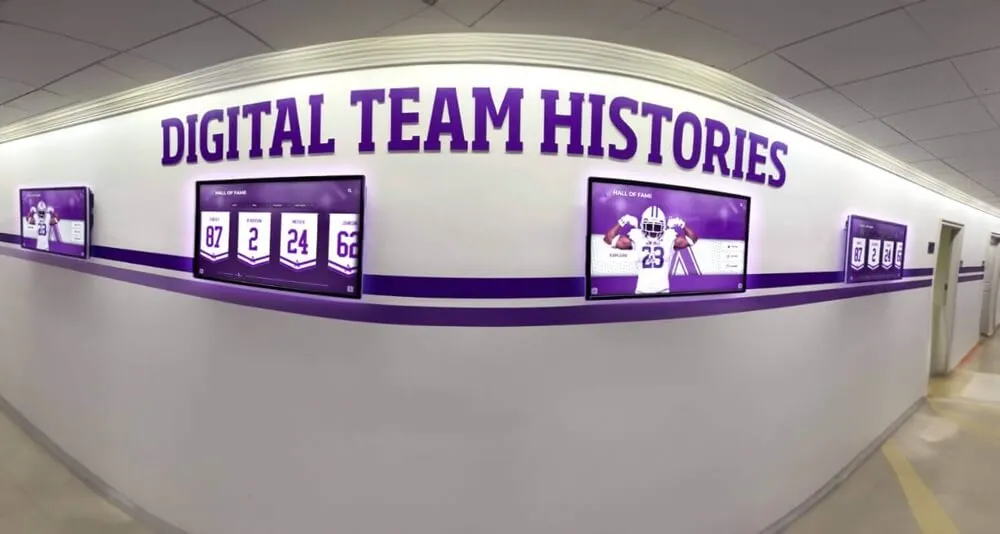
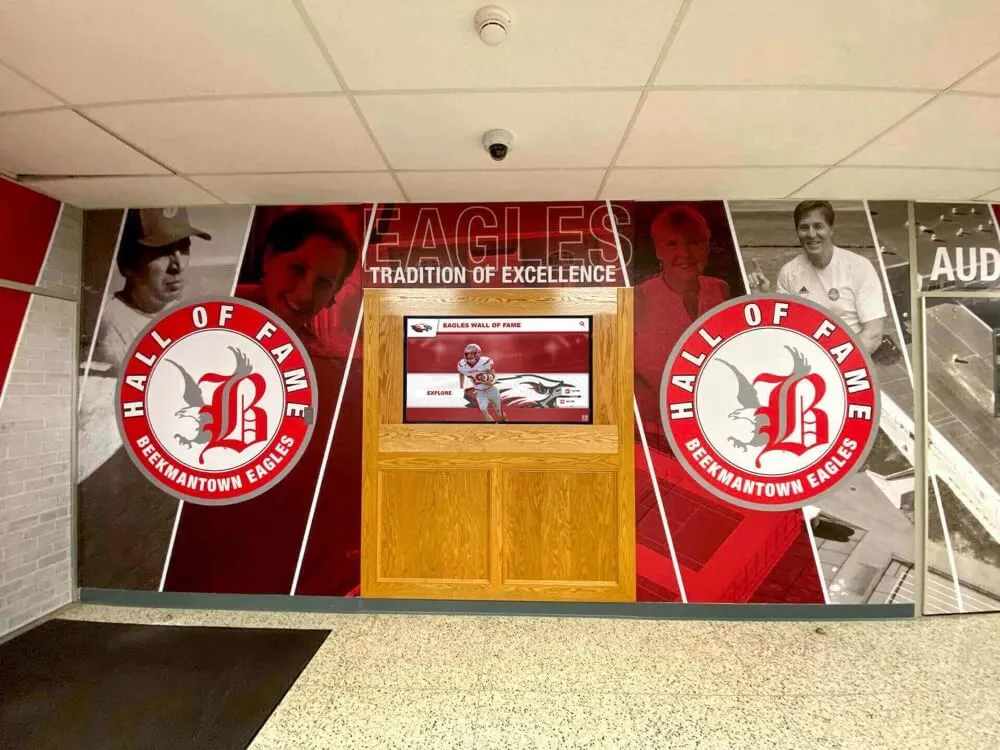
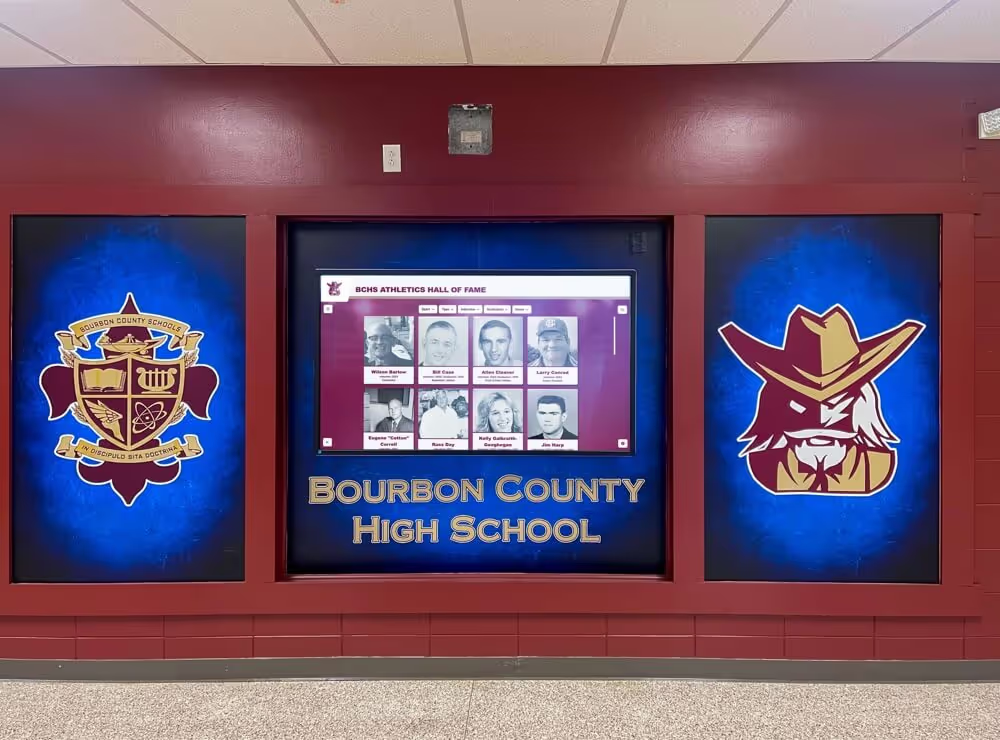
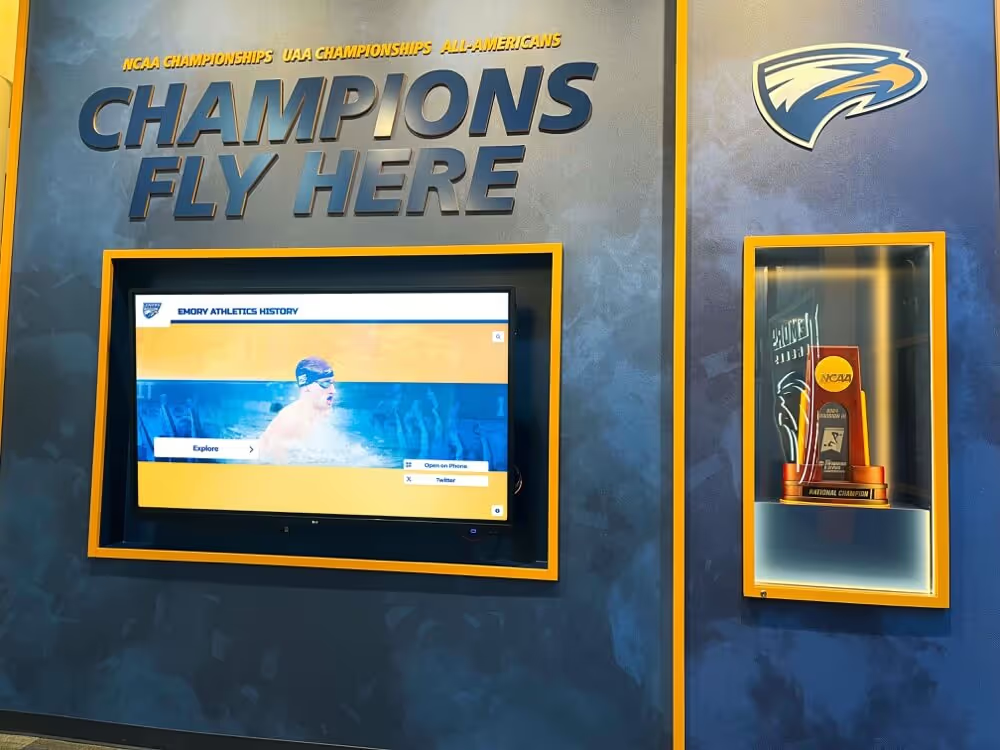
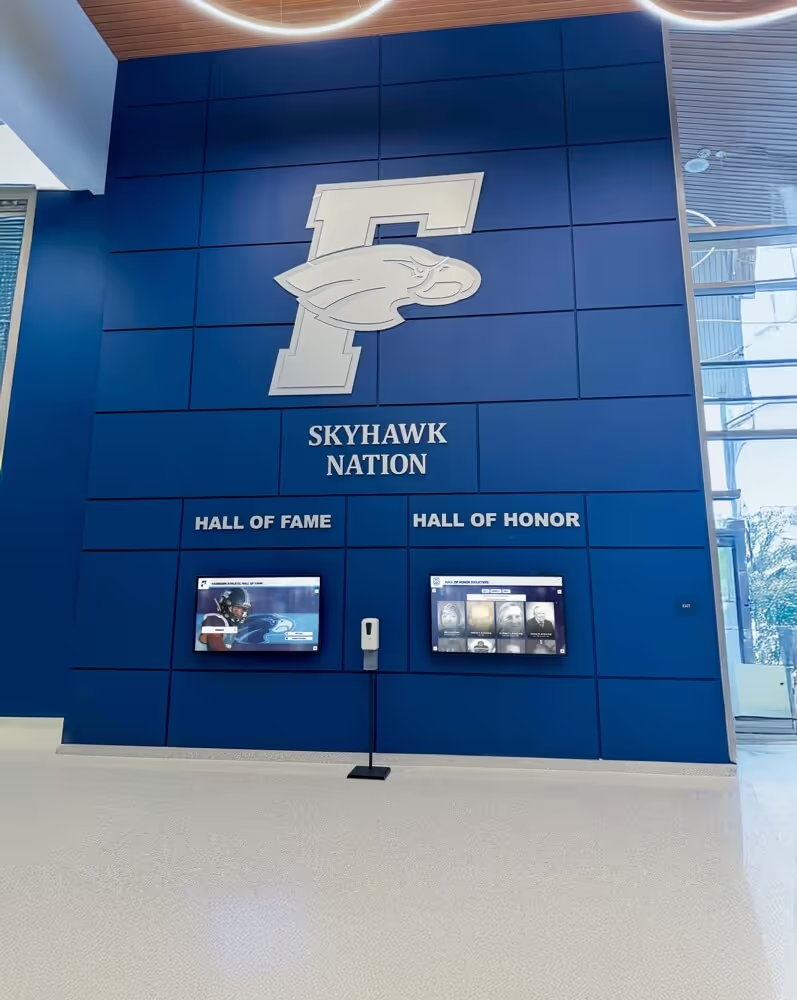
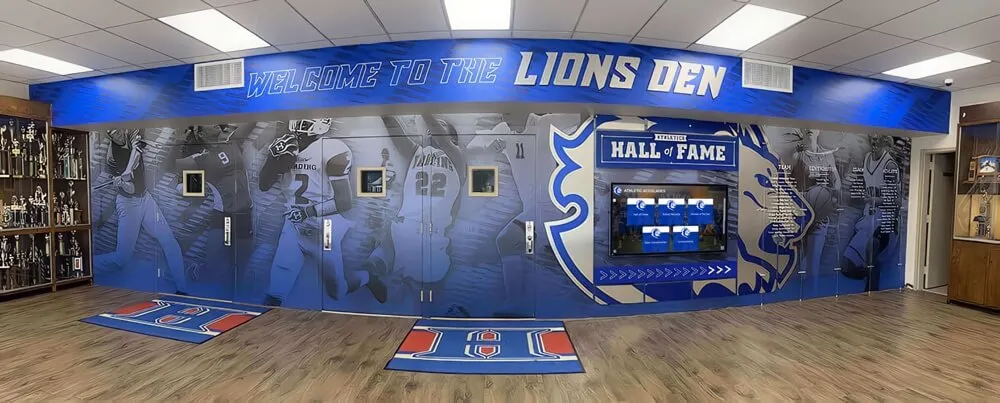
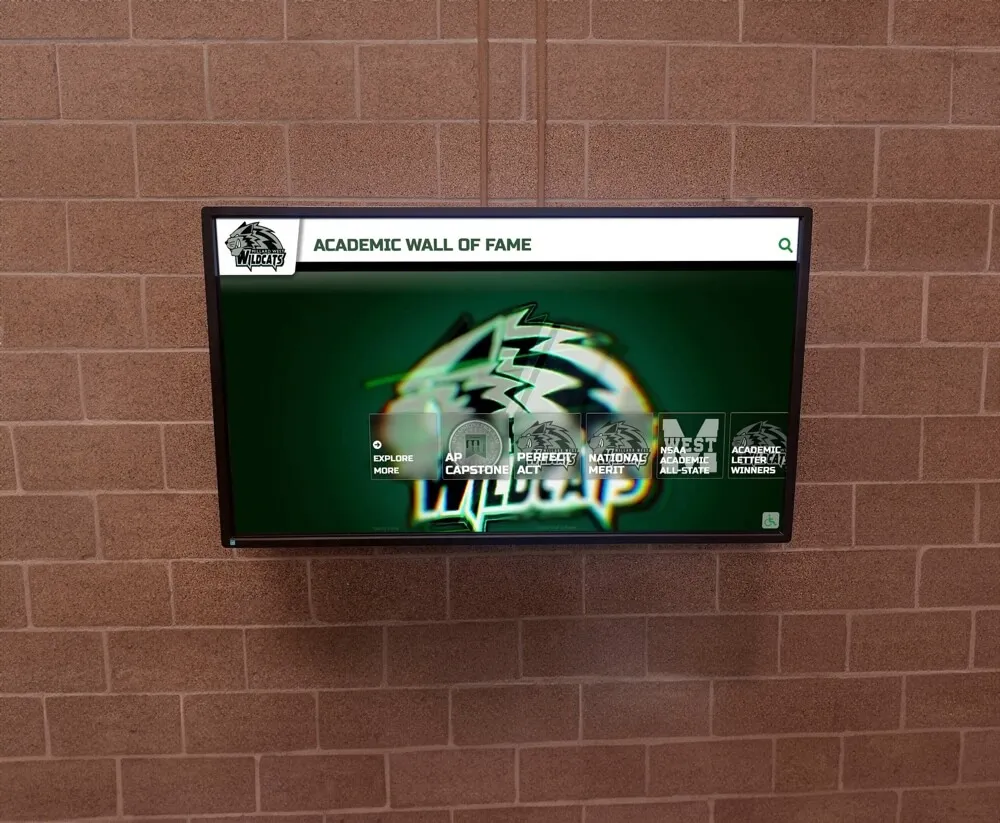
Modern digital display systems support the back half of this workflow — profile creation, publication, and ongoing maintenance — by centralizing all inductee records in a single managed platform rather than distributing them across physical plaques, archived binders, and website pages that drift out of sync. That centralization saves staff time, eliminates discrepancies, and keeps the recognition program growing without running out of wall space.
Ready to Modernize Your Athletic Hall of Fame?
Rocket Alumni Solutions works with schools and athletic programs nationwide to build interactive digital hall of fame displays, touchscreen walls of fame, and comprehensive recognition systems that grow with your program — without adding staff workload.
Schedule a Free Demo