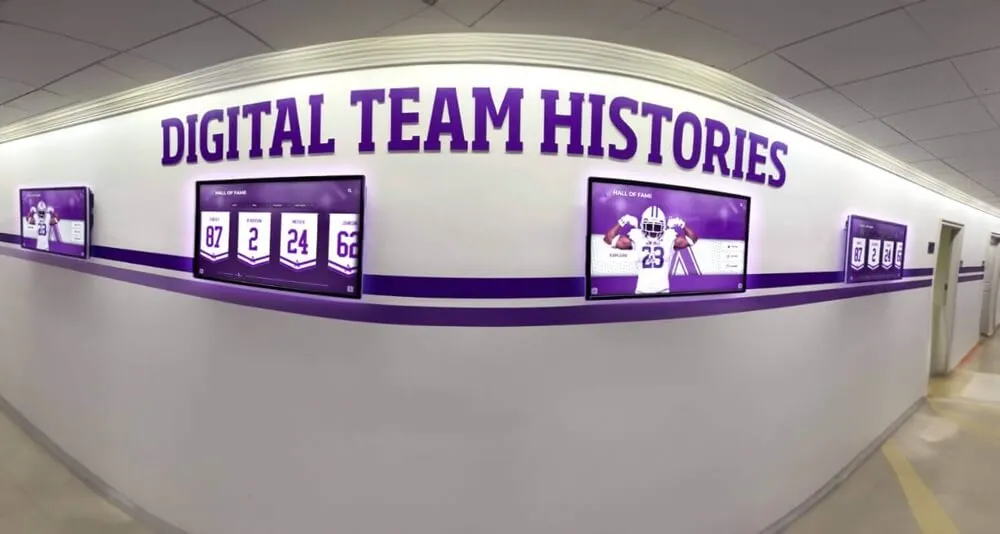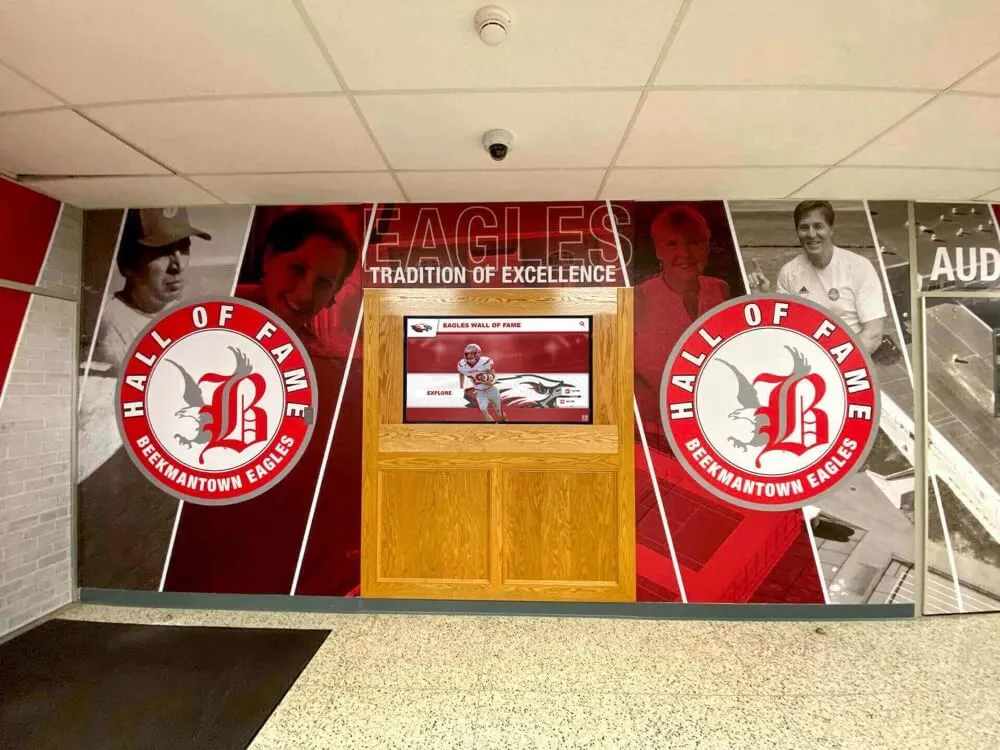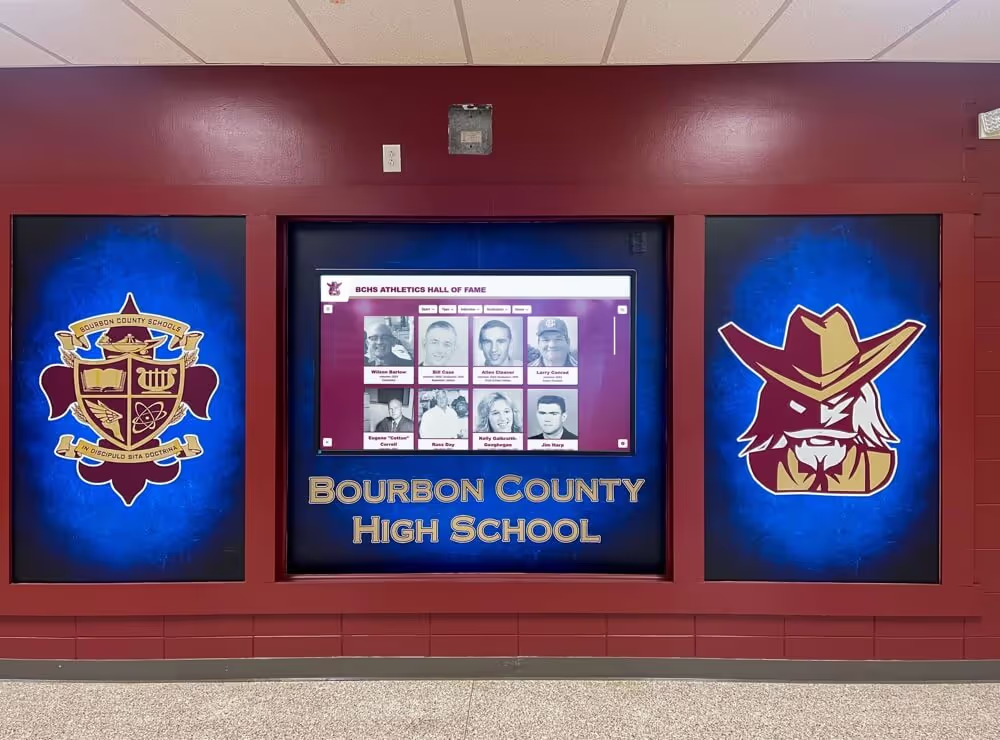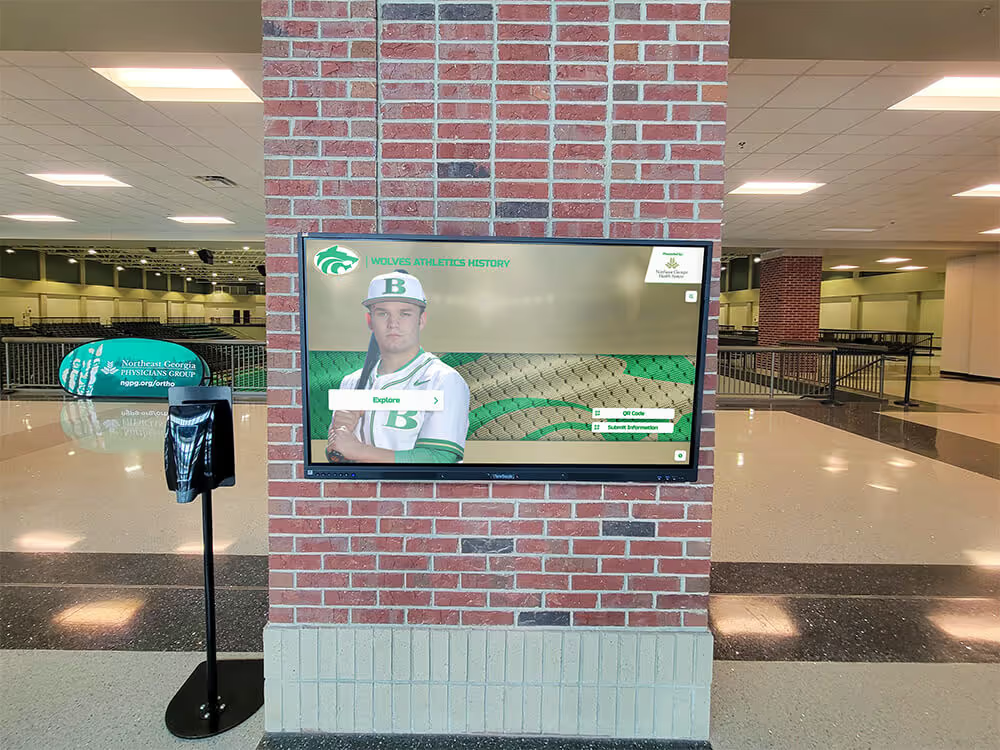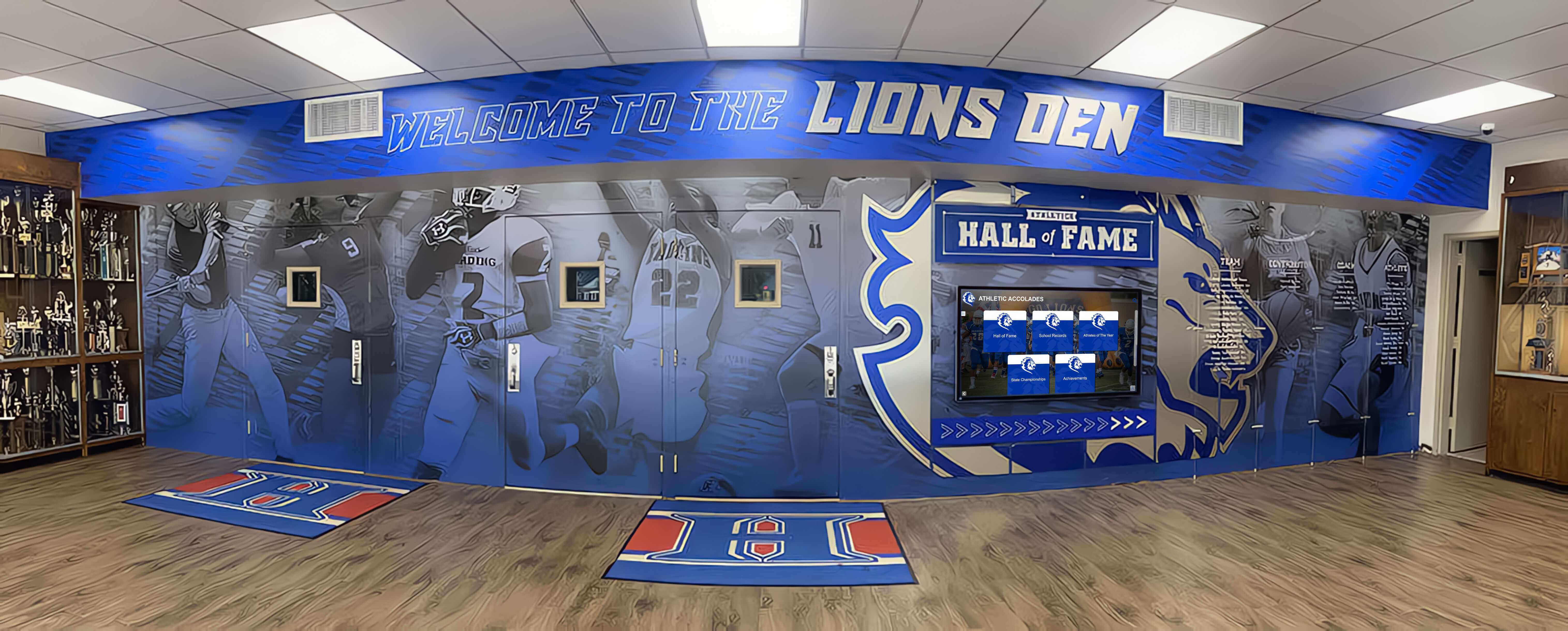
Every athletic hall of fame represents decades of accumulated achievement — championship trophies, letter jackets, team photographs, plaques bearing names that matter deeply to communities. When a water line breaks overnight in the corridor housing those displays, or when a gymnasium fire forces an evacuation through the trophy corridor, most schools discover they had no written plan for any of it. An athletic hall of fame emergency plan addresses that gap by establishing what to do before, during, and after an emergency to protect people, preserve artifacts, and recover digital records that may exist nowhere else.
What an athletic hall of fame emergency plan covers:
A complete emergency plan for a school recognition space addresses five interconnected concerns:
- Life-safety and evacuation — ensuring visitors, students, and staff can exit the space safely regardless of where artifacts are located
- Physical artifact protection — pre-disaster measures and immediate-response protocols for trophies, photographs, hardware, and displayed memorabilia
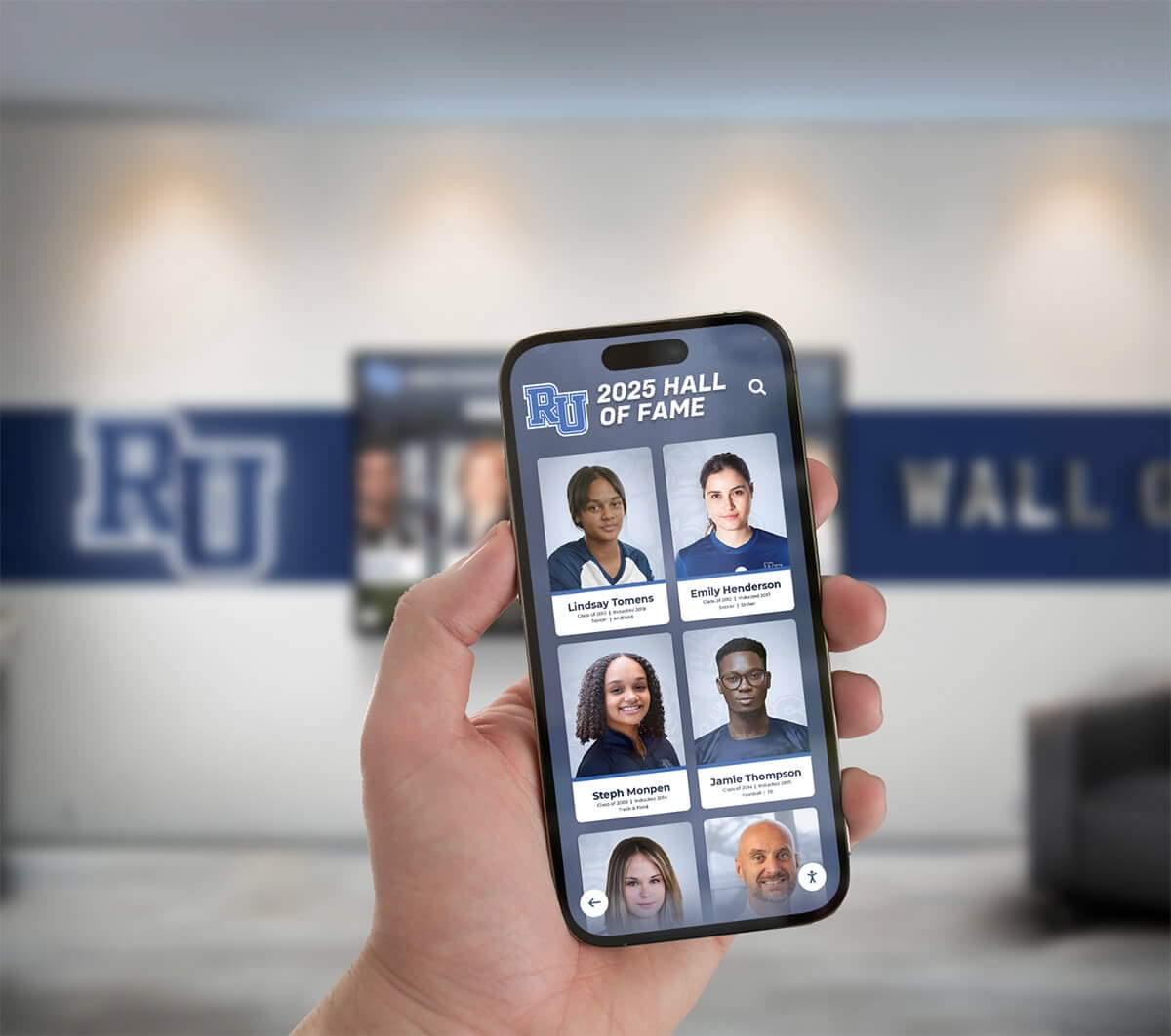
- Digital record safeguarding — backup procedures, off-site storage, and recovery workflows for inductee databases, photographs, and display content
- Vendor and partner communication — emergency contacts for display vendors, conservation specialists, and insurance carriers
- Recovery prioritization — a ranked sequence for restoring recognition functions after an event
A written plan does not require significant resources to create. A well-organized document covering these five areas gives staff a clear reference during a high-stress incident and ensures institutional knowledge about the collection survives even when the people who hold it cannot be reached.
Why Recognition Spaces Need a Dedicated Emergency Plan
Most school emergency plans cover general building evacuation, fire safety, and lockdown procedures. Very few address what happens to the institution’s physical recognition collection when an emergency occurs. That gap matters for practical reasons.
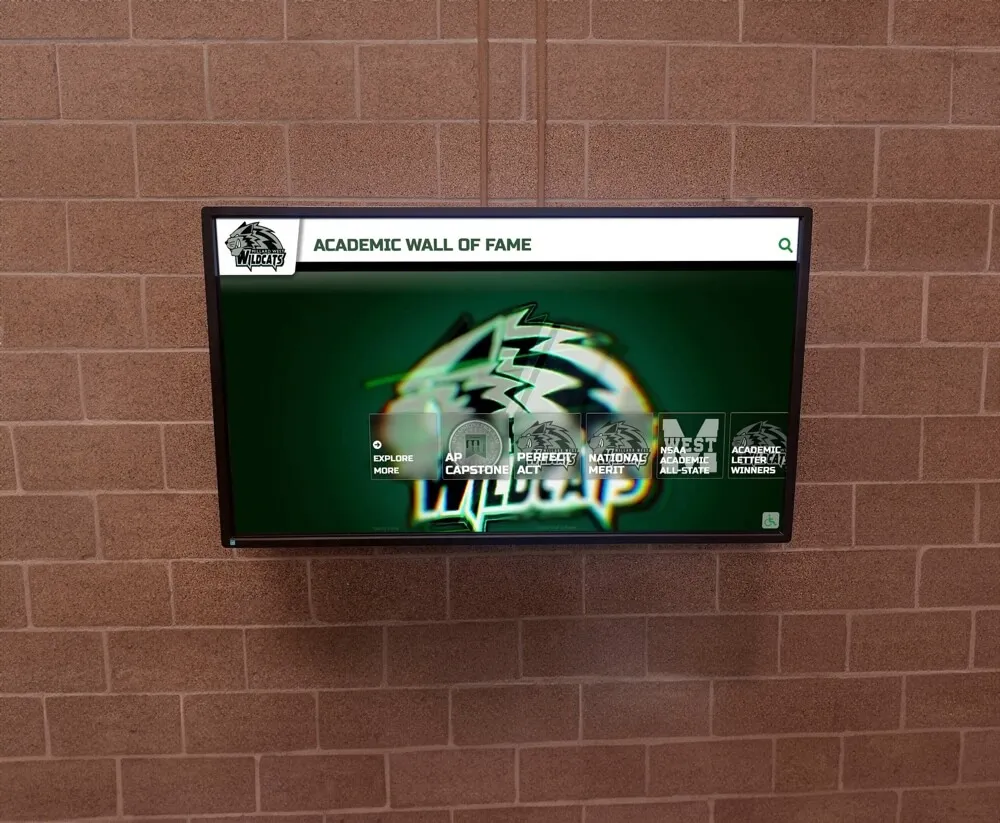
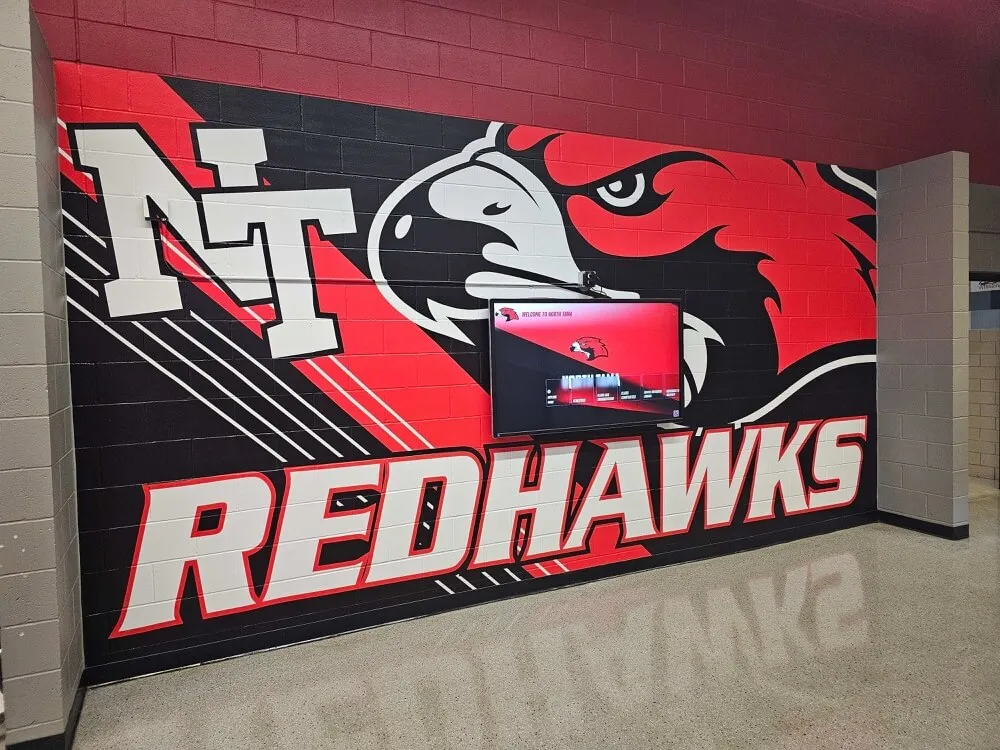
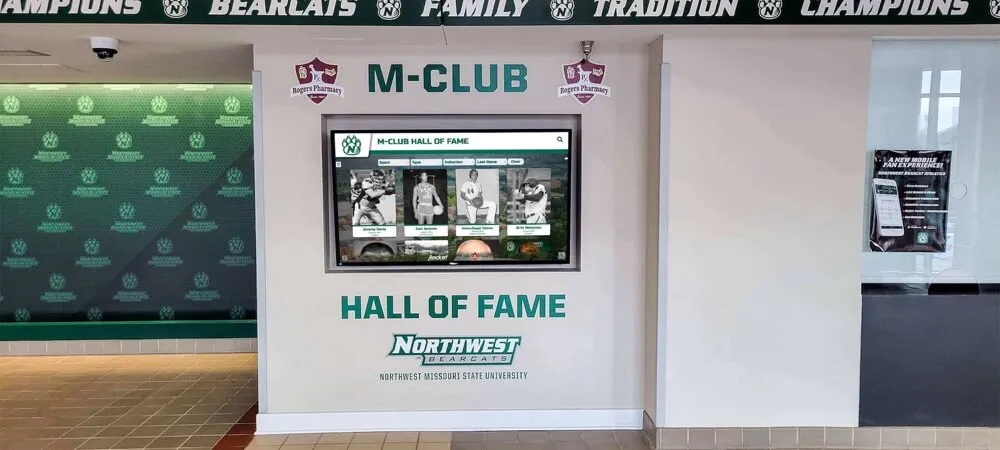
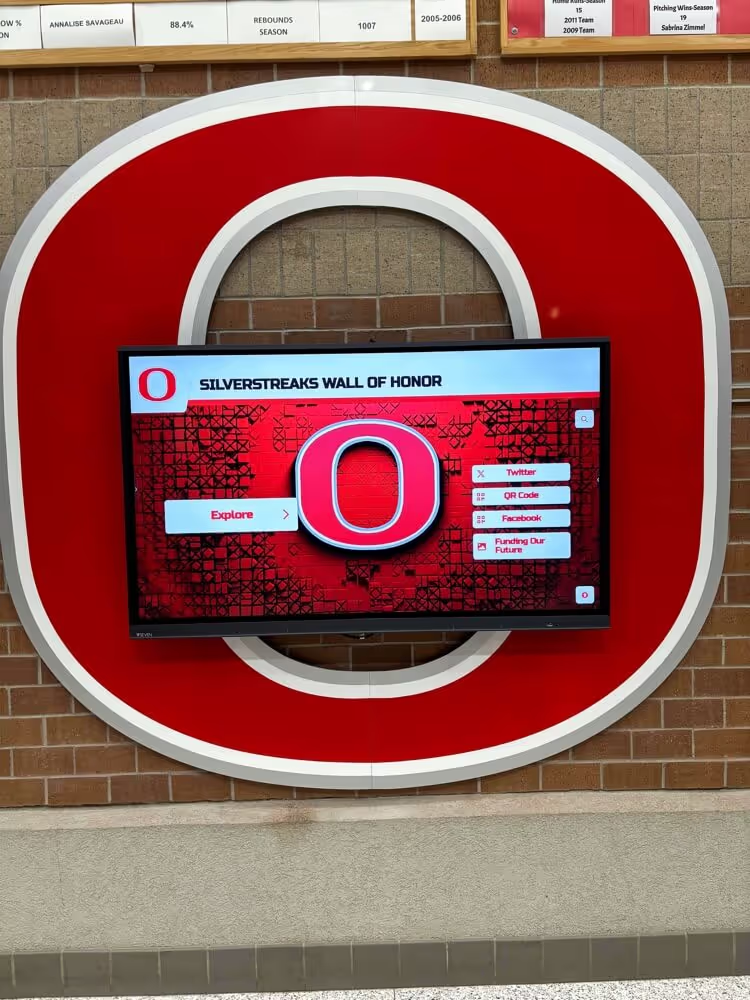
Athletic halls of fame occupy specific physical spaces — lobby displays, trophy corridors, dedicated rooms off gymnasiums — that staff and visitors travel through regularly. Those spaces often contain items that are both irreplaceable and heavy: freestanding trophy cases, framed championship photographs bolted to walls, and display screens mounted on brackets. A general emergency plan does not address whether those display cases create evacuation obstacles, which staff member holds the key to the locked trophy case during a flood, or where backup copies of the inductee database are stored.
The recognition space also carries institutional and community significance beyond its physical contents. A championship trophy that survived a fire and was publicly recovered is a story that bonds alumni and current students. The same trophy lost because no one knew it was in storage room B — or because the digital backup existed only on a single administrator’s laptop — is a permanent loss that no insurance payment fully addresses.
Writing a standalone emergency plan for the athletic hall of fame does not duplicate existing school emergency procedures. It supplements them by addressing the specific contents, access challenges, and digital dependencies that recognition spaces present.

Life-Safety First: Evacuation and Access Considerations
No artifact is worth a life, and any athletic hall of fame emergency plan must begin with that premise. Life-safety considerations should be addressed before the plan turns to artifact protection or digital recovery.
Evacuation Routes Through Recognition Spaces
Trophy corridors and lobby display areas are frequently located at building entrances, near gymnasium access points, or along primary egress routes. Large display cases, freestanding kiosks, and wall-mounted hardware can narrow corridors and create hazards during rapid evacuation if they are not accounted for in the facility’s egress plan.
Athletic directors should walk the recognition space with the school’s facilities manager and confirm that the space meets current fire and life-safety code requirements for corridor width and egress path clarity. If a display case or kiosk placement has narrowed a required egress corridor, relocating it before an emergency occurs is substantially easier than addressing the problem afterward.
Staff who work near the space should know evacuation routes that pass through or adjacent to the hall of fame, including whether doors in the space are normally locked and who carries keys. In high-traffic spaces, posted egress maps that account for display placement help visitors find exits without relying on staff direction.
Access Control and Emergency Entry
Many schools secure trophy cases and dedicated recognition rooms with standard keyed locks. During an emergency, the person holding those keys may not be on site. A written emergency plan should identify:
- Which spaces and cases within the recognition area are normally locked
- Who holds keys and where backup copies are stored
- Whether facilities staff or school security have master key access to recognition spaces
- How staff should communicate with emergency responders about access to the space
For schools using electronic access control on recognition rooms, the plan should address what happens to those systems during a power outage and whether emergency responders have override capability.
Protecting Physical Artifacts Before, During, and After an Emergency
The physical contents of an athletic hall of fame — trophies, plaques, framed photographs, retired jerseys, championship hardware — vary enormously in their fragility, replaceability, and monetary value. A practical emergency plan establishes protective measures appropriate to the collection’s actual composition rather than assuming uniform treatment for all items.
Pre-Disaster Protective Measures
The most effective artifact protection happens before any emergency occurs. Schools that have documented their collections, photographed items in situ, and established basic storage protocols are far better positioned to recover from an incident than schools that address collections management reactively.
Complete a current inventory. An emergency plan is only as useful as the information it references. If the hall of fame has never produced a complete written inventory of its displayed and stored items — with photographs, condition notes, and location records — that document should be created as part of the emergency planning process, not after an incident. Even a simple spreadsheet with a photograph of each item, its approximate age or period, and its current location gives insurance carriers, conservators, and recovery teams the information they need.
Identify the highest-priority items. Not every item in a recognition collection carries equal historical significance or is equally difficult to replace. Championship plaques and trophies from documented seasons may be reproducible with manufacturer assistance. Original game-worn jerseys, first-season team photographs, and items donated by families of deceased coaches or athletes are typically irreplaceable. The emergency plan should identify a tier of highest-priority items — those that warrant the fastest protective action when a threat is detected and the most urgent recovery effort afterward.
Assess physical display vulnerabilities. Water is the most common source of collection damage in school buildings — from burst pipes, roof leaks, sprinkler activations, and flooding. Displayed items at floor level or on open lower shelves are more vulnerable than items in enclosed cases at height. The plan should identify which items are most exposed to water, whether any cases or display areas are located under known plumbing vulnerabilities, and whether moving certain items to higher or more protected locations is feasible.
Document insurance coverage. Athletic directors and administrators often do not know whether the school’s general property insurance covers displayed recognition collections, at what valuation, or whether any items have been appraised and scheduled for coverage. The emergency plan should include a record of the applicable insurance policy, the carrier’s claims contact, and any appraisals or valuation records that exist. If no coverage exists or if coverage limits appear inadequate for significant items, this is the appropriate time to raise the question with the school’s risk management function.

Immediate-Response Protocols for Common Threats
Different emergency types call for different immediate responses. A written plan should address at least the most likely threats for the specific facility.
Water intrusion (pipe burst, roof leak, sprinkler activation). When water is actively entering a space, the priority is stopping the source, if possible, while simultaneously moving the most vulnerable items to a dry location. Trophies and three-dimensional objects generally tolerate brief water exposure better than paper documents, photographs, and porous textiles like jerseys. If staff can safely enter a wet space, moving paper records and photographic materials first preserves the most fragile items. Do not move items in glass cases that show signs of breakage without appropriate hand protection. Document all moved items with photographs on a mobile phone before relocating them, even if the process takes only seconds per item.
Fire. Athletic halls of fame should not be entered during active fire events. Artifact recovery is a post-incident function after the building has been cleared by fire department personnel. The pre-disaster documentation and inventory discussed above is what enables artifact identification and recovery after a fire, not emergency intervention during one.
Severe weather. Schools in areas subject to tornadoes, hurricanes, or severe flooding should establish shelter-in-place protocols for recognition spaces that account for windows, exterior walls, and any high-wind vulnerabilities in display areas. Freestanding display cases and kiosks should be assessed for tip-over risk and anchored or relocated accordingly.
Vandalism or theft. Recognition spaces with significant trophy or hardware collections may present theft targets. The plan should address how to secure the space in the event of an intrusion, who to contact (security, local law enforcement, school administration), and how to document missing or damaged items before the space is disturbed further.
Recovery and Conservation After an Incident
Post-incident artifact recovery is a specialized function that most school staff are not trained to perform. A realistic emergency plan identifies when to seek outside conservation expertise rather than attempting recovery without guidance.
The American Institute for Conservation maintains a public directory of conservators organized by specialty and region. For schools facing significant collection damage, contacting a conservator with collections management experience before beginning any cleaning or drying activities prevents well-intentioned actions — like wiping water-damaged photographs or placing wet trophies in direct sunlight — that can cause permanent additional damage.
For programs considering how digital platforms fit into their overall recognition infrastructure, reviewing the tools athletic programs use for hall of fame management provides useful context for how digital and physical systems work together during normal operations and in recovery scenarios.
Safeguarding Digital Records
As more school athletic halls of fame incorporate digital displays, searchable inductee databases, and online recognition platforms, the emergency plan must address digital records alongside physical artifacts. Digital records are simultaneously more durable and more fragile than physical items — durable because they can be copied to multiple locations at no cost, fragile because a single hardware failure or ransomware event can destroy an unbacketed collection in minutes.
What Constitutes a Digital Record
The digital records associated with an athletic hall of fame typically include:
- Inductee profile databases (names, years, sports, statistics, biography text)
- Digitized photographs of inductees, teams, and events
- Scanned documents (program notes, news clippings, award citations)
- Video content (induction ceremony recordings, highlight footage, recorded testimonials)
- Display system content (organized content libraries for interactive touchscreen systems)
- Administrative records (nomination forms, committee meeting notes, correspondence with inductees and families)
Each category has different storage requirements, different replacement difficulty, and different exposure to the most common digital threats.
The 3-2-1 Backup Framework for Recognition Collections
A widely used guideline in data preservation is the 3-2-1 rule: three copies of any critical data, on two different types of storage media, with one copy stored off-site or in the cloud. For school athletic recognition programs, applying this framework to the inductee database and associated digital files is a straightforward way to establish a meaningful backup posture.
Three copies. The active copy used in the display system or content management platform counts as one. A second copy on a separate storage device — an external hard drive maintained by the athletic department — counts as two. A third copy in cloud storage (a school-issued Google Drive or Microsoft OneDrive account, or a platform with built-in cloud backup) completes the three.
Two types of media. Local hard drives and cloud storage represent different failure modes. A building fire eliminates local drives; a ransomware attack may affect cloud accounts with active sync. Keeping at least one copy in a state the other cannot easily corrupt is the purpose of this requirement.
One off-site copy. The off-site or cloud copy should be on a system that is not directly connected to the school network and not subject to the same physical or ransomware vulnerabilities as the school’s primary systems. Many schools achieve this through an institutional cloud subscription; others designate an external drive kept at an administrator’s home or in a bank safe deposit box.
For programs evaluating platforms that include built-in backup and content management, the digital hall of fame tools comparison for athletics programs covers how different platform types handle content storage and redundancy.
Data Integrity and Long-Term Preservation
Beyond backup frequency, digital record integrity requires attention to file formats and storage conditions that support long-term readability. A collection of inductee photographs stored as JPEG files in a cloud folder is accessible today; the same photographs stored on a proprietary format tied to hardware that is no longer manufactured may be inaccessible in ten years.
The emergency plan should include a note on file formats for the school’s digital collection, with preference for widely supported, non-proprietary formats: JPEG or TIFF for photographs, PDF/A for archival documents, MP4 for video. Any files stored in proprietary platform formats — content created within a specific display system’s content editor, for example — should have export procedures documented so that content can be migrated if the platform changes.
Questions around data integrity and how emerging tools affect digital record reliability are addressed in the context of recognition platforms in this advisory on AI and data integrity for digital hall of fame content. Schools building their digital archive workflows may find that framing useful for understanding the risks and best practices involved.
Password and Access Management for Digital Systems
A common post-incident failure in digital record recovery is discovering that the credentials needed to access backup systems, cloud accounts, or display platform administration panels are known only to one staff member who is unavailable. The emergency plan should include a documented procedure for credential management that does not require storing passwords in plain text.
Most school IT departments maintain institutional account management through systems that can provide emergency access to administrative accounts. Athletic directors should confirm with the school’s IT administrator that:
- The display platform account is tied to an institutional email address rather than an individual’s personal account
- Emergency administrative credentials are stored in the school’s password management system or IT department records
- A second administrator-level user is established in the display platform for continuity
Vendor and Partner Communication
Athletic hall of fame displays increasingly involve vendor relationships — display hardware providers, interactive software platforms, installation contractors, and ongoing support agreements. An emergency affecting the recognition space may require rapid contact with one or more of these partners, and that contact should not depend on finding a business card during a crisis.
Maintaining a Vendor Contact Sheet
The emergency plan should include a dedicated vendor contact sheet listing:
- Display hardware vendor (for screen or kiosk failures and emergency replacement)
- Software platform or content management provider (for login support, data recovery, and system restoration)
- Installation contractor (for physical assessment after an incident affects mounting hardware)
- Insurance carrier (for claims initiation)
- Conservation contact (a pre-identified conservator or at minimum a link to a regional conservator directory)
Each entry should include primary and secondary phone numbers, after-hours emergency contact information if available, and account or customer numbers that speed the contact process.
For schools evaluating which platforms provide the most robust support infrastructure — including emergency data recovery and dedicated account management — the review of top hall of fame tools for athletic programs includes factors relevant to vendor support quality.
Display Vendor Emergency Protocols
Not all display platform vendors offer emergency support at the same level. Schools choosing or renewing display platform contracts should ask specifically:
- What is the vendor’s data backup policy, and where are backup copies stored?
- What is the recovery time objective if the school’s content needs to be restored from backup?
- Does the platform include export functionality that allows the school to maintain an independent copy of its data?
- What support is available outside of business hours if a display system fails before a major event?
Schools that have evaluated their current platform against these criteria — and found gaps — can document contingency procedures in the emergency plan rather than waiting for a renewal cycle. Platforms that store data exclusively on the vendor’s servers with no client-accessible export represent a higher-risk dependency than platforms that allow data portability.
The importance of data portability and vendor accountability in recognition technology is a recurring theme in platform comparisons for athletic and academic recognition programs.
Recovery Priorities: Restoring Recognition Functions After an Incident
After an emergency, athletic directors and administrators face decisions about recovery order under resource and time constraints. A written priority framework prevents those decisions from being made reactively, under pressure, without reference to what matters most.
A Suggested Recovery Sequence
The following sequence reflects common priorities for athletic recognition programs and should be adjusted based on the school’s specific collection and calendar.
Priority 1: Life-safety and facility clearance. No collection recovery work begins until the space has been cleared for safe reentry by the appropriate authorities. This is non-negotiable regardless of collection significance.
Priority 2: Damage documentation. Before anything is moved or cleaned, document the state of all affected items with photographs. This documentation supports insurance claims, informs conservation decisions, and creates a baseline record for the recovery process.
Priority 3: Stabilization of the most vulnerable physical items. Paper records, photographs, and textiles — the most fragile artifact categories — require earliest attention to prevent progressive deterioration. Water-damaged paper and photographs that begin drying without conservation treatment often suffer permanent damage within 24 to 48 hours. Contact a conservator before proceeding with any drying activities.
Priority 4: Digital record verification and restoration. Confirm that backup copies of the inductee database and digital archive are intact and accessible. If the display platform’s active copy has been compromised, initiate restoration from backup per the platform vendor’s procedures. If backup copies are also unavailable, contact the platform vendor to determine what recovery options exist.
Priority 5: Physical artifact recovery and temporary storage. Items not requiring immediate conservation intervention should be moved to appropriate temporary storage — clean, dry, stable — while the primary display space is assessed and repaired.
Priority 6: Communication with inductees and community. Athletic halls of fame carry significance for alumni, inductees, and their families. After confirming the scope of any collection loss, proactive communication from school leadership about the recovery plan maintains trust and may surface additional information — family members who hold duplicate photographs, for example, or alumni who remember the provenance of disputed items.
Priority 7: Display restoration and re-opening. Once the space is repaired and items are assessed, prioritize reinstating the most historically significant displays before restoring the full collection. An interim display demonstrating that the program is intact and operational — even if incomplete — is often more valuable for community confidence than a prolonged complete closure.
For schools using digital display platforms, the ability to restore and operate a digital display from an alternate location (a lobby screen, a temporary kiosk, or a web-based version of the recognition content) while the primary space is under restoration provides meaningful continuity. Platforms that support this kind of operational flexibility are worth evaluating specifically for this capability.

Drafting, Training, and Testing Your Emergency Plan
A written plan that no one has read provides minimal protection. The final component of an effective athletic hall of fame emergency plan is a process for ensuring that relevant staff know the plan exists, understand their roles within it, and have had at least one opportunity to apply its procedures in a non-emergency context.
Who Should Be Involved in the Planning Process
The athletic director typically leads the planning process, but several other roles hold information critical to a complete plan:
- Facilities management — holds keys and access information, knows building systems and plumbing vulnerabilities, coordinates with emergency responders
- IT administration — manages school cloud accounts, password management systems, and backup infrastructure
- Advancement or development staff — may hold information about donor relationships relevant to recovery communication and may manage online recognition platforms separately from the athletic department
- School administration — provides governance approval for the plan and connection to school-level emergency response coordination
Involving these parties in the planning process surfaces practical constraints and resources that an athletic-department-only planning process typically misses.
Documentation and Distribution
The completed emergency plan should be:
- Stored in print in the athletic director’s office and in the school’s general emergency planning binder
- Stored digitally in the school’s cloud storage accessible to the athletic director, school principal, and facilities manager
- Reviewed by the hall of fame committee and distributed to members
- Linked to or incorporated into the school’s broader emergency preparedness documentation
The vendor contact sheet should exist as a stand-alone document accessible without navigating the full plan, so that staff can access critical phone numbers quickly during an incident.
Annual Review and Tabletop Exercise
Like any operational plan, an athletic hall of fame emergency plan should be reviewed annually. The review should check:
- Whether vendor contact information and account numbers remain current
- Whether staff responsibilities have changed due to personnel transitions
- Whether new items have entered the collection without being added to the inventory
- Whether digital backup procedures have been tested (a recovery drill in which staff actually restore data from backup, even for a subset of records)
- Whether the plan addresses new display technology added since the last review
A brief tabletop exercise — in which the athletic director and one or two staff members walk through a scenario (a burst pipe, a theft, a fire) using the plan — surfaces gaps that document review alone misses. It does not need to be a formal simulation. A 30-minute conversation in which participants answer “what would we actually do at this step” for each section of the plan is sufficient.
Schools building comprehensive recognition programs — including the selection governance, collections policy, and emergency planning documentation discussed here — may find it useful to review the full range of recognition tools and platforms that support these operational functions. The digital hall of fame tools overview for athletic and institutional programs covers the platform landscape relevant to schools managing both physical and digital recognition infrastructure.
Frequently Asked Questions
What is an athletic hall of fame emergency plan?
An athletic hall of fame emergency plan is a written document that establishes procedures for protecting people, physical artifacts, and digital records associated with a school’s recognition space in the event of an emergency. It supplements the school’s general emergency procedures by addressing the specific contents, access requirements, and digital dependencies of the recognition space.
Does a small school with a modest hall of fame need an emergency plan?
Yes. The value of a recognition collection is not primarily monetary — it is historical and community significance. A small school whose only copy of the 1973 state championship team photograph exists in a display case has the same interest in protecting that item as a large institution with a purpose-built recognition facility. A brief document covering the five areas outlined in this guide is sufficient for most small programs.
What items should be prioritized in an emergency?
Paper documents, photographs, and porous textiles are the most fragile and typically the hardest to replace. These should receive first protective attention when conditions allow. Trophies, plaques, and metallic hardware are generally more durable and tolerant of temporary adverse conditions, though they are not immune to damage from water, heat, or impact.
How should we back up our digital hall of fame records?
Apply the 3-2-1 framework: three copies of the data, on two different storage types, with one stored off-site or in cloud storage. Confirm that the display platform you use allows data export and that backup copies are tested periodically for accessibility and completeness.
What should we do immediately after water damage to the recognition space?
Document the state of all items with photographs before moving anything. Contact a conservator before beginning any cleaning or drying — improper drying of wet photographs and paper documents frequently causes permanent additional damage. Move the most vulnerable items (paper, textiles) to dry storage first, and confirm that digital backup copies are intact and accessible.
How do we ensure staff know what to do during an incident?
Distribute the plan to all relevant staff, store a print copy in the athletic director’s office, and conduct a brief annual tabletop exercise to walk through the plan’s procedures. The vendor contact sheet should be accessible independently of the full document so that critical contacts can be reached quickly.
What if our hall of fame platform vendor goes out of business or discontinues service?
Data portability is the protection against this risk. Any platform used for recognition content should support data export in a standard format. Schools should verify this capability before signing contracts and should maintain an independent backup copy of all recognition content regardless of the vendor’s stated reliability. Resources on evaluating platform vendors against these criteria are available through recognition program tool comparisons that cover data access and portability considerations.
Build a Recognition Platform Designed to Last
Rocket Alumni Solutions provides interactive digital halls of fame with cloud-based content storage, data export support, and dedicated account management — so your recognition program is protected even when the unexpected happens. See how schools across the country are building durable, recoverable recognition infrastructure.
Schedule a Free Demo