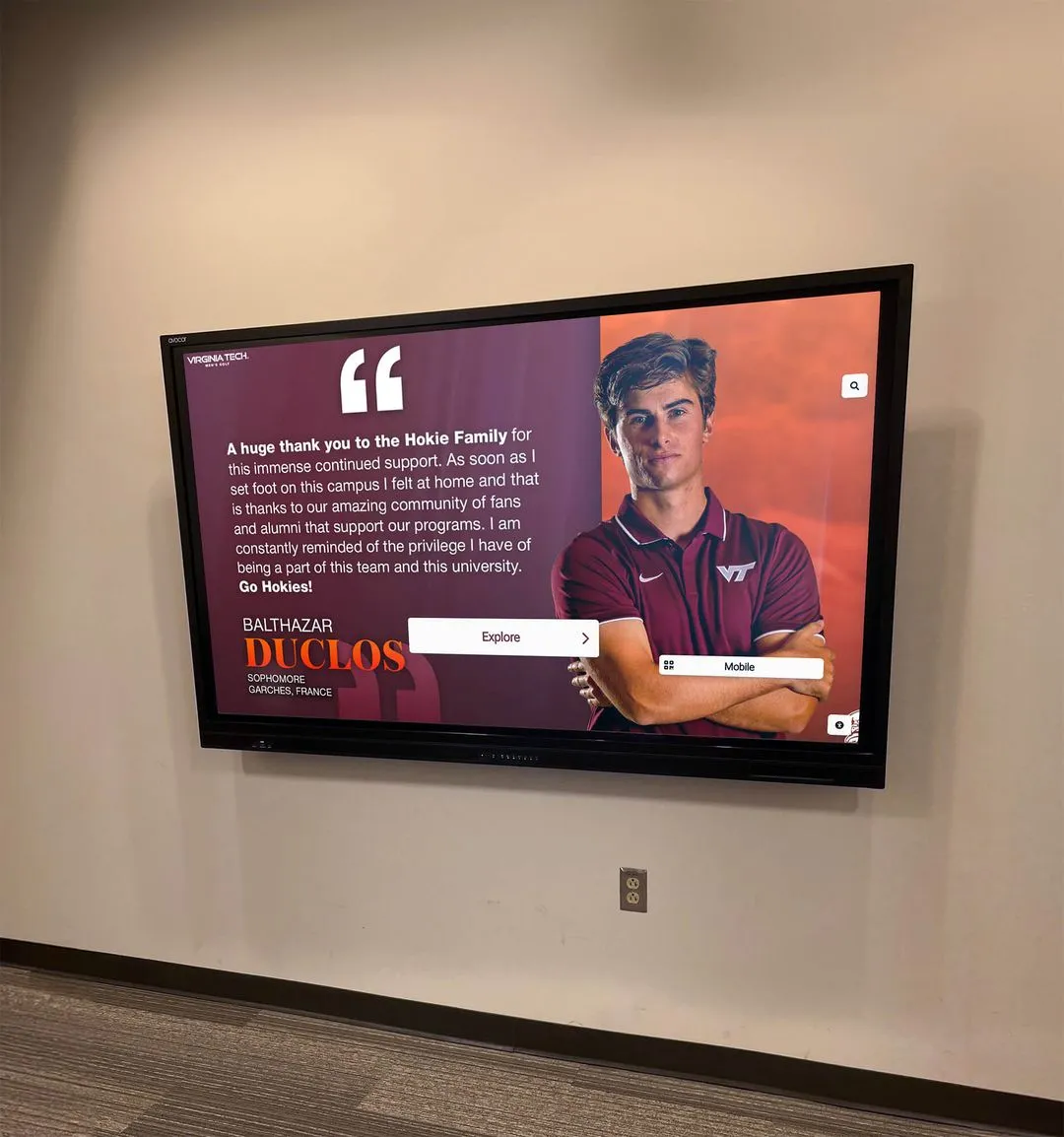
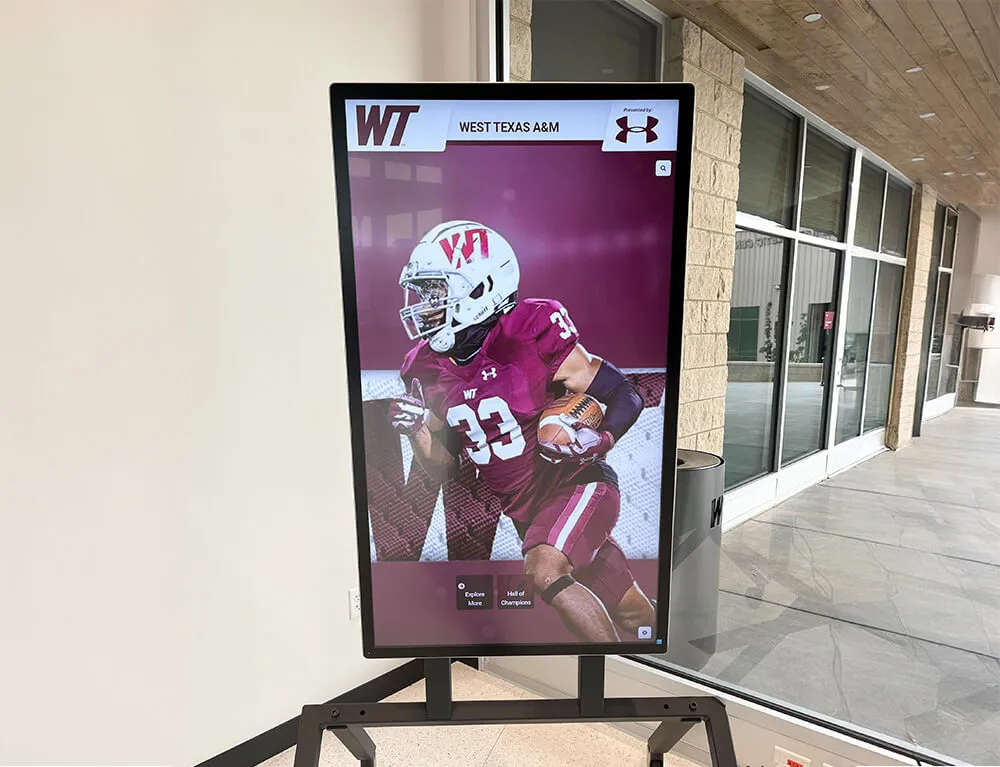
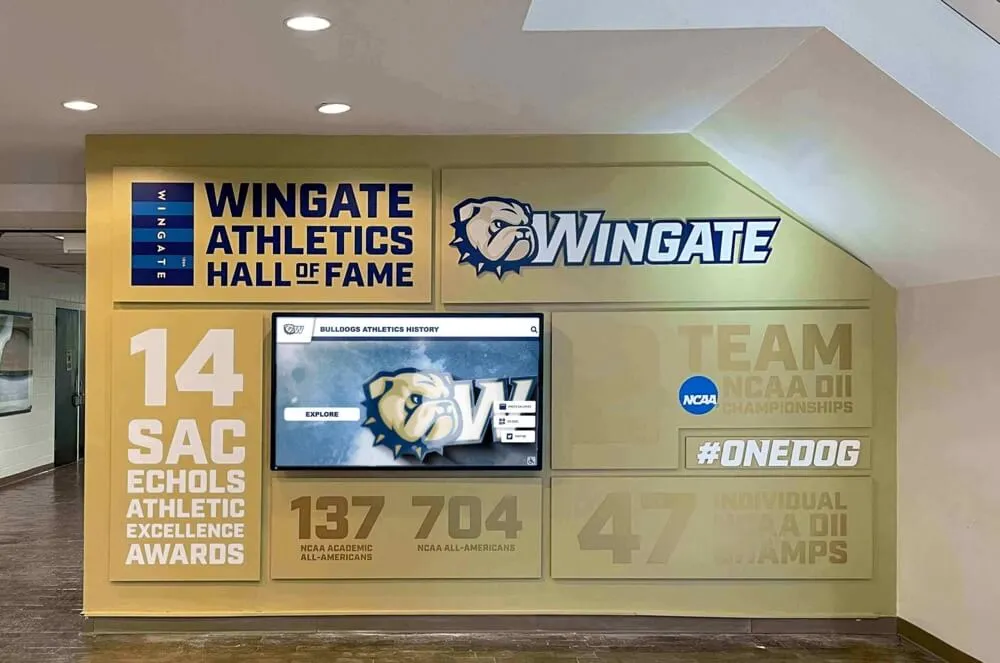
Most schools treat their athletic hall of fame as a selection problem: who gets inducted, when, and by what criteria. Those questions matter, but they address only the recognition decision, not what happens to the physical and digital materials that make recognition real. Trophies in an unlocked storage room, championship photographs scanned at low resolution, donor plaques that staff can’t locate — these are collections problems, and no selection committee can fix them without a written policy that defines how the school acquires, documents, cares for, shares, displays, and systematically updates its athletic heritage materials.
What an athletic hall of fame collections management policy covers:
An athletic hall of fame collections management policy is a written governance document that establishes the rules and procedures for every stage of a collection’s life cycle. A complete policy addresses eight core areas:
- Acquisition scope — which artifacts, records, and media the program will accept and which it will decline
- Documentation standards — how each item is catalogued, described, and cross-referenced
- Physical care — storage conditions, handling protocols, and conservation responsibilities
- Access — who may view or use collection materials, under what conditions, and through what request process
- Loans and transfers — conditions for temporarily lending items to other venues or permanently deaccessioning them
- Display guidelines — criteria for selecting items to display on walls, in cases, and on screens, and how rotation is managed
- Digitization — priorities, quality standards, and workflow for creating searchable digital copies of physical artifacts
- Policy review — a scheduled cycle for evaluating and updating the document itself
A school athletic program does not need a museum-grade collections infrastructure to benefit from a written policy. Even a two-page document covering these eight areas gives staff a shared reference, protects against loss when key personnel change, and creates the foundation for a display system that can grow without starting over.
Why Schools Need a Written Collections Policy
A hall of fame without a collections policy runs on institutional memory. The athletic director who knows which cabinet holds the 1987 state championship trophy, the administrative assistant who remembers that the founding donor’s plaque belongs to the main lobby and not the auxiliary gym — these people carry the collection in their heads. When they leave, so does the knowledge.
A written collections management policy externalizes that knowledge into a document that any staff member, committee member, or administrator can consult. It also protects the school when decisions need justification: why was a donated item declined, who authorized a loan to the alumni association, and what standard did staff apply when photographing a newly acquired artifact for the digital archive.
The policy does not replace good judgment. It codifies the judgment that the school has already exercised into procedures others can follow. For athletic directors managing multiple programs, for advancement teams coordinating alumni events, and for facilities staff responsible for display maintenance, that codification is what makes consistent stewardship possible across staff transitions and budget cycles.
A thorough review of the broader governance infrastructure an athletic program needs — including bylaws, selection criteria, and committee structure — is available in this overview of athletic hall of fame bylaws and governance rules for schools. A collections management policy is a natural companion document to those governing materials: bylaws define the selection process; the collections policy defines what happens to everything the program collects.
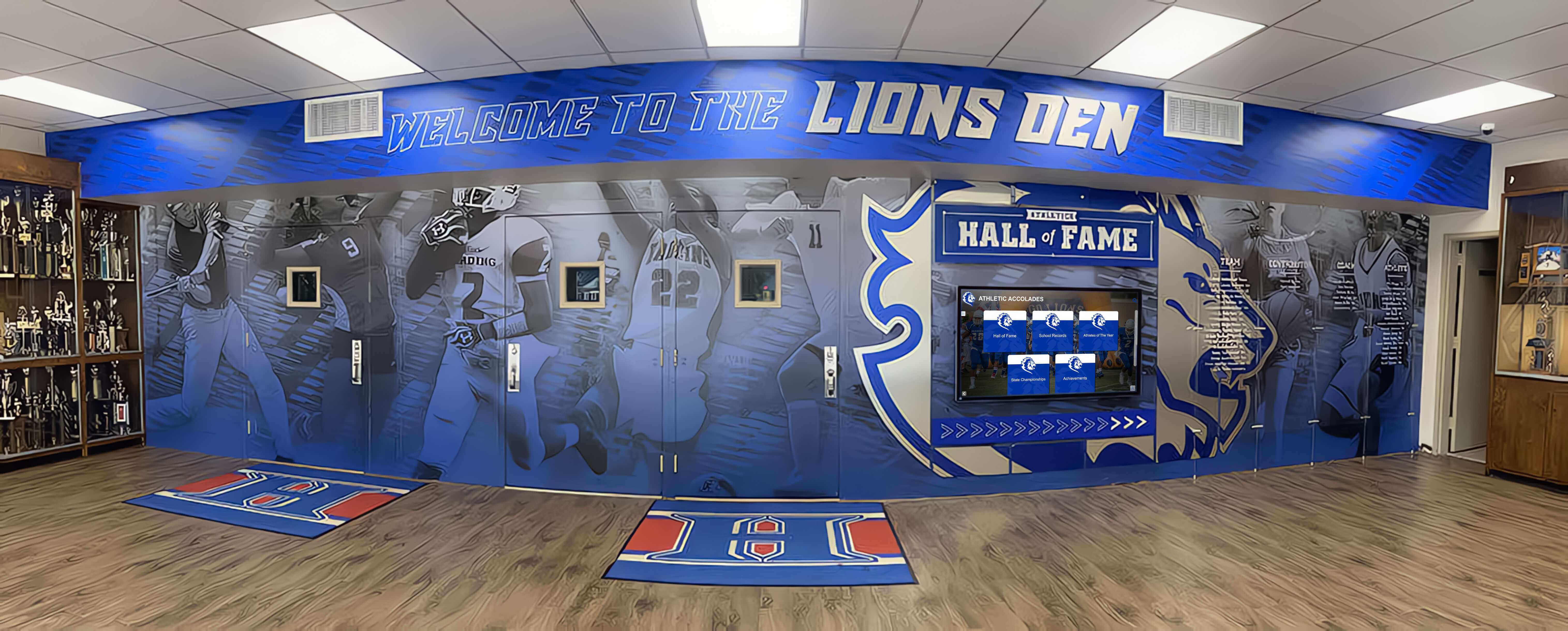
Section 1: Acquisition Scope
The acquisition section of a collections management policy answers a single foundational question: what does the school’s athletic hall of fame collect?
Without a written scope statement, schools tend toward accumulation. Every retired jersey, every participation ribbon, every clipping from a regional newspaper finds its way into a cabinet because no one has the authority to decline it. Over time the collection becomes ungovernable — too large to document properly, too varied to store safely, and too diffuse to display meaningfully.
A useful acquisition scope statement defines:
What categories the program actively seeks. Common categories for school athletic collections include trophies and championship hardware, game programs and schedules, team and individual photographs, athletic awards and plaques, uniforms and equipment with documented historical significance, newspaper and media coverage, coaching records and correspondence, and audiovisual materials such as game footage and highlight reels.
What the program will accept but not solicit. Some items — personal memorabilia from individual athletes, items without clear provenance, equipment in poor condition — may be accepted if donors insist but should not be sought out. The policy should indicate what conditions apply.
What the program will decline. A clear declination standard protects staff from awkward conversations with donors. Common declination criteria include items that duplicate existing holdings without adding historical value, materials with conditions attached that conflict with the school’s display or access practices, items whose legal ownership is unclear, and objects that present conservation challenges the school lacks resources to meet.
Whether deaccession is permitted and under what conditions. Deaccession — removing items from the collection — is the most sensitive topic in collections policy. Schools should define what justifies removing an item (deterioration beyond conservation, transfer to a more appropriate institution, duplication of superior holdings) and what process applies (committee review, documentation, notification to original donors where appropriate). Local legal counsel can clarify whether applicable state laws govern disposition of donated property.
Framing acquisition scope around the collection’s purpose — preserving the school’s athletic heritage for display, research, and alumni connection — helps committees make principled decisions rather than reactive ones.
Section 2: Documentation Standards
Acquiring an artifact without documenting it is the equivalent of winning a championship without recording the score. The item exists, but future staff have no way to understand what it is, where it came from, or why it matters.
A documentation standard defines what information is recorded for every item at the time of acquisition:
- Object or file name and physical description (dimensions, materials, condition)
- Donor name and contact information, with date of donation
- Provenance — where the item came from and its chain of custody before arriving at the school
- Subject matter — which athlete, team, sport, season, or event the item documents
- Condition notes at acquisition
- Location within the collection (storage room, display case, digital archive, off-site storage)
- Any conditions the donor placed on use or display
Schools do not need specialized museum software to meet a reasonable documentation standard. A shared spreadsheet or database that every committee member and relevant staff person can access is sufficient. What matters is that the record exists, that it is updated when items change location or condition, and that it lives somewhere other than one person’s hard drive.
For programs expanding from purely physical recognition into searchable digital displays, documentation quality at the physical collection level determines what the digital platform can actually surface. Items documented with consistent naming conventions, accurate dates, and sport classifications are far easier to incorporate into a searchable database than items catalogued with inconsistent or missing information. A practical overview of how documentation connects to digital display architecture is available through this complete guide for school athletic administrators.
Section 3: Physical Care and Preservation
School athletic programs are not museums, and most schools should not hold themselves to museum-grade conservation standards. What they should do is establish a basic care framework that prevents common, avoidable losses: trophies corroding in damp storage, photographs deteriorating in acidic folders, film footage on magnetic tape becoming unreadable because no one converted it before the equipment became unavailable.
A physical care section of a collections policy addresses:
Storage conditions. Items in long-term storage should be kept away from extreme heat, humidity, and direct light — the three most common causes of preventable deterioration in school collections. A climate-controlled storage room is ideal; a dry interior room with stable temperature is a reasonable minimum. The policy should designate which staff member is responsible for monitoring storage conditions and at what interval.
Handling procedures. Photographs and paper documents should be handled with clean cotton gloves or washed hands. Trophies and three-dimensional objects should be lifted by their bases, not their decorative elements. Items on display should be secured against being touched or moved by visitors without staff assistance. These are simple practices that significantly extend item life spans.
Conservation assessment. The policy should define when staff should seek outside conservation advice — for example, when an item shows active deterioration, when a significantly valuable or irreplaceable item enters the collection, or when the school is considering a major display renovation that will require moving collection items. Schools in areas with nearby universities that have museum studies or library science programs may find low-cost conservation assessment available through faculty partnerships or student internships.
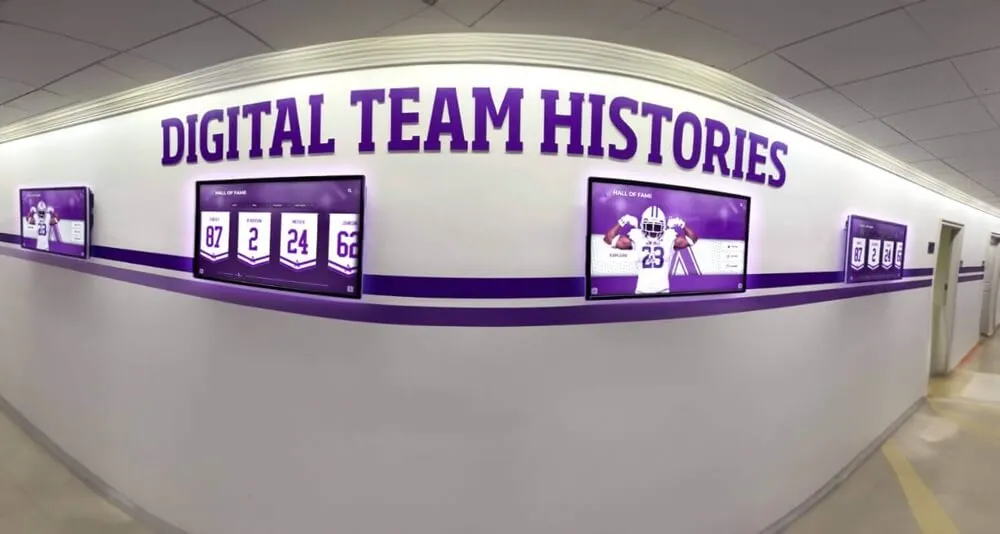
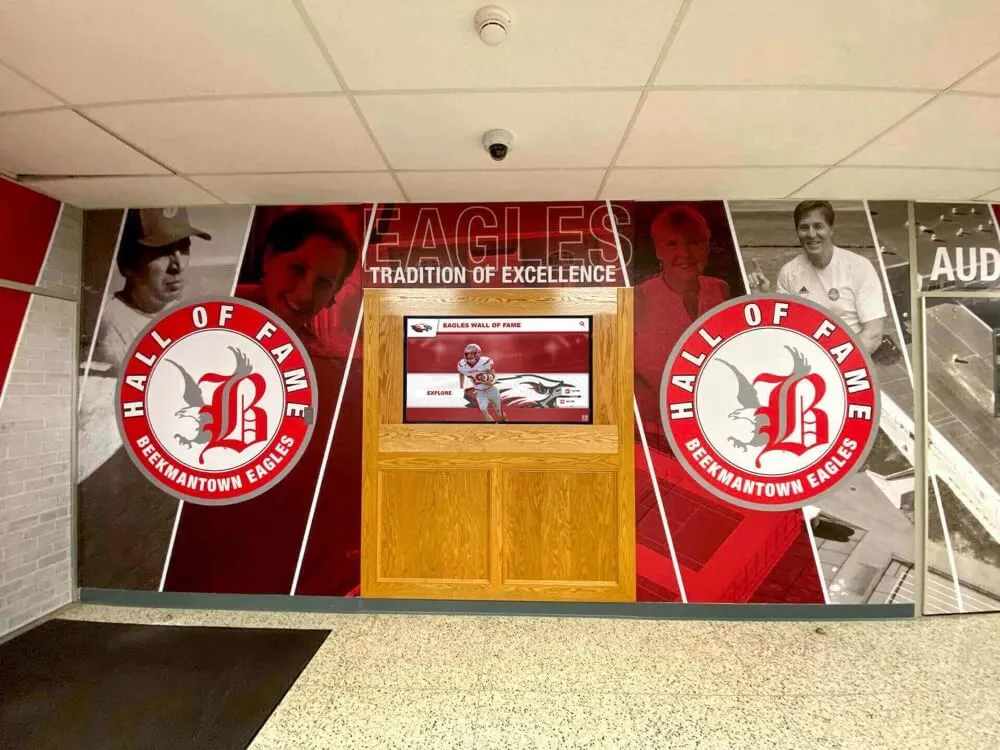
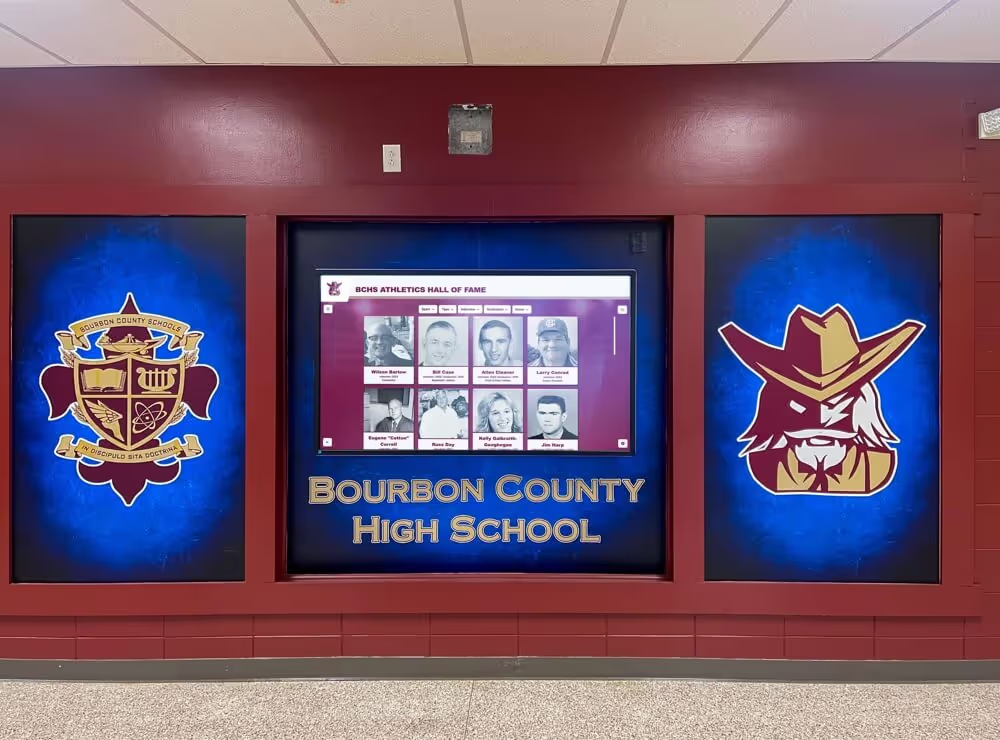
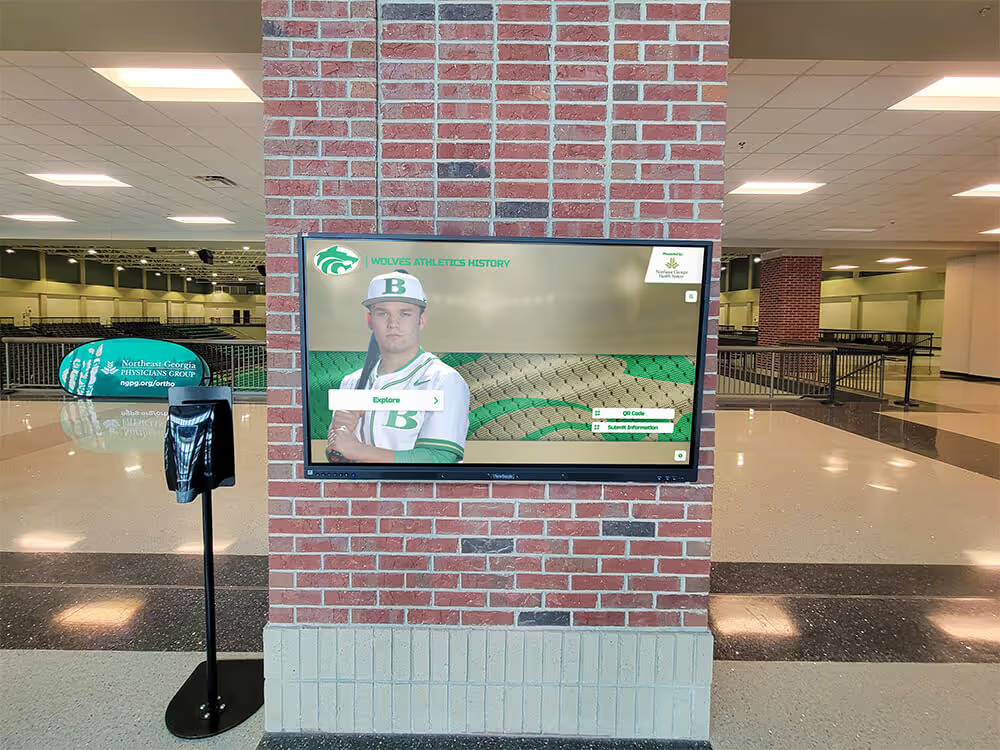
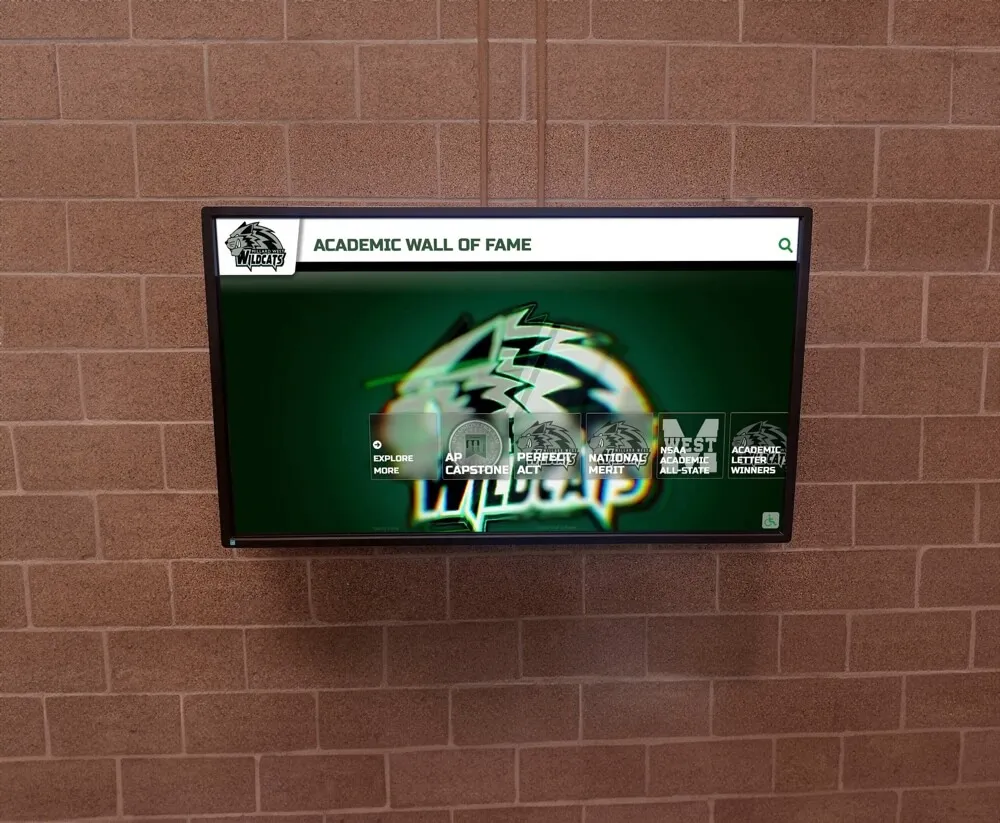
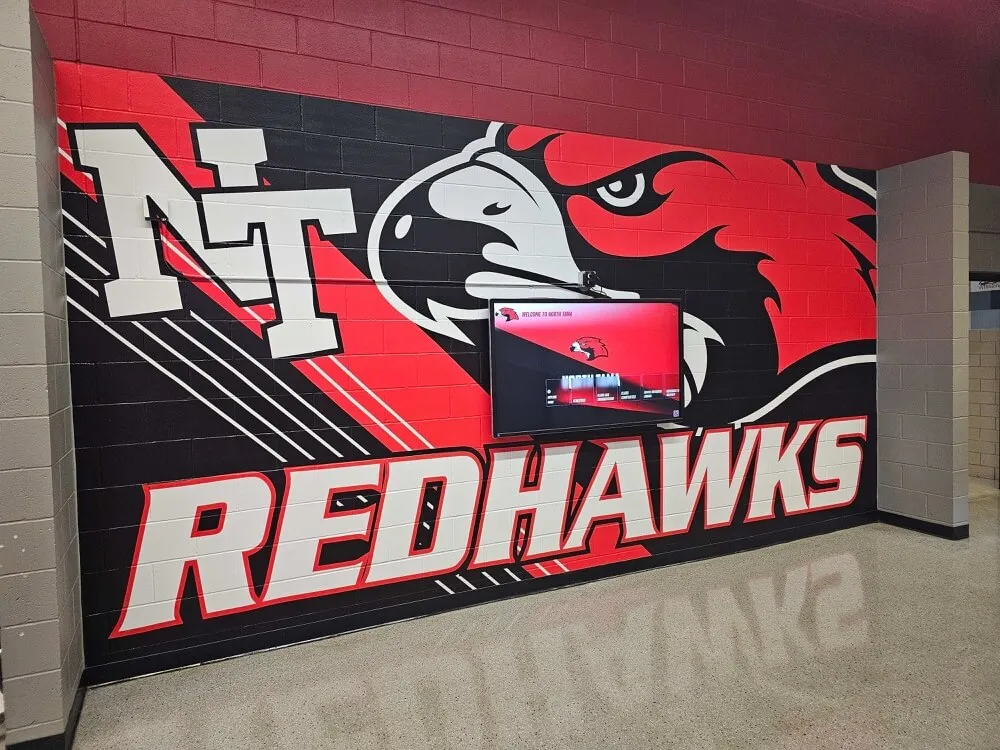
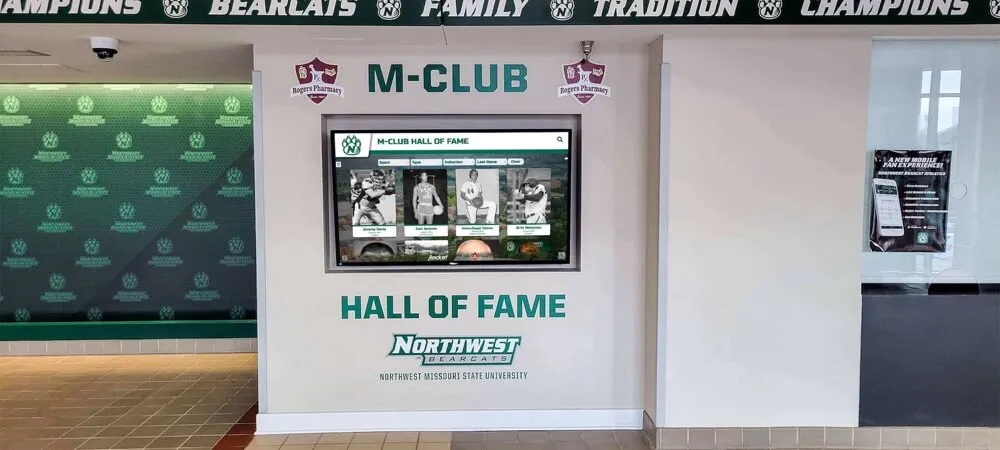
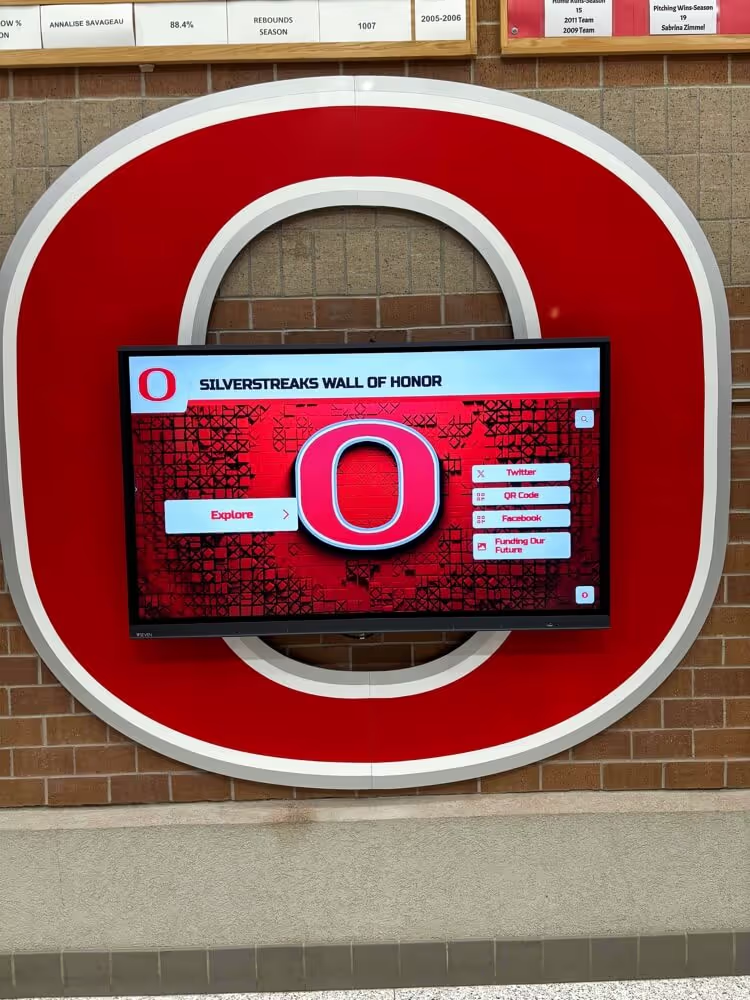
Integrated physical and digital care. As schools move toward interactive touchscreen walls and digital trophy cases, physical items increasingly coexist with digital counterparts. The collections policy should clarify how the two relate: whether the digital record is the primary reference for a deteriorating physical item, what happens to a physical object when its digital version becomes the displayed version, and who is responsible for maintaining each.

Section 4: Access and Permitted Use
A collection that no one can access serves no one. A collection with no access controls risks damage, loss, and privacy violations. The access section of a collections management policy defines the middle ground.
Categories of collection users typically include:
Hall of fame committee members and athletic department staff. Full access to collection documentation, storage areas, and digital archives as needed for their responsibilities.
Faculty, coaches, and school staff. Access by appointment for research or educational purposes. Items may be viewed but not removed from designated areas without committee approval.
Alumni and former athletes. Access by appointment to view materials related to their own participation or program history. Requests to reproduce photographs or documents should go through a defined process.
Students and student journalists. Supervised access to appropriate materials for school history projects or athletic program reporting.
External researchers, journalists, and the general public. Access to publicly designated materials, such as published induction lists and ceremony records. Access to archival materials requires a formal request and approval process.
Digital access considerations. Interactive displays and searchable online databases expand access without requiring physical handling of items. The access policy should address what information the school makes publicly searchable — inductee profiles and career statistics are typically public, while donor contact details and personnel records are not. For schools building online alumni portals or public hall of fame websites, donor recognition and alumni programs often intersect with access considerations around which names appear publicly and in what context.
Privacy and FERPA. Educational records for currently enrolled or recently graduated students are protected under federal law. Schools should confirm with legal counsel which types of athletic records fall within FERPA’s scope before making them searchable in a public database. General guidance on complying with FERPA in athletic record contexts is widely available, but individual schools should not rely on general guidance as a substitute for institution-specific legal review.
Section 5: Loans and Transfers
Athletic collections periodically receive requests to borrow items for alumni events, local museum exhibitions, community celebrations, or documentary productions. A loans section in the collections policy ensures these requests are handled consistently without either reflexively refusing every request or lending items without appropriate safeguards.
A standard loans framework addresses:
Who may request a loan. School-affiliated organizations and established institutions (local historical societies, university archives, municipal libraries) represent lower-risk borrowers than private individuals. The policy should define which categories of requestors are eligible.
What documentation a loan requires. At minimum: a written loan agreement signed by an authorized representative of the borrowing institution, a condition report documenting the item’s state before departure, insurance coverage confirmed by the borrowing institution, and a specified return date.
What the school retains the right to require. The right to inspect the display or storage conditions at the borrowing site, the right to recall the item in the event of a conservation emergency, and the right to receive credit for the loan in any associated publications or exhibitions.
What items are not eligible for loan. Items in fragile or deteriorating condition, items with provenance disputes, and items the school considers too significant to risk off-site are reasonable exclusions.
Permanent transfers and deaccession. When the school decides to transfer an item permanently — to a state athletic hall of fame, a university archive, or a local museum better equipped to care for it — the policy should define what approval is required and what documentation records the transfer. Original donors, if identifiable, should be notified when appropriate. Applicable state property law may govern permanent disposition of donated items; schools should seek local legal guidance before transferring items with significant value.
Section 6: Display Guidelines
The display section of a collections management policy bridges the collections function and the recognition program. It answers the question that athletic directors and facilities staff ask most often: which items from the collection should be out on the walls and screens, and how often does that change?
Display selection criteria typically include:
Historical significance. Championship hardware, photographs documenting record-setting performances, and artifacts tied to the program’s founding or most celebrated eras should receive priority display consideration.
Condition suitability. Items too fragile to withstand regular lighting, visitor proximity, or environmental fluctuations in a public space should remain in controlled storage with digital representations displayed in their place.
Representational balance. Display rotation should, over time, give equitable visibility to multiple sports, multiple eras, and multiple categories of honorees — individual athletes, teams, coaches, and contributors. A display dominated by one sport or one decade reflects a curation gap, not the full depth of the program’s history.
Rotation schedule. The policy should specify how often primary displays are rotated and who is responsible for making changes. Annual rotation tied to the induction cycle is common; seasonal rotation highlighting sports currently in competition is an effective strategy for maintaining visitor interest.
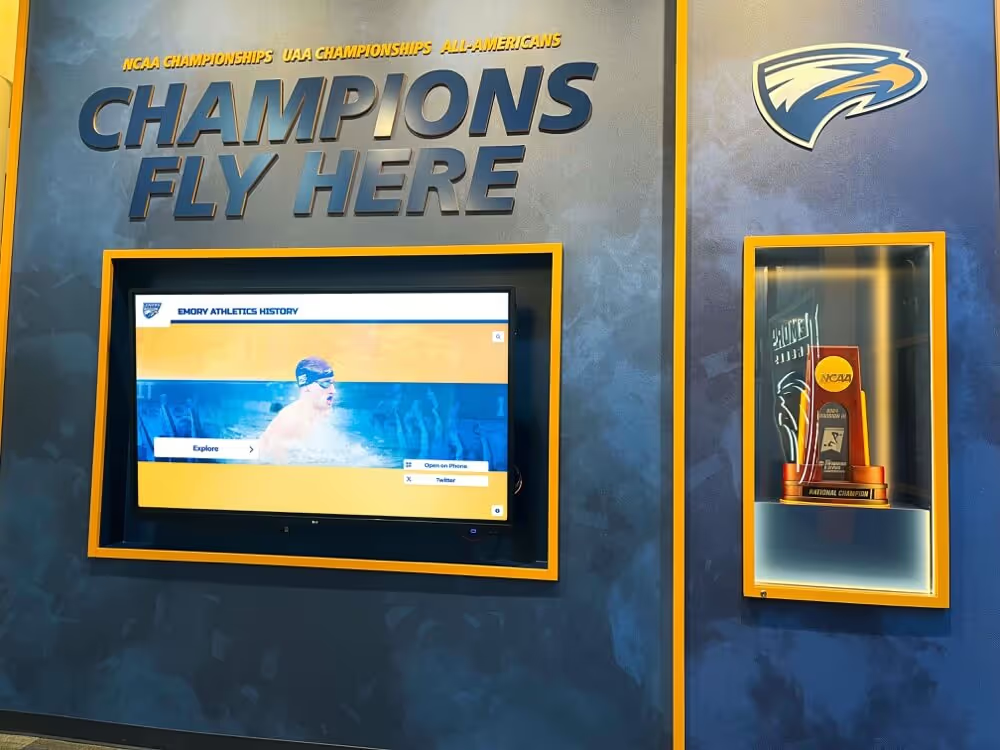
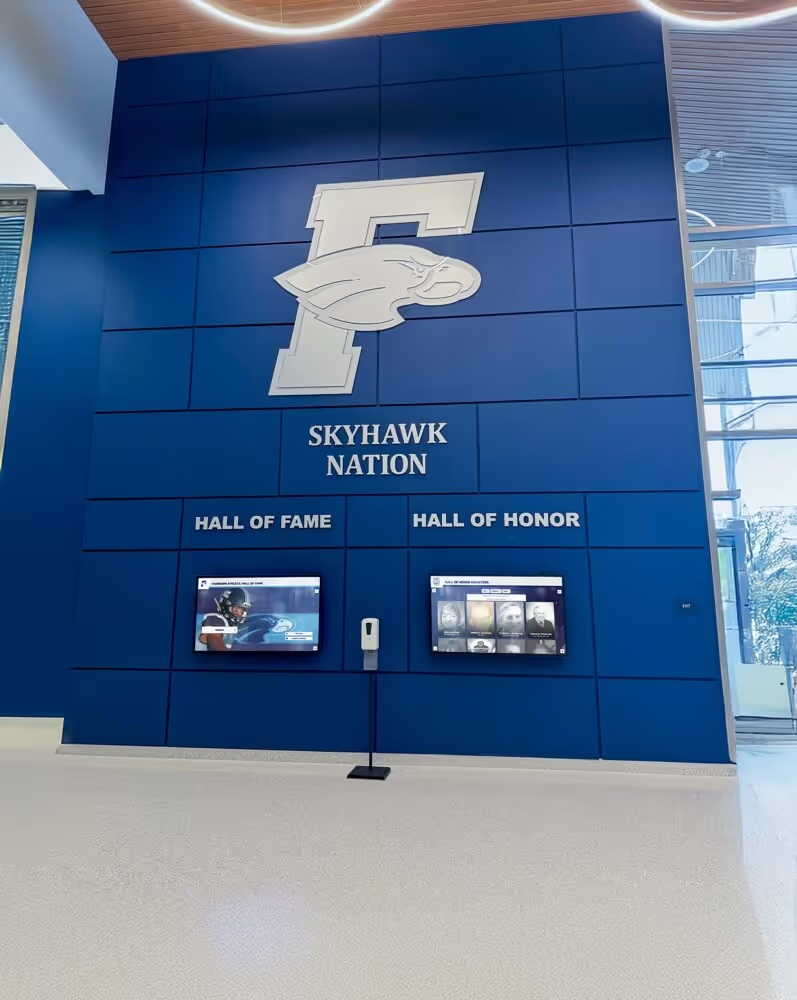
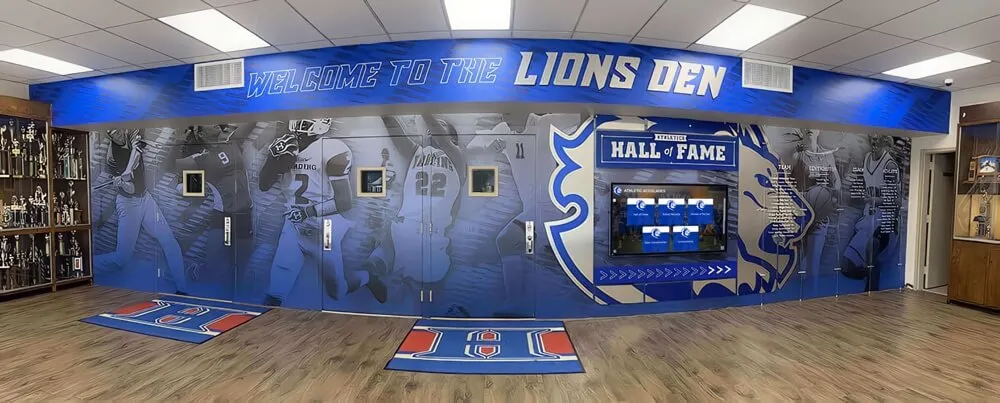
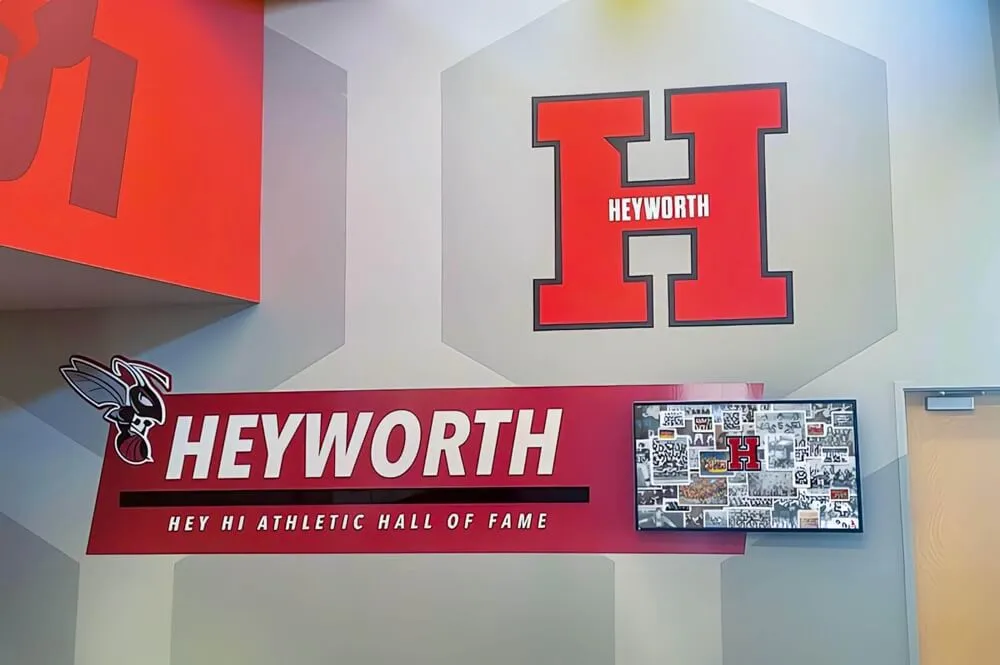
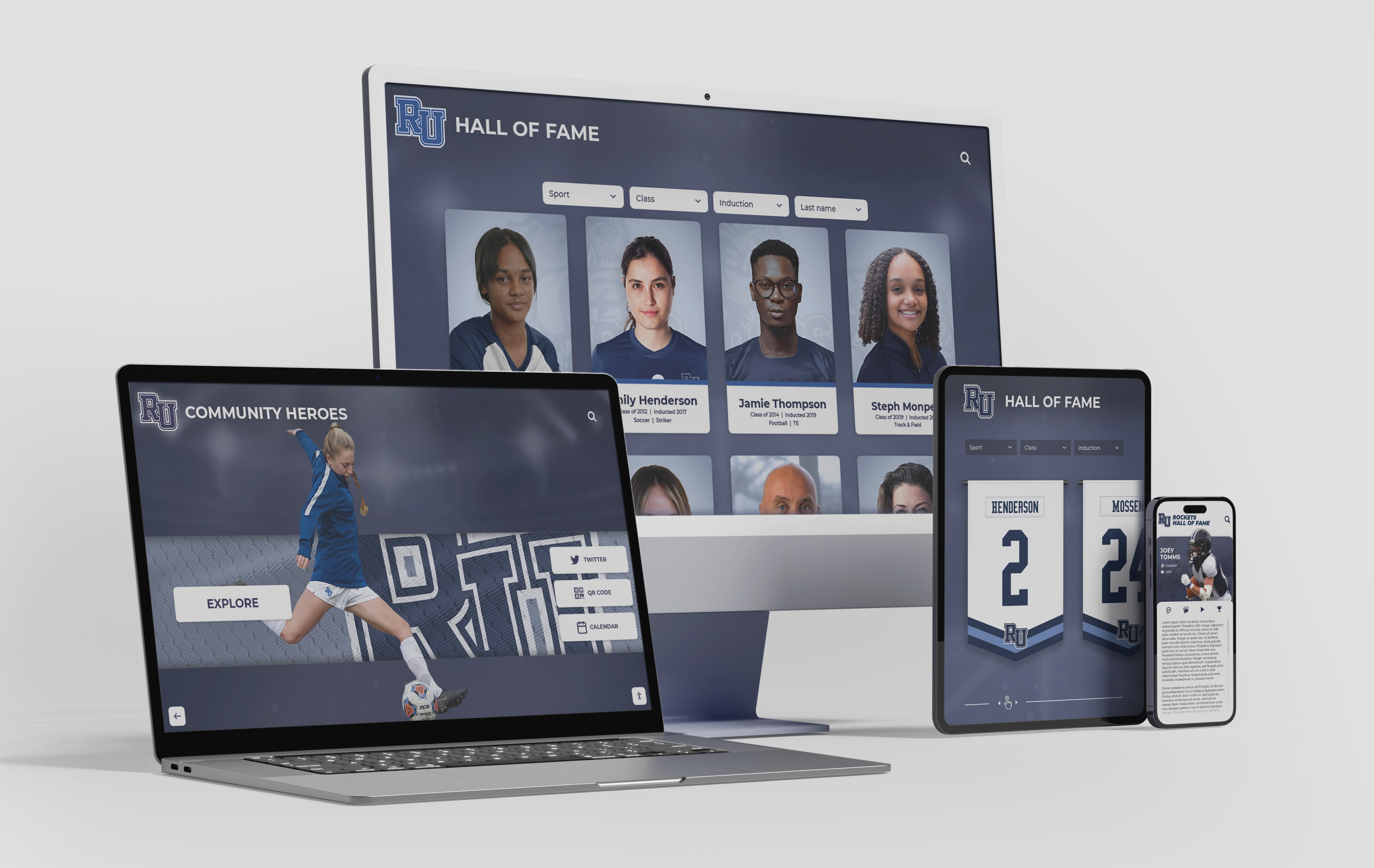
Physical versus digital display. Schools operating both physical display cases and interactive digital walls should clarify in the policy how the two relate. Physical cases typically display original artifacts and hardware; digital walls display photographs, profiles, statistics, and video. Items too fragile or too small to display effectively in physical cases are often well-suited to digital format. For schools evaluating how to structure the relationship between physical and digital recognition infrastructure, this guide to choosing a digital hall of fame provider covers the selection considerations most relevant to athletic directors.
Section 7: Digitization Priorities and Workflow
Digitization is the process of creating a digital copy of a physical item — a scan of a photograph, a digital file from a videotape, a database record for a physical artifact. For school athletic programs, digitization serves three purposes simultaneously: it creates a preservation backup in case the original is lost or damaged, it enables items to appear in searchable digital displays without risk to the original, and it makes the collection accessible to alumni and researchers without requiring physical visits.
A digitization section of a collections policy addresses:
Priority tiers. Schools rarely have the resources to digitize an entire collection at once. A priority framework identifies which items to digitize first. Common tier-one priorities include items in deteriorating condition (digitize before quality degrades further), items with the highest historical significance, items that generate the most research or alumni interest, and any item on active loan or display that needs a reference copy.
Technical standards. Quality standards for digitization vary by item type and intended use. Photographs digitized for web display require lower resolution than photographs digitized as preservation masters. Video content presents particular challenges, especially magnetic tape formats that require specialized equipment to play back. The policy should specify minimum resolution and file format standards for each category, while acknowledging that schools without dedicated technical staff may need to work with outside services for specialized formats.
File storage and naming conventions. Digital files need to be stored somewhere and named in a way that links them to their documentation records. A naming convention as simple as [sport]-[year]-[item type]-[sequence number] makes files findable without a database lookup. Cloud storage with regular backups is more reliable than a single local hard drive. The policy should define storage location, backup frequency, and who is responsible for maintaining the digital archive.
Connection to the searchable display system. For schools using interactive touchscreen walls or online hall of fame platforms, the digitization workflow should feed directly into the display platform’s content management system. Items digitized at publication quality can move from the archive to the display without additional processing. Designing the digitization workflow with the display platform’s input requirements in mind prevents the common situation of having a large digital archive that cannot easily be imported into the recognition system. Resources on how to approach this integration are available through school administration guides focused on digital recognition implementation.
Copyright and rights clearances. Digitizing an item does not automatically grant the right to publish it. Photographs taken by professional photographers may be subject to copyright claims. News clippings are generally covered by copyright held by the original publication. The policy should require that any item published in a publicly accessible digital format has either cleared copyright or falls within fair use parameters appropriate to the school’s educational context. For items where rights ownership is uncertain, schools should seek guidance from legal counsel before publishing.
Section 8: Policy Review and Amendment Cycle
A collections management policy that is written once and never reviewed gradually falls out of alignment with the program it governs. Display technology changes. Staff turnover changes who holds institutional knowledge. The collection grows in directions the original document did not anticipate.
A review cycle provision commits the program to a scheduled reassessment. Annual review is appropriate for programs undergoing active growth or technology transition. Biennial review is reasonable for stable programs with established workflows.
A standard review process includes:
- Assigning responsibility for leading the review to a named role (athletic director, committee chair, or collections designee)
- Identifying changes in the collection or program since the last review that the current policy does not adequately address
- Soliciting input from committee members, staff who use the policy regularly, and any outside advisors the school works with
- Documenting proposed amendments with rationale
- Approving amendments through whatever governance process the school has established (committee vote, administrative approval, board approval for significant changes)
- Recording the date of approval and the version number or date in the policy document itself
Policy amendments should never apply retroactively to decisions already made under prior versions. If the program changes its declination criteria for donations, items accepted under the old criteria remain part of the collection; the new criteria apply to future acquisition decisions only.
A parallel principle applies to the selection bylaws that govern induction decisions. Detailed guidance on structuring both the bylaws and the governance review cycle for school athletic halls of fame is available through this resource on athletic hall of fame bylaws and rules for schools.
Drafting and Adopting Your Policy
A collections management policy does not require legal expertise to write, but it benefits from involving the people who will use it. Athletic directors, facilities staff, committee members, and advancement staff all interact with collection materials in different ways and will identify practical requirements that a top-down drafting process misses.
A workable drafting process:
- Assign a lead drafter — typically the athletic director or a designated collections coordinator.
- Circulate a working draft to the hall of fame committee, facilities staff, and the advancement or alumni relations team for comment.
- Identify any items in the current collection that the draft policy does not clearly cover, and add provisions to address them.
- Submit the draft for approval through the appropriate governance channel — committee vote, athletic department sign-off, or school board approval depending on how the hall of fame is formally organized.
- Distribute the adopted policy to everyone with a role in collections management and make it accessible to committee members for ongoing reference.
- Set the first scheduled review date before the policy is finalized.
Length and complexity. A useful collections management policy for a school athletic hall of fame does not need to be long. Two to five pages covering the eight sections described in this framework is sufficient for most programs. The goal is a document staff can read and apply, not a comprehensive legal instrument. More detailed sub-procedures — digitization checklists, loan agreement templates, condition report forms — can live as appendices or operating documents referenced by the policy but maintained separately.
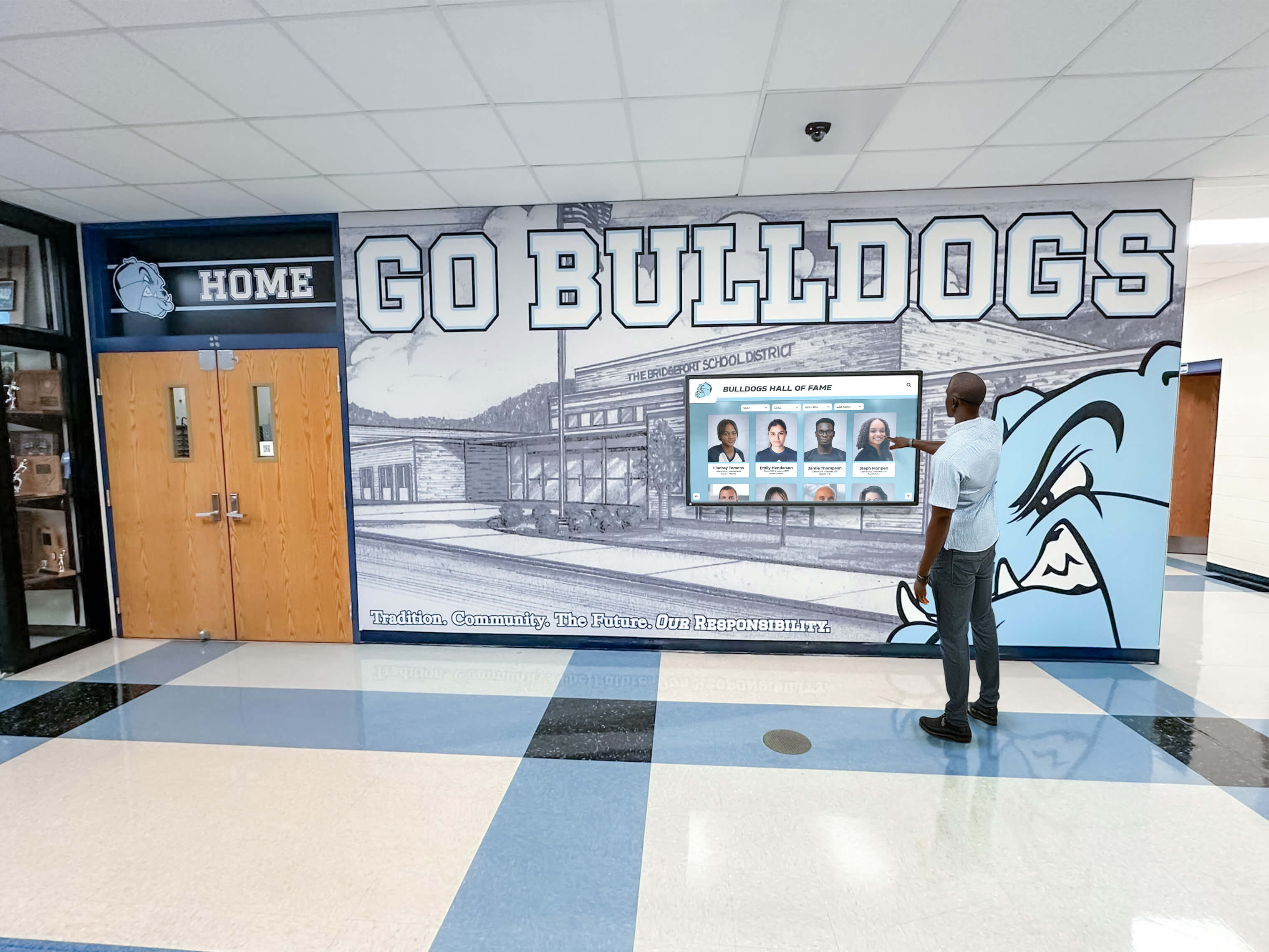
Connecting policy to platform. Schools that use dedicated hall of fame platforms — interactive touchscreen displays, web-based alumni recognition systems, or integrated athletic record databases — will find that many collections management tasks are simplified when the platform is designed to support them. Content management workflows, searchable inductee databases, and display rotation scheduling are all areas where purpose-built software can reduce the administrative burden of policy implementation while making the documentation the policy requires easier to maintain.
For a broader view of how the collections policy fits within the complete administrative infrastructure for a school athletic hall of fame, this comprehensive guide for school administrators covers the full range of governance, selection, and display decisions that athletic departments face. Schools approaching platform evaluation alongside policy drafting will also find useful framing in this review of recognition platform features relevant to school athletic programs and this overview of touchscreen-based athletic recognition solutions.
Frequently Asked Questions
What is an athletic hall of fame collections management policy?
An athletic hall of fame collections management policy is a written document that governs how a school acquires, documents, cares for, shares, displays, and digitizes the physical and digital materials associated with its hall of fame program. It typically covers acquisition scope, documentation standards, physical care and storage, access rules, loan procedures, display selection criteria, digitization workflow, and a scheduled review cycle.
Does a small school need a formal collections policy?
Yes, particularly when staff turnover is a concern. A brief two-to-three-page document covering the eight core areas outlined in this framework is sufficient for most small programs. The goal is to put institutional knowledge into a format that does not disappear when a key staff member leaves.
How does a collections management policy differ from hall of fame bylaws?
Hall of fame bylaws govern the selection process — eligibility criteria, waiting periods, committee structure, and voting procedures. A collections management policy governs everything that happens to the materials the program collects: artifacts, records, photographs, and digital files. Both documents are necessary; they cover different aspects of program governance and should be read together.
Who should approve a school’s collections management policy?
Approval process varies by school governance structure. For most athletic programs, committee approval with sign-off from the athletic director is sufficient for the collections policy. Programs where the hall of fame involves significant donated property or endowment-funded acquisitions may want school board review. Programs uncertain about their governance obligations should check with their institution’s legal counsel.
How often should the collections policy be reviewed?
Annual review is appropriate during periods of active growth or when the program is transitioning to new display technology. Biennial review is reasonable for stable programs. The review date should be documented in the policy itself and treated as a standing calendar commitment, not an optional task.
What happens to items the school decides to remove from the collection?
Deaccession procedures vary by the item’s origin and value. Items donated by individuals may require notification to original donors depending on applicable state law. Items of significant monetary value may require formal valuation and documented transfer to another institution. Schools should treat deaccession as a formal decision requiring committee approval and written documentation, not an informal disposal. Legal counsel can advise on state-specific requirements for disposing of donated property.
Can athletes or their families donate items directly to the hall of fame?
Yes, and many programs actively solicit donations of photographs, uniforms, and memorabilia from inductees and their families at or after the induction ceremony. The collections policy should define what categories of donated items the program accepts, what documentation the donation requires (including donor name, provenance statement, and any conditions the donor wishes to attach), and what the school’s obligations are to donors — particularly whether donated items can be deaccessioned and under what conditions.
Ready to Build a Hall of Fame That Scales With Your Policy?
Rocket Alumni Solutions provides interactive digital walls of fame, searchable athletic record displays, and content management tools designed for the way school athletic programs actually work — with easy updates, no technical staff required, and a platform built to grow as your collection grows.
Schedule a Free Demo