



Athletic directors serve as the architects of comprehensive high school athletic programs, balancing complex responsibilities that span financial management, staff leadership, facility oversight, competitive scheduling, compliance administration, and community engagement. These multifaceted roles require unique combinations of educational background, athletics experience, administrative capability, and interpersonal skill—all while working within the budgetary constraints and political realities of public education.
This comprehensive career guide explores everything aspiring and current athletic directors need to know about the profession in 2026: realistic salary expectations across different regions and school types, educational and certification requirements that open doors to advancement, the daily responsibilities that define the role, proven career pathways from teaching and coaching into athletic administration, and strategies for professional development that lead to increased compensation and expanded opportunities.
For educators passionate about athletics, coaching, and school leadership, the athletic director position represents a natural career progression that allows continued involvement with student-athletes while expanding impact beyond a single team or sport. Understanding the financial realities, qualification requirements, and career development strategies helps prospective athletic directors make informed decisions about whether this challenging but rewarding profession aligns with their goals, interests, and life circumstances.
Whether you’re a teacher-coach considering administrative advancement, a current athletic director seeking salary benchmarking data, or an education professional exploring career options, this guide provides the comprehensive information you need to navigate the athletic director career path successfully.
Understanding the Athletic Director Role
Before examining compensation and qualifications, it’s essential to understand what athletic directors actually do—the responsibilities, challenges, and rewards that define the profession.
Core Responsibilities and Daily Functions
Athletic directors manage comprehensive athletic programs serving hundreds or thousands of student-athletes across dozens of sports and activities. Daily responsibilities typically span several key domains:
Program Administration and Strategic Leadership Athletic directors develop and implement long-term visions for comprehensive athletic programs, establishing policies and procedures governing all sports activities, setting program-wide goals aligned with educational mission, coordinating between athletics and academic administration, representing athletic interests to school leadership and school boards, and managing public perception and community relations surrounding athletics.
Strategic leadership distinguishes exceptional athletic directors from adequate administrators—the ability to see beyond daily crises to build sustainable excellence requires vision, patience, and political acumen.
Staff Management and Leadership Development Comprehensive programs employ 20-50+ coaches across fall, winter, and spring seasons. Athletic directors recruit, hire, and evaluate head coaches for all sports, supervise coaching staff performance and professional development, manage assistant coach assignments and coordination, facilitate coaching clinics and continuing education, mediate staff conflicts and address performance concerns, and ensure all coaches maintain required certifications and clearances.
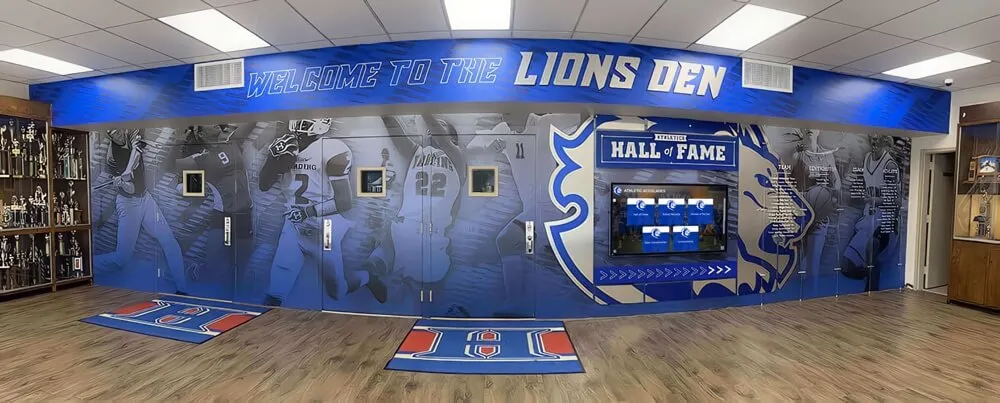
Effective athletic directors understand that coach quality fundamentally determines program success, making staff leadership perhaps the single most important dimension of the role. Learning more about establishing athletic hall of fame programs helps athletic directors create recognition systems that motivate coaches and athletes toward excellence.

Budget Management and Resource Allocation Athletic programs require substantial financial resources, with comprehensive high school athletics budgets ranging from $200,000 to over $2 million annually depending on school size and program scope. Athletic directors develop annual budgets allocating resources across sports, manage purchase orders and vendor relationships, monitor expenditures ensuring fiscal compliance, coordinate fundraising and booster organization activities, allocate gate receipts and program revenues, and justify budget requests to school and district administration.
Financial acumen proves critical—athletic directors must maximize program quality while operating within severe budgetary constraints, making difficult allocation decisions that inevitably disappoint some coaches and parent groups.
Facility Oversight and Event Management Athletic facilities represent significant institutional investments requiring careful stewardship. Athletic directors coordinate facility maintenance and capital improvement projects, schedule facility usage across sports and external groups, manage field preparation and equipment inventory, oversee facility security and risk management, supervise event setup for competitions and ceremonies, and ensure ADA compliance and safety standards across all athletic spaces.
Major events—playoff games, senior nights, awards ceremonies—demand extensive coordination involving multiple departments, vendors, and stakeholders.
Compliance and Risk Management High school athletics operate within complex regulatory frameworks established by state athletic associations, league rules, and district policies. Athletic directors ensure eligibility verification for all student-athletes, maintain required documentation and compliance records, submit necessary reports and competition results, investigate alleged violations and implement consequences, manage athletic injury reporting and insurance claims, coordinate emergency action plans and safety protocols, and stay current with evolving rules and compliance requirements.
One compliance failure—even inadvertent—can result in forfeited competitions, championship disqualifications, and severe reputational damage, making meticulous attention to regulatory details essential.
Student-Athlete Support and Development Beyond administrative functions, effective athletic directors maintain direct connections with the students their programs serve by attending competitions across all sports throughout seasons, recognizing student-athlete achievements formally and informally, mediating conflicts between students, coaches, or parents, advocating for student-athlete interests in administrative discussions, and ensuring athletics contribute to holistic educational experiences rather than distracting from academic mission.
The most respected athletic directors balance administrative efficiency with genuine care for student-athlete wellbeing and development, remembering that programs exist to serve young people rather than the reverse.
Challenges and Realities of the Position
Athletic director roles come with significant challenges that prospective administrators should understand before pursuing these positions.
Stakeholder Management Complexity Athletic directors navigate competing interests and expectations from diverse constituencies including school administrators expecting budget discipline and academic alignment, coaches advocating for their programs’ resource needs, parents invested emotionally in their children’s athletic experiences, community members with strong opinions about program direction, media seeking information and storylines, and students whose athletic opportunities depend on administrative decisions.
Balancing these interests requires diplomatic skill, political awareness, and resilience when criticized by disappointed stakeholders.
Work Schedule Demands Athletic competitions, practices, and facility needs don’t respect standard business hours. Most athletic directors work extensive evenings and weekends during competitive seasons, respond to facility emergencies outside regular hours, attend games and events across multiple sports, manage logistical crises requiring immediate attention, and coordinate with officials, opponents, and venues according to their schedules rather than personal convenience.
Many athletic directors report 60-80 hour work weeks during peak seasons, with summers providing only modest respite as they plan for upcoming years, coordinate facility projects, and manage camps and summer programming.
Resource Constraints and Difficult Decisions Few athletic directors enjoy resources adequate to fund all program needs and coach requests at desired levels. Regular decisions about which sports receive priority resources, which facilities get renovated while others deteriorate, which coach positions can be funded and which must remain volunteer, and how to maintain quality across all programs despite unequal resource availability create ongoing tension and dissatisfaction.
Athletic directors must accept that resource scarcity means disappointing people regularly despite best intentions and efforts.
Political and Community Pressure In many communities, high school athletics carry outsized importance and emotional investment. Athletic directors face pressure regarding coaching decisions and hirings, competitive success and championship expectations, playing time and roster decisions (despite lacking direct control), facility priorities and scheduling, and program philosophies and approaches.
Developing thick skin and maintaining perspective helps athletic directors weather inevitable criticism and second-guessing that accompany high-profile positions.

Athletic Director Salary: Comprehensive Compensation Analysis
Understanding realistic salary expectations helps prospective athletic directors assess whether these positions align with financial needs and goals.
National Salary Overview and Ranges
Athletic director compensation varies substantially based on geographic location, school size and funding, experience level, and whether positions include teaching responsibilities alongside administrative duties.
National Median Compensation Across all high school athletic directors in the United States, median total compensation (including base salary and stipends) falls in the $65,000-$75,000 range as of 2026. However, this broad average masks tremendous variation, with entry-level positions starting as low as $45,000-$50,000 and experienced directors at large, well-funded schools earning $100,000-$130,000 or more.
Salary Structure Models High school athletic director compensation typically follows one of three structural models:
Full-Time Administrative Position: Some larger districts employ athletic directors as full-time administrators focused exclusively on athletics rather than maintaining teaching duties. These positions typically offer $70,000-$120,000 base salaries depending on district size and region, with compensation following administrator salary schedules rather than teacher scales.
Teacher with Administrative Stipend: The most common model combines teaching responsibilities with athletic director duties. Teachers receive base salaries according to their experience and education on standard teacher salary schedules ($45,000-$80,000 depending on district and career stage), plus administrative stipends ranging from $8,000-$25,000 for athletic director responsibilities. Total compensation thus ranges from $55,000-$100,000 depending on teaching experience and stipend levels.
Split Administrative Role: Some smaller schools combine athletic director responsibilities with other administrative duties (assistant principal, activities director, dean of students). Compensation follows administrator schedules with total earnings typically falling in the $65,000-$95,000 range.
Understanding which model prospective positions follow helps in accurately comparing opportunities and setting realistic expectations.
Salary Variation by Geographic Region
Location dramatically affects athletic director compensation due to regional cost of living differences, state funding levels for education, local property tax wealth, and regional attitudes toward educational spending.
Highest-Paying Regions States and regions offering the most competitive athletic director compensation include:
Northeast: Connecticut, New York, New Jersey, and Massachusetts districts offer among the highest compensation, with experienced athletic directors at suburban districts routinely earning $90,000-$130,000 total compensation. Strong teachers unions, high property values funding schools, and elevated costs of living drive higher salary levels.
West Coast: California, particularly in Bay Area, Los Angeles, and San Diego suburban districts, offers $80,000-$120,000 for experienced athletic directors. Washington state and Oregon provide $70,000-$100,000 in metropolitan areas.
Mid-Atlantic: Maryland, Virginia, and Pennsylvania suburban districts near major metropolitan areas provide $75,000-$110,000 compensation.
Mid-Range Regions Moderate compensation regions include:
Midwest: Illinois, Ohio, Michigan, and Minnesota offer $60,000-$90,000 depending on district size and wealth, with Chicago and Minneapolis suburbs on the higher end.
Mountain West: Colorado and Utah provide $55,000-$85,000, with ski resort area districts sometimes offering premium compensation.
Lower Compensation Regions States with more limited educational funding generally offer lower athletic director salaries:
South: Most southern states (Mississippi, Alabama, Arkansas, Louisiana, Kentucky) provide $45,000-$70,000 compensation for athletic directors, though some affluent suburban districts in Texas, Georgia, North Carolina, and Florida approach mid-range regional levels.
Rural Areas Nationwide: Small rural districts across all regions typically offer $45,000-$65,000 due to limited tax bases and smaller program scopes.
These regional differences reflect broader educational funding disparities rather than value placed on athletic administration specifically. Understanding sports banquet ideas helps athletic directors plan recognition events that celebrate achievement regardless of budget constraints.
Compensation by School Size and Classification
Program scope directly impacts athletic director workload and corresponding compensation.
Small Schools (Under 500 Students) Athletic directors at small high schools managing 15-20 sports with limited staffing typically receive $50,000-$70,000 total compensation. Many such positions combine athletic director responsibilities with teaching full course loads, assistant principal duties, or coaching assignments. Stipends for athletic director work at small schools typically range from $5,000-$12,000.
Medium Schools (500-1,500 Students) Mid-sized comprehensive high schools fielding 20-30 sports teams across three seasons offer $60,000-$85,000 compensation. These positions often still include teaching responsibilities, though sometimes with reduced course loads. Athletic director stipends at medium schools generally range from $10,000-$18,000.
Large Schools (1,500-3,000 Students) Large suburban and urban high schools with comprehensive athletic programs often employ full-time athletic directors without teaching duties. Compensation ranges from $75,000-$105,000, with program complexity, facility scope, and competitive level influencing specific placement within ranges.
Very Large Schools (Over 3,000 Students) The largest high schools with 35+ sports and multiple teams per sport in major competitive classifications offer $90,000-$130,000 or more for experienced athletic directors managing substantial budgets, large coaching staffs, and extensive facilities. These positions function as mid-level executive roles requiring significant administrative sophistication.
Understanding program scope helps athletic directors assess whether compensation offers represent fair market rates for responsibilities involved.

Experience-Based Salary Progression
Like most educational positions, athletic director compensation increases with career longevity, though progression rates vary by district.
Entry-Level (0-3 Years) New athletic directors, often internal promotions from coaching ranks at their current schools, typically start at the bottom of local administrative stipend scales or entry-level administrator salaries. Total compensation generally ranges from $50,000-$70,000 depending on region and school size, with teaching experience affecting base salary for positions retaining classroom responsibilities.
Early Career (4-8 Years) Athletic directors with several years establishing programs, building relationships, and demonstrating competence advance on salary schedules and may move to larger schools or districts with higher compensation. Typical ranges: $60,000-$85,000.
Mid-Career (9-15 Years) Experienced athletic directors with proven track records, conference and state athletic association involvement, and established reputations earn $70,000-$100,000 depending on district size and region. Many in this career stage have moved to second or third schools, advancing to larger programs with expanded responsibilities.
Late Career (16+ Years) Veteran athletic directors, particularly those at large, well-funded suburban districts, peak at $85,000-$130,000. Senior athletic directors often serve in leadership roles within state athletic associations, mentor newer administrators, and possess deep institutional knowledge making them valuable despite higher salary costs.
Career progression speed depends partially on willingness to relocate for advancement opportunities, as moving to larger districts or wealthier regions often accelerates compensation growth compared to remaining at initial placement schools.
Additional Compensation and Benefits
Beyond base salaries and administrative stipends, athletic directors may receive supplemental compensation and benefits:
Coaching Stipends Some athletic directors, particularly at smaller schools, continue coaching roles alongside administrative duties. Coaching stipends typically range from $3,000-$8,000 depending on sport, competitive level, and program demands. However, managing athletic director responsibilities while coaching proves extremely demanding and many administrators abandon coaching after a few years due to time constraints.
Summer Employment and Extended Contracts Many athletic director positions include extended contract days beyond standard teacher calendars, providing additional compensation. Summer work coordinating camps, scheduling, facility projects, and pre-season preparations may add $5,000-$15,000 to annual compensation through extended contracts.
Benefits Packages Public school athletic directors typically receive comprehensive benefits including health insurance (often heavily subsidized), pension contributions through state retirement systems (usually 5-8% of salary), paid leave including sick time and vacation, and professional development funding for conferences and continuing education. These benefits add substantial value beyond salary figures—typically equivalent to 25-30% of base compensation.
Perks and Intangible Benefits Beyond quantifiable compensation, athletic director positions often include season ticket access to all school athletic events, flexible summer scheduling allowing extended vacation periods, opportunities for second jobs or consulting work, community recognition and social status, and networking opportunities with other administrators and community leaders. While not appearing on pay stubs, these factors contribute to overall position value.
Education and Certification Requirements
Athletic director positions require specific educational credentials, certifications, and professional development.
Minimum Educational Qualifications
State requirements vary, but typical minimum qualifications include:
Bachelor’s Degree All states require at least bachelor’s degrees for athletic director positions, typically in education, physical education, kinesiology, sports management, or related fields. Teaching certification requirements vary—some states mandate teaching certificates for athletic directors while others allow pure administrator pathways.
Master’s Degree While not universally required, master’s degrees increasingly represent de facto requirements for athletic director positions, particularly at larger schools and for full-time administrative roles. Relevant master’s programs include:
- Educational Leadership and Administration
- Sports Management or Athletic Administration
- Educational Administration with athletic administration emphasis
- Kinesiology with administration focus
- Business Administration with sports management concentration
Master’s degrees provide both credential differentiation and practical preparation through coursework in budget management, personnel leadership, legal issues in athletics, facilities management, and strategic planning.
Many states require or strongly prefer master’s degrees for administrator certification, effectively mandating advanced degrees for athletic director positions structured as administrative roles rather than teaching positions with stipends. Exploring athletic director guidance on choosing digital recognition providers helps administrators make informed technology decisions for their programs.
State Certification and Licensure
State education departments typically require specific administrative certifications for athletic director positions:
Administrator Certification Many states classify full-time athletic directors as educational administrators requiring principal or administrator certificates. Obtaining these typically requires master’s degrees in educational leadership, passing state-specific administrator examinations, completing internship or practicum hours in administrative settings, and maintaining continuing education credits.
Athletic Administrator Certification Some states offer specialized athletic administrator certifications separate from general principal licenses. These certificates focus specifically on athletic program leadership including sports law and liability, budget management specific to athletics, facility oversight, event management, and compliance with athletic association rules.
Requirements vary significantly by state—prospective athletic directors should research specific requirements in states where they intend to work.

Professional Development and Continuing Education
Beyond minimum requirements, professional development distinguishes stronger athletic director candidates and supports career advancement:
National Interscholastic Athletic Administrators Association (NIAAA) The NIAAA offers comprehensive professional development including the Leadership Training Course (LTC) program comprising 39 courses across leadership, administrative, and program areas. Completing course levels earns Certified Athletic Administrator (CAA) designations—CAA Level 1 through CAA Level 5—representing professional mastery.
Athletic directors pursuing CAA certification demonstrate commitment to professional excellence and develop practical competencies directly applicable to their roles. Many state athletic associations require or strongly encourage NIAAA certification for athletic directors.
State Athletic Association Involvement Active participation in state athletic association committees, rule interpretation boards, and leadership positions provides professional development while building networks essential for career advancement. Athletic directors serving on state boards gain visibility, develop expertise in specific areas like officials assignment or playoff formats, and position themselves for advancement opportunities.
Conference and Workshop Attendance Annual athletic administrator conferences offered by NIAAA, state associations, and regional organizations provide continuing education on emerging issues, regulatory changes, risk management updates, and best practices. Regular conference attendance keeps athletic directors current and connected to professional communities.
Technology and Facility Management Training As athletics increasingly incorporate technology for scheduling, registration, communications, and recognition, athletic directors benefit from training in digital tools, social media management for athletic departments, data analytics for program assessment, and facility technology systems. Understanding digital trophy case solutions helps athletic directors modernize recognition approaches.
Career Pathways to Athletic Director Positions
Understanding common career trajectories helps aspiring athletic directors position themselves competitively.
Traditional Coaching to Administration Path
The most common pathway to athletic director positions begins with teaching and coaching experience:
Stage 1: Teacher-Coach (Years 1-5) Most athletic directors begin as physical education teachers, classroom teachers in other subjects, or occasionally as specialized instructional coaches, while simultaneously coaching one or more sports. This foundation provides essential credibility with coaching staffs—athletic directors who never coached often struggle gaining coach respect and understanding program realities.
Aspiring athletic directors should seek opportunities to coach multiple sports, demonstrate program building and team success, develop positive relationships with administrators and parents, take initiative on logistical responsibilities beyond coaching, and pursue master’s degrees during these early career years.
Stage 2: Lead Coach or Department Chair (Years 6-10) Successful teachers-coaches advance to head coaching positions in major sports or athletic department chair roles, demonstrating leadership capability while building track records of program success. During this stage, developing administrative skills through event coordination, budget management for teams, assistant coach supervision, and facility oversight prepares for eventual athletic director transitions.
Strategic athletic director candidates volunteer for administrative tasks, serve on athletic advisory committees, attend administrator professional development, and express interest in athletic leadership to current athletic directors and principals.
Stage 3: Assistant Athletic Director (Years 11-15) Some larger districts employ assistant athletic directors who handle specific domains like scheduling, facilities, game management, or compliance. These positions provide administrative experience while maintaining closer connections to coaching and students than full athletic director roles. Assistant athletic director experience offers excellent preparation for head athletic director positions while building professional networks and visibility.
Not all career paths include assistant roles—many athletic directors transition directly from coaching to full athletic director positions at their schools or nearby districts.
Stage 4: Athletic Director (Years 15+) After building coaching credibility, demonstrating administrative capability, and obtaining required credentials, successful candidates transition to athletic director roles. Initial positions often occur at smaller schools or as internal promotions at current schools, with subsequent career moves to larger programs with higher compensation and increased program scope.
Alternative Pathways
While teaching-coaching represents the dominant pathway, alternative routes exist:
Athletic Training to Administration Some athletic directors begin as certified athletic trainers, gaining deep understanding of athlete health and safety while building relationships with coaches and administrators. Athletic trainers possess knowledge of regulatory compliance, risk management, and program operations valuable in athletic director roles.
Facilities Management to Athletic Administration Individuals responsible for facility operations sometimes transition into athletic director positions, particularly when they develop comprehensive understanding of program needs and demonstrate capability for broader administrative responsibilities beyond physical plant management.
Sports Information/Communication to Administration Staff managing athletic communications, media relations, and statistics sometimes advance to assistant or full athletic director positions, leveraging knowledge of program operations and external relations essential to athletic leadership.
Outside Hiring from Other Industries Occasionally schools hire athletic directors from outside education—former college or professional athletes with business experience, military veterans transitioning to second careers, or business executives seeking mission-driven work. However, such candidates face significant credibility challenges without teaching and coaching backgrounds, making this pathway less common and more challenging.
Advancing Your Athletic Director Career
Once in athletic director positions, strategic approaches support continued growth and compensation advancement.
Building Professional Reputation and Network
Career advancement depends significantly on reputation within state athletic communities:
State Athletic Association Involvement Volunteer for committee work, serve on rule interpretation boards, participate in championship hosting, and attend all athletic director meetings. These activities build visibility with athletic association leadership and athletic directors at other schools, creating informal networks through which advancement opportunities flow.
Conference Leadership Active participation in athletic conference governance—serving on scheduling committees, helping coordinate events, mentoring newer athletic directors—demonstrates leadership while building strong relationships with colleagues.
Professional Association Engagement Pursuing NIAAA certification, presenting at state and regional conferences, mentoring new athletic directors, and writing articles for professional publications establish thought leadership positioning individuals for advancement opportunities and career recognition.
Positive Media Relations Developing cooperative relationships with local media, ensuring positive school athletic coverage, and building community support through transparency and engagement enhance professional reputation beyond athletic director circles to broader community and school leadership contexts.

Strategic Career Moves and Positioning
Intentional career management accelerates advancement:
Timing School Moves While some athletic directors spend entire careers at single schools, strategic moves to progressively larger districts or wealthier regions accelerate compensation growth and expand program scope. Moves typically occur during natural transition points—after significant accomplishments like championship seasons, facility projects, or multi-year coaching stability.
Athletic directors should consider moves when current positions provide limited growth potential, larger opportunities arise requiring their specific expertise, compensation significantly exceeds current levels, or geographic relocation aligns with family needs.
Diversifying Experience Athletic directors gain competitive advantage through diverse experience across school sizes, geographic regions, administrative models, and competitive levels. Candidates demonstrating success in multiple contexts prove adaptable and capable of handling varied challenges.
Continuing Education and Credentials Completing doctoral degrees in educational leadership or sports management positions athletic directors for district-level athletic coordinator roles or college athletic administration. Pursuing specialized certifications in areas like Title IX compliance, athletic facility management, or sports law distinguishes candidates for competitive positions.
Developing Specialty Expertise Becoming recognized experts in specific areas—facility design, compliance systems, coach professional development, or community engagement—creates differentiation and makes athletic directors sought-after for positions requiring those specialties.
Alternative Career Progression Paths
Athletic director positions can lead to other career opportunities:
District-Level Athletic Coordinator Large districts with multiple high schools sometimes employ district athletic coordinators overseeing all schools’ programs. These positions offer increased compensation ($90,000-$140,000 typically) while moving further from daily student-athlete interaction.
School Administration Athletic director experience provides excellent preparation for assistant principal and principal positions. Administrative skills, crisis management experience, and stakeholder relations developed as athletic directors translate directly to building leadership. Many successful principals began as athletic directors before transitioning to general administration.
College Athletic Administration Some high school athletic directors move to college athletics as assistant athletic directors, compliance coordinators, or facility managers. College positions offer different challenges—higher stakes, greater visibility, full-time focus on athletics—with compensation often starting comparable to high school levels but offering higher ceilings at successful programs.
State Athletic Association Leadership Experienced athletic directors sometimes transition to state athletic association staff positions managing specific areas like championship administration, rule interpretation, or professional development. These positions typically offer $70,000-$110,000 compensation depending on state size and specific role.
Athletic Industry Positions Athletic industry companies—sporting goods manufacturers, facility design firms, technology providers, insurance companies serving schools—occasionally hire experienced athletic directors for sales, consulting, or product development roles leveraging their school athletics expertise. Compensation varies widely but often exceeds typical athletic director levels for successful sales professionals.
Maximizing Success as an Athletic Director
Beyond career advancement, day-to-day effectiveness determines professional satisfaction and impact.
Essential Skills for Athletic Director Success
Certain competencies prove critical for athletic director effectiveness:
Financial Management and Budgeting Athletic directors must understand fund accounting, budget forecasting, resource allocation decision-making, financial reporting to administration and boards, fundraising and development strategies, and vendor negotiation and contract management. Financial mismanagement—even unintentional—quickly undermines athletic director credibility and tenure.
Personnel Leadership and Coach Development Managing coaching staffs requires providing clear expectations and constructive feedback, supporting professional development and continuing education, mediating conflicts and difficult conversations, recognizing and celebrating excellence, holding staff accountable to program standards, and recruiting strong candidates for coaching vacancies. Coach quality fundamentally determines program success, making personnel leadership the athletic director’s most important capability.
Communication and Stakeholder Relations Athletic directors constantly communicate with diverse audiences through clear, professional written communication in memos and emails, effective verbal communication in meetings and phone calls, diplomatic handling of complaints and difficult conversations, transparent decision-making explanations, and proactive information sharing preventing surprise and speculation. Communication failures create most athletic director problems—misunderstandings escalate into conflicts, information vacuums breed rumors, and poor messaging damages relationships.
Legal Compliance and Risk Management Contemporary athletics involve complex regulatory environments requiring understanding of Title IX equity requirements, athletic eligibility rules and enforcement, concussion protocols and injury management, facility safety standards and inspections, transportation requirements and oversight, and employment law affecting coaches and staff. Single compliance failures can result in championships forfeitures, lawsuits, or termination—making this area one requiring constant attention despite being largely invisible when managed successfully.
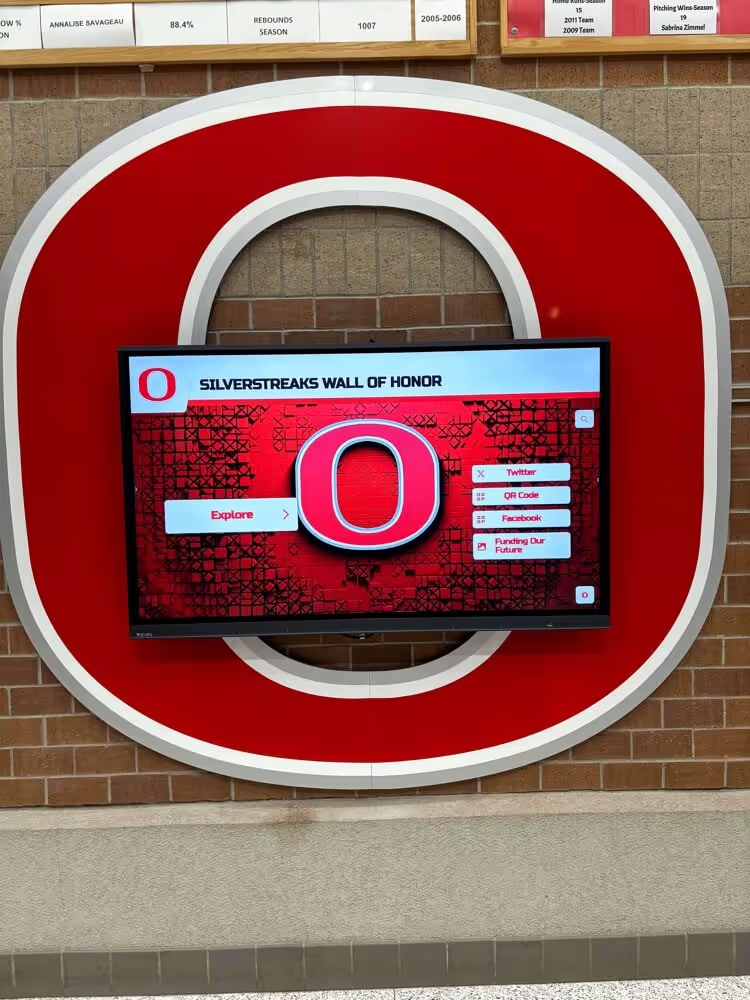
Technology Literacy Modern athletic administration increasingly depends on technology for online registration and payment systems, athletic scheduling software and communication platforms, social media management and digital marketing, data analytics for program assessment, and digital recognition systems celebrating achievement. Athletic directors who embrace technology gain efficiency and effectiveness, while those who resist technology find themselves overwhelmed by manual processes that could be automated. Implementing digital recognition displays through solutions like Rocket Alumni Solutions helps athletic directors modernize how they celebrate student-athlete accomplishments.
Building Strong Coach and Administrative Relationships
Athletic director success depends heavily on relationship quality:
Supporting Coaches Effectively The best athletic directors prioritize providing adequate resources within budget constraints, removing obstacles that prevent coaching effectiveness, defending coaches against unfair criticism, celebrating coaching excellence and program success, and maintaining appropriate boundaries between support and micromanagement. Coaches who feel supported by athletic directors work harder, stay longer, and achieve more consistent success.
Collaborating with School Administration Athletic directors must maintain strong relationships with principals and district administrators by aligning athletics with broader educational mission, communicating proactively about issues and challenges, demonstrating fiscal responsibility and accountability, supporting school-wide initiatives and policies, and positioning athletics as contributor to overall school excellence rather than separate entity. Athletic directors who clash with principals typically don’t last long regardless of program success.
Engaging Parents and Community Positively External stakeholders deserve communication and engagement without being allowed to dictate administrative decisions. Effective approaches include transparent communication about policies and decisions, accessible processes for concerns and feedback, consistent application of rules without favoritism, responsiveness to legitimate issues, and firm boundaries against inappropriate interference. Athletic directors must balance being accessible and responsive with maintaining professional authority and appropriate role boundaries.

Creating Positive Program Culture
Beyond managing operations, effective athletic directors shape program culture:
Emphasizing Balanced Excellence The best programs pursue competitive excellence while prioritizing sportsmanship and character development, academic achievement alongside athletic success, lifelong wellness and sport participation beyond elite performance, and equitable opportunities across all sports and participants. Athletic directors establish cultural priorities through resource allocation, staff expectations, public messaging, and recognition systems.
Celebrating Diverse Achievement Comprehensive recognition ensures all students and sports receive appropriate honor through annual awards ceremonies celebrating multiple achievement types, digital recognition displays showcasing athletes across all programs, media coverage highlighting various sports equitably, and hall of fame programs honoring diverse excellence. When athletic directors ensure all programs feel valued, entire programs strengthen rather than just high-profile sports.
Modeling Professional Excellence Athletic directors set cultural tone through personal example including visible presence at competitions across all sports, professional conduct in all situations, ethical decision-making even under pressure, continuous learning and professional development, and positive, solutions-focused approach to challenges. Staff and community members take cues from athletic director behavior—modeling excellence inspires others to similar standards.
The Future of Athletic Director Careers
The athletic director profession continues evolving in response to educational and social changes.
Emerging Trends Affecting the Profession
Several trends will likely shape athletic director careers in coming years:
Increased Professionalization Expectations for athletic director credentials, professional development, and operational sophistication continue rising. Amateur approaches that once sufficed increasingly prove inadequate as programs face complex regulatory requirements, elevated stakeholder expectations, and competitive pressures. This professionalization trend benefits qualified, committed athletic directors while making the profession less accessible to those seeking relatively easy transitions from coaching.
Technology Integration Athletic administration increasingly depends on sophisticated technology platforms for program management, communication, and recognition. Athletic directors must become comfortable with digital tools and data-driven decision-making. Those who embrace technology gain significant competitive and operational advantages. Exploring digital signage content ideas helps athletic directors maximize technology investments.
Equity and Inclusion Emphasis Title IX compliance remains essential, but broader equity concerns increasingly shape athletics including gender equity in all areas beyond minimum legal requirements, ethnic and racial diversity in coaching staffs and leadership, adaptive sports programs for students with disabilities, inclusive policies for LGBTQ+ athletes, and equitable resource allocation across high- and low-profile sports. Athletic directors must navigate these issues thoughtfully, ensuring programs reflect contemporary values around inclusion and access.
Mental Health and Student Wellbeing Growing awareness of student mental health challenges requires athletic programs to emphasize athlete wellbeing over winning at any cost, reasonable practice and competition schedules avoiding excessive demands, coach training recognizing mental health concerns, connection with school counseling and support services, and climate preventing toxic behavior, harassment, or abuse. Athletic directors increasingly serve as stewards of comprehensive student-athlete wellbeing rather than merely competitive success.
Facility Needs and Capital Investment Many schools face significant facility obsolescence requiring major capital investment. Athletic directors must understand facility planning and design, capital campaign management for major projects, community engagement for facility funding, sustainable building practices and lifecycle costing, and creating flexible spaces serving multiple purposes. Facility projects offer opportunities to reshape programs but also present risks when poorly planned or inadequately funded.
Long-Term Career Outlook
The athletic director career outlook remains generally positive despite challenges:
Stable Demand Nearly all high schools employ athletic directors, and retirement of current administrators ensures steady demand for new professionals entering the field. Unlike some educational specialties facing enrollment declines or budget pressures, athletic administration remains essential regardless of broader educational trends.
Moderate Competition Athletic director positions attract modest competition—not the intense competition for teaching jobs in some markets, but enough candidates that simply expressing interest doesn’t guarantee positions. Strong candidates with appropriate credentials, relevant experience, and good reputations find opportunities, particularly if geographically flexible.
Reasonable Compensation While athletic directors won’t achieve wealth, middle-class compensation with comprehensive benefits provides comfortable living. For educators passionate about athletics who would remain in education regardless, athletic director positions offer financial advancement beyond classroom teaching without requiring departure from school settings.
Meaningful Work Beyond financial considerations, athletic director roles provide deep professional satisfaction for those who find meaning in serving student-athletes, building excellent programs, developing coaching staffs, and shaping school culture. The challenges prove frustrating at times, but the impact on thousands of students across career spans provides purpose and significance transcending compensation.
Taking the Next Steps Toward Athletic Director Careers
For those inspired to pursue athletic director careers, strategic preparation increases likelihood of success.
For Current Teachers and Coaches
If you’re currently teaching and coaching while considering athletic director careers:
Gain Diverse Coaching Experience Coach multiple sports if possible, demonstrating breadth and avoiding being perceived as single-sport specialists. Volunteer to coordinate logistics, manage budgets, and handle administrative tasks beyond direct coaching, building skills and demonstrating capability.
Pursue Advanced Education Begin or complete master’s degrees in educational leadership, sports administration, or related fields. Many programs offer evening and summer courses accommodating working teachers, and some districts offer tuition support for graduate education.
Develop Administrative Skills Volunteer for committees, special projects, and leadership opportunities. Athletic directors, principals, and district administrators notice those who contribute beyond minimum expectations. Building administrative track records through volunteer leadership demonstrates readiness for formal administrative roles.
Build Relationships with Current Athletic Directors Express interest in athletic administration to your athletic director, asking to shadow them, discussing the profession, and seeking mentorship. These relationships provide invaluable insights while positioning you as logical successor when opportunities arise.
Obtain Required Certifications Research certification requirements in your state and begin working toward them. Don’t wait until seeking positions to start certification processes—completing requirements positions you to move quickly when opportunities appear.
For Those Outside Education
If you’re considering athletic director careers from outside education:
Understand Credentialing Requirements Research state-specific requirements including teaching certification needs, administrator license requirements, and whether alternative certification pathways exist. Some states allow entry through alternative programs, while others require traditional teacher preparation.
Gain School Experience Volunteer coaching, assist with athletic events, substitute teach, or work as paraprofessional—anything providing school experience and demonstrating commitment to education. Coming from outside education requires proving you understand school culture and can work effectively in educational settings.
Pursue Relevant Graduate Education Master’s programs in sports management or athletic administration provide credentials and knowledge, but may not satisfy state certification requirements if they don’t include educational leadership components. Verify programs align with state requirements before enrollment.
Consider Starting in Smaller Schools Breaking into athletic administration from outside education often proves easier at smaller schools or those with difficulty filling positions. While such positions may offer lower compensation initially, they provide entry points and experience enabling later advancement.
Be Realistic About Compensation If you’re leaving corporate careers for athletic administration, accept that compensation will likely decrease substantially. However, if you find meaning in serving students and building programs, the trade-off may prove worthwhile despite financial sacrifice.

Conclusion: Building Rewarding Careers in Athletic Leadership
Athletic director positions offer unique opportunities to shape comprehensive programs serving hundreds of student-athletes annually, develop coaching professionals who touch thousands of lives across careers, create recognition systems that celebrate excellence and inspire achievement, and build school culture emphasizing dedication, teamwork, and perseverance.
The profession demands significant sacrifices—long hours, modest compensation relative to responsibility scope, constant stakeholder management, and political pressures that accompany high-visibility positions. Yet for educators passionate about athletics and leadership, athletic director careers provide deeply meaningful work that extends impact far beyond individual classrooms or single teams.
Realistic salary expectations help prospective athletic directors assess whether compensation aligns with financial needs and life circumstances. While athletic directors won’t achieve wealth, middle-class incomes with comprehensive benefits support comfortable lives for those prioritizing mission and impact over maximum earnings. Understanding that compensation varies tremendously by region, school size, and experience level allows realistic planning and informed career decisions.
The pathway to athletic director positions requires strategic preparation—building coaching credibility, obtaining required credentials, demonstrating administrative capability, and developing professional networks. Those who invest in systematic career development find that opportunities emerge for prepared candidates who’ve established strong reputations and positioned themselves strategically.
Whether you’re a teacher-coach early in your career, an experienced coach considering administrative transition, a current athletic director seeking advancement strategies, or an outsider exploring athletic administration possibilities, understanding the profession’s realities—compensation, requirements, pathways, challenges, and rewards—enables informed decisions about whether this demanding but fulfilling career path aligns with your goals, skills, and values.
For athletic directors looking to enhance their programs through modern recognition solutions that celebrate student-athlete achievement, platforms like Rocket Alumni Solutions provide purpose-built digital displays specifically designed for school athletic programs. These systems help athletic directors create comprehensive recognition systems that honor diverse achievement across all sports while remaining manageable within busy administrative schedules—allowing more time to focus on the strategic leadership, coach development, and student-athlete support that define truly exceptional athletic directors.
Frequently Asked Questions About Athletic Director Careers
What is the average athletic director salary in the United States?
The median athletic director salary across all U.S. high schools falls in the $65,000-$75,000 range as of 2026, though this varies tremendously by region, school size, and compensation structure. Entry-level positions in lower-paying regions or small schools may start at $45,000-$50,000, while experienced athletic directors at large suburban schools in high-paying states can earn $100,000-$130,000 or more. The most common compensation model combines teacher base salaries ($45,000-$80,000 depending on experience and region) with administrative stipends ($8,000-$25,000) for athletic director responsibilities. Some larger districts employ full-time athletic directors following administrator salary schedules separate from teaching scales, typically paying $70,000-$120,000. Understanding which model applies to specific positions helps in accurately assessing compensation.
Do you need a master’s degree to become an athletic director?
Formal requirements vary by state, but master’s degrees increasingly represent practical requirements for athletic director positions even when not legally mandated. Many states require master’s degrees in educational leadership or related fields for administrator certification that athletic director positions require. Even in states without absolute master’s degree requirements, competitive candidates almost universally possess advanced degrees, making bachelor’s-only applicants disadvantaged. Relevant master’s programs include educational leadership and administration, sports management or athletic administration, educational administration with athletic emphasis, or kinesiology with administration focus. If considering athletic director careers, plan to pursue master’s degrees either before seeking positions or in early career stages to remain competitive.
How much do high school athletic directors make compared to teachers?
Athletic directors typically earn $10,000-$30,000 more annually than classroom teachers with equivalent experience, though exact differentials depend on compensation structure and district policies. In districts where athletic directors maintain teaching duties alongside administrative responsibilities, total compensation equals teacher base salary plus administrative stipends (typically $8,000-$25,000). A teacher with 10 years experience earning $60,000 base salary might earn $75,000 total compensation as athletic director through a $15,000 stipend. In larger districts employing full-time athletic directors following administrator salary schedules, differentials prove larger—administrators might earn $85,000-$100,000 while teachers with equivalent years earn $60,000-$70,000. However, athletic directors work substantially more hours including extensive evening and weekend requirements, meaning effective hourly compensation may not exceed teaching as dramatically as annual salary figures suggest.
What does an athletic director do on a daily basis?
Athletic directors’ daily activities vary tremendously depending on season, school size, and current issues, but typically include meeting with coaches about team needs and addressing concerns, managing event logistics and facility scheduling, communicating with parents, officials, opponents, and other schools, handling compliance documentation and eligibility verification, addressing student discipline or safety issues, coordinating with administration about athletic matters, supervising coaches and staff members, and attending athletic competitions and events. During peak seasons, athletic directors often work 60-80 hour weeks attending events, managing facility needs, and responding to various crises and urgent issues. Summer months allow some schedule relief for vacation and flexible hours, though facility projects, scheduling, hiring, and planning for upcoming years fill significant time. The role requires tremendous flexibility as athletic directors must respond to urgent needs—facility emergencies, injury situations, eligibility issues, conflicts between stakeholders—whenever they arise rather than during scheduled work hours.
Can you be an athletic director without coaching experience?
While technically possible in some states, becoming an athletic director without coaching background proves extremely challenging and uncommon. Coaching experience provides essential credibility with coaching staffs who often struggle respecting athletic directors who never coached. Additionally, coaching offers practical understanding of program operations, competition realities, student-athlete development, and pressures coaches face—knowledge that proves invaluable in administrative decision-making. The vast majority of athletic directors began as teacher-coaches who built coaching track records before transitioning to administration. Athletic directors entering from outside traditional coaching pathways—athletic trainers, facilities managers, or business professionals—often face credibility challenges and longer learning curves. Aspiring athletic directors should seek coaching opportunities even if eventual interest lies in administration rather than long-term coaching careers.
Which states pay athletic directors the highest salaries?
Northeastern states including Connecticut, New York, New Jersey, and Massachusetts offer the highest athletic director compensation, with experienced directors in suburban districts routinely earning $90,000-$130,000. West Coast states, particularly California in Bay Area, Los Angeles, and San Diego suburbs, provide similar compensation levels of $80,000-$120,000. Mid-Atlantic states including Maryland, Virginia, and Pennsylvania suburban districts near major metropolitan areas offer $75,000-$110,000. These high-compensation states share characteristics including strong teachers unions negotiating favorable salary schedules, high property tax revenues funding schools, elevated costs of living driving higher salaries across occupations, and affluent communities prioritizing educational investment. Conversely, most southern and rural states offer substantially lower compensation in the $45,000-$70,000 range due to more limited educational funding. Athletic directors should consider total compensation including cost of living rather than raw salary figures—$75,000 in moderate-cost areas may provide better living standards than $95,000 in expensive metropolitan regions.
How do you advance from teacher-coach to athletic director?
The typical pathway progresses through several career stages over 10-15 years. Begin as teacher-coach (years 1-5), teaching classes while coaching one or more sports and demonstrating program success and leadership potential. Progress to head coach or department chair roles (years 6-10), leading major programs or athletic departments while volunteering for administrative tasks and pursuing master’s degrees. Some larger districts offer assistant athletic director positions (years 11-15) managing specific domains like scheduling, facilities, or compliance before advancing to head athletic director roles. Strategic preparation accelerates advancement including coaching multiple sports demonstrating breadth, volunteering for administrative tasks beyond coaching, completing master’s degrees in educational leadership or sports administration, building relationships with current athletic directors and administrators, obtaining required state certifications, serving on committees and demonstrating leadership, and expressing interest in administrative advancement. When athletic director positions open, strong internal candidates who’ve established credibility and demonstrated competence often receive opportunities to advance even without previous administrative titles.
Is being an athletic director stressful?
Athletic director positions involve substantial stress due to long irregular hours including extensive evening and weekend requirements, managing diverse stakeholders with competing interests and expectations, making resource allocation decisions that inevitably disappoint some constituents, handling crisis situations and urgent problems requiring immediate response, balancing competitive success expectations with student development priorities, navigating political pressures from parents, coaches, and community members, and accepting public visibility and criticism that accompany high-profile positions. Most athletic directors report 60-80 hour work weeks during peak seasons. However, those passionate about athletics, student development, and leadership often find the challenges meaningful rather than simply burdensome. Summer months provide some schedule relief, and the impact on student-athletes and programs provides purpose offsetting stress. Prospective athletic directors should honestly assess their stress tolerance, work-life balance priorities, and whether the meaningful nature of the work justifies the demands before pursuing these positions.