



School athletics creates some of education’s most visible impacts on students, communities, and institutional culture. Behind every successful athletic program stands leadership coordinating coaches, managing budgets, overseeing facilities, ensuring compliance, and building cultures where student-athletes thrive. Athletic director positions represent these critical leadership roles—combining passion for sports with administrative expertise, educational mission with competitive excellence, and student development with operational management.
For educators, coaches, and professionals drawn to school athletics leadership, athletic director jobs offer rewarding career paths that extend influence beyond individual teams or seasons. These positions allow leaders to shape comprehensive programs serving hundreds or thousands of student-athletes annually, develop coaching staffs whose impact multiplies across decades, create recognition systems celebrating achievement and building program pride, and establish cultures reflecting institutional values while pursuing competitive success.
Whether you’re a teacher-coach considering administrative advancement, an education professional exploring athletic leadership, or someone researching school athletics careers, this comprehensive guide examines athletic director positions from multiple perspectives: the roles and responsibilities that define these jobs, qualifications and credentials that position candidates competitively, career pathways that lead to AD positions, job market realities and employment opportunities, and strategies for landing and succeeding in these leadership roles.

Understanding Athletic Director Positions
Before exploring job opportunities and career paths, understanding what athletic directors actually do provides essential context for assessing whether these roles align with professional interests and capabilities.
Core Responsibilities Defining Athletic Director Roles
Athletic directors manage comprehensive programs encompassing numerous sports, dozens of coaches, hundreds or thousands of student-athletes, and budgets ranging from hundreds of thousands to millions of dollars annually. Their responsibilities span several interconnected domains:
Program Leadership and Strategic Direction
Athletic directors establish vision and direction for comprehensive athletic programs. They develop long-term strategic plans aligned with institutional missions, set program-wide goals spanning participation, competition, culture, and achievement, establish policies and procedures governing all athletic activities, coordinate athletics with academic administration and broader school priorities, and represent athletic interests to school leadership, boards, and external stakeholders.
This strategic leadership distinguishes athletic directors from coaches focused on individual sports—ADs must balance competing interests across entire programs while maintaining perspective on how athletics serves broader educational purposes.
Personnel Management and Coach Development
Comprehensive programs employ coaching staffs numbering 20-50+ individuals across multiple seasons. Athletic directors recruit, hire, and supervise all coaching personnel, establish expectations and evaluate performance regularly, facilitate professional development and continuing education, manage coaching conflicts and personnel challenges, and ensure coaches maintain required certifications and clearances.
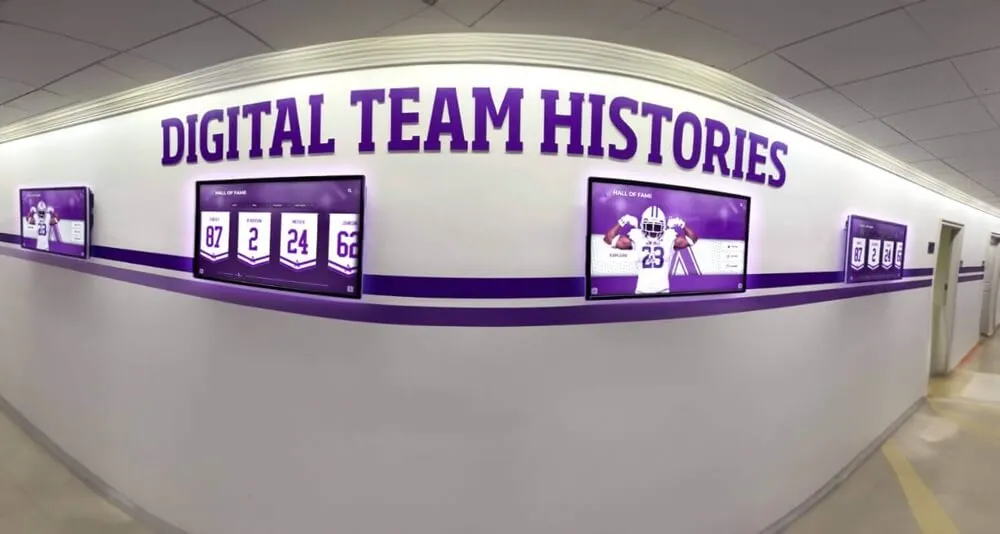
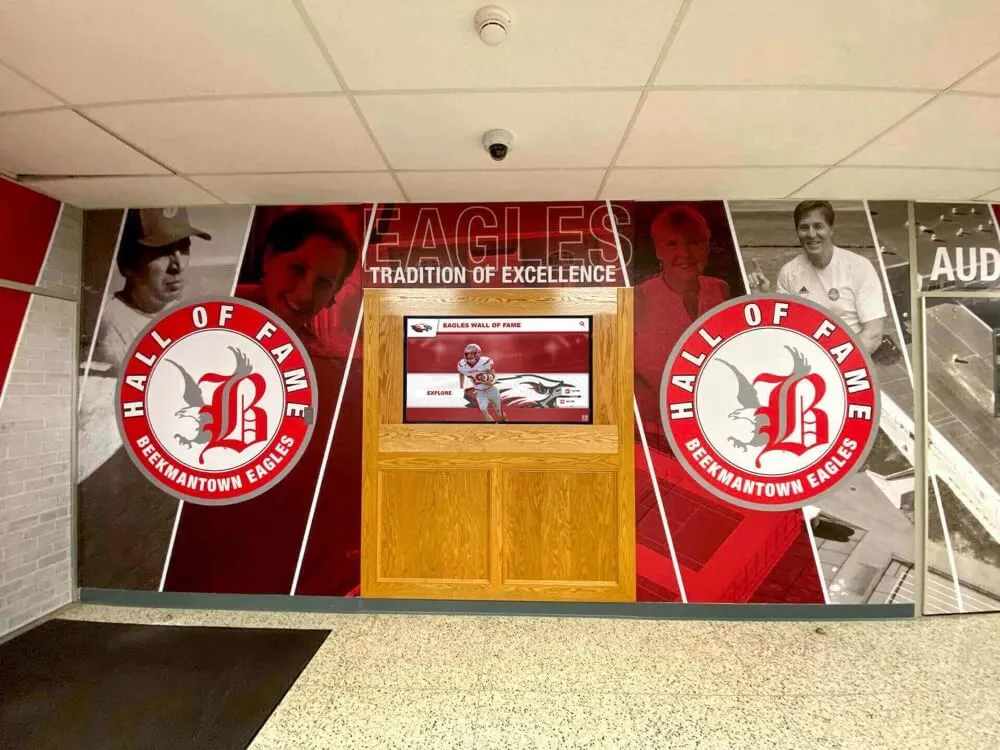
Quality coaching fundamentally determines program success, making personnel leadership perhaps athletic directors’ most critical function. Building strong coaching staffs requires identifying talented coaches, supporting their development, and maintaining environments where excellence flourishes. Understanding how to showcase athletic programs effectively, including through modern digital recognition displays, helps athletic directors create comprehensive recognition systems that motivate coaches and athletes toward excellence.

Budget Development and Financial Management
Athletic directors develop annual budgets allocating resources across sports, manage expenditures ensuring fiscal compliance and accountability, coordinate fundraising activities with booster organizations and donors, allocate revenue from gate receipts and program income, and justify budget requests to school and district administration.
Financial acumen proves essential as athletic directors balance program quality against resource constraints, making allocation decisions affecting team success, coach satisfaction, and community perceptions. Many athletic directors cite budget management as their most challenging ongoing responsibility due to competing demands from multiple sports and stakeholders.
Facilities Oversight and Event Management
Athletic facilities represent significant institutional investments requiring careful stewardship. Athletic directors coordinate facility maintenance and capital improvement projects, schedule facility usage across internal teams and external groups, manage field preparation and equipment inventory systems, oversee event setup for competitions and special ceremonies, and ensure facilities meet safety standards and regulatory requirements.
Major events—playoff games, championships, senior nights, awards ceremonies—demand extensive coordination involving multiple departments, vendors, and community partners. Effective facility and event management ensures smooth operations that enhance rather than detract from athletic experiences.
Compliance Administration and Risk Management
High school and college athletics operate within complex regulatory frameworks established by state associations, conference rules, NCAA regulations, and institutional policies. Athletic directors ensure student-athlete eligibility verification and documentation, maintain compliance records and submit required reports, investigate alleged violations and implement appropriate consequences, manage athletic injury reporting and insurance claims, coordinate emergency action plans and safety protocols, and stay current with evolving regulatory requirements.
Single compliance failures can result in forfeited competitions, championship disqualifications, institutional sanctions, and reputational damage—making meticulous attention to regulatory details essential despite this work being largely invisible when managed successfully.
Student-Athlete Support and Development
Beyond administrative functions, effective athletic directors maintain direct connections with students their programs serve. They attend competitions across all sports throughout seasons, recognize student-athlete achievements through multiple channels, mediate conflicts involving students, coaches, or parents, advocate for student-athlete interests in administrative discussions, and ensure athletics contributes to educational experiences rather than distracting from academic missions.
The most respected athletic directors balance operational efficiency with genuine care for student-athlete wellbeing, remembering that programs exist to serve young people rather than the reverse. Creating comprehensive recognition programs that celebrate diverse achievement helps athletic directors honor contributions across all sports and participants.
Work Environment and Lifestyle Considerations
Athletic director positions involve work environments and schedules significantly different from typical school administration roles:
Irregular Hours and Evening/Weekend Requirements
Athletic competitions, practices, and facility needs don’t respect standard business hours. Most athletic directors work extensive evenings and weekends during competitive seasons, respond to facility emergencies requiring immediate attention regardless of timing, attend games and events across multiple sports, manage logistical crises demanding quick resolution, and coordinate with officials, opponents, and venues according to their schedules.
Many athletic directors report 60-80 hour work weeks during peak fall and winter seasons, with spring offering only modest relief. Summer provides some schedule flexibility for vacation and personal time, though facility projects, scheduling, hiring, and planning for upcoming years fill significant portions of summer months.
High Visibility and Public Scrutiny
In many communities, high school athletics carries outsized importance and public attention. Athletic directors work in visible positions subject to community scrutiny and frequent second-guessing regarding coaching decisions and hirings, competitive success and championship expectations, resource allocation and facility priorities, and policy decisions affecting student-athletes and teams.
Developing resilience and maintaining perspective helps athletic directors weather inevitable criticism accompanying high-profile positions where stakeholders hold strong opinions and emotional investments in outcomes.

Complex Stakeholder Management
Athletic directors navigate competing interests from school administrators expecting budget discipline and academic alignment, coaching staffs advocating for their programs’ resource needs, parents invested emotionally in their children’s athletic experiences, community members with strong opinions about program direction, media seeking information and storylines, and students whose opportunities depend on administrative decisions.
Balancing these diverse interests requires diplomatic skill, clear communication, principled decision-making, and acceptance that disappointing some stakeholders proves unavoidable regardless of decision quality.
Qualifications and Requirements for Athletic Director Jobs
Athletic director positions require specific educational credentials, professional experiences, and demonstrated competencies that prepare individuals for these complex leadership roles.
Educational Requirements and Certifications
State requirements vary, but most athletic director positions require minimum qualifications including:
Bachelor’s Degree
All states require at least bachelor’s degrees for athletic director positions, typically in education, physical education, kinesiology, sports management, or related fields. Most states also require valid teaching certificates for positions structured as teaching positions with administrative stipends, though some states allow administrator pathways without teaching certification for full-time administrative athletic director roles.
Master’s Degree Expectations
While not universally mandated, master’s degrees increasingly represent practical requirements for competitive athletic director candidates. Relevant graduate programs include educational leadership and administration providing administrator certification, sports management or athletic administration focusing specifically on athletic program leadership, educational administration with athletic emphasis, and kinesiology with administrative concentration.
Master’s degrees provide both credential differentiation in competitive job markets and practical preparation through coursework addressing budget management, personnel leadership, legal issues, facilities management, and strategic planning relevant to athletic administration.
State Administrator Certification
Many states classify athletic directors as educational administrators requiring principal or administrator certificates. Obtaining these certifications typically requires master’s degrees in appropriate fields, passing state-specific administrator examinations, completing internship or practicum hours in administrative settings, and maintaining continuing education credits throughout careers.
Some states offer specialized athletic administrator certifications separate from general principal licenses, focusing specifically on athletic program leadership including sports law and liability, athletic budget management, facility oversight, and compliance administration. Prospective athletic directors should research specific requirements in states where they intend to work, as requirements vary significantly across jurisdictions.
Professional Experience and Career Preparation
Beyond formal education, athletic director positions typically require specific professional experiences demonstrating readiness for administrative responsibilities:
Teaching and Coaching Background
The vast majority of athletic directors began careers as teacher-coaches who built credibility through successful coaching before transitioning to administration. Teaching experience provides understanding of educational environments and student development, while coaching experience offers practical knowledge of athletic program operations, competition realities, coach perspectives, and student-athlete needs.
Athletic directors who never coached often struggle gaining coaching staff respect and trust, making coaching experience highly valuable even for those whose ultimate career interest lies in administration rather than coaching itself. For those interested in the career path, learning more about how to become an athletic director provides detailed guidance on transitioning from teaching and coaching into administration.

Leadership Development and Administrative Experience
Successful athletic director candidates demonstrate progressive leadership development through career progression. Valuable experiences include head coaching positions managing programs and assistant coaches, athletic department chair roles coordinating among coaches, assistant athletic director positions in larger districts, committee leadership in state athletic associations or professional organizations, and special project management demonstrating administrative capability.
These experiences allow candidates to develop and demonstrate administrative competencies while building professional networks and visibility within athletic administration communities.
Professional Development and Association Involvement
Active participation in professional athletic administration organizations strengthens credentials and professional networks. The National Interscholastic Athletic Administrators Association (NIAAA) offers comprehensive professional development through their Leadership Training Course (LTC) program comprising courses across leadership, administrative, and program areas. Completing course levels earns Certified Athletic Administrator (CAA) designations representing professional mastery.
State athletic association involvement through committee work, rule interpretation boards, and leadership positions provides professional development while building relationships and visibility essential for career advancement. Conference attendance and workshop participation ensures athletic administrators stay current with emerging issues, regulatory changes, and best practices.
Essential Skills and Competencies
Beyond credentials and experience, athletic director effectiveness depends on specific skill sets:
Financial Management and Budget Leadership
Athletic directors must understand fund accounting and financial reporting, budget forecasting and resource allocation, vendor negotiation and contract management, fundraising strategies and development work, and financial compliance and oversight systems.
Financial mismanagement—even unintentional—quickly undermines credibility and tenure, making financial competency essential for sustained success.
Personnel Leadership and Coach Development
Managing diverse coaching staffs requires skills in providing clear expectations and constructive feedback, supporting professional development and continuing education, mediating conflicts and conducting difficult conversations, recognizing and celebrating staff excellence, holding personnel accountable to program standards, and recruiting strong coaching candidates.
Coach quality fundamentally determines program success, making personnel leadership perhaps the most important athletic director capability.
Communication and Stakeholder Relations
Athletic directors constantly communicate with diverse audiences through professional written communication in memos and emails, effective verbal communication in meetings and presentations, diplomatic handling of complaints and difficult conversations, transparent decision-making that builds trust, and proactive information sharing preventing surprises and speculation.
Communication failures create most athletic director problems—misunderstandings escalate into conflicts, information vacuums breed rumors, and poor messaging damages critical relationships.
Career Paths to Athletic Director Positions
Understanding common career trajectories helps aspiring athletic directors position themselves strategically and navigate advancement opportunities effectively.
Traditional Coaching to Administration Pathway
The most common path to athletic director positions progresses through teaching and coaching experience:
Stage 1: Teacher-Coach (Years 1-5)
Most athletic directors begin as physical education teachers or teachers in other subjects while simultaneously coaching one or more sports. This foundation provides essential credibility with coaching staffs and practical understanding of program realities.
Aspiring athletic directors in this stage should coach multiple sports if possible to demonstrate breadth, pursue graduate education in educational leadership or sports administration, develop strong relationships with administrators and veteran coaches, volunteer for administrative tasks beyond coaching responsibilities, and express interest in athletic leadership to current athletic directors.
Stage 2: Lead Coach or Department Leadership (Years 6-10)
Successful teacher-coaches advance to head coaching positions in major sports or department leadership roles, building track records of program success and administrative capability. During this stage, focus on event coordination and facility management beyond direct coaching, team budget management and financial oversight, assistant coach supervision and development, service on athletic advisory committees, and completion of advanced degrees and administrator certifications.
Strategic candidates use this stage to volunteer for administrative projects, demonstrate capability beyond coaching, and position themselves as logical successors when athletic director opportunities arise.

Stage 3: Assistant Athletic Director (Years 11-15)
Some larger districts employ assistant athletic directors who handle specific domains like scheduling, facilities, game management, or compliance. These positions provide administrative experience with reduced overall responsibility compared to head athletic director roles, offering excellent preparation while building professional networks and visibility.
Not all career paths include assistant roles—many athletic directors transition directly from coaching to full athletic director positions at their schools or nearby districts based on demonstrated leadership capability and administrative preparation.
Stage 4: Athletic Director (Years 15+)
After building coaching credibility, demonstrating administrative capability, and obtaining required credentials, successful candidates transition to athletic director roles. Initial positions often occur at smaller schools or as internal promotions, with subsequent career moves to larger programs offering higher compensation and increased program scope.
Alternative Pathways to Athletic Administration
While teaching-coaching represents the dominant pathway, alternative routes exist for those with different professional backgrounds:
Athletic Training to Administration
Certified athletic trainers possess deep understanding of athlete health and safety, regulatory compliance, risk management, and program operations—all valuable in athletic director roles. Some athletic trainers transition to athletic administration, particularly at larger schools where familiarity with complex athletic programs and established relationships with coaches and administrators facilitate advancement.
Facilities Management to Athletic Leadership
Individuals responsible for facility operations sometimes transition into athletic director positions when they develop comprehensive understanding of program needs and demonstrate capability for broader administrative responsibilities beyond physical plant management.
Sports Information and Communication to Administration
Staff managing athletic communications, media relations, and digital presence sometimes advance to administrative positions, leveraging knowledge of program operations and external relations essential to athletic leadership in an increasingly digital age. Understanding modern communication strategies including digital recognition systems that showcase programs effectively helps these professionals transition into broader leadership roles.
Career Transitions from Outside Education
Occasionally schools hire athletic directors from outside education—former college or professional athletes with business experience, sports industry professionals seeking education careers, or military veterans transitioning to second careers. However, such candidates face significant credibility challenges without teaching and coaching backgrounds, and must work harder to gain acceptance from coaching staffs and establish themselves within education environments.
The Athletic Director Job Market
Understanding employment realities helps aspiring athletic directors set realistic expectations and identify promising opportunities.
Job Availability and Market Conditions
Athletic director positions exist at virtually all high schools and many middle schools across the United States, creating substantial overall demand. However, job market conditions vary significantly by geography, school size, and local circumstances:
Stable Demand with Moderate Competition
Nearly all high schools employ athletic directors, and steady retirement of current administrators creates ongoing demand for new professionals entering the field. However, athletic director positions attract moderate competition—stronger than some specialized education positions but less intense than certain teaching positions in desirable subjects or locations.
Competitive candidates with appropriate credentials, relevant experience, strong references, and geographic flexibility typically find opportunities, particularly those willing to start at smaller schools or less competitive markets before advancing to preferred positions.
Geographic Variation in Opportunities
Job availability varies by region and state. Growing population areas in the South, Southwest, and Mountain West create more frequent openings due to both new school construction and growing student enrollments. Declining enrollment regions in parts of the Midwest and Northeast see fewer openings, though retirement-related openings still occur regularly.
Urban and suburban areas typically see more frequent athletic director turnover than rural communities, where athletic directors may remain at schools for 15-25+ years. Understanding regional patterns helps candidates target job searches effectively.

School Size and Position Types
Athletic director positions vary significantly by school size and program scope:
Small Schools (under 500 students) typically combine athletic director responsibilities with teaching full course loads or other administrative duties. These positions offer entry points for aspiring athletic directors willing to accept combined responsibilities, often with more manageable competition than full-time positions.
Medium Schools (500-1,500 students) often employ athletic directors who teach reduced course loads while handling athletic administration, or full-time athletic directors depending on district size and resources. These positions provide balance between manageable program scope and sufficient challenge to develop comprehensive administrative skills.
Large Schools (1,500-3,000+ students) typically employ full-time athletic directors managing substantial programs, budgets, and staffs. These positions offer higher compensation and prestige but attract stronger competition, often going to experienced athletic directors moving from smaller schools rather than first-time administrators.
Finding and Applying for Athletic Director Positions
Strategic job search approaches help candidates identify and pursue opportunities effectively:
Traditional Job Posting Sources
Athletic director positions are typically posted through state employment systems and education job boards, district websites and human resources pages, state athletic association job listings, professional organization career centers like NIAAA, and general education job search sites like EdJoin and K12JobSpot.
Setting up job alerts through multiple sources ensures awareness of openings as they’re posted, critical since athletic director positions often have relatively short application windows of 2-4 weeks.
Professional Networking and Referrals
Many athletic director positions are filled through professional networks before extensive external recruitment. Active participation in state athletic association activities, relationship development with athletic directors in surrounding districts, conference involvement and committee work, mentorship from experienced athletic directors, and visibility through presentations or professional writing all create networking advantages leading to opportunities.
Letting trusted colleagues and mentors know about career interests often results in early awareness of openings or strong recommendations to hiring administrators.
Application Materials and Positioning
Strong athletic director applications require several key components:
Comprehensive Resumes highlighting teaching and coaching experience with specific accomplishments, administrative experience and special projects, education credentials and certifications, professional organization involvement, and relevant professional development.
Compelling Cover Letters demonstrating understanding of specific school contexts and needs, articulating athletic philosophy and administrative approach, highlighting relevant experience and accomplishments, and expressing genuine interest in particular positions and communities.
Reference Selection from current administrators who can speak to leadership capability, experienced athletic directors familiar with candidate’s work, coaching colleagues attesting to program knowledge and credibility, and ideally a state athletic association leader or professional organization colleague providing broader professional perspective.
Strategic candidates tailor application materials to specific positions, demonstrating understanding of schools’ unique contexts, challenges, and opportunities rather than submitting generic applications.
Succeeding as an Athletic Director
Landing an athletic director position represents just the beginning. Long-term success and career satisfaction depend on effective leadership once in these roles.
Building Program Excellence and Positive Culture
Effective athletic directors focus on comprehensive excellence rather than merely operational management:
Establishing Clear Vision and Values
Strong athletic directors articulate clear visions for program success that extend beyond win-loss records to comprehensive student development. They establish program values emphasizing integrity, sportsmanship, and academic achievement alongside competitive excellence, communicate expectations consistently to all stakeholders, and align athletic programs with broader institutional missions and community values.
This values-based leadership creates cultures where coaches, athletes, and community members understand what programs stand for beyond simply winning games.

Developing Coaching Excellence
Athletic directors’ most important work involves building strong coaching staffs through recruiting talented coaches who align with program values, providing meaningful professional development opportunities, offering constructive feedback supporting continuous improvement, recognizing and celebrating coaching excellence, and creating environments where coaches feel supported and valued.
Quality coaching staffs provide foundation for sustained program success across all sports and achievement levels.
Creating Comprehensive Recognition Systems
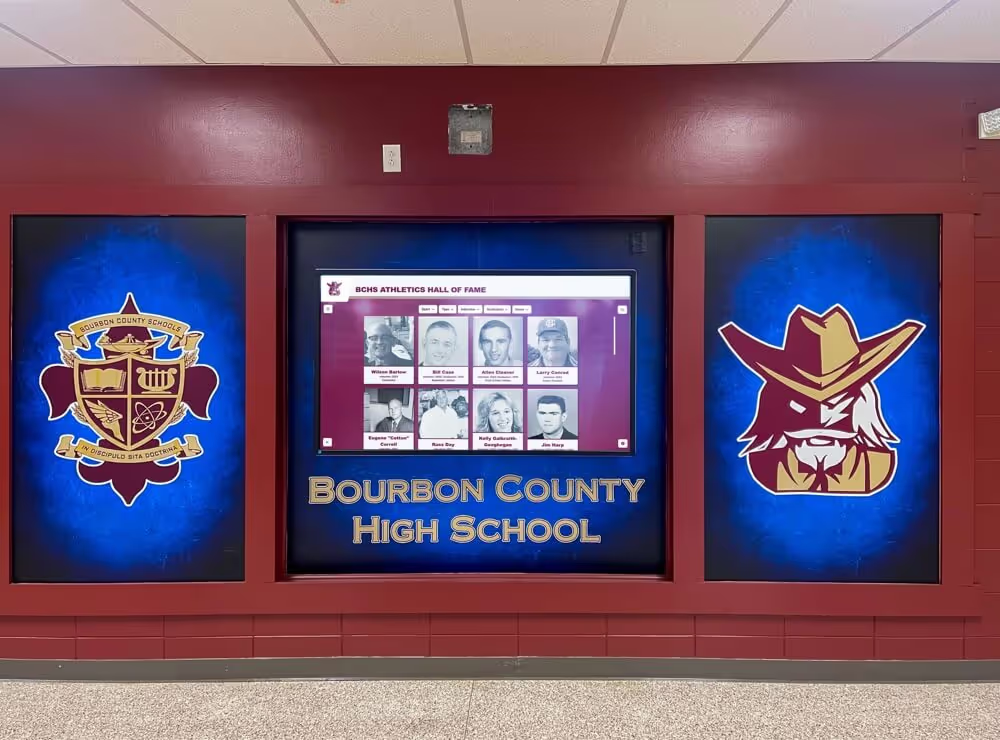
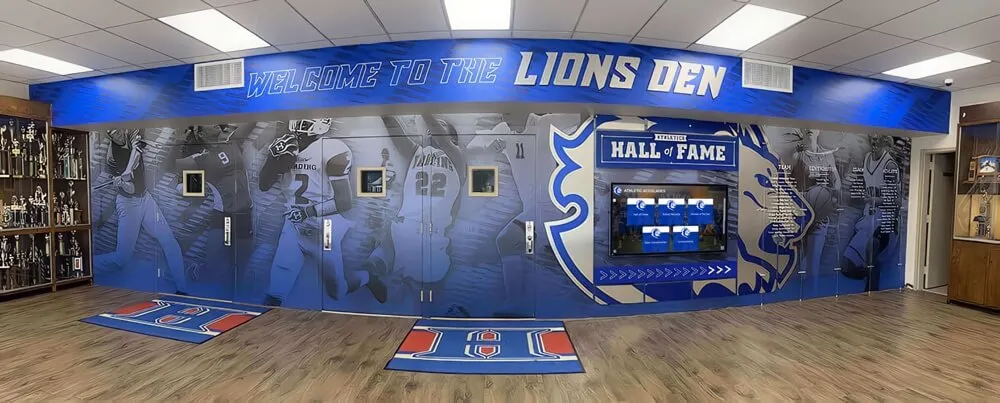
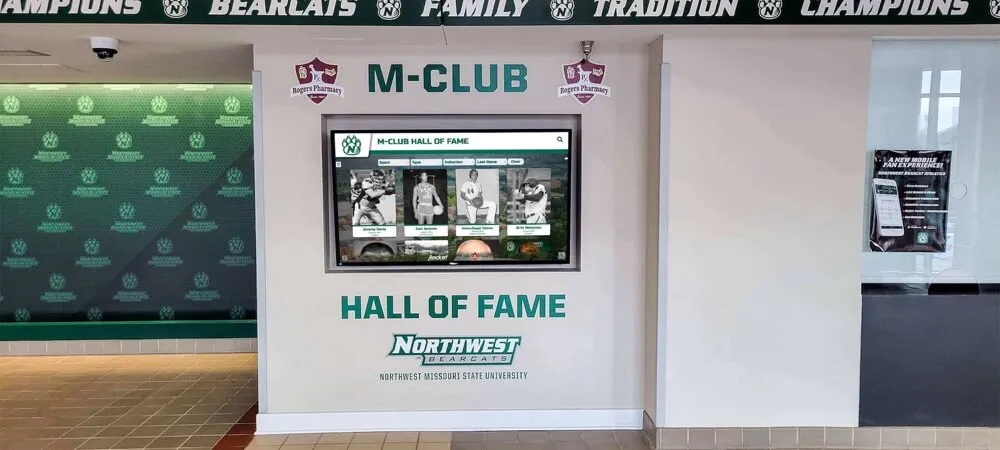
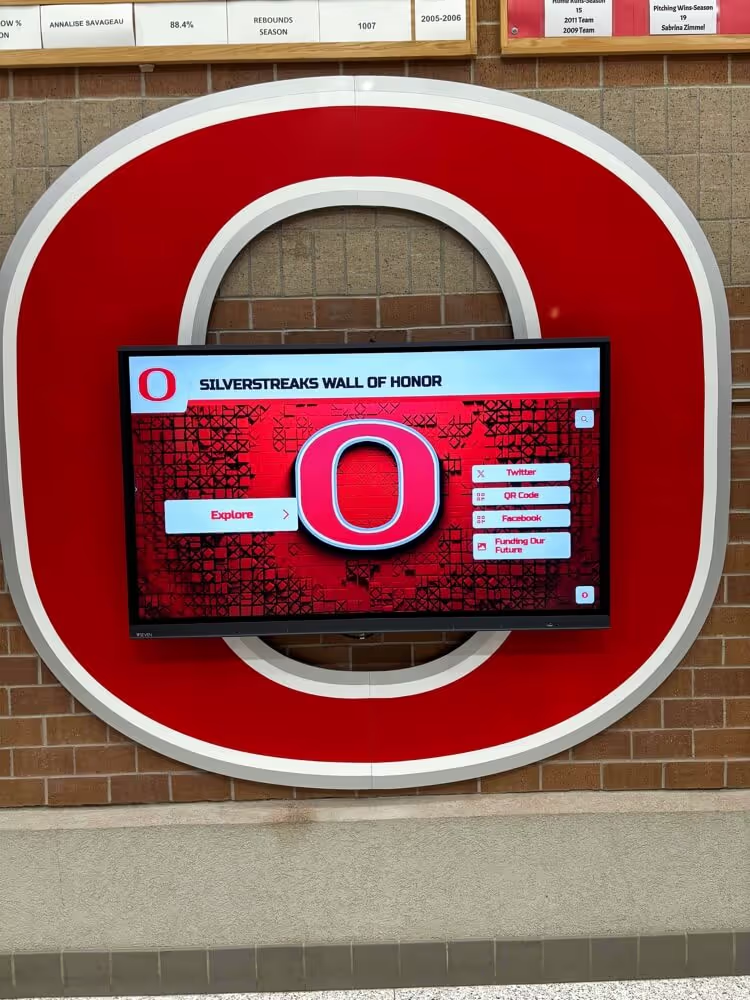
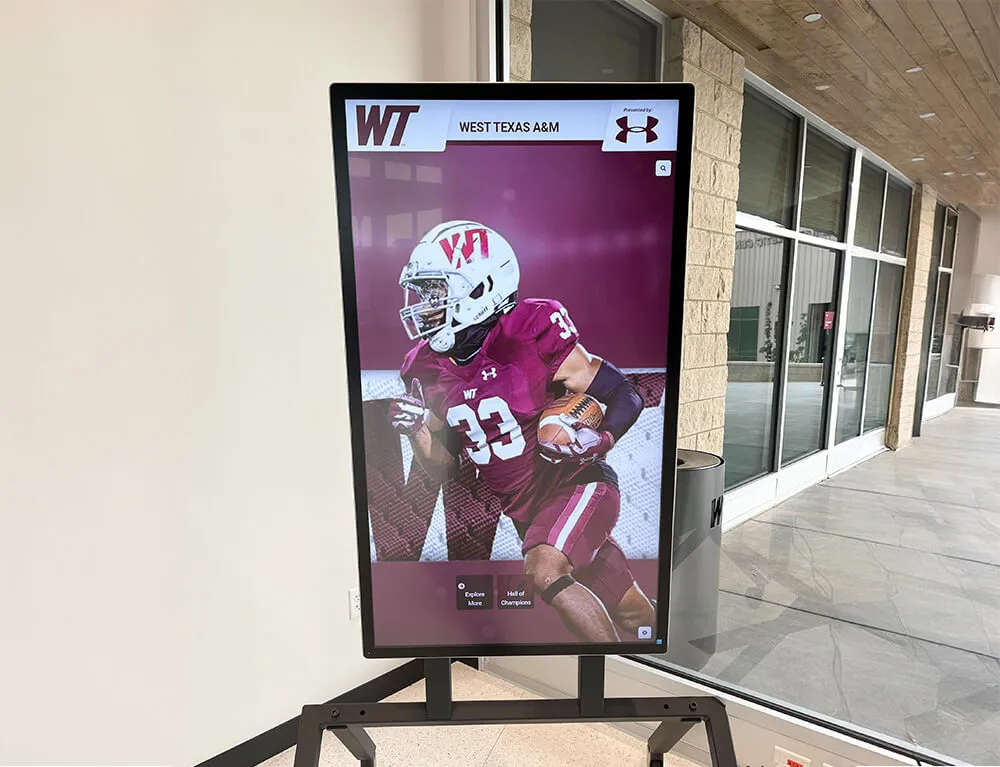
Effective athletic directors ensure all student-athletes and achievements receive appropriate recognition through multiple channels. This includes annual awards ceremonies celebrating diverse achievement types, digital recognition displays showcasing athletes across all programs, social media and communications highlighting various sports equitably, hall of fame programs honoring sustained excellence, and physical facility recognition acknowledging championships and records.
When athletic directors ensure all programs feel valued through comprehensive recognition, entire athletic departments strengthen rather than just high-profile sports. Modern platforms like Rocket Alumni Solutions provide purpose-built digital recognition systems specifically designed for school athletic programs, allowing athletic directors to create sophisticated interactive displays that honor achievement across all sports while remaining manageable within busy administrative schedules.
Maintaining Stakeholder Relationships and Communication
Success as an athletic director depends heavily on relationship quality and communication effectiveness:
Supporting Coaching Staffs
The best athletic directors prioritize providing resources adequate for program needs within budget constraints, removing obstacles preventing coaching effectiveness, defending coaches against unfair criticism, celebrating coaching success and program achievements, and maintaining appropriate boundaries between support and micromanagement.
Coaches who feel genuinely supported work harder, stay longer, and achieve more consistent success, strengthening entire athletic programs.
Collaborating with School Administration
Athletic directors must maintain strong working relationships with principals and district administrators by aligning athletics with broader educational missions, communicating proactively about challenges and issues, demonstrating fiscal responsibility and accountability, supporting school-wide initiatives and policies, and positioning athletics as contributors to overall school excellence.
Athletic directors who clash with principals typically don’t last long regardless of program success, making these relationships critical for tenure and effectiveness.
Engaging Community and Parent Stakeholders
External stakeholders deserve transparent communication and engagement without being allowed to dictate administrative decisions. Effective approaches include clear communication about policies and decision-making processes, accessible channels for concerns and feedback, consistent rule application without favoritism, responsive attention to legitimate issues, and firm boundaries against inappropriate interference.
Athletic directors must balance accessibility and responsiveness with maintaining professional authority and appropriate role boundaries that protect program integrity.
Continuing Professional Growth
Athletic directors committed to excellence pursue ongoing professional development:
Advanced Credentials and Specializations
Some athletic directors pursue doctoral degrees in educational leadership or sports management, specialized certifications in areas like Title IX compliance or facility management, and advanced NIAAA Leadership Training Course levels earning higher CAA designations.
While not required for effectiveness, advanced credentials position athletic directors for district-level coordinator roles, college athletic administration positions, or state athletic association leadership.
Professional Association Leadership
Service in leadership roles within NIAAA, state athletic associations, or conference governance provides professional development while contributing to broader athletic administration profession. These leadership experiences build networks, develop expertise, and create visibility supporting continued career advancement.
Staying Current with Trends and Technology
Athletic administration continues evolving with emerging trends in facility technology and digital systems, communications and social media management, data analytics for program assessment, and compliance requirements and risk management. Athletic directors who embrace innovation and stay current with best practices gain competitive advantages. Understanding options like modern recognition technology helps athletic directors create comprehensive recognition programs celebrating all student-athletes effectively.

Future Outlook for Athletic Director Careers
Several trends will likely shape athletic director positions and career opportunities in coming years:
Increasing Professionalization
Expectations for athletic director credentials, professional development, and operational sophistication continue rising. Amateur approaches that once sufficed increasingly prove inadequate as programs face complex regulatory requirements, elevated stakeholder expectations, and competitive pressures requiring professional-level management.
This professionalization trend benefits qualified, committed athletic directors while making the profession less accessible to those seeking relatively easy transitions from coaching without substantial administrative preparation.
Technology Integration and Digital Innovation
Athletic administration increasingly depends on sophisticated technology platforms for program management, communication, and recognition. Athletic directors must become comfortable with digital scheduling and registration systems, social media and digital marketing, data-driven decision-making, and interactive recognition technologies.
Those who embrace technology gain significant competitive and operational advantages while better serving digitally-native student-athletes and parents. Exploring resources about touchscreen recognition displays helps athletic directors understand modern solutions for celebrating athletic achievement.
Enhanced Equity and Inclusion Focus
Title IX compliance remains essential, but broader equity concerns increasingly shape athletics including gender equity extending beyond minimum legal requirements, ethnic and racial diversity in coaching staffs and leadership, adaptive sports programs for students with disabilities, inclusive policies for LGBTQ+ student-athletes, and equitable resource allocation across high and low-profile sports.
Athletic directors must navigate these issues thoughtfully, ensuring programs reflect contemporary values around inclusion and access while maintaining support from diverse stakeholder groups.
Student Wellbeing and Mental Health Priorities
Growing awareness of student mental health challenges requires athletic programs to emphasize athlete wellbeing over winning at any cost, implement reasonable practice and competition schedules avoiding excessive demands, provide coach training on recognizing mental health concerns, connect with school counseling and support services, and prevent toxic behavior, harassment, or abuse.
Athletic directors increasingly serve as stewards of comprehensive student-athlete wellbeing rather than merely competitive success, requiring skills in crisis management, mental health awareness, and supportive program culture development.
Conclusion: Building Rewarding Careers in Athletic Leadership
Athletic director jobs offer unique opportunities to shape comprehensive programs serving hundreds of student-athletes annually, develop coaching professionals whose influence extends across decades, create cultures emphasizing integrity alongside excellence, and build recognition systems celebrating achievement that inspires current and future generations.
These positions demand significant commitments—long irregular hours, complex stakeholder management, high-visibility decision-making, and ongoing professional challenges. Yet for those passionate about athletics and educational leadership, athletic director careers provide deeply meaningful work extending impact far beyond individual classrooms or single teams.
The pathway to athletic director positions requires strategic preparation through building coaching credibility establishing respect with athletic communities, obtaining required credentials including advanced degrees and certifications, demonstrating administrative capability through progressive leadership experiences, and developing professional networks creating visibility and opportunity.
The job market offers steady opportunities for qualified candidates, particularly those with geographic flexibility and willingness to start at smaller schools before advancing to larger programs. Understanding that athletic director positions vary significantly by school size, region, and program scope helps candidates target searches toward realistic opportunities matching their experience levels and career stage.
Success as an athletic director depends on more than just operational competence—it requires values-based leadership creating cultures where student-athletes develop as complete people, personnel management building excellent coaching staffs, financial stewardship maximizing limited resources, and relationship management balancing diverse stakeholder interests.
For those considering athletic director careers, the essential question isn’t whether these positions involve hard work and significant challenges—they certainly do. Rather, the question is whether this particular form of educational leadership aligns with personal strengths, interests, and values in ways making the challenges meaningful rather than merely burdensome.
Athletic directors who find fulfillment in this work share common characteristics: genuine care for student-athlete development beyond competitive outcomes, comfort with complexity and ambiguity inherent in balancing diverse interests, resilience weathering criticism and setbacks while maintaining positive perspective, and commitment to values-based leadership even when pressured to compromise.
If these characteristics resonate with you, if you’re drawn to comprehensive athletic leadership rather than focusing on individual sports, and if you’re willing to invest in the preparation these positions require, athletic director careers offer opportunities to make profound, lasting impacts on students, programs, and communities.
Whether you’re early in your education career exploring possibilities, a mid-career coach considering administrative transition, or an experienced administrator seeking advancement, understanding athletic director jobs—their responsibilities, requirements, pathways, and realities—positions you to make informed decisions about pursuing these influential leadership roles in school athletics.
The athletic programs you’ll lead, the coaches you’ll develop, the student-athletes whose lives you’ll touch, and the cultures you’ll create will reflect your leadership for years and decades beyond your tenure. Few education careers offer such comprehensive influence and lasting legacy. For those prepared to embrace the challenges, athletic director positions provide remarkable opportunities to lead, serve, and make enduring differences in young people’s lives through the powerful medium of scholastic athletics.
Frequently Asked Questions About Athletic Director Jobs
What qualifications do you need to become an athletic director?
Most athletic director positions require at least a bachelor’s degree in education, physical education, kinesiology, or sports management, along with valid teaching certification in states where athletic directors are classified as teacher-administrators. Increasingly, master’s degrees in educational leadership, athletic administration, or related fields represent practical requirements even when not legally mandated. Most states also require administrator certifications obtained through graduate education, examination, and supervised administrative experience. Additionally, most athletic directors have substantial teaching and coaching experience—typically 5-10+ years—before transitioning to administrative roles. Professional development through organizations like the National Interscholastic Athletic Administrators Association (NIAAA), including Certified Athletic Administrator (CAA) credentials, strengthens qualifications significantly. The specific requirements vary by state and school district, so researching requirements in your target location is essential.
How much do athletic directors make?
Athletic director salaries vary substantially based on geographic region, school size, experience level, and whether positions are structured as full-time administrative roles or teaching positions with administrative stipends. Nationally, total compensation typically ranges from $50,000-$130,000 annually. Entry-level positions at small schools in lower-paying regions might start around $50,000-$65,000, while experienced athletic directors at large suburban schools in high-paying states like California, New York, or Connecticut can earn $100,000-$130,000 or more. The most common compensation model combines teacher base salaries ($45,000-$80,000 depending on experience and region) with administrative stipends ($8,000-$25,000) for athletic director duties. Some larger districts employ full-time athletic directors following administrator salary schedules separate from teaching scales, typically paying $70,000-$120,000. Benefits packages including health insurance, retirement contributions, and professional development funding add substantial value beyond base compensation.
What is the typical career path to becoming an athletic director?
The most common pathway begins with teaching and coaching experience (typically 5-10+ years) building credibility and understanding of athletic programs. Most athletic directors start as teacher-coaches, progress to head coaching positions in major sports while pursuing master’s degrees, volunteer for administrative responsibilities beyond coaching, and eventually transition to athletic director roles either through internal promotion or external hiring. Some larger districts employ assistant athletic directors providing stepping stones to head AD positions. The timeline typically spans 10-20 years from initial teaching to athletic director positions, though this varies based on individual circumstances, geographic location, and opportunity availability. Alternative pathways exist through athletic training, sports information, or facilities management backgrounds, though these remain less common than the teaching-coaching route. Key success factors include obtaining required credentials (master’s degrees and administrator certifications), demonstrating leadership capability through progressive responsibilities, and building professional networks through state athletic association involvement and professional organization participation.
What are the main responsibilities of an athletic director?
Athletic directors manage comprehensive athletic programs encompassing numerous sports, coaches, student-athletes, and substantial budgets. Core responsibilities include hiring, supervising, and developing coaching staffs across all sports; developing and managing athletic budgets often ranging from hundreds of thousands to millions of dollars; overseeing athletic facilities including maintenance, scheduling, and capital improvements; ensuring compliance with state athletic association rules, league regulations, and institutional policies; coordinating event management for competitions, tournaments, and special ceremonies; managing student-athlete eligibility and maintaining required documentation; handling communication with diverse stakeholders including coaches, parents, administrators, and community members; representing athletic department interests to school leadership and external constituencies; and supporting student-athlete development academically and personally. The role requires balancing competing interests, managing crises, working irregular hours including extensive evenings and weekends, and maintaining visibility across all sports and programs regardless of personal sport interests or expertise.
Is there high demand for athletic director positions?
The athletic director job market shows stable moderate demand rather than extremely high demand or severe shortages. Nearly all high schools employ athletic directors, and retirement of current administrators creates steady job openings. However, these positions attract moderate competition from qualified candidates, meaning openings aren’t difficult to fill but also don’t go unfilled for extended periods. Geographic demand varies—growing population regions in the South, Southwest, and Mountain West see more frequent openings due to new schools and expansion, while declining enrollment areas have fewer positions but still experience retirement-related turnover. Competition intensity varies by position type—smaller schools in rural areas or lower-paying regions attract fewer applicants than large suburban schools in desirable locations with competitive compensation. Candidates with appropriate credentials, relevant experience, strong references, and geographic flexibility typically find opportunities, particularly when willing to start at smaller schools before advancing to preferred positions. Overall job security proves strong once employed, as athletic directors who perform competently typically remain in positions for many years or advance to larger districts rather than facing termination.
Can you become an athletic director without coaching experience?
While technically possible in some states and districts, becoming an athletic director without coaching background proves extremely challenging and uncommon. Coaching experience provides essential credibility with coaching staffs who often struggle respecting athletic directors who never coached and lack firsthand understanding of coaching demands and realities. Additionally, coaching offers practical knowledge of program operations, competition dynamics, student-athlete development, and pressures coaches face—all critical for effective administrative decision-making. The vast majority of successful athletic directors built substantial coaching track records before transitioning to administration. Athletic directors entering from alternative pathways like athletic training, facilities management, or business backgrounds face longer learning curves and credibility challenges even when they possess relevant administrative skills. For those serious about athletic director careers but not currently coaching, seeking coaching opportunities even in volunteer or assistant capacities helps build essential experience and credibility. At minimum, demonstrating deep understanding of athletics through involvement as officials, statisticians, or event coordinators provides some foundation, though full coaching experience remains highly advantageous.
What’s the difference between high school and college athletic director positions?
High school and college athletic director positions share similar core functions—personnel management, budget oversight, facility management, compliance administration, and program leadership—but differ significantly in scale, complexity, compensation, and specific responsibilities. High school athletic directors typically manage smaller budgets ($100,000-$1,000,000 vs. multi-million dollar college budgets), employ fewer full-time staff (most coaches are part-time teachers vs. full-time college coaches), focus on educational mission and broad participation rather than revenue generation and elite competition, and work more directly with student-athletes and parents rather than primarily through coaching staffs. College athletic directors at NCAA Division I institutions function as senior executives managing major enterprises with commercial broadcast contracts, donor relationships requiring millions in fundraising, complex regulatory compliance through NCAA regulations, and public relations demands from alumni and media. Compensation reflects these differences—high school ADs typically earn $50,000-$130,000 while Division I college ADs can earn $200,000-$2,000,000+ at major programs. Required qualifications differ too—high school positions typically require teaching backgrounds and state administrator certifications, while college positions may accept business or sports management backgrounds without teaching experience. Career paths sometimes progress from successful high school athletic director roles to small college Division III positions, then potentially to larger college programs, though many athletic directors find fulfillment remaining in K-12 education throughout their careers.
What are the most challenging aspects of being an athletic director?
Athletic directors consistently cite several particularly challenging aspects of their roles. Work-life balance proves difficult due to extensive evening and weekend requirements during competitive seasons, irregular hours responding to facility issues and crises, and the reality of 60-80 hour work weeks during peak periods leaving limited personal and family time. Resource scarcity creates ongoing challenges as athletic directors must allocate insufficient budgets across programs with competing needs, making difficult decisions about which sports receive priority resources and managing disappointment from coaches and parent groups whose programs don’t receive desired funding. Stakeholder management complexity requires balancing competing interests from school administrators, coaching staffs, parents, community members, and students—each with different priorities and strong opinions. Personnel challenges including hiring quality coaches, addressing performance issues, mediating conflicts, and occasionally terminating employees prove emotionally difficult despite being necessary leadership functions. High visibility and public scrutiny mean decisions face constant second-guessing and criticism from community members who have strong emotional investments in athletics. Compliance administration requires meticulous attention to complex regulatory requirements where single mistakes can result in serious consequences. Despite these challenges, most athletic directors find the work deeply rewarding and meaningful, citing the impact on student-athletes and programs as justifying the difficulties inherent in these demanding leadership positions.