



Student artwork represents some of the most visible and powerful expressions of creativity within school communities. Art classrooms across the country generate thousands of paintings, drawings, sculptures, digital designs, and mixed-media pieces each semester—yet most schools struggle to display this creative work in ways that appropriately honor student effort while inspiring continued artistic development. Traditional gallery spaces face severe space limitations, temporary hallway displays last only weeks before being replaced, and exceptional student art often remains unseen beyond brief exhibition periods or small classroom audiences.
This comprehensive guide explores effective strategies for art class gallery displays in 2026, from understanding why visual arts recognition matters to implementing physical exhibition spaces, digital gallery platforms, and hybrid approaches that extend student artwork visibility beyond brief display periods. Whether you're an art teacher seeking better ways to showcase student work, an administrator planning gallery renovations, or a school leader wanting to strengthen arts culture, this guide provides practical approaches, proven solutions, and innovative ideas that transform how schools celebrate student visual creativity.
Understanding the Importance of Art Class Gallery Displays
Art class gallery displays serve purposes that extend far beyond simple decoration. When implemented thoughtfully, these displays become essential educational tools, motivational systems, and cultural anchors that shape school identity and student development.
Why Showcasing Student Art Matters
Visual arts education develops crucial capabilities including creative problem-solving, visual literacy, technical skill mastery, and self-expression. Yet unlike academic achievements documented on transcripts or athletic accomplishments preserved in record books, student artwork often exists only temporarily—hanging briefly in classrooms or hallways before being taken home, stored away, or discarded to make room for new work.
Validation and Motivation
Public display validates student effort and creativity. When schools exhibit student artwork prominently, they communicate that visual arts matter and that creative expression deserves celebration alongside academic and athletic achievement. This validation proves particularly important for students whose strengths lie in visual domains rather than traditional academic areas. An art class gallery display can provide the recognition and confidence boost that keeps students engaged in creative pursuits.
Portfolio Development and Documentation
Students pursuing art-related college programs or careers need portfolios documenting their creative development. Comprehensive gallery systems that photograph and archive exhibited work create automatic portfolio documentation. Students can reference gallery archives when assembling application materials, showing progression from foundational exercises through sophisticated final projects. This documentation proves especially valuable since many students discard or lose original artwork, making archived gallery photos their only remaining documentation of important creative work.
Skill Demonstration and Growth Tracking
Gallery displays that include work from various skill levels and project types demonstrate the full scope of learning occurring in art programs. Beginning students see where dedicated practice and instruction can lead. Advanced students can look back at their earlier work, recognizing their own growth. Teachers can use gallery archives to show parents and administrators the progression of skills development throughout courses, providing concrete evidence of program effectiveness.
Community Connection and Arts Advocacy
Prominent art displays create visual reminders of arts education value throughout school communities. When visitors encounter exceptional student artwork during campus tours, open houses, or daily activities, they develop stronger appreciation for arts programs. This visibility proves essential during budget discussions and resource allocation decisions. Schools can point to tangible evidence of student creative achievement when advocating for continued arts funding and program support.
The Educational Value of Public Display
Beyond honoring individual students, gallery displays serve important educational functions that enhance learning for all students.
Visual Literacy Development
Viewing artwork teaches students to analyze visual information, recognize artistic techniques, understand composition and design principles, and develop aesthetic judgment. Regular exposure to diverse student artwork—paintings, drawings, sculptures, digital designs, photographs, and mixed media—builds visual literacy skills that apply across disciplines. Students learn to notice details, make comparisons, identify styles, and articulate responses to visual stimuli.
Inspiration and Aspiration
Student artwork provides accessible inspiration for peers. Unlike professional art that might seem unattainably excellent, peer artwork demonstrates what’s possible with available resources, instruction, and dedicated effort. Beginning students see achievable goals when viewing advanced students’ work. All students gain ideas for techniques, subjects, and approaches they might explore in their own creative work. This peer inspiration often proves more motivating than teacher demonstrations or professional examples because students recognize the creators as fellow learners rather than expert professionals.
Cultural Representation and Identity
Art class galleries provide spaces where diverse cultural backgrounds, personal experiences, and individual perspectives receive visible recognition. When schools display artwork exploring students’ cultural heritage, family traditions, community issues, and personal narratives, they communicate that diverse identities and experiences belong and matter. This cultural visibility contributes to inclusive school climates where all students see themselves reflected in institutional celebrations.
Cross-Curricular Connections
Art displays can highlight connections between visual arts and other subjects. Scientific illustrations, historical context paintings, literary interpretations, mathematical patterns, and social justice themes in artwork demonstrate how visual arts integrate with academic disciplines. These connections help students recognize art education as intellectually rigorous rather than purely recreational, strengthening broader understanding of artistic work’s educational value.
Traditional Physical Gallery Display Approaches
Most schools rely primarily on physical display methods for showcasing student artwork. Understanding various approaches helps art teachers and administrators maximize these traditional spaces while recognizing their limitations.
Dedicated Art Gallery Spaces
Some schools maintain dedicated gallery spaces specifically for rotating art exhibitions. These formal galleries might occupy renovated classrooms, repurposed common areas, or purpose-built exhibition rooms.
Professional Gallery Features
Effective dedicated galleries incorporate several professional features that enhance artwork presentation. Track lighting or adjustable spotlights properly illuminate artwork without glare or shadows. Neutral wall colors—typically white or light gray—provide clean backgrounds that don’t compete with displayed art. Professional hanging systems with rails, hooks, or wire systems enable easy artwork rotation without damaging walls. Display cases house three-dimensional work, ceramics, and sculptures securely. And comfortable viewing space allows audiences to step back and properly view artwork from appropriate distances.
Exhibition Programming and Rotation
Successful gallery spaces maintain regular exhibition schedules with planned rotation throughout school years. Common approaches include semester-long exhibitions featuring specific grade levels or courses, monthly themed shows highlighting particular media or subjects, annual showcase exhibitions displaying award-winning work, and senior art shows celebrating graduating students’ portfolios. Regular rotation ensures all students receive exhibition opportunities while keeping galleries fresh and encouraging repeat visits.
Opening Receptions and Community Events
Many schools host opening receptions for major exhibitions, inviting families, community members, and other students to celebrate featured artists. These events transform galleries from passive display spaces into community gathering points where students receive direct recognition, families share pride in creative achievements, and broader communities engage with student creativity. Reception events typically include artist statements or labels, opportunities for visitors to meet student artists, and sometimes demonstrations or discussions about featured work. Learn more about comprehensive digital art gallery approaches that complement physical spaces.
Hallway and Common Area Displays
The most common display approach involves utilizing hallway walls, cafeteria spaces, library areas, and other common areas throughout school buildings.
Strategic Location Selection
Effective hallway displays require thoughtful location selection. High-traffic areas near main entrances, cafeterias, or central hallways ensure maximum visibility. Well-lit locations with adequate viewing distance allow proper appreciation without crowding. Protected areas away from water fountains, busy doorways, or high-contact zones reduce accidental damage. And locations near art classrooms create natural exhibition spaces that students pass regularly, building program visibility and pride.
Display Methods and Mounting
Various mounting approaches balance aesthetic presentation with practical installation considerations. Traditional framing behind glass provides professional presentation and protection but requires investment in frames and creates storage challenges when artwork rotates. Cork or fabric-covered bulletin boards enable easy pinning but can appear cluttered if not carefully arranged. Magnetic hanging systems allow quick rotation while maintaining clean appearance. And wire hanging systems with clips provide flexibility for various artwork sizes while creating gallery-like presentation.
Thematic Organization
Organized displays create more impact than random artwork arrangement. Common organizational approaches include grouping by medium, clustering by theme or subject matter, arranging by color to create visual harmony, organizing by skill level to show progression, and creating grade-level sections throughout buildings. These organizational strategies help viewers navigate displays while highlighting connections between individual artworks.
Labeling and Artist Information
Professional labels enhance gallery-quality presentation while recognizing student artists appropriately. Effective labels include student names, grade levels, artwork titles, media descriptions, and sometimes brief artist statements or course information. Consistent label formatting throughout displays maintains professional appearance and ensures all artists receive equal recognition. Many teachers create label templates that students complete as part of projects, incorporating written reflection with visual creation.
Classroom-Based Gallery Spaces
Art classrooms themselves often function as semi-permanent galleries displaying current student work and exemplary projects from previous classes.
Classroom Wall Management
Managing classroom display space requires balancing multiple purposes. Instructional areas need space for technique demonstrations, exemplar displays, and visual references. Current project displays showcase work-in-progress and recently completed pieces. Permanent collection spaces might feature exceptional work from previous years. And flexible zones accommodate temporary displays for particular units or themes.
Three-Dimensional Work Display
Sculptures, ceramics, constructions, and other dimensional work require specialized display considerations. Sturdy shelving with adequate depth and weight capacity safely holds heavy pieces. Display pedestals elevate important works to appropriate viewing heights. Cabinet or case storage protects fragile work while maintaining visibility. And rotating display systems maximize limited space by allowing different pieces to receive featured positioning throughout semesters.
Work-in-Progress Documentation
Some art teachers create displays documenting creative processes, not just finished products. Progress photography showing work evolution from initial sketches through completed pieces, technique demonstration displays explaining specific processes, materials and tools displays educating viewers about artistic media, and sketchbook displays revealing ideation and planning processes all enrich understanding of artistic work beyond final products. Schools looking to expand recognition beyond art programs often implement comprehensive student recognition systems celebrating diverse achievements.
Digital Gallery Solutions for Art Class Display
Modern technology enables schools to extend art class galleries beyond physical space limitations through digital platforms that showcase artwork to unlimited audiences with perpetual accessibility.
The Evolution to Digital Art Galleries
Traditional physical galleries face inherent constraints—limited wall space accommodates only a small fraction of student work, temporary displays mean most art appears briefly before being replaced, access limits to those physically present in buildings during school hours, and maintenance requires ongoing effort for installation, rotation, and preservation.
Digital gallery platforms address these limitations fundamentally. Cloud-based systems accommodate unlimited artwork without space constraints. Artwork remains accessible indefinitely rather than appearing temporarily. Web access extends galleries to families, alumni, and community members regardless of physical location. And streamlined management systems reduce administrative burden compared to physical installations.
Complementary Rather Than Replacement
Most effective implementations treat digital galleries as complements to physical displays rather than replacements. Physical galleries provide tangible, immediate experiences during school days. Digital galleries extend reach, preservation, and accessibility beyond what physical spaces alone can achieve. Combined approaches leverage both methods’ strengths, creating comprehensive gallery systems serving diverse needs and audiences.
Digital Gallery Platform Features
Purpose-built digital gallery platforms designed specifically for educational contexts provide specialized capabilities that generic photo-sharing sites or school websites cannot match.
Unlimited Artwork Capacity
Digital platforms eliminate space constraints entirely. Every significant artwork students produce can receive recognition—not just competition winners or teacher favorites, but comprehensive documentation of all work meeting quality standards. This unlimited capacity transforms recognition from scarce resource requiring difficult selection decisions into abundant celebration where more students see their creativity acknowledged.
Rich Multimedia Presentation
Digital galleries present artwork with supporting information enhancing appreciation and understanding. High-resolution images capture fine details visible when zooming. Multiple views show sculptures and dimensional work from various angles. Artist statements provide context about creative inspiration and process. Technical information describes media, dimensions, and techniques. And embedded video can document creative processes, artist interviews, or time-lapse creation sequences.
Perpetual Accessibility
Once uploaded, artwork remains accessible indefinitely. Students can revisit their creative work years after graduation. Alumni can show families their high school art portfolios. Teachers can reference exemplary work from previous years during instruction. And prospective families can explore program quality before campus visits. This permanent accessibility ensures student creativity receives lasting recognition rather than brief acknowledgment.
Searchable and Organized Content
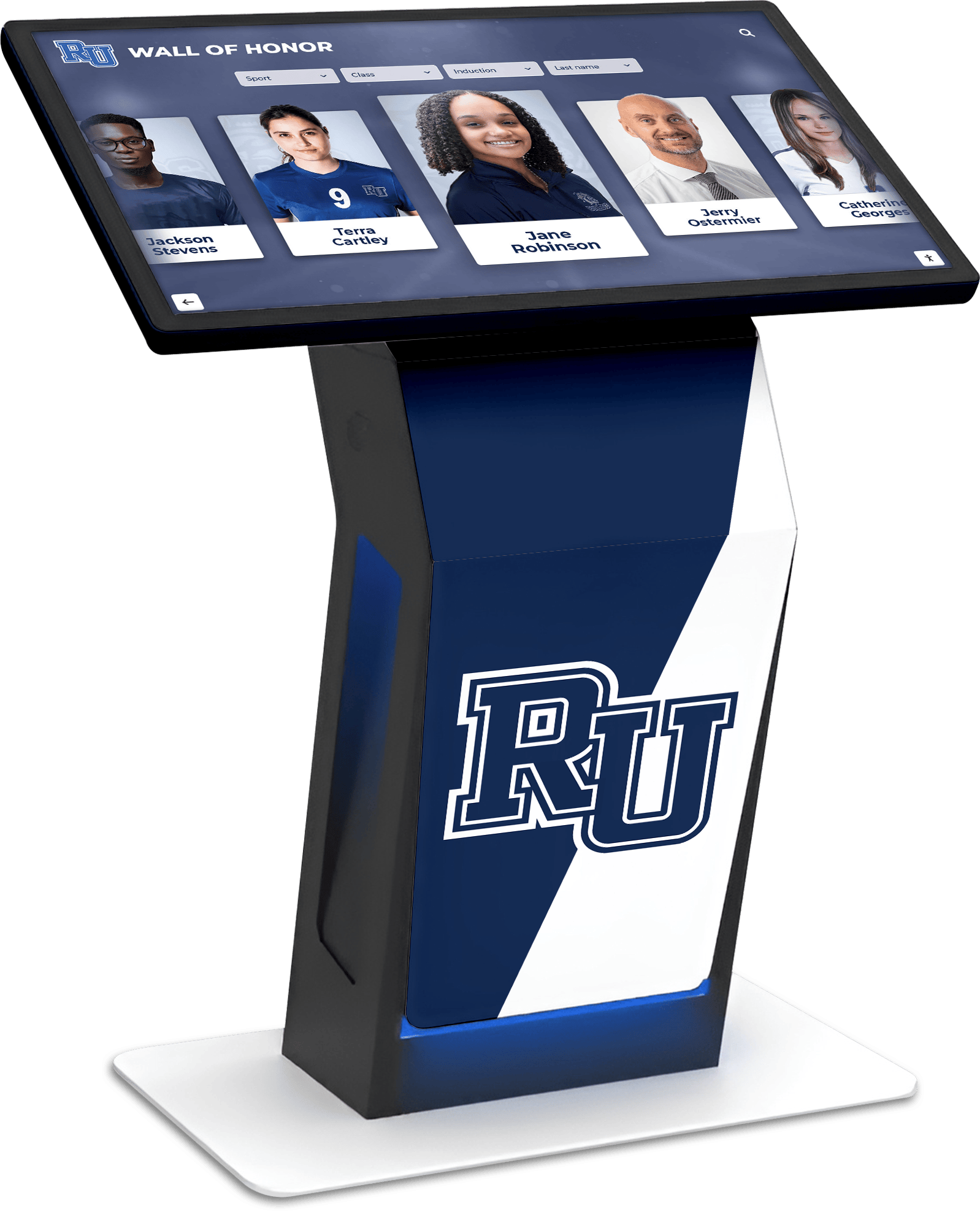
As galleries grow to include hundreds or thousands of artworks, organization becomes essential. Effective platforms provide multiple discovery pathways including browsing by medium, filtering by year or grade level, searching by student names, exploring thematic collections, and viewing featured or recent additions. This organization ensures all visitors can quickly find relevant content regardless of gallery size.
Social Sharing and Extended Reach
Digital galleries extend recognition reach through social media integration. Students can share their work on Instagram, Facebook, or other platforms with one-click posting. Teachers can highlight exceptional pieces in school communications. And organic sharing by families multiplies visibility throughout broader communities. This extended reach builds program reputation while giving students valuable experience presenting creative work to public audiences.
Rocket Alumni Solutions for Art Class Galleries
While schools might adapt generic digital signage or photo gallery systems for art display, purpose-built platforms like Rocket Alumni Solutions provide specialized capabilities specifically designed for comprehensive student recognition including visual arts programs.
Comprehensive Artwork Profiles
Rocket enables rich profiles for every artwork including high-resolution images capturing detail and color accuracy, multiple photos showing dimensional work from various angles, extensive artist statements and descriptions, media and technique information, project context and learning objectives, and connections to related works by the same artist. These complete profiles transform basic image galleries into educational resources that teach artistic concepts while celebrating student creativity.
Artist Portfolio Organization
The platform automatically creates student portfolios aggregating all recognized artwork by individual artists. Viewing a student’s profile reveals their complete creative output across years, media, and projects. This portfolio organization proves particularly valuable for students building college application materials or career portfolios. Rather than assembling scattered photos of individual pieces, students can direct reviewers to comprehensive digital portfolios showcasing their complete artistic development throughout high school.
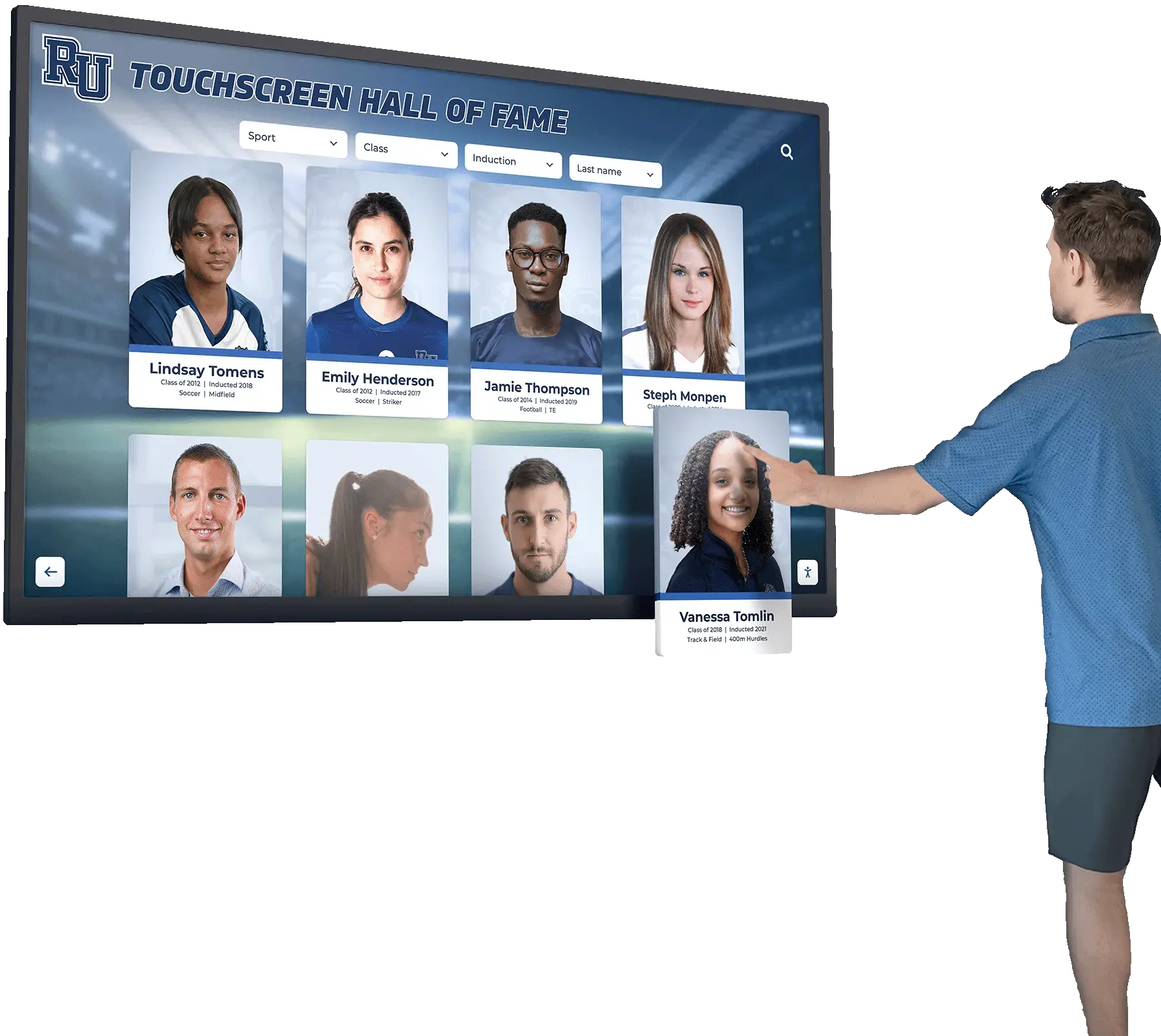
Interactive Physical Displays and Web Access
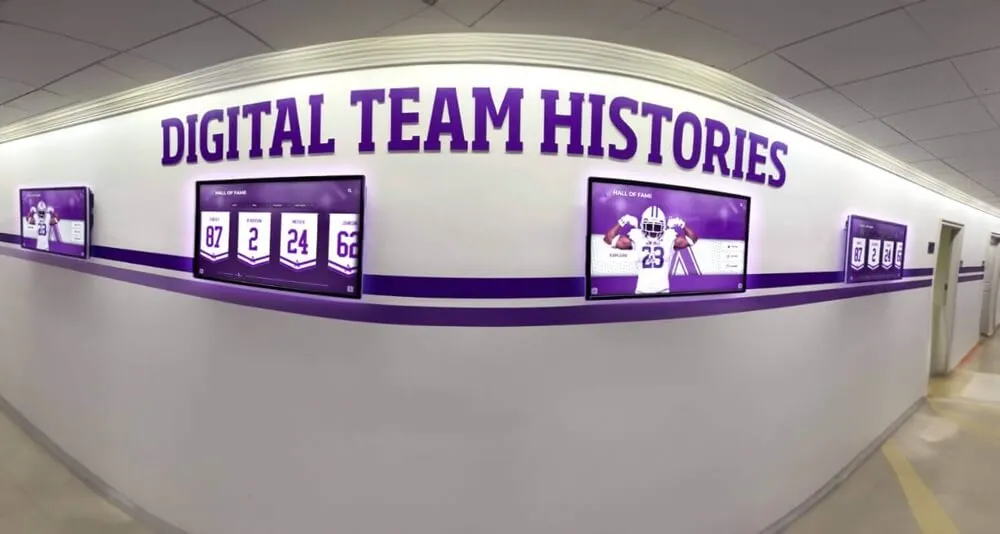
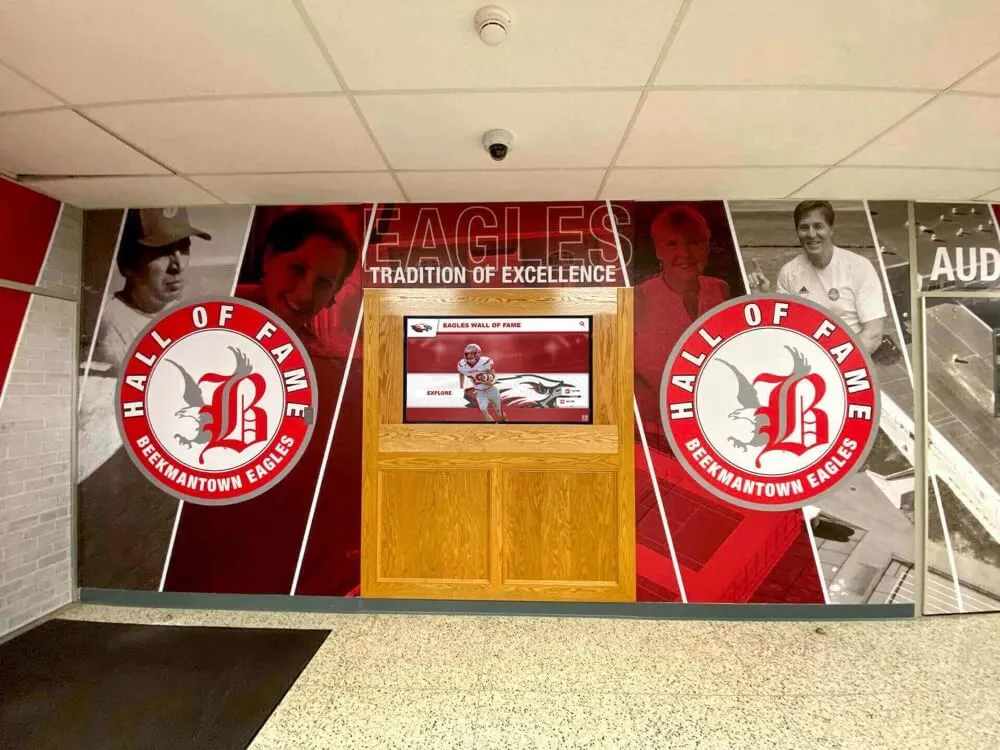
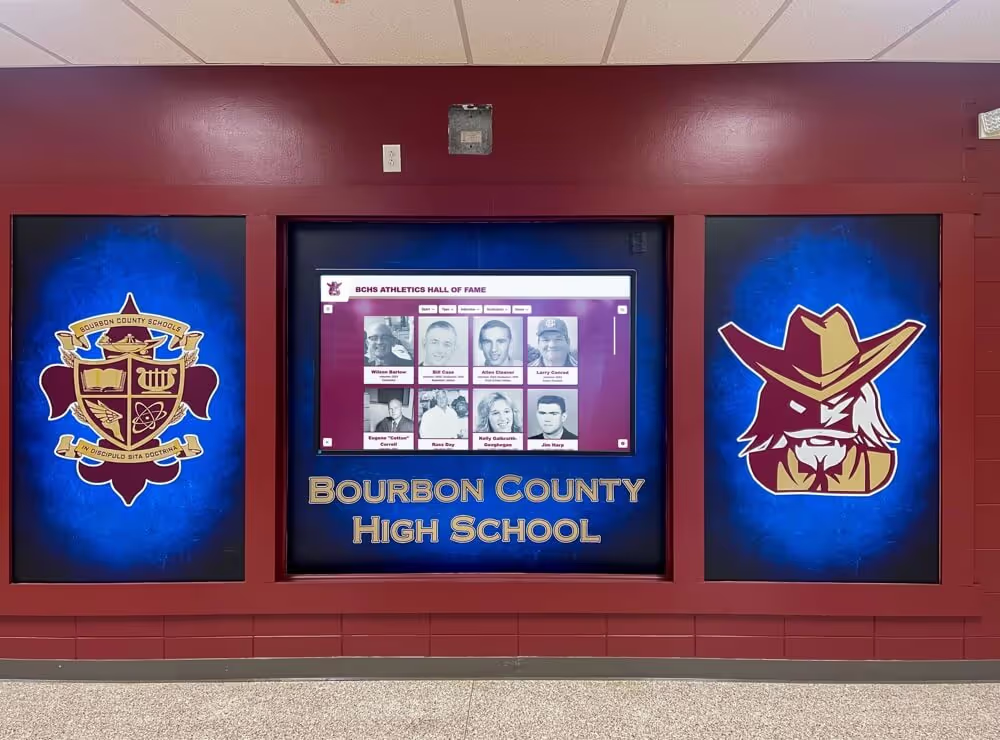
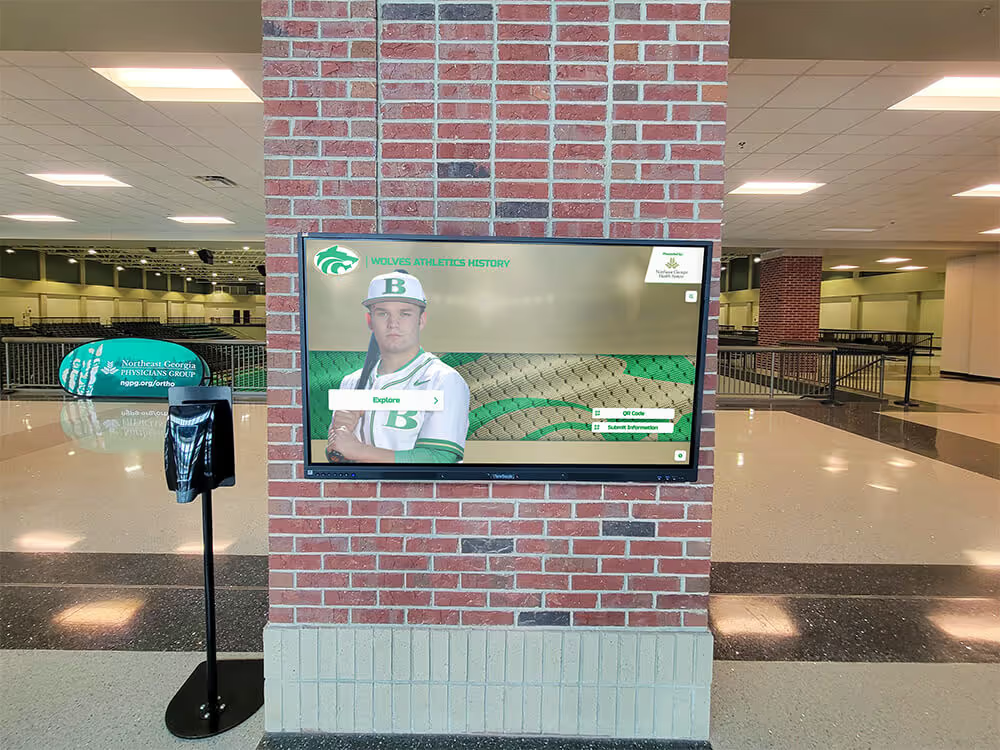
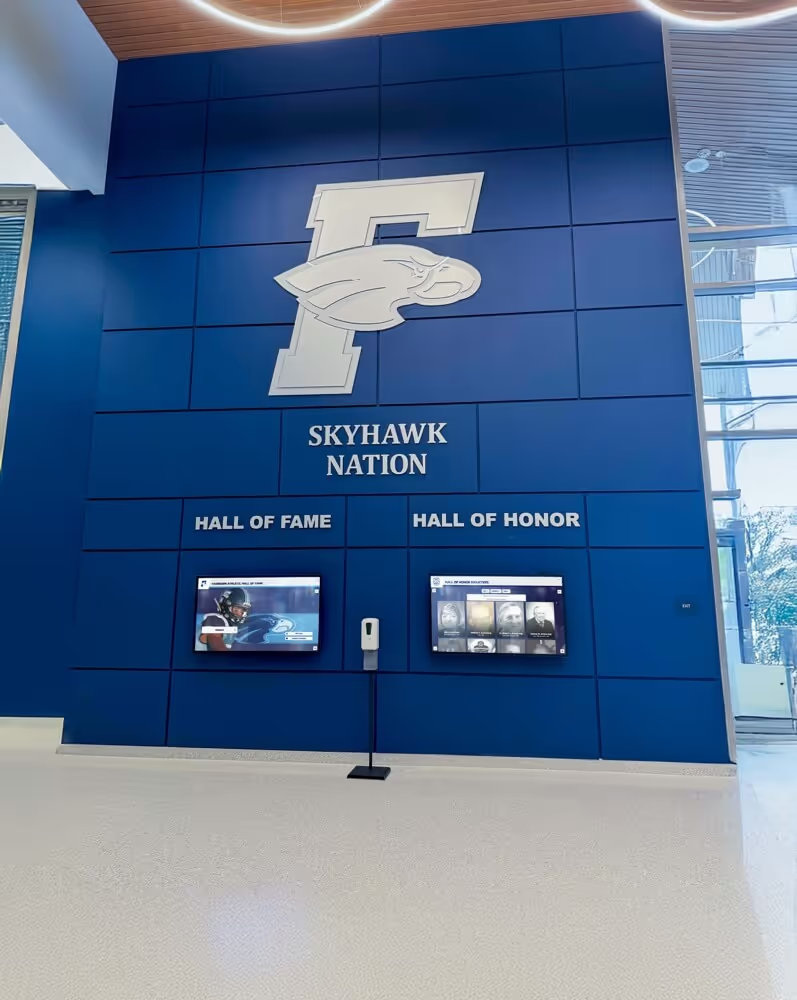
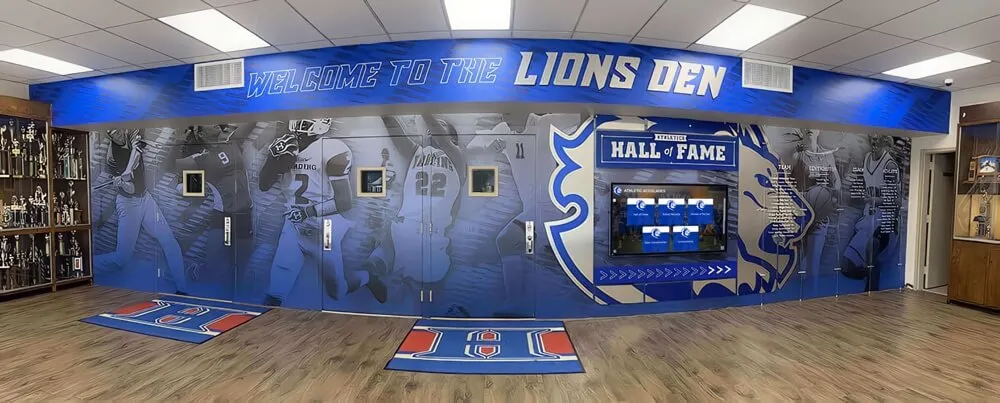
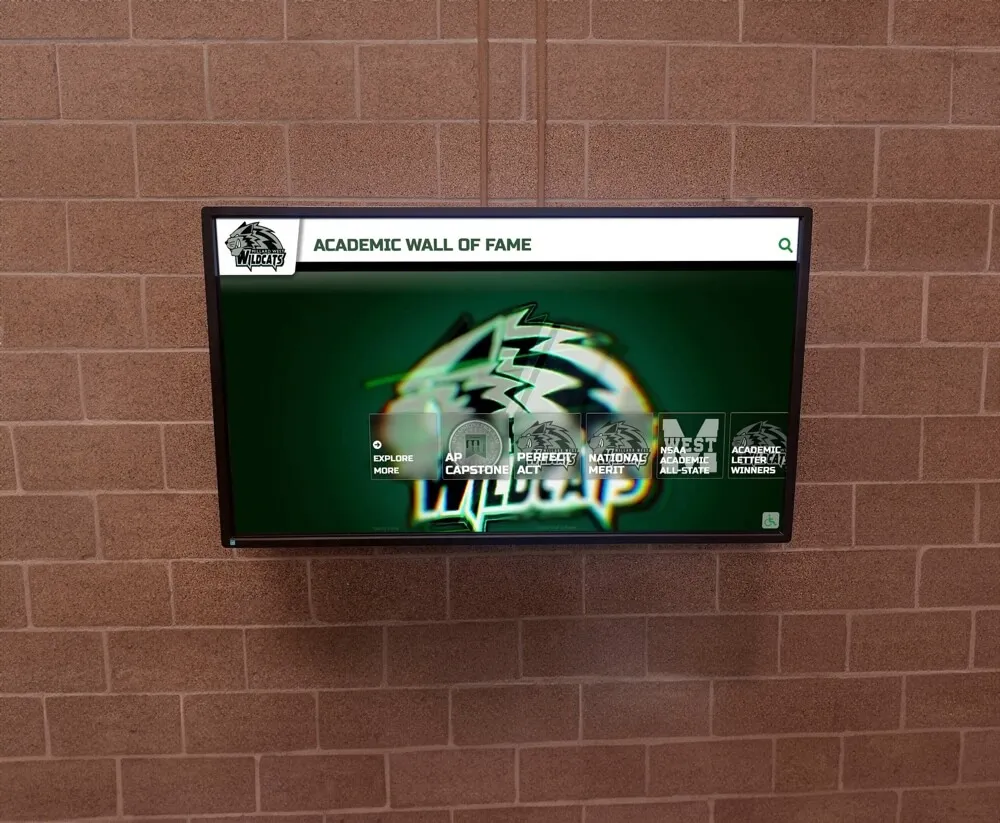
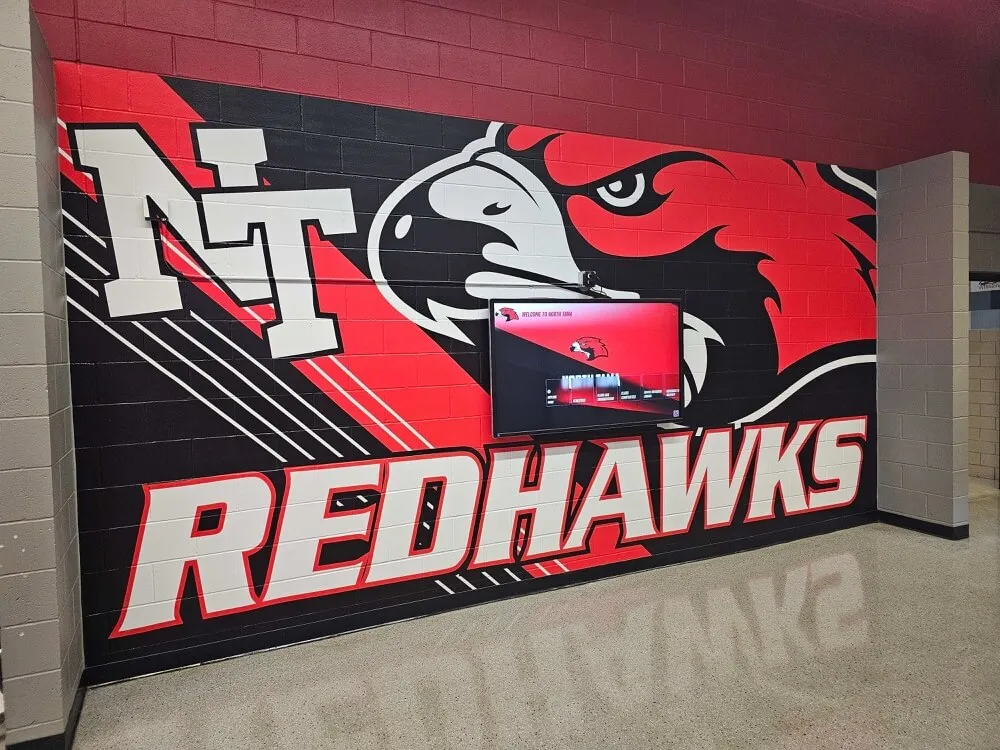
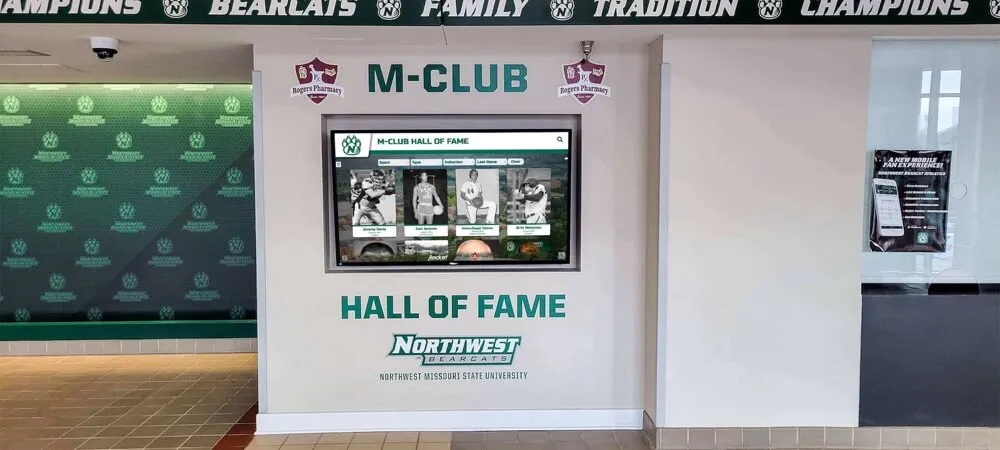
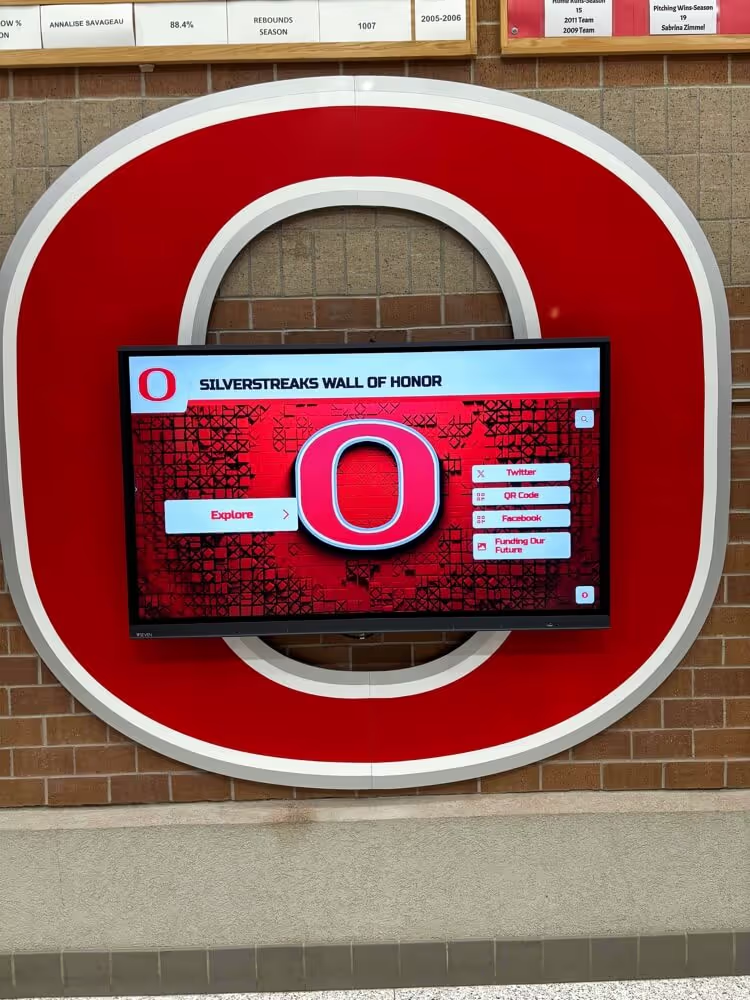
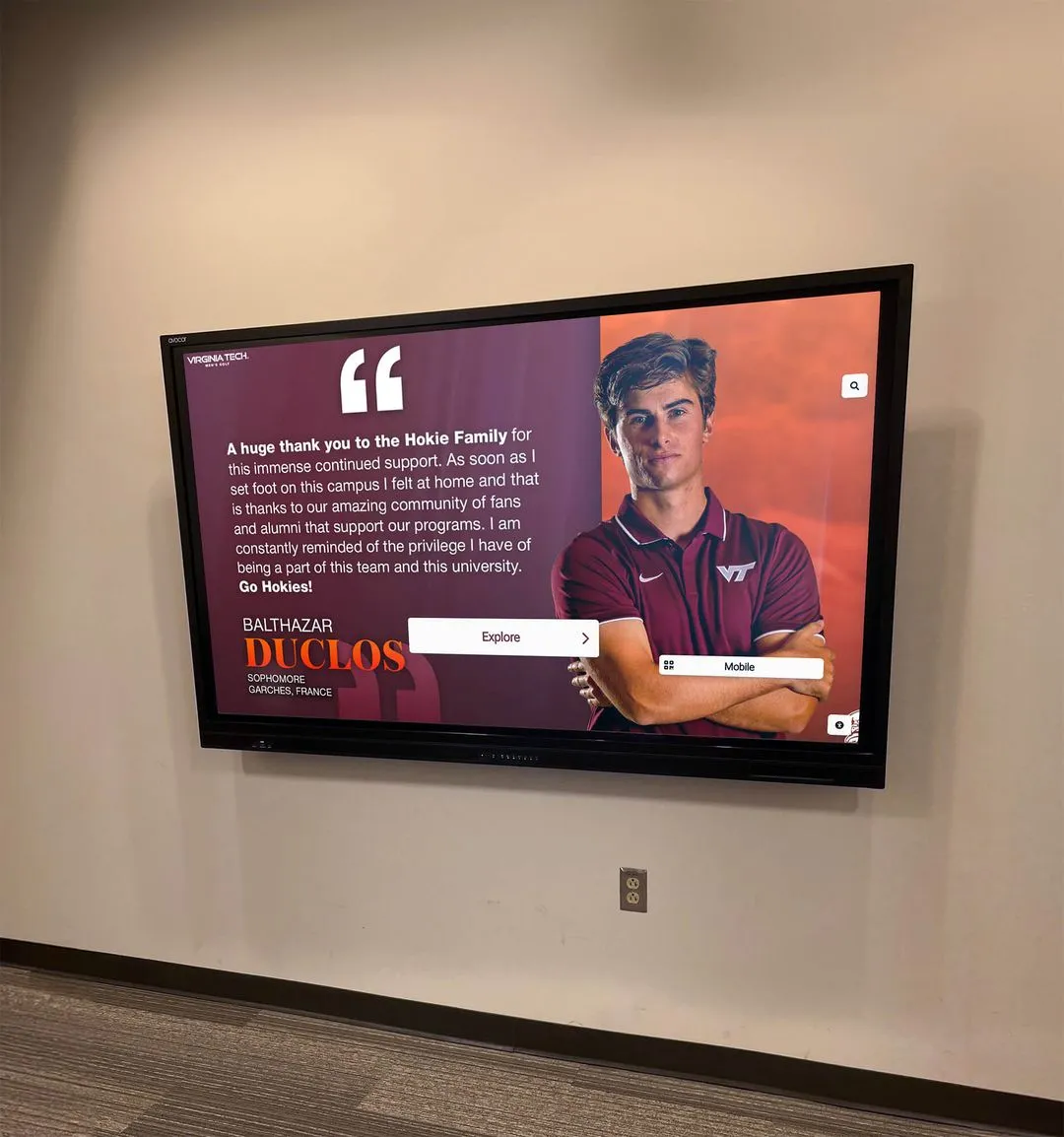
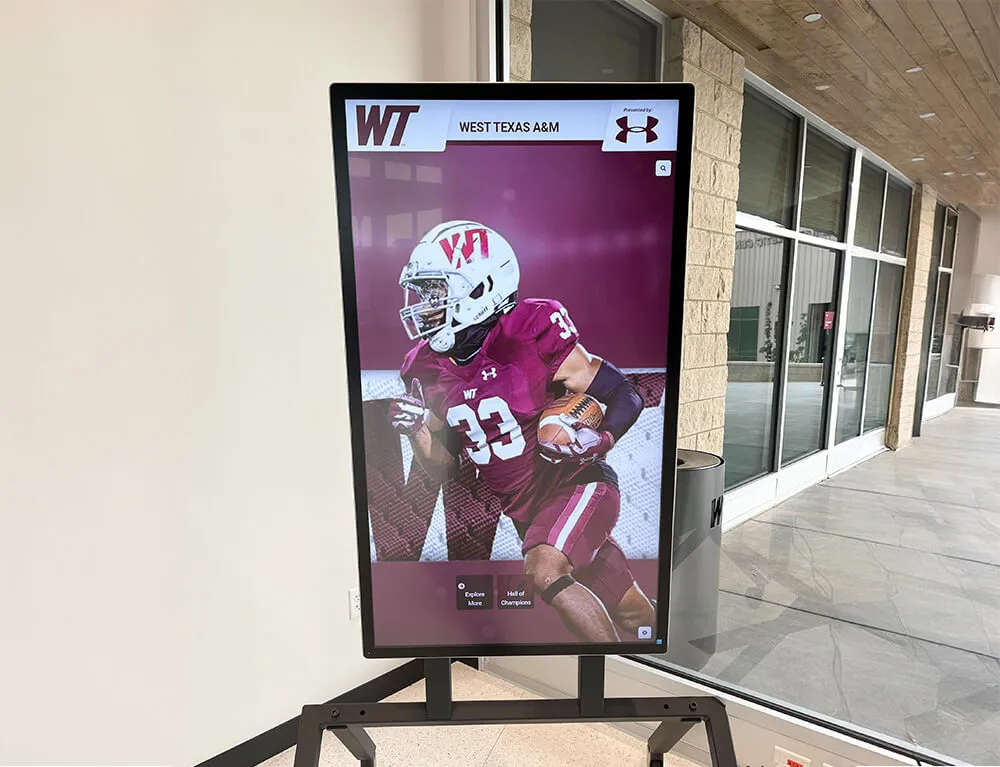
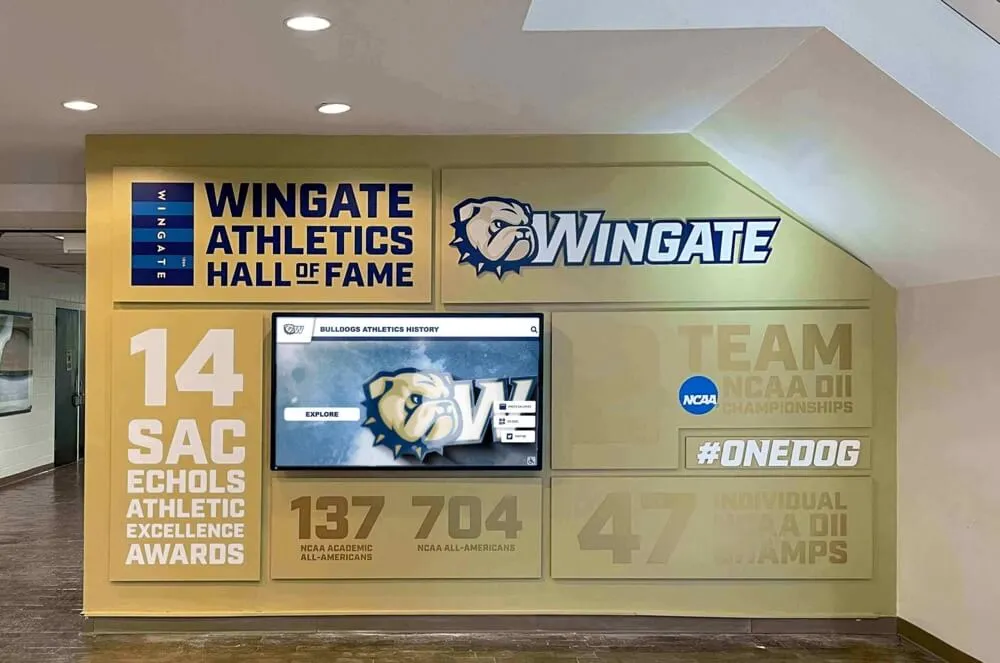
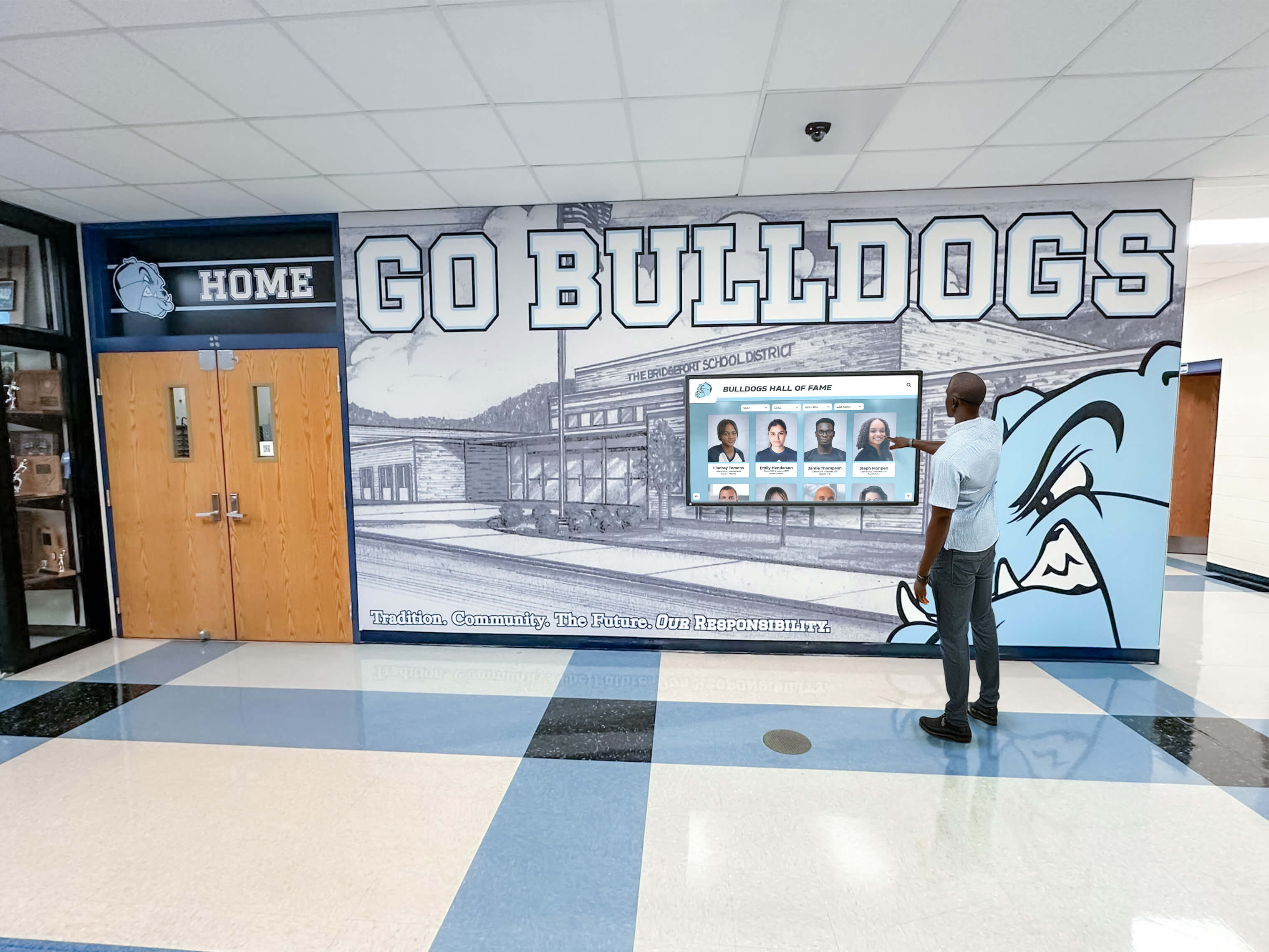
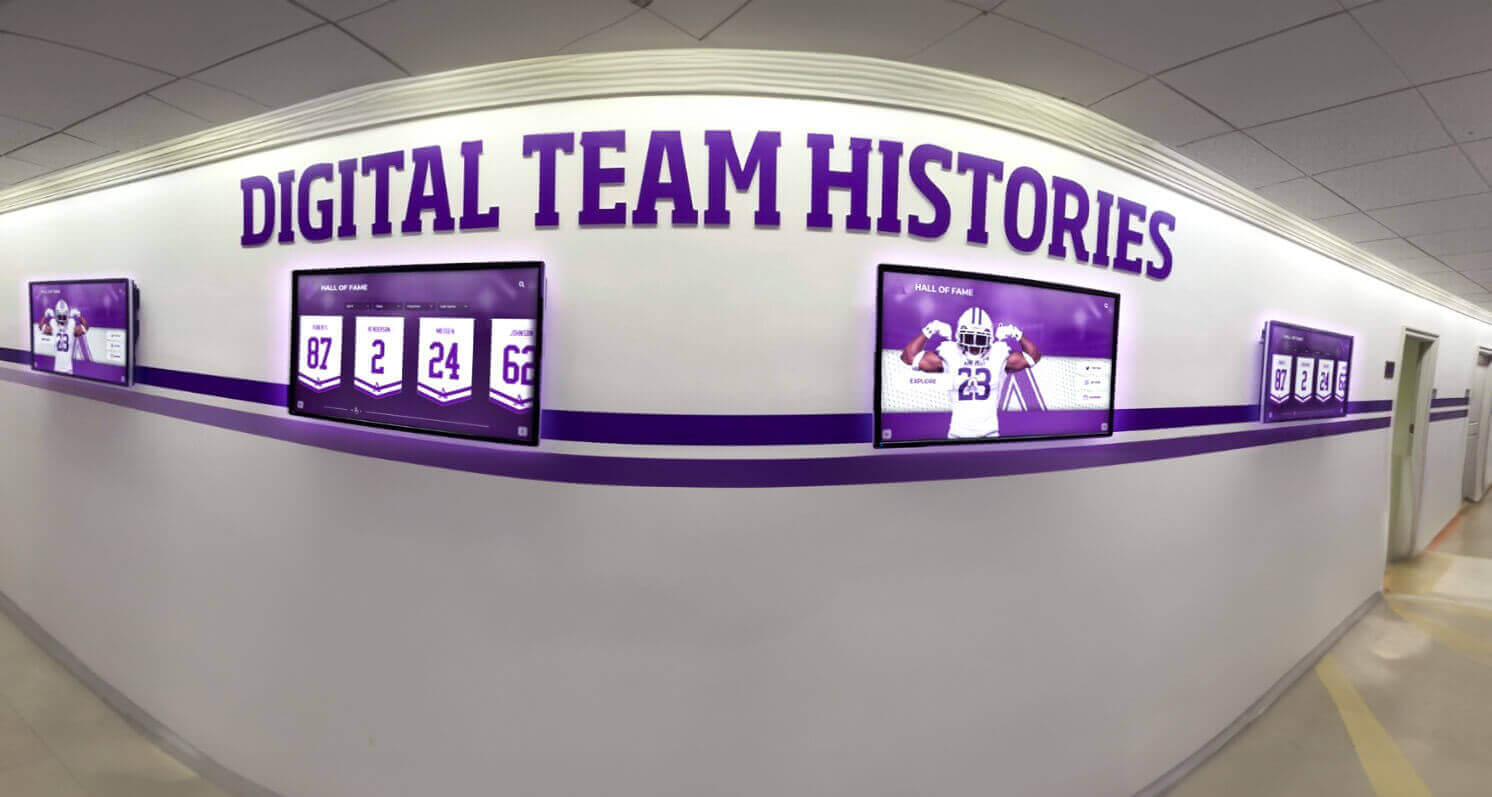
Rocket combines interactive touchscreen displays for in-building exhibition with complementary web access reaching beyond school walls. Commercial-grade touchscreens installed in lobbies, art classroom areas, or galleries provide engaging exploration experiences for students, visitors, and families during school events. Web platforms ensure the same content remains accessible from anywhere, enabling students to share work with distant relatives, teachers to reference examples from home, and alumni to revisit their artwork years later.
Program Documentation and Advancement
Beyond celebrating individual students, comprehensive galleries document program quality and evolution over time. Administrators can demonstrate arts program value to boards, donors, and communities through evidence of sustained creative excellence. Development offices can include gallery access in fundraising materials, showing prospective donors the student creativity their support enables. And program accreditation or evaluation processes benefit from comprehensive documentation of student learning outcomes and creative development.
Schools implementing art recognition often expand to include other creative programs through comprehensive classroom project recognition systems that celebrate diverse student creative work.
Hybrid Gallery Approaches: Combining Physical and Digital
The most effective art class gallery displays often combine traditional physical exhibition with digital platform advantages, creating complementary systems that leverage both approaches’ strengths.
Physical-Digital Integration Strategies
QR Code Linking
Placing QR codes near physical artwork connects viewers to expanded digital content. A painting on a hallway wall might include a small QR code that, when scanned, reveals detailed artist statements, process documentation, multiple photos showing details, related works by the same artist, and technical information about materials and techniques. This approach maintains clean physical presentation while offering expanded content for interested viewers.
Exhibition-Website Coordination
Schools can coordinate physical exhibitions with corresponding website galleries. Current hallway displays appear simultaneously on school websites, allowing families who cannot visit buildings to view featured work. Exhibition announcements include web gallery links alongside physical location information. And past exhibitions remain accessible online after physical displays rotate to new work, creating permanent archives of major shows.
Digital Display Enhancement
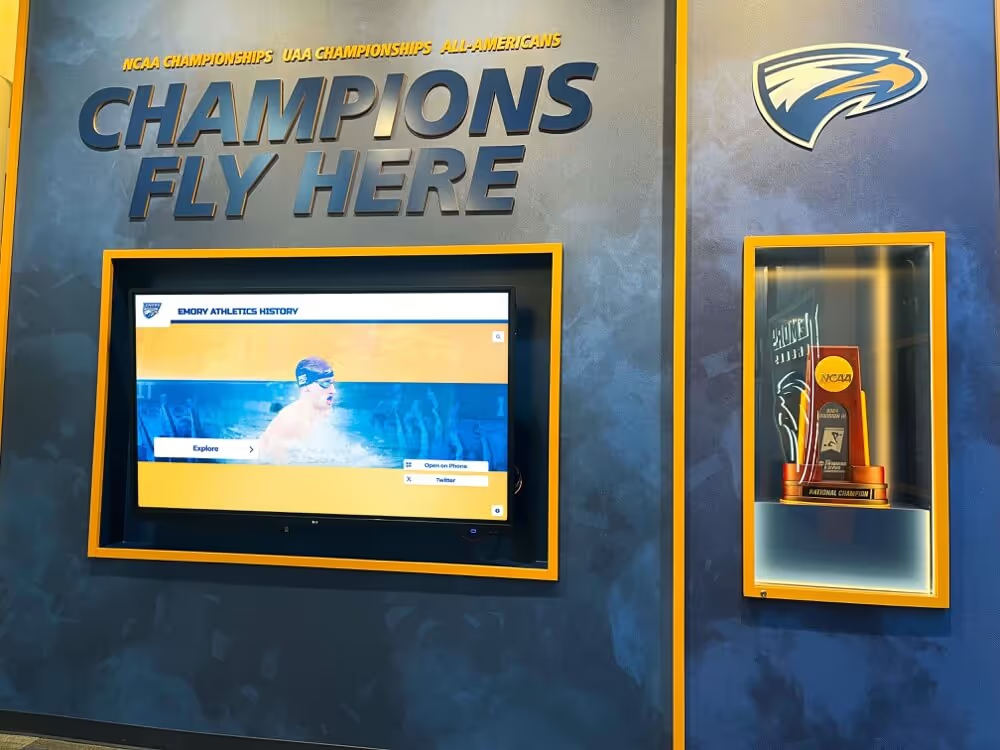
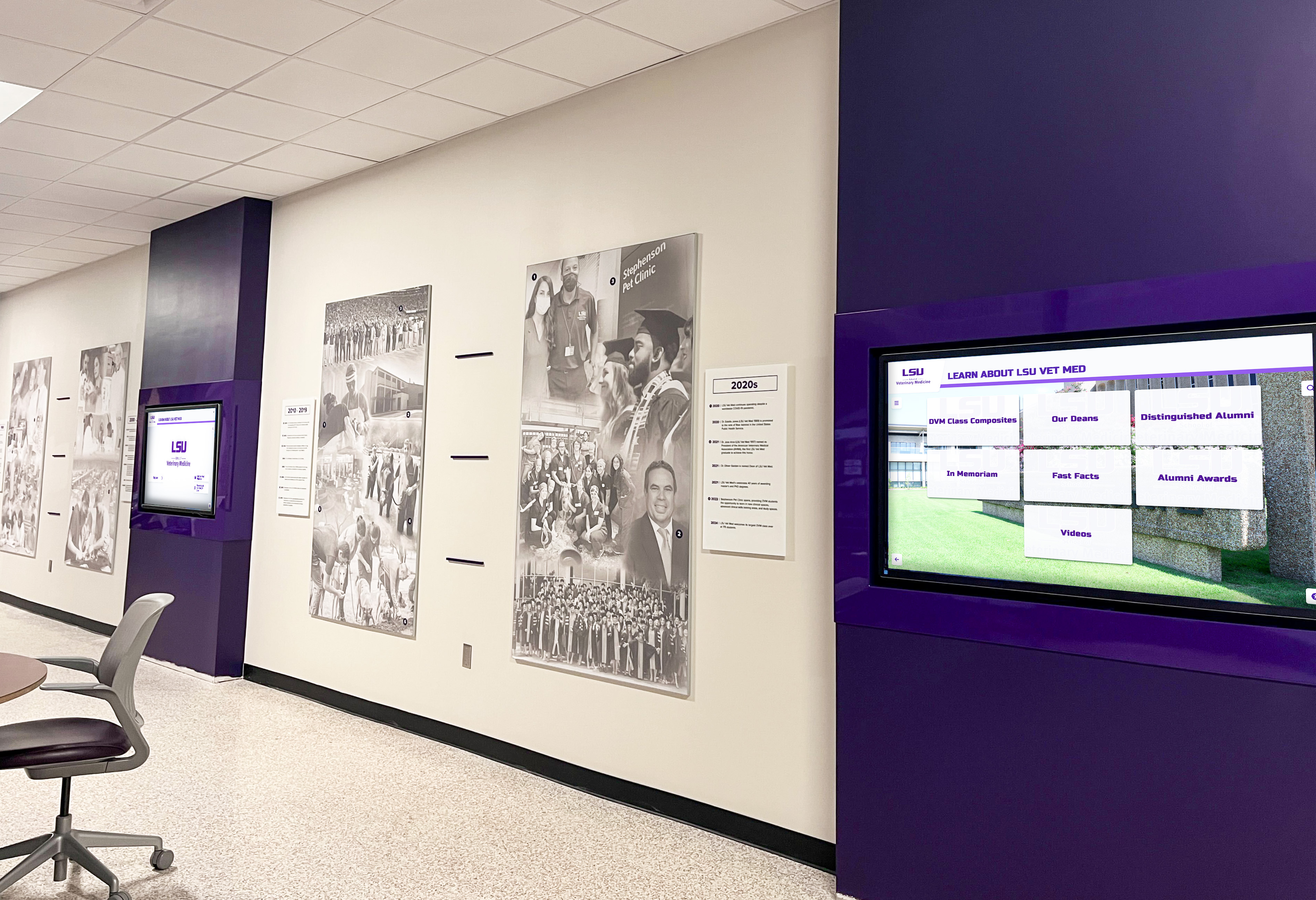
Some schools install digital screens near physical galleries, showing rotating digital galleries alongside traditional hung artwork. These hybrid spaces might display student artist interviews, time-lapse creation videos, or expanded collections of work by featured artists. The combination creates richer experiences than either approach alone provides while introducing visitors to digital gallery platforms they can explore further online.
Rotating Featured Artist Programs
Many schools implement rotating featured artist programs combining physical prominence with permanent digital recognition.
Monthly or Quarterly Features
Designating specific physical gallery spaces for featured artist rotations creates special recognition opportunities. Each month or quarter, selected students receive dedicated exhibition space showcasing their portfolios or recent work. Physical displays provide immediate campus-wide visibility during feature periods. Simultaneously, digital profiles ensure lasting recognition beyond temporary physical exhibitions. Featured artist announcements appear in school communications, social media, and website highlights, creating comprehensive celebration that extends throughout school communities.
Exhibition Reception Events
Opening receptions for physical exhibitions create community gathering opportunities celebrating student artists. These events combine physical exhibition viewing with digital gallery introduction, showing families how to access complete portfolios online. Student artists might give brief presentations about their work, creative processes, or artistic influences. And refreshments, music, or other program elements create festive atmospheres where creativity receives enthusiastic celebration.
Documentation and Archive Development
Physical exhibitions create documentation opportunities that enrich digital galleries while preserving institutional memory.
Professional Photography
Photographing physical exhibitions with proper lighting and backgrounds creates high-quality documentation for digital galleries. Professional or skilled amateur photography ensures artwork appears online with color accuracy, detail clarity, and presentation quality honoring student effort. These photos become the permanent digital record, making quality photography an essential component of comprehensive gallery programs.
Exhibition Histories and Virtual Tours
Schools can create virtual tours of major physical exhibitions, combining photos of installed work with contextual information about themes, featured artists, and exhibition concepts. These virtual tours preserve exhibition memories beyond physical display periods while providing accessible ways for those who couldn’t attend to experience shows. Over time, accumulated virtual tours create rich institutional archives documenting arts program history and evolution.
Many schools building comprehensive recognition cultures also implement broader academic recognition approaches that celebrate diverse student achievements alongside creative work.
Planning and Implementing Effective Art Gallery Displays
Whether implementing physical galleries, digital platforms, or hybrid approaches, thoughtful planning ensures gallery systems effectively serve students, programs, and broader communities.
Defining Gallery Goals and Scope
Articulating Primary Purposes
Begin by clarifying what your gallery system should accomplish. Common goals include recognizing and validating student creative work, documenting artistic skill development over time, inspiring current students through exemplary peer work, demonstrating program quality to prospective families and donors, building inclusive school cultures celebrating diverse creativity, and creating accessible portfolios supporting student advancement. Clear goals guide decisions about scope, features, content selection, and resource allocation.
Determining Participation and Selection Criteria
Establish transparent standards for gallery inclusion. Some programs feature all student work meeting basic technical standards, creating inclusive galleries where every student receives recognition. Others display only exceptional pieces, competition winners, or teacher-selected exemplars, maintaining exclusive galleries highlighting particular excellence. Many schools implement tiered approaches where all students appear in basic program rosters while outstanding work receives featured profiles with extensive documentation.
Whatever standards you establish, communicate them clearly so students understand what gallery recognition requires and can set appropriate goals for their creative work.
Budget Planning and Resource Allocation
Physical Gallery Costs
Physical gallery implementation requires various investments. Display hardware including hanging systems, lighting, and protective cases ranges from basic bulletin board installations costing hundreds of dollars to professional gallery renovations requiring thousands. Framing and mounting materials for professional presentation add ongoing costs. Signage and labeling systems require initial investment and periodic replacement. And maintenance including cleaning, damage repair, and periodic refreshing ensures spaces remain attractive and functional.
Digital Platform Investments
Digital galleries involve different cost structures. Software subscriptions for purpose-built platforms typically range from $2,000-$4,000 annually. Cloud storage and bandwidth costs are usually included in platform subscriptions. Initial content development requires staff time for photography, uploading, and description writing. And potential hardware costs arise if implementing physical touchscreen displays alongside web galleries.
Funding Strategies
Schools fund gallery implementations through various sources. Education foundations and PTA/PTO organizations often support projects providing lasting student benefit. Local arts councils or state arts education grants specifically fund creative program enhancement. Business sponsorships from framing shops, art supply retailers, or general community businesses provide external funding. And general operating budgets or capital improvement allocations support gallery development as permanent facility enhancements. Many schools also explore opportunities through nonprofit donor recognition strategies that celebrate supporters of arts programs.
Content Management Workflows
Artwork Collection Processes
Establish systematic workflows for collecting artwork, photos, and information needed for gallery display. Many art teachers integrate documentation into assignment structures—students photograph finished work before taking pieces home, complete artist statement templates as part of projects, and submit digital files alongside physical artwork. This integration ensures gallery content collection becomes routine rather than requiring special effort.
Quality Control and Standards
Define quality standards for gallery inclusion, considering technical skill demonstration, creative originality and vision, completion and craftsmanship, appropriate subject matter for public display, and photo quality for digital galleries. Consistent standards maintain gallery integrity while ensuring featured work represents students positively and programs professionally.
Update Schedules and Responsibilities
Assign clear responsibility for gallery maintenance and updates. Some schools designate art teachers as gallery curators for their programs. Others engage student assistants in photography, uploading, and description writing under teacher supervision. And some enlist parent volunteers or administrators to assist with gallery management. Regular update schedules—whether semester rotations, monthly additions, or ongoing posting as work is completed—keep galleries current and relevant.
Maximizing Gallery Impact and Engagement
Beyond simply displaying artwork, effective galleries actively engage audiences and maximize recognition value for students and programs.
Strategic Communication and Promotion
Launch Announcements and Orientation
Introduce gallery systems prominently during school orientations, open houses, and beginning-of-year activities. Show students how to find their work in galleries, explain how selection works, and discuss how galleries support their artistic development. Communicate with families about gallery access, encouraging them to explore their students’ work online and attend physical exhibition events.
Ongoing Recognition and Highlights
Maintain gallery visibility through regular communication. School newsletters feature selected artwork with artist profiles. Social media accounts share gallery highlights and new additions. Morning announcements recognize students whose work was recently added to galleries. And email communications include gallery links encouraging broader exploration beyond featured pieces.
Community Engagement Events
Host regular events bringing community members to gallery exhibitions. Annual art shows celebrate year-end program achievements. Monthly First Friday-style receptions provide casual viewing opportunities. Partnership events with local arts organizations connect school galleries with broader arts communities. And virtual exhibition tours enable participation from those who cannot visit physically.
Educational Integration
Teaching with Gallery Archives
Art teachers reference gallery archives during instruction, showing examples of successful approaches to assignments, demonstrating various interpretation possibilities for similar prompts, highlighting technical execution of particular skills or media, and revealing artistic development by showing student work from various skill levels. This instructional integration makes galleries educational resources rather than merely celebratory displays.
Cross-Curricular Connections
Galleries can support learning across subjects. History classes might view artwork depicting historical periods or events. Literature courses could explore visual interpretations of texts. Science classes might examine biological illustrations or environmental art. And interdisciplinary projects could appear in galleries with descriptions highlighting connections between visual arts and other disciplines.
Critique and Reflection Practices
Some art programs integrate gallery exploration into critique and reflection activities. Students explore peer work in galleries, analyzing techniques, discussing creative choices, and identifying successful approaches they might apply in their own work. Written reflections on viewed artwork develop critical thinking and articulation skills while building appreciation for diverse creative approaches.
Measuring Gallery Program Success
Quantitative Metrics
Track measurable indicators of gallery impact including number of artworks displayed annually, student participation rates in programs with gallery recognition, website gallery traffic and engagement statistics, physical gallery visitor attendance at events, and social media sharing and engagement for featured artwork. Growing metrics validate gallery investments while identifying areas for improvement.
Qualitative Feedback
Gather stakeholder perspectives through student surveys about recognition impact and motivation, teacher observations about program culture changes, parent feedback about gallery value and accessibility, and community member responses to exhibitions and displays. This qualitative data reveals whether galleries achieve intended goals and identifies specific enhancements that would increase value.
Program Advancement Indicators
Assess broader program effects potentially attributable to gallery implementation. Monitor art program enrollment trends following gallery launch, competition success rates and external recognition, portfolio acceptance and scholarship awards for program graduates, and community support and funding for arts programs. While galleries alone don’t determine these outcomes, sustained positive trends suggest comprehensive recognition contributes to program health and growth.
Schools developing comprehensive recognition cultures often benefit from understanding how digital recognition transforms school communities across multiple dimensions.
Special Considerations for Different Art Media
Different artistic media require adapted display approaches that honor their specific characteristics and viewing requirements.
Two-Dimensional Work Display
Paintings, drawings, prints, and other flat artwork constitute the bulk of most gallery displays. Effective presentation considers proper lighting to show colors and details accurately without glare, appropriate framing or mounting protecting work while enhancing presentation, thoughtful spacing between pieces allowing individual appreciation, and viewing heights positioning work at comfortable eye levels for primary audiences.
Sculpture and Dimensional Work
Three-dimensional artwork presents unique challenges requiring specialized solutions. Stable display surfaces must support weight safely while allowing viewing from multiple angles. Protective measures prevent handling damage to fragile pieces. Proper lighting creates shadows and highlights revealing dimensional qualities. And adequate space around pieces allows circulation for viewing from all sides.
Digital Art and Photography
Computer-generated art, digital photography, and new media work require technological display solutions. High-resolution monitors or printed outputs maintain image quality. Color-calibrated displays show digital work as artists intended. And interactive elements might allow viewers to experience animated or multimedia pieces fully. Schools developing comprehensive digital recognition often explore interactive touchscreen display capabilities that engage audiences dynamically.
Fiber Arts and Textile Work
Weaving, quilting, fiber sculpture, and textile arts require careful presentation considering weight and mounting methods for hanging textiles, protection from handling and environmental damage, appropriate lighting showing texture and detail, and consideration of both flat and dimensional textile presentations.
Ceramic and Glass Work
Clay and glass artwork needs particularly secure display preventing breakage, proper lighting showing translucency, color, and surface qualities, rotation options displaying all sides of functional pottery or vessels, and climate control preventing damage from temperature or humidity extremes.
Addressing Common Gallery Display Challenges
Even well-planned gallery systems encounter predictable obstacles. Preparation for common challenges enables effective problem-solving.
Space Limitations and Overcrowding
Many schools face more artwork than display space. Solutions include implementing digital galleries providing unlimited virtual space, rotating displays more frequently so more students receive temporary physical recognition, creating tiered systems where all work appears digitally while select pieces get physical display, and utilizing non-traditional spaces like hallway corners, stairwell walls, or administrative area displays.
Security and Damage Prevention
Displayed artwork faces risks from theft, vandalism, or accidental damage. Protective measures include supervised gallery locations in high-traffic areas with natural monitoring, display cases for valuable or fragile work, security cameras in isolated gallery spaces, clearly marked “please don’t touch” signage, and insurance coverage for significant exhibitions or expensive installations.
Controversial or Sensitive Content
Student artwork occasionally addresses mature themes or controversial subjects requiring thoughtful handling. Establish clear content policies discussing appropriate subject matter before projects begin, reviewing questionable work privately before public display, offering alternative assignments for students uncomfortable with particular prompts, and providing content warnings for exhibitions addressing mature themes. Most importantly, engage students in conversations about artistic expression, audience, and context rather than simply censoring creative work arbitrarily.
Maintenance and Longevity
Physical displays require ongoing maintenance as artwork fades, labels fall off, display hardware loosens, and spaces accumulate dust or damage. Regular maintenance schedules, quality materials resisting degradation, student or volunteer assistance with basic upkeep, and planned refreshing or renovation cycles keep galleries attractive and functional. Digital galleries require different maintenance including regular content backups, platform updates and security patches, broken link monitoring and correction, and periodic review removing outdated or inappropriate content.
The Future of Art Class Gallery Displays
Gallery display technology and practices continue evolving as schools explore new approaches to showcasing student creativity.
Augmented Reality Gallery Experiences
Emerging augmented reality (AR) applications enable new gallery interactions. Viewers pointing smartphones or tablets at physical artwork might access additional content through AR overlays including artist statements and creation process documentation, three-dimensional renderings of sculptures or installations, time-lapse videos showing work development, or interactive elements allowing manipulation or exploration. These AR enhancements bridge physical and digital galleries, creating rich hybrid experiences.
Artificial Intelligence in Gallery Curation
AI applications may assist gallery management through automated artwork categorization and tagging, intelligent recommendations connecting related works, natural language generation creating draft artist statements or descriptions, and predictive analytics identifying which work generates strongest engagement. While human curators remain essential for aesthetic judgment and educational value, AI tools can handle routine tasks and provide insights improving gallery effectiveness.
Virtual Reality Exhibition Spaces
Some schools explore virtual reality gallery creation, designing digital exhibition spaces that students, families, and community members can visit remotely using VR headsets or web-based 3D environments. These virtual galleries enable sophisticated exhibition design without physical space constraints while providing accessible viewing for those unable to visit buildings in person.
Blockchain and Digital Art Ownership
As digital art gains prominence, blockchain technology may provide authentication and ownership verification for student digital artwork. Students could mint original digital pieces as NFTs (non-fungible tokens), creating verifiable records of authorship while potentially participating in digital art markets. While currently exploratory, these technologies suggest future directions for digital art recognition and preservation.
Taking the Next Steps Toward Enhanced Art Gallery Displays
For schools ready to implement or improve art class gallery displays, practical next steps move from planning to action.
Assess Current State and Needs
Begin with honest evaluation of existing gallery practices. What artwork currently receives display, and what remains unseen? How long does displayed work remain visible before rotation? Who accesses current galleries, and who might benefit from expanded access? What do students, teachers, and families say about current recognition? What resources—space, funding, staff time—are available for gallery enhancement?
This assessment creates baseline understanding and identifies specific improvements that gallery enhancements should provide.
Engage Stakeholders in Planning
Involve art teachers, students, administrators, and families in gallery planning. Teachers provide essential insight into practical workflows, content management, and educational integration. Students offer perspectives on what recognition means to them and how galleries could better serve their needs. Administrators clarify resources, priorities, and decision-making processes. And families represent community stakeholders whose support and engagement determine gallery success.
Collaborative planning ensures gallery systems reflect diverse perspectives while building broad ownership and commitment to implementation success.
Start with Foundation and Expand Incrementally
Rather than attempting comprehensive transformation immediately, consider phased implementation. Begin with core systems—perhaps digital gallery platform setup or renovation of one key physical exhibition space. Ensure these foundational elements work effectively before expanding. Then gradually add features, locations, or capabilities based on experience and feedback.
Incremental approaches allow learning and adjustment while demonstrating value that justifies continued investment and expansion.
Consider Purpose-Built Recognition Solutions
While schools can implement art galleries using basic tools and adapted systems, specialized platforms designed specifically for educational recognition often provide significantly better experiences with less administrative burden. Purpose-built solutions like Rocket Alumni Solutions offer intuitive content management requiring minimal technical expertise, comprehensive artwork profiles supporting rich multimedia presentation, unlimited capacity eliminating difficult selection decisions, web and physical display integration extending reach, and ongoing support from teams understanding school contexts.
These specialized solutions prove particularly valuable for schools wanting sophisticated galleries without dedicating extensive staff time to technical administration.
Ready to transform how your school celebrates student artistic achievement? Explore how Rocket Alumni Solutions creates comprehensive recognition systems that honor student creativity while building lasting program legacies.
Conclusion: Celebrating Student Creativity Through Comprehensive Gallery Displays
Student artwork deserves recognition that honors the creative vision, technical skill, personal expression, and dedicated effort invested in its creation. When art students spend weeks or months developing paintings, sculptures, photographs, or designs, comprehensive gallery displays ensure their creativity receives appropriate celebration while inspiring future students to pursue similar excellence.
Traditional recognition methods—temporary hallway displays, limited classroom exhibitions, brief physical shows—cannot adequately showcase the breadth and quality of student creative work or make it continuously accessible to diverse audiences who benefit from experiencing this artistry. Modern digital gallery platforms combined with thoughtfully designed physical spaces transform art class recognition by providing unlimited capacity for artwork without space constraints, rich multimedia presentation honoring work with professional quality, perpetual accessibility ensuring art remains visible for years rather than weeks, and intuitive discovery enabling easy exploration across students, media, and time periods.
Purpose-built platforms like Rocket Alumni Solutions specifically address educational needs, providing teacher-friendly content management requiring no technical expertise, comprehensive artwork profiles supporting extensive documentation, multi-platform access serving students, families, alumni, and prospective audiences, and scalable systems growing with programs from single classrooms to district-wide implementations.
Schools implementing comprehensive art gallery displays create multiple forms of lasting value: appropriately honoring individual student creative achievement, inspiring current students through accessible excellent examples, documenting program quality and evolution over time, supporting student portfolio development and advancement, demonstrating program value to sustain funding and resources, and preserving institutional creative legacy for future generations.
The transition from temporary traditional displays to comprehensive gallery systems represents more than facility improvement—it reflects commitment to taking student creative work seriously, celebrating artistic achievement enthusiastically alongside academic and athletic excellence, and building cultures where creativity receives sustained visibility and appreciation it deserves.
Art teachers and school leaders ready to enhance gallery recognition should begin planning by inventorying existing artwork and identifying historical pieces worth preserving, defining scope and selection standards for gallery programs, exploring purpose-built platforms designed for educational contexts, identifying funding sources and building budget proposals, and engaging stakeholders in planning that ensures gallery systems effectively serve community needs.
Your art students invest countless hours developing skills, expressing creativity, and producing exceptional work that enriches school communities and demonstrates education’s power to develop human creativity. They deserve gallery recognition that matches their dedication while inspiring the next generation of student artists who will see possibilities and pursue their own creative visions through visual arts education.
Frequently Asked Questions About Art Class Gallery Displays
How can schools display student artwork when exhibition space is limited?
Limited physical space represents one of the most common challenges schools face with art class galleries. The most effective solution involves implementing digital gallery platforms that provide unlimited virtual exhibition space. Every significant artwork can appear in digital galleries regardless of physical display capacity. Schools can then use limited physical space for rotating featured exhibitions while comprehensive digital galleries ensure all students receive recognition. Additional strategies include utilizing non-traditional spaces like hallway corners, administrative areas, library walls, and cafeteria spaces that might not be optimal but expand available display locations. Many schools also increase rotation frequency—changing displays monthly rather than semester-long—so more students receive temporary physical recognition even when space limits how many artworks can display simultaneously. The combination of comprehensive digital galleries with strategic physical display rotation ensures all students see their work recognized while maximizing limited physical space.
What about copyright and ownership of student artwork displayed in galleries?
Schools should establish clear policies about artwork ownership and usage rights, typically addressed during course enrollment or through student handbook policies. Generally, students retain copyright ownership of original artwork they create, even when displayed in school galleries. However, schools typically obtain permission to photograph artwork for documentation and display purposes, use images in promotional materials and publications, display work physically and digitally for educational recognition, and maintain archival copies for institutional records. Best practices include obtaining explicit permission before displaying work publicly, especially for students concerned about privacy or commercial use, clearly communicating how artwork images will be used before students submit pieces for galleries, providing attribution to student artists whenever work appears in school materials or publications, and honoring requests to remove work from galleries if students or families have concerns. Most families consent to recognition when they understand it honors student achievement and supports portfolio development, but transparent communication and easy opt-out processes ensure schools respect all preferences while celebrating student creativity appropriately.
How do teachers find time to manage comprehensive art galleries?
Gallery management can feel overwhelming when added to already full teaching schedules. The key is selecting systems and workflows that minimize administrative burden rather than creating additional work. Purpose-built digital gallery platforms with intuitive content management allow artwork uploading in minutes rather than hours. Integration of documentation into assignment structures—students photograph completed work before taking pieces home, complete artist statement templates as project components, and submit digital files alongside physical artwork—ensures content collection happens routinely rather than requiring special effort. Engaging student assistants in gallery management under teacher supervision distributes workload while providing students valuable experience with digital media and arts administration. Some schools also enlist parent volunteers interested in arts programs or assign administrative assistants to help with uploading and basic content management. The upfront investment in configuring efficient workflows and training assistants pays dividends through dramatically reduced ongoing effort, making comprehensive galleries sustainable even for teachers with limited available time.
Should galleries include all student work or only the best pieces?
Recognition standards vary based on program philosophy, student population size, and gallery goals. Some programs feature all student work meeting basic technical standards—proper execution of techniques, appropriate completion of assignments, and subject matter suitable for public viewing. This inclusive approach ensures every student receives recognition while celebrating broad participation in arts programs. Other programs display only exceptional pieces, competition winners, or teacher-selected exemplars, maintaining selective galleries highlighting particular excellence. Many schools implement tiered approaches where all students appear in basic program rosters with thumbnail images while outstanding work receives featured profiles with extensive documentation, multiple photos, and prominent placement. The most important factor is transparency—students should understand gallery criteria from course beginnings, enabling them to set appropriate goals. Whatever standards you establish, communicate them clearly while ensuring galleries celebrate diverse excellence rather than recognizing only students who already possess advanced skills. Inclusive galleries that acknowledge varied achievement levels often prove more motivating and educationally valuable than exclusive galleries featuring only elite work.
Can art galleries integrate with broader school recognition systems?
Yes, comprehensive recognition systems often integrate art galleries with celebration of academic achievement, athletic accomplishments, and other student successes. Purpose-built platforms like Rocket Alumni Solutions enable schools to create unified recognition ecosystems where students’ complete achievement profiles span multiple domains. An art student might have gallery profiles showcasing their creative work, academic honor roll recognition, National Art Honor Society induction, competition awards, and other achievements all connected in comprehensive student profiles. This integration presents complete pictures of individual students while demonstrating that artistic creativity and other forms of excellence often develop together rather than representing competing priorities. Integration also increases recognition platform value and justifies investment more effectively than narrow implementations serving only art programs. Schools can start with art gallery implementation and expand gradually to include athletics, academics, performing arts, and other recognition categories as resources permit, building toward comprehensive systems celebrating all dimensions of student excellence.
How can schools preserve historical student artwork that predates digital galleries?
Many schools retrospectively digitize historical student artwork, creating comprehensive archives spanning decades rather than starting only from platform implementation dates. This retroactive recognition involves systematically photographing artwork from physical archives—prints stored in portfolios, framed pieces in storage, artwork photographed in old yearbooks or newsletters, and pieces displayed in classrooms or hallways that can be documented before removal. While time-intensive initially, historical digitization provides significant value by preserving institutional creative legacy, honoring work by alumni who might otherwise remain unrecognized, demonstrating program history and evolution to current students and prospective families, and creating complete archives rather than collections starting arbitrarily at implementation dates. Schools often approach historical recognition in phases—first digitizing recent years’ work, then systematically working backward through archives as time and resources permit. Student assistants or volunteers can help with photography and basic documentation under teacher supervision. Even partial historical recognition adds substantial value by showing arts program traditions extending beyond current student populations while preserving institutional creative memory that might otherwise be lost.
What technical equipment is needed for digital art galleries?
Basic digital gallery implementation requires minimal technical equipment beyond what most schools already possess. Essential components include a digital camera or smartphone with adequate image quality for photography, computer with internet access for uploading and management, and web hosting through chosen gallery platform. If implementing physical interactive displays alongside web galleries, schools also need commercial-grade touchscreen displays, professional mounting or kiosk enclosures, and reliable internet connectivity for display operation. However, many schools begin with web-only galleries using existing equipment before expanding to physical displays. Modern smartphones typically provide sufficient image quality for gallery photography when used with proper lighting and backgrounds. Free photo editing software can correct minor issues before uploading. And cloud-based gallery platforms handle all backend infrastructure—hosting, storage, streaming, and access management—through subscription services requiring no on-site servers or specialized IT infrastructure. This minimal equipment requirement makes comprehensive digital galleries accessible even for schools with limited technology budgets or technical support resources.
How do art galleries support student college applications and career preparation?
Comprehensive art galleries provide crucial support for students pursuing art-related college programs or careers. Digital galleries automatically create portfolios documenting students’ complete creative development throughout high school. Rather than scrambling to assemble scattered photos of individual pieces during application season, students can direct college admissions offices and scholarship committees to comprehensive online portfolios showcasing their complete bodies of work with artist statements, technical information, and progression from foundational exercises through sophisticated final projects. This professional presentation demonstrates artistic development more compellingly than collections of random photos or limited physical portfolios. Many college art programs now accept or even prefer digital portfolio submissions through provided links rather than requiring physical portfolios or uploaded files. Students can simply provide their gallery profile URLs, giving reviewers access to extensive work documentation with proper context and presentation. Beyond college applications, comprehensive galleries provide portfolio resources valuable throughout careers—graduates can reference their high school work when applying for jobs, seeking commissions, or documenting their artistic backgrounds. This lasting value makes gallery recognition particularly meaningful for students seriously pursuing visual arts.