



Annual 5K fundraiser events have become cornerstone traditions at schools across the country, raising critical funds while bringing together students, families, staff, and community members. These events generate powerful stories of achievement, generosity, and school spirit year after year. Yet many schools struggle to preserve and showcase this rich history, leaving race results buried in spreadsheets, sponsor contributions unrecognized beyond event day, and volunteer efforts forgotten by the next school year.
Schools that host annual 5K events sit on a goldmine of engagement content: decade-spanning leaderboards, evolving sponsor partnerships, thousands of participant photos, and volunteer stories that deserve ongoing visibility. The challenge lies not in the lack of content, but in finding an accessible, engaging way to showcase it year-round.
Digital recognition displays offer schools a comprehensive solution to honor every aspect of their annual 5K tradition. From historical race results and year-over-year participant trends to sponsor integration and volunteer spotlights, interactive platforms transform one-day events into permanent community touchstones that drive ongoing engagement and future participation.
Why Annual 5K Fundraisers Need Year-Round Recognition
Most school 5K events follow a predictable cycle: months of planning, one exciting race day, a week or two of post-event communication, then silence until next year’s planning begins. This approach fails to capitalize on the momentum generated and leaves valuable stakeholders unrecognized for eleven months.
Annual events build institutional memory. Each race adds to a growing legacy of community support, athletic achievement, and fundraising success. When schools capture and display this cumulative history, they create emotional connections that transcend individual race days.
Stakeholder groups that benefit from ongoing recognition:
- Race participants: Runners who return year after year want to see their progression, compare times across seasons, and hold personal records
- Top finishers: Age-group winners, course record holders, and podium finishers deserve lasting recognition beyond a medal
- Major donors: Individuals and families who contribute financially alongside their participation
- Corporate sponsors: Local businesses investing in school programs expect brand visibility that extends beyond race bibs and finish-line banners
- Volunteers: Course marshals, water station staff, registration teams, and setup crews who make events possible
- Event organizers: Parent associations, booster clubs, and staff members who coordinate logistics year after year
- School leadership: Administrators and board members who champion fundraising initiatives
When schools limit recognition to race day and a few follow-up emails, they miss opportunities to deepen these relationships and build anticipation for future events.
Displaying Year-Over-Year Race Leaderboards
Historical race data tells compelling stories. A runner who finished 47th in their first 5K, then 32nd the next year, then broke into the top twenty demonstrates personal growth that resonates with the entire school community. Displaying multi-year leaderboards transforms individual race results into narratives of dedication and improvement.
Effective leaderboard display strategies:
Overall Winners by Year: Create a historical record showing the fastest male and female finishers for each event. This establishes an aspirational standard and gives top athletes lasting recognition. Include finish times, runner names, and years prominently.
Age Group Records: Breaking leaderboards into age categories (under 12, 13-18, 19-29, 30-39, 40-49, 50-59, 60+) allows more participants to see themselves recognized. Displaying age-group records by year shows depth of competition across demographics.
Course Records: Highlight the fastest times ever recorded on your specific route. Course records carry special prestige and give returning runners tangible goals. Include the record holder’s name, year, time, and any relevant context (weather conditions, course changes).
Improvement Spotlights: Feature participants who showed the greatest year-over-year improvement. A runner who shaved three minutes off their previous time demonstrates dedication worth celebrating, even if they didn’t place in top rankings.
Participation Milestones: Recognize runners who have participated in five, ten, or fifteen consecutive annual races. Consistency deserves recognition alongside speed.
Team Competitions: If your event includes team categories (family teams, staff teams, department teams), display cumulative standings and year-by-year results to encourage friendly rivalry.
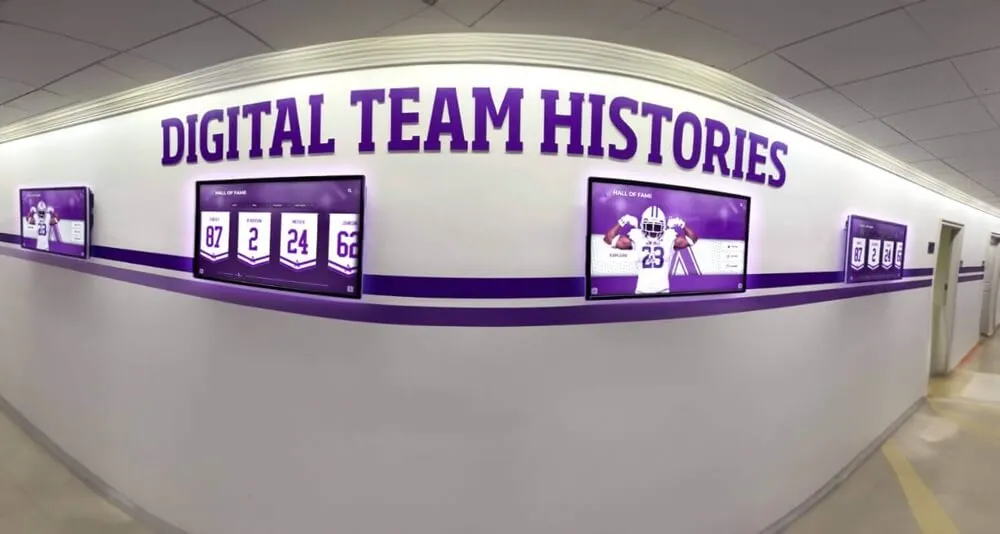
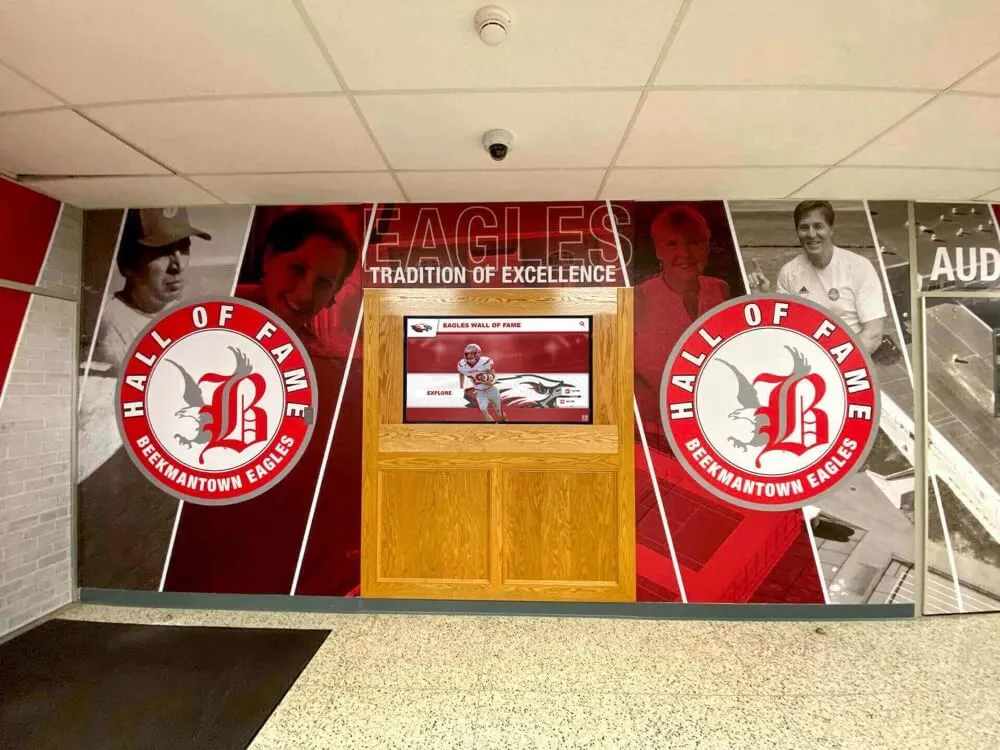
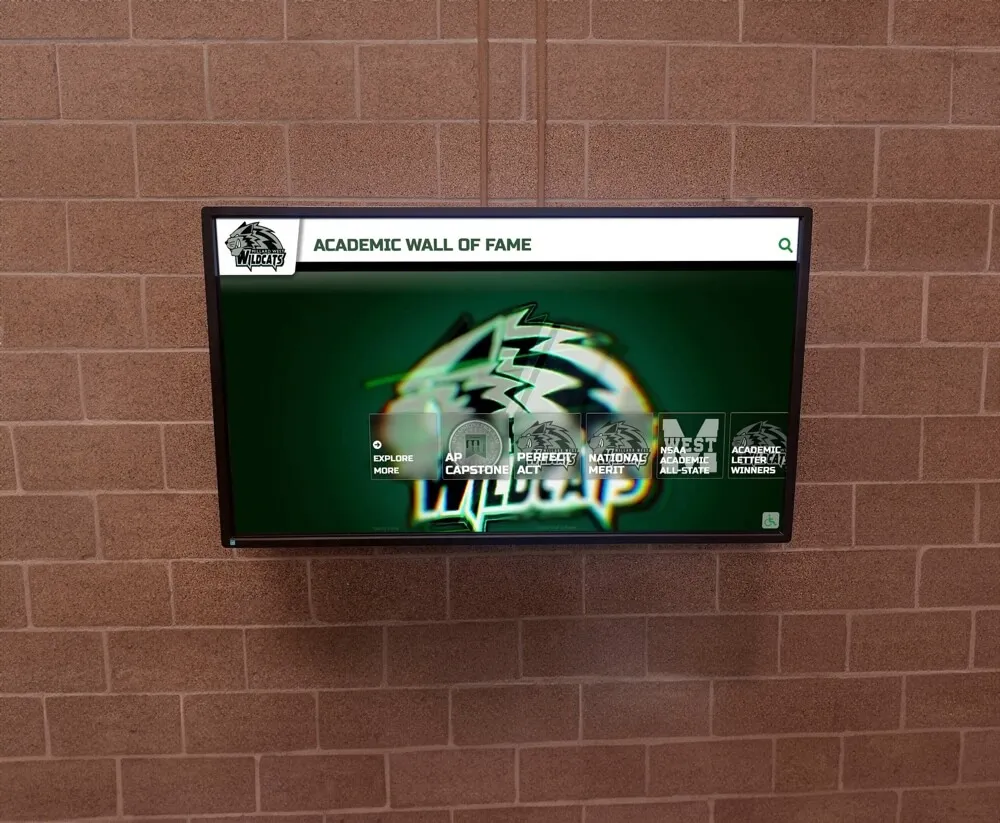
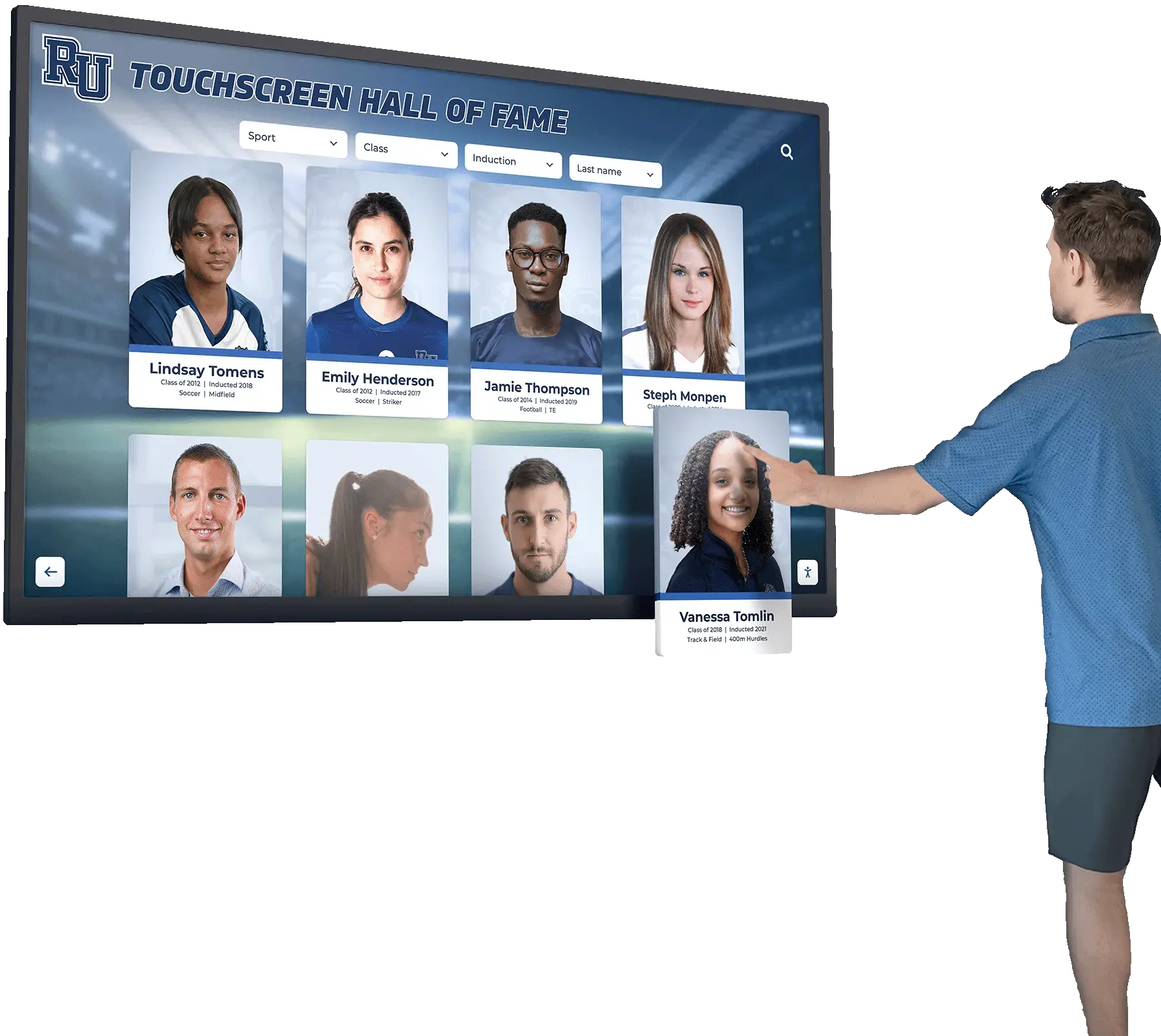
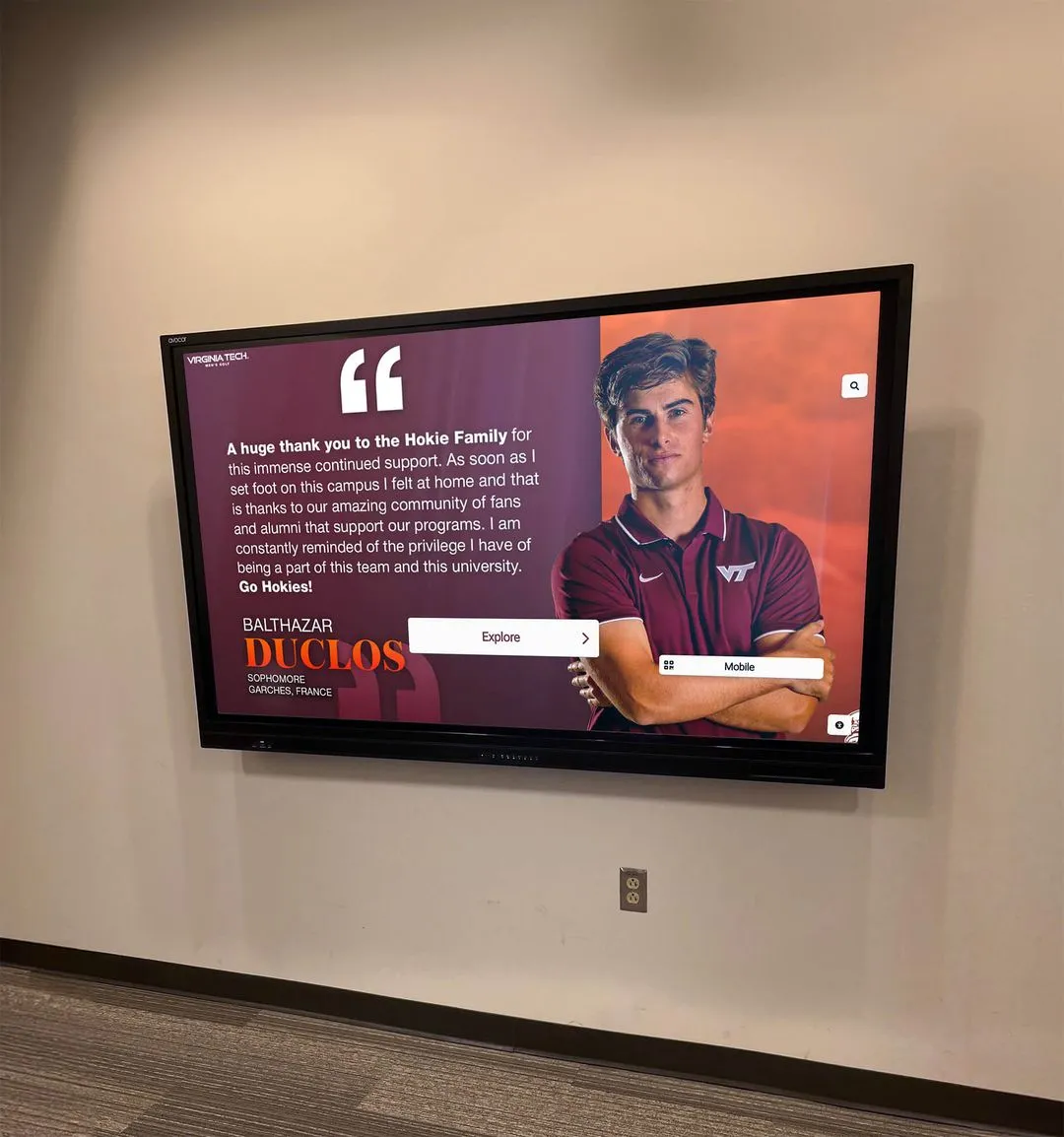
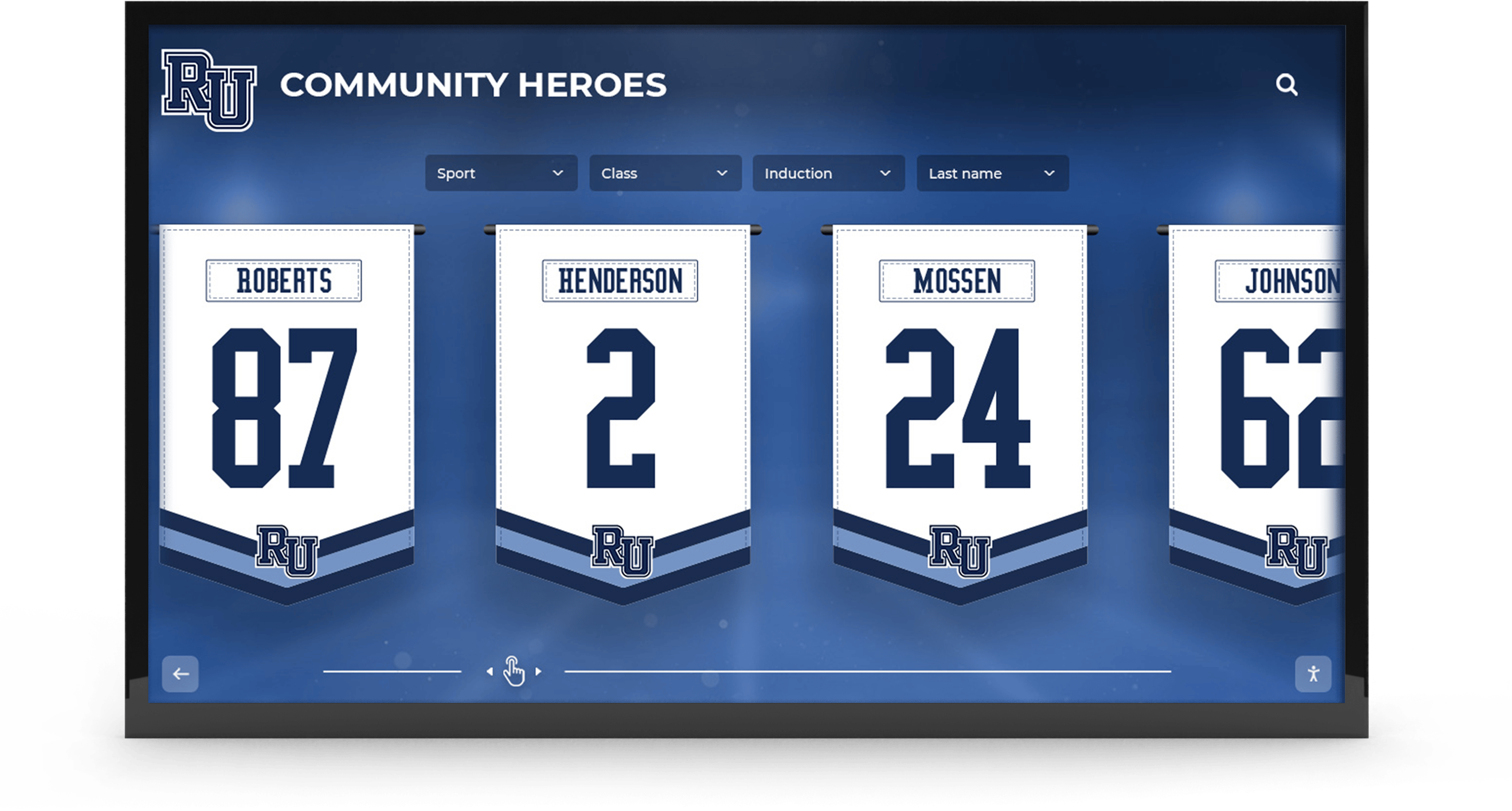
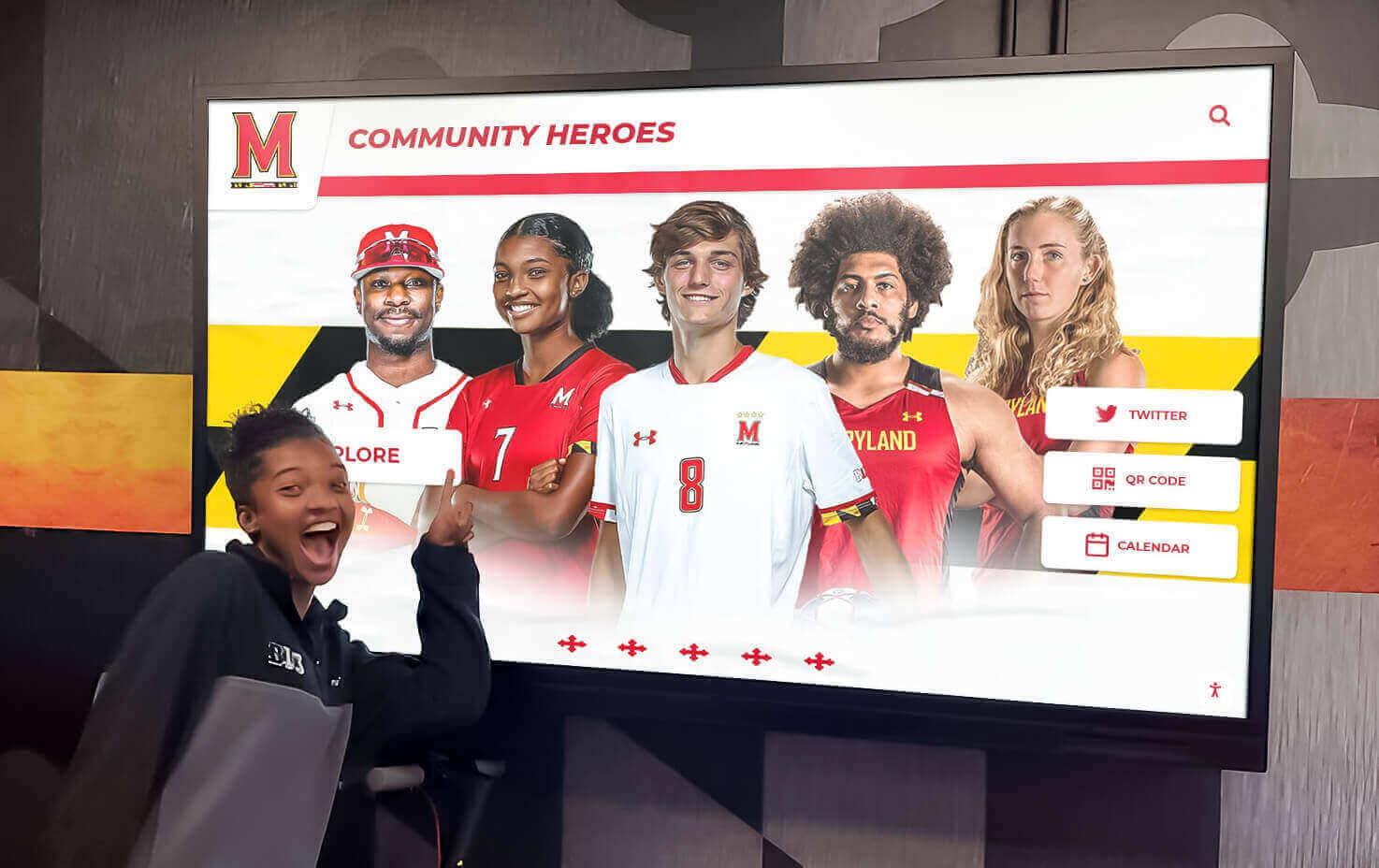
Digital displays allow schools to present this data in scannable, filterable formats. Interactive touchscreens enable visitors to search by name, year, age group, or category—making everyone’s achievement findable and shareable. Unlike static posters or trophy cases, digital platforms accommodate unlimited historical data without physical space constraints.
Documenting Event History and Milestone Moments
Every annual 5K develops its own character over time. Route changes, weather challenges, surprise participants, fundraising records, and community moments become part of event lore. Documenting this history creates institutional memory that strengthens event identity and community ownership.
Components of comprehensive event history:
Origin Story: Share why your school started hosting the 5K. Was it launched to fund a specific program? Did a parent group spearhead the initiative? Providing historical context helps participants understand their role in an ongoing tradition.
Fundraising Progression: Display total funds raised each year. Showing growth over time demonstrates community impact and encourages continued support. Include details about what these funds supported—new equipment, scholarships, facility improvements, program expansions.
Participation Trends: Chart the number of registered runners year over year. Visualizing growth validates the event’s increasing community importance. If participation dipped during certain years (pandemic, weather events), including that context adds authenticity.
Route Evolution: Document any course changes made over the years. Include maps showing historical routes alongside the current path. Note reasons for changes (safety improvements, distance certification, community access).
Memorable Moments: Capture standout stories—the year a 70-year-old grandmother set an age-group record, when torrential rain didn’t stop 300 runners, the time a beloved teacher ran their final race before retirement, or when registration numbers doubled after a major school milestone.
Media Coverage: Archive news articles, local TV segments, and social media highlights from past events. This third-party validation reinforces community significance.
Event Growth: Show the evolution of race amenities—when chip timing was introduced, when the kids’ fun run was added, when a virtual option became available, or when post-race festivities expanded.
Solutions like interactive digital displays enable schools to present this content in engaging timeline formats that visitors can explore at their own pace. Text, photos, videos, and data visualizations combine to tell a rich, multi-dimensional story.
Sponsor Recognition and Website Integration
Corporate sponsors and local business partners provide essential funding that makes annual 5K events financially viable. These organizations deserve recognition that extends well beyond race day signage and t-shirt logos. Providing sponsors with ongoing digital visibility throughout the year increases the perceived value of sponsorship and encourages multi-year commitments.
Multi-tiered sponsor recognition strategies:
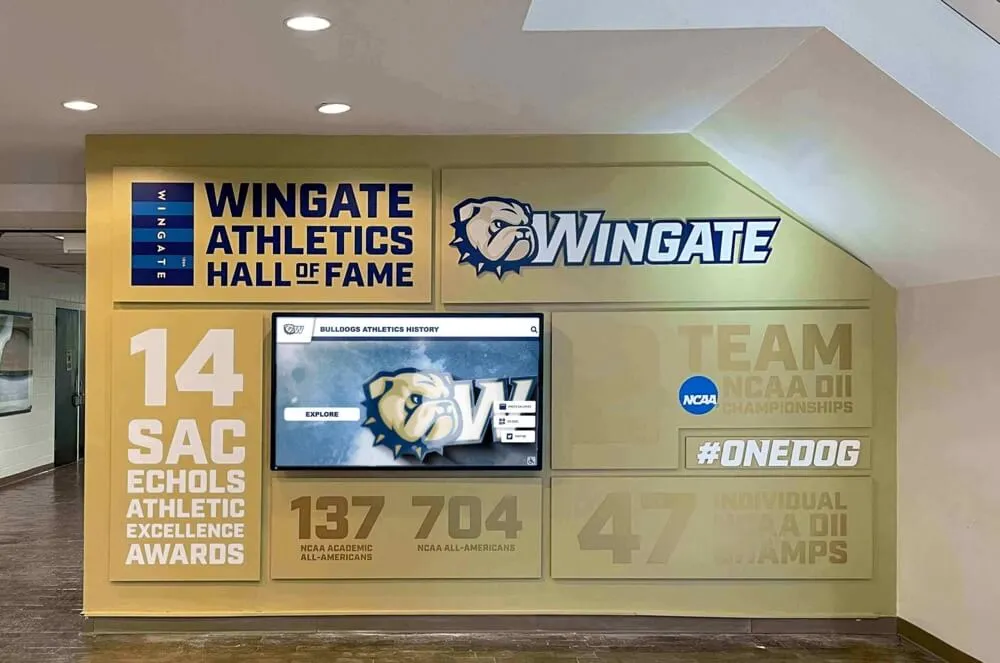
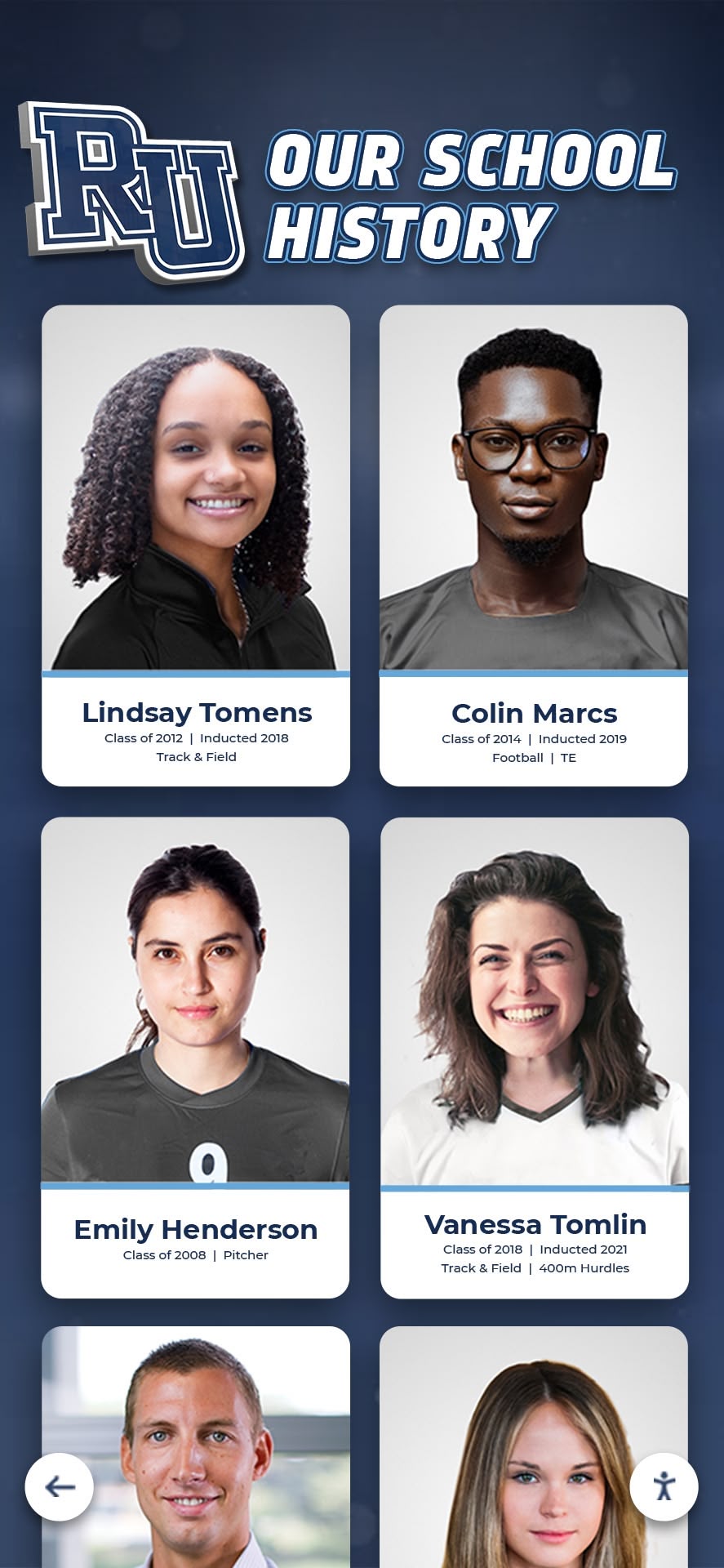
Permanent Sponsor Walls: Create dedicated digital sponsor recognition displays that remain visible year-round in high-traffic areas—main entrance lobbies, athletic facilities, or student centers. Unlike printed banners that fade or require storage, digital displays maintain professional appearance indefinitely.
Tiered Visibility Based on Contribution Level: Structure sponsor displays to reflect different support levels (Platinum, Gold, Silver, Bronze). Title sponsors receive prominent placement with logo, company description, and direct website links. Supporting sponsors appear in organized, searchable directories.
Website Integration and Reciprocal Links: Partner with sponsors to create mutual recognition. Feature sponsor profiles on your school 5K event website with direct links to their business sites. Provide sponsors with digital assets they can share on their own platforms, creating reciprocal traffic and demonstrating partnership value beyond the check they write.
Sponsor Story Features: Go beyond logos by highlighting why businesses support your event. Brief profiles explaining a sponsor’s community connection—perhaps they’re owned by alumni, employ parent volunteers, or have supported school programs for decades—create emotional resonance that benefits both parties.
Year-Over-Year Sponsor Recognition: Highlight long-term partners who have sponsored multiple consecutive events. A business that has supported your 5K for ten years deserves special recognition that demonstrates their sustained community investment.
Sponsor Engagement Metrics: Share visibility data with sponsors—foot traffic past digital displays, interaction rates on touchscreens, website click-throughs from digital links. Providing concrete metrics justifies sponsorship investment and facilitates renewal conversations.
Integration with School Recognition Programs: Connect sponsor recognition to broader school donor recognition systems. Businesses that sponsor your 5K likely support other school initiatives. Unified digital platforms show comprehensive community partnership rather than isolated event support.
Digital platforms allow schools to update sponsor information instantly when partnerships change, maintaining current and accurate recognition without reprinting materials or replacing physical plaques. This flexibility proves especially valuable for multi-year contracts that include annual benefit adjustments.
Donor Recognition Walls for Individual Contributors
Beyond corporate sponsors, individual donors—parents, alumni, community members, and local families—provide critical financial support for school 5K fundraisers. These personal contributors deserve recognition that honors their generosity while encouraging others to give.
Individual donor recognition approaches:
Giving Level Categories: Structure donor walls around clear contribution tiers—perhaps $1,000+, $500-999, $250-499, $100-249, and under $100. This creates aspirational targets while ensuring all donors receive acknowledgment regardless of gift size.
Named Recognition: Display individual donor names prominently. People give for various reasons, but public recognition remains a meaningful motivator for many. Alphabetized or tiered lists ensure fairness and findability.
Family Recognition: Allow family giving to be acknowledged collectively—“The Johnson Family” rather than listing individual members separately. This approach often increases donation amounts as families combine contributions for greater recognition tier placement.
Memorial and Tribute Giving: Provide options for donors to give in honor or memory of loved ones. Including brief dedications alongside donor names adds emotional depth—“In memory of Coach Williams, who started our 5K tradition.”
Cumulative Giving Recognition: Track and display multi-year giving totals. A family that donates $250 annually for five years has contributed $1,250 total and may qualify for higher recognition tiers based on cumulative support rather than single-event amounts.
Monthly or Per-Mile Pledges: Some donors prefer ongoing commitments rather than one-time gifts. Recognize these sustained supporters separately, acknowledging their consistent participation year after year.
Volunteer-Donor Recognition: Many supporters contribute both time and money. Consider special recognition for individuals who volunteer at the event AND make financial contributions, demonstrating multi-dimensional commitment.
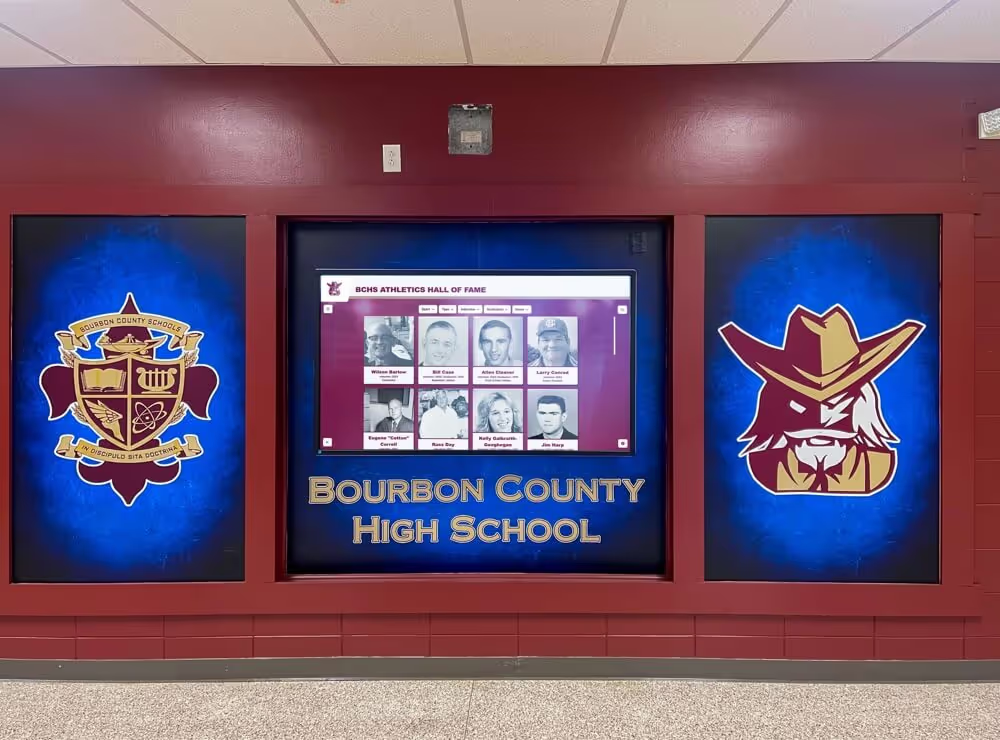
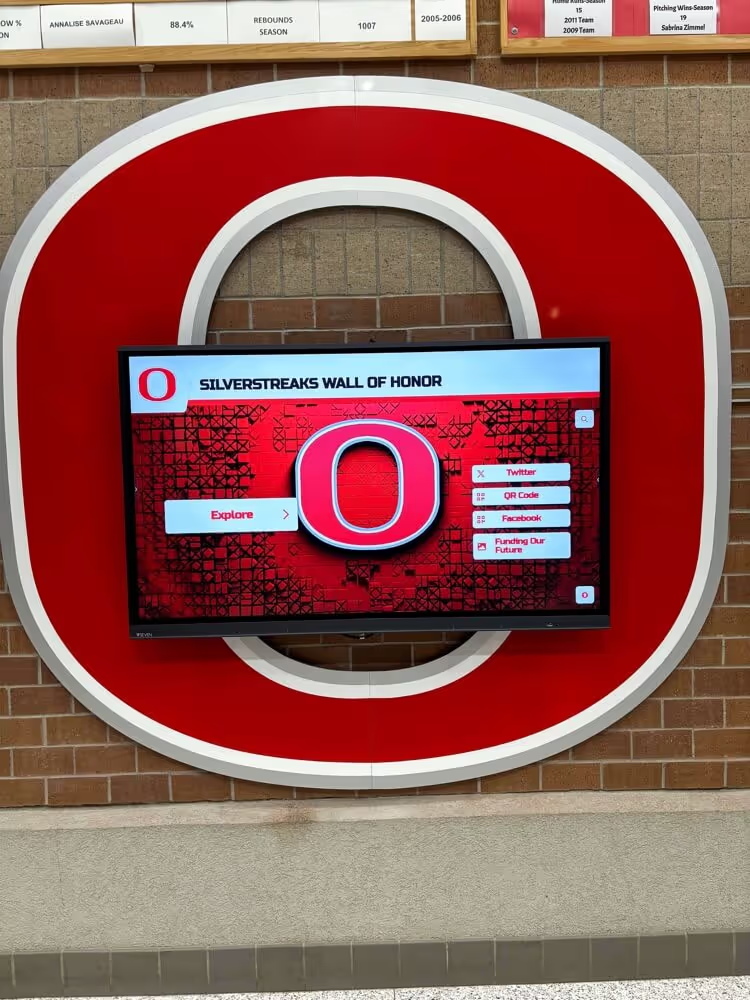
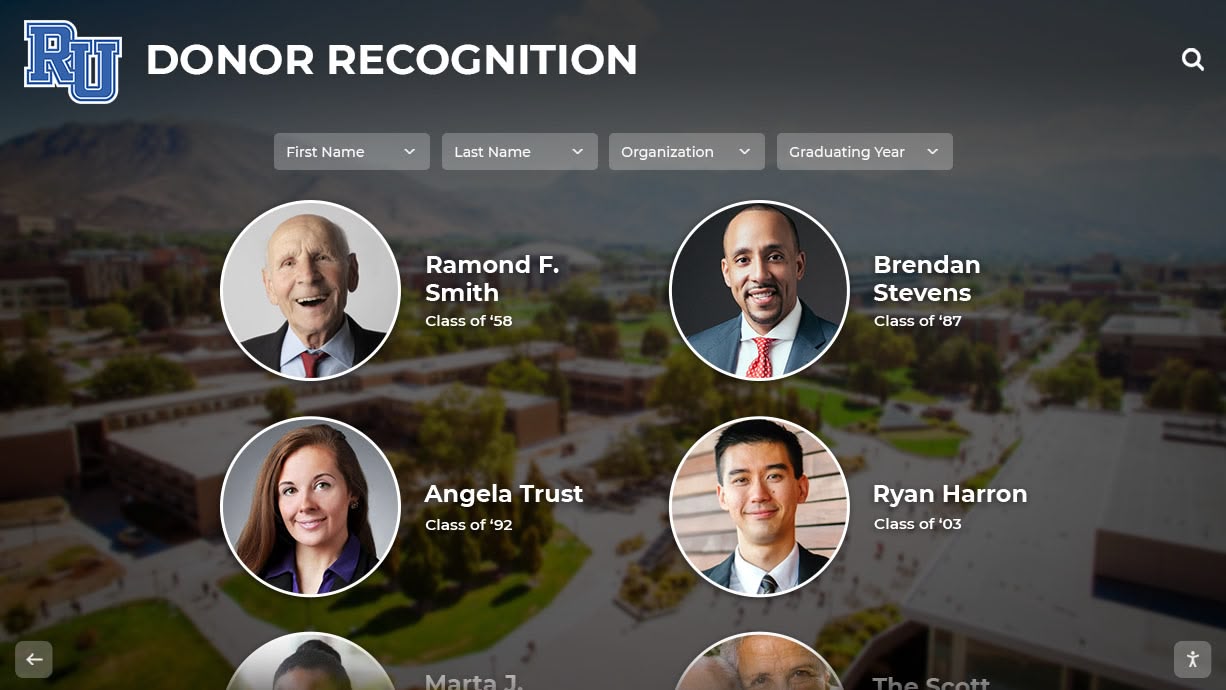
Digital donor recognition displays offer advantages over traditional plaques and printed materials. Schools can update donor information in real-time as new contributions arrive, ensure accurate name spellings, and accommodate unlimited donors without physical space constraints. Interactive formats allow visitors to search for specific names and view detailed giving histories when appropriate.
Volunteer Spotlight Features
Successful 5K fundraisers depend on dedicated volunteers who staff registration tables, manage water stations, direct runners at course intersections, set up and break down equipment, coordinate parking, handle timing systems, and dozens of other essential tasks. These individuals often work behind the scenes with limited public recognition, yet their contributions make events possible.
Volunteer recognition strategies:
Volunteer of the Year Awards: Annually recognize one or more outstanding volunteers who demonstrated exceptional dedication, leadership, or service hours. Display their photos, brief bios, and descriptions of their contributions prominently.
Role-Specific Recognition: Acknowledge volunteers by their functional area—registration team, course marshals, medical support, setup/breakdown crew, refreshment station, kids’ area coordinators. This ensures volunteers in less visible roles receive equal recognition.
Hours-Based Milestones: Track cumulative volunteer hours across multiple annual events. Individuals who have volunteered for 50, 100, or 200+ hours over the years merit special recognition for sustained commitment.
Multi-Year Volunteer Recognition: Highlight individuals who have volunteered at five, ten, or fifteen consecutive annual events. This consistency represents remarkable dedication and should be celebrated accordingly.
Volunteer Stories: Feature brief stories from volunteers explaining why they give their time. These personal narratives inspire others to join volunteer teams and add human dimension to recognition displays.
Group Volunteer Recognition: Acknowledge organizations that provide volunteer teams—local scout troops, church youth groups, service clubs, or corporate volunteer programs. This recognition strengthens organizational partnerships and encourages continued group participation.
Real-Time Volunteer Recognition: During event week, use digital displays to thank this year’s volunteer roster, creating timely appreciation that volunteers see as they move through school facilities.
Recruitment Through Recognition: Well-designed volunteer recognition serves a practical purpose beyond appreciation—it demonstrates to prospective volunteers that their contributions will be valued and remembered. This visibility aids future volunteer recruitment efforts.
Interactive displays allow schools to include photos of volunteers in action—setting up the starting line, handing out water cups, cheering runners at mile markers, or organizing medals. These images capture the community spirit that makes annual 5K events meaningful experiences beyond athletic competition.
Annual Photo Galleries and Participant Memories
Photos capture the energy, emotion, and community spirit of annual 5K events in ways that race results alone cannot convey. Participants treasure images of themselves crossing finish lines, running with family members, or celebrating personal achievements. Creating accessible, well-organized digital photo galleries extends event impact and provides valuable content for participants to share on social media.
Photo gallery organization strategies:
Year-by-Year Archives: Structure photo galleries chronologically so visitors can browse specific event years. This organization helps returning participants find their photos from multiple races over time.
Category-Based Albums: Within each year, create subcategories—start line, mile markers, finish line, awards ceremony, kids’ fun run, volunteer teams, sponsor activations, post-race celebration. This structure helps people quickly locate photos relevant to their experience.
Searchable Metadata: When feasible, tag photos with race bib numbers, participant names, or age groups. Interactive digital platforms can enable participants to filter galleries to show only photos featuring themselves or their family members.
Highlight Reels and Best Moments: Curate featured photo sets featuring standout moments—dramatic finishes, emotional reactions, community celebrations, unusual costumes (if your event includes fun run elements), or memorable weather conditions.
Professional and Community-Submitted Photos: Combine images from official event photographers with participant-submitted photos. Community contributions often capture authentic moments that professional photographers miss.
Before-and-After Content: Include photos of event setup and breakdown to recognize volunteer efforts. These behind-the-scenes images demonstrate the work required to execute successful events.
Integrated with Runner Recognition: Link photo galleries to race results so visitors viewing leaderboards can also access photos from specific events. This integration creates comprehensive participant profiles combining achievement data with visual memories.
Social Media Integration: Make photos easily shareable to Facebook, Instagram, and other platforms directly from digital displays. When participants share event photos to their personal networks, they provide free promotion for future races while celebrating their own achievements.
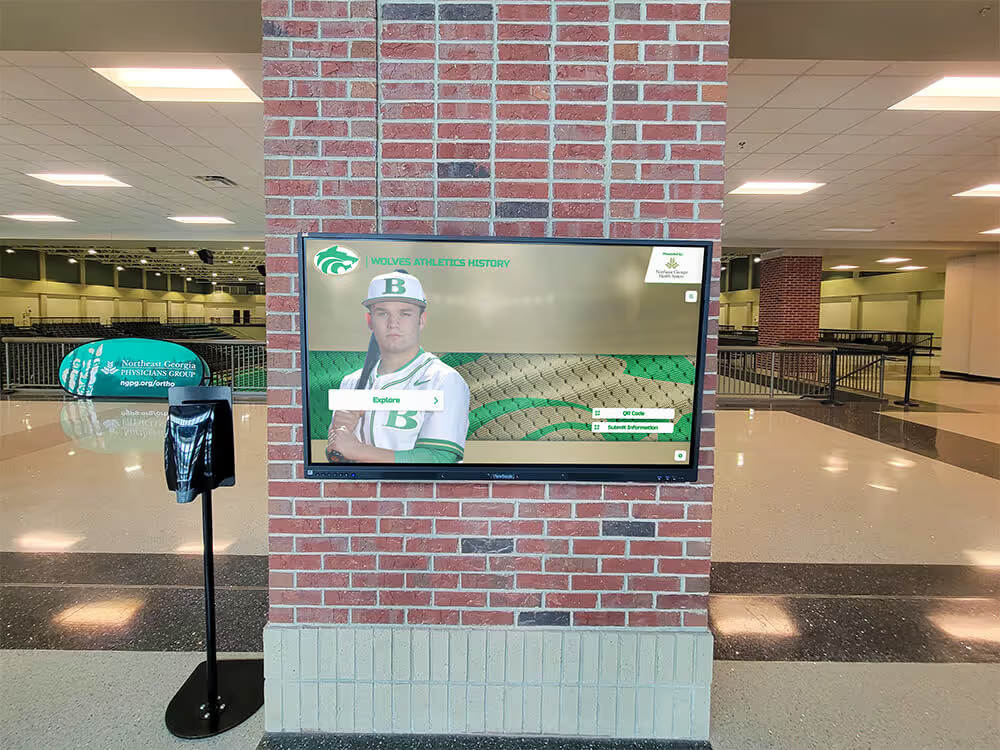
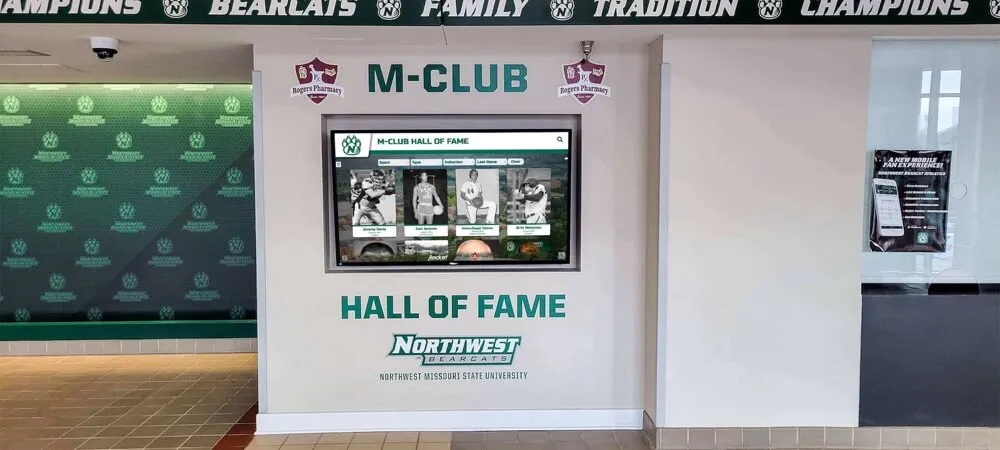
Schools can display photo galleries on digital touchscreen kiosks positioned in main lobbies or athletic facilities. Interactive browsing encourages extended engagement as students, parents, and visitors explore years of event history. Unlike printed photo boards that quickly become dated, digital galleries accommodate unlimited images and remain continuously current.
Comprehensive Event Management and Legacy Building
The most effective annual 5K recognition systems integrate all stakeholder groups—runners, donors, sponsors, volunteers, and organizers—into cohesive platforms that tell complete event stories. Rather than maintaining separate recognition systems for different constituencies, unified digital displays present holistic event legacies.
Integrated platform features:
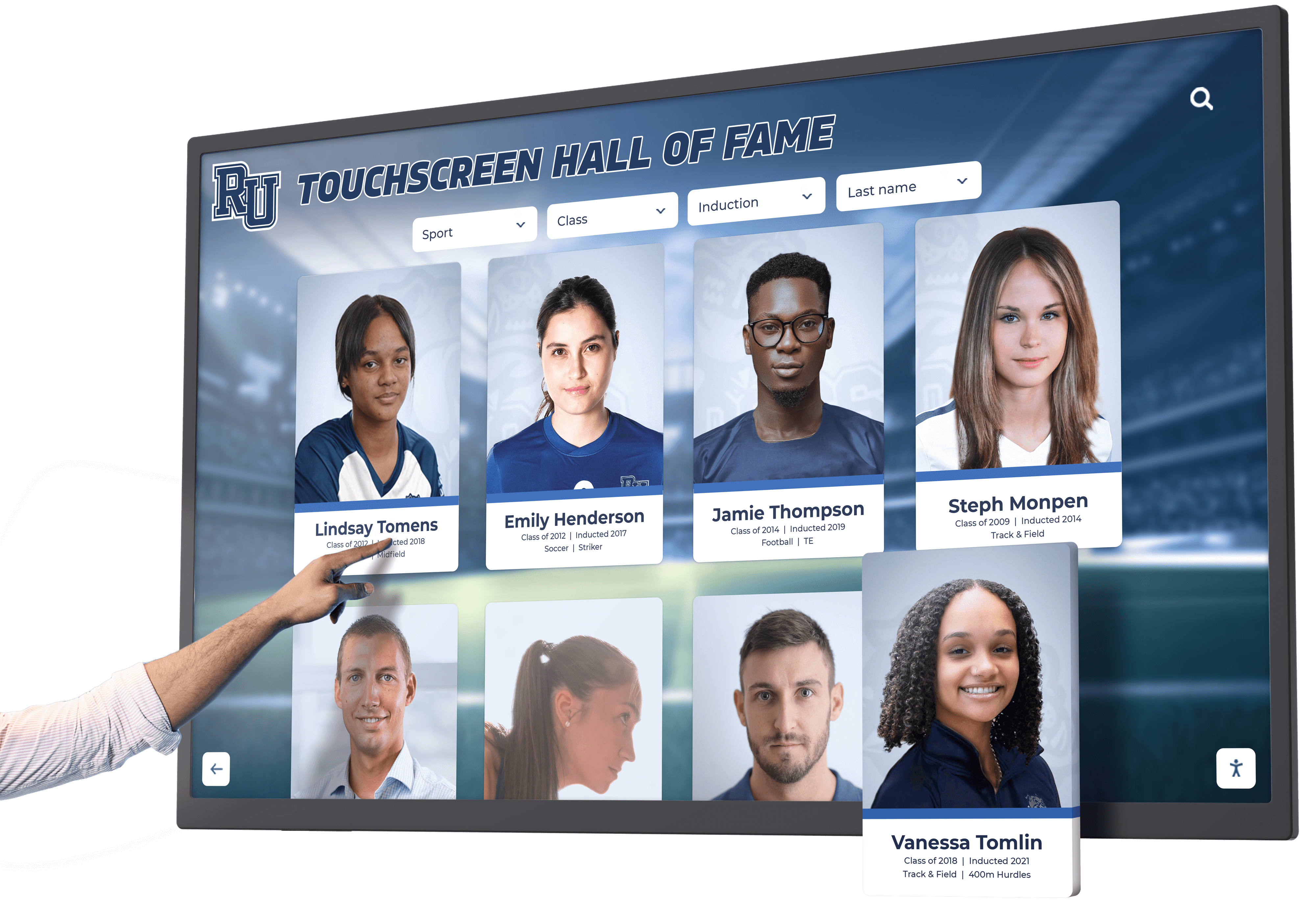
Unified Search and Navigation: Allow visitors to search across all recognition categories from a single interface. Someone looking for their race results can simultaneously discover sponsor information, volunteer opportunities, and photo galleries from that same event year.
Cross-Referenced Content: Link related information throughout the platform. A sponsor profile might connect to photos of their booth at the event, volunteer teams they provided, or special awards they funded. A runner profile could link to their personal photo gallery, team results, and multi-year participation history.
Historical Context at Every Level: Provide comparative context throughout the platform. When viewing current year results, show how participation, fundraising, and performance metrics compare to previous years. This historical perspective demonstrates growth and validates community investment.
Mobile Accessibility: Ensure recognition platforms work well on smartphones and tablets, not just in-person kiosks. Participants should be able to access their results, photos, and recognition from anywhere, then share content across their social networks.
Administrative Flexibility: Choose platforms that allow school staff to update content easily without technical expertise. The simpler the backend management, the more likely recognition systems stay current year after year.
Scalability for Growth: Select solutions that accommodate expanding content as events mature. A platform that works well in year five should still perform effectively in year fifteen when you have triple the photos, participants, and historical data.
Analytics and Engagement Tracking: Monitor which content receives the most interaction—are people primarily viewing recent results or exploring historical leaderboards? Do photo galleries or sponsor profiles receive more engagement? This data informs content priorities and helps demonstrate value to sponsors and donors.
Digital recognition platforms designed for school fundraising events provide schools with complete solutions for managing complex, multi-stakeholder recognition needs. Rather than cobbling together separate systems for race results, donor walls, sponsor displays, and photo galleries, integrated platforms simplify both participant experience and administrative overhead.
Building Community Identity Through Event Traditions
Annual 5K fundraisers represent more than athletic events or revenue sources—they become defining traditions that shape school community identity. Each race adds another layer to institutional memory, creating shared experiences that connect current students with alumni, parents with staff, and community members with school mission.
Tradition-building elements:
Consistent Branding and Identity: Develop distinctive visual identity for your annual 5K that remains consistent year over year while allowing for annual variations. This might include signature colors, logos, t-shirt designs, or course landmarks that participants recognize and anticipate.
Signature Event Elements: Create unique features that distinguish your 5K from other community races—perhaps a challenging hill known by a specific name, a performance by the school band at a certain mile marker, or a traditional post-race meal featuring a specific menu.
Multi-Generational Participation: Encourage families to run together across generations. Recognize families where parents, children, and grandparents all participate. Document stories of alumni returning to run the same course they raced as students.
Integration with School Calendar: Position your 5K strategically within the academic calendar as a marquee event. Some schools tie their race to homecoming celebrations, others make it a springtime tradition that caps the school year.
Connection to School Mission and Values: Explicitly link your 5K fundraiser to core school values—community service, wellness, achievement, or specific programs benefiting from race proceeds. This connection elevates the event beyond mere fundraising to mission-driven community engagement.
Ceremonial Traditions: Develop specific ceremonies or rituals around the event—perhaps the superintendent fires the starting gun, the principal runs with students, or a retiring staff member serves as honorary race starter. These traditions create emotional anchoring that strengthens event identity.
Alumni Engagement Opportunities: Actively recruit alumni to return for the race, creating natural reunion opportunities. Recognize alumni who travel significant distances to maintain their participation streak or who competed in the inaugural race years ago.
Recognition systems that showcase event history, participant progression, and community involvement validate the significance of these traditions. When current students see decade-spanning leaderboards and photo galleries documenting years of community participation, they understand they’re joining something larger than a single athletic event.

Technical Implementation and Platform Selection
Schools exploring digital recognition solutions for annual 5K fundraisers should evaluate platforms based on specific functional requirements and long-term sustainability considerations.
Key technical evaluation criteria:
Content Management Ease: Can school staff with typical technical skills update race results, add photos, modify sponsor information, and adjust volunteer recognition without requiring outside technical support? Platforms requiring coding knowledge or vendor intervention for routine updates create ongoing operational friction.
Data Import Capabilities: Most race timing systems generate standardized result files. Optimal recognition platforms accept these data exports directly, eliminating manual entry of race results. Ask vendors about compatibility with your existing timing software.
Responsive Design: Recognition platforms should deliver excellent experiences on large touchscreen kiosks in school lobbies, desktop computers in offices, and smartphones in participants’ pockets. Responsive design ensures content accessibility across devices.
Search and Filter Functionality: With years of accumulated data, robust search capabilities become essential. Can users filter leaderboards by age group, year, or name? Can they search photo galleries by bib number? These features dramatically improve user experience.
Integration with School Systems: Consider whether recognition platforms can connect with existing school databases, websites, or constituent relationship management systems. Integration reduces duplicate data entry and keeps information synchronized.
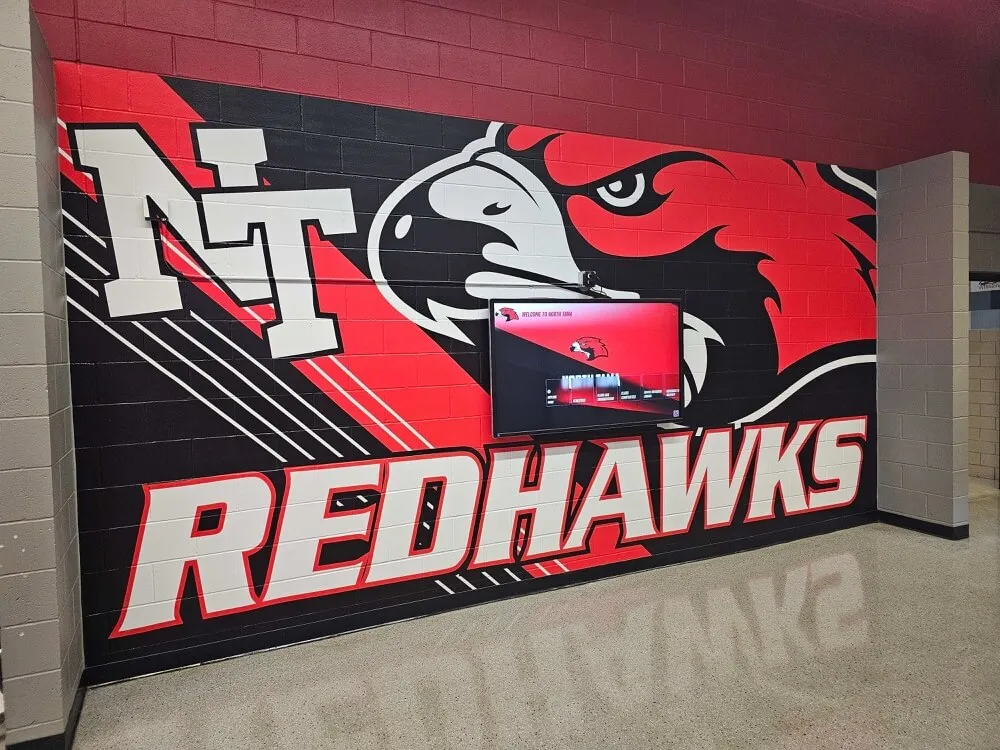
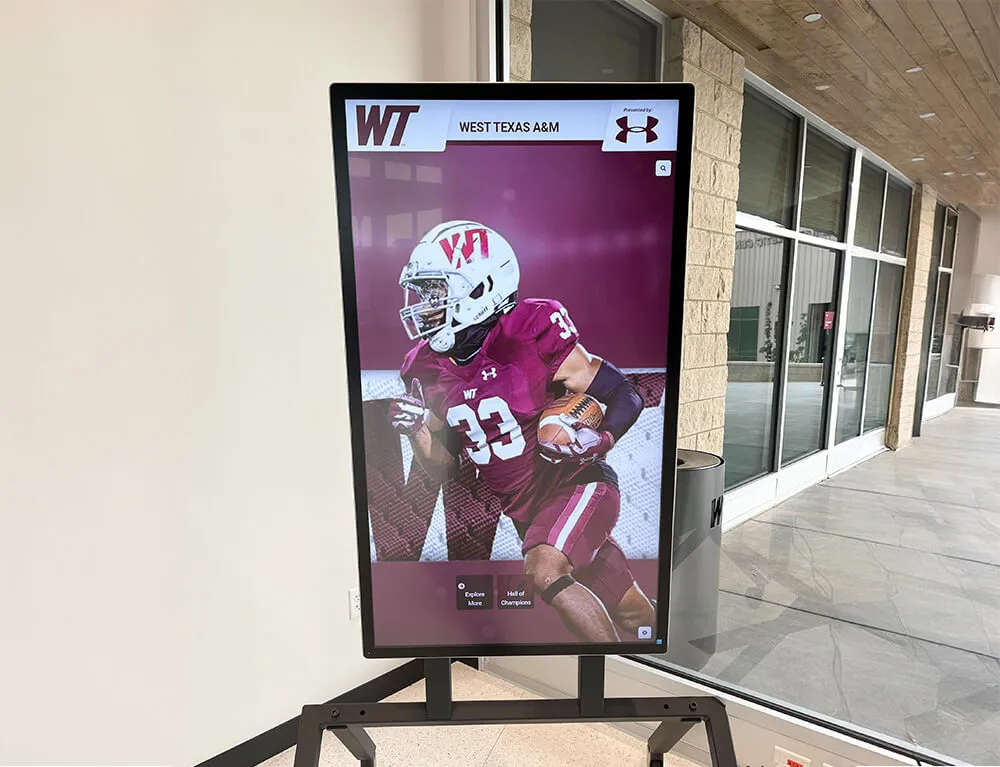
Physical Display Options: Evaluate whether you’ll primarily use wall-mounted displays, freestanding kiosks, or both. Touchscreen display hardware varies significantly in durability, touch responsiveness, and screen size—factors that affect long-term satisfaction.
Content Security and Privacy: Ensure platforms include appropriate privacy controls, particularly for photo galleries featuring minors. Can parents opt out of having their children’s photos displayed? Are there permission management tools?
Vendor Support and Training: Assess what implementation support, training resources, and ongoing technical assistance vendors provide. Schools need confidence they can successfully maintain systems after initial setup.
Total Cost of Ownership: Look beyond initial hardware and software costs to evaluate ongoing expenses—annual licensing fees, maintenance contracts, content hosting charges, and update costs. Budget-friendly initial pricing that leads to expensive recurring charges undermines long-term sustainability.
Scalability and Flexibility: Will the platform accommodate future expansion? If your 5K grows from 200 to 800 participants, if you add a 1-mile fun run, or if you start a separate fall fundraising event, can the same platform handle increased scope?
Solutions like interactive recognition displays from Rocket Alumni Solutions provide comprehensive platforms specifically designed for school recognition needs. These systems accommodate diverse content types—leaderboards, donor recognition, photo galleries, event history—within unified, user-friendly interfaces that school staff can manage independently after initial setup.
Measuring Recognition Impact and Event Growth
Digital recognition systems generate measurable engagement data that traditional paper certificates and trophy cases cannot provide. Schools should establish metrics for evaluating recognition effectiveness and using insights to strengthen future events.
Valuable recognition metrics:
Display Interaction Rates: How many people engage with digital recognition kiosks weekly or monthly? High interaction rates indicate compelling content that community members actively seek out. Low engagement suggests content updates or positioning improvements may be needed.
Content View Patterns: Which recognition categories receive the most attention—race leaderboards, photo galleries, sponsor profiles, or volunteer spotlights? Understanding preferences helps prioritize content development efforts.
Search Query Analysis: What information do people search for most frequently? Are they looking for specific names, particular event years, or age-group results? Search patterns reveal audience priorities.
Social Media Sharing: How often do participants share content from your recognition platforms to Facebook, Instagram, or Twitter? High sharing rates indicate compelling content and provide free event promotion.
Sponsor Engagement Metrics: Can you demonstrate to sponsors how many people viewed their profiles or clicked through to their websites from your recognition displays? These metrics justify sponsorship investments and facilitate renewals.
Event Registration Trends: Track whether year-over-year recognition correlates with increased event registration. Schools often find that prominent recognition of past participants encourages repeat registration and word-of-mouth promotion.
Fundraising Trajectory: Monitor whether comprehensive recognition systems correlate with increased donor participation and higher average donation amounts. When donors see their contributions permanently recognized, giving often increases.
Volunteer Recruitment Success: Measure whether volunteer recognition features help recruit new volunteers. Ask new volunteers what motivated them to sign up—often, seeing existing volunteers recognized influences their decision.
Alumni Return Rates: For schools emphasizing alumni participation, track how many former students return to run the race. Prominent historical recognition often encourages alumni engagement.
Schools should review these metrics annually as part of event debriefs, using insights to refine recognition strategies and content priorities. Data-driven adjustments ensure recognition systems remain aligned with community needs and event goals.
Integration with Broader School Recognition Programs
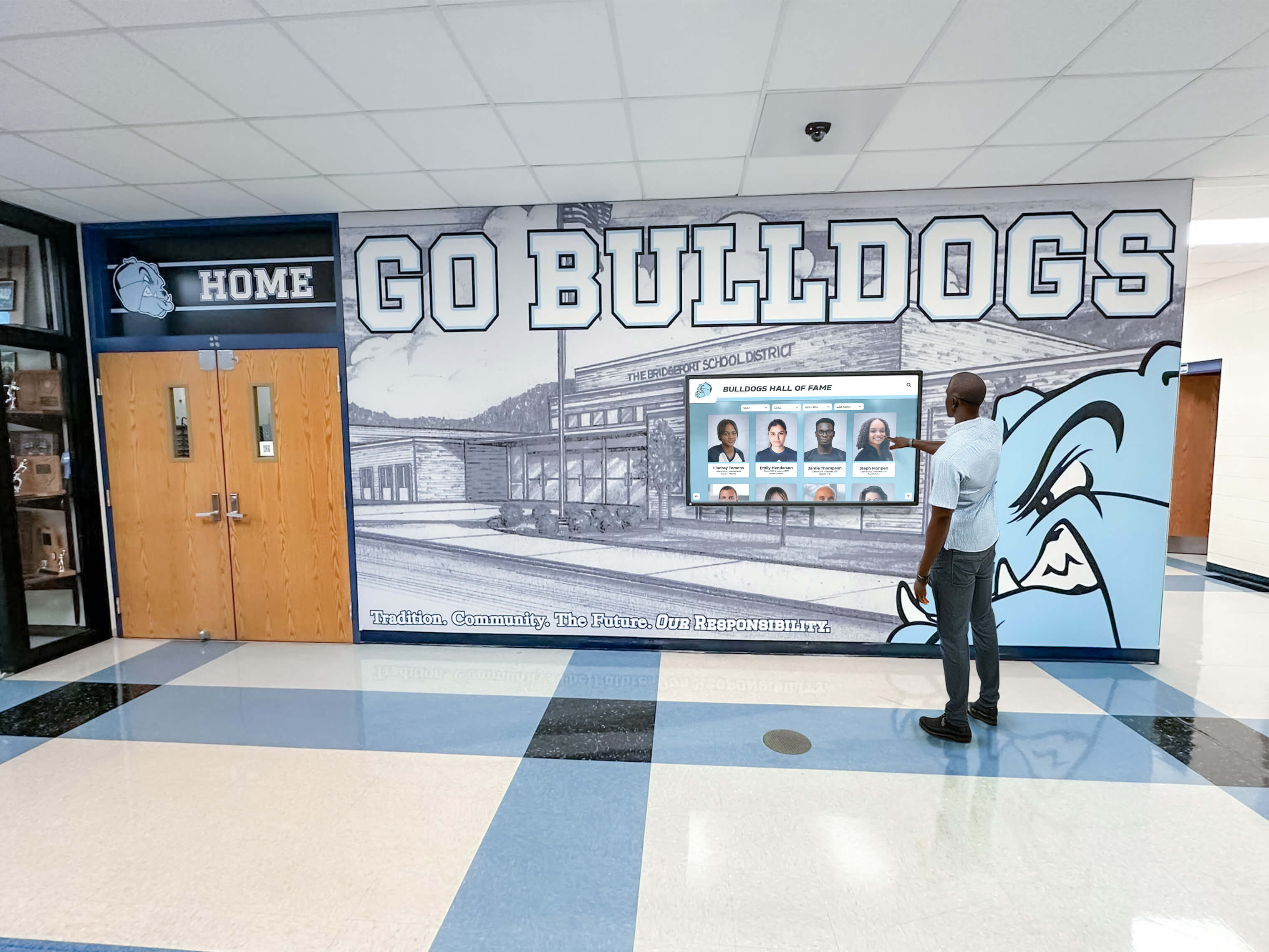
Annual 5K fundraiser recognition rarely exists in isolation. Most schools maintain multiple recognition systems—athletic halls of fame, academic achievement displays, donor recognition programs, and historical archives. The most effective approach integrates 5K recognition into comprehensive school-wide platforms rather than treating it as a standalone initiative.
Benefits of integrated recognition:
Unified Community Storytelling: When race results appear alongside academic honors, athletic records, and donor recognition, they collectively tell richer stories about school community. The parent who sponsors the 5K, volunteers at packet pickup, and runs the race receives recognition across multiple touchpoints, demonstrating multifaceted community involvement.
Reduced Administrative Burden: Managing a single integrated platform requires less ongoing effort than maintaining separate systems for different recognition needs. Content updates, software maintenance, and hardware management occur once rather than repeatedly across disconnected systems.
Enhanced Participant Experience: Community members benefit when they can explore multiple aspects of school history and achievement through unified interfaces. A student viewing athletic records might naturally discover 5K history, connecting individual sports achievements to broader school traditions.
Consistent Visual Identity: Integrated platforms ensure recognition displays throughout school facilities maintain consistent design language and branding. This visual cohesion reinforces professional image and institutional identity.
Cross-Promotion Opportunities: Unified systems enable natural content cross-promotion. Athletic achievements can link to related fundraising events, donor recognition can connect to programs those gifts funded, and historical archives can reference tradition-building events like annual 5K races.
Scalable Growth: As schools expand recognition programs—adding new awards, starting additional fundraising events, or creating specialized recognition categories—integrated platforms accommodate growth more effectively than fragmented systems.
Many schools find success with comprehensive digital recognition platforms that support diverse content types within unified systems. These solutions allow 5K fundraiser recognition to coexist smoothly with athletic halls of fame, academic excellence displays, and donor walls—all managed through common administrative interfaces.
Best Practices for Ongoing Content Management
The most impressive digital recognition systems lose effectiveness when content becomes stale. Schools must establish sustainable processes for keeping recognition platforms current with new event data, updated photos, and evolving sponsor relationships.
Content management strategies:
Assign Clear Ownership: Designate specific staff members or volunteer leaders responsible for updating recognition content. Without clear ownership, updates slip through cracks amid competing priorities.
Establish Update Schedules: Create timelines for routine content updates—race results posted within one week of the event, photo galleries uploaded within two weeks, sponsor recognition updated by fiscal year-end. Regular schedules prevent indefinite delays.
Simplify Data Workflows: Develop efficient processes for moving data from source systems (race timing software, registration databases, sponsor contracts) into recognition platforms. The simpler the workflow, the more reliably updates occur.
Quality Control Procedures: Institute review processes ensuring accuracy before content goes live. Double-check name spellings, verify race times, confirm sponsor logo quality, and validate photo appropriate-ness.
Archive Management: Determine retention policies for historical content. While permanent archiving suits most recognition content, certain elements (current-year sponsor promotions, upcoming event details) need regular review and removal when no longer relevant.
Community Contribution Guidelines: If allowing participant-submitted photos or stories, establish clear submission guidelines addressing content appropriateness, privacy considerations, and quality standards.
Annual Comprehensive Reviews: Schedule yearly reviews of entire recognition platforms to identify outdated information, broken links, or content gaps. These audits catch issues that slip past routine update processes.
Staff Training and Documentation: Document content management procedures clearly so knowledge doesn’t rest solely with one person. When staff transitions occur, comprehensive documentation ensures continuity.
Vendor Partnership Maintenance: Stay current with software updates, security patches, and new feature releases from recognition platform vendors. Regular vendor communication ensures schools leverage full platform capabilities.
Schools that treat recognition platforms as living systems requiring ongoing attention create substantially more value than those viewing installation as a one-time project. Sustained content management transforms static installations into dynamic community resources.
Frequently Asked Questions
How soon after our annual 5K should race results be posted to digital recognition displays?
What privacy considerations should we address when displaying participant names and photos?
How can we demonstrate value to sponsors beyond race-day visibility?
Should we recognize all race participants or only top finishers?
How do we manage photo galleries when thousands of images accumulate over multiple years?
Can we integrate virtual race participants into the same recognition system as in-person runners?
What physical locations work best for 5K fundraiser recognition displays?
How can we encourage participants to interact with digital recognition displays after the event?
Transforming One-Day Events into Lasting Legacy
Annual 5K fundraisers represent significant investments of planning effort, volunteer time, community goodwill, and financial resources. When schools limit recognition to race-day ceremonies and brief follow-up communications, they capture only a fraction of potential long-term value these events can generate.
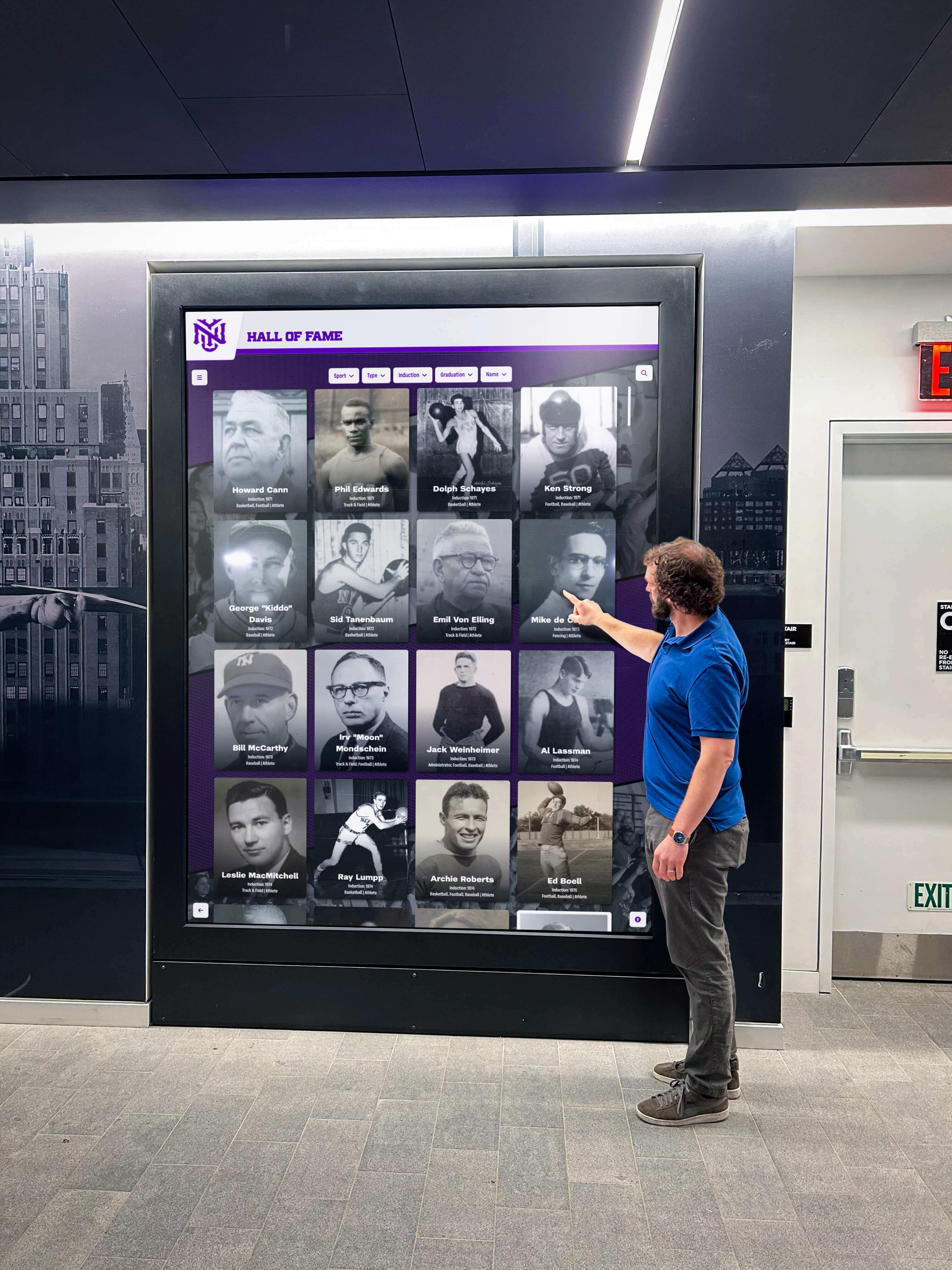
Comprehensive digital recognition transforms annual fundraisers from isolated events into permanent community touchstones. Year-round visibility for race results, historical leaderboards, sponsor partnerships, donor contributions, volunteer service, and participant photos creates ongoing engagement that strengthens relationships with all stakeholder groups. This sustained recognition encourages repeat participation, facilitates sponsor renewal, supports volunteer recruitment, and builds institutional traditions that define school identity.
The schools that maximize annual 5K impact treat these events as recognition opportunities extending far beyond finish lines. They document event history methodically, showcase multi-year participant progression, honor sustained sponsor partnerships, celebrate volunteer dedication, and preserve visual memories in accessible digital formats. This comprehensive approach yields returns that compound over time as each annual event adds depth to growing legacy narratives.
Ready to transform your school’s annual 5K fundraiser into a year-round recognition asset? Rocket Alumni Solutions provides interactive digital platforms specifically designed for school recognition needs—from race leaderboards and event history to sponsor displays, donor walls, volunteer recognition, and photo galleries. Our systems integrate smoothly into school environments while offering the flexibility to grow alongside your events. Contact our team to explore how comprehensive digital recognition can amplify your annual fundraiser’s community impact and lasting legacy.