



Alumni event programming represents one of the most powerful tools institutions possess for building sustained engagement, strengthening emotional connections, and creating meaningful value that transcends transactional fundraising relationships. Educational institutions that host diverse, well-executed events consistently demonstrate higher alumni participation rates, stronger giving patterns, more robust volunteer networks, and deeper overall community engagement compared to schools relying solely on written communications.
Yet many institutions struggle with event programming that yields disappointing attendance, fails to generate continued engagement beyond single interactions, or attracts the same small cohort repeatedly while most alumni remain disconnected. These challenges often stem from limited event variety, poor timing that conflicts with alumni availability, insufficient value propositions that fail to justify participation, unclear audience targeting, and overemphasis on institutional needs rather than alumni interests.
This comprehensive guide presents 100 alumni event ideas organized by institution type, event category, and strategic purpose. Whether you lead advancement efforts at a private high school, public school district, charter network, small liberal arts college, large research university, or graduate program, you’ll find actionable ideas adaptable to your context, budget, and alumni demographics. Beyond simple event lists, this guide provides implementation frameworks, success factors, and practical considerations helping you select and execute events that generate meaningful impact.
Understanding Alumni Event Strategy and Success Factors
Before exploring specific event ideas, understanding strategic frameworks and success factors enables more effective event selection and implementation.
Defining Event Purposes and Desired Outcomes
Different events serve distinct strategic purposes. Clarifying primary objectives for each event helps institutions design programming aligned with specific goals and measure success appropriately.
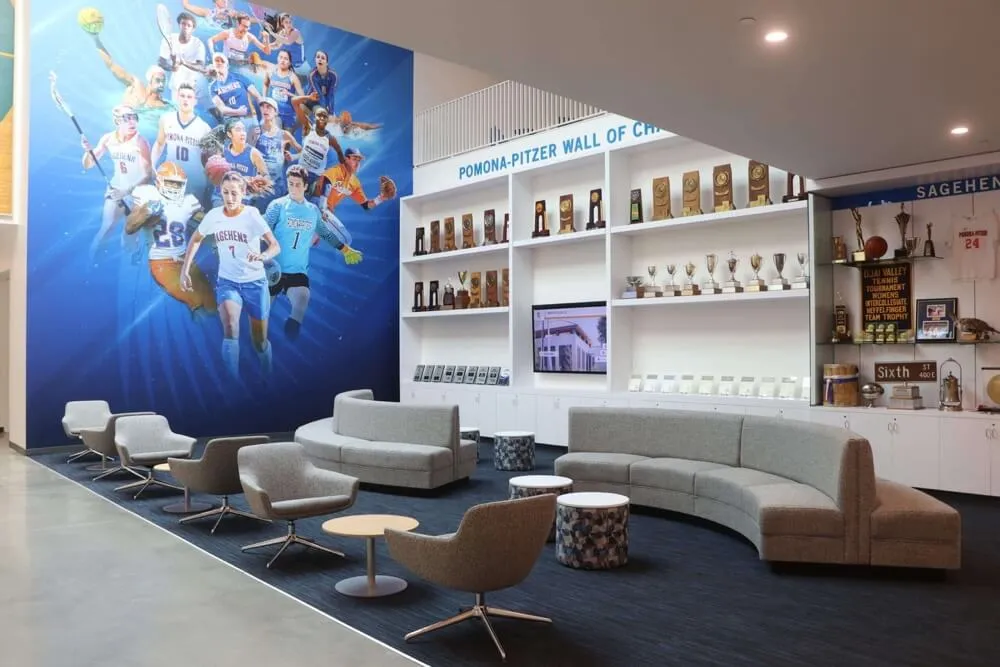
Relationship Building and Emotional Connection: Many events prioritize strengthening emotional bonds between alumni and institutions without immediate transactional objectives. These gatherings create positive experiences, facilitate peer connections, generate nostalgia and institutional pride, and maintain ongoing engagement touchpoints. Success metrics focus on attendance, participant satisfaction, social sharing, and continued participation in subsequent programs rather than immediate revenue generation. Thoughtfully designed gathering spaces enhance these relationship-building opportunities by creating welcoming environments where alumni naturally congregate.
Professional Development and Career Networking: Career-focused events provide practical value helping alumni advance professionally through networking, skill development, industry insights, mentorship connections, and job opportunities. These programs attract mid-career professionals seeking tangible benefits from institutional affiliation and demonstrate ongoing institutional investment in graduate success beyond degree conferral.
Continuing Education and Intellectual Engagement: Educational programming maintains intellectual connections with alumni who value lifelong learning. These events use institutional academic expertise to deliver valuable content while positioning schools as ongoing educational resources throughout alumni professional and personal development.
Fundraising and Philanthropy: While not every event should serve fundraising purposes, some gatherings explicitly focus on cultivation, solicitation, or stewardship of major donors and prospects. These programs typically feature smaller attendance, high production values, and clear philanthropic messaging.
Student Recruitment and Admissions Support: Events engaging alumni as admissions ambassadors help institutions reach prospective students through authentic peer networks. These programs serve dual purposes—advancing admissions objectives while giving alumni meaningful volunteer opportunities supporting institutional missions.
Volunteer Recruitment and Activation: Some events specifically aim to recruit and activate volunteers for various institutional needs including mentoring, career advising, admissions interviews, class agent roles, and committee service.
Most effective event calendars include diverse programming serving multiple purposes rather than overemphasizing single objectives like fundraising that can strain alumni relationships.
Segmentation and Audience Targeting
Generic events attempting to appeal to all alumni simultaneously often fail to engage any demographic deeply. Effective programming targets specific segments with tailored experiences addressing their particular interests and needs.
Generational Segmentation: Different generations exhibit distinct preferences and communication styles. Young alumni (0-10 years out) typically prefer casual social events, digital engagement, career-focused programming, and flexible attendance options. Mid-career alumni (10-25 years) value professional networking, family-inclusive events, volunteer opportunities, and substantive programming. Established alumni (25+ years) often appreciate traditional formats, campus nostalgia, legacy opportunities, and recognition of their contributions.
Geographic Segmentation: Alumni living near campus can attend in-person events more easily, while distant alumni need regional programming or virtual options. Regional alumni chapters hosting localized events extend institutional reach beyond campus geography.
Affinity-Based Segmentation: Shared interests create natural gathering points. Common affinity segments include academic departments or majors, athletic teams and programs, performing arts groups, Greek organizations, clubs and activities, ethnic and cultural groups, LGBTQ+ alumni, international alumni, and professional industries.
Lifecycle Stage Segmentation: Alumni at similar life stages face common challenges and opportunities. Relevant segments include recent graduates establishing careers, young professionals building networks, parents navigating family life, executives at career peaks, retirees exploring new chapters, and bereaved alumni maintaining connections after losing classmates.
Engagement Level Segmentation: Customize programming based on current engagement patterns. Lapsed alumni need different approaches than highly engaged volunteers. First-time event attendees require more orientation and welcoming than regular participants.
Targeted programming often generates stronger participation and deeper engagement than generic events because participants recognize that specific offerings address their particular circumstances and interests.
Success Factors Across Event Types
Certain principles consistently correlate with event success regardless of format or purpose.
Clear Value Propositions: Alumni must immediately understand what they gain from participation. Vague invitations to “reconnect” or “support the school” generate weak response. Specific benefits—learning from an industry expert, networking with professionals in your field, touring new campus facilities—create compelling attendance reasons.
Convenient Timing and Logistics: Events scheduled during work hours alienate employed alumni. Programs requiring extensive travel without sufficient value justification struggle with attendance. Virtual or hybrid options accommodate geographic and schedule constraints. Childcare availability removes barriers for parents.
Authentic Experiences Over Institutional Agendas: Alumni quickly detect when events primarily serve institutional fundraising needs disguised as social gatherings. Programs genuinely focused on delivering alumni value—even without immediate revenue generation—build trust and long-term engagement that ultimately supports institutional priorities more effectively than heavy-handed solicitation.
Social Connection Opportunities: Many alumni attend events primarily to reconnect with former classmates and make new connections with fellow graduates. Programming that facilitates organic social interaction consistently outperforms lecture formats lacking networking time.
Quality Over Quantity: Hosting fewer excellent events generates better outcomes than numerous poorly executed programs that damage institutional reputation and alumni willingness to attend future offerings.
Follow-Up and Continued Engagement: Individual events rarely transform uninvolved alumni into deeply engaged supporters. Success requires systematic follow-up converting event attendees into ongoing participants through additional programming, volunteer opportunities, communications, and relationship development.
Private High School Alumni Events (Ideas 1-20)
Private secondary schools typically serve smaller, tightly connected alumni communities where personal relationships and tradition hold particular significance. Event programming should reflect institutional culture while addressing the unique dynamics of high school alumni engagement.
Reunion and Social Gatherings
1. Class Milestone Reunions (5th, 10th, 25th, 50th) Organize traditional reunion weekends bringing class cohorts back to campus for multi-day celebrations including campus tours, class dinners, athletics competitions, chapel services, and social events. Reunion programming provides natural opportunities for major gift cultivation among established alumni while strengthening class bonds that support annual giving.
2. All-Class Homecoming Weekend Host annual fall homecoming celebrations welcoming all alumni regardless of graduation year. Include varsity athletics competitions, tailgate parties, campus tours showing facility improvements, faculty lectures, student performances, and evening social events. Homecoming traditions create predictable annual touchpoints that alumni anticipate and plan around.
3. Young Alumni Social Hours Create casual networking events for recent graduates (1-10 years out) in major cities where they’ve relocated for college or careers. Hold gatherings at trendy bars, restaurants, or alumni homes to facilitate peer connections among graduates navigating early career stages. These events require minimal institutional resources while building engagement habits among younger alumni.
4. Alumni Family Day Organize family-friendly campus events featuring activities for children, campus tours, student performances, athletic demonstrations, and family photos at iconic campus locations. These gatherings help alumni share school experiences with spouses and children while building legacy connections.
5. Decade Reunion Celebrations Group multiple milestone classes (30th, 35th, 40th, 45th, 50th) into combined celebrations when individual classes have insufficient numbers for standalone reunions. Shared programming reduces planning complexity while creating intergenerational connections.
Networking and Professional Development
6. Alumni Career Panels by Industry Host evening panels where successful alumni discuss career paths, industry insights, and professional advice for current students and recent graduates. Organize sessions by field—finance, technology, medicine, law, entrepreneurship—to provide targeted value. These events simultaneously serve students, engage accomplished alumni as volunteers, and create networking opportunities.
7. Mentor Matching Reception Facilitate formal mentor program launches through reception events where alumni mentors meet student mentees, learn program expectations, and begin relationships. Include brief training on effective mentoring and structured activities helping pairs identify common interests and establish communication norms.
8. Professional Development Workshops Offer skill-building sessions led by alumni experts on topics like personal finance, public speaking, leadership development, negotiation, or career transitions. Charge nominal fees to offset costs while ensuring committed attendance, or offer freely as value-added alumni benefit.
9. Alumni Business Networking Breakfast Series Organize quarterly breakfast meetings bringing together alumni business owners and professionals for structured networking, brief presentations on business topics, and referral exchange. Create alumni business directories enabling ongoing connections beyond events.
10. Industry-Specific Virtual Roundtables Host online conversations where alumni in particular fields discuss trends, challenges, and opportunities. Virtual formats enable participation regardless of geography while establishing the school as facilitator of valuable professional communities.
Educational and Cultural Programs
11. Campus History Tours and Archive Exhibitions Offer guided tours of campus showing historical significance, architectural evolution, and institutional traditions. Open school archives for special viewings of historical documents, photographs, yearbooks, and memorabilia generating nostalgia and historical connection.
12. Faculty Lecture Series for Alumni Invite alumni back to campus for evening lectures by distinguished faculty on compelling topics—current events, scientific discoveries, literary analysis, historical perspectives. These programs showcase academic excellence while providing intellectual engagement opportunities.
13. Performing Arts Showcases Host alumni receptions before student theatrical productions, musical performances, or art exhibitions. Combine social time with attendance at student performances demonstrating program quality while supporting current students.
14. Author Readings and Book Signings When alumni authors publish books, organize campus readings and book signings creating pride in alumni accomplishment while offering cultural programming. Include discussion of writing process and career insights.
15. Documentary Screenings and Filmmaker Q&A When alumni create documentary films, host screenings followed by Q&A sessions about filmmaking, subject matter, and career development. These events simultaneously celebrate alumni achievement and provide educational content.
Recognition and Celebration
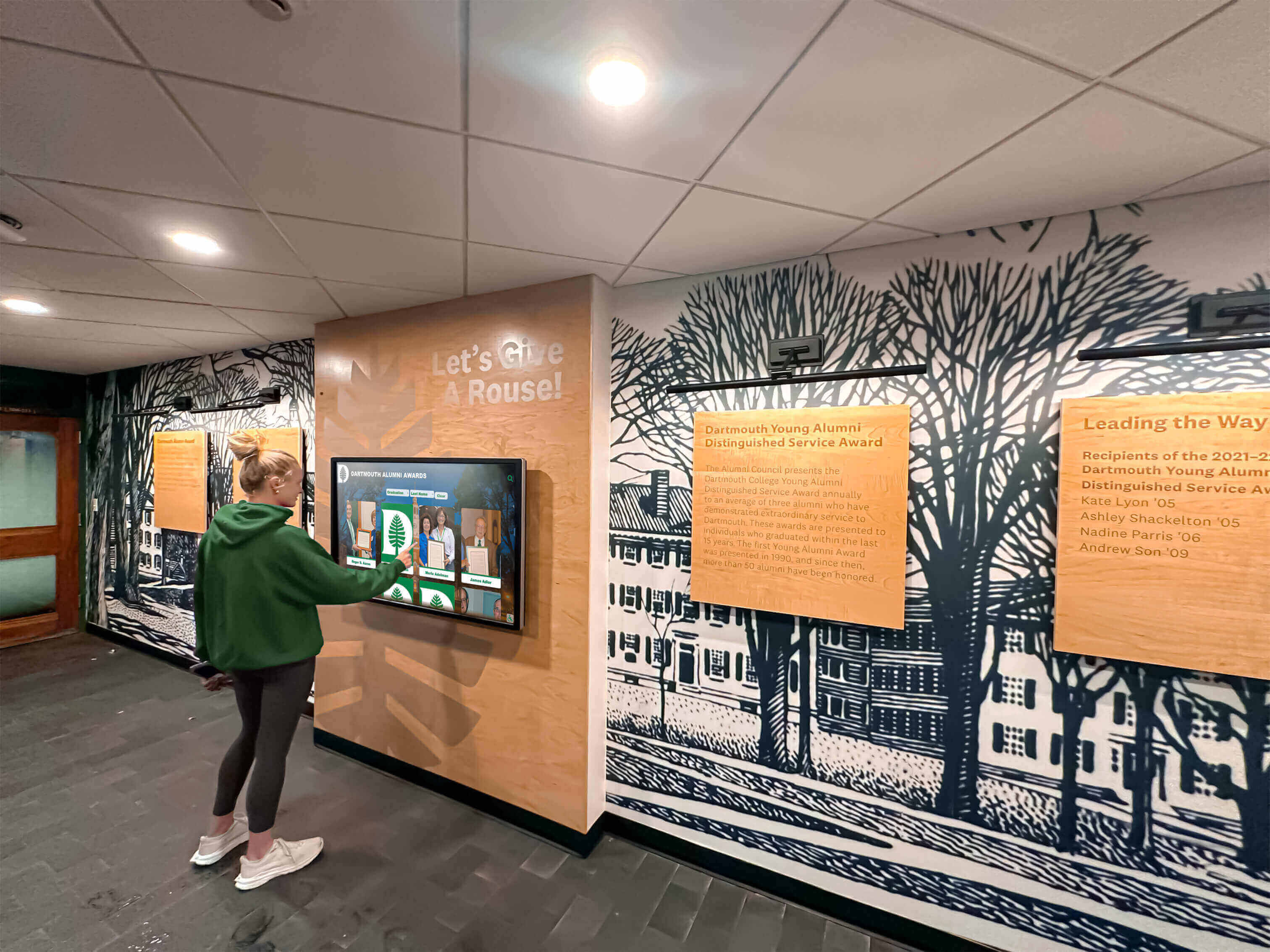
16. Distinguished Alumni Awards Ceremony Establish annual recognition honoring alumni achievements through formal induction ceremonies, campus receptions, and permanent recognition displays. Recognition programming creates engagement touchpoints while celebrating excellence that inspires current students. Effective recognition strategies balance honoring individual accomplishments with institutional advancement objectives.
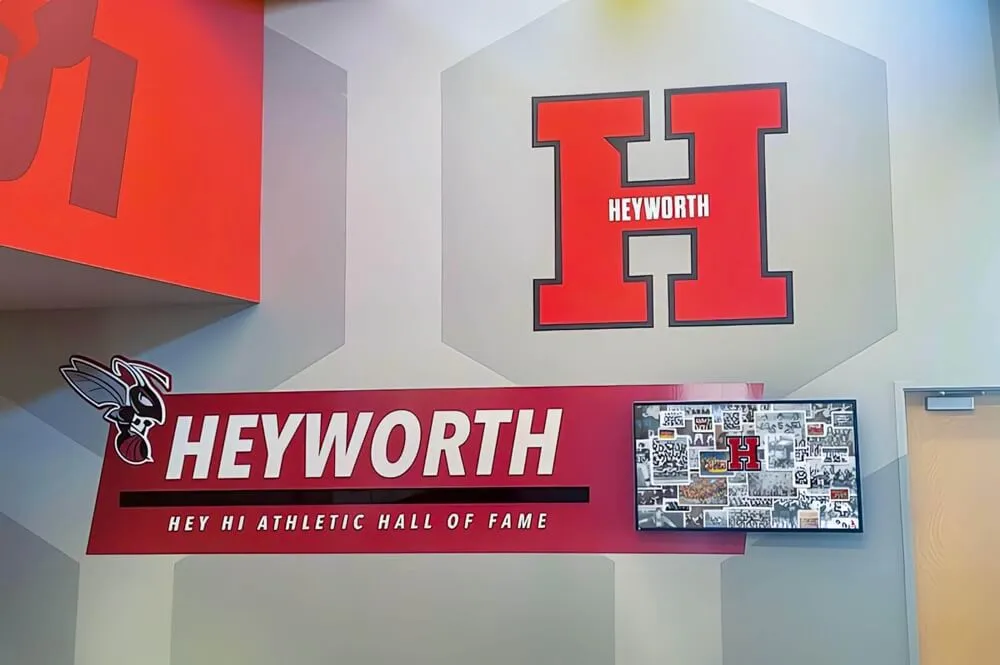
17. Athletic Hall of Fame Induction Weekend Recognize athletic excellence through dedicated induction weekends featuring ceremony programs, athletic competitions, facility tours, informal gatherings with current athletes, and recognition displays. Athletic recognition generates particularly strong engagement among former athletes who often maintain intense school connections.
18. Legacy Family Recognition Reception Honor multi-generational families with extended school connections through special recognition events celebrating their sustained institutional loyalty. Create legacy family registries tracking family connections across generations.
19. Golden Reunion Celebration (50+ Years) Host special programming for alumni reaching 50th reunions and beyond. Include campus tours showing changes since graduation, memory sharing sessions, archived yearbook displays, and presentations on school history. Treat senior alumni as honored guests recognizing their historical importance.
20. Milestone Anniversary Celebrations Commemorate significant institutional anniversaries (50th, 100th, 150th founding) through year-long celebration series including galas, historical exhibitions, commemorative publications, and special events bringing together alumni across generations.
Public High School Alumni Events (Ideas 21-40)
Public schools often serve larger, more socioeconomically diverse alumni populations spanning broader geographic areas. Programming should accommodate varied budgets, preferences, and school connections while building community pride.
Community-Focused Gatherings
21. Annual Alumni Picnic in Town Park Organize casual summer picnics in public parks providing free or low-cost family-friendly gatherings. Include food trucks, lawn games, live music, and informal socializing accessible to alumni regardless of financial means.
22. Community Service Days Mobilize alumni volunteers for campus improvement projects, community service initiatives, or support for underprivileged students. Service events attract alumni motivated by contribution over social connection while creating tangible institutional impact.
23. Local Business Alumni Showcase Partner with alumni-owned local businesses to host “shop local” events featuring graduate entrepreneurship. Create alumni business maps and directories supporting economic development while building school pride.
24. Town Hall Listening Sessions Host open forums where school administrators share institutional updates and gather alumni input on challenges and opportunities. These sessions demonstrate transparency and stakeholder engagement while gathering valuable external perspectives.
25. Alumni Career Day at School Invite alumni back to campus for student career exploration events where graduates discuss professions, educational paths, and career advice. Simultaneous service to students and alumni volunteer engagement strengthens community connections.
Affordable Social Programming
26. High School Football Game Tailgates Organize pre-game tailgate parties for alumni attending varsity football games. Provide designated alumni sections, spirit wear sales, and informal socializing. Athletic events provide natural gathering opportunities requiring minimal additional programming investment.
27. Alumni Basketball Tournament Host recreational basketball tournaments where alumni teams compete across graduation decades. Include casual skill levels accommodating varied athletic abilities while generating friendly competition and reunion opportunities.
28. Bowling League or Softball League Establish ongoing recreational sports leagues creating regular touchpoints throughout seasons. Recurring activities build sustained engagement beyond single events.
29. Alumni Coffee Meetups Schedule informal morning coffee gatherings at local coffee shops requiring no institutional investment beyond organization. Casual formats reduce barriers while creating accessible connection opportunities.
30. Game Night at Local Brewery or Restaurant Partner with local establishments to host trivia nights, game nights, or watch parties for major sporting events. Venue partnerships minimize institutional costs while supporting local businesses.
Digital and Virtual Programming
31. Virtual Homecoming Celebrations Create online homecoming programs for geographically distant alumni including livestreamed athletic events, virtual tours of campus improvements, video messages from faculty and administrators, and online class reunion rooms for video conversations.
32. Alumni Facebook Live Series Host regular social media livestreams featuring campus updates, student performances, administrator Q&A sessions, or alumni interviews creating accessible engagement requiring minimal production resources.
33. Online Talent Showcases Invite alumni to share talents through virtual showcases—musical performances, comedy routines, poetry readings, art exhibitions—creating community entertainment while celebrating diverse alumni abilities.
34. Virtual Cooking Classes Organize online cooking demonstrations led by alumni chefs, food bloggers, or cooking enthusiasts. Participants cook together virtually while socializing and learning new skills.
35. Digital Scavenger Hunt Create online scavenger hunts requiring teams to locate historical school information, connect with specific alumni, or complete challenges documenting school spirit. Gamification encourages participation while building community knowledge.
Recognition and Milestone Celebrations
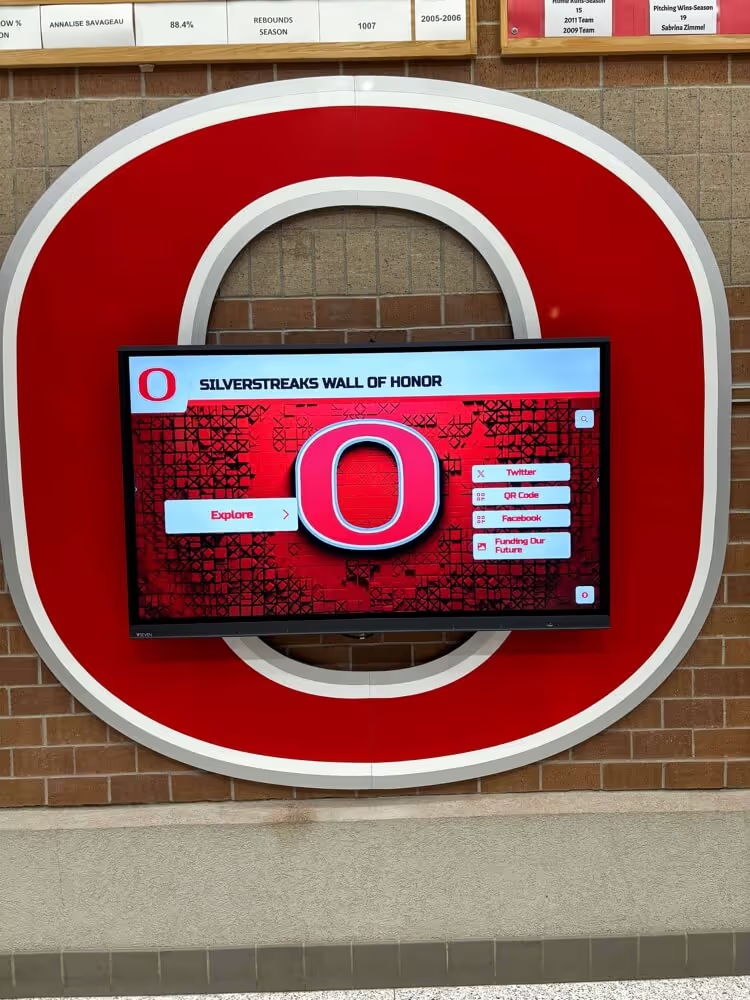
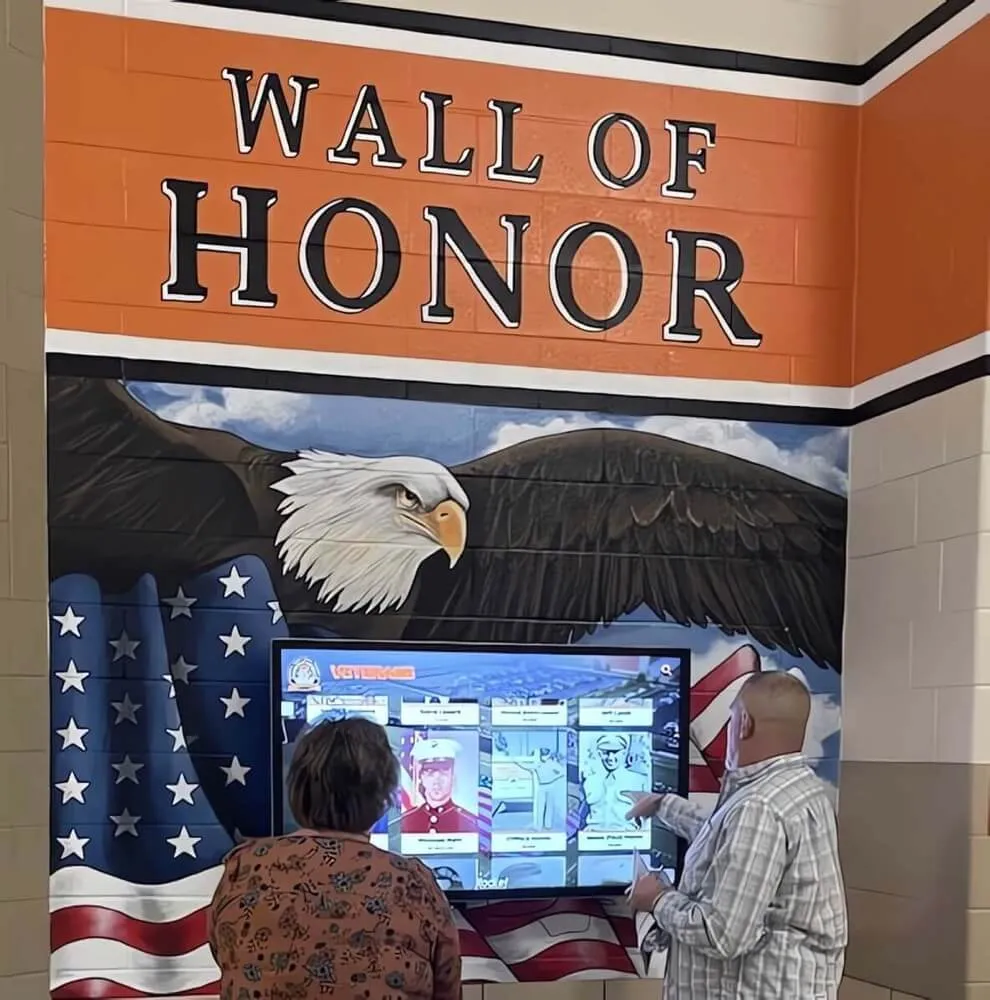
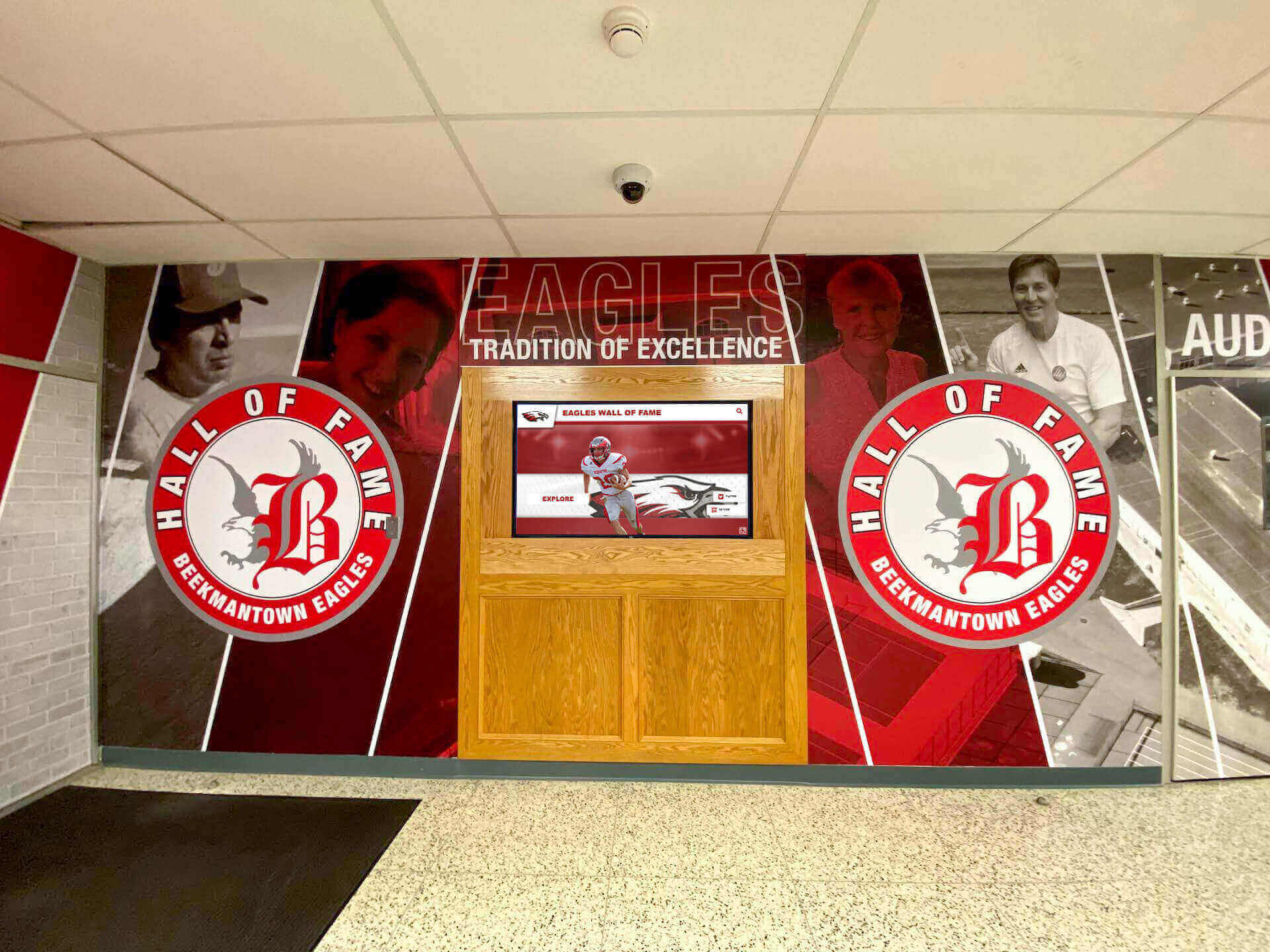
36. Wall of Fame Dedication Events When installing new recognition displays, host dedication ceremonies bringing together honorees, donors, school leaders, and broader community members. Recognition infrastructure creates multiple engagement opportunities. High school wall of fame programs serve multiple purposes including alumni engagement, student inspiration, and community pride.
37. Scholarship Recipient Recognition Reception Host annual events where scholarship donors meet recipients, hear student stories, and see philanthropic impact directly. These programs steward existing donors while cultivating future giving.
38. State Championship Reunion Celebrations Organize reunion events for championship teams celebrating milestone anniversaries (10th, 25th, 50th) of significant victories. Athletic accomplishments create powerful emotional connections supporting sustained engagement.
39. Retiring Faculty Celebration Honor longtime teachers and staff through retirement celebrations bringing together former students, colleagues, and community members. These events demonstrate institutional appreciation while creating natural alumni gathering opportunities.
40. Time Capsule Opening Ceremonies When historical time capsules reach opening dates, organize ceremony events where alumni witness capsule openings, share memories, and create new capsules for future opening. Tradition-based programming builds intergenerational connections.
Charter School Alumni Events (Ideas 41-50)
Charter schools often serve newer institutions with shorter histories and alumni populations still establishing traditions. Programming should build foundational engagement while accommodating limited budgets and staff capacity.
Foundational Engagement Programming
41. Inaugural Alumni Association Launch Establish formal alumni associations through founding events bringing together early graduates to shape organizational structure, elect leadership, and establish traditions. Include input sessions where alumni help design engagement programming.
42. Alumni Volunteer Fair Connect alumni with specific volunteer opportunities through fair-style events where different programs recruit volunteers—tutoring, mentoring, career advising, admissions interviews, fundraising committees. Make volunteering accessible and clearly defined.
43. Founder’s Day Celebration Commemorate school founding anniversaries through annual celebrations featuring founding staff, early students, community partners, and key supporters. Build institutional traditions creating predictable annual touchpoints.
44. Student Success Story Showcases Host events highlighting remarkable student achievements and alumni accomplishments demonstrating educational impact. These gatherings serve dual purposes—celebrating success while providing evidence of program effectiveness for stakeholders evaluating charter school quality.
45. School History Oral History Project Kick-off Launch institutional history preservation projects through events where early community members share founding stories, challenges overcome, and vision for the future. Record and archive these conversations creating historical records while engaging participants meaningfully.
Cost-Effective Engagement Models
46. Outdoor Movie Nights Organize free outdoor movie screenings on campus or in community spaces requiring minimal investment. Include popcorn, casual socializing, and family-friendly films creating low-barrier participation opportunities.
47. Alumni Social Media Challenges Create Instagram, TikTok, or Facebook challenges encouraging alumni to post photos, videos, or stories related to school experiences. Award prizes for participation while generating user-created content amplifying school visibility.
48. Virtual Coffee Chats with School Leadership Offer online informal conversations where school leaders discuss vision, challenges, and accomplishments while answering alumni questions. Virtual formats reduce logistical complexity while creating direct engagement opportunities with leadership.
49. Alumni Skill-Share Workshops Tap alumni expertise for free or low-cost skill workshops—resume writing, interview preparation, financial literacy, home repairs, technology tutorials. Leverage volunteer talent while providing valuable programming without significant budget requirements.
50. Collaborative Alumni Art Projects Commission collaborative art installations where alumni contribute individual pieces forming collective works displayed on campus. Participatory art creates ownership, campus beautification, and tangible alumni contributions.
College and University Alumni Events (Ideas 51-80)
Higher education institutions typically possess sophisticated advancement infrastructure, diverse alumni populations, and resources enabling more complex programming. Events should leverage institutional assets while addressing varied alumni demographics and geographic distribution.
Academic and Intellectual Engagement
51. Alumni College Weekend Host intensive learning weekends where alumni return to campus for faculty-led courses, seminars, and discussions on compelling topics. Combine intellectual programming with social activities, campus tours, and athletic events.
52. Research Symposium and Lab Tours Showcase institutional research through symposiums featuring faculty presentations and laboratory tours demonstrating advanced work. Include alumni researcher presentations showing graduate accomplishments in academic and industry research.
53. Continuing Education Certificate Programs Develop non-degree credential programs enabling alumni to build professional skills through focused study. Online or hybrid formats accommodate working professionals while generating revenue and sustained engagement.
54. TED-Style Alumni Speaker Series Host presentation series where accomplished alumni share insights, experiences, and lessons learned through TED-style short talks. Record and publish presentations extending reach beyond event attendees.
55. Policy Debates and Current Event Discussions Organize moderated debates or panel discussions on pressing policy issues featuring alumni experts with diverse perspectives. Demonstrate that the institution fosters civil discourse across ideological differences.
56. Author Lecture Series Invite alumni authors, academics, and thought leaders to present their work through campus lectures, seminars, and book discussions. Combine intellectual content with book sales supporting alumni authors.
57. Film Festivals Featuring Alumni Filmmakers Curate film festivals showcasing alumni-created content—documentary films, short films, feature films, commercial work. Include filmmaker Q&A sessions and networking receptions.
58. Scientific Discovery Open Houses When significant research breakthroughs occur, host public open houses explaining discoveries, demonstrating technologies, and celebrating research team accomplishments. Make complex research accessible while building institutional pride.
59. Scholarly Publication Celebrations Recognize alumni and faculty publishing significant scholarly works through presentation events highlighting research contributions and academic impact.
60. Innovation and Entrepreneurship Showcases Display alumni startup companies, inventions, and innovations through exhibition events connecting entrepreneurs with investors, customers, mentors, and media coverage.
Networking and Career Development
61. Industry-Specific Networking Receptions Organize receptions bringing together alumni working in particular industries—technology, healthcare, finance, education, creative arts. Include brief industry trend presentations before open networking.
62. Executive Networking Dinners Host intimate dinners for senior-level alumni executives facilitating high-quality networking among institutional leaders while cultivating major gift prospects.
63. Regional Alumni Chapter Professional Development Series Support alumni chapters hosting regular professional development programming in major metropolitan areas where concentrations of alumni live and work.
64. LinkedIn Local Alumni Events Partner with LinkedIn Local movements organizing in-person networking for professionals active on LinkedIn. Alumni-focused versions create networking opportunities while building online community.
65. Speed Networking Sessions Structure fast-paced networking events where participants rotate through brief one-on-one conversations making numerous connections efficiently. Particularly effective for career-focused young alumni.
66. Mentor Marketplace Events Create “marketplace” formats where students and alumni mentees browse available mentors displayed through table exhibitions before selecting mentor matches. Interactive formats increase participation over simple online databases.
67. Women in Leadership Alumni Network Establish programming specifically for women alumni focusing on leadership development, work-life integration, salary negotiation, board placement, and building professional networks.
68. LGBTQ+ Alumni Professional Network Create affinity network programming supporting LGBTQ+ alumni through professional development, mentorship, networking, and community building.
69. International Alumni Networking When concentrations of international alumni live in major global cities, organize networking events bringing together graduates working abroad while building international alumni community.
70. Board Service Placement Workshops Teach alumni how to identify, pursue, and succeed in nonprofit and corporate board positions while connecting interested alumni with board opportunities.
Social and Cultural Programming
71. Regional Alumni Wine Tastings Partner with alumni winery owners or wine industry professionals to host tastings in various regions. Combine education about wine with socializing and alumni business support.
72. Alumni Travel Programs Organize educational travel experiences to interesting destinations led by faculty experts or focusing on alumni communities abroad. Travel programming generates revenue while creating intense bonding experiences among participants.
73. Game Watch Parties for Championship Events When athletic teams reach championship competitions, organize watch parties in major cities bringing alumni together for shared viewing experiences.
74. Alumni Arts Showcases Display alumni visual art, photography, sculpture, or crafts through exhibition events. Include artist receptions where creators discuss their work and processes.
75. Musical Performances by Alumni Musicians When alumni musicians tour through regions with alumni populations, organize mini-concerts or intimate performances. Support alumni artists while providing cultural programming.
76. Culinary Events at Alumni Restaurants Partner with alumni chefs and restaurant owners to host special dining events, cooking demonstrations, or progressive dinners showcasing alumni culinary talent.
77. Golf Tournaments and Scrambles Organize annual golf tournaments creating day-long networking opportunities for golf-enthusiast alumni while generating fundraising revenue through sponsorships and entry fees.
78. Alumni Fitness Classes and Wellness Events Host group fitness classes, yoga sessions, running clubs, or wellness workshops led by alumni fitness professionals. Health-focused programming attracts alumni prioritizing wellness.
79. Brewery or Distillery Tours When alumni own craft breweries or distilleries, organize tours and tasting events supporting alumni businesses while creating social programming.
80. Seasonal Celebration Events Host holiday parties, summer BBQs, or seasonal celebrations providing social gathering opportunities aligned with natural celebration times throughout the year.
Graduate Program Alumni Events (Ideas 81-90)
Graduate program alumni possess specialized expertise, advanced career development, and often maintain particularly strong affinity for specific academic departments. Programming should reflect professional sophistication while facilitating specialized networking.
Professional Advancement Programming
81. C-Suite Executive Roundtables Organize intimate discussions for executive-level alumni addressing leadership challenges, strategic decision-making, board governance, and management philosophy.
82. Emerging Leaders Cohort Programs Establish multi-session programs for mid-career alumni developing executive leadership capabilities through workshops, coaching, and peer learning cohorts.
83. Academic Job Market Preparation Workshops Support alumni pursuing academic careers through specialized workshops on securing faculty positions, tenure preparation, publication strategies, and navigating academic politics.
84. Industry Transition Support Groups Create programming supporting alumni transitioning between industries, from corporate to nonprofit sectors, or into entrepreneurship. Facilitate peer support and practical guidance.
85. Executive Education Short Courses Offer condensed executive education addressing current business challenges, emerging technologies, or leadership competencies. Revenue-generating programs maintain educational connections.
86. Research Collaboration Networking Facilitate connections between alumni researchers potentially collaborating on projects, publications, or grant applications. Strengthen scholarly networks extending beyond graduation.
87. Thought Leadership Development Workshops Teach alumni to develop personal brands, secure speaking opportunities, publish thought leadership content, and build reputations as industry experts.
88. Deal Flow and Investment Networking For business school alumni, organize pitch events connecting alumni entrepreneurs with alumni investors, creating deal flow opportunities while building ecosystem relationships.
89. Clinical Case Study Discussions In medical, nursing, or public health programs, facilitate discussion groups analyzing complex clinical cases while maintaining professional development and peer learning.
90. Legal Practice Area Deep Dives For law school alumni, organize deep-dive sessions on evolving legal practice areas—emerging regulations, precedent-setting cases, practice management innovations.
Fun and Creative Alumni Events (Ideas 91-100)
While many events serve professional or academic purposes, programming that emphasizes fun, creativity, and unexpected experiences generates memorable engagement often leading to deeper long-term connections.
Unique Experience Events
91. Alumni Escape Room Challenges Rent commercial escape rooms or create custom campus-themed puzzles where alumni teams solve challenges together. Collaborative problem-solving builds bonds while providing entertaining experiences.
92. Retro Arcade Game Night Set up classic arcade games, vintage video game systems, and nostalgic entertainment creating playful social environments. Include period-appropriate snacks and music from various graduation eras.
93. Alumni Costume Party and Themed Celebrations Host costume parties with creative themes—decades parties, pop culture characters, school spirit themes—encouraging playful participation and social media sharing.
94. Improv Comedy Night Featuring Alumni Performers Showcase alumni comedians and improv performers through entertainment events. Include open mic opportunities for amateur performers building community talent displays.
95. Murder Mystery Dinner Theater Organize immersive murder mystery events where participants play characters while solving puzzles. Interactive entertainment creates memorable shared experiences.
96. Campfire Storytelling and S’mores Nights Create informal outdoor gatherings where alumni share stories, memories, and experiences around campfires. Low-key formats encourage authentic connection and vulnerability.
97. Alumni Karaoke Competition Host karaoke events with competitive elements—best performance, most entertaining, crowd favorite. Music-based programming appeals broadly while encouraging lighthearted participation.
98. Creativity Workshops—Painting, Pottery, Crafts Offer guided creative sessions where alumni learn new artistic skills while socializing. Hands-on activities provide conversation starters while participants create.
99. Alumni Talent Show Organize talent showcases where alumni perform musical acts, comedy routines, magic tricks, or other entertainment. Celebrate diverse alumni talents while providing community entertainment.
100. Time Capsule Creation Workshop Facilitate collective creation of time capsules documenting current institutional state, alumni reflections, and predictions for the future. Schedule opening dates creating future engagement opportunities. Preserving institutional history through creative projects builds meaningful engagement while creating valuable archival resources.
Implementation Framework and Success Factors
Beyond selecting event ideas, successful programming requires systematic implementation addressing planning, promotion, execution, and evaluation.
Event Planning Essentials
Establishing Clear Objectives: Begin planning by defining specific, measurable objectives. General goals like “engage alumni” lack specificity enabling assessment. Better objectives specify desired outcomes—“recruit 25 new mentors,” “achieve 85% attendee satisfaction ratings,” “generate 40% repeat attendance from previous event participants.” Clear objectives inform all subsequent planning decisions and enable meaningful evaluation.
Budget Development and Resource Allocation: Develop realistic budgets accounting for venue rental, catering, technology, entertainment, marketing, staffing, and contingency funds. Identify revenue sources—ticket sales, sponsorships, institutional subsidies, donations—and determine whether events should break even, generate profit, or operate as subsidized engagement investments.
Timeline Creation and Task Assignment: Create detailed project timelines identifying milestones, deadlines, and responsible parties. Complex events require 3-6 month lead times for adequate venue booking, vendor coordination, and marketing. Assign clear ownership preventing ambiguity about task responsibility.
Vendor Selection and Contract Management: Research and select qualified vendors—caterers, venues, entertainment, technology providers—through formal processes comparing multiple options. Negotiate contracts clarifying deliverables, cancellation policies, insurance requirements, and payment terms. Maintain organized records of all agreements.
Contingency Planning: Develop backup plans for predictable risks—weather alternatives for outdoor events, technology backup plans, vendor substitutes, flexible catering counts accommodating attendance variance. Advanced contingency planning reduces stress when inevitable complications arise.
Marketing and Promotion Strategies
Multi-Channel Communication: Employ diverse communication channels reaching different alumni segments. Email campaigns, social media advertising, website promotion, direct mail for appropriate demographics, phone calls for VIP prospects, and alumni publication features create multiple exposure points increasing awareness.
Compelling Messaging: Develop clear value propositions immediately answering the question “Why should I attend?” Effective messages emphasize specific benefits—networking opportunities, educational content, entertainment, nostalgia, institutional impact—rather than generic reconnection appeals.
Early Bird Incentives: Offer discounted pricing or exclusive perks for early registration encouraging advance commitment while improving planning certainty through earlier attendance estimates.
Social Proof and Testimonials: Share testimonials from previous event attendees, post photos from past successful events, and highlight notable confirmed attendees. Social proof reduces hesitation by demonstrating that valued peers find events worthwhile.
Personalized Invitations: For high-priority prospects—major donors, VIP alumni, key volunteers—supplement mass marketing with personalized invitations from presidents, deans, or development officers. Personal touches significantly increase attendance among priority constituencies.
Registration Optimization: Simplify registration processes minimizing required information and steps. Mobile-optimized registration accommodates smartphone users. Confirmation emails should include calendar invitations, venue details, parking information, and clear contact information for questions.
Day-of Execution Excellence
Check-in Efficiency: Design streamlined check-in processes preventing bottlenecks. Pre-printed name badges, alphabetical organization, tablet-based check-in systems, and adequate staffing ensure smooth arrival experiences setting positive tones.
Welcoming Environments: Create intentionally welcoming atmospheres through signage directing attendees, greeters providing warm welcomes and orientation, clearly marked coat checks and restrooms, background music at appropriate volumes, and comfortable spaces for conversation.
Name Badge Strategy: Design name badges prominently displaying names, graduation years, and perhaps academic majors or current locations facilitating conversation starters. Consider different badge colors for various graduation decades enabling quick cohort identification.
Structured Networking Opportunities: While organic networking occurs naturally, structured activities help introverted attendees and newcomers make connections. Ice breaker activities, facilitated small group discussions, or assigned seating mixing different demographics reduce networking anxiety.
Timing Discipline: Respect attendee time by starting and ending programs punctually. Running significantly over schedule frustrates attendees and reduces likelihood of future participation.
Capture Content: Document events through professional photography, video recordings of presentations, social media posts, and attendee testimonials. Content serves multiple purposes—marketing future events, sharing with non-attendees, preserving institutional memory, and demonstrating value to stakeholders.
Post-Event Follow-Up and Evaluation
Immediate Thank-You Communications: Send prompt thank-you emails within 24-48 hours while events remain fresh in attendee minds. Include photo galleries, presentation slides if appropriate, and information about upcoming opportunities for continued engagement.
Satisfaction Surveys: Deploy brief surveys measuring attendee satisfaction, gathering feedback on programming elements, identifying improvement opportunities, and asking about interest in future events. Keep surveys short (5-10 questions) to maximize completion rates.
Data Analysis and Reporting: Analyze attendance data, satisfaction ratings, financial performance, and engagement outcomes. Compare results against initial objectives identifying successes and areas needing adjustment.
Sharing Outcomes with Stakeholders: Report event outcomes to institutional leadership, volunteer organizers, sponsors, and other stakeholders demonstrating impact and building support for continued investment in alumni programming.
Converting Attendees to Ongoing Participants: Develop systematic processes moving one-time event attendees into sustained engagement through invitation to subsequent events, recruitment for volunteer opportunities, subscription to communications, and connection with affinity networks matching their interests.
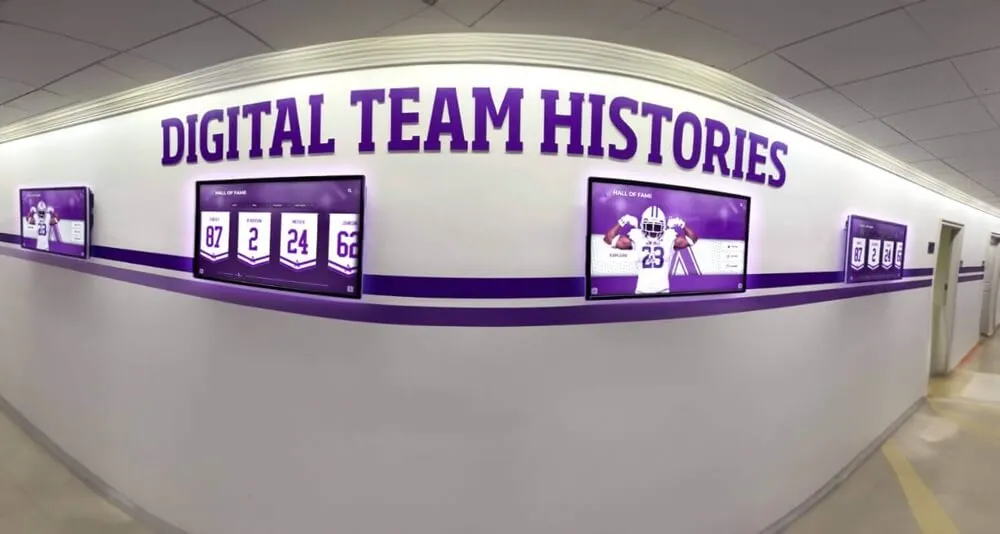
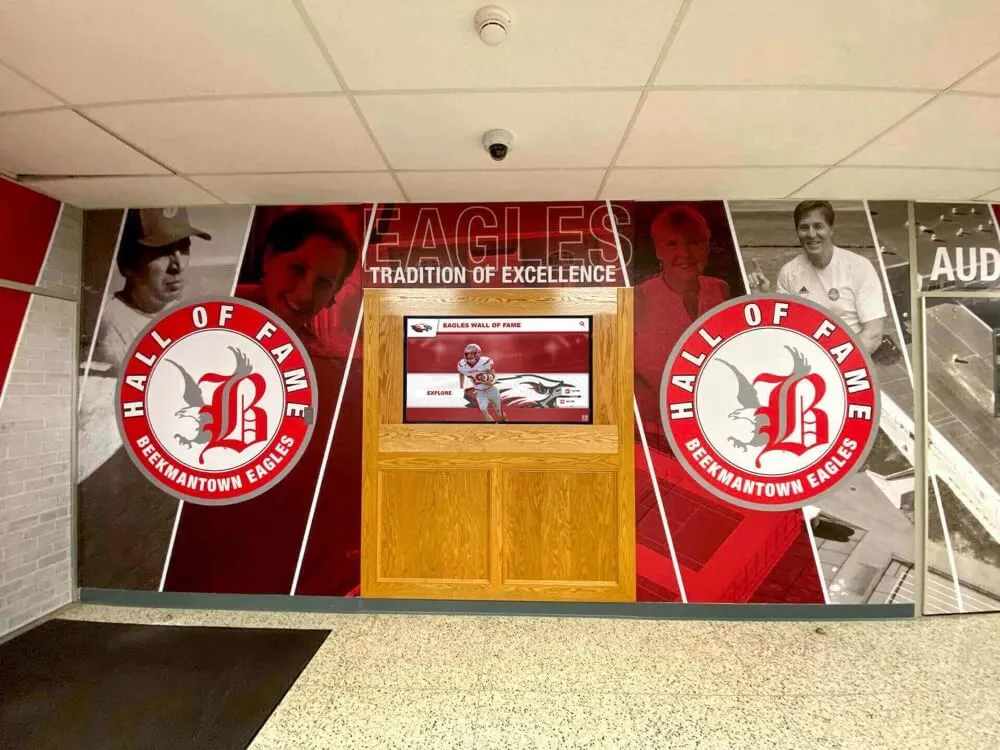
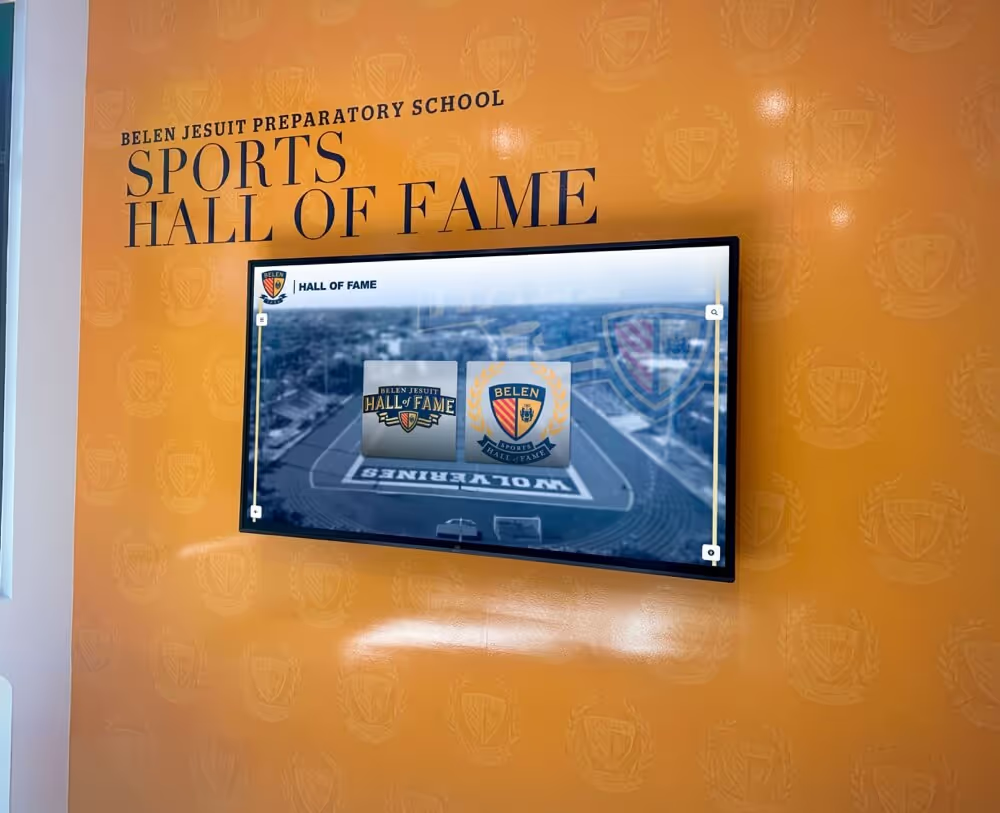
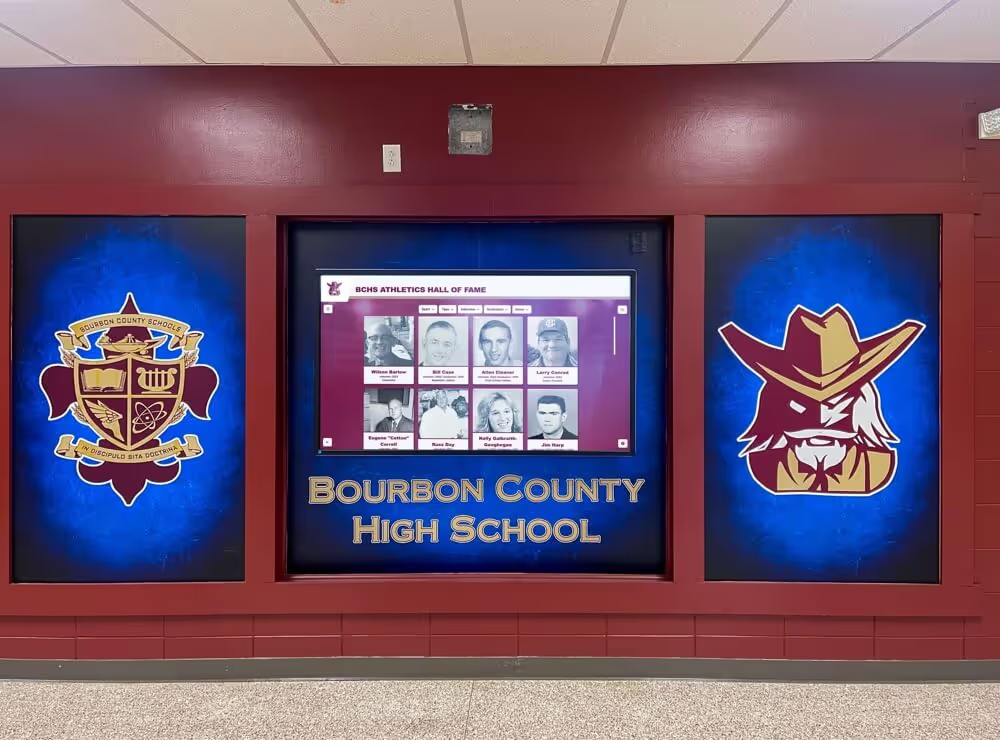
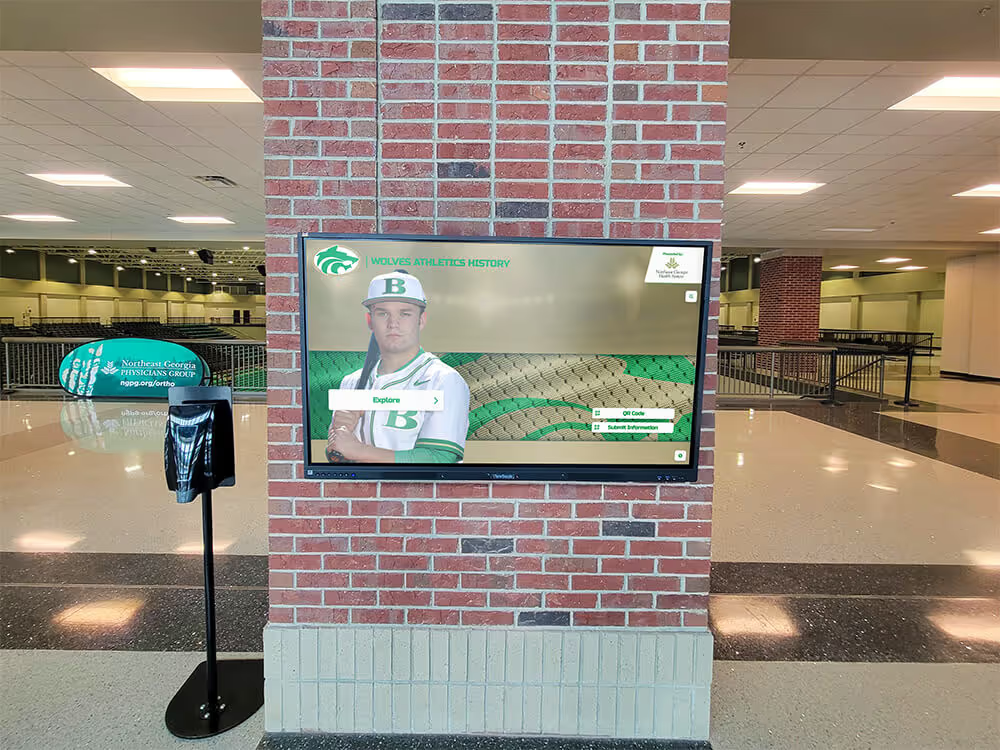
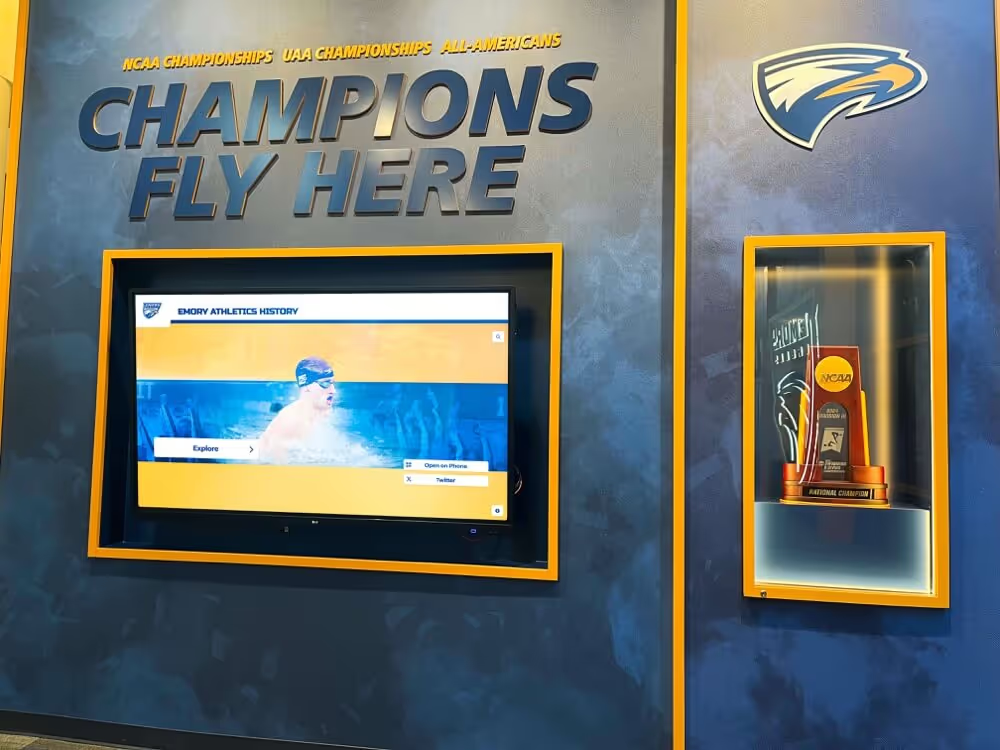
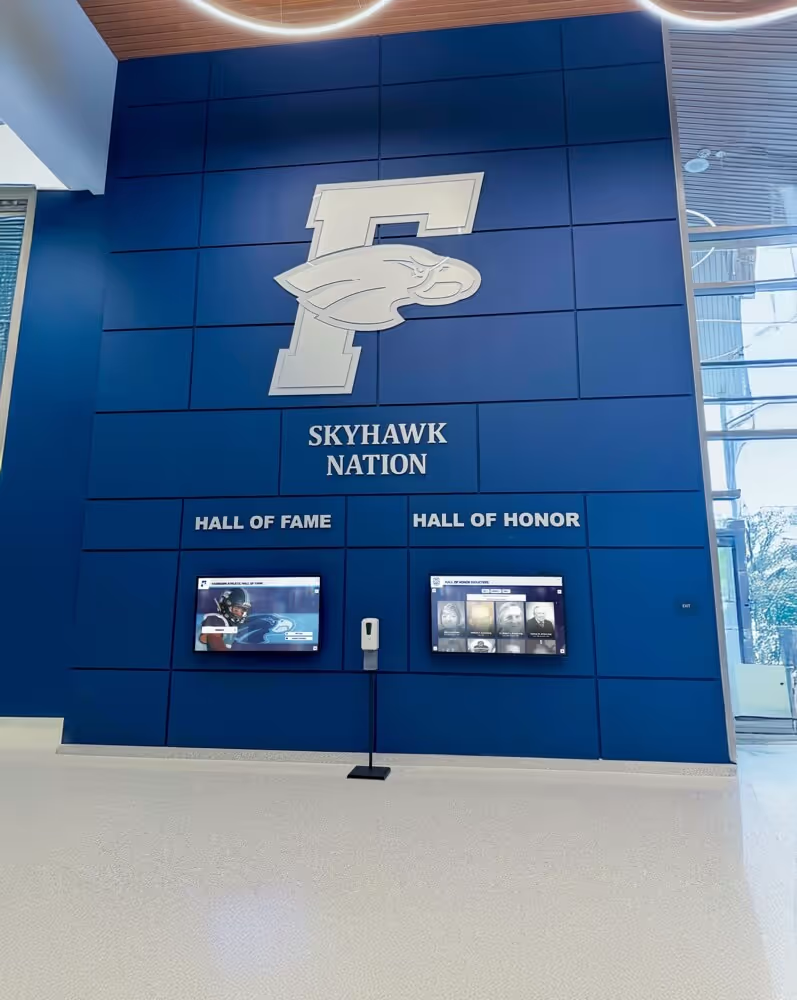
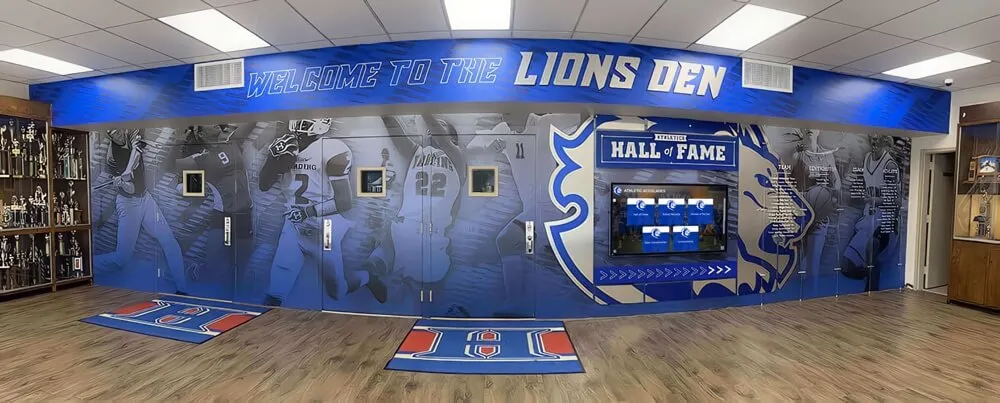
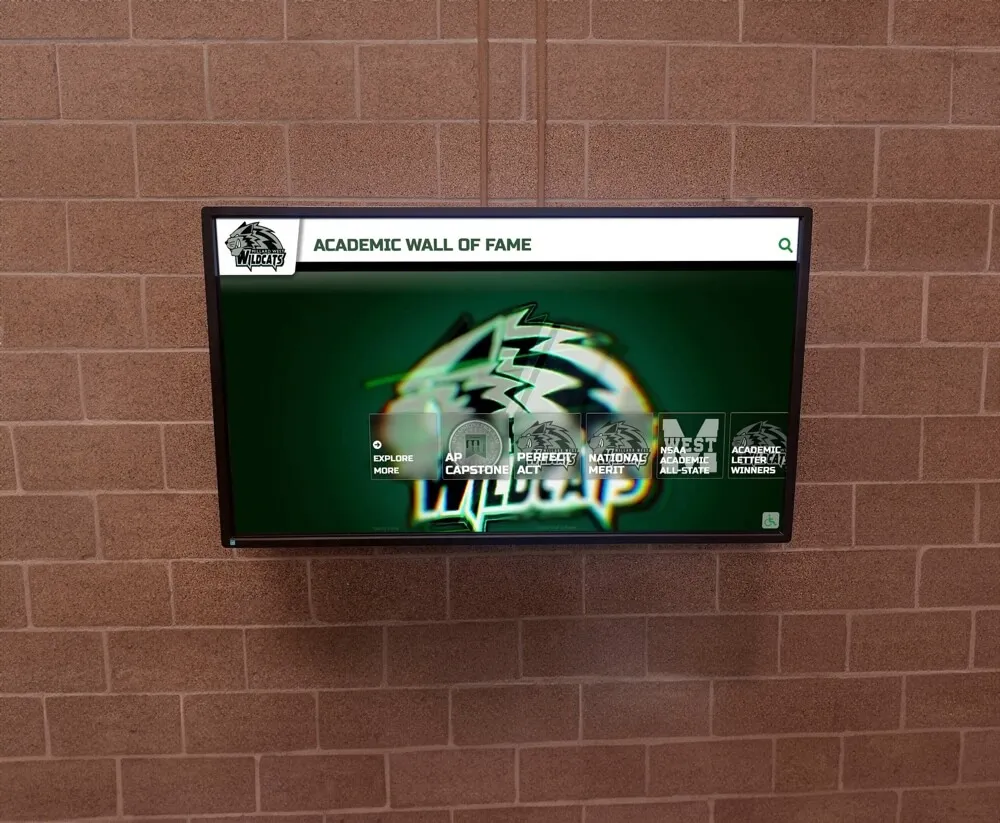
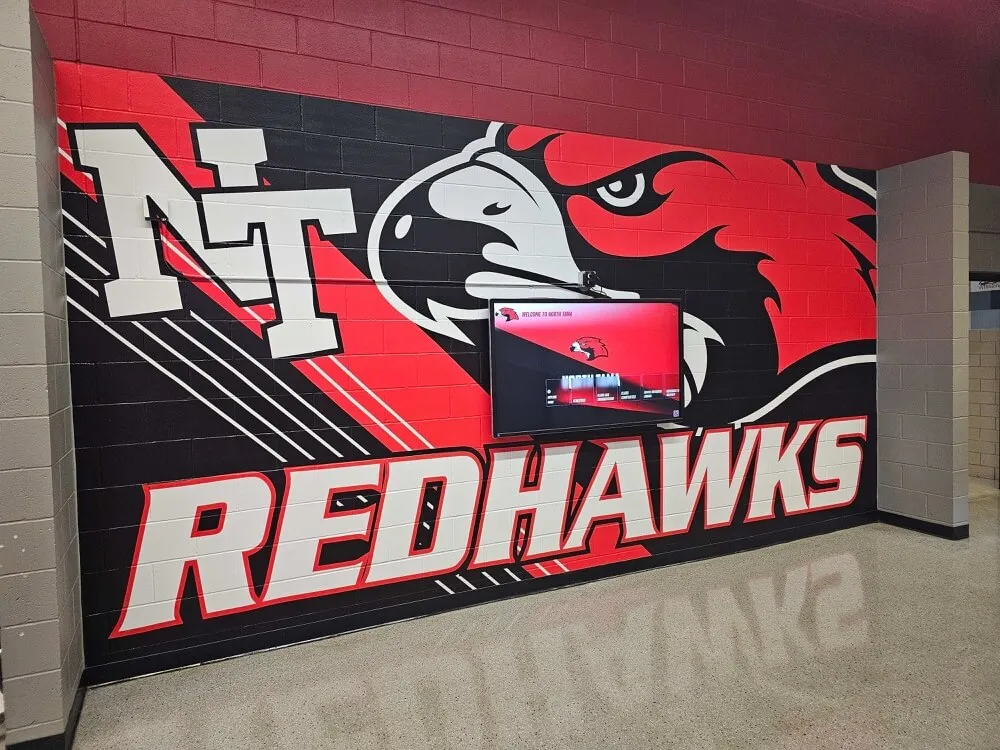
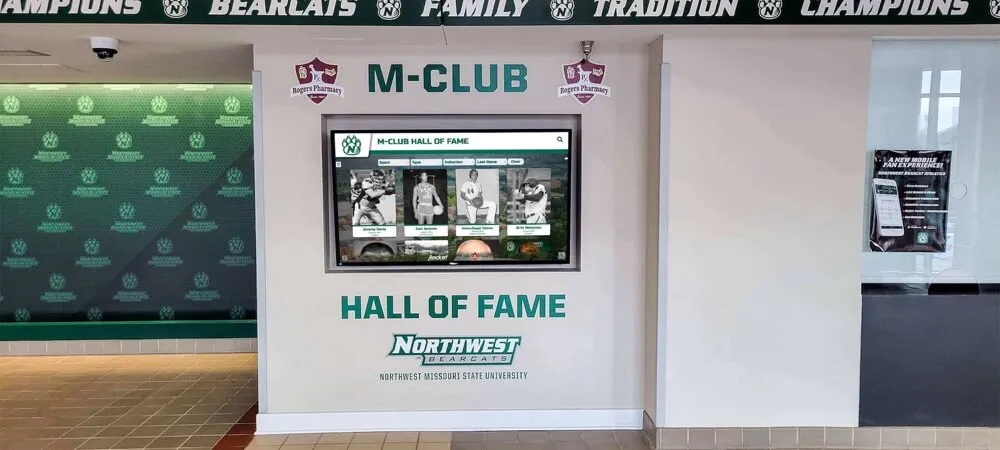
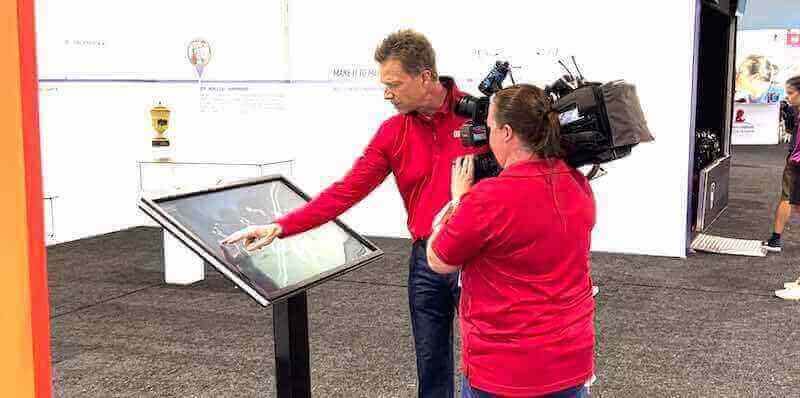
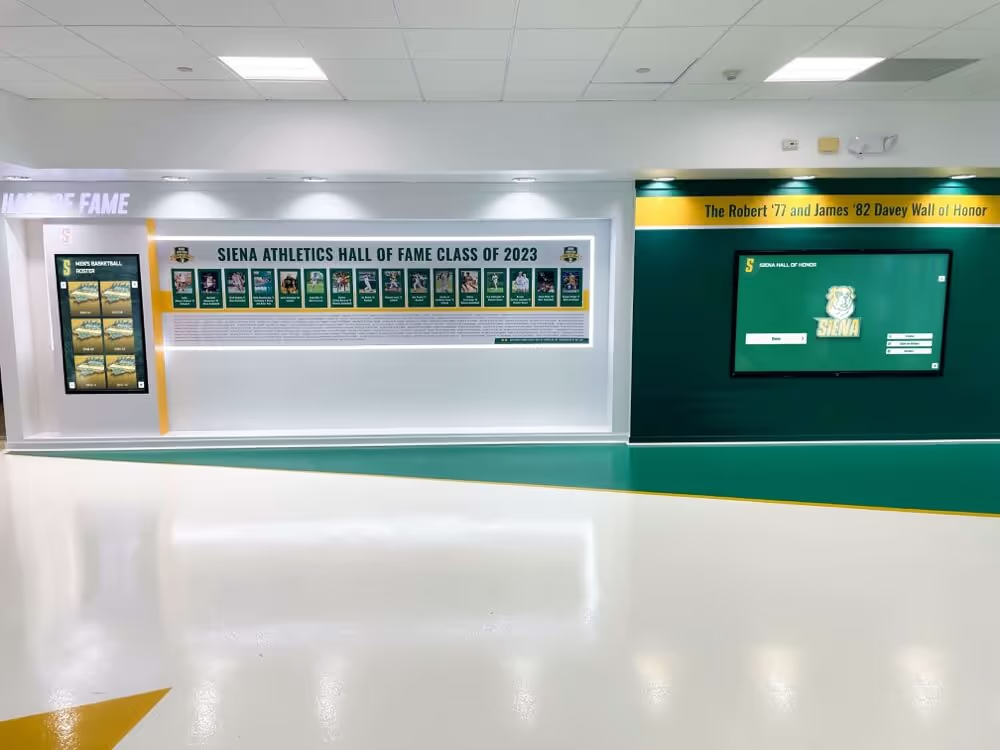
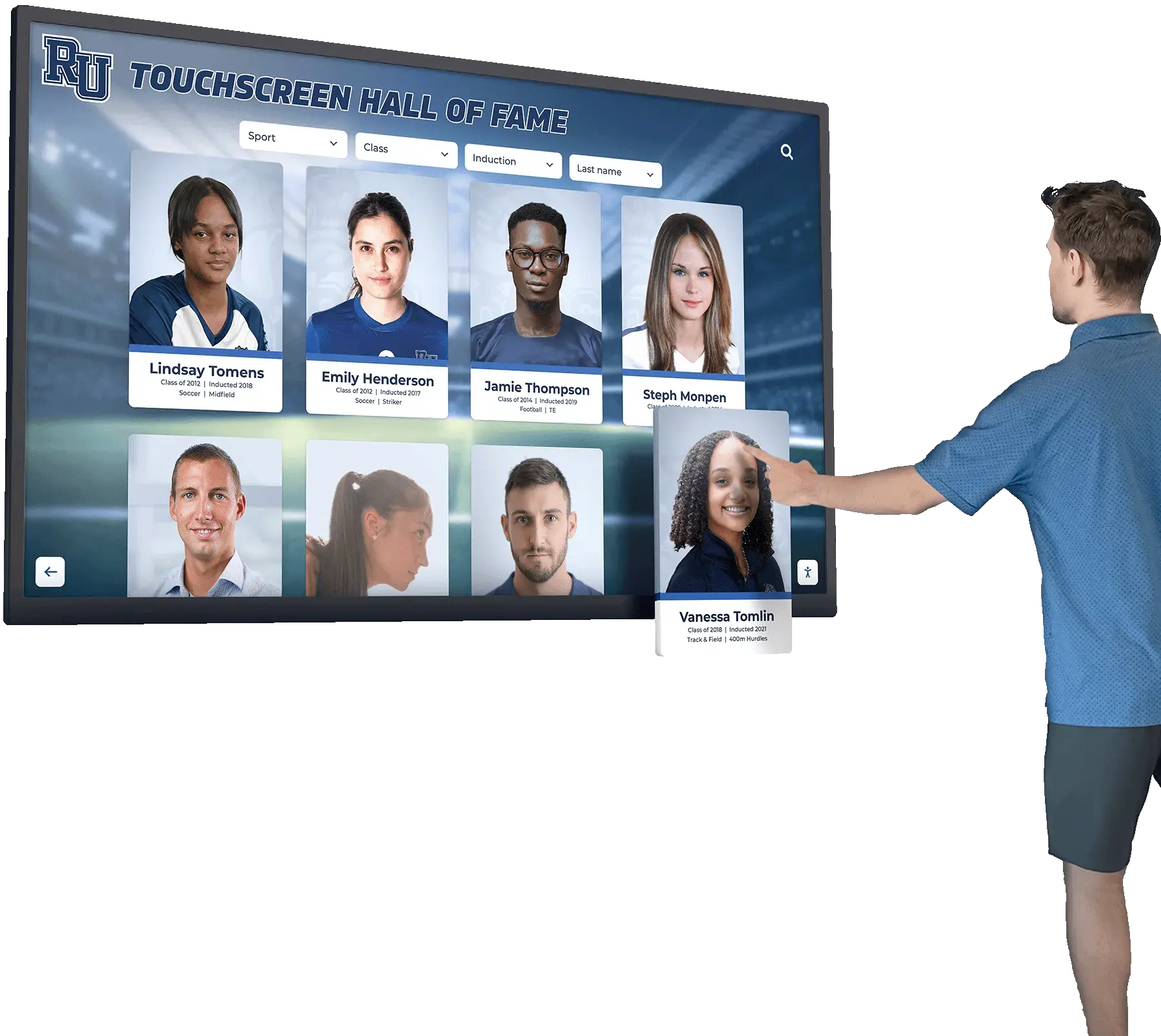
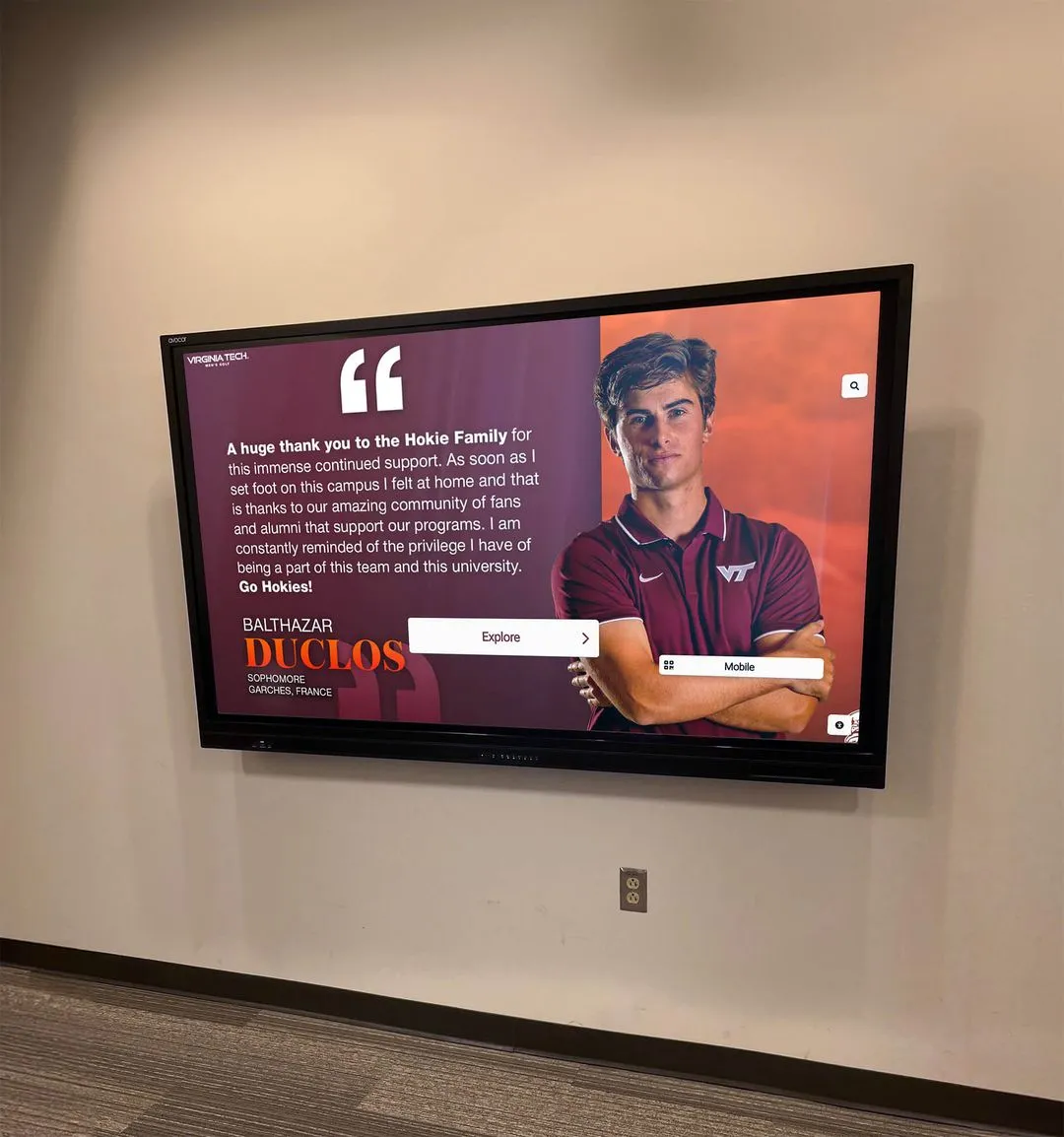
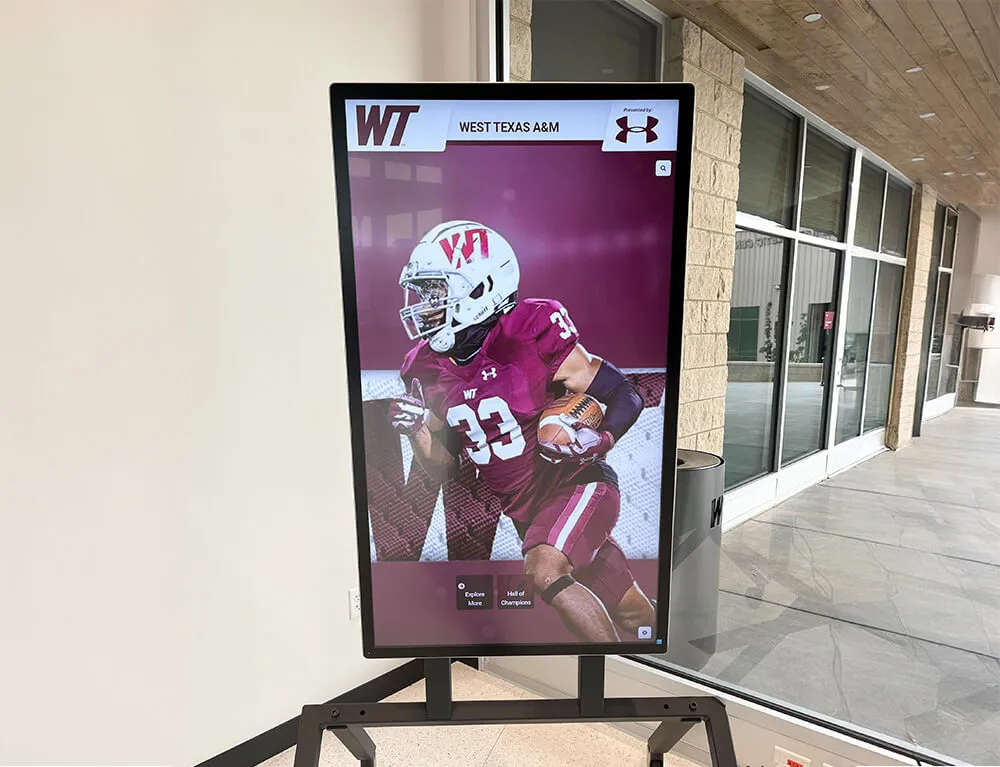
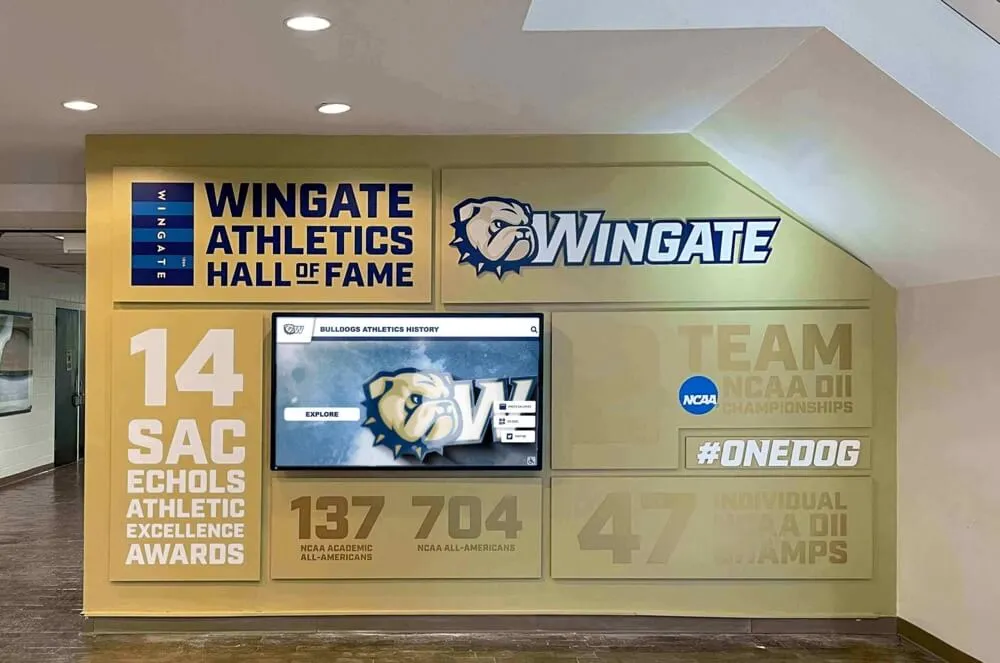
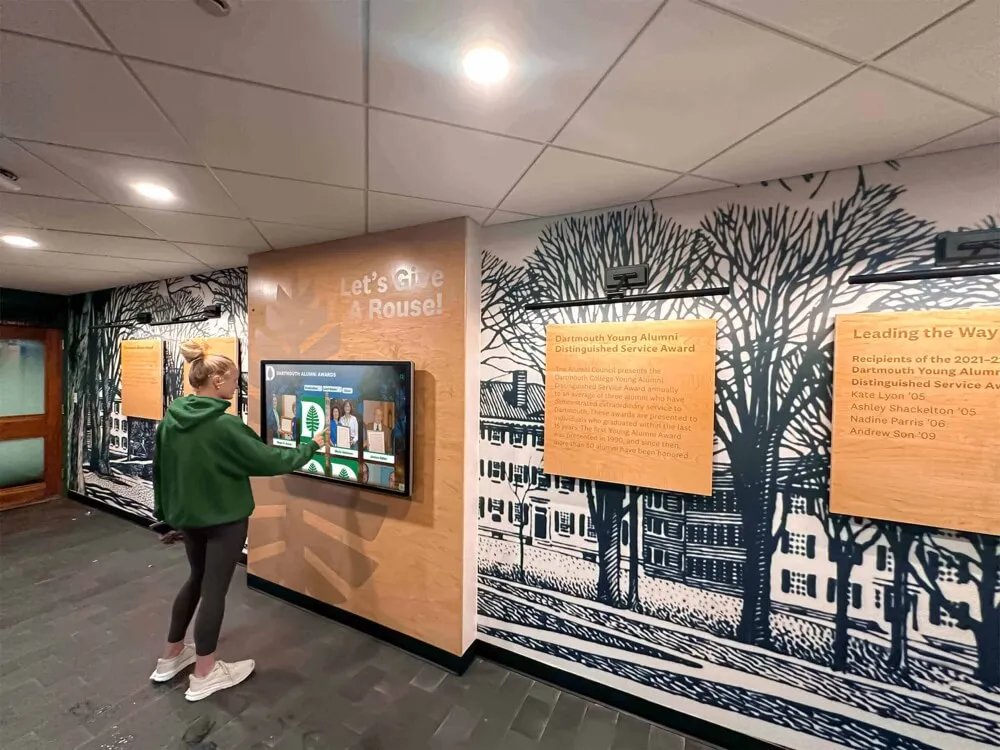
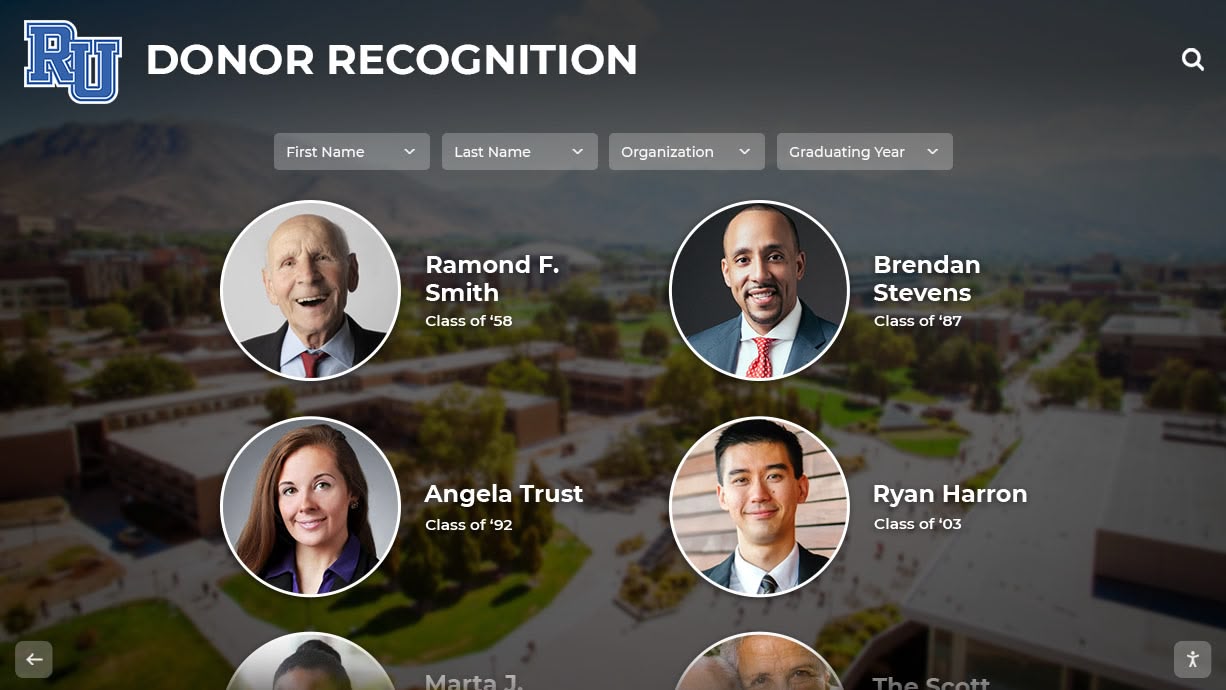
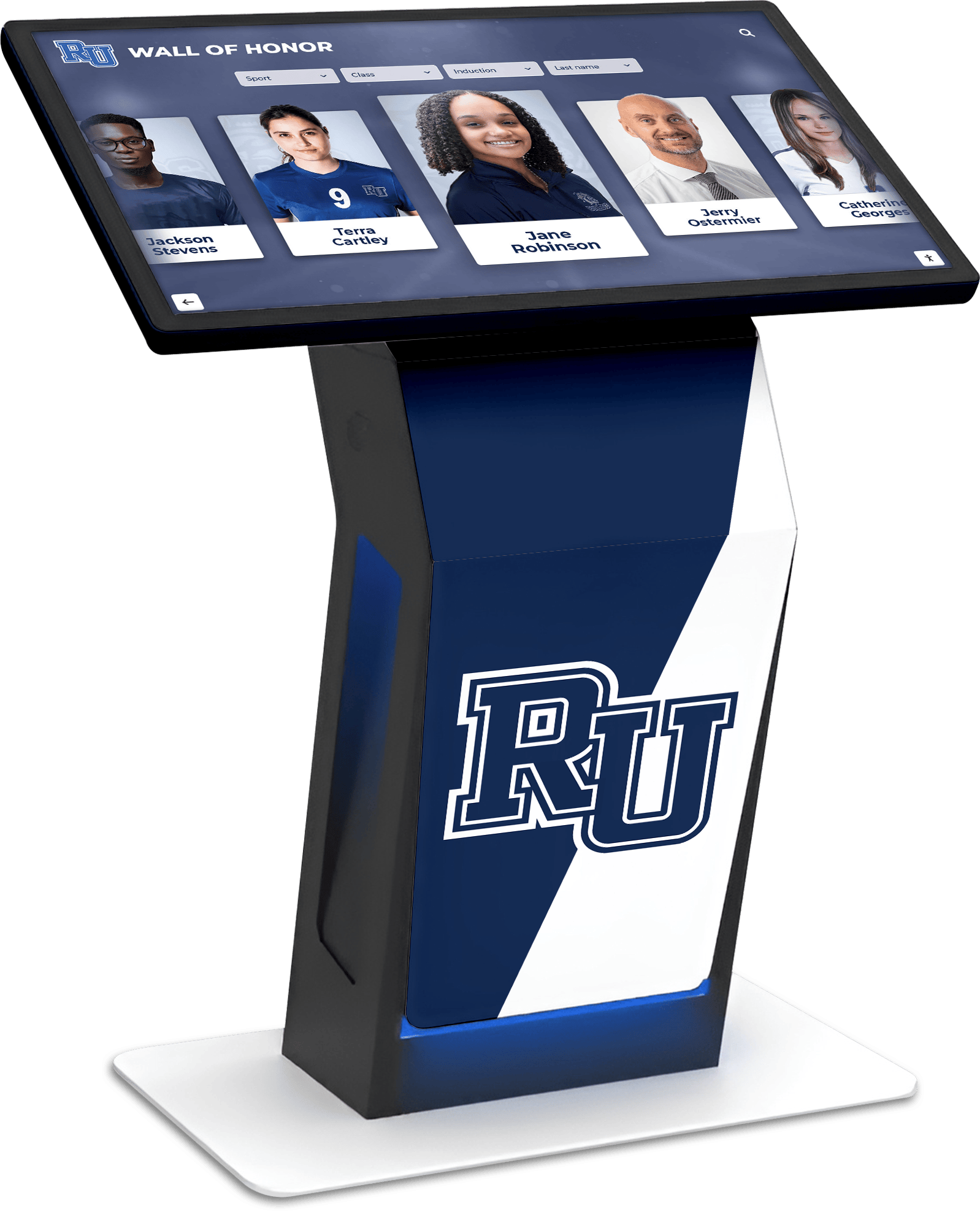
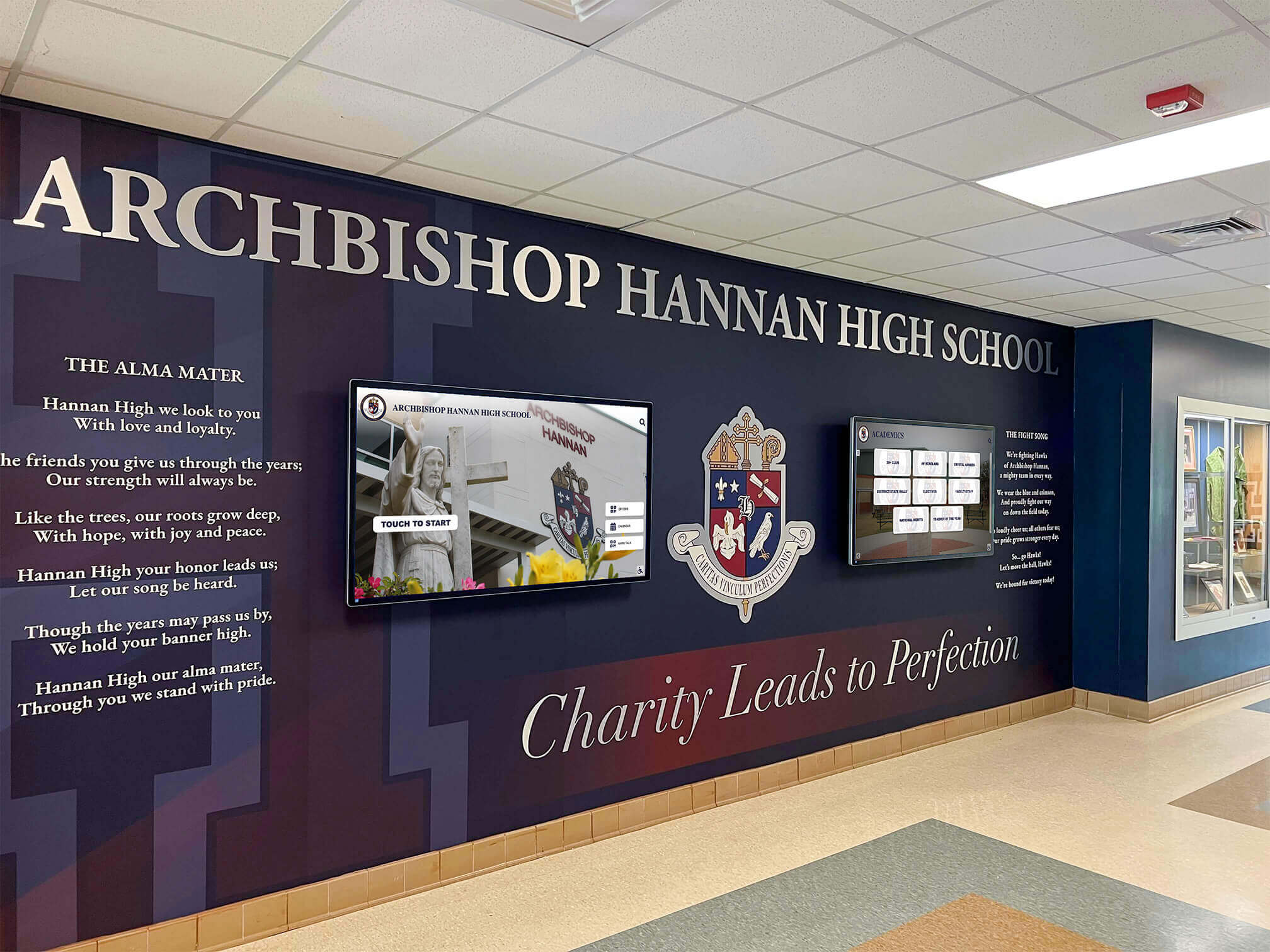
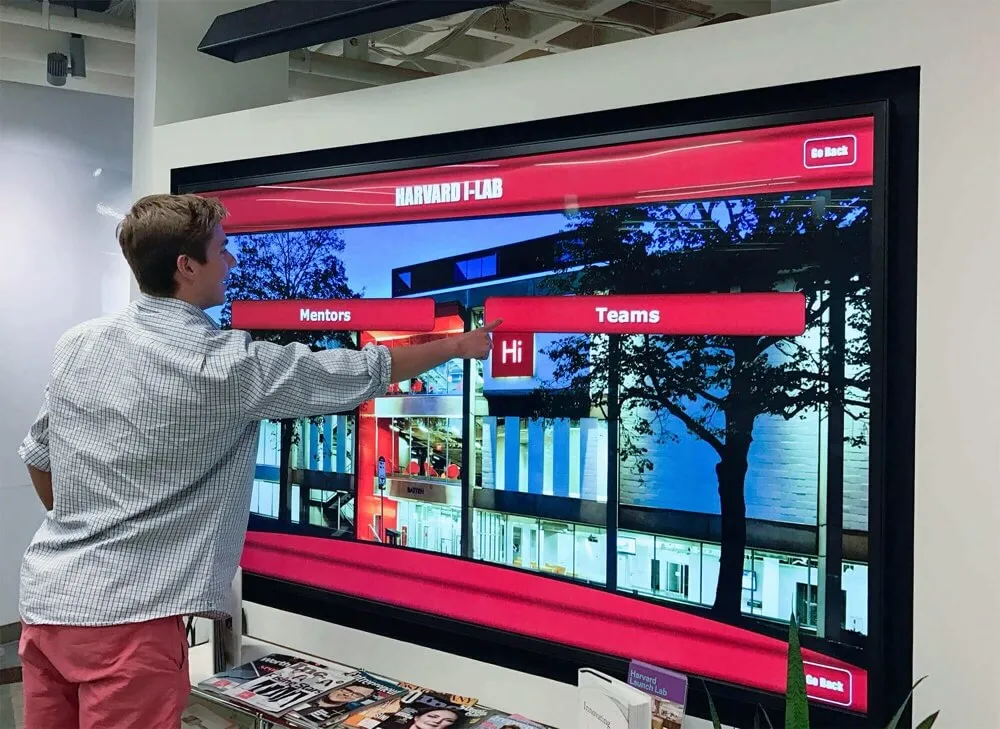
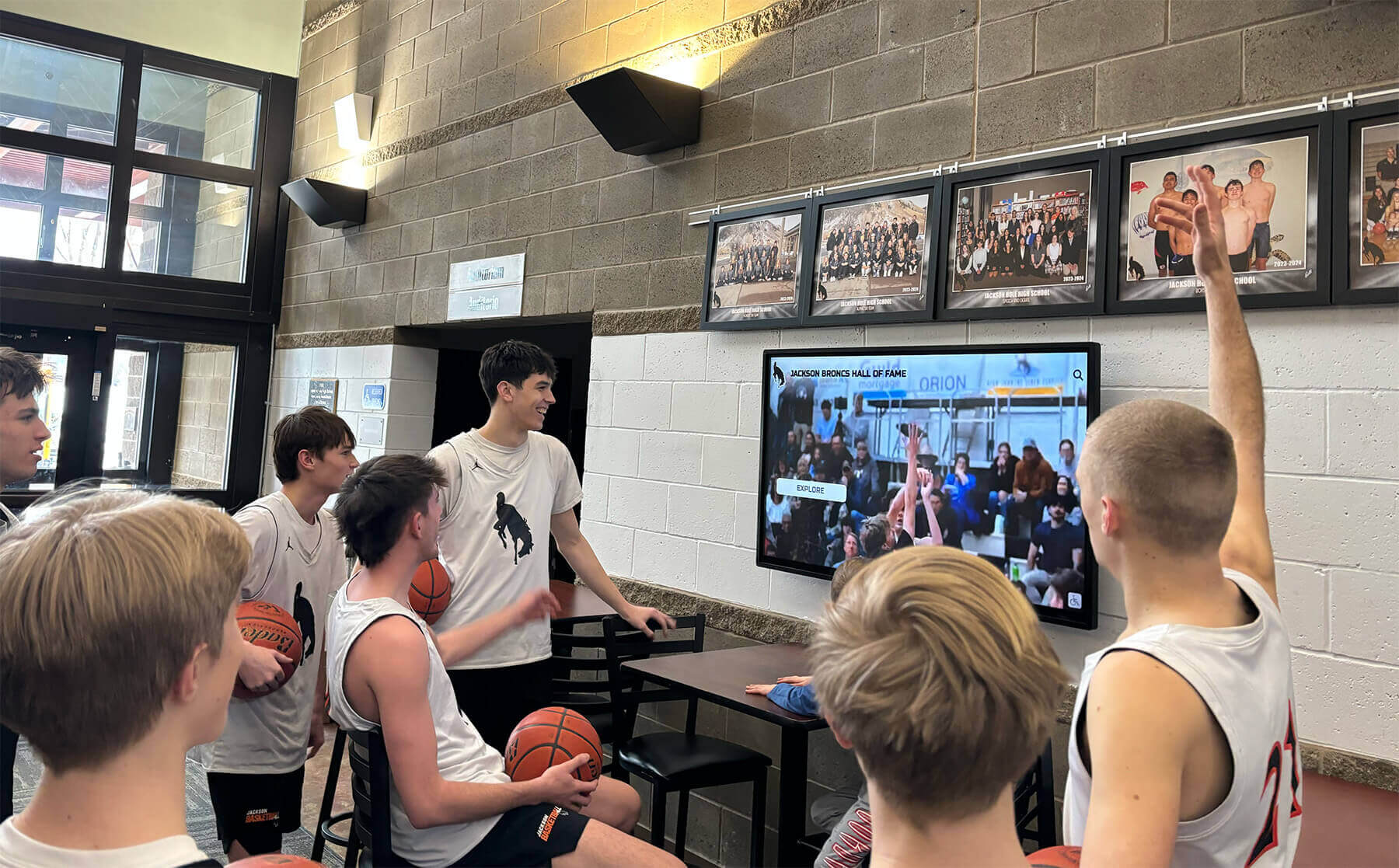
Recognition infrastructure creates particularly powerful tools for sustained engagement by converting event energy into permanent institutional presence. When institutions integrate recognition moments—like celebrating award recipients or inducting hall of fame honorees—with interactive recognition displays enabling ongoing alumni exploration, single events generate continued engagement long after programming concludes.
Conclusion: Building Sustainable Alumni Event Programs
Individual events, regardless of excellence, rarely transform institutional alumni engagement. Sustainable impact requires systematic programming combining diverse event types, consistent execution, continuous improvement, and strategic integration with broader advancement initiatives.
The most successful institutions view event programming as long-term investment in relationship infrastructure rather than transactional tactics generating immediate returns. They understand that alumni who receive genuine value from continued affiliation—through networking opportunities, professional development, intellectual engagement, social connection, or recognition—naturally become supporters volunteering time, offering expertise, advocating for institutions, and providing financial resources when missions align with personal philanthropic priorities.
This comprehensive approach demands patience, sustained institutional commitment, adequate resource allocation, and willingness to experiment with diverse programming discovering what resonates with specific alumni populations. Not every event will succeed. Some programs generate disappointing attendance or fail to produce desired outcomes. Learning from these experiences and continuously refining approaches based on data and feedback enables gradual improvement in programming effectiveness.
For institutions just beginning to develop sophisticated alumni event strategies, start modestly with a few high-quality programs addressing clear alumni needs rather than attempting comprehensive calendars before establishing foundational capabilities. As capacity grows, gradually expand programming variety while maintaining execution excellence ensuring that every event reinforces rather than damages institutional reputation.
The 100 event ideas presented in this guide provide starting points adaptable to institutional contexts, budgets, and alumni demographics. Select programs aligning with strategic priorities, available resources, and demonstrated alumni interests. Pilot test new concepts on small scales before committing to large investments. And remember that authentic value creation for alumni represents the foundational principle upon which all successful engagement programming ultimately rests.
Educational institutions that embrace this mindset—viewing alumni as valued community members deserving continued investment rather than primarily as fundraising prospects—discover that engagement, satisfaction, and ultimately philanthropic support follow naturally when relationships receive genuine care and cultivation.
Ready to build alumni engagement infrastructure that creates lasting connections? Explore the platform transforming how institutions recognize achievement and engage communities.