



Building strong connections with alumni represents one of the most valuable yet challenging tasks facing educational institutions today. While graduates move forward into diverse careers and communities, maintaining meaningful relationships requires intentional strategy, consistent effort, and approaches that respect busy schedules while delivering genuine value.
Effective alumni engagement creates measurable benefits across multiple institutional priorities. Engaged graduates contribute financially at significantly higher rates, volunteer their time and expertise more readily, serve as effective advocates during recruitment efforts, and provide valuable career networking opportunities for current students. Yet national data reveals troubling trends—alumni participation rates have declined substantially over the past decade, with many institutions struggling to move beyond transactional relationships centered primarily on fundraising appeals.
This comprehensive guide explores practical, proven strategies that help schools reconnect with graduates, strengthen alumni communities, and create sustainable engagement programs that deliver lasting value for both institutions and their alumni populations.
Understanding Modern Alumni Engagement
Before implementing specific tactics, educational leaders must understand what drives—and undermines—meaningful alumni connections in today’s environment.
What Alumni Engagement Actually Means
True alumni engagement extends far beyond maintaining mailing lists or sending periodic newsletters. Authentic engagement manifests when graduates voluntarily choose to remain connected to their educational communities, actively participate in programs and events, derive personal value from continued institutional affiliation, contribute time or resources willingly rather than reluctantly, and maintain emotional bonds that persist across decades.
This engagement exists on a spectrum. At one end, passive awareness means alumni receive communications but rarely act on them. Moderate participation involves attending occasional reunions or making small annual gifts. Deep engagement encompasses active volunteering, substantial giving, meaningful mentorship, and enthusiastic advocacy—the level every institution aspires to cultivate broadly across their graduate populations.
Why Traditional Approaches Fall Short
Many schools unknowingly undermine engagement through counterproductive practices. Contacting alumni exclusively when requesting donations creates negative associations where graduates perceive outreach as purely transactional. Treating all alumni identically regardless of interests, career stages, or demonstrated preferences ignores the reality that different populations respond to different approaches.
Relying solely on nostalgia—“Remember when you were a student?"—provides diminishing returns as graduation recedes further into the past. Using outdated communication channels mismatched to how alumni actually consume information ensures messages go unread. Perhaps most critically, failing to recognize contributions beyond financial gifts sends implicit messages that only donors matter, alienating volunteers and other engaged community members.
These approaches create predictable outcomes: declining response rates, increasing unsubscribe requests, and weakening emotional connections that require years to rebuild once damaged.
The Generational Complexity
Successful engagement strategies accommodate diverse generational preferences rather than defaulting to single approaches. Baby Boomers often respond well to traditional methods including printed publications, formal campus events, phone calls from fellow alumni, and nostalgia-focused content celebrating institutional history.
Generation X values practical benefits like career networking opportunities, flexible engagement options accommodating busy schedules, digital communication channels, and clear demonstration of how contributions create impact.
Millennials expect authentic two-way dialogue rather than one-way institutional broadcasting, social media engagement and mobile-first experiences, purpose-driven initiatives connecting to broader social goals, and immediate responsiveness when they reach out with questions or interest.
Generation Z, now entering alumni populations, demands seamless digital experiences optimized for smartphones, visual and video content over text-heavy communications, peer-to-peer connection opportunities, and radical transparency about organizational practices and decision-making.
Effective programs layer multiple approaches serving these diverse preferences simultaneously rather than forcing everyone into identical engagement pathways.
Creating Value Beyond Fundraising Appeals
Alumni who receive consistent value from institutional relationships engage more deeply and contribute more generously than those contacted only when schools need money.
Career Development and Professional Networking
Career support represents one of the most valuable services institutions can provide graduates at any career stage. Young alumni establishing careers benefit from job search support and interview preparation. Mid-career professionals seek connections for career transitions or advancement. Senior professionals value opportunities to give back through mentorship while potentially exploring encore careers or board service.
Comprehensive career programming includes searchable alumni directories organized by industry and geography, formal mentorship programs connecting experienced alumni with recent graduates or students, job boards featuring opportunities from alumni employers, virtual networking events organized around professional fields or geographic regions, and professional development resources addressing skills gaps or industry transitions.
These services create practical value attracting engagement from career-focused graduates who might otherwise ignore institutional communications. When alumni advance professionally through connections facilitated by their alma mater, they attribute that success to their educational affiliation—strengthening bonds and increasing propensity for future volunteer service and financial support.
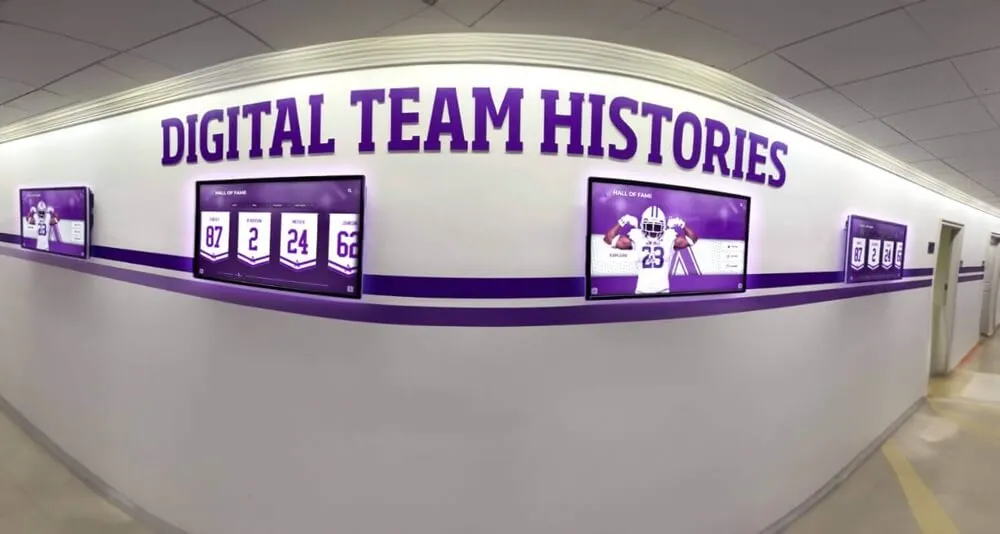
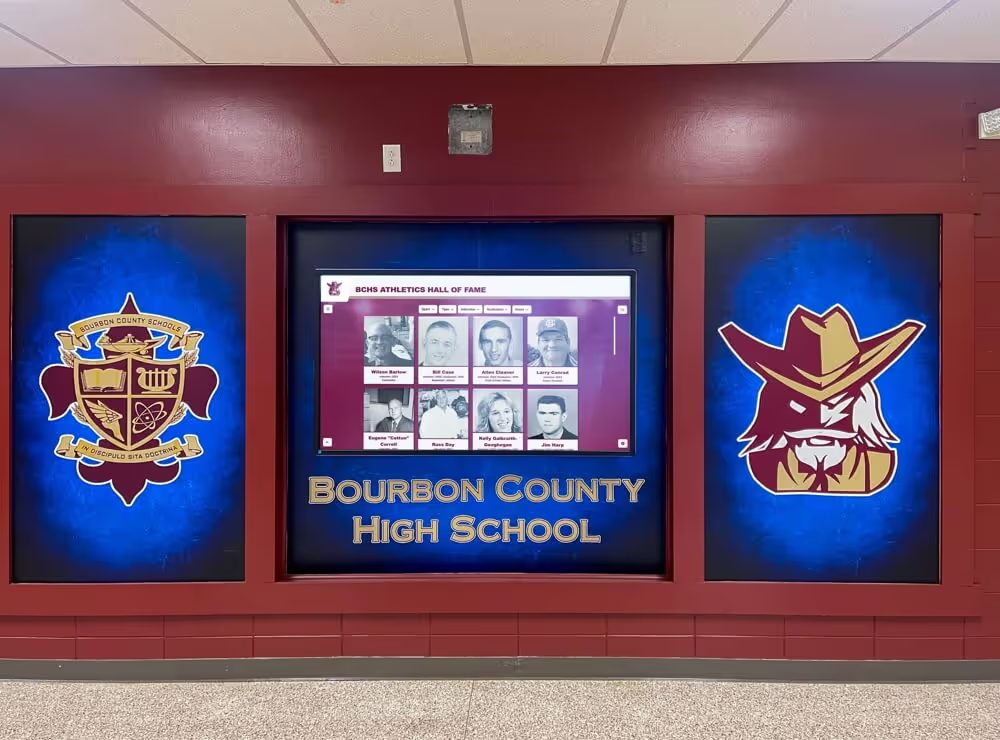
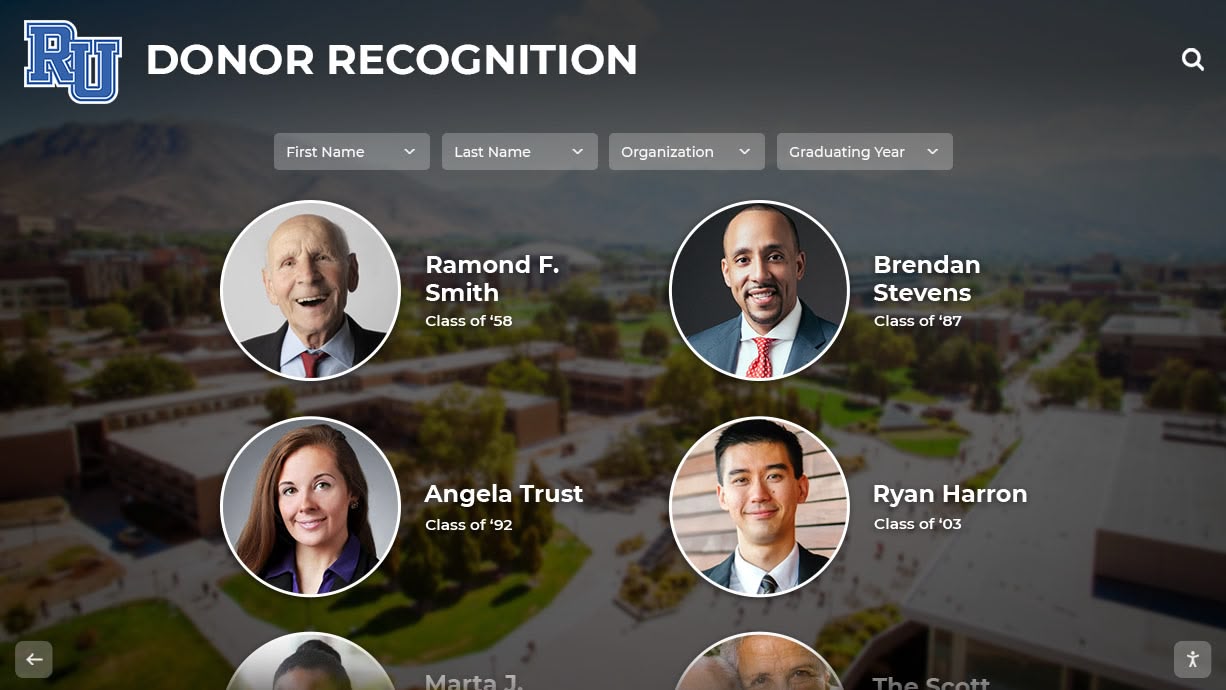
Digital recognition displays featuring comprehensive alumni profiles including career information and contact preferences can serve double duty as networking directories when designed thoughtfully.
Recognition as Strategic Engagement Infrastructure
Unlike episodic engagement tactics creating temporary participation spikes, recognition programs build sustainable infrastructure for ongoing connection. When schools celebrate alumni achievements publicly through professional recognition systems, multiple benefits occur simultaneously.
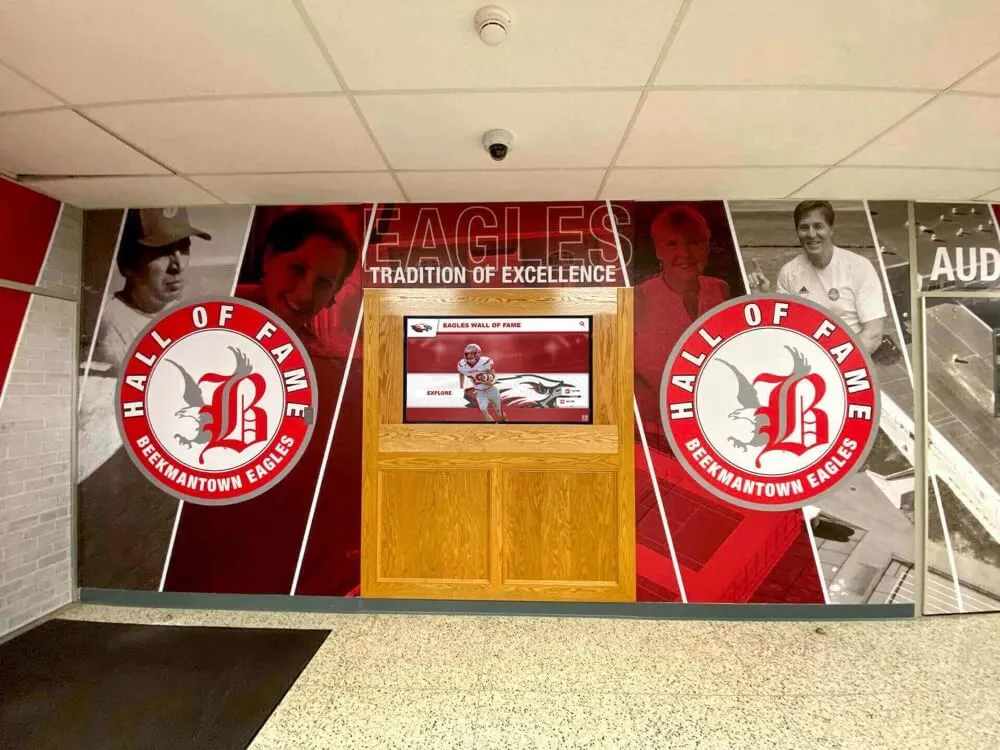
Recognition validates that institutional experiences contributed meaningfully to subsequent success, reinforcing the value of educational investments. It strengthens institutional pride as alumni recognize they belong to communities of accomplished people achieving remarkable things. Most importantly, recognition provides tangible evidence of continued community membership rather than names forgotten in old records.
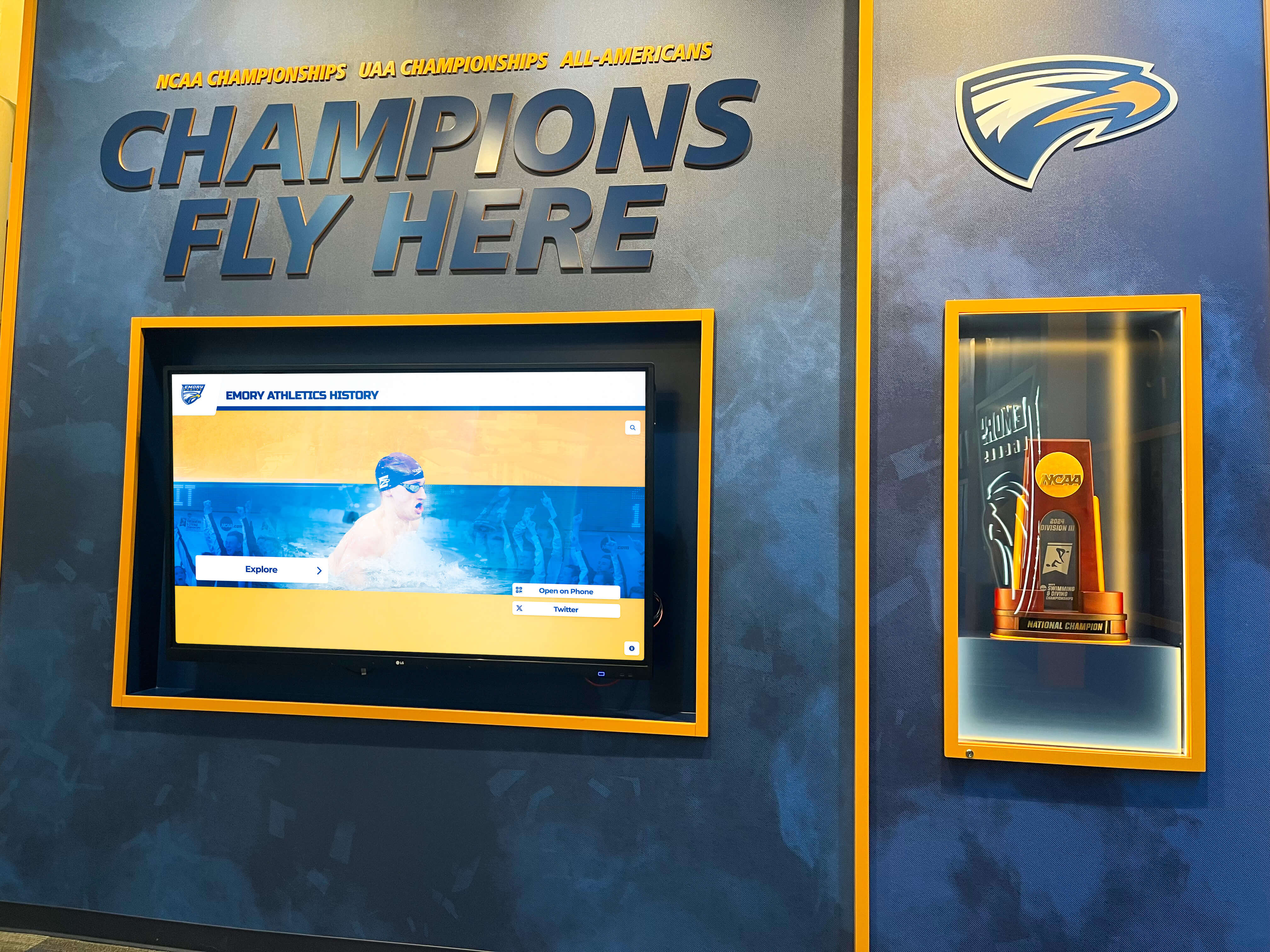
Each recognition opportunity generates multiple engagement touchpoints: nomination and selection processes involving volunteer committees, induction ceremonies bringing alumni back to campus, ongoing visibility through physical displays and digital platforms, social media sharing extending reach to alumni networks, and organic conversations sparked when people discover recognition.
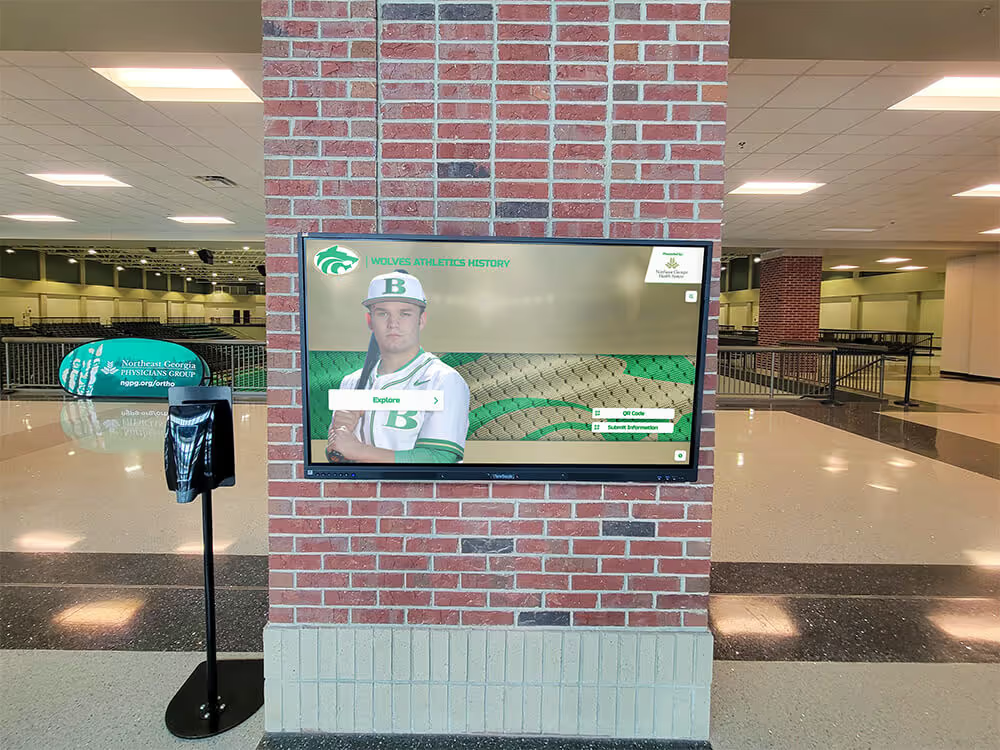
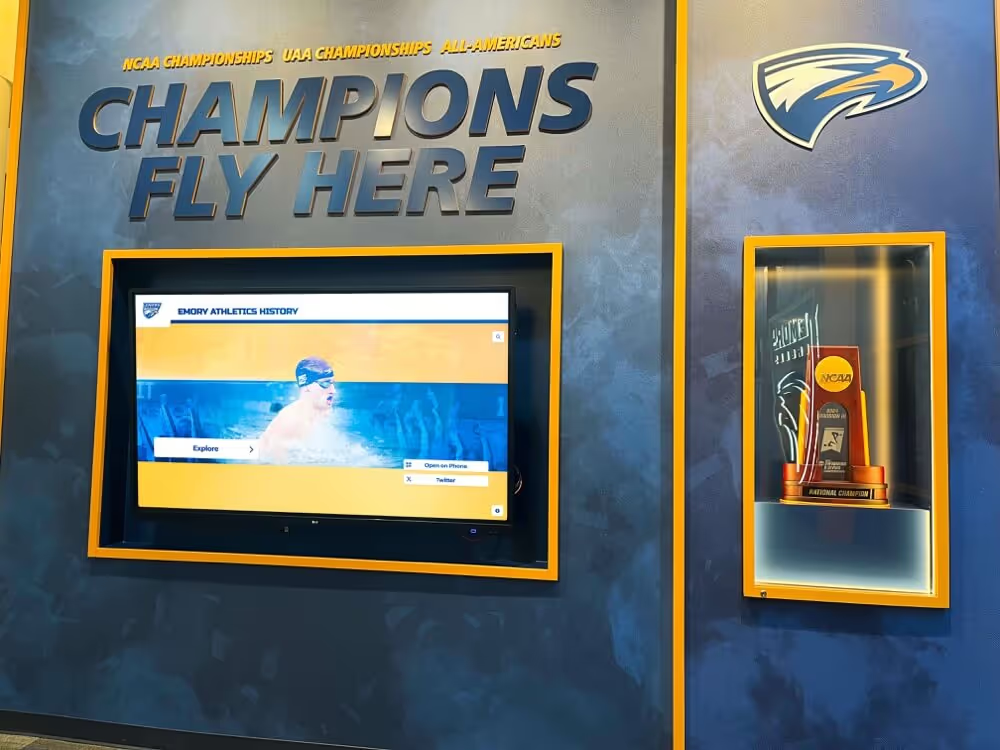
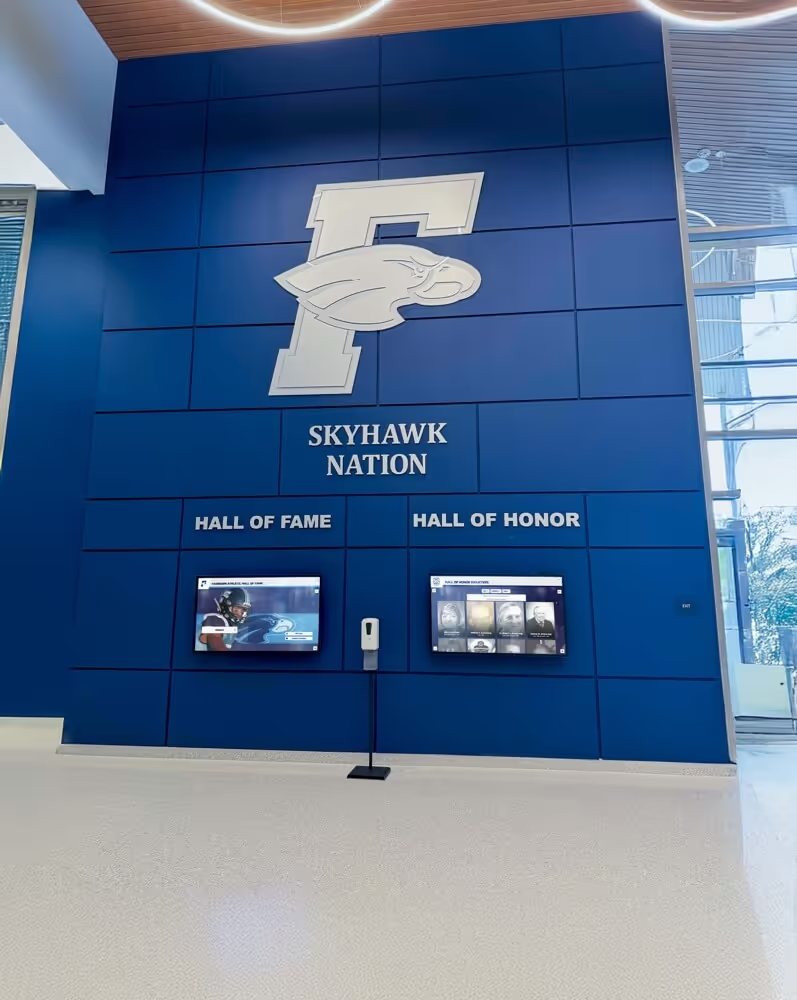
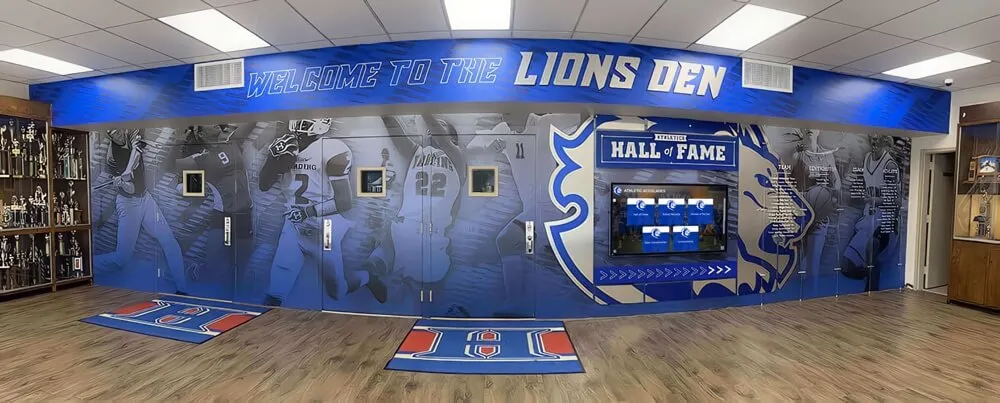
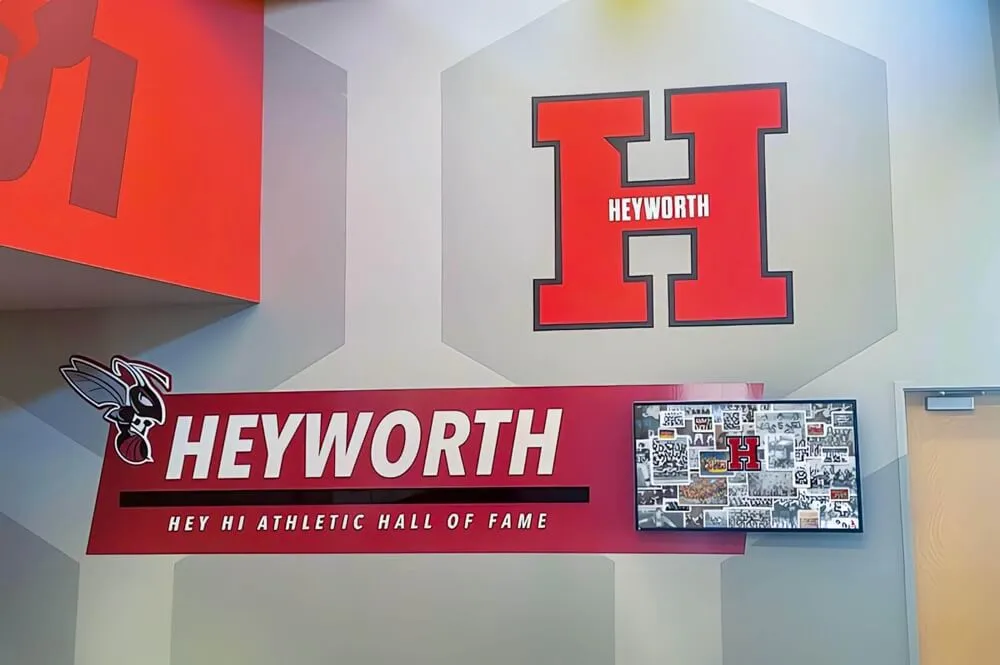
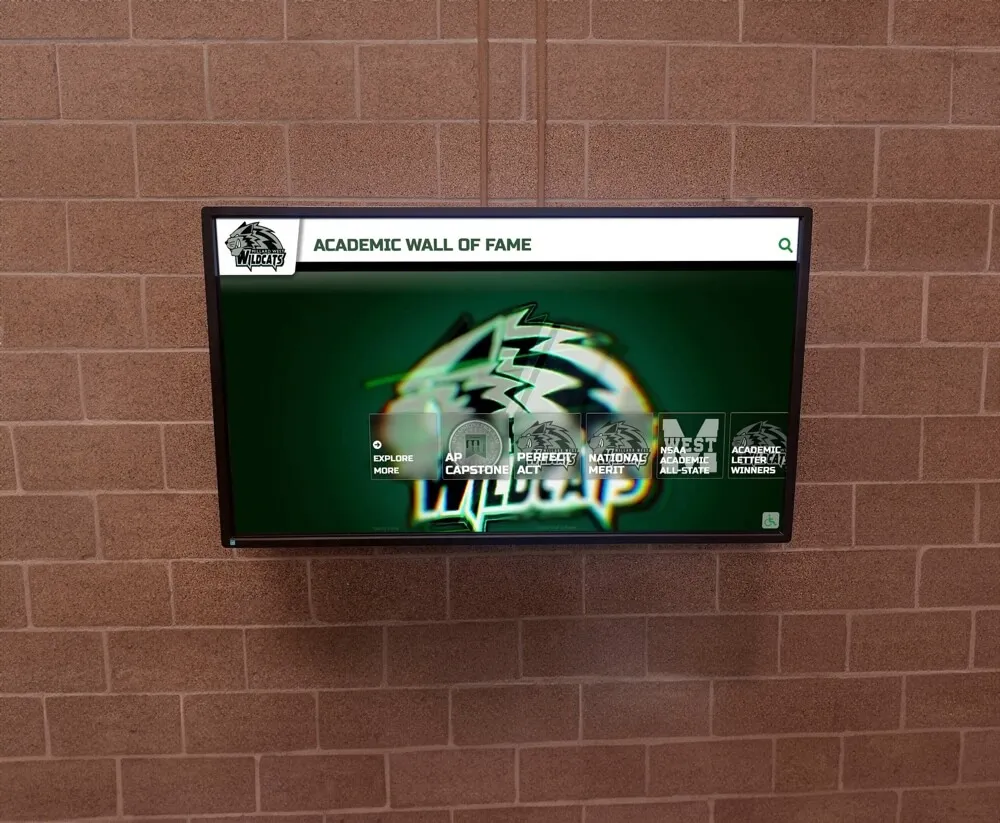
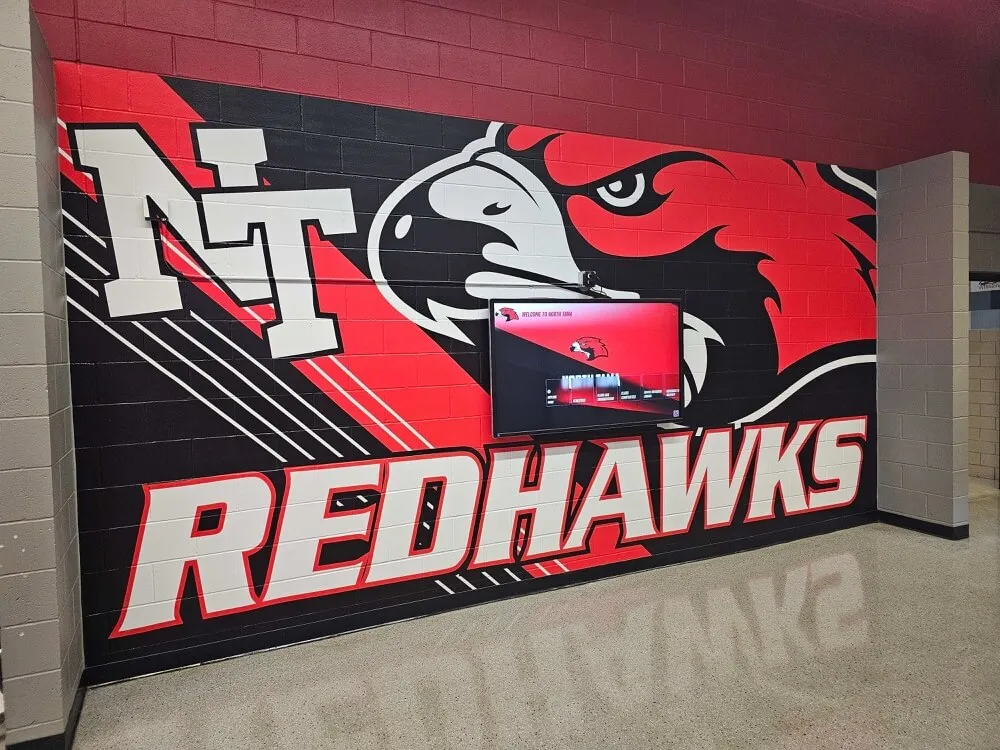
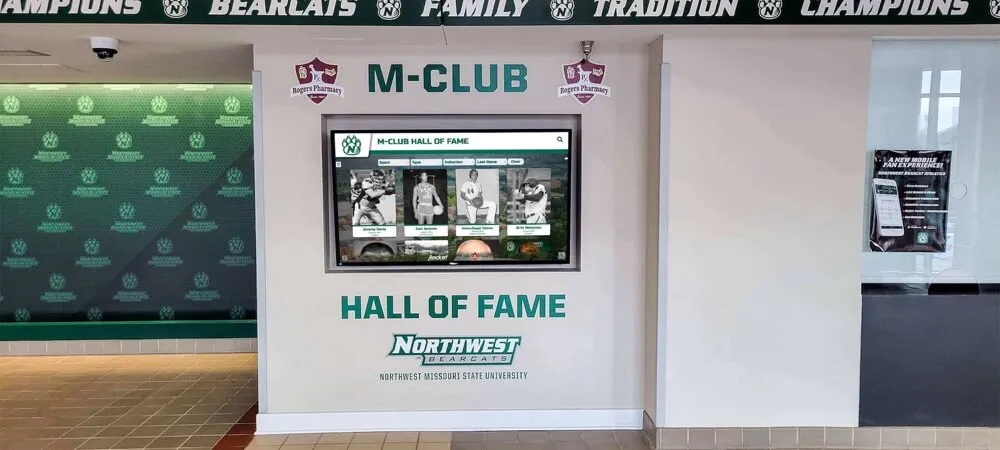
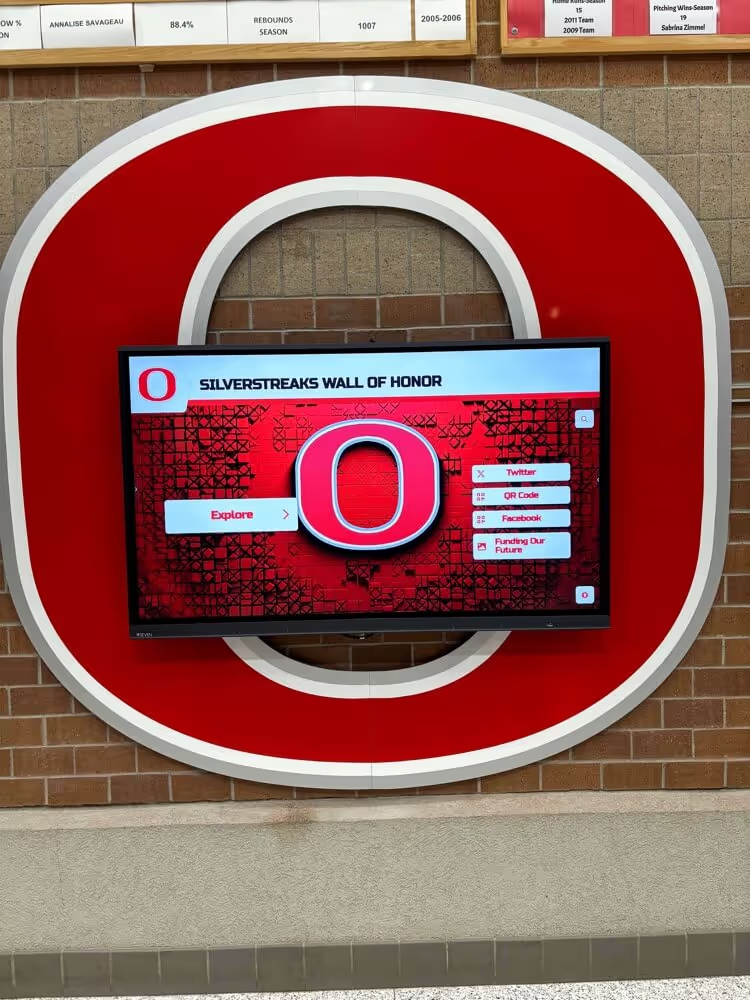
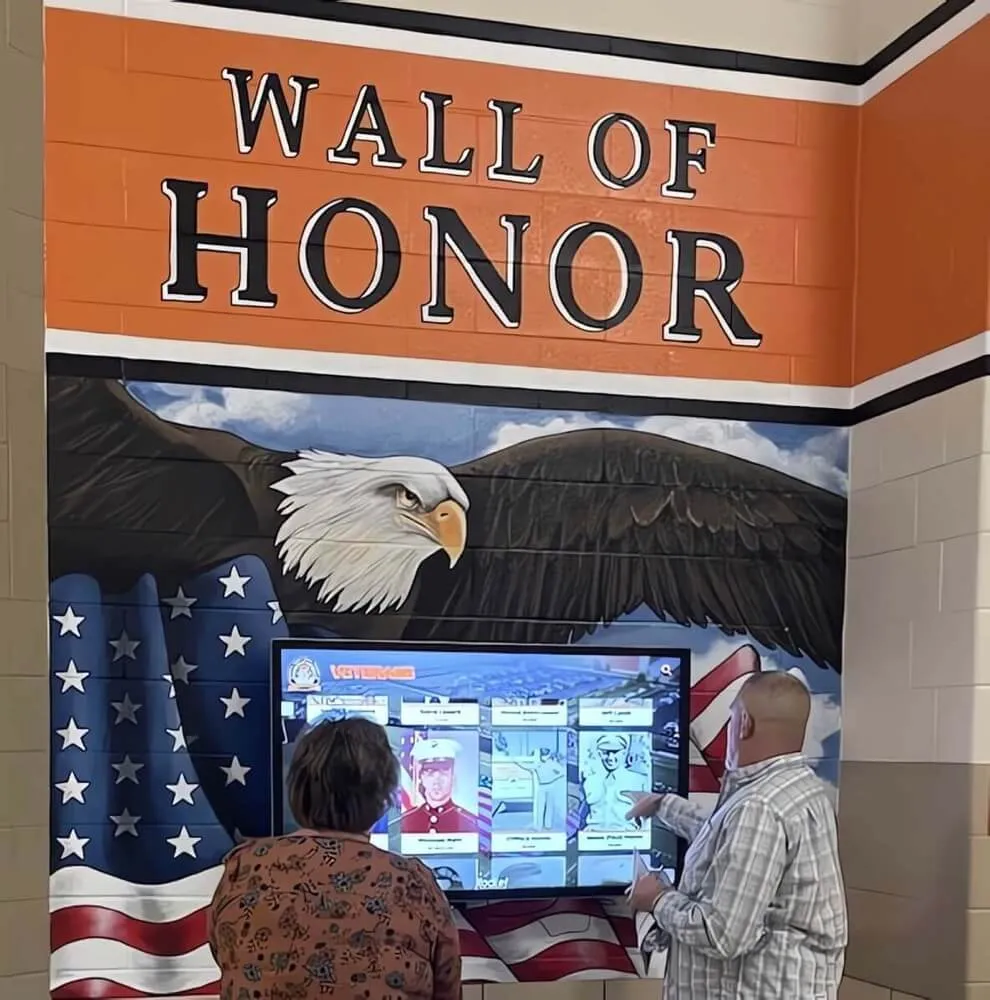
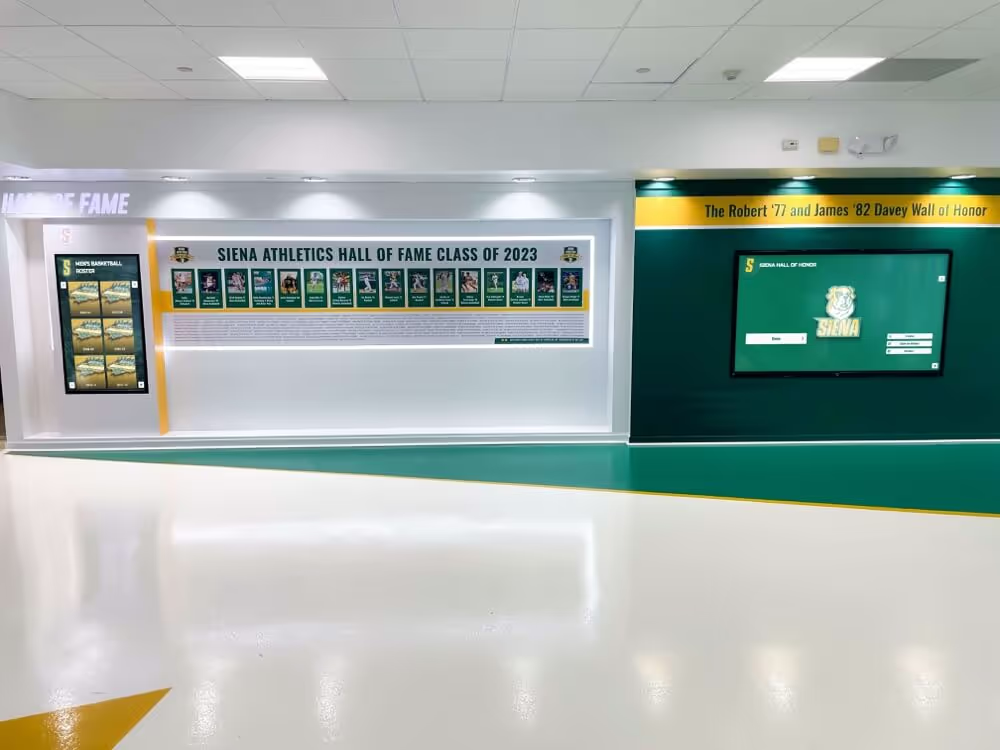
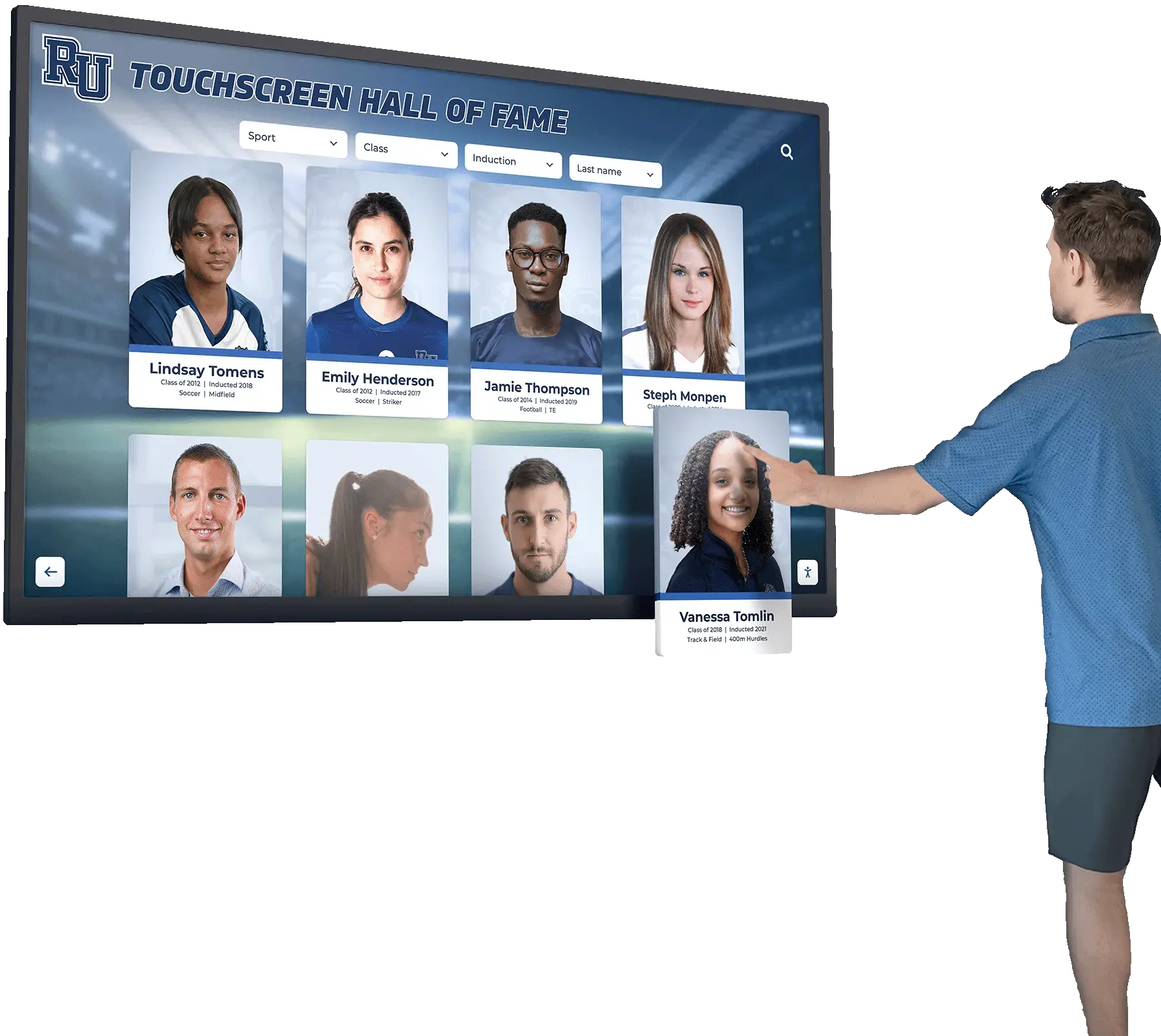
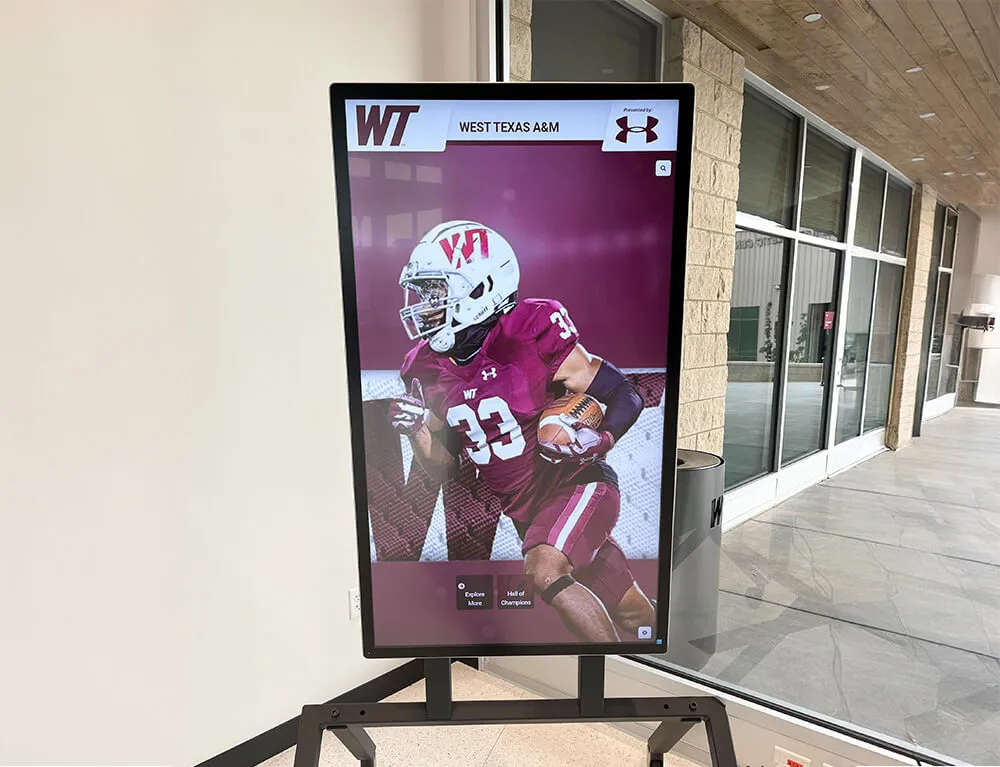
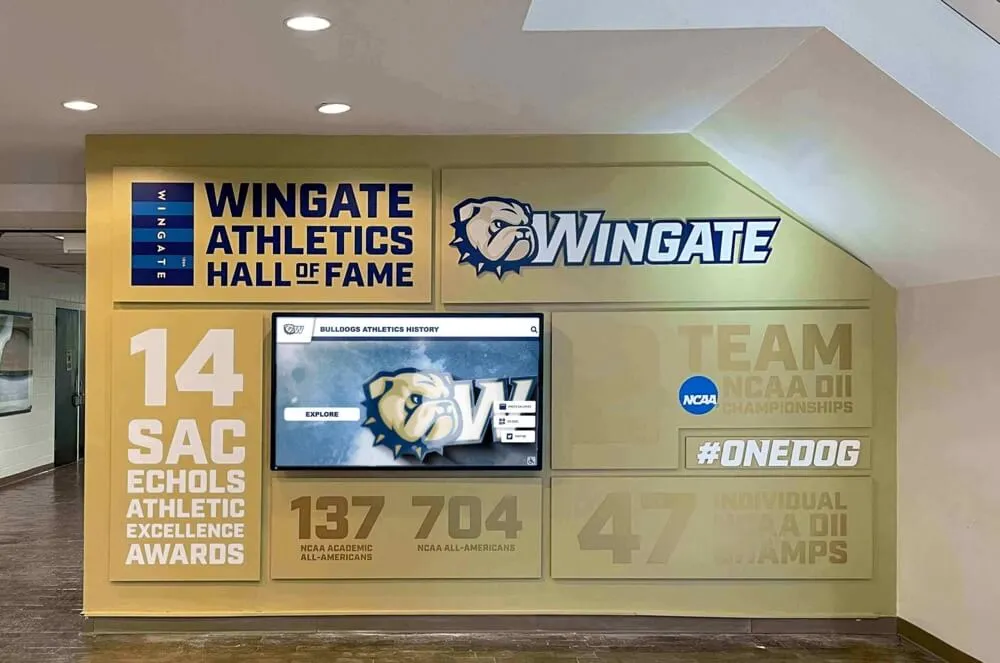
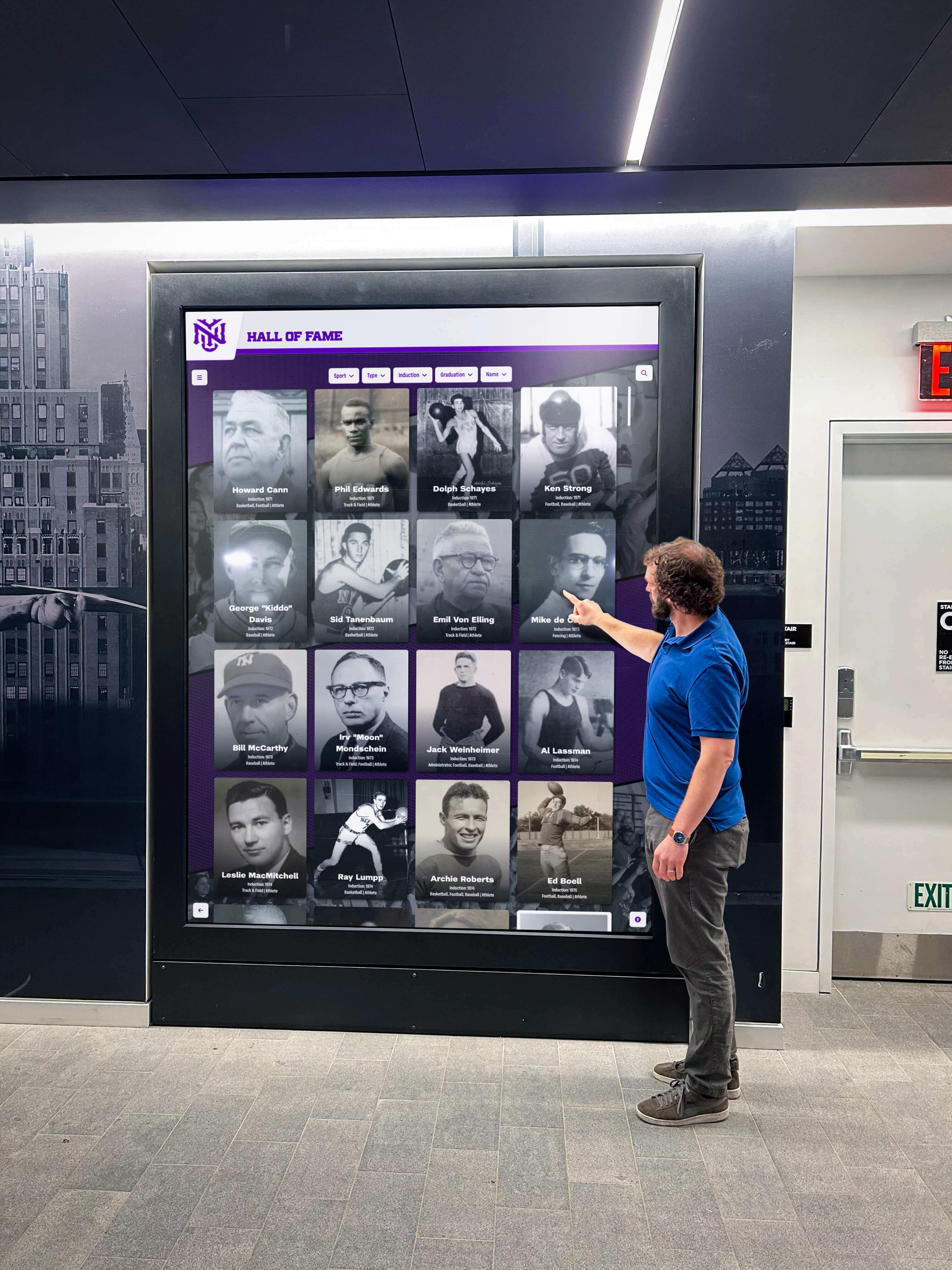
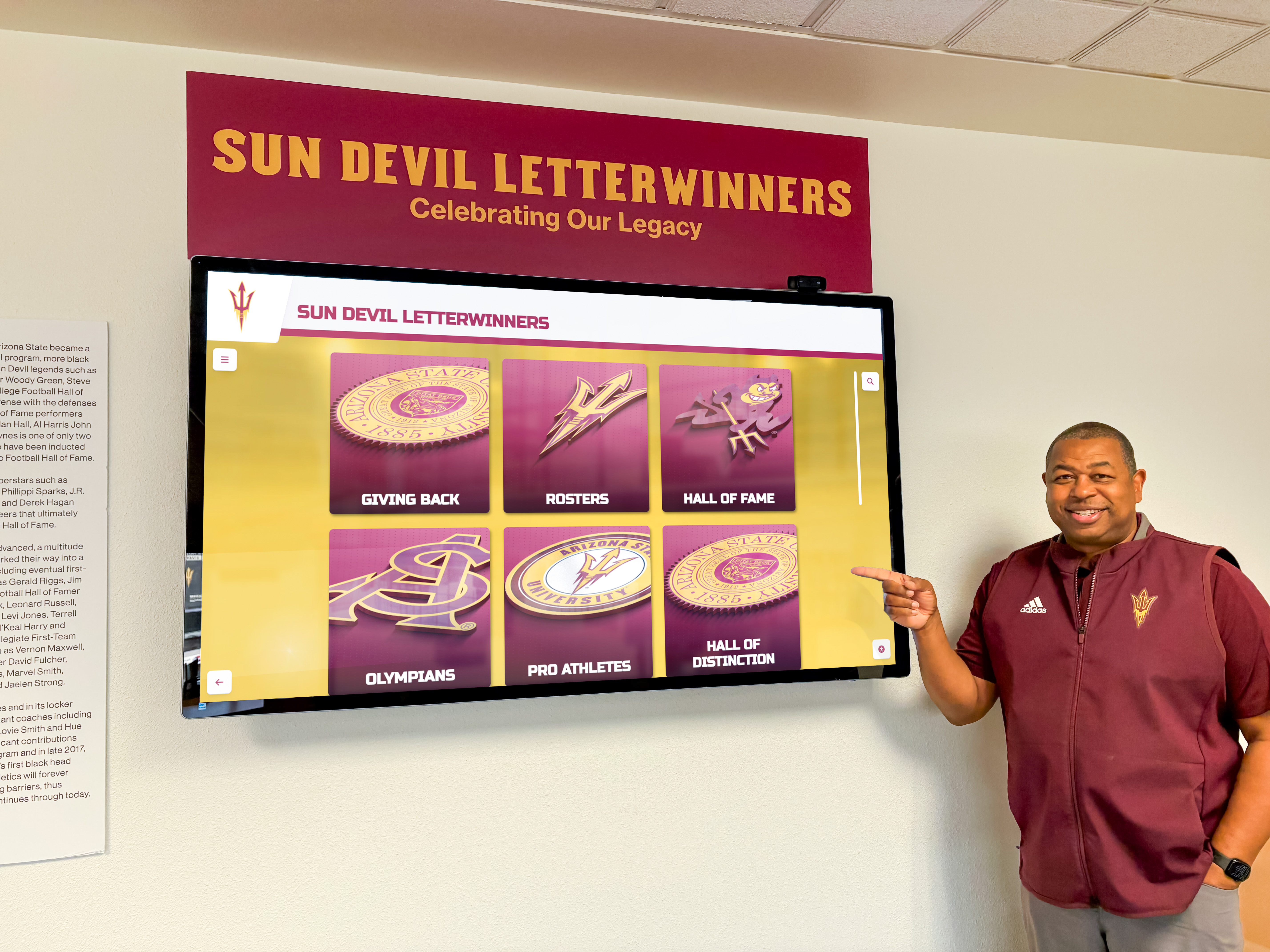
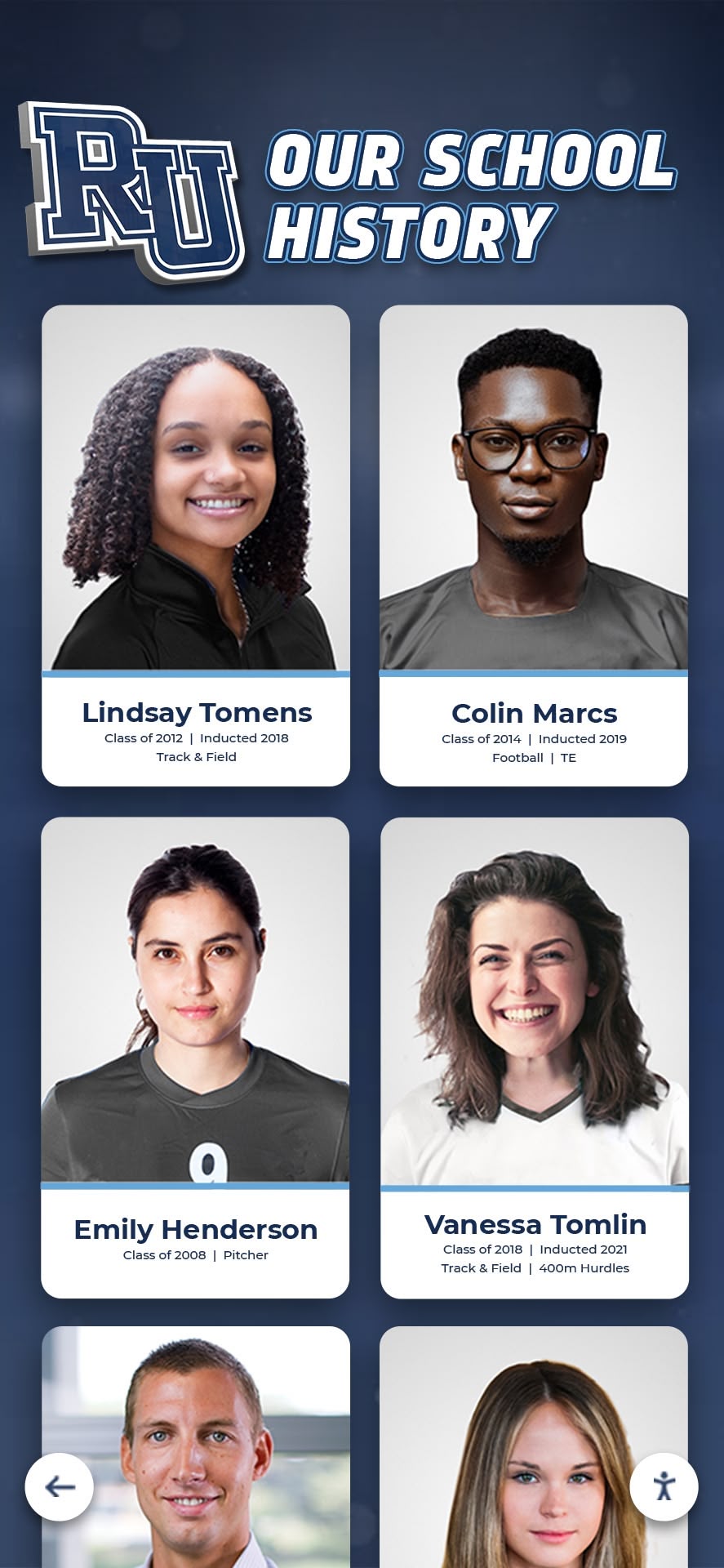

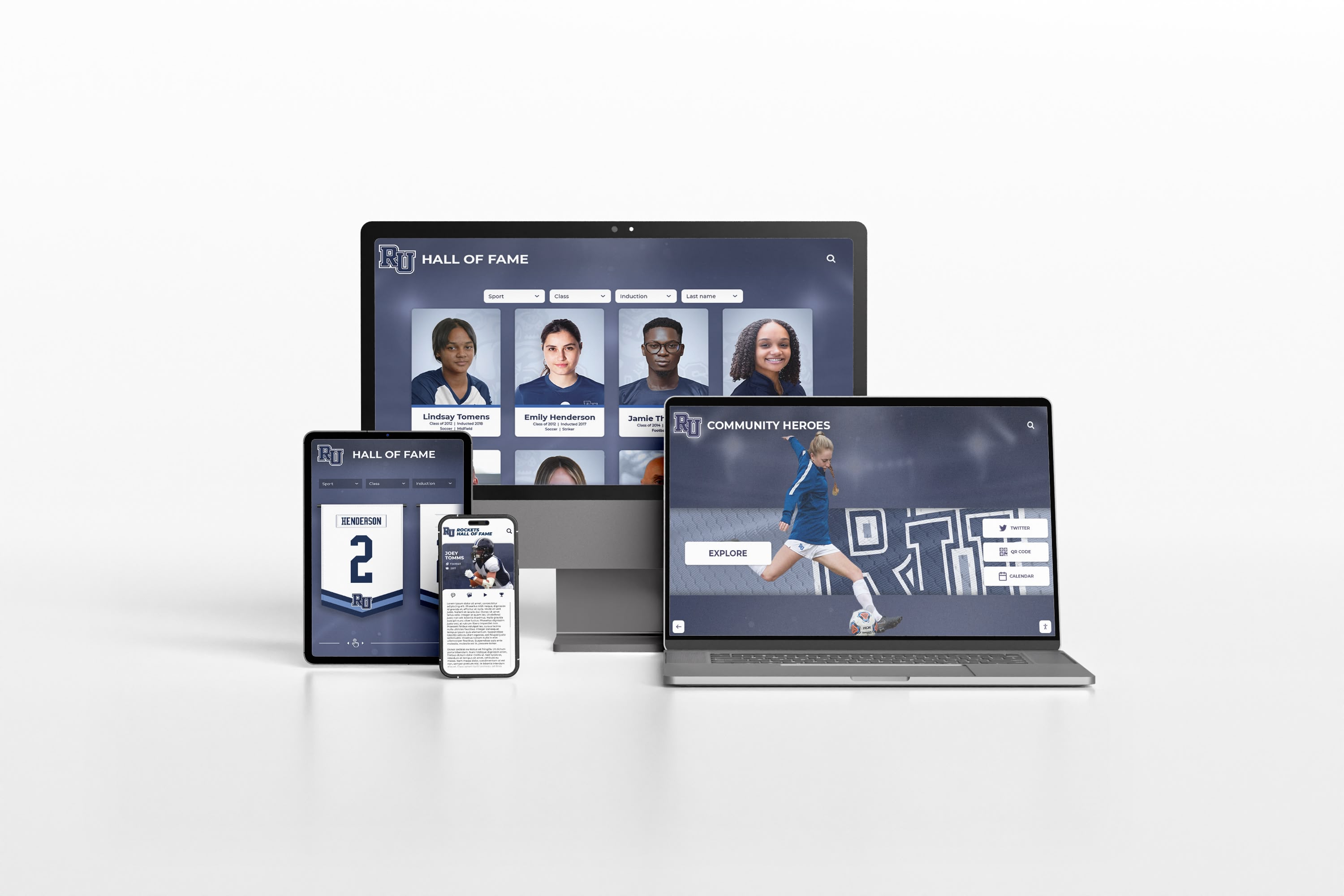
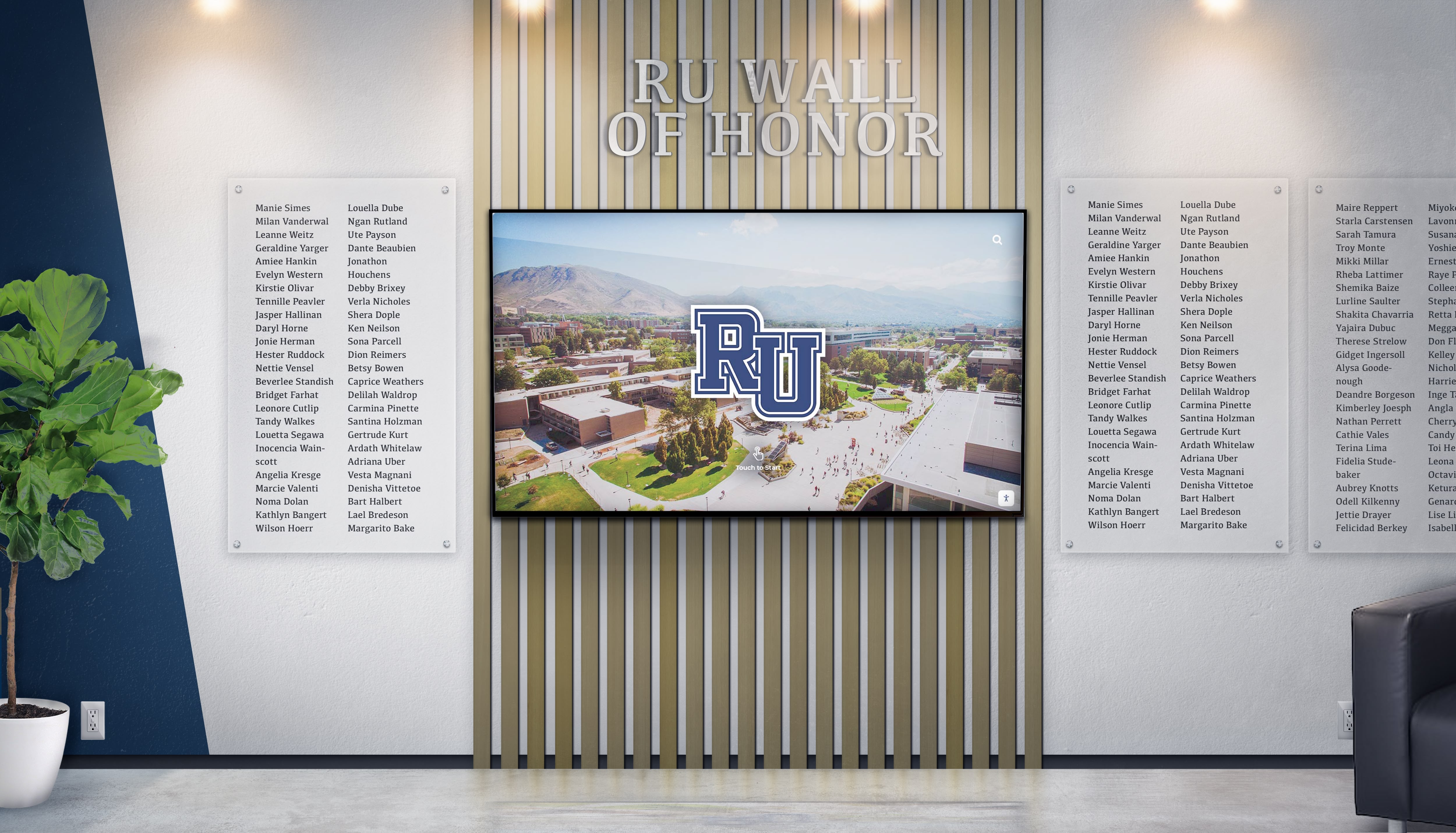
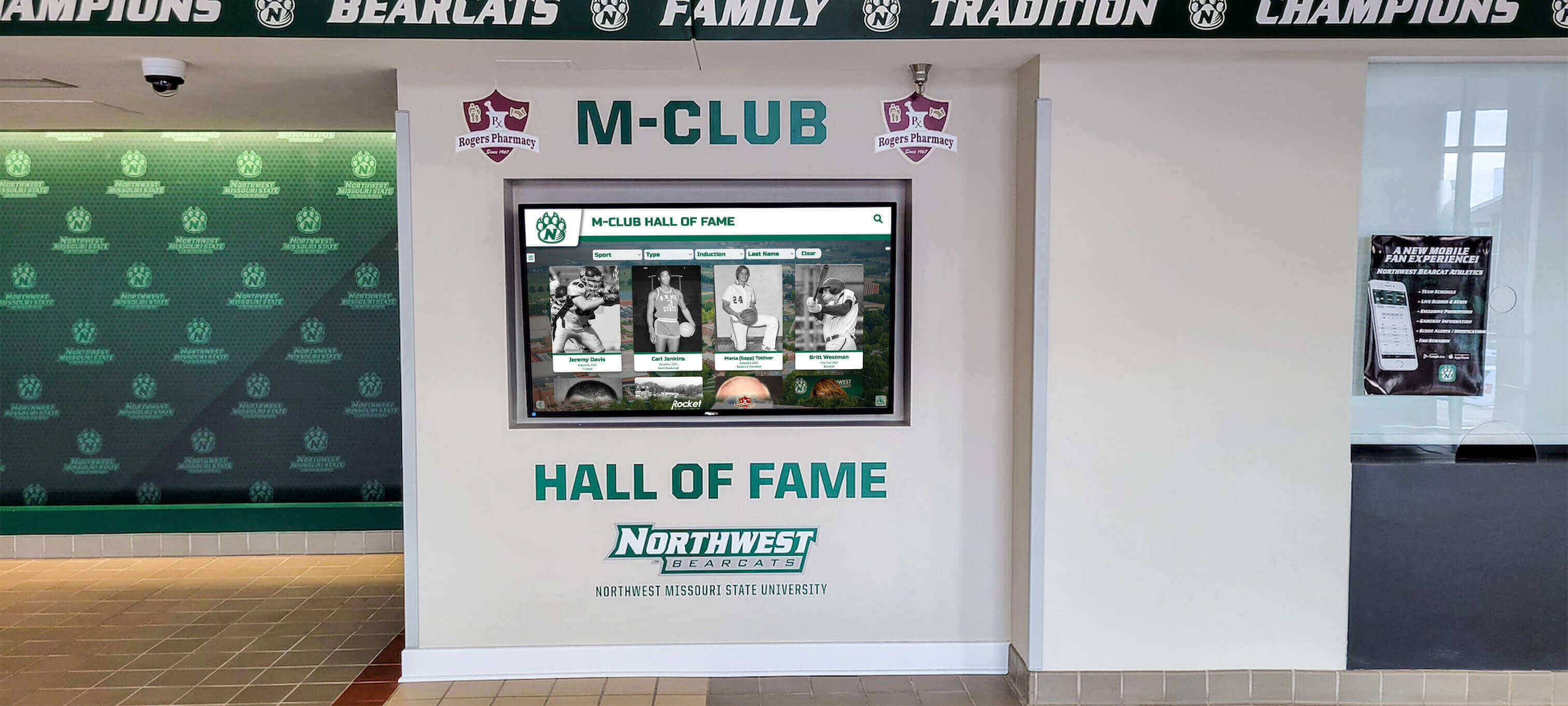
Solutions like interactive touchscreen displays transform static plaques into dynamic platforms where alumni actively explore peer achievements, discover former classmates, and engage with institutional stories through searchable multimedia content. These modern approaches overcome space limitations of traditional displays while enabling rich storytelling impossible through engraved plaques alone.
Research consistently demonstrates that alumni who feel emotionally connected to their institutions give at three times the rate and average gift size of disconnected peers—making recognition programs sound investments rather than discretionary expenses.
Continuing Education and Lifelong Learning
Alumni increasingly expect educational relationships to extend beyond degree conferral. Valuable continuing education offerings include webinars and workshops on current industry topics, online courses and certificate programs, access to research publications and institutional databases, campus library privileges for research or professional development, opportunities to audit courses at reduced rates, and professional credential programs serving career advancement.
These opportunities demonstrate ongoing institutional investment in graduate success while generating modest revenue and maintaining intellectual engagement with alumni who value continuous learning throughout their careers.
Exclusive Benefits Creating Consistent Value
Tangible benefits provide practical reasons for maintaining active engagement. Common benefit programs include recreational and athletic facility access, discounts on cultural events and performances, alumni business directory and professional referral networks, organized travel programs to interesting destinations, negotiated insurance and financial service discounts, co-working space access for entrepreneurial alumni, and university bookstore and online retailer privileges.
While benefits alone rarely create deep engagement, they demonstrate that institutions value alumni relationships through ongoing services rather than only seeking contributions when launching capital campaigns or facing budget challenges.
Leveraging Technology for Convenient Engagement
Modern alumni expect digital experiences matching consumer technology sophistication—seamless mobile experiences, instant access to information, and platforms enabling connection without requiring extensive time commitments.
Comprehensive Alumni Platforms
Purpose-built alumni engagement platforms consolidate various functions including searchable directories enabling professional networking, event management and registration systems, giving and donation processing, volunteer opportunity matching, communication and content distribution, career services and job boards, and integrated analytics revealing engagement patterns.
Centralized systems provide better user experiences than disparate tools requiring separate logins while giving administrators holistic views of constituent relationships enabling more strategic decision-making.
Mobile-First Design Principles
With majority internet usage occurring on smartphones, mobile optimization proves essential rather than optional. Mobile-first design requires responsive interfaces adapting elegantly to various screen sizes, touch-optimized controls with appropriately sized tap targets, fast loading times functioning well on cellular networks, and offline functionality enabling limited access without constant connectivity.
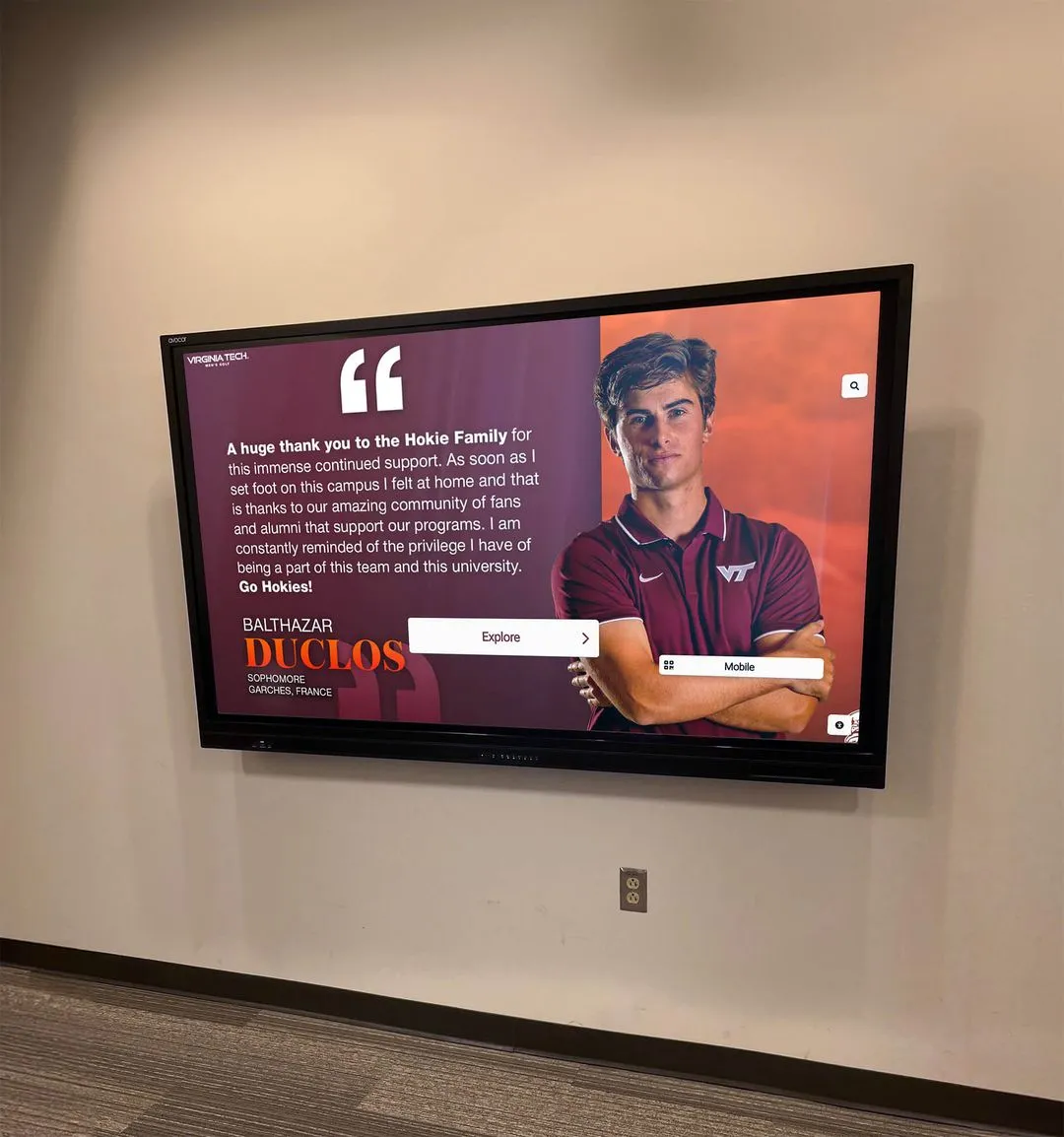
Platforms performing poorly on mobile effectively exclude significant portions of potential users regardless of desktop functionality. Interactive digital signage can bridge physical and digital engagement when designed with companion mobile experiences enabling continued interaction beyond campus visits.
Social Media for Two-Way Dialogue
Social platforms transform one-way institutional broadcasting into interactive community conversations. Effective social engagement employs user-generated content encouraging alumni to share personal stories, interactive posts with polls and questions inviting participation, alumni takeovers providing fresh authentic voices, hashtag campaigns aggregating content around themes or events, and responsive engagement demonstrating institutions listen and value dialogue.
Different platforms serve different purposes: Facebook excels at community building and event promotion, Instagram delivers visual storytelling reaching younger demographics, LinkedIn enables professional networking and career-focused content, and Twitter facilitates real-time updates and responsive communication during events or breaking news.
Strategic use means meeting alumni where they already spend digital time rather than expecting them to adopt new platforms solely for institutional engagement.
Strategic Event Programming
Well-designed events create memorable experiences strengthening community bonds while generating sustained engagement momentum beyond single occasions.
Signature Annual Traditions
Cornerstone events form program foundations that alumni anticipate and plan around. Homecoming celebrations combine athletics, reunions, campus tours, and family activities into multi-day festivals with broad appeal. Class reunion milestones at 5, 10, 25, and 50-year anniversaries create natural gathering points where classmates reconnect after years or decades apart.
Alumni awards galas formally recognize distinguished graduates while celebrating institutional excellence. These ceremonies provide compelling reasons for honorees and their families to return while generating inspirational content for ongoing communications. Regional networking events serve geographic alumni clusters unable to return to campus frequently. Young alumni gatherings specifically designed for recent graduates address their unique interests and life stages.
These recurring traditions become expected fixtures on alumni calendars, generating consistent participation and reinforcing community membership across years and decades.
Virtual and Hybrid Programming
Digital event options dramatically expanded during recent years and now represent permanent engagement strategies expanding rather than replacing in-person gatherings. Virtual programming enables participation regardless of geography, accommodates busy schedules by eliminating travel time, reduces environmental impact and expenses, archives for later viewing by those unable to attend live, and often attracts higher attendance than in-person equivalents.
Effective virtual programming includes webinar series featuring alumni experts discussing industry trends, panel discussions on relevant professional or social topics, virtual campus tours showcasing new facilities for distant alumni, online networking events with breakout conversations enabling meaningful connection, and athletic game watch parties connecting fans globally during competitions.
Hybrid events combining in-person and virtual attendance maximize participation while meeting diverse preferences and circumstances.
Programming for Specific Interest Communities
Targeted events serve niche populations with shared interests or characteristics, often generating deeper engagement than generic events attempting to appeal to all alumni simultaneously. Affinity group gatherings organize alumni by professional field, cultural identity, extracurricular participation, or life stage. Service opportunities create impact through community projects or institutional support initiatives. Family programming welcomes spouses, partners, and children into alumni communities, recognizing that family considerations significantly influence participation decisions.
This segmentation enables relevant programming resonating more powerfully with specific populations than one-size-fits-all approaches that may satisfy no one particularly well.
Building Volunteer Engagement Structures
Alumni wanting to contribute time and talent need structured opportunities matching their abilities with institutional needs while respecting busy schedules.
Mentorship Programs Connecting Generations
Mentorship represents high-value volunteering creating meaningful impact for students while engaging alumni who want to guide the next generation. Effective programs include formal year-long mentorships with structured goals and regular check-ins, flash mentoring offering brief consultations on specific questions, group mentoring where alumni lead small student cohorts, virtual mentoring eliminating geographic barriers, and project-based mentoring around specific initiatives or internship experiences.
Clear expectations, smart matching based on interests and professional compatibility, structured frameworks providing guidance without rigid requirements, progress tracking mechanisms, and appropriate recognition ensure program success and sustainability while preventing volunteer burnout.
Admissions and Recruitment Support
Alumni volunteers multiply recruitment reach while providing authentic perspectives resonating with prospective students and families. Volunteer roles include conducting applicant interviews in local communities, attending college fairs representing the institution, hosting accepted student events in their homes or offices, speaking on career panels during campus visits, and sharing experiences through video testimonials or social media content.
These activities directly impact enrollment while engaging alumni through meaningful institutional service that leverages professional accomplishments and personal stories in accessible ways requiring manageable time commitments.
Fundraising Assistance and Peer Solicitation
Alumni often respond more positively to peer solicitation than institutional staff requests. Volunteer fundraising roles include class agents recruiting reunion gifts from classmates, phonathon callers reaching out to fellow graduates, assistance with major gift cultivation through relationship building, giving day social media ambassadors extending campaign reach, and campaign cabinet members providing strategic guidance.
Peer-to-peer fundraising proves more effective than staff-driven approaches while deepening volunteer engagement through meaningful institutional contribution. Athletic hall of fame programs naturally identify accomplished alumni well-positioned to solicit fellow athletes whose competitive experiences create unique bonds.
Advisory and Governance Roles
Leadership opportunities engage accomplished alumni through board service, advisory committee participation, search committee assistance for key positions, and strategic planning input providing external perspectives. These roles leverage alumni expertise while strengthening investment in institutional success through genuine influence on important decisions.
Multi-Channel Communication Strategies
Effective alumni communications reach graduates through channels matching their preferences and consumption habits rather than institutional convenience.
Email Marketing Excellence
Despite numerous alternatives, email remains primary communication channel for many institutions. Best practices include mobile-optimized designs working excellently on smartphones where most emails are now opened, compelling subject lines maximizing open rates, segmented campaigns targeting specific audiences with relevant content, clear calls-to-action focusing messages, and measured frequency preventing inbox fatigue.
Personalization based on class year, location, giving history, engagement level, or demonstrated interests significantly improves response rates compared to generic mass communications treating all alumni identically.
Content That Alumni Actually Want
Strategic content marketing maintains engagement between events and asks by providing genuinely interesting material. Effective content includes alumni success stories showcasing diverse career paths and accomplishments, faculty research highlights demonstrating cutting-edge institutional work, student achievement celebrations showing impact of alumni support, behind-the-scenes campus updates revealing changes since graduation, nostalgic historical content evoking positive memories, and thought leadership on relevant professional or social topics.
Content distributed through email newsletters, social media channels, podcasts, video series, and print publications maintains consistent institutional presence while delivering value justifying sustained alumni attention and engagement.
Building school pride through compelling content and visible recognition creates emotional foundations transforming occasional participants into sustained supporters.
Data-Driven Engagement Optimization
Systematic measurement and analysis enable continuous improvement based on actual results rather than assumptions about what works.
Essential Metrics to Track
Comprehensive engagement measurement monitors participation rates for events, programs, and communications; giving metrics including participation rates, retention, and average gift sizes; volunteer engagement and contributed hours; communication effectiveness through open rates, click-through rates, and conversion metrics; website and platform utilization analytics; and social media reach and engagement patterns.
Segmented analysis by graduation cohort, geographic location, giving history, and previous engagement levels reveals patterns informing targeted strategies addressing specific populations rather than treating all alumni identically.
Engagement Scoring Models
Sophisticated institutions develop engagement scores synthesizing multiple data points into single metrics indicating overall engagement strength. Scoring algorithms might weight event attendance, giving history, volunteer service, communication interaction, and platform utilization to identify highly engaged alumni for leadership recruitment or disengaged graduates needing re-engagement efforts.
These scores enable targeted interventions based on engagement levels—offering advanced opportunities to highly engaged alumni while using low-pressure, value-first approaches with disconnected graduates who might respond negatively to aggressive asks.
Predictive Analytics Applications
Advanced analytics identify alumni most likely to increase engagement or giving based on behavior patterns. Predictive models might indicate graduates likely to attend reunion events, alumni with high giving propensity but no giving history representing cultivation opportunities, or engaged non-donors potentially responsive to specific asks.
These insights focus limited staff time on highest-potential activities rather than spreading resources evenly across all alumni regardless of likelihood to respond positively.
Segmentation and Personalization Strategies
Targeted approaches acknowledging that different alumni have different interests and preferences dramatically outperform generic mass communications.
Geographic Segmentation for Regional Programming
Alumni concentrated in specific regions respond well to local programming including regional chapter events in major metropolitan areas, city-specific networking gatherings, targeted communication about local activities and alumni meetups, and connections with fellow alumni living nearby.
Geographic targeting reduces travel barriers while creating manageable local communities within larger alumni populations, particularly valuable for institutions with nationally or internationally dispersed graduates.
Affinity Group Engagement
Creating specialized communities around shared characteristics enables targeted programming often generating stronger engagement than undifferentiated general populations. Common affinity groups include school or college-specific communities within universities, academic major or department affiliations, professional field or industry groups, athletic team or extracurricular connections, cultural identity or demographic communities, and life stage groups like young alumni or retirees.
These niche communities feel more personally relevant than institution-wide communications, increasing likelihood that members actively participate rather than passively observing from the periphery.
Engagement Level Targeting
Alumni at different engagement levels require different approaches. Highly engaged alumni appreciate advanced opportunities like leadership roles, exclusive access to institutional leaders, and deeper involvement in strategic initiatives. Moderately engaged alumni need consistent touchpoints maintaining connection without overwhelming time commitment. Disengaged or lapsed alumni require reactivation campaigns using low-pressure, value-first approaches rebuilding relationships before making substantive asks.
Academic recognition programs provide opportunities to re-engage disconnected alumni by celebrating achievements they may not realize their alma mater values or knows about.
Starting Small and Building Momentum
Resource-constrained institutions can achieve meaningful engagement through focused, scalable approaches that demonstrate value before requesting major investments.
Budget-Friendly Strategies
Cost-effective tactics include leveraging free social media platforms for community building, recruiting passionate alumni volunteers to organize events and programs rather than relying on paid staff, hosting virtual programming eliminating venue and catering expenses, partnering with local businesses or alumni-owned companies for sponsorships, focusing deeply on 2-3 signature programs rather than attempting comprehensive offerings executed poorly, and implementing phased rollouts starting small then expanding as success generates momentum and resources.
These approaches enable engagement programming even with minimal budgets while building cases for future investment through demonstrated results and stakeholder testimonials.
High-Impact Activities to Prioritize
When resources are limited, focus on activities delivering greatest return. High-impact strategies typically include recognition programs creating sustained visibility and emotional connection, mentorship connecting alumni with students meaningfully without requiring extensive staff coordination, targeted giving campaigns with clear goals and compelling cases, regional events in alumni concentration areas maximizing participation while minimizing travel costs, and digital content distributed cost-effectively at scale.
Doing a few things excellently outperforms attempting comprehensive programming executed poorly due to resource constraints. End-of-year recognition programs for current students create traditions that eventually extend into alumni programming as graduates remember being celebrated themselves.
Measuring and Demonstrating Value
Even modest programs should track metrics demonstrating impact including participation rates showing engagement levels over time, donor acquisition from engaged alumni populations, volunteer recruitment success and retention, qualitative testimonials from satisfied participants, cost-efficiency calculations proving return on investment, and longitudinal trends revealing program trajectory and compound growth.
Documented success justifies continued investment and eventual expansion while building stakeholder confidence in engagement programming as strategic priority rather than discretionary expense vulnerable during budget constraints.
Creating Integrated Engagement Ecosystems
The most successful institutions coordinate multiple engagement strategies into cohesive ecosystems where different elements reinforce each other synergistically.
Recognition Supporting Fundraising
Recognition programs naturally support development efforts when thoughtfully designed. Donor recognition features celebrate generosity demonstrating how institutions honor support, spotlighting major gift donors as models potentially inspiring similar commitments from peers, providing visibility for planned giving society members, and celebrating multi-generational giving families acknowledging sustained commitment across decades.
Donor wall ideas demonstrate how thoughtful recognition approaches enhance both gratitude expression and cultivation for future philanthropic support creating virtuous cycles.
Events Driving Digital Engagement
Physical gatherings generate digital engagement momentum through event promotion on social platforms building anticipation, live streaming or hybrid attendance options extending reach to distant alumni, post-event photo galleries and video recaps creating lasting content, networking follow-up suggestions facilitated through online platforms, and content creation featuring event speakers or highlighted honorees distributed broadly afterward.
This integration extends event value beyond attendees while creating continued engagement touchpoints throughout the year rather than limiting interaction to isolated occasions occurring sporadically.
Volunteers as Engagement Multipliers
Active alumni volunteers often recruit peers and multiply engagement reach beyond what institutional staff can accomplish alone. Volunteers serve as event hosts bringing their personal networks, peer fundraising solicitors reaching classmates more effectively than institutional staff, mentorship program participants connecting with students, social media ambassadors sharing content authentically to their networks, and program advisory committee members providing community perspective guiding program evolution.
Peer-to-peer engagement proves more effective than institutional outreach for many alumni populations who respond better to personal invitations from classmates than official communications from institutions they graduated from years or decades ago.
Addressing Common Engagement Challenges
Re-Engaging Lapsed Alumni
Alumni who haven’t participated in years require patient, value-first approaches. Effective reactivation strategies include low-pressure touchpoints sharing interesting content without immediate asks, nostalgia-driven communication featuring throwback photos or historical content evoking positive memories, “we miss you” campaigns explicitly acknowledging absence while inviting return without guilt or judgment, convenient virtual engagement options eliminating travel barriers, brief surveys asking about interests and preferences demonstrating value for their input, and recognition highlighting accomplishments whether they’ve remained engaged or not.
When lapsed alumni do re-engage, respond warmly without judgment about previous absence, make immediate next steps easy and rewarding, and avoid overwhelming them with excessive asks or communications that might trigger renewed withdrawal.
Engaging Young Alumni
Recent graduates require approaches matching their unique life stage priorities, communication preferences, and financial circumstances. Effective strategies include emphasizing career services as primary value proposition through job boards, networking events, and professional development resources; hosting social events with affordable pricing at casual venues rather than formal galas; leveraging digital-first communication through text messages, Instagram, mobile apps, and video content; offering micro-giving opportunities like monthly donations of $5-$10 rather than requesting large annual gifts; creating volunteer service projects where young alumni give time rather than money they may lack; and facilitating peer connections recognizing recent graduates want to maintain friendships more than reminisce about buildings.
Accept that immediate fundraising returns from young alumni appear modest compared to established graduates—the goal is building lifelong engagement patterns yielding substantial returns over decades as careers advance and giving capacity grows.
Maintaining Momentum Long-Term
Sustained engagement requires consistent attention preventing programs from becoming stale exhibits that communities learn to ignore. Strategies for maintaining vitality include predictable update cycles creating anticipation for new content or inductees, rotating featured content ensuring regular visibility for diverse alumni, progressive enhancement where existing profiles gain depth over time, themed collections organized around timely topics or historical anniversaries, and milestone celebrations marking program achievements that reinforce value and community investment.
Technology platforms like Rocket Alumni Solutions enable institutions to maintain current, dynamic recognition programs without extensive technical expertise or ongoing development costs, making sustained engagement more achievable for resource-constrained schools.
Conclusion: Building Alumni Engagement That Lasts
Effective alumni engagement requires fundamental mindset shifts—from transactional fundraising to authentic relationship building, from one-size-fits-all approaches to segmented personalization, from episodic campaigns to sustained programming, from institutional broadcasting to two-way dialogue, and from solely seeking support to creating mutual value.
The institutions achieving exceptional engagement share common characteristics. They invest strategically in engagement infrastructure including technology platforms, dedicated staff, and systematic programs. They create genuine value for alumni through career services, networking opportunities, recognition, and meaningful content. They respect alumni time and preferences through convenient digital access, appropriate communication frequency, and diverse engagement options.
They measure systematically and optimize continuously based on data rather than assumptions. They recognize that engagement precedes giving—building emotionally connected communities creates foundations for sustained philanthropic support rather than expecting donations from disconnected graduates. They think long-term, understanding that engagement investments compound over decades as satisfied alumni increase involvement and recruit peers.
Keys to Successful Alumni Engagement
- Build authentic relationships, not transactional interactions
- Create genuine value beyond fundraising asks
- Leverage recognition as strategic infrastructure
- Segment and personalize rather than mass communicate
- Invest in technology enabling convenient engagement
- Measure systematically and optimize continuously
- Coordinate multiple strategies into cohesive ecosystems
- Think long-term allowing engagement to compound
Common Engagement Pitfalls to Avoid
- Contacting alumni only when seeking donations
- Treating all graduates identically regardless of preferences
- Relying solely on nostalgia rather than current value
- Using outdated communication channels
- Failing to recognize non-financial contributions
- Making engagement inconvenient or time-consuming
- Ignoring data insights and alumni feedback
- Expecting immediate results from long-term strategies
Whether your institution is just beginning engagement programming or refining established strategies, every step toward authentic alumni connection delivers value. Strong alumni communities don’t emerge accidentally—they result from deliberate investment in relationships, consistent attention to constituent needs, and willingness to evolve approaches as alumni populations and expectations change over time.
Ready to transform your alumni engagement through innovative recognition and connection platforms? Explore how solutions like Rocket Alumni Solutions help educational institutions strengthen alumni bonds through interactive displays, comprehensive digital recognition systems, and engagement platforms designed specifically for schools, universities, and alumni associations. Strong alumni communities begin with celebrating accomplishments and creating meaningful connections that last lifetimes.