



Alumni engagement represents far more than periodic fundraising appeals or reunion planning. Strong alumni communities serve as powerful institutional assets—enhancing reputation, supporting student success, providing career networking, and generating sustained philanthropic support. Yet most schools struggle with a fundamental challenge: how to maintain meaningful connections with graduates navigating busy careers, families, and lives far removed from campus.
The institutions succeeding at alumni engagement share a common characteristic: they implement diverse, creative strategies addressing different alumni interests, life stages, and engagement capacities. Rather than relying on single approaches that resonate with some while alienating others, effective programs layer multiple engagement pathways creating entry points for various graduate populations.
This guide explores 20 proven alumni engagement ideas spanning recognition, events, communications, technology, volunteering, and career support—practical approaches that educational institutions of any size can adapt and implement based on available resources and alumni population characteristics.
Recognition and Celebration Ideas
Public recognition creates powerful emotional bonds by validating achievements and demonstrating that institutional communities continue valuing graduates long after graduation.
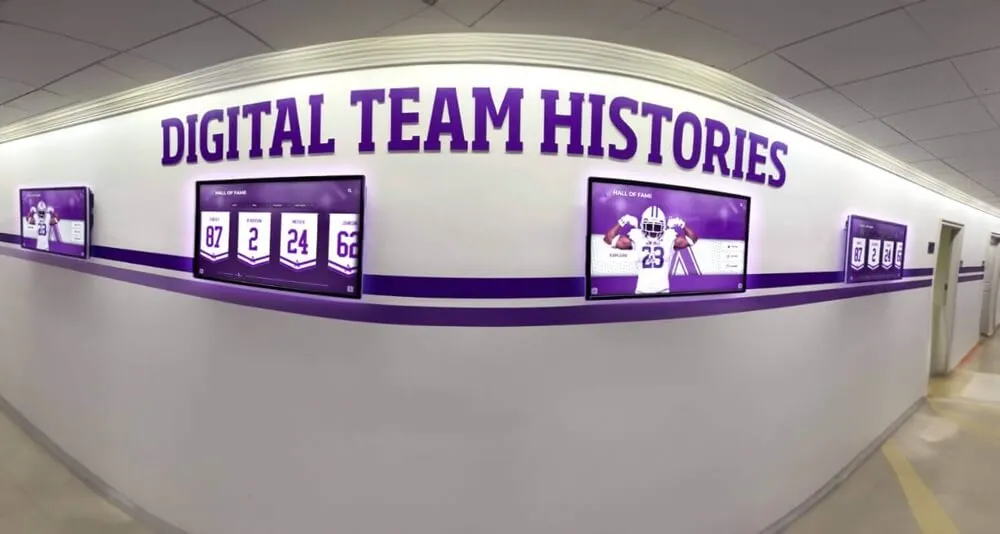
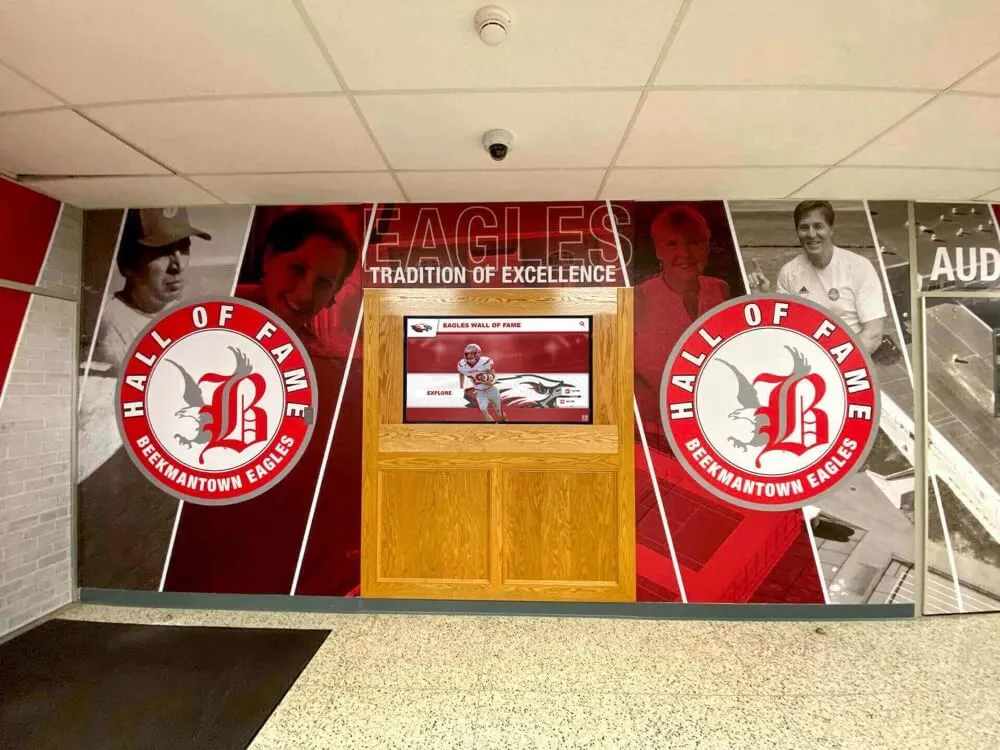
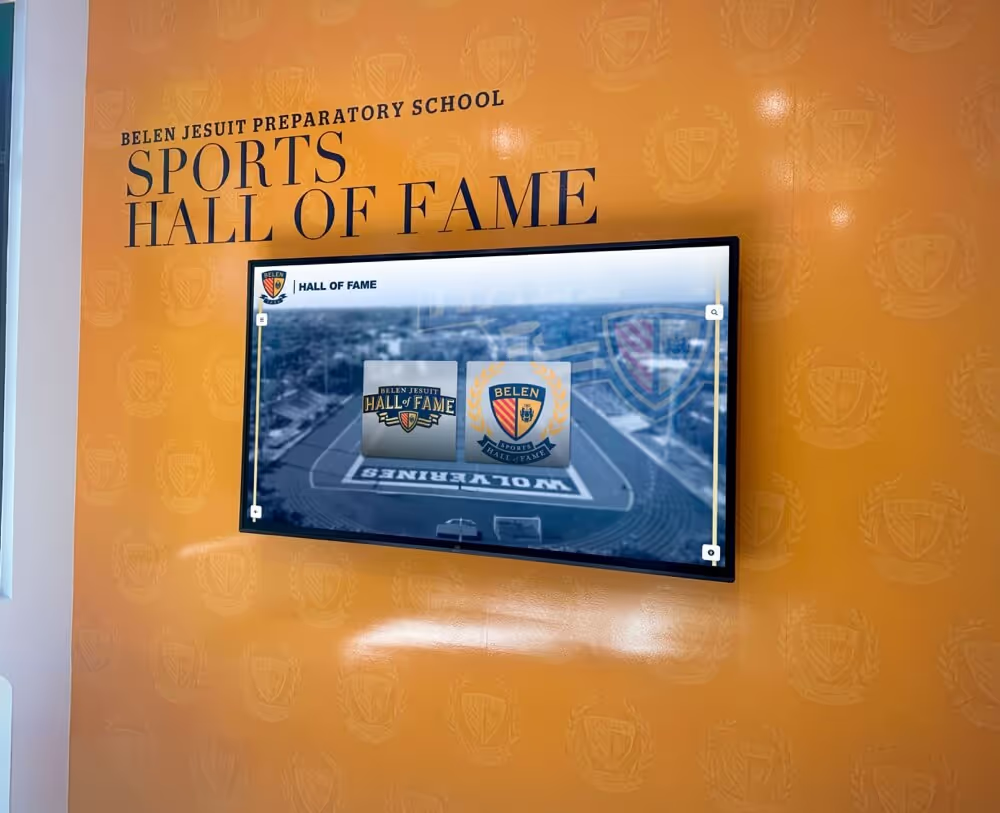
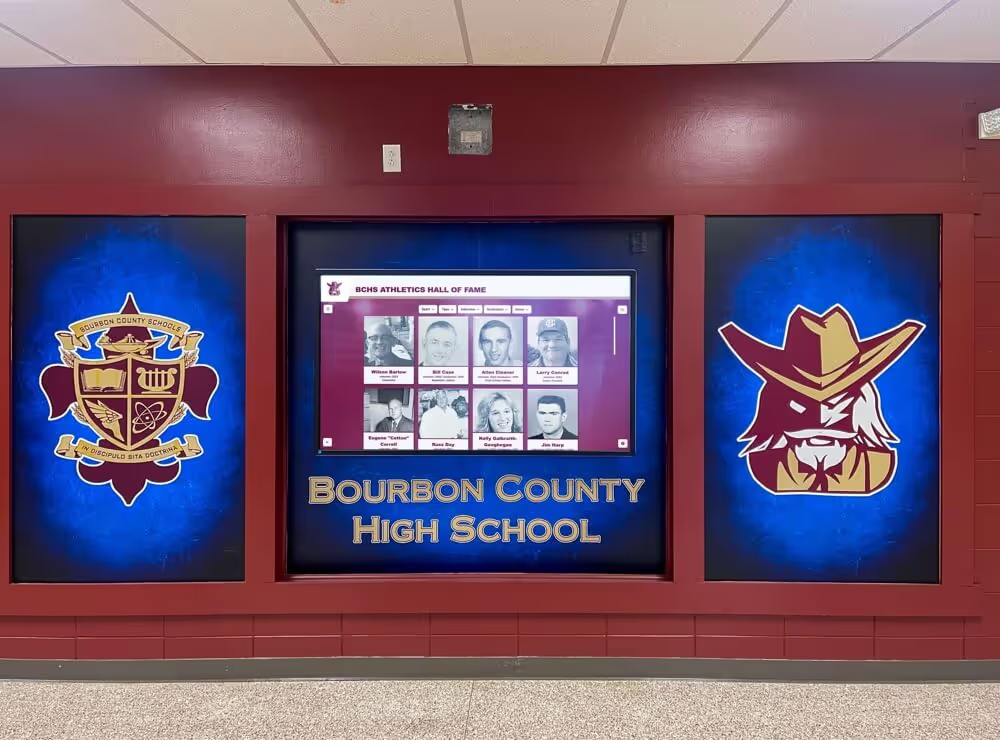
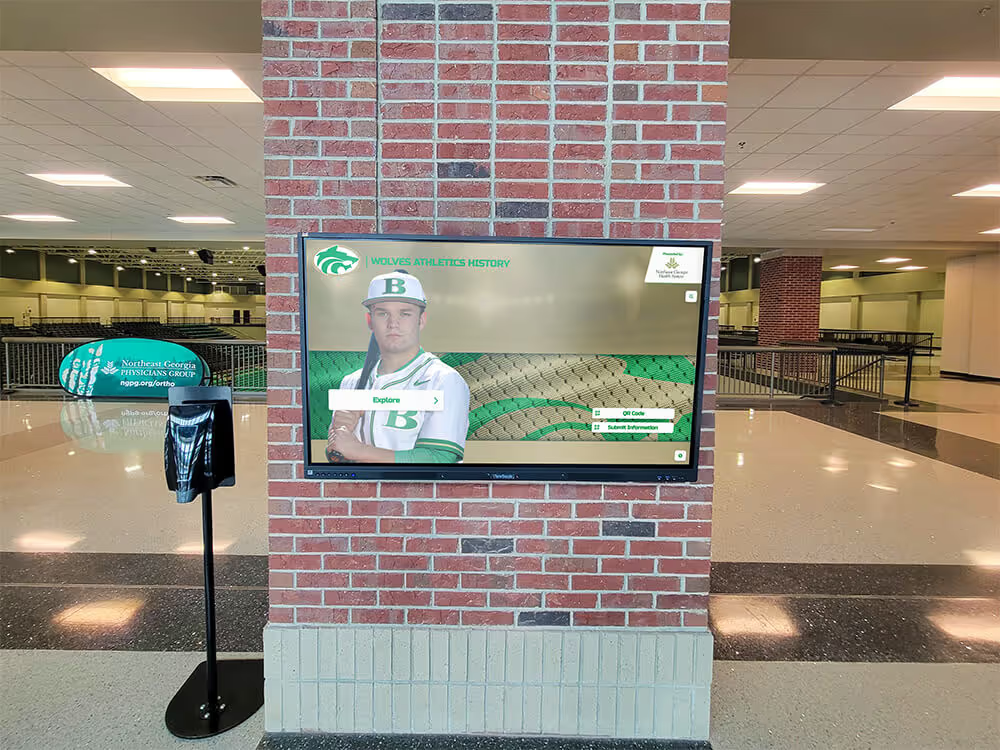
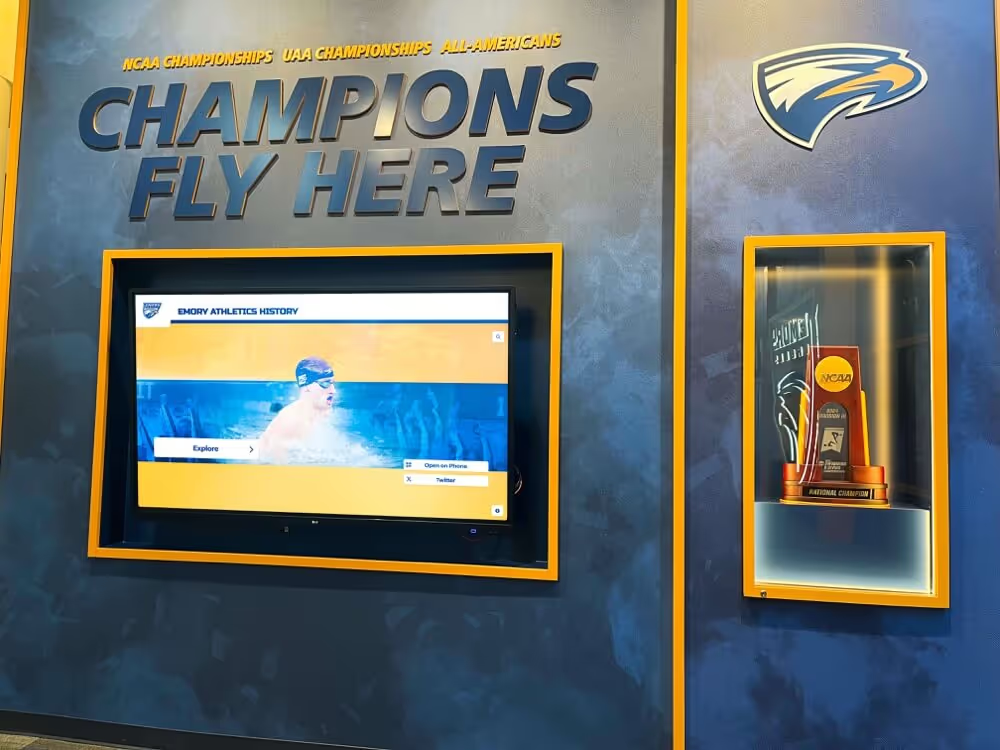
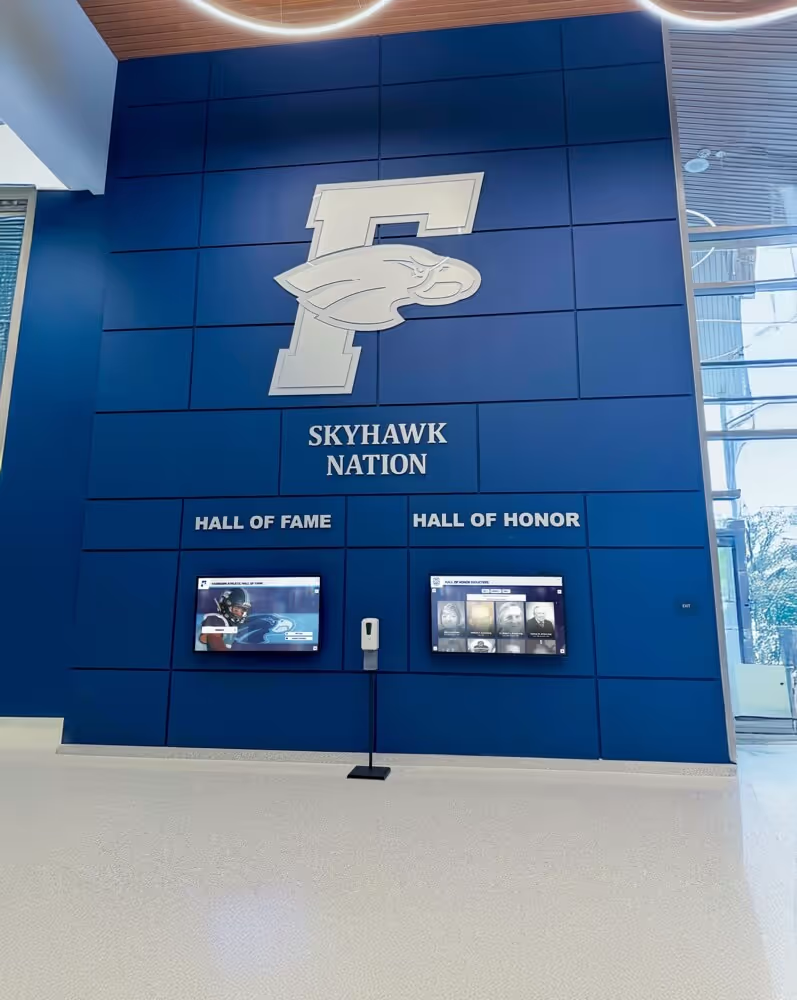
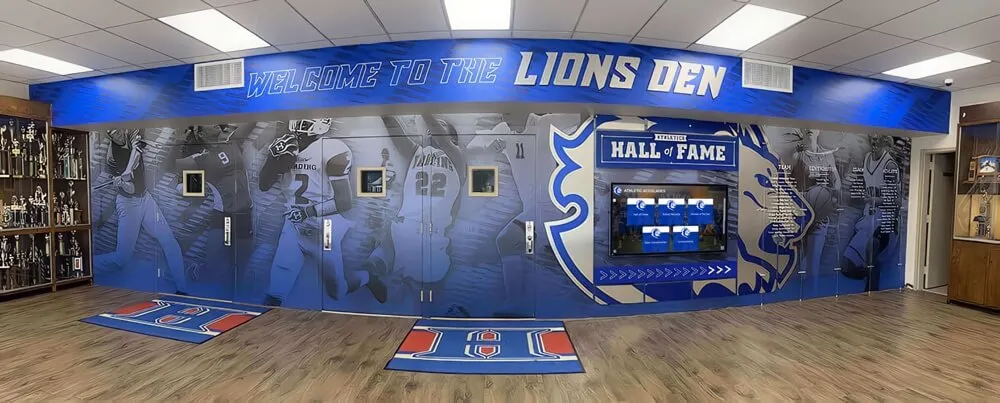
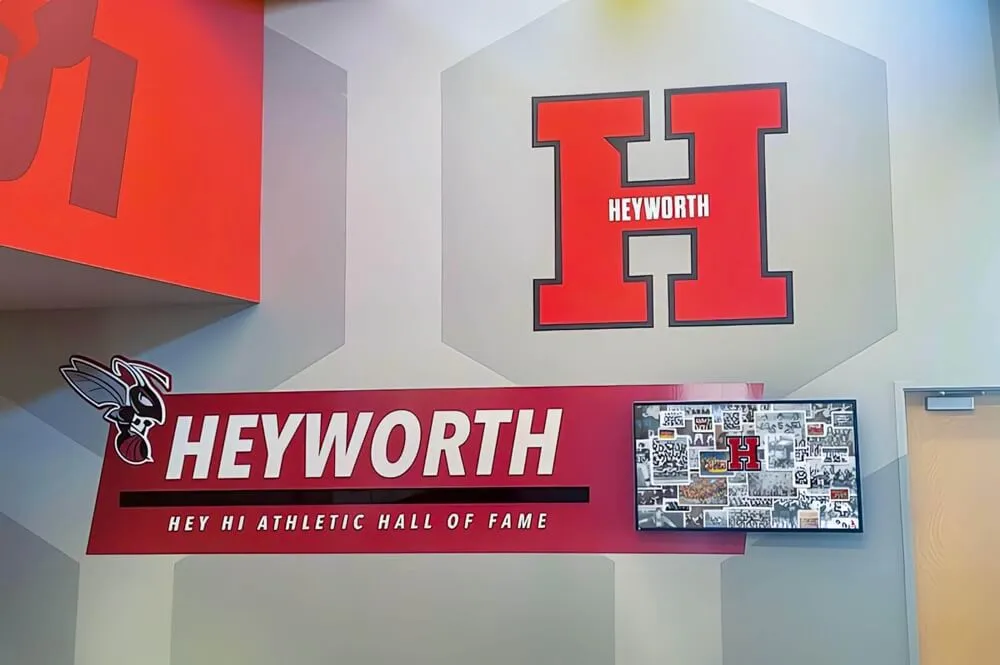
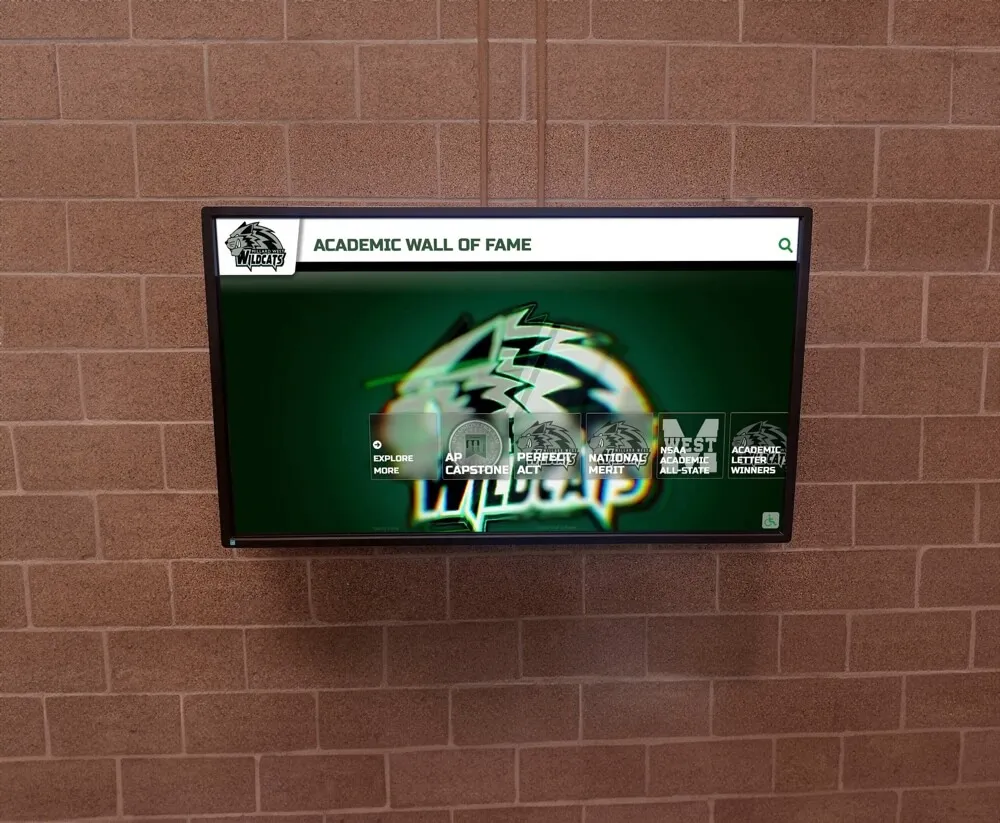
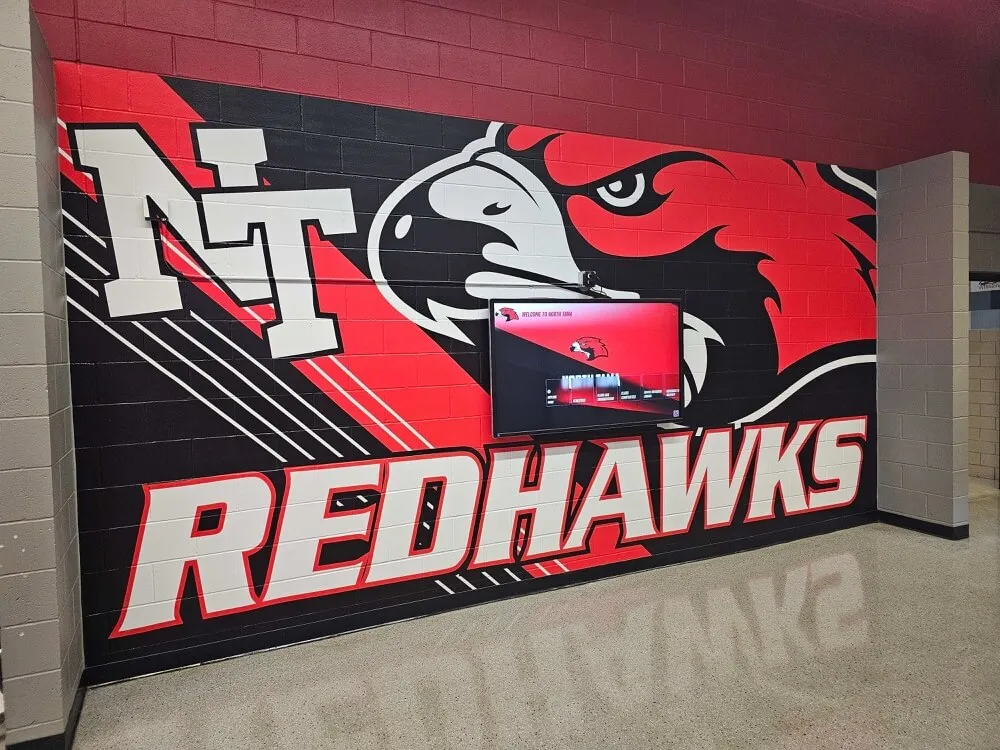
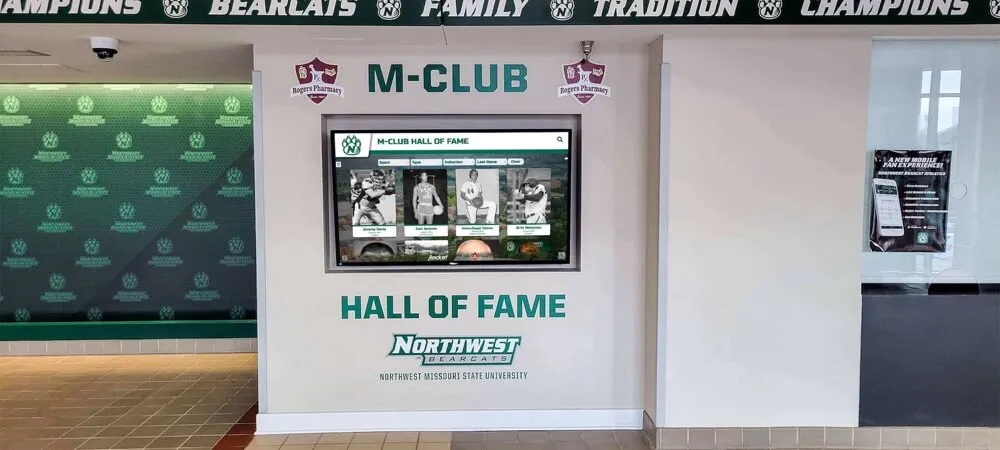
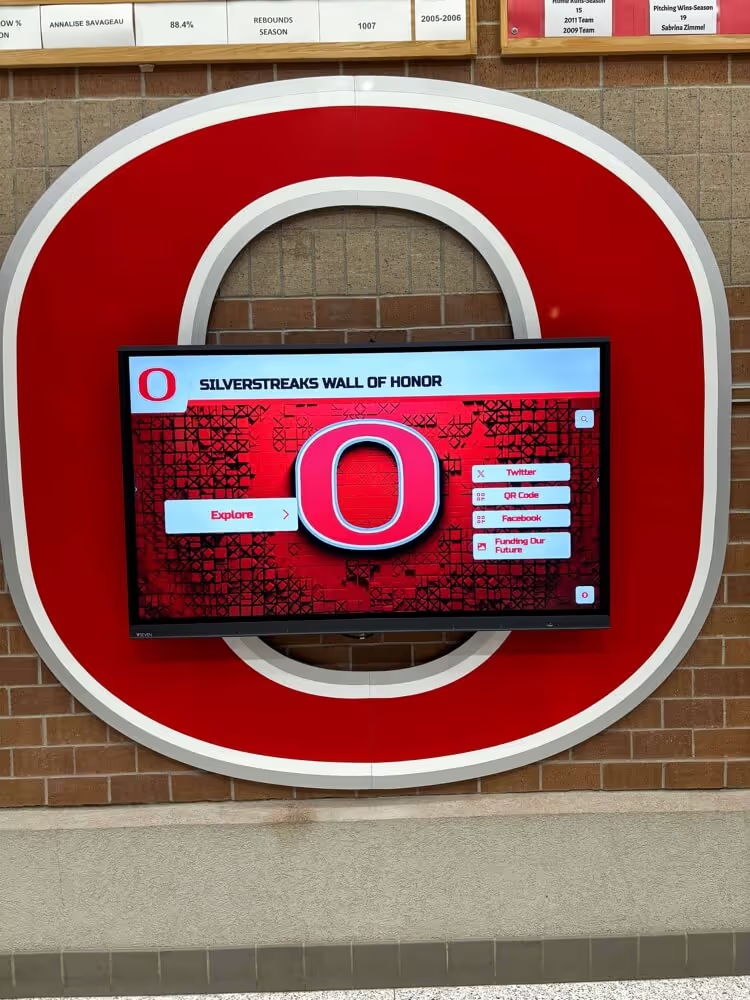
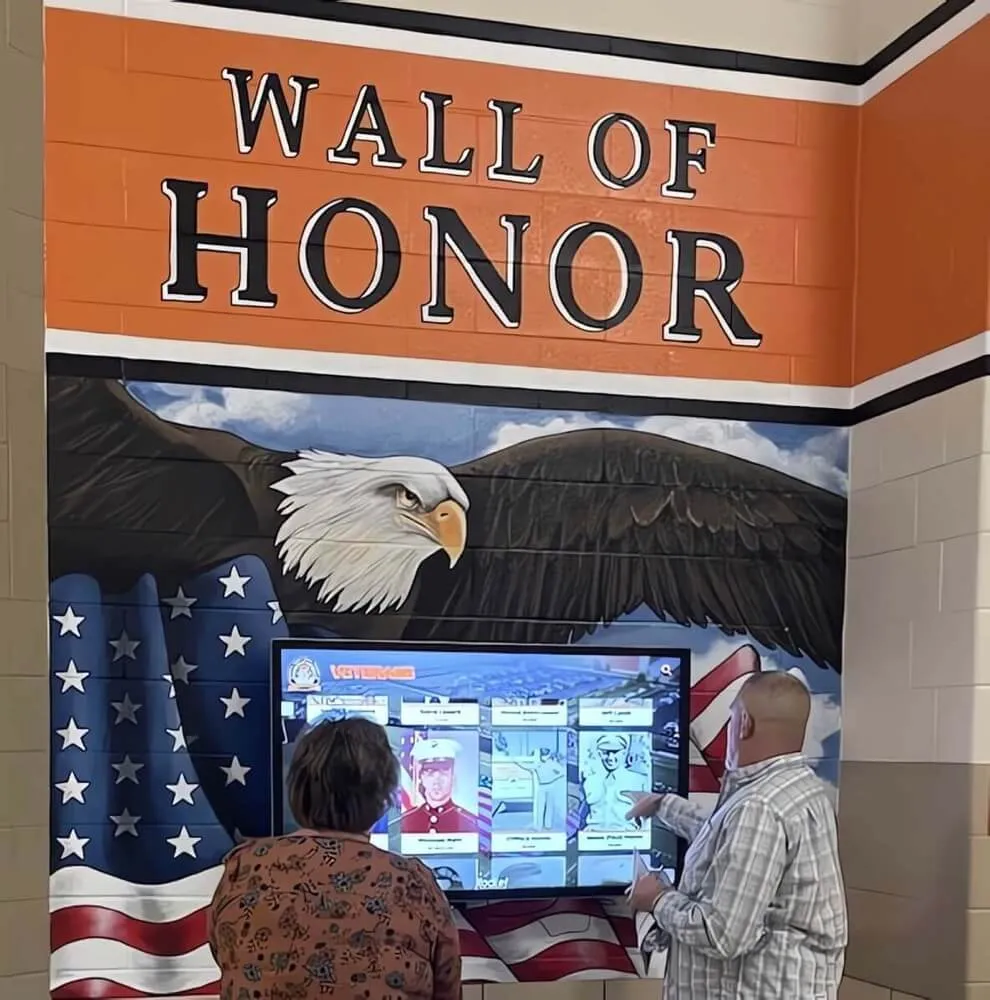
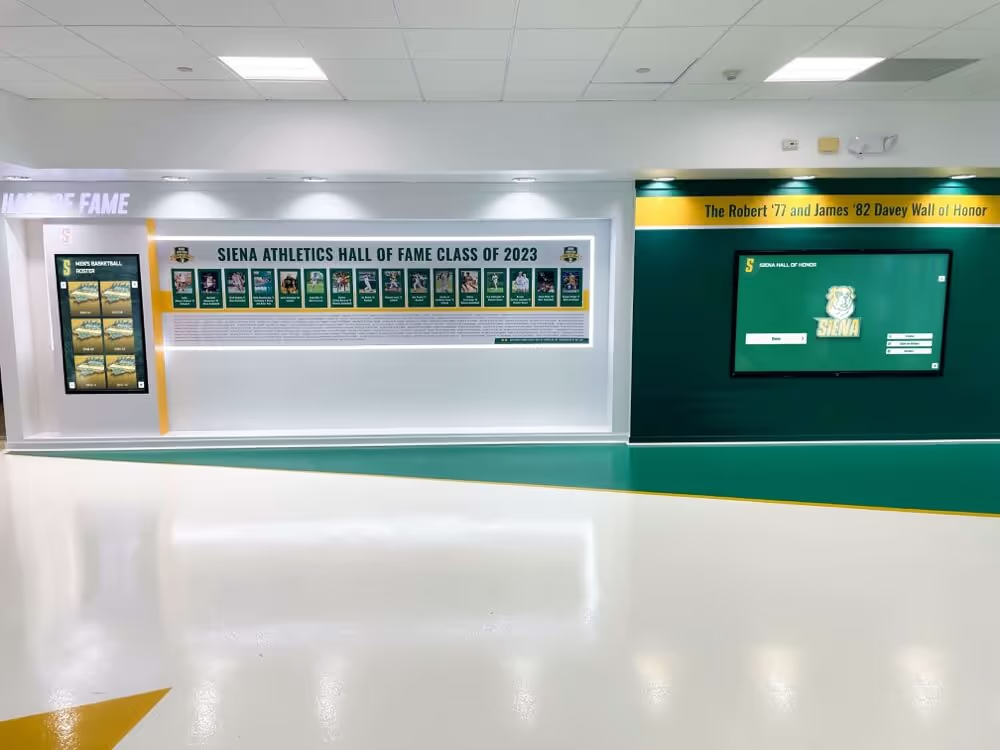
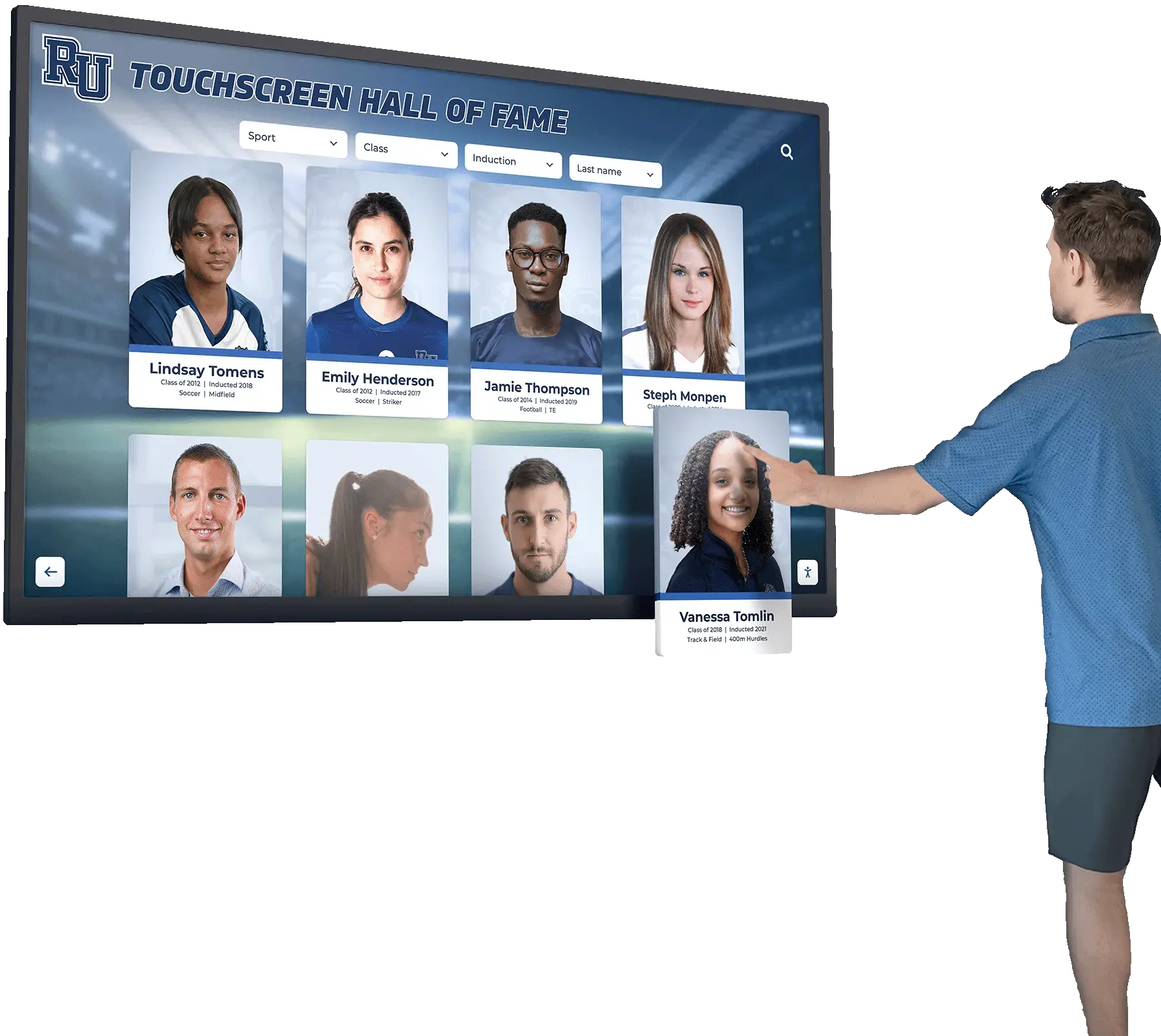
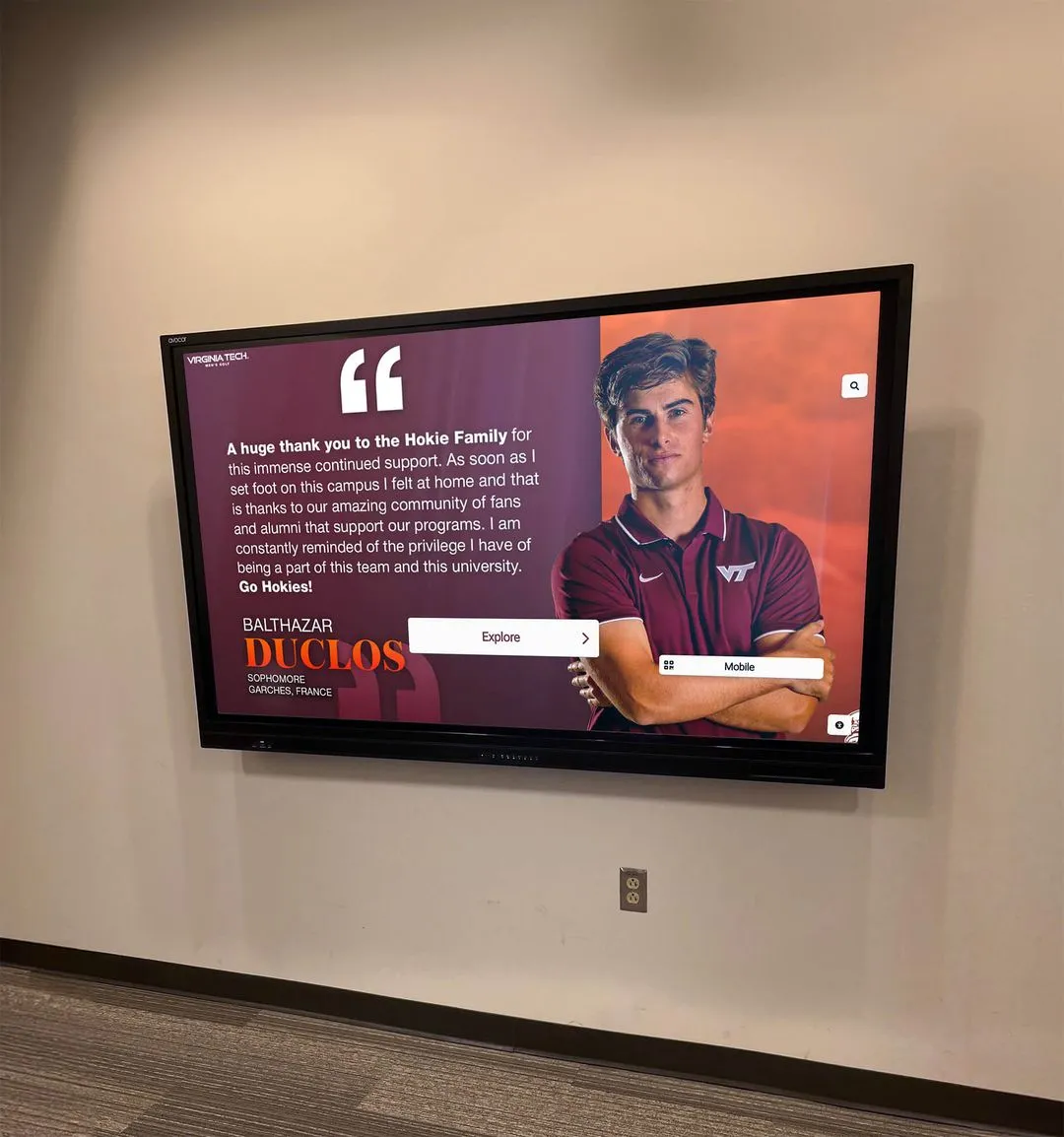
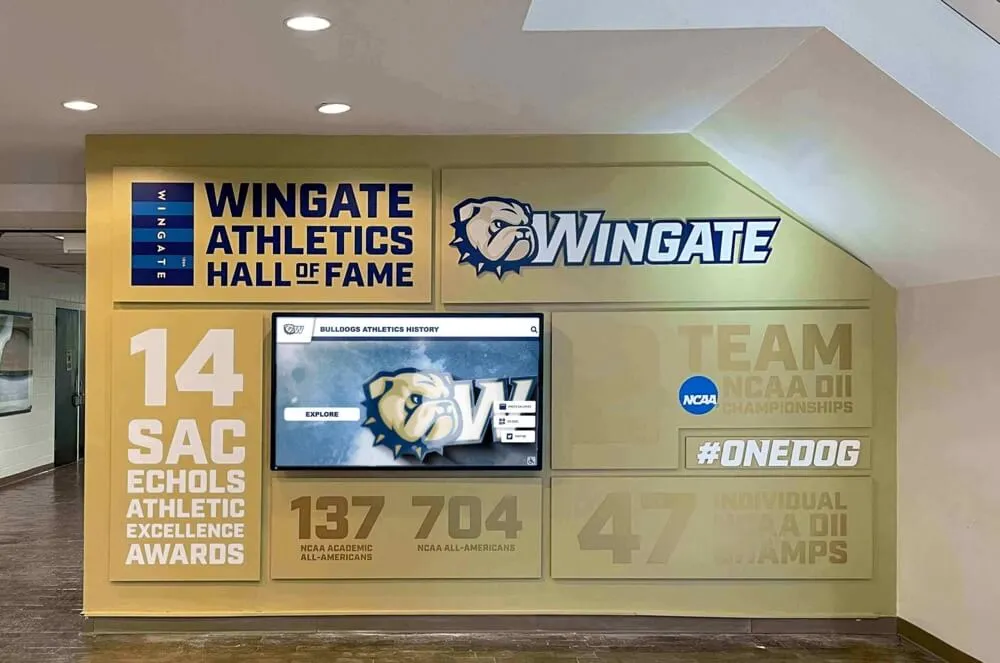
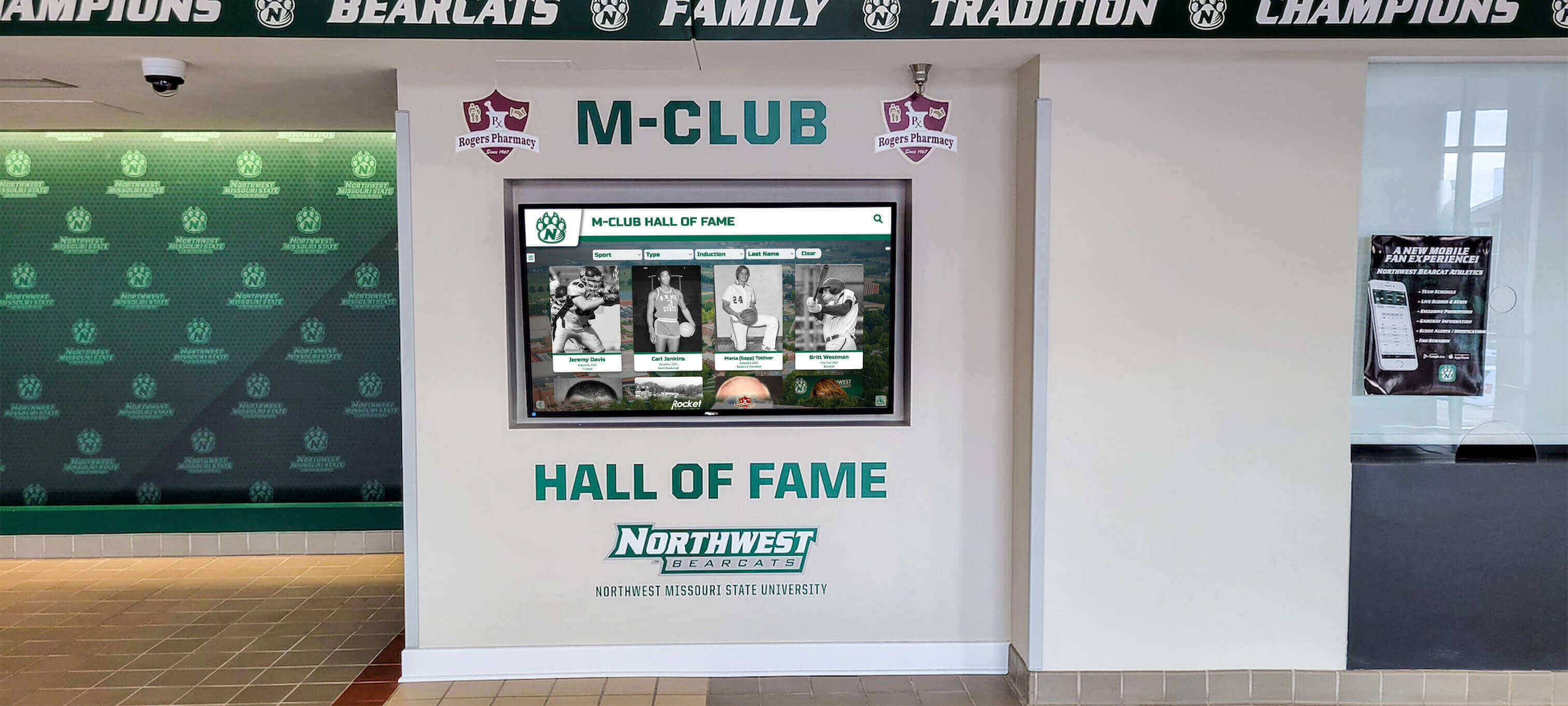
1. Interactive Digital Recognition Displays
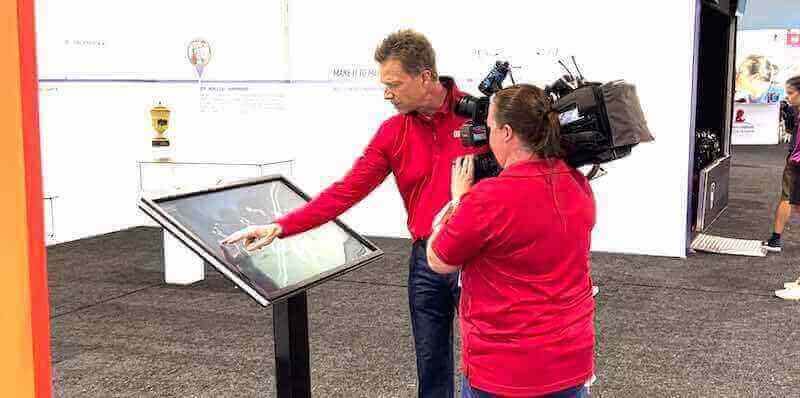
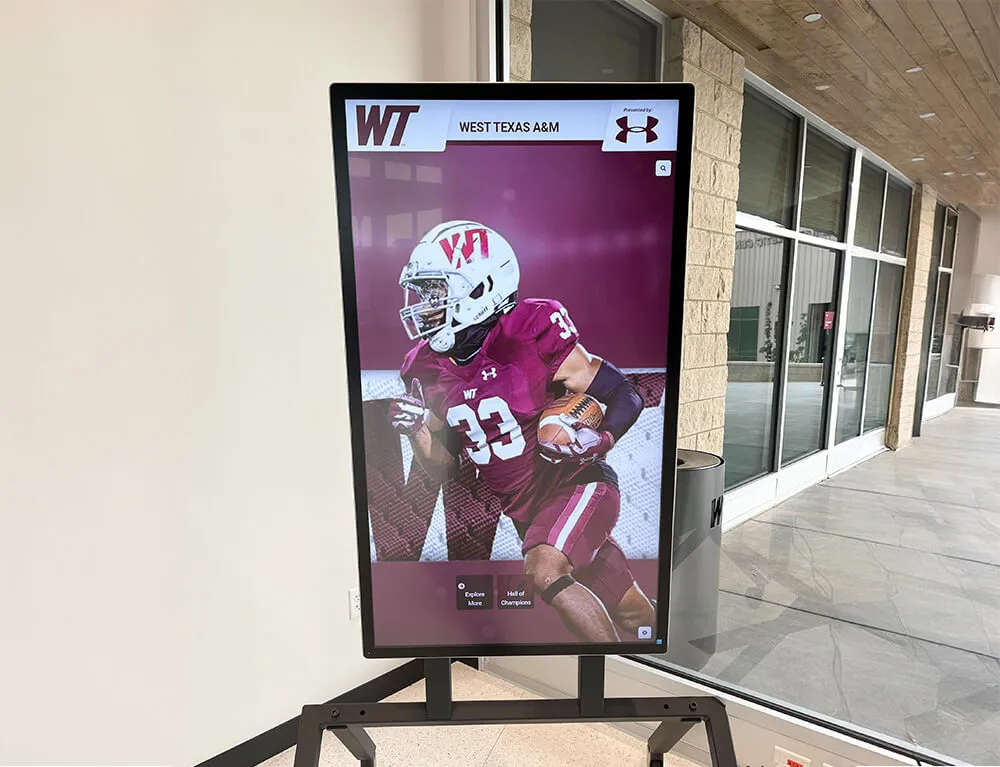
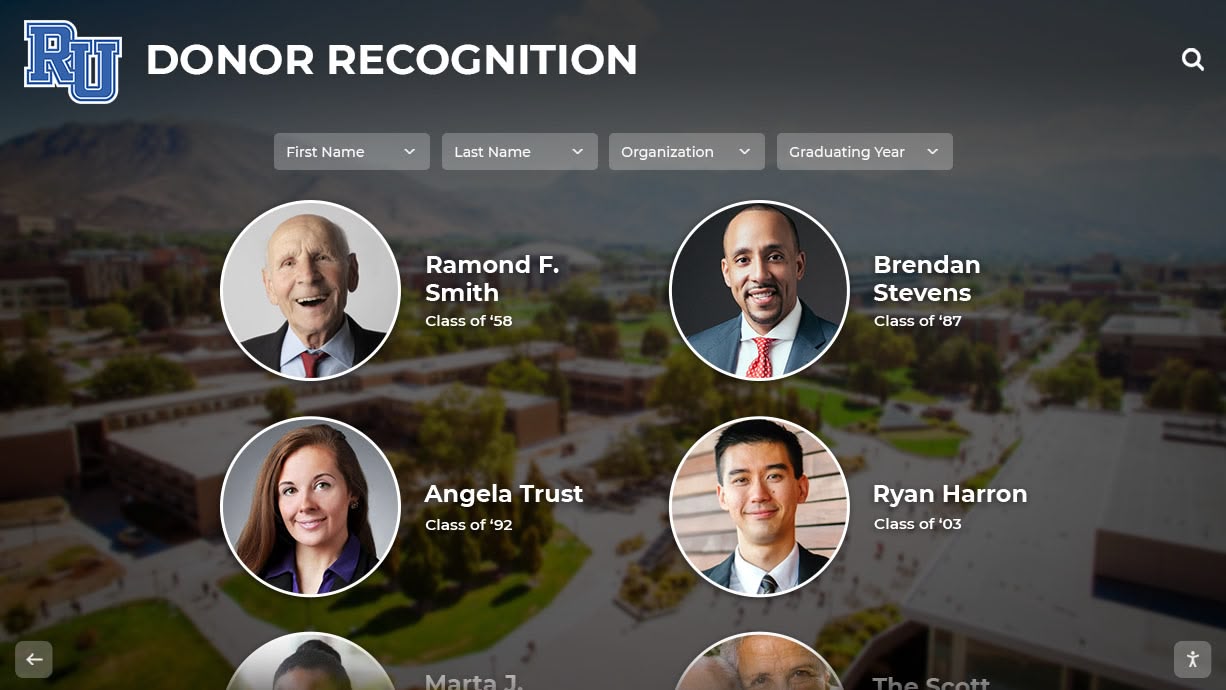
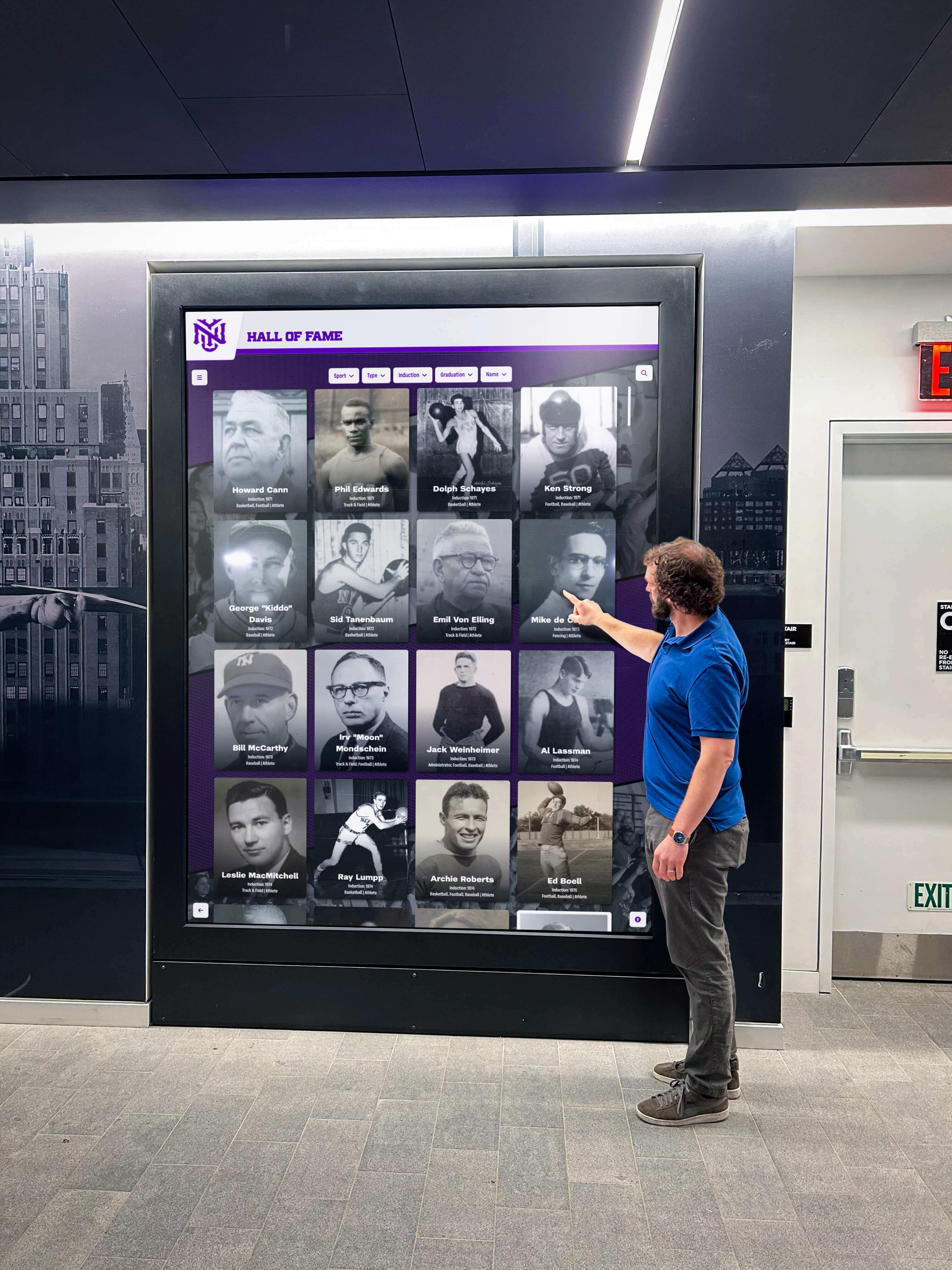

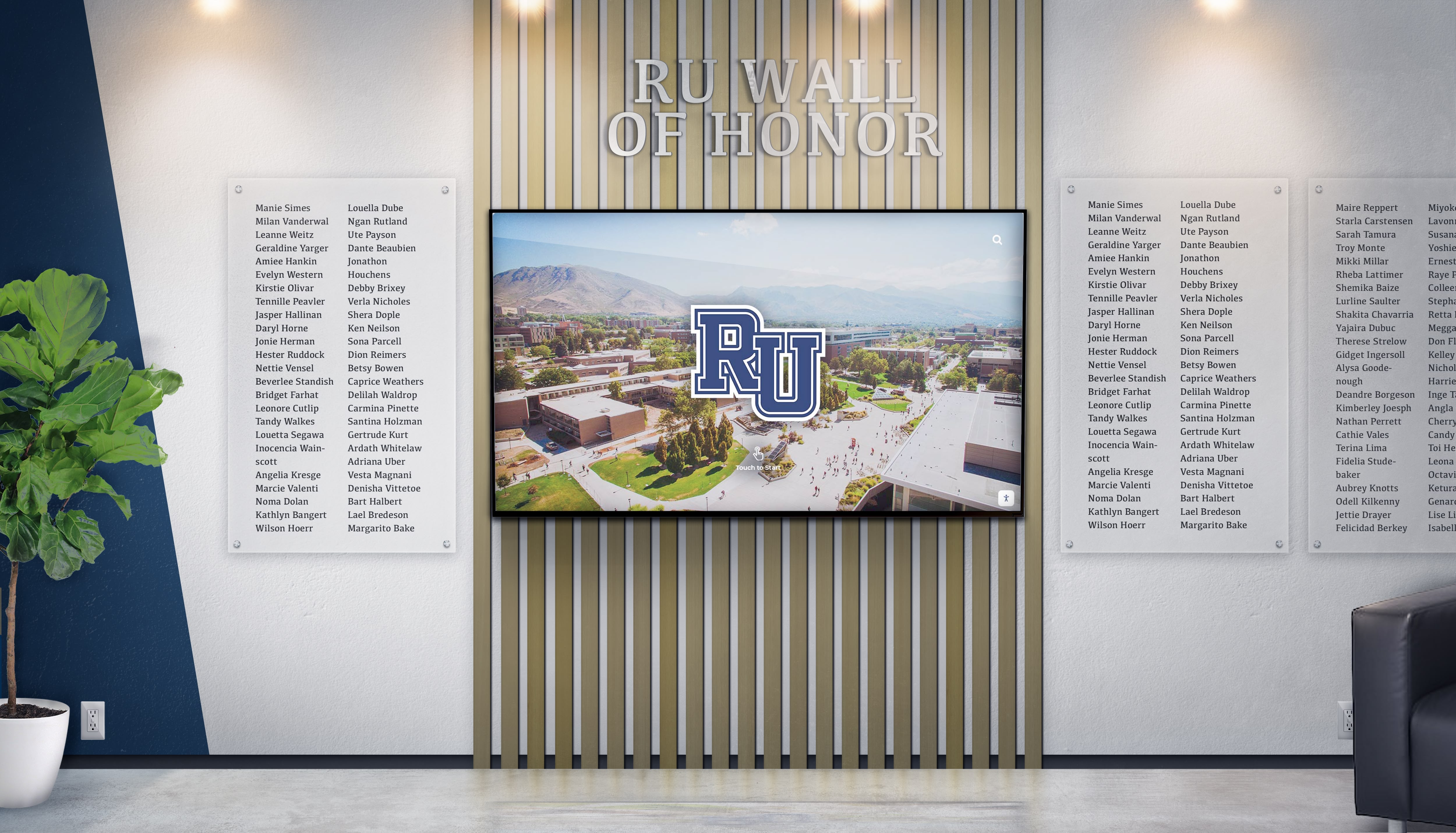
Traditional wall plaques face inherent limitations—finite space forcing selective recognition, static content becoming outdated, and inability to tell rich stories beyond brief text. Interactive touchscreen displays transform recognition into dynamic, engaging experiences.
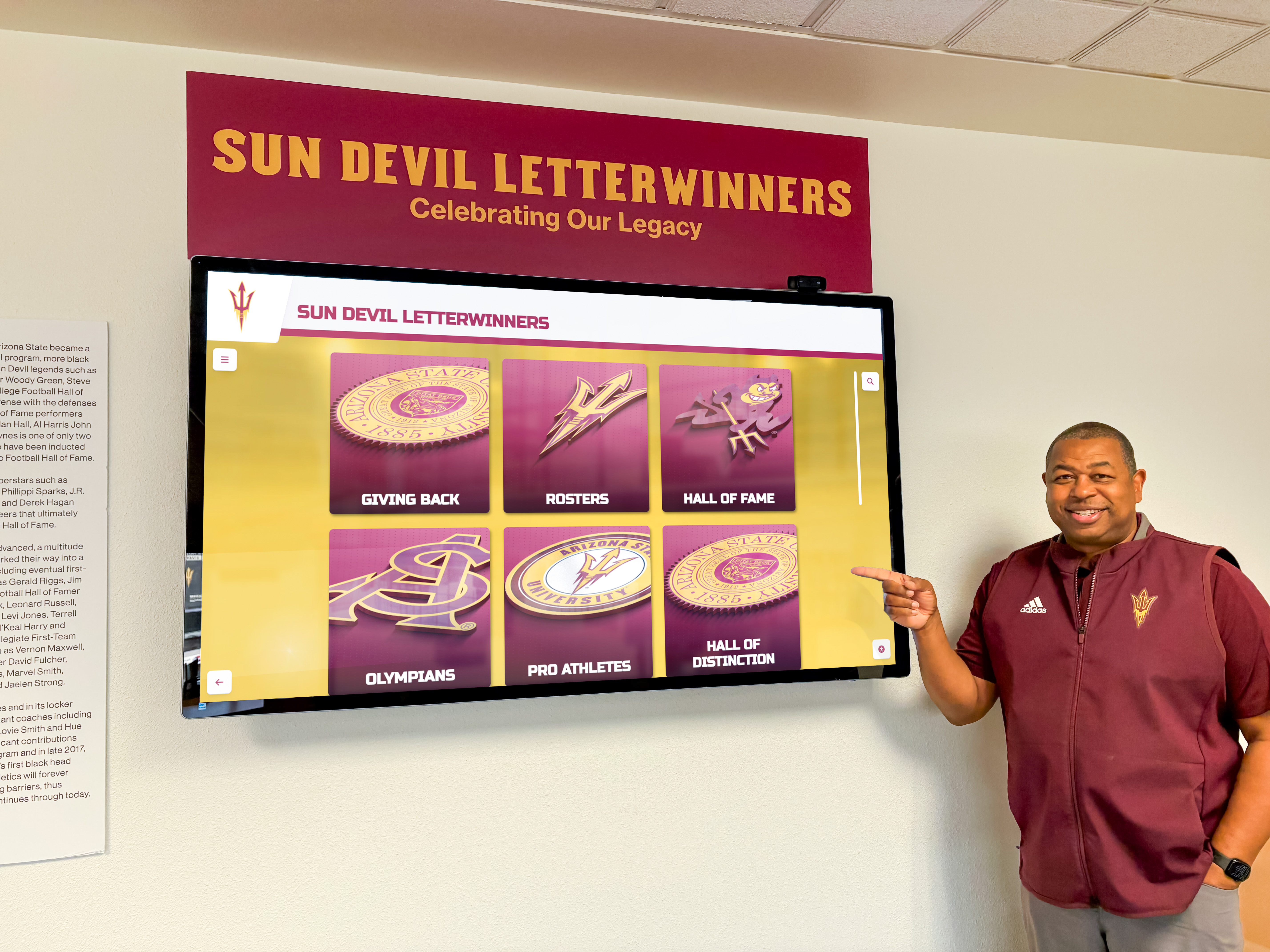
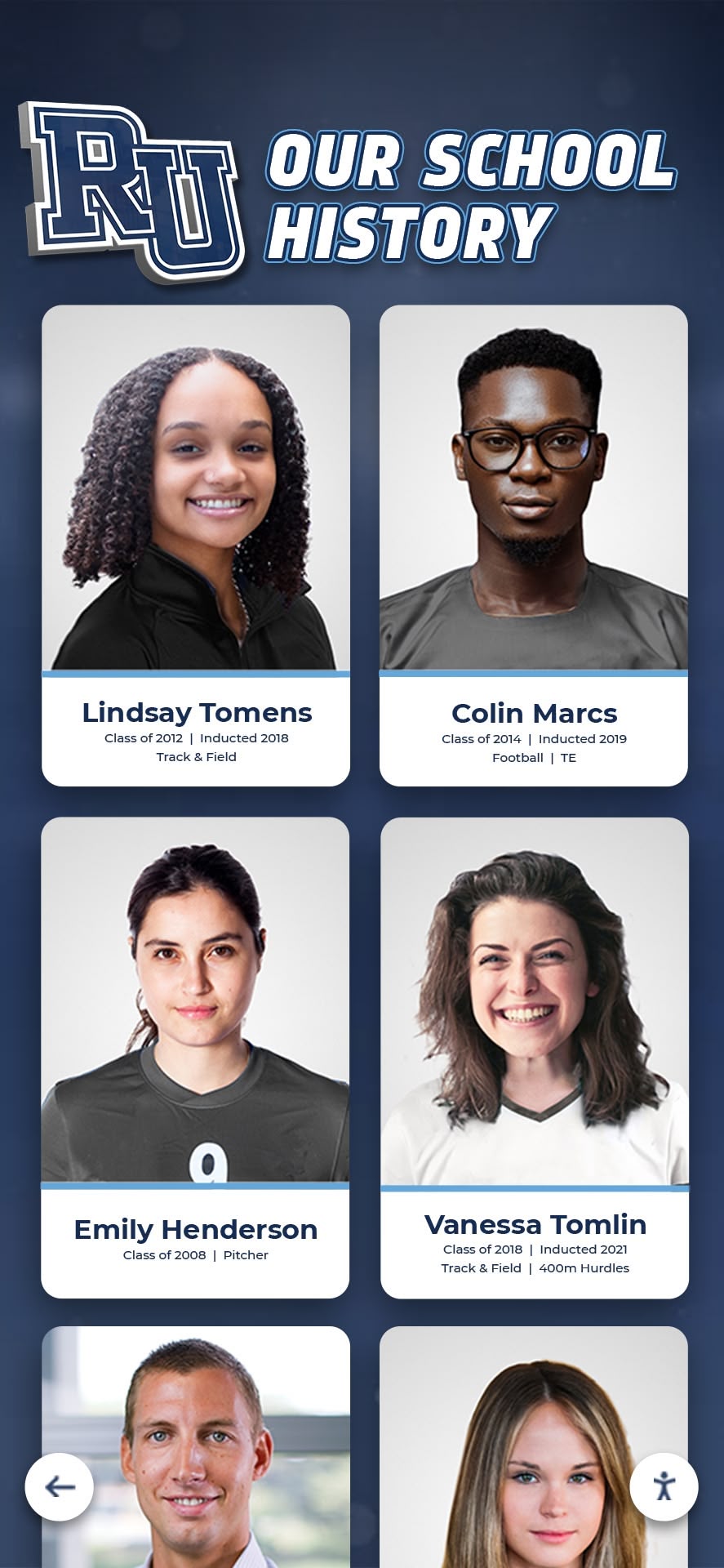
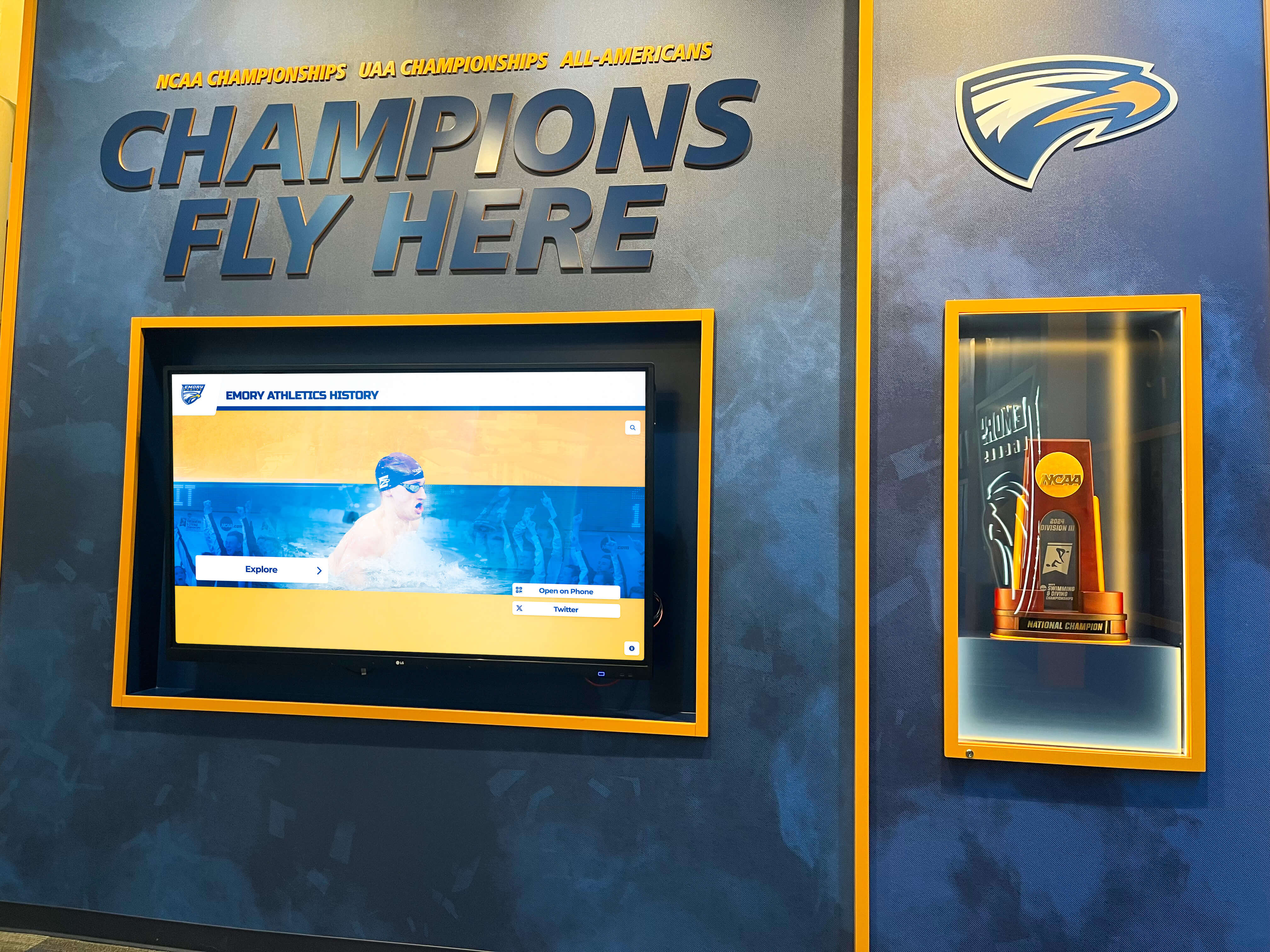
These sophisticated platforms enable unlimited alumni profiles with comprehensive biographical content, career timelines, and achievement documentation. Multimedia integration brings stories to life through video interviews, photo galleries, and archival content. Powerful search functionality allows visitors to discover classmates, explore achievement categories, or locate specific individuals instantly.
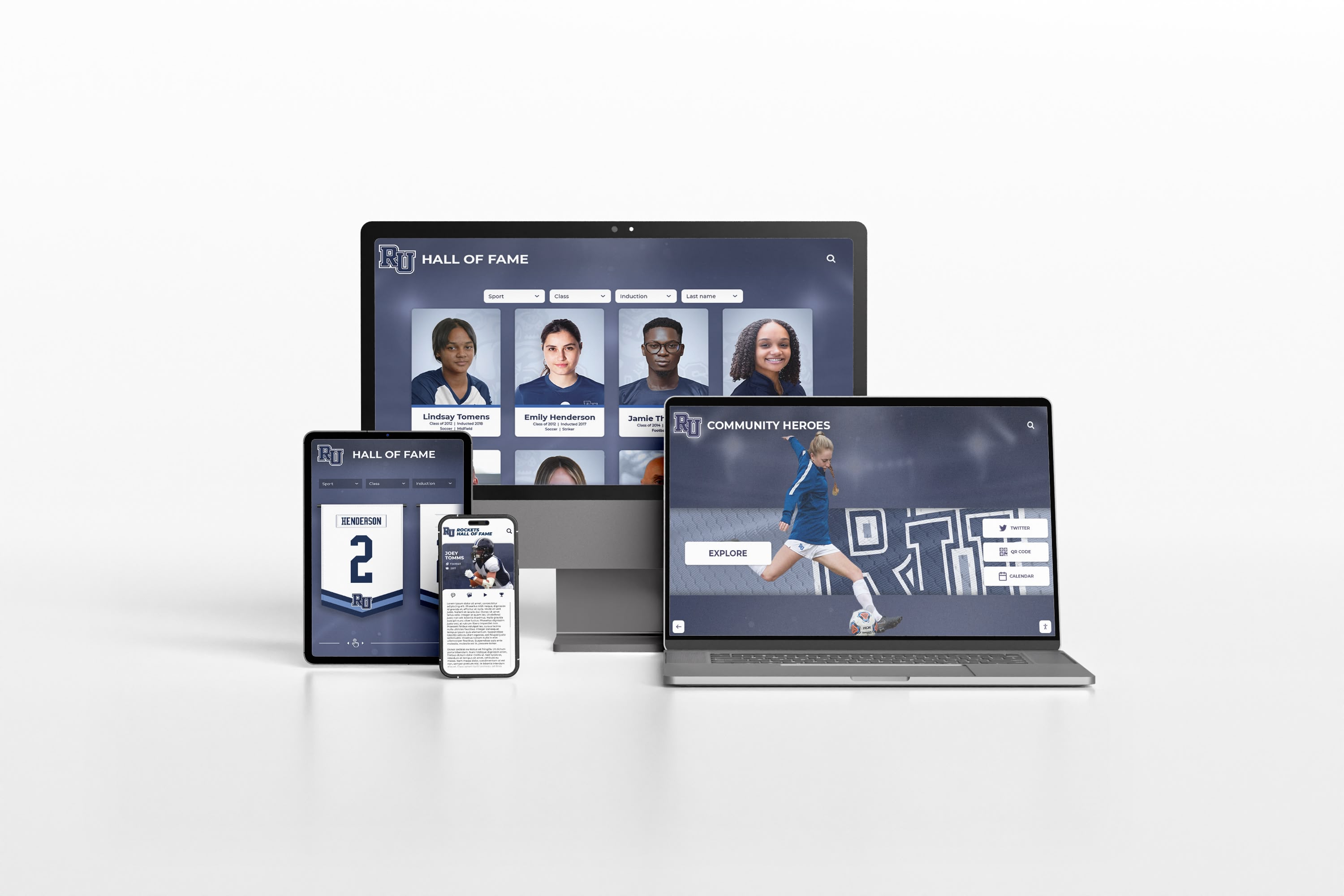
Modern displays like those from Rocket Alumni Solutions sync across physical installations and companion websites, extending recognition globally to alumni unable to visit campus while providing consistent branding and content across all touchpoints.
Implementation delivers measurable benefits: recognized alumni give at three times the rate of unrecognized peers, displays generate ongoing engagement through regular content updates, and recognition programs provide sustainable infrastructure rather than episodic campaigns requiring constant reinvention.
2. Alumni Spotlight Series
Monthly or quarterly spotlights featuring individual graduates across communications channels maintain consistent visibility for diverse alumni populations. Each spotlight includes professional interviews highlighting career journeys and key accomplishments, reflections on how institutional experiences shaped success, advice for current students and recent graduates, and personal stories humanizing professional achievements.
Distribute spotlights through email newsletters, social media posts with photo and video content, website feature articles, and print magazine profiles. Rotate spotlights across graduation eras, achievement types, and demographic groups ensuring all populations see themselves represented rather than featuring the same high-profile alumni repeatedly.
Spotlights serve multiple purposes simultaneously—honoring individual alumni, generating engaging content maintaining communication relevance, inspiring current students through accessible success stories, and providing recognition that strengthens featured alumni’s institutional bonds.
3. Class-Specific Recognition Halls
Create dedicated recognition spaces organized by graduation decade or era, celebrating the collective achievements of entire class cohorts rather than only selecting individual honorees. These spaces feature composite photos from graduation years, timeline displays showing historical context during those periods, achievement galleries highlighting notable graduates from each era, and video compilations featuring multiple alumni from those years.
This approach broadens recognition beyond exceptional individuals to celebrate entire communities, helping alumni see their personal stories as parts of larger institutional narratives. For schools with limited recognition, class-based structures provide frameworks ensuring systematic, equitable recognition across all graduation years rather than concentrating on recent or historically prominent classes.
4. Living Legend Awards
Annual awards celebrating alumni over 65 or 70 who’ve demonstrated extraordinary lifetime achievement honor elder statesmen while connecting younger generations to institutional heritage. These programs feature formal nomination and selection processes, gala induction ceremonies bringing honorees and their families to campus, permanent recognition through displays and publications, and documentary video projects preserving their stories for institutional archives.
Living Legend programs create urgency—honoring accomplished alumni while they’re alive to celebrate recognition rather than waiting for posthumous acknowledgment. They generate compelling content showcasing institutional impact across decades while building bridges between generational cohorts who might not naturally interact.
5. Young Alumni Achievement Awards
Balance traditional recognition favoring established careers with awards celebrating recent graduates under 35 or 40 demonstrating exceptional early achievement. Categories might include entrepreneurial ventures and startups, social impact and nonprofit leadership, rapid career advancement in competitive fields, creative and artistic accomplishment, or innovative research and scientific contribution.
These awards engage younger demographics who may feel traditional recognition focuses exclusively on older, more established alumni. They provide aspirational models for current students closer in age to recent graduates, and identify emerging alumni leaders early for volunteer recruitment and mentorship programs.
Recognition featuring alumni mentorship programs creates natural pathways connecting recognized young leaders with students benefiting from their recent, relevant experience navigating similar career decisions.
Event and Programming Ideas
Strategic events create memorable experiences that strengthen community bonds while generating sustained engagement momentum.
6. Regional Alumni Chapter Networks
Organize geographic chapters in cities with significant alumni populations, hosting quarterly networking events, professional development programs, community service projects, and social gatherings bringing local alumni together regularly without requiring campus travel.
Effective chapters identify passionate local volunteers serving as chapter presidents or coordinators, receive institutional support for communications and event logistics, maintain consistent programming calendars generating anticipation, and connect periodically with campus through virtual sessions with institutional leaders or facility tours during campus visits.
Regional chapters work particularly well for institutions with nationally dispersed alumni unable to return frequently to campus. They create manageable local communities within larger populations while multiplying institutional reach through decentralized programming.
7. Affinity Group Programming
Organize alumni around shared interests or characteristics beyond geographic proximity—professional fields and industries, academic majors or schools within universities, athletic teams or extracurricular activities, cultural identity or demographic communities, or special interest groups around hobbies, causes, or activities.
Affinity programming generates deeper engagement than generic all-alumni events because content addresses specific interests and creates meaningful connections among people with natural common ground. Alumni event ideas should reflect diverse alumni interests rather than assuming all graduates want identical programming.
Examples include engineering alumni technology symposiums, theater program alumni performance reunions, BIPOC alumni gatherings, LGBTQ+ alumni networks, alumni parent groups, or environmental sustainability alumni initiatives.
8. Homecoming Celebration Enhancements
Transform homecoming from primarily athletic events into comprehensive multi-day festivals with broad appeal across alumni demographics. Expand traditional elements with campus facility tours showcasing new buildings and renovations, academic speaker series featuring distinguished faculty or alumni, family-friendly activities welcoming spouses and children, career networking receptions organized by industry, volunteer service projects giving back to local communities, and reunions for specific cohorts or groups beyond traditional milestone years.
Integration with recognition programs enhances homecoming impact—feature hall of fame induction ceremonies, unveil new recognition displays, or create homecoming recognition for distinguished service making events meaningful beyond social gathering.
9. Virtual Global Gatherings
Digital events expand participation dramatically by eliminating geography and travel as barriers while accommodating busy schedules through recorded content available for later viewing.
Effective virtual programming includes webinar series featuring alumni experts discussing industry trends, panel discussions on relevant professional or social topics with multiple alumni perspectives, virtual campus tours with behind-the-scenes access to new facilities or programs, online networking sessions with breakout rooms enabling meaningful conversation, and livestreamed athletic events with digital watch parties connecting global fan communities.
Hybrid approaches combining in-person and virtual attendance maximize participation while meeting diverse preferences and circumstances. For institutions implementing athletic hall of fame programs, virtual induction ceremonies enable distant alumni to participate in celebrations they otherwise would miss entirely.
10. Reunion Innovation
Traditional five-year reunion cycles create natural gathering opportunities, but innovative approaches enhance standard formulas. Consider milestone reunion competitions where classes compete for highest participation, attendance, or fundraising with visible recognition for winning classes; multi-class reunion weekends bringing several cohorts together simultaneously reducing coordination burden while increasing critical mass; decade reunions grouping graduation years (all 1990s graduates, 2000s, etc.) for alumni who’ve lost touch with specific classmates but connect through shared era experiences; or reunion-in-a-box programs providing materials and support for alumni organizing independent local gatherings when campus travel isn’t feasible.
Digital components like class reunion planning resources help volunteer organizers coordinate logistics while ensuring consistent institutional branding and messaging across all reunion communications and events.
Communication and Content Ideas
Strategic communications maintain engagement between events while delivering value that justifies sustained alumni attention.
11. Alumni Podcast Series
Audio content fits seamlessly into busy lives during commutes, exercise, or household tasks. Alumni podcast series feature long-form interviews with distinguished graduates, faculty discussing research in accessible terms, students sharing contemporary campus experiences, or themed episodes exploring institutional history, current challenges, or future directions.
Podcasts require modest production investment—basic equipment costs $500-1,500 with free hosting platforms—while generating content distributed across months from single recording sessions. They create intimate connections through alumni voices sharing authentic stories rather than institutional marketing messaging.
12. Video Documentary Projects
Professional documentary-style videos create compelling emotional content for websites, social media, events, and fundraising. Projects might profile individual distinguished alumni, explore institutional history through archival footage and alumni interviews, showcase program or department impact through graduate outcomes, or document community service and social impact initiatives.
While professional production provides polish, even smartphone-recorded interviews edited modestly generate engagement far exceeding text-only content. The emotional connection created through seeing and hearing alumni describe their journeys cannot be replicated through written profiles alone.
13. Social Media Takeovers
Invite alumni to “take over” institutional social media accounts for days or weeks, sharing their daily professional lives, posting behind-the-scenes content from their work, answering follower questions, and providing authentic voices beyond official institutional communications.
Takeovers generate fresh, engaging content requiring minimal staff effort while introducing followers to diverse alumni and career paths. They humanize institutions through real graduate experiences rather than curated marketing messaging, and create shareable content as featured alumni promote their takeovers to personal networks.
14. Interactive Digital Archives
Digitize historical content—yearbooks, athletic programs, student newspapers, event photos—creating searchable online archives where alumni explore institutional history, find themselves in old photos, and discover forgotten memories.
These archives generate sustained engagement as alumni periodically return searching for specific memories or browsing nostalgically. They provide valuable research resources while preserving institutional history at risk of deterioration in physical storage. Digitizing yearbook projects create lasting archives serving multiple purposes simultaneously.
Career and Networking Ideas
Practical career support creates compelling value propositions attracting engagement from professionally focused alumni while supporting student success.
15. Searchable Alumni Career Directories
Professional networking directories organized by industry, employer, geographic location, and graduation year enable alumni to find peers for career advice, job opportunities, professional partnerships, or mentorship relationships.
Effective directories include opt-in participation respecting privacy preferences, comprehensive profile fields capturing relevant professional information, advanced search and filtering functionality, LinkedIn integration streamlining profile creation and updates, and messaging systems enabling direct connection while protecting email privacy.
Directories serve triple purposes—connecting alumni professionally, providing career resources for current students and recent graduates, and generating data about alumni career paths informing academic programming and recruitment messaging.
16. Industry-Specific Networking Receptions
Host events bringing together alumni working in specific fields—technology, healthcare, finance, education, law, nonprofit sector, creative industries—for professional networking, knowledge sharing, and community building.
Industry events attract career-focused alumni who might ignore generic social gatherings because content directly supports professional objectives. They create networking value unavailable elsewhere while positioning institutions as career resources rather than only seeking financial support.
Virtual formats expand participation beyond single cities while recorded sessions provide ongoing value. Partner with prominent alumni in each industry to host or moderate, leveraging their networks and credibility attracting peers.
17. Virtual Mentorship Platforms
Formal mentorship programs connect experienced alumni with current students or recent graduates seeking career guidance. Technology platforms enable efficient matching based on interests and goals, structured program frameworks with clear expectations and suggested meeting frequencies, progress tracking and program evaluation, and recognition for participating mentors validating their contributions.
Successful programs offer flexible commitment options from year-long formal mentorship through brief “flash mentoring” consultations on specific questions, accommodate virtual participation eliminating geographic barriers, provide mentor training and ongoing support, and regularly refresh programming preventing stagnation.
Volunteer Engagement Ideas
Structured volunteer opportunities engage alumni wanting to contribute time and expertise while advancing institutional priorities.
18. Alumni Advisory Boards
Establish formal advisory committees for academic programs, athletic departments, career services, student life, or institutional strategic initiatives. Alumni board members provide external perspectives on program quality and industry relevance, offer professional connections for internships and placements, participate in strategic planning and priority setting, and advocate for programs within their professional and personal networks.
Advisory service creates meaningful institutional involvement for accomplished alumni whose expertise and networks provide genuine value while deepening their investment in institutional success through real influence on important decisions.
19. Phonathon and Giving Day Ambassadors
Peer-to-peer fundraising consistently outperforms staff-driven solicitation. Recruit alumni volunteers to participate in phonathons calling classmates about annual giving, serve as giving day ambassadors promoting campaigns through social media, coordinate class-specific fundraising competitions, assist with major gift cultivation through relationship building, or join campaign cabinets providing strategic guidance for capital initiatives.
Fundraising volunteering deepens engagement through meaningful institutional contribution while proving more effective at generating gifts than institutional staff outreach for many alumni populations who respond better to peer asks than organizational requests.
20. Admissions and Recruitment Volunteers
Alumni multiply recruitment reach while providing authentic student perspectives resonating with prospective families. Volunteer opportunities include conducting applicant interviews in local communities, attending college fairs representing institutions, hosting accepted student events in homes or offices, speaking on career panels during campus visits, and creating video testimonials or social media content sharing experiences and outcomes.
Recruitment volunteering directly impacts enrollment while engaging alumni through accessible service requiring manageable time commitments. It positions alumni as institutional ambassadors while their involvement validates that educational experiences were valuable enough to actively promote years or decades later.
For institutions developing comprehensive recognition systems, donor recognition displays celebrate volunteer contributors alongside financial donors, validating that all forms of support receive appropriate appreciation.
Technology and Digital Engagement Ideas
Modern alumni expect digital experiences matching consumer technology sophistication—seamless mobile functionality, instant access, and intuitive interfaces.
21. Comprehensive Alumni Mobile Apps
Dedicated mobile applications consolidate various engagement functions into unified platforms providing searchable alumni directories enabling professional networking, event calendars with registration and ticketing, giving and donation processing, news and content feeds, volunteer opportunity browsing, career resources and job boards, and push notifications about relevant updates or opportunities.
Mobile-first design prioritizes smartphone experiences where most alumni consume digital content. Offline functionality enables limited access without constant connectivity, and integration with existing systems prevents duplicate data entry while maintaining consistency across platforms.
22. Gamification and Engagement Rewards
Implement point systems rewarding various engagement activities—attending events, making gifts, volunteering, referring prospective students, updating profile information, or engaging with content. Accumulated points unlock benefits like exclusive access to leaders, special event invitations, facility privileges, or merchandise.
Gamification works particularly well for young alumni who grew up with achievement systems in games and apps. Visible leaderboards create friendly competition while recognition for high engagement validates participation beyond financial giving alone.
Implementing Ideas Effectively
Understanding which ideas to implement and how to execute them successfully requires strategic planning.
Selecting Ideas Based on Resources
Budget-constrained institutions should prioritize high-impact, low-cost approaches like social media engagement requiring primarily time rather than money, virtual programming eliminating venue and catering expenses, volunteer-organized regional events, and recognition programs using digital platforms rather than expensive physical installations.
Resource-rich institutions can invest in comprehensive technology platforms, professional video production, multiple staff members dedicated to specific programs, and elaborate signature events attracting broad participation.
Starting Small and Building Momentum
Institutions beginning engagement programs should select 2-3 ideas matching alumni interests and institutional capacity, establish baseline metrics before implementation enabling impact measurement, achieve early wins demonstrating value to stakeholders, document success through participation data and qualitative testimonials, and gradually expand programming as resources and confidence grow.
Small successes build momentum while proving concepts before major investments. Many exceptional programs started modestly then expanded organically as demonstrated results generated institutional support and resources.
Measuring What Matters
Track metrics revealing program effectiveness including participation rates for events and programs over time, communication engagement through open rates and click-throughs, giving metrics including donor participation and average gift sizes, volunteer recruitment and retention, platform utilization statistics, and qualitative feedback through surveys and testimonials.
Connect engagement activities to broader outcomes—do recognized alumni give at higher rates? Do mentorship participants show greater long-term engagement? Does regional chapter participation predict volunteering? Understanding these connections helps justify continued investment while informing strategic resource allocation.
Conclusion: Creating Comprehensive Alumni Engagement Ecosystems
The most successful institutions don’t implement single engagement strategies but rather create comprehensive ecosystems where multiple elements reinforce each other synergistically. Recognition programs generate content for communications while identifying volunteer leaders. Events drive digital engagement through promotion and follow-up. Career services attract professionally focused alumni who may become donors as capacity grows.
Effective alumni engagement requires fundamental mindset shifts—from transactional fundraising to authentic relationship building, from treating all alumni identically to segmented personalization, from episodic campaigns to sustained programming, from one-way broadcasting to two-way dialogue, and from only seeking support to creating mutual value.
Keys to Successful Alumni Engagement
- Implement diverse ideas addressing different interests and life stages
- Provide genuine value beyond fundraising appeals
- Celebrate achievements visibly through modern recognition
- Create convenient engagement pathways respecting busy schedules
- Leverage technology enabling digital-first experiences
- Measure systematically and optimize based on data
- Build volunteer infrastructure multiplying institutional reach
- Think long-term allowing engagement to compound over decades
Common Engagement Pitfalls to Avoid
- Relying on single approaches rather than diverse strategies
- Contacting alumni only when requesting donations
- Using outdated channels mismatched to consumption habits
- Failing to recognize contributions beyond financial giving
- Treating all graduates identically regardless of preferences
- Making engagement inconvenient or time-consuming
- Ignoring measurement and continuing ineffective programs
- Expecting immediate results from inherently long-term investments
Whether your institution implements recognition technology, hosts innovative events, creates compelling content, provides career resources, or structures volunteer programs, every genuine effort to connect with graduates delivers value. Strong alumni communities don’t emerge accidentally—they result from deliberate investment in relationships, consistent attention to constituent needs, and willingness to experiment with diverse approaches until finding combinations resonating with particular populations.
Ready to transform your alumni engagement through innovative recognition and connection platforms? Explore how solutions like Rocket Alumni Solutions help educational institutions strengthen alumni bonds through interactive displays, comprehensive digital recognition systems, and engagement platforms designed specifically for schools, universities, and alumni associations. Strong alumni communities begin with celebrating accomplishments and creating meaningful connections that last lifetimes.