



Few institutional assets offer more long-term value than a well-maintained alumni directory. Schools that successfully connect graduates across generations unlock powerful networks that provide mentorship opportunities, career advancement pathways, fundraising support, and institutional advocacy. Yet building and maintaining an effective alumni directory requires more than collecting email addresses—it demands strategic planning, ongoing engagement, privacy sensitivity, and technology infrastructure that evolves with changing communication preferences.
This comprehensive guide explores proven alumni directory best practices that help schools, universities, and educational organizations build graduate networks delivering lasting value. From initial data collection and privacy compliance to engagement strategies and modern technology platforms, these approaches enable institutions to create directories that graduates actually use rather than databases that quickly become outdated and forgotten.
Why Alumni Directories Matter More Than Ever
Before exploring implementation best practices, understanding the evolving strategic importance of alumni networks provides essential context for prioritizing directory investments.
The Changing Nature of Alumni Engagement
Modern alumni expect fundamentally different engagement experiences than previous generations:
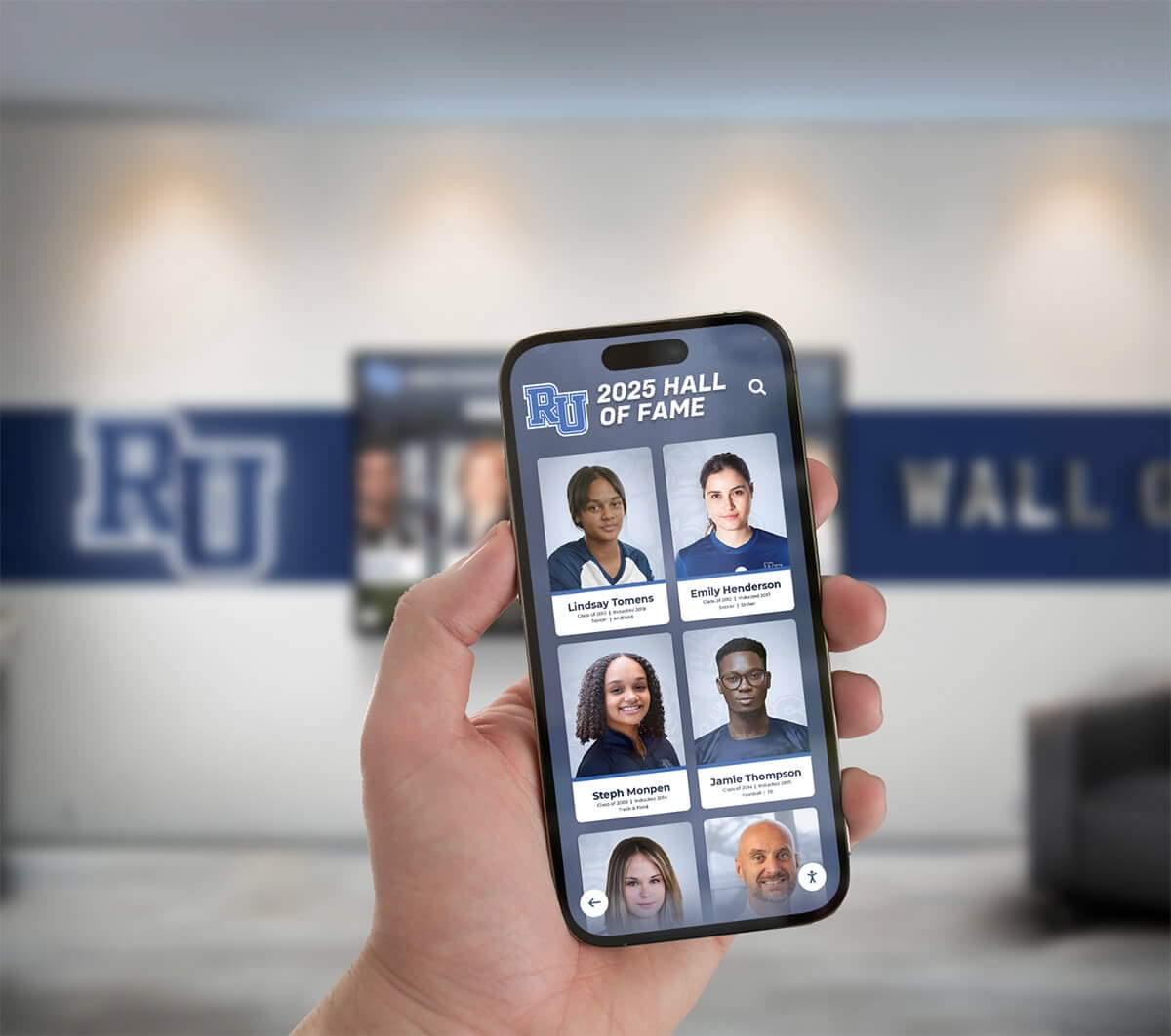
Digital-First Communication Preferences Today’s graduates grew up with social media, professional networking platforms, and instant digital communication. They expect alumni directories offering similar functionality—searchable databases, professional profile management, direct messaging capabilities, and mobile accessibility. Static printed directories or basic email lists feel antiquated compared to the digital experiences they encounter daily.
Professional Networking as Primary Value While previous generations valued alumni connections primarily for social nostalgia, contemporary graduates view alumni networks strategically for career advancement. They seek mentorship relationships, industry connections, job opportunities, and professional development resources. Alumni directories delivering tangible career benefits generate significantly higher engagement than those offering only social connection.
Privacy and Data Control Expectations Recent graduates demonstrate heightened awareness about personal data privacy and control. They expect transparency about how information is used, granular privacy controls determining what’s visible to whom, opt-in rather than opt-out data sharing models, and compliance with privacy regulations like GDPR and CCPA.
Cross-Generational Connection Opportunities Effective directories connect not just classmates but graduates across decades—enabling established professionals to mentor recent graduates, creating career pathway visibility for current students, and fostering intergenerational relationships that benefit all participants.
Schools implementing comprehensive digital recognition and networking platforms find that interactive systems create natural engagement opportunities extending far beyond traditional printed directories.
Measurable Benefits of Effective Alumni Directories
Well-executed alumni directories deliver quantifiable institutional value:
Enhanced Fundraising Outcomes Research consistently demonstrates that engaged alumni donate at significantly higher rates than disconnected graduates. Schools maintaining active alumni directories with regular engagement report average donation participation rates 3-5 times higher than institutions with minimal alumni infrastructure. Beyond participation rates, lifetime giving amounts correlate strongly with sustained alumni connection.
Career Services and Student Outcomes Alumni networks provide invaluable career resources for current students and recent graduates—informational interviews, internship opportunities, job openings, industry insights, and professional mentorship. Schools quantifying these connections find that students leveraging alumni networks secure employment faster and report higher career satisfaction than those without network access.
Institutional Reputation and Visibility Active alumni serve as institutional ambassadors in professional contexts, community settings, and social networks. When alumni remain connected and engaged, they naturally advocate for their schools—referring prospective students, hiring graduates, speaking positively in professional circles, and supporting institutional initiatives. This organic advocacy creates marketing value impossible to replicate through paid advertising.
Event Attendance and Participation Schools with comprehensive directories communicate more effectively about reunions, homecoming events, speaker series, athletic competitions, and volunteer opportunities. Higher-quality contact information and better segmentation capabilities enable targeted outreach that dramatically increases event attendance compared to generic mass communication.
Research on alumni engagement through interactive recognition displays demonstrates how physical and digital touchpoints work synergistically to maintain graduate connection over extended periods.
Strategic Planning: Building Your Alumni Directory Foundation
Successful alumni directories begin with careful planning addressing data strategy, privacy frameworks, and technology requirements before any implementation work begins.
Defining Clear Directory Objectives
Different institutions prioritize different alumni directory goals based on organizational priorities and resource availability:
Fundraising and Development Focus Development-driven directories prioritize wealth screening integration, donation history tracking, major gift prospect identification, planned giving program support, and donor recognition coordination. These directories require deeper integration with advancement systems and typically include more extensive biographical and career information enabling relationship cultivation.
Career Services and Mentorship Emphasis Career-focused directories highlight professional profile completeness, industry and company information, mentorship program participation, job posting and internship capabilities, and alumni-student connection facilitation. These systems often incorporate LinkedIn-like features enabling professional networking among graduates.
Community Building and Social Connection Socially oriented directories emphasize classmate discovery, reunion planning tools, interest-based affinity groups, event calendar integration, and photo and memory sharing. These platforms prioritize user-friendly interfaces and social features over professional networking functionality.
Comprehensive Multi-Purpose Platforms Well-resourced institutions often implement comprehensive platforms serving multiple objectives simultaneously—supporting fundraising, career services, social engagement, volunteer coordination, and institutional communications through integrated systems.
Clearly defining primary objectives before technology selection ensures chosen platforms align with actual institutional priorities rather than impressive features that won’t get used.
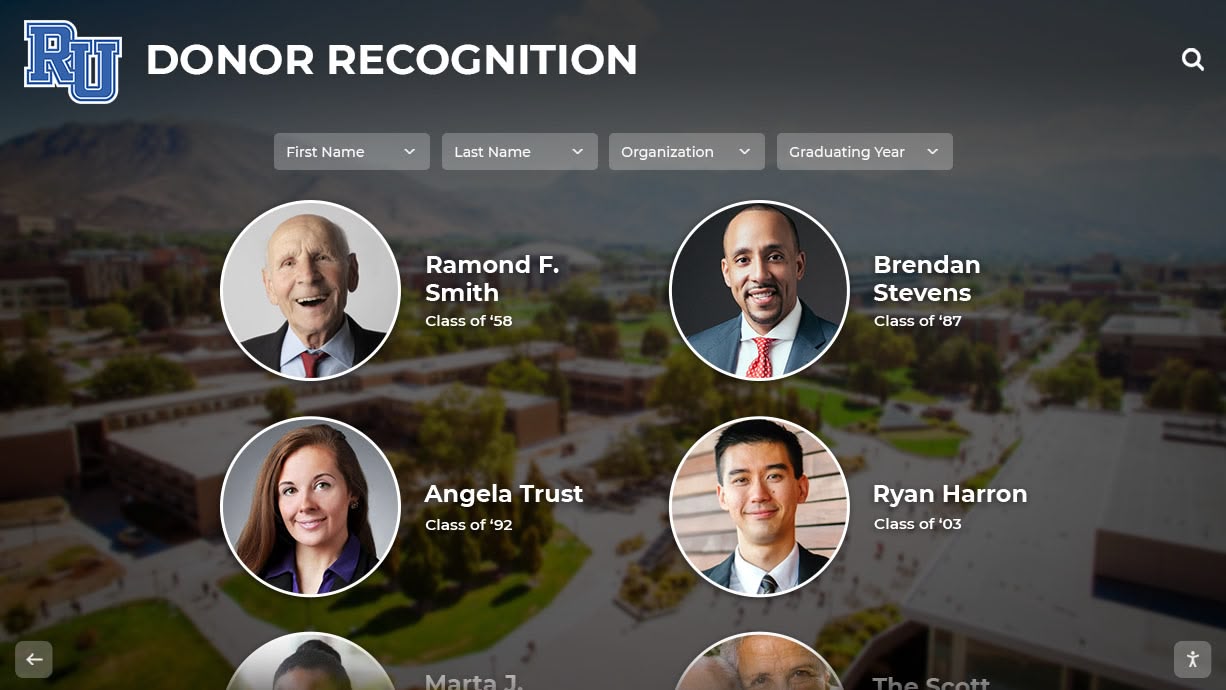
Establishing Data Governance and Privacy Policies
Responsible alumni directories require comprehensive policies governing data collection, usage, and protection:
Privacy Policy Development Create transparent privacy policies explaining what alumni information is collected, how data will be used and never used, who can access different information types, how alumni control their own data visibility, data retention and deletion procedures, and compliance with applicable privacy regulations. Make privacy policies easily accessible and written in plain language rather than legal jargon.
Consent and Opt-In Frameworks Determine appropriate consent models for different data types—requiring opt-in for directory inclusion versus assuming participation with opt-out options, obtaining explicit consent for third-party data sharing, securing separate permission for commercial communications, and documenting consent receipt and withdrawal procedures.
Tiered Privacy Controls Implement granular controls allowing alumni to determine their own visibility—public profile viewable by anyone, fellow alumni only, specific graduation years or affinity groups, direct connections or approved contacts only, and completely private with no directory presence. Respect that different graduates have different privacy comfort levels.
Data Security and Protection Measures Establish appropriate security safeguards—encrypted data transmission and storage, access controls limiting who views sensitive information, regular security audits and penetration testing, breach notification procedures, and third-party vendor security requirements.
GDPR, CCPA, and Regulatory Compliance Ensure directory systems comply with applicable regulations—right to access personal data, right to correction and deletion, data portability requirements, processing limitation protections, and documentation of legal basis for data processing.
Schools must balance making directories useful through comprehensive information with respecting graduate privacy and regulatory requirements. Resources on building secure digital engagement platforms provide technical frameworks for protecting sensitive data while enabling valuable networking functionality.
Determining Essential Data Fields
Comprehensive yet manageable directories collect information categories aligned with defined objectives:
Core Biographical Information Full name and any preferred names, maiden names for married graduates, graduation year and degree information, current city and state (without full addresses), and general geographic region for privacy-conscious alumni.
Professional Information Current employer and position title, industry and professional sector, LinkedIn profile links, career highlights or specializations, and professional skills or expertise areas.
Contact Information Primary email address, secondary or professional email, mobile phone number (with permission), social media handles if public, and communication preferences and frequencies.
Engagement Preferences Willingness to serve as mentor, interest in hiring interns or graduates, volunteer activity preferences, event attendance likelihood, preferred communication channels, and topical interests or affinity groups.
Privacy and Permission Settings Directory visibility preferences, contact permission levels, data sharing authorizations, and communication opt-ins or opt-outs.
Resist the temptation to collect excessive information that most alumni won’t provide or that quickly becomes outdated. Focus on fields directly supporting defined directory objectives while minimizing data collection that creates privacy concerns without delivering proportional value.
Data Collection Strategies That Actually Work
Even the most sophisticated directory platform fails if it lacks accurate, current information. These proven collection strategies populate directories with usable data:
Initial Data Compilation from Existing Sources
Begin by aggregating information schools already possess:
Institutional Records and Student Systems Mine student information systems for biographical basics, graduation records and degree information, participation in athletics or activities, honors and awards received, and last known contact information. While often outdated, institutional records provide starting points for most graduates.
Previous Printed Directories or Databases Digitize information from earlier directory efforts, update obviously outdated information, and flag records requiring verification before publication.
Development and Advancement Systems Extract data from fundraising databases including updated contact information from donors, employment information from wealth screening, engagement history and preferences, and verified demographic details.
Event Registration and Attendance Records Leverage data from reunion registrations, homecoming attendance, athletic event ticket purchases, continuing education enrollments, and volunteer activity sign-ups.
Understand that aggregated institutional data provides foundations requiring significant verification and updating rather than publication-ready directory content.
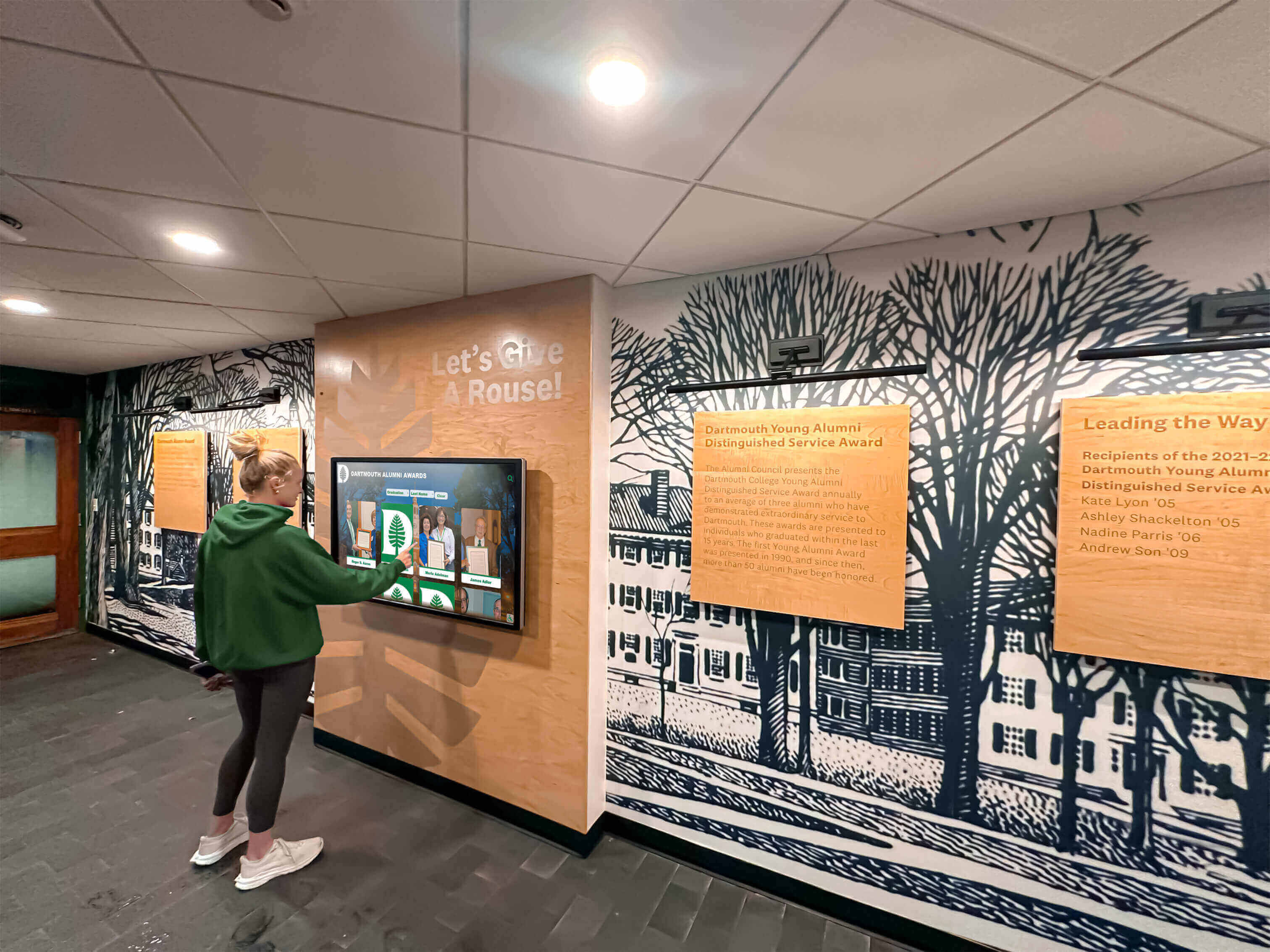
Profile Claiming and Self-Service Updates
The most effective approach to data accuracy empowers alumni to update their own information:
Profile Claiming Campaigns Create basic profiles for all graduates using institutional records, send targeted email campaigns inviting alumni to claim and complete profiles, provide simple authentication processes balancing security with convenience, offer guided profile completion workflows, and incentivize participation through exclusive benefits or prize drawings.
Ongoing Self-Service Management Enable alumni to update information anytime without administrative approval, provide mobile-friendly profile editing interfaces, send periodic reminders to review and update information, and acknowledge profile updates reinforcing that maintenance efforts are valued.
Progressive Information Collection Rather than demanding comprehensive profiles initially, collect basic information first and request additional details incrementally—initial signup captures core contact information, subsequent logins prompt for professional details, later visits request mentorship preferences or volunteer interests, and periodic campaigns gather specific data supporting particular initiatives.
This progressive approach prevents abandoned registrations caused by overwhelming initial data requests while gradually building comprehensive profiles.
Verification and Data Hygiene Practices
Maintain directory quality through systematic verification and cleanup:
Email Verification and Validation Implement double opt-in email confirmation, regularly remove hard-bouncing addresses, flag soft bounces for follow-up, and periodically send re-engagement campaigns to inactive addresses before deletion.
Duplicate Detection and Merging Identify potential duplicate profiles through name matching, contact information correlation, and graduation year alignment. Provide administrative tools for reviewing and merging duplicates while preserving all unique information.
Outdated Information Flagging Enable alumni to report outdated information about themselves or classmates, periodically verify high-value records like major donors or active volunteers, and archive obviously obsolete information rather than displaying it as current.
Graduated Data Aging Policies Establish clear policies for how long unverified information remains in active directories—perhaps flagging records unverified for three years, archiving records without engagement for five years, and removing records for graduates who explicitly request deletion.
Consistent data hygiene prevents directories from devolving into outdated databases that alumni distrust and stop using.
Technology Platform Selection and Implementation
Choosing appropriate technology infrastructure fundamentally impacts directory success and longevity:
Evaluating Directory Platform Options
Different technology approaches offer distinct advantages and tradeoffs:
Dedicated Alumni Network Platforms Specialized platforms like Graduway, Hivebrite, or Alumnify provide purpose-built alumni directory and engagement functionality including sophisticated profile management, built-in networking and messaging tools, event management and registration, mentorship program infrastructure, job board and career resources, mobile applications for iOS and Android, and integration with common advancement systems. These platforms require ongoing subscription costs but minimize custom development needs.
Constituent Relationship Management (CRM) Systems Advancement-focused CRMs like Blackbaud Raiser’s Edge NXT or Salesforce Nonprofit Cloud can power alumni directories through portal modules, leveraging existing advancement data, integrating tightly with fundraising workflows, and providing robust reporting and analytics. However, these systems prioritize institutional data management over alumni user experience and often require significant customization to function as engaging directories.
Custom Development and Open Source Solutions Some institutions build custom directories using open source frameworks, gaining complete control over functionality and design, avoiding ongoing subscription fees, and integrating seamlessly with existing systems. However, custom development requires significant upfront investment, ongoing maintenance and security updates, and internal technical expertise that many schools lack.
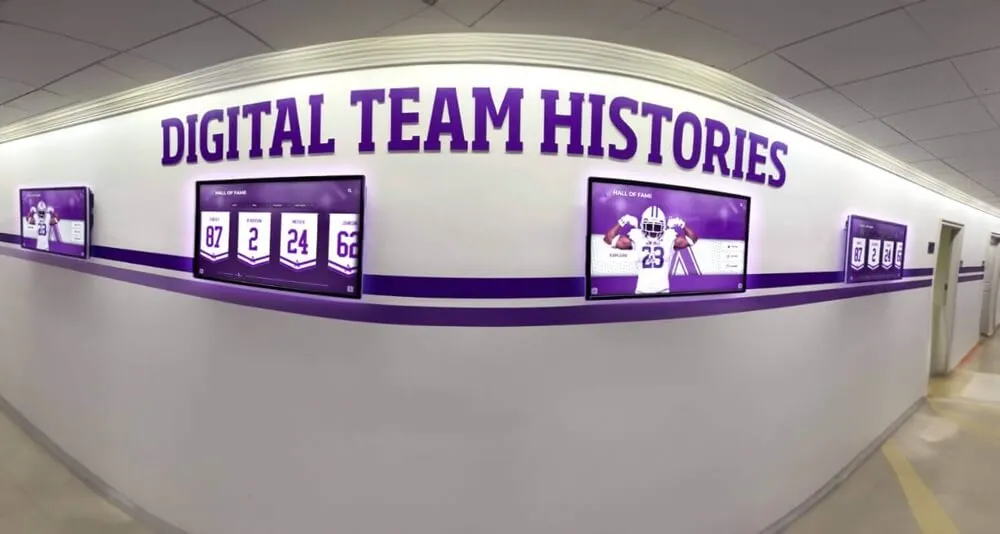
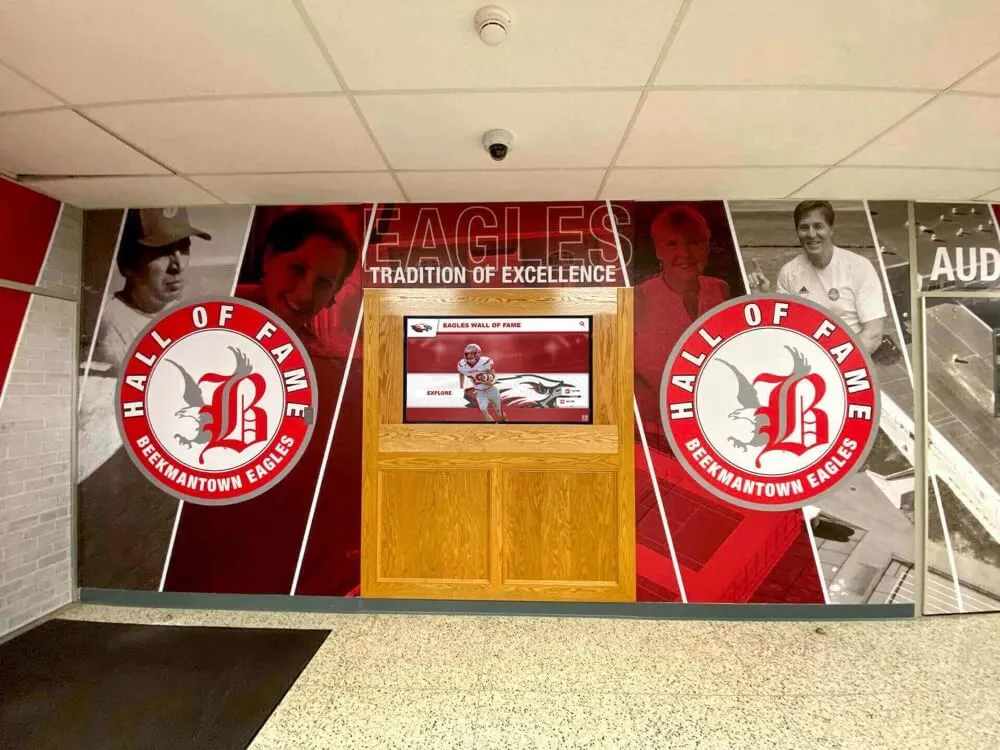
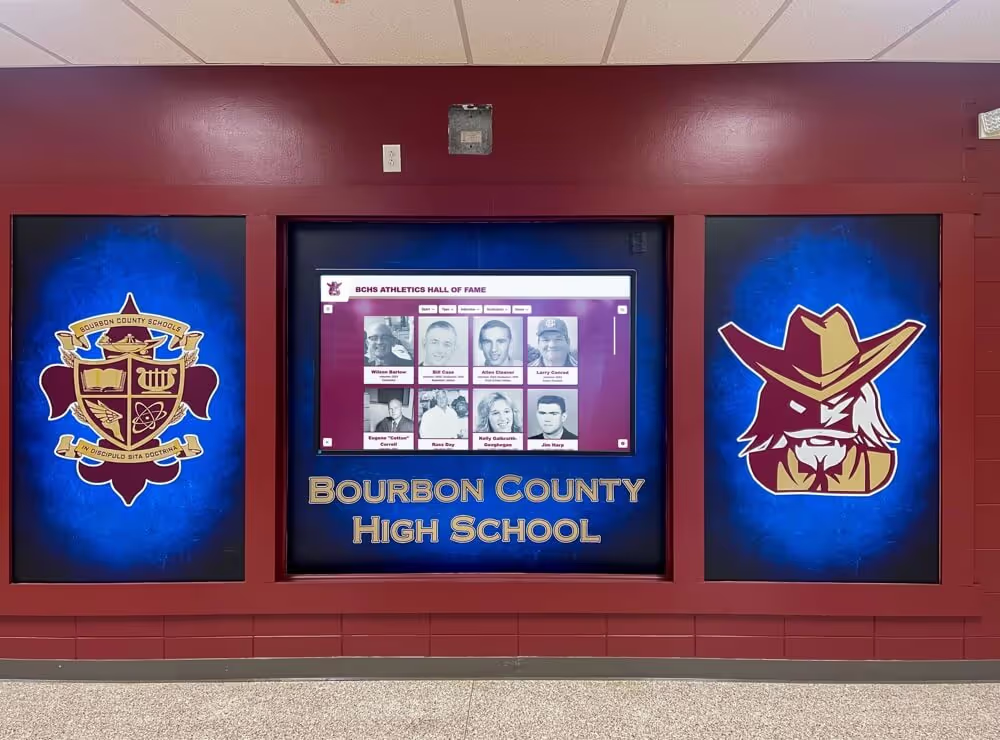
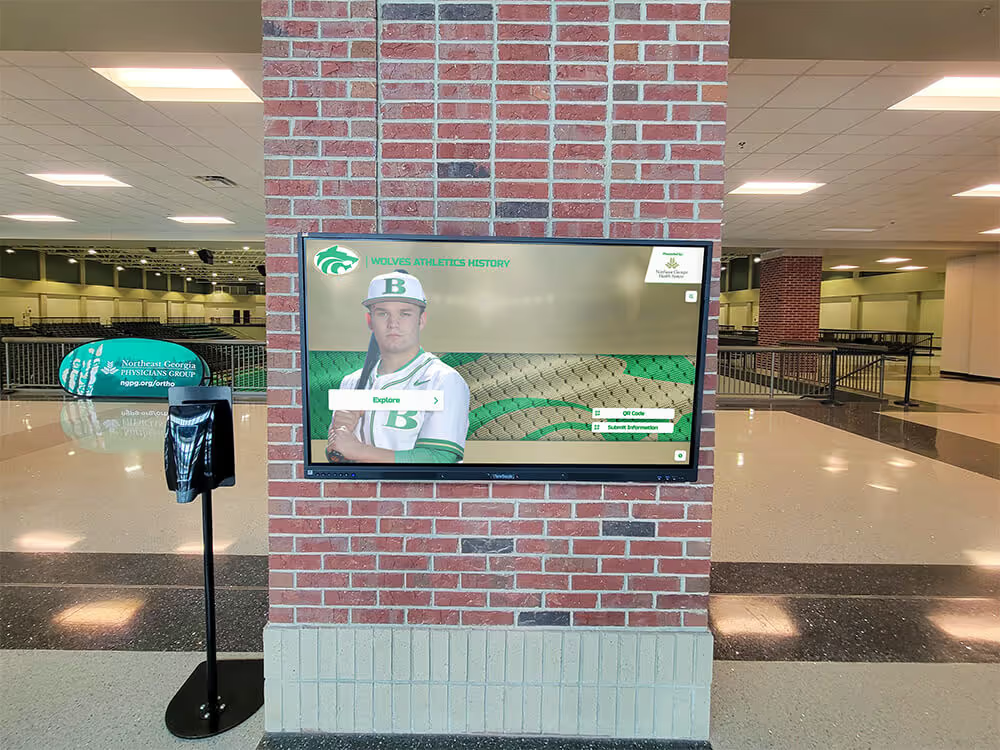
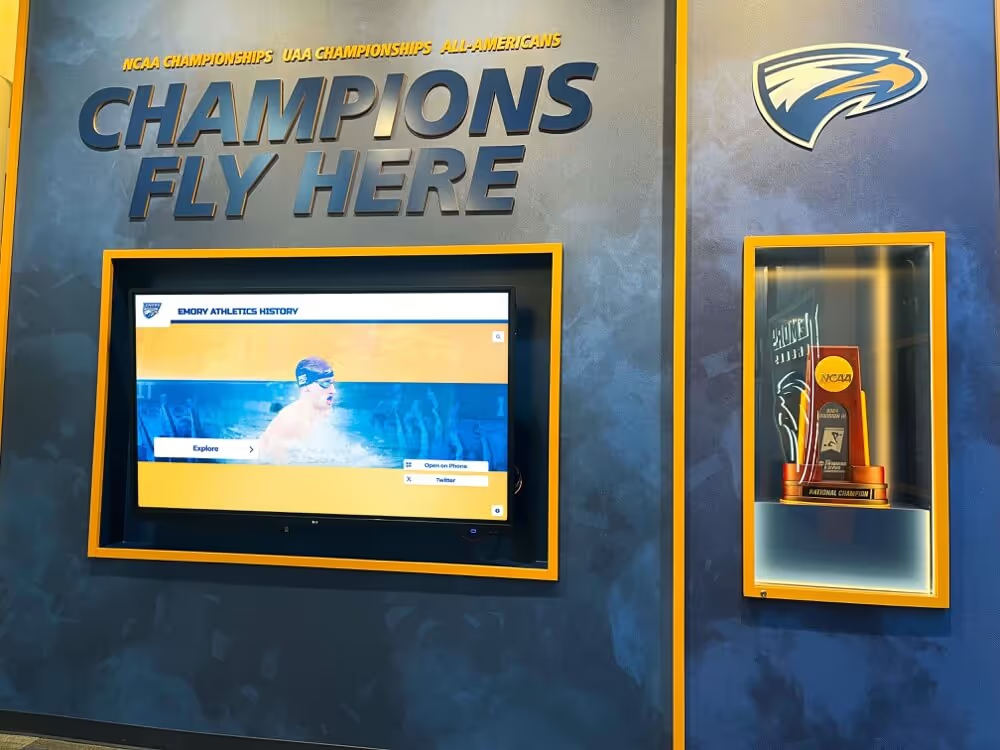
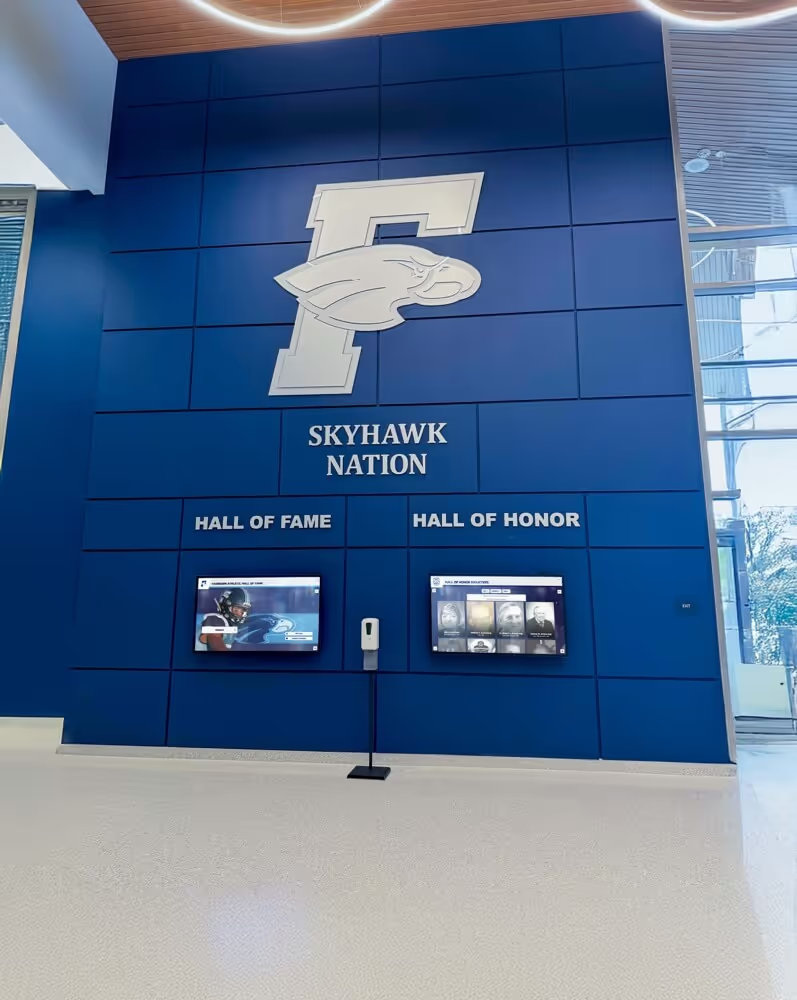
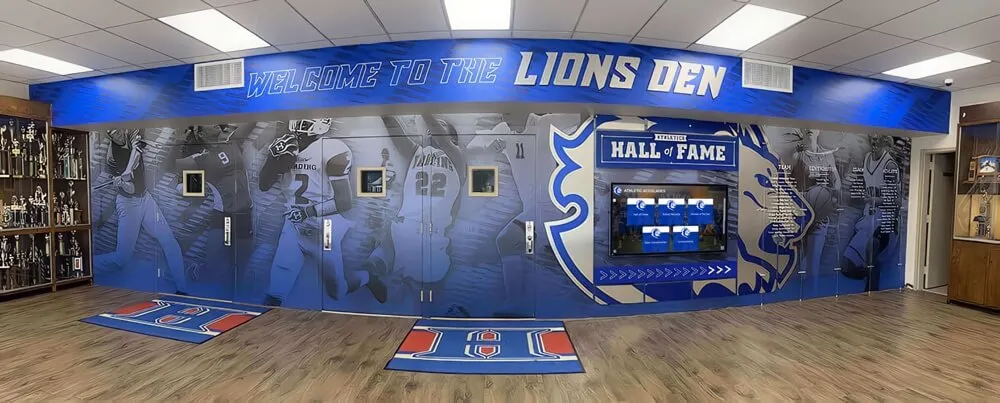
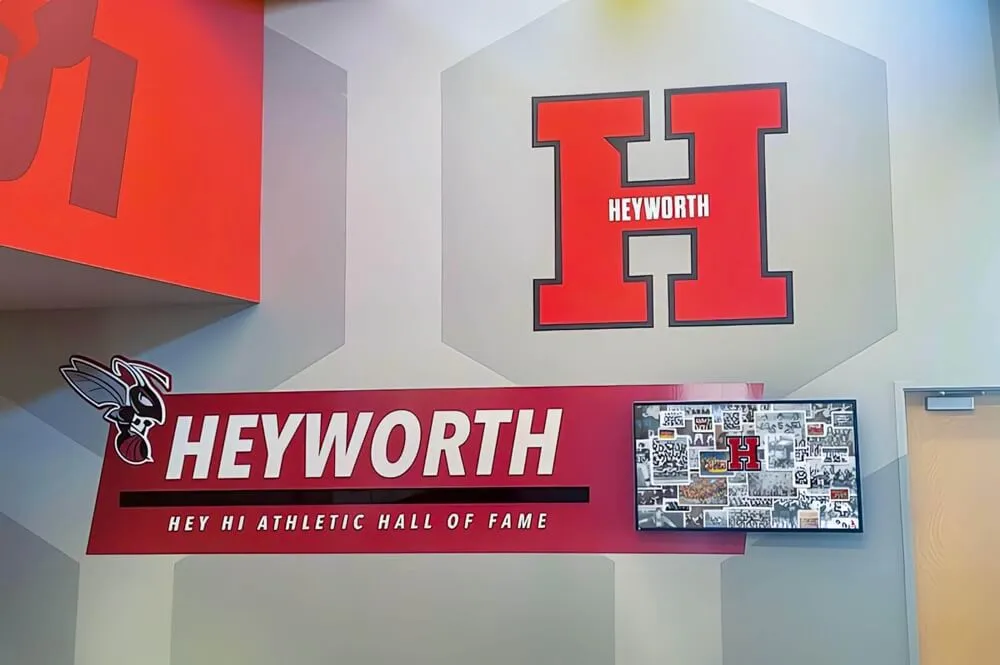
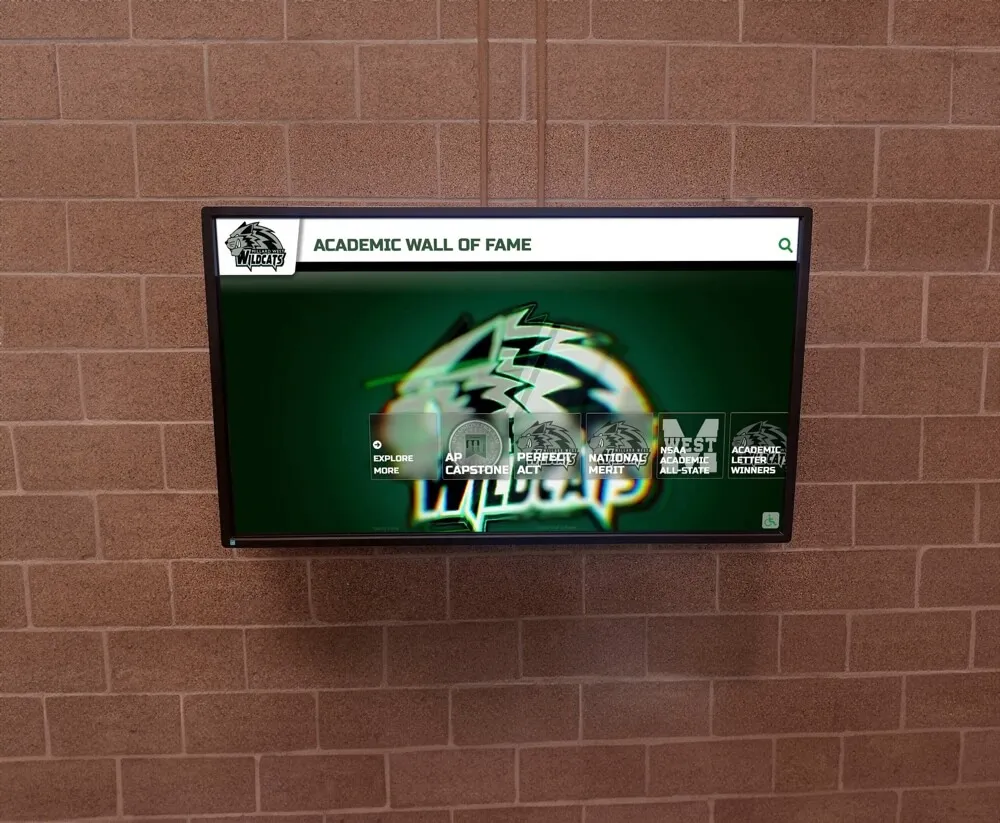
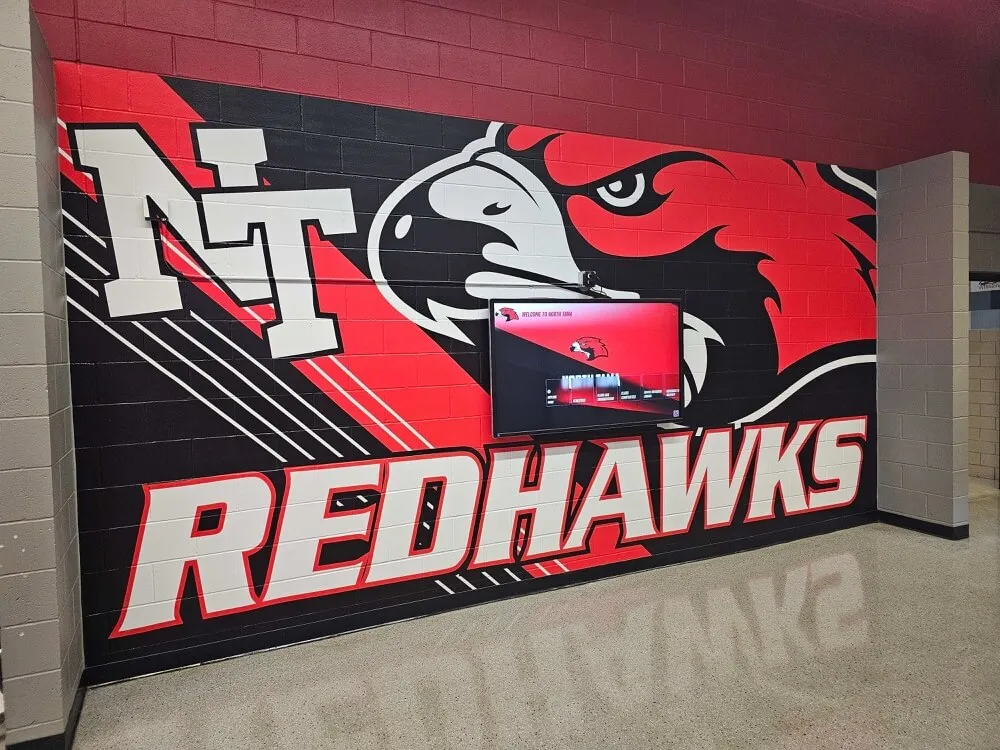
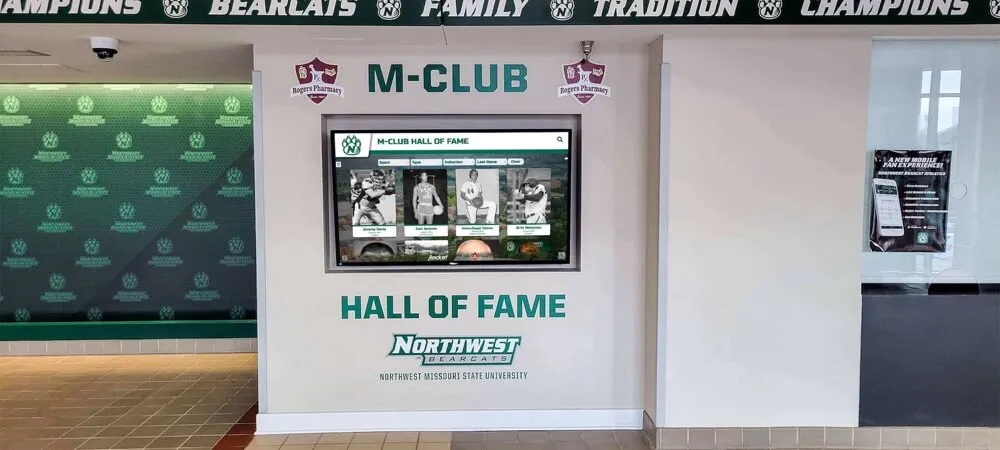
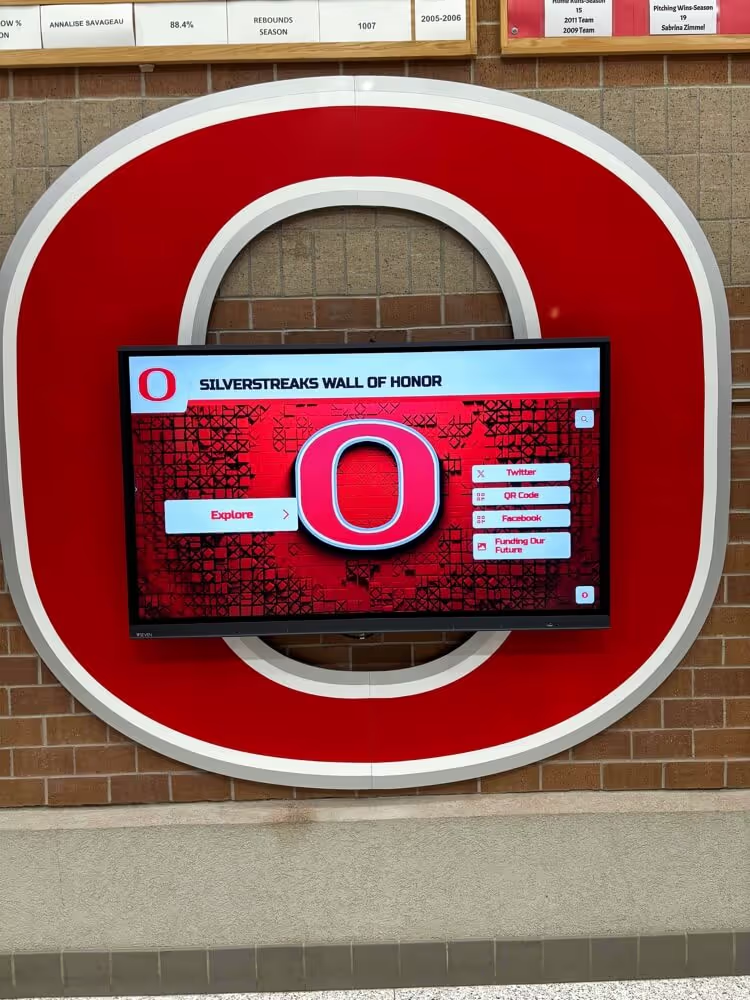
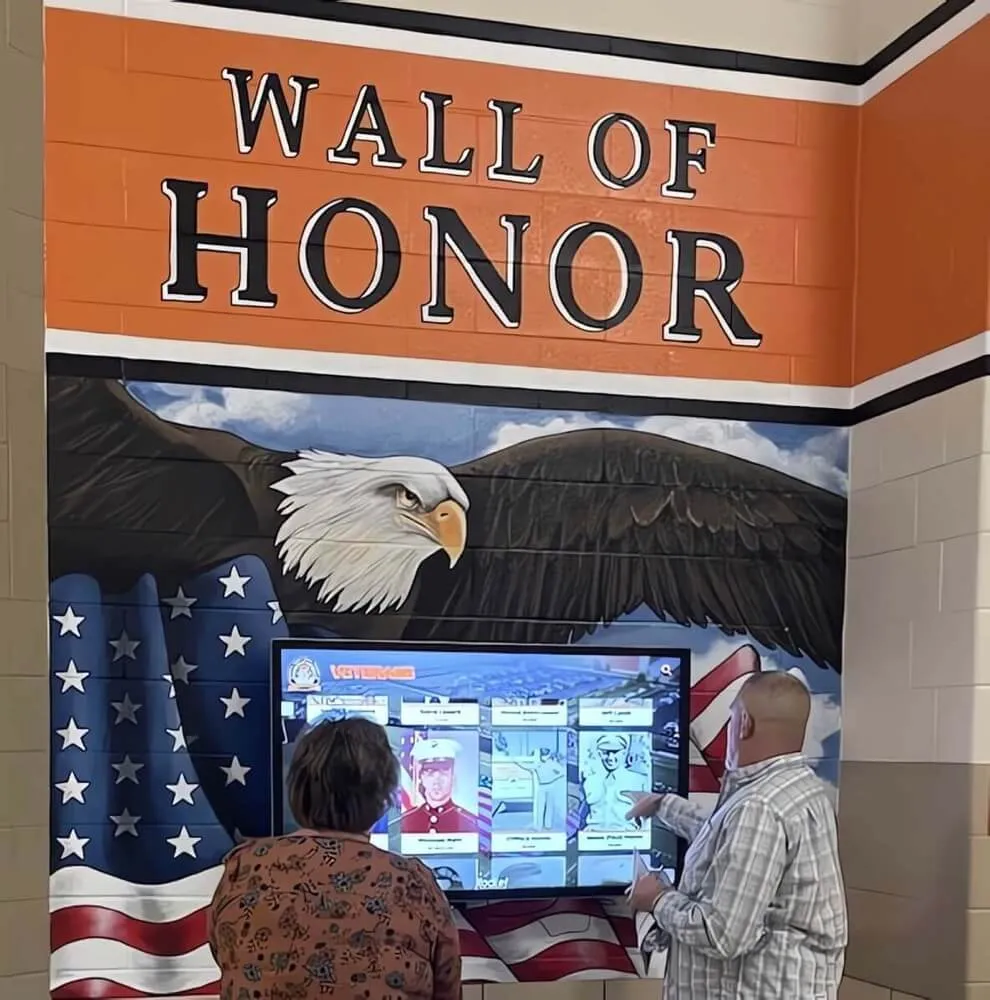
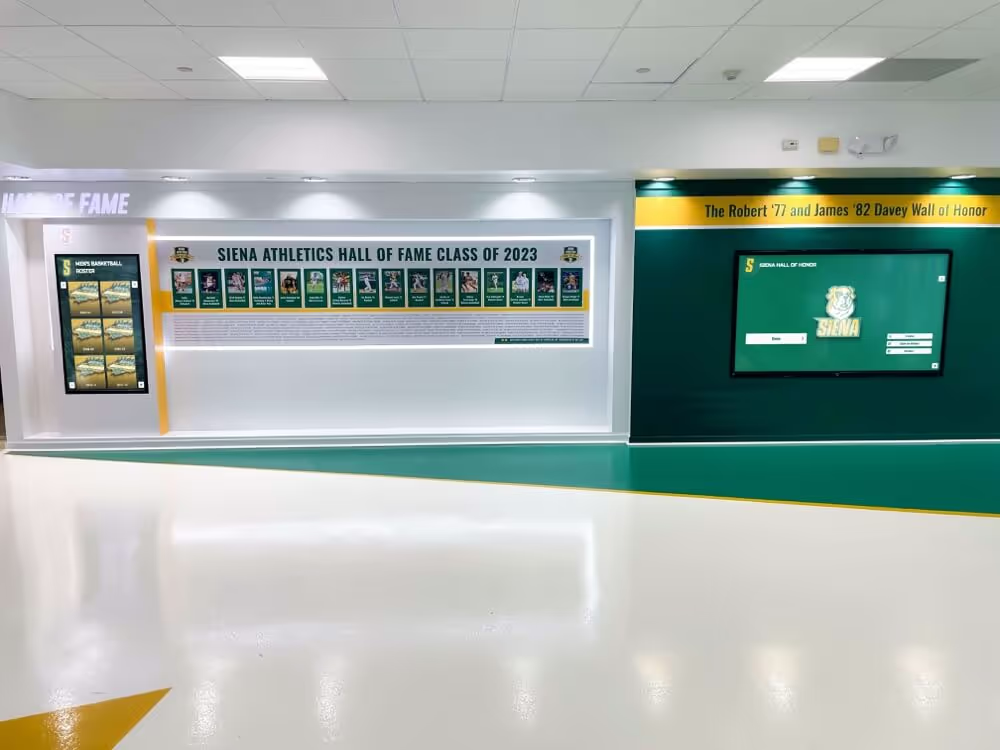
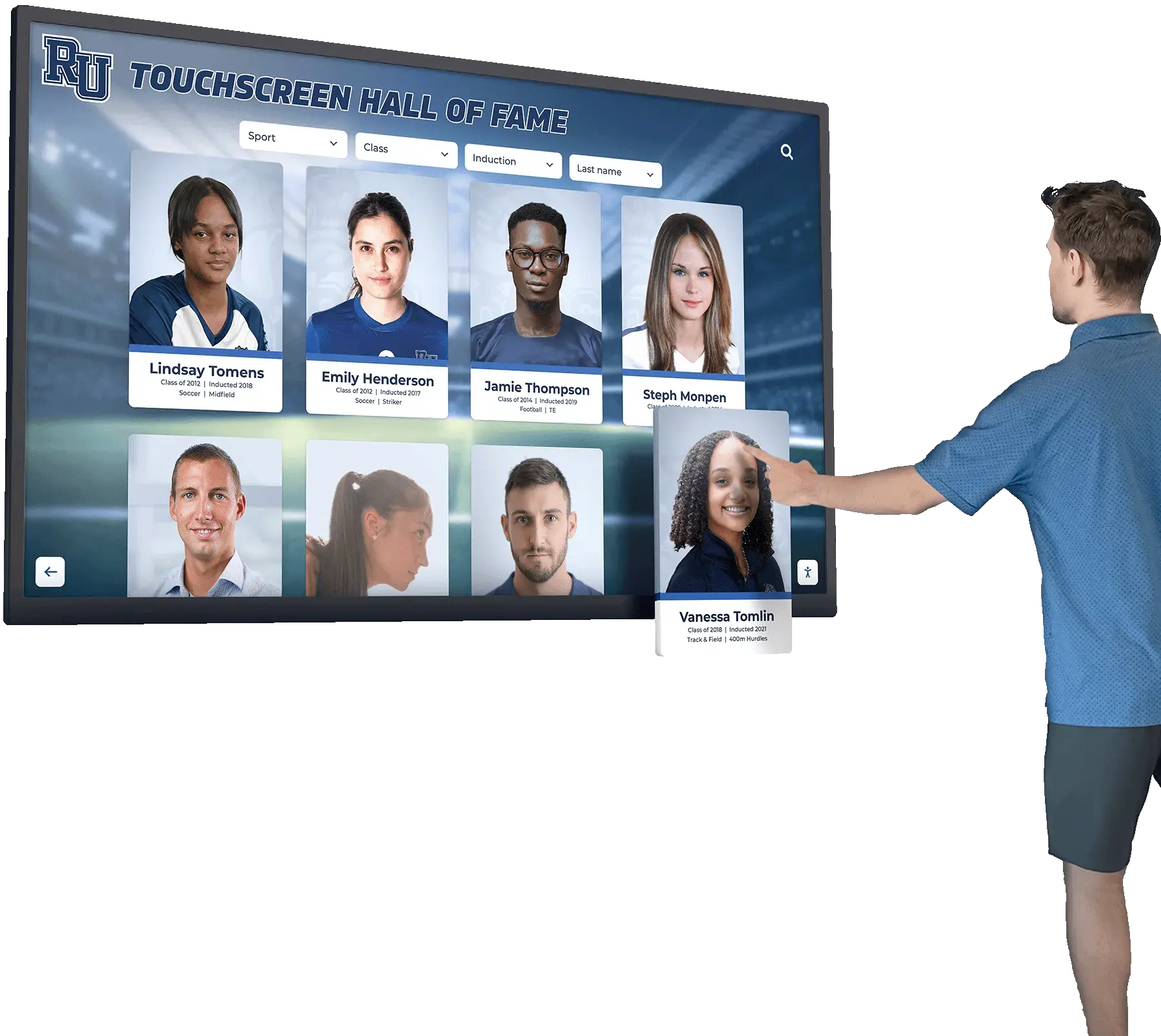
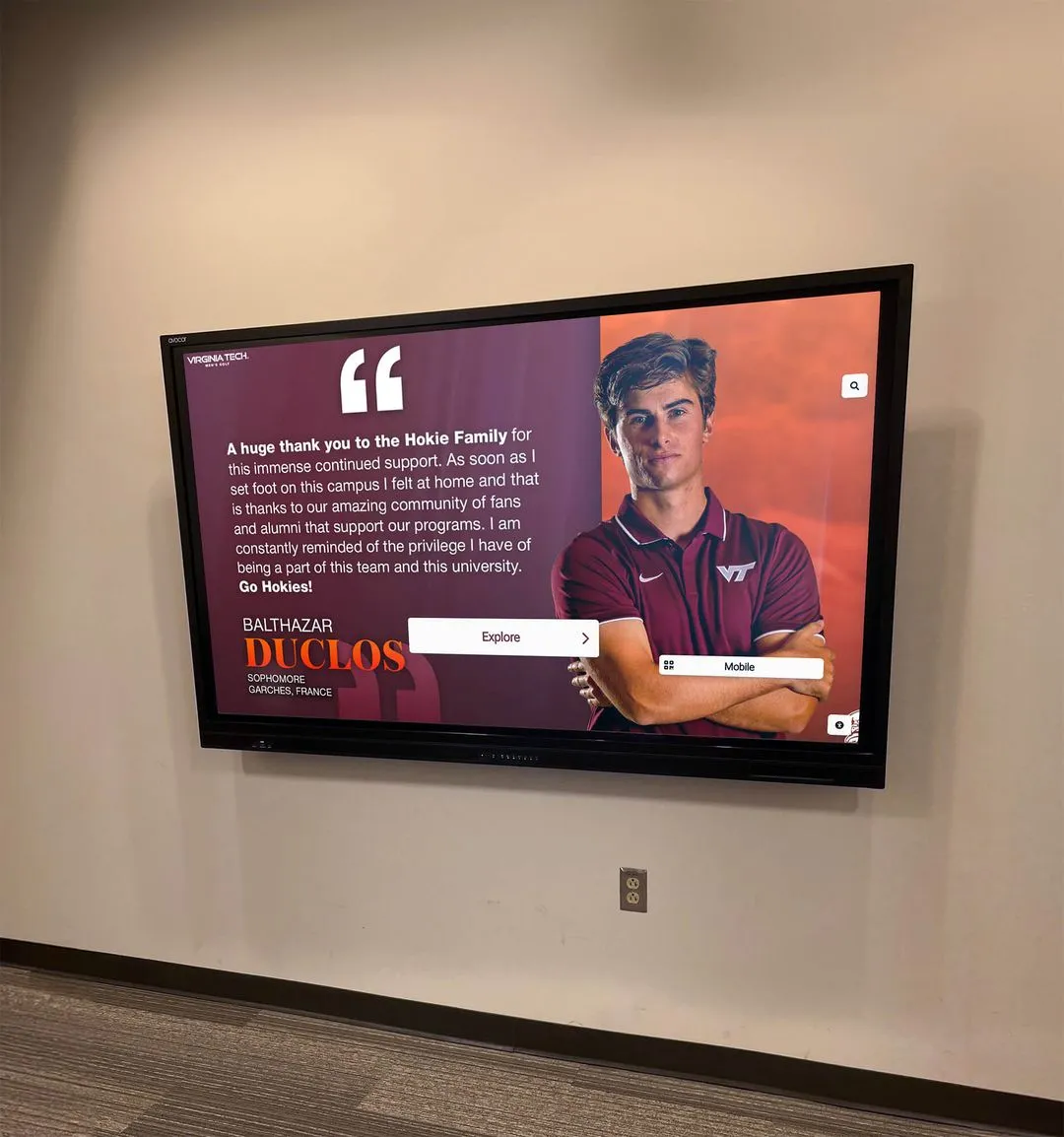
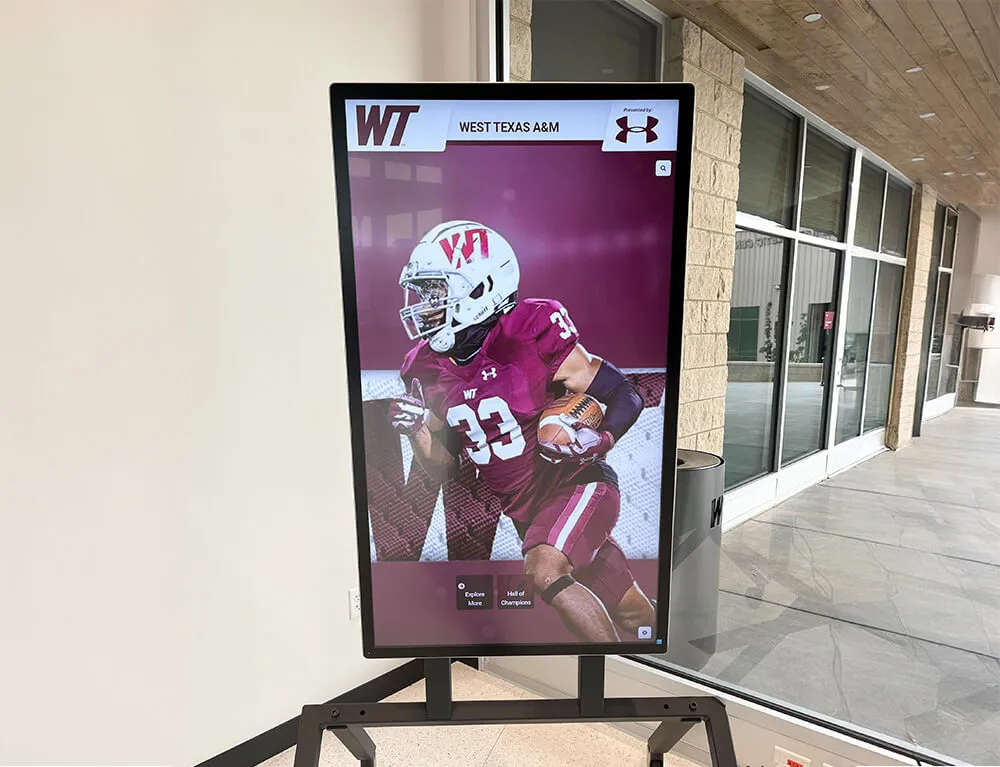
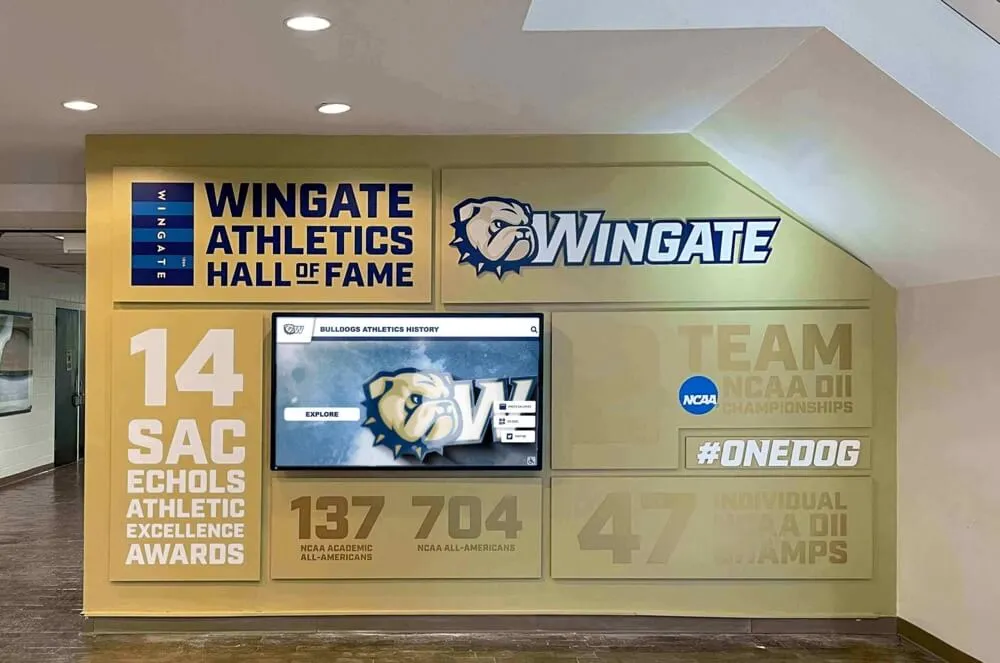
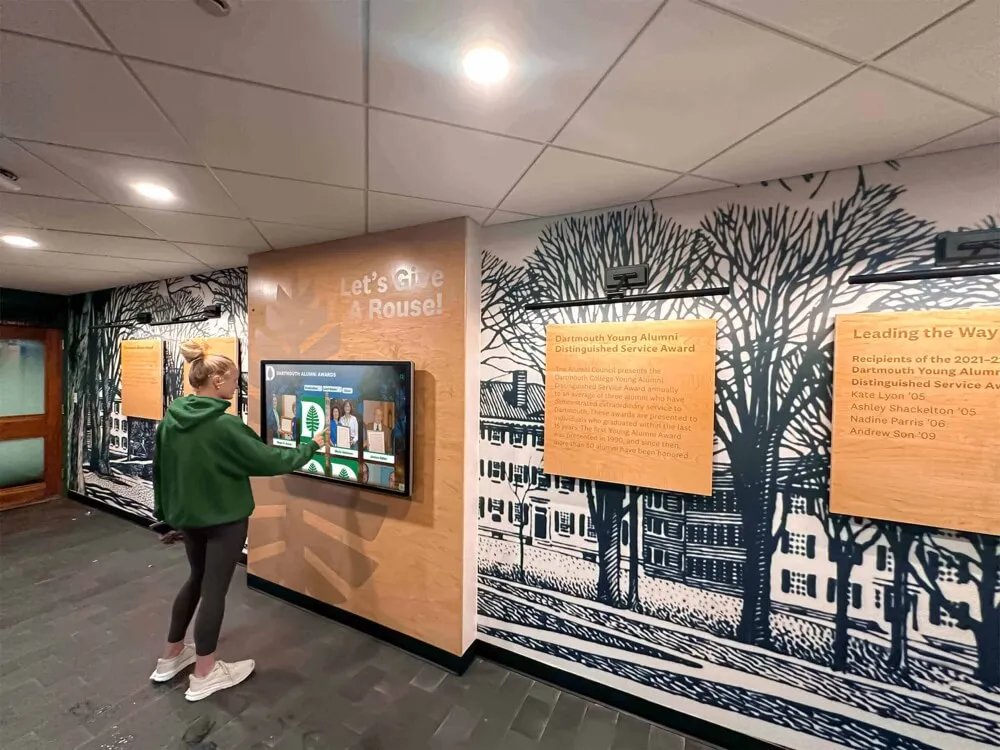
Hybrid Approaches Combining Physical and Digital Increasingly, schools implement hybrid solutions combining web-based directories with interactive touchscreen displays in prominent campus locations. Physical touchscreens create engagement opportunities for campus visitors while web platforms enable remote access for distant alumni.
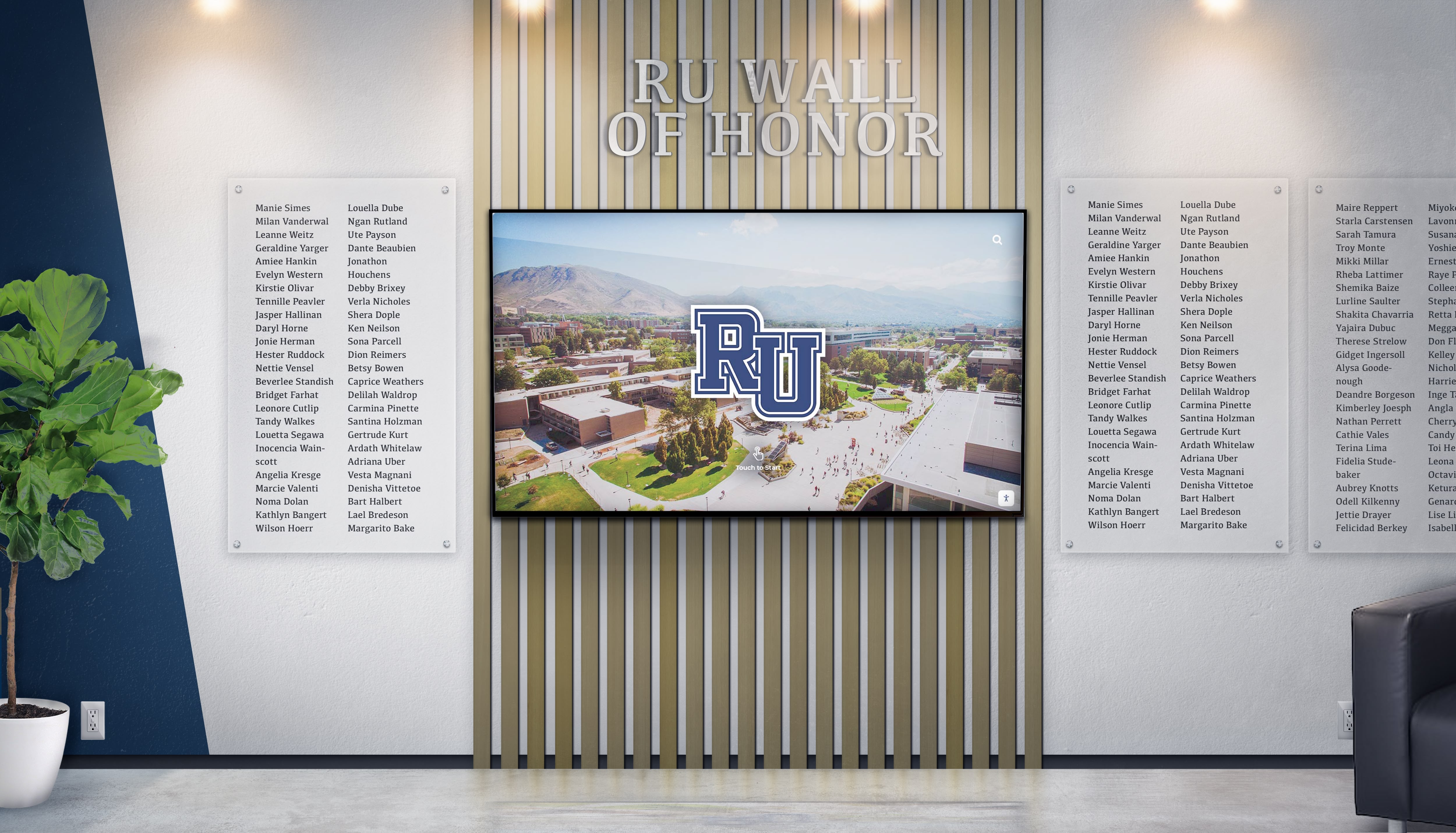
Essential Directory Features and Functionality
Regardless of platform choice, effective alumni directories require certain core capabilities:
Robust Search and Discovery Enable finding alumni by graduation year, name or keyword, current location or employer, industry or career field, participation in specific activities or teams, and interests or expertise areas. Advanced search filters help users quickly find relevant connections rather than browsing lengthy alphabetical lists.
Professional Profile Management Allow alumni to maintain comprehensive yet flexible profiles including biographical information and education history, current professional details and career progression, skills, expertise, and industry knowledge, personal interests and hobbies, and uploaded photos and documents. Provide templates guiding complete profiles while allowing customization.
Networking and Communication Tools Facilitate meaningful connection through direct messaging capabilities, discussion forums or community boards, affinity group formation around interests or demographics, event organization and coordination, and mentorship program matching and communication.
Privacy Controls and Visibility Settings Empower alumni to determine their own visibility through granular control over what information displays publicly, settings determining who can contact them directly, opt-in participation in specific networking features, and ability to completely opt-out while maintaining basic institutional contact.
Mobile Accessibility and Applications Ensure responsive web design functioning on all devices, native iOS and Android applications when appropriate, mobile-optimized search and messaging, and offline access to frequently used information.
Integration Capabilities Connect directories with related systems including advancement and fundraising databases, event management and registration platforms, email marketing and communication tools, single sign-on authentication systems, and social media platforms like LinkedIn or Facebook.
Solutions like Rocket Alumni Solutions provide comprehensive platforms combining web-based alumni directories with impressive interactive touchscreen displays, creating engaging alumni experiences both on campus and remotely while requiring no technical expertise to manage and update.
Implementation Best Practices and Rollout Strategies
Careful implementation prevents common pitfalls that undermine directory adoption:
Phased Rollout Approach Rather than attempting comprehensive launches, implement directories incrementally—pilot with engaged alumni groups like recent graduates, expand to reunion year classes with upcoming events, gradually invite all graduation years systematically, and continuously refine based on early user feedback.
Change Management and Communication Prepare stakeholders through advance communication explaining directory benefits, training for staff who will support alumni users, clear documentation and help resources, responsive support for questions and issues, and celebration of early adoption milestones.
Integration with Existing Workflows Ensure directories complement rather than disrupt established processes—coordinate with advancement teams on donor outreach, align with career services on student networking, integrate with alumni relations on event promotion, and connect with communications on institutional messaging.
Testing and Quality Assurance Thoroughly test before public launch including functionality verification across devices and browsers, user experience testing with representative alumni, accessibility compliance validation, data security and privacy protection confirmation, and load testing for anticipated user volumes.
Engagement Strategies That Keep Directories Active
Technology platforms alone don’t create engagement—ongoing strategies keep alumni returning and maintaining current information:
Content and Communication Approaches
Regular, valuable communication drives sustained directory usage:
Alumni Spotlights and Success Stories Feature compelling graduate profiles highlighting career achievements and interesting career paths, unique personal stories or accomplishments, alumni helping fellow graduates, geographic diversity and international careers, and diverse definition of success across professions.
Career Resources and Professional Development Provide tangible value through job posting boards exclusive to alumni, industry insights and trend reports, professional development webinars or workshops, skill-building resources and courses, and networking events by industry or geography.
Institutional Updates and Pride Points Keep alumni connected to institutional developments through academic program innovations, facility improvements and campus changes, student achievement celebrations, athletic accomplishments, and faculty research or recognition.
Targeted Communication Segmentation Move beyond mass emails to tailored messaging by graduation year or era, geographic region or chapter, professional industry or career stage, engagement level or interaction history, and expressed interests or preferences.
Research demonstrates that digital recognition displays significantly boost alumni engagement by creating visible touchpoints that prompt online directory exploration and profile updates.
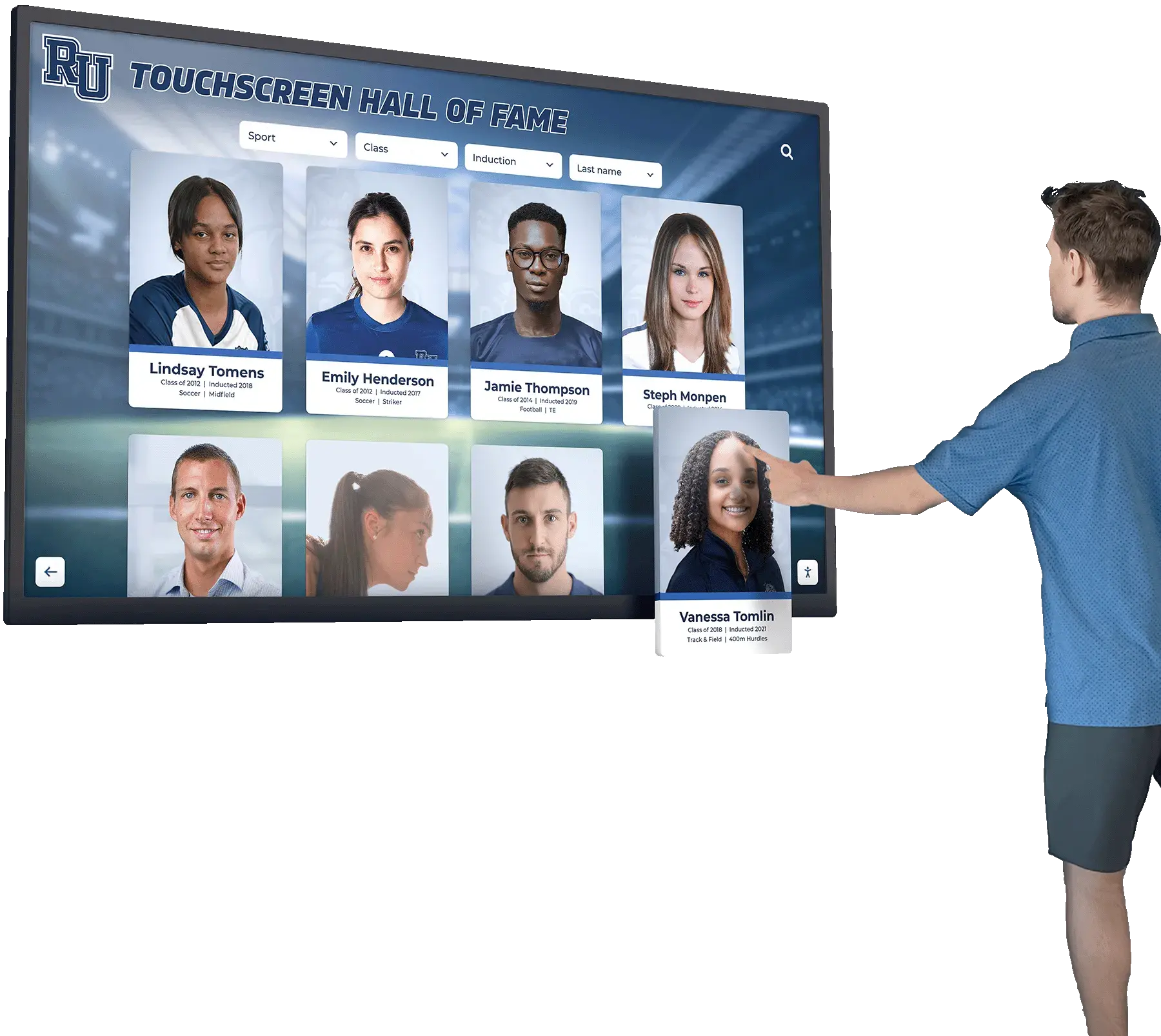
Programming That Drives Directory Usage
Strategic programs create reasons for alumni to use directories regularly:
Structured Mentorship Programs Formalize alumni-student or alumni-alumni mentoring through directory-based matching by industry and expertise, communication facilitation and tracking, program impact measurement, and recognition for mentor participation. Mentorship programs provide concrete value motivating profile completion and engagement.
Alumni Career Networking Events Host industry-specific networking gatherings, virtual coffee chats or connection sessions, regional alumni chapter meetings, career panel discussions, and speed networking opportunities. Promote events through directories while using attendance to update contact information.
Affinity Groups and Communities Enable self-organizing groups around shared interests including professional industries or functional roles, geographic regions or cities, athletic teams or activity participation, identity-based communities, and special interest hobbies or causes. Active affinity groups become self-sustaining engagement drivers.
Reunion Planning and Class Connection Leverage reunion momentum for directory engagement through reunion planning committees using directories to contact classmates, pre-reunion communication driving profile updates, post-reunion photo and memory sharing, and ongoing class agent programs maintaining connection between formal reunions.
Incentivization and Recognition
Strategic incentives and recognition encourage desired behaviors:
Profile Completion Incentives Motivate thorough profiles through entry into prize drawings for completed profiles, exclusive content or resource access, special recognition or badges, early event registration privileges, and gamification with completion milestones.
Engagement Recognition Acknowledge active participants via featured alumni spotlights for engaged users, volunteer recognition for mentors and connectors, anniversary celebrations for long-term members, and thank you communications expressing appreciation.
Institutional Benefits Provide tangible value exclusive to directory members such as career services and job boards, library and research database access, facility usage privileges, continuing education discounts, and athletic event ticket priority.
Balance incentives carefully—the goal is catalyzing initial adoption that becomes self-sustaining through genuine value rather than creating dependency on ongoing incentives to maintain engagement.
Measuring Success and Continuous Improvement
Systematic measurement reveals what’s working and where improvement opportunities exist:
Key Performance Indicators for Alumni Directories
Track meaningful metrics aligned with defined directory objectives:
Adoption and Coverage Metrics Monitor total alumni with active directory profiles, percentage of living graduates included, profile completion rates and thoroughness, new registrations by time period, and dormant account reactivations.
Engagement and Activity Measures Track monthly active users and login frequency, directory searches and profile views, messages sent and networking connections made, event registrations driven through directory, and time spent per session indicating engagement depth.
Directory-Driven Outcomes Measure tangible results including mentorship relationships established, student-alumni connections facilitating career outcomes, volunteer participation attributed to directory outreach, event attendance from directory communications, and fundraising results from engaged directory participants.
Data Quality Indicators Monitor information currency and accuracy including profile update frequency, email deliverability rates and bounces, alumni-reported data corrections, duplicate profile identification and resolution, and demographic coverage across graduation years.
User Satisfaction Metrics Gather qualitative feedback through directory satisfaction surveys, user experience testing and feedback, feature request patterns, support ticket volume and types, and alumni testimonials about directory value.
Establishing baseline measurements before new initiatives enables accurate assessment of improvement efforts and strategic adjustments.
Continuous Improvement Approaches
Effective directories evolve based on data and feedback:
Regular Feature Enhancement Prioritize new functionality based on user requests and usage patterns, technology capabilities and industry trends, competitive feature analysis, integration opportunities with other systems, and accessibility improvements.
Iterative User Experience Optimization Continuously refine interfaces through A/B testing of key workflows, usability testing with representative alumni, mobile experience improvements, search relevance tuning, and navigation simplification.
Content Strategy Refinement Improve communication effectiveness via engagement analysis identifying high-performing content, send time optimization for different segments, subject line testing and improvement, and content format experimentation.
Community Feedback Integration Systematically gather and incorporate input including periodic user surveys and focus groups, alumni advisory committees, student perspectives on directory value, and staff feedback from support interactions.
Schools implementing comprehensive digital alumni engagement strategies find that consistent measurement and optimization compound over time, creating increasingly valuable platforms serving diverse constituencies effectively.
Common Challenges and Solutions
Anticipate typical obstacles and implement proven solutions:
Low Initial Adoption and Participation
Many directories struggle with disappointing early participation:
Solution Strategies Create compelling launch value propositions, leverage reunion momentum for year-specific campaigns, identify and recruit influential alumni as early adopters, provide exceptional onboarding experiences, offer launch incentives motivating initial registration, and communicate tangible early success stories demonstrating value.
Data Currency and Accuracy Issues
Information quickly becomes outdated without systematic maintenance:
Solution Strategies Implement self-service update capabilities and regular update prompts, gamify profile completeness with visual indicators, provide annual “data verification days” with incentives, leverage email bounces to identify outdated information, and integrate with LinkedIn for automatic professional updates where permitted.
Privacy Concerns and Resistance
Some alumni remain wary of directory participation:
Solution Strategies Communicate transparent privacy policies clearly, provide granular opt-in controls over data visibility, demonstrate security measures protecting information, separate general directory inclusion from specific networking features, and respect that some alumni prefer minimal visibility.
Platform Sustainability and Resource Constraints
Long-term directory success requires ongoing resources:
Solution Strategies Build maintenance into ongoing budgets rather than treating as one-time projects, leverage alumni volunteers for content and outreach, choose platforms with sustainable cost structures, integrate directories with broader advancement or engagement efforts, and demonstrate measurable ROI justifying continued investment.
Competing with LinkedIn and Social Platforms
Alumni question directory value when professional networks exist:
Solution Strategies Emphasize unique institutional connection impossible on generic platforms, provide alumni-exclusive benefits unavailable elsewhere, integrate with rather than compete against LinkedIn through data synchronization, create programming leveraging directory for institutional-specific activities, and celebrate community aspects commercial platforms cannot replicate.
Understanding how student recognition increases future alumni engagement helps institutions create continuous recognition cultures from enrollment through alumni status, making directories natural extensions of longstanding engagement rather than disconnected post-graduation initiatives.
Future Trends in Alumni Directory Technology
Emerging capabilities shape next-generation alumni directories:
Artificial Intelligence and Smart Matching
AI-powered features enhance networking effectiveness through intelligent mentor-mentee matching based on compatible backgrounds, predictive suggestions for valuable connections, automated profile completion from public data sources, chatbot support for common user questions, and personalized content recommendations based on engagement patterns.
Enhanced Virtual and Hybrid Engagement
Post-pandemic expectations drive sophisticated remote features including virtual networking events with intelligent participant matching, hybrid reunion experiences combining in-person and remote participation, virtual coffee roulette creating serendipitous connections, and digital chapter meetings reducing geographic barriers.
Blockchain and Verified Credentials
Emerging technologies enable tamper-proof credential verification for degree authenticity and graduation confirmation, professional certification validation, achievement and award documentation, and portable digital credentials alumni control and share.
Advanced Analytics and Insights
Sophisticated reporting capabilities provide network analysis revealing influential connectors and relationship patterns, engagement prediction identifying at-risk alumni, giving capacity indicators supporting fundraising, career pathway mapping informing student advising, and sentiment analysis from communication patterns.
Conclusion: Building Alumni Networks That Deliver Lasting Value
Alumni directories represent far more than contact databases—when implemented thoughtfully and maintained consistently, they transform disconnected graduates into engaged communities delivering measurable value for decades. Schools that successfully build and maintain alumni networks unlock powerful resources supporting fundraising, career services, student recruitment, institutional advocacy, and community building simultaneously.
The most effective approaches combine clear strategic objectives with responsible data governance, progressive information collection with alumni self-service management, appropriate technology platforms with engaging programming, and systematic measurement with continuous improvement. Whether implementing comprehensive enterprise platforms or focused networking tools, the fundamental principle remains constant: provide genuine ongoing value that motivates sustained participation and information currency.
Modern alumni expect sophisticated digital experiences rivaling commercial social networks while respecting privacy preferences and data control. Meeting these expectations requires ongoing investment, but the returns—strengthened alumni engagement, enhanced institutional reputation, improved student outcomes, and increased philanthropic support—justify resource commitments many times over.
Educational institutions ready to build or enhance alumni directories have more powerful technology options than ever before. Solutions like Rocket Alumni Solutions provide comprehensive platforms combining intuitive web-based directories with impressive interactive touchscreen displays for campus locations, creating seamless alumni experiences that engage graduates both remotely and during campus visits while requiring no technical expertise to manage.
The graduates walking through your doors today will become the professional networks, mentorship resources, philanthropic supporters, and institutional advocates of tomorrow. Alumni directories built on best practices create the infrastructure enabling those relationships to flourish across generations—connecting students to opportunities, alumni to each other, and entire communities to the institutions that shaped their futures.
Ready to build an alumni directory that graduates actually use? Start with clear objectives, respect privacy and data governance, collect information progressively, choose appropriate technology, provide genuine ongoing value, measure what matters, and continuously improve based on feedback and data. These proven best practices create alumni networks that strengthen with each passing year, delivering compounding value for students, graduates, and institutions alike.