



Friday night lights in Alabama illuminate more than football fields. They light up entire communities united by the traditions, rivalries, and championship legacies that define high school football in the Heart of Dixie. From the coal mining towns of North Alabama to the Gulf Coast communities in the south, high school football represents the focal point of community identity, the training ground for future college and professional stars, and the stage where young athletes learn lessons extending far beyond the gridiron.
Alabama high school football history reads like an epic saga of athletic excellence, coaching brilliance, and community pride. Programs like Hoover, Central-Phenix City, Thompson, and McGill-Toolen have built dynasties that inspire awe and respect. Small-town programs punch above their weight, creating championship runs that become the stuff of legend. Individual athletes develop into stars who carry Alabama football traditions to the highest levels of college and professional competition.
Yet preserving this rich history presents challenges for many schools. Championship trophies accumulate in overcrowded display cases. Record-breaking performances fade from institutional memory as coaching staffs change. The stories behind legendary seasons—the comeback victories, the record-setting performances, the players who gave everything for their programs—risk being lost as years pass and traditions fade without proper documentation and recognition.
Modern digital recognition technology transforms how Alabama schools preserve championship legacies, ensuring that the achievements defining program traditions receive lasting recognition matching their significance to communities, athletes, and the sport itself.
The Unique Culture of Alabama High School Football
Alabama high school football occupies a special place in the national sports landscape, distinguished by its intensity, tradition, and community significance that rivals college programs in other states.
Community Investment and Identity

In Alabama, high school football transcends athletics to become the primary source of community identity and pride. Small towns close businesses on Friday nights when the local high school plays. Championship runs unite entire communities regardless of socioeconomic differences. Local newspapers dedicate extensive coverage to high school games, treating them with the seriousness that other regions reserve for college or professional sports.
This cultural significance creates unique pressures and opportunities. Programs operate with resources, expectations, and community support that would surprise observers from other states. Facilities rival college programs with state-of-the-art weight rooms, indoor practice facilities, and stadiums seating thousands of fans. Booster clubs raise substantial funds supporting program needs. And the entire community invests emotionally and financially in program success.
Championship Legacy Programs
Certain Alabama programs have established themselves as perennial championship contenders, building dynasties that define excellence in high school football. Hoover High School’s program stands as perhaps the most recognizable, having captured multiple state championships while being featured in the MTV reality series “Two-A-Days” that introduced national audiences to Alabama high school football culture.
Thompson High School emerged as a powerhouse in recent years, winning back-to-back Class 7A state championships and establishing itself among the state’s elite programs. Central-Phenix City built a championship tradition that consistently produces college recruits and state title contenders. McGill-Toolen, Auburn High School, Mountain Brook, and numerous other programs have created sustained excellence spanning decades.
These legendary programs share common characteristics including exceptional coaching stability and expertise, comprehensive youth program development pipelines, strong booster organization support, excellent facilities and resources, and most importantly, cultures of excellence where championship expectations pass from one class to the next. Understanding how these programs build and maintain excellence provides valuable insights for schools seeking to develop their own traditions.
Programs looking to build similar championship cultures can learn from how top Alabama schools recognize and preserve their histories. Solutions like Rocket Alumni Solutions help schools create digital recognition displays that make championship traditions visible and tangible, inspiring current athletes while honoring past excellence.
Classification System and Competition Structure
The Alabama High School Athletic Association (AHSAA) organizes competition through a classification system that ensures fair competition while creating multiple pathways to championship success. Schools compete in classifications ranging from 1A (smallest schools) through 7A (largest schools), with each classification crowning its own state champion.
This structure means that Alabama celebrates multiple state champions annually, each representing the pinnacle of achievement within their competitive class. A 1A champion from a small rural community experiences the same championship glory as a 7A champion from a large suburban school, though the paths to those championships differ significantly in terms of resources, enrollment, and competitive depth.
Understanding classification context proves essential for properly recognizing historical achievements. A school’s move between classifications over decades affects how records and championships should be contextualized. Digital recognition systems enable schools to provide this important historical context, ensuring visitors understand the competitive landscape when different achievements occurred.
Notable Alabama High School Football Programs and Their Legacies
Hoover High School Buccaneers
Hoover High School stands as perhaps Alabama’s most nationally recognized high school football program, building a dynasty that has captured numerous state championships while producing college and NFL talent. The program gained national attention through the MTV series “Two-A-Days,” which showcased the intense culture surrounding Alabama high school football and introduced the nation to coach Rush Propst’s demanding program.
Beyond media attention, Hoover built sustained excellence through exceptional coaching, comprehensive facilities including a stadium that rivals many college programs, strong community and booster support, and a youth football pipeline developing talent from elementary school through high school. The program’s championship history includes multiple state titles and countless individual honors for players who advanced to play college football at the highest levels.
Hoover’s success demonstrates how programs build cultures where excellence becomes expected rather than exceptional. Each incoming class understands they inherit championship traditions and expectations, creating self-perpetuating cycles of achievement.
Thompson High School Warriors
Thompson High School emerged in recent years as one of Alabama’s dominant programs, capturing back-to-back Class 7A state championships and establishing themselves among the elite programs in the nation’s most competitive high school football state. Under head coach Mark Freeman, Thompson built a powerhouse featuring exceptional talent, sophisticated offensive and defensive schemes, and a championship culture.
The Warriors’ championship runs featured dominant performances against the state’s best competition, with multiple players earning All-State honors and Division I college scholarships. Thompson’s rise demonstrates how programs can quickly establish themselves as championship contenders through combination of coaching excellence, talent development, and building winning cultures that attract top athletes.
Central-Phenix City Red Devils
Central High School in Phenix City has built one of Alabama’s most consistent football programs, regularly competing for state championships in the state’s highest classification. The Red Devils’ tradition spans decades, producing numerous college players and creating a program culture defined by toughness, discipline, and physical play.
Central’s location on the Alabama-Georgia border creates unique rivalries with Georgia programs while maintaining traditional Alabama competition. The program’s sustained success demonstrates championship consistency rather than sporadic excellence—appearing in playoff competitions year after year and regularly contending for state titles.
Historic Small School Powers
Alabama football excellence isn’t limited to large suburban schools. Small-town programs have built championship traditions that rival their larger counterparts, creating communities where football defines local identity.

Programs like Fyffe, Piedmont, Mars Hill Bible, and numerous others have captured multiple state championships despite small enrollments. These schools demonstrate how coaching expertise, community support, and developed traditions overcome resource disadvantages. Small school championships often carry special meaning given the closer-knit communities where entire towns celebrate together.
Preserving these smaller school legacies proves especially important as communities change and schools consolidate. Digital recognition systems ensure that championship achievements receive permanent documentation regardless of future institutional changes, honoring the communities and athletes who built small-school excellence.
Legendary Coaches Who Shaped Alabama Football
Alabama high school football history is inseparable from the legendary coaches who built programs, developed players, and created winning traditions that defined generations.
Coaching Dynasties and Long Tenures
The most successful Alabama programs typically feature coaching stability and long tenures that allow sustained culture development. Coaches who spend 20, 30, or even 40 years at single programs create institutional knowledge, community relationships, and developed systems that produce consistent excellence.
These coaching legends share common characteristics including complete commitment to program building beyond just winning games, development of assistant coach pipelines ensuring coaching consistency, establishment of youth program relationships creating talent pipelines, innovation in training methods and competitive strategies, and perhaps most importantly, ability to adapt while maintaining core program values across changing eras.
Recognizing coaching excellence alongside player achievements ensures complete program history preservation. Schools implementing comprehensive recognition should document coaching milestones including career win totals, championship achievements, coaching tenure milestones, individual coaching honors and awards, and most importantly, the coaching philosophies and approaches that defined their programs.
Resources about best athletic facility additions show how schools can create dedicated spaces honoring coaching legacies alongside player achievements.
Impact on Player Development
The greatest Alabama high school coaches excel not just in winning games but in developing complete student-athletes who succeed at the next level and in life beyond football. This developmental focus creates legacies extending far beyond championship trophies to include the hundreds or thousands of young men positively shaped by their programs.
Coaching impact appears in multiple dimensions including academic achievement and college preparation, character development and leadership training, physical development and injury prevention, tactical football skill development, and preparation for college competition and potential professional opportunities. The most respected coaches measure success not only by wins and championships but by the success their former players achieve in college, careers, and life.
Championship Traditions and State Tournament History
The Alabama High School Athletic Association state football playoffs represent the culmination of each season, with championship games determining state champions across all classifications. Understanding playoff history, memorable championship games, and championship program trends provides important context for recognizing program achievements.
Memorable Championship Games and Seasons
Alabama high school football history includes numerous championship games and seasons that transcend normal athletic achievement to become legendary moments in state sports history. These memorable championships typically feature elements including dramatic comeback victories or last-second wins, dominant performances showcasing exceptional talent, rivalry matchups creating extra intensity, undefeated perfect seasons, and championships breaking long droughts or establishing new programs.
Documenting these championship stories ensures that future generations understand not just that championships were won but how they were achieved and what they meant to programs and communities. Digital recognition platforms enable rich storytelling through combination of statistics, narratives, photographs, video highlights when available, and personal reflections from coaches and players.
Multiple Classification Champions
Schools that have captured state championships across different eras and classifications deserve special recognition, as maintaining excellence through changing competitive circumstances demonstrates exceptional program consistency. These programs typically feature institutional commitment extending beyond individual coaches, developed youth programs providing consistent talent pipelines, community support sustaining programs through changing circumstances, and adaptive coaching approaches that remain effective as competition evolves.
Tracking championship achievements across all classifications and eras requires systematic record keeping and historical research. Many schools discover gaps in their historical documentation when attempting to create comprehensive recognition displays, with older championships inadequately documented or commemorated.
Individual Achievement and Record-Setters
While team championships receive rightful emphasis in Alabama high school football, individual achievement and record-breaking performances deserve equal recognition for documenting exceptional talent and inspirational performances.
Career Statistical Leaders

Career statistical records document sustained excellence across multiple seasons, highlighting players who combined talent, durability, and consistency to produce exceptional high school careers. Key career records worth tracking include total career yards (rushing, passing, receiving), career touchdowns scored, career tackles and defensive statistics, career wins as a quarterback, games played and games started, and all-purpose yards combining multiple statistical categories.
These career achievements typically require three or four exceptional varsity seasons, making them relatively rare accomplishments worthy of special recognition. Schools implementing comprehensive statistical tracking ensure that career records receive accurate documentation with season-by-season breakdowns providing complete performance pictures.
Similar to how other states track athletic excellence, Alabama schools benefit from systematic approaches to record keeping. Resources about Minnesota high school hockey tournament history demonstrate how states build traditions around comprehensive achievement documentation.
Single-Season and Single-Game Records
Single-season records measure peak performance levels, documenting exceptional talent concentrated into single campaigns. These records often reflect not only individual excellence but also team success, as statistical dominance typically occurs when players feature in effective offensive or defensive systems.
Single-game records celebrate explosive individual performances that become legendary in program histories—the running back who rushed for 400 yards, the quarterback who threw seven touchdown passes, the defensive player who recorded five sacks. These performances create lasting memories that inspire future athletes and become cherished parts of program lore.
All-State and All-American Selections
Individual honors recognizing exceptional talent provide important recognition complementing statistical achievements. All-State selections identify the best players at each position across Alabama’s classifications, while rare All-American honors recognize players competing at the highest national levels.
Comprehensive recognition systems should document all selection categories including AHSAA All-State teams, Alabama Sports Writers Association All-State selections, classification-specific All-State recognition, regional and national All-American honors, position-specific awards and recognition, and player of the year awards at various levels.
These honors provide objective validation of exceptional talent, making them important components of complete achievement recognition alongside statistical records and team championships.
College and Professional Success
Alabama high school football serves as the foundation for college football careers and occasional professional opportunities. Recognizing players who advanced to play college football, especially at high Division I levels, and the rare individuals who reached the NFL demonstrates program success in developing elite talent.
Documentation should include college scholarship recipients with school and division, notable college career achievements, professional draft selections and free agent signings, professional career highlights, and return contributions to high school programs as coaches or mentors. This tracking demonstrates program impact extending beyond high school success to influence players’ entire athletic careers and lives.
Schools can learn from comprehensive recognition approaches used nationally. Examples like hall of fame tools for athletics show how digital platforms enable documentation across multiple achievement dimensions.
Preserving Championship Legacies Through Modern Recognition
Alabama schools face a fundamental challenge: how to preserve rich football histories in ways that honor past achievements while remaining relevant and engaging for current students, athletes, and communities.
Limitations of Traditional Recognition Methods
Traditional physical recognition approaches—trophy cases, plaque walls, championship banners—face significant limitations that compromise their effectiveness over time. Physical space constraints force difficult prioritization decisions about which achievements receive prominent display and which must be minimized or eliminated. Update complexity means that adding new championships or records requires expensive materials, professional installation, and weeks or months of delays.

Traditional displays offer no search capability, forcing visitors to scan entire walls seeking specific information. Storytelling remains limited to what fits on fixed physical space—basic names, numbers, and years with little room for the narratives that make achievements meaningful. And accessibility limitations mean that traditional displays fail to serve visitors with visual impairments or other accessibility needs.
Perhaps most significantly, traditional displays age visibly as materials fade, designs become dated, and the displays themselves communicate “old” rather than “ongoing tradition.” This aging undermines recognition effectiveness, making program histories feel like relics rather than living traditions inspiring current athletes.
Digital Recognition Solutions for Football Programs
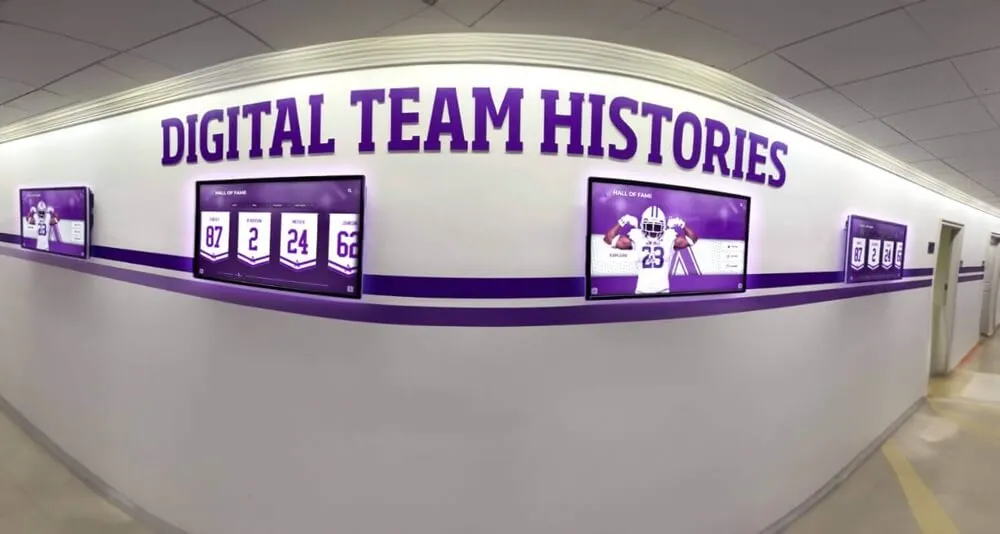
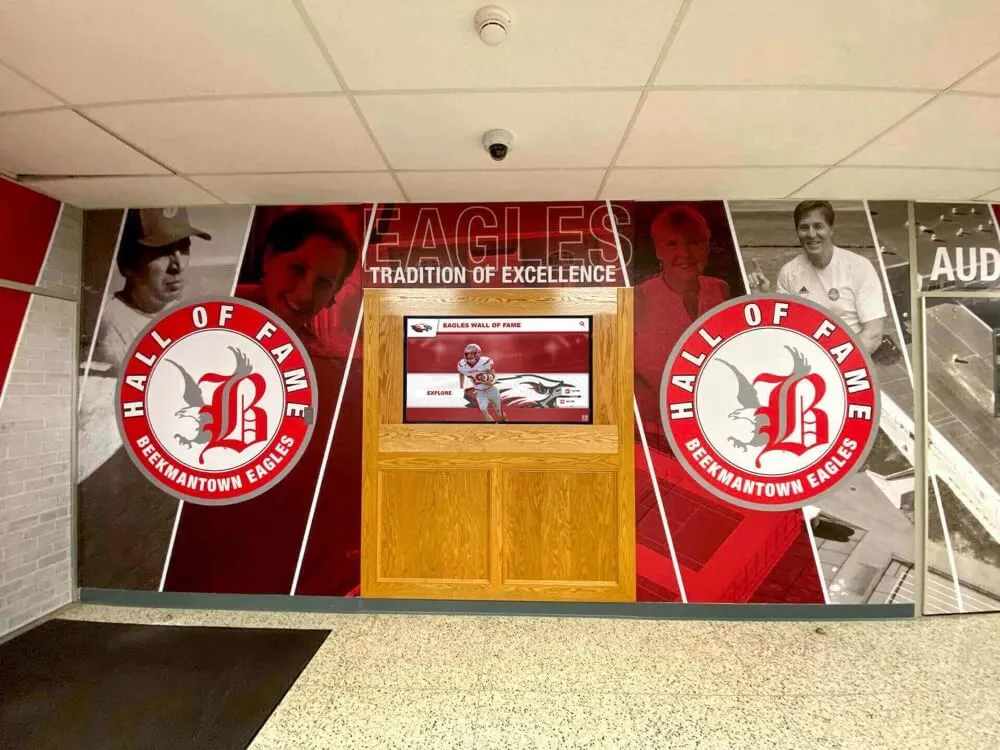
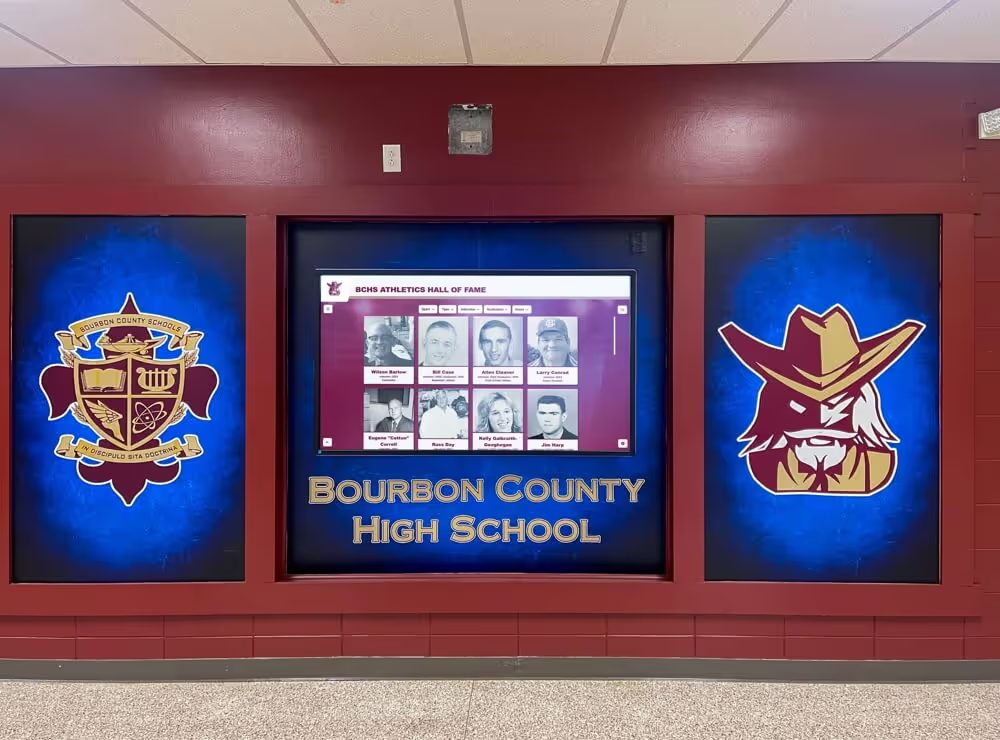
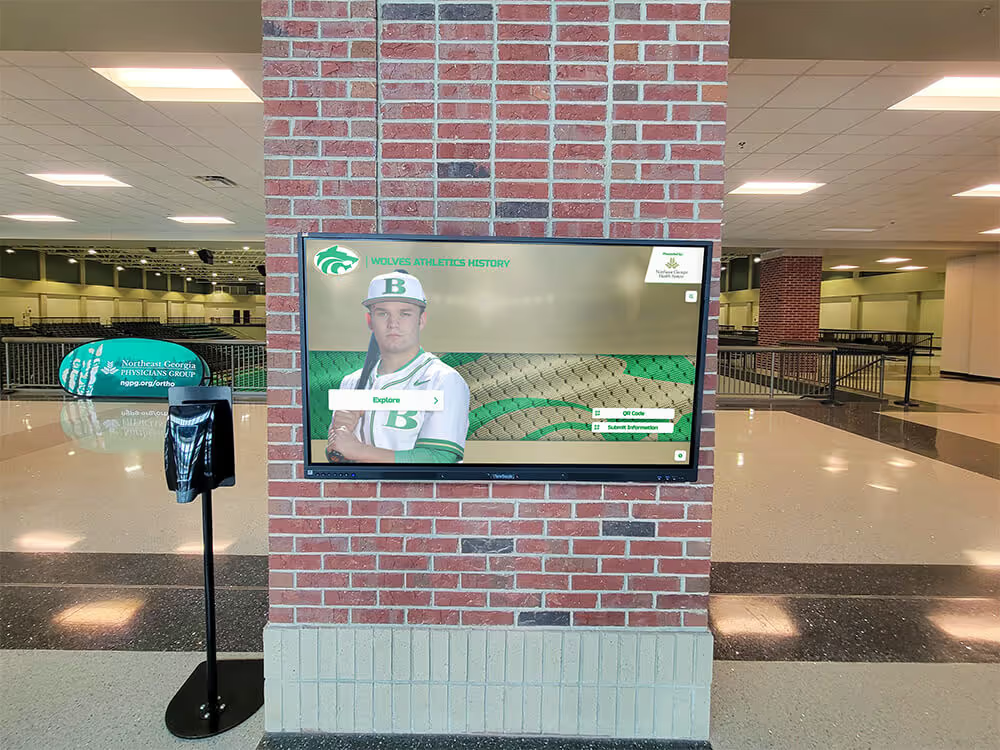
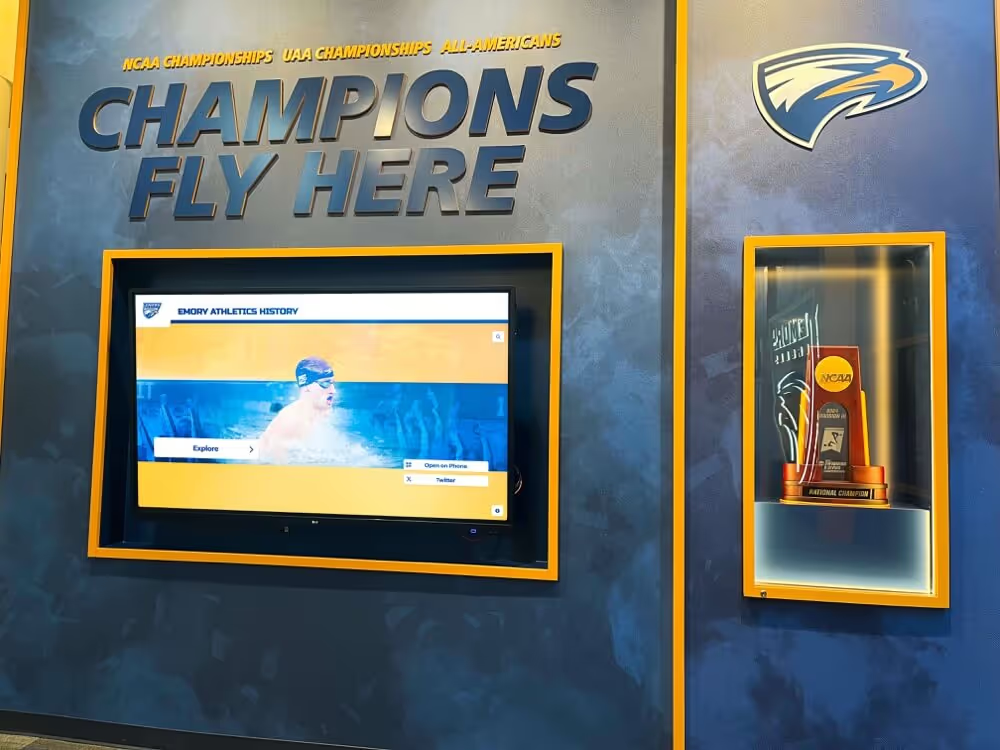
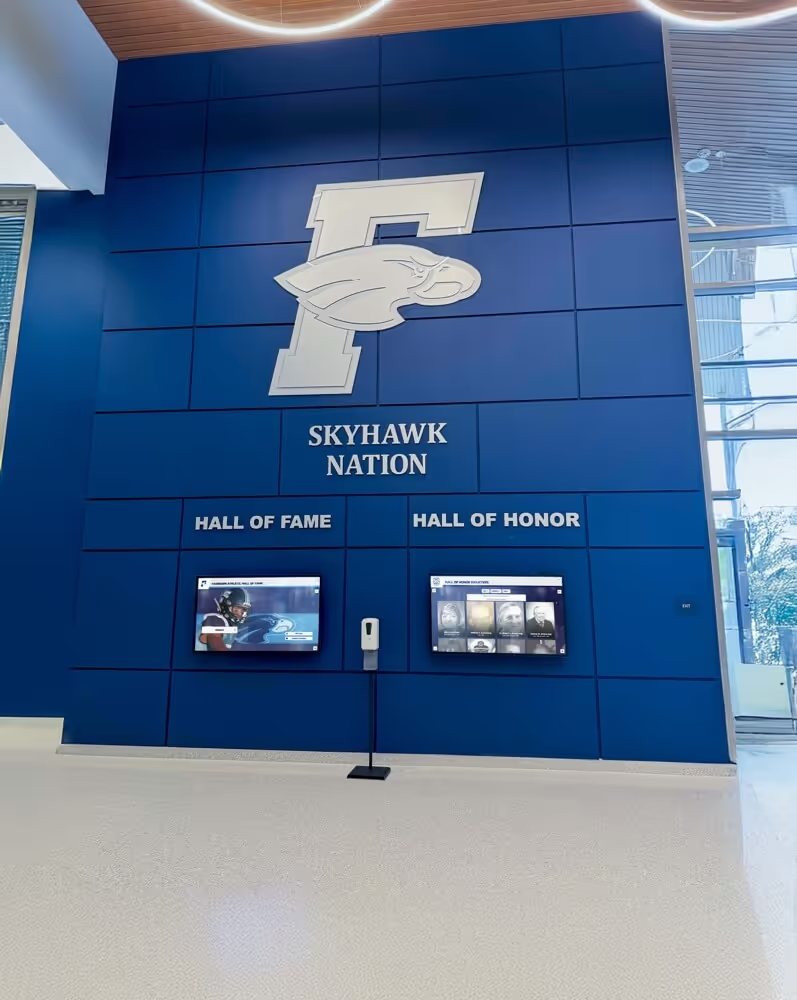
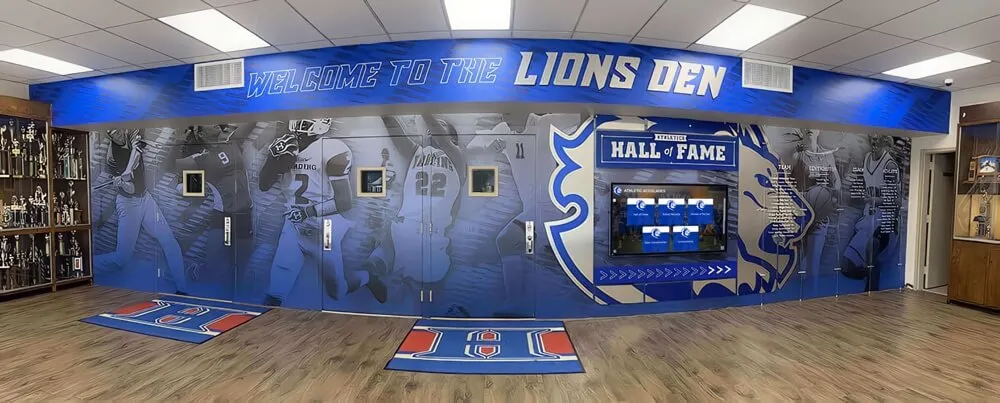
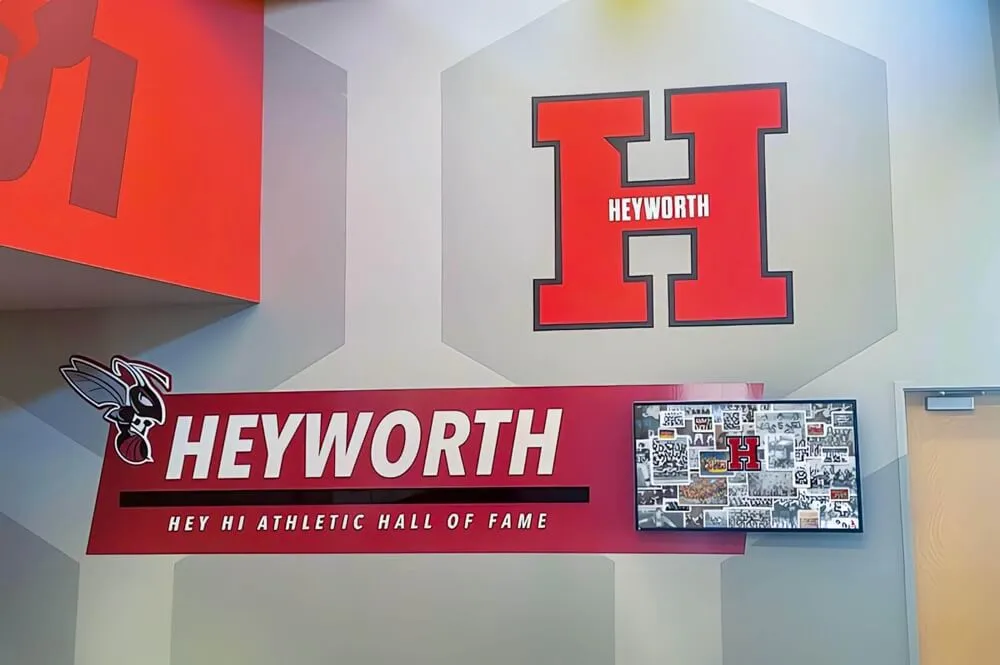
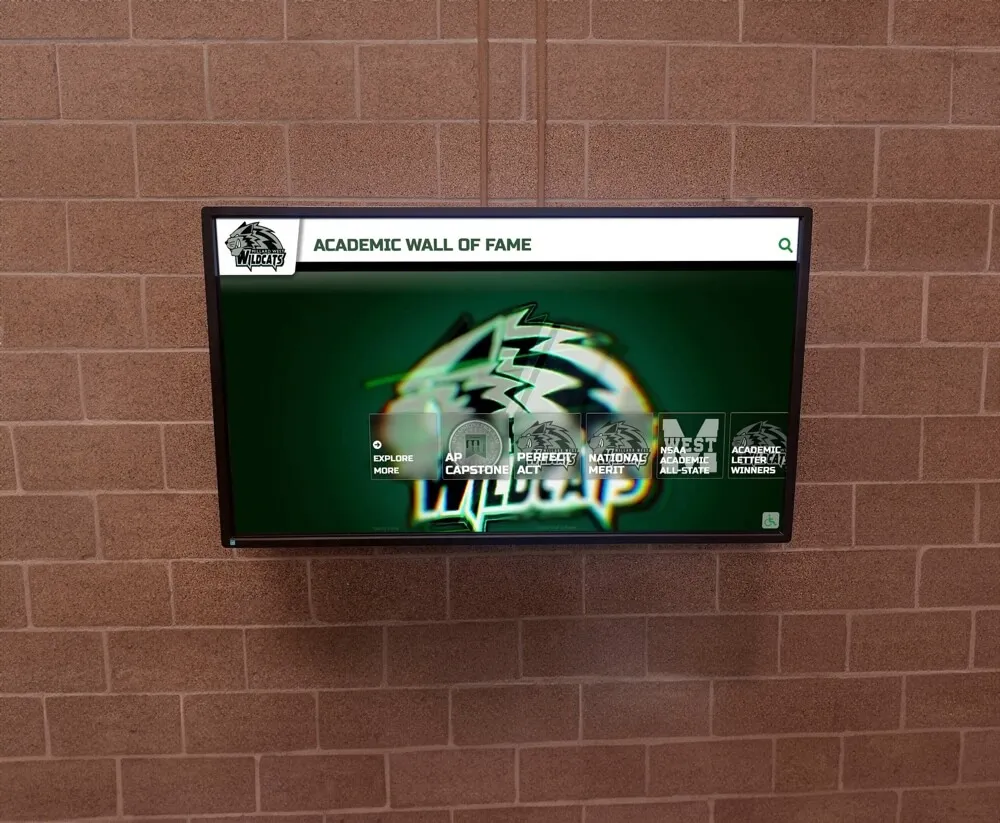
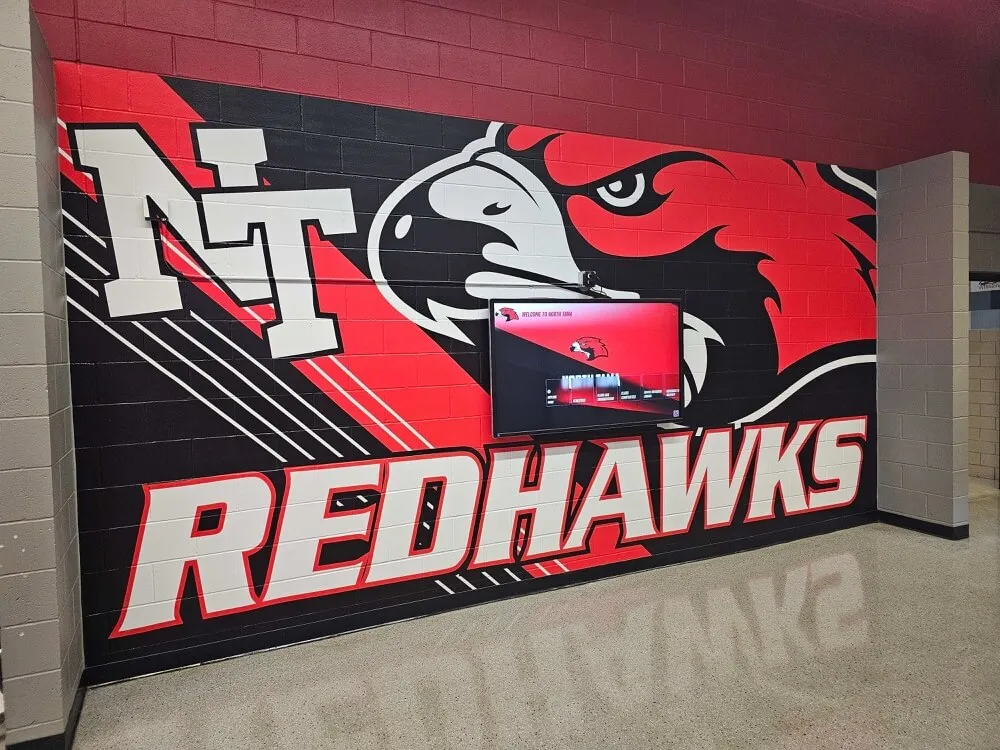
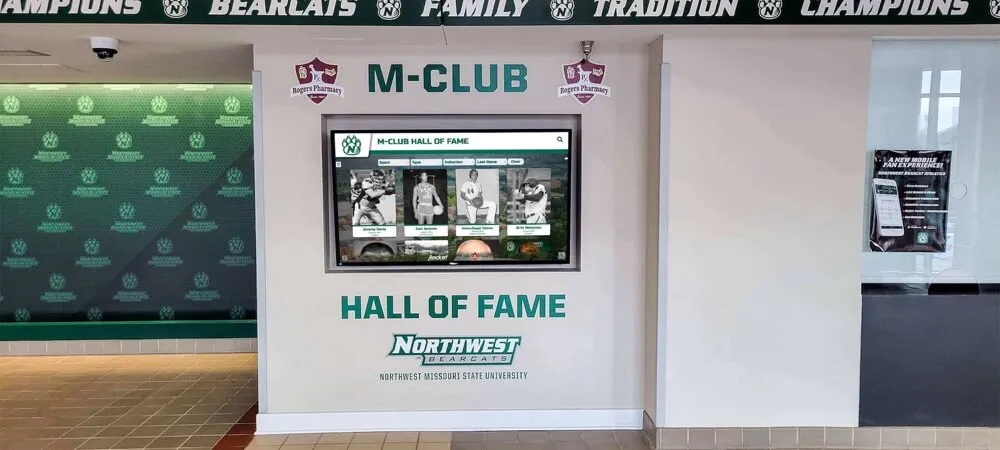
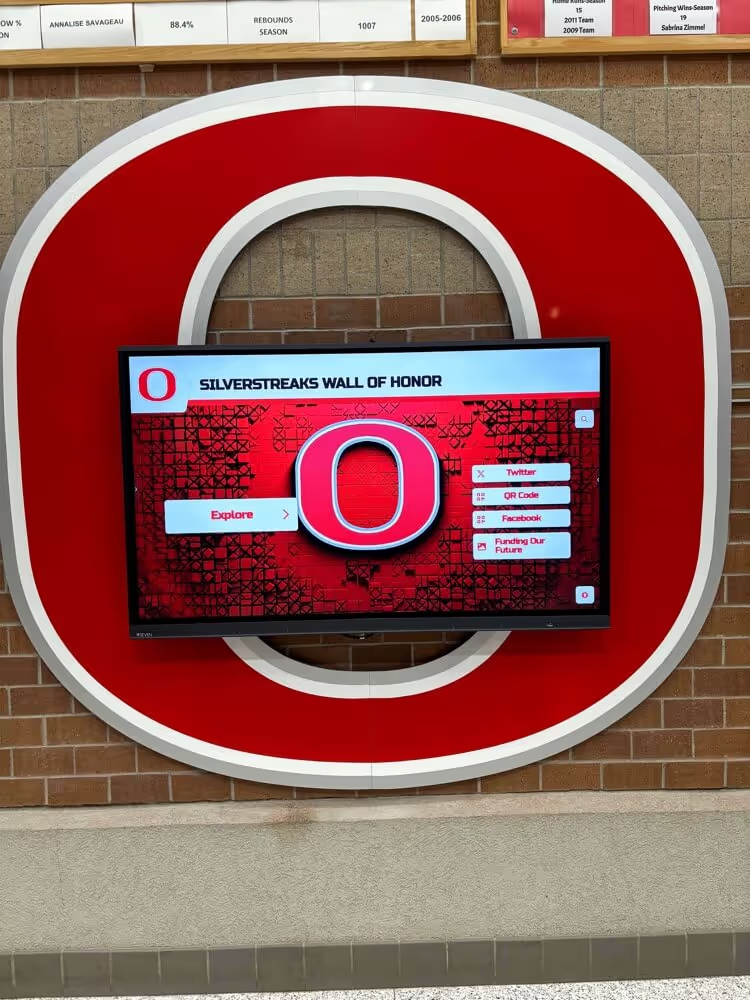
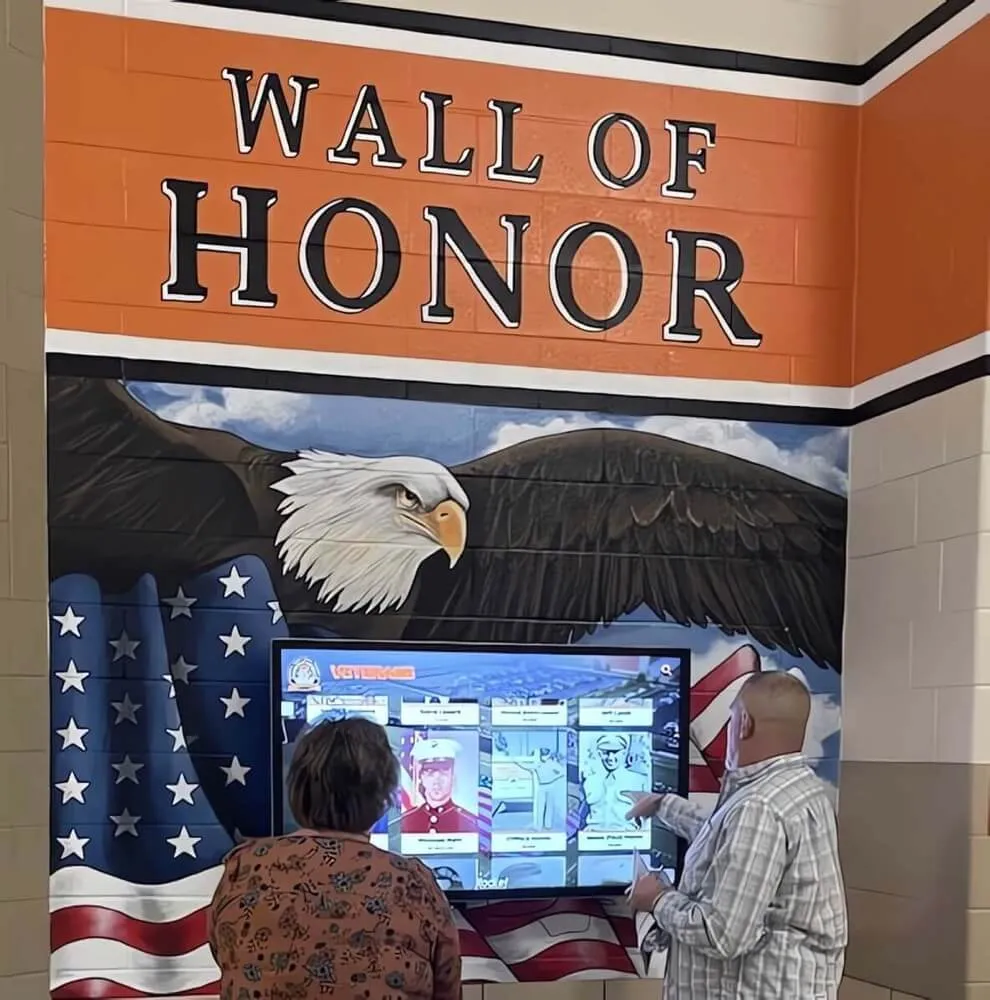
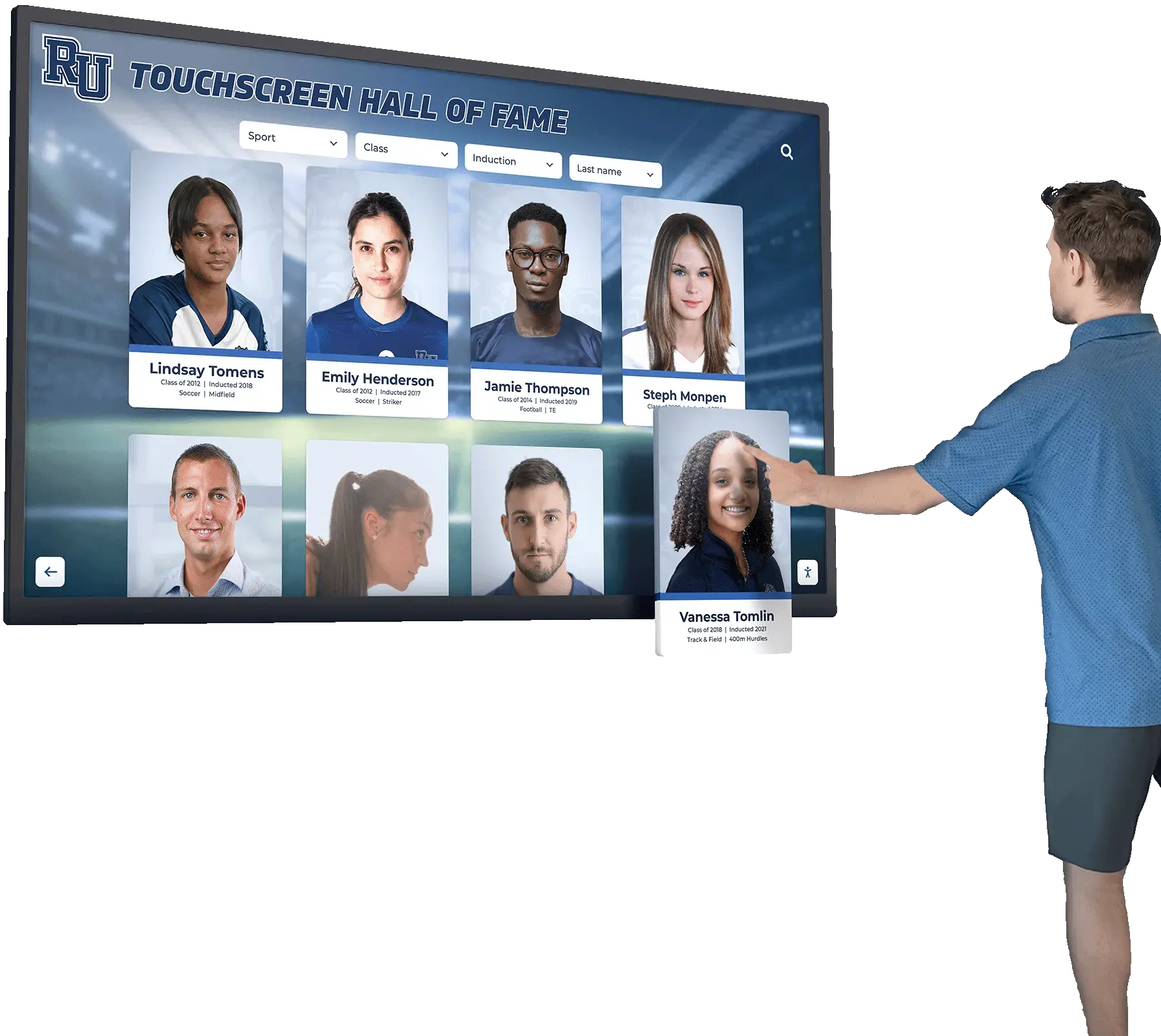
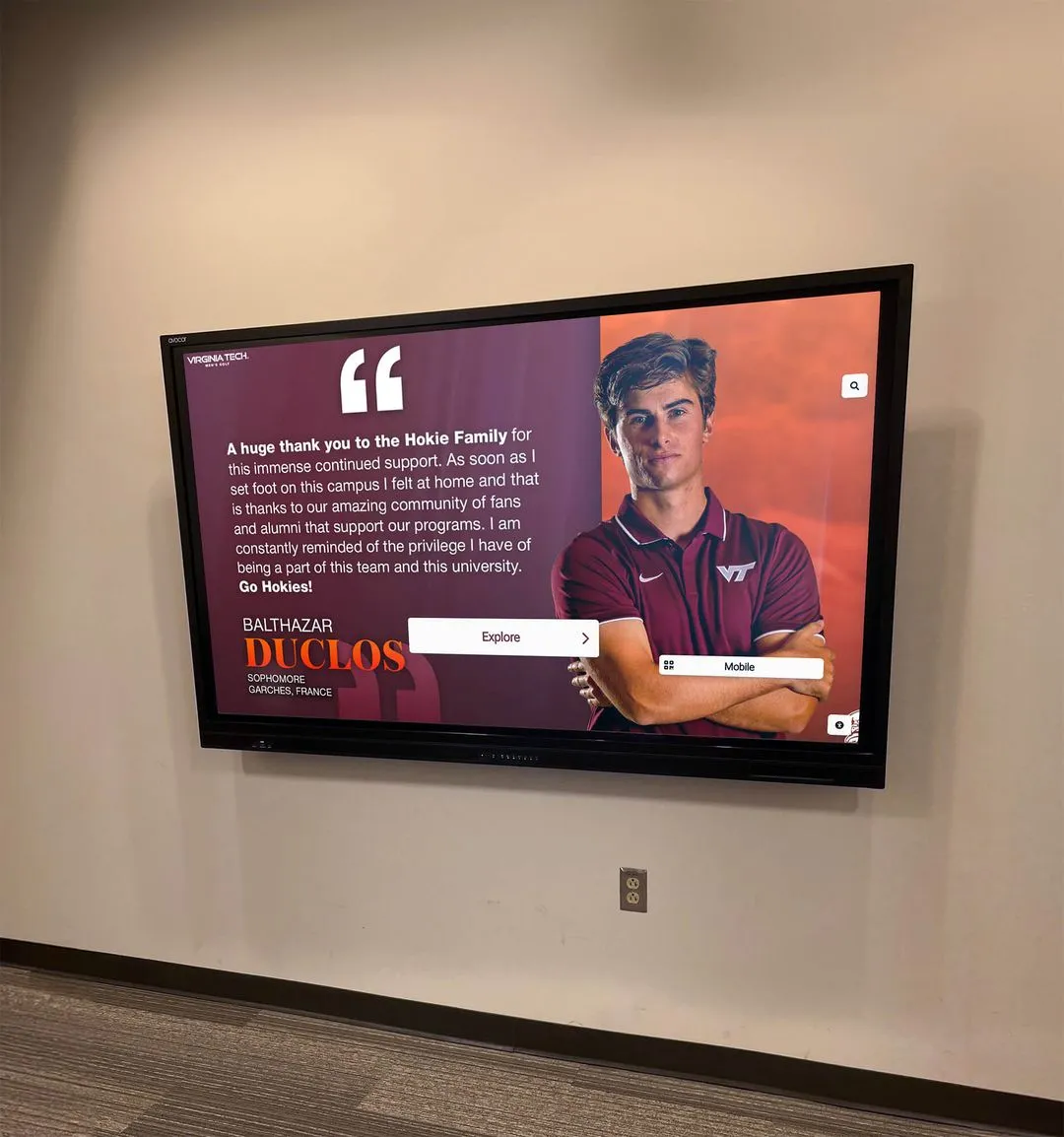
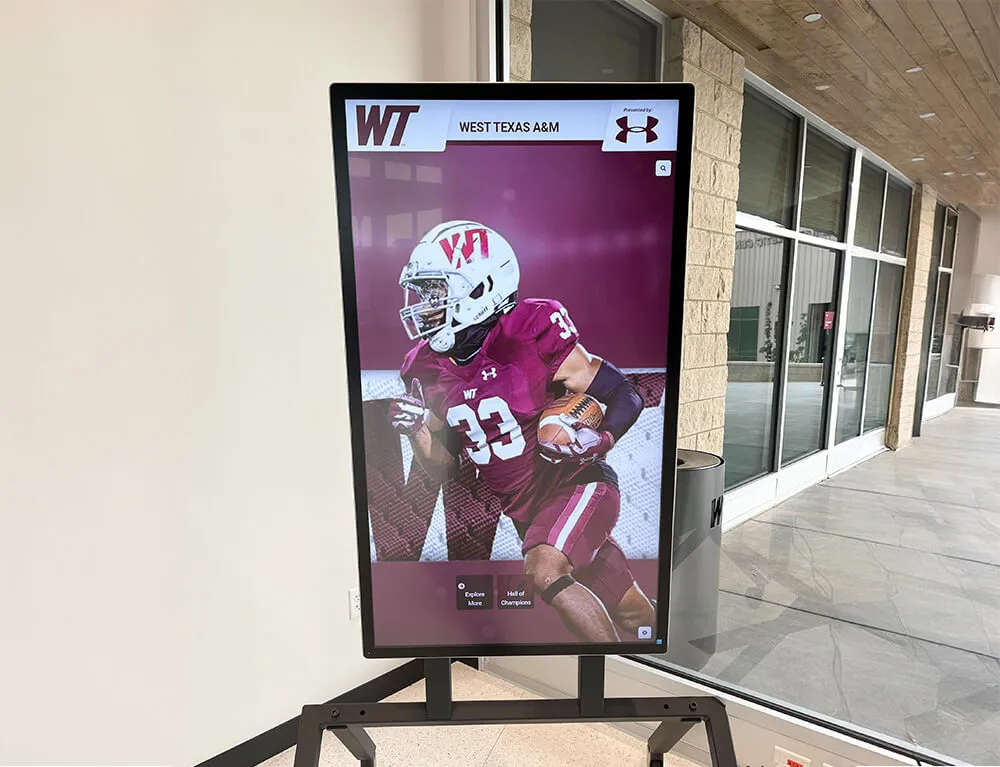
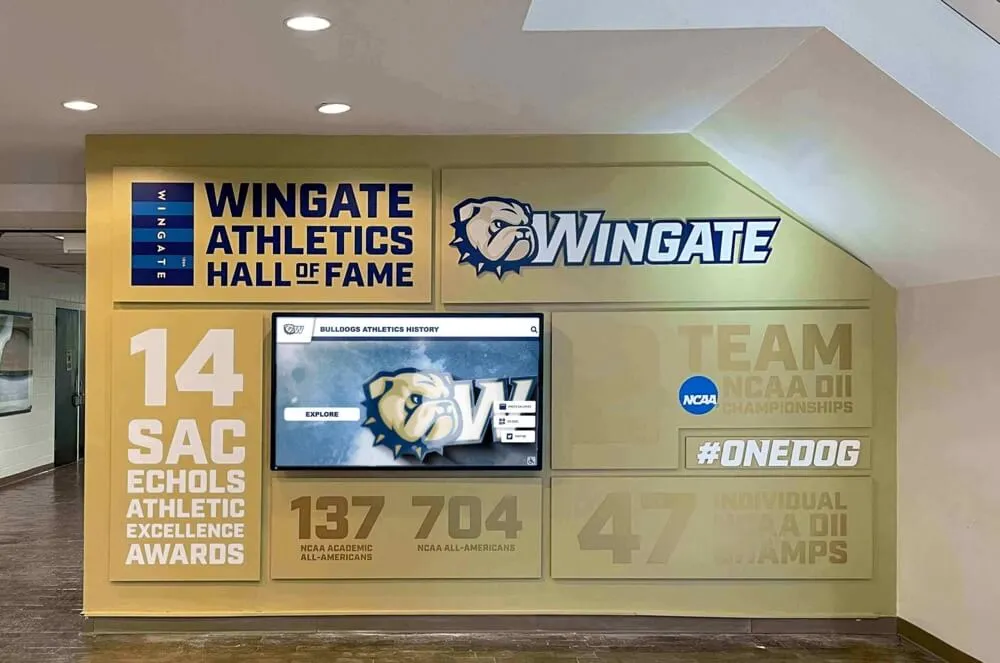
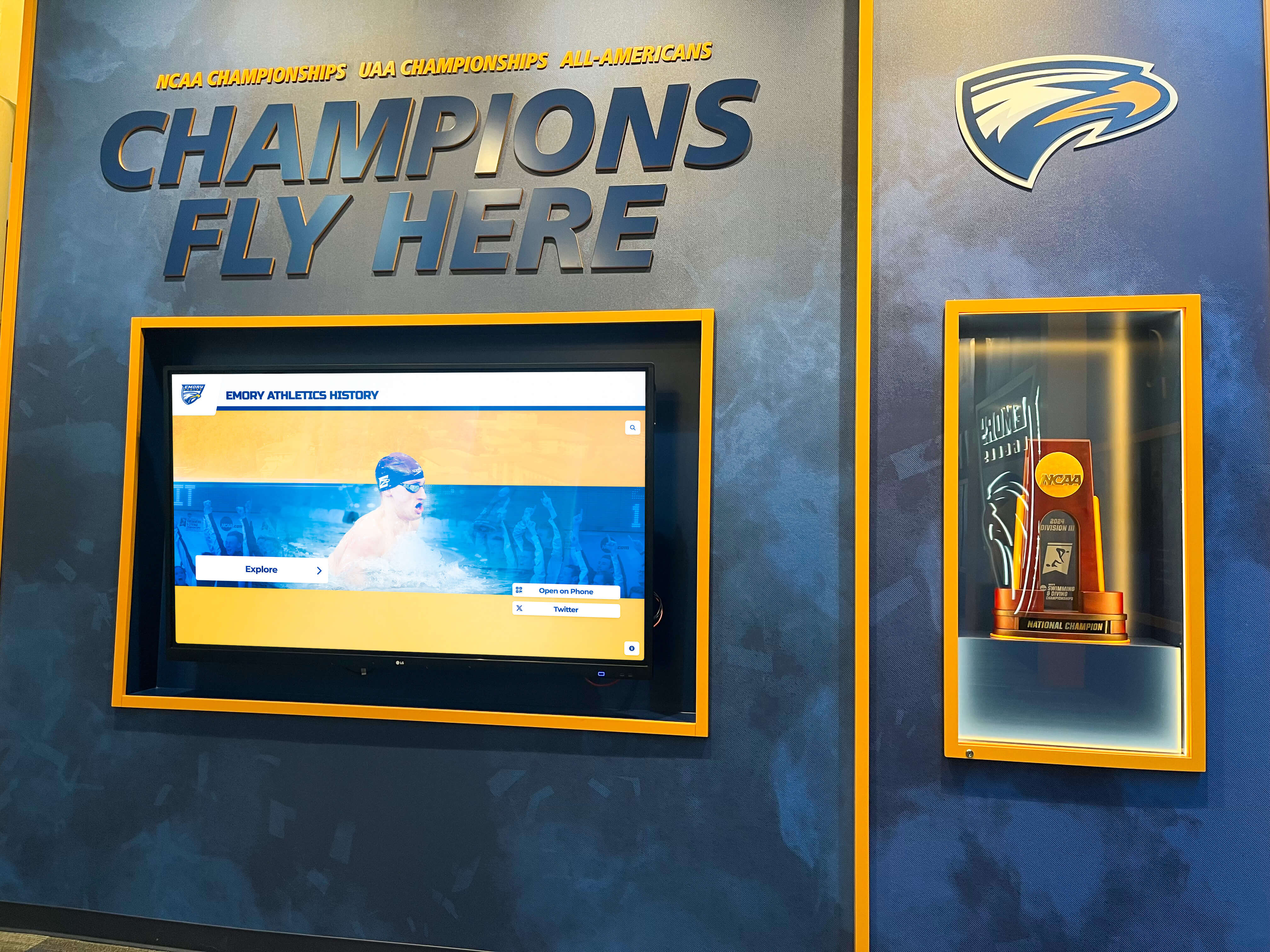
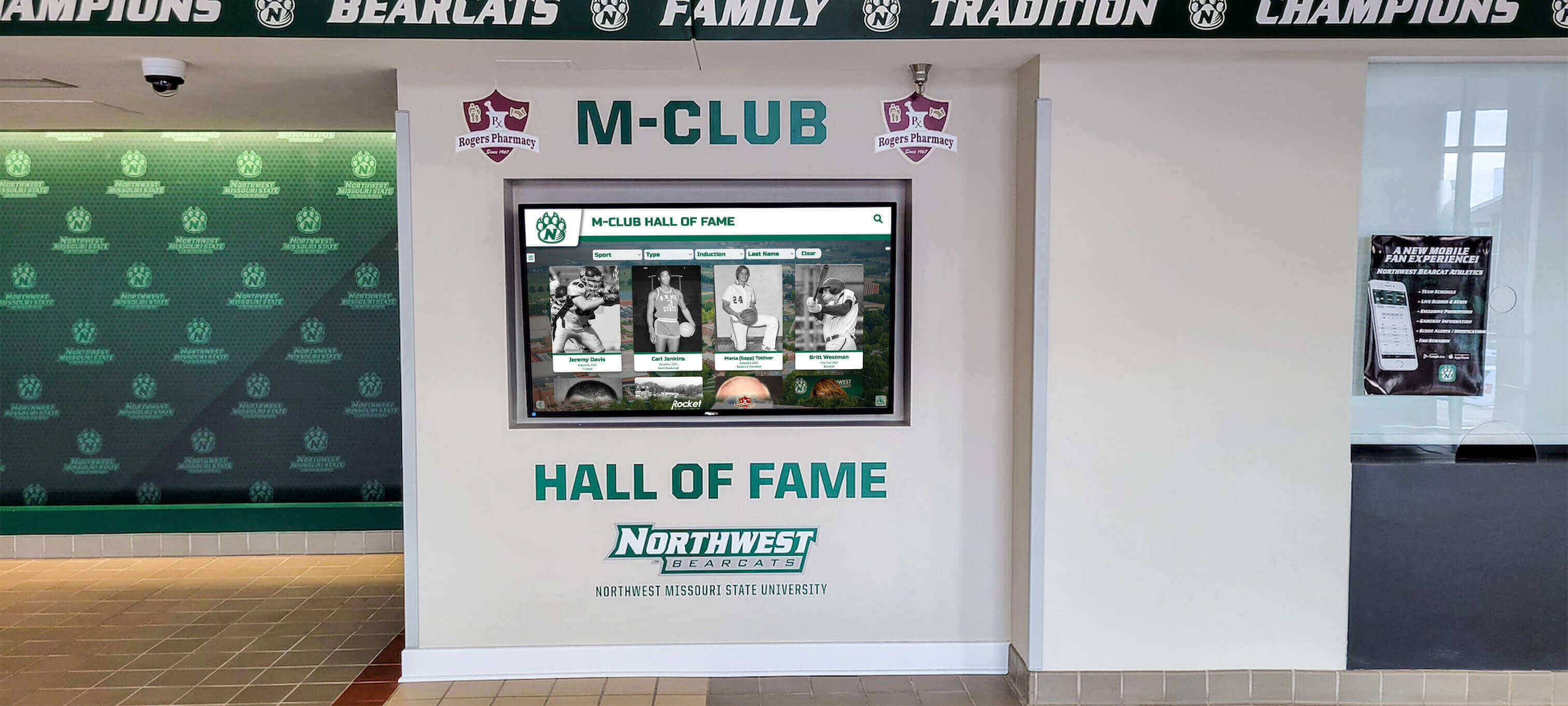
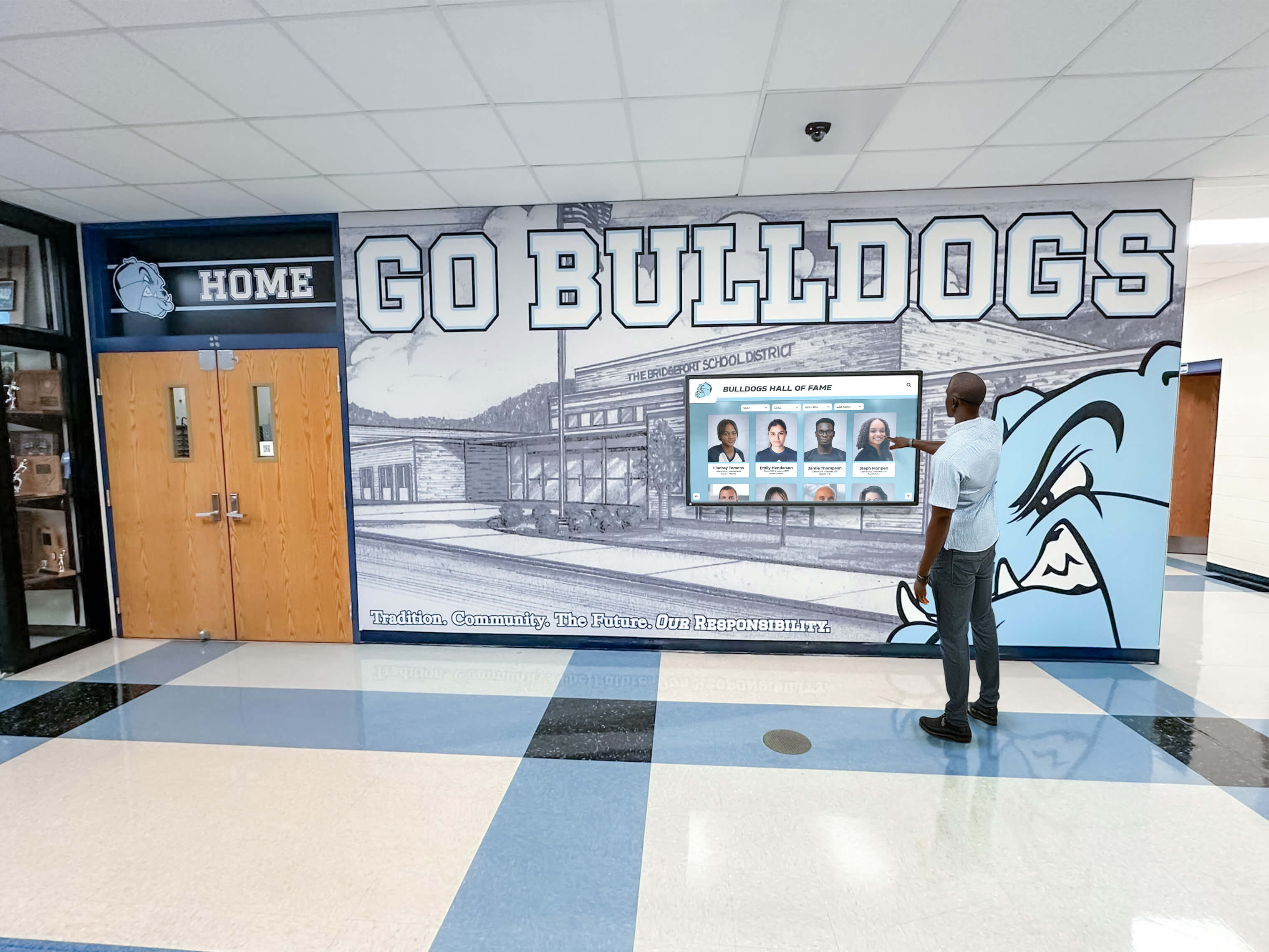
Modern digital recognition technology eliminates traditional approach limitations while introducing capabilities that transform how schools preserve and celebrate football excellence. Interactive touchscreen displays provide unlimited recognition capacity without physical space constraints, enable immediate updates when new achievements occur, support rich multimedia content including video highlights and extended narratives, and offer intuitive search and exploration features that engage visitors.
Solutions designed specifically for athletic recognition ensure that football programs receive appropriate emphasis while integrating with broader athletic achievement across all sports. Comprehensive platforms enable schools to document complete program histories including championship achievements across all eras, individual statistical records and milestones, All-State and award recognition, coaching achievements and milestones, memorable game narratives and season summaries, and historical context about programs, eras, and competitive circumstances.
The transformation from static physical displays to dynamic digital recognition represents more than just technology adoption—it reflects commitment to ensuring championship legacies receive lasting recognition worthy of their significance to programs, communities, and the individuals who built excellence.
Schools throughout Alabama and beyond are discovering how digital solutions enhance recognition programs. Platforms like touchscreen displays for high school gym lobbies demonstrate how modern recognition creates engaging experiences in athletic spaces.
Comprehensive Content Development
Effective digital recognition requires more than simply transferring trophy case information to screens. It demands comprehensive content development that creates engaging narratives, provides historical context, and enables emotional connections between viewers and achievements.
Essential content elements include high-quality photography showing players in action, championship teams celebrating victories, and coaches leading their programs; video content when available featuring game highlights, championship moments, player interviews, and coach reflections; comprehensive statistical documentation with season-by-season breakdowns; biographical information about players, coaches, and championship teams; achievement narratives explaining significance and context; and historical timelines showing program evolution across decades.
This content depth transforms simple lists of champions into compelling stories that inspire current athletes, engage alumni, and educate community members about program traditions. When underclassmen can watch video of championship games, read about how teams overcame adversity, and understand what previous players sacrificed to build excellence, abstract championship goals become tangible possibilities.
Integration with Broader School Recognition

While football deserves appropriate recognition given its significance in Alabama school culture, the most effective recognition programs integrate football excellence within comprehensive athletic achievement celebrating all sports. Multi-sport recognition ensures that football receives appropriate emphasis while honoring excellence across basketball, baseball, track and field, volleyball, soccer, and all athletic programs.
This comprehensive approach communicates institutional values celebrating diverse forms of athletic excellence while ensuring football traditions receive their rightful place as cornerstones of school athletic achievement. Digital platforms make integration practical through flexible content organization, intuitive navigation enabling sport-specific exploration, and unlimited capacity ensuring no sport competes for limited physical space.
Beyond athletics, forward-thinking schools integrate academic achievement, arts recognition, and character awards, creating complete student recognition systems that honor excellence across all dimensions of school experience. This holistic approach reinforces that while athletic excellence matters, complete student development encompasses academic, artistic, and personal growth.
Resources about building school pride show how comprehensive recognition strengthens overall school culture and community.
Leveraging Football History for Program Development
Beyond honoring past achievements, effective recognition systems serve strategic purposes that strengthen current programs through recruitment, motivation, fundraising, and community engagement.
Recruitment Impact
In Alabama’s competitive football environment, recruiting advantages prove crucial for building and sustaining championship programs. Comprehensive recognition displays provide tangible evidence of program excellence that influences recruitment decisions when prospective athletes and their families evaluate programs.
Visible championship documentation influences recruitment through objective evidence of sustained excellence beyond coach claims, demonstration of pathways to college opportunities, visible commitment to honoring player contributions, and creation of aspirational environments where athletes imagine themselves achieving similar success. Many coaches report that championship displays become focal points during recruiting visits, with prospective players spending significant time exploring program histories and envisioning themselves as future championship contributors.
Motivating Current Athletes
Visible recognition creates concrete goals transforming abstract excellence concepts into specific, measurable targets. When athletes see exactly what championships have been won, what records exist, and who achieved them, they gain tangible benchmarks for their own development and achievement.
Interactive displays can include features showing current team statistics, how individuals track toward career records, what achievements would earn lasting recognition, and where current seasons rank in historical context. This transparency enables goal-setting far more effective than vague encouragement about “playing your best” or “living up to traditions.”
Building Championship Culture
Programs with comprehensive historical documentation develop cultures where exceptional performance becomes expected rather than rare. When athletes grow up seeing program history filled with championships and exceptional individual achievement, pursuing similar excellence becomes part of program identity rather than unusual ambition.
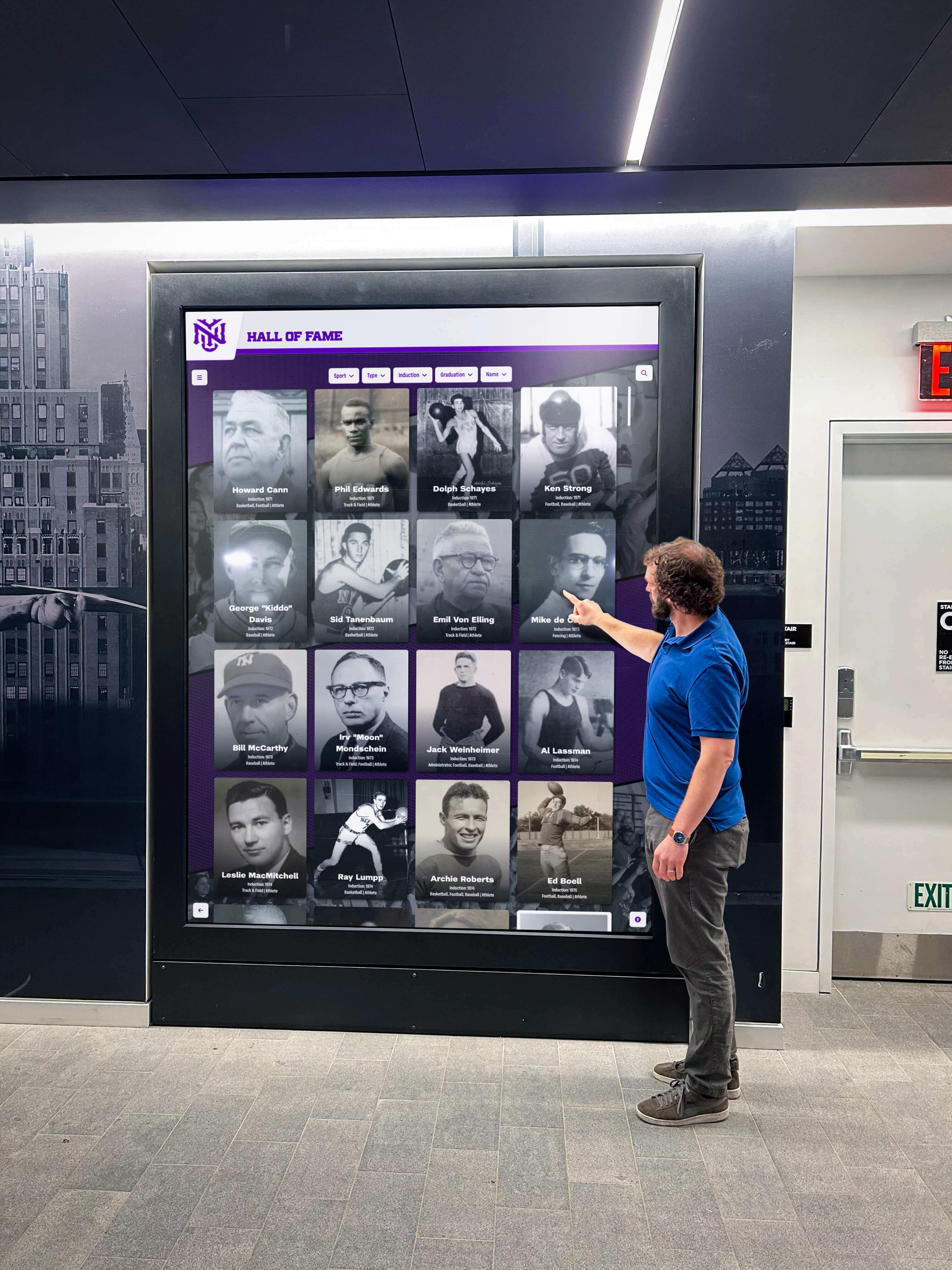
Championship cultures develop when recognition systems connect current teams to historical success, creating expectations that each generation will maintain program standards. This cultural continuity appears particularly strong when displays document sustained achievement across multiple coaching eras and athlete generations, demonstrating that excellence transcends individual personalities to reflect program-wide commitment.
Alumni Engagement and Fundraising
Football recognition creates natural engagement points for alumni and community members passionate about program traditions. Recognition-focused initiatives include fundraising campaigns to establish or expand recognition displays, naming opportunities associated with recognition programs, sponsorship programs supporting annual recognition expenses, and alumni giving tied to honoring specific championship teams or eras.
Championship legacies provide compelling fundraising narratives—donors respond positively to opportunities honoring excellence and preserving program history for future generations. Many schools successfully fund recognition programs entirely through donations from alumni and community members who want to ensure their championship eras receive appropriate documentation.
Guidance about donor recognition examples shows how recognition systems can integrate fundraising acknowledgment with athletic achievement celebration.
Implementation Considerations for Alabama Schools
Schools seeking to enhance football recognition should consider several key factors ensuring successful implementations that serve programs effectively for years to come.
Budget Planning and Investment
Understanding investment requirements helps secure necessary funding and plan implementations matching available resources while delivering maximum value. Comprehensive digital recognition systems typically require investment including hardware costs for commercial-grade touchscreen displays, industrial computing modules, and mounting systems ($4,000-$15,000); software and content management platform licensing ($2,000-$5,000 initial, $1,000-$2,500 annual); content development for historical research, photography, video production, and database population ($2,000-$8,000); and ongoing operating costs for software licensing, content updates, and technical support ($1,500-$3,500 annually).
While these investments may seem substantial, schools should evaluate against alternatives including ongoing costs for traditional physical recognition materials and updates ($2,000-$5,000 annually), limited capacity forcing difficult prioritization decisions, update delays compromising recognition timeliness, and aging displays requiring complete replacement every 5-8 years.
Most programs calculate break-even within 3-4 years based purely on eliminated physical update costs, with ongoing strategic value through enhanced recruitment, improved engagement, and comprehensive documentation substantially exceeding traditional approaches.
Funding Strategies
Alabama schools successfully fund recognition programs through various sources including athletic department capital budgets, booster club campaigns and fundraising initiatives, alumni association support and memorial giving programs, corporate sponsorships from local businesses, naming opportunities for major donors, crowdfunding campaigns engaging broader school communities, and grant applications to foundations supporting educational technology or athletic programs.

Presentation of comprehensive business cases documenting both costs and strategic benefits—recruitment advantages, enhanced community engagement, improved alumni relations, comprehensive historical preservation—helps secure administrative approval and funding commitment from multiple stakeholder groups.
Content Development Planning
The most challenging implementation aspect often proves to be comprehensive content development rather than technology deployment. Successful implementations require systematic approaches to historical research including reviewing archived programs, media guides, and athletic department records; consulting local newspaper archives and media coverage; interviewing former coaches, players, and program supporters; examining yearbooks and school publications; and researching state athletic association records and tournament documentation.
Current content development demands establishing workflows for capturing ongoing achievements including game-by-game statistical tracking, post-season award documentation, championship team roster preservation, photography and video capture, and player biographical information collection. Schools that establish systematic content development processes during implementation create sustainable recognition programs that remain current and comprehensive rather than becoming outdated as new achievements occur.
Many schools benefit from professional content development assistance during initial implementation, establishing comprehensive historical foundations while training staff for ongoing maintenance. This approach ensures high-quality initial launches while building internal capacity for sustainable long-term management.
Future Trends in Football Recognition
Recognition technology and practices continue evolving, creating new possibilities for celebrating football excellence and engaging athletes and communities.
Emerging Technologies
Advanced capabilities becoming increasingly accessible include artificial intelligence features enabling natural language search and automated content recommendations, augmented reality experiences overlaying digital content onto physical spaces, live statistics integration feeding game data directly into recognition displays, enhanced video capabilities with automatic highlight generation from game footage, and mobile applications extending recognition access beyond physical displays to any smartphone or tablet.
While cutting-edge technologies generate excitement, schools should prioritize solid execution of fundamental recognition principles before pursuing advanced features. The most effective recognition systems excel at comprehensive content, engaging presentation, and ease of use rather than technical complexity for its own sake.
Evolving Recognition Practices
Alabama schools are reconsidering traditional recognition approaches to ensure they appropriately honor diverse forms of excellence including broader achievement definitions expanding beyond traditional statistics to recognize leadership, character, and complete student-athlete development; academic achievement integration celebrating scholar-athletes alongside athletic excellence; community contribution recognition honoring players who strengthen programs and communities regardless of statistical achievement; and inclusive recognition ensuring all contributors receive appropriate acknowledgment rather than focusing exclusively on star players.
These evolving practices ensure recognition programs remain relevant and inclusive while maintaining appropriate emphasis on exceptional athletic achievement that defines championship programs.

Schools developing recognition programs today should build flexible systems capable of adapting as recognition philosophies evolve, ensuring long-term relevance rather than creating rigid structures that become outdated as institutional values and practices change.
Celebrating Alabama’s Football Tradition
Alabama high school football history represents exceptional athletic achievement, dedicated coaching, passionate community support, and championship traditions that define school and community identities. From legendary programs that capture multiple state championships to small-town teams whose single championship runs unite entire communities, Alabama football creates memories, builds character, and establishes legacies worthy of comprehensive recognition.
Modern recognition technology has transformed what’s possible in preserving and celebrating these achievements. Schools no longer face impossible choices between which championships deserve prominent recognition and which must be minimized due to space constraints. Digital platforms enable complete documentation of every championship, every record-setter, every All-State selection, and every coach who built program excellence—creating comprehensive archives honoring all who contributed to championship traditions.
Whether implementing sophisticated digital recognition systems, enhancing traditional displays, or creating hybrid approaches combining both, successful programs share common characteristics including systematic documentation ensuring accuracy and completeness, engaging storytelling that provides context and inspiration, strategic placement maximizing visibility and impact, integration with broader athletic and academic recognition, sustainable maintenance ensuring ongoing accuracy and relevance, and alignment with program goals including recruitment, development, and community engagement.
For schools committed to honoring the players, coaches, and programs that built championship traditions while inspiring future generations to pursue similar excellence, comprehensive recognition represents an investment delivering returns across multiple dimensions. Every championship won, every record broken, and every individual who gave themselves to program excellence deserves lasting recognition that preserves Alabama’s rich football heritage for generations to come.
Ready to preserve your football program’s championship legacy? Rocket Alumni Solutions provides comprehensive digital recognition platforms designed specifically for athletic programs, combining intuitive content management, engaging user experiences, and dedicated support ensuring your program’s history receives the recognition it deserves. Championship traditions built over decades shouldn’t fade into obscurity—modern recognition systems ensure they inspire athletes for generations to come.