



For generations, varsity letters have represented the gold standard of high school recognition—physical symbols of dedication, achievement, and school pride that students wear with honor. The iconic letterman jacket covered in chenille patches has become synonymous with high school accomplishment, creating tangible recognition that persists long after graduation. Yet this powerful recognition tradition has historically focused almost exclusively on athletic achievement, leaving academically exceptional students without comparable symbols celebrating their equally impressive dedication and accomplishments.
Academic letter programs address this imbalance by extending letter-worthy recognition to students demonstrating excellence in academic domains. From maintaining exceptional GPAs and earning placement on honor rolls to competing successfully in academic competitions and achieving standardized testing milestones, academic letter criteria celebrate intellectual accomplishment with the same prestige schools have traditionally reserved for athletic achievement.
In 2026, as schools develop more comprehensive recognition cultures that honor diverse paths to excellence, academic letter programs represent increasingly popular solutions for balancing athletic and academic recognition. These programs communicate that schools value intellectual achievement at the highest levels while providing academically dedicated students the tangible recognition symbols their athletic peers have long enjoyed.
This comprehensive guide explores everything schools need to know about implementing academic letter award programs—from understanding program benefits and establishing appropriate criteria through selecting recognition formats and leveraging modern digital displays that showcase academic letter recipients alongside athletic honorees, creating truly balanced recognition cultures.

Understanding Academic Letter Awards: Origins and Purpose
Before implementing academic letter programs, schools benefit from understanding the recognition tradition these programs parallel and the specific purposes academic letters serve within broader school culture.
The Athletic Letter Tradition and Academic Parallel
Varsity letters originated in 1865 at Harvard University, where the baseball team received “H” monogram letters sewn onto their uniforms. This simple recognition concept spread throughout American education, evolving into one of the most enduring and valued traditions in secondary school culture. By the mid-20th century, earning a varsity letter had become a rite of passage representing athletic achievement, team commitment, and school pride that students celebrated through letterman jackets displaying accumulated letters, patches, and pins.
Traditional Athletic Letter Components:
The standard athletic letter recognition includes the chenille letter in school colors, typically 5-7 inches tall, earned through meeting participation and performance standards in a varsity sport; sport-specific pins indicating the particular athletic program; year bars showing seasons of participation; and the optional letterman jacket providing a prestigious garment displaying all earned recognition symbols. This multi-component system creates layered recognition celebrating both initial achievement and sustained excellence across multiple seasons.
Academic Letter Adaptation:
Academic letter programs adapt this proven recognition tradition to scholarly achievement. Students earning academic letters receive the same prestigious chenille letter as athletic recipients, with modifications indicating academic rather than athletic achievement. Rather than sport-specific pins, academic letter holders earn pins recognizing particular academic domains—honor roll achievement, academic competition excellence, subject-specific honors, or standardized testing accomplishments. The result creates parallel recognition that academic students value as highly as athletes value their varsity letters, addressing the historical imbalance in recognition visibility and prestige.
Why Schools Should Implement Academic Letter Programs
Academic letter programs provide multiple benefits extending throughout school communities, from immediate impact on individual student motivation through broader cultural shifts in how institutions value and celebrate diverse forms of excellence.
Creating Balanced Recognition Cultures
Schools that recognize only athletic achievement communicate—whether intentionally or not—that physical performance matters more than intellectual accomplishment. Students attuned to institutional priorities understand that the achievements schools celebrate publicly and substantively reveal what institutions genuinely value. When only athletic accomplishments receive prestigious recognition like varsity letters while academic excellence receives comparatively minimal acknowledgment, students correctly interpret that athletics matters more in the school’s hierarchy of values.
Academic letter programs address this imbalance by providing scholarly achievement with recognition carrying equivalent prestige. When schools award both athletic and academic letters using identical formats, ceremonies, and traditions, students understand that intellectual and physical excellence receive equal institutional respect. This balanced approach benefits all students by validating multiple paths to significance rather than privileging a single dimension of accomplishment.
Schools implementing comprehensive academic recognition programs report increased academic engagement, stronger participation in academic competitions, and improved retention of high-achieving students who previously felt their accomplishments went underrecognized compared to athletic peers.
Motivating Academic Excellence Through Tangible Recognition
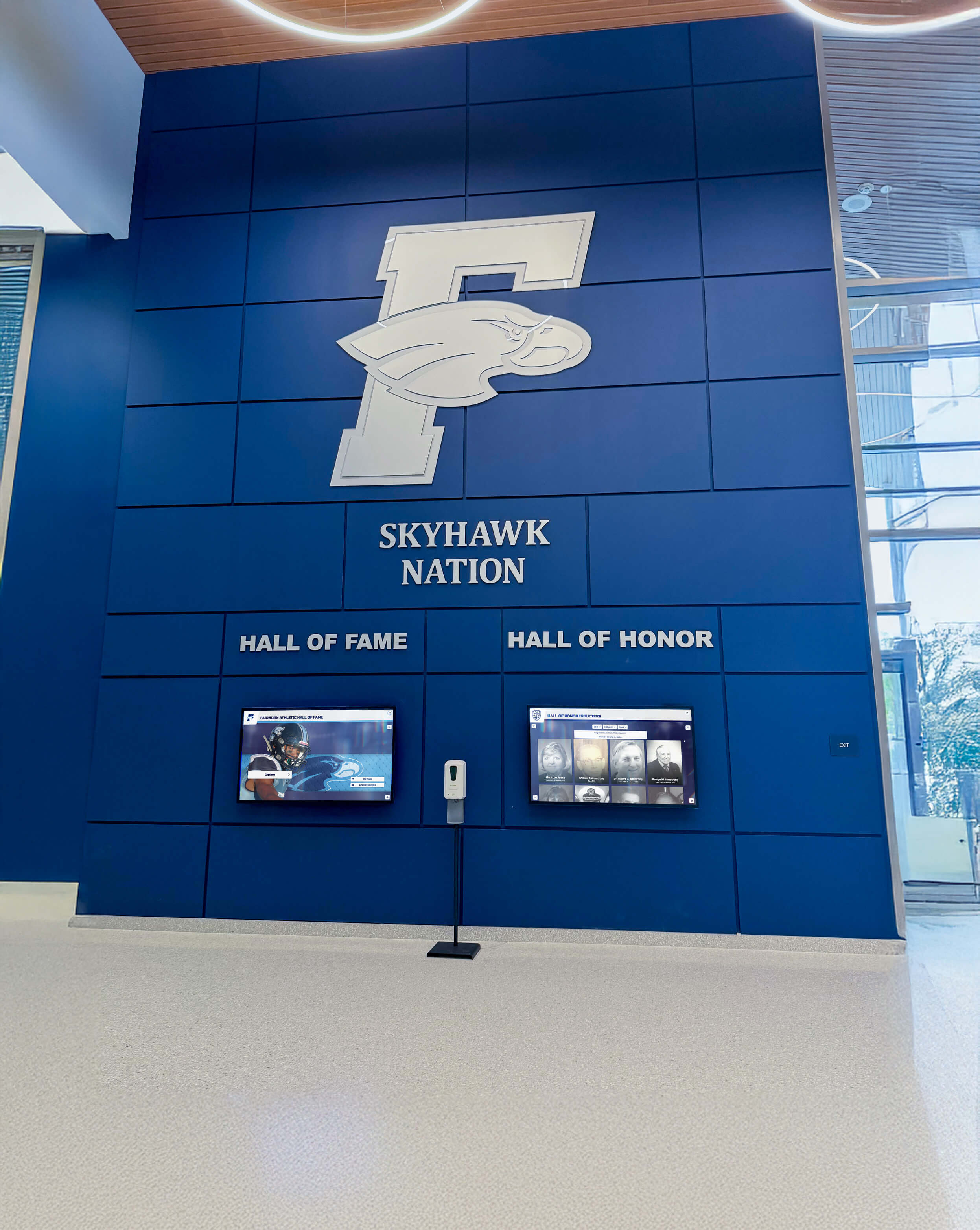
The power of varsity letters lies partly in their tangibility and visibility. Athletic letter recipients don’t just receive certificates filed in drawers—they earn physical symbols displayed proudly on jackets, in trophy cases, and throughout school facilities. This visibility creates powerful motivation for younger students who see upperclassmen wearing letterman jackets and aspire to earn similar recognition.
Academic letters create parallel motivation for intellectual achievement. When sophomores and juniors see academically accomplished upperclassmen wearing letterman jackets adorned with academic letter recognition, they gain tangible evidence that scholarly dedication leads to prestigious rewards comparable to athletic achievement. Abstract encouragement to “do well in school” transforms into concrete recognition goals with visible rewards students genuinely value.
Research on student motivation consistently demonstrates that recognition proves most effective when it includes tangible, visible components creating lasting connections with achievement. Academic letters provide exactly this type of meaningful recognition, creating physical symbols students can display, share with family members, and reference throughout their lives as evidence of scholarly accomplishment during formative years.
Attracting and Retaining Academically Focused Students
Families prioritizing academic excellence often choose schools based on institutional commitment to intellectual achievement. When prospective students and parents tour campuses and encounter robust academic letter programs featuring the same prestige and visibility as athletic recognition, they gain immediate evidence that the school genuinely values scholarship at the highest levels.
This reputational benefit creates positive recruitment cycles where schools known for academic recognition excellence attract more academically motivated students, leading to higher achievement levels that further enhance institutional reputation. Schools in competitive enrollment environments increasingly recognize academic letter programs as strategic assets for differentiating themselves as institutions celebrating comprehensive excellence across all achievement domains.
Common Academic Letter Program Structures
Schools implement academic letter programs using various structural approaches, each with distinct advantages depending on institutional priorities and existing recognition frameworks.
GPA-Based Academic Letters
The most straightforward approach establishes minimum GPA thresholds for earning academic letters, typically requiring sustained performance rather than single-semester achievement.
Common GPA criteria include:
- Cumulative GPA of 3.75+ or 3.8+ on a 4.0 scale across multiple semesters
- Weighted GPA thresholds accounting for honors and Advanced Placement coursework
- Class rank requirements (typically top 10-20% of graduating class)
- Sustained excellence requiring maintained standards across consecutive academic terms
GPA-based criteria provide objective, clear standards easily understood by students and families. However, these systems must account for varying course rigor—students challenging themselves with difficult Advanced Placement courses may earn slightly lower GPAs than peers taking less rigorous schedules, creating situations where programs inadvertently discourage students from pursuing the most challenging coursework available.
Honor Roll Recognition Letters
Many schools tie academic letter eligibility to sustained honor roll achievement, requiring students to earn placement on honor roll (or distinguished honor roll) for a minimum number of consecutive semesters or academic years.
Typical honor roll letter criteria include:
- Four consecutive semesters on honor roll (3.5+ GPA) or distinguished honor roll (3.8+ GPA)
- Six consecutive semesters of honor roll achievement across three years
- Specific grade requirements with no individual grades below certain thresholds
Honor roll criteria naturally incorporate semester-by-semester performance rather than simple cumulative averages, rewarding sustained consistency that cumulative GPAs might obscure. This approach also aligns with existing honor roll recognition programs most schools already maintain, creating administrative efficiency through system integration.
Academic Competition Achievement Letters
Alternative approaches recognize students who excel in academic competitions regardless of grades or standardized test scores, celebrating intellectual accomplishment demonstrated through competitive performance.
Academic competition letter criteria might include:
- Qualifying for state or national competitions in Quiz Bowl, Science Olympiad, Math League, Debate, or similar academic competitions
- Earning medals or top finishes at invitational tournaments
- Representing the school at regional, state, or national academic championship events
- Sustained participation and achievement across multiple competition seasons
This competition-focused approach recognizes students whose intellectual talents shine in competitive rather than classroom environments, ensuring recognition systems capture diverse expressions of academic excellence rather than only traditional GPA-based measures.
Hybrid Multi-Criteria Systems
Many successful academic letter programs combine multiple achievement categories, allowing students to earn letters through various pathways while recognizing that academic excellence manifests differently across student populations.
Comprehensive hybrid systems might include criteria such as:
- GPA threshold of 3.75+ cumulative across three or four semesters
- Sustained honor roll achievement for specified consecutive terms
- Academic competition qualification or achievement at regional level or higher
- Standardized testing excellence such as ACT scores of 30+ or SAT scores of 1400+
- Subject-specific achievement including departmental awards or AP Scholar recognition
- Service learning or academic tutoring demonstrating commitment to academic community
Hybrid approaches maximize inclusivity by recognizing diverse forms of excellence while maintaining rigorous standards ensuring academic letters represent genuinely exceptional achievement worthy of prestigious recognition parallel to varsity athletic letters.
Establishing Academic Letter Program Criteria and Standards
Successful programs require thoughtful criteria development balancing accessibility with selectivity—standards rigorous enough to maintain prestige and meaning while inclusive enough to recognize all students demonstrating genuine academic excellence.
Determining Appropriate Selectivity Levels
The percentage of students earning academic letters dramatically impacts program prestige and motivational effectiveness. Too selective and programs exclude students demonstrating impressive achievement; too inclusive and letters lose meaning through excessive availability.
Varsity Letter Participation Benchmarks
Understanding typical varsity letter availability provides useful context. In most schools, approximately 20-40% of students eventually earn varsity letters in at least one sport during their high school careers. Individual sport participation rates vary dramatically—football and basketball programs might letter 8-15% of students annually while less popular sports have much lower participation rates.
Academic letter programs targeting similar overall participation rates (20-40% of students earning letters by graduation) create parallel prestige without being impossibly exclusive. This translates to annual letter awards reaching perhaps 10-15% of each graduating class, depending on whether students can earn letters across multiple years.
Avoiding Over-Inclusivity
Programs where 50-60% or more students earn academic letters risk diminishing recognition value. When letters become nearly automatic for students maintaining basic honor roll standards, they lose the special significance that makes varsity letters meaningful. Recognition should celebrate exceptional achievement beyond simple competence, requiring sustained excellence and dedication that genuinely warrant prestigious acknowledgment.
Ensuring Accessibility Across Diverse Learner Profiles
While maintaining selectivity, criteria should recognize that academic excellence manifests differently across student populations. Students with learning differences, language barriers, or other challenges might demonstrate exceptional dedication and achievement relative to their circumstances without necessarily reaching the same absolute GPA thresholds as students without these challenges.
Consider implementing tiered recognition or special accommodation provisions:
- Growth-based criteria recognizing dramatic improvement trajectories
- IEP/504 accommodations allowing adjusted standards for students with documented learning differences
- ELL provisions accounting for language acquisition timelines
- Alternative pathways through academic competitions or project-based demonstrations
These accommodations ensure programs remain appropriately selective while recognizing diverse forms of genuine academic excellence deserving celebration.
Subject-Specific vs. Comprehensive Academic Performance
Schools must decide whether academic letters recognize only comprehensive performance across all subjects or whether students can earn letters through exceptional achievement in particular academic domains even if overall performance remains good but not exceptional.
Comprehensive GPA Approaches
Most academic letter programs require strong performance across all core subjects rather than allowing students to earn letters through exceptional strength in particular areas while performing adequately in others. This comprehensive approach parallels athletic requirements where varsity letter recipients must meet all team standards rather than excelling in isolated skill areas.
Comprehensive criteria typically require:
- Minimum GPA calculated across all core academic courses (English, Mathematics, Science, Social Studies, World Languages)
- No individual course grades below certain thresholds (often B- or 80%) ensuring consistent performance
- Strong performance across diverse intellectual domains rather than narrow subject specialization
This approach recognizes well-rounded academic excellence reflecting commitment to scholarship across all intellectual pursuits rather than only areas of natural talent or interest.
Subject-Specific Letter Options
Alternative approaches allow students to earn academic letters in specific subjects—Mathematics, Science, English, Social Studies, World Languages—similar to earning different varsity letters for different sports. Students might earn multiple subject-specific letters throughout high school by demonstrating exceptional achievement in particular academic domains.
Subject-specific letter criteria might include:
- Sustained A/A+ performance in all courses within the subject area across multiple years
- Achievement in subject-specific competitions (Math League for mathematics letters, Science Olympiad for science letters)
- Advanced course completion including multiple AP or honors courses in the subject
- Departmental awards or teacher nominations recognizing exceptional subject mastery
This approach recognizes deep expertise and passion in particular intellectual domains, celebrating students whose greatest strengths lie in specific subject areas even if comprehensive performance across all subjects doesn’t reach exceptional levels. Schools implementing this model often allow students to accumulate multiple letters, creating academic equivalent to multi-sport athletes who earn letters in several athletics.
Setting Year and Duration Requirements
Academic letter programs must establish when students first become eligible and whether letters recognize single-year achievement or require sustained excellence across multiple years.
Grade Level Eligibility
Freshman Eligibility: Some programs allow ninth-graders to earn academic letters based on first-year performance, creating early motivation and recognition opportunities. This approach celebrates students who begin high school with exceptional performance, providing immediate rewards for academic dedication. However, freshman eligibility may increase total program participation rates if many students earn letters early but later performance declines.
Sophomore-Senior Eligibility: Other programs limit letter eligibility to students completing at least two years, requiring sustained performance across multiple grades before recognition. This ensures letters celebrate demonstrated consistency rather than single-year achievement while maintaining higher selectivity by limiting the total available earning opportunities.
Senior-Only Recognition: Some schools reserve academic letters exclusively for graduating seniors based on cumulative four-year performance, making letters represent capstone recognition of comprehensive high school academic careers. This maximizes selectivity and prestige but eliminates the motivational power of recognizing achievement during junior year when students can still display letters throughout senior year.
Most programs implement sophomore-senior eligibility, allowing recognition beginning in tenth or eleventh grade while requiring sufficient performance history to ensure letters celebrate sustained excellence rather than isolated achievement.
Single-Year vs. Multi-Year Requirements
Annual Achievement Recognition: Programs recognizing single-year achievement allow students to earn academic letters multiple times—potentially once per year if they maintain qualifying performance. This mirrors athletic programs where students can earn letters each season they participate at varsity level, creating recognition systems that reward sustained excellence across multiple years through accumulated letters, pins, and year bars.
Cumulative Excellence Requirements: Alternative approaches award letters once based on cumulative multi-year performance, treating academic letters as singular recognition of comprehensive high school achievement rather than annual awards. This model parallels honor society induction where membership represents sustained qualification rather than renewed annual recognition.
Annual recognition systems generate higher engagement by creating recurring motivation and multiple recognition opportunities, though they require more administrative effort tracking and awarding letters multiple times rather than once per student.
Implementing Effective Academic Letter Programs
Moving from concept to operational program requires careful planning addressing administrative logistics, recognition ceremonies, and physical recognition materials ensuring programs deliver meaningful impact while remaining sustainable across leadership transitions.
Establishing Clear Program Guidelines and Communication
Written Policy Documentation
Comprehensive written policies prevent confusion and ensure consistent application across student cohorts and administrative transitions:
- Specific eligibility criteria with numerical thresholds
- Calculation methods for GPAs including which courses count, weighting systems, and rounding conventions
- Timeline for eligibility determination and award notification
- Appeal processes for students questioning eligibility decisions
- Policies for students transferring between schools mid-program
- Guidelines for students with IEPs, 504 plans, or other accommodations
- Recognition ceremony attendance expectations
- Academic letter jacket policies including whether school provides or students purchase
Document everything in student handbooks, academic award program guides, and school websites ensuring current students, prospective students, and families clearly understand program requirements and recognition procedures.
Multi-Channel Communication Strategy
Effective programs communicate requirements and deadlines through multiple channels reaching all stakeholders:
- School website with dedicated academic recognition program pages
- Student handbook sections detailing all academic award opportunities
- Annual presentations to students during grade-level assemblies
- Counselor one-on-one conversations during academic planning meetings
- Parent communications through newsletters, websites, and parent-teacher conferences
- Posters in classrooms, counseling offices, and hallways
- Integration into Back to School Night presentations for families
- Social media promotion highlighting current year academic letter recipients
Regular communication ensures all students understand earning opportunities rather than only those from families with existing knowledge of academic recognition programs.
Developing Recognition Ceremonies and Traditions
Meaningful recognition requires ceremonial acknowledgment creating memorable experiences for students and families while communicating institutional respect for academic achievement.
Ceremony Timing and Format Options
Academic Awards Night: Many schools establish dedicated academic recognition ceremonies celebrating comprehensive scholarly achievement across all academic domains. These end-of-year awards ceremonies include academic letter awards alongside honor roll recognition, department awards, scholarship announcements, and National Honor Society induction, creating comprehensive celebration of intellectual excellence.
Athletic Awards Ceremony Integration: Alternative approaches integrate academic letter awards into athletic awards nights, placing academic and athletic recognition literally side-by-side within single ceremonies. This integration physically demonstrates equal institutional respect for both achievement domains while ensuring academic recognition receives comparable ceremony prestige and family attendance.
Honor Society Ceremonies: Some programs incorporate academic letter awards into National Honor Society induction ceremonies or honor society recognition events, connecting academic letters with other prestigious academic recognition students receive.
Separate Academic Letter Ceremony: Schools with large academic letter cohorts sometimes create dedicated academic letter ceremonies focusing exclusively on this recognition. This approach maximizes program-specific attention while creating distinctive traditions specifically for academic letter recipients parallel to some sports-specific awards banquets.
Regardless of format, ceremonies should include individual recognition of each recipient, presentation of letters and pins by school administrators, brief remarks from school leaders emphasizing achievement significance, and photo opportunities creating lasting memories of recognition moments.
Creating Lasting Ceremonial Traditions
The most effective recognition ceremonies develop distinctive traditions students anticipate and remember:
- Opening remarks from the principal or superintendent connecting academic excellence to institutional mission and values
- Featured speaker such as distinguished alumni, community leaders, or educators discussing the long-term impact of academic dedication
- Individual presentation where each recipient walks across stage to receive their letter and pin from administration
- Group photographs of all academic letter recipients creating visual documentation of the cohort
- Reception allowing families to celebrate together while viewing displays showcasing recipient profiles
- Yearbook documentation ensuring ceremonial recognition extends into permanent school records
- Social media celebration amplifying recognition beyond ceremony attendees to broader communities
These traditions create comprehensive recognition experiences students value throughout their lives while communicating institutional commitment to celebrating academic excellence at the highest levels.
Selecting Physical Recognition Materials and Supplies
Academic letter programs require physical materials—letters, pins, certificates, display options—matching the quality and prestige of equivalent athletic recognition.
Chenille Academic Letters
The foundation of any academic letter program is the chenille letter itself, which should match or exceed the quality of athletic varsity letters:
Specification Considerations:
- Letter size: typically 5-7 inches tall, matching athletic letter dimensions
- Chenille quality: thick, durable chenille in primary school colors
- Letter design: school letter with modifications indicating academic achievement (often different color schemes, borders, or integrated book/torch symbols distinguishing academic from athletic letters)
- Attachment method: letters should be designed for sewing onto letterman jackets, typically with finished backing suitable for fabric attachment
Suppliers offering customized chenille letters include Stumps, Herff Jones, Jostens, and specialized awards companies. Typical costs range from $8-15 per letter depending on size, customization complexity, and order quantities.
Academic Achievement Pins and Medals
Complementing letters, pins and medals indicate specific achievements within the academic letter program:
- Subject-specific pins: Indicating letters earned in Mathematics, Science, English, etc.
- Year bars: Showing each year a student earned academic letter recognition
- Activity pins: Recognizing specific academic competitions, honor societies, or scholarly activities
- Special achievement pins: For perfect attendance, character awards, or supplementary recognition
These accumulated pins create layered recognition systems paralleling the letterman jacket patches athletic students collect, allowing academic letter recipients to display comprehensive achievement histories through accumulated pins representing sustained multi-year excellence.
Certificates and Recognition Documents
In addition to physical letters, provide formal certificates documenting academic letter awards:
- Professional certificate design incorporating school branding and logos
- Specific achievement details including qualifying criteria met and award date
- Administrator signatures adding official institutional validation
- Suitable for framing and home display
- Digital versions for online portfolios and college applications
High-quality certificates demonstrate institutional respect for achievement while providing recognition suitable for family display separate from letterman jackets.
Academic Letter Jacket Policies
Schools must establish clear policies about letterman jackets for academic recipients:
School-Provided Jackets: Some programs provide letterman jackets to all academic letter recipients using the same approach as athletic programs, ensuring economic factors don’t prevent students from displaying earned recognition. This approach requires significant budget allocation but maximizes program impact by ensuring all recipients can wear their recognition visibly.
Student-Purchased Jackets: Other programs follow models where students purchase their own jackets once they’ve earned letters qualifying for jacket eligibility. Schools typically establish approved vendors offering jackets in official school colors meeting program standards. This reduces institutional costs but may limit participation among students from families unable to afford jacket purchases.
Jacket Credit or Subsidy Programs: Hybrid approaches provide partial subsidies, jacket purchase credits, or financial aid for families unable to afford full jacket costs, ensuring economic factors don’t prevent students from obtaining jackets displaying earned recognition.
Whichever approach schools select, clear policies prevent confusion while ensuring all students can meaningfully celebrate their academic letter achievements through visible display options.
Modern Digital Display Solutions for Academic Letter Recognition
While physical letters, pins, and jackets provide tangible recognition students can wear and display personally, comprehensive academic letter programs also benefit from permanent installation visibility showcasing recipients throughout school facilities and online platforms.
Benefits of Digital Recognition Displays for Academic Programs
Traditional recognition approaches—trophy cases with certificate displays, bulletin boards with student names, or hallway plaque installations—provide static recognition but offer limited capacity, require manual updates, and lack the engagement features that make recognition inspirational for younger students. Digital recognition solutions overcome these limitations while introducing powerful capabilities that transform how schools celebrate academic letter recipients.
Unlimited Recognition Capacity
Digital platforms accommodate unlimited recipient profiles without physical space constraints forcing difficult prioritization decisions. Whether recognizing twenty academic letter recipients annually or two hundred across multiple years, display footprint remains constant. Schools never face decisions about removing older recognition to create space for new recipients, ensuring every achievement receives permanent commemoration visible to school communities.
Rich Multimedia Student Profiles
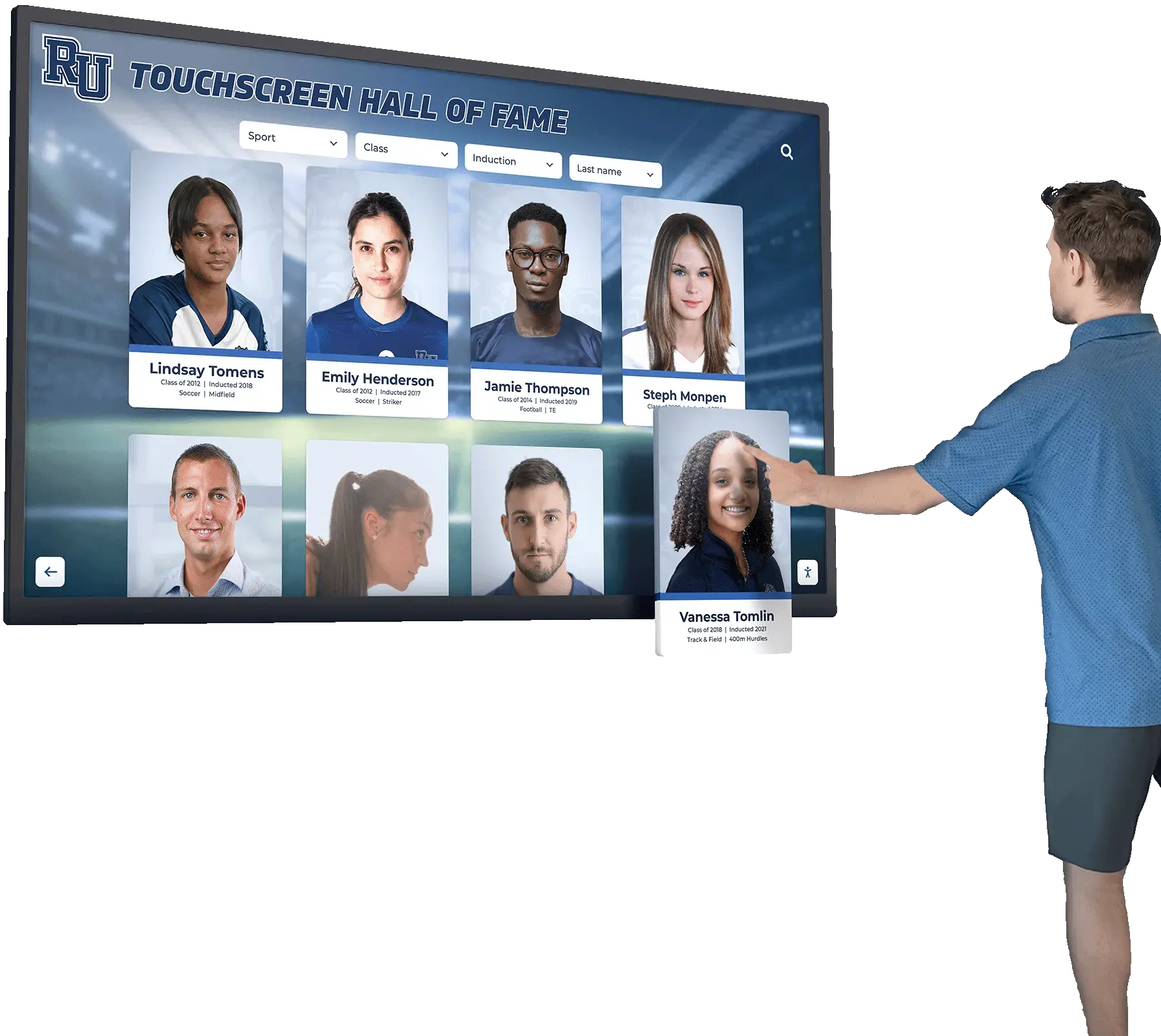
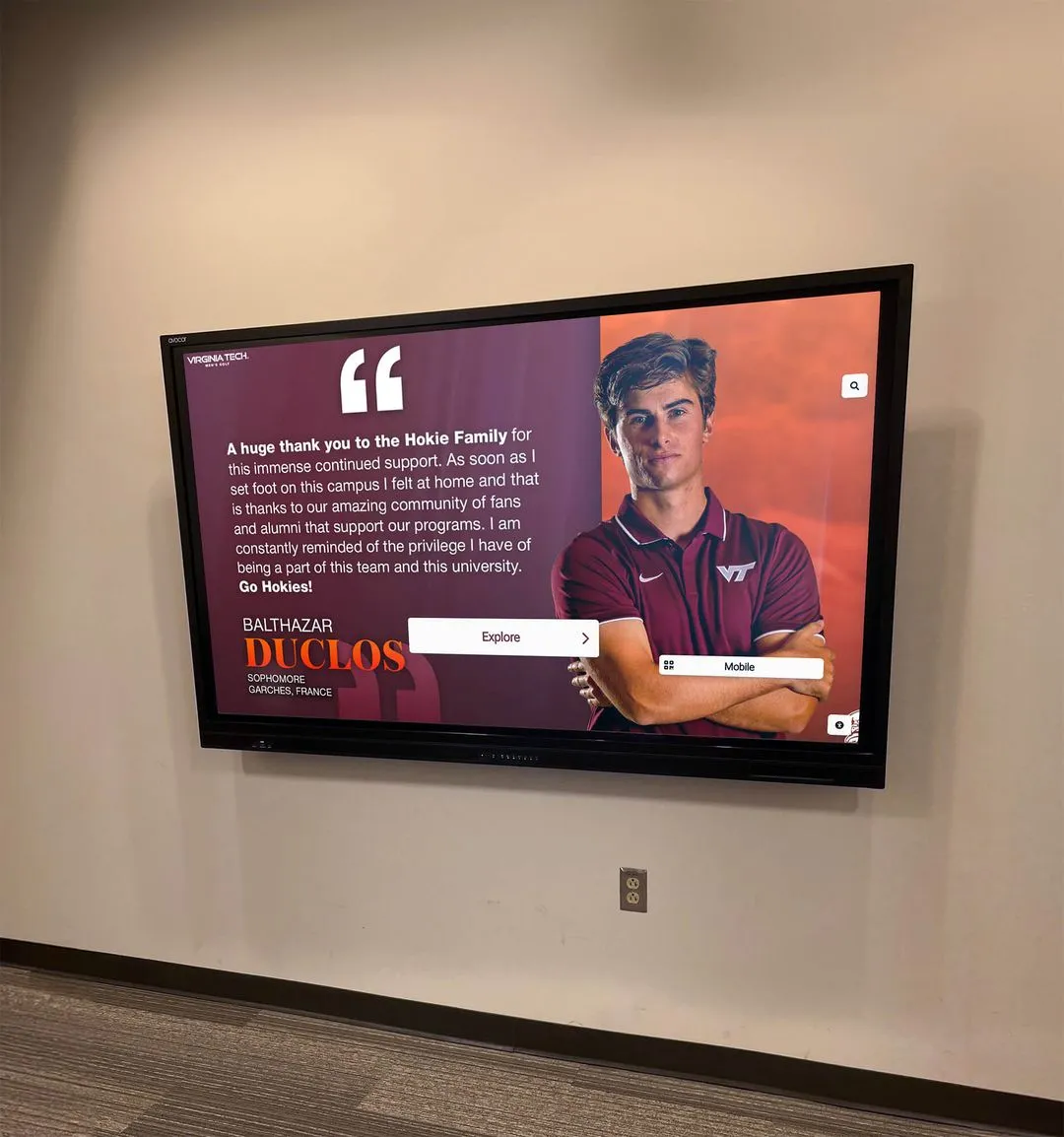
Digital recognition enables comprehensive profiles including professional photographs showing students at academic activities, detailed achievement narratives explaining qualifying accomplishments and academic interests, advice for younger students pursuing academic excellence, complete lists of academic honors including AP courses, honor roll achievement, and competition accomplishments, and college destination information connecting academic excellence to positive outcomes.
This profile depth creates compelling recognition that static name plaques cannot match, transforming basic acknowledgment into engaging stories that inspire current students while appropriately honoring academic letter recipients’ dedication and accomplishment.
Interactive Exploration Features
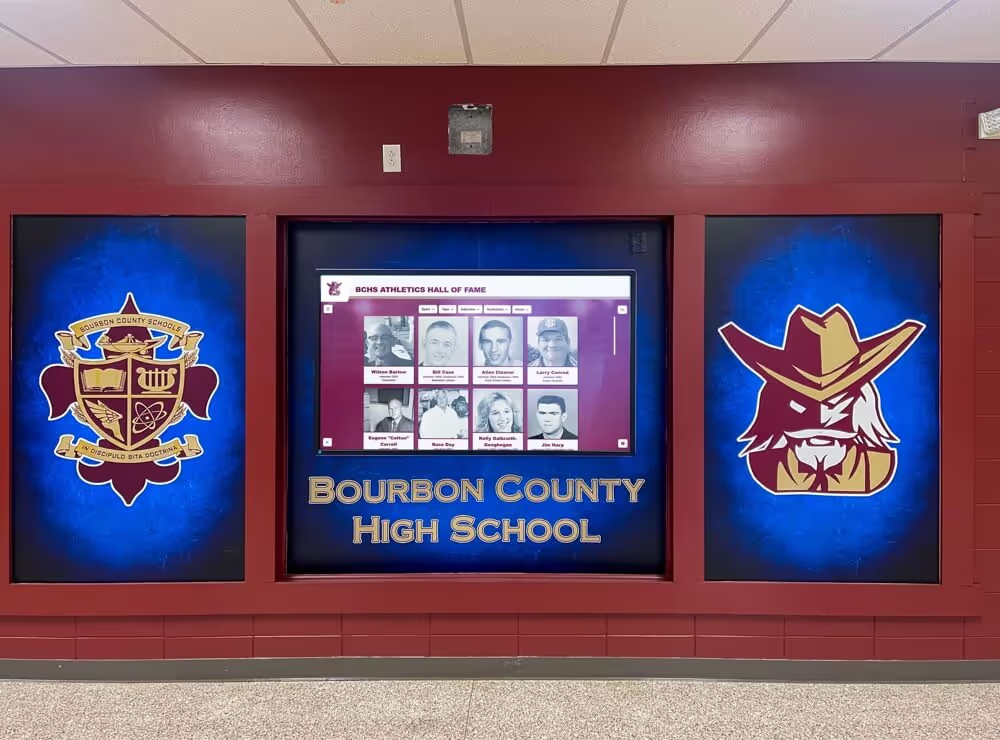
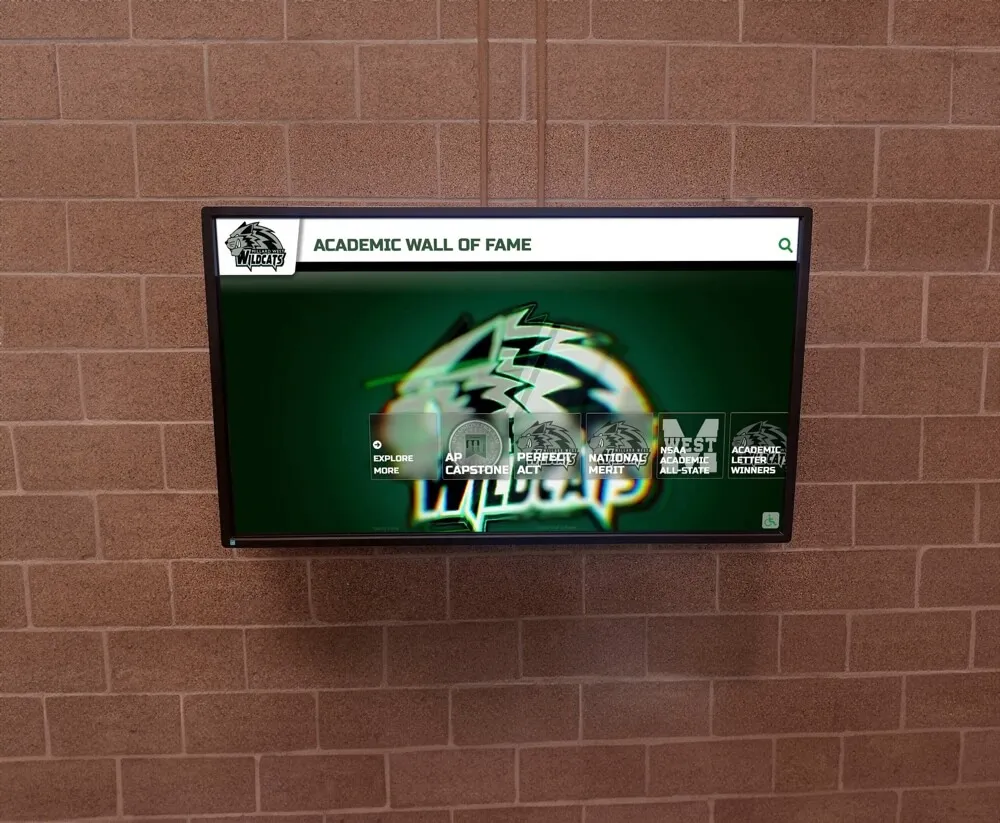
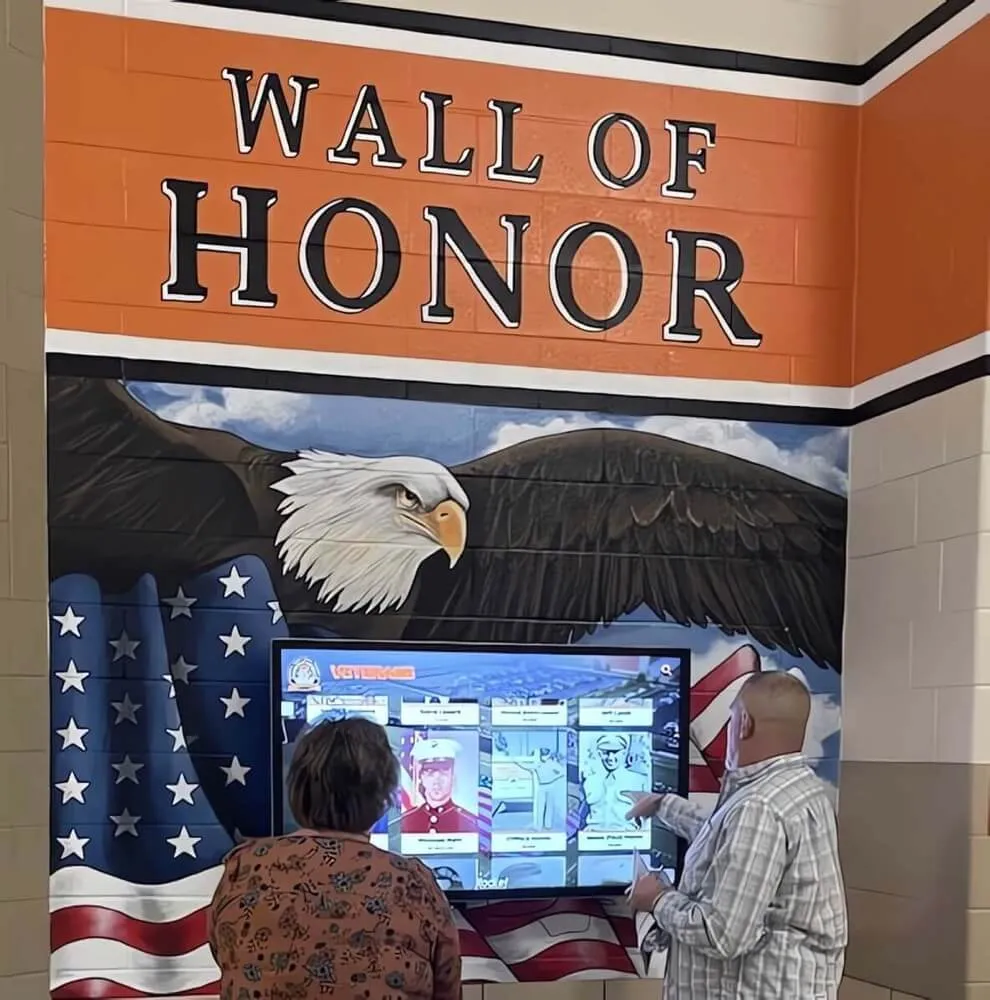
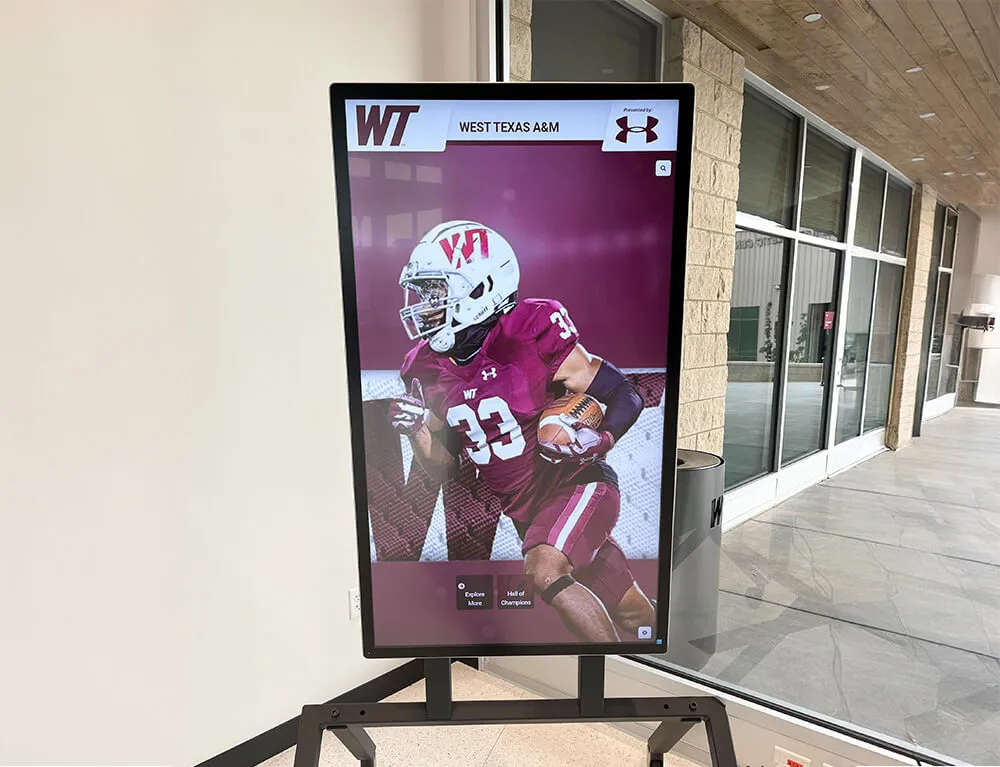
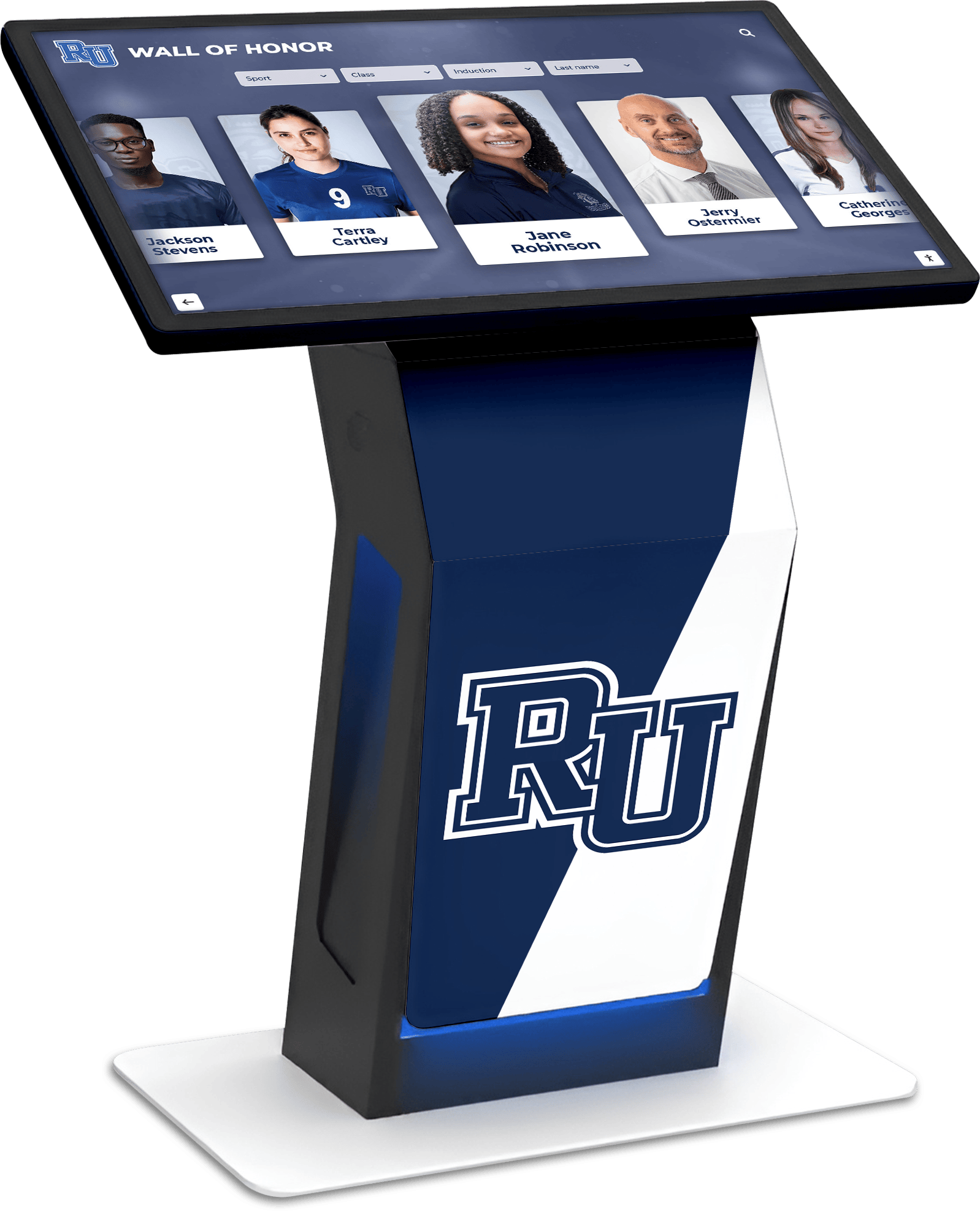
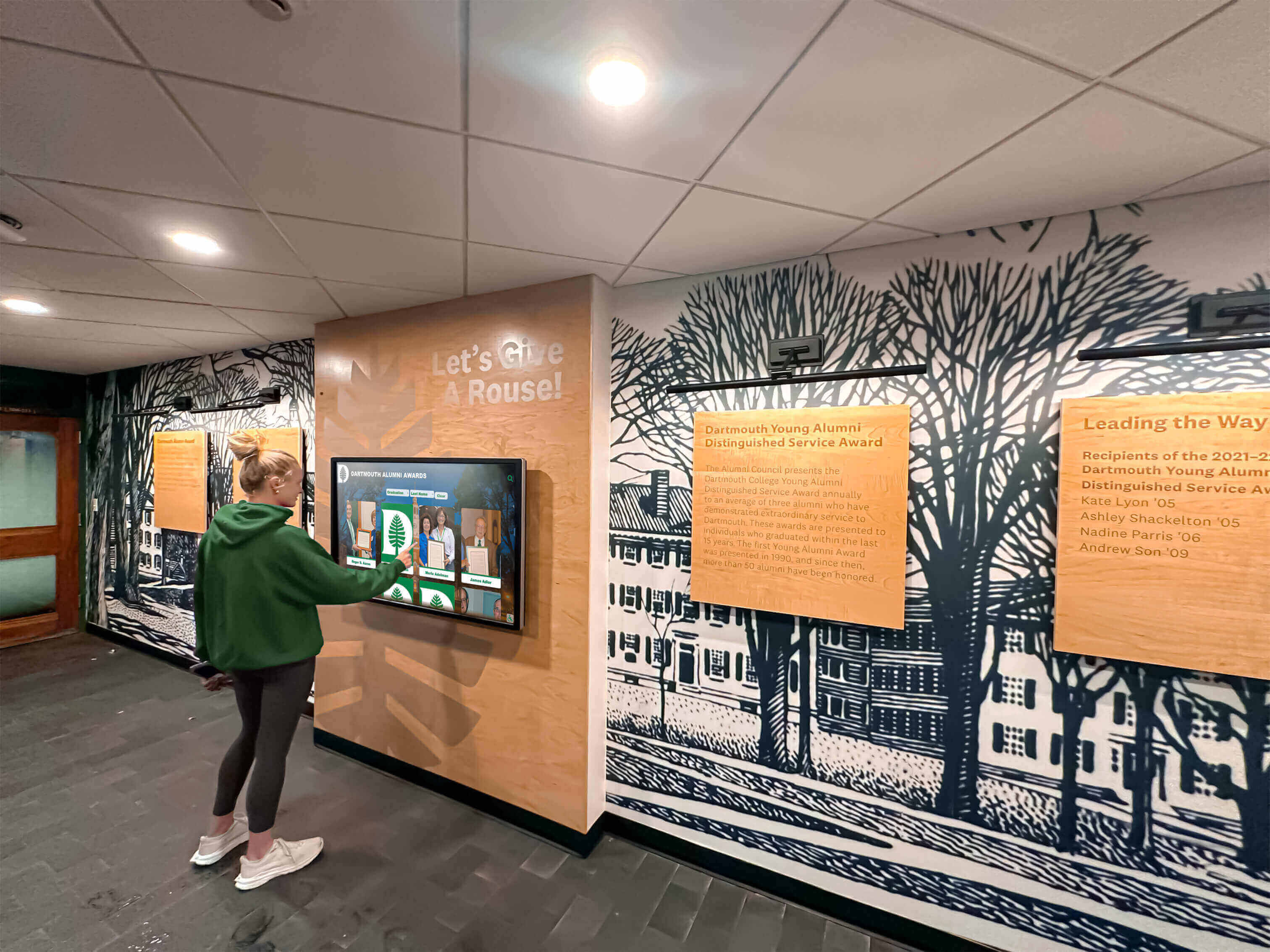
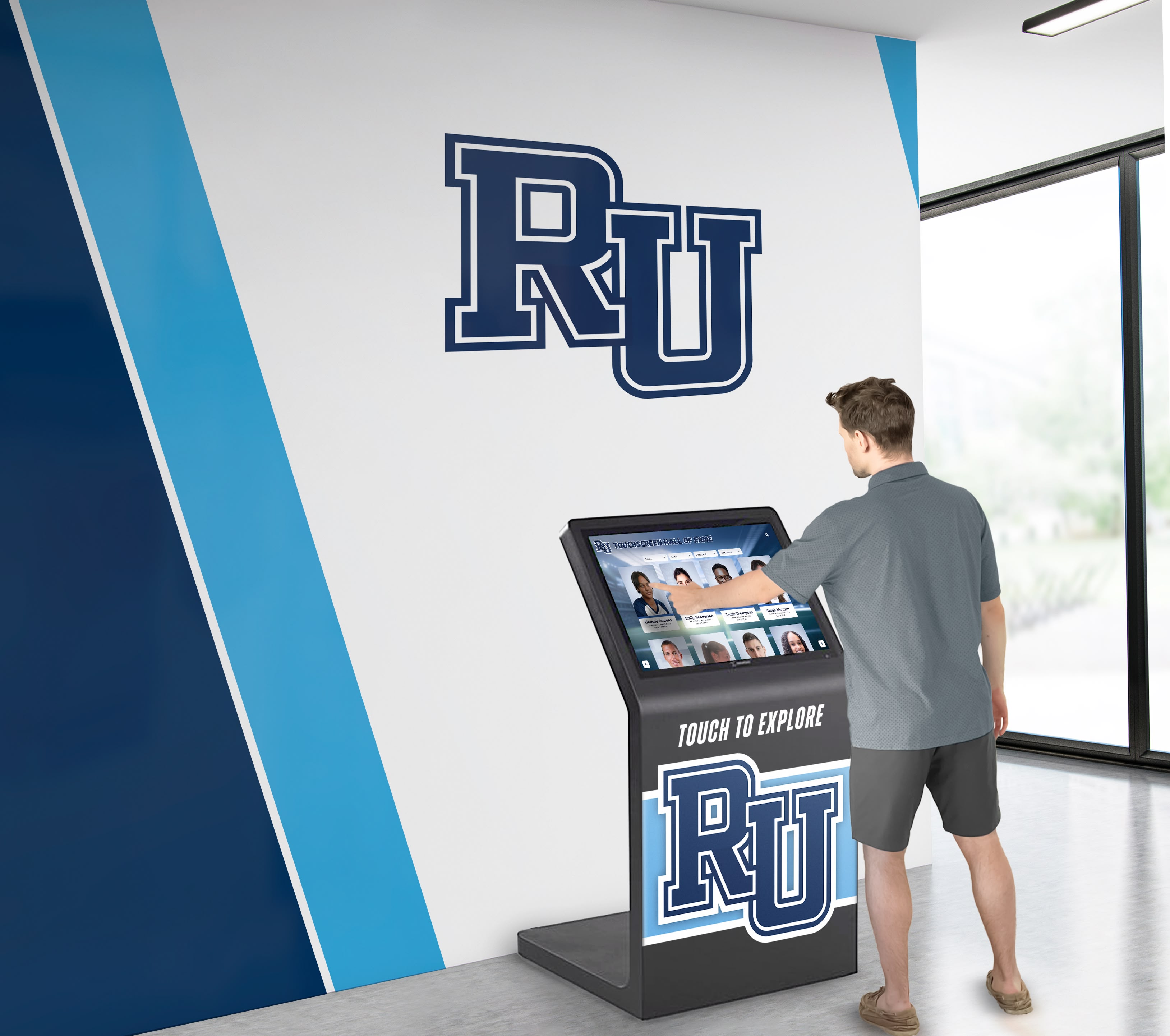
Touchscreen interfaces enable active exploration rather than passive viewing. Students can search for specific recipients by name to find older siblings or graduates they know, browse by graduating class to explore program history chronologically, filter by achievement type separating GPA-based letter recipients from competition achievers, and discover connections between students, achievements, and academic programs.
This interactivity increases engagement time dramatically. Students typically spend several minutes exploring well-designed digital recognition compared to brief glances at static trophy cases, creating deeper connections with content and stronger impacts on motivation and academic aspirations.
Balanced Athletic and Academic Recognition
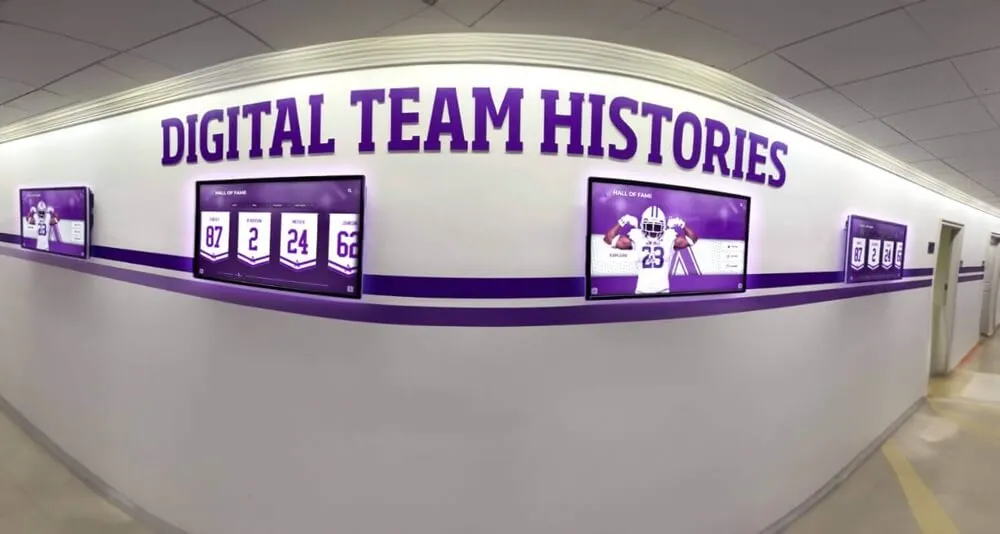
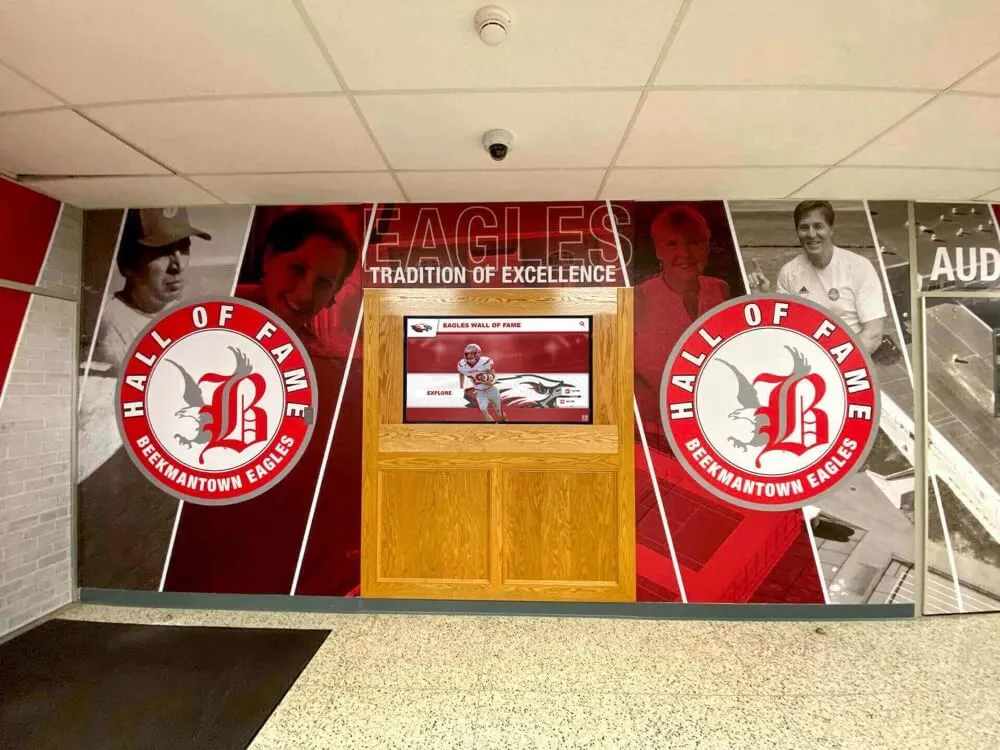
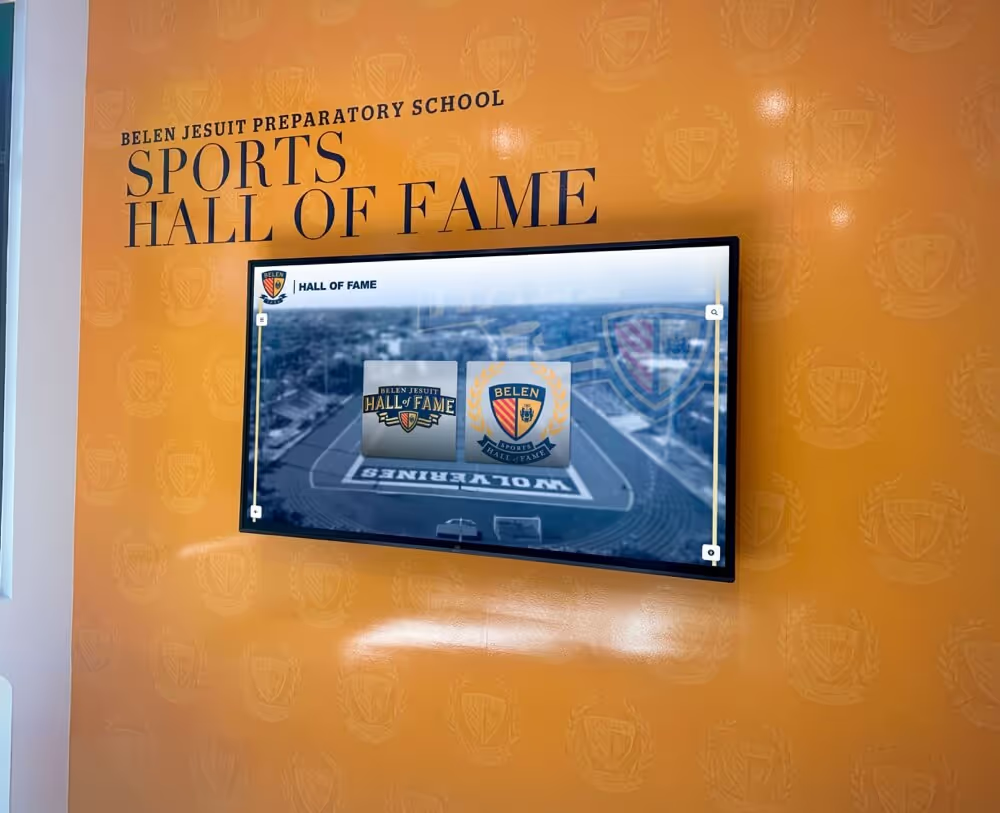
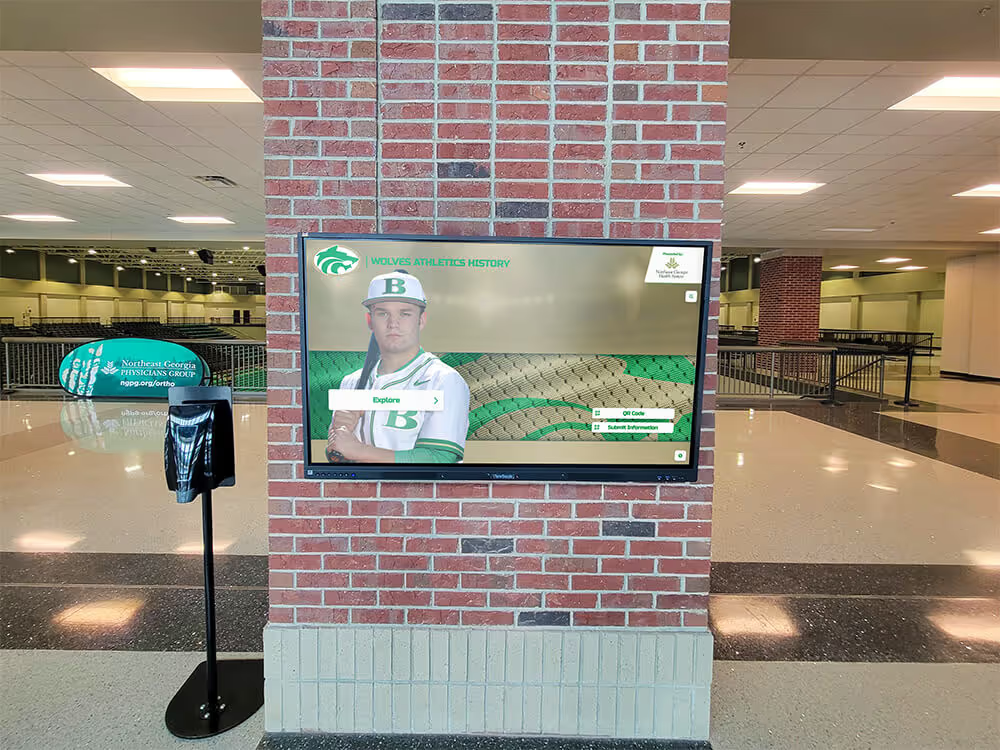
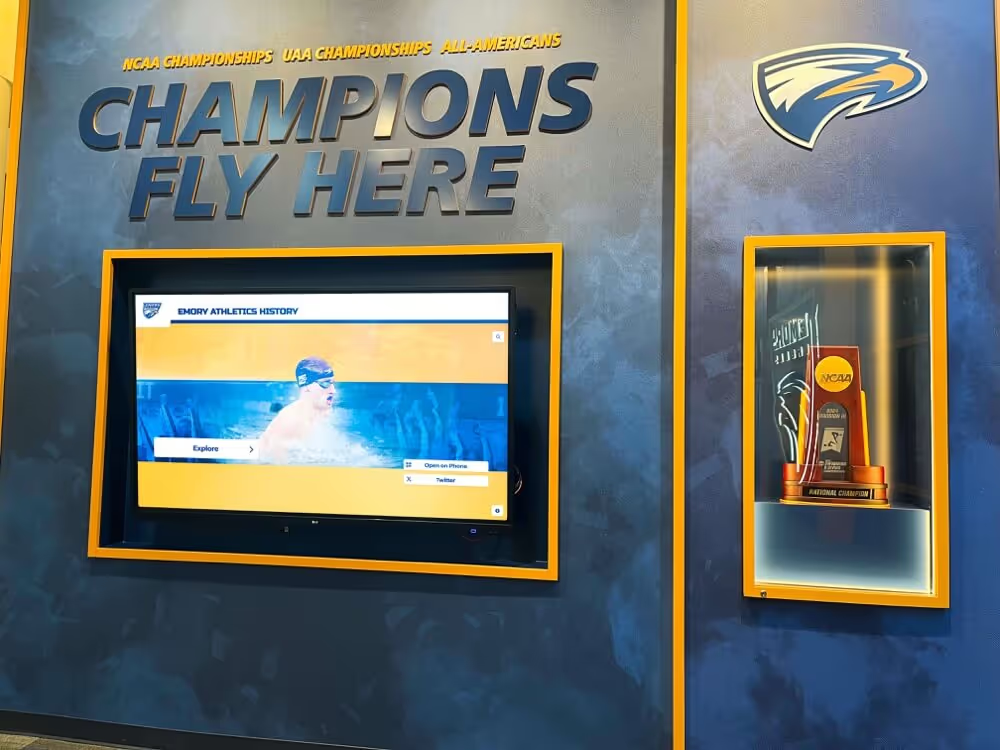
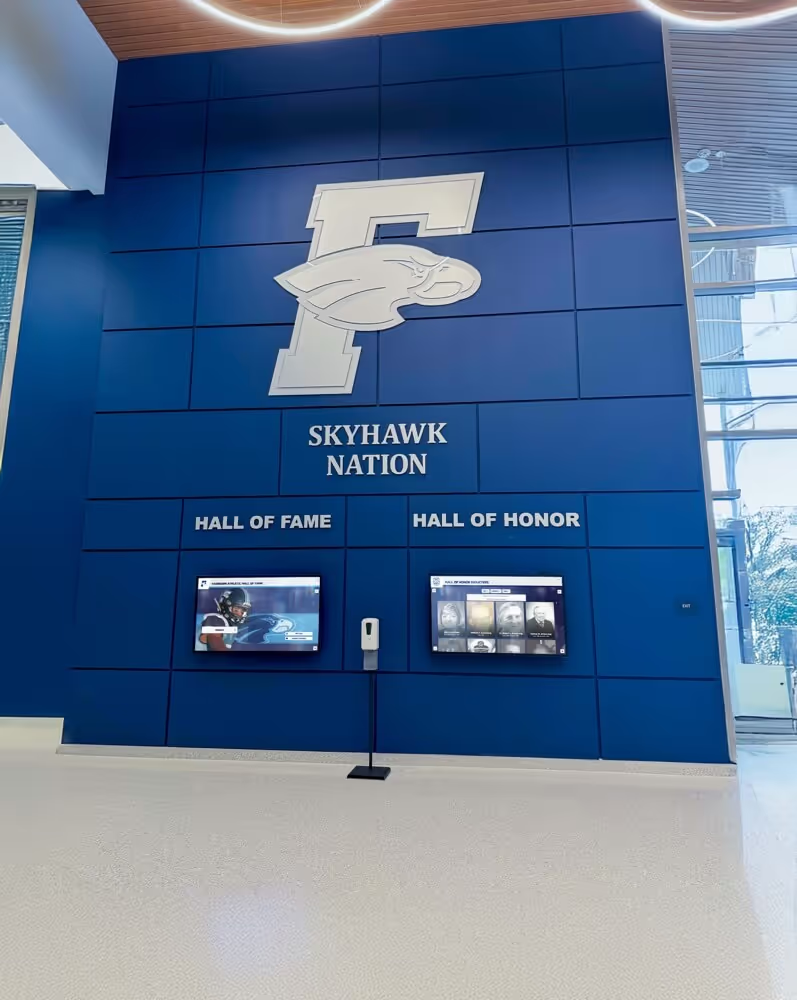
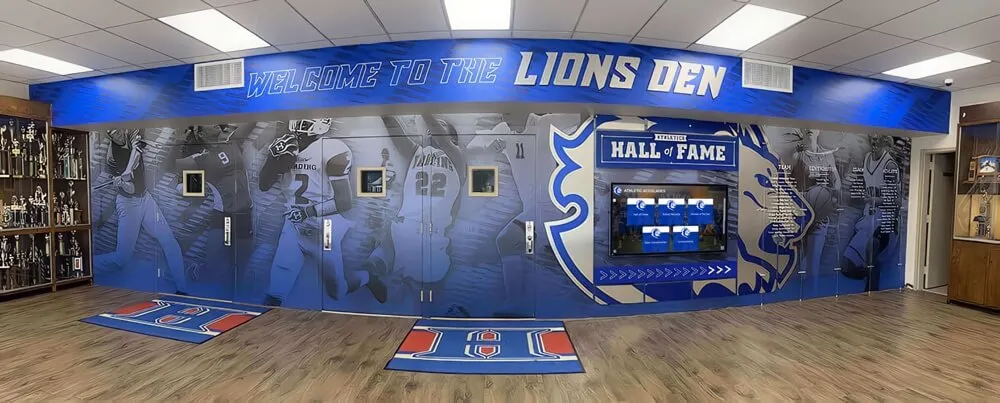
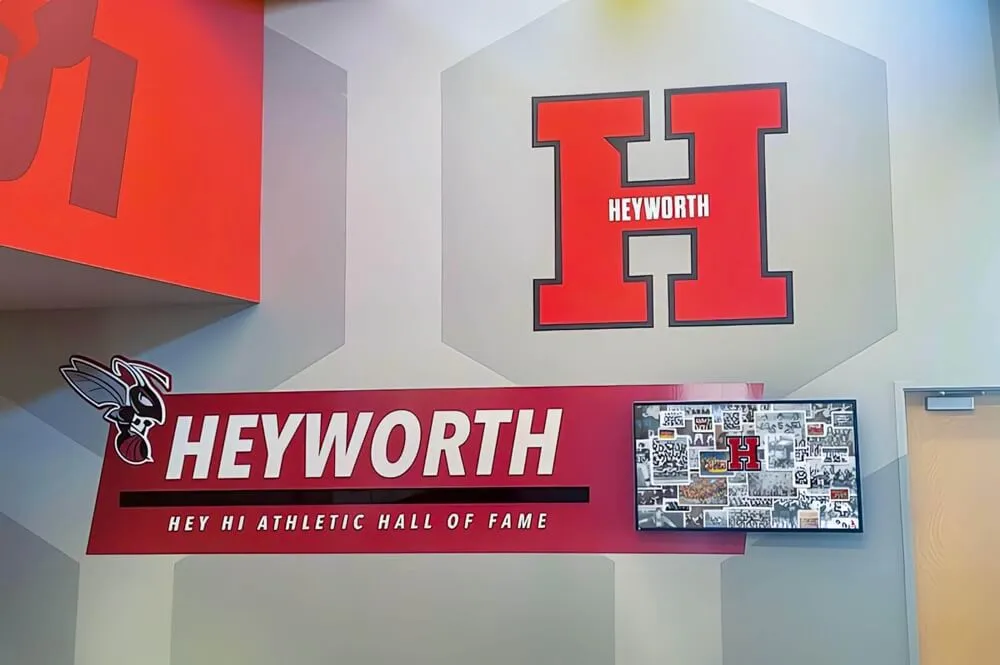
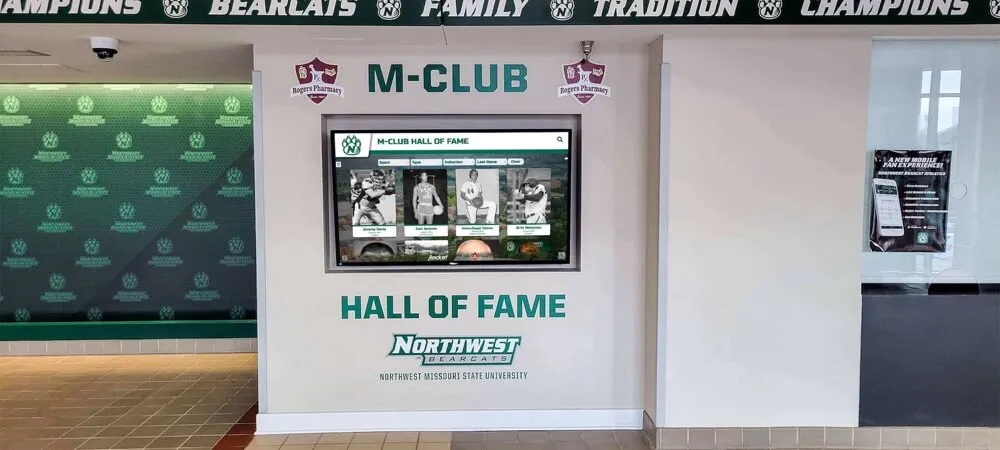
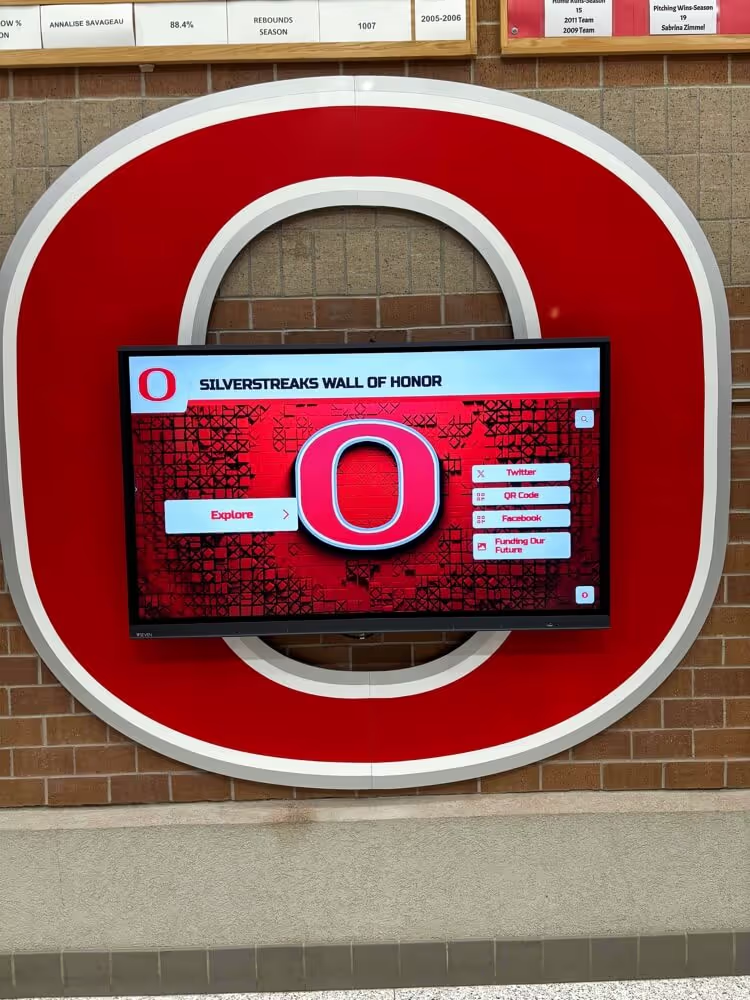
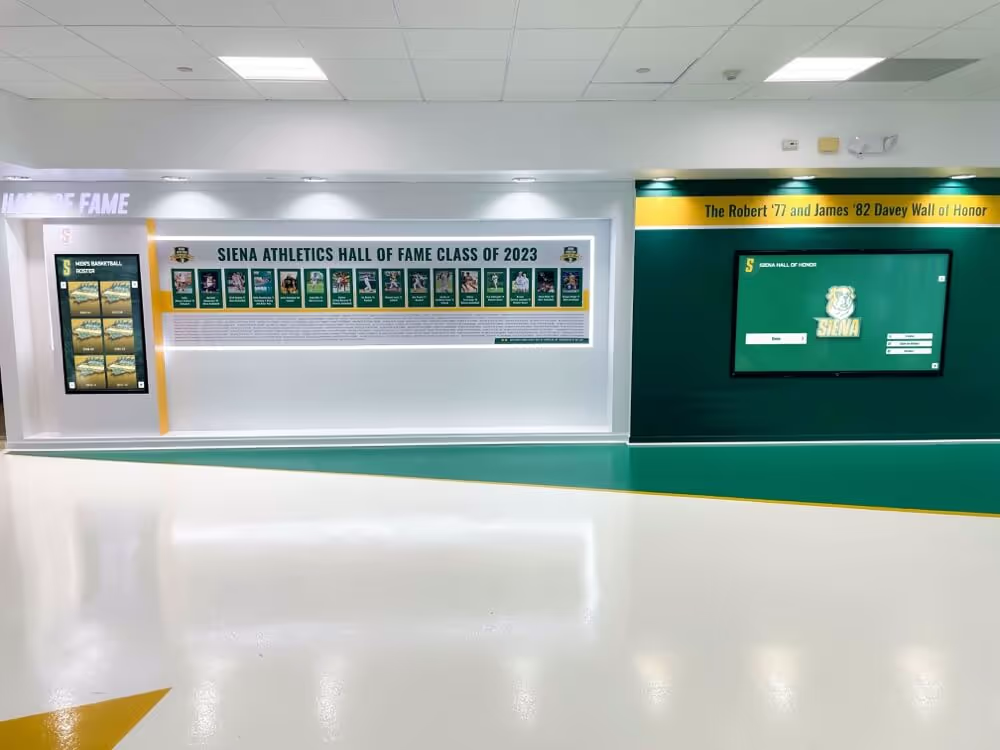
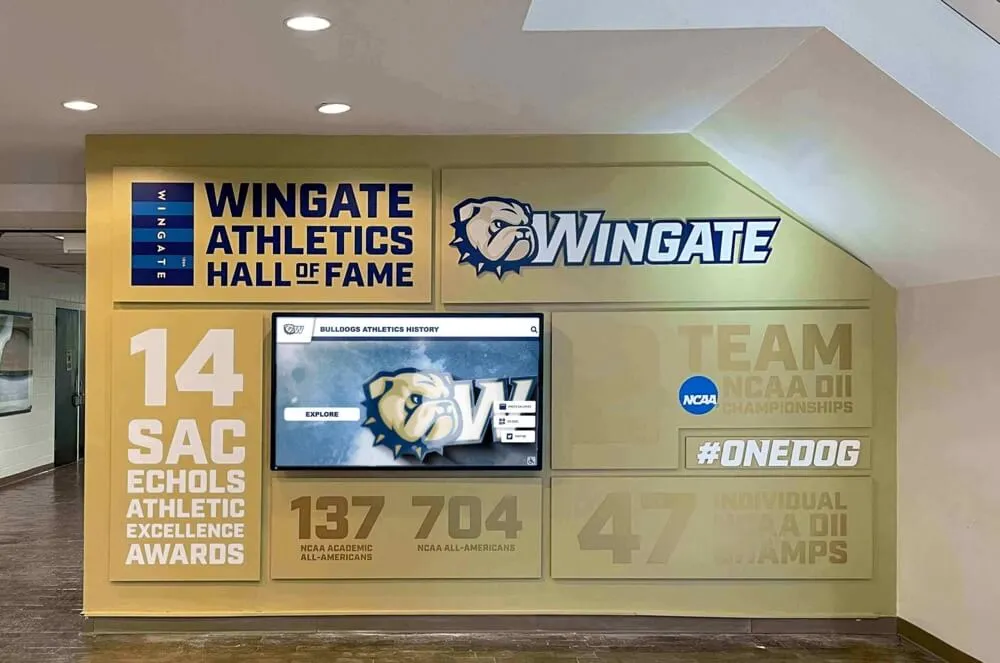
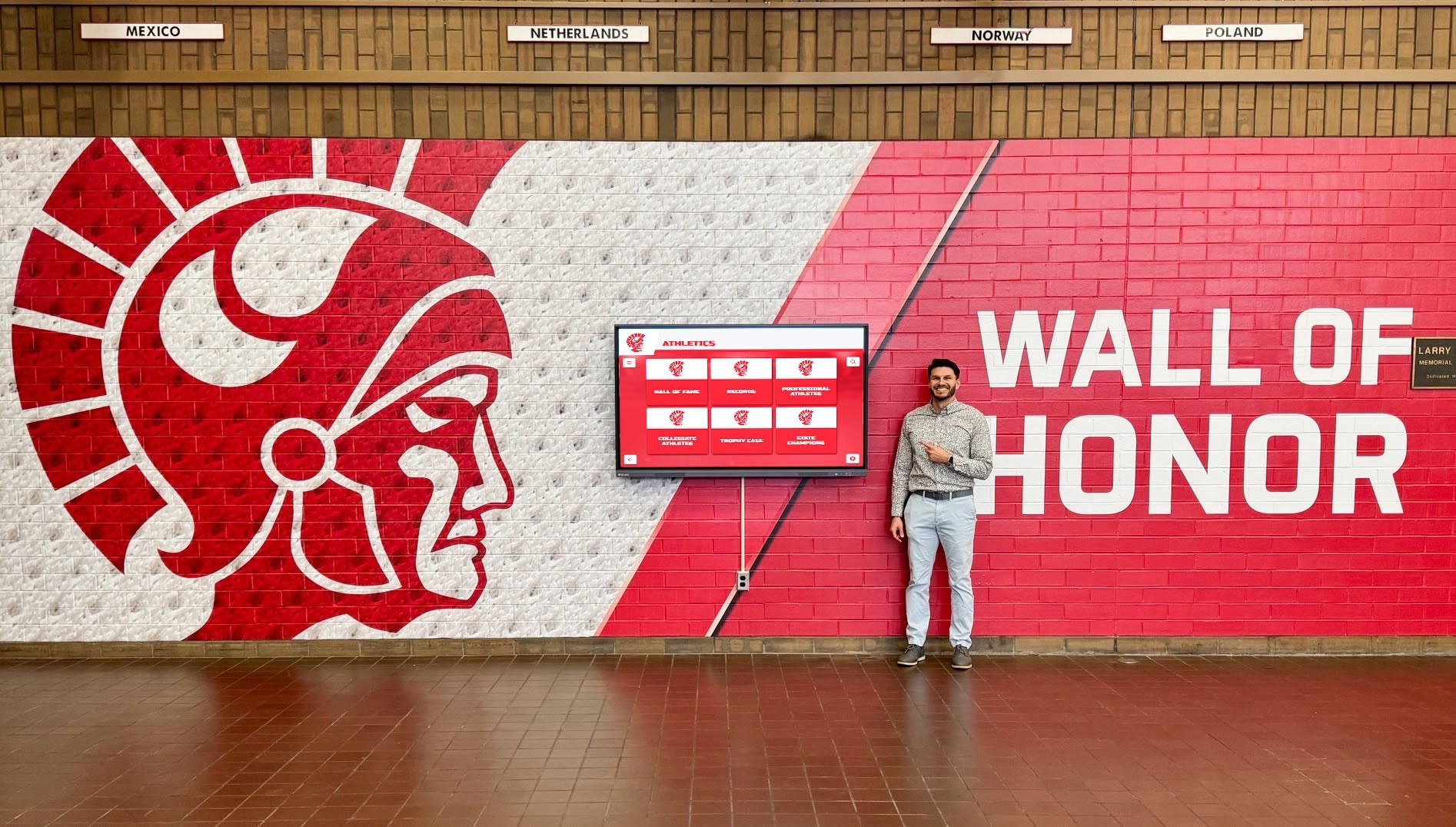
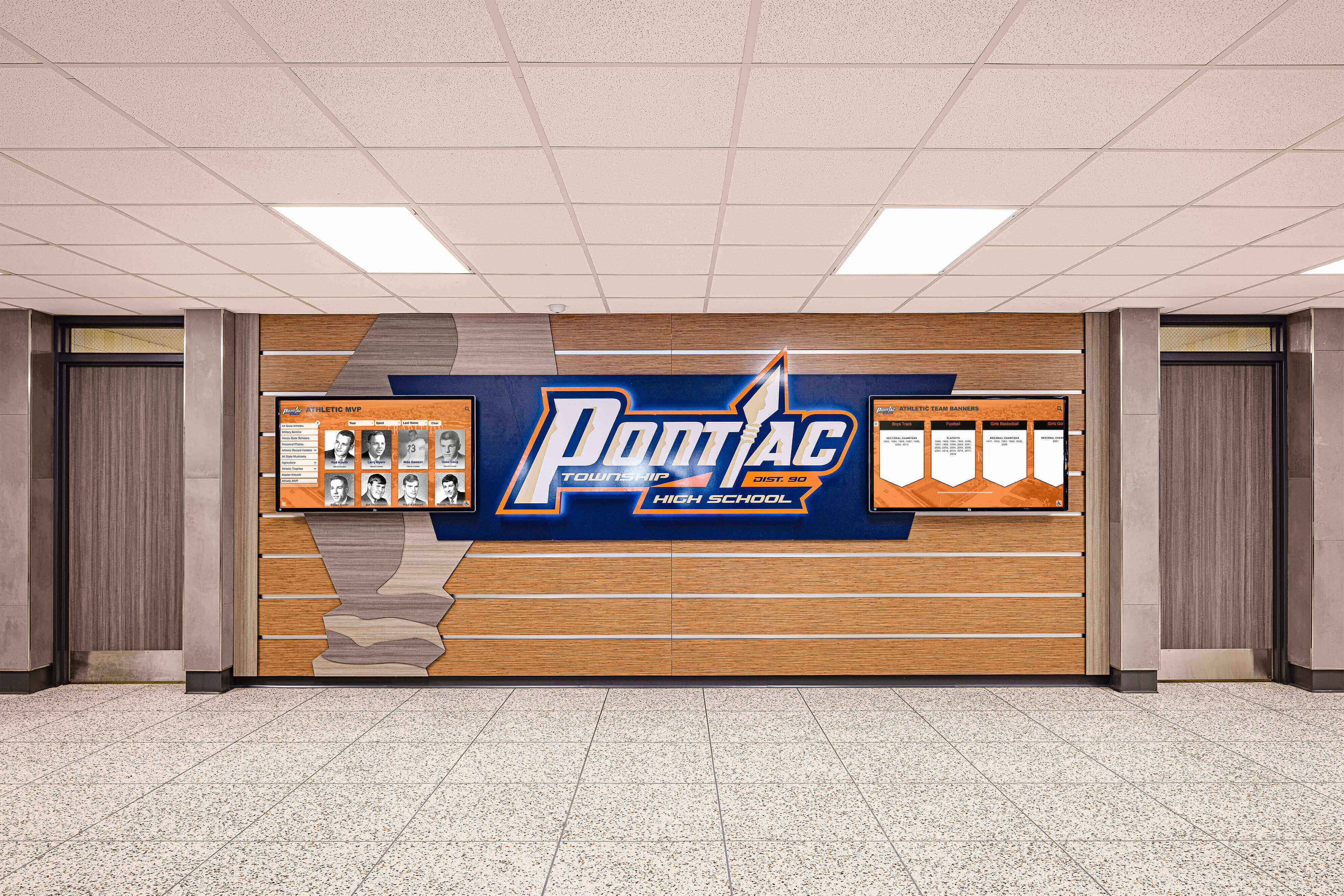
Digital platforms designed for comprehensive recognition allow schools to showcase academic letter recipients alongside athletic letter holders, creating physically integrated displays demonstrating balanced institutional values. When prospective students and families explore recognition displays and see academic achievements featured with equal prominence as athletic accomplishments, they understand schools genuinely value intellectual and physical excellence equivalently.
Solutions like Rocket Alumni Solutions specifically address comprehensive recognition needs, providing intuitive content management for diverse achievement types while creating engaging display experiences that inspire current students regardless of whether their talents lie in academics, athletics, arts, or other domains.
Implementation Considerations for Digital Academic Recognition
Hardware and Location Selection
Effective digital recognition requires strategic placement in high-traffic locations where students, families, and visitors naturally congregate:
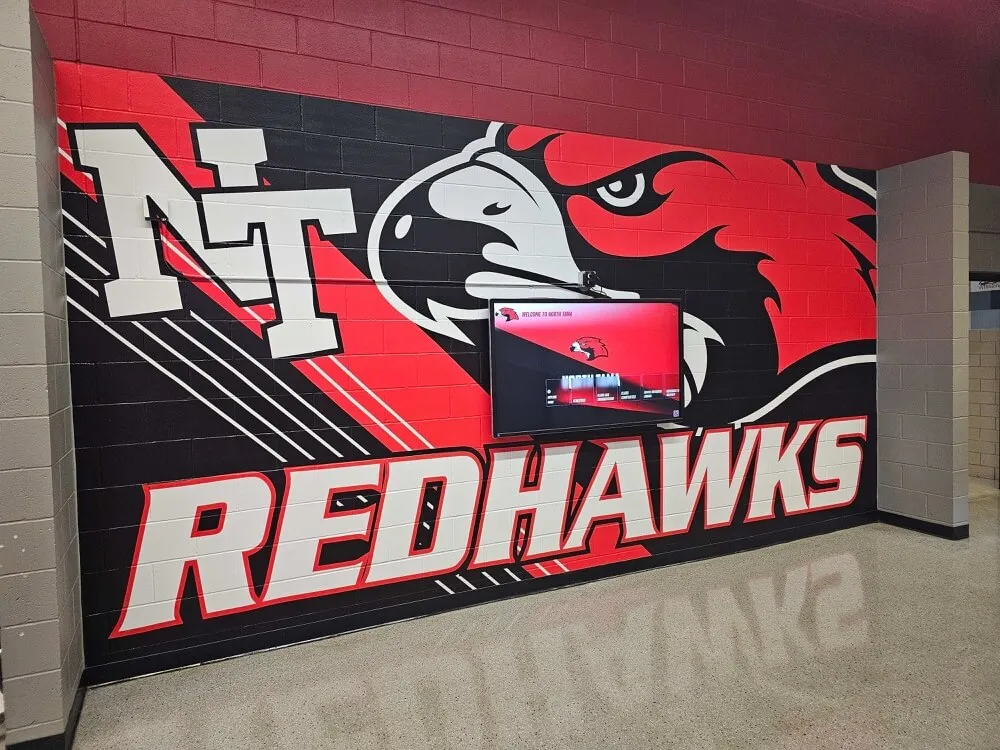
- Main entrance lobbies where all visitors form first impressions about school culture
- Guidance counseling areas where students discuss college preparation and academic planning
- Library or academic commons where students engage in scholarly work
- Cafeterias or student lounges providing high-traffic gathering spaces
Commercial-grade touchscreen displays designed for educational environments provide reliability and longevity consumer-grade equipment cannot match. Screen sizes typically range from 43 to 75 inches depending on location and viewing distance, with larger displays appropriate for main lobbies and smaller displays suitable for guidance areas or specialized spaces.
Software Platform Selection and Content Management
Purpose-built recognition platforms designed specifically for educational institutions provide significantly better experiences than generic digital signage software adapted for recognition purposes:
- Intuitive content management requiring no technical expertise
- Flexible template systems designed specifically for student achievement profiles
- Robust multimedia support for photos and videos
- Searchable databases with filtering by year, achievement type, and other attributes
- Mobile-responsive web versions extending access beyond physical displays
- Analytics tracking engagement patterns demonstrating program value
Rocket Alumni Solutions provides comprehensive platforms combining proven technology with dedicated support specifically for schools celebrating academic achievement, ensuring smooth implementation and ongoing success without requiring schools to develop technical expertise or dedicate substantial staff resources to technical administration.
Integrating with Existing Recognition Systems
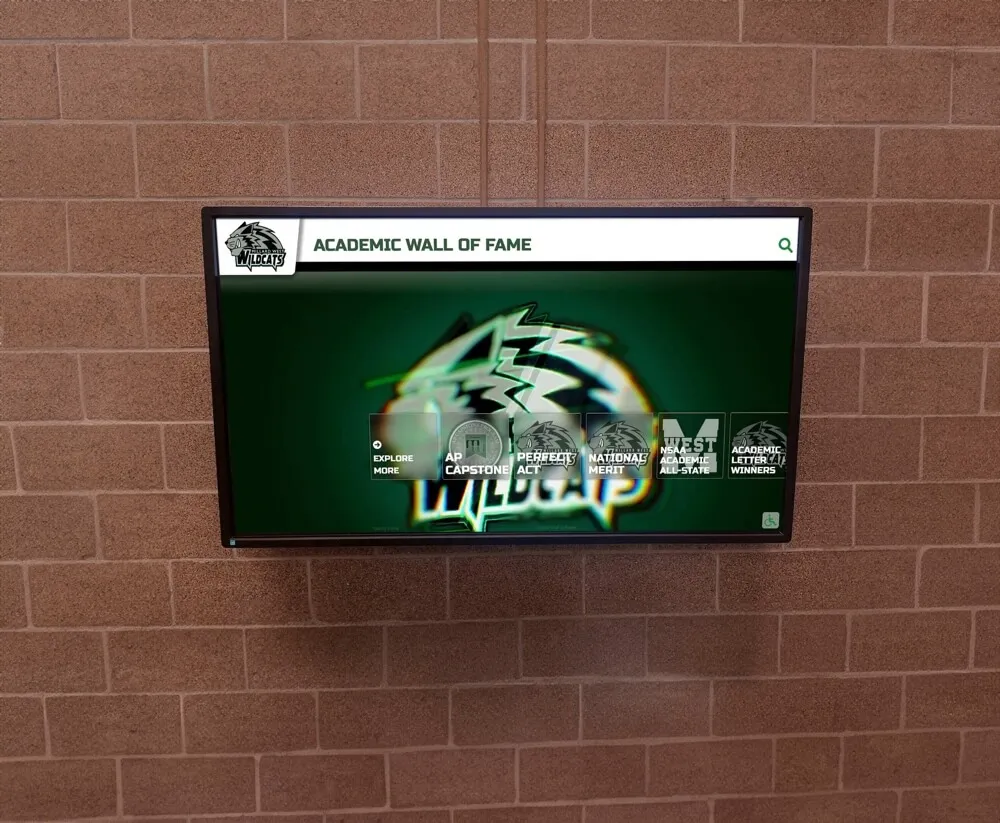
The most successful digital recognition implementations integrate academic letter programs with comprehensive displays celebrating diverse achievements:
- Athletic letter recipients and Hall of Fame inductees
- Academic letter recipients and honor roll achievers
- National Merit Scholars and AP Scholar award recipients
- Academic competition winners across Quiz Bowl, Science Olympiad, Math League, and similar programs
- Fine arts recognition for theater, music, and visual arts excellence
- Service and character awards recognizing community contributions
This comprehensive approach creates substantial recognition installations commanding attention and respect while demonstrating that schools value multiple pathways to excellence rather than privileging only specific achievement domains. Learn more about creating balanced athletic and academic hall of fame programs that celebrate all forms of student achievement.
Best Practices for Maximizing Academic Letter Program Impact
Implementing academic letter programs represents just the beginning. Maximizing motivational impact requires attention to program design details and consistent execution demonstrating genuine celebration rather than perfunctory acknowledgment.
Ensuring Academic Letters Carry Equivalent Prestige to Athletic Letters
Visible Display Integration
The physical placement of academic recognition relative to athletic recognition communicates institutional priorities. Academic letter recipients should appear in displays located with equal prominence as athletic recognition—ideally integrated within the same installations rather than relegated to secondary locations suggesting lesser importance.
Digital platforms make this integration straightforward by allowing comprehensive recognition databases showcasing all letter recipients—athletic and academic—within single unified systems. Visitors exploring displays encounter both achievement types with identical presentation quality and prominence, reinforcing that schools value intellectual and physical excellence equivalently.
Ceremony Quality and Attention
Academic letter ceremonies should receive planning, promotion, and attendance comparable to athletic awards ceremonies. When athletic awards nights occur in large auditoriums with extensive promotion while academic ceremonies happen in classrooms with minimal advance notice, students correctly interpret that athletic achievement matters more to the institution.
Ensure academic recognition ceremonies include:
- Venue quality and capacity appropriate for honoring exceptional achievement
- Advance promotion providing families sufficient notice to attend
- Administrator participation including principal, superintendent, and board members
- Formal presentation of letters matching athletic ceremony protocols
- Photography and media coverage documenting recognition events
- Reception opportunities allowing families to celebrate together
Family and Community Recognition
Recognition impact extends beyond individual students to families and broader communities. Maximize program reach through:
- Banquet program templates creating professional ceremony materials listing all recipients
- Social media celebration featuring recipient photos and achievement details
- School newsletter features profiling academic letter recipients
- Local newspaper press releases sharing community achievement
- Website homepage features highlighting recent academic letter recipients
- Display updates showcasing current year recipients in high-traffic locations
This multi-channel approach ensures recognition reaches all stakeholders—students themselves, their peers, families, school staff, and the broader community—maximizing visibility and impact while building school pride around balanced excellence.
Creating Clear Pathways and Transparent Criteria
Making Requirements Accessible and Understandable
Academic letter programs only motivate students who clearly understand qualifying criteria and believe achievement remains within their reach through sustained effort and strategic approach. Complex, unclear, or frequently changing requirements confuse students and diminish motivational power.
Ensure criteria transparency through:
- Simple, clearly stated GPA thresholds or achievement requirements
- Examples demonstrating what qualifying performance looks like in practice
- Timeline guidance showing when students should expect eligibility determination
- Year-by-year roadmaps illustrating how students can work toward criteria over multiple years
- Clear explanation of how course selection affects qualification (honors/AP weighting)
- Accessible information about alternative pathways for students with different academic strengths
When criteria feel attainable through demonstrated effort rather than requiring impossible natural advantages, students develop concrete academic goals motivating sustained excellence across multiple years.
Providing Progress Tracking and Goal-Setting Support
Help students understand their progress toward academic letter criteria through:
- Counselor conversations during academic planning meetings reviewing GPA trajectory and letter qualification progress
- Online student portals displaying current GPA calculations and criteria comparison
- Mid-year notifications for students approaching qualification thresholds
- Acknowledgment of students who narrowly missed criteria with encouragement and specific guidance for next term
- Recognition of improvement trajectories even when absolute criteria aren’t yet met
This ongoing feedback transforms abstract criteria into concrete goals students can actively pursue rather than distant requirements they may not clearly understand or believe they can achieve.
Connecting Academic Recognition to Positive Outcomes
Highlighting College and Career Success
Academic letter recognition generates maximum motivational value when students understand that academic excellence translates into tangible future benefits beyond ceremonial acknowledgment. Profile academic letter recipients’ subsequent accomplishments including:
- College admission outcomes demonstrating how academic excellence opens doors to selective institutions
- Scholarship amounts showing financial benefits of sustained academic performance
- Undergraduate honors and achievements continuing excellence trajectories
- Career outcomes demonstrating long-term impact of academic foundation
- Graduate school paths for alumni pursuing advanced degrees
When freshmen and sophomores see that academic letter recipients from their school attended Stanford, MIT, Yale, Harvard, or other elite institutions with substantial scholarships and now work in impressive careers, academic excellence becomes tangibly valuable rather than purely symbolic. This connection between present achievement and future opportunity creates powerful motivation for students deciding how to allocate their time and effort across competing academic, athletic, and social commitments.
Creating Mentorship Connections
Academic letter programs generate additional value by connecting current students with past recipients who can provide concrete guidance:
- Alumni panels featuring past academic letter recipients discussing college preparation strategies
- Mentorship programs pairing upperclassmen academic letter holders with underclassmen pursuing qualification
- Video content featuring recipients sharing their academic journeys and study approaches
- Written advice from past recipients included in digital recognition profiles
- Student-to-student testimonials about balancing academics with other commitments
These connections make academic excellence feel more accessible by demonstrating that recently graduated students—perhaps older siblings of current students or peers they encountered in school hallways—achieved recognition through strategic effort rather than impossible natural genius.
Cost Considerations and Resource Allocation
Understanding program costs and identifying appropriate funding sources ensures sustainability across budget cycles and leadership transitions.
Academic Letter Program Budget Components
Physical Recognition Materials:
- Chenille letters: $8-15 per letter depending on customization and order size
- Achievement pins and year bars: $3-8 each
- Certificates: $2-5 each for professional printing and materials
- Letterman jackets (if school-provided): $80-150 per jacket depending on quality and customization
- Display cases or bulletin boards: $200-800 for physical recognition displays
- Ceremony materials: $200-500 for programs, decorations, refreshments
Annual program costs vary dramatically based on recipient numbers and whether schools provide jackets. Programs recognizing 50 students annually might budget $2,000-3,000 for basic materials (letters, pins, certificates) or $6,000-10,000 when including school-provided jackets.
Digital Recognition Investment:
- Initial hardware: $3,000-8,000 per display location including commercial-grade touchscreen and mounting
- Recognition software platform: $1,500-5,000 annually depending on features and school size
- Professional installation: $500-1,500 per location
- Content development: $1,000-3,000 for initial implementation including photography and profile creation
- Ongoing updates: Significantly reduced time requirements compared to physical displays
While digital solutions require higher upfront investment, many schools find they provide better long-term value through dramatically reduced ongoing labor requirements, unlimited recognition capacity eliminating future expansion costs, superior engagement compared to static displays, and professional appearance persisting indefinitely without physical deterioration.
Funding Strategies and Budget Justification
Academic Department Budget Allocation:
Many schools fund academic letter programs through academic department budgets or general instructional budgets, treating recognition as educational investment supporting learning culture development and student motivation. Academic recognition initiatives align naturally with instructional mission and academic excellence priorities.
Parent Organization Support:
PTAs, PTOs, and parent advisory councils sometimes fund recognition programs celebrating student achievement and enhancing school culture. Academic letter programs benefit all students by creating recognition cultures valuing diverse achievements rather than supporting only specific teams or groups, making them appropriate for parent organization funding consideration.
Educational Foundation Grants:
School foundations or educational grant programs often support initiatives focused on academic culture development, student motivation enhancement, and achievement gap reduction. Academic letter programs fit naturally within these funding priorities, particularly when proposals emphasize measurable outcomes including increased honor roll achievement, improved participation in advanced courses, or enhanced academic competition involvement.
Budget Justification Strategies:
When requesting funding, emphasize:
- Equity and balance: Academic letters address recognition gaps affecting students whose primary talents lie outside athletics
- Motivation and achievement impact: Recognition programs demonstrably increase academic engagement and performance
- Recruitment and reputation: Academic recognition strengthens institutional reputation among families prioritizing academic excellence
- Comprehensive benefit: Unlike funding supporting single teams or programs, academic recognition benefits significant portions of student populations
- Sustainable investment: One-time digital recognition investments serve schools for many years while accommodating unlimited future recipients
Conclusion: Building Comprehensive Recognition Cultures Through Academic Letters
Academic letter awards represent far more than additional recognition programs checking diversity boxes. When schools implement comprehensive academic letter programs carrying genuine prestige equivalent to varsity athletic letters, they create cultural shifts where intellectual and physical excellence receive balanced celebration, students pursuing diverse paths to achievement feel equally valued by their institutions, families understand schools genuinely prioritize academic excellence alongside other achievements, and younger students develop concrete academic goals motivated by tangible recognition they genuinely value.
Effective academic letter programs share common characteristics regardless of specific implementation details:
- Rigorous but accessible criteria celebrating genuine excellence while recognizing diverse academic strengths
- Prestigious recognition materials and ceremonies matching the quality and attention athletic recognition receives
- Clear communication and transparent pathways ensuring all students understand requirements and believe achievement remains attainable
- Comprehensive profile development honoring recipients through detailed recognition beyond simple name listing
- Strategic visibility through prominent displays, ceremonies, and multi-channel communication
- Connection to outcomes demonstrating how academic excellence translates into college admission, scholarships, and career success
- Integration with broader recognition celebrating academic letters alongside athletic and other achievements within unified systems
The investment schools make in academic letter programs pays dividends across multiple institutional priorities. Students who see exceptional academic achievement recognized through prominent, prestigious programs comparable to athletic letters feel validated and motivated to pursue intellectual excellence. Younger students who regularly encounter academic letter recognition understand that scholarly dedication receives genuine institutional respect and tangible rewards. Families whose students receive meaningful academic recognition develop stronger connections with schools and appreciation for balanced achievement culture. Communities gain evidence of institutional commitment to comprehensive excellence celebrating diverse talents rather than privileging only specific achievement domains.
Ready to transform how your school celebrates academic letter recipients and other exceptional scholarly achievements? Modern solutions like Rocket Alumni Solutions provide comprehensive platforms designed specifically for educational recognition, offering intuitive content management, engaging interactive displays, unlimited recognition capacity, and proven approaches that help schools build the balanced recognition cultures their students deserve.
Your students achieve remarkable academic excellence through years of sustained effort and intellectual dedication—comprehensive academic letter programs ensure those achievements receive the celebration, visibility, and prestige that strengthens academic culture for current students and future generations. A great way to recognize your students is by telling their story. Having a physical display on campus can remind students of the WHY—why they’re here in school to begin with and what they can be if they put the work in. Explore how digital recognition solutions allow schools to highlight everyone and create sustainable systems that constantly adapt and grow so schools don’t have to choose which students get the recognition they deserve.