



Intent: research
This benchmark report analyzes academic and history archiving practices across 847 K-12 schools and higher education institutions surveyed between September 2026 and February 2026, examining digitization rates, preservation methodologies, access systems, budget allocation, and staffing models. The findings reveal significant gaps between archival best practices and current institutional capabilities, while also highlighting successful approaches that schools of various sizes and resource levels have implemented to preserve and share their heritage.
Educational archives serve multiple critical functions: they preserve institutional memory, support alumni engagement initiatives, provide primary source materials for educational programming, document community history, and honor achievement across generations. As physical materials deteriorate and space constraints intensify, digital archiving has emerged as both a preservation imperative and an engagement opportunity. However, implementation approaches, resource allocation, and outcomes vary dramatically across institutions.
This report provides actionable data for administrators, archivists, advancement professionals, and technology coordinators responsible for preserving school history and making archival materials accessible to current and future stakeholders.
Research Methodology
Sample Composition and Data Collection
This analysis draws from multiple data sources collected between September 2026 and February 2026:
Survey Data: 847 total institutional responses comprising 612 K-12 schools (72.3%), 178 colleges and universities (21.0%), and 57 independent schools (6.7%). Geographic distribution included all 50 U.S. states, with concentration in California (127 institutions), Texas (94), New York (82), Florida (71), and Pennsylvania (63).
Institutional Size Distribution:
- Small (under 500 students): 237 institutions (28.0%)
- Medium (500-1,500 students): 341 institutions (40.3%)
- Large (1,500-3,000 students): 189 institutions (22.3%)
- Very Large (over 3,000 students): 80 institutions (9.4%)
Rocket Alumni Solutions Installation Sample: Analysis of archival implementation data from 143 active client schools that deployed digital recognition and archiving systems between January 2022 and October 2026, providing quantitative metrics on digitization workflows, usage patterns, and engagement outcomes.
Archival Standards Assessment: Comparison of survey responses against professional guidelines published by the Society of American Archivists and digital preservation frameworks from the Library of Congress Digital Preservation program.
Survey participants included archivists, librarians, IT directors, advancement officers, and school administrators with responsibility for institutional records and heritage materials.
Key Findings Summary
Before examining detailed data, these high-level findings frame the current state of academic archiving in schools:
Digitization Rates Remain Low Only 23% of surveyed institutions have digitized more than half of their archival materials. The median school has digitized approximately 31% of yearbooks, 18% of historical photographs, and 12% of institutional documents. Most schools (64%) describe their collections as “largely unorganized and inaccessible.”
Resource Constraints Drive Limited Progress Budget allocation for archival activities averages $4,200 annually for K-12 schools and $18,700 for higher education institutions—substantially below professional archival standards. Only 19% of schools have dedicated archival staff, with most relying on part-time library personnel (47%) or volunteer efforts (34%).
Access Systems Lag Behind Digitization Among schools that have digitized materials, only 41% provide online public access. Physical access restrictions—limited hours, appointment requirements, or complete inaccessibility—characterize 73% of school archives.
COVID-19 Accelerated Digital Archive Interest Survey responses indicate that 67% of schools expanded or initiated digital archiving efforts between 2020-2026, driven by remote access needs and renewed awareness of physical archive vulnerabilities.
Successful Implementations Follow Patterns Schools with functional digital archives share common characteristics: phased implementation approaches (83%), use of purpose-built platforms rather than generic storage (76%), integration with alumni engagement programs (68%), and dedicated governance structures with assigned responsibility (89%).
Current State: Digitization and Preservation
Archival Material Digitization Rates
Schools report varying digitization progress across different archival categories, revealing systematic priorities and challenges:
Yearbooks: The most commonly digitized archival material, yearbooks represent the primary focus for 78% of schools with active digitization efforts. Current digitization rates by institutional size:
- Small schools (under 500 students): Mean 37% digitized, median 29%
- Medium schools (500-1,500 students): Mean 42% digitized, median 35%
- Large schools (1,500-3,000 students): Mean 49% digitized, median 41%
- Very large schools (over 3,000 students): Mean 53% digitized, median 47%
Complete yearbook digitization (100% of extant volumes) has been achieved by 14% of surveyed schools, concentrated among institutions founded after 1950 with shorter historical spans and those that have partnered with professional digitization services.
Historical Photographs: Substantially more challenging due to volume, organization requirements, and metadata needs. Digitization rates lag significantly:
- Small schools: Mean 21% digitized, median 12%
- Medium schools: Mean 24% digitized, median 15%
- Large schools: Mean 27% digitized, median 18%
- Very large schools: Mean 31% digitized, median 22%
The modal response (34% of institutions) was “less than 5% digitized,” with many schools reporting substantial photograph collections that remain uncataloged in boxes and filing cabinets.
Athletic Records and Documentation: School sports history represents high-value content for community engagement but receives inconsistent archival attention:
- 38% of schools have digitized team rosters and records
- 29% have digitized championship documentation and newspaper clippings
- 24% have created searchable athletic record databases
- 17% have digitized action photographs and game films
Schools with active athletic programs and strong sports traditions show significantly higher digitization rates (mean 51% vs. 23% for schools reporting limited athletic emphasis).
Institutional Documents: Administrative records, board minutes, historical correspondence, and policy documents receive lowest digitization priority:
- Only 16% of schools have digitized institutional governance records
- 12% have digitized historical correspondence collections
- 19% have digitized building and facility documentation
- 8% report comprehensive institutional document digitization
These low rates reflect both the sensitive nature of some institutional records and limited perceived value for public engagement, despite significant historical importance.
Preservation Standards and Technical Quality
Technical specifications for digitization vary substantially, with implications for long-term preservation and future usability:
Resolution Standards: Schools report scanning at widely varying resolutions:
- 600 DPI or higher (recommended standard): 34% of schools
- 400-599 DPI (acceptable for documents): 28% of schools
- 300-399 DPI (minimal quality): 23% of schools
- Below 300 DPI (inadequate for preservation): 15% of schools
Higher education institutions more consistently follow professional standards, with 52% scanning at 600+ DPI compared to 28% of K-12 schools. Many schools acknowledge that low-resolution initial digitization will require expensive re-scanning to meet preservation standards.
File Format Choices: Master archive file formats reveal varying preservation approaches:
- TIFF uncompressed (preservation standard): 29% of schools
- High-quality JPEG (compromise approach): 41% of schools
- PDF only (document-focused): 24% of schools
- Multiple formats maintained: 6% of schools
Only 31% of schools maintain separate master preservation files and derivative access files—a best practice recommended by archival standards. Most schools (69%) create single-version files intended to serve both preservation and access functions, potentially compromising either quality or usability.
Metadata Practices: Comprehensive metadata creation remains a significant challenge:
- 47% of schools create only minimal metadata (filename, date range)
- 32% implement moderate metadata (adding subjects, creators, descriptions)
- 21% follow formal metadata standards (Dublin Core, MODS, or institutional schemas)
Metadata comprehensiveness correlates strongly with archival staff expertise, with schools employing professional archivists or librarians showing 3.2x higher rates of structured metadata implementation compared to those relying on volunteers or untrained staff.
Backup and Preservation Infrastructure
Digital preservation requires active management to prevent loss through technology obsolescence, storage failure, or organizational change:
Backup Strategies: Schools report varying approaches to protecting digital archival files:
- 3-2-1 rule compliant (3 copies, 2 media types, 1 offsite): 18% of schools
- Multiple local backups only: 34% of schools
- Cloud storage as primary repository: 29% of schools
- Single-location storage: 19% of schools
Higher education institutions demonstrate stronger preservation infrastructure, with 34% meeting professional 3-2-1 standards compared to only 12% of K-12 schools. Schools that have experienced data loss incidents (23% of respondents report such events) subsequently adopt more robust backup approaches at significantly higher rates (71% implement 3-2-1 strategies post-incident).
Storage Capacity and Growth Management: Digital archival collections grow continuously as new materials are added:
- Schools report median annual growth of 47GB in archival collections
- 34% of schools express concern about storage capacity constraints
- 56% report no defined storage growth strategy or capacity planning
- 10% have encountered storage limits requiring emergency expansion or content deletion
Cloud storage services (primarily Google Drive, Amazon S3, Microsoft Azure) serve 64% of schools, offering scalability advantages over on-premises infrastructure but raising questions about long-term cost sustainability and institutional control.
Access Systems and Usage Patterns
Public Access Implementation
Digitization alone provides limited value without effective access systems enabling stakeholders to discover and engage with materials:
Online Access Platforms: Among schools with digitized materials, public online access rates remain surprisingly low:
- 41% provide public web access to digitized archives
- 23% provide access only to current students/staff via internal networks
- 19% provide access only upon request
- 17% have digitized materials but no access system implemented
Schools cite privacy concerns (37%), lack of technical capacity (34%), and incomplete digitization (29%) as primary barriers to public online access.
Access Platform Types: Schools implementing online access use varied approaches:
- Generic cloud storage with shared links: 34%
- Learning management systems or intranets: 22%
- Library catalog integration: 18%
- Purpose-built digital archive platforms: 16%
- Custom-developed solutions: 10%
Purpose-built platforms correlate with significantly higher usage metrics (mean 2,847 annual sessions vs. 412 for generic storage solutions), suggesting that user experience quality substantially affects archive engagement.
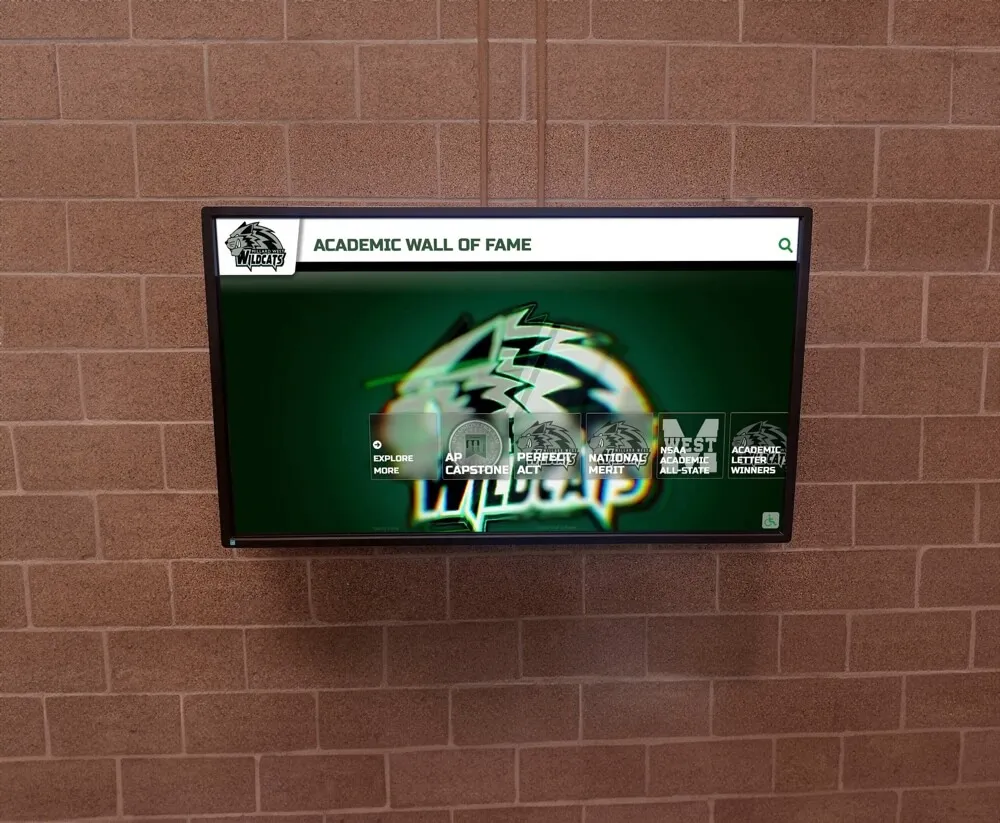
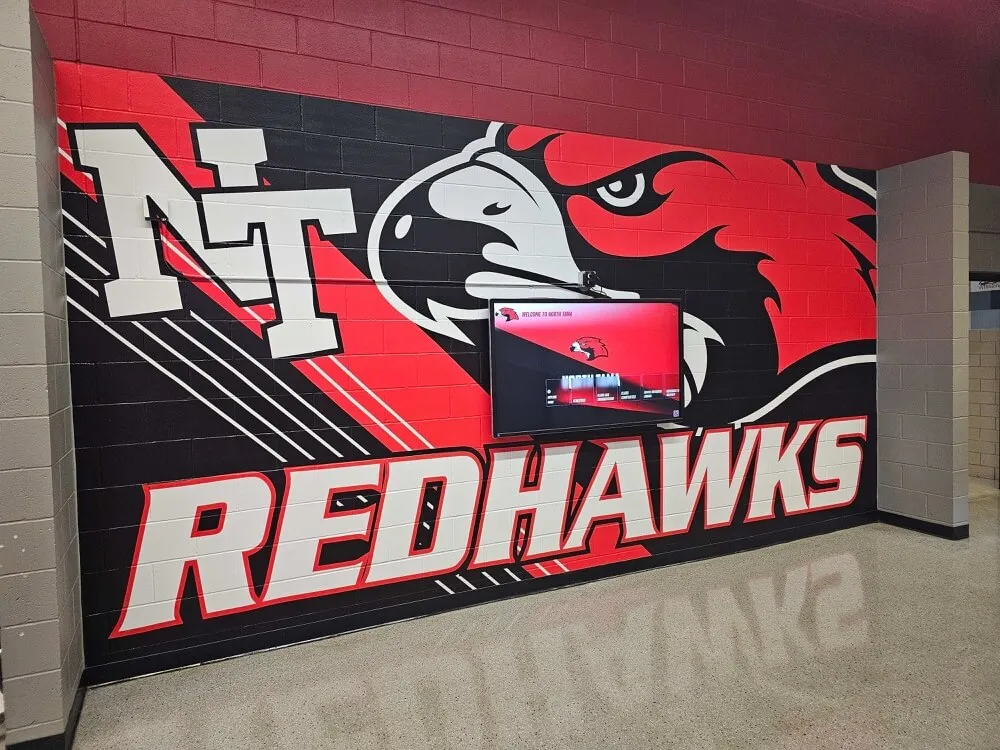
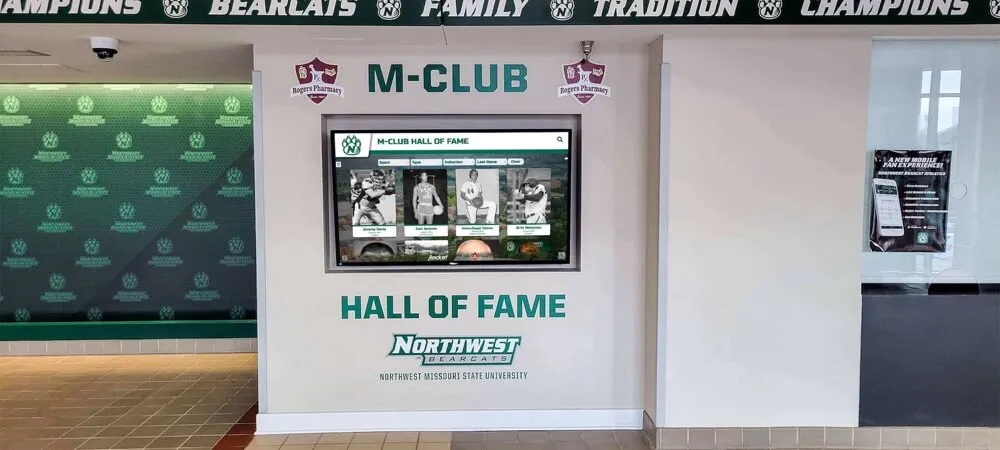
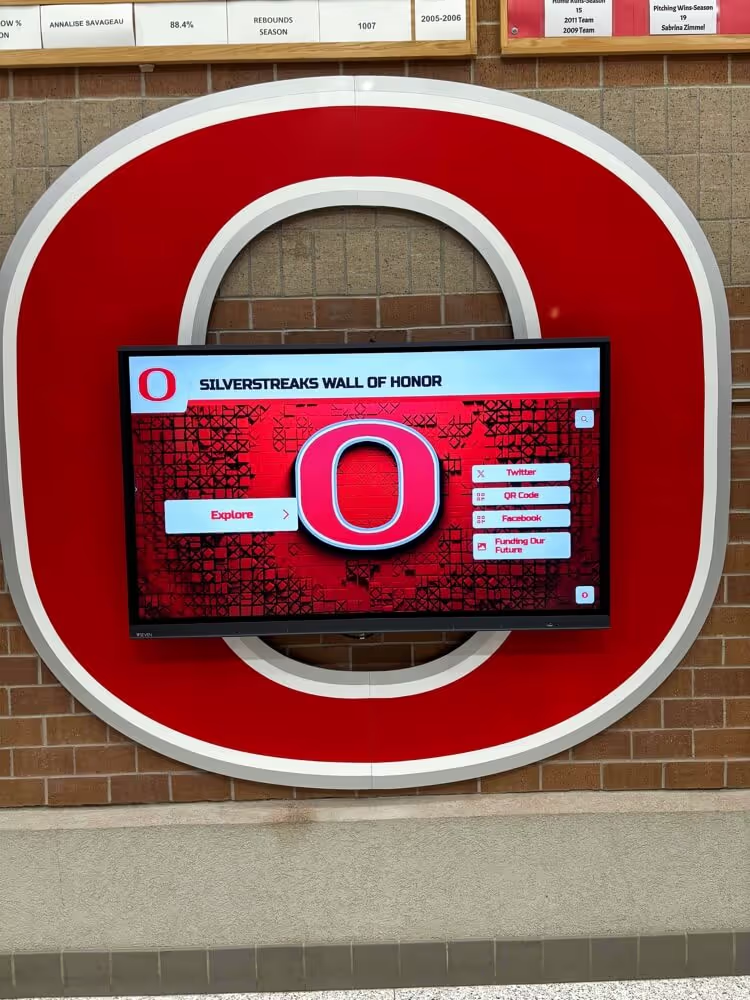
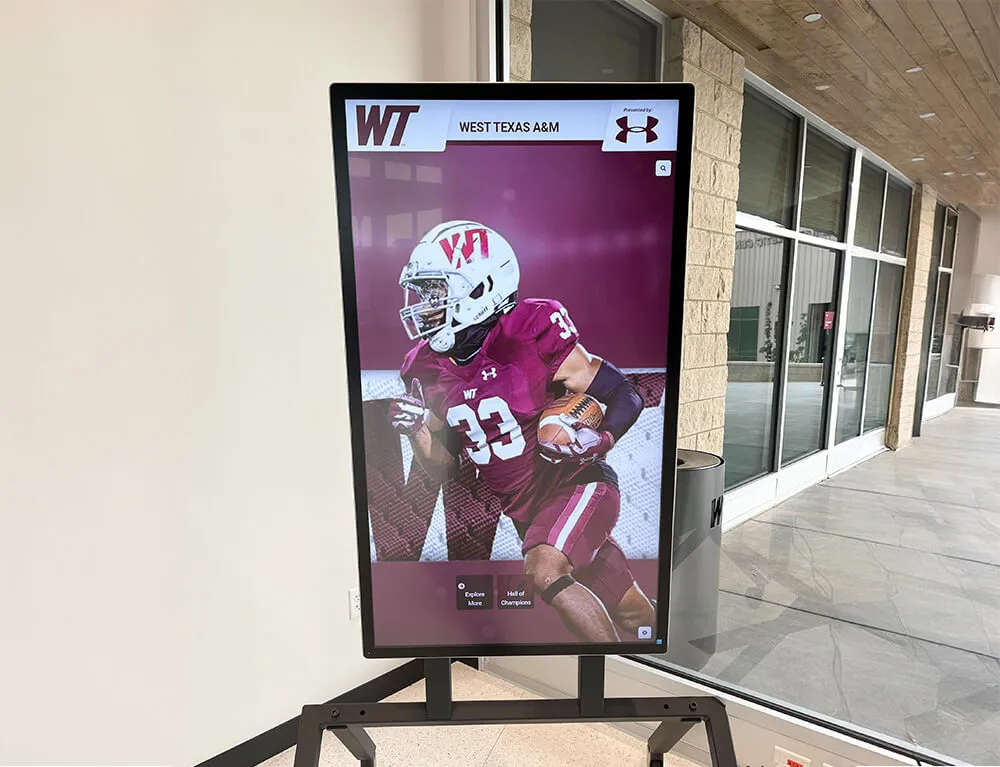
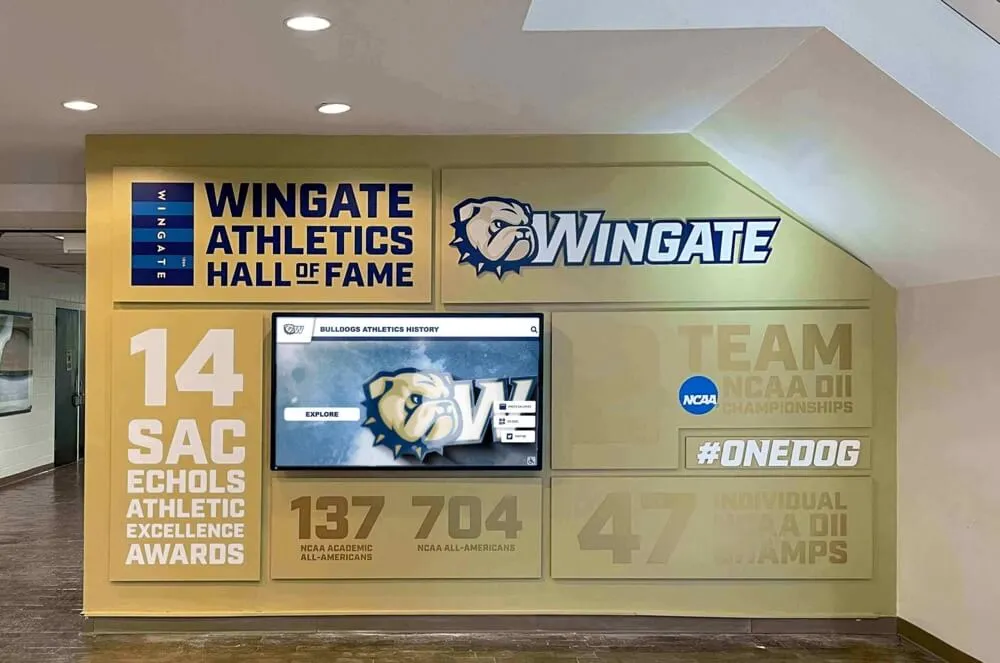
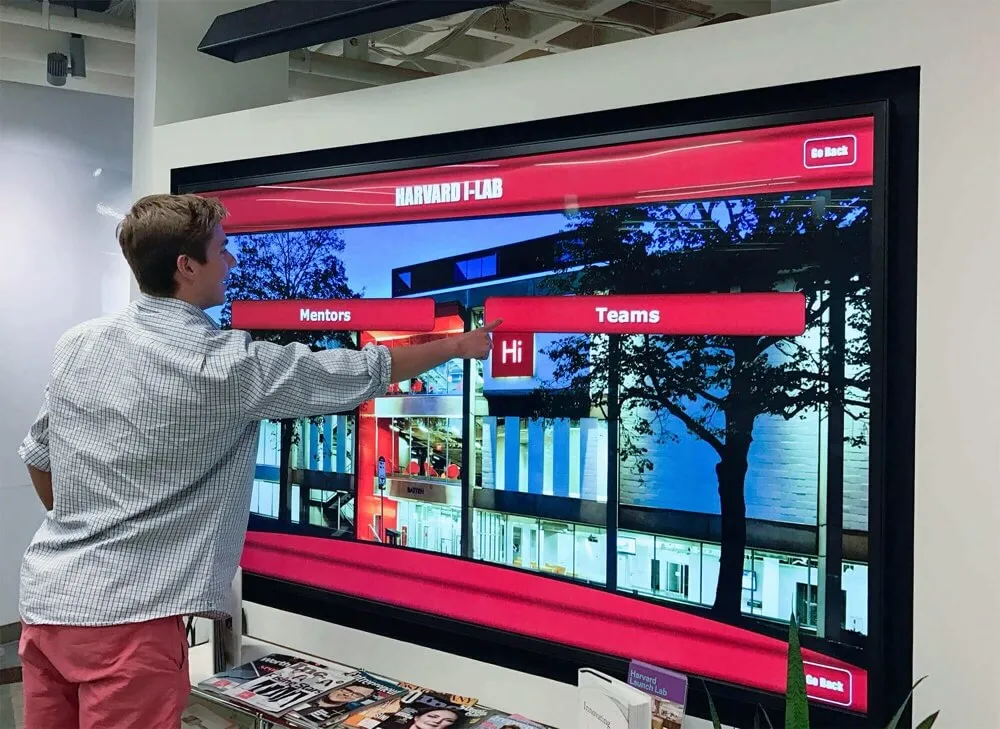
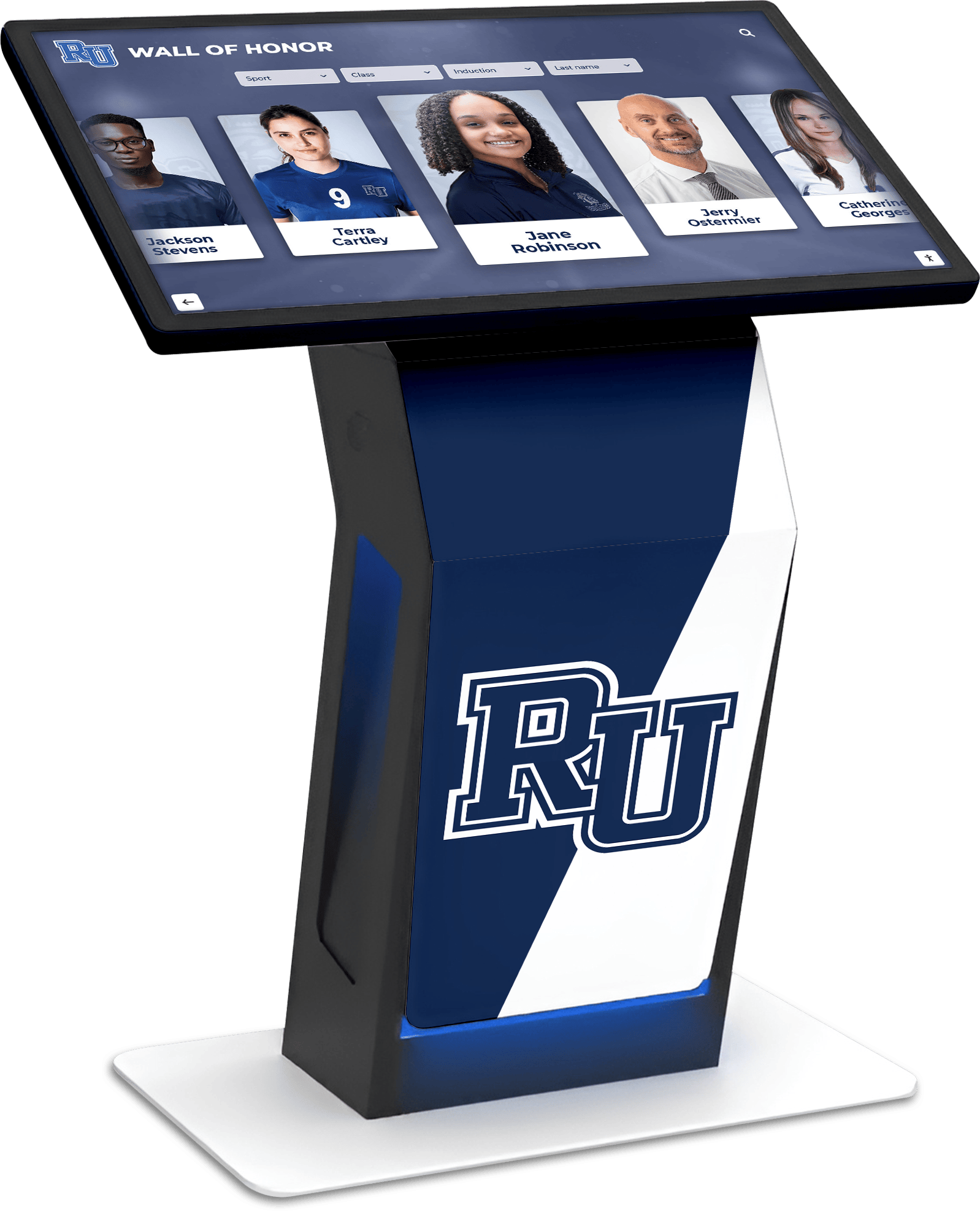
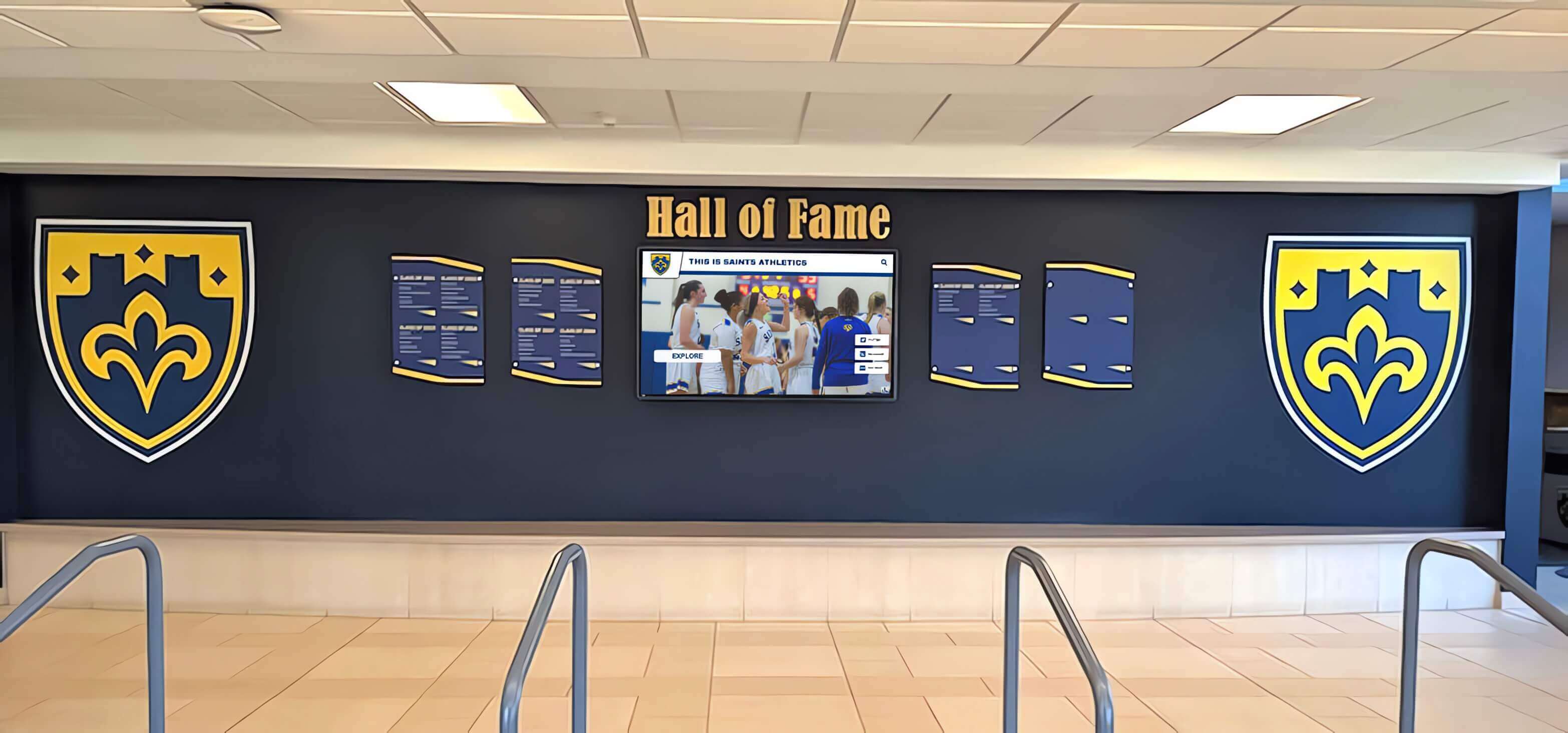
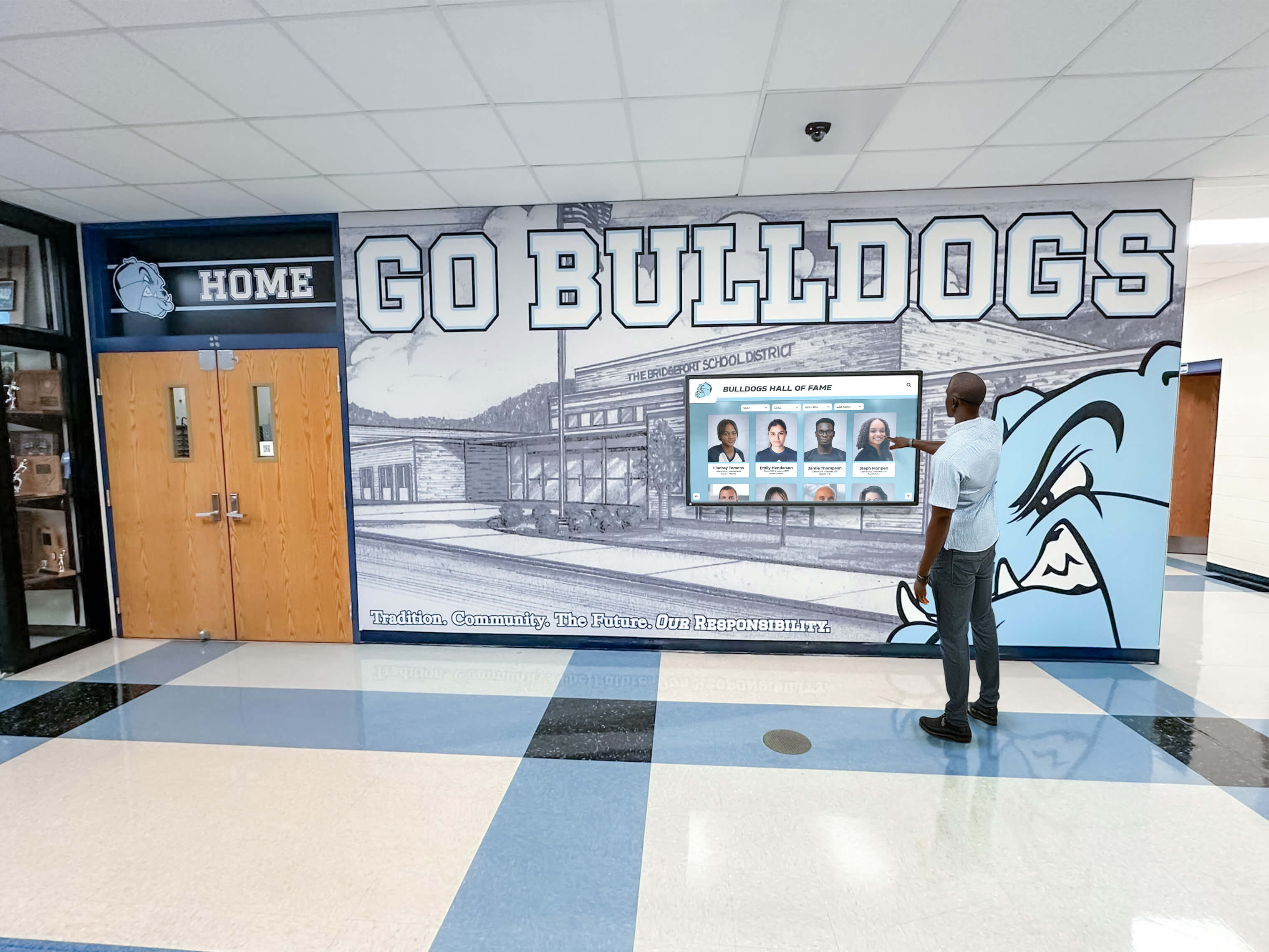
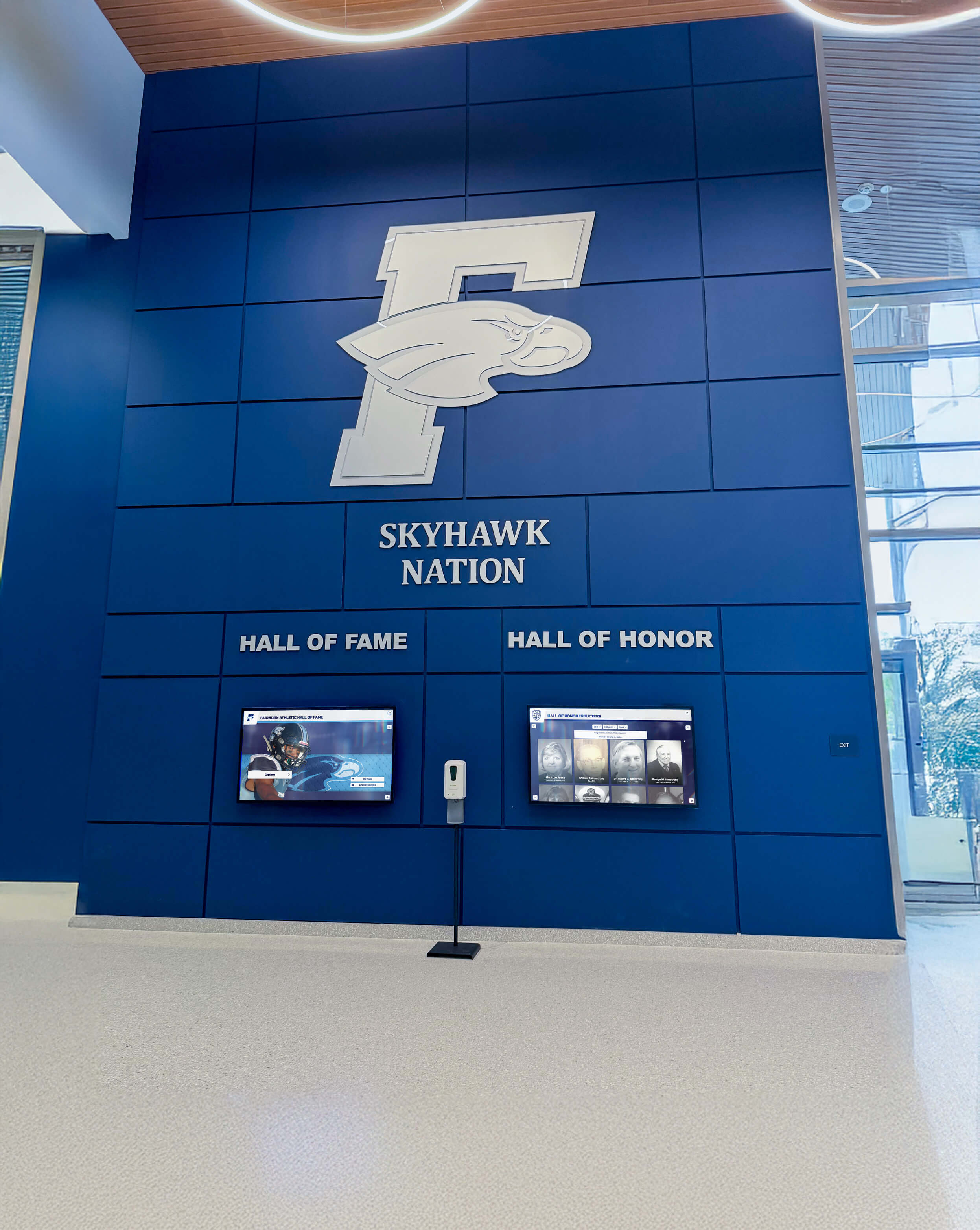
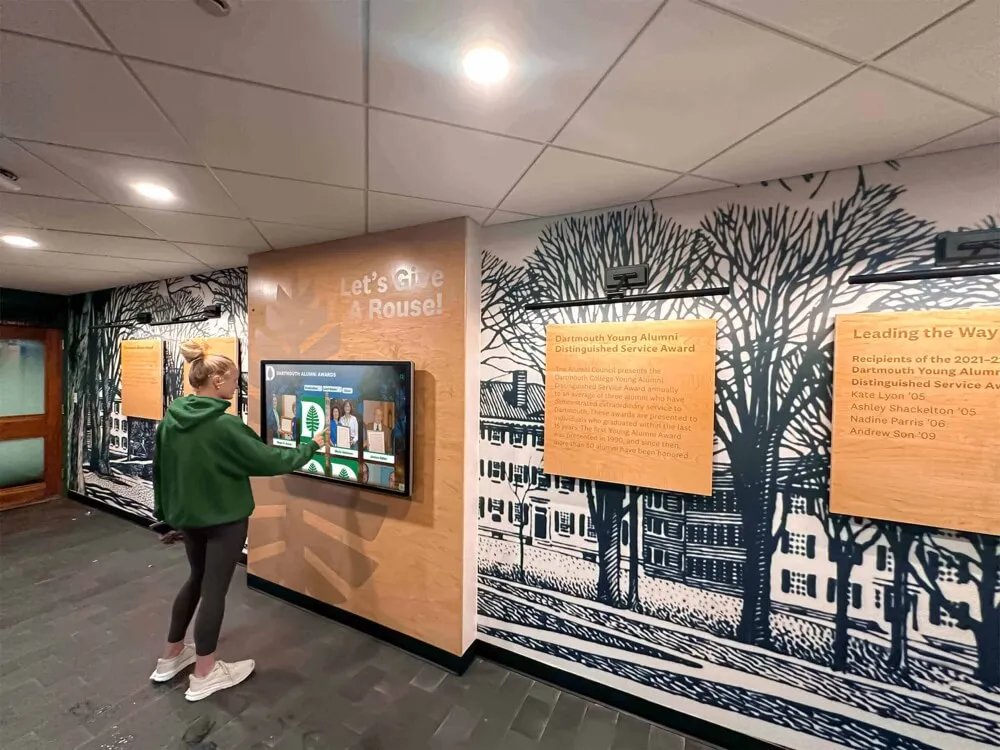
Physical Display Systems: Beyond online access, schools increasingly deploy physical interactive displays for on-campus engagement:
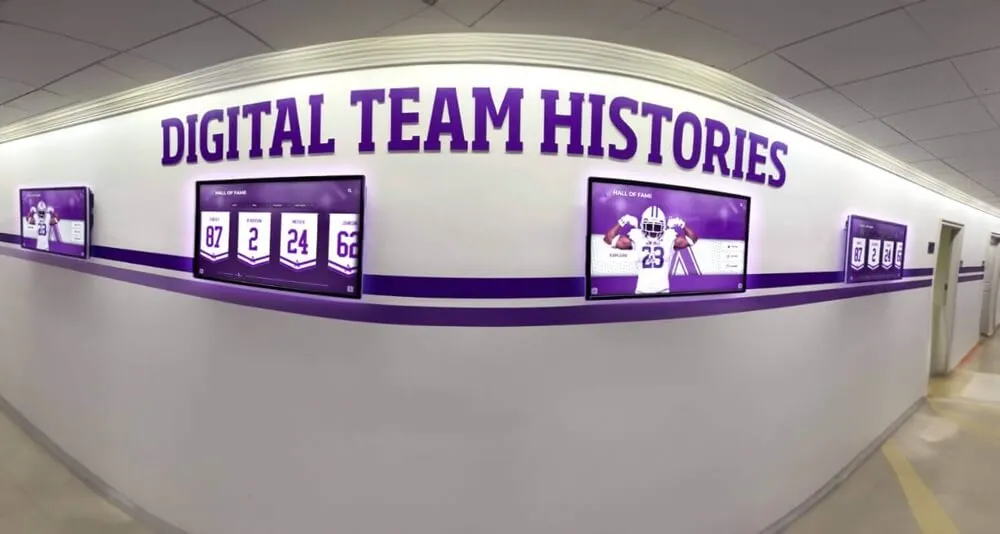
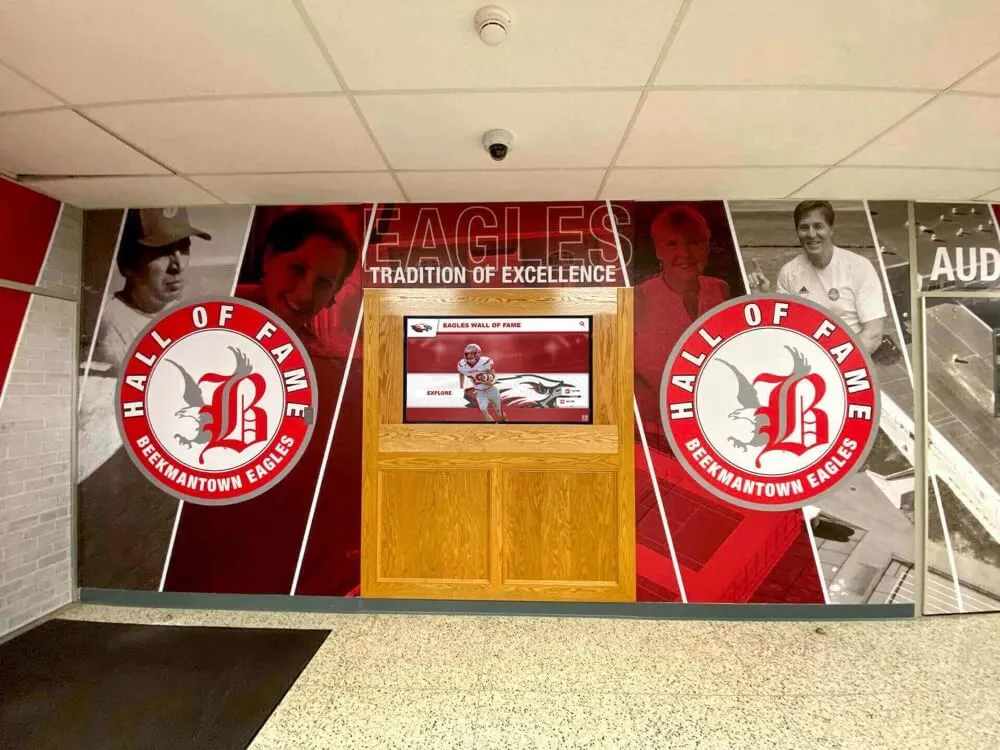
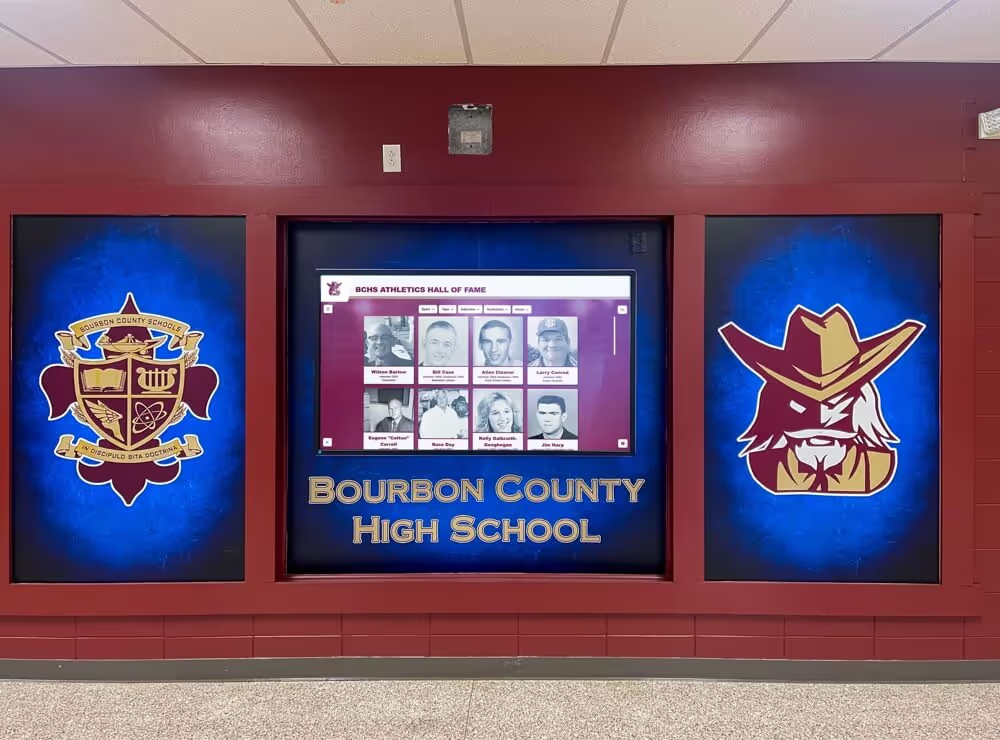
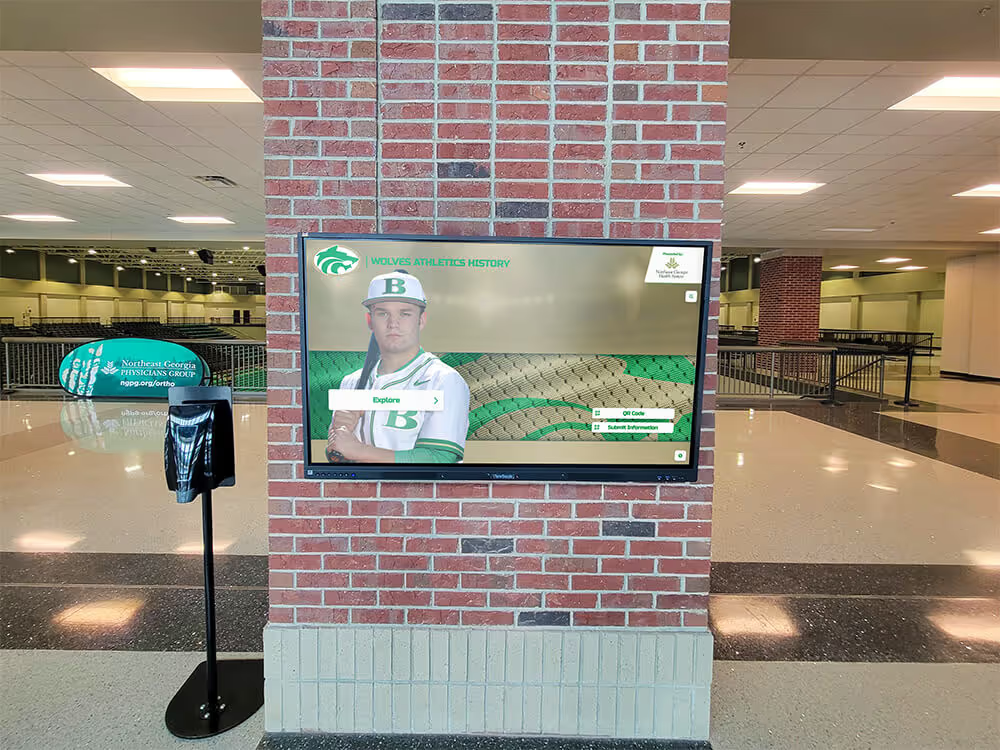
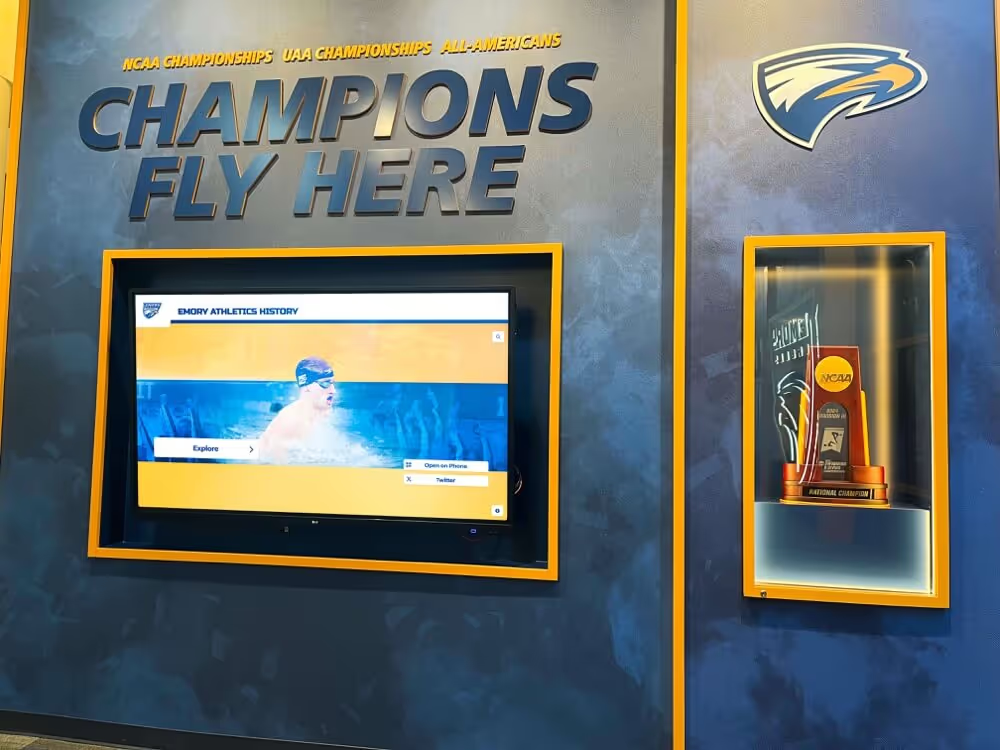
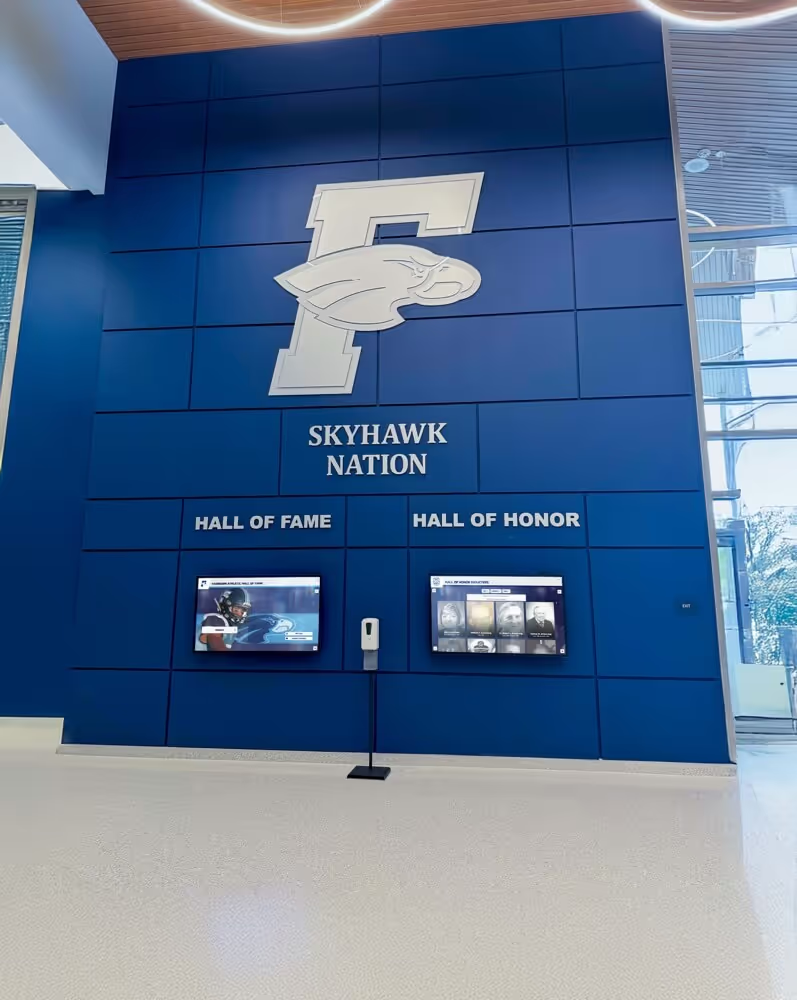
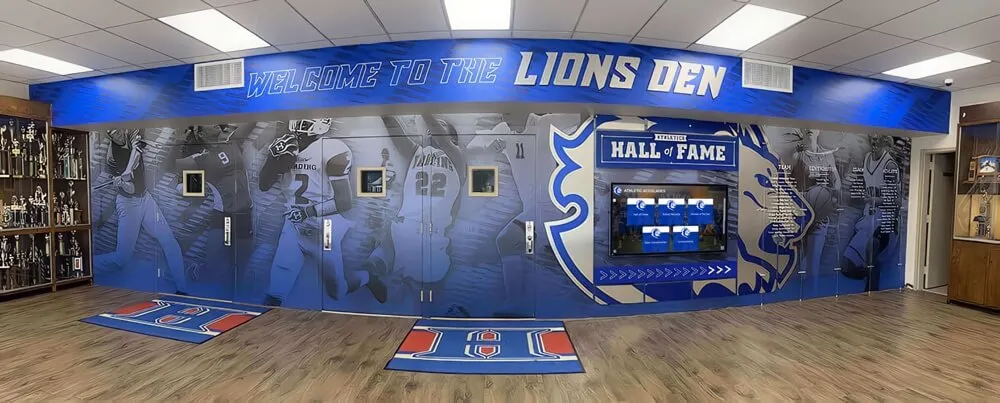
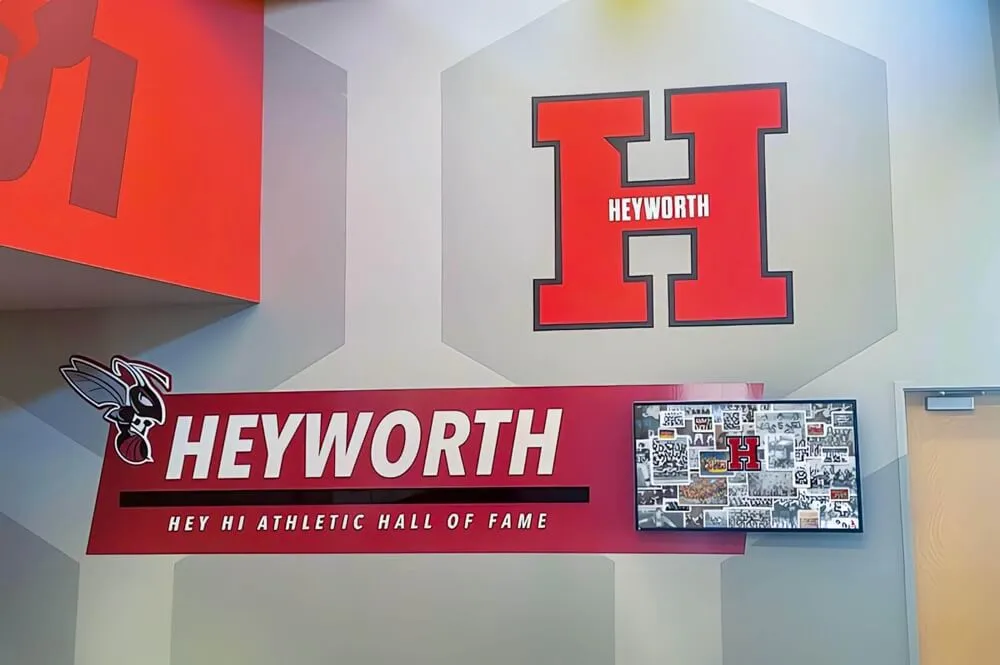
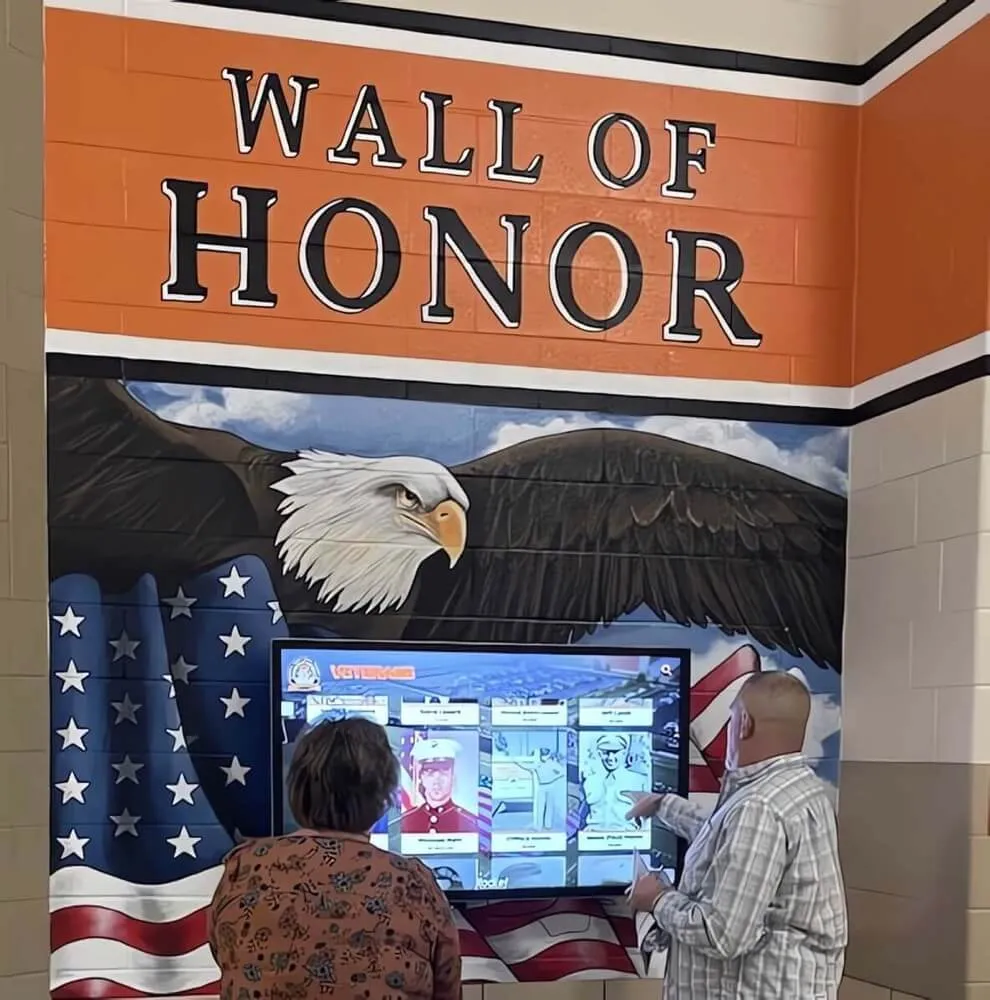
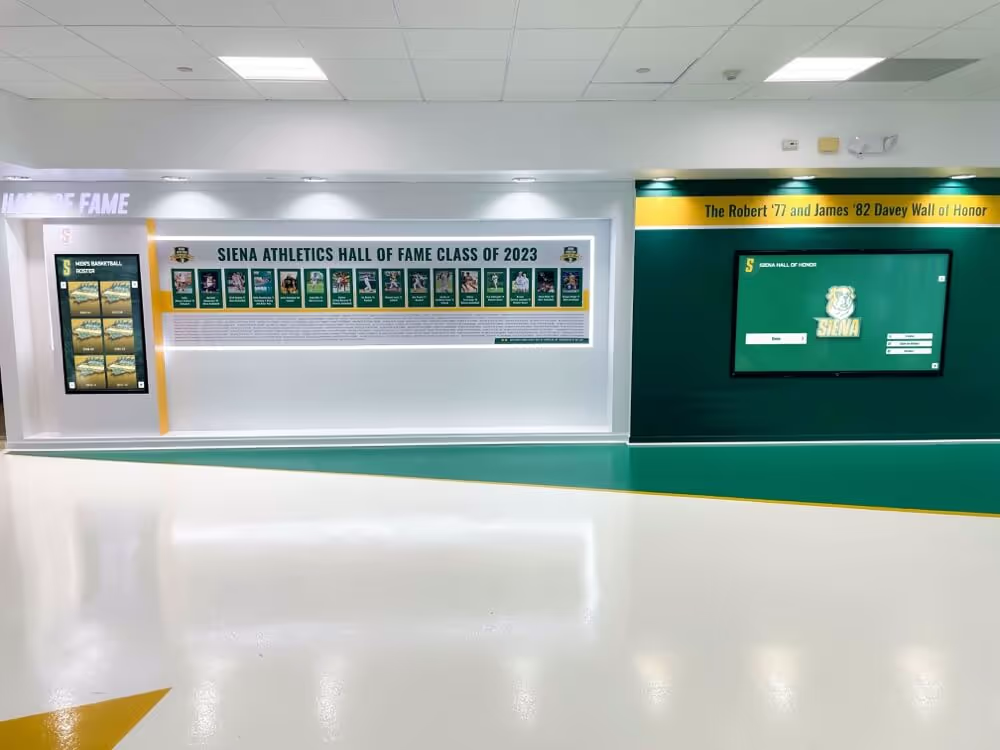
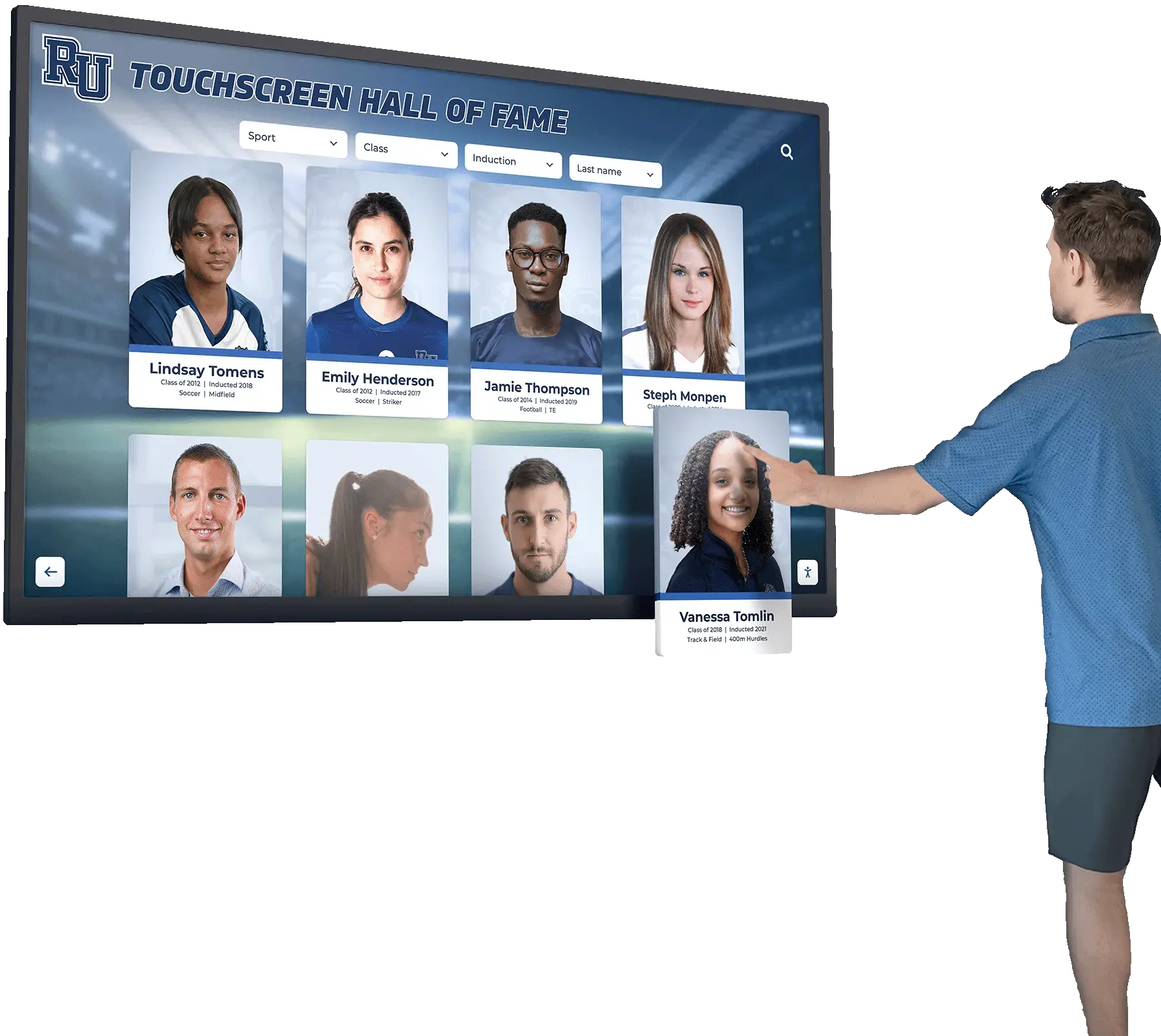
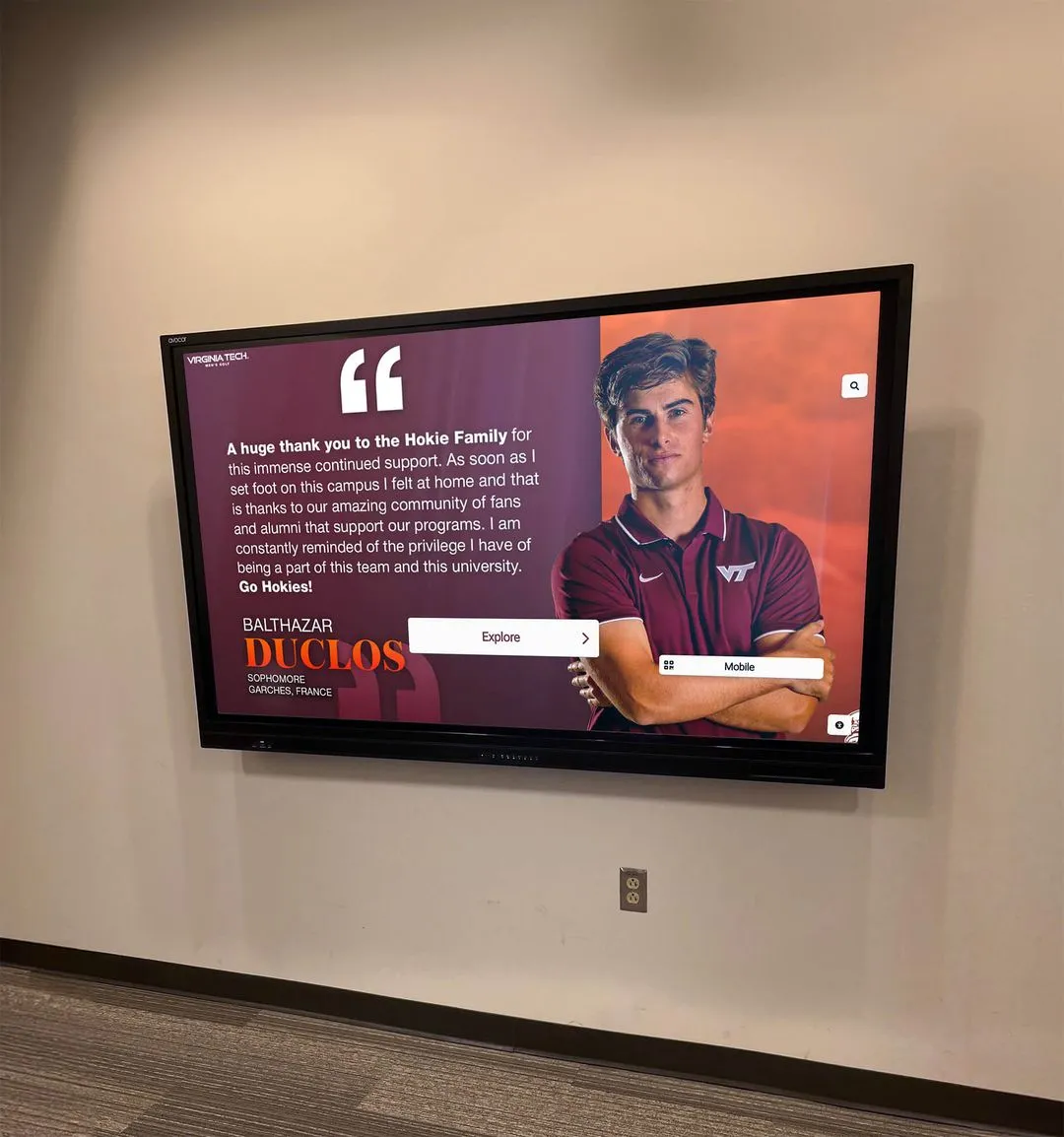
- 28% of schools have installed interactive touchscreen displays
- 43% maintain traditional static display cases or walls
- 29% provide no physical archive displays
Schools with interactive touchscreen systems report mean engagement of 1,847 interactions per month, with peak usage during school events, reunions, and orientation periods.
Usage Analytics and Engagement Metrics
Schools with analytics-enabled access systems provide quantitative insight into how stakeholders engage with digital archives:
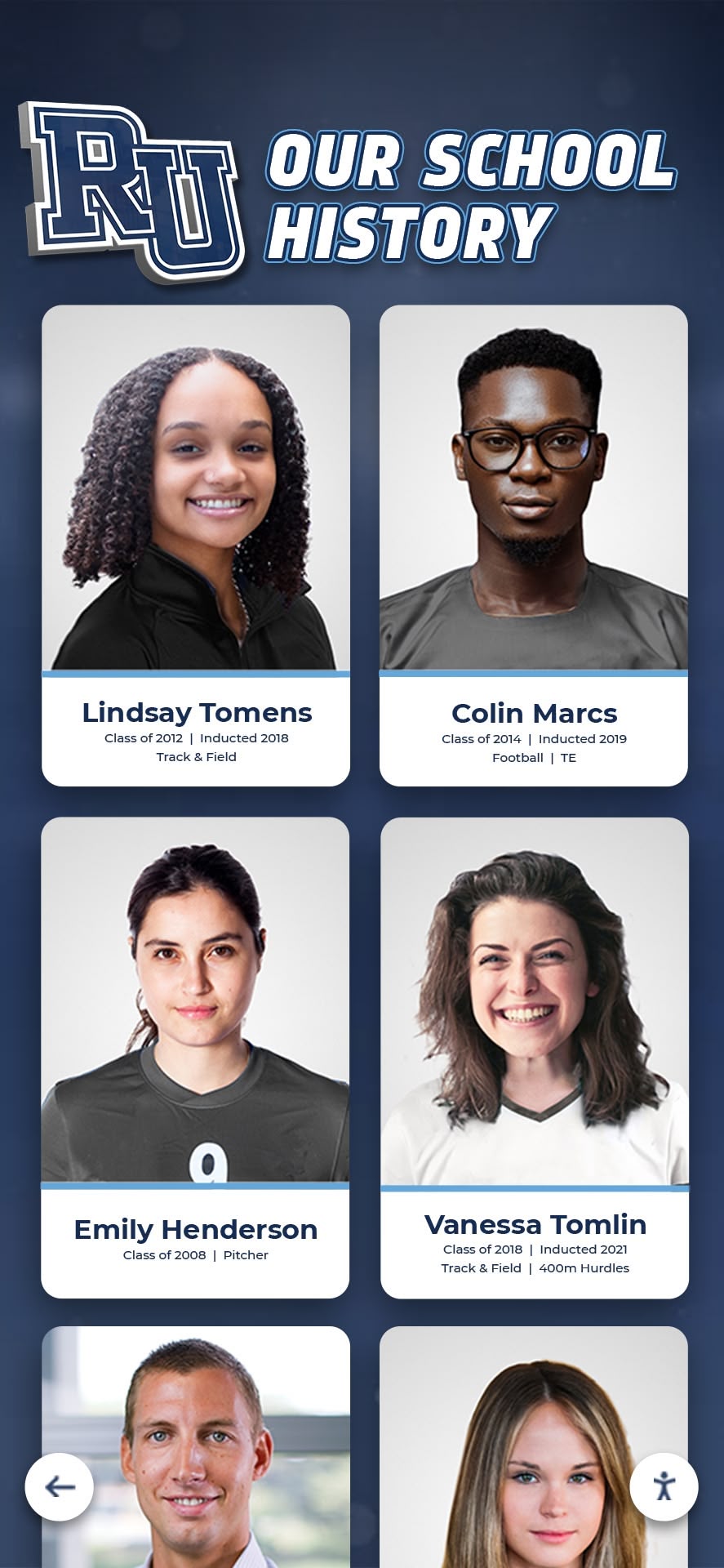
User Demographics: Analysis of 143 Rocket Alumni Solutions client installations with user analytics reveals archive audience composition:
- Alumni (no longer enrolled): 41% of users
- Current students: 28% of users
- Faculty and staff: 15% of users
- Prospective families and community members: 16% of users
This distribution demonstrates that digital archives serve audiences far beyond current students, with alumni representing the largest user segment—validating arguments that archives support advancement and engagement objectives alongside educational goals.
Search and Browse Behavior: User navigation patterns indicate how people explore archival content:
- 67% of sessions include search functionality
- 33% browse chronologically or by category
- Mean session duration: 8.4 minutes
- Pages/items per session: 12.7
- Return visit rate (users accessing archives multiple times): 34%
Most common search terms across installations include graduation years (present in 54% of searches), individual names (41%), sports teams or activities (28%), and event types (17%).
Seasonal Usage Patterns: Archive engagement demonstrates pronounced seasonality:
- Peak usage: May-June (graduation season), October-November (homecoming/reunions)
- Lowest usage: July-August (summer break)
- School reunion events drive traffic spikes averaging 340% above baseline
These patterns suggest strategic opportunities for promoting archival content during high-interest periods to maximize visibility and engagement.
Content Popularity Analysis: Certain archival categories generate disproportionate engagement:
- Yearbooks: 44% of total archive views
- Athletic photographs and records: 29% of views
- Event photographs: 16% of views
- Institutional documents and correspondence: 7% of views
- Other materials: 4% of views
This distribution guides strategic digitization priorities, suggesting that yearbooks and athletic materials deliver highest engagement return on digitization investment.
Resource Allocation and Staffing
Budget and Financial Investment
Financial constraints represent the most commonly cited barrier to comprehensive archiving programs. Survey data reveals typical budget allocation patterns:
Annual Archival Budgets: Schools report wide variation in financial commitment to archival activities:
K-12 Schools:
- Mean annual budget: $4,200
- Median annual budget: $1,800
- Range: $0 - $47,000
- 23% report $0 dedicated archival budget
Higher Education Institutions:
- Mean annual budget: $18,700
- Median annual budget: $12,500
- Range: $0 - $340,000
- 8% report $0 dedicated archival budget
These figures include staffing costs, digitization services, equipment, software, storage, and supplies. Schools with enrollment above 1,500 students average 2.7x higher archival budgets than smaller institutions.
Budget Allocation by Category: Among schools with defined archival budgets, spending distribution follows patterns:
- Staffing (salaries, contractors): 46% of budgets
- Digitization services (when outsourced): 23% of budgets
- Software and platforms: 14% of budgets
- Equipment and supplies: 9% of budgets
- Storage infrastructure: 8% of budgets
Schools performing in-house digitization report higher equipment expenditures (averaging $6,400 initial investment) but lower ongoing costs compared to those using professional services (averaging $0.40-$1.20 per page).
Funding Sources: Schools identify diverse funding mechanisms supporting archival initiatives:
- Operating budget allocation: 47% of funding
- One-time capital grants or projects: 24% of funding
- Alumni donations and fundraising: 18% of funding
- External grants: 11% of funding
Schools that successfully integrate archival initiatives with advancement programs report 2.1x higher donor-funded archival budgets, demonstrating synergy between heritage preservation and philanthropy.
Staffing Models and Time Allocation
Limited staffing represents a critical constraint for most school archives:
Dedicated Archival Positions: Only 19% of surveyed schools employ staff with primary archival responsibility:
- Full-time professional archivist: 7% of schools
- Part-time archival position: 12% of schools
- No dedicated position: 81% of schools
Higher education institutions show substantially higher rates (42% have dedicated positions vs. 11% at K-12 schools), reflecting larger collections and greater institutional complexity.
Distributed Responsibility Models: Most schools distribute archival work across existing staff:
- Library/media specialists: 47% of schools
- Advancement/development staff: 23% of schools
- IT personnel: 18% of schools
- Volunteer committees: 34% of schools
- Student workers or interns: 12% of schools
(Percentages exceed 100% as schools employ multiple approaches)
These distributed models create coordination challenges and often result in reactive rather than strategic archival management.
Time Investment Requirements: Schools with active digitization projects report substantial time demands:
- Initial collection inventory and assessment: Mean 47 hours
- Scanning 1,000 yearbook pages (including prep): Mean 18 hours
- Scanning 1,000 photographs (including prep): Mean 32 hours
- Metadata creation per 100 items: Mean 8 hours
- Platform setup and configuration: Mean 23 hours
These estimates highlight why comprehensive digitization requires multi-year timelines for schools without dedicated staffing or professional services.
Technology Infrastructure Investment
Beyond staffing and ongoing operations, schools invest in technology enabling archival functions:
Equipment Investment: Schools performing in-house digitization report equipment costs:
- Flatbed scanners (yearbooks, documents): $400-$3,200
- Photo scanners (prints and negatives): $800-$4,500
- Large-format scanners (newspapers, oversize materials): $2,800-$12,000
- Supporting equipment (computers, color calibration tools): $1,200-$4,000
Schools with comprehensive in-house capabilities average $8,900 initial equipment investment, with replacement cycles averaging 5-7 years.
Software and Platform Costs: Digital archive platforms vary dramatically in pricing:
- Free/open-source solutions (Omeka, CollectionSpace): $0 licensing (implementation costs vary)
- Generic cloud storage (Google, Dropbox, Microsoft): $5-$30/TB/month
- Educational digital asset management: $2,000-$15,000 annually
- Integrated recognition and archive platforms: $3,600-$18,000 annually
- Enterprise archival systems: $15,000-$100,000+ annually
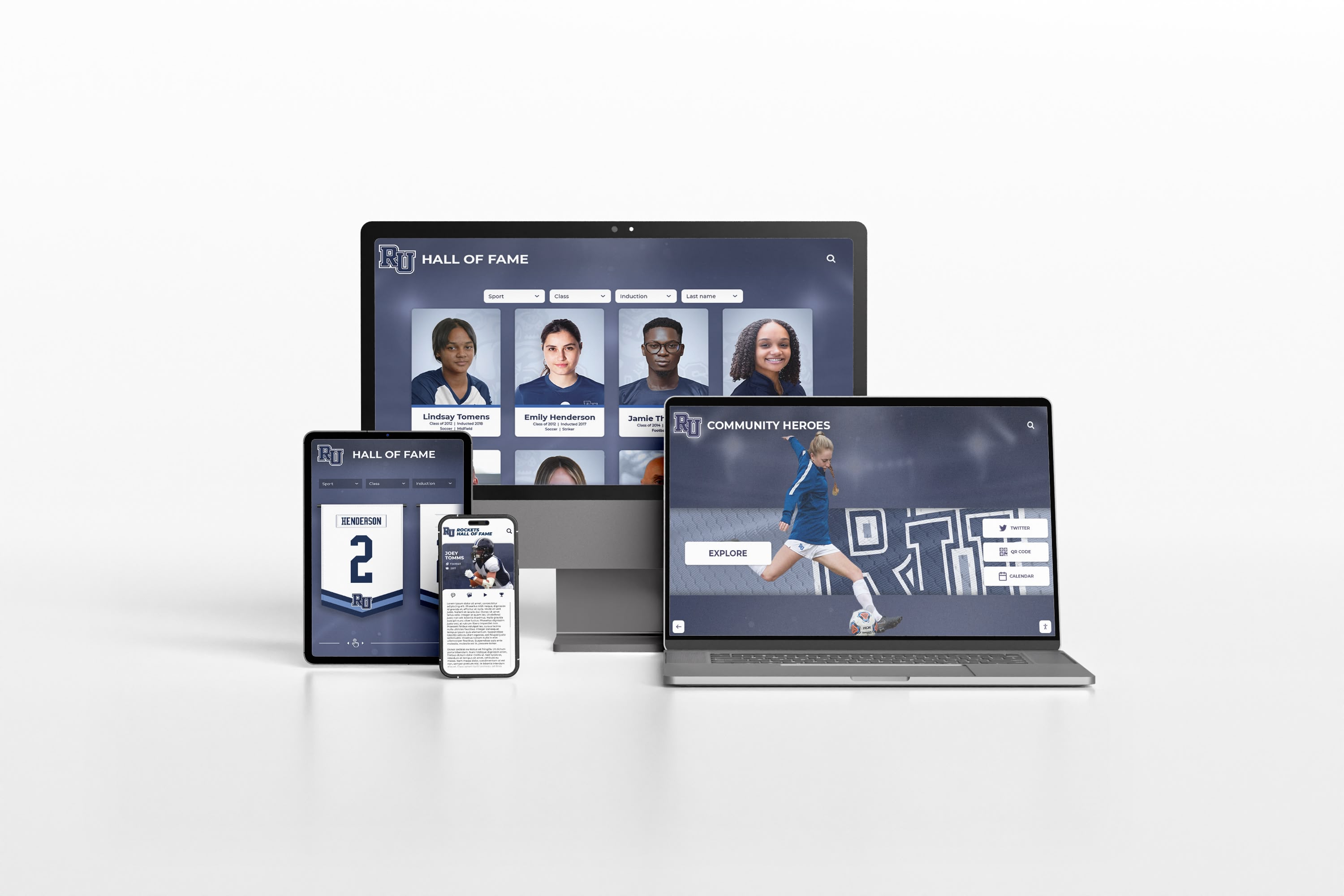
Purpose-built educational platforms like Rocket Alumni Solutions typically fall in the mid-range ($6,000-$12,000 annually for most schools), offering integrated archive management, interactive displays, and web access without requiring separate system integration.
Display Hardware: Schools installing physical interactive displays invest:
- Commercial-grade touchscreen displays (43"-75"): $2,500-$8,000 per unit
- Mounting hardware and installation: $400-$1,500 per unit
- Computing hardware (if not integrated): $600-$2,000 per unit
Schools deploying multiple displays report volume pricing and integrated platforms substantially reduce per-unit costs compared to custom installations.
Implementation Approaches and Success Factors
Phased Implementation Strategies
Successful school archives rarely emerge from single comprehensive projects. Data reveals that sustainable archives develop through phased approaches:
Pilot Project Characteristics: Schools with functional archives report that 83% began with limited pilot projects rather than comprehensive initiatives:
Common pilot scopes included:
- Digitizing most recent 5-10 years of yearbooks: 46% of pilots
- Digitizing high-priority athletic materials: 31% of pilots
- Scanning 500-1,000 photographs for initial platform testing: 28% of pilots
- Creating digital versions of existing physical displays: 24% of pilots
Median pilot project duration: 4-6 months Mean pilot budget: $3,200 Pilot completion rate: 78%
Successful pilots demonstrate value to stakeholders, refine workflows, identify challenges requiring solutions, and build organizational capability before full-scale implementation.
Expansion Patterns: Following successful pilots, schools expand through multiple phases:
Phase 1 Duration: 4-8 months, focusing on core high-value materials (recent yearbooks, championship documentation, featured collections). Mean digitization: 1,200-2,500 items.
Phase 2 Duration: 6-12 months, adding substantial depth (extended yearbook coverage, major photograph collections, athletic history). Mean digitization: 3,500-7,800 items.
Phase 3 Duration: 12-24 months, comprehensive coverage (complete yearbook collections, institutional documents, specialized materials). Mean digitization: 8,000-15,000+ items.
Ongoing Operations: Continuous addition of current materials, metadata enhancement, and system optimization.
Schools following phased approaches report 89% sustained implementation compared to 34% for schools attempting comprehensive single-phase projects, suggesting that incremental approaches better align with institutional capacity and budget realities.
Governance and Organizational Structure
Formal governance structures correlate strongly with archival success:
Assigned Responsibility: Clear designation of archival responsibility predicts completion:
- Schools with designated project managers: 83% complete planned digitization
- Schools with committee responsibility: 56% complete planned digitization
- Schools with informal/volunteer management: 34% complete planned digitization
Even part-time designated responsibility (0.25 FTE or 10 hours weekly) substantially improves outcomes compared to fully distributed models.
Steering Committee Composition: Schools with archival steering committees report typical membership:
- Library/information services representative: 89% of committees
- IT/technology representative: 76% of committees
- Advancement/alumni relations: 68% of committees
- Administrative sponsor: 92% of committees
- Faculty representative: 54% of committees
- Alumni representative: 43% of committees
Cross-functional committees ensure archival initiatives serve diverse stakeholder needs while securing necessary institutional resources and authorization.
Policy Documentation: Formal archival policies improve consistency and sustainability:
- 34% of schools have documented archival policies
- 48% have informal policies or practices
- 18% operate without defined policies
Policy areas addressed most commonly include collection scope (what materials will be acquired), digitization standards (technical specifications), access and privacy (what can be published), donor agreements (terms for accepting materials), and preservation procedures (backup and migration planning).
Integration with Institutional Programs
Archives deliver maximum value when integrated with broader school initiatives rather than existing as isolated repositories:
Alumni Engagement Integration: Schools connecting archives with advancement efforts report stronger outcomes:
- Reunion attendance: Schools with accessible archives report 23% higher reunion attendance
- Alumni website engagement: Archive features generate 34% of total alumni site traffic
- Fundraising context: 67% of advancement officers report archives support donor cultivation
Integrated approaches position archives as tools for building alumni connections that support institutional advancement goals.
Educational Integration: Archives serving curriculum provide additional value justification:
- 42% of schools with archives report teacher incorporation into lessons
- History, English, and social studies represent primary curricular applications
- Student research projects contribute metadata and content to archives
- Educational use peaks during local history units and research assignment periods
Schools that actively promote educational applications to faculty report 2.8x higher curricular integration rates than those taking passive approaches.
Recognition Program Integration: Schools combining archives with recognition programs achieve synergies:
- 68% of schools with digital recognition platforms include archival content
- Historical achievement documentation enriches contemporary recognition programs
- Archival materials provide context showing achievement traditions across generations
- Combined platforms reduce total cost compared to separate archive and recognition systems
Purpose-built platforms integrating archives and recognition deliver both cost efficiency and functional synergy that separate systems cannot match.
Challenges and Barriers
Most Commonly Reported Obstacles
Schools identify consistent challenges impeding archival progress:
Resource Constraints (cited by 78% of schools):
- Insufficient budget for comprehensive digitization
- Limited staff time for archival work
- Competing priorities for available resources
- Difficulty securing sustained funding
Technical Challenges (cited by 61% of schools):
- Lack of in-house digitization expertise
- Uncertainty about appropriate standards and specifications
- Complex technology integration requirements
- Concerns about long-term digital preservation
Collection Management Issues (cited by 54% of schools):
- Unorganized physical collections requiring inventory and assessment
- Missing or incomplete historical materials
- Poor condition of deteriorating materials
- Scattered materials across multiple locations
Privacy and Legal Concerns (cited by 47% of schools):
- Uncertainty about copyright and intellectual property rights
- FERPA and privacy compliance questions
- Concerns about publishing student information
- Lack of clear institutional policies
Organizational Barriers (cited by 41% of schools):
- No designated responsibility for archival programs
- Insufficient administrative priority and support
- Limited awareness of archival value among stakeholders
- Difficulty coordinating across departments
Schools successfully addressing these challenges typically focus on one or two high-priority obstacles rather than attempting simultaneous resolution of all barriers.
Collection-Specific Challenges
Different archival materials present unique challenges requiring specialized approaches:
Yearbook Digitization: Despite being the most commonly digitized material, yearbooks present challenges:
- Binding damage during scanning (40% of schools report damaged yearbooks)
- Copyright uncertainty for materials created by external publishers
- High page counts requiring substantial scanning time
- Storage of oversized or unusual format yearbooks
Photograph Collections: Volume and organization challenges dominate:
- Uncataloged collections in boxes or albums requiring item-level handling
- Unknown identity of people depicted in historical photographs
- Fragile negatives and prints requiring careful handling
- Enormous collection sizes (schools report means of 8,400 photographs)
Born-Digital Materials: Recent materials created digitally introduce new preservation challenges:
- Format obsolescence as technology evolves
- Scattered locations (social media, email, personal computers)
- Lack of organized collection and accessioning processes
- Metadata gaps in digital photograph collections
Athletic Records: Incomplete historical documentation affects many programs:
- Missing seasons or incomplete statistical records
- Documentation in coaches’ personal collections rather than institutional control
- Inconsistent record-keeping across sports and eras
- Verification challenges for claimed records
Specialized approaches addressing material-specific challenges improve success rates compared to generic digitization methodologies applied uniformly.
Best Practices and Recommendations
Evidence-Based Implementation Guidance
Analysis of successful implementations yields practical recommendations for schools at various stages:
For Schools Beginning Archival Initiatives:
Start with high-value pilot projects (3-6 month duration, $2,000-$5,000 budget) focusing on materials generating strongest stakeholder engagement—typically recent yearbooks and major athletic achievements.
Establish clear governance by designating specific individual responsibility (even part-time) and securing administrative sponsorship before beginning digitization work.
Adopt professional standards early by scanning at 600 DPI in TIFF or high-quality JPEG formats to avoid expensive re-scanning when initial digitization proves inadequate.
Implement 3-2-1 backup strategy from the start—three copies of files, on two different media types, with one copy offsite—to prevent catastrophic loss.
Choose sustainable platforms based on institutional technical capacity. Purpose-built educational platforms often provide better total value than attempting custom integration of generic systems.
For Schools with Existing Programs:
Assess current holdings comprehensively by conducting full inventory of digitized and physical materials, metadata completeness, access systems, and usage patterns.
Prioritize metadata enhancement for high-traffic collections, as comprehensive description substantially improves discoverability and user experience.
Implement usage analytics to understand how stakeholders engage with archives, informing content priorities and platform improvements.
Integrate with institutional programs by actively connecting archives to advancement initiatives, educational curriculum, and recognition programs.
Plan format migration by monitoring archival file format viability and establishing schedules for migrating content to newer formats before obsolescence occurs.
For All Schools:
Document policies and procedures for sustainable operations that continue regardless of personnel changes.
Engage alumni communities for crowdsourced identification, donations of materials, and funding support.
Promote actively rather than assuming stakeholders will discover archives organically. Strategic communications during high-interest periods maximize visibility.
Build incrementally through multi-year phased approaches rather than attempting comprehensive projects exceeding organizational capacity.
Leverage purpose-built solutions designed specifically for educational contexts rather than adapting generic platforms requiring extensive customization.
Resource Allocation Recommendations
Budget and staffing recommendations based on benchmark data:
Minimum Viable Program (schools under 500 students):
- Annual budget: $3,000-$6,000
- Staffing: 0.15-0.25 FTE (6-10 hours weekly)
- Platform: Purpose-built educational solution ($3,000-$5,000 annually)
- Scope: Recent yearbooks (10-15 years), featured photograph collections (500-1,000 images), basic athletic records
Moderate Program (schools 500-1,500 students):
- Annual budget: $8,000-$15,000
- Staffing: 0.25-0.40 FTE (10-16 hours weekly)
- Platform: Comprehensive archive and recognition platform ($6,000-$10,000 annually)
- Scope: Complete yearbook coverage, substantial photograph collections (2,000-5,000 images), comprehensive athletic documentation
Comprehensive Program (schools 1,500+ students):
- Annual budget: $18,000-$35,000
- Staffing: 0.50-1.0 FTE (20-40 hours weekly) or professional archivist
- Platform: Enterprise archival system or integrated platform ($12,000-$25,000 annually)
- Scope: All yearbooks, extensive photograph collections (8,000+ images), institutional document archives, specialized collections
These ranges assume phased implementation over 2-4 years. Single-year comprehensive digitization requires substantially higher investment.
Technology Platform Comparison
Platform Categories and Selection Criteria
Schools choose from several technology approaches, each with distinct advantages and limitations:
Generic Cloud Storage (Google Drive, Dropbox, Microsoft OneDrive):
Advantages:
- Low cost ($5-$30/TB/month)
- Familiar interfaces requiring minimal training
- Adequate for small collections with basic needs
- Quick implementation without specialized configuration
Limitations:
- Limited discovery and search functionality
- No specialized metadata or archival features
- Poor user experience for browsing large collections
- Minimal analytics or engagement tracking
Best for: Very small schools, pilot projects, temporary solutions
Open-Source Archive Platforms (Omeka, CollectionSpace, ArchivesSpace):
Advantages:
- No licensing costs
- Customization flexibility
- Professional archival features
- Standards-compliant
Limitations:
- Requires technical expertise for implementation and maintenance
- Hosting infrastructure needs (servers, security, backups)
- Limited out-of-box functionality for school-specific needs
- Often lacks integrated display or recognition features
Best for: Schools with IT capacity and technical resources, institutions prioritizing customization
Digital Asset Management Systems (Adobe Experience Manager, Bynder, Widen):
Advantages:
- Enterprise-grade features and scalability
- Sophisticated workflows and permissions
- Strong metadata and organization tools
- Robust integration capabilities
Limitations:
- High cost ($15,000-$100,000+ annually)
- Complexity requiring dedicated administration
- Generic design not optimized for educational contexts
- Requires additional systems for displays and recognition
Best for: Large universities with dedicated IT and archival staff, complex institutional needs
Purpose-Built Educational Platforms (Rocket Alumni Solutions, specialized school systems):
Advantages:
- Designed specifically for school heritage and recognition needs
- Integrated archive, display, and web access functionality
- Education-optimized features and interfaces
- Manageable for schools without dedicated IT staff
- Moderate cost ($3,600-$18,000 annually for most schools)
Limitations:
- Less customization than open-source solutions
- May not serve specialized research institution requirements
Best for: K-12 schools, small colleges, institutions seeking turnkey solutions integrating archives with recognition
Platform Selection Decision Framework
Schools should evaluate platforms against specific criteria aligned with institutional context:
Technical Capacity Assessment:
- Available IT staff expertise and time
- Existing infrastructure and systems
- Comfort with technical administration vs. managed services
Functional Requirements:
- Collection size and complexity
- Required metadata sophistication
- Integration needs (displays, websites, recognition programs)
- User experience expectations
Resource Constraints:
- Available budget (initial and ongoing)
- Staff time for implementation and maintenance
- Timeline requirements
Institutional Priorities:
- Primary objectives (preservation, engagement, education, advancement)
- Stakeholder needs (alumni, students, researchers, donors)
- Future growth and evolution expectations
Schools that carefully match platform capabilities to their specific context report 3.4x higher satisfaction scores than those selecting platforms based primarily on cost or familiarity without systematic needs assessment.
Return on Investment and Value Demonstration
Quantifying Archival Value
Schools justify archival investments through multiple value dimensions:
Alumni Engagement Metrics: Schools with accessible archives report measurable advancement benefits:
- Reunion attendance increases: Mean 23% improvement post-archive launch
- Alumni database engagement: Archives generate 34% of total alumni website traffic
- Social media engagement: Historical content generates 2.8x higher engagement than standard posts
- Volunteer participation: Schools report 17% increase in alumni volunteers after archive implementation
Educational Applications: Archives supporting curriculum provide instructional value:
- 42% of schools report regular curricular use
- Mean 340 student research interactions per year using archival materials
- Teacher satisfaction with primary source access rates 8.2/10
- Schools calculate mean $4,700 annual value from avoided field trip and resource costs
Operational Efficiency: Digital archives reduce certain operational costs:
- 76% reduction in time responding to archival information requests
- Eliminated physical display maintenance (updating, repairing, replacing)
- Reduced physical storage space requirements (mean 240 square feet reclaimed)
- Decreased wear on fragile original materials from handling
Community Relations: Public-facing archives enhance institutional reputation:
- Local media features: Schools average 3.2 media mentions annually related to archives
- Community event engagement: Archives featured at 78% of alumni and community events
- Prospective family impressions: 83% of schools report positive admissions feedback about heritage visibility
Fundraising Context: Archives support but don’t directly cause fundraising outcomes:
- 67% of advancement officers report archives aid donor cultivation conversations
- Historical giving displays inspire donor recognition conversations
- Heritage-focused campaigns incorporate archival materials in 71% of cases
- Quantified fundraising attribution remains difficult to isolate
Cost-Benefit Analysis Framework
Schools can evaluate archival ROI through structured analysis:
Total Cost of Ownership (3-year implementation):
- Initial platform implementation or setup: $X
- Annual subscription or licensing (3 years): $X
- Staffing (in-house or services): $X
- Equipment (if applicable): $X
- Ongoing operations and maintenance: $X
- Training and professional development: $X Total 3-Year Investment: $X
Quantifiable Benefits (3-year period):
- Operational cost savings (staff time, space, maintenance): $X
- Educational resource value (curriculum support, materials access): $X
- Avoided losses (deterioration, disasters affecting physical collections): $X Total Quantifiable 3-Year Value: $X
Strategic Benefits (difficult to quantify precisely):
- Alumni engagement improvements supporting fundraising
- Enhanced institutional reputation and community relations
- Student educational benefits from primary source access
- Preserved institutional memory and heritage
Most schools find that strategic benefits provide the primary value justification, with quantifiable savings partially offsetting implementation costs but rarely exceeding total investment in purely financial terms.
Future Trends and Emerging Practices
Artificial Intelligence and Automation
AI applications are emerging in school archival contexts:
Automated Metadata Generation: Machine learning algorithms can analyze images and documents to suggest:
- Object and scene recognition in photographs
- Text extraction from documents (OCR)
- Face detection and potentially identification through comparison
- Date estimation from image characteristics
Early implementations show 60-70% accuracy requiring human verification, but reduce manual metadata creation time by 40-50%.
Intelligent Search and Discovery: Natural language processing enables:
- Conversational search queries (“show me basketball championships from the 1990s”)
- Visual similarity search (find photographs similar to selected images)
- Automatic content recommendations and relationship identification
- Multi-language query support
These capabilities substantially improve user experience, particularly for large collections where manual browsing becomes impractical.
Preservation Automation: AI assists digital preservation through:
- Automated file format migration planning and execution
- Quality control and corruption detection
- Duplicate identification and consolidation
- Predictive storage failure alerts
Schools report that AI-enhanced platforms reduce preservation management time by approximately 30%.
Extended Reality Applications
Some institutions explore augmented and virtual reality for archival engagement:
Augmented Reality Overlays: Mobile devices display archival content overlaid on physical spaces:
- Historical photographs superimposed on current campus locations
- Interactive information appearing when scanning physical displays
- Virtual tours revealing historical context about buildings and spaces
Implementation remains early-stage, with 6% of surveyed schools piloting AR applications.
Virtual Reality Experiences: Immersive environments for exploring historical contexts:
- Virtual museum exhibitions showcasing archival collections
- Reconstructed historical events or environments
- Multi-user shared experiences for remote alumni gatherings
High implementation costs and technical requirements limit VR adoption to well-resourced institutions experimenting with innovative engagement approaches.
Blockchain and Credentials
Some schools explore blockchain technology for archival applications:
- Permanent, tamper-proof records of achievements
- Verifiable credentials connecting to archival documentation
- Decentralized storage of critical institutional records
- Digital rights management for sensitive materials
Blockchain applications remain largely experimental, with unclear long-term value proposition and sustainability concerns about energy consumption and cost.

What This Means for Schools
Actionable Insights for Administrators
This benchmark data reveals several critical implications for school leaders:
The Digitization Imperative is Now: With only 23% of schools having digitized majority of holdings, and physical materials continuing to deteriorate, delayed action risks permanent loss of irreplaceable heritage. Schools should initiate or accelerate digitization efforts prioritizing materials in poor condition and high-value content.
Phased Approaches Succeed: Comprehensive single-phase projects fail at substantially higher rates than incremental implementations. Schools should plan multi-year phased approaches aligned with available resources rather than attempting unsustainable ambitious timelines.
Purpose-Built Platforms Deliver Better Value: While generic storage solutions appear economical initially, purpose-built educational platforms demonstrate superior engagement outcomes, lower total cost of ownership, and better alignment with school needs. Platform selection should prioritize functional fit over initial price.
Integration Multiplies Value: Archives integrated with advancement programs, educational curriculum, and recognition initiatives deliver substantially greater value than isolated repositories. Schools should position archival projects strategically within broader institutional objectives.
Governance Determines Outcomes: Clear responsibility designation, even part-time, predicts success more strongly than budget size. Schools should establish explicit accountability before beginning digitization work.
Implementation Priorities by Institution Type
Recommendations vary based on institutional context:
Small Schools (under 500 students):
- Focus on recent materials (15-20 years) and featured collections
- Leverage purpose-built platforms minimizing technical administration
- Emphasize high-engagement content (yearbooks, athletics)
- Partner with alumni for crowdsourced identification and potential funding
- Accept that comprehensive historical coverage may not be achievable with available resources
Medium Schools (500-1,500 students):
- Implement 3-5 year phased plans achieving substantial historical coverage
- Consider hybrid approaches using professional digitization services for initial backlog
- Deploy interactive displays in high-traffic locations for campus engagement
- Integrate archives with alumni relations and advancement programs
- Establish formal governance with designated part-time responsibility
Large Schools and Universities (1,500+ students):
- Develop comprehensive archival programs with professional standards
- Consider dedicated archival positions or substantial fractional appointments
- Implement enterprise-capable platforms supporting research and complex needs
- Create sophisticated metadata and discovery systems
- Establish formal archival policies addressing collection scope, access, and preservation
Investment Timing Considerations
Several factors affect optimal timing for archival investments:
Favorable Timing Indicators:
- Capital campaigns or major fundraising initiatives where heritage can support donor cultivation
- Significant anniversaries providing visibility and funding opportunities
- Facility renovations creating opportunities for display installations
- Administrative transitions with new leaders prioritizing institutional history
- Technology refresh cycles when platform investments align with broader IT initiatives
Risk Factors Suggesting Urgency:
- Known deterioration of high-value materials
- Impending retirements of personnel with institutional knowledge
- Physical space constraints requiring storage facility clearance
- Recent near-miss incidents (minor data loss, water damage, security breaches)
- Growing alumni demand for historical access
Schools should evaluate both opportunity factors (favorable timing for investment) and risk factors (urgency driven by potential loss) when planning archival initiatives.
Requesting the Full Research Briefing
This report summarizes key findings from comprehensive research on academic and history archiving practices in schools. The complete briefing includes:
- Detailed institutional size and type breakdowns for all data points
- Geographic and demographic analysis of archival practices
- Extended case examples from successful implementations
- Technical specification recommendations and standards documentation
- Cost modeling tools for budget planning
- Comprehensive vendor evaluation frameworks
- Sample policies, procedures, and governance documents
- Long-form analysis of implementation challenges and solutions
Educational institutions interested in the complete research briefing, customized analysis for specific institutional contexts, or consultation about archival planning and implementation can request a research briefing from the Hall of Fame Wall research team.
Organizations seeking to understand how archival initiatives might support institutional objectives, exploring technology platform options, or planning implementation approaches will find the comprehensive briefing provides actionable frameworks for strategic decision-making.
Conclusion: Evidence-Driven Archive Development
The data presented in this benchmark report reveals both sobering realities and encouraging possibilities for academic and history archiving in schools. Current digitization rates—with median schools having preserved only 31% of yearbooks and 18% of photographs—demonstrate that substantial work remains to protect irreplaceable heritage materials from continued deterioration and loss.
However, successful implementations across diverse institutional contexts prove that comprehensive archiving programs remain achievable even for schools with modest resources when approached strategically. The evidence clearly indicates that phased implementations following professional standards, supported by clear governance structures, and utilizing purpose-built platforms aligned with institutional capacity consistently achieve superior outcomes compared to ambitious under-resourced initiatives or generic technology approaches.
The schools that have successfully developed functional digital archives share common characteristics regardless of size or budget: they established clear responsibility for archival work, implemented professional digitization standards from the outset, chose technology platforms matched to their capabilities and needs, integrated archives with broader institutional programs, and built incrementally through multi-year sustained efforts rather than attempting comprehensive single-phase projects.
For schools just beginning archival initiatives, the path forward involves systematic assessment of current holdings, strategic selection of high-value pilot materials, establishment of governance structures, adoption of professional standards, and implementation of appropriate technology platforms. For institutions with existing programs, the data suggests priorities including comprehensive collection assessment, metadata enhancement for high-traffic content, integration with advancement and educational programs, and platform evaluation ensuring systems support long-term institutional needs.
The investment in preserving and providing access to academic and historical archives serves multiple institutional objectives simultaneously: protecting irreplaceable heritage from loss, supporting alumni engagement and advancement efforts, providing educational resources for curriculum, strengthening community connections, and honoring achievement across generations. These diverse benefits position archival initiatives as strategic investments delivering value across multiple institutional priorities rather than isolated preservation projects.
As schools plan and implement archival programs, the benchmark data in this report provides context for evaluating current practices, setting realistic goals, allocating appropriate resources, and selecting approaches aligned with institutional capacity. The evidence demonstrates that schools of all sizes and resource levels can develop archives that effectively preserve institutional heritage while actively contributing to engagement, advancement, and educational missions.
See the platform behind the data: Rocket Alumni Solutions provides integrated archival, recognition, and engagement solutions designed specifically for educational institutions.
For schools seeking comprehensive platforms combining unlimited digital storage for complete archival collections with interactive displays and web access optimized for educational contexts, Rocket Alumni Solutions delivers turnkey implementations that address the challenges and incorporate the best practices documented throughout this research.