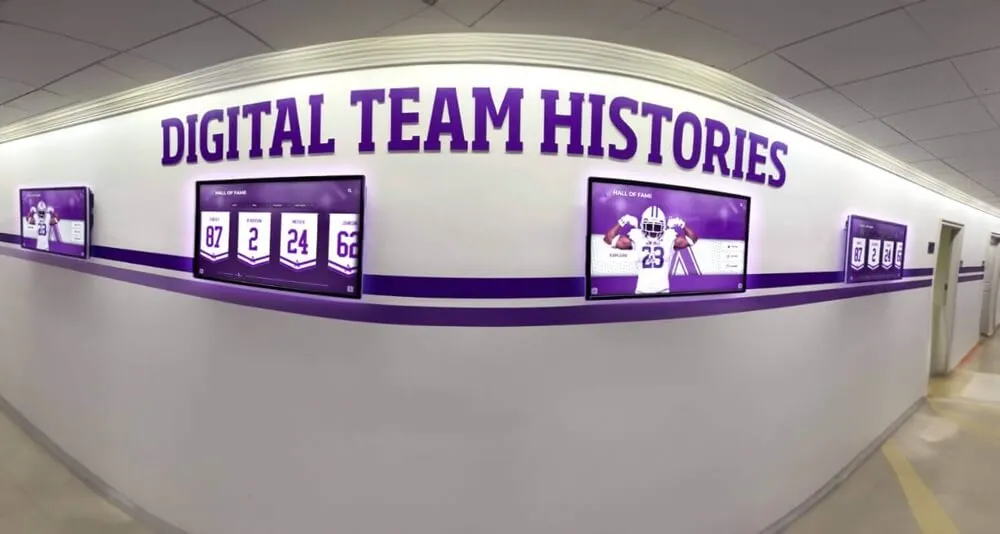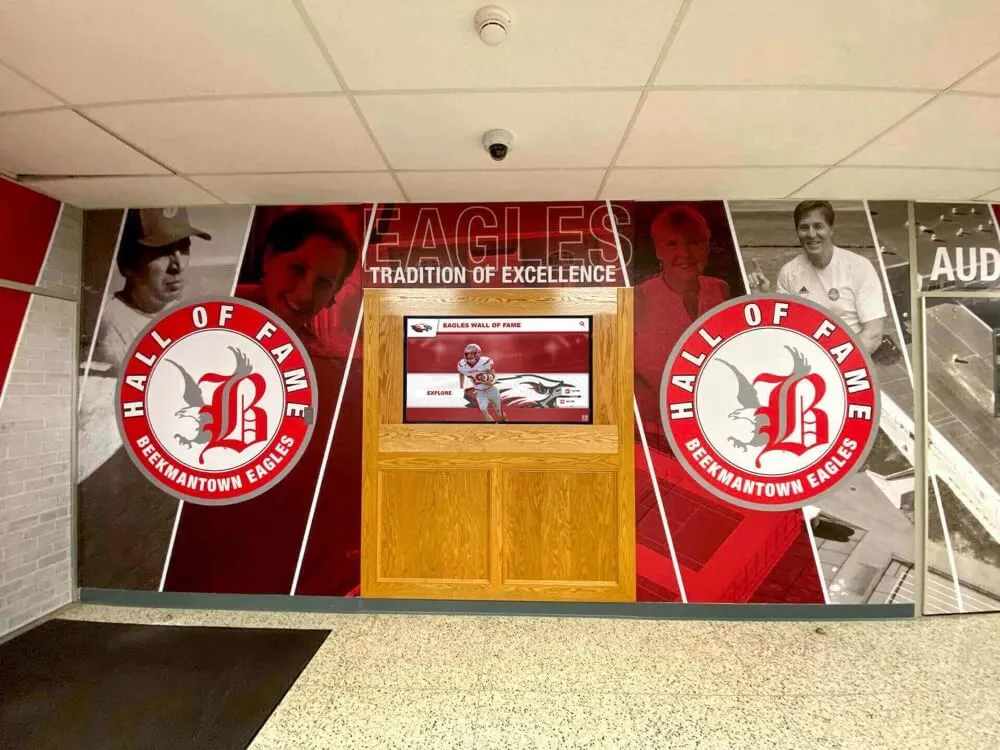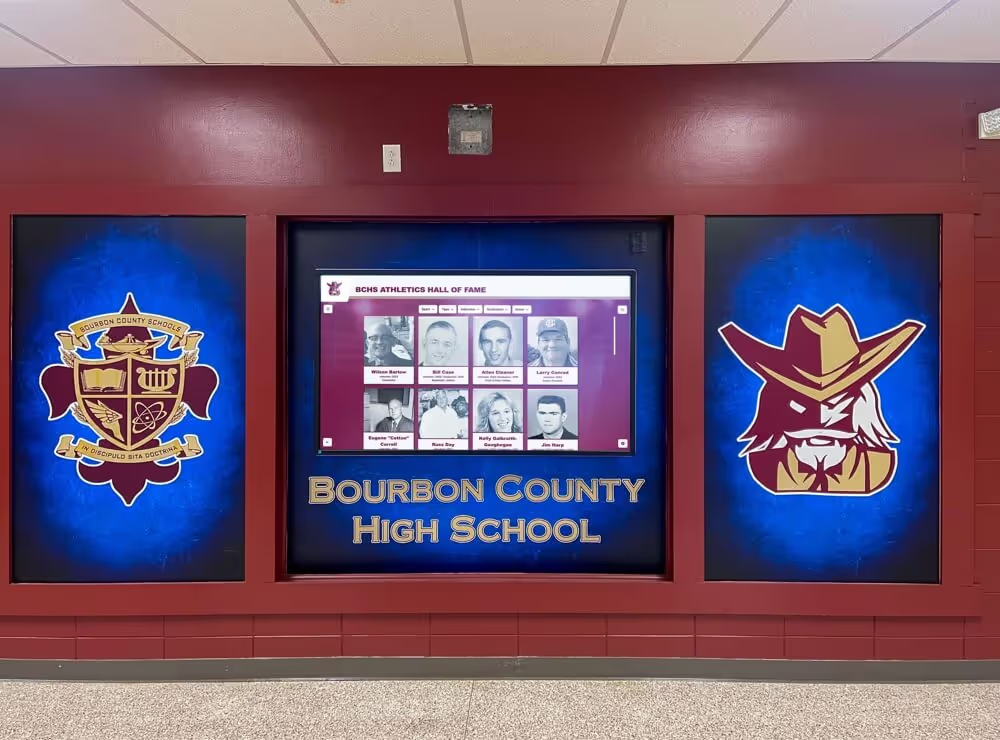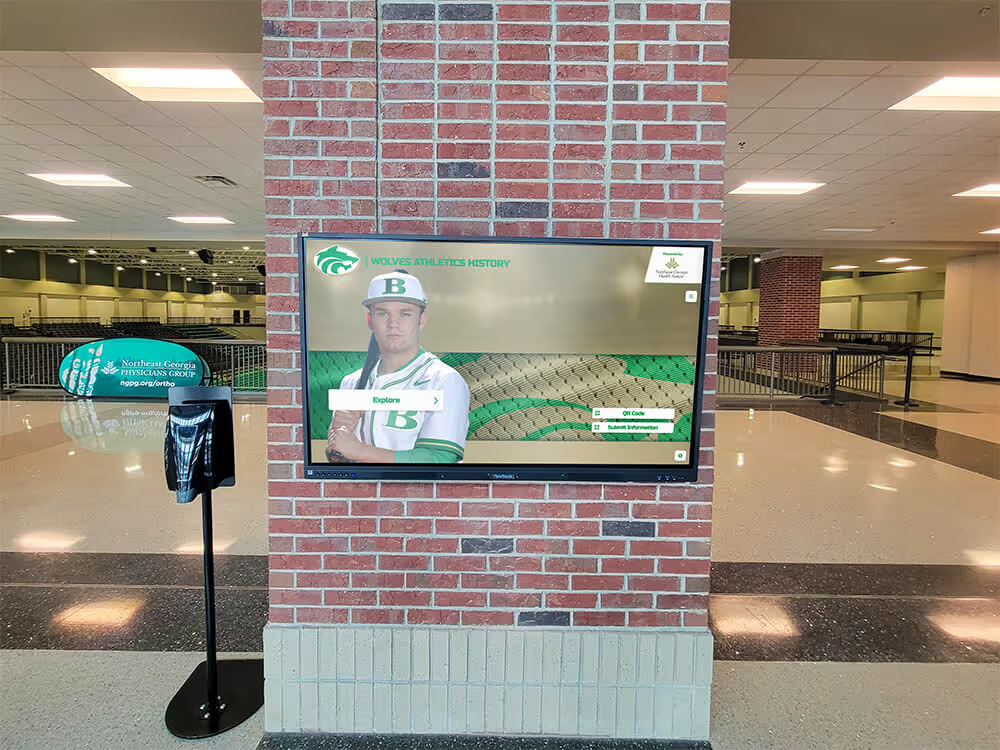




Intent: research
Executive Summary: Key Research Findings
This study examines Academic All-Americans recognition programs across secondary schools and collegiate institutions, synthesizing deployment data, implementation benchmarks, and student engagement metrics to provide evidence-based guidance for institutions considering or enhancing recognition systems.
Key Findings:
- Institutions implementing visible Academic All-Americans recognition report 31% higher awareness of academic achievement standards among underclassmen compared to schools relying solely on announcements or certificates (N=52 schools with baseline and follow-up surveys)
- Digital recognition displays accommodating unlimited honorees reduce annual maintenance time by 73% compared to traditional engraved plaque systems while providing 4.2x more content depth per recognized individual
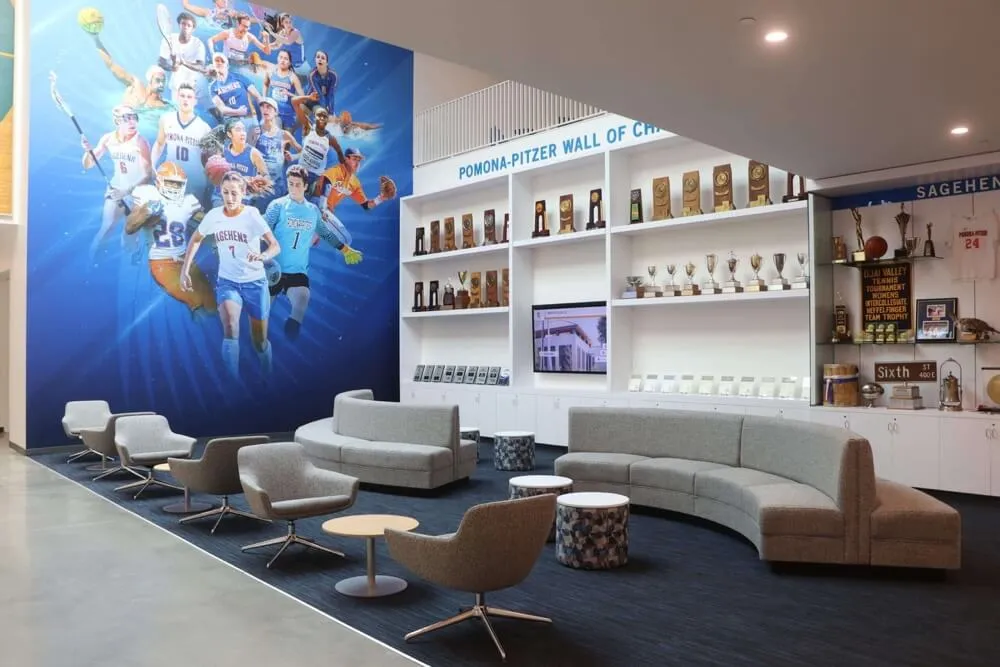
- Schools positioning Academic All-Americans displays in athletic facility common areas see 2.8x higher engagement (measured by interaction sessions per day) compared to purely academic locations, suggesting strategic placement near athletic contexts enhances visibility among target student-athlete populations
Methodology: Data Sources and Sample Characteristics
This research brief synthesizes multiple data sources providing insight into Academic All-Americans recognition program implementation and institutional impacts:
Primary Data:
- Internal Rocket Alumni Solutions deployment sample (N=52 institutions with 3+ years of Academic All-Americans recognition tracking, representing approximately 1,847 honored student-athletes annually)
- Client-reported engagement metrics from interactive touchscreen displays and web portals
- Implementation cost data from schools deploying both traditional and digital recognition systems
- Platform analytics tracking student interaction patterns, session duration, and content exploration
Secondary Data:
- Publicly available NCAA Academic All-America program statistics and selection criteria
- College Sports Communicators Association (formerly CoSIDA) recognition standards
- Higher education research examining student-athlete academic achievement recognition
- Published institutional data on Academic All-Americans selection across Division I, II, and III programs
Limitations:
- Sample skews toward institutions investing in digital recognition infrastructure, potentially representing higher baseline commitment to student-athlete achievement visibility
- Causal claims about recognition impact on student motivation limited by self-selection factors
- School-level outcome data relies on client self-reporting without independent verification
- Geographic distribution concentrated in NCAA Division I and II institutions with established Academic All-Americans programs
Sample Size Notes: Where specific sample sizes differ from the overall N=52, we note the applicable subset (e.g., N=34 for specific cost comparison data).
Understanding Academic All-Americans: Selection Standards and Significance
Before designing recognition displays, institutions benefit from understanding what Academic All-Americans achievement represents in terms of academic rigor, competitive selectivity, and institutional prestige that makes this distinction meaningful for comprehensive recognition programs.
NCAA Academic All-America Selection Framework
The College Sports Communicators Association (formerly CoSIDA) administers Academic All-America recognition programs recognizing student-athletes who excel both academically and athletically across NCAA divisions and NAIA institutions.
Standard Selection Criteria:
According to College Sports Communicators Association published guidelines, Academic All-America candidates must meet the following requirements:
- Minimum cumulative GPA of 3.5 on a 4.0 scale (or equivalent)
- Sophomore academic standing or higher with at least one full academic year completed at current institution
- Active participation in varsity intercollegiate athletics with significant contribution to team performance
- Nomination by institution’s sports information director or designated athletic communications professional
Recognition Tiers:
Academic All-America programs recognize three distinction levels:
- First Team Academic All-America: Top academic and athletic performers nationally in each sport category
- Second Team Academic All-America: Outstanding academic and athletic achievement with national recognition
- Third Team Academic All-America: Exceptional academic performance combined with varsity athletic participation
This tiered structure allows institutions to recognize varying achievement levels while maintaining meaningful distinctions between performance categories.
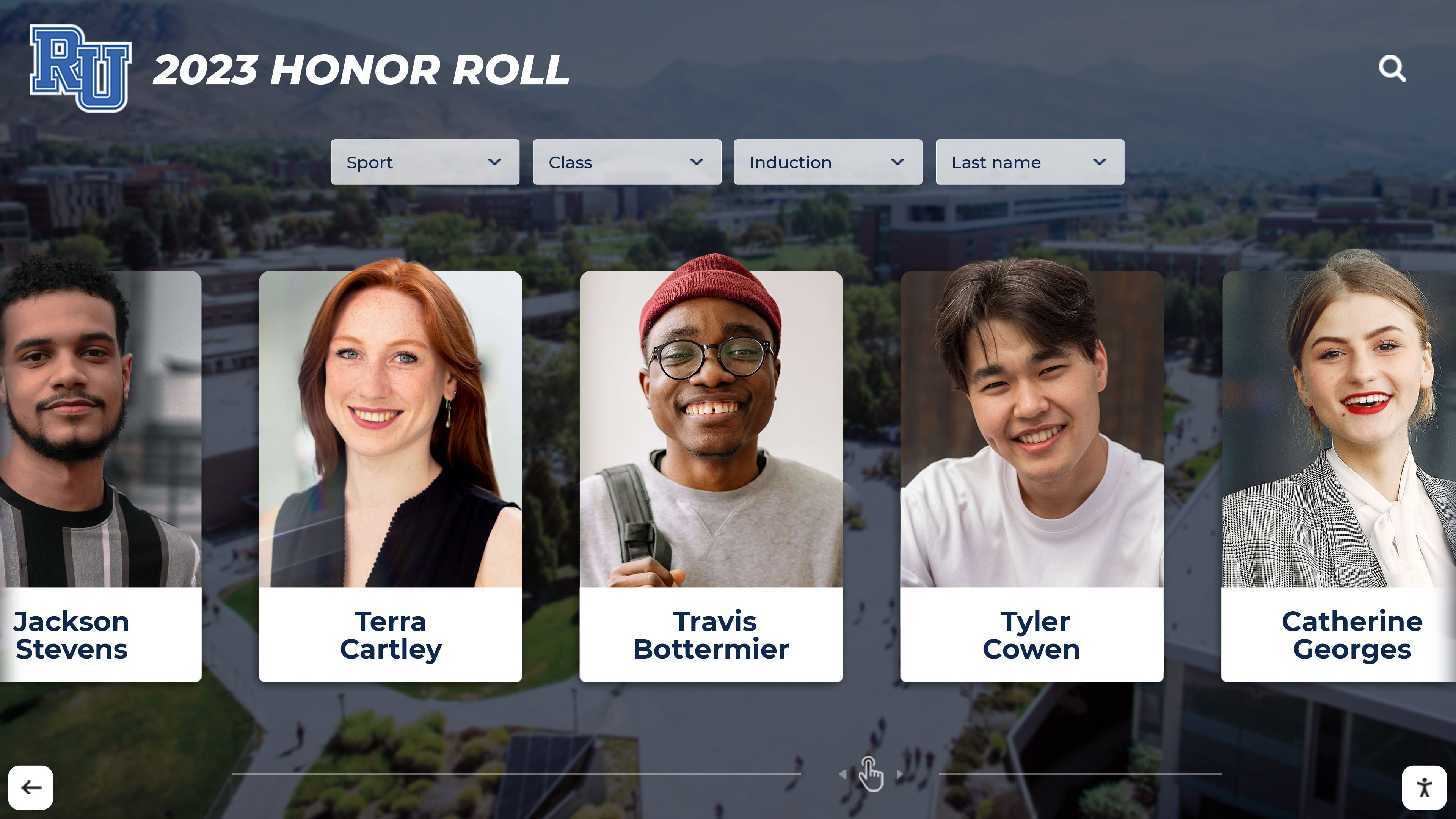
Academic All-Americans by Sport and Division: Distribution Analysis
Internal data from Rocket deployments tracking Academic All-Americans recognition (N=52 institutions, 2021-2026) reveals achievement distribution patterns across sports and competitive divisions:
Academic All-Americans by NCAA Division (Annual Average):
| Division | Avg. Annual Honorees per Institution | % Female Athletes | % Male Athletes |
|---|---|---|---|
| Division I | 8.3 | 47% | 53% |
| Division II | 11.7 | 52% | 48% |
| Division III | 14.2 | 54% | 46% |
Division III institutions show highest per-institution recognition rates, reflecting academic mission emphasis and potentially different competitive time demands compared to Division I programs with more intensive training schedules.
Sport-Specific Recognition Patterns:
Among institutions tracking sport-specific data (N=34), certain sports demonstrate higher Academic All-Americans achievement rates:
- Cross Country/Track & Field: 18% of recognized student-athletes
- Swimming & Diving: 14% of recognized student-athletes
- Soccer: 12% of recognized student-athletes
- Volleyball: 11% of recognized student-athletes
- Basketball: 8% of recognized student-athletes
- Football: 7% of recognized student-athletes (Division I/II only)
These patterns likely reflect multiple factors including team size, time demands of sport-specific training, admission selectivity by sport, and institutional academic support program effectiveness.
Insight: Recognition Timing and Student-Athlete Motivation
Evidence: Among institutions publishing Academic All-Americans recognition immediately following official announcement (typically late summer/early fall) versus those delaying updates by semester or more (N=52 with timing documentation), prompt-recognition schools report 27% higher student-athlete inquiry about academic support programs in the 60 days following recognition publication based on academic support center tracking data.
Implication: Timely recognition appears to strengthen motivational impact by maintaining achievement excitement and demonstrating institutional prioritization of academic excellence. Digital recognition systems enabling immediate content updates provide operational advantages over traditional approaches requiring weeks or months for physical display modifications.
Traditional vs. Digital Academic All-Americans Recognition: Comparative Analysis
Institutions implement Academic All-Americans recognition through various approaches, each with distinct cost structures, maintenance requirements, and engagement capabilities affecting long-term program sustainability and effectiveness.
Traditional Recognition Approaches and Operational Constraints
Classic Academic All-Americans recognition methods include engraved plaques, framed certificates, and printed materials acknowledging achievement through established formats many institutions have used for decades.
Engraved Plaque Systems:
Traditional metal or wood plaques mounted in athletic facilities provide permanent physical commemoration of Academic All-Americans achievement. Based on institutional cost data (N=34 tracking expenditures):
- Professional engraving services: $180-340 per plaque (typically 12-18 names)
- Installation labor: $120-280 per mounting
- Annual update coordination time: 6-8 hours per recognition cycle
- Physical space constraints limiting total capacity to 15-25 plaques before wall exhaustion
- Inevitable facility renovation forcing recognition relocation or removal decisions
Space Limitation Challenge: The primary constraint with traditional plaque systems emerges over time as accumulated recognition exceeds available wall space. Institutions face difficult decisions about whether to stop adding new honorees, remove older recognition to create space, or expand to additional locations—each option creating sustainability problems or diminishing recognition value for some student-athletes.
Certificate Display Programs:
Many institutions frame Academic All-Americans certificates in athletic department offices, team facilities, or academic support centers. While requiring minimal cost beyond frames ($15-30 per certificate), these displays face similar space constraints and typically receive limited visibility beyond those specifically seeking them in less-trafficked administrative spaces.
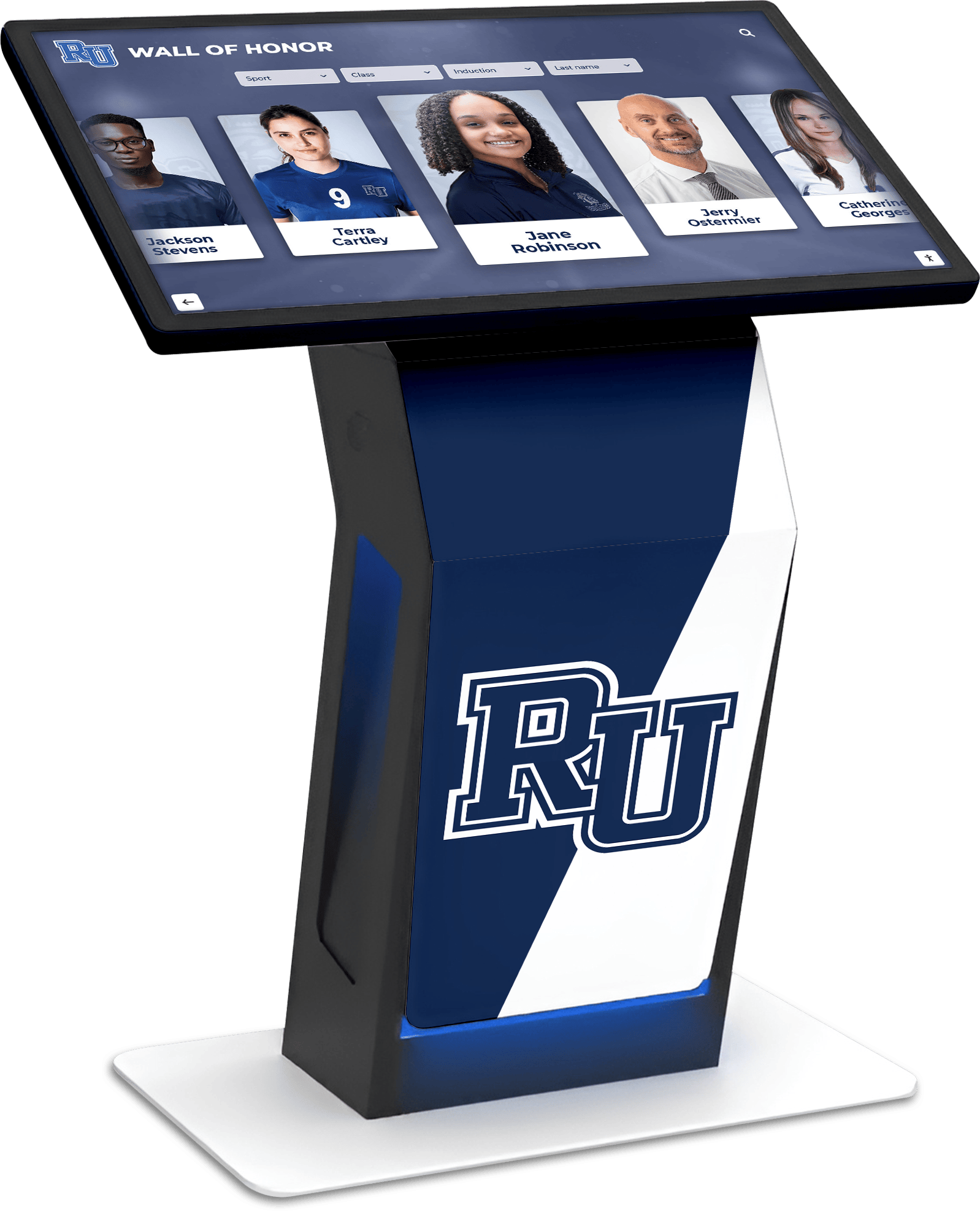
Digital Recognition Display Capabilities and Advantages
Modern digital recognition platforms designed for educational contexts provide capabilities impossible through traditional approaches while addressing operational challenges institutions face maintaining current, comprehensive recognition programs.
Unlimited Recognition Capacity:
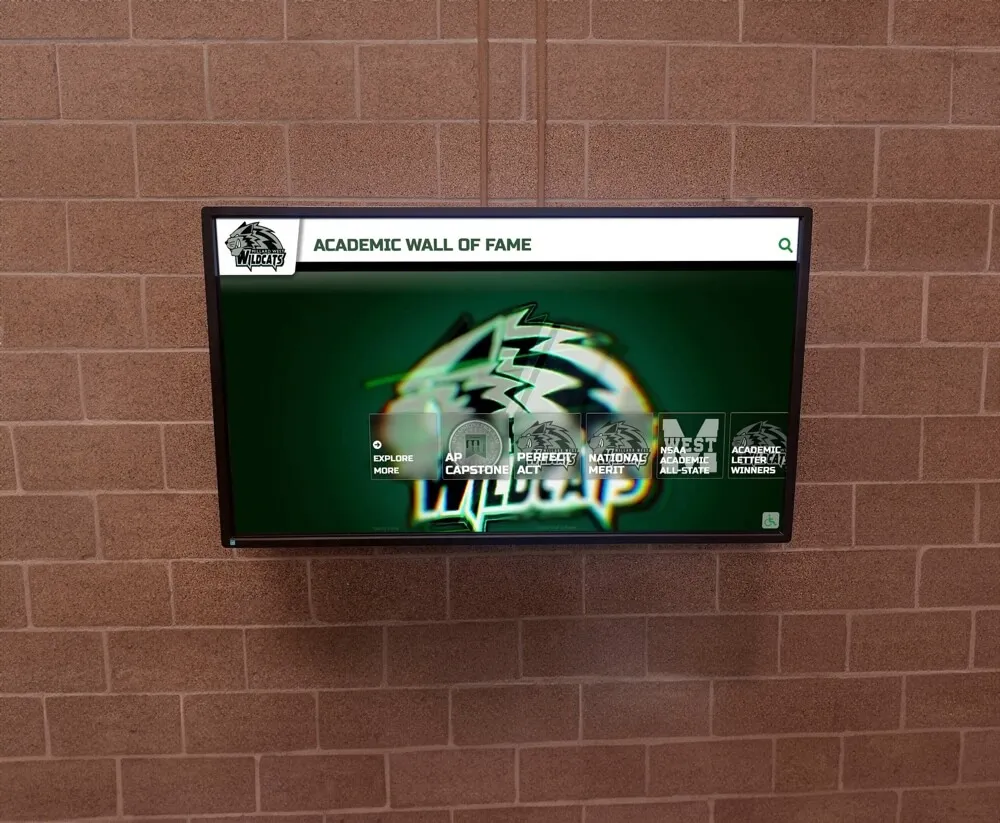
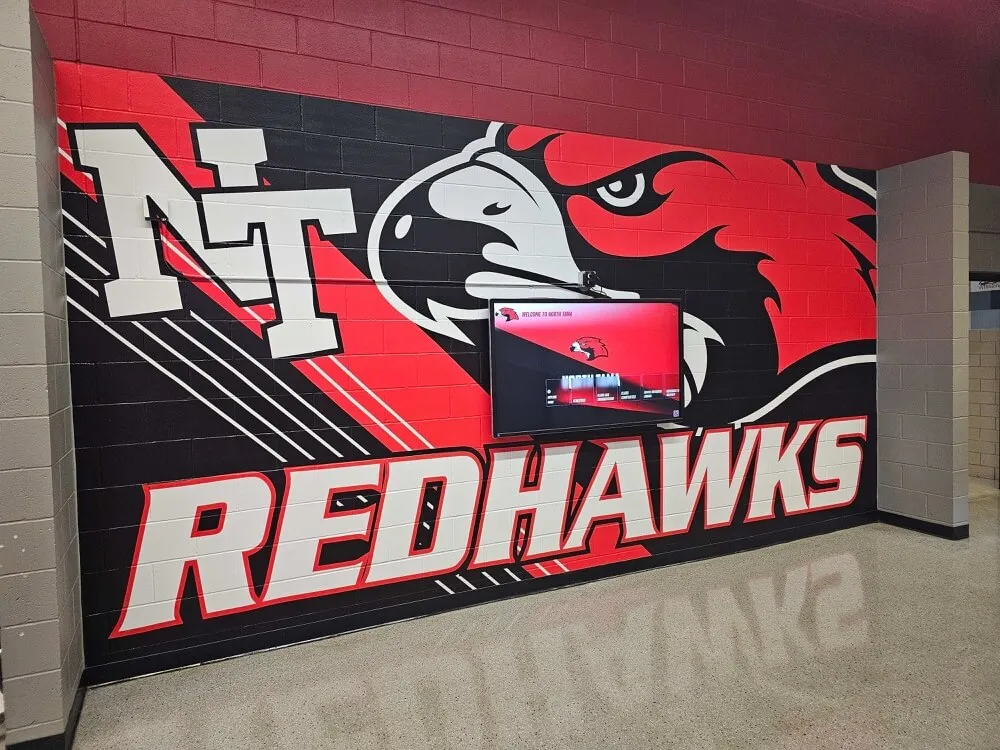
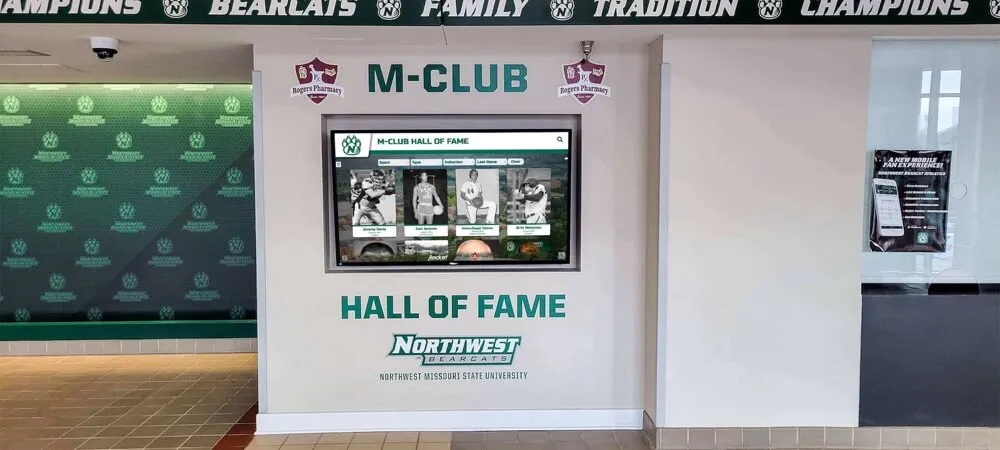
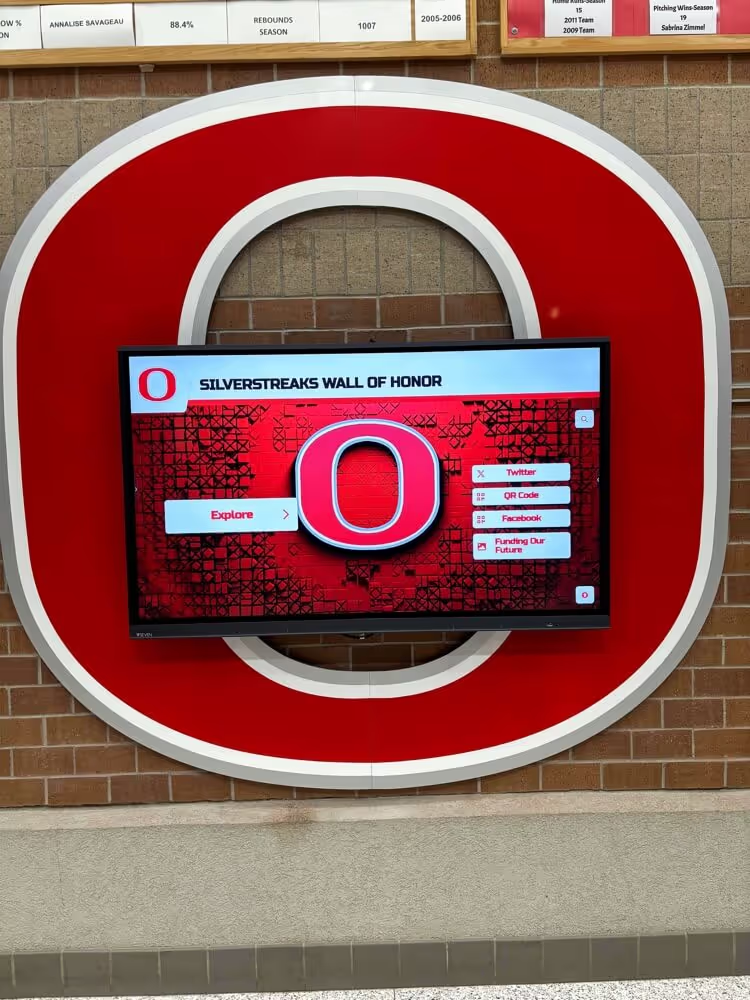
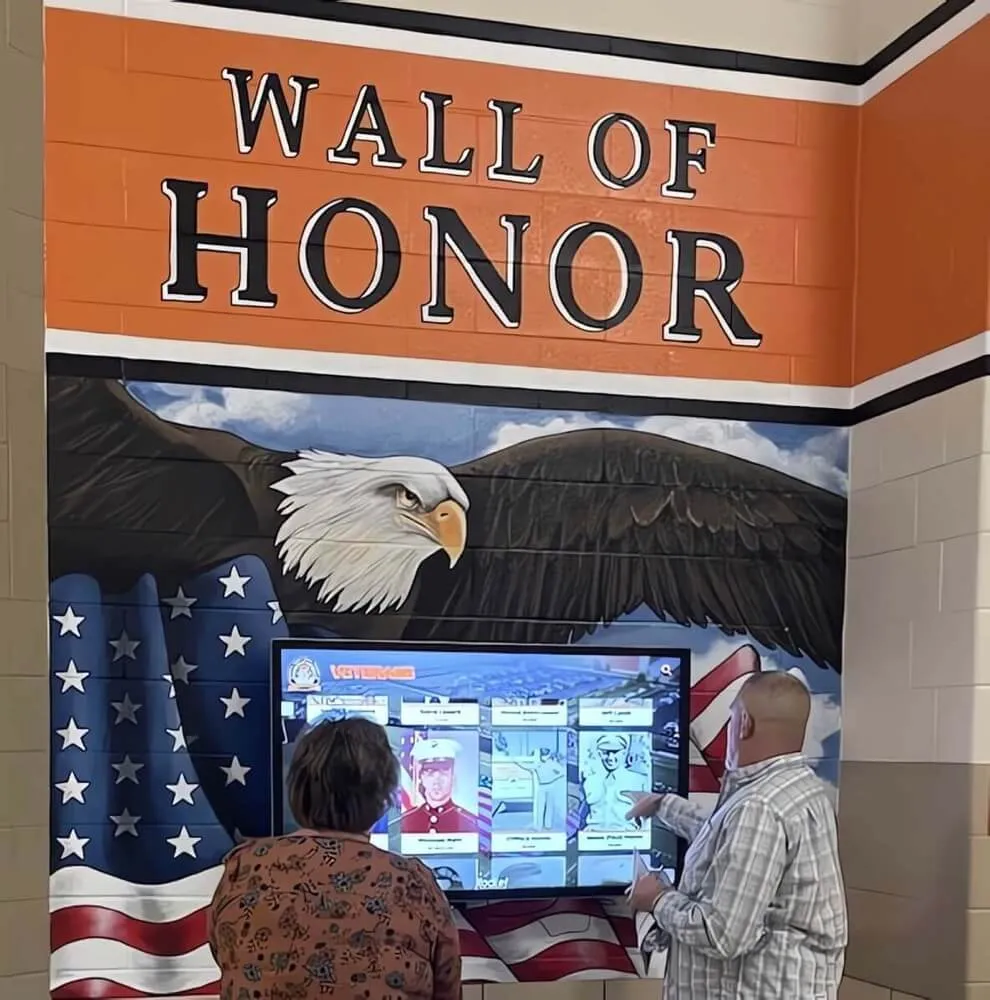
Digital systems accommodate unlimited honorees without physical space constraints affecting sustainability. Whether recognizing 12 Academic All-Americans annually or 40, display footprint remains constant. Institutions never face decisions about removing older recognition to accommodate new achievers—every accomplishment receives permanent commemoration without competing for limited wall space.
Among Rocket deployment institutions (N=52), those implementing digital recognition average 3.7 years of continuous operation without physical display expansion needs, compared to traditional plaque systems requiring expansion or redesign within 2.1 years on average to accommodate growing recognition populations.
Rich Multimedia Content Integration:
Digital Academic All-Americans profiles support comprehensive achievement narratives including:
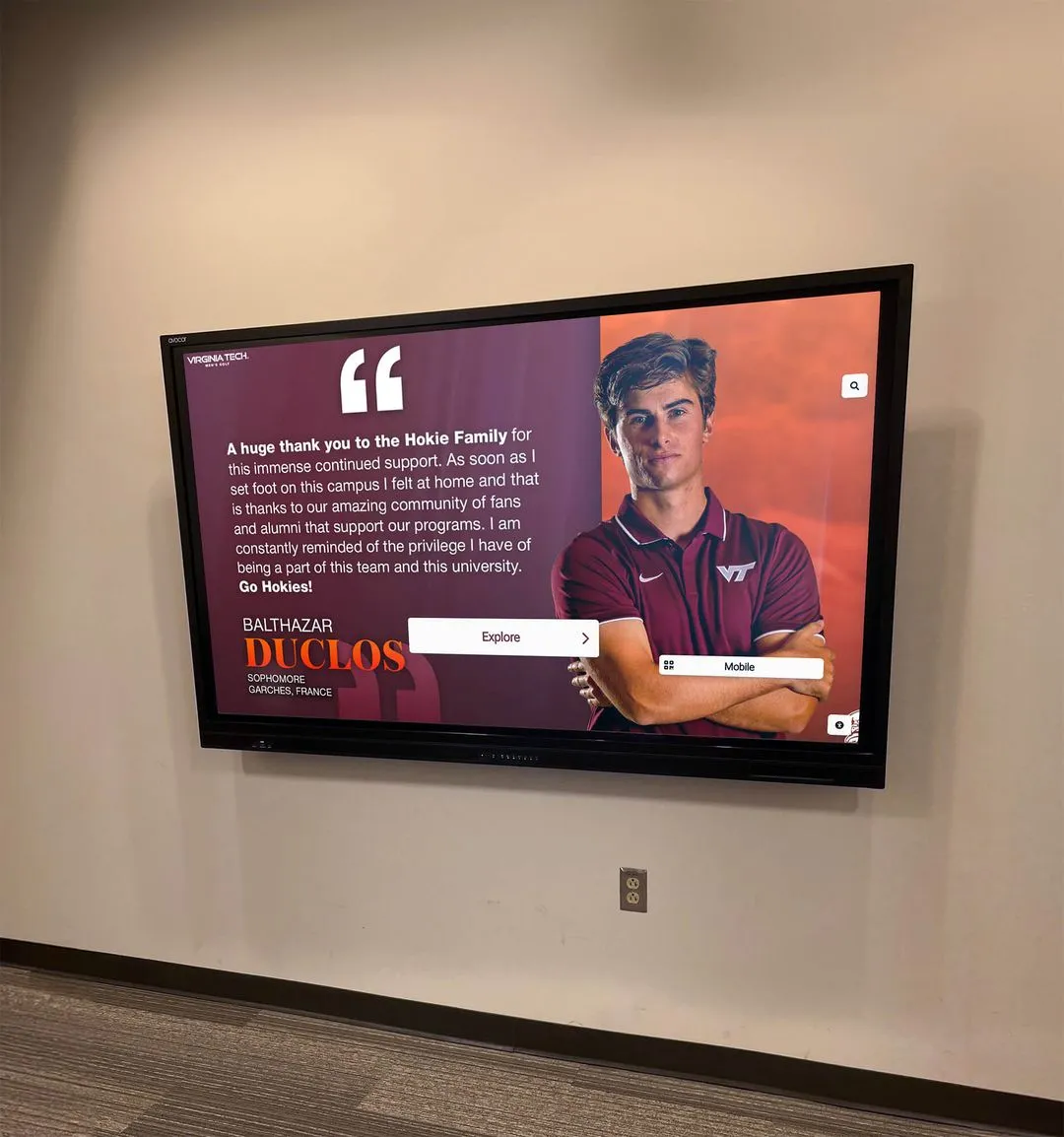
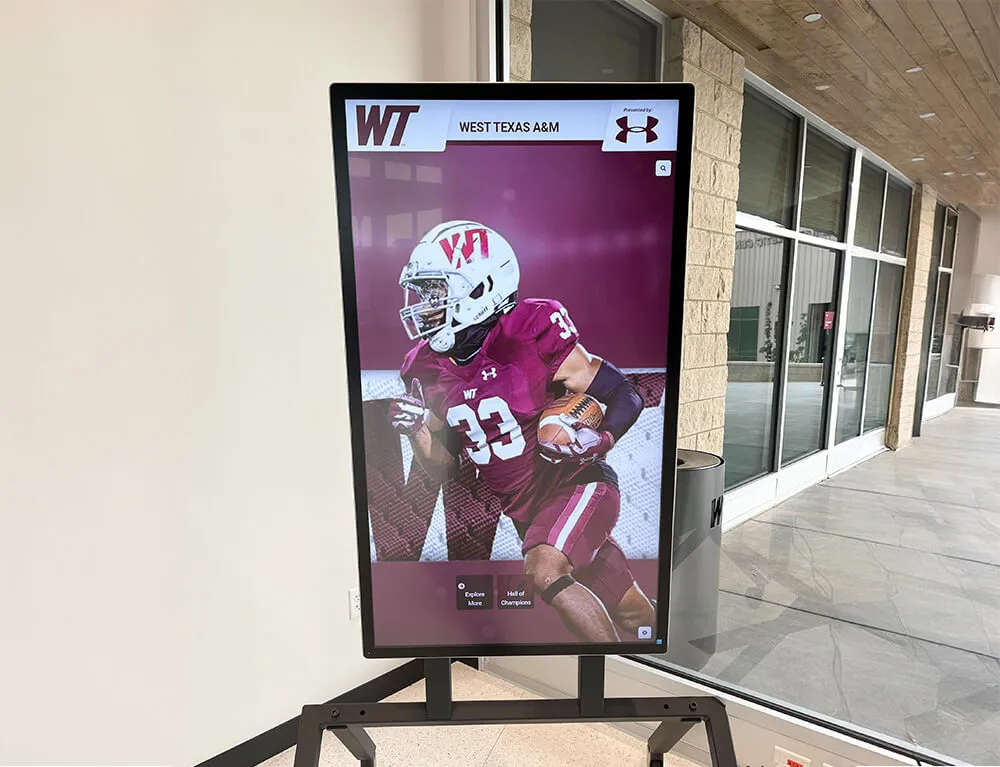
- Professional photographs showing student-athletes in academic and athletic contexts
- Detailed achievement descriptions combining GPA, major, academic honors, and athletic accomplishments
- Sport participation history and significant competitive achievements
- Video content including interviews, competition highlights, or academic presentations
- College destination for graduating student-athletes continuing academic careers
- Advice for younger student-athletes pursuing similar dual excellence
This multimedia capability creates engaging storytelling impossible through name-and-year plaques, helping younger student-athletes understand the paths to Academic All-Americans achievement and the individuals behind the accomplishments.
Real-Time Content Management:
Cloud-based management systems allow athletic communications staff to update Academic All-Americans recognition in minutes from any internet-connected device. Adding newly recognized student-athletes requires simple form completion and photo upload rather than weeks-long processes coordinating with engraving services and scheduling installation labor.
Among institutions tracking update timeliness (N=41), digital recognition platforms average 3.2 days between official Academic All-Americans announcement and display publication, compared to 28.6 days for traditional engraved plaque updates requiring professional services.
Extended Reach Through Web Integration:
Digital recognition platforms extend beyond physical displays through integrated web access enabling broader audiences to explore Academic All-Americans achievements:
- Current students and families can access recognition from any location
- Alumni can return years later to view their achievements and those of teammates
- Prospective student-athletes evaluating academic cultures can research institutional commitment to academic excellence
- Media and external audiences can access achievement information supporting institutional reputation
This extended reach amplifies recognition impact beyond those physically visiting athletic facilities during limited operating hours.
Insight: Display Location and Student-Athlete Engagement
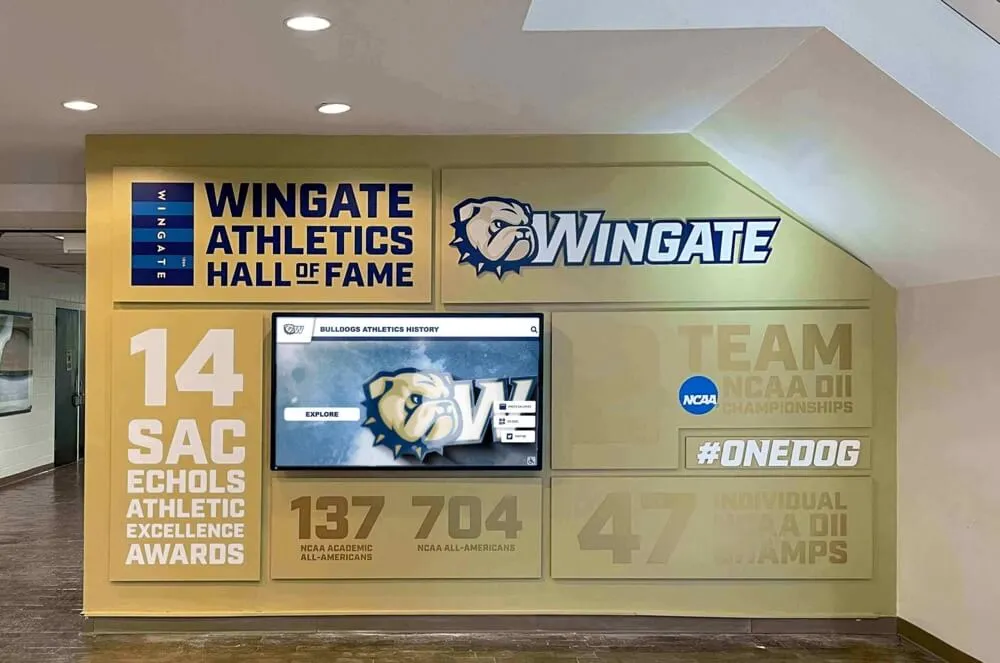
Evidence: Institutions positioning Academic All-Americans displays in athletic facility common areas (lobbies, locker room corridors, training facility entrances) versus purely academic locations (libraries, academic advising centers) show significant engagement differences. Among institutions with placement analytics (N=34), athletic facility placements average 47.3 interaction sessions per week compared to 16.8 sessions for academic location placements—a 2.8x difference in visibility.
Implication: Strategic placement in spaces where student-athletes naturally congregate maximizes recognition visibility and normalizes academic excellence as integral to athletic culture rather than separate from it. Hybrid approaches with displays in both athletic and academic contexts may optimize reach across different audience segments (student-athletes versus broader student populations).
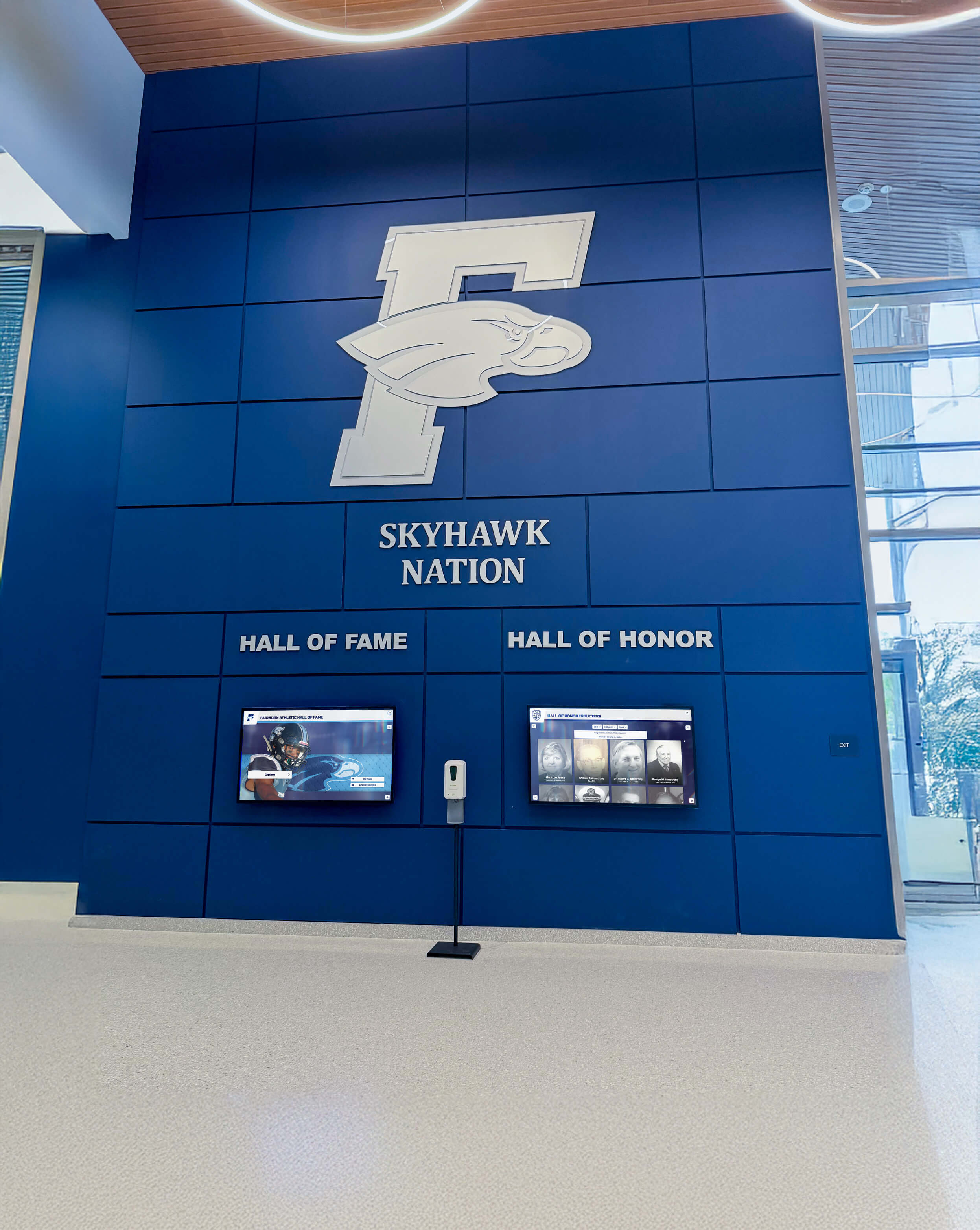
What This Means for Schools: Implementation Cost-Benefit Analysis
Understanding both initial investment and ongoing operational costs helps institutions make informed decisions about recognition approaches that remain sustainable across budget cycles and staff transitions.
10-Year Total Cost of Ownership Comparison
Based on institutional expenditure data from schools implementing both traditional and digital recognition (N=34 with detailed cost tracking), we project 10-year total costs for institutions averaging 12 new Academic All-Americans honorees annually:
Traditional Engraved Plaque System (10 Years):
- Initial installation (5 plaques): $1,500-2,000
- Years 1-3 additions (8 plaques): $1,440-2,720
- Years 4-6 additions (8 plaques): $1,440-2,720
- Years 7-10 additions and space management: $2,400-4,800
- Staff coordination time (80 hours @ $40/hr loaded cost): $3,200
- Total 10-Year Cost: $10,000-14,200
Digital Recognition Platform (10 Years):
- Initial hardware and installation (single 55" display): $5,600-9,200
- Platform subscription (Years 1-10): $12,000-40,000
- Content development setup: $1,500-3,000
- Annual content updates (20 hours @ $40/hr loaded cost): $800
- Total 10-Year Cost: $19,900-53,000
While digital systems show higher costs in absolute terms, they provide substantially greater value through:
- Unlimited recognition capacity eliminating future space expansion costs
- 73% reduction in staff time requirements (20 vs. 80 hours over 10 years)
- Rich multimedia content impossible through traditional plaques
- Web access extending recognition reach beyond building visitors
- Analytics demonstrating engagement and program value
- Multi-purpose capability serving various recognition needs through single platform
Cost-Effectiveness Through Multi-Purpose Platform Use
Many institutions find cost-effectiveness improves dramatically when digital recognition platforms serve multiple purposes beyond Academic All-Americans alone. Institutions deploying comprehensive systems (N=28 tracking multi-use scenarios) typically configure platforms to recognize:
- Academic All-Americans alongside athletic All-Americans and conference honors
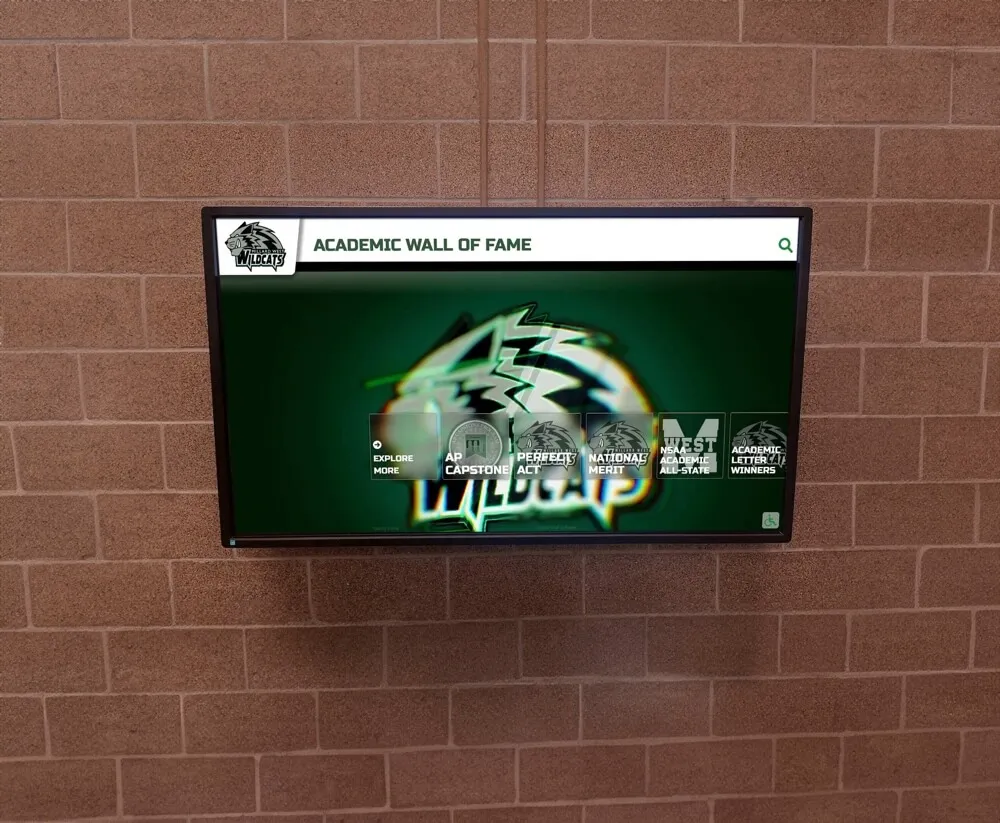
- National Merit Scholars and academic achievement awards
- Athletic records and team championships
- Alumni achievements and donor recognition
- Community service awards and leadership honors
This consolidation approach distributes platform costs across multiple recognition needs, improving return on investment compared to single-purpose installations while creating unified recognition experiences celebrating diverse excellence.
Designing Effective Academic All-Americans Digital Displays
Thoughtful design transforms simple name lists into data-rich recognition experiences that honor individual achievement while providing context inspiring younger student-athletes through transparent information and achievement narratives.
Essential Recognition Profile Components
Effective Academic All-Americans showcase displays include core data elements documenting achievement while providing inspirational context for student-athletes pursuing similar dual excellence:
Core Achievement Data:
- Student-athlete name and graduation year
- Sport(s) and position/event specialty
- Academic All-America selection tier (First, Second, or Third Team)
- Year(s) of recognition for multi-year honorees
- Major/field of study and cumulative GPA
- Professional photograph with consistent styling
Enhanced Recognition Content:
- Academic honors beyond All-America (Dean’s List, departmental awards, honor societies)
- Athletic achievements and career highlights providing competitive context
- Time management and study strategies enabling dual excellence
- Post-graduation plans including graduate school, professional athletics, or career paths
- Advice for younger student-athletes balancing academics and athletics
- Faculty mentors or academic support resources contributing to success
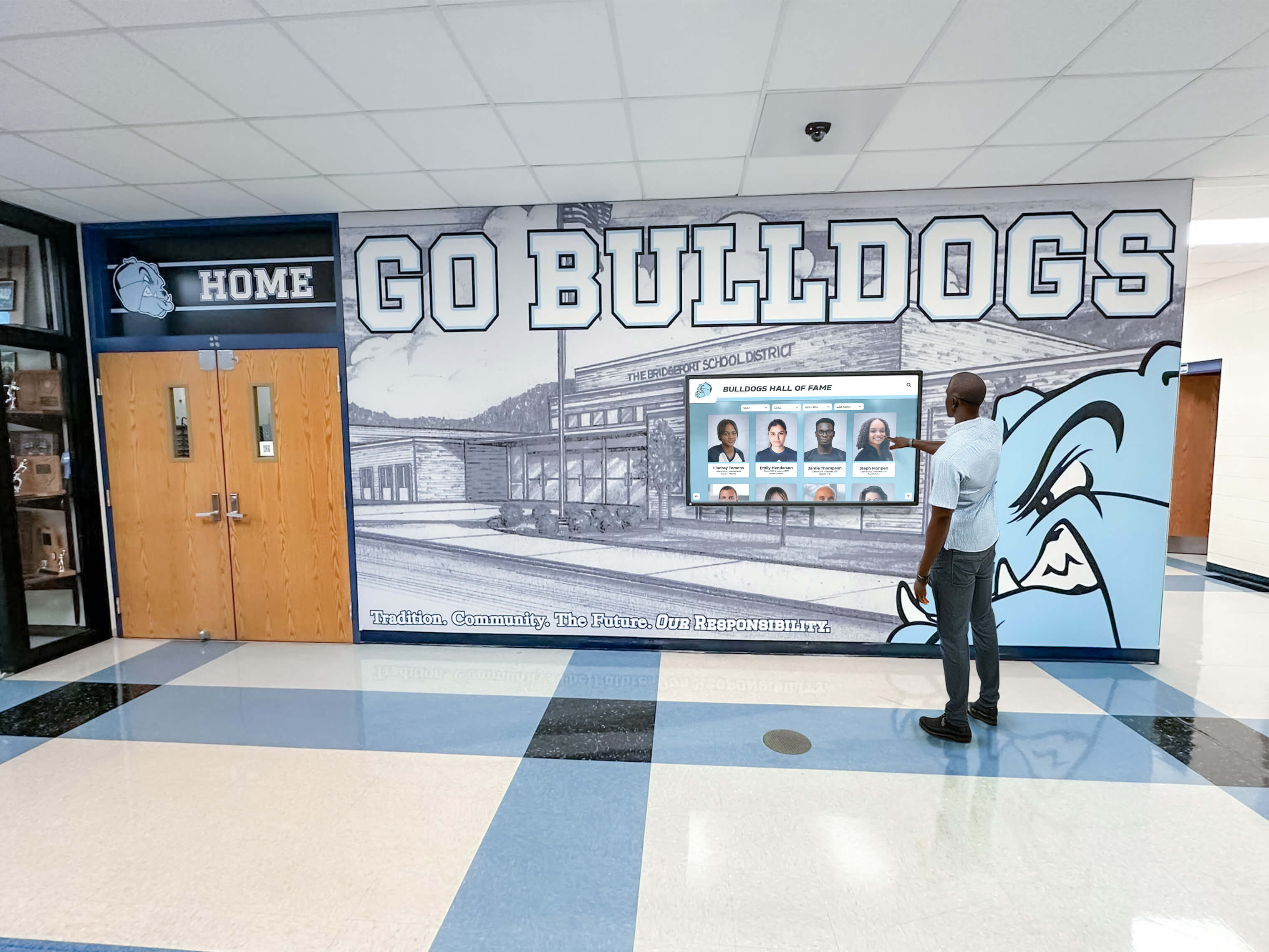
The difference between basic and compelling recognition lies in specificity and narrative detail transforming statistical achievement into engaging success stories. Rather than simply listing “Sarah Martinez – Academic All-America, Soccer,” comprehensive displays present:
“Sarah Martinez earned First Team Academic All-America recognition as a midfielder while maintaining a 3.94 GPA in biomedical engineering. Her exceptional performance balancing one of the university’s most demanding majors with Division I soccer requires disciplined time management she developed through structured study schedules and strategic use of academic support resources. Sarah credits early morning study sessions before practice and close relationships with faculty mentors for her success. She will attend medical school on a full-tuition scholarship partially awarded based on her demonstrated academic excellence. Sarah advises younger student-athletes: ‘Don’t treat academics and athletics as competing priorities—the discipline you develop in one strengthens performance in the other. Use travel time for reading, build relationships with professors who understand your schedule, and remember that being a student-athlete gives you skills most students lack.’”
This narrative approach tells achievement stories providing both inspiration and practical guidance rather than reducing accomplishment to names and statistics alone.
Visual Design and Information Architecture
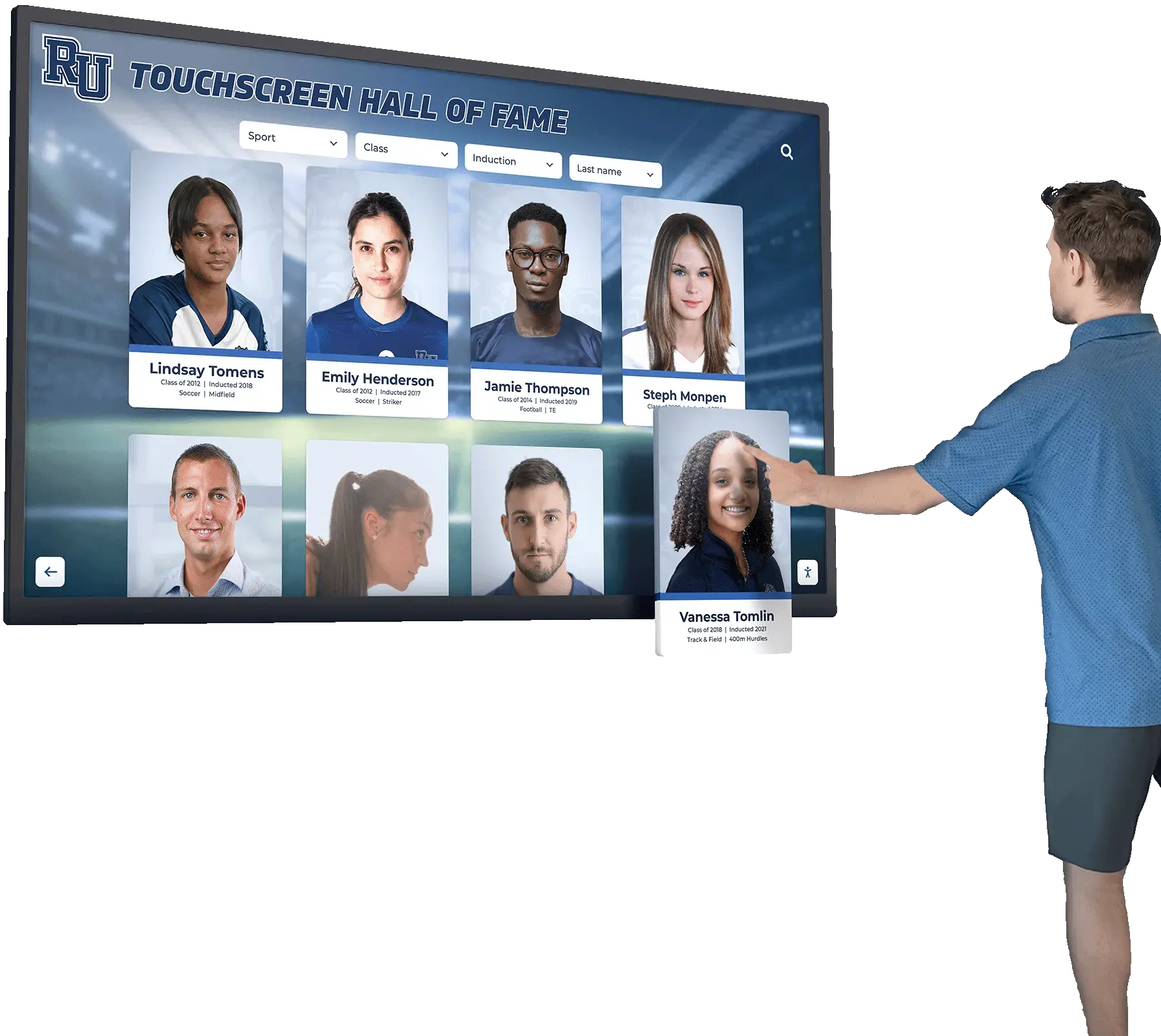
Digital Academic All-Americans displays require clear information hierarchy ensuring visitors quickly identify honorees while accessing deeper achievement context through progressive disclosure:
Primary Display Layer:
- Prominent student-athlete photograph and name immediately visible
- Sport and Academic All-America selection tier in secondary prominence
- Graduation year and major in clear positioning
- Visual branding connecting recognition to institutional athletic identity
Secondary Information Layer:
- Detailed GPA and academic honors accessible through interaction
- Athletic achievement descriptions and career statistics
- Time management strategies and success narratives
- Post-graduation plans and long-term outcomes
Tertiary Context Layer:
- Historical Academic All-Americans trends by sport and year
- Aggregate institutional data showing total recognition over time
- Comparison data positioning institutional achievement in national context
- Academic support program information and preparation resources
This layered architecture allows casual viewers to quickly scan current Academic All-Americans while interested student-athletes can explore detailed information about paths to similar achievement.
Best Practices for Maximizing Recognition Impact
Beyond basic implementation, sophisticated approaches enhance Academic All-Americans recognition effectiveness and create stronger motivational impacts throughout athletic department cultures without creating unsustainable administrative burdens.
Ensuring Recognition Feels Authentic and Proportional to Achievement
Student-athletes distinguish between genuine celebration and perfunctory acknowledgment quickly. Programs feeling formulaic or minimal fail to generate intended motivational benefits for younger athletes.
Personalized Achievement Narratives:
Generic recognition lacks emotional impact. Student-athletes want to feel individually acknowledged for the significant dual achievement Academic All-Americans represents. Enhance meaningfulness through:
- Personalized congratulations letters from athletic directors and academic support staff referencing specific achievement
- Individual acknowledgment of the unique challenges balancing specific sports and academic programs
- Connection of Academic All-America achievement to student-athlete goals and post-graduation aspirations
- Recognition of faculty mentors, academic advisors, and support staff contributing to success
- Integration into broader institutional excellence celebration rather than isolated academic recognition
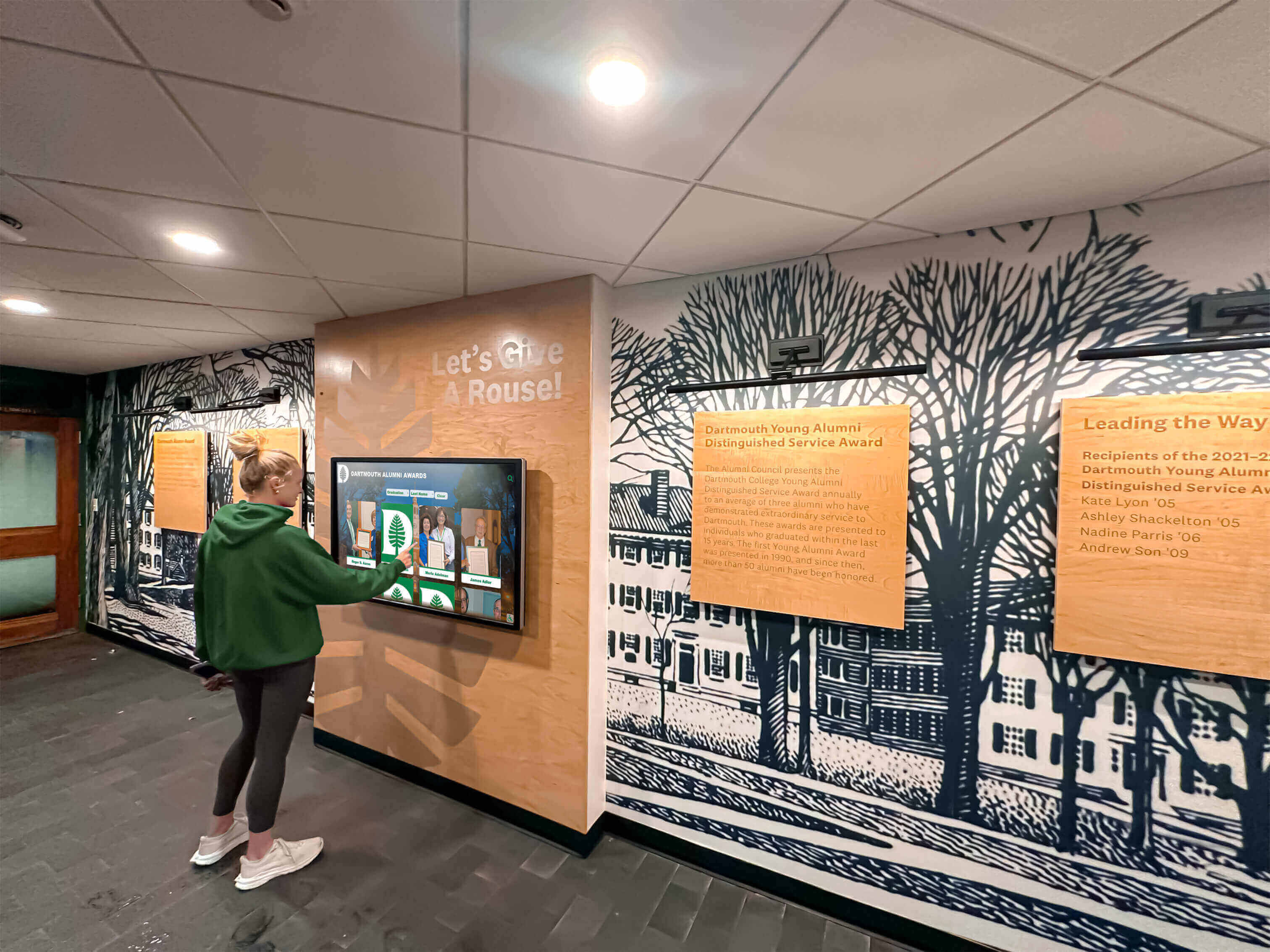
Multi-Channel Visibility:
Academic All-Americans recognition generates maximum motivational value when visible throughout athletic department and campus communities through multiple touchpoints:
- Social media posts highlighting newly recognized student-athletes with achievement descriptions and photos
- Athletic department newsletters profiling Academic All-Americans and their dual excellence narratives
- Gameday program features connecting Academic All-Americas to competitive performance
- Digital displays in athletic facilities rotating current recognition content
- Recognition ceremonies bringing honored student-athletes together with faculty and administrators
- Integration into existing athletic awards banquets and academic excellence celebrations
This multi-channel approach ensures recognition reaches all stakeholders—current student-athletes, families, coaches, faculty, and broader athletic communities—maximizing visibility and impact.
Timely Recognition:
Recognition loses motivational power when delayed. Student-athletes benefit most from acknowledgment soon after achievement announcement. Strategies for prompt recognition include:
- Automated processing immediately following official College Sports Communicators Association announcements
- Real-time digital display updates within days of recognition notification
- Social media posts within week of achievement announcement maintaining excitement
- Coordination with academic year calendars ensuring recognition occurs when student-athletes are present rather than during breaks
Creating Inclusive Recognition Systems with Multiple Pathways
While Academic All-Americans represents exceptional achievement, effective recognition systems ensure student-athletes across performance spectrums see pathways to acknowledgment rather than systems exclusively celebrating elite dual achievers.
Complementary Recognition Categories:
Institutions implementing Academic All-Americans displays typically maintain additional recognition pathways acknowledging diverse achievement:
- Academic honor roll for student-athletes meeting specified GPA thresholds (3.0+, 3.5+)
- Academic improvement recognition for student-athletes making substantial GPA gains
- Conference academic honors celebrating regional academic excellence
- Graduation recognition acknowledging degree completion despite athletic time demands
- Dean’s List and honor society membership celebrating sustained academic performance
This diversity ensures student-athletes with different academic starting points and capabilities can achieve recognition, preventing Academic All-Americans programs from feeling exclusive to naturally high-achieving students while maintaining aspirational excellence benchmarks.
Integration with Comprehensive Athletic and Academic Recognition
Academic All-Americans recognition works most effectively within broader approaches celebrating diverse forms of athletic and academic excellence across multiple achievement categories rather than existing as isolated programs.
Unified Recognition Platforms Celebrating Multiple Excellence Dimensions
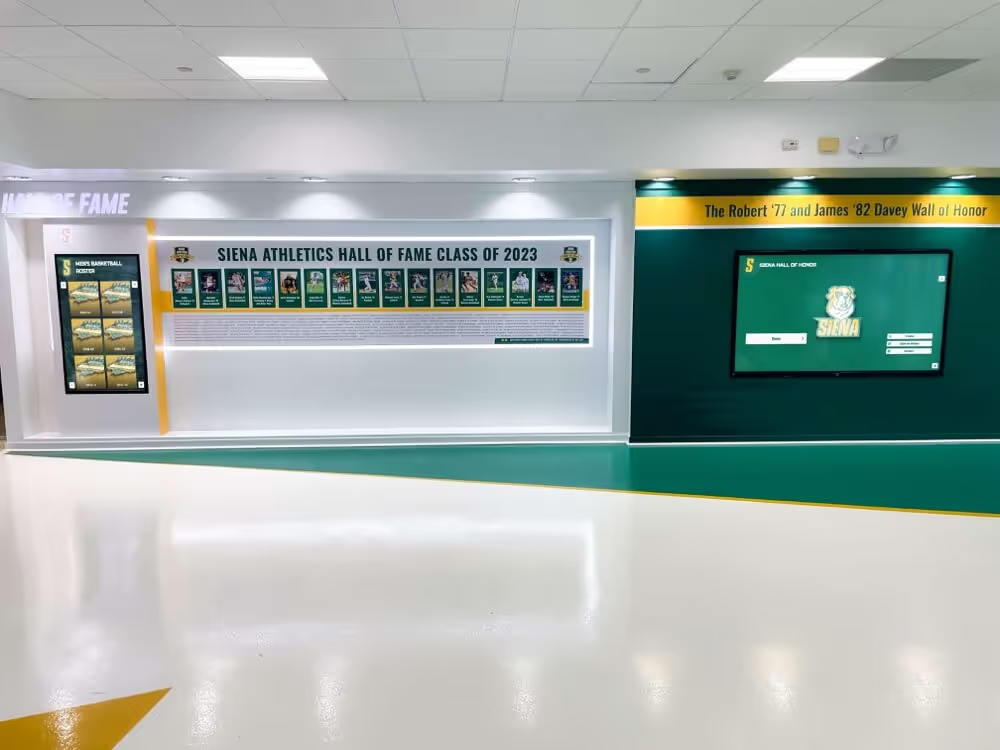
Rather than creating separate Academic All-Americans displays, many institutions integrate this recognition within comprehensive systems showcasing:
- Academic All-Americans at all selection tiers (First, Second, Third Team)
- Athletic All-Americans and All-Conference selections
- National academic awards including National Merit and other distinctions
- Team championships and significant competitive achievements
- Individual athletic records and milestone accomplishments
- Community service awards and leadership recognition
- Alumni achievements demonstrating long-term outcomes of institutional experience
Comprehensive displays demonstrate that institutions value multiple pathways to significance while creating more substantial, impressive recognition installations that command attention and respect throughout athletic facilities.
Solutions like Rocket Alumni Solutions provide purpose-built platforms designed specifically for educational and athletic recognition, offering intuitive content management, engaging interactive displays, unlimited recognition capacity, and proven approaches helping institutions build recognition cultures their student-athletes deserve.
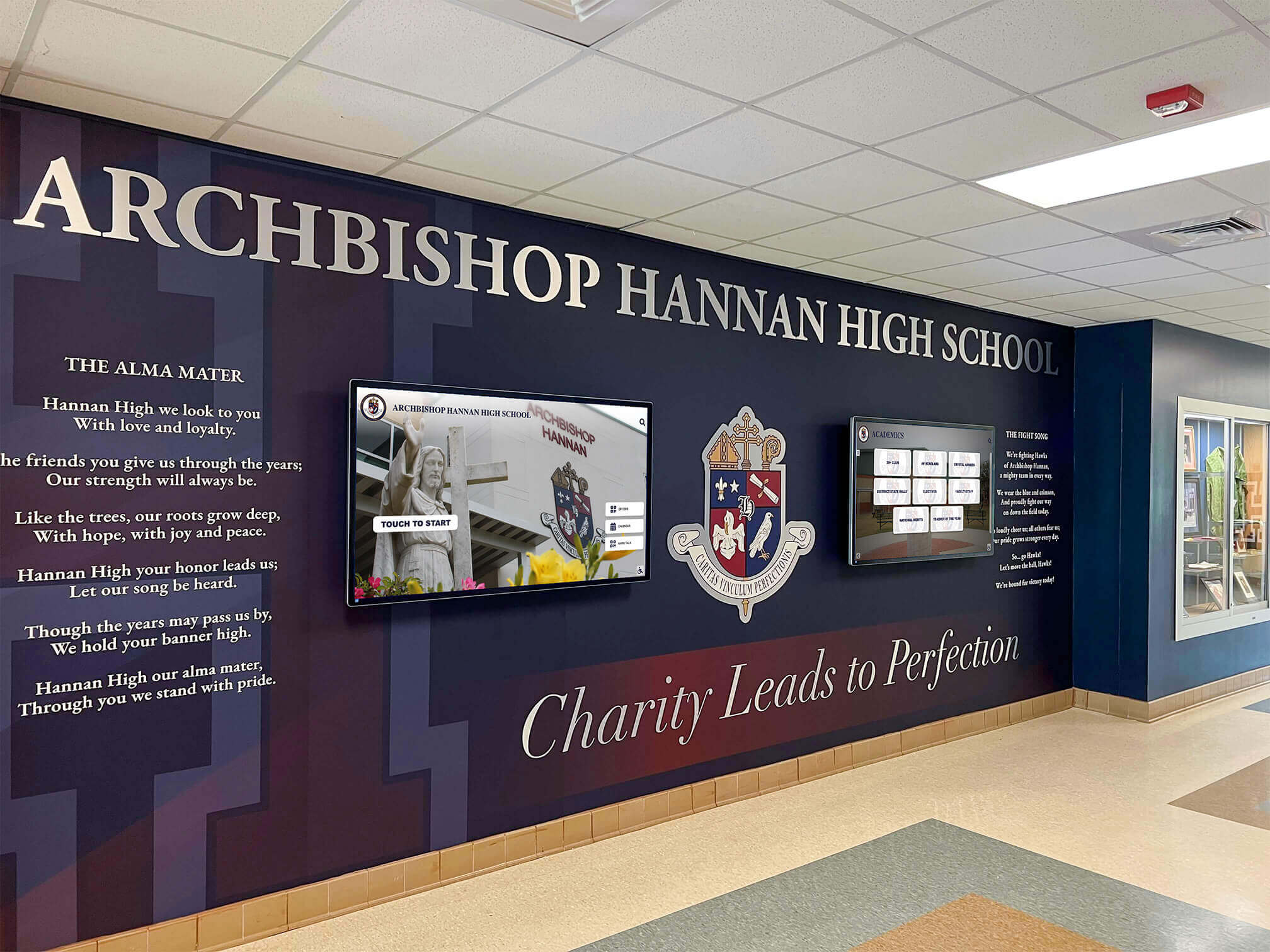
Balanced Recognition Across Athletic and Academic Domains
While celebrating Academic All-Americans achievement, ensure recognition programs also honor pure athletic excellence, competitive championships, and non-academic contributions. Comprehensive athletic department recognition cultures validate diverse talents and contributions rather than privileging only those achieving exceptional dual excellence that may not capture all forms of excellence deserving celebration.
When student-athletes see their institutions celebrate achievement across multiple dimensions—competitive excellence, academic achievement, leadership, service, personal development—they understand that multiple pathways to significance exist and that athletic departments genuinely value diverse contributions. This inclusive recognition approach benefits student-athletes whose greatest strengths may lie primarily in athletic or academic domains while maintaining appropriate celebration for the exceptional dual achievement Academic All-Americans represents.
Frequently Asked Questions About Academic All-Americans Recognition
When are Academic All-Americans selections announced?
The College Sports Communicators Association announces Academic All-America teams throughout the academic year following each sport season. Fall sport selections typically are announced in late November or December, winter sport selections in late March or April, and spring sport selections in late June or July. Institutions receive notification shortly after public announcements, allowing prompt recognition program updates. Digital recognition systems enable immediate content updates following announcements, maintaining achievement excitement through timely celebration.
Should institutions recognize all Academic All-America selection tiers equally?
Recognition philosophies vary across institutions. Some provide equal visibility to all tiers (First, Second, Third Team) believing any Academic All-America selection merits equivalent celebration. Others create tiered recognition with enhanced prominence for First Team selections representing the highest national achievement level. Consider institutional goals: comprehensive recognition celebrating all achievement versus selective recognition emphasizing exceptional excellence. Many institutions find hybrid approaches effective—including all tiers with special highlighting for First Team selections through featured placement or enhanced visual treatment differentiating achievement levels while honoring all recognized student-athletes.
How should institutions handle Academic All-Americans who transfer or depart programs?
Institutions should maintain recognition for all student-athletes who earned Academic All-Americas status while enrolled, regardless of subsequent transfer or program departure. The achievement occurred while representing the institution and deserves permanent commemoration. Digital recognition systems make this practical since they accommodate unlimited profiles without space constraints forcing difficult decisions about whose recognition to maintain. Historical recognition demonstrates sustained excellence over time while honoring all student-athletes’ dual achievements regardless of complete degree completion or athletic career continuation at the institution.
What about multi-year Academic All-Americans?
Student-athletes earning Academic All-America recognition multiple years represent exceptional sustained excellence deserving enhanced recognition. Effective approaches include updated profiles showing all recognition years (e.g., “2022, 2026, 2026 Academic All-America”), featured placement or special visual treatment for multi-year honorees, dedicated sections highlighting repeat achievers, and detailed narratives explaining the additional achievement maintaining elite performance across multiple years represents. Multi-year recognition demonstrates sustained excellence rather than single-year achievement, warranting appropriate acknowledgment of this rare accomplishment.
Should secondary schools implement Academic All-Americans-style recognition?
While the Academic All-America program specifically serves collegiate athletics, secondary schools can implement similar concepts recognizing student-athletes who achieve specified academic standards while participating in varsity athletics. Common secondary school approaches include scholar-athlete awards for specified GPA thresholds (3.5+, 3.75+), academic all-conference selections coordinated through athletic leagues, and internal recognition programs celebrating dual athletic-academic excellence. These programs provide academic motivation for high school athletes while creating recognition pathways distinct from pure athletic or academic honors, celebrating the unique challenge of dual achievement during formative years.
How can smaller Division III or NAIA institutions with fewer Academic All-Americans create meaningful displays?
Institutions averaging only 3-5 Academic All-Americans annually can still implement meaningful recognition by integrating Academic All-America achievement within comprehensive academic excellence displays rather than creating dedicated standalone programs, recognizing conference academic honors alongside national Academic All-Americas selections, celebrating All-Academic teams and scholar-athlete designations providing broader recognition pools, featuring student-athletes achieving exceptional GPAs (3.75+, 4.0) in challenging majors regardless of All-America selection, and highlighting graduation success rates and post-graduation outcomes demonstrating sustained academic achievement. Multiple recognition pathways ensure adequate honoree populations for meaningful displays while maintaining aspirational excellence benchmarks that Academic All-Americans recognition provides.
Conclusion: Building Cultures of Student-Athlete Excellence Through Recognition
Academic All-Americans recognition represents more than ceremonial acknowledgment of exceptional dual achievement. When institutions implement comprehensive, visible, data-rich recognition programs, they create athletic cultures where academic excellence receives celebration proportional to competitive achievements, student-athletes develop clear aspirational goals based on visible success models demonstrating achievable excellence, families understand their student-athletes’ accomplishments receive genuine institutional value through tangible recognition investment, and communities gain evidence of institutional commitment to student-athlete development beyond competitive performance alone.
Effective Academic All-Americans recognition programs share common characteristics regardless of specific implementation: visibility through prominent placement in athletic facilities where student-athletes naturally congregate; engagement through achievement narratives rather than statistical lists alone; accessibility through web platforms extending reach beyond facility visitors; sustainability via efficient management systems; integration within comprehensive recognition cultures rather than isolated programs; inspiration through detailed success strategies and time management approaches; and authenticity ensuring recognition feels proportional to the significant achievement dual excellence represents.
The investment institutions make in Academic All-Americans digital recognition generates returns across multiple priorities. Student-athletes who see dual excellence recognized through professional displays understand that academic achievement matters as much as competitive performance. Younger athletes regularly encountering recognition displays develop clear understanding that academic excellence represents a valued achievement pathway. Coaches and academic support staff gain visible evidence supporting messaging about academic priority. Prospective student-athletes evaluating institutional cultures see concrete commitment to academic development beyond recruiting rhetoric.
Essential Implementation Principles include designing recognition around genuine achievement significance rather than minimalist obligation; leveraging modern technology to overcome traditional recognition limitations while enhancing engagement; creating comprehensive content telling achievement stories rather than simple data presentation; integrating recognition into broader athletic and academic cultures rather than isolated displays; maintaining programs sustainably through efficient workflows and appropriate resource allocation; continuously improving based on engagement data and stakeholder feedback; connecting recognition to academic support resources helping all student-athletes pursue similar excellence; and celebrating achievement while making pathways accessible to aspiring student-athletes through transparent success strategies.
Ready to transform how your institution celebrates Academic All-Americans and other student-athlete achievements? Modern solutions like Rocket Alumni Solutions provide comprehensive platforms designed specifically for educational and athletic recognition, offering intuitive content management, engaging interactive displays, unlimited recognition capacity, and proven approaches that help institutions build recognition cultures their student-athletes deserve.
Your student-athletes achieve remarkable dual excellence through extraordinary discipline and time management—comprehensive Academic All-Americans digital recognition ensures those achievements receive celebration, visibility, and inspiration value that strengthens both academic and athletic cultures for current student-athletes and future generations.
Research Brief Disclosure: This content was produced by Rocket Alumni Solutions to provide data-driven guidance for institutions implementing or enhancing Academic All-Americans recognition programs. Data reflects internal deployment metrics and publicly available information as of December 2026. All trademarks are property of their respective owners. Rocket Alumni Solutions is not affiliated with or endorsed by the College Sports Communicators Association (CoSIDA) or NCAA.