Youth sports programs serve critical roles beyond teaching athletic skills. These programs build character, develop teamwork capabilities, foster resilience, and create lasting memories that shape young people’s development. End-of-season recognition ceremonies provide opportunities to celebrate not just victories and statistics but also growth, dedication, sportsmanship, and the countless ways young athletes contribute to team success.
Yet designing effective award programs presents genuine challenges. Programs must balance celebrating exceptional performance with recognizing developing athletes. Awards should motivate continued participation while maintaining meaning and significance. Recognition systems must acknowledge diverse contributions—athletic skill, character development, leadership, improvement, and team support—ensuring athletes with different strengths all experience genuine celebration.
This guide addresses these challenges by presenting 100 youth sports awards ideas organized into strategic categories. Beyond simple lists, this resource provides frameworks for selecting appropriate awards based on team age, development level, and program values. Whether coaching recreational six-year-olds or competitive high school athletes, you’ll find recognition ideas that honor achievement authentically while building positive team culture.
Understanding Award Categories and Strategic Purpose
Before exploring specific award ideas, understanding broad categories and their strategic purposes helps programs design comprehensive recognition systems aligned with team values and developmental goals.
Skill-Based Performance Awards
These traditional awards recognize athletic excellence and measurable achievement. They celebrate exceptional performance, statistical leadership, and competitive success. Skill-based awards motivate athletes to develop their abilities while providing clear standards that reward dedication to improvement.
Strategic Purpose: Acknowledge athletic excellence, reward skill development investment, provide competitive motivation, and establish performance standards that inspire teammates.
Considerations: Balance celebrating top performers with recognizing that not all athletes develop at identical rates. Consider age-appropriate standards and multiple skill categories ensuring diverse abilities receive recognition.
Character and Sportsmanship Awards
Character-based recognition celebrates qualities beyond athletic ability: leadership, perseverance, positive attitude, respect for opponents and officials, and commitment to team values. These awards communicate that programs value how athletes conduct themselves equally with their performance statistics.
Strategic Purpose: Reinforce positive behaviors, establish cultural expectations, model values for younger athletes, and acknowledge contributions that don’t appear in scorebooks.
Considerations: Establish clear criteria preventing character awards from becoming consolation prizes for less-skilled players. Character recognition should honor genuine exemplary behavior rather than serving as participation trophies.
Improvement and Development Awards
Recognition celebrating growth and progress proves particularly valuable in youth sports where athletes develop at dramatically different rates. Improvement awards acknowledge dedication, work ethic, and personal progress regardless of absolute performance levels.
Strategic Purpose: Motivate developing athletes, reward effort and dedication, recognize late bloomers, and establish that growth matters more than innate talent.
Considerations: Use objective measures when possible (statistical improvement, coach observations, skill assessments) ensuring improvement recognition remains credible rather than arbitrary.
Team Contribution Awards
These awards recognize players who make teams better through hustle, defensive intensity, practice leadership, vocal encouragement, or other non-statistical contributions. They celebrate the “glue players” who may not lead in scoring or statistics but prove essential to team success.
Strategic Purpose: Value diverse contributions, recognize role players, acknowledge effort-based impact, and reinforce that teams succeed through collective contributions beyond star athletes.
Considerations: Establish specific criteria differentiating genuine team contribution from participation. These awards should honor real impact rather than serving as consolation recognition.
Fun and Creative Awards
Lighthearted awards celebrating personality, unique characteristics, or memorable moments add enjoyment to recognition ceremonies while ensuring every athlete experiences celebration. When balanced with serious recognition, fun awards create positive associations with team experiences.
Strategic Purpose: Ensure all athletes receive acknowledgment, create memorable moments, build team camaraderie, and maintain positive tone during ceremonies.
Considerations: Ensure fun awards remain genuinely good-natured rather than mocking or embarrassing. What seems funny to coaches or parents might feel humiliating to sensitive young athletes.
Skill-Based Performance Awards (Awards 1-25)
These awards recognize athletic excellence, technical proficiency, and competitive achievement across various performance dimensions.
Leadership and MVP Recognition
1. Most Valuable Player (MVP) The classic award honoring the athlete whose overall contributions most significantly impacted team success. Consider statistical performance, leadership, consistency, and intangible contributions when selecting MVP recipients.
2. Offensive Player of the Year Recognizes the athlete providing the most significant offensive production through scoring, playmaking, or creating opportunities for teammates. Sport-specific variations include leading scorer, top pitcher, or offensive playmaker.
3. Defensive Player of the Year Celebrates athletes excelling in defensive responsibilities, preventing opponent success, and providing defensive leadership. Particularly valuable for recognizing athletes whose contributions don’t appear in scoring statistics.
4. Team Captain’s Award Honors athletes exemplifying leadership both on field and in team settings. Effective team captains motivate teammates, communicate between coaches and players, and model commitment and positive attitude.
5. Clutch Performer Award Recognizes athletes who consistently deliver in high-pressure situations: championship games, close contests, or critical moments. Celebrates mental toughness and ability to perform under pressure.
Statistical Excellence Awards
6. Leading Scorer / Points Leader Straightforward recognition for the athlete scoring the most points during the season. Simple, objective, and clearly understood by all team members and families.
7. Assists Leader Celebrates unselfish playmaking and teamwork by recognizing the athlete creating the most scoring opportunities for teammates. Particularly valuable in soccer, basketball, and hockey.
8. Best Batting Average (Baseball/Softball) Recognizes consistent offensive production at the plate. Can be complemented with other hitting awards like most RBIs, most home runs, or best on-base percentage.
9. Lowest ERA / Best Pitching (Baseball/Softball) Honors pitching excellence through earned run average or other pitching statistics. Recognizes the specialized skills required for pitching success.
10. Most Goals Scored (Soccer/Hockey/Lacrosse) Clear recognition for athletes excelling in finding the back of the net. Creates straightforward competitive standard motivating offensive players.
11. Goalkeeper of the Year Celebrates excellence in the specialized goalkeeper position. Statistics like save percentage, goals against average, and shutouts provide objective criteria.
12. Best Field Goal Percentage (Basketball) Recognizes shooting efficiency rather than just volume. Values smart shot selection and high-percentage scoring.
13. Rebound Leader (Basketball) Honors dominance on the boards and physical play in the paint. Recognizes effort-based contributions complementing scoring recognition.
14. Top Defender / Tackle Leader (Football/Soccer) Acknowledges athletes providing consistent defensive intensity and production. Values defensive contributions that don’t receive equivalent attention to offensive statistics.
15. Best Average Speed / Fastest Times (Track, Swimming, XC) Celebrates athletes achieving fastest times in individual events. Provides objective performance recognition in time-based sports.
Technical Skills and Specialization
16. Most Improved Technique Recognizes athletes making significant technical improvements in form, mechanics, or execution. Particularly valuable for highlighting dedication to skill refinement.
17. Best All-Around Athlete Honors versatility and proficiency across multiple positions, events, or skill areas. Celebrates well-rounded development rather than single-skill specialization.
18. Specialist Award (Kicker, Goalie, Pitcher, etc.) Acknowledges excellence in specialized positions requiring unique skills. Ensures athletes in specialized roles receive appropriate recognition.
19. Mental Game Award Recognizes athletes demonstrating exceptional strategic thinking, game awareness, or tactical understanding. Values cognitive contributions complementing physical abilities.
20. Best Hands / Best Receiver Sport-specific award celebrating athletes excelling in catching, receiving, or ball-handling skills. Recognizes technical proficiency in specialized areas.
21. Speed and Quickness Award Honors athletes whose exceptional speed creates competitive advantages. Celebrates natural athletic gifts developed through training.
22. Strength and Power Award Recognizes athletes demonstrating superior strength and power in their sport. Acknowledges physical development complementing technical skills.
23. Best Endurance / Conditioning Celebrates athletes maintaining peak performance throughout contests and seasons. Values fitness commitment and physical preparation.
24. Most Versatile Player Honors athletes successfully contributing in multiple positions or roles. Values flexibility and willingness to serve team needs.
25. Rookie of the Year Recognizes exceptional first-year athletes who make immediate impacts. Particularly valuable in programs with multiple age groups or experience levels.
Character and Sportsmanship Awards (Awards 26-45)
These awards celebrate qualities beyond athletic performance, reinforcing values and behaviors that define positive team culture.
Leadership and Influence
26. Captain’s Leadership Award Recognizes the athlete demonstrating exceptional leadership qualities throughout the season. Leadership manifests through example, communication, and positive influence on teammates.
27. Vocal Leader Award Celebrates athletes providing consistent verbal encouragement, tactical communication, and motivational energy during practices and competitions.
28. Lead by Example Award Honors athletes whose actions consistently model dedication, work ethic, and positive attitude without requiring verbal leadership.
29. Peer-Selected Captain Team-voted recognition identifying the teammate athletes most respect and follow. Peer selection adds authenticity to leadership recognition.
30. Future Leader Award Recognizes younger athletes demonstrating emerging leadership qualities. Encourages leadership development while acknowledging current contributions.
Character Excellence
31. Sportsmanship Award The cornerstone character award celebrating respect for opponents, officials, and game integrity. Recognizes athletes consistently demonstrating grace in both victory and defeat.
32. Respect Award Honors athletes showing consistent respect toward coaches, teammates, opponents, officials, and facilities. Models fundamental values underlying positive team culture.
33. Integrity Award Recognizes athletes demonstrating honesty, accountability, and ethical conduct in all situations. Celebrates moral character complementing athletic ability.
34. Humility Award Celebrates athletes who remain humble despite success, deflect personal credit to teammates, and maintain perspective about their contributions. Recognizes grace and selflessness.
35. Positive Attitude Award Honors the athlete consistently maintaining optimistic outlook, encouraging teammates during challenges, and approaching difficulties with resilience rather than negativity.
36. Mental Toughness Award Recognizes athletes demonstrating exceptional resilience, perseverance through adversity, and ability to maintain performance despite challenges or setbacks.
37. Commitment Award Celebrates unwavering dedication to team success demonstrated through attendance, effort, preparation, and investment in team goals above personal priorities.
38. Self-Discipline Award Honors athletes exhibiting exceptional self-control, following team rules consistently, and maintaining standards without requiring external enforcement.
Team-First Recognition
39. Team Player Award Recognizes athletes consistently prioritizing team success over personal statistics, accepting coaching direction gracefully, and supporting teammates unconditionally.
40. Unselfish Player Award Celebrates athletes making personal sacrifices for team benefit: accepting reduced roles, supporting bench players, or deferring individual recognition.
41. Best Teammate Award Peer-nominated recognition identifying the athlete teammates most appreciate having on their team. Acknowledges positive interpersonal contributions.
42. Unity Award Recognizes the athlete most effectively building team cohesion, bridging different friend groups, and creating inclusive team culture.
43. Encouragement Award Celebrates athletes providing consistent emotional support, positive reinforcement, and genuine encouragement to all teammates regardless of performance.
44. Accountability Partner Award Honors athletes who hold themselves and teammates to high standards while maintaining positive relationships and supportive approach.
45. Ambassador Award Recognizes athletes representing the program with distinction in school, community, and competitive settings. Celebrates positive representation beyond team activities.
Effort and Dedication Awards (Awards 46-65)
These awards celebrate commitment, work ethic, and determination demonstrated throughout the season.
Practice and Preparation Excellence
46. Practice Player of the Year Recognizes the athlete bringing consistent intensity, focus, and productivity to every practice session. Values athletes who train harder than they compete.
47. First to Arrive, Last to Leave Celebrates athletes demonstrating extra commitment through early arrivals, extended practice, and additional skill work beyond required participation.
48. Hustle Award Honors relentless effort and maximum intensity regardless of score, situation, or circumstances. Recognizes athletes who compete on every play.
49. Hardest Worker Award Acknowledges the athlete exhibiting the most consistent work ethic throughout the season. Values dedication and effort over natural talent.
50. Extra Mile Award Recognizes athletes regularly exceeding minimum expectations through additional training, film study, skill work, or preparation activities.
51. Weight Room Warrior Celebrates dedication to strength and conditioning programs. Honors athletes maximizing physical preparation through consistent training commitment.
52. Film Study Award Recognizes athletes investing time in studying game film, opponent preparation, and tactical understanding. Values cognitive preparation complementing physical training.
53. Perfect Attendance Simple, objective recognition for athletes missing zero practices or competitions. Rewards reliability and commitment through consistent presence.
54. Most Coachable Honors athletes most receptive to coaching feedback, eager to implement instruction, and demonstrating humility about learning opportunities.
55. Early Bird Award Recognizes athletes consistently arriving first to practices and competitions, demonstrating punctuality and preparation commitment.
Improvement and Growth
56. Most Improved Player One of the most meaningful awards, celebrating athletes making the greatest improvement from season start to finish. Recognizes growth through dedicated effort.
57. Breakthrough Player Honors an athlete who dramatically exceeded expectations or achieved significant performance elevation during the season.
58. Development Award Recognizes exceptional technical or tactical development. Celebrates athletes refining their abilities through focused skill work.
59. Rising Star Recognizes younger athletes showing exceptional growth and development. Encourages continued improvement.
60. Progress Award Similar to most improved but emphasizing consistent week-to-week growth rather than dramatic transformation. Values steady development.
61. Skills Development Champion Recognizes athletes most effectively improving specific technical skills through dedicated practice and receptiveness to coaching.
62. Late Bloomer Award Celebrates athletes whose development accelerated later in the season after slower starts. Recognizes perseverance through early struggles.
63. Comeback Player of the Year Honors athletes returning from injury, personal challenges, or performance slumps to contribute significantly. Celebrates resilience and determination.
64. Growth Mindset Award Recognizes athletes best exemplifying belief in development through effort. Celebrates athletes viewing challenges as opportunities rather than limitations.
65. Student of the Game Honors athletes demonstrating exceptional commitment to understanding sport strategy, history, and tactics beyond just physical execution.
Role-Specific and Situational Awards (Awards 66-80)
These awards recognize contributions specific to certain roles, situations, or contexts within team dynamics.
Role Player Recognition
66. Sixth Player Award Celebrates the first substitute off the bench who provides immediate impact. Honors athletes accepting important bench roles with positive attitude.
67. Iron Player Award Recognizes athletes rarely leaving the field due to exceptional stamina, durability, and consistent performance. Celebrates endurance and reliability.
68. Utility Player Award Honors versatile athletes successfully filling multiple positions as team needs require. Values flexibility and willingness to serve where needed.
69. Spark Plug Award Recognizes athletes providing energy bursts that change momentum during competitions. Celebrates intensity and game-changing impact despite limited minutes.
70. Defensive Specialist Honors athletes excelling in specific defensive assignments like guarding top opponents or executing specialized defensive schemes.
71. Clutch Defensive Stop Award Celebrates athletes making critical defensive plays in important moments: key tackles, blocks, saves, or stops that preserve victories.
72. Bench Leader Award Recognizes positive leadership from athletes with limited playing time. Values athletes supporting teammates enthusiastically despite personal disappointment about roles.
73. Practice Squad Hero Honors athletes who may not play extensively but elevate practice quality through intensity and effort, making starters better through competitive preparation.
74. Emergency Fill-In Award Celebrates athletes stepping into unexpected roles due to injuries or absences and performing admirably despite minimal preparation.
75. Teammate’s Choice Award Completely peer-selected recognition allowing teammates to honor the player they most value. Authentically reflects team perspective rather than coaching assessment.
Situational Excellence
76. Big Game Player Recognizes athletes who consistently elevate performance in the most important competitions against toughest opponents.
77. Pressure Performer Honors athletes maintaining or improving performance in high-stress situations. Values mental toughness and composure under pressure.
78. Fourth Quarter / Final Period Award Celebrates athletes strongest in competition’s final stages. Recognizes exceptional conditioning and mental strength when fatigue affects others.
79. Championship Game MVP Season-ending recognition specifically for the most valuable performer in championship or tournament settings.
80. Playoffs Hero Similar to championship MVP but recognizing sustained excellence throughout playoff or tournament runs rather than single games.
Creative and Fun Recognition (Awards 81-100)
Lighthearted awards ensure all athletes experience celebration while creating memorable moments that build team camaraderie.
Personality and Style
81. Best Pre-Game Ritual Celebrates unique preparation routines, superstitions, or rituals athletes perform before competitions. Creates fun recognition opportunity.
82. Best Victory Celebration Honors creative or memorable touchdown dances, goal celebrations, or post-success reactions. Adds entertainment element to recognition.
83. Best Team Spirit Recognizes the athlete bringing the most energy, enthusiasm, and positive vibes to team activities. Celebrates infectious enthusiasm.
84. Loudest Cheering Honors athletes providing the most vocal support from sidelines or bench. Values enthusiasm even when not actively competing.
85. Best Sports Hair Lighthearted recognition celebrating unique hairstyles, team colors in hair, or memorable hair-related moments. Creates fun recognition ensuring all athletes receive acknowledgment.
86. Best Warm-Up Playlist DJ Recognizes the athlete curating the best pre-game music that gets teammates energized and ready to compete.
87. Funniest Teammate Celebrates athletes keeping teams loose through appropriate humor and positive comedy. Values athletes who build morale through laughter.
88. Best Nickname Honors memorable team nicknames, whether self-bestowed or teammate-created. Creates fun recognition category everyone can enjoy.
89. Most Likely to Go Pro While often aspirational rather than realistic, this forward-looking recognition celebrates exceptional talent and dedication to continued development.
90. Best Sports Parent Extends recognition to families providing exceptional support, volunteering time, or contributing positively to team culture and logistics.
Memorable Moments
91. Play of the Year Recognizes the single most spectacular, important, or memorable play during the season. Can be nominated and voted by teammates.
92. Most Memorable Moment Broader than play of the year, this award celebrates any memorable occurrence: quotes, situations, funny incidents, or special experiences.
93. Best Post-Game Interview Lighthearted recognition for athletes who provide the most entertaining or insightful media interviews or coach conversations after games.
94. Toughest Opponent Faced Recognizes the teammate who consistently pushed others hardest in practice, making everyone better through competitive intensity.
95. Best Team Tradition Keeper Celebrates athletes preserving and promoting team traditions, rituals, and cultural elements that define program identity.
Special Recognition
96. Community Service Award Recognizes athletes contributing most significantly to community service, volunteer activities, or positive community engagement beyond athletics.
97. Academic Excellence Award Honors student-athletes balancing athletic commitment with exceptional academic performance. Values whole-person development.
98. Multi-Sport Athlete Award Celebrates athletes excelling in multiple sports throughout the school year. Recognizes versatility and year-round athletic commitment.
99. Fan Favorite Award Recognition determined by fan voting, parent input, or community support. Extends recognition beyond coaching and peer perspectives.
100. Heart and Soul Award The ultimate intangible award recognizing the athlete who embodies everything the program values: skill, character, leadership, and passion combined.

Age-Appropriate Award Selection Guidelines
Not all awards suit all age groups. Developmentally appropriate recognition ensures awards remain meaningful and motivating rather than confusing or potentially harmful.
Ages 4-8: Participation and Confidence Focus
Primary Goals: Build confidence, create positive associations with sports, celebrate participation, and introduce basic concepts like effort and teamwork.
Recommended Award Types:
- Participation awards ensuring everyone receives recognition
- Fun awards based on personality and enjoyment
- Basic skill awards celebrating specific abilities (best kicker, fastest runner)
- Character awards emphasizing friendship and fun
- Improvement recognition celebrating any growth
Awards to Avoid:
- Competitive MVP-style awards that create winners and losers
- Complex statistical recognition young children won’t understand
- Negative-framed awards even if intended humorously
- Awards distinguishing “best” from “not best” too explicitly
Key Principles: Every child should receive at least one award. Recognition should emphasize growth, fun, and participation. Avoid creating situations where young children feel like failures.
Ages 9-12: Skill Development and Character Building
Primary Goals: Encourage skill development, introduce competitive motivation, reinforce positive behaviors, and begin recognizing diverse contributions.
Recommended Award Types:
- Balanced mix of skill-based and character awards
- Statistical recognition for objective achievements
- Improvement awards celebrating measurable growth
- Leadership opportunities for older athletes in this range
- Team contribution recognition
- Fun awards complementing serious recognition
Awards to Avoid:
- Solely competitive awards ignoring character development
- Complex awards requiring sophisticated understanding
- Recognition that could embarrass developing athletes
Key Principles: Recognition should balance celebrating excellence with ensuring all athletes receive meaningful acknowledgment. Character awards should honor genuine behaviors rather than serving as consolation prizes.
Ages 13-16: Competitive Achievement and Leadership
Primary Goals: Motivate competitive excellence, develop leadership, prepare for high school or competitive sports, and build comprehensive understanding of sports values.
Recommended Award Types:
- Full range of performance-based awards
- Statistical leadership recognition
- Character and leadership awards with authentic criteria
- Specialized position awards
- Team contribution across diverse roles
- Selective fun awards maintaining ceremony dignity
Awards to Avoid:
- Purely participation-based recognition without merit basis
- Awards that seem juvenile for maturing teenagers
- Recognition lacking clear criteria or seeming arbitrary
Key Principles: Athletes this age understand that not everyone can win MVP. Recognition should be earned while ensuring diverse contribution types receive acknowledgment. Balance competitive awards with character recognition.
High School: Comprehensive Recognition Systems
Primary Goals: Celebrate excellence, honor four-year commitment, recognize leadership, prepare athletes for next level, and create lasting memories.
Recommended Award Types:
- Complete range of competitive and performance awards
- Senior recognition and four-year achievement honors
- Leadership awards recognizing authentic influence
- Academic achievement recognition
- All-conference and all-state acknowledgment
- Letters and varsity recognition
- Selective fun awards appropriate for mature audiences
Key Principles: Recognition should reflect genuine achievement while acknowledging diverse pathways to contribution. Senior recognition should celebrate commitment and impact beyond single-season performance.
Implementing Effective Award Selection Processes
Award significance depends not just on what awards exist but how recipients are selected. Fair, transparent processes maintain award credibility and meaning.
Establishing Selection Criteria
Define Objective Standards Where Possible: Statistical awards should use clear metrics everyone understands. Leading scorer means most points scored—simple, objective, indisputable.
Create Rubrics for Subjective Awards: Character and leadership awards benefit from evaluation frameworks considering multiple factors rather than pure coaching intuition. Sample rubric dimensions:
- Consistency of behavior throughout season (1-10 scale)
- Positive impact on team culture (1-10 scale)
- Specific examples of embodying award criteria
- Peer recognition and respect indicators
- Coach observations across different contexts
Communicate Criteria in Advance: Athletes perform better when understanding what recognition celebrates. Consider sharing that sportsmanship, improvement, and leadership will be recognized, motivating these behaviors throughout the season.
Document Selection Reasoning: Maintain notes justifying award selections. If questioned by athletes or families, specific reasoning demonstrates fairness and thought rather than arbitrary favoritism.
Involving Multiple Perspectives
Peer Input for Character Awards: Teammates often better observe character qualities than coaches. Consider anonymous peer voting or nominations for sportsmanship, leadership, and teammate awards.
Coaching Staff Consensus: Multiple coaches provide broader perspective than single decision-makers. Discussion surfaces observations individual coaches might miss.
Statistical Verification: For performance awards, verify statistics carefully. Nothing undermines award credibility like presenting incorrect statistics or overlooking actual leaders.
Parent and Community Input (Selectively): Consider parent or fan voting for specific awards like fan favorite or best team supporter. External perspectives can complement coaching assessment.
Maintaining Fairness and Objectivity
Avoid Predetermined Recipients: Don’t decide awards before season begins based on reputation or previous performance. Evaluate each season independently.
Recognize Diverse Contributions: Ensure awards span different areas: athletics, character, improvement, roles, and personality. Avoid award structures where the same few athletes win everything.
Address Playing Time Disparities: Recognize that limited-minute players can’t fairly compete for statistical awards. Create awards accessible to athletes regardless of playing time.
Balance Star Recognition with Depth Acknowledgment: Programs need stars, but recognition should extend beyond three or four top athletes. Comprehensive award programs acknowledge contributions throughout rosters.
Be Transparent About Process: Explain to athletes and families how awards will be determined. Transparency prevents perceptions of favoritism or arbitrary selection.
Digital Recognition: Extending Award Impact Beyond Ceremonies
Traditional awards ceremonies create important moments, but modern technology enables recognition to extend far beyond single evening events. Digital solutions provide lasting visibility for athlete achievements while building program identity and pride.
Benefits of Digital Recognition Displays
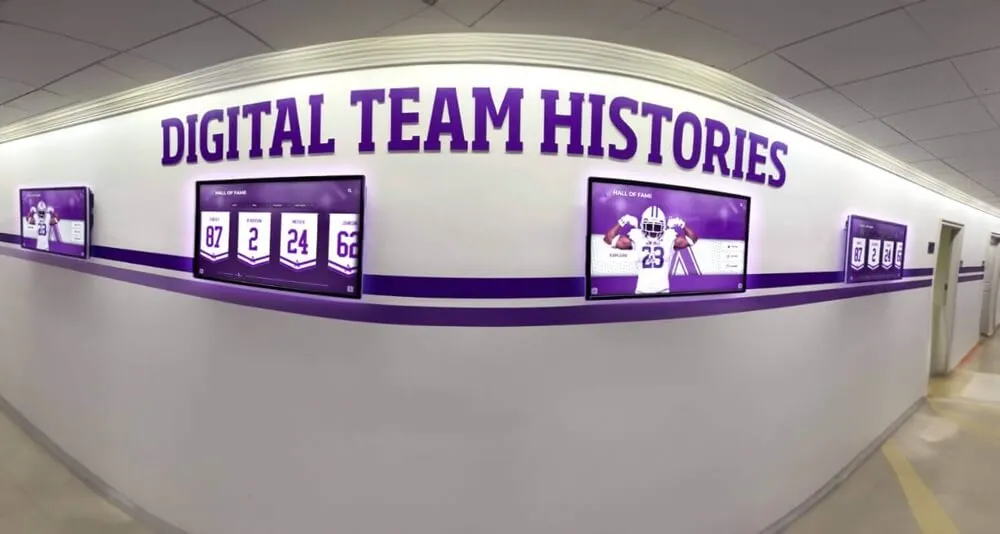
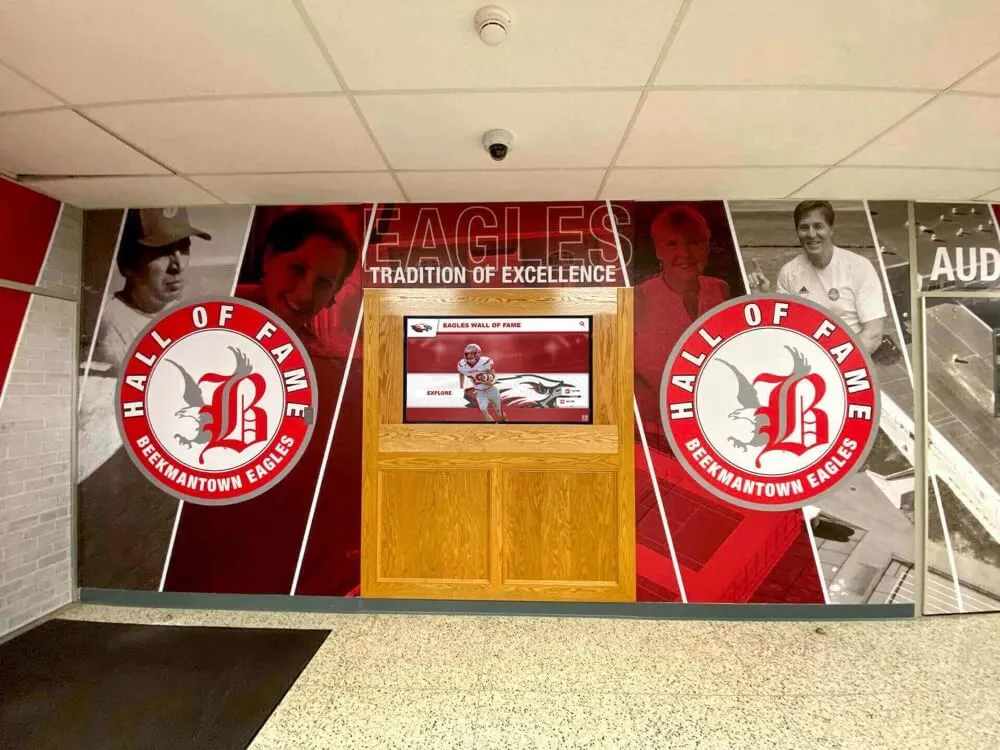
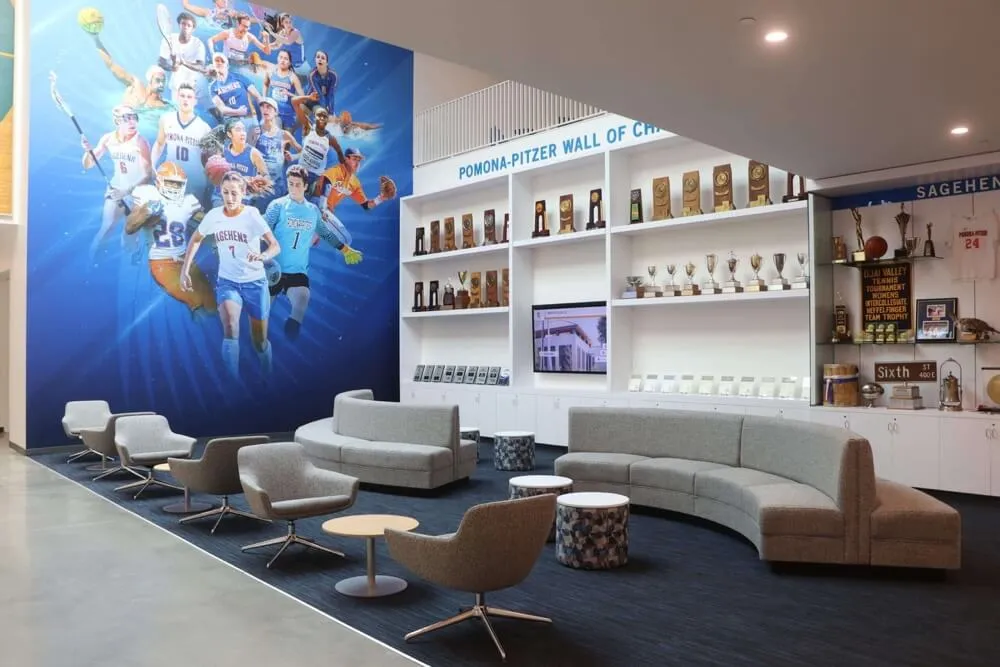
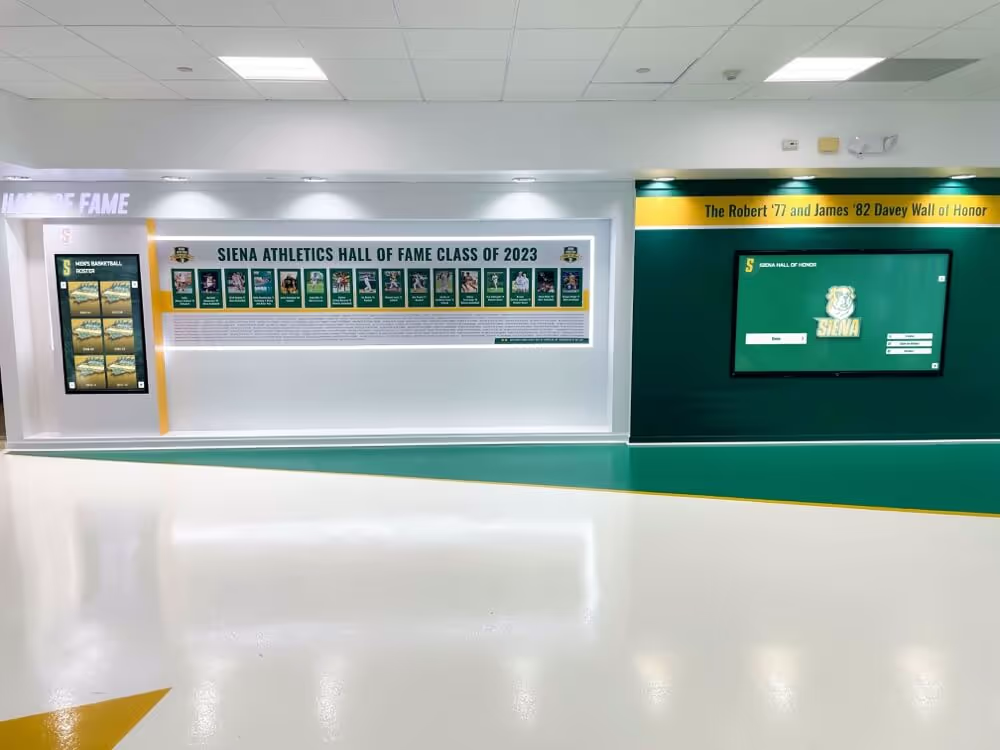
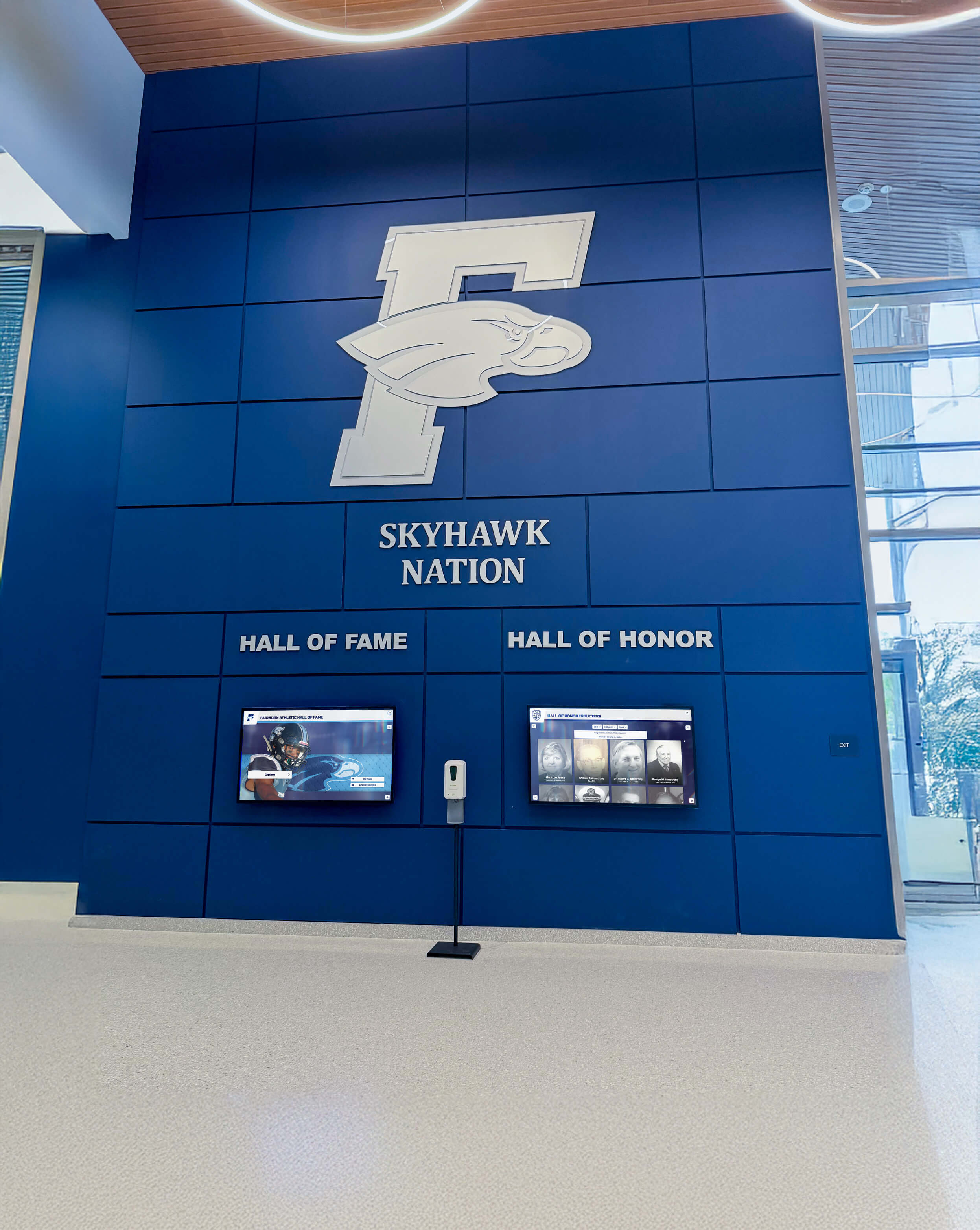
Permanent Visibility: Physical trophies sit in cases rarely viewed after initial presentation. Digital recognition displays in high-traffic areas ensure athlete achievements receive ongoing recognition throughout and between seasons.
Comprehensive Achievement History: Traditional trophy cases have limited space, forcing programs to select which achievements warrant display. Digital platforms provide unlimited capacity, enabling comprehensive recognition without space constraints.
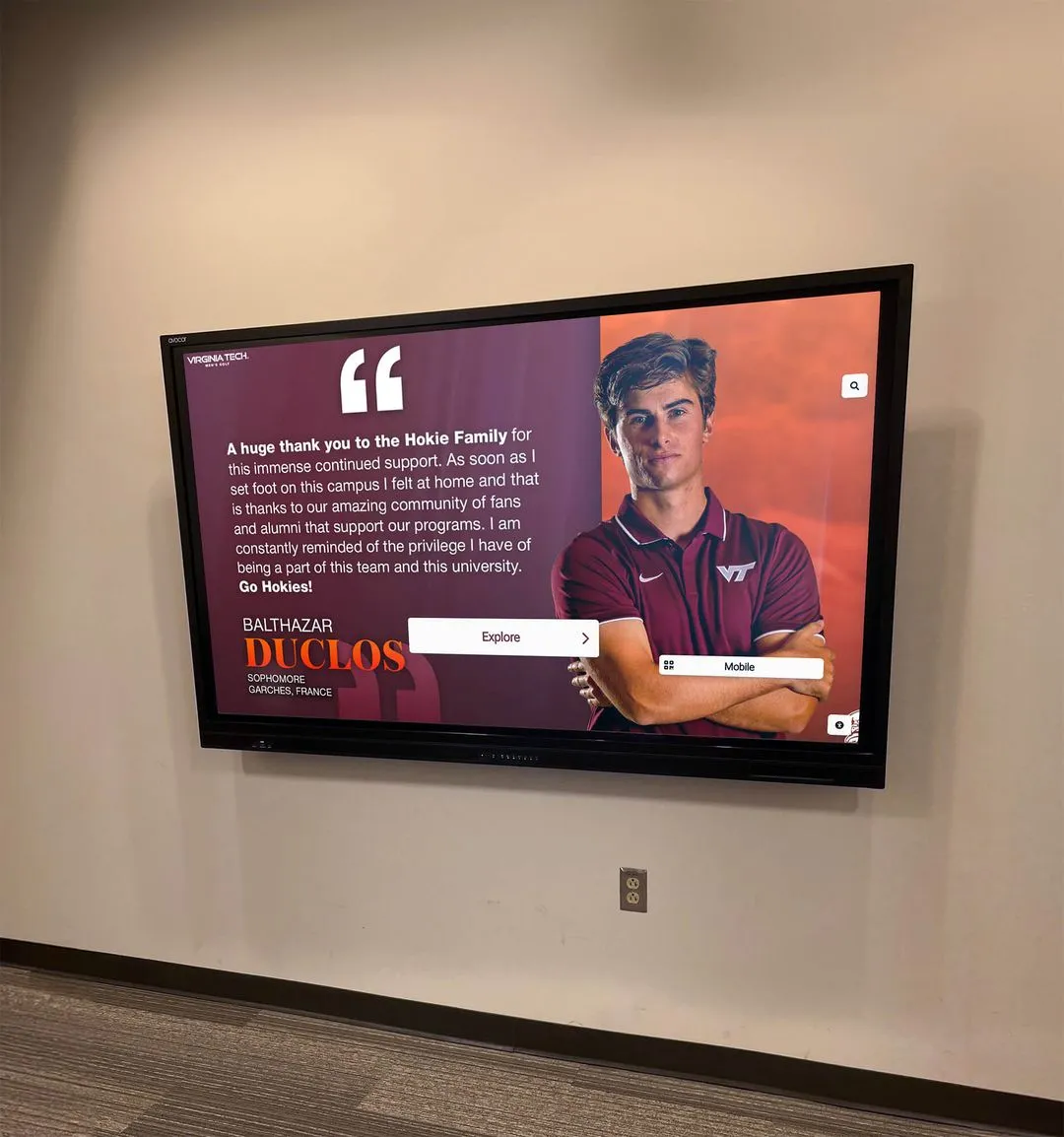
Rich Multimedia Content: Beyond names and awards, digital systems showcase athlete photos, achievement details, season highlights, and personal stories creating engaging recognition experiences.
Easy Updates and Additions: Adding new award recipients to digital displays requires simple content updates rather than engraving, ordering, and physical installation. End-of-season recognition appears immediately.
Remote Accessibility: Web-based recognition enables athletes, families, and community members to explore achievements from anywhere, extending recognition reach far beyond physical trophy case viewers.
Analytics and Engagement Tracking: Digital systems provide data showing which athletes receive the most views, how long visitors engage with content, and what recognition categories generate greatest interest.
Implementing Digital Youth Sports Recognition
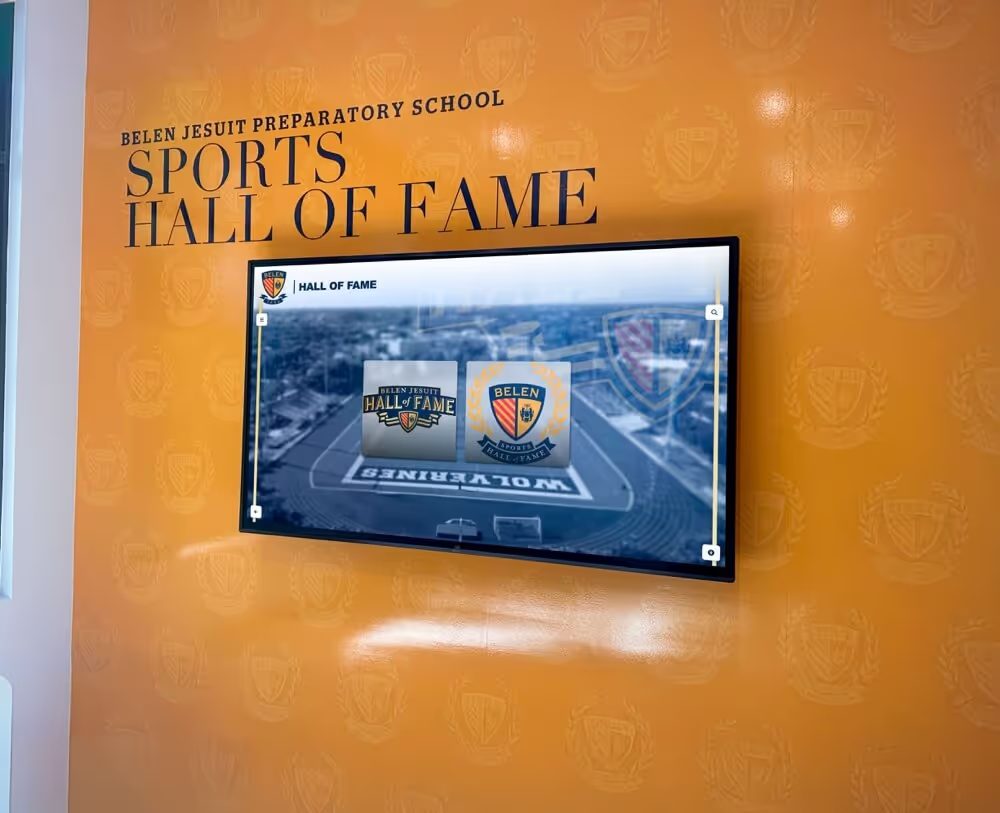
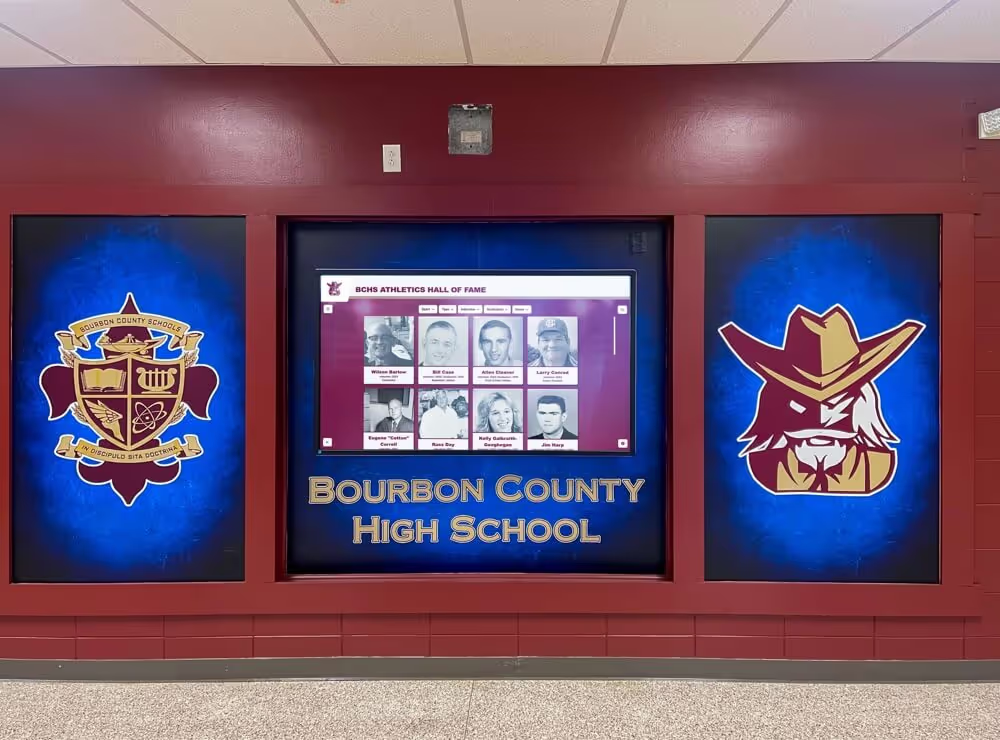
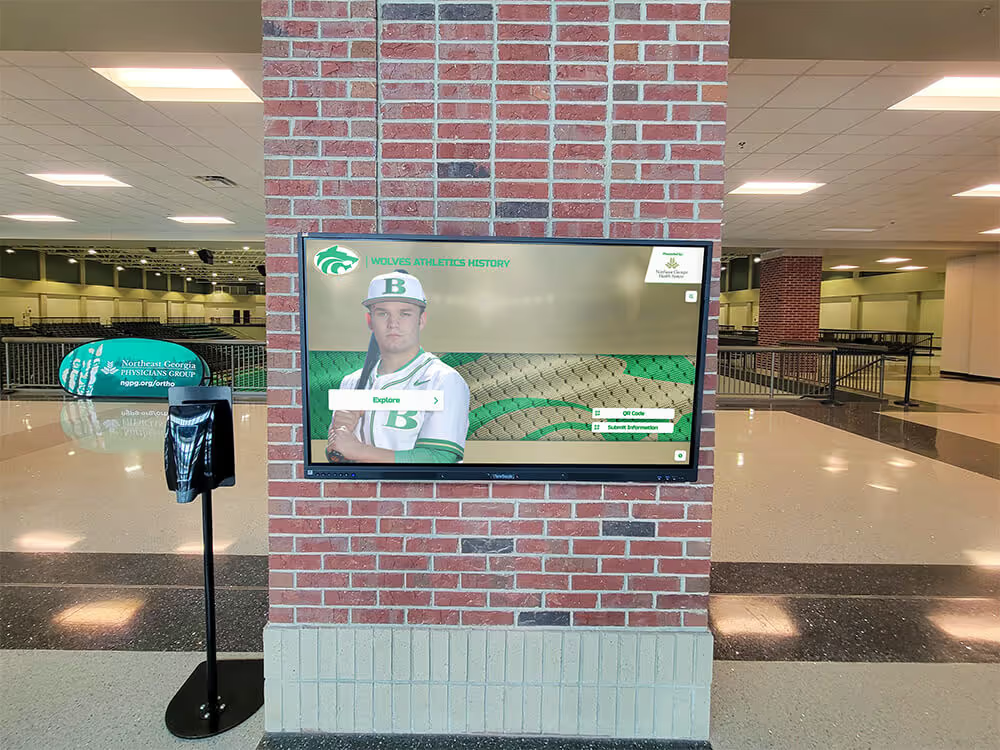
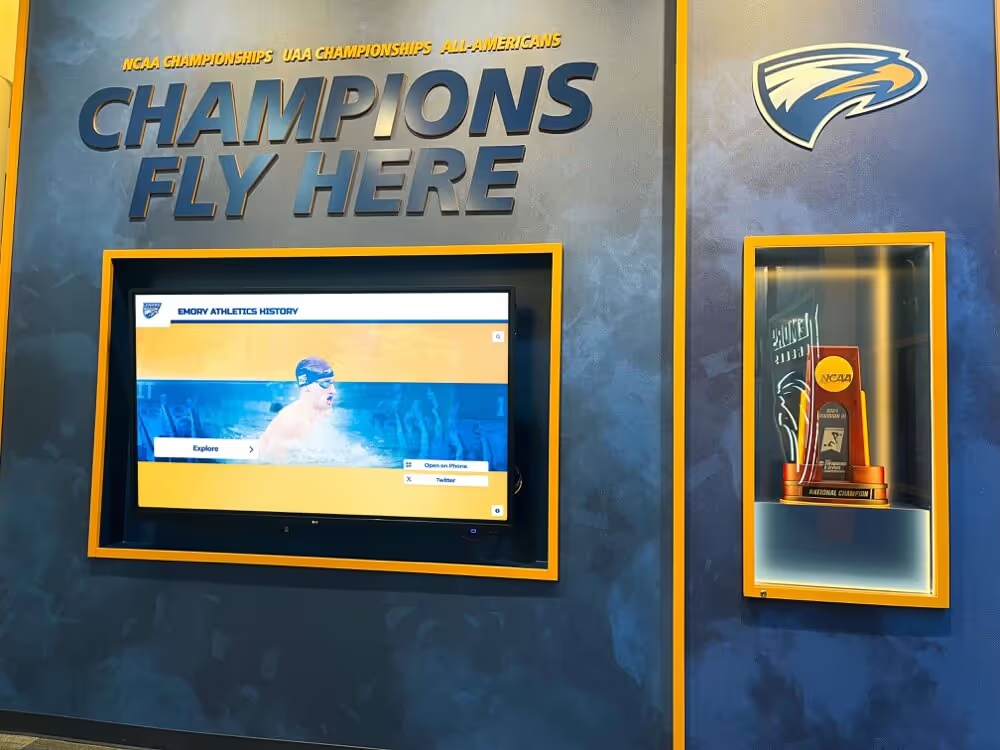
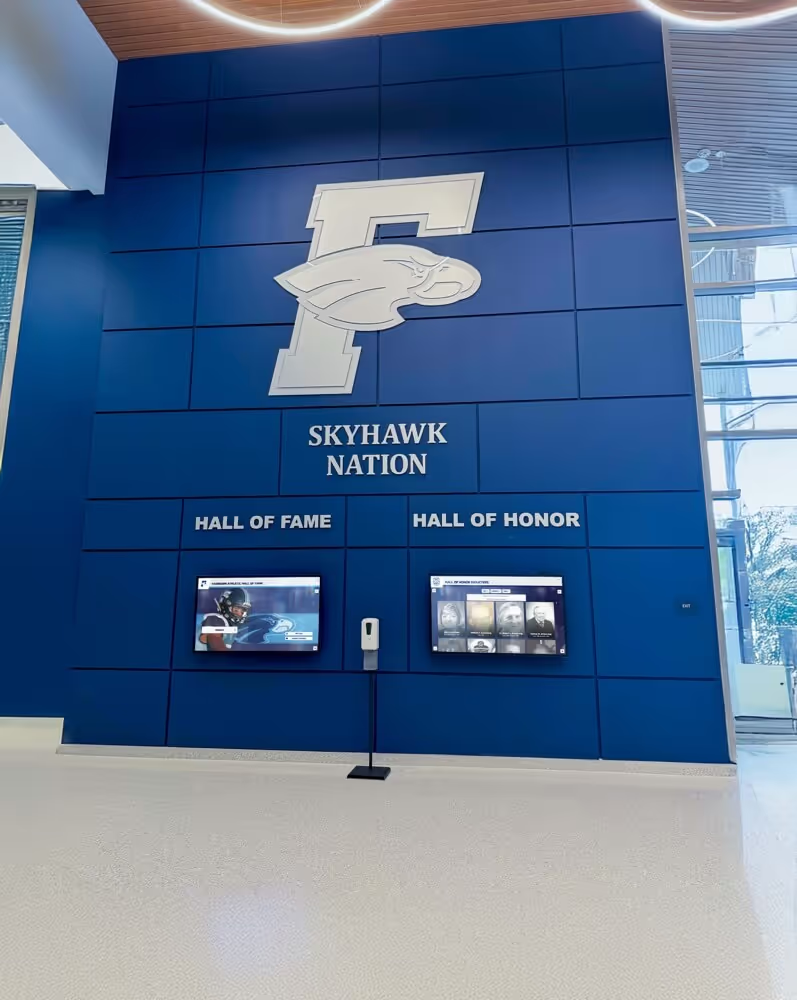
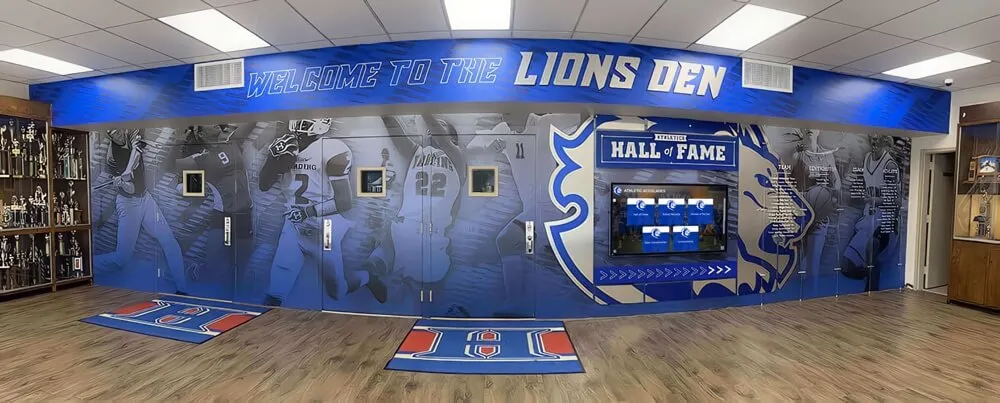
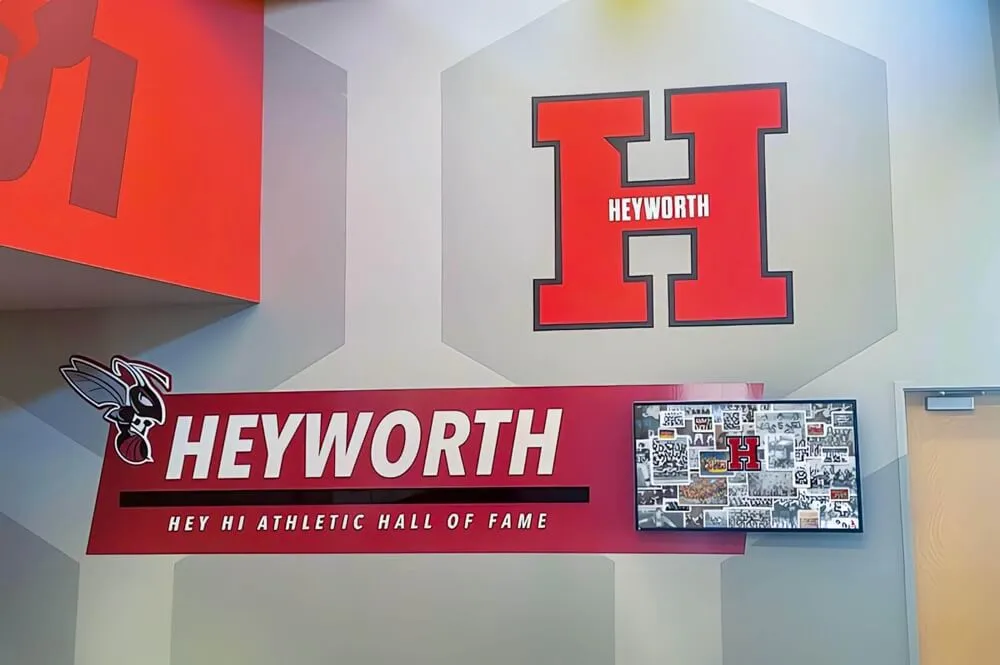
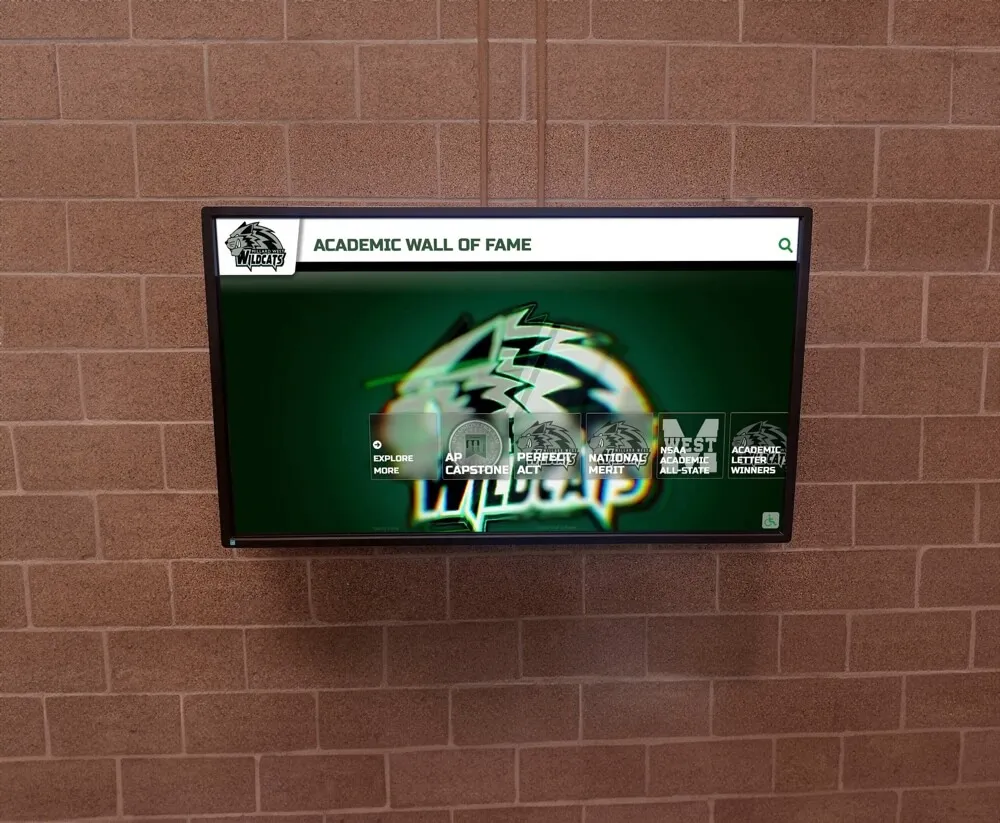
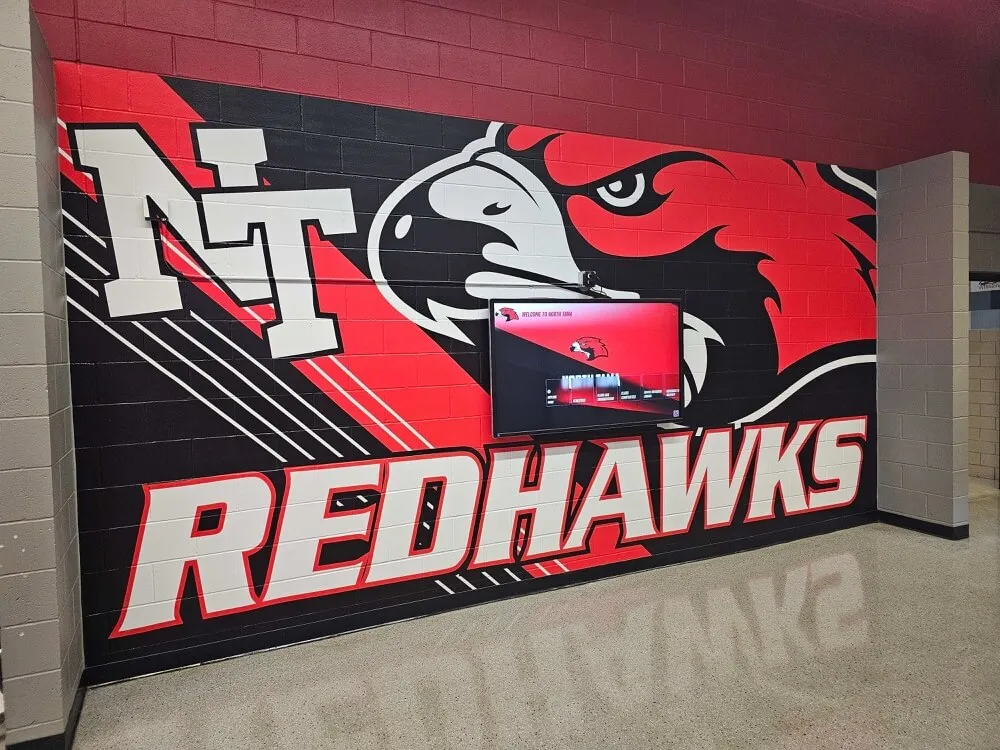
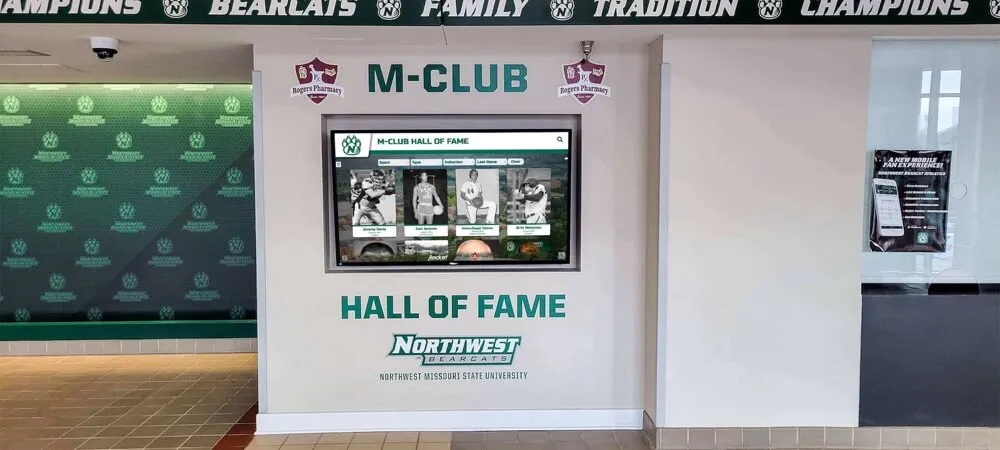
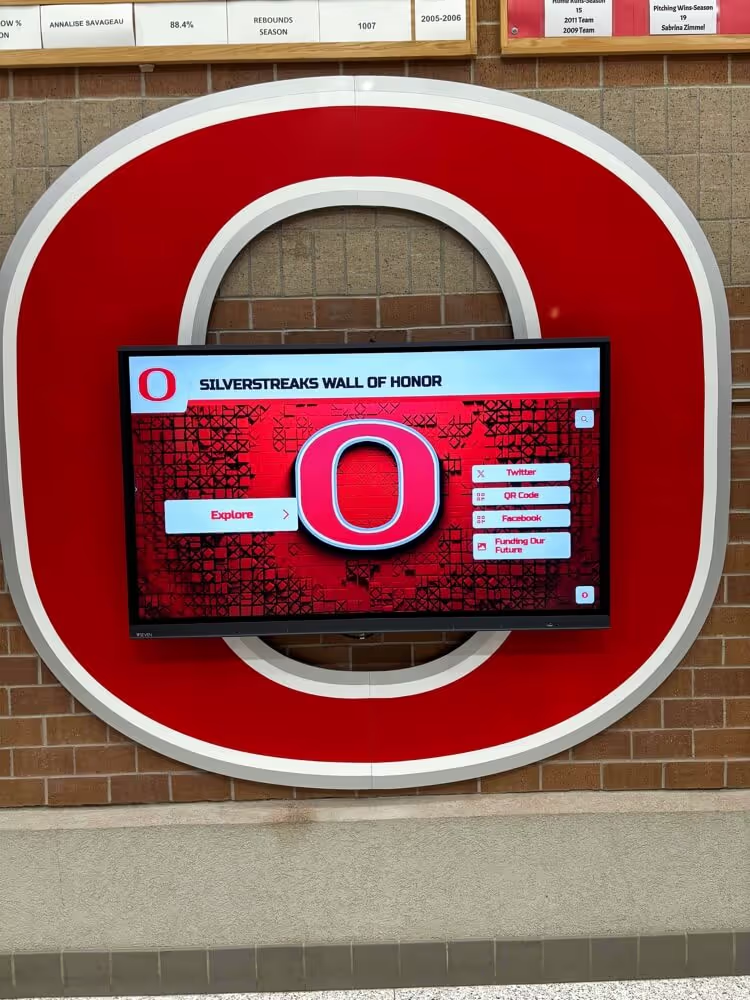
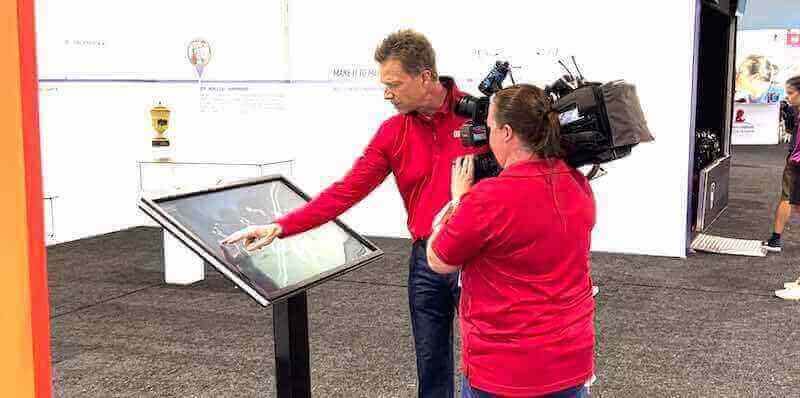
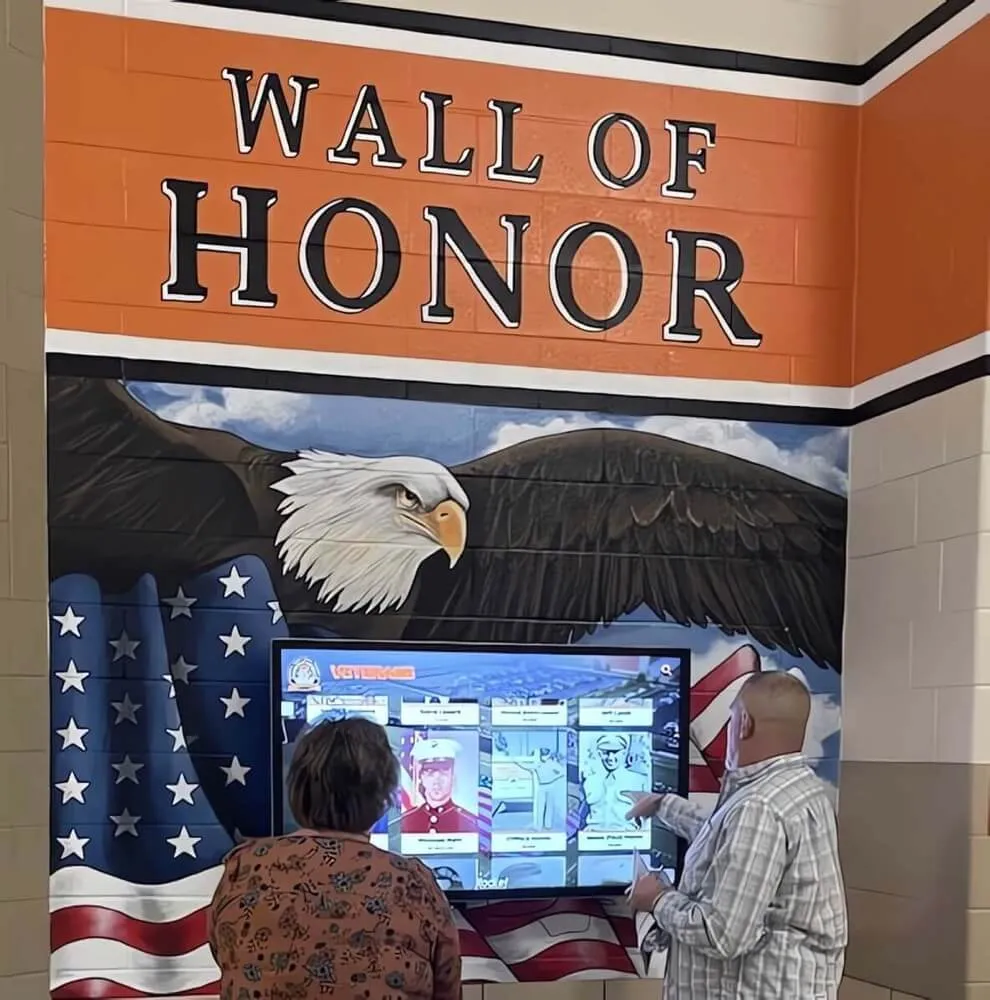
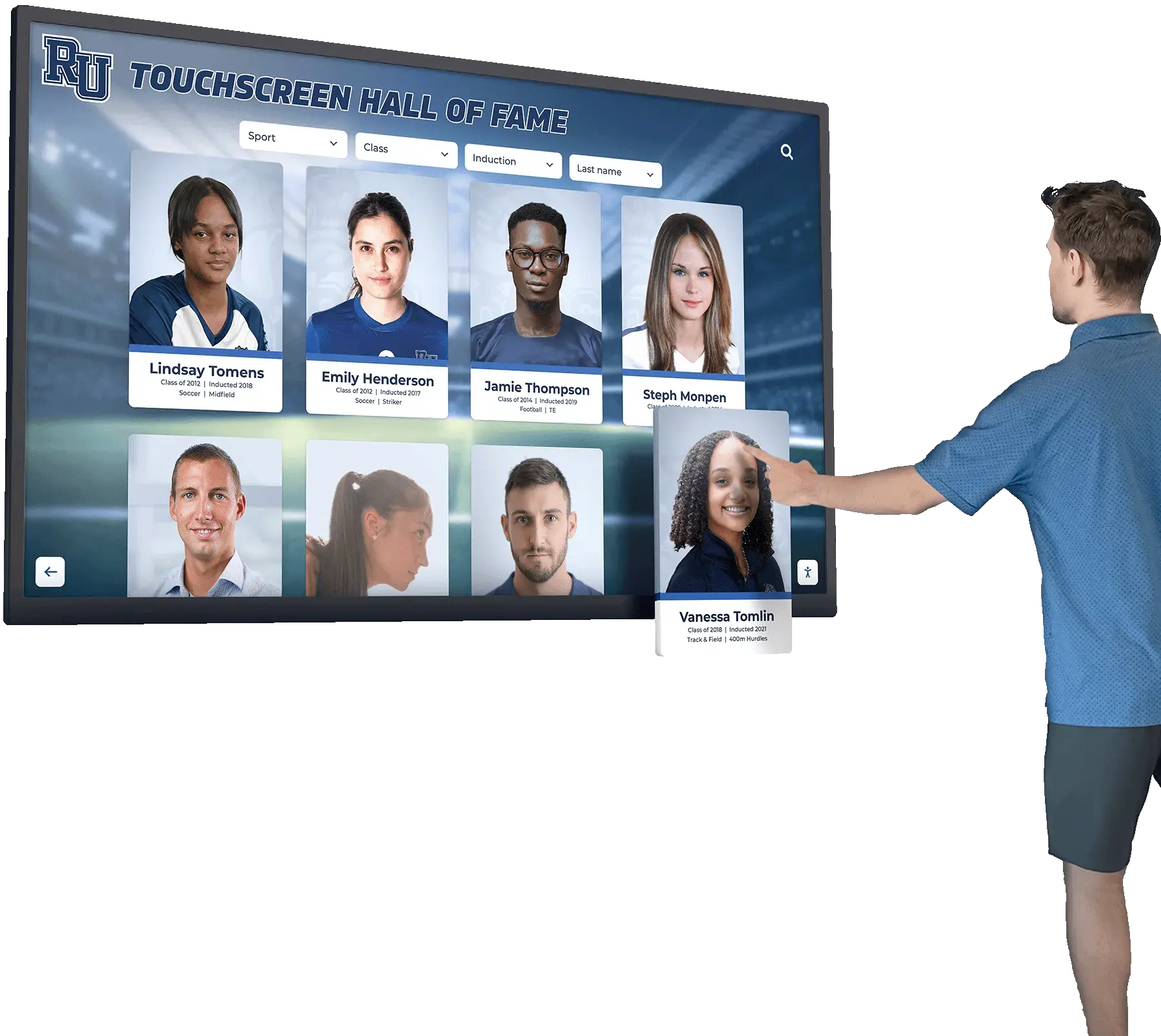
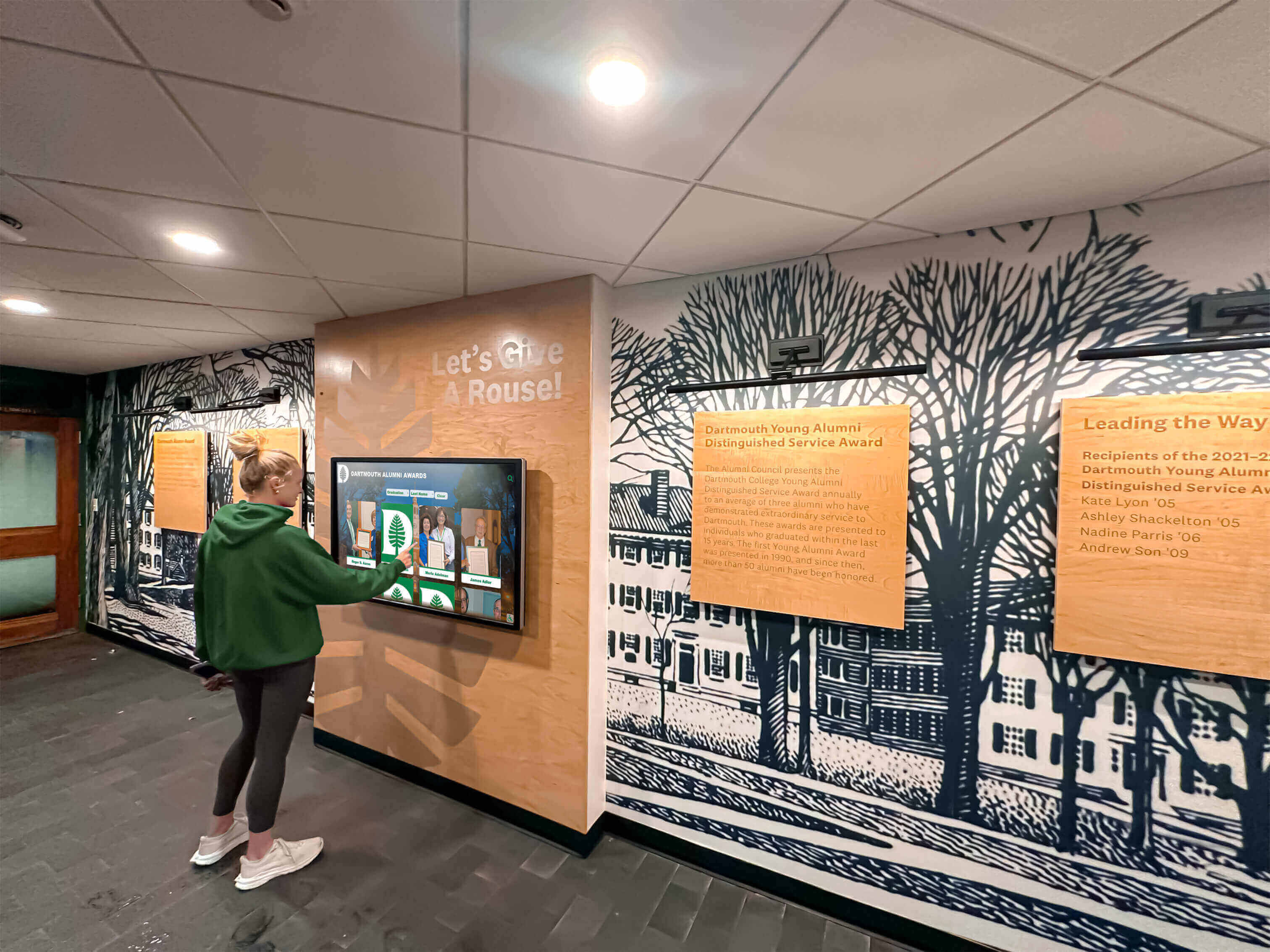
Youth sports programs increasingly adopt digital recognition solutions complementing or replacing traditional trophy cases and award walls. Interactive touchscreen displays in athletic facilities, school lobbies, or community centers provide engaging platforms where athletes, families, and community members can explore achievements.
Content to Include:
- Award recipients with categories and years
- Athlete photos from competitions or award ceremonies
- Achievement details and statistics
- Season records and team accomplishments
- Historical achievement archives
- Coach recognitions and program milestones
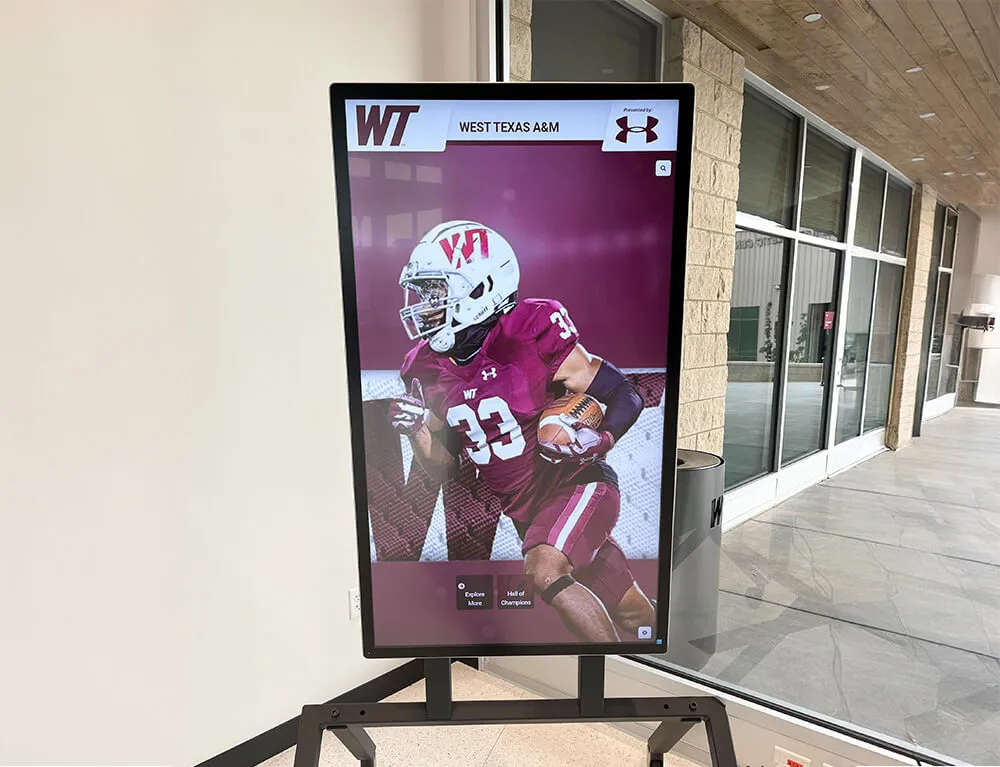
Strategic Placement: Position digital recognition displays in locations where athletes, families, and community members naturally gather: athletic facility entrances, school lobbies, near gymnasiums, or community recreation centers.
Integration with Ceremonies: Digital displays complement rather than replace traditional ceremonies. Present physical awards during ceremonies while adding recipients to permanent digital recognition accessible year-round.
Update Workflows: Assign specific staff or volunteers responsibility for adding new award recipients, ensuring recognition remains current without creating unsustainable administrative burdens.
Modern recognition platforms like those offered by organizations specializing in youth sports recognition programs provide turnkey solutions requiring minimal technical expertise while delivering professional results that honor athlete achievements appropriately.

Budget Considerations for Award Programs
Award programs span enormous cost ranges from essentially free recognition to thousands of dollars for premium presentations. Understanding options at different price points enables programs to celebrate athletes meaningfully within budget constraints.
Minimal Budget Options ($0-$100)
DIY Certificates: Computer-designed certificates printed on quality paper or cardstock provide formal recognition at minimal cost. Free templates exist online, and printing costs typically run $0.25-$1.00 per certificate depending on paper quality.
Homemade Awards: Creative programs design unique awards using craft supplies, recycled materials, or donated items. Personalized, handmade awards often carry more sentimental value than generic purchased trophies.
Recognition Letters: Formal letters to athletes and families documenting achievements and acknowledging contributions create lasting keepsakes while requiring only printing costs.
Digital-Only Recognition: Social media highlights, program websites, and digital displays require no physical award costs while providing broader visibility than physical trophies.
Community Business Sponsorships: Local businesses often sponsor youth sports awards in exchange for recognition, enabling programs to provide quality awards without budget burden.
Volunteer Labor: Recruit artistically talented parents or community members to create custom certificates, design digital graphics, or craft unique recognition items.
Mid-Range Budget ($100-$500)
Quality Printed Certificates: Professional printing services produce premium certificates with foil seals, embossing, or special paper creating more impressive presentations than home printing.
Standardized Trophies and Medals: Basic trophies, medals, or plaques from sports award companies provide traditional recognition at $10-$30 per item depending on size and customization.
Team Gifts: Consider items athletes actually use and value: team apparel, equipment bags, water bottles, or functional gear featuring award achievements printed or embroidered.
Photo Packages: Professional sports photography produces quality images that become lasting mementos for athletes and families, functioning as awards in themselves.
Mixed Recognition System: Combine certificates for all athletes with special trophies for major awards, spreading budget across team while providing premium recognition for top honors.
Award Ceremonies with Catering: Instead of expensive physical awards, invest in memorable recognition experiences with food, decorations, and ceremony presentation quality.
Premium Budget ($500-$2,000+)
Custom Engraved Awards: Personalized plaques, crystal awards, or custom trophies with detailed engraving provide premium recognition appropriate for significant achievements.
Traveling Trophies: Invest in high-quality traveling trophies that remain with programs, with annual plaques adding recipient names permanently.
Award Jackets or Letterman Items: Traditional letterman jackets, award patches, or premium apparel provide functional awards athletes proudly wear representing achievements.
Video Highlight Packages: Professional video production capturing season highlights and individual athlete features creates unique recognition with lasting value.
Digital Recognition Display Investment: While initial costs run higher, comprehensive digital recognition systems provide multi-year value recognizing hundreds or thousands of athletes over system lifespan.
Recognition Banners: Permanent banners displayed in gymnasiums or athletic facilities celebrating major achievements, championship teams, or individual honors create visible, lasting recognition.
All-Awards Banquet: Premium recognition dinners with venue rental, catering, professional presentation, and invited guests create memorable celebration experiences families value beyond physical awards themselves.
Maximizing Recognition Value at Any Budget
Focus on Meaning Over Cost: Awards carry value through significance and ceremony presentation, not just price tags. Thoughtful, personalized recognition presented genuinely means more than expensive trophies handed out perfunctorily.
Emphasize Personalization: Awards acknowledging specific achievements, memorable moments, or individual qualities feel more meaningful than generic trophies regardless of cost.
Create Ceremony Excellence: The presentation experience matters enormously. Invest energy in creating engaging, respectful ceremonies where each athlete feels genuinely celebrated rather than part of assembly-line recognition.
Combine Physical and Digital: Modest physical awards gain lasting value through accompanying digital recognition providing ongoing visibility and comprehensive achievement documentation.
Prioritize What Matters to Athletes: Survey athletes and families about recognition preferences. Some value physical keepsakes; others prefer experiences, apparel, or public recognition over trophies collecting dust.
Award Ceremony Best Practices
Recognition value depends not just on awards themselves but how they’re presented. Effective ceremonies create memorable experiences honoring athletes appropriately while celebrating team accomplishments collectively.
Planning Successful Recognition Ceremonies
Schedule Appropriately: Plan ceremonies soon after season conclusions while accomplishments remain fresh and enthusiasm persists. Avoid delays that diminish recognition immediacy and emotional impact.
Choose Accessible Venues: Select locations accommodating all athletes, families, and community members who wish to attend. Consider accessibility for individuals with physical limitations.
Set Appropriate Duration: Keep ceremonies engaging without excessive length. Aim for 60-90 minutes for most youth programs—long enough to honor everyone meaningfully but short enough to maintain attention.
Create Professional Atmosphere: Even modest-budget ceremonies benefit from thoughtful details: decorations reflecting team colors, organized seating, prepared remarks, and respectful presentation tone.
Prepare Presentations: Coaches should prepare specific remarks about each award recipient rather than generic comments. Personal recognition feels more genuine and meaningful.
Include Athlete Voices: Consider brief remarks from senior leaders, graduating athletes, or award recipients rather than exclusively coach-driven presentations.
Incorporate Multimedia: Show season highlight videos, photo slideshows, or memorable moment compilations creating emotional connections and entertainment value.
Presentation Order and Flow
Start with Team-Wide Recognition: Begin by celebrating collective accomplishments: records set, competitions won, team achievements affecting everyone before individual awards.
Progress from Broad to Specific: Present general recognition (participation, commitment, team awards) before specialized recognition (position-specific, statistical leaders, major awards).
Build Toward Major Awards: Structure ceremonies culminating in the most significant recognition (MVP, senior tributes, championship acknowledgments) creating natural climax.
Distribute Recognition Throughout: Avoid structures where the same few athletes receive all recognition consecutively. Spread acknowledgment throughout ceremony ensuring all athletes experience their moment.
Include Context and Stories: Rather than just reading names, share brief stories making recognition meaningful: specific plays, memorable moments, or qualities exemplifying awards.
Maintain Appropriate Pace: Balance thorough recognition with maintaining energy and engagement. Avoid either rushing through athletes perfunctorily or dragging presentations excessively.
End with Forward-Looking Messages: Conclude ceremonies celebrating the season while looking ahead optimistically to future opportunities, reinforcing that each ending marks a new beginning.
Creating Inclusive Recognition Experiences
Ensure Every Athlete Receives Recognition: Plan ceremonies where all athletes receive at least one acknowledgment, whether traditional awards, participation recognition, or personalized comments about contributions.
Accommodate Diverse Families: Consider cultural differences, language needs, and family circumstances when planning ceremonies. Provide translations, welcoming environments, and flexible attendance options where needed.
Balance Competitive and Inclusive Recognition: Honor exceptional achievement without making athletes who don’t receive major awards feel like failures. Comprehensive recognition programs acknowledge diverse contribution types.
Invite Appropriate Guests: Welcome family members, school administrators, community supporters, and program contributors appropriate to your setting while maintaining focus on athlete recognition.
Celebrate Program Support: Recognize coaches, parent volunteers, community sponsors, and others supporting program success, modeling appreciation and demonstrating that teams succeed through collective effort.
Address Graduating Athletes Specifically: Senior athletes or those departing programs deserve special acknowledgment celebrating their complete contributions rather than just final-season performance.
Document the Celebration: Photos and videos from ceremonies become lasting memories for athletes and families. Assign someone to capture moments throughout events.
Common Award Program Mistakes to Avoid
Understanding frequent pitfalls helps programs implement recognition systems that genuinely benefit athletes and strengthen team culture rather than creating problems.
The “Everyone Gets a Trophy” Trap
Participation recognition serves valuable purposes, particularly for young athletes, but programs must balance inclusion with maintaining award significance. Problems emerge when:
- All awards carry equal weight and presentation, eliminating meaningful distinction between exceptional achievement and basic participation
- Athletes receive so many awards that recognition loses significance and impact
- Competitive achievement receives no greater acknowledgment than mere attendance
Solution: Design tiered recognition systems. Participation acknowledgment (certificates, team gifts, verbal recognition) ensures all athletes feel valued. Special awards with distinct presentation recognize exceptional contributions. Clear differentiation maintains award meaning while ensuring inclusivity.
Favoritism and Inconsistent Criteria
Perceived favoritism destroys program trust and athlete motivation. Common manifestations include:
- Star athletes receiving recognition for qualities other athletes demonstrate equally
- Award criteria shifting year-to-year based on who coaches want to recognize
- Subjective awards consistently going to coach favorites
- Overlooking contributions from athletes coaches personally dislike
Solution: Establish objective criteria before seasons begin. Document reasoning behind selections. Involve multiple perspectives in subjective award decisions. Apply criteria consistently across all athletes regardless of personal relationships.
Overly Complex or Confusing Award Structures
Some programs create so many award categories that recognition becomes confusing rather than meaningful. Problems include:
- Dozens of awards with unclear distinctions between categories
- Obscure awards athletes and families don’t understand
- Recognition ceremonies dragging on excessively due to excessive award categories
- Athletes feeling their “minor” awards carry less value than others
Solution: Design streamlined award structures with clear categories athletes understand. Quality matters more than quantity. Ten meaningful awards presented well create more impact than thirty confusing recognitions rushed through perfunctorily.
Ignoring Age-Appropriateness
Awards inappropriate for developmental levels confuse young athletes or seem juvenile to older athletes:
- Competitive MVP awards for recreational six-year-olds creating disappointment for children who don’t win
- Purely participation-based recognition for competitive teenagers who understand excellence deserves special acknowledgment
- Adult-conceived “fun” awards embarrassing rather than entertaining young athletes
Solution: Design award systems matching developmental stages. Young children need inclusive, confidence-building recognition. Older competitive athletes expect and respect genuine achievement-based awards alongside character recognition.
Neglecting Non-Star Athletes
Programs sometimes focus recognition predominantly on top performers, leaving role players and developing athletes feeling invisible:
- Statistical awards dominating ceremonies with minimal character or contribution recognition
- Limited-minute players receiving no meaningful acknowledgment beyond generic participation recognition
- Recognition structures where the same three athletes win everything
Solution: Create diverse recognition categories acknowledging different contribution types. Ensure awards exist that role players, bench contributors, and developing athletes can genuinely earn through qualities beyond elite athletic performance.
Poor Ceremony Execution
Even well-designed awards lose impact through poor presentation:
- Disorganized ceremonies with unclear flow
- Generic, impersonal remarks about recipients
- Rushing through recognition perfunctorily
- Excessive length causing audience disengagement
- Presentation tone feeling obligatory rather than celebratory
Solution: Plan ceremonies carefully. Prepare personalized remarks about each recipient. Practice pronunciation of names. Maintain appropriate pace. Create atmosphere demonstrating genuine appreciation for athletes rather than checking off administrative requirement.
Inadequate Award Documentation
Athletes deserve lasting records of recognition:
- No photographs or documentation from ceremonies
- Missing information about awards in program records
- Failure to communicate recognition to schools or communities
- No permanent acknowledgment beyond single ceremony moment
Solution: Document awards comprehensively. Photograph recipients. Maintain permanent program records. Share recognition with schools and communities. Consider digital recognition platforms providing lasting visibility beyond ceremony moments.
Evaluating and Improving Recognition Programs
Like all program elements, award systems benefit from regular evaluation and refinement based on feedback and outcomes.
Gathering Stakeholder Feedback
Athlete Input: Survey athletes about which awards they valued most, whether recognition felt fair, and what improvements they’d suggest. Anonymous feedback often proves most honest.
Family Perspective: Parents observe ceremony experiences and understand athlete reactions. Their feedback reveals whether recognition achieved intended impacts.
Coaching Staff Assessment: Debrief with all coaches after ceremonies. Discuss what worked well, what felt awkward, and how processes could improve.
Community Observers: Administrators, former coaches, or program alumni attending ceremonies often notice strengths and weaknesses coaching staff might miss.
Key Evaluation Questions
Did All Athletes Feel Valued? The fundamental goal of recognition programs is ensuring every athlete feels their contributions mattered. Exit surveys or conversations revealing athletes felt overlooked indicate program improvements needed.
Did Awards Maintain Significance? Recognition should feel meaningful rather than perfunctory. If athletes, families, or coaches feel awards lacked significance, examine whether criteria need strengthening or presentation requires improvement.
Were Criteria Fair and Consistent? Any feedback suggesting favoritism or inconsistency demands serious attention. Program trust depends on perceived fairness.
Did Ceremonies Engage Audiences? Ceremony length, flow, and energy affect experience quality. If audiences seemed disengaged or restless, consider pacing, presentation style, or content adjustments.
Did Recognition Align with Program Values? Award structures should reinforce what programs genuinely value. Disconnect between stated values and actual recognition undermines cultural development.
Did Documentation Support Lasting Recognition? Programs should capture recognition through photographs, records, and lasting displays ensuring achievements receive visibility beyond single ceremony moments.
Implementing Improvements
Make Incremental Changes: Avoid completely overhauling award programs suddenly. Gradual refinements maintain continuity while addressing specific issues.
Explain Modifications: When changing award structures, explain reasoning to athletes and families. Transparency about improvements demonstrates thoughtfulness rather than arbitrary changes.
Maintain Core Elements: Preserve award categories and traditions athletes anticipate unless serious problems require elimination. Consistency creates program identity and athlete expectations.
Test New Approaches: Consider pilot-testing new awards or ceremony elements with small groups before full implementation. Controlled tests reveal issues before affecting entire programs.
Document Lessons Learned: Maintain records about what worked and what didn’t. Institutional memory prevents repeating mistakes when coaching changes occur.
Technology and Tools Supporting Award Programs
Modern technology provides tools simplifying award program administration while enhancing recognition quality and reach.
Award Selection and Voting Tools
Google Forms or SurveyMonkey: Free survey tools facilitate peer voting for character awards, enabling anonymous teammate input while automatically tabulating results.
Shared Spreadsheets: Google Sheets or Excel documents allow coaching staffs to collaboratively track statistics, compare observations, and document award reasoning.
Communication Platforms: Team apps like TeamSnap, Band, or GroupMe enable coordination around ceremony planning, RSVP tracking, and recognition communication.
Digital Recognition Platforms
Beyond tools supporting award selection, comprehensive platforms exist specifically for displaying and celebrating athlete recognition. Modern digital recognition solutions transform how programs honor achievements through:
Interactive Touchscreen Displays: Place these in athletic facilities, schools, or community centers where athletes, families, and community members naturally gather. Users can explore award histories, view athlete profiles, and discover team accomplishments through engaging touch interfaces.
Web-Based Recognition: Online platforms extend recognition beyond physical locations. Families can share achievements with distant relatives. Alumni can revisit their awards years later. Prospective athletes can see program recognition traditions.
Comprehensive Achievement Archives: Digital systems accommodate unlimited awards without space constraints limiting traditional trophy cases. Programs can document complete recognition histories spanning decades.
Rich Multimedia Integration: Beyond names and awards, digital recognition includes athlete photos, achievement details, season highlights, and personal stories creating engaging experiences impossible with traditional plaques.
Easy Content Management: Staff members update digital displays through intuitive interfaces requiring no technical expertise. Adding new award recipients takes minutes rather than requiring engraving and physical installation.
Analytics and Engagement Insights: Digital platforms track which athletes receive the most views, how long visitors engage with content, and what recognition generates greatest interest, informing future program decisions.
Programs considering digital recognition often explore solutions like Rocket Alumni Solutions, which provides purpose-built platforms designed specifically for educational and youth sports recognition rather than generic digital signage requiring adaptation.
Ceremony Enhancement Technology
Video Production: Affordable cameras and editing software enable programs to create season highlight reels, individual athlete features, or memorable moment compilations enhancing ceremony experiences.
Presentation Software: PowerPoint, Keynote, or Canva support professional ceremony presentations including athlete photos, statistics, and visual interest complementing verbal recognition.
Sound Systems and Music: Quality audio enables comfortable audience hearing while music creates atmosphere and energy during ceremonies.
Social Media Broadcasting: Live streaming through Facebook, Instagram, or YouTube extends ceremony access to families unable to attend in person.
Conclusion: Creating Recognition Systems That Matter
Youth sports awards programs serve purposes far beyond distributing trophies and certificates. Thoughtfully designed recognition systems communicate what programs value, motivate continued participation and improvement, celebrate diverse contributions and achievement types, create lasting memories that athletes carry throughout their lives, build team culture and shared identity, and honor the dedication athletes invest in pursuing excellence.
The 100 award ideas presented throughout this guide provide starting points, but effective recognition requires more than selecting award names from lists. Programs must consider their specific contexts, athlete age and development levels, competitive versus recreational orientations, program values and cultural priorities, budget realities, and logistical capabilities.
Keys to Successful Award Programs:
Balance Recognition Broadly: Design systems acknowledging athletic excellence, character development, improvement, team contribution, and personality. Diverse recognition ensures athletes with different strengths all experience genuine celebration.
Maintain Award Significance: While ensuring all athletes feel valued, preserve meaningful distinction between exceptional achievement and basic participation. Tiered recognition maintains award significance while supporting inclusive team culture.
Implement Fair Selection Processes: Establish clear criteria, involve multiple perspectives, apply standards consistently, and document reasoning. Perceived fairness determines whether athletes trust and value recognition received.
Present Awards Thoughtfully: Recognition value depends heavily on presentation quality. Invest energy in creating respectful, engaging ceremonies where each athlete feels genuinely celebrated rather than receiving perfunctory acknowledgment.
Extend Recognition Beyond Single Moments: Documentation, photographs, permanent displays, and digital recognition ensure achievements receive lasting visibility rather than being forgotten after brief ceremony acknowledgments.
Evaluate and Improve Continuously: Gather feedback from athletes, families, and staff. Assess whether recognition achieves intended goals. Make incremental improvements addressing issues while preserving successful elements.
Use Available Technology: Modern platforms enable recognition extending far beyond traditional trophy cases, providing engaging experiences and permanent achievement documentation that physical awards alone cannot match.
Youth sports participation shapes young people’s character development, work ethic, teamwork capabilities, and self-confidence in ways extending far beyond athletic skills. Recognition celebrating their dedication, achievement, and growth communicates that their efforts matter and their contributions deserve celebration. Programs investing thought and energy into designing meaningful recognition systems give athletes gifts they’ll carry throughout their lives—memories of being genuinely valued for their unique contributions to something larger than themselves.
Ready to create recognition systems that truly honor your young athletes? Modern solutions like Rocket Alumni Solutions provide comprehensive platforms designed specifically for youth sports and educational recognition, offering intuitive content management, engaging interactive displays, unlimited recognition capacity, and proven approaches that help programs build the recognition culture their athletes deserve. Your athletes invest countless hours pursuing excellence—comprehensive recognition ensures those achievements receive the celebration and lasting visibility that strengthens team culture for current athletes and future generations.